EP4112053B1 - Behandlung von synukleinopathien - Google Patents
Behandlung von synukleinopathien Download PDFInfo
- Publication number
- EP4112053B1 EP4112053B1 EP22175032.6A EP22175032A EP4112053B1 EP 4112053 B1 EP4112053 B1 EP 4112053B1 EP 22175032 A EP22175032 A EP 22175032A EP 4112053 B1 EP4112053 B1 EP 4112053B1
- Authority
- EP
- European Patent Office
- Prior art keywords
- compound
- alkyl
- group
- msa
- syn
- Prior art date
- Legal status (The legal status is an assumption and is not a legal conclusion. Google has not performed a legal analysis and makes no representation as to the accuracy of the status listed.)
- Active
Links
Images


Classifications
-
- A—HUMAN NECESSITIES
- A61—MEDICAL OR VETERINARY SCIENCE; HYGIENE
- A61K—PREPARATIONS FOR MEDICAL, DENTAL OR TOILETRY PURPOSES
- A61K31/00—Medicinal preparations containing organic active ingredients
- A61K31/33—Heterocyclic compounds
- A61K31/395—Heterocyclic compounds having nitrogen as a ring hetero atom, e.g. guanethidine or rifamycins
- A61K31/435—Heterocyclic compounds having nitrogen as a ring hetero atom, e.g. guanethidine or rifamycins having six-membered rings with one nitrogen as the only ring hetero atom
- A61K31/4353—Heterocyclic compounds having nitrogen as a ring hetero atom, e.g. guanethidine or rifamycins having six-membered rings with one nitrogen as the only ring hetero atom ortho- or peri-condensed with heterocyclic ring systems
- A61K31/4375—Heterocyclic compounds having nitrogen as a ring hetero atom, e.g. guanethidine or rifamycins having six-membered rings with one nitrogen as the only ring hetero atom ortho- or peri-condensed with heterocyclic ring systems the heterocyclic ring system containing a six-membered ring having nitrogen as a ring heteroatom, e.g. quinolizines, naphthyridines, berberine, vincamine
-
- A—HUMAN NECESSITIES
- A61—MEDICAL OR VETERINARY SCIENCE; HYGIENE
- A61K—PREPARATIONS FOR MEDICAL, DENTAL OR TOILETRY PURPOSES
- A61K31/00—Medicinal preparations containing organic active ingredients
- A61K31/33—Heterocyclic compounds
- A61K31/395—Heterocyclic compounds having nitrogen as a ring hetero atom, e.g. guanethidine or rifamycins
- A61K31/495—Heterocyclic compounds having nitrogen as a ring hetero atom, e.g. guanethidine or rifamycins having six-membered rings with two or more nitrogen atoms as the only ring heteroatoms, e.g. piperazine or tetrazines
- A61K31/505—Pyrimidines; Hydrogenated pyrimidines, e.g. trimethoprim
- A61K31/519—Pyrimidines; Hydrogenated pyrimidines, e.g. trimethoprim ortho- or peri-condensed with heterocyclic rings
-
- A—HUMAN NECESSITIES
- A61—MEDICAL OR VETERINARY SCIENCE; HYGIENE
- A61K—PREPARATIONS FOR MEDICAL, DENTAL OR TOILETRY PURPOSES
- A61K31/00—Medicinal preparations containing organic active ingredients
- A61K31/70—Carbohydrates; Sugars; Derivatives thereof
- A61K31/7088—Compounds having three or more nucleosides or nucleotides
- A61K31/713—Double-stranded nucleic acids or oligonucleotides
-
- A—HUMAN NECESSITIES
- A61—MEDICAL OR VETERINARY SCIENCE; HYGIENE
- A61P—SPECIFIC THERAPEUTIC ACTIVITY OF CHEMICAL COMPOUNDS OR MEDICINAL PREPARATIONS
- A61P25/00—Drugs for disorders of the nervous system
- A61P25/14—Drugs for disorders of the nervous system for treating abnormal movements, e.g. chorea, dyskinesia
- A61P25/16—Anti-Parkinson drugs
-
- A—HUMAN NECESSITIES
- A61—MEDICAL OR VETERINARY SCIENCE; HYGIENE
- A61P—SPECIFIC THERAPEUTIC ACTIVITY OF CHEMICAL COMPOUNDS OR MEDICINAL PREPARATIONS
- A61P25/00—Drugs for disorders of the nervous system
- A61P25/28—Drugs for disorders of the nervous system for treating neurodegenerative disorders of the central nervous system, e.g. nootropic agents, cognition enhancers, drugs for treating Alzheimer's disease or other forms of dementia
-
- C—CHEMISTRY; METALLURGY
- C12—BIOCHEMISTRY; BEER; SPIRITS; WINE; VINEGAR; MICROBIOLOGY; ENZYMOLOGY; MUTATION OR GENETIC ENGINEERING
- C12N—MICROORGANISMS OR ENZYMES; COMPOSITIONS THEREOF; PROPAGATING, PRESERVING, OR MAINTAINING MICROORGANISMS; MUTATION OR GENETIC ENGINEERING; CULTURE MEDIA
- C12N15/00—Mutation or genetic engineering; DNA or RNA concerning genetic engineering, vectors, e.g. plasmids, or their isolation, preparation or purification; Use of hosts therefor
- C12N15/09—Recombinant DNA-technology
- C12N15/11—DNA or RNA fragments; Modified forms thereof; Non-coding nucleic acids having a biological activity
- C12N15/113—Non-coding nucleic acids modulating the expression of genes, e.g. antisense oligonucleotides; Antisense DNA or RNA; Triplex- forming oligonucleotides; Catalytic nucleic acids, e.g. ribozymes; Nucleic acids used in co-suppression or gene silencing
- C12N15/1137—Non-coding nucleic acids modulating the expression of genes, e.g. antisense oligonucleotides; Antisense DNA or RNA; Triplex- forming oligonucleotides; Catalytic nucleic acids, e.g. ribozymes; Nucleic acids used in co-suppression or gene silencing against enzymes
-
- C—CHEMISTRY; METALLURGY
- C12—BIOCHEMISTRY; BEER; SPIRITS; WINE; VINEGAR; MICROBIOLOGY; ENZYMOLOGY; MUTATION OR GENETIC ENGINEERING
- C12Y—ENZYMES
- C12Y301/00—Hydrolases acting on ester bonds (3.1)
- C12Y301/04—Phosphoric diester hydrolases (3.1.4)
- C12Y301/04017—3',5'-Cyclic-nucleotide phosphodiesterase (3.1.4.17)
-
- C—CHEMISTRY; METALLURGY
- C12—BIOCHEMISTRY; BEER; SPIRITS; WINE; VINEGAR; MICROBIOLOGY; ENZYMOLOGY; MUTATION OR GENETIC ENGINEERING
- C12N—MICROORGANISMS OR ENZYMES; COMPOSITIONS THEREOF; PROPAGATING, PRESERVING, OR MAINTAINING MICROORGANISMS; MUTATION OR GENETIC ENGINEERING; CULTURE MEDIA
- C12N2310/00—Structure or type of the nucleic acid
- C12N2310/10—Type of nucleic acid
- C12N2310/14—Type of nucleic acid interfering nucleic acids [NA]
Definitions
- the present invention relates to a modulator of phosphodiesterase PDE1A and/or PDE1C for use in the treatment of synucleinopathies, wherein the synucleinopathy is selected from multiple system atrophy (MSA), dementia with Lewy bodies (DLB), pure autonomic failure (PAF), rapid eye movement sleep behavior disorder (RBD), and inherited synucleinopathies caused by mutations or multiplications of the alpha-synuclein gene SNCA, or synucleinopathies caused by mutations in other genes selected from the group consisting of GBA, LRRK2 and PARK2.
- Modulators of PDE1A and/or PDE1C according to the invention are compounds represented by formulae (I) or (II).
- Neurodegenerative diseases of the human brain are characterized by the degeneration of specific populations of nerve cells.
- the three main disease groups constituting the majority of neurodegenerative diseases are tauopathies, alpha-synucleinopathies (also referred to as synucleinopathies) and diseases due to repetitions of glutamine. It is believed that in synucleinopathies, ⁇ -synuclein ( ⁇ -syn) confers toxicity via small oligomeric forms, which are intermediates between monomers and larger aggregates.
- ⁇ -syn is a 140 amino acids long presynaptic protein.
- ⁇ -syn is an essential player in the pathophysiology of a group of neurodegenerative disorders termed synucleinopathies.
- PD Parkinson's disease
- other neurodegenerative disorders are characterized by the abnormal deposition of ⁇ -syn in neurons, namely multiple system atrophy (MSA), pure autonomic failure (PAF), rapid eye movement sleep behavior disorder (RBD) Parkinson's disease with dementia (PDD) and dementia with Lewy bodies (DLB).
- ⁇ -syn is the main component of the intracellular inclusions called Lewy bodies or Lewy neurites, which characterize PD, PDD and DLB, and of glial cytoplasmic inclusions, which characterize MSA.
- Winner B. et al report restoration of WTS-induced (mice overexpressing human wild-type alpha-synuclein) morphological dendrite alterations in dendritic length, dendritic branching points, and spine density by rolipram ( Winner, Beate, et al. "Role of ⁇ -synuclein in adult neurogenesis and neuronal maturation in the dentate gyrus.” Journal of Neuroscience 32.47 (2012): 16906-16916 ).
- the present invention provides compounds for the treatment or prevention of synucleinopathies.
- the invention is based on the inventor's finding that inhibition of PDE1A and/or PDE1C activity or reduced expression of PDE1A and/PDE1C counteracts the abnormal deposition of ⁇ -syn. Accordingly, by reducing the activity or expression of PDE1A and/or PDE1C abnormal deposition of ⁇ -syn can be reduced or avoided.
- the compounds of the invention i.e. modulators of PDE1A and/or PDE1C, in particular by inhibitors of PDE1A and/or PDE1C can be used for the prevention or treatment of medical conditions involving the abnormal deposition of ⁇ -syn.
- modulators of PDE1A and/or PDE1C in particular inhibitors of PDE1A and PDE1C can be used for the prevention or treatment of synucleinopathies, such as MSA, DLB, PD, PAF, RBD or inherited synucleinopathies caused by mutations or multiplications of the ⁇ -syn gene SNCA, or synucleinopathies caused by mutations in other genes selected from the group consisting of GBA, LRRK2 and PARK2.
- Modulators of PDE1A and/or PDE1C are advantageous, since due to their specificity for the PDE1A and/or PDE1C isoform, they may cause less side effects and therefore are preferred for the treatment of synucleinopathies.
- vinpocetine can reduce abnormal deposition of ⁇ -syn and therefore protects dopaminergic neurons from ⁇ -syn induced toxicity. Therefore, vinpocetine is useful in the prevention or treatment of MSA, DLB, PD, PAF, RBD, or inherited synucleinopathies caused by mutations or multiplications of the ⁇ -syn gene SNCA, or synucleinopathies caused by mutations in other genes selected from the group consisting of GBA, LRRK2 and PARK2.
- a first aspect of the invention refers to a compound for use in the treatment of a synucleinopathy wherein the synucleinopathy is selected from multiple system atrophy (MSA), dementia with Lewy bodies (DLB), pure autonomic failure (PAF), rapid eye movement sleep behavior disorder (RBD), and inherited synucleinopathies caused by mutations or multiplications of the alpha-synuclein gene SNCA, or synucleinopathies caused by mutations in other genes selected from the group consisting of GBA, LRRK2 and PARK2, and wherein the compound is a PDE1A modulator and/or a PDE1C modulator.
- MSA multiple system atrophy
- DLB dementia with Lewy bodies
- PAF pure autonomic failure
- RBD rapid eye movement sleep behavior disorder
- inherited synucleinopathies caused by mutations or multiplications of the alpha-synuclein gene SNCA or synucleinopathies caused by mutations in other genes selected from the group consist
- the invention refers to a PDE1A modulator for use according to the claims.
- the PDE1A is a human PDE1A.
- the compound is a selective PDE1A modulator, preferably a PDE1A inhibitor.
- the invention also refers to a PDE1C modulator for use according to the claims.
- the PDE1C is a human PDE1C.
- the compound is a selective PDE1C modulator, preferably a PDE1C inhibitor.
- Some embodiments refer to a compound for use according to the invention, wherein the compound is represented by the following formula (I) wherein
- the compound is not vinpocetine.
- the 6-membered heterocyclic ring is optionally substituted with 1,2, or 3 substituents selected from the group consisting of -COOR 7 , -OH and -(C 1 -C 6 )alkyl, wherein R 7 is selected from the group consisting of -H, -(C 1 -C 12 )alkyl, -(C 2 -C 12 )alkenyl, -(C 2 -C 12 )alkynyl, -(C 1 -C 12 )alkyl-ONO 2 , -(C 2 -C 12 )alkenyl-ONO 2 , -(C 2 -C 12 )alkynyl-ONO 2 , (6 to 14 membered)aryl, (5 to 10 membered)heteroaryl, trimethoxyphenyl, -(C 1 -C 6 )alkyl-(6 to 14 membered)aryl and -(C 1 -C 6
- the invention refers to a compound for use according to the invention, wherein the compound is represented by the following formula (II) wherein
- the compounds of formulae (I) or (II) are for use in the treatment of a synucleinopathy wherein the synucleinopathy is selected from multiple system atrophy (MSA), dementia with Lewy bodies (DLB), pure autonomic failure (PAF), rapid eye movement sleep behavior disorder (RBD), and inherited synucleinopathies caused by mutations or multiplications of the alpha-synuclein gene SNCA, or synucleinopathies caused by mutations in other genes selected from the group consisting of GBA, LRRK2 and PARK2.
- MSA multiple system atrophy
- DLB dementia with Lewy bodies
- PAF pure autonomic failure
- RBD rapid eye movement sleep behavior disorder
- inherited synucleinopathies caused by mutations or multiplications of the alpha-synuclein gene SNCA or synucleinopathies caused by mutations in other genes selected from the group consisting of GBA, LRRK2 and PARK2.
- the synucleinopathy is MSA or rapid eye movement sleep behavior disorder (RBD).
- the synucleinopathy is MSA.
- the multiple system atrophy (MSA) is selected from MSA with predominantly cerebellar symptoms (MSA-C), MSA with predominantly parkinsonian symptoms (MSA-P).
- the synucleinopathy is rapid eye movement sleep behavior disorder (RBD).
- RBD rapid eye movement sleep behavior disorder
- the synucleinopathy is RBD, without tremor. In one embodiment, the synucleinopathy is RBD without bradykinesia, rigidity, tremor and postural instability. In one embodiment, the synucleinopathy is RBD wherein no symptoms of Parkinson's disease are present.
- Another aspect refers to a compound of Formula (I) wherein
- R 2 and R 3 together with the nitrogen atom and the carbon atom they are attached to for a 6-membered heterocyclic ring, the 6-membered heterocyclic ring may be substituted with 1, 2, or 3 substituents independently selected from the group consisting of - COOR 7 , -OH and -(C 1 -C 6 )alkyl;
- the compound is represented by the following formula (II) wherein
- Another aspect of the invention refers to a composition comprising one or more compounds as described herein and a pharmaceutically acceptable carrier.
- Another aspect of the invention refers to vinpocetine or a pharmaceutically acceptable salt thereof for use in the treatment of a synucleinopathy selected from multiple system atrophy (MSA), dementia with Lewy bodies (DLB), pure autonomic failure (PAF), rapid eye movement sleep behavior disorder (RBD), and inherited synucleinopathies caused by mutations or multiplications of the alpha-synuclein gene SNCA, or synucleinopathies caused by mutations in other genes selected from the group consisting of GBA, LRRK2 and PARK2.
- a synucleinopathy selected from multiple system atrophy (MSA), dementia with Lewy bodies (DLB), pure autonomic failure (PAF), rapid eye movement sleep behavior disorder (RBD), and inherited synucleinopathies caused by mutations or multiplications of the alpha-synuclein gene SNCA, or synucleinopathies caused by mutations in other genes selected from the group consisting of GBA, LRRK2 and PARK2.
- One embodiment
- One embodiment refers to vinpocetine or a pharmaceutically acceptable salt thereof for use in the treatment of a synucleinopathy selected from the group consisting of MSA and RBD.
- One embodiment refers to vinpocetine or a pharmaceutically acceptable salt thereof for use in the treatment of MSA.
- the specific embodiment MSA is selected from MSA with predominantly cerebellar symptoms (MSA-C) and MSA with predominantly parkinsonian symptoms (MSA-P), preferably MSA-C.
- the present invention refers to vinpocetine or a pharmaceutically acceptable salt thereof for use in the treatment of RBD.
- the present invention refers to vinpocetine or a pharmaceutically acceptable salt thereof for use in the treatment of RBD, without tremor. In one embodiment the present invention refers to vinpocetine or a pharmaceutically acceptable salt thereof for use in the treatment of RBD without bradykinesia, rigidity, tremor and postural instability. In one embodiment the present invention refers to vinpocetine or a pharmaceutically acceptable salt thereof for use in the treatment of RBD wherein no symptoms of Parkinson's disease are present.
- Another aspect of the invention refers to a composition comprising vinpocetine or a pharmaceutically acceptable salt thereof and a pharmaceutically acceptable carrier for use according to the invention.
- the term "obtained” is considered to be a preferred embodiment of the term “obtainable”. If hereinafter e.g. an antibody is defined to be obtainable from a specific source, this is also to be understood to disclose an antibody which is obtained from this source.
- the compound for use according to the claims may be a modulator of PDE1A and/or PDE1C.
- PDE1A refers to the A isoform of phosphodiesterase 1 (PDE1).
- the sequence of PDE1A is set forth in NCBI Reference sequence: NC_000002.12, NC_018913.2.
- PDE1C refers to C isoform of PDE1.
- the sequence of PDE1C is set forth in RefSeqGene: NG_051183.1.
- modulator refers to an inhibitor or activator of PDE1A and/or PDE1C.
- modulate means the mediation of a pharmacodynamic response in an animal from (i) inhibiting or activating the phosphodiesterase, or (ii) directly or indirectly affecting the normal regulation of the phosphodiesterase activity (iii) directly or indirectly affecting the expression of PDE1A and/or PDE1C.
- modulator of PDE1A and/or PDE1C refers to a compound that is specifically modulating the activity and/or expression of the PDE1A and/or PDE1C isoforms of PDE1. Therefore, the modulator of PDE1A and/or PDE1C may not modulate other PDE1 isoforms or other PDE types at all, and/or the modulator modulates PDE1A and/or PDE1C to a significantly higher extent than it modulates other PDE1 isoforms or other PDE types.
- the modulation of PDE1A and/or PDE1C may be 30%, 40%, 50%, 60%, 70%, 80%, 90%, 100%, 150%, 200%, 300%, 400%, 500% or more, higher than the modulation of a different PDE1 isoform, such as PDE1B, or other PDE types.
- inhibitor refers to a compound that reduces expression or activity of the PDE1A and/or PDE1C.
- the term thus may include small molecule inhibitors, antibodies or nucleotides, such as siRNAs.
- the term may include small molecules and siRNAs.
- Antibodies may include monoclonal antibodies, humanized antibodies, and Ig fusion proteins.
- reduce the expression or activity of PDE1A and/or PDE1C is meant to reduce the level or biological activity of PDE1A and/or PDE1C relative to the level or biological activity of PDE1A and/or PDE1C in an untreated control. According to this invention, such level or activity is reduced by at least 10%, 20%, 30%, 40%, 50%, 60%, 70%, 80%, 90%, 100%, or even greater than 100%, relative to an untreated control.
- activator refers to a compound that increases expression or activity of the PDE1A and/or PDE1C.
- the term thus may include small molecules, antibodies or nucleotides.
- the term may include small molecules and siRNAs.
- increase the expression or activity of PDE1A and/or PDE1C is meant to increase the level or biological activity of PDE1A and/or PDE1C relative to the level or biological activity of PDE1A and/or PDE1C in an untreated control. According to this invention, such level or activity is reduced by at least 10%, 20%, 30%, 40%, 50%, 60%, 70%, 80%, 90%, 100%, or even greater than 100%, relative to an untreated control.
- the term "activity" with respect to a PDE1A and/or PDE1C polypeptide includes any activity which is inherent to the naturally occurring PDE1A and/or PDE1C protein.
- the term “activity” refers to the degradation of cyclic nucleotides such as cAMP and cGMP.
- the term “activity” refers to the degradation of cGMP.
- modulating the expression refers to all levels of gene expression including the generation of the corresponding RNA (gene expression) as well as the generation of the corresponding protein (translation).
- modulating the expression according to the invention may refer for example to modulating the DNA, modulating gene expression or modulating translation.
- Inhibiting the expression may include gene deletion, gene mutation, interfering with the process of gene expression or interfering with the process of translation.
- the invention particularly refers to a PDE1A modulator and/or PDE1C modulator for use in the prevention or treatment of a medical condition.
- treating includes the amelioration or cessation of a condition or a symptom thereof.
- treating includes inhibiting, for example, decreasing the overall frequency of episodes of a condition or a symptom thereof.
- prevention of include the avoidance of the onset of a condition or a symptom thereof.
- a “medical condition” includes, but is not limited to, the conditions defined below.
- the invention refers to a PDE1A modulator for use as defined by the claims.
- the PDE1A is a mammalian PDE1A, preferably a human PDE1A.
- the compound is a selective PDE1A modulator, preferably a PDE1A inhibitor.
- the invention also refers to a PDE1C modulator for use as defined by the claims.
- the PDE1C is a mammalian PDE1C, preferably a human PDE1C.
- the compound is a selective PDE1C modulator, preferably a PDE1C inhibitor.
- the compound of the invention is a compound of the group of vincamines or a pharmaceutically acceptable salt thereof.
- the compound of the present invention is a compound of Formulae (I), or (II) or a pharmaceutically acceptable salt thereof.
- the compound of the present invention is vinpocetin, which is used for the prevention or treatment of synucleinopathy wherein the synucleinopathy is selected from multiple system atrophy (MSA), dementia with Lewy bodies (DLB), pure autonomic failure (PAF), rapid eye movement sleep behavior disorder (RBD), and inherited synucleinopathies caused by mutations or multiplications of the alpha-synuclein gene SNCA, or synucleinopathies caused by mutations in other genes selected from the group consisting of GBA, LRRK2 and PARK2.
- MSA multiple system atrophy
- DLB dementia with Lewy bodies
- PAF pure autonomic failure
- RBD rapid eye movement sleep behavior disorder
- inherited synucleinopathies caused by mutations or multiplications of the alpha-synuclein gene SNCA or synucleinopathies caused by mutations in other genes selected from the group consisting of GBA, LRRK2 and PARK2.
- a synucleinopathy is defined by abnormal accumulation, also termed abnormal deposition, of ⁇ -syn aggregates in neurons, nerve fibers or glial cells.
- ⁇ -syn may be accumulated in an oligomeric form which can be detected as 37 kDa band in Western blot assays.
- the spectrum of synucleinopathies is for example described in Tofaris et al. (Movement Disorders, Vol. 27, No. 11, 2012, pp 1364-1369 ), Halliday et al. (Acta Neuropathol (2011) 122, pp 187-204 ), Levin et al. (Dtsch Cardioebl Int 2016; 113 pp 61-9 ), Goedert et al. (Nat Rev Neurosci. 2001 Jul;2(7) pp 492-501 ).
- the compound of the present invention is a compound of formula (I) wherein
- the compound of Formula (I) is not vinpocetin.
- the structure of (+)-vinpocetin is shown below:
- R 1 is hydrogen
- R 1 is halo. In a preferred aspect of this embodiment, R 1 is -chloro or fluoro.
- a is 0, 1, 2, or 3 and preferably 0 or 1. In one embodiment a is 0.
- R 2 is selected from the group consisting of -H and -(C 1 -C 6 )alkyl, and preferably is hydrogen.
- R 3 is independently selected from the group consisting of -H, -OH, -(C 1 -C 6 )alkyl, and -(C 1 -C 6 )-hydroxyalkyl.
- R 3 is independently selected from the group consisting of -H, -OH, - (C 1 -C 6 )alkyl, and -(C 1 -C 6 )-hydroxyalkyl. In a preferred aspect of this embodiment R 3 is -H, - (C 1 -C 6 )alkyl.
- R 2 and R 3 together with the nitrogen atom and carbon atom they are attached to form a 6-membered heterocyclic ring which is optionally substituted.
- the 6-membered heterocyclic ring is optionally substituted with 1, 2, or 3 substituents selected from the group consisting of -COOR 7 , -OH and -(C 1 -C 6 )alkyl.
- R 7 is selected from the group consisting of -H, -(C 1 -C 12 )alkyl, -(C 2 -C 12 )alkenyl, -(C 2 -C 12 )alkynyl, -(C 1 -C 12 )alkyl-ONO 2 , -(C 2 -C 12 )alkenyl-ONO 2 , -(C 2 -C 12 )alkynyl-ONO 2 , (6 to 14 membered)aryl, (5 to 10 membered)heteroaryl, trimethoxyphenyl, -(C 1 -C 6 )alkyl-(6 to 14 membered)aryl and -(C 1 -C 6 )alkyl-(5-10 membered)heteroaryl.
- the compounds of formula (I) have the structure of compounds of formula (II) shown below:
- R 3 and R 4 in Formula (II) are independently selected from the group consisting of -H, -OH, -(C 1 -C 6 )alkyl, and -(C 1 -C 6 )-hydroxyalkyl.
- R 5 is independently selected from the group consisting of -H and -(C 1 -C 6 )alkyl, and preferably is -H.
- R 6 are independently selected from the group consisting of -H and -(C 1 -C 6 )alkyl, and R 6 is preferably hydrogen.
- R 5 and R 6 are both -H.
- the compound of Formula (I) has the structure or a pharmaceutically acceptable salt thereof.
- the compound of the invention is a compound of formula (II) wherein
- R 1 is hydrogen
- R 1 is halo. In a preferred aspect of this embodiment, R 1 is -chloro or fluoro.
- a is 0, 1, 2, or 3 and preferably 0 or 1. In one embodiment a is 0.
- R 4 is selected from the group consisting of -H, -OH, -(C 1 -C 6 )alkyl, and -(C 1 -C 6 )-hydroxyalkyl.
- R 5 is independently selected from the group consisting of -H and -(C 1 -C 6 )alkyl, and preferably is -H.
- R 6 are independently selected from the group consisting of -H and -(C 1 -C 6 )alkyl, and R 6 is preferably hydrogen.
- R 5 and R 6 are both -H.
- R 8 is COOR 7 , wherein R 7 is selected from the group consisting of -H, -(C 1 -C 12 )alkyl, -(C 2 -C 12 )alkenyl, -(C 2 -C 12 )alkynyl, -(C 1 -C 12 )alkyl-ONO 2 , -(C 2 -C 12 )alkenyl-ONO 2 , -(C 2 -C 12 )alkynyl-ONO 2 , (6 to 14 membered)aryl, (5 to 10 membered)heteroaryl, trimethoxyphenyl, -(C 1 -C 6 )alkyl-(6 to 14 membered)aryl and -(C 1 -C 6 )alkyl-(5 to 10 membered)heteroaryl, and preferably is -H, -(C 1 -C 12 )alkyl, -(C 2 -C 12
- R 9 is selected from the group consisting of -H, -OH and -(C 1 -C 6 )alkyl. In one embodiment, R 9 is -H.
- R 10 is selected from the group consisting of -H, -OH and -(C 1 -C 6 )alkyl. In one embodiment, R 10 is -H. In one embodiment, R 10 is -(C 1 -C 6 )alkyl.
- R 9 and R 10 are both -H.
- R 9 is -H and R 10 is -(C 1 -C 6 )alkyl
- R 9 and R 10 taken together form a carbon-carbon bond
- the compound of the present invention is selected from vinpocetine, apovincaminic acid, (-)-apovincaminic acid ethyl ester (CAS 68780-77-8), apovincaminic acid ethyl ester (CAS 85647-43-4), apovincaminic acid ethyl ester (CAS 77549-94-1), (-)-eburnamonine (also known as viburnine), eburnamine, dihydroeburnamenine, apovincamine, brovincamine, vindebumol (also known as RU-24722), methylenemethoxyapovincaminate (also known as MR-711), (3S, 16R)-didehydroeburnamenine-4-methanol (also known as RGH-0537), (3S, 16R)-didehydro-eburnamenine-4-methanol (also known as RGH-0537), vintoperol (also known as RGH-2981), methyl(3 ⁇ ,16 ⁇ )
- Apovincaminic acid ethyl ester ( CAS 85647-43-4 ) has the following structure:
- Apovincaminic acid ethyl ester ( CAS 77549-94-1 ) has the following structure:
- the pharmaceutically acceptable derivative is a pharmaceutically acceptable salt or solvate thereof.
- the terms used herein having following meaning:
- the compound of Formula (I) may have the following structure:
- -(C6 to C14)aryl means a 6 to 14-membered aromatic carbocyclic moiety such as - phenyl, anthryl or -phenanthryl.
- -(5- to 10-membered)heteroaryl means an aromatic heterocycle ring of 5 to 10 members, including both mono- and bicyclic ring systems, where at least one carbon atom of one or both of the rings is replaced with a heteroatom independently selected from nitrogen, oxygen, and sulfur, or at least two carbon atoms of one or both of the rings are replaced with a heteroatom independently selected from nitrogen, oxygen, and sulfur.
- one of the -(5- to 10-membered)heteroaryl's rings contain at least one carbon atom.
- both of the -(5- to 10-membered)heteroaryl's rings contain at least one carbon atom.
- Representative -(5- to 10-membered)heteroaryls include pyridyl, furyl, benzofuranyl, thiophenyl, benzothiophenyl, quinolinyl, isoquinolinyl, pyrrolyl, indolyl, oxazolyl, benzoxazolyl, imidazolyl, benzimidazolyl, thiazolyl, benzothiazolyl, isoxazolyl, oxadiazolinyl, pyrazolyl, isothiazolyl, pyridazinyl, pyrimidyl, pyrimidinyl, pyrazinyl, thiadiazolyl, triazinyl, thienyl, cinnolinyl, phthalazinyl, and quinazolinyl.
- a preferred embodiment of the "-(5- to 10-membered)heteroaryl" is a "-(5- or 6-member
- -(5- or 6-membered)heteroaryl means a monocyclic aromatic heterocycle ring of 5 or 6 members where at least one carbon atom is replaced with a heteroatom independently selected from nitrogen, oxygen, and sulfur. In one embodiment, one of the -(5- or 6-membered)heteroaryl's ring contains at least one carbon atom.
- Representative -(5- or 6-membered)heteroaryls include pyridyl, furyl, pyrrolyl, oxazolyl, imidazolyl, thiazolyl, isoxazolyl, 1,2,3-oxadiazolyl, 1,3,4-oxadiazolyl, 1,2,5-oxadiazolyl, 1,2,3-triazolyl, pyrazolyl, isothiazolyl, pyridazinyl, pyrimidyl, pyrazinyl, 1,2,3-thiadiazolyl, 1,3,4-thiadiazolyl, 1,2,5-thiadiazolyl, 1,3,5-triazinyl, and thiophenyl.
- (halo)(C 1 -C 6 )alkyl means a (C 1 -C 6 )alkyl group as defined above wherein one or more (e.g. 1, 2, 3, or 4) of the hydrogens of the alkyl group has been replaced with a halogen.
- (hydroxy)(C 1 -C 6 )alkyl means a (C 1 -C 6 )alkyl group as defined above wherein one or more (e.g. 1, 2, 3, or 4) of the hydrogens of the alkyl group have been replaced with a -OH group.
- Representative (halo)(C 1 -C 6 )alkyl groups include -CF 2 CF 3 , -CF 3 , -CCl 3 , -CBr 3 , and - CI 3 .
- Oxo oxygen atom doubly bonded to carbon or another element.
- Amino means -NH 2 .
- Carboxy means -COOH.
- Niro means NO 2 .
- Carbonyl means C(O).
- optionally substituted refers to a group that may be unsubstituted or substituted.
- Optional substituents on optionally substituted groups include one or more groups, preferably 1, 2, or 3 groups, independently selected from the group consisting of halo, halo(C 1-6 )alkyl, -(6 to 14 membered)aryl, heterocycle, -(C 3 -C 7 )cycloalkyl, -(C 1 -C 6 )alkyl, (C 1 -C 10 )alkenyl, (C 1 -C 10 )alkynyl, -(6 to 14 membered)aryl(C 1-6 )alkyl, -(6 to 14 membered)aryl(C 2-6 )alkenyl, -(6 to 14 membered)aryl(C 2-6 )alkynyl, -(C 3 -C 7 )cycloalkyl(C 1-6 1-6
- Preferred optional substituents include halo, halo(C 1-6 )alkyl, hydroxy(C 1-6 )alkyl, amino(C 1-6 )alkyl, hydroxy, nitro, (C 1-6 )alkyl, and amino.
- phrases "pharmaceutically acceptable derivative”, as used herein, is a pharmaceutically acceptable salt, e.g., of a Compound of present invention.
- phrases "pharmaceutically acceptable salt”, as used herein, is any pharmaceutically acceptable salt that can be prepared from a Compound of the present invention including a salt formed from an acid and a basic functional group, such as a nitrogen group, of a Compound of the present invention.
- Illustrative salts include, but are not limited, to sulfate, citrate, acetate, trifluoroacetate, oxalate, chloride, bromide, iodide, nitrate, bisulfate, phosphate, acid phosphate, isonicotinate, lactate, salicylate, acid citrate, tartrate, oleate, tannate, pantothenate, bitartrate, ascorbate, succinate, maleate, gentisinate, fumarate, gluconate, glucoronate, saccharate, formate, benzoate, glutamate, methanesulfonate, ethanesulfonate, benzenesulfonate, p -toluenesulfonate, and pamoate ( i.e., 1,1'-methylene-bis-(2-hydroxy-3-naphthoate)) salts.
- pamoate i.e., 1,
- Suitable bases include, but are not limited to, hydroxides of alkali metals such as sodium, potassium, cesium, and lithium; hydroxides of alkaline earth metal such as calcium and magnesium; hydroxides of other metals, such as aluminum and zinc; ammonia and organic amines, such as unsubstituted or hydroxy-substituted mono-, di-, or trialkylamines; dicyclohexylamine; tributyl amine; pyridine; picoline; N -methyl- N -ethylamine; diethylamine; triethylamine; mono-, bis-, or tris-(2-hydroxy-(C 1 -C 3 )alkyl amines), such as mono-, bis-, or tris-(2-hydroxyeth
- the pharmaceutically acceptable salt is a hydrochloride-salt, a sulfate-salt, a sodium-salt, a potassium-salt, a benzene sulfonic acid-salt, a para -toluenesulfonic acid-salt, or a fumaric acid-salt.
- the pharmaceutically acceptable salt is a hydrochloride-salt or a sulfate-salt.
- the pharmaceutically acceptable salt is a hydrochloride-salt.
- the pharmaceutically acceptable salt is a sulfate-salt.
- the pharmaceutically acceptable salt is a sodium-salt.
- the pharmaceutically acceptable salt is a potassium-salt. In another embodiment, the pharmaceutically acceptable salt is a para -toluenesulfonic acid-salt. In another embodiment, the pharmaceutically acceptable salt is a fumaric acid-salt.
- acid addition salts of a Compound of the present invention can be prepared by reaction of the compounds with the appropriate acid by a variety of known methods.
- the compounds of the present invention provided herein also encompass all polymorphs and pseudopolymorphs of the Compounds of the present invention.
- Polymorphs are known in the art (see, e.g., Giron, "Investigations of Polymorphism and Pseudo-polymorphism in Pharmaceuticals by Combined Thermoanalytical Techniques," J. Thermal Anal. Cal. 64:37-60 (2001 )) and are considered to be different crystalline phases in which a Compound of Formula (I) is capable of existing.
- the crystalline phases can have different arrangements ("packing polymorphism") and/or conformations ("conformational polymorphism”) of the molecules in the crystal lattice.
- each polymorph can have the molecules arranged in a different fundamental crystal system - triclinic, monoclinic, orthorhombic, tetragonal, trigonal, hexagonal, or cubic.
- the term "anhydrate” as used herein, is any crystalline form of a Compound of the present invention in which water molecules are a nonintegral part of the crystal.
- An anhydrate of a Compound of the present invention can be prepared, for example, by crystallization from a solvent substantially free of water.
- the Compound of the present invention is present as an anhydrate, i.e., as a free base where the crystal lattice is substantially free of water molecules and any water molecules present are present as "surface water” (e.g., loosely bound to the crystal's surface) as would be discernable and distinguishable to those in the art by, e.g., thermogravimetric analysis (TGA) and/or differential scanning calorimetry (DSC), from water molecules that are an integral part of the crystal ( e.g., a hydrate).
- TGA thermogravimetric analysis
- DSC differential scanning calorimetry
- An anhydrate of a Compound of the present invention has less than about 0.2 mole water in one embodiment, less than about 0.15 mole water in another embodiment, less than about 0.12 mole water in another embodiment, less than about 0.1 mole water in another embodiment, less than about 0.085 mole water in another embodiment, less than about 0.075 mole water in another embodiment, less than about 0.06 mole water in another embodiment, less than about 0.057 mole water in another embodiment, less than about 0.05 mole water in another embodiment, less than about 0.03 mole water in another embodiment, less than about 0.025 mole water in another embodiment, less than about 0.02 mole water in another embodiment, less than about 0.01 mole water in another embodiment, less than about 0.005 mole water in another embodiment, and less than about 0.001 mole water in another embodiment, each said embodiment taking into account the presence of surface water and each said embodiment being per 1 mole of a Compound of the present invention.
- the compounds of the disclosure provided herein also encompass all solvates of the Compounds of the present invention.
- “Solvates” are known in the art and are considered to be a combination, physical association and/or solvation of a Compound of the present invention with a solvent molecule. This physical association can involve varying degrees of ionic and covalent bonding, including hydrogen bonding.
- the solvate is of the stoichiometric type, there is a fixed ratio of the solvent molecule to Compound of the present invention, e.g ., a disolvate, monosolvate or hemisolvate when the solvent molecule:Compound of the present invention molecule molar ratio is 2:1, 1:1 or 1:2, respectively.
- the solvate is of the nonstoichiometric type.
- the Compound of the present invention crystal can contain solvent molecules in the structural voids, e.g ., channels, of the crystal lattice.
- the solvate can be isolated, for example when one or more solvent molecules are incorporated into the crystal lattice of a crystalline solid.
- solvate encompasses both solution-phase and isolatable solvates.
- the crystalline form of a solvate can also be referred to as a "pseudopolymorph”
- the compounds of the disclosure provided herein also encompass all pseudopolymorphs of the Compounds of the present invention.
- a Compound of the present invention of the disclosure can be present as a solvated form with a pharmaceutically acceptable solvent, such as water, methanol, ethanol, and the like, and it is intended that the disclosure include both solvated and unsolvated Compound of the present invention forms.
- a pharmaceutically acceptable solvent such as water, methanol, ethanol, and the like
- hydrate relates to a particular subgroup of solvates, i.e ., where the solvent molecule is water, hydrates are included within the solvates of the disclosure.
- the Compound of the present invention is present as a monohydrate, i.e., as a free base where the water:Compound of the present invention molar ratio is about 1:1, e.g., from 0.91:1 to 1.09:1 in one embodiment, from 0.94:1 to 1.06:1 in another embodiment, from 0.97:1 to 1.03:1 in another embodiment, and from 0.985:1 to 1.015:1 in another embodiment, each said embodiment taking no account of surface water that might be present, if any.
- a non-limiting, process involves dissolving the Compound of the present invention in a desired amount of the desired solvent (organic, water or mixtures thereof) at temperatures above about 20°C to about 25°C, cooling the solution at a rate sufficient to form crystals, and isolating the crystals by known methods, e.g., filtration.
- Analytical techniques for example, infrared spectroscopy, can be used to show the presence of the solvent in a crystal of the solvate.
- one or more hydrogen, carbon or other atoms of a Compound of the present invention can be replaced by a radioactive isotope of the hydrogen, carbon or other atoms.
- a radioactive isotope of the hydrogen, carbon or other atoms is useful as a research and/or diagnostic tool in metabolism pharmacokinetic studies and in binding assays.
- Radioactive as used herein with respect to an atom, means an atom that comprises a radioactive atom and therefore the specific radioactivity thereof is above the background level of radioactivity.
- radioactive isotopes that can be incorporated into a Compound of the present invention of the disclosure include isotopes of hydrogen, carbon, nitrogen, oxygen, phosphorous, sulfur, fluorine, chlorine, bromine, and iodine, such as 2 H, 3 H, 11 C, 13 C, 14 C, 15 N, 17 O, 18 O, 31 P, 32 P, 35 S, 18 F, 19 F , 36 Cl, 37 Cl, 76 Br, 77 Br, 81 Br, 123 I, 124 I, 125 I, and 131 I, respectively.
- a radiolabeled Compound of the present invention contains 1, 2, 3, 4, or more radioactive isotopes, each of which is independently selected from hydrogen, carbon, nitrogen, oxygen, phosphorous, sulfur, fluorine, chlorine, bromine, and iodine.
- a radiolabeled Compound of the present invention contains 1 or 2 radioactive isotopes, each of which is independently selected from hydrogen, carbon, nitrogen, oxygen, phosphorous, sulfur, fluorine, chlorine, bromine, and iodine.
- a radiolabeled Compound of the present invention contains 1 radioactive isotope which is selected from hydrogen, carbon, nitrogen, oxygen, phosphorous, sulfur, fluorine, chlorine, bromine, and iodine.
- a radiolabeled Compound of the present invention contains 1, 2, 3, 4, or more radioactive isotopes, each of which is independently selected from 2 H, 3 H, 11 C, 13 C, 14 C, 15 N, 17 O, 18 O, 31 P, 32 P, 35 S, 18 F, 19 F, 36 Cl, 37 Cl, 76 Br, 77 Br, 81 Br, 123 I, 124 I, 125 I, and 131 I.
- a radiolabeled Compound of the present invention contains 1 or 2 radioactive isotopes, each of which is independently selected from 2 H, 3 H, 11 C, 13 C, 14 C, 15 N, 17 O, 18 O, 31 P, 32 P, 35 S, 18 F, 19 F, 36 Cl, 37 Cl, 76 Br, 77 Br, 81 Br, 123 I, 124 I, 125 I, and 131 I.
- a radiolabeled Compound of the present invention contains 1 radioactive isotope which is selected from 2 H, 3 H, 11 C, 13 C, 14 C, 15 N, 17 O, 18 O, 31 P, 32 P, 35 S, 18 F, 19 F, 36 Cl, 37 Cl, 76 Br, 77 Br, 81 Br, 123 I, 124 I, 125 I, and 131 I.
- a radiolabeled Compound of the present invention contains 1, 2, 3, 4, or more radioactive isotopes, each of which is independently selected from 2 H, 3 H, 13 C, 14 C, 15 N, 18 O, 32 P, and 125 I.
- a radiolabeled Compound of the present invention contains 1 or 2 radioactive isotopes, each of which is independently selected from 3 H, 14 C, 15 N, 18 O, 32 P, and 125 I. In another embodiment, a radiolabeled Compound of the present invention contains 1 radioactive isotope which is selected from 3 H, 14 C, 15 N, 18 O, 32 P, and 125 I.
- Radiolabeled compounds of the disclosure can be prepared by methods known in the art.
- tritiated Compounds of the present invention can be prepared by introducing tritium into the particular Compound of the present invention, for example, by catalytic dehalogenation with tritium.
- This method can include reacting a suitably halogen-substituted precursor of a Compound of the present invention with tritium gas in the presence of a suitable catalyst, for example, Pd/C, in the presence or absence of a base.
- a suitable catalyst for example, Pd/C
- Other suitable methods for preparing tritiated compounds can be found in Filer, "The Preparation and Characterization of Tritiated Neurochemicals," Chapter 6, pp. 155-192 in Isotopes in the Physical and Biomedical Sciences, Vol.
- 14 C-labeled compounds can be prepared by employing starting materials having a 14 C carbon.
- Compounds containing piperazine isotopically enriched with 13 C and/or 15 N can be prepared as described in, e.g., Figure 5A and the associated description, of U.S. Patent No. 7,355,045 B2 .
- a Compound of the present invention can contain one or more asymmetric centers and can thus give rise to enantiomers, diastereomers, and other stereoisomeric forms. Unless specifically otherwise indicated, the disclosure encompasses compounds with all such possible forms as well as their racemic and resolved forms or any mixture thereof.
- a Compound of the present invention contains an olefinic double bond or other center of geometric asymmetry, and unless specifically otherwise indicated, it is intended to include all "geometric isomers", e.g., both E and Z geometric isomers.
- tautomers e.g., ketone-enol, amide-imidic acid, lactam-lactim, enamineimine, amine-imine, and enamine-enimine tautomers, are intended to be encompassed by the disclosure as well.
- stereoisomer As used herein, the terms "stereoisomer”, “stereoisomeric form”, and the like are general terms for all isomers of individual molecules that differ only in the orientation of their atoms in space. It includes enantiomers and isomers of compounds with more than one chiral center that are not mirror images of one another ("diastereomers").
- chiral center refers to a carbon atom to which four different groups are attached.
- enantiomer or “enantiomeric” refers to a molecule that is nonsuperimposeable on its mirror image and hence optically active where the enantiomer rotates the plane of polarized light in one direction and its mirror image rotates the plane of polarized light in the opposite direction.
- racemic refers to a mixture of equal parts of enantiomers which is optically inactive.
- resolution refers to the separation or concentration or depletion of one of the two enantiomeric forms of a molecule.
- Optical isomers of a Compound of the present invention can be obtained by known techniques such as chiral chromatography or formation of diastereomeric salts from an optically active acid or base.
- the compounds of formula (I) or (II) (II), or pharmaceutically acceptable salts thereof are used in the treatment of a synucleinopathy wherein the synucleinopathy is selected from multiple system atrophy (MSA), dementia with Lewy bodies (DLB), pure autonomic failure (PAF), rapid eye movement sleep behavior disorder (RBD), and inherited synucleinopathies caused by mutations or multiplications of the alpha-synuclein gene SNCA, or synucleinopathies caused by mutations in other genes selected from the group consisting of GBA, LRRK2 and PARK2.
- MSA multiple system atrophy
- DLB dementia with Lewy bodies
- PAF pure autonomic failure
- RBD rapid eye movement sleep behavior disorder
- inherited synucleinopathies caused by mutations or multiplications of the alpha-synuclein gene SNCA or synucleinopathies caused by mutations in other genes selected from the group consisting of GBA, LRRK2 and PARK2.
- Vinpocetine or a pharmaceutically acceptable salt thereof is used in the treatment of a synucleinopathy selected from multiple system atrophy (MSA), dementia with Lewy bodies (DLB), pure autonomic failure (PAF), rapid eye movement sleep behavior disorder (RBD), and inherited synucleinopathies caused by mutations or multiplications of the alpha-synuclein gene SNCA, or synucleinopathies caused by mutations in other genes selected from the group consisting of GBA, LRRK2 and PARK2.
- MSA is selected from MSA with predominantly cerebellar symptoms (MSA-C) or MSA with predominantly parkinsonian symptoms (MSA-P).
- the invention relates to compounds for use in the treatment of a synucleinopathy wherein the synucleinopathy is selected from multiple system atrophy (MSA), dementia with Lewy bodies (DLB), pure autonomic failure (PAF), rapid eye movement sleep behavior disorder (RBD), and inherited synucleinopathies caused by mutations or multiplications of the alpha-synuclein gene SNCA, or synucleinopathies caused by mutations in other genes selected from the group consisting of GBA, LRRK2 and PARK2.
- MSA multiple system atrophy
- DLB dementia with Lewy bodies
- PAF pure autonomic failure
- RBD rapid eye movement sleep behavior disorder
- inherited synucleinopathies caused by mutations or multiplications of the alpha-synuclein gene SNCA or synucleinopathies caused by mutations in other genes selected from the group consisting of GBA, LRRK2 and PARK2.
- the synucleinopathy is MSA or RBD.
- the synucleinopathy is MSA.
- the multiple system atrophy (MSA) is selected from MSA with predominantly cerebellar symptoms (MSA-C) or MSA with predominantly parkinsonian symptoms (MSA-P).
- the synucleinopathy is rapid eye movement sleep behavior disorder (RBD).
- the synucleinopathy is RBD, without tremor. In one embodiment, the synucleinopathy is RBD without bradykinesia, rigidity, tremor and postural instability. In one embodiment, the synucleinopathy is RBD wherein no symptoms of Parkinson's disease are present.
- compositions which comprise a Compound of the present invention, or a pharmaceutically acceptable salt thereof, can be administered orally.
- the compounds of the invention, or a pharmaceutically acceptable salt thereof can also be administered by any other convenient route, for example, by infusion or bolus injection, by absorption through epithelial or mucocutaneous linings (e.g., oral, rectal, and intestinal mucosa, etc.) and can be administered together with another therapeutically active agent. Administration can be systemic or local.
- Various delivery systems are known, e.g., encapsulation in liposomes, microparticles, microcapsules, capsules, etc., and can be used to administer the Compound of the present invention, or a pharmaceutically acceptable salt thereof.
- Methods of administration include, but are not limited to, intradermal, intramuscular, intraperitoneal, intravenous, subcutaneous, intranasal, epidural, oral, sublingual, intracerebral, intravaginal, transdermal, rectal, by inhalation, or topical, particularly to the ears, nose, eyes, or skin.
- the mode of administration is left to the discretion of the practitioner. In most instances, administration will result in the release of Compounds of the present invention, or a pharmaceutically acceptable derivative thereof, into the bloodstream.
- This can be achieved, for example, and not by way of limitation, by local infusion during surgery, topical application, e.g., in conjunction with a wound dressing after surgery, by injection, by means of a catheter, by means of a suppository or enema, or by means of an implant, said implant being of a porous, non-porous, or gelatinous material, including membranes, such as sialastic membranes, or fibers.
- Intraventricular injection can be facilitated by an intraventricular catheter, for example, attached to a reservoir, such as an Ommaya reservoir.
- Pulmonary administration can also be employed, e.g., by use of an inhaler or nebulizer, and formulation with an aerosolizing agent, or via perfusion in a fluorocarbon or synthetic pulmonary surfactant.
- the Compounds of the present invention can be formulated as a suppository, with traditional binders and excipients such as triglycerides.
- the Compounds of the present invention, or a pharmaceutically acceptable salt thereof can be delivered in a vesicle, in particular a liposome (see Langer, "New Methods of Drug Delivery,” Science 249:1527-1533 (1990 ); Lopez-Berestein, "Treatment of Systemic Fungal Infections with Liposomal-Amphotericin B,” Liposomes in the Therapy of Infectious Disease and Cancer, pp.
- the Compounds of the present invention, or a pharmaceutically acceptable salt thereof can be delivered in a controlled-release system or sustained-release system (see, e.g., Goodson, "Dental Applications,” pp. 115-138 in Medical Applications of Controlled Release, Vol. 2, Applications and Evaluation, Langer and Wise, eds., CRC Press (1984), hereafter “Goods on”).
- a controlled-release system or sustained-release system discussed in the review by Langer, Science 249:1527-1533 (1990 ) can be used.
- a pump can be used ( Langer, Science 249:1527-1533 (1990 ); Sefton, "Implantable Pumps," in CRC Crit. Rev. Biomed. Eng.
- a controlled- or sustained-release system can be placed in proximity of a target of the Compounds of the present invention, e.g., the spinal column, brain, or gastrointestinal tract, thus requiring only a fraction of the systemic dose.
- compositions can optionally comprise a suitable amount of a pharmaceutically acceptable excipient so as to provide the form for proper administration to the animal.
- a pharmaceutical excipient can be a diluent, suspending agent, solubilizer, binder, disintegrant, preservative, coloring agent, lubricant, and the like.
- the pharmaceutical excipient can be a liquid, such as water or an oil, including those of petroleum, animal, vegetable, or synthetic origin, such as peanut oil, soybean oil, mineral oil, sesame oil, and the like.
- the pharmaceutical excipient can be saline, gum acacia, gelatin, starch paste, talc, keratin, colloidal silica, urea, and the like.
- the pharmaceutically acceptable excipient is sterile when administered to an animal.
- Water is a particularly useful excipient when a Compound of the present invention is administered intravenously.
- Saline solutions and aqueous dextrose and glycerol solutions can also be employed as liquid excipients, particularly for injectable solutions.
- Suitable pharmaceutical excipients also include starch, glucose, lactose, sucrose, gelatin, malt, rice, flour, chalk, silica gel, sodium stearate, glycerol monostearate, talc, sodium chloride, dried skim milk, glycerol, propylene glycol, water, ethanol, and the like.
- the compositions if desired, can also contain minor amounts of wetting or emulsifying agents, or pH buffering agents.
- Specific examples of pharmaceutically acceptable carriers and excipients that can be used to formulate oral dosage forms are described in the Handbook of Pharmaceutical Excipients, (Amer. Pharmaceutical Ass'n, Washington, DC, 1986 ).
- compositions can take the form of solutions, suspensions, emulsion, tablets, pills, pellets, multiparticulates, capsules, capsules containing liquids, powders, sustained release formulations, suppositories, emulsions, aerosols, sprays, suspensions, or any other form suitable for use.
- the composition is in the form of a capsule (see e.g., U.S. Patent No. 5,698,155 ).
- suitable pharmaceutical excipients are described by Radebough et al., "Preformulation,” pp. 1447-1676 in Remington's Pharmaceutical Sciences Vol. 2 (Gennaro, ed., 19th ed., Mack Publishing, Easton, PA, 1995 ).
- the Compounds of the present invention are formulated in accordance with routine procedures as a composition adapted for oral administration to human beings.
- a Compound of the present invention to be orally delivered can be in the form of tablets, capsules, gelcaps, caplets, lozenges, aqueous or oily solutions, suspensions, granules, powders, emulsions, syrups, or elixirs, for example.
- a Compound of the present invention is incorporated into oral tablets, such tablets can be compressed, tablet triturates, enteric-coated, sugar-coated, film-coated, multiply compressed or multiply layered.
- Liquid oral dosage forms include aqueous and nonaqueous solutions, emulsions, suspensions, and solutions and/or suspensions reconstituted from non-effervescent granules, optionally containing one or more suitable solvents, preservatives, emulsifying agents, suspending agents, diluents, sweeteners, coloring agents, flavoring agents, and the like. Techniques and composition for making liquid oral dosage forms are described in Pharmaceutical Dosage Forms: Disperse Systems (Lieberman et al., eds., 2nd ed., Marcel Dekker, Inc., 1996 & 1998 ).
- a Compound of Formula (I) When a Compound of Formula (I) is to be injected parenterally, it can be, e.g. in the form of an isotonic sterile solution. Alternatively, when a Compound of the present invention is to be inhaled, it can be formulated into a dry aerosol or can be formulated into an aqueous or partially aqueous solution.
- An orally administered Compound of the present invention can contain one or more agents, for example, sweetening agents such as fructose, aspartame or saccharin; flavoring agents such as peppermint, oil of wintergreen, or cherry; coloring agents; and preserving agents, to provide a pharmaceutically palatable preparation.
- the compositions can be coated to delay disintegration and absorption in the gastrointestinal tract thereby providing a sustained action over an extended period of time.
- Selectively permeable membranes surrounding an osmotically active driving compound are also suitable for orally administered compositions. In these latter platforms, fluid from the environment surrounding the capsule is imbibed by the driving compound, which swells to displace the agent or agent composition through an aperture.
- a time-delay material such as glycerol monostearate or glycerol stearate can also be used.
- Oral compositions can include standard excipients such as mannitol, lactose, starch, magnesium stearate, sodium saccharin, cellulose, and magnesium carbonate. In one embodiment, the excipients are of pharmaceutical grade.
- compositions for intravenous administration comprise sterile isotonic aqueous buffer. Where necessary, the compositions can also include a solubilizing agent.
- a Compound of the present invention for intravenous administration can optionally include a local anesthetic such as benzocaine or prilocaine to lessen pain at the site of the injection.
- the ingredients are supplied either separately or mixed together in unit dosage form, for example, as a dry lyophilized powder or water free concentrate in a hermetically sealed container such as an ampule or sachette indicating the quantity of active agent.
- a Compound of the present invention is to be administered by infusion, it can be dispensed, for example, with an infusion bottle containing sterile pharmaceutical grade water or saline.
- an ampule of sterile water for injection or saline can be provided so that the ingredients can be mixed prior to administration.
- the Compounds of the present invention, or a pharmaceutically acceptable salt thereof, can be administered by controlled-release or sustained-release means or by delivery devices that are known to those of ordinary skill in the art. Examples include, but are not limited to, those described in U.S. Patent Nos.: 3,845,770 ; 3,916,899 ; 3,536,809 ; 3,598,123 ; 4,008,719 ; 5,674,533 ; 5,059,595 ; 5,591,767 ; 5,120,548 ; 5,073,543 ; 5,639,476 ; 5,354,556 ; and 5,733,566 .
- Such dosage forms can be used to provide controlled or sustained-release of one or more active ingredients using, for example, hydropropylmethyl cellulose, ethylcellulose, other polymer matrices, gels, permeable membranes, osmotic systems, multilayer coatings, microparticles, liposomes, microspheres, or a combination thereof to provide the desired release profile in varying proportions.
- Suitable controlled or sustained-release formulations known to those of ordinary skill in the art, including those described herein, can be readily selected for use with the active ingredients of the disclosure.
- the disclosure thus encompasses single unit dosage forms suitable for oral administration such as, but not limited to, tablets, capsules, gelcaps, and caplets that are adapted for controlled or sustained-release.
- Controlled- or sustained-release pharmaceutical compositions can have a common goal of improving drug therapy over that achieved by their non-controlled or non-sustained release counterparts.
- a controlled- or sustained-release composition comprises a minimal amount of a Compound of the present invention to cure or control the condition in a minimum amount of time.
- Advantages of controlled or sustained-release compositions include extended activity of the drug, reduced dosage frequency, and increased patient compliance.
- controlled or sustained-release compositions can favorably affect the time of onset of action or other characteristics, such as blood levels of the Compound of the present invention, and can thus reduce the occurrence of adverse side effects.
- Controlled- or sustained-release compositions can be designed to immediately release an amount of a Compound of the present invention, or a pharmaceutically acceptable salt thereof, that promptly produces the desired therapeutic or prophylactic effect, and gradually and continually release other amounts of the Compound of the present invention to maintain this level of therapeutic or prophylactic effect over an extended period of time.
- the Compound of the present invention can be released from the dosage form at a rate that will replace the amount of Compound of the present invention being metabolized and excreted from the body.
- Controlled or sustained-release of an active ingredient can be stimulated by various conditions, including but not limited to, changes in pH, changes in temperature, concentration or availability of enzymes, concentration or availability of water, or other physiological conditions or compounds.
- the amount of the Compound of the present invention, or a pharmaceutically acceptable salt thereof that is effective in the treatment or prevention of a Condition can be determined by standard clinical techniques.
- in vitro or in vivo assays can optionally be employed to help identify optimal dosage ranges.
- the precise dose to be employed will also depend on the route of administration, and the seriousness of the Condition and can be decided according to the judgment of a practitioner and/or each animal's circumstances.
- Suitable effective dosage amounts will, in one embodiment, range from about 0.005 mg/kg of body weight to about 2500 mg/kg of body weight, in another embodiment, range from about 0.01 mg/kg of body weight to about 2500 mg/kg of body weight, although they are, in another embodiment, about 100 mg/kg of body weight or less.
- the effective dosage amount ranges from about 0.01 mg/kg of body weight to about 100 mg/kg of body weight of a Compound of the present invention; in another embodiment, about 0.02 mg/kg of body weight to about 50 mg/kg of body weight; and in another embodiment, about 0.025 mg/kg of body weight to about 20 mg/kg of body weight.
- an effective dosage amount is administered about every 24 h until the Condition is abated. In another embodiment, an effective dosage amount is administered about every 12 h until the Condition is abated. In another embodiment, an effective dosage amount is administered about every 8 h until the Condition is abated. In another embodiment, an effective dosage amount is administered about every 6 h until the Condition is abated. In another embodiment, an effective dosage amount is administered about every 4h until the Condition is abated.
- the effective dosage amounts described herein refer to total amounts administered; that is, if more than one Compound of the present invention, or a pharmaceutically acceptable salt thereof, is administered, the effective dosage amounts correspond to the total amount administered.
- the Compounds of the present invention can be assayed in vitro or in vivo for the desired therapeutic or prophylactic activity prior to use in humans.
- Animal model systems can be used to demonstrate safety and efficacy.
- the treatment or prevention of a Condition in an animal in need thereof can further comprise administering to the animal being administered a Compound of the present invention, or a pharmaceutically acceptable salt thereof (i.e., a first therapeutic agent) a second therapeutic agent.
- a Compound of the present invention or a pharmaceutically acceptable salt thereof (i.e., a first therapeutic agent) a second therapeutic agent.
- the second therapeutic agent is administered in an effective amount.
- the second therapeutic agent is administered in an effective amount.
- An effective amount of the second therapeutic agent(s) will be known to those skilled the art depending on the agent. However, it is well within the skilled artisan's purview to determine the second therapeutic agent's optimal effective-amount range.
- a Compound of the present invention and the second therapeutic agent combined can act either additively or synergistically to treat the same Condition as defined in the claims, or they can act independently of each other such that the Compound of the present invention treats or prevents a first Condition as defined in the claims and the second therapeutic agent treats or prevents a second disorder, which can be the same as the first Condition or another disorder.
- a second therapeutic agent is administered to an animal for treatment of a Condition as defined in the claims
- the minimal effective amount of the Compound of the present invention will be less than its minimal effective amount would be where the second therapeutic agent is not administered.
- the Compound of the present invention and the second therapeutic agent can act synergistically to treat or prevent said Condition.
- a Compound of the present invention is administered concurrently with a second therapeutic agent as a single composition comprising an effective amount of a Compound of the present invention and an effective amount of the second therapeutic agent.
- a composition comprising an effective amount of a Compound of the present invention and a second composition comprising an effective amount of the second therapeutic agent are concurrently administered.
- an effective amount of a Compound of the present invention is administered prior or subsequent to administration of an effective amount of the second therapeutic agent.
- the Compound of the present invention is administered while the second therapeutic agent exerts its therapeutic effect, or the second therapeutic agent is administered while the Compound of the present invention exerts its therapeutic effect for treating or preventing the Condition.
- the second therapeutic agent can be, but is not limited to, an opioid agonist, a non-opioid analgesic, a non-steroid anti-inflammatory agent, an antimigraine agent, a Cox-II inhibitor, an antiemetic, a ⁇ adrenergic blocker, an anticonvulsant, an antidepressant, a Ca2+ channel blocker, an anticancer agent, an agent for treating or preventing UI, an agent for treating or preventing an ulcer, an agent for treating or preventing IBD, an agent for treating or preventing IBS, an agent for treating addictive disorder, an agent for treating anxiety, an agent for treating epilepsy, an agent for treating a stroke, an agent for treating a seizure, an agent for treating a pruritic condition, an agent for treating psychosis, an agent for treating Huntington's chorea, an agent for treating ALS, an agent for treating a cognitive disorder, an agent for treating vomiting, an agent for treating dyskinesia, an agent for treating depression, a
- PD ⁇ -syn aggregates are found in neurons. Symptoms for PD are cardinal motor signs of bradykinesia, rigidity, tremor, and postural instability. The skilled person is aware of the diagnosis of PD. PD is described in detail for example in Postuma et al. (Neurology 2008;71;pp 670-676 ), Berg et al. (Movement Disorders, Vol. 30, No. 12, 2015 ).
- DLB DLB aggregates of ⁇ -syn in neuronal somata (Lewy bodies) and processes (Lewy neurites) in typical distribution (neocortex and brain stem) can be found.
- the initial symptoms of DLB may comprise a reduction in cognitive performance with fluctuating episodes of poor and better cognitive performance.
- Deficits may involve the naming of objects, verbal fluency, visuospatial abilities, executive functions and trouble interpreting visual information.
- deficiencies in executive functions become apparent in tasks requiring planning, shifting between strategies, organizing, and self-monitoring.
- Memory impairment is usually not a common or predominant feature in DLB at the early stage of the disease.
- Magnetic resonance imaging may reveal atrophy of the caudate nucleus, putamen, and thalamus. In contrast to Alzheimer's dementia, little atrophy is seen in the cortex, while the medial temporal lobe in particular is not atrophied.
- Basic diagnostic evaluation for DLB may include Neuropsychological tests, early visuospatial impairment (e.g. clock-drawing test, figure copying test), impaired speech (e.g. naming, verbal fluency), executive dysfunction, recommended Montreal Cognitive Assessment (MoCA) and Frontal Assessment Battery (FAB).
- Functional brain imaging techniques can be used in the diagnosis of DLB. These technologies include single photon emission computed tomography (SPECT) and positron emission tomography (PET).
- SPECT single photon emission computed tomography
- PET positron emission tomography
- 123 I-N- ⁇ -fluoropropyl-2 ⁇ -carbomethoxy-3 ⁇ -(4-iodophenyl)nortropan ( 123 I-FP-CIT)-SPECT can be used for dopamine transporter visualization, and PET with 2-Deoxy-2-[ 18 F]fluoroglucose ( 18 F-FDG) as a tracer for the assessment of regional cerebral glucose metabolism.
- 18 F-FDG 2-Deoxy-2-[ 18 F]fluoroglucose
- PET with 18 F-Dopa 18 F-Dopa-PET
- 99 Tc-hexamethylpropyleneamine oxime with SPECT 99 Tc-HMPAO-SPECT
- 123 I-metaiodobenzylguanidine with SPECT 123 I-MIBG-SPECT
- PET in combination with other appropriate tracers can be used for demonstrating beta-amyloid deposition.
- DLB memory impairments are relatively mild and occur at a later stage (Mini Mental State Examination) and patients exhibit prominent visuo-spatial deficits (Clock Drawing Test), fluctuating cognitive performance; and mild atrophy of the medial temporal lobe including the hippocampus.
- the temporal sequence of symptom onset may be employed. If cognitive impairments precede movement disorder by at least one year, the diagnosis of DLB may be made. If motor disturbance occurs before or concomitantly with cognitive impairment, the condition may be classified as Parkinson's disease with dementia.
- MSA Multiple system atrophy
- MSA In MSA aggregates of ⁇ -syn can be found primarily in cytoplasm of oligodendrocytes (glial cytoplasmic inclusions) in a typical distribution (cerebellum, pons, and basal ganglia). MSA has two different subtypes, either with predominant cerebellar symptoms (MSA-C) or with predominant parkinsonism (MSA-P). MSA is further characterized in ( Gilman S. et al., Neurology 2008;71; pp 670-676 ).
- vegetative symptoms may be a second component of MSA.
- vegetative symptoms may be a second component of MSA.
- urinary incontinence, erectile dysfunction, or orthostatic hypotension can occur.
- Bradykinesia with rigidity, tremor, or postural instability may typical for MSA-P.
- a hypokinetic-rigid parkinsonian syndrome can be present in MSA-P, but in contrast to PD its presentation tends to be more symmetrical and less responsive to levodopa.
- Typical symptom of MSA is an irregular, higher-frequency postural tremor.
- Git ataxia with cerebellar dysarthria, limb ataxia, or cerebellar oculomotor dysfunction can occur.
- the most common symptom is gait ataxia with wide-based movements.
- ataxia of the limbs is common, as are cerebellar oculomotor impairments, scanning dysarthria, and intention tremor.
- MSA MSA-P and MSA-C.
- Patients especially in advanced stages of the MSA, may have dysarthria, inspirational stridor, and dysphagia. Extrapyramidal signs may be seen in patients with MSA, but may not be in PD patients.
- Focal dystonias and posture abnormalities e.g. antecollis, Pisa syndrome, contractures of the hands/feet may be also observed in MSA patients.
- MSA The diagnosis of MSA requires at least one symptom of vegetative dysfunction (orthostatic hypotension, urinary incontinence, erectile dysfunction) after the exclusion of symptomatic causes. Furthermore, sporadic progressive parkinsonian symptoms (in MSA-P) or ataxia (in MSA-C) and at least one further typical symptom or a characteristic imaging finding are needed. Atrophy in the putamen, the middle cerebellar peduncle, the pons, and the cerebellum are visible on MRI. Hypometabolism in the putamen, brain stem, or cerebellum can be visualized by 18 FDG-PET or 99 Tc-HMPAO-SPECT.
- Symmetric striatal dopaminergic denervation can be visualized by 123 I-FP-CIT-SPECT or 18 F-Dopa-PET.
- Symmetric postsynaptic and striatal degeneration can be visualized by 123 I-Iodobenzamide-SPECT ( 123 I-IBZM-SPECT) or 18 F-desmethoxyfallypride-PET ( 18 F-DMFP-PET).
- the clinical progression of MSA may be measured by a well-validated clinical score, the MSA Rating Scale (UMSARS, Wenning et al. Mov Disord. 2004 Dec;19(12), pp 1391-402 )
- the UMSARS is divided in four parts, i.e. (i) historical review, (ii) motor examination, autonomic examination (iii) and global disability scale (iv). Due to the rapid course of the disease clinically relevant disease modifying effect may be observed in relatively short observation periods in MSA.
- RBD may be characterized by loss of normal skeletal muscle atonia during rapid eye movement (REM) sleep with prominent motor activity and dreaming.
- REM rapid eye movement
- Three primary aspects of RBD are abnormal vocalizations, abnormal motor behavior, and altered dream mentation.
- RBD is for example characterized in detail in Iranzo et al. (Lancet Neurol 2016; 15, pp 405-19 ).
- RBD may be divided in idiopathic RBD (iRBD) and secondary or symptomatic RBD.
- iRBD refers to RBD occurring in the absence of any other obvious associated neurologic disorder.
- Secondary or symptomatic RBD may refer to the combination of RBD with another neurologic disorder, such as narcolepsy or a neurodegenerative disease.
- PSG RBD polysomnography
- EEG brain
- EEG eye movements
- EMG muscle activity or skeletal muscle activation
- ECG heart rhythm
- ECG heart rhythm
- RBD can begin years or decades before the onset of cognitive and motor features of PD, DLB, MSA, and PAF.
- T2 signal changes on magnetic resonance imaging (MRI) in patients with RBD can be found, suggesting that vascular changes in the brainstem could disrupt REM sleep networks and result in RBD.
- MRI magnetic resonance imaging
- iRBD can be investigated by using (99m)Tc-Ethylene Cysteinate Dimer (ECD)-SPECT. Increased perfusion in the pons and putamen bilaterally and in the right hippocampus, and decreased perfusion in frontal and temporoparietal cortices can be found in iRBD patients.
- ECD Ethylene Cysteinate Dimer
- 123 I-FP-CIT-SPECT can be performed to investigate patients with suspected RBD.
- RBD patients show reduced nigrostriatal uptake, suggesting that iRBD patients with olfactory impairment might represent a preclinical ⁇ -synucleinopathy.
- DTBZ Dihydrotetrabenazine
- PET positron emission tomography
- RBD refers to conditions showing loss of normal skeletal muscle atonia during rapid eye movement (REM) sleep with prominent motor activity and dreaming, without Parkinson disease symptoms, such as bradykinesia, rigidity, tremor, and postural instability, in particular without tremor.
- REM rapid eye movement
- PAF is a synucleinopathy with Lewy bodies and neuronal rarefaction in the intermediate-lateral tract of the medulla and in the sympathetic ganglia.
- Diagnosis of PAF may be indicated in cases with clinical signs compatible with chronic sympathetic deficiency, without associated neurological signs.
- Ambulatory blood pressure monitoring can reveal a disappearance or reversal of the day/night rhythm.
- Specific tests for PAF Ewing test, pupillary or sudoral function, analysis of heart rate and blood pressure variability, sympathetic microneurography and MIBG scintigraphy
- Plasma levels of noradrenaline may be low at rest and do not increase on standing.
- the EMG and cerebral MRI/CT are normal. Examinations to identify an immunologic, deficiency, metabolic or toxic cause are negative.
- Differential diagnoses include iatrogenic (including cardiovascular, urologic and psychotropic drugs) or curable (dehydration, venous insufficiency, anemia) causes of orthostatic hypotension, dopamine beta-hydroxylase deficiency, which may be ruled out by the presence of plasma noradrenaline in patients affected by orthostatic hypotension that is considered idiopathic, primary or secondary peripheral polyneuropathy (including diabetes, amyloidosis, renal dysfunction, Guillain-Barre syndrome (see these terms), those due to deficiency or paraneoplasic syndrome) or neurodegenerative disease dysautonomias (multiple system atrophy, Parkinson's disease; see these terms), which may be ruled out by normal neurological and paraclinical examinations in patients affected by PAF. The progression of PAF is slow, which distinguishes it from acute or sub-acute pandysautonomias.
- Another aspect of the invention refers to vinpocetine or a pharmaceutically acceptable salt thereof for use in the treatment of a synucleinopathy selected from multiple system atrophy (MSA), dementia with Lewy bodies (DLB), pure autonomic failure (PAF), rapid eye movement sleep behavior disorder (RBD), and inherited synucleinopathies caused by mutations or multiplications of the alpha-synuclein gene SNCA, or synucleinopathies caused by mutations in other genes selected from the group consisting of GBA, LRRK2 and PARK2.
- MSA is selected from MSA with predominantly cerebellar symptoms (MSA-C) and MSA with predominantly parkinsonian symptoms (MSA-P), preferably MSA-C.
- Another aspect of the invention refers to a composition comprising vinpocetine or a pharmaceutically acceptable salt thereof and a pharmaceutically acceptable carrier for use according to the claims.
- the application relates to methods of treating a medical condition in a human or animal being by administering a modulator of PDE1A and/or PDE1C according to the claims.
- the application relates to methods of treating a synucleinopathies in a human or animal being by administering a modulator of PDE1A and/or PDE1C according to the claims.
- ⁇ -syn model M. Höllerhage et al., Trifluoperazine rescues human dopaminergic cells from wild-type ⁇ -synuclein-induced toxicity, Neurobiology of aging. 35, 1700-1711 (2014 )
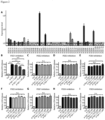
- LUHMES cells were plated in culture flasks and transduced with adenoviral vectors to express wild type ⁇ -syn under the control of the CMV promoter one day after plating. One day after transduction, the cells were detached and re-plated into 384-well plates ( Fig. 1A ).
- Dipyridamole was the most convincing hit, since it was protective in all six runs.
- the compound is an unspecific inhibitor of phosphodiesterases (PDEs).
- PDEs phosphodiesterases
- the protective effect of dipyridamole was validated using the quantification of LDH, released into the cell culture medium, as independent measure of cell death. Five ⁇ M of dipyridamole led to a reduction of the LDH level to 77.0 ⁇ 5.1% compared to ⁇ -syn overexpressing LUHMES cells with DMSO treatment ( P ⁇ 0.0001, Fig. 1D ). Since dipyridamole does not pass the blood-brain barrier and may have unwanted effects due to its non-selective action on PDEs, it did not appear valuable for the treatment of PD. Hence, we investigated whether protection against ⁇ -syn mediated neurodegeneration could be achieved by more specific PDE inhibition.
- LUHMES cells express several PDEs
- the PDE1 inhibitor vinpocetine rescued LUHMES cells from ⁇ -syn-induced toxicity
- Bay60-7550 (PDE2 inhibitor), Milrinone (PDE3 inhibitor), Rolipram (PDE4 inhibitor), Sildenafil (PDE5 inhibitor), BRL 50481 (PDE7 inhibitor), PF-4957325-00 (PDE 8 inhibitor), and Bay 73-6691 (PDE 9 inhibitor) did not have an effect on ⁇ -syn mediated toxicity ( Fig. 2C-I).
- Vinpocetine reduced the density of a 37 kDa ⁇ -syn band
- RNA interference confirmed that PDE1A was the relevant target of vinpocetine
- vinpocetine is also an inhibitor of sodium channels ( M. Sitges, E. Galván, V. Nekrassov, Vinpocetine blockade of sodium channels inhibits the rise in sodium and calcium induced by 4-aminopyridine in synaptosomes, Neurochemistry international. 46, 533-540 (2005 )) and L-type calcium channels ( M. Sitges, A. Guarneros, V.
- Forskolin a labdane diterpenoid with antihypertensive, positive inotropic, platelet aggregation inhibitory, and adenylate cyclase activating properties, Medicinal research reviews. 3, 201-219 (1983 ).) and BAY41-2272 a guanylate cyclase stimulator ( J. P. Stasch et al., NO-independent regulatory site on soluble guanylate cyclase, Nature. 410, 212-215 (2001 )). The treatment of LUHMES cells with 10 ⁇ M forskolin had no influence on ⁇ -syn mediated toxicity.
- rAAV adeno-associated viral
- the transduction rate with rAAV- ⁇ -syn was 91.7 ⁇ 0.6%, quantified by the percentage of dopaminergic cells which showed ⁇ -syn immunoreactivity.
- the transduction rate with rAAV-luc was 93.4 ⁇ 1.6%, respectively. There was no significant difference in the transduction rates between the two rAAVs.
- tyrosine-hydroxylase (TH) stainings of the substantia nigra and the striatum were performed.
- ⁇ -syn overexpression led to a decrease of TH + cells in the SN from 4087 ⁇ 130 on the non-injected side to 2915 ⁇ 79 on the injected side ( P ⁇ 0.0001, Fig. 5C , lower panel and Fig. 5D ), which corresponded to an average decrease by 28.1 ⁇ 2.7% (range: 19.1 to 42.5%) compared to the non-injected side of the same animal.
- the number of TH + cells in the substantia nigra was determined in mice treated with daily injections of 25 mg/kg vinpocetine in solvent or the corresponding amount of solvent alone.
- mice injected with rAAV- ⁇ -syn there was a huge difference in the number of TH + cells in the substantia nigra between mice, which were treated with solvent and those, which were treated with vinpocetine (compare Fig. 5C , lower panel, circled area and Fig. 5E , lower panel, circled area).
- Fig. 5C lower panel, circled area
- Fig. 5E lower panel, circled area
- Adeno-associated virus injection did not induce microglial activation
Landscapes
- Health & Medical Sciences (AREA)
- Life Sciences & Earth Sciences (AREA)
- Chemical & Material Sciences (AREA)
- Engineering & Computer Science (AREA)
- General Health & Medical Sciences (AREA)
- Biomedical Technology (AREA)
- Bioinformatics & Cheminformatics (AREA)
- Organic Chemistry (AREA)
- Genetics & Genomics (AREA)
- Animal Behavior & Ethology (AREA)
- Veterinary Medicine (AREA)
- Medicinal Chemistry (AREA)
- Pharmacology & Pharmacy (AREA)
- Public Health (AREA)
- Zoology (AREA)
- Wood Science & Technology (AREA)
- General Engineering & Computer Science (AREA)
- Molecular Biology (AREA)
- Epidemiology (AREA)
- Neurosurgery (AREA)
- Neurology (AREA)
- Biochemistry (AREA)
- Biotechnology (AREA)
- Nuclear Medicine, Radiotherapy & Molecular Imaging (AREA)
- General Chemical & Material Sciences (AREA)
- Chemical Kinetics & Catalysis (AREA)
- Biophysics (AREA)
- Psychiatry (AREA)
- Plant Pathology (AREA)
- Microbiology (AREA)
- Physics & Mathematics (AREA)
- Hospice & Palliative Care (AREA)
- Virology (AREA)
- Psychology (AREA)
- Pharmaceuticals Containing Other Organic And Inorganic Compounds (AREA)
Claims (12)
- Verbindung zur Verwendung bei der Behandlung einer Synucleinopathie, wobei die Verbindung dargestellt wird durch die folgende Formel (I)
 R1 ausgewählt ist aus der Gruppe bestehend aus -H und Halo,a 0, 1, 2 oder 3 und vorzugsweise 0 oder 1 istR2 ausgewählt ist aus der Gruppe bestehend aus -H und -(C1-C6)Alkyl,R3 und R4 unabhängig ausgewählt sind aus der Gruppe bestehend aus H, OH, - (C1-C6)-Alkyl und (C1-C6)-Hydroxyalkyl, oderR3 und R4 zusammengenommen =O sind, oderR2 und R3 zusammen mit dem Stickstoffatom und dem Kohlenstoffatom, an die sie gebunden sind, einen 6-gliedrigen heterocyclischen Ring bilden, der wahlweise substituiert ist,R5 und R6 unabhängig ausgewählt sind aus der Gruppe bestehend aus -H und -(C1-C6)-Alkyl, oderR5 und R6 zusammengenommen eine Kohlenstoff-Kohlenstoff-Bindung bilden,oder ein pharmazeutisch annehmbares Salz davon,wobei die Alkyl- und Hydroxyalkylgruppen wahlweise substituiert sind;wobei die Synucleinopathie ausgewählt ist aus Multisystematrophie (MSA), Lewy-Body-Demenz (LBD), Bradbury-Eggleston-Syndrom (PAF), REM-Schlaf-Verhaltensstörung (RBD) und vererbten Synucleinopathien, die durch Mutationen oder Multiplikationen des alpha-Synuclein-Gens SNCA verursacht werden, oder Synucleinopathien, die durch Mutationen in anderen Genen ausgewählt aus der Gruppe bestehend aus GBA, LRRK2 und PARK2 verursacht werden.
 - Die Verbindung zur Verwendung gemäß Anspruch 1, wobei die Verbindung dargestellt ist durch die folgende Formel (II)
 R1 ausgewählt ist aus der Gruppe bestehend aus -H and Halo,a 0, 1, 2 oder 3 und vorzugsweise 0 or 1 istR8 COOR7 ist,R9 und R10 unabhängig ausgewählt sind aus der Gruppe bestehend aus -H, -OH und -(C1-C6)Alkyl, oderR9 und R10 zusammengenommen eine Kohlenstoff-Kohlenstoff-Bindung bilden,R4 ausgewählt ist aus der Gruppe bestehend aus -H, -OH, -(C1-C6)Alkyl und -(C1-C6)-Hydroxyalkyl,R5 und R6 unabhängig ausgewählt sind aus der Gruppe bestehend aus -H und - (C1-C46)Alkyl, oderR5 und R6 zusammengenommen eine Kohlenstoff-Kohlenstoff-Bindung bilden,R7 ausgewählt ist aus der Gruppe bestehend aus -H, -(C1-C12)Alkyl, -(C2-C12)Alkenyl, -(C2-C12)Alkinyl, -(C1-C12)Alkyl-ONO2, -(C2-C12)Alkenyl-ONO2, -(C2-C12)Alkinyl-ON02, (6- bis 14-gliedrigem)Aryl, (6- bis 14-gliedrigem)Heteroaryl, Trimethoxyphenyl, -(C1-C6)Alkyl-(6- bis 14-gliedrigem)aryl und -(C1-C6)Alkyl-(6- bis 14-gliedrigem)heteroaryloder ein pharmazeutisch annehmbares Salz davon,wobei die Alkyl-, Alkenyl-, Alkinyl-, Aryl- und Heteroarylgruppen wahlweise substituiert sind.
 - Die Verbindung zur Verwendung gemäß einem der Ansprüche 1 oder 2, wobei die Verbindung Vinpocetin ist.
- Die Verbindung zur Verwendung gemäß einem der vorangehenden Ansprüche, wobei die Verbindung ein PDE1A-Modulator und/oder ein PDE1C-Modulator ist.
- Die Verbindung zur Verwendung gemäß einem der vorangehenden Ansprüche, wobei die Verbindung ein selektiver PDE1A-Modulator ist.
- Die Verbindung zur Verwendung gemäß einem der vorangehenden Ansprüche, wobei die Verbindung ein PDE1A-Inhibitor ist.
- Die Verbindung zur Verwendung gemäß einem der vorangehenden Ansprüche, wobei die Verbindung ein selektiver PDE1C-Modulator ist.
- Die Verbindung zur Verwendung gemäß einem der vorangehenden Ansprüche, wobei die Verbindung ein PDE1C-Inhibitor ist.
- Die Verbindung zur Verwendung gemäß einem der vorangehenden Ansprüche, wobei die Synucleinopathie ausgewählt ist aus Multisystematrophie (MSA), Lewy-Body-Demenz (LBD), Bradbury-Eggleston-Syndrom (PAF), REM-Schlaf-Verhaltensstörung (RBD) und Synucleinopathien, die durch Mutationen in anderen Genen als dem alpha-Synuclein-Gen SNCA ausgewählt aus der Gruppe bestehend aus GBA, LRRK2 und PARK2 verursacht werden.
- Die Verbindung zur Verwendung gemäß einem der Ansprüche 1 bis 8, wobei die Synucleinopathie ausgewählt ist aus Multisystematrophie (MSA), Lewy-Body-Demenz (LBD), Bradbury-Eggleston-Syndrom (PAF), REM-Schlaf-Verhaltensstörung (RBD).
- Die Verbindung zur Verwendung gemäß Anspruch 10, wobei die Synucleinopathie multiple MSA ist.
- Die Verbindung zur Verwendung gemäß Anspruch 11, wobei die MSA ausgewählt ist aus MSA mit vorwiegend zerebellären Symptomen (MSA-C) oder MSA mit vorwiegend parkinsonschen Symptomen (MSA-P).
Applications Claiming Priority (3)
| Application Number | Priority Date | Filing Date | Title |
|---|---|---|---|
| EP16193362 | 2016-10-11 | ||
| PCT/EP2017/075800 WO2018069312A1 (en) | 2016-10-11 | 2017-10-10 | Treatment of synucleinopathies |
| EP17787904.6A EP3525788B1 (de) | 2016-10-11 | 2017-10-10 | Behandlung von synukleinopathien |
Related Parent Applications (1)
| Application Number | Title | Priority Date | Filing Date |
|---|---|---|---|
| EP17787904.6A Division EP3525788B1 (de) | 2016-10-11 | 2017-10-10 | Behandlung von synukleinopathien |
Publications (2)
| Publication Number | Publication Date |
|---|---|
| EP4112053A1 EP4112053A1 (de) | 2023-01-04 |
| EP4112053B1 true EP4112053B1 (de) | 2024-02-14 |
Family
ID=57133028
Family Applications (2)
| Application Number | Title | Priority Date | Filing Date |
|---|---|---|---|
| EP17787904.6A Active EP3525788B1 (de) | 2016-10-11 | 2017-10-10 | Behandlung von synukleinopathien |
| EP22175032.6A Active EP4112053B1 (de) | 2016-10-11 | 2017-10-10 | Behandlung von synukleinopathien |
Family Applications Before (1)
| Application Number | Title | Priority Date | Filing Date |
|---|---|---|---|
| EP17787904.6A Active EP3525788B1 (de) | 2016-10-11 | 2017-10-10 | Behandlung von synukleinopathien |
Country Status (3)
| Country | Link |
|---|---|
| US (1) | US10918628B2 (de) |
| EP (2) | EP3525788B1 (de) |
| WO (1) | WO2018069312A1 (de) |
Families Citing this family (4)
| Publication number | Priority date | Publication date | Assignee | Title |
|---|---|---|---|---|
| AU2019275453B2 (en) * | 2018-05-25 | 2023-12-21 | Intra-Cellular Therapies, Inc. | Organic compounds |
| CN113194955A (zh) * | 2018-10-21 | 2021-07-30 | 细胞内治疗公司 | 新用途 |
| WO2021226407A1 (en) * | 2020-05-06 | 2021-11-11 | Intra-Cellular Therapies, Inc. | Free base crystals |
| EP4469052A4 (de) * | 2022-01-27 | 2026-02-11 | Intra Cellular Therapies Inc | Neue zusammensetzungen |
Family Cites Families (23)
| Publication number | Priority date | Publication date | Assignee | Title |
|---|---|---|---|---|
| US3536809A (en) | 1969-02-17 | 1970-10-27 | Alza Corp | Medication method |
| US3598123A (en) | 1969-04-01 | 1971-08-10 | Alza Corp | Bandage for administering drugs |
| US3845770A (en) | 1972-06-05 | 1974-11-05 | Alza Corp | Osmatic dispensing device for releasing beneficial agent |
| US3916899A (en) | 1973-04-25 | 1975-11-04 | Alza Corp | Osmotic dispensing device with maximum and minimum sizes for the passageway |
| US4008719A (en) | 1976-02-02 | 1977-02-22 | Alza Corporation | Osmotic system having laminar arrangement for programming delivery of active agent |
| HU186891B (en) * | 1981-06-12 | 1985-10-28 | Richter Gedeon Vegyeszet | Process for producing esters of apovincaminic acid |
| IE58110B1 (en) | 1984-10-30 | 1993-07-14 | Elan Corp Plc | Controlled release powder and process for its preparation |
| US5073543A (en) | 1988-07-21 | 1991-12-17 | G. D. Searle & Co. | Controlled release formulations of trophic factors in ganglioside-lipsome vehicle |
| IT1229203B (it) | 1989-03-22 | 1991-07-25 | Bioresearch Spa | Impiego di acido 5 metiltetraidrofolico, di acido 5 formiltetraidrofolico e dei loro sali farmaceuticamente accettabili per la preparazione di composizioni farmaceutiche in forma a rilascio controllato attive nella terapia dei disturbi mentali organici e composizioni farmaceutiche relative. |
| US5120548A (en) | 1989-11-07 | 1992-06-09 | Merck & Co., Inc. | Swelling modulated polymeric drug delivery device |
| US5733566A (en) | 1990-05-15 | 1998-03-31 | Alkermes Controlled Therapeutics Inc. Ii | Controlled release of antiparasitic agents in animals |
| US5698155A (en) | 1991-05-31 | 1997-12-16 | Gs Technologies, Inc. | Method for the manufacture of pharmaceutical cellulose capsules |
| US5580578A (en) | 1992-01-27 | 1996-12-03 | Euro-Celtique, S.A. | Controlled release formulations coated with aqueous dispersions of acrylic polymers |
| US5591767A (en) | 1993-01-25 | 1997-01-07 | Pharmetrix Corporation | Liquid reservoir transdermal patch for the administration of ketorolac |
| FR2713644B1 (fr) * | 1993-12-14 | 1996-02-09 | Adir | Nouveaux analogues de l'éburnane, leur procédé de préparation et les compositions pharmaceutiques qui les contiennent. |
| IT1270594B (it) | 1994-07-07 | 1997-05-07 | Recordati Chem Pharm | Composizione farmaceutica a rilascio controllato di moguisteina in sospensione liquida |
| ITRM20030572A1 (it) * | 2003-12-11 | 2005-06-12 | Fond Telethon | Uso di inibitori enzimatici di h-prune per la prevenzione ed il trattamento delle metastasi dei tumori iperesprimenti h-prune. |
| US7355045B2 (en) | 2004-01-05 | 2008-04-08 | Applera Corporation | Isotopically enriched N-substituted piperazine acetic acids and methods for the preparation thereof |
| FR2869034B1 (fr) | 2004-04-14 | 2008-04-04 | Biocortech Soc Par Actions Sim | Derive du 14,15-dihydro 20,21-dinoreburnamenin 14-ol et leur utilisation pour le traitement des depressions |
| US20090215885A1 (en) * | 2005-05-10 | 2009-08-27 | Brainsavers Llc | Antioxidant Food Composition and Methods and Uses Thereof |
| US20110111014A1 (en) * | 2007-06-26 | 2011-05-12 | Parkinson's Institute | Methods and compositions for treatment of neurological disorders |
| EP2279009A4 (de) * | 2008-05-05 | 2011-09-21 | Univ Rochester | Verfahren und zusammensetzungen zur behandlung oder prävention von pathologischer kardialer remodellierung und herzinsuffizienz |
| HU230482B1 (hu) * | 2011-11-22 | 2016-07-28 | Richter Gedeon Nyrt. | Egy új diaza-benzofluorantén analóg gyógyszer |
-
2017
- 2017-10-10 US US16/340,929 patent/US10918628B2/en active Active
- 2017-10-10 WO PCT/EP2017/075800 patent/WO2018069312A1/en not_active Ceased
- 2017-10-10 EP EP17787904.6A patent/EP3525788B1/de active Active
- 2017-10-10 EP EP22175032.6A patent/EP4112053B1/de active Active
Non-Patent Citations (1)
| Title |
|---|
| GIBB W R ET AL: "The relevance of the Lewy body to the pathogenesis of idiopathic Parkinson's disease.", JOURNAL OF NEUROLOGY NEUROSURGERY & PSYCHIATRY., vol. 51, no. 6, 1 June 1988 (1988-06-01), GB, pages 745 - 752, XP093073708, ISSN: 0022-3050, DOI: 10.1136/jnnp.51.6.745 * |
Also Published As
| Publication number | Publication date |
|---|---|
| US20190282552A1 (en) | 2019-09-19 |
| EP4112053A1 (de) | 2023-01-04 |
| WO2018069312A1 (en) | 2018-04-19 |
| US10918628B2 (en) | 2021-02-16 |
| EP3525788A1 (de) | 2019-08-21 |
| EP3525788B1 (de) | 2022-05-25 |
Similar Documents
| Publication | Publication Date | Title |
|---|---|---|
| EP4112053B1 (de) | Behandlung von synukleinopathien | |
| ES2667706T3 (es) | Compuesto de diamino-carboxamida heterocíclica | |
| WO2022007841A1 (zh) | 一种egfr抑制剂、其制备方法和在药学上的应用 | |
| CA3123737A1 (en) | Compositions, methods, and systems for the synthesis and use of imaging agents | |
| HUE029236T2 (en) | (R) -3- (4- (7H-Pyrrolo [2,3-d] pyrimidin-4-yl) -1H-pyrazol-1-yl) -3-cyclopentylpropanenitrile Crystalline salts of Janus kinase inhibitor | |
| EP3348550B1 (de) | Substituierte benzothiazole und therapeutische verwendungen davon zur behandlung von erkrankungen des menschen | |
| WO2019157505A1 (en) | A method of treating pain | |
| EP2906564B1 (de) | Behandlung von hirnkrebs mit agelastatin a (aa) und analoga davon | |
| CN101575333A (zh) | 一种喹唑啉衍生物及其医药用途 | |
| JPS61263917A (ja) | 脳機能正常化剤 | |
| US9688708B2 (en) | Photolabile compounds | |
| US12465578B2 (en) | Substituted alpha-ethyl phenylalkylamines | |
| CA3197092A1 (en) | 1-(2-(4-cyclopropyl-1h-1,2,3-triazol-1-yl)acetyl)-4-hydroxy-n-(benzyl)pyrrolidin e-2-carboxamide derivatives as vhl inhibitors for the treatment of anemia and cancer | |
| EP4396162A2 (de) | Asymmetrische allyltryptamine | |
| EP3409659B1 (de) | Adamantanderivat und verwendung davon | |
| EP2142518B1 (de) | 3,4-dihydrochinazolinderivate | |
| Amr et al. | Anti-cancer and kinases inhibitor activities of synthesized heterocyclic substituted thiophene fused with cyclohexane derivatives | |
| RU2552529C1 (ru) | Вазопрессорное средство | |
| WO2018170509A1 (en) | Fatty acid synthase inhibitors and methods of use | |
| WO2023250334A1 (en) | Compositions and methods involving isolated compounds | |
| KR20260022933A (ko) | 화합물, 조성물, 및 방법 | |
| KR20250036927A (ko) | Irak3의 리간드 지정 분해제로서의 치환된 피라졸릴-피리디닐 화합물 | |
| CN102006866A (zh) | 激酶蛋白结合抑制剂 | |
| IT202100022682A1 (it) | Derivati pirimidinici e loro uso nel trattamento di tumori | |
| CN116801875A (zh) | 用于改善神经疾病和病症的组合物和方法 |
Legal Events
| Date | Code | Title | Description |
|---|---|---|---|
| PUAI | Public reference made under article 153(3) epc to a published international application that has entered the european phase |
Free format text: ORIGINAL CODE: 0009012 |
|
| STAA | Information on the status of an ep patent application or granted ep patent |
Free format text: STATUS: THE APPLICATION HAS BEEN PUBLISHED |
|
| AC | Divisional application: reference to earlier application |
Ref document number: 3525788 Country of ref document: EP Kind code of ref document: P |
|
| AK | Designated contracting states |
Kind code of ref document: A1 Designated state(s): AL AT BE BG CH CY CZ DE DK EE ES FI FR GB GR HR HU IE IS IT LI LT LU LV MC MK MT NL NO PL PT RO RS SE SI SK SM TR |
|
| STAA | Information on the status of an ep patent application or granted ep patent |
Free format text: STATUS: REQUEST FOR EXAMINATION WAS MADE |
|
| 17P | Request for examination filed |
Effective date: 20230703 |
|
| RBV | Designated contracting states (corrected) |
Designated state(s): AL AT BE BG CH CY CZ DE DK EE ES FI FR GB GR HR HU IE IS IT LI LT LU LV MC MK MT NL NO PL PT RO RS SE SI SK SM TR |
|
| GRAP | Despatch of communication of intention to grant a patent |
Free format text: ORIGINAL CODE: EPIDOSNIGR1 |
|
| STAA | Information on the status of an ep patent application or granted ep patent |
Free format text: STATUS: GRANT OF PATENT IS INTENDED |
|
| P01 | Opt-out of the competence of the unified patent court (upc) registered |
Effective date: 20230810 |
|
| INTG | Intention to grant announced |
Effective date: 20230830 |
|
| GRAS | Grant fee paid |
Free format text: ORIGINAL CODE: EPIDOSNIGR3 |
|
| GRAA | (expected) grant |
Free format text: ORIGINAL CODE: 0009210 |
|
| STAA | Information on the status of an ep patent application or granted ep patent |
Free format text: STATUS: THE PATENT HAS BEEN GRANTED |
|
| AC | Divisional application: reference to earlier application |
Ref document number: 3525788 Country of ref document: EP Kind code of ref document: P |
|
| AK | Designated contracting states |
Kind code of ref document: B1 Designated state(s): AL AT BE BG CH CY CZ DE DK EE ES FI FR GB GR HR HU IE IS IT LI LT LU LV MC MK MT NL NO PL PT RO RS SE SI SK SM TR |
|
| REG | Reference to a national code |
Ref country code: GB Ref legal event code: FG4D |
|
| REG | Reference to a national code |
Ref country code: CH Ref legal event code: EP |
|
| REG | Reference to a national code |
Ref country code: DE Ref legal event code: R096 Ref document number: 602017079286 Country of ref document: DE |
|
| REG | Reference to a national code |
Ref country code: IE Ref legal event code: FG4D |
|
| REG | Reference to a national code |
Ref country code: LT Ref legal event code: MG9D |
|
| REG | Reference to a national code |
Ref country code: NL Ref legal event code: MP Effective date: 20240214 |
|
| PG25 | Lapsed in a contracting state [announced via postgrant information from national office to epo] |
Ref country code: IS Free format text: LAPSE BECAUSE OF FAILURE TO SUBMIT A TRANSLATION OF THE DESCRIPTION OR TO PAY THE FEE WITHIN THE PRESCRIBED TIME-LIMIT Effective date: 20240614 |
|
| PG25 | Lapsed in a contracting state [announced via postgrant information from national office to epo] |
Ref country code: LT Free format text: LAPSE BECAUSE OF FAILURE TO SUBMIT A TRANSLATION OF THE DESCRIPTION OR TO PAY THE FEE WITHIN THE PRESCRIBED TIME-LIMIT Effective date: 20240214 |
|
| PG25 | Lapsed in a contracting state [announced via postgrant information from national office to epo] |
Ref country code: GR Free format text: LAPSE BECAUSE OF FAILURE TO SUBMIT A TRANSLATION OF THE DESCRIPTION OR TO PAY THE FEE WITHIN THE PRESCRIBED TIME-LIMIT Effective date: 20240515 |
|
| REG | Reference to a national code |
Ref country code: AT Ref legal event code: MK05 Ref document number: 1656469 Country of ref document: AT Kind code of ref document: T Effective date: 20240214 |
|
| PG25 | Lapsed in a contracting state [announced via postgrant information from national office to epo] |
Ref country code: RS Free format text: LAPSE BECAUSE OF FAILURE TO SUBMIT A TRANSLATION OF THE DESCRIPTION OR TO PAY THE FEE WITHIN THE PRESCRIBED TIME-LIMIT Effective date: 20240514 Ref country code: HR Free format text: LAPSE BECAUSE OF FAILURE TO SUBMIT A TRANSLATION OF THE DESCRIPTION OR TO PAY THE FEE WITHIN THE PRESCRIBED TIME-LIMIT Effective date: 20240214 Ref country code: NL Free format text: LAPSE BECAUSE OF FAILURE TO SUBMIT A TRANSLATION OF THE DESCRIPTION OR TO PAY THE FEE WITHIN THE PRESCRIBED TIME-LIMIT Effective date: 20240214 |
|
| PG25 | Lapsed in a contracting state [announced via postgrant information from national office to epo] |
Ref country code: ES Free format text: LAPSE BECAUSE OF FAILURE TO SUBMIT A TRANSLATION OF THE DESCRIPTION OR TO PAY THE FEE WITHIN THE PRESCRIBED TIME-LIMIT Effective date: 20240214 |
|
| PG25 | Lapsed in a contracting state [announced via postgrant information from national office to epo] |
Ref country code: AT Free format text: LAPSE BECAUSE OF FAILURE TO SUBMIT A TRANSLATION OF THE DESCRIPTION OR TO PAY THE FEE WITHIN THE PRESCRIBED TIME-LIMIT Effective date: 20240214 |
|
| PG25 | Lapsed in a contracting state [announced via postgrant information from national office to epo] |
Ref country code: RS Free format text: LAPSE BECAUSE OF FAILURE TO SUBMIT A TRANSLATION OF THE DESCRIPTION OR TO PAY THE FEE WITHIN THE PRESCRIBED TIME-LIMIT Effective date: 20240514 Ref country code: NO Free format text: LAPSE BECAUSE OF FAILURE TO SUBMIT A TRANSLATION OF THE DESCRIPTION OR TO PAY THE FEE WITHIN THE PRESCRIBED TIME-LIMIT Effective date: 20240514 Ref country code: NL Free format text: LAPSE BECAUSE OF FAILURE TO SUBMIT A TRANSLATION OF THE DESCRIPTION OR TO PAY THE FEE WITHIN THE PRESCRIBED TIME-LIMIT Effective date: 20240214 Ref country code: LT Free format text: LAPSE BECAUSE OF FAILURE TO SUBMIT A TRANSLATION OF THE DESCRIPTION OR TO PAY THE FEE WITHIN THE PRESCRIBED TIME-LIMIT Effective date: 20240214 Ref country code: IS Free format text: LAPSE BECAUSE OF FAILURE TO SUBMIT A TRANSLATION OF THE DESCRIPTION OR TO PAY THE FEE WITHIN THE PRESCRIBED TIME-LIMIT Effective date: 20240614 Ref country code: HR Free format text: LAPSE BECAUSE OF FAILURE TO SUBMIT A TRANSLATION OF THE DESCRIPTION OR TO PAY THE FEE WITHIN THE PRESCRIBED TIME-LIMIT Effective date: 20240214 Ref country code: GR Free format text: LAPSE BECAUSE OF FAILURE TO SUBMIT A TRANSLATION OF THE DESCRIPTION OR TO PAY THE FEE WITHIN THE PRESCRIBED TIME-LIMIT Effective date: 20240515 Ref country code: FI Free format text: LAPSE BECAUSE OF FAILURE TO SUBMIT A TRANSLATION OF THE DESCRIPTION OR TO PAY THE FEE WITHIN THE PRESCRIBED TIME-LIMIT Effective date: 20240214 Ref country code: ES Free format text: LAPSE BECAUSE OF FAILURE TO SUBMIT A TRANSLATION OF THE DESCRIPTION OR TO PAY THE FEE WITHIN THE PRESCRIBED TIME-LIMIT Effective date: 20240214 Ref country code: BG Free format text: LAPSE BECAUSE OF FAILURE TO SUBMIT A TRANSLATION OF THE DESCRIPTION OR TO PAY THE FEE WITHIN THE PRESCRIBED TIME-LIMIT Effective date: 20240214 Ref country code: AT Free format text: LAPSE BECAUSE OF FAILURE TO SUBMIT A TRANSLATION OF THE DESCRIPTION OR TO PAY THE FEE WITHIN THE PRESCRIBED TIME-LIMIT Effective date: 20240214 |
|
| PG25 | Lapsed in a contracting state [announced via postgrant information from national office to epo] |
Ref country code: PT Free format text: LAPSE BECAUSE OF FAILURE TO SUBMIT A TRANSLATION OF THE DESCRIPTION OR TO PAY THE FEE WITHIN THE PRESCRIBED TIME-LIMIT Effective date: 20240614 Ref country code: PL Free format text: LAPSE BECAUSE OF FAILURE TO SUBMIT A TRANSLATION OF THE DESCRIPTION OR TO PAY THE FEE WITHIN THE PRESCRIBED TIME-LIMIT Effective date: 20240214 |
|
| PG25 | Lapsed in a contracting state [announced via postgrant information from national office to epo] |
Ref country code: SE Free format text: LAPSE BECAUSE OF FAILURE TO SUBMIT A TRANSLATION OF THE DESCRIPTION OR TO PAY THE FEE WITHIN THE PRESCRIBED TIME-LIMIT Effective date: 20240214 Ref country code: PT Free format text: LAPSE BECAUSE OF FAILURE TO SUBMIT A TRANSLATION OF THE DESCRIPTION OR TO PAY THE FEE WITHIN THE PRESCRIBED TIME-LIMIT Effective date: 20240614 Ref country code: PL Free format text: LAPSE BECAUSE OF FAILURE TO SUBMIT A TRANSLATION OF THE DESCRIPTION OR TO PAY THE FEE WITHIN THE PRESCRIBED TIME-LIMIT Effective date: 20240214 Ref country code: LV Free format text: LAPSE BECAUSE OF FAILURE TO SUBMIT A TRANSLATION OF THE DESCRIPTION OR TO PAY THE FEE WITHIN THE PRESCRIBED TIME-LIMIT Effective date: 20240214 |
|
| PG25 | Lapsed in a contracting state [announced via postgrant information from national office to epo] |
Ref country code: DK Free format text: LAPSE BECAUSE OF FAILURE TO SUBMIT A TRANSLATION OF THE DESCRIPTION OR TO PAY THE FEE WITHIN THE PRESCRIBED TIME-LIMIT Effective date: 20240214 |
|
| PG25 | Lapsed in a contracting state [announced via postgrant information from national office to epo] |
Ref country code: SM Free format text: LAPSE BECAUSE OF FAILURE TO SUBMIT A TRANSLATION OF THE DESCRIPTION OR TO PAY THE FEE WITHIN THE PRESCRIBED TIME-LIMIT Effective date: 20240214 |
|
| PG25 | Lapsed in a contracting state [announced via postgrant information from national office to epo] |
Ref country code: EE Free format text: LAPSE BECAUSE OF FAILURE TO SUBMIT A TRANSLATION OF THE DESCRIPTION OR TO PAY THE FEE WITHIN THE PRESCRIBED TIME-LIMIT Effective date: 20240214 Ref country code: CZ Free format text: LAPSE BECAUSE OF FAILURE TO SUBMIT A TRANSLATION OF THE DESCRIPTION OR TO PAY THE FEE WITHIN THE PRESCRIBED TIME-LIMIT Effective date: 20240214 |
|
| PG25 | Lapsed in a contracting state [announced via postgrant information from national office to epo] |
Ref country code: SK Free format text: LAPSE BECAUSE OF FAILURE TO SUBMIT A TRANSLATION OF THE DESCRIPTION OR TO PAY THE FEE WITHIN THE PRESCRIBED TIME-LIMIT Effective date: 20240214 |
|
| PG25 | Lapsed in a contracting state [announced via postgrant information from national office to epo] |
Ref country code: SM Free format text: LAPSE BECAUSE OF FAILURE TO SUBMIT A TRANSLATION OF THE DESCRIPTION OR TO PAY THE FEE WITHIN THE PRESCRIBED TIME-LIMIT Effective date: 20240214 Ref country code: SK Free format text: LAPSE BECAUSE OF FAILURE TO SUBMIT A TRANSLATION OF THE DESCRIPTION OR TO PAY THE FEE WITHIN THE PRESCRIBED TIME-LIMIT Effective date: 20240214 Ref country code: RO Free format text: LAPSE BECAUSE OF FAILURE TO SUBMIT A TRANSLATION OF THE DESCRIPTION OR TO PAY THE FEE WITHIN THE PRESCRIBED TIME-LIMIT Effective date: 20240214 Ref country code: EE Free format text: LAPSE BECAUSE OF FAILURE TO SUBMIT A TRANSLATION OF THE DESCRIPTION OR TO PAY THE FEE WITHIN THE PRESCRIBED TIME-LIMIT Effective date: 20240214 Ref country code: DK Free format text: LAPSE BECAUSE OF FAILURE TO SUBMIT A TRANSLATION OF THE DESCRIPTION OR TO PAY THE FEE WITHIN THE PRESCRIBED TIME-LIMIT Effective date: 20240214 Ref country code: CZ Free format text: LAPSE BECAUSE OF FAILURE TO SUBMIT A TRANSLATION OF THE DESCRIPTION OR TO PAY THE FEE WITHIN THE PRESCRIBED TIME-LIMIT Effective date: 20240214 |
|
| REG | Reference to a national code |
Ref country code: DE Ref legal event code: R097 Ref document number: 602017079286 Country of ref document: DE |
|
| PG25 | Lapsed in a contracting state [announced via postgrant information from national office to epo] |
Ref country code: IT Free format text: LAPSE BECAUSE OF FAILURE TO SUBMIT A TRANSLATION OF THE DESCRIPTION OR TO PAY THE FEE WITHIN THE PRESCRIBED TIME-LIMIT Effective date: 20240214 |
|
| PLBE | No opposition filed within time limit |
Free format text: ORIGINAL CODE: 0009261 |
|
| STAA | Information on the status of an ep patent application or granted ep patent |
Free format text: STATUS: NO OPPOSITION FILED WITHIN TIME LIMIT |
|
| PG25 | Lapsed in a contracting state [announced via postgrant information from national office to epo] |
Ref country code: IT Free format text: LAPSE BECAUSE OF FAILURE TO SUBMIT A TRANSLATION OF THE DESCRIPTION OR TO PAY THE FEE WITHIN THE PRESCRIBED TIME-LIMIT Effective date: 20240214 |
|
| 26N | No opposition filed |
Effective date: 20241115 |
|
| PG25 | Lapsed in a contracting state [announced via postgrant information from national office to epo] |
Ref country code: SI Free format text: LAPSE BECAUSE OF FAILURE TO SUBMIT A TRANSLATION OF THE DESCRIPTION OR TO PAY THE FEE WITHIN THE PRESCRIBED TIME-LIMIT Effective date: 20240214 |
|
| PG25 | Lapsed in a contracting state [announced via postgrant information from national office to epo] |
Ref country code: MC Free format text: LAPSE BECAUSE OF FAILURE TO SUBMIT A TRANSLATION OF THE DESCRIPTION OR TO PAY THE FEE WITHIN THE PRESCRIBED TIME-LIMIT Effective date: 20240214 |
|
| PG25 | Lapsed in a contracting state [announced via postgrant information from national office to epo] |
Ref country code: LU Free format text: LAPSE BECAUSE OF NON-PAYMENT OF DUE FEES Effective date: 20241010 |
|
| PG25 | Lapsed in a contracting state [announced via postgrant information from national office to epo] |
Ref country code: IE Free format text: LAPSE BECAUSE OF NON-PAYMENT OF DUE FEES Effective date: 20241010 |
|
| REG | Reference to a national code |
Ref country code: CH Ref legal event code: U11 Free format text: ST27 STATUS EVENT CODE: U-0-0-U10-U11 (AS PROVIDED BY THE NATIONAL OFFICE) Effective date: 20251101 |
|
| PGFP | Annual fee paid to national office [announced via postgrant information from national office to epo] |
Ref country code: DE Payment date: 20251029 Year of fee payment: 9 |
|
| PGFP | Annual fee paid to national office [announced via postgrant information from national office to epo] |
Ref country code: GB Payment date: 20251024 Year of fee payment: 9 |
|
| PGFP | Annual fee paid to national office [announced via postgrant information from national office to epo] |
Ref country code: FR Payment date: 20251029 Year of fee payment: 9 |
|
| PGFP | Annual fee paid to national office [announced via postgrant information from national office to epo] |
Ref country code: BE Payment date: 20251022 Year of fee payment: 9 |
|
| PGFP | Annual fee paid to national office [announced via postgrant information from national office to epo] |
Ref country code: CH Payment date: 20251101 Year of fee payment: 9 |
|
| PG25 | Lapsed in a contracting state [announced via postgrant information from national office to epo] |
Ref country code: CY Free format text: LAPSE BECAUSE OF FAILURE TO SUBMIT A TRANSLATION OF THE DESCRIPTION OR TO PAY THE FEE WITHIN THE PRESCRIBED TIME-LIMIT; INVALID AB INITIO Effective date: 20171010 |
|
| PG25 | Lapsed in a contracting state [announced via postgrant information from national office to epo] |
Ref country code: HU Free format text: LAPSE BECAUSE OF FAILURE TO SUBMIT A TRANSLATION OF THE DESCRIPTION OR TO PAY THE FEE WITHIN THE PRESCRIBED TIME-LIMIT; INVALID AB INITIO Effective date: 20171010 |