EP4112054A1 - Verwendung von csf-1r-kinasehemmer - Google Patents
Verwendung von csf-1r-kinasehemmer Download PDFInfo
- Publication number
- EP4112054A1 EP4112054A1 EP21760664.9A EP21760664A EP4112054A1 EP 4112054 A1 EP4112054 A1 EP 4112054A1 EP 21760664 A EP21760664 A EP 21760664A EP 4112054 A1 EP4112054 A1 EP 4112054A1
- Authority
- EP
- European Patent Office
- Prior art keywords
- tumor
- substituted
- ring
- group
- csf
- Prior art date
- Legal status (The legal status is an assumption and is not a legal conclusion. Google has not performed a legal analysis and makes no representation as to the accuracy of the status listed.)
- Pending
Links
Images



Classifications
-
- A—HUMAN NECESSITIES
- A61—MEDICAL OR VETERINARY SCIENCE; HYGIENE
- A61K—PREPARATIONS FOR MEDICAL, DENTAL OR TOILETRY PURPOSES
- A61K31/00—Medicinal preparations containing organic active ingredients
- A61K31/33—Heterocyclic compounds
- A61K31/395—Heterocyclic compounds having nitrogen as a ring hetero atom, e.g. guanethidine or rifamycins
- A61K31/495—Heterocyclic compounds having nitrogen as a ring hetero atom, e.g. guanethidine or rifamycins having six-membered rings with two or more nitrogen atoms as the only ring heteroatoms, e.g. piperazine or tetrazines
- A61K31/496—Non-condensed piperazines containing further heterocyclic rings, e.g. rifampin, thiothixene or sparfloxacin
-
- A—HUMAN NECESSITIES
- A61—MEDICAL OR VETERINARY SCIENCE; HYGIENE
- A61P—SPECIFIC THERAPEUTIC ACTIVITY OF CHEMICAL COMPOUNDS OR MEDICINAL PREPARATIONS
- A61P29/00—Non-central analgesic, antipyretic or antiinflammatory agents, e.g. antirheumatic agents; Non-steroidal antiinflammatory drugs [NSAID]
-
- A—HUMAN NECESSITIES
- A61—MEDICAL OR VETERINARY SCIENCE; HYGIENE
- A61K—PREPARATIONS FOR MEDICAL, DENTAL OR TOILETRY PURPOSES
- A61K31/00—Medicinal preparations containing organic active ingredients
- A61K31/33—Heterocyclic compounds
- A61K31/395—Heterocyclic compounds having nitrogen as a ring hetero atom, e.g. guanethidine or rifamycins
- A61K31/495—Heterocyclic compounds having nitrogen as a ring hetero atom, e.g. guanethidine or rifamycins having six-membered rings with two or more nitrogen atoms as the only ring heteroatoms, e.g. piperazine or tetrazines
- A61K31/505—Pyrimidines; Hydrogenated pyrimidines, e.g. trimethoprim
- A61K31/513—Pyrimidines; Hydrogenated pyrimidines, e.g. trimethoprim having oxo groups directly attached to the heterocyclic ring, e.g. cytosine
-
- A—HUMAN NECESSITIES
- A61—MEDICAL OR VETERINARY SCIENCE; HYGIENE
- A61K—PREPARATIONS FOR MEDICAL, DENTAL OR TOILETRY PURPOSES
- A61K39/00—Medicinal preparations containing antigens or antibodies
-
- A—HUMAN NECESSITIES
- A61—MEDICAL OR VETERINARY SCIENCE; HYGIENE
- A61K—PREPARATIONS FOR MEDICAL, DENTAL OR TOILETRY PURPOSES
- A61K39/00—Medicinal preparations containing antigens or antibodies
- A61K39/395—Antibodies; Immunoglobulins; Immune serum, e.g. antilymphocytic serum
- A61K39/39533—Antibodies; Immunoglobulins; Immune serum, e.g. antilymphocytic serum against materials from animals
- A61K39/3955—Antibodies; Immunoglobulins; Immune serum, e.g. antilymphocytic serum against materials from animals against proteinaceous materials, e.g. enzymes, hormones, lymphokines
-
- A—HUMAN NECESSITIES
- A61—MEDICAL OR VETERINARY SCIENCE; HYGIENE
- A61K—PREPARATIONS FOR MEDICAL, DENTAL OR TOILETRY PURPOSES
- A61K45/00—Medicinal preparations containing active ingredients not provided for in groups A61K31/00 - A61K41/00
- A61K45/06—Mixtures of active ingredients without chemical characterisation, e.g. antiphlogistics and cardiaca
-
- A—HUMAN NECESSITIES
- A61—MEDICAL OR VETERINARY SCIENCE; HYGIENE
- A61P—SPECIFIC THERAPEUTIC ACTIVITY OF CHEMICAL COMPOUNDS OR MEDICINAL PREPARATIONS
- A61P35/00—Antineoplastic agents
-
- A—HUMAN NECESSITIES
- A61—MEDICAL OR VETERINARY SCIENCE; HYGIENE
- A61P—SPECIFIC THERAPEUTIC ACTIVITY OF CHEMICAL COMPOUNDS OR MEDICINAL PREPARATIONS
- A61P35/00—Antineoplastic agents
- A61P35/02—Antineoplastic agents specific for leukemia
-
- A—HUMAN NECESSITIES
- A61—MEDICAL OR VETERINARY SCIENCE; HYGIENE
- A61P—SPECIFIC THERAPEUTIC ACTIVITY OF CHEMICAL COMPOUNDS OR MEDICINAL PREPARATIONS
- A61P37/00—Drugs for immunological or allergic disorders
- A61P37/02—Immunomodulators
- A61P37/04—Immunostimulants
-
- C—CHEMISTRY; METALLURGY
- C07—ORGANIC CHEMISTRY
- C07D—HETEROCYCLIC COMPOUNDS
- C07D401/00—Heterocyclic compounds containing two or more hetero rings, having nitrogen atoms as the only ring hetero atoms, at least one ring being a six-membered ring with only one nitrogen atom
- C07D401/02—Heterocyclic compounds containing two or more hetero rings, having nitrogen atoms as the only ring hetero atoms, at least one ring being a six-membered ring with only one nitrogen atom containing two hetero rings
- C07D401/12—Heterocyclic compounds containing two or more hetero rings, having nitrogen atoms as the only ring hetero atoms, at least one ring being a six-membered ring with only one nitrogen atom containing two hetero rings linked by a chain containing hetero atoms as chain links
-
- C—CHEMISTRY; METALLURGY
- C07—ORGANIC CHEMISTRY
- C07K—PEPTIDES
- C07K16/00—Immunoglobulins [IG], e.g. monoclonal or polyclonal antibodies
- C07K16/18—Immunoglobulins [IG], e.g. monoclonal or polyclonal antibodies against material from animals or humans
- C07K16/28—Immunoglobulins [IG], e.g. monoclonal or polyclonal antibodies against material from animals or humans against receptors, cell surface antigens or cell surface determinants
- C07K16/2803—Immunoglobulins [IG], e.g. monoclonal or polyclonal antibodies against material from animals or humans against receptors, cell surface antigens or cell surface determinants against the immunoglobulin superfamily
- C07K16/2818—Immunoglobulins [IG], e.g. monoclonal or polyclonal antibodies against material from animals or humans against receptors, cell surface antigens or cell surface determinants against the immunoglobulin superfamily against CD28 or CD152
-
- C—CHEMISTRY; METALLURGY
- C07—ORGANIC CHEMISTRY
- C07K—PEPTIDES
- C07K16/00—Immunoglobulins [IG], e.g. monoclonal or polyclonal antibodies
- C07K16/18—Immunoglobulins [IG], e.g. monoclonal or polyclonal antibodies against material from animals or humans
- C07K16/28—Immunoglobulins [IG], e.g. monoclonal or polyclonal antibodies against material from animals or humans against receptors, cell surface antigens or cell surface determinants
- C07K16/2803—Immunoglobulins [IG], e.g. monoclonal or polyclonal antibodies against material from animals or humans against receptors, cell surface antigens or cell surface determinants against the immunoglobulin superfamily
- C07K16/2827—Immunoglobulins [IG], e.g. monoclonal or polyclonal antibodies against material from animals or humans against receptors, cell surface antigens or cell surface determinants against the immunoglobulin superfamily against B7 molecules, e.g. CD80, CD86
Definitions
- the present application pertains to the medical field. Specifically, the present application relates to use of a CSF-1R kinase inhibitor in the manufacture of a medicament for the treatment of a disease associated with the CSF-1R kinase signaling pathway or for an improvement of a tumor immunosuppressive status.
- Tumor microenvironment which functionally act in its entirety and is inseparable, plays an important role in tumor progression.
- Numerous stromal cells in the microenvironment such as tumor-associated macrophages, dendritic cells (DC), regulatory T cells (Treg), fibroblasts, or killer T cells, advance tumor progression by interacting with tumor cells.
- DC dendritic cells
- Treg regulatory T cells
- fibroblasts or killer T cells
- tumor-associated macrophages are a class of important microenvironmental stromal cells. In some tumor tissues, the proportion of macrophages can be up to 50%. Generally, substantial infiltration of TAMs in tumors is considered as an important indicator of poor prognosis of tumor patients. TAMs not only directly inhibit the killing effect of effector T cells and cooperatively facilitate tumor immunosuppressive microenvironment, but also promote tumor cell growth and metastasis by facilitating intratumor angiogenesis. It is generally believed that in TAMs, M1-biased macrophages have a tumor-suppressing effect, whereas M2-biased macrophages have a tumor-promoting effect.
- Colony stimulating factor 1 receptor is expressed in macrophages and is critical to the differentiation of TAMs towards M2 polarization phenotype as well as the maintenance, survival and proliferation of TAMs. Therefore, targeting CSF-1R, inhibiting the M2-biased tumor-promoting phenotype of TAMs, rebuilding an immunosuppressive microenvironment in the body, and effectively activating killer T cells have become important anti-tumor targeting strategies, and have significant potentials in applications to various refractory or high-incidence tumors, such as pancreatic cancer, lung cancer, colon cancer, and breast cancer.
- Pexidartinib (PLX3397, trade name: Turalio), the first CSF-1R-targeting drug developed by Daiichi Sankyo Company Limited, was marketed in the United States on August 3, 2019 and was approved for the treatment of tenosynovial giant cell tumor (TGCT), a rare disease, in adult patients.
- TGCT tenosynovial giant cell tumor
- Pexidartinib has significant toxic side effects, and a black box warning is attached to the drug label, indicating that the drug has a risk of severe and potentially fatal liver injury. It can be seen that the development of a safe and effective drug targeting CSF-1R for treating high-incidence solid tumors has not been successful. Therefore, further research is necessary to meet clinical needs.
- WO 2017/140269 A1 discloses a compound represented by formula (A), in particular a compound having the structure of formula (I), Such compounds are FGFR inhibitors with excellent activities and can directly inhibit tumor cell proliferation.
- compound I was also a potent inhibitor of CSF-1R kinase, which could inhibit the M-biased 2 tumor-promoting phenotype of TAMs, activate CD8 + T cells, antagonize the tumor immunosuppressive microenvironment, and enhance the anti-tumor efficacy of immune checkpoint drugs.
- Compound I showed significant drug efficacy in multiple subcutaneous xenotransplanted tumor models of murine-derived cells and transgenic models.
- immune checkpoint drugs represented by anti-CTLA-4 antibodies and anti-PD-1/anti-PD-L1 antibodies.
- Such immunotherapies can repair anti-tumor immunity, thereby reversing immune escape of tumors and promoting tumor cell death.
- the indications of such immunotherapies have been being expanded, and many of previous standard therapies have been replaced with the therapies.
- ring A is selected from the group consisting of substituted or unsubstituted 6-10 membered aryl, and substituted or unsubstituted 5-10 membered heteroaryl.
- ring A is selected from the group consisting of substituted or unsubstituted 6-10 membered aryl, and substituted or unsubstituted 5-6 membered heteroaryl.
- ring A is a substituted or unsubstituted group selected from the group consisting of a benzene ring, a naphthalene ring, a pyridine ring, a pyrazine ring, a thiophene ring, a furan ring, an imidazole ring, a pyrrole ring, an oxazole ring, a thiazole ring, a pyrazole ring, an indole ring, a pyrimidine ring, a benzofuran ring, a benzothiazole ring, a benzimidazole ring, a quinoline ring, and an isoquinoline ring.
- ring A is selected from the group consisting of a substituted or unsubstituted benzene ring, a substituted or unsubstituted thiazole ring, a substituted or unsubstituted oxazole ring, and a substituted or unsubstituted pyrimidine ring.
- R 2 is selected from the group consisting of substituted or unsubstituted C 1 -C 4 alkyl, substituted or unsubstituted C 1 -C 4 alkoxy, substituted or unsubstituted 5-6 membered heterocyclyl, substituted or unsubstituted amino, substituted or unsubstituted C 1 -C 4 alkylamino, and -NHCOR 3 ; wherein said substituted group has one or more substituents selected from the group consisting of C 1 -C 8 alkyl, hydroxy, hydroxy C 1 -C 8 alkyl, -COOR 3 , amino-substituted C 3 -C 10 cycloalkyl, and 4-10 membered heterocycloalkyl which is unsubstituted or has one or more substituents selected from the group consisting of halogen atoms, hydroxy or C 1 -C 8 alkyl.
- R 3 is selected from hydrogen, C 1 -C 6 alkyl, and C 2 -C 6 alkenyl.
- R3 is selected from hydrogen, C 1 -C 4 alkyl, and C 2 -C 4 alkenyl.
- R 3 is selected from hydrogen, methyl, and vinyl.
- the compound represented by formula (A) is preferably a compound represented by the following formula (I) (also referred to as herein compound I):
- the disease associated with the CSF-1R kinase signaling pathway in the present application includes a cancer or tumor, hyperplasia, an immune disorder, and an inflammatory disorder, preferably a cancer or tumor.
- the cancer or tumor in the present application is preferably a CSF-1/CSF-1R-dependent cancer or tumor, or a TAMs-enriched tumor.
- the CSF-1/CSF-1R-dependent cancer or tumor includes CSF-1/CSF-1R-dependent leukemia, and tenosynovial giant cell tumor.
- the TAMs-enriched tumor includes, but not limited to, colon cancer or colorectal cancer.
- the immunoregulation is preferably immunopotentiation.
- the immunopotentiation may be, for example, an improvement of a tumor immunosuppressive state.
- the improvement of tumor immunosuppressive state is preferably inhibiting the survival of M2-biased macrophages, reversing an M2-biased polarization phenotype of macrophages and the inhibitory effect of the M2-biased polarization phenotype of macrophages on CD8 + T cells, or rebuilding an immunosuppressive microenvironment in the body.
- the tumor is insensitive to an immune checkpoint drug.
- the immune checkpoint drug is preferably an anti-PD-1 antibody, or an anti-PD-Ll antibody.
- the tumor includes, but not limited to, colon cancer, and colorectal cancer.
- the medicament comprises a therapeutically effective amount of the compound represented by formula (A), or a pharmaceutically acceptable salt thereof, particularly compound I, or a pharmaceutically acceptable salt thereof, and optionally, a pharmaceutically acceptable excipient or carrier.
- the administration mode of the medicament of the present application is not particularly limited. Representative administration modes include, but not limited to, oral, intratumoral, rectal, parenteral (intravenous, intramuscular or subcutaneous) and topical administration. Accordingly, the medicament of the present application can be formulated into a variety of clinically acceptable formulations, including formulations for oral administration, injection, topical administration or external application.
- the compound represented by formula (A) or a pharmaceutically acceptable salt thereof, particularly compound I or a pharmaceutically acceptable salt thereof of the present application can be used clinically alone or in combination with an additional therapeutic agent.
- the additional therapeutic agent is selected from anti-tumor drugs or immunomodulators.
- the compound of the present application can be used in combination with an immune checkpoint drug including an anti-PD-1 antibody, or an anti-PD-Ll antibody.
- compound I or a pharmaceutically acceptable salt thereof of the present application can be prepareed with the additional therapeutic agent into a compound medicament.
- the additional therapeutic agent is preferably an anti-tumor drug or an immunomodulator, such as an immune checkpoint drug, preferably an anti-PD-1 antibody, or an anti-PD-Ll antibody.
- a pharmaceutical composition comprising a compound represented by formula (A) or a pharmaceutically acceptable salt thereof, particularly compound I or a pharmaceutically acceptable salt thereof, and an immune checkpoint drug.
- the immune checkpoint drug is preferably an anti-PD-1 antibody, or an anti-PD-Ll antibody.
- a method of using the medicament comprising the step of administering a therapeutically effective amount of compound I or a pharmaceutically acceptable salt thereof of the present application to a mammal (e.g., a human) in need of treatment.
- a method of treating a disease associated with the CSF-1R kinase signaling pathway comprising the step of administering a therapeutically effective amount of the compound represented by formula (A) or a pharmaceutically acceptable salt thereof, particularly compound I or a pharmaceutically acceptable salt thereof, of the present application, to a mammal (such as a human) in need of treatment of said disease.
- the disease associated with the CSF-1R kinase signaling pathway in the present application includes a cancer or tumor, hyperplasia, an immune disorder, and an inflammatory disorder, preferably a cancer or tumor.
- the above cancer or tumor is preferably a CSF-1/CSF-1R-dependent cancer or tumor, or a TAMs-enriched tumor.
- the CSF-1/CSF-1R-dependent cancer or tumor includes CSF-1/CSF-1R-dependent leukemia, and tenosynovial giant cell tumor.
- the TAMs-enriched tumor includes, but not limited to, colon cancer and colorectal cancer.
- a method of regulating immunity comprising the step of administering a therapeutically effective amount of the compound represented by formula (A) or a pharmaceutically acceptable salt thereof, particularly compound I or a pharmaceutically acceptable salt thereof, of the present application to a mammal (such as a human) in need of immunoregulation.
- the immunoregulation is preferably immunopotentiation.
- the immunopotentiation may be, for example, an improvement of a tumor immunosuppressive state.
- the improvement of tumor immunosuppressive state is preferably inhibiting the survival of M2-biased macrophages, reversing an M2-biased polarization phenotype of macrophages and the inhibitory effect of the M2-biased polarization phenotype of macrophages on CD8 + T cells, or rebuilding an immunosuppressive microenvironment in the body.
- a method of treating or inhibiting a tumor comprising the step of administering a therapeutically effective amount of the compound represented by formula (A) or a pharmaceutically acceptable salt thereof, particularly compound I or a pharmaceutically acceptable salt thereof of the present application, to a mammal (such as a human) in need of treatment or inhibition of the tumor.
- a mammal such as a human
- the tumor is insensitive to an immune checkpoint drug.
- the immune checkpoint drug is preferably an anti-PD-1 antibody, or an anti-PD-Ll antibody.
- the tumor includes, but not limited to, colon cancer, and colorectal cancer.
- an immune checkpoint drug comprising the step of administering the compound represented by formula (A) or a pharmaceutically acceptable salt thereof, particularly compound I or a pharmaceutically acceptable salt thereof, of the present application, in combination with the immune checkpoint drug, to a mammal (e.g., a human) in need of treatment or inhibition of the tumor.
- the immune checkpoint drug is preferably an anti-PD-1 antibody, or an anti-PD-Ll antibody.
- a method of treating or inhibiting a tumor comprising the step of administering a therapeutically effective amount of the compound represented by formula (A) or a pharmaceutically acceptable salt thereof, particularly compound I or a pharmaceutically acceptable salt thereof of the present application, in combination with an immune checkpoint agent to a mammal (e.g., a human) in need of treatment or inhibition of the tumor.
- the immune checkpoint drug is preferably an anti-PD-1 antibody, or an anti-PD-Ll antibody.
- the tumor includes, but not limited to, colon cancer, and colorectal cancer.
- a therapeutically effective amount refers to a pharmaceutically effective administration dose, i.e., an amount of an active compound (i.e., the compound represented by formula (A) or a pharmaceutically acceptable salt thereof, particularly compound I or a pharmaceutically acceptable salt thereof) sufficient to significantly ameliorate a condition without causing severe side effects.
- an active compound i.e., the compound represented by formula (A) or a pharmaceutically acceptable salt thereof, particularly compound I or a pharmaceutically acceptable salt thereof
- the compound represented by formula (A) or a pharmaceutically acceptable salt thereof, particularly compound I or a pharmaceutically acceptable salt thereof is generally administered at a daily dose of 0.01-2000mg, preferably 0.5-500mg or 1-500mg, or 0.5-250 mg, or 0.5-200 mg, or 0.5-150 mg, or 0.5-100 mg, or 0.5-50 mg, or 0.5-40 mg, or 0.5-30 mg, most preferably 0.5-25 mg.
- Exemplary effective administration doses are, for example, 0.5mg, 0.75mg, 0.87mg, 1mg, 1.25mg, 1.5mg, 1.75mg, 2mg, 2.5mg, 2.75mg, 3mg, 3.25mg, 3.5mg, 3.75mg, 4mg, 4.25mg, 4.5mg, 4.75mg, 5mg, 5.25mg, 5.5mg, 5.75mg, 6mg, 6.25mg, 6.5mg, 6.75mg, 7mg, 7.25mg, 7.5mg, 7.75mg, 7.87mg, 8mg, 8.25mg, 8.5mg, 8.75mg, 9mg, 9.25mg, 9.5mg, 9.75mg, 10mg, 10.5mg, 11mg, 12mg, 13mg, 14mg, 15mg, 16mg, 17mg, 18mg, 19mg, 20mg, 22mg, or 25mg.
- the above daily dose is based on the compound represented by formula (A), particularly compound I. It can be administered in a single dose once a day, in multiple doses in a day, or at intervals.
- the dosage of anti-PD-1 antibody, or anti-PD-Ll antibody depends on the specific type of antibody, the type of cancer, and the stage of cancer.
- Each administration dose can be 0.5 mg/kg-30 mg/kg, preferably 1-20 mg/kg.
- each administration dose can generally be 1mg-1,800mg, such as 50mg-1,200mg, or 100mg-900mg, 150mg-600mg or 200mg-500mg.
- Exemplary doses for each administration are, for example, 60mg, 100mg, 120mg, 150mg, 180mg, 210mg, 240mg, 270mg, 300mg, 330mg, 360mg, 400mg, 500mg, 600mg, 900mg, or 1200mg.
- the dosing frequency in interval dosing is, for example, once every 3-7 days or once every 1-6 weeks, e.g., once every 3 days, once every 5 days, once a week, once every 10 days, once every 2 weeks, once every 3 weeks, once every 4 weeks, or once every 6 weeks.
- the specific dosage and frequency of administration should take into account factors such as the route of administration, or the patient's health status, all of which can be determined by a skilled physician according to conventional skills.
- the mode of administration is not particularly limited, and representative modes of administration include, but not limited to, oral, intratumoral, rectal, parenteral (intravenous, intramuscular or subcutaneous) and topical administration.
- the cancer or tumor of the present application is preferably a CSF-1/CSF-1R-dependent cancer or tumor, or a TAMs-enriched tumor.
- the CSF-1/CSF-1R-dependent cancer or tumor includes CSF-1/CSF-1R-dependent leukemia, and tenosynovial giant cell tumor.
- the TAMs-enriched tumor includes, but not limited to, colon cancer and colorectal cancer.
- the immunoregulation is preferably immunopotentiation.
- the immunopotentiation may be, for example, an improvement of a tumor immunosuppressive state.
- the improvement of tumor immunosuppressive state is preferably inhibiting the survival of M2-biased macrophages, reversing an M2-biased polarization phenotype of macrophages and the inhibitory effect of the M2-biased polarization phenotype of macrophages on CD8 + T cells, or rebuilding an immunosuppressive microenvironment in the body.
- the compound represented by formula (A) or a pharmaceutically acceptable salt thereof, particularly compound I or a pharmaceutically acceptable salt thereof, for use in the treatment or inhibition of a tumor is insensitive to an immune checkpoint drug.
- the immune checkpoint drug is preferably an anti-PD-1 antibody, or an anti-PD-Ll antibody.
- the tumor includes, but not limited to, colon cancer, and colorectal cancer.
- the immune checkpoint drug is preferably an anti-PD-1 antibody, or an anti-PD-Ll antibody.
- a pharmaceutical composition comprising the compound represented by formula (A) or a pharmaceutically acceptable salt thereof, particularly compound I or a pharmaceutically acceptable salt thereof, and an immune checkpoint drug for use in the treatment or inhibition of a tumor in a mammal (such as a human).
- the immune checkpoint drug is preferably an anti-PD-1 antibody, or an anti-PD-Ll antibody.
- CSF-1/CSF-1R-dependent cancer or tumor refers to a cancer or tumor in which CSF-1/CSF-1R is highly expressed or highly activated.
- the high expression or high activation of CSF-1/CSF-1R refers to that the expression level or activation level of CSF-1/CSF-1R in tissues and/or cells of a cancer or tumor, as measured by a person skilled in the art using conventional detection methods in the art (including but not limited to enzyme-linked immunosorbent assay, immunohistochemistry, flow cytometry, western blotting, tissue chip, and gene detection) is 130% or more, preferably 150% or more, more preferably 175% or more, further more preferably 200% or more, even more preferably 250% or more, and most preferably 300% or more of the normal level.
- the normal level may be the expression or activation level of CSF-1/CSF-1R in the corresponding tissues and/or cells of the normal population, or may be the expression or activation level of CSF-1/CSF-1R in the peri-cancerous tissues and/or cells of the same patient.
- a "TAMs-enriched tumor” refers to a tumor with abundant TAM infiltration in its tumor tissue.
- a person skilled in the art would be able to use conventional detection methods in the art (including but not limited to enzyme-linked immunosorbent assay, immunohistochemistry, flow cytometry, western blotting, tissue chip, and gene detection) to detect surface markers of TAMs or count TAMs.
- the TAM count in the tumor tissue is 130% or more, preferably 150% or more, more preferably 175% or more, further more preferably 200% or more, even more preferably 250% or more, and most preferably 300% or more of that in a peri-cancerous tissue, it can be considered that the TAM infiltration is abundant, and the tumor can be regarded as a TAMs-enriched tumor.
- Surface markers of TAMs include, but not limited to, general TAM surface markers, surface markers of tumor-promoting macrophages, and surface markers of tumor-suppressing macrophages.
- the general TAM surface markers include, but not limited to CD14, CD11c, CD68 and/or CD11b, preferably CD68 and/or CD11b.
- the surface markers of tumor-promoting macrophages include, but not limited to, CSF1R, CSF1, CD115, CD206, PPARG, ARG1, CD163, CD301, Dectin-1, PDL2, Fizz1, CD204, PD-L1, Arginase-I, YM1, MGL2, Osteopontin, MMPs or CCR2 preferably CD206.
- the surface markers of tumor-suppressing macrophages include, but not limited to IL1a, IL1b, IL6, NOS2, TLR2, TLR4, CD80, CD86, MHC-II, CD38, CD40, CD64, HLA-DR(CD74) or CD169, preferably CD86 and/or MHC-II.
- a difference in the expression level of a surface marker refers to that, where the surface marker is a general TAM surface marker, the expression level of the surface marker in a tumor tissue is 130% or more, preferably 150% or more, and more preferably 200% or more of the expression level of the corresponding surface marker in a peri-cancerous tissue; and where the surface marker is a surface marker of tumor-promoting macrophages (e.g., CD206), the expression level of the surface marker in a tumor tissue is 130% or more, preferably 150% or more, and more preferably 200% or more of the expression level of the corresponding surface marker in a peri-cancerous tissue.
- the surface marker is a general TAM surface marker
- the expression level of the surface marker in a tumor tissue is 130% or more, preferably 150% or more, and more preferably 200% or more of the expression level of the corresponding surface marker in a peri-cancerous tissue
- the surface marker is a surface marker of tumor-promoting macrophages (e.g
- the expression level of the surface marker of the tumor-suppressing macrophages in the tumor tissue is 80% or less, and preferably 50% or less of the expression level of the corresponding surface marker in a peri-cancerous tissue.
- a tumor insensitive to an immune checkpoint drug refers to that when the tumor is treated with the immune checkpoint drug at conventional doses, the tumor inhibition rate is less than 50%.
- the tumor inhibition rate is less than 30%, preferably less than 20%, and more preferably less than 10% when treated with the immune checkpoint drug at a dose around the lower limit of the conventional dosage range.
- anti-PD-1 antibodies include, for example, CD279, nivolumab, pembrolizumab, toripalimab, sintilimab, camrelizumab and tislelizumab.
- Anti-PD-Ll antibodies include, for example, CD274, durvalumab, and atezolizumab.
- the values or numeral ranges in the present application may vary within ranges acceptable in the art, e.g., ⁇ 10%, or ⁇ 9%, or ⁇ 8%, or ⁇ 7%, or ⁇ 6%, or ⁇ 5%, or ⁇ 4%, or ⁇ 3%, or ⁇ 2%, or ⁇ 1% on the basis of the indicated values or numeral ranges.
- the compound represented by formula (A) or a pharmaceutically acceptable salt thereof, particularly compound I or a pharmaceutically acceptable salt thereof is not particularly limited, and preferably include inorganic acid salts, organic acid salts, alkyl sulfonates and aryl sulfonates.
- Inorganic acid salts include hydrochloride, hydrobromide, nitrate, sulfate, and phosphate.
- Organic acid salts include formate, acetate, propionate, benzoate, maleate, fumarate, succinate, tartrate, and citrate.
- Alkyl sulfonates include methanesulfonate, and ethanesulfonate.
- Aryl sulfonates include benzenesulfonate, and p-toluenesulfonate.
- heterocyclyl is a cyclic group having 1, 2, 3, 4 or 5 heteroatoms selected from O, N or S.
- alkyl group is preferably an aliphatic alkyl group, which may be a linear alkyl group, a branched alkyl group, a spirocycloalkyl group, a bridged cycloalkyl group, an alkenylalkyl group, an alkynylalkyl group, a cycloalkyl group, a cycloalkenyl group, a cycloalkynyl group, an alkoxyalkyl group, an alkoxyacylalkyl group, a cycloalkylalkyl group, including, without limitation, methyl, ethyl, n-propyl, isopropyl, n-butyl, isobutyl, tert-butyl, cyclopropyl, cyclobutyl, cyclopentyl, cyclohexyl, allyl, propargyl, cyclobutenyl and cyclo
- C 1 -C 8 is intended to cover groups having 1, 2, 3, 4, 5, 6, 7 or 8 carbon atoms.
- C 1 -C 8 alkyl refers to an alkyl group having 1, 2, 3, 4, 5, 6, 7 or 8 carbon atoms
- C 2 -C 10 alkenyl refers to an alkenyl group having 2, 3, 4, 5, 6, 7, 8, 9 or 10 carbon atoms.
- an alkenyl group is preferably a vinyl group, a propenyl group, a butenyl group, a styryl group, or a phenylpropenyl group.
- a cycloalkyl group may be a saturated or partially unsaturated monocyclic or polycyclic cyclic hydrocarbon group comprising 3 to 20 carbon atoms, preferably 3 to 12 carbon atoms, and more preferably 3 to 10 carbon atoms.
- monocyclic cycloalkyl include cyclopropyl, cyclobutyl, cyclopentenyl, cyclohexyl, and cyclooctyl.
- Polycyclic cycloalkyl groups include cycloalkyl groups of spiro, fused and bridged ring.
- a heterocyclyl refers to a saturated or partially saturated monocyclic or polycyclic cyclic group, including 4-10 membered heterocyclyl, and the heterocyclyl is a saturated or unsaturated monocyclic ring, bicyclic ring, spiro ring, fused ring, or bridged ring containing one or more heteroatoms (nitrogen, oxygen, or sulfur).
- Heterocyclyl groups described herein include, but not limited to, groups selected from the group consisting of morpholine rings, piperidine rings, piperazine rings, N-alkyl or acyl-substituted piperazine rings, homopiperazine rings, N-alkyl or acyl-substituted homopiperazine rings, pyrrole, tetrahydropyrrole, and 7H-purine.
- An aryl group refers to a 6-10 membered all-carbon monocyclic or fused polycyclic (i.e., rings that share adjacent pairs of carbon atoms) group having a conjugated pi-electron system, such as phenyl and naphthyl.
- An aryl ring can be fused with a heterocyclyl, heteroaryl or cycloalkyl ring.
- Non-limiting examples include benzimidazole, benzothiazole, benzoxazole, benzisoxazole, benzopyrazole, quinoline, benzindole, and benzodihydrofuran.
- a heteroaryl group refers to a heteroaromatic system comprising 1 to 4 heteroatoms, and 5 to 14 ring atoms, wherein the heteroatoms include oxygen, sulfur, and nitrogen.
- a heteroaryl is preferably 5- or 6-membered group, such as furyl, thienyl, pyridyl, pyrrolyl, N-alkylpyrrolyl, pyrimidinyl, pyrazinyl, imidazolyl, or tetrazolyl.
- a heteroaryl group can be fused to an aryl, heterocyclyl or cycloalkyl ring, wherein the ring to which the parent structure is attached is a heteroaryl ring.
- the structural formulae described herein are intended to include all tautomeric, optically isomeric, and stereoisomeric forms (e.g., enantiomers, diastereomers, geometric isomers or conformational isomers), for example, the R and S configurations containing asymmetric centers, (Z) and (E) double bond isomers, and (Z) and (E) conformational isomers. Therefore, single stereochemical isomers as well as a mixture of tautomers or enantiomers, diastereomers or geometric isomers or conformational isomers or tautomers of the present compounds are within the scope of the present application.
- tautomer means that structural isomers having different energies can exceed low energy barriers and thus interconvert into each other.
- proton tautomers i.e., proton shift
- interconversion by proton migration such as 1H-indazole with 2H-indazole, 1H-benzo[d]imidazole with 3H-benzo[d]imidazole.
- Valence tautomers include interconversion by some bond-forming electron recombination.
- Z'-LYTE TM Kinase Assay kit PV3190, ThermoFisher
- Z'-LYTE TM Tyrosine 1 Peptide Substrate, Phospho-peptide, 5X Kinase Buffer, ATP, Development Reagent B, Development Buffer, and Stop Reagent were allowed to reach the room temperature and then added sequentially.
- the effects of compounds at various concentrations on the activity of CSF-1R kinase PR4598A, ThermoFisher
- 4% DMSO was used as a co-solvent.
- Compound I inhibited CSF-1R kinase with an IC 50 of 15.0 ⁇ 3.2 nM, which was comparable to the marketed drug Pexidartinib (PLX3397), suggesting that compound I could inhibit the activity of CSF-1R kinase. Therefore, Compound I could act as a CSF-1R kinase inhibitor suggesting that compound I might have an inhibitory effect on CSF-1/CSF-1R-dependent cancers or tumors.
- the CSF-1R kinase inhibitor Pexidartinib (PLX3397, trade name: Turalio) was marketed in the United States on August 3, 2019 and was approved for the treatment of a rare disease tenosynovial giant cell tumor (TGCT) in an adult patient.
- TGCT tenosynovial giant cell tumor
- the inhibitory activity of compound I against CSF-1R was comparable to that of Pexidartinib, suggesting that compound I might have an effect of treating tenosynovial giant cell tumor (TGCT).
- CSF-1R kinase is an important target for tumor-associated macrophages.
- Compound I had a significant inhibitory effect on CSF-1R kinase activity, suggesting that it also has the potential to rebuild the tumor microenvironment and antagonize the tumor.
- Table 1 Effect of Compound I on CSF-1R Kinase Activity Compound ICso(nM) Compound I 15.0 ⁇ 3.2 a PLX3397 14.3 ⁇ 1.0 b Note: a denoted that the IC 50 values of compound I were independently measured for three times, b denoted that the IC 50 values of PLX3397 were independently measured for two times, and the IC 50 values were expressed as mean ⁇ SD.
- CSF-1R highly activated mouse myeloid leukemia cell line M-NFS-60 in logarithmic growth phase were seeded into a 96-well culture plate at appropriate densities (the culture medium for culturing M-NFS-60 cells containing 62 ng/mL of human recombinant macrophage colony stimulating factor (M-CSF)) with 90 ⁇ L per well. After overnight incubation, compound I at various concentrations were added and the plate was allowed for incubation for 72 h. A solvent control group (negative control) was set. After 72h-exposure of the cells to the compounds, 10 ⁇ L of CCK-8 reagent was added to each well. The culture plate was placed in an incubator at 37°C for 2-4 h, and then was read with a full-wavelength microplate reader setting at the wavelength of 450 nm.
- M-CSF human recombinant macrophage colony stimulating factor
- mice female, 6 weeks old, healthy mice were sacrificed. Bone marrow cells were taken from their femurs and tibia, and seeded into a 96-well culture plate at appropriate densities (90 ⁇ L per well) after erythrobiasis treatment. 100 ng/mL of CSF-1 factor was added to each well to induce macrophages (Bone marrow-derived macrophages, BMDM), and compounds at various concentrations were added and the plate was allowed for incubation for 7 days. A solvent control group (negative control) was set. After 7 day-exposure of the cells to the compounds, 10 ⁇ L of CCK-8 reagent was added to each well. The culture plate was placed in an incubator at 37°C for 2-4 h, and then was read with a full-wavelength microplate reader setting at the wavelength of 450 nm.
- PBMCs peripheral blood mononuclear cells
- the cells were seeded in a 96-well plate at a desired density, and 90 ⁇ L of the cell suspension was added to each well. After the cell state was stable, compounds at various concentrations were added and the plate was allowed for incubation for 7 days. A blank solvent control group was set. After the reaction was completed, 10 ⁇ L of CCK-8 reagent was added to each well of the 96-well plate. The plate was placed in an incubator at 37°C for 2-4 h, and then was read with an adjustable wavelength microplate reader setting at a wavelength of 450 nm.
- Compound I inhibited CSF-1-mediated proliferation of M-NFS-60 cells in a dose-dependent manner with an IC 50 of 1.2 ⁇ 0.5nM.
- Compound I inhibited CSF-1-induced macrophage survival in a dose-dependent manner with an IC 50 of 10.2 ⁇ 0.8 nM for survival inhibition of murine-derived macrophages and 30.5 ⁇ 5.1 nM for survival inhibition of human-derived macrophages.
- Table 2 IC 50 of Compound I in Inhibiting Cell Proliferation and Survival of Cells Cells
- IC 50 (nM) Compound I PLX3397 M-NFS-60 1.2 ⁇ 0.5 62.6 ⁇ 15.8 BMDM (CSF-1) 10.2 ⁇ 0.8 48.9 ⁇ 5.9 PBMC (CSF-1) 30.5 ⁇ 5.1 237.0 ⁇ 14.7
- Compound I and PLX3397 were exposed to M-NFS-60 cells for 3 days, respectively.
- the IC 50 values for inhibition of cell proliferation were independently measured for three times, and were expressed as mean ⁇ SD.
- Compound I and PLX3397 were exposed to BMDM and PBMC cells for 7 days, respectively.
- the IC 50 values for inhibition of cell survival were independently measured for two times, and were expressed as mean ⁇ SD.
- mice female, 6 weeks old, healthy were sacrificed. Bone marrow cells were taken from their femurs and tibia, and seeded into a 6-well culture plate at appropriate densities (2 ⁇ L per well) after erythrobiasis treatment. 100 ng/mL of CSF-1 factor was added to each well to induce macrophages (Bone marrow-derived macrophages, BMDM). After 7 days of induction, the cell culture medium was changed. CSF-1 factor was added at the same concentration as above, and M2 polarization of macrophages was induced with 10 ng/mL of IL4 and 10 ng/mL of IL13. While inducing polarization, compounds at various concentrations were added into test wells and negative control wells. After 48h, the cells were harvested for flow cytometric analysis.
- the fluorescent antibody corresponding to the surface protein was added to the samples, and the reactant was allowed for incubation at 4°C for 30 min. At this step, a single staining control and an FMO control were set. Then, the samples were washed twice with 1 mL of the running buffer, and centrifuged at 300 g for 5 min at 4°C each time.
- the samples were re-suspended with 300 ⁇ L of PBS and immediately input into machines, or the samples were fixed with 4% paraformaldehyde for 15 min, and centrifuged at 500g for 7 min. The supernatants were discarded and the pellets were re-suspended with PBS and stored for further machine analysis.
- Intracellular Fixation & Permeabilization Buffer Set 100 ⁇ L of re-suspended samples were retained.
- IC fixation solution in Intracellular Fixation & Permeabilization Buffer Set was added to each sample based on the 100 ⁇ L volume. The samples were placed at 4°C for fixation for 30min. After the fixation was completed, the samples were centrifuged at 500g for 7 min. 10 ⁇ Permeabilization Buffer was prepared into 1 ⁇ membrane destructive solution with triple distilled water. After centrifugation, 2 mL of 1 ⁇ membrane destructive solution was added to each sample to re-suspend the samples, and the samples were centrifuged at 500g for 7 min.
- the process was repeated twice. 1 ⁇ membrane destructive solution was used to prepare the intracellular fluorescent antibody as recommended in the instructions for antibody.
- the cells were re-suspended in a system of 100 ⁇ L per well, and placed at 4°C to stain for 30 min. At this step, a single staining control and an FMO control were set. Then, the samples were centrifuged at 500 g for 7 min, and washed twice with 2 mL of 1 ⁇ membrane destructive solution. Finally, the samples were re-suspended with 300 ⁇ L of PBS, and stored for further machine analysis.
- Intact spleens were isolated from BALB/c mice (female, 6 weeks old, healthy). The spleens were homogenized in the running buffer, and the homogenate was centrifuged at 300g for 5 min. Then, the cells were placed into an erythrocyte lysing agent to lyse. The resultant spleen cells were washed twice with PBS, and centrifuged at 300g for 5 min each time. Then, the cells were re-suspended to 20 million/mL, and CFSE was added at a final concentration of 5mM. After staining for 15 min, 9 times volume of PBS was added.
- the mixture was centrifuged at 400g for 5 min, and washed once with 10 mL of normal culture medium.
- ⁇ CD3/ ⁇ CD28 and IL-2 were added to the finally obtained spleen cells for stimulation.
- the cells without added factors were used as a negative control.
- the cells with added factors were used as a positive control.
- the other cells were co-cultured with CSF-1-induced BMDMs (100,000/well) pre-treated with compounds and a solvent control.
- the pre-treated BMDMs were co-cultured with raw spleen cells at a ratio of 1: 30.
- ⁇ CD3/ ⁇ CD28/IL2 was added to activate T cells and the co-culture took for 72 h.
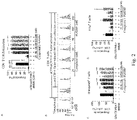
- eBioscience TM Cell Stimulation Cocktail (plus protein transport inhibitors) (500X) was added to the mixture at a ratio of 1:500, and after incubation for 4 h, spleen cells were harvested and analyzed by flow cytometry for the proliferation of CD8 + T cell subsets and the proportion of activated CD8 + T cells (IFN ⁇ + CD8 + T, GranzymeB + CD8 + T).
- Activated CD8 + T cells highly expressed IFN ⁇ and Granzyme B.
- the detection results of the proportions of IFN ⁇ + CD8 + T and Granzyme B + CD8 + T cells showed that the ratio of Granzyme B and IFN ⁇ -positive CD8 + T cells was significantly increased in the co-culture system of BMDMs pretreated with compound I and CD8 + T cells compared to the solvent control group (Panels C and D of FIG. 2 ), indicating that compound I eliminated the immunosuppressive effect of CSF-1-induced BMDMs on activated CD8 + T cells.
- MC38 cells in good condition were re-suspended to 25 million cells/mL. 200 ⁇ L of cell suspension was inoculated subcutaneously in the right armpit of each mouse. When the tumor cells formed subcutaneous xenograft in the mice and grew to an average volume of approximately 100 mm 3 , the mice were randomly assigned to the dosing group and the control group.
- the test compounds were prepared at the desired concentrations and corresponding equal amount of solvent was used as a solvent control. The drugs were administrated orally, and administrated once per day for 24 consecutive days.
- the xenograft volumes of the mice and the weights of the mice were measured every 2-4 days.
- the experiment was stopped.
- Fresh tumors removed from the mice were sheared with scissors into fragments no more than 2mm 3 .
- the digestive enzyme was prepared according to the instructions of Tumor Dissociation Kit.
- the tumor tissue mass was re-suspended with 2.5 mL of prepared enzyme solution, and was placed into a gentleMACS TM Dissociator instrument for dissociating the tumor with a selected program. After completion of dissociation, the suspension was filtered with a 70 ⁇ M filter screen to obtain a cell suspension.
- the cell suspension was lysed with an erythrocyte lysing agent for 10 min, centrifuged at 300g for 5 min, and re-suspended with PBS. Desired amount of cells were taken out after cell counting.
- the cells were first washed twice with PBS. After washing, each sample was re-suspended with 100 ⁇ L of PBS and 0.5 ⁇ L of the fluorescent antibody prepared according to the manufacturer's instructions to distinguish dead and live cells was added. The samples were stained in the dark at 4°C for 30 min. After 30 min, the samples were washed twice with 1 mL of the running buffer and the tubes were centrifuged at 300g for 5 min at 4°C.
- the blocking antibody diluent was prepared by adding 2 ⁇ L of blocking antibody TruStain fcX TM (anti-mouse CD16/32) per 100 ⁇ L running buffer and was added on the basis of the 100 ⁇ L system of each sample. After blocking for 10 min, according to the manufacturer's instructions, the fluorescent antibody corresponding to the surface protein was added to the samples, and the reactant was allowed for incubation at 4°C for 30 min. At this step, a single staining control and an FMO control were set. Then, the samples were washed twice with 1 mL of the running buffer, and centrifuged at 300 g for 5 min at 4°C each time.
- the samples were re-suspended with 300 ⁇ L of PBS and immediately input into machines, or the samples were fixed with 4% paraformaldehyde for 15 min, and centrifuged at 500g for 7 min. The supernatants were discarded and the pellets were re-suspended with PBS and stored for further machine analysis.
- Intracellular Fixation & Permeabilization Buffer Set 100 ⁇ L of re-suspended samples were retained.
- IC fixation solution in Intracellular Fixation & Permeabilization Buffer Set was added to each sample based on the 100 ⁇ L volume. The samples were placed at 4°C for fixation for 30min. After the fixation was completed, the samples were centrifuged at 500g for 7 min. 10 ⁇ Permeabilization Buffer was prepared into 1 ⁇ membrane destructive solution with triple distilled water. After centrifugation, 2 mL of 1 ⁇ membrane destructive solution was added to each sample to re-suspend the samples, and the samples were centrifuged at 500g for 7 min.
- the process was repeated twice. 1 ⁇ membrane destructive solution was used to prepare the intracellular fluorescent antibody as recommended in the instructions for antibody.
- the cells were re-suspended in a system of 100 ⁇ L per well, and placed at 4°C to stain for 30 min. At this step, a single staining control and an FMO control were set. Then, the samples were centrifuged at 500 g for 7 min, and washed twice with 2 mL of 1 ⁇ membrane destructive solution. Finally, the samples were re-suspended with 300 ⁇ L of PBS, and stored for further machine analysis.
- each sample is fixed with 200 ⁇ L of fixing solution in Foxp3/Transcription Factor Staining Buffer Set for 30 min at 4°C. After the fixation was completed, the samples were centrifuged at 500g for 7 min. 10 ⁇ Permeabilization Buffer was prepared into 1 ⁇ membrane destructive solution with triple distilled water. After centrifugation, 2 mL of 1 ⁇ membrane destructive solution was added to each sample to re-suspend the samples, and the re-suspended samples were centrifuged at 500g for 7 min. The process was repeated twice. 1 ⁇ membrane destructive solution was used to prepare the intracellular fluorescent antibody as recommended in the instructions for antibody.
- the cells were re-suspended in a system of 100 ⁇ L per well, and placed at 4°C to stain for 30 min. At this step, a single staining control and an FMO control were set. Then, the samples were centrifuged at 500 g for 7 min, and washed twice with 2 mL of 1 ⁇ membrane destructive solution. Finally, the samples were re-suspended with 300 ⁇ L of PBS, and stored for further machine analysis.
- mice During the dosing period, the xenograft volumes of the mice and the weights of the mice were measured every 2-4 days. The experiment was terminated 24 days after dosing.
- TGI tumor growth inhibition ratio
- the inventors selected the MC38 mouse subcutaneous xenograft model with abundant macrophage infiltration in colorectal cancer models to investigate the effect of compound I on the tumor immune microenvironment. Studies had shown that cytotoxic CD8 + T cells were important effectors in immune cells. The infiltration and killing ability of cytotoxic T cells in tumors were a key factor in anti-tumor effects. Activated T cells could exert anti-tumor effects by secreting IFN ⁇ and Granzyme B. M2-biased TAMs would inhibit the proliferation of cytotoxic CD8 + T cells, resulting in a tumor immunosuppressive state.
- Treg regulatory T cells
- immune cells In tumor growth, regulatory T cells (Treg) interacted with a variety of immune cells to produce inhibitory cytokines, promote immunosuppressive tumor microenvironments, promote tumor growth, and impede tumor response to therapy.
- Treg regulatory T cells
- the macrophages infiltration as well as the infiltration and activation of T cells in the M2-biased polarization and lymphocytes were examined by the inventors.
- the inventors further analyzed the infiltration of CD8 + T cells in T cells and found that, compared to the solvent control group, there was no significant change in the infiltration of CD8 + T cells and IFN ⁇ + CD8 + T cells, but the infiltration of Granzyme B + CD8 + T cells was significantly increased (10 mg/kg group) (Panels D, E and F in FIG. 3 ).
- Table 3 Inhibitory Ratio of Compound I on Tumor Volume Increase of Mouse Colon Cancer MC38 Xenografts Group TV (mm3, mean ⁇ SEM) TGI (%) D 0 D 7 D 14 D 20 D 24 D 0 D 7 D 14 D 20 D 24 Solvent control 80 ⁇ 11 189 ⁇ 44 495 ⁇ 103 877 ⁇ 205 1, 171 ⁇ 315 / / / / / Compound I (2.5 mg/kg) 79 ⁇ 13 119 ⁇ 17 232 ⁇ 39 281 ⁇ 59 348 ⁇ 80 / 63.3 63.0 74.6 75.3 Compound I (10 mg/kg) 79 ⁇ 12 78 ⁇ 15 120 ⁇ 42 117 ⁇ 46 150 ⁇ 64 / 100.9 90.1 95.2 93.4
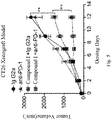
- CT-26 cells were subcutaneously inoculated into the right axillary fossa of BALB/c mice at a cell number of 5 ⁇ 10 6 per mouse.
- the tumor cells successfully formed subcutaneous xenografts in the mice which further grew to an average volume of approximately 100 mm 3 , the mice were randomly assigned to the dosing group and the control group.
- an anti-PD-1 antibody (Bio X Cell Company, InVivoMAb anti-mouse PD-1 (CD279) (catalog: BE0273)) was administered orally once every three days at 10 mg/kg for 12 days.
- the control group was administrated the same amount of Hamster Ig (Rat IgG2a), as the isotype control of the anti-PD-1 antibody, and the administration route, dosage and frequency were same as those for the anti-PD-1 antibody group.
- compound I group compound I + Rat IgG2a
- compound I was administered orally once a day at 5 mg/kg for 12 consecutive days
- Rat IgG2a was administered simultaneously with same mode of administration as the control group.
- a combination administration group of the anti-PD-1 antibody (10 mg/kg, administered orally once every three days) and compound I (5 mg/kg, administered orally once a day) was set. Throughout the experiment, the tumor volume and the mice's body weights were measured twice a week.
- TGI tumor growth inhibition ratio
- the tumor inhibition rate was only 6.7% with anti-PD-1 antibody alone (10 mg/kg, administered orally once every three days), and the tumor inhibition rate of 5 mg/kg of compound I alone was 45.8%.
- the anti-PD-1 antibody orally administered once every three days, each dose of 10 mg/kg was administered in combination with compound I at a dose of 5 mg/kg once a day, the tumor inhibition rate could reach 80.8% (Table 4 and Figure 5 ), suggesting that compound I enhanced the anti-tumor effect of the anti-PD-1 antibody in the CT-26 model.
Landscapes
- Health & Medical Sciences (AREA)
- Chemical & Material Sciences (AREA)
- Life Sciences & Earth Sciences (AREA)
- Medicinal Chemistry (AREA)
- General Health & Medical Sciences (AREA)
- Immunology (AREA)
- Organic Chemistry (AREA)
- Veterinary Medicine (AREA)
- Animal Behavior & Ethology (AREA)
- Pharmacology & Pharmacy (AREA)
- Public Health (AREA)
- Epidemiology (AREA)
- Nuclear Medicine, Radiotherapy & Molecular Imaging (AREA)
- General Chemical & Material Sciences (AREA)
- Chemical Kinetics & Catalysis (AREA)
- Mycology (AREA)
- Microbiology (AREA)
- Molecular Biology (AREA)
- Proteomics, Peptides & Aminoacids (AREA)
- Genetics & Genomics (AREA)
- Biophysics (AREA)
- Biochemistry (AREA)
- Bioinformatics & Cheminformatics (AREA)
- Engineering & Computer Science (AREA)
- Oncology (AREA)
- Pain & Pain Management (AREA)
- Rheumatology (AREA)
- Hematology (AREA)
- Endocrinology (AREA)
- Pharmaceuticals Containing Other Organic And Inorganic Compounds (AREA)
- Medicines That Contain Protein Lipid Enzymes And Other Medicines (AREA)
- Medicines Containing Antibodies Or Antigens For Use As Internal Diagnostic Agents (AREA)
Applications Claiming Priority (2)
| Application Number | Priority Date | Filing Date | Title |
|---|---|---|---|
| CN202010128115 | 2020-02-28 | ||
| PCT/CN2021/078098 WO2021170078A1 (zh) | 2020-02-28 | 2021-02-26 | 一种csf-1r激酶抑制剂的用途 |
Publications (2)
| Publication Number | Publication Date |
|---|---|
| EP4112054A1 true EP4112054A1 (de) | 2023-01-04 |
| EP4112054A4 EP4112054A4 (de) | 2024-03-27 |
Family
ID=77414490
Family Applications (1)
| Application Number | Title | Priority Date | Filing Date |
|---|---|---|---|
| EP21760664.9A Pending EP4112054A4 (de) | 2020-02-28 | 2021-02-26 | Verwendung von csf-1r-kinasehemmer |
Country Status (5)
| Country | Link |
|---|---|
| US (1) | US12605375B2 (de) |
| EP (1) | EP4112054A4 (de) |
| JP (1) | JP7554838B2 (de) |
| CN (1) | CN113318110B (de) |
| WO (1) | WO2021170078A1 (de) |
Families Citing this family (7)
| Publication number | Priority date | Publication date | Assignee | Title |
|---|---|---|---|---|
| CA3226162A1 (en) | 2021-07-09 | 2023-01-12 | Plexium, Inc. | Aryl compounds and pharmaceutical compositions that modulate ikzf2 |
| WO2023125812A1 (zh) * | 2021-12-31 | 2023-07-06 | 上海海雁医药科技有限公司 | 取代的嘧啶酮衍生物、其药物组合物及医药上的用途 |
| CN114681456A (zh) * | 2022-02-23 | 2022-07-01 | 中山大学附属第六医院 | Plx3397在结直肠癌的治疗中的用途 |
| US20250171415A1 (en) * | 2022-03-18 | 2025-05-29 | Shanghai Runshi Medical Technology Co., Ltd. | Salt of substituted amino six-membered nitric heterocyclic compound, crystal form thereof, method for preparing same, and use thereof |
| WO2023241608A1 (en) * | 2022-06-15 | 2023-12-21 | Myrobalan Therapeutics Nanjing Co. Ltd | Csf-1r inhibitors and uses thereof |
| WO2024046407A1 (zh) * | 2022-08-31 | 2024-03-07 | 上海润石医药科技有限公司 | 杂芳基氧基萘类化合物的用途 |
| WO2025061013A1 (zh) * | 2023-09-18 | 2025-03-27 | 上海润石医药科技有限公司 | 包含杂芳基氧基萘类化合物的药物组合物及其制备方法和应用 |
Family Cites Families (6)
| Publication number | Priority date | Publication date | Assignee | Title |
|---|---|---|---|---|
| MY140868A (en) | 2004-12-24 | 2010-01-29 | Astrazeneca Ab | Amide derivatives |
| GT200600411A (es) * | 2005-09-13 | 2007-05-21 | Novartis Ag | Combinaciones que comprenden un inhibidor del receptor del factor de crecimiento endotelial vascular |
| WO2007067444A1 (en) | 2005-12-08 | 2007-06-14 | Millennium Pharmaceuticals, Inc. | Bicyclic compounds with kinase inhibitory activity |
| CA2683049A1 (en) | 2007-04-17 | 2008-10-23 | Novartis Ag | Organic compounds |
| CN107098884A (zh) | 2016-02-19 | 2017-08-29 | 中国科学院上海药物研究所 | 一类取代的氨基吡啶类化合物及其制备和用途 |
| US20250171415A1 (en) * | 2022-03-18 | 2025-05-29 | Shanghai Runshi Medical Technology Co., Ltd. | Salt of substituted amino six-membered nitric heterocyclic compound, crystal form thereof, method for preparing same, and use thereof |
-
2021
- 2021-02-26 EP EP21760664.9A patent/EP4112054A4/de active Pending
- 2021-02-26 WO PCT/CN2021/078098 patent/WO2021170078A1/zh not_active Ceased
- 2021-02-26 CN CN202110217864.9A patent/CN113318110B/zh active Active
- 2021-02-26 US US17/802,898 patent/US12605375B2/en active Active
- 2021-02-26 JP JP2022552235A patent/JP7554838B2/ja active Active
Also Published As
| Publication number | Publication date |
|---|---|
| CN113318110A (zh) | 2021-08-31 |
| US20230285389A1 (en) | 2023-09-14 |
| WO2021170078A1 (zh) | 2021-09-02 |
| EP4112054A4 (de) | 2024-03-27 |
| CN113318110B (zh) | 2023-08-11 |
| JP2023515630A (ja) | 2023-04-13 |
| US12605375B2 (en) | 2026-04-21 |
| JP7554838B2 (ja) | 2024-09-20 |
Similar Documents
| Publication | Publication Date | Title |
|---|---|---|
| EP4112054A1 (de) | Verwendung von csf-1r-kinasehemmer | |
| US11857535B2 (en) | Methods of treating mutant lymphomas | |
| CA3220039A1 (en) | Urea derivatives which can be used to treat cancer | |
| US20240366664A1 (en) | Treatment of cancer with nk cells and an egfr targeted antibody | |
| HUE024426T2 (en) | Imidazo [4,5-c] quinolin-2-one and its use as P13 kinase / mTOR double inhibitor | |
| JP7246309B2 (ja) | 免疫応答を調節するためのオキサビシクロヘプタン | |
| US12396992B2 (en) | Organic compounds | |
| JP7660195B2 (ja) | Csf1rキナーゼ阻害剤およびその使用 | |
| WO2023018636A1 (en) | Compounds that inhibit pi3k isoform alpha and methods for treating cancer | |
| KR20240024046A (ko) | Nk 세포와 cd20 표적 항체를 이용한 암 치료 방법 | |
| US20210379106A1 (en) | Oxabicycloheptanes for enhancing car t cell function | |
| AU2023202746A1 (en) | Combination of a BCL-2 inhibitor and a MCL-1 inhibitor, uses and pharmaceutical compositions thereof | |
| KR20250052412A (ko) | 항-인간 표피성장인자 수용체 2(her2) 키메라 항원 수용체(car)를 포함하는 자연살해세포를 투여하는 방법 | |
| US20220226281A1 (en) | Compounds for use in anti-cancer immunotherapy | |
| CN106924735A (zh) | 多巴胺1类受体激动剂在制备肿瘤治疗药物中的用途 | |
| WO2021209633A1 (en) | Methods and formulations for administration of thiocarbamate derivatives a2a inhibitors | |
| CN121398808A (zh) | 铜螯合疗法 | |
| WO2022187518A1 (en) | Substituted 4-piperidinyl-imidazo[4,5-b]pyridines and related compounds and their use in treating medical conditions | |
| DE112020003610T5 (de) | Neue anwendungen von phenothiazinen oder ihren verbindungen ähnlicher struktur in der pharmazeutik | |
| US20240307373A1 (en) | Methods of use and compositions of bisbenzylisoquinolines for the treatment of malignancies | |
| EP3417864A1 (de) | Immunsuppressionsentwöhnungsmittel und verwendung davon | |
| US20240342161A1 (en) | Bisbenzylisoquinolines as conditioning agents for immune therapy | |
| WO2026015740A1 (en) | Macrocyclic ras inhibitors | |
| HK40107546A (zh) | 抑制PI3K同工型α的化合物和用於治疗癌症的方法 | |
| HK1188454B (en) | Imidazo [4, 5 -c]quinolin- 2 -one compound and its use as pi3 kinase / mtor dual inhibitor |
Legal Events
| Date | Code | Title | Description |
|---|---|---|---|
| STAA | Information on the status of an ep patent application or granted ep patent |
Free format text: STATUS: THE INTERNATIONAL PUBLICATION HAS BEEN MADE |
|
| PUAI | Public reference made under article 153(3) epc to a published international application that has entered the european phase |
Free format text: ORIGINAL CODE: 0009012 |
|
| STAA | Information on the status of an ep patent application or granted ep patent |
Free format text: STATUS: REQUEST FOR EXAMINATION WAS MADE |
|
| 17P | Request for examination filed |
Effective date: 20220927 |
|
| AK | Designated contracting states |
Kind code of ref document: A1 Designated state(s): AL AT BE BG CH CY CZ DE DK EE ES FI FR GB GR HR HU IE IS IT LI LT LU LV MC MK MT NL NO PL PT RO RS SE SI SK SM TR |
|
| DAV | Request for validation of the european patent (deleted) | ||
| DAX | Request for extension of the european patent (deleted) | ||
| A4 | Supplementary search report drawn up and despatched |
Effective date: 20240227 |
|
| STAA | Information on the status of an ep patent application or granted ep patent |
Free format text: STATUS: EXAMINATION IS IN PROGRESS |
|
| 17Q | First examination report despatched |
Effective date: 20250131 |