EP4113111A1 - Membrane biocompatible de type à micro-gonflement et procédé de préparation associé - Google Patents
Membrane biocompatible de type à micro-gonflement et procédé de préparation associé Download PDFInfo
- Publication number
- EP4113111A1 EP4113111A1 EP22773094.2A EP22773094A EP4113111A1 EP 4113111 A1 EP4113111 A1 EP 4113111A1 EP 22773094 A EP22773094 A EP 22773094A EP 4113111 A1 EP4113111 A1 EP 4113111A1
- Authority
- EP
- European Patent Office
- Prior art keywords
- biocompatible membrane
- preparation
- biocompatible
- derivatives
- glucose
- Prior art date
- Legal status (The legal status is an assumption and is not a legal conclusion. Google has not performed a legal analysis and makes no representation as to the accuracy of the status listed.)
- Pending
Links
- 239000012528 membrane Substances 0.000 title claims abstract description 98
- 238000002360 preparation method Methods 0.000 title claims abstract description 20
- WQZGKKKJIJFFOK-GASJEMHNSA-N Glucose Natural products OC[C@H]1OC(O)[C@H](O)[C@@H](O)[C@@H]1O WQZGKKKJIJFFOK-GASJEMHNSA-N 0.000 claims abstract description 72
- 239000008103 glucose Substances 0.000 claims abstract description 72
- 229920001577 copolymer Polymers 0.000 claims abstract description 18
- 238000000576 coating method Methods 0.000 claims abstract description 10
- 239000011248 coating agent Substances 0.000 claims abstract description 9
- 230000015572 biosynthetic process Effects 0.000 claims abstract description 4
- 238000003786 synthesis reaction Methods 0.000 claims abstract description 4
- 239000000243 solution Substances 0.000 claims description 25
- LFQSCWFLJHTTHZ-UHFFFAOYSA-N Ethanol Chemical compound CCO LFQSCWFLJHTTHZ-UHFFFAOYSA-N 0.000 claims description 23
- 230000002209 hydrophobic effect Effects 0.000 claims description 17
- QVGXLLKOCUKJST-UHFFFAOYSA-N atomic oxygen Chemical compound [O] QVGXLLKOCUKJST-UHFFFAOYSA-N 0.000 claims description 14
- 239000001301 oxygen Substances 0.000 claims description 14
- 229910052760 oxygen Inorganic materials 0.000 claims description 14
- 239000000178 monomer Substances 0.000 claims description 12
- XLYOFNOQVPJJNP-UHFFFAOYSA-N water Substances O XLYOFNOQVPJJNP-UHFFFAOYSA-N 0.000 claims description 11
- 239000002202 Polyethylene glycol Substances 0.000 claims description 10
- 229920001223 polyethylene glycol Polymers 0.000 claims description 10
- OKKJLVBELUTLKV-UHFFFAOYSA-N Methanol Chemical compound OC OKKJLVBELUTLKV-UHFFFAOYSA-N 0.000 claims description 9
- 229920001451 polypropylene glycol Polymers 0.000 claims description 9
- PPBRXRYQALVLMV-UHFFFAOYSA-N Styrene Natural products C=CC1=CC=CC=C1 PPBRXRYQALVLMV-UHFFFAOYSA-N 0.000 claims description 8
- 238000006243 chemical reaction Methods 0.000 claims description 7
- 239000002244 precipitate Substances 0.000 claims description 7
- 239000000126 substance Substances 0.000 claims description 7
- NIXOWILDQLNWCW-UHFFFAOYSA-M Acrylate Chemical compound [O-]C(=O)C=C NIXOWILDQLNWCW-UHFFFAOYSA-M 0.000 claims description 6
- IJGRMHOSHXDMSA-UHFFFAOYSA-N Atomic nitrogen Chemical compound N#N IJGRMHOSHXDMSA-UHFFFAOYSA-N 0.000 claims description 6
- IAZDPXIOMUYVGZ-UHFFFAOYSA-N Dimethylsulphoxide Chemical compound CS(C)=O IAZDPXIOMUYVGZ-UHFFFAOYSA-N 0.000 claims description 6
- LYCAIKOWRPUZTN-UHFFFAOYSA-N Ethylene glycol Chemical group OCCO LYCAIKOWRPUZTN-UHFFFAOYSA-N 0.000 claims description 6
- KFZMGEQAYNKOFK-UHFFFAOYSA-N Isopropanol Chemical compound CC(C)O KFZMGEQAYNKOFK-UHFFFAOYSA-N 0.000 claims description 6
- WHNWPMSKXPGLAX-UHFFFAOYSA-N N-Vinyl-2-pyrrolidone Chemical compound C=CN1CCCC1=O WHNWPMSKXPGLAX-UHFFFAOYSA-N 0.000 claims description 6
- 229920003171 Poly (ethylene oxide) Polymers 0.000 claims description 6
- WYURNTSHIVDZCO-UHFFFAOYSA-N Tetrahydrofuran Chemical compound C1CCOC1 WYURNTSHIVDZCO-UHFFFAOYSA-N 0.000 claims description 6
- GYZLOYUZLJXAJU-UHFFFAOYSA-N diglycidyl ether Chemical compound C1OC1COCC1CO1 GYZLOYUZLJXAJU-UHFFFAOYSA-N 0.000 claims description 6
- 238000001035 drying Methods 0.000 claims description 6
- 238000000034 method Methods 0.000 claims description 6
- 150000001413 amino acids Chemical class 0.000 claims description 5
- 239000003431 cross linking reagent Substances 0.000 claims description 5
- CXXSQMDHHYTRKY-UHFFFAOYSA-N 4-amino-2,3,5-tris(oxiran-2-ylmethyl)phenol Chemical group C1=C(O)C(CC2OC2)=C(CC2OC2)C(N)=C1CC1CO1 CXXSQMDHHYTRKY-UHFFFAOYSA-N 0.000 claims description 4
- 229920006158 high molecular weight polymer Polymers 0.000 claims description 4
- 238000002156 mixing Methods 0.000 claims description 4
- 229940088644 n,n-dimethylacrylamide Drugs 0.000 claims description 4
- YLGYACDQVQQZSW-UHFFFAOYSA-N n,n-dimethylprop-2-enamide Chemical compound CN(C)C(=O)C=C YLGYACDQVQQZSW-UHFFFAOYSA-N 0.000 claims description 4
- KIUKXJAPPMFGSW-DNGZLQJQSA-N (2S,3S,4S,5R,6R)-6-[(2S,3R,4R,5S,6R)-3-Acetamido-2-[(2S,3S,4R,5R,6R)-6-[(2R,3R,4R,5S,6R)-3-acetamido-2,5-dihydroxy-6-(hydroxymethyl)oxan-4-yl]oxy-2-carboxy-4,5-dihydroxyoxan-3-yl]oxy-5-hydroxy-6-(hydroxymethyl)oxan-4-yl]oxy-3,4,5-trihydroxyoxane-2-carboxylic acid Chemical compound CC(=O)N[C@H]1[C@H](O)O[C@H](CO)[C@@H](O)[C@@H]1O[C@H]1[C@H](O)[C@@H](O)[C@H](O[C@H]2[C@@H]([C@@H](O[C@H]3[C@@H]([C@@H](O)[C@H](O)[C@H](O3)C(O)=O)O)[C@H](O)[C@@H](CO)O2)NC(C)=O)[C@@H](C(O)=O)O1 KIUKXJAPPMFGSW-DNGZLQJQSA-N 0.000 claims description 3
- RYHBNJHYFVUHQT-UHFFFAOYSA-N 1,4-Dioxane Chemical compound C1COCCO1 RYHBNJHYFVUHQT-UHFFFAOYSA-N 0.000 claims description 3
- OZAIFHULBGXAKX-UHFFFAOYSA-N 2-(2-cyanopropan-2-yldiazenyl)-2-methylpropanenitrile Chemical compound N#CC(C)(C)N=NC(C)(C)C#N OZAIFHULBGXAKX-UHFFFAOYSA-N 0.000 claims description 3
- AOBIOSPNXBMOAT-UHFFFAOYSA-N 2-[2-(oxiran-2-ylmethoxy)ethoxymethyl]oxirane Chemical compound C1OC1COCCOCC1CO1 AOBIOSPNXBMOAT-UHFFFAOYSA-N 0.000 claims description 3
- KGIGUEBEKRSTEW-UHFFFAOYSA-N 2-vinylpyridine Chemical compound C=CC1=CC=CC=N1 KGIGUEBEKRSTEW-UHFFFAOYSA-N 0.000 claims description 3
- HRPVXLWXLXDGHG-UHFFFAOYSA-N Acrylamide Chemical compound NC(=O)C=C HRPVXLWXLXDGHG-UHFFFAOYSA-N 0.000 claims description 3
- 229920001661 Chitosan Polymers 0.000 claims description 3
- IAYPIBMASNFSPL-UHFFFAOYSA-N Ethylene oxide Chemical compound C1CO1 IAYPIBMASNFSPL-UHFFFAOYSA-N 0.000 claims description 3
- SXRSQZLOMIGNAQ-UHFFFAOYSA-N Glutaraldehyde Chemical compound O=CCCCC=O SXRSQZLOMIGNAQ-UHFFFAOYSA-N 0.000 claims description 3
- KWIUHFFTVRNATP-UHFFFAOYSA-O N,N,N-trimethylglycinium Chemical compound C[N+](C)(C)CC(O)=O KWIUHFFTVRNATP-UHFFFAOYSA-O 0.000 claims description 3
- 239000004372 Polyvinyl alcohol Substances 0.000 claims description 3
- GOOHAUXETOMSMM-UHFFFAOYSA-N Propylene oxide Chemical compound CC1CO1 GOOHAUXETOMSMM-UHFFFAOYSA-N 0.000 claims description 3
- 239000000783 alginic acid Substances 0.000 claims description 3
- 229920000615 alginic acid Polymers 0.000 claims description 3
- 229960001126 alginic acid Drugs 0.000 claims description 3
- 235000010443 alginic acid Nutrition 0.000 claims description 3
- 150000004781 alginic acids Chemical class 0.000 claims description 3
- 150000001336 alkenes Chemical class 0.000 claims description 3
- 239000001913 cellulose Substances 0.000 claims description 3
- 229920002678 cellulose Polymers 0.000 claims description 3
- 229920002674 hyaluronan Polymers 0.000 claims description 3
- 229960003160 hyaluronic acid Drugs 0.000 claims description 3
- 229910052757 nitrogen Inorganic materials 0.000 claims description 3
- JRZJOMJEPLMPRA-UHFFFAOYSA-N olefin Natural products CCCCCCCC=C JRZJOMJEPLMPRA-UHFFFAOYSA-N 0.000 claims description 3
- 229920000747 poly(lactic acid) Polymers 0.000 claims description 3
- 239000004626 polylactic acid Substances 0.000 claims description 3
- 229920002451 polyvinyl alcohol Polymers 0.000 claims description 3
- BDERNNFJNOPAEC-UHFFFAOYSA-N propan-1-ol Chemical compound CCCO BDERNNFJNOPAEC-UHFFFAOYSA-N 0.000 claims description 3
- 150000003248 quinolines Chemical group 0.000 claims description 3
- 238000003860 storage Methods 0.000 claims description 3
- HXJUTPCZVOIRIF-UHFFFAOYSA-N sulfolane Chemical compound O=S1(=O)CCCC1 HXJUTPCZVOIRIF-UHFFFAOYSA-N 0.000 claims description 3
- YLQBMQCUIZJEEH-UHFFFAOYSA-N tetrahydrofuran Natural products C=1C=COC=1 YLQBMQCUIZJEEH-UHFFFAOYSA-N 0.000 claims description 3
- KWIUHFFTVRNATP-UHFFFAOYSA-N Betaine Natural products C[N+](C)(C)CC([O-])=O KWIUHFFTVRNATP-UHFFFAOYSA-N 0.000 claims description 2
- 229940024606 amino acid Drugs 0.000 claims description 2
- 229960003237 betaine Drugs 0.000 claims description 2
- 229960001231 choline Drugs 0.000 claims description 2
- 238000010790 dilution Methods 0.000 claims description 2
- 239000012895 dilution Substances 0.000 claims description 2
- 229940117927 ethylene oxide Drugs 0.000 claims description 2
- 125000003011 styrenyl group Chemical group [H]\C(*)=C(/[H])C1=C([H])C([H])=C([H])C([H])=C1[H] 0.000 claims description 2
- 239000006228 supernatant Substances 0.000 claims description 2
- 238000012544 monitoring process Methods 0.000 abstract description 10
- 230000035945 sensitivity Effects 0.000 abstract description 5
- 238000005516 engineering process Methods 0.000 description 10
- OKTJSMMVPCPJKN-UHFFFAOYSA-N Carbon Chemical compound [C] OKTJSMMVPCPJKN-UHFFFAOYSA-N 0.000 description 8
- 229910052799 carbon Inorganic materials 0.000 description 8
- 239000008280 blood Substances 0.000 description 6
- 210000004369 blood Anatomy 0.000 description 6
- 230000003197 catalytic effect Effects 0.000 description 5
- 238000003618 dip coating Methods 0.000 description 5
- 238000001727 in vivo Methods 0.000 description 5
- 230000003647 oxidation Effects 0.000 description 5
- 238000007254 oxidation reaction Methods 0.000 description 5
- 238000012360 testing method Methods 0.000 description 5
- 239000004366 Glucose oxidase Substances 0.000 description 4
- 108010015776 Glucose oxidase Proteins 0.000 description 4
- WQZGKKKJIJFFOK-VFUOTHLCSA-N beta-D-glucose Chemical compound OC[C@H]1O[C@@H](O)[C@H](O)[C@@H](O)[C@@H]1O WQZGKKKJIJFFOK-VFUOTHLCSA-N 0.000 description 4
- 239000007853 buffer solution Substances 0.000 description 4
- 235000019420 glucose oxidase Nutrition 0.000 description 4
- 229940116332 glucose oxidase Drugs 0.000 description 4
- 239000000017 hydrogel Substances 0.000 description 4
- 239000000758 substrate Substances 0.000 description 4
- 229910021607 Silver chloride Inorganic materials 0.000 description 3
- 239000011324 bead Substances 0.000 description 3
- 230000008859 change Effects 0.000 description 3
- 238000000835 electrochemical detection Methods 0.000 description 3
- -1 polyethylene terephthalate Polymers 0.000 description 3
- 229920000139 polyethylene terephthalate Polymers 0.000 description 3
- 239000005020 polyethylene terephthalate Substances 0.000 description 3
- 229920000642 polymer Polymers 0.000 description 3
- 230000004044 response Effects 0.000 description 3
- 229910052709 silver Inorganic materials 0.000 description 3
- 239000004332 silver Substances 0.000 description 3
- HKZLPVFGJNLROG-UHFFFAOYSA-M silver monochloride Chemical compound [Cl-].[Ag+] HKZLPVFGJNLROG-UHFFFAOYSA-M 0.000 description 3
- 230000008961 swelling Effects 0.000 description 3
- MHAJPDPJQMAIIY-UHFFFAOYSA-N Hydrogen peroxide Chemical compound OO MHAJPDPJQMAIIY-UHFFFAOYSA-N 0.000 description 2
- 230000004075 alteration Effects 0.000 description 2
- 210000001124 body fluid Anatomy 0.000 description 2
- 239000010839 body fluid Substances 0.000 description 2
- 238000010382 chemical cross-linking Methods 0.000 description 2
- APEJMQOBVMLION-UHFFFAOYSA-N cinnamamide Chemical compound NC(=O)C=CC1=CC=CC=C1 APEJMQOBVMLION-UHFFFAOYSA-N 0.000 description 2
- 238000004132 cross linking Methods 0.000 description 2
- 230000003247 decreasing effect Effects 0.000 description 2
- 238000013461 design Methods 0.000 description 2
- 206010012601 diabetes mellitus Diseases 0.000 description 2
- 239000012530 fluid Substances 0.000 description 2
- 238000009472 formulation Methods 0.000 description 2
- 238000000338 in vitro Methods 0.000 description 2
- JVTAAEKCZFNVCJ-UHFFFAOYSA-N lactic acid Chemical compound CC(O)C(O)=O JVTAAEKCZFNVCJ-UHFFFAOYSA-N 0.000 description 2
- 238000004519 manufacturing process Methods 0.000 description 2
- 239000000203 mixture Substances 0.000 description 2
- 238000012986 modification Methods 0.000 description 2
- 230000004048 modification Effects 0.000 description 2
- 238000005457 optimization Methods 0.000 description 2
- 230000008569 process Effects 0.000 description 2
- 230000001105 regulatory effect Effects 0.000 description 2
- 108090000854 Oxidoreductases Proteins 0.000 description 1
- 102000004316 Oxidoreductases Human genes 0.000 description 1
- 230000004913 activation Effects 0.000 description 1
- 230000009286 beneficial effect Effects 0.000 description 1
- 239000000560 biocompatible material Substances 0.000 description 1
- 230000001276 controlling effect Effects 0.000 description 1
- 238000001514 detection method Methods 0.000 description 1
- 238000007865 diluting Methods 0.000 description 1
- YAGKRVSRTSUGEY-UHFFFAOYSA-N ferricyanide Chemical compound [Fe+3].N#[C-].N#[C-].N#[C-].N#[C-].N#[C-].N#[C-] YAGKRVSRTSUGEY-UHFFFAOYSA-N 0.000 description 1
- KTWOOEGAPBSYNW-UHFFFAOYSA-N ferrocene Chemical compound [Fe+2].C=1C=C[CH-]C=1.C=1C=C[CH-]C=1 KTWOOEGAPBSYNW-UHFFFAOYSA-N 0.000 description 1
- 230000002452 interceptive effect Effects 0.000 description 1
- 150000002576 ketones Chemical class 0.000 description 1
- 235000014655 lactic acid Nutrition 0.000 description 1
- 239000004310 lactic acid Substances 0.000 description 1
- FQPSGWSUVKBHSU-UHFFFAOYSA-N methacrylamide Chemical compound CC(=C)C(N)=O FQPSGWSUVKBHSU-UHFFFAOYSA-N 0.000 description 1
- OMNKZBIFPJNNIO-UHFFFAOYSA-N n-(2-methyl-4-oxopentan-2-yl)prop-2-enamide Chemical compound CC(=O)CC(C)(C)NC(=O)C=C OMNKZBIFPJNNIO-UHFFFAOYSA-N 0.000 description 1
- BPCNEKWROYSOLT-UHFFFAOYSA-N n-phenylprop-2-enamide Chemical compound C=CC(=O)NC1=CC=CC=C1 BPCNEKWROYSOLT-UHFFFAOYSA-N 0.000 description 1
- QNILTEGFHQSKFF-UHFFFAOYSA-N n-propan-2-ylprop-2-enamide Chemical compound CC(C)NC(=O)C=C QNILTEGFHQSKFF-UHFFFAOYSA-N 0.000 description 1
- 238000001556 precipitation Methods 0.000 description 1
- 230000009467 reduction Effects 0.000 description 1
- 238000011160 research Methods 0.000 description 1
- 238000000926 separation method Methods 0.000 description 1
- 238000002791 soaking Methods 0.000 description 1
- 239000007787 solid Substances 0.000 description 1
- 239000002904 solvent Substances 0.000 description 1
- 238000004528 spin coating Methods 0.000 description 1
- 238000005507 spraying Methods 0.000 description 1
- 229910052723 transition metal Inorganic materials 0.000 description 1
- 150000003624 transition metals Chemical class 0.000 description 1
Images


Classifications
-
- A—HUMAN NECESSITIES
- A61—MEDICAL OR VETERINARY SCIENCE; HYGIENE
- A61B—DIAGNOSIS; SURGERY; IDENTIFICATION
- A61B5/00—Measuring for diagnostic purposes; Identification of persons
- A61B5/145—Measuring characteristics of blood in vivo, e.g. gas concentration or pH-value ; Measuring characteristics of body fluids or tissues, e.g. interstitial fluid or cerebral tissue
- A61B5/1468—Measuring characteristics of blood in vivo, e.g. gas concentration or pH-value ; Measuring characteristics of body fluids or tissues, e.g. interstitial fluid or cerebral tissue using chemical or electrochemical methods, e.g. by polarographic means
- A61B5/1486—Measuring characteristics of blood in vivo, e.g. gas concentration or pH-value ; Measuring characteristics of body fluids or tissues, e.g. interstitial fluid or cerebral tissue using chemical or electrochemical methods, e.g. by polarographic means using enzyme electrodes, e.g. with immobilised oxidase
-
- G—PHYSICS
- G01—MEASURING; TESTING
- G01N—INVESTIGATING OR ANALYSING MATERIALS BY DETERMINING THEIR CHEMICAL OR PHYSICAL PROPERTIES
- G01N27/00—Investigating or analysing materials by the use of electric, electrochemical, or magnetic means
- G01N27/26—Investigating or analysing materials by the use of electric, electrochemical, or magnetic means by investigating electrochemical variables; by using electrolysis or electrophoresis
-
- C—CHEMISTRY; METALLURGY
- C08—ORGANIC MACROMOLECULAR COMPOUNDS; THEIR PREPARATION OR CHEMICAL WORKING-UP; COMPOSITIONS BASED THEREON
- C08F—MACROMOLECULAR COMPOUNDS OBTAINED BY REACTIONS ONLY INVOLVING CARBON-TO-CARBON UNSATURATED BONDS
- C08F212/00—Copolymers of compounds having one or more unsaturated aliphatic radicals, each having only one carbon-to-carbon double bond, and at least one being terminated by an aromatic carbocyclic ring
- C08F212/02—Monomers containing only one unsaturated aliphatic radical
- C08F212/04—Monomers containing only one unsaturated aliphatic radical containing one ring
- C08F212/06—Hydrocarbons
- C08F212/08—Styrene
-
- A—HUMAN NECESSITIES
- A61—MEDICAL OR VETERINARY SCIENCE; HYGIENE
- A61B—DIAGNOSIS; SURGERY; IDENTIFICATION
- A61B5/00—Measuring for diagnostic purposes; Identification of persons
- A61B5/145—Measuring characteristics of blood in vivo, e.g. gas concentration or pH-value ; Measuring characteristics of body fluids or tissues, e.g. interstitial fluid or cerebral tissue
- A61B5/14532—Measuring characteristics of blood in vivo, e.g. gas concentration or pH-value ; Measuring characteristics of body fluids or tissues, e.g. interstitial fluid or cerebral tissue for measuring glucose, e.g. by tissue impedance measurement
-
- B—PERFORMING OPERATIONS; TRANSPORTING
- B01—PHYSICAL OR CHEMICAL PROCESSES OR APPARATUS IN GENERAL
- B01D—SEPARATION
- B01D71/00—Semi-permeable membranes for separation processes or apparatus characterised by the material; Manufacturing processes specially adapted therefor
- B01D71/06—Organic material
- B01D71/28—Polymers of vinyl aromatic compounds
- B01D71/281—Polystyrene
-
- B—PERFORMING OPERATIONS; TRANSPORTING
- B01—PHYSICAL OR CHEMICAL PROCESSES OR APPARATUS IN GENERAL
- B01D—SEPARATION
- B01D71/00—Semi-permeable membranes for separation processes or apparatus characterised by the material; Manufacturing processes specially adapted therefor
- B01D71/06—Organic material
- B01D71/44—Polymers obtained by reactions only involving carbon-to-carbon unsaturated bonds, not provided for in a single one of groups B01D71/26-B01D71/42
- B01D71/441—Polyvinylpyrrolidone
-
- B—PERFORMING OPERATIONS; TRANSPORTING
- B01—PHYSICAL OR CHEMICAL PROCESSES OR APPARATUS IN GENERAL
- B01D—SEPARATION
- B01D71/00—Semi-permeable membranes for separation processes or apparatus characterised by the material; Manufacturing processes specially adapted therefor
- B01D71/06—Organic material
- B01D71/52—Polyethers
- B01D71/521—Aliphatic polyethers
- B01D71/5211—Polyethylene glycol or polyethyleneoxide
-
- B—PERFORMING OPERATIONS; TRANSPORTING
- B01—PHYSICAL OR CHEMICAL PROCESSES OR APPARATUS IN GENERAL
- B01D—SEPARATION
- B01D71/00—Semi-permeable membranes for separation processes or apparatus characterised by the material; Manufacturing processes specially adapted therefor
- B01D71/06—Organic material
- B01D71/76—Macromolecular material not specifically provided for in a single one of groups B01D71/08 - B01D71/74
-
- B—PERFORMING OPERATIONS; TRANSPORTING
- B01—PHYSICAL OR CHEMICAL PROCESSES OR APPARATUS IN GENERAL
- B01D—SEPARATION
- B01D71/00—Semi-permeable membranes for separation processes or apparatus characterised by the material; Manufacturing processes specially adapted therefor
- B01D71/06—Organic material
- B01D71/76—Macromolecular material not specifically provided for in a single one of groups B01D71/08 - B01D71/74
- B01D71/78—Graft polymers
-
- C—CHEMISTRY; METALLURGY
- C08—ORGANIC MACROMOLECULAR COMPOUNDS; THEIR PREPARATION OR CHEMICAL WORKING-UP; COMPOSITIONS BASED THEREON
- C08F—MACROMOLECULAR COMPOUNDS OBTAINED BY REACTIONS ONLY INVOLVING CARBON-TO-CARBON UNSATURATED BONDS
- C08F290/00—Macromolecular compounds obtained by polymerising monomers on to polymers modified by introduction of aliphatic unsaturated end or side groups
- C08F290/08—Macromolecular compounds obtained by polymerising monomers on to polymers modified by introduction of aliphatic unsaturated end or side groups on to polymers modified by introduction of unsaturated side groups
- C08F290/12—Polymers provided for in subclasses C08C or C08F
- C08F290/124—Polymers of aromatic monomers as defined in group C08F12/00
-
- G—PHYSICS
- G01—MEASURING; TESTING
- G01N—INVESTIGATING OR ANALYSING MATERIALS BY DETERMINING THEIR CHEMICAL OR PHYSICAL PROPERTIES
- G01N27/00—Investigating or analysing materials by the use of electric, electrochemical, or magnetic means
- G01N27/26—Investigating or analysing materials by the use of electric, electrochemical, or magnetic means by investigating electrochemical variables; by using electrolysis or electrophoresis
- G01N27/28—Electrolytic cell components
- G01N27/30—Electrodes, e.g. test electrodes; Half-cells
- G01N27/301—Reference electrodes
-
- G—PHYSICS
- G01—MEASURING; TESTING
- G01N—INVESTIGATING OR ANALYSING MATERIALS BY DETERMINING THEIR CHEMICAL OR PHYSICAL PROPERTIES
- G01N27/00—Investigating or analysing materials by the use of electric, electrochemical, or magnetic means
- G01N27/26—Investigating or analysing materials by the use of electric, electrochemical, or magnetic means by investigating electrochemical variables; by using electrolysis or electrophoresis
- G01N27/28—Electrolytic cell components
- G01N27/30—Electrodes, e.g. test electrodes; Half-cells
- G01N27/308—Electrodes, e.g. test electrodes; Half-cells at least partially made of carbon
-
- B—PERFORMING OPERATIONS; TRANSPORTING
- B01—PHYSICAL OR CHEMICAL PROCESSES OR APPARATUS IN GENERAL
- B01D—SEPARATION
- B01D2325/00—Details relating to properties of membranes
- B01D2325/58—Biocompatibility of membrane
-
- C—CHEMISTRY; METALLURGY
- C08—ORGANIC MACROMOLECULAR COMPOUNDS; THEIR PREPARATION OR CHEMICAL WORKING-UP; COMPOSITIONS BASED THEREON
- C08L—COMPOSITIONS OF MACROMOLECULAR COMPOUNDS
- C08L25/00—Compositions of, homopolymers or copolymers of compounds having one or more unsaturated aliphatic radicals, each having only one carbon-to-carbon double bond, and at least one being terminated by an aromatic carbocyclic ring; Compositions of derivatives of such polymers
- C08L25/02—Homopolymers or copolymers of hydrocarbons
- C08L25/04—Homopolymers or copolymers of styrene
- C08L25/08—Copolymers of styrene
Definitions
- the present invention relates to a biocompatible membrane, specifically to a minimally swellable biocompatible membrane and the preparation method thereof.
- CGM Continuous glucose monitoring
- the CGMs based on the first-generation biosensing technology for continuous glucose monitoring include G5 and G6 of Dexcom and Guardian and iPro2 of Medtronic, and have the working principle that they indirectly monitor glucose by electrochemically detecting the hydrogen peroxide generated by the reduction of oxygen during the catalytic oxidation of glucose by glucose oxidase. Since the CGMs developed based on the first-generation biosensing technology relies on the oxygen (a natural mediator for the catalytic oxidation of glucose by glucose oxidase) in body fluids (e.g.
- the biocompatible membrane of the CGM system must be able to maximally allow the passage of oxygen while effectively regulate the passage of glucose in addition to its high biocompatibility. It is well known that oxygen is hydrophobic compared with glucose, so the biocompatible membrane must also be highly hydrophobic. However, since the main component of tissue fluid is water, the requirement of high hydrophobicity poses great challenges for the design of the biocompatible membrane. Although exploration has been made for more than 20 years, the performance of this kind of CGMs is still far from ideal in continuous glucose monitoring. For example, Guardian and iPro2 made by Medtronic still need to be calibrated twice a day and have a life time of only one week.
- redox substances - artificial redox mediators redox polymers, or small redox molecules such as ferricyanide, ferrocene and the derivatives thereof, and other transition metal complexes
- glucose oxidase can achieve electron exchange with substrate electrodes via the redox substances - the second-generation biosensing technology.
- the second-generation biosensing technology developed based on this principle is currently widely used in biosensors, especially glucose biosensors, including the glucose biosensors for CGMs, such as FreeStyle Libre made by Abbott Diabetes Care.
- the second-generation biosensing technology realizes direct electrochemical detection of glucose by introducing the synthetic redox mediator into the biosensor, glucose detection can be realized at very low potentials through the molecular design and optimization of the redox mediator, thus greatly improving the anti-interference ability of the CGMs. Because this kind of glucose monitoring system performs direct electrochemical detection of glucose through the artificial redox mediator, its sensitivity is significantly improved.
- oxygen as the natural mediator for the catalytic oxidation of glucose by glucose oxidase, inevitably participates in the catalytic oxidation of glucose and becomes an important interfering factor in glucose monitoring.
- biocompatible membranes In order to further improve the performance of such CGMs, various biocompatible membranes have been introduced, which on one hand eliminates the interference of oxygen to a great extent, and on the other hand extends the monitorable range of glucose.
- high hydrophilicity is a basic characteristic of such biocompatible membranes. Therefore, hydrogels or polymers mainly composed of hydrogels have become the choices for such biocompatible membranes (U.S. Patents including US 9777307 , US 9668685 , US 9014774 , and US 9042954 ).
- biocompatible membranes can regulate glucose very efficiently, they are difficult to achieve effective and precise simultaneous regulation of oxygen and glucose. For effective regulation, it is necessary to significantly increase the thickness of the biocompatible membranes.
- the present invention provides a minimally swellable biocompatible membrane and the preparation method thereof, and applies the minimally swellable biocompatible membrane to a glucose biosensor based on the third-generation biosensing technology, namely the electrochemical activation technology of oxidoreductase, so as to effectively improve the sensitivity, accuracy, reproducibility, stability, specificity and anti-interference ability of the CGM, prolong the life time of the CGM, and greatly reduce its cost.
- the third-generation biosensing technology namely the electrochemical activation technology of oxidoreductase
- the preparation method of the minimally swellable biocompatible membrane comprises the following steps:
- hydrophobic monomer is styrene, vinylpyridine, acrylate or acrylamide and the derivatives thereof.
- the monomer containing a hydrophilic group is vinylpyrrolidone, vinylized polyethylene glycol, an acrylate with an ethylene glycol group, or an olefin with an ethylene glycol group.
- the separating and purifying operation in A3 is specifically as follows: adding water to precipitate the copolymer containing the hydrophobic membrane skeleton and hydrophilic group, centrifuging, removing the supernatant, adding ethanol to dissolve the precipitate, and repeating for 2-6 times.
- the biocompatible substance is a high-molecular-weight polymer with high hydrophilicity and biocompatibility or an aminated monomer with high biocompatibility.
- the high-molecular-weight polymer with high hydrophilicity and biocompatibility is polyethylene oxide, a copolymer containing polyethylene oxide, polypropylene oxide, a copolymer containing polypropylene oxide, polyvinyl alcohol, polylactic acid, hyaluronic acid and the derivatives thereof, chitosan and the derivatives thereof, cellulose and the derivatives thereof, alginic acid and the derivatives thereof, or aminated polyethylene glycol; and the monomer with high biocompatibility is choline, betaine, amino acid, ethylene oxide, or propylene oxide.
- the crosslinking agent is triglycidyl p-aminophenol, glycidyl ether and the derivatives thereof, polypropylene glycol glycidyl ether and the derivatives thereof, polyethylene glycol diglycidyl ether and the derivatives thereof, or glutaraldehyde.
- biocompatible membrane solution is dissolved in methanol, ethanol, propanol, isopropanol, water, N,N-dimethylacrylamide, dimethyl sulfoxide, sulfolane, tetrahydrofuran or dioxane for storage.
- the present invention provides a minimally swellable biocompatible membrane prepared by any of the above-mentioned preparation methods.
- the present invention provides a glucose biosensor comprising the above-mentioned minimally swellable biocompatible membrane.
- the present invention has the following beneficial effects:
- the present invention can effectively regulate glucose, and has high biocompatibility (long life time) as well, thereby effectively improving the sensitivity, accuracy, reproducibility, stability, specificity and anti-interference ability of the CGM, prolonging the life time of the CGM, and greatly reducing its cost.
- the preparation method of the minimally swellable biocompatible membrane comprised the following steps:
- step A1 On the basis of Example 1, the vinylpyrrolidone in step A1 was replaced by vinylized polyethylene glycol, an acrylate with an ethylene glycol group, and an olefin with an ethylene glycol group, respectively.
- step A1 On the basis of Example 1, the styrene in step A1 was replaced by vinylpyridine, acrylate, acrylamide, methacrylamide, diacetone acrylamide, cinnamamide, N-isopropylacrylamide, N-phenylacrylamide, and N,N-dimethylacrylamide, respectively.
- the aminated polyethylene glycol in step B2 was replaced by polyethylene oxide, a copolymer containing polyethylene oxide, polypropylene oxide, a copolymer containing polypropylene oxide, polyvinyl alcohol, polylactic acid, hyaluronic acid and the derivatives thereof, chitosan and the derivatives thereof, cellulose and the derivatives thereof, alginic acid and the derivatives thereof, aminated choline, aminated betaine, aminated amino acid, aminated ethylene oxide, aminated propylene oxide, and aminated vinylpyrrolidone, respectively.
- the triglycidyl p-aminophenol in step B2 was replaced by glycidyl ether, polypropylene glycol glycidyl ether and the derivatives thereof, polyethylene glycol diglycidyl ether and the derivatives thereof, and glutaraldehyde, respectively.
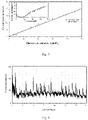
- Biocompatible membrane beads above 10 mm were prepared by the dip-pull method from the biocompatible membrane solution obtained in Example 1, and then they were soaked in a PBS buffer solution containing 10 mmol/L glucose for 7 days. The volumes of the biocompatible membrane beads before and after soaking are compared, with the results shown in Fig. 1 . It can be seen that the biocompatible membrane beads, after being soaked in the PBS buffer solution containing 10 mmol/L glucose for 7 days, only have less than 10% of swelling, which fundamentally ensures that the biocompatible membrane will not be significantly affected in the mechanical properties by swelling after being implanted. Besides, because the crosslinking reaction is completely terminated by amino acids, their stability and pot life are greatly improved, making it possible to prepare CGMs with high consistency.
- the biocompatible membrane solution obtained in Example 1 was evenly coated on the glucose biosensors as shown in Fig. 2 or 3 by the dip coating method, the glucose biosensors comprising a polyethylene terephthalate substrate 3, a carbon counter electrode 2 and a carbon working electrode 4 respectively covering the two sides of the polyethylene terephthalate substrate 3, a glucose sensing membrane 5 coated on the carbon working electrode 4, a silver/silver chloride reference electrode 6 disposed outside the carbon working electrode 4, and a biocompatible membrane 1 covering the carbon counter electrode 2, the silver/silver chloride reference electrode 6 and the carbon working electrode 4.
- These glucose biosensors were then dried to form a membrane in a strictly controlled environment. After the solvent evaporated completely, the surface of these glucose biosensors were completely coated with biocompatible membranes.
- the above process could be repeated at will, usually 3-4 times, to achieve the required thickness. Since this biocompatible membrane was formed through multiple membrane-forming processes, its final performance of regulating oxygen and glucose could reach the desired level very conveniently and effectively through optimization of the thickness of the membrane (by controlling the number of dip coatings) and the formulation of the biocompatible membrane solution.
- the biocompatible membrane of the present invention exhibits superior performance in in vitro tests as demonstrated by the above experimental results, its performance in in vivo monitoring is the most powerful proof of its biocompatibility. Therefore, on the basis of the in vitro work, the glucose biosensor coated with the biocompatible membrane was applied to an CGM, which showed no significant decrease in sensitivity (baseline) in a 21-day in vivo trial (as shown in Fig. 6 ), the longest life time of CGM ever manufactured; moreover, the glucose concentration results obtained by the CGM were highly consistent with those obtained by the finger blood glucose testing.
- the glucose biosensor developed based on the third-generation biosensing technology can regulate glucose very effectively and accurately; more importantly, the existence of this biocompatible membrane significantly extends the monitorable range of glucose, greatly improves the stability and biocompatibility of the glucose biosensor in vivo, which fully meets the requirements of calibration-free (factory-calibrated) CGMs, laying a solid foundation for the mass production of the calibration-free CGMs.
- this biocompatible membrane can also be applied to other implantable continuous monitoring systems, for example, continuous monitoring of lactic acid and blood ketone.
Landscapes
- Health & Medical Sciences (AREA)
- Life Sciences & Earth Sciences (AREA)
- Chemical & Material Sciences (AREA)
- Physics & Mathematics (AREA)
- Chemical Kinetics & Catalysis (AREA)
- Pathology (AREA)
- General Health & Medical Sciences (AREA)
- Molecular Biology (AREA)
- Surgery (AREA)
- Veterinary Medicine (AREA)
- Biomedical Technology (AREA)
- Heart & Thoracic Surgery (AREA)
- Medical Informatics (AREA)
- Biophysics (AREA)
- Optics & Photonics (AREA)
- Animal Behavior & Ethology (AREA)
- Engineering & Computer Science (AREA)
- Public Health (AREA)
- Immunology (AREA)
- Electrochemistry (AREA)
- Analytical Chemistry (AREA)
- Biochemistry (AREA)
- General Physics & Mathematics (AREA)
- Medicinal Chemistry (AREA)
- Polymers & Plastics (AREA)
- Organic Chemistry (AREA)
- Emergency Medicine (AREA)
- General Chemical & Material Sciences (AREA)
- Materials For Medical Uses (AREA)
- Investigating Or Analysing Biological Materials (AREA)
- Measurement Of The Respiration, Hearing Ability, Form, And Blood Characteristics Of Living Organisms (AREA)
Applications Claiming Priority (2)
| Application Number | Priority Date | Filing Date | Title |
|---|---|---|---|
| CN202110475319.XA CN113325049B (zh) | 2021-04-29 | 2021-04-29 | 一种微溶胀型生物相容性膜及其制备方法 |
| PCT/CN2022/084392 WO2022228022A1 (fr) | 2021-04-29 | 2022-03-31 | Membrane biocompatible de type à micro-gonflement et procédé de préparation associé |
Publications (2)
| Publication Number | Publication Date |
|---|---|
| EP4113111A1 true EP4113111A1 (fr) | 2023-01-04 |
| EP4113111A4 EP4113111A4 (fr) | 2024-06-19 |
Family
ID=77413982
Family Applications (1)
| Application Number | Title | Priority Date | Filing Date |
|---|---|---|---|
| EP22773094.2A Pending EP4113111A4 (fr) | 2021-04-29 | 2022-03-31 | Membrane biocompatible de type à micro-gonflement et procédé de préparation associé |
Country Status (4)
| Country | Link |
|---|---|
| US (1) | US12371518B2 (fr) |
| EP (1) | EP4113111A4 (fr) |
| CN (1) | CN113325049B (fr) |
| WO (1) | WO2022228022A1 (fr) |
Families Citing this family (6)
| Publication number | Priority date | Publication date | Assignee | Title |
|---|---|---|---|---|
| CN113325049B (zh) | 2021-04-29 | 2022-08-30 | 苏州中星医疗技术有限公司 | 一种微溶胀型生物相容性膜及其制备方法 |
| CN113717641A (zh) * | 2021-09-02 | 2021-11-30 | 苏州中星医疗技术有限公司 | 生物相容性膜及其应用 |
| CN113720889A (zh) * | 2021-09-02 | 2021-11-30 | 苏州中星医疗技术有限公司 | 葡萄糖生物传感器及其葡萄糖生物传感膜 |
| CN113717955A (zh) * | 2021-09-02 | 2021-11-30 | 苏州中星医疗技术有限公司 | 葡萄糖生物传感器及其葡萄糖传感膜、葡萄糖脱氢酶 |
| CN115124698B (zh) * | 2022-08-30 | 2023-03-10 | 苏州中星医疗技术有限公司 | 钾离子传感器及其制备方法 |
| CN119264313A (zh) * | 2024-09-30 | 2025-01-07 | 深圳津合生物有限公司 | 一种用于生物传感器的生物相容性膜的制备方法和葡萄糖传感器 |
Family Cites Families (17)
| Publication number | Priority date | Publication date | Assignee | Title |
|---|---|---|---|---|
| US5284140A (en) * | 1992-02-11 | 1994-02-08 | Eli Lilly And Company | Acrylic copolymer membranes for biosensors |
| US8444834B2 (en) * | 1999-11-15 | 2013-05-21 | Abbott Diabetes Care Inc. | Redox polymers for use in analyte monitoring |
| US6932894B2 (en) | 2001-05-15 | 2005-08-23 | Therasense, Inc. | Biosensor membranes composed of polymers containing heterocyclic nitrogens |
| JP4958553B2 (ja) * | 2003-05-21 | 2012-06-20 | ディーエスエム アイピー アセッツ ビー.ブイ. | 浸透選択性の構造的に頑強な膜の材料 |
| WO2005034852A2 (fr) * | 2003-08-26 | 2005-04-21 | Gel-Del Technologies, Inc. | Biomateriaux et biocoacervats proteiniques, leurs procedes de fabrication et d'utilisation |
| CN101018599A (zh) * | 2004-08-16 | 2007-08-15 | 诺和诺德公司 | 用于生物传感器的多相生物相容性半透膜 |
| US7871456B2 (en) * | 2006-08-10 | 2011-01-18 | The Regents Of The University Of California | Membranes with controlled permeability to polar and apolar molecules in solution and methods of making same |
| US8808515B2 (en) | 2007-01-31 | 2014-08-19 | Abbott Diabetes Care Inc. | Heterocyclic nitrogen containing polymers coated analyte monitoring device and methods of use |
| US9042954B2 (en) | 2009-11-24 | 2015-05-26 | Abbott Diabetes Care Inc. | Analyte sensors comprising hydrogel membranes |
| AU2011264834B2 (en) * | 2010-06-09 | 2015-03-12 | Semprus Biosciences Corp. | Non-fouling, anti-microbial, anti-thrombogenic graft-from compositions |
| EP3179915A4 (fr) * | 2014-08-15 | 2018-03-21 | Abbott Diabetes Care Inc. | Dispositifs, procédés et systèmes d'analyte in vivo insensibles à la température |
| CN106397727A (zh) * | 2016-08-31 | 2017-02-15 | 微泰医疗器械(杭州)有限公司 | 一种高生物相容性的三嵌段共聚物及其制备方法和应用 |
| CN113286649A (zh) * | 2019-01-29 | 2021-08-20 | 东丽株式会社 | 分离膜模块 |
| CN113521399B (zh) | 2020-04-16 | 2022-10-25 | 三诺生物传感股份有限公司 | 一种生物相容性膜、其制备方法及植入式生物传感器 |
| EP4108696A4 (fr) * | 2020-04-16 | 2023-05-17 | Sinocare Inc. | Membrane biocompatible, son procédé de préparation et biocapteur implantable |
| CN113317785B (zh) * | 2021-04-29 | 2022-10-28 | 苏州中星医疗技术有限公司 | 一种选择性渗透的生物相容性膜及其制备方法与应用 |
| CN113325049B (zh) | 2021-04-29 | 2022-08-30 | 苏州中星医疗技术有限公司 | 一种微溶胀型生物相容性膜及其制备方法 |
-
2021
- 2021-04-29 CN CN202110475319.XA patent/CN113325049B/zh active Active
-
2022
- 2022-03-31 US US17/914,311 patent/US12371518B2/en active Active
- 2022-03-31 EP EP22773094.2A patent/EP4113111A4/fr active Pending
- 2022-03-31 WO PCT/CN2022/084392 patent/WO2022228022A1/fr not_active Ceased
Also Published As
| Publication number | Publication date |
|---|---|
| WO2022228022A1 (fr) | 2022-11-03 |
| US12371518B2 (en) | 2025-07-29 |
| US20240209130A1 (en) | 2024-06-27 |
| EP4113111A4 (fr) | 2024-06-19 |
| CN113325049B (zh) | 2022-08-30 |
| CN113325049A (zh) | 2021-08-31 |
Similar Documents
| Publication | Publication Date | Title |
|---|---|---|
| US12371518B2 (en) | Minimally swellable biocompatible membrane and preparation method thereof | |
| CN113317785B (zh) | 一种选择性渗透的生物相容性膜及其制备方法与应用 | |
| AU2004284368B2 (en) | Biosensor | |
| US6268161B1 (en) | Biosensor | |
| US7351770B2 (en) | Ionic hydrophilic high molecular weight redox polymers for use in enzymatic electrochemical-based sensors | |
| Cartier et al. | Glucose-sensitive membrane coated porous filters for control of hydraulic permeability and insulin delivery from a pressurized reservoir | |
| CN113325058A (zh) | 植入式葡萄糖生物传感器及其制备方法 | |
| WO2001088524A1 (fr) | Electrodes a membranes multicouche et procedes d'utilisation et de fabrication de ces electrodes | |
| CN113717955A (zh) | 葡萄糖生物传感器及其葡萄糖传感膜、葡萄糖脱氢酶 | |
| CN102428364A (zh) | 具有足够缓冲能力的膜系统 | |
| CN113311033A (zh) | 乳酸生物传感器 | |
| CN114152656A (zh) | 一种葡萄糖生物传感器 | |
| WO2022051891A1 (fr) | Biocapteur de glucose | |
| Darmau et al. | Self‐Extracting Dextran‐Based Hydrogel Microneedle Arrays with an Interpenetrating Bioelectroenzymatic Sensor for Transdermal Monitoring with Matrix Protection | |
| CN113521399B (zh) | 一种生物相容性膜、其制备方法及植入式生物传感器 | |
| US12612509B2 (en) | Biocompatible membrane, preparation method therefor, and implantable biosensor | |
| CN113717607B (zh) | 生物相容性膜及其嵌段聚合物、应用 | |
| CN113311054A (zh) | 一种葡萄糖生物传感器 | |
| WO2022051888A1 (fr) | Composition de formation de film de biocapteur et procédé de préparation associé | |
| CN117705909A (zh) | 一种生物相容性膜及葡萄糖传感器 | |
| CN114149718B (zh) | 生物传感器的成膜组合物及其制备方法 | |
| CN113717641A (zh) | 生物相容性膜及其应用 | |
| CN120908280A (zh) | 生物酶电极及其制备方法、可穿戴电化学生物传感器 | |
| CN113720889A (zh) | 葡萄糖生物传感器及其葡萄糖生物传感膜 | |
| CN120754286A (zh) | 植入式生物传感器的生物相容性选择性外膜及其制备方法 |
Legal Events
| Date | Code | Title | Description |
|---|---|---|---|
| STAA | Information on the status of an ep patent application or granted ep patent |
Free format text: STATUS: UNKNOWN |
|
| STAA | Information on the status of an ep patent application or granted ep patent |
Free format text: STATUS: THE INTERNATIONAL PUBLICATION HAS BEEN MADE |
|
| PUAI | Public reference made under article 153(3) epc to a published international application that has entered the european phase |
Free format text: ORIGINAL CODE: 0009012 |
|
| STAA | Information on the status of an ep patent application or granted ep patent |
Free format text: STATUS: REQUEST FOR EXAMINATION WAS MADE |
|
| 17P | Request for examination filed |
Effective date: 20220928 |
|
| AK | Designated contracting states |
Kind code of ref document: A1 Designated state(s): AL AT BE BG CH CY CZ DE DK EE ES FI FR GB GR HR HU IE IS IT LI LT LU LV MC MK MT NL NO PL PT RO RS SE SI SK SM TR |
|
| A4 | Supplementary search report drawn up and despatched |
Effective date: 20240517 |
|
| RIC1 | Information provided on ipc code assigned before grant |
Ipc: C08L 25/08 20060101ALI20240513BHEP Ipc: C08F 212/08 20060101ALI20240513BHEP Ipc: B01D 71/76 20060101ALI20240513BHEP Ipc: A61B 5/1486 20060101ALI20240513BHEP Ipc: B01D 71/00 20060101ALI20240513BHEP Ipc: A61B 5/145 20060101ALI20240513BHEP Ipc: G01N 27/26 20060101AFI20240513BHEP |
|
| DAV | Request for validation of the european patent (deleted) | ||
| DAX | Request for extension of the european patent (deleted) |