EP4119573A1 - Collagène de type xvii humain recombinant, son procédé de préparation et son utilisation - Google Patents
Collagène de type xvii humain recombinant, son procédé de préparation et son utilisation Download PDFInfo
- Publication number
- EP4119573A1 EP4119573A1 EP22744363.7A EP22744363A EP4119573A1 EP 4119573 A1 EP4119573 A1 EP 4119573A1 EP 22744363 A EP22744363 A EP 22744363A EP 4119573 A1 EP4119573 A1 EP 4119573A1
- Authority
- EP
- European Patent Office
- Prior art keywords
- collagen
- human type
- type xvii
- recombinant human
- seq
- Prior art date
- Legal status (The legal status is an assumption and is not a legal conclusion. Google has not performed a legal analysis and makes no representation as to the accuracy of the status listed.)
- Granted
Links
Images






Classifications
-
- C—CHEMISTRY; METALLURGY
- C12—BIOCHEMISTRY; BEER; SPIRITS; WINE; VINEGAR; MICROBIOLOGY; ENZYMOLOGY; MUTATION OR GENETIC ENGINEERING
- C12N—MICROORGANISMS OR ENZYMES; COMPOSITIONS THEREOF; PROPAGATING, PRESERVING, OR MAINTAINING MICROORGANISMS; MUTATION OR GENETIC ENGINEERING; CULTURE MEDIA
- C12N15/00—Mutation or genetic engineering; DNA or RNA concerning genetic engineering, vectors, e.g. plasmids, or their isolation, preparation or purification; Use of hosts therefor
- C12N15/09—Recombinant DNA-technology
- C12N15/63—Introduction of foreign genetic material using vectors; Vectors; Use of hosts therefor; Regulation of expression
- C12N15/79—Vectors or expression systems specially adapted for eukaryotic hosts
- C12N15/80—Vectors or expression systems specially adapted for eukaryotic hosts for fungi
- C12N15/81—Vectors or expression systems specially adapted for eukaryotic hosts for fungi for yeasts
- C12N15/815—Vectors or expression systems specially adapted for eukaryotic hosts for fungi for yeasts for yeasts other than Saccharomyces
-
- C—CHEMISTRY; METALLURGY
- C07—ORGANIC CHEMISTRY
- C07K—PEPTIDES
- C07K14/00—Peptides having more than 20 amino acids; Gastrins; Somatostatins; Melanotropins; Derivatives thereof
- C07K14/435—Peptides having more than 20 amino acids; Gastrins; Somatostatins; Melanotropins; Derivatives thereof from animals; from humans
- C07K14/78—Connective tissue peptides, e.g. collagen, elastin, laminin, fibronectin, vitronectin or cold insoluble globulin [CIG]
-
- A—HUMAN NECESSITIES
- A23—FOODS OR FOODSTUFFS; TREATMENT THEREOF, NOT COVERED BY OTHER CLASSES
- A23L—FOODS, FOODSTUFFS OR NON-ALCOHOLIC BEVERAGES, NOT OTHERWISE PROVIDED FOR; PREPARATION OR TREATMENT THEREOF
- A23L29/00—Foods or foodstuffs containing additives; Preparation or treatment thereof
- A23L29/20—Foods or foodstuffs containing additives; Preparation or treatment thereof containing gelling or thickening agents
- A23L29/275—Foods or foodstuffs containing additives; Preparation or treatment thereof containing gelling or thickening agents of animal origin, e.g. chitin
- A23L29/281—Proteins, e.g. gelatin or collagen
- A23L29/284—Gelatin; Collagen
-
- A—HUMAN NECESSITIES
- A23—FOODS OR FOODSTUFFS; TREATMENT THEREOF, NOT COVERED BY OTHER CLASSES
- A23L—FOODS, FOODSTUFFS OR NON-ALCOHOLIC BEVERAGES, NOT OTHERWISE PROVIDED FOR; PREPARATION OR TREATMENT THEREOF
- A23L33/00—Modifying nutritive qualities of foods; Dietetic products; Preparation or treatment thereof
- A23L33/10—Modifying nutritive qualities of foods; Dietetic products; Preparation or treatment thereof using additives
- A23L33/17—Amino acids, peptides or proteins
-
- A—HUMAN NECESSITIES
- A61—MEDICAL OR VETERINARY SCIENCE; HYGIENE
- A61K—PREPARATIONS FOR MEDICAL, DENTAL OR TOILETRY PURPOSES
- A61K36/00—Medicinal preparations of undetermined constitution containing material from algae, lichens, fungi or plants, or derivatives thereof, e.g. traditional herbal medicines
- A61K36/06—Fungi, e.g. yeasts
-
- A—HUMAN NECESSITIES
- A61—MEDICAL OR VETERINARY SCIENCE; HYGIENE
- A61K—PREPARATIONS FOR MEDICAL, DENTAL OR TOILETRY PURPOSES
- A61K38/00—Medicinal preparations containing peptides
-
- A—HUMAN NECESSITIES
- A61—MEDICAL OR VETERINARY SCIENCE; HYGIENE
- A61K—PREPARATIONS FOR MEDICAL, DENTAL OR TOILETRY PURPOSES
- A61K8/00—Cosmetics or similar toiletry preparations
- A61K8/18—Cosmetics or similar toiletry preparations characterised by the composition
- A61K8/30—Cosmetics or similar toiletry preparations characterised by the composition containing organic compounds
- A61K8/64—Proteins; Peptides; Derivatives or degradation products thereof
- A61K8/65—Collagen; Gelatin; Keratin; Derivatives or degradation products thereof
-
- A—HUMAN NECESSITIES
- A61—MEDICAL OR VETERINARY SCIENCE; HYGIENE
- A61K—PREPARATIONS FOR MEDICAL, DENTAL OR TOILETRY PURPOSES
- A61K8/00—Cosmetics or similar toiletry preparations
- A61K8/18—Cosmetics or similar toiletry preparations characterised by the composition
- A61K8/96—Cosmetics or similar toiletry preparations characterised by the composition containing materials, or derivatives thereof of undetermined constitution
- A61K8/97—Cosmetics or similar toiletry preparations characterised by the composition containing materials, or derivatives thereof of undetermined constitution from algae, fungi, lichens or plants; from derivatives thereof
- A61K8/9728—Fungi, e.g. yeasts
-
- A—HUMAN NECESSITIES
- A61—MEDICAL OR VETERINARY SCIENCE; HYGIENE
- A61L—METHODS OR APPARATUS FOR STERILISING MATERIALS OR OBJECTS IN GENERAL; DISINFECTION, STERILISATION OR DEODORISATION OF AIR; CHEMICAL ASPECTS OF BANDAGES, DRESSINGS, ABSORBENT PADS OR SURGICAL ARTICLES; MATERIALS FOR BANDAGES, DRESSINGS, ABSORBENT PADS OR SURGICAL ARTICLES
- A61L27/00—Materials for grafts or prostheses or for coating grafts or prostheses
- A61L27/14—Macromolecular materials
- A61L27/22—Polypeptides or derivatives thereof, e.g. degradation products
- A61L27/24—Collagen
-
- A—HUMAN NECESSITIES
- A61—MEDICAL OR VETERINARY SCIENCE; HYGIENE
- A61L—METHODS OR APPARATUS FOR STERILISING MATERIALS OR OBJECTS IN GENERAL; DISINFECTION, STERILISATION OR DEODORISATION OF AIR; CHEMICAL ASPECTS OF BANDAGES, DRESSINGS, ABSORBENT PADS OR SURGICAL ARTICLES; MATERIALS FOR BANDAGES, DRESSINGS, ABSORBENT PADS OR SURGICAL ARTICLES
- A61L27/00—Materials for grafts or prostheses or for coating grafts or prostheses
- A61L27/50—Materials characterised by their function or physical properties, e.g. injectable or lubricating compositions, shape-memory materials, surface modified materials
- A61L27/54—Biologically active materials, e.g. therapeutic substances
-
- A—HUMAN NECESSITIES
- A61—MEDICAL OR VETERINARY SCIENCE; HYGIENE
- A61L—METHODS OR APPARATUS FOR STERILISING MATERIALS OR OBJECTS IN GENERAL; DISINFECTION, STERILISATION OR DEODORISATION OF AIR; CHEMICAL ASPECTS OF BANDAGES, DRESSINGS, ABSORBENT PADS OR SURGICAL ARTICLES; MATERIALS FOR BANDAGES, DRESSINGS, ABSORBENT PADS OR SURGICAL ARTICLES
- A61L31/00—Materials for other surgical articles, e.g. stents, stent-grafts, shunts, surgical drapes, guide wires, materials for adhesion prevention, occluding devices, surgical gloves, tissue fixation devices
- A61L31/04—Macromolecular materials
- A61L31/043—Proteins; Polypeptides; Degradation products thereof
- A61L31/044—Collagen
-
- A—HUMAN NECESSITIES
- A61—MEDICAL OR VETERINARY SCIENCE; HYGIENE
- A61L—METHODS OR APPARATUS FOR STERILISING MATERIALS OR OBJECTS IN GENERAL; DISINFECTION, STERILISATION OR DEODORISATION OF AIR; CHEMICAL ASPECTS OF BANDAGES, DRESSINGS, ABSORBENT PADS OR SURGICAL ARTICLES; MATERIALS FOR BANDAGES, DRESSINGS, ABSORBENT PADS OR SURGICAL ARTICLES
- A61L31/00—Materials for other surgical articles, e.g. stents, stent-grafts, shunts, surgical drapes, guide wires, materials for adhesion prevention, occluding devices, surgical gloves, tissue fixation devices
- A61L31/14—Materials characterised by their function or physical properties, e.g. injectable or lubricating compositions, shape-memory materials, surface modified materials
- A61L31/16—Biologically active materials, e.g. therapeutic substances
-
- A—HUMAN NECESSITIES
- A61—MEDICAL OR VETERINARY SCIENCE; HYGIENE
- A61P—SPECIFIC THERAPEUTIC ACTIVITY OF CHEMICAL COMPOUNDS OR MEDICINAL PREPARATIONS
- A61P17/00—Drugs for dermatological disorders
- A61P17/02—Drugs for dermatological disorders for treating wounds, ulcers, burns, scars, keloids, or the like
-
- A—HUMAN NECESSITIES
- A61—MEDICAL OR VETERINARY SCIENCE; HYGIENE
- A61P—SPECIFIC THERAPEUTIC ACTIVITY OF CHEMICAL COMPOUNDS OR MEDICINAL PREPARATIONS
- A61P17/00—Drugs for dermatological disorders
- A61P17/14—Drugs for dermatological disorders for baldness or alopecia
-
- A—HUMAN NECESSITIES
- A61—MEDICAL OR VETERINARY SCIENCE; HYGIENE
- A61Q—SPECIFIC USE OF COSMETICS OR SIMILAR TOILETRY PREPARATIONS
- A61Q19/00—Preparations for care of the skin
-
- A—HUMAN NECESSITIES
- A61—MEDICAL OR VETERINARY SCIENCE; HYGIENE
- A61Q—SPECIFIC USE OF COSMETICS OR SIMILAR TOILETRY PREPARATIONS
- A61Q7/00—Preparations for affecting hair growth
-
- C—CHEMISTRY; METALLURGY
- C12—BIOCHEMISTRY; BEER; SPIRITS; WINE; VINEGAR; MICROBIOLOGY; ENZYMOLOGY; MUTATION OR GENETIC ENGINEERING
- C12N—MICROORGANISMS OR ENZYMES; COMPOSITIONS THEREOF; PROPAGATING, PRESERVING, OR MAINTAINING MICROORGANISMS; MUTATION OR GENETIC ENGINEERING; CULTURE MEDIA
- C12N15/00—Mutation or genetic engineering; DNA or RNA concerning genetic engineering, vectors, e.g. plasmids, or their isolation, preparation or purification; Use of hosts therefor
- C12N15/09—Recombinant DNA-technology
- C12N15/63—Introduction of foreign genetic material using vectors; Vectors; Use of hosts therefor; Regulation of expression
- C12N15/79—Vectors or expression systems specially adapted for eukaryotic hosts
- C12N15/80—Vectors or expression systems specially adapted for eukaryotic hosts for fungi
- C12N15/81—Vectors or expression systems specially adapted for eukaryotic hosts for fungi for yeasts
-
- A—HUMAN NECESSITIES
- A23—FOODS OR FOODSTUFFS; TREATMENT THEREOF, NOT COVERED BY OTHER CLASSES
- A23V—INDEXING SCHEME RELATING TO FOODS, FOODSTUFFS OR NON-ALCOHOLIC BEVERAGES AND LACTIC OR PROPIONIC ACID BACTERIA USED IN FOODSTUFFS OR FOOD PREPARATION
- A23V2002/00—Food compositions, function of food ingredients or processes for food or foodstuffs
-
- A—HUMAN NECESSITIES
- A23—FOODS OR FOODSTUFFS; TREATMENT THEREOF, NOT COVERED BY OTHER CLASSES
- A23V—INDEXING SCHEME RELATING TO FOODS, FOODSTUFFS OR NON-ALCOHOLIC BEVERAGES AND LACTIC OR PROPIONIC ACID BACTERIA USED IN FOODSTUFFS OR FOOD PREPARATION
- A23V2200/00—Function of food ingredients
- A23V2200/30—Foods, ingredients or supplements having a functional effect on health
- A23V2200/318—Foods, ingredients or supplements having a functional effect on health having an effect on skin health and hair or coat
-
- A—HUMAN NECESSITIES
- A61—MEDICAL OR VETERINARY SCIENCE; HYGIENE
- A61K—PREPARATIONS FOR MEDICAL, DENTAL OR TOILETRY PURPOSES
- A61K2800/00—Properties of cosmetic compositions or active ingredients thereof or formulation aids used therein and process related aspects
- A61K2800/10—General cosmetic use
-
- A—HUMAN NECESSITIES
- A61—MEDICAL OR VETERINARY SCIENCE; HYGIENE
- A61L—METHODS OR APPARATUS FOR STERILISING MATERIALS OR OBJECTS IN GENERAL; DISINFECTION, STERILISATION OR DEODORISATION OF AIR; CHEMICAL ASPECTS OF BANDAGES, DRESSINGS, ABSORBENT PADS OR SURGICAL ARTICLES; MATERIALS FOR BANDAGES, DRESSINGS, ABSORBENT PADS OR SURGICAL ARTICLES
- A61L2300/00—Biologically active materials used in bandages, wound dressings, absorbent pads or medical devices
- A61L2300/40—Biologically active materials used in bandages, wound dressings, absorbent pads or medical devices characterised by a specific therapeutic activity or mode of action
- A61L2300/412—Tissue-regenerating or healing or proliferative agents
-
- C—CHEMISTRY; METALLURGY
- C07—ORGANIC CHEMISTRY
- C07K—PEPTIDES
- C07K2319/00—Fusion polypeptide
- C07K2319/20—Fusion polypeptide containing a tag with affinity for a non-protein ligand
-
- C—CHEMISTRY; METALLURGY
- C12—BIOCHEMISTRY; BEER; SPIRITS; WINE; VINEGAR; MICROBIOLOGY; ENZYMOLOGY; MUTATION OR GENETIC ENGINEERING
- C12N—MICROORGANISMS OR ENZYMES; COMPOSITIONS THEREOF; PROPAGATING, PRESERVING, OR MAINTAINING MICROORGANISMS; MUTATION OR GENETIC ENGINEERING; CULTURE MEDIA
- C12N2800/00—Nucleic acids vectors
- C12N2800/10—Plasmid DNA
- C12N2800/102—Plasmid DNA for yeast
-
- C—CHEMISTRY; METALLURGY
- C12—BIOCHEMISTRY; BEER; SPIRITS; WINE; VINEGAR; MICROBIOLOGY; ENZYMOLOGY; MUTATION OR GENETIC ENGINEERING
- C12N—MICROORGANISMS OR ENZYMES; COMPOSITIONS THEREOF; PROPAGATING, PRESERVING, OR MAINTAINING MICROORGANISMS; MUTATION OR GENETIC ENGINEERING; CULTURE MEDIA
- C12N2800/00—Nucleic acids vectors
- C12N2800/22—Vectors comprising a coding region that has been codon optimised for expression in a respective host
-
- C—CHEMISTRY; METALLURGY
- C12—BIOCHEMISTRY; BEER; SPIRITS; WINE; VINEGAR; MICROBIOLOGY; ENZYMOLOGY; MUTATION OR GENETIC ENGINEERING
- C12R—INDEXING SCHEME ASSOCIATED WITH SUBCLASSES C12C - C12Q, RELATING TO MICROORGANISMS
- C12R2001/00—Microorganisms ; Processes using microorganisms
- C12R2001/645—Fungi ; Processes using fungi
- C12R2001/84—Pichia
-
- Y—GENERAL TAGGING OF NEW TECHNOLOGICAL DEVELOPMENTS; GENERAL TAGGING OF CROSS-SECTIONAL TECHNOLOGIES SPANNING OVER SEVERAL SECTIONS OF THE IPC; TECHNICAL SUBJECTS COVERED BY FORMER USPC CROSS-REFERENCE ART COLLECTIONS [XRACs] AND DIGESTS
- Y02—TECHNOLOGIES OR APPLICATIONS FOR MITIGATION OR ADAPTATION AGAINST CLIMATE CHANGE
- Y02A—TECHNOLOGIES FOR ADAPTATION TO CLIMATE CHANGE
- Y02A50/00—TECHNOLOGIES FOR ADAPTATION TO CLIMATE CHANGE in human health protection, e.g. against extreme weather
- Y02A50/30—Against vector-borne diseases, e.g. mosquito-borne, fly-borne, tick-borne or waterborne diseases whose impact is exacerbated by climate change
Definitions
- the present disclosure relates to a recombinant human type XVII collagen, and a preparation method and use thereof, and belongs to the technical field of genetic engineering.
- collagen As an important native biological protein, collagen can be widely used in many fields such as chemical industry, medicine, food, and cosmetics, and is especially suitable for the manufacture of various biological devices.
- Collagen is the most ideal biological material source and has promising application prospects.
- Collagen sold currently on the market is mainly a collagen extract obtained by treating an animal tissue through acid, alkali, and enzymatic hydrolysis. During the processing of such an extract, a native structure of collagen is basically destroyed and is severely degraded, making its biological activity lost; extracted collagen peptides have different lengths, heterogeneous properties, and unstable qualities, and may be infected by a virus; and an amino acid sequence of animal-derived collagen is quite different from an amino acid sequence of human-derived collagen, which can lead to immune rejection and allergic symptoms.
- Human type XVII collagen is a transmembrane non-fibroblast collagen, which is a homogeneous trimer composed of three identical ⁇ 1 (XVII) chains and is divided into three major domains: intracellular, transmembrane, and extracellular domains.
- Human type XVII collagen is a component of hemidesmosomes in cells, plays an important role in an interaction between epithelial cells and a basement membrane, can regulate the adhesion, separation, development, and differentiation of epithelial cells, and is important for the differentiation and regeneration of keratinocytes.
- type XVII collagen is very difficult to extract and cannot be mass-produced.
- animal-derived collagen products inevitably have immunogenicity and potential biological safety hazards such as viruses and epidemics, and thus are not widely used.
- human type XVII collagen can only be used in scientific research, and thus there are currently no commercial human-derived or animal-derived type XVII collagen products on the market, which further limits the research and application of human type XVII collagen.
- a main way for solving such problems now is to produce collagen through a biotechnology such as genetic engineering.
- prokaryotic Escherichia coli ( E. coli )
- Pichia pastoris P. pastoris
- mammalian cell expression system a mammalian cell expression system
- insect cell baculovirus
- mammalian cells The expression in mammalian cells involves a high expression cost and a low yield, and thus mammalian cells are mostly used for the expression and production of high-value pharmaceutical proteins.
- human type XVII collagen When human type XVII collagen is expressed in mammalian cells either by transient transfection or stable transfection, an expression level of the protein is extremely low, and a medium used is expensive such that only the need of trace consumption in scientific research can be met.
- the insect cell (baculovirus) expression system not only has a high cost and a low yield, but also shows a huge difference from human cells in post-translation. Therefore, these two methods are generally not used for the mass production of collagen.
- Collagen obtained by the prokaryotic expression system E. coli expression system
- prokaryotic expression with the prospect of large-scale amplification can only be achieved intracellularly, such that bacterial lysis is required and a large amount of impurity protein will be mixed with the target protein, which presents extremely high requirements on a purification process.
- the prokaryotic expression system naturally carries the components of a bacterial cell wall such as endotoxin and peptidoglycan, which require complicated purification processes to remove.
- Collagen products from the above expression systems have sequence singleness and low biological activity, for example, the sequence selection is relatively single, and collagen peptides are all expressed independently, but an extracellular domain of the human type XVII collagen includes nearly 1,000 amino acids (divided into 15 triple-helix regions and 15 non-triple-helix regions), which results in sequence abundance.
- the cell adhesion activity is merely the most basic one, and the remaining biological activities are not involved.
- the mammalian cell expression or the E. coli expression is only used in the small-volume laboratory-level cultivation and production, and does not involve no large-scale production.
- the human type XVII collagen is a transmembrane collagen, which has an intracellular region, a transmembrane region, and an extracellular region. Generally, when expressed in eukaryotic cells, transmembrane proteins are mostly not secreted extracellularly, but are fixed on a cell membrane. In addition, with a very long amino acid sequence (1,497 amino acids) and a large protein molecular weight (180 kDa), the human type XVII collagen is theoretically difficult to be effectively secreted extracellularly and easy to be degraded. Therefore, the selection of relevant sequences is required for successful expression.
- the present disclosure is intended to overcome some technical problems in the prior art that how to achieve the optimal selection of a recombinant human type XVII collagen sequence (non-singleness) and the efficient secretory expression of the recombinant human type XVII collagen sequence in P. pastoris, the existing recombinant human type XVII collagen has only cell adhesion activity, and the existing recombinant human type XVII collagen cannot be produced on a large scale.
- the present disclosure provides a collagen, a polynucleotide encoding the collagen, a recombinant vector that carries the polynucleotide encoding the collagen, an engineered bacterium, a preparation method of the collagen, a composition including the collagen, and use of the collagen.
- the collagen is a human type XVII collagen that can undergo efficient secretory and soluble expression in eukaryotic host cells such as P. pastoris, exhibits more excellent cell adhesion activity, cell migration-promoting activity, tissue regeneration-promoting activity, and hair follicle repair and regeneration-promoting activity than commercial native human collagen, and can be used industrially.
- the present disclosure provides a collagen that has cell adhesion activity, cell migration-promoting activity, tissue regeneration-promoting activity, and hair follicle repair and regeneration-promoting activity.
- the collagen consists of an amino acid sequence shown in (A) n or includes the amino acid sequence shown in (A) n , where A is an amino acid sequence set forth in SEQ ID NO: 2, an amino acid sequence undergoing a modification such as amino acid replacement, insertion, substitution, addition, or deletion to a predetermined extent based on SEQ ID NO: 2, or an amino acid sequence that has more than 80% homology with SEQ ID NO: 2; n is an integer greater than or equal to 1; and A represents a basic unit, and when there are two or more basic units, the two or more basic units are identical or different and are directly connected in tandem through a peptide bond.
- the collagen consists of an amino acid sequence shown in (A) n or includes the amino acid sequence shown in (A) n , where A is an amino acid sequence set forth in SEQ ID NO: 2; n is an integer greater than or equal to 1; and A represents a basic unit, and when there are two or more basic units, the two or more basic units are identical and are directly connected in tandem through a peptide bond.
- the collagen consists of an amino acid sequence shown in (A) n , where when n is 1, the collagen has an amino acid sequence set forth in SEQ ID NO: 2, which is denoted as 170801 in the present disclosure; and when n is 2, the collagen has an amino acid sequence set forth in SEQ ID NO: 3, which is denoted as 170802 in the present disclosure.
- the collagen of the present disclosure consists of an amino acid sequence shown in (A) n or includes the amino acid sequence shown in (A) n , where A is an amino acid sequence undergoing a modification such as amino acid insertion, substitution, addition, or deletion to a predetermined extent based on SEQ ID NO: 2 or an amino acid sequence that has more than 80% homology with SEQ ID NO: 2; n is an integer greater than or equal to 1; and A represents a basic unit, and when there are two or more basic units, the two or more basic units are identical or different and are directly connected in tandem through a peptide bond.
- the present disclosure also provides a polynucleotide encoding the collagen, specifically a polynucleotide sequence encoding the collagen represented by (A) n .
- the polynucleotide includes a nucleotide sequence selected from the group consisting of SEQ ID NO: 6 and SEQ ID NO: 7 or consists of a nucleotide sequence selected from the group consisting of SEQ ID NO: 6 and SEQ ID NO: 7.
- the A is SEQ ID NO: 2, and when n is 1, the polynucleotide is a nucleotide sequence set forth in SEQ ID NO: 6.
- the A is SEQ ID NO: 2, and when n is 2, the polynucleotide encoding the (A) n is a nucleotide sequence set forth in SEQ ID NO: 7.
- the collagen of the present disclosure has a combined sequence obtained after optimization and screening of multiple helix region sequences of human type XVII collagen such as the 15th helix region, the carboxyl terminus region, and the middle region, which is 100% identical to a corresponding part of an amino acid sequence of human type XVII collagen.
- the recombinant collagen of the present disclosure can undergo efficient secretory and soluble expression in eukaryotic host cells such as P. pastoris, and exhibits more excellent cell adhesion activity, cell migration-promoting activity, tissue regeneration-promoting activity, and hair follicle repair and regeneration-promoting activity than commercial native human collagen.
- Such a combined sequence enables the integration of functions of the respective region sequences, such that the respective region sequences are not expressed separately but expressed as a whole, which avoids the sequence singleness of the recombinant collagen.
- the present disclosure also provides a recombinant expression vector that carries the polynucleotide encoding the collagen.
- the polynucleotide encoding the collagen represented by (A) n is modified first, by adding a DNA sequence encoding a Strep-Tag II to an amino terminus of the amino acid sequence of the collagen, and adding a DNA sequence encoding a 6 ⁇ His Tag to a carboxyl terminus of the amino acid sequence of the collagen, such that the collagen contains bispecific affinity purification tags, which enables the purification by affinity chromatography and the immunological antibody detection based on the two tag sequences, and then the labeled sequence is ligated into an expression vector pPIC9K to construct the recombinant expression vector (represented by pPIC9K-170801 and pPIC9K-170802 in the examples).
- the present disclosure also provides an engineered bacterium constructed from the recombinant expression vector, and a host cell for the engineered bacterium is preferably P. pastoris.
- the engineered bacterium was deposited in the China General Microbiological Culture Collection Center (CGMCC) located at No. 1, West Beichen Road, Chaoyang District, Beijing, China on September 9, 2020, with an accession number of CGMCC NO. 20626 or CGMCC NO. 20627 and a taxonomic name of Pichia pastoris.
- CGMCC China General Microbiological Culture Collection Center
- the host cell can be a eukaryotic cell, such as a fungal cell, a yeast cell, and a plant cell; a prokaryotic cell, such as Enterobacteriaceae, such as E. coli ; or an animal cell, such as a mammalian cell such as a CHO cell line and an HEK293 cell line or an insect cell. It should be understood that those skilled in the art can use another expression host as an expression host instead of the above P. pastoris to express a collagen with the same amino acid sequence.
- the present disclosure also provides a preparation method of the collagen, including the following steps:
- BMGY medium Buffered Glycerol-complex Medium
- the recombinant expression vector is linearized with Sac I and then electrotransformed into P. pastoris competent cells to construct engineered bacteria.
- the engineered bacteria are transferred to an MD plate for primary screening and then screened on YPD plates with different G418 concentrations, and then colonies are picked and inoculated into a BMGY medium and then subjected to inducible expression in a Buffered Methanol-complex Medium (BMMY medium), and multiple strains are picked, and the engineered bacterium with high expression is selected for subsequent experiments.
- BMMY medium Buffered Methanol-complex Medium
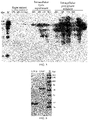
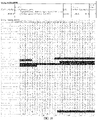
- the expressed protein is preliminarily identified by sodium dodecyl sulfate-polyacrylamide gel electrophoresis (SDS-PAGE) and Western Blot to determine the efficient secretory expression ability, and the results show that the recombinant human type XVII collagen of the present disclosure can undergo efficient secretory expression, while the full-length human type XVII collagen is mainly concentrated in cells and cannot be effectively secreted extracellularly, and a target band obtained by electrophoresis is subjected to nanoscale high-performance liquid chromatography coupled to tandem mass spectrometry (Nano-HPLC-MS/MS), and the results show that a peptide in the target band is derived from the optimally selected region in the human type XVII collagen sequence, and the recombinant human type XVII collagens 170801 and 170802 of the present disclosure are successfully expressed.
- SDS-PAGE sodium dodecyl sulfate-polyacrylamide gel electrophoresis
- yields of the collagens (quantification by UV spectrometry) of the present disclosure can reach 12 g/L and 11 g/L, respectively.
- a molecular weight is determined by matrix-assisted laser desorption ionization time-of-flight mass spectrometry (MALDI-TOF MS), and the determination results show that a molecular weight of collagen 170801 is 23811.6797 Da (theoretical value: 23800 Da), and a molecular weight of collagen 170802 is 45689.5781 Da (theoretical value: 45400 Da), and while there are post-translational modification and systematic errors in molecular weight determination after expression in P. pastoris, the actually expressed collagen has a molecular weight consistent with the theoretical value.
- MALDI-TOF MS matrix-assisted laser desorption ionization time-of-flight mass spectrometry
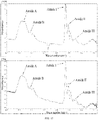
- the collagen is subjected to infrared (IR) spectroscopy, and it can be seen that wave numbers of amide A, amide B, amide I, amide II, and amide III of the collagen are all in line with the structural characteristics of the recombinant collagen.
- IR infrared
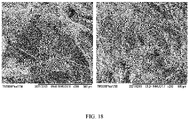
- a purified lyophilized collagen sponge is subjected to scanning electron microscopy, and it can be seen that the collagen sponge has a lamellar structure and has the potential to be used in the field of biomedical materials.
- the biological activity of the obtained collagen is detected by in vitro cell experiments, and it is verified that the collagen has cell adhesion activity and cell migration-promoting activity.
- Animal experiments are conducted for the biological activity of the obtained collagen, and a rabbit ear scar model experiment shows that the collagen can effectively promote rabbit ear scar healing and tissue regeneration, and particularly exhibits extremely excellent activity to promote hair follicle repair and regeneration.
- the present disclosure also provides use of the collagen described above in the promotion of tissue regeneration or hair follicle repair.
- the present disclosure also provides a composition including the collagen described above or a collagen prepared by the preparation method described above.
- the present disclosure also provides an article including the collagen described above or a collagen prepared by the preparation method described above or the composition described above.
- the article includes, but is not limited to, a drug, a pharmaceutical composition, a medical device, a biological material, a tissue-engineered product, a cosmetic, and a health product.
- the present disclosure also provides use of the collagen, the nucleotide, the recombinant expression vector, the engineered bacterium, or the composition in the manufacture of a product, including but not limited to, a drug, a pharmaceutical composition, a medical device, a biological material, a tissue-engineered product, a cosmetic, and a health product.
- the present disclosure also provides use of the collagen, the nucleotide, the recombinant expression vector, the engineered bacterium, or the composition in the manufacture of a product for promoting scar healing, tissue repair, or hair follicle repair.
- the product is an external preparation, preferably an external preparation for a topical application, and more preferably a gel.
- the present disclosure has the following beneficial effects.
- Example 1 Construction, expression, and identification of a recombinant human type XVII collagen
- a sequence of the human type XVII collagen is optimized, and a specific sequence of the human type XVII collagen is as follows: a Uniprot Q9UMD9-1 sequence (https://www.uniprot.org/uniprot/Q9UMD9) and an NCBI reference sequence Q9UMD9. 3 (https://www.ncbi.nlm.nih.gov/protein/Q9UMD9.3), which are the same, as set forth in SEQ ID NO: 1.
- sequences selected by the present disclosure are sequences selected by the present disclosure, with 233 amino acids in total.
- the sequences selected by the present disclosure are obtained through optimization and screening of multiple helix region sequences of human type XVII collagen such as the 15th helix region, the carboxyl terminus region, and the middle region, and are combined to obtain a combined sequence.
- the combined sequence can undergo efficient secretory and soluble expression in eukaryotic host cells such as P. pastoris, and exhibits more excellent cell adhesion activity, cell migration-promoting activity, tissue regeneration-promoting activity, and hair follicle repair and regeneration-promoting activity than commercial native human collagen.
- Such a combined sequence enables the integration of functions of the respective region sequences, such that the respective region sequences are not expressed separately but expressed as a whole, which avoids the sequence singleness of the recombinant collagen and is highly innovative.
- the combined sequence is named 170801 and is specifically set forth in SEQ ID NO: 2, which is a preferred sequence of human type XVII collagen.
- a DNA sequence encoding 170801 is set forth in SEQ ID NO: 6.
- the collagen in the present disclosure has an amino acid sequence composed of n basic units connected in tandem, where 170801 is used as a basic unit, and n is an integer greater than or equal to 1.
- the collagen When 170801 is used as a basic unit, if n is 2, the collagen has an amino acid sequence composed of 2 basic units 170801 connected in tandem, and the collagen has 466 amino acids in total, and is named 170802, and the amino acid sequence of the collagen is specifically set forth in SEQ ID NO: 3.
- a DNA sequence encoding 170802 is set forth in SEQ ID NO: 7.
- a function of the protein can only be realized through the orderly arrangement of amino acid residues of the protein. All innovative biological activities of the recombinant human type XVII collagen in the present disclosure are based on the amino acid sequence selected through optimization and screening, and a limited sequence modification or a specified percentage of homology (greater than 80%) may still achieve the same or similar biological activities.
- the collagen also includes an amino acid sequence undergoing a modification such as amino acid insertion, substitution, addition, or deletion to a predetermined extent based on SEQ ID NO: 2, or an amino acid sequence that has more than 80% homology with the amino acid sequence set forth in SEQ ID NO: 2, where either of the above amino acid sequences is used as a basic unit, and n basic units are connected in tandem to obtain the amino acid sequence of the collagen, where n is an integer greater than or equal to 1, and the basic units are identical or different if there are two or more basic units.
- the homology mentioned in the present disclosure refers to an identity of sequences, which can be a direct quantitative relationship between two sequences, such as a percentage of identical and similar units, or a percentage of identical positions for which the nucleotide or amino acid residue is identical between two sequences.
- Homologous sequences may be different sequences obtained through divergent evolution from a common ancestor.
- the homology can be obtained through sequence information alignment by a conventional bioinformatics method.
- the amino acid insertion refers to the insertion of amino acid residues at appropriate positions in an amino acid sequence such as a sequence set forth in SEQ ID NO: 2 or SEQ ID NO: 3, where the inserted amino acid residues are adjacent to each other or some of the inserted amino acid residues are adjacent to each other, or none of the inserted amino acid residues are adjacent to each other.
- the resulting protein has similar biological activities to collagens 170801 and 170802, including cell adhesion activity, cell migration-promoting activity, tissue regeneration-promoting activity, and hair follicle repair and regeneration-promoting activity.
- the amino acid substitution refers to the substitution of one or more amino acid residues (including consecutive amino acid residues or non-consecutive amino acid residues) at a specified position in an amino acid sequence such as a sequence set forth in SEQ ID NO: 2 or SEQ ID NO: 3 with other amino acid residues.
- the resulting protein has similar biological activities to collagens 170801 and 170802, including cell adhesion activity, cell migration-promoting activity, tissue regeneration-promoting activity, and hair follicle repair and regeneration-promoting activity.
- the amino acid addition refers to the addition of an amino acid to a C-terminus or N-terminus of an amino acid sequence such as a sequence set forth in SEQ ID NO: 2 or SEQ ID NO: 3.
- the resulting protein has similar biological activities to collagens 170801 and 170802, including cell adhesion activity, cell migration-promoting activity, tissue regeneration-promoting activity, and hair follicle repair and regeneration-promoting activity.
- the amino acid deletion refers to the deletion of 1, 2, 3, or more amino acids from an amino acid sequence such as a sequence set forth in SEQ ID NO: 2 or SEQ ID NO: 3.
- the resulting protein has similar biological activities to collagens 170801 and 170802, including cell adhesion activity, cell migration-promoting activity, tissue regeneration-promoting activity, and hair follicle repair and regeneration-promoting activity.
- the amino acids mentioned in the present disclosure may preferably be L-amino acids.
- One or more (such as 2 to 5, 2 to 4, or 2 to 3) amino acids in the polypeptide can also be replaced with D-amino acids, artificially-modified amino acids, naturally-occurring rare amino acids, and the like to improve the bioavailability, stability, and/or antiviral activity of the polypeptide.
- the D-amino acids refer to amino acids corresponding to L-amino acids that constitute proteins; the artificially-modified amino acids refer to common L-amino acids modified by methylation, phosphorylation, or the like that constitute proteins; and the naturally-occurring rare amino acids include uncommon amino acids that constitute proteins and amino acids that do not constitute proteins, such as 5-hydroxylysine, methylhistidine, gamma-aminobutyric acid (GABA), and homoserine.
- GABA gamma-aminobutyric acid
- DNA sequences for 170801 and 170802 are modified as follows: a DNA sequence encoding a Strep-Tag II added to an amino terminus of each amino acid sequence and a DNA sequence encoding a 6 ⁇ His Tag added to a carboxyl terminus are added, such that obtained collagens have bispecific affinity purification tags, which enables the purification by affinity chromatography and the immunological antibody detection based on the two tag sequences. Specifically, based on the amino acid sequences of 170801 and 170802 and gene sequences encoding the same, calculation, splicing, recombination, and optimization are conducted in the codon bias of DNA sequences and the relevant optimization parameters during transcription and translation to synthesize DNA sequences that can be highly expressed in P. pastoris.
- two termini of 170801 are separately modified by adding a DNA sequence encoding a Strep-Tag II to the amino terminus, and adding a DNA sequence encoding a 6 ⁇ His Tag to the carboxyl terminus, and a protein with the tags is finally expressed, which has 249 amino acids in total.
- the optimized amino acid sequence of 170801 is set forth in SEQ ID NO: 4.
- Two termini of 170801 are separately modified by adding a DNA sequence encoding a Strep-Tag II to the amino terminus, and adding a DNA sequence encoding a 6 ⁇ His Tag, a stop codon (TAA) and a Not I restriction site to the carboxyl terminus.
- the resulting DNA sequence is set forth in SEQ ID NO: 8.
- two termini of 170802 are separately modified by adding a DNA sequence encoding a Strep-Tag II to the amino terminus, and adding a DNA sequence encoding a 6 ⁇ His Tag to the carboxyl terminus, and a protein with the tags is finally expressed, which has 482 amino acids in total.
- the optimized amino acid sequence of 170802 is set forth in SEQ ID NO: 5.
- Two termini of 170802 are separately modified by adding a DNA sequence encoding a Strep-Tag II to the amino terminus, and adding a DNA sequence encoding a 6 ⁇ His Tag, a stop codon (TAA) and a Not I restriction site to the carboxyl terminus.
- the resulting DNA sequence is set forth in SEQ ID NO: 9.
- a DNA sequence encoding the amino acid sequence of the full-length human type XVII collagen that is, ⁇ 1 chain of human type XVII collagen
- a restriction site EcoR I and a DNA sequence encoding a Strep-Tag II are added to the amino terminus
- a DNA sequence encoding a 6 ⁇ His Tag, a stop codon (TAA), and a restriction site Not I are added to the carboxyl terminus
- the optimized sequences set forth in SEQ ID NO: 8, SEQ ID NO: 9, and SEQ ID NO: 10 were synthesized by Nanjing Genscript Biotechnology Co., Ltd., and the three gene fragments were denoted as pUC57-170801, pUC57-170802, and pUC57-col17a1.
- the synthesized gene fragments set forth in SEQ ID NO: 8 and SEQ ID NO: 9 were subjected to double enzyme digestion with SnaB I and Not I, and target gene fragments obtained after the enzyme digestion were ligated into a pPIC9K empty vector (purchased from Thermo Fisher Scientific) undergoing the same double enzyme digestion.
- the synthesized gene fragment set forth in SEQ ID NO: 10 was subjected to double enzyme digestion with EcoR I and Not I, and target fragments obtained after the enzyme digestion were ligated into a pPIC9K empty vector undergoing the same double enzyme digestion, which served as a control.
- Step a Amplification of the target genes and expression vector: The fragments of pUC57-170801, pUC57-170802, and pUC57-col17a1 and the plasmid of pPIC9K empty vector were extracted with a plasmid mini kit (purchased from Sangon Biotech (Shanghai) Co., Ltd.), and specific operations were conducted according to instructions of the kit.
- a plasmid mini kit purchased from Sangon Biotech (Shanghai) Co., Ltd.
- Step b The target gene fragments and the plasmid of pPIC9K vector obtained in step a were subjected to double enzyme digestion at 37°C for 30 min.
- An enzyme digestion reaction system was as follows (the QuickCut TM restriction enzymes used were purchased from Dalian TaKaRa, and an enzyme digestion process was conducted according to instructions): Plasmid 3 ⁇ g 10 ⁇ H buffer 5 ⁇ L EcolRI/SnaB I 10 U NotI 10 U Sterile water Making up to 50 ⁇ L
- Target gene fragments and vector fragments were purified with a PCR product purification kit purchased from Dalian TaKaRa (specific operations were conducted according to instructions of the kit).
- Target gene fragments and linearized vector pPIC9K fragments obtained after the double enzyme digestion were recovered and subjected to ligation at 16°C for 30 min with a Solution I ligation kit (purchased from Dalian TaKaRa), such that the target gene fragments were accurately inserted into a reading frame of the secretory vector carrying a secretion signal ⁇ -factor.
- a ligation reaction system was as follows (according to instructions of the ligation kit): Linearized pPIC9K fragments 2 ⁇ L Target gene fragments 3 ⁇ L Solution I ligation reagent 5 ⁇ L
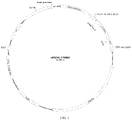
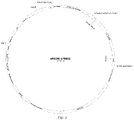
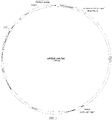
- a ligation product was transformed into competent E. coli DH5 ⁇ (purchased from Sangon Biotech (Shanghai) Co., Ltd.), positive clones were screened on an LB resistant plate with Amp, the colony PCR verification was conducted, and the recombinant plasmid was extracted for sequencing (which was entrusted to Sangon Biotech (Shanghai) Co., Ltd.). Positive sequencing results indicated that the recombinant expression vectors pPIC9K-170801, pPIC9K-170802, and pPIC9K-col17a1 were successfully constructed in this example, and relevant plasmid maps were respectively shown in FIG. 1 , FIG. 2 , and FIG. 3 .
- the linearized plasmid was electrotransformed into competent cells of an empty host P. pastoris strain GS115 (purchased from China Center of Industrial Culture Collection (CICC)), an electrotransformed bacterial suspension was coated on an MD plate with 100 ⁇ L to 200 ⁇ L for each plate, and the plate was allowed to stand at room temperature for 10 min and invertedly incubated at 30°C for 2 d to 5 d until single colonies (positive transformant) appeared.
- CICC China Center of Industrial Culture Collection
- sterile double-distilled water (DDW) was added to a surface of the MD plate, then His + transformants (positive transformants) on the surface of the plate were gently scraped off with a sterile triangular spreader, transferred to a 50 mL centrifuge tube, and diluted with sterile DDW to obtain a bacterial suspension, the bacterial suspension with 10 5 cells was coated on a YPD plate with 0.5 mg/mL G418, and the plate was inverted and incubated at 30°C for 3 d to 4 d until single colonies appeared.
- DDW sterile double-distilled water
- Colonies were picked from the YPD plate and added to a sterile 96-well plate (with 200 ⁇ L of YPD in each well), and the resulting mixture in each well was thoroughly mixed and incubated at 30°C for 48 h; the resulting bacterial suspension in each well was thoroughly mixed, and 10 ⁇ L of the bacterial suspension was taken, added to a second sterile 96-well plate, and then incubated at 30°C for 24 h; the resulting bacterial suspension in each well was thoroughly mixed, and 10 ⁇ L of the bacterial suspension was taken, added to a third sterile 96-well plate, and then incubated at 30°C for 24 h; and 1 ⁇ L was taken from the third 96-well plate, and spotted on each of YPD plates containing 1.0 mg/mL and 4 mg/mL G418, and further incubated at 30°C for 96 h to 120 h.
- P. pastoris transformants can grow on a plate with high G418 concentration, it indicates that the transformants carry multiple copies of the target gene, that is, the multiple recombinant fragments have been introduced into P. pastoris and have been integrated into the chromosome of P. pastoris through homologous recombination. After the screening in this step, a recombinant P. pastoris engineered strain with high copy and high expression was obtained.
- the three constructed engineered strain samples respectively carrying pPIC9K-col17a1, pPIC9K-170801, and pPIC9K-170802 were sent to the China General Microbiological Culture Collection Center (CGMCC) at No. 1, West Beichen Road, Chaoyang District, Beijing, China, with accession numbers of CGMCC No. 18659, CGMCC No. 20626, and CGMCC No. 20627, respectively, where the CGMCC No. 18659 was deposited on October 10, 2019, and the CGMCC No. 20626 and CGMCC No. 20627 were deposited on September 9, 2020, and the strains all had a taxonomic name of Pichia pastoris.
- CGMCC China General Microbiological Culture Collection Center
- the resulting bacterial suspension was centrifuged at 1,500 g to 3,000 g for 5 min at room temperature to collect bacterial cells, and the bacterial cells were resuspended in a BMMY medium such that OD 600 was about 2, and then cultivated on a shaker at 28°C to 30°C and 220 rpm for 3 d, during which 100% methanol was added to the medium every 24 h to a final concentration of 1.0%.
- 1 mL of a bacterial suspension sample was collected at different time points ( ⁇ 24 h, if necessary, 24 h, 48 h, 72 h, and 96 h), placed in a 1.5 mL EP tube, and centrifuged at a maximum speed for 2 min to 3 min, and the resulting expression supernatant and bacterial cells were separately collected.
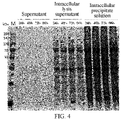
- the bacterial cells were lysed through disruption with glass beads (purchased from Sangon Biotech (Shanghai) Co., Ltd.) using a lysis buffer (1 mM PMSF, 10 mM Tris, pH 7.4), and the resulting lysate was centrifuged at 12,000 g and 4°C for 5 min to obtain an intracellular lysis supernatant and a precipitate, the intracellular lysate supernatant was collected, and 8 M urea was added to the precipitate and the resulting mixture was shaken for dissolution. An expression level of the target protein and an optimal harvest time of the bacterial suspension were analyzed. The samples to be tested were stored at -80°C for later use.
- a 5 ⁇ loading buffer 250 mM Tris-HCl, pH 6.8, 10% SDS, 0.5% bromophenol blue (BPB), 50% glycerin, and 5% ⁇ -mercaptoethanol was added to each of the collected expression supernatant, intracellular lysis supernatant, and intracellular precipitate solution, and the resulting mixture was heated in a metal bath at 100°C for 10 min and then subjected to SDS-PAGE.
- the expressed target protein included a Srtep-Tag II at an amino terminus and a 6 ⁇ His tag at a carboxyl terminus
- Western Blot was conducted with an anti-Srtep-Tag II antibody and an anti-6 ⁇ His Tag antibody (purchased from Nanjing Genscript Biotechnology Co., Ltd.).
- the experimental results show that, as a transmembrane collagen, the protein should be fixed on an intracellular membrane system, and can fall off and be dissolved intracellularly only after being degraded; and the degraded target protein detected in the expression supernatant is most likely released into the expression supernatant after the lysis of cells that have died during the long-term cultivation.
- the full-length recombinant human type XVII collagen cannot be efficiently secreted extracellularly from P. pastoris.
- FIG. 6 shows SDS-PAGE results of expression supernatants of engineered bacteria expressing collagens 170801 and 170802 after 24 h of induction.
- the collagens 170801 and 170802 can undergo efficient secretory expression in extracellular culture supernatants after 24 h of induction; and the 170801 has an AMW of about 30 kDa and the 170802 has an AMW of about 52 kDa.
- FIG. 7 shows Western Blot results of expression supernatants of engineered bacteria expressing collagens 170801 and 170802 after 24 h of induction (Anti-His, the antibody is purchased from Sangon Biotech (Shanghai) Co., Ltd., and is a mouse anti-His monoclonal antibody (mAb), with Item No. D199987).
- FIG. 8 shows Western Blot results of expression supernatants of engineered bacteria expressing collagens 170801 and 170802 after 24 h of induction (Anti-Strep-Tag II, the antibody is purchased from Nanjing Genscript Biotechnology Co., Ltd., and is a rabbit anti-Strep-Tag polyclonal antibody (pAb), with Item No. A00626).
- Example 2 Pilot fermentation of genetically-engineered bacteria and protein purification
- the constructed engineered bacteria carrying pPIC9K-170801 and pPIC9K-170802 were each subjected to 50 L to 500 L linked pilot fermentation to obtain a fermentation broth with the recombinant human type XVII collagen, thereby realizing the large-scale expression and production of the recombinant human type XVII collagens 170801 and 170802.
- a seed medium YPG (formula: yeast powder: 10 g/L, yeast peptone FP102: 20 g/L, and anhydrous glycerin: 10 g/L); a fermentation medium (formula: NH 4 H 2 PO 4 : 190.4 g/L, KH 2 PO 4 : 10.06 g/L, CaSO 4 •2H 2 O: 1.18 g/L, K 2 SO 4 : 18.2 g/L, MgSO 4 •7H 2 O: 14.9 g/L, and glycerin: 40 g/L); a feed medium (50% W/V glycerin, with 12 mL of PTM 1 per liter); and an induction medium (100% methanol, with 12 mL of PTM 1 per liter) were adopted.
- the PTM 1 was filtered through a 0.22 ⁇ m filter membrane for sterilization and stored at 4°C.
- the fermentation medium was sterilized at a high temperature and cooled to room temperature, then PTM 1 was added, and a pH was adjusted to 5.0 with ammonia water.
- the fed-batch cultivation was conducted at 30°C.
- the constructed engineered bacteria were inoculated into a 2 L shake flask filled with the seed medium YPG and cultivated at 220 rpm and 30°C for 24 h; the resulting bacterial suspension was inoculated at an inoculum size of 10% into a 50 L seed fermentation tank filled with the fermentation medium such that OD 600 was 5 after the inoculation, and the expanded cultivation was conducted at a stirring speed of 200 r/min to 600 r/min, an air flux of 2 VVM, and dissolved oxygen (DO) of greater than or equal to 30% until a carbon source was exhausted; and the resulting bacterial suspension was transferred to a 500 L fermentation tank filled with the fermentation medium, and the fermentation cultivation was conducted at a stirring speed of 150 r/min to 500 r/min, a tank pressure of 0 MPa to 0.05 MPa, an air flux of 1 VVM, and DO of greater than or equal to 30%.
- the feed medium was fed at a flow to maintain DO ⁇ 30%, and when OD 600 grew to 190 to 210, the feeding was stopped, and when the DO was increased to be greater than or equal to 70%, the induction medium was fed, the stirring speed, air flux, tank pressure, and feeding flow were adjusted to make DO greater than or equal to 30%, and the inducible expression was conducted for 40 h to 72 h.
- the resulting fermentation broth was discharged.
- Buffers used in this example were as follows:
- the fermentation broth of the engineered bacteria was collected, and a ceramic membrane separation system (Jiangsu Jiuwu Hi-Tech Co., Ltd., JWCMF-9) was used to separate bacterial cells and a fermentation supernatant.
- a cation exchange medium (a chromatography packing was UniGel-80sp produced by Suzhou Nanomicro Technology Co., Ltd., which was loaded in a fully automatic chromatography system produced by Jiangsu Hanbon Science & Technology Co., Ltd.) was equilibrated with buffer A until the A215 absorbance value and conductivity value remained unchanged, and then a sample was loaded at a flow rate of 100 us/cm and a volume of 20 L/time; and the UV A215 absorbance was detected, and when it increased, the collection of an effluent was started.
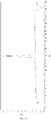
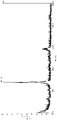
- the lyophilized collagen sponges (170801 and 170802) were each dissolved with UPW to 2 mg/mL, the resulting solution was filtered through a 0.22 ⁇ m filter membrane, and 10 ⁇ L of the solution was taken and injected into a Sepax Bio-C18 chromatographic column (HPLC Waters2695 or Agilent LC1260) to analyze a purity of each of the purified collagens 170801 and 170802.
- the collagens 170801 and 170802 each have a Srtep-Tag II at the amino terminus and a 6 ⁇ His tag at the carboxyl terminus
- Ni-NTA, Strep-Tactin, and other affinity media can be used for single or dual affinity purification, which can also achieve a similar effect to this example.
- the theoretically-predicted molecular weights of the obtained proteins 170801 and 170802 were 23.8 kDa and 45.4 kDa, respectively, and the AMWs detected by SDS-PAGE were larger than the theoretically-predicted values.
- the lyophilized products of the recombinant human type XVII collagens 170801 and 170802 purified were each subjected to MALDI-TOF MS (AB SCIEX 5800 MALDI-TOF/TOF) to detect their relative molecular weights and determine their actual protein molecular weights, which was entrusted to Sangon Biotech (Shanghai) Co., Ltd. The results were shown in FIG. 15 and FIG.
- the collagen 170801 had a molecular weight of 23811.6797 Da (theoretical value: 23800 Da) and the collagen 170802 had a molecular weight of 45689.5781 Da (theoretical value: 45400 Da); and due to the post-translational modification after expression in P. pastoris and the systematic errors in the molecular weight determination, the actually expressed collagen had a molecular weight consistent with the theoretical value.
- the characteristic absorption peaks of groups in the collagen could be detected by FT-IR analysis.
- a trace amount of each of the purified lyophilized products of the collagens 170801 and 170802 was taken, ground into a powder with KBr, then pressed into a tablet, and scanned in a range of 4,000 cm -1 to 400 cm -1 at room temperature (Thermo Scientific, Nicolet TM iS TM 10 FT-IR Spectrometer).
- the method and result analysis could be found in the literature ( Jeong, H., J. Venkatesan and S. Kim, Isolation and characterization of collagen from marine fish (Thunnus obesus). Biotechnology and Bioprocess Engineering, 2013. 18(6): p. 1185-1191 .)
- FIG. 18 A scanning electron microscope (Hitachi TM3030PLUS) was used to scan a surface of each of the lyophilized collagen sponge samples (170801 and 170802), and results were shown in FIG. 18 . It can be seen from the figure that the recombinant human type XVII collagens 170801 and 170802 each have an obvious lamellar structure, which is similar to a lamellar distribution of human type XVII collagen on a basement membrane in the human body. Such a structure indicates that the collagens have the potential to be used in the field of biomedical materials.
- a method for detecting the cell adhesion activity of the recombinant collagens can be found in the literature: Juming Yao, Satoshi Yanagisawa, Tetsuo Asakura. Design, Expression and Characterization of Collagen-Like Proteins Based on the Cell Adhesive and Crosslinking Sequences Derived from Native Collagens, J Biochem. 136, 643-649 (2004 ). The detection of cell adhesion activity was entrusted to the Functional Nanomaterials and Biomedical Testing Laboratory of School of Pharmacy, Changzhou University.
- NIH/3T3 cells purchased from the Cell Bank of the Chinese Academy of Sciences (Item No. GNM6, the cultivation and passage methods were conducted according to instructions of the cells) were cultivated normally.
- the absorbance OD 492nm can correspondingly characterize the cell adhesion activity of a collagen sample.
- the recombinant human type XVII collagens 170801 and 170802 have higher cell adhesion activity than the commercial native human collagen.
- Example 4 Detection of cell migration-promoting activity of recombinant collagens by a scratch method
- a DMEM serum-free medium GIBCO, Item No. 12800017, pH 7.4
- NIH/3T3 cells purchased from the Cell Bank of the Chinese Academy of Sciences (Item No. GNM6, the cultivation and passage methods were conducted according to instructions of the cells) were cultivated and passaged normally.
- Cells in a well growth state were inoculated into a 6-well plate and cultivated for 36 h, where 2 mL of a cell suspension with 20,000 cells/mL was inoculated in each well.
- a scratch was prepared with a 200 ⁇ L pipette tip, and the cells were washed 3 times with PBS to remove the scratched cells.
- the protein solutions diluted with the DMEM serum-free medium were each added to a well, the cells were further cultivated in a 37°C and 5% CO 2 incubator, and then a sample was collected and photographed at 0 h, 24 h, and 48 h.
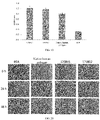
- the in vitro cell migration experiment simulated a process of in vivo cell migration to some extent, and directly reflected an interaction between cells and an extracellular matrix and an interaction between cells under the influence of the matrix.
- the cell migration-promoting activity is an index to effectively characterize the biological activity of collagen. The higher the migration rate, the higher the biological activity of the collagen. From the comparison of actual cell migration images taken at different time points (areas between two black lines are scratch wound areas at the beginning and after cell migration) in FIG. 20 and the comparison of the calculated cell migration rates shown in FIG. 21 (a cell-free blank area is calculated by Image J), it can be seen that the recombinant human type XVII collagens 170801 and 170802 have higher cell migration-promoting activity than the commercial native human collagen.
- Example 5 Preparation of recombinant collagen gels 170801 and 170802 and rabbit ear scar model experiment
- CMC-Na Sodium carboxymethyl cellulose
- purified lyophilized collagen products 170801 and 170802 were separately dissolved in UPW to obtain a 0.01% CMC-Na solution and a 5% collagen solution, and then the 0.01% CMC-Na solution was thoroughly mixed with the 5% collagen solution to prepare a collagen gel.
- a CMC-Na gel without collagen was adopted as a negative control.
- New Zealand white rabbits purchased from the Experimental Animal Center of the Naval Medical University
- each weighing 2 kg to 3 kg were selected and raised in a well-ventilated room at 21°C for 2 weeks before the experiment to adapt to the environment, with a 12 h day-night cycle and single-cage raising.
- scar models were constructed: The experimental animals were administered with 30 g/L pentobarbital sodium at 1.0 mL/kg (30 mg/kg) for ear vein anesthesia, and after the anesthesia was achieved, the skin was disinfected with alcohol 3 times.
- a skin biopsy device with a diameter of 1 cm was used to draw a neat skin incision margin at an inner side of a rabbit ear, and ophthalmic scissors were used to cut a full-thickness skin defect wound with a diameter of about 1 cm, which was exposed to a bone surface of an ear cartilage.
- the wound was covered with sterile vaseline gauze inside and sterile gauze outside, and then bandaged and fixed.
- the wound was disinfected and debrided with iodophor and the wound dressing was changed every 2 d to 3 d.
- the collagen gels 170801 and 170802 were each applied to the wound in combination with an iodine-containing antibacterial surgical foil (Drape Antimicrob ® , Minnesota Mining and Manufacturing Company, USA) and a self-adhesive silicone film dressing (Cica-Care ® , Smith&Nephew, England) for scar intervention.
- an iodine-containing antibacterial surgical foil Drape Antimicrob ® , Minnesota Mining and Manufacturing Company, USA
- a self-adhesive silicone film dressing Cica-Care ® , Smith&Nephew, England
- a digital camera and a dermoscope were used to record the scar conditions during the 1-6 week scar intervention experiment.
- the rabbits were anesthetized and sacrificed by injecting a supersaturated potassium chloride solution into the ear vein, and ear scar samples were collected, soaked in a fixing solution, subjected to hematoxylin and eosin (HE) staining and MASSON staining, observed under a microscope, and photographed.
- HE hematoxylin and eosin
- MASSON staining MASSON staining
- the prognostic scar still had a large number of regular and dense collagen deposits, which was similar to the scar structure; and no hair follicle structure, no dermal tissue, and no new rabbit hair were generated.
- the experimental results show that the recombinant human type XVII collagens 170801 and 170802 have excellent biological activities to promote tissue repair and hair follicle repair and regeneration.
Landscapes
- Health & Medical Sciences (AREA)
- Life Sciences & Earth Sciences (AREA)
- Chemical & Material Sciences (AREA)
- Engineering & Computer Science (AREA)
- General Health & Medical Sciences (AREA)
- Genetics & Genomics (AREA)
- Organic Chemistry (AREA)
- Mycology (AREA)
- Animal Behavior & Ethology (AREA)
- Public Health (AREA)
- Veterinary Medicine (AREA)
- Zoology (AREA)
- Medicinal Chemistry (AREA)
- Bioinformatics & Cheminformatics (AREA)
- Biotechnology (AREA)
- Epidemiology (AREA)
- Biomedical Technology (AREA)
- Molecular Biology (AREA)
- Microbiology (AREA)
- Biophysics (AREA)
- Wood Science & Technology (AREA)
- Proteomics, Peptides & Aminoacids (AREA)
- General Engineering & Computer Science (AREA)
- Biochemistry (AREA)
- Dermatology (AREA)
- Pharmacology & Pharmacy (AREA)
- Nutrition Science (AREA)
- Polymers & Plastics (AREA)
- Birds (AREA)
- Food Science & Technology (AREA)
- Plant Pathology (AREA)
- Toxicology (AREA)
- Gastroenterology & Hepatology (AREA)
- Physics & Mathematics (AREA)
- Botany (AREA)
- General Chemical & Material Sciences (AREA)
- Nuclear Medicine, Radiotherapy & Molecular Imaging (AREA)
- Chemical Kinetics & Catalysis (AREA)
- Natural Medicines & Medicinal Plants (AREA)
- Dispersion Chemistry (AREA)
Applications Claiming Priority (2)
| Application Number | Priority Date | Filing Date | Title |
|---|---|---|---|
| CN202110520499.9A CN113185604B (zh) | 2021-05-13 | 2021-05-13 | 一种重组人xvii型胶原蛋白、制备方法和应用 |
| PCT/CN2022/071968 WO2022237224A1 (fr) | 2021-05-13 | 2022-01-14 | Collagène de type xvii humain recombinant, son procédé de préparation et son utilisation |
Publications (4)
| Publication Number | Publication Date |
|---|---|
| EP4119573A1 true EP4119573A1 (fr) | 2023-01-18 |
| EP4119573A4 EP4119573A4 (fr) | 2023-09-06 |
| EP4119573C0 EP4119573C0 (fr) | 2024-09-04 |
| EP4119573B1 EP4119573B1 (fr) | 2024-09-04 |
Family
ID=76981299
Family Applications (1)
| Application Number | Title | Priority Date | Filing Date |
|---|---|---|---|
| EP22744363.7A Active EP4119573B1 (fr) | 2021-05-13 | 2022-01-14 | Collagène de type xvii humain recombinant, son procédé de préparation et son utilisation |
Country Status (9)
| Country | Link |
|---|---|
| US (1) | US11787852B2 (fr) |
| EP (1) | EP4119573B1 (fr) |
| JP (1) | JP7411858B2 (fr) |
| KR (1) | KR102559311B1 (fr) |
| CN (1) | CN113185604B (fr) |
| ES (1) | ES2998482T3 (fr) |
| MY (1) | MY209729A (fr) |
| PL (1) | PL4119573T3 (fr) |
| WO (1) | WO2022237224A1 (fr) |
Families Citing this family (52)
| Publication number | Priority date | Publication date | Assignee | Title |
|---|---|---|---|---|
| CN113185604B (zh) * | 2021-05-13 | 2021-12-14 | 江苏创健医疗科技有限公司 | 一种重组人xvii型胶原蛋白、制备方法和应用 |
| CN113683679B (zh) * | 2021-09-15 | 2023-10-31 | 山西锦波生物医药股份有限公司 | 一种重组i型人源化胶原蛋白c1l6t及其制备方法和用途 |
| CN114106150B (zh) * | 2021-12-03 | 2022-08-16 | 江苏创健医疗科技有限公司 | 重组胶原蛋白、制备方法及其应用 |
| CN114539389B (zh) * | 2022-02-22 | 2023-01-31 | 陕西巨子生物技术有限公司 | 重组胶原蛋白及其应用 |
| CN114940712B (zh) * | 2022-06-01 | 2023-12-26 | 山西锦波生物医药股份有限公司 | 一种生物合成人体结构性材料的制备方法 |
| CN115197301B (zh) * | 2022-06-10 | 2024-07-16 | 北京师范大学 | 用于胞内钙信号检测及相关药物筛选的钙指示工具及其应用 |
| CN114805551B (zh) * | 2022-06-28 | 2022-09-13 | 华熙生物科技股份有限公司 | 一种重组iii型胶原蛋白及其制备方法 |
| CN116478274B (zh) * | 2022-07-19 | 2023-12-15 | 山西锦波生物医药股份有限公司 | 一种生物合成人体结构性材料的制备方法 |
| CN116082493B (zh) * | 2022-08-10 | 2023-11-07 | 江苏创健医疗科技股份有限公司 | 高稳定性重组胶原蛋白、构建方法及其应用 |
| CN117143223B (zh) * | 2022-08-23 | 2024-03-08 | 山西锦波生物医药股份有限公司 | 一种生物合成人体结构性材料的制备方法 |
| CN115154356B (zh) * | 2022-09-07 | 2022-12-06 | 广州集妍化妆品科技有限公司 | 一组胶原蛋白组合在制备抗衰老产品中的应用以及包括其的外用化妆品 |
| CN115960209B (zh) | 2022-09-29 | 2023-08-18 | 广东省禾基生物科技有限公司 | 一种重组人源化胶原蛋白及其应用 |
| CN116375847B (zh) * | 2022-10-26 | 2025-06-13 | 江苏创健医疗科技股份有限公司 | 酵母重组xvii型人源化胶原蛋白及其制备方法 |
| CN115960211B (zh) * | 2022-12-23 | 2023-11-21 | 江苏创健医疗科技股份有限公司 | 一种重组人源ⅵ型胶原蛋白及其制备方法和应用 |
| CN115948441B (zh) * | 2023-01-09 | 2025-09-23 | 西安交通大学 | 一种重组人源ⅲ型胶原蛋白及其表达体系与应用 |
| CN115944571B (zh) * | 2023-01-10 | 2024-04-02 | 河北纳科生物科技有限公司 | 一种促头发生长和修护发根的精华喷雾及其制备方法 |
| CN116270982A (zh) * | 2023-02-09 | 2023-06-23 | 山西锦波生物医药股份有限公司 | 重组xvii型人源化胶原蛋白在乳腺癌治疗中的用途 |
| CN116286914B (zh) * | 2023-03-17 | 2024-04-16 | 南京斯拜科生物科技股份有限公司 | 一种跨膜蛋白复合体基因及其在生物发酵制备重组类人胶原蛋白中的应用 |
| CN116218864B (zh) * | 2023-04-10 | 2024-01-09 | 山东多美康生物医药有限公司 | 一种重组Ⅲ型人源化胶原蛋白α1及其表达载体和应用 |
| CN116751282B (zh) * | 2023-05-17 | 2024-07-12 | 博汇美萃生物工程技术(广东)有限公司 | 一种重组ⅹⅶ人源化胶原蛋白及其制备方法和应用 |
| CN116640205B (zh) * | 2023-05-26 | 2024-12-17 | 浙江诸暨聚源生物技术有限公司 | 重组xvii型胶原蛋白及其表达菌株 |
| CN116655808B (zh) * | 2023-06-01 | 2024-02-06 | 江苏创健医疗科技股份有限公司 | 梯度分子量重组胶原蛋白及其制备方法和应用 |
| CN116640231B (zh) * | 2023-06-09 | 2024-03-26 | 广州暨南大学医药生物技术研究开发中心有限公司 | 一种重组人源化17型胶原多肽及其制备方法 |
| CN116813749B (zh) * | 2023-06-13 | 2024-01-30 | 广州启点生物科技有限公司 | 一种重组人源化iii型胶原蛋白及其制备方法和应用 |
| CN118903389B (zh) * | 2023-08-01 | 2026-02-03 | 山西锦波生物医药股份有限公司 | 重组xvii型人源化胶原蛋白在宫颈癌治疗中的用途 |
| CN117230103B (zh) * | 2023-09-25 | 2024-04-19 | 爱光生物医药(南昌)有限公司 | 17型人源化胶原蛋白及其蛋白支架、填充材料及应用 |
| CN117598945A (zh) * | 2023-10-18 | 2024-02-27 | 科丝美诗(中国)化妆品有限公司 | 一种用于敏感皮肤的抗衰组合物及其制备方法和应用 |
| CN117736305B (zh) * | 2023-11-01 | 2025-03-11 | 西安巨子生物基因技术股份有限公司 | 一种新的i型重组胶原蛋白、其生产方法及用途 |
| CN119462898A (zh) * | 2023-12-05 | 2025-02-18 | 北京华熙荣熙生物技术研究有限公司 | 一种具有三螺旋结构的重组xvii型胶原蛋白及其应用 |
| CN117843763B (zh) * | 2024-01-08 | 2026-01-27 | 山西锦波生物医药股份有限公司 | 生物合成人体结构性材料xvii型胶原蛋白的方法 |
| CN117986353B (zh) * | 2024-02-02 | 2024-08-30 | 西安巨子生物基因技术股份有限公司 | 重组人xvii型胶原蛋白、其制备方法及应用 |
| CN117866077B (zh) * | 2024-03-13 | 2024-05-28 | 北京未名拾光生物技术有限公司 | 重组xvii型胶原蛋白及其表达体系 |
| CN118221802B (zh) * | 2024-04-19 | 2025-11-07 | 西安巨子生物基因技术股份有限公司 | 一种促生发的重组xvii型胶原蛋白及其制备方法和应用 |
| CN118909092B (zh) * | 2024-04-29 | 2026-01-30 | 山西锦波生物医药股份有限公司 | 人体结构性材料xx型胶原蛋白及其生物合成方法 |
| CN118240066B (zh) * | 2024-05-20 | 2024-08-13 | 深圳粒影生物科技有限公司 | 一种具有三螺旋结构的重组ⅹⅶ型胶原蛋白及其应用 |
| CN118388634B (zh) * | 2024-06-12 | 2025-03-25 | 山东美瑞生物技术有限公司 | 一种重组人源ⅵ+xvⅱ胶原蛋白及其制备方法 |
| CN118580338B (zh) * | 2024-06-12 | 2025-06-06 | 西安巨子生物基因技术股份有限公司 | 一种具有增发护发作用的重组人xvii型胶原蛋白及其应用 |
| CN118324899B (zh) * | 2024-06-13 | 2024-08-20 | 江苏亨瑞生物医药科技有限公司 | 一种重组xvii型人源化胶原蛋白、制备方法及其应用 |
| CN118530338B (zh) * | 2024-06-17 | 2025-06-10 | 西安巨子生物基因技术股份有限公司 | 具有促毛囊生长作用的重组人xvii型胶原蛋白及其应用 |
| CN118845524B (zh) * | 2024-07-10 | 2025-05-13 | 广州小姿电子商务有限公司 | 一种淡纹紧致三重活性胶原组合物及其制备方法和应用 |
| CN119345158B (zh) * | 2024-10-09 | 2025-10-17 | 常州大学 | 硫缩酮键修饰的17型胶原蛋白多巴胺载药纳米粒复合微针贴片及其制备方法和应用 |
| CN119264242A (zh) * | 2024-10-11 | 2025-01-07 | 常州泰美瑞生物科技有限公司 | 一种重组xvii型胶原蛋白及其制备方法和应用 |
| CN118955691B (zh) * | 2024-10-21 | 2025-01-28 | 杭州凯曼健康科技有限公司 | 重组人源化xvii型胶原蛋白及其制备方法和应用 |
| CN119462893B (zh) * | 2024-10-31 | 2026-03-13 | 山东丰金生物技术有限公司 | 一种高活性重组xvii型胶原蛋白及其快速制备方法与应用 |
| CN119504982B (zh) * | 2024-12-16 | 2025-08-01 | 浙江诸暨聚源生物技术有限公司 | 重组人源化xvii型胶原蛋白及其表达载体和基因工程菌 |
| CN119751646B (zh) * | 2024-12-31 | 2025-12-02 | 江苏创健医疗科技股份有限公司 | 高稳定性的重组ⅹⅶ型胶原蛋白及其构建方法和应用 |
| CN119798413B (zh) * | 2024-12-31 | 2026-04-21 | 西安巨子生物基因技术股份有限公司 | 重组人xvii型胶原蛋白、其制备方法及应用 |
| CN119978110B (zh) * | 2025-04-15 | 2025-08-05 | 广州市暨源生物科技有限公司 | 一种具有透皮效果的重组17型胶原蛋白及其制备方法和应用 |
| CN120248093B (zh) * | 2025-06-04 | 2025-12-26 | 浙江暨北生物科技有限公司 | 重组a型人源化xvii型胶原蛋白及其构建与应用 |
| CN120623318A (zh) * | 2025-06-12 | 2025-09-12 | 深圳市成美生物科技有限公司 | 基于天然胶原序列的重组人源xvii型胶原蛋白片段、及其制备方法和应用 |
| CN120818046B (zh) * | 2025-09-19 | 2025-12-05 | 浙江崇山生物制品有限公司 | 一种合成xvii型人源化胶原蛋白及其制备方法和应用 |
| CN121378454A (zh) * | 2025-10-29 | 2026-01-23 | 西北大学 | 用于缓解雄激素导致毛囊损伤的重组xvii型胶原蛋白、生产方法及应用 |
Family Cites Families (10)
| Publication number | Priority date | Publication date | Assignee | Title |
|---|---|---|---|---|
| US5702948A (en) * | 1995-02-02 | 1997-12-30 | The Trustees Of The University Of Pennsylvania | Saccular collagen and compositions and methods for making and using the same |
| WO1997038710A1 (fr) | 1996-04-12 | 1997-10-23 | Fibrogen, Inc. | Synthese de procollagenes et de collagenes humains dans des systemes d'adn de recombinaison |
| AU2003241288A1 (en) * | 2002-04-11 | 2003-10-27 | Fibrogen, Inc. | Production of stable collagens |
| WO2010071938A1 (fr) * | 2008-12-24 | 2010-07-01 | Commonwealth Scientific And Industrial Research Organisation | Nouvelles constructions à base de collagène |
| CN103102407B (zh) * | 2013-01-29 | 2014-04-30 | 李鹏 | 基因重组人胶原蛋白 |
| CN111363029B (zh) * | 2018-12-25 | 2022-07-12 | 江苏江山聚源生物技术有限公司 | 重组人源ⅲ型胶原蛋白、表达菌株及其构建方法 |
| CN110029111A (zh) * | 2019-01-30 | 2019-07-19 | 江苏悦智生物医药有限公司 | 毕赤酵母生产重组人源ⅱ型胶原蛋白单链的方法 |
| JP2022532078A (ja) * | 2019-05-08 | 2022-07-13 | アストラゼネカ アクチボラグ | 皮膚及び創傷のための組成物並びにその使用の方法 |
| CN110845603B (zh) * | 2019-10-31 | 2021-07-02 | 山西锦波生物医药股份有限公司 | 人胶原蛋白17型多肽、其生产方法和用途 |
| CN113185604B (zh) * | 2021-05-13 | 2021-12-14 | 江苏创健医疗科技有限公司 | 一种重组人xvii型胶原蛋白、制备方法和应用 |
-
2021
- 2021-05-13 CN CN202110520499.9A patent/CN113185604B/zh active Active
-
2022
- 2022-01-14 EP EP22744363.7A patent/EP4119573B1/fr active Active
- 2022-01-14 JP JP2022548165A patent/JP7411858B2/ja active Active
- 2022-01-14 KR KR1020227028808A patent/KR102559311B1/ko active Active
- 2022-01-14 PL PL22744363.7T patent/PL4119573T3/pl unknown
- 2022-01-14 ES ES22744363T patent/ES2998482T3/es active Active
- 2022-01-14 MY MYPI2022004098A patent/MY209729A/en unknown
- 2022-01-14 WO PCT/CN2022/071968 patent/WO2022237224A1/fr not_active Ceased
- 2022-01-14 US US17/908,258 patent/US11787852B2/en active Active
Also Published As
| Publication number | Publication date |
|---|---|
| JP7411858B2 (ja) | 2024-01-12 |
| KR102559311B1 (ko) | 2023-07-25 |
| WO2022237224A1 (fr) | 2022-11-17 |
| EP4119573A4 (fr) | 2023-09-06 |
| JP2023521531A (ja) | 2023-05-25 |
| MY209729A (en) | 2025-07-31 |
| CN113185604B (zh) | 2021-12-14 |
| EP4119573C0 (fr) | 2024-09-04 |
| US11787852B2 (en) | 2023-10-17 |
| ES2998482T3 (en) | 2025-02-20 |
| PL4119573T3 (pl) | 2025-02-03 |
| EP4119573B1 (fr) | 2024-09-04 |
| KR20220155565A (ko) | 2022-11-23 |
| CN113185604A (zh) | 2021-07-30 |
| US20230119018A1 (en) | 2023-04-20 |
Similar Documents
| Publication | Publication Date | Title |
|---|---|---|
| EP4119573B1 (fr) | Collagène de type xvii humain recombinant, son procédé de préparation et son utilisation | |
| CN116375847B (zh) | 酵母重组xvii型人源化胶原蛋白及其制备方法 | |
| US20240301035A1 (en) | Human collagen 17-type polypeptide, production method therefor and use thereof | |
| US12378303B2 (en) | Recombinant collagen and preparation method and use thereof | |
| CN109593126B (zh) | 多肽、其生产方法和用途 | |
| WO2024222324A1 (fr) | Collagène micromoléculaire recombinant, son système d'expression et son procédé de préparation | |
| CN115960211A (zh) | 一种重组人源ⅵ型胶原蛋白及其制备方法和应用 | |
| CN116874589B (zh) | 一种iii型人源化胶原蛋白及其制备方法和应用 | |
| CN118146354B (zh) | 重组vii型胶原蛋白及其制备方法和应用 | |
| CN115948441B (zh) | 一种重组人源ⅲ型胶原蛋白及其表达体系与应用 | |
| EP4567044A1 (fr) | Collagène recombinant à haute stabilité, son procédé de construction et son utilisation | |
| CN119751646B (zh) | 高稳定性的重组ⅹⅶ型胶原蛋白及其构建方法和应用 | |
| CN118910074B (zh) | 一种可低温自组装且长效耐热稳定的重组人源化胶原蛋白及其制备方法与应用 | |
| CN118834284A (zh) | 一种重组iii型人源胶原蛋白及其制备方法和用途 | |
| CN117025646A (zh) | 一种脯氨酰4-羟化酶与重组人源ⅲ型胶原蛋白共表达体系与应用 | |
| CN116554309A (zh) | 一种重组人源ⅲ型胶原蛋白及其制备方法和应用 | |
| CN121717893A (zh) | 制备重组i型人胶原蛋白的方法 | |
| CN121202999A (zh) | 制备重组人胶原蛋白的方法 | |
| CN120944937A (zh) | 重组人源化a型xvii胶原蛋白菌株构建及其产品制备和应用 | |
| CN121758596A (zh) | 一种稳定性重组xvii型胶原蛋白及其应用 | |
| CN121914251A (zh) | 一种重组人17型胶原蛋白、其制备方法及应用 |
Legal Events
| Date | Code | Title | Description |
|---|---|---|---|
| STAA | Information on the status of an ep patent application or granted ep patent |
Free format text: STATUS: UNKNOWN |
|
| STAA | Information on the status of an ep patent application or granted ep patent |
Free format text: STATUS: THE INTERNATIONAL PUBLICATION HAS BEEN MADE |
|
| PUAI | Public reference made under article 153(3) epc to a published international application that has entered the european phase |
Free format text: ORIGINAL CODE: 0009012 |
|
| STAA | Information on the status of an ep patent application or granted ep patent |
Free format text: STATUS: REQUEST FOR EXAMINATION WAS MADE |
|
| 17P | Request for examination filed |
Effective date: 20220804 |
|
| AK | Designated contracting states |
Kind code of ref document: A1 Designated state(s): AL AT BE BG CH CY CZ DE DK EE ES FI FR GB GR HR HU IE IS IT LI LT LU LV MC MK MT NL NO PL PT RO RS SE SI SK SM TR |
|
| A4 | Supplementary search report drawn up and despatched |
Effective date: 20230809 |
|
| RIC1 | Information provided on ipc code assigned before grant |
Ipc: C12N 15/12 20060101ALI20230803BHEP Ipc: C07K 14/78 20060101AFI20230803BHEP |
|
| GRAJ | Information related to disapproval of communication of intention to grant by the applicant or resumption of examination proceedings by the epo deleted |
Free format text: ORIGINAL CODE: EPIDOSDIGR1 |
|
| STAA | Information on the status of an ep patent application or granted ep patent |
Free format text: STATUS: GRANT OF PATENT IS INTENDED |
|
| GRAP | Despatch of communication of intention to grant a patent |
Free format text: ORIGINAL CODE: EPIDOSNIGR1 |
|
| DAV | Request for validation of the european patent (deleted) | ||
| DAX | Request for extension of the european patent (deleted) | ||
| INTG | Intention to grant announced |
Effective date: 20240517 |
|
| GRAS | Grant fee paid |
Free format text: ORIGINAL CODE: EPIDOSNIGR3 |
|
| GRAA | (expected) grant |
Free format text: ORIGINAL CODE: 0009210 |
|
| STAA | Information on the status of an ep patent application or granted ep patent |
Free format text: STATUS: THE PATENT HAS BEEN GRANTED |
|
| AK | Designated contracting states |
Kind code of ref document: B1 Designated state(s): AL AT BE BG CH CY CZ DE DK EE ES FI FR GB GR HR HU IE IS IT LI LT LU LV MC MK MT NL NO PL PT RO RS SE SI SK SM TR |
|
| REG | Reference to a national code |
Ref country code: GB Ref legal event code: FG4D |
|
| REG | Reference to a national code |
Ref country code: CH Ref legal event code: EP |
|
| REG | Reference to a national code |
Ref country code: IE Ref legal event code: FG4D |
|
| REG | Reference to a national code |
Ref country code: DE Ref legal event code: R096 Ref document number: 602022005912 Country of ref document: DE |
|
| U01 | Request for unitary effect filed |
Effective date: 20241001 |
|
| U07 | Unitary effect registered |
Designated state(s): AT BE BG DE DK EE FI FR IT LT LU LV MT NL PT RO SE SI Effective date: 20241024 |
|
| PG25 | Lapsed in a contracting state [announced via postgrant information from national office to epo] |
Ref country code: NO Free format text: LAPSE BECAUSE OF FAILURE TO SUBMIT A TRANSLATION OF THE DESCRIPTION OR TO PAY THE FEE WITHIN THE PRESCRIBED TIME-LIMIT Effective date: 20241204 |
|
| PG25 | Lapsed in a contracting state [announced via postgrant information from national office to epo] |
Ref country code: GR Free format text: LAPSE BECAUSE OF FAILURE TO SUBMIT A TRANSLATION OF THE DESCRIPTION OR TO PAY THE FEE WITHIN THE PRESCRIBED TIME-LIMIT Effective date: 20241205 |
|
| PG25 | Lapsed in a contracting state [announced via postgrant information from national office to epo] |
Ref country code: HR Free format text: LAPSE BECAUSE OF FAILURE TO SUBMIT A TRANSLATION OF THE DESCRIPTION OR TO PAY THE FEE WITHIN THE PRESCRIBED TIME-LIMIT Effective date: 20240904 |
|
| PG25 | Lapsed in a contracting state [announced via postgrant information from national office to epo] |
Ref country code: RS Free format text: LAPSE BECAUSE OF FAILURE TO SUBMIT A TRANSLATION OF THE DESCRIPTION OR TO PAY THE FEE WITHIN THE PRESCRIBED TIME-LIMIT Effective date: 20241204 |
|
| PG25 | Lapsed in a contracting state [announced via postgrant information from national office to epo] |
Ref country code: RS Free format text: LAPSE BECAUSE OF FAILURE TO SUBMIT A TRANSLATION OF THE DESCRIPTION OR TO PAY THE FEE WITHIN THE PRESCRIBED TIME-LIMIT Effective date: 20241204 Ref country code: NO Free format text: LAPSE BECAUSE OF FAILURE TO SUBMIT A TRANSLATION OF THE DESCRIPTION OR TO PAY THE FEE WITHIN THE PRESCRIBED TIME-LIMIT Effective date: 20241204 Ref country code: HR Free format text: LAPSE BECAUSE OF FAILURE TO SUBMIT A TRANSLATION OF THE DESCRIPTION OR TO PAY THE FEE WITHIN THE PRESCRIBED TIME-LIMIT Effective date: 20240904 Ref country code: GR Free format text: LAPSE BECAUSE OF FAILURE TO SUBMIT A TRANSLATION OF THE DESCRIPTION OR TO PAY THE FEE WITHIN THE PRESCRIBED TIME-LIMIT Effective date: 20241205 |
|
| REG | Reference to a national code |
Ref country code: ES Ref legal event code: FG2A Ref document number: 2998482 Country of ref document: ES Kind code of ref document: T3 Effective date: 20250220 |
|
| U20 | Renewal fee for the european patent with unitary effect paid |
Year of fee payment: 4 Effective date: 20250131 |
|
| PG25 | Lapsed in a contracting state [announced via postgrant information from national office to epo] |
Ref country code: IS Free format text: LAPSE BECAUSE OF FAILURE TO SUBMIT A TRANSLATION OF THE DESCRIPTION OR TO PAY THE FEE WITHIN THE PRESCRIBED TIME-LIMIT Effective date: 20250104 |
|
| PG25 | Lapsed in a contracting state [announced via postgrant information from national office to epo] |
Ref country code: SM Free format text: LAPSE BECAUSE OF FAILURE TO SUBMIT A TRANSLATION OF THE DESCRIPTION OR TO PAY THE FEE WITHIN THE PRESCRIBED TIME-LIMIT Effective date: 20240904 |
|
| PG25 | Lapsed in a contracting state [announced via postgrant information from national office to epo] |
Ref country code: SK Free format text: LAPSE BECAUSE OF FAILURE TO SUBMIT A TRANSLATION OF THE DESCRIPTION OR TO PAY THE FEE WITHIN THE PRESCRIBED TIME-LIMIT Effective date: 20240904 |
|
| PLBE | No opposition filed within time limit |
Free format text: ORIGINAL CODE: 0009261 |
|
| STAA | Information on the status of an ep patent application or granted ep patent |
Free format text: STATUS: NO OPPOSITION FILED WITHIN TIME LIMIT |
|
| 26N | No opposition filed |
Effective date: 20250605 |
|
| REG | Reference to a national code |
Ref country code: CH Ref legal event code: PL |
|
| PG25 | Lapsed in a contracting state [announced via postgrant information from national office to epo] |
Ref country code: MC Free format text: LAPSE BECAUSE OF FAILURE TO SUBMIT A TRANSLATION OF THE DESCRIPTION OR TO PAY THE FEE WITHIN THE PRESCRIBED TIME-LIMIT Effective date: 20240904 |
|
| PG25 | Lapsed in a contracting state [announced via postgrant information from national office to epo] |
Ref country code: CH Free format text: LAPSE BECAUSE OF NON-PAYMENT OF DUE FEES Effective date: 20250131 |
|
| U1N | Appointed representative for the unitary patent procedure changed after the registration of the unitary effect |
Representative=s name: LORENZ SEIDLER GOSSEL PART. MBB; DE |
|
| PG25 | Lapsed in a contracting state [announced via postgrant information from national office to epo] |
Ref country code: IE Free format text: LAPSE BECAUSE OF NON-PAYMENT OF DUE FEES Effective date: 20250114 |
|
| PGFP | Annual fee paid to national office [announced via postgrant information from national office to epo] |
Ref country code: PL Payment date: 20251206 Year of fee payment: 5 |
|
| U20 | Renewal fee for the european patent with unitary effect paid |
Year of fee payment: 5 Effective date: 20251231 |
|
| PGFP | Annual fee paid to national office [announced via postgrant information from national office to epo] |
Ref country code: GB Payment date: 20260127 Year of fee payment: 5 |
|
| PGFP | Annual fee paid to national office [announced via postgrant information from national office to epo] |
Ref country code: ES Payment date: 20260209 Year of fee payment: 5 |
|
| PGFP | Annual fee paid to national office [announced via postgrant information from national office to epo] |
Ref country code: TR Payment date: 20260112 Year of fee payment: 5 |
|
| PGFP | Annual fee paid to national office [announced via postgrant information from national office to epo] |
Ref country code: CZ Payment date: 20260113 Year of fee payment: 5 |