EP4130029A1 - Pharmazeutische zusammensetzungen mit hla-fusionsproteinen - Google Patents
Pharmazeutische zusammensetzungen mit hla-fusionsproteinen Download PDFInfo
- Publication number
- EP4130029A1 EP4130029A1 EP21190005.5A EP21190005A EP4130029A1 EP 4130029 A1 EP4130029 A1 EP 4130029A1 EP 21190005 A EP21190005 A EP 21190005A EP 4130029 A1 EP4130029 A1 EP 4130029A1
- Authority
- EP
- European Patent Office
- Prior art keywords
- hla
- polypeptide
- fusion protein
- pharmaceutical composition
- heavy chain
- Prior art date
- Legal status (The legal status is an assumption and is not a legal conclusion. Google has not performed a legal analysis and makes no representation as to the accuracy of the status listed.)
- Withdrawn
Links
Images




Classifications
-
- C—CHEMISTRY; METALLURGY
- C07—ORGANIC CHEMISTRY
- C07K—PEPTIDES
- C07K14/00—Peptides having more than 20 amino acids; Gastrins; Somatostatins; Melanotropins; Derivatives thereof
- C07K14/435—Peptides having more than 20 amino acids; Gastrins; Somatostatins; Melanotropins; Derivatives thereof from animals; from humans
- C07K14/705—Receptors; Cell surface antigens; Cell surface determinants
- C07K14/70503—Immunoglobulin superfamily
- C07K14/70539—MHC-molecules, e.g. HLA-molecules
-
- A—HUMAN NECESSITIES
- A61—MEDICAL OR VETERINARY SCIENCE; HYGIENE
- A61K—PREPARATIONS FOR MEDICAL, DENTAL OR TOILETRY PURPOSES
- A61K38/00—Medicinal preparations containing peptides
- A61K38/16—Peptides having more than 20 amino acids; Gastrins; Somatostatins; Melanotropins; Derivatives thereof
- A61K38/17—Peptides having more than 20 amino acids; Gastrins; Somatostatins; Melanotropins; Derivatives thereof from animals; from humans
- A61K38/177—Receptors; Cell surface antigens; Cell surface determinants
- A61K38/1774—Immunoglobulin superfamily (e.g. CD2, CD4, CD8, ICAM molecules, B7 molecules, Fc-receptors, MHC-molecules)
-
- A—HUMAN NECESSITIES
- A61—MEDICAL OR VETERINARY SCIENCE; HYGIENE
- A61K—PREPARATIONS FOR MEDICAL, DENTAL OR TOILETRY PURPOSES
- A61K39/00—Medicinal preparations containing antigens or antibodies
- A61K39/395—Antibodies; Immunoglobulins; Immune serum, e.g. antilymphocytic serum
- A61K39/39533—Antibodies; Immunoglobulins; Immune serum, e.g. antilymphocytic serum against materials from animals
- A61K39/39541—Antibodies; Immunoglobulins; Immune serum, e.g. antilymphocytic serum against materials from animals against normal tissues, cells
-
- A—HUMAN NECESSITIES
- A61—MEDICAL OR VETERINARY SCIENCE; HYGIENE
- A61K—PREPARATIONS FOR MEDICAL, DENTAL OR TOILETRY PURPOSES
- A61K45/00—Medicinal preparations containing active ingredients not provided for in groups A61K31/00 - A61K41/00
- A61K45/06—Mixtures of active ingredients without chemical characterisation, e.g. antiphlogistics and cardiaca
-
- A—HUMAN NECESSITIES
- A61—MEDICAL OR VETERINARY SCIENCE; HYGIENE
- A61P—SPECIFIC THERAPEUTIC ACTIVITY OF CHEMICAL COMPOUNDS OR MEDICINAL PREPARATIONS
- A61P35/00—Antineoplastic agents
-
- C—CHEMISTRY; METALLURGY
- C07—ORGANIC CHEMISTRY
- C07K—PEPTIDES
- C07K16/00—Immunoglobulins [IG], e.g. monoclonal or polyclonal antibodies
- C07K16/18—Immunoglobulins [IG], e.g. monoclonal or polyclonal antibodies against material from animals or humans
- C07K16/28—Immunoglobulins [IG], e.g. monoclonal or polyclonal antibodies against material from animals or humans against receptors, cell surface antigens or cell surface determinants
- C07K16/2803—Immunoglobulins [IG], e.g. monoclonal or polyclonal antibodies against material from animals or humans against receptors, cell surface antigens or cell surface determinants against the immunoglobulin superfamily
- C07K16/2818—Immunoglobulins [IG], e.g. monoclonal or polyclonal antibodies against material from animals or humans against receptors, cell surface antigens or cell surface determinants against the immunoglobulin superfamily against CD28 or CD152
-
- C—CHEMISTRY; METALLURGY
- C07—ORGANIC CHEMISTRY
- C07K—PEPTIDES
- C07K2317/00—Immunoglobulins specific features
- C07K2317/50—Immunoglobulins specific features characterized by immunoglobulin fragments
- C07K2317/52—Constant or Fc region; Isotype
-
- C—CHEMISTRY; METALLURGY
- C07—ORGANIC CHEMISTRY
- C07K—PEPTIDES
- C07K2317/00—Immunoglobulins specific features
- C07K2317/70—Immunoglobulins specific features characterized by effect upon binding to a cell or to an antigen
- C07K2317/76—Antagonist effect on antigen, e.g. neutralization or inhibition of binding
-
- C—CHEMISTRY; METALLURGY
- C07—ORGANIC CHEMISTRY
- C07K—PEPTIDES
- C07K2319/00—Fusion polypeptide
-
- C—CHEMISTRY; METALLURGY
- C07—ORGANIC CHEMISTRY
- C07K—PEPTIDES
- C07K2319/00—Fusion polypeptide
- C07K2319/30—Non-immunoglobulin-derived peptide or protein having an immunoglobulin constant or Fc region, or a fragment thereof, attached thereto
Definitions
- the present invention relates to pharmaceutical compositions for use as antineoplastic medicaments, said compositions comprising an HLA fusion protein associated with a beta-2-microglobulin polypeptide, and having desirable immunomodulatory and recombinant protein expression properties.
- MHC-I molecules also known as HLA-I in humans are dimeric or trimeric structures comprising a membrane-bound heavy chain characterized by an extracellular domain (comprising an ⁇ 1, ⁇ 2, and an ⁇ 3 domain), usually bound non-covalently to a ⁇ 2-microglobulin ( ⁇ 2m) light chain, and optionally, a small peptide epitope associated with the peptide-binding cleft.
- MHC Class I molecules may also disassociate into free heavy chains lacking ⁇ 2m, and/or peptide epitope, referred to as open conformers ( Arosa et al. Open conformers: the hidden face of MHC-I molecules, Trends in Immunology 2007 Mar; 28(3):115-23 ).
- the inventors have identified selected HLA, particularly the HLA-B57 haplotype linked to certain immune correlates in HIV infection, as promising immunomodulatory medicaments when delivered as a fusion protein with a stabilizing peptide such as an immunoglobulin (Ig) Fc portion, where the HLA is an open conformer lacking association with ⁇ 2m, or a peptide epitope in the HLA binding cleft (see WO 2017153438 A1 ).
- a stabilizing peptide such as an immunoglobulin (Ig) Fc portion
- the HLA heavy chain fusion protein / ⁇ 2m complex is separated, for example under acidic conditions, prior to purification, for example by size-based chromatography, prior to refolding of the isolated HLA heavy chain fusion proteins into open conformers.
- HLA heavy chain open conformers such as the HLA-B57 heavy chain-derived fusion protein studied herein, have desirable immunomodulatory qualities
- upscaling of manufacturing to industrial quantities has revealed challenges. Up to half of the HLA fusion protein is lost during the process of separating the immunomodulatory HLA fusion protein from the ⁇ 2m.
- the objective of the present invention is to provide an improved pharmaceutical composition of an HLA heavy chain-based fusion protein with favorable immunomodulatory properties for use treating malignant neoplastic diseases.
- HLA heavy chain fusion protein / ⁇ 2m polypeptide complex By investigating the immunological qualities of an intermediate, HLA heavy chain fusion protein / ⁇ 2m polypeptide complex in comparison to an open conformer HLA heavy chain lacking ⁇ 2m polypeptide, the inventors made the surprising observation that the HLA fusion protein / ⁇ 2m polypeptide complex molecule also exhibits desirable immunomodulatory properties, and delivers an increased beneficial therapeutic effect in treating cancer, particularly in a humanized immune system model of cancer.
- a first aspect of the invention relates to a pharmaceutical composition for use in treating malignant neoplastic disease, said composition comprising an HLA fusion protein (comprising an HLA heavy chain extracellular domain polypeptide and a stabilizing Ig Fc polypeptide), where the HLA fusion protein is additionally associated with a ⁇ 2m polypeptide, and where the compositions contain at least one pharmaceutically acceptable carrier, diluent or excipient.
- an HLA fusion protein comprising an HLA heavy chain extracellular domain polypeptide and a stabilizing Ig Fc polypeptide
- the HLA fusion protein is additionally associated with a ⁇ 2m polypeptide
- the compositions contain at least one pharmaceutically acceptable carrier, diluent or excipient.
- the HLA heavy chain portion of the HLA fusion protein is the extracellular domain of a naturally-occurring HLA heavy chain selected from HLA-B57, HLA-C08, HLA-A25, HLA-B58, HLA-B27, HLA-A30, HLA-B53, or HLA-C12.
- the HLA fusion protein comprises a variant HLA heavy chain polypeptide, particularly a variant of the HLA-B57 protein, where the variant has at least 95% similar to one of the HLA heavy chains listed above, and retains a similar biological function.
- compositions for use according to the invention relate to non-covalent association of the HLA fusion protein with the ⁇ 2m polypeptide, variant HLA-B57 heavy chain polypeptides, and Ig Fc polypeptides, peptide linkers, and secretion signals of particular utility for inclusion in such pharmaceutical compositions, as well as combination medicaments further comprising a checkpoint inhibition agent.
- Another aspect of the invention is a checkpoint inhibitor agent for use in treating a malignant neoplastic disease in a patient in combination with a pharmaceutical composition comprising an HLA fusion protein according to the first aspect of the invention.
- references to "about” a value or parameter herein includes (and describes) variations that are directed to that value or parameter per se. For example, description referring to "about X” includes description of "X.”
- polypeptide in the context of the present specification relates to a molecule consisting of 50 or more amino acids that form a linear chain wherein the amino acids are connected by peptide bonds.
- the amino acid sequence of a polypeptide may represent the amino acid sequence of a whole (as found physiologically) protein or fragments thereof.
- polypeptides and protein are used interchangeably herein and include proteins and fragments thereof. Polypeptides are disclosed herein as amino acid residue sequences.
- Amino acid residue sequences are given from amino to carboxyl terminus.
- Capital letters for sequence positions refer to L-amino acids in the one-letter code ( Stryer, Biochemistry, 3rd ed. p. 21 ).
- Lower case letters for amino acid sequence positions refer to the corresponding D- or (2R)-amino acids. Sequences are written left to right in the direction from the amino to the carboxy terminus.
- amino acid residue sequences are denominated by either a three letter or a single letter code as indicated as follows: Alanine (Ala, A), Arginine (Arg, R), Asparagine (Asn, N), Aspartic Acid (Asp, D), Cysteine (Cys, C), Glutamine (Gln, Q), Glutamic Acid (Glu, E), Glycine (Gly, G), Histidine (His, H), Isoleucine (Ile, I), Leucine (Leu, L), Lysine (Lys, K), Methionine (Met, M), Phenylalanine (Phe, F), Proline (Pro, P), Serine (Ser, S), Threonine (Thr, T), Tryptophan (Trp, W), Tyrosine (Tyr, Y), and Valine (Val, V).
- gene expression or expression may refer to either of, or both of, the processes - and products thereof - of generation of nucleic acids (RNA) or the generation of a peptide or polypeptide, also referred to transcription and translation, respectively, or any of the intermediate processes that regulate the processing of genetic information to yield polypeptide products.
- the term gene expression may also be applied to the transcription and processing of an RNA gene product, for example a regulatory RNA or a structural (e.g. ribosomal) RNA. If an expressed polynucleotide is derived from genomic DNA, expression may include splicing of the mRNA in a eukaryotic cell. Expression may be assayed both on the level of transcription and translation, in other words mRNA and/or protein product.
- sequence identity refers to a single quantitative parameter representing the result of a sequence comparison determined by comparing two aligned polypeptide sequences position by position.
- Methods for alignment of sequences for comparison are well-known in the art. Alignment of sequences for comparison may be conducted by the local homology algorithm of Smith and Waterman, Adv. Appl. Math. 2:482 (1981 ), by the global alignment algorithm of Needleman and Wunsch, J. Mol. Biol. 48:443 (1970 ), by the search for similarity method of Pearson and Lipman, Proc. Nat. Acad. Sci.
- sequence identity values refer to the value obtained using the BLAST suite of programs ( Altschul et al., J. Mol. Biol. 215:403-410 (1990 )) using the above identified default parameters for protein.
- the term pharmaceutical composition refers to an HLA fusion protein associated with ⁇ 2m according to the invention, together with at least one pharmaceutically acceptable carrier.
- the pharmaceutical composition according to the invention is provided in a form suitable for topical, parenteral or injectable administration.
- the term pharmaceutically acceptable carrier includes any solvents, dispersion media, coatings, surfactants, antioxidants, preservatives (for example, antibacterial agents, antifungal agents), isotonic agents, absorption delaying agents, salts, preservatives, drugs, drug stabilizers, binders, excipients, disintegration agents, lubricants, sweetening agents, flavoring agents, dyes, and the like and combinations thereof, as would be known to those skilled in the art (see, for example, Remington: the Science and Practice of Pharmacy, ISBN 0857110624 ).
- treating or treatment of any disease or disorder refers in one embodiment, to ameliorating the disease or disorder (e.g. slowing or arresting or reducing the development of the disease, or at least one of the clinical symptoms thereof, for example, slowing, or reducing tumor growth).
- treating or treatment refers to alleviating or ameliorating at least one physical parameter including those which may not be discernible by the patient.
- treating or treatment refers to modulating the disease or disorder, either physically, (e.g., stabilization of a discernible symptom), physiologically, (e.g., stabilization of a physical parameter), or both.
- peptide linker refers to a polypeptide of variable length that is used to connect two polypeptides in order to generate a single chain polypeptide.
- linkers useful for practicing the invention specified herein are oligopeptide chains consisting of 1, 2, 3, 4, 5, 10, 20, 30, 40 or 50 amino acids.
- a non-limiting example of an amino acid linker is the polypeptide GGGGSGGGGS (SEQ ID NO 003) that links an HLA heavy chain polypeptide with a stabilizing peptide, for example, linking an HLA-B57 with a IgG4 Fc polypeptide in an HLA fusion protein.
- HLA heavy chain in the context of the present specification relates to the protein encoded by an MHC Class I histocompatibility antigen gene, particularly a classical, MHC class 1a heavy chain.
- an HLA heavy chain can be a monomer, or form a part of dimeric structures comprising a heavy chain with three extracellular domains ( ⁇ 1, ⁇ 2, and ⁇ 3), bound non-covalently to a ⁇ 2m light chain, or optionally, trimeric structures wherein a small peptide is associated at the peptide-binding cleft.
- Full length HLA heavy chain polypeptides comprise an extracellular domain comprising an ⁇ 1, an ⁇ 2, and an ⁇ 3 domain, a transmembrane domain, and an intracellular domain.
- Table 1 List of HLA heavy chain alleles HLA-A HLA-B HLA-C A01 B07 B53 C01 A02 B08 B54 C02 A03 B13 B55 C03 A11 B14 B56 C04 A23 B15 B57 C05 A24 B18 B58 C06 A25 B27 B59 C07 A26 B35 B67 C08 A29 B37 B73 C12 A30 B38 B78 C14 A31 B39 B81 C15 A32 B40 B82 C16 A33 B42 B83 C17 A34 B44 C18 A36 B46 A43 B47 A66 B48 A68 B49 A69 B50 A74 B51 A80 B52
- variant in the context of the present specification relates an HLA heavy chain polypeptide sequence with at least one amino acid residue that differ from a naturally-occurring polypeptide sequence.
- a variant HLA heavy chain polypeptide in which one, or several amino acid substitutions have been introduced such that it differs from the original, naturally occurring human protein sequence it is derived from.
- extracellular domain refers to the extracellular portion of an HLA heavy chain polypeptide which extends from the cell surface.
- the extracellular portion of an HLA Class 1a polypeptide comprises the alpha ( ⁇ ) 1 domain, ⁇ 2 domain, and ⁇ 3 domain, which comprise regions essential for receptor ligand interactions which mediate the immunomodulatory effects of the HLA fusion protein in the pharmaceutical composition for use according to the invention.
- the extracellular domain excludes the transmembrane domain, and the intracellular domain, though it may optionally further comprise:
- HLA fusion protein refers to a recombinant polypeptide which comprises the extracellular domain of an HLA heavy chain, joined to a stabilizing domain, particularly a stabilizing immunoglobulin (Ig) Fc, optionally by means of a peptide linker.
- the term encompasses such an HLA fusion protein in complex with a ⁇ 2-microglobulin polypeptide as secreted from mammalian cell culture, as well as purified open conformer HLA fusion protein which is not associated with ⁇ 2-microglobulin.
- HLA fusion protein may refer to a monomer comprising a single HLA polypeptide joined to a single stabilizing immunoglobulin (Ig) Fc domain, or a dimer formed by association of a first HLA fusion protein monomer, and a second HLA fusion protein monomer, particularly joined via their Ig Fc domains.
- Ig immunoglobulin
- ⁇ 2-microglobulin ( ⁇ 2m, B2m), B2m polypeptide, or ⁇ 2m polypeptide refers to the beta ( ⁇ ) chain, also known as the HLA light chain of MHC class I molecules.
- ⁇ 2-microglobulin encompasses firstly, a pre-processing ⁇ 2-microglobulin comprising a secretory signal, for example, the sequence of Uniprot P61769, or the sequence SEQ ID NO 006, and secondly, the post-secretion form of the protein, in which a secretory signal portion of the protein has been removed by cleavage during the secretion process, as found in an HLA fusion protein : ⁇ 2m polypeptide complex comprised within the pharmaceutical composition according to the invention.
- a secretory signal for example, the sequence of Uniprot P61769, or the sequence SEQ ID NO 006
- the post-secretion form of the protein in which a secretory signal portion of the protein has been removed by cleavage during the secretion process, as found in an HLA fusion protein : ⁇ 2m polypeptide complex comprised within the pharmaceutical composition according to the invention.
- open conformer refers to an HLA heavy chain molecule, particularly in the context of an HLA fusion protein further comprising a stabilizing polypeptide, lacking association with a ⁇ 2m molecule.
- HLA-B57.OC, or HLA-B57.OC refer to an HLA-B57 open conformer in the form of a fusion protein comprising an HLA-B57 heavy chain polypeptide linked to an IgG4 Fc polypeptide, lacking association with a ⁇ 2m molecule.
- secretory signal refers to an N-terminal leader sequence initiating the open reading frame (ORF) of a polypeptide, usually about 6-30 amino acids in length.
- ORF open reading frame
- a secretory signal is placed at the C-terminus of a polypeptide.
- Secretory signals are sometime referred to as targeting signals, localization signals, transit peptides, leader sequences, or leader peptides.
- Secretory signals which enable efficient secretion of a polypeptide from cells are well known, and may be included in the ORF of a recombinant protein in order to facilitate export of a polypeptide to the supernatant in cell-based polypeptide manufacturing system, allowing purification of a polypeptide from the cell supernatant.
- Upon translation of the mRNA encoding the secretory signal it is recognized by a cytosolic protein mediating transfer of the mRNA-ribosome complex to a channel protein in the endoplasmic reticulum (ER).
- ER endoplasmic reticulum
- the newly synthesized polypeptide comprising the secretory signal peptide is translocated to the ER lumen through the channel protein, entering the cell secretion pathway.
- Signal sequences of particular use according to the invention are those that are cleaved from the final polypeptide product following translation, for example, SEQ ID NO 004.
- immunoglobulin crystallizable fragment (Fc) region refers to a fraction of an antibody, or immunoglobulin (Ig), comprised of a C H 2 and a C H 3 domain.
- Ig Fc encompass both a monomer, or a dimer comprising two Ig Fc, covalently linked by disulfide bonds.
- disulfide bonds can join two HLA fusion proteins molecules, each comprising Ig Fc domains.
- the presence of the Ig Fc in the HLA fusion protein facilitates increased solubility, stability, avidity, half-life, and from a technological point of view, cost-effective production and purification in mammalian systems (protein A or G purification).
- checkpoint inhibitory agent encompasses a cancer immunotherapy agent capable of disrupting an inhibitory signalling cascade that limits immune cell activation, and in particular T cell activation, known in the art as an immune checkpoint mechanism, particularly a checkpoint inhibitor antibody or an antibody-like molecule, such as an antibody fragment, a diabody, or a single variable chain antibody fragment.
- checkpoint inhibitory agent examples include, for example, an antibody, antibody like molecule, or natural ligand receptor which binds specifically to CTLA-4 (Uniprot P16410), PD-1 (Uniprot Q15116), PD-L1 (Uniprot Q9NZQ7), B7H3 (CD276; Uniprot Q5ZPR3), VISTA (Uniprot Q9H7M9), TIGIT (UniprotQ495A1), or TIM-3 (HAVCR2, Uniprot Q8TDQ0), CD137 (41BB, Uniprot Q07011), CD40 (Uniprot Q09LL4), CD27 (Uniprot P26841), OX40 (CD134, UniprotP43489), NKG2A (Uniprot P26715), CD86 (Uniprot P42081), CD80 (Uniprot P33681), LAG-3 (Uniprot P18627).
- CTLA-4 Uniprot P16410
- composition comprising HLA fusion protein for treating cancer
- a first aspect of the invention relates to a pharmaceutical composition for use treating a malignant, neoplastic disease, said composition comprising an HLA fusion protein, associated with a B2m polypeptide.
- Said HLA fusion protein according to the invention comprises
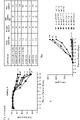
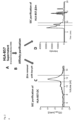
- the ⁇ 2m-associated HLA fusion protein confers the advantage of increased yields of the immunomodulatory HLA fusion protein, as producing this product does not incur the loss of protein that occurs during a ⁇ 2m disassociation step ( Fig. 2 ), and enhances certain immunological properties such as phagocyte uptake of tumor cells, in comparison to an open conformer HLA fusion protein alternative ( Fig 4 ).
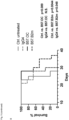
- the pharmaceutical composition according to the invention comprising an HLA fusion protein and B2m is associated with enhanced survival when using a pharmaceutical composition according to the invention to treat cancer in humanized mice comprising human immune cells, compared to an open conformer format lacking ⁇ 2m polypeptide ( Fig 5 ).
- the ⁇ 2m polypeptide is linked by a peptide linker to the HLA fusion protein.
- the ⁇ 2m polypeptide is non-covalently associated with said HLA fusion protein.
- the HLA fusion protein is associated with a ⁇ 2m molecule at a ratio of between 3:5 to 7:5, more particularly between 4:5 to 6:5.
- the HLA fusion protein and the ⁇ 2m polypeptide are present at a ratio of, or close to, 1 to 1.
- two HLA fusion proteins each associated with a ⁇ 2m polypeptide may be associated in a dimerized form via their Fc portions.
- HLA heavy chain proteins are not included in the HLA polypeptide portion of the HLA fusion protein comprised in the pharmaceutical composition for use according to the invention.
- the intracellular domain, and the transmembrane domain are absent from the HLA heavy chain polypeptide.
- Structural data suggests that HLA heavy chains interact with ligands such as Killer immunoglobulin-like receptors (KIR) and leukocyte immunoglobulin-like receptors (LILR) via regions distant from the transmembrane region. Amino acids close to the membrane do not generally interact with receptors.
- KIR Killer immunoglobulin-like receptors
- LILR leukocyte immunoglobulin-like receptors
- the inventors surmise that the high content of hydrophobic amino acids within the 5 C-terminal amino acid motif of the extracellular domain connecting peptide of naturally occurring HLA heavy chain sequences, is likely to introduce undesirable properties into recombinant proteins, such as a tendency towards protein aggregation, which can then affect the production, purification, stability and toxicity in downstream production processes.
- the HLA heavy chain extracellular domain polypeptide of the HLA fusion protein component comprises the core structure of the extracellular portion of an HLA heavy chain protein sequence, comprising the alpha 1, 2, and 3 domains, as this portion confers the HLA fusion protein with the ability to interact with surface molecules on target cells.
- the HLA heavy chain polypeptide portion of the HLA fusion protein has the polypeptide sequence of the extracellular domain of a naturally occurring HLA heavy chain listed in Table. 1.
- the HLA heavy chain extracellular domain is that of a naturally occurring HLA heavy chain with immunomodulatory qualities, such as specific binding to regulatory KIR3DL1, LILRA and LILRB1/2 cell surface proteins which alter innate and adaptive immune cell function.
- the HLA heavy chain portion of the HLA fusion protein is derived from, or essentially is, the extracellular domain of HLA-B58.
- the HLA heavy chain portion of the HLA fusion protein is derived from, or essentially is, the extracellular domain of HLA-B27. In other embodiments, the HLA heavy chain portion of the HLA fusion protein is derived from, or essentially is, the extracellular domain of HLA-B44. In further embodiments, the HLA heavy chain portion of the HLA fusion protein is derived from, or essentially is, the extracellular domain of HLA-B81. In other embodiments, the HLA heavy chain portion of the HLA fusion protein is derived from, or essentially is, the extracellular domain of HLA-C12. In particular embodiments, the HLA heavy chain portion of the HLA fusion protein is derived from, or essentially is, the extracellular domain of HLA-B57.
- the HLA fusion protein comprises a variant HLA heavy chain extracellular domain polypeptide.
- Said variant HLA heavy chain polypeptide is characterized by a sequence similarity (on the protein level) of at least ( ⁇ ) 95% to the non-variant extracellular domain of an HLA heavy chain, and having a similar biological activity compared to the original sequence in the context of an HLA fusion protein.
- the variant HLA heavy chain is ⁇ 98% similar to the naturally occurring HLA heavy chain extracellular domain from which it is derived, while having a similar biological activity compared to the original sequence in the context of an HLA fusion protein.
- a similar biological activity can be defined as at least 65% particularly 85%, or even 95% of the capacity of a variant HLA heavy chain polypeptide HLA fusion protein to bind to LILRB2, compared to the equivalent non-variant structure, as measured by an enzyme-linked immunosorbent assay (ELISA) method.
- ELISA enzyme-linked immunosorbent assay
- This may be assessed by calculating the EC50, i.e. the concentration of a fusion protein that gives a half-maximal response, in this case, half the maximal binding to a biotinylated LILRB2 molecule.
- the EC50 or LILRB2 binding is approximately 21nM.
- the threshold for EC50 for a suitable variant as measured by ELISA with approximately 65% similar biological function is therefore approximately 32nM, 85% is approximately 29nM, and 95% is approximately 22nM.
- the variant HLA-B57 sequence has an EC50 of approximately 8, and is therefore above the threshold for biologically similar function (over 100%), as the EC50 is below, and therefore improved compared to the original sequence, however a variant HLA-B57 with an EC50 above 35nM would be excluded.
- the biological function of the HLA fusion protein open conformer bearing a variant HLA heavy chain polypeptide is enhanced relative to the equivalent non-variant control structure.
- the HLA fusion protein open conformer comprising the variant HLA-B57 (A46E/V97R) polypeptide according to the invention is lower than that of an HLA fusion protein bearing the wildtype of HLA-B57 molecule, such that a similar biological activity may be defined as at least 100%, particularly 200%, or even 250% of the HLA fusion protein open conformer comprising the non-variant polypeptide equivalent.
- the EC50 of the variant HLA fusion protein in terms of LILRB2 binding is less than approximately 21nM (100%), 10.5nM (200%), or even 8.3 nM (250%).
- streptavidin coated high binding capacity 96 well plates may be coated with 50 ⁇ l of c-terminally biotinylated LILRB2 (for example, obtained from BPS Bioscience #100335) at a final concentration of 5 ⁇ g/ml in PBS buffer.
- PBS and IgG isotype may be used as negative controls.
- a serial dilution of HLA fusion protein is applied in a titrated series, (for example, eight concentration points: 10, 2.5, 1, 0.25, 0.1, 0.025, 0.01, 0.0025 ⁇ g/ml), preferably applied in 50ul duplicates.
- a labelled antibody that can detect the fusion protein may then be applied to detect HLA fusion protein binding and background, and fluorescence excitation and emission measured at the appropriate wavelength (for example 650 nm & 660 nm).
- a three-parameter based log (agonist) model is one suitable means to determine the EC50 of the HLA fusion protein binding to the LILRB2 ELISA.
- HLA fusion protein comprises a variant HLA-B57 heavy chain extracellular domain polypeptide, which is characterized by at least one, or two specific amino acid substitutions which differ from the polypeptide sequence a naturally-occurring HLA heavy chain extracellular domain polypeptide.
- the HLA-B57 heavy chain gene family currently encompasses 221 known variants with unique nucleic acid sequences, numbering HLA-B*57:01 to HLA-B*57:141, encoding several dozen unique protein sequences.
- the HLA heavy chain polypeptide is a variant of the naturally occurring extracellular domain of an HLA-B57 heavy-chain polypeptide sequence, in which one, or two amino acid substitutions have been performed such that the variant HLA heavy chain polypeptide is characterized by an E at position 46, and an R at position 97.
- an amino acid other than E has been replaced with an E at position 46, and/or an amino acid other than R, has been replaced with an R at position 97.
- the numbering of these amino acids refers to the assignment of integers sequentially beginning with the G, S, H motif that initiates the extracellular domain of a secreted HLA-B57 portion, lacking the secretion signal, with the numbers 1, 2, and 3.
- the inventors find these amino acid substitutions correlate with high yields of the resulting variant-based HLA fusion protein compared to the wildtype sequence ( Fig. 1 ), and a favorable LILRB2 binding profile.
- the HLA heavy chain extracellular polypeptide portion of the HLA fusion protein according to the invention comprises the variant HLA-B57 sequence designated SEQ ID NO 001.
- the HLA heavy chain polypeptide essentially consists of the sequence designated SEQ ID NO 001.
- the HLA heavy chain polypeptide and the Ig Fc polypeptide are joined by a peptide linker.
- the peptide linker is between 5 and 20 amino acids in length. In more particular embodiments this joining peptide linker has the sequence SEQ ID NO 003.
- the HLA fusion protein comprises a polypeptide with the sequence designated SEQ ID NO 005, and is associated with a ⁇ 2m polypeptide.
- the HLA fusion protein additionally comprises a secretory signal upstream of the sequence SEQ ID NO 005.
- the secretory signal upstream of the HLA fusion protein polypeptide is SEQ ID NO 004.
- the HLA fusion protein essentially consists of a secretory signal of SEQ ID NO 004, joined to a polypeptide designated SEQ ID NO 005.
- the HLA fusion protein essentially consists of the sequence designated SEQ ID NO 005 (comprising a variant extracellular domain of HLA-B57 fused to an IgG4 Fc), and is associated with a ⁇ 2m polypeptide.
- the ⁇ 2m polypeptide associated with the HLA fusion protein has the sequence designated SEQ ID NO 006.
- the HLA fusion protein comprises an HLA-B57 heavy chain polypeptide identical to SEQ ID NO 001, other than a single differing amino acid residue (wherein the single differing amino acid residue is not position 46, or 97).
- the recombinant HLA-B57 polypeptide according to this embodiment includes at least one further amino acid substitution compared to the naturally occurring HLA-B57 molecule from which it is derived.
- the HLA fusion portion of the pharmaceutical composition for use according to the invention comprises a stabilizing polypeptide conferring stability during expression and purification.
- the presence of stabilizing portion of the HLA fusion protein increases the yield and solubility by reducing degradation and oligomerization of the HLA fusion protein, and further associated with improved viability of cells expressing the fusion protein.
- the stabilizing polypeptide of the HLA fusion protein is a human Ig Fc polypeptide.
- An Ig Fc portion may also prolong the in vivo half-life of a molecule in vivo by binding to recycling receptors.
- the stabilizing polypeptide is an isotype IgG Fc.
- An IgG Fc stabilizing peptide domain delivers an added advantage during purification of the HLA fusion protein, by enabling absorption to a protein A or G coated surface.
- the inventors consider a possible alternative that may provide similar benefits if attached to the functional HLA polypeptides in lieu of Ig Fc could be bovine serum albumin.
- an albumin molecule such as bovine serum albumin
- PEGylation can enhance the half-life of proteins in circulation, and may feasibly serve as a stabilizing polypeptide according to the invention.
- the HLA fusion protein comprises an IgG4 polypeptide, which is desirable isotype in therapeutic fusion proteins due to its low cytotoxicity.
- the HLA fusion protein comprises an altered IgG4 S228P.dk molecule with sequence SEQ ID NO 002. This is characterized by a mutation in the hinge region of the IgG4, where Proline (P) is substituted for serine (S) at position 228 of the original IgG4 antibody, and dK indicates a deletion of the last amino acid Lysine (K) on the original IgG4 sequence.
- the HLA fusion protein comprises an HLA polypeptide joined with an IgG polypeptide as part of a single polypeptide chain by a peptide linker, a short sequence of amino acids 5, 10, 15, or 20 residues in length.
- the peptide linker is a non-immunogenic sequence, such as a sequence rich in serine and glycine residues.
- the peptide linker has the sequence SEQ ID NO 003.
- the pharmaceutical composition for use in treating cancer it is in the format of a dimer.
- Said dimer comprises a first monomer and a second monomer, and each monomer independently of the other monomer comprises an HLA fusion protein, an HLA heavy chain extracellular domain polypeptide fused to an Ig Fc portion, the latter of which may associate via disulfide bonds.
- Each monomer according to the invention is additionally associated with a B2m polypeptide.
- the pharmaceutical composition for use in treating malignant neoplastic disease comprises an HLA fusion protein associated with B2m polypeptide, and is typically formulated into pharmaceutical dosage forms to provide an easily controllable dosage of the drug and to give the patient an elegant and easily handled product.
- Said pharmaceutical composition further contains a pharmaceutically acceptable carrier.
- the composition comprises at least two pharmaceutically acceptable carriers, such as those described herein.
- the dosage regimen for the pharmaceutical composition of the present invention will vary depending upon known factors, such as the pharmacodynamic characteristics of the particular agent and its mode and route of administration; the species, age, sex, health, medical condition, and weight of the recipient; the nature and extent of the symptoms; the kind of concurrent treatment; the frequency of treatment; the route of administration, the renal and hepatic function of the patient, and the effect desired.
- the pharmaceutical composition of the invention may be administered in a single daily dose, or the total daily dosage may be administered in divided doses of two, three, or four times daily.
- composition comprising an HLA fusion protein : B2m polypeptide complex according to the first aspect of invention, formulated for administration in combination with a checkpoint inhibitory agent.
- Another aspect of the invention is a checkpoint inhibitor agent for use in treating a malignant neoplastic disease, formulated for administration in combination with pharmaceutical composition comprising and HLA fusion protein according to the first aspect of the invention.
- the checkpoint inhibitory agent is capable of disrupting the inhibitory signaling cascade that limits immune cell activation, and in particular T cell activation.
- the checkpoint inhibitory agent is an antibody fragment, or an antibody-like molecule capable of binding to one of CTLA-4, PD-1, PD-L1, or PD-L2 with a dissociation constant of at least 10 -7 M -1 .
- the checkpoint inhibitor agent is a non-agonist CTLA-4 ligand, a non-agonist PD-1 ligand, a non-agonist PD-L1 ligand, or a non-agonist PD-L2 ligand, which does not lead to attenuated T cell activity when binding to CTLA-4, PD-1, PD-L1 or PD-L2, respectively, on the surface on a T-cell.
- the term "non-agonist CTLA-4 ligand” or "non-agonist PD-1 ligand” covers both antagonists of CTLA-4 or PD-1 and ligands that are neutral vis-à-vis CTLA-4 or PD-1 signaling.
- non-agonist CTLA-4 ligands used in the present invention are able, when bound to CTLA-4, to sterically block interaction of CTLA-4 with its binding partners CD80 and/or CD86 and non-agonist PD-1 ligands used in the present invention are able, when bound to PD-1, to sterically block interaction of PD-1 with its binding partners PD-L1 and/or PD-L2.
- the checkpoint inhibitory agent disrupts inhibitory signaling cascades via a capacity to bind to CTLA-4 with a dissociation constant of at least 10 -7 M -1 , 10 - 8 M -1 or 10 -9 M -1 and which inhibits the biological activity of its respective target.
- a non-agonist PD-1 ligand or a non-agonist PD-L1 (PD-L2) ligand in the sense of the invention refers to a molecule that is capable of binding to PD-1 (PD-L1, PD-L2) with a dissociation constant of at least 10 -7 M -1 , 10 -8 M -1 or 10 -9 M -1 and which inhibits the biological activity of its respective target.
- the checkpoint inhibitory agent is a checkpoint inhibitor antibody selected from the clinically available antibody drugs ipilimumab ( Bristol-Myers Squibb; CAS No. 477202-00-9 ), tremelimumab ( CAS 745013-59-6 ), nivolumab ( Bristol-Myers Squibb; CAS No 946414-94-4 ), pidilizumab ( CAS No. 1036730-42-3 ), atezolizumab ( Roche AG; CAS No. 1380723-44-3 ), avelumab ( Merck KGaA; CAS No. 1537032-82-8 ), durvalumab ( Astra Zeneca, CAS No.
- the check point inhibitor agent is pembrolizumab ( Merck Inc.; CAS No. 1374853-91-4 ).
- the antibody fragment relating to a checkpoint inhibitor format may be a Fab domain or a variable fragment (Fv) domain of an antibody, or a single-chain antibody fragment, which is a fusion protein consisting of the variable regions of light and heavy chains of an antibody connected by a peptide linker.
- the checkpoint inhibitor may also be a single domain antibody, consisting of an isolated variable domain from a heavy or light chain. Additionally, an antibody may also be a heavy-chain antibody consisting of only heavy chains such as antibodies found in camelids.
- An antibody-like molecule may be a repeat protein, such as a designed ankyrin repeat protein (Molecular Partners, Zurich).
- the combination therapy comprises two distinct dosage forms, for example, wherein said pharmaceutical composition comprising an HLA fusion protein is provided as a dosage form for intra-tumoral delivery, or local delivery in the vicinity of the tumor, for example, by subcutaneous injection, or intra-tumoral injection into a solid tumor, and said checkpoint inhibitor agent is provided as a dosage form for systemic delivery, particularly by intravenous injection.
- said checkpoint inhibitor agent and said pharmaceutical composition comprising an HLA fusion protein may also be delivered in two similar dosage forms.
- Administration in combination encompasses both simultaneous administration of the checkpoint inhibitor agent and the pharmaceutical composition comprising an HLA fusion protein, or in separate formulations, or administration of one substance immediately prior to, for example, in the week prior to, or at least in the month prior to, or immediately subsequent to, for example, in the week, or at most the month subsequent to, administration of a second substance.
- the pharmaceutical composition for use according to the invention is provided for use in treating malignant neoplastic disease, encompassing various forms of cancer.
- Pre-clinical studies on other forms of LILBR2-directed antineoplastic therapy have demonstrated efficacy in renal cancer, and ovarian cancer.
- LILRB2-targeting antibody MK-4830 The safety and tolerability of LILRB2-targeting antibody MK-4830 is currently under investigation in a clinical trial targeting a wide range of solid organ cancers (mesothelioma, triple negative breast cancer, ovarian cancer, lung cancer, glioblastoma, pancreatic cancer, gastric cancer), in combination with chemotherapy (ClinicalTrials.gov Identifier: NCT03564691), all of which the inventors consider may feasibly be treated effectively by a pharmaceutical composition according to the invention.
- solid organ cancers mesothelioma, triple negative breast cancer, ovarian cancer, lung cancer, glioblastoma, pancreatic cancer, gastric cancer
- chemotherapy ClinicalTrials.gov Identifier: NCT03564691
- the pharmaceutical composition comprising an HLA fusion protein
- it is provided for use to treat a type of liquid, or blood cancer.
- the inventors consider the characteristic T cell-exhaustion, and accessibility of circulating blood cancer cells to the T cell, and macrophage activation induced by pharmaceutical compositions according to the invention mean the treatment is likely to be effective.
- the pharmaceutical composition is provided for use in a patient diagnosed with T cell leukemia.
- the pharmaceutical composition is provided for use in a patient diagnosed with lymphoma, including, but not limited to, Burkitt's lymphoma as modelled by Daudi cells in the examples.
- the pharmaceutical composition is provided for use in a patient diagnosed with multiple myeloma, as modelled by the RPMI-8226 cell line ( Fig. 4 ).
- the pharmaceutical composition comprising an HLA fusion protein is provided for use in a patient diagnosed with a solid cancer, or a metastasis of a solid cancer.
- the pharmaceutical composition is for use in a patient diagnosed with lung cancer.
- the lung cancer is a form of non-small cell lung cancer.
- the lung cancer is a form of small cell lung cancer, or carcinoma.
- the pharmaceutical composition comprising an HLA fusion protein is for use in a patient diagnosed with a form of breast cancer.
- the cancer is estrogen receptor positive.
- the cancer is progesterone receptor positive.
- the cancer is human epidermal growth factor receptor 2 positive.
- the pharmaceutical composition comprising an HLA fusion protein, or the immune checkpoint inhibitor is for use in a patient diagnosed with colon cancer.
- metastatic colon cancer In particular embodiments, metastatic colon cancer.
- a pharmaceutical composition according to the invention in combination with a checkpoint inhibition agent, it is provided for use in a form of malignant disease, or cancer, in which checkpoint inhibition therapy is approved for monotherapy, or combination therapy.
- the combination treatment is for use in a patient with colon cancer, particularly metastatic colon cancer.
- the cancer is melanoma.
- the cancer is pancreatic cancer.
- the cancer is breast cancer.
- a method of treating a cancer patient comprising administering to the patient a pharmaceutical composition comprising an HLA fusion protein associated with a B2m polypeptide according to the invention, optionally in combination with a checkpoint inhibitory agent.
- the invention further encompasses, as an additional alternative aspect, the use of a pharmaceutical composition comprising an HLA fusion protein and beta-2-microglobulin, as specified in detail above, for use in a method of manufacture of a medicament for the treatment or prevention of cancer.
- Dosage forms may be for parenteral administration such as subcutaneous, intravenous, intrahepatic or intramuscular injection forms.
- a pharmaceutically acceptable carrier and/or excipient may be present.
- a first HLA fusion protein for medical use in humans was developed by the inventors by linking the heavy chain extracellular domain of the HLA-B57:01:01 polypeptide to an IgG4 Fc polypeptide (SEQ ID NO 002).
- IgG4 Fc polypeptide SEQ ID NO 002
- inhibitory amino acids identified in the natural HLA-B57 extracellular domain amino acid sequence were altered by substitution of an alanine (A) residue at position 46 to glutamine (E), and a valine (V) at position 97 to an arginine (R), providing a variant HLA-B67 polypeptide (SEQ ID NO 001).
- HLA-B57 fusion protein This was fused to the IgG4 polypeptide via a linking peptide of SEQ ID NO 003, to provide a variant HLA-B57 fusion protein (SEQ ID NO 005).
- HLA-B57-Fc & HLA-B57 (A46E/V97R) -Fc were co-transfected into Chinese hamster ovary (CHO) cells along with a plasmid comprising a nucleic acid encoding the ⁇ 2m protein (SEQ NO 006) by microporation (MP) using the NEON Transfection Kit (Life Technologies #MPK10096).
- CHO-DG44 starter cells were transfected at different ratios of HLA fusion protein to ⁇ 2m plasmid (4:1, 2:1, 1:1, 1:2).
- Selected clone pools were grown in standardized shaker flasks and with a defined cell seeding density of 4E5 vc/mL in 125 mL of PBG-CD-C4 supplemented medium including puromycin and methotrexate. Following adjusted selection pression with antibiotics, individual clone pools were selected for analysis. Measurement of viabilities and viable cell densities were performed using the Vi-CELL XR System, and Trypan blue cell exclusion method. Titer quantifications were measured at different time points (days) using an Octet RED machine (ForteBio, a Pall Division) with Protein A biosensors.
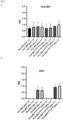
- RNA levels of the natural HLA-B57or altered HLA-B57 (A46E/V97R) relative to ⁇ 2m were confirmed in selected clones cell clones ( Fig. 1A ).
- Analysis of clones expressing the HLA-B57 or variant fusion protein demonstrated that HLA-B57. ⁇ 2m cell viability and titers are significantly lower than HLA-B57 (A46E/V97R) . ⁇ 2m ( Fig 1B and C ).
- HLA-B57. ⁇ 2m has high amount of high molecular weight (HMW) species and also low molecular weight species (LMW), with reduced monomer content, whereas HLA-B57 (A46E/V97R) . ⁇ 2m has significantly reduced HMW, LWM and high monomer content ( Fig 2A and B ), demonstrating the increased stability of the variant HLA heavy chain.
- HMW high molecular weight
- LMW low molecular weight species
- Fig 2A and B high monomer content
- the HLA-B57 (A46E/V97R) . ⁇ 2m complex was then isolated from filtered CHO cell supernatants by affinity column purification. Purification of proteins and removal of ⁇ 2m under acidic conditions was performed as a two-step purification protocol. As a first step, Protein G Sepharose [(4 Fast Flow) Sigma, #GE-17-0618-01)] beads were used to capture HLA-B57 (A46E/V97R) associated with ⁇ 2m from supernatants.
- HLA-B57 (A46E/V97R) fusion proteins were eluted using standard IgG-Elution Buffer (pH 2.8) (Pierce TM IgG Elution Buffer, Thermo Fischer #21004).
- a second step of size exclusion chromatography-based purification was performed to separate HLA-B57 (A46E/V97R) from ⁇ 2m under acidic conditions, to provide an open conformer HLA fusion protein.
- a Superdex 10/300 gel filtration column, pre-equilibrated in Sodium Citrate (100 mM, pH 3.0) was used for the separation.
- FIG. 2 shows the yields of various stages of the process described above, indicating that the separation of ⁇ 2m to yield an open conformer format HLA fusion protein results in a loss of approximately 50% of the immunomodulatory HLA-B57 (A46E/V97R) fusion protein.
- Example 3 Quantification of the interaction of LILRB2 with HLA-B57 (A46E / V97R) .OC, and HLA-B57 (A46E / V97R) . ⁇ 2m.
- the inventors went on to dissect the immunological properties most relevant to tumor immunity associated with each HLA-B57 (A46E/V97R) format.
- the impact the removal of ⁇ 2m on from an HLA-B57 IgG4 fusion protein on binding to the innate immune receptor LILRB2 was examined.
- HLA-B57 A46E/V97R
- HLA-B57 A46E/V97R
- BPS Bioscience BPS Bioscience
- SAXS streptavidin
- the biosensors were incubated with increasing concentrations (500, 250, 125, 62.5, 31.25, 15.6 and 7.8nM) of the HLA-B57.OC and (105, 52.5, 26.3, 13.2, and 6.6nM) of HLA-B57 (A46E/V97R) : ⁇ 2m and interaction and reference sensograms were recorded.
- the data analysis, double reference subtraction and quantification of the binding affinities and kinetic parameters were determined using Data Analysis HT 12.0.2.59 software package and data were fitted locally using a bivalent analyte model (2:1 model) for ligand-analyte reaction.
- the binding assays demonstrated improved binding of the variant HLA fusion proteins to LILRB2, as open conformer HLA lacking association with ⁇ 2m, and particularly when associated with ⁇ 2m, suggesting the variant HLA heavy chain has high immunomodulatory potential.
- the capacity of the ⁇ 2m polypeptide to influence HLA-B57 (A46E,V97R) IgG4 fusion protein induction of phagocytosis of tumor cells by human primary macrophages was assessed towards liquid (lymphoma, leukemia and myeloma) and solid (breast and lung cancer) cancer cells.
- Cancer cell lines derived from the indicated liquid and solid tumors were co-cultured with human primary macrophages, and phagocytosis of tumor cells was monitored according to the manufacturer's instructions for 36 hours using IncuCyte live-cell imaging system.
- Primary human donor-derived monocytes were isolated from PBMCs from healthy donors and differentiated into macrophages by 5-7 days of culture in specific macrophage culture medium.
- Cancer cells were stained with CellTrace TM CFSE (ThermoFisher) according to manufacturer's instructions and subsequently 1000 cells/well were plated in flat-bottom 96 well plates (Greiner) together with 1000-5000 primary T cells. Media contained 250nM of Cytotox Red (Sartorius). Live cell imaging was performed using the Incucyte S3 Live-Cell Analysis System (Sartorius). 4 non-adjacent images per well were analysed with Incucyte software v2020C. The CFSE signal was segmented in green objects, and every object was counted as cancer cell. Dead cells were identified with Cytotox signal segmented in red objects. Cancer cell death was detected by colocalization of green and red objects.
- HLA-B57 (A46E, V97R ).B2m increases the activity of macrophage phagocytosis against cancer cells, while HLA-B57 (A46E, V97R) .OC shows slightly reduced activity ( Fig 4 ).
- HLA-B57 (A46E,V97R) .OC and HLA-B57 (A46E,V97R ).B2m were then each assessed for impact on tumor growth in vivo in BRGSF-HIS mice (Rag2 -l- , IL-2R ⁇ -l- , Flk2 -l- , bearing a NOD specific SIRPa mutation inhibiting murine endogenous macrophages). These recipients were humanized with intrahepatic injection of purified human umbilical cord blood derived CD34+ cells, and implanted with patient-derived xenograft (PDX) lung cancer cells. These mice comprise all the major human immune cell subsets, including T and B cells, NK cells, and myeloid cells.
- PDX patient-derived xenograft
- the non-small cell lung cancer tumors used for xenograft were assessed for expression of the HLA fusion protein target LILRB2 after transplantation in the lung using a commercially available immunohistochemistry antibody, and positive expression following engraftment was confirmed, demonstrating this is an effective model for assessing human LILRB2-mediated immunomodulatory effects.
- LU6425 Lung PDX NSCLC tumor fragments were obtained frozen from CrownBio's HuPrime ® PDX collection.
- LU6425 tumor is derived from a western female, age 69.
- Pathology diagnosis adenocarcinoma of the lung.
- Eighteen BRGSF-HIS humanized mice were obtained for efficacy studies, humanization was performed with 6 different HSCs CD34+ donors, with cut-off engraftment of >30% human CD45+ cells (Genoway).
- LU6425 PDX tumors were expanded in BRGSF mice, PDX fragments are stored frozen in RPMI1640:FBS:DMSO (6:3:1) in liquid nitrogen until use.
- mice When tumor volumes of mice from the in vivo amplification phase reached 500-1000 mm3 were surgically excised and tumor fragments (2-3mm3) were subcutaneously implanted into the left flank of eighteen (18) female BRGSF-HIS mice. The day of tumor implantation is considered as day 0 (D0).
- mice received 4 intraperitoneal injections of Flt3 ligand (10 ⁇ g per injection) over 7 days. In this protocol, the Flt3 ligand expands the myeloid cell population. Flt3 injections were started 1 day before treatment onset, when tumors reached a mean volume of ⁇ 30- 250mm3.
- mice each were allocated to IgG4 isotype control, HLA-B57 (A46E,V97R) .OC or HLA-B57 (A46E,V97R ).B2m treatment groups with uniform mean tumor volume between groups.
- the treatment was administered by injection into the peritoneal cavity (IP).
- IP peritoneal cavity
- the administration volume was 10 mL/kg adjusted to the most recent individual body weight.
- Mice were euthanized at a cutoff tumour volume.
- Animal welfare for this study complies with the UK Animals Scientific Procedures Act 1986 (ASPA) in line with Directive 2010/63/EU of the European Parliament and the Council of 22 September 2010 on the protection of animals used for scientific purposes. All experimental data management and reporting procedures were in strict accordance with applicable Crown Bioscience UK Guidelines and Standard Operating Procedures.
- HLA fusion protein compounds were injected intraperitoneally every five days for the duration of the experiment.
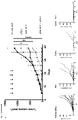
- the relative tumor growth (doubling time) was significantly reduced by both HLA-B57 (A46E, V97R) .OC and HLA-B57 (A46E,V97R ).B2m monotherapy ( Fig. 5A ).
- HLA-B57 (A46E, V97R ).B2m monotherapy also significantly extended the survival of treated mice vs. controls in this highly relevant cancer model for human immunotherapy ( Fig. 5B ).
- the concentration of cytokines in the plasma of treated BRGSF-HIS humanized PDX lung cancer mice collected at terminal stage, and was then assessed using a V-PLEX Proinflammatory Panel 1 Human MSD (MSD).
- HLA-B57 (A41E, V97R ).B2m significantly modulated several blood cytokines following therapy in mice, while HLA-B57 (A46E, V97R) .OC monotherapy altered only IL-10 levels compared to the control IgG4 treated group, confirming that an HLA fusion protein associated with B2m was a stronger immunomodulator in this cancer model ( Fig. 6 ).
- Both B2m-associated and open conformer HLA fusion protein compounds were next tested for their ability to complement checkpoint inhibitor therapy with a PD-1 neutralizing antibody.
- C38 tumor fragments were injected subcutaneously into the right flanks of syngeneic female C57BL/6 mice. Once the tumor reached ⁇ 50 mm 3 , animals were equally distributed according among groups with equivalent mean tumor volume size. Tumor diameters were measured using a caliper over the course of the study, and volume was calculated according to the formula, D /2 ⁇ d 2 where D and d correspond to the longest and shortest diameter of the tumor in mm, respectively.
- HLA-B57 (A46/V97) IgG4 fusion protein was equally effective at impeding tumor growth in vivo either with, or without the presence of ⁇ 2m.
- this is the first time that the utility of ⁇ 2m association with human HLA fusion proteins has been examined in comprehensive models examining the human lymphoid and myeloid cells which are an important target for HLA fusion protein function both in vitro and in vivo.
- HLA open conformer fusion proteins have considerably higher yields due to the shorter production process ( Fig.
- composition comprising an open conformer HLA molecule and a ⁇ 2m molecule according to the invention in antineoplastic therapeutic settings including, but not limited to epithelial cancers such as lung cancer, colon cancer, and breast cancer, and blood cell malignancies such as myeloma, lymphoma, and leukemia.
- epithelial cancers such as lung cancer, colon cancer, and breast cancer
- blood cell malignancies such as myeloma, lymphoma, and leukemia.
Landscapes
- Health & Medical Sciences (AREA)
- Life Sciences & Earth Sciences (AREA)
- Chemical & Material Sciences (AREA)
- Medicinal Chemistry (AREA)
- Immunology (AREA)
- General Health & Medical Sciences (AREA)
- Organic Chemistry (AREA)
- Animal Behavior & Ethology (AREA)
- Public Health (AREA)
- Veterinary Medicine (AREA)
- Pharmacology & Pharmacy (AREA)
- Proteomics, Peptides & Aminoacids (AREA)
- Epidemiology (AREA)
- Engineering & Computer Science (AREA)
- Cell Biology (AREA)
- Biochemistry (AREA)
- Gastroenterology & Hepatology (AREA)
- Molecular Biology (AREA)
- Bioinformatics & Cheminformatics (AREA)
- Genetics & Genomics (AREA)
- Biophysics (AREA)
- Zoology (AREA)
- Chemical Kinetics & Catalysis (AREA)
- General Chemical & Material Sciences (AREA)
- Nuclear Medicine, Radiotherapy & Molecular Imaging (AREA)
- Biomedical Technology (AREA)
- Microbiology (AREA)
- Mycology (AREA)
- Toxicology (AREA)
- Peptides Or Proteins (AREA)
Priority Applications (23)
| Application Number | Priority Date | Filing Date | Title |
|---|---|---|---|
| EP21190005.5A EP4130029A1 (de) | 2021-08-05 | 2021-08-05 | Pharmazeutische zusammensetzungen mit hla-fusionsproteinen |
| US18/681,073 US20240366718A1 (en) | 2021-08-05 | 2022-08-05 | Pharmaceutical compositions comprising hla fusion proteins |
| IL310612A IL310612A (en) | 2021-08-05 | 2022-08-05 | HLA-B57 is different with increased expression levels |
| CA3227299A CA3227299A1 (en) | 2021-08-05 | 2022-08-05 | Pharmaceutical compositions comprising hla fusion proteins |
| ES22761216T ES3048791T3 (en) | 2021-08-05 | 2022-08-05 | Pharmaceutical compositions comprising hla fusion proteins |
| AU2022324711A AU2022324711A1 (en) | 2021-08-05 | 2022-08-05 | A modified hla-b57 with increased expression levels |
| PCT/EP2022/072130 WO2023012347A1 (en) | 2021-08-05 | 2022-08-05 | Pharmaceutical compositions comprising hla fusion proteins |
| JP2024507944A JP2024530199A (ja) | 2021-08-05 | 2022-08-05 | Hla融合タンパク質を含む医薬組成物 |
| KR1020247007365A KR20240045259A (ko) | 2021-08-05 | 2022-08-05 | Hla 융합 단백질을 포함하는 약학 조성물 |
| MX2024001690A MX2024001690A (es) | 2021-08-05 | 2022-08-05 | Composiciones farmacéuticas que comprenden proteínas de fusión de antígeno leucocitario de humano (hla). |
| CA3227284A CA3227284A1 (en) | 2021-08-05 | 2022-08-05 | A modified hla-b57 with increased expression levels |
| MX2024001689A MX2024001689A (es) | 2021-08-05 | 2022-08-05 | Un hla-b57 modificado que tiene niveles de expresion incrementados. |
| BR112024002198A BR112024002198A2 (pt) | 2021-08-05 | 2022-08-05 | Composições farmacêuticas compreendendo proteínas de fusão do hla |
| EP22761217.3A EP4380595B1 (de) | 2021-08-05 | 2022-08-05 | Modifiziertes hla-b57 mit erhöhter expression |
| PCT/EP2022/072131 WO2023012348A1 (en) | 2021-08-05 | 2022-08-05 | A modified hla-b57 with increased expression levels |
| IL310615A IL310615A (en) | 2021-08-05 | 2022-08-05 | Pharmaceutical compositions comprising HLA fusion proteins |
| AU2022323540A AU2022323540A1 (en) | 2021-08-05 | 2022-08-05 | Pharmaceutical compositions comprising hla fusion proteins |
| ES22761217T ES3048639T3 (en) | 2021-08-05 | 2022-08-05 | A modified hla-b57 with increased expression levels |
| BR112024002196A BR112024002196A2 (pt) | 2021-08-05 | 2022-08-05 | Hla-b57 modificado com níveis de expressão aumentados |
| EP22761216.5A EP4380968B1 (de) | 2021-08-05 | 2022-08-05 | Pharmazeutische zusammensetzungen mit hla-fusionsproteinen |
| US18/681,072 US20240269232A1 (en) | 2021-08-05 | 2022-08-05 | A modified hla-b57 with increased expression levels |
| JP2024507935A JP2024529079A (ja) | 2021-08-05 | 2022-08-05 | 発現量が増加した改変型hla-b57 |
| KR1020247007356A KR20240042017A (ko) | 2021-08-05 | 2022-08-05 | 발현 수준이 증가된 변형된 hla-b57 |
Applications Claiming Priority (1)
| Application Number | Priority Date | Filing Date | Title |
|---|---|---|---|
| EP21190005.5A EP4130029A1 (de) | 2021-08-05 | 2021-08-05 | Pharmazeutische zusammensetzungen mit hla-fusionsproteinen |
Publications (1)
| Publication Number | Publication Date |
|---|---|
| EP4130029A1 true EP4130029A1 (de) | 2023-02-08 |
Family
ID=77411547
Family Applications (1)
| Application Number | Title | Priority Date | Filing Date |
|---|---|---|---|
| EP21190005.5A Withdrawn EP4130029A1 (de) | 2021-08-05 | 2021-08-05 | Pharmazeutische zusammensetzungen mit hla-fusionsproteinen |
Country Status (1)
| Country | Link |
|---|---|
| EP (1) | EP4130029A1 (de) |
Citations (3)
| Publication number | Priority date | Publication date | Assignee | Title |
|---|---|---|---|---|
| WO2016124661A1 (en) * | 2015-02-04 | 2016-08-11 | Universität Zürich | Use of hla-b27 homodimers for cancer treatment |
| WO2017153438A1 (en) | 2016-03-08 | 2017-09-14 | Universität Zürich | Hla-b57 open conformers |
| WO2018029284A1 (en) * | 2016-08-10 | 2018-02-15 | Universität Zürich | Mhc class ia open conformers |
-
2021
- 2021-08-05 EP EP21190005.5A patent/EP4130029A1/de not_active Withdrawn
Patent Citations (3)
| Publication number | Priority date | Publication date | Assignee | Title |
|---|---|---|---|---|
| WO2016124661A1 (en) * | 2015-02-04 | 2016-08-11 | Universität Zürich | Use of hla-b27 homodimers for cancer treatment |
| WO2017153438A1 (en) | 2016-03-08 | 2017-09-14 | Universität Zürich | Hla-b57 open conformers |
| WO2018029284A1 (en) * | 2016-08-10 | 2018-02-15 | Universität Zürich | Mhc class ia open conformers |
Non-Patent Citations (15)
| Title |
|---|
| "Uniprot", Database accession no. P61769 |
| ALTSCHUL ET AL., J. MOL. BIOL., vol. 215, 1990, pages 403 - 410 |
| AROSA ET AL: "Open conformers: the hidden face of MHC-I molecules", TRENDS IN IMMUNOLOGY, ELSEVIER LTD. TRENDS JOURNALS, GB, vol. 28, no. 3, 26 February 2007 (2007-02-26), pages 115 - 123, XP005905268, ISSN: 1471-4906, DOI: 10.1016/J.IT.2007.01.002 * |
| AROSA: "Open conformers: the hidden face of MHC- molecules", TRENDS IN IMMUNOLOGY, vol. 28, no. 3, March 2007 (2007-03-01), pages 115 - 23, XP005905268, DOI: 10.1016/j.it.2007.01.002 |
| AUSUBEL ET AL.: "Short Protocols in Molecular Biology", 2002, JOHN WILEY & SONS, INC. |
| CAS , no. 745013-59-6 |
| CAS, no. 1801342- 60-8 |
| L. LACHMAN ET AL.: "The Theory and Practice of Industrial Pharmacy", 2013 |
| NEEDLEMANWUNSCH, J. MOL. BIOL., vol. 48, 1970, pages 443 |
| PEARSONLIPMAN, PROC. NAT. ACAD. SCI., vol. 85, 1988, pages 2444 |
| REMINGTON: THE SCIENCE AND PRACTICE OF PHARMACY |
| ROBINSON J. ET AL., NUCLEIC ACIDS RES., vol. 41, 2013, pages D1234, Retrieved from the Internet <URL:https://www.ebi.ac.uk/ipd/imgt/hla/allele.html> |
| SAMBROOK ET AL.: "Molecular Cloning: A Laboratory Manual", 2012, COLD SPRING HARBOR LABORATORY PRESS |
| SMITHWATERMAN, ADV. APPL. MATH., vol. 2, 1981, pages 482 |
| STRYER, BIOCHEMISTRY, pages 21 |
Similar Documents
| Publication | Publication Date | Title |
|---|---|---|
| RU2762255C2 (ru) | Т-клеточные рецепторы | |
| JP2020036595A (ja) | 抗ヒト4−1bb抗体およびその使用 | |
| WO2020014285A2 (en) | Fusion constructs and methods of using thereof | |
| US20160068577A1 (en) | Cytotoxic proteins comprising cell-targeting binding regions and shiga toxin a subunit regions for selective killing of specific cell types | |
| US12383602B2 (en) | HLA-B57 open conformers | |
| US20250270327A1 (en) | Specific binding molecules | |
| US20250163129A1 (en) | Combination medicaments comprising hla fusion proteins | |
| EP4380968B1 (de) | Pharmazeutische zusammensetzungen mit hla-fusionsproteinen | |
| EP4130029A1 (de) | Pharmazeutische zusammensetzungen mit hla-fusionsproteinen | |
| EP4129323A1 (de) | Modifiziertes hla-b57 mit erhöhter expression | |
| CN117651718A (zh) | 特异性结合prame的抗原结合蛋白 | |
| CN118043345A (zh) | 包括hla融合蛋白的药物组合物 | |
| CN121002056A (zh) | β2微球蛋白、HLA重链多肽、和CD47–SIRPα抑制剂的融合蛋白 | |
| WO2025226603A1 (en) | Methods for treating cancer using anti-ccr8 antibodies |
Legal Events
| Date | Code | Title | Description |
|---|---|---|---|
| PUAI | Public reference made under article 153(3) epc to a published international application that has entered the european phase |
Free format text: ORIGINAL CODE: 0009012 |
|
| STAA | Information on the status of an ep patent application or granted ep patent |
Free format text: STATUS: THE APPLICATION HAS BEEN PUBLISHED |
|
| AK | Designated contracting states |
Kind code of ref document: A1 Designated state(s): AL AT BE BG CH CY CZ DE DK EE ES FI FR GB GR HR HU IE IS IT LI LT LU LV MC MK MT NL NO PL PT RO RS SE SI SK SM TR |
|
| STAA | Information on the status of an ep patent application or granted ep patent |
Free format text: STATUS: THE APPLICATION IS DEEMED TO BE WITHDRAWN |
|
| 18D | Application deemed to be withdrawn |
Effective date: 20230809 |