EP4134084A2 - Gewebespezifisch exprimiertes zirkuläres rna-molekül und dessen verwendung - Google Patents
Gewebespezifisch exprimiertes zirkuläres rna-molekül und dessen verwendung Download PDFInfo
- Publication number
- EP4134084A2 EP4134084A2 EP22189732.5A EP22189732A EP4134084A2 EP 4134084 A2 EP4134084 A2 EP 4134084A2 EP 22189732 A EP22189732 A EP 22189732A EP 4134084 A2 EP4134084 A2 EP 4134084A2
- Authority
- EP
- European Patent Office
- Prior art keywords
- mir
- rna molecule
- seq
- nucleotide sequence
- expression
- Prior art date
- Legal status (The legal status is an assumption and is not a legal conclusion. Google has not performed a legal analysis and makes no representation as to the accuracy of the status listed.)
- Pending
Links
Images

Classifications
-
- C—CHEMISTRY; METALLURGY
- C12—BIOCHEMISTRY; BEER; SPIRITS; WINE; VINEGAR; MICROBIOLOGY; ENZYMOLOGY; MUTATION OR GENETIC ENGINEERING
- C12N—MICROORGANISMS OR ENZYMES; COMPOSITIONS THEREOF; PROPAGATING, PRESERVING, OR MAINTAINING MICROORGANISMS; MUTATION OR GENETIC ENGINEERING; CULTURE MEDIA
- C12N15/00—Mutation or genetic engineering; DNA or RNA concerning genetic engineering, vectors, e.g. plasmids, or their isolation, preparation or purification; Use of hosts therefor
- C12N15/09—Recombinant DNA-technology
- C12N15/11—DNA or RNA fragments; Modified forms thereof; Non-coding nucleic acids having a biological activity
- C12N15/113—Non-coding nucleic acids modulating the expression of genes, e.g. antisense oligonucleotides; Antisense DNA or RNA; Triplex- forming oligonucleotides; Catalytic nucleic acids, e.g. ribozymes; Nucleic acids used in co-suppression or gene silencing
-
- A—HUMAN NECESSITIES
- A61—MEDICAL OR VETERINARY SCIENCE; HYGIENE
- A61K—PREPARATIONS FOR MEDICAL, DENTAL OR TOILETRY PURPOSES
- A61K48/00—Medicinal preparations containing genetic material which is inserted into cells of the living body to treat genetic diseases; Gene therapy
- A61K48/005—Medicinal preparations containing genetic material which is inserted into cells of the living body to treat genetic diseases; Gene therapy characterised by an aspect of the 'active' part of the composition delivered, i.e. the nucleic acid delivered
- A61K48/0058—Nucleic acids adapted for tissue specific expression, e.g. having tissue specific promoters as part of a contruct
-
- A—HUMAN NECESSITIES
- A61—MEDICAL OR VETERINARY SCIENCE; HYGIENE
- A61K—PREPARATIONS FOR MEDICAL, DENTAL OR TOILETRY PURPOSES
- A61K31/00—Medicinal preparations containing organic active ingredients
- A61K31/70—Carbohydrates; Sugars; Derivatives thereof
- A61K31/7088—Compounds having three or more nucleosides or nucleotides
- A61K31/7105—Natural ribonucleic acids, i.e. containing only riboses attached to adenine, guanine, cytosine or uracil and having 3'-5' phosphodiester links
-
- A—HUMAN NECESSITIES
- A61—MEDICAL OR VETERINARY SCIENCE; HYGIENE
- A61K—PREPARATIONS FOR MEDICAL, DENTAL OR TOILETRY PURPOSES
- A61K38/00—Medicinal preparations containing peptides
- A61K38/16—Peptides having more than 20 amino acids; Gastrins; Somatostatins; Melanotropins; Derivatives thereof
- A61K38/17—Peptides having more than 20 amino acids; Gastrins; Somatostatins; Melanotropins; Derivatives thereof from animals; from humans
- A61K38/1703—Peptides having more than 20 amino acids; Gastrins; Somatostatins; Melanotropins; Derivatives thereof from animals; from humans from vertebrates
- A61K38/1709—Peptides having more than 20 amino acids; Gastrins; Somatostatins; Melanotropins; Derivatives thereof from animals; from humans from vertebrates from mammals
-
- A—HUMAN NECESSITIES
- A61—MEDICAL OR VETERINARY SCIENCE; HYGIENE
- A61K—PREPARATIONS FOR MEDICAL, DENTAL OR TOILETRY PURPOSES
- A61K48/00—Medicinal preparations containing genetic material which is inserted into cells of the living body to treat genetic diseases; Gene therapy
- A61K48/005—Medicinal preparations containing genetic material which is inserted into cells of the living body to treat genetic diseases; Gene therapy characterised by an aspect of the 'active' part of the composition delivered, i.e. the nucleic acid delivered
-
- A—HUMAN NECESSITIES
- A61—MEDICAL OR VETERINARY SCIENCE; HYGIENE
- A61K—PREPARATIONS FOR MEDICAL, DENTAL OR TOILETRY PURPOSES
- A61K48/00—Medicinal preparations containing genetic material which is inserted into cells of the living body to treat genetic diseases; Gene therapy
- A61K48/0075—Medicinal preparations containing genetic material which is inserted into cells of the living body to treat genetic diseases; Gene therapy characterised by an aspect of the delivery route, e.g. oral, subcutaneous
-
- A—HUMAN NECESSITIES
- A61—MEDICAL OR VETERINARY SCIENCE; HYGIENE
- A61P—SPECIFIC THERAPEUTIC ACTIVITY OF CHEMICAL COMPOUNDS OR MEDICINAL PREPARATIONS
- A61P35/00—Antineoplastic agents
-
- C—CHEMISTRY; METALLURGY
- C07—ORGANIC CHEMISTRY
- C07K—PEPTIDES
- C07K14/00—Peptides having more than 20 amino acids; Gastrins; Somatostatins; Melanotropins; Derivatives thereof
- C07K14/435—Peptides having more than 20 amino acids; Gastrins; Somatostatins; Melanotropins; Derivatives thereof from animals; from humans
- C07K14/52—Cytokines; Lymphokines; Interferons
- C07K14/54—Interleukins [IL]
- C07K14/55—IL-2
-
- C—CHEMISTRY; METALLURGY
- C07—ORGANIC CHEMISTRY
- C07K—PEPTIDES
- C07K16/00—Immunoglobulins [IG], e.g. monoclonal or polyclonal antibodies
- C07K16/18—Immunoglobulins [IG], e.g. monoclonal or polyclonal antibodies against material from animals or humans
- C07K16/28—Immunoglobulins [IG], e.g. monoclonal or polyclonal antibodies against material from animals or humans against receptors, cell surface antigens or cell surface determinants
- C07K16/2803—Immunoglobulins [IG], e.g. monoclonal or polyclonal antibodies against material from animals or humans against receptors, cell surface antigens or cell surface determinants against the immunoglobulin superfamily
- C07K16/2818—Immunoglobulins [IG], e.g. monoclonal or polyclonal antibodies against material from animals or humans against receptors, cell surface antigens or cell surface determinants against the immunoglobulin superfamily against CD28 or CD152
-
- C—CHEMISTRY; METALLURGY
- C12—BIOCHEMISTRY; BEER; SPIRITS; WINE; VINEGAR; MICROBIOLOGY; ENZYMOLOGY; MUTATION OR GENETIC ENGINEERING
- C12N—MICROORGANISMS OR ENZYMES; COMPOSITIONS THEREOF; PROPAGATING, PRESERVING, OR MAINTAINING MICROORGANISMS; MUTATION OR GENETIC ENGINEERING; CULTURE MEDIA
- C12N15/00—Mutation or genetic engineering; DNA or RNA concerning genetic engineering, vectors, e.g. plasmids, or their isolation, preparation or purification; Use of hosts therefor
- C12N15/09—Recombinant DNA-technology
- C12N15/63—Introduction of foreign genetic material using vectors; Vectors; Use of hosts therefor; Regulation of expression
- C12N15/79—Vectors or expression systems specially adapted for eukaryotic hosts
- C12N15/85—Vectors or expression systems specially adapted for eukaryotic hosts for animal cells
-
- C—CHEMISTRY; METALLURGY
- C12—BIOCHEMISTRY; BEER; SPIRITS; WINE; VINEGAR; MICROBIOLOGY; ENZYMOLOGY; MUTATION OR GENETIC ENGINEERING
- C12N—MICROORGANISMS OR ENZYMES; COMPOSITIONS THEREOF; PROPAGATING, PRESERVING, OR MAINTAINING MICROORGANISMS; MUTATION OR GENETIC ENGINEERING; CULTURE MEDIA
- C12N2310/00—Structure or type of the nucleic acid
- C12N2310/50—Physical structure
- C12N2310/53—Physical structure partially self-complementary or closed
- C12N2310/532—Closed or circular
-
- C—CHEMISTRY; METALLURGY
- C12—BIOCHEMISTRY; BEER; SPIRITS; WINE; VINEGAR; MICROBIOLOGY; ENZYMOLOGY; MUTATION OR GENETIC ENGINEERING
- C12N—MICROORGANISMS OR ENZYMES; COMPOSITIONS THEREOF; PROPAGATING, PRESERVING, OR MAINTAINING MICROORGANISMS; MUTATION OR GENETIC ENGINEERING; CULTURE MEDIA
- C12N2800/00—Nucleic acids vectors
- C12N2800/10—Plasmid DNA
- C12N2800/106—Plasmid DNA for vertebrates
- C12N2800/107—Plasmid DNA for vertebrates for mammalian
-
- C—CHEMISTRY; METALLURGY
- C12—BIOCHEMISTRY; BEER; SPIRITS; WINE; VINEGAR; MICROBIOLOGY; ENZYMOLOGY; MUTATION OR GENETIC ENGINEERING
- C12N—MICROORGANISMS OR ENZYMES; COMPOSITIONS THEREOF; PROPAGATING, PRESERVING, OR MAINTAINING MICROORGANISMS; MUTATION OR GENETIC ENGINEERING; CULTURE MEDIA
- C12N2800/00—Nucleic acids vectors
- C12N2800/50—Vectors for producing vectors
-
- C—CHEMISTRY; METALLURGY
- C12—BIOCHEMISTRY; BEER; SPIRITS; WINE; VINEGAR; MICROBIOLOGY; ENZYMOLOGY; MUTATION OR GENETIC ENGINEERING
- C12N—MICROORGANISMS OR ENZYMES; COMPOSITIONS THEREOF; PROPAGATING, PRESERVING, OR MAINTAINING MICROORGANISMS; MUTATION OR GENETIC ENGINEERING; CULTURE MEDIA
- C12N2840/00—Vectors comprising a special translation-regulating system
- C12N2840/002—Vectors comprising a special translation-regulating system controllable or inducible
-
- C—CHEMISTRY; METALLURGY
- C12—BIOCHEMISTRY; BEER; SPIRITS; WINE; VINEGAR; MICROBIOLOGY; ENZYMOLOGY; MUTATION OR GENETIC ENGINEERING
- C12N—MICROORGANISMS OR ENZYMES; COMPOSITIONS THEREOF; PROPAGATING, PRESERVING, OR MAINTAINING MICROORGANISMS; MUTATION OR GENETIC ENGINEERING; CULTURE MEDIA
- C12N2840/00—Vectors comprising a special translation-regulating system
- C12N2840/007—Vectors comprising a special translation-regulating system cell or tissue specific
-
- C—CHEMISTRY; METALLURGY
- C12—BIOCHEMISTRY; BEER; SPIRITS; WINE; VINEGAR; MICROBIOLOGY; ENZYMOLOGY; MUTATION OR GENETIC ENGINEERING
- C12N—MICROORGANISMS OR ENZYMES; COMPOSITIONS THEREOF; PROPAGATING, PRESERVING, OR MAINTAINING MICROORGANISMS; MUTATION OR GENETIC ENGINEERING; CULTURE MEDIA
- C12N2840/00—Vectors comprising a special translation-regulating system
- C12N2840/20—Vectors comprising a special translation-regulating system translation of more than one cistron
- C12N2840/203—Vectors comprising a special translation-regulating system translation of more than one cistron having an IRES
Definitions
- the present disclosure belongs to the technical field of bio-medicine, particularly, the present disclosure relates to a tissue-specifically expressed circular RNA molecule, a cyclization precursor RNA molecule, a recombinant nucleic acid molecule, a recombinant expression vector, a recombinant host cell, a composition, a pharmaceutical preparation and application thereof in preparation of a drug for preventing or treating diseases, as well as a method for preventing or treating diseases.
- mRNA therapy brings about more possibilities for diagnosis and treatment of tumors, genetic defect disease and epidemic disease, etc.
- mRNA can be synthesized in-vitro, compared with other current biotechnological treatment means, synthesis of the mRNA is more efficient, fast, open and low in cost.
- synthesis of the mRNA is more efficient, fast, open and low in cost.
- the circular mRNA Due to the end-to-end characteristic of the circular mRNA, RNaseR can not effectively excise the circular mRNA. Thus, compared with the linear mRNA, the circular mRNA has a very long half-life namely more stable expression. Researches have shown that mRNA encoding a same protein can be stably expressed for 48 hours or above in a circular form, and can only be expressed for less than 20 hours in a linear form. Therefore, the circular mRNA, as a novel mRNA therapy tool, has a great development prospect in the field of gene therapy. Especially in the related fields such as vaccines, tumor immunotherapy and protein supplement, the circular mRNA shows a huge advantage.
- the circular RNA can be formed by linking the linear RNA molecule by a T4 ligase, a chemical method or a ribozyme method to form a circular form.
- T4 DNA ligase T4 Dnl
- T4 RNA ligasel T4 Rnl1
- T4 RNA ligase II T4 Rnl2
- the T4 ligase method is an earliest RNA cyclization method, but it is also easy to form a polymer byproduct.
- the chemical method is to form the circular RNA by modifying two ends of the linear RNA in connection with a condensation reaction, but the chemical method needs to introduce certain environmentally hazardous and explosive chemicals, such as cyanogen bromide, 1-ethyl-3-(3-dimethylaminopropyl)carbodiimide hydrochloride, etc., hence there is a large limitation in application of therapeutic circular mRNA.
- the ribozyme method is to make use of some endonucleases existing in nature which can specifically recognize and specifically cleave small molecule RNA, the endonuclease itself is also RNA and able to cleave a phosphodiester bond of a substrate RNA in a reversible way.
- ribozyme can also catalyze cyclization of linear RNA.
- the ribozyme method is more effective to cyclize some long linear RNAs, but such cyclization method is very unstable, thus it also needs further improvement.
- a natural class I intron system can also form circular intron RNA by cleavage and ligation reactions, which is known as a group I permuted intron-exon self-cleavage system (a PIE system), and such PIE system has been successfully used in constructing circular RNA expressed by eukaryotic protein.
- PIE system group I permuted intron-exon self-cleavage system
- the circular RNA molecule shows an important application value in clinical disease treatment, however, due to limitation by the mode of administration, after being delivered into the body, the circular mRNA also exhibits a high abundance expression (e.g., usually having a high abundance trend in liver) in a non-diseased part, which causes certain damage to normal tissues and organs of the body. Therefore, how to realize a tissue specific expression regulation for the circular RNA molecule is an important issue that needs to be urgently solved in the field.
- a circular RNA molecule cannot realize differential expression among different tissues, after the circular RNA molecule is delivered to the body, it is easy to generate high abundance expression in a non-diseased tissue, causing injury to healthy tissues and organs.
- the present disclosure provides a tissue-specifically expressed circular RNA molecule, which operably links a coding region to an expression regulatory element, realizing specific high expression of a target polypeptide in target cells or target tissues, and low expression of the target polypeptide in non-target cells or non-target tissues, and further realizing tissue specific expression of the circular RNA molecule, thereby providing a safe and effective treatment strategy for clinical targeted treatment of diseases such as tumor.
- the circular RNA molecule provided by the present disclosure realizes specific high expression of the target polypeptide in target cells or target tissues, and low expression of the target polypeptide in non-target cells or non-target tissues by operably linking the coding region to the expression regulatory element, further realizes tissue specific expression of the circular RNA molecule, and effectively increases targeted expression and therapeutic effects of the circular RNA molecule, having a wide application prospect in clinical disease treatment.
- the circular RNA molecule provided by the present disclosure realizes tissue specific expression of the circular RNA molecule by introducing one or more miRNA recognition regions.
- the present disclosure first confirms that after introduction of the miRNA recognition regions, expression of the circular mRNA can be effectively inhibited without influencing the efficiency of a cyclization reaction of the circular RNA molecule.
- the circular RNA molecule of the present disclosure can realize high expression in the target cells or target tissues (e.g., tumor cells or tumor tissues), whereas the expression in non-target cells or non-target tissues (e.g. healthy tissues or healthy tissue cells) is inhibited, so as to reduce adverse reactions and side effects which possibly result from expression of the circular RNA molecule in healthy tissues.
- the circular RNA molecule provided by the present disclosure is encapsulated in a liposome material and delivered into the body, and is able to be specifically expressed in a specific tissue and organ, and there is no expression or very low expression in other tissues, so as to effectively solves the problem of strong hepatotoxicity due to high abundance expression in liver cells when the mRNA molecule is delivered by LNP, providing a safe and effective treatment strategy for clinical targeted treatment of diseases such as tumor with.
- the circular RNA molecule provided by the present disclosure is encapsulated in a liposome material and delivered into a tumor body, the circular RNA molecule can targetedly express a target polypeptide with therapeutic effects in tumor tissues, and there is low expression or no expression in other normal tissues and organs such as liver, etc., so as to achieve tumor targeting.
- the circular RNA molecule is encapsulated in the liposome material, and is suitable to be used as an intratumor injection, enables local high expression of therapeutic polypeptides such as cytokine, an antigen-binding fragment, and an immune checkpoint inhibitor, and low expression or no expression in healthy cells and tissues such as liver cells and tissues, having high tumor targeting and low toxic and side effects, and thus the circular RNA molecule is a tumor immunotherapy molecule having a great application potential.
- therapeutic polypeptides such as cytokine, an antigen-binding fragment, and an immune checkpoint inhibitor
- polypeptide As used in the present disclosure, the terms “polypeptide”, “peptide” and “protein” are used interchangeably herein and represent an amino acid polymer of any length. This polymer can be linear or branched, it can include modified amino acids, and it can be interrupted by non-amino acids. This term can also include amino acid polymer which has been modified (e.g., disulfide bond formation, glycosylation, lipidation, acetylation, phosphorylation or any other operations, such as conjugation with a labeling component). As used in the present disclosure, "miRNA” is non-encoded RNA of a small single chain molecule, generally consists of about 22 nucleotide sequences, and widely exists in plants, animals and some viruses.
- microRNA mainly conducts gene post-transcriptional regulation by RNA silencing, because the miRNAs play a role by complementary pairing with a mRNA base, a target mRNA molecule may be silenced by several means as follows: 1) cleavage of the mRNA into two different sequences; 2) decreasing the stability of the mRNA by shortening a tail of polyA of the mRNA; and 3) decreasing the binding of the mRNA with a ribosome to further decrease translation of the mRNA.
- the miRNA widely exists in mammalian cells, and there are different high abundance expression of the miRNA among different tissues, such as up-regulated expression of miR-122 in live cells, up-regulated expression of miR-133, miR-206, and miR-208 in muscle cells, up-regulated expression of miR-17-92, and miR-126 in endothelial cells, up-regulated expression of miR-142-3p, miR-142-5p, miR-16, miR-21, miR-223, miR-24, miR-27, etc.
- let-7 in myelocyte, up-regulated expression of let-7, and miR-30c in adipocyte, up-regulated expression of miR-ld, and miR-149 in heart cells, up-regulated expression of miR-192, miR-194, and miR-204 in kidney cells, and up-regulated expression of let-7, miR-133, and miR-126 in lung epithelial cells.
- the term "circular RNA” refers to a closed circular RNA molecule.
- the circular RNA molecule in the present disclosure is formed by linking a 5' end at the upstream of a linear RNA molecule with a 3' end at the downstream of the linear RNA molecule to form a circular form.
- the circular RNA molecule in the present disclosure is formed by a cleavage and cyclization reaction of a cyclization precursor RNA molecule to form a circular form.
- cyclization precursor RNA molecule refers to an RNA precursor which is able to be cyclized to form the circular RNA, and it is generally formed by transcription of a DNA molecule of a cyclization precursor.
- the "cyclization precursor RNA molecule” can be used interchangeably with a "linear RNA molecule".
- the cyclization precursor RNA includes elements as follows: a 5' homologous arm, a 3' intron, a second exon E2, a spacer region, an IRES element, a coding region, a spacer region, a first exon E1, a 5' intron, and a 3' homologous arm.
- the 5' homologous arm, the 3' intron, the 5' intron, and the 3' homologous arm play a role in a process of formation of the circular RNA by cleaving the cyclization precursor RNA.
- the intron has a ribozyme property, for example, by using the ribozyme property of the 5' intron, the connection between the 5' intron and the first exon E1 is broken under the trigger of GTP, the cleavage site can also further cause the connection between the 3' intron and the second exon E2 to be broken, and the second exon E2 is linked to the first exon E1 to form the circular RNA.
- the term "IRES” is also known as an internal ribosome entry site, and "the internal ribosome entry site (IRES)” belongs to a translation control sequence, is usually located at a 5' end of a gene of interest, and translates RNA in a cap independent manner.
- the transcribed IRES can directly bind to ribosomal subunits, such that a mRNA initiation codon is properly orientated in the ribosome for translation.
- the IRES sequence is usually located in 5'UTR of mRNA (just upstream of the initiation codon). IRES functionally replaces the demand of various protein factors which interact with a translation mechanism of eukaryotes.
- coding region refers to a gene sequence which can transcript a messenger RNA, and finally be translated to a target polypeptide or protein.
- expression includes any step involved in polypeptide production, including but not limited to: transcription, post-transcriptional modification, translation, post-translational modification, and secretion.
- upstream or downstream refers to the upstream and downstream along a protein translation direction of a coding region.
- the term “complementary” or “hybridized” refers to “polynucleotide” and “oligonucleotide” related to base pairing rules (they are interchangeable terms, referring to a nucleotide sequence).
- a sequence “CAGT” and a sequence “GTCA” are complementary.
- the complementation or hybridization can be “partial” or “entire”.
- the “partial” complementation or hybridization refers to mispairing of one or more nucleic acid bases according to the base pairing rules, an "entire” or “complete” complementation or hybridization between nucleic acids means that each nucleic acid base matches with another base through Watson-Crick base pairs.
- the complementation or hybridization degree between nucleic acid chains has an important influence on the hybridization efficiency and intensity between the nucleic acid chains. This is especially important in an amplification reaction as well as a detection method which depends on binding between nucleic acids.
- sequence identity refers to a percentage of nucleotides or amino acids which are same (i.e. identical) between two or more polynucleotides or polypeptides.
- a sequence identity between two or more polynucleotides or polypeptides can be measured by the method as follows: aligning nucleotide or amino acid sequences of the polynucleotides or polypeptides, and scoring the number of locations containing a same nucleotide or amino acid residue in the aligned polynucleotides or polypeptides, and comparing the number of the locations containing the same nucleotide or amino acid residue in the aligned polynucleotides or polypeptides with the number of locations containing different nucleotide or amino acid residues in aligned polynucleotides or polypeptides.
- the polynucleotide can be different at a location, for example, by containing different nucleotides (i.e., replacement or mutation) or deletion of nucleotide (i.e., nucleotide insertion or nucleotide deletion in one or two polynucleotides).
- the polypeptide can be different, for example, by containing different amino acids (i.e., replacement or mutation) or deletion of amino acid (i.e., amino acid insertion or amino acid deletion in one or two polypeptides).
- the sequence identity can be calculated by dividing the number of the locations containing the same nucleotide or amino acid residue by the total number of amino acid residues in the polynucleotide or polypeptide.
- the percent identity can be calculated by dividing the number of the locations containing the same nucleotide or amino acid residue by the total number of the nucleotide or amino acid residues in the polynucleotide or polypeptide and multiplying by 100.
- sequences or subsequences when conducting comparison and alignment with maximum correspondence by using a sequence comparison algorithm or by visual inspection and measurement, two or more sequences or subsequences have at least 80%, 81%, 82%, 83%, 84%, 85%, 86%, 87%, 88%, 89%, 90%, 91%, 92%, 93%, 94%, 95%, 96%, 97%, 98% or 99% "sequence identity" or "percent identity" of nucleotide.
- sequence is basically same in the entire length of any one or two compared biopolymers (e.g., polynucleotides).
- recombinant nucleic acid molecule refers to a polynucleotide having sequences which are not linked together in nature.
- a recombinant polynucleotide can be included in a suitable vector, and this vector can be used for transformation to a suitable host cell. Then the polynucleotide is expressed in a recombinant host cell to produce, for example, "recombinant polypeptide", “recombinant protein", “fusion protein”, etc.
- vector refers to a DNA construct, it contains a DNA sequence which is operably linked to a suitable control sequence, so as to express a target gene in a suitable host.
- the term "recombinant expression vector” refers to a DNA structure which is used for expressing, for example, a polynucleotide encoding a required polypeptide.
- the recombinant expression vector can include, for example, (i) a collection of genetic elements having a regulatory effect on gene expression, for example, promoters and enhancers; (ii) a structure or coding sequence which is transcribed into mRNA and translated into protein; and (iii) proper transcription subunits for transcription and translation initiation and terminator sequences.
- the recombinant expression vector is constructed in any suitable way.
- the property of the vector is not important, and any vectors can be used, including plasmid, virus, bacteriophage and transposon.
- the possible vector used in the present disclosure includes but is not limited to chromosome, non-chromosome and synthetic DNA sequences, for example, virus plasmid, bacterial plasmid, bacteriophage DNA, yeast plasmid and a vector derived from a combination of plasmid and bacteriophage DNA, and DNA from slow virus, retrovirus, cowpox, adenovirus, avian pox, baculovirus, SV40 and pseudorabies, etc.
- the term "host cell” refers to a cell into which exogenous polynucleotide has been introduced, including filial generation of such cells.
- the host cell includes a "transformant” and a "transformed cell", which includes primary transformed cell and filial generation derived therefrom.
- the host cell is a cell system of any types which can be used for producing an antibody molecule of the present invention, including eukaryotic cells, for example, mammalian cells, insect cells, and yeast cells; and prokaryotic cells, for example, Escherichia coli cells.
- the host cell includes cultivated cells, and also includes cells within transgenic animals, transgenic plants or cultivated plant tissues or animal tissues.
- the term "recombinant host cell” covers host cells that are different from parental cells after the circular RNA molecule, the cyclization precursor RNA molecule, the recombinant nucleic acid molecule or the recombinant expression vector is introduced, and the recombinant host cell is specifically obtained by transformation.
- the host cells of the present disclosure can be prokaryotic cells or eukaryotic cells, as long as they are cells into which the circular RNA molecule, the cyclization precursor RNA molecule, the recombinant nucleic acid molecule or the recombinant expression vector of the present disclosure can be introduced.
- mammals include but are not limited to domestic animals (e.g., cows, sheep, cats, dogs and horses), primates (e.g., human and non-human primates such as monkeys), rabbits and rodents (e.g., mice and rats).
- domestic animals e.g., cows, sheep, cats, dogs and horses
- primates e.g., human and non-human primates such as monkeys
- rabbits and rodents e.g., mice and rats.
- tumor refers to growth and proliferation of all neoplastic cells, whether malignant or benign, and all pre-cancerous and cancerous cells and tissues.
- cancer cancer, cancerous and tumor cells and tissues.
- the term "pharmaceutically acceptable” refers to an excipient, composition and/or dosage form suitable for contact with human and animal tissues without excessive toxicity, irritation, anaphylaxis or other problems or complications, and commensurate with a reasonable benefit/risk ratio within the scope of reasonable medical judgment.
- target cell refers to a cell type to which it is desired to delivery an exogenous molecule (e.g., a circular RNA molecule), or an exogenous molecule has specific high expression or specific low expression in cells.
- the target cells can be ex-vivo cells, or cells included in a subject's body.
- the target cells are diseased cells, for example, tumor cells.
- target tissue is a tissue including a target cell.
- the target tissue is a diseased tissue, for example, a tumor tissue.
- non-targeted cell refers to a cell type to which it is undesirable to delivered an exogenous molecule (e.g., a circular RNA molecule), or in which the expression of an exogenous molecule is opposite to that in target cells.
- exogenous molecule e.g., a circular RNA molecule
- non-target cells are non-diseased cells, for example, normal tissue cells.
- non-target tissue is a tissue which does not include target cells.
- the non-target tissues are tissues without lesions, for example, various healthy tissues.
- the circular RNA molecule provided by the present disclosure includes a coding region which encodes a target polypeptide, and an expression regulatory element which is operably linked to the coding region; the expression regulatory element has characteristics shown in any one of the group consisting of (i)-(ii): (i) enhancing expression of the target polypeptide in target cells or target tissues, and (ii) attenuating expression of the target polypeptide in non-target cells or non-target tissues.
- the level of the target polypeptide expressed by the circular RNA molecule is regulated by using the expression regulatory element, so that he circular RNA molecule is specifically highly expressed in the target cells and the target tissues, and specifically lowly expressed in the non-target cells and non-target tissues, so as to realize differential expression of the circular RNA molecule in different cells and tissues, and provide targeted drug delivery in disease related cells and tissues with a safe and effective treatment means.
- the expression regulatory element in the circular RNA molecule attenuates expression of the target polypeptide in the non-target cells or the non-target tissues.
- the expression regulatory element includes one or more miRNA recognition regions which are hybridized with a miRNA sequence. The present disclosure first found that addition of a miRNA recognition region in the circular RNA molecule can specifically decrease a protein expression level of the circular RNA molecule in the non-target cells or non-target tissues without influencing a circular RNA cyclization efficiency, and first confirmed that the miRNA can be used to regulate the protein translation and expression level of the circular RNA molecule.
- the miRNA recognition region is hybridized with the sequence of the miRNA, namely the miRNA recognition region has a reverse complementary sequence of the miRNA sequence.
- the sequence of the miRNA recognition region is completely complementary with the sequence of the miRNA.
- the sequence of the RNA recognition region and the sequence of the miRNA is partially complementary, namely, one or more mispaired or unpaired bases are allowed to exist between the sequence of the miRNA recognition region and the sequence of the miRNA. Specifically, provided that the miRNA recognition region can bind to the miRNA, the level of expression of the target polypeptide by the circular RNA molecule is inhibited.
- the miRNA recognition region included in the expression regulatory element is one or more, for example, the expression regulatory element includes 1, 2, 3, 4, 5, 6, or 7 miRNA recognition regions. Further, when the number of miRNA recognition regions is two or more, the sequence of each miRNA recognition region and the sequence of other miRNA recognition regions can be the same or different, namely, the expression regulatory element can include multiple miRNA recognition regions which bind to a same type of miRNA, and also includes multiple miRNA recognition regions which bind to different types of miRNAs; and the number of the miRNA recognition regions which bind to the same type of miRNA can also be one or more.
- the expression level of the miRNA hybridized with the miRNA recognition region in the non-target cells or non-target tissues is higher than the expression level of the miRNA in the target cells or target tissues.
- the circular RNA molecule When the circular RNA molecule is administered into the subject's body, its expression presents remarkable tissue specificity, by using tissue specific expression of the circular RNA molecule, targeted protein expression and drug delivery for a specific tissue and cell is achieved, and a target protein is not expressed in the non-target cell, organ, and tissue, effectively increasing the targetability and safety of drug delivery.
- the target cells or target tissues are diseased cells or tissues
- the non-target cells or non-target tissues are non-diseased cells or tissues.
- the expression of the circular RNA molecule in the non-target cells or non-target tissues is inhibited, so as to avoid organ and tissue injury due to expression of the target polypeptide in healthy cells or tissues, having high clinical safety.
- the target cells or target tissues are tumor cells or tumor tissues
- the expression level of the miRNA in the non-tumor cells or non-tumor tissues is higher than the expression level of the miRNA in tumor cells or tumor tissues
- a high expression level of the circular RNA molecule in tumor cells or tumor tissues is maintained
- the expression of the circular RNA molecule in healthy cells or tissues is inhibited or eliminated, increasing the specificity of delivering the target polypeptide to the tumor cells, and tissues by the circular RNA molecule, while realizing treatment of diseases such as tumors, effectively reducing adverse reaction and injury to the healthy tissues and organs, and having an important clinical application value for treatment of diseases such as tumors.
- the expression regulatory element only includes a miRNA recognition region hybridized with a miRNA sequence.
- the expression regulatory element can also include other nucleotide sequences, for example, a UTR sequence, etc.
- the miRNA recognition region can be located within the expression regulatory element, at a 5' end or at a 3' end.
- the miRNA recognition region is 1, 2, 3, etc. sequence regions located within a 3' UTR sequence which are invertedly complementary with the miRNA sequence.
- the number of miRNA recognition regions is two or more, any two of the miRNA recognition regions can be directly linked, and they can also be inserted in the 3' UTR sequence at intervals.
- the expression regulatory element includes one or more miRNA recognition regions which are hybridized with sequences of one or more miRNAs as follows: miR-122, miR-152, miR-148, miR-194, miR-199, miR-215, miR-18, miR-20, miR-24, miR-30b, miR-30c, miR-32, miR-141, miR-192, miR-193, miR-194, miR-200b, miR-204, miR-18, miR-19a, miR-20, miR-24, miR-32, miR-126, miR-133, miR-141, miR-193, miR-200b, miR-213, miR-1, miR-133, miR-143, miR-149, miR-206, miR-208, miR-7, miR-9, miR-124, miR-125, miR-128, miR-132, miR-135, miR-137, miR-139, miR-149, miR-153, miR-183, miR-192,
- the expression regulatory element provided by the present disclosure includes one or more miRNA recognition regions shown in (a 1 ) and (a 2 ).
- the expression regulatory element includes 1, 2, 3, 4, 5, 6, 7, etc. miRNA recognition regions shown in (a 1 ) and (a 2 ).
- the miRNA recognition region in the above-mentioned expression regulatory element can bind to the miRNA which is expressed with high abundance in liver cells/tissues, kidney cells/tissues, lung cells/tissues, myocardial cells/tissues, nerve cells/ tissues, human hematopoietic stem cells/tissues, and endothelial cells/tissues, the expression of the circular RNA molecule in the healthy cells and tissues is inhibited, avoiding the injury to the non-diseased organs and tissues.
- the expression abundance of related miRNA is relatively low, which does not influence efficient expression of the target polypeptide by the circular RNA molecule in tumor cells and tissues, realizing treatment of diseases such as tumors.
- the nucleotide sequence of the expression regulatory element is that one or more miRNA recognition regions shown in (a 1 ) or (a 2 ) are inserted into the nucleotide sequence shown in SEQ ID NO: 1.
- the nucleotide sequence of the expression regulatory element is that 1, 2, 3, 4, etc. miRNA recognition regions shown in (a 1 ) or (a 2 ) are inserted into the nucleotide sequence shown in SEQ ID NO: 1.
- the insertion number and insertion location of the miRNA recognition region can be determined according to actual needs.
- the insertion number of the miRNA recognition region is one, and its insertion location is between 88th and 89th nucleotides, between 48th and 49th nucleotides, or between 9th and 10th nucleotides of the nucleotide sequence shown in SEQ ID NO: 1.
- the insertion number of the miRNA recognition region is 3, and the miRNA recognition regions are simultaneously inserted between 88th and 89th nucleotides, between 48th and 49th nucleotides, and between 9th and 10th nucleotides of the nucleotide sequence shown in SEQ ID NO: 1 to obtain a target expression regulatory element.
- the miRNA recognition regions are simultaneously inserted between 88th and 89th nucleotides, between 48th and 49th nucleotides, and between 9th and 10th nucleotides of the nucleotide sequence shown in SEQ ID NO: 1, and hybridized with a same type of miRNA.
- the expression regulatory element including a miR-122 recognition region when the expression regulatory element includes the miR-122 recognition region of the sequence shown in SEQ ID NO. 2, the sequence of the expression regulatory element can be any one of the following:
- the expression regulatory element of the miRNA recognition region including the sequences shown in SEQ ID NOs: 3-66
- its expression regulatory element can be obtained by any one of the above 1) or 2), which will not be exemplified one by one in the present disclosure.
- the expression regulatory element includes a sequence, which has at least 80%, 81%, 82%, 83%, 84%, 85%, 86%, 87%, 88%, 89%, 90%, 91%, 92%, 93%, 94%, 95%, 96%, 97%, 98%, 99%, or 100% sequence identity with the sequence shown in any one of SEQ ID NOs: 2-68, and can realize hybridization of the miRNA recognition region with the miRNA.
- pri-miRNA is treated with a Drosha enzyme within a nucleus to form Precursor miRNAs (pre-miRNAs) with a stem-loop structure of about 70nt, and these pre-miRNAs are transported outside the cell nucleus, then treated with cytosolic Dicer enzyme, and digested to form mature miRNAs.
- pre-miRNAs Precursor miRNAs
- a mature miRNA nomenclature recognized in the art usually cover the following contents:
- the expression regulatory element which attenuates the expression of the target polypeptide in the non-target cells or non-target tissues shown in (ii) is linked at the downstream of the coding region.
- the circular RNA molecule also includes a translation initiation element which is operably linked to the coding region.
- the translation initiation element may be any sequence element which is able to recruit ribosome, and initiate the translation process of the circular RNA molecule.
- the translation initiation element is an IRES element, a m6A modification sequence, or an initiation sequence of rolling circle translation and the like.
- the translation initiation element is an IRES element, and the IRES element is linked at the upstream of the coding region, and is able to effectively initiate the translation and expression of the target polypeptide in the coding region.
- the IRES sequence includes a sequence having at least 80%, 81%, 82%, 83%, 84%, 85%, 86%, 87%, 88%, 89%, 90%, 91%, 92%, 93%, 94%, 95%, 96%, 97%, 98%, 99%, or 100% sequence identity with the nucleotide sequence of one or more sequences selected from the group consisting of sequences shown in SEQ ID NOs: 78-81.
- the IRES sequence is CVB3 IRES of the nucleotide sequence shown in SEQ ID NO: 78, EV24 IRES of the nucleotide sequence shown in SEQ ID NO: 79, EV29 IRES of the nucleotide sequence shown in SEQ ID NO: 80, or EV33 IRES of the nucleotide sequence shown in SEQ ID NO: 81.
- the IRES sequence includes a chimera sequence of CVB3v IRES with any one of EV24 IRES, EV29 IRES and EV33 IRES.
- the IRES sequence includes a chimera sequence of CVB3v with EV24 IRES, and its nucleotide sequence is as shown in SEQ ID NO: 82. In some embodiments, the IRES sequence includes a chimera sequence of CVB3v with EV29 IRES, and its nucleotide sequence is as shown in SEQ ID NO: 83. In some embodiments, the IRES sequence includes a chimera sequence of CVB3v with EV33 IRES, and its nucleotide sequence is as shown in SEQ ID NO: 84.
- the IRES sequence of the present disclosure is able to realize efficient and lasting expression of the target polypeptide in the target cells and target tissues, increasing the efficiency of expressing the target polypeptide by the circular RNA molecule in the target cells and target tissues.
- the circular RNA molecule also includes one or more elements as follows: a 5' spacer region, a 3' spacer region, a second exon, a first exon, and an expression regulatory element shown in (i).
- the circular RNA molecule can be obtained by multiple cyclization methods, and the tissue specificity and the expression efficiency of the target polypeptide expressed by the circular RNA molecule are further increased.
- the circular RNA molecule includes a 5' spacer region located at the upstream of the translation initiation element, and a 3' spacer region located at the downstream of the expression regulatory element.
- the 5' spacer region sequence is a sequence which has at least 80%, 81%, 82%, 83%, 84%, 85%, 86%, 87%, 88%, 89%, 90%, 91%, 92%, 93%, 94%, 95%, 96%, 97%, 98%, 99%, or 100% sequence identity with a nucleotide sequence shown in any one of SEQ ID NOs: 85-86.
- the 3' spacer region sequence is a sequence which has at least 80%, 81%, 82%, 83%, 84%, 85%, 86%, 87%, 88%, 89%, 90%, 91%, 92%, 93%, 94%, 95%, 96%, 97%, 98%, 99%, or 100% sequence identity with a nucleotide sequence shown in any one of SEQ ID NOs: 87-89.
- the circular RNA molecule also includes a second exon located at the upstream of the 5' spacer region, and a first exon located at the downstream of the 3' spacer region.
- the second exon sequence is a sequence having at least 80%, 81%, 82%, 83%, 84%, 85%, 86%, 87%, 88%, 89%, 90%, 91%, 92%, 93%, 94%, 95%, 96%, 97%, 98%, 99%, or 100% sequence identity with the nucleotide sequence shown in SEQ ID NO: 91.
- the first exon sequence is a sequence which has at least 80%, 81%, 82%, 83%, 84%, 85%, 86%, 87%, 88%, 89%, 90%, 91%, 92%, 93%, 94%, 95%, 96%, 97%, 98%, 99%, or 100% sequence identity with the nucleotide sequence shown in SEQ ID NO: 90.
- the circular RNA molecule also includes an expression regulatory element which enhances the expression of the target polypeptide in the target cells or target tissues shown in (i), for example, the expression regulatory element is a promoter having tissue specificity, a kozak sequence used for increasing the translation level of the encoding region, and the like.
- the circular RNA molecule includes the following elements which are sequentially linked: a second exon, a 5' spacer region, an IRES element, a coding region, an expression regulatory element, a 3' spacer region and a first exon.
- the selected 5' spacer region, 3' spacer region, expression regulatory element, IRES element, second exon and first exon by the selected 5' spacer region, 3' spacer region, expression regulatory element, IRES element, second exon and first exon, specific high expression of the circular RNA molecule in the target tissues and target cells can be realized, and specific low expression of the circular RNA molecule in the non-target cells and non-target tissues, providing clinical treatment of diseases such as tumors with a safe and effective treatment strategy.
- the target polypeptide encoded by the circular RNA molecule is a polypeptide having an activity of disease prevention or treatment.
- the circular RNA molecule can specifically express the target polypeptide in the diseased tissues and cells, to realize targeted treatment of diseases, and decrease the toxic and side effects due to expression of the target polypeptide in healthy cells and tissues.
- the target polypeptide is a polypeptide having an activity of tumor prevention or treatment
- the polypeptide having a tumor immunotherapy activity can be any types of polypeptides having the tumor immunotherapy activity, and the sequence of the polypeptide having the tumor immunotherapy activity is not specifically limited in the present disclosure.
- the polypeptide having the tumor immunotherapy activity is cytokine.
- the cytokine includes but is not limited to interleukin (IL), interferon (IFN), tumor necrosis factor (TNF), granulocyte-macrophage colony-stimulating factor (GM-CSF), and macrophage colony-stimulating factor (M-CSF).
- IL interleukin
- IFN interferon
- TNF tumor necrosis factor
- GM-CSF granulocyte-macrophage colony-stimulating factor
- M-CSF macrophage colony-stimulating factor
- the polypeptide having the tumor immunotherapy activity is an antigen-binding fragment. More particularly, the polypeptide having the tumor immunotherapy activity is an antigen-binding fragment which specifically binds to a tumor antigen.
- the tumor antigen includes but is not limited to CD19, CD20, CD22, CD30, CD33, CD38, CD123, CD138, CD171, AFP, CEA, PSCA, GD2, NKG2D, BCMA, EGFR, Her2, EGFRvIII , CD171, FAP, IL13R ⁇ 2, VEGFR1, VEGFR2, GPC-3, Mesothelin, claudin 18.2, EpCAM, MUC1, MUC16, EPHA2, EPHA3, CD133, and PSMA.
- the circular RNA molecule by specifically expressing the antigen-binding fragment which specifically binds to the tumor antigen in the tumor cells and tumor tissues, blocks a tumor growth factor signaling pathway, and plays a role in killing the tumor cells.
- the antigen-binding fragment includes an antibody which specifically binds to a tumor antigen, or an antigen which includes a part of a complete antibody and binds to the complete antibody.
- the antigen-binding fragment includes a natural antibody and an artificial antibody which cover various structures, including but not limited to a monoclonal antibody, a polyclonal antibody, a polyspecific antibody (e.g., a bispecific antibody), a single chain antibody (e.g., scFv), a complete antibody, such as Fv, Fab, Fab', Fab'-SH, and F(ab') 2 , a linear antibody, a single-domain antibody, a bivalent or bispecific antibody or a fragment thereof, a camelidae antibody, and a bispecific antibody or polyspecific antibody formed from an antibody fragment.
- the circular RNA molecule includes a nucleotide sequence shown in SEQ ID NO: 73, or a sequence having at least 80%, 81%, 82%, 83%, 84%, 85%, 86%, 87%, 88%, 89%, 90%, 91%, 92%, 93%, 94%, 95%, 96%, 97%, 98%, 99%, or 100% sequence identity with the nucleotide sequence shown in SEQ ID NO: 73.
- Cytokine IL-2 is expressed in a coding region of a circular RNA molecule shown in SEQ ID NO: 73, and its expression regulatory element includes 3 miR-122 recognition regions; compared with a circular RNA molecule without the expression regulatory element, the content of IL-2 expressed by the circular RNA molecule shown in SEQ ID NO: xx in liver cells is significantly decreased, whereas in tumor cells, the expression content of IL-2 is not significantly changed; after the two types of circular RNA molecules are delivered into tumor model mice, the level of IL-2 expressed by the circular RNA molecule shown in SEQ ID NO: 73 in tumor is increased, and the content of IL-2 in plasma is significantly deceased, which indicates that the circular RNA molecule with the expression regulatory element is able to realize specific high expression in the tumor cells and tissues, and specific low expression in healthy cells and tissues such as livers.
- the circular RNA molecule is a nucleotide molecule which is obtained by simultaneously replacing 1380-1401th, 1441-1462th, and 1503-1524th nucleotide sequences of the sequence shown in SEQ ID NO: 73 with a sequence shown in any one of SEQ ID NOs: 2-66.
- the circular RNA molecule includes the nucleotide sequence shown in SEQ ID NO: xx, or a sequence having at least 80%, 81%, 82%, 83%, 84%, 85%, 86%, 87%, 88%, 89%, 90%, 91%, 92%, 93%, 94%, 95%, 96%, 97%, 98%, 99%, or 100% sequence identity with the nucleotide sequence shown in SEQ ID NO: xx.
- An immune checkpoint inhibitor CTLA is expressed in a coding region of a circular RNA molecule shown in any one of SEQ ID NOs: 76-77, and its expression regulatory element includes three miR-122 recognition regions; after being delivered into a tumor mouse model, compared with the circular RNA molecule without the expression regulatory element, the content of CTLA expressed by the circular RNA molecule shown in any one of SEQ ID NOs: 76-77 in liver cells is significantly decreased, whereas in tumor cells, the expression content of CTLA is not significantly changed; and after the two types of circular RNA molecules are delivered into tumor model mice, the level of CTLA expressed by the circular RNA molecule shown in any one of SEQ ID NOs: 76-77 in the tumor is increased, the content of CTLA in plasma is significantly decreased, which indicates that the circular RNA molecule with the expression regulatory element is able to realize the specific high expression in the tumor cells, and specific low expression in healthy cells such as liver cells, etc.
- the circular RNA molecule is a nucleotide molecule which is obtained by simultaneously replacing 2217-2238th, 2278-2299th, and 2340-2361th nucleotide sequences of the sequence shown in SEQ ID NO: 76 with a sequence shown in any one of SEQ ID NOs: 3-66.
- the circular RNA molecule is a nucleotide molecule which is obtained by simultaneously replacing 1518-1539th, 1579-1600th, and 1641-1662th nucleotide sequences of the sequence shown in SEQ ID NO: 77 with a sequence shown in any one of SEQ ID NOs: 3-66.
- the cyclization precursor RNA molecule provided by the present disclosure is able to be cyclized to form the above-mentioned circular RNA molecule.
- the cyclization precursor RNA molecule can be cyclized by multiple methods, and in some embodiments, the cyclization precursor RNA molecule is ligated by T4 ligase (T4 DNA ligase, T4 RNA ligase I, T4 RNA ligase II) to form the circular RNA molecule in the present disclosure. In some additional embodiments, the cyclization precursor RNA molecule is cyclized via cleavage and ligation by a PIE system to form the circular RNA molecule of the present disclosure.
- the cyclization precursor RNA molecule also includes a 5' homologous arm located at the upstream of the second exon, and the 5' homologous arm sequence is a sequence which has at least 80%, 81%, 82%, 83%, 84%, 85%, 86%, 87%, 88%, 89%, 90%, 91%, 92%, 93%, 94%, 95%, 96%, 97%, 98%, 99%, or 100% sequence identity with the nucleotide sequence shown in any one of SEQ ID NOs: 94-95.
- the cyclization precursor RNA molecule also includes a 3' homologous arm located at the downstream of the first exon.
- the 3' homologous arm sequence is a sequence which has at least 80%, 81%, 82%, 83%, 84%, 85%, 86%, 87%, 88%, 89%, 90%, 91%, 92%, 93%, 94%, 95%, 96%, 97%, 98%, 99%, or 100% sequence identity with the nucleotide sequence shown in any one of SEQ ID NOs: 96-97.
- the cyclization precursor RNA molecule also includes a 3' intron located between the second exon and the 5' homologous arm, and the 3' intron is a sequence which has at least 80%, 81%, 82%, 83%, 84%, 85%, 86%, 87%, 88%, 89%, 90%, 91%, 92%, 93%, 94%, 95%, 96%, 97%, 98%, 99%, or 100% sequence identity with the nucleotide sequence shown in SEQ ID NO: 93.
- the cyclization precursor RNA molecule also includes a 5' intron located between the first exon and the 3' homologous arm, and the 5'intron is a sequence which has at least 80%, 81%, 82%, 83%, 84%, 85%, 86%, 87%, 88%, 89%, 90%, 91%, 92%, 93%, 94%, 95%, 96%, 97%, 98%, 99%, or 100% sequence identity with the nucleotide sequence shown in SEQ ID NO: 92.
- the cyclization precursor RNA molecule includes the following elements which are sequentially linked: a 5' homologous arm, a 3' intron, a second exon, a 5' spacer region, an IRES element, a coding region, an expression regulatory element, a 3' spacer region, a first exon, a 5' intron and a 3' homologous arm.
- the cyclization precursor RNA molecule is cyclized via the following procedures: by using the ribozyme characteristic of the intron, under the trigger of GTP, the junction of the 5' intron and the first exon is broken; a ribozyme cleavage site of the first exon further attacks the junction the junction of 3' intron and the second exon to be broken, the 3' intron is dissociated, and the first exon is linked to the second exon to form the circular RNA molecule.
- the present disclosure provides a recombinant nucleic acid molecule, which can be transcribed to form the above cyclization precursor RNA molecule.
- the recombinant nucleic acid molecule can also include a regulatory sequence.
- the regulatory sequence is a T7 promoter linked at the upstream of the 5' homologous arm.
- the present disclosure provides a recombinant expression vector, which includes the above recombinant nucleic acid molecule.
- the vector linking the recombinant nucleic acid molecule can be various vectors commonly used in the art, for example, a pUC57 plasmid, etc.
- the recombinant nucleic acid molecule includes a restriction enzyme cutting site, so that the recombinant expression vector is digested to obtain a linearized vector suitable for transcription.
- the present disclosure provides a recombinant host cell, including at least one of the circular RNA molecule, the cyclization precursor RNA molecule, the recombinant nucleic acid molecule and the recombinant expression vector.
- the circular RNA molecule, the cyclization precursor RNA molecule, the recombinant nucleic acid molecule, the recombinant expression vector or the recombinant host cell in the present disclosure can be mixed with one or more pharmaceutically acceptable carriers to be made into any clinically administrable dosage forms.
- the pharmaceutical preparation is a tablet, capsule, injection, spray, granule, powder, suppository, pill, cream, paste, gel, powder, oral solution, inhalant, suspension or dry suspension, etc.
- the circular RNA molecule is encapsulated in a liposome material, and made into a pharmaceutical preparation.
- the liposome material includes a liposome polymer (lipopolyplex, LPR), a cationic liposome complex (lipoplex, LP), lipid nanoparticles (LNPs), etc. Encapsulating the circular RNA molecule using the liposome material can further increase targetability and delivery efficiency of drug delivery, so as to realize specific expression in target cells and target tissues.
- the liposome material as a drug delivery carrier, when delivering a drug molecule such as a small molecule, an antibody, and a protein to a subject's body, exhibits advantages such as targeting, sustained or controlled release, good biocompatibility and low toxic and side effects.
- a drug molecule such as a small molecule, an antibody, and a protein
- advantages such as targeting, sustained or controlled release, good biocompatibility and low toxic and side effects.
- a nucleic acid molecule of mRNA is delivered by the liposome material, the mRNA molecule universally exhibits a trend of high abundance expression in liver cells.
- the liposome material encapsulated mRNA molecules are all likely to be enriched in liver cells, and expresses the target polypeptide with high abundance in the liver cells, causing strong hepatotoxicity.
- the circular RNA molecule in the present disclosure under a condition of being delivered via the liposome material, highly expresses the target polypeptide only in the target cells and the target tissues, and lowly expresses the target polypeptide in the non-target cells and the non-target tissues, exhibiting a trend of tissue specific expression, thereby effectively solving the problem of high abundance expression in the liver cells at present during delivery of the mRNA molecule which expresses the target polypeptide via the liposome material, causing the strong hepatotoxicity.
- the pharmaceutical preparation or composition in the present disclosure which is formed by encapsulating the circular RNA molecule with the liposome material, is suitable to targetedly deliver a therapeutic target polypeptide into the tumor cells and tissues, and the circular RNA molecule is lowly expressed or not expressed in cells, tissues and organs such as livers, which has high tumor targeting, and can avoid toxic and side effects due to high abundance expression in liver.
- the pharmaceutical preparation or composition in the present disclosure is suitable to be used as an injection, and administered into a subject's body in an intratumor injection way, highly expresses the target polypeptide such as cytokine, an antibody, and an immune checkpoint inhibitor in the tumor locally, having advantages such as high tumor targeting, significant immunotherapeutic effects, and low toxic and side effects.
- the present disclosure provides application of the circular RNA molecule, the cyclization precursor RNA molecule, the recombinant nucleic acid molecule, , the recombinant expression vector or the recombinant host cell in preparation of a drug for preventing or treating diseases.
- tissue specific expression of the circular RNA molecule targeted delivery of the target polypeptide having disease prevention or treatment effects into diseased cells and tissues is realized.
- the circular RNA molecule, etc. are used in preparation of a drug for preventing or treating tumors, more preferably preparation of an intratumoral injection for preventing or treating tumors.
- the target polypeptides such as cytokine, an antigen-binding fragment, and an immune checkpoint inhibitor expressed by the circular RNA molecule are highly enriched in tumor tissues, and have low expression or no expression in healthy tissues and organs, having high clinical medicinal safety and tumor treatment effects.
- the present disclosure provides a method for preventing or treating diseases, including administering the circular RNA molecule, the cyclization precursor RNA molecule, the recombinant nucleic acid molecule, the recombinant expression vector, the recombinant host cell, or the pharmaceutical preparation or composition to a subject.
- the circular RNA molecule is suitable to be delivered to the subject's body, realizing targeted treatment for diseased cells, tissues, and organs.
- the administration is selected from oral administration, intraperitoneal administration, intravenous administration, intra-arterial administration, intramuscular administration, intradermal administration, subcutaneous administration, transdermal administration, nasal administration, transrectal administration, intratumoral injection, intraluminal retention of tumor, nerve intrathecal injection, intrathecal injection or systemic administration; preferably intratumoral injection.
- the experimental techniques and experimental methods used in this example are all conventional technical methods, for example, the experimental methods in which specific conditions are not specified in the following examples are usually in accordance with conventional conditions such as the conditions described in Sambrook et al., Molecular Cloning: Laboratory manual (New York: Cold Spring Harbor Laboratory Press, 1989), or the conditions recommended by the manufacturer. Unless otherwise specified, the materials and reagents used in the examples can all be obtained from formal commercial channels.
- Example 1 Preparation of circular mRNA containing a miR-122 recognition region and its expression in A549 cells
- a Luciferase target gene containing different sequences was constructed, and this step was entrusted to Suzhou Genewiz Biotechnology Co., Ltd for gene synthesis and cloning.
- the obtained gene fragment was linked to a pUC57 vector.
- the following plasmids were obtained:
- the plasmid prepared in the above 1) was digested by a Xbal single digestion method.
- Enzymatic digestion was conducted at 37°C overnight.
- the enzyme-digested products were recycled by using a general DNA Gel Extraction Kit (Tiangen Biochemical Technology Co., Ltd), and an OD value was measured and the enzyme-digested products were identified by using 1% agarose gel electrophoresis.
- the purified linear plasmid template was used for in-vitro transcription.
- RNA was synthesized by using a T7 in-vitro transcription kit (APE ⁇ BIO T7 High Yield RNA Synthesis Kit)
- a transcription system was as follows: Table 2 Reagent Volume 10 ⁇ Reaction Buffer 2 ⁇ l ATP (20 mM) 2 ⁇ l CTP (20 mM) 2 ⁇ l UTP (20 mM) 2 ⁇ l GTP (20 mM) 2 ⁇ l linearized DNA template 1 ⁇ g T7 RNA Polymerase Mix 2 ⁇ l RNA nuclease free, H 2 O Total 20 ⁇ l
- the transcribed product obtained in the above 1) was purified by using a silica spin column method (Thermo, GeneJET RNA Purification Kit), an OD value was measured and an RNA size was identified by 1% denatured agarose gel electrophoresis.
- a formula of 1% denatured agarose gel was as follows:
- the process of denatured agarose gel electrophoresis is as follows: a same volume of a sample RNA and 2 ⁇ Loading buffer were taken, and denatured at 65 ⁇ 70°C for 5-10 min. The sample was loaded, electrophoresis was conducted under a condition of 100V/30 min, and then photos were taken by a gel imaging system.
- cyclization reagent GTP Buffer: 50 mM Tris-HCI, 10 mM MgCl 2 , 1 mM DTT, pH ⁇ 7.5.
- Cyclization system and condition Table 3 Solution Volume mRNA 25 ⁇ g mRNA GTP solution (20 mM) 50 ⁇ l GTP buffer made up to 500 ⁇ l The above solution was heated at 55°C for 15 minutes, then placed onto ice, the cyclized RNA product was purified by a silica spin column method (Thermo, GeneJET RNA Purification Kit), an OD value was measured and a DNA size was identified by 1% denatured agarose gel electrophoresis. 3) Identification of circular RNA by 1% denatured agarose gel
- A549 was inoculated in a DMEM high glucose medium containing 10% fetal calf serum and 1% double-antibody, and incubated at 37°C in a 5% CO 2 incubator. The cells were subcultured every other 2-3 days.
- Cell transfection Before the transfection, A549 cells were inoculated in a 24-well plate at 1 ⁇ 10 5 /well, and incubated at 37°C in a 5% CO 2 incubator.
- the mRNA was transfected to A549 cells in an amount of 500 ng/well, and the specific operation was as follows: 1 Dilution of Messenger MAX TM Reagent Table 4 Reagent Volume/well MEM serum-free medium 25 ⁇ l Messenger MAX TM Reagent 0.75 ⁇ l After dilution and mixing, incubation was carried out by standing at room temperature for 10 min.
- RNA in-vitro transcription and cyclization of mRNA all can be normally conducted, which indicates that addition of 1 ⁇ miR-122 recognition region has no influence on the normal preparation process of the circular mRNA.
- the cell experimental results ( Fig. 3 ) indicate that the circular mRNA with the addition of the 1 ⁇ miR-122 recognition region can effectively express Luciferase protein encoded by the circular mRNA in A549 cells.
- the expression quantity of Luciferase by EV29-Luc-3'UTR-1 ⁇ miR-122 is slightly low, and the possible reason is that there is a background level of miR-122 expression in A549 cells.
- Example 2 Expression of circular mRNA containing multiple miR-122 recognition regions in A549 cells
- Example 1 On the basis of the above Example 1, more miR-122 recognition regions were added based on the circular mRNA EV29-LUC-3'UTR+1 ⁇ miR-122, for example 3 ⁇ miR-122 was added.
- the methods of plasmid DNA linearization, circular precursor mRNA in-vitro transcription, purification of the circular precursor mRNA, a cyclization reaction of the mRNA, purification of the circular mRNA, the cell culture and Luciferase detection are all the same as those in 1.1 of Example 1.
- Steps of cell transfection Before transfection, A549 cells were inoculated in a 24-well plate at 1 ⁇ 10 5 /well, and incubated at 37°C in a 5% CO 2 incubator. After the cells reached a confluence of 70-90%, the mRNA was transfected to A549 cells in an amount of 500 ng/well by using a Lipofectamine Messenger Max (Invitrogen) transfection reagent, and the specific operation was as follows: 1 Dilution of Messenger MAX TM Reagent Table 8 Reagent Volume/well MEM serum-free medium 25 ⁇ l Messenger MAX TM Reagent 0.75 ⁇ l After dilution and mixing, incubation was carried out by standing at room temperature for 10 minutes.
- a Lipofectamine Messenger Max Invitrogen
- the treatment group transfected by miR-122 showed significant Luciferase expression inhibition, whether circular mRNA of 1 ⁇ miR-122 or circular mRNA of 3 ⁇ miR-122, its expression quantity of Luciferase was decreased to a background level. Wherein, an expression inhibition effect of circular mRNA of 3xmiR-122 is significant. This experimental result indicates that the circular mRNA into which the miR-122 recognition region was introduced was significantly disturbed by the miR-122 within the cells, showing evident translation inhibition effects.
- Luciferase expression of pUC-EV29-LUC-3'UTR+1 ⁇ miR-122 and pUC-EV29-LUC-3'UTR+3xmiR-122 also showed some degree of decrease, and its reason is that there was a background level of miR-122 expression in the A549 cells.
- Example 3 Influence of circular mRNA including different tissue specific miRNA recognition regions on expression of Luciferase in specific tissue cells
- Example 1 On the basis of the above Example 1, EV29-Luc circular RNA containing different micoRNA sequences was constructed, and its expression among different cell lines was analyzed. Wherein the methods of plasmid DNA linearization, in-vitro transcription of the circular precursor mRNA, purification of the circular precursor mRNA, a cyclization reaction of the mRNA, purification of the circular mRNA, cell transfection and Luciferase detection are all the same as those in 1.1 of Example 1.
- MRC-5 and IMR-90 human lung fibroblast strains were taken out from a liquid nitrogen storage tank, and a cryogenic vial was rapidly put in a water bath of 37°C, and shaken rapidly until a cryopreservation solution in the cryogenic vial was completely thawed.
- the cell concentration was adjusted, the cells were inoculated in a MEM medium containing 10% fetal calf serum and 1% double-antibody, and then the inoculated cells were incubated at 37°C in a CO 2 incubator.
- LO2 and Chang liver human normal liver cell strains were taken out from a liquid nitrogen storage tank, and a cryogenic vial was rapidly put into a water bath of 37°C, and shaken rapidly until a cryopreservation solution in the cryogenic vial was completely thawed.
- the cell concentration was adjusted, the cells were inoculated in a DMEM medium containing 10% fetal calf serum and 1% double-antibody, and then the inoculated cells were incubated at 37°C in a CO 2 incubator.
- a cell passage method was the same as above.
- An H9C2 rat cardiomyocyte strain was taken out from a liquid nitrogen storage tank, and a cryogenic vial was rapidly put in a water bath of 37°C, and shaken rapidly until a cryopreservation solution in the cryogenic vial was completely thawed. The cell concentration was adjusted, the cells were inoculated in a DMEM medium containing 1% fetal calf serum, and then the inoculated cells were incubated at 37°C in a CO 2 incubator. A cell passage method was the same as above.
- a full term new-born rat was sterilized, and then placed in a plate, a spinal cord was taken out under a supine position, meninges were peeled off, and a spinal cord tissue was broken, and digested at 37°C with 0.25% trypsin for 15minutes, then pancreatin action was terminated with a DMEM culture solution containing 10% fetal calf serum, filtration was performed, pipetting up and down was performed, then centrifugation was performed at 220xg/min, the supernatant was abandoned, and a cell pellet in a lower layer was re-suspended with a culture solution containing fetal calf serum.
- the above-mentioned cell suspension was put in an incubator of 37°C to be incubated, and transferred to an incubator of 37°C after inoculation, then the medium was changed to a serum-free medium (Neurobasal + 2%B27 + 0.5 mM glutamine +1% double-antibody), and incubation was carried out.
- a serum-free medium Neurogenasal + 2%B27 + 0.5 mM glutamine +1% double-antibody
- An encephalon was taken out from a full term new-burn rat according to the above method, then cut to pieces, digested with pancreatin, filtered and centrifuged, the cells were inoculated in a cell culture plate or dish coated with polylysine (a medium is a DMEM culture solution containing 10% fetal calf serum), and incubated at 37°C in a 5% CO 2 cell incubator, after 24 hours, the culture solution was changed, non-adherent cells with poor viability or dead cells were removed, and then the culture solution was changed once every 3 days.
- polylysine a medium is a DMEM culture solution containing 10% fetal calf serum
- Human primary astrocytes were inoculated in the cell culture plate or dish coated with polylysine in a ratio of 1:3, and incubated at 37° in a 2% CO 2 incubator, and passage was performed in accordance with this method for 4 to 5 generations.
- a HSPC-1 human hematopoietic stem cell strain was taken out from a Liquid nitrogen storage tank, and a cryogenic vial was rapidly put in a water bath of 37°C, and quickly shaken until a cryopreservation solution in the cryogenic vial was completely thawed. The cell concentration was adjusted, the cells were inoculated in a RPMI-1640 medium containing 10% fetal calf serum and 1% double-antibody, then the inoculated cell were incubated at 37°C in a CO 2 incubator. A cell passage method was the same as above.
- a HUV-EC-C human umbilical vein endothelial cell strain was taken from a liquid nitrogen storage tank, and a cryogenic vial was rapidly put in a water bath of 37°C, and shaken rapidly until a cryopreservation solution in the cryogenic vial was completely thawed. The cell concentration was adjusted, the cells were inoculated in a F-12K medium containing 10% fetal calf serum and 1% double-antibody, and then the incubated cells were incubated at 37°C in a CO 2 incubator. A cell passage method was the same as above.
- a HK-2 human renal cortical cell strain was taken out from a liquid nitrogen storage tank, and a cryogenic vial was rapidly put in a water bath of 37°C, and shaken quickly until a cryopreservation solution in the cryogenic vial was completely thawed.
- the cell concentration was adjusted, the cells were inoculated in a Keratinocyte-SFM medium containing 5 ng/mL rhEGF, and then the inoculated cells were incubated at 37°C in a CO 2 incubator.
- a cell passage method was the same as above.
- Example 4 Expression of luciferase mediated by circular mRNA including a miR-122 recognition region in specific sites of mice
- the circular mRNAs EV29-LUC-3'UTR, EV29-LUC-3'UTR+1 ⁇ miR-122, and EV29-LUC-3'UTR+3 ⁇ miR-122 in the above Example 1 and Example 2 were entrapped by a cationic liposome LNP delivery system.
- a circular RNA-lipid nanoparticle complex was prepared by microfluidic equipment, and mRNA active ingredients in a water phase were well mixed with four types of lipids in an organic phase to form a nano-sized mRNA product with high encapsulation efficiency.
- a circular mRNA stock solution was diluted to 0.4 mg/mL with a citric acid solution of pH 4.0, four types of lipids were weighed and dissolved in an ethanol solution, and the total concentration of the lipid was 24.4 mg/mL.
- ethanol was removed by means of dialysis or a tangential flow, and meanwhile the solution was replaced with a PBS solution of pH 7.4 to obtain the circular mRNA-lipid nanoparticle complex.
- the particle size and polydispersity index (PDI) of the circular mRNA-lipid nanoparticle complex were detected by using a dynamic light scatterer (DLS).
- the encapsulation efficiency of the circular mRNA in the complex was detected by using Ribogreen.
- the mice were administered in a way of intramuscular injection, and after 6 hours, expression of Luciferase in mice was determined.
- mice were taken, intraperitoneally injected with 0.3 ml of luciferase substrate VivoGlo luciferin (in vivo Grade, Promega), and imaged after 8 minutes, and the in-vivo distribution and fluorescent expression intensity were observed.
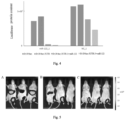
- the luciferase of the mice in the control group (EV29-luc-3UTR) was mainly expressed in an intramuscular injection site and the liver; and the circular mRNA with addition of a single miR-122 recognition region (EV29-luc-3UTR+1 ⁇ miR-122) was mainly expressed in the intramuscular injection site, and a small amount of expression appeared in the livers of individual mice; and for the circular mRNA with addition of three miR-122 recognition regions (EV29-luc-3UTR+3xmiR-122), the mRNA was expressed only in the intramuscular injection site, and expression in the liver was not detected.
- introduction of miR-122 into the circular mRNA can effectively avoid expression of the circular mRNA in the liver, and the more the introduced miR-122 recognition regions, the more significant its inhibition effect of expression in the liver.
- Example 5 Test of Luciferase expression mediated by circular mRNA including a miR-122 recognition region in mouse tumor in situ and liver under intratumoral injection conditions
- the circular mRNAs EV29-LUC-3'UTR, EV29-LUC-3'UTR+1 xmiR-122, and EV29-LUC-3UTR+3 ⁇ miR-122 in the above Example 4 were entrapped by a cationic liposome LNP delivery system.
- the method was identical to that in Example 4.
- a construction method of a MC38 tumor model was as follows: before the study, female C57BL/6 (Beijing Vital River Laboratory Animal Technology Co., Ltd.) mice aged 6-8 weeks, with a body weight of 18-22 grams, were adapted in a feeding room (Genepharma) for at least three days.
- mice can be freely accessible to food and sterile water. Breeding environment: 12h-light 12h-dark day/night cycle was maintained, the humidity was kept at 40-70% and daily humidity difference was less than 5%; and the temperature was maintained at 20 ⁇ 25°C. Humanistic care was given in accordance with a 3R principle in experimental animal use.
- MC38 cells (from Nanjing COBIOER Bioscience Co., Ltd.) were cultivated in a Dulbecco's Modified Eagle's Medium (DMEM) high glucose medium, and 10% FBS (Fatal Bovine Serum) and 1% PS (penicillin-streptomycin solution) were added.
- DMEM Dulbecco's Modified Eagle's Medium
- FBS Fetal Bovine Serum
- PS penicillin-streptomycin solution
- Intratumoral injection of MC38 fluid was conducted by using a micro-syringe, and 10 ⁇ g of LNP entrapped circular mRNA was injected into each tumor. After 6 hours, expression of Luciferase in the mice was measured, and the specific operation steps were identical to those in Example 4.
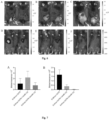
- Luciferse was mainly expressed in the tumor and liver, and in the groups of EV29-LUC-3'UTR+1 ⁇ miR-122, and EV29-LUC-3'UTR+3 ⁇ miR-122, Luciferase was expressed only in tumor, and not expressed in the liver.
- the experimental evidence adequately shows that introduction of miR-122 in the circular mRNA can effectively avoid expression of Luciferse in the liver, so as to limit the expression site within the tumor.
- Example 6 Test of cytokine IL-2 expression mediated by the circular mRNA including a miR-122 recognition region in Hela cells and liver cells, and mouse tumor in situ and plasma under intratumoral injection conditions
- the preparation method of the circular mRNAs EV29-IL-2-3UTR and EV29-IL-2-3UTR+3 ⁇ miR-122 was identical to the method in Example 1.
- Two types of different circular mRNAs were transfected to HeLa cells and liver cells in an amount of 500 ng/well by using a Lipofectamine Messenger Max (Invitrogen) transfection reagent.
- An entrapment method of the above circular mRNA by using a cationic liposome LNP delivery system was identical to the method in Example 4.
- a preparation method of a C57BL/6J mouse tumor model of MC38 tumor was the same as that in Example 5.
- the above circular mRNA-LNP complex was intratumorally injected to C57BL/6J mice with MC38 tumor, and the method was the same as that in Example 5.
- the mice were sacrificed 12 hours after the intratumoral injection, the content of IL-2 within the tumor and the content of IL-2 in peripheral blood were respectively measured by using an IL-12 ELISA test kit (Thermo Fisher).
- the IL-2 protein expressed by the circular mRNA EV29-IL-2-3UTR+3xmiR-122 were mainly distributed in the tumor, and the proteins expressed by EV29-IL-2-3UTR were respectively distributed in tumor and plasma, and the content of IL-2 expressed in the tumor is low.
- the IL-2 protein in the plasma is mainly expressed via the liver and secreted to the blood circulation. Secretion of cytokine IL-23 into a circulatory system may lead to remarkable systemic toxicity.
- intratumoral injection was conducted by using the circular mRNA EV29-IL-2-3UTR+3 ⁇ miR-122, so as to avoid the mRNA being expressed in the liver and secreted into blood circulation, which is a safe and efficient strategy.
- Example 7 Test of anti-CTLA-4 monoclonal antibody expression mediated by circular mRNA including a miR-122 recognition region in Hela cells and liver cells, and mouse tumor in situ and plasma under intratumoral injection conditions
- the preparation method of the circular mRNAs EV29-CTLA-4(HC)-3'UTR/EV29-CTLA-4(LC)-3'UTR and EV29-CTLA-4(HC)-3'UTR+3xmiR-122/EV29-CTLA-4(LC)-3'UTR+3 ⁇ miR-122 was the same as the method in Example 1.
- a Lipofectamine Messenger Max (Invitrogen) transfection reagent two types of different circular mRNA mixtures of HC and LC (1:1) were transfected to HeLa cells and liver cells in an amount of 500 ng/well.
- An entrapment method for the above circular mRNA by using a cationic liposome LNP delivery system was identical to the method in Example 4.
- a preparation method of a C57BL/6J mouse tumor model of MC38 tumor was the same as that in Example 5.
- the above circular mRNA-LNP complex was intratumorally injected to C57BL/6J mice with MC38 tumor, and the method was the same as that in Example 5. 12 hours after the intratumoral injection, the mice were sacrificed, the content of the CTLA-4 monoclonal antibody within the tumor and the content of the CTLA-4 monoclonal antibody in peripheral blood were respectively measured by using a CTLA-4 antibody ELISA test kit (Thermo Fisher).
- the IL-2 protein expressed by the circular RNA EV29-CTLA-4(HC/LC)+3 ⁇ miR-122 were mainly distributed in the tumor, and the protein expressed by EV29-CTLA-4(HC/LC)-3'UTR were respectively distributed in the tumor and plasma, and the content of the CTLA-4 monoclonal antibody expressed in the tumor is low.
- the CTLA-4 monoclonal antibody protein in the plasma was mainly expressed via the liver and secreted to the blood circulation.
- the CTLA-4 monoclonal antibody distributed within the tumor mainly acts on the effector T cells which were infiltrated into the tumor, compared with the CTLA-4 monoclonal antibody in a circulatory system, it is more beneficial to play a role in its T cell activation effect. Therefore, the intratumoral injection using the circular mRNA EV29-CTLA-4(HC/LC)-3'UTR+3 ⁇ miR-122 can produce relatively high concentration of antibody concentrated within the tumor, which is more beneficial to trigger anti-tumor immunity, being an efficient strategy.
Landscapes
- Health & Medical Sciences (AREA)
- Life Sciences & Earth Sciences (AREA)
- Chemical & Material Sciences (AREA)
- Genetics & Genomics (AREA)
- Engineering & Computer Science (AREA)
- General Health & Medical Sciences (AREA)
- Organic Chemistry (AREA)
- Biotechnology (AREA)
- Molecular Biology (AREA)
- Biomedical Technology (AREA)
- Zoology (AREA)
- Medicinal Chemistry (AREA)
- Biochemistry (AREA)
- Bioinformatics & Cheminformatics (AREA)
- Veterinary Medicine (AREA)
- Public Health (AREA)
- Pharmacology & Pharmacy (AREA)
- General Engineering & Computer Science (AREA)
- Animal Behavior & Ethology (AREA)
- Wood Science & Technology (AREA)
- Epidemiology (AREA)
- Biophysics (AREA)
- Physics & Mathematics (AREA)
- Plant Pathology (AREA)
- Microbiology (AREA)
- Immunology (AREA)
- Proteomics, Peptides & Aminoacids (AREA)
- General Chemical & Material Sciences (AREA)
- Nuclear Medicine, Radiotherapy & Molecular Imaging (AREA)
- Chemical Kinetics & Catalysis (AREA)
- Gastroenterology & Hepatology (AREA)
- Marine Sciences & Fisheries (AREA)
- Toxicology (AREA)
- Medicines That Contain Protein Lipid Enzymes And Other Medicines (AREA)
- Pharmaceuticals Containing Other Organic And Inorganic Compounds (AREA)
- Micro-Organisms Or Cultivation Processes Thereof (AREA)
Applications Claiming Priority (1)
| Application Number | Priority Date | Filing Date | Title |
|---|---|---|---|
| CN202110931829.3A CN114591952B (zh) | 2021-08-13 | 2021-08-13 | 一种组织特异性表达的环状rna分子及其应用 |
Publications (2)
| Publication Number | Publication Date |
|---|---|
| EP4134084A2 true EP4134084A2 (de) | 2023-02-15 |
| EP4134084A3 EP4134084A3 (de) | 2023-02-22 |
Family
ID=81804030
Family Applications (1)
| Application Number | Title | Priority Date | Filing Date |
|---|---|---|---|
| EP22189732.5A Pending EP4134084A3 (de) | 2021-08-13 | 2022-08-10 | Gewebespezifisch exprimiertes zirkuläres rna-molekül und dessen verwendung |
Country Status (3)
| Country | Link |
|---|---|
| US (1) | US20230060661A1 (de) |
| EP (1) | EP4134084A3 (de) |
| CN (1) | CN114591952B (de) |
Families Citing this family (8)
| Publication number | Priority date | Publication date | Assignee | Title |
|---|---|---|---|---|
| CN114591952B (zh) * | 2021-08-13 | 2024-06-25 | 苏州科锐迈德生物医药科技有限公司 | 一种组织特异性表达的环状rna分子及其应用 |
| CN117003852B (zh) * | 2022-07-07 | 2024-11-05 | 北京大学 | 白细胞介素-2的拓扑改造及其作为自身免疫病药物的应用 |
| CN115975916B (zh) * | 2022-07-18 | 2024-03-29 | 山西农业大学 | circIGF1R在促进猪骨骼肌卫星细胞成肌分化中的应用 |
| CN115227707A (zh) * | 2022-07-19 | 2022-10-25 | 上海大学 | 一种dcf1 mRNA用于制备抑制脑胶质瘤细胞生长的药物的应用 |
| CN116694638A (zh) * | 2023-02-20 | 2023-09-05 | 天津微环生物医药科技有限责任公司 | 环状核酸应用-miRNA抑制剂 |
| CN117070564B (zh) * | 2023-03-30 | 2024-05-10 | 安可来(重庆)生物医药科技有限公司 | 一种用于合成环形rna的质粒及其构建方法与一种环形rna及其体外合成方法 |
| CN116694630B (zh) * | 2023-08-03 | 2023-10-31 | 呈诺再生医学科技(北京)有限公司 | 一种促进环状rna过表达的序列组合及其应用 |
| CN119074938B (zh) * | 2024-08-29 | 2025-05-27 | 上海科若纳生命科技有限公司 | 一种用于mRNA递送和表达的核酸组合物及其应用 |
Family Cites Families (7)
| Publication number | Priority date | Publication date | Assignee | Title |
|---|---|---|---|---|
| WO2020198403A2 (en) * | 2019-03-25 | 2020-10-01 | Flagship Pioneering Innovations Vi, Llc | Compositions comprising modified circular polyribonucleotides and uses thereof |
| CN109913458B (zh) * | 2019-03-26 | 2021-02-12 | 首都医科大学附属北京友谊医院 | circRNA及其在检测缺氧缺血性脑损伤中的应用 |
| CN121422256A (zh) * | 2019-12-04 | 2026-01-30 | 奥纳治疗公司 | 环状rna组合物和方法 |
| CN112481289B (zh) * | 2020-12-04 | 2023-06-27 | 苏州科锐迈德生物医药科技有限公司 | 一种转录环状rna的重组核酸分子及其在蛋白表达中的应用 |
| CN114591986A (zh) * | 2021-07-29 | 2022-06-07 | 苏州科锐迈德生物医药科技有限公司 | 环状rna分子及其在目标蛋白的靶向降解中的应用 |
| CN114591952B (zh) * | 2021-08-13 | 2024-06-25 | 苏州科锐迈德生物医药科技有限公司 | 一种组织特异性表达的环状rna分子及其应用 |
| CN117965543A (zh) * | 2022-03-02 | 2024-05-03 | 苏州科锐迈德生物医药科技有限公司 | 一种重组核酸分子及其在制备环状rna中的应用 |
-
2021
- 2021-08-13 CN CN202110931829.3A patent/CN114591952B/zh active Active
-
2022
- 2022-08-10 US US17/818,835 patent/US20230060661A1/en not_active Abandoned
- 2022-08-10 EP EP22189732.5A patent/EP4134084A3/de active Pending
Non-Patent Citations (1)
| Title |
|---|
| SAMBROOK ET AL.: "Molecular Cloning: Laboratory manual", 1989, COLD SPRING HARBOR LABORATORY PRESS |
Also Published As
| Publication number | Publication date |
|---|---|
| US20230060661A1 (en) | 2023-03-02 |
| CN114591952A (zh) | 2022-06-07 |
| EP4134084A3 (de) | 2023-02-22 |
| CN114591952B (zh) | 2024-06-25 |
Similar Documents
| Publication | Publication Date | Title |
|---|---|---|
| EP4134084A2 (de) | Gewebespezifisch exprimiertes zirkuläres rna-molekül und dessen verwendung | |
| US12208126B2 (en) | Oncolytic viral vectors and uses thereof | |
| JP2024079713A (ja) | C/EBPアルファsaRNA組成物および使用方法 | |
| EP2865393B1 (de) | Zusammensetzungen mit mir-143 und/oder mir-145 oder expressionsvektoren dafür, zur verwendung als arzneimittel | |
| AU2024202093A1 (en) | Peptides and nanoparticles for intracellular delivery of mrna | |
| EP4089166A1 (de) | Oncolytische virale vektoren und verwendungen davon | |
| KR20170103697A (ko) | 엑소좀 또는 엑소좀 유래 리보핵산을 포함하는 간섬유증 예방 또는 치료용 조성물 | |
| CN106177990A (zh) | 一种新的前体miRNA及其在肿瘤治疗中的应用 | |
| CN113846047A (zh) | 一种肾靶向载药外泌体及应用和治疗肾脏疾病药物 | |
| CN114107347B (zh) | 一种基于具有按需抗炎功能、装载炎症响应型mRNA的工程化外泌体及其构建方法和应用 | |
| CN115804853A (zh) | 包含rna分子的组合物及其在制备瘤内注射剂中的用途 | |
| CN104245936B (zh) | 用于抑制TGF-β2表达的shRNA | |
| HK40075254B (zh) | 一种组织特异性表达的环状rna分子及其应用 | |
| HK40075254A (en) | Tissue-specifically expressed circular rna molecule and application thereof | |
| CN113583977B (zh) | 可受微小rna调控的分离的重组溶瘤痘病毒及其应用 | |
| WO2022270071A1 (ja) | 肝線維化抑制のための剤及び医薬組成物 | |
| CN105617401B (zh) | miRNA的肿瘤辐射增敏及减弱辐射旁效应作用、实施方法及用途 | |
| CN119709763B (zh) | 一种预防或治疗恶性肿瘤的mRNA疫苗及其制备方法与应用 | |
| EP4317434A1 (de) | Rna-abgabesystem zur behandlung von morbus huntington | |
| US20250161398A1 (en) | Design and development of a novel messenger rna therapeutic to treat atherosclerosis | |
| US20250049867A1 (en) | Engineered oncolytic herpesviruses | |
| JP2002522014A (ja) | 癌治療におけるプロヒビチンrnaの使用法 | |
| CN121081680A (zh) | 一种脂质纳米粒编辑系统及其制药用途及其应用 | |
| CN109679999B (zh) | 一种核酸来源的新生血管抑制剂及其制备方法和应用 | |
| CN121343987A (zh) | 一种植物来源的miRNA在制备抗肿瘤药物中的应用 |
Legal Events
| Date | Code | Title | Description |
|---|---|---|---|
| PUAI | Public reference made under article 153(3) epc to a published international application that has entered the european phase |
Free format text: ORIGINAL CODE: 0009012 |
|
| STAA | Information on the status of an ep patent application or granted ep patent |
Free format text: STATUS: REQUEST FOR EXAMINATION WAS MADE |
|
| PUAL | Search report despatched |
Free format text: ORIGINAL CODE: 0009013 |
|
| 17P | Request for examination filed |
Effective date: 20220810 |
|
| AK | Designated contracting states |
Kind code of ref document: A2 Designated state(s): AL AT BE BG CH CY CZ DE DK EE ES FI FR GB GR HR HU IE IS IT LI LT LU LV MC MK MT NL NO PL PT RO RS SE SI SK SM TR |
|
| AK | Designated contracting states |
Kind code of ref document: A3 Designated state(s): AL AT BE BG CH CY CZ DE DK EE ES FI FR GB GR HR HU IE IS IT LI LT LU LV MC MK MT NL NO PL PT RO RS SE SI SK SM TR |
|
| RAP1 | Party data changed (applicant data changed or rights of an application transferred) |
Owner name: PURECODON (HONG KONG) BIOPHARMA LIMITED |
|
| RIC1 | Information provided on ipc code assigned before grant |
Ipc: A61K 48/00 20060101ALI20230118BHEP Ipc: C12N 5/10 20060101ALI20230118BHEP Ipc: C12N 15/85 20060101ALI20230118BHEP Ipc: A61K 31/7105 20060101AFI20230118BHEP |