EP4134568B1 - Boîte de vitesses à commande sous charge sans interruption de la force de traction pour bicyclettes - Google Patents
Boîte de vitesses à commande sous charge sans interruption de la force de traction pour bicyclettes Download PDFInfo
- Publication number
- EP4134568B1 EP4134568B1 EP22187358.1A EP22187358A EP4134568B1 EP 4134568 B1 EP4134568 B1 EP 4134568B1 EP 22187358 A EP22187358 A EP 22187358A EP 4134568 B1 EP4134568 B1 EP 4134568B1
- Authority
- EP
- European Patent Office
- Prior art keywords
- shaft
- planetary gear
- rotationally conjointly
- gear set
- brake
- Prior art date
- Legal status (The legal status is an assumption and is not a legal conclusion. Google has not performed a legal analysis and makes no representation as to the accuracy of the status listed.)
- Active
Links
Images




Classifications
-
- F—MECHANICAL ENGINEERING; LIGHTING; HEATING; WEAPONS; BLASTING
- F16—ENGINEERING ELEMENTS AND UNITS; GENERAL MEASURES FOR PRODUCING AND MAINTAINING EFFECTIVE FUNCTIONING OF MACHINES OR INSTALLATIONS; THERMAL INSULATION IN GENERAL
- F16H—GEARING
- F16H3/00—Toothed gearings for conveying rotary motion with variable gear ratio or for reversing rotary motion
- F16H3/44—Toothed gearings for conveying rotary motion with variable gear ratio or for reversing rotary motion using gears having orbital motion
- F16H3/62—Gearings having three or more central gears
- F16H3/66—Gearings having three or more central gears composed of a number of gear trains without drive passing from one train to another
-
- B—PERFORMING OPERATIONS; TRANSPORTING
- B62—LAND VEHICLES FOR TRAVELLING OTHERWISE THAN ON RAILS
- B62M—RIDER PROPULSION OF WHEELED VEHICLES OR SLEDGES; POWERED PROPULSION OF SLEDGES OR SINGLE-TRACK CYCLES; TRANSMISSIONS SPECIALLY ADAPTED FOR SUCH VEHICLES
- B62M11/00—Transmissions characterised by the use of interengaging toothed wheels or frictionally-engaging wheels
- B62M11/04—Transmissions characterised by the use of interengaging toothed wheels or frictionally-engaging wheels of changeable ratio
- B62M11/14—Transmissions characterised by the use of interengaging toothed wheels or frictionally-engaging wheels of changeable ratio with planetary gears
- B62M11/145—Transmissions characterised by the use of interengaging toothed wheels or frictionally-engaging wheels of changeable ratio with planetary gears built in, or adjacent to, the bottom bracket
-
- B—PERFORMING OPERATIONS; TRANSPORTING
- B62—LAND VEHICLES FOR TRAVELLING OTHERWISE THAN ON RAILS
- B62M—RIDER PROPULSION OF WHEELED VEHICLES OR SLEDGES; POWERED PROPULSION OF SLEDGES OR SINGLE-TRACK CYCLES; TRANSMISSIONS SPECIALLY ADAPTED FOR SUCH VEHICLES
- B62M11/00—Transmissions characterised by the use of interengaging toothed wheels or frictionally-engaging wheels
- B62M11/04—Transmissions characterised by the use of interengaging toothed wheels or frictionally-engaging wheels of changeable ratio
- B62M11/14—Transmissions characterised by the use of interengaging toothed wheels or frictionally-engaging wheels of changeable ratio with planetary gears
- B62M11/18—Transmissions characterised by the use of interengaging toothed wheels or frictionally-engaging wheels of changeable ratio with planetary gears with a plurality of planetary gear units
-
- F—MECHANICAL ENGINEERING; LIGHTING; HEATING; WEAPONS; BLASTING
- F16—ENGINEERING ELEMENTS AND UNITS; GENERAL MEASURES FOR PRODUCING AND MAINTAINING EFFECTIVE FUNCTIONING OF MACHINES OR INSTALLATIONS; THERMAL INSULATION IN GENERAL
- F16H—GEARING
- F16H3/00—Toothed gearings for conveying rotary motion with variable gear ratio or for reversing rotary motion
- F16H3/44—Toothed gearings for conveying rotary motion with variable gear ratio or for reversing rotary motion using gears having orbital motion
- F16H3/62—Gearings having three or more central gears
- F16H3/66—Gearings having three or more central gears composed of a number of gear trains without drive passing from one train to another
- F16H3/663—Gearings having three or more central gears composed of a number of gear trains without drive passing from one train to another with conveying rotary motion between axially spaced orbital gears, e.g. a stepped orbital gear or Ravigneaux
-
- F—MECHANICAL ENGINEERING; LIGHTING; HEATING; WEAPONS; BLASTING
- F16—ENGINEERING ELEMENTS AND UNITS; GENERAL MEASURES FOR PRODUCING AND MAINTAINING EFFECTIVE FUNCTIONING OF MACHINES OR INSTALLATIONS; THERMAL INSULATION IN GENERAL
- F16H—GEARING
- F16H2200/00—Transmissions for multiple ratios
- F16H2200/003—Transmissions for multiple ratios characterised by the number of forward speeds
- F16H2200/0043—Transmissions for multiple ratios characterised by the number of forward speeds the gear ratios comprising four forward speeds
-
- F—MECHANICAL ENGINEERING; LIGHTING; HEATING; WEAPONS; BLASTING
- F16—ENGINEERING ELEMENTS AND UNITS; GENERAL MEASURES FOR PRODUCING AND MAINTAINING EFFECTIVE FUNCTIONING OF MACHINES OR INSTALLATIONS; THERMAL INSULATION IN GENERAL
- F16H—GEARING
- F16H2200/00—Transmissions for multiple ratios
- F16H2200/003—Transmissions for multiple ratios characterised by the number of forward speeds
- F16H2200/0052—Transmissions for multiple ratios characterised by the number of forward speeds the gear ratios comprising six forward speeds
-
- F—MECHANICAL ENGINEERING; LIGHTING; HEATING; WEAPONS; BLASTING
- F16—ENGINEERING ELEMENTS AND UNITS; GENERAL MEASURES FOR PRODUCING AND MAINTAINING EFFECTIVE FUNCTIONING OF MACHINES OR INSTALLATIONS; THERMAL INSULATION IN GENERAL
- F16H—GEARING
- F16H2200/00—Transmissions for multiple ratios
- F16H2200/003—Transmissions for multiple ratios characterised by the number of forward speeds
- F16H2200/0065—Transmissions for multiple ratios characterised by the number of forward speeds the gear ratios comprising nine forward speeds
-
- F—MECHANICAL ENGINEERING; LIGHTING; HEATING; WEAPONS; BLASTING
- F16—ENGINEERING ELEMENTS AND UNITS; GENERAL MEASURES FOR PRODUCING AND MAINTAINING EFFECTIVE FUNCTIONING OF MACHINES OR INSTALLATIONS; THERMAL INSULATION IN GENERAL
- F16H—GEARING
- F16H2200/00—Transmissions for multiple ratios
- F16H2200/20—Transmissions using gears with orbital motion
- F16H2200/2002—Transmissions using gears with orbital motion characterised by the number of sets of orbital gears
- F16H2200/201—Transmissions using gears with orbital motion characterised by the number of sets of orbital gears with three sets of orbital gears
-
- F—MECHANICAL ENGINEERING; LIGHTING; HEATING; WEAPONS; BLASTING
- F16—ENGINEERING ELEMENTS AND UNITS; GENERAL MEASURES FOR PRODUCING AND MAINTAINING EFFECTIVE FUNCTIONING OF MACHINES OR INSTALLATIONS; THERMAL INSULATION IN GENERAL
- F16H—GEARING
- F16H2200/00—Transmissions for multiple ratios
- F16H2200/20—Transmissions using gears with orbital motion
- F16H2200/2002—Transmissions using gears with orbital motion characterised by the number of sets of orbital gears
- F16H2200/2012—Transmissions using gears with orbital motion characterised by the number of sets of orbital gears with four sets of orbital gears
-
- F—MECHANICAL ENGINEERING; LIGHTING; HEATING; WEAPONS; BLASTING
- F16—ENGINEERING ELEMENTS AND UNITS; GENERAL MEASURES FOR PRODUCING AND MAINTAINING EFFECTIVE FUNCTIONING OF MACHINES OR INSTALLATIONS; THERMAL INSULATION IN GENERAL
- F16H—GEARING
- F16H2200/00—Transmissions for multiple ratios
- F16H2200/20—Transmissions using gears with orbital motion
- F16H2200/2002—Transmissions using gears with orbital motion characterised by the number of sets of orbital gears
- F16H2200/2015—Transmissions using gears with orbital motion characterised by the number of sets of orbital gears with five sets of orbital gears
-
- F—MECHANICAL ENGINEERING; LIGHTING; HEATING; WEAPONS; BLASTING
- F16—ENGINEERING ELEMENTS AND UNITS; GENERAL MEASURES FOR PRODUCING AND MAINTAINING EFFECTIVE FUNCTIONING OF MACHINES OR INSTALLATIONS; THERMAL INSULATION IN GENERAL
- F16H—GEARING
- F16H2200/00—Transmissions for multiple ratios
- F16H2200/20—Transmissions using gears with orbital motion
- F16H2200/202—Transmissions using gears with orbital motion characterised by the type of Ravigneaux set
- F16H2200/2023—Transmissions using gears with orbital motion characterised by the type of Ravigneaux set using a Ravigneaux set with 4 connections
-
- F—MECHANICAL ENGINEERING; LIGHTING; HEATING; WEAPONS; BLASTING
- F16—ENGINEERING ELEMENTS AND UNITS; GENERAL MEASURES FOR PRODUCING AND MAINTAINING EFFECTIVE FUNCTIONING OF MACHINES OR INSTALLATIONS; THERMAL INSULATION IN GENERAL
- F16H—GEARING
- F16H2200/00—Transmissions for multiple ratios
- F16H2200/20—Transmissions using gears with orbital motion
- F16H2200/203—Transmissions using gears with orbital motion characterised by the engaging friction means not of the freewheel type, e.g. friction clutches or brakes
- F16H2200/2041—Transmissions using gears with orbital motion characterised by the engaging friction means not of the freewheel type, e.g. friction clutches or brakes with four engaging means
-
- F—MECHANICAL ENGINEERING; LIGHTING; HEATING; WEAPONS; BLASTING
- F16—ENGINEERING ELEMENTS AND UNITS; GENERAL MEASURES FOR PRODUCING AND MAINTAINING EFFECTIVE FUNCTIONING OF MACHINES OR INSTALLATIONS; THERMAL INSULATION IN GENERAL
- F16H—GEARING
- F16H2200/00—Transmissions for multiple ratios
- F16H2200/20—Transmissions using gears with orbital motion
- F16H2200/203—Transmissions using gears with orbital motion characterised by the engaging friction means not of the freewheel type, e.g. friction clutches or brakes
- F16H2200/2043—Transmissions using gears with orbital motion characterised by the engaging friction means not of the freewheel type, e.g. friction clutches or brakes with five engaging means
-
- F—MECHANICAL ENGINEERING; LIGHTING; HEATING; WEAPONS; BLASTING
- F16—ENGINEERING ELEMENTS AND UNITS; GENERAL MEASURES FOR PRODUCING AND MAINTAINING EFFECTIVE FUNCTIONING OF MACHINES OR INSTALLATIONS; THERMAL INSULATION IN GENERAL
- F16H—GEARING
- F16H2200/00—Transmissions for multiple ratios
- F16H2200/20—Transmissions using gears with orbital motion
- F16H2200/203—Transmissions using gears with orbital motion characterised by the engaging friction means not of the freewheel type, e.g. friction clutches or brakes
- F16H2200/2046—Transmissions using gears with orbital motion characterised by the engaging friction means not of the freewheel type, e.g. friction clutches or brakes with six engaging means
-
- F—MECHANICAL ENGINEERING; LIGHTING; HEATING; WEAPONS; BLASTING
- F16—ENGINEERING ELEMENTS AND UNITS; GENERAL MEASURES FOR PRODUCING AND MAINTAINING EFFECTIVE FUNCTIONING OF MACHINES OR INSTALLATIONS; THERMAL INSULATION IN GENERAL
- F16H—GEARING
- F16H2200/00—Transmissions for multiple ratios
- F16H2200/20—Transmissions using gears with orbital motion
- F16H2200/203—Transmissions using gears with orbital motion characterised by the engaging friction means not of the freewheel type, e.g. friction clutches or brakes
- F16H2200/2048—Transmissions using gears with orbital motion characterised by the engaging friction means not of the freewheel type, e.g. friction clutches or brakes with seven engaging means
-
- F—MECHANICAL ENGINEERING; LIGHTING; HEATING; WEAPONS; BLASTING
- F16—ENGINEERING ELEMENTS AND UNITS; GENERAL MEASURES FOR PRODUCING AND MAINTAINING EFFECTIVE FUNCTIONING OF MACHINES OR INSTALLATIONS; THERMAL INSULATION IN GENERAL
- F16H—GEARING
- F16H2200/00—Transmissions for multiple ratios
- F16H2200/20—Transmissions using gears with orbital motion
- F16H2200/203—Transmissions using gears with orbital motion characterised by the engaging friction means not of the freewheel type, e.g. friction clutches or brakes
- F16H2200/2069—Transmissions using gears with orbital motion characterised by the engaging friction means not of the freewheel type, e.g. friction clutches or brakes using two freewheel mechanism
-
- F—MECHANICAL ENGINEERING; LIGHTING; HEATING; WEAPONS; BLASTING
- F16—ENGINEERING ELEMENTS AND UNITS; GENERAL MEASURES FOR PRODUCING AND MAINTAINING EFFECTIVE FUNCTIONING OF MACHINES OR INSTALLATIONS; THERMAL INSULATION IN GENERAL
- F16H—GEARING
- F16H2200/00—Transmissions for multiple ratios
- F16H2200/20—Transmissions using gears with orbital motion
- F16H2200/203—Transmissions using gears with orbital motion characterised by the engaging friction means not of the freewheel type, e.g. friction clutches or brakes
- F16H2200/2074—Transmissions using gears with orbital motion characterised by the engaging friction means not of the freewheel type, e.g. friction clutches or brakes using four freewheel mechanism
-
- F—MECHANICAL ENGINEERING; LIGHTING; HEATING; WEAPONS; BLASTING
- F16—ENGINEERING ELEMENTS AND UNITS; GENERAL MEASURES FOR PRODUCING AND MAINTAINING EFFECTIVE FUNCTIONING OF MACHINES OR INSTALLATIONS; THERMAL INSULATION IN GENERAL
- F16H—GEARING
- F16H2200/00—Transmissions for multiple ratios
- F16H2200/20—Transmissions using gears with orbital motion
- F16H2200/203—Transmissions using gears with orbital motion characterised by the engaging friction means not of the freewheel type, e.g. friction clutches or brakes
- F16H2200/2076—Transmissions using gears with orbital motion characterised by the engaging friction means not of the freewheel type, e.g. friction clutches or brakes using at least five freewheel mechanism
-
- F—MECHANICAL ENGINEERING; LIGHTING; HEATING; WEAPONS; BLASTING
- F16—ENGINEERING ELEMENTS AND UNITS; GENERAL MEASURES FOR PRODUCING AND MAINTAINING EFFECTIVE FUNCTIONING OF MACHINES OR INSTALLATIONS; THERMAL INSULATION IN GENERAL
- F16H—GEARING
- F16H2200/00—Transmissions for multiple ratios
- F16H2200/20—Transmissions using gears with orbital motion
- F16H2200/2079—Transmissions using gears with orbital motion using freewheel type mechanisms, e.g. freewheel clutches
- F16H2200/2084—Transmissions using gears with orbital motion using freewheel type mechanisms, e.g. freewheel clutches two freewheel mechanisms
-
- F—MECHANICAL ENGINEERING; LIGHTING; HEATING; WEAPONS; BLASTING
- F16—ENGINEERING ELEMENTS AND UNITS; GENERAL MEASURES FOR PRODUCING AND MAINTAINING EFFECTIVE FUNCTIONING OF MACHINES OR INSTALLATIONS; THERMAL INSULATION IN GENERAL
- F16H—GEARING
- F16H2200/00—Transmissions for multiple ratios
- F16H2200/20—Transmissions using gears with orbital motion
- F16H2200/2079—Transmissions using gears with orbital motion using freewheel type mechanisms, e.g. freewheel clutches
- F16H2200/2089—Transmissions using gears with orbital motion using freewheel type mechanisms, e.g. freewheel clutches four freewheel mechanisms
-
- F—MECHANICAL ENGINEERING; LIGHTING; HEATING; WEAPONS; BLASTING
- F16—ENGINEERING ELEMENTS AND UNITS; GENERAL MEASURES FOR PRODUCING AND MAINTAINING EFFECTIVE FUNCTIONING OF MACHINES OR INSTALLATIONS; THERMAL INSULATION IN GENERAL
- F16H—GEARING
- F16H2200/00—Transmissions for multiple ratios
- F16H2200/20—Transmissions using gears with orbital motion
- F16H2200/2079—Transmissions using gears with orbital motion using freewheel type mechanisms, e.g. freewheel clutches
- F16H2200/2092—Transmissions using gears with orbital motion using freewheel type mechanisms, e.g. freewheel clutches at least five freewheel mechanisms
Definitions
- the claimed invention relates to the technical field of bicycle transmissions.
- the printed matter DE 1 99 49 507 discloses transmissions proposed for use in bicycles. These transmissions are characterized by the fact that when shifting from one gear to the next higher or lower gear, only one shifting element is opened and one shifting element is closed. This avoids the need for group shifts, which are critical to shifting quality and require multiple shifting elements to be shifted simultaneously.
- clutches are also provided as shifting elements. However, clutches are complex to operate and therefore unsuitable for use in bicycles.
- a manual transmission mounted on the bottom bracket of a bicycle is known, in which powershift capability and uninterrupted traction are achieved by coupling sun gears with driver elements.
- the driver elements can be controlled by braking and locking.
- the transmission features two stepped planetary gears connected in series. This requires group shifting, which is critical for shifting quality.
- the invention is based on the object of providing an improved powershift transmission that offers high shift quality. This object is achieved by the independent claims.
- the independent claims 1 to 6 define Each of these transmissions is claimed.
- Independent claim 7 defines a bicycle, for which protection is claimed.
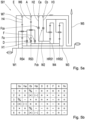
- the gearbox 101 has two brakes A, C.
- Brake A allows shaft W6 to be connected in a rotationally fixed manner to a gearbox housing G of the gearbox 101.
- Brake C allows shaft W2 to be connected in a rotationally fixed manner to the housing G.
- gearbox 201 has a brake E. This allows a shaft W7 to be connected to the gearbox housing G in a rotationally fixed manner.
- the illustrated transmission 501 largely corresponds to transmission 401. Unlike transmission 401, it has a fourth planetary gear set RS4 with an auxiliary shaft H4 and a shaft W7. Their integration into transmission 501 corresponds to transmission 201.
- auxiliary shaft H1 of gearbox 501 is not rotationally connected to the shaft W4, but is coupled to it via an auxiliary shaft freewheel FA.
- the orientation of the auxiliary shaft freewheel Fa with respect to the shaft W4 corresponds to the orientation of the freewheel F.
Landscapes
- Engineering & Computer Science (AREA)
- General Engineering & Computer Science (AREA)
- Mechanical Engineering (AREA)
- Chemical & Material Sciences (AREA)
- Combustion & Propulsion (AREA)
- Transportation (AREA)
- Structure Of Transmissions (AREA)
Claims (8)
- Transmission (101) pour une bicyclette, comprenant un premier arbre (W1), un deuxième arbre (W2), un troisième arbre (W3), un quatrième arbre (W4), un cinquième arbre (W5), un sixième arbre (W6), une première transmission partielle (HRS1, HRS2), une deuxième transmission partielle (RS3), une première roue libre (D), une deuxième roue libre (F), un premier frein (A), un deuxième frein (C) et un boîtier (G) ;la première transmission partielle (HRS1, HRS2) présentant un premier train planétaire (HRS1) et un deuxième train planétaire (HRS2),le premier train planétaire (HRS1) présentant une première roue solaire qui est réalisée sous forme solidaire en rotation du deuxième arbre (W2), un premier porte-satellites qui est réalisée sous forme solidaire en rotation du troisième arbre (W3) et une première couronne,le deuxième train planétaire (HRS2) présentant une deuxième roue solaire qui est réalisée sous forme solidaire en rotation du quatrième arbre (W4), un deuxième porte-satellites qui est réalisé sous forme solidaire en rotation du cinquième arbre (W5) et une deuxième couronne,le premier porte-satellites étant relié de manière solidaire en rotation à la deuxième couronne,la première couronne étant reliée de manière solidaire en rotation au deuxième porte-satellites,la deuxième transmission partielle (RS3) présentant un troisième train planétaire (RS3),le troisième train planétaire (RS3) présentant une troisième roue solaire qui est réalisée sous forme solidaire en rotation du quatrième arbre (W4), un troisième porte-satellites qui est réalisé sous forme solidaire en rotation du premier arbre (W1) et une troisième couronne qui est réalisée sous forme solidaire en rotation du sixième arbre (W6),la troisième roue solaire étant reliée de manière solidaire en rotation à la deuxième roue solaire,le premier arbre (W1) réalisant un arbre d'entrée de la transmission (101) et étant réalisé pour être relié à des pédaliers d'une bicyclette,la cinquième arbre (W5) réalisant un arbre de sortie de la transmission (101),un premier frein (A) étant relié au sixième arbre (W6), moyennant quoi le sixième arbre (W6) peut être relié de manière solidaire en rotation au boîtier (G) au moyen du premier frein (A) ;le deuxième arbre (W2) pouvant être relié de manière solidaire en rotation au boîtier (G) au moyen d'un deuxième frein (C) ;le premier train planétaire (HRS1), le deuxième train planétaire (HRS2) et le troisième train planétaire (RS3) étant chacun réalisés sous forme de train planétaire simple à rapport négatif,et la première roue libre (D) bloquant le troisième arbre (W3) et la deuxième roue libre (F) bloquant le quatrième arbre (W4) par rapport au premier arbre (W1) dans des directions de rotation identiques.
- Transmission (201) pour une bicyclette, comprenant un premier arbre (W1), un deuxième arbre (W2), un troisième arbre (W3), un quatrième arbre (W4), un cinquième arbre (W5), un sixième arbre (W6), un septième arbre (W7), une première transmission partielle (HRS1, HRS2), une deuxième transmission partielle (RS3, RS4), une première roue libre (D), une deuxième roue libre (F),un premier frein (A), un deuxième frein (C), un troisième frein (E) et un boîtier (G) ;la première transmission partielle (HRS1, HRS2) présentant un premier train planétaire (HRS1) et un deuxième train planétaire (HRS2),le premier train planétaire (HRS1) présentant une première roue solaire qui est réalisée sous forme solidaire en rotation du deuxième arbre (W2), un premier porte-satellites qui est réalisée sous forme solidaire en rotation du troisième arbre (W3) et une première couronne,le deuxième train planétaire (HRS2) présentant une deuxième roue solaire, un deuxième porte-satellites qui est réalisé sous forme solidaire en rotation du cinquième arbre (W5), et une deuxième couronne qui est réalisée sous forme solidaire en rotation du quatrième arbre (4), la première couronne étant reliée de manière solidaire en rotation au deuxième porte-satellites,la deuxième transmission partielle (RS3, RS4) présentant un troisième train planétaire (RS3),le troisième train planétaire présentant une troisième roue solaire qui est réalisée sous forme solidaire en rotation du quatrième arbre (W4), un troisième porte-satellites qui est réalisé sous forme solidaire en rotation du premier arbre (W1) et une troisième couronne qui est réalisée sous forme solidaire en rotation du sixième arbre (W6),la troisième roue solaire étant reliée de manière solidaire en rotation à la deuxième couronne,le premier arbre (W1) réalisant un arbre d'entrée de la transmission (201) et étant réalisé pour être relié à des pédaliers d'une bicyclette,la cinquième arbre (W5) réalisant un arbre de sortie de la transmission (201),le premier frein (A) étant relié au sixième arbre (W6), moyennant quoi le sixième arbre (W6) peut être relié de manière solidaire en rotation au boîtier (G) au moyen du premier frein (A) ;le deuxième arbre (W2) pouvant être relié de manière solidaire en rotation au boîtier (G) au moyen du deuxième frein (C) ;la deuxième transmission partielle (RS3, RS4) présentant en outre un quatrième train planétaire (RS4) avec une quatrième roue solaire qui est réalisée sous forme solidaire en rotation du troisième arbre (W3), un quatrième porte-satellites qui est réalisé sous forme solidaire en rotation du troisième porte-satellites, et une quatrième couronne qui est réalisée sous forme solidaire en rotation du septième arbre (W7) ;le troisième frein (E) étant relié au septième arbre (W7), moyennant quoi le septième arbre (W7) peut être relié de manière solidaire en rotation au boîtier (G) au moyen du troisième frein (E) ;le premier train planétaire (HRS1), le deuxième train planétaire (HRS2), le troisième train planétaire (RS3) et le quatrième train planétaire (RS4) étant chacun réalisés sous forme de train planétaire simple à rapport négatif,et la première roue libre (D) bloquant le troisième arbre (W3) et la deuxième roue libre (F) bloquant le quatrième arbre (W4) par rapport au premier arbre (W1) dans des directions de rotation identiques.
- Transmission (301) pour une bicyclette, comprenant un premier arbre (W1), un deuxième arbre (W2), un troisième arbre (W3), un quatrième arbre (W4), un cinquième arbre (W5), un sixième arbre (W6), un septième arbre (W7), un huitième arbre (W8), une première transmission partielle (HRS1, HRS2), une deuxième transmission partielle (RS3, RS4, RS5), une première roue libre (D), une deuxième roue libre (F), un premier frein (A), un deuxième frein (B), un troisième frein (C), un quatrième frein (E) et un boîtier (G) ;la première transmission partielle (HRS1, HRS2) présentant un premier train planétaire (HRS1) et un deuxième train planétaire (HRS2),le premier train planétaire (HRS1) présentant une première roue solaire qui est réalisée sous forme solidaire en rotation du deuxième arbre (W2), un premier porte-satellites qui est réalisée sous forme solidaire en rotation du troisième arbre (W3) et une première couronne,le deuxième train planétaire (HRS2) présentant une deuxième roue solaire qui est réalisée sous forme solidaire en rotation du quatrième arbre (W4), un deuxième porte-satellites et une deuxième couronne, qui est réalisée sous forme solidaire en rotation du cinquième arbre (W5),le premier porte-satellites étant relié de manière solidaire en rotation au deuxième porte-satellites,la première couronne étant reliée de manière solidaire en rotation à la deuxième couronne,la deuxième transmission partielle (RS3, RS4, RS5) présentant un troisième train planétaire (RS3),le troisième train planétaire présentant une troisième roue solaire qui est réalisée sous forme solidaire en rotation du quatrième arbre (W4), un troisième porte-satellites qui est réalisé sous forme solidaire en rotation du premier arbre (W1) et une troisième couronne qui est réalisée sous forme solidaire en rotation du sixième arbre (W6),la troisième roue solaire étant reliée de manière solidaire en rotation à la deuxième roue solaire,le premier arbre (W1) réalisant un arbre d'entrée de la transmission (101) et étant réalisé pour être relié à des pédaliers d'une bicyclette,la cinquième arbre (W5) réalisant un arbre de sortie de la transmission (101),le premier frein (A) étant relié au sixième arbre (W6), moyennant quoi le sixième arbre (W6) peut être relié de manière solidaire en rotation au boîtier (G) au moyen du premier frein (A) ;le deuxième arbre (W2) pouvant être relié de manière solidaire en rotation au boîtier (G) au moyen du troisième frein (C) ;la deuxième transmission partielle (RS3, RS4, RS5) présentant en outre un quatrième train planétaire (RS4) avec une quatrième roue solaire qui est réalisée sous forme solidaire en rotation du troisième arbre (W3), un quatrième porte-satellites qui est réalisé sous forme solidaire en rotation du premier arbre (W1), une quatrième couronne qui est réalisée sous forme solidaire en rotation du septième arbre (W7) ;le quatrième frein (E) étant relié au septième arbre (W7), moyennant quoi le septième arbre (W7) peut être relié de manière solidaire en rotation au boîtier (G) au moyen du quatrième frein (E) ;la deuxième transmission partielle (RS3, RS4, RS5) présentant en outre un cinquième train planétaire (RS5) avec une cinquième roue solaire qui est réalisée sous forme solidaire en rotation du troisième porte-satellites, un cinquième porte-satellites qui est réalisé sous forme solidaire en rotation du deuxième arbre (W2), une cinquième couronne qui est réalisée sous forme solidaire en rotation du huitième arbre (W8) ;le deuxième frein (B) étant relié au huitième arbre (W8), moyennant quoi le huitième arbre (W8) peut être relié de manière solidaire en rotation au boîtier (G) au moyen du deuxième frein (B) ;le premier train planétaire (HRS1) et le troisième train planétaire (RS3) étant chacun réalisés sous forme de train planétaire simple à rapport négatif, le deuxième train planétaire (HRS2) étant réalisé sous forme de train planétaire simple à rapport positif ;le quatrième train planétaire (RS4) étant réalisé sous forme de train planétaire à rapport négatif avec un pignon étagé dont le petit satellite engrène avec la quatrième roue solaire et dont le grand satellite engrène avec la quatrième couronne ;le cinquième train planétaire (RS4) étant réalisé sous forme de train planétaire à rapport négatif avec un pignon étagé dont le petit satellite engrène avec la cinquième roue solaire et dont le grand satellite engrène avec la cinquième couronne ;et la première roue libre (D) bloquant le troisième arbre (W3) et la deuxième roue libre (F) bloquant le quatrième arbre (W4) par rapport au premier arbre (W1) dans des directions de rotation identiques.
- Transmission (401, 501) pour une bicyclette, comprenant un premier arbre (W1), un deuxième arbre (W2), un troisième arbre (W3), un quatrième arbre (W4), un cinquième arbre (W5), un sixième arbre (W6), une première transmission partielle (HRS1, HRS2), une deuxième transmission partielle (RS3), une première roue libre (D), une deuxième roue libre (F), un premier frein (A), un deuxième frein (Ca), un troisième frein (Cb), une troisième roue libre (Fca), une quatrième roue libre (Fcb) et un boîtier (G) ;la première transmission partielle (HRS1, HRS2) présentant un premier train planétaire (HRS1) et un deuxième train planétaire (HRS2),le premier train planétaire (HRS1) présentant une première roue solaire qui est réalisée sous forme solidaire en rotation du deuxième arbre (W2), un premier porte-satellites et une première couronne,le deuxième train planétaire (HRS2) présentant une deuxième roue solaire qui est réalisée sous forme solidaire en rotation du quatrième arbre (W4), un deuxième porte-satellites qui est réalisé sous forme solidaire en rotation du premier arbre (W5) et une deuxième couronne qui est réalisée sous forme solidaire en rotation du troisième arbre (W3),le premier porte-satellites étant relié de manière solidaire en rotation au deuxième porte-satellites,la première couronne étant reliée de manière solidaire en rotation à la deuxième roue solaire,la deuxième transmission partielle (RS3) présentant un troisième train planétaire (RS3),le troisième train planétaire présentant une troisième roue solaire qui est réalisée sous forme solidaire en rotation du quatrième arbre (W4), un troisième porte-satellites qui est réalisé sous forme solidaire en rotation du premier arbre (W1) et une troisième couronne qui est réalisée sous forme solidaire en rotation du sixième arbre (W6),la troisième roue solaire étant reliée de manière solidaire en rotation à la deuxième roue solaire,le premier arbre (W1) réalisant un arbre d'entrée de la transmission (401, 501) et étant réalisé pour être relié à des pédaliers d'une bicyclette,la cinquième arbre (W5) réalisant un arbre de sortie de la transmission (401, 501),le premier frein (A) étant relié au sixième arbre (W6), moyennant quoi le sixième arbre (W6) peut être relié de manière solidaire en rotation au boîtier (G) au moyen du premier frein (A) ;le deuxième arbre (W2) pouvant être relié au deuxième frein (Ca) par l'intermédiaire de la troisième roue libre (Fca), la troisième roue libre (Fca) pouvant être reliée de manière solidaire en rotation au boîtier (G) au moyen du deuxième frein (Ca),le deuxième arbre (W2) pouvant être relié au troisième frein (Cb) par l'intermédiaire de la quatrième roue libre (Fcb), la quatrième roue libre (Fcb) pouvant être reliée de manière solidaire en rotation au boîtier (G) au moyen du troisième frein (Cb),la troisième roue libre (Fca) et la quatrième roue libre (Fcb) bloquant le deuxième arbre (W2) dans des directions de rotation opposés ;le premier train planétaire (HRS1), le deuxième train planétaire (HRS2) et le troisième train planétaire (RS3) étant chacun réalisés sous forme de train planétaire simple à rapport négatif, etla première roue libre (D) bloquant le troisième arbre (W3) et la deuxième roue libre (F) bloquant le quatrième arbre (W4) par rapport au premier arbre (W1) dans des directions de rotation identiques.
- Transmission (401, 501) pour une bicyclette, comprenant un premier arbre (W1), un deuxième arbre (W2), un troisième arbre (W3), un quatrième arbre (W4), un cinquième arbre (W5), un sixième arbre (W6), une première transmission partielle (HRS1, HRS2), une deuxième transmission partielle (RS3), une première roue libre (D), une deuxième roue libre (F), un premier frein (A), un deuxième frein (Ca), un troisième frein (Cb), un quatrième frein (E), une troisième roue libre (Fca), une quatrième roue libre (Fcb), une cinquième roue libre (Fa) et un boîtier (G) ;la première transmission partielle (HRS1, HRS2) présentant un premier train planétaire (HRS1) et un deuxième train planétaire (HRS2),le premier train planétaire (HRS1) présentant une première roue solaire qui est réalisée sous forme solidaire en rotation du deuxième arbre (W2), un premier porte-satellites et une première couronne,le deuxième train planétaire (HRS2) présentant une deuxième roue solaire qui est réalisée sous forme solidaire en rotation du quatrième arbre (W4), un deuxième porte-satellites qui est réalisé sous forme solidaire en rotation du premier arbre (W5) et une deuxième couronne qui est réalisée sous forme solidaire en rotation du troisième arbre (W3),le premier porte-satellites étant relié de manière solidaire en rotation au deuxième porte-satellites,la première couronne étant reliée de manière solidaire en rotation à la deuxième roue solaire,la deuxième transmission partielle (RS3, RS4) présentant un troisième train planétaire (RS3),le troisième train planétaire présentant une troisième roue solaire qui peut être reliée au quatrième arbre (W4) par l'intermédiaire de la cinquième roue libre (Fa), un troisième porte-satellites qui est réalisé sous forme solidaire en rotation du premier arbre (W1) et une troisième couronne qui est réalisée sous forme solidaire en rotation du sixième arbre (W6),la troisième roue solaire étant reliée de manière solidaire en rotation à la deuxième roue solaire,le premier arbre (W1) réalisant un arbre d'entrée de la transmission (401, 501) et étant réalisé pour être relié à des pédaliers d'une bicyclette,la cinquième arbre (W5) réalisant un arbre de sortie de la transmission (401, 501),le premier frein (A) étant relié au sixième arbre (W6), moyennant quoi le sixième arbre (W6) peut être relié de manière solidaire en rotation au boîtier (G) au moyen du premier frein (A) ;le deuxième arbre (W2) pouvant être relié au deuxième frein (Ca) par l'intermédiaire de la troisième roue libre (Fca), la troisième roue libre (Fca) pouvant être reliée de manière solidaire en rotation au boîtier (G) au moyen du deuxième frein (Ca),le deuxième arbre (W2) pouvant être relié au troisième frein (Cb) par l'intermédiaire de la quatrième roue libre (Fcb), la quatrième roue libre (Fcb) pouvant être reliée de manière solidaire en rotation au boîtier (G) au moyen du troisième frein (Cb),la troisième roue libre (Fca) et la quatrième roue libre (Fcb) bloquant le deuxième arbre (W2) dans des directions de rotation opposés ;la deuxième transmission partielle (RS3, RS4) présentant en outre un quatrième train planétaire (RS4) avec une quatrième roue solaire qui est réalisée sous forme solidaire en rotation du troisième arbre (W3), un quatrième porte-satellites qui est réalisé sous forme solidaire en rotation du premier arbre (W1), une quatrième couronne qui est réalisée sous forme solidaire en rotation du septième arbre (W7) ;le quatrième frein (E) étant relié au septième arbre (W7), moyennant quoi le septième arbre (W7) peut être relié de manière solidaire en rotation au boîtier (G) au moyen du quatrième frein (E) ;le premier train planétaire (HRS1), le deuxième train planétaire (HRS2), le troisième train planétaire (RS3) et le quatrième train planétaire (RS4) étant chacun réalisés sous forme de train planétaire simple à rapport négatif,et la première roue libre (D) bloquant le troisième arbre (W3) et la deuxième roue libre (F) bloquant le quatrième arbre (W4) par rapport au premier arbre (W1) dans des directions de rotation identiques.
- Transmission (601) pour une bicyclette, comprenant un premier arbre (W1), un deuxième arbre (W2), un troisième arbre (W3), un quatrième arbre (W4), un cinquième arbre (W5), un sixième arbre (W6), un septième arbre (W7), un huitième arbre (W8), une première transmission partielle (HRS1, HRS2), une deuxième transmission partielle (RS3, RS4, RS5), une première roue libre (D), une deuxième roue libre (F), une troisième roue libre (Fca), une quatrième roue libre (Fcb), une cinquième roue libre (Fba), une sixième roue libre (Fbb), un premier frein (A), un deuxième frein (B), un troisième frein (Ca), un quatrième frein (Cb), un cinquième frein (E), un sixième frein (Ba), un septième frein (Bb), une septième roue libre (Fa) et un boîtier (G) ;la première transmission partielle (HRS1, HRS2) présentant un premier train planétaire (HRS1) et un deuxième train planétaire (HRS2),le premier train planétaire (HRS1) présentant une première roue solaire qui est réalisée sous forme solidaire en rotation du deuxième arbre (W2), un premier porte-satellites et une première couronne,le deuxième train planétaire (HRS2) présentant une deuxième roue solaire qui est réalisée sous forme solidaire en rotation du troisième arbre (W3), un deuxième porte-satellites qui est réalisé sous forme solidaire en rotation du premier arbre (W5) et une deuxième couronne qui est réalisée sous forme solidaire en rotation du quatrième arbre (W4),le premier porte-satellites étant relié de manière solidaire en rotation au deuxième porte-satellites,la première couronne étant reliée de manière solidaire en rotation à la deuxième roue solaire,la deuxième transmission partielle (RS3, RS4, RS5) présentant un troisième train planétaire (RS3),le troisième train planétaire présentant une troisième roue solaire qui est réalisée sous forme solidaire en rotation du sixième arbre (W6), un troisième porte-satellites qui est réalisé sous forme solidaire en rotation du premier arbre (W1) et une troisième couronne qui est réalisée sous forme solidaire en rotation du quatrième arbre (W4),le premier arbre (W1) réalisant un arbre d'entrée de la transmission (601) et étant réalisé pour être relié à des pédaliers d'une bicyclette,la cinquième arbre (W5) réalisant un arbre de sortie de la transmission (601),la deuxième transmission partielle (RS3, RS4, RS5) présentant en outre un quatrième train planétaire (RS4) avec une quatrième roue solaire qui est réalisée sous forme solidaire en rotation du troisième arbre (W3), un quatrième porte-satellites qui est réalisé sous forme solidaire en rotation du premier arbre (W1), une quatrième couronne qui peut être reliée au septième arbre (W7) par l'intermédiaire de la septième roue libre (Fa) ; le cinquième frein (E) étant relié au septième arbre (W7), moyennant quoi le septième arbre (W7) peut être relié de manière solidaire en rotation au boîtier (G) au moyen du quatrième frein (E) ;la deuxième transmission partielle (RS3, RS4, RS5) présentant en outre un cinquième train planétaire (RS5) avec une cinquième roue solaire qui est réalisée sous forme solidaire en rotation du troisième porte-satellites, un cinquième porte-satellites qui est réalisé sous forme solidaire en rotation du deuxième arbre (W2), une cinquième couronne qui est réalisée sous forme solidaire en rotation du huitième arbre (W8) ;le deuxième arbre (W2) pouvant être relié au deuxième frein (Ca) par l'intermédiaire de la troisième roue libre (Fca), la troisième roue libre (Fca) pouvant être reliée de manière solidaire en rotation au boîtier (G) au moyen du deuxième frein (Ca),le deuxième arbre (W2) pouvant être relié au troisième frein (Cb) par l'intermédiaire de la quatrième roue libre (Fcb), la quatrième roue libre (Fcb) pouvant être reliée de manière solidaire en rotation au boîtier (G) au moyen du troisième frein (Cb),la troisième roue libre (Fca) et la quatrième roue libre (Fcb) bloquant le deuxième arbre (W2) dans des directions de rotation opposés ;le huitième arbre (W8) pouvant être relié au sixième frein (Ba) par l'intermédiaire de la cinquième roue libre (Fba), la cinquième roue libre (Fba) pouvant être reliée de manière solidaire en rotation au boîtier (G) au moyen du sixième frein (Ba),le huitième arbre (W8) pouvant être relié au septième frein (Bb) par l'intermédiaire de la sixième roue libre (Fbb), la sixième roue libre (Fbb) pouvant être reliée de manière solidaire en rotation au boîtier (G) au moyen du septième frein (Bb),la cinquième roue libre (Fba) et la sixième roue libre (Fba) bloquant le huitième arbre (W8) dans des direction de rotation opposées ;le premier frein (A) étant relié au sixième arbre (W6), moyennant quoi le sixième arbre (W6) peut être relié de manière solidaire en rotation au boîtier (G) au moyen du premier frein (A) ;le premier train planétaire (HRS1), le deuxième train planétaire (HRS2), le troisième train planétaire (RS3), le quatrième train planétaire (RS4) et le cinquième train planétaire (RS5) étant chacun réalisés sous forme de train planétaire simple à rapport négatif, etla première roue libre (D) bloquant le troisième arbre (W3) et la deuxième roue libre (F) bloquant le quatrième arbre (W4) par rapport au premier arbre (W1) dans des directions de rotation identiques.
- Bicyclette ; caractérisée par une transmission selon l'une quelconque des revendications précédentes.
- Bicyclette selon la revendication précédente ; caractérisée en ce qu'un plateau de la bicyclette est relié de manière solidaire en rotation au cinquième arbre (W5) .
Applications Claiming Priority (2)
| Application Number | Priority Date | Filing Date | Title |
|---|---|---|---|
| DE102021208884 | 2021-08-13 | ||
| DE102021212513.1A DE102021212513B4 (de) | 2021-08-13 | 2021-11-08 | Planetengetriebe sowie Fahrrad |
Publications (2)
| Publication Number | Publication Date |
|---|---|
| EP4134568A1 EP4134568A1 (fr) | 2023-02-15 |
| EP4134568B1 true EP4134568B1 (fr) | 2025-07-02 |
Family
ID=82748661
Family Applications (1)
| Application Number | Title | Priority Date | Filing Date |
|---|---|---|---|
| EP22187358.1A Active EP4134568B1 (fr) | 2021-08-13 | 2022-07-28 | Boîte de vitesses à commande sous charge sans interruption de la force de traction pour bicyclettes |
Country Status (1)
| Country | Link |
|---|---|
| EP (1) | EP4134568B1 (fr) |
Family Cites Families (5)
| Publication number | Priority date | Publication date | Assignee | Title |
|---|---|---|---|---|
| DE19949507B4 (de) | 1999-10-14 | 2014-10-23 | Zf Friedrichshafen Ag | Mehrstufengetriebe |
| DE10162886A1 (de) * | 2001-12-20 | 2003-07-24 | Zahnradfabrik Friedrichshafen | Mehrstufengetriebe |
| DE102016225144B4 (de) * | 2016-12-15 | 2026-02-05 | Zf Friedrichshafen Ag | Tretlagergetriebe für ein Fahrrad, Tretlager, und Fahrrad |
| DE102016225168B4 (de) * | 2016-12-15 | 2025-10-02 | Zf Friedrichshafen Ag | Getriebe für ein Fahrrad |
| DE102017216492A1 (de) | 2017-07-19 | 2019-01-24 | Robert Bosch Gmbh | Antriebsanordnung und Fahrzeug |
-
2022
- 2022-07-28 EP EP22187358.1A patent/EP4134568B1/fr active Active
Also Published As
| Publication number | Publication date |
|---|---|
| EP4134568A1 (fr) | 2023-02-15 |
Similar Documents
| Publication | Publication Date | Title |
|---|---|---|
| DE102021212513B4 (de) | Planetengetriebe sowie Fahrrad | |
| DE102022207262B3 (de) | Tretlagergetriebe in Planetenbauweise für ein Fahrrad oder ein Pedelec | |
| DE102010007623B4 (de) | Neunganggetriebe | |
| DE102007054804B4 (de) | Mehrganggetriebe | |
| DE102022209136B3 (de) | Tretlagergetriebe in Planetenbauweise für ein Fahrrad oder ein Pedelec | |
| DE102022207397B3 (de) | Tretlagergetriebe in Planetenbauweise für ein Fahrrad, Fahrrad | |
| EP4134568B1 (fr) | Boîte de vitesses à commande sous charge sans interruption de la force de traction pour bicyclettes | |
| DE102017117048A1 (de) | Mehrganggetriebe mit einer parallelen einwegkupplung | |
| DE102022209134B3 (de) | Tretlagergetriebe in Planetenbauweise für ein Fahrrad oder ein Pedelec | |
| DE102023204589B3 (de) | Tretlagergetriebe in Planetenbauweise für ein Fahrrad oder ein Pedelec | |
| DE102023204585B3 (de) | Tretlagergetriebe in Planetenbauweise für ein Fahrrad oder ein Pedelec | |
| DE102023204590B3 (de) | Tretlagergetriebe in Planetenbauweise für ein Fahrrad oder ein Pedelec | |
| DE102023204591B3 (de) | Tretlagergetriebe in Planetenbauweise für ein Fahrrad oder ein Pedelec | |
| DE102023204592B3 (de) | Tretlagergetriebe in Planetenbauweise für ein Fahrrad oder ein Pedelec | |
| DE102023205847B3 (de) | Tretlagergetriebe in Planetenbauweise für ein Fahrrad oder ein Pedelec | |
| DE102023205845B3 (de) | Tretlagergetriebe in Planetenbauweise für ein Fahrrad oder ein Pedelec | |
| DE102023205842B3 (de) | Tretlagergetriebe in Planetenbauweise für ein Fahrrad oder ein Pedelec | |
| DE102023204596B3 (de) | Tretlagergetriebe in Planetenbauweise für ein Fahrrad oder ein Pedelec | |
| DE102023205846B3 (de) | Tretlagergetriebe in Planetenbauweise für ein Fahrrad oder ein Pedelec | |
| DE102023211255B3 (de) | Tretlagergetriebe in Planetenbauweise für ein Fahrrad oder ein Pedelec | |
| DE102023211231B3 (de) | Tretlagergetriebe in Planetenbauweise für ein Fahrrad oder ein Pedelec | |
| DE102023204595B4 (de) | Tretlagergetriebe in Planetenbauweise für ein Fahrrad oder ein Pedelec | |
| DE102023204588B3 (de) | Tretlagergetriebe in Planetenbauweise für ein Fahrrad oder ein Pedelec | |
| DE102023211270B3 (de) | Tretlagergetriebe in Planetenbauweise für ein Fahrrad oder ein Pedelec | |
| DE102023204587B3 (de) | Tretlagergetriebe in Planetenbauweise für ein Fahrrad oder ein Pedelec |
Legal Events
| Date | Code | Title | Description |
|---|---|---|---|
| PUAI | Public reference made under article 153(3) epc to a published international application that has entered the european phase |
Free format text: ORIGINAL CODE: 0009012 |
|
| STAA | Information on the status of an ep patent application or granted ep patent |
Free format text: STATUS: THE APPLICATION HAS BEEN PUBLISHED |
|
| AK | Designated contracting states |
Kind code of ref document: A1 Designated state(s): AL AT BE BG CH CY CZ DE DK EE ES FI FR GB GR HR HU IE IS IT LI LT LU LV MC MK MT NL NO PL PT RO RS SE SI SK SM TR |
|
| STAA | Information on the status of an ep patent application or granted ep patent |
Free format text: STATUS: REQUEST FOR EXAMINATION WAS MADE |
|
| 17P | Request for examination filed |
Effective date: 20230327 |
|
| RBV | Designated contracting states (corrected) |
Designated state(s): AL AT BE BG CH CY CZ DE DK EE ES FI FR GB GR HR HU IE IS IT LI LT LU LV MC MK MT NL NO PL PT RO RS SE SI SK SM TR |
|
| STAA | Information on the status of an ep patent application or granted ep patent |
Free format text: STATUS: EXAMINATION IS IN PROGRESS |
|
| 17Q | First examination report despatched |
Effective date: 20240529 |
|
| GRAP | Despatch of communication of intention to grant a patent |
Free format text: ORIGINAL CODE: EPIDOSNIGR1 |
|
| STAA | Information on the status of an ep patent application or granted ep patent |
Free format text: STATUS: GRANT OF PATENT IS INTENDED |
|
| INTG | Intention to grant announced |
Effective date: 20250227 |
|
| GRAS | Grant fee paid |
Free format text: ORIGINAL CODE: EPIDOSNIGR3 |
|
| GRAA | (expected) grant |
Free format text: ORIGINAL CODE: 0009210 |
|
| STAA | Information on the status of an ep patent application or granted ep patent |
Free format text: STATUS: THE PATENT HAS BEEN GRANTED |
|
| AK | Designated contracting states |
Kind code of ref document: B1 Designated state(s): AL AT BE BG CH CY CZ DE DK EE ES FI FR GB GR HR HU IE IS IT LI LT LU LV MC MK MT NL NO PL PT RO RS SE SI SK SM TR |
|
| REG | Reference to a national code |
Ref country code: GB Ref legal event code: FG4D Free format text: NOT ENGLISH |
|
| REG | Reference to a national code |
Ref country code: CH Ref legal event code: EP |
|
| PGFP | Annual fee paid to national office [announced via postgrant information from national office to epo] |
Ref country code: FR Payment date: 20250623 Year of fee payment: 4 |
|
| REG | Reference to a national code |
Ref country code: DE Ref legal event code: R096 Ref document number: 502022004473 Country of ref document: DE |
|
| REG | Reference to a national code |
Ref country code: IE Ref legal event code: FG4D Free format text: LANGUAGE OF EP DOCUMENT: GERMAN |
|
| PGFP | Annual fee paid to national office [announced via postgrant information from national office to epo] |
Ref country code: NL Payment date: 20250711 Year of fee payment: 4 |
|
| REG | Reference to a national code |
Ref country code: NL Ref legal event code: FP |
|
| PGFP | Annual fee paid to national office [announced via postgrant information from national office to epo] |
Ref country code: DE Payment date: 20250624 Year of fee payment: 4 |
|
| PGFP | Annual fee paid to national office [announced via postgrant information from national office to epo] |
Ref country code: AT Payment date: 20251020 Year of fee payment: 4 |
|
| PGFP | Annual fee paid to national office [announced via postgrant information from national office to epo] |
Ref country code: CH Payment date: 20250801 Year of fee payment: 4 |
|
| PG25 | Lapsed in a contracting state [announced via postgrant information from national office to epo] |
Ref country code: PT Free format text: LAPSE BECAUSE OF FAILURE TO SUBMIT A TRANSLATION OF THE DESCRIPTION OR TO PAY THE FEE WITHIN THE PRESCRIBED TIME-LIMIT Effective date: 20251103 |
|
| PG25 | Lapsed in a contracting state [announced via postgrant information from national office to epo] |
Ref country code: IS Free format text: LAPSE BECAUSE OF FAILURE TO SUBMIT A TRANSLATION OF THE DESCRIPTION OR TO PAY THE FEE WITHIN THE PRESCRIBED TIME-LIMIT Effective date: 20251102 |
|
| PG25 | Lapsed in a contracting state [announced via postgrant information from national office to epo] |
Ref country code: NO Free format text: LAPSE BECAUSE OF FAILURE TO SUBMIT A TRANSLATION OF THE DESCRIPTION OR TO PAY THE FEE WITHIN THE PRESCRIBED TIME-LIMIT Effective date: 20251002 |
|
| REG | Reference to a national code |
Ref country code: LT Ref legal event code: MG9D |
|
| PG25 | Lapsed in a contracting state [announced via postgrant information from national office to epo] |
Ref country code: FI Free format text: LAPSE BECAUSE OF FAILURE TO SUBMIT A TRANSLATION OF THE DESCRIPTION OR TO PAY THE FEE WITHIN THE PRESCRIBED TIME-LIMIT Effective date: 20250702 |
|
| PG25 | Lapsed in a contracting state [announced via postgrant information from national office to epo] |
Ref country code: HR Free format text: LAPSE BECAUSE OF FAILURE TO SUBMIT A TRANSLATION OF THE DESCRIPTION OR TO PAY THE FEE WITHIN THE PRESCRIBED TIME-LIMIT Effective date: 20250702 |
|
| PG25 | Lapsed in a contracting state [announced via postgrant information from national office to epo] |
Ref country code: GR Free format text: LAPSE BECAUSE OF FAILURE TO SUBMIT A TRANSLATION OF THE DESCRIPTION OR TO PAY THE FEE WITHIN THE PRESCRIBED TIME-LIMIT Effective date: 20251003 |
|
| PG25 | Lapsed in a contracting state [announced via postgrant information from national office to epo] |
Ref country code: SE Free format text: LAPSE BECAUSE OF FAILURE TO SUBMIT A TRANSLATION OF THE DESCRIPTION OR TO PAY THE FEE WITHIN THE PRESCRIBED TIME-LIMIT Effective date: 20250702 Ref country code: CZ Free format text: LAPSE BECAUSE OF FAILURE TO SUBMIT A TRANSLATION OF THE DESCRIPTION OR TO PAY THE FEE WITHIN THE PRESCRIBED TIME-LIMIT Effective date: 20250702 |
|
| PG25 | Lapsed in a contracting state [announced via postgrant information from national office to epo] |
Ref country code: LV Free format text: LAPSE BECAUSE OF FAILURE TO SUBMIT A TRANSLATION OF THE DESCRIPTION OR TO PAY THE FEE WITHIN THE PRESCRIBED TIME-LIMIT Effective date: 20250702 |
|
| PG25 | Lapsed in a contracting state [announced via postgrant information from national office to epo] |
Ref country code: BG Free format text: LAPSE BECAUSE OF FAILURE TO SUBMIT A TRANSLATION OF THE DESCRIPTION OR TO PAY THE FEE WITHIN THE PRESCRIBED TIME-LIMIT Effective date: 20250702 Ref country code: PL Free format text: LAPSE BECAUSE OF FAILURE TO SUBMIT A TRANSLATION OF THE DESCRIPTION OR TO PAY THE FEE WITHIN THE PRESCRIBED TIME-LIMIT Effective date: 20250702 |
|
| PG25 | Lapsed in a contracting state [announced via postgrant information from national office to epo] |
Ref country code: RS Free format text: LAPSE BECAUSE OF FAILURE TO SUBMIT A TRANSLATION OF THE DESCRIPTION OR TO PAY THE FEE WITHIN THE PRESCRIBED TIME-LIMIT Effective date: 20251002 |
|
| PG25 | Lapsed in a contracting state [announced via postgrant information from national office to epo] |
Ref country code: ES Free format text: LAPSE BECAUSE OF FAILURE TO SUBMIT A TRANSLATION OF THE DESCRIPTION OR TO PAY THE FEE WITHIN THE PRESCRIBED TIME-LIMIT Effective date: 20250702 |
|
| PG25 | Lapsed in a contracting state [announced via postgrant information from national office to epo] |
Ref country code: RO Free format text: LAPSE BECAUSE OF FAILURE TO SUBMIT A TRANSLATION OF THE DESCRIPTION OR TO PAY THE FEE WITHIN THE PRESCRIBED TIME-LIMIT Effective date: 20250702 Ref country code: LU Free format text: LAPSE BECAUSE OF NON-PAYMENT OF DUE FEES Effective date: 20250728 |
|
| REG | Reference to a national code |
Ref country code: BE Ref legal event code: MM Effective date: 20250731 |
|
| PG25 | Lapsed in a contracting state [announced via postgrant information from national office to epo] |
Ref country code: SM Free format text: LAPSE BECAUSE OF FAILURE TO SUBMIT A TRANSLATION OF THE DESCRIPTION OR TO PAY THE FEE WITHIN THE PRESCRIBED TIME-LIMIT Effective date: 20250702 |
|
| PG25 | Lapsed in a contracting state [announced via postgrant information from national office to epo] |
Ref country code: DK Free format text: LAPSE BECAUSE OF FAILURE TO SUBMIT A TRANSLATION OF THE DESCRIPTION OR TO PAY THE FEE WITHIN THE PRESCRIBED TIME-LIMIT Effective date: 20250702 |
|
| PG25 | Lapsed in a contracting state [announced via postgrant information from national office to epo] |
Ref country code: BE Free format text: LAPSE BECAUSE OF NON-PAYMENT OF DUE FEES Effective date: 20250731 Ref country code: IT Free format text: LAPSE BECAUSE OF FAILURE TO SUBMIT A TRANSLATION OF THE DESCRIPTION OR TO PAY THE FEE WITHIN THE PRESCRIBED TIME-LIMIT Effective date: 20250702 |
|
| PG25 | Lapsed in a contracting state [announced via postgrant information from national office to epo] |
Ref country code: EE Free format text: LAPSE BECAUSE OF FAILURE TO SUBMIT A TRANSLATION OF THE DESCRIPTION OR TO PAY THE FEE WITHIN THE PRESCRIBED TIME-LIMIT Effective date: 20250702 Ref country code: SK Free format text: LAPSE BECAUSE OF FAILURE TO SUBMIT A TRANSLATION OF THE DESCRIPTION OR TO PAY THE FEE WITHIN THE PRESCRIBED TIME-LIMIT Effective date: 20250702 |