EP4134672A1 - Differentialdiagnose bei einem histaminintoleranzsyndroms - Google Patents
Differentialdiagnose bei einem histaminintoleranzsyndroms Download PDFInfo
- Publication number
- EP4134672A1 EP4134672A1 EP21190496.6A EP21190496A EP4134672A1 EP 4134672 A1 EP4134672 A1 EP 4134672A1 EP 21190496 A EP21190496 A EP 21190496A EP 4134672 A1 EP4134672 A1 EP 4134672A1
- Authority
- EP
- European Patent Office
- Prior art keywords
- histamine
- labelled
- sample
- serum
- acetic acid
- Prior art date
- Legal status (The legal status is an assumption and is not a legal conclusion. Google has not performed a legal analysis and makes no representation as to the accuracy of the status listed.)
- Pending
Links
Images




Classifications
-
- G—PHYSICS
- G01—MEASURING; TESTING
- G01N—INVESTIGATING OR ANALYSING MATERIALS BY DETERMINING THEIR CHEMICAL OR PHYSICAL PROPERTIES
- G01N33/00—Investigating or analysing materials by specific methods not covered by groups G01N1/00 - G01N31/00
- G01N33/48—Biological material, e.g. blood, urine; Haemocytometers
- G01N33/50—Chemical analysis of biological material, e.g. blood, urine; Testing involving biospecific ligand binding methods; Immunological testing
- G01N33/68—Chemical analysis of biological material, e.g. blood, urine; Testing involving biospecific ligand binding methods; Immunological testing involving proteins, peptides or amino acids
- G01N33/6893—Chemical analysis of biological material, e.g. blood, urine; Testing involving biospecific ligand binding methods; Immunological testing involving proteins, peptides or amino acids related to diseases not provided for elsewhere
-
- G—PHYSICS
- G01—MEASURING; TESTING
- G01N—INVESTIGATING OR ANALYSING MATERIALS BY DETERMINING THEIR CHEMICAL OR PHYSICAL PROPERTIES
- G01N33/00—Investigating or analysing materials by specific methods not covered by groups G01N1/00 - G01N31/00
- G01N33/48—Biological material, e.g. blood, urine; Haemocytometers
- G01N33/50—Chemical analysis of biological material, e.g. blood, urine; Testing involving biospecific ligand binding methods; Immunological testing
- G01N33/68—Chemical analysis of biological material, e.g. blood, urine; Testing involving biospecific ligand binding methods; Immunological testing involving proteins, peptides or amino acids
- G01N33/6803—General methods of protein analysis not limited to specific proteins or families of proteins
- G01N33/6848—Methods of protein analysis involving mass spectrometry
-
- G—PHYSICS
- G01—MEASURING; TESTING
- G01N—INVESTIGATING OR ANALYSING MATERIALS BY DETERMINING THEIR CHEMICAL OR PHYSICAL PROPERTIES
- G01N2333/00—Assays involving biological materials from specific organisms or of a specific nature
- G01N2333/90—Enzymes; Proenzymes
- G01N2333/902—Oxidoreductases (1.)
- G01N2333/906—Oxidoreductases (1.) acting on nitrogen containing compounds as donors (1.4, 1.5, 1.7)
- G01N2333/90605—Oxidoreductases (1.) acting on nitrogen containing compounds as donors (1.4, 1.5, 1.7) acting on the CH-NH2 group of donors (1.4)
- G01N2333/90633—Oxidoreductases (1.) acting on nitrogen containing compounds as donors (1.4, 1.5, 1.7) acting on the CH-NH2 group of donors (1.4) with oxygen as acceptor (1.4.3) in general
- G01N2333/90638—Oxidoreductases (1.) acting on nitrogen containing compounds as donors (1.4, 1.5, 1.7) acting on the CH-NH2 group of donors (1.4) with oxygen as acceptor (1.4.3) in general with a definite EC number (1.4.3.-)
-
- G—PHYSICS
- G01—MEASURING; TESTING
- G01N—INVESTIGATING OR ANALYSING MATERIALS BY DETERMINING THEIR CHEMICAL OR PHYSICAL PROPERTIES
- G01N2800/00—Detection or diagnosis of diseases
- G01N2800/04—Endocrine or metabolic disorders
Definitions
- the present invention relates to a method and reagents for a differential diagnosis of histamine intolerance syndrome (WHO ICD10 - T78.1).
- Histamine intolerance also referred to as enteral histaminosis or sensitivity to dietary histamine
- Histamine is a disorder associated with an impaired ability to metabolize histamine.
- Histamine [2-(1H-imidazol-4-yl)-ethan-1-amine] is formed in the body from L-histidine which is decarboxylated by the action of histidine decarboxylase (HDC, EC 4.1.1.22). This is the only endogenous source of histamine.
- the main functions of histamine are mediated through four different receptors (H1R-H4R) in humans ( Cataldi et al., Histamine receptors and antihistamines: from discovery to clinical applications.
- Histamine in general takes part in physiological and pathophysiological processes connected with neurotransmission, gastric acid secretion, immune responses, and Inflammatory reactions of any kind. As histamine is physiologically highly active, its levels are physiologically tightly controlled at all stages: at intercellular transport, storage in secretory granules, release and by its inactivation and inactivation.
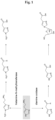
- Histamine is degraded in mammals by two pathways as shown in Fig.1 :-
- Histamine intolerance syndrome is difficult to diagnose because of its multiple symptoms which are easily misinterpreted as symptoms of other diseases, e.g., food allergy, sulphide intolerance, or as caused by other biogenic amines such as tyramine. Histamine intolerance causes painful symptoms and is a common condition affecting about 1%-3% of the population ( Sattler J et al., Food induced histaminosis as an epidemiological problem: plasma histamine elevation and hemodynamic alterations after oral histamine administration and blockade of diamine oxidase (DAO), Agents and Actions 1988, 23:361-65 ; Wantke F et al., The red wine maximization test: drinking histamine rich wine induces a transient increase of plasma diamine oxidase activity in healthy volunteers, Inflamm Res 1999, 48:169-70 ; Wantke F et al., The red wine provocation test: intolerance to histamine as a model for food intolerance, Allergy Proc 1994, 15
- the secreted copper-containing (AOC1) diamine oxidase (DAO- EC 1.4.3.22) is generally regarded the frontline enzyme in the clearing of endogenous and exogenous histamine since blood leukocytes and tissues such as the placenta secret DAO into the circulation.
- Pregnant women for example have serum DAO levels 500 to 1000 times higher than non-pregnant women.
- Humans have three genes encoding copper-containing amine oxidases which share large sequence identity but only one gene, the AOC1 gene, encodes secreted human diamine oxidase ( McGrath AP et al, Structure and Inhibition of Human Diamine Oxidase, Biochemistry 2009; 48:9810-22 ).
- Tissue-associated DAO is not merely found in the small intestine but also in liver, lung, and kidneys, and amniotic fluid contains a diamine oxidase which is immunologically different to the diamine oxidase (DAO) found in serum; see Cowley et al in US 5,284,749 A ; Elmore BO et al., Human kidney diamine oxidase: heterologous expression, purification, and characterization, J Biol Inorg Chem 2002, 7:565- 679 ; Mizuguchi et al., Purification and characterization of diamine oxidase (histaminase) from rat small intestine, J.
- DAO diamine oxidase
- HNMT inactivation pathway (2) in addition to the secreted and tissue-bound DAO degradation pathways plays a crucial role in histamine degradation and may be significantly involved in the case of an impaired histamine degradation capacity
- Khandelwal et al. Presence and measurement of methylimidazole acetic acids in brain and body fluids, J Biol Chem. 1982 Nov 10;257(21):12815-9 ; Tsuruta et al., Simultaneous determination of imidazole acetic acid and N tau- and N pi-methylimidazole acetic acids in human urine by high-performance liquid chromatography with fluorescence detection, J Chromatogr.
- HNMT histamine degradation pathway
- EP 1 948 819 (Sciotec Diagnostic Technologies GmbH ) relates to a method for determining a DAO activity in plasma or serum.
- An excess of a diamine substrate e.g., putrescine, is added to the sample and reacted by the intrinsic DAO in said sample for a defined period.
- the diamine being still in the sample is derivatized and determined by a competitive immunoassay. As the diamine substrate concentration stays at elevated level, the rate of DAO is proportional to its concentration in the sample and used for diagnosis.
- ELISA Immunoassays for directly measuring the amount of DAO enzyme in human serum and dried blood spots as well as of the DAO activity ( 3 H putrescine/pyrroline REA) are available from Immundiagnostik AG, Bensheim, DE (IDK ® DAO ELISA - Art. No. K8500; Art. No. K 8220); Mayer I et al., Optimierter Radioextratechnischsassay zur quantitativen Beêt der Akt Camill von Diaminooxidase (DAO) in humanem Serum und Plasma, Allergologie 2005, 28:1-8 ).
- WO 2019/158718 suggests determining an index ("percentage of the total histamine degradation") to combine the decreasing DAO rate and the decreasing diamine substrate level in a method as described in EP 1948819 B1 . This index is said to be more useful for diagnosis of a histamine intolerance syndrome.
- EP1948819 B1 and Appl Biochem Biotechnol 2007 Nov;143(2):164-75 describe a method wherein the DAO in a sample is captured by an immobilized antibody. A diamine substrate is added to the immobilized DAO and then reacted which results in a rise of hydrogen peroxide ( Hibi T et al, Enzymatic assay of histamine by amperometric detection of H2O2 with a peroxidase-based sensor, Biosci Biotechnol Biochem 2000, 64(9):1963-1966 ).
- Kehoe CA et al. Plasma diamine oxidase activity is greater in copper-adequate than copper-marginal or copper-deficient rats, J. Nutr 2000, 130:30-33 ; Küfner MA et al, Total histamine degradation capacity (THDC) as an important biological marker of histamine metabolism in human colonic mucosa, Inflamm Res 2002, Suppl 1:87-81 ; Nilsson B-O et al., Inhibition of diamine oxidase promotes uptake of putrescine from rat small intestine, Inflamm Res 1996, 45:513-518 ; Novotny et al., Diamine oxidase is the amiloride-binding protein and is inhibited by biological marker of histamine metabolism in human colonic mucosa, Inflamm Res 2002, Suppl 1:87-81 ; Nilsson B-O et al., Inhibition of diamine
- the current methods for determining the diamine/histamine conversion ratio and a diamine/histamine conversion rate per unit time and for diagnosis of histamine intolerance syndrome are all based on a measurement of serum DAO or DAO activity in blood, plasma, or serum or a measurement of one or more catabolites of histamine.
- a differential diagnosis of the origin or cause of the histamine intolerance syndrome is not possible.
- the state of the art represents a problem.
- the problem is partly overcome by a method of determining the histamine inactivation in a human subject suspected of suffering from histamine intolerance syndrome and/or insufficient histamine inactivation activity.
- the method of diagnosis according to the invention comprises the steps of:--
- the method further comprises a determination of isotopically labelled methyl imidazole acetic acid in the sample, and optionally, an immunological determination of secreted human diamine oxidase in serum or plasma.
- the isotopically labelled histamine is selected from histamine 15 N-labelled at positions at N1 and/or N3 or a histamine 13 C-labelled at positions C2, C4, C5, C6, or C7 or a histamine deuterium labelled at anyone or more hydrogen position, or a histamine containing a combination of stable isotope labels.
- the aprotic solvent may be selected from acetonitrile, tetrahydrofuran, acrylonitrile, dioxane, ethanol but preferably acetonitrile is preferred solvent because it works equally with zwitterionic HILIC LC columns, PEI HILIC LC columns, silica HILIC columns and urea HILIC columns, as well as with amide HILIC columns as well as with reversed phase columns. It is commonly believed that in HILIC, the mobile phase forms a water-rich layer on the surface of the polar stationary phase vs. the water-deficient mobile phase, creating a liquid/liquid extraction system. The analyte is distributed between these two layers.
- HILIC is more than a simple partitioning and includes hydrogen donor interactions between neutral polar species as well as weak electrostatic mechanisms under the high organic solvent conditions used for retention. This distinguishes HILIC as a mechanism distinct from ion exchange chromatography. The more polar compounds have a stronger interaction with the stationary aqueous layer than the less polar compounds. Thus, a separation based on a compound's polarity and degree of solvation takes place for which acetonitrile is an ideal mobile phase.
- the method comprises a determination of any one of the isotope labelled ratios selected from relative amounts of
- Another aspect of the invention relates to a method of diagnosis of histamine intolerance syndrome in a subject suspected of suffering from insufficient secreted DAO activity, and facultatively, of insufficient histamine N-methyl transferase (HNMT) activity, comprising the steps of:-
- This method typically comprises a spiking of the sample with an isotope-labelled histamine to achieve a spiked-histamine concentration of from 200 to 500 nmol ⁇ litre-1 serum.
- the method may comprise a calculating of the activity of soluble human DAO enzyme in said sample at given physiological conditions from the amounts of isotopically labelled histamine substrate converted per unit of time into imidazole acetic acid and determining the histamine inactivation capacity or half-life of histamine in said patient, to diagnose a histamine intolerance when the patient's diamine oxidase activity is below 3 enzyme units (U) per milliliter serum or plasma or below 10 enzyme units (U) per milliliter as measured by the immunoassay and/or the half-life of carbon-13 histamine in serum is above a threshold found in a sample of a healthy subject.
- the method may further comprise an immunological determination of soluble human diamine oxidase in serum or plasma and a determination of the enzyme activity of DAO in serum or plasma.
- a further aspect of the invention relates to a kit for diagnosis of histamine intolerance syndrome, comprising defined histamine oral load in the form of a solution, dispersion or tablet, which contains a defined amount of stable isotope labelled histamine selected from histamine 15 N-labelled at positions N1 and/or N3 or a histamine 13 C-labelled at positions C2, C4, C5, C6, or C7 or a histamine deuterium labelled at one or more hydrogen positions; and solutions containing a stable isotope labelled standard, selected from proposed isotopically labelled histamine, optionally from imidazole acetic acid, methyl histamine and methyl imidazole acetic (see formula I-IV).
- kits for diagnosis of histamine intolerance syndrome in a sample of plasma or serum comprising a histamine spiking solution, which contains a defined amount of stable isotope labelled histamine selected from histamine 15 N-labelled at positions N1 and/or N3 or a histamine 13 C-labelled at positions C2, C4, C5, C6, or C7 or a histamine deuterium labelled at anyone or more hydrogen position, or a histamine having a combination of stable isotope labels, and solutions containing stable isotope labelled standards of the respective catabolites, selected from proposed isotopically labelled positions of histamine, imidazole acetic acid, methyl histamine and methyl imidazole acetic (see formula I-IV).
- the kit may comprise an enzyme solution of catalase, peroxidase, and/or alcohol dehydrogenase.
- Histamine is present in many fermented foods and beverages and their consumption at elevated levels can trigger pseudoallergic reactions and leads to numerous adverse conditions, including asthmatic wheezing, swelling of eyelids, eye turgor and respiratory mucosa, flushing, skin reddening, rushes, urticaria, pruritus. Consumed histamine may also lead to a lowering of the blood pressure and a contraction of the smooth muscles in the intestine and respiratory tract, may trigger gastrointestinal problems, abdominal pain, constipation, diarrhoea, migraine, headache, arrhythmia, oedema, and sleep disturbances.
- Histamine intolerance syndrome is observed in cases of increased consumption or an overproduction of endogenous histamine under certain conditions, e.g. allergies, mastocytosis, bacterial infections, gastrointestinal bleedings.
- the consumption of alcohol may also lead to a histamine intolerance syndrome since the alcohol and histamine metabolic pathways have the common enzymes aldehyde dehydrogenase and aldehyde oxygenase ( Zimatkin SM et al, Alcohol-histamine interactions, Alcohol Alcohol 1999, 34(2):151-7 ).
- the inactivation of histamine inactivation may be inhibited or compromised by a lack of co-factors such as vitamin C, vitamin B6, copper or manganese ions or the presence of competing biogenic diamines. It is further known that the inactivation of histamine can be inhibited by drugs, including muscle relaxants (pancuronium, alcuronium, D-tubocurarine), narcotics (thiopental), analgetics (morphine, pethidine, non-steroidal and anti-inflammatory drugs (acetylsalicylic acid, metamizole), local anaesthetics (prilocaine), antihypotonics (dobutamine), antihypertensive drugs (verapamil, alprenolol, dihydralazin), antiarrhythmics (propafenone), diuretics (amiloride), drugs influencing gut motility (metoclopramide), antibiotics (cefuroxime, cefotiam, isoniazid, pentamidin,
- HNMT histamine-N-methyltransferase
- DAO diamine oxidase
- the present method comprises: - (i) administering a known amount of histamine labelled with a stable isotope and (ii) tracking any inactivated metabolites of isotopically labelled histamine by (iii) using a simple collective sample preparation of histamine and its polar metabolites and their subsequent analysis using a LC-MS/MS technique.
- An alternative to this method is by (a) adding isotopically labelled histamine to a blood, serum, or plasma sample from a patient; (b) incubating the spiked sample under physiological conditions for a predetermined time, and (c) having it analyzed using an LC-MS/MS technique after a simple collective sample preparation for small polar compounds.
- the method of differential diagnosis of histamine intolerance syndrome comprises the following steps: (i) administering a subject suspected of suffering from insufficient histamine degradation activity a histamine load containing a known amount of isotopically labelled histamine; (ii) obtaining a sample of bodily fluid selected from blood, serum, plasma, urine, or saliva after a predefined period of time; (iii) spiking of the said sample with a differently labelled internal standard; (vi) clean-up of the said spiked sample by protein precipitation and/or online or offline solid phase extraction; (v) measuring the stable isotope labelled products as well as the remaining stable-isotope-labelled histamine from the said sample; (vi) calculating a histamine conversion ratio or a conversion rate per unit time, based on the measured stable isotope-labelled fragments of methylhistamine, methylimidazole acetic acid, imidazole acetic acid and either the fragments of measured remaining stable isotopic-labelled histamine or
- the method allows for a more detailed analysis of the single degradation and inactivation steps and allows directly to show which part of the histamine degradation process is impaired (HNMT, DAO).
- HNMT histamine degradation process
- This provides the advantage to discriminate between the HMNT and DAO inactivation pathway as not only the reduction of histamine is measured and/or directly or indirectly the products of the DAO and/or HMNT degradation pathway; Furthermore, tissue bound DAO and other tissue bound degradation enzymes are considered too.
- the method may further comprise an immunological determination of the amount of soluble human diamine oxidase in serum or plasma.
- the method of in-vitro diagnosis of histamine intolerance syndrome may comprise the steps of (i) obtaining a blood, plasma or serum sample from a human subject suspected of suffering from insufficient histamine inactivation activity; (ii) adding to said sample a predefined amount of stable isotope-labelled histamine to obtain a defined concentration in the sample; (iii) incubation of the said sample under physiological conditions for a defined time period to obtain stable isotope-labelled inactivation products; (iv) spiking of the said sample with a differently labelled internal standard; (vi) clean-up of the said spiked sample by protein precipitation and/or online or offline solid phase extraction; (v) measuring the stable isotope labelled products as well as the remaining stable isotope-labelled histamine from the said sample; (vi) calculating a histamine conversion ratio or a conversion rate per unit time, based on the measured stable isotope-labelled fragments of methylhistamine, methylimidazole acetic acid
- the method includes preferentially a spiking of the serum or plasma sample with an isotopically labelled histamine to achieve a spiking concentration from 10 nM (final concentration sample, e.g., histamine 1,84 ng/mL) to 50 ⁇ M litre-1 (final concentration sample, e.g., histamine 9200 ng/mL) blood, serum, or plasma, while a most preferred spiking concentration is 200 nM (histamine 36,8 ng /mL; final concentration in sample).
- final concentration sample e.g., histamine 1,84 ng/mL
- 50 ⁇ M litre-1 final concentration sample, e.g., histamine 9200 ng/mL
- a most preferred spiking concentration is 200 nM (histamine 36,8 ng /mL; final concentration in sample).
- the method may also include a step of diluting the sample with an aqueous buffer containing 0,5 - 1,5 U/100 ⁇ l catalase/peroxidase and aldehyde dehydrogenase, more preferred 1 U/100 ⁇ l, followed by an incubation of the sample for 1 - 36 h at 30 - 40 °C and pH of 7.2 to 7.8, more preferably 6-24 h at 36 °C- 38 °C and pH 7.3 to 7.6.
- the method may comprise a calculating of the activity of soluble human DAO enzyme in said sample at given physiological conditions from the amounts of DAO substrates converted per unit of time and a determining of the half-life of histamine and/or DAO substrate in said sample, based on the measurement of imidazole acetic acid as well as stable isotope labelled histamine itself, to diagnose histamine intolerance when the patient's diamine oxidase activity is below 3 enzyme units (U) per millilitre serum or plasma or below 10 enzyme units (U) per millilitre as measured by the immunoassay.
- the method further comprises an immunological determination of soluble human diamine oxidase in serum or plasma and a determination of the enzyme activity of DAO in serum or plasma.
- the method may comprise calculating the activity of tissue bound HNMT from a sample of bodily fluid taken from a subject that has been administered a known amount of stable isotope labelled histamine or a serum or plasma sample from a subject suffering from insufficient histamine inactivation enzyme activity spiked with a known amount of stable isotope labelled histamine based on the measured concentration of methylhistamine and/or methylimidazole acetic acid as well as the remaining histamine concentration from said samples and the elapsed incubation time.
- the calculated HNMT activity is than used for comparison with the corresponding histamine conversion ratio and conversion rate found in a sample from a healthy subject and ultimately for the diagnosis of histamine intolerance when said conversion is low.
- the method may comprise calculating of the total histamine clearance in plasma or serum in said sample at given physiological conditions from the total amounts of measured histamine inactivation products (methylhistamine, imidazole acetic acid, methylimidazole acetic acid) as well as the remaining stable isotope labelled histamine and used for diagnosis of histamine intolerance when the calculated histamine conversion ratio is low in comparison to a healthy subject.
- the total histamine clearance can be used to evaluate potential anaesthesia-related risks, which can result from an increased histamine releasing in combination with an impaired histamine clearance capability of the subject.
- the method may comprise calculating of the total histamine clearance in the body of a subject after administration of a known concentration of stable isotope labelled histamine from the total amounts of measured histamine inactivation products (methylhistamine, imidazole acetic acid, methylimidazole acetic acid) as well as the remaining histamine measured in a collected plasma, serum, urine or salvia sample from said subject and used for diagnosis of histamine intolerance when the calculated histamine conversion ratio is low in comparison to a healthy subject.
- the total histamine clearance can be used to evaluate potential anaesthesia-related risks, which can result from an increased histamine releasing in combination with an impaired histamine clearance capability of the subject.
- kits for in-vitro diagnosis of histamine intolerance syndrome comprising a defined stable isotopic labelled histamine preparation as oral load, preferably in the form of a solution, dispersion or tablet, with isotopic labels as stated in formula I; internal standards for histamine labelled as stated in formula I, methylhistamine as stated in formula II, imidazole acetic acid as stated in formula III, methylimidazole acetic acid as stated in formula IV; suitable control and calibrator samples; as well as buffers and solutions for sample preparation and mobile phases for sample analysis.
- the kit for in-vitro diagnosis of histamine intolerance syndrome may be one for measurement in a sample of plasma or serum.
- the histamine spiking solution or histamine load may contain a defined amount of stable isotopic labelled histamine labelled as stated in formula I; internal standards for histamine labelled as stated in formula I, methylhistamine as stated in formula II, imidazole acetic acid as stated in formula III, methylimidazole acetic acid as stated in formula IV; suitable control and calibrator samples; as well as buffers and solutions for sample preparation and mobile phases for sample analysis.
- Another aspect relates to a differential in-vitro diagnosis of histamine intolerance syndrome comprising the steps of: (i) obtaining a blood, plasma or serum sample from a human subject suspected of suffering from insufficient histamine inactivation and/or DAO enzyme activity; (ii) determining the DAO concentration in that said sample using an immunoassay; (iii) adding to said sample a predefined amount of stable isotope-labelled DAO substrate, preferably histamine, to obtain a defined concentration in the sample; (iv) incubation of the said sample under physiological conditions for a defined time period to obtain stable isotopically labelled inactivation products; (v) spiking of the said sample with a differently labelled internal standard; (vi) clean-up of the said spiked sample by protein precipitation and/or online or offline solid phase extraction; (vii) measuring the stable isotope labelled products as well as the remaining isotopically labelled histamine from the said sample; (viii) calculating a histamine conversion ratio or
- Symptoms of histamine intolerance usually appear only when the serum histamine level is higher than 9 nmol (about 1 ng /mL serum). However, it is not directly dependent on the amount of DAO in the blood or its activity. When foods and beverages contain up to 50 mg histamine per 100 grams, their consumption exceeds the physiologically available histamine clearance capacity.
- a DAO activity of 3 enzyme units in serum corresponds to a clearance of about 3 000 nmol histamine per minute.
- pathological histamine concentrations of 5 to 10 000 nmol-liter-1 serum are observed.
- a DAO activity in serum of 3 enzyme units corresponds to a half-life of less than 2 minutes and to less than 4 hours for severely elevated histamine levels.
- a DAO activity in serum of 3 enzyme units or more rules out any symptoms of histamine intolerance. If the measured half-life of "spiked" (dietary) histamine in serum is below a threshold (120 seconds) the patient will likely not suffer from increased histamine levels, and this will also apply to a normal consumption of foods rich in histamine.
- a measurement of the statutory DAO or its activity in serum allows no differentiation between histamine intolerance and e.g., a food allergy.
- a conventional determination of a diamine/histamine conversion rate in serum allows no determination of the aetiology of histamine intolerance and why patients are suffering from an unphysiological histamine boost over an extended period (several hours or overnight).
- the measured DAO activity following a spiking of a plasma or serum sample with a histamine challenge must not be confused with a measurement of the statutory DAO in serum as disclosed by prior art methods because the metabolic pathways of histamine and alcohol are linked.
- the primary metabolite of ethanol degradation, acetaldehyde, and the primary metabolites of histamine degradation, methylimidazole acetaldehyde and imidazole acetaldehyde, compete for the same aldehyde dehydrogenase and aldehyde oxidase.
- Alcohol and acetaldehyde further induce a release of histamine from the storage granules in peripheral mast cells so that a consumption of alcohol can provoke food-induced histaminosis which leads to gastric and intestinal damages and bronchial asthma in many persons.
- Histamine levels in common alcoholic beverages range from 3 to 120 micrograms/L in white wine, 20 to 300 micrograms/L in beers, from 15 to 700 micrograms/L in champagnes and from 60 to 3800 micrograms/L in red wine.
- histamine clearance tissue associated DAO, secreted serum DAO and HNMT mediated
- tissue associated DAO tissue associated DAO
- HNMT histamine clearance
- the prior art methods merely determined which histamine depredation is achieved in the serum after addition of diamine (histamine or putrescine). In other words, the measurements were done with the expectation that the soluble DAO activity in serum would coincide with the total histamine clearance. That model did not consider the various histamine inactivation pathways nor the multiple forms of DAO nor the fact that the histamine clearance by the HNMT enzyme is ignored.
- the present invention considers that the metabolic pathways may change by an excess of dietary histamine, that histamine inactivation in serum can be compromised by the presence of drugs or alcohol and that serum DAO activity is dependent on multiple factors, including pH because histamine may also be a substrate of monoamine oxidases (MAO) at higher pH above 8.0.
- Prior art assays even recommend using a Tris-HCI buffer (tris-(hydroxymethyl)-aminomethane) having a pH of 8.0 to 8.5 for a determining the diamine/histamine conversion ratio and rate as such a buffer solution has "particularly positive effects on the DAO activity" (see US 8 003 343 , column 5).
- the conventional assays for diagnosis of histamine intolerance never examined or quantified the "inactivated" metabolites of histamine and could not differentiate between monoamine oxidase (MAO) activity and diamine oxidase (DAO) activity nor detect any inhibition, e.g., by external drugs or a lack of co-factors.
- MAO monoamine oxidase
- DAO diamine oxidase
- Histamine concentrations in serum of patients with an anaphylactoid reactions are below 10 000 nanomoles (nmol) per litre (L), say less than 10 micromolar, with histamine disappearing from serum at 37°C with an apparent half-life of 2 minutes to 4 hours.
- nmol nanomoles
- L liquid-to-molar
- the present method allows an administration or oral administration of typical dietary or physiological concentrations of histamine due to the high sensitivity of the LC-MS/MS detection method.
- the resulting serum and urine levels of isotopic labelled imidazole acetic acid and methyl imidazole acetic acid, as well as of other histamine metabolites take account of the activity of tissue-associated DAO and HNMT, e.g., in the mucosal membrane and in the kidney, in addition to serum DAO.
- the present disclosure refers to a method of diagnosing histamine intolerance when the diamine oxidase activity in serum is below 3 enzyme units (U) per millilitre serum, if determined in vitro at RT (25°C).
- the disclosure further comprises a method of diagnosis wherein the actual diamine oxidase activity in serum is 50% of the normalized diamine oxidase activity in serum as determined by an immunoassay for human DAO, indicating an inhibition of the enzyme DAO in serum by the presence of drugs or other biogenic amines.
- the serum DAO concentration and the measured serum DAO activity by REA are already used biomarkers for histamine intolerance and associated symptoms. Both, serum DAO and the measured DAO activity in serum complement each other as the DAO activity in serum depends on the absence of inhibitors (drugs, alcohol) and cofactors such copper ions, manganese ions and vitamin C or vitamin B6. By further quantitating the cofactors in blood, the clinical laboratory will allow a treatment of the disorder in respect of the co-factors which have to be supplemented or which drug should be better replaced in order not to inhibit dietary histamine inactivation. A differential diagnosis of histamine intolerance syndrome vis-à-vis food intolerance, food hypersensitivity or food allergy is not possible.
- HIT Histamine intolerance
- the large sequence identity between secreted DAO and tissue associated DAOs suggests that the inhibitors and co-factors affect most similar the overall histamine inactivation capacity in the body as can be determined for the inactivation capacity of secreted serum DAO alone.
- the specific enzyme activity of DAO in a patient's sample is therefore a reference measure of the overall histamine inactivation ability in the body.
- the specific enzyme activity is the amount of product formed in each amount of time under given conditions per milligram of enzyme.
- the specific activity is equal to the rate of reaction multiplied by the volume of reaction divided by the mass of total protein.
- a more commonly used value is the (one) enzyme unit (U) which is 1 micromole min-1. (One enzyme unit (U) corresponds to 16.67 nanokatals).
- the specific enzyme activity is therefore a measure of the processivity at a specific (usually saturating) substrate concentration.
- the measured turnover of isotope-labelled histamine in serum and the separately measured specific activity of serum DAO allow calculation of how much DAO enzyme, secreted or tissue-associated, is effectively present in the body and its total activity for inactivation of dietary histamine taken up with the foods.
- the turnover number can be visualized as the number of times each enzyme molecule conducts its catalytic cycle per second. The method of the invention therefore allows a reliable differentiation between histamine intolerance syndrome and food intolerance or food allergy.
- the histamine intolerance syndrome goes in line with an insufficient inactivation of a spike of dietary histamine for a lack of tissue-associated DAO in the intestinal mucosal membrane and to a minor degree for a lack of serum DAO.
- the symptoms of food allergy or food hypersensitivity are caused by a spike of endogenous histamine.
- GC-MS Gas chromatography-mass spectrometry
- the derivatization methods for GC analysis comprise a tandem oximation-silylation procedure.
- the oximation of aldehydes and ketones is achieved by a reaction between the carbonyl group and methoxyamine.
- the reaction with silylation agents replaces the active hydrogen in alcohols, carboxylic acids, amines, and thiols. Both reactions for a GC-based analysis are incompatibility with water.
- LC-MS/MS liquid chromatography-tandem mass spectrometry
- hydrophilic interaction liquid chromatography offers sufficient chromatographic separation of polar compounds as well as a sufficient detectability of the histamine degradation products: imidazole acetic acid and N-methylimidazole acetic acid.
- the isotopic labelled histamine may be labelled at positions shown in formulae I.
- Preferred internal standards of the expected histamine metabolites may be labelled additionally, e.g. at least at one more position, preferably at three or four positions with the corresponding heavy isotope.
- histamine is inactivated intracellularly by histamine N-methyltransferase (NMT) and extracellularly by diamine oxidase (DAO) and enzymes of the monoamine oxidase family (MAO).
- NMT histamine N-methyltransferase
- DAO diamine oxidase
- MAO monoamine oxidase family
- the histamine inactivation pathways all merge - irrespective of the oxidation by secreted DAO or membrane-associated DAO or any MAO - at compounds of formulae II and III (imidazole-4-acetic acid and N-methyl-imidazole-4-acetic acid).
- the disclosed direct determination of histamine catabolites allows examination of all histamine inactivation pathways and allows holistic diagnosis.
- the described method allows to follow up and detect simultaneously all inactivation products of histamine (His), including the initial methylation to N-methyl histamine (MetHis) and the subsequent oxidation to N-methyl imidazole acetic acid (Mimi) of the inactivation/degradation pathway (1) as well as the extracellular inactivation and oxidative degradation to imidazole acetic acid (Imi) of degradation pathway (2).
- His histamine
- MeHis initial methylation to N-methyl histamine
- Mimi N-methyl imidazole acetic acid
- Imi extracellular inactivation and oxidative degradation to imidazole acetic acid
- the two imidazole acetic acid products of isotopic labelled histamine as well as histamine and methyl histamine can be separated using hydrophilic interaction chromatography (HILIC) coupled to mass spectrometry; see Fig. 2 .
- HILIC hydrophilic interaction chromatography
- the aprotic solvent may be selected from acetonitrile, tetrahydrofuran, acrylonitrile, dioxane, ethanol but acetonitrile is a preferred solvent because it works equally with zwitterionic HILIC LC columns, PEI HILIC LC columns, silica HILIC columns and urea HILIC columns, as well as with amide HILIC columns and other reversed phase columns.
- HILIC the mobile phase forms a water-rich layer on the surface of the polar stationary phase versus the water-deficient mobile phase, creating a liquid/liquid extraction system.
- HILIC should be considered more than a simple partitioning because of its hydrogen donor interactions between neutral polar species as well as weak electrostatic mechanisms under the high organic solvent conditions. These are used for retention and distinguishes HILIC from ion exchange chromatography. The more polar compounds have a stronger interaction with the stationary aqueous layer than the less polar compounds. Thus, a separation based on a compound's polarity and degree of solvation takes place and for this acetonitrile is a well-suited mobile phase.
- LLOQ Lower Limit Of Quantitation
- the present application discloses that the inactivation products of histamine - imidazole-4-acetic acid and methyl imidazole-4- acetic acid can also be separated on a HILIC column when acetonitrile is used as a mobile phase.
- the combination of the LC-MS/MS technique, the use of an isotopic labelled histamine for an oral histamine load and/or for spiking a blood, serum or plasma sample, and the analytical sensitivity for the histamine inactivation products, this combination allows a differential diagnosis of histamine intolerance syndrome and compared to anaphylactoid and allergic reactions.
- the alternative clinical laboratory method may comprise the steps: (i) taking an aliquot of blood, plasma or serum from a patient suspected of suffering from histamine intolerance syndrome; (ii) optionally, determining the concentration of human diamine oxidase (hDAO - EC 1.4.3.22) in said aliquot using an immunoassay for human diamine oxidase (DAO); (iii) mixing (spiking) an aliquot with a predefined amount of isotopic labelled histamine of formula I at a concentration range of from 10 to 10 000 nanomoles/L, preferably from 100 to 500 nanomoles/L and incubation of the histamine spiked sample at physiological conditions (pH 7.2 to 7.8, preferably 7.3 to 7.6; 36-38°C) for a predefined period from 2 minutes to 24 hours; (iv) adding a suitable internal standard to the said sample (v) precipitate proteins and inorganic salts from the sample with an aprotic solvent, preferably acetonitrile
- This threshold level may be set at 3 enzyme units (U) per milliliter serum at physiological conditions of the blood and/or normalized 10 enzyme units (U) per millilitre; or a half-life of dietary histamine levels of above a certain threshold for healthy subjects (2 minutes to 24 hours, depending on concentrations).
- a person skilled in the art will also contemplate to directly determine the histamine concentration in the plasma sample to determine whether it is in a pathological range or the inactivation of histamine to pathway (2) which according to medical literature does not take place in serum.
- the isotopic labelled histamine used for oral administration, incubation or internal standard may contain 13 C and/or 15 N and/or D at one or multiple positions as shown in the formula I.
- Fig. 7 shows a representative full scan mass spectrum of fragmented unlabelled histamine (m / z 126,128 [M+H] + ).
- Fig. 9 shows a full scan spectrum of fragmented imidazole acetic acid (m / z 127,069 [M+H] + ).
- Fig. 11 shows a full scan spectrum of fragmented unlabelled methylimidazole acetic acid (m / z 141,093 [M+H] + ).
- 900 ⁇ l serum sample from a patient with suspected HIT was placed in a 1,5 ml reaction tube and incubated at 37 °C with 100 ⁇ l aqueous buffer containing 1 ⁇ M (184 ng/mL) isotopic labelled histamine and 1 U/100 ⁇ l catalase/peroxidase and aldehyde dehydrogenase for predefined periods of time (2h, 4h, 6h, 24h).
- the patient with suspected HIT was also given an oral solution of isotopic labelled histamine to achieve histamine provocation.
- the histamine provocation must be adjusted to the patient.
- the provocation can be in the range of 0,01 mg/kg and 0,1 mg/kg, less preferably 0,001 mg/kg and 0,5 mg/kg.
- urine and serum sample were collected at regular intervals, preferably between 1 and 6 hours, more preferably between 2 and 4 hours.
- sample serum, plasma, urine; independent of sample collection
- concentrations of the internal standards can be between 1 - 100 ng/ml, preferably between 10 - 50 ng/ml, most preferably between 20-30 ng/ml.
- the sample was then mixed with 1140 ⁇ l acetonitrile and vortexed vigorously for 30 seconds.
- the mixed samples were incubated at -20 °C for 1 hour, again shaken for 30 seconds and centrifuged at 14000 rpm at 4 °C for 10 minutes.
- the supernatants were transferred directly to autosampler vials and fed to the LC-MS/MS system or dried in a rotary vacuum evaporator until dryness.
- the dried samples can be stored at -20° and reconstituted with 100 ⁇ l reconstitution solution consisting of 5-20 % aqua bidest in acetonitrile, preferably 5-10 % aqua bidest in acetonitrile.
- HILIC hydrophilic interaction liquid chromatography
- Agilent InfinityLab Poroshell 120 HILIC-Z - 150 x 2.1 mm, 2.7 ⁇ m particle size. Similar HILIC columns or shorter versions of the column may be used but have not been tested.
- the sample was separated using two mobile phases; mobile phase A consisted of 5% acetonitrile at 95% in water with 10 mM ammonium formate at pH 3; mobile phase B consisted of 85% acetonitrile in water with 10 mM ammonium formate at pH 3. The flow rate was 0.5 ml/min and the column operated at 25°C.
- Fig. 3 shows a representative chromatogram of the retention (elution) of histamine and its catabolites (methylhistamine, imidazole acetic acid and methyl imidazole acetic acid) from said spiked and analysed serum sample.
- Fig. 4 depicts a labelled histamine with two possible fragment structures.
- the following fragments from Table 1 were used as qualifiers/quantifiers for labelled histamine and e.g. d4 and 13 C 5 stable isotopic labelled histamine.
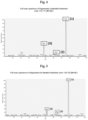
- Fig. 5 shows a representative full scan spectrum of fragmented unlabelled histamine (m / z 112,117 [M+H] + ) and its fragments and proposed structures.
- Fig. 6 shows a representative full scan spectrum of deuterium labelled ( d4 ) histamine ( m / z 116, 133 [M+H] + ) and its fragments and possible structures.
- Fig. 5 shows a representative full scan spectrum of fragmented unlabelled histamine (m / z 112,117 [M+H] + ) and its fragments and proposed structures.
- Fig. 6 shows a representative full scan spectrum of deuterium labelled ( d4 ) histamine ( m / z 116,
- Fig. 8 depicts a labelled methylhistamine with two possible fragment structures.
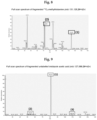
- Fig. 9 shows a representative full scan spectrum of fragmented labelled methylhistamine ( m / z 126,128 [M+H] + ), intact molecule and possible fragment structures and
- Fig. 10 a representative full scan spectrum of fragmented 13 C 5 methylhistamine ( m / z 131,128 [M+H] + ), intact molecule and possible fragment structures.
- Fig. 11 depicts a theoretically labelled imidazole acetic acid with three possible fragment structures.
- Fig. 12 shows a representative full scan spectrum of fragmented labelled imidazole acetic acid (m / z 127,069 [M+H] + ), intact molecule and possible fragment structures and
- Fig. 13 depicts a representative full scan spectrum of fragmented 13 C 5 imidazole acetic acid (m / z 132,073 [M+H] + ), intact molecule and possible fragment structures.
- Fig. 11 shows a representative full scan spectrum of fragmented unlabelled methylimidazole acetic acid (m/z 141,093 [M+H] + ), intact molecule and possible fragment structures
- Fig. 12 depicts a representative full scan spectrum of fragmented 13 C 5 labelled methylimidazole acetic acid (m / z 146,088 [M+H] + ), intact molecule and possible fragment structures.
- the skilled person may choose also another isotope labelling for unambiguous detection by LC-MS/MS for any of the analytes to increase the sensitivity of the method which is in range of 100 pg per any analyte which depends also on the employed mass spectrometry.
- the isotopically labelling of the internal standards may be the same or different to the stable isotope labelling of histamine. Preferred is having a 13C labelled substrate and deuterium labelled standard or vice versa.
Landscapes
- Life Sciences & Earth Sciences (AREA)
- Health & Medical Sciences (AREA)
- Engineering & Computer Science (AREA)
- Molecular Biology (AREA)
- Physics & Mathematics (AREA)
- Biomedical Technology (AREA)
- Chemical & Material Sciences (AREA)
- Hematology (AREA)
- Immunology (AREA)
- Urology & Nephrology (AREA)
- Cell Biology (AREA)
- General Physics & Mathematics (AREA)
- Biotechnology (AREA)
- Food Science & Technology (AREA)
- Medicinal Chemistry (AREA)
- Proteomics, Peptides & Aminoacids (AREA)
- Analytical Chemistry (AREA)
- Biochemistry (AREA)
- General Health & Medical Sciences (AREA)
- Microbiology (AREA)
- Pathology (AREA)
- Bioinformatics & Cheminformatics (AREA)
- Bioinformatics & Computational Biology (AREA)
- Spectroscopy & Molecular Physics (AREA)
- Biophysics (AREA)
- Investigating Or Analysing Biological Materials (AREA)
- Measuring Or Testing Involving Enzymes Or Micro-Organisms (AREA)
Priority Applications (2)
| Application Number | Priority Date | Filing Date | Title |
|---|---|---|---|
| US18/685,753 US20240219399A1 (en) | 2021-08-10 | 2022-08-09 | Differential diagnosis of histamine intolerance syndrome |
| PCT/EP2022/072378 WO2023017050A1 (en) | 2021-08-10 | 2022-08-09 | Differential diagnosis of histamine intolerance syndrome |
Applications Claiming Priority (1)
| Application Number | Priority Date | Filing Date | Title |
|---|---|---|---|
| DE102021120705 | 2021-08-09 |
Publications (1)
| Publication Number | Publication Date |
|---|---|
| EP4134672A1 true EP4134672A1 (de) | 2023-02-15 |
Family
ID=77274699
Family Applications (1)
| Application Number | Title | Priority Date | Filing Date |
|---|---|---|---|
| EP21190496.6A Pending EP4134672A1 (de) | 2021-08-09 | 2021-08-10 | Differentialdiagnose bei einem histaminintoleranzsyndroms |
Country Status (1)
| Country | Link |
|---|---|
| EP (1) | EP4134672A1 (de) |
Citations (6)
| Publication number | Priority date | Publication date | Assignee | Title |
|---|---|---|---|---|
| US4818683A (en) | 1984-04-10 | 1989-04-04 | Immunotech | Immunoassay for monoamines |
| US5284749A (en) | 1989-03-02 | 1994-02-08 | Griffith University | Diamine oxidase and assay for rupture of amniotic membrane in pregnant mammals |
| EP1948819A1 (de) | 2005-11-18 | 2008-07-30 | Albert Missbichler | Bestimmung von diaminooxidase |
| EP2020446A1 (de) * | 2007-07-31 | 2009-02-04 | Denis Vincent | Zusammensetzungen und Verfahren für den Nachweis von histaminbedingten Erkrankungen |
| WO2019158718A1 (de) | 2018-02-16 | 2019-08-22 | Frost Diagnostika Gmbh | Methode zur bestimmung der totalen histamin-abbaukapazität in biologischen proben |
| WO2021160696A1 (en) * | 2020-02-10 | 2021-08-19 | Immundiagnostik Ag | In-vitro diagnosis of histamine intolerance syndrome |
-
2021
- 2021-08-10 EP EP21190496.6A patent/EP4134672A1/de active Pending
Patent Citations (8)
| Publication number | Priority date | Publication date | Assignee | Title |
|---|---|---|---|---|
| US4818683A (en) | 1984-04-10 | 1989-04-04 | Immunotech | Immunoassay for monoamines |
| US5284749A (en) | 1989-03-02 | 1994-02-08 | Griffith University | Diamine oxidase and assay for rupture of amniotic membrane in pregnant mammals |
| EP1948819A1 (de) | 2005-11-18 | 2008-07-30 | Albert Missbichler | Bestimmung von diaminooxidase |
| EP1948819B1 (de) | 2005-11-18 | 2009-04-15 | Sciotec Diagnostic Technologies GmbH | Bestimmung von diaminooxidase |
| US8003343B2 (en) | 2005-11-18 | 2011-08-23 | Sciotec Diagnostic Technologies Gmbh | Method for determining diamine oxidase |
| EP2020446A1 (de) * | 2007-07-31 | 2009-02-04 | Denis Vincent | Zusammensetzungen und Verfahren für den Nachweis von histaminbedingten Erkrankungen |
| WO2019158718A1 (de) | 2018-02-16 | 2019-08-22 | Frost Diagnostika Gmbh | Methode zur bestimmung der totalen histamin-abbaukapazität in biologischen proben |
| WO2021160696A1 (en) * | 2020-02-10 | 2021-08-19 | Immundiagnostik Ag | In-vitro diagnosis of histamine intolerance syndrome |
Non-Patent Citations (35)
Similar Documents
| Publication | Publication Date | Title |
|---|---|---|
| Abraham et al. | Simultaneous GC-EI-MS determination of Δ9-tetrahydrocannabinol, 11-hydroxy-Δ9-tetrahydrocannabinol, and 11-nor-9-carboxy-Δ9-tetrahydrocannabinol in human urine following tandem enzyme-alkaline hydrolysis | |
| Hansson et al. | Blood phosphatidylethanol as a marker of alcohol abuse: levels in alcoholic males during withdrawal | |
| Ding et al. | Urinary metabolites of organophosphate esters and implications for exposure pathways in adolescents from Eastern China | |
| EP4103946B1 (de) | In-vitro diagnose des histamin-intoleranzsyndroms | |
| Sirota et al. | Biomarkers of acute kidney injury | |
| Hollenbach et al. | Rapid and sensitive determination of catecholamines and the metabolite 3-methoxy-4-hydroxyphen-ethyleneglycol using HPLC following novel extraction procedures | |
| Rosano et al. | Ethyl glucuronide excretion in humans following oral administration of and dermal exposure to ethanol | |
| Tavares et al. | Metabolic profile and cardiovascular risk patterns of an Indian tribe living in the Amazon Region of Brazil | |
| Landburg et al. | Plasma asymmetric dimethylarginine concentrations in sickle cell disease are related to the hemolytic phenotype | |
| Xia et al. | Correlations of six related purine metabolites and diabetic nephropathy in Chinese type 2 diabetic patients | |
| Zilin et al. | The determination of AGE-peptides by flow injection assay, a practical marker of diabetic nephropathy | |
| KR20120022849A (ko) | 파브리병을 위한 마커 및 치료제로서의 테트라하이드로바이오프테린의 용도 | |
| AU2006315062B2 (en) | Histaminase determination | |
| CN104969070B (zh) | 作为1型糖尿病的早期诊断指标的gad抗体的高灵敏度测定方法 | |
| US20240219399A1 (en) | Differential diagnosis of histamine intolerance syndrome | |
| EP4134672A1 (de) | Differentialdiagnose bei einem histaminintoleranzsyndroms | |
| CN108507984A (zh) | 一种酶法检测氧化三甲胺tmao的方法及其应用 | |
| Xia et al. | Correlations of creatine and six related pyrimidine metabolites and diabetic nephropathy in Chinese type 2 diabetic patients | |
| JP2001190299A (ja) | 糖尿病予備群の検査方法 | |
| EP2167676B1 (de) | Kit zur sequentiellen Messung (1.) der enzymatisch aktiven Fraktion und (2.) der Gesamtmenge eines Enzyms | |
| Fink et al. | 3 Clinical biochemistry of alcoholism | |
| Yan et al. | Kinetic interactions of dopamine and dobutamine with human catechol-O-methyltransferase and monoamine oxidase in vitro | |
| Antunes et al. | Development, validation and clinical application of a HPLC-FL method for CYP2D6 phenotyping in South Brazilian breast cancer patients | |
| El-Kafrawy et al. | Serum selenoprotein P in lean and obese Egyptian individuals and its relation to insulin resistance | |
| Doki et al. | Simultaneous determination of serum flecainide and its metabolites by using high performance liquid chromatography |
Legal Events
| Date | Code | Title | Description |
|---|---|---|---|
| PUAI | Public reference made under article 153(3) epc to a published international application that has entered the european phase |
Free format text: ORIGINAL CODE: 0009012 |
|
| STAA | Information on the status of an ep patent application or granted ep patent |
Free format text: STATUS: THE APPLICATION HAS BEEN PUBLISHED |
|
| AK | Designated contracting states |
Kind code of ref document: A1 Designated state(s): AL AT BE BG CH CY CZ DE DK EE ES FI FR GB GR HR HU IE IS IT LI LT LU LV MC MK MT NL NO PL PT RO RS SE SI SK SM TR |
|
| STAA | Information on the status of an ep patent application or granted ep patent |
Free format text: STATUS: REQUEST FOR EXAMINATION WAS MADE |
|
| 17P | Request for examination filed |
Effective date: 20230721 |
|
| RBV | Designated contracting states (corrected) |
Designated state(s): AL AT BE BG CH CY CZ DE DK EE ES FI FR GB GR HR HU IE IS IT LI LT LU LV MC MK MT NL NO PL PT RO RS SE SI SK SM TR |
|
| STAA | Information on the status of an ep patent application or granted ep patent |
Free format text: STATUS: EXAMINATION IS IN PROGRESS |
|
| 17Q | First examination report despatched |
Effective date: 20251029 |