EP4135411A1 - Procédé de communication et appareil de communication - Google Patents
Procédé de communication et appareil de communication Download PDFInfo
- Publication number
- EP4135411A1 EP4135411A1 EP21803462.7A EP21803462A EP4135411A1 EP 4135411 A1 EP4135411 A1 EP 4135411A1 EP 21803462 A EP21803462 A EP 21803462A EP 4135411 A1 EP4135411 A1 EP 4135411A1
- Authority
- EP
- European Patent Office
- Prior art keywords
- terminal device
- access
- information
- network
- plmn
- Prior art date
- Legal status (The legal status is an assumption and is not a legal conclusion. Google has not performed a legal analysis and makes no representation as to the accuracy of the status listed.)
- Pending
Links
- 238000004891 communication Methods 0.000 title claims abstract description 159
- 238000000034 method Methods 0.000 title claims abstract description 159
- 238000012545 processing Methods 0.000 claims description 45
- 238000007726 management method Methods 0.000 claims description 35
- 238000013523 data management Methods 0.000 claims description 19
- GOLXNESZZPUPJE-UHFFFAOYSA-N spiromesifen Chemical compound CC1=CC(C)=CC(C)=C1C(C(O1)=O)=C(OC(=O)CC(C)(C)C)C11CCCC1 GOLXNESZZPUPJE-UHFFFAOYSA-N 0.000 claims description 8
- 230000006870 function Effects 0.000 description 97
- 230000015654 memory Effects 0.000 description 68
- 238000010586 diagram Methods 0.000 description 36
- 238000004590 computer program Methods 0.000 description 26
- 230000004044 response Effects 0.000 description 25
- 230000008569 process Effects 0.000 description 23
- 238000005516 engineering process Methods 0.000 description 18
- 230000003993 interaction Effects 0.000 description 10
- 230000005540 biological transmission Effects 0.000 description 7
- 230000009471 action Effects 0.000 description 6
- 238000012517 data analytics Methods 0.000 description 6
- 238000010295 mobile communication Methods 0.000 description 6
- 230000001360 synchronised effect Effects 0.000 description 5
- 230000007774 longterm Effects 0.000 description 4
- 238000013461 design Methods 0.000 description 3
- 230000006978 adaptation Effects 0.000 description 2
- 230000003190 augmentative effect Effects 0.000 description 2
- 238000013500 data storage Methods 0.000 description 2
- 230000003068 static effect Effects 0.000 description 2
- 102100022734 Acyl carrier protein, mitochondrial Human genes 0.000 description 1
- 101000678845 Homo sapiens Acyl carrier protein, mitochondrial Proteins 0.000 description 1
- 238000004458 analytical method Methods 0.000 description 1
- 238000006243 chemical reaction Methods 0.000 description 1
- 238000011161 development Methods 0.000 description 1
- GVVPGTZRZFNKDS-JXMROGBWSA-N geranyl diphosphate Chemical compound CC(C)=CCC\C(C)=C\CO[P@](O)(=O)OP(O)(O)=O GVVPGTZRZFNKDS-JXMROGBWSA-N 0.000 description 1
- 230000004048 modification Effects 0.000 description 1
- 238000012986 modification Methods 0.000 description 1
- 230000003287 optical effect Effects 0.000 description 1
- XLYOFNOQVPJJNP-UHFFFAOYSA-N water Substances O XLYOFNOQVPJJNP-UHFFFAOYSA-N 0.000 description 1
Images





Classifications
-
- H—ELECTRICITY
- H04—ELECTRIC COMMUNICATION TECHNIQUE
- H04W—WIRELESS COMMUNICATION NETWORKS
- H04W48/00—Access restriction; Network selection; Access point selection
- H04W48/16—Discovering, processing access restriction or access information
-
- H—ELECTRICITY
- H04—ELECTRIC COMMUNICATION TECHNIQUE
- H04W—WIRELESS COMMUNICATION NETWORKS
- H04W48/00—Access restriction; Network selection; Access point selection
- H04W48/18—Selecting a network or a communication service
-
- H—ELECTRICITY
- H04—ELECTRIC COMMUNICATION TECHNIQUE
- H04W—WIRELESS COMMUNICATION NETWORKS
- H04W76/00—Connection management
- H04W76/10—Connection setup
-
- H—ELECTRICITY
- H04—ELECTRIC COMMUNICATION TECHNIQUE
- H04W—WIRELESS COMMUNICATION NETWORKS
- H04W8/00—Network data management
- H04W8/02—Processing of mobility data, e.g. registration information at HLR [Home Location Register] or VLR [Visitor Location Register]; Transfer of mobility data, e.g. between HLR, VLR or external networks
-
- H—ELECTRICITY
- H04—ELECTRIC COMMUNICATION TECHNIQUE
- H04W—WIRELESS COMMUNICATION NETWORKS
- H04W8/00—Network data management
- H04W8/18—Processing of user or subscriber data, e.g. subscribed services, user preferences or user profiles; Transfer of user or subscriber data
-
- H—ELECTRICITY
- H04—ELECTRIC COMMUNICATION TECHNIQUE
- H04W—WIRELESS COMMUNICATION NETWORKS
- H04W8/00—Network data management
- H04W8/18—Processing of user or subscriber data, e.g. subscribed services, user preferences or user profiles; Transfer of user or subscriber data
- H04W8/20—Transfer of user or subscriber data
-
- H—ELECTRICITY
- H04—ELECTRIC COMMUNICATION TECHNIQUE
- H04W—WIRELESS COMMUNICATION NETWORKS
- H04W60/00—Affiliation to network, e.g. registration; Terminating affiliation with the network, e.g. de-registration
- H04W60/04—Affiliation to network, e.g. registration; Terminating affiliation with the network, e.g. de-registration using triggered events
-
- H—ELECTRICITY
- H04—ELECTRIC COMMUNICATION TECHNIQUE
- H04W—WIRELESS COMMUNICATION NETWORKS
- H04W76/00—Connection management
- H04W76/10—Connection setup
- H04W76/12—Setup of transport tunnels
-
- H—ELECTRICITY
- H04—ELECTRIC COMMUNICATION TECHNIQUE
- H04W—WIRELESS COMMUNICATION NETWORKS
- H04W84/00—Network topologies
- H04W84/02—Hierarchically pre-organised networks, e.g. paging networks, cellular networks, WLAN [Wireless Local Area Network] or WLL [Wireless Local Loop]
- H04W84/04—Large scale networks; Deep hierarchical networks
- H04W84/042—Public Land Mobile systems, e.g. cellular systems
-
- H—ELECTRICITY
- H04—ELECTRIC COMMUNICATION TECHNIQUE
- H04W—WIRELESS COMMUNICATION NETWORKS
- H04W84/00—Network topologies
- H04W84/02—Hierarchically pre-organised networks, e.g. paging networks, cellular networks, WLAN [Wireless Local Area Network] or WLL [Wireless Local Loop]
- H04W84/10—Small scale networks; Flat hierarchical networks
- H04W84/105—PBS [Private Base Station] network
-
- H—ELECTRICITY
- H04—ELECTRIC COMMUNICATION TECHNIQUE
- H04W—WIRELESS COMMUNICATION NETWORKS
- H04W88/00—Devices specially adapted for wireless communication networks, e.g. terminals, base stations or access point devices
- H04W88/14—Backbone network devices
Definitions
- This application relates to the communications field, and more specifically, to a communication method and a communication apparatus.
- a non-public network is a non-public 5G network.
- a standalone non-public network (standalone NPN, SNPN) is independently deployed, and may be implemented without depending on a network function of a public land mobile network (public land mobile network, PLMN).
- the SNPN network may support a terminal in accessing the SNPN in an "external subscription" manner.
- user subscription of the terminal is owned by an external entity (for example, a mobile network operator (mobile network operator, MNO)) independent of the SNPN network, and the SNPN network allows the terminal of this type to access the SNPN by using the external subscription.
- MNO mobile network operator
- the terminal device needs to be located in coverage of the SNPN, and cannot be covered by the PLMN.
- the terminal device may be located in common coverage of the SNPN and the PLMN, or the terminal device may be located only in coverage of the PLMN. In the two cases, there is no good method for the terminal device to access the SNPN.
- This application provides a communication method, to enable a terminal device to obtain SNPN network selection information of the terminal device from a PLMN or an SNPN, so that when being located in coverage of different networks, the terminal device can select the SNPN or the PLMN by using the SNPN network selection information, and access the SNPN.
- a communication method includes: A first network device receives a first message.
- the first message includes an identifier of a terminal device.
- the first network device determines first network selection information.
- the first network selection information includes at least one of information about a standalone non-public network SNPN that allows the terminal device to access and information about whether the terminal device is allowed to access a public land mobile network PLMN.
- the first network device sends a second message.
- the second message includes the first network selection information.
- the SNPN network selection information is provided for the terminal device, so that when being located in coverage of different networks, the terminal device can select the SNPN or the PLMN by using the SNPN network selection information, and access the SNPN.
- the first network device determines first network selection information includes: The first network device determines the first network selection information based on at least one of subscription data, policy data, and a local configuration of the terminal device.
- the first network device determines the first network selection information based on at least one of subscription data, policy data, and a local configuration of the terminal device further includes: If the subscription data and the policy data of the terminal device coexist, the first network device preferentially determines the first network selection information based on the policy data of the terminal device.
- the first network device is an access and mobility management function network element AMF, and before the first network device determines first network selection information, the method further includes: The first network device sends a third message to a unified data management network element UDM.
- the third message is used to obtain the subscription data of the terminal device, and the subscription data includes at least one of the information about the SNPN that allows the terminal device to access and the information about whether the terminal device is allowed to access a PLMN.
- the first network device receives a fourth message sent by the UDM.
- the fourth message includes the subscription data of the terminal device.
- the first network selection information is the subscription data of the terminal device.
- the first network device is an AMF
- the method further includes: The first network device sends a fifth message to a policy control function network element PCF.
- the fifth message is used to obtain the policy data of the terminal device, and the policy data includes at least one of the information about the SNPN that allows the terminal device to access and the information about whether the terminal device is allowed to access a PLMN.
- the first network device receives a sixth message sent by the PCF.
- the sixth message includes the policy data of the terminal device.
- the first network selection information is the policy data of the terminal device.
- the information about the SNPN that allows the terminal device to access includes an identifier of the SNPN that allows the terminal device to access.
- the information including the identifier of the SNPN that allows the terminal device to access is sent to the terminal device, so that the terminal device may select, based on the network selection information, the SNPN to access.
- the information about the SNPN that allows the terminal device to access further includes first priority information, indicating a priority sequence of the SNPN that allows the terminal device to access.
- the priority information of the SNPN is specified, so that when being in coverage of different SNPNs or coverage of both the SNPN and the PLMN, the terminal device can select a most appropriate SNPN to access.
- the information about whether the terminal device is allowed to access a PLMN includes an identifier of a PLMN that does not allow the terminal device to access and/or indication information indicating that the terminal device is not allowed to access a PLMN.
- the identifier of the PLMN that does not allow the terminal device to access and/or the indication information indicating that the terminal device is not allowed to access a PLMN are/is sent to the terminal device, so that when the terminal device is covered by both the PLMN and the SNPN, the terminal device can select the SNPN to access, or when the terminal device is covered by only the PLMN, the terminal device does not select the PLMN.
- the local configuration includes information indicating that the terminal device is not allowed to access a PLMN and/or information indicating that the terminal is capable of accessing only the SNPN.
- the network device may reject the terminal device from accessing the PLMN, and indicate, by determining the first network selection information, the terminal device to access the SNPN.
- the method before the first network device sends a second message, the method further includes: The first network element marks the terminal device as being in a roaming state.
- a serving network of the terminal device is a PLMN, and a home network of the terminal device is an SNPN.
- the terminal device that is actually in a non-roaming state is marked as being in the roaming state, so that the terminal device can access the SNPN by using the PLMN.
- the first network element marks the terminal device as being in a roaming state includes: The first network element marks, based on the local configuration or the subscription data of the terminal device, the terminal device as being in the roaming state.
- the local configuration includes an identifier that is of a terminal device in a specific range and that is allocated to the SNPN for use, or first indication information that indicates the first network element to mark, when an identifier of the terminal device includes an identifier of a specific SNPN, the terminal device as being in the roaming state.
- the subscription data of the terminal device includes second indication information, and the second indication information indicates that if the terminal device performs access from a PLMN, the terminal device enters the roaming state, or the second indication information indicates that the home network of the terminal device is an SNPN.
- the method further includes: The first network device receives a seventh message sent by the terminal device.
- the seventh message is used to request to establish a first protocol data unit PDU session of a data network name DNN/single network slice selection assistance information S-NSSAI.
- the first network element establishes the first PDU session in a non-roaming manner when the subscription of the terminal device indicates that the first PDU session is home routed HR roaming, or establishes the first PDU session in an HR roaming manner when the subscription of the terminal device indicates that the first PDU session is local breakout LBO roaming.
- the manner of indicating to establish the PDU session is used, so that the terminal device can implement logical conversion in an actual non-roaming case, access the SNPN by using the PLMN, and visit a service of the PLMN or the SNPN.
- the information about whether the terminal device is allowed to access a PLMN includes an identifier of a PLMN that allows the terminal device to access and second priority information.
- the second priority information indicates a priority sequence of the PLMN that allows the terminal device to access, and a priority indicated by the second priority information is lower than a priority indicated by the first priority information.
- the network selection information including the identifier of the PLMN that allows the terminal device to access and the second priority information is sent, so that the terminal device can select the PLMN when the terminal device is not covered by the SNPN, access the SNPN by using the PLMN, and preferentially access the SNPN based on the priority information when the terminal device is located in coverage of both the PLMN and the SNPN.
- the first network device belongs to an SNPN
- the first network device sends the second message to a third network device
- the third network device belongs to a PLMN.
- the first network device may belong to the SNPN, or may belong to the PLMN.
- a communication method includes: A second network device receives a first message.
- the first message includes an identifier of a terminal device.
- the second network device sends a second message.
- the second message includes at least one of information about a standalone non-public network SNPN that allows the terminal device to access and information about whether the terminal device is allowed to access a public land mobile network PLMN.
- the related SNPN network selection information is provided, so that when being located in coverage of different networks, the terminal device can select the SNPN or the PLMN by using the related SNPN network selection information, and access the SNPN.
- the second network device is a unified data management network element UDM
- the second message is subscription data of the terminal device
- the subscription data includes at least one of the information about the SNPN that allows the terminal device to access and the information about whether the terminal device is allowed to access a PLMN.
- the second network device is a policy control function network element PCF
- the second message is policy data of the terminal device
- the policy data includes at least one of the information about the SNPN that allows the terminal device to access and the information about whether the terminal device is allowed to access a PLMN.
- the information about the SNPN that allows the terminal device to access includes at least one of the following information: indication information indicating that access from only the SNPN is allowed; an identifier of the SNPN that allows access; or first priority information, indicating a priority of the SNPN that allows access.
- the information including the SNPN that allows access is provided for the terminal device, so that the terminal device can select the SNPN to access.
- the information about whether the terminal device is allowed to access a PLMN includes at least one of the following information: indication information indicating that access from a PLMN is not allowed; or an identifier of a PLMN that does not allow access.
- Information about the PLMN that does not allow access is provided for the terminal device, so that the terminal device does not access the PLMN when the terminal device is covered by both the PLMN and the SNPN or when the terminal device is located in coverage of only the PLMN.
- the information about whether the terminal device is allowed to access a PLMN includes at least one of the following information: indication information indicating that access to a PLMN is allowed; an identifier of a PLMN that allows access; or second priority information, indicating a priority of the PLMN that allows access.
- the priority indicated by the second priority information is lower than a priority indicated by the first priority information.
- the terminal device can preferentially select the SNPN to access.
- a communication method includes: A terminal device sends a first message.
- the first message includes an identifier of the terminal device.
- the terminal device receives a second message.
- the second message includes first network selection information, and the first network selection information includes at least one of information about a standalone non-public network SNPN that allows the terminal device to access and information about whether the terminal device is allowed to access a public land mobile network PLMN.
- the SNPN network selection information is obtained, so that when being located in coverage of different networks, the terminal device can select the SNPN or the PLMN by using the SNPN network selection information, and access the SNPN.
- the information about the SNPN that allows the terminal device to access includes an identifier of the SNPN that allows the terminal device to access.
- the information including the identifier of the SNPN that allows the terminal device to access is received, so that the terminal device may select, based on the network selection information, the SNPN to access.
- the information about the SNPN that allows the terminal device to access further includes first priority information, indicating a priority sequence of the SNPN that allows the terminal device to access.
- the priority information of the SNPN is specified, so that when being in coverage of different SNPNs or coverage of both the SNPN and the PLMN, the terminal device can select a most appropriate SNPN to access.
- the information about whether the terminal device is allowed to access a PLMN includes an identifier of a PLMN that does not allow the terminal device to access and/or indication information indicating that the terminal device is not allowed to access a PLMN.
- the identifier of the PLMN that does not allow the terminal device to access and/or the indication information indicating that the terminal device is not allowed to access a PLMN are/is received, so that when the terminal device is covered by both the PLMN and the SNPN, the terminal device can select the SNPN to access, or when the terminal device is covered by only the PLMN, the terminal device does not select the PLMN.
- the method further includes: The terminal device forbids a PLMN network selection function based on the first network selection information.
- the terminal device may correspondingly forbid the PLMN network selection function, so that the terminal device does not select the PLMN when subsequently searching for a network to access.
- the information about whether the terminal device is allowed to access a PLMN includes an identifier of a PLMN that allows the terminal device to access and second priority information.
- the second priority information indicates a priority sequence of the PLMN that allows the terminal device to access, and a priority of the second priority information is lower than a priority of the first priority information.
- the identifier of the PLMN that allows the terminal device to access and the network selection information of the second priority information are received, so that when the terminal device is not covered by the SNPN, the terminal device can access the SNPN by using the PLMN, and preferentially access the SNPN based on the priority information when the terminal device is located in coverage of both the PLMN and the SNPN.
- the method further includes: The terminal device updates a network selection configuration of the terminal device based on the first network selection information.
- the SNPN network selection information sent by the network device is received and the configuration is updated, so that the terminal device can determine and select a to-be-accessed SNPN based on updated information.
- a communication apparatus configured to include a first receiving module, configured to receive a first message, where the first message includes an identifier of a terminal device; a first processing module, configured to determine first network selection information, where the first network selection information includes at least one of information about a standalone non-public network SNPN that allows the terminal device to access and information about whether the terminal device is allowed to access a public land mobile network PLMN; and a first sending module, configured to send a second message, where the second message includes the first network selection information.
- the processing module is specifically configured to determine the first network selection information based on at least one of subscription data, policy data, and a local configuration of the terminal device.
- the processing module is further configured to: if the subscription data and the policy data of the terminal device coexist, preferentially determine the first network selection information based on the policy data of the terminal device.
- the apparatus is an access and mobility management function network element AMF
- the first sending module is further configured to send a third message to a unified data management network element UDM.
- the third message is used to obtain the subscription data of the terminal device.
- the subscription data includes at least one of the information about the SNPN that allows the terminal device to access and the information about whether the terminal device is allowed to access a PLMN.
- the first receiving module is further configured to receive a fourth message sent by the UDM.
- the fourth message includes the subscription data of the terminal device.
- the first network selection information is the subscription data of the terminal device.
- the first sending module is further configured to send a fifth message to a policy control function network element PCF.
- the fifth message is used to obtain the policy data of the terminal device.
- the policy data includes at least one of the information about the SNPN that allows the terminal device to access and the information about whether the terminal device is allowed to access a PLMN.
- the first receiving module is further configured to receive a sixth message sent by the PCF.
- the sixth message includes the policy data of the terminal device.
- the first network selection information is the policy data of the terminal device.
- the information about the SNPN that allows the terminal device to access includes an identifier of the SNPN that allows the terminal device to access.
- the information about the SNPN that allows the terminal device to access further includes first priority information, indicating a priority sequence of the SNPN that allows the terminal device to access.
- the information about whether the terminal device is allowed to access a PLMN includes an identifier of a PLMN that does not allow the terminal device to access and/or indication information indicating that the terminal device is not allowed to access a PLMN.
- the local configuration includes information indicating that the terminal device is not allowed to access a PLMN and/or information indicating that the terminal is capable of accessing only the SNPN.
- the processing module is further configured to mark the terminal device as being in a roaming state.
- a serving network of the terminal device is a PLMN
- a home network of the terminal device is an SNPN.
- the processing module is specifically configured to mark, based on the local configuration or the subscription data of the terminal device, the terminal device as being in the roaming state.
- the local configuration includes an identifier that is of a terminal device in a specific range and that is allocated to the SNPN for use, or first indication information that indicates the first network element to mark, when an identifier of the terminal device includes an identifier of a specific SNPN, the terminal device as being in the roaming state.
- the subscription data of the terminal device includes second indication information, and the second indication information indicates that if the terminal device performs access from a PLMN, the terminal device enters the roaming state, or the second indication information indicates that the home network of the terminal device is an SNPN.
- the first receiving module is further configured to receive a seventh message sent by the terminal device.
- the seventh message is used to request to establish a first protocol data unit PDU session of a data network name DNN/single network slice selection assistance information S-NSSAI.
- the processing module is further configured to establish the first PDU session in a non-roaming manner when the subscription of the terminal device indicates that the first PDU session is home routed HR roaming, or establish the first PDU session in an HR roaming manner when the subscription of the terminal device indicates that the first PDU session is local breakout LBO roaming.
- the information about whether the terminal device is allowed to access a PLMN includes an identifier of a PLMN that allows the terminal device to access and second priority information.
- the second priority information indicates a priority sequence of the PLMN that allows the terminal device to access, and a priority indicated by the second priority information is lower than a priority indicated by the first priority information.
- the apparatus belongs to an SNPN
- the apparatus sends the second message to a third network device
- the third network device belongs to a PLMN.
- a communication apparatus includes a second receiving module, configured to receive a first message, where the first message includes an identifier of a terminal device; and a second sending module, configured to send a second message, where the second message includes at least one of information about an SNPN that allows the terminal device to access and information about whether the terminal device is allowed to access a PLMN.
- the apparatus is a unified data management network element UDM
- the second message is subscription data of the terminal device
- the subscription data includes at least one of the information about the SNPN that allows the terminal device to access and the information about whether the terminal device is allowed to access a PLMN.
- the apparatus is a PCF
- the second message is policy data of the terminal device
- the policy data includes at least one of the information about the SNPN that allows the terminal device to access and the information about whether the terminal device is allowed to access a PLMN.
- the information about the SNPN that allows the terminal device to access includes at least one of the following information: indication information indicating that access from only the SNPN is allowed; an identifier of the SNPN that allows access; or first priority information, indicating a priority of the SNPN that allows access.
- the information about whether the terminal device is allowed to access a PLMN includes at least one of the following information: indication information indicating that access from a PLMN is not allowed; or an identifier of a PLMN that does not allow access.
- the information about whether the terminal device is allowed to access a PLMN includes at least one of the following information: indication information indicating that access to a PLMN is allowed; an identifier of the PLMN that allows access; or second priority information, indicating a priority of the PLMN that allows access.
- the priority indicated by the second priority information is lower than a priority indicated by the first priority information.
- a communication apparatus includes a third sending module, configured to send a first message, where the first message includes an identifier of the apparatus; and a third receiving module, configured to receive a second message, where the second message includes first network selection information, and the first network selection information includes at least one of information about a standalone non-public network SNPN that allows the apparatus to access and information about whether the apparatus is allowed to access a public land mobile network PLMN.
- the information about the SNPN that allows the apparatus to access includes an identifier of the SNPN that allows the apparatus to access.
- the information about the SNPN that allows the apparatus to access further includes first priority information, indicating a priority sequence of the SNPN that allows the apparatus to access.
- the information about whether the apparatus is allowed to access a PLMN includes an identifier of a PLMN that does not allow the apparatus to access and/or indication information indicating that the apparatus is not allowed to access a PLMN.
- the apparatus further includes a second processing module, configured to forbid a PLMN network selection function based on the first network selection information.
- the information about whether the apparatus is allowed to access a PLMN includes an identifier of a PLMN that allows the apparatus to access and second priority information.
- the second priority information indicates a priority sequence of the PLMN that allows the apparatus to access, and a priority of the second priority information is lower than a priority of the first priority information.
- the apparatus further includes a third processing module, configured to update a network selection configuration of the apparatus based on the first network selection information.
- a communication apparatus has a function of implementing the method according to the first aspect.
- the function may be implemented by hardware, or may be implemented by hardware executing corresponding software.
- the hardware or the software includes one or more modules corresponding to the function.
- a communication apparatus has a function of implementing the method according to the second aspect.
- the function may be implemented by hardware, or may be implemented by hardware executing corresponding software.
- the hardware or the software includes one or more modules corresponding to the function.
- a communication apparatus has a function of implementing the method according to the third aspect.
- the function may be implemented by hardware, or may be implemented by hardware executing corresponding software.
- the hardware or the software includes one or more modules corresponding to the function.
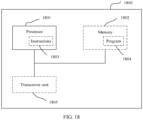
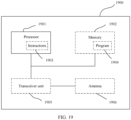
- a communication apparatus including a processor and a memory.
- the memory is configured to store a computer program
- the processor is configured to invoke the computer program from the memory and run the computer program, to enable the communication device to perform the method according to any one of the first aspect or the possible implementations of the first aspect.
- a communication apparatus including a processor and a memory.
- the memory is configured to store a computer program
- the processor is configured to invoke the computer program from the memory and run the computer program, to enable the communication device to perform the method according to any one of the second aspect or the possible implementations of the second aspect.
- a communication apparatus including a processor and a memory.
- the memory is configured to store a computer program
- the processor is configured to invoke the computer program from the memory and run the computer program, to enable the communication device to perform the method according to any one of the third aspect or the possible implementations of the third aspect.
- a communication apparatus includes a processor.
- the processor is configured to: after being coupled to a memory, and reading instructions in the memory, perform, according to the instructions, the method according to any one of the first aspect.
- a communication apparatus includes a processor.
- the processor is configured to: after being coupled to a memory, and reading instructions in the memory, perform, according to the instructions, the method according to any one of the second aspect.
- a communication apparatus includes a processor.
- the processor is configured to: after being coupled to a memory, and reading instructions in the memory, perform, according to the instructions, the method according to any one of the third aspect.
- a communication apparatus includes a processor and an interface circuit.
- the interface circuit may be a code/data read and write interface circuit, and the interface circuit is configured to receive computer-executable instructions (where the computer-executable instructions are stored in a memory, and may be directly read from the memory or may be read through another component) and transmit the computer-executable instructions to the processor.
- the processor is configured to run the computer-executable instructions to perform the method according to any one of the first aspect.
- a communication apparatus includes a processor and an interface circuit.
- the interface circuit may be a code/data read and write interface circuit, and the interface circuit is configured to receive computer-executable instructions (where the computer-executable instructions are stored in a memory, and may be directly read from the memory or may be read through another component) and transmit the computer-executable instructions to the processor.
- the processor is configured to run the computer-executable instructions to perform the method according to any one of the second aspect.
- a communication apparatus includes a processor and an interface circuit.
- the interface circuit may be a code/data read and write interface circuit, and the interface circuit is configured to receive computer-executable instructions (where the computer-executable instructions are stored in a memory, and may be directly read from the memory or may be read through another component) and transmit the computer-executable instructions to the processor.
- the processor is configured to run the computer-executable instructions to perform the method according to any one of the third aspect.
- an apparatus for example, the apparatus may be a chip system
- the apparatus includes a processor, configured to support the communication apparatus in implementing the functions in the first aspect.
- the apparatus further includes a memory, and the memory is configured to store program instructions and data that are necessary for the communication apparatus.
- the apparatus may include a chip, or may include a chip and another discrete component.
- an apparatus for example, the apparatus may be a chip system
- the apparatus includes a processor, configured to support the communication apparatus in implementing the functions in the second aspect.
- the apparatus further includes a memory, and the memory is configured to store program instructions and data that are necessary for the communication apparatus.
- the apparatus may include a chip, or may include a chip and another discrete component.
- an apparatus for example, the apparatus may be a chip system
- the apparatus includes a processor, configured to support the communication apparatus in implementing the functions in the third aspect.
- the apparatus further includes a memory, and the memory is configured to store program instructions and data that are necessary for the communication apparatus.
- the apparatus may include a chip, or may include a chip and another discrete component.
- a computer-readable storage medium configured to store a computer program.
- the computer program includes instructions used to perform the method according to any one of the first aspect or the possible implementations of the first aspect.
- a computer-readable storage medium configured to store a computer program.
- the computer program includes instructions used to perform the method according to any one of the second aspect or the possible implementations of the second aspect.
- a computer-readable storage medium configured to store a computer program.
- the computer program includes instructions used to perform the method according to any one of the third aspect or the possible implementations of the third aspect.
- a computer program product including a computer program.
- the computer program When the computer program is run on a computer device, the computer device is enabled to perform the method according to the first aspect.
- a computer program product including a computer program.
- the computer program When the computer program is run on a computer device, the computer device is enabled to perform the method according to the second aspect.
- a computer program product including a computer program.
- the computer program When the computer program is run on a computer device, the computer device is enabled to perform the method according to the third aspect.
- a communication system includes a first network device, a second network device, and a terminal device.
- the first network device is configured to perform the steps performed by the first network device in the first aspect or the solutions provided in embodiments of this application.
- the second network device is configured to perform the steps performed by the second network device in the second aspect or the solutions provided in embodiments of this application.
- the terminal device is configured to perform the steps performed by the terminal device in the third aspect or the solutions provided in embodiments of this application.
- the communication system further includes a third network device.
- the third network device is configured to perform the steps performed by the third network device in the first aspect or the solutions provided in embodiments of this application.
- a global system for mobile communications global system for mobile communications
- code division multiple access code division multiple access
- CDMA code division multiple access
- WCDMA wideband code division multiple access
- general packet radio service general packet radio service, GPRS
- LTE long term evolution
- LTE frequency division duplex frequency division duplex
- time division duplex time division duplex
- UMTS universal mobile telecommunications system
- WiMAX world interoperability for microwave access
- 5G 5th generation
- 5G new radio
- NR new radio
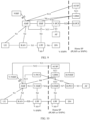
- FIG. 1 is a schematic diagram of a network architecture of a communication system to which an embodiment of this application is applicable.
- the network architecture includes a terminal device, an access network device, an access management network element, a session management network element, a user plane network element, a policy control network element, a network slice selection network element, a network repository function network element, a network data analytics network element, a unified data management network element, a unified data repository network element, an authentication service function network element, a network capability exposure network element, an application function network element, and a data network (data network, DN) connected to an operator network.
- the terminal device may send service data to the data network and receive the service data from the data network, by using the access network device and the user plane network element.
- the terminal device is a device having a wireless transceiver function, and may be deployed on land, where the deployment includes indoor or outdoor, handheld, wearable, or vehicle-mounted deployment, may be deployed on water (for example, on a ship), or may be deployed in air (for example, on an airplane, a balloon, and a satellite).
- the terminal device may communicate with a core network through a radio access network (radio access network, RAN), and exchange voice and/or data with the RAN.
- radio access network radio access network
- the terminal device may be a mobile phone (mobile phone), a tablet (Pad), a computer with a wireless transceiver function, a mobile internet device (mobile internet device, MID), a wearable device, a virtual reality (virtual reality, VR) terminal device, an augmented reality (augmented reality, AR) terminal device, a wireless terminal in industrial control (industrial control), a wireless terminal in self driving (self driving), a wireless terminal in telemedicine (remote medical), a wireless terminal in a smart grid (smart grid), a wireless terminal in transportation safety (transportation safety), a wireless terminal in a smart city (smart city), a wireless terminal in a smart home (smart home), or the like.
- An application scenario is not limited in embodiments of this application.
- the terminal device may also be referred to as user equipment (user equipment, UE), a mobile station, a remote station, or the like.
- user equipment user equipment
- UE user equipment
- a specific technology, a device form, and a name that are used by the terminal device are not limited in embodiments of this application.
- the access network device is a device that is in a network and that is configured to connect a terminal device to a wireless network.
- the access network device may be a node in the radio access network, and may also be referred to as a base station, or may also be referred to as a radio access network (radio access network, RAN) node (or device).
- RAN radio access network
- a network device may include an evolved NodeB (NodeB, eNB, or e-NodeB, evolved NodeB) in a long term evolution (long term evolution, LTE) system or an LTE-advanced (LTE-Advanced, LTE-A) system, for example, a conventional macro base station eNB and a micro base station eNB in a heterogeneous network scenario, or may include a next generation NodeB (next generation NodeB, gNB) in a 5th generation (5th generation, 5G) mobile communication technology new radio (new radio, NR) system, or may further include a radio network controller (radio network controller, RNC), a NodeB (NodeB, NB), a base station controller (base station controller, BSC), a base transceiver station (base transceiver station, BTS), a transmission reception point (transmission reception point, TRP), a home base station (for example, a home evolved NodeB or a home NodeB, H
- the CU supports protocols such as a radio resource control (radio resource control, RRC) protocol, a packet data convergence protocol (packet data convergence protocol, PDCP), and a service data adaptation protocol (service data adaptation protocol, SDAP), and the DU mainly supports a radio link control (radio link control, RLC) layer protocol, a media access control (media access control, MAC) layer protocol, and a physical layer protocol.
- RRC radio resource control
- PDCP packet data convergence protocol
- SDAP service data adaptation protocol
- RLC radio link control
- media access control media access control
- MAC media access control
- the access management network element is mainly used for attachment, mobility management, and a tracking area update procedure of a terminal in a mobile network.
- the access management network element terminates a non-access stratum (non-access stratum, NAS) message, completes registration management, connection management, reachability management, allocates a tracking area list (tracking area list, TA list), completes mobility management and the like, and transparently routes a session management (session management, SM) message to the session management network element.
- NAS non-access stratum
- the access management network element may be an access and mobility management function (access and mobility management function, AMF).
- AMF access and mobility management function
- the mobility management network element may still be an AMF network element, or may have another name. This is not limited in this application.
- the session management network element is mainly used for session management in a mobile network, for example, session establishment, modification, and release.
- a specific function is, for example, allocating an internet protocol (internet protocol, IP) address to the terminal, or selecting a user plane network element that provides a packet forwarding function.
- the session management network element may be a session management function (session management function, SMF).
- SMF session management function
- the session management network element may still be an SMF network element, or may have another name. This is not limited in this application.
- the user plane network element is mainly used for processing a user packet, for example, forwarding, charging, or lawful interception.
- the user plane network element may also be referred to as a protocol data unit (protocol data unit, PDU) session anchor (PDU session anchor, PSA).
- PDU protocol data unit
- PSA protocol data unit
- the user plane network element may be a user plane function (user plane function, UPF).
- UPF user plane function
- the user plane network element may still be a UPF network element, or may have another name. This is not limited in this application.
- the policy control network element includes a user subscription data management function, a policy control function, a charging policy control function, quality of service (quality of service, QoS) control, and the like.
- the policy control network element may be a policy control function (policy control function, PCF).
- policy control network element may still be a PCF network element, or may have another name. This is not limited in this application.
- a network slice selection function network element is mainly configured to select a proper network slice for a service of the terminal device.
- the network slice selection network element may be a network slice selection function (network slice selection function, NSSF) network element.
- NSSF network slice selection function
- the network slice selection network element may still be an NSSF network element, or may have another name. This is not limited in this application.
- the network repository function network element is mainly configured to provide registration and discovery functions of a network element or a service provided by the network element.
- the network repository function network element may be a network repository function (network repository function, NRF).
- NRF network repository function
- the network repository function network element may still be an NRF network element, or may have another name. This is not limited in this application.
- a network data analytics network element may collect data from each network function (network function, NF), for example, the policy control network element, the session management network element, the user plane network element, the access management network element, and the application function network element (by using a network capability exposure function network element), and perform analysis and prediction.
- network function network function
- the network data analytics network element may be a network data analytics function (network data analytics function, NWDAF).
- NWDAF network data analytics function
- the network data analytics network element may still be an NWDAF network element, or may have another name. This is not limited in this application.
- the unified data management network element is mainly configured to manage subscription information of the terminal device.
- the unified data management network element may be unified data management (unified data management, UDM).
- UDM unified data management
- the unified data management network element may still be a UDM network element, or may have another name. This is not limited in this application.
- the unified data repository network element is mainly configured to store structured data information, including subscription information, policy information, and network data or service data defined in a standard format.
- the unified data repository network element may be a unified data repository (unified data repository, UDR).
- UDR unified data repository
- the unified data repository network element may still be a UDR network element, or may have another name. This is not limited in this application.
- the authentication service function network element is mainly configured to perform security authentication on the terminal device.
- the authentication service function network element may be an authentication server function (authentication server function, AUSF).
- the authentication service function network element may still be an AUSF network element, or may have another name. This is not limited in this application.
- the network capability exposure network element may expose some functions of the network to an application in a controlled manner.
- the network capability exposure network element may be a network capability exposure function (network exposure function, NEF).
- NEF network exposure function
- the network capability exposure network element may still be an NEF network element, or may have another name. This is not limited in this application.
- the application function network element may provide service data of various applications for a control plane network element in a communication network of an operator, or obtain data information and control information of a network from a control plane network element in a communication network.
- the application function network element may be an application function (application function, AF).
- the application function network element may still be an AF network element, or may have another name. This is not limited in this application.
- the data network is mainly configured to provide a data transmission service for the terminal device.
- the data network may be a private network, for example, a local area network, may be a public data network (public data network, PDN), for example, the Internet (Internet), or may be a dedicated network jointly deployed by operators, for example, a dedicated network deployed to configure an IP multimedia network subsystem (IP multimedia core network subsystem, IMS) service.
- PDN public data network
- Internet Internet
- IMS IP multimedia core network subsystem
- the foregoing network elements or the functions may be network elements in a hardware device, software functions running on dedicated hardware, or virtualized functions instantiated on a platform (for example, a cloud platform).
- the foregoing network elements or the functions may be implemented by one device, may be implemented by a plurality of devices, or may be one function module in one device. This is not specifically limited in embodiments of this application.
- the access management network element is an AMF network element
- the session management network element is an SMF network element
- the policy control network element is a PCF network element
- the network repository function network element is an NRF network element
- the unified data management network element is a UDM network element
- the unified data storage network element is a UDR network element
- the authentication service function network element is an AUSF network element.
- the AMF network element is referred to as an AMF for short
- the PCF network element is referred to as a PCF for short
- the NRF network element is referred to as an NRF for short
- the UDM network element is referred to as a UDM for short
- the AUSF network element is referred to as an AUSF for short.
- all AMFs subsequently described in this application may be replaced with access management network elements
- all PCFs may be replaced with policy control network elements
- all NRFs may be replaced with network repository function network elements
- all UDMs may be replaced with unified data management network elements
- all UDRs may be replaced with unified data storage network elements
- all AUSFs may be replaced with authentication service function network elements.
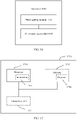
- a 5G mobile communication system architecture includes user equipment (user equipment, UE), a radio access network (radio access network, RAN), a Core core network, and a data network (data network, DN).
- UE user equipment
- RAN radio access network
- RAN Core core network
- DN data network
- a non-public network NPN is a non-public 5G network.
- the non-public network may implement a public network integrated NPN (public network integrated NPN, PNI-NPN) based on support of a PLMN, or may implement a standalone NPN (standalone NPN, SNPN) without depending on a network function of the PLMN.
- PNI-NPN public network integrated NPN
- SNPN standalone NPN
- the SNPN network is independently deployed, and may be identified by using PLMN ID+NID.
- the NID is a network identifier.
- the PLMN ID may be an inherent value reserved by a third-party operator, or may be a specific value of a PLMN operator that deploys the SNPN.
- a cell in the SNPN network broadcasts PLMN ID+NID, and the UE selects a to-be accessed NPN network based on broadcast information and configured network selection information. If the UE finds that the configured network selection information (PLMN ID+NID 1) is different from the PLMN ID or PLMN ID+NID 2 broadcast by the network, the UE does not select the SNPN network to access.
- PLMN ID+NID 1 the configured network selection information
- the SNPN network may support a terminal in accessing the SNPN in an "external subscription" manner.
- user subscription of the terminal is owned by an external entity (for example, a mobile network operator (mobile network operator, MNO)) independent of the SNPN network, and the SNPN network allows the terminal of this type to access the SNPN by using the external subscription.
- MNO mobile network operator
- the terminal device needs to be located in coverage of the SNPN, and cannot be covered by the PLMN.
- the terminal device may be located in coverage of both the SNPN and the PLMN, or the terminal device may be located only in coverage of the PLMN. In the two cases, there is currently no good solution to whether to forbid accessing the PLMN or select the PLMN to access, and how to select and access the SNPN network.
- a terminal device may obtain SNPN network selection information from a PLMN or an SNPN, so that when being located in coverage of different networks, the terminal device may select the SNPN based on the SNPN network selection information, and access the SNPN.
- FIG. 3 is a schematic diagram of a communication method according to an embodiment of this application. As shown in FIG. 3 , the method 300 includes steps S310 to S330. The following describes these steps in detail.
- a first network device receives a first message, where the first message includes an identifier of a terminal device.
- the identifier of the terminal device may be a subscription permanent identifier (subscription permanent identifier, SUPI)/subscription concealed identifier (subscription concealed identifier, SUCI).
- subscription permanent identifier subscription permanent identifier
- SUPI subscription permanent identifier
- subscription concealed identifier subscription concealed identifier
- the first network device may belong to an SNPN network, or may belong to a PLMN network.
- the first network device may receive the first message from the terminal device, or may obtain the message from the PLMN network.
- a network element in the PLMN network may serve as a relay network element to forward a message between the terminal device and the SNPN.
- the first network device may receive the first message from the terminal device.
- S320 The first network device determines first network selection information.
- the first network selection information may include at least one of information about an SNPN that allows the terminal device to access and information about whether the terminal device is allowed to access a PLMN.
- that the first network device determines first network selection information may include: The first network device determines the first network selection information based on at least one of subscription data, policy data, and a local configuration of the terminal device.
- the first network device determines the first network selection information based on at least one of subscription data, policy data, and a local configuration of the terminal device may further include: If the subscription data and the policy data of the terminal device coexist, the first network device preferentially determines the first network selection information based on the policy data of the terminal device.
- the first network device may send a request message to another network element, to obtain network selection data of the terminal device.
- the first network device may be an AMF.
- the method may further include: The first network device sends a third message to a UDM.
- the third message is used to obtain the subscription data of the terminal device, and the subscription data includes at least one of the information about the SNPN that allows the terminal device to access and the information about whether the terminal device is allowed to access a PLMN.
- the first network device receives a fourth message sent by the UDM.
- the fourth message includes the subscription data of the terminal device.
- the first network selection information may be the subscription data of the terminal device.
- the UDM may directly send the subscription data to the terminal device.
- the first network device may send a request message to a PCF. Specifically, the first network device may send a fifth message to the PCF.
- the fifth message is used to obtain the policy data of the terminal device, and the policy data includes at least one of the information about the SNPN that allows the terminal device to access and the information about whether the terminal device is allowed to access a PLMN.
- the first network device receives a sixth message sent by the PCF.
- the sixth message includes the policy data of the terminal device.
- the first network selection information may be the policy data of the terminal device.
- the PCF may directly send the policy data to the terminal device.
- the information that is about the SNPN that allows the terminal device to access and that is in the first network selection information may include an identifier of the SNPN that allows the terminal device to access.
- the information may further include first priority information, indicating a priority sequence of the SNPN that allows the terminal device to access.
- the terminal device may be forbidden from accessing the PLMN.
- the information that is about whether the terminal device is allowed to access a PLMN and that is in the first network selection information may include an identifier of a PLMN that does not allow the terminal device to access and/or indication information indicating that the terminal device is not allowed to access a PLMN.
- the local configuration of the first network device may include information indicating that the terminal device is not allowed to access a PLMN and/or information indicating that the terminal is capable of accessing only the SNPN.
- the terminal device is forbidden from accessing a PLMN, so that the terminal device may select the SNPN to access.
- the terminal device may alternatively be allowed to access a PLMN, and then access the SNPN by using the PLMN, so that the terminal device accesses the SNPN.
- the first network selection information may include information indicating that the terminal device is allowed to access a PLMN.
- the first network selection information may include an identifier of a PLMN that allows the terminal device to access and second priority information.
- the second priority information indicates a priority sequence of the PLMN that allows the terminal device to access, and a priority indicated by the second priority information is lower than a priority indicated by the first priority information.
- the first network device may access the SNPN by using the PLMN by changing a status of the terminal device. Specifically, before the first network device determines first network selection information, the method further includes: The first network element marks the terminal device as being in a roaming state.
- a serving network of the terminal device is a PLMN
- a home network of the terminal device is an SNPN.
- the terminal device that is actually in a non-roaming state is set to being in the roaming state, so that the terminal device can visit the SNPN by using the PLMN, thereby implementing access of the terminal device to the SNPN.
- the first network element marks the terminal device as being in a roaming state specifically includes: The first network element marks, based on the local configuration or the subscription data of the UE, the terminal device as being in the roaming state.
- the local configuration may include an identifier that is of a terminal device in a specific range and that is allocated to the SNPN for use, or first indication information that indicates the first network element to mark, when an identifier of the terminal device includes an identifier of a specific SNPN, the terminal device as being in the roaming state.
- the subscription data of the terminal device may include second indication information, and the second indication information indicates that if the terminal device performs access from a PLMN, the terminal device enters the roaming state, or the second indication information indicates that the home network of the terminal device is an SNPN. Subsequent steps in which the first network device obtains the SNPN network selection information of the terminal device are the same as those described above, and details are not described herein again.
- the first network device belongs to the SNPN, and the AMF in the PLMN serves as a relay device to forward a message between the first network device and the AMF.
- the AMF in the PLMN may determine, based on the local configuration, to serve as the relay device to process the first message sent by the terminal device.
- the AMF in the PLMN may send an NF discovery request message to an NRF in the PLMN, to obtain an address of the first network device, and then may send the first message to the first network device.
- the first network device determines final network selection information, and sends the final network selection information to the relay device.
- the relay device sends the network selection information to the terminal device.
- content of the SNPN network selection information is similar to that of the foregoing obtained SNPN network selection information.
- the first network device in this embodiment of this application may further send user equipment route selection policy (user equipment route selection policy, URSP) information including a data network name (data network name, DNN) or single network slice selection assistance information (single network slice selection assistance information, S-NSSAI).
- URSP user equipment route selection policy
- the URSP information may be generated by the PCF based on the local configuration, and is carried in policy information to the first network device.
- the information may indicate the terminal device to establish a PDU session of a specific DNN/S-NSSAI in the PLMN or the SNPN.
- the information about the SNPN that allows the terminal device to access and the information about whether the terminal device is allowed to access a PLMN that are described in this embodiment of this application are information included in the first network selection information.
- the information about the SNPN that allows the terminal device to access and the information about whether the terminal device is allowed to access a PLMN that are in the subscription data or the policy data may be different from or the same as the information about the SNPN that allows the terminal device to access and the information about whether the terminal device is allowed to access a PLMN that are in the first network selection information finally determined by the first network device.
- the first network device may finally determine the first network selection information based on the information included in the received subscription data or policy data, or directly use the policy data or the subscription data as the first network selection information.
- the first network device sends a second message, where the second message includes the first network selection information.
- the second message may be implemented in a plurality of manners.
- the second message may be a registration accept message, a registration reject message, or a DL NAS Transport message.
- the first network device belongs to the PLMN
- the message that is sent by the UDM or the PCF and that is received by the first network device includes a failure result indication, or when an AUSF of the PLMN fails to authenticate the terminal device
- the second message may be a registration reject message. If the PLMN is used as an onboarding network, the second message may be a registration accept message.
- the terminal device may continue to access the network based on the network selection information in the second message, and access the SNPN by using the network.
- the first network device may receive a non-access stratum (non-access stratum, NAS) session management (session management, SM) message from the terminal device, for example, a PDU session establishment request message.
- the first network device may establish a PDU session between the PLMN and the SNPN based on different roaming manners.
- the method further includes: The first network device receives a seventh message sent by the terminal device. The seventh message is used to request to establish a first PDU session of a DNN/S-NSSAI.
- the first network element establishes the first PDU session in a non-roaming manner when the subscription of the UE indicates that the first PDU session is home routed (home routed, HR) roaming, or establishes the first PDU session in an HR roaming manner when the subscription of the UE indicates that the first PDU session is local breakout (local breakout, LBO) roaming.
- the first network device belongs to the SNPN
- the AMF in the PLMN serves as a relay device to forward a message between the first network device and the AMF.
- the relay device forwards a session-related message to the first network device, and the first network device establishes a PDU session in the SNPN.
- the first network device notifies the relay device of a data transmission uplink address of an SNPN UPF.
- the relay device selects a PLMN SMF, and the PLMN SMF then selects the UPF of the PLMN.
- the relay device sends a data transmission downlink address of the PLMN UPF to the first network device, so that transmission data can be transmitted between the UPF of the SNPN and the UPF of the PLMN. Therefore, interworking between the SNPN and the PDU session in the PLMN is implemented, and the terminal device further visits the SNPN by using the PLMN, and accesses the SNPN by using the PLMN.
- the SNPN network selection information is provided for the terminal device, so that the terminal device can select a proper SNPN to access in different scenarios.
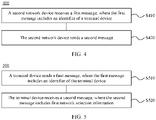
- FIG. 4 is a schematic diagram of another communication method according to an embodiment of this application. As shown in FIG. 4 , the method 400 includes steps S410 and S420. The following describes the two steps in detail.
- a second network device receives a first message, where the first message includes an identifier of a terminal device.
- the second network device in this embodiment of this application belongs to a PLMN.
- S420 The second network device sends a second message.
- the second message includes at least one of information about an SNPN that allows the terminal device to access and information about whether the terminal device is allowed to access a PLMN.
- the second network device is a UDM
- the second message is subscription data of the terminal device
- the subscription data includes at least one of the information about the SNPN that allows the terminal device to access and the information about whether the terminal device is allowed to access a PLMN.
- the second network device is a PCF
- the second message is policy data of the terminal device
- the policy data includes at least one of the information about the SNPN that allows the terminal device to access and the information about whether the terminal device is allowed to access a PLMN.
- the information about the SNPN that allows the terminal device to access may include at least one of the following information: indication information indicating that access from only the SNPN is allowed; an identifier of the SNPN that allows access; or first priority information, indicating a priority of the SNPN that allows access.
- the information about whether the terminal device is allowed to access a PLMN includes at least one of the following information: indication information indicating that access from a PLMN is not allowed; or an identifier of a PLMN that does not allow access.
- the information about whether the terminal device is allowed to access a PLMN includes at least one of the following information: indication information indicating that access to a PLMN is allowed; an identifier of a PLMN that allows access; or second priority information, indicating a priority of the PLMN that allows access.
- the priority indicated by the second priority information is lower than a priority indicated by the first priority information.
- the information about the SNPN that allows the terminal device to access and the information about whether the terminal device is allowed to access a PLMN that are described in this embodiment of this application are used to describe information included in the subscription data and the policy data.
- the information about the SNPN that allows the terminal device to access and the information about whether the terminal device is allowed to access a PLMN that are in the subscription data and the policy data may be the same as or different from the information about the SNPN that allows the terminal device to access and the information about whether the terminal device is allowed to access a PLMN that are in the first network selection information finally determined by the first network device in the foregoing embodiment of this application.
- the first network device may finally determine the first network selection information based on the received subscription data or policy data, or directly use the subscription data and the policy data as the first network selection information.
- the different network selection information is provided for the terminal device, so that the terminal device can select a proper manner to access the SNPN in different scenarios.
- FIG. 5 is a schematic diagram of another communication method according to an embodiment of this application. As shown in FIG. 5 , the method 500 includes steps S510 and S520. The following describes the two steps in detail.
- a terminal device sends a first message, where the first message includes an identifier of the terminal device.
- S520 The terminal device receives a second message, where the second message includes first network selection information.
- the first network selection information includes at least one of information about an SNPN that allows the terminal device to access and information about whether the terminal device is allowed to access a PLMN.
- content included in the information about the SNPN that allows the terminal device to access and the information about whether the terminal device is allowed to access a PLMN in this embodiment of this application is the same as that in the information included in the embodiment in FIG. 3 . Details are not described herein again.
- the terminal device may further perform configuration based on the second message. Specifically, the terminal device updates a network selection configuration of the terminal device based on the first network selection information.
- the terminal device may not select a PLMN to access. Specifically, the terminal device forbids a PLMN network selection function based on the first network selection information.
- Configuration is performed based on the received network selection information, so that the terminal device can select, based on the latest SNPN network selection information, a more proper network to access.
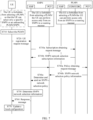
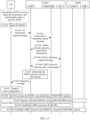
- FIG. 6 is a schematic diagram of a network interaction procedure according to an embodiment of this application.
- S610 When UE is located in only coverage of a PLMN but not in coverage of an SNPN network, the UE may select the PLMN network to initiate an access process.
- an identifier for example, an SUPI or an SUCI
- the AMF of the PLMN obtains, from a RAN, an identifier of the PLMN.
- the PLMN AMF may send a security authentication request message to a PLMN AUSF, where the request message may include the identifier of the UE and the PLMN ID. If the AUSF fails to authenticate the UE, the PLMN AMF may send, to the UE, a UE registration reject message carrying a reason, skip steps S640 and S650, and perform steps S660 to S680.
- the PLMN AUSF may forbid, in a local configuration manner, the UE from accessing the PLMN network, for example, configure information indicating that the terminal device is forbidden from accessing the PLMN and/or information indicating that the terminal device can access the PLMN only in an SNPN roaming manner.
- S640a If the AUSF successfully authenticates the UE, the PLMN AMF sends a subscription obtaining request message to a PLMN UDM, where the request may include the identifier of the UE and the PLMN ID.
- S640b The PLMN UDM feeds back a subscription obtaining response message to the PLMN, where the subscription obtaining response message carries SNPN network selection subscription of the UE, and optionally, may further include specific network selection subscription of the PLMN. If the PLMN UDM determines, based on a local configuration, that the UE is not allowed to access the PLMN, the PLMN UDM feeds back an obtaining failure result to the PLMN AMF, and indicates a reason.
- step S650 is skipped.
- the PLMN UDM may configure, in the local configuration manner, the information indicating that the terminal device is forbidden from accessing the PLMN and/or the information indicating that the terminal device can access the PLMN only in an SNPN roaming manner. It should be understood that the PLMN UDM may further store correspondences between identifiers of a plurality of terminal devices, identifiers of corresponding SNPN networks, and identifiers of corresponding PLMN networks.
- the PLMN AMF may further send a policy information obtaining request message to the PLMN PCF, where the request message may include the identifier of the UE and the PLMN ID.
- S650b The PLMN PCF feeds back a policy information obtaining response message to the PLMN AMF, where the response message may include a specific SNPN network selection policy configured by the PLMN.
- the PCF does not allow, based on the local configuration, the UE to access the PLMN, the PLMN PCF feeds back an obtaining failure result to the PLMN AMF, and indicates a reason.
- the PLMN PCF may configure, in the local configuration manner, the information indicating that the terminal device is forbidden from accessing the PLMN and/or the information indicating that the terminal device can access the PLMN only in an SNPN roaming manner. It should be understood that the PLMN PCF may store a network selection policy of the PLMN network in the local configuration manner.
- the SNPN AMF determines SNPN network selection information of the UE based on at least one of the local configuration, the SNPN network selection subscription of the UE in S640, and the SNPN network selection policy in S250, and determines whether to reject access of the UE.
- the local configuration may be the information indicating that the terminal device is forbidden from accessing the PLMN and/or the information indicating that the terminal device can access the PLMN only in an SNPN roaming manner.
- the AMF preferentially determines the final SNPN network selection information according to the network selection policy.
- the PLMN AMF sends a response message to the UE.
- the response message may include the SNPN network selection information and/or specific network selection information of the PLMN.
- the response message may further include indication information, indicating the UE to update a configuration and reselect a network.
- the response message may be sent by using a DL NAS transport message or a registration reject/receive message.
- the PLMN network determines to reject access of the UE in S630, S640, and S650, the AMF sends a registration reject message, where the registration reject message carries a reject reason. If the PLMN is used as an onboarding network, the PLMN AMF sends a registration receive message.
- S680 The UE updates the local configuration based on the SNPN network selection information and/or the specific network selection information of the PLMN, and determines whether to reselect a network or forbid PLMN network selection.
- the UE if receiving the registration reject message and obtaining the reject reason, the UE updates a network selection configuration based on the reject reason, and removes the PLMN ID from an optional list or adds the PLMN ID to a forbidden list.
- the UE is forbidden from accessing the PLMN, and the corresponding SNPN network selection information is returned to the UE by using the PLMN, so that the UE can select a proper SNPN based on the SNPN network selection information, and access the SNPN.
- FIG. 7 is a schematic diagram of a network interaction procedure according to an embodiment of this application.
- S710 When UE is located in coverage of an SNPN, the UE selects the SNPN to access.
- an identifier for example, an SUPI or an SUCI
- S730a The SNPN AMF sends a subscription obtaining request message to a UDM of a PLMN, where the request message may carry the identifier of the UE and an identifier of the SNPN.
- S730b The PLMN UDM sends a subscription obtaining response message to the SNPN AMF, where the message may include SNPN network selection subscription of the UE.
- the response message may further include specific network selection subscription of the PLMN.
- the PLMN UDM may configure, in a local configuration manner, information indicating that the terminal device is forbidden from accessing the PLMN and/or information indicating that the terminal device can access the PLMN only in an SNPN roaming manner. It should be understood that the PLMN UDM may further store correspondences between identifiers of a plurality of terminal devices, identifiers of corresponding SNPN networks, and identifiers of corresponding PLMN networks.
- the SNPN may further send a request message to a PLMN PCF, to request to obtain policy information.
- the SNPN AMF sends a policy request obtaining message to the PLMN PCF by using an SNPN PCF, where the message may include the identifier of the UE and the identifier of the SNPN.
- S740b The PLMN PCF sends a policy information obtaining response message to the SNPN PCF, where the response message may include a specific SNPN network selection policy configured by the PLMN.
- the SNPN PCF determines a specific SNPN network selection policy of the UE based on the response message fed back by the PLMN PCF and a specific network selection policy configured by the SNPN PCF. For example, the SNPN PCF may combine a locally configured specific network selection policy with the network selection policy fed back by the PLMN PCF. Then, the SNPN PCF sends the determined SNPN network selection policy to the SNPN AMF.
- the PLMN PCF may configure, in the local configuration manner, the information indicating that the terminal device is forbidden from accessing the PLMN and/or the information indicating that the terminal device can access the PLMN only in an SNPN roaming manner. It should be understood that the PLMN PCF may store the network selection policy of the SNPN network in the local configuration manner.
- the SNPN PCF may alternatively store the network selection policy of the SNPN network in the local configuration manner.
- the SNPN AMF determines the SNPN network selection information of the UE based on at least one of locally configured SNPN configuration information, the SNPN network selection subscription obtained in S730b, and the SNPN network selection policy obtained in S740c.
- the local configuration may include the information indicating that the terminal device is forbidden from accessing the PLMN and/or the information indicating that the terminal device can access the PLMN only in an SNPN roaming manner.
- the AMF preferentially determines the final SNPN network selection information according to the network selection policy.
- the SNPN AMF sends a response message to the UE, where the response message may include the SNPN network selection information.
- the response message may be sent in a form of a DL NAS transport message, or may be sent to the UE in a manner of a UE registration receive message.
- the response message may further include indication information, indicating the UE to update a configuration and reselect a network.
- S770 The UE updates the local configuration based on the obtained SNPN network selection information, or forbids PLMN network selection. Content herein is similar to that in the application embodiment in FIG. 6 , and details are not described herein again.
- the SNPN network selection information in the two application embodiments in FIG. 6 and FIG. 7 may include information about an SNPN that allows access and/or information about a PLMN that does not allow access.
- the SNPN network selection information may be represented in a list manner, for example, a forbidden list (PLMN ID), (PLMN ID, forbidden indication), an optional list (PLMN ID+NID), or (PLMN ID+NID, priority (priority)).
- the UE in the two embodiments in FIG. 6 and FIG. 7 may alternatively preconfigure the SNPN network selection information, and the UE is limited to select only a specific SNPN or an onboarding SNPN/PLMN.
- the SNPN network selection information preconfigured by the UE may include a forbidden list (PLMN ID), (PLMN ID, forbidden indication), an optional list (PLMN ID+NID), (PLMN ID+NID, priority), or the like.
- the UE may select an SNPN network based on the SNPN network selection information, or forbid a PLMN network selection function. In this way, the UE does not discover or select a PLMN network to access in a subsequent process.
- the onboarding network selection information configured by the UE can be used only when the UE has no valid subscription, and includes an onboarding network list (PLMN ID/PLMN ID+NID, priority) or (PLMN ID/PLMN ID+NID, priority, onboarding indication).
- PLMN ID/PLMN ID+NID priority
- PLMN ID/PLMN ID+NID priority, onboarding indication
- the UE is forbidden from accessing the PLMN, and the corresponding SNPN network selection information is returned to the UE by using the PLMN, so that the UE can select a proper SNPN based on the SNPN, and access the SNPN.
- FIG. 8 is a schematic diagram of another network interaction procedure according to an embodiment of this application.
- S810 When UE is not covered by an SNPN, the UE selects a PLMN network to access.
- the message may be a UE registration request, and the request message may include an identifier of the UE.
- S830a A PLMN AMF sends a subscription obtaining request message to a PLMN UDM, where the request may include the identifier of the UE and a PLMN ID.
- S830b The PLMN UDM feeds back a subscription obtaining response message to the PLMN, where the subscription obtaining response message carries SNPN network selection subscription information of the UE.
- the PLMN UDM may store correspondences between identifiers of a plurality of terminal devices, identifiers of corresponding SNPN networks, and identifiers of corresponding PLMN networks.
- the local configuration of the PLMN AMF may include at least one of the following: an identifier that is of a terminal device in a specific range and that is allocated to the SNPN for use, or first indication information that indicates the PLMN AMF to mark, when the identifier of the terminal device includes an identifier of a specific SNPN, the UE as being in the roaming state.
- the AMF may identify a specific terminal device by using the local configuration, and set the terminal device to being in the roaming state, so that the UE can interwork with the SNPN by using the PLMN.
- the subscription data of the UE may include second indication information, indicating that if the UE performs access from a PLMN, the AMF sets the UE to being in the roaming state, or indicating that the home network of the UE is an SNPN.
- S850a The PLMN AMF sends a policy information obtaining request message to the PLMN PCF, where the request message may include the identifier of the UE and the PLMN ID.
- S850b The PLMN PCF feeds back a policy information obtaining response message to the PLMN AMF, where the response message may include a specific SNPN network selection policy configured by the PLMN. It should be understood that the PLMN PCF may store the network selection policy of the SNPN network in the local configuration manner.
- the PLMN AMF determines SNPN network selection information of the UE based on at least one of locally configured SNPN configuration information, the SNPN network selection subscription information of the UE in S830, and the SNPN network selection policy information in S850.
- the AMF preferentially determines the final SNPN network selection information according to the network selection policy.
- the PLMN AMF sends a response message to the UE, where the response message may include the SNPN network selection information.
- the response message may be sent in a form of a DL NAS transport message, or may be sent to the UE in a manner of a UE registration receive message.
- the response message may further include indication information, indicating the UE to update a configuration and reselect a network.
- S880 The UE updates the local configuration based on the obtained SNPN network selection information.
- S890 After updating the configuration based on the network selection information, if the UE discovers the SNPN network in the local configuration, the UE may re-register with the SNPN based on a conventional technology.
- a specific process belongs to the conventional technology, and details are not described in this embodiment of this application.
- the PLMN AMF receives a NAS SM message sent by the UE, for example, a PDU session establishment request.
- FIG. 9 and FIG. 10 are schematic diagrams of interworking architectures between an SNPN and a PLMN in two roaming manners (local breakout (local breakout, LBO) and home routed (home routed, HR)) in a conventional technology.
- a home network (home network, HN) of the UE is a PLMN
- a serving network (serving network, SN) of the UE is an SNPN.
- a PDU session anchor established by the UE is terminated at a UPF of an SNPN.
- a PDU session anchor established by the UE is terminated at a UPF of a PLMN.
- step S840 the AMF of the PLMN sets the UE to being in the roaming state.
- an actual situation is that the UE is in coverage of the PLMN at this time, and an HN of the UE is the PLMN. Therefore, the roaming state that is of the UE and that is set at this time is equivalent to an assumed roaming state.
- the PLMN AMF determines to use a non-roaming PDU session, and the session is terminated at the PLMN UPF. If the DNN/S-NSSAI indicates LBO roaming, the PLMN AMF determines to use HR roaming, the HN is equal to the SNPN, and the PDU session is terminated at the SNPN UPF.
- a process in which the SNPN AMF processes the PDU session belongs to a conventional technology.
- PDU session establishment processes in FIG. 9 and FIG. 10 in the conventional technology Details are not described in this embodiment of this application.
- the UE when the UE is not located in the coverage of the SNPN but is located only in the coverage of the PLMN, the UE is set to being in the roaming state, so that the UE accesses the SNPN by using the PLMN.
- FIG. 11A and FIG. 11 B are a schematic diagram of another network interaction procedure according to an embodiment of this application. As shown in FIG. 11A and FIG. 11B , S1101 and S1102 are the same as S810 and S820.
- An AMF of the PLMN determines, based on a local configuration, to serve as a relay network element to process a non-access stratum (non-access stratum, NAS) message of the UE, where the NAS message may be a registration request message.
- the local configuration of the PLMN AMF may include at least one of the following: an identifier that is of a terminal device in a specific range and that is allocated to the SNPN for use, or first indication information that indicates the PLMN AMF to use, when the identifier of the terminal device includes an identifier of a specific SNPN, the AMF as the relay network element to process the NAS message.
- the PLMN AMF determines an SNPN AMF based on the identifier of the terminal device. Specifically, the PLMN AMF sends an NF discovery request to a PLMN NRF, the PLMN NRF feeds back one or more candidate SNPN AMFs to the PLMN AMF, and the PLMN AMF selects one candidate SNPN AMF to process the request message of the UE.
- the PLMN AMF may store a correspondence between the UE ID and the SNPN AMF. It should be understood that the PLMN NRF may store correspondences between identifiers of a plurality of terminal devices, identifiers of corresponding SNPNs, and SNPN AMFs.
- S1104 The PLMN AMF forwards the NAS message to the SNPN AMF.
- the SNPN AMF obtains SNPN network selection information by sending a message to a network element of the PLMN. Specific steps are the same as steps S730 to S750 in FIG. 7 . Details are not described again in this embodiment of this application.
- S1108 The SNPN AMF sends the SNPN network selection information to the PLMN AMF.
- the PLMN AMF serves as a relay device to forward the SNPN network selection information to the UE.
- S1110 The UE receives the SNPN network selection information, updates a local configuration based on the information, and determines whether to reselect a network.
- S1111 If the UE finds, based on an updated local configuration, that the UE is in coverage of an SNPN indicated in the SNPN network selection information, the UE may re-register with the SNPN and perform access.
- the UE may continue to use the PLMN as a relay by using the PLMN network in the foregoing steps, to implement interworking between the UE and the SNPN.
- S 1112 The PLMN AMF receives a first NAS SM message sent by the UE, for example, a PDU session establishment request message.
- the PLMN AMF sends an NF discovery request message to the PLMN NRF, the PLMN NRF feeds back, to the PLMN AMF, an SMF that is of the PLMN and that corresponds to the identifier of the terminal device, and the PLMN AMF uses the PLMN SMF as a relay.
- the PLMN NRF may feed back one or more PLMN SMFs to the PLMN AMF, and the PLMN AMF may select a most proper candidate PLMN SMF as the relay network element based on a preset condition.
- the PLMN AMF sends a second NAS SM message to the SNPN AMF.
- the message may be the first NAS SM message, or may be a second NAS SM message generated by the PLMN AMF based on the first NAS SM message.
- the SNPN AMF selects a UPF by using the SMF according to a PDU session establishment method in a conventional technology.
- the SNPN AMF sends a first N2 message to the PLMN AMF.
- the first N2 message may include an address of the UPF allocated by the SNPN SMF in S1115, namely, an uplink (uplink, UL) address.
- the PLMN AMF forwards the first N2 message to the PLMN SMF, where the first N2 message may carry indication information, indicating the PLMN SMF to serve as a relay device to forward a message between the SNPN and the PLMN.
- the PLMN SMF selects a UPF in a PDU session establishment manner in the conventional technology.
- the PLMN SMF sends a second N2 message to a PLMN RAN, where the second N2 message may include an address of the UPF selected in S1118, namely, an uplink (uplink, UL) address.
- the PLMN RAN sends a third NAS SM message to the UE in a manner in the conventional technology, and allocates a first downlink (downlink, DL) address.
- the PLMN RAN sends a third N2 message to the PLMN AMF, where the third N2 message includes the first DL address, and the PLMN AMF feeds back the first DL address to the PLMN SMF.
- the PLMN SMF allocates a second DL address to the UPF according to the DL address.
- the PLMN SMF sends a fourth N2 message to the PLMN AMF, where the fourth N2 message includes the second DL address.
- the PLMN AMF forwards the address to the SNPN AMF.
- S1123 The SNPN AMF processes a PDU session according to an HR/LBO method in the conventional technology.
- interworking may be implemented between the UPF in the SNPN network and the UPF in the PLMN network, and a data transmission path is, for example, UE-PLMN RAN-PLMN UPF-SNPN UPF-DN.
- the PLMN when the UE is not located in the coverage of the SNPN but is located only in the coverage of the PLMN, the PLMN is used as the relay to forward a message between the SNPN and the UE, thereby implementing interworking between the UE and the SNPN.
- the conventional technology provides a method in which UE can access an SNPN by using a PLMN.
- the UE normally registers with the PLMN network based on the conventional technology, and then accesses the SNPN by using an N3IWF architecture.
- FIG. 12 is a schematic diagram of a non-3GPP interworking function (non-3 GPP interworking function, N3IWF) architecture in a conventional technology.
- N3IWF non-3 GPP interworking function
- FIG. 13 is a schematic diagram of another network interaction procedure according to an embodiment of this application.
- This embodiment of this application is implemented based on the N3IWF architecture in FIG. 12 .
- S1301 to S1308 are similar to a process of obtaining the SNPN network selection information in the foregoing embodiment of this application.
- a difference lies in that the terminal device may further obtain a user equipment route selection policy including a user equipment route selection policy (user equipment route selection policy, URSP) information including a data network name (data network name, DNN) or single network slice selection assistance information (single network slice selection assistance information, S-NSSAI).
- the URSP information may be generated by the PCF based on the local configuration, and is carried in policy information to the first network device.
- the information may indicate the terminal device to establish a PDU session of a specific DNN/S-NSSAI in the PLMN or the SNPN.
- S1308 The UE establishes, based on the URSP, a PLMN PDU session connected to the SNPN N3IWF. This step belongs to the conventional technology, and details are not described herein.
- S1309 The UE registers with the SNPN by using the PLMN PDU session in S1309, and the SNPN further processes the registration of the UE in a roaming manner.
- S1310a The UE determines, based on the URSP information, the DNN/S-NSSAI directly used in the PLMN, and directly establishes a PDU session in the PLMN.
- S1310b The UE determines, based on the URSP information, the DNN/S-NSSAI used in the SNPN, establishes a PDU session in the SNPN by using the PLMN PDU session established in S1309, and the SNPN further processes the PDU session of the UE in a roaming manner.
- the SNPN network selection information may include an optional list (PLMN ID+NID/PLMN ID, Priority).
- PLMN ID+NID/PLMN ID, Priority A network priority Priority of the SNPN is higher than that of the PLMN. That is, in co-coverage, the UE preferentially selects the SNPN.
- the UE may preconfigure the SNPN network selection information.
- the SNPN network selection information includes an optional list (PLMN ID+NID/PLMN ID, priority).
- a network priority priority of the SNPN is higher than that of the PLMN. That is, in co-coverage, the UE preferentially selects the SNPN.
- the UE may alternatively preconfigure onboarding network selection information.
- the onboarding network selection information can be used only when the UE has no valid subscription, and includes an onboarding network list (PLMN ID/PLMN ID+NID, priority) or (PLMN ID/PLMN ID+NID, priority, onboarding indication).
- FIG. 14 is a schematic diagram of a communication apparatus according to an embodiment of this application.
- the apparatus 1400 includes a first receiving module 1401, a first processing module 1402, and a first sending module 1403.
- the apparatus 1400 may be configured to implement a function of providing network selection information by the first network device in any one of the foregoing method embodiments.
- the apparatus 1400 may be an AMF network element.
- the network element or network function may be a network element in a hardware device, may be a software function running on dedicated hardware, or may be a virtualized function instantiated on a platform (for example, a cloud platform).
- the apparatus 1400 may be used as a first network device to process a message, and perform the step of processing, by the first network device, a request message of a terminal device or a PLMN network element in the foregoing method embodiments.
- the first receiving module 1401 and the first sending module 1403 may be configured to support the apparatus 1400 in performing communication, for example, performing a sending/receiving action performed by the first network device in FIG. 3 to FIG. 5 .
- the processing module 1402 may be configured to support the apparatus 1400 in performing a processing action in the foregoing method, for example, performing a processing action performed by the first network device in FIG. 3 to FIG. 5 .
- the first receiving module is configured to receive a first message, where the first message includes an identifier of a terminal device.
- the first processing module is configured to determine first network selection information, where the first network selection information includes at least one of information about a standalone non-public network SNPN that allows the terminal device to access and information about whether the terminal device is allowed to access a public land mobile network PLMN.
- the first sending module is configured to send a second message, where the second message includes the first network selection information.
- the processing module is specifically configured to determine the first network selection information based on at least one of subscription data, policy data, and a local configuration of the terminal device.
- the processing module is further configured to: if the subscription data and the policy data of the terminal device coexist, preferentially determine the first network selection information based on the policy data of the terminal device.
- the apparatus is an access and mobility management function network element AMF
- the first sending module is further configured to send a third message to a UDM.
- the third message is used to obtain the subscription data of the terminal device.
- the subscription data includes at least one of the information about the SNPN that allows the terminal device to access and the information about whether the terminal device is allowed to access a PLMN.
- the first receiving module is further configured to receive a fourth message sent by the unified data management network element UDM.
- the fourth message includes the subscription data of the terminal device.
- the first sending module is further configured to send a fifth message to a policy control function network element PCF.
- the fifth message is used to obtain the policy data of the terminal device.
- the policy data includes at least one of the information about the SNPN that allows the terminal device to access and the information about whether the terminal device is allowed to access a PLMN.
- the first receiving module is further configured to receive a sixth message sent by the PCF.
- the sixth message includes the policy data of the terminal device.
- the information about the SNPN that allows the terminal device to access includes an identifier of the SNPN that allows the terminal device to access.
- the information about the SNPN that allows the terminal device to access further includes first priority information, indicating a priority sequence of the SNPN that allows the terminal device to access.
- the information about whether the terminal device is allowed to access a PLMN includes an identifier of a PLMN that does not allow the terminal device to access and/or indication information indicating that the terminal device is not allowed to access a PLMN.
- the local configuration includes information indicating that the terminal device is not allowed to access a PLMN and/or information indicating that the terminal is capable of accessing only the SNPN.
- the processing module is further configured to mark the terminal device as being in a roaming state.
- a serving network of the terminal device is a PLMN
- a home network of the terminal device is an SNPN.
- the processing module is specifically configured to mark, based on the local configuration or the subscription data of the UE, the terminal device as being in the roaming state.
- the local configuration includes an identifier that is of a terminal device in a specific range and that is allocated to the SNPN for use, or first indication information that indicates the first network element to mark, when an identifier of the terminal device includes an identifier of a specific SNPN, the terminal device as being in the roaming state.
- the subscription data of the terminal device includes second indication information, and the second indication information indicates that if the terminal device performs access from a PLMN, the terminal device enters the roaming state, or the second indication information indicates that the home network of the terminal device is an SNPN.
- the first receiving module is further configured to receive a seventh message sent by the terminal device.
- the seventh message is used to request to establish a first protocol data unit PDU session of a data network name DNN/single network slice selection assistance information S-NSSAI.
- the processing module is further configured to establish the first PDU session in a non-roaming manner when the subscription of the terminal device indicates that the first PDU session is home routed HR roaming, or establish the first PDU session in an HR roaming manner when the subscription of the terminal device indicates that the first PDU session is local breakout LBO roaming.
- the information about whether the terminal device is allowed to access a PLMN includes an identifier of a PLMN that allows the terminal device to access and second priority information.
- the second priority information indicates a priority sequence of the PLMN that allows the terminal device to access, and a priority indicated by the second priority information is lower than a priority indicated by the first priority information.
- the apparatus belongs to an SNPN
- the apparatus sends the second message to a third network device
- the third network device belongs to a PLMN.
- FIG. 15 is a schematic diagram of another communication apparatus according to an embodiment of this application.
- the apparatus 1500 includes a second receiving module 1501 and a second sending module 1502.
- the apparatus 1500 may be configured to implement a function of providing network selection information by the second network device in any one of the foregoing method embodiments.
- the apparatus 1500 may be an AMF network element.
- the network element or network function may be a network element in a hardware device, may be a software function running on dedicated hardware, or may be a virtualized function instantiated on a platform (for example, a cloud platform).
- the apparatus 1500 may be used as a second network device to process a message, and perform the step of processing, by the second network device, a request message of an SNPN network element in the foregoing method embodiments.
- the first receiving module 1501 and the first sending module 1502 may be configured to support the apparatus 1500 in performing communication, for example, performing a sending/receiving action performed by the second network device in FIG. 3 to FIG. 5 .
- the second receiving module is configured to receive a first message, where the first message includes an identifier of a terminal device.
- the second sending module is configured to send a second message, where the second message includes at least one of information about a standalone non-public network SNPN that allows the terminal device to access and information about whether the terminal device is allowed to access a public land mobile network PLMN.
- the apparatus is a unified data management network element UDM
- the second message is subscription data of the terminal device
- the subscription data includes at least one of the information about the SNPN that allows the terminal device to access and the information about whether the terminal device is allowed to access a PLMN.
- the apparatus is a policy control function network element PCF
- the second message is policy data of the terminal device
- the policy data includes at least one of the information about the SNPN that allows the terminal device to access and the information about whether the terminal device is allowed to access a PLMN.
- the information about the SNPN that allows the terminal device to access includes at least one of the following information: indication information indicating that access from only the SNPN is allowed; an identifier of the SNPN that allows access; or first priority information, indicating a priority of the SNPN that allows access.
- the information about whether the terminal device is allowed to access a PLMN includes at least one of the following information: indication information indicating that access from a PLMN is not allowed; or an identifier of a PLMN that does not allow access.
- the information about whether the terminal device is allowed to access a PLMN includes at least one of the following information: indication information indicating that access to a PLMN is allowed; an identifier of a PLMN that allows access; or second priority information, indicating a priority of the PLMN that allows access.
- the priority indicated by the second priority information is lower than a priority indicated by the first priority information.
- FIG. 16 is a schematic diagram of another communication apparatus according to an embodiment of this application.
- the apparatus 1600 includes a third sending module 1601 and a third receiving module 1602.
- the apparatus 1600 may be configured to implement a function of obtaining SNPN network selection information by the terminal device in any one of the foregoing method embodiments.
- the apparatus 1600 may be a terminal device.
- the apparatus 1600 may be used as a terminal device to process a message, and perform the step of processing, by the terminal device, a network selection message fed back by an SNPN or a PLMN in the foregoing method embodiments.
- the third sending module 1601 and the third receiving module 1602 may be configured to support the apparatus 1600 in performing communication, for example, performing a sending/receiving action performed by the terminal device in FIG. 3 to FIG. 5 .
- the apparatus 1600 may further include a second processing module and a third processing module, configured to support the apparatus 1600 in performing a processing action in the foregoing method.
- a second processing module and a third processing module configured to support the apparatus 1600 in performing a processing action in the foregoing method.
- the third sending module is configured to send a first message, where the first message includes an identifier of the apparatus.
- the third receiving module is configured to receive a second message, where the second message includes first network selection information, and the first network selection information includes at least one of information about a standalone non-public network SNPN that allows the apparatus to access and information about whether the apparatus is allowed to access a public land mobile network PLMN.
- the information about the SNPN that allows the apparatus to access includes an identifier of the SNPN that allows the apparatus to access.
- the information about the SNPN that allows the apparatus to access further includes first priority information, indicating a priority sequence of the SNPN that allows the apparatus to access.
- the information about whether the apparatus is allowed to access a PLMN includes an identifier of a PLMN that does not allow the apparatus to access and/or indication information indicating that the apparatus is not allowed to access a PLMN.
- the apparatus further includes a second processing module, configured to forbid a PLMN network selection function based on the first network selection information.
- the information about whether the apparatus is allowed to access a PLMN includes an identifier of a PLMN that allows the apparatus to access and second priority information.
- the second priority information indicates a priority sequence of the PLMN that allows the apparatus to access, and a priority of the second priority information is lower than a priority of the first priority information.
- the apparatus further includes a third processing module, configured to update a network selection configuration of the apparatus based on the first network selection information.
- FIG. 17 is a schematic diagram of another structure of a communication apparatus according to an embodiment of this application.
- the communication apparatus 1700 may be configured to implement the method related to the first network device described in the foregoing method embodiments.
- the communication apparatus 1700 may be a chip or a network device.
- the communication apparatus 1700 includes one or more processors 1701.
- the one or more processors 1701 may support the communication apparatus 1700 in implementing the communication methods in FIG. 3 to FIG. 5 .
- the processor 1701 may be a general-purpose processor or a dedicated processor.
- the processor 1701 may be a central processing unit (central processing unit, CPU) or a baseband processor.
- the baseband processor may be configured to process communication data.
- the CPU may be configured to control the communication apparatus (for example, the network device, a terminal device, or the chip) to execute a software program and process data of the software program.
- the communication apparatus 1700 may further include a transceiver unit 1705, configured to input (receive) and output (send) a signal.
- the communication apparatus 1700 may be the chip, and the transceiver unit 1705 may be an input and/or output circuit of the chip.
- the transceiver unit 1705 may be a communication interface of the chip.
- the chip may be used as a component of the terminal device, the network device, or another wireless communication device.
- the communication apparatus 1700 may include one or more memories 1702.
- the memory 1702 stores a program 1704.
- the program 1704 may be run by the processor 1701 to generate instructions 1703, to enable the processor 1701 to perform, according to the instructions 1703, the methods described in the foregoing method embodiments.
- the memory 1702 may further store data.
- the processor 1701 may further read the data stored in the memory 1702.
- the data and the program 1704 may be stored at a same storage address, or the data and the program 1704 may be stored at different storage addresses.
- the processor 1701 and the memory 1702 may be disposed separately, or may be integrated together, for example, integrated on a board or integrated into a system on a chip (system on a chip, SoC).
- SoC system on a chip
- the communication apparatus 1700 may further include the transceiver unit 1705.
- the transceiver unit 1705 may be referred to as a transceiver machine, a transceiver circuit, or a transceiver.
- the processor 1701 may be a CPU, a digital signal processor (digital signal processor, DSP), an application-specific integrated circuit (application-specific integrated circuit, ASIC), a field programmable gate array (field programmable gate array, FPGA), or another programmable logic device, for example, a discrete gate, a transistor logic device, or a discrete hardware component.
- DSP digital signal processor
- ASIC application-specific integrated circuit
- FPGA field programmable gate array
- FPGA field programmable gate array
- FIG. 18 is a schematic diagram of another structure of a communication apparatus according to an embodiment of this application.
- the communication apparatus 1800 may be configured to implement the method related to the first network device described in the foregoing method embodiments.
- the communication apparatus 1800 may be a chip or a network device.
- the communication apparatus 1800 includes one or more processors 1801.
- the one or more processors 1801 may support the communication apparatus 1800 in implementing the communication methods in FIG. 3 to FIG. 5 .
- the processor 1801 may be a general-purpose processor or a dedicated processor.
- the processor 1801 may be a central processing unit (central processing unit, CPU) or a baseband processor.
- the baseband processor may be configured to process communication data.
- the CPU may be configured to control the communication apparatus (for example, the network device, a terminal device, or the chip) to execute a software program and process data of the software program.
- the communication apparatus 1800 may further include a transceiver unit 1805, configured to input (receive) and output (send) a signal.
- the communication apparatus 1800 may be the chip, and the transceiver unit 1805 may be an input and/or output circuit of the chip.
- the transceiver unit 1805 may be a communication interface of the chip.
- the chip may be used as a component of the terminal device, the network device, or another wireless communication device.
- the communication apparatus 1800 may include one or more memories 1802.
- the memory 1802 stores a program 1804.
- the program 1804 may be run by the processor 1801 to generate instructions 1803, to enable the processor 1801 to perform, according to the instructions 1803, the methods described in the foregoing method embodiments.
- the memory 1802 may further store data.
- the processor 1801 may further read the data stored in the memory 1802.
- the data and the program 1804 may be stored at a same storage address, or the data and the program 1804 may be stored at different storage addresses.
- the processor 1801 and the memory 1802 may be separately disposed, or may be integrated together, for example, integrated on a single board or a system on a chip (system on a chip, SoC).
- the communication apparatus 1800 may further include the transceiver unit 1805.
- the transceiver unit 1805 may be referred to as a transceiver machine, a transceiver circuit, or a transceiver.
- the processor 1801 may be a CPU, a digital signal processor (digital signal processor, DSP), an application-specific integrated circuit (application-specific integrated circuit, ASIC), a field programmable gate array (field programmable gate array, FPGA), or another programmable logic device, for example, a discrete gate, a transistor logic device, or a discrete hardware component.
- DSP digital signal processor
- ASIC application-specific integrated circuit
- FPGA field programmable gate array
- FPGA field programmable gate array
- FIG. 19 is a schematic diagram of another structure of a communication apparatus according to an embodiment of this application.
- the communication apparatus 1900 may be configured to implement the method related to the first network device described in the foregoing method embodiments.
- the communication apparatus 1900 may be a chip or a network device.
- the communication apparatus 1900 includes one or more processors 1901.
- the one or more processors 1901 may support the communication apparatus 1900 in implementing the communication methods in FIG. 3 to FIG. 5 .
- the processor 1901 may be a general-purpose processor or a dedicated processor.
- the processor 1901 may be a central processing unit (central processing unit, CPU) or a baseband processor.
- the baseband processor may be configured to process communication data.
- the CPU may be configured to control the communication apparatus (for example, the network device, a terminal device, or the chip) to execute a software program and process data of the software program.
- the communication apparatus 1900 may further include a transceiver unit 1905, configured to input (receive) and output (send) a signal.
- the communication apparatus 1900 may be the chip, and the transceiver unit 1905 may be an input and/or output circuit of the chip.
- the transceiver unit 1905 may be a communication interface of the chip.
- the chip may be used as a component of the terminal device, the network device, or another wireless communication device.
- the communication apparatus 1900 may include one or more memories 1902.
- the memory 1902 stores a program 1904.
- the program 1904 may be run by the processor 1901 to generate instructions 1903, to enable the processor 1901 to perform, according to the instructions 1903, the methods described in the foregoing method embodiments.
- the memory 1902 may further store data.
- the processor 1901 may further read the data stored in the memory 1902.
- the data and the program 1904 may be stored at a same storage address, or the data and the program 1904 may be stored at different storage addresses.
- the processor 1901 and the memory 1902 may be separately disposed, or may be integrated together, for example, integrated on a single board or a system on a chip (system on a chip, SoC).
- the communication apparatus 1900 may further include the transceiver unit 1905 and an antenna 1906.
- the transceiver unit 1905 may be referred to as a transceiver machine, a transceiver circuit, or a transceiver, and is configured to implement a transceiver function of the communication apparatus by using the antenna 1906.
- the processor 1901 may be a CPU, a digital signal processor (digital signal processor, DSP), an application-specific integrated circuit (application-specific integrated circuit, ASIC), a field programmable gate array (field programmable gate array, FPGA), or another programmable logic device, for example, a discrete gate, a transistor logic device, or a discrete hardware component.
- DSP digital signal processor
- ASIC application-specific integrated circuit
- FPGA field programmable gate array
- FPGA field programmable gate array
- An embodiment of this application further provides a chip system, including a processor.
- the processor is coupled to a memory.
- the memory is configured to store a program or instructions.
- the chip system is enabled to implement the method in any one of the foregoing method embodiments.
- processors in the chip system there may be one or more processors in the chip system.
- the processor may be implemented by using hardware, or may be implemented by using software.
- the processor When the processor is implemented by using the hardware, the processor may be a logic circuit, an integrated circuit, or the like.
- the processor When the processor is implemented by using the software, the processor may be a general-purpose processor, and is implemented by reading software code stored in the memory.
- the memory may be integrated with the processor, or may be separated from the processor.
- the memory may be a non-transitory processor, for example, a read-only memory ROM.
- the memory and the processor may be integrated into a same chip, or may be separately disposed on different chips.
- a type of the memory and a manner of disposing the memory and the processor are not specifically limited in this application.
- the chip system may be a field programmable gate array (field programmable gate array, FPGA), an application-specific integrated chip (application-specific integrated circuit, ASIC), a system on chip (system on chip, SoC), a central processing unit (central processing unit, CPU), a network processor (network processor, NP), a digital signal processor (digital signal processor, DSP), a micro controller unit (micro controller unit, MCU), or a programmable controller (programmable logic device, PLD) or another integrated chip.
- field programmable gate array field programmable gate array
- ASIC application-specific integrated circuit
- SoC system on chip
- CPU central processing unit
- CPU central processing unit
- NP network processor
- DSP digital signal processor
- micro controller unit micro controller unit
- PLD programmable logic device
- steps in the foregoing method embodiments may be implemented by using a hardware integrated logical circuit in the processor, or by using instructions in a form of software.
- the steps of the method disclosed with reference to embodiments of this application may be directly performed and completed by a hardware processor, or may be performed and completed by using a combination of hardware and software modules in the processor.
- An embodiment of this application further provides a computer-readable storage medium.
- the computer storage medium stores computer-readable instructions.
- the computer When a computer reads and executes the computer-readable instructions, the computer is enabled to perform the method in any one of the foregoing method embodiments.
- An embodiment of this application further provides a computer program product.
- a computer reads and executes the computer program product, the computer is enabled to perform the method in any one of the foregoing method embodiments.
- An embodiment of this application further provides a communication system.
- the communication system includes a first network slice selection network element, a second network slice selection network element, and an access management network element.
- the communication system may further include a network repository function network element.
- processors mentioned in embodiments of this application may be a central processing unit (central processing unit, CPU), or the processor may be another general-purpose processor, a digital signal processor (digital signal processor, DSP), an application specific integrated circuit (application-specific integrated circuit, ASIC), a field programmable gate array (field programmable gate array, FPGA) or another programmable logic device, a discrete gate or transistor logic device, a discrete hardware component, or the like.
- the general-purpose processor may be a microprocessor, or the processor may be any conventional processor, or the like.
- the memory mentioned in embodiments of this application may be a volatile memory or a nonvolatile memory, or may include a volatile memory and a nonvolatile memory.
- the nonvolatile memory may be a read-only memory (read-only memory, ROM), a programmable read-only memory (programmable ROM, PROM), an erasable programmable read-only memory (erasable PROM, EPROM), an electrically erasable programmable read-only memory (electrically EPROM, EEPROM), or a flash memory.
- the volatile memory may be a random access memory (random access memory, RAM), used as an external cache.
- RAMs may be used, for example, a static random access memory (static RAM, SRAM), a dynamic random access memory (dynamic RAM, DRAM), a synchronous dynamic random access memory (synchronous DRAM, SDRAM), a double data rate synchronous dynamic random access memory (double data rate SDRAM, DDR SDRAM), an enhanced synchronous dynamic random access memory (enhanced SDRAM, ESDRAM), a synchronous link dynamic random access memory (synchlink DRAM, SLDRAM), and a direct rambus dynamic random access memory (direct rambus RAM, DR RAM).
- static random access memory static random access memory
- DRAM dynamic random access memory
- DRAM dynamic random access memory
- SDRAM synchronous dynamic random access memory
- double data rate SDRAM double data rate SDRAM
- DDR SDRAM double data rate SDRAM
- ESDRAM enhanced synchronous dynamic random access memory
- SLDRAM synchronous link dynamic random access memory
- direct rambus RAM direct rambus RAM
- the processor is a general-purpose processor, a DSP, an ASIC, an FPGA or another programmable logic device, a discrete gate, a transistor logic device, or a discrete hardware component
- the memory is integrated into the processor.
- the method may be stored in a computer-readable storage medium.
- the computer software product is stored in a storage medium, and includes several instructions for instructing a computer device (which may be a personal computer, a server, or a network device) to perform all or some of the steps of the methods described in embodiments of this application.
- the storage medium includes at least any medium, for example, a USB flash drive, a removable hard disk, a read-only memory (read-only memory, ROM), a random access memory (random access memory, RAM), a magnetic disk, an optical disc, or the like that can store program code.
Landscapes
- Engineering & Computer Science (AREA)
- Computer Networks & Wireless Communication (AREA)
- Signal Processing (AREA)
- Computer Security & Cryptography (AREA)
- Databases & Information Systems (AREA)
- Mobile Radio Communication Systems (AREA)
Applications Claiming Priority (2)
| Application Number | Priority Date | Filing Date | Title |
|---|---|---|---|
| CN202010385697.4A CN113630843B (zh) | 2020-05-09 | 2020-05-09 | 一种通信方法和通信装置 |
| PCT/CN2021/079992 WO2021227627A1 (fr) | 2020-05-09 | 2021-03-10 | Procédé de communication et appareil de communication |
Publications (2)
| Publication Number | Publication Date |
|---|---|
| EP4135411A1 true EP4135411A1 (fr) | 2023-02-15 |
| EP4135411A4 EP4135411A4 (fr) | 2023-06-28 |
Family
ID=78377432
Family Applications (1)
| Application Number | Title | Priority Date | Filing Date |
|---|---|---|---|
| EP21803462.7A Pending EP4135411A4 (fr) | 2020-05-09 | 2021-03-10 | Procédé de communication et appareil de communication |
Country Status (6)
| Country | Link |
|---|---|
| US (1) | US20230069252A1 (fr) |
| EP (1) | EP4135411A4 (fr) |
| JP (1) | JP2023524163A (fr) |
| KR (1) | KR20230005371A (fr) |
| CN (1) | CN113630843B (fr) |
| WO (1) | WO2021227627A1 (fr) |
Cited By (1)
| Publication number | Priority date | Publication date | Assignee | Title |
|---|---|---|---|---|
| EP4149166A4 (fr) * | 2020-05-22 | 2023-10-11 | Huawei Technologies Co., Ltd. | Procédé, appareil et système d'accès à un réseau |
Families Citing this family (24)
| Publication number | Priority date | Publication date | Assignee | Title |
|---|---|---|---|---|
| CN113329448B (zh) * | 2020-02-29 | 2024-10-15 | 华为技术有限公司 | 一种通信的方法及装置 |
| KR20210144207A (ko) * | 2020-05-21 | 2021-11-30 | 삼성전자주식회사 | 사용자 가입자 데이터를 프로비저닝하기 위한 커넥티비티 제공 네트워크 검색 및 선택 방법 및 장치 |
| WO2021237247A1 (fr) * | 2020-05-22 | 2021-11-25 | Apple Inc. | Sélection de réseau manuelle au niveau d'un équipement utilisateur |
| WO2021253377A1 (fr) * | 2020-06-19 | 2021-12-23 | Qualcomm Incorporated | Reprise après un échec d'authentification |
| WO2022036336A1 (fr) * | 2020-08-13 | 2022-02-17 | Alibaba Group Holding Limited | Procédé de communication de réseau et appareil associé |
| CN116264671B (zh) * | 2021-12-15 | 2026-03-27 | 中国移动通信有限公司研究院 | 一种接入网络的方法、装置及终端 |
| CN114339885B (zh) * | 2022-01-05 | 2025-07-25 | 深圳渊联技术有限公司 | 5g接入网、通信系统及通信方法和存储介质 |
| CN118140542A (zh) * | 2022-01-11 | 2024-06-04 | Oppo广东移动通信有限公司 | 网络切片确定方法、装置及存储介质 |
| CN116528349A (zh) * | 2022-01-24 | 2023-08-01 | 华为技术有限公司 | 获取签约信息的方法和装置 |
| PL4221357T3 (pl) * | 2022-01-28 | 2024-10-07 | Deutsche Telekom Ag | Sposób przesyłania i/albo używania informacji o polityce wyboru trasy urządzenia użytkownika podczas działania urządzenia użytkownika albo podczas działania urządzenia użytkownika podłączonego do sieci telekomunikacyjnej, urządzenie użytkownika, system albo sieć telekomunikacyjna, program i produkt w postaci programu komputerowego |
| CN116744346A (zh) * | 2022-03-04 | 2023-09-12 | 维沃移动通信有限公司 | 网络故障的处理方法、终端、接入网设备及核心网设备 |
| WO2023169698A1 (fr) * | 2022-03-11 | 2023-09-14 | Lenovo (Singapore) Pte. Ltd | Procédé de déclenchement de connectivité vers un réseau superposé par l'intermédiaire d'un réseau sous-jacent |
| WO2023169697A1 (fr) * | 2022-03-11 | 2023-09-14 | Lenovo (Singapore) Pte. Ltd | Procédé de routage de trafic vers un réseau superposé |
| CN116806046A (zh) * | 2022-03-18 | 2023-09-26 | 华为技术有限公司 | 一种通信方法及装置 |
| EP4529281A4 (fr) * | 2022-06-30 | 2025-10-08 | Huawei Tech Co Ltd | Procédé d'accès au réseau et appareil de communication |
| CN117528676A (zh) * | 2022-07-29 | 2024-02-06 | 维沃移动通信有限公司 | 托管网络的选网信息的获取方法、终端及网络侧设备 |
| CN117715153A (zh) * | 2022-09-06 | 2024-03-15 | 维沃移动通信有限公司 | 选网处理方法、装置、终端及可读存储介质 |
| CN115942428B (zh) * | 2022-11-09 | 2025-12-02 | 中国联合网络通信集团有限公司 | 接入独立非公共网络的方法、装置、设备及存储介质 |
| CN118612712A (zh) * | 2023-03-06 | 2024-09-06 | 华为技术有限公司 | 通信方法及通信装置 |
| WO2024244007A1 (fr) * | 2023-06-02 | 2024-12-05 | Oppo广东移动通信有限公司 | Procédé de communication, et dispositif |
| WO2025086180A1 (fr) * | 2023-10-25 | 2025-05-01 | 北京小米移动软件有限公司 | Procédé de traitement d'informations, dispositif de réseau, terminal, système de communication, et support de stockage |
| WO2025086144A1 (fr) * | 2023-10-25 | 2025-05-01 | 北京小米移动软件有限公司 | Procédés de traitement d'informations, dispositif de communication et support de stockage |
| CN120201519A (zh) * | 2023-12-21 | 2025-06-24 | 华为技术有限公司 | 一种通信方法和相关设备 |
| CN118215065A (zh) * | 2024-04-26 | 2024-06-18 | 中国电信股份有限公司技术创新中心 | 策略关联建立方法、装置、电子设备及存储介质 |
Family Cites Families (6)
| Publication number | Priority date | Publication date | Assignee | Title |
|---|---|---|---|---|
| KR20130088512A (ko) * | 2012-01-31 | 2013-08-08 | 한국전자통신연구원 | 클러스터 컴퓨팅 환경에서의 자원 관리 장치 및 방법 |
| CN103379579B (zh) * | 2012-04-23 | 2017-03-22 | 中兴通讯股份有限公司 | 信息发送方法和装置以及终端接入plmn的方法 |
| WO2014047852A1 (fr) * | 2012-09-27 | 2014-04-03 | 华为技术有限公司 | Procédé de détermination d'une cible, élément de réseau et système de détermination d'une cible |
| CN109842535B (zh) * | 2017-11-28 | 2021-12-28 | 华为技术有限公司 | 一种接入本地网络的方法和设备 |
| CN110891297A (zh) * | 2018-09-07 | 2020-03-17 | 展讯通信(上海)有限公司 | 网络指示方法、搜索方法及装置、存储介质、网络设备、终端 |
| WO2020071689A1 (fr) * | 2018-10-05 | 2020-04-09 | 삼성전자 주식회사 | Appareil et procédé permettant de prendre en charge un accès à un réseau de communication mobile privé et réseau de communication mobile d'opérateur |
-
2020
- 2020-05-09 CN CN202010385697.4A patent/CN113630843B/zh active Active
-
2021
- 2021-03-10 JP JP2022567757A patent/JP2023524163A/ja active Pending
- 2021-03-10 WO PCT/CN2021/079992 patent/WO2021227627A1/fr not_active Ceased
- 2021-03-10 KR KR1020227042525A patent/KR20230005371A/ko not_active Withdrawn
- 2021-03-10 EP EP21803462.7A patent/EP4135411A4/fr active Pending
-
2022
- 2022-11-08 US US18/053,537 patent/US20230069252A1/en active Pending
Cited By (1)
| Publication number | Priority date | Publication date | Assignee | Title |
|---|---|---|---|---|
| EP4149166A4 (fr) * | 2020-05-22 | 2023-10-11 | Huawei Technologies Co., Ltd. | Procédé, appareil et système d'accès à un réseau |
Also Published As
| Publication number | Publication date |
|---|---|
| WO2021227627A1 (fr) | 2021-11-18 |
| EP4135411A4 (fr) | 2023-06-28 |
| JP2023524163A (ja) | 2023-06-08 |
| KR20230005371A (ko) | 2023-01-09 |
| CN113630843B (zh) | 2023-04-18 |
| US20230069252A1 (en) | 2023-03-02 |
| CN113630843A (zh) | 2021-11-09 |
Similar Documents
| Publication | Publication Date | Title |
|---|---|---|
| EP4135411A1 (fr) | Procédé de communication et appareil de communication | |
| EP4072234A1 (fr) | Procédé permettant d'établir une connexion et d'obtenir un code de service de relais et appareil de communication | |
| EP2810461B1 (fr) | Système et procédé pour une architecture de partage de réseau partenaire | |
| EP4181588A1 (fr) | Procédé permettant à un terminal d'accéder à des réseaux publics et privés et appareil de communication | |
| EP4109978A1 (fr) | Procédé et appareil de communication | |
| KR102880369B1 (ko) | 페이징 방법 및 장치 | |
| US12470987B2 (en) | N14 interface support indicator for service continuity | |
| CN112995977A (zh) | 一种接入目标小区的方法以及设备 | |
| EP3751899A1 (fr) | Procédé et dispositif de détermination de mode ssc | |
| JP7583831B2 (ja) | 通信方法および装置 | |
| EP4395369A1 (fr) | Procédé et appareil de détermination de serveur d'application | |
| CN113518338B (zh) | 一种通信方法和通信装置 | |
| EP4460101A1 (fr) | Procédé de communication et dispositif de communication | |
| EP4333477A1 (fr) | Procédé de communication et appareil de communication | |
| WO2023185880A1 (fr) | Procédé de détermination de dispositif de réseau d'accès | |
| US20240357623A1 (en) | Broadcast communication method and apparatus | |
| US20220330010A1 (en) | Online Signup Method and Apparatus | |
| CN117014946A (zh) | 通信方法和装置 | |
| US20250184810A1 (en) | Communication method and communication apparatus | |
| US20240414616A1 (en) | Communication method and network device | |
| EP4590024A1 (fr) | Procédé de communication, appareil et système | |
| EP4642100A1 (fr) | Procédé de détermination de crédibilité pour des informations de position d'utilisateur, et appareil associé | |
| RU2816700C1 (ru) | Способ и устройство сетевого присоединения в реальном времени | |
| CN120075949A (zh) | 通信方法和通信装置 | |
| CN121908243A (zh) | 通信方法及装置 |
Legal Events
| Date | Code | Title | Description |
|---|---|---|---|
| STAA | Information on the status of an ep patent application or granted ep patent |
Free format text: STATUS: THE INTERNATIONAL PUBLICATION HAS BEEN MADE |
|
| PUAI | Public reference made under article 153(3) epc to a published international application that has entered the european phase |
Free format text: ORIGINAL CODE: 0009012 |
|
| STAA | Information on the status of an ep patent application or granted ep patent |
Free format text: STATUS: REQUEST FOR EXAMINATION WAS MADE |
|
| 17P | Request for examination filed |
Effective date: 20221109 |
|
| AK | Designated contracting states |
Kind code of ref document: A1 Designated state(s): AL AT BE BG CH CY CZ DE DK EE ES FI FR GB GR HR HU IE IS IT LI LT LU LV MC MK MT NL NO PL PT RO RS SE SI SK SM TR |
|
| A4 | Supplementary search report drawn up and despatched |
Effective date: 20230525 |
|
| RIC1 | Information provided on ipc code assigned before grant |
Ipc: H04W 84/10 20090101ALN20230519BHEP Ipc: H04W 76/12 20180101ALN20230519BHEP Ipc: H04W 48/18 20090101ALI20230519BHEP Ipc: H04W 48/16 20090101AFI20230519BHEP |
|
| DAV | Request for validation of the european patent (deleted) | ||
| DAX | Request for extension of the european patent (deleted) | ||
| STAA | Information on the status of an ep patent application or granted ep patent |
Free format text: STATUS: EXAMINATION IS IN PROGRESS |
|
| 17Q | First examination report despatched |
Effective date: 20250305 |