EP4137154A1 - Therapeutische behandlung von akuter lymphoblastischer t-zell-leukämie mit einem monoklonalen antikörper gegen den prä-t-zell-rezeptor - Google Patents
Therapeutische behandlung von akuter lymphoblastischer t-zell-leukämie mit einem monoklonalen antikörper gegen den prä-t-zell-rezeptor Download PDFInfo
- Publication number
- EP4137154A1 EP4137154A1 EP21788572.2A EP21788572A EP4137154A1 EP 4137154 A1 EP4137154 A1 EP 4137154A1 EP 21788572 A EP21788572 A EP 21788572A EP 4137154 A1 EP4137154 A1 EP 4137154A1
- Authority
- EP
- European Patent Office
- Prior art keywords
- tcr
- cells
- antibody
- leukemia
- cell
- Prior art date
- Legal status (The legal status is an assumption and is not a legal conclusion. Google has not performed a legal analysis and makes no representation as to the accuracy of the status listed.)
- Pending
Links
Images












Classifications
-
- A—HUMAN NECESSITIES
- A61—MEDICAL OR VETERINARY SCIENCE; HYGIENE
- A61K—PREPARATIONS FOR MEDICAL, DENTAL OR TOILETRY PURPOSES
- A61K39/00—Medicinal preparations containing antigens or antibodies
- A61K39/395—Antibodies; Immunoglobulins; Immune serum, e.g. antilymphocytic serum
- A61K39/39533—Antibodies; Immunoglobulins; Immune serum, e.g. antilymphocytic serum against materials from animals
- A61K39/39558—Antibodies; Immunoglobulins; Immune serum, e.g. antilymphocytic serum against materials from animals against tumor tissues, cells, antigens
-
- C—CHEMISTRY; METALLURGY
- C07—ORGANIC CHEMISTRY
- C07K—PEPTIDES
- C07K14/00—Peptides having more than 20 amino acids; Gastrins; Somatostatins; Melanotropins; Derivatives thereof
- C07K14/435—Peptides having more than 20 amino acids; Gastrins; Somatostatins; Melanotropins; Derivatives thereof from animals; from humans
- C07K14/705—Receptors; Cell surface antigens; Cell surface determinants
- C07K14/70503—Immunoglobulin superfamily
- C07K14/7051—T-cell receptor (TcR)-CD3 complex
-
- C—CHEMISTRY; METALLURGY
- C07—ORGANIC CHEMISTRY
- C07K—PEPTIDES
- C07K16/00—Immunoglobulins [IG], e.g. monoclonal or polyclonal antibodies
- C07K16/18—Immunoglobulins [IG], e.g. monoclonal or polyclonal antibodies against material from animals or humans
- C07K16/28—Immunoglobulins [IG], e.g. monoclonal or polyclonal antibodies against material from animals or humans against receptors, cell surface antigens or cell surface determinants
- C07K16/2803—Immunoglobulins [IG], e.g. monoclonal or polyclonal antibodies against material from animals or humans against receptors, cell surface antigens or cell surface determinants against the immunoglobulin superfamily
- C07K16/2809—Immunoglobulins [IG], e.g. monoclonal or polyclonal antibodies against material from animals or humans against receptors, cell surface antigens or cell surface determinants against the immunoglobulin superfamily against the T-cell receptor (TcR)-CD3 complex
-
- A—HUMAN NECESSITIES
- A61—MEDICAL OR VETERINARY SCIENCE; HYGIENE
- A61P—SPECIFIC THERAPEUTIC ACTIVITY OF CHEMICAL COMPOUNDS OR MEDICINAL PREPARATIONS
- A61P35/00—Antineoplastic agents
-
- A—HUMAN NECESSITIES
- A61—MEDICAL OR VETERINARY SCIENCE; HYGIENE
- A61K—PREPARATIONS FOR MEDICAL, DENTAL OR TOILETRY PURPOSES
- A61K39/00—Medicinal preparations containing antigens or antibodies
- A61K2039/505—Medicinal preparations containing antigens or antibodies comprising antibodies
-
- A—HUMAN NECESSITIES
- A61—MEDICAL OR VETERINARY SCIENCE; HYGIENE
- A61K—PREPARATIONS FOR MEDICAL, DENTAL OR TOILETRY PURPOSES
- A61K39/00—Medicinal preparations containing antigens or antibodies
- A61K2039/55—Medicinal preparations containing antigens or antibodies characterised by the host/recipient, e.g. newborn with maternal antibodies
-
- A—HUMAN NECESSITIES
- A61—MEDICAL OR VETERINARY SCIENCE; HYGIENE
- A61P—SPECIFIC THERAPEUTIC ACTIVITY OF CHEMICAL COMPOUNDS OR MEDICINAL PREPARATIONS
- A61P35/00—Antineoplastic agents
- A61P35/02—Antineoplastic agents specific for leukemia
-
- C—CHEMISTRY; METALLURGY
- C07—ORGANIC CHEMISTRY
- C07K—PEPTIDES
- C07K16/00—Immunoglobulins [IG], e.g. monoclonal or polyclonal antibodies
- C07K16/18—Immunoglobulins [IG], e.g. monoclonal or polyclonal antibodies against material from animals or humans
- C07K16/28—Immunoglobulins [IG], e.g. monoclonal or polyclonal antibodies against material from animals or humans against receptors, cell surface antigens or cell surface determinants
- C07K16/30—Immunoglobulins [IG], e.g. monoclonal or polyclonal antibodies against material from animals or humans against receptors, cell surface antigens or cell surface determinants from tumour cells
- C07K16/3061—Blood cells
-
- C—CHEMISTRY; METALLURGY
- C07—ORGANIC CHEMISTRY
- C07K—PEPTIDES
- C07K2317/00—Immunoglobulins specific features
- C07K2317/20—Immunoglobulins specific features characterized by taxonomic origin
- C07K2317/24—Immunoglobulins specific features characterized by taxonomic origin containing regions, domains or residues from different species, e.g. chimeric, humanized or veneered
-
- C—CHEMISTRY; METALLURGY
- C07—ORGANIC CHEMISTRY
- C07K—PEPTIDES
- C07K2319/00—Fusion polypeptide
- C07K2319/55—Fusion polypeptide containing a fusion with a toxin, e.g. diphteria toxin
Definitions
- the present invention belongs to the chemistry and pharmacy sector, specifically it relates to the therapeutic use of agents for the specific recognition of human pre-TCR receptor for the treatment and/or prevention of human acute lymphoblastic leukemia (ALL) of the T-cells (T-ALL), including the treatment and/or prevention of relapses of said disease.
- ALL human acute lymphoblastic leukemia
- T-ALL T-cells
- ALL acute lymphoblastic leukemia
- T-ALL and B-ALL leukemia respectively
- T-ALL constitutes 10-15% of the cases
- ALL particularly T-ALL
- the 5-year survival rate for T-ALL patients is over 70%.
- the survival rate of T-ALL patients drops drastically to as low as 20% ( Karrman and Johansson, Genes Chromosomes Cancer, 56 (2), 89-116, February 2017 ).
- ALL relapses occur in early post-treatment phases and reflect the treatment resistance of a clonal population of cells that were already present at diagnosis ( Bailey et al., Lancet Oncol. 5 9: 873-883. 2008 ), and are responsible for the onset, spread, and persistence of leukemia, hence the name “leukemia-initiating cells” (LICs).
- LICs leukemia-initiating cells
- the success of ALL treatment will therefore depend on the efficient elimination of LICs. Although significant efforts have been made to design new treatments that fulfill this objective, the development of specific anti-LIC drugs which reduce the frequency of relapses is still in its initial phases. This work is complex, since LICs represent less than 1% of the total leukemic population and specific markers for these cells have not yet been found. Accordingly, the success of any new therapy depends on the development of strategies which allow the LICs of T-ALL and B-ALL to be identified and characterized, so as to promote the design of new tactics allowing their elimination.
- T-lymphocytes interact with antigens through the T-cell antigen receptor (TCR, for T-Cell Receptor ) which recognizes its target antigen processed and presented in the form of peptides by major histocompatibility complex (MHC) molecules.
- TCR T-cell antigen receptor
- MHC major histocompatibility complex
- This TCR receptor is a specific heterodimer of each T-cell clone which is expressed on the surface associated with the CD3 complex.
- T ⁇ cells express a TCR formed by a TCR ⁇ polypeptide chain and a TCR ⁇ polypeptide chain.
- the remaining 10% (T ⁇ cells) express a TCR formed by a TCR ⁇ chain and a TCR ⁇ chain.
- Each of these TCR chains is different in each T-cell clone and is made up of a unique combination of domains referred to as variable (V), [diversity (D)], binding (J), and constant (C) domains.
- V variable
- D diversity
- J binding
- C constant
- the combination of the V, (D), and J domains in both ⁇ and ⁇ chains or in both ⁇ and ⁇ chains participates in antigen recognition in a specific manner through 3 complementary regions (CDR for Complementarity Determining Region ), mainly through CDR3.
- TCR receptor genes consist of a series of regions encoding the V, D, J, and C domains that are rearranged during T-cell development in the thymus.
- Intrathymic progenitors of T ⁇ lymphocytes have to go through at least two selection processes mediated by signals through two different receptors, the pre-T cell receptor or pre-TCR, and the mature receptor or TCR ⁇ , that are expressed sequentially during intrathymic development ( Borst et al., Curr Opin Immunol 1996; 8: 181-90 ).
- genes encoding the TCR ⁇ chain are rearranged and expressed before those corresponding to the TCR ⁇ locus.
- Thymocytes that productively rearrange the TCR ⁇ locus first express a pre-TCR complex, independent of TCR ⁇ , made up of a TCR ⁇ chain covalently linked to an invariant pre-TCR ⁇ chain (pT ⁇ ), which associates with the CD3 complex and promotes a quality control process generally known as " ⁇ -selection "( Groettrup et al., Cell 1993; 75: 283-94 ).
- ⁇ selection induces the survival and proliferative expansion of those thymocytes in which correct TCR ⁇ rearrangement takes place and simultaneously determines the inhibition of other rearrangements in this locus or allelic exclusion ( Dudley et al., Immunity 1994; 1: 83-93 ).
- a human pTa-specific monoclonal antibody (mAb), referred to as K5G3, was developed utilizing the selective expression of the pT ⁇ molecule as a target for the identification of pre-T lymphocytes, said antibody being capable of specifically identifying T-ALL leukemia cells representative of the pre-T maturation stage, and therefore being useful for analyzing the capacity of such leukemias to respond to chemotherapy by means of analyzing residual cells in blood ( ES2190880A1 ).
- MRD minimal residual disease
- flow cytometry for aberrant immunophenotypes
- fusion gene detection by PCR for leukemias with translocation in the TCR or others
- TCR rearrangement is the clearest and most powerful treatment response prognostic factor existing for T-ALL, both in children and adults.
- Having a specific leukemia marker is very useful for monitoring the patient's response to treatment and for the early identification of groups at high risk of relapse, with the possibility of adapting and even anticipating treatment in these patients.
- mAb such as anti-CD20, anti-CD19, and anti-CD22 mAbs, among others.
- mAbs are directed against malignant B-cells, but they also recognize normal B-cells that are eliminated along with tumor cells, therefore, it is necessary to infuse patients with immunoglobulins.
- T-ALL there are some studies conducted with anti-CD52 mAb which recognizes both T- and B-cells, with not very encouraging results and considerable side effects due to the elimination of normal T-cells, which leads to the onset of a severe immunodeficiency ( Angiolillo et al., Pediatr Blood Cancer.
- T-cells with a chimeric antigen receptor which are T-cells genetically modified to express a receptor which recognizes the tumor and are activated to eliminate same
- CAR-T chimeric antigen receptor
- An example of such therapies is disclosed in US2020010555A1 which describes an anti-CD123 CAR-T immunotherapy treatment, with B-ALL being one of the treatment targets.
- Another example of immunotherapy targeting B-ALL and other B-cell leukemias is disclosed in document US2019062430 which refers specifically to CD19 CAR-T immunotherapy.
- the present invention relates to the identification of molecular targets in acute lymphoblastic leukemia (ALL) initiating cells (LICs), particularly T-cell ALL (T-ALL), and therapeutic agents against these targets.
- ALL acute lymphoblastic leukemia
- LICs T-cell ALL
- the inventors demonstrate that a receptor which is expressed during the development of T-lymphocytes, known as pre-TCR ( pre-T cell receptor ), participates in the function of leukemia-initiating cells in a large group of childhood T-ALLs, and it is therefore a particularly relevant therapeutic target to act against the disease, particularly against relapses.
- pre-TCR pre-T cell receptor
- the inventors demonstrate the efficacy of a new immunotherapy strategy based on the administration of a monoclonal antibody (mAb) specific for said pre-TCR receptor in a preclinical model of human T-ALL xenotransplantation in mice.
- mAb monoclonal antibody
- the inventors demonstrate that the pre-TCR receptor is expressed on the surface of leukemic cells during all stages of disease progression in a human T-ALL generation model in mice. This is due to the fact that differentiation of T-lymphocytes in the maturation stage in which pre-TCR is expressed, expanding the pre-TCR+ population, is blocked. Furthermore, in the present invention, the inventors demonstrate that T-ALL pre-TCR+ cells exhibit leukemia-initiating (LIC) activity, and therefore have an important function in the progression and relapse of T-ALL in all patients, which indicates that pre-TCR is a suitable therapeutic target to approach the treatment of T-ALL and prevent relapses.
- LIC leukemia-initiating
- one aspect of the present invention relates to the use of the human pre-TCR receptor, expressed on the surface of T-cells in acute lymphoblastic leukemias, as a therapeutic target for the identification, screening, or design of compounds, molecules, drugs, or the like, useful for the diagnosis, treatment, and/or prevention of leukemia, preferably T-cell acute lymphoblastic leukemia (T-ALL), more preferably T-ALL pre-TCR+, or useful for the diagnosis, treatment, and/or prevention of relapses of leukemia, preferably T-cell acute lymphoblastic leukemia (T-ALL), more preferably T-ALL pre-TCR+.
- T-ALL T-cell acute lymphoblastic leukemia
- T-ALL T-ALL pre-TCR+
- therapeutic target refers to the human pre-TCR receptor at the gene, protein, or mRNA level, which is useful for studying the biochemical effect of molecules capable of binding thereto and neutralizing its function or activity, and/or inducing cell lysis.
- the compounds, molecules, drugs, or the like, of interest will be those capable of exerting a blocking or neutralizing effect on said receptor preventing its gene or protein activity and/or inducing cell lysis.
- These molecules can be, for example, antibodies, antigen-binding fragments of antibodies, aptamers, interfering RNAs, small interfering RNAs (siRNAs), shRNAs, microRNAs (miRNAs), antisense oligonucleotides, peptides, peptidomimetics, small molecules, organic or inorganic chemical agents, etc.
- Another aspect of the invention relates to an inhibitor of the human pre-TCR receptor, expressed on the surface of T-cells in acute lymphoblastic leukemias, for use as a medicament, preferably for use in the treatment and/or prevention of leukemia, more preferably T-cell acute lymphoblastic leukemia (T-ALL), even more preferably T-ALL pre-TCR+; or for use in the treatment and/or prevention of relapses of leukemia, more preferably T-cell acute lymphoblastic leukemia (T-ALL), even more preferably T-ALL pre-TCR+.
- said inhibitor is the antibody of the invention described below.
- inhibitor of the human pre-TCR receptor refers to an inhibitor of the pre-TCR protein or gene and can be any molecule which reduces the levels and/or activity of said receptor at the gene, protein, or mRNA level.
- inhibitors are antisense sequences, preferably antisense mRNAs, siRNAs, shRNAs, human anti-pre-TCR antibodies or immunologically active fragments thereof, agonists, soluble forms of the human pre-TCR receptor which act as competitors, or molecules or compounds discovered or designed by means of screening methods.
- the biomarker of the invention corresponds to the pT ⁇ subunit of the pre-TCR receptor.
- the acute lymphoblastic leukemia-initiating cells are leukemia-initiating T cells, more preferably T-ALL pre-TCR+ leukemia-initiating T cells.
- the present invention proposes the use of the biomarker of the invention for the in vitro diagnosis, in a biological sample isolated ex vivo , of acute lymphoblastic leukemia, preferably T-cell acute lymphoblastic leukemia, and/or for the diagnosis and/or prognosis of relapses of acute lymphoblastic leukemia, preferably T-cell acute lymphoblastic leukemia.
- biomarker refers to a substance, the presence of which can be objectively determined and quantified, which is used as an indicator of the presence/absence of the disease or for its prognosis, particularly with respect to the possibility of relapses.
- the biomarker of the invention can be detected and/or quantified, that is, its presence can be detected or changes in the amount or concentration thereof can be detected and/or quantified.
- leukemia refers to the accepted medical term for a cancer of the blood-forming tissues of the bone marrow. It is characterized by the growth of immature white blood cells. The disease can be classified based on which blood cells are abnormal. Lymphomas are cancers of the lymphoid tissue (lymph nodes, spleen, and other organs of the immune system).
- ALL acute lymphoblastic leukemia
- T-cell acute lymphoblastic leukemia refers to a hematologic cancer characterized by abnormal growth of T-cell progenitors (a type of white blood cell - leukocytes) which originate in the thymus and progress rapidly.
- pre-TCR+ leukemia-initiating cells refers to leukemia-initiating T-cells which express the pre-TCR receptor on their cell surface.
- Another aspect of the invention relates to an in vitro method, hereinafter the method of the invention, for monitoring minimal residual disease (MRD) in ALL patients, preferably T-ALL patients, which comprises detecting and/or quantifying the biomarker of the invention in an isolated biological sample obtained from the patient, wherein the detection of the biomarker in the isolated biological sample is indicative of the presence of T-cell acute lymphoblastic leukemia-initiating cells (LICs), and therefore of the existence of minimal residual disease in the patient and of a prognosis associated with relapse.
- MRD minimal residual disease
- monitoring refers to observing and checking the progress of the disease evolution over a time period.
- monitoring MRD refers to the detection and possible quantification of the amount of residual tumor cells in patients, preferably leukemia-initiating cells (LICs), beyond the sensitivity of cytomorphology.
- monitoring MRD can be defined as those methods which enable the detection of at least one tumor cell out of 10,000 cells.
- Possible methods for monitoring MRD include, without limitation, cytogenetics, flow cytometry and its variants, such as fluorescence-activated cell sorting (FACS), or multiparametric flow cytometry of immunophenotypes associated with leukemia, polymerase chain reaction (PCR) amplification techniques, high-throughput sequencing techniques, next-generation flow cytometry, digital droplet PCR, and next-generation sequencing.
- FACS fluorescence-activated cell sorting
- PCR polymerase chain reaction
- Obtaining an isolated biological sample from the patient includes any procedure which allows obtaining from the subject a sample which can be analyzed by means of the method of the invention.
- the biological sample is selected from the list consisting of: peripheral blood and bone marrow sample.
- the isolated biological sample is a bone marrow sample.
- the expression "detecting and/or quantifying the biomarker of the invention in the isolated biological sample” refers to any procedure which enables identifying the presence and/or measuring the amount of the biomarker of the invention in the sample.
- Applicable detection and/or quantification methods are, for example, the same as those used to determine MRD, or Western blot, NMR, flow cytometry, immunoprecipitation assays, arrays, preferably antibody-based arrays, immunofluorescence, immunohistochemistry, enzyme-linked immunosorbent assays (ELISA), or any other enzymatic method, incubation with a specific ligand, chromatographic techniques preferably combined with mass spectrometry, spectroscopy, mass spectrometry, colorimetry, electrophoresis, or isoelectric focusing.
- the detection and/or quantification of the biomarker of the invention is performed by means of in situ immunological, more preferably by means of ELISA-type immunoassay.
- the detection and/or quantification of the biomarker of the invention in a biological sample isolated in the method of the invention is performed with a monoclonal antibody produced by means of the hybridoma deposited in the European Collection of Cell Cultures, Centre for Applied Microbiology and Research, Porton Down, Salisbury, Wiltshire, SP4 OJG, United Kingdom, on 8 August 2001, under accession number 01080805, capable of specifically recognizing the TCR ⁇ - and CD3-associated pT ⁇ chain of the pre-T cell receptor (pre-TCR), hereinafter the "antibody of the invention" or K5G3 antibody.
- the antibody of the invention is conjugated to a detectable marker.
- Said "conjugation” can be carried out by means of any method known in the art to functionally connect the domains of an antibody with a marker producing a signal which can be visually detected including, without limitation, the recombinant fusion with or without intermediate domains, antibody-mediated fusion, non-covalent association and covalent bonding, for example, the binding of the antibody to the disulfide, hydrogen bonding, electrostatic bonding, and conformational bonding, for example, biotin-avidin associations.
- Conjugation with a label can be by chemical or recombinant means. Chemical means refers to a reaction between the antibody and the label or marker such that a covalent bond is formed between the two molecules in order to form a single molecule.
- detectable marker or label refers to molecules that can generate a signal which is detectable by means of a method suitable for said detection.
- Marker detection methods include, among others, fluorescence, light, confocal. and electron microscopy, magnetic resonance and spectroscopy; fluoroscopy, computerized tomography and positron emission tomography, enzyme-linked immunosorbent assays, size exclusion chromatography by fluorescence detection, lateral flow test, radioimmunoassay, radiolabeling, Western blot, immunohistochemistry, immunofluorescence, immunocytochemistry, flow cytometry, fluorescence-activated cell sorting, immunoprecipitation, and enzyme-type immunospot.
- Suitable markers include, among others, fluorescein, rhodamine, eosin and other fluorophores, radioisotopes, gold, gadolinium and other lanthanides, paramagnetic iron, fluorine-18 and other positron-emitting radionuclides.
- the probes or labels may be bi- or multifunctional and can be detected by means of more than one of the listed methods.
- the marker or label can be, for example, a chromogenic, fluorogenic, magnetic, electrodense, radioactive, and/or chemiluminescent compound.
- the detectable label or marker is selected from the list consisting of: fluorescein isothiocyanate (FITC), allophycocyanin (APC), or any other relevant fluorescent dye in flow cytometry, biotin, horseradish peroxidase (HRP), gold beads, and paramagnetic iron.
- the present invention relates to the antibody of the invention, for use as a medicament.
- the antibody of the invention targets the pT ⁇ chain of the pre-TCR, which represents an additional value for use thereof as a medicinal product, since the pT ⁇ chain is selectively expressed during intrathymic development but is absent in peripheral T-lymphocytes, which thereby allows preventing adverse effects due to the elimination of normal T-cells which could induce an aggressive immunodeficiency.
- the term "antibody” refers to immunoglobulin molecules or immunologically active portions of immunoglobulin molecules, that is, molecules containing a binding site for antigens that bind specifically (immune reactions).
- immunologically active portions of immunoglobulin molecules include F(ab) and F(ab')2 fragments, which can be generated by treating the antibody in a recombinant manner or with an enzyme such as pepsin.
- the expression "monoclonal antibody” refers to a population of antibody molecules containing a single type of antigen-binding site capable of immunologically reacting with a particular epitope of the antigen.
- the monoclonal antibody can be biologically altered by means of genetic manipulation, or it can be synthetic.
- the antibody may not have, in whole or in part, portions which are required for recognizing the antigen (human pre-TCR receptor), with such parts being replaced by others that impart additional advantageous properties to the antibody.
- mice can be immunized with a non-murine antigen and once an immune response is detected, for example, once antibodies specific for the antigen are detected in the mouse serum, the spleen of the mouse is harvested and splenocytes are isolated. Next, the splenocytes are fused with any suitable myeloma cell by means of well-known techniques. Hybridomas are selected and cloned by means of limited dilution. The hybridoma clones are then assayed by means of methods known in the art for cells which secrete antibodies capable of binding to pre-TCR. Ascites fluid, which generally contains high levels of antibodies, can be generated by immunizing mice with positive hybridoma clones.
- the antibody of the invention can also be a recombinant antibody, chimeric antibody, humanized antibody, bispecific antibody, synthetic antibody, or a combination of any of the above.
- a “chimeric” antibody is formed by the region of the H (heavy) chain and/or L (light) chain which correspond to the antibody sequences of certain species or belong to a class or subclass of certain antibodies, whereas the remaining parts are identical or homologous to the corresponding sequences in antibodies derived from other species or belonging to other classes or subclasses of antibodies, and to fragments of such antibodies, such that it exhibits the desired biological activity.
- a “humanized” antibody is a chimeric antibody in which the region recognizing the antigen comes from another non-human organism and the remaining regions of the antibody correspond to human antibody sequences. In a preferred embodiment, the antibody of the invention is humanized.
- the antibody of the invention also induces the internalization of pre-TCR from the cell surface, which is a molecular mechanism that can be exploited from a therapeutic viewpoint, since therapies based on the use of monoclonal antibodies attached to toxins are particularly efficient in cases of internalization of the corresponding molecular targets.
- the antibody of the invention is coupled to a toxin.
- Coupled refers to the fact that the antibody is functionally connected or conjugated to the toxin, including without limitation, the recombinant fusion with or without intermediate domains, antibody-mediated fusion, non-covalent association and covalent bonding, for example, the binding of the antibody to the disulfide, hydrogen bonding, electrostatic bonding, and conformational bonding, for example, biotin-avidin associations.
- Coupling with a toxin can be by chemical or recombinant means. Chemical means refers to a reaction between the antibody and the toxin such that a covalent bond is formed between the two molecules in order to form a single molecule.
- the antibody and the toxin can be conjugated by means of a linker or connector.
- the toxin coupled to the antibody can be selected, without limitations, from the list consisting of: cytotoxins or cytostatic agents, radioactive or radiolabeled molecules, chemotherapeutic drugs and agents, or any combination thereof.
- medicament refers to any substance or combination of substances which has properties for the treatment or prevention of diseases in organisms, preferably in human beings, or which may be used or administered to organisms, preferably to human beings, in order to restore, correct, or modify physiological functions by exerting a pharmacological, immunological, or metabolic effect.
- the use of the antibody of the invention as a medicament can be carried out alone with the antibody or in combination with other medicaments or compositions by way of a combined therapy, and can be administered simultaneously or at different time intervals (sequentially).
- the antibody of the invention is used in the diagnosis, treatment, and/or prevention of leukemia, preferably T-cell acute lymphoblastic leukemia (T-ALL), more preferably T-ALL pre-TCR+.
- leukemia preferably T-cell acute lymphoblastic leukemia (T-ALL), more preferably T-ALL pre-TCR+.
- treatment refers to combating the effects caused as a result of the disease or pathological condition of interest in a subject (preferably a mammal, and more preferably a human), including:
- prevention consists of preventing the onset or reapperance of the disease, that is, preventing the disease or disease state or relapse of the disease in a subject (preferably a mammal, and more preferably a human), particularly, when said subject is predisposed to the pathological condition but has not yet been diagnosed.
- the antibody of the invention is used in the diagnosis, treatment, and/or prevention of relapses of leukemia, preferably relapses of T-cell acute lymphoblastic leukemia (T-ALL), more preferably relapses of T-ALL pre-TCR+.
- T-ALL T-cell acute lymphoblastic leukemia
- relapse refers to leukemia which had shown a regression or plateau after treatment, resumes its development or progression, or develops metastases.
- compositions hereinafter the pharmaceutical composition of the invention, comprising the monoclonal antibody of the invention, obtained by the hybridoma deposited in the European Collection of Cell Cultures under accession number 01080805, capable of specifically recognizing the TCR ⁇ - and CD3-associated pT ⁇ chain of the pre-T cell receptor (pre-TCR), for use thereof in the treatment and/or prevention of leukemia, preferably T-cell acute lymphoblastic leukemia (T-ALL), more preferably T-ALL pre-TCR+.
- pre-TCR pre-T cell receptor
- the pharmaceutical composition of the invention is used in the treatment and/or prevention of relapses of leukemia, preferably relapses of T-cell acute lymphoblastic leukemia (T-ALL), more preferably relapses of T-ALL pre-TCR+.
- leukemia preferably relapses of T-cell acute lymphoblastic leukemia (T-ALL), more preferably relapses of T-ALL pre-TCR+.
- T-ALL T-cell acute lymphoblastic leukemia
- the antibody is coupled to a toxin.
- the antibody is humanized.
- the pharmaceutical composition of the invention further comprises an acceptable pharmaceutical adjuvant, an acceptable pharmaceutical carrier, and/or another active ingredient.
- acceptable pharmaceutical adjuvant refers to a substance which aids the absorption of the elements of the composition of the invention, stabilizes said elements, activates or aids the preparation of the composition in the sense of giving it consistency or providing flavors that make it more pleasant.
- excipients or adjuvants could have the function of holding the ingredients together such as, for example, in the case of starches, sugars or celluloses, a sweetening function, a coloring function, the function of protecting the composition, such as, for example, to isolate it from the air and/or humidity, the function of filling a tablet, capsule, or any other form of presentation, the function of disintegrating in order to facilitate the dissolution of components and the absorption thereof in the intestine, without excluding other types of excipients not mentioned in this paragraph.
- acceptable pharmaceutical carrier refers to a substance used in the composition to dilute any of the components forming the composition up to a certain volume or weight.
- the pharmaceutically acceptable carrier is a substance which is inert or exhibits an action identical to any of the elements comprised in the composition of the present invention.
- the function of the carrier is to facilitate the incorporation of other elements, allow better dosing and administration or give the composition consistency and shape.
- composition of the present invention can also take the form of a sustained release drug formulation or any other conventional release system, such as, for example, nanoparticles, liposomes or nanospheres, polymeric material, biodegradable or non-biodegradable implant, or biodegradable microparticles, such as, for example, biodegradable microspheres.
- composition and/or its formulations can be administered to an animal, and therefore to human beings, in different ways, inter alia, intraperitoneal, intravenous, intradermal, intraspinal, intrastromal, intra-articular and intrasinovial, intrathecal, intralesional, intra-arterial, intramuscular, intranasal, intracraneal, subcutaneous, intraorbital, intracapsular, topical, by means of transdermal patches, percutaneously, spray nasal, surgical implant, internal surgical painting, or infusion pump.
- the administration of the antibody of the invention or of the pharmaceutical composition of the invention will be carried out in a therapeutically effective dose which is sufficient to demonstrate a benefit for the patient, preferably in relation to a decrease in the number of LICs, more preferably T-ALL LICs, or in the replicative capacity of LICs in the patient.
- a benefit may involve improvement of at least one symptom related to acute lymphoblastic leukemia.
- Prescription of the treatment that is, decisions about dosages, frequency, duration, etc., will fall under the responsibility of the general practitioner or specialist who cares for the affected patient.
- therapeutically effective dose refers to an amount (or amount per unit mass of the individual to whom the dose is administered) of a drug or therapeutic agent which causes a detectable therapeutic effect in an individual or a group of individuals to whom the dose is administered, causing minimal side or toxic effects.
- the therapeutically effective amount useful for producing a therapeutic effect can be determined by means of conventional techniques well known to those skilled in the art.
- therapeutically effective dose-50 or “therapeutically effective dose-95” includes a statistical value in which the therapeutic effect must be detectable in 50% or 95% of the individuals to whom the dose is administered.
- the effective therapeutic dose does not cause any toxic effect. However, although toxic effects may occur in some cases, a compromise may be reached in which these effects are considered to be preferable to the normal development of the disease or sickness without administration of the drug or compound, and can in turn be treated by means of additional therapies.
- the invention will be illustrated by means of assays carried out by the inventors which clearly show the effectiveness of the antibody of the invention for the proposed medical uses and the fact that the receptor which recognizes the antibody of the invention, i.e., the pre-TCR receptor, is a suitable therapeutic target to combat relapses in T-ALL patients.
- the receptor which recognizes the antibody of the invention i.e., the pre-TCR receptor
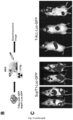
- Example 1 Generation of human T-ALL leukemias in NSG mice by means of the transplantation of umbilical cord blood HPCs overexpressing active Notch1 (ICN1).
- HPCs hematopoietic progenitors
- Example 2 Identification and in vivo monitoring of the expression of pre-TCR during the progression of human T-ALL in transplanted animals.
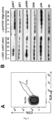
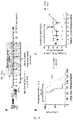
- the phenotype of cells carrying the ICN1 oncogene (ICN1+) in bone marrow aspirates was analyzed by means of flow cytometry as indicated in Figure 2 .
- the results obtained show that the pre-TCR complex is expressed early in the generation of leukemia and its expression on the surface of leukemic cells is maintained during the 10 months of T-ALL progression in transplanted animals.
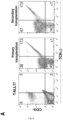
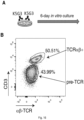
- a xenogeneic transplantation model was developed in NSG immunodeficient mice using, as a control of T-ALL pre-TCR+ cells, the SUPT1 cell line which co-expresses pre-TCR CD3 ⁇ and pT ⁇ molecules which are recognized by the mAb, UCHT1 (BD Biosciences), and the antibody of the invention (K5G3), respectively; meanwhile TCR+ leukemias, such as HPB-ALL, only express CD3 ⁇ ( Figure 3 ).
- the model was extended to the analysis of primary T-ALL pre-TCR+ leukemias from patients.
- the cells were transduced with a bicistronic lentiviral vector (pHRsin) carrying the GFP and luciferase gene, which makes it possible to follow the progression of leukemia and the infiltration of different peripheral organs in the transplanted mice.
- pHRsin bicistronic lentiviral vector
- Example 3 In vivo validation and quantification of leukemia-initiating activity (LIC) of human pre-TCR+ leukemic cells generated de novo in animals and of primary T-ALL leukemias from patients.
- LIC leukemia-initiating activity
- T-ALL17 peripheral blood primary leukemia cells from patients diagnosed with T-ALL (T-ALL17), using the mouse xenotransplantation model.
- Human T-ALL cells were obtained by Ficoll-Hypaque centrifugation and injected (10 5 ) intravenously into 6-8 week old NSG mice, sublethally irradiated with 1.5 Gy.
- the in vivo expansion potential of the primary leukemic cells was analyzed by means of flow cytometry performed on bone marrow aspirates from mice at different weeks post-transplantation.
- pre-TCR is a biomarker for cells with LIC activity, involved in the progression of leukemia-initiating cells
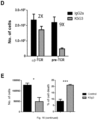
- the two pre-TCR+ and pre-TCR- (TCR ⁇ +) subpopulations included in T-ALL17 leukemia were separated and the LIC activity of both subpopulations was analyzed separately in xenotransplantations with decreasing cell dilutions, according to the diagram shown in Figure 7 .
- Example 4 Analysis of the function of pre-TCR in T-ALL LIC activity: CMS adapter silencing in human T-ALL leukemias and analysis of the L!C activity thereof in in vivo preclinical models.
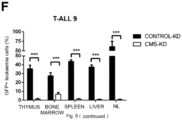
- Modified T-ALL was transplanted intravenously and leukemic progression was analyzed in the transplanted animals, with a drastic inhibition of tumor progression being observed after CMS silencing ( Figure 9 ), which translated into a complete blockade of the induction of splenomegaly observed in animals transplanted with T-ALLs transduced with control vectors ( Figure 9 ). Therefore, intact pre-TCR signaling is required for the in vivo progression of human T-ALL cells, demonstrating that the inhibition of the function of the pre-TCR expressed in T-ALL cells efficiently blocks their LIC activity and their in vivo expansion, which indicates that the pre-TCR is a therapeutic target of T-ALL.
- Example 5 Analysis of the relevance of pre-TCR as a molecular target of cells with LIC activity involved in the generation of human T-ALL.
- the tumor potential of the Notch1 oncogene was subsequently examined in hematopoietic progenitors from the bone marrow of normal mice (wt for wild-type), or mice with a mutation (C80G) which prevents pre-TCR-mediated signaling ( White et al. Science Signal. 2 December 2014;7(354):ra115 ).
- Progenitors from the bone marrow of normal or C80G mice transduced with an oncogenic form of GFP-associated Notch1 (ICN1) were transplanted into NSG immunodeficient mice, and the generation of T-ALL leukemia was analyzed at different times in the transplanted animals by monitoring GFP+ tumor cells in different organs.
- ICN1 GFP-associated Notch1
- Example 6 Analysis of the prevalence of pre-TCR expression in human primary T-ALLs.
- Example 4 and Example 5 constitute proof of concept of the suitability of a new therapeutic strategy aimed at eliminating the function of pre-TCR and/or of leukemic cells carrying same. Therefore, the next objective was to evaluate the prevalence of pre-TCR expression in T-ALLs of patients and to determine the frequency of patients carrying pre-TCR+ LIC, who are potential beneficiaries of the proposed treatment. To that end, collaboration was established with the SEHOP Acute Leukemia Group, specifically, with Dr. Manuel Ramirez Orellana from Hospital Infantil Ni ⁇ o Jes ⁇ s in Madrid and with Dr. Mireia Camós from Hospital Sant Joan de Déu in Barcelona, as well as with Dr.
- Table 1 Prevalence of pre-TCR expression in patients diagnosed with T-ALL Samples
- IL-7R IL-7 receptor
- the antibody of the invention is a mouse IgG2a monoclonal antibody directed against the extracellular domain of human pTa, the specific component of pre-TCR which associates with the TCR ⁇ chain and the CD3 complex.
- the antibody was produced as follows: the hybridoma, K5G3, deposited in the European Collection of Cell Cultures under accession number 01080805, was expanded in large quantities using a hollow fiber bioreactor (Fiber Cell Systems). The secreted monoclonal antibody was purified from the culture supernatant by means of affinity chromatography on a protein G Sepharose column (GE Healthcare), and the purified monoclonal antibody was subsequently analyzed in functional in vitro assays.
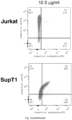
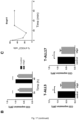
- the antibody of the invention is capable of binding specifically to the pre-TCR expressed in the SUPT1 cell line in a concentration-dependent manner, but not to the TCR complex formed by a TCR ⁇ chain attached to the TCR ⁇ chain and the CD3 complex in the T-ALL Jurkat cell line ( Figure 12 ).
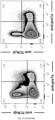
- the monoclonal antibody of the invention is also capable of binding specifically to the pre-TCR expressed in human pre-T thymocytes, without binding to TCR ⁇ or TCR ⁇ cells of the thymus ( Figure 13 ), and inducing the activation of these thymocytes mediated by calcium mobilization, at levels similar to those induced by the anti-CD3 ⁇ monoclonal antibody UCHT1 ( Figure 14 ).
- the antibody of the invention is as effective as UCHT1 (or even more so) in inducing the activation of PI3K/AKT/mTOR and MAPK signaling pathways in primary human T-ALL pre-TCR+ cells.
- Example 8 In vivo validation of the efficacy of an immunotherapy targeting T-ALL pre-TCR+ LICs in preclinical models.
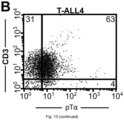
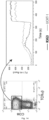
- SCID mice irradiated with sublethal doses (1.5 Gy) and transplanted with primary T-ALL cells from peripheral blood waste samples of T-ALL patients at diagnosis were used ( Figure 15 ).
- the SCID strain unlike NSG, has intact complement-dependent cytotoxicity (CDC) function, as well as antibody-dependent cytotoxicity (ADCC) function.
- CDC complement-dependent cytotoxicity
- ADCC antibody-dependent cytotoxicity
- Treatment consisting of the intraperitoneal administration of the antibody of the invention or of a isotypic control monoclonal antibody (200 ⁇ g/mouse), 2 times a week for 10 weeks, was started ( Figure 15 ).
- the graft in bone marrow aspirates, as well as infiltration into different lymphoid organs (thymus, spleen, and blood) and non-lymphoid organs (liver and brain) in the transplanted animals were analyzed, observing a selective decrease in leukemic cells in animals treated with the antibody of the invention in various organs.
- Example 9 Study of the capacity of the anti-pT ⁇ antibody of the invention, K5G3, to induce pre-TCR endocytosis and apoptosis in pre-TCR+ cells.
Landscapes
- Health & Medical Sciences (AREA)
- Chemical & Material Sciences (AREA)
- Immunology (AREA)
- Life Sciences & Earth Sciences (AREA)
- Organic Chemistry (AREA)
- Medicinal Chemistry (AREA)
- General Health & Medical Sciences (AREA)
- Veterinary Medicine (AREA)
- Genetics & Genomics (AREA)
- Pharmacology & Pharmacy (AREA)
- Animal Behavior & Ethology (AREA)
- Proteomics, Peptides & Aminoacids (AREA)
- Public Health (AREA)
- Molecular Biology (AREA)
- Biochemistry (AREA)
- Biophysics (AREA)
- Nuclear Medicine, Radiotherapy & Molecular Imaging (AREA)
- General Chemical & Material Sciences (AREA)
- Chemical Kinetics & Catalysis (AREA)
- Oncology (AREA)
- Engineering & Computer Science (AREA)
- Cell Biology (AREA)
- Bioinformatics & Cheminformatics (AREA)
- Epidemiology (AREA)
- Mycology (AREA)
- Microbiology (AREA)
- Biomedical Technology (AREA)
- Toxicology (AREA)
- Zoology (AREA)
- Gastroenterology & Hepatology (AREA)
- Hematology (AREA)
- Medicines Containing Antibodies Or Antigens For Use As Internal Diagnostic Agents (AREA)
- Medicines That Contain Protein Lipid Enzymes And Other Medicines (AREA)
- Investigating Or Analysing Biological Materials (AREA)
Applications Claiming Priority (2)
| Application Number | Priority Date | Filing Date | Title |
|---|---|---|---|
| ES202030309A ES2867373B2 (es) | 2020-04-17 | 2020-04-17 | Tratamiento terapeutico de leucemias linfoblasticas agudas de celulas t con un anticuerpo monoclonal frente al receptor pre-tcr |
| PCT/ES2021/070254 WO2021209670A1 (es) | 2020-04-17 | 2021-04-16 | Tratamiento terapéutico de leucemias linfoblásticas agudas de células t con un anticuerpo monoclonal frente al receptor pre-tcr |
Publications (2)
| Publication Number | Publication Date |
|---|---|
| EP4137154A1 true EP4137154A1 (de) | 2023-02-22 |
| EP4137154A4 EP4137154A4 (de) | 2024-06-12 |
Family
ID=78084697
Family Applications (1)
| Application Number | Title | Priority Date | Filing Date |
|---|---|---|---|
| EP21788572.2A Pending EP4137154A4 (de) | 2020-04-17 | 2021-04-16 | Therapeutische behandlung von akuter lymphoblastischer t-zell-leukämie mit einem monoklonalen antikörper gegen den prä-t-zell-rezeptor |
Country Status (6)
| Country | Link |
|---|---|
| US (1) | US20230151096A1 (de) |
| EP (1) | EP4137154A4 (de) |
| AU (1) | AU2021257071A1 (de) |
| CA (1) | CA3175527A1 (de) |
| ES (1) | ES2867373B2 (de) |
| WO (1) | WO2021209670A1 (de) |
Cited By (1)
| Publication number | Priority date | Publication date | Assignee | Title |
|---|---|---|---|---|
| EP4491192A1 (de) * | 2023-07-14 | 2025-01-15 | Consejo Superior De Investigaciones Científicas | Antikörper gegen den prä-t-zell rezeptor alpha, antikörper-wirkstoff-konjugate und car-t-zellen, zur behandlung und/oder prävention von leukämie |
Family Cites Families (11)
| Publication number | Priority date | Publication date | Assignee | Title |
|---|---|---|---|---|
| ES2190880B1 (es) * | 2001-08-14 | 2004-11-16 | Consejo Superior De Investigaciones Cientificas | Pre-receptor de las celulas t (pre-tcr). caracterizacion y regulacion de su expresion y funcion durante el desarrollo de las celulas t en humanos. |
| US20030148321A1 (en) * | 2001-08-24 | 2003-08-07 | Iris Pecker | Methods and kits for diagnosing and monitoring hematopoietic cancers |
| EP1872124A4 (de) * | 2005-04-19 | 2008-06-11 | Prediction Sciences Llc | Diagnosemarker für brustkrebsbehandlung und -progression sowie verfahren zur verwendung davon |
| WO2007011856A2 (en) * | 2005-07-15 | 2007-01-25 | The Trustees Of Columbia University In The City Of New York | Compositions and methods for differential diagnosis of chronic lymphocytic leukemia |
| WO2010019921A2 (en) * | 2008-08-15 | 2010-02-18 | The Regents Of The University Of California | Biomarkers for diagnosis and treatment of chronic lymphocytic leukemia |
| WO2016059220A1 (en) * | 2014-10-16 | 2016-04-21 | INSERM (Institut National de la Santé et de la Recherche Médicale) | Tcr-activating agents for use in the treatment of t-all |
| US10407484B2 (en) * | 2015-09-02 | 2019-09-10 | The Regents Of The University Of Colorado, A Body Corporate | Compositions and methods for modulating T-cell mediated immune response |
| WO2017172952A1 (en) | 2016-04-01 | 2017-10-05 | Promab Biotechnologies, Inc. | Flag tagged cd19-car-t cells |
| EP3853254A1 (de) | 2018-09-20 | 2021-07-28 | Lentigen Technology, Inc. | Zusammensetzungen und verfahren zur behandlung von krebs mit anti-cd123-immuntherapie |
| US11814428B2 (en) * | 2019-09-19 | 2023-11-14 | Regeneron Pharmaceuticals, Inc. | Anti-PTCRA antibody-drug conjugates and uses thereof |
| US12590171B2 (en) * | 2019-09-27 | 2026-03-31 | Nanjing GenScript Biotech Co., Ltd. | Anti-VHH domain antibodies and use thereof |
-
2020
- 2020-04-17 ES ES202030309A patent/ES2867373B2/es active Active
-
2021
- 2021-04-16 EP EP21788572.2A patent/EP4137154A4/de active Pending
- 2021-04-16 WO PCT/ES2021/070254 patent/WO2021209670A1/es not_active Ceased
- 2021-04-16 CA CA3175527A patent/CA3175527A1/en active Pending
- 2021-04-16 AU AU2021257071A patent/AU2021257071A1/en active Pending
- 2021-04-16 US US17/919,445 patent/US20230151096A1/en active Pending
Cited By (2)
| Publication number | Priority date | Publication date | Assignee | Title |
|---|---|---|---|---|
| EP4491192A1 (de) * | 2023-07-14 | 2025-01-15 | Consejo Superior De Investigaciones Científicas | Antikörper gegen den prä-t-zell rezeptor alpha, antikörper-wirkstoff-konjugate und car-t-zellen, zur behandlung und/oder prävention von leukämie |
| WO2025016972A1 (en) * | 2023-07-14 | 2025-01-23 | Consejo Superior De Investigaciones Científicas | Antibody-drug conjugates or car-t cells for the treatment and/or prevention of leukemia |
Also Published As
| Publication number | Publication date |
|---|---|
| US20230151096A1 (en) | 2023-05-18 |
| CA3175527A1 (en) | 2021-10-21 |
| EP4137154A4 (de) | 2024-06-12 |
| AU2021257071A1 (en) | 2022-11-17 |
| ES2867373A1 (es) | 2021-10-20 |
| WO2021209670A1 (es) | 2021-10-21 |
| ES2867373B2 (es) | 2023-01-02 |
Similar Documents
| Publication | Publication Date | Title |
|---|---|---|
| US11459388B2 (en) | Compositions and methods for inducing phagocytosis of MHC class I positive cells and countering anti-CD47/SIRPA resistance | |
| JP2021193150A (ja) | 小細胞肺癌に対する標的療法 | |
| EP3344658B1 (de) | Anti tigit (human t-cell immunoglobulin and itim domain) antikörper | |
| EP3209769B1 (de) | Zusammensetzungen und verfahren zur induzierung der phagozytose von mhc-klasse-i-positiven zellen und verhinderung von anti-cd47/sirpa-resistenz | |
| EP2271672B1 (de) | Immunoglobulin und/oder toll-like-rezeptorproteine, die mit myelogenen hämatologischen proliferativen erkrankungen assoziiert sind, und anwendungen davon | |
| CN112153977B (zh) | 作为hhla2受体的kir3dl3、抗hhla2抗体及其用途 | |
| KR101351122B1 (ko) | Cd20-특이적 항체 및 이를 이용한 방법 | |
| US9696312B2 (en) | Diagnosis and treatment of cancer expressing ILT3 or ILT3 ligand | |
| US10611839B2 (en) | Anti CD84 antibodies, compositions comprising same and uses thereof | |
| JP2007535301A5 (de) | ||
| US20220073638A1 (en) | Methods and pharmaceutical composition for the treatment of cancers resistant to immune checkpoint therapy | |
| EP3255062B1 (de) | Anti-nkp46-antikörper für die diagnose eines nicht-kutanen peripheren t-zell-lymphoms (ptcl) | |
| TW202110890A (zh) | 抗siglec-9組合物及其用於調節骨髓細胞發炎表型之方法及用途 | |
| US20090181012A1 (en) | Method for detecting regulatory t cells using expression of folate receptor 4 as indicator, method for treating diseases using the detection method, pharmaceutical composition for immunostimulation, and method for treating diseases using the compostion | |
| TW202039571A (zh) | Muc18特異性抗體 | |
| CN119587690A (zh) | 用于治疗人癌瘤的单克隆抗体neo-201 | |
| US20180028566A1 (en) | Gamma delta t cells as a target for treatment of solid tumors | |
| CN115996953A (zh) | 用于调节髓系细胞炎性表型的抗vsig4组合物和方法及其用途 | |
| WO2012015662A1 (en) | Il-18 receptor as a novel target of regulatory t cells in cancer | |
| EP4137154A1 (de) | Therapeutische behandlung von akuter lymphoblastischer t-zell-leukämie mit einem monoklonalen antikörper gegen den prä-t-zell-rezeptor | |
| JP2022512860A (ja) | 白血病幹細胞を根絶することによる急性骨髄性白血病の治療のための方法および医薬組成物 | |
| WO2025075858A2 (en) | ANTI-IL13Rα2 ANTIBODY COMPOSITIONS AND USES THEREOF | |
| JP2021504492A (ja) | 癌治療のための組成物および方法 |
Legal Events
| Date | Code | Title | Description |
|---|---|---|---|
| STAA | Information on the status of an ep patent application or granted ep patent |
Free format text: STATUS: THE INTERNATIONAL PUBLICATION HAS BEEN MADE |
|
| PUAI | Public reference made under article 153(3) epc to a published international application that has entered the european phase |
Free format text: ORIGINAL CODE: 0009012 |
|
| STAA | Information on the status of an ep patent application or granted ep patent |
Free format text: STATUS: REQUEST FOR EXAMINATION WAS MADE |
|
| 17P | Request for examination filed |
Effective date: 20221014 |
|
| AK | Designated contracting states |
Kind code of ref document: A1 Designated state(s): AL AT BE BG CH CY CZ DE DK EE ES FI FR GB GR HR HU IE IS IT LI LT LU LV MC MK MT NL NO PL PT RO RS SE SI SK SM TR |
|
| DAV | Request for validation of the european patent (deleted) | ||
| DAX | Request for extension of the european patent (deleted) | ||
| A4 | Supplementary search report drawn up and despatched |
Effective date: 20240515 |
|
| RIC1 | Information provided on ipc code assigned before grant |
Ipc: A61P 35/02 20060101ALI20240508BHEP Ipc: C07K 16/28 20060101ALI20240508BHEP Ipc: A61K 39/395 20060101AFI20240508BHEP |