EP4147704A1 - Bifidobacterium longum ncimbb41-616 - Google Patents
Bifidobacterium longum ncimbb41-616 Download PDFInfo
- Publication number
- EP4147704A1 EP4147704A1 EP22203342.5A EP22203342A EP4147704A1 EP 4147704 A1 EP4147704 A1 EP 4147704A1 EP 22203342 A EP22203342 A EP 22203342A EP 4147704 A1 EP4147704 A1 EP 4147704A1
- Authority
- EP
- European Patent Office
- Prior art keywords
- bifidobacterium longum
- strain ncimb
- ncimb
- formulation
- longum strain
- Prior art date
- Legal status (The legal status is an assumption and is not a legal conclusion. Google has not performed a legal analysis and makes no representation as to the accuracy of the status listed.)
- Pending
Links
Images


Classifications
-
- A—HUMAN NECESSITIES
- A61—MEDICAL OR VETERINARY SCIENCE; HYGIENE
- A61K—PREPARATIONS FOR MEDICAL, DENTAL OR TOILETRY PURPOSES
- A61K35/00—Medicinal preparations containing materials or reaction products thereof with undetermined constitution
- A61K35/66—Microorganisms or materials therefrom
- A61K35/74—Bacteria
- A61K35/741—Probiotics
- A61K35/744—Lactic acid bacteria, e.g. enterococci, pediococci, lactococci, streptococci or leuconostocs
- A61K35/745—Bifidobacteria
-
- A—HUMAN NECESSITIES
- A61—MEDICAL OR VETERINARY SCIENCE; HYGIENE
- A61P—SPECIFIC THERAPEUTIC ACTIVITY OF CHEMICAL COMPOUNDS OR MEDICINAL PREPARATIONS
- A61P25/00—Drugs for disorders of the nervous system
- A61P25/24—Antidepressants
-
- A—HUMAN NECESSITIES
- A23—FOODS OR FOODSTUFFS; TREATMENT THEREOF, NOT COVERED BY OTHER CLASSES
- A23L—FOODS, FOODSTUFFS OR NON-ALCOHOLIC BEVERAGES, NOT OTHERWISE PROVIDED FOR; PREPARATION OR TREATMENT THEREOF
- A23L33/00—Modifying nutritive qualities of foods; Dietetic products; Preparation or treatment thereof
- A23L33/10—Modifying nutritive qualities of foods; Dietetic products; Preparation or treatment thereof using additives
- A23L33/135—Bacteria or derivatives thereof, e.g. probiotics
-
- A—HUMAN NECESSITIES
- A23—FOODS OR FOODSTUFFS; TREATMENT THEREOF, NOT COVERED BY OTHER CLASSES
- A23L—FOODS, FOODSTUFFS OR NON-ALCOHOLIC BEVERAGES, NOT OTHERWISE PROVIDED FOR; PREPARATION OR TREATMENT THEREOF
- A23L33/00—Modifying nutritive qualities of foods; Dietetic products; Preparation or treatment thereof
- A23L33/20—Reducing nutritive value; Dietetic products with reduced nutritive value
- A23L33/21—Addition of substantially indigestible substances, e.g. dietary fibres
-
- A—HUMAN NECESSITIES
- A61—MEDICAL OR VETERINARY SCIENCE; HYGIENE
- A61K—PREPARATIONS FOR MEDICAL, DENTAL OR TOILETRY PURPOSES
- A61K39/00—Medicinal preparations containing antigens or antibodies
- A61K39/39—Medicinal preparations containing antigens or antibodies characterised by the immunostimulating additives, e.g. chemical adjuvants
-
- A—HUMAN NECESSITIES
- A61—MEDICAL OR VETERINARY SCIENCE; HYGIENE
- A61P—SPECIFIC THERAPEUTIC ACTIVITY OF CHEMICAL COMPOUNDS OR MEDICINAL PREPARATIONS
- A61P25/00—Drugs for disorders of the nervous system
- A61P25/22—Anxiolytics
-
- A—HUMAN NECESSITIES
- A23—FOODS OR FOODSTUFFS; TREATMENT THEREOF, NOT COVERED BY OTHER CLASSES
- A23V—INDEXING SCHEME RELATING TO FOODS, FOODSTUFFS OR NON-ALCOHOLIC BEVERAGES AND LACTIC OR PROPIONIC ACID BACTERIA USED IN FOODSTUFFS OR FOOD PREPARATION
- A23V2002/00—Food compositions, function of food ingredients or processes for food or foodstuffs
-
- A—HUMAN NECESSITIES
- A61—MEDICAL OR VETERINARY SCIENCE; HYGIENE
- A61K—PREPARATIONS FOR MEDICAL, DENTAL OR TOILETRY PURPOSES
- A61K9/00—Medicinal preparations characterised by special physical form
- A61K9/0012—Galenical forms characterised by the site of application
- A61K9/0053—Mouth and digestive tract, i.e. intraoral and peroral administration
-
- A—HUMAN NECESSITIES
- A61—MEDICAL OR VETERINARY SCIENCE; HYGIENE
- A61K—PREPARATIONS FOR MEDICAL, DENTAL OR TOILETRY PURPOSES
- A61K9/00—Medicinal preparations characterised by special physical form
- A61K9/14—Particulate form, e.g. powders, Processes for size reducing of pure drugs or the resulting products, Pure drug nanoparticles
-
- A—HUMAN NECESSITIES
- A61—MEDICAL OR VETERINARY SCIENCE; HYGIENE
- A61K—PREPARATIONS FOR MEDICAL, DENTAL OR TOILETRY PURPOSES
- A61K9/00—Medicinal preparations characterised by special physical form
- A61K9/20—Pills, tablets, discs, rods
-
- A—HUMAN NECESSITIES
- A61—MEDICAL OR VETERINARY SCIENCE; HYGIENE
- A61K—PREPARATIONS FOR MEDICAL, DENTAL OR TOILETRY PURPOSES
- A61K9/00—Medicinal preparations characterised by special physical form
- A61K9/48—Preparations in capsules, e.g. of gelatin, of chocolate
Definitions
- Probiotics are defined as live bacteria, which when ingested in adequate amounts, confer a health benefit (WHO, 2001). Recent evidence suggests that probiotics may have a role to play in mental health and well-being (1).
- WO2011/058535A described Bifidobacterium longum strain NCIMB 41676 (1714 TM strain). Feeding of mice with the NCIMB 41676 strain was associated with increased IL-10 and decreased TNF- ⁇ , INF- ⁇ and IL-12 in healthy animals in a model of sepsis/inflammation. NCIMB 41676 also had immunomodulatory activity when co-incubated with human immune system cells in-vitro. NCIMB 41676 reduced LPD-induced NFkB activity in an in-vivo murine sepsis/inflammation model. It was hypothesised that this anti-inflammatory effect might also have effects modulated through the gut-brain axis and would therefore be a candidate for research in this area. It was shown that, in mice, the strain exhibited positive benefits in mice in tail suspension, fear conditioning and marble burying tests.
- Allen et al 2016 assessed the effect of feeding healthy human adults with B. longum NCIMB 41676. Attenuated responses to psychological and physiological stress and modest improvement over placebo in cognitive performance are reported.
- QOL Quality of life
- QOL Quality of life
- Bifidobacterium longum strain NCIMB 41676 for use in improving or sustaining vitality and/or reducing mental fatigue in mammals.
- the invention also provides Bifidobacterium longum strain NCIMB 41676 for use in improving or sustaining vitality and/or reducing mental fatigue in humans.
- the invention also provides Bifidobacterium longum strain NCIMB 41676 for use in counter-regulating stress responses and/or negative emotions in humans.
- the negative emotion may be caused by social stress.
- Bifidobacterium longum strain NCIMB 41676 for use in counter-regulating social stress in humans.
- the invention provides Bifidobacterium longum strain NCIMB 41676 for use in counter-regulating social rejection/ostracism in humans
- the invention also provides Bifidobacterium longum strain NCIMB 41676 for use in for improving coping skills in stressful situations in mammals.
- Bifidobacterium longum strain NCIMB 41676 for use in for improving coping skills in stressful situations in humans.
- the Bifidobacterium strain NCIMB 41676 may be in the form of viable cells.
- the Bifidobacterium strain NCIMB 41676 may be in the form of non-viable cells.
- the Bifidobacterium strain NCIMB 41676 may be present in the formulation in an amount of more than 10 6 cfu, typically from 10 7 to 10 10 , typically from 10 8 to 10 9 cfu. In one case the Bifidobacterium strain NCIMB 41676 is present in the formulation in an amount of about 1 ⁇ 10 9 cfu.
- Bacterial viability reflects the number of culturable bacteria within a sample, i.e. the number of bacteria which retain the ability to reproduce when grown under optimal conditions (Viable cells). Put another way viability reflects the number of individual bacterial cells which retain the ability to replicate into larger bacterial colonies (colony forming units (CFUs)).
- CFUs colony forming units
- Viability is commonly determined using plate-counting methods, whereby a bacterial sample is diluted and then incubated on an agar plate containing the necessary nutrients for growth. Viability is then calculated from the number of bacterial colonies identified on a plate. Such methods are summarized in Modern Food Biology 2005 7th edition, James Monroe Jay, Martin J. Loessner, David A. Golden, Springer Science, New York .
- Non-viable cells are the inverse of Viable cells i.e. all those cells which have lost the ability to replicate when tested.
- Non-Viable samples will contain at least VNBCs and possibly small amounts of Viable cells.
- Industry standard lower level detection limits of 10 3 CFU/g viable cells allow for the inherent process variability caused by the presence of a certain number of VBNCs/Viable cells in Non-Viable samples.
- a non-replicating form of a probiotic strain may be preferable.
- at least 95%, preferably at least 97%, more preferably at least 99% of the Bifidobacteria strain can be non-replicating in the composition.
- the formulation is in the form of a bacterial broth.
- the formulation in the form of a freeze dried powder.
- the formulation may further comprise a prebiotic material.
- the formulation further comprises an ingestible carrier.
- the ingestible carrier may be a pharmaceutically acceptable carrier such as a capsule, tablet or powder.
- the ingestible carrier is a food product such as acidified milk, yoghurt, frozen yoghurt, milk powder, milk concentrate, cheese spreads, ice cream, dressings or beverages.
- the formulation is in the form of a fermented food product.
- the formulation may be in the form of a fermented milk product.
- the carrier does not occur in nature.
- the formulation may further comprise a protein and/or peptide, in particular proteins and/or peptides that are rich in glutamine/glutamate, a lipid, a carbohydrate, a vitamin, mineral and/or trace element.
- a protein and/or peptide in particular proteins and/or peptides that are rich in glutamine/glutamate, a lipid, a carbohydrate, a vitamin, mineral and/or trace element.
- the formulation may further comprise an adjuvant.
- the formulation may further comprise a bacterial component.
- the formulation may further comprise a drug entity.
- the formulation may further comprise a biological compound.
- strains are in the form of freeze dried powder which is blended with food grade excipient, and filled into a format such as a sachet or capsule.
- the strain of the invention may be administered to animals (including humans) in an orally ingestible form in a conventional preparation such as capsules, microcapsules, tablets, granules, powder, troches, pills, suppositories, suspensions and syrups.
- a conventional preparation such as capsules, microcapsules, tablets, granules, powder, troches, pills, suppositories, suspensions and syrups.
- Suitable formulations may be prepared by methods commonly employed using conventional organic and inorganic additives.
- the amount of active ingredient in the medical composition may be at a level that will exercise the desired therapeutic effect.
- the formulation may also include a drug entity or a biological compound.
- a vaccine comprising the strains of the invention may be prepared using any suitable known method and may include a pharmaceutically acceptable carrier or adjuvant.
- probiotic organisms The introduction of probiotic organisms is accomplished by the ingestion of the micro-organism in a suitable carrier. It would be advantageous to provide a medium that would promote the growth of these probiotic strains in the large bowel.
- the addition of one or more oligosaccharides, polysaccharides, or other prebiotics enhances the growth of lactic acid bacteria in the gastrointestinal tract.
- Prebiotics refers to any non-viable food component that is specifically fermented in the colon by indigenous bacteria thought to be of positive value, e.g. bifidobacteria, lactobacilli. Types of prebiotics may include those that contain fructose, xylose, soya, galactose, glucose and mannose.
- the combined administration of a probiotic strain with one or more prebiotic compounds may enhance the growth of the administered probiotic in vivo resulting in a more pronounced health benefit, and is termed synbiotic.
- probiotic strains may be administered prophylactically or as a method of treatment either on their own or with other probiotic and/or prebiotic materials as described above.
- bacteria may be used as part of a prophylactic or treatment regime using other active materials such as those used for treating related conditions especially those with an immunological involvement.
- Such combinations may be administered in a single formulation or as separate formulations administered at the same or different times and using the same or different routes of administration.
- the strains of the invention may be formulated to facilitate controlled release such as a delayed release of the strain.
- the formulation may be adapted to release the strain at a particular location in the gastrointestinal tract such as the small intestine or in the colon.
- the strain may be formulated in a capsule which has a coating which is adapted to release the strain at a particular location.
- a range of coatings are available to facilitate such controlled release.
- One such family of coatings are those available under the Trade Mark Eudragit.
- a projected doubling in the global population of people aged ⁇ 60 y by the year 2050 has major health and economic implications, especially in developing regions. Burdens of unhealthy aging associated with chronic noncommunicable and other age-related diseases may be largely preventable with lifestyle modification, including diet. However, as adults age they become at risk of "nutritional frailty," which can compromise their ability to meet nutritional requirements at a time when specific nutrient needs may be high. Ageing is a complex phenomena with multiple feedback loops between mental frailty and physical frailty, exercise, nutrition and an individuals microbiome. Mental resilience can be seen as a trait that enables an individual to recover from stress and to face the next stressor with optimism. People with resilient traits are considered to have a better mental and physical health.
- the formulation may be suitable for ingestion by a companion animal such as a dog or a cat.
- a companion animal such as a dog or a cat.
- One such formulation is a dry pet food which may include any one or more of a carbohydrate source, a protein source and a lipid source.
- B. longum 1714 TM strain was made at the National Collections of Industrial and Marine Bacteria Limited (NCIMB) Ferguson Building, Craibstone Estate, Bucksburn, Aberdeen, AB21 9YA, Scotland, UK on November 5, 2009 and accorded the accession number NCIMB 41676.
- NCIMB National Collections of Industrial and Marine Bacteria Limited
- the SF36 includes eight subscales: physical functioning, bodily pain, role limitations due to physical health problems, role limitations due to personal or emotional problems, emotional well-being, social functioning, energy/vitality, and general health perceptions.
- Magnetoencephalography is a functional neuroimaging technique for mapping brain activity by recording magnetic fields produced by electrical currents occurring naturally in the brain using very sensitive magnetic techniques.
- B. longum 1714 TM strain was selected as it had previously been demonstrated to modulate stress related behaviours in animals (8, 9). Supporting evidence is also provided by a clinical study that showed reduced stress responses in response to an acute physical test - the cold pressor test and improved cognitive activity following treatment (10).
- the cold pressor test which is a physical induced stressor is different to a social exclusion test which is an emotional challenge.
- the cold pressor test is a cardiovascular test performed by immersing the hand into an ice water container, usually for one minute, and measuring changes in blood pressure and heart rate as well as cortisol responses. These changes relate to acute vascular and pulse excitability. Other measures can also be obtained from the cold pressor such as pain threshold and pain tolerances.
- a social stress induces an emotional response but not a change in blood pressure, heart rate or cortisol response.
- the B. longum 1714 TM strain was effective in altering brain activity at particular wavelengths in certain regions of the brain ( Fig. 2 ).
- the B. longum 1714 TM affected resting state brain oscillations with an increase in theta band in the frontal and cingulate cortex ( p ⁇ 0.05) and a decrease in beta-3 band in the hippocampus, fusiform, and temporal cortex ( p ⁇ 0.05). These areas represent important regions of the brain which are critical to human emotions, learning and memory functions. Correlation analysis showed that there were no correlations between these changes in brain activity and any SP36 parameter in the placebo fed group whereas surprisingly there were significant correlations between change in brain activity and SF36 sub-scale vitality scores in the B.
- B. longum 1714 TM affects brain activity in healthy subjects in important regions of the brain which are related to increased vitality and reduced mental fatigue.
- Table 1 Correlations between brain activity and Energy Vitality Measurements Groups Subjectiv e item Resting state MEG Functional MEG during Cyberball Theta band power change Beta-3 band power change Theta band power change Alpha band power change
- the Cyberball Game is "an online ball-tossing game that participants believe they are playing with two or three players" (11).
- the participants are asked to play a ball tossing game with two other virtual players programmed by the experimenter using an on-line game. They were made believe that the two players were real and were playing the game.
- the participant is included in tossing the ball to each other and then excluded from the game (see Fig. 4 ).
- Participants complete three questionnaires to assess their level of distress, coping and mental well-being during exclusion from the game and inclusion.
- the questionnaires used included Need Threat Scale, the Mood Questionnaire and the Subjective 'Exclusion Perception'); all these scales are validated standards for the Cyberball Game (11).
- the Need Threat Scale was designed to measure the feelings and emotional consequences of social rejection, and higher scores related to higher distress level. Its four items (rated between 1 and 5 for "weak” to "strong") comprised self-esteem, belonging, meaningful existence and control, and combined ratings have been used as a measure of social distress in previous studies.
- the Mood Questionnaire was used to assess mood, using 8 questions (are you feeling bad, good, happy, sad, pleasant, angry, friendly and unfriendly), all rated between 1 and 5.
- the Subjective 'Exclusion Perception was to record participants' feeling of being included/ostracized by asking them to rate two statements ('I was ignored' and 'I was excluded') between 1 and 5. In general, with this game, participants feel more distressed in periods when they are excluded from the game compared to the periods in which they are included in the game Indeed, social stress during the Cyberball Game was consistently associated with altered brain activity in certain brain areas involved in emotions, (12).
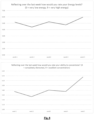
- the Cyberball Game resulted in increased distress after 4-weeks intervention in the healthy subjects as measured by the validated Need Threat Scale and Subjective 'Exclusion Perception' questionnaires ( Fig. 5 ). This means that the model worked and when subjects were excluded from the game their mood worsened and their stress increased. When included in the game, they felt better.
- the Need Threat Scale is designed to measure the feelings and emotional consequences of social rejection, and higher scores related to higher distress level. Its four items (rated between 1 and 5 for "weak” to "strong") comprised self-esteem, belonging, meaningful existence and control, and combined ratings have been used as a measure of social distress in previous studies. Specifically, only with B.
- Criteria for inclusion were: 1) non-smoker for at least 3 months, 2) a body mass index (BMI) of 18-30, 3) no chronic allergies, 4) willing to discontinue their normal consumption of probiotics and prebiotic-containing foods or potentially immune-enhancing dietary supplements, 5) receiving no immune-suppressing intervention and not having any immunosuppressive illness within the last year, 6) receiving no antibiotic therapy within the last 2 months, 7) having no chronic psychiatric or gastrointestinal disorder, 8) and having no non-removable metal parts in the body.
- Informed consent was obtained from all participants prior to joining the study. The protocol had been approved by the Ethics Board of the University of Tübingen Medical School (No. 503/2015BO1, as of August 26, 2015), and was registered at ClinicalTrials.gov (identifier No. NCT02793193).
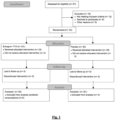
- a randomized, double-blinded, and parallel-group design was employed. Participants were screened to exclude for the irritable bowel syndrome and psychiatric disorders using the Rome III criteria (13) and the include healthy subjects using the Patient Health Questionnaire (PHQ) (14). Demographic and baseline psychological information was also recorded. After screening, participants were randomly allocated in different intervention groups and took either probiotic or placebo for 4 weeks (28 days). The probiotic and placebo preparations in identical sachets were provided by Alimentary Health Ltd, Cork, Ireland. The randomization scheme was only unblinded after completion of the experiment and complete data evaluation. At baseline and one day after the intervention period, participants visited our lab for the MEG measurements. In addition, they visited the lab for acquiring structural MR images on a different day, regardless of their intervention schedule.
- PHQ Patient Health Questionnaire
- Each 2g probiotic sachet contained 1 ⁇ 10 9 colony-forming units B. longum 1714 TM strain with maltodextrin and magnesium stearate; each placebo sachet contained only 2g of maltodextrin and magnesium stearate. Participants were instructed to consume one sachet every morning with food within fifteen minutes, by mixing the content into 50ml of water.
- the 36-item short-form health survey (SF36) was used (15).
- the SF36 includes eight subscales: physical functioning, bodily pain, role limitations due to physical health problems, role limitations due to personal or emotional problems, emotional well-being, social functioning, energy/vitality, and general health perceptions. Participants were asked to finish the SF36 at the beginning of each of the two visits.
- the participants were asked to play a ball tossing game with two other virtual players programmed by the experimenter. They were made believe that the two players were real and were playing the game. To minimize gender effects, male participants played with 2 female players, and female participants played with 2 male players. During the game, the other players were depicted as cartoon characters with their photos aside and names below.
- the volunteering participant was represented by a cartoon in the middle lower part of the screen and could throw the ball to either of the other two players on the left or right, by pressing the left or right button on the response box ( Fig. 2 ).
- the CBG consisted of 4 blocks: inclusion - exclusion - inclusion - exclusion conditions; this order was maintained for all volunteers.
- inclusion block there were 108 trials, during 1/3 (36 trials) of which the participant received the ball from the other players (for another 1/3 the ball was played to one of the other players, and for the other 1/3 between the other two players).
- the order of the ball throwing to the participant was pseudo-randomized.
- NTS Need Threat Scale
- MQ Mood Questionnaire
- SEP Subjective 'Exclusion Perception'
- the MQ was used to assess mood, using 8 questions (are you feeling bad, good, happy, sad, pleasant, angry, friendly and unfriendly), all rated between 1 and 5.
- the SEP was to record participants' feeling of being included/ostracized by asking them to rate two statements ('I was ignored' and 'I was excluded') between 1 and 5.
- Brain magnetic fields were measured with a 275-channel whole-head magnetoencephalograph (CTF Omega, Port Coquitlam, Canada). Participants were studied in supine position. During each recording session, 5 minutes resting state was recorded prior to recording while playing the CBG. During the resting state, participants were instructed to move as little as possible and to be awake, while keeping their eyes closed. During the CBG, task instructions were projected onto a screen in front of the participants via a video projector and a mirror system. Participants were asked to fixate the screen and hold a response box to get ready for the task. Participants were also instructed to move as little as possible. MEG signals were sampled at a rate of 585.94 Hz with an anti-aliasing filter set to 292.97 Hz.
- the continuously recorded dataset during the CBG was segmented in epochs of 3 s with 1 s of pre-stimulus interval time-locked to the moment at which the players started to throw the ball).
- Trials in which one of the virtual players threw the ball towards the other virtual player during the inclusion blocks were defined as 'inclusion' condition, and those during exclusion blocks were defined as 'exclusion' condition.
- the time-frequency analysis used the multitaper windowed fast fourier transform 'MTMFFT' implemented in Fieldtrip.
- the 'multitaper method' (MTM) is based on Slepian sequences as tapers.
- the frequency of interest ranged from 4 to 30Hz with step of 2 Hz.
- the frequency smoothing window is +/-3 Hz:
- Subjects were recruited from the general population to take part in an on-line study. Subjects were provided in a capsule format containing 1 ⁇ 10 9 colony-forming units B. longum 1714 TM . Subjects were asked to take 1 capsule per day for the duration of the study (5 weeks) and complete an on-line questionnaire on their energy, concentration and stress levels.
- Placebo group Theta ⁇ SFC B 0.03 ACC L MCC B SMG R Alpha ⁇ IFC R 0.04 MFC B SFC B ACC B MCC B SMG R Abbreviations: IFC, inferior frontal cortex; MFC, middle frontal cortex; ACC, anterior cingulate cortex; MCC, middle cingulate cortex; FFG, fusiform gyrus; HIPP, hippocampus; ITC, inferior temporal cortex; STC, superior temporal cortex; MTC, middle temporal cortex; CBL, cerebellum; SMG, supramarginal gyrus; B, bilateral; L, left; R, right. Table 5.
- B. longum 1714 TM affects the brain and increased vitality and reduced mental fatigue in healthy subjects as demonstrated in 2 human studies. This is novel and not seen before. Furthermore, the B. longum 1714 TM affected resting state brain oscillations with an increase in theta band in the frontal and cingulate cortex ( p ⁇ 0.05) and a decrease in beta-3 band in the hippocampus, fusiform, and temporal cortex ( p ⁇ 0.05). These areas represent in important regions of the brain such which are critical to human emotions, learning and memory functions.
- B. longum 1714 TM also affecting an individuals' neurophysiology in a way that may help in coping better with a social exclusion challenge. This is a novel finding in humans as no other probiotic has shown an impact on social ostracism. This finding was unexpected as emotional regulation is complex and it is surprising that a probiotic could impact such a complicated brain function in such a way.
- the Cold Pressor Test involves immersing your non-dominant hand into icewater until it becomes painful (usually between 1 and 2 minutes) and is a pain stimulus.
- This test is designed to induce a physiological response such as elevated heart beat and cortisol levels - the 'fight or flight response'.
- the Cyber Ball Game works with social exclusion (ostracism) among peers, induces feelings of not being liked. It is unexpected that a probiotic would influence emotional and mental wellbeing in a model of social exclusion/ostracism.
Landscapes
- Health & Medical Sciences (AREA)
- Life Sciences & Earth Sciences (AREA)
- Chemical & Material Sciences (AREA)
- Mycology (AREA)
- Microbiology (AREA)
- Engineering & Computer Science (AREA)
- Pharmacology & Pharmacy (AREA)
- Animal Behavior & Ethology (AREA)
- General Health & Medical Sciences (AREA)
- Public Health (AREA)
- Veterinary Medicine (AREA)
- Medicinal Chemistry (AREA)
- Polymers & Plastics (AREA)
- Epidemiology (AREA)
- Nutrition Science (AREA)
- Food Science & Technology (AREA)
- General Chemical & Material Sciences (AREA)
- Chemical Kinetics & Catalysis (AREA)
- Molecular Biology (AREA)
- Nuclear Medicine, Radiotherapy & Molecular Imaging (AREA)
- Bioinformatics & Cheminformatics (AREA)
- Biomedical Technology (AREA)
- Neurology (AREA)
- Neurosurgery (AREA)
- Organic Chemistry (AREA)
- Immunology (AREA)
- Pain & Pain Management (AREA)
- Psychiatry (AREA)
- Medicines Containing Material From Animals Or Micro-Organisms (AREA)
- Coloring Foods And Improving Nutritive Qualities (AREA)
Applications Claiming Priority (3)
| Application Number | Priority Date | Filing Date | Title |
|---|---|---|---|
| EP18153993 | 2018-01-29 | ||
| PCT/EP2019/052138 WO2019145571A1 (fr) | 2018-01-29 | 2019-01-29 | Bifidobactérium longum ncimb 41676 |
| EP19705707.8A EP3746096A1 (fr) | 2018-01-29 | 2019-01-29 | Bifidobactérium longum ncimb 41676 |
Related Parent Applications (1)
| Application Number | Title | Priority Date | Filing Date |
|---|---|---|---|
| EP19705707.8A Division EP3746096A1 (fr) | 2018-01-29 | 2019-01-29 | Bifidobactérium longum ncimb 41676 |
Publications (1)
| Publication Number | Publication Date |
|---|---|
| EP4147704A1 true EP4147704A1 (fr) | 2023-03-15 |
Family
ID=61094253
Family Applications (2)
| Application Number | Title | Priority Date | Filing Date |
|---|---|---|---|
| EP19705707.8A Withdrawn EP3746096A1 (fr) | 2018-01-29 | 2019-01-29 | Bifidobactérium longum ncimb 41676 |
| EP22203342.5A Pending EP4147704A1 (fr) | 2018-01-29 | 2019-01-29 | Bifidobacterium longum ncimbb41-616 |
Family Applications Before (1)
| Application Number | Title | Priority Date | Filing Date |
|---|---|---|---|
| EP19705707.8A Withdrawn EP3746096A1 (fr) | 2018-01-29 | 2019-01-29 | Bifidobactérium longum ncimb 41676 |
Country Status (4)
| Country | Link |
|---|---|
| US (2) | US11771723B2 (fr) |
| EP (2) | EP3746096A1 (fr) |
| CN (1) | CN111918663B (fr) |
| WO (1) | WO2019145571A1 (fr) |
Families Citing this family (2)
| Publication number | Priority date | Publication date | Assignee | Title |
|---|---|---|---|---|
| US11771723B2 (en) * | 2018-01-29 | 2023-10-03 | Precisionbiotics Group Limited | Bifidobacterium longum NCIMB 41676 |
| CN121287761A (zh) * | 2025-12-10 | 2026-01-09 | 善恩康生物科技(苏州)有限公司 | 长双歧杆菌提高专注力和改善记忆的产品及应用 |
Citations (3)
| Publication number | Priority date | Publication date | Assignee | Title |
|---|---|---|---|---|
| WO2010055499A2 (fr) * | 2008-11-11 | 2010-05-20 | Alimentary Health Limited | Bifidobacterium longum |
| WO2011005853A2 (fr) | 2009-07-08 | 2011-01-13 | Msk Pharma, Llc | Compositions et procédés d'administration topique de médicament pour le traitement du syndrome du canal carpien |
| WO2011058535A1 (fr) | 2009-11-11 | 2011-05-19 | Alimentary Health Limited | Souche de bifidobacterium probiotique |
Family Cites Families (13)
| Publication number | Priority date | Publication date | Assignee | Title |
|---|---|---|---|---|
| ATE477809T1 (de) | 2004-04-06 | 2010-09-15 | Taiyokagaku Co Ltd | Verwendung einer kombination von theanin und serotonin gegen schlafstörung |
| JP2007169200A (ja) | 2005-12-21 | 2007-07-05 | Morinaga Milk Ind Co Ltd | インフルエンザ感染予防のための医薬及び飲食品 |
| CA2742476A1 (fr) | 2008-11-03 | 2010-06-03 | Nestec S.A. | Composition nutritionnelle comprenant des probiotiques et ameliorant des structures du sommeil |
| CN102206599B (zh) * | 2011-04-11 | 2012-07-25 | 天津科技大学 | 一种耐氧耐酸性长双歧杆菌 |
| WO2013074531A1 (fr) | 2011-11-14 | 2013-05-23 | Requis Pharmaceuticals Inc. | Combinaisons de produits nutritionnels et nutraceutiques |
| JP6279714B2 (ja) | 2014-03-25 | 2018-02-14 | 株式会社ヤクルト本社 | 睡眠の質改善剤 |
| JP6637725B2 (ja) | 2015-10-28 | 2020-01-29 | ビオフェルミン製薬株式会社 | ウイルス感染症の予防及び/又は治療剤 |
| CN109310716A (zh) | 2016-07-01 | 2019-02-05 | 雀巢产品技术援助有限公司 | 用于预防和/或治疗哺乳动物的焦虑症及相关病症的包含益生菌的营养组合物 |
| WO2019145570A1 (fr) * | 2018-01-29 | 2019-08-01 | Alimentary Health Limited | Association médicamenteuse destinée à la prophylaxie et au traitement du syndrome du côlon irritable |
| WO2019145574A1 (fr) | 2018-01-29 | 2019-08-01 | Alimentary Health Limited | Bifidobactérium longum ncimb 41676 |
| WO2019145573A1 (fr) * | 2018-01-29 | 2019-08-01 | Alimentary Health Limited | Bifidobactérium longum ncimb 41676 |
| EP3746097A1 (fr) * | 2018-01-29 | 2020-12-09 | PrecisionBiotics Group Limited | Bifidobactérium longum |
| US11771723B2 (en) * | 2018-01-29 | 2023-10-03 | Precisionbiotics Group Limited | Bifidobacterium longum NCIMB 41676 |
-
2019
- 2019-01-29 US US16/767,874 patent/US11771723B2/en active Active
- 2019-01-29 EP EP19705707.8A patent/EP3746096A1/fr not_active Withdrawn
- 2019-01-29 CN CN201980021536.2A patent/CN111918663B/zh active Active
- 2019-01-29 WO PCT/EP2019/052138 patent/WO2019145571A1/fr not_active Ceased
- 2019-01-29 EP EP22203342.5A patent/EP4147704A1/fr active Pending
-
2023
- 2023-08-24 US US18/455,329 patent/US12419920B2/en active Active
Patent Citations (3)
| Publication number | Priority date | Publication date | Assignee | Title |
|---|---|---|---|---|
| WO2010055499A2 (fr) * | 2008-11-11 | 2010-05-20 | Alimentary Health Limited | Bifidobacterium longum |
| WO2011005853A2 (fr) | 2009-07-08 | 2011-01-13 | Msk Pharma, Llc | Compositions et procédés d'administration topique de médicament pour le traitement du syndrome du canal carpien |
| WO2011058535A1 (fr) | 2009-11-11 | 2011-05-19 | Alimentary Health Limited | Souche de bifidobacterium probiotique |
Non-Patent Citations (24)
| Title |
|---|
| A P ALLEN ET AL: "Bifidobacterium longum 1714 as a translational psychobiotic: modulation of stress, electrophysiology and neurocognition in healthy volunteers", TRANSLATIONAL PSYCHIATRY, vol. 6, no. 11, 1 November 2016 (2016-11-01), pages e939 - e939, XP055478533, DOI: 10.1038/tp.2016.191 * |
| ALLEN APHUTCH WBORRE YEKENNEDY PJTEMKO ABOYLAN G ET AL.: "Bifidobacterium longum 1714 as a translational psychobiotic: modulation of stress, electrophysiology and neurocognition in healthy volunteers", TRANSLATIONAL PSYCHIATRY., vol. 6, no. 1 1, 2016, pages e939, XP055478533, DOI: 10.1038/tp.2016.191 |
| BRAVO JAFORSYTHE PCHEW MVESCARAVAGE ESAVIGNAC HMDINAN TG ET AL.: "Ingestion of Lactobacillus strain regulates emotional behavior and central GABA receptor expression in a mouse via the vagus nerve", PROC NATL ACAD SCI USA., vol. 108, no. 38, 2011, pages 16050 - 16055, XP055492732, DOI: 10.1073/pnas.1102999108 |
| BURNET PHILIP W J ET AL: "Psychobiotics Highlight the Pathways to Happiness", BIOLOGICAL PSYCHIATRY, vol. 74, no. 10, 15 November 2013 (2013-11-15), pages 708 - 709, XP028743266, ISSN: 0006-3223, DOI: 10.1016/J.BIOPSYCH.2013.08.002 * |
| CRISTOFORI IHARQUEL SISNARD JMAUGUIERE FSIRIGU A.: "Monetary reward suppresses anterior insula activity during social pain", SOC COGN AFFECT NEUROSCI, vol. 10, no. 12, 2015, pages 1668 - 76 |
| DINAN TGSTANTON CCRYAN JF: "Psychobiotics: a novel class of psychotropic", BIOL PSYCHIATRY, vol. 74, no. 10, 2013, pages 720 - 6, XP028743263, DOI: 10.1016/j.biopsych.2013.05.001 |
| H. M. SAVIGNAC ET AL: "Bifidobacteria exert strain-specific effects on stress-related behavior and physiology in BALB/c mice", NEUROGASTROENTEROLOGY AND MOTILITY, vol. 26, no. 11, 1 November 2014 (2014-11-01), GB, pages 1615 - 1627, XP055478530, ISSN: 1350-1925, DOI: 10.1111/nmo.12427 * |
| JAMES MONROE JAYMARTIN J. LOESSNERDAVID A. GOLDEN: "Modern Food Biology", 2005, SPRINGER SCIENCE |
| KELL, DOUGLAS B. ET AL.: "Viability and activity in readily culturable bacteria: a review and discussion of the practical issues.", ANTONIE VAN LEEUWENHOEK, vol. 73, no. 2, 1998, pages 169 - 187, XP019228739, DOI: 10.1023/A:1000664013047 |
| KRIEGER N.: "Theories for social epidemiology in the 21st century: an ecosocial perspective", INT J EPIDEMIOL., vol. 30, no. 4, 2001, pages 668 - 77 |
| KROENKE KSPITZER RLWILLIAMS JBLOWE B.: "The Patient Health Questionnaire Somatic, Anxiety, and Depressive Symptom Scales: a systematic review", GENERAL HOSPITAL PSYCHIATRY., vol. 32, no. 4, 2010, pages 345 - 59, XP027139362 |
| LONGSTRETH GFTHOMPSON WGCHEY WDHOUGHTON LAMEARIN FSPILLER RC: "Functional bowel disorders", GASTROENTEROLOGY, vol. 130, no. 5, 2006, pages 1480 - 91, XP005451626, DOI: 10.1053/j.gastro.2005.11.061 |
| PARMAR ARPIT: "Gut-brain axis, psychobiotics, and mental health", ASIAN JOURNAL OF PSYCHIATRY, ELSEVIER, AMSTERDAM, NL, vol. 22, 1 June 2016 (2016-06-01), pages 84 - 85, XP029680264, ISSN: 1876-2018, DOI: 10.1016/J.AJP.2016.05.004 * |
| PINTO-SANCHEZ MIHALL GBGHAJAR KNARDELLI ABOLINO CLAU JT ET AL.: "Probiotic Bifidobacterium longum NCC3001 Reduces Depression Scores and Alters Brain Activity: A Pilot Study in Patients With Irritable Bowel Syndrome", GASTROENTEROLOGY, vol. 153, no. 2, 2017, pages 448 - 59 |
| RAO AVBESTED ACBEAULNE TMKATZMAN MAIORIO CBERARDI JM ET AL.: "A randomized, double-blind, placebo-controlled pilot study of a probiotic in emotional symptoms of chronic fatigue syndrome", GUT PATHOG, vol. 1, no. 1, 2009, pages 6, XP021053269, DOI: 10.1186/1757-4749-1-6 |
| ROMIJN ARRUCKLIDGE JJ: "Systematic review of evidence to support the theory of psychobiotics", NUTR REV, vol. 73, no. 10, 2015, pages 675 - 93, XP009192885, DOI: 10.1093/nutrit/nuv025 |
| SAVIGNAC ET AL., BEHAVIOURAL BRAIN RESEARCH, vol. 287, 2015, pages 59 - 72 |
| SAVIGNAC ET AL., NEUROGASTROENTEROL MOTIL, vol. 26, 2014, pages 1615 - 1627 |
| SAVIGNAC HMKIELY BDINAN TGCRYAN JF: "Bifidobacteria exert strain-specific effects on stress-related behavior and physiology in BALB/c mice", NEUROGASTROENTEROLOGY AND MOTILITY : THE OFFICIAL JOURNAL OF THE EUROPEAN GASTROINTESTINAL MOTILITY SOCIETY, vol. 26, no. 11, 2014, pages 1615 - 27, XP055478530, DOI: 10.1111/nmo.12427 |
| SAVIGNAC HMTRAMULLAS MKIELY BDINAN TGCRYAN JF: "Bifidobacteria modulate cognitive processes in an anxious mouse strain", BEHAV BRAIN RES, vol. 287, 2015, pages 59 - 72, XP055444986, DOI: 10.1016/j.bbr.2015.02.044 |
| STEENBERGEN LSELLARO RVAN HEMERT SBOSCH JACOLZATO LS: "A randomized controlled trial to test the effect of multispecies probiotics on cognitive reactivity to sad mood", BRAIN BEHAV IMMUN., vol. 48, 2015, pages 258 - 64, XP055226948, DOI: 10.1016/j.bbi.2015.04.003 |
| VAN SCHROJENSTEIN LMMACKUS MOTTEN LSDE KRUIJFF DDVAN DE LOO AJKRANEVELD ADGARSSEN JVERSTER JIC: "Mental resilience, perceived immune functioning, and health", J MULTIDISCIP HEALTHCARE., vol. 10, 21 March 2017 (2017-03-21), pages 107 - 112 |
| WARE JE, JR.SHERBOURNE CD: "The MOS 36-item short-form health survey (SF-36). I. Conceptual framework and item selection", MED CARE., vol. 30, no. 6, 1992, pages 473 - 83 |
| WILLIAMS KDJARVIS B.: "Cyberball: a program for use in research on interpersonal ostracism and acceptance", BEHAVIOR RESEARCH METHODS., vol. 38, no. l, 2006, pages 174 - 80 |
Also Published As
| Publication number | Publication date |
|---|---|
| US11771723B2 (en) | 2023-10-03 |
| US12419920B2 (en) | 2025-09-23 |
| EP3746096A1 (fr) | 2020-12-09 |
| US20200368296A1 (en) | 2020-11-26 |
| CN111918663A (zh) | 2020-11-10 |
| WO2019145571A1 (fr) | 2019-08-01 |
| US20230414681A1 (en) | 2023-12-28 |
| CN111918663B (zh) | 2024-10-11 |
Similar Documents
| Publication | Publication Date | Title |
|---|---|---|
| AU2023201538B2 (en) | Methods and compositions using Bifidobacterium longum to treat or prevent depressive symptoms | |
| KR20170129718A (ko) | 비피도박테리움 비피덤 w23을 적어도 포함하고 장내 장벽 기능을 제어할 수 있는 프로바이오틱 조성물 | |
| US12453748B2 (en) | Composition for suppressing or improving eye fatigue | |
| JP2022160397A (ja) | 情動的反応を制御するため、並びに潜在的な気分変調の治療及び予防のための、ビフィドバクテリウム・ロンガムを用いる、方法及び組成物 | |
| US12419920B2 (en) | Bifidobacterium longum NCIMB 41676 | |
| KR20260014704A (ko) | 정신 건강을 위한 프로바이오틱스 | |
| US20200289588A1 (en) | Bifidobacterium longum ncimb 41676 | |
| US20200375204A1 (en) | Bifidobacterium longum ncimb 41676 | |
| CN110520142A (zh) | 婴儿腹绞痛的治疗 | |
| Kaneko et al. | Anti-fatigue effect of OM-X, fermented plant extract with lactic acid bacteria and bifidobacteria: A randomized, placebo-controlled, double-blind, comparative study | |
| KR20250123140A (ko) | 정신적 웰빙 및/또는 행복감을 증가시키는 방법 | |
| Larkin et al. | Probiotics and depression |
Legal Events
| Date | Code | Title | Description |
|---|---|---|---|
| PUAI | Public reference made under article 153(3) epc to a published international application that has entered the european phase |
Free format text: ORIGINAL CODE: 0009012 |
|
| STAA | Information on the status of an ep patent application or granted ep patent |
Free format text: STATUS: THE APPLICATION HAS BEEN PUBLISHED |
|
| AC | Divisional application: reference to earlier application |
Ref document number: 3746096 Country of ref document: EP Kind code of ref document: P |
|
| AK | Designated contracting states |
Kind code of ref document: A1 Designated state(s): AL AT BE BG CH CY CZ DE DK EE ES FI FR GB GR HR HU IE IS IT LI LT LU LV MC MK MT NL NO PL PT RO RS SE SI SK SM TR |
|
| STAA | Information on the status of an ep patent application or granted ep patent |
Free format text: STATUS: REQUEST FOR EXAMINATION WAS MADE |
|
| STAA | Information on the status of an ep patent application or granted ep patent |
Free format text: STATUS: EXAMINATION IS IN PROGRESS |
|
| 17P | Request for examination filed |
Effective date: 20230906 |
|
| RBV | Designated contracting states (corrected) |
Designated state(s): AL AT BE BG CH CY CZ DE DK EE ES FI FR GB GR HR HU IE IS IT LI LT LU LV MC MK MT NL NO PL PT RO RS SE SI SK SM TR |
|
| RIN1 | Information on inventor provided before grant (corrected) |
Inventor name: WANG, HUIYING Inventor name: BRAUN, CHRISTOPH Inventor name: ENCK, PAUL Inventor name: MURPHY, EILEEN FRANCES |
|
| 17Q | First examination report despatched |
Effective date: 20230927 |
|
| RAP3 | Party data changed (applicant data changed or rights of an application transferred) |
Owner name: PRECISIONBIOTICS GROUP LIMITED |