EP4148055A1 - Forme cristalline d'inhibiteur de tyrosine kinase macrocyclique et procédé de préparation associé - Google Patents
Forme cristalline d'inhibiteur de tyrosine kinase macrocyclique et procédé de préparation associé Download PDFInfo
- Publication number
- EP4148055A1 EP4148055A1 EP21800713.6A EP21800713A EP4148055A1 EP 4148055 A1 EP4148055 A1 EP 4148055A1 EP 21800713 A EP21800713 A EP 21800713A EP 4148055 A1 EP4148055 A1 EP 4148055A1
- Authority
- EP
- European Patent Office
- Prior art keywords
- cancer
- drug
- crystal form
- inhibitor
- receptor
- Prior art date
- Legal status (The legal status is an assumption and is not a legal conclusion. Google has not performed a legal analysis and makes no representation as to the accuracy of the status listed.)
- Withdrawn
Links
Images
Classifications
-
- A—HUMAN NECESSITIES
- A61—MEDICAL OR VETERINARY SCIENCE; HYGIENE
- A61K—PREPARATIONS FOR MEDICAL, DENTAL OR TOILETRY PURPOSES
- A61K31/00—Medicinal preparations containing organic active ingredients
- A61K31/33—Heterocyclic compounds
- A61K31/395—Heterocyclic compounds having nitrogen as a ring hetero atom, e.g. guanethidine or rifamycins
- A61K31/435—Heterocyclic compounds having nitrogen as a ring hetero atom, e.g. guanethidine or rifamycins having six-membered rings with one nitrogen as the only ring hetero atom
- A61K31/4353—Heterocyclic compounds having nitrogen as a ring hetero atom, e.g. guanethidine or rifamycins having six-membered rings with one nitrogen as the only ring hetero atom ortho- or peri-condensed with heterocyclic ring systems
- A61K31/437—Heterocyclic compounds having nitrogen as a ring hetero atom, e.g. guanethidine or rifamycins having six-membered rings with one nitrogen as the only ring hetero atom ortho- or peri-condensed with heterocyclic ring systems the heterocyclic ring system containing a five-membered ring having nitrogen as a ring hetero atom, e.g. indolizine, beta-carboline
-
- C—CHEMISTRY; METALLURGY
- C07—ORGANIC CHEMISTRY
- C07D—HETEROCYCLIC COMPOUNDS
- C07D498/00—Heterocyclic compounds containing in the condensed system at least one hetero ring having nitrogen and oxygen atoms as the only ring hetero atoms
- C07D498/22—Heterocyclic compounds containing in the condensed system at least one hetero ring having nitrogen and oxygen atoms as the only ring hetero atoms in which the condensed system contains four or more hetero rings
-
- A—HUMAN NECESSITIES
- A61—MEDICAL OR VETERINARY SCIENCE; HYGIENE
- A61K—PREPARATIONS FOR MEDICAL, DENTAL OR TOILETRY PURPOSES
- A61K31/00—Medicinal preparations containing organic active ingredients
- A61K31/33—Heterocyclic compounds
- A61K31/395—Heterocyclic compounds having nitrogen as a ring hetero atom, e.g. guanethidine or rifamycins
- A61K31/435—Heterocyclic compounds having nitrogen as a ring hetero atom, e.g. guanethidine or rifamycins having six-membered rings with one nitrogen as the only ring hetero atom
- A61K31/439—Heterocyclic compounds having nitrogen as a ring hetero atom, e.g. guanethidine or rifamycins having six-membered rings with one nitrogen as the only ring hetero atom the ring forming part of a bridged ring system, e.g. quinuclidine
-
- A—HUMAN NECESSITIES
- A61—MEDICAL OR VETERINARY SCIENCE; HYGIENE
- A61K—PREPARATIONS FOR MEDICAL, DENTAL OR TOILETRY PURPOSES
- A61K31/00—Medicinal preparations containing organic active ingredients
- A61K31/33—Heterocyclic compounds
- A61K31/395—Heterocyclic compounds having nitrogen as a ring hetero atom, e.g. guanethidine or rifamycins
- A61K31/535—Heterocyclic compounds having nitrogen as a ring hetero atom, e.g. guanethidine or rifamycins having six-membered rings with at least one nitrogen and one oxygen as the ring hetero atoms, e.g. 1,2-oxazines
- A61K31/5395—Heterocyclic compounds having nitrogen as a ring hetero atom, e.g. guanethidine or rifamycins having six-membered rings with at least one nitrogen and one oxygen as the ring hetero atoms, e.g. 1,2-oxazines having two or more nitrogen atoms in the same ring, e.g. oxadiazines
-
- A—HUMAN NECESSITIES
- A61—MEDICAL OR VETERINARY SCIENCE; HYGIENE
- A61K—PREPARATIONS FOR MEDICAL, DENTAL OR TOILETRY PURPOSES
- A61K45/00—Medicinal preparations containing active ingredients not provided for in groups A61K31/00 - A61K41/00
- A61K45/06—Mixtures of active ingredients without chemical characterisation, e.g. antiphlogistics and cardiaca
-
- A—HUMAN NECESSITIES
- A61—MEDICAL OR VETERINARY SCIENCE; HYGIENE
- A61P—SPECIFIC THERAPEUTIC ACTIVITY OF CHEMICAL COMPOUNDS OR MEDICINAL PREPARATIONS
- A61P25/00—Drugs for disorders of the nervous system
-
- A—HUMAN NECESSITIES
- A61—MEDICAL OR VETERINARY SCIENCE; HYGIENE
- A61P—SPECIFIC THERAPEUTIC ACTIVITY OF CHEMICAL COMPOUNDS OR MEDICINAL PREPARATIONS
- A61P25/00—Drugs for disorders of the nervous system
- A61P25/14—Drugs for disorders of the nervous system for treating abnormal movements, e.g. chorea, dyskinesia
- A61P25/16—Anti-Parkinson drugs
-
- A—HUMAN NECESSITIES
- A61—MEDICAL OR VETERINARY SCIENCE; HYGIENE
- A61P—SPECIFIC THERAPEUTIC ACTIVITY OF CHEMICAL COMPOUNDS OR MEDICINAL PREPARATIONS
- A61P25/00—Drugs for disorders of the nervous system
- A61P25/28—Drugs for disorders of the nervous system for treating neurodegenerative disorders of the central nervous system, e.g. nootropic agents, cognition enhancers, drugs for treating Alzheimer's disease or other forms of dementia
-
- A—HUMAN NECESSITIES
- A61—MEDICAL OR VETERINARY SCIENCE; HYGIENE
- A61P—SPECIFIC THERAPEUTIC ACTIVITY OF CHEMICAL COMPOUNDS OR MEDICINAL PREPARATIONS
- A61P29/00—Non-central analgesic, antipyretic or antiinflammatory agents, e.g. antirheumatic agents; Non-steroidal antiinflammatory drugs [NSAID]
-
- A—HUMAN NECESSITIES
- A61—MEDICAL OR VETERINARY SCIENCE; HYGIENE
- A61P—SPECIFIC THERAPEUTIC ACTIVITY OF CHEMICAL COMPOUNDS OR MEDICINAL PREPARATIONS
- A61P35/00—Antineoplastic agents
-
- A—HUMAN NECESSITIES
- A61—MEDICAL OR VETERINARY SCIENCE; HYGIENE
- A61P—SPECIFIC THERAPEUTIC ACTIVITY OF CHEMICAL COMPOUNDS OR MEDICINAL PREPARATIONS
- A61P37/00—Drugs for immunological or allergic disorders
-
- A—HUMAN NECESSITIES
- A61—MEDICAL OR VETERINARY SCIENCE; HYGIENE
- A61P—SPECIFIC THERAPEUTIC ACTIVITY OF CHEMICAL COMPOUNDS OR MEDICINAL PREPARATIONS
- A61P37/00—Drugs for immunological or allergic disorders
- A61P37/02—Immunomodulators
-
- C—CHEMISTRY; METALLURGY
- C07—ORGANIC CHEMISTRY
- C07B—GENERAL METHODS OF ORGANIC CHEMISTRY; APPARATUS THEREFOR
- C07B2200/00—Indexing scheme relating to specific properties of organic compounds
- C07B2200/13—Crystalline forms, e.g. polymorphs
Definitions
- the present disclosure relates to a crystal form of a macrocyclic tyrosine kinase inhibitor, a preparation method therefor and a pharmaceutical composition or formulation thereof.
- the macrocyclic tyrosine kinase is one or more of a tropomyosin receptor kinase (TRK), an anaplastic lymphoma kinase (ALK) and/or a c-ros oncogene 1 receptor kinase (ROS1).
- TRK tropomyosin receptor kinase
- ALK anaplastic lymphoma kinase
- ROS1 c-ros oncogene 1 receptor kinase
- the present disclosure further relates to an application thereof in preparing drugs for treating and/or preventing pain, inflammation, cancer, neurodegenerative diseases, and autoimmune diseases mediated by one or more tyrosine kinase receptors in TRK, ALK and/or ROS1.
- a molecular targeted therapy is a major breakthrough in cancer treatment in recent years. Compared with traditional treatment methods such as asurgery, a radiotherapy and a chemotherapy, the molecular targeted therapy opens up a new world for the cancer treatment with its high specificity and relatively low side effects, and gradually becomes a standard treatment scheme for patients with advanced cancer.
- a protein kinase is a key regulator of cell growth, proliferation and survival, and its genetic and epigenetic alterations may lead to the occurrence of cancer.
- ALK belongs to an insulin receptor superfamily of a receptor tyrosine kinase, and plays an important role in brain development and specific neurons.
- ALK mutations have already been found in avariety of cancers, including anaplastic large cell lymphoma (ALCL), non-small cell lung cancer, inflammatory myofibroblastic tumor, colorectal cancer, breast cancer and several other cancers.
- TRK is a high-affinity receptor for a neurotrophic protein (NT).
- NT neurotrophic protein
- Members of a TRK family are highly expressed in cells of neural origin. Because TRK plays an important role in pain perception and tumor cell growth and survival signal transduction, inhibitors of a TRK receptor kinase may provide benefits as pain and cancer therapeutic agents.
- ROS1 is also a tyrosine kinase receptor that attracts much attention at present. It is already reported that ROS1 undergoes gene rearrangement to produce a constitutive active fusion protein in many human cancers, and the cancers include glioblastoma, the non-small cell lung cancer, the colorectal cancer, the breast cancer and the like.
- ROS1 gene and ALK gene have 49% of the homology in a tyrosine kinase region sequence, while the homology of the two is up to 77% in an adenosine triphosphatase (ATP) binding site of a kinase catalytic region, the kinase region sequence of TRK A/B/C has more than 80% of the homology, and TRK A gene, ROS1 gene and ALK gene have about 40% of the homology in the tyrosine kinase region sequence.
- a marketed ALK inhibitor (Crisotinib) has both ROS1 and TRK inhibitory activities, and a TRK inhibitor (Entrectinib) also has ALK and ROS1 inhibitory activities.
- the ALK/ROS1 inhibitor that is already marketed and the NTRK inhibitor that is declared to be marketed in 2017 have all experienced drug resistance in the course of long-term drug use. Therefore, it is of great clinical value and significance to develop an anti-tumor drug with strong efficacy, low toxicity, selective inhibitory activity and ability to solve the problem of the drug resistance.
- the research of crystal forms plays an important role in drug research and development.
- the different crystal forms of the same drug have significant differences in aspects of solubility, stability, bioavailability and the like. In order to better control the quality of drugs and meet the requirements of formulations, production, transportation, storage and the like, crystal forms of compounds are researched in order to find a crystal form with good properties.
- the present application provides a tyrosine kinase inhibitor with a chemical name (2 2 R , 6 R ) -3 5 -fluoro-6-methyl-1 3 H -4-oxa-7-aza-1(5,3)-imidazo[4,5-b]pyridina-3(3,2)-pyridina-2(1,2)-pyrrolidina cyclooctaphan-8-one (compound represented by Formula (I) ).
- the compound has a better inhibitory activity against one or more kinases of TRK, ALK and ROS1, and has a higher exposure and bioavailability in vivo. It is improved in aspects of clinical efficacies or indications, safety and the like.
- the present disclosure further relates to a crystal form II of the compound (2 2 R ,6 R )-3 5 -fluoro-6-methyl-1 3 H- 4-oxa-7-aza-1(5,3)-imidazo[4,5-b]pyridina-3(3,2)-pyridina-2(1,2)-p yrrolidinacyclooctaphan-8-one represented by Formula (I).
- the present disclosure further relates to a preparation method for the crystal form II of the compound represented by Formula (I), a pharmaceutical formulation containing the crystal form II, a pharmaceutical composition containing the crystal form II, and an application of the crystal form II of the compound represented by Formula (I), the pharmaceutical formulation containing the crystal form II, and the pharmaceutical composition containing the crystal form II in preparing drugs for treating and/or preventing pain, inflammation, cancer, neurodegenerative diseases, and autoimmune diseases mediated by one or more tyrosine kinase receptors in TRK, ALK and/or ROS1.
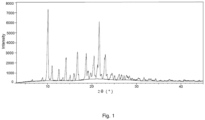
- the present disclosure provides the crystal form II of the compound represented by Formula (I) having characteristic peaks at angles (2 ⁇ ) 10.07 ⁇ 0.2°, 11.01 ⁇ 0.2°, 12.54 ⁇ 0.2°, 14.13 ⁇ 0.2°, 15.96 ⁇ 0.2°, 16.70 ⁇ 0.2° and 21.60 ⁇ 0.2° in an X-ray powder diffraction pattern using Cu-K ⁇ radiation.
- the crystal form II has characteristic peaks at angles (2 ⁇ ) 8.86 ⁇ 0.2°, 13.43 ⁇ 0.2°, 15.06 ⁇ 0.2°, 18.66 ⁇ 0.2°, 19.10 ⁇ 0.2°, 19.71 ⁇ 0.2°, 20.42 ⁇ 0.2° and 22.95 ⁇ 0.2° in an X-ray powder diffraction pattern using Cu-K ⁇ radiation, in addition to the above characteristic peaks.
- the crystal form II has characteristic peaks at angles (2 ⁇ ) 8.86 ⁇ 0.2°, 10.07 ⁇ 0.2°, 11.01 ⁇ 0.2°, 12.54 ⁇ 0.2°, 13.43 ⁇ 0.2°, 14.13 ⁇ 0.2°, 15.06 ⁇ 0.2°, 15.96 ⁇ 0.2°, 16.70 ⁇ 0.2°, 18.66 ⁇ 0.2°, 19.10 ⁇ 0.2°, 19.71 ⁇ 0.2°, 20.42 ⁇ 0.2°, 21.60 ⁇ 0.2°, and 22.95 ⁇ 0.2° in an X-ray powder diffraction pattern using Cu-K ⁇ radiation.
- the crystal form II has the X-ray powder diffraction pattern substantially the same as Fig. 1 .
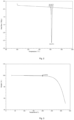
- a differential scanning calorimetry (DSC) thermogram shows that the crystal form II has an endothermic transition peak at about 155°C-170°C.
- the DSC thermogram shows that the crystal form II has an endothermic transition peak at 160°C -165°C.
- the DSC thermogram shows that a maximum endothermic transition temperature (phase transition temperature), namely the temperature at the peak of an endothermic peak, of the crystal form II is 162.25 ⁇ 3°C.
- the crystal form II has a DSC thermogram substantially the same as Fig. 2 .
- thermogravimetry (TGA) diagram shows that the crystal form II has no apparent weight loss at 0°C-250°C.
- the crystal form II has a TGA diagram substantially the same as Fig. 3 .
- the present disclosure further provides a preparation method for the crystal form II of the compound represented by Formula (I), and steps thereof include: mixing the compound represented by Formula (I) with an organic solvent, heating until the compound is completely dissolved, dropping a poor solvent, separating out a solid, filtering and drying, to obtain the crystal form II.
- the preparation method for the crystal form II of the compound represented by Formula (I) further includes an operation of cooling.
- the cooling operation is performed before the operation of dropping the poor solvent.
- the cooling operation is performed after the operation of dropping the poor solvent.
- the cooling operation is performed simultaneously with the operation of dropping the poor solvent.
- steps thereof include : mixing the compound represented by Formula (I) with an organic solvent, stirring and heating to 30-80°C, until the compound is completely dissolved, cooling to 0-30°C, dropping a poor solvent, stirring at a constant temperature, separating out a solid, filtering and drying, to obtain the crystal form II.
- steps thereof include: mixing the compound represented by Formula (I) with an organic solvent, stirring and heating to 30-80°C, until the compound is completely dissolved, dropping a poor solvent, cooling to 0-30°C, stirring at a constant temperature, separating out a solid, filtering and drying, to obtain the crystal form II.
- the preparation method for the crystal form II of the compound represented by Formula (I) includes an operation of heating to 40-70°C, such as heating to 40-45°C, such as heating to 45-50°C, such as heating to 50-55°C, such as heating to 55-60°C, such as heating to 60-65°C, such as heating to 65-70°C, and such as heating until the sample is dissolved and becomes clear.
- the preparation method for the crystal form II of the compound represented by Formula (I) includes an operation of cooling to 0-30°C, such as cooling to 0-10°C, such as cooling to 10-15°C, such as cooling to 10-20°C, such as cooling to 15-20°C, and such as cooling to 20-30°C.
- the cooling may be performed optionally at different temperatures for many times, and cooling modes thereof include, but are not limited to, natural cooling, ice bath cooling, oil bath cooling, and cooling by a refrigeration device and the like. In the present disclosure, the natural cooling, the oil bath cooling, and the cooling by the refrigeration device are preferred.
- the "temperature while dropping the poor solvent” refers to the temperature of a reaction system while dropping the poor solvent, rather than the solvent temperature of the poor solvent.
- the poor solvent is dropped after cooling until a crystal is separated out. In some implementation schemes, the poor solvent is dropped after cooling but a crystal is not separated out. In some implementation schemes, the cooling operation is completed prior to the operation of dropping the poor solvent. In some implementation schemes, the cooling operation is completed later than the operation of dropping the poor solvent. In some implementation schemes, the cooling operation and the operation of dropping the poor solvent are completed simultaneously.
- the temperature while dropping the poor solvent is selected from 0-30°C, such as 0-10°C, such as 10-15°C, such as 15-20°C, and such as 20-30°C.
- the cooling operation is performed before the operation of dropping the poor solvent; and , the temperature of the reaction system while dropping the poor solvent is, such as 0-30°C, such as 0-10°C, such as 10-15°C, such as 10-20°C, such as 15-20°C, and such as 20-30°C.
- the temperature while dropping the poor solvent is selected from 10-70°C, such as 20-60°C, such as 55-65°C, such as 45-55°C, such as 35-45°C, and such as 20-30 °C.
- the cooling is started after the operation of dropping the poor solvent is completed. In some implementation schemes, the cooling is started after the operation of dropping the poor solvent is started but before it is completed. In some implementation schemes, the cooling operation is completed prior to the operation of dropping the poor solvent. In some implementation schemes, the cooling operation is completed later than the operation of dropping the poor solvent. In some implementation schemes, the cooling operation and the operation of dropping the poor solvent are completed simultaneously.
- the cooling operation is performed after the operation of dropping the poor solvent; and the temperature while dropping the poor solvent is selected from 10-70°C, such as 20-60°C, such as 55-65°C, such as 45-55°C, such as 35-45°C, and such as 20-30 °C.
- the organic solvent is selected from one of a ketone solvent and an ester solvent, or a mixed solvent formed by combining two or more solvents in a specific proportion.
- the ketone solvent is selected from fatty ketone and cycloketone solvents.
- the fatty ketone solvent is preferably a methyl ethyl ketone, a methyl isopropylacetone, an acetone, a methyl butanone or a methyl isobutyl ketone, more preferably the acetone.
- the cycloketone solvent is preferably a cycloacetone, a cyclohexanone, an isophorone or an N-methylpyrrolidone, more preferably the N-methylpyrrolidone.
- the ester solvent is selected from fatty ester and aromatic ester solvents.
- the fatty ester solvent is preferably a methyl formate, an ethyl formate, a propyl formate, a methyl acetate, an ethyl acetate, a propyl acetate, an isopropyl acetate, a butyl acetate, an isobutyl acetate, a methyl propionate, an ethyl propionate, a propyl propionate or an isopropyl propionate, further preferably the ethyl formate, the methyl acetate, the ethyl acetate or the propyl acetate, and more preferably the ethyl acetate, and the aromatic ester solvent is such as a dimethyl phthalate.
- ketone solvent and the ester solvent mentioned above are not limited to specific examples listed, and all solvents belonging to the above classification that may be used to prepare the crystal form II of the compound represented by Formula (I) fall within a scope of protection of the present disclosure.
- the “mixed solvent” refers to a solvent formed by mixing the same type or different types of solvents in the above the organic solvents in a certain proportion.
- the mixed solvent formed by the same type of the solvents includes but is not limited to the following specific examples: methyl formate/ethyl acetate, methyl acetate/ethyl acetate, isobutyl acetate/ethyl acetate or methyl ethyl ketone/acetone and the like.
- the mixed solvent formed by the different types of the solvents includes but is not limited to esters/ketones.
- the organic solvent is selected from one or two of the acetone and the ethyl acetate.
- the poor solvent is selected from water and n-heptane.
- the drying mode includes but is not limited to natural drying at a room temperature, infrared lamp drying, oven drying and dryer drying, preferably drying under a vacuum condition; the preferred drying temperature is 30°C-100°C, preferably 30°C-80°C, preferably 35°C-70°C, preferably 40°C-65°C, and preferably 45°C-55°C; and during the drying process, the drying may be performed optionally at different temperatures for many times.
- the present disclosure further provides a pharmaceutical formulation or a pharmaceutical composition, and it contains the previously described crystal form II of the compound represented by Formula (I), and one or more pharmaceutically acceptable carriers and/or excipients.
- the crystal form II of the compound represented by Formula (I) of the present disclosure may be administered alone, or combined with one or more drugs to treat and/or prevent diseases and related diseases mediated by one or more tyrosine kinases in TRK, ALK and/or ROS1.
- the pharmaceutical composition further contains one or more second therapeutic active agents.
- the second therapeutic active agent is selected from a drug for treating pain, a drug for treating cancer, a drug for treating inflammation, a drug for treating neurodegenerative diseases, and a drug for treating autoimmune diseases.
- the drug for treating the pain includes but is not limited to a Nav1.7 channel regulator, an opioid analgesic, a non-steroidal anti-inflammatory drug, a sedative, a selective/non-selective cyclooxygenase inhibitor, an antiepileptic drug, an antidepressant, a local anesthetic, a 5-HT receptor blocker, a 5-HT receptor agonist, an ergot alkaloid, a ⁇ -receptor blocker, an M receptor blocker, a nitrate, a vitamin K and the like.
- the drug for treating the cancer includes but is not limited to a mitotic inhibitor, an alkylating agent, an antimetabolite, an antisense deoxyribonucleic acid (DNA) or ribonucleic acid (RNA), an anti-tumor antibiotic, a growth factor inhibitor, a signal transduction inhibitor, a cell cycle inhibitor, an enzyme inhibitor, a retinoid receptor modulator, a proteasome inhibitor, a topoisomerase inhibitor, a biological response modifier, a hormone drug, an angiogenesis inhibitor, a cell growth inhibitor, a targeting antibody, an HMG-CoA reductase inhibitor, and an isoprene protein transferase inhibitor and the like.
- the drug for treating the inflammation includes but is not limited to a steroidal anti-inflammatory drug and a non-steroidal anti-inflammatory drug.
- the drug for treating the neurodegenerative diseases includes but is not limited to: a dopaminergic drug, a dopamine metabolism-affecting drug, a drug affecting dopamine metabolism, an N-methyl-D-aspartate (NMDA) receptor antagonist, an adenosine A2A receptor inhibitor, a DA releasing and reuptake-affecting drug, a central anticholinergic drug, a cholinesterase inhibitor, a 5-HT agonist, an ⁇ 2 adrenergic receptor antagonist, an antidepressant, a choline receptor agonist, a ⁇ / ⁇ secretase inhibitor, an H3 receptor antagonist or an antioxidant drug and the like.
- NMDA N-methyl-D-aspartate
- the drug for treating the autoimmune diseases includes but is not limited to: an antirheumatic drug for improving conditions, a non-steroidal anti-inflammatory drug, a glucocorticoid drug, a tumor necrosis factor (TNF) antagonist, a cyclophosphamide, a mycophenolate mofetil, a cyclosporin and the like.
- an antirheumatic drug for improving conditions a non-steroidal anti-inflammatory drug
- a glucocorticoid drug a tumor necrosis factor (TNF) antagonist
- TNF tumor necrosis factor
- a cyclophosphamide a mycophenolate mofetil
- mycophenolate mofetil a cyclosporin and the like.
- each component to be combined may be administered simultaneously or sequentially separately.
- the second therapeutic active agent may be administered before, at the same time with, or after the administration of the crystal form II of the compound represented by Formula (I) of the present disclosure.
- each component to be combined may also be administered in the form of the same formulation or in the form of separate different formulations.
- the pharmaceutical composition may be prepared into any clinically or pharmaceutically acceptable dosage forms, such as a tablet, a capsule, a pill, a granule, a solution, a suspension, a syrup, an injection (including injection solution, sterile powder for injection and concentrated solution for injection), a suppository, an inhalation or a spray and the like.
- a tablet a capsule, a pill, a granule, a solution, a suspension, a syrup, an injection (including injection solution, sterile powder for injection and concentrated solution for injection), a suppository, an inhalation or a spray and the like.
- the above pharmaceutical formulation or pharmaceutical compositions may be applied to a patient or a subject in need of such treatment by oral, parenteral, rectal or pulmonary administration and other modes.
- the pharmaceutical composition may be prepared into an oral formulation.
- it may be prepared into a conventional oral solid formulation, such as the tablet, the capsule, the pill or the granule. It may also be prepared into an oral liquid formulation, such as the oral solution, the oral suspension or syrup.
- an appropriate filler, an adhesive, a disintegrant or a lubricant and the like may be added.
- the above drug formulation may also be prepared into the injection, including the injection solution, the sterile powder for injection and the concentrated solution for injection. While prepared into the injection, it may be produced by a conventional method in the existing pharmaceutical field, and while prepared into the injection, an additional agent may not be added, or the appropriate additional agent may also be added according to the nature of the drug.
- the pharmaceutical composition While used for the rectal administration, the pharmaceutical composition may be prepared into the suppository and the like.
- the pharmaceutical composition may be prepared into the inhalation or the spray and the like.
- the pharmaceutically acceptable carriers and/or excipients available in the pharmaceutical composition or pharmaceutical formulation of the present disclosure may be any conventional pharmaceutically acceptable carriers and/or excipients in the field of the pharmaceutical formulations, and the selection of specific carriers and/or excipients may depend on the mode of administration for treating a specific patient or the type and state of a disease. Preparation methods for the suitable pharmaceutical compositions or pharmaceutical formulations for the specific administration modes are completely within the knowledge of those skilled in the pharmaceutical field.
- the present disclosure further relates to a use of the previously described crystal form II of the compound represented by Formula (I) in preparing a drug for treating and/or preventing diseases and related diseases mediated by a tyrosine kinase, and the drug may be combined with one or more other drugs to prevent or treat the diseases and related diseases mediated by the tyrosine kinase.
- the diseases and related diseases mediated by the tyrosine kinases are preferably diseases and related diseases mediated by one or more tyrosine kinases in TRK, ALK and/or ROS1.
- the diseases and related diseases mediated by one or more tyrosine kinases in the TRK, ALK and/or ROS1 include but are not limited to pain, cancer, inflammation, neurodegenerative diseases, autoimmune diseases, infectious diseases and the like.
- the pain may be pain from any sources or causes, including but not limited to one or more of inflammatory pain, visceral pain, cancer-induced pain, chemotherapy pain, trauma pain, surgery and postoperative pain, labor pain, acute pain, chronic pain, intractable pain, somatic pain, nociceptive pain, neural pain, blood-borne pain, immune-borne pain, endocrine-borne pain, pain caused by metabolic disorder, cardiogenic pain, headache, phantom limb pain and toothache.
- sources or causes including but not limited to one or more of inflammatory pain, visceral pain, cancer-induced pain, chemotherapy pain, trauma pain, surgery and postoperative pain, labor pain, acute pain, chronic pain, intractable pain, somatic pain, nociceptive pain, neural pain, blood-borne pain, immune-borne pain, endocrine-borne pain, pain caused by metabolic disorder, cardiogenic pain, headache, phantom limb pain and toothache.
- the cancer includes but is not limited to one or more of lung cancer, colon cancer, prostate cancer, breast cancer, liver cancer, lymphatic cancer, thyroid cancer, multiple myeloma, soft tissue sarcoma, ovarian cancer, cervical cancer, fallopian tube carcinoma, renal cell carcinoma, gastric cancer, gastrointestinal stromal tumor, bone cancer, basal cell carcinoma, peritoneal cancer, dermatofibroma, pancreatic cancer, esophageal cancer, glioblastoma, head and neck cancer, inflammatory myofibroblast tumor and anaplastic large cell lymphoma, and the lung cancer includes a small cell lung cancer and a non-small cell lung cancer.
- the inflammation includes but is not limited to atherosclerosis, allergy, and inflammation caused by infection or injury.
- the neurodegenerative diseases include but are not limited to one or more of an Alzheimer's disease, a Parkinson's disease, an amyotrophic lateral sclerosis and a Huntington's disease.
- the autoimmune diseases include but are not limited to one or more of a rheumatoid arthritis, a Sjogren's syndrome, a type-I diabetes, and a lupus erythematosus.
- the infectious disease is such as a trypanosomiasis.
- the present disclosure further provides a method for treating and/or preventing diseases and related diseases mediated by one or more tyrosine kinases in TRK, ALK and/or ROS1, and the method includes administering an effective amount of the previously described crystal form II of the compound represented by Formula (I), and the previously described formulation or pharmaceutical composition to a subject in need; and the diseases and related diseases mediated by one or more tyrosine kinases in TRK, ALK and/or ROS1 are defined above.
- the position of the absorption peak in the X-ray powder diffraction pattern of each crystal form may be within the range of ⁇ 0.2° of the specific numerical value of the above present disclosure, for example, within the range of ⁇ 0.1°, and the endothermic transition temperature measured by DSC may be within the range of ⁇ 3.0°C (for example, ⁇ 1.0°C or ⁇ 2.0°C) of the above specific numerical value.
- XRPD X-ray powder diffraction
- XRD X-ray powder diffraction
- peak values may be given with different types of devices or different test conditions.
- the patterns and peak values of the different crystal forms and the relative strength of each diffraction peak are affected by the purity of the compound, the sample pretreatment, the scanning speed, the particle diameter and calibration and maintenance of the test device.
- the numerical value provided may not be regarded as an absolute value.
- the present disclosure further uses thermogravimetric analysis (TGA) to analyze a relationship between the degree of crystal form decomposition, sublimation, or evaporation (weight loss) and the temperature.
- TGA refers to a method of heating at a certain rate to determine the weight of a test sample changed with the temperature. It should be understood that the same type of the crystal form is affected by the sample purity, the particle diameter, the different types of the devices, the different test methods and the like, and the numerical values obtained have certain errors.
- the temperature at which the crystal form decomposes, sublimates or evaporates may be within the range of ⁇ 3.0°C of the specific numerical value disclosed above, for example, within the range of ⁇ 2.0°C.
- room temperature and "normal temperature” refer to the indoor environment temperature, usually 20-30°C, such as 20-25°C.
- a term "subject” refers to a healthy individual, an individual suffering from or suspected of suffering from a disease, and it may be a human or a non-human mammal, preferably the human. It usually includes a healthy volunteer, a patient, a test object and a treatment object and the like.
- an effective amount refers to an amount sufficient to achieve, or at least partially achieve, the desired effect.
- the effective amount of the treatment refers to an amount that is sufficient to cure or at least partially prevent a disease and its complications of a patient who already suffers from the disease;
- the effective amount of the prevention refers to an amount sufficient to prevent, stop, or delay the occurrence of the disease. The determination of such effective amount is completely within the competence of those skilled in the art.
- the effective amount for the therapeutic use may depend on the severity of the disease to be treated, the overall state of the own immune system of the patient, the general situation of the patient, such as age, weight and gender, the mode of drug administration, and other treatments administered simultaneously and the like.
- the amount of the drug given to the subject depends on the type and severity of the disease or condition and the characteristics of the subject, such as general health status, age, gender, weight and tolerance to the drug, and also depends on the type of the preparation and the mode of drug administration, as well as the administration cycle or time interval and other factors. Those skilled in the art may determine an appropriate dose according to these factors and other factors.
- the main advantages of the crystal form of the compound represented by Formula (I) of the present disclosure, especially the crystal form II, include one or more of the followings:
- Reaction solution was spin-dried, sodium bicarbonate solution (100 mL) and ethyl acetate (100 mL) were added, solution was separated, and the aqueous phase was extracted with ethyl acetate (50 mLx3). Organic phases were combined, and spin-dried, and it was purified by column chromatography (ethyl acetate), to obtain the target product (1.5 g, yield: 96.8%).
- X-ray reflection parameters Cu, and K ⁇ ; entrance slit width: 0.6 mm; divergence slit width: 1 mm; scanning mode: continuous; scanning range: 3.0-45.0 degrees; sampling step length: 0.02 degrees; and scanning time of each step: 0.3 s.
- the X-ray powder diffraction pattern of the crystal form II is shown in Fig. 1 .
- the crystal form has peaks at the following diffraction 2 ⁇ angles: 8.86 ⁇ 0.2°, 10.07 ⁇ 0.2°, 11.01 ⁇ 0.2°, 12.54 ⁇ 0.2°, 13.43 ⁇ 0.2°, 14.13 ⁇ 0.2°, 15.06 ⁇ 0.2°, 15.96 ⁇ 0.2°, 16.70 ⁇ 0.2°, 18.66 ⁇ 0.2°, 19.10 ⁇ 0.2°, 19.71 ⁇ 0.2°, 20.42 ⁇ 0.2°, 21.60 ⁇ 0.2°, and 22.95 ⁇ 0.2°.
- the solid-state thermal properties of the crystal form II of the compound represented by Formula (I) are researched by DSC.
- DSC test conditions it was purged with a nitrogen gas at 50 mL/min, data was collected at a heating rate of 3°C/min between 100°C and 200°C, and it was plotted under a condition that the endothermic peak faced downwards.
- the DSC curve of the crystal form II is shown in Fig. 2 .
- the DSC thermogram shows that the crystal form II has an endothermic transition peak at 160°C ⁇ 165°C, and its maximum endothermic transition temperature (phase transition temperature), namely the temperature at the peak of the endothermic peak, is 162.25 ⁇ 3°C.
- TGA test conditions it was purged with the nitrogen gas at 60 mL/min, and data was collected at a heating rate of 10°C/min between a room temperature and 350°C.
- the TGA curve of the crystal form II was shown in Fig. 3 .
- the TGA pattern shows that the crystal form II has no apparent weight loss at 0°C- 250°C.
- Test sample the crystal form II of the compound represented by Formula (I)
- Test method a suitable amount of the test samples was respectively weighed, and the appearance, moisture, content, related substances, XRD, and DSC of the test samples were investigated after being placed under the following conditions.
- the placing conditions were as follows.
- the opened package is a flat weighing bottle, and the closed package is a low-density polyethylene bag or low-density polyethylene bag + composite film bag.
- the opened package is the flat weighing bottle, and the closed package is the low-density polyethylene bag or low-density polyethylene bag + composite film bag).
- Moisture it was determined according to the first 2 coulometric titration of the general rule 0832 (moisture determination) of the Chinese Pharmacopoeia (2015 Edition, Part IV ).
- XRD it was determined according to the general rule 0451 (X-ray diffraction) of the Chinese Pharmacopoeia (2015 Edition, Part IV ).
- DSC it was determined at a heating rate of 3°C/min, from 100°C to 200°C.
- Test sample the crystal form II of the compound represented by Formula (I).
- Test method it was determined according to the general rule 9103 (guidelines of drug hygroscopicity test) of the Chinese Pharmacopoeia (2015 Edition, Part IV ) : the test sample was placed under the condition of 25°C and RH80% for 24 h (a sample bottle was placed under this condition for 24 h in advance), and results were shown in Table 2: Table 2: Investigation results of hygroscopicity Test sample Placing condition Moisture absorption weight gain (%) Crystal form II 25°C RH80% placing for 1 day 0.002
- Test compound the compound represented by Formula (I), prepared according to the method in Embodiment 1.
- All cells were suspension cells, and all culture mediums were RPMI-1640+10% FBS. The cells were tested in a logarithmic growth phase.
- M means “mol/L”
- mM means “mmol/L”
- ⁇ M means " ⁇ mol/L”.
- DMSO Dimethylsulfoxide
- the stock solution of the test compound was diluted from 10 mM to 1 mM with DMSO, and then diluted by three times in a continuous gradient with DMSO. There were a total of 9 gradients. 2 ⁇ L of compound solution gradient-diluted with DMSO was respectively taken and added to 198 ⁇ L of culture solution, to obtain the working stock solution with the test compound (the concentration of the compound was 10 times of the final concentration, the concentration of DMSO was 1wt%, and the maximum concentration was 10 ⁇ M).
- the maximum value was a DMSO solvent control, only the culture medium was added to a blank well, and the cells were not inoculated.
- the final concentration of the test compound was: 1000 nM, 333.33 nM, 111.11 nM, 37.04 nM, 12.35 nM, 4.12 nM, 1.37 nM, 0.46 nM, and 0.15 nM.
- a CellTiter-Glo luminescent cell viability assay (CTG) reagent was molten and a cell plate was balanced to a room temperature for 30 minutes. 60 ⁇ L of a reagent (Celltiter Glass assay kit) was added to each well, it was shaken with an oscillator for 2 min to be mixed uniformly (avoiding light), and incubated at the room temperature for 10 min (avoiding light). The light signal value was read by a multifunctional microplate reader.
- CCG CellTiter-Glo luminescent cell viability assay
- Table 5 In vitro cytological activity of compound of present disclosure (IC 50 , nM) Test compound Ba/F3 LMNA-NTRK1-G595R (nM) Ba/F3 ETV6-NTRK3-G623R (nM) Compound represented by Formula (I) 0.6 1
- the compound of the present disclosure may effectively inhibit the proliferation of cells such us Ba/F3 LMNA-NTRK1-G595R and Ba/F3 ETV6-NTRK3-G623R. It is indicated that the compound of the present disclosure has clinical application potential in treating drug-resistant cancererous diseases caused by a neurotrophin receptor kinase (NTRK) gene mutation.
- NTRK neurotrophin receptor kinase
- Test compound the compound represented by Formula (I), prepared according to the method in Embodiment 1.
- Ba/F3 SLC34A2/ROS1-G2032R cell line A stably expressed cell line of Ba/F3 cells transfected with SLC34A2/ROS1-G2032R.
- All cells were suspension cells, and all culture mediums were RPMI-1640+10% FBS. The cells were tested in a logarithmic growth phase.
- the stock solution of the test compound was diluted from 10 mM to 1 mM with DMSO, and then diluted by 3.16 times in a continuous gradient with DMSO, and there were a total of 9 gradients. 2 ⁇ L of compound solution gradient-diluted with DMSO was respectively taken and added to 198 ⁇ L of culture solution, to obtain the working stock solution of the test compound. In the working stock solution, the concentration of the compound was 10 times of the final concentration, the concentration of DMSO was 1%, and the maximum concentration was 10 ⁇ M.
- the maximum value was a DMSO solvent control, only the culture medium was added to a blank well, and the cells were not inoculated.
- the final concentration of the test compound was: 1000 nM, 316 nM, 100 nM, 31.6 nM, 10 nM, 3.16 nM, 1 nM, 0.316 nM, and 0.1 nM.
- a CTG reagent was molten and a cell plate was balanced to a room temperature for 30 minutes. 100 ⁇ L of a reagent (Celltiter-Glass assay kit) was added to each well, it was shaken with an oscillator for 5 min to be mixed uniformly (avoiding light), and incubated at the room temperature for 20 min (avoiding light). The light signal value was read by a multifunctional microplate reader.
- a reagent Celltiter-Glass assay kit
- Table 8 In vitro cytological activity of compound of present disclosure (IC 50 , nM) Test compound Ba/F3 SLC34A2/ROS1-G2032R Compound represented by Formula (I) 2.3
- the compound of the present disclosure may effectively inhibit the proliferation of Ba/F3 SLC34A2/ROS1-G2032R cells. It is indicated that the compound of the present disclosure has clinical application potential in treating drug-resistant cancer diseases caused by a ROS gene mutation.
- Experimental example 3 Efficacy study experiment in compound of the present invention on BaF3 LMNA-NTRK1-G595R stable cell strain subcutaneous xenograft model.
- Test substance the compound represented by Formula (I), prepared according to the method in Embodiment 1.
- Positive control drug a compound LOXO-195, purchased or prepared according to a method disclosed in WO2011146336 , and its structure is shown as follows:
- a BaF3LMNA-NTRK1-G595R stably transfected cell line resuspended in a RPMI1640 serum-free medium was inoculated subcutaneously on a right scapula of a mouse (nonobese diabetic-severe combined immunodeficiency disease (NOD-SCID) ) at 1 ⁇ 10 6 cells/mouse (0.1 ml/mouse).
- NOD-SCID nonobese diabetic-severe combined immunodeficiency disease
- Table 9-1 Administration route, dosage and scheme of BaF3LMNA-NTRK1-G595R model efficacy experiment 1
- Table 9-2 Administration route, dosage and scheme of BaF3 LMNA-NTRK1-G595R model efficacy experiment 2
- Table 10-1 Pharmacodynamic experiment 1 inhibitory effect on xenograft tumor of BaF3 LMNA-NTRK1-G595R stably transfected cell line Group Administration dosage (mg/Kg) T/C (%) TGI (%) Group 1 Vehicle - - Group 2 LOXO-195 3, bid 93.6 6.4 Group 3 LOXO-195 10, bid 63.1 36.9 Group 4 Compound represented by Formula (I) 3, bid 73.2 26.8 Table 10-2: Pharmacodynamic experiment 2 inhibitory effect on xenograft tumor of BaF3 LMNA-NTRK1-G595R stably transfected cell line Group Administration dosage (mg/Kg) T/C (%) TGI (%) Group 5 LOXO-195 30, bid 0 100 Group 6 Compound represented by Formula (I) 1, bid 53.7 46.3 Group 7 Compound represented by Formula (I) 5, bid 0 100 Group 8 Compound represented by Formula (I) 10, bid 0 100
- the oral administration of the compound of the present disclosure may significantly inhibit the tumor efficacy model of cell line BaF3LMNA-NTRK1-G595R containing the NTRK fusion gene.
- the compound of the present disclosure has the good tumor inhibition effect on tumors with the NTRK fusion gene mutation, and has a good clinical application prospect.
Landscapes
- Health & Medical Sciences (AREA)
- Chemical & Material Sciences (AREA)
- Organic Chemistry (AREA)
- Veterinary Medicine (AREA)
- Medicinal Chemistry (AREA)
- Pharmacology & Pharmacy (AREA)
- Life Sciences & Earth Sciences (AREA)
- Animal Behavior & Ethology (AREA)
- General Health & Medical Sciences (AREA)
- Public Health (AREA)
- General Chemical & Material Sciences (AREA)
- Nuclear Medicine, Radiotherapy & Molecular Imaging (AREA)
- Chemical Kinetics & Catalysis (AREA)
- Bioinformatics & Cheminformatics (AREA)
- Engineering & Computer Science (AREA)
- Biomedical Technology (AREA)
- Neurology (AREA)
- Neurosurgery (AREA)
- Epidemiology (AREA)
- Immunology (AREA)
- Rheumatology (AREA)
- Pain & Pain Management (AREA)
- Hospice & Palliative Care (AREA)
- Psychiatry (AREA)
- Psychology (AREA)
- Pharmaceuticals Containing Other Organic And Inorganic Compounds (AREA)
- Medicines That Contain Protein Lipid Enzymes And Other Medicines (AREA)
- Nitrogen And Oxygen Or Sulfur-Condensed Heterocyclic Ring Systems (AREA)
Applications Claiming Priority (2)
| Application Number | Priority Date | Filing Date | Title |
|---|---|---|---|
| CN202010382192 | 2020-05-08 | ||
| PCT/CN2021/092225 WO2021223748A1 (fr) | 2020-05-08 | 2021-05-07 | Forme cristalline d'inhibiteur de tyrosine kinase macrocyclique et procédé de préparation associé |
Publications (2)
| Publication Number | Publication Date |
|---|---|
| EP4148055A1 true EP4148055A1 (fr) | 2023-03-15 |
| EP4148055A4 EP4148055A4 (fr) | 2023-10-11 |
Family
ID=78377950
Family Applications (1)
| Application Number | Title | Priority Date | Filing Date |
|---|---|---|---|
| EP21800713.6A Withdrawn EP4148055A4 (fr) | 2020-05-08 | 2021-05-07 | Forme cristalline d'inhibiteur de tyrosine kinase macrocyclique et procédé de préparation associé |
Country Status (6)
| Country | Link |
|---|---|
| US (1) | US20230183265A1 (fr) |
| EP (1) | EP4148055A4 (fr) |
| JP (1) | JP7495035B2 (fr) |
| KR (1) | KR20230008767A (fr) |
| CN (1) | CN113620974B (fr) |
| WO (1) | WO2021223748A1 (fr) |
Families Citing this family (3)
| Publication number | Priority date | Publication date | Assignee | Title |
|---|---|---|---|---|
| CN115746023B (zh) * | 2022-10-27 | 2024-08-09 | 复旦大学 | 一种作为蛋白激酶抑制剂的含吲唑结构的杂环大环化合物及其制备方法 |
| CN120037236A (zh) * | 2023-11-24 | 2025-05-27 | 浙江同源康医药股份有限公司 | 晶体、药物组合物及其制备方法和应用 |
| CN117946136A (zh) * | 2024-01-24 | 2024-04-30 | 浙江海正药业股份有限公司 | 大环类衍生物的晶型及其制备方法和用途 |
Family Cites Families (9)
| Publication number | Priority date | Publication date | Assignee | Title |
|---|---|---|---|---|
| KR20110073500A (ko) * | 2008-09-08 | 2011-06-29 | 메르크 파텐트 게엠베하 | 오로라 키나아제 억제제로서 마크로사이클릭 피리미딘 |
| ME03376B (fr) | 2010-05-20 | 2020-01-20 | Array Biopharma Inc | Composés macrocycliques comme inhibiteurs de la kinase trk |
| PL2710018T3 (pl) | 2011-05-19 | 2022-04-04 | Fundación Del Sector Público Estatal Centro Nacional De Investigaciones Oncológicas Carlos III (F.S.P. CNIO) | Związki makrocykliczne jako inhibitory kinaz białkowych |
| ES2933350T3 (es) | 2014-01-24 | 2023-02-06 | Turning Point Therapeutics Inc | Macrociclos de diarilo como moduladores de proteína quinasas |
| RU2765181C2 (ru) | 2015-07-06 | 2022-01-26 | Тёрнинг Поинт Терапьютикс, Инк. | Полиморфная форма диарильного макроцикла |
| EP3368039A1 (fr) | 2015-10-26 | 2018-09-05 | The Regents of The University of Colorado, A Body Corporate | Mutations ponctuelles dans le cancer résistant aux inhibiteurs de trk et méthodes associées |
| JOP20190092A1 (ar) | 2016-10-26 | 2019-04-25 | Array Biopharma Inc | عملية لتحضير مركبات بيرازولو[1، 5-a]بيريميدين وأملاح منها |
| AU2018364938B2 (en) * | 2017-11-10 | 2021-11-11 | Angex Pharmaceutical, Inc. | Macrocyclic compounds as TRK kinase inhibitors and uses thereof |
| WO2020094112A1 (fr) * | 2018-11-09 | 2020-05-14 | 山东轩竹医药科技有限公司 | Inhibiteur de la tyrosine kinase macrocyclique et son application |
-
2021
- 2021-05-07 JP JP2022567834A patent/JP7495035B2/ja active Active
- 2021-05-07 EP EP21800713.6A patent/EP4148055A4/fr not_active Withdrawn
- 2021-05-07 CN CN202110492828.3A patent/CN113620974B/zh active Active
- 2021-05-07 KR KR1020227042144A patent/KR20230008767A/ko not_active Withdrawn
- 2021-05-07 US US17/923,613 patent/US20230183265A1/en active Pending
- 2021-05-07 WO PCT/CN2021/092225 patent/WO2021223748A1/fr not_active Ceased
Also Published As
| Publication number | Publication date |
|---|---|
| CN113620974B (zh) | 2023-01-31 |
| JP7495035B2 (ja) | 2024-06-04 |
| KR20230008767A (ko) | 2023-01-16 |
| EP4148055A4 (fr) | 2023-10-11 |
| CN113620974A (zh) | 2021-11-09 |
| JP2023525997A (ja) | 2023-06-20 |
| US20230183265A1 (en) | 2023-06-15 |
| WO2021223748A1 (fr) | 2021-11-11 |
Similar Documents
| Publication | Publication Date | Title |
|---|---|---|
| EP3964510B1 (fr) | Forme cristalline d'un composé inhibiteur de wee1 et son utilisation | |
| EP3181560B1 (fr) | Dérivé de pyridine amidopyrimidine, son procédé de préparation et utilisation | |
| JP5719770B2 (ja) | 塩酸イコチニブ、合成物、結晶学的形態、併用薬及びその用途 | |
| EP3584239B1 (fr) | Composé contenant un alcynyle o-aminohétéroaryle, son procédé de préparation et son utilisation | |
| EP4011881A1 (fr) | Forme cristalline d'un inhibiteur d'atr et son utilisation | |
| WO2021190467A1 (fr) | Composé de quinazoline contenant un cycle spiro | |
| EP4148055A1 (fr) | Forme cristalline d'inhibiteur de tyrosine kinase macrocyclique et procédé de préparation associé | |
| EP4155310A1 (fr) | Agents de dégradation sélectifs des récepteurs des oestrogènes | |
| EP3865488A1 (fr) | Composé macrocyclique servant d'inhibiteur de cdk, son procédé de préparation et son utilisation en médecine | |
| EP4119559A1 (fr) | Sels de maléate d'un inhibiteur de kinase b-raf, formes cristallines, procédés de préparation, et leurs utilisations | |
| EP2949647A1 (fr) | Composé d'aminopyrimidine phényle deutérié et composition pharmaceutique le contenant | |
| JP2013529212A (ja) | mTOR選択的キナーゼ阻害剤 | |
| KR20120113760A (ko) | 정제된 피롤로퀴놀리닐-피롤리딘-2,5-디온 조성물 및 이의 제조 방법 및 사용 방법 | |
| WO1997049689A1 (fr) | Derives dr 4-aralkylminopyrimidine bicycliques utilises comme inhibiteurs de la tyrosine kinase | |
| CN112533927B (zh) | 可用作激酶抑制剂的被取代的大环 | |
| AU2019241625A1 (en) | Therapeutic agent for hepatocellular carcinoma | |
| KR20110005828A (ko) | 퀴나졸린 유도체 및 치료방법 | |
| CN105461720B (zh) | 吗啉类酪氨酸激酶抑制剂 | |
| KR20190122764A (ko) | 피라졸로[3,4-d]피리미딘 화합물을 사용한 항종양 효과 증강제 | |
| JP2022521964A (ja) | 新型汎rafキナーゼ阻害剤及びその使用 | |
| HK40081974A (en) | Crystal form of macrocyclic tyrosine kinase inhibitor and preparation method therefor | |
| EP2896622B1 (fr) | Inhibiteur de pi3k et/ou de mtor | |
| WO2022021784A1 (fr) | Utilisation d'un intermédiaire tsl-1502m d'inhibiteur de parp tsl-1502 | |
| EP4596553A1 (fr) | Sel de composé dioxane quinoléine, forme cristalline de celui-ci, procédés de préparation et utilisations associés | |
| CN113527306A (zh) | 喹啉类TGF-β1抑制剂的晶型 |
Legal Events
| Date | Code | Title | Description |
|---|---|---|---|
| STAA | Information on the status of an ep patent application or granted ep patent |
Free format text: STATUS: THE INTERNATIONAL PUBLICATION HAS BEEN MADE |
|
| PUAI | Public reference made under article 153(3) epc to a published international application that has entered the european phase |
Free format text: ORIGINAL CODE: 0009012 |
|
| STAA | Information on the status of an ep patent application or granted ep patent |
Free format text: STATUS: REQUEST FOR EXAMINATION WAS MADE |
|
| 17P | Request for examination filed |
Effective date: 20221202 |
|
| AK | Designated contracting states |
Kind code of ref document: A1 Designated state(s): AL AT BE BG CH CY CZ DE DK EE ES FI FR GB GR HR HU IE IS IT LI LT LU LV MC MK MT NL NO PL PT RO RS SE SI SK SM TR |
|
| REG | Reference to a national code |
Ref country code: HK Ref legal event code: DE Ref document number: 40081974 Country of ref document: HK |
|
| DAV | Request for validation of the european patent (deleted) | ||
| DAX | Request for extension of the european patent (deleted) | ||
| REG | Reference to a national code |
Ref country code: DE Ref legal event code: R079 Free format text: PREVIOUS MAIN CLASS: C07D0487040000 Ipc: C07D0498220000 |
|
| A4 | Supplementary search report drawn up and despatched |
Effective date: 20230908 |
|
| RIC1 | Information provided on ipc code assigned before grant |
Ipc: A61P 35/00 20060101ALI20230904BHEP Ipc: A61K 31/519 20060101ALI20230904BHEP Ipc: C07D 498/22 20060101AFI20230904BHEP |
|
| RAP1 | Party data changed (applicant data changed or rights of an application transferred) |
Owner name: XUANZHU BIOPHARMACEUTICAL CO., LTD. |
|
| STAA | Information on the status of an ep patent application or granted ep patent |
Free format text: STATUS: THE APPLICATION HAS BEEN WITHDRAWN |
|
| 18W | Application withdrawn |
Effective date: 20250217 |