EP4159765A1 - Bispezifischer antikörper oder antigenbindendes fragment davon und herstellungsverfahren dafür - Google Patents
Bispezifischer antikörper oder antigenbindendes fragment davon und herstellungsverfahren dafür Download PDFInfo
- Publication number
- EP4159765A1 EP4159765A1 EP21818345.7A EP21818345A EP4159765A1 EP 4159765 A1 EP4159765 A1 EP 4159765A1 EP 21818345 A EP21818345 A EP 21818345A EP 4159765 A1 EP4159765 A1 EP 4159765A1
- Authority
- EP
- European Patent Office
- Prior art keywords
- constant region
- antibody constant
- tryptophan
- alanine
- valine
- Prior art date
- Legal status (The legal status is an assumption and is not a legal conclusion. Google has not performed a legal analysis and makes no representation as to the accuracy of the status listed.)
- Pending
Links
Images







Classifications
-
- A—HUMAN NECESSITIES
- A61—MEDICAL OR VETERINARY SCIENCE; HYGIENE
- A61P—SPECIFIC THERAPEUTIC ACTIVITY OF CHEMICAL COMPOUNDS OR MEDICINAL PREPARATIONS
- A61P25/00—Drugs for disorders of the nervous system
- A61P25/28—Drugs for disorders of the nervous system for treating neurodegenerative disorders of the central nervous system, e.g. nootropic agents, cognition enhancers, drugs for treating Alzheimer's disease or other forms of dementia
-
- A—HUMAN NECESSITIES
- A61—MEDICAL OR VETERINARY SCIENCE; HYGIENE
- A61K—PREPARATIONS FOR MEDICAL, DENTAL OR TOILETRY PURPOSES
- A61K39/00—Medicinal preparations containing antigens or antibodies
-
- A—HUMAN NECESSITIES
- A61—MEDICAL OR VETERINARY SCIENCE; HYGIENE
- A61P—SPECIFIC THERAPEUTIC ACTIVITY OF CHEMICAL COMPOUNDS OR MEDICINAL PREPARATIONS
- A61P35/00—Antineoplastic agents
-
- C—CHEMISTRY; METALLURGY
- C07—ORGANIC CHEMISTRY
- C07K—PEPTIDES
- C07K16/00—Immunoglobulins [IG], e.g. monoclonal or polyclonal antibodies
- C07K16/18—Immunoglobulins [IG], e.g. monoclonal or polyclonal antibodies against material from animals or humans
- C07K16/28—Immunoglobulins [IG], e.g. monoclonal or polyclonal antibodies against material from animals or humans against receptors, cell surface antigens or cell surface determinants
- C07K16/2803—Immunoglobulins [IG], e.g. monoclonal or polyclonal antibodies against material from animals or humans against receptors, cell surface antigens or cell surface determinants against the immunoglobulin superfamily
- C07K16/2809—Immunoglobulins [IG], e.g. monoclonal or polyclonal antibodies against material from animals or humans against receptors, cell surface antigens or cell surface determinants against the immunoglobulin superfamily against the T-cell receptor (TcR)-CD3 complex
-
- C—CHEMISTRY; METALLURGY
- C07—ORGANIC CHEMISTRY
- C07K—PEPTIDES
- C07K16/00—Immunoglobulins [IG], e.g. monoclonal or polyclonal antibodies
- C07K16/18—Immunoglobulins [IG], e.g. monoclonal or polyclonal antibodies against material from animals or humans
- C07K16/28—Immunoglobulins [IG], e.g. monoclonal or polyclonal antibodies against material from animals or humans against receptors, cell surface antigens or cell surface determinants
- C07K16/2803—Immunoglobulins [IG], e.g. monoclonal or polyclonal antibodies against material from animals or humans against receptors, cell surface antigens or cell surface determinants against the immunoglobulin superfamily
- C07K16/2827—Immunoglobulins [IG], e.g. monoclonal or polyclonal antibodies against material from animals or humans against receptors, cell surface antigens or cell surface determinants against the immunoglobulin superfamily against B7 molecules, e.g. CD80, CD86
-
- C—CHEMISTRY; METALLURGY
- C07—ORGANIC CHEMISTRY
- C07K—PEPTIDES
- C07K16/00—Immunoglobulins [IG], e.g. monoclonal or polyclonal antibodies
- C07K16/46—Hybrid immunoglobulins
-
- C—CHEMISTRY; METALLURGY
- C12—BIOCHEMISTRY; BEER; SPIRITS; WINE; VINEGAR; MICROBIOLOGY; ENZYMOLOGY; MUTATION OR GENETIC ENGINEERING
- C12N—MICROORGANISMS OR ENZYMES; COMPOSITIONS THEREOF; PROPAGATING, PRESERVING, OR MAINTAINING MICROORGANISMS; MUTATION OR GENETIC ENGINEERING; CULTURE MEDIA
- C12N15/00—Mutation or genetic engineering; DNA or RNA concerning genetic engineering, vectors, e.g. plasmids, or their isolation, preparation or purification; Use of hosts therefor
- C12N15/09—Recombinant DNA-technology
- C12N15/63—Introduction of foreign genetic material using vectors; Vectors; Use of hosts therefor; Regulation of expression
-
- A—HUMAN NECESSITIES
- A61—MEDICAL OR VETERINARY SCIENCE; HYGIENE
- A61K—PREPARATIONS FOR MEDICAL, DENTAL OR TOILETRY PURPOSES
- A61K39/00—Medicinal preparations containing antigens or antibodies
- A61K2039/505—Medicinal preparations containing antigens or antibodies comprising antibodies
-
- C—CHEMISTRY; METALLURGY
- C07—ORGANIC CHEMISTRY
- C07K—PEPTIDES
- C07K16/00—Immunoglobulins [IG], e.g. monoclonal or polyclonal antibodies
- C07K16/46—Hybrid immunoglobulins
- C07K16/468—Immunoglobulins having two or more different antigen binding sites, e.g. multifunctional antibodies
-
- C—CHEMISTRY; METALLURGY
- C07—ORGANIC CHEMISTRY
- C07K—PEPTIDES
- C07K2317/00—Immunoglobulins specific features
- C07K2317/30—Immunoglobulins specific features characterized by aspects of specificity or valency
- C07K2317/31—Immunoglobulins specific features characterized by aspects of specificity or valency multispecific
-
- C—CHEMISTRY; METALLURGY
- C07—ORGANIC CHEMISTRY
- C07K—PEPTIDES
- C07K2317/00—Immunoglobulins specific features
- C07K2317/50—Immunoglobulins specific features characterized by immunoglobulin fragments
- C07K2317/52—Constant or Fc region; Isotype
- C07K2317/526—CH3 domain
-
- C—CHEMISTRY; METALLURGY
- C07—ORGANIC CHEMISTRY
- C07K—PEPTIDES
- C07K2317/00—Immunoglobulins specific features
- C07K2317/50—Immunoglobulins specific features characterized by immunoglobulin fragments
- C07K2317/55—Fab or Fab'
-
- C—CHEMISTRY; METALLURGY
- C07—ORGANIC CHEMISTRY
- C07K—PEPTIDES
- C07K2317/00—Immunoglobulins specific features
- C07K2317/60—Immunoglobulins specific features characterized by non-natural combinations of immunoglobulin fragments
- C07K2317/62—Immunoglobulins specific features characterized by non-natural combinations of immunoglobulin fragments comprising only variable region components
- C07K2317/622—Single chain antibody (scFv)
-
- C—CHEMISTRY; METALLURGY
- C07—ORGANIC CHEMISTRY
- C07K—PEPTIDES
- C07K2319/00—Fusion polypeptide
- C07K2319/30—Non-immunoglobulin-derived peptide or protein having an immunoglobulin constant or Fc region, or a fragment thereof, attached thereto
Definitions
- the present disclosure relates to a bispecific antibody having a high heterodimer formation rate, or an antigen-binding fragment thereof, and a method of preparing the same.
- Natural human immunoglobulin consists of two identical heavy chains and two light chains joined together.
- immunoglobulins may be functionally divided into an antigen-binding fragment (Fab) region that forms antigen-antibody binding and a fragment crystallizable (Fc) region in which two heavy chains form a dimer.
- Fab antigen-binding fragment
- Fc fragment crystallizable region in which two heavy chains form a dimer.
- mAbs monoclonal antibodies
- mAbs generally target the same binding site (epitope) of the same antigen because the two Fab regions are identical to each other, and have bi-valent and mono-specific binding properties.
- Immunoglobulins are widely used as a therapeutic agent for various diseases due to a target-specific antigen-binding function of the Fab region and a function of the Fc region of inducing immune cells and increasing in vivo half-life.
- a synergistic treatment using two drugs acting on different targets has shown a greater therapeutic effect than using a single drug, and as a result, various bispecific antibodies that may act on two target substances are being developed.
- scFv-scFv type bispecific antibodies in which variable region fragments of different antibodies are linked with a polypeptide chain, have the disadvantage of not being able to stay in the body for a long time and to sustain efficacy due to their small molecular weight and low stability.
- scFv-Fab-Fc or Fab-Fc-scFv type bispecific antibodies in which an end of a natural immunoglobulin polypeptide is linked to a variable region fragment of another antibody, have disadvantages of having the potential to form an aggregate due to the low structural stability, and to show immunogenicity in vivo. Therefore, in order to solve these issues, it is necessary to develop bispecific antibodies having different variable regions while following the form of a natural immunoglobulin as much as possible.
- the existing Fc heterodimer technology developed in this way also has the limitation of not being able to make all Fc structures in the form of 100 % heterodimers, and forms a mixture of heterodimers and homodimers.
- bispecific antibody including the same or an antigen-binding fragment thereof, receptors and receptor-binding agonists, antagonists, ligands, receptor decoy biconjugates, and the like.
- An aspect is to provide a protein complex having a high heterodimer formation rate.
- Another aspect is to provide a method of preparing the protein complex having a high heterodimer formation rate.
- Still another aspect is to provide a pharmaceutical composition for preventing or treating a disease including the protein complex having a high heterodimer formation rate.
- Still another aspect is to provide a method of preventing or treating a disease using the protein complex having a high heterodimer formation rate.
- Still another aspect is to provide uses of the protein complex having a high heterodimer formation rate for preparation of a preventive or therapeutic agent for a disease.
- An aspect provides a protein complex including a first polypeptide including a first CH3 antibody constant region and a second polypeptide including a second CH3 antibody constant region, wherein the first polypeptide and the second polypeptide form a heterodimer.
- the first CH3 antibody constant region includes a tryptophan (W) at position 366
- the second CH3antibody constant region includes a serine (S) at position 366, an alanine (A) at position 368, and a valine (V) at position 407
- at least one of the first CH3 antibody constant region and the second CH3 antibody constant region may include at least one amino acid selected from the group consisting of phenylalanine (F), tryptophan (W), histidine (H), glycine (G), valine (V), methionine (M) and alanine (A), at one or more positions selected from the group consisting of positions 351 and 394.
- the protein complex includes a first polypeptide including a first CH3 antibody constant region and a second polypeptide including a second CH3 antibody constant region, wherein the first polypeptide and the second polypeptide form a heterodimer.
- antibody is used interchangeably with the term “immunoglobulin (Ig)".
- a complete antibody has a structure having two full-length light chains and two full-length heavy chains, and each light chain is bound to a heavy chain by a disulfide bond (SS-bond).
- the light chain has two types, ⁇ and ⁇ , and consists of approximately 211 to 217 amino acids. There is only one kind of a light chain in each human antibody.
- the light chain consists of a constant region and a variable region continuously connected.
- the heavy chain has five ( ⁇ , ⁇ , ⁇ , ⁇ , ⁇ ) types, and the heavy chain determines the type of an antibody, ⁇ and ⁇ consist of 450 amino acids, and ⁇ and ⁇ consist of 550 amino acids.
- the heavy chain has two regions, a variable region and a constant region.
- the variable region refers to a region to which an antigen binds in an antibody.
- the variable region may include a complementarity determining region (CDR) conferring antigen-binding specificity.
- CDR complementarity determining region
- the antibody may include an antigen-binding fragment (Fab) region that binds to an antigen and a fragment crystallizable (Fc) region that binds to a cell surface receptor.
- Fab antigen-binding fragment
- Fc fragment crystallizable
- the Fab region may be one, in which a polypeptide including a heavy chain variable region (VH) domain and a heavy chain constant region 1 (CH1) domain, and a polypeptide including a light chain variable region (VL) domain and a light chain constant region (CL) domain, are linked by a disulfide bond.
- the Fc region may be one in which two polypeptides including a heavy chain constant region 2 (CH2) domain and a constant region 3 (CH3) domain are linked.
- the Fc region may form a hinge region.
- the CH3 antibody constant region refers to the heavy chain constant region 3 domain of an antibody.
- a first polypeptide and a second polypeptide may form a Fc region of an antibody.
- the heterodimer refers to a combination of two polypeptides having different sequences, numbers, or types of amino acid residues.
- the protein complex may be a bispecific antibody or an antigen-binding fragment thereof formed by combining of two polypeptides that specifically bind to targets different from each other.
- the protein complex may be a bispecific antibody or an antigen-binding fragment thereof, a conjugate of a receptor and an agonist, a conjugate of a receptor and an antagonist, a conjugate of a receptor and a ligand, or a conjugate of a ligand and a decoy receptor.
- the protein complex may include any one selected from the group consisting of an antigen-binding fragment (Fab), a single chain variable fragment (scFv), an extracellular domain of a membrane receptor, an agonist, an antagonist, a ligand, a decoy receptor, a cytokine, a coagulation factor, and an affinity tag.
- the antibody may be, for example, IgA, IgD, IgE, IgG, or IgM.
- the antibody may be a monoclonal antibody or a polyclonal antibody.
- the antibody may be an animal-derived antibody, a mouse-human chimeric antibody, a humanized antibody, or a human antibody.
- an antigen binding fragment refers to a fragment of an entire immunoglobulin structure, and refers to a portion of a polypeptide including a part capable of binding to an antigen.
- an antigen binding fragment may be scFv, (scFv) 2 , Fv, Fab, Fab', Fv F(ab') 2 , or a combination thereof.
- bispecific refers to specific recognition of target proteins different from each other.
- a bispecific antibody or an antigen-binding fragment thereof refers to an antibody or an antigen-binding fragment thereof having two antigen-binding sites that recognize different target antigens.
- a bispecific antibody or an antigen-binding fragment thereof may also be referred to as a bispecific antibody (BsAb).
- the bispecific antibody or antigen-binding fragment thereof may be a knob into hole (kih) IgG, scFv-Fc, scFv 2 -Fc, TrioMab, IgG-like antibody, CrossMab, 2:1 CrossMab, 2:2 CrossMab, DuoBody, DVD-Ig (dual variable domain immunoglobulin), scFv-IgG, IgG-IgG, Fab-scFv-Fc, ADPTIR, BiTE (bispecific T cell engager)-Fc, DART (Dual affinity retargeting)-Fc, Tetravalent DART-Fc, LP-DART, CODV (cross-over dual variable)-Ig, CODV-Fab-TL, HLE (half-life extended)-Bite, Tandem V HH (heavy chain-only variable domain)-Fc, or a combination thereof.
- Kih knob into hole
- the term "receptor” refers to a substance that receives or transmits a signal that may be transmitted to a biological system.
- the receptor may be a protein receptor.
- the receptor may bind to an agonist, an antagonist, a ligand, or a cytokine.
- the agonist may be a substance that binds to a receptor and activates the receptor to induce a biological response.
- the antagonist may be a substance that binds to a receptor and inhibits the receptor to inhibit a biological response.
- the ligand may be a substance that binds to a receptor.
- the ligand may bind to a decoy receptor.
- the decoy receptor refers to a receptor that specifically binds to a ligand, thereby inhibiting signal transduction by an actual receptor.
- the cytokine refers to a small protein that acts on cell signaling, and regulation and maintenance of inflammatory processes.
- the protein complex may be modified.
- the protein complex may be modified by conjugation or binding, glycosylation, tag attachment, or a combination thereof.
- the antibody may be conjugated with other drugs such as anticancer drugs.
- the protein complex may be one combined with a horseradish peroxidase (HRP), an alkaline phosphatase, hapten, biotin, streptavidin, a fluorescent material, a radioactive material, quantum dots, polyethylene glycol (PEG), a histidine tag, or a combination thereof.
- HRP horseradish peroxidase
- PEG polyethylene glycol
- histidine tag or a combination thereof.
- the fluorescent material may be Alexa Fluor ® 532, Alexa Fluor ® 546, Alexa Fluor ® 568, Alexa Fluor ® 680, Alexa Fluor ® 750, Alexa Fluor ® 790, or Alexa Fluor ® 350.
- the position of the amino acid is according to the Kabat EU index (EU-index as described in ' Kabat et al., Sequences of Proteins of Immunological Interest, 5th Ed. Public Health Service, National Institutes of Health, Bethesda, MD. (1991 )').
- the position of the amino acid of the CH3 domain and the corresponding amino acid type are based on human IgG1.
- the first CH3 antibody constant region may include a tryptophan (W) at position 366.
- position 366 may be one (T366W) in which threonine (T) is substituted with tryptophan (W).
- the second CH3 antibody constant region may include serine (S) at position 366, alanine (A) at position 368, and valine (V) at position 407.
- position 366 may be one (T366S) in which threonine (T) is substituted with serine (S).
- position 368 may be one (L368A) in which leucine (L) is substituted with alanine (A).
- the position 407 may be one (Y407V) in which tyrosine (Y) is substituted with valine (V).
- At least one of the first CH3 antibody constant region and the second CH3 antibody constant region may include at least one amino acid selected from the group consisting of phenylalanine (F), tryptophan (W), histidine (H), glycine (G), valine (V), methionine (M), alanine (A), isoleucine (I), and serine (S), at one or more positions selected from the group consisting of positions 351 and 394.
- F phenylalanine
- W tryptophan
- H histidine
- G glycine
- V valine
- M methionine
- A isoleucine
- S serine
- the first CH3 antibody constant region may include at least one amino acid selected from the group consisting of phenylalanine (F), tryptophan (W), histidine (H), glycine (G), valine (V), methionine (M), alanine (A), and isoleucine (I), at one or more positions selected from the group consisting of positions 351 and 394.
- F phenylalanine
- W tryptophan
- H histidine
- G glycine
- V valine
- M methionine
- A alanine
- I isoleucine
- the second CH3 antibody constant region may include at least one amino acid selected from the group consisting of phenylalanine (F), tryptophan (W), histidine (H), glycine (G), valine (V), methionine (M), alanine (A), and serine (S), at one or more positions selected from the group consisting of positions 351 and 394.
- F phenylalanine
- W tryptophan
- H histidine
- G glycine
- V valine
- M methionine
- A alanine
- S serine
- the first CH3 antibody constant region may include tryptophan (W) at position 366, and phenylalanine (F), histidine (H), or tryptophan (W) at position 394.
- the position 394 may be one in which threonine (T) is substituted with phenylalanine (F), histidine (H), or tryptophan (W) (T394F, T394H, or T394W).
- the first CH3 antibody constant region may include tryptophan (W) at position 366, and may include tryptophan (W), valine (V), alanine (A), or phenylalanine (F) at position 351.
- the position 351 may be one in which leucine (L) is substituted with tryptophan (W), valine (V), alanine (A), or phenylalanine (F) (L351W, L351V, L351A, or L351F).
- the second CH3 antibody constant region may include serine (S) at position 366, alanine (A) at position 368, valine (V) at position 407, and alanine (A), glycine (G), valine (V), methionine (M) or phenylalanine (F) at position 351.
- the position 351 may be one in which leucine (L) is substituted with alanine (A), glycine (G), valine (V), methionine (M), or phenylalanine (F) (L351A, L351G, L351V, L351M, or L351F).
- the first CH3 antibody constant region may include one selected from the group consisting of
- the second CH3 antibody constant region may include one selected from the group consisting of
- the first CH3 antibody constant region may include tryptophan (W) at position 366 and phenylalanine (F), histidine (H), or tryptophan (W) at position 394; and the second CH3 antibody constant region may include serine (S) at position 366, alanine (A) at position 368, and valine (V) at position 407.
- the first CH3 antibody constant region may include tryptophan (W) at position 366 and phenylalanine (F) at position 351; and the second CH3 antibody constant region may include serine (S) at position 366, alanine (A) at position 368, valine (V) at position 407, and alanine (A) at position 351.
- the first CH3 antibody constant region may further include histidine (H) at position 394.
- the first CH3 antibody constant region may include tryptophan (W) at position 366; and the second CH3 antibody constant region may include serine (S) at position 366, alanine (A) at position 368, valine (V) at position 407, and glycine (G) at position 351.
- the first CH3 antibody constant region may further include phenylalanine (F), or tryptophan (W) at position 351.
- the first CH3 antibody constant region may include tryptophan (W) at position 366; and the second CH3 antibody constant region may include serine (S) at position 366, alanine (A) at position 368, valine (V) at position 407, and alanine (A), phenylalanine (F), valine (V), or methionine (M) at position 351.
- the first CH3 antibody constant region may further include valine (V) or alanine (A) at position 351.
- the first CH3 antibody constant region may include tryptophan (W) at position 366 and valine (V) at position 351; and the second CH3 antibody constant region may include serine (S) at position 366, alanine (A) at position 368, valine (V) at position 407, and alanine (A) at position 351.
- the first CH3 antibody constant region may include tryptophan (W) at position 366 and alanine (A) at position 351; and the second CH3 antibody constant region may include serine (S) at position 366, alanine (A) at position 368, valine (V) at position 407, and phenylalanine (F) at position 351.
- the protein complex according to an aspect may be a variant of the Fc variant substituted with a reverse sequence.
- the term "reverse sequence substitution variant”, used herein, refers to a structure, in which the left and right heavy chain constant regions of a protein complex are symmetrical with respect to the Y-axis on the coordinate plane.
- the reverse sequence substitution variant has the same specific position and type of amino acid substitution in the protein complex according to an embodiment, but the first CH3 antibody constant region and the second CH3 antibody constant region may have a structure symmetrical with respect to the Y-axis on the coordinate plane. Since the reverse sequence substitution variant forms a heterodimer in a rate similar to that before a specific amino acid is substituted, it is possible to form an Fc variant with high efficiency. Specific details regarding the protein complex are as described above.
- the first CH3 antibody constant region may include serine (S) at position 366, alanine (A) at position 368, and valine (V) at position 407; and the second CH3 antibody constant region may include tryptophan (W) at position 366; and at least one of the first CH3 antibody constant region and the second CH3 antibody constant region may include at least one amino acid selected from the group consisting of phenylalanine (F), tryptophan (W), histidine (H), glycine (G), valine (V), methionine (M), and alanine (A), at one or more positions selected from the group consisting of positions 351 and 394. Specific details regarding the first CH3 antibody constant region and the second CH3 antibody constant region are as described above.
- first CH3 antibody constant region may include serine (S) at position 366, alanine (A) at position 368, valine (V) at position 407, and glycine (G) at position 351; and the second CH3 antibody constant region may include tryptophan (W) at position 366.
- the second CH3 antibody constant region may further include phenylalanine (F) or tryptophan (W) at position 351.
- the protein complex according to an aspect has improved heterodimer formation efficiency, and thus, the protein complex may be used as a bispecific antibody including the same or an antigen-binding fragment thereof, a receptor and a receptor-binding agonist, an antagonist, a ligand, a cytokine, and a receptor decoy biconjugate, and the like.
- Another aspect provides a method of preparing a protein complex including: transforming one or more cells with one or more expression vectors encoding the first polypeptide according to an aspect, the second polypeptide according to an aspect, or a combination thereof; and expressing the first polypeptide, the second polypeptide, or a combination thereof.
- first polypeptide the second polypeptide, and the protein complex are as described above.
- “Expression vector” refers to an expression vector capable of expressing a target protein in appropriate host cells, and refers to a vector including essential regulatory elements operably linked so that an inserted nucleic acid sequence may be expressed.
- the "operably linked” means that the nucleic acid expression regulatory sequence and the nucleic acid encoding the target protein are functionally linked to perform a general function.
- the expression vector may include a polynucleotide encoding the first polypeptide, the second polypeptide, or a combination thereof.
- the expression vector may include a regulatory region necessary for gene expression, for example, an enhancer, a promoter, a poly(A) sequence, and the like.
- the cells may be cancer cells.
- the cells may be in vitro cells.
- the cells may be bacteria, yeasts, plant cells, or mammalian cells.
- the bacteria may be E. coli.
- the mammalian cells refer to cells derived from mice, rats, rabbits, dogs, cats, sheep, cows, horses, monkeys, chimpanzees, or humans.
- the cells may be a cell line.
- the cells may be, for example, selected from the group consisting of Chinese hamster ovary (CHO) cells, human embryonic kidney (HEK) cells, baby hamster kidney (BHK) cells, NS0 cells, PER.C6 cells, HeLa cells, Madin-Darby Canine Kidney (MDCK) cells, SP2/0 mouse myeloma cells, COS-7, and YB2/0 rat myeloma cells.
- the CHO cells may be CHO DG44, CHO-K1, CHO-S, GS-CHO, or CHO DUKX (DXB11) cells.
- the HEK cells may be HEK 293 cells.
- Transformation refers to a method of inserting a specific nucleic acid fragment into the genome of a cell so that the inserted nucleic acid is expressed.
- An expression vector encoding the first polypeptide and an expression vector encoding the second polypeptide may be co-transfected into cells, or an expression vector encoding the first polypeptide and an expression vector encoding the second polypeptide may be transformed into at least two types of cells, with a vector for each cell type.
- the cells may be cultured in a cell culture medium.
- the cell culture medium refers to a solution containing nutrients necessary for culturing cells.
- the medium includes a commercialized or prepared medium used for culturing cells.
- the cell culture medium may contain an antibiotic.
- the cell culture medium may include G418 (geneticin), puromycin, blasticidin, zeocin, or a combination thereof.
- the cell culture medium may include a chemically defined medium.
- the cells may be cultured under conditions that allow for survival or proliferation of the cells. Conditions allowing survival or proliferation of the cells may vary depending on the type of the cells.
- the cells may be cultured at about 25 °C to about 42 °C, about 25 °C to about 40 °C, about 30 °C to about 40 °C, about 30 °C to about 37 °C, or about 37 °C.
- the cells may be cultured in the presence of air having about 1 % CO 2 to about 10 % CO 2 , or about 5 % CO 2 to about 10 % CO 2 .
- the cells may be cultured in a medium of about pH 6 to about pH 8, about pH 6.2 to about pH 7.8, about pH 6.4 to about pH 7.6, about pH 6.6 to about pH 7.4, or about pH 6.8 to about pH 7.2.
- the cells may be cultured in a condition of dissolved oxygen of about 10 % to about 80 %, about 15 % to about 70 %, or about 20 % to about 60 %.
- the culture may vary depending on the type of the cells.
- the culture may use a known method.
- the culture may be performed on a plate, flask, or the like.
- the culture may be performed by attaching the cells to a substrate or floating the cells in a culture medium.
- the culture may be a subculture, a batch culture, a fed-batch culture, a perfusion culture, or a combination thereof.
- the cell culture medium may be periodically exchanged with a fresh medium.
- the cells may be cultured for about 1 day or more, about 2 days or more, about 3 days or more, about 4 days or more, about 5 days or more, about 6 days or more, about 1 week or more, about 10 days or more, about 2 weeks or more, about 3 weeks or more, about 1 month or more, from about 1 day to about 1 month, about 1 day to about 3 weeks, about 1 day to about 2 weeks, about 2 days to about 2 weeks, about 3 days to about 2 weeks, about 4 days to about 2 weeks, about 5 days to about 2 weeks, about 6 days to about 2 weeks, or about 1 week to about 2 weeks.
- Obtaining a protein complex of the first polypeptide, the second polypeptide, or the first polypeptide and the second polypeptide from the cells or the cell culture medium may be included.
- the cell culture medium may be a culture medium without the cells.
- a protein complex of the first polypeptide and the second polypeptide may be obtained from the cells or the cell culture medium.
- the first polypeptide and the second polypeptide may be obtained from the cells or cell culture mediums.
- Obtaining the protein complex may include incubating the obtained first polypeptide and the obtained second polypeptide to form a protein complex.
- the incubation may be performed under a reducing condition.
- the reducing condition may be in the presence of 2-mercaptoethanol (2-ME), dithiothreitol (DTT), or a combination thereof.
- Obtaining the protein complex may include purifying the protein complex.
- the purification may be performed by filtration, centrifugation, chromatography, dialysis, immunoprecipitation, or a combination thereof.
- Another aspect provides a pharmaceutical composition for preventing or treating cancer including the protein complex according to an aspect.
- the cancer may be a solid cancer or a non-solid cancer.
- Solid cancer refers to cancerous tumors that occurred in organs such as liver, lung, breast, skin, etc.
- Non-solid cancers are cancers that occurred in the blood and are also called blood cancers.
- the cancer may be a carcinoma, a sarcoma, a hematopoietic cell-derived cancer, a germ cell tumor, or a blastoma.
- the cancer may be selected from the group consisting of breast cancer, skin cancer, head and neck cancer, pancreatic cancer, lung cancer, colorectal cancer, stomach cancer, ovarian cancer, prostate cancer, bladder cancer, urethral cancer, liver cancer, kidney cancer, clear cell sarcoma, melanoma, cerebrospinal tumor, brain cancer, thymoma, mesothelioma, esophageal cancer, biliary tract cancer, testicular cancer, germ cell tumor, thyroid cancer, parathyroid cancer, cervical cancer, endometrial cancer, lymphoma, myelodysplastic syndromes (MDS), myelofibrosis, acute leukemia, chronic leukemia, multiple myeloma, Hodgkin's disease, endocrine cancer, and sarcoma.
- MDS myelodysplastic syndromes
- prevention refers to any action that inhibits a disease or delays the onset of a disease by administration of the pharmaceutical composition.
- treatment refers to any action that improves or beneficially changes the symptoms of a disease by administration of the pharmaceutical composition.
- the pharmaceutical composition may include a pharmaceutically acceptable carrier.
- carrier is used to include excipients, diluents or adjuvants.
- the carrier may be, for example, selected from the group consisting of lactose, dextrose, sucrose, sorbitol, mannitol, xylitol, erythritol, maltitol, starch, acacia rubber, alginate, gelatin, calcium phosphate, calcium silicate, cellulose, methyl cellulose, polyvinylpyrrolidone, water, physiological saline, buffers such as PBS, methylhydroxy benzoate, propylhydroxy benzoate, talc, magnesium stearate, and mineral oil.
- the composition may include a filler, an anti-agglomeration agent, a lubricant, a wetting agent, a flavoring agent, an emulsifying agent, a preservative, or a combination thereof.
- the pharmaceutical composition may be prepared in any formulation according to a method in the art.
- the composition may be formulated, for example, as a formulation for oral administration (for example, powder, tablet, capsule, syrup, pill, or granule), or a formulation for parenteral administration (for example, injection).
- the composition may be prepared as a systemic formulation, or as a local formulation.
- the pharmaceutical composition may further include other anticancer agents.
- the anticancer agent may be cetuximab, panitumumab, erlotinib, gefitinib, trastuzumab, T-DM1, perjeta, lapatinib, paclitaxel, taxol, tamoxifen, cisplatin, or a combination thereof.
- the pharmaceutical composition may be a single composition or separate compositions.
- the composition of an antibody or an antigen-binding fragment thereof may be a composition for parenteral administration
- the anticancer agent may be a composition for oral administration.
- the pharmaceutical composition may include the protein complex in an effective amount.
- effective amount means an amount sufficient to exhibit an effect of prevention or treatment when administered to a subject in need of prevention or treatment of a disease.
- the effective amount may be appropriately selected by those skilled in the art depending on the cell or the subject.
- the effective amount may be determined based on the severity of disease, age, weight, health, sex of the patient, patient's sensitivity to the drug, time of administration, route of administration and rate of excretion, duration of treatment, drug used in combination or simultaneously with the composition used, and other factors well known in the medical field.
- the effective amount may be about 0.5 ⁇ g to about 2 g, about 1 ⁇ g to about 1 g, about 10 ⁇ g to about 500 mg, about 100 ⁇ g to about 100 mg, or about 1 mg to about 50 mg per the pharmaceutical composition.
- the dosage of the pharmaceutical composition may be, for example, in the range of from about 0.001 mg/kg to about 100 mg/kg, from about 0.01 mg/kg to about 10 mg/kg, or from about 0.1 mg/kg to about 1 mg/kg, for an adult.
- the administration may be administered once a day, multiple times a day, once a week, once every 2 weeks, once every 3 weeks, or once every 4 weeks to once a year.
- Another aspect provides a method of preventing or treating cancer, including administering the protein complex according to an aspect to a cell or a subject.
- the subject may be a mammal, for example, a human, a cow, a horse, a pig, a dog, sheep, a goat, or a cat.
- the subject may be a subject that has cancer or is likely to have cancer.
- the method may further include administering a second active ingredient to the subject.
- the second active ingredient may be an active ingredient for preventing or treating cancer.
- the active ingredient may be administered simultaneously, separately, or sequentially with the protein complex.
- the protein complex may be, for example, administered directly into a subject by any means, such as, oral, intravenous, intramuscular, transdermal, mucosal, intranasal, intratracheal, or subcutaneous administration.
- the protein complex may be administered systemically or locally, alone or in combination with other pharmaceutically active compounds.
- the effective amount of the protein complex may vary depending upon the patient's condition and body weight, severity of the disease, formulation of the drug, route and duration of administration, etc., and may be appropriately selected by those skilled in the art.
- the dosage may be, for example, in the range of from about 0.001 mg/kg to about 100 mg/kg, from about 0.01 mg/kg to about 10 mg/kg, or from about 0.1 mg/kg to about 1 mg/kg for an adult.
- the protein complex may be administered once a day, multiple times a day, once a week, once every 2 weeks, once every 3 weeks, or once every 4 weeks to once a year.
- bispecific antibodies or antigen-binding fragments with increased stability, receptors and receptor-binding agonists, antagonists, ligands, cytokines or receptor decoy biconjugates may be easily prepared and used in various fields such as disease prevention or treatment, and disease diagnosis.
- the first polypeptide was designed to express an IgG chain (Fc1) of an intact form, in which both the heavy chain and the light chain are linked, and the second polypeptide was designed to express only the heavy chain Fc region (Fc2).
- Fc1 amino acids in a CH3 domain were substituted based on an Avelumab antibody (Bavencio ® , Pfizer) including a wild-type IgG1 Fc region, and in Fc2, amino acids in the CH3 domain were substituted based on a Fc region of a wild-type IgG1 antibody.
- the Fc1 light chain has the same amino acid sequence as the light chain of an Avelumab antibody (SEQ ID NO: 2).
- the wild-type IgG1 (corresponding to "PTCWT” in Table 1) was used as a negative control group, and Genentech's knobs-into-hole (KiH) bispecific antibody (corresponding to "PTC019” in Table 1) was used as a positive control group.
- expression vectors were prepared by introducing a nucleotide open reading frame (ORF) encoding each polypeptide into pCHO1.0 vectors.
- An ExpiCHO-S TM (Thermo Fisher) cell line was cultured in ExpiCHO TM expression medium.
- Fc1 expression vectors and Fc2 expression vectors were mixed at a ratio of 1:1 and transfected into the ExpiCHO-S TM cell line by using an ExpiFectamie TM CHO Transfection Kit (Thermo Fisher).
- the culture medium was separated and recovered.
- the recovered culture medium was purified by using a Protein A HP SpinTrap TM column (GE Healthcare). For the purified protein, the buffer was exchanged with PBS (pH 7.4), and the protein concentration was measured.
- Example 1 the protein purified in Example 1 was reduced by 2-mercaptoethanol, or a sample without the 2-mercaptoethanol treatment was prepared.
- the reduced or non-reduced sample was electrophoresed by a SDS-PAGE method, and the intensity of the electrophoretic band was measured by using a ChemiDoc TM Imaging System (Bio-Rad) and Image Lab TM Software (Bio-Rad).
- the heterodimer formation rates of the negative control group (PTCWT) and the positive control group (PTC019) were 41.5 % and 64.6 %, respectively, whereas it was confirmed that heterodimer formation rates of PTC032, PTC033, PTC034, PTC037, PTC039, PTC040, PTC061, PTC074, PTC082, PTC091, PTC111 and PTC113 were respectively 78.7 %, 76.4 %, 76.1 %, 85.8 %, 93.8 %, 94.6 %, 70.9 %, 94.9 %, 79.3 %, 75.4 %, 92.7 %, and 82.8 %.
- PTC039, PTC040, PTC074 and PTC111 had a ratio of Fc heterodimers exceeding 90 %.
- an Fc variant according to an aspect may exhibit very excellent Fc heterodimer formation ability.
- FIG. 1 is an image showing results of SDS-PAGE analysis of Fc variants.
- the Fc variant according to an aspect is capable of selectively forming Fc1-2 hetero-dimers.
- CE-SDS capillary electrophoresis-SDS
- capillary electrophoresis was performed by using a PA 800 plus TM pharmaceutical analysis system (SCIEX) to verify Fc heterodimer formation rates of the Fc variants, and the results are shown in Table 3 below.
- SCIEX TM pharmaceutical analysis system
- Table 3 Note Molecular Weight (kDa) PTCW T PTC01 9 PTC03 9 PTC04 0 PTC07 4 PTC11 1 Fc1-1 homo-dimer 144.0 11.1 n.d. n.d. n.d. n.d. n.d.
- FIG. 2 is a graph showing results of capillary electrophoresis-SDS (CE-SDS) analysis of Fc variants.
- Fc-2-2 homo-dimer formation rate of the negative control group was shown to be 34.44 %
- Fc-2-2 homo-dimer formation rate of the positive control group was confirmed to be 13.71 %.
- Fc-2-2 homo-dimer was not formed, and in case of PCT111, Fc-2-2 homo-dimer formation rate was 0.57 %, and the rate was noticeably lower compared to that of the negative control group (PTCWT) and the positive control group (PCT019).
- heterodimer formation rates of PTC039, PTC040, PTC074 and PTC111 were 81.0 %, 80.2 %, 83.8 % and 84.8 %, respectively, and were significantly higher than that of the negative control group (PCTWT) and the positive control group (PTC019).
- the Fc variant according to an aspect has excellent heterodimer formation ability.
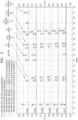
- FIGS. 3A to 3F are graphs showing results of size exclusion-high-performance liquid chromatography (SE-HPLC) analysis of PTCWT, PTC019, PTC039, PTC040, PTC074, and PTC111, respectively.
- SE-HPLC size exclusion-high-performance liquid chromatography
- the Fc variant according to an aspect may form a heterodimer with high efficiency, and thus bispecific antibodies may be easily prepared.
- thermodynamic stability evaluation was performed by using differential scanning calorimetry (DSC).
- the Fc variant according to an aspect has excellent heterodimer-forming ability as well as excellent thermodynamic stability, thus, formation of stable bispecific antibodies is possible.
- FIG. 4 is an image showing results of SDS-PAGE analysis of reverse sequence substitution Fc variants (M: size marker, WT: PTCWT (negative control group), 019: PTC019 (positive control group), 088: PTC088, 089: PTC089, 090: PTC090).
- the heterodimer formation rates of the negative control group (PTCWT) and the positive control group (PTC019) were shown to be 40.9 % and 64.7 %, respectively, whereas it was confirmed that PTC088, PTC089 and PTC090, which are reverse sequence substitution Fc variants of PTC039, PTC040 and PTC074, exhibited heterodimer formation rates of 72.1 %, 83.3 % and 92.1 %, respectively.
- the reverse sequence substitution variants of the Fc variant according to an aspect forms a heterodimer in a similar ratio before and after substitution.
- the reverse sequence substitution variants of the Fc variants have an excellent heterodimer formation rate, Fc variants may be formed with high efficiency regardless of whether the sequence inserted into Fc1 or Fc2 is substituted or not.
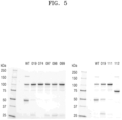
- FIG. 5 is an image showing results of SDS-PAGE analysis of Fc variants, in which a portion of the sequence is substituted (M: size marker, WT: PTCWT (negative control group), 019: PTC019 (positive control group), 074: PTC074, 097: PTC097, 098: PTC098, 099: PTC099, 111: PTC111, 113: PTC113).
- the heterodimer formation rates of PTC074, PTC097, PTC099 and PTC111 were shown to be 93.5 %, 82.7 %, 86.5 %, and 92.7 %, respectively, and were confirmed to be significantly higher than that of the negative control group (PCTWT) and the positive control group (PTC019).
- PCTWT negative control group
- PTC019 positive control group
- the Fc variant according to an aspect has excellent Fc heterodimer-forming ability by substituting the position 351 of the CH3 domain with a specific amino acid.
- the first polypeptide was designed to express an IgG chain (Fc1) of an intact form, in which both the heavy chain and the light chain are linked, and the second polypeptide was designed to express a scFV-Fc form (Fc2). Thereafter, expression of Fc1 was proceeded based on an Avelumab antibody (Bavencio, Pfizer) including an IgG1 Fc region, and Fc2 was expressed in a scFv form including an IgG1 Fc region based on an anti-CD3 scFv sequence of blinatumomab.
- Avelumab antibody Bavencio, Pfizer
- a Fab-Fc ⁇ scFv-Fc hetero-bispecific antibody in which anti-CD3 scFv of blinatumomab is bound to Fc2 of an Fc variant having a wild-type CH3 domain sequence (corresponding to "PTCWT” in Table 1), was used as a negative control group
- a Fab-Fc ⁇ scFv-Fc hetero-bispecific antibody in which anti-CD3 scFv of blinatumomab is bound to Fc2 of an Fc variant (corresponding to "PTC019" in Table 1) having Genentech's knobs-into-hole (KiH) sequence in the CH3 domain, was used as a positive control group.
- FIG. 6 is an image showing results of SDS-PAGE analysis of Fab-Fc ⁇ scFv-Fc biconjugates
- M size marker
- WT Fab-Fc ⁇ scFv-Fc biconjugate with a PTCWT sequence applied to the CH3 domain (negative control group)
- 019 Fab-Fc ⁇ scFv-Fc biconjugate with a PTC019 sequence applied to the CH3 domain (positive control group)
- 074 Fab-Fc ⁇ scFv-Fc biconjugate with a PTC074 sequence applied to the CH3 domain).
- the Fab-Fc ⁇ scFv-Fc hetero-bispecific antibody to which a PTC074 sequence was applied did not form a band at 144 kDa compared to the hetero-bispecific antibody to which a sequence of the negative control group (PTCWT) was applied.
- the intensity of the band was reduced at 104.8 kDa compared to the hetero-bispecific antibody to which a PTC019 sequence was applied.
- the Fc1-2 heterodimer formation rate of the Fab-Fc ⁇ scFv-Fc hetero-bispecific antibody which has a CH3 domain sequence of PTC074, was 88.8 %, and it was confirmed that the heterodimer formation rate was significantly higher than that of the negative control group (PTCWT) and the positive control group (PTC019).
- the Fc variant according to an aspect may be applied as a hetero-bispecific antibody structure that forms antibodies of different structures and has excellent heterodimer formation ability.
- the rates of heterodimer formation were evaluated in the same manner as in Example 7-1, except that Fab-Fc ⁇ scFv-scFv-Fc bispecific antibodies designed to express the second polypeptide in a form of scFv-scFv-Fc (Fc2) were used, and Fc2 was expressed in a form of double scFv (scFv ⁇ scFv) including an IgG1 Fc region, based on the anti-CD3 scFv sequence of blinatumomab and the VH-VL sequence of Bevacizumab (Avastin, Roche).
- a Fab-Fc ⁇ scFv-scFv-Fc hetero-bispecific antibody in which double scFv is bound to Fc2 of an Fc variant having a wild-type CH3 domain sequence (corresponding to "PTCWT” in Table 1), was used as a negative control group
- a Fab-Fc ⁇ scFv-scFv-Fc hetero-bispecific antibody in which double scFv is bound to Fc2 of an Fc variant (corresponding to "PTC019" in Table 1) having Genentech's knobs-into-hole (KiH) sequence in the CH3 domain, was used as a positive control group.
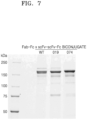
- FIG. 7 is an image showing results of SDS-PAGE analysis of Fab-Fc ⁇ scFv-scFv-Fc biconjugates
- M size marker
- WT Fab-Fc ⁇ scFv-scFv-Fc biconjugate with a PTCWT sequence applied to the CH3 domain (negative control group)
- 019 Fab-Fc ⁇ scFv-scFv-Fc biconjugate with a PTC019 sequence applied to the CH3 domain (positive control group)
- 074 Fab-Fc ⁇ scFv-scFv-Fc biconjugate with a PTC074 sequence applied to the CH3 domain).
- the Fab-Fc ⁇ scFv ⁇ scFv-Fc biconjugate to which a PTC074 sequence was applied was confirmed to have a noticeably decreased intensity of the 196 kDa band compared to the conjugate to which the negative control group (PTCWT) and the positive control group (PTC019) sequences were applied.
- the band intensities were reduced, except in the band of the heterodimer shown in the biconjugate to which a positive control group (PTC019) sequence was applied, it was confirmed that the target Fc 1-2 hetero-dimer of 167.8 kDa was formed with high efficiency.
- the Fc1-2 heterodimer formation rate of the Fab-Fc ⁇ scFv-scFv-Fc hetero-bispecific antibody having a CH3 domain sequence of PTC074 was 70.2 %, and it was confirmed that the heterodimer formation rate was significantly higher than that of the negative control group (PTCWT) and the positive control group (PTC019).
- the Fc variant according to an aspect is not only easy to apply as a hetero-bispecific antibody structure having a large molecular weight structure because several structures are connected, but also has excellent heterodimer formation when applied as the structure.
- the rates of heterodimer formation were evaluated in the same manner as in Example 7-1, except that Fab-Fc ⁇ cytokine-Fc bispecific antibodies designed to express the second polypeptide in a form of cytokine-Fc (Fc2) were used, and expression of Fc2 was proceeded in a form of a cytokine including an IgG1 Fc region, which is based on interleukine-2 (IL-2, aldesleukine) sequence.
- IL-2 interleukine-2
- a Fab-Fc ⁇ IL-2v-Fc hetero-bispecific antibody in which an IL-2 variant (IL-2v) is bound to Fc2 of an Fc variant having a wild-type CH3 domain sequence (corresponding to "PTCWT” in Table 1), was used as a negative control group
- a Fab-Fc ⁇ IL-2v-Fc hetero-bispecific antibody in which an IL-2 variant (IL-2v) is bound to Fc2 of an Fc variant (corresponding to "PTC019" in Table 1) having Genentech's knobs-into-hole (KiH) sequence in the CH3 domain, was used as a positive control group.
- FIG. 8 is an image showing results of SDS-PAGE analysis of Fab-Fc ⁇ cytokine-Fc biconjugates
- M size marker
- WT Fab-Fc ⁇ cytokine-Fc biconjugate with a PTCWT sequence applied to the CH3 domain (negative control group)
- 019 Fab-Fc ⁇ cytokine-Fc biconjugate with a PTC019 sequence applied to the CH3 domain (positive control group)
- 074 Fab-Fc ⁇ cytokine-Fc biconjugate with a PTC074 sequence applied to the CH3 domain).
- the Fab-Fc ⁇ cytokine-Fc biconjugate to which PTC074 and PTC111 sequences were applied had a reduced band intensity at 94.4 kDa (Fc-2-2 homo-dimer) and 77.4 kDa (Fc1 monomer), and the band intensity increased at 136.5 kDa (Fc-1-2 hetero-dimer), compared to the negative control group (PTCWT) or the positive control group (PTC019).
- the Fc variant according to an aspect may be applied as a structure that forms an antibody, and when a cytokine protein is applied, heterodimer forming ability is excellent.
- both the first polypeptide and the second polypeptide were designed to express bispecific antibodies of an intact form in which both heavy and light chains are linked.
- Fc1 was expressed based on the Avelumab antibody (Bavencio, Pfizer) including the wild-type IgG1 Fc region
- Fc2 was expressed based on the bevacizumab antibody (Avastin, Roche) including the IgG1 Fc region.
- a Fab-Fc ⁇ Fab-Fc hetero-bispecific antibody including a Fc variant having the wild-type CH3 domain sequence (corresponding to "PTCWT” in Table 1) was used as a negative control group
- a Fab-Fc ⁇ Fab-Fc hetero-bispecific antibody including a Fc variant (corresponding to "PTC019” in Table 1) having Genentech's knobs-into-hole (KiH) sequence in the CH3 domain was used as a positive control group.
- Intact MASS (ESI-LC-MS) analysis method was used. Specifically, liquid chromatography-mass spectrometry (LC-MS) was performed by using Thermo Scientific Dionex TM UHPLC Ultimate 3000 and TripleTOF 5600+ (AB sciex), and Analyst ® software and PeakView ® Software were used as analysis programs to calculate the heterodimer-forming ability, and the results are shown in Table 11 below.
- Fc-1-2 hetero-dimer formation rates of the Fab-Fc ⁇ Fab-Fc hetero-bispecific antibodies, to which sequences of the negative control group (PTCWT) and the positive control group (PTC019) were applied were respectively 25.4 % and 32.4 %
- Fc-1-2 hetero-dimer formation rates of the hetero-bispecific antibodies having a CH3 domain sequences of PTC039, PTC040, and PTC074 were 58.1%, 40.5%, and 46.8%, respectively.
- the Fc variant according to an aspect is not only easy to apply as a bispecific antibody, but also has excellent heterodimer formation when applied as the above structure.
- Example 8 Evaluation of anticancer activity of Fab-Fc ⁇ scFv-Fc bispecific antibodies including high-efficiency Fc variants
- the anti-PD-L1 ⁇ anti-CD3 scFv bispecific antibody prepared in Example 7-1 was evaluated for its ability to kill cancer cells and inhibit cancer growth.
- PBMC peripheral blood mononuclear cells
- the cells were treated with anti-PD-L1 ⁇ anti-CD3 scFv bispecific antibodies in the wells, and then cultured for 48 hours. Then, after recovering the supernatant, cytotoxicity was analyzed according to Equation 1 below by using an LDH Cytotoxicity assay kit (#C20301, Invitrogen). Avelumab (anti-PD-L1 antibody, Bavencio ® ) was used as a positive control group.
- FIG. 9 is a graph evaluating the ability of anti-PD-L1 ⁇ anti-CD3 scFv bispecific antibodies to induce cancer cell death in vitro (Avelumab: positive control group, anti-PD-L1 ⁇ anti-CD3 scFv BsAb: anti-PD-L1 ⁇ anti-CD3 scFv bispecific antibody having a PTC074 sequence in the CH3 domain).
- the Emax (maximum cytotoxic effect) of the positive control group was 26 % at the maximum concentration of the substance, whereas the Emax of the Fab-Fc ⁇ scFv-Fc hetero-bispecific antibody was 76.3 %, and the hetero-bispecific antibody was confirmed to have remarkably high cytotoxic effect on cancer cells.
- the positive control group showed saturation without further increase of cell lysis at a substance concentration of 2 log ng/mL or more, and it was confirmed that an effective amount was formed in the range of 0 log ng/mL to 2 log ng/mL.
- the Fab-Fc ⁇ scFv-Fc hetero-bispecific antibody showed saturation without further increase of cell lysis at a substance concentration of 1 log ng/mL or more, and it was confirmed that an effective amount was formed in the range of -1 log ng/mL to 1 log ng/mL.
- the Fab-Fc ⁇ scFv-Fc hetero-bispecific antibody formed by the Fc variant according to an aspect shows an excellent anticancer effect at a lower concentration compared to known immunotherapy drugs, and side effects of existing therapeutic agents such as normal cell destruction or resistance may be reduced.
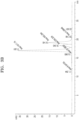
- FIG. 10 is a graph evaluating the ability of anti-PD-L1 ⁇ anti-CD3 scFv bispecific antibodies to inhibit cancer cell growth in vivo (Avelumab: positive control group, anti-PD-L1 ⁇ anti-CD3 scFv BsAb: anti-PD-L1 ⁇ anti-CD3 scFv bispecific antibody having a PTC074 sequence in the CH3 domain).
- the Fab-Fc ⁇ scFv-Fc hetero-bispecific antibody formed by the Fc variant according to an aspect has excellent tumor growth inhibitory effect, and thus may be used for prevention or treatment of various cancers, including breast cancer.
Landscapes
- Health & Medical Sciences (AREA)
- Chemical & Material Sciences (AREA)
- Immunology (AREA)
- Life Sciences & Earth Sciences (AREA)
- Organic Chemistry (AREA)
- General Health & Medical Sciences (AREA)
- Medicinal Chemistry (AREA)
- Genetics & Genomics (AREA)
- Molecular Biology (AREA)
- Biophysics (AREA)
- Biochemistry (AREA)
- Animal Behavior & Ethology (AREA)
- Engineering & Computer Science (AREA)
- Veterinary Medicine (AREA)
- Public Health (AREA)
- Pharmacology & Pharmacy (AREA)
- Proteomics, Peptides & Aminoacids (AREA)
- Bioinformatics & Cheminformatics (AREA)
- Biomedical Technology (AREA)
- General Chemical & Material Sciences (AREA)
- Chemical Kinetics & Catalysis (AREA)
- Nuclear Medicine, Radiotherapy & Molecular Imaging (AREA)
- Microbiology (AREA)
- Neurosurgery (AREA)
- Neurology (AREA)
- Biotechnology (AREA)
- Wood Science & Technology (AREA)
- Zoology (AREA)
- General Engineering & Computer Science (AREA)
- Epidemiology (AREA)
- Mycology (AREA)
- Psychiatry (AREA)
- Hospice & Palliative Care (AREA)
- Plant Pathology (AREA)
- Physics & Mathematics (AREA)
- Medicines Containing Antibodies Or Antigens For Use As Internal Diagnostic Agents (AREA)
- Peptides Or Proteins (AREA)
- Medicines That Contain Protein Lipid Enzymes And Other Medicines (AREA)
- Preparation Of Compounds By Using Micro-Organisms (AREA)
Applications Claiming Priority (2)
| Application Number | Priority Date | Filing Date | Title |
|---|---|---|---|
| KR20200066030 | 2020-06-01 | ||
| PCT/KR2021/006643 WO2021246720A1 (ko) | 2020-06-01 | 2021-05-28 | 이중특이 항체 또는 그의 항원-결합 단편 및 이를 제조하는 방법 |
Publications (2)
| Publication Number | Publication Date |
|---|---|
| EP4159765A1 true EP4159765A1 (de) | 2023-04-05 |
| EP4159765A4 EP4159765A4 (de) | 2024-08-07 |
Family
ID=78831197
Family Applications (1)
| Application Number | Title | Priority Date | Filing Date |
|---|---|---|---|
| EP21818345.7A Pending EP4159765A4 (de) | 2020-06-01 | 2021-05-28 | Bispezifischer antikörper oder antigenbindendes fragment davon und herstellungsverfahren dafür |
Country Status (11)
| Country | Link |
|---|---|
| US (1) | US20230212320A1 (de) |
| EP (1) | EP4159765A4 (de) |
| JP (2) | JP7568326B2 (de) |
| KR (2) | KR102365669B1 (de) |
| CN (1) | CN115698086A (de) |
| AU (1) | AU2021282817B2 (de) |
| BR (1) | BR112022022004A2 (de) |
| CA (1) | CA3177026A1 (de) |
| IL (1) | IL297566B2 (de) |
| MX (1) | MX2022013663A (de) |
| WO (1) | WO2021246720A1 (de) |
Families Citing this family (1)
| Publication number | Priority date | Publication date | Assignee | Title |
|---|---|---|---|---|
| CN116063526B (zh) * | 2022-12-31 | 2025-03-25 | 合肥天港免疫药物有限公司 | 抗pdl1的抗体及其用途 |
Family Cites Families (18)
| Publication number | Priority date | Publication date | Assignee | Title |
|---|---|---|---|---|
| US5731168A (en) | 1995-03-01 | 1998-03-24 | Genentech, Inc. | Method for making heteromultimeric polypeptides |
| EP2543727B1 (de) | 2010-03-02 | 2016-08-31 | Kyowa Hakko Kirin Co., Ltd. | Modifizierte antikörperzusammensetzung |
| PL2635607T3 (pl) | 2010-11-05 | 2020-05-18 | Zymeworks Inc. | Projekt stabilnego przeciwciała heterodimerowego z mutacjami w domenie FC |
| US10689447B2 (en) * | 2011-02-04 | 2020-06-23 | Genentech, Inc. | Fc variants and methods for their production |
| PL2773671T3 (pl) | 2011-11-04 | 2022-01-24 | Zymeworks Inc. | Projekt stabilnego przeciwciała heterodimerycznego z mutacjami w domenie fc |
| JP6351572B2 (ja) * | 2012-05-10 | 2018-07-04 | ザイムワークス,インコーポレイテッド | Fcドメインに突然変異を有する免疫グロブリン重鎖のヘテロ多量体構築物 |
| EP3878964A1 (de) * | 2012-11-27 | 2021-09-15 | Ajou University Industry-Academic Cooperation Foundation | Ch3-domänen-variantenpaar zur induzierung der bildung von heterodimer einer konstanten schwerkettigen antikörperregion bei hoher effizienz, verfahren zur herstellung davon und verwendung davon |
| US20150038682A1 (en) * | 2013-08-02 | 2015-02-05 | Jn Biosciences Llc | Antibodies or fusion proteins multimerized via homomultimerizing peptide |
| TWI652279B (zh) * | 2013-11-11 | 2019-03-01 | 中外製藥股份有限公司 | 含改變的抗體可變區之抗原結合分子 |
| EP4570318A3 (de) | 2013-11-27 | 2025-10-15 | Zymeworks BC Inc. | Gegen her2 gerichtete bispezifische antigenbindende konstrukte |
| KR102095096B1 (ko) * | 2015-08-26 | 2020-03-30 | 바이슨 테라퓨틱스 인크. | 다중특이적 항체 플랫폼 및 관련 방법 |
| CA3203613A1 (en) * | 2016-07-19 | 2018-01-25 | Ibentrus, Inc. | Bispecific proteins and methods for preparing same |
| CN109963871A (zh) | 2016-08-05 | 2019-07-02 | 豪夫迈·罗氏有限公司 | 具有激动活性的多价及多表位抗体以及使用方法 |
| WO2018030806A1 (ko) * | 2016-08-10 | 2018-02-15 | 아주대학교산학협력단 | 항체 중쇄불변부위 이종이중체에 융합된 사이토카인 및 이를 포함하는 약제학적 조성물 |
| MX2020003497A (es) | 2017-10-20 | 2020-07-22 | Hoffmann La Roche | Metodo para generar anticuerpos multiespecificos a partir de anticuerpos monoespecificos. |
| AU2018358883B2 (en) * | 2017-10-30 | 2025-09-25 | F. Hoffmann-La Roche Ag | Method for in vivo generation of multispecific antibodies from monospecific antibodies |
| SG11202011306TA (en) * | 2018-05-16 | 2020-12-30 | Janssen Biotech Inc | Bcma/cd3 and gprdc5d/cd3 bispecific antibodies for use in cancer therapy |
| KR20200066030A (ko) | 2018-11-30 | 2020-06-09 | (주)아틀라스랩스 | 음성 id 시스템을 이용한 음성 등록 및 인증방법 |
-
2021
- 2021-05-28 KR KR1020210069537A patent/KR102365669B1/ko active Active
- 2021-05-28 BR BR112022022004A patent/BR112022022004A2/pt unknown
- 2021-05-28 IL IL297566A patent/IL297566B2/en unknown
- 2021-05-28 EP EP21818345.7A patent/EP4159765A4/de active Pending
- 2021-05-28 JP JP2023515550A patent/JP7568326B2/ja active Active
- 2021-05-28 MX MX2022013663A patent/MX2022013663A/es unknown
- 2021-05-28 CN CN202180038651.8A patent/CN115698086A/zh active Pending
- 2021-05-28 CA CA3177026A patent/CA3177026A1/en active Pending
- 2021-05-28 AU AU2021282817A patent/AU2021282817B2/en active Active
- 2021-05-28 US US17/922,265 patent/US20230212320A1/en active Pending
- 2021-05-28 WO PCT/KR2021/006643 patent/WO2021246720A1/ko not_active Ceased
-
2022
- 2022-02-16 KR KR1020220020210A patent/KR102405816B1/ko active Active
-
2024
- 2024-06-13 JP JP2024096090A patent/JP2024123082A/ja not_active Withdrawn
Also Published As
| Publication number | Publication date |
|---|---|
| AU2021282817B2 (en) | 2025-07-03 |
| CN115698086A (zh) | 2023-02-03 |
| IL297566A (en) | 2022-12-01 |
| IL297566B1 (en) | 2024-03-01 |
| WO2021246720A1 (ko) | 2021-12-09 |
| IL297566B2 (en) | 2024-07-01 |
| JP7568326B2 (ja) | 2024-10-16 |
| AU2021282817A1 (en) | 2022-11-17 |
| KR102365669B1 (ko) | 2022-02-23 |
| KR102405816B1 (ko) | 2022-06-08 |
| CA3177026A1 (en) | 2021-12-09 |
| JP2024123082A (ja) | 2024-09-10 |
| EP4159765A4 (de) | 2024-08-07 |
| BR112022022004A2 (pt) | 2022-12-13 |
| MX2022013663A (es) | 2022-11-30 |
| KR20220030224A (ko) | 2022-03-10 |
| KR20210148943A (ko) | 2021-12-08 |
| JP2023534773A (ja) | 2023-08-10 |
| US20230212320A1 (en) | 2023-07-06 |
Similar Documents
| Publication | Publication Date | Title |
|---|---|---|
| US12180281B2 (en) | Anti-PD-1 antibodies and methods of treating cancer | |
| US20240002539A1 (en) | Multispecific antibodies and uses thereof | |
| KR20200124701A (ko) | 항―pd-1 항체 및 그의 용도 | |
| US20240101691A1 (en) | Humanized anti-il-1r3 antibody and methods of use | |
| WO2023143343A1 (en) | Anti-her2/trop2 antibodies and uses thereof | |
| JP2024123082A (ja) | 二重特異抗体またはその抗原結合断片、及びそれを製造する方法 | |
| KR20230030626A (ko) | 루이스 y에 대한 인간화된 항체 | |
| WO2024046455A1 (en) | Methods for preparing antibody-drug conjugates | |
| RU2818312C9 (ru) | Биспецифическое антитело или его антигенсвязывающий фрагмент и способ их получения | |
| RU2818312C1 (ru) | Биспецифическое антитело или его антигенсвязывающий фрагмент и способ их получения | |
| CN120882755A (zh) | 抗5t4抗体及其用途 | |
| JP2025523445A (ja) | 抗siglec15抗体及びその使用 | |
| KR102655850B1 (ko) | Il2 변이체 및 이를 포함하는 단백질 복합체 | |
| US20250129174A1 (en) | Anti-4-1-1bbxccr8 antibodies and uses thereof | |
| EP4737479A1 (de) | 4-1bb-bindendes protein | |
| JP2026514663A (ja) | Tnfスーパーファミリーメンバー免疫サイトカイン及びその使用 | |
| KR20250169596A (ko) | 항-igf1r 항체 및 이의 용도 | |
| CN120380021A (zh) | 抗pdl1抗体及其用途 | |
| WO2022148279A1 (zh) | 药物产品及其用途 | |
| TW201321406A (zh) | 腫瘤壞死因子抗體及使用其之方法 |
Legal Events
| Date | Code | Title | Description |
|---|---|---|---|
| STAA | Information on the status of an ep patent application or granted ep patent |
Free format text: STATUS: THE INTERNATIONAL PUBLICATION HAS BEEN MADE |
|
| PUAI | Public reference made under article 153(3) epc to a published international application that has entered the european phase |
Free format text: ORIGINAL CODE: 0009012 |
|
| STAA | Information on the status of an ep patent application or granted ep patent |
Free format text: STATUS: REQUEST FOR EXAMINATION WAS MADE |
|
| 17P | Request for examination filed |
Effective date: 20230102 |
|
| AK | Designated contracting states |
Kind code of ref document: A1 Designated state(s): AL AT BE BG CH CY CZ DE DK EE ES FI FR GB GR HR HU IE IS IT LI LT LU LV MC MK MT NL NO PL PT RO RS SE SI SK SM TR |
|
| DAV | Request for validation of the european patent (deleted) | ||
| DAX | Request for extension of the european patent (deleted) | ||
| A4 | Supplementary search report drawn up and despatched |
Effective date: 20240709 |
|
| RIC1 | Information provided on ipc code assigned before grant |
Ipc: C07K 16/28 20060101ALI20240703BHEP Ipc: A61P 25/28 20060101ALI20240703BHEP Ipc: A61P 35/00 20060101ALI20240703BHEP Ipc: A61K 39/00 20060101ALI20240703BHEP Ipc: C07K 16/46 20060101AFI20240703BHEP |
|
| STAA | Information on the status of an ep patent application or granted ep patent |
Free format text: STATUS: EXAMINATION IS IN PROGRESS |
|
| 17Q | First examination report despatched |
Effective date: 20250812 |