EP4162934A1 - Produit nutritionnel - Google Patents
Produit nutritionnel Download PDFInfo
- Publication number
- EP4162934A1 EP4162934A1 EP22202824.3A EP22202824A EP4162934A1 EP 4162934 A1 EP4162934 A1 EP 4162934A1 EP 22202824 A EP22202824 A EP 22202824A EP 4162934 A1 EP4162934 A1 EP 4162934A1
- Authority
- EP
- European Patent Office
- Prior art keywords
- composition according
- composition
- decanoic acid
- product
- fatty acid
- Prior art date
- Legal status (The legal status is an assumption and is not a legal conclusion. Google has not performed a legal analysis and makes no representation as to the accuracy of the status listed.)
- Granted
Links
Images


Classifications
-
- A—HUMAN NECESSITIES
- A61—MEDICAL OR VETERINARY SCIENCE; HYGIENE
- A61K—PREPARATIONS FOR MEDICAL, DENTAL OR TOILETRY PURPOSES
- A61K31/00—Medicinal preparations containing organic active ingredients
- A61K31/185—Acids; Anhydrides, halides or salts thereof, e.g. sulfur acids, imidic, hydrazonic or hydroximic acids
- A61K31/19—Carboxylic acids, e.g. valproic acid
- A61K31/20—Carboxylic acids, e.g. valproic acid having a carboxyl group bound to a chain of seven or more carbon atoms, e.g. stearic, palmitic, arachidic acids
-
- A—HUMAN NECESSITIES
- A23—FOODS OR FOODSTUFFS; TREATMENT THEREOF, NOT COVERED BY OTHER CLASSES
- A23L—FOODS, FOODSTUFFS OR NON-ALCOHOLIC BEVERAGES, NOT OTHERWISE PROVIDED FOR; PREPARATION OR TREATMENT THEREOF
- A23L33/00—Modifying nutritive qualities of foods; Dietetic products; Preparation or treatment thereof
- A23L33/10—Modifying nutritive qualities of foods; Dietetic products; Preparation or treatment thereof using additives
- A23L33/115—Fatty acids or derivatives thereof; Fats or oils
- A23L33/12—Fatty acids or derivatives thereof
-
- A—HUMAN NECESSITIES
- A61—MEDICAL OR VETERINARY SCIENCE; HYGIENE
- A61K—PREPARATIONS FOR MEDICAL, DENTAL OR TOILETRY PURPOSES
- A61K31/00—Medicinal preparations containing organic active ingredients
- A61K31/185—Acids; Anhydrides, halides or salts thereof, e.g. sulfur acids, imidic, hydrazonic or hydroximic acids
- A61K31/19—Carboxylic acids, e.g. valproic acid
-
- A—HUMAN NECESSITIES
- A61—MEDICAL OR VETERINARY SCIENCE; HYGIENE
- A61K—PREPARATIONS FOR MEDICAL, DENTAL OR TOILETRY PURPOSES
- A61K31/00—Medicinal preparations containing organic active ingredients
- A61K31/70—Carbohydrates; Sugars; Derivatives thereof
-
- A—HUMAN NECESSITIES
- A61—MEDICAL OR VETERINARY SCIENCE; HYGIENE
- A61K—PREPARATIONS FOR MEDICAL, DENTAL OR TOILETRY PURPOSES
- A61K38/00—Medicinal preparations containing peptides
- A61K38/02—Peptides of undefined number of amino acids; Derivatives thereof
-
- A—HUMAN NECESSITIES
- A61—MEDICAL OR VETERINARY SCIENCE; HYGIENE
- A61P—SPECIFIC THERAPEUTIC ACTIVITY OF CHEMICAL COMPOUNDS OR MEDICINAL PREPARATIONS
- A61P25/00—Drugs for disorders of the nervous system
- A61P25/08—Antiepileptics; Anticonvulsants
-
- A—HUMAN NECESSITIES
- A61—MEDICAL OR VETERINARY SCIENCE; HYGIENE
- A61P—SPECIFIC THERAPEUTIC ACTIVITY OF CHEMICAL COMPOUNDS OR MEDICINAL PREPARATIONS
- A61P25/00—Drugs for disorders of the nervous system
- A61P25/14—Drugs for disorders of the nervous system for treating abnormal movements, e.g. chorea, dyskinesia
- A61P25/16—Anti-Parkinson drugs
-
- A—HUMAN NECESSITIES
- A61—MEDICAL OR VETERINARY SCIENCE; HYGIENE
- A61P—SPECIFIC THERAPEUTIC ACTIVITY OF CHEMICAL COMPOUNDS OR MEDICINAL PREPARATIONS
- A61P25/00—Drugs for disorders of the nervous system
- A61P25/28—Drugs for disorders of the nervous system for treating neurodegenerative disorders of the central nervous system, e.g. nootropic agents, cognition enhancers, drugs for treating Alzheimer's disease or other forms of dementia
-
- A—HUMAN NECESSITIES
- A61—MEDICAL OR VETERINARY SCIENCE; HYGIENE
- A61P—SPECIFIC THERAPEUTIC ACTIVITY OF CHEMICAL COMPOUNDS OR MEDICINAL PREPARATIONS
- A61P3/00—Drugs for disorders of the metabolism
- A61P3/08—Drugs for disorders of the metabolism for glucose homeostasis
- A61P3/10—Drugs for disorders of the metabolism for glucose homeostasis for hyperglycaemia, e.g. antidiabetics
-
- A—HUMAN NECESSITIES
- A61—MEDICAL OR VETERINARY SCIENCE; HYGIENE
- A61P—SPECIFIC THERAPEUTIC ACTIVITY OF CHEMICAL COMPOUNDS OR MEDICINAL PREPARATIONS
- A61P43/00—Drugs for specific purposes, not provided for in groups A61P1/00-A61P41/00
-
- A—HUMAN NECESSITIES
- A23—FOODS OR FOODSTUFFS; TREATMENT THEREOF, NOT COVERED BY OTHER CLASSES
- A23V—INDEXING SCHEME RELATING TO FOODS, FOODSTUFFS OR NON-ALCOHOLIC BEVERAGES AND LACTIC OR PROPIONIC ACID BACTERIA USED IN FOODSTUFFS OR FOOD PREPARATION
- A23V2002/00—Food compositions, function of food ingredients or processes for food or foodstuffs
Definitions
- the present invention generally relates to the field of dietary therapies for treating disorders associated with mitochondrial dysfunction, including epilepsy.
- Epilepsy covers a broad range of neurological disorders that are characterised by seizures. Seizures result from abnormal neuronal activity and manifest in a number of ways, including convulsions and loss of awareness. In many cases epilepsy can be managed by the use of anti-convulsive medication. However for a proportion of patients with epilepsy, treatment with conventional drugs can have minimal effect upon seizure activity. Although surgery is an option for treating patients suffering from certain seizures, for many individuals successful management can be achieved less invasively with the ketogenic diet.
- Ketogenic diets have a high fat and low carbohydrate content with sufficient protein for growth and repair; vitamin and mineral levels are typically inadequate and may be required to be provided as supplements. Ketogenic diets function by forcing the body to metabolise fat instead of carbohydrate as its energy source. Under low dietary carbohydrate conditions, fats are broken down into fatty acids and ketone bodies in the liver, and these compounds are utilised in further metabolic pathways for generating adenosine triphosphate (ATP) as a chemical energy source.
- ATP adenosine triphosphate
- ketogenic diet in treating intractable epilepsy in children and adults. Short-term trials have demonstrated that approximately half of those studied had at least a 50% reduction in seizures after 6 months, and approximately one third reached at least a 90% reduction. In certain cases, the ketogenic diet is sufficiently effective to enable a reduction in the levels of prescribed anti-epileptic medication and also to improve quality of life.
- Ketogenic diets must be strictly controlled to ensure effective seizure prevention whilst maintaining adequate nutritional value.
- the diets are developed and optimised on a case-by-case basis under medical supervision, and all food must be carefully measured and prepared. Deviation from the diet may result in the patient experiencing renewed seizures within a short period of time.
- ketogenic diets are difficult to manage in both children and adults.
- Current approaches to the ketogenic diet can be very restrictive and this can lead to poor compliance, particularly in adults.
- such diets can result in a number of side-effects (including problems of the digestive system, increased serum lipid levels, drowsiness, poor growth and increased risk of fractures), and are entirely unsuitable for certain patients.
- Identification of the active component(s) of the ketogenic diet responsible for supressing seizure activity therefore has the capability to dramatically simplify treatment and improve the quality of life for a significant number of patients with epilepsy.
- Ketones are the products of fat breakdown.
- the body normally burns glucose for energy.
- the body can use these ketones as a source of energy instead of glucose.
- Mitochondria are organelles present in almost every cell in the body. They play pivotal roles in a number of cellular processes, most prominently in energy metabolism. Provision of energy is achieved by the integrated function of the electron transport chain (ETC), which receives reducing equivalents from key metabolic pathways such as the tricarboxylic acid (TCA) cycle and fatty acid ⁇ -oxidation.
- ETC electron transport chain
- Compromised mitochondrial function may arise through inherited or acquired mutations in both nuclear and mitochondrial DNA, and may also be acquired as a result of exposure to environmental factors. Mitochondrial dysfunction is associated with a wide range of clinical conditions, which generally affect organs with high energy requirements such as muscle, liver, kidney and brain. A paucity of energy in the brain, in the form of ATP, leads to neurological impairment that can include seizures. Indeed, mitochondrial dysfunction has been linked to certain inherited and acquired epilepsies, although it is also associated with a number of other disease states, including diabetes, dementias including Alzheimer's disease, and Parkinson's disease.
- ketogenic diet increases mitochondrial function and biogenesis, and alleviation of epileptic seizures.
- ketogenic diet presents a number of challenges, products which target the same biological mechanisms are clearly highly desirable.
- the ketogenic diet has a number of characteristic metabolic effects including increased ketone body formation and elevated plasma levels of medium chain fatty acids. There is no known correlation between ketone body levels and seizure control, and relatively little research has been carried out on the effects of the increased fatty acid concentrations.
- decanoic acid a medium chain fatty acid that increases in plasma concentration as a result of a ketogenic diet in which MCT forms a part, has a direct effect on mitochondrial function and availability in cells in vitro.
- decanoic acid may be beneficial for the treatment of epilepsy, particularly in patients who currently require a ketogenic diet; diseases associated with inherited mitochondrial dysfunction; and patients with acquired mitochondrial disorders, including those with diabetes, Parkinson's disease and dementias including Alzheimer's disease.
- composition suitable for human consumption comprising a decanoic acid to octanoic acid ratio of 2:1 wt/wt or is substantially free from octanoic acid and optionally is substantially free from any other saturated fatty acid.
- the decanoic acid to octanoic acid ratio is at least 2:1 wt/wt, at least 3:1 wt/wt, at least 4:1 wt/wt, at least 5:1 wt/wt, at least 6:1 wt/wt, at least 9:1 wt/wt, at least 10:1 wt/wt, at least 15:1 wt/wt, at least 20:1 wt/wt, at least 30:1 wt/wt, at least 40:1 wt/wt, at least 50:1 wt/wt, at least 60:1 wt/wt, at least 70:1 wt/wt, at least 80:1 wt/wt, at least 85:1 wt/wt, at least 90:1 wt/wt, at least 95:1 wt/wt, at least 98:1 wt/wt or at least 99:1 wt/wt
- the decanoic acid is greater than 50%, 51%, 52%, 53%, 54%, 55%, 56%, 57%, 58% or 59% of the total weight of fatty acid content, at least 60% of the total weight of fatty acid content, at least 65% of the total fatty acid content, at least 70% of the total weight of fatty acid content, at least 80% of the total weight of fatty acid content, at least 90% of the total weight of fatty acid content, or is at least 99%, or 100% of the total weight of fatty acid content.
- the present invention may make use of a product which comprises pure or substantially pure decanoic acid.
- the present invention also envisages a composition which is free from or substantially free from mono- or poly-unsaturated fatty acids.
- a composition suitable for human consumption which has a ketogenic ratio of from 0.2 to 0.3:1.
- Other embodiments include, but are not limited to, ratios of 0.5:1, 1:1 to 5:1, preferably up to 4:1, and wherein the majority of fat is decanoic acid.
- this composition has a ketogenic ratio of 2:1 to 4:1.
- ketogenic ratio we refer to the ratio of the weight of lipid to the sum of the weights of carbohydrate and protein.
- composition suitable for human consumption comprising proteins, fat and carbohydrates, which provides 2500 to 3100 kJ per 100 g dry mass, and wherein at least 50% of the fat is decanoic acid.
- composition of the third aspect of the present invention at least 55%, 60%, 65%, 70%, 75%, 80%, 85%, 90% 95%, 98%, 99% or 100% of the fat is decanoic acid.
- composition of the third aspect of the present invention does not include any mono- and/or polyunsaturated fatty acid.
- composition of the invention provides 2520 to 3780 kJ per 100 g dry mass. In another embodiment of the composition of the invention provides 2520 to 3180 kJ per 100 g dry mass.
- the weight amounts of lipid to the sum of proteins and carbohydrates is 1.0 to 1, 2.0 to 1, 5.0 to 1, or say 2.0-5.0 to 1, or 2.4-4.0 to 1, or 2.6-3.8 to 1.
- the composition is in the form of a human food stuff.
- the composition is in a form for delivering a dosage of at least about 5 g/l to 150 g/l decanoic acid per day.
- the dosage is about 5 g/l, 10 g/l, 15 g/l, 20 g/l, 30 g/l, 40 g/l, 50 g/l, 60 g/l, 70 g/l, 80 g/l, 90 g/l, 100 g/l, 110 g/l, 120 g/l, 130 g/l, 140 g/l, 150 g/l, 175 g/l, 200 g/l, 225 g/l, 250 g/l or 500 g/l decanoic acid per day.
- the composition is in the form of a complete nutritional product.
- the composition is in powdered form.
- the composition is in a spray dried form.
- the composition is in a form suitable for fortifying food or drink.
- the composition is in the form of a food stuff.
- the composition is in the form of an oil-in-water emulsion.
- compositions according the present invention may be in the form of an oil, mayonnaise, margarine, low fat spread, a dairy product including yoghurts, a cheese spread, processed cheese, a dairy dessert, a flavoured milk, cream, a fermented milk product, cheese, butter, a condensed milk product, an ice cream mix, a soya product, pasteurised liquid egg, a bakery product, a confectionary product, confectionary bar, chocolate bar, high fat bar, liquid emulsion, spray dried powder, freeze dried powder, UHT pudding, Pasteurised pudding, gel, jelly, yoghurt or a food with a fat-based or water-containing filling.
- a dairy product including yoghurts, a cheese spread, processed cheese, a dairy dessert, a flavoured milk, cream, a fermented milk product, cheese, butter, a condensed milk product, an ice cream mix, a soya product, pasteurised liquid egg, a bakery product, a confectionary product,
- a fourth aspect of the present invention there is provided use of decanoic acid for the preparation of a medicament for the treatment of a disease associated with mitochondria dysfunction.
- medicament for the treatment of a disease associated with mitochondria dysfunction.
- immediatecament we include any of the compositions of the present invention, including a nutritional supplement or complete nutritional product.
- decanoic acid for the treatment of a disease associated with mitochondria dysfunction.
- decanoic acid according to the present invention wherein the disease is epilepsy, diabetes, Parkinson's disease, dementias including Alzheimer's disease, or an inborn error of mitochondrial function.
- a method for the treatment or prevention of a disease associated with mitochondria dysfunction comprising administering an effective amount of decanoic acid to a patient in need of the same.
- a seventh aspect of the present invention there is provided a method of affecting the cellular content of mitochondria comprising administering decanoic acid to the cell.
- an eighth aspect of the present invention there is provided a method of affecting the cellular function of mitochondria comprising administering decanoic acid to the cell.
- a ninth aspect of the present invention there is provided a method of affecting the cellular availability of mitochondria comprising administering decanoic acid to the cell.
- a method of modulating the cellular energy supply comprising administering decanoic acid to the cell.
- the treatment of epilepsy includes the control of seizures.
- decanoic acid a method or use according to any one of the fourth to tenth aspects of the invention wherein the decanoic acid is administered in the form of a composition according to any one of the first to third aspects of the invention.
- decanoic acid the method or use according to any one of the fourth to tenth aspects of the invention in which a dosage of at least about 5 g/l to 250 g/l or at least about 5 g/l to 500 g/l decanoic acid is administered per day.
- the present invention can be summarised as relating to decanoic acid for use in the treatment of a disease associated with mitochondria dysfunction.
- Decanoic acid is also known as capric acid and is a saturated fatty acid of formula CH 3 (CH 2 ) 8 COOH. It is also referred to herein as "C10".
- ketogenic diets By elucidating the mechanism associated with the benefits of ketogenic diets we overcome some of the problems associated with prior compositions by providing a highly effective product which can be formulated to increase its palatability and deliver a specific level of C10. Moreover it allows diseases to be treated by the use of C10 outside of the strict confines of the classic ketogenic diet.
- the classical version of the ketogenic diet uses ratios to determine and describe fat content.
- the ketogenic ratio represents the relationship between the grams of fat and the combined grams of protein and carbohydrate. In a 4:1 ratio there are four times as many grams of fat for every 1 g of protein and carbohydrate combined. The ratio is traditionally intended to regulate the degree of ketosis, with higher ratios theoretically stimulating greater ketosis.
- the MCT version of the ketogenic diet uses percentage energy from fat to determine and describe fat content.
- the other two versions of the ketogenic diet are the so-called modified Atkins diet and the low glycaemic (GI) index diet, which encourage people to ingest a lot of fat.
- GI low glycaemic
- the ratio or total fat content can be altered during therapy to achieve nutritional goals and to optimize clinical benefit.
- the ratio can be in the range of 1.0:1, 1.5:1, 2.0:1, 2.5:1, 3.0:1, 3.5:1, 4.0:1, 4.5:1 or 5.0:1.
- the ratio is 2.25:1 to 3.9:1. In another embodiment the ratio is 2.26 to 3.8:1 or 2.7-3.4:1. In further embodiments the ratio is 3.21:1, 3.23:1, 3.24:1, 3.25:1, 3.26:1, 3.27:1, 3.28:1 or 3.29:1.
- Decanoic acid occurs naturally in e.g. coconut oil and palm kernel oil and it can be envisaged that these products could form the key basis of the diet.
- decanoic acid forms around 5 to 8% of the fatty acid composition of coconut oil.
- the fatty acid composition comprises from about 5 to 8 % of decanoic acid.
- octanoic acid comprises around 4.6 to 10% of the fatty acid composition of coconut oil. Since the present invention has identified that C8 is less beneficial than C10, one can envisage a food composition which the fatty acid composition comprises less than 10%, ideally less than 4.6% of octanoic acid.
- the lipid fraction useful in the present invention can be in the form of triglycerides, diacyl-glycerides, monoacyl-glycerides, phospholipids, lyso-phospholipids, cholesterol and glycolipids, with triglycerides being generally preferred.
- the amount of saturated fatty acids utilised is relatively high. In particular it is preferably between 23 and 50, more preferably 25-45, and even more preferably 33-44 g per 100 g lipids, on fatty acid basis.
- the saturated fatty acids have 8 to 24 carbon atoms. It is preferred that a major part of the saturated fatty acids is decanoic acid (C10:0). Decanoic acid thus provides e.g. 15-50, preferably 18-45, more preferably 23-44 g per 100 g lipids.
- a particular embodiment comprises 30-37 g decanoic acid per 100 g lipids.
- coconut oil or palm oil is a preferred source for at least 50%, preferably between 70 and 90 of the lipid fraction.
- the remainder of the lipid fraction can be selected from e.g. medium-chain triglyceride sources such as fractionated coconut oil, macadamia oil, palm oil or palm kernel oil, or long-chain triglyceride sources such as safflower oil, sesame seed oil, soy oil (which may be obtained from soybean), sunflower oil, high oleic sunflower oil, corn oil, canola oil, walnut oil, evening primrose oil, peanut oil, cottonseed oil, rapeseed oil, olive oil, fish oil, palm olein or algal oil, or mixtures thereof, preferably soybean oil (preferably between 2 and 30), medium-chain triglycerides (with fatty acids having 8-12 carbon atoms; between 0 and 14), marine oils (preferably between 0 and 14 wt. %, more preferably between 2 and 12 wt. %), and phospholipids, mono- and
- the present invention preferably does not include mono-unsaturated and/or polyunsaturated fatty acids.
- the amount of mono-unsaturated fatty acids is suitably between 25 and 48, preferably 28-43, more preferably 30-40 g per 100 g lipids (fatty acid basis).
- the amount of polyunsaturated fatty acids (i.e. having two or more unsaturated bonds), to which the trans fatty acids have been excluded is 16-40, preferably 20-30 g per 100 g lipids.
- the lipid fraction also comprises omega.-3 polyunsaturated fatty.
- the polyunsaturated fatty acids comprise more than 0.5, preferably 1.0-10 wt. %.
- the amount of trans fatty acids is below 20, preferably 0-10, more preferably 0.2-4 g per 100 g lipids.
- MCT oil is a food grade oil generally comprising more than 90 wt% fatty acids. Traditionally these fatty acids have been made up of saturated fatty acids having 8, 10 or 12 carbon atoms. Whilst MCT oil may have application in the present invention, preferred is the use of MCT based oil in which the majority of the saturated fatty acids are decanoic acid.
- decanoic acid represents at least 51%, 55, 60, 65, 70, 75, 80, 85, 90, 95 or 100 wt% of the fatty acid content of the composition useful in the present invention.
- the ratio of the saturated fatty acids of C10 to C8 is 60:40, 65:35, 70:30, 75:25, 80:20, 85:15, 90:10, 95:5 or 100:0.
- LCT oil is defined as a food grade oil that comprises 15% of fatty acids having 20 or more carbon atoms.
- the present invention may utilise an LCT oil, but preferably at a level of 1%, 0.5% or 0.1% or less per 100 g.
- administration of the composition of C10 of the present invention may be by an oral route or another route into the gastro-intestinal tract or by parenteral routes.
- the forms for these modes of administration may include conventional forms, either as liquid solutions or suspensions, solid forms suitable for solution or suspension in liquid prior to injection, or as emulsions.
- composition of C10 of the present invention can be formulated in a suitable form, which may be a dosage form.
- the form is generally suitable for oral administration, but the invention is also applicable to gastric tube feeding.
- Suitable forms may include tablets, dragees, capsules, gel caps, powders, granules, solutions, emulsion, suspension, coated particles, spray-dried particles and pills, which contain the composition of C10 of the present invention, and optionally one or more suitable pharmaceutically acceptable carriers,
- the composition of C10 can be inserted or mixed into a food substance.
- the composition of C10 of the present invention is in the form of a nutritional product.
- nutritional product we generally refer to the situation where the substance intended to supplement a diet; although in the present situation the composition may be in a form such that it is intended to be the sole item or a meal or diet, i.e. a so-called "complete" nutritional product.
- the present invention may be administered to subjects in the form of nutritional supplements, foods, beverages.
- a preferred type of food is a medical food, e.g. a food which is in a formulation to be consumed under medical supervision and which is intended for the specific dietary management of a disease or condition, such as in the ketogenic diet referred to above.
- the present invention may be realised in the form of a product which is suitable for complete nourishment of human beings, or as an oil emulsion or supplement or any other convenient product form.
- the product may be suitable for infants, children and adults.
- the product as well as comprising a lipid fraction in accordance with the teachings of the present invention may optionally comprise a protein fraction, a fraction of digestible carbohydrates, available and/or nonavailable carbohydrates, a nitrogen fraction and optionally, a vitamin fraction, a mineral/trace element fraction or other components as may be appropriate to provide a nutritional supplement or complete nutritional product.
- the protein fraction comprises preferably peptides larger than 8 amino acids, which can make the product unsuitable for parenteral administration, due to potential allergic reactions. It is preferred to select proteins, which have strong emulgating properties, such as certain caseins. However, products usable for reconstitution in water or liquid formula should preferably contain lysolecithin, tartaric esters or combinations thereof as stabilization system in order to obtain a product that is suitable for drinking.
- the product may preferably be solid or semi-solid, such as a powder, bar, pudding, etcetera.
- a semi-solid product is understood to be a product having a solid content of more than 40 g per 100 g ready to use product. More preferably the semi-solids are supplied as powder, which can be reconstituted in water to be used as a single, complete food.
- the powder may comprise of primary particles, agglomerated primary particles or mixtures of particles of various size. Such powders can be manufactured using methods known in the art, such as spray drying. Spray drying is preferred when aids are used to improve flowing characteristics.
- the product may also be in the form of an oil which could be used for frying etc.
- the dry product may be at least partly soluble in water, so as to allow ready make-up of a liquid food, if desired.
- the amount of digestible carbohydrates is 0-9, preferably 3.2-9, more preferably 4-8.6, even more preferably 5-8.2 g per 100 g dry mass.
- the amount of protein is 5-20, preferably 13-20, more preferably 13-18, more preferably 13.8-17, even more preferably 14.2-16.2 g per 100 g dry mass.
- the amount of lipids is 0, 0.1-100 g per 100 g dry mass, but may be 60-80, 63-75, or 65-72 g per 100 g dry mass.
- alpha-lactalbumin or ingredients which comprise high amounts of protein are particularly suitable.
- the presence of more than 20 wt % alpha-lactalbumin in the protein fraction of the product results in easy compliance with the requirements for leucine, lysine, methionine and cysteine, excellent palatability and digestion properties.
- Preferably more than 20%, more preferably 40-80 wt % of the protein fraction consists of alpha-lactalbumin.
- the digestible carbohydrate fraction can comprise food grade ingredients such as glucose syrup, maltodextrins, lactose, sucrose, galactose, ribose, etc. Though excellent products can be obtained in terms of efficacy when several of the other technical features as disclosed in this description are applied, best results in terms of avoidance of side effects and efficacy are obtained if the digestible carbohydrate fraction takes a specific form. It appears beneficial if at least 20%, preferably 30-90% of the digestible carbohydrate fraction is formed by a source of galactose or ribose. Lactose is considered as suitable ingredient for this purpose. In particular oxidative stress will decrease, when such ketogenic formula is consumed, which comprises such non-glucose digestible carbohydrates. Digestibility is determined by applying the Englyst 1999 method.
- the proteins, lipids, and carbohydrates preferably originate from at least two different sources, for example, the proteins at least partly from animal, especially milk, source, but optionally also partly from plant source, the lipids at least partly from vegetal source, and the carbohydrates at least partly from milk source, or from a combination of milk (lactose) and plant (glucose, maltodextrins etc.).
- the energy requirement may be calculated according to an individual's energy requirements.
- Useful products for feeding patients particularly paediatric epileptic patients, have an energy density of 3.8-12.6 kJ/ml preferably 4.6-8.4 kJ/ml and more preferably 5.0-7.2 kJ/ml.
- An energy density of 5.4-6.7 kJ/ml appears particularly useful when nourishing completely with the product.
- the energy density of the liquid formula is 8.4-12.6 kJ/ml
- the product may also be useful for intermediate fortification of the patient.
- the product usefully is relatively energy dense. In some embodiments, it provides 2520-3780, or say 2520-3080, and preferably 2800-3040 kJ per 100 grams dry matter.
- the diet may provide 2500-3100 kJ per 100 grams dry matter, such as 2505, 2510, 2515, 2520, 2525, 2530, 2535 or 2540 to 3100, 3095, 3090, 3085 or 3080 kJ per 100 g.
- the diet comprises 2984, 2985, 2986, 2987, 2988, 2989 or 2990 kJ per 100 g.
- the product suitably after reconstitution to a liquid product, can be administered in an amount of between 50 and 200, preferably between 75 and 150 g per day, calculated as dry mass, for infants younger than 12 months, following general energy consumption recommendations, like has been described in the guidelines of the health authorities.
- the preferred daily amount calculated on dry mass is between 100 and 360, especially between 150 and 300 g.
- these amounts are 100-500, most preferably 150-340 g for providing most ketogenic potential, and at the same time a sufficient amount of essential amino acids, carbohydrate skeletons, and other nutrients and being well tolerated and safe.
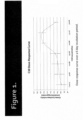
- Mitochondrial enrichment was estimated by evaluation of citrate synthase activity (corrected for total cellular protein content). This enzyme is localised at the mitochondria, comprises part of the TCA cycle and is commonly used as a marker of mitochondrial enrichment.
- a human neuroblastoma cell line (SH-SY5Y) was utilised throughout this study, except where stated.
- cells were exposed to a range (50 - 300 ⁇ M, dissolved in 0.5% DMSO) of either octanoic or decanoic acid concentrations. After 6 days, the cells were harvested and citrate synthase activity was determined. Activity was expressed as nmol/min/mg of cellular protein.
- SH-SY5Y cells were prepared for electron microscopy (EM) analysis to assess mitochondrial density and morphology following treatment with decanoic acid.
- EM electron microscopy
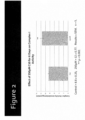
- decanoic acid was validated in an independent cell line. Primary cultures of human fibroblasts were exposed to decanoic acid at a concentration of 250 ⁇ M for 6 days. Following the incubation, citrate synthase activity was again assessed.
- the electron microscopy study revealed increased numbers of mitochondria in cells treated with 250 ⁇ M decanoic acid ( FIG 4 ).
- the mitochondria are clearly visible in both images as dark circular and elongated organelles present in the cytoplasm.
- Treatment with decanoic acid also appears to alter the morphology of the mitochondria, with the more intense staining potentially resulting from more dense cristae within the organelles.
- decanoic acid may therefore prove to be of therapeutic benefit for those patients with epilepsies that are responsive to the ketogenic diet.
- decanoic acid may also be beneficial. With regards to acquired disorders, this could include diabetes and neurodegenerative conditions such as Parkinson's disease and dementias including Alzheimer's disease.
Landscapes
- Health & Medical Sciences (AREA)
- Life Sciences & Earth Sciences (AREA)
- Chemical & Material Sciences (AREA)
- General Health & Medical Sciences (AREA)
- Veterinary Medicine (AREA)
- Public Health (AREA)
- Animal Behavior & Ethology (AREA)
- Medicinal Chemistry (AREA)
- Pharmacology & Pharmacy (AREA)
- Engineering & Computer Science (AREA)
- Epidemiology (AREA)
- Bioinformatics & Cheminformatics (AREA)
- Nuclear Medicine, Radiotherapy & Molecular Imaging (AREA)
- Biomedical Technology (AREA)
- General Chemical & Material Sciences (AREA)
- Chemical Kinetics & Catalysis (AREA)
- Neurosurgery (AREA)
- Organic Chemistry (AREA)
- Neurology (AREA)
- Diabetes (AREA)
- Molecular Biology (AREA)
- Food Science & Technology (AREA)
- Nutrition Science (AREA)
- Polymers & Plastics (AREA)
- Mycology (AREA)
- Oil, Petroleum & Natural Gas (AREA)
- Immunology (AREA)
- Proteomics, Peptides & Aminoacids (AREA)
- Hospice & Palliative Care (AREA)
- Psychiatry (AREA)
- Pain & Pain Management (AREA)
- Obesity (AREA)
- Hematology (AREA)
- Endocrinology (AREA)
- Emergency Medicine (AREA)
- Psychology (AREA)
- Acyclic And Carbocyclic Compounds In Medicinal Compositions (AREA)
- Coloring Foods And Improving Nutritive Qualities (AREA)
- Edible Oils And Fats (AREA)
- General Preparation And Processing Of Foods (AREA)
Priority Applications (2)
| Application Number | Priority Date | Filing Date | Title |
|---|---|---|---|
| EP25214409.2A EP4667051A3 (fr) | 2012-06-15 | 2013-06-14 | Produit nutritionnel |
| EP24165887.1A EP4371612B1 (fr) | 2012-06-15 | 2013-06-14 | Composition propre à la consommation humaine comprenant de l'acide décanoïque et de l'acide octanoïque |
Applications Claiming Priority (4)
| Application Number | Priority Date | Filing Date | Title |
|---|---|---|---|
| GBGB1210699.3A GB201210699D0 (en) | 2012-06-15 | 2012-06-15 | Nutritional food |
| US201261704277P | 2012-09-21 | 2012-09-21 | |
| PCT/GB2013/051561 WO2013186570A1 (fr) | 2012-06-15 | 2013-06-14 | Produit nutritionnel |
| EP13730925.8A EP2861226B1 (fr) | 2012-06-15 | 2013-06-14 | Produit nutritionnel comprenant de l'acide decanoique et de l'acide octanoique |
Related Parent Applications (1)
| Application Number | Title | Priority Date | Filing Date |
|---|---|---|---|
| EP13730925.8A Division EP2861226B1 (fr) | 2012-06-15 | 2013-06-14 | Produit nutritionnel comprenant de l'acide decanoique et de l'acide octanoique |
Related Child Applications (3)
| Application Number | Title | Priority Date | Filing Date |
|---|---|---|---|
| EP25214409.2A Division EP4667051A3 (fr) | 2012-06-15 | 2013-06-14 | Produit nutritionnel |
| EP24165887.1A Division EP4371612B1 (fr) | 2012-06-15 | 2013-06-14 | Composition propre à la consommation humaine comprenant de l'acide décanoïque et de l'acide octanoïque |
| EP24165887.1A Division-Into EP4371612B1 (fr) | 2012-06-15 | 2013-06-14 | Composition propre à la consommation humaine comprenant de l'acide décanoïque et de l'acide octanoïque |
Publications (2)
| Publication Number | Publication Date |
|---|---|
| EP4162934A1 true EP4162934A1 (fr) | 2023-04-12 |
| EP4162934B1 EP4162934B1 (fr) | 2024-10-30 |
Family
ID=46641031
Family Applications (4)
| Application Number | Title | Priority Date | Filing Date |
|---|---|---|---|
| EP22202824.3A Active EP4162934B1 (fr) | 2012-06-15 | 2013-06-14 | Produit nutritionnel comprenant de l'acide décanonique et de l'acide octanoïque |
| EP13730925.8A Active EP2861226B1 (fr) | 2012-06-15 | 2013-06-14 | Produit nutritionnel comprenant de l'acide decanoique et de l'acide octanoique |
| EP24165887.1A Active EP4371612B1 (fr) | 2012-06-15 | 2013-06-14 | Composition propre à la consommation humaine comprenant de l'acide décanoïque et de l'acide octanoïque |
| EP25214409.2A Pending EP4667051A3 (fr) | 2012-06-15 | 2013-06-14 | Produit nutritionnel |
Family Applications After (3)
| Application Number | Title | Priority Date | Filing Date |
|---|---|---|---|
| EP13730925.8A Active EP2861226B1 (fr) | 2012-06-15 | 2013-06-14 | Produit nutritionnel comprenant de l'acide decanoique et de l'acide octanoique |
| EP24165887.1A Active EP4371612B1 (fr) | 2012-06-15 | 2013-06-14 | Composition propre à la consommation humaine comprenant de l'acide décanoïque et de l'acide octanoïque |
| EP25214409.2A Pending EP4667051A3 (fr) | 2012-06-15 | 2013-06-14 | Produit nutritionnel |
Country Status (13)
| Country | Link |
|---|---|
| US (3) | US11344522B2 (fr) |
| EP (4) | EP4162934B1 (fr) |
| JP (5) | JP2015522256A (fr) |
| CN (2) | CN107456450A (fr) |
| AU (6) | AU2013276254A1 (fr) |
| BR (1) | BR112014031302A2 (fr) |
| CA (1) | CA2876286C (fr) |
| DK (2) | DK2861226T3 (fr) |
| ES (3) | ES2933408T3 (fr) |
| FI (1) | FI2861226T3 (fr) |
| GB (1) | GB201210699D0 (fr) |
| PL (1) | PL4162934T3 (fr) |
| WO (1) | WO2013186570A1 (fr) |
Families Citing this family (20)
| Publication number | Priority date | Publication date | Assignee | Title |
|---|---|---|---|---|
| GB201210699D0 (en) | 2012-06-15 | 2012-08-01 | Vitaflo Ltd | Nutritional food |
| BR112015023190A2 (pt) | 2013-03-14 | 2017-07-18 | Univ Florida | regulação de câncer com o uso de compostos e/ou dieta naturais |
| WO2015127320A2 (fr) * | 2014-02-20 | 2015-08-27 | Iycus, Llc | Compositions de boisson en portion individuelle |
| US20170202239A1 (en) * | 2014-07-17 | 2017-07-20 | The Nisshin Oillio Group, Ltd. | Baked confectionery that substantially includes no flour |
| JP5881784B2 (ja) * | 2014-07-17 | 2016-03-09 | 日清オイリオグループ株式会社 | ゲル状乳化食品 |
| US20170196229A1 (en) * | 2014-07-17 | 2017-07-13 | The Nisshin Oillio Group, Ltd. | Nutritional composition |
| CA2974867A1 (fr) * | 2015-02-20 | 2016-08-25 | Nestec S.A. | Acides gras a chaine moyenne et leurs triglycerides pour traiter l'anxiete |
| US11020372B2 (en) | 2015-03-24 | 2021-06-01 | University Of Florida Research Foundation, Incorporated | Dietary and natural product management of negative side effects of cancer treatment |
| HK1251450A1 (zh) * | 2015-06-26 | 2019-02-01 | 佛罗里达大学研究基金会有限公司 | 使用天然化合物和/或饮食治疗炎症的方法 |
| US11000496B2 (en) | 2015-12-04 | 2021-05-11 | Societe Des Produits Nestle S.A. | Medium chain triglyceride compositions |
| US11826331B2 (en) * | 2016-10-31 | 2023-11-28 | The Cleveland Clinic Foundation | Capric acid and myristic acid compositions for treating conditions |
| WO2018138620A1 (fr) * | 2017-01-29 | 2018-08-02 | Gupta Samit | Composition nutritionnelle cétogène et son procédé de préparation |
| WO2018189113A1 (fr) * | 2017-04-10 | 2018-10-18 | Vitaflo International Ltd | Composition destinée à être utilisée dans le traitement de l'épilepsie |
| CN110799185A (zh) * | 2017-06-29 | 2020-02-14 | 维塔弗洛国际有限公司 | 用于治疗癫痫的包含癸酸的组合 |
| KR20250162624A (ko) | 2018-01-23 | 2025-11-18 | 더 제너럴 하스피탈 코포레이션 | 미토콘드리아 기능 개선을 위한 조성물 및 방법 |
| KR102199688B1 (ko) | 2018-11-20 | 2021-01-07 | (주)엠디웰아이엔씨 | 수술 후 환자 영양불량 예방 또는 영양상태 회복 촉진용 식품 조성물 |
| CN112006273B (zh) * | 2020-06-05 | 2023-10-03 | 成都天一美膳营养食品有限公司 | 一种不生酮的健康减脂代餐粉及其制备方法 |
| IT202100005009A1 (it) * | 2021-03-04 | 2022-09-04 | Dr Schaer S P A | Prodotto alimentare liquido per la gestione della dieta chetogenica |
| JP2022190205A (ja) * | 2021-06-14 | 2022-12-26 | 日清オイリオグループ株式会社 | ミトコンドリア活性化剤、脂肪燃焼促進用組成物、抗肥満用組成物 |
| WO2025157899A1 (fr) | 2024-01-26 | 2025-07-31 | Vitaflo International Ltd | Traitement de troubles moteurs dans le syndrome de déficience du transporteur de glucose de type 1 sans induire de cétose |
Citations (7)
| Publication number | Priority date | Publication date | Assignee | Title |
|---|---|---|---|---|
| US3658555A (en) | 1968-03-07 | 1972-04-25 | Lever Brothers Ltd | Spreadable fats |
| US20070135376A1 (en) * | 2005-06-20 | 2007-06-14 | Accera, Inc. | Method to reduce oxidative damage and improve mitochondrial efficiency |
| WO2010052847A1 (fr) * | 2008-11-06 | 2010-05-14 | 日清オイリオグループ株式会社 | Régime alimentaire liquide concentré |
| US20100204498A1 (en) * | 2007-09-19 | 2010-08-12 | Munekazu Iinuma | Agent having neurotrophic factor-like activity |
| JP2012097038A (ja) * | 2010-11-02 | 2012-05-24 | Kao Corp | オートインデューサー−2阻害剤 |
| WO2012069790A1 (fr) * | 2010-11-26 | 2012-05-31 | Royal Holloway And Bedford New College | Utilisation thérapeutique de composés |
| WO2013186570A1 (fr) | 2012-06-15 | 2013-12-19 | Vitaflo (International) Ltd | Produit nutritionnel |
Family Cites Families (17)
| Publication number | Priority date | Publication date | Assignee | Title |
|---|---|---|---|---|
| US4164594A (en) | 1977-05-25 | 1979-08-14 | Carnation Company | Lecithin based wetting agent |
| US4384008A (en) | 1981-03-05 | 1983-05-17 | The Procter & Gamble Company | Butter-flavored oils |
| ATE303079T1 (de) | 1999-02-05 | 2005-09-15 | Baylor Res Inst | Nahrungsergänzung oder pharmazeutische zusammensetzung enthaltend triglyceride bestehend aus fettsäuren mit 7 kohlenstoffatomen |
| PT1292294E (pt) | 2000-05-01 | 2009-06-01 | Accera Inc | Utilização de triglicéridos de cadeia média para tratamento e prevenção da doença de alzheimer |
| US6835750B1 (en) | 2000-05-01 | 2004-12-28 | Accera, Inc. | Use of medium chain triglycerides for the treatment and prevention of alzheimer's disease and other diseases resulting from reduced neuronal metabolism II |
| US20080009467A1 (en) | 2000-05-01 | 2008-01-10 | Accera, Inc. | Combinations of medium chain triglycerides and therapeutic agents for the treatment and prevention of alzheimers disease and other diseases resulting from reduced neuronal metabolism |
| WO2003074043A1 (fr) * | 2002-03-04 | 2003-09-12 | The Nisshin Oillio Group Ltd. | Agents destines a elever la temperature corporelle |
| WO2004022050A1 (fr) * | 2002-09-05 | 2004-03-18 | The Nisshin Oillio Group, Ltd. | Agents, aliments et boissons permettant de controler le metabolisme des lipides |
| DE10254584A1 (de) | 2002-11-22 | 2004-06-09 | HORST HEIRLER PROJEKTE für Ernährung, Medizin, Ökologie | Verwendung von mittelkettigen Triglyceriden (MCT) zur ernährungsphysiologischen Optimierung des Fettsäurenspektrums in einem diätetischen Lebensmittel für Diabetiker |
| ES2523018T3 (es) | 2004-06-30 | 2014-11-20 | Nutrition Sciences N.V./S.A. | Ácidos grasos de cadena media aplicables como agentes anti-microbianos |
| DK2258219T4 (da) | 2005-04-27 | 2022-08-29 | Nutricia Nv | Næring med lipider og ikke-fordøjelige saccharider |
| GB2438449C (en) | 2006-05-24 | 2018-05-30 | Sony Computer Entertainment Europe Ltd | Control of data processing |
| US20080089981A1 (en) | 2006-10-17 | 2008-04-17 | N.V. Nutricia | Ketogenic diet |
| WO2009102443A2 (fr) | 2008-02-15 | 2009-08-20 | The Government Of The Usa, As Represented By The Secretary Of The Dept. Of Health & Human Services; | Formulation d'acide octanoïque et procédés de traitement les employant |
| JP5702292B2 (ja) | 2009-09-30 | 2015-04-15 | 日清オイリオグループ株式会社 | パーキンソン病患者の内臓脂肪減少抑制剤 |
| WO2015072570A1 (fr) | 2013-11-15 | 2015-05-21 | 日清オイリオグループ株式会社 | Lait de soja amélioré et son procédé de fabrication |
| US20170196229A1 (en) | 2014-07-17 | 2017-07-13 | The Nisshin Oillio Group, Ltd. | Nutritional composition |
-
2012
- 2012-06-15 GB GBGB1210699.3A patent/GB201210699D0/en not_active Ceased
-
2013
- 2013-06-14 CN CN201710710050.2A patent/CN107456450A/zh active Pending
- 2013-06-14 EP EP22202824.3A patent/EP4162934B1/fr active Active
- 2013-06-14 FI FIEP13730925.8T patent/FI2861226T3/fi active
- 2013-06-14 ES ES13730925T patent/ES2933408T3/es active Active
- 2013-06-14 CA CA2876286A patent/CA2876286C/fr active Active
- 2013-06-14 DK DK13730925.8T patent/DK2861226T3/da active
- 2013-06-14 CN CN201380031426.7A patent/CN104519880A/zh active Pending
- 2013-06-14 DK DK22202824.3T patent/DK4162934T3/da active
- 2013-06-14 AU AU2013276254A patent/AU2013276254A1/en not_active Abandoned
- 2013-06-14 EP EP13730925.8A patent/EP2861226B1/fr active Active
- 2013-06-14 EP EP24165887.1A patent/EP4371612B1/fr active Active
- 2013-06-14 ES ES22202824T patent/ES3007832T3/es active Active
- 2013-06-14 US US14/406,957 patent/US11344522B2/en active Active
- 2013-06-14 EP EP25214409.2A patent/EP4667051A3/fr active Pending
- 2013-06-14 BR BR112014031302A patent/BR112014031302A2/pt not_active Application Discontinuation
- 2013-06-14 PL PL22202824.3T patent/PL4162934T3/pl unknown
- 2013-06-14 JP JP2015516688A patent/JP2015522256A/ja active Pending
- 2013-06-14 WO PCT/GB2013/051561 patent/WO2013186570A1/fr not_active Ceased
- 2013-06-14 ES ES24165887T patent/ES3059177T3/es active Active
-
2018
- 2018-01-18 AU AU2018200433A patent/AU2018200433A1/en not_active Abandoned
- 2018-02-28 JP JP2018035268A patent/JP2018121635A/ja active Pending
-
2019
- 2019-09-09 AU AU2019226282A patent/AU2019226282A1/en not_active Abandoned
-
2021
- 2021-03-24 JP JP2021050443A patent/JP2021107394A/ja active Pending
- 2021-04-22 AU AU2021202459A patent/AU2021202459C1/en active Active
-
2022
- 2022-05-17 US US17/746,250 patent/US12257222B2/en active Active
- 2022-10-17 AU AU2022253500A patent/AU2022253500B2/en active Active
-
2023
- 2023-04-13 JP JP2023065800A patent/JP2023100665A/ja active Pending
-
2024
- 2024-07-30 AU AU2024205213A patent/AU2024205213B2/en active Active
- 2024-10-10 US US18/911,665 patent/US20250161253A1/en active Pending
-
2025
- 2025-05-28 JP JP2025088998A patent/JP2025128195A/ja active Pending
Patent Citations (8)
| Publication number | Priority date | Publication date | Assignee | Title |
|---|---|---|---|---|
| US3658555A (en) | 1968-03-07 | 1972-04-25 | Lever Brothers Ltd | Spreadable fats |
| US20070135376A1 (en) * | 2005-06-20 | 2007-06-14 | Accera, Inc. | Method to reduce oxidative damage and improve mitochondrial efficiency |
| US20100204498A1 (en) * | 2007-09-19 | 2010-08-12 | Munekazu Iinuma | Agent having neurotrophic factor-like activity |
| WO2010052847A1 (fr) * | 2008-11-06 | 2010-05-14 | 日清オイリオグループ株式会社 | Régime alimentaire liquide concentré |
| EP2351491A1 (fr) | 2008-11-06 | 2011-08-03 | The Nisshin OilliO Group, Ltd. | Régime alimentaire liquide concentré |
| JP2012097038A (ja) * | 2010-11-02 | 2012-05-24 | Kao Corp | オートインデューサー−2阻害剤 |
| WO2012069790A1 (fr) * | 2010-11-26 | 2012-05-31 | Royal Holloway And Bedford New College | Utilisation thérapeutique de composés |
| WO2013186570A1 (fr) | 2012-06-15 | 2013-12-19 | Vitaflo (International) Ltd | Produit nutritionnel |
Non-Patent Citations (7)
| Title |
|---|
| ALONSO L ET AL: "Fatty Acid Composition of Caprine Milk: Major, Branched-Chain, and Trans Fatty Acids", JOURNAL OF DAIRY SCIENCE, AMERICAN DAIRY SCIENCE ASSOCIATION, US, vol. 82, no. 5, 1 May 1999 (1999-05-01), pages 878 - 884, XP026993413, ISSN: 0022-0302, [retrieved on 19990501] * |
| BOUGH, K.J, ANN. NEUROL., vol. 60, 2006, pages 223 - 235 |
| CHANG P ET AL: "The antiepileptic drug valproic acid and other medium-chain fatty acids acutely reduce phosphoinositide levels independently of inositol in Dictyostelium", DISEASE MODELS & MECHANISMS, THE COMPANY OF BIOLOGISTS LTD, GB, vol. 5, no. 1, 18 January 2012 (2012-01-18), pages 115 - 124, XP002667391, ISSN: 1754-8403, [retrieved on 20110829], DOI: 10.1242/DMM.008029 * |
| JONES PATRICIA M, BUTT YASMEEN, BENNETT MICHAEL J: "Accumulation of 3-Hydroxy-Fatty Acids in the Culture Medium of Long-Chain l-3-Hydroxyacyl CoA Dehydrogenase (LCHAD) and Mitochondrial Trifunctional Protein-Deficient Skin Fibroblasts: Implications for Medium Chain Triglyceride Dietary Treatment of LCHAD Deficiency", PEDIATRIC RESEARCH, vol. 53, no. 5, 1 May 2003 (2003-05-01), US , pages 783 - 787, XP093093455, ISSN: 0031-3998, DOI: 10.1203/01.PDR.0000059748.67987.1F |
| PIOTR WLAZ ET AL: "Anticonvulsant profile of caprylic acid, a main constituent of the medium-chain triglyceride (MCT) ketogenic diet, in mice", NEUROPHARMACOLOGY, vol. 62, no. 4, 1 March 2012 (2012-03-01), pages 1882 - 1889, XP055075889, ISSN: 0028-3908, DOI: 10.1016/j.neuropharm.2011.12.015 * |
| PISHAN CHANG ET AL: "Seizure control by ketogenic diet-associated medium chain fatty acids", NEUROPHARMACOLOGY, vol. 69, 1 June 2013 (2013-06-01), pages 105 - 114, XP055075887, ISSN: 0028-3908, DOI: 10.1016/j.neuropharm.2012.11.004 * |
| YU JOE YUEZHOU, PEARL PHILLIP L.: "Metabolic Causes of Epileptic Encephalopathy", EPILEPSY RESEARCH AND TREATMENT, vol. 2013, 22 May 2013 (2013-05-22), pages 1 - 20, XP093093467, ISSN: 2090-1348, DOI: 10.1155/2013/124934 |
Also Published As
Similar Documents
| Publication | Publication Date | Title |
|---|---|---|
| AU2022253500B2 (en) | Nutritional product | |
| US9326956B2 (en) | Methods for improving brain development and cognitive function using beta-hydroxy-beta methylbutyrate | |
| EP1800675B1 (fr) | Composition comprenant des acides gras polyinsaturés, des protéines, du manganèse et/ou du molybdène et des nucléosides/nucléotides, pour traiter la démence. | |
| CN107427485B (zh) | 用于治疗焦虑症的中链脂肪酸及其甘油三酯 | |
| HK1208367B (en) | Nutritional product comprising decanoic acid and octanoic acid |
Legal Events
| Date | Code | Title | Description |
|---|---|---|---|
| PUAI | Public reference made under article 153(3) epc to a published international application that has entered the european phase |
Free format text: ORIGINAL CODE: 0009012 |
|
| STAA | Information on the status of an ep patent application or granted ep patent |
Free format text: STATUS: THE APPLICATION HAS BEEN PUBLISHED |
|
| AC | Divisional application: reference to earlier application |
Ref document number: 2861226 Country of ref document: EP Kind code of ref document: P |
|
| AK | Designated contracting states |
Kind code of ref document: A1 Designated state(s): AL AT BE BG CH CY CZ DE DK EE ES FI FR GB GR HR HU IE IS IT LI LT LU LV MC MK MT NL NO PL PT RO RS SE SI SK SM TR |
|
| TPAC | Observations filed by third parties |
Free format text: ORIGINAL CODE: EPIDOSNTIPA |
|
| STAA | Information on the status of an ep patent application or granted ep patent |
Free format text: STATUS: REQUEST FOR EXAMINATION WAS MADE |
|
| 17P | Request for examination filed |
Effective date: 20231006 |
|
| RBV | Designated contracting states (corrected) |
Designated state(s): AL AT BE BG CH CY CZ DE DK EE ES FI FR GB GR HR HU IE IS IT LI LT LU LV MC MK MT NL NO PL PT RO RS SE SI SK SM TR |
|
| TPAC | Observations filed by third parties |
Free format text: ORIGINAL CODE: EPIDOSNTIPA |
|
| STAA | Information on the status of an ep patent application or granted ep patent |
Free format text: STATUS: EXAMINATION IS IN PROGRESS |
|
| 17Q | First examination report despatched |
Effective date: 20240306 |
|
| TPAC | Observations filed by third parties |
Free format text: ORIGINAL CODE: EPIDOSNTIPA |
|
| GRAP | Despatch of communication of intention to grant a patent |
Free format text: ORIGINAL CODE: EPIDOSNIGR1 |
|
| STAA | Information on the status of an ep patent application or granted ep patent |
Free format text: STATUS: GRANT OF PATENT IS INTENDED |
|
| INTG | Intention to grant announced |
Effective date: 20240603 |
|
| TPAC | Observations filed by third parties |
Free format text: ORIGINAL CODE: EPIDOSNTIPA |
|
| GRAJ | Information related to disapproval of communication of intention to grant by the applicant or resumption of examination proceedings by the epo deleted |
Free format text: ORIGINAL CODE: EPIDOSDIGR1 |
|
| STAA | Information on the status of an ep patent application or granted ep patent |
Free format text: STATUS: EXAMINATION IS IN PROGRESS |
|
| GRAP | Despatch of communication of intention to grant a patent |
Free format text: ORIGINAL CODE: EPIDOSNIGR1 |
|
| STAA | Information on the status of an ep patent application or granted ep patent |
Free format text: STATUS: GRANT OF PATENT IS INTENDED |
|
| GRAS | Grant fee paid |
Free format text: ORIGINAL CODE: EPIDOSNIGR3 |
|
| TPAC | Observations filed by third parties |
Free format text: ORIGINAL CODE: EPIDOSNTIPA |
|
| INTG | Intention to grant announced |
Effective date: 20240730 |
|
| GRAA | (expected) grant |
Free format text: ORIGINAL CODE: 0009210 |
|
| STAA | Information on the status of an ep patent application or granted ep patent |
Free format text: STATUS: THE PATENT HAS BEEN GRANTED |
|
| TPAC | Observations filed by third parties |
Free format text: ORIGINAL CODE: EPIDOSNTIPA |
|
| AC | Divisional application: reference to earlier application |
Ref document number: 2861226 Country of ref document: EP Kind code of ref document: P |
|
| AK | Designated contracting states |
Kind code of ref document: B1 Designated state(s): AL AT BE BG CH CY CZ DE DK EE ES FI FR GB GR HR HU IE IS IT LI LT LU LV MC MK MT NL NO PL PT RO RS SE SI SK SM TR |
|
| REG | Reference to a national code |
Ref country code: GB Ref legal event code: FG4D |
|
| REG | Reference to a national code |
Ref country code: CH Ref legal event code: EP |
|
| REG | Reference to a national code |
Ref country code: IE Ref legal event code: FG4D |
|
| REG | Reference to a national code |
Ref country code: DE Ref legal event code: R096 Ref document number: 602013086257 Country of ref document: DE |
|
| REG | Reference to a national code |
Ref country code: DK Ref legal event code: T3 Effective date: 20250123 |
|
| REG | Reference to a national code |
Ref country code: NL Ref legal event code: FP |
|
| REG | Reference to a national code |
Ref country code: SE Ref legal event code: TRGR |
|
| REG | Reference to a national code |
Ref country code: LT Ref legal event code: MG9D |
|
| REG | Reference to a national code |
Ref country code: ES Ref legal event code: FG2A Ref document number: 3007832 Country of ref document: ES Kind code of ref document: T3 Effective date: 20250320 |
|
| REG | Reference to a national code |
Ref country code: GR Ref legal event code: EP Ref document number: 20250400208 Country of ref document: GR Effective date: 20250314 |
|
| PG25 | Lapsed in a contracting state [announced via postgrant information from national office to epo] |
Ref country code: PT Free format text: LAPSE BECAUSE OF FAILURE TO SUBMIT A TRANSLATION OF THE DESCRIPTION OR TO PAY THE FEE WITHIN THE PRESCRIBED TIME-LIMIT Effective date: 20250228 Ref country code: HR Free format text: LAPSE BECAUSE OF FAILURE TO SUBMIT A TRANSLATION OF THE DESCRIPTION OR TO PAY THE FEE WITHIN THE PRESCRIBED TIME-LIMIT Effective date: 20241030 Ref country code: IS Free format text: LAPSE BECAUSE OF FAILURE TO SUBMIT A TRANSLATION OF THE DESCRIPTION OR TO PAY THE FEE WITHIN THE PRESCRIBED TIME-LIMIT Effective date: 20250228 |
|
| PG25 | Lapsed in a contracting state [announced via postgrant information from national office to epo] |
Ref country code: FI Free format text: LAPSE BECAUSE OF FAILURE TO SUBMIT A TRANSLATION OF THE DESCRIPTION OR TO PAY THE FEE WITHIN THE PRESCRIBED TIME-LIMIT Effective date: 20241030 |
|
| PG25 | Lapsed in a contracting state [announced via postgrant information from national office to epo] |
Ref country code: BG Free format text: LAPSE BECAUSE OF FAILURE TO SUBMIT A TRANSLATION OF THE DESCRIPTION OR TO PAY THE FEE WITHIN THE PRESCRIBED TIME-LIMIT Effective date: 20241030 |
|
| PG25 | Lapsed in a contracting state [announced via postgrant information from national office to epo] |
Ref country code: LV Free format text: LAPSE BECAUSE OF FAILURE TO SUBMIT A TRANSLATION OF THE DESCRIPTION OR TO PAY THE FEE WITHIN THE PRESCRIBED TIME-LIMIT Effective date: 20241030 |
|
| PG25 | Lapsed in a contracting state [announced via postgrant information from national office to epo] |
Ref country code: RS Free format text: LAPSE BECAUSE OF FAILURE TO SUBMIT A TRANSLATION OF THE DESCRIPTION OR TO PAY THE FEE WITHIN THE PRESCRIBED TIME-LIMIT Effective date: 20250130 |
|
| PGFP | Annual fee paid to national office [announced via postgrant information from national office to epo] |
Ref country code: NL Payment date: 20250516 Year of fee payment: 13 |
|
| PG25 | Lapsed in a contracting state [announced via postgrant information from national office to epo] |
Ref country code: SM Free format text: LAPSE BECAUSE OF FAILURE TO SUBMIT A TRANSLATION OF THE DESCRIPTION OR TO PAY THE FEE WITHIN THE PRESCRIBED TIME-LIMIT Effective date: 20241030 |
|
| PGFP | Annual fee paid to national office [announced via postgrant information from national office to epo] |
Ref country code: PL Payment date: 20250515 Year of fee payment: 13 Ref country code: DE Payment date: 20250429 Year of fee payment: 13 |
|
| PGFP | Annual fee paid to national office [announced via postgrant information from national office to epo] |
Ref country code: GB Payment date: 20250501 Year of fee payment: 13 Ref country code: DK Payment date: 20250618 Year of fee payment: 13 |
|
| PGFP | Annual fee paid to national office [announced via postgrant information from national office to epo] |
Ref country code: NO Payment date: 20250610 Year of fee payment: 13 |
|
| PGFP | Annual fee paid to national office [announced via postgrant information from national office to epo] |
Ref country code: IT Payment date: 20250522 Year of fee payment: 13 Ref country code: BE Payment date: 20250516 Year of fee payment: 13 |
|
| PG25 | Lapsed in a contracting state [announced via postgrant information from national office to epo] |
Ref country code: EE Free format text: LAPSE BECAUSE OF FAILURE TO SUBMIT A TRANSLATION OF THE DESCRIPTION OR TO PAY THE FEE WITHIN THE PRESCRIBED TIME-LIMIT Effective date: 20241030 |
|
| PGFP | Annual fee paid to national office [announced via postgrant information from national office to epo] |
Ref country code: FR Payment date: 20250508 Year of fee payment: 13 |
|
| PGFP | Annual fee paid to national office [announced via postgrant information from national office to epo] |
Ref country code: GR Payment date: 20250516 Year of fee payment: 13 |
|
| PG25 | Lapsed in a contracting state [announced via postgrant information from national office to epo] |
Ref country code: RO Free format text: LAPSE BECAUSE OF FAILURE TO SUBMIT A TRANSLATION OF THE DESCRIPTION OR TO PAY THE FEE WITHIN THE PRESCRIBED TIME-LIMIT Effective date: 20241030 |
|
| PGFP | Annual fee paid to national office [announced via postgrant information from national office to epo] |
Ref country code: AT Payment date: 20250528 Year of fee payment: 13 |
|
| REG | Reference to a national code |
Ref country code: DE Ref legal event code: R026 Ref document number: 602013086257 Country of ref document: DE |
|
| PG25 | Lapsed in a contracting state [announced via postgrant information from national office to epo] |
Ref country code: SK Free format text: LAPSE BECAUSE OF FAILURE TO SUBMIT A TRANSLATION OF THE DESCRIPTION OR TO PAY THE FEE WITHIN THE PRESCRIBED TIME-LIMIT Effective date: 20241030 |
|
| PGFP | Annual fee paid to national office [announced via postgrant information from national office to epo] |
Ref country code: TR Payment date: 20250612 Year of fee payment: 13 |
|
| PLBI | Opposition filed |
Free format text: ORIGINAL CODE: 0009260 |
|
| PG25 | Lapsed in a contracting state [announced via postgrant information from national office to epo] |
Ref country code: CZ Free format text: LAPSE BECAUSE OF FAILURE TO SUBMIT A TRANSLATION OF THE DESCRIPTION OR TO PAY THE FEE WITHIN THE PRESCRIBED TIME-LIMIT Effective date: 20241030 |
|
| PGFP | Annual fee paid to national office [announced via postgrant information from national office to epo] |
Ref country code: IE Payment date: 20250509 Year of fee payment: 13 |
|
| PGFP | Annual fee paid to national office [announced via postgrant information from national office to epo] |
Ref country code: SE Payment date: 20250514 Year of fee payment: 13 |
|
| PLAB | Opposition data, opponent's data or that of the opponent's representative modified |
Free format text: ORIGINAL CODE: 0009299OPPO |
|
| PLBI | Opposition filed |
Free format text: ORIGINAL CODE: 0009260 |
|
| PLAX | Notice of opposition and request to file observation + time limit sent |
Free format text: ORIGINAL CODE: EPIDOSNOBS2 |
|
| 26 | Opposition filed |
Opponent name: N.V. NUTRICIA Effective date: 20250724 |
|
| 26 | Opposition filed |
Opponent name: MOLNIA, DAVID Effective date: 20250729 |
|
| R26 | Opposition filed (corrected) |
Opponent name: N.V. NUTRICIA Effective date: 20250724 |
|
| PGFP | Annual fee paid to national office [announced via postgrant information from national office to epo] |
Ref country code: ES Payment date: 20250702 Year of fee payment: 13 |
|
| PGFP | Annual fee paid to national office [announced via postgrant information from national office to epo] |
Ref country code: CH Payment date: 20250701 Year of fee payment: 13 |
|
| PLBB | Reply of patent proprietor to notice(s) of opposition received |
Free format text: ORIGINAL CODE: EPIDOSNOBS3 |
|
| PG25 | Lapsed in a contracting state [announced via postgrant information from national office to epo] |
Ref country code: MC Free format text: LAPSE BECAUSE OF FAILURE TO SUBMIT A TRANSLATION OF THE DESCRIPTION OR TO PAY THE FEE WITHIN THE PRESCRIBED TIME-LIMIT Effective date: 20241030 |
|
| REG | Reference to a national code |
Ref country code: AT Ref legal event code: UEP Ref document number: 1736241 Country of ref document: AT Kind code of ref document: T Effective date: 20241030 |
|
| PG25 | Lapsed in a contracting state [announced via postgrant information from national office to epo] |
Ref country code: LU Free format text: LAPSE BECAUSE OF NON-PAYMENT OF DUE FEES Effective date: 20250614 |