EP4164659B1 - Polymere, zusammensetzungen und verfahren zur behandlung von hyperurikämie - Google Patents
Polymere, zusammensetzungen und verfahren zur behandlung von hyperurikämie Download PDFInfo
- Publication number
- EP4164659B1 EP4164659B1 EP21870494.8A EP21870494A EP4164659B1 EP 4164659 B1 EP4164659 B1 EP 4164659B1 EP 21870494 A EP21870494 A EP 21870494A EP 4164659 B1 EP4164659 B1 EP 4164659B1
- Authority
- EP
- European Patent Office
- Prior art keywords
- polytriallylamine
- grafted
- triallylamine
- uric acid
- moiety
- Prior art date
- Legal status (The legal status is an assumption and is not a legal conclusion. Google has not performed a legal analysis and makes no representation as to the accuracy of the status listed.)
- Active
Links
Images

Classifications
-
- A—HUMAN NECESSITIES
- A61—MEDICAL OR VETERINARY SCIENCE; HYGIENE
- A61K—PREPARATIONS FOR MEDICAL, DENTAL OR TOILETRY PURPOSES
- A61K31/00—Medicinal preparations containing organic active ingredients
- A61K31/74—Synthetic polymeric materials
- A61K31/785—Polymers containing nitrogen
- A61K31/787—Polymers containing nitrogen containing heterocyclic rings having nitrogen as a ring hetero atom
-
- A—HUMAN NECESSITIES
- A61—MEDICAL OR VETERINARY SCIENCE; HYGIENE
- A61P—SPECIFIC THERAPEUTIC ACTIVITY OF CHEMICAL COMPOUNDS OR MEDICINAL PREPARATIONS
- A61P19/00—Drugs for skeletal disorders
- A61P19/06—Antigout agents, e.g. antihyperuricemic or uricosuric agents
-
- C—CHEMISTRY; METALLURGY
- C08—ORGANIC MACROMOLECULAR COMPOUNDS; THEIR PREPARATION OR CHEMICAL WORKING-UP; COMPOSITIONS BASED THEREON
- C08F—MACROMOLECULAR COMPOUNDS OBTAINED BY REACTIONS ONLY INVOLVING CARBON-TO-CARBON UNSATURATED BONDS
- C08F279/00—Macromolecular compounds obtained by polymerising monomers on to polymers of monomers having two or more carbon-to-carbon double bonds as defined in group C08F36/00
-
- C—CHEMISTRY; METALLURGY
- C08—ORGANIC MACROMOLECULAR COMPOUNDS; THEIR PREPARATION OR CHEMICAL WORKING-UP; COMPOSITIONS BASED THEREON
- C08F—MACROMOLECULAR COMPOUNDS OBTAINED BY REACTIONS ONLY INVOLVING CARBON-TO-CARBON UNSATURATED BONDS
- C08F8/00—Chemical modification by after-treatment
- C08F8/44—Preparation of metal salts or ammonium salts
Definitions
- the present invention relates to polymers and compositions containing such polymers, and methods of using such polymers/compositions for binding uric acid and/or for treating hyperuricemia, gout, and/or diseases caused by hyperuricemia.
- certain small molecule compounds are disclosed, which can be used as a reagent.
- gout The prevalence of gout is approximately 1.3 to 3.7 percent of the general population. Individuals suffering from gout excrete approximately 40 percent less uric acid, the final breakdown product of purine degradation, than nongouty individuals for any given plasma urate concentrations. Hyperuricemia is formed when the uric acid metabolism of the human body is disturbed, resulting in excessive uric acid production or reduced excretion.
- the diagnostic index of hyperuricemia is usually that the female blood uric acid level is greater than 6 mg/dl (360 ⁇ M), and the male blood uric acid level is greater than 7 mg/dl (420 ⁇ M).
- gout The main clinical features of gout are hyperuricemia, recurrent acute and chronic attacks of gout caused by hyperuricemia, arthritis, joint deformities, uric acid urinary stones, which cause damage to the kidneys, cause interstitial nephritis, and renal failure.
- US2003/039627 and US2002/187120 disclose amine polymers used to treat gout or to reduce serum uric acid.
- the invention relates to a treatment for gout in an individual with a polymer structurally defined in the claims that binds to uric acid or to a precursor thereof, such as purine.
- the invention is effective for both treatment and prevention of gout, hyperuricosuria, uric acid nephropathy.
- Polymers that bind uric acid may also have utility in lowering uric acid levels in a patient at risk of developing coronary heart disease.
- the present disclosure provides small molecule compounds, polymers (e.g., polytriallylamine and grafted polytriallylamine), and compositions thereof. Also provided are the use of the small molecule compounds, polymers, or compositions described herein for the manufacture of a medicament for binding uric acid or urate, and/or the medicament for the treatment of hyperuricemia, gout, and/or diseases caused by hyperuricemia.
- the present disclosure provides a grafted polytriallylamine comprising polytriallylamine, an anion, and a moiety that binds to uric acid or precursor thereof, wherein the moiety is linked to an tertiary amine of the polytriallylamine.
- the moiety is selected from the group consisting of a derivative thereof, and any combination thereof.
- the moiety is or
- the anion is selected from the group consisting of Br - , Cl - , HCO 3 - and CO 3 2- .
- the anion is HCO 3 - .
- the grafted polytriallylamine is 4-N-(6-hexyl)-pyrimidine-2,4,6-triamine grafted polytriallylamine bicarbonate.
- the grafted polytriallylamine is characterized by an average adsorption of uric acid of about 1.0mmol/g. In some embodiments, the grafted polytriallylamine is characterized by a glass transition temperature in a range of 85-95°C. In some embodiments, the mole percentage of the moiety to the tertiary amine is greater than 35% or in a range of 30% to 70%. In some embodiments, the mole percentage is about 50%. It is also contemplated that the grafted polytriallylamine can be characterized by two or more features recited herein.
- a process of synthesizing polytriallylamine comprises (1) adding triallylamine to concentrated HCl at a temperature less than 15°C to prepare hydrochloride triallylamine in an aqueous solution; and (2) mixing the hydrochloride triallylamine with 2,2'-Azobis(2-amidinopropane) dihydrochloride at an elevated temperature to yield polytriallylamine.
- the process comprises (1) adding triallylamine to concentrated HCl at a temperature less than 15°C to prepare hydrochloride triallylamine in an aqueous solution; (2) mixing the hydrochloride triallylamine with 2,2'-Azobis(2-amidinopropane) dihydrochloride to obtain an aqueous phase; and (3) providing an organic phase to mix with the aqueous phase under nitrogen protection at an elevated temperature to yield polytriallylamine in a mixture. Any composition comprising polytriallylamine produced by the process described herein is contemplated.
- a process of making 4-N-(6-hexyl)-pyrimidine-2,4,6-triamine grafted polytriallylamine bicarbonate comprising: (1) polymerizing triallylamine to yield polytriallylamine; and (2) reacting 4-N-(6-bromo-hexyl)-pyrimidine-2,4,6-triamine hydrobromide with the polytriallylamine at an elevated temperature.
- composition comprising the grafted polytriallylamine described herein; and a pharmaceutically acceptable excipient, diluent, or carri er.
- a method of treating a condition associated with an elevated serum uric acid level comprising administering to a subject in need thereof the grafted polytriallylamine or the pharmaceutical composition described herein.
- the grafted polytriallylamine or the pharmaceutical composition is administered orally.
- aspects of the present disclosure relate to a method for binding uric acid or precursor thereof, and thus lowering uric acid level in a subject in need.
- the polymers or compositions described herein are used in a method for treating hyperuricemia, gout, and/or diseases caused by hyperuricemia.
- the present disclosure is based on the inventors' discovery that certain polymers and compositions thereof are effective at binding uric acid.
- a derivative thereof refers to a salt thereof, an ester thereof, a free acid form thereof, a free base form thereof, a solvate thereof, a deuterated derivative thereof, a hydrate thereof, an N -oxide thereof, a polymorph thereof, a stereoisomer thereof, a geometric isomer thereof, a tautomer thereof, a mixture of tautomers thereof, an enantiomer thereof, a diastereomer thereof, a racemate thereof, a mixture of stereoisomers thereof, an isotope thereof(e.g., tritium, deuterium), or a combination thereof.
- treatment includes an approach for obtaining beneficial or desired results including clinical results.
- beneficial or desired clinical results may include one or more of the following: a) inhibiting the disease or condition (e.g., decreasing one or more symptoms resulting from the disease or condition, and/or diminishing the extent of the disease or condition); b) slowing or arresting the development of one or more clinical symptoms associated with the disease or condition (e.g., stabilizing the disease or condition, preventing or delaying the worsening or progression of the disease or condition, and/or preventing or delaying the spread of the disease or condition); and/or c) relieving the disease, that is, causing the regression of clinical symptoms (e.g., ameliorating the disease state, providing partial or total remission of the disease or condition, enhancing effect of another medication, delaying the progression of the disease, increasing the quality of life, and/or prolonging survival.
- a) inhibiting the disease or condition e.g., decreasing one or more symptoms resulting from the disease or condition, and/or diminishing the extent of the disease
- a "therapeutically effective amount” is at least the minimum concentration required to effect a measurable improvement of a particular disease, disorder, or condition, such as a congenital disorder of glycosylation.
- a therapeutically effective amount herein may vary according to factors such as the disease state, age, sex, and weight of the subject, and the ability of the compositions of the present disclosure to elicit a desired response in the subject.
- a therapeutically effective amount is also one in which any toxic or detrimental effects of the lipid compositions of the present disclosure are outweighed by the therapeutically beneficial effects.
- small molecule compounds which may be useful in binding uric acid.
- the present disclosure relates to polytriallylamine and methods of making polytriallylamine.
- polytriallylamine is synthesized by aqueous polymerization.
- a method of synthesizing polytriallylamine comprises (1) adding triallylamine to an acid at a temperature less than 15°C to prepare acidified triallylamine in an aqueous solution; (2) mixing the acidified triallylamine with an azo type initiator at an elevated temperature to yield polytriallylamine.
- the acid is a concentrated HCl or sulfuric acid.
- Suitable azo type initiators that can be used in accordance with the methods described herein include, but are not limited to, 2,2'-Azobis(2-amidinopropane) dihydrochloride, 2,2'-Azobis(2-methylpropionamidine)dihydrochloride (AIBA), Azobisisobutyronitrile (AIBN), and 2,2'-Azobis[2-(2-imidazolin-2-yl)propane] dihydrochloride.
- the azo type initiator is 2,2'-Azobis(2-amidinopropane) dihydrochloride.
- Other suitable initiators such as Potassium persulfate and ammonium persulfate can be used as well.
- the method comprises (1) adding triallylamine to concentrated HCl at a temperature less than 15°C to prepare hydrochloride triallylamine in an aqueous solution; and (2) mixing the hydrochloride triallylamine with 2,2'-Azobis(2-amidinopropane) dihydrochloride at an elevated temperature to yield polytriallylamine.
- the pH of the aqueous solution in step (1) can be in a wide range, for example, between 1 and 6. In some embodiments, the pH of the aqueous solution in step (1) is in a range of 2.6 to 3.1. In some embodiments, the pH of the aqueous solution in step (1) is about 3.5, 3.3, 3.1, 3.0, 2.9, 2.8, 2.7, 2.6, 2.5, 2.4, 2.2, or 2.0.
- the elevated temperature in step (2) can be in a wide range, for example, between 20°C and 85°C. In some embodiments, the elevated temperature in step (2) is between 50°C and 55°C. In some embodiments, the elevated temperature in step (2) is about 60°C, 55°C, 54°C, 53°C, 52°C, 51°C, 50°C, or 45°C.
- the method can further include the following steps: (3) crushing the polytriallylamine into particles; (4) dispersing the particles into a mixture comprising methanol and NaOH at room temperature to yield a dispersion; and (5) filtering the dispersion to obtain a solid.
- polytriallylamine is synthesized by inverse emulsion polymerization.
- a method of synthesizing polytriallylamine comprises (1) adding triallylamine to concentrated HCl at a temperature less than 15°C to prepare hydrochloride triallylamine in an aqueous solution; (2) mixing the hydrochloride triallylamine with 2,2'-Azobis(2-amidinopropane) dihydrochloride to obtain an aqueous phase; and (3) providing an organic phase to mix with the aqueous phase under nitrogen protection at an elevated temperature to yield polytriallylamine in a mixture.
- the pH of the aqueous solution in step (1) can be in a wide range, for example, between 1 and 6. In some embodiments, the pH of the aqueous solution in step (1) is in a range of 2.6 to 3.1. In some embodiments, the pH of the aqueous solution in step (1) is about 3.5, 3.3, 3.1, 3.0, 2.9, 2.8, 2.7, 2.6, 2.5, 2.4, 2.2, or 2.0.
- the elevated temperature in step (3) is between 50°C and 55°C. In some embodiments, the elevated temperature in step (3) is about 60°C, 55°C, 54°C, 53°C, 52°C, 51°C, 50°C, or 45°C.
- the elevated temperature can be further increased to a range of 80°C and 85°C.
- the further elevated temperature is about 90°C, 85°C, 84°C, 83°C, 82°C, 81°C, 80°C, or 75°C.
- the organic phase may include suitable organic components such as cyclohexane, toluene and sorbitan monostearate (Span60). In some embodiments, the organic phase comprises toluene and sorbitan monostearate (Span60).
- the method can further include (4) filtering the mixture to obtain a solid of polytriallylamine.
- the polytriallylamine produced here is characterized by a glass transition temperature (Tg).
- Tg glass transition temperature
- the glass transition temperature of polytriallylamine is in a range of 140-160 °C. In some embodiments, the glass transition temperature is about 140 °C, 145 °C, 150°C, 155 °C, or 160 °C.
- the polytriallylamine produced here has an average particle size greater then 3 ⁇ M, e.g., D(V,0.01): 3 ⁇ M.It would be appreciated that the polymers described here do not degrade under the physiological conditions and are generally not absorbed from the gastro-intestinal tract.
- compositions comprising polytriallylamine produced by the methods described herein.
- an analog of pyrimidine-2,4-diamine in another aspect, described herein are an analog of pyrimidine-2,4-diamine.
- the analog of pyrimidine-2,4-diamine can be used as reagents to graft a moiety onto a polymeric network, for example, polytriallylamine.
- a polymeric network for example, polytriallylamine.
- the moiety grafted onto polytriallylamine can form hydrogen bonds with uric acid and thus improve the adsorption of uric acid of the grafted polytriallylamine.
- the analog is selected from the group consisting of and
- a polymer comprising a polymeric network of polytriallylamine and a moiety grafted onto the polymeric network.
- the polymer comprises polytriallylamine, an anion, and a moiety that binds to uric acid or precursor thereof, wherein the moiety is linked to the tertiary amine of polytriallylamine.
- the polymer is 4-N-(6-hexyl)-pyrimidine-2,4,6-triamine grafted polytriallylamine bicarbonate.
- the moiety can bind to uric acid.
- the moiety is selected from the group consisting of a derivative thereof, and any combination thereof.
- the moiety is In some embodiments, the moiety is
- the anion is selected from the group consisting of Br - , Cl - , HCO 3 - and CO 3 2- . In some embodiments, the anion is HCO 3 - .
- the grafted polytriallylamine described exhibits high adsorption of uric acid or precursor thereof.
- the grafted polytriallylamine is characterized by an average adsorption of uric acid in a range from about 0.1 mmol/g to about 10 mmol/g.
- the average adsorption of uric acid is in a range from about 0.1 mmol/g to about 0.2 mmol/g, from about 0.2 mmol/g to about 0.5 mmol/g, from about 0.5 mmol/g to about 1 mmol/g, from 1 mmol/g to about 5 mmol/g, from about 5 mmol/g to about 10 mmol/g.
- the average adsorption of uric acid is about 0.1 mmol/g, about 0.2 mmol/g, about 0.3 mmol/g, about 0.5 mmol/g, about 1 mmol/g, or about about 2 mmol/g.
- the high adsorption of uric acid or precursor thereof can enable the administration of a low dose of the grafted polytriallylamine or a composition comprising the grafted polytriallylamine.
- the molar percentages of the moiety to the tertiary amine in polytriallylamine may vary. In some embodiments, the molar percentage of the moiety to the tertiary amine in polytriallylamine is about or greater than 35%, 45%, or 50%. In some embodiments, the molar percentage is in a range from 30% to 80%, from 35% to 70%, from 35% to 50%, or from 50% to 70%.
- the grafted polytriallylamine described here is characterized by a glass transition temperature (Tg).
- Tg glass transition temperature
- the glass transition temperature of grafted polytriallylamine is in a range of 85-95°C. In some embodiments, the glass transition temperature is about 85 °C, 90 °C, or 95°C.
- the grafted polytriallylamine described here has an average particle size greater then 3 ⁇ M, e.g., D(V,0.01): 3 ⁇ M. It would be appreciated that the polymers described here do not degrade under the physiological conditions and are generally not absorbed from the gastro-intestinal tract.
- a method of making the grafted polytriallylamine is also disclosed.
- a method of 4-N-(6-hexyl)-pyrimidine-2,4,6-triamine grafted polytriallylamine bicarbonate comprises (1) polymerizing triallylamine to yield polytriallylamine; and (2) reacting 4-N-(6-bromo-hexyl)-pyrimidine-2,4,6-triamine hydrobromide with the polytriallylamine at an elevated temperature.
- Grafted polytriallylamine may be produced by the methods described herein. Also provided are any compositions comprising the grafted polytriallylamine produced by the methods described herein.
- compositions of the present disclosure contain polymers (e.g., polytriallylamine and grafted polytriallylamine) or compositions thereof as described herein, and appropriate carriers including, for example, pharmaceutically acceptable carriers or diluents.
- polymers e.g., polytriallylamine and grafted polytriallylamine
- appropriate carriers including, for example, pharmaceutically acceptable carriers or diluents.
- carriers include pharmaceutically acceptable carriers, excipients, or stabilizers that are nontoxic to the cell or subject being exposed thereto at the dosages and concentrations employed.
- physiologically acceptable carrier is an aqueous pH buffered solution.
- suitable physiologically acceptable carriers include, for example, buffers such as phosphate, citrate, and other organic acids; antioxidants including ascorbic acid; low molecular weight (less than about 10 residues) polypeptide; proteins, such as serum albumin, gelatin, or immunoglobulins; hydrophilic polymers such as polyvinylpyrrolidone; amino acids such as glycine, glutamine, asparagine, arginine or lysine; monosaccharides, disaccharides, and other carbohydrates including glucose, mannose, or dextrins; chelating agents such as EDTA; sugar alcohols such as mannitol or sorbitol; salt-forming counterions such as sodium; and/or nonionic surfactants such as TWEEN TM
- Suitable formulations include, for example, solutions, injections, inhalants, microspheres, aerosols, gels, ointments, creams, lotions, powders, dry vesicular powders, tablets, and capsules.
- Pharmaceutical compositions can include, depending on the formulation desired, pharmaceutically-acceptable, non-toxic carriers of diluents, which are vehicles commonly used to formulate pharmaceutical compositions for animal or human administration.
- the diluent is selected so as not to affect the biological activity of the combination.
- Such diluents include, for example, distilled water, buffered water, physiological saline, PBS, Ringer's solution, dextrose solution, and Hank's solution.
- a pharmaceutical composition or formulation of the present disclosure can further include, for example, other carriers or non-toxic, nontherapeutic, nonimmunogenic stabilizers, and excipients.
- the compositions can also include additional substances to approximate physiological conditions, such as pH adjusting and buffering agents, toxicity adjusting agents, wetting agents and detergents.
- a pharmaceutical composition of the present disclosure can also include any of a variety of stabilizing agents, such as an antioxidant for example.
- compositions of the present disclosure can be suitable for oral or intestinal administration.
- the pharmaceutical compositions of are used (e.g., administered to a subject in need of treatment, such as a human individual) by oral administration.
- the active ingredient can be administered in solid dosage forms, such as capsules, tablets, and powders, or in liquid dosage forms, such as elixirs, syrups, and suspensions.
- Active component(s) can be encapsulated in gelatin capsules together with inactive ingredients and powdered carriers, such as glucose, lactose, sucrose, mannitol, starch, cellulose or cellulose derivatives, magnesium stearate, stearic acid, sodium saccharin, talcum, magnesium carbonate.
- inactive ingredients examples include red iron oxide, silica gel, sodium lauryl sulfate, titanium dioxide, and edible white ink.
- Similar diluents can be used to make compressed tablets. Both tablets and capsules can be manufactured as sustained release products to provide for continuous release of medication over a period of hours. Compressed tablets can be sugar coated or film coated to mask any unpleasant taste and protect the tablet from the atmosphere, or enteric-coated for selective disintegration in the gastrointestinal tract.
- Liquid dosage forms for oral administration can contain coloring and flavoring to increase patient acceptance.
- Dosages and desired concentration of pharmaceutical compositions of the present disclosure may vary depending on the particular use envisioned. The determination of the appropriate dosage or route of administration is well within the skill of an ordinary artisan. Animal experiments provide reliable guidance for the determination of effective doses for human therapy.
- normal dosage amounts may vary from 10 ng/kg up to 100 mg/kg of a subject's body weight per day.
- Administration of a composition of the present disclosure can be continuous or intermittent, depending, for example, on the recipient's physiological condition, whether the purpose of the administration is therapeutic or prophylactic, and other factors known to skilled practitioners. It is within the scope of the present disclosure that dosages may be administered by one or more separate administrations, or by continuous infusion. For repeated administrations over several days or longer, depending on the condition, the treatment is sustained until a desired suppression of disease symptoms occurs. However, other dosage regimens may be useful. The progress of this therapy is easily monitored by conventional techniques and assays.
- compositions provided herein may be chronically or intermittently administered to a subject (including, for example, a human) in need thereof.
- chronic administration is administration of the medicament(s) in a continuous as opposed to acute mode, so as to maintain the initial therapeutic effect (activity) for an extended period of time.
- intermittent administration is treatment that is not consecutively done without interruption, but rather is cyclic in nature.
- the polymers and compositions described herein can bind to uric acid or precursor thereof.
- a method of treating hyperuricemia, gout, and/or diseases caused by hyperuricemia comprising administering the polymers or compositionsdescribed herein to a subject in need thereof.
- the subject can be a mammal. In one embodiment, the subject is a human.
- a method of treating a condition associated with an elevated serum uric acid level comprises administering the polymers or compositionsdescribed hereinto a subject in need thereof.
- the subject's serum uric acid level is lowered after the treatment as compared to the serum uric acid level before the treatment.
- the condition is hyperuricemia or gout.
- the gout can be server, chronic or acute.
- the condition is a disease caused by hyperuricemia.
- a method of treating chronic gouty arthritis, uric acid nephropathy, or stone disease comprises administering the polymers or compositionsdescribed hereinto a subject in need thereof.
- Uric acid is naturally synthesized by xanthine oxidase-catalyzed oxidation of hypoxanthine and xanthine. Accordingly, in some embodiments, the polymers or compositionsdescribed herein are administered with a uric acid synthesis inhibitor such as a xanthine oxidase inhibitor. In one embodiment, the xanthine oxidase inhibitor is allopurinol.
- the polymers or compositionsdescribed herein are administered with a uricosuric agent, which can act directly on the renal tubules to increase excretion of uric acid.
- additional ingredients for example, nonsteroidal anti-inflammatory drugs such as colchicine, ingredients for treating other related indications can be administered simultaneously or sequentially with the polymers or compositionsdescribed herein.
- Adjust the rate of stirrer to 400RPM charge the aqueous phase into the organic phase under nitrogen protection, then heat the mixture to 55-60°C, stir at 55-60°C for 10-15h. Heat the mixture to 80-85°C and stir for 4-5h. Cool the reaction to 55-65°C, filter the mixture, rinse the wet cake with 500mL hot water. Slurry the wet solid in 1L water at 40-55°C for 0.5-1h, filter the mixture, and repeat the operation 3 times.
- a blank solution, a standard graph and a sample solution were injected respectively.
- Blank solution has no interference with uric acid impurity peak.
- ruled coordinate paper plot the observed instrument readings as the ordinate, and the concentrations, in ⁇ mol per liter, of uric acid as the abscissa.
- the linear correlation coefficient should not be less than 0.999.
- Uric acid adsorbed on the polymers was calculated by the formula: C 0 ⁇ C 1 ⁇ V W in which C 0 is the concentration, in ⁇ mol per lite, of uric acid in 100 mL of uric acid solution (2.1mmol/L) before exchange; C 1 is the concentration remaining after adsorption in ⁇ mol per lite, V is 100ml; and Wis the weight, in gram, of polymers taken, expressed on the anhydrous basis.
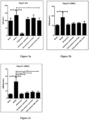
- mice 48 rats were randomly divided into 6 groups with 8 rats in each group.
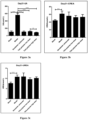
- the groups were as follows: Blank Group (Vehicle ,ig), Model Group (Vehicle, ig), Positive control group (Allopurinol ,10mg/kg, ig), Compound 1 group (Sevelamer carbonate, 250mg/kg, ig), Compound 2 low-dose group (TAA polymer, 50mg/kg, ig), Compound 2 high-dose group (TAA polymer, 250mg/kg, ig).Except for blank group, rats in other groups were modeled according to the chronic modeling method.
- the modeling method was as follows: rats were given Adenine(100 mg/kg)+ Ethambutol (250mg/kg) by gavage, once a day, for 21 days. Animals in blank group and model group were given equal volume of normal saline by gavage. Animals in positive control group were given positive 10mg/kg Alloalcohol, once in the first week, once in the second week, once a day for 3 days before sampling in the third week.Animals in other groups were given intragastric administration once a day for 14 consecutive days from the 8th day of modeling. Blood samples were taken at Day 21 after modeling, and serum samples were separated and stored at -80°C for biochemical detection. After the end of administration, kidney tissues were taken and fixed with paraformaldehyde for pathological detection.
- Compound 1 is Sevelamer carbonate and Compound 2 is a graft polytriallylamine with 50 % molar percentage of the moiety to the tertiary amine in polytriallylamine.
- CREA and UREA in Model group B were significantly higher (P ⁇ 0.001;respectively).
- the expression of CREA and UREA was significantly reduced by treatment with Allopurinol (P ⁇ 0.01,P ⁇ 0.001;respectively).
- the low-dose of Compound 2 could significantly reduce the expression of CREA.
- Compound 1 and High and low doses of Compound 2 and 3 significantly reduced UREA expression (P ⁇ 0.001 respectively).
- mice 40 rats were randomly divided into 5 groups with 8 rats in each group.
- the groups were as follows: Blank Group (Vehicle ,ig), Model Group (Vehicle, ig), Compound 1 group (Sevelamer carbonate , 100mg/kg, ig) Compound 2 low-dose group (TAA polymer, 100mg/kg, ig), Compound 2 high-dose group (TAA polymer, 1000mg/kg, ig). Except for blank group, rats in other groups were modeled according to the chronic modeling method. The modeling method was as follows: 100mg/kg adenine + 250mg/kg ethambutol + 7.5g/kg yeast powder were given to rats by gavage, once a day, for 21 days.
- Animals in blank group and model group were given equal volume of normal saline by gavage. Animals in other groups were given intragastric administration once a day for 14 consecutive days from the 8th day of modeling. Blood samples were taken at Day 21 after modeling, and serum samples were separated and stored at -80°C for biochemical detection.
Landscapes
- Health & Medical Sciences (AREA)
- Chemical & Material Sciences (AREA)
- Medicinal Chemistry (AREA)
- Chemical Kinetics & Catalysis (AREA)
- Organic Chemistry (AREA)
- Pharmacology & Pharmacy (AREA)
- Veterinary Medicine (AREA)
- Public Health (AREA)
- General Health & Medical Sciences (AREA)
- Animal Behavior & Ethology (AREA)
- Life Sciences & Earth Sciences (AREA)
- General Chemical & Material Sciences (AREA)
- Physical Education & Sports Medicine (AREA)
- Nuclear Medicine, Radiotherapy & Molecular Imaging (AREA)
- Bioinformatics & Cheminformatics (AREA)
- Engineering & Computer Science (AREA)
- Rheumatology (AREA)
- Pain & Pain Management (AREA)
- Polymers & Plastics (AREA)
- Epidemiology (AREA)
- Pharmaceuticals Containing Other Organic And Inorganic Compounds (AREA)
- Medicines That Contain Protein Lipid Enzymes And Other Medicines (AREA)
- Acyclic And Carbocyclic Compounds In Medicinal Compositions (AREA)
Claims (15)
- Gepfropftes Polytriallylamin, umfassend Polytriallylamin, ein Anion und einem Rest, der an Harnsäure oder einen Vorläufer davon bindet, wobei der Rest an ein tertiäres Amin des Polytriallylamins gebunden ist.
- Gepfropftes Polytriallylamin nach Anspruch 1, wobei der Rest ausgewählt ist aus der Gruppe aus


- Gepfropftes Polytriallylamin nach Anspruch 1 oder 2, wobei das Anion ausgewählt ist aus der Gruppe aus Br-, Cl-, HCO3 - und CO3 2-; und das Anion vorzugsweise HCO3 - ist.
- Gepfropftes Polytriallylamin nach Anspruch 1, wobei das gepfropfte Polytriallylamin 4-N-(6-Hexyl)-pyrimidin-2,4,6-triamin-gepfropftes Polytriallylaminbicarbonat ist.
- Gepfropftes Polytriallylamin nach einem der Ansprüche 1 bis 4, wobei das gepfropfte Polytriallylamin durch eine durchschnittliche Adsorption von Harnsäure von etwa 1,0 mmol/g und/oder eine Glasübergangstemperatur im Bereich von 85 bis 95° C gekennzeichnet ist.
- Gepfropftes Polytriallylamin nach einem der Ansprüche 1 bis 5, wobei der Molprozentsatz des Anteils am tertiären Amin mehr als 35 % oder im Bereich von 30 bis 70 %, vorzugsweise etwa 50 %, beträgt.
- Verfahren zur Herstellung von 4-N-(6-Hexyl)-pyrimidin-2,4,6-triamin-gepfropftem Polytriallylaminbicarbonat, umfassend:(1) Polymerisation von Triallylamin, um Polytriallylamin zu erhalten; und(2) Umsetzung von 4-N-(6-Bromhexyl)-pyrimidin-2,4,6-triaminhydrobromid mit dem Polytriallylamin bei erhöhter Temperatur.
- Verfahren zur Herstellung eines gepfropften Polytriallylamins, umfassend das Umsetzen eines Analogons von Pyrimidin-2,4-diamin mit Polytriallylamin, wobei das Analogon ausgewählt ist aus der Gruppe bestehend aus:


- Verfahren nach Anspruch 7 oder 8, wobei das Polytriallylamin nach einem Verfahren synthetisiert wird, das umfasst:(1) Zugabe von Triallylamin zu konzentrierter HCl bei einer Temperatur von weniger als 15° C zur Herstellung von Triallylaminhydrochlorid in wässriger Lösung; und(2) Mischen des Triallylaminhydrochlorids mit 2,2'-Azobis(2-amidinopropan)dihydrochlorid bei erhöhter Temperatur, um Polytriallylamin zu erhalten.
- Verfahren nach Anspruch 9, wobei das Verfahren eine oder mehrere der folgenden Bedingungen erfülltder pH-Wert der wässrigen Lösung in Schritt (1) in einem Bereich von 2,6 bis 3,1 liegt;die erhöhte Temperatur in Schritt (2) zwischen 50° C und 55° C liegt; oderdas Verfahren ferner umfasst:(3) Zerkleinern des Polytriallylamins in Partikel;(4) Dispergieren der Teilchen in einer Mischung aus Methanol und NaOH bei Raumtemperatur, um eine Dispersion zu erhalten; und(5) Filtern der Dispersion, um einen Feststoff zu erhalten.
- Verfahren nach Anspruch 7 oder 8, wobei das Polytriallylamin nach einem Verfahren synthetisiert wird, das umfasst:(1) Zugabe von Triallylamin zu konzentrierter HCl bei einer Temperatur von weniger als 15° C zur Herstellung von Triallylaminhydrochlorid in einer wässrigen Lösung;(2) Mischen des Hydrochloridtriallylamins mit 2,2'-Azobis(2-amidinopropan)dihydrochlorid, um eine wässrige Phase zu erhalten; und(3) Bereitstellen einer organischen Phase zum Mischen mit der wässrigen Phase unter Stickstoffschutz bei erhöhter Temperatur, um Polytriallylamin in einer Mischung zu erhalten.
- Verfahren nach Anspruch 11, wobei das Verfahren eine oder mehrere der folgenden Bedingungen erfülltder pH-Wert der wässrigen Lösung in Schritt (1) in einem Bereich von 2,6 bis 3,1 liegt;die erhöhte Temperatur in Schritt (3) zwischen 55° C und 65° C oder in einem Bereich von 80° C bis 85° C liegt;die organische Phase enthält Toluol und Sorbitanmonostearat; oderdas Verfahren umfasst ferner (4) das Filtrieren der Mischung, um einen Feststoff aus Polytriallylamin zu erhalten.
- Pharmazeutische Zusammensetzung, umfassend:das gepfropfte Polytriallylamin nach einem der Ansprüche 1-6; undeinen pharmazeutisch akzeptablen Hilfsstoff, Verdünnungsmittel oder Träger.
- Gepfropftes Polytriallylamin nach einem der Ansprüche 1-6 oder pharmazeutische Zusammensetzung nach Anspruch 13 zur Verwendung bei der Behandlung eines Zustands, der mit einem erhöhten Serumharnsäurespiegel verbunden ist.
- Gepfropftes Polytriallylamin nach einem der Ansprüche 1 bis 6 oder pharmazeutische Zusammensetzung nach Anspruch 13 zur Verwendung nach Anspruch 14, die eine oder mehrere der folgenden Bedingungen erfüllt:der Zustand Hyperurikämie oder Gicht ist, und vorzugsweise ist die Gicht schwere Gicht, chronische Gicht oder akute Gicht; oderdas gepfropfte Polytriallylamin oder die pharmazeutische Zusammensetzung oral verabreicht wird.
Applications Claiming Priority (1)
| Application Number | Priority Date | Filing Date | Title |
|---|---|---|---|
| PCT/CN2021/114310 WO2023023939A1 (en) | 2021-08-24 | 2021-08-24 | Polymers, compositions and methods for treating hyperuricemia |
Publications (3)
| Publication Number | Publication Date |
|---|---|
| EP4164659A1 EP4164659A1 (de) | 2023-04-19 |
| EP4164659A4 EP4164659A4 (de) | 2023-04-19 |
| EP4164659B1 true EP4164659B1 (de) | 2024-03-27 |
Family
ID=85321568
Family Applications (1)
| Application Number | Title | Priority Date | Filing Date |
|---|---|---|---|
| EP21870494.8A Active EP4164659B1 (de) | 2021-08-24 | 2021-08-24 | Polymere, zusammensetzungen und verfahren zur behandlung von hyperurikämie |
Country Status (5)
| Country | Link |
|---|---|
| US (1) | US12605401B2 (de) |
| EP (1) | EP4164659B1 (de) |
| CN (1) | CN116018147A (de) |
| ES (1) | ES2980624T3 (de) |
| WO (1) | WO2023023939A1 (de) |
Family Cites Families (9)
| Publication number | Priority date | Publication date | Assignee | Title |
|---|---|---|---|---|
| BR0112800A (pt) * | 2000-07-28 | 2003-07-01 | Hoffmann La Roche | Utilização de um inibidor de lìpases e de um sequestrante de ácido de bìlis farmaceuticamente aceitáveis e processo para a prevenção e tratamento de enfermidades associadas com altos nìveis de colesterol de plasma |
| WO2002085380A1 (en) * | 2001-04-18 | 2002-10-31 | Geltex Pharmaceuticals, Inc. | Method for treating gout and reducing serum uric acid |
| ATE380553T1 (de) * | 2001-04-18 | 2007-12-15 | Genzyme Corp | Aminpolymere zur behandlung von gicht und zur senkung des harnsäuregehaltes |
| CA2444046C (en) * | 2001-04-18 | 2011-06-07 | Steven K. Burke | Use of colesevelam in reducing serum glucose |
| WO2002085378A1 (en) * | 2001-04-18 | 2002-10-31 | Genzyme Corporation | Low salt forms of polyallylamine |
| WO2005032563A1 (en) * | 2003-09-02 | 2005-04-14 | Genzyme Corporation | Method for reducing vascular inflammation |
| US7985418B2 (en) * | 2004-11-01 | 2011-07-26 | Genzyme Corporation | Aliphatic amine polymer salts for tableting |
| EP2016947A1 (de) * | 2007-07-17 | 2009-01-21 | Chemo Ibérica, S.A. | Neuartiges Verfahren zur Herstellung vernetzter Poly(allylamin-)Polymere in einem einzigen Schritt |
| US20100330175A1 (en) * | 2009-06-24 | 2010-12-30 | Jobdevairakkam Christopher N | Cross-linked polyallylamine tablet core |
-
2021
- 2021-08-24 ES ES21870494T patent/ES2980624T3/es active Active
- 2021-08-24 EP EP21870494.8A patent/EP4164659B1/de active Active
- 2021-08-24 WO PCT/CN2021/114310 patent/WO2023023939A1/en not_active Ceased
- 2021-08-24 CN CN202180005151.4A patent/CN116018147A/zh active Pending
-
2022
- 2022-05-18 US US17/747,006 patent/US12605401B2/en active Active
Also Published As
| Publication number | Publication date |
|---|---|
| EP4164659A1 (de) | 2023-04-19 |
| ES2980624T3 (es) | 2024-10-02 |
| CN116018147A (zh) | 2023-04-25 |
| WO2023023939A1 (en) | 2023-03-02 |
| US12605401B2 (en) | 2026-04-21 |
| US20230102864A1 (en) | 2023-03-30 |
| EP4164659A4 (de) | 2023-04-19 |
Similar Documents
| Publication | Publication Date | Title |
|---|---|---|
| EP1096937B9 (de) | Ranolazinhaltige arzneimittel mit verzögerter wirkstoffabgabe | |
| CN116867494A (zh) | Irak4降解剂和其用途 | |
| KR20230145439A (ko) | Irak4 분해제 및 이의 용도 | |
| EP2033633A2 (de) | Partielle Fettsäurenoxidationsinhibitoren bei der Behandlung von kongestiver Herzinsuffizienz | |
| US6531153B2 (en) | Composition with sustained release of levodopa and carbidopa | |
| EP3272338A1 (de) | Orale darreichungsform von ketamin | |
| JP2003525896A (ja) | 持続放出ラノラジン製剤 | |
| JPWO1993013781A1 (ja) | コレステロール低下剤 | |
| CN120417891A (zh) | Irak4降解剂及其用途 | |
| CN112641742B (zh) | 一种沙库巴曲缬沙坦钠缓释片及其制备方法 | |
| US12478638B2 (en) | Polymers, compositions and methods for treating hyperuricemia | |
| EP0500851A1 (de) | Verfahren zur herstellung einer einen wärme-, licht- und feuchtigkeit empfindlichen wirkstoff mit einer monoklinisch kristallinen struktur enthaltenden tabletten oder dragee zusammensetzung. | |
| US12605401B2 (en) | Polymers, compositions and methods for treating hyperuricemia | |
| US20090221585A1 (en) | Novel compounds and their use related to compositions for treating disease | |
| US7488759B2 (en) | Malic acid addition salts of terbinafine | |
| CN113456607B (zh) | 一种沙库巴曲缬沙坦钠单层渗透泵控释片及其制备方法 | |
| EP3090732A1 (de) | Pharmazeutische zusammensetzung mit clomipramin und herstellungsverfahren dafür | |
| WO2014093228A1 (en) | Antagonizing heparin with salicylamide compounds and antihistamines | |
| US6214381B1 (en) | Methazolamide composition and method of use | |
| KR100265467B1 (ko) | 염산 아젤라스틴 함유 서방성 정제 및 그 제조방법 | |
| CN101467984B (zh) | 一种曲马多鼻用凝胶剂及其制备方法和用途 | |
| JPH03251531A (ja) | ジヒドロピリジン化合物を含有する末梢循環改善剤 | |
| HK1130181A (en) | Partial fatty acid oxidation inhibitors in the treatment of congestive heart failure | |
| HK1171958A (en) | Composition and method for improved bioavailability and enhanced brain delivery of 5, 5-diphenyl barbituric acid |
Legal Events
| Date | Code | Title | Description |
|---|---|---|---|
| STAA | Information on the status of an ep patent application or granted ep patent |
Free format text: STATUS: UNKNOWN |
|
| STAA | Information on the status of an ep patent application or granted ep patent |
Free format text: STATUS: THE INTERNATIONAL PUBLICATION HAS BEEN MADE |
|
| PUAI | Public reference made under article 153(3) epc to a published international application that has entered the european phase |
Free format text: ORIGINAL CODE: 0009012 |
|
| STAA | Information on the status of an ep patent application or granted ep patent |
Free format text: STATUS: REQUEST FOR EXAMINATION WAS MADE |
|
| 17P | Request for examination filed |
Effective date: 20220329 |
|
| A4 | Supplementary search report drawn up and despatched |
Effective date: 20221021 |
|
| AK | Designated contracting states |
Kind code of ref document: A1 Designated state(s): AL AT BE BG CH CY CZ DE DK EE ES FI FR GB GR HR HU IE IS IT LI LT LU LV MC MK MT NL NO PL PT RO RS SE SI SK SM TR |
|
| RIC1 | Information provided on ipc code assigned before grant |
Ipc: A61P 19/06 20060101ALI20230928BHEP Ipc: C08F 8/44 20060101ALI20230928BHEP Ipc: C08F 8/30 20060101ALI20230928BHEP Ipc: A61K 31/785 20060101AFI20230928BHEP |
|
| GRAP | Despatch of communication of intention to grant a patent |
Free format text: ORIGINAL CODE: EPIDOSNIGR1 |
|
| STAA | Information on the status of an ep patent application or granted ep patent |
Free format text: STATUS: GRANT OF PATENT IS INTENDED |
|
| INTG | Intention to grant announced |
Effective date: 20231114 |
|
| RIN1 | Information on inventor provided before grant (corrected) |
Inventor name: ZHANG, FAMING Inventor name: CUI, JIAN Inventor name: LIANG, YING Inventor name: BIE, KANG Inventor name: LI, YAN Inventor name: HU, MINGLONG Inventor name: LI, TONGTONG Inventor name: ZHOU, YOUCHENG |
|
| GRAS | Grant fee paid |
Free format text: ORIGINAL CODE: EPIDOSNIGR3 |
|
| GRAA | (expected) grant |
Free format text: ORIGINAL CODE: 0009210 |
|
| STAA | Information on the status of an ep patent application or granted ep patent |
Free format text: STATUS: THE PATENT HAS BEEN GRANTED |
|
| AK | Designated contracting states |
Kind code of ref document: B1 Designated state(s): AL AT BE BG CH CY CZ DE DK EE ES FI FR GB GR HR HU IE IS IT LI LT LU LV MC MK MT NL NO PL PT RO RS SE SI SK SM TR |
|
| DAV | Request for validation of the european patent (deleted) | ||
| DAX | Request for extension of the european patent (deleted) | ||
| REG | Reference to a national code |
Ref country code: GB Ref legal event code: FG4D |
|
| REG | Reference to a national code |
Ref country code: CH Ref legal event code: EP |
|
| REG | Reference to a national code |
Ref country code: DE Ref legal event code: R096 Ref document number: 602021011066 Country of ref document: DE |
|
| REG | Reference to a national code |
Ref country code: IE Ref legal event code: FG4D |
|
| REG | Reference to a national code |
Ref country code: SE Ref legal event code: TRGR |
|
| PG25 | Lapsed in a contracting state [announced via postgrant information from national office to epo] |
Ref country code: LT Free format text: LAPSE BECAUSE OF FAILURE TO SUBMIT A TRANSLATION OF THE DESCRIPTION OR TO PAY THE FEE WITHIN THE PRESCRIBED TIME-LIMIT Effective date: 20240327 |
|
| REG | Reference to a national code |
Ref country code: LT Ref legal event code: MG9D |
|
| PG25 | Lapsed in a contracting state [announced via postgrant information from national office to epo] |
Ref country code: GR Free format text: LAPSE BECAUSE OF FAILURE TO SUBMIT A TRANSLATION OF THE DESCRIPTION OR TO PAY THE FEE WITHIN THE PRESCRIBED TIME-LIMIT Effective date: 20240628 |
|
| PG25 | Lapsed in a contracting state [announced via postgrant information from national office to epo] |
Ref country code: RS Free format text: LAPSE BECAUSE OF FAILURE TO SUBMIT A TRANSLATION OF THE DESCRIPTION OR TO PAY THE FEE WITHIN THE PRESCRIBED TIME-LIMIT Effective date: 20240627 Ref country code: HR Free format text: LAPSE BECAUSE OF FAILURE TO SUBMIT A TRANSLATION OF THE DESCRIPTION OR TO PAY THE FEE WITHIN THE PRESCRIBED TIME-LIMIT Effective date: 20240327 |
|
| PG25 | Lapsed in a contracting state [announced via postgrant information from national office to epo] |
Ref country code: RS Free format text: LAPSE BECAUSE OF FAILURE TO SUBMIT A TRANSLATION OF THE DESCRIPTION OR TO PAY THE FEE WITHIN THE PRESCRIBED TIME-LIMIT Effective date: 20240627 Ref country code: NO Free format text: LAPSE BECAUSE OF FAILURE TO SUBMIT A TRANSLATION OF THE DESCRIPTION OR TO PAY THE FEE WITHIN THE PRESCRIBED TIME-LIMIT Effective date: 20240627 Ref country code: LT Free format text: LAPSE BECAUSE OF FAILURE TO SUBMIT A TRANSLATION OF THE DESCRIPTION OR TO PAY THE FEE WITHIN THE PRESCRIBED TIME-LIMIT Effective date: 20240327 Ref country code: HR Free format text: LAPSE BECAUSE OF FAILURE TO SUBMIT A TRANSLATION OF THE DESCRIPTION OR TO PAY THE FEE WITHIN THE PRESCRIBED TIME-LIMIT Effective date: 20240327 Ref country code: GR Free format text: LAPSE BECAUSE OF FAILURE TO SUBMIT A TRANSLATION OF THE DESCRIPTION OR TO PAY THE FEE WITHIN THE PRESCRIBED TIME-LIMIT Effective date: 20240628 Ref country code: FI Free format text: LAPSE BECAUSE OF FAILURE TO SUBMIT A TRANSLATION OF THE DESCRIPTION OR TO PAY THE FEE WITHIN THE PRESCRIBED TIME-LIMIT Effective date: 20240327 Ref country code: BG Free format text: LAPSE BECAUSE OF FAILURE TO SUBMIT A TRANSLATION OF THE DESCRIPTION OR TO PAY THE FEE WITHIN THE PRESCRIBED TIME-LIMIT Effective date: 20240327 |
|
| REG | Reference to a national code |
Ref country code: NL Ref legal event code: MP Effective date: 20240327 |
|
| PG25 | Lapsed in a contracting state [announced via postgrant information from national office to epo] |
Ref country code: LV Free format text: LAPSE BECAUSE OF FAILURE TO SUBMIT A TRANSLATION OF THE DESCRIPTION OR TO PAY THE FEE WITHIN THE PRESCRIBED TIME-LIMIT Effective date: 20240327 |
|
| PG25 | Lapsed in a contracting state [announced via postgrant information from national office to epo] |
Ref country code: NL Free format text: LAPSE BECAUSE OF FAILURE TO SUBMIT A TRANSLATION OF THE DESCRIPTION OR TO PAY THE FEE WITHIN THE PRESCRIBED TIME-LIMIT Effective date: 20240327 |
|
| REG | Reference to a national code |
Ref country code: AT Ref legal event code: MK05 Ref document number: 1669278 Country of ref document: AT Kind code of ref document: T Effective date: 20240327 |
|
| PG25 | Lapsed in a contracting state [announced via postgrant information from national office to epo] |
Ref country code: NL Free format text: LAPSE BECAUSE OF FAILURE TO SUBMIT A TRANSLATION OF THE DESCRIPTION OR TO PAY THE FEE WITHIN THE PRESCRIBED TIME-LIMIT Effective date: 20240327 |
|
| REG | Reference to a national code |
Ref country code: ES Ref legal event code: FG2A Ref document number: 2980624 Country of ref document: ES Kind code of ref document: T3 Effective date: 20241002 |
|
| PG25 | Lapsed in a contracting state [announced via postgrant information from national office to epo] |
Ref country code: IS Free format text: LAPSE BECAUSE OF FAILURE TO SUBMIT A TRANSLATION OF THE DESCRIPTION OR TO PAY THE FEE WITHIN THE PRESCRIBED TIME-LIMIT Effective date: 20240727 |
|
| PG25 | Lapsed in a contracting state [announced via postgrant information from national office to epo] |
Ref country code: PT Free format text: LAPSE BECAUSE OF FAILURE TO SUBMIT A TRANSLATION OF THE DESCRIPTION OR TO PAY THE FEE WITHIN THE PRESCRIBED TIME-LIMIT Effective date: 20240729 Ref country code: SM Free format text: LAPSE BECAUSE OF FAILURE TO SUBMIT A TRANSLATION OF THE DESCRIPTION OR TO PAY THE FEE WITHIN THE PRESCRIBED TIME-LIMIT Effective date: 20240327 |
|
| PG25 | Lapsed in a contracting state [announced via postgrant information from national office to epo] |
Ref country code: EE Free format text: LAPSE BECAUSE OF FAILURE TO SUBMIT A TRANSLATION OF THE DESCRIPTION OR TO PAY THE FEE WITHIN THE PRESCRIBED TIME-LIMIT Effective date: 20240327 Ref country code: CZ Free format text: LAPSE BECAUSE OF FAILURE TO SUBMIT A TRANSLATION OF THE DESCRIPTION OR TO PAY THE FEE WITHIN THE PRESCRIBED TIME-LIMIT Effective date: 20240327 |
|
| PG25 | Lapsed in a contracting state [announced via postgrant information from national office to epo] |
Ref country code: AT Free format text: LAPSE BECAUSE OF FAILURE TO SUBMIT A TRANSLATION OF THE DESCRIPTION OR TO PAY THE FEE WITHIN THE PRESCRIBED TIME-LIMIT Effective date: 20240327 |
|
| PG25 | Lapsed in a contracting state [announced via postgrant information from national office to epo] |
Ref country code: PL Free format text: LAPSE BECAUSE OF FAILURE TO SUBMIT A TRANSLATION OF THE DESCRIPTION OR TO PAY THE FEE WITHIN THE PRESCRIBED TIME-LIMIT Effective date: 20240327 |
|
| PG25 | Lapsed in a contracting state [announced via postgrant information from national office to epo] |
Ref country code: SK Free format text: LAPSE BECAUSE OF FAILURE TO SUBMIT A TRANSLATION OF THE DESCRIPTION OR TO PAY THE FEE WITHIN THE PRESCRIBED TIME-LIMIT Effective date: 20240327 |
|
| PG25 | Lapsed in a contracting state [announced via postgrant information from national office to epo] |
Ref country code: SM Free format text: LAPSE BECAUSE OF FAILURE TO SUBMIT A TRANSLATION OF THE DESCRIPTION OR TO PAY THE FEE WITHIN THE PRESCRIBED TIME-LIMIT Effective date: 20240327 Ref country code: SK Free format text: LAPSE BECAUSE OF FAILURE TO SUBMIT A TRANSLATION OF THE DESCRIPTION OR TO PAY THE FEE WITHIN THE PRESCRIBED TIME-LIMIT Effective date: 20240327 Ref country code: RO Free format text: LAPSE BECAUSE OF FAILURE TO SUBMIT A TRANSLATION OF THE DESCRIPTION OR TO PAY THE FEE WITHIN THE PRESCRIBED TIME-LIMIT Effective date: 20240327 Ref country code: PT Free format text: LAPSE BECAUSE OF FAILURE TO SUBMIT A TRANSLATION OF THE DESCRIPTION OR TO PAY THE FEE WITHIN THE PRESCRIBED TIME-LIMIT Effective date: 20240729 Ref country code: PL Free format text: LAPSE BECAUSE OF FAILURE TO SUBMIT A TRANSLATION OF THE DESCRIPTION OR TO PAY THE FEE WITHIN THE PRESCRIBED TIME-LIMIT Effective date: 20240327 Ref country code: IS Free format text: LAPSE BECAUSE OF FAILURE TO SUBMIT A TRANSLATION OF THE DESCRIPTION OR TO PAY THE FEE WITHIN THE PRESCRIBED TIME-LIMIT Effective date: 20240727 Ref country code: EE Free format text: LAPSE BECAUSE OF FAILURE TO SUBMIT A TRANSLATION OF THE DESCRIPTION OR TO PAY THE FEE WITHIN THE PRESCRIBED TIME-LIMIT Effective date: 20240327 Ref country code: CZ Free format text: LAPSE BECAUSE OF FAILURE TO SUBMIT A TRANSLATION OF THE DESCRIPTION OR TO PAY THE FEE WITHIN THE PRESCRIBED TIME-LIMIT Effective date: 20240327 Ref country code: AT Free format text: LAPSE BECAUSE OF FAILURE TO SUBMIT A TRANSLATION OF THE DESCRIPTION OR TO PAY THE FEE WITHIN THE PRESCRIBED TIME-LIMIT Effective date: 20240327 |
|
| REG | Reference to a national code |
Ref country code: DE Ref legal event code: R097 Ref document number: 602021011066 Country of ref document: DE |
|
| PG25 | Lapsed in a contracting state [announced via postgrant information from national office to epo] |
Ref country code: DK Free format text: LAPSE BECAUSE OF FAILURE TO SUBMIT A TRANSLATION OF THE DESCRIPTION OR TO PAY THE FEE WITHIN THE PRESCRIBED TIME-LIMIT Effective date: 20240327 |
|
| PG25 | Lapsed in a contracting state [announced via postgrant information from national office to epo] |
Ref country code: DK Free format text: LAPSE BECAUSE OF FAILURE TO SUBMIT A TRANSLATION OF THE DESCRIPTION OR TO PAY THE FEE WITHIN THE PRESCRIBED TIME-LIMIT Effective date: 20240327 |
|
| PLBE | No opposition filed within time limit |
Free format text: ORIGINAL CODE: 0009261 |
|
| STAA | Information on the status of an ep patent application or granted ep patent |
Free format text: STATUS: NO OPPOSITION FILED WITHIN TIME LIMIT |
|
| 26N | No opposition filed |
Effective date: 20250103 |
|
| PG25 | Lapsed in a contracting state [announced via postgrant information from national office to epo] |
Ref country code: LU Free format text: LAPSE BECAUSE OF NON-PAYMENT OF DUE FEES Effective date: 20240824 |
|
| PG25 | Lapsed in a contracting state [announced via postgrant information from national office to epo] |
Ref country code: SI Free format text: LAPSE BECAUSE OF FAILURE TO SUBMIT A TRANSLATION OF THE DESCRIPTION OR TO PAY THE FEE WITHIN THE PRESCRIBED TIME-LIMIT Effective date: 20240327 Ref country code: MC Free format text: LAPSE BECAUSE OF FAILURE TO SUBMIT A TRANSLATION OF THE DESCRIPTION OR TO PAY THE FEE WITHIN THE PRESCRIBED TIME-LIMIT Effective date: 20240327 |
|
| PGFP | Annual fee paid to national office [announced via postgrant information from national office to epo] |
Ref country code: ES Payment date: 20250908 Year of fee payment: 5 |
|
| PGFP | Annual fee paid to national office [announced via postgrant information from national office to epo] |
Ref country code: DE Payment date: 20250812 Year of fee payment: 5 |
|
| PGFP | Annual fee paid to national office [announced via postgrant information from national office to epo] |
Ref country code: IT Payment date: 20250808 Year of fee payment: 5 |
|
| PGFP | Annual fee paid to national office [announced via postgrant information from national office to epo] |
Ref country code: BE Payment date: 20250826 Year of fee payment: 5 Ref country code: GB Payment date: 20250826 Year of fee payment: 5 |
|
| PGFP | Annual fee paid to national office [announced via postgrant information from national office to epo] |
Ref country code: FR Payment date: 20250828 Year of fee payment: 5 |
|
| PGFP | Annual fee paid to national office [announced via postgrant information from national office to epo] |
Ref country code: CH Payment date: 20250901 Year of fee payment: 5 Ref country code: SE Payment date: 20250826 Year of fee payment: 5 |
|
| PGFP | Annual fee paid to national office [announced via postgrant information from national office to epo] |
Ref country code: IE Payment date: 20250728 Year of fee payment: 5 |
|
| PG25 | Lapsed in a contracting state [announced via postgrant information from national office to epo] |
Ref country code: CY Free format text: LAPSE BECAUSE OF FAILURE TO SUBMIT A TRANSLATION OF THE DESCRIPTION OR TO PAY THE FEE WITHIN THE PRESCRIBED TIME-LIMIT; INVALID AB INITIO Effective date: 20210824 |
|
| PG25 | Lapsed in a contracting state [announced via postgrant information from national office to epo] |
Ref country code: HU Free format text: LAPSE BECAUSE OF FAILURE TO SUBMIT A TRANSLATION OF THE DESCRIPTION OR TO PAY THE FEE WITHIN THE PRESCRIBED TIME-LIMIT; INVALID AB INITIO Effective date: 20210824 |