EP4166575A1 - Dérivé de sémaglutide, son procédé de préparation et son utilisation - Google Patents
Dérivé de sémaglutide, son procédé de préparation et son utilisation Download PDFInfo
- Publication number
- EP4166575A1 EP4166575A1 EP21823037.3A EP21823037A EP4166575A1 EP 4166575 A1 EP4166575 A1 EP 4166575A1 EP 21823037 A EP21823037 A EP 21823037A EP 4166575 A1 EP4166575 A1 EP 4166575A1
- Authority
- EP
- European Patent Office
- Prior art keywords
- semaglutide
- boc
- modified
- fmoc
- precursor
- Prior art date
- Legal status (The legal status is an assumption and is not a legal conclusion. Google has not performed a legal analysis and makes no representation as to the accuracy of the status listed.)
- Withdrawn
Links
Images


Classifications
-
- C—CHEMISTRY; METALLURGY
- C12—BIOCHEMISTRY; BEER; SPIRITS; WINE; VINEGAR; MICROBIOLOGY; ENZYMOLOGY; MUTATION OR GENETIC ENGINEERING
- C12N—MICROORGANISMS OR ENZYMES; COMPOSITIONS THEREOF; PROPAGATING, PRESERVING, OR MAINTAINING MICROORGANISMS; MUTATION OR GENETIC ENGINEERING; CULTURE MEDIA
- C12N15/00—Mutation or genetic engineering; DNA or RNA concerning genetic engineering, vectors, e.g. plasmids, or their isolation, preparation or purification; Use of hosts therefor
- C12N15/09—Recombinant DNA-technology
- C12N15/63—Introduction of foreign genetic material using vectors; Vectors; Use of hosts therefor; Regulation of expression
- C12N15/70—Vectors or expression systems specially adapted for E. coli
-
- C—CHEMISTRY; METALLURGY
- C07—ORGANIC CHEMISTRY
- C07K—PEPTIDES
- C07K14/00—Peptides having more than 20 amino acids; Gastrins; Somatostatins; Melanotropins; Derivatives thereof
- C07K14/435—Peptides having more than 20 amino acids; Gastrins; Somatostatins; Melanotropins; Derivatives thereof from animals; from humans
- C07K14/575—Hormones
- C07K14/605—Glucagons
-
- A—HUMAN NECESSITIES
- A61—MEDICAL OR VETERINARY SCIENCE; HYGIENE
- A61P—SPECIFIC THERAPEUTIC ACTIVITY OF CHEMICAL COMPOUNDS OR MEDICINAL PREPARATIONS
- A61P3/00—Drugs for disorders of the metabolism
- A61P3/08—Drugs for disorders of the metabolism for glucose homeostasis
- A61P3/10—Drugs for disorders of the metabolism for glucose homeostasis for hyperglycaemia, e.g. antidiabetics
-
- C—CHEMISTRY; METALLURGY
- C12—BIOCHEMISTRY; BEER; SPIRITS; WINE; VINEGAR; MICROBIOLOGY; ENZYMOLOGY; MUTATION OR GENETIC ENGINEERING
- C12N—MICROORGANISMS OR ENZYMES; COMPOSITIONS THEREOF; PROPAGATING, PRESERVING, OR MAINTAINING MICROORGANISMS; MUTATION OR GENETIC ENGINEERING; CULTURE MEDIA
- C12N15/00—Mutation or genetic engineering; DNA or RNA concerning genetic engineering, vectors, e.g. plasmids, or their isolation, preparation or purification; Use of hosts therefor
- C12N15/09—Recombinant DNA-technology
- C12N15/63—Introduction of foreign genetic material using vectors; Vectors; Use of hosts therefor; Regulation of expression
-
- C—CHEMISTRY; METALLURGY
- C12—BIOCHEMISTRY; BEER; SPIRITS; WINE; VINEGAR; MICROBIOLOGY; ENZYMOLOGY; MUTATION OR GENETIC ENGINEERING
- C12N—MICROORGANISMS OR ENZYMES; COMPOSITIONS THEREOF; PROPAGATING, PRESERVING, OR MAINTAINING MICROORGANISMS; MUTATION OR GENETIC ENGINEERING; CULTURE MEDIA
- C12N9/00—Enzymes; Proenzymes; Compositions thereof; Processes for preparing, activating, inhibiting, separating or purifying enzymes
- C12N9/14—Hydrolases (3)
- C12N9/48—Hydrolases (3) acting on peptide bonds (3.4)
- C12N9/50—Proteinases, e.g. Endopeptidases (3.4.21-3.4.25)
- C12N9/64—Proteinases, e.g. Endopeptidases (3.4.21-3.4.25) derived from animal tissue
- C12N9/6402—Proteinases, e.g. Endopeptidases (3.4.21-3.4.25) derived from animal tissue from non-mammals
- C12N9/6405—Proteinases, e.g. Endopeptidases (3.4.21-3.4.25) derived from animal tissue from non-mammals not being snakes
- C12N9/6408—Serine endopeptidases (3.4.21)
-
- A—HUMAN NECESSITIES
- A61—MEDICAL OR VETERINARY SCIENCE; HYGIENE
- A61K—PREPARATIONS FOR MEDICAL, DENTAL OR TOILETRY PURPOSES
- A61K38/00—Medicinal preparations containing peptides
-
- C—CHEMISTRY; METALLURGY
- C07—ORGANIC CHEMISTRY
- C07K—PEPTIDES
- C07K2319/00—Fusion polypeptide
-
- C—CHEMISTRY; METALLURGY
- C07—ORGANIC CHEMISTRY
- C07K—PEPTIDES
- C07K2319/00—Fusion polypeptide
- C07K2319/50—Fusion polypeptide containing protease site
-
- C—CHEMISTRY; METALLURGY
- C07—ORGANIC CHEMISTRY
- C07K—PEPTIDES
- C07K2319/00—Fusion polypeptide
- C07K2319/60—Fusion polypeptide containing spectroscopic/fluorescent detection, e.g. green fluorescent protein [GFP]
Definitions
- the present invention relates to the field of biomedicine, in particular to an semaglutide derivative and application thereof.
- Diabetes is a major disease that threatens human health worldwide.
- China With the change of people's lifestyle and the acceleration of aging, the prevalence of diabetes is increasing rapidly.
- Semaglutide is an antidiabetic drug developed by Novo Nordisk, which can significantly reduce glycated hemoglobin (HbA1c) levels and reduce weight in patients with type 2 diabetes and greatly reduce the risk of hypoglycemia.
- Semaglutide is obtained by modifying GLP-1 (7-37). Compared with Liraglutide, Semaglutide has longer fat chains and increased hydrophobicity. However, the hydrophilicity of Semaglutide is greatly enhanced by PEG modification of its short chains. PEG modification can not only make it bind tightly to albumin and mask the DPP-4 enzymatic hydrolysis site, but also reduce renal excretion, prolong the biological half-life, and achieve the effect of long circulation.
- the CAS number of semaglutide is 910463-68-2 , the English name thereof is Semaglutide, and its sequence is as follows: H-His1-Aib2-Glu3-Gly4-Thr5-Phe6-Thr7-Ser8-Asp9-Val10-Ser11-Ser12-Tyr13-Le u14-Glu15-Gly16-Gln17-Ala18-Ala19-Lys20(PEG2-PEG2- ⁇ -Glu-Octadecanedioic acid)-Glu21-Phe22-Ile23-Ala24-Trp25-Leu26-Val27-Arg28-Gly29-Arg30-Gly31-O H.
- the purpose of the present invention is to provide a semaglutide derivative and application thereof.
- a semaglutide precursor fusion protein having the structure as shown in Formula I from N-terminus to the C-terminus: A-FP-TEV-EK-G (I) wherein, "-" represents a peptide bond; A is absent or a leader peptide sequence, FP is a green fluorescent protein folding unit; TEV is the first restriction site, and preferably is a restriction site of TEV enzyme (as shown in sequence ENLYFQG, SEQ ID NO: 8); EK is the second restriction site, and preferably is a restriction site of enterokinase (as shown in sequence DDDDK, SEQ ID NO: 9); G is a semaglutide precursor or a fragment thereof; wherein the green fluorescent protein folding unit comprises 2-6 ⁇ -folding units selected from the group consisting of: ⁇ -folding unit Amino acid sequence u1 VPILVELDGDVNG (SEQ ID NO: 11) u2 HKFSVRGEGEGDAT (SEQ
- the green fluorescent protein folding unit is u2-u3, u4-u5, u1-u2-u3, u3-u4-u5 or u4-u5-u6.
- the G is a Boc-modified semaglutide precursor which lacks 2-7 amino acids of the N-terminus of the semaglutide main chain, and the lysine contained therein is modified with Boc.
- the ⁇ -amino of the Boc-modified lysine is modified with tert-butoxycarbonyl.
- amino acid sequence of the semaglutide main chain is as shown in SEQ ID NO: 3.
- the semaglutide precursor comprises:
- the amino acid at position 4 of C-terminus of the semaglutide precursor is an arginine or lysine.
- the arginine at position 4 of C-terminus of the semaglutide precursor may be substituted with a lysine.
- the amino acid at position 4 of C-terminus of the fusion protein is an arginine or lysine.
- the arginine at position 4 of C-terminus of the fusion protein can be substituted with a lysine.
- the complete semaglutide sequence (H(Aib)EG TFTSDVSSYLEGQAA K EFIAWLVRGRG, SEQ ID NO: 3) is defined as the main chain of semaglutide, and the semaglutide lacking N-terminal amino aci d is defined as the semaglutide precursor.
- the H at its N-terminus is modified by Fmoc.
- the Boc-modifi ed semaglutide main chain the lysine at position 20 is a N ⁇ -(tert-butoxycarb onyl)-lysine.
- the green fluorescent protein folding unit is u3-u4-u5.
- amino acid sequence of the leader peptide is as shown in SEQ ID NO: 7.
- the 14th, 15th, 16th, 17th or 18th position of the semaglutide precursor is a N ⁇ -(tert-butoxycarbonyl)-lysine (i.e., in each semaglutide precursor, the amino acid corresponding to the 20th position of the semaglutide main chain is a N ⁇ -(tert-butoxycarbonyl)-lysine).
- the present invention provides a Fmoc and Boc-modified semaglutide main chain, wherein the position 20 of the semaglutide main chain is a protected lysine, which is a N ⁇ - (tert-butoxycarbonyl)-lysine, and the N-terminus of the semaglutide main chain is a Fmoc-modified histidine.
- the Fmoc is a fluorenylmethoxycarbonyl.
- amino acid sequence of the semaglutide main chain is as shown in SEQ ID NO: 3.
- Boc-modified semaglutide precursor which comprises:
- the present invention provides a Fmoc-modified semaglutide main chain, wherein the N-terminus of the semaglutide main chain is a Fmoc-modified histidine, and the amino acid sequence of the semaglutide main chain is shown in SEQ ID NO: 3.
- step (B) further comprises the steps:
- step (i) enterokinase is used for the digestion.
- the Boc-modified semaglutide precursor comprises:
- the Fmoc complex is Fmoc-H-Aib, Fmoc-H-Aib-E, Fmoc-H-Aib-E-G-T-F, Fmoc-H-Aib-E-G-T or Fmoc-H-Aib-E-G.
- steps (i) and (ii) the values of X are the same.
- the Fmoc and Boc-modified semaglutide main chain is as described in the second aspect of the present invention.
- reaction of step (ii) is as follow: or or or or or
- the semaglutide side chain is as follow:
- step (ii) Fmoc complex (activated ester), DIPEA (N, N-diisopropylethylamine) and DMF (N, N-dimethylformamide) are added to conjugate the Fmoc complex to the N-terminus of the Boc-modified semaglutide precursor.
- DIPEA N, N-diisopropylethylamine
- DMF N, N-dimethylformamide
- the Fmoc complex is an Fmoc complex in the form of an activated ester, which is formed by activation with HOSu/DCC, HoBt/DIC, and TBTU/DIPEA.
- the molar ratio of the added Fmoc complex (activated ester), DIPEA and Boc-modified semaglutide precursor is (1.0-3.0) : (10-14) : (0.8-1.2), and preferably (2-2.8) : (11-13) : (0.8-1.2).
- it further comprises a step of purification of the obtained Fmoc and Boc-modified semaglutide main chain between steps (ii) and (iii).
- the purification is to add an organic solvent, preferably a mixture of methyl tert-butyl ether/petroleum ether, to the reaction solution, thereby obtaining a solid product.
- an organic solvent preferably a mixture of methyl tert-butyl ether/petroleum ether
- step (iii) it further comprises the steps:
- step (c) the Boc-removed solid product is mixed with the semaglutide side chain in DMF and reacted at room temperature.
- reaction system further comprises DIPEA.
- step (iv) DMF solution containing piperidine is added to remove Fmoc, thereby obtaining the Fmoc-removed semaglutide.
- step (v) a mixture solution of TFA, TIS and DCM is added to remove the OtBu protection group from the side chain, thereby obtaining the semaglutide.
- step (v) it further comprises a step of purification of the obtained semaglutide.
- the Boc-modified semaglutide precursor is produced by using genetic recombination technique.
- step (A) inclusion bodies of the semaglutide precursor fusion protein are isolated and obtained from the fermentation broth of the recombinant bacteria, renatured and digested to obtain the semaglutide precursor fusion protein.
- it further comprises a purification step, preferably a reverse phase chromatography, before and after step (i).
- the recombinant bacterium comprises or is integrated with an expression cassette expressing the semaglutide precursor fusion protein.
- the method is as follows:
- the method further comprises the steps:
- the method further comprises the steps:
- the sixth aspect of the present invention provides an isolated polynucleotide encoding the semaglutide precursor fusion protein of the first aspect of the present invention, the Fmoc and Boc-modified semaglutide main chain of the second aspect of the present invention, the Boc-modified semaglutide precursor of the third aspect of the present invention, or the Fmoc-modified semaglutide main chain of the fourth aspect of the present invention.
- the seventh aspect of the present invention provides a vector comprising the polynucleotide of the sixth aspect of the present invention.
- the vector is selected from the group consisting of DNA, RNA, a plasmid, a lentiviral vector, an adenoviral vector, a retroviral vector, a transposon, and a combination thereof.
- the eighth aspect of the present invention provides a host cell comprising the vector of the seventh aspect of the present invention or in which the chromosome is integrated with exogenous polynucleotide of the sixth aspect of the present invention.
- the host cell is selected from Escherichia coli., Bacillus subtilis., a yeast cell, an insect cell, a mammalian cell, or a combination thereof.
- the ninth aspect of the present invention provides a formulation comprising the semaglutide precursor fusion protein of the first aspect of the present invention, the Fmoc and Boc-modified semaglutide main chain of the second aspect of the present invention, the Boc-modified semaglutide precursor of the third aspect of the present invention, or the Fmoc-modified semaglutide main chain of the fourth aspect of the present invention.
- the tenth aspect of the present invention provides a semaglutide formulation produced by using the method of the fifth aspect of the present invention.
- the Fmoc orthogonal protection method is used to perform the side chain addition step during the preparation of semaglutide, and the conditions for purification and synthesis during the preparation process are optimized.
- the method of the present invention does not require expensive solid-phase synthesis instruments, shortens the production cycle, has simple production process, and improves the purity and yield of the product.
- the present invention further provides a novel precursor fusion protein (Formula I) and corresponding intermediates (i.e., the Fmoc and Boc-modified semaglutide main chain and the Fmoc-modified semaglutide main chain).
- the intermediates can be efficiently produced.
- the condensation reaction between the 20-position Lys and the side chain can be performed with high efficiency and mild conditions.
- the N-terminal Fmoc has a good protective effect, and the removal condition thereof is mild and does not cause the racemic of N-terminal His, which barely produce racemic impurities.
- Semaglutide is developed by Novo Nordisk, of which the English name is Semaglutide, and CAS number is 204656-20-2 , and is an analogue of hu man glucagon-like peptide-1 (GLP-1). Its sequence is: H-His1-Aib2-Glu3-Gly 4-Thr5-Phe6-Thr7-Ser8-Asp9-Val10-Ser11-Ser12-Tyr13-Leu14-Glu15-Gly16-Gln1 7-Ala18-Ala19-Lys20(PEG2-PEG2- ⁇ -Glu-Octadecanedioic acid)-Glu21-Phe22-Ile 23-Ala24-Trp25-Leu26-Val27-Arg28-Gly29-Arg30-Gly31-OH. Its sequence horn ology to human native GLP-1 is 97%.
- Semaglutide is an antidiabetic drug developed by Novo Nordisk, which can significantly reduce glycated hemoglobin (HbA1c) levels and reduce weight in patients with type 2 diabetes and greatly reduce the risk of hypoglycemia.
- Semaglutide is obtained by modifying GLP-1 (7-37). Compared with Liraglutide, Semaglutide has longer fat chains and increased hydrophobicity. However, the hydrophilicity of Semaglutide is greatly enhanced by PEG modification of its short chains. PEG modification can not only make it bind tightly to albumin, mask the DPP-4 enzymatic hydrolysis site, but also reduce renal excretion, prolong the biological half-life, and achieve the effect of long circulation. It can significantly reduce the fasting or postprandial blood glucose of patients with type 2 diabetes so as to regulate blood glucose levels in the body, as well as reduce the weight of patients and the risk of death in patients with cardiovascular disease.
- the term "the protein of the present invention” includes the precursor fusion protein of the present invention and the corresponding intermediates, and specifically includes the semaglutide precursor fusion protein of the first aspect of the present invention, the Fmoc and Boc-modified semaglutide main chain of the second aspect of the present invention, the Boc-modified semaglutide precursor of the third aspect of the present invention, or the Fmoc-modified semaglutide main chain of the fourth aspect of the present invention.
- the term "the intermediates of the present invention” includes the Fmoc and Boc-modified semaglutide main chain of the second aspect of the present invention, the Boc-modified semaglutide precursor of the third aspect of the present invention, or the Fmoc-modified semaglutide main chain of the fourth aspect of the present invention.
- the term "the protein of the present invention” and “the precursor fusion protein of the present invention”, and “the semaglutide precursor fusion protein of the present invention” are used interchangeably, and refer to the semaglutide precursor fusion protein having a structure of Formula I of the first aspect of the present invention.
- the present inventor constructs a semaglutide precursor fusion protein, as described in the first aspect of the present invention.
- the green fluorescent protein folding unit contained in the fusion protein of the present invention comprises 2-6, preferably 2-3, ⁇ -folding units selected from the group consisting of: Amino acid sequence u1 VPILVELDGDVNG (SEQ ID NO: 11) u2 HKFSVRGEGEGDAT (SEQ ID NO: 12) u3 KLTLKFICTT (SEQ ID NO: 13) u4 YVQERTISFKD (SEQ ID NO: 14) u5 TYKTRAEVKFEGD (SEQ ID NO: 15) u6 TLVNRIELKGIDF (SEQ ID NO: 16) u7 HNVYITADKQ (SEQ ID NO: 17) u8 GIKANFKIRHNVED (SEQ ID NO: 18) u9 VQLADHYQQNTPIG (SEQ ID NO: 19) u10 HYLSTQSVLSKD (SEQ ID NO: 20) u11 HMVLLEFVTAAGI (SEQ ID NO: 21).
- the green fluorescent protein folding unit FP may be selected from the group consisting of: u8, u9, u2-u3, u4-u5, u8-u9, u1-u2-u3, u2-u3-u4, u3-u4-u5, u5-u6-u7, u8-u9-u10, u9-u10-u11, u3-u5-u7, u3-u4-u6, u4-u7-u10, u6-u8-u10, u1-u2-u3-u4, u2-u3-u4-u5, u3-u4-u3-u4, u3-u5-u7-u9, u5-u6-u7-u8, u1-u3-u7-u9, u2-u2-u7-u8, u7-u2-u5-u11, u3-u4-u7-u10, u1-I-
- the green fluorescent protein folding unit is u3-u4-u5 or u4-u5-u6.
- the term "fusion protein” also includes variant forms having the above-mentioned activities. These variant forms include (but are not limited to): 1-3 (usually 1-2, more preferably 1) amino acid deletions, insertions and/or substitutions, and one or several (usually 3 or less, preferably 2 or less, more preferably 1 or less) amino acids added or deleted at the C- terminus and/or N-terminus. For example, in this field, when substituted with amino acids with close or similar properties, the function of the protein is usually not changed. For another example, adding or deleting one or several amino acids at the C-terminus and/or N-terminus usually does not change the structure and function of the protein.
- the term also includes the polypeptide of the present invention in monomeric and multimeric forms. The term also includes linear and non-linear polypeptides (such as cyclic peptides).
- the present invention also includes active fragments, derivatives and analogs of the above-mentioned fusion protein.
- fragment refers to a polypeptide that substantially retains the function or activity of the fusion protein of the present invention.
- polypeptide fragments, derivatives or analogs of the present invention may be (i) a polypeptide in which one or more conservative or non-conservative amino acid residues (preferably conservative amino acid residues) are substituted, or (ii) a polypeptide with a substitution group in one or more amino acid residues, or (iii) a polypeptide formed by fusion of a polypeptide with another compound (such as a compound that prolongs the half-life of polypeptide, such as polyethylene glycol), or (iv) the polypeptide formed by fusion of additional amino acid sequence to this polypeptide sequence (fusion protein formed by fusion with a tag sequence such as leader sequence, secretory sequence or 6His).
- these fragments, derivatives and analogs fall within the scope well known to those skilled in the art.
- a preferred type of active derivative means that compared with the amino acid sequence of the present invention, at most 3, preferably at most 2, and more preferably at most 1 amino acid are replaced by amino acids with close or similar properties to form a polypeptide.
- These conservative variant polypeptides are best produced according to Table A by performing amino acid substitutions.
- the present invention also provides analogs of the fusion protein of the present invention.
- the difference between these analogs and the polypeptide of the present invention may be a difference in amino acid sequence, may also be a difference in modified form that does not affect the sequence, or both.
- Analogs also include analogs having residues different from natural L-amino acids (such as D-amino acids), and analogs having non-naturally occurring or synthetic amino acids (such as ⁇ , ⁇ -amino acids). It should be understood that the polypeptide of the present invention is not limited to the representative polypeptides exemplified above.
- the fusion protein of the present invention can also be modified.
- Modification (usually without changing the primary structure) forms include: chemically derivative forms of polypeptides in vivo or in vitro, such as acetylation or carboxylation.
- Modifications also include glycosylation, such as those polypeptides produced by glycosylation modifications during the synthesis and processing of the polypeptide or during further processing steps. This modification can be accomplished by exposing the polypeptide to an enzyme that performs glycosylation (such as a mammalian glycosylase or deglycosylase).
- Modification forms also include sequences with phosphorylated amino acid residues (such as phosphotyrosine, phosphoserine, phosphothreonine). It also includes polypeptides that have been modified to improve their anti-proteolytic properties or optimize their solubility properties.
- polynucleotide encoding the fusion protein of the present invention may include a polynucleotide encoding the fusion protein of the present invention, or a polynucleotide that also includes additional coding and/or non-coding sequences.
- the present invention also relates to variants of the above-mentioned polynucleotides, which encode fragments, analogs and derivatives of polypeptides or fusion proteins having the same amino acid sequence as the present invention.
- These nucleotide variants include substitution variants, deletion variants and insertion variants.
- an allelic variant is an alternative form of polynucleotide. It may be a substitution, deletion or insertion of one or more nucleotides, but will not substantially change the function of the encoded fusion protein.
- the present invention also relates to polynucleotides that hybridize with the aforementioned sequences and have at least 50%, preferably at least 70%, and more preferably at least 80% identity between the two sequences.
- the present invention particularly relates to polynucleotides that can hybridize with the polynucleotide of the present invention under strict conditions (or stringent conditions).
- restrictive conditions refer to: (1) hybridization and elution at lower ionic strength and higher temperature, such as 0.2 ⁇ SSC, 0.1% SDS, 60°C; or (2) adding denaturant during hybridization, such as 50% (v/v) formamide, 0.1% calf serum/0.1% Ficoll, 42°C, etc.; or (3) hybridization occurs only when the identity between the two sequences is at least 90% or more, and more preferably 95% or more.
- the fusion protein and polynucleotide of the present invention are preferably provided in an isolated form, and more preferably, are purified to homogeneity.
- the full-length sequence of the polynucleotide of the present invention can usually be obtained by PCR amplification method, recombination method or artificial synthesis method.
- primers can be designed according to the relevant nucleotide sequence disclosed in the present invention, especially the open reading frame sequence, and a commercially available cDNA library or a cDNA library prepared according to a conventional method known to those skilled in the art is used as a template to amplify the relevant sequence.
- a commercially available cDNA library or a cDNA library prepared according to a conventional method known to those skilled in the art is used as a template to amplify the relevant sequence.
- the relevant sequences can be obtained in large quantities by recombination method. It is usually cloned into a vector, then transferred into a cell, and then the relevant sequence is isolated from the host cell after proliferation by conventional methods.
- the relevant sequences can also be synthesized by artificial synthesis, especially when the fragment length is short. Usually, by first synthesizing multiple small fragments, and then ligating to obtain very long fragments.
- the DNA sequence encoding the protein (or fragment or derivative thereof) of the present invention can be obtained completely through chemical synthesis.
- the DNA sequence can then be introduced into various existing DNA molecules (or such as vectors) and cells known in the art.
- the method of using PCR technology to amplify DNA/RNA is preferably used to obtain the polynucleotide of the present invention.
- the RACE method RACE-cDNA end rapid amplification method
- the primers used for PCR can be appropriately selected according to the sequence information of the present invention disclosed herein, and can be synthesized by conventional methods.
- the amplified DNA/RNA fragments can be separated and purified by conventional methods such as gel electrophoresis.
- the present invention also relates to a vector containing the polynucleotide of the present invention, a host cell produced by genetic engineering using the vector of the present invention or the sequence encoding the fusion protein of the present invention, and a method for producing the polypeptide of the present invention through recombinant technology.
- the polynucleotide sequence of the present invention can be used to express or produce recombinant fusion protein. Generally, there are the following steps:
- the polynucleotide sequence encoding the fusion protein can be inserted into a recombinant expression vector.
- recombinant expression vector refers to bacterial plasmids, bacteriophages, yeast plasmids, plant cell viruses, mammalian cell viruses such as adenovirus, retrovirus or other vectors well known in the art. Any plasmid and vector can be used as long as it can be replicated and stabilized in the host.
- An important feature of an expression vector is that it usually contains an origin of replication, a promoter, a marker gene, and translation control elements.
- Methods well known to those skilled in the art can be used to construct an expression vector containing the DNA sequence encoding the fusion protein of the present invention and appropriate transcription/translation control signals. These methods include in vitro recombinant DNA technology, DNA synthesis technology, and in vivo recombination technology.
- the DNA sequence can be effectively linked to an appropriate promoter in the expression vector to guide mRNA synthesis.
- promoters are: Escherichia coli lac or trp promoter; lambda phage PL promoter; eukaryotic promoters including CMV immediate early promoter, HSV thymidine kinase promoter, early and late SV40 promoter, retroviral LTRs and some other known promoters that can control gene expression in prokaryotic or eukaryotic cells or viruses.
- the expression vector also includes a ribosome binding site for translation initiation and a transcription terminator.
- the expression vector preferably contains one or more selectable marker genes to provide phenotypic traits for selecting transformed host cells, such as dihydrofolate reductase, neomycin resistance, and green fluorescent protein (GFP) for eukaryotic cell culture, or tetracycline or ampicillin resistance for E. coli.
- selectable marker genes to provide phenotypic traits for selecting transformed host cells, such as dihydrofolate reductase, neomycin resistance, and green fluorescent protein (GFP) for eukaryotic cell culture, or tetracycline or ampicillin resistance for E. coli.
- a vector containing the above-mentioned appropriate DNA sequence and an appropriate promoter or control sequence can be used to transform an appropriate host cell so that it can express the protein.
- the host cell can be a prokaryotic cell, such as a bacterial cell; or a lower eukaryotic cell, such as a yeast cell; or a higher eukaryotic cell, such as a mammalian cell.
- a prokaryotic cell such as a bacterial cell
- a lower eukaryotic cell such as a yeast cell
- a higher eukaryotic cell such as a mammalian cell.
- Representative examples include: Escherichia coli, Streptomyces; bacterial cells of Salmonella typhimurium; fungal cells such as yeast and plant cells (such as ginseng cells).
- Enhancers are cis-acting factors of DNA, usually about 10 to 300 base pairs, acting on promoters to enhance gene transcription. Examples include the 100 to 270 base pair SV40 enhancer on the late side of the replication initiation point, the polyoma enhancer on the late side of the replication initiation point, and adenovirus enhancers and the like.
- Transformation of host cells with recombinant DNA can be carried out by conventional techniques well known to those skilled in the art.
- the host is a prokaryote such as Escherichia coli
- competent cells that can absorb DNA can be harvested after the exponential growth phase and treated with the CaCl 2 method. The steps used are well known in the art. Another method is to use MgCl 2 . If necessary, transformation can also be carried out by electroporation.
- the host is a eukaryote, the following DNA transfection methods can be selected: calcium phosphate co-precipitation method, conventional mechanical methods such as microinjection, electroporation, liposome packaging, etc..
- the obtained transformants can be cultured by conventional methods to express the polypeptide encoded by the gene of the present invention.
- the medium used in the culture can be selected from various conventional mediums.
- the culture is carried out under conditions suitable for the growth of the host cell. After the host cells have grown to an appropriate cell density, the selected promoter is induced by a suitable method (such as temperature conversion or chemical induction), and the cells are then cultured for a period of time.
- the recombinant polypeptide in the above method can be expressed in the cell, on the cell membrane, or secreted out of the cell. If necessary, the physical, chemical, and other characteristics can be used to separate and purify the recombinant protein through various separation methods. These methods are well known to those skilled in the art. Examples of these methods include, but are not limited to: conventional renaturation treatment, treatment with protein precipitation agent (salting out method), centrifugation, bacteria broken through osmosis, ultra treatment, ultracentrifugation, molecular sieve chromatography (gel filtration), adsorption chromatography, ion exchange chromatography, high performance liquid chromatography (HPLC) and various other liquid chromatography techniques and combinations of these methods.
- the FP-TEV-EK-GLP1 (with Boc modification at position 18, 17, 16, 15 or 14) fragment which contains the target gene was synthesized, of which the two ends had the recognition sites of restriction endonucleases Nco I and Xho I.
- the codon of this sequence was optimized and can achieve high level expression of functional protein in E. coli.
- the restriction endonucleases Nco I and Xho I were used to cut the expression vector "pBAD/His A(Kana R )" and the plasmid containing the target gene "FP-TEV-EK-GLP1 (18, 17, 16, 15 or 14)".
- the digested products were separated by agarose electrophoresis, and then extracted by agarose gel DNA recovery kit.
- the two DNA fragments were connected by T4 DNA ligase.
- the connected product was chemically transformed into E. coli Top10 cells, and the transformed cells were cultured in LB agar medium (10 g/L yeast peptone, 5 g/L yeast extract, 10 g/L NaCl, 1.5% agar) containing 50 ⁇ G/mL kanamycin overnight.
- LB agar medium 10 g/L yeast peptone, 5 g/L yeast extract, 10 g/L NaCl, 1.5% agar
- SmL liquid LB medium (10g/L yeast peptone, 5g/L yeast extract and 10g/L NaCl) containing 50 ⁇ g/mL kanamycin overnight, and the plasmid was extracted by using small amount plasmid extraction kit.
- the extracted plasmid was sequenced using the sequencing oligonucleotide primer 5'-ATGCCATAGCATTTTTATCC-3' (SEQ ID NO: 15) to confirm correct insertion.
- the finally obtained plasmid was named as "pBAD-FP-TEV-EK-GLP1 (18, 17, 16, 15 or 14)".
- Amino acids are the basic raw materials for the peptide synthesis technology. All amino acids contain ⁇ -amino and carboxyl groups, and some also contain side chain active groups such as: hydroxyl, amino, guanidyl and heterocyclic. Therefore, it is necessary to protect amino groups and side chain active groups in the peptide-connecting reaction, and remove the protective groups after synthesis of polypeptides, otherwise amino acid misconnection and many side reactions will occur.
- Fluorenylmethoxycarbonyl is a base-sensitive protective group that can be removed in concentrated ammonia or dioxane-methanol-4N NaOH (30:9:1) and 50% dichloromethane solutions of piperidine, ethanolamine, cyclohexylamine, 1,4-dioxane, pyrrolidone and other ammonias.
- Fmoc-Cl or Fmoc-OSu are generally used to introduce Fmoc protective groups. Compared to Fmoc-Cl, Fmoc-OSu is easier to control reaction conditions and has fewer side reactions.
- Fmoc has strong ultraviolet absorption, the maximum absorption wavelength is 267nm ( ⁇ 18950), 290nm ( ⁇ 5280), 301nm ( ⁇ 6200). Thus it can be detected through ultraviolet absorption, which brings many conveniences to the automatic peptide synthesis by instruments. In addition, it can be compatible with a wide range of solvents and reagents, has high mechanical stability, and can be used with a variety of carriers and a variety of activation methods. Therefore, the Fmoc protection groups are most commonly used in peptide synthesis now.
- tBuO-Ste-Glu(AEEA-AEEA-OSu)-OtBu is the side chain of semaglutide.
- the preparation of semaglutide is to first use genetic recombination technique to obtain the semaglutide main chain with a Boc-protected lysine at position 14, 15, 16, 17 or 18, and then conjugate the semaglutide side chain tBuO-Ste-Glu(AEEA-AEEA-OSu)-OtBu to obtain semaglutide.
- the 5 synthesis routes of semaglutide provided by the present invention are set forth in the following Formula A, Formula B, Formula C, Formula D and Formula E, respectively.
- Fmoc complex-modified Compound 2 is produced from the Boc-semaglutide precursor (Compound 1, 7, 8, 9, 10). Boc protection is removed from Compound 2 to obtain Compound 3.
- Compound 3 is reacted with activated semaglutide side chain tBuO-Ste-Glu(AEEA-AEEA-OSu)-OtBu to obtain Compound 4.
- Compound 5 is obtained through Fmoc-removing reaction.
- OtBu protective group is removed from the side chain to finally obtain semaglutide Compound 6.
- the present invention provides a method for preparing semaglutide, comprising the steps:
- the construction of the semaglutide expression plasmid refers to the description of Examples in Chinese patent application No. 201910210102.9 .
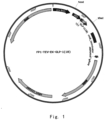
- the DNA fragments of the fusion proteins FP1-TEV-EK-GLP-1(18, 17, 16, 15, 14) were cloned to the NcoI-XhoI site downstream of the araBAD promoter of the expression vector plasmid pBAD/His A (purchased from NTCC, kanamycin resistance) to obtain the plasmid pBAD-FP1-TEV-EK-GLP-1(18) or pBAD-FP2-TEV-EK-GLP-1(17), pBAD-FP2-TEV-EK-GLP-1(16), pBAD-FP2-TEV-EK-GLP-1(15), pBAD-FP2-TEV-EK-GLP-1(14).
- the plasmid maps of pBAD-FP1-TEV-EK-GLP-1(18)
- the amino acid sequence of the Fusion Protein 1 is as shown in SEQ ID NO. 4:
- the amino acid sequence of the Fusion Protein 2 is as shown in SEQ ID NO: 5:
- the amino acid sequence of the Fusion Protein 3 is as shown in SEQ ID NO: 26:
- the amino acid sequence of the Fusion Protein 4 is as shown in SEQ ID NO: 27:
- the amino acid sequence of the Fusion Protein 5 is as shown in SEQ ID NO: 28:
- leader peptide is MVSKGEELFTGV (SEQ ID NO: 7).
- the sequence of the green fluorescent protein folding unit (FP) is the sequence of the green fluorescent protein folding unit (FP).
- amino acid sequences of the semaglutide precursor with 2-7 amino acids deleted at the N-terminus are shown in SEQ ID NOs: 1, 2, 23, 24, and 25, respectively.
- the DNA sequence of pylRs was cloned to the SpeI-SalI site downstream of the araBAR promoter of the expression vector plasmid pEvol-pBpF (purchased from NTCC, chloramphenicol resistance), and the DNA sequence of the tRNA (pylTcua) of lysyl-tRNA synthase was inserted downstream of the proK promoter by PCR.
- the plasmid is named as pEvol-pylRs-pylT.
- the plasmid map is shown in Figure 3 .
- the constructed plasmid pBAD-FP1-TEV-EK-GLP-1(18) and pEvol-pylRs-pylT were co-transformed into E. coli TOP10 strains.
- the recombinant strains that express the semaglutide fusion protein FP-TEV-EK-GLP-1(18) were screened and obtained.
- the constructed plasmid pBAD-FP1-TEV-EK-GLP-1(17) and pEvol-pylRs-pylT were co-transformed into E. coli TOP10 strain.
- the recombinant strain expressing the semaglutide fusion protein FP-TEV-EK-GLP-1(17) was screened and obtained.
- the constructed plasmid pBAD-FP1-TEV-EK-GLP-1(16) and pEvol-pylRs-pylT were co-transformed into E. coli TOP10 strain.
- the recombinant strain expressing the semaglutide fusion protein FP-TEV-EK-GLP-1(16) was screened and obtained.
- E. coli seed liquid Three kinds of recombinant E. coli seed liquid were inoculated into fermentation medium (yeast peptone, yeast extract powder, glycerol, Boc-L-lysine, buffer and micronutrients) at an amount of 5% (V/V) respectively, cultured in batches at 37°C, pH 7.0, until pH reached to 7.05. Carbon and nitrogen materials were fed separately, and carbon and nitrogen materials were fluidly added according to the constant pH method. After feeding, 7.5 M ammonia water was automatically fluidly added, and the pH was controlled at 7.0-7.2. After incubation for 4-6 hours, 2.5g/L of L-arabinose was added for induction for 14 ⁇ 2 hours. Three fermentation broths containing semaglutide precursor fusion protein were obtained.
- fermentation medium yeast peptone, yeast extract powder, glycerol, Boc-L-lysine, buffer and micronutrients
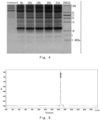
- Example 2 After centrifuging the three fermentation broths obtained in Example 2, the wet bacteria were mixed with the bacteria-breaking buffer (0.5-1.5% (ml/ml) Tween 80, 1mmol/L EDTA-2Na and 100mmol/L NaCl) in a volume ratio of 1:1, suspended for 3 h, and then broken by a high-pressure homogenizer (800 ⁇ 50 bar, 6 ⁇ 20 °C). The inclusion bodies were collected by centrifugation after the bacteria were broken. The inclusion bodies were washed with buffer and then weighed. The yields of inclusion bodies of Fusion proteins 1, 2, 3 were 39-43g/L, 41-45g/L and 40-43g/L, respectively. The result of SDS-PAGE electrophoresis for Fusion protein 1 is shown in Figure 4 .
- 8mol/L urea dissolved buffer was added into the inclusion bodies obtained in Example 3 at a mass-volume ratio of 1:15, stirred and dissolved at room temperature.
- the concentration of protein was determined via Bradford method.
- the total protein concentration of the inclusion body dissolved solution was controlled at 20 mg/mL, pH of that was adjusted to 9.0 ⁇ 1.0 using NaOH.
- the inclusion body dissolved solution was dripped into the renaturation buffer containing 5-20mmol/L sodium carbonate, 5-20mmol/L glycine, 0.3-0.5 mmol/L EDTA-2Na to dilute the inclusion body dissolved solution to 5-10 times and renature the same.
- the pH value of the fusion protein renaturation solution was maintained at 9.0-10.0, and the temperature was controlled at 4-8 °C.
- the renaturation time was 10-20h.
- the fusion protein renaturation solution obtained in Example 4 was filtered through a 0.45 ⁇ m filter membrane to remove the undissolved substance. According to the difference of protein isoelectric points, the Q anion exchange column was used to preliminarily purify the fusion protein.
- the Boc-semaglutide precursor fusion protein preliminarily purified in Example 5 was desalted and adjusted to the pH of 7.5-8.5. The temperature was controlled at 18-25 °C, and 0.3-0.5U/mg enterokinase was added for digestion for 8-24h to obtain the Boc-semaglutide precursor.
- the Boc-semaglutide precursor 1, precursor 2 and precursor 3 were about 0.9g/L and 1.2g/L, 1.0g/L, and the digestion efficiency was ⁇ 95%.
- Boc-semaglutide precursor was purified by C8 reverse phase chromatography to remove most of heteroproteins.
- the digestion solution of Boc-semaglutide precursor 1, precursor 2 and precursor 3 obtained in Example 6 was added with 3M hydrochloric acid to adjust the pH value of the sample to 2.0-3.0.
- the sample was added with acetonitrile so that the concentration of acetonitrile in the sample was 10% (v/v), filtrated with 0.45 ⁇ m filter membrane and reserved, and then performed with reverse phase chromatography for separation and purification.
- Boc-semaglutide precursor was combined with the filler and the loading amount of Boc-semaglutide precursor was controlled no higher than 10 mg/mL. Gradient elution was conducted to collect Boc-semaglutide precursor. The experimental results show that the purity of Boc-semaglutide precursor 1, precursor 2 and precursor 3 collected through reverse-phase chromatography is ⁇ 90%, and the yield is greater than 80%.
- the HPLC detection spectrogram of Boc-semaglutide precursor 1 after purification is shown in Figure 5
- the HPLC detection spectrogram of precursor 3 is shown in Figure 6 .
- the molecular weights of Boc-semaglutide precursors 1, 2 and 3 determined by mass spectrometry are consistent with the theoretical values, respectively.
- the Boc-semaglutide precursor 1 (Compound 1, the molar ratio of materials take 30mg for example) obtained in Example 7 was taken and added with activated Fmoc-H-Aib, DIPEA and DMF according to the molar ratio in Table 1, and reacted for 8-12 hours to prepare the Fmoc and Boc-protected semaglutide main chain.
- the Fmoc-H-Aib is an Fmoc-H-Aib in the form of an activated ester, formed by HOSu/DCC activation, in which the Aib amino acid is attached with an OSu group.
- the Boc-removed Compound 3 was added with DMF and 12eq DIPEA, and stirred gently at room temperature for 5 min. 2.5eq of tBuO-Ste-Glu(AEEA-AEEA-OSu)-OtBu was dissolved in DMF solution and added to the obtained mixture, and the reaction mixture was gently shaken for 2-3 h at room temperature.
- the mixed solution of methyl tert-butyl ether and petroleum ether (3:1) at 0 ⁇ 5 °C was added to the reaction system at 15-20 times of the volume of the reaction system, precipitated and centrifuged. The solid was washed 2-3 times with the mixed solution, dried in vacuum to obtain Compound 4: Fmoc-GLP-1-(tBuO-Ste-Glu(AEEA-AEEA)-OtBu)(20).
- TFA trifluoroacetic acid
- TIS triisopropylsilane
- DCM dichloromethane
- the Boc-semaglutide precursor 2 (Compound 7, the molar ratio of materials take 30mg for example) obtained in Example 7 was taken and added with activated Fmoc-H-Aib-E, DIPEA and DMF according to the molar ratio in Table 2, and reacted for 8-12 hours to prepare the Fmoc and Boc-protected semaglutide main chain.
- the Fmoc-H-Aib-E is in the form of an activated ester, formed by HOSu/DCC activation.
- TFA trifluoroacetic acid
- TIS triisopropylsilane
- DCM dichloromethane
- the Boc-semaglutide precursor 3 (Compound 8, the molar ratio of materials take 30mg for example) obtained in Example 7 was taken and added with activated Fmoc-H-Aib-E-G, DIPEA and DMF according to the molar ratio in Table 3, and reacted for 8-12 hours to prepare the Fmoc and Boc-protected semaglutide main chain.
- the Fmoc-H-Aib-E-G is in the form of an activated ester, formed by HOSu/DCC activation.
- the Boc-removed Compound 3 was added with DMF and 12eq DIPEA, and stirred gently at room temperature for 5 min. 2.5eq of tBuO-Ste-Glu(AEEA-AEEA-OSu)-OtBu was dissolved in DMF solution and added to the obtained mixture, and the reaction mixture was gently shaken for 2-3 h at room temperature.
- the mixed solution of methyl tert-butyl ether and petroleum ether (3:1) at 0 ⁇ 5 °C was added to the reaction system at 15-20 times of the volume of the reaction system, precipitated and centrifuged. The solid was washed 2-3 times with the mixed solution, dried in vacuum to obtain Compound 4: Fmoc-GLP-1-(tBuO-Ste-Glu(AEEA-AEEA)-OtBu)(20).
- TFA trifluoroacetic acid
- TIS triisopropylsilane
- DCM dichloromethane
- the construction and expression of the fusion protein expression strain was carried out by using a method similar to that in Example 1-3, wherein the difference was merely that the amino acid sequence of the fusion protein used for expression is as shown in SEQ ID NO: 22.
- the above fusion protein contains a gIII signal peptide.
- the results show that the yield of inclusion bodies was 30g wet weight inclusion bodies.
- the above results show that, compared with the expression of conventional structural fusion protein, the expression amount of the fusion protein of the present invention is significantly increased.
Landscapes
- Health & Medical Sciences (AREA)
- Life Sciences & Earth Sciences (AREA)
- Chemical & Material Sciences (AREA)
- Genetics & Genomics (AREA)
- Organic Chemistry (AREA)
- Engineering & Computer Science (AREA)
- Zoology (AREA)
- Bioinformatics & Cheminformatics (AREA)
- Biomedical Technology (AREA)
- Wood Science & Technology (AREA)
- General Health & Medical Sciences (AREA)
- Molecular Biology (AREA)
- General Engineering & Computer Science (AREA)
- Biotechnology (AREA)
- Biochemistry (AREA)
- Biophysics (AREA)
- Medicinal Chemistry (AREA)
- Microbiology (AREA)
- Endocrinology (AREA)
- Diabetes (AREA)
- Physics & Mathematics (AREA)
- Toxicology (AREA)
- Gastroenterology & Hepatology (AREA)
- Proteomics, Peptides & Aminoacids (AREA)
- Plant Pathology (AREA)
- General Chemical & Material Sciences (AREA)
- Hematology (AREA)
- Obesity (AREA)
- Chemical Kinetics & Catalysis (AREA)
- Emergency Medicine (AREA)
- Nuclear Medicine, Radiotherapy & Molecular Imaging (AREA)
- Pharmacology & Pharmacy (AREA)
- Animal Behavior & Ethology (AREA)
- Public Health (AREA)
- Veterinary Medicine (AREA)
- Peptides Or Proteins (AREA)
- Preparation Of Compounds By Using Micro-Organisms (AREA)
- Micro-Organisms Or Cultivation Processes Thereof (AREA)
Applications Claiming Priority (3)
| Application Number | Priority Date | Filing Date | Title |
|---|---|---|---|
| CN202010531568.1A CN113801234B (zh) | 2020-06-11 | 2020-06-11 | 一种索玛鲁肽衍生物及其应用 |
| CN202010724452.XA CN114057886B (zh) | 2020-07-24 | 2020-07-24 | 一种索玛鲁肽衍生物及其制备方法 |
| PCT/CN2021/099877 WO2021249564A1 (fr) | 2020-06-11 | 2021-06-11 | Dérivé de sémaglutide, son procédé de préparation et son utilisation |
Publications (1)
| Publication Number | Publication Date |
|---|---|
| EP4166575A1 true EP4166575A1 (fr) | 2023-04-19 |
Family
ID=78846899
Family Applications (1)
| Application Number | Title | Priority Date | Filing Date |
|---|---|---|---|
| EP21823037.3A Withdrawn EP4166575A1 (fr) | 2020-06-11 | 2021-06-11 | Dérivé de sémaglutide, son procédé de préparation et son utilisation |
Country Status (6)
| Country | Link |
|---|---|
| US (1) | US20240199717A1 (fr) |
| EP (1) | EP4166575A1 (fr) |
| JP (1) | JP2023529486A (fr) |
| CN (1) | CN115667318B (fr) |
| BR (1) | BR112022025335A2 (fr) |
| WO (1) | WO2021249564A1 (fr) |
Families Citing this family (2)
| Publication number | Priority date | Publication date | Assignee | Title |
|---|---|---|---|---|
| CN114457099B (zh) * | 2021-12-18 | 2023-12-15 | 江苏阿尔法药业股份有限公司 | 一种索马鲁肽核心肽链的生物发酵制备方法 |
| CN116425858B (zh) * | 2023-03-01 | 2024-04-19 | 浙江大学 | 一种荧光修饰的司美格鲁肽衍生物及其制备方法与应用 |
Family Cites Families (11)
| Publication number | Priority date | Publication date | Assignee | Title |
|---|---|---|---|---|
| EP1863537A2 (fr) * | 2005-03-18 | 2007-12-12 | Novo Nordisk A/S | Agonistes a base de peptide dimere contre le recepteur de glp-1 |
| US20100317057A1 (en) * | 2007-12-28 | 2010-12-16 | Novo Nordisk A/S | Semi-recombinant preparation of glp-1 analogues |
| CN102504022A (zh) * | 2011-11-30 | 2012-06-20 | 苏州元基生物技术有限公司 | 含有保护赖氨酸的胰岛素原及使用其制备胰岛素的方法 |
| WO2013142859A2 (fr) * | 2012-03-23 | 2013-09-26 | Wuhan Peptech Pharmaceutical Co., Ltd. | Protéines de fusion de la protéine verte fluorescente superfolder et leur utilisation |
| CN103304659B (zh) * | 2013-06-19 | 2015-12-02 | 深圳翰宇药业股份有限公司 | 利拉鲁肽的固相制备方法 |
| CN106434717A (zh) * | 2015-11-05 | 2017-02-22 | 杭州九源基因工程有限公司 | 一种生物合成制备人glp‑1多肽或其类似物的方法 |
| CN110294800B (zh) * | 2018-03-22 | 2022-03-04 | 齐鲁制药有限公司 | 一种索玛鲁肽的制备方法 |
| WO2020073553A1 (fr) * | 2018-10-10 | 2020-04-16 | 上饶市康可得生物科技有限公司 | Procédé de criblage de variant de protéase et variant de protéase obtenu |
| CN110305223B (zh) * | 2019-06-26 | 2022-05-13 | 重庆派金生物科技有限公司 | 重组串联融合蛋白制备目标多肽的方法 |
| CN110498849A (zh) * | 2019-09-16 | 2019-11-26 | 南京迪维奥医药科技有限公司 | 一种索玛鲁肽主肽链及其制备方法 |
| CN111072783B (zh) * | 2019-12-27 | 2021-09-28 | 万新医药科技(苏州)有限公司 | 一种采用大肠杆菌表达串联序列制备glp-1或其类似物多肽的方法 |
-
2021
- 2021-06-11 US US18/001,257 patent/US20240199717A1/en active Pending
- 2021-06-11 EP EP21823037.3A patent/EP4166575A1/fr not_active Withdrawn
- 2021-06-11 CN CN202180041125.7A patent/CN115667318B/zh active Active
- 2021-06-11 BR BR112022025335A patent/BR112022025335A2/pt not_active IP Right Cessation
- 2021-06-11 JP JP2022576459A patent/JP2023529486A/ja active Pending
- 2021-06-11 WO PCT/CN2021/099877 patent/WO2021249564A1/fr not_active Ceased
Also Published As
| Publication number | Publication date |
|---|---|
| BR112022025335A2 (pt) | 2023-03-07 |
| CN115667318B (zh) | 2025-10-21 |
| WO2021249564A1 (fr) | 2021-12-16 |
| JP2023529486A (ja) | 2023-07-10 |
| CN115667318A (zh) | 2023-01-31 |
| US20240199717A1 (en) | 2024-06-20 |
Similar Documents
| Publication | Publication Date | Title |
|---|---|---|
| EP4166573A1 (fr) | Dérivé d'insuline degludec, son procédé de préparation et son utilisation | |
| CN113614113B (zh) | 含有荧光蛋白片段的融合蛋白及其用途 | |
| WO2021147869A1 (fr) | Dérivé de liraglutide et son procédé de préparation | |
| US20240199717A1 (en) | Semaglutide derivative, and preparation method therefor and application thereof | |
| CN113801234B (zh) | 一种索玛鲁肽衍生物及其应用 | |
| CN113801233B (zh) | 一种索玛鲁肽的制备方法 | |
| CN113773397B (zh) | 一种德谷胰岛素的制备方法 | |
| EP4163376A1 (fr) | Dérivé de l'insuline aspart, son procédé de préparation et son utilisation | |
| CN113773392B (zh) | 一种甘精胰岛素的制备方法 | |
| CN113773399B (zh) | 一种甘精胰岛素衍生物及其应用 | |
| CN114057886B (zh) | 一种索玛鲁肽衍生物及其制备方法 | |
| CN107266554A (zh) | 制备重组血管扩张肽的方法、表达构建体、宿主细胞及重组融合多肽 | |
| CN113801235A (zh) | 一种赖脯胰岛素衍生物及其应用 | |
| CN113801236A (zh) | 一种赖脯胰岛素的制备方法 | |
| CN113773391B (zh) | 一种门冬胰岛素的制备方法 | |
| CN113773396A (zh) | 一种地特胰岛素衍生物及其应用 | |
| CN113773395A (zh) | 一种地特胰岛素的制备方法 | |
| CN114075295A (zh) | 一种Boc-人胰岛素融合蛋白包涵体的高效复性液及其复性方法 |
Legal Events
| Date | Code | Title | Description |
|---|---|---|---|
| STAA | Information on the status of an ep patent application or granted ep patent |
Free format text: STATUS: THE INTERNATIONAL PUBLICATION HAS BEEN MADE |
|
| PUAI | Public reference made under article 153(3) epc to a published international application that has entered the european phase |
Free format text: ORIGINAL CODE: 0009012 |
|
| STAA | Information on the status of an ep patent application or granted ep patent |
Free format text: STATUS: REQUEST FOR EXAMINATION WAS MADE |
|
| 17P | Request for examination filed |
Effective date: 20230111 |
|
| AK | Designated contracting states |
Kind code of ref document: A1 Designated state(s): AL AT BE BG CH CY CZ DE DK EE ES FI FR GB GR HR HU IE IS IT LI LT LU LV MC MK MT NL NO PL PT RO RS SE SI SK SM TR |
|
| DAV | Request for validation of the european patent (deleted) | ||
| DAX | Request for extension of the european patent (deleted) | ||
| STAA | Information on the status of an ep patent application or granted ep patent |
Free format text: STATUS: THE APPLICATION HAS BEEN WITHDRAWN |
|
| 18W | Application withdrawn |
Effective date: 20240404 |