EP4167129B1 - Procédé et système de reconnaissance d'actions d'utilisateur - Google Patents
Procédé et système de reconnaissance d'actions d'utilisateur Download PDFInfo
- Publication number
- EP4167129B1 EP4167129B1 EP22770210.7A EP22770210A EP4167129B1 EP 4167129 B1 EP4167129 B1 EP 4167129B1 EP 22770210 A EP22770210 A EP 22770210A EP 4167129 B1 EP4167129 B1 EP 4167129B1
- Authority
- EP
- European Patent Office
- Prior art keywords
- data
- action
- user
- target
- segment
- Prior art date
- Legal status (The legal status is an assumption and is not a legal conclusion. Google has not performed a legal analysis and makes no representation as to the accuracy of the status listed.)
- Active
Links
Images




Classifications
-
- A—HUMAN NECESSITIES
- A61—MEDICAL OR VETERINARY SCIENCE; HYGIENE
- A61B—DIAGNOSIS; SURGERY; IDENTIFICATION
- A61B5/00—Measuring for diagnostic purposes; Identification of persons
- A61B5/103—Measuring devices for testing the shape, pattern, colour, size or movement of the body or parts thereof, for diagnostic purposes
- A61B5/11—Measuring movement of the entire body or parts thereof, e.g. head or hand tremor or mobility of a limb
- A61B5/1118—Determining activity level
-
- A—HUMAN NECESSITIES
- A61—MEDICAL OR VETERINARY SCIENCE; HYGIENE
- A61B—DIAGNOSIS; SURGERY; IDENTIFICATION
- A61B5/00—Measuring for diagnostic purposes; Identification of persons
- A61B5/103—Measuring devices for testing the shape, pattern, colour, size or movement of the body or parts thereof, for diagnostic purposes
- A61B5/11—Measuring movement of the entire body or parts thereof, e.g. head or hand tremor or mobility of a limb
-
- G—PHYSICS
- G06—COMPUTING OR CALCULATING; COUNTING
- G06F—ELECTRIC DIGITAL DATA PROCESSING
- G06F3/00—Input arrangements for transferring data to be processed into a form capable of being handled by the computer; Output arrangements for transferring data from processing unit to output unit, e.g. interface arrangements
- G06F3/01—Input arrangements or combined input and output arrangements for interaction between user and computer
- G06F3/011—Arrangements for interaction with the human body, e.g. for user immersion in virtual reality
-
- A—HUMAN NECESSITIES
- A61—MEDICAL OR VETERINARY SCIENCE; HYGIENE
- A61B—DIAGNOSIS; SURGERY; IDENTIFICATION
- A61B5/00—Measuring for diagnostic purposes; Identification of persons
- A61B5/0002—Remote monitoring of patients using telemetry, e.g. transmission of vital signals via a communication network
- A61B5/0015—Remote monitoring of patients using telemetry, e.g. transmission of vital signals via a communication network characterised by features of the telemetry system
- A61B5/0022—Monitoring a patient using a global network, e.g. telephone networks, internet
-
- A—HUMAN NECESSITIES
- A61—MEDICAL OR VETERINARY SCIENCE; HYGIENE
- A61B—DIAGNOSIS; SURGERY; IDENTIFICATION
- A61B5/00—Measuring for diagnostic purposes; Identification of persons
- A61B5/02—Detecting, measuring or recording for evaluating the cardiovascular system, e.g. pulse, heart rate, blood pressure or blood flow
- A61B5/0205—Simultaneously evaluating both cardiovascular conditions and different types of body conditions, e.g. heart and respiratory condition
- A61B5/02055—Simultaneously evaluating both cardiovascular condition and temperature
-
- A—HUMAN NECESSITIES
- A61—MEDICAL OR VETERINARY SCIENCE; HYGIENE
- A61B—DIAGNOSIS; SURGERY; IDENTIFICATION
- A61B5/00—Measuring for diagnostic purposes; Identification of persons
- A61B5/08—Measuring devices for evaluating the respiratory organs
-
- A—HUMAN NECESSITIES
- A61—MEDICAL OR VETERINARY SCIENCE; HYGIENE
- A61B—DIAGNOSIS; SURGERY; IDENTIFICATION
- A61B5/00—Measuring for diagnostic purposes; Identification of persons
- A61B5/103—Measuring devices for testing the shape, pattern, colour, size or movement of the body or parts thereof, for diagnostic purposes
- A61B5/11—Measuring movement of the entire body or parts thereof, e.g. head or hand tremor or mobility of a limb
- A61B5/1116—Determining posture transitions
-
- A—HUMAN NECESSITIES
- A61—MEDICAL OR VETERINARY SCIENCE; HYGIENE
- A61B—DIAGNOSIS; SURGERY; IDENTIFICATION
- A61B5/00—Measuring for diagnostic purposes; Identification of persons
- A61B5/103—Measuring devices for testing the shape, pattern, colour, size or movement of the body or parts thereof, for diagnostic purposes
- A61B5/11—Measuring movement of the entire body or parts thereof, e.g. head or hand tremor or mobility of a limb
- A61B5/1121—Determining geometric values, e.g. centre of rotation or angular range of movement
-
- A—HUMAN NECESSITIES
- A61—MEDICAL OR VETERINARY SCIENCE; HYGIENE
- A61B—DIAGNOSIS; SURGERY; IDENTIFICATION
- A61B5/00—Measuring for diagnostic purposes; Identification of persons
- A61B5/103—Measuring devices for testing the shape, pattern, colour, size or movement of the body or parts thereof, for diagnostic purposes
- A61B5/11—Measuring movement of the entire body or parts thereof, e.g. head or hand tremor or mobility of a limb
- A61B5/1123—Discriminating type of movement, e.g. walking or running
-
- A—HUMAN NECESSITIES
- A61—MEDICAL OR VETERINARY SCIENCE; HYGIENE
- A61B—DIAGNOSIS; SURGERY; IDENTIFICATION
- A61B5/00—Measuring for diagnostic purposes; Identification of persons
- A61B5/145—Measuring characteristics of blood in vivo, e.g. gas concentration or pH-value ; Measuring characteristics of body fluids or tissues, e.g. interstitial fluid or cerebral tissue
- A61B5/14542—Measuring characteristics of blood in vivo, e.g. gas concentration or pH-value ; Measuring characteristics of body fluids or tissues, e.g. interstitial fluid or cerebral tissue for measuring blood gases
-
- A—HUMAN NECESSITIES
- A61—MEDICAL OR VETERINARY SCIENCE; HYGIENE
- A61B—DIAGNOSIS; SURGERY; IDENTIFICATION
- A61B5/00—Measuring for diagnostic purposes; Identification of persons
- A61B5/24—Detecting, measuring or recording bioelectric or biomagnetic signals of the body or parts thereof
-
- A—HUMAN NECESSITIES
- A61—MEDICAL OR VETERINARY SCIENCE; HYGIENE
- A61B—DIAGNOSIS; SURGERY; IDENTIFICATION
- A61B5/00—Measuring for diagnostic purposes; Identification of persons
- A61B5/24—Detecting, measuring or recording bioelectric or biomagnetic signals of the body or parts thereof
- A61B5/25—Bioelectric electrodes therefor
- A61B5/279—Bioelectric electrodes therefor specially adapted for particular uses
- A61B5/296—Bioelectric electrodes therefor specially adapted for particular uses for electromyography [EMG]
-
- A—HUMAN NECESSITIES
- A61—MEDICAL OR VETERINARY SCIENCE; HYGIENE
- A61B—DIAGNOSIS; SURGERY; IDENTIFICATION
- A61B5/00—Measuring for diagnostic purposes; Identification of persons
- A61B5/24—Detecting, measuring or recording bioelectric or biomagnetic signals of the body or parts thereof
- A61B5/316—Modalities, i.e. specific diagnostic methods
- A61B5/389—Electromyography [EMG]
-
- A—HUMAN NECESSITIES
- A61—MEDICAL OR VETERINARY SCIENCE; HYGIENE
- A61B—DIAGNOSIS; SURGERY; IDENTIFICATION
- A61B5/00—Measuring for diagnostic purposes; Identification of persons
- A61B5/24—Detecting, measuring or recording bioelectric or biomagnetic signals of the body or parts thereof
- A61B5/316—Modalities, i.e. specific diagnostic methods
- A61B5/389—Electromyography [EMG]
- A61B5/397—Analysis of electromyograms
-
- A—HUMAN NECESSITIES
- A61—MEDICAL OR VETERINARY SCIENCE; HYGIENE
- A61B—DIAGNOSIS; SURGERY; IDENTIFICATION
- A61B5/00—Measuring for diagnostic purposes; Identification of persons
- A61B5/68—Arrangements of detecting, measuring or recording means, e.g. sensors, in relation to patient
- A61B5/6801—Arrangements of detecting, measuring or recording means, e.g. sensors, in relation to patient specially adapted to be attached to or worn on the body surface
-
- A—HUMAN NECESSITIES
- A61—MEDICAL OR VETERINARY SCIENCE; HYGIENE
- A61B—DIAGNOSIS; SURGERY; IDENTIFICATION
- A61B5/00—Measuring for diagnostic purposes; Identification of persons
- A61B5/68—Arrangements of detecting, measuring or recording means, e.g. sensors, in relation to patient
- A61B5/6801—Arrangements of detecting, measuring or recording means, e.g. sensors, in relation to patient specially adapted to be attached to or worn on the body surface
- A61B5/6802—Sensor mounted on worn items
-
- A—HUMAN NECESSITIES
- A61—MEDICAL OR VETERINARY SCIENCE; HYGIENE
- A61B—DIAGNOSIS; SURGERY; IDENTIFICATION
- A61B5/00—Measuring for diagnostic purposes; Identification of persons
- A61B5/68—Arrangements of detecting, measuring or recording means, e.g. sensors, in relation to patient
- A61B5/6801—Arrangements of detecting, measuring or recording means, e.g. sensors, in relation to patient specially adapted to be attached to or worn on the body surface
- A61B5/6802—Sensor mounted on worn items
- A61B5/6804—Garments; Clothes
-
- A—HUMAN NECESSITIES
- A61—MEDICAL OR VETERINARY SCIENCE; HYGIENE
- A61B—DIAGNOSIS; SURGERY; IDENTIFICATION
- A61B5/00—Measuring for diagnostic purposes; Identification of persons
- A61B5/72—Signal processing specially adapted for physiological signals or for diagnostic purposes
- A61B5/7203—Signal processing specially adapted for physiological signals or for diagnostic purposes for noise prevention, reduction or removal
- A61B5/7207—Signal processing specially adapted for physiological signals or for diagnostic purposes for noise prevention, reduction or removal of noise induced by motion artifacts
-
- A—HUMAN NECESSITIES
- A61—MEDICAL OR VETERINARY SCIENCE; HYGIENE
- A61B—DIAGNOSIS; SURGERY; IDENTIFICATION
- A61B5/00—Measuring for diagnostic purposes; Identification of persons
- A61B5/72—Signal processing specially adapted for physiological signals or for diagnostic purposes
- A61B5/7225—Details of analogue processing, e.g. isolation amplifier, gain or sensitivity adjustment, filtering, baseline or drift compensation
-
- A—HUMAN NECESSITIES
- A61—MEDICAL OR VETERINARY SCIENCE; HYGIENE
- A61B—DIAGNOSIS; SURGERY; IDENTIFICATION
- A61B5/00—Measuring for diagnostic purposes; Identification of persons
- A61B5/72—Signal processing specially adapted for physiological signals or for diagnostic purposes
- A61B5/7235—Details of waveform analysis
- A61B5/7246—Details of waveform analysis using correlation, e.g. template matching or determination of similarity
-
- A—HUMAN NECESSITIES
- A61—MEDICAL OR VETERINARY SCIENCE; HYGIENE
- A61B—DIAGNOSIS; SURGERY; IDENTIFICATION
- A61B5/00—Measuring for diagnostic purposes; Identification of persons
- A61B5/72—Signal processing specially adapted for physiological signals or for diagnostic purposes
- A61B5/7235—Details of waveform analysis
- A61B5/725—Details of waveform analysis using specific filters therefor, e.g. Kalman or adaptive filters
-
- A—HUMAN NECESSITIES
- A61—MEDICAL OR VETERINARY SCIENCE; HYGIENE
- A61B—DIAGNOSIS; SURGERY; IDENTIFICATION
- A61B5/00—Measuring for diagnostic purposes; Identification of persons
- A61B5/72—Signal processing specially adapted for physiological signals or for diagnostic purposes
- A61B5/7235—Details of waveform analysis
- A61B5/7253—Details of waveform analysis characterised by using transforms
-
- A—HUMAN NECESSITIES
- A61—MEDICAL OR VETERINARY SCIENCE; HYGIENE
- A61B—DIAGNOSIS; SURGERY; IDENTIFICATION
- A61B5/00—Measuring for diagnostic purposes; Identification of persons
- A61B5/72—Signal processing specially adapted for physiological signals or for diagnostic purposes
- A61B5/7271—Specific aspects of physiological measurement analysis
- A61B5/7275—Determining trends in physiological measurement data; Predicting development of a medical condition based on physiological measurements, e.g. determining a risk factor
-
- A—HUMAN NECESSITIES
- A61—MEDICAL OR VETERINARY SCIENCE; HYGIENE
- A61B—DIAGNOSIS; SURGERY; IDENTIFICATION
- A61B5/00—Measuring for diagnostic purposes; Identification of persons
- A61B5/72—Signal processing specially adapted for physiological signals or for diagnostic purposes
- A61B5/7271—Specific aspects of physiological measurement analysis
- A61B5/7278—Artificial waveform generation or derivation, e.g. synthesizing signals from measured signals
-
- A—HUMAN NECESSITIES
- A61—MEDICAL OR VETERINARY SCIENCE; HYGIENE
- A61B—DIAGNOSIS; SURGERY; IDENTIFICATION
- A61B5/00—Measuring for diagnostic purposes; Identification of persons
- A61B5/74—Details of notification to user or communication with user or patient; User input means
- A61B5/746—Alarms related to a physiological condition, e.g. details of setting alarm thresholds or avoiding false alarms
-
- A—HUMAN NECESSITIES
- A63—SPORTS; GAMES; AMUSEMENTS
- A63B—APPARATUS FOR PHYSICAL TRAINING, GYMNASTICS, SWIMMING, CLIMBING, OR FENCING; BALL GAMES; TRAINING EQUIPMENT
- A63B71/00—Games or sports accessories not covered in groups A63B1/00 - A63B69/00
- A63B71/06—Indicating or scoring devices for games or players, or for other sports activities
-
- G—PHYSICS
- G06—COMPUTING OR CALCULATING; COUNTING
- G06F—ELECTRIC DIGITAL DATA PROCESSING
- G06F1/00—Details not covered by groups G06F3/00 - G06F13/00 and G06F21/00
- G06F1/16—Constructional details or arrangements
- G06F1/1613—Constructional details or arrangements for portable computers
- G06F1/163—Wearable computers, e.g. on a belt
-
- G—PHYSICS
- G06—COMPUTING OR CALCULATING; COUNTING
- G06F—ELECTRIC DIGITAL DATA PROCESSING
- G06F1/00—Details not covered by groups G06F3/00 - G06F13/00 and G06F21/00
- G06F1/16—Constructional details or arrangements
- G06F1/1613—Constructional details or arrangements for portable computers
- G06F1/1633—Constructional details or arrangements of portable computers not specific to the type of enclosures covered by groups G06F1/1615 - G06F1/1626
- G06F1/1684—Constructional details or arrangements related to integrated I/O peripherals not covered by groups G06F1/1635 - G06F1/1675
-
- G—PHYSICS
- G06—COMPUTING OR CALCULATING; COUNTING
- G06F—ELECTRIC DIGITAL DATA PROCESSING
- G06F18/00—Pattern recognition
- G06F18/20—Analysing
- G06F18/24—Classification techniques
- G06F18/241—Classification techniques relating to the classification model, e.g. parametric or non-parametric approaches
- G06F18/2415—Classification techniques relating to the classification model, e.g. parametric or non-parametric approaches based on parametric or probabilistic models, e.g. based on likelihood ratio or false acceptance rate versus a false rejection rate
-
- G—PHYSICS
- G06—COMPUTING OR CALCULATING; COUNTING
- G06F—ELECTRIC DIGITAL DATA PROCESSING
- G06F3/00—Input arrangements for transferring data to be processed into a form capable of being handled by the computer; Output arrangements for transferring data from processing unit to output unit, e.g. interface arrangements
- G06F3/01—Input arrangements or combined input and output arrangements for interaction between user and computer
- G06F3/011—Arrangements for interaction with the human body, e.g. for user immersion in virtual reality
- G06F3/015—Input arrangements based on nervous system activity detection, e.g. brain waves [EEG] detection, electromyograms [EMG] detection, electrodermal response detection
-
- G—PHYSICS
- G06—COMPUTING OR CALCULATING; COUNTING
- G06F—ELECTRIC DIGITAL DATA PROCESSING
- G06F3/00—Input arrangements for transferring data to be processed into a form capable of being handled by the computer; Output arrangements for transferring data from processing unit to output unit, e.g. interface arrangements
- G06F3/01—Input arrangements or combined input and output arrangements for interaction between user and computer
- G06F3/017—Gesture based interaction, e.g. based on a set of recognized hand gestures
-
- G—PHYSICS
- G16—INFORMATION AND COMMUNICATION TECHNOLOGY [ICT] SPECIALLY ADAPTED FOR SPECIFIC APPLICATION FIELDS
- G16H—HEALTHCARE INFORMATICS, i.e. INFORMATION AND COMMUNICATION TECHNOLOGY [ICT] SPECIALLY ADAPTED FOR THE HANDLING OR PROCESSING OF MEDICAL OR HEALTHCARE DATA
- G16H40/00—ICT specially adapted for the management or administration of healthcare resources or facilities; ICT specially adapted for the management or operation of medical equipment or devices
- G16H40/60—ICT specially adapted for the management or administration of healthcare resources or facilities; ICT specially adapted for the management or operation of medical equipment or devices for the operation of medical equipment or devices
- G16H40/67—ICT specially adapted for the management or administration of healthcare resources or facilities; ICT specially adapted for the management or operation of medical equipment or devices for the operation of medical equipment or devices for remote operation
-
- G—PHYSICS
- G16—INFORMATION AND COMMUNICATION TECHNOLOGY [ICT] SPECIALLY ADAPTED FOR SPECIFIC APPLICATION FIELDS
- G16H—HEALTHCARE INFORMATICS, i.e. INFORMATION AND COMMUNICATION TECHNOLOGY [ICT] SPECIALLY ADAPTED FOR THE HANDLING OR PROCESSING OF MEDICAL OR HEALTHCARE DATA
- G16H50/00—ICT specially adapted for medical diagnosis, medical simulation or medical data mining; ICT specially adapted for detecting, monitoring or modelling epidemics or pandemics
- G16H50/20—ICT specially adapted for medical diagnosis, medical simulation or medical data mining; ICT specially adapted for detecting, monitoring or modelling epidemics or pandemics for computer-aided diagnosis, e.g. based on medical expert systems
-
- A—HUMAN NECESSITIES
- A61—MEDICAL OR VETERINARY SCIENCE; HYGIENE
- A61B—DIAGNOSIS; SURGERY; IDENTIFICATION
- A61B2505/00—Evaluating, monitoring or diagnosing in the context of a particular type of medical care
- A61B2505/09—Rehabilitation or training
-
- A—HUMAN NECESSITIES
- A61—MEDICAL OR VETERINARY SCIENCE; HYGIENE
- A61B—DIAGNOSIS; SURGERY; IDENTIFICATION
- A61B2560/00—Constructional details of operational features of apparatus; Accessories for medical measuring apparatus
- A61B2560/02—Operational features
- A61B2560/0223—Operational features of calibration, e.g. protocols for calibrating sensors
-
- A—HUMAN NECESSITIES
- A61—MEDICAL OR VETERINARY SCIENCE; HYGIENE
- A61B—DIAGNOSIS; SURGERY; IDENTIFICATION
- A61B2562/00—Details of sensors; Constructional details of sensor housings or probes; Accessories for sensors
- A61B2562/02—Details of sensors specially adapted for in-vivo measurements
- A61B2562/0219—Inertial sensors, e.g. accelerometers, gyroscopes, tilt switches
-
- A—HUMAN NECESSITIES
- A61—MEDICAL OR VETERINARY SCIENCE; HYGIENE
- A61B—DIAGNOSIS; SURGERY; IDENTIFICATION
- A61B5/00—Measuring for diagnostic purposes; Identification of persons
- A61B5/02—Detecting, measuring or recording for evaluating the cardiovascular system, e.g. pulse, heart rate, blood pressure or blood flow
- A61B5/0205—Simultaneously evaluating both cardiovascular conditions and different types of body conditions, e.g. heart and respiratory condition
-
- A—HUMAN NECESSITIES
- A61—MEDICAL OR VETERINARY SCIENCE; HYGIENE
- A61B—DIAGNOSIS; SURGERY; IDENTIFICATION
- A61B5/00—Measuring for diagnostic purposes; Identification of persons
- A61B5/02—Detecting, measuring or recording for evaluating the cardiovascular system, e.g. pulse, heart rate, blood pressure or blood flow
- A61B5/024—Measuring pulse rate or heart rate
- A61B5/02438—Measuring pulse rate or heart rate with portable devices, e.g. worn by the patient
-
- A—HUMAN NECESSITIES
- A61—MEDICAL OR VETERINARY SCIENCE; HYGIENE
- A61B—DIAGNOSIS; SURGERY; IDENTIFICATION
- A61B5/00—Measuring for diagnostic purposes; Identification of persons
- A61B5/08—Measuring devices for evaluating the respiratory organs
- A61B5/0816—Measuring devices for examining respiratory frequency
-
- A—HUMAN NECESSITIES
- A61—MEDICAL OR VETERINARY SCIENCE; HYGIENE
- A61B—DIAGNOSIS; SURGERY; IDENTIFICATION
- A61B5/00—Measuring for diagnostic purposes; Identification of persons
- A61B5/103—Measuring devices for testing the shape, pattern, colour, size or movement of the body or parts thereof, for diagnostic purposes
- A61B5/11—Measuring movement of the entire body or parts thereof, e.g. head or hand tremor or mobility of a limb
- A61B5/113—Measuring movement of the entire body or parts thereof, e.g. head or hand tremor or mobility of a limb occurring during breathing
-
- A—HUMAN NECESSITIES
- A61—MEDICAL OR VETERINARY SCIENCE; HYGIENE
- A61B—DIAGNOSIS; SURGERY; IDENTIFICATION
- A61B5/00—Measuring for diagnostic purposes; Identification of persons
- A61B5/145—Measuring characteristics of blood in vivo, e.g. gas concentration or pH-value ; Measuring characteristics of body fluids or tissues, e.g. interstitial fluid or cerebral tissue
- A61B5/1455—Measuring characteristics of blood in vivo, e.g. gas concentration or pH-value ; Measuring characteristics of body fluids or tissues, e.g. interstitial fluid or cerebral tissue using optical sensors, e.g. spectral photometrical oximeters
-
- A—HUMAN NECESSITIES
- A61—MEDICAL OR VETERINARY SCIENCE; HYGIENE
- A61B—DIAGNOSIS; SURGERY; IDENTIFICATION
- A61B5/00—Measuring for diagnostic purposes; Identification of persons
- A61B5/145—Measuring characteristics of blood in vivo, e.g. gas concentration or pH-value ; Measuring characteristics of body fluids or tissues, e.g. interstitial fluid or cerebral tissue
- A61B5/1455—Measuring characteristics of blood in vivo, e.g. gas concentration or pH-value ; Measuring characteristics of body fluids or tissues, e.g. interstitial fluid or cerebral tissue using optical sensors, e.g. spectral photometrical oximeters
- A61B5/14551—Measuring characteristics of blood in vivo, e.g. gas concentration or pH-value ; Measuring characteristics of body fluids or tissues, e.g. interstitial fluid or cerebral tissue using optical sensors, e.g. spectral photometrical oximeters for measuring blood gases
-
- A—HUMAN NECESSITIES
- A61—MEDICAL OR VETERINARY SCIENCE; HYGIENE
- A61B—DIAGNOSIS; SURGERY; IDENTIFICATION
- A61B5/00—Measuring for diagnostic purposes; Identification of persons
- A61B5/24—Detecting, measuring or recording bioelectric or biomagnetic signals of the body or parts thereof
- A61B5/316—Modalities, i.e. specific diagnostic methods
- A61B5/318—Heart-related electrical modalities, e.g. electrocardiography [ECG]
-
- A—HUMAN NECESSITIES
- A61—MEDICAL OR VETERINARY SCIENCE; HYGIENE
- A61B—DIAGNOSIS; SURGERY; IDENTIFICATION
- A61B5/00—Measuring for diagnostic purposes; Identification of persons
- A61B5/68—Arrangements of detecting, measuring or recording means, e.g. sensors, in relation to patient
- A61B5/6801—Arrangements of detecting, measuring or recording means, e.g. sensors, in relation to patient specially adapted to be attached to or worn on the body surface
- A61B5/6802—Sensor mounted on worn items
- A61B5/6803—Head-worn items, e.g. helmets, masks, headphones or goggles
-
- A—HUMAN NECESSITIES
- A61—MEDICAL OR VETERINARY SCIENCE; HYGIENE
- A61B—DIAGNOSIS; SURGERY; IDENTIFICATION
- A61B5/00—Measuring for diagnostic purposes; Identification of persons
- A61B5/72—Signal processing specially adapted for physiological signals or for diagnostic purposes
- A61B5/7235—Details of waveform analysis
- A61B5/7253—Details of waveform analysis characterised by using transforms
- A61B5/7257—Details of waveform analysis characterised by using transforms using Fourier transforms
-
- A—HUMAN NECESSITIES
- A61—MEDICAL OR VETERINARY SCIENCE; HYGIENE
- A61B—DIAGNOSIS; SURGERY; IDENTIFICATION
- A61B5/00—Measuring for diagnostic purposes; Identification of persons
- A61B5/72—Signal processing specially adapted for physiological signals or for diagnostic purposes
- A61B5/7235—Details of waveform analysis
- A61B5/7253—Details of waveform analysis characterised by using transforms
- A61B5/726—Details of waveform analysis characterised by using transforms using Wavelet transforms
-
- A—HUMAN NECESSITIES
- A61—MEDICAL OR VETERINARY SCIENCE; HYGIENE
- A61B—DIAGNOSIS; SURGERY; IDENTIFICATION
- A61B5/00—Measuring for diagnostic purposes; Identification of persons
- A61B5/74—Details of notification to user or communication with user or patient; User input means
- A61B5/7405—Details of notification to user or communication with user or patient; User input means using sound
-
- A—HUMAN NECESSITIES
- A61—MEDICAL OR VETERINARY SCIENCE; HYGIENE
- A61B—DIAGNOSIS; SURGERY; IDENTIFICATION
- A61B5/00—Measuring for diagnostic purposes; Identification of persons
- A61B5/74—Details of notification to user or communication with user or patient; User input means
- A61B5/7455—Details of notification to user or communication with user or patient; User input means characterised by tactile indication, e.g. vibration or electrical stimulation
-
- G—PHYSICS
- G06—COMPUTING OR CALCULATING; COUNTING
- G06F—ELECTRIC DIGITAL DATA PROCESSING
- G06F17/00—Digital computing or data processing equipment or methods, specially adapted for specific functions
- G06F17/10—Complex mathematical operations
- G06F17/18—Complex mathematical operations for evaluating statistical data, e.g. average values, frequency distributions, probability functions, regression analysis
-
- G—PHYSICS
- G06—COMPUTING OR CALCULATING; COUNTING
- G06F—ELECTRIC DIGITAL DATA PROCESSING
- G06F2218/00—Aspects of pattern recognition specially adapted for signal processing
- G06F2218/08—Feature extraction
Definitions
- the identifying that the user action includes the target action further may include the following operations.
- a value of the comprehensive difference degree is greater than a first preset value may be determined.
- the sliding window may slide to a next data segment with a preset step size, and the comparison may be repeated.
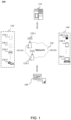
- the system 100 may identify an action of a user performed by the user while exercising.
- the wearable apparatus 130 may obtain the user's action data.
- the processing device 110 or the mobile terminal device 140 may receive and analyze the user's action data to identify the user's fitness action, such as whether the user's fitness action is a bench press, a bicep curl, or a squat, etc., so as to send a content related to the target action to the user, wherein the user action of the identified action (e.g., a bench press, a bicep curl, a squat, etc.) is the target action.
- the user action of the identified action e.g., a bench press, a bicep curl, a squat, etc.
- the content related to the target action may include the name of the target action prompted by voice or video, the action type of the action, the action quantity, the action time, the user's physiological parameter information when the user performs the action, etc.
- the system 100 may generate feedback on the user's fitness action based on the analysis result of the user's fitness action data, such as whether the user's fitness action is standard, etc., so as to guide the user's fitness.
- the system 100 may identify the user's action performed by the user while running. For example, when the user wears the wearable apparatus 130 to perform a running motion, the system 100 may obtain the user's running action data and identify that the user's current motion is running based on reference action data. When the user runs for too long or the running action is incorrect, the fitness device may feed back his/her motion status to the user to prompt the user to adjust the running action or running time.
- the processing device 110 may also determine whether the user's physiological parameter information during the user's motion meets the health standard. In some embodiments, the processing device 110 may also issue corresponding instructions to feed back the user's motion situation. For example, when the user is running, the system 100 monitors that the user's running time is too long. At this time, the processing device 110 may issue an instruction to the mobile terminal device 140 to prompt the user to adjust the running time.
- the feature information corresponding to the gesture signal is not limited to the above-mentioned angular velocity, angular velocity direction, angular velocity acceleration, angle, displacement information, stress, etc., but may also be other feature information.
- Any parameter information that can reflect the relative motion of the user's body may be the feature information corresponding to the gesture signal.
- the posture sensor is a strain gauge sensor
- a bending angle and a bending direction of the user's joint may be obtained by measuring the magnitude of the resistance in the strain gauge sensor that changes with the stretched length.
- the processing device 110 may be local or remote.
- the processing device 110 may access information and/or data stored in the wearable apparatus 130 and/or the mobile terminal device 140 through the network 120.
- the processing device 110 may connect directly with the wearable apparatus 130 and/or the mobile terminal device 140 to access information and/or data stored therein.
- the processing device 110 may be located in the wearable apparatus 130 and realize information interaction with the mobile terminal device 140 through the network 120.
- the processing device 110 may be located in the mobile terminal device 140 and realize information interaction with the wearable apparatus 130 through the network.
- the processing device 110 may be implemented on a cloud platform.
- the wearable apparatus 130 may refer to a garment or apparatus with a wearable function.
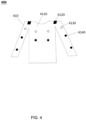
- the wearable apparatus 130 may include, but is not limited to, an upper garment device 130-1, a pants device 130-2, a wristband device 130-3, a shoe device 130-4, or the like.
- the wearable apparatus 130 may include M sensors, M is an integer greater than one. The sensors may obtain various action signals (e.g., an EMG signal, a posture signal, temperature information, a heartbeat frequency, an electrocardiogram signal, etc.) generated during the user's motion.
- various action signals e.g., an EMG signal, a posture signal, temperature information, a heartbeat frequency, an electrocardiogram signal, etc.
- the upper garment device 130-1 may include an electrocardiogram sensor positioned near the left pectoral muscle of the human body, and the electrocardiogram sensor may collect an electrocardiographic signal of the user.
- the pants device 130-2 may include a posture sensor positioned at a muscle (e.g., gluteus maximus, vastus lateralis, vastus medialis, gastrocnemius, etc.) position of the human body, and the posture sensor may collect a posture signal of the user.
- the wearable apparatus 130 may also provide feedback on the user's action. For example, when an action of a certain portion of the body during the user's motion does not meet the standard, the EMG sensor corresponding to this portion may generate a stimulation signal (e.g., current stimulation or hitting signal) to remind the user.
- a stimulation signal e.g., current stimulation or hitting signal
- the wearable apparatus 130 is not limited to the upper garment device 130-1, the pants device 130-2, the wristband device 130-3, or the shoe device 130-4 shown in FIG.1 .
- the wearable apparatus 130 may also include other apparatuses used for motion monitoring, such as a helmet device, a kneepad device, etc., which is not limited here. Any apparatus that can use the motion monitoring method disclosed in the present disclosure is within the scope of protection of the present disclosure.
- the mobile terminal device 140 may obtain information or data in the system 100. In some embodiments, the mobile terminal device 140 may receive action data processed by the processing device 110, and feed back an action record based on the processed action data. Exemplary feedback modes may include, but are not limited to, a voice prompt, an image prompt, a video presentation, a text prompt, or the like.
- the user may obtain the action record during his/her own motion through the mobile terminal device 140.
- the mobile terminal device 140 may be connected with the wearable apparatus 130 through the network 120 (e.g., wired connection, wireless connection). The user may obtain the action record during the user's motion through the mobile terminal device 140, and the action record may be transmitted to the processing device 110 through the mobile terminal device 140.
- the network 120 e.g., wired connection, wireless connection
- the mobile terminal device 140 may include a mobile device 140-1, a tablet computer 140-2, a notebook computer 140-3, or the like, or any combination thereof.
- the mobile device 140-1 may include a cell phone, a smart home device, a smart mobile device, a virtual reality device, an augmented reality device, etc., or any combination thereof.
- the smart home device may include a control device for a smart appliance, a smart monitoring device, a smart TV, a smart camera, etc., or any combination thereof.
- the smart mobile device may include a smart phone, a personal digital assistant (PDA), a gaming device, a navigation device, a POS device, etc., or any combination thereof.
- the virtual reality device and/or the augmented reality device may include a virtual reality headset, virtual reality glasses, a virtual reality eyewear, an augmented reality helmet, augmented reality glasses, an augmented reality eyewear, etc., or any combination thereof.
- the motion monitoring system 100 may also include an action data presentation system 160.
- the action data presentation system 160 may be configured to process and display information and/or data related to the user's action. For example, what kind of motion the user is doing may be displayed, or the information and/or data may be combined with a virtual character and intuitively displayed on a user interface of the mobile terminal device 140 to facilitate the user to view.
- the action data presentation system 160 may receive the user's action data.
- the user's action data may include an action signal such as an EMG signal, a posture signal, an electrocardiogram signal, a respiratory rate signal, etc.
- the action data presentation system 160 may display a virtual character that is doing biceps curling, and the user may clearly and intuitively view the user's action data or a difference between the action data and the reference action data (e.g., a difference in the position and size of muscle forces, a difference in the action posture, etc.) through the animation of the virtual character to adjust the action during the motion.
- a difference between the action data and the reference action data e.g., a difference in the position and size of muscle forces, a difference in the action posture, etc.
- the action data presentation system 160 may process data and/or information related to action data presentation to perform one or more functions described herein.
- the action data presentation system 160 may obtain action data during the user's motion, for example, an action signal during the user's motion collected by the wearable apparatus 130, or data obtained after the action signal collected during the user's motion by the wearable device 130 is processed by the processing device 110.
- the action data presentation system 160 may send a control instruction to the mobile terminal device 140 to control the display of the user interface of the mobile terminal device 140.
- the system 100 may also include a database.
- the database may store data (e.g., an initially preset threshold condition, etc.) and/or instructions (e.g., a feedback instruction).
- the database may store data obtained from the wearable apparatus 130 and/or the mobile terminal device 140.
- the database may store information and/or instructions for execution or use by the processing device 110 to perform the exemplary methods described in the present disclosure.
- the database may be connected with the network 120 to communicate with one or more components of the system 100 (e.g., the processing device 110, the wearable apparatus 130, the mobile terminal device 140, etc.).
- One or more components of the system 100 may access data or instructions stored in the database through the network 120.
- the database may connect or communicate directly with one or more components in the system 100.
- the database may be portion of the processing device 110.
- the action signal may include one or more of an EMG signal, a posture signal, an electrocardiogram signal, a respiratory rate, a temperature signal, a humidity signal, or the like.
- the sensor unit may be placed in different positions of the wearable apparatus 130 according to the type of the action signal to be obtained.
- the EMG sensor also referred to as an electrode element
- the EMG sensor may be disposed at a position of a human muscle, and the EMG sensor may be configured to collect an EMG signal during the user's motion.
- the EMG signal and the corresponding feature information e.g., frequency information, amplitude information, etc.
- the gesture sensor may be set at different positions of the human body (e.g., positions corresponding to the trunk, limbs, and joints in the wearable apparatus 130), and the gesture sensor may be configured to collect the gesture signal during the user's motion.
- the gesture signal and the corresponding feature information e.g., an angular velocity direction, an angular velocity value, an angular velocity acceleration value, an angle, displacement information, a stress, etc.
- the ECG sensor may be arranged at a position around the chest of the human body, and the ECG sensor may be configured to collect the ECG data during the user's motion.
- the respiration sensor may be arranged at a position around the chest of the human body, and the respiration sensor may be configured to collect respiration data (e.g., a respiration frequency, a respiration amplitude, etc.) during the user's motion.
- the temperature sensor may be configured to collect temperature data (e.g., a body surface temperature) during the user's motion.
- the humidity sensor may be configured to collect humidity data of the external environment during the user's motion.
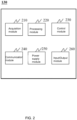
- the processing module 220 may process data from the acquisition module 210, the control module 230, the communication module 240, the power supply module 250, and/or the input/output module 260.
- the processing module 220 may process the action signal during the user's motion from the acquisition module 210.
- the processing module 220 may preprocess the action signal (e.g., an EMG signal, a gesture signal) obtained by the acquisition module 210.
- the processing module 220 may perform segmentation processing on the EMG signal or the gesture signal during the user's motion.
- the processing module 220 may perform preprocessing (e.g., filtering processing, signal correction processing) on the EMG signal during the user's motion to improve the quality of the EMG signal.
- the processing module 220 may determine feature information corresponding to the gesture signal based on the gesture signal during the user's motion. In some embodiments, the processing module 220 may process an instruction or an operation from the input/output module 260. In some embodiments, the processed data may be stored in a memory or a hard disk. In some embodiments, the processing module 220 may transmit the processed data to one or more components of the motion monitoring system 100 via the communication module 240 or the network 120. For example, the processing module 220 may send a monitoring result of the user's motion to the control module 230, and the control module 230 may execute subsequent operations or instructions according to an action determined result.
- the control module 230 may be connected with other modules of the wearable apparatus 130. In some embodiments, the control module 230 may control operating states of other modules of the wearable apparatus 130. For example, the control module 230 may control a power supply state (e.g., a normal mode, a power saving mode), a power supply time, etc., of the power supply module 250. As another example, the control module 230 may control the input/output module 260 according to the user's action determined result, so as to control the mobile terminal device 140 to send a feedback result of the user's motion to the user.
- a power supply state e.g., a normal mode, a power saving mode
- a power supply time e.g., a power supply time, etc.
- the control module 230 may control the input/output module 260, so as to control the mobile terminal device 140 to give feedback to the user, so that the user may know his/her own motion state in real-time and adjust the action.
- the control module 230 may also control one or more sensors of the acquisition module 210 or other modules to provide feedback to the human body. For example, if a certain muscle exerts too much force during the user's motion, the control module 230 may control an electrode module at the position of the muscle to electrically stimulate the user to prompt the user to adjust the action in time.
- the communication module 240 may be configured to exchange information or data. In some embodiments, the communication module 240 may be configured for communication between components of the wearable apparatus 130. For example, the acquisition module 210 may send a user action signal (e.g., an EMG signal, a gesture signal, etc.) to the communication module 240, and the communication module 240 may send the action signal to the processing module 220. In some embodiments, the communication module 240 may also be configured for communication between the wearable apparatus 130 and other components in the system 100. For example, the communication module 240 may send state information (e.g., a switch state) of the wearable apparatus 130 to the processing device 110, and the processing device 110 may monitor the wearable apparatus 130 based on the state information. The communication module 240 may adopt wired, wireless, and wired/wireless hybrid technologies.
- a user action signal e.g., an EMG signal, a gesture signal, etc.
- the communication module 240 may also be configured for communication between the wearable apparatus 130 and other components in the system 100.
- the input/output module 260 may obtain, transmit, and send a signal.
- the input/output module 260 may interface or communicate with other components in the system 100.
- Other components in the motion monitoring system 100 may be connected or communicated through the input/output module 260.
- the above descriptions of the system 100 and the modules thereof are merely for the convenience of descriptions, and cannot limit one or more embodiments of the present disclosure to the scope of the illustrated embodiments. It can be understood that for those skilled in the art, after understanding the principle of the system, it is possible to arbitrarily combine the various modules, or form a subsystem to connect with other modules, or omit one or more modules.
- the acquisition module 210 and the processing module 220 may be integrated into one module which may have the functions of obtaining and processing the user action signal.
- the processing module 220 may not be provided in the wearable apparatus 130 but integrated in the processing device 110. Such modifications are within the protection scope of one or more embodiments of the present disclosure.
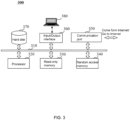
- FIG. 3 illustrates a schematic diagram of exemplary hardware and/or software components of a computing device 300 according to some embodiments of the present disclosure.
- the processing device 110 and/or the mobile terminal device 140 may be implemented on the computing device 300.
- the action data presentation system 160 may be implemented on the computing device 300.
- the computing device 300 may include an internal communication bus 310, a processor 320, a read-only memory 330, a random-access memory 340, a communication port 350, an input/output interface 360, a hard disk 370, and a user interface 380.
- the internal communication bus 310 may enable data communication among the various components of the computing device 300.
- the processor 320 may send data to memory or other hardware components such as the input/output interface 360 through the internal communication bus 310.
- the processor 320 may perform a computing instruction (a program code) and perform the functions of the motion monitoring system 100 described herein.
- the computing instruction may include a program, an object, a component, a data structure, a procedure, a module, and a function (the function refer to the specific function described in the disclosure).
- the processor 320 may process an action signal (e.g., an EMG signal, a posture signal) obtained from the wearable device 130 or/and the mobile terminal device 140 of the motion monitoring system 100 during the user's motion, and monitor the action of the user according to the action signal during the user's motion.
- an action signal e.g., an EMG signal, a posture signal
- the computing device 300 in FIG. 3 only depicts one processor, but it should be noted that the computing device 300 in the present disclosure may also include a plurality of processors.
- the memory e.g., a read-only memory (ROM) 330, a random-access memory (RAM) 340, a hard disk 370, etc.
- the memory of the computing device 300 may store data/information obtained from any other component of the motion monitoring system 100.
- the memory of computing device 300 may be located in wearable apparatus 130 as well as in processing device 110.
- the input/output interface 360 may be configured to input or output a signal, data, or information. In some embodiments, the input/output interface 360 may allow a user to interact with the motion monitoring system 100.
- the hard disk 370 may be configured to store information and data generated by or received from the processing device 110.
- the hard disk 370 may store user confirmation information of the user.
- the hard disk 370 may be provided in the processing device 110 or in the wearable apparatus 130.
- the user interface 380 may enable interaction and exchange of information between the computing device 300 and the user.
- the user interface 380 may be configured to present motion recordings generated by the motion monitoring system 100 to the user.
- the user interface 380 may include a physical display, such as a display with a speaker, an LCD display, an LED display, an OLED display, an electronic ink display (E-Ink), or the like.
- the reference action data may also be generated in other ways.
- action data of a virtual person may be obtained through computer modeling, and the reference action data may be obtained by artificially fitting the virtual person in the video through artificial intelligence techniques (for example, artificially fitting Mr. Olympia's action demonstration video).
- the certain action data may standardly represent a certain action, and an action content of the certain action data is known, the certain action data may be used as the reference action data in the present disclosure.
- the present disclosure may take the action data marked with the content as an example to describe the action data with known content.
- the second level screening may be a probabilistic screening.
- the processing device 110 and/or the mobile device 140 may determine the probability that the user action includes the promoted reference action (second-level reference action), and then determine whether the user action includes the second-level reference action. Whether the user action includes the target action corresponding to target reference action data may be determined based on the result of the second level screening. Specific operations are described as follows.
- a distance between the user action data and each of the multiple sets of the second-level candidate reference action data may be determined.
- a probability that the user action data includes the target action corresponding to the second-level candidate reference action data may be determined based on each distance.
- operation 527 whether the maximum value among the values of the probabilities is greater than a second preset value is judged. If the maximum value is not greater than the second preset value, operation 529 may be performed, that is, it is determined that the user action does not include the reference action corresponding to the second-level candidate reference action data. If the maximum value is greater than the second preset value, operation 528 may be performed, that is, it is determined that the user action includes the reference action corresponding to the second-level candidate reference action data with the highest probability value, and the reference action is the target action.
- the basis for selecting the first-level candidate reference action data may be random and in sequence, or may be selected according to a certain rule, which is not limited in the present disclosure. For example, all reference action data may be numbered in the reference action database in advance, and then the processing device 110 and/or the mobile device 140 may select the reference action data item by item as the first-level candidate reference action data according to the number.
- the positive correlation may indicate that the preset set size is proportional to the value of the comprehensive difference degree at the previous moment, or may select the step size of the current moment in a certain step manner based on the value of the comprehensive difference degree at the previous moment, or may be that the step size of the current moment is greater than the step size of the previous moment by a constant, etc., which is not limited here.
- the preset step size may also be positively correlated with the variation trend of the value of the comprehensive difference degree.
- the processing device 110 and/or the mobile device 140 may increase the step size. If the difference between the comprehensive difference degree value at the current moment and the comprehensive difference degree value at the previous moment is less than 0, which means that the user action corresponding to the current user action data segment is getting closer and closer to the target action in time. At this time, the processing device 110 and/or the mobile device 140 may reduce the step size. If the difference between the comprehensive difference degree value at the current moment and the comprehensive difference degree value at the previous moment is equal to 0, the step size may be kept unchanged.
- the reference action data may include one or more segments of action identification data.
- the action identification data may be action data (e.g., angular velocity data, velocity data, etc.) corresponding to at least a portion of the characteristic action of the reference action, which is essentially configured to represent the characteristic action.
- the characteristic action may be unique to the reference action.
- the reference action may be determined through the portion of the characteristic action, or the entire data may be determined as the reference action data through the action identification data, so that when a data segment similar to the action identification data appears in the user action data, the user action may be recognized as including the corresponding target action.
- the action identification data may only exist on a portion of the reference action sub-data of the reference action data, or the action identification data may exist in each reference action sub-data.
- the action identification data existing on the reference action sub-data may be referred to as action identification sub-data.
- the processing device 110 and/or the mobile device 140 may compare the M user action data segments with the corresponding M pieces of action identification sub-data respectively to obtain the corresponding M difference degrees.
- the M difference degrees may be weighted and summed to obtain the comprehensive difference degree. If the comprehensive difference degree is less than the first preset value, the first-level candidate reference action data having passed the first level screening may be determined, and the first-level candidate reference action data may be selected as the second-level candidate reference action data.
- the sliding window may slide to the next user action data segment with the preset step size, and then the comparison may be repeated until the comprehensive difference degree value is less than the first preset value or the sliding window slides to the end of the user action data.
- the data is two-dimensional.
- the first-level candidate reference action data of the arm curling may include action identification sub-data at different time points for the bending angle of the forearm relative to the upper arm.
- the action identification sub-data may include a plurality of angle values and a plurality of corresponding time points, so the action identification sub-data is two-dimensional data.
- the specific process for obtaining the comprehensive difference degree is as follows. FIG.
- the quantity of data points of the reference action data and the quantity of data points of the user action data may be the same.
- the user action sub-data segment ⁇ b i ⁇ may correspond to the data of the same length in the action identification sub-data ⁇ a j ⁇ . That is, each data point in ⁇ b i ⁇ may correspond to a data point in ⁇ a j ⁇ .
- ⁇ b i ⁇ When determining the difference degree between ⁇ b i ⁇ and ⁇ a j ⁇ , ⁇ b i ⁇ only needs to be drawn along the time axis t, a distance of one data point can be slid each time, and once difference degree determination between the data point and the corresponding data point in ⁇ a j ⁇ may be determined every time.
- the sampling frequencies and/or the action speeds of the reference action data and the user action data are inconsistent, there is no one-to-one correspondence between the data points of the user action and the data points of the reference action.
- an action-time relationship of ⁇ b i ⁇ needs to be adjusted according to various time scales to make the adjusted action-time relationship consistent with the action-time relationship of the reference action data. For example, if the sampling frequencies of the reference action data and the user action data are the same but the action speeds are inconsistent, the time taken by the user to perform an action is different from the time taken by the corresponding reference action.
- the hardware sampling frequency is 100 data points per second
- a speed of a joint in the reference action changes from 0° to 90° in 1 second
- a speed of the user action may only change from 0° to 45° in 1 second
- the reference action data corresponds to an angle change of 90°
- the user action data corresponds to an angle change of 45°.
- the time span of ⁇ b i ⁇ needs to be adjusted according to various time scales, i.e., stretching or compressing ⁇ bi ⁇ according to different scales, and then discriminating the difference degree between the processed data point and the corresponding data point in ⁇ a j ⁇ once for each scale, until all the difference degrees corresponding to all scales are determined.
- the specific operations may be described as follows.
- the user action sub-data ⁇ bi ⁇ may include angles between the upper arm and the forearm, and the corresponding action identification sub-data ⁇ aj ⁇ in the reference data may also include angles between the upper arm and the forearm.
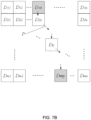
- the distance D 56 between a 5 and b 6 and the distance D 53 between a 5 and b 3 are shown in FIG. 7A .
- the distance may also be a distance defined in other ways.
- Any two adjacent numbers are two adjacent elements of the distance matrix D m ⁇ n , and a position of the next number of the sequence in the distance matrix D m ⁇ n is to the right, below, or below the right of a corresponding position of the previous number of the sequence in the distance matrix D m ⁇ n .
- action data of a certain action includes data for measuring M parameters, and M is an integer greater than 1, the action data of the action includes M pieces of parallel measurement sub-data. Therefore, the user action data may include M pieces of user action sub-data.
- the first-level candidate reference action data may also include M pieces of first-level candidate reference action sub-data. Each piece of the first-level candidate reference action sub-data corresponds to local action data in the overall action data obtained by a parameter measurement and includes at least a segment of independent action identification sub-data. All the action identification sub-data together constitute the action identification data of the reference action.
- the comparison sub-result between the user action sub-data and the first-level candidate reference action sub-data may be obtained based on the following operations.
- the processing device 110 and/or the mobile device 140 may select a segment of the user action data from each of the M pieces of user action sub-data using a sliding window, and sequentially compare the data segments with the corresponding M segments of action identification sub-data in the M pieces of reference action sub-data to determine difference degrees, so that the comparison sub-results may be obtained.
- the M comparison sub-results may be weighted and summed to obtain a comprehensive difference degree, and whether the user action data includes the target action may be determined based on the comprehensive difference degree and the first preset value.
- the processing device 110 and/or the mobile device 140 may obtain the difference degree between the user action sub-data and the action identification sub-data based on the method described above.
- the processing device 110 and/or the mobile device 140 may determine the overall distance between each data point of the user action sub-data segment and each data point of the action identification sub-data according to the method described above.
- the processing device 110 and/or the mobile device 140 may obtain the minimum regularization cost of the overall distance through the above method, and then determine the difference degree between the user action sub-data segment and the action identification sub-data. Since there are M pieces of user action sub-data, according to the above method, the processing device 110 and/or the mobile device 140 may obtain M difference degrees in total. Finally, the processing device 110 and/or the mobile device 140 may perform weighted summation on the M comparison sub-results to obtain a comprehensive difference degree.
- the processing device 110 and/or the mobile device 140 may directly determine whether the user action data includes the first-level candidate reference action data. For example, the processing device 110 and/or the mobile device 140 may set a first preset value for the action identification data, and when the value of the comprehensive difference degree is greater than the first preset value, the processing device 110 and/or the mobile device 140 may slide each of the M sliding windows to the next data segment at the preset step size, and then the comparison may be repeated. If the comprehensive difference degree value is less than the first preset value, the processing device 110 and/or the mobile device 140 may consider that the set of user action sub-data may include the first-level candidate reference action data, thereby the above-mentioned loop may be ended.
- a comparison result between the user action sub-data and the first-level candidate reference action sub-data may be obtained based on the following method. For each piece of the M pieces of user action sub-data, the processing device 110 and/or the mobile device 140 may sample a user action sub-data segment from each piece of the user action sub-data through the sliding window.
- the sliding windows corresponding to the M pieces of the user action sub-data may be linked or operated independently when sliding.
- Each sliding window may have the same width, that is, the user action sub-data segment corresponding to each sliding window may uniformly include d (d is an integer greater than 1) data points, and as described above, each data point of the d data points corresponds to a timestamp.
- d is an integer greater than 1
- the processing device 110 and/or the mobile device 140 may calculate the p integral distances between the user action sub-data segment and the p segments of action identification sub-data respectively based on the method described above.
- the processing device 110 and/or the mobile device 140 may determine the minimum regularization cost of the p overall distances by using the above method as a comparison sub-result between the user action sub-data segment and the action identification sub-data. Since there are M pieces of user action sub-data, the processing device 110 and/or the mobile device 140 may obtain M comparison sub-results in total based on the above method. Finally, the processing device 110 and/or the mobile device 140 may perform weighted summation on the M comparison sub-results to obtain the comprehensive difference degree value.
- the processing device 110 and/or the mobile device 140 may directly determine whether the set of user action sub-data includes the first-level candidate reference action data. For example, the processing device 110 and/or the mobile device 140 may set a first preset value for the action identification data, and when the comprehensive difference degree value is greater than the first preset value, the processing device 110 and/or the mobile device 140 may slide each of the M sliding windows to the next data segment at the preset step size, and then the comparison may be repeated. If the value of the comprehensive difference degrees is less than the first preset value, the processing device 110 and/or the mobile device 140 may determine that the first-level candidate reference action data is the second-level candidate reference action data, thereby the above-mentioned loop may be ended.
- the processing device 110 and/or the mobile device 140 may further confirm whether the user action includes the reference action corresponding to the second-level candidate reference action data.
- the calculated maximum value of the three probability values may be compared with the second preset value.
- the maximum probability value is greater than the second preset value, it is determined that the user action data includes the target action corresponding to the second-level candidate reference action data n, and the second-level candidate reference action data n is the second-level candidate reference action data corresponding to the maximum probability value.
- the maximum probability value is less than the second-level preset value, it is determined that the user action data that does not include the target action corresponding to the reference action database.
- a content related to the target action may be sent to the user.
Landscapes
- Health & Medical Sciences (AREA)
- Life Sciences & Earth Sciences (AREA)
- Engineering & Computer Science (AREA)
- Physics & Mathematics (AREA)
- Biomedical Technology (AREA)
- General Health & Medical Sciences (AREA)
- Public Health (AREA)
- Medical Informatics (AREA)
- Pathology (AREA)
- Surgery (AREA)
- Veterinary Medicine (AREA)
- Heart & Thoracic Surgery (AREA)
- Biophysics (AREA)
- Molecular Biology (AREA)
- Animal Behavior & Ethology (AREA)
- Physiology (AREA)
- Theoretical Computer Science (AREA)
- General Engineering & Computer Science (AREA)
- Signal Processing (AREA)
- Computer Vision & Pattern Recognition (AREA)
- Artificial Intelligence (AREA)
- Dentistry (AREA)
- Oral & Maxillofacial Surgery (AREA)
- Psychiatry (AREA)
- General Physics & Mathematics (AREA)
- Cardiology (AREA)
- Pulmonology (AREA)
- Human Computer Interaction (AREA)
- Computer Hardware Design (AREA)
- Data Mining & Analysis (AREA)
- Epidemiology (AREA)
- Primary Health Care (AREA)
- Neurosurgery (AREA)
- Neurology (AREA)
- Dermatology (AREA)
- Optics & Photonics (AREA)
- Probability & Statistics with Applications (AREA)
- Evolutionary Biology (AREA)
- Business, Economics & Management (AREA)
- Evolutionary Computation (AREA)
Claims (12)
- Procédé d'identification d'une action d'utilisateur, comprenant :l'obtention (510) de données d'action d'utilisateur collectées à partir d'une pluralité de positions de mesure sur un utilisateur, les données d'action d'utilisateur correspondant à une action d'utilisateur inconnue ;l'identification (520), sur la base d'au moins un ensemble de données d'action de référence cible, que l'action d'utilisateur inclut une action cible lors de l'obtention des données d'action d'utilisateur, le au moins un ensemble de données d'action de référence cible correspondant à l'action cible, dans lequel l'identification que l'action d'utilisateur inclut une action cible comprend :l'obtention d'une pluralité d'ensembles de données d'action de référence candidate, dans lequel chaque ensemble de données d'action de référence candidate correspond à au moins une action de référence ;la réalisation d'une opération de filtrage à deux niveaux sur la pluralité d'ensembles de données d'action de référence candidate sur la base des données d'action d'utilisateur, l'opération de filtrage à deux niveaux incluant une combinaison d'une opération de filtrage basée sur un degré de différence et d'une opération de filtrage basée sur une probabilité, incluant :l'obtention d'une pluralité d'ensembles de données d'action de référence, dans lequel chaque ensemble de données d'action de référence correspond à au moins une action de référence ;la sélection (521) tour à tour de chaque ensemble de données d'action de référence parmi la pluralité d'ensembles de données d'action de référence en tant que données d'action de référence candidate ;la détermination (522) d'au moins un degré de différence en comparant au moins un segment de sous-données d'identification d'action des données d'action de référence candidate aux sous-données d'action d'utilisateur correspondantes segment par segment ; etla détermination d'un degré de différence global en pondérant et en additionnant le au moins un degré de différence ;la sélection (523, 524) de N éléments de données d'action de référence candidate de second niveau parmi la pluralité d'ensembles de données d'action de référence, une valeur du degré de différence global des données d'action de référence candidate de second niveau étant inférieure à une première valeur prédéfinie, et N étant un nombre entier supérieur à 1 ;le calcul (525) de N distances entre les données d'action d'utilisateur et respectivement les N éléments de données d'action de référence candidate de second niveau ;le calcul (526) de N valeurs de probabilité sur la base des N distances respectivement ;la sélection (527) des données d'action de référence candidate de second niveau dont une valeur de probabilité est supérieure à une seconde valeur prédéfinie en tant que données d'action de référence cible ; etla détermination (528) d'une action de référence correspondant aux données d'action de référence cible en tant qu'action cible ; etla détermination que l'action d'utilisateur inclut l'action cible sur la base d'un résultat de l'opération de filtrage à deux niveaux ; et l'envoi (530) d'informations relatives à l'action cible à l'utilisateur.
- Procédé selon la revendication 1, dans lequel,chaque ensemble de données d'action de référence inclut M éléments de sous-données d'action de référence, chaque élément des sous-données d'action de référence inclut au moins un segment de sous-données d'identification d'action, et M est un nombre entier supérieur à 1 ;des sous-données d'identification d'action des M éléments de sous-données d'action de référence forment des données d'identification d'action intégrales, et chaque segment de sous-données d'identification d'action correspond à au moins une partie de l'action de référence sur au moins une position de mesure de la pluralité de positions de mesure.
- Procédé selon la revendication 1 ou 2, dans lequel la détermination d'au moins un degré de différence en comparant au moins un segment de sous-données d'identification d'action des données d'action de référence candidate aux sous-données d'action d'utilisateur correspondantes segment par segment comprend :la sélection d'une fenêtre glissante d'une longueur prédéfinie sur chaque élément des sous-données d'identification d'action, la fenêtre glissante incluant un segment de données des données d'action d'utilisateur collectées dans un intervalle de temps prédéfini ; etpour la fenêtre glissante à un moment actuel, la détermination du degré de différence entre le segment de données et les sous-données d'identification d'action correspondantes.
- Procédé selon la revendication 3, dans lequel l'identification que l'action d'utilisateur inclut l'action cible comprend en outre :la détermination qu'une valeur du degré de différence global est supérieure à une première valeur prédéfinie ; etle glissement de la fenêtre glissante vers un segment de données suivant d'une taille de pas prédéfinie et la répétition de la comparaison.
- Procédé selon la revendication 4, dans lequel une durée de collecte de données correspondant au segment de données dans la fenêtre glissante est corrélée négativement à une vitesse d'action d'utilisateur.
- Procédé selon la revendication 5, dans lequel la taille de pas prédéfinie satisfait à une ou plusieurs des conditions suivantes :la taille de pas prédéfinie est corrélée positivement à une grandeur d'une valeur du degré de différence global à un moment précédent ; etla taille de pas prédéfinie est corrélée positivement à une tendance de variation de la valeur du degré de différence global.
- Procédé selon l'une quelconque des revendications 3-6, dans lequel le segment de données comprend une pluralité de points de données d'action d'utilisateur ; et
la détermination d'au moins un degré de différence en comparant au moins un segment de sous-données d'identification d'action des données d'action de référence candidate aux sous-données d'action d'utilisateur correspondantes segment par segment comprend :la sélection d'un intervalle de données de comparaison cible à partir des sous-données d'identification d'action, dans lequel l'intervalle de données de comparaison cible inclut une pluralité de points de données d'identification,l'ajustement du segment de données selon une pluralité d'échelles pour obtenir une pluralité de segments de données ajustés,la détermination d'un degré de différence entre les sous-données d'identification d'action et respectivement chaque segment de données ajusté de la pluralité de segments de données ajustés, etla détermination d'un degré de différence minimal parmi les degrés de différence entre les sous-données d'identification d'action et la pluralité de segments de données ajustés. - Procédé selon l'une quelconque des revendications 3-6, dans lequel la détermination d'au moins un degré de différence en comparant au moins un segment de sous-données d'identification d'action des données d'action de référence candidate aux sous-données d'action d'utilisateur correspondantes segment par segment comprend :la détermination d'une matrice de distance [Dij], dans lequel Dij désigne une distance entre un i-ème point de données d'un intervalle de données de comparaison cible et un j-ème point de données du segment de données;la détermination d'un chemin de distance le plus court de la matrice de distance, dans lequel le chemin de distance le plus court satisfait aux conditions suivantes :un point de départ du chemin de distance le plus court est dans la première ligne de la [Dij],deux points adjacents sur le chemin de distance le plus court sont adjacents dans la matrice de distance,un point suivant sur le chemin de distance le plus court est à droite, en dessous ou juste en dessous d'un point précédent,un point de fin du chemin de distance le plus court est dans une dernière ligne de la [Dij], etle chemin de distance le plus court présentant le plus petit coût de régularisation, dans lequel le coût de régularisation est déterminé par des distances de points sur le chemin de distance le plus court correspondant de la matrice de distance ; etle degré de différence est lié au coût de régularisation.
- Procédé selon la revendication 8, dans lequel, si le premier point de données du segment de données est déterminé comme étant un point de données où l'action d'utilisateur commence, le point de début du chemin de distance le plus court est une distance D11 entre le premier point du segment de données et le premier point de l'intervalle de données de comparaison cible.
- Procédé selon la revendication 8 ou 9, dans lequel, si le dernier point de données du segment de données est déterminé comme étant le point de données où l'action d'utilisateur se termine, le point de fin du chemin de distance le plus court est une distance Dmn entre le dernier point du segment de données et le dernier point de l'intervalle de données de comparaison cible.
- Système pour identifier une action d'utilisateur, comprenant :un module d'acquisition (210) configuré pour obtenir des données d'action d'utilisateur collectées à partir d'une pluralité de positions de mesure sur un utilisateur, les données d'action d'utilisateur correspondant à une action d'utilisateur inconnue ;un module de traitement (220) configuré pour identifier, sur la base d'au moins un ensemble de données d'action de référence cible, que l'action d'utilisateur inclut une action cible lors de l'obtention des données d'action d'utilisateur, le au moins un ensemble de données d'action de référence cible correspondant à l'action cible, dans lequel, pour identifier, sur la base d'au moins un ensemble de données d'action de référence cible, que l'action d'utilisateur inclut l'action cible lors de l'obtention des données d'action d'utilisateur, le module de traitement est configuré pour :obtenir une pluralité d'ensembles de données d'action de référence candidate, dans lequel chaque ensemble de données d'action de référence candidate correspond à au moins une action de référence ;réaliser une opération de filtrage à deux niveaux sur la pluralité d'ensembles de données d'action de référence candidate sur la base des données d'action d'utilisateur, l'opération de filtrage à deux niveaux incluant une combinaison d'une opération de filtrage basée sur le degré de différence et d'une opération de filtrage basée sur la probabilité, incluant :l'obtention d'une pluralité d'ensembles de données d'action de référence, dans lequel chaque ensemble de données d'action de référence correspond à au moins une action de référence ;la sélection (521) tour à tour de chaque ensemble de données d'action de référence parmi la pluralité d'ensembles de données d'action de référence en tant que données d'action de référence candidate ;la détermination (522) d'au moins un degré de différence en comparant au moins un segment de sous-données d'identification d'action des données d'action de référence candidates aux sous-données d'action d'utilisateur correspondantes segment par segment ; etla détermination d'un degré de différence global en pondérant et en additionnant le au moins un degré de différence ;la sélection (523, 524) de N éléments de données d'action de référence candidate de second niveau parmi la pluralité d'ensembles de données d'action de référence, une valeur du degré de différence global des données d'action de référence candidate de second niveau étant inférieure à une première valeur prédéfinie, et N étant un nombre entier supérieur à 1 ;le calcul (525) de N distances entre les données d'action d'utilisateur et respectivement les N éléments de données d'action de référence candidate de second niveau ;le calcul (526) de N valeurs de probabilité sur la base des N distances respectivement ;la sélection (527) des données d'action de référence candidate de second niveau dont une valeur de probabilité est supérieure à une seconde valeur prédéfinie en tant que données d'action de référence cible ; etla détermination (528) d'une action de référence correspondant aux données d'action de référence cible en tant qu'action cible ; etdéterminer que l'action d'utilisateur inclut l'action cible sur la base d'un résultat de l'opération de filtrage à deux niveaux ; etun module de communication (240) configuré pour envoyer des informations relatives à l'action cible à l'utilisateur.
- Support non transitoire lisible par ordinateur, comprenant au moins un ensemble d'instructions pour identifier une action d'utilisateur, dans lequel, lorsqu'il est exécuté par au moins un processeur d'un dispositif informatique, le au moins un ensemble d'instructions ordonne au au moins un processeur de réaliser des opérations incluant :l'obtention de données d'action d'utilisateur collectées à partir d'une pluralité de positions de mesure sur un utilisateur, les données d'action d'utilisateur correspondant à une action d'utilisateur inconnue ;l'identification, sur la base d'au moins un ensemble de données d'action de référence cible, que l'action d'utilisateur inclut une action cible lors de l'obtention des données d'action d'utilisateur, le au moins un ensemble de données d'action de référence cible correspondant à l'action cible, dans lequel l'identification que l'action d'utilisateur inclut une action cible comprend :l'obtention d'une pluralité d'ensembles de données d'action de référence candidates, dans lequel chaque ensemble de données d'action de référence candidates correspond à au moins une action de référence ;la réalisation d'une opération de filtrage à deux niveaux sur la pluralité d'ensembles de données d'action de référence candidate sur la base des données d'action d'utilisateur, l'opération de filtrage à deux niveaux incluant une combinaison d'une opération de filtrage basée sur le degré de différence et d'une opération de filtrage basée sur la probabilité, incluant :l'obtention d'une pluralité d'ensembles de données d'action de référence, dans lequel chaque ensemble de données d'action de référence correspond à au moins une action de référence ;la sélection (521) tour à tour de chaque ensemble de données d'action de référence parmi la pluralité d'ensembles de données d'action de référence en tant que données d'action de référence candidate ;la détermination (522) d'au moins un degré de différence en comparant au moins un segment de sous-données d'identification d'action des données d'action de référence candidates aux sous-données d'action d'utilisateur correspondantes segment par segment ; etla détermination d'un degré de différence global en pondérant et en additionnant le au moins un degré de différence ;la sélection (523, 524) de N éléments de données d'action de référence candidate de second niveau parmi la pluralité d'ensembles de données d'action de référence, une valeur du degré de différence global des données d'action de référence candidate de second niveau étant inférieure à une première valeur prédéfinie, et N étant un nombre entier supérieur à 1 ;le calcul (525) de N distances entre les données d'action d'utilisateur et respectivement les N éléments de données d'action de référence candidate de second niveau ;le calcul (526) de N valeurs de probabilité sur la base des N distances respectivement ;la sélection (527) des données d'action de référence candidate de second niveau dont une valeur de probabilité est supérieure à une seconde valeur prédéfinie en tant que données d'action de référence cible ; etla détermination (528) d'une action de référence correspondant aux données d'action de référence cible en tant qu'action cible ; etla détermination que l'action d'utilisateur inclut l'action cible sur la base d'un résultat de l'opération de filtrage à deux niveaux ; etl'envoi (530) d'informations relatives à l'action cible à l'utilisateur.
Applications Claiming Priority (2)
| Application Number | Priority Date | Filing Date | Title |
|---|---|---|---|
| PCT/CN2021/081931 WO2022193330A1 (fr) | 2021-03-19 | 2021-03-19 | Procédé et système de surveillance d'exercice |
| PCT/CN2022/074379 WO2022193851A1 (fr) | 2021-03-19 | 2022-01-27 | Procédé et système de reconnaissance d'actions d'utilisateur |
Publications (4)
| Publication Number | Publication Date |
|---|---|
| EP4167129A1 EP4167129A1 (fr) | 2023-04-19 |
| EP4167129A4 EP4167129A4 (fr) | 2024-01-24 |
| EP4167129C0 EP4167129C0 (fr) | 2025-07-09 |
| EP4167129B1 true EP4167129B1 (fr) | 2025-07-09 |
Family
ID=83321834
Family Applications (3)
| Application Number | Title | Priority Date | Filing Date |
|---|---|---|---|
| EP21930919.2A Pending EP4201323A4 (fr) | 2021-03-19 | 2021-03-19 | Procédé et système de surveillance d'exercice |
| EP22743434.7A Active EP4085834B1 (fr) | 2021-03-19 | 2022-01-27 | Procédé de traitement de données d'exercice et système de surveillance d'exercice |
| EP22770210.7A Active EP4167129B1 (fr) | 2021-03-19 | 2022-01-27 | Procédé et système de reconnaissance d'actions d'utilisateur |
Family Applications Before (2)
| Application Number | Title | Priority Date | Filing Date |
|---|---|---|---|
| EP21930919.2A Pending EP4201323A4 (fr) | 2021-03-19 | 2021-03-19 | Procédé et système de surveillance d'exercice |
| EP22743434.7A Active EP4085834B1 (fr) | 2021-03-19 | 2022-01-27 | Procédé de traitement de données d'exercice et système de surveillance d'exercice |
Country Status (6)
| Country | Link |
|---|---|
| US (3) | US20220365600A1 (fr) |
| EP (3) | EP4201323A4 (fr) |
| JP (3) | JP2023549242A (fr) |
| KR (3) | KR20230086750A (fr) |
| CN (5) | CN116981401A (fr) |
| WO (4) | WO2022193330A1 (fr) |
Families Citing this family (19)
| Publication number | Priority date | Publication date | Assignee | Title |
|---|---|---|---|---|
| CN115624724B (zh) * | 2022-11-01 | 2025-03-18 | 上海工程技术大学 | 一种基于虚拟现实的上肢康复训练系统 |
| CN115736914B (zh) * | 2022-11-18 | 2025-06-27 | 隽颐智能科技(珠海)有限公司 | 信号采集质量的智能化分析方法及装置 |
| CN115714889B (zh) * | 2022-11-22 | 2025-03-14 | 杭州卡路里体育有限公司 | 数据处理方法及装置 |
| CN115826748A (zh) * | 2022-11-26 | 2023-03-21 | 广东御腾网络科技发展有限公司 | 一种基于智能手环的动作识别方法及装置 |
| CN116153510B (zh) * | 2023-02-17 | 2024-04-16 | 河南翔宇医疗设备股份有限公司 | 矫正镜控制方法、装置、设备、存储介质及智能矫正镜 |
| DE102023107589A1 (de) * | 2023-03-27 | 2024-10-02 | panthr healthtech GmbH | Verfahren zur digitalen Steuerung von Bewegungsabläufen |
| US20240374209A1 (en) * | 2023-05-11 | 2024-11-14 | Coach AI Limited | System and Method for Assessing and Facilitating Improvement of Human Skills |
| US20240379205A1 (en) * | 2023-05-11 | 2024-11-14 | Coach AI Limited | System and Method for Assessing and Facilitating Improvement of Human Skills |
| CN116739631B (zh) * | 2023-05-19 | 2024-06-21 | 南京财经大学 | 一种基于人工智能的交互式体育运动运营管理系统 |
| US20250022156A1 (en) * | 2023-07-10 | 2025-01-16 | Htc Corporation | Pose calculating apparatus and method |
| KR20250056610A (ko) | 2023-10-19 | 2025-04-28 | 한국전력공사 | Leap motion 및 emg 신호를 이용한 드론 및 드론팔 제어방법 및 그 제어장치 |
| CN117958804B (zh) * | 2024-01-10 | 2024-07-09 | 广东工业大学 | 基于imu信号的睡姿识别方法、系统、介质及计算机 |
| CN118098474A (zh) * | 2024-04-19 | 2024-05-28 | 自贡市第一人民医院 | 一种内科护理临床监护设备数据优化处理方法 |
| CN118195707B (zh) * | 2024-05-17 | 2024-08-27 | 深圳方舟互动科技有限公司 | 用户行为分析方法、系统、装置及计算机可读存储介质 |
| CN118948257B (zh) * | 2024-07-24 | 2025-06-06 | 南方科技大学 | 人体步态预测方法、装置、电子设备及存储介质 |
| CN119057797B (zh) * | 2024-11-05 | 2025-02-14 | 浙江强脑科技有限公司 | 仿生手控制方法、装置、电子设备和存储介质 |
| CN119057798B (zh) * | 2024-11-05 | 2025-02-14 | 浙江强脑科技有限公司 | 仿生手控制方法、装置、电子设备和存储介质 |
| CN119851977B (zh) * | 2025-03-21 | 2025-08-26 | 快上云(上海)网络科技有限公司 | 一种多维度学生体质健康监测方法及系统 |
| CN121016149B (zh) * | 2025-10-27 | 2026-01-27 | 吉林省初心健康科技有限公司 | 基于肌力与心电信号实时监测的心脏康复训练控制方法 |
Family Cites Families (90)
| Publication number | Priority date | Publication date | Assignee | Title |
|---|---|---|---|---|
| JP2003339908A (ja) | 2002-05-24 | 2003-12-02 | Advanced Telecommunication Research Institute International | トレーニング装置 |
| KR20040032451A (ko) | 2002-10-09 | 2004-04-17 | 삼성전자주식회사 | 생체신호 기반의 건강 관리 기능을 갖는 모바일 기기 및이를 이용한 건강 관리 방법 |
| JP4867364B2 (ja) | 2006-01-27 | 2012-02-01 | 横浜ゴム株式会社 | 生体電気情報計測装置 |
| US20090319459A1 (en) | 2008-02-20 | 2009-12-24 | Massachusetts Institute Of Technology | Physically-animated Visual Display |
| JP2010246636A (ja) | 2009-04-13 | 2010-11-04 | Panasonic Corp | 動作表示装置 |
| US8755569B2 (en) * | 2009-05-29 | 2014-06-17 | University Of Central Florida Research Foundation, Inc. | Methods for recognizing pose and action of articulated objects with collection of planes in motion |
| JP2011103914A (ja) * | 2009-11-12 | 2011-06-02 | Nec Corp | 筋緊張計測装置、筋緊張計測方法および筋緊張計測プログラム |
| TWI393579B (zh) * | 2009-11-13 | 2013-04-21 | 財團法人資訊工業策進會 | The state of the muscle movement state analysis system, methods and computer program products |
| CN102270264B (zh) * | 2010-06-04 | 2014-05-21 | 中国科学院深圳先进技术研究院 | 生理信号质量评估系统及方法 |
| JP2012024521A (ja) | 2010-07-28 | 2012-02-09 | Seiko Epson Corp | 血糖値予測装置 |
| WO2012035947A1 (fr) * | 2010-09-13 | 2012-03-22 | 日本電気株式会社 | Système de collecte d'informations coordonnées, procédé de collecte d'informations coordonnées et programme |
| KR101282953B1 (ko) * | 2011-05-25 | 2013-07-08 | 한국과학기술연구원 | 스포츠 동작 코칭 시스템 및 방법 |
| US10130298B2 (en) | 2012-04-03 | 2018-11-20 | Carnegie Mellon University | Musculoskeletal activity recognition system and method |
| JP5923394B2 (ja) * | 2012-06-20 | 2016-05-24 | 株式会社Nttドコモ | 認識装置、認識方法及び認識システム |
| US9652992B2 (en) * | 2012-10-09 | 2017-05-16 | Kc Holdings I | Personalized avatar responsive to user physical state and context |
| KR20140062892A (ko) * | 2012-11-15 | 2014-05-26 | 삼성전자주식회사 | 운동 서비스를 제공하기 위한 웨어러블 디바이스와 디스플레이 장치 및 이를 포함하는 운동 서비스 제공 시스템과 그 방법 |
| JP3181442U (ja) | 2012-11-27 | 2013-02-07 | 保江 陳 | 電位測定装置 |
| US20140207017A1 (en) * | 2013-01-23 | 2014-07-24 | Altec, Inc. | Signal quality monitor for electromyographic sensors |
| KR20160056851A (ko) | 2013-06-03 | 2016-05-20 | 엠씨10, 인크 | 모션 센서 및 분석 |
| US9993166B1 (en) * | 2013-06-21 | 2018-06-12 | Fitbit, Inc. | Monitoring device using radar and measuring motion with a non-contact device |
| US20150106025A1 (en) | 2013-10-11 | 2015-04-16 | Sporttech, Llc | Method and System for Determining and Communicating a Performance Measure Using a Performance Measurement System |
| US10575760B2 (en) | 2014-03-26 | 2020-03-03 | GestureLogic Inc. | Systems, methods and devices for activity recognition |
| EP3900618B1 (fr) | 2014-10-17 | 2024-11-20 | G-Tech Medical, Inc. | Systèmes et procédés de traitement de signaux électromyographiques du tractus gastro-intestinal |
| US9720515B2 (en) * | 2015-01-02 | 2017-08-01 | Wearable Devices Ltd. | Method and apparatus for a gesture controlled interface for wearable devices |
| KR20160084703A (ko) | 2015-01-06 | 2016-07-14 | 삼성전자주식회사 | 운동 가이드 제공 방법 |
| JP2016150119A (ja) | 2015-02-17 | 2016-08-22 | 日本電信電話株式会社 | 運動状態判定方法、装置、及びプログラム |
| CN104706359A (zh) * | 2015-04-01 | 2015-06-17 | 深圳柔微传感科技有限公司 | 一种实现运动实时监测的方法和智能服装 |
| CN104720821A (zh) * | 2015-04-01 | 2015-06-24 | 深圳柔微传感科技有限公司 | 一种实现姿势实时监测的方法和智能服装 |
| US10854104B2 (en) | 2015-08-28 | 2020-12-01 | Icuemotion Llc | System for movement skill analysis and skill augmentation and cueing |
| US10314520B2 (en) * | 2015-10-02 | 2019-06-11 | Seismic Holdings, Inc. | System and method for characterizing biomechanical activity |
| US10799180B2 (en) * | 2015-11-14 | 2020-10-13 | Zeto, Inc. | System and method for testing contact quality of electrical-biosignal electrodes |
| CN105635669B (zh) * | 2015-12-25 | 2019-03-01 | 北京迪生数字娱乐科技股份有限公司 | 基于三维运动捕捉数据与实拍视频的动作对比系统及方法 |
| US10881852B2 (en) * | 2016-02-10 | 2021-01-05 | Gokula Education Foundation (Medical) | Device, system and apparatus for functional electrical stimulation of muscle |
| JP6527830B2 (ja) | 2016-02-15 | 2019-06-05 | 日本電信電話株式会社 | 生体信号処理装置、方法、およびプログラム |
| CN105797350A (zh) * | 2016-03-18 | 2016-07-27 | 深圳大学 | 健身姿势识别、评估、预警和强度估算的智能方法及系统 |
| CN105930767B (zh) * | 2016-04-06 | 2019-05-17 | 南京华捷艾米软件科技有限公司 | 一种基于人体骨架的动作识别方法 |
| CN105796112B (zh) * | 2016-05-11 | 2018-10-30 | 江苏财经职业技术学院 | 老人跌倒检测监护系统 |
| CN105997064B (zh) | 2016-05-17 | 2018-10-23 | 成都奥特为科技有限公司 | 一种用于人体下肢表面肌电信号的辨识方法 |
| CN106073793B (zh) * | 2016-06-13 | 2019-03-15 | 中南大学 | 基于微惯性传感器的姿态跟踪与识别方法 |
| KR20180000581A (ko) * | 2016-06-23 | 2018-01-03 | 한국전자통신연구원 | 스포츠 동작 코칭 장치 및 그 방법 |
| WO2018022602A1 (fr) * | 2016-07-25 | 2018-02-01 | Ctrl-Labs Corporation | Procédés et appareil permettant de prédire des informations de position musculo-squelettique à l'aide de capteurs autonomes portables |
| ZA201701187B (en) * | 2016-08-10 | 2019-07-31 | Tata Consultancy Services Ltd | Systems and methods for identifying body joint locations based on sensor data analysis |
| US20180121713A1 (en) * | 2016-10-28 | 2018-05-03 | Qualcomm Incorporated | Systems and methods for verifying a face |
| CN107361773B (zh) * | 2016-11-18 | 2019-10-22 | 深圳市臻络科技有限公司 | 用于检测、缓解帕金森异常步态的装置 |
| JP6831219B2 (ja) | 2016-11-25 | 2021-02-17 | エヌ・ティ・ティ・コミュニケーションズ株式会社 | バイタル信号取得装置、バイタル信号取得方法及びコンピュータプログラム |
| CN108143409B (zh) | 2016-12-06 | 2021-01-22 | 中国移动通信有限公司研究院 | 睡眠阶段分期方法及装置 |
| CN207071088U (zh) * | 2017-01-25 | 2018-03-06 | 杭州三目科技有限公司 | 一种基于服装的人体运动监测、分析和反馈装置 |
| CN107115114A (zh) * | 2017-04-28 | 2017-09-01 | 王春宝 | 人体运动能力评价方法、装置及系统 |
| CN108211308B (zh) * | 2017-05-25 | 2019-08-16 | 深圳市前海未来无限投资管理有限公司 | 一种运动效果展示方法及装置 |
| CN108211309A (zh) * | 2017-05-25 | 2018-06-29 | 深圳市未来健身衣科技有限公司 | 健身运动的指导方法及装置 |
| CN108229283B (zh) * | 2017-05-25 | 2020-09-22 | 深圳市前海未来无限投资管理有限公司 | 肌电信号采集方法及装置 |
| CN108211310B (zh) * | 2017-05-25 | 2019-08-16 | 深圳市前海未来无限投资管理有限公司 | 运动效果的展示方法及装置 |
| CN108566520B (zh) * | 2017-05-25 | 2020-10-20 | 深圳市前海未来无限投资管理有限公司 | 视频数据和运动效果动画的同步方法及装置 |
| CN108209910A (zh) * | 2017-05-25 | 2018-06-29 | 深圳市未来健身衣科技有限公司 | 健身运动数据的反馈方法及装置 |
| CN108983954B (zh) * | 2017-05-31 | 2022-11-18 | 腾讯科技(深圳)有限公司 | 基于虚拟现实的数据处理方法、装置以及系统 |
| JP7031669B2 (ja) | 2017-06-28 | 2022-03-08 | ソニーグループ株式会社 | 情報処理装置、情報処理方法及びプログラム |
| CN107320095B (zh) * | 2017-06-30 | 2020-06-23 | 联想(北京)有限公司 | 一种心电监测方法和心电监测设备 |
| JP6857573B2 (ja) | 2017-08-08 | 2021-04-14 | 日本電信電話株式会社 | 筋電計測装置、方法及びプログラム |
| CN107456743A (zh) * | 2017-08-14 | 2017-12-12 | 京东方科技集团股份有限公司 | 运动指导方法及系统 |
| CN107349594B (zh) * | 2017-08-31 | 2019-03-19 | 华中师范大学 | 一种虚拟舞蹈系统的动作评价方法 |
| US20200310541A1 (en) * | 2019-03-29 | 2020-10-01 | Facebook Technologies, Llc | Systems and methods for control schemes based on neuromuscular data |
| US11246531B2 (en) * | 2018-05-10 | 2022-02-15 | MAD Apparel, Inc. | Fatigue measurement in a sensor equipped garment |
| WO2019232455A1 (fr) * | 2018-05-31 | 2019-12-05 | The Quick Board, Llc | Système d'entraînement physique automatisé |
| CN110109532A (zh) | 2018-06-11 | 2019-08-09 | 成都思悟革科技有限公司 | 一种基于人体姿态获得系统的人体动作比对系统 |
| CN109068081A (zh) * | 2018-08-10 | 2018-12-21 | 北京微播视界科技有限公司 | 视频生成方法、装置、电子设备及存储介质 |
| CN109191588B (zh) * | 2018-08-27 | 2020-04-07 | 百度在线网络技术(北京)有限公司 | 运动教学方法、装置、存储介质及电子设备 |
| CN109330609A (zh) * | 2018-09-21 | 2019-02-15 | 国家康复辅具研究中心 | 一种基于近红外光谱技术的自适应脑神经反馈方法及系统 |
| CN109345109A (zh) * | 2018-09-26 | 2019-02-15 | 中国平安人寿保险股份有限公司 | 一种基于分类预测模型的员工评估方法及终端设备 |
| JP2020103653A (ja) * | 2018-12-27 | 2020-07-09 | パナソニックIpマネジメント株式会社 | 運動補助プログラムおよびこれを備える運動補助システム |
| WO2020163617A1 (fr) * | 2019-02-06 | 2020-08-13 | Ecolab Usa Inc. | Gestion d'hygiène pour réduire des maladies et des infections provoquées par des mesures d'hygiène inefficaces |
| CN110327048B (zh) * | 2019-03-11 | 2022-07-15 | 浙江工业大学 | 一种基于可穿戴式惯性传感器的人体上肢姿态重建系统 |
| JP7063294B2 (ja) | 2019-03-20 | 2022-05-09 | オムロン株式会社 | 動画出力装置、動画出力方法、動画出力プログラム、および動画出力システム |
| US11232308B2 (en) * | 2019-03-22 | 2022-01-25 | Salesforce.Com, Inc. | Two-stage online detection of action start in untrimmed videos |
| CN110443309A (zh) * | 2019-08-07 | 2019-11-12 | 浙江大学 | 一种结合跨模态关联关系模型的肌电信号手势识别方法 |
| CN110472611A (zh) * | 2019-08-21 | 2019-11-19 | 图谱未来(南京)人工智能研究院有限公司 | 人物属性识别的方法、装置、电子设备及可读存储介质 |
| CN110478883B (zh) * | 2019-08-21 | 2021-04-13 | 南京信息工程大学 | 一种健身动作教学及矫正系统及方法 |
| CN112439180B (zh) | 2019-08-30 | 2021-12-28 | 华为技术有限公司 | 一种智能语音播放方法及设备 |
| CN110569775A (zh) * | 2019-08-30 | 2019-12-13 | 武汉纺织大学 | 一种识别人体姿势的方法、系统、存储介质及电子设备 |
| CN110638444A (zh) * | 2019-09-05 | 2020-01-03 | 杭州电子科技大学 | 基于MEMD-rTVgPDC的皮层肌肉耦合分析方法 |
| CN110609621B (zh) * | 2019-09-17 | 2023-04-28 | 南京茂森电子技术有限公司 | 姿态标定方法及基于微传感器的人体运动捕获系统 |
| CN110991482B (zh) * | 2019-10-31 | 2022-02-18 | 曾剑 | 健身动作识别的方法、终端及计算机存储介质 |
| CN111028317B (zh) * | 2019-11-14 | 2021-01-01 | 腾讯科技(深圳)有限公司 | 虚拟对象的动画生成方法、装置、设备及存储介质 |
| CN111317446B (zh) * | 2020-02-27 | 2020-09-08 | 中国人民解放军空军特色医学中心 | 基于人体肌肉表面电信号的睡眠结构自动分析方法 |
| CN111428276B (zh) * | 2020-03-19 | 2022-08-02 | 腾讯科技(深圳)有限公司 | 一种数据处理的方法、装置、设备和介质 |
| CN111803061B (zh) * | 2020-06-28 | 2022-12-30 | 武汉中旗生物医疗电子有限公司 | 一种基于目标检测的r波识别方法及装置 |
| CN111938656A (zh) * | 2020-07-28 | 2020-11-17 | 南京审计大学 | 一种基于膝关节外骨骼的实时行走模式识别方法及系统 |
| CN111986775A (zh) | 2020-08-03 | 2020-11-24 | 深圳追一科技有限公司 | 数字人的健身教练指导方法、装置、电子设备及存储介质 |
| CN112070126A (zh) * | 2020-08-21 | 2020-12-11 | 江西国云科技有限公司 | 一种物联网数据挖掘方法 |
| CN112214109B (zh) * | 2020-09-30 | 2023-06-23 | 深圳市润谊泰益科技有限责任公司 | 基于肌电和姿态数据的复合控制方法、装置及系统 |
| CN112472042B (zh) * | 2020-11-06 | 2024-05-10 | 无锡闻心电子科技有限责任公司 | 可穿戴人体特征采集装置、检测装置、检测内衣 |
-
2021
- 2021-03-19 CN CN202180070833.3A patent/CN116981401A/zh active Pending
- 2021-03-19 WO PCT/CN2021/081931 patent/WO2022193330A1/fr not_active Ceased
- 2021-03-19 KR KR1020237016055A patent/KR20230086750A/ko active Pending
- 2021-03-19 JP JP2023528497A patent/JP2023549242A/ja active Pending
- 2021-03-19 EP EP21930919.2A patent/EP4201323A4/fr active Pending
- 2021-05-12 WO PCT/CN2021/093302 patent/WO2022193425A1/fr not_active Ceased
- 2021-05-12 CN CN202110516387.6A patent/CN115115751A/zh active Pending
-
2022
- 2022-01-27 KR KR1020237007354A patent/KR102819399B1/ko active Active
- 2022-01-27 WO PCT/CN2022/074379 patent/WO2022193851A1/fr not_active Ceased
- 2022-01-27 WO PCT/CN2022/074377 patent/WO2022193850A1/fr not_active Ceased
- 2022-01-27 CN CN202210103211.2A patent/CN115105100B/zh active Active
- 2022-01-27 EP EP22743434.7A patent/EP4085834B1/fr active Active
- 2022-01-27 KR KR1020227032041A patent/KR102873232B1/ko active Active
- 2022-01-27 CN CN202210103219.9A patent/CN115105056A/zh active Pending
- 2022-01-27 EP EP22770210.7A patent/EP4167129B1/fr active Active
- 2022-01-27 CN CN202280005956.3A patent/CN116261749B/zh active Active
- 2022-01-27 JP JP2023514098A patent/JP7508698B2/ja active Active
- 2022-01-27 JP JP2022560093A patent/JP7455995B2/ja active Active
- 2022-07-27 US US17/815,567 patent/US20220365600A1/en active Pending
-
2023
- 2023-01-17 US US18/155,703 patent/US20230154607A1/en not_active Abandoned
- 2023-03-14 US US18/183,923 patent/US12566501B2/en active Active
Also Published As
Similar Documents
| Publication | Publication Date | Title |
|---|---|---|
| EP4167129B1 (fr) | Procédé et système de reconnaissance d'actions d'utilisateur | |
| KR102892408B1 (ko) | 운동감시방법 및 운동감시장치 | |
| Velloso et al. | Qualitative activity recognition of weight lifting exercises | |
| US20230337989A1 (en) | Motion data display method and system | |
| CN110693500B (zh) | 平衡能力的练习评估方法、装置、服务器和存储介质 | |
| Lim et al. | ULift: adaptive workout tracker using a single wrist-worn accelerometer | |
| CN113517052A (zh) | 商用健身场景下的多感知人机交互系统与方法 | |
| CN115590504B (zh) | 运动评测方法、装置、电子设备及存储介质 | |
| CN115910310A (zh) | 一种心肺复苏按压姿势标准阈值的确定方法及处理器 | |
| Prudêncio et al. | Physical activity recognition from smartphone embedded sensors | |
| CN118284947A (zh) | 利用骨骼模型的健康状况评估方法及装置 | |
| CN116785659A (zh) | 一种运动监控方法和设备 | |
| RU2813471C1 (ru) | Способы и системы идентификации действия пользователя | |
| Yang et al. | Rehabilitation training evaluation and correction system based on blazepose | |
| US20230039042A1 (en) | Muscle activation, and associated algorithms, systems and methods | |
| TWI837620B (zh) | 運動監控方法及系統 | |
| Ivanov et al. | Recognition and control of the athlete's movements using a wearable electronics system | |
| HK40079371A (en) | Method and system for identifying user motion | |
| Dewang et al. | Real-time Posture Correction System in sitting using Deep Learning Techniques | |
| Sun et al. | Adolescent Physical Activity Intensity Recognition Method Based on LSTM Network and EEG Signals | |
| US20240408449A1 (en) | Systems, methods, and devices for motion monitoring | |
| Pradeep et al. | ESP 32-Based Smart Workout Form Correction and Voice Feedback System Using Multi-MPU6050 Sensor Integration | |
| Subramanian et al. | PhysioFit: A Inline Activity Recognition Leveraging Physiological Sensors | |
| CN119418407A (zh) | 基于无人机的人体运动姿态纠偏方法、系统、设备及介质 | |
| Gunawa et al. | Dataset Development for Classifying Kick Types for Martial Arts Athletes Using IMU Devices. |
Legal Events
| Date | Code | Title | Description |
|---|---|---|---|
| STAA | Information on the status of an ep patent application or granted ep patent |
Free format text: STATUS: THE INTERNATIONAL PUBLICATION HAS BEEN MADE |
|
| PUAI | Public reference made under article 153(3) epc to a published international application that has entered the european phase |
Free format text: ORIGINAL CODE: 0009012 |
|
| STAA | Information on the status of an ep patent application or granted ep patent |
Free format text: STATUS: REQUEST FOR EXAMINATION WAS MADE |
|
| 17P | Request for examination filed |
Effective date: 20230113 |
|
| AK | Designated contracting states |
Kind code of ref document: A1 Designated state(s): AL AT BE BG CH CY CZ DE DK EE ES FI FR GB GR HR HU IE IS IT LI LT LU LV MC MK MT NL NO PL PT RO RS SE SI SK SM TR |
|
| RAP3 | Party data changed (applicant data changed or rights of an application transferred) |
Owner name: SHENZHEN SHOKZ CO., LTD. |
|
| REG | Reference to a national code |
Ipc: A61B0005080000 Ref country code: DE Ref legal event code: R079 Ref document number: 602022017409 Country of ref document: DE Free format text: PREVIOUS MAIN CLASS: G06K0009000000 Ipc: A61B0005080000 |
|
| A4 | Supplementary search report drawn up and despatched |
Effective date: 20231222 |
|
| RIC1 | Information provided on ipc code assigned before grant |
Ipc: G06F 17/18 20060101ALN20231218BHEP Ipc: A61B 5/318 20210101ALN20231218BHEP Ipc: A61B 5/1455 20060101ALN20231218BHEP Ipc: A61B 5/113 20060101ALN20231218BHEP Ipc: G06F 3/01 20060101ALI20231218BHEP Ipc: A61B 5/397 20210101ALI20231218BHEP Ipc: A61B 5/296 20210101ALI20231218BHEP Ipc: A61B 5/11 20060101ALI20231218BHEP Ipc: A61B 5/08 20060101AFI20231218BHEP |
|
| DAV | Request for validation of the european patent (deleted) | ||
| DAX | Request for extension of the european patent (deleted) | ||
| GRAP | Despatch of communication of intention to grant a patent |
Free format text: ORIGINAL CODE: EPIDOSNIGR1 |
|
| STAA | Information on the status of an ep patent application or granted ep patent |
Free format text: STATUS: GRANT OF PATENT IS INTENDED |
|
| RIC1 | Information provided on ipc code assigned before grant |
Ipc: G06F 17/18 20060101ALN20250117BHEP Ipc: A61B 5/318 20210101ALN20250117BHEP Ipc: A61B 5/1455 20060101ALN20250117BHEP Ipc: A61B 5/113 20060101ALN20250117BHEP Ipc: G06F 1/16 20060101ALI20250117BHEP Ipc: G06F 3/01 20060101ALI20250117BHEP Ipc: A61B 5/397 20210101ALI20250117BHEP Ipc: A61B 5/296 20210101ALI20250117BHEP Ipc: A61B 5/11 20060101ALI20250117BHEP Ipc: A61B 5/08 20060101AFI20250117BHEP |
|
| INTG | Intention to grant announced |
Effective date: 20250129 |
|
| GRAS | Grant fee paid |
Free format text: ORIGINAL CODE: EPIDOSNIGR3 |
|
| GRAA | (expected) grant |
Free format text: ORIGINAL CODE: 0009210 |
|
| STAA | Information on the status of an ep patent application or granted ep patent |
Free format text: STATUS: THE PATENT HAS BEEN GRANTED |
|
| AK | Designated contracting states |
Kind code of ref document: B1 Designated state(s): AL AT BE BG CH CY CZ DE DK EE ES FI FR GB GR HR HU IE IS IT LI LT LU LV MC MK MT NL NO PL PT RO RS SE SI SK SM TR |
|
| REG | Reference to a national code |
Ref country code: GB Ref legal event code: FG4D |
|
| REG | Reference to a national code |
Ref country code: CH Ref legal event code: EP |
|
| REG | Reference to a national code |
Ref country code: IE Ref legal event code: FG4D |
|
| U01 | Request for unitary effect filed |
Effective date: 20250711 |
|
| U07 | Unitary effect registered |
Designated state(s): AT BE BG DE DK EE FI FR IT LT LU LV MT NL PT RO SE SI Effective date: 20250716 |
|
| PG25 | Lapsed in a contracting state [announced via postgrant information from national office to epo] |
Ref country code: IS Free format text: LAPSE BECAUSE OF FAILURE TO SUBMIT A TRANSLATION OF THE DESCRIPTION OR TO PAY THE FEE WITHIN THE PRESCRIBED TIME-LIMIT Effective date: 20251109 |
|
| PG25 | Lapsed in a contracting state [announced via postgrant information from national office to epo] |
Ref country code: NO Free format text: LAPSE BECAUSE OF FAILURE TO SUBMIT A TRANSLATION OF THE DESCRIPTION OR TO PAY THE FEE WITHIN THE PRESCRIBED TIME-LIMIT Effective date: 20251009 |
|
| PG25 | Lapsed in a contracting state [announced via postgrant information from national office to epo] |
Ref country code: HR Free format text: LAPSE BECAUSE OF FAILURE TO SUBMIT A TRANSLATION OF THE DESCRIPTION OR TO PAY THE FEE WITHIN THE PRESCRIBED TIME-LIMIT Effective date: 20250709 |
|
| PG25 | Lapsed in a contracting state [announced via postgrant information from national office to epo] |
Ref country code: GR Free format text: LAPSE BECAUSE OF FAILURE TO SUBMIT A TRANSLATION OF THE DESCRIPTION OR TO PAY THE FEE WITHIN THE PRESCRIBED TIME-LIMIT Effective date: 20251010 |
|
| PG25 | Lapsed in a contracting state [announced via postgrant information from national office to epo] |
Ref country code: PL Free format text: LAPSE BECAUSE OF FAILURE TO SUBMIT A TRANSLATION OF THE DESCRIPTION OR TO PAY THE FEE WITHIN THE PRESCRIBED TIME-LIMIT Effective date: 20250709 |
|
| PG25 | Lapsed in a contracting state [announced via postgrant information from national office to epo] |
Ref country code: RS Free format text: LAPSE BECAUSE OF FAILURE TO SUBMIT A TRANSLATION OF THE DESCRIPTION OR TO PAY THE FEE WITHIN THE PRESCRIBED TIME-LIMIT Effective date: 20251009 |
|
| PG25 | Lapsed in a contracting state [announced via postgrant information from national office to epo] |
Ref country code: ES Free format text: LAPSE BECAUSE OF FAILURE TO SUBMIT A TRANSLATION OF THE DESCRIPTION OR TO PAY THE FEE WITHIN THE PRESCRIBED TIME-LIMIT Effective date: 20250709 |
|
| U20 | Renewal fee for the european patent with unitary effect paid |
Year of fee payment: 5 Effective date: 20251231 |
|
| PG25 | Lapsed in a contracting state [announced via postgrant information from national office to epo] |
Ref country code: SM Free format text: LAPSE BECAUSE OF FAILURE TO SUBMIT A TRANSLATION OF THE DESCRIPTION OR TO PAY THE FEE WITHIN THE PRESCRIBED TIME-LIMIT Effective date: 20250709 |
|
| PGFP | Annual fee paid to national office [announced via postgrant information from national office to epo] |
Ref country code: GB Payment date: 20260127 Year of fee payment: 5 |