EP4173635A1 - Neuartiges immunstimulans und impfstoffzusammensetzung damit - Google Patents
Neuartiges immunstimulans und impfstoffzusammensetzung damit Download PDFInfo
- Publication number
- EP4173635A1 EP4173635A1 EP20942169.2A EP20942169A EP4173635A1 EP 4173635 A1 EP4173635 A1 EP 4173635A1 EP 20942169 A EP20942169 A EP 20942169A EP 4173635 A1 EP4173635 A1 EP 4173635A1
- Authority
- EP
- European Patent Office
- Prior art keywords
- cell
- cells
- pigs
- antigen
- immune
- Prior art date
- Legal status (The legal status is an assumption and is not a legal conclusion. Google has not performed a legal analysis and makes no representation as to the accuracy of the status listed.)
- Pending
Links
Images









Classifications
-
- A—HUMAN NECESSITIES
- A61—MEDICAL OR VETERINARY SCIENCE; HYGIENE
- A61P—SPECIFIC THERAPEUTIC ACTIVITY OF CHEMICAL COMPOUNDS OR MEDICINAL PREPARATIONS
- A61P31/00—Antiinfectives, i.e. antibiotics, antiseptics, chemotherapeutics
- A61P31/12—Antivirals
- A61P31/14—Antivirals for RNA viruses
-
- A—HUMAN NECESSITIES
- A61—MEDICAL OR VETERINARY SCIENCE; HYGIENE
- A61K—PREPARATIONS FOR MEDICAL, DENTAL OR TOILETRY PURPOSES
- A61K39/00—Medicinal preparations containing antigens or antibodies
-
- A—HUMAN NECESSITIES
- A61—MEDICAL OR VETERINARY SCIENCE; HYGIENE
- A61K—PREPARATIONS FOR MEDICAL, DENTAL OR TOILETRY PURPOSES
- A61K39/00—Medicinal preparations containing antigens or antibodies
- A61K39/12—Viral antigens
-
- A—HUMAN NECESSITIES
- A61—MEDICAL OR VETERINARY SCIENCE; HYGIENE
- A61K—PREPARATIONS FOR MEDICAL, DENTAL OR TOILETRY PURPOSES
- A61K39/00—Medicinal preparations containing antigens or antibodies
- A61K39/12—Viral antigens
- A61K39/125—Picornaviridae, e.g. calicivirus
- A61K39/135—Foot- and mouth-disease virus
-
- A—HUMAN NECESSITIES
- A61—MEDICAL OR VETERINARY SCIENCE; HYGIENE
- A61P—SPECIFIC THERAPEUTIC ACTIVITY OF CHEMICAL COMPOUNDS OR MEDICINAL PREPARATIONS
- A61P37/00—Drugs for immunological or allergic disorders
- A61P37/02—Immunomodulators
- A61P37/04—Immunostimulants
-
- A—HUMAN NECESSITIES
- A61—MEDICAL OR VETERINARY SCIENCE; HYGIENE
- A61K—PREPARATIONS FOR MEDICAL, DENTAL OR TOILETRY PURPOSES
- A61K39/00—Medicinal preparations containing antigens or antibodies
- A61K2039/555—Medicinal preparations containing antigens or antibodies characterised by a specific combination antigen/adjuvant
-
- A—HUMAN NECESSITIES
- A61—MEDICAL OR VETERINARY SCIENCE; HYGIENE
- A61K—PREPARATIONS FOR MEDICAL, DENTAL OR TOILETRY PURPOSES
- A61K39/00—Medicinal preparations containing antigens or antibodies
- A61K2039/555—Medicinal preparations containing antigens or antibodies characterised by a specific combination antigen/adjuvant
- A61K2039/55511—Organic adjuvants
-
- A—HUMAN NECESSITIES
- A61—MEDICAL OR VETERINARY SCIENCE; HYGIENE
- A61K—PREPARATIONS FOR MEDICAL, DENTAL OR TOILETRY PURPOSES
- A61K39/00—Medicinal preparations containing antigens or antibodies
- A61K2039/555—Medicinal preparations containing antigens or antibodies characterised by a specific combination antigen/adjuvant
- A61K2039/55511—Organic adjuvants
- A61K2039/55572—Lipopolysaccharides; Lipid A; Monophosphoryl lipid A
-
- A—HUMAN NECESSITIES
- A61—MEDICAL OR VETERINARY SCIENCE; HYGIENE
- A61K—PREPARATIONS FOR MEDICAL, DENTAL OR TOILETRY PURPOSES
- A61K39/00—Medicinal preparations containing antigens or antibodies
- A61K2039/57—Medicinal preparations containing antigens or antibodies characterised by the type of response, e.g. Th1, Th2
-
- A—HUMAN NECESSITIES
- A61—MEDICAL OR VETERINARY SCIENCE; HYGIENE
- A61K—PREPARATIONS FOR MEDICAL, DENTAL OR TOILETRY PURPOSES
- A61K39/00—Medicinal preparations containing antigens or antibodies
- A61K39/39—Medicinal preparations containing antigens or antibodies characterised by the immunostimulating additives, e.g. chemical adjuvants
-
- C—CHEMISTRY; METALLURGY
- C12—BIOCHEMISTRY; BEER; SPIRITS; WINE; VINEGAR; MICROBIOLOGY; ENZYMOLOGY; MUTATION OR GENETIC ENGINEERING
- C12N—MICROORGANISMS OR ENZYMES; COMPOSITIONS THEREOF; PROPAGATING, PRESERVING, OR MAINTAINING MICROORGANISMS; MUTATION OR GENETIC ENGINEERING; CULTURE MEDIA
- C12N2770/00—MICROORGANISMS OR ENZYMES; COMPOSITIONS THEREOF; PROPAGATING, PRESERVING, OR MAINTAINING MICROORGANISMS; MUTATION OR GENETIC ENGINEERING; CULTURE MEDIA ssRNA viruses positive-sense
- C12N2770/00011—Details
- C12N2770/32011—Picornaviridae
- C12N2770/32111—Aphthovirus, e.g. footandmouth disease virus
- C12N2770/32134—Use of virus or viral component as vaccine, e.g. live-attenuated or inactivated virus, VLP, viral protein
-
- Y—GENERAL TAGGING OF NEW TECHNOLOGICAL DEVELOPMENTS; GENERAL TAGGING OF CROSS-SECTIONAL TECHNOLOGIES SPANNING OVER SEVERAL SECTIONS OF THE IPC; TECHNICAL SUBJECTS COVERED BY FORMER USPC CROSS-REFERENCE ART COLLECTIONS [XRACs] AND DIGESTS
- Y02—TECHNOLOGIES OR APPLICATIONS FOR MITIGATION OR ADAPTATION AGAINST CLIMATE CHANGE
- Y02A—TECHNOLOGIES FOR ADAPTATION TO CLIMATE CHANGE
- Y02A50/00—TECHNOLOGIES FOR ADAPTATION TO CLIMATE CHANGE in human health protection, e.g. against extreme weather
- Y02A50/30—Against vector-borne diseases, e.g. mosquito-borne, fly-borne, tick-borne or waterborne diseases whose impact is exacerbated by climate change
Definitions
- the present invention relates to a novel immune immune-enhancer ("adjuvant"), and specifically to a novel immune adjuvant including unconventional T cell agonists and conventional T cell agonists, and a vaccine composition including the same.
- Foot-and-mouth disease is an acute infectious disease that spreads very rapidly in ungulates ("hoofed animals"), and particularly cattle and pigs, causing significant loss in animal productivity and economic aspect.
- Most clinical studies on FMD have focused on improving vaccine efficacy in cattle rather than pigs.
- the Office International Epizooties (OIE) guidelines for the production of FMD vaccines only define procedures for efficacy testing in cattle, not pigs.
- OIE Office International Epizooties
- the severity of FMD is highly dependent on both the viral strain and the affected host species. Acute clinical FMD is more severe in pigs than in other ruminants, and infected pigs may excrete large amounts of aerosol virus, which increases the risk of serious disease spread.
- the FMD vaccine effectively induces an immune response in cattle, but in pigs, despite the high virus neutralization antibody titer (Virus Neutralization (VN) Titer), it is not an immune response sufficient for complete protection against FMD virus infection. This difference can be explained by the susceptibility of each animal to the virus or the immune response of the host to vaccination.
- VN virus Neutralization
- Vaccination containing inactivated foot-and-mouth disease virus i.e., an inactivated antigen
- an adjuvant such as an oil emulsion (assistant) and an immune enhancing agent such as saponin or gel are added as vaccine components.
- PRR pattern recognition receptor
- cytokines e.g., IL-15, IL-18 and IFN ⁇
- poly(I:C) as toll-like receptor (TLR)-3 agonists
- CpG as TLR-9 agonists
- R848 (resquimod) as TLR-7/8 agonists
- the present invention is intended to develop an adjuvant for immune improvement and a FMD vaccine composition including the same, which use agonists of unconventional T cells including, for example, ⁇ (gamma delta) T cells, invariant natural killer (iNK) T cells and mucosal-associated invariant T (MAIT) cells, which act as a linker between innate and humoral immune responses, and are proposed as "new protectors" in host defense, as well as conventional T cells such as "T cells” are used as a vaccine adjuvant to directly stimulate T cells without stimulation of antigen presenting cells (APCs) such as dendritic cells (DCs), macrophages (M ⁇ s), monocytes, etc., and thus induce a faster and stronger cellular immune response, such that they play an important role in the initial defense of the host during vaccination, and stimulate cellular and humoral immune responses simultaneously, thereby inducing a strong memory response and high titer antibody in animals, in particular, pigs.
- unconventional T cells including, for example, ⁇ (
- an object of the present invention is to provide a novel immune-enhancer ("adjuvant") composition which induces a strong cellular immune response by direct activation of unconventional T cells and conventional T cells in bovine and pig immune cells.
- Another object of the present invention is to provide a vaccine composition including the immune adjuvant composition.
- the present invention provides a novel immune adjuvant composition which induces a strong cellular immune response in bovine and pig immune cells.
- the novel adjuvant includes an unconventional T cell agonist and a conventional T cell agonist as active ingredients.
- an immunostimulant or adjuvant refers to a substance that enhances an immune response caused by an antigen.
- the immune adjuvant can exhibit the same efficacy even with a small amount of antigen in the vaccine, such that a vaccine can be made with about one-half to one-third of the conventional antigen.
- the conventional T cell agonist in the present invention includes RAR-related orphan receptor gamma t (ROR ⁇ t).
- the unconventional T cell agonist in the present invention means a T cell agonist other than the already known conventional T cell agonists as described above.
- the unconventional T cell agonist may include a ⁇ T cell agonist, an iNKT cell agonist, or a MAIT cell agonist, but it is not limited thereto.
- the unconventional T cell agonist or conventional T cell agonist may be included in an amount of 0.01 to 1% by weight ("wt.%"), preferably 0.1 to 0.5 wt.%, and more preferably 0.2 to 0.3% wt.% based on a total weight of the immune adjuvant composition. If the content thereof is less than the above range, immune enhancing effects not be expressed. On the other hand, if the content thereof exceeds the above range, toxicity may be induced.
- the immune adjuvant or immune adjuvant composition of the present invention may further include oils (or oil emulsions), emulsifiers, gels, and the like, which are well known in the art in addition to the above components.
- the oil may include ISA 201, ISA 61, ISA 50, ISA 206, or ISA 207, but it is not limited thereto.
- the emulsifiers include substances generally recognized as emulsifiers, such as TWEEN ® or other products of the SPAN ® product line (fatty acid esters of polyethoxylated sorbitol, and fatty acid-substituted sorbitan surfactants, respectively) and other solubility enhancing agents such as PEG-40 castor oil or other PEGylated hydrogenated oils, but they are not limited thereto.
- emulsifiers such as TWEEN ® or other products of the SPAN ® product line (fatty acid esters of polyethoxylated sorbitol, and fatty acid-substituted sorbitan surfactants, respectively) and other solubility enhancing agents such as PEG-40 castor oil or other PEGylated hydrogenated oils, but they are not limited thereto.
- the immune enhancing agent (or adjuvant) composition generally has excellent immune enhancing effects in an oil formulation
- the immune adjuvant composition according to the present invention shows excellent immune enhancing effects even in a non-oil formulation.
- the vaccine composition may further include additives, excipients, carriers, etc. commonly used in the art for preparing the immune adjuvant, and may be prepared by a conventional manufacturing method used for preparing an immune enhancing formulation in the art.
- Immune enhancing effects appearing after administration of the immune adjuvant composition of the present invention may be caused by an immune mediator or cells, in particular, may include cellular immunity, mucosal immunity, and humoral immunity enhancing effects, but they not limited thereto.
- the immunity may include immunity against infection or cancer against any one of viruses, fungi, bacteria and parasites, but it is not limited thereto.
- the virus may include foot-and-mouth disease virus (FMDV), Leishmania, Human Immunodeficiency virus (HIV), Hepatitis C virus (HCV), Hepatitis E virus (HEV), Hepatitis A virus (HAV), Hepatitis B virus (HBV), tuberculosis, Herpes Simplex virus (HSV), malaria causing parasites, human papilloma virus (HPV), influenza virus, measles virus, mumps virus, Ebola virus, respiratory syncytial virus (RSV), West Nile virus (WNV), and the like, but it is not limited thereto.
- FMDV foot-and-mouth disease virus
- HCV Human Immunodeficiency virus
- HCV Hepatitis C virus
- HEV Hepatitis E virus
- HAV Hepatitis A virus
- HBV Hepatitis B virus
- HSV Herpes Simplex virus
- HPV human papilloma virus
- influenza virus measles virus
- the present invention provides a vaccine composition including the adjuvant composition.
- the immune adjuvant composition may be included in an amount of 30 to 70 wt.%, and preferably 40 to 50 wt.% based on the total weight of the vaccine composition, but it is not limited thereto. If the amount thereof is less than the above range, effects of the vaccine may not be expressed. On the other hand, if the amount thereof exceeds the above range, toxicity may be induced during administration.
- the vaccine composition may further include additives, excipients, carriers, etc. commonly used in the art to prepare a vaccine composition.
- the vaccine composition may be prepared by a conventional manufacturing method used in the art to prepare a vaccine composition.
- the type of the vaccine is not limited, but preferably a virus vaccine, and more preferably a foot-and-mouth disease vaccine.
- the foot-and-mouth disease vaccine composition may express immune effects against foot-and-mouth disease virus O serotype, A serotype, Asia serotype, C serotype, SAT1 serotype, SAT2 serotype, SAT3 serotype, etc.
- the immune effects may be more potent against foot-and-mouth disease virus O serotype and A serotype.
- the vaccine composition may be administered by any of sublingual, transdermal, rectal, transmucosal, topical, oral, intrapleural, intravenous, intraarterial, intraperitoneal, subcutaneous, intramuscular, intranasal, intrathecal and intra-articular administration and the like.
- the present invention may provide a novel immune adjuvant capable of enhancing the humoral immune response more efficiently by reinforcing the innate cellular immune response of cattle and pigs, as well as a vaccine composition including the same.
- Purified inactivated viral antigens were prepared in BHK-21 cells infected with FMDV O/TWN/97-R (GenBank AY593823; P1) constructed for phenotypic replacement of P1 by reverse genetics (reference sequence).
- the culture medium was replaced with serum-free Dulbecco's Modified Eagle's Medium (DMEM; HyClone, Logan, UT, USA) and cells were inoculated with the virus by incubating at 37 °C, 5% carbon dioxide for 1 hour. The extracellular virus was then removed.
- the virus was inactivated by treatment with 0.003N binary ethylenimine twice for 24 hours in a shaking incubator, followed by concentration with polyethylene glycol (PEG) 6000 (Sigma-Aldrich, St. Louis, MO, USA).
- PEG polyethylene glycol
- PBMCs peripheral blood mononuclear cells
- Purified PBMCs were re-suspended in RPMI 1640 (Gibco) medium supplemented with 10% FBS (HyClone, Logan, Utah, USA), 3 mM L-glutamine (Sigma-Aldrich) and 100 U/mL penicillin-streptomycin (Sigma-Aldrich). Then, the purified PBMCs were seeded in 25 cm 2 tissue culture flasks (Eppendorf, Germany, Hamburg) and incubated at 37 °C with 5% CO 2 thus to allow newly isolated monocytes to be adhered thereto. After 3 hours of incubation, non-adherent cells were collected for lymphocyte isolation.
- DPBS Dulbecco's phosphate buffered saline
- Monocytes, lymphocytes and T cells were isolated from PBMCs.
- monocytes from adherent PBMCs and T cells from non-adherent cells were purified through the MACS.
- Adherent and non-adherent cells from PBMCs were briefly re-suspended in MACS buffer (1 x PBS supplemented with 0.5% BSA and 2 mM EDTA).
- Monocytes and T cells were sorted using magnetic microbeads along with a monocyte isolation kit and a Pan T cell isolation kit (Miltenyi Biotec), respectively, according to the manufacturer's instructions, and were subjected to further classification using a fluorescence-activated cell sorter (FACS, MoFlo ® Astrios TM Cell Sorter, Beckman Coulter, Brea, CA, USA). Purification of the isolated cells was confirmed by flow cytometry (MACSQuant Analyzer, Miltenyi Biotec) and analyzed with FlowJo software version vX.0.7 (TreeStar Inc., Ashland, OR, USA). The purity of the sorted cells was higher than 95%.
- FACS fluorescence-activated cell sorter
- isolated monocytes were cultured in a complete RPMI 1640 medium (Gibco) supplemented with 10% FBS (HyClone), 3 mM L-glutamine (Sigma-Aldrich), 100 U/mL penicillin-streptomycin (Sigma-Aldrich), 50 ng/mL GM-CSF and IL-4 (Miltenyi Biotec) to generate immature DCs for 7 days. On day 3, an equal volume of the above-mentioned medium was added, and on day 7, non-adherent contaminating cells were removed by vigorous washing before cell lysis.
- FBS HyClone
- 3 mM L-glutamine Sigma-Aldrich
- penicillin-streptomycin Sigma-Aldrich
- IL-4 Miltenyi Biotec
- anti-CD11c magnetic beads were used according to the manufacturer's instructions (Miltenyi Biotec). The purity of CD11c + /MHC II + cells was greater than 95%, and the cells were maintained in a 5% CO 2 incubator at 37° C.
- isolated monocytes were seeded in 12-well plates with cells 10 6 /mL and cultured in RPMI 1640 medium (Gibco) supplemented with 10% FBS (HyClone), 1 ⁇ MEM non-essential amino acids, 1 mM sodium pyruvate, 0.05 mM 2-mercaptoethanol (Sigma-Aldrich), 100 U/mL penicillin-streptomycin (Sigma-Aldrich) and 50 ng/mL macrophage colony stimulating factor (M-CSF) (Abcam, Cambridge, MA, USA) for 6 days. Additional M-CSF was added on day 2 and the whole medium was freshly replaced on day 4. The purity of CD11b + /F4/80 + cells was greater than 95%. Cells were maintained in a 5% CO 2 incubator at 37° C.
- Mature DCs were generated by adding one of the following six treatments: no treatment (no stimulation), LPS ( E. coli 055:B5, Sigma-Aldrich [100 ng/mL]) + rpIFN- ⁇ (Novus Biologicals, LLC., Littleton, CO, USA [20 ng/mL]), rpTNF ⁇ (R&D Systems, Minneapolis, Minnesota, USA [20 ng/mL]), antigen alone (antigen [1 ⁇ g/mL]), LPS + rpIFN ⁇ + antigen (LPS [100 ng/mL], rpIFN- ⁇ [20 ng/mL] and antigen [1 ⁇ g/mL]) or rpTNF ⁇ + antigen (rpTNF ⁇ [20 ng/mL] and antigen [1 pg/mL]).
- LPS E. coli 055:B5, Sigma-Aldrich [100 ng/mL]
- rpTNF ⁇ R&D
- Mo-M ⁇ s were treated with one of the following six treatments: no treatment (no stimulation), M1 M ⁇ s (LPS [100 ng/mL] and rpIFN- ⁇ [20 ng/mL]), M2 M ⁇ s. (rpIL-4, R&D Systems [20 ng/mL]), antigen alone (1 ⁇ g/mL), M1 M ⁇ s + antigen (IFN- ⁇ [20 ng/mL] and LPS [100 ng/mL] and antigen [1 ⁇ g/mL]) or M2 M ⁇ s + antigen (IL-4 [20 ng/mL] + antigen [1 ⁇ g/mL]).
- rpIL-4 R&D Systems [20 ng/mL]
- antigen alone (1 ⁇ g/mL
- M1 M ⁇ s + antigen IFN- ⁇ [20 ng/mL] and LPS [100 ng/mL] and antigen [1 ⁇ g/mL]
- Isolated or differentiated cells (1 ⁇ 10 6 cells/well) were cultured with a complete medium consisting of 10% fetal calf serum (HyClone), 3 mM L-glutamine (Sigma-Aldrich), 10 mM HEPES, 100 U/mL penicillin-streptomycin (Sigma-Aldrich) and RPMI 1640 medium (Gibco) supplemented with 0.05 mM 2-mercapto ethanol (Sigma-Aldrich) in a 5% CO 2 incubator at 37° C (Sigma-Aldrich). For stimulation, the cells were treated with 1 ⁇ g of each antigen.
- the BrdU cell proliferation assay kit (cells Signaling Technology, MA, USA) based on the incorporation of BrdU was used to test cell proliferation according to the manufacturer's instructions during DNA synthesis. Briefly, 10 ⁇ M BrdU was added to the cell culture, followed by culturing at 37 °C for 4 h. Cells were then fixed and incubated with anti-BrdU mouse monoclonal antibody, followed by applying horseradish peroxidaseconjugated goat anti-mouse antibody. Tetramethyl benzidine as a color development substrate was used for color development.
- ELISA for bovine and porcine IL-1 ⁇ , IL-6, IL-10, IL-12/23p40, IL-23 and TNF ⁇ was performed using the cell culture supernatant according to the manufacturer's instructions.
- Mo-DCs and Mo-M ⁇ s were incubated with 5 ⁇ g/mL cytochalasin D (CytD) (Sigma-Aldrich) for 45 min before antigen treatment. Then, CytD-treated Mo-DCs and Mo-M ⁇ s were cultured with 1 ⁇ g/mL antigen. After 6 hours, the cultured supernatant was collected for ELISA.
- CytD cytochalasin D
- O/TWN/97-R Ag was used as the FMD antigen
- the vaccine composition for the positive control was as follows: 1 mL of vaccine prepared in a single dose containing 15 ⁇ g of O/TNW/97-R antigen (one dose for bovine and swine use), ISA 206 (50%, w/w), 10% Al (OH) 3 and 150 ⁇ g Quil-A.
- whole blood was collected from cattle and pigs of naive controls (foot-and-mouth disease antibody-negative). Vaccinations were performed twice at a 28-day interval, and 1 mL vaccine (one dose) was injected into the neck of the positive control animals via the deep intramuscular route.
- Blood samples were collected from the cattle and pigs at 0, 14, 28, 42, 56, 70 and 84 dpv for serological analysis, and further at 28 dpv (28 days after 1 st inoculation dose, before 2 nd inoculation dose) for PBMCs isolation from the cattle and pigs. Animals were monitored daily for body temperature, symptoms at the site of vaccination and appetite. Serum samples were stored at - 80°C until test was performed.
- RNA sequence analysis (RNA-Seq)
- RNA 6000 Nano Assay Kit (Agilent Technologies, Santa Clara, USA) and Bioanalyzer 2100 (Agilent).
- NGS sequencing libraries were generated from 1 ⁇ g of total RNA using the TruSeq RNA Sample Preparation Kit (Illumina, San Diego, CA, USA) according to the manufacturer's protocol. That is, poly-A-containing RNA molecules were purified using poly-T oligo-attached magnetic beads. After purification, total poly(A)+RNA was fragmented into small pieces using divalent cations at a high temperature. The cleaved mRNA fragments were subjected to reverse transcription into first-strand cDNA using random primers. Short fragments were purified with QiaQuick PCR extraction kit and digested with elution buffer for final recovery and addition of poly(A). The short fragment was then ligated with a sequencing adapter. Each library was separated by adjoining different MID tags. The resulting cDNA library was then subjected to paired-end sequencing (2 ⁇ 101 bp) to the samples by a NovaSeq TM 6000 system (Illumina).
- RNA-Seq read values were mapped in the reference Bostaurus genome (published on April 2018 ; ARS-UCD1.2; GCA_002263795.2) using STAR as a basic default parameter and the expected maximization (RSEM, RNA-Seq). In order to obtain an expression value for each gene/transcriptome in the genome, the expression was estimated by Expectation-Maximization method.
- Reading counts estimated by RSEM were applied to edgeR v3.22.5 so as to obtain differential expression scores with statistical significance. Further, filters, i.e. transcripts per million (TPM) ⁇ 0.3, read counts ⁇ 5 and log 2 fold change ⁇ 1 were applied to the selection of differentially expressed transcriptomes. Finally, expressed transcripts (i.e., TPM ⁇ 0.3 and read count ⁇ 5) were analyzed to reveal an expression pattern in each condition and gene family (immune genes, T cell markers and TLR, CDS, CLR signaling pathway genes).
- TPM transcripts per million
- IPA Ingenuity pathway analysis
- mice Age- and sex-matched wild-type C57BL/6 mice (6-7 week old females) were purchased from KOSA BIO Inc. (Gyeonggi-do). All mice were placed in micro-separation cages in a specific pathogen free (SPF) animal facility at Animal Biosafety Level 3 (ABSL3) in the Agriculture, Forestry and Livestock Quarantine Headquarters. The study was conducted with the approval of the Animal Experimental Ethics Committee (Approval Nos. IACUC-2018-800 and IACUC-2019-185) of the Agriculture, Forestry and Livestock Quarantine Headquarters in accordance with institutional guidelines.
- SPF pathogen free
- an unconventional T cell agonist or a conventional T cell agonist as an adjuvant was added to reach about 0.2 wt.% based on the total weight of the adjuvant composition, and thus to reach about 0.1 wt.% based on the total weight of vaccine, such that a vaccine was provided with the same composition as a PC group.
- Unconventional T cell agonists and conventional T cell agonists used in these experiments were purchased as follows: Sigma-Aldrich ( ⁇ T cell agonist; Isopentenyl pyrophosphate trilithium salt, IPP (I),(E)-1-hydroxy-2-methyl-2-butenyl 4-pyrophosphate lithium salt, HMP (H), Abcam (iNKT cell agonist; ⁇ -galactosyl ceramide; ⁇ -galcer (G), T cell agonist (ROR ⁇ T (R)) and Cayman (MAIT cell agonist; 6-formylpterin (F) ) and Cayman Chemical, Ann Arbor, MI, USA).
- Sigma-Aldrich ⁇ T cell agonist; Isopentenyl pyrophosphate trilithium salt, IPP (I),(E)-1-hydroxy-2-methyl-2-butenyl 4-pyrophosphate lithium salt, HMP (H), Abcam (iNKT cell agonist; ⁇ -galactosyl ceramide;
- mice in the negative control received the same volume of phosphate buffered saline (PBS, pH 7.0) via the same route. Briefly, vaccinations were performed twice at a 35-day interval, and mice were vaccinated intramuscularly in the thigh muscles. Later, at either 84 dpv or 168 dpv, mice were challenged with FMDV (100 LD50 of O/VET/2013, ME-SA topotype) by intraperitoneal injection. The viability and body weight of mice were monitored up to 7 dpc (7 days post challenge, 7 days after challenge inoculation).
- PBS phosphate buffered saline
- mice at 0, 7, 14, 28, 56, 84 and 168 dpv were subjected to analysis through a type A structural protein enzyme-link immune adsorption analysis (structural protein (SP) A ELISA) and virus neutralization (VN) titer, so as to examine the induced cellular and humoral immune responses.
- structural protein (SP) A ELISA structural protein enzyme-link immune adsorption analysis
- VN virus neutralization
- PrioCHECK FMDV type O ELISA kit (Prionics AG, Switzerland) was used as described in Lee et al. Absorbance in an ELISA plate was converted to percent inhibition (PI) values. When the PI value was 50% or higher, the animal was considered antibody positive.
- VN test was performed according to the manual of the World Organization for Animal Health (OIE) as described in Lee et al. Serum was inactivated through heat treatment in a water bath at 56 °C for 30 minutes. Cell density was adjusted to form a 70% monolayer, and 2-fold serial dilutions (1 : 8 to 1 : 1024) of the serum samples were prepared. The diluted serum samples were then incubated with 100-tissue culture infectious dose (TCID) 50 /0.5 mL homologous virus at 37°C for 1 hour. After 1 hour, LF-BK (bovine kidney) cell suspension was added to all wells. After 2-3 days, the CPE was checked to determine the titer, which was calculated as Log 10 of the reciprocal antibody dilution required to neutralize 100 TCID 50 of the virus.
- OIE World Organization for Animal Health
- Whole blood (15 mL/each donor) was independently collected in BD Vacutainer heparin tubes. The detailed protocol for PBMCs isolation was mentioned above. All cells were freshly isolated immediately before use, and cryopreserved cells were not used in any experiments.
- the purified PBMCs were then re-suspended in RPMI 1640 medium (Gibco, Carlsbad, CA, USA) supplemented with 10% FBS (HyClone), 3 mM L-glutamine (Sigma-Aldrich) and 100 U/mL penicillin streptomycin (Sigma-Aldrich).
- the product was plated at 1 ⁇ 10 5 cells per well in 96-well plates and incubated at 37 °C with 5% CO 2 . After 3 hours of incubation, the culture medium was replaced with a serum-free medium prior to stimulation with either of FMDV O (O/TWN/97-R) antigen alone or in combination with various unconventional T cell agonists and T cell agonists or PRR ligands.
- FMDV O O/TWN/97-R
- the isolated PBMCs were treated with: unconventional T cell agonists including ⁇ T cell agonist (isopentyl pyrophosphate trilithium salt, IPP (I)), (E)-1-hydroxy-2-methyl-2-butenyl 4-pyrophosphate lithium salt, HMP (H)), iNKT cell agonists ( ⁇ -galactosyl ceramide, ⁇ -Galcer (G), Abcam) and MAIT cell agonists (6-formylprine, 6-Formylpterin (F), Cayman Chemical); T cell agonists (ROR ⁇ T (R), Abcam), PRR ligands (Resiquimod, R848, TLR-7/8 agonist) and trehalose-6, 6-divehenate (TDB, Mincle agonist); TDB and bis-(3'-5')-cyclic dimer guanos
- FMDV antigen induces more strong proliferation in bovine PBMCs, lymphocytes, monocytes and T cells than those derived from pigs.
- O/TWN/97-R antigen-mediated proliferation of bovine and porcine PBMCs, lymphocytes, monocytes and T cells was observed using the BrdU cell proliferation assay. Proliferation of all bovine cell types was significantly higher than that of pig cells ( p ⁇ 0.001) (a to d in FIG. 1 ) .
- FMDV antigen significantly induces pro-inflammatory cytokine expression in bovine immune cells compared to porcine immune cells.
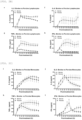
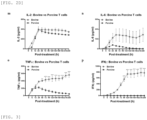
- O/TWN/97-R antigen-mediated cytokine expression assay showed that cytokine expression in porcine PBMCs peaked at 12 to 48 h and then decreased sharply, whereas the cytokine expression was shown to be increased markedly within 24 hours in bovine PBMCs and this level was maintained up to 240 hours (a to d in FIG. 2A , Table 1).
- O/TWN/97-R antigen-mediated cytokine expression was significantly higher in bovine cells than in porcine cells (e to h in FIG. 2B , Table 1).
- IL-2, IL-6, TNF ⁇ and IFN ⁇ were further significantly higher in bovine monocytes.
- the temporal changes in O/TWN/97-R antigen-mediated cytokine expression in bovine and porcine T cells were evaluated (m to p in FIG. 2D , Table 1). Cytokine expression was increased rapidly in both T cell types up to 24 hours, then gradually decreased in porcine T cells but remained almost constant in bovine cells until 240 hours.
- the kinetics of IL-1 ⁇ , IL-12/23p40 and IL-10 expression were identified in porcine PBMCs, lymphocytes, monocytes and T cells.
- the expression of IL-1 ⁇ and IL-12/23p40 as pro-inflammatory cytokines was high, and the expression of the anti-inflammatory cytokine IL-10 was remarkably low ( FIG. 3 ).
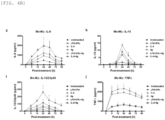
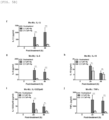
- FMDV antigen is endocytosed into porcine DCs and M ⁇ s by phagocytosis to initiate cellular immunity.
- the cells were treated with antigens and co-cultured before and after treatment of the cells with cytochalasin D (CytD) as an immune suppressor, followed by observing the expression of cytokine in the cell culture ( FIGS. 5A and 5B ).
- CytD cytochalasin D
- RNA-Seq after isolation of naive cattle and pig PBMCs.
- FIGS. 6A to 6C the immune responses of cattle and pigs were compared, and then a fundamental difference in the immune responses between the cattle and pigs, which are induced by FMD vaccination in vivo, was confirmed ( FIGS. 6A to 6C ).
- the innate immune response in cattle was well controlled and maintained, whereas it was abnormally over-activated in pigs (b and c in FIG. 6A ). Consequently, FMD vaccination induced a normal immune response in livestock, whereas the expression of genes involved in the T cell exhaustion pathway (TBX21, NEAT1, NEAT3, NEAT5, EOMES, PRDM1, BCL6 and PDCD1) was significantly increased in pigs. ( FIG. 6B ).
- IL23A and IL23R expression were effectively induced by FMD vaccination in cattle.
- IL23A showed an over-expression pattern in pigs, however, no IL23R expression was observed ( FIG. 6C ).
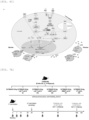
- unconventional T cell agonists including ⁇ T cells, iNKT cells, MAIT cells, as well as conventional T cell agonists as novel FMD vaccine adjuvants were subjected to assessment of availability in mice prior to experiments with pigs as the subject (target) animal. Further, it was evaluated whether there are host protective effects during FMDV infection by efficiently inducing early, intermediate and long-term immune responses even in the vaccine without oil emulsion ( FIG. 7A ).
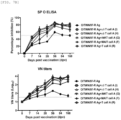
- antibody titers measured by SP-O ELISA were significantly higher at 7 days postvaccination (dpv) after administration of ⁇ T cell agonists (isopentyl pyrophosphate trilithium salt, IPP (I)), (E)-1-hydroxy-2-methyl-2-butenyl 4-pyrophosphate lithium salt, HMP (H)) and iNKT cell agonist ( ⁇ -galactosylceramide, ⁇ -Gal (G)).
- ⁇ T cell agonists isopentyl pyrophosphate trilithium salt, IPP (I)
- E -1-hydroxy-2-methyl-2-butenyl 4-pyrophosphate lithium salt
- iNKT cell agonist ⁇ -galactosylceramide, ⁇ -Gal (G)
- the antibody titer was similar to that of the unconventional T cell agonist at 28 dpv. Further, the antibody titers in all experimental groups were significantly higher than those of the control up to at 168 dpv ( FIG. 7B ).
- VN Virus neutralization
- the neutralizing antibody of the ⁇ T cell agonist (I) -, ⁇ T cell agonist (H)- and iNKT cell agonist (G)-administered groups increased approximately 100-fold at 7 dpv, while high levels of VN titers were also seen at 14 dpv in the MAIT cell agonist (F)-administered group.
- the VN titers were highest in the ⁇ T cell agonist (I) - and iNKT cell agonist (G)-administered groups.
- VN titers peaked at 56 dpv after boosting, and all unconventional T cell agonist-administered groups maintained significantly higher neutralizing antibody titers than the control at 168 dpv ( FIG. 7B ).
- the FMDV (O/VET/2013 of 100 LD 50 ) challenge test at 84 and 168 dpv showed 100% survival ( FIG. 7C ) in all adjuvant treatment groups, with very little body weight change ( FIG. 7D ).
- FMD vaccines containing unconventional T cell agonists have potent effects on the induction of early, intermediate and long-term immunity in mice.
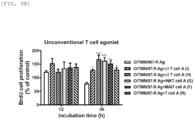
- Unconventional T cell agonist-mediated cell proliferation was observed in porcine naive PBMCs isolated from FMD antibody-negative producing animals at 12 and 36 hours after incubation ( FIG. 8A ).
- the FMD serotype O (O/TWN/97-R) antigen was co-administered with the unconventional T cell agonist.
- Cell proliferation was high in the following order: antigen + ⁇ T cell agonist (H) > antigen + iNKT cell agonist (G) > antigen + MAIT cell agonist (F) > antigen + T cell agonist (R) > antigen + ⁇ T cell agonist (I) > antigen alone ( FIG. 8B ).
- a system for indirectly activating T cells by stimulating APCs such as DCs and M ⁇ s with PRRs ligands thus to induce an immune response was compared with another system which induces an immune response by directly stimulating T cells through unconventional T cell agonist and T cell agonist.
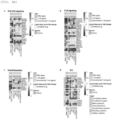
- Naive PBMCs were isolated from FMD antibody-negative pigs, and then, antigen + PRR ligand (resiquimod (R848, TLR-7/8 agonist) and trehalose-6, 6-divehenate (TDB, Mincle agonist); TDB and bis-(3'-5')-cyclic dimer guanosine monophosphate (c-di-GMP, STING agonist) or antigen + unconventional T cell agonist ( ⁇ T cell agonist, I; ⁇ T cell agonist, H; iNKT cell agonist, G; MAIT cell agonist, F or antigen + T cell agonist, R, or antigen alone, respectively, were used for treatment, PBMCs were collected after 12 hours, total RNA was extracted using TRIzol Reagent (Invitrogen) and RNeasy Mini Kit (QIAGEN) according to the manufacturer's recommended method, followed by performing RNA-Seq, thereby confirming the induction of an adjuvantmediated cellular immune response and related gene expression profile (
- T cell exhaustion pathway-related gene expression was improved by treatment with PRR ligands and the unconventional T cell agonist (c in FIG. 9A ).
- Gene expression in Th1, Th2, Th9, Th17, Th22, Tfh, pTreg and tTreg cells was significantly increased in the groups treated with the unconventional T cell agonist and the conventional T cell agonist, compared to the PRR ligandtreated group.
- IL23A and IL23R expressions were also enhanced, while LTA, STAT4, CCL17, CCL22, IL10, RORA, CCL20, IL17A, IL17F, IL1 ⁇ and IL1 ⁇ expressions were also increased by T cell agonist treatment (d in FIG.
Landscapes
- Health & Medical Sciences (AREA)
- Life Sciences & Earth Sciences (AREA)
- Immunology (AREA)
- Chemical & Material Sciences (AREA)
- Public Health (AREA)
- Medicinal Chemistry (AREA)
- Pharmacology & Pharmacy (AREA)
- Veterinary Medicine (AREA)
- Animal Behavior & Ethology (AREA)
- General Health & Medical Sciences (AREA)
- Virology (AREA)
- Mycology (AREA)
- Epidemiology (AREA)
- Microbiology (AREA)
- General Chemical & Material Sciences (AREA)
- Chemical Kinetics & Catalysis (AREA)
- Organic Chemistry (AREA)
- Nuclear Medicine, Radiotherapy & Molecular Imaging (AREA)
- Engineering & Computer Science (AREA)
- Bioinformatics & Cheminformatics (AREA)
- Zoology (AREA)
- Oncology (AREA)
- Communicable Diseases (AREA)
- Molecular Biology (AREA)
- Medicines Containing Antibodies Or Antigens For Use As Internal Diagnostic Agents (AREA)
- Pharmaceuticals Containing Other Organic And Inorganic Compounds (AREA)
- Medicines That Contain Protein Lipid Enzymes And Other Medicines (AREA)
Applications Claiming Priority (1)
| Application Number | Priority Date | Filing Date | Title |
|---|---|---|---|
| PCT/KR2020/008364 WO2021261635A1 (ko) | 2020-06-26 | 2020-06-26 | 신규 면역증강제 및 이를 포함하는 백신 조성물 |
Publications (2)
| Publication Number | Publication Date |
|---|---|
| EP4173635A1 true EP4173635A1 (de) | 2023-05-03 |
| EP4173635A4 EP4173635A4 (de) | 2024-04-17 |
Family
ID=79281416
Family Applications (1)
| Application Number | Title | Priority Date | Filing Date |
|---|---|---|---|
| EP20942169.2A Pending EP4173635A4 (de) | 2020-06-26 | 2020-06-26 | Neuartiges immunstimulans und impfstoffzusammensetzung damit |
Country Status (5)
| Country | Link |
|---|---|
| US (1) | US20230226176A1 (de) |
| EP (1) | EP4173635A4 (de) |
| JP (4) | JP7575492B2 (de) |
| CN (1) | CN115916255B (de) |
| WO (1) | WO2021261635A1 (de) |
Family Cites Families (13)
| Publication number | Priority date | Publication date | Assignee | Title |
|---|---|---|---|---|
| EP1434859A2 (de) | 2001-07-25 | 2004-07-07 | New York University | Verwendung von glycosylceramiden als adjuvantien für vakzine gegen infektionen und krebs |
| JP2003160492A (ja) | 2001-11-22 | 2003-06-03 | Cmic Co Ltd | プテリン誘導体を含有する白血球殺菌活性増強剤 |
| JP2003238409A (ja) | 2002-02-07 | 2003-08-27 | Cmic Co Ltd | プテリン誘導体を含有する免疫抑制剤 |
| ATE419008T1 (de) * | 2004-04-26 | 2009-01-15 | Innate Pharma | Adjuvante zusammensetzung und anwendungsverfahren dafür |
| CA2572334A1 (en) * | 2004-07-01 | 2006-01-19 | New York University | Compositions and methods for modulation of ror.gamma.t |
| PL1928492T3 (pl) | 2005-09-01 | 2011-09-30 | Celgene Corp | Immunologiczne zastosowania związków immunomodulujących do szczepionki i przeciwzakaźnego leczenia choroby |
| WO2009131730A2 (en) * | 2008-01-31 | 2009-10-29 | University Of Iowa Research Foundation | IMMUNOGENIC COMPOSITIONS FOR ACTIVATING γδ T CELLS |
| US9546221B2 (en) * | 2010-08-20 | 2017-01-17 | Sang-Kyou Lee | Fusion protein having transcription factor transactivation-regulating domain and protein transduction domain, and transcription factor function inhibitor comprising the same |
| EP3041494A4 (de) * | 2013-09-05 | 2017-10-18 | Sanford-Burnham Medical Research Institute | Modulation von gamma delta t-zellen |
| JP2017507950A (ja) * | 2014-02-27 | 2017-03-23 | リセラ・コーポレイションLycera Corporation | レチノイン酸受容体関連オーファン受容体ガンマのアゴニストを使用する養子細胞療法及び関連治療方法 |
| TWI745275B (zh) * | 2014-09-08 | 2021-11-11 | 中央研究院 | 使用醣脂激活人類iNKT細胞 |
| US10953085B2 (en) * | 2017-05-09 | 2021-03-23 | Lawrence Livermore National Security, Llc | Genetically engineered Foot and Mouth Disease Virus and related proteins, polynucleotides, compositions, methods and systems |
| KR102451441B1 (ko) * | 2020-06-25 | 2022-10-12 | 대한민국 | 신규 면역증강제 및 이를 포함하는 백신 조성물 |
-
2020
- 2020-06-26 EP EP20942169.2A patent/EP4173635A4/de active Pending
- 2020-06-26 CN CN202080102686.9A patent/CN115916255B/zh active Active
- 2020-06-26 JP JP2022572763A patent/JP7575492B2/ja active Active
- 2020-06-26 WO PCT/KR2020/008364 patent/WO2021261635A1/ko not_active Ceased
- 2020-06-26 US US18/002,231 patent/US20230226176A1/en active Pending
-
2024
- 2024-03-14 JP JP2024040258A patent/JP7623534B2/ja active Active
- 2024-03-14 JP JP2024040259A patent/JP7820432B2/ja active Active
- 2024-03-14 JP JP2024040260A patent/JP7724892B2/ja active Active
Also Published As
| Publication number | Publication date |
|---|---|
| JP2024069480A (ja) | 2024-05-21 |
| US20230226176A1 (en) | 2023-07-20 |
| EP4173635A4 (de) | 2024-04-17 |
| JP2024069482A (ja) | 2024-05-21 |
| JP7575492B2 (ja) | 2024-10-29 |
| JP7724892B2 (ja) | 2025-08-18 |
| WO2021261635A1 (ko) | 2021-12-30 |
| CN115916255B (zh) | 2026-03-27 |
| JP2024069481A (ja) | 2024-05-21 |
| CN115916255A (zh) | 2023-04-04 |
| JP2023527404A (ja) | 2023-06-28 |
| JP7623534B2 (ja) | 2025-01-28 |
| JP7820432B2 (ja) | 2026-02-25 |
Similar Documents
| Publication | Publication Date | Title |
|---|---|---|
| Zhang et al. | Enhanced replication of virulent Newcastle disease virus in chicken macrophages is due to polarized activation of cells by inhibition of TLR7 | |
| DK2513311T3 (en) | MANUFACTURING IFN-LAMBDA USING TRADITIONAL DENDRIT CELLS AND APPLICATIONS THEREOF | |
| CN113573731B (zh) | 可与油乳剂组合施用的免疫增强佐剂以及包含该佐剂的口蹄疫疫苗组合物 | |
| Gan et al. | Enhancing immunogenicity and protective efficacy of inactivated avian influenza H9N2vaccine with recombinant chicken IFN-α in chicken | |
| KR102584622B1 (ko) | 신규 면역증강제 및 이를 포함하는 백신 조성물 | |
| EP4173635A1 (de) | Neuartiges immunstimulans und impfstoffzusammensetzung damit | |
| Niu et al. | Baculovirus up-regulates antiviral systems and induces protection against infectious bronchitis virus challenge in neonatal chicken | |
| Yadav et al. | Reciprocal changes in CD11c+ CD11b+ and CD11c+ CD8α+ dendritic cell subsets determine protective or permissive immune response in murine experimental VL | |
| Wu et al. | Identification of prevalent Feline Calicivirus strains and novel antiviral efficacy of CpG49 stimulus in Feline Calicivirus-infected cats | |
| Yoon et al. | Differential polarization of immune responses by genetic cotransfer of chemokines changes the protective immunity of DNA vaccine against pseudorabies virus | |
| Ragan et al. | A whole virion vaccine for COVID-19 produced via a novel inactivation method: results from animal challenge model studies | |
| US20240115681A1 (en) | Pharmaceutical composition comprising toll-like receptor agonist and stimulator of interferon genes agonist and use thereof | |
| US20250352635A1 (en) | Recombinant foot-and-mouth disease virus type o for inducing robust adaptive immune response and overcoming maternally-derived antibody interference, and foot-and-mouth disease vaccine composition comprising same | |
| Abinaya | Evaluation of adjuvant potential of tripleTLR (TLR4, TLR7, and TLR21) agonistsʹ combination with inactivated Newcastle disease vaccine in chickens | |
| Retnakumar et al. | Carbohydrate fatty acid monosulphate ester adjuvant enhances the immunogenicity of influenza antigens via TLR4/2-dependent mechanisms | |
| Maguire | The role and mechanism of immunomodulation by influenza virus and its components in the predisposition to bacterial disease during influenza infection. | |
| Santos-Colón | Evaluation of Immunomodulatory Properties of Guanosine-based Particles | |
| Schrum | Pathways Involved in Recognition and Induction of Trained Innate Immunity by Plasmodium falciparum | |
| Shaabani | Mechanistical and therapeutical aspects of preventing diabetes | |
| WO2016130047A1 (ru) | Иммунобиологическое средство и способ его использования для индукции специфического иммунитета против вируса эбола |
Legal Events
| Date | Code | Title | Description |
|---|---|---|---|
| STAA | Information on the status of an ep patent application or granted ep patent |
Free format text: STATUS: THE INTERNATIONAL PUBLICATION HAS BEEN MADE |
|
| PUAI | Public reference made under article 153(3) epc to a published international application that has entered the european phase |
Free format text: ORIGINAL CODE: 0009012 |
|
| STAA | Information on the status of an ep patent application or granted ep patent |
Free format text: STATUS: REQUEST FOR EXAMINATION WAS MADE |
|
| 17P | Request for examination filed |
Effective date: 20221205 |
|
| AK | Designated contracting states |
Kind code of ref document: A1 Designated state(s): AL AT BE BG CH CY CZ DE DK EE ES FI FR GB GR HR HU IE IS IT LI LT LU LV MC MK MT NL NO PL PT RO RS SE SI SK SM TR |
|
| DAV | Request for validation of the european patent (deleted) | ||
| DAX | Request for extension of the european patent (deleted) | ||
| A4 | Supplementary search report drawn up and despatched |
Effective date: 20240314 |
|
| RIC1 | Information provided on ipc code assigned before grant |
Ipc: A61K 39/00 20060101ALI20240308BHEP Ipc: A61P 31/14 20060101ALI20240308BHEP Ipc: A61K 39/135 20060101ALI20240308BHEP Ipc: A61K 39/39 20060101AFI20240308BHEP |