EP4173637A1 - Formulierung für anti-fcrn-antikörper - Google Patents
Formulierung für anti-fcrn-antikörper Download PDFInfo
- Publication number
- EP4173637A1 EP4173637A1 EP21832420.0A EP21832420A EP4173637A1 EP 4173637 A1 EP4173637 A1 EP 4173637A1 EP 21832420 A EP21832420 A EP 21832420A EP 4173637 A1 EP4173637 A1 EP 4173637A1
- Authority
- EP
- European Patent Office
- Prior art keywords
- pharmaceutical formulation
- hl161bkn
- histidine
- formulation according
- concentration
- Prior art date
- Legal status (The legal status is an assumption and is not a legal conclusion. Google has not performed a legal analysis and makes no representation as to the accuracy of the status listed.)
- Pending
Links
Images








Classifications
-
- C—CHEMISTRY; METALLURGY
- C07—ORGANIC CHEMISTRY
- C07K—PEPTIDES
- C07K16/00—Immunoglobulins [IG], e.g. monoclonal or polyclonal antibodies
- C07K16/18—Immunoglobulins [IG], e.g. monoclonal or polyclonal antibodies against material from animals or humans
- C07K16/28—Immunoglobulins [IG], e.g. monoclonal or polyclonal antibodies against material from animals or humans against receptors, cell surface antigens or cell surface determinants
- C07K16/2803—Immunoglobulins [IG], e.g. monoclonal or polyclonal antibodies against material from animals or humans against receptors, cell surface antigens or cell surface determinants against the immunoglobulin superfamily
- C07K16/283—Immunoglobulins [IG], e.g. monoclonal or polyclonal antibodies against material from animals or humans against receptors, cell surface antigens or cell surface determinants against the immunoglobulin superfamily against Fc-receptors, e.g. CD16, CD32, CD64
-
- A—HUMAN NECESSITIES
- A61—MEDICAL OR VETERINARY SCIENCE; HYGIENE
- A61P—SPECIFIC THERAPEUTIC ACTIVITY OF CHEMICAL COMPOUNDS OR MEDICINAL PREPARATIONS
- A61P37/00—Drugs for immunological or allergic disorders
-
- A—HUMAN NECESSITIES
- A61—MEDICAL OR VETERINARY SCIENCE; HYGIENE
- A61K—PREPARATIONS FOR MEDICAL, DENTAL OR TOILETRY PURPOSES
- A61K39/00—Medicinal preparations containing antigens or antibodies
-
- A—HUMAN NECESSITIES
- A61—MEDICAL OR VETERINARY SCIENCE; HYGIENE
- A61K—PREPARATIONS FOR MEDICAL, DENTAL OR TOILETRY PURPOSES
- A61K39/00—Medicinal preparations containing antigens or antibodies
- A61K39/395—Antibodies; Immunoglobulins; Immune serum, e.g. antilymphocytic serum
-
- A—HUMAN NECESSITIES
- A61—MEDICAL OR VETERINARY SCIENCE; HYGIENE
- A61K—PREPARATIONS FOR MEDICAL, DENTAL OR TOILETRY PURPOSES
- A61K39/00—Medicinal preparations containing antigens or antibodies
- A61K39/395—Antibodies; Immunoglobulins; Immune serum, e.g. antilymphocytic serum
- A61K39/39591—Stabilisation, fragmentation
-
- A—HUMAN NECESSITIES
- A61—MEDICAL OR VETERINARY SCIENCE; HYGIENE
- A61K—PREPARATIONS FOR MEDICAL, DENTAL OR TOILETRY PURPOSES
- A61K47/00—Medicinal preparations characterised by the non-active ingredients used, e.g. carriers or inert additives; Targeting or modifying agents chemically bound to the active ingredient
- A61K47/06—Organic compounds, e.g. natural or synthetic hydrocarbons, polyolefins, mineral oil, petrolatum or ozokerite
- A61K47/08—Organic compounds, e.g. natural or synthetic hydrocarbons, polyolefins, mineral oil, petrolatum or ozokerite containing oxygen, e.g. ethers, acetals, ketones, quinones, aldehydes, peroxides
- A61K47/12—Carboxylic acids; Salts or anhydrides thereof
-
- A—HUMAN NECESSITIES
- A61—MEDICAL OR VETERINARY SCIENCE; HYGIENE
- A61K—PREPARATIONS FOR MEDICAL, DENTAL OR TOILETRY PURPOSES
- A61K47/00—Medicinal preparations characterised by the non-active ingredients used, e.g. carriers or inert additives; Targeting or modifying agents chemically bound to the active ingredient
- A61K47/06—Organic compounds, e.g. natural or synthetic hydrocarbons, polyolefins, mineral oil, petrolatum or ozokerite
- A61K47/16—Organic compounds, e.g. natural or synthetic hydrocarbons, polyolefins, mineral oil, petrolatum or ozokerite containing nitrogen, e.g. nitro-, nitroso-, azo-compounds, nitriles, cyanates
- A61K47/18—Amines; Amides; Ureas; Quaternary ammonium compounds; Amino acids; Oligopeptides having up to five amino acids
- A61K47/183—Amino acids, e.g. glycine, EDTA or aspartame
-
- A—HUMAN NECESSITIES
- A61—MEDICAL OR VETERINARY SCIENCE; HYGIENE
- A61K—PREPARATIONS FOR MEDICAL, DENTAL OR TOILETRY PURPOSES
- A61K47/00—Medicinal preparations characterised by the non-active ingredients used, e.g. carriers or inert additives; Targeting or modifying agents chemically bound to the active ingredient
- A61K47/06—Organic compounds, e.g. natural or synthetic hydrocarbons, polyolefins, mineral oil, petrolatum or ozokerite
- A61K47/20—Organic compounds, e.g. natural or synthetic hydrocarbons, polyolefins, mineral oil, petrolatum or ozokerite containing sulfur, e.g. dimethyl sulfoxide [DMSO], docusate, sodium lauryl sulfate or aminosulfonic acids
-
- A—HUMAN NECESSITIES
- A61—MEDICAL OR VETERINARY SCIENCE; HYGIENE
- A61K—PREPARATIONS FOR MEDICAL, DENTAL OR TOILETRY PURPOSES
- A61K47/00—Medicinal preparations characterised by the non-active ingredients used, e.g. carriers or inert additives; Targeting or modifying agents chemically bound to the active ingredient
- A61K47/06—Organic compounds, e.g. natural or synthetic hydrocarbons, polyolefins, mineral oil, petrolatum or ozokerite
- A61K47/22—Heterocyclic compounds, e.g. ascorbic acid, tocopherol or pyrrolidones
-
- A—HUMAN NECESSITIES
- A61—MEDICAL OR VETERINARY SCIENCE; HYGIENE
- A61K—PREPARATIONS FOR MEDICAL, DENTAL OR TOILETRY PURPOSES
- A61K47/00—Medicinal preparations characterised by the non-active ingredients used, e.g. carriers or inert additives; Targeting or modifying agents chemically bound to the active ingredient
- A61K47/06—Organic compounds, e.g. natural or synthetic hydrocarbons, polyolefins, mineral oil, petrolatum or ozokerite
- A61K47/26—Carbohydrates, e.g. sugar alcohols, amino sugars, nucleic acids, mono-, di- or oligo-saccharides; Derivatives thereof, e.g. polysorbates, sorbitan fatty acid esters or glycyrrhizin
-
- A—HUMAN NECESSITIES
- A61—MEDICAL OR VETERINARY SCIENCE; HYGIENE
- A61K—PREPARATIONS FOR MEDICAL, DENTAL OR TOILETRY PURPOSES
- A61K9/00—Medicinal preparations characterised by special physical form
-
- A—HUMAN NECESSITIES
- A61—MEDICAL OR VETERINARY SCIENCE; HYGIENE
- A61K—PREPARATIONS FOR MEDICAL, DENTAL OR TOILETRY PURPOSES
- A61K9/00—Medicinal preparations characterised by special physical form
- A61K9/0012—Galenical forms characterised by the site of application
- A61K9/0019—Injectable compositions; Intramuscular, intravenous, arterial, subcutaneous administration; Compositions to be administered through the skin in an invasive manner
-
- A—HUMAN NECESSITIES
- A61—MEDICAL OR VETERINARY SCIENCE; HYGIENE
- A61K—PREPARATIONS FOR MEDICAL, DENTAL OR TOILETRY PURPOSES
- A61K9/00—Medicinal preparations characterised by special physical form
- A61K9/0012—Galenical forms characterised by the site of application
- A61K9/0019—Injectable compositions; Intramuscular, intravenous, arterial, subcutaneous administration; Compositions to be administered through the skin in an invasive manner
- A61K9/0021—Intradermal administration, e.g. through microneedle arrays or needleless injectors
-
- A—HUMAN NECESSITIES
- A61—MEDICAL OR VETERINARY SCIENCE; HYGIENE
- A61K—PREPARATIONS FOR MEDICAL, DENTAL OR TOILETRY PURPOSES
- A61K9/00—Medicinal preparations characterised by special physical form
- A61K9/08—Solutions
-
- C—CHEMISTRY; METALLURGY
- C07—ORGANIC CHEMISTRY
- C07K—PEPTIDES
- C07K16/00—Immunoglobulins [IG], e.g. monoclonal or polyclonal antibodies
-
- A—HUMAN NECESSITIES
- A61—MEDICAL OR VETERINARY SCIENCE; HYGIENE
- A61K—PREPARATIONS FOR MEDICAL, DENTAL OR TOILETRY PURPOSES
- A61K39/00—Medicinal preparations containing antigens or antibodies
- A61K2039/505—Medicinal preparations containing antigens or antibodies comprising antibodies
-
- C—CHEMISTRY; METALLURGY
- C07—ORGANIC CHEMISTRY
- C07K—PEPTIDES
- C07K2317/00—Immunoglobulins specific features
- C07K2317/40—Immunoglobulins specific features characterized by post-translational modification
- C07K2317/41—Glycosylation, sialylation, or fucosylation
-
- C—CHEMISTRY; METALLURGY
- C07—ORGANIC CHEMISTRY
- C07K—PEPTIDES
- C07K2317/00—Immunoglobulins specific features
- C07K2317/70—Immunoglobulins specific features characterized by effect upon binding to a cell or to an antigen
- C07K2317/76—Antagonist effect on antigen, e.g. neutralization or inhibition of binding
Definitions
- the present invention relates to a formulation optimized for HL161BKN, which is an anti-FcRn antibody.
- autoimmune diseases have been studied for a long time from genetic, environmental and immunological perspectives, but the exact cause of the disease is still unknown. Many recent studies have revealed that a number of autoimmune diseases are caused by IgG-type autoantibodies. In fact, in studies for the diagnosis and treatment of autoimmune diseases, the relationship between the presence or absence of disease-specific autoantibodies and the therapeutic effect according to the reduction thereof has been widely investigated.
- the first-line agent is a systemic high-dose steroid injection, and when symptoms are serious or difficult to control with steroids, high-dose IVIG (intravenous immunoglobulin) administration or plasmapheresis is applied.
- High-dose steroid may have a weak effect or have serious side effects when repeatedly used.
- IVIG and plasmapheresis the cost of treatment is high and there are various side effects and risks of infection, so the development of a therapeutic agent in this treatment field is urgently needed.
- Patent Document 1 KR 10-2014-0147606 A
- the present inventors developed a buffer and formulation optimized for HL161BKN, which is an anti-FcRn antibody.
- a pharmaceutical formulation comprising (a) an anti-FcRn antibody or a fragment thereof, (b) at least one additive selected from mannitol, sorbitol, arginine, histidine, glycine and salts thereof, (c) a buffer system selected from citrate or histidine, and (d) a surfactant.
- a pharmaceutical formulation having a pH of 4.0 to 8.0, comprising (a) an anti-FcRn antibody or a fragment thereof, (b) at least one additive selected from mannitol, sorbitol, arginine, histidine, glycine and salts thereof, (c) a buffer system selected from citrate or histidine, and (d) a surfactant.
- the pharmaceutical formulation may further comprise methionine.
- the pharmaceutical formulation may further comprise saccharides such as sucrose and trehalose.
- the buffer system refers to a buffer that is resistant to changes in pH due to its acid-base counterpart.
- the term "histidine buffer” refers to a buffer containing a histidine ion.
- specific embodiments of the histidine buffer may be any one selected from the group consisting of a histidine chloride buffer, a histidine acetate buffer, a histidine phosphate buffer, and a histidine sulfate buffer, but are not limited thereto.
- citrate buffer refers to a buffer containing a citrate ion.
- specific embodiments of the citrate buffer may be any one selected from the group consisting of a sodium citrate buffer, a potassium citrate buffer, a calcium citrate buffer, and a magnesium citrate buffer, but are not limited thereto.
- surfactant refers to a pharmaceutically acceptable excipient that is used to protect a protein formulation against mechanical stress such as agitation and shearing.
- Specific embodiments of the surfactant may be any one surfactant selected from the group consisting of polysorbate 20, polysorbate 40, polysorbate 60, polysorbate 80, poloxamer, Triton, sodium dodecyl sulfate, sodium lauryl sulfonate, sodium octyl glycoside, lauryl-sulfobetaine, myristyl-sulfobetaine, linoleyl-sulfobetaine, stearyl-sulfobetaine, lauryl-sarcosine, myristyl-sarcosine, linoleyl-sarcosine, stearyl-sarcosine, linoleyl-betaine, myristyl-betaine, cetyl-betaine, lauryl amido
- the pharmaceutical formulation may be an aqueous formulation, preferably an injectable liquid formulation.
- the anti-FcRn antibody may be HL161BKN.
- the HL161BKN comprises a heavy chain variable region comprising H-CDR1 having the amino acid of SEQ ID NO: 5, H-CDR2 having the amino acid of SEQ ID NO: 6, and H-CDR3 having the amino acid of SEQ ID NO: 7, and a light chain variable region comprising L-CDR1 having the amino acid of SEQ ID NO: 8, L-CDR2 having the amino acid of SEQ ID NO: 9, and L-CDR3 having the amino acid of SEQ ID NO: 10.
- the HL161BKN may comprise the heavy chain and light chain regions shown in Table 1 below.
- the heavy chain and light chain may be encoded by the nucleic acids shown in Table 2.
- glycosylation sites of the antibody are as follows: Asn301, N-glycan (G0F, G1F, G0-GlcNac, Man5).
- the pharmaceutical formulation may have a viscosity of 20 cP or less. Specifically, the pharmaceutical formulation may have a viscosity of 1 cP to 20 cP. In addition, the pharmaceutical formulation may have a viscosity of 10 cP to 20 cP, and may have a viscosity of about 10 cP, about 11 cP, about 12 cP, about 13 cP, about 14 cP, about 15 cP, about 16 cP, about 17 cP, about 18 cP, about 19 cP, or about 20 cP.
- the pharmaceutical formulation may have an osmolality of 250 mOs/kg to 500 mOs/kg. Specifically, the pharmaceutical formulation may have an osmolality of 300 mOs/kg to 450 mOs/kg or 350 mOs/kg to 400 mOs/kg.
- the pharmaceutical formulation may have an osmolality of about 250 mOs/kg, about 260 mOs/kg, about 270 mOs/kg, about 280 mOs/kg, about 290 mOs/kg, about 300 mOs/kg, about 310 mOs/kg, about 320 mOs/kg, about 330 mOs/kg, about 340 mOs/kg, about 350 mOs/kg, about 360 mOs/kg, about 370 mOs/kg, about 380 mOs/kg, about 390 mOs/kg, about 400 mOs/kg, about 410 mOs/kg, about 420 mOs/kg, about 430 mOs/kg, about 440 mOs/kg, about 450 mOs/kg, about 460 mOs/kg, about 470 mOs/kg, about 480 mOs/kg, about 490 mOs
- the pharmaceutical formulation may include HL161BKN at a concentration of 50 mg/mL to 250 mg/mL.
- the pharmaceutical formulation may include HL161BKN at a concentration of 60 mg/mL to 250 mg/mL, 70 mg/mL to 250 mg/mL, 80 mg/mL to 250 mg/mL, 90 mg/mL to 250 mg/mL, or 100 mg/mL to 250 mg/mL.
- the pharmaceutical formulation may include HL161BKN at a concentration of 120 mg/mL to 230 mg/mL, 150 mg/mL to 220 mg/mL, or 180 mg/mL to 210 mg/mL.
- the pharmaceutical formulation may include HL161BKN at a concentration of about 50 mg/mL, about 60 mg/mL, about 70 mg/mL, about 80 mg/mL, about 90 mg/mL, about 100 mg/mL, about 110 mg/mL, about 120 mg/mL, about 130 mg/mL, about 140 mg/mL, about 150 mg/mL, about 160 mg/mL, about 170 mg/mL, about 180 mg/mL, about 190 mg/mL, about 200 mg/mL, about 210 mg/mL, about 220 mg/mL, about 230 mg/mL, about 240 mg/mL, or about 250 mg/mL.
- the pharmaceutical formulation may have a pH of 4.0 to 8.0. Specifically, the pharmaceutical formulation may have a pH of 4.0 to 7.0. Preferably, the pharmaceutical formulation may have a pH of 5.0 to 6.0. In addition, the pharmaceutical formulation may have about pH 5.0, about pH 5.1, about pH 5.2, about pH 5.3, about pH 5.4, about pH 5.5, about pH 5.6, about pH 5.7, about pH 5.8, about pH 5.9, about pH 6.0, about pH 6.1, about pH 6.2, about pH 6.3, about pH 6.4, about pH 6.5, about pH 6.6, about pH 6.7, about pH 6.8, about pH 6.9, or about pH 7.0.
- the additive may be included at a concentration of 10 mM to 400 mM.
- mannitol, sorbitol, arginine, histidine or glycine may be used alone, and two or more may be used in combination.
- the additive may be included at a concentration of 10 mM to 400 mM, 20 mM to 300 mM, 50 mM to 250 mM, or 100 mM to 150 mM, respectively.
- the additive may be included at a concentration of about 10 mM, about 20 mM, about 30 mM, about 40 mM, about 50 mM, about 60 mM, about 70 mM, about 80 mM, about 90 mM, about 100 mM, about 110 mM, about 120 mM, about 130 mM, about 140 mM, about 150 mM, about 160 mM, about 170 mM, about 180 mM, about 190 mM, about 200 mM, about 210 mM, about 220 mM, about 230 mM, about 240 mM, about 250 mM, about 260 mM, about 270 mM, about 280 mM, about 290 mM, or about 300 mM, respectively.
- the additive may include mannitol and sorbitol. In one embodiment, the additive may include mannitol and arginine. In one embodiment, the additive may include mannitol and histidine. In one embodiment, the additive may include mannitol and glycine. In one embodiment, the additive may include sorbitol and arginine. In one embodiment, the additive may include sorbitol and histidine. In one embodiment, the additive may include sorbitol and glycine. In one embodiment, the additive may include arginine and histidine. In one embodiment, the additive may include arginine and glycine. In one embodiment, the additive may include histidine and glycine. Here, each additive may be included in a pharmaceutical formulation at the above-mentioned concentration.
- One embodiment of the pharmaceutical formulation may be a pharmaceutical formulation having a pH of 5.0 to 6.0, comprising (a) 100 mg/mL to 250 mg/mL of an anti-FcRn antibody, (b) 50 to 250 mM L-arginine or a hydrochloride salt thereof, (c) 50 to 250 mM L-histidine, and (d) 0.01 to 0.05% polysorbate 20.
- the anti-FcRn antibody is as described above.
- the pharmaceutical formulation may be an aqueous formulation, and may be an injectable liquid formulation.
- the above-mentioned pharmaceutical formulation may be administered subcutaneously.
- the pharmaceutical formulation is very stable under accelerated conditions.
- the content of aggregates and fragments may be about 10% or less as a result of a 6-month test under an accelerated condition (25°C, a relative humidity of 60%).
- the content of aggregates and fragments under the above condition may be about 9% or less, about 8% or less, about 7% or less, about 6% or less, about 5.5% or less, or about 5.0% or less.
- the pharmaceutical formulation is very stable even under a long-term storage condition.
- the content of aggregates and fragments under the condition of 5°C and 36 months may be about 10% or less.
- the content of aggregates and fragments under the above condition may be about 9% or less, about 8% or less, about 7% or less, about 6% or less, about 5% or less, about 4% or less, about 3% or less, about 2% or less, about 1.8% or less, about 1.5% or less, or about 1.2% or less.
- the pharmaceutical formulation may be used for the treatment of autoimmune diseases.
- the autoimmune disease may be any one selected from the group consisting of myasthenia gravis (MG), thyroid eye disease (TED), warm autoimmune hemolytic anemia (WAIHA), neuromyelitis optica (NMO), immune thrombocytopenic purpura (ITP), pemphigus vulgaris (PV), chronic inflammatory demyelinating polyneuropathy (CIDP), lupus nephritis (LN), and membranous nephropathy (MN).
- MG myasthenia gravis
- TED thyroid eye disease
- WAIHA warm autoimmune hemolytic anemia
- NMO neuromyelitis optica
- ITP immune thrombocytopenic purpura
- PV pemphigus vulgaris
- CIDP chronic inflammatory demyelinating polyneuropathy
- LN chronic inflammatory demyelinating polyneuropathy
- MN membranous nephropathy
- HL161BKN was prepared at a concentration of about 210 mg/mL for each condition and stored for 4 weeks under accelerated conditions of 40°C, and the analysis of concentration (A280), turbidity (A340), purity (SEC-HPLC, CEX-HPLC), viscosity, osmolality, insoluble sub-visible particle (MFI) and the like was performed to evaluate the stability of the sample and suitability for subcutaneous administration.
- L-histidine and D-mannitol were selected as excipients.
- L-methionine which exhibited the effect of reducing the formation of aggregates, was additionally selected.
- histidine can be used as a basal buffer.
- high-purity 0.02% polysorbate 20 which exhibited the effect of inhibiting the formation of aggregates due to agitation stress that may occur during storage and transport of the product, was selected.
- the first concentration screening test of the selected histidine basal buffer and L-arginine hydrochloride, D-mannitol, and L-methionine excipients was performed.
- the concentration of PBS20 was fixed at 0.02% and performed.
- high stability was confirmed under conditions of 50 mM histidine basal buffer without excipients.
- the amount of aggregates and fragments increased according to the excipient conditions did not show a significant difference, but the formation of aggregates was reduced as the concentration of L-arginine hydrochloride added was increased.
- L-arginine hydrochloride and 0.02% PSB20 were selected in a L-histidine basal buffer as a HL161BKN formulation.
- the second concentration screening was performed with two batches of HL161BKN.
- the amount of aggregates and fragments increased according to the concentration conditions of the excipient did not show a significant difference, and it was confirmed that the measured values of viscosity and osmolality under all conditions were 20 cP or less and 250 to 500 mOsmol/kg, which were suitable for subcutaneous administration.
- a polynucleotide having the nucleic acid sequence of SEQ ID NO: 3 encoding a heavy chain comprising the amino acid sequence of SEQ ID NO: 1 was loaded into the pCHO 1.0 vector (Life Technologies).
- a polynucleotide having the nucleic acid sequence of SEQ ID NO: 4 encoding a light chain comprising the amino acid sequence of SEQ ID NO: 2 was loaded into the pCHO 1.0 vector.
- CHO-S cells were transformed using the expression vector prepared in Prepartion Example 1, and subjected to the selection process of methotrexate and puromycin, and then a final production cell line was prepared.
- the prepared cell line was prepared and stored as a cell bank, and used for HL161BKN production.
- the antibody production was performed in a bioreactor containing a culture medium (Dynamis medium + 8 mM L-glutamine) by adding an additional medium (EFB+) every 2 days, and the supernatant was recovered after culturing for about 15 days. Thereafter, a Protein A column was performed, and viral inactivation was performed at low pH, and then anion exchange chromatography (AEX) and cation exchange chromatography (CEX) were performed.
- AEX anion exchange chromatography
- CEX cation exchange chromatography
- Thermal stability of HL161BKN was performed.
- Tm values were analyzed by DSC (differential scanning calorimetry), and for accelerated condition experiment for each pH, the degree of the formation of aggregates and fragments was monitored while storing at 37°C for 1 month.
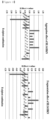
- HL161BKN was prepared at a concentration of 10 mg/mL. Thereafter, while storing at 37°C for 4 weeks, the degree of the formation of aggregates or fragments was confirmed using SEC-HPLC. As a result, the formation of aggregates or fragments was increased as the pH was increased ( Figure 2 ).
- HL161BKN was prepared at a concentration of 100 mg/mL using buffers having a low concentration or high concentration, which is low pH of 5.0 and 6.0, and then the stability test was performed while storing for 4 weeks under accelerated conditions of 40°C.
- HL161BKN exhibited a tendency to be stable under low pH conditions, pH 5.0 to 6.0, and maintained a high level of monomer overall under all conditions.
- HL161BKN in order to confirm the solubility of HL161BKN, it was concentrated in 6 steps to a concentration of 10 to 300 mg/mL, and samples were collected step by step and visually observed, and the analysis of A280 nm (concentration), A340 nm (turbidity), and SEC-HPLC purity was performed. As a result, it was confirmed that the turbidity of HL161BKN was gradually increased as the concentration thereof was increased, but there was little change in the monomer purity at a concentration of up to 268 mg/mL.
- the purpose of this experiment is to select the formulation of the drug substance and drug product for the development of high concentration subcutaneous administration products of HL161BKN.
- three production batches of HL161BKN-B005, HL161BKN-B018, and HL161BKN-B021 were used, and the reagents and instruments used are as follows (Table 3).
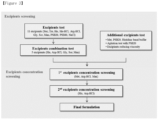
- the formulation selection test for HL161BKN was largely divided into tests of an excipient screening and an excipient concentration screening, and performed. Specifically, an experiment was performed in the same manner as in Figure 3 .
- HL161BKN was concentrated to 1 mL or less using AMICON ® (Cutoff MW. 30,000), and then a buffer was exchanged with the corresponding buffer conditions to obtain a final concentration of 210 mg/mL.
- Samples for each condition were prepared by 0.3 to 0.5 mL, and stored in 1.5 mL microcentrifuge tubes at 40°C for 4 weeks. Samples were sampled at week 0, week 2, and week 4 to evaluate changes in concentration (A280), turbidity (A340), and purity (SEC-HPLC, CEX-HPLC).
- Example 1.1 When combining the five excipients (L-histidine, L-arginine hydrochloride, L-glycine, D-sorbitol, and D-mannitol) selected in Example 1.1, it was confirmed whether there was a synergistic effect. Specifically, 17 condition tests were planned in a 2-level factorial (2 n-1 ) design using DOE (design of experiments) software (Stat-ease DESIGN-EXPERT ® , version 7.0) (Table 6). Specifically, a total of 12 condition tests were performed: 5 mM sodium citrate (pH 6.0) basal buffer condition and 11 excipient combination conditions. In addition, the test results of Example 1.1 were used for the five excipients only condition tests.
- DOE design of experiments
- test method was performed in the same manner as in Example 1.1, and the osmolality of the buffer and sample for each condition was further measured, and ANOVA analysis and effect values were calculated using the DOE Software.
- Samples were prepared by 1 mL for each condition in the same manner as in Example 1.1, and the viscosity was measured at 25°C. In addition, changes in concentration (A280) and purity (SEC-HPLC) for each condition were evaluated while performing the 4-week accelerated stability test.
- DOE test of 2 level factorial (2 n ) design was planned for the 50 mM histidine (pH 6.0) basal buffer selected through Examples 1.1, 1.2 and 1.3 and three excipients (L-methionine, L-arginine hydrochloride, and D-mannitol) of four excipients (L-methionine, L-arginine hydrochloride, D-mannitol, and PSB20), and excipient concentration screening was performed under a total of 9 conditions (Table 10).
- the experiment was performed in the same manner as in Example 1.1, and changes in concentration (A280), turbidity (A340), purity (SEC-HPLC, CEX-HPLC), viscosity, and osmolality were analyzed.
- HL161BKN concentration was increased for 4 weeks (Table 12), which was assumed to be due to buffer evaporation under accelerated conditions of 40°C.
- SEC-HPLC was used to compare and evaluate the amount of aggregates and fragments increased for each excipient condition (Table 14).
- L-arginine hydrochloride, L-histidine, L-histidine hydrochloride, D-mannitol, L-glycine, and D-sorbitol effectively inhibited the formation of aggregates.
- 0.2% PSB20, 0.2% PSB80, and NaCl rather increased the formation of aggregates.
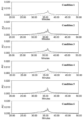
- L-histidine, L-histidine hydrochloride, L-arginine hydrochloride, and L-glycine were the excipients inhibiting the formation of fragments, and NaCl increased the formation of fragments (Table 14 and Figure 4 ).
- Example 1.1 The effect of the combination of five excipients selected in the excipient test of Example 1.1 on stability of the HL161BKN sample was evaluated. Specifically, the 40°C 4-week accelerated test was performed, and L-arginine hydrochloride, L-histidine, and D-mannitol, which effectively inhibited the formation of aggregates and fragments, were selected.
- SEC-HPLC was used to compare and evaluate the amount of aggregates and fragments increased for each excipient combination condition (Table 18 and Figure 7 ).
- the osmolality of subcutaneous injections is similar to the osmolality of the body (about 290 mOsmol/kg) and is regulated in the range of about 250 to 500 mOsmol/kg ( PCT/EP2009/066675 ). Therefore, it was determined that the osmolality of the formulation buffer should be regulated in the range of about 220 to 450 mOsmol/kg in consideration of the HL161BKN concentration. Thus, it was decided to proceed with the subsequent test for excipient concentration screening in consideration of the osmolality range.
- the HL161BKN concentration was increased for 4 weeks, which was assumed to be due to buffer evaporation under accelerated conditions of 40°C (Table 20). The turbidity was not increased or showed a slight increase to 0.1 or less (Table 21).
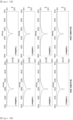
- L-methionine Compared with the basal buffer condition, L-methionine exhibited the excellent effect of inhibiting the formation of aggregates. In addition, there was no increase in the formation of aggregates by 0.02% PSB20. In addition, the results of the condition in which L-histidine was added as an excipient was similar to that of the condition in which it was used as a basal buffer, and the formation of aggregates was reduced in the 50 mM histidine condition compared to that in the 10 mM histidine condition (Table 22 and Figure 10 ).
- PSB20 has an effect of protecting high concentration HL161BKN against the stress caused by agitation.
- the HL161BKN concentration was increased for 4 weeks (Table 25), which was assumed to be due to buffer evaporation under accelerated conditions of 40°C.
- L-histidine hydrochloride, L-arginine hydrochloride, and L-glycine were added, the viscosity was reduced compared to Condition 1, but the effect therby was at an insignificant.
- L-lysine hydrochloride, NaCl, Na 2 SO 4 , and NH 4 Cl the viscosity was rather greatly increased (Table 26).
- the HL161BKN concentration was increased for 4 weeks by about 15%, which was assumed to be due to buffer evaporation under accelerated conditions of 40°C (Table 29).
- the turbidity in each condition showed only an insignificant increase of about 0.048 on average (Table 30).
- HL161BKN B018 and HL161BKN B021 2 batch samples of HL161BKN (HL161BKN B018 and HL161BKN B021) were evaluated for the stability through the concentration, turbidity, purity (aggregates and fragments), viscosity, osmolality test, and suitability for subcutaneous injection (SC) administration in four conditions.
- SC subcutaneous injection
- the viscosity was regulated to 11 to 16 cP, i.e., below the 20 cp of limit, which is the viscosity limit of the subcutaneous administration product, and the osmolality was 350 to 465 mOsmol/kg to satisfy the criteria of 250 to 500 mOsmol/kg (Table 37).
- HL161BKN Since HL161BKN exhibits a tendency to be very stable at a high concentration in the formulation, it was intended to confirm the possibility of development in the form of an injection for subcutaneous administration.
- a viscosity of 20 cP or less is suitable for subcutaneous administration in order to reduce pain and side effects at the site of administration. Accordingly, HL161BKN was concentrated under 9-step concentration conditions, and the viscosity was measured under 5°C and 25°C conditions.
- HL161BKN had very stable properties even at a high concentration of 200 mg/mL or more in the above formulation study. As a result, it is expected that it will be possible to develop a self-administered SC injection product in the future. Considering that all products of other competing companies are infusion type products, it is possible to be differentiated by increasing patient convenience.
- the formulation can be applied to HL161BKN at various concentrations.
Landscapes
- Health & Medical Sciences (AREA)
- Chemical & Material Sciences (AREA)
- Life Sciences & Earth Sciences (AREA)
- Medicinal Chemistry (AREA)
- General Health & Medical Sciences (AREA)
- Pharmacology & Pharmacy (AREA)
- Animal Behavior & Ethology (AREA)
- Public Health (AREA)
- Veterinary Medicine (AREA)
- Epidemiology (AREA)
- Engineering & Computer Science (AREA)
- Immunology (AREA)
- General Chemical & Material Sciences (AREA)
- Chemical Kinetics & Catalysis (AREA)
- Oil, Petroleum & Natural Gas (AREA)
- Organic Chemistry (AREA)
- Mycology (AREA)
- Microbiology (AREA)
- Molecular Biology (AREA)
- Biochemistry (AREA)
- Bioinformatics & Cheminformatics (AREA)
- Proteomics, Peptides & Aminoacids (AREA)
- Dermatology (AREA)
- Genetics & Genomics (AREA)
- Biophysics (AREA)
- Nuclear Medicine, Radiotherapy & Molecular Imaging (AREA)
- Medicinal Preparation (AREA)
- Medicines Containing Antibodies Or Antigens For Use As Internal Diagnostic Agents (AREA)
- Peptides Or Proteins (AREA)
Applications Claiming Priority (2)
| Application Number | Priority Date | Filing Date | Title |
|---|---|---|---|
| KR20200079135 | 2020-06-29 | ||
| PCT/KR2021/008000 WO2022005113A1 (ko) | 2020-06-29 | 2021-06-25 | 항-FcRn 항체에 대한 제형 |
Publications (2)
| Publication Number | Publication Date |
|---|---|
| EP4173637A1 true EP4173637A1 (de) | 2023-05-03 |
| EP4173637A4 EP4173637A4 (de) | 2024-08-07 |
Family
ID=79315418
Family Applications (1)
| Application Number | Title | Priority Date | Filing Date |
|---|---|---|---|
| EP21832420.0A Pending EP4173637A4 (de) | 2020-06-29 | 2021-06-25 | Formulierung für anti-fcrn-antikörper |
Country Status (13)
| Country | Link |
|---|---|
| US (1) | US20240287191A1 (de) |
| EP (1) | EP4173637A4 (de) |
| JP (1) | JP2023532326A (de) |
| KR (1) | KR20220001482A (de) |
| CN (1) | CN115776879A (de) |
| AR (1) | AR122766A1 (de) |
| AU (1) | AU2021299606A1 (de) |
| BR (1) | BR112022026780A2 (de) |
| CA (1) | CA3184423A1 (de) |
| IL (1) | IL299150A (de) |
| MX (1) | MX2023000009A (de) |
| TW (1) | TW202216196A (de) |
| WO (1) | WO2022005113A1 (de) |
Cited By (1)
| Publication number | Priority date | Publication date | Assignee | Title |
|---|---|---|---|---|
| US20200316003A1 (en) * | 2017-12-19 | 2020-10-08 | Beijing Increase Innovation Drug Research Co., Ltd | Fudosteine Solution Preparation for Aerosol Inhalation, and Preparation Method Therefor |
Families Citing this family (2)
| Publication number | Priority date | Publication date | Assignee | Title |
|---|---|---|---|---|
| AU2023281650A1 (en) | 2022-05-30 | 2024-10-17 | Hanall Biopharma Co., Ltd. | Anti-fcrn antibody or antigen binding fragment thereof with improved stability |
| EP4676963A1 (de) | 2023-03-08 | 2026-01-14 | Immunovant Sciences GmbH | Hochkonzentrierte proteinformulierungen mit polysorbathilfsstoffen und verfahren zur herstellung davon |
Family Cites Families (9)
| Publication number | Priority date | Publication date | Assignee | Title |
|---|---|---|---|---|
| JO3000B1 (ar) * | 2004-10-20 | 2016-09-05 | Genentech Inc | مركبات أجسام مضادة . |
| PE20091174A1 (es) * | 2007-12-27 | 2009-08-03 | Chugai Pharmaceutical Co Ltd | Formulacion liquida con contenido de alta concentracion de anticuerpo |
| TW201817744A (zh) * | 2011-09-30 | 2018-05-16 | 日商中外製藥股份有限公司 | 具有促進抗原清除之FcRn結合域的治療性抗原結合分子 |
| GB201208370D0 (en) * | 2012-05-14 | 2012-06-27 | Ucb Pharma Sa | Antibodies |
| KR101815265B1 (ko) | 2013-06-20 | 2018-01-04 | 한올바이오파마주식회사 | FcRn 특이적 인간 항체 및 이를 포함하는 자가면역 질환 치료용 조성물 |
| PL3137504T3 (pl) * | 2014-04-30 | 2023-10-16 | Hanall Biopharma Co., Ltd. | Przeciwciało wiążące się z FcRn do leczenia chorób autoimmunologicznych |
| GB201608323D0 (en) * | 2016-05-12 | 2016-06-29 | Ucb Biopharma Sprl | Pharmaceutical compositions |
| US12202900B2 (en) * | 2018-06-08 | 2025-01-21 | argenx BV | Compositions and methods for treating immune thrombocytopenia |
| KR102886990B1 (ko) * | 2018-11-06 | 2025-11-17 | 이뮤노반트 사이언시스 게엠베하 | 항-FcRn 항체를 이용한 그레이브스 안병증의 치료 방법 |
-
2021
- 2021-06-25 US US18/012,600 patent/US20240287191A1/en active Pending
- 2021-06-25 EP EP21832420.0A patent/EP4173637A4/de active Pending
- 2021-06-25 MX MX2023000009A patent/MX2023000009A/es unknown
- 2021-06-25 JP JP2022581421A patent/JP2023532326A/ja active Pending
- 2021-06-25 WO PCT/KR2021/008000 patent/WO2022005113A1/ko not_active Ceased
- 2021-06-25 BR BR112022026780A patent/BR112022026780A2/pt not_active Application Discontinuation
- 2021-06-25 AU AU2021299606A patent/AU2021299606A1/en active Pending
- 2021-06-25 AR ARP210101780A patent/AR122766A1/es unknown
- 2021-06-25 IL IL299150A patent/IL299150A/en unknown
- 2021-06-25 CN CN202180046719.7A patent/CN115776879A/zh active Pending
- 2021-06-25 CA CA3184423A patent/CA3184423A1/en active Pending
- 2021-06-25 KR KR1020210082808A patent/KR20220001482A/ko active Pending
- 2021-06-28 TW TW110123627A patent/TW202216196A/zh unknown
Cited By (1)
| Publication number | Priority date | Publication date | Assignee | Title |
|---|---|---|---|---|
| US20200316003A1 (en) * | 2017-12-19 | 2020-10-08 | Beijing Increase Innovation Drug Research Co., Ltd | Fudosteine Solution Preparation for Aerosol Inhalation, and Preparation Method Therefor |
Also Published As
| Publication number | Publication date |
|---|---|
| KR20220001482A (ko) | 2022-01-05 |
| EP4173637A4 (de) | 2024-08-07 |
| IL299150A (en) | 2023-02-01 |
| US20240287191A1 (en) | 2024-08-29 |
| WO2022005113A1 (ko) | 2022-01-06 |
| BR112022026780A2 (pt) | 2023-01-17 |
| CA3184423A1 (en) | 2022-01-06 |
| MX2023000009A (es) | 2023-04-03 |
| JP2023532326A (ja) | 2023-07-27 |
| AR122766A1 (es) | 2022-10-05 |
| AU2021299606A1 (en) | 2023-02-23 |
| CN115776879A (zh) | 2023-03-10 |
| TW202216196A (zh) | 2022-05-01 |
Similar Documents
| Publication | Publication Date | Title |
|---|---|---|
| EP4173637A1 (de) | Formulierung für anti-fcrn-antikörper | |
| AU2013255413B2 (en) | Pharmaceutical formulations of TNF-alpha antibodies | |
| EP2236154B1 (de) | Immunoglobulin-formulierung und herstellungsverfahren dafür | |
| CN102970975B (zh) | 从血浆制备富含IgG的组合物的方法 | |
| EP4438060A2 (de) | Hochkonzentrierte niedrigviskose masp-2-hemmende antikörperformulierungen, kits und verfahren | |
| US20060182740A1 (en) | Buffered formulations for concentrating antibodies and methods of use thereof | |
| EP3266466A1 (de) | Flüssige antikörperformulierung mit verbesserten aggregierungseigenschaften | |
| HK1211840A1 (en) | Stable, low viscosity antibody formulation | |
| EP4252777A9 (de) | Hochkonzentrierte protofibrillen-antikörperformulierungen gegen ass und verfahren zu ihrer verwendung | |
| WO2019085982A1 (zh) | 一种抗pd-l1人源化单克隆抗体的药物组合物 | |
| NZ757965A (en) | Liquid formulation of anti-tnf alpha antibody | |
| WO2017055966A1 (en) | Low viscosity antibody compositions | |
| EP3569224A1 (de) | Stabile flüssige formel | |
| US20240052026A1 (en) | Stable antibody formulation, preparation method therefor, and applications thereof | |
| EP4070817A1 (de) | Flüssige zubereitung mit anti-il-17-antikörper | |
| CN111375057A (zh) | 一种包含抗Her2单克隆抗体的药物配制剂 | |
| EP4631522A1 (de) | Il-17a-antikörperformulierung und verwendung davon | |
| TW202033216A (zh) | 包含蛋白質的穩定液體組成物 | |
| WO2023067384A1 (en) | Aqueous formulations of an anti-cd22 antibody and uses thereof | |
| KR20210059646A (ko) | 항체 의약품용 액상 조성물 | |
| AU2024353756A1 (en) | Stable liquid formulation of anti-il-17 antibody | |
| WO2024023843A1 (en) | A pharmaceutical formulation of a therapeuticantibody and preparations thereof | |
| HK40102754A (en) | High concentration anti-ass protofibril antibody formulations and methods of use thereof | |
| HK40002246A (en) | Immunoglobulin formulation and method of preparation thereof | |
| HK40002246B (en) | Immunoglobulin formulation and method of preparation thereof |
Legal Events
| Date | Code | Title | Description |
|---|---|---|---|
| STAA | Information on the status of an ep patent application or granted ep patent |
Free format text: STATUS: THE INTERNATIONAL PUBLICATION HAS BEEN MADE |
|
| PUAI | Public reference made under article 153(3) epc to a published international application that has entered the european phase |
Free format text: ORIGINAL CODE: 0009012 |
|
| STAA | Information on the status of an ep patent application or granted ep patent |
Free format text: STATUS: REQUEST FOR EXAMINATION WAS MADE |
|
| 17P | Request for examination filed |
Effective date: 20230112 |
|
| AK | Designated contracting states |
Kind code of ref document: A1 Designated state(s): AL AT BE BG CH CY CZ DE DK EE ES FI FR GB GR HR HU IE IS IT LI LT LU LV MC MK MT NL NO PL PT RO RS SE SI SK SM TR |
|
| DAV | Request for validation of the european patent (deleted) | ||
| DAX | Request for extension of the european patent (deleted) | ||
| A4 | Supplementary search report drawn up and despatched |
Effective date: 20240709 |
|
| RIC1 | Information provided on ipc code assigned before grant |
Ipc: C07K 16/28 20060101ALI20240703BHEP Ipc: A61K 39/00 20060101ALI20240703BHEP Ipc: C07K 16/00 20060101ALI20240703BHEP Ipc: A61P 37/00 20060101ALI20240703BHEP Ipc: A61K 9/00 20060101ALI20240703BHEP Ipc: A61K 47/20 20060101ALI20240703BHEP Ipc: A61K 47/12 20060101ALI20240703BHEP Ipc: A61K 47/22 20060101ALI20240703BHEP Ipc: A61K 47/26 20060101ALI20240703BHEP Ipc: A61K 9/08 20060101ALI20240703BHEP Ipc: A61K 39/395 20060101AFI20240703BHEP |