EP4175357A1 - Procédé et système d'ajustement de priorité de service utilisateur, et support de stockage - Google Patents
Procédé et système d'ajustement de priorité de service utilisateur, et support de stockage Download PDFInfo
- Publication number
- EP4175357A1 EP4175357A1 EP21833557.8A EP21833557A EP4175357A1 EP 4175357 A1 EP4175357 A1 EP 4175357A1 EP 21833557 A EP21833557 A EP 21833557A EP 4175357 A1 EP4175357 A1 EP 4175357A1
- Authority
- EP
- European Patent Office
- Prior art keywords
- nssai
- pdu session
- service
- nsi
- user
- Prior art date
- Legal status (The legal status is an assumption and is not a legal conclusion. Google has not performed a legal analysis and makes no representation as to the accuracy of the status listed.)
- Granted
Links
Images



Classifications
-
- H—ELECTRICITY
- H04—ELECTRIC COMMUNICATION TECHNIQUE
- H04W—WIRELESS COMMUNICATION NETWORKS
- H04W28/00—Network traffic management; Network resource management
- H04W28/16—Central resource management; Negotiation of resources or communication parameters, e.g. negotiating bandwidth or QoS [Quality of Service]
-
- H—ELECTRICITY
- H04—ELECTRIC COMMUNICATION TECHNIQUE
- H04W—WIRELESS COMMUNICATION NETWORKS
- H04W28/00—Network traffic management; Network resource management
- H04W28/16—Central resource management; Negotiation of resources or communication parameters, e.g. negotiating bandwidth or QoS [Quality of Service]
- H04W28/24—Negotiating SLA [Service Level Agreement]; Negotiating QoS [Quality of Service]
-
- H—ELECTRICITY
- H04—ELECTRIC COMMUNICATION TECHNIQUE
- H04W—WIRELESS COMMUNICATION NETWORKS
- H04W76/00—Connection management
- H04W76/30—Connection release
- H04W76/32—Release of transport tunnels
-
- H—ELECTRICITY
- H04—ELECTRIC COMMUNICATION TECHNIQUE
- H04L—TRANSMISSION OF DIGITAL INFORMATION, e.g. TELEGRAPHIC COMMUNICATION
- H04L65/00—Network arrangements, protocols or services for supporting real-time applications in data packet communication
- H04L65/80—Responding to QoS
-
- H—ELECTRICITY
- H04—ELECTRIC COMMUNICATION TECHNIQUE
- H04W—WIRELESS COMMUNICATION NETWORKS
- H04W76/00—Connection management
- H04W76/10—Connection setup
- H04W76/11—Allocation or use of connection identifiers
-
- H—ELECTRICITY
- H04—ELECTRIC COMMUNICATION TECHNIQUE
- H04W—WIRELESS COMMUNICATION NETWORKS
- H04W76/00—Connection management
- H04W76/10—Connection setup
- H04W76/12—Setup of transport tunnels
-
- H—ELECTRICITY
- H04—ELECTRIC COMMUNICATION TECHNIQUE
- H04W—WIRELESS COMMUNICATION NETWORKS
- H04W76/00—Connection management
- H04W76/10—Connection setup
- H04W76/19—Connection re-establishment
-
- H—ELECTRICITY
- H04—ELECTRIC COMMUNICATION TECHNIQUE
- H04W—WIRELESS COMMUNICATION NETWORKS
- H04W88/00—Devices specially adapted for wireless communication networks, e.g. terminals, base stations or access point devices
- H04W88/14—Backbone network devices
Definitions
- the present disclosure relates to the field of mobile communications, and for example, relates to a method and system for adjusting a service priority of a user, and a storage medium.
- a Network Slicing (NS) technology can enable an operator to slice, on the same set of hardware infrastructure, a plurality of virtual logical end-to-end networks according to requirements.
- Network slices are logically isolated from each other, and may adapt to different feature requirements of various types of services. For example, the network slices may simultaneously satisfy different requirements, for the network, of services requiring high Quality of Service (QoS) assurance and of services requiring general QoS assurance.
- QoS Quality of Service
- a dedicated Network Slice Instance may be created in the network, so as to ensure a service of a high-priority user or a high-priority service.
- APP Application
- SP Service Provider
- PDU Session Packet Data Unit Session
- Some embodiments of the present disclosure provide a method and system for adjusting a service priority of a user, and a storage medium, which may switch an established PDU Session to an appropriate NSI when a service priority of a user changes.
- the embodiments of the present disclosure provide a method for adjusting a service priority of a user, including:
- the embodiments of the present disclosure provide a system for adjusting a service priority of a user, including: an AF, a PCF, an SMF, an AMF, and an NSSF.
- the AF is configured to send service priority change information of UE to a PCF, wherein the UE has registered with a network and activated a PDU Session, and a network slice identifier (S-NSSAI) registered by the UE in the network is a first S-NSSAI, and a Network Slice Instance (NSI) corresponding to the first S-NSSAI is an NSI corresponding to a normal service priority user.
- S-NSSAI network slice identifier
- NSI Network Slice Instance
- the PCF is configured to notify the SMF corresponding to the activated PDU Session to deactivate the PDU Session activated by the UE.
- the SMF corresponding to the activated PDU Session is configured to deactivate the PDU Session activated by the UE, and notify the UE to reestablish a PDU Session.
- the AMF is configured to receive a PDU Session establishment request sent by the UE, wherein the PDU Session establishment request carries the first S-NSSAI; and send a service authorization request message to the PCF, wherein the service authorization request message includes an identifier of the UE and the first S-NSSAI.
- the PCF is further configured to modify the first S-NSSAI into a changed S-NSSAI corresponding to the service priority change information according to the service priority change information of the UE, and send a service authorization response message to the AMF, wherein the service authorization response message includes the changed S-NSSAI.
- the AMF is further configured to send a user slice information acquisition request message to an NSSF, wherein the user slice information acquisition request message includes the changed S-NSSAI.
- the NSSF is configured to send a user slice information acquisition response message to the AMF, wherein the user slice information acquisition response message carries NSI information corresponding to the changed S-NSSAI.
- the AMF is further configured to select an SMF corresponding to an NSI corresponding to the changed S-NSSAI according to the changed S-NSSAI, the NSI information corresponding to the changed S-NSSAI and a DNN, and send a create session context request message to the SMF corresponding to the NSI corresponding to the changed S-NSSAI, wherein the create session context request message carries the changed S-NSSAI.
- the SMF corresponding to the NSI corresponding to the changed S-NSSAI is configured to send a create session context response message to the AMF.
- the SMF corresponding to the NSI corresponding to the changed S-NSSAI, and the AMF are further configured to establish a new PDU Session for the UE, wherein S-NSSAI of the new PDU Session is the changed S-NSSAI.
- the embodiments of the present disclosure provide a computer-readable storage medium, on which a computer program is stored, wherein when the program is executed by a processor, the method for adjusting a service priority of a user according to the first aspect is implemented.
- Fig. 1 is a schematic diagram of a 5G network architecture. As shown in Fig. 1 , functions of network elements in the 5G network architecture are as follows.
- UE User Equipment
- AMF Access and Mobility Management function
- Radio Access Network is responsible for air interface resource scheduling and air interface connection management of a terminal access network.
- Access and Mobility Management function as a control plane entity of the core network, is mainly responsible for user mobility management, including functions such as, registration and temporary identifier allocation; maintenance of an IDLE state and a CONNECT state and state transition; switching in the CONNECT state; and triggering paging in a user IDLE state, etc.
- AUSF Authentication Server Function
- Unified Data Management function, as a control plane entity of the core network, belongs to a user server, and permanently stores user subscription data.
- Session Management function as a control plane entity of the core network, is mainly responsible for maintaining a PDU Session.
- the SMF is responsible for allocating an Internet Protocol (IP) address of a user, and has functions such as QoS control and charging functions, and functions of buffering, when receiving a downlink data packet in an IDLE state of the user, the downlink data packet and notifying an AMF to page the user, etc.
- IP Internet Protocol
- User plane function as a user plane functional entity of the core network, is responsible for forwarding user data packets, and also performing statistical calculation on the user data packets for functions such as charging.
- PCF Policy Control Functionality
- the functional entity mainly generates an access and mobility management policy, a UE route selection policy, a QoS rule of user data transfer and a charging rule, etc. according to service information, user subscription information and operator configuration information.
- Network Exposure Function as a control plane entity of the core network, is responsible for exposure of mobile network capabilities to the outside.
- Network Function Repository Function (NF Repository Function, NRF), as a control plane entity of the core network, is responsible for dynamic registration of service capabilities of a network function and network function discovery.
- NRF Network Function Repository Function
- Network Slice Selection Function as a control plane entity of the core network, is responsible for selection of a target NSI.
- Application Function as an application entity, is responsible for providing specific services for a user.
- the 5G network supports various scenarios, and different scenarios have different requirements on functions and performances of the network.
- a Network Slicing (NS) technology can enable an operator to slice, on the same set of hardware infrastructure, a plurality of virtual logical end-to-end networks according to requirements.
- Network slices are logically isolated from each other, and may adapt to different feature requirements of various types of services. For example, the network slices may simultaneously satisfy different requirements, for the network, of services requiring high QoS assurance and of services requiring general QoS assurance.
- a dedicated Network Slice Instance may be created in the network, so as to ensure a service of a high-priority user or a high-priority service.
- Fig. 2 is a flowchart of a method for adjusting a service priority of a user provided according to some exemplary embodiments. As shown in Fig. 2 , the method for adjusting a service priority of a user provided in this embodiment includes operations S2010 to S2130.
- an AF sends service priority change information of UE to a PCF, wherein the UE has registered with a network and activated a PDU Session, and an S-NSSAI registered by the UE in the network is a first S-NSSAI, and an NSI corresponding to the first S-NSSAI is an NSI corresponding to a normal service priority user.
- the method for adjusting a service priority of a user provided in this embodiment is applied to a network side in a 5G network, and an architecture of the 5G network is as shown in Fig. 1 , wherein network functions except the UE and the RAN are all deployed at the network side, and each network function may be a function deployed in an independent device or a function deployed in multiple network devices.
- NSIs are respectively created for different service priorities in the network. If a normal user subscribes to a short-term or long-term or other forms of VIP services by means of an APP or an SP website or other manners due to poor service QoS assurance and poor service experience, then the user is upgraded to a high-priority user, or some services used by the user are upgraded to high-priority services. In order to ensure service experiences of these high-priority users, it is necessary to switch PDU Sessions established by the users to dedicated NSIs, so as to improve the service QoS assurance level of the users.
- VIP Very Important Person
- the AF sends service priority change information of the UE to the PCF, wherein the UE has registered with a network and activated a PDU Session, and an S-NSSAI registered by the UE in the network is a first S-NSSAI, and an NSI corresponding to the first S-NSSAI is an NSI corresponding to a normal service priority user. That is to say, when the UE registered with the network, the first S-NSSAI corresponding to normal-priority UE is used.
- the AF may send the high-priority service subscription information of the UE to the PCF, and at this time, an NSI corresponding to the PDU Session activated by the UE is an NSI used by a normal-priority user. That is to say, at this moment, the PDU Session activated by the UE is a first PDU Session, an NSI corresponding to the first PDU Session is a first NSI, and the first PDU Session and the first NSI correspond to the first S-NSSAI and correspond to the normal-priority user.
- the high-priority service subscription information is that when a user using the UE feels that the service experience is poor, the user subscribes to a short-term or long-term VIP service by a prompt on the APP so as to acquire better service experience, or for other reasons, the user subscribes to the VIP service via an APP client. Then the AF corresponding to the APP will receive the high-priority service subscription information sent by the UE.
- the AF may also send the high-priority service subscription cancellation information to the PCF, and at this time, an NSI corresponding to the PDU Session activated by the UE is an NSI used by a high-priority user. That is to say, at this moment, the PDU Session activated by the UE is a second PDU Session, an NSI corresponding to the second PDU Session is a second NSI, and the second PDU Session and the second NSI correspond to a second S-NSSAI and correspond to the high-priority user.
- the high-priority service unsubscription information is sent actively when the user using the UE does not need to use the VIP service, or sent automatically when the VIP service subscribed by the UE expires.
- the AF may also send high-priority service subscription cancellation information to the PCF, and at this time, an NSI corresponding to the PDU Session activated by the UE is an NSI used by a high-priority user. That is to say, at this moment, the PDU Session activated by the UE is a second PDU Session, an NSI corresponding to the second PDU Session is a second NSI, and the second PDU Session and the second NSI correspond to a second S-NSSAI and correspond to the high-priority user.
- the high-priority service unsubscription information is sent actively when the user using the UE does not need to use the VIP service, or sent automatically when the VIP service subscribed by the UE expires.
- the AF may send the service priority change information of the UE to the PCF via an NEF, or the AF may directly send the service priority change information of the UE to the PCF.
- the PCF notifies an SMF corresponding to the activated PDU Session to deactivate the PDU Session activated by the UE.
- the PCF After receiving the service priority change information sent by the AF, the PCF learns that the service priority of the UE has changed, and at this time, the PCF notifies an SMF corresponding to the PDU Session activated by the UE to deactivate the PDU Session activated by the UE.
- the PCF Before the PCF notifies an SMF corresponding to the activated PDU Session to deactivate the PDU Session activated by the UE, the PCF may further subscribe with the AMF for service authorization of the UE.
- the SMF corresponding to the activated PDU Session deactivates the PDU Session activated by the UE, and notifies the UE to reestablish a PDU Session.
- the SMF corresponding to the PDU Session activated by the UE deactivates the PDU Session activated by the UE, and notifies the UE to reestablish a PDU Session.
- the service priority of the UE changes, and thus the PDU Session activated by the UE cannot satisfy QoS requirement of the UE; therefore, the UE needs to reestablish a PDU Session, and the PDU Session reestablished by the UE corresponds to the changed priority of the UE.
- the AMF receives a PDU Session establishment request sent by the UE, wherein the PDU Session establishment request carries the first S-NSSAI.
- the PDU Session establishment request sent by the UE is received by the AMF, and since S-NSSAI used when the UE registered with the network is the first S-NSSAI, the PDU Session establishment request sent by the UE carries the first S-NSSAI.
- the AMF sends a service authorization request message to the PCF, wherein the service authorization request message includes an identifier of the UE and the first S-NSSAI.
- the AMF After receiving the PDU Session establishment request, the AMF sends the service authorization request message to the PCF, wherein the service authorization request message includes an identifier of the UE and the first S-NSSAI.
- the identifier of the UE may be a Subscription Permanent Identifier (SUPI).
- the PCF modifies the first S-NSSAI into a changed S-NSSAI corresponding to the service priority change information according to the service priority change information of the UE.
- the PCF As the PCF has received the service priority change information of the UE sent by the AF, the PCF has learned that the service priority of the UE has changed. Then, after receiving the service authorization request message sent by the AMF, the PCF first determines information of the UE according to the identifier of the UE, and determines that the UE is UE of which the service priority has changed. Subsequently, the PCF modifies the first S-NSSAI corresponding to the UE into a changed S-NSSAI corresponding to the service priority change information.
- the changed S-NSSAI may be the same as or different from the first S-NSSAI.
- the PCF sends a service authorization response message to the AMF, wherein the service authorization response message includes the changed S-NSSAI.
- the PCF modifies the first S-NSSAI into the changed S-NSSAI
- the PCF sends the service authorization response message to the AMF, wherein the service authorization response message includes the changed S-NSSAI
- the AMF sends a user slice information acquisition request message to a Network Slice Selection Function (NSSF), wherein the user slice information acquisition request message includes the changed S-NSSAI.
- NSSF Network Slice Selection Function
- the AMF may establish a new PDU Session for the UE according to the changed S-NSSAI carried in the service authorization response message.
- the AMF first sends the user slice information acquisition request message to the NSSF, wherein the user slice information acquisition request message includes the changed S-NSSAI.
- the NSSF sends a user slice information acquisition response message to the AMF, wherein the user slice information acquisition response message carries NSI information corresponding to the changed S-NSSAI.
- the NSSF After receiving the user slice information response message sent by the AMF, the NSSF allocates a corresponding NSI to the changed S-NSSAI, and then sends the NSI information corresponding to the changed S-NSSAI to the AMF.
- the AMF selects an SMF corresponding to an NSI corresponding to the changed S-NSSAI according to the changed S-NSSAI, the NSI information corresponding to the changed S-NSSAI and a DNN.
- the AMF sends a create session context request message to the SMF corresponding to the NSI corresponding to the changed S-NSSAI, wherein the create session context request message carries the changed S-NSSAI.
- the first S-NSSAI is further included in the create session context request message sent by the AMF to the SMF corresponding to the NSI corresponding to the changed S-NSSAI.
- the first S-NSSAI is used for subscription checking, that is, the SMF corresponding to the NSI corresponding to the changed S-NSSAI acquires subscription data of the UE from UDM.
- the SMF corresponding to the NSI corresponding to the changed S-NSSAI sends a create session context response message to the AMF.
- the SMF corresponding to the NSI corresponding to the changed S-NSSAI, and the AMF establish a new PDU Session for the UE, wherein an S-NSSAI of the new PDU Session is the changed S-NSSAI.
- the operation S2130 may include: when the SMF selects the PCF and acquires a Session Management Policy (SM Policy) from the PCF, the SMF provides the changed S-NSSAI to the PCF; and the SMF selects a UPF, and completes N4 session creation to the UPF.
- the SMF constructs an N2 PDU Session request message, wherein the message carries the changed S-NSSAI; and the SMF constructs a PDU Session establishment acceptance message.
- the SMF sends an N1N2 message transfer message to the AMF, wherein the message carries the N2 PDU Session request message and the PDU Session establishment acceptance message.
- SM Policy Session Management Policy
- the AMF sends the N2 PDU Session request message to the RAN, wherein the message includes the PDU Session establishment acceptance message.
- the RAN sends the PDU Session establishment acceptance message to the UE.
- the RAN returns an N2 PDU Session response message to the AMF.
- the AMF sends an update session context request message to the SMF, wherein the message carries the N2 PDU Session response message.
- the SMF updates an N4 session.
- the SMF returns an update session context response message to the AMF.
- the UE accesses a service by means of the NSI corresponding to the changed S-NSSAI.
- the method for adjusting a service priority of a user solves the problem of how to switch an established PDU Session to an appropriate NSI when a priority of a UE or a service priority of a user changes.
- an established PDU Session may be switched to an appropriate NSI, so that the service experience of a high-priority user or of a high-priority service of a user is better ensured.
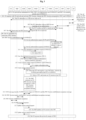
- Fig. 3 is an implementation flowchart of a method for adjusting a service priority of a user provided according to some exemplary embodiments.
- This embodiment is an embodiment in which UE subscribes to a VIP service, and an AF notifies a 5G network via an NEF.
- the method for adjusting a service priority of a user provided in this embodiment includes operations 200 to 230.
- a 5G network has instantiated two NSIs: NSI1 and NSI2.
- NSI1 refers to a normal user using the service, and a corresponding S-NSSAI is S-NSSAI1.
- NSI2 refers to a high-priority user using the service, and a corresponding S-NSSAI is S-NSSAI2.
- UE registers with the 5G network and activates a PDU Session, an S-NSSAI of the activated PDU Session is the S-NSSAI1, and the PDU Session corresponds to the NSI1.
- a user feels that the service experience is poor, or an APP prompts that a short-term or long-term VIP service may be subscribed to acquire a better service experience, or for other reasons, the user subscribes to the VIP service via an APP client.
- an AF notifies an NEF that the user has subscribed to the VIP service.
- the NEF notifies a PCF that the user has subscribed to the VIP service.
- the PCF subscribes with an AMF for a user requiring service authorization, wherein the user is the user who has subscribed to the VIP service.
- the PCF notifies an SMF to deactivate the established PDU Session which is affected.
- the SMF completes a flow of deactivating the established PDU Session, and requests the UE to reestablish a PDU Session when deactivating the established PDU Session.
- the UE determines to re-initiate a PDU Session, and determines that information such as S-NSSAI used by the PDU Session is consistent with the previously deactivated PDU Session, i.e. S-NSSAI1.
- the UE sends a PDU Session establishment request message carrying information such as the S-NSSAI1.
- the AMF After receiving the PDU Session establishment request message, the AMF sends, to the PCF, a service authorization request message carrying information such as SUPI and the S-NSSAI1.
- the PCF determines that S-NSSAI used by the service is S-NSSAI2 according to a priority of the user.
- the PCF returns a service authorization response message to the AMF, and returns modified S-NSSAI2.
- the AMF sends, to an NSSF, a user slice information acquisition request message carrying information such as the S-NSSAI2.
- the NSSF selects information such as the NSI2 for the PDU Session according to information such as the S-NSSAI2.
- the NSSF returns, to the AMF, a user slice information acquisition response message carrying information such as the NSI2.
- the AMF selects an SMF according to information such as the S-NSSAI2, a DNN, and the NSI2.
- the AMF sends a create session context request message to the SMF, the message carrying information such as a requested S-NSSAI and an authorized S-NSSAI, wherein the requested S-NSSAI is the S-NSSAI1, and the authorized S-NSSAI is the S-NSSAI2.
- the SMF acquires subscription data from UDM.
- the SMF returns a create session context response message to the AMF.
- the SMF when the SMF selects the PCF and acquires a Session Management Policy (SM Policy) from the PCF, the SMF provides the S-NSSAI2 to the PCF.
- SM Policy Session Management Policy
- the SMF selects a UPF, and completes N4 session creation to the UPF.
- the SMF constructs an N2 PDU Session request message, the message carrying the S-NSSAI2; and the SMF constructs a PDU Session establishment acceptance message.
- the SMF sends an N1N2 message transfer message to the AMF, wherein the message carries the N2 PDU Session request message and the PDU Session establishment acceptance message.
- the AMF sends the N2 PDU Session request message to an RAN, wherein the message includes the PDU Session establishment acceptance message.
- the RAN sends the PDU Session establishment acceptance message to the UE.
- the RAN returns an N2 PDU Session response message to the AMF.
- the AMF sends an update session context request message to the SMF, wherein the message carries the N2 PDU Session response message.
- the SMF updates an N4 session.
- the SMF returns an update session context response message to the AMF.
- the UE accesses the service by means of the NSI2.
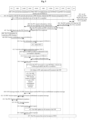
- Fig. 4 is an implementation flowchart of another method for adjusting a service priority of a user provided according to some exemplary embodiments.
- This embodiment is an exemplary embodiment in which UE subscribes to a VIP service, and an AF directly notifies a PCF.
- the method for adjusting a service priority of a user provided in this embodiment includes operations 300 to 329.
- a 5G network has instantiated two NSIs: NSI1 and NSI2.
- NSI1 refers to a normal user using the service, and a corresponding S-NSSAI is S-NSSAI1.
- NSI2 refers to a high-priority user using the service, and a corresponding S-NSSAI is S-NSSAI2.
- UE registers with the 5G network and activates a PDU Session, an S-NSSAI of the activated PDU Session is the S-NSSAI1, and the PDU Session corresponds to the NSI1.
- a user feels that the service experience is poor, or an APP prompts that a short-term or long-term VIP service may be subscribed to acquire a better service experience, or for other reasons, the user subscribes to the VIP service via an APP client.
- an AF notifies a PCF that the user has subscribed to the VIP service.
- the PCF subscribes with an AMF for a user requiring service authorization, wherein the user is the user who has subscribed to the VIP service.
- the PCF notifies an SMF to deactivate the established PDU Session which is affected.
- the SMF completes a flow of deactivating the established PDU Session, and requests the UE to reestablish a PDU Session when deactivating the established PDU Session.
- the UE determines to re-initiate a PDU Session, and determines that information such as S-NSSAI used by the PDU Session is consistent with the previously deactivated PDU Session, i.e. S-NSSAI1.
- the UE sends a PDU Session establishment request message carrying information such as the S-NSSAI1.
- the AMF After receiving the PDU Session establishment request message, the AMF sends, to the PCF, a service authorization request message carrying information such as SUPI and the S-NSSAI1.
- the PCF determines that an S-NSSAI used by the service is S-NSSAI2 according to a priority of the user.
- the PCF returns a service authorization response message to the AMF, and returns modified S-NSSAI2.
- the AMF sends, to an NSSF, a user slice information acquisition request message carrying information such as the S-NSSAI2.
- the NSSF selects information such as the NSI2 for the PDU Session according to information such as the S-NSSAI2.
- the NSSF returns, to the AMF, a user slice information acquisition response message carrying information such as the NSI2.
- the AMF selects an SMF according to information such as the S-NSSAI2, a DNN, and the NSI2.
- the AMF sends a create session context request message to the SMF, the message carrying information such as a requested S-NSSAI and an authorized S-NSSAI, wherein the requested S-NSSAI is the S-NSSAI1, and the authorized S-NSSAI is the S-NSSAI2.
- the SMF acquires subscription data from UDM.
- the SMF returns a create session context response message to the AMF.
- the SMF when the SMF selects the PCF and acquires a Session Management Policy (SM Policy) from the PCF, the SMF provides the S-NSSAI2 to the PCF.
- SM Policy Session Management Policy
- the SMF selects a UPF, and completes N4 session creation to the UPF.
- the SMF constructs an N2 PDU Session request message, the message carrying the S-NSSAI2; and the SMF constructs a PDU Session establishment acceptance message.
- the SMF sends an N1N2 message transfer message to the AMF, wherein the message carries the N2 PDU Session request message and the PDU Session establishment acceptance message.
- the AMF sends the N2 PDU Session request message to an RAN, wherein the message includes the PDU Session establishment acceptance message.
- the RAN sends the PDU Session establishment acceptance message to the UE.
- the RAN returns an N2 PDU Session response message to the AMF.
- the AMF sends an update session context request message to the SMF, wherein the message carries the N2 PDU Session response message.
- the SMF updates an N4 session.
- the SMF returns an update session context response message to the AMF.
- the UE accesses the service by means of the NSI2.
- Fig. 5 is an implementation flowchart of another method for adjusting a service priority of a user provided according to some exemplary embodiments.
- This embodiment is an exemplary embodiment in which a VIP service subscribed by UE expires, and an AF notifies a 5G network via an NEF.
- the method for adjusting a service priority of a user provided in this embodiment includes operations 400 to 430.
- a 5G network has instantiated two NSIs: NSI1 and NSI2.
- NSI1 refers to a normal user using the service, and a corresponding S-NSSAI is S-NSSAI1.
- NSI2 refers to a high-priority user using the service, and a corresponding S-NSSAI is S-NSSAI2.
- UE registers with a 5G network and activates a PDU Session, wherein the PDU Session corresponds to the NSI2.
- a VIP service previously subscribed by the user expires without renewal.
- an AF notifies an NEF that the user has cancelled the subscribed VIP service.
- the NEF notifies a PCF that the user has cancelled the subscribed VIP service.
- the PCF subscribes with an AMF for a user requiring service authorization, wherein the user is the user who has subscribed to the VIP service.
- the PCF notifies an SMF to deactivate the established PDU Session which is affected.
- the SMF completes a flow of deactivating the established PDU Session, and requests the UE to reestablish a PDU Session when deactivating the established PDU Session.
- the UE determines to re-initiate a PDU Session, and determines that information such as S-NSSAI used by the PDU Session is consistent with the previously deactivated PDU Session, i.e. S-NSSAI1.
- the UE sends a PDU Session establishment request message carrying information such as the S-NSSAI1.
- the AMF sends, to the PCF, a service authorization request message carrying information such as SUPI and the S-NSSAI1.
- the PCF determines that an S-NSSAI used by the service is S-NSSAI1 according to a priority of the user.
- the PCF returns a service authorization response message to the AMF, and returns a modified S-NSSAI1.
- the AMF sends, to an NSSF, a user slice information acquisition request message carrying information such as the S-NSSAI1.
- the NSSF selects information such as the NSI1 for the PDU Session according to information such as the S-NSSAI1.
- the NSSF returns, to the AMF, a user slice information acquisition response message carrying information such as the NSI1.
- the AMF selects an SMF according to information such as the S-NSSAI1, a DNN, and the NSI1.
- the AMF sends a create session context request message to the SMF, the message carrying information such as a requested S-NSSAI, wherein the requested S-NSSAI is the S-NSSAI1.
- the SMF acquires subscription data from UDM.
- the SMF returns a create session context response message to the AMF.
- the SMF when the SMF selects the PCF and acquires a Session Management Policy (SM Policy) from the PCF, the SMF provides the S-NSSAI1 to the PCF.
- SM Policy Session Management Policy
- the SMF selects a UPF, and completes N4 session creation to the UPF.
- the SMF constructs an N2 PDU Session request message, the message carrying the S-NSSAI1; and the SMF constructs a PDU Session establishment acceptance message.
- the SMF sends an N1N2 message transfer message to the AMF, wherein the message carries the N2 PDU Session request message and the PDU Session establishment acceptance message.
- the AMF sends the N2 PDU Session request message to an RAN, wherein the message includes the PDU Session establishment acceptance message.
- the RAN sends the PDU Session establishment acceptance message to the UE.
- the RAN returns an N2 PDU Session response message to the AMF.
- the AMF sends an update session context request message to the SMF, wherein the message carries the N2 PDU Session response message.
- the SMF updates an N4 session.
- the SMF returns an update session context response message to the AMF.
- the UE accesses the service by means of the NSI1.
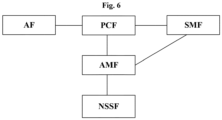
- Fig. 6 is a schematic structural diagram of a system for adjusting a service priority of a user provided according to some exemplary embodiments.
- the system for adjusting a service priority of a user provided in this embodiment includes: an AF, a PCF, an SMF, an AMF, and an NSSF.
- the AF is configured to send service priority change information of UE to a PCF, wherein the UE has registered with a network and activated a PDU Session, and an S-NSSAI registered by the UE in the network is a first S-NSSAI, and an NSI corresponding to the first S-NSSAI is an NSI corresponding to a normal service priority user.
- the PCF is configured to notify an SMF corresponding to the activated PDU Session to deactivate the PDU Session activated by the UE.
- the SMF corresponding to the activated PDU Session is configured to deactivate the PDU Session activated by the UE, and notify the UE to reestablish a PDU Session.
- the AMF is configured to receive a PDU Session establishment request sent by the UE, wherein the PDU Session establishment request carries the first S-NSSAI; and send a service authorization request message to the PCF, wherein the service authorization request message includes an identifier of the UE and the first S-NSSAI.
- the PCF is further configured to modify the first S-NSSAI into a changed S-NSSAI corresponding to the service priority change information according to the service priority change information of the UE, and send a service authorization response message to the AMF, wherein the service authorization response message includes the changed S-NSSAI.
- the AMF is further configured to send a user slice information acquisition request message to an NSSF, wherein the user slice information acquisition request message includes the changed S-NSSAI.
- the NSSF is configured to send a user slice information acquisition response message to the AMF, wherein the user slice information acquisition response message carries NSI information corresponding to the changed S-NSSAI.
- the AMF is further configured to select an SMF corresponding to an NSI corresponding to the changed S-NSSAI according to the changed S-NSSAI, the NSI information corresponding to the changed S-NSSAI and a DNN, and send a create session context request message to the SMF corresponding to the NSI corresponding to the changed S-NSSAI, wherein the create session context request message carries the changed S-NSSAI.
- the SMF corresponding to the NSI corresponding to the changed S-NSSAI is configured to send a create session context response message to the AMF.
- the SMF corresponding to the NSI corresponding to the changed S-NSSAI, and the AMF are further configured to establish a new PDU Session for the UE, wherein S-NSSAI of the new PDU Session is the changed S-NSSAI.
- the system for adjusting a service priority of a user provided in this embodiment is used to implement the technical solution of the method for adjusting a service priority of a user as shown in Fig. 2 , and the implementation principles and technical effects are similar, and thus will not be described herein again.
- the PCF is further configured to subscribe with the AMF for service authorization of the UE before notifying the SMF corresponding to the activated PDU Session to deactivate the PDU Session activated by the UE.
- the AF is configured to send the service priority change information of the UE to the PCF via a Network Exposure Function (NEF).
- NEF Network Exposure Function
- the AF is further configured to receive and acquire high-priority service subscription information sent by the UE; and send the high-priority service subscription information of the UE to the PCF, wherein an NSI corresponding to the PDU Session activated by the UE is an NSI used by a normal-priority user, and an NSI corresponding to the new PDU Session is an NSI used by a high-priority user.
- the AF is configured to send high-priority service subscription cancellation information of the UE to the PCF in a case of determining that a high-priority service subscribed by the UE expires and has not been renewed or in a case of receiving high-priority service unsubscription information sent by the UE, wherein an NSI corresponding to the PDU Session activated by the UE is an NSI used by a high-priority user, and an NSI corresponding to the new PDU Session is an NSI used by a normal-priority user.
- the create session context request message further carries the first S-NSSAI, and the first S-NSSAI is used for subscription check.
- Embodiments of the present disclosure further provide a storage medium containing computer-executable instructions; the computer-executable instructions, when executed by a processor of a computer, are used for executing a method for adjusting a service priority of a user.
- the method includes: an AF sends service priority change information of UE to a PCF, wherein the UE has registered with a network and activated a PDU Session, and an S-NSSAI registered by the UE in the network is a first S-NSSAI, and an NSI corresponding to the first S-NSSAI is an NSI corresponding to a normal service priority user; the PCF notifies an SMF corresponding to the activated PDU Session to deactivate the PDU Session activated by the UE; the SMF corresponding to the activated PDU Session deactivates the PDU Session activated by the UE, and notifies the UE to reestablish a PDU Session; an AMF receives
- user terminal encompasses any suitable type of wireless user equipment, such as a mobile phone, a portable data processing apparatus, a portable web browser, or an in-vehicle mobile station.
- the multiple embodiments of the present disclosure may be implemented in hardware or dedicated circuit, software, logic, or any combination thereof.
- some aspects may be implemented in hardware, while other aspects may be implemented in firmware or software that may be executed by a controller, a microprocessor or other computing devices, although the present disclosure is not limited thereto.
- Embodiments of the present disclosure may be implemented by execution of computer program instructions by a data processor of a mobile apparatus, such as in a processor entity, or by hardware, or by a combination of software and hardware.
- the computer program instructions may be assembly instructions, Instruction Set Architecture (ISA) instructions, machine instructions, machine-related instructions, microcodes, firmware instructions, state setting data, or source codes or object codes written in any combination of one or more programming languages.
- ISA Instruction Set Architecture
- a computer program may be stored on a memory.
- the memory may be of any type suitable for local technical environment and may be implemented using any suitable data storage technology, such as, but not limited to, Read-Only Memory (ROM), Random Access Memory (RAM), optical storage apparatus and system (Digital Video Disc (DVD) or Compact Disc (CD)), etc.
- ROM Read-Only Memory
- RAM Random Access Memory
- CD Compact Disc
- a computer-readable medium may include a non-transitory storage medium.
- the data processor may be of any type suitable for local technical environment, such as, but not limited to, a general-purpose computer, a special-purpose computer, a microprocessor, a Digital Signal Processor (DSP), an Application Specific Integrated Circuit (ASIC), a programmable logic device (Field-Programmable Gate Array, FGPA), and a processor based on a multi-core processor architecture.
- a general-purpose computer such as, but not limited to, a general-purpose computer, a special-purpose computer, a microprocessor, a Digital Signal Processor (DSP), an Application Specific Integrated Circuit (ASIC), a programmable logic device (Field-Programmable Gate Array, FGPA), and a processor based on a multi-core processor architecture.
- DSP Digital Signal Processor
- ASIC Application Specific Integrated Circuit
- FGPA programmable logic device
- FGPA Field-Programmable Gate Array
- an Application Function sends service priority change information of User Equipment (UE) to a Policy Control Functionality (PCF), wherein the UE has registered with a network and activated a Packet Data Unit Session (PDU Session), and a network slice identifier (S-NSSAI) registered by the UE in the network is a first S-NSSAI, and an NSI corresponding to the first S-NSSAI is an NSI corresponding to a normal service priority user;
- the PCF notifies a Session Management function (SMF) corresponding to the activated PDU Session to deactivate the PDU Session activated by the UE;
- the SMF corresponding to the activated PDU Session deactivates the PDU Session activated by the UE, and notifies the UE to reestablish a PDU Session;
- an Access and Mobility Management function receives a PDU Session establishment request sent by the UE
Landscapes
- Engineering & Computer Science (AREA)
- Computer Networks & Wireless Communication (AREA)
- Signal Processing (AREA)
- Quality & Reliability (AREA)
- Multimedia (AREA)
- Mobile Radio Communication Systems (AREA)
Applications Claiming Priority (2)
| Application Number | Priority Date | Filing Date | Title |
|---|---|---|---|
| CN202010596928.6A CN113852996B (zh) | 2020-06-28 | 2020-06-28 | 用户业务优先级调整方法、系统和存储介质 |
| PCT/CN2021/095574 WO2022001485A1 (fr) | 2020-06-28 | 2021-05-24 | Procédé et système d'ajustement de priorité de service utilisateur, et support de stockage |
Publications (3)
| Publication Number | Publication Date |
|---|---|
| EP4175357A1 true EP4175357A1 (fr) | 2023-05-03 |
| EP4175357A4 EP4175357A4 (fr) | 2023-07-12 |
| EP4175357B1 EP4175357B1 (fr) | 2024-05-08 |
Family
ID=78972521
Family Applications (1)
| Application Number | Title | Priority Date | Filing Date |
|---|---|---|---|
| EP21833557.8A Active EP4175357B1 (fr) | 2020-06-28 | 2021-05-24 | Procédé et système d'ajustement de priorité de service utilisateur, et support de stockage |
Country Status (5)
| Country | Link |
|---|---|
| US (1) | US12389279B2 (fr) |
| EP (1) | EP4175357B1 (fr) |
| JP (1) | JP7704784B2 (fr) |
| CN (1) | CN113852996B (fr) |
| WO (1) | WO2022001485A1 (fr) |
Cited By (2)
| Publication number | Priority date | Publication date | Assignee | Title |
|---|---|---|---|---|
| WO2025023791A1 (fr) * | 2023-07-27 | 2025-01-30 | Samsung Electronics Co., Ltd. | Procédé et dispositif de remplacement de tranche de réseau dans un système de communication |
| EP4629741A4 (fr) * | 2023-01-04 | 2026-02-18 | Samsung Electronics Co Ltd | Procédé et dispositif pour prendre en charge l'établissement d'une session pdu sur une tranche de réseau dans un réseau de communication |
Families Citing this family (4)
| Publication number | Priority date | Publication date | Assignee | Title |
|---|---|---|---|---|
| US12401568B2 (en) * | 2021-03-30 | 2025-08-26 | Beijing Xiaomi Mobile Software Co., Ltd. | Policy determining method and device, and storage medium |
| CN114640981B (zh) * | 2022-02-16 | 2023-08-01 | 南方科技大学 | 处理5g核心网巨链接的优化方法及装置、设备 |
| CN120752898A (zh) * | 2023-02-15 | 2025-10-03 | 三星电子株式会社 | 无线通信系统中网络切片变更通知的方法和装置 |
| US12598460B2 (en) * | 2023-12-28 | 2026-04-07 | Verizon Patent And Licensing Inc. | System and method for dynamic authorization of priority-based session |
Family Cites Families (19)
| Publication number | Priority date | Publication date | Assignee | Title |
|---|---|---|---|---|
| CN102577449B (zh) * | 2010-03-31 | 2014-04-16 | 华为技术有限公司 | 优先级业务激活、去激活方法、装置和系统 |
| CN103428764B (zh) * | 2012-05-23 | 2016-09-28 | 中兴通讯股份有限公司 | 基于lte网络的业务控制方法及系统 |
| CN107820291B (zh) * | 2016-09-12 | 2021-04-20 | 华为技术有限公司 | 网络切片控制方法及相关设备 |
| CN108012267B (zh) * | 2016-10-31 | 2022-05-24 | 华为技术有限公司 | 一种网络认证方法、相关设备及系统 |
| EP3544337B1 (fr) * | 2016-11-18 | 2022-01-05 | LG Electronics Inc. | Sélection d'un amf soutenant une tranche de réseau en fonction de la priorité actualisée de la nssai |
| WO2018157439A1 (fr) * | 2017-03-01 | 2018-09-07 | 华为技术有限公司 | Procédé et dispositif de traitement de services |
| US10638367B2 (en) * | 2017-03-17 | 2020-04-28 | Qualcomm Incorporated | Prioritizing incompatible network slices |
| AU2018240192B2 (en) * | 2017-03-20 | 2021-09-02 | Zte Corporation | Network slicing serving function |
| US20190007992A1 (en) * | 2017-07-03 | 2019-01-03 | Electronics And Telecommunications Research Institute | Network triggered service request method and user equipment (ue) triggered service request method |
| US11153813B2 (en) * | 2017-08-11 | 2021-10-19 | Comcast Cable Communications, Llc | Network slice for visited network |
| US10764789B2 (en) * | 2017-08-11 | 2020-09-01 | Comcast Cable Communications, Llc | Application-initiated network slices in a wireless network |
| KR102327021B1 (ko) * | 2017-11-17 | 2021-11-17 | 한국전자통신연구원 | 네트워크 슬라이스를 통한 서비스 제공 방법 및 장치 |
| US10805178B2 (en) * | 2017-11-27 | 2020-10-13 | Cisco Technology, Inc. | Subscription-based event notification techniques for reducing data buffering in mobile networks |
| CN111200859A (zh) * | 2018-11-19 | 2020-05-26 | 华为技术有限公司 | 一种网络切片的选择方法、网络设备及终端 |
| US10993177B2 (en) * | 2018-12-13 | 2021-04-27 | Verizon Patent And Licensing Inc. | Network slice instance creation |
| CN110225563B (zh) * | 2019-01-31 | 2020-11-10 | 华为技术有限公司 | 网络注册的方法及设备 |
| CN113383574B (zh) * | 2019-02-14 | 2024-07-23 | 瑞典爱立信有限公司 | Amf和smf中的拥塞控制 |
| WO2021040423A1 (fr) * | 2019-08-27 | 2021-03-04 | 엘지전자 주식회사 | Communication liée à une mise à jour de configuration |
| EP4518571A3 (fr) * | 2020-01-03 | 2025-05-14 | Lenovo (Singapore) Pte. Ltd. | Surveillance d'un attribut d'une tranche de réseau |
-
2020
- 2020-06-28 CN CN202010596928.6A patent/CN113852996B/zh active Active
-
2021
- 2021-05-24 JP JP2022580856A patent/JP7704784B2/ja active Active
- 2021-05-24 US US18/013,438 patent/US12389279B2/en active Active
- 2021-05-24 EP EP21833557.8A patent/EP4175357B1/fr active Active
- 2021-05-24 WO PCT/CN2021/095574 patent/WO2022001485A1/fr not_active Ceased
Cited By (2)
| Publication number | Priority date | Publication date | Assignee | Title |
|---|---|---|---|---|
| EP4629741A4 (fr) * | 2023-01-04 | 2026-02-18 | Samsung Electronics Co Ltd | Procédé et dispositif pour prendre en charge l'établissement d'une session pdu sur une tranche de réseau dans un réseau de communication |
| WO2025023791A1 (fr) * | 2023-07-27 | 2025-01-30 | Samsung Electronics Co., Ltd. | Procédé et dispositif de remplacement de tranche de réseau dans un système de communication |
Also Published As
| Publication number | Publication date |
|---|---|
| CN113852996B (zh) | 2024-01-05 |
| EP4175357B1 (fr) | 2024-05-08 |
| JP7704784B2 (ja) | 2025-07-08 |
| CN113852996A (zh) | 2021-12-28 |
| US12389279B2 (en) | 2025-08-12 |
| US20230269627A1 (en) | 2023-08-24 |
| WO2022001485A1 (fr) | 2022-01-06 |
| EP4175357A4 (fr) | 2023-07-12 |
| JP2023532910A (ja) | 2023-08-01 |
Similar Documents
| Publication | Publication Date | Title |
|---|---|---|
| EP4175357B1 (fr) | Procédé et système d'ajustement de priorité de service utilisateur, et support de stockage | |
| US12069518B2 (en) | Session handling method and related device | |
| CN111602452B (zh) | 用于多播-广播会话释放和修改的方法和系统 | |
| US20240422520A1 (en) | Event notification method, apparatus and storage medium | |
| US11659462B2 (en) | Methods and apparatuses for selecting a session management entity for serving a wireless communication device | |
| US11463935B2 (en) | Methods and functions for handling local breakout | |
| CN109729505B (zh) | 一种业务处理方法及网络设备 | |
| KR102426639B1 (ko) | 요청 프로세싱 방법 및 대응하는 엔티티 | |
| US11082893B2 (en) | Session migration method and device applied to a UE tracking area update | |
| US12452736B2 (en) | Systems and methods for supporting multi-access edge computing using application-based quality of service flows | |
| WO2018233451A1 (fr) | Procédé, appareil et système de communication | |
| US20230224792A1 (en) | Dynamic activation of local breakout with coordination between application domain and mobile network | |
| WO2022052875A1 (fr) | Procédé de communication inter-région de terminal, dispositif d'élément de réseau, et support de stockage | |
| CN108616868B (zh) | 一种终端空闲态的处理方法及装置 | |
| WO2022037341A1 (fr) | Procédé de commande de communication, élément de réseau et support d'enregistrement | |
| CN116367219A (zh) | 传输方法、装置、设备及存储介质 | |
| WO2022214395A1 (fr) | Amélioration de la sélection d'upf par nrf | |
| CN118740792A (zh) | 一种应用寻址方法及装置 | |
| CN120980507A (zh) | 一种通信方法及装置 | |
| KR20120085735A (ko) | 네트워크에서 트래픽 부하에 전기통신 서비스를 구성하는 장치, 방법 및 컴퓨터 프로그램 |
Legal Events
| Date | Code | Title | Description |
|---|---|---|---|
| STAA | Information on the status of an ep patent application or granted ep patent |
Free format text: STATUS: THE INTERNATIONAL PUBLICATION HAS BEEN MADE |
|
| PUAI | Public reference made under article 153(3) epc to a published international application that has entered the european phase |
Free format text: ORIGINAL CODE: 0009012 |
|
| STAA | Information on the status of an ep patent application or granted ep patent |
Free format text: STATUS: REQUEST FOR EXAMINATION WAS MADE |
|
| 17P | Request for examination filed |
Effective date: 20221229 |
|
| AK | Designated contracting states |
Kind code of ref document: A1 Designated state(s): AL AT BE BG CH CY CZ DE DK EE ES FI FR GB GR HR HU IE IS IT LI LT LU LV MC MK MT NL NO PL PT RO RS SE SI SK SM TR |
|
| A4 | Supplementary search report drawn up and despatched |
Effective date: 20230609 |
|
| RIC1 | Information provided on ipc code assigned before grant |
Ipc: H04W 88/14 20090101ALI20230602BHEP Ipc: H04W 76/32 20180101ALI20230602BHEP Ipc: H04W 76/19 20180101ALI20230602BHEP Ipc: H04W 76/12 20180101ALI20230602BHEP Ipc: H04L 65/80 20220101ALI20230602BHEP Ipc: H04W 48/18 20090101ALI20230602BHEP Ipc: H04W 28/24 20090101AFI20230602BHEP |
|
| DAV | Request for validation of the european patent (deleted) | ||
| DAX | Request for extension of the european patent (deleted) | ||
| GRAP | Despatch of communication of intention to grant a patent |
Free format text: ORIGINAL CODE: EPIDOSNIGR1 |
|
| STAA | Information on the status of an ep patent application or granted ep patent |
Free format text: STATUS: GRANT OF PATENT IS INTENDED |
|
| INTG | Intention to grant announced |
Effective date: 20240126 |
|
| GRAS | Grant fee paid |
Free format text: ORIGINAL CODE: EPIDOSNIGR3 |
|
| GRAA | (expected) grant |
Free format text: ORIGINAL CODE: 0009210 |
|
| STAA | Information on the status of an ep patent application or granted ep patent |
Free format text: STATUS: THE PATENT HAS BEEN GRANTED |
|
| AK | Designated contracting states |
Kind code of ref document: B1 Designated state(s): AL AT BE BG CH CY CZ DE DK EE ES FI FR GB GR HR HU IE IS IT LI LT LU LV MC MK MT NL NO PL PT RO RS SE SI SK SM TR |
|
| REG | Reference to a national code |
Ref country code: GB Ref legal event code: FG4D |
|
| REG | Reference to a national code |
Ref country code: CH Ref legal event code: EP |
|
| REG | Reference to a national code |
Ref country code: DE Ref legal event code: R096 Ref document number: 602021013160 Country of ref document: DE |
|
| REG | Reference to a national code |
Ref country code: IE Ref legal event code: FG4D |
|
| REG | Reference to a national code |
Ref country code: LT Ref legal event code: MG9D |
|
| REG | Reference to a national code |
Ref country code: NL Ref legal event code: MP Effective date: 20240508 |
|
| PG25 | Lapsed in a contracting state [announced via postgrant information from national office to epo] |
Ref country code: IS Free format text: LAPSE BECAUSE OF FAILURE TO SUBMIT A TRANSLATION OF THE DESCRIPTION OR TO PAY THE FEE WITHIN THE PRESCRIBED TIME-LIMIT Effective date: 20240908 |
|
| PG25 | Lapsed in a contracting state [announced via postgrant information from national office to epo] |
Ref country code: BG Free format text: LAPSE BECAUSE OF FAILURE TO SUBMIT A TRANSLATION OF THE DESCRIPTION OR TO PAY THE FEE WITHIN THE PRESCRIBED TIME-LIMIT Effective date: 20240508 |
|
| PG25 | Lapsed in a contracting state [announced via postgrant information from national office to epo] |
Ref country code: HR Free format text: LAPSE BECAUSE OF FAILURE TO SUBMIT A TRANSLATION OF THE DESCRIPTION OR TO PAY THE FEE WITHIN THE PRESCRIBED TIME-LIMIT Effective date: 20240508 Ref country code: FI Free format text: LAPSE BECAUSE OF FAILURE TO SUBMIT A TRANSLATION OF THE DESCRIPTION OR TO PAY THE FEE WITHIN THE PRESCRIBED TIME-LIMIT Effective date: 20240508 |
|
| PG25 | Lapsed in a contracting state [announced via postgrant information from national office to epo] |
Ref country code: GR Free format text: LAPSE BECAUSE OF FAILURE TO SUBMIT A TRANSLATION OF THE DESCRIPTION OR TO PAY THE FEE WITHIN THE PRESCRIBED TIME-LIMIT Effective date: 20240809 |
|
| PG25 | Lapsed in a contracting state [announced via postgrant information from national office to epo] |
Ref country code: PT Free format text: LAPSE BECAUSE OF FAILURE TO SUBMIT A TRANSLATION OF THE DESCRIPTION OR TO PAY THE FEE WITHIN THE PRESCRIBED TIME-LIMIT Effective date: 20240909 |
|
| REG | Reference to a national code |
Ref country code: AT Ref legal event code: MK05 Ref document number: 1686000 Country of ref document: AT Kind code of ref document: T Effective date: 20240508 |
|
| PG25 | Lapsed in a contracting state [announced via postgrant information from national office to epo] |
Ref country code: NL Free format text: LAPSE BECAUSE OF FAILURE TO SUBMIT A TRANSLATION OF THE DESCRIPTION OR TO PAY THE FEE WITHIN THE PRESCRIBED TIME-LIMIT Effective date: 20240508 |
|
| PG25 | Lapsed in a contracting state [announced via postgrant information from national office to epo] |
Ref country code: ES Free format text: LAPSE BECAUSE OF FAILURE TO SUBMIT A TRANSLATION OF THE DESCRIPTION OR TO PAY THE FEE WITHIN THE PRESCRIBED TIME-LIMIT Effective date: 20240508 |
|
| PG25 | Lapsed in a contracting state [announced via postgrant information from national office to epo] |
Ref country code: AT Free format text: LAPSE BECAUSE OF FAILURE TO SUBMIT A TRANSLATION OF THE DESCRIPTION OR TO PAY THE FEE WITHIN THE PRESCRIBED TIME-LIMIT Effective date: 20240508 |
|
| PG25 | Lapsed in a contracting state [announced via postgrant information from national office to epo] |
Ref country code: PL Free format text: LAPSE BECAUSE OF FAILURE TO SUBMIT A TRANSLATION OF THE DESCRIPTION OR TO PAY THE FEE WITHIN THE PRESCRIBED TIME-LIMIT Effective date: 20240508 |
|
| PG25 | Lapsed in a contracting state [announced via postgrant information from national office to epo] |
Ref country code: LV Free format text: LAPSE BECAUSE OF FAILURE TO SUBMIT A TRANSLATION OF THE DESCRIPTION OR TO PAY THE FEE WITHIN THE PRESCRIBED TIME-LIMIT Effective date: 20240508 |
|
| PG25 | Lapsed in a contracting state [announced via postgrant information from national office to epo] |
Ref country code: PT Free format text: LAPSE BECAUSE OF FAILURE TO SUBMIT A TRANSLATION OF THE DESCRIPTION OR TO PAY THE FEE WITHIN THE PRESCRIBED TIME-LIMIT Effective date: 20240909 Ref country code: PL Free format text: LAPSE BECAUSE OF FAILURE TO SUBMIT A TRANSLATION OF THE DESCRIPTION OR TO PAY THE FEE WITHIN THE PRESCRIBED TIME-LIMIT Effective date: 20240508 Ref country code: NO Free format text: LAPSE BECAUSE OF FAILURE TO SUBMIT A TRANSLATION OF THE DESCRIPTION OR TO PAY THE FEE WITHIN THE PRESCRIBED TIME-LIMIT Effective date: 20240808 Ref country code: NL Free format text: LAPSE BECAUSE OF FAILURE TO SUBMIT A TRANSLATION OF THE DESCRIPTION OR TO PAY THE FEE WITHIN THE PRESCRIBED TIME-LIMIT Effective date: 20240508 Ref country code: LV Free format text: LAPSE BECAUSE OF FAILURE TO SUBMIT A TRANSLATION OF THE DESCRIPTION OR TO PAY THE FEE WITHIN THE PRESCRIBED TIME-LIMIT Effective date: 20240508 Ref country code: IS Free format text: LAPSE BECAUSE OF FAILURE TO SUBMIT A TRANSLATION OF THE DESCRIPTION OR TO PAY THE FEE WITHIN THE PRESCRIBED TIME-LIMIT Effective date: 20240908 Ref country code: HR Free format text: LAPSE BECAUSE OF FAILURE TO SUBMIT A TRANSLATION OF THE DESCRIPTION OR TO PAY THE FEE WITHIN THE PRESCRIBED TIME-LIMIT Effective date: 20240508 Ref country code: GR Free format text: LAPSE BECAUSE OF FAILURE TO SUBMIT A TRANSLATION OF THE DESCRIPTION OR TO PAY THE FEE WITHIN THE PRESCRIBED TIME-LIMIT Effective date: 20240809 Ref country code: FI Free format text: LAPSE BECAUSE OF FAILURE TO SUBMIT A TRANSLATION OF THE DESCRIPTION OR TO PAY THE FEE WITHIN THE PRESCRIBED TIME-LIMIT Effective date: 20240508 Ref country code: ES Free format text: LAPSE BECAUSE OF FAILURE TO SUBMIT A TRANSLATION OF THE DESCRIPTION OR TO PAY THE FEE WITHIN THE PRESCRIBED TIME-LIMIT Effective date: 20240508 Ref country code: BG Free format text: LAPSE BECAUSE OF FAILURE TO SUBMIT A TRANSLATION OF THE DESCRIPTION OR TO PAY THE FEE WITHIN THE PRESCRIBED TIME-LIMIT Effective date: 20240508 Ref country code: AT Free format text: LAPSE BECAUSE OF FAILURE TO SUBMIT A TRANSLATION OF THE DESCRIPTION OR TO PAY THE FEE WITHIN THE PRESCRIBED TIME-LIMIT Effective date: 20240508 Ref country code: RS Free format text: LAPSE BECAUSE OF FAILURE TO SUBMIT A TRANSLATION OF THE DESCRIPTION OR TO PAY THE FEE WITHIN THE PRESCRIBED TIME-LIMIT Effective date: 20240808 |
|
| REG | Reference to a national code |
Ref country code: CH Ref legal event code: PL |
|
| PG25 | Lapsed in a contracting state [announced via postgrant information from national office to epo] |
Ref country code: DK Free format text: LAPSE BECAUSE OF FAILURE TO SUBMIT A TRANSLATION OF THE DESCRIPTION OR TO PAY THE FEE WITHIN THE PRESCRIBED TIME-LIMIT Effective date: 20240508 |
|
| PG25 | Lapsed in a contracting state [announced via postgrant information from national office to epo] |
Ref country code: LU Free format text: LAPSE BECAUSE OF NON-PAYMENT OF DUE FEES Effective date: 20240524 |
|
| PG25 | Lapsed in a contracting state [announced via postgrant information from national office to epo] |
Ref country code: EE Free format text: LAPSE BECAUSE OF FAILURE TO SUBMIT A TRANSLATION OF THE DESCRIPTION OR TO PAY THE FEE WITHIN THE PRESCRIBED TIME-LIMIT Effective date: 20240508 |
|
| PG25 | Lapsed in a contracting state [announced via postgrant information from national office to epo] |
Ref country code: CZ Free format text: LAPSE BECAUSE OF FAILURE TO SUBMIT A TRANSLATION OF THE DESCRIPTION OR TO PAY THE FEE WITHIN THE PRESCRIBED TIME-LIMIT Effective date: 20240508 |
|
| PG25 | Lapsed in a contracting state [announced via postgrant information from national office to epo] |
Ref country code: SK Free format text: LAPSE BECAUSE OF FAILURE TO SUBMIT A TRANSLATION OF THE DESCRIPTION OR TO PAY THE FEE WITHIN THE PRESCRIBED TIME-LIMIT Effective date: 20240508 Ref country code: RO Free format text: LAPSE BECAUSE OF FAILURE TO SUBMIT A TRANSLATION OF THE DESCRIPTION OR TO PAY THE FEE WITHIN THE PRESCRIBED TIME-LIMIT Effective date: 20240508 |
|
| PG25 | Lapsed in a contracting state [announced via postgrant information from national office to epo] |
Ref country code: SM Free format text: LAPSE BECAUSE OF FAILURE TO SUBMIT A TRANSLATION OF THE DESCRIPTION OR TO PAY THE FEE WITHIN THE PRESCRIBED TIME-LIMIT Effective date: 20240508 |
|
| PG25 | Lapsed in a contracting state [announced via postgrant information from national office to epo] |
Ref country code: SM Free format text: LAPSE BECAUSE OF FAILURE TO SUBMIT A TRANSLATION OF THE DESCRIPTION OR TO PAY THE FEE WITHIN THE PRESCRIBED TIME-LIMIT Effective date: 20240508 Ref country code: SK Free format text: LAPSE BECAUSE OF FAILURE TO SUBMIT A TRANSLATION OF THE DESCRIPTION OR TO PAY THE FEE WITHIN THE PRESCRIBED TIME-LIMIT Effective date: 20240508 Ref country code: RO Free format text: LAPSE BECAUSE OF FAILURE TO SUBMIT A TRANSLATION OF THE DESCRIPTION OR TO PAY THE FEE WITHIN THE PRESCRIBED TIME-LIMIT Effective date: 20240508 Ref country code: LU Free format text: LAPSE BECAUSE OF NON-PAYMENT OF DUE FEES Effective date: 20240524 Ref country code: EE Free format text: LAPSE BECAUSE OF FAILURE TO SUBMIT A TRANSLATION OF THE DESCRIPTION OR TO PAY THE FEE WITHIN THE PRESCRIBED TIME-LIMIT Effective date: 20240508 Ref country code: DK Free format text: LAPSE BECAUSE OF FAILURE TO SUBMIT A TRANSLATION OF THE DESCRIPTION OR TO PAY THE FEE WITHIN THE PRESCRIBED TIME-LIMIT Effective date: 20240508 Ref country code: CZ Free format text: LAPSE BECAUSE OF FAILURE TO SUBMIT A TRANSLATION OF THE DESCRIPTION OR TO PAY THE FEE WITHIN THE PRESCRIBED TIME-LIMIT Effective date: 20240508 Ref country code: CH Free format text: LAPSE BECAUSE OF NON-PAYMENT OF DUE FEES Effective date: 20240531 |
|
| PG25 | Lapsed in a contracting state [announced via postgrant information from national office to epo] |
Ref country code: MC Free format text: LAPSE BECAUSE OF FAILURE TO SUBMIT A TRANSLATION OF THE DESCRIPTION OR TO PAY THE FEE WITHIN THE PRESCRIBED TIME-LIMIT Effective date: 20240508 Ref country code: IT Free format text: LAPSE BECAUSE OF FAILURE TO SUBMIT A TRANSLATION OF THE DESCRIPTION OR TO PAY THE FEE WITHIN THE PRESCRIBED TIME-LIMIT Effective date: 20240508 |
|
| REG | Reference to a national code |
Ref country code: DE Ref legal event code: R097 Ref document number: 602021013160 Country of ref document: DE |
|
| REG | Reference to a national code |
Ref country code: BE Ref legal event code: MM Effective date: 20240531 |
|
| PLBE | No opposition filed within time limit |
Free format text: ORIGINAL CODE: 0009261 |
|
| STAA | Information on the status of an ep patent application or granted ep patent |
Free format text: STATUS: NO OPPOSITION FILED WITHIN TIME LIMIT |
|
| 26N | No opposition filed |
Effective date: 20250211 |
|
| PG25 | Lapsed in a contracting state [announced via postgrant information from national office to epo] |
Ref country code: IE Free format text: LAPSE BECAUSE OF NON-PAYMENT OF DUE FEES Effective date: 20240524 |
|
| PG25 | Lapsed in a contracting state [announced via postgrant information from national office to epo] |
Ref country code: BE Free format text: LAPSE BECAUSE OF NON-PAYMENT OF DUE FEES Effective date: 20240531 Ref country code: SI Free format text: LAPSE BECAUSE OF FAILURE TO SUBMIT A TRANSLATION OF THE DESCRIPTION OR TO PAY THE FEE WITHIN THE PRESCRIBED TIME-LIMIT Effective date: 20240508 |
|
| PGFP | Annual fee paid to national office [announced via postgrant information from national office to epo] |
Ref country code: DE Payment date: 20250521 Year of fee payment: 5 |
|
| PGFP | Annual fee paid to national office [announced via postgrant information from national office to epo] |
Ref country code: FR Payment date: 20250528 Year of fee payment: 5 |
|
| PG25 | Lapsed in a contracting state [announced via postgrant information from national office to epo] |
Ref country code: CY Free format text: LAPSE BECAUSE OF FAILURE TO SUBMIT A TRANSLATION OF THE DESCRIPTION OR TO PAY THE FEE WITHIN THE PRESCRIBED TIME-LIMIT; INVALID AB INITIO Effective date: 20210524 |
|
| PG25 | Lapsed in a contracting state [announced via postgrant information from national office to epo] |
Ref country code: HU Free format text: LAPSE BECAUSE OF FAILURE TO SUBMIT A TRANSLATION OF THE DESCRIPTION OR TO PAY THE FEE WITHIN THE PRESCRIBED TIME-LIMIT; INVALID AB INITIO Effective date: 20210524 |
|
| PG25 | Lapsed in a contracting state [announced via postgrant information from national office to epo] |
Ref country code: SE Free format text: LAPSE BECAUSE OF FAILURE TO SUBMIT A TRANSLATION OF THE DESCRIPTION OR TO PAY THE FEE WITHIN THE PRESCRIBED TIME-LIMIT Effective date: 20240508 |
|
| PGFP | Annual fee paid to national office [announced via postgrant information from national office to epo] |
Ref country code: GB Payment date: 20260306 Year of fee payment: 6 |