EP4176876A1 - Verfahren und zusammensetzungen zur behandlung von krebs - Google Patents
Verfahren und zusammensetzungen zur behandlung von krebs Download PDFInfo
- Publication number
- EP4176876A1 EP4176876A1 EP22199365.2A EP22199365A EP4176876A1 EP 4176876 A1 EP4176876 A1 EP 4176876A1 EP 22199365 A EP22199365 A EP 22199365A EP 4176876 A1 EP4176876 A1 EP 4176876A1
- Authority
- EP
- European Patent Office
- Prior art keywords
- ido1
- inhibitor
- combination
- hypoxia
- cancer
- Prior art date
- Legal status (The legal status is an assumption and is not a legal conclusion. Google has not performed a legal analysis and makes no representation as to the accuracy of the status listed.)
- Pending
Links
Images





Classifications
-
- A—HUMAN NECESSITIES
- A61—MEDICAL OR VETERINARY SCIENCE; HYGIENE
- A61P—SPECIFIC THERAPEUTIC ACTIVITY OF CHEMICAL COMPOUNDS OR MEDICINAL PREPARATIONS
- A61P35/00—Antineoplastic agents
-
- A—HUMAN NECESSITIES
- A61—MEDICAL OR VETERINARY SCIENCE; HYGIENE
- A61K—PREPARATIONS FOR MEDICAL, DENTAL OR TOILETRY PURPOSES
- A61K31/00—Medicinal preparations containing organic active ingredients
- A61K31/095—Sulfur, selenium, or tellurium compounds, e.g. thiols
- A61K31/10—Sulfides; Sulfoxides; Sulfones
-
- A—HUMAN NECESSITIES
- A61—MEDICAL OR VETERINARY SCIENCE; HYGIENE
- A61K—PREPARATIONS FOR MEDICAL, DENTAL OR TOILETRY PURPOSES
- A61K31/00—Medicinal preparations containing organic active ingredients
- A61K31/185—Acids; Anhydrides, halides or salts thereof, e.g. sulfur acids, imidic, hydrazonic or hydroximic acids
- A61K31/19—Carboxylic acids, e.g. valproic acid
- A61K31/195—Carboxylic acids, e.g. valproic acid having an amino group
- A61K31/197—Carboxylic acids, e.g. valproic acid having an amino group the amino and the carboxyl groups being attached to the same acyclic carbon chain, e.g. gamma-aminobutyric acid [GABA], beta-alanine, epsilon-aminocaproic acid or pantothenic acid
-
- A—HUMAN NECESSITIES
- A61—MEDICAL OR VETERINARY SCIENCE; HYGIENE
- A61K—PREPARATIONS FOR MEDICAL, DENTAL OR TOILETRY PURPOSES
- A61K31/00—Medicinal preparations containing organic active ingredients
- A61K31/33—Heterocyclic compounds
- A61K31/395—Heterocyclic compounds having nitrogen as a ring hetero atom, e.g. guanethidine or rifamycins
- A61K31/40—Heterocyclic compounds having nitrogen as a ring hetero atom, e.g. guanethidine or rifamycins having five-membered rings with one nitrogen as the only ring hetero atom, e.g. sulpiride, succinimide, tolmetin, buflomedil
- A61K31/403—Heterocyclic compounds having nitrogen as a ring hetero atom, e.g. guanethidine or rifamycins having five-membered rings with one nitrogen as the only ring hetero atom, e.g. sulpiride, succinimide, tolmetin, buflomedil condensed with carbocyclic rings, e.g. carbazole
- A61K31/404—Indoles, e.g. pindolol
- A61K31/405—Indole-alkanecarboxylic acids; Derivatives thereof, e.g. tryptophan, indomethacin
-
- A—HUMAN NECESSITIES
- A61—MEDICAL OR VETERINARY SCIENCE; HYGIENE
- A61K—PREPARATIONS FOR MEDICAL, DENTAL OR TOILETRY PURPOSES
- A61K31/00—Medicinal preparations containing organic active ingredients
- A61K31/33—Heterocyclic compounds
- A61K31/395—Heterocyclic compounds having nitrogen as a ring hetero atom, e.g. guanethidine or rifamycins
- A61K31/495—Heterocyclic compounds having nitrogen as a ring hetero atom, e.g. guanethidine or rifamycins having six-membered rings with two or more nitrogen atoms as the only ring heteroatoms, e.g. piperazine or tetrazines
- A61K31/505—Pyrimidines; Hydrogenated pyrimidines, e.g. trimethoprim
- A61K31/519—Pyrimidines; Hydrogenated pyrimidines, e.g. trimethoprim ortho- or peri-condensed with heterocyclic rings
-
- A—HUMAN NECESSITIES
- A61—MEDICAL OR VETERINARY SCIENCE; HYGIENE
- A61K—PREPARATIONS FOR MEDICAL, DENTAL OR TOILETRY PURPOSES
- A61K31/00—Medicinal preparations containing organic active ingredients
- A61K31/66—Phosphorus compounds
- A61K31/661—Phosphorus acids or esters thereof not having P—C bonds, e.g. fosfosal, dichlorvos, malathion or mevinphos
-
- A—HUMAN NECESSITIES
- A61—MEDICAL OR VETERINARY SCIENCE; HYGIENE
- A61K—PREPARATIONS FOR MEDICAL, DENTAL OR TOILETRY PURPOSES
- A61K31/00—Medicinal preparations containing organic active ingredients
- A61K31/66—Phosphorus compounds
- A61K31/664—Amides of phosphorus acids
-
- A—HUMAN NECESSITIES
- A61—MEDICAL OR VETERINARY SCIENCE; HYGIENE
- A61P—SPECIFIC THERAPEUTIC ACTIVITY OF CHEMICAL COMPOUNDS OR MEDICINAL PREPARATIONS
- A61P35/00—Antineoplastic agents
- A61P35/04—Antineoplastic agents specific for metastasis
Definitions
- This invention relates to the field of chemotherapy. Specifically, the invention provides novel compositions and methods for the treatment of cancer.
- Neovascularization is critical for tumor outgrowth ( Cao et al. (2011) Sci. Transl. Med., 3:114rv3 ). However, unlike the tightly regulated process of normal tissue vascularization, tumor neovascularization is characterized by excessive and disorganized growth of blood vessels much like that induced by ischemia in tissues such as the retina and lungs ( Carmeliet, P. (2003) Nat. Med., 9:653-660 ). An emergent concept in the field of angiogenesis is that normalizing pathologic tumor vasculature will enhance the efficacy of chemo- and radiotherapies. Accordingly, new synergistic combinations of agents which exploit the pathogenic neovascularization of tumors are sought.
- methods for treating, inhibiting (e.g., reducing), and/or preventing a cancer in a subject comprise administering at least one inhibitor of the induction or activity of tryptophan degradation and/or of the downstream pathways that respond to this process; and administering at least one second agent, wherein the second agent is an anti-vasculogenic/anti-angiogenic agent and/or therapeutic agent which acts by imposing nutrient/oxygen starvation on a cancer cell or exploiting nutrient/oxygen starvation in a cancer cell.
- the methods comprise the administration of an inhibitor of indoleamine 2,3-dioxygenase-1 (IDO1) with said second agent(s).
- the combination of administered agents acts synergistically to inhibit, treat, and/or prevent the cancer in the subject, compared to the activity of the agents individually.
- the IDO1 signaling inhibitor is a small molecule inhibitor (e.g., 1-methyl-tryptophan).
- compositions for treating, inhibiting, and/or preventing cancer in a subject are also provided.
- IDO1 indoleamine 2,3-dioxygenase 1
- IDO1 catabolizes the essential amino acid tryptophan, but it is not the enzyme responsible for maintaining normal tryptophan homeostasis, which instead is the role of the evolutionarily convergent liver enzyme TDO2 (tryptophan dioxygenase 2). Rather, IDO1 can be expressed in a variety of tissues, particularly along mucosal surfaces, and is strongly induced by the inflammatory cytokine IFN ⁇ (interferon- ⁇ ) ( Taylor et al. (1991) FASEB J., 5:2516-2522 ).
- IDO1 as a regulator of immune function emerged from observations that tryptophan depletion by IDO1 could suppress cytotoxic T cell activation (Munn et al., 1999).
- IDO1 pathway inhibitor 1MT (1-methyl-tryptophan) could elicit T cell-dependent rejection of allogeneic mouse concepti ( Munn et al. (1998) Science 281:1191-1193 ) dramatically cemented the concept of IDO1 as a tolerogenic actor.
- Subsequent findings linking loss of the tumor suppressor gene Bin1 to IDO1 dysregulation and tumoral immune escape Muller et al. (2005) Nat.
- angiogenesis is critical to tumor development ( Cao et al. (2011) Sci. Transl. Med., 3(114):114rv113 ). Unlike physiologic angiogenesis which is tightly regulated, in cancer there is excessive and disorganized growth of blood vessels much like that induced by ischemia in tissues such as the retina and lungs. In experimental models of ischemia, immune cells have been shown to be important for pruning the excess vasculature and limiting neovascularization ( Ishida et al. (2003) Nat. Med., 9:781-788 ; Wagner et al. (2008) Am. J. Physiol. Lung Cell. Mol. Physiol., 294:L351-357 ). Thus, immunity might play an important anti-angiogenic role in tumors as well.
- IFN ⁇ inflammatory cytokine IFN ⁇ .
- the inflammatory cytokine IFN ⁇ is a major inducer of IDO1 ( Yoshida et al. (1981) Proc. Natl. Acad. Sci., 78:129-132 ).
- IDO1 may act in a negative feedback capacity to dampen the tumor suppressive, antineovascular effects of IFN ⁇ .
- IDO1 can potentiate the induction of the inflammatory cytokine IL6 (interleukin 6) ( Smith et al. (2012) Cancer Discov., 2:722-735 ), which has been implicated as a pro-neovascular factor for tumors ( Middleton et al. (2014) Crit. Rev. Oncol. Hematol., 89:129-139 ; McClintock et al. (2005) J. Appl. Physiol., 99:861-866 ).
- IDO1 has a critical role in supporting neovascularization that corresponds with its integration at the interface between these two competing inflammatory cytokines, IFN ⁇ and IL6.
- the present invention provides compositions and methods for the inhibition (e.g., reduction, slowing, etc.), prevention, and/or treatment of cancer.
- the present invention also provides compositions and methods for the inhibition, prevention, and/or treatment of pathogenic neovascularization.
- the methods comprise administering at least one inhibitor of the induction or activity of tryptophan degradation and/or of the downstream pathways that respond to this process and at least one anti-vasculogenic/anti-angiogenic agent and/or therapeutic agent which acts by imposing nutrient/oxygen starvation on a target tissue (e.g., cancer cell or tumor) or exploiting nutrient/oxygen starvation in a target tissue ("therapeutic agent") to a subject (e.g., a subject in need thereof (e.g., a subject with cancer)).
- the methods comprise the administration of an inhibitor of IDO1.
- the agents administered to the subject may be contained with a single composition comprising at least one carrier (e.g., pharmaceutically acceptable carrier). Alternatively, the agents may be administered separately (e.g., administered in separate compositions comprising at least one carrier (e.g., pharmaceutically acceptable carrier)). In a particular embodiment, the agents may be administered sequentially and/or concurrently.
- the IDO1 signaling inhibitor may be administered before, after, and/or at the same time as the anti-vasculogenic/anti-angiogenic agent and/or therapeutic agent.
- the anti-vasculogenic/anti-angiogenic agent and/or therapeutic agent may be administered before, after, and/or at the same time as the IDO1 signaling inhibitor.
- the agents should be administered close enough in time such that the agents are capable of acting synergistically in the patient.
- the methods comprise administering at least one inhibitor of the induction or activity of tryptophan degradation or of the downstream pathways that respond to this process to a subject.
- the inhibitor is a small molecule inhibitor (e.g., a small molecule inhibitor of IDO1).
- the inhibitor is an inhibitory nucleic acid molecule (e.g., antisense, siRNA, shRNA, etc.) or a vector encoding the same.
- the inhibitor is an antibody or antibody fragment immunologically specific for the protein to be inhibited (e.g., a neutralizing antibody; e.g., an anti-IDO1 antibody or fragment thereof).
- the IDO1 inhibitor is an IDO1-targeting, peptide-based vaccine (e.g., Iversen et al. (2014) Clin. Cancer Res., 20:221-32 ). In a particular embodiment, the IDO1 inhibitor does not substantially inhibit IDO2.
- Examples of small molecule IDO1 inhibitors are provided, without limitation, in PCT/US2014/022680 (e.g., tricyclic compounds related to imidazoisoindoles; compounds of Formulas I-V), PCT/US2012/033245 (e.g., fused imidazole derivatives; compounds of Formula I or II), PCT/US2010/054289 (e.g., imidazole derivatives; compounds of Formulas I-VIII), PCT/US2009/041609 (e.g., compounds of Formulas I-VIII), PCT/US2008/57032 (e.g., napthoquinone derivatives; compounds of Formula I, II, or III), PCT/US2008/085167 (e.g., compounds of Formulas I-XLIV), PCT/US2006/42137 (e.g., compounds of Formula I), PCT/US2006/017983 (e.g., compounds of Formula I), PCT/US2004/005155 (e.g.,
- Patent 7,705,022 e.g., compounds of Formula I
- U.S. Patent 8,008,281 e.g., phenyl-TH-DL-trp (3-(N-phenyl-thiohydantoin)-indole), propenyl-TH-DL-trp (3-(N-allyl-thiohydantoin)-indole), and methyl-TH-DL-trp (3- (N-methyl-thiohydantoin)-indole)
- U.S. Patent 7,714,139 e.g., compounds of Formula I or II
- 20140066625 e.g., fused imidazole derivatives; compounds of Formula I or II
- U.S. Patent Application Publication No. 20130177590 e.g., N-hydroxyamidinoheterocycles; compounds of Formulas I-III
- U.S. Patent Application Publication No. 20140023663 e.g., 1,2,5-oxadiazoles; compounds of Formula I
- U.S. Patent Application Publication No. 20080146624 e.g., amidines; compounds of Formulas I or II
- U.S. Patent Application Publication No. 20080119491 e.g., amidinoheterocycles; compounds of Formulas I-IV
- the IDO1 inhibitor is a prodrug (see, e.g., U.S. Patent Application Publication No. 20170022157 and U.S. Provisional Application No. 62/555,726 ).
- the IDO1 inhibitor is epacadosat (INCB024360, Incyte; Wilmington, DE; Liu et al. (2010) Blood 115(17):3520-3530 ; Koblish et al. (2010) Mol.
- the IDO1 induction inhibitor is ethyl pyruvate ( Muller, et al. (2010) Cancer Res. 70:1845-1853 ) or gleevec (imatinib, Balachandran et al. (2011) Nat. Med. 17:1094-1100 ).
- the IDO1 pathway inhibitor e.g., inhibitor of downstream signaling pathway
- Inhibitors of IDO1 expression include, without limitation, inhibitors of JAK/STAT (e.g., JAK, STAT3, STAT1) ( Du et al. (2000) J. Interferon Cytokine Res., 20:133-142 , Muller et al. (2005) Nature Med., 11:312-319 ; Yu et al. (2014) J. Immunol., 193:2574-2586 ) , NF ⁇ B ( Muller et al. (2005) Nature Med., 11:312-319 ; Muller et al. (2010) Cancer Res., 70:1845-1853 ), KIT ( Balachandran et al. (2011) Nature Med., 17:1094-1100 ), MET ( Rutella et al.
- the inhibitor is not an inhibitor of VEGFR.
- Inhibitors of IDO1 downstream signaling include, without limitation, inhibitors of GCN2 ( Munn et al. (2005) Immunity 22:633-642 ; Muller (2008) Proc Nat Acad Sci., 105:17073-17078 ), C/EBP homologous protein 10 (CHOP-10; also known as gadd153; herein referred to as CHOP; Munn et al. (2005) Immunity 22:633-642 ), activating-transcription factor 4 (ATF4; Munn et al. (2005) Immunity 22:633-642 ; Thevenot et al. (2014) Immunity 41:389-401 ), or aryl hydrocarbon receptor (AHR) ( Opitz et al.
- the inhibitor of IDO1 downstream signaling is an inhibitor of IL6 (e.g., an antibody immunologically specific for IL6).
- the agent administered with the IDO1 signaling inhibitor is an anti-vasculogenic/anti-angiogenic agent and/or therapeutic agent which acts by imposing nutrient/oxygen starvation (e.g., starvation or hypoxic state) or exploits nutrient/oxygen starvation in a target tissue.
- nutrient/oxygen starvation e.g., starvation or hypoxic state
- the anti-vasculogenic/anti-angiogenic agent and/or therapeutic agent can be, without limitation: 1) an anti-vasculogenic/anti-angiogenic agent, 2) a hypoxia-activated prodrug or bioreductive drug, 3) a molecularly targeted drug which exploits responses to hypoxia (e.g., HIF-targeting drugs), or 4) a molecularly targeted drug which exploits responses to nutrient or oxygen deprivation induced stress (e.g., antimetabolites, UPR inhibitors).
- the anti-vasculogenic/anti-angiogenic agent is a chemotherapeutic agent with anti-angiogenic activity.
- the anti-vasculogenic/anti-angiogenic agent is a VEGF antagonist capable of neutralizing, blocking, inhibiting, abrogating, reducing or interfering with VEGF activities including its binding to one or more VEGF receptor.
- the VEGF antagonist can be, without limitation, an anti-VEGF antibody, a VEGF-trap, an anti-VEGFR antibody, a VEGFR inhibitor, thalidomide, a DI 14-Notch inhibitor, an anti-tubulin vascular disrupting agent (VDA), an angiopoietin-Tie2 inhibitor, a nitric oxide synthase (NOS) inhibitor, a cationic poly amino acid dendrimer, rapamycin, everolimus, temserolimus, a low molecular weight heparin, a SPARC (osteonectin) peptide, bevacizumab, ranibizumab, ramucirumab, aflibercept, interleukin 17 (IL-17), DC101, sunitinib, sorafenib, pazopanib, AMG706, cediranib, vandetanib, vargatef, brivanib, XL-184, axi
- hypoxia-activated prodrugs/bioreductive drugs include, without limitation: PR-104 (Proacta; La Jolla, CA, Patterson, et al. (2007) Clin. Cancer Res. 13:3922-3932 ), evofosfamide (TH-302, Duan, et al. (2008) J. Med. Chem. 51:2412-2420 ), and tarloxotinib (TH-4000), apaziquone (EO9; Oostveen, et al. (1987) Tetrahedron 43:255-262 ), banoxantrone (AQ4N; Raleigh, et al. (1998) Int. J. Radiat. Oncol. Biol. Phys.
- hypoxia-selective EGFR inhibitors Karnthaler-Benbakka, et al. (2014) Agnew Chem. Int. Ed. Engl. 53:12930-12935
- hypoxia-targeted siRNA Perche, et al. (2014) Agnew Chem. Int. Ed. Engl. 53:3362-3366 ).
- the molecularly targeted drugs which exploit responses to hypoxia are inhibitors HIF-1 ⁇ /HIF-1 ⁇ activity (e.g., HIF-1 ⁇ inhibitors).
- HIF-1 ⁇ inhibitors examples include HIF-1 ⁇ inhibitors.
- HIF activity inhibitors are provided in Wigerup et al. (Pharmacol. Ther. (2016) 164:152-169 ).
- the HIF-1 ⁇ inhibitor is an inhibitor of mRNA/protein expression (e.g., PI3K inhibitor (e.g., wortmannin, LY94002, GDC-0941, PI-103), mTOR inhibitor (e.g., rapamycin, PP242), aminoflavone, glyceollins, topotecan, PEG-SN38, EZN-2968, 2ME2, ENMD-1198, geldanamycin and analogs, vorinostat, YC-1, PX-478, PX-12, pleurotin, cardiac glycosides, FM19G11, HIF-2 ⁇ translational inhibitors), an inhibitor of HIF- ⁇ /HIF-1 ⁇ dimerization (e.g., acriflavine, PT2385), inhibitor of DNA binding (e.g., echinomycin, polyamides), and inhibitors of transcriptional activity (e.g., chetomin, bortezomib, ampho
- the molecularly targeted drugs which exploit responses to nutrient or oxygen deprivation induced stress are antimetabolites.
- the antimetabolite agent is 2-mercaptopropionyl glycine disulfide (TTL-315; DuHadaway et al. (2016) Oncotarget 7(7):7372-7380 ), a disulfide containing compound that blocks cell survival in a manner conditional on glucose deprivation.
- the agent is a disulfide containing compound listed, without limitation, in U.S. Patent 20140079812 .
- the disulfide containing compound is a di-alkyl disulfides (e.g., disulfides of lower alkyls comprising at least one sulfur atom) or di-aryl disulfides, wherein the members of the disulfide can be the same (symmetrical disulfide) or different (asymmetrical disulfide).
- the disulfide containing compounds are disulfides comprising thiamine, such as, without limitation, thiamine disulfide, thiamine propyl disulfide, and thiamine tetrahydrofuryl disulfide.
- exemplary disulfide containing compounds include, without limitation, hydroxyethyldisulfide (HEDS; a disulfide of mercaptoethanol (ME)), disulfide of mercaptopropionylglycine (MPG), disulfide of MPG and a lower alkyl, disulfide of MPG and ME, disulfide of mesna (2-sulfanylethanesulfonate), disulfide of MPG and mesna, and disulfide of ME and mesna.
- the disulfide containing compound is a disulfide of MPG.
- the molecularly targeted drugs which exploit responses to nutrient or oxygen deprivation stress are directed against cellular stress signaling pathways.
- stress signaling pathways include, without limitation, the unfolded protein response (UPR) and the antioxidant response.
- UPR unfolded protein response
- An example of an agent directed against the UPR is, without limitation, GSK2656157, a highly selective small molecule inhibitor for the protein kinase R (PKR)- like endoplasmic reticulum kinase (PERK) ( Axten et al. (2013) ACS Med Chem Lett 4(10):964-968 ).
- PSR protein kinase R
- PERK endoplasmic reticulum kinase
- PERK mediates a sequential activation of the UPR by phosphorylating eukaryotic initiation factor 2 (eIF2) - thereby stopping global cap dependent translation while activating stress signaling tailored towards alleviating the physiological stress condition ( Tabas and David et al (2012) Nat Cell Biol 13(3): 184-190 ).
- PERK activation has been extensively showned in various tumors in response to severe hypoxic conditions in its microenvironment and has been shown to be critical for effective survival and proliferation of tumor cells ( Bi et al (2005) EMBO J 24 (19): 3470-3481 ).
- PERK inhibitors (GSK2656157 as well as GSK2646414) haves been shown to have good oral bioavailability with low to moderate blood clearance in mouse, rat and dog ( Axten et al. (2013) ACS Med Chem Lett 4(10):964-968 : Atkins et al (2013) Cancer Res. 73(6): 1993-2002 ; Axten et al (2012) J. Med. Chem. 55(16):7193-207 ).
- Treatment with GSK2656157 resulted in delay of various human xenograft tumor growths in mice without significant weight loss andor effect on pancreatic insulin production where PERK is highly expressed ( Atkins et al (2013) Cancer Res. 73(6): 1993-2002 ).
- agents directed against the antioxidant response are, without limitation, ZnPPIX, PEG-ZnPPIX, and SMA-ZnPPIX.
- Hypoxia leads to imbalance of ROS in the tumor microenvironment which in turn activates the master regulator transcription factor NRF2 which regulates genes responsible for eliciting an antioxidant response in tumor cells.
- NRF2 master regulator transcription factor
- An effective inhibitor has not yet been developed against NRF2, however, its primary downstream target heme oxygenase 1 (HO-1) has been successfully targeted for inhibition.
- HO-1 is a rate-limiting antioxidant enzyme that degrades heme to carbon monoxide (CO), billiverdin and ferrous iron.
- HO-1 expression is regulated by hypoxia activated PERK, and HIF1a and has been shown to be upregulated in various tumors including renal cell carcinoma and prostate cancer, and confers resistance to radiotherapy and photodynamic therapy ( Dey, et al. (2015) JCI 125(7):2592-608 ; Lee, et al. (1997) J. Biol. Chem., 272(9):5375-5381 ; Berberat, et al. (2005) Clin. Cancer Res., 11(10):3790-3798 ).
- ZnPPIX zinc protoporphyrin IX
- the cancer that may be treated using the compositions and methods of the instant invention include, but are not limited to, prostate cancer, colorectal cancer, pancreatic cancer, cervical cancer, stomach cancer (gastric cancer), endometrial cancer, brain cancer, glioblastoma, liver cancer, bladder cancer, ovarian cancer, testicular cancer, head and neck cancer, throat cancer, skin cancer, melanoma, basal carcinoma, mesothelioma, lymphoma, leukemia, esophageal cancer, breast cancer, rhabdomyosarcoma, sarcoma, lung cancer, small-cell lung carcinoma, non-small-cell carcinoma, adrenal cancer, thyroid cancer, renal cancer, bone cancer, and choriocarcinoma.
- the cancer forms a tumor.
- the cancer is lung cancer.
- the cancer involves pulmonary metastasis.
- the cancer involves infiltration of IDO-expressing hematopoietic cells in the tumor.
- compositions comprising 1) at least one IDO1 signaling inhibitor and/or 2) at least one anti-vasculogenic/anti-angiogenic agent and/or therapeutic agent which acts by imposing nutrient/oxygen starvation on a target tissue or exploiting nutrient/oxygen starvation in a target tissue are also encompassed by the instant invention.
- the composition may further comprise at least one carrier (e.g., a pharmaceutically acceptable carrier).
- the composition comprises 1) at least one IDO1 signaling inhibitor; 2) at least one anti-vasculogenic/anti-angiogenic agent and/or therapeutic agent; and 3) at least one carrier (e.g., a pharmaceutically acceptable carrier).
- kits comprising a first composition comprising at least one IDO1 signaling inhibitor and a second composition comprising at least one anti-vasculogenic/anti-angiogenic agent and/or therapeutic agent.
- the first and second compositions may further comprise at least one carrier (e.g., pharmaceutically acceptable carrier).
- the carriers of the first and second compositions need not be the same.
- the agents of the instant invention e.g., at least one IDO1 signaling inhibitor and at least one anti-vasculogenic/anti-angiogenic agent and/or therapeutic agent which acts by imposing nutrient/oxygen starvation on a target tissue or exploiting nutrient/ oxygen starvation in a target tissue
- the term "patient” as used herein refers to human or animal subjects. These agents may be employed therapeutically, under the guidance of a physician for the treatment of cancer.
- the pharmaceutical preparation comprising the agents of the invention may be conveniently formulated for administration with an acceptable medium such as water, buffered saline, ethanol, polyol (for example, glycerol, propylene glycol, liquid polyethylene glycol and the like), dimethyl sulfoxide (DMSO), oils, detergents, suspending agents or suitable mixtures thereof.
- an acceptable medium such as water, buffered saline, ethanol, polyol (for example, glycerol, propylene glycol, liquid polyethylene glycol and the like), dimethyl sulfoxide (DMSO), oils, detergents, suspending agents or suitable mixtures thereof.
- concentration of the agents in the chosen medium may be varied and the medium may be chosen based on the desired route of administration of the pharmaceutical preparation. Except insofar as any conventional media or agent is incompatible with the agents to be administered, its use in the pharmaceutical preparation is contemplated.
- the dose and dosage regimen of the agents according to the invention that is suitable for administration to a particular patient may be determined by a physician considering the patient's age, sex, weight, general medical condition, and the specific condition and severity thereof for which the agent is being administered.
- the physician may also consider the route of administration of the agent, the pharmaceutical carrier with which the agents may be combined, and the agents' biological activity.
- a suitable pharmaceutical preparation depends upon the method of administration chosen.
- the agents of the invention may be administered by direct injection into any cancerous tissue or into the surrounding area.
- a pharmaceutical preparation comprises the agents dispersed in a medium that is compatible with the cancerous tissue.
- Agents may also be administered parenterally by intravenous injection into the blood stream, or by subcutaneous, intramuscular or intraperitoneal injection.
- Pharmaceutical preparations for parenteral injection are known in the art. If parenteral injection is selected as a method for administering the antibodies, steps must be taken to ensure that sufficient amounts of the molecules reach their target cells to exert a biological effect.
- the lipophilicity of the agents, or the pharmaceutical preparation in which they are delivered, may be increased so that the molecules can better arrive at their target locations.
- compositions containing agents of the present invention as the active ingredient in intimate admixture with a pharmaceutical carrier can be prepared according to conventional pharmaceutical compounding techniques.
- the carrier may take a wide variety of forms depending on the form of preparation desired for administration.
- any of the usual pharmaceutical media may be employed, such as, for example, water, glycols, oils, alcohols, flavoring agents, preservatives, coloring agents and the like in the case of oral liquid preparations (such as, for example, suspensions, elixirs and solutions); or carriers such as starches, sugars, diluents, granulating agents, lubricants, binders, disintegrating agents and the like in the case of oral solid preparations (such as, for example, powders, capsules and tablets).
- tablets and capsules represent the most advantageous oral dosage unit form in which case solid pharmaceutical carriers are obviously employed.
- tablets may be sugar-coated or enteric-coated by standard techniques.
- the carrier will usually comprise sterile water, though other ingredients, for example, to aid solubility or for preservative purposes, may be included.
- injectable suspensions may also be prepared, in which case appropriate liquid carriers, suspending agents and the like may be employed.
- a pharmaceutical preparation of the invention may be formulated in dosage unit form for ease of administration and uniformity of dosage.
- Dosage unit form refers to a physically discrete unit of the pharmaceutical preparation appropriate for the patient undergoing treatment. Each dosage should contain a quantity of active ingredient calculated to produce the desired effect in association with the selected pharmaceutical carrier. Procedures for determining the appropriate dosage unit are well known to those skilled in the art. Dosage units may be proportionately increased or decreased based on the weight of the patient. Appropriate concentrations for alleviation of a particular pathological condition may be determined by dosage concentration curve calculations, as known in the art.
- the appropriate dosage unit for the administration of the agents of the invention may be determined by evaluating the toxicity of the agents in animal models.
- Various concentrations of the agents of the instant invention may be administered to mice with transplanted human tumors, and the minimal and maximal dosages may be determined based on the results of significant reduction of tumor size and side effects as a result of the treatment.
- Appropriate dosage unit may also be determined by assessing the efficacy of the agents in combination with other standard anti-cancer drugs.
- the dosage units of the agents may be determined individually or in combination with each anti-cancer treatment according to greater shrinkage and/or reduced growth rate of tumors.
- compositions comprising the agents of the instant invention may be administered at appropriate intervals, for example, at least twice a day or more until the pathological symptoms are reduced or alleviated, after which the dosage may be reduced to a maintenance level.
- the appropriate interval in a particular case would normally depend on the condition of the patient.
- a “therapeutically effective amount” of a compound or a pharmaceutical composition refers to an amount effective to prevent, inhibit, treat, or lessen the symptoms of a particular disorder or disease.
- “therapeutically effective amount” may refer to an amount sufficient to reduce the cancer burden in a subject.
- “Pharmaceutically acceptable” indicates approval by a regulatory agency of the Federal or a state government or listed in the U.S. Pharmacopeia or other generally recognized pharmacopeia for use in animals, and more particularly in humans.
- a “carrier” refers to, for example, a diluent, adjuvant, excipient, auxiliary agent or vehicle with which an active agent of the present invention is administered.
- Pharmaceutically acceptable carriers can be sterile liquids, such as water and oils, including those of petroleum, animal, vegetable or synthetic origin, such as peanut oil, soybean oil, mineral oil, sesame oil and the like. Water or aqueous saline solutions and aqueous dextrose and glycerol solutions are preferably employed as carriers, particularly for injectable solutions. Suitable pharmaceutical carriers are described in " Remington's Pharmaceutical Sciences” by E.W. Martin (Mack Publishing Co., Easton, PA ); Gennaro, A.
- the term "prevent” refers to the prophylactic treatment of a subject who is at risk of developing a condition resulting in a decrease in the probability that the subject will develop the condition.
- treat refers to any type of treatment that imparts a benefit to a patient afflicted with a disease, including improvement in the condition of the patient (e.g., in one or more symptoms), delay in the progression of the condition, etc.
- the terms "host,” “subject,” and “patient” refer to any animal, including mammals such as humans.
- small molecule refers to a substance or compound that has a relatively low molecular weight (e.g., less than 2,000). Typically, small molecules are organic, but are not proteins, polypeptides, or nucleic acids.
- siRNA small, interfering RNA
- siRNA refers to a short (typically less than 30 nucleotides long, particularly 12-30 or 20-25 nucleotides in length) double stranded RNA molecule.
- the siRNA modulates the expression of a gene to which the siRNA is targeted.
- Methods of identifying and synthesizing siRNA molecules are known in the art (see, e.g., Ausubel et al. (2006) Current Protocols in Molecular Biology, John Wiley and Sons, Inc ).
- the term siRNA may include short hairpin RNA molecules (shRNA).
- shRNA molecules consist of short complementary sequences separated by a small loop sequence wherein one of the sequences is complimentary to the gene target.
- shRNA molecules are typically processed into an siRNA within the cell by endonucleases. Exemplary modifications to siRNA molecules are provided in U.S. Application Publication No. 20050032733 .
- Expression vectors for the expression of siRNA molecules preferably employ a strong promoter which may be constitutive or regulated. Such promoters are well known in the art and include, but are not limited to, RNA polymerase II promoters, the T7 RNA polymerase promoter, and the RNA polymerase III promoters U6 and H1 (see, e.g., Myslinski et al. (2001) Nucl. Acids Res., 29:2502 09 ).
- Antisense nucleic acid molecules or “antisense oligonucleotides” include nucleic acid molecules (e.g., single stranded molecules) which are targeted (complementary) to a chosen sequence (e.g., to translation initiation sites and/or splice sites) to inhibit the expression of a protein of interest. Such antisense molecules are typically between about 15 and about 50 nucleotides in length, more particularly between about 15 and about 30 nucleotides, and often span the translational start site of mRNA molecules. Antisense constructs may also be generated which contain the entire sequence of the target nucleic acid molecule in reverse orientation. Antisense oligonucleotides targeted to any known nucleotide sequence can be prepared by oligonucleotide synthesis according to standard methods.
- antibody or “antibody molecule” is any immunoglobulin, including antibodies and fragments thereof, that binds to a specific antigen.
- antibody or antibody molecule contemplates intact immunoglobulin molecules, immunologically active portions of an immunoglobulin molecule, and fusions of immunologically active portions of an immunoglobulin molecule.
- the antibody may be a naturally occurring antibody or may be a synthetic or modified antibody (e.g., a recombinantly generated antibody; a chimeric antibody; a bispecific antibody; a humanized antibody; a camelid antibody; and the like).
- the antibody may comprise at least one purification tag.
- the framework antibody is an antibody fragment.
- Antibody fragments include, without limitation, immunoglobulin fragments including, without limitation: single domain (Dab; e.g., single variable light or heavy chain domain), Fab, Fab', F(ab') 2 , and F(v); and fusions (e.g., via a linker) of these immunoglobulin fragments including, without limitation: scFv, scFv 2 , scFv-Fc, minibody, diabody, triabody, and tetrabody.
- the antibody may also be a protein (e.g., a fusion protein) comprising at least one antibody or antibody fragment.
- the antibodies of the instant invention may be further modified.
- the antibodies may be humanized.
- the antibodies (or a portion thereof) are inserted into the backbone of an antibody or antibody fragment construct.
- the variable light domain and/or variable heavy domain of the antibodies of the instant invention may be inserted into another antibody construct.
- Methods for recombinantly producing antibodies are well-known in the art. Indeed, commercial vectors for certain antibody and antibody fragment constructs are available.
- the antibodies of the instant invention may also be conjugated/linked to other components.
- the antibodies may be operably linked (e.g., covalently linked, optionally, through a linker) to at least one cell penetrating peptide, detectable agent, imaging agent, or contrast agent.
- the antibodies of the instant invention may also comprise at least one purification tag (e.g., a His-tag).
- the antibody is conjugated to a cell penetrating peptide.
- immunologically specific refers to proteins/polypeptides, particularly antibodies, that bind to one or more epitopes of a protein or compound of interest, but which do not substantially recognize and bind other molecules in a sample containing a mixed population of antigenic biological molecules.
- Congenic Ido1 - / - mice on both BALB/c and C57BL/6 strain backgrounds obtained.
- the development of congenic Ido2 - / - mice on the BALB/c strain background has been described ( Metz et al. (2014) Int. Immunol., 26:357-367 ).
- Congenic Ifng - / - and Il6 - / - mouse strains on the BALB/c strain background and WT BALB/c and C57BL/6 strains were acquired from the Jackson Laboratory (Bar Harbor, ME).
- Pulmonary metastasis studies with the 4T1 mouse mammary carcinoma-derived cell line were carried out by injecting 1 ⁇ 10 4 cells in 50 ⁇ l serum free medium into the number 4 mammary fatpad to establish an orthotopic tumor which then spontaneously metastasized to the lungs.
- lungs were inflated with 15% India ink dye, washed, and bleached in Fekete's solution.
- lungs were inflated with 50% OCT and frozen in OCT blocks followed by 4 ⁇ m sectioning using the CryoJane tape transfer system.
- mice bearing established metastases at 3.5 weeks following 4T1 engraftment were administered 50 mg/kg epacadostat (ChemieTek; Indianapolis, IN) in 100 ⁇ l vehicle (3% N,N-dimethylacetamide, 10% 2-hydroxylpropyl- ⁇ -cyclodextrin) by oral gavage b.i.d. (twice daily) over 72 hours at which point the animals were euthanized for analysis.
- Positive control animals were administered a single intraperitoneal (i.p.) injection of 50 mg/kg cyclophosphamide (Baxter; Deefield, IL) in 100 ⁇ l sterile saline and euthanized 72 hours later for analysis.
- Immune cells were visualized by fluorescence microscopy following staining as per the manufacturer's instructions with antibodies to the panimmune cell surface marker CD45 conjugated to FITC (Cat. #103122, Biolegend), or to the specific markers for characterizing MDSCs (myeloid derived suppressor cells) Gr1 conjugated to FITC (Cat. #108419, Biolegend) and CD11b conjugated to biotin (Cat.
- IDO1-expressing immune cell population For isolation of the IDO1-expressing immune cell population from 4T1 lung metastases, a single cell suspension was prepared from resected metastatic lung tissue using the gentleMACS Octo Dissociator (Miltenyi Biotec) and Tumor Dissociation Kit (Cat. #130-096-730, Miltenyi Biotec) as per the manufacturer's instructions, and total immune cells were isolated using ⁇ CD45 conjugated magnetic beads (Cat. #130-052-301, Miltenyi Biotec) as per the manufacturer's instructions.
- the IDO1-expressing, Gr1 + CD11b - cell population was isolated from the total immune cell population by FACS (florescence activated cell sorting) using an FACSAria (Becton Dickinson) cell sorter.
- Gr1 + CD11b + cell population representing conventional MDSCs (myeloid derived suppressor cells)
- CD45+ cells were stained with ⁇ Gr1 antibody conjugated to PerCP and ⁇ CD11b antibody conjugated to FITC.
- FITC ⁇ CD11b antibody conjugated to FITC.
- cells from both the Gr1 + CD11b - and Gr1 + CD11b + cell populations were affixed onto slides using a Cytospin 3 and stained with DAPI and with the IDO1 specific mouse monoclonal antibody 4B7 followed by a Cy3 conjugated goat anti-mouse secondary antibody (Cat. # M30010, Life Technologies).
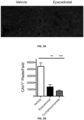
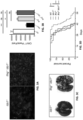
- Ido1 - / - mice challenged with orthotopically engrafted 4T1 mammary adenocarcinoma tumors exhibited a marked delay in pulmonary metastasis development relative to their WT (wild type) counterparts ( Fig. 1A ).
- Epacadostat was administered by oral gavage over a 72 hour period to mice with established 4T1 pulmonary metastases.
- Epacodostat (INCB024360) is a specific, small molecule inhibitor of IDO1 ( Liu et al. (2010) Blood 115:3520-3530 ).
- the inflammatory cytokine IFN ⁇ is a major inducer of IDO1.
- IFN ⁇ is critical for effective anti-tumor immunity ( Beatty et al. (2001) Immunol. Res., 24:201-210 ) and IFN ⁇ -elicited reduction of the tumor neovasculature may be a mechanism of action ( Qin et al. (2000) Immunity 12:677-686 ; Qin et al. (2003) Cancer Res., 63:4095-4100 ).
- the impact of the loss of both IFN ⁇ and IDO1 in the host animal on neovascularization in 4T1 pulmonary metastases was examined.
- the loss of IDO1 is associated with attenuated IL6 induction in the 4T1 metastasis model and metastasis susceptibility can be restored by provision of exogenous IL6 ( Smith et al. (2012) Cancer Discov., 2:722-735 ).
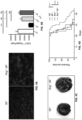
- IL6 loss affected neovascularization in 4T1 lung metastases, with the metastatic tumors obtained from Il6 - / - animals exhibiting a significantly reduced vascular density relative to the wild type controls ( Figs. 4A and 4B ).
- the concomitant loss of IFN ⁇ abrogated the reduction in vascular density observed with the loss of IL6 alone ( Figs. 4A and 4B ).
- Loss of IL6 was likewise associated with a clear reduction in pulmonary metastasis burden and increased survival benefit for mice challenged with orthotopic 4T1 tumors, a benefit that was lost with the concomitant loss of IFN ⁇ ( Figs. 4C and 4D ).
- the corresponding similarity of the effects of IL6 loss and IDO1 loss on neovascularization and metastasis susceptibility is consistent with IL6 acting as an important downstream mediator of IDO's effects on these processes.
- Elevation of IDO1 enzymatic activity corresponds with 4T1 metastasis outgrowth in the lungs ( Smith et al. (2012) Cancer Discov., 2:722-735 ).
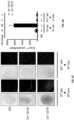
- an IDO1 specific antibody was used to detect the presence of IDO1 in tissue samples by fluorescence microscopy. Immunofluorescence staining of metastatic lung nodules revealed that IDO1 is expressed in tumor infiltrating immune cells and not in the tumor cells themselves ( Figure 5A ).
- IDO1 + immune cells were concentrated in the lung metastases but not in the primary 4T1 tumor nor in the spleen suggesting either that a specific IDO1-expressing subtype localizes to 4T1 lung metastases or that IDO1 is specifically elevated in this particular microenvironment ( Figure 5A ). Further evaluation revealed that the IDO1 + cells in the 4T1 lung metastases are also positive for the cell surface marker Gr1 ( Figure 5B ).
- Gr1 is one of the defining markers in mice for an immune cell population referred to as MDSCs (myeloid derived suppressor cells). The other marker most commonly used to identify MDSCs is CD11b, but unexpectedly IDO1 expression did not colocalize with this marker.
- IDO1 is expressed in a population of immune cells related to but distinct from classical MDSCs. Unlike the Gr1 + CD11b + MDSCs, which have been intensely studied due to their immune suppressive activity, very little information has been reported on the Gr1 + CD11b - cell population and there is no previous association of these cells with IDO1 expression.
- the data provided herein establishes a clear biological role for IDO1 in supporting pathologic neovascularization and shows that IDO1 promotes this outcome through its integration at the regulatory interface between two competing inflammatory cytokines, IFN ⁇ and IL6.
- Neovascularization was substantially reduced with the loss of IDO1, and this effect was completely reversed by the concomitant loss of IFN ⁇ , a primary inducer of IDO1.
- the loss of IL6, known to exhibit IDO1 dependent expression likewise resulted in reduced neovascularization that was also determined to be IFN ⁇ dependent.
- Direct tumor relevance was corroborated in an orthotopic 4T1 pulmonary metastasis model in which corresponding effects on neovascularization, metastatic tumor burden, and survival were observed.
- the present data demonstrates the importance of endogenous IDO1 for supporting neovascularization and presents a clear correlation between IDO1-dependent neovascularization and the outgrowth of lung metastases.
- the present data also provides mechanistic evidence to explain the basis for this effect by linking IDO1 to regulatory interactions with the inflammatory cytokines IFN ⁇ and IL6.
- IDO1 expression in endothelial cells has also been identified ( Blaschitz, et al. (2011) PLoS One 6:e21774 ). Biochemically, by catabolizing tryptophan, IDO1 can signal through two distinct metabolic pathways, one responding to downstream tryptophan catabolites and the other to the depletion of tryptophan itself. Both mechanisms have been linked to the positive regulation of IL6 ( Dinatale et al. (2010) Toxicol. Sci., 115:89-97 ; Liu et al. (2014) Mol. Cell. Biol., 34:428-438 ) via kynurenine signaling through AHR (aryl hydrocarbon receptor) or amino acid depletion signaling through GCN2 (general nonderepressible 2).
- AHR aryl hydrocarbon receptor
- amino acid depletion signaling through GCN2 general nonderepressible 2
- IDO1 small molecule inhibitors are currently being evaluated in clinical trials for a variety of cancers based on the supposition that they will help to enable an effective immune response directed against the tumor. This study indicates, however, that neovascularization is also involved.
- the clear interconnection established between the effects of IDO1, IFN ⁇ and IL6 loss on neovascularization and metastasis survival is consistent with other indications of the importance of the anti-neovascular effect that IFN ⁇ exerts against tumors ( Qin et al. (2000) Immunity 12:677-686 ; Qin et al. (2003) Cancer Res., 63:4095-4100 ). Accordingly, the impact on the tumor vasculature should additionally be considered when assessing clinical results obtained with IDO1 inhibitors, particularly in the context of pulmonary metastases.
- IDO1 inhibition may also enhance the IFN ⁇ -dependent, anti-angiogenic effect elicited by certain chemotherapeutic drugs such as cyclophosphamide, which has been reported to produce immune-dependent rejection of large, vascularized tumors mediated by the destruction of tumor blood vessels in a manner that requires IFN ⁇ receptor expression on normal host cells ( Ibe et al. (2001) J. Exp. Med. 194:1549-1559 ).
- IDO1 inhibitors can enhance this aspect of the therapeutic response to cyclophosphamide and other chemotherapeutic drugs that have also been identified as having anti-angiogenic activity, such as taxanes ( Bocci et al. (2002) Cancer Res., 62:6938-6943 ).
Landscapes
- Health & Medical Sciences (AREA)
- Veterinary Medicine (AREA)
- Chemical & Material Sciences (AREA)
- Medicinal Chemistry (AREA)
- Pharmacology & Pharmacy (AREA)
- Life Sciences & Earth Sciences (AREA)
- Animal Behavior & Ethology (AREA)
- General Health & Medical Sciences (AREA)
- Public Health (AREA)
- Epidemiology (AREA)
- Chemical Kinetics & Catalysis (AREA)
- General Chemical & Material Sciences (AREA)
- Nuclear Medicine, Radiotherapy & Molecular Imaging (AREA)
- Organic Chemistry (AREA)
- Oncology (AREA)
- Pharmaceuticals Containing Other Organic And Inorganic Compounds (AREA)
- Medicines That Contain Protein Lipid Enzymes And Other Medicines (AREA)
- Medicines Containing Material From Animals Or Micro-Organisms (AREA)
- Acyclic And Carbocyclic Compounds In Medicinal Compositions (AREA)
Applications Claiming Priority (3)
| Application Number | Priority Date | Filing Date | Title |
|---|---|---|---|
| US201762558573P | 2017-09-14 | 2017-09-14 | |
| PCT/US2018/051088 WO2019055786A1 (en) | 2017-09-14 | 2018-09-14 | METHODS AND COMPOSITIONS FOR THE TREATMENT OF CANCER |
| EP18856836.4A EP3681498B1 (de) | 2017-09-14 | 2018-09-14 | Verfahren und zusammensetzungen zur krebsbehandlung |
Related Parent Applications (1)
| Application Number | Title | Priority Date | Filing Date |
|---|---|---|---|
| EP18856836.4A Division EP3681498B1 (de) | 2017-09-14 | 2018-09-14 | Verfahren und zusammensetzungen zur krebsbehandlung |
Publications (1)
| Publication Number | Publication Date |
|---|---|
| EP4176876A1 true EP4176876A1 (de) | 2023-05-10 |
Family
ID=65724068
Family Applications (2)
| Application Number | Title | Priority Date | Filing Date |
|---|---|---|---|
| EP22199365.2A Pending EP4176876A1 (de) | 2017-09-14 | 2018-09-14 | Verfahren und zusammensetzungen zur behandlung von krebs |
| EP18856836.4A Active EP3681498B1 (de) | 2017-09-14 | 2018-09-14 | Verfahren und zusammensetzungen zur krebsbehandlung |
Family Applications After (1)
| Application Number | Title | Priority Date | Filing Date |
|---|---|---|---|
| EP18856836.4A Active EP3681498B1 (de) | 2017-09-14 | 2018-09-14 | Verfahren und zusammensetzungen zur krebsbehandlung |
Country Status (5)
| Country | Link |
|---|---|
| US (2) | US20200261414A1 (de) |
| EP (2) | EP4176876A1 (de) |
| JP (2) | JP2020534289A (de) |
| ES (1) | ES2935729T3 (de) |
| WO (1) | WO2019055786A1 (de) |
Families Citing this family (9)
| Publication number | Priority date | Publication date | Assignee | Title |
|---|---|---|---|---|
| US20240084002A1 (en) * | 2020-12-07 | 2024-03-14 | Lankenau Institute For Medical Research | Methods and compositions utilizing ido1-dependent vascularizing cells for the treatment of pathological conditions involving neovascularization |
| WO2023025312A1 (zh) | 2021-08-27 | 2023-03-02 | 深圳艾欣达伟医药科技有限公司 | 使用th-302治疗parp抑制剂耐药的患者 |
| CN117651548B (zh) | 2021-08-27 | 2026-03-03 | 深圳艾欣达伟医药科技有限公司 | 冻干制剂溶液及冻干制剂、方法和用途 |
| US20250186468A1 (en) | 2022-03-15 | 2025-06-12 | Ascentawits Pharmaceuticals, Ltd. | Method for treating patient with brca-mutated cancer |
| CN119384281A (zh) | 2022-04-15 | 2025-01-28 | 深圳艾欣达伟医药科技有限公司 | 使用th-302单药或联用parp抑制剂治疗癌症的方法 |
| CN119233822A (zh) | 2022-05-23 | 2024-12-31 | 深圳艾欣达伟医药科技有限公司 | 烷化剂前药与细胞周期抑制剂联用治疗癌症的方法 |
| CN119894521A (zh) | 2022-09-22 | 2025-04-25 | 深圳艾欣达伟医药科技有限公司 | 乏氧激活的化合物在制备治疗癌症患者的药物中的用途 |
| KR20250160163A (ko) | 2023-02-27 | 2025-11-11 | 아센타위츠 파마슈티컬즈 리미티드 | 용액, 동결건조 제형, 동결건조 제형 단위 패키지, 주사제, 및 주사제 제조 방법 |
| WO2025026214A1 (zh) | 2023-07-28 | 2025-02-06 | 深圳艾欣达伟医药科技有限公司 | 治疗p53基因突变或缺陷阴性癌症、肿瘤患者 |
Citations (13)
| Publication number | Priority date | Publication date | Assignee | Title |
|---|---|---|---|---|
| US20050032733A1 (en) | 2001-05-18 | 2005-02-10 | Sirna Therapeutics, Inc. | RNA interference mediated inhibition of gene expression using chemically modified short interfering nucleic acid (SiNA) |
| US20060258719A1 (en) | 2005-05-10 | 2006-11-16 | Combs Andrew P | Modulators of indoleamine 2,3-dioxygenase and methods of using the same |
| US20080119491A1 (en) | 2006-09-19 | 2008-05-22 | Incyte Corporation | Amidinoheterocycles as modulators of indoleamine 2,3-dioxygenase |
| US20080146624A1 (en) | 2006-09-19 | 2008-06-19 | Incyte Corporation | Amidines as modulators of indoleamine 2,3-dioxygenase |
| US20080182882A1 (en) | 2006-11-08 | 2008-07-31 | Incyte Corporation | N-hydroxyamidinoheterocycles as modulators of indoleamine 2,3-dioxygenase |
| US20080214546A1 (en) | 2006-09-19 | 2008-09-04 | Incyte Corporation | N-hydroxyamidinoheterocycles as modulators of indoleamine 2,3-dioxygenase |
| US7705022B2 (en) | 2005-10-27 | 2010-04-27 | Lankenau Institute For Medical Research | IDO inhibitors and methods of use thereof |
| US7714139B2 (en) | 2003-03-27 | 2010-05-11 | Lankenau Institute For Medcial Research | IDO inhibitors and methods of use |
| US20130177590A1 (en) | 2005-12-20 | 2013-07-11 | Incyte Corporation | N-hydroxyamidinoheterocycles as modulators of indoleamine 2,3-dioxygenase |
| US20140023663A1 (en) | 2008-07-08 | 2014-01-23 | Incyte Corporation | 1,2,5-Oxadiazoles As Inhibitors Of Indoleamine 2,3-Dioxygenase |
| US20140066625A1 (en) | 2011-04-15 | 2014-03-06 | Newlink Genetics Corporation | Fused Imidazole Derivatives Useful as IDO Inhibitors |
| US20140079812A1 (en) | 2007-11-20 | 2014-03-20 | Lankenau Institute For Medical Research | Disulfide Chemotherapeutic Agents and Methods of Use Thereof |
| US20170022157A1 (en) | 2015-07-24 | 2017-01-26 | NewLink Genetics, Corp. | Salts and prodrugs of 1-methyl-d-tryptophan |
Family Cites Families (5)
| Publication number | Priority date | Publication date | Assignee | Title |
|---|---|---|---|---|
| ZA200507752B (en) * | 2003-03-28 | 2007-01-31 | Threshold Pharmaceuticals Inc | Compositions and methods for treating cancer |
| AU2013204313C1 (en) * | 2012-06-01 | 2016-04-07 | Bionomics Limited | Combination Therapy |
| WO2016090174A1 (en) * | 2014-12-03 | 2016-06-09 | Auckland Uniservices, Ltd. | Kinase inhibitor prodrug for the treatment of cancer |
| EP3359150A4 (de) * | 2015-10-05 | 2019-11-06 | Calithera Biosciences, Inc. | Kombinationstherapie mit glutaminaseinhibitoren und immuno-onkologischen mitteln |
| US20190241573A1 (en) * | 2016-07-20 | 2019-08-08 | Glaxosmithkline Intellectual Property Development Limited | Isoquinoline derivatives as perk inhibitors |
-
2018
- 2018-09-14 JP JP2020515740A patent/JP2020534289A/ja active Pending
- 2018-09-14 US US16/647,260 patent/US20200261414A1/en not_active Abandoned
- 2018-09-14 ES ES18856836T patent/ES2935729T3/es active Active
- 2018-09-14 WO PCT/US2018/051088 patent/WO2019055786A1/en not_active Ceased
- 2018-09-14 EP EP22199365.2A patent/EP4176876A1/de active Pending
- 2018-09-14 EP EP18856836.4A patent/EP3681498B1/de active Active
-
2023
- 2023-11-13 JP JP2023193160A patent/JP2024023290A/ja active Pending
- 2023-12-11 US US18/535,111 patent/US20240374566A1/en active Pending
Patent Citations (14)
| Publication number | Priority date | Publication date | Assignee | Title |
|---|---|---|---|---|
| US20050032733A1 (en) | 2001-05-18 | 2005-02-10 | Sirna Therapeutics, Inc. | RNA interference mediated inhibition of gene expression using chemically modified short interfering nucleic acid (SiNA) |
| US8008281B2 (en) | 2003-03-27 | 2011-08-30 | Lankenau Institute For Medical Research | Methods for the treatment of cancer |
| US7714139B2 (en) | 2003-03-27 | 2010-05-11 | Lankenau Institute For Medcial Research | IDO inhibitors and methods of use |
| US20060258719A1 (en) | 2005-05-10 | 2006-11-16 | Combs Andrew P | Modulators of indoleamine 2,3-dioxygenase and methods of using the same |
| US7705022B2 (en) | 2005-10-27 | 2010-04-27 | Lankenau Institute For Medical Research | IDO inhibitors and methods of use thereof |
| US20130177590A1 (en) | 2005-12-20 | 2013-07-11 | Incyte Corporation | N-hydroxyamidinoheterocycles as modulators of indoleamine 2,3-dioxygenase |
| US20080214546A1 (en) | 2006-09-19 | 2008-09-04 | Incyte Corporation | N-hydroxyamidinoheterocycles as modulators of indoleamine 2,3-dioxygenase |
| US20080146624A1 (en) | 2006-09-19 | 2008-06-19 | Incyte Corporation | Amidines as modulators of indoleamine 2,3-dioxygenase |
| US20080119491A1 (en) | 2006-09-19 | 2008-05-22 | Incyte Corporation | Amidinoheterocycles as modulators of indoleamine 2,3-dioxygenase |
| US20080182882A1 (en) | 2006-11-08 | 2008-07-31 | Incyte Corporation | N-hydroxyamidinoheterocycles as modulators of indoleamine 2,3-dioxygenase |
| US20140079812A1 (en) | 2007-11-20 | 2014-03-20 | Lankenau Institute For Medical Research | Disulfide Chemotherapeutic Agents and Methods of Use Thereof |
| US20140023663A1 (en) | 2008-07-08 | 2014-01-23 | Incyte Corporation | 1,2,5-Oxadiazoles As Inhibitors Of Indoleamine 2,3-Dioxygenase |
| US20140066625A1 (en) | 2011-04-15 | 2014-03-06 | Newlink Genetics Corporation | Fused Imidazole Derivatives Useful as IDO Inhibitors |
| US20170022157A1 (en) | 2015-07-24 | 2017-01-26 | NewLink Genetics, Corp. | Salts and prodrugs of 1-methyl-d-tryptophan |
Non-Patent Citations (81)
| Title |
|---|
| ASLAKSON ET AL., CANCER RES., vol. 52, 1992, pages 1399 - 1405 |
| ATKINS ET AL., CANCER RES., vol. 73, no. 6, 2013, pages 1993 - 2002 |
| AXTEN ET AL., ACS MED CHEM LETT, vol. 4, no. 10, 2013, pages 964 - 968 |
| AXTEN ET AL., J. MED. CHEM., vol. 55, no. 16, pages 7193 - 207 |
| BALACHANDRAN ET AL., NAT. MED., vol. 17, 2011, pages 1094 - 1100 |
| BALACHANDRAN ET AL., NATURE MED., vol. 17, 2011, pages 1094 - 1100 |
| BANERJEE ET AL., ONCOGENE, vol. 27, 2008, pages 2851 - 2857 |
| BEATTY ET AL., IMMUNOL. RES., vol. 24, 2001, pages 201 - 210 |
| BERBERAT ET AL., CLIN. CANCER RES., vol. 11, no. 10, 2005, pages 3790 - 3798 |
| BESSEDE ET AL., NATURE, vol. 511, 2014, pages 184 - 190 |
| BI ET AL., EMBO J, vol. 24, no. 19, 2005, pages 3470 - 3481 |
| BLASCHITZ ET AL., PLOS ONE, vol. 6, 2011, pages e21774 |
| BOCCI ET AL., CANCER RES., vol. 62, 2002, pages 6938 - 6943 |
| CAO ET AL., SCI. TRANSL. MED., vol. 3, no. 114, 2011, pages 114rvll3 |
| CAZARES-KORNER ET AL., ACS CHEM. BIOL., vol. 8, 2013, pages 1451 - 1459 |
| DEY ET AL., JCI, vol. 125, no. 7, 2015, pages 2592 - 608 |
| DINATALE ET AL., TOXICOL. SCI., vol. 115, 2010, pages 89 - 97 |
| DU ET AL., J. INTERFERON CYTOKINE RES., vol. 20, 2000, pages 133 - 142 |
| DUHADAWAY ET AL., ONCOTARGET, vol. 7, no. 7, 2016, pages 7372 - 7380 |
| GIANNONI ET AL., HAEMATOLOGICA, vol. 99, 2014, pages 1078 - 1087 |
| HICKS ET AL., CLIN. CANCER RES., vol. 16, 2010, pages 4946 - 4957 |
| HOU ET AL., CANCER RES., vol. 67, 2007, pages 792 - 801 |
| HUNT ET AL., AACR, 2017 |
| IBE ET AL., J. EXP. MED., vol. 194, 2001, pages 1549 - 1559 |
| INT. J. TRYP. RES., vol. 6, 2013, pages 35 - 45 |
| ISHIDA ET AL., NAT. MED., vol. 9, 2003, pages 781 - 788 |
| IVERSEN ET AL., CLIN. CANCER RES., vol. 20, 2014, pages 221 - 32 |
| JOZKOWICZ ET AL., ANTIOX REDOX SIG, vol. 9, no. 12, 2007, pages 2099 - 2117 |
| KARNTHALER-BENBAKKA ET AL., AGNEW CHEM. INT. ED. ENGL., vol. 53, 2014, pages 12930 - 12935 |
| KUMAR ET AL., J. MED. CHEM., vol. 51, 2008, pages 2412 - 2420 |
| LEE ET AL., J. BIOL. CHEM., vol. 272, no. 9, 1997, pages 5375 - 5381 |
| LI FANGXUAN ET AL: "IDO1: An important immunotherapy target in cancer treatment", INTERNATIONAL HNMUNOPHARMACOLOGY, ELSEVIER, AMSTERDAM, NL, vol. 47, 30 March 2017 (2017-03-30), pages 70 - 77, XP085025448, ISSN: 1567-5769, DOI: 10.1016/J.INTIMP.2017.03.024 * |
| LI, J. INVEST. DERMATOL., vol. 126, 2006, pages 128 - 136 |
| LIAPIS VASILIOS ET AL: "Anticancer efficacy of the hypoxia-activated prodrug evofosfamide is enhanced in combination with proapoptotic receptor agonists against osteosarcoma", vol. 6, no. 9, 31 August 2017 (2017-08-31), pages 2164 - 2176, XP009527011, ISSN: 2045-7634, Retrieved from the Internet <URL:https://www.ncbi.nlm.nih.gov/pmc/ivip/2045-7634/6/9/2164> DOI: 10.1002/CAM4.1115 * |
| LINDQUIST ET AL., TUMOUR MICROENV. THER., vol. 1, 2013, pages 46 - 55 |
| LITZENBURGER ET AL., ONCOTARGET, vol. 5, 2014, pages 1038 - 1051 |
| LIU ET AL., BLOOD, vol. 115, no. 17, 2010, pages 3520 - 3530 |
| LIU ET AL., MOL. CELL. BIOL., vol. 34, 2014, pages 428 - 438 |
| MARTI ET AL., MEM INST OSWALDO CRUZ, vol. 109, 2014, pages 70 - 79 |
| MCCLINTOCK ET AL., J. APPL. PHYSIOL, vol. 99, 2005, pages 861 - 866 |
| METZ ET AL., INT. IMMUNOL., vol. 26, 2014, pages 357 - 367 |
| METZ ET AL., ONCOIMMUNOLOGY, vol. 1, 2012, pages 1460 - 1468 |
| MIDDLETON ET AL., CRIT. REV. ONCOL. HEMATOL., vol. 89, 2014, pages 129 - 139 |
| MOL. CANCER THER., vol. 9, no. 2, 2010, pages 489 - 498 |
| MULLER ET AL., CANCER RES., vol. 70, 2010, pages 1845 - 1853 |
| MULLER ET AL., NAT. MED., vol. 11, 2005, pages 312 - 319 |
| MULLER ET AL., NATURE MED., vol. 11, 2005, pages 312 - 319 |
| MULLER ET AL., PROC. NATL. ACAD. SCI., vol. 105, 2008, pages 17073 - 17078 |
| MULLER, PROC NAT ACAD SCI., vol. 105, 2008, pages 17073 - 17078 |
| MUNN ET AL., IMMUNITY, vol. 22, 2005, pages 633 - 642 |
| MUNN ET AL., J. CLIN. INVEST., vol. 114, 2004, pages 280 - 290 |
| MUNN ET AL., SCIENCE, vol. 281, 1998, pages 1191 - 1193 |
| MYSLINSKI ET AL., NUCL. ACIDS RES., vol. 29, 2001, pages 2502 09 |
| NAKASHIMA H ET AL: "Synthesis and biological activity of 1-methyl-tryptophan-tirapazamine hybrids as hypoxia-targeting indoleamine 2,3-dioxygenase inhibitors", BIOORGANIC & MEDICINAL CHEMISTRY, ELSEVIER, AMSTERDAM, NL, vol. 16, no. 18, 15 September 2008 (2008-09-15), pages 8661 - 8669, XP025427661, ISSN: 0968-0896, [retrieved on 20080805], DOI: 10.1016/J.BMC.2008.07.087 * |
| NONAKA ET AL., INT. J. ONCOL., vol. 38, 2011, pages 113 - 120 |
| OOSTVEEN ET AL., TETRAHEDRON, vol. 43, 1987, pages 255 - 262 |
| OPITZ ET AL., NATURE, vol. 478, 2011, pages 197 - 203 |
| PATTERSON ET AL., CLIN. CANCER RES., vol. 13, 2007, pages 3922 - 3932 |
| PEEK ET AL., CANCER RES., vol. 65, 2005, pages 8583 - 8586 |
| QIN ET AL., CANCER RES., vol. 63, 2003, pages 4095 - 4100 |
| QIN ET AL., IMMUNITY, vol. 12, 2000, pages 677 - 686 |
| RALEIGH ET AL., INT. J. RADIAT. ONCOL. BIOL. PHYS., vol. 42, 1998, pages 763 - 767 |
| RUTELLA ET AL., BLOOD, vol. 108, 2006, pages 218 - 227 |
| SAHOO ET AL., BIOCONJUG CHEM, vol. 13, no. 5, 2002, pages 1031 - 1038 |
| SHANDELL MIA A. ET AL: "Inhibition of the Na+/K+-ATPase by cardiac glycosides suppresses expression of the IDO1 immune checkpoint in cancer cells by reducing STAT1 activation", JOURNAL OF BIOLOGICAL CHEMISTRY, vol. 298, no. 3, 1 March 2022 (2022-03-01), US, pages 101707, XP093134511, ISSN: 0021-9258, Retrieved from the Internet <URL:https://www.ncbi.nlm.nih.gov/pmc/articles/PMC8902613/pdf/main.pdf> DOI: 10.1016/j.jbc.2022.101707 * |
| SHINDE ET AL., J. AM. CHEM. SOC., vol. 131, 2009, pages 14220 - 14221 |
| SMITH ET AL., CANCER DISCOV, vol. 2, 2012, pages 722 - 735 |
| SMITH ET AL., CANCER DISCOV., vol. 2, 2012, pages 722 - 735 |
| SOLIMAN, J. CLIN. ONCOL., vol. 31, 2013 |
| TABASDAVID ET AL., NAT CELL BIOL, vol. 13, no. 3, 2012, pages 184 - 190 |
| TAKIKAWA ET AL., J. BIOL. CHEM., vol. 261, 1986, pages 3648 - 3653 |
| TAYLOR ET AL., FASEB J., vol. 5, 1991, pages 2516 - 2522 |
| THEVENOT ET AL., IMMUNITY, vol. 41, 2014, pages 389 - 401 |
| THOMAS ET AL., J CELL BIOCHEM., vol. 115, 2014, pages 391 - 396 |
| WAGNER ET AL., AM. J. PHYSIOL. LUNG CELL. MOL. PHYSIOL., vol. 294, 2008, pages L351 - 357 |
| WIGERUP ET AL., PHARMACOL. THER., vol. 164, 2016, pages 152 - 169 |
| WYTHES ET AL., SITC, 2016 |
| XUE-HONG ZHANG ET AL: "The combination of digoxin and GSK2606414 exerts synergistic anticancer activity against leukemia in vitro and in vivo", BIOFACTORS, OXFORD UNIVERSITY PRESS, OXFORD, GB, vol. 43, no. 6, 17 August 2017 (2017-08-17), pages 812 - 820, XP071860140, ISSN: 0951-6433, DOI: 10.1002/BIOF.1380 * |
| YOSHIDA ET AL., PROC. NATL. ACAD. SCI., vol. 78, 1981, pages 129 - 132 |
| YU ET AL., J. IMMUNOL., vol. 193, 2014, pages 2574 - 2586 |
| ZHU ET AL., J. MED. CHEM., vol. 56, 2013, pages 1355 - 1359 |
Also Published As
| Publication number | Publication date |
|---|---|
| WO2019055786A1 (en) | 2019-03-21 |
| ES2935729T3 (es) | 2023-03-09 |
| US20240374566A1 (en) | 2024-11-14 |
| US20200261414A1 (en) | 2020-08-20 |
| EP3681498B1 (de) | 2022-10-05 |
| EP3681498A4 (de) | 2021-06-02 |
| EP3681498A1 (de) | 2020-07-22 |
| JP2024023290A (ja) | 2024-02-21 |
| JP2020534289A (ja) | 2020-11-26 |
Similar Documents
| Publication | Publication Date | Title |
|---|---|---|
| US20240374566A1 (en) | Methods and compositions for the treatment of cancer | |
| KR20220061974A (ko) | Smarca2/4 저하제에 대한 반응체 확인 방법 | |
| CN118459413A (zh) | 用于治疗癌症的组合物和方法 | |
| De et al. | The FACT inhibitor CBL0137 synergizes with cisplatin in small-cell lung cancer by increasing NOTCH1 expression and targeting tumor-initiating cells | |
| JP2020097598A (ja) | メタドヘリン−snd1相互作用を遮断するペプチドの癌の治療としての使用 | |
| Eglenen-Polat et al. | A telomere-targeting drug depletes cancer initiating cells and promotes anti-tumor immunity in small cell lung cancer | |
| Zhang et al. | Intercellular adhesion molecule-1 suppresses TMZ chemosensitivity in acquired TMZ-resistant gliomas by increasing assembly of ABCB1 on the membrane | |
| US20240398804A1 (en) | Methods of treating cancer having an active wnt/beta-catenin pathway | |
| Cina et al. | A Novel Lipid Nanoparticle NBF-006 Encapsulating Glutathione S-Transferase P siRNA for the Treatment of KRAS-Driven Non–small Cell Lung Cancer | |
| JP7254780B2 (ja) | 薬剤耐性神経膠腫の治療法 | |
| JP5762103B2 (ja) | 頭頸部癌及び食道癌用抗癌剤及び増強剤 | |
| HK40093210A (en) | Methods and compositions for the treatment of cancer | |
| US20200023038A1 (en) | Method of treating neoplasias | |
| US20250281609A1 (en) | Composition for treating or preventing cancer | |
| AU2021279243A1 (en) | New therapy for the treatment of tumors | |
| KR101900278B1 (ko) | Myc-ap4 축 활성화된 암의 예방 또는 치료용 조성물의 스크리닝 방법 | |
| RU2760835C2 (ru) | Агент, индуцирующий клеточную гибель, для клеток, имеющих мутации гена braf, агент, подавляющий рост таких клеток, и фармацевтическая композиция для терапии заболеваний, вызванных дефектом роста таких клеток | |
| Faletti | LSD1-directed therapy hinders glioblastoma by deregulating ATF4-dependent integrated stress response | |
| US20220347180A1 (en) | Enhancing cancer therapy treatment with bh3 mimetics | |
| WO2025003680A1 (en) | Method for identifying specific cancer patient subgroups and novel cancer therapy for specific cancer patient subgroups | |
| WO2025095115A1 (ja) | がん関連線維芽細胞抑制剤 | |
| WO2026013071A1 (en) | Setdb1 inhibitor for use in the treatment of uveal melanoma |
Legal Events
| Date | Code | Title | Description |
|---|---|---|---|
| PUAI | Public reference made under article 153(3) epc to a published international application that has entered the european phase |
Free format text: ORIGINAL CODE: 0009012 |
|
| STAA | Information on the status of an ep patent application or granted ep patent |
Free format text: STATUS: THE APPLICATION HAS BEEN PUBLISHED |
|
| AC | Divisional application: reference to earlier application |
Ref document number: 3681498 Country of ref document: EP Kind code of ref document: P |
|
| AK | Designated contracting states |
Kind code of ref document: A1 Designated state(s): AL AT BE BG CH CY CZ DE DK EE ES FI FR GB GR HR HU IE IS IT LI LT LU LV MC MK MT NL NO PL PT RO RS SE SI SK SM TR |
|
| STAA | Information on the status of an ep patent application or granted ep patent |
Free format text: STATUS: REQUEST FOR EXAMINATION WAS MADE |
|
| 17P | Request for examination filed |
Effective date: 20231109 |
|
| RBV | Designated contracting states (corrected) |
Designated state(s): AL AT BE BG CH CY CZ DE DK EE ES FI FR GB GR HR HU IE IS IT LI LT LU LV MC MK MT NL NO PL PT RO RS SE SI SK SM TR |
|
| REG | Reference to a national code |
Ref country code: HK Ref legal event code: DE Ref document number: 40093210 Country of ref document: HK |
|
| STAA | Information on the status of an ep patent application or granted ep patent |
Free format text: STATUS: EXAMINATION IS IN PROGRESS |
|
| 17Q | First examination report despatched |
Effective date: 20240301 |