EP4176934A1 - Analogues peptidiques lipidisés de transcription régulés par la cocaine et l'amphétamine en tant qu'agents anti-obésité et neuroprotecteurs - Google Patents
Analogues peptidiques lipidisés de transcription régulés par la cocaine et l'amphétamine en tant qu'agents anti-obésité et neuroprotecteurs Download PDFInfo
- Publication number
- EP4176934A1 EP4176934A1 EP22205680.6A EP22205680A EP4176934A1 EP 4176934 A1 EP4176934 A1 EP 4176934A1 EP 22205680 A EP22205680 A EP 22205680A EP 4176934 A1 EP4176934 A1 EP 4176934A1
- Authority
- EP
- European Patent Office
- Prior art keywords
- cart
- lipidized
- amphetamine
- cocaine
- cartp
- Prior art date
- Legal status (The legal status is an assumption and is not a legal conclusion. Google has not performed a legal analysis and makes no representation as to the accuracy of the status listed.)
- Pending
Links
Images





Classifications
-
- A—HUMAN NECESSITIES
- A61—MEDICAL OR VETERINARY SCIENCE; HYGIENE
- A61P—SPECIFIC THERAPEUTIC ACTIVITY OF CHEMICAL COMPOUNDS OR MEDICINAL PREPARATIONS
- A61P3/00—Drugs for disorders of the metabolism
- A61P3/04—Anorexiants; Antiobesity agents
-
- C—CHEMISTRY; METALLURGY
- C07—ORGANIC CHEMISTRY
- C07K—PEPTIDES
- C07K14/00—Peptides having more than 20 amino acids; Gastrins; Somatostatins; Melanotropins; Derivatives thereof
- C07K14/435—Peptides having more than 20 amino acids; Gastrins; Somatostatins; Melanotropins; Derivatives thereof from animals; from humans
- C07K14/475—Growth factors; Growth regulators
-
- A—HUMAN NECESSITIES
- A61—MEDICAL OR VETERINARY SCIENCE; HYGIENE
- A61K—PREPARATIONS FOR MEDICAL, DENTAL OR TOILETRY PURPOSES
- A61K38/00—Medicinal preparations containing peptides
Definitions
- the new analogues of the cocaine- and amphetamine-regulated transcript peptide are anorexigenic compounds that lower food intake and ameliorate metabolic parameters connected with obesity, as well as improve neurodegeneration in brain upon peripheral administration.
- the synthesis of these lipidized peptides is described, as well as their pharmacological effects in vitro and in vivo.
- Anorexigenic and/or anti-diabetic substances are considered as potential neuroprotective agents; neuroprotective properties were observed with several hormones implicated in maintaining energy homeostasis, such as leptin, insulin, analogues of glucagon-like peptide 1 (GLP-1), or prolactin-releasing peptide (PrRP). These hormones were shown to improve spatial memory, reduce A ⁇ plaques, or attenuate Tau hyper-phosphorylation ( Maletinska et al. 2019, JEndocrinol 240, R47-R72 ). Nevertheless, to this day, there is still no effective treatment of Alzheimer's disease (AD), only drugs slowing down its progression.
- AD Alzheimer's disease
- CARTp discovered in 1998 ( Thim et al. 1998, Int J Biochem Cell Biol 30, 1281-1284 ), is a is a neuropeptide with strong anorexigenic properties abundantly expressed in hypothalamus ( Kristensen et al. 1998, Nature 393, 72-76 ). Its importance in food intake regulation is manifested by the fact that CARTp is regulated by leptin, the key regulator of body weight (BW) and energy homeostasis ( Kristensen et al. 1998, Nature 393, 72-76 ).
- BW body weight
- CARTp has also been implicated in regulation of the hypothalamic-pituitary-adrenal axis at all levels indicating its role in stress response, in reward and reinforcement processes, and in addiction ( Lau et al. 2014, Front Neurosci 8, 313 ; Singh et al. 2021, Peptides 140, 170534 ).
- the CARTp receptor has not yet been discovered.
- in vitro experiments suggest that the receptor is in G-protein coupled receptor family ( Yermolaieva et al. 2001, J Neurosci 21, 7474-7480 ); recent finding suggest that it could be GPR160 receptor ( Yosten et al. 2020, J Clin Invest 130, 2587-2592 ).
- PC12 cells are derived from rat adrenal glands and mimic artificial nervous system. Cells can be differentiated to neuronal phenotype by incubation with nerve growth factor (NGF). CARTp further induced activation of SAPK/JNK (Stress-activated protein kinase/c-Jun NH(2)-terminal kinase) pathway, and subsequent c-Jun protein expression, thus, confirming that CARTp can be involved in managing stress conditions ( Nagelova et al. 2014, Brain Res 1547, 16-24 ).
- SAPK/JNK Stress-activated protein kinase/c-Jun NH(2)-terminal kinase
- pro-CART(1-102) is spliced into two biologically active isoforms; CARTp(55-102) and the shorter CARTp(61-102) ( Thim et al. 1998, Int J Biochem Cell Biol 30, 1281-1284 ). Both isoforms contain three disulfide bridges between cysteines in positions 68-86, 74-94, and 88-101 which are crucial for proper biological activity ( Thim et al. 1998, Int J Biochem Cell Biol 30, 1281-1284 ).
- Comprehensive study from our laboratory performed by Maixnerová et al. was focused on identifying shorter biologically active CARTp fragment able to bind to PC12 and inhibit food intake.
- CARTp is also expressed in parts of the brain connected to learning and memory, such as the cortex and the hippocampus, which is one of the first area affected in AD ( Koylu et al. 1998, J Comp Neurol 391, 115-132 ).
- CARTp ICV administration enhanced spatial memory in rats in the Morris Water Maze (MWM) ( Upadhya et al. 2011, Life Sci 88, 322-334 ).
- MLM Morris Water Maze
- Potential neuroprotective properties were tested in double transgenic mouse model of AD called APP/PS1 mice (amyloid precursor protein/ presenilin 1) bearing APPswe/PSEN1dE9 mutations which are connected to familial form of AD.
- CART mRNA levels in hippocampi were reduced in APP/PS1 mice compared to wild type controls, and the immunoreactive fibers of CARTp were detected closely to A ⁇ plaques.
- the treatment of APP/PS1 mice with CARTp resulted also in enhanced memory in the MWM, decreased A ⁇ , and improved synaptic plasticity ( Jin, et al. 2015, Sci Rep 5, 10224 ; Yin et al. 2017, Neurol Res 39, 885-894 ).
- Another study showed that CARTp is located in mitochondria where it acted as antioxidant agent and improved mitochondria integrity, and subsequently increased the viability of cortical neurons ( Mao et al. 2007, Eur JNeurosci 26, 624-632 ). All these findings suggest that CARTp is a potential neuroprotective agent, but the exact mechanism of action still needs to be elucidated.
- the first aspect of the invention are lipidized peptides, formed by 42 amino acids, of general formula: wherein x is C8-C16 acyl and underlinings indicate disulfide bridges between cysteines Cys74 and Cys94 and Cys88 and Cys101 (the position numbering is in relation to CARTp(61-102)).
- x is selected from C10, C12, C14 and C16 fatty acid residue (acyl), more preferably from octanoyl (oct), myristoyl (myr), and palmitoyl (palm).
- acyl preferably from octanoyl (oct), myristoyl (myr), and palmitoyl (palm).
- (N-x) indicates that x is bound on the N-terminus of the sequence.
- the second aspect of the invention are the compounds of general formula (1), selected from the group comprising:
- the third aspect of the invention are compounds of general formula 1 as described above for use as medicaments.
- the fourth aspect of the invention are lipidized peptides of general formula 1 as described above for use in the treatment of obesity and/or neurodegeneration.
- the fifth aspect of the invention is a pharmaceutical composition
- a pharmaceutical composition comprising as an active ingredient a lipidized peptide of general formula 1 as described above and one or more pharmaceutically acceptable carriers, polymers, or excipients.
- the invention relates to use of lipidized peptide of general formula 1 as described above for the manufacturing of medicaments for the treatment of obesity and/or neurodegeneration.
- the lipidized peptides of the present invention are intended to be administered as a standard pharmaceutical composition.
- the present invention therefore provides a pharmaceutical composition comprising a compound of formula 1 and a pharmaceutically acceptable carrier or excipient to form appropriate formulation, microformulation or nanoformulation. Since natural CARTp with the three disulfide bridges is difficult to synthesize and the yield of the synthesis is low, the pharmaceutical composition with only two disulfide bridges is more convenient concerning the peptide synthesis and can be for use in the treatment of any of obesity and/or neurodegeneration.
- analogues of human (identical to rat, mouse) CARTp(61-102) were designed and lipidized at the N-terminal amino acid with a fatty acid containing C8 to C16.
- the methionine in the position 67 in CARTp was replaced by a more stable norleucine. It was found that 2 disulfide bridges (between Cys74 and Cys94 and Cys88 and Cys101) are necessary for maintaining biological activity while Cys68 and Cys86 could be replaced by Ala.
- the neuropeptide CARTp and its analogues with two disulfide bridges were prepared and lipidized by fatty acid (eg. by octanoyl, myristoyl or palmitoyl) at the N-terminus of the peptide.
- fatty acid eg. by octanoyl, myristoyl or palmitoyl
- These analogues with different chain length specifically bind to prospective receptor on PC12 cells with high affinity in in vitro conditions.
- P ⁇ 0.001 dose-dependent reduction in food intake
- Lipidization of neuropeptides that affect food intake and act in the brain presents a new alternative of delivering these peptides across the blood brain barrier after peripheral administration.
- lipidized analogues were able to ameliorate metabolic parameters connected with obesity and to act in brain as a neuroprotective agens.
- lipidized CARTp analogues which lower food intake and act as neuroprotective after peripheral administration.
- lipidized analogues of CARTp evinced stronger neuroprotective effect in comparison with natural CART(61-102) even in in vitro models of neurodegeneration.
- the improved properties of lipidized CARTp analogues are not caused only by their increased blood-brain barrier penetration, but the lipidation also increases the activity of the compounds as such.
- the peptides were synthesized using the method of solid phase synthesis according to Blechová et al. ( Blechova et al. 2013, Peptides 39, 138-144 ) utilizing the Fmoc strategy on the Liberty Blue synthesizer (CEM, CEM, Mathews, NC, USA) by stepwise coupling of the corresponding Fmoc-aminoacids to the growing chain on Fmoc-Leu-Wang LL resin. Oxyma/DIC in DMF was used as a coupling reagent. The fully protected peptide was synthesized and cleaved from the resins by a mixture of TFA/water/TIS/EDT/thioanisol (90:1:1:3:5).
- the rat pheochromocytoma cell line PC12 was obtained from ATCC (Manassas, VA, USA). The cells were grown in RPMI 1640 medium (Sigma, St. Luis, MO, USA) supplemented with 10% horse serum, 5% fetal bovine serum (always v/v, unless otherwise stated), 2 mM L-glutamine (PAA Laboratories GmbH, Pasching, Austria), and 1% penicillin/streptomycin (PAA Laboratories GmbH, Pasching, Austria), and passaged once per week to maintain the cells in the exponential growth phase. For binding studies, the cells were seeded on polyethylene imine-coated 24-well plates (Corning, NY, USA). To reach a density of approximately 7 ⁇ 10 5 cells/well, which was found to be optimal for binding experiments, the non-differentiated cells were allowed to grow for 3 days.
- Plated cells were incubated with 10 -10 M 125 I-CART(61-102) and 10 -11 - 10 -6 M non-radioactive CARTp analogues in a total volume of 0.25 ml of binding buffer (20 mM HEPES buffer, pH 7.4, 118 mM NaCl, 4.7 mM KCl and 5 mM MgCl 2 , 5.5 mM glucose, 1 mg/ml BSA, and 0.1 mg/ml basic pancreatic trypsin inhibitor) for 30 min at 37°C as previously described ( Maletinska et al. 2007, Eur J Pharmacol 559, 109-114 ). Non-specific binding was determined using 10 -6 M CART(61-102).
- Example 2 Cellular signaling and synaptic plasticity in PC12 cells after incubation with CART(61-102) or palm-CART in PC12 cells
- CART(61-102) did not increase phosphorylation of the cAMP- response element binding (CREB) at Ser133, however, palm-CART significantly increased the phosphorylation compared to cells treated with the vehicle (blank), as shown in Fig 1 A,B .
- palm-CART after 360 min incubation with PC12 cells significantly increased the level of several markers of synaptic plasticity, such as presynaptic proteins synaptophysin and spinophilin, and post-synaptic density protein 95 (PSD95) ( Fig 1 C, D ).
- palm-CART increased the markers of synaptic plasticity.
- its potential neuroprotective properties were studied in in-vitro models of neurodegeneration.
- iPSC induced pluripotent stem cells obtained from patient with familial form of AD were seeded on 6-well plates (Corning, NY, USA) and grown for 2 weeks in complete medium containing DMEM/F12, 0.5% N-2 supplement, 1% B27 supplement without vitamin A, 1% L-glutamine, 1% non-essential amino acids, 1% penicillin/streptomycin, and 20 ng/ml FGF2 (all from Thermo Fisher Scientific, Waltham, MA, USA). Subsequently, the iPSC were 48 hours treated with CART(61-102) or palm-CART at concentration 1x 10 -7 M.
- CART(61-102) and its analogue palm-CART was further tested in model of hypothermia-induced Tau hyperphosphorylation using hippocampal cell line HT22 (Merck, Darmstadt, Germany).
- HT22 cells were seeded on 12-well plates (Corning, NY, USA) and grown in complete medium containing DMEM, 10% IFBS, 1% L-glutamine, and 1% penicillin/streptomycin.
- HT22 cells were exposed to hypothermic condition (30 °C) and simultaneously treated with CART(61-102) or palm-CART at concentration 1 ⁇ 10 -7 M; control cells were maintained in 37 °C.
- HT22 cells in hypothermic condition showed significantly increased Tau hyperphosphorylation at Thr212
- the phosphorylation was attenuated in cells treated with palm-CART, not with CART(61-102).
- Decreased phosphorylation of Tau protein at Thr212 was linked to increased activity of protein phosphatase 2A (PP2A), manifested by increased methylation at Leu309 in HT22 cells treated with palm-CART ( Fig. 3A, B ).
- P2A protein phosphatase 2A
- Blank rat pooled EDTA plasma was conditioned in an incubator at 37 °C. Plasma was preheated to reach required temperature and then it was spiked with a solution of CART 2S-S and palm-CART analogues (dissolved in aqueous 0.5% formic acid) to a final concentration 100 ng.ml -1 . Duplicates were taken for ELISA analysis, sampling volume was 50 ⁇ L. Samples were immediately transferred to -20 °C.
- ELISA kit for CARTp (MyBioSource, San Diego, CA, USA) was used in accordance with manufacturer's directions. In addition, external calibration using palm-CART was used. The rat plasma was applied for the calibration to comprise specific influence of different matrices on the immunoanalysis output.
- Fig. 2 shows stability of nonlipidized CART 2S-S and palm-CART. Palm-CART revealed higher stability in rat plasma compared to CART 2S-S.
- Example 5 Test of food intake after SC administration of lipidized CARTp analogues
- mice Inbred C57BL/6 male mice (AnLab, Prague, Czech Republic) were housed at a temperature of 23°C under a daily cycle of 12 hours of light and dark (light from 6:00 a.m.) with free access to water and a standard chow diet that contained 25%, 9% and 66% calories from protein, fat and carbohydrate, respectively.
- the energy content of the diet was 3.4 kcal/g (Ssniff, Spezialdi decisiven GmbH, Soest, Germany).
- mice were given pre-weighed food. The food was then weighed every 30 minutes for 5 hours. The administration of every dose was performed at least twice and one group of mice consisted of at least 5 mice. The results were presented in grams of food intake and compared with the control group injected with saline.
- mice injected with saline and mice injected with the examined peptide were considered statistically significant at P ⁇ 0.05.
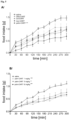
- lipidized CART analogues were able to decrease significantly food intake in fasted mice unlike non lipidized CART 2S-S peptide, see Fig. 5 .
- the anorexigenic effect of lipidized CART analogues was long lasting. The most significant decrease of food intake was observed after injection of palm-CART and the effect of this analog was significant even at a dose of 1 mg/kg ( Fig. 5B ).
- pentobarbital 50 mg/kg, i.p.
- the brains were removed, postfixed in 4% paraformaldehyde dissolved in phosphate buffer (PB) pH 7.4 overnight at 4 °C, and infiltrated with 30% sucrose in 0.1 M PB at 4 °C until the sectioning.
- PB phosphate buffer
- the frozen brains were placed into a Leica cryostat device adjusted to -25 °C and 30 ⁇ m coronal sections were cut from the brains and collected as free floating in cold (4°C) cryoprotective solution (25% glycerin, and 30% ethylene glycol in PB).
- Free floating sections were repeatedly washed in cold Tris-buffered saline (TBS), and boiling in 85°C for 30 min in citrate buffer pH 6.0 (Abcam, Cambridge, UK) for antigen retrieval. Afterwards, slices were incubated for 30 min in 0.6% H 2 O 2 for 40 min at room temperature. After 1-hour blocking in 5% goat serum dissolved in TBS with 0.2% Triton X-100 (TBS-T, Sigma-Aldrich, St. Louis, MO, USA), slices were 48 hours incubated with polyclonal Fos protein antiserum (1:500), diluted in 1% goat serum in TBS-T.
- TBS-T After several rinses in TBS-T, the sections were incubated with biotinylated goat-anti-rabbit IgG (1:500, VectorStain Elite ABC, Vector Lab., Burlingame, CA, USA) for 90 min at room temperature. Next TBS-T rinses were followed by incubation with the avidin-biotin peroxidase complex reagent (Vectastain ABC Kit, Vector Laboratories, Burlingame, CA, USA). The samples were stained in 3,3'-diaminobenzidine solution (DAB, Vector Laboratories, Burlingame, CA, USA), mounted on silanized slides and coverslipped using VectaMount AQ mounting medium (Vector Laboratories, Burlingame, CA, USA). Stained sections were viewed and imaged under an BX53 microscope equipped with DP74 camera (Olympus, Tokyo, Japan).
- mice An identical set of mice was used for determination of Fos immunoreactivity in nucleus arcuatus (Arc), and paraventricular nucleus (PVN) according to the mouse brain atlas ( Franklin et al. 2008, The Mouse Brain in Stereotaxic Coordinates. Academic Press ). Representative sections were captured by the same computerized system. The percentage of the stained area or the particle (stained cells) counts were then analyzed using ImageJ software (NIH, Bethesda, MD, USA).
- Neural activity presented in c-Fos immunoreactivity was significantly increased in a case of palm-CART analog in brain nuclei involved in food intake regulation tested (i.e. Arc, PVN). This analog also significantly decreased food intake.
- Example 7 14-day administration of lipopeptides in model of diet-induced (DIO mice)
- mice (Charles River, Germany) were housed at a temperature of 23°C under a daily cycle of 12 hours light and dark (light from 6:00 a.m.) with free access to water and food pellets (Ssniff Spezialdi decisiven GmbH, Soest, Germany).
- mice were switched to a high fat (HF) diet (the energy content of the HF diet was 5.3 kcal/g, containing 13, 60, and 27 % of calories from protein, fat, and carbohydrate, respectively).
- the HF diet consisted of 40 % standard St-1 diet, 34 % powdered cow milk for human neonates, 25 % lard, and 1 % corn starch w/w ( Kopecky et al. 1996, Am J Physiol 270, E768-775 ). Food intake and BW were monitored weekly from 9 to 24 weeks of age. Mice resistant to the HF diet were withdrawn from the experiment (approximately 10 % of mice).
- mice After 14 days of treatment, mice were sacrificed in the morning. Their blood plasmas were isolated, and the white adipose tissue (subcutaneous, abdominal, and gonadal), and the liver of all mice were dissected, weighed, and stored at -80° C.
- Example 8 21-day administration of lipopeptides in model of monosodium glutamate (MSG)-induced obesity with neurodegeneration
- insulin resistant animal model e.g. mouse model with obesity induced by MSG. These mice are characterized by growth hormone insufficiency, pituitary and optic nerves atrophy, and infertility ( Olney 1969, Science 164, 719-721 ). In their brains the reduced Arc, enlarged third brain ventricle, and narrowed eminentia mediana are observed. Total number of neurons in Arc is reduced about 75 % in MSG mice compared to their controls; however, the number of neurons does not differ significantly in other brain regions ( Elefteriou et al. 2003, Endocrinology 144, 3842-3847 ).
- MSG obese mice have even 8 times higher weight of white adipose tissue (Malet ⁇ nská et al. 2006, Regul Pept 136, 58-63). They have also increased leptin and glucose blood concentration, and insulin resistance (Malet ⁇ nská et al. 2006, Regul Pept 136, 58-63).
- mice At six months of age, these mice have developed neurodegeneration in hippocampus as shown by decrease sensitivity of insulin receptor cascade and increased pathological Tau phosphorylation ( Spolcova et al. 2015, J Alzheimers Dis 45, 823-835 ).
- mice of strain NMRI were housed at the certified animal facility of IOCB CAS, Moscow at 23 ⁇ 2°C, they had free access to water and food. They were fed standard chow diet (Ssniff, Germany), which contained 66 % of calories as carbohydrates, 25 % as protein, and 9 % as fat; its energy content was 3.4 kcal/g. Daily cycle was 12/12 hours, lights on at 6:00 a.m. All animal experiments followed the ethical guidelines for animal experiments and the Czech Republic Act No. 246/1992.
- mice For obesity, insulin resistance and neurodegeneration induction, the newborn NMRI mice were SC administered with sodium glutamic acid (Sigma, St. Louis, USA) at dose 4 mg/g of BW at postnatal days 2-5. These MSG-obese mice were fed the same standard diet as the control group. The food and BW were monitored once per week. For the study, MSG and control male mice at the age 6 months were used.
- mice 10 animals per group
- mice were for 21 days SC administered saline or palmitoylated analog of CARTp at a dose 10 mg/kg, dissolved in saline, once a day, 15:00.
- Control mice 10 animals per group
- NMRI NMR-MR-MR-MR-MR-MR-MR-MR-MR-MR-MR-MR
- mice with ad libitum access to water were weighed, and their plasma glucose concentration was measured using Glucocard glucometer. After transcardial perfusion with heparinized saline solution, the brains were dissected on ice, and cut between hemispheres. For immunohistochemical staining the half of the brain was fixed for 24 hours in 4% paraformaldehyde and stored in 30% sucrose, afterwards.
- the hippocampus was dissected, and lysed in cold lysis buffer (62.5 mM Tris-HCl, pH 6.8 with 1% sodium deoxycholate, 1% Triton X-100, Complete, 50 mM NaF, 1 mM Na 3 VO 4 ), homogenized, sonicated 10 minutes and stored at -20 °C.
- the blood plasma was prepared, and stored at - 80 °C.
- QUICKI Quantitative insulin sensitivity check index
- MSG saline treated mice displayed increased BW.
- 21-day-long SC treatment of 6-month-old MSG mice with palm-CART at a dose 10 mg/kg resulted in decreased BW compared to MSG saline treated group.
- decreased level of leptin, insulin and cholesterol were observed.
- the treatment with palm-CART improved peripheral insulin sensitivity manifested by increased level of QUICKI (Table 4).
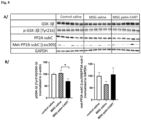
- decreased phosphorylation of GSK-3 ⁇ in hippocampi of MSG mice manifested by decreased phosphorylation at Tyr216 which displayed its decreased kinase activity towards Tau protein ( Fig. 8 A, B ).
Landscapes
- Health & Medical Sciences (AREA)
- Chemical & Material Sciences (AREA)
- Life Sciences & Earth Sciences (AREA)
- Organic Chemistry (AREA)
- General Health & Medical Sciences (AREA)
- Medicinal Chemistry (AREA)
- Child & Adolescent Psychology (AREA)
- Diabetes (AREA)
- Biochemistry (AREA)
- Genetics & Genomics (AREA)
- Gastroenterology & Hepatology (AREA)
- Molecular Biology (AREA)
- Proteomics, Peptides & Aminoacids (AREA)
- Zoology (AREA)
- Toxicology (AREA)
- Engineering & Computer Science (AREA)
- Bioinformatics & Cheminformatics (AREA)
- Biophysics (AREA)
- Hematology (AREA)
- Obesity (AREA)
- Chemical Kinetics & Catalysis (AREA)
- General Chemical & Material Sciences (AREA)
- Nuclear Medicine, Radiotherapy & Molecular Imaging (AREA)
- Pharmacology & Pharmacy (AREA)
- Animal Behavior & Ethology (AREA)
- Public Health (AREA)
- Veterinary Medicine (AREA)
- Peptides Or Proteins (AREA)
- Medicines That Contain Protein Lipid Enzymes And Other Medicines (AREA)
Applications Claiming Priority (1)
| Application Number | Priority Date | Filing Date | Title |
|---|---|---|---|
| PCT/CZ2021/050127 WO2023078478A1 (fr) | 2021-11-08 | 2021-11-08 | Analogues lipidisés du peptide de transcription régulé par la cocaïne et l'amphétamine en tant qu'agents anti-obésité et neuroprotecteurs |
Publications (1)
| Publication Number | Publication Date |
|---|---|
| EP4176934A1 true EP4176934A1 (fr) | 2023-05-10 |
Family
ID=78695424
Family Applications (1)
| Application Number | Title | Priority Date | Filing Date |
|---|---|---|---|
| EP22205680.6A Pending EP4176934A1 (fr) | 2021-11-08 | 2022-11-06 | Analogues peptidiques lipidisés de transcription régulés par la cocaine et l'amphétamine en tant qu'agents anti-obésité et neuroprotecteurs |
Country Status (2)
| Country | Link |
|---|---|
| EP (1) | EP4176934A1 (fr) |
| WO (1) | WO2023078478A1 (fr) |
Citations (4)
| Publication number | Priority date | Publication date | Assignee | Title |
|---|---|---|---|---|
| WO1998042747A1 (fr) * | 1997-03-26 | 1998-10-01 | Novo Nordisk A/S | Polypeptide exerçant une activite de regulation de l'appetit |
| WO2015107428A2 (fr) * | 2014-01-15 | 2015-07-23 | Fyziologicky Ustav Akademie Ved Cr, V.V.I. | Peptides lipidés pour abaisser la glycémie |
| WO2015180698A1 (fr) * | 2014-05-27 | 2015-12-03 | Ustav Organicke Chemie A Biochemie Av Cr, V.V.I. | Peptides lipidés à titre d'agents neuroprotecteurs |
| WO2019106193A1 (fr) * | 2017-12-01 | 2019-06-06 | University Of Copenhagen | Hormone peptidique avec un ou plusieurs o-glycanes |
-
2021
- 2021-11-08 WO PCT/CZ2021/050127 patent/WO2023078478A1/fr not_active Ceased
-
2022
- 2022-11-06 EP EP22205680.6A patent/EP4176934A1/fr active Pending
Patent Citations (4)
| Publication number | Priority date | Publication date | Assignee | Title |
|---|---|---|---|---|
| WO1998042747A1 (fr) * | 1997-03-26 | 1998-10-01 | Novo Nordisk A/S | Polypeptide exerçant une activite de regulation de l'appetit |
| WO2015107428A2 (fr) * | 2014-01-15 | 2015-07-23 | Fyziologicky Ustav Akademie Ved Cr, V.V.I. | Peptides lipidés pour abaisser la glycémie |
| WO2015180698A1 (fr) * | 2014-05-27 | 2015-12-03 | Ustav Organicke Chemie A Biochemie Av Cr, V.V.I. | Peptides lipidés à titre d'agents neuroprotecteurs |
| WO2019106193A1 (fr) * | 2017-12-01 | 2019-06-06 | University Of Copenhagen | Hormone peptidique avec un ou plusieurs o-glycanes |
Non-Patent Citations (36)
| Title |
|---|
| BLECHOV� MIROSLAVA ET AL: "New analogs of the CART peptide with anorexigenic potency: The importance of individual disulfide bridges", PEPTIDES, ELSEVIER, AMSTERDAM, NL, vol. 39, 19 November 2012 (2012-11-19), pages 138 - 144, XP028973907, ISSN: 0196-9781, DOI: 10.1016/J.PEPTIDES.2012.09.033 * |
| BLECHOVA ET AL., PEPTIDES, vol. 39, 2013, pages 138 - 144 |
| CHENG ET AL., BIOCHEM PHARMACOL, vol. 22, 1973, pages 3099 - 3108 |
| ELEFTERIOU ET AL., ENDOCRINOLOGY, vol. 144, 2003, pages 3842 - 3847 |
| FRANKLIN ET AL.: "The Mouse Brain in Stereotaxic Coordinates", 2008, ACADEMIC PRESS |
| JIN ET AL., SCI REP, vol. 5, 2015, pages 10224 |
| KOPECKY ET AL., AM J PHYSIOL, vol. 270, 1996, pages E768 - 775 |
| KOYLU ET AL., J COMP NEUROL, vol. 391, 1998, pages 115 - 132 |
| KRISTENSEN ET AL., NATURE, vol. 393, 1998, pages 72 - 76 |
| KRISTENSEN ET AL., NATURE, vol. 393, pages 72 - 76 |
| KUMAR MAUSHMI S. ET AL: "Peptides and Peptidomimetics as Potential Antiobesity Agents: Overview of Current Status", vol. 6, no. 11, 1 February 2019 (2019-02-01), pages 1 - 12, XP055863944, Retrieved from the Internet <URL:https://www.ncbi.nlm.nih.gov/pmc/articles/PMC6388543/pdf/fnut-06-00011.pdf> DOI: 10.3389/fnut.2019.00011 * |
| L MALET�NSK� ET AL: "Novel lipidized analogs of prolactin-releasing peptide have prolonged half-lives and exert anti-obesity effects after peripheral administration", INTERNATIONAL JOURNAL OF OBESITY, vol. 39, no. 6, 16 March 2015 (2015-03-16), pages 986 - 993, XP055201537, ISSN: 0307-0565, DOI: 10.1038/ijo.2015.28 * |
| LAU ET AL., FRONT NEUROSCI, vol. 8, 2014, pages 313 |
| MAIXNEROVA ET AL., PEPTIDES, vol. 28, 2007, pages 1945 - 1953 |
| MALETINSKA ET AL., EUR J PHARMACOL, vol. 559, 2007, pages 109 - 114 |
| MALETINSKA ET AL., INT J OBES (LOND), 2015 |
| MALETINSKA ET AL., JENDOCRINOL, vol. 240, 2019, pages R47 - R72 |
| MALETINSKA ET AL., REGUL PEPT, vol. 136, 2006, pages 58 - 63 |
| MALETINSKA ET AL: "Cocaine- and amphetamine-regulated transcript (CART) peptide specific binding in pheochromocytoma cells PC12", EUROPEAN JOURNAL OF PHARMACOLOGY, ELSEVIER SCIENCE, NL, vol. 559, no. 2-3, 27 February 2007 (2007-02-27), pages 109 - 114, XP005907816, ISSN: 0014-2999, DOI: 10.1016/J.EJPHAR.2006.12.014 * |
| MAO ET AL., EUR JNEUROSCI, vol. 26, 2007, pages 624 - 632 |
| MENG QING ET AL: "Cocaine- and Amphetamine-Regulated Transcript (CART) Peptide Plays Critical Role in Psychostimulant-Induced Depression", vol. 26, no. 5, 1 September 2018 (2018-09-01), pages 425 - 431, XP055937749, ISSN: 2005-4483, Retrieved from the Internet <URL:https://www.ncbi.nlm.nih.gov/pmc/articles/PMC6131014/pdf/bt-26-425.pdf> DOI: 10.4062/biomolther.2018.141 * |
| MOTULSKY ET AL.: "Curr Protoc Neurosci", 2002 |
| NAGELOVA ET AL., BRAIN RES, vol. 1547, 2014, pages 16 - 24 |
| OLNEY, SCIENCE, vol. 164, 1969, pages 719 - 721 |
| PIRN�K ZDENKO ET AL: "Repeated peripheral administration of lipidized prolactin-releasing peptide analog induces c-fos and FosB expression in neurons of dorsomedial hypothalamic nucleus in male C57 mice", NEUROCHEMISTRY INTERNATIONAL, ELSEVIER, AMSTERDAM, NL, vol. 116, 27 March 2018 (2018-03-27), pages 77 - 84, XP085381110, ISSN: 0197-0186, DOI: 10.1016/J.NEUINT.2018.03.013 * |
| POPELOV� ANDREA ET AL: "Novel Lipidized Analog of Prolactin-Releasing Peptide Improves Memory Impairment and Attenuates Hyperphosphorylation of Tau Protein in a Mouse Model of Tauopathy", vol. 62, no. 4, 27 March 2018 (2018-03-27), NL, pages 1725 - 1736, XP055937781, ISSN: 1387-2877, Retrieved from the Internet <URL:http://dx.doi.org/10.3233/JAD-171041> DOI: 10.3233/JAD-171041 * |
| SINGH ET AL., PEPTIDES, vol. 140, 2021, pages 170534 |
| SPOLCOVA ET AL., J ALZHEIMERS DIS, vol. 45, 2015, pages 823 - 835 |
| SPOLCOVA ET AL., JALZHEIMERS DIS, vol. 45, 2015, pages 823 - 835 |
| THIM ET AL., INT J BIOCHEM CELL BIOL, vol. 30, 1998, pages 1281 - 1284 |
| THIM ET AL., INT JBIOCHEM CELL BIOL, vol. 30, 1998, pages 1281 - 1284 |
| UPADHYA ET AL., LIFE SCI, vol. 88, 2011, pages 322 - 334 |
| WALKER LEIGH C ET AL: "Cocaine and amphetamine regulated transcript (CART) signalling in the central nucleus of the amygdala modulates stress-induced alcohol seeking", NEUROPSYCHOPHARMACOLOGY, vol. 46, no. 2, 21 August 2021 (2021-08-21), pages 325 - 333, XP037312775, ISSN: 0893-133X, DOI: 10.1038/S41386-020-00807-4 * |
| YERMOLAIEVA ET AL., JNEUROSCI, vol. 21, 2001, pages 7474 - 7480 |
| YIN ET AL., NEUROL RES, vol. 39, 2017, pages 885 - 894 |
| YOSTEN ET AL., J CLIN INVEST, vol. 130, 2020, pages 2587 - 2592 |
Also Published As
| Publication number | Publication date |
|---|---|
| WO2023078478A1 (fr) | 2023-05-11 |
Similar Documents
| Publication | Publication Date | Title |
|---|---|---|
| CN112888705B (zh) | 蛋白酪氨酸-酪氨酸类似物及其使用方法 | |
| Pittner et al. | Molecular physiology of amylin | |
| EP1272206B1 (fr) | Un analogue du GnRH de poulet II pour la reduction de la croissance de cellules tumorales | |
| Stanley et al. | Actions of cocaine-and amphetamine-regulated transcript (CART) peptide on regulation of appetite and hypothalamo–pituitary axes in vitro and in vivo in male rats | |
| US20220048967A1 (en) | Gip/glp1 co-agonist compounds | |
| Kauffman | Emerging functions of gonadotropin‐releasing hormone II in mammalian physiology and behaviour | |
| US20160331812A1 (en) | Lipidated peptides as anti-obesity agents | |
| Singru et al. | Immunohistochemical localization of cocaine‐and amphetamine‐regulated transcript peptide in the brain of the catfish, Clarias batrachus (Linn.) | |
| Laberge et al. | Courtship pheromone–induced c-Fos-like immunolabeling in the female salamander brain | |
| Ren et al. | Calcitonin gene-related peptide mediates capsaicin-induced neuroendocrine responses in rat antrum | |
| Duran et al. | Integration of glucagon-like peptide 1 receptor actions through the central amygdala | |
| Brenneman et al. | Neurotrophic action of VIP: from CNS ontogeny to therapeutic strategy | |
| EP4176934A1 (fr) | Analogues peptidiques lipidisés de transcription régulés par la cocaine et l'amphétamine en tant qu'agents anti-obésité et neuroprotecteurs | |
| WO2001058409A2 (fr) | Procede permettant de reduire les niveaux d'aluminium dans le systeme nerveux central | |
| US20200330550A1 (en) | Method for modulating insulin-independent glucose transport using teneurin c-terminal associated peptide (tcap) | |
| EP1185558A1 (fr) | Peptide ayant une fonctionnalite preptine | |
| Sun et al. | Identification and utility exploration of a highly potent and long-acting bullfrog GLP-1 analogue in GLP-1 and amylin combination therapy | |
| Ebersole et al. | Characterization and distribution of neuropeptide Y in the brain of a caecilian amphibian | |
| Peng et al. | Tilapia adropin: The localization and regulation of growth hormone gene expression in pituitary cells | |
| JP2008509915A (ja) | Aβの効果を低減する方法およびそのための組成物 | |
| Yu et al. | Protein phosphatase inhibitor cantharidin inhibits steroidogenesis and steroidogenic acute regulatory protein expression in cultured rat preovulatory follicles | |
| US20180074053A1 (en) | Treatment of diabetes using agonists of the mas-related gpcr d | |
| Ghosh et al. | Chapter-6 Role of Pancreastatin Inhibitor (s) in ROS Induced Insulin Resistance | |
| Mannaerts | Innovative drug development for infertility therapy | |
| Li et al. | PACAP/VIP |
Legal Events
| Date | Code | Title | Description |
|---|---|---|---|
| PUAI | Public reference made under article 153(3) epc to a published international application that has entered the european phase |
Free format text: ORIGINAL CODE: 0009012 |
|
| STAA | Information on the status of an ep patent application or granted ep patent |
Free format text: STATUS: THE APPLICATION HAS BEEN PUBLISHED |
|
| AK | Designated contracting states |
Kind code of ref document: A1 Designated state(s): AL AT BE BG CH CY CZ DE DK EE ES FI FR GB GR HR HU IE IS IT LI LT LU LV MC ME MK MT NL NO PL PT RO RS SE SI SK SM TR |
|
| STAA | Information on the status of an ep patent application or granted ep patent |
Free format text: STATUS: REQUEST FOR EXAMINATION WAS MADE |
|
| 17P | Request for examination filed |
Effective date: 20231108 |
|
| RBV | Designated contracting states (corrected) |
Designated state(s): AL AT BE BG CH CY CZ DE DK EE ES FI FR GB GR HR HU IE IS IT LI LT LU LV MC ME MK MT NL NO PL PT RO RS SE SI SK SM TR |
|
| STAA | Information on the status of an ep patent application or granted ep patent |
Free format text: STATUS: EXAMINATION IS IN PROGRESS |
|
| 17Q | First examination report despatched |
Effective date: 20250519 |