EP4184821B1 - Procédé et dispositif de communication à base d'un canal de données ims - Google Patents
Procédé et dispositif de communication à base d'un canal de données ims Download PDFInfo
- Publication number
- EP4184821B1 EP4184821B1 EP21855331.1A EP21855331A EP4184821B1 EP 4184821 B1 EP4184821 B1 EP 4184821B1 EP 21855331 A EP21855331 A EP 21855331A EP 4184821 B1 EP4184821 B1 EP 4184821B1
- Authority
- EP
- European Patent Office
- Prior art keywords
- application
- terminal
- key
- identification information
- management server
- Prior art date
- Legal status (The legal status is an assumption and is not a legal conclusion. Google has not performed a legal analysis and makes no representation as to the accuracy of the status listed.)
- Active
Links
Images



Classifications
-
- H—ELECTRICITY
- H04—ELECTRIC COMMUNICATION TECHNIQUE
- H04L—TRANSMISSION OF DIGITAL INFORMATION, e.g. TELEGRAPHIC COMMUNICATION
- H04L65/00—Network arrangements, protocols or services for supporting real-time applications in data packet communication
- H04L65/10—Architectures or entities
- H04L65/1016—IP multimedia subsystem [IMS]
-
- H—ELECTRICITY
- H04—ELECTRIC COMMUNICATION TECHNIQUE
- H04L—TRANSMISSION OF DIGITAL INFORMATION, e.g. TELEGRAPHIC COMMUNICATION
- H04L63/00—Network architectures or network communication protocols for network security
- H04L63/08—Network architectures or network communication protocols for network security for authentication of entities
- H04L63/0807—Network architectures or network communication protocols for network security for authentication of entities using tickets, e.g. Kerberos
-
- H—ELECTRICITY
- H04—ELECTRIC COMMUNICATION TECHNIQUE
- H04L—TRANSMISSION OF DIGITAL INFORMATION, e.g. TELEGRAPHIC COMMUNICATION
- H04L63/00—Network architectures or network communication protocols for network security
- H04L63/08—Network architectures or network communication protocols for network security for authentication of entities
- H04L63/083—Network architectures or network communication protocols for network security for authentication of entities using passwords
-
- H—ELECTRICITY
- H04—ELECTRIC COMMUNICATION TECHNIQUE
- H04L—TRANSMISSION OF DIGITAL INFORMATION, e.g. TELEGRAPHIC COMMUNICATION
- H04L9/00—Cryptographic mechanisms or cryptographic arrangements for secret or secure communications; Network security protocols
- H04L9/08—Key distribution or management, e.g. generation, sharing or updating, of cryptographic keys or passwords
- H04L9/0861—Generation of secret information including derivation or calculation of cryptographic keys or passwords
-
- H—ELECTRICITY
- H04—ELECTRIC COMMUNICATION TECHNIQUE
- H04L—TRANSMISSION OF DIGITAL INFORMATION, e.g. TELEGRAPHIC COMMUNICATION
- H04L9/00—Cryptographic mechanisms or cryptographic arrangements for secret or secure communications; Network security protocols
- H04L9/32—Cryptographic mechanisms or cryptographic arrangements for secret or secure communications; Network security protocols including means for verifying the identity or authority of a user of the system or for message authentication, e.g. authorization, entity authentication, data integrity or data verification, non-repudiation, key authentication or verification of credentials
- H04L9/321—Cryptographic mechanisms or cryptographic arrangements for secret or secure communications; Network security protocols including means for verifying the identity or authority of a user of the system or for message authentication, e.g. authorization, entity authentication, data integrity or data verification, non-repudiation, key authentication or verification of credentials involving a third party or a trusted authority
- H04L9/3213—Cryptographic mechanisms or cryptographic arrangements for secret or secure communications; Network security protocols including means for verifying the identity or authority of a user of the system or for message authentication, e.g. authorization, entity authentication, data integrity or data verification, non-repudiation, key authentication or verification of credentials involving a third party or a trusted authority using tickets or tokens, e.g. Kerberos
-
- H—ELECTRICITY
- H04—ELECTRIC COMMUNICATION TECHNIQUE
- H04L—TRANSMISSION OF DIGITAL INFORMATION, e.g. TELEGRAPHIC COMMUNICATION
- H04L9/00—Cryptographic mechanisms or cryptographic arrangements for secret or secure communications; Network security protocols
- H04L9/32—Cryptographic mechanisms or cryptographic arrangements for secret or secure communications; Network security protocols including means for verifying the identity or authority of a user of the system or for message authentication, e.g. authorization, entity authentication, data integrity or data verification, non-repudiation, key authentication or verification of credentials
- H04L9/3226—Cryptographic mechanisms or cryptographic arrangements for secret or secure communications; Network security protocols including means for verifying the identity or authority of a user of the system or for message authentication, e.g. authorization, entity authentication, data integrity or data verification, non-repudiation, key authentication or verification of credentials using a predetermined code, e.g. password, passphrase or PIN
-
- H—ELECTRICITY
- H04—ELECTRIC COMMUNICATION TECHNIQUE
- H04L—TRANSMISSION OF DIGITAL INFORMATION, e.g. TELEGRAPHIC COMMUNICATION
- H04L9/00—Cryptographic mechanisms or cryptographic arrangements for secret or secure communications; Network security protocols
- H04L9/32—Cryptographic mechanisms or cryptographic arrangements for secret or secure communications; Network security protocols including means for verifying the identity or authority of a user of the system or for message authentication, e.g. authorization, entity authentication, data integrity or data verification, non-repudiation, key authentication or verification of credentials
- H04L9/3263—Cryptographic mechanisms or cryptographic arrangements for secret or secure communications; Network security protocols including means for verifying the identity or authority of a user of the system or for message authentication, e.g. authorization, entity authentication, data integrity or data verification, non-repudiation, key authentication or verification of credentials involving certificates, e.g. public key certificate [PKC] or attribute certificate [AC]; Public key infrastructure [PKI] arrangements
-
- H—ELECTRICITY
- H04—ELECTRIC COMMUNICATION TECHNIQUE
- H04L—TRANSMISSION OF DIGITAL INFORMATION, e.g. TELEGRAPHIC COMMUNICATION
- H04L9/00—Cryptographic mechanisms or cryptographic arrangements for secret or secure communications; Network security protocols
- H04L9/32—Cryptographic mechanisms or cryptographic arrangements for secret or secure communications; Network security protocols including means for verifying the identity or authority of a user of the system or for message authentication, e.g. authorization, entity authentication, data integrity or data verification, non-repudiation, key authentication or verification of credentials
- H04L9/3263—Cryptographic mechanisms or cryptographic arrangements for secret or secure communications; Network security protocols including means for verifying the identity or authority of a user of the system or for message authentication, e.g. authorization, entity authentication, data integrity or data verification, non-repudiation, key authentication or verification of credentials involving certificates, e.g. public key certificate [PKC] or attribute certificate [AC]; Public key infrastructure [PKI] arrangements
- H04L9/3268—Cryptographic mechanisms or cryptographic arrangements for secret or secure communications; Network security protocols including means for verifying the identity or authority of a user of the system or for message authentication, e.g. authorization, entity authentication, data integrity or data verification, non-repudiation, key authentication or verification of credentials involving certificates, e.g. public key certificate [PKC] or attribute certificate [AC]; Public key infrastructure [PKI] arrangements using certificate validation, registration, distribution or revocation, e.g. certificate revocation list [CRL]
-
- H—ELECTRICITY
- H04—ELECTRIC COMMUNICATION TECHNIQUE
- H04L—TRANSMISSION OF DIGITAL INFORMATION, e.g. TELEGRAPHIC COMMUNICATION
- H04L2209/00—Additional information or applications relating to cryptographic mechanisms or cryptographic arrangements for secret or secure communication H04L9/00
- H04L2209/64—Self-signed certificates
-
- H—ELECTRICITY
- H04—ELECTRIC COMMUNICATION TECHNIQUE
- H04L—TRANSMISSION OF DIGITAL INFORMATION, e.g. TELEGRAPHIC COMMUNICATION
- H04L2209/00—Additional information or applications relating to cryptographic mechanisms or cryptographic arrangements for secret or secure communication H04L9/00
- H04L2209/80—Wireless
-
- H—ELECTRICITY
- H04—ELECTRIC COMMUNICATION TECHNIQUE
- H04L—TRANSMISSION OF DIGITAL INFORMATION, e.g. TELEGRAPHIC COMMUNICATION
- H04L63/00—Network architectures or network communication protocols for network security
- H04L63/04—Network architectures or network communication protocols for network security for providing a confidential data exchange among entities communicating through data packet networks
- H04L63/0428—Network architectures or network communication protocols for network security for providing a confidential data exchange among entities communicating through data packet networks wherein the data content is protected, e.g. by encrypting or encapsulating the payload
-
- H—ELECTRICITY
- H04—ELECTRIC COMMUNICATION TECHNIQUE
- H04L—TRANSMISSION OF DIGITAL INFORMATION, e.g. TELEGRAPHIC COMMUNICATION
- H04L63/00—Network architectures or network communication protocols for network security
- H04L63/08—Network architectures or network communication protocols for network security for authentication of entities
- H04L63/0823—Network architectures or network communication protocols for network security for authentication of entities using certificates
-
- H—ELECTRICITY
- H04—ELECTRIC COMMUNICATION TECHNIQUE
- H04L—TRANSMISSION OF DIGITAL INFORMATION, e.g. TELEGRAPHIC COMMUNICATION
- H04L63/00—Network architectures or network communication protocols for network security
- H04L63/08—Network architectures or network communication protocols for network security for authentication of entities
- H04L63/0876—Network architectures or network communication protocols for network security for authentication of entities based on the identity of the terminal or configuration, e.g. MAC address, hardware or software configuration or device fingerprint
Definitions
- Document US 9 077806 B2 discloses a method, system and apparatus for implementing secure call forwarding. This method includes: a calling party calling a called party, the called party triggering the subscribed call forwarding service; a key management server obtaining information of a legal call-forwarded party of the called party through an application server; the call-forwarded party obtaining a media key from the key management server; and the calling party establishing a call connection with the call-forwarded party.
- Document EP 2 448 173 A1 describes a method for transmitting deferred media information in an internet protocol multimedia subsystem: the sending party of the media information sends encrypted key generation parameters to a mailbox server of the receiving party of the media information; the mailbox server saves the encrypted key generation parameters, and sends the encrypted key generation parameters to a Key Management Server; the Key Management Server generates a media key, and forwards the media key to the sending party through the mailbox server of the receiving party; the receiving party obtains the encrypted key generation parameters from the mailbox server, and sends to the Key Management Server; the Key Management Server generates the media key and sends the media key to the receiving party; the receiving party decrypt the encrypted media information by using the media key.
- IMS internet protocol multimedia subsystem
- 5th generation wireless communication 5th generation wireless communication, 5G
- VoLTE voice over long term evolution
- the IMS data channel may be considered as a newly added media type, and a stream control transfer protocol over datagram transport layer security over user datagram protocol (stream control transmission protocol over datagram transport layer security over user datagram protocol, SCTP over DTLS over UDP) used in web real time communication (web real time communication, WebRTC) may be used as a bearer protocol.
- SCTP over DTLS over UDP streaming control transmission protocol over datagram transport layer security over user datagram protocol
- WebRTC web real time communication
- This application provides an IMS data channel based communication method and a device, to provide reliable IMS data channel communication.
- the invention is set out in the appended set of claims.
- this application provides an IMS data channel based communication method, and the method may be applied to a certificate management server in a communication network.
- the certificate management server may communicate with a corresponding terminal (for example, a first terminal) by using network elements of an IMS network, such as an application server (application server, AS) and a call session control function (call session control function, CSCF).
- an application server application server, AS
- CSCF call session control function
- the certificate management server sends the encrypted ticket and the identification information of the first application to a key management server (key management server, KMS), so that the KMS verifies the first application based on the encrypted ticket and the identification information of the first application, and notifies the certificate management server of a verification result.
- KMS key management server
- the certificate management server receives a first key from the KMS, and generates a corresponding data channel application certificate based on the first key.
- the certificate management server sends the data channel application certificate to the first terminal by using the AS, so that the first application can perform an IMS data channel service with the second application based on the data channel application certificate.
- the first terminal may further send an address of the KMS to the certificate management server.
- the certificate management server can send the encrypted ticket and the identification information of the first application to the corresponding KMS based on the address of the KMS.
- the encrypted ticket may include: the identification information of the first application.
- the encrypted ticket may be implemented in a manner of a MIKEY (multimedia internet keying)-ticket.
- the encrypted ticket may further include: a key index of a second key.
- the second key matches the first key, and the second key is allocated by the KMS to the first application.
- the key index of the second key may be the second key itself, or may be the first key corresponding to the second key, an identifier of the second key, or the like.
- the key index may be alternatively in another form, provided that the second key can be uniquely determined by using the key index of the second key.
- this application provides an IMS data channel based communication method, including: A KMS obtains a first encrypted ticket and identification information of a first application from a certificate management server, where the identification information of the first application is used to identify the first application of a first terminal; the KMS decrypts the first encrypted ticket, to obtain identification information in the first encrypted ticket; the KMS verifies the first application based on the identification information and the identification information of the first application; and if the first application is successfully verified, the KMS sends a first key to the certificate management server, where the first key matches a second key allocated by the KMS to the first application, the first key is used by the certificate management server to generate a data channel application certificate for the first application, and the data channel application certificate is used by the first application to perform an IMS data channel service with a second application of a second terminal.
- the KMS may determine whether the identification information matches the identification information of the first application. If the identification information matches the identification information of the first application, it indicates that the first application is successfully verified; or if the identification information does not match the identification information of the first application, it indicates that verification on the first application fails.
- the identification information matches the identification information of the first application, to verify whether the identification information in the encrypted ticket is consistent with the identification information of the first application that sends the encrypted ticket, and further verify whether the first application is valid.
- the first encrypted ticket may further include a key index.
- the KMS may verify the first application based on the identification information, the key index, and the identification information of the first application.
- the KMS may determine whether the identification information matches the identification information of the first application. If the identification information matches the identification information of the first application, the KMS determines whether the key index matches the second key. If the key index matches the second key, it indicates that the first application is successfully verified. If the key index does not match the second key, it indicates that verification on the first application fails.
- the method may further include: The KMS receives a key request from the first terminal; in response to the key request, the KMS allocates the second key and a second encrypted ticket to the first application, where the second encrypted ticket includes the identification information of the first application, or the identification information of the first application and a key index of the second key; and the KMS sends the second key and the second encrypted ticket to the first terminal.
- the identification information of the first application includes: a terminal identifier of the first terminal; or a terminal identifier of the first terminal and an application identifier of the first application.
- the terminal identifier of the first terminal includes: a device identifier of the first terminal or a user identity of a user using the first terminal.
- the method may further include: The KMS establishes a communication channel with the first terminal by using an authentication mechanism (e.g. generic bootstrapping architecture, GBA).
- an authentication mechanism e.g. generic bootstrapping architecture, GBA.
- this application provides an IMS data channel based communication method, including: A first terminal sends an encrypted ticket and identification information of a first application to a certificate management server by using an AS, where the identification information of the first application is used to identify the first application of a first terminal; the first terminal receives, by using the AS, a data channel application certificate sent by the certificate management server, where the data channel application certificate is sent after the certificate management server successfully verifies the first application based on the encrypted ticket and the identification information of the first application; and the first terminal performs an IMS data channel service based on the data channel application certificate and a second application of a second terminal.
- the method may further include: The first terminal sends an address of the KMS to the certificate management server by using the AS, where the address of the KMS is used to indicate the certificate management server to communicate with the KMS.
- the identification information of the first application includes: a terminal identifier of the first terminal; or a terminal identifier of the first terminal and an application identifier of the first application.
- the terminal identifier of the first terminal includes: a device identifier of the first terminal or a user identity of a user using the first terminal.
- the data channel application certificate is generated by the certificate management server based on the first key, and the first key matches the second key.
- the second terminal successfully verifies the first application
- the first terminal verifies the data channel application certificate through cooperation between the first key and the second key.
- this application provides an IMS data channel based communication method, including: An AS receives an encrypted ticket and identification information of a first application from a first terminal, where the identification information of the first application is used to identify the first application of the first terminal; the AS sends the encrypted ticket and the identification information of the first application to a certificate management server; the AS receives a first data channel application certificate from the certificate management server, where the first data channel application certificate is allocated by the certificate management server to the first application, and the first data channel application certificate is used by the first application to perform an IMS data channel service with a second application of a second terminal; and the AS stores the first data channel application certificate, and sends the first data channel application certificate to the first terminal.
- an IMS network may check whether certificate fingerprint information exchanged in a DTLS handshake process matches fingerprint information of a data channel application certificate delivered by the certificate management server, to refuse to use a data channel application certificate generated by a non-IMS network. Further, when secure communication of the terminal is ensured, the communication IMS network can also monitor reliability of the communication process.
- the method may further include: The AS receives a second data channel application certificate allocated by the certificate management server to the second application, where the second data channel application certificate is used by the second application to perform an IMS data channel service with the first application; and the AS stores the second data channel application certificate, and sends the second data channel application certificate to the second terminal.
- the method may further include: The AS obtains a data channel application certificate from the first terminal and a data channel application certificate from the second terminal in a DTLS handshake process; the AS performs matching on the data channel application certificate from the first terminal and the first data channel application certificate; and the AS performs matching on the data channel application certificate from the second terminal and the second data channel application certificate. If the data channel application certificate from the first terminal matches the first data channel application certificate, and the data channel application certificate from the second terminal matches the second data channel application certificate, the AS allows the first application to establish an IMS data channel with the second application. If the data channel application certificate from the first terminal does not match the first data channel application certificate, and/or the data channel application certificate from the second terminal does not match the second data channel application certificate, the AS forbids the first application from establishing the IMS data channel with the second application.
- the communication apparatus may be a chip or a system-on-a-chip in a certificate management server, or may be a functional module that is in the certificate management server and that is configured to implement the method in the first aspect or any possible implementation of the first aspect.
- the communication apparatus includes a first communication module, configured to receive an encrypted ticket and identification information of a first application from an AS, where the identification information of the first application is used to identify the first application of a first terminal; and a second communication module, configured to: send the encrypted ticket and the identification information of the first application to a KMS, where the encrypted ticket and the identification information of the first application are used by the KMS to verify the first application; and receive a first key, where the first key is sent after the KMS successfully verifies the first application.
- the first communication module is further configured to send a data channel application certificate corresponding to the first key to the AS, where the data channel application certificate is used by the first application to perform an IMS data channel service with a second application of a second terminal.
- the first communication module is further configured to obtain an address of the KMS.
- the second communication module is further configured to send the encrypted ticket and the identification information of the first application to the KMS based on the address of the KMS.
- the first communication module is further configured to send the data channel application certificate and the identification information of the first application to the AS.
- the identification information of the first application includes: a terminal identifier of the first terminal; or a terminal identifier of the first terminal and an application identifier of the first application.
- the terminal identifier of the first terminal includes: a device identifier of the first terminal or a user identity of a user using the first terminal.
- the encrypted ticket includes: the identification information of the first application.
- the encrypted ticket further includes: a key index of a second key.
- the second key matches the first key, and the second key is allocated by the KMS to the first application.
- the communication apparatus may be a chip or a system-on-a-chip in a KMS, or may be a functional module that is in the KMS and that is configured to implement the method in the second aspect or any possible implementation of the second aspect.
- the communication apparatus includes: a third communication module, configured to obtain first encrypted ticket and identification information of a first application from a certificate management server, where the identification information of the first application is used to identify the first application of a first terminal; and a first processing module, configured to: decrypt the first encrypted ticket, to obtain identification information in the first encrypted ticket; and verify the first application based on the identification information and the identification information of the first application.
- a third communication module configured to obtain first encrypted ticket and identification information of a first application from a certificate management server, where the identification information of the first application is used to identify the first application of a first terminal
- a first processing module configured to: decrypt the first encrypted ticket, to obtain identification information in the first encrypted ticket; and verify the first application based on the identification information and the identification information of the first application.
- the third communication module is further configured to: if the first application is successfully verified, send a first key to the certificate management server, where the first key matches a second key allocated by the KMS to the first application, the first key is used by the certificate management server to generate a data channel application certificate for the first application, and the data channel application certificate is used by the first application to perform an IMS data channel service with a second application of a second terminal.
- the first processing module is configured to determine whether the identification information matches the identification information of the first application. If the identification information matches the identification information of the first application, it indicates that the first application is successfully verified; or if the identification information does not match the identification information of the first application, it indicates that verification on the first application fails.
- the first encrypted ticket further includes a key index.
- the first processing module is configured to verify the first application based on the identification information, the key index, and the identification information of the first application.
- the first processing module is configured to: determine whether the identification information matches the identification information of the first application; and if the identification information matches the identification information of the first application, determine whether the key index matches the second key. If the key index matches the second key, it indicates that the first application is successfully verified; or if the key index does not match the second key, it indicates that verification on the first application fails.
- the communication apparatus further includes a fourth communication module, configured to: before the third communication module obtains the first encrypted ticket and the identification information of the first application from the certificate management server, receive a key request from the first terminal.
- the first processing module is further configured to: in response to the key request, allocate the second key and a second encrypted ticket to the first application, where the second encrypted ticket includes the identification information of the first application, or the identification information of the first application and a key index of the second key.
- the fourth communication module is further configured to send the second key and the second encrypted ticket to the first terminal.
- the fourth communication module is further configured to establish a communication channel with the first terminal by using a GBA.
- the communication apparatus may be a chip or a system-on-a-chip in a first terminal, or may be a functional module that is in the first terminal and that is configured to implement the method in the third aspect or any possible implementation of the third aspect.
- the communication apparatus includes: a fifth communication module, configured to: send an encrypted ticket and identification information of a first application to an AS, where the identification information of the first application is used to identify the first application of a first terminal; and receive a data channel application certificate sent by the AS, where the data channel application certificate is sent after the certificate management server successfully verifies the first application based on the encrypted ticket and the identification information of the first application; and a sixth communication module, configured to perform an IMS data channel service with a second application of a second terminal based on the data channel application certificate.
- the fifth communication module is further configured to send an address of the KMS to the AS, where the address of the KMS is used to indicate the certificate management server to communicate with the KMS.
- the terminal identifier of the first terminal includes: a device identifier of the first terminal or a user identity of a user using the first terminal.
- the first terminal establishes a communication channel with the KMS by using a GBA.
- the communication apparatus includes an eighth communication module, configured to receive an encrypted ticket and identification information of a first application from a first terminal, where the identification information of the first application is used to identify the first application of the first terminal; a ninth communication module, configured to: send the encrypted ticket and the identification information of the first application to a certificate management server; and receive a first data channel application certificate from the certificate management server, where the first data channel application certificate is allocated by the certificate management server to the first application, and the first data channel application certificate is used by the first application to perform an IMS data channel service with a second application of a second terminal; and a second processing module, configured to store the first data channel application certificate.
- the eighth communication module is further configured to send the first data channel application certificate to the first terminal.
- the ninth communication module is further configured to receive a second data channel application certificate allocated by the certificate management server to the second application, where the second data channel application certificate is used by the second application to perform an IMS data channel service with the first application.
- the second processing module is further configured to store the second data channel application certificate.
- the eighth communication module is further configured to send the second data channel application certificate to the second terminal.
- the eighth communication module is further configured to obtain a data channel application certificate from the first terminal and a data channel application certificate from the second terminal in a DTLS handshake process.
- the second processing module is further configured to: perform matching on the data channel application certificate from the first terminal and the first data channel application certificate; perform matching on the data channel application certificate from the second terminal and the second data channel application certificate; if the data channel application certificate from the first terminal matches the first data channel application certificate, and the data channel application certificate from the second terminal matches the second data channel application certificate, allow the first application to establish an IMS data channel with the second application; or if the data channel application certificate from the first terminal does not match the first data channel application certificate, and/or the data channel application certificate from the second terminal does not match the second data channel application certificate, forbid the first application from establishing the IMS data channel with the second application.
- this application provides a certificate management server, including a processor and a memory.
- the processor is coupled to the memory, and the processor is configured to read and execute instructions in the memory, to implement the IMS data channel based communication method in the first aspect and any possible implementation of the first aspect.
- this application provides a KMS, including a processor and a memory.
- the processor is coupled to the memory, and the processor is configured to read and execute instructions in the memory, to implement the IMS data channel based communication method in the second aspect and any possible implementation of the second aspect.
- this application provides a terminal, including a processor and a memory.
- the processor is coupled to the memory, and the processor is configured to read and execute instructions in the memory, to implement the IMS data channel based communication method in the third aspect and any possible implementation of the third aspect.
- this application provides an AS, including a processor and a memory.
- the processor is coupled to the memory, and the processor is configured to read and execute instructions in the memory, to implement the IMS data channel based communication method in the fourth aspect and any possible implementation of the fourth aspect.
- this application provides a communication system, including a certificate management server, a KMS, and an AS.
- the certificate management server is configured to perform the IMS data channel based communication method in the first aspect and any possible implementation of the first aspect.
- the KMS is configured to perform the IMS data channel based communication method in the second aspect and any possible implementation of the second aspect.
- the AS is configured to perform the IMS data channel based communication method in the fourth aspect and any possible implementation of the fourth aspect.
- this application provides a computer-readable storage medium.
- the computer-readable storage medium stores instructions. When the instructions are run on a computer, the instructions are used to perform the IMS data channel based communication method in the first aspect, the second aspect, the third aspect, or the fourth aspect, and any possible implementation thereof.
- this application provides a computer program or a computer program product.
- the computer program or the computer program product is executed on a computer, the computer is enabled to implement the IMS data channel based communication method in the first aspect, the second aspect, the third aspect, or the fourth aspect, and any possible implementation thereof.
- WebRTC is a technology that supports web browsers in performing a real-time voice or video conversation, and aims to enable browsers to provide a simple interface for real-time communication (RTC).
- RTC real-time communication
- WebRTC establishes a (peer-to-peer) channel between one browser and another by using a series of signaling. This channel can send any data without use of the server, to implement high-performance, low-latency, and point-to-point communication.
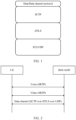
- FIG. 1 is a schematic diagram of a protocol stack of WebRTC according to an embodiment of this application. As shown in FIG.
- IMS internet protocol multimedia subsystem
- 5G data channel 5th generation communication technology data channel
- voice service e.g. voice service
- VoLTE voice over long term evolution
- the IMS data channel may be regarded as a newly added media type.
- the SCTP over DTLS over UDP used in WebRTC may be used as a bearer protocol.
- the IMS data channel uses the SCTP over DTLS over UDP
- a voice (voice) service uses a secure real time transport protocol (secure time real transport protocol, SRTP)
- SRTP secure real transport protocol
- video (video) service also uses the SRTP.
- the SCTP over DTLS over UDP uses a security certificate verification mechanism
- the SRTP uses a security key verification mechanism.
- a security certificate used by the IMS data channel is autonomously generated or installed by a terminal or an IMS data channel application, a network side loses capabilities of controlling and monitoring communication content in the IMS data channel, and communication reliability is affected.
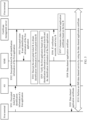
- FIG. 3 is a schematic diagram of an architecture of a communication system according to an embodiment of this application.
- the communication system 300 may include a terminal 301, a key management server (key management server, KMS) 302, a certificate management server 303, and an application server (application server, AS) 304.
- KMS key management server
- AS application server
- a first terminal in the terminal 301 may be configured to: send an encrypted ticket (which may also be denoted as a first encrypted ticket) and identification information of a first application to the AS 304, where the encrypted ticket and the identification information of the first application are used by the certificate management server 303 to verify the first application; receive a data channel application certificate sent by the AS 304, where the data channel application certificate is sent after the certificate management server 303 successfully verifies the first application; and send the data channel application certificate to a second terminal in the terminal 301, where the data channel application certificate is used by the first application to perform an IMS data channel service with a second application of the second terminal in the terminal 301.
- the second terminal may be configured to: verify the first application based on the data channel application certificate; if the first application is successfully verified, establish an IMS data channel with the first terminal; and obtain a first key based on the data channel application certificate, and verify the data channel application certificate of the first application through cooperation between the first key and a second key that is allocated by the KMS to the first application, so that the second application communicates with the first application in the IMS data channel; or if verification on the first application fails, end the process.
- the KMS 302 may be configured to: obtain the encrypted ticket and the identification information of the first application from the certificate management server 303; decrypt the encrypted ticket to obtain an application identifier in the encrypted ticket; verify the first application based on the application identifier in the encrypted ticket and the identification information that is of the first application and that is sent by the certificate management server; if verification succeeds, send the first key to the certificate management server 303, where the first key matches the second key allocated by the KMS 302 to the first application, and the first key is used by the certificate management server 303 to generate a corresponding data channel application certificate (which may also be denoted as a first data channel application certificate), and the data channel application certificate may be used by the first application to perform an IMS data channel service with the second application.
- a corresponding data channel application certificate (which may also be denoted as a first data channel application certificate)
- the data channel application certificate may be used by the first application to perform an IMS data channel service with the second application.
- the certificate management server 303 may be configured to: send the encrypted ticket and the identification information of the first application to the AS 304, where the encrypted ticket and the identification information of the first application are used by the KMS 302 to verify the first application; receive the first key, where the first key is sent after the KMS 302 successfully verifies the first application; and send the data channel application certificate corresponding to the first key to the AS 304, where the data channel application certificate is used by the first application to perform the IMS data channel service with the second application.
- first terminal and/or the second terminal in this embodiment of this application are terminal devices with a wireless communication function, and may be deployed on land, including indoor or outdoor, handheld, wearable, or vehicle-mounted terminal devices, or may be deployed on the water surface (such as a ship); or may be deployed in air (for example, airplanes, balloons, and satellites).
- the foregoing terminal device may be a mobile phone (mobile phone), a tablet computer (Pad), a computer with a wireless transceiver function, a virtual reality (virtual reality, VR) terminal apparatus, an augmented reality (augmented reality, AR) terminal apparatus, a wireless terminal in industrial control (industrial control), a wireless terminal in self-driving (self-driving), a wireless terminal in remote medical (remote medical), a wireless terminal in a smart grid (smart grid), a wireless terminal in transportation safety (transportation safety), a wireless terminal in a smart city (smart city), a wireless terminal in a smart home (smart home), or the like.
- the terminal device may be alternatively a handheld device, a vehicle-mounted device, a wearable device, or a computing device that has a wireless communication function, another processing device connected to a wireless modem, or the like.
- a terminal apparatus may have different names in different networks, for example, the terminal apparatus, an access terminal, a subscriber unit, a subscriber station, a mobile station, a mobile console, a remote station, a remote terminal, a mobile device, a user terminal, a terminal, a wireless communication device, a user agent or user apparatus, a cellular phone, a cordless telephone set, a session initiation protocol (session initiation protocol, SIP) phone, a wireless local loop (wireless local loop, WLL) station, a personal digital assistant (personal digital assistant, PDA), a terminal device in a 5G network or a future evolved network, or the like.
- browser applications need to be installed in the first terminal and the second terminal.
- the first terminal and the second terminal may implement real-time audio and video interaction by
- the KMS may be deployed on a network application function (network application function, NAF), or may be deployed on a third-party server.
- the KMS may authenticate the terminal 301 by using an authentication mechanism (e.g. generic bootstrapping architecture, GBA), and perform secure communication with the terminal 301 after authentication on the terminal 301 succeeds.
- GBA generic bootstrapping architecture
- the terminal 301 is connected, through a Ub interface, to a bootstrapping server function (bootstrapping server function, BSF) 305 in a network to which the terminal 301 belongs, the KMS 302 is connected, through a Zn interface, to the BSF 305 in the network to which the KMS 302 belongs, and the BSF 305 is connected to a home subscriber server (home subscriber server, HSS) 306 through a Zh interface.
- bootstrapping server function bootstrapping server function, BSF
- BSF home subscriber server function
- S401 A first terminal requests a KMS for a key and a ticket (ticket).
- the identification information of the first application may uniquely identify the first application of the first terminal.
- the identification information of the first application may include a terminal identifier of the first terminal, or a terminal identifier of the first terminal and an application identifier of the first application.
- the REQUEST _INIT message may carry the terminal identifier (for example, #UE A) of the first terminal.
- the method may further include: The first terminal establishes a communication channel with the KMS by using a GBA.
- S505 The KMS verifies the first application based on the identification information in the encrypted ticket B and the identification information of the first application; if the first application is successfully verified, performs S506, or if verification on the first application fails, ends the process.
- the KMS After decrypting the encrypted ticket B, the KMS obtains the identification information, for example, the terminal identifier. Then, the KMS may perform matching on the terminal identifier and the terminal identifier of the first terminal in the identification information that is of the first application and that is sent by the certificate management server, to verify whether the terminal identifier in the encrypted ticket B is consistent with the terminal identifier of the first terminal sending the encrypted ticket B.
- the KMS may perform matching on the terminal identifier and the terminal identifier of the first terminal in the identification information that is of the first application and that is sent by the certificate management server, to verify whether the terminal identifier in the encrypted ticket B is consistent with the terminal identifier of the first terminal sending the encrypted ticket B.
- the terminal identifier in the encrypted ticket B is consistent with (or matches) the terminal identifier of the first terminal sending the encrypted ticket B, it indicates that the first application is successfully verified, that is, the first application is valid; or otherwise, if the terminal identifier in the encrypted ticket B is inconsistent with (or does not match) the terminal identifier of the first terminal sending the encrypted ticket B, it indicates that verification on the first application fails, that is, the first application is invalid.
- the obtained identification information may further include the terminal identifier and the application identifier. Then, the KMS respectively performs matching on the terminal identifier and the application identifier and the terminal identifier of the first terminal and the application identifier of the first application that are in the identification information of the first application, to verify whether the terminal identifier in the encrypted ticket B is consistent with the identification information of the first application sending the encrypted ticket B.
- the terminal identifier in the encrypted ticket B is consistent with (matches) the identification information of the first application sending the encrypted ticket B, it indicates that the first application is successfully verified, that is, the first application is valid; or otherwise, if the terminal identifier in the encrypted ticket B is inconsistent with (or does not match) the identification information of the first application sending the encrypted ticket B, it indicates that verification on the first application fails, that is, the first application is invalid.
- the encrypted ticket B may further include a key index.
- S505 may include: The KMS verifies the first application based on the identification information and the key index in the encrypted ticket B, and the identification information of the first application.
- the KMS first performs matching on the identification information in the encrypted ticket B and the identification information of the first application. If the identification information in the encrypted ticket B is consistent with (or matches) the identification information of the first application, the KMS performs matching on the key index in the encrypted ticket B and the key A allocated to the first application in S402. For example, assuming that the key index is the key itself, the key is compared with the key A, to determine whether the key is consistent with the key A; or, assuming that the key index is an identifier corresponding to the key, it is determined whether the key corresponding to the identifier is the key A.
- the key corresponding to the identifier is consistent with (or matches) the key A, it indicates that the first application is successfully verified, that is, the first application is valid; or otherwise, if the key corresponding to the identifier is inconsistent with (or does not match) the key A, it indicates that verification on the first application fails, that is, the first application is invalid.
- the encrypted ticket B may further include other information. This is not specifically limited in this embodiment of this application.
- the KMS after S504, if verification on the first application fails, the KMS considers that the first application is invalid, and then the KMS notifies the certificate management server, so that the certificate management server rejects the certificate request of the first terminal.
- the KMS sends the key B (namely, the first key) to the certificate management server.
- the key B matches the key A allocated by the KMS to the first application in S402. It may be understood that if the key A is a private key, the key B may be a matched public key.
- the certificate management server generates a data channel application certificate based on the key B.
- S508 The certificate management server sends the data channel application certificate to the AS.
- S509 The AS sends the data channel application certificate to the first terminal.
- the certificate management server sends both the generated data channel application certificate and the identification information of the first application to the AS, and then the AS sends both the data channel application certificate and the identification information of the first application to the first terminal.
- the first terminal can know that the received data channel application certificate is allocated to the first application, and further associate the data channel application certificate with the identification information of the first application for storage.
- the AS first forwards the data channel application certificate and the identification information of the first application to the S-CSCF, and then the S-CSCF forwards the data channel application certificate and the identification information of the first application to the first terminal.
- the AS may forward the data channel application certificate to the S-CSCF by using the following 200 (OK) response message:
- Step 1 The UE A and the UE B each apply for a key and an encrypted ticket from the KMS.
- the KMS allocates the key A (the private key) and the encrypted ticket A to the APP 1.
- Step 2 The UE A sends a certificate request to the AS, where the certificate request carries the encrypted ticket A, the KMS address, and the application identifier (#APP 1) of the APP 1. Because the UE A has registered in the IMS network, after receiving the certificate request, the AS forwards the certificate request to the certificate management server.
- the certificate request carries the encrypted ticket A, the KMS address, the terminal identifier (#UE A) of the UE, and #APP 1.
- Step 3 After receiving the certificate request, the certificate management server sends a parsing request to the KMS based on the KMS address, to request the KMS to parse the encrypted ticket A, where the parsing request carries the encrypted ticket A, #UE A, and #APP 1.
- Step 4 After receiving the parsing request, the KMS parses the encrypted ticket A to obtain #UE A and #APP 1 in the encrypted ticket A, and then the KMS compares #UE A and #APP 1 in the encrypted ticket A respectively with #UE A and #APP 1 carried in the parsing request. If #UE A and #APP 1 in the encrypted ticket A are consistent with #UE A and #APP 1 carried in the parsing request, the KMS sends the key B (that is, a public key of the key A) corresponding to #UE A and #APP 1 to the certificate management server.
- the key B that is, a public key of the key A
- Step 5 The certificate management server may generate, based on the key B, the data channel application certificate corresponding to the first application, and then send the data channel application certificate corresponding to the first application, #UE A, and #APP 1 to the AS.
- Step 6 The AS stores the data channel application certificate corresponding to the first application, #UE A, and #APP 1, and forwards the data channel application certificate corresponding to the first application, #UE A, and #APP 1 to the UE A.
- step 1 to step 6 are also performed on the UE B.
- the AS stores the data channel application certificate corresponding to the second application, #UE B, and #APP 1, and forwards the data channel application certificate corresponding to the second application, #UE B, and #APP 1 to the UE B.
- Step 7 The UE A sends, to the AS, an SDP Offer or a SIP message MESSAGE A to which the SDP Offer is attached, where the MESSAGE A carries #UE A and #APP 1.
- Step 8 The AS obtains #UE A and #APP 1 from the MESSAGE A, and determines, based on #UE A and #APP 1, whether to allow the UE A to transmit data of the APP 1 on the IMS data channel. If it is determined to allow the UE A to transmit the data of the APP 1 on the IMS data channel, the AS forwards the MESSAGE A to the UE B, and indicates the UE B to allow the UE A to transmit the data of the APP 1 on the IMS data channel, or otherwise, if it is determined to forbid the UE A from transmitting the data of the APP 1 on the IMS data channel, when the AS forwards the MESSAGE A to the UE B, #APP 1 is deleted.
- Step 9 The AS receives, from the UE B, an SDP Answer or a SIP message MESSAGE B to which the SDP Answer is attached, where the MESSAGE B carries #UE B and #APP 1; then, when forwarding the MESSAGE B, the AS indicates, to the UE A, whether to allow the UE A to transmit the data of the APP 1 on the IMS data channel. Further, the AS establishes an IMS data channel for the APP 1 of the UE A and the APP 2 of the UE B.
- Step 10 The UE A determines, according to the indication, whether the UE A is allowed to transmit the data of the APP 1 on the IMS data channel. If it is determined that the UE A is allowed to transmit the data of the APP 1 on the IMS data channel, the UE A sends, on the IMS data channel, encrypted data of the APP 1 to the UE B.
- Step 11 The UE B obtains the data of the APP 1 through decryption.
- the certificate management server issues the reliable data channel application certificate to the first terminal, and the IMS network can learn of the data channel application certificate, to avoid manual installation/replacement of a third-party (provided by a non-communication network) certificate and use of an unreliable self-signed certificate by the first terminal, thereby providing reliable IMS data channel communication.
- the first terminal may initiate an IMS data channel service by using the certificate.
- the IMS network wants to monitor the IMS data channel service of the first terminal and the second terminal, so as to prevent the first terminal and the second terminal from autonomously communicating by bypassing the IMS network.
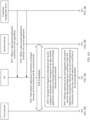
- FIG. 6A and FIG. 6B are a schematic flowchart of an IMS data channel based communication method according to an embodiment of this application. As shown in FIG. 6A and FIG. 6B , after S508, the method may include the following steps.
- S601 The AS obtains the data channel application certificate of the first application.
- the certificate management server allocates the data channel application certificate to the first application, and sends the data channel application certificate to the first terminal by using the AS.
- the AS stores the data channel application certificate of the first application.
- S602 The AS obtains the data channel application certificate of the second application.
- the certificate management server allocates the data channel application certificate to the second application, and sends the data channel application certificate to the second terminal by using the AS.
- the AS stores the data channel application certificate of the second application.
- data channel application certificate of the first application and/or the data channel application certificate of the second application are/is used by the first application to perform an IMS data channel service with the second application.
- S603 The AS obtains, in a DTLS handshake process, data channel application certificates exchanged between the first terminal and the second terminal.
- both the first terminal and the second terminal send the data channel application certificates to the AS to exchange the certificates.
- the data channel application certificates exchanged may be the data channel application certificates obtained by the first application and the second application by performing S501 to S510, or may be data channel application certificates provided by a third party (a non-communication network).
- S604 The AS calculates first fingerprint information and second fingerprint information that correspond to the data channel application certificates exchanged between the first terminal and the second terminal.
- the AS obtains, by using the DTLS process, the data channel application certificates exchanged between the first terminal and the second terminal, for example, the data channel application certificate from the first terminal and the data channel application certificate from the second terminal, and then separately calculates fingerprint information of the two certificates, to obtain the first fingerprint information and the second fingerprint information.
- S605 The AS performs matching on the first fingerprint information and the data channel application certificate of the first application, and performs matching on the second fingerprint information and the data channel application certificate of the second application; if the first fingerprint information matches the data channel application certificate of the first application, and the second fingerprint information matches the data channel application certificate of the second application, the AS determines that a user of the IMS data channel is an authorized user, and performs S606; or if the first fingerprint information does not match the data channel application certificate of the first application, and/or the second fingerprint information does not match the data channel application certificate of the second application, the AS performs S607.
- S606 The AS allows the first application to establish the IMS data channel with the second application.
- S607 The AS forbids the first application from establishing the IMS data channel with the second application.
- the AS performs matching on the fingerprint information and the data channel application certificates in S605 may include: The AS calculates the fingerprint information corresponding to the data channel application certificates, and then compares the fingerprint information obtained through calculation with the fingerprint information corresponding to the data channel application certificates exchanged in the DTLS handshake process, to determine whether the fingerprint information obtained through calculation is consistent with the fingerprint information corresponding to the data channel application certificates exchanged in the DTLS handshake process. If the fingerprint information obtained through calculation is consistent with the fingerprint information corresponding to the data channel application certificates exchanged in the DTLS handshake process, it indicates that the fingerprint information obtained through calculation matches the fingerprint information corresponding to the data channel application certificates exchanged in the DTLS handshake process.
- an IMS network may check whether certificate fingerprint information exchanged in a DTLS handshake process matches fingerprint information of a data channel application certificate delivered by the certificate management server, to refuse to use a data channel application certificate generated by a non-IMS network. Further, when secure communication of the terminal is ensured, the communication IMS network can also monitor reliability of the communication process.
- an embodiment of this application provides a communication apparatus.
- the communication apparatus may be a chip or a system-on-a-chip in a certificate management server, or may be a functional module that is in the certificate management server and that is configured to implement the method in any one of the foregoing possible implementations.
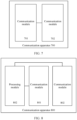
- FIG. 7 is a schematic diagram of a structure of a communication apparatus according to an embodiment of this application. As shown in FIG.
- the communication apparatus 700 includes a communication module 701, configured to receive an encrypted ticket and identification information of a first application from an AS, where the identification information of the first application is used to identify the first application of a first terminal; and a communication module 702, configured to: send the encrypted ticket and the identification information of the first application to a KMS, where the encrypted ticket and the identification information of the first application are used by the KMS to verify the first application; and receive a first key, where the first key is sent after the KMS successfully verifies the first application.
- the communication module 701 is further configured to send a data channel application certificate corresponding to the first key to the AS, where the data channel application certificate is used by the first application to perform an IMS data channel service with a second application of a second terminal.
- the communication module 701 is further configured to obtain an address of the KMS.
- the communication module 702 is further configured to send the encrypted ticket and the identification information of the first application to the KMS based on the address of the KMS.
- the communication module 701 is further configured to send the data channel application certificate and the identification information of the first application to the AS.
- the identification information of the first application includes: a terminal identifier of the first terminal; or a terminal identifier of the first terminal and an application identifier of the first application.
- the terminal identifier of the first terminal includes: a device identifier of the first terminal or a user identity of a user using the first terminal.
- the encrypted ticket includes: the identification information of the first application.
- the encrypted ticket further includes: a key index of a second key.
- the second key matches the first key, and the second key is allocated by the KMS to the first application.
- an embodiment of this application provides a communication apparatus.
- the communication apparatus may be a chip or a system-on-a-chip in a KMS, or may be a functional module that is in the KMS and that is configured to implement the method in any one of the foregoing possible implementations.
- FIG. 8 is a schematic diagram of another structure of a communication apparatus according to an embodiment of this application. As shown in FIG.
- the communication apparatus 800 may include a communication module 801, configured to obtain first encrypted ticket and identification information of a first application from a certificate management server, where the identification information of the first application is used to identify the first application of a first terminal; and a processing module 802, configured to: decrypt the first encrypted ticket, to obtain identification information in the first encrypted ticket; and verify the first application based on the identification information and the identification information of the first application.
- a communication module 801 configured to obtain first encrypted ticket and identification information of a first application from a certificate management server, where the identification information of the first application is used to identify the first application of a first terminal
- a processing module 802 configured to: decrypt the first encrypted ticket, to obtain identification information in the first encrypted ticket; and verify the first application based on the identification information and the identification information of the first application.
- the communication module 801 is further configured to: if the first application is successfully verified, send a first key to the certificate management server, where the first key matches a second key allocated by the KMS to the first application, the first key is used by the certificate management server to generate a data channel application certificate for the first application, and the data channel application certificate is used by the first application to perform an IMS data channel service with a second application of a second terminal.
- the processing module 802 is configured to determine whether the identification information matches the identification information of the first application. If the identification information matches the identification information of the first application, it indicates that the first application is successfully verified; or if the identification information does not match the identification information of the first application, it indicates that verification on the first application fails.
- the first encrypted ticket further includes a key index.
- the first processing module is configured to verify the first application based on the identification information, the key index, and the identification information of the first application.
- the processing module 802 is configured to: determine whether the identification information matches the identification information of the first application; and if the identification information matches the identification information of the first application, determine whether the key index matches the second key. If the key index matches the second key, it indicates that the first application is successfully verified; or if the key index does not match the second key, it indicates that verification on the first application fails.
- the communication apparatus 800 further includes a communication module 803, configured to: before the communication module 801 obtains the first encrypted ticket and the identification information of the first application from the certificate management server, receive a key request from the first terminal.
- the processing module 802 is further configured to: in response to the key request, allocate the second key and a second encrypted ticket to the first application, where the second encrypted ticket includes the identification information of the first application, or the identification information of the first application and a key index of the second key.
- the communication module 803 is further configured to send the second key and the second encrypted ticket to the first terminal.
- the identification information of the first application includes: a terminal identifier of the first terminal; or a terminal identifier of the first terminal and an application identifier of the first application.
- the terminal identifier of the first terminal includes: a device identifier of the first terminal or a user identity of a user using the first terminal.
- the communication module 803 is further configured to establish a communication channel with the first terminal by using a GBA.
- an embodiment of this application provides a communication apparatus.
- the communication apparatus may be a chip or a system-on-a-chip in a first terminal, or may be a functional module that is in the first terminal and that is configured to implement the method in any one of the foregoing possible implementations.
- FIG. 9 is a schematic diagram of still another structure of a communication apparatus according to an embodiment of this application. As shown by solid lines in FIG.
- the communication apparatus 900 includes: a communication module 901, configured to: send an encrypted ticket and identification information of a first application to an AS, where the identification information of the first application is used to identify the first application of a first terminal; and receive a data channel application certificate sent by the AS, where the data channel application certificate is sent after a certificate management server successfully verifies the first application based on the encrypted ticket and the identification information of the first application; and a communication module 902, configured to perform an IMS data channel service with a second application of a second terminal based on the data channel application certificate.
- the communication module 901 is further configured to send an address of a KMS to the AS, where the address of the KMS is used to indicate the certificate management server to communicate with the KMS.
- the identification information of the first application includes: a terminal identifier of the first terminal; or a terminal identifier of the first terminal and an application identifier of the first application.
- the terminal identifier of the first terminal includes: a device identifier of the first terminal or a user identity of a user using the first terminal.
- the communication apparatus may further include: a communication module 903, further configured to: before the communication module 901 sends the encrypted ticket and the identification information of the first application to the AS, request the KMS for a key and the ticket; and receive a second key and the encrypted ticket that are allocated by the KMS to the first application, where the encrypted ticket includes: the identification information of the first application, or the identification information of the first application and a key index of the second key.
- a communication module 903 further configured to: before the communication module 901 sends the encrypted ticket and the identification information of the first application to the AS, request the KMS for a key and the ticket; and receive a second key and the encrypted ticket that are allocated by the KMS to the first application, where the encrypted ticket includes: the identification information of the first application, or the identification information of the first application and a key index of the second key.
- the communication module 903 is further configured to establish a communication channel with the KMS by using a GBA.
- the data channel application certificate is generated by the certificate management server based on the first key, and the first key matches the second key.
- the communication module 902 is further configured to: when the second terminal successfully verifies the first application, verify the data channel application certificate through cooperation between the first key and the second key.
- an embodiment of this application provides a communication apparatus.
- the communication apparatus may be a chip or a system-on-a-chip in an AS, or may be a functional module that is in the AS and that is configured to implement the method in any one of the foregoing possible implementations. For example, still referring to FIG.
- the communication apparatus includes a communication module 801, configured to receive an encrypted ticket and identification information of a first application from a first terminal, where the identification information of the first application is used to identify the first application of the first terminal; a communication module 803, configured to: send the encrypted ticket and the identification information of the first application to a certificate management server; and receive a first data channel application certificate from the certificate management server, where the first data channel application certificate is allocated by the certificate management server to the first application, and the first data channel application certificate is used by the first application to perform an IMS data channel service with a second application of a second terminal; and a processing module 802, configured to store the first data channel application certificate.
- the communication module 801 is further configured to send the first data channel application certificate to the first terminal.
- the communication module 803 is further configured to receive a second data channel application certificate allocated by the certificate management server to the second application, where the second data channel application certificate is used by the second application to perform an IMS data channel service with the first application.
- the second processing module is further configured to store the second data channel application certificate.
- the communication module 801 is further configured to send the second data channel application certificate to the second terminal.
- the communication module 801 is further configured to obtain a data channel application certificate from the first terminal and a data channel application certificate from the second terminal in a DTLS handshake process.
- the processing module 802 is further configured to: perform matching on the data channel application certificate from the first terminal and the first data channel application certificate; perform matching on the data channel application certificate from the second terminal and the second data channel application certificate; if the data channel application certificate from the first terminal matches the first data channel application certificate, and the data channel application certificate from the second terminal matches the second data channel application certificate, allow the first application to establish an IMS data channel with the second application; or if the data channel application certificate from the first terminal does not match the first data channel application certificate, and/or the data channel application certificate from the second terminal does not match the second data channel application certificate, forbid the first application from establishing the IMS data channel with the second application.
- the communication module 701, the communication module 702, the communication module 801, the communication module 803, the communication module 901, the communication module 902, and the communication module 903 may be transceiver circuits, transceiver interfaces, transceivers, or the like.
- the processing module 802 may be one or more processors.
- FIG. 10 is a schematic diagram of hardware of a communication device according to an embodiment of this application.
- the communication device 1000 provided in this embodiment of this application such as a terminal, a certificate management server, a KMS, or an AS, uses general-purpose computer hardware, including a processor 1001, a memory 1002, a bus 1003, an input device 1004, and an output device 1005.
- the memory 1002 may include a computer storage medium in a form of a volatile memory and/or a non-volatile memory, for example, a read-only memory and/or a random access memory.
- the memory 1002 may store an operating system, an application, another program module, executable code, program data, user registration data, user subscription data, and the like.
- the input device 1004 may be configured to input commands and information to the communication device 1000.
- the input device 1004 is, for example, a keyboard or a pointing device, such as a mouse, a trackball, a touchpad, a microphone, a joystick, a game pad, a satellite TV antenna, a scanner, or a similar device.
- the input devices may be connected to the processor 1001 by using the bus 1003.
- the output device 1005 may be used by the communication device 1000 to output information.
- the output device 1005 may be another peripheral output device, such as a speaker and/or a printing device.
- the output devices may also be connected to the processor 1001 by using the bus 1003.
- the terminal When the processor 1001 in the AS executes the executable code or the application stored in the memory 1002, the terminal performs the method steps on the terminal side in the foregoing embodiments, for example, performs S503, S509, and S601 to S607.
- the terminal For a specific execution process, refer to the foregoing embodiments. Details are not described herein again.
- the memory 1002 stores computer executable instructions used to implement functions of the communication module 701, the communication module 702, the communication module 801, the communication module 803, the communication module 901, the communication module 902, the communication module 903, and the processing module 802 in FIG. 7 to FIG. 9 .
- Functions/implementation processes of the communication module 701, the communication module 702, the communication module 801, the communication module 803, the communication module 901, the communication module 902, the communication module 903, and the processing module 802 in FIG. 7 to FIG. 9 may all be implemented by using the processor 1001 in FIG. 10 by invoking the computer executable instructions stored in the memory 1002.
- the communication system is a network side of the communication system shown in FIG. 1 , and may include a certificate management server, a KMS, and an AS.
- the certificate management server, the KMS, and/or the AS are separately configured to perform the IMS data channel based communication method in any one of the foregoing possible implementations.
- an embodiment of this application provides a computer-readable storage medium.
- the computer-readable storage medium stores instructions. When the instructions are run on a computer, the instructions are used to perform the IMS data channel based communication method in the foregoing embodiments and any possible implementation of the embodiments.
- an embodiment of this application provides a computer program or a computer program product.
- the computer program or the computer program product is executed on a computer, the computer is enabled to implement the IMS data channel based communication method in the foregoing embodiments and any possible implementation of the embodiments.
- the computer-readable medium may include a computer-readable storage medium, which corresponds to a tangible medium such as a data storage medium, or may include any communication medium that facilitates transmission of a computer program from one medium to another (for example, according to a communication protocol).
- the computer-readable medium may generally correspond to: (1) a non-transitory tangible computer-readable storage medium, or (2) a communication medium such as a signal or a carrier.
- the data storage medium may be any usable medium that can be accessed by one or more computers or one or more processors to retrieve instructions, code, and/or data structures for implementing the technologies described in this application.
- a computer program product may include a computer-readable medium.
- such computer-readable storage media may include a RAM, a ROM, an EEPROM, a CD-ROM or another optical disc storage apparatus, a magnetic disk storage apparatus or another magnetic storage apparatus, a flash memory, or any other medium that can store required program code in a form of instructions or data structures and that can be accessed by a computer.
- any connection is properly referred to as a computer-readable medium.
- an instruction is transmitted from a website, a server, or another remote source through a coaxial cable, an optical fiber, a twisted pair, a digital subscriber line (DSL), or a wireless technology such as infrared, radio, or microwave
- the coaxial cable, the optical fiber, the twisted pair, the DSL, or the wireless technology is included in a definition of the medium.
- the computer-readable storage medium and the data storage medium do not include connections, carriers, signals, or other transitory media, but actually mean non-transitory tangible storage media.
- processors such as one or more digital signal processors (DSP), a general microprocessor, an application-specific integrated circuit (ASIC), a field programmable gate array (FPGA), or an equivalent integrated circuit or discrete logic circuits. Therefore, the term "processor” used in this specification may refer to the foregoing structure, or any other structure that may be applied to implementation of the technologies described in this specification.
- DSP digital signal processors
- ASIC application-specific integrated circuit
- FPGA field programmable gate array
- processors used in this specification may refer to the foregoing structure, or any other structure that may be applied to implementation of the technologies described in this specification.
- the functions described with reference to the illustrative logical blocks, modules, and steps described in this specification may be provided within dedicated hardware and/or software modules configured for encoding and decoding, or may be incorporated into a combined codec.
- the technologies may be completely implemented in one or more circuits or logic elements.
- the technologies in this application may be implemented in various apparatuses or devices, including a wireless handset, an integrated circuit (IC), or a set of ICs (for example, a chip set).
- IC integrated circuit
- Various components, modules, or units are described in this application to emphasize functional aspects of apparatuses configured to perform the disclosed technologies but do not necessarily require implementation by different hardware units.
- various units may be combined with appropriate software and/or firmware into a codec hardware unit, or provided by an interoperable hardware unit (including one or more processors described above).
Landscapes
- Engineering & Computer Science (AREA)
- Computer Security & Cryptography (AREA)
- Computer Networks & Wireless Communication (AREA)
- Signal Processing (AREA)
- Computer Hardware Design (AREA)
- Computing Systems (AREA)
- General Engineering & Computer Science (AREA)
- Multimedia (AREA)
- Power Engineering (AREA)
- Mobile Radio Communication Systems (AREA)
- Management, Administration, Business Operations System, And Electronic Commerce (AREA)
- Telephonic Communication Services (AREA)
Claims (15)
- Procédé de communication à base d'un canal de données, de sous-système multimédia de protocole Internet, IMS, comprenant :la réception, par un serveur de gestion de certificats (303), d'un ticket chiffré et d'informations d'identification d'une première application en provenance d'un serveur d'application (304), dans lequel les informations d'identification de la première application sont utilisées pour identifier la première application d'un premier terminal ;l'envoi, par le serveur de gestion de certificats (303), du ticket chiffré et des informations d'identification de la première application à un serveur de gestion de clés (302) ;la réception, par le serveur de gestion de certificats (303), d'une première clé ; etl'envoi, par le serveur de gestion de certificats (303), d'un certificat d'application de canal de données correspondant à la première clé au serveur d'application (304), dans lequel le certificat d'application de canal de données est utilisé par la première application pour réaliser un service de canal de données IMS avec une seconde application d'un second terminal.
- Procédé selon la revendication 1, dans lequel le procédé comprend également :l'obtention, par le serveur de gestion de certificats (303), d'une adresse du serveur de gestion de clés (302) ; etl'envoi, par le serveur de gestion de certificats (303), du ticket chiffré et des informations d'identification de la première application à un serveur de gestion de clés (302) comprend :
l'envoi, par le serveur de gestion de certificats (303), du ticket chiffré et des informations d'identification de la première application au serveur de gestion de clés (302) sur la base de l'adresse du serveur de gestion de clés (302). - Procédé selon la revendication 1 ou 2, dans lequel l'envoi, par le serveur de gestion de certificats (303), d'un certificat d'application de canal de données correspondant à la première clé au serveur d'application (304) comprend :
l'envoi, par le serveur de gestion de certificats (303), du certificat d'application de canal de données et des informations d'identification de la première application au serveur d'application (304). - Procédé selon l'une quelconque des revendications 1 à 3, dans lequel les informations d'identification de la première application comprennent : un identifiant de terminal du premier terminal ; ou un identifiant de terminal du premier terminal et un identifiant d'application de la première application.
- Procédé selon la revendication 4, dans lequel l'identifiant de terminal du premier terminal comprend : un identifiant de dispositif du premier terminal ou une identité d'utilisateur d'un utilisateur utilisant le premier terminal.
- Procédé selon l'une quelconque des revendications 1 à 5, dans lequel le ticket chiffré comprend : les informations d'identification de la première application.
- Procédé de communication à base d'un canal de données, de sous-système multimédia de protocole Internet, IMS, comprenant :l'obtention, par un serveur de gestion de clés (302), d'un premier ticket chiffré et d'informations d'identification d'une première application en provenance d'un serveur de gestion de certificats (303), dans lequel les informations d'identification de la première application sont utilisées pour identifier la première application d'un premier terminal ;le déchiffrage, par le serveur de gestion de clés (302), du premier ticket chiffré, pour obtenir des informations d'identification dans le premier ticket chiffré ;la vérification, par le serveur de gestion de clés (302), de la première application sur la base des informations d'identification dans le premier ticket chiffré et des informations d'identification de la première application ; etsi la première application est vérifiée avec succès, l'envoi, par le serveur de gestion de clés (302), d'une première clé au serveur de gestion de certificats (303), dans lequel la première clé est utilisée par le serveur de gestion de certificats (303) pour générer un certificat d'application de canal de données pour la première application, et le certificat d'application de canal de données est utilisé par la première application pour réaliser un service de canal de données IMS avec une seconde application d'un second terminal.
- Procédé selon la revendication 7, dans lequel la vérification, par le serveur de gestion de clés (302), de la première application sur la base des informations d'identification dans le premier ticket chiffré et des informations d'identification de la première application comprend :
le fait de déterminer, par le serveur de gestion de clés (302), si les informations d'identification dans le premier ticket chiffré correspondent aux informations d'identification de la première application, dans lequel si les informations d'identification dans le premier ticket chiffré correspondent aux informations d'identification de la première application, cela indique que la première application a été vérifiée avec succès ; ou si les informations d'identification dans le premier ticket chiffré ne correspondent pas aux informations d'identification de la première application, cela indique que la vérification sur la première application a échoué. - Procédé selon la revendication 7 ou 8, dans lequel le premier ticket chiffré comprend également un index de clé ; etla vérification, par le serveur de gestion de clés (302), de la première application sur la base des informations d'identification dans le premier ticket chiffré et des informations d'identification de la première application comprend :la vérification, par le serveur de gestion de clés (302), de la première application sur la base des informations d'identification dans le premier ticket chiffré, de l'index de clé et des informations d'identification de la première application.
- Procédé selon la revendication 9, dans lequel la vérification, par le serveur de gestion de clés (302), de la première application sur la base des informations d'identification dans le premier ticket chiffré, de l'index de clé et des informations d'identification de la première application comprend :le fait de déterminer, par le serveur de gestion de clés (302), si les informations d'identification dans le premier ticket chiffré correspondent aux informations d'identification de la première application ; etsi les informations d'identification dans le premier ticket chiffré correspondent aux informations d'identification de la première application, le fait de déterminer, par le serveur de gestion de clés (302), si l'index de clés correspond à une seconde clé, dans lequel la seconde clé est allouée par le serveur de gestion de clés (302) à la première application ; etsi l'index de clé correspond à la seconde clé, cela indique que la première application a été vérifiée avec succès ; ou si l'index de clé ne correspond pas à la seconde clé, cela indique que la vérification sur la première application a échoué.
- Procédé selon l'une quelconque des revendications 7 à 10, dans lequel avant l'obtention, par un serveur de gestion de clés (302), d'un premier ticket chiffré et d'informations d'identification d'une première application en provenance d'un serveur de gestion de certificats (303), le procédé comprend également :la réception, par le serveur de gestion de clés (302), d'une requête de clé en provenance du premier terminal ;en réponse à la requête de clé, l'allocation, par le serveur de gestion de clés (302), de la seconde clé et d'un second ticket chiffré à la première application, dans lequel le second ticket chiffré comprend les informations d'identification de la première application, ou les informations d'identification de la première application et un index de clé de la seconde clé ; etl'envoi, par le serveur de gestion de clés (302), de la seconde clé et le second ticket chiffré au premier terminal.
- Procédé selon l'une quelconque des revendications 7 à 11, dans lequel les informations d'identification de la première application comprennent : un identifiant de terminal du premier terminal ; ou un identifiant de terminal du premier terminal et un identifiant d'application de la première application.
- Procédé selon l'une quelconque des revendications 7 à 12, dans lequel le procédé comprend également :
l'établissement, par le serveur de gestion de clés (302), d'un canal de communication avec le premier terminal en utilisant une architecture d'amorçage générique, GBA. - Serveur de gestion de certificats, comprenant un processeur et une mémoire, dans lequel le processeur est couplé à la mémoire ; et le processeur étant configuré pour lire et exécuter des instructions dans la mémoire, pour mettre en œuvre le procédé de communication basé sur le canal de données IMS de sous-système multimédia de protocole Internet selon l'une quelconque des revendications 1 à 6.
- Serveur de gestion de clés, KMS, comprenant un processeur et une mémoire, dans lequel le processeur étant couplé à la mémoire ; et le processeur étant configuré pour lire et exécuter des instructions dans la mémoire, pour mettre en œuvre le procédé de communication basé sur le canal de données IMS de sous-système multimédia de protocole Internet selon l'une quelconque des revendications 7 à 13.
Applications Claiming Priority (2)
| Application Number | Priority Date | Filing Date | Title |
|---|---|---|---|
| CN202010803406.9A CN114079650B (zh) | 2020-08-11 | 2020-08-11 | 一种基于ims数据通道的通信方法及设备 |
| PCT/CN2021/107414 WO2022033278A1 (fr) | 2020-08-11 | 2021-07-20 | Procédé et dispositif de communication à base d'un canal de données ims |
Publications (3)
| Publication Number | Publication Date |
|---|---|
| EP4184821A1 EP4184821A1 (fr) | 2023-05-24 |
| EP4184821A4 EP4184821A4 (fr) | 2024-01-17 |
| EP4184821B1 true EP4184821B1 (fr) | 2025-04-16 |
Family
ID=80247643
Family Applications (1)
| Application Number | Title | Priority Date | Filing Date |
|---|---|---|---|
| EP21855331.1A Active EP4184821B1 (fr) | 2020-08-11 | 2021-07-20 | Procédé et dispositif de communication à base d'un canal de données ims |
Country Status (3)
| Country | Link |
|---|---|
| EP (1) | EP4184821B1 (fr) |
| CN (1) | CN114079650B (fr) |
| WO (1) | WO2022033278A1 (fr) |
Families Citing this family (9)
| Publication number | Priority date | Publication date | Assignee | Title |
|---|---|---|---|---|
| CN117412254A (zh) * | 2022-07-08 | 2024-01-16 | 中兴通讯股份有限公司 | 视频通话控制方法、通信设备以及存储介质 |
| CN117692437A (zh) * | 2022-09-05 | 2024-03-12 | 华为技术有限公司 | 通信方法、装置和系统 |
| CN117812056A (zh) * | 2022-09-23 | 2024-04-02 | 维沃移动通信有限公司 | 应用程序确定方法、装置、终端及服务器 |
| WO2024065159A1 (fr) * | 2022-09-27 | 2024-04-04 | Qualcomm Incorporated | Extension d'un identifiant d'application de canal de données avec une étiquette de canal de données |
| KR20240062604A (ko) * | 2022-11-02 | 2024-05-09 | 삼성전자주식회사 | 이동 통신 시스템에서 데이터 채널 응용 제공 방법 및 장치 |
| CN120419152A (zh) * | 2023-03-03 | 2025-08-01 | 诺基亚技术有限公司 | Ims dc服务增强 |
| WO2025071150A1 (fr) * | 2023-09-25 | 2025-04-03 | 삼성전자 주식회사 | Procédé et dispositif permettant de fournir un service de données dans un système de communication sans fil |
| CN119728653A (zh) * | 2023-09-28 | 2025-03-28 | 华为技术有限公司 | 通信方法、装置及通信系统 |
| CN119946025B (zh) * | 2025-01-13 | 2026-01-13 | 中国电信股份有限公司技术创新中心 | 消息处理方法、装置、代理呼叫会话控制功能网元、消息处理系统、可读存储介质和计算机程序产品 |
Family Cites Families (8)
| Publication number | Priority date | Publication date | Assignee | Title |
|---|---|---|---|---|
| CN101729532B (zh) * | 2009-06-26 | 2012-09-05 | 中兴通讯股份有限公司 | 一种ip多媒体子系统延迟媒体信息传输方法及系统 |
| CN102238500B (zh) * | 2010-04-21 | 2014-07-02 | 中兴通讯股份有限公司 | 一种实现安全呼叫转移的方法及系统 |
| CN104283760B (zh) * | 2013-07-04 | 2018-05-04 | 华为技术有限公司 | 一种WebRTC通信方法、相关设备及系统 |
| US10491580B2 (en) * | 2014-06-23 | 2019-11-26 | Telefonaktiebolaget Lm Ericsson (Publ) | Methods and apparatuses for enabling an establishment of a second secure session over a communication network |
| GB2529864A (en) * | 2014-09-04 | 2016-03-09 | Westhawk Ltd | Secure communication method |
| CN106470190A (zh) * | 2015-08-19 | 2017-03-01 | 中兴通讯股份有限公司 | 一种Web实时通信平台鉴权接入方法及装置 |
| WO2018063041A1 (fr) * | 2016-09-28 | 2018-04-05 | Telefonaktiebolaget Lm Ericsson (Publ) | Procédés et agencements pour lier une application de dispositif à un service web |
| CN107294968B (zh) * | 2017-06-21 | 2020-04-21 | 北京奇艺世纪科技有限公司 | 一种音视频数据的监控方法和系统 |
-
2020
- 2020-08-11 CN CN202010803406.9A patent/CN114079650B/zh active Active
-
2021
- 2021-07-20 EP EP21855331.1A patent/EP4184821B1/fr active Active
- 2021-07-20 WO PCT/CN2021/107414 patent/WO2022033278A1/fr not_active Ceased
Also Published As
| Publication number | Publication date |
|---|---|
| WO2022033278A1 (fr) | 2022-02-17 |
| EP4184821A4 (fr) | 2024-01-17 |
| EP4184821A1 (fr) | 2023-05-24 |
| CN114079650B (zh) | 2025-08-08 |
| CN114079650A (zh) | 2022-02-22 |
Similar Documents
| Publication | Publication Date | Title |
|---|---|---|
| EP4184821B1 (fr) | Procédé et dispositif de communication à base d'un canal de données ims | |
| US8386767B2 (en) | Methods and systems for bootstrapping security key information using session initiation protocol | |
| JP6820333B2 (ja) | 複数のプレーンにわたるアイデンティティ管理のための方法及びシステム | |
| JP5496907B2 (ja) | セキュアな通信のための鍵管理 | |
| US9106648B2 (en) | Method and apparatus for data transmission | |
| CN102006294B (zh) | Ims多媒体通信方法和系统、终端及ims核心网 | |
| Westerlund et al. | Options for securing RTP sessions | |
| US9258700B2 (en) | Systems and methods for utilizing IMS data security mechanisms in a circuit switched network | |
| CN103119976B (zh) | 通信网络中经由中间单元发送受保护数据 | |
| US20240259358A1 (en) | Communication method and apparatus, device, storage medium, and program product | |
| WO2008040213A1 (fr) | Procédé, système et dispositif de chiffrement et de signature de messages dans un système de communication | |
| US10595203B2 (en) | Enhanced establishment of IMS session with secure media | |
| US20200229118A1 (en) | Signal plane protection within a communications network | |
| CN113261257A (zh) | 通过用户网络接口代理的运营商集成 | |
| WO2024108900A1 (fr) | Procédé et appareil de vérification de signature électronique | |
| CN114040385A (zh) | 一种基于VoLTE的加密通话系统及方法 | |
| US9154510B2 (en) | Methods, apparatuses, and related computer program product for network security | |
| WO2016176902A1 (fr) | Procédé d'authentification de terminal, terminal de gestion et terminal d'application | |
| JP2006270431A (ja) | 呼制御装置、端末、これらのプログラム、及び通信チャネル確立方法 | |
| US20240097903A1 (en) | Ipcon mcdata session establishment method | |
| JP5746774B2 (ja) | セキュアな通信のための鍵管理 | |
| HK40074044A (en) | Communication method and apparatus, device, storage medium, and program product | |
| WO2023223118A1 (fr) | Identification d'abonnement dans des réseaux | |
| CN117221292A (zh) | 一种音频播放方法、装置、电子设备及存储介质 | |
| Westerlund et al. | RFC 7201: Options for Securing RTP Sessions |
Legal Events
| Date | Code | Title | Description |
|---|---|---|---|
| STAA | Information on the status of an ep patent application or granted ep patent |
Free format text: STATUS: THE INTERNATIONAL PUBLICATION HAS BEEN MADE |
|
| PUAI | Public reference made under article 153(3) epc to a published international application that has entered the european phase |
Free format text: ORIGINAL CODE: 0009012 |
|
| STAA | Information on the status of an ep patent application or granted ep patent |
Free format text: STATUS: REQUEST FOR EXAMINATION WAS MADE |
|
| 17P | Request for examination filed |
Effective date: 20230220 |
|
| AK | Designated contracting states |
Kind code of ref document: A1 Designated state(s): AL AT BE BG CH CY CZ DE DK EE ES FI FR GB GR HR HU IE IS IT LI LT LU LV MC MK MT NL NO PL PT RO RS SE SI SK SM TR |
|
| DAV | Request for validation of the european patent (deleted) | ||
| DAX | Request for extension of the european patent (deleted) | ||
| REG | Reference to a national code |
Ref country code: DE Ref legal event code: R079 Free format text: PREVIOUS MAIN CLASS: H99Z9999999999 Ipc: H04L0009320000 Ref country code: DE Ref legal event code: R079 Ref document number: 602021029370 Country of ref document: DE Free format text: PREVIOUS MAIN CLASS: H99Z9999999999 Ipc: H04L0009320000 |
|
| A4 | Supplementary search report drawn up and despatched |
Effective date: 20231218 |
|
| RIC1 | Information provided on ipc code assigned before grant |
Ipc: H04L 65/1016 20220101ALI20231213BHEP Ipc: H04L 9/40 20220101ALI20231213BHEP Ipc: H04L 9/32 20060101AFI20231213BHEP |
|
| GRAP | Despatch of communication of intention to grant a patent |
Free format text: ORIGINAL CODE: EPIDOSNIGR1 |
|
| STAA | Information on the status of an ep patent application or granted ep patent |
Free format text: STATUS: GRANT OF PATENT IS INTENDED |
|
| INTG | Intention to grant announced |
Effective date: 20240910 |
|
| GRAJ | Information related to disapproval of communication of intention to grant by the applicant or resumption of examination proceedings by the epo deleted |
Free format text: ORIGINAL CODE: EPIDOSDIGR1 |
|
| STAA | Information on the status of an ep patent application or granted ep patent |
Free format text: STATUS: REQUEST FOR EXAMINATION WAS MADE |
|
| GRAS | Grant fee paid |
Free format text: ORIGINAL CODE: EPIDOSNIGR3 |
|
| STAA | Information on the status of an ep patent application or granted ep patent |
Free format text: STATUS: GRANT OF PATENT IS INTENDED |
|
| GRAP | Despatch of communication of intention to grant a patent |
Free format text: ORIGINAL CODE: EPIDOSNIGR1 |
|
| INTC | Intention to grant announced (deleted) | ||
| INTG | Intention to grant announced |
Effective date: 20241219 |
|
| GRAA | (expected) grant |
Free format text: ORIGINAL CODE: 0009210 |
|
| STAA | Information on the status of an ep patent application or granted ep patent |
Free format text: STATUS: THE PATENT HAS BEEN GRANTED |
|
| AK | Designated contracting states |
Kind code of ref document: B1 Designated state(s): AL AT BE BG CH CY CZ DE DK EE ES FI FR GB GR HR HU IE IS IT LI LT LU LV MC MK MT NL NO PL PT RO RS SE SI SK SM TR |
|
| REG | Reference to a national code |
Ref country code: GB Ref legal event code: FG4D |
|
| REG | Reference to a national code |
Ref country code: CH Ref legal event code: EP |
|
| REG | Reference to a national code |
Ref country code: IE Ref legal event code: FG4D |
|
| REG | Reference to a national code |
Ref country code: DE Ref legal event code: R096 Ref document number: 602021029370 Country of ref document: DE |
|
| PGFP | Annual fee paid to national office [announced via postgrant information from national office to epo] |
Ref country code: FR Payment date: 20250610 Year of fee payment: 5 |
|
| REG | Reference to a national code |
Ref country code: NL Ref legal event code: MP Effective date: 20250416 |
|
| PG25 | Lapsed in a contracting state [announced via postgrant information from national office to epo] |
Ref country code: NL Free format text: LAPSE BECAUSE OF FAILURE TO SUBMIT A TRANSLATION OF THE DESCRIPTION OR TO PAY THE FEE WITHIN THE PRESCRIBED TIME-LIMIT Effective date: 20250416 |
|
| REG | Reference to a national code |
Ref country code: AT Ref legal event code: MK05 Ref document number: 1786590 Country of ref document: AT Kind code of ref document: T Effective date: 20250416 |
|
| PG25 | Lapsed in a contracting state [announced via postgrant information from national office to epo] |
Ref country code: ES Free format text: LAPSE BECAUSE OF FAILURE TO SUBMIT A TRANSLATION OF THE DESCRIPTION OR TO PAY THE FEE WITHIN THE PRESCRIBED TIME-LIMIT Effective date: 20250416 Ref country code: FI Free format text: LAPSE BECAUSE OF FAILURE TO SUBMIT A TRANSLATION OF THE DESCRIPTION OR TO PAY THE FEE WITHIN THE PRESCRIBED TIME-LIMIT Effective date: 20250416 Ref country code: PT Free format text: LAPSE BECAUSE OF FAILURE TO SUBMIT A TRANSLATION OF THE DESCRIPTION OR TO PAY THE FEE WITHIN THE PRESCRIBED TIME-LIMIT Effective date: 20250818 |
|
| PGFP | Annual fee paid to national office [announced via postgrant information from national office to epo] |
Ref country code: DE Payment date: 20250604 Year of fee payment: 5 |
|
| REG | Reference to a national code |
Ref country code: LT Ref legal event code: MG9D |
|
| PG25 | Lapsed in a contracting state [announced via postgrant information from national office to epo] |
Ref country code: NO Free format text: LAPSE BECAUSE OF FAILURE TO SUBMIT A TRANSLATION OF THE DESCRIPTION OR TO PAY THE FEE WITHIN THE PRESCRIBED TIME-LIMIT Effective date: 20250716 Ref country code: GR Free format text: LAPSE BECAUSE OF FAILURE TO SUBMIT A TRANSLATION OF THE DESCRIPTION OR TO PAY THE FEE WITHIN THE PRESCRIBED TIME-LIMIT Effective date: 20250717 |
|
| PG25 | Lapsed in a contracting state [announced via postgrant information from national office to epo] |
Ref country code: PL Free format text: LAPSE BECAUSE OF FAILURE TO SUBMIT A TRANSLATION OF THE DESCRIPTION OR TO PAY THE FEE WITHIN THE PRESCRIBED TIME-LIMIT Effective date: 20250416 |
|
| PG25 | Lapsed in a contracting state [announced via postgrant information from national office to epo] |
Ref country code: BG Free format text: LAPSE BECAUSE OF FAILURE TO SUBMIT A TRANSLATION OF THE DESCRIPTION OR TO PAY THE FEE WITHIN THE PRESCRIBED TIME-LIMIT Effective date: 20250416 |
|
| PG25 | Lapsed in a contracting state [announced via postgrant information from national office to epo] |
Ref country code: HR Free format text: LAPSE BECAUSE OF FAILURE TO SUBMIT A TRANSLATION OF THE DESCRIPTION OR TO PAY THE FEE WITHIN THE PRESCRIBED TIME-LIMIT Effective date: 20250416 |
|
| PG25 | Lapsed in a contracting state [announced via postgrant information from national office to epo] |
Ref country code: AT Free format text: LAPSE BECAUSE OF FAILURE TO SUBMIT A TRANSLATION OF THE DESCRIPTION OR TO PAY THE FEE WITHIN THE PRESCRIBED TIME-LIMIT Effective date: 20250416 |
|
| PG25 | Lapsed in a contracting state [announced via postgrant information from national office to epo] |
Ref country code: RS Free format text: LAPSE BECAUSE OF FAILURE TO SUBMIT A TRANSLATION OF THE DESCRIPTION OR TO PAY THE FEE WITHIN THE PRESCRIBED TIME-LIMIT Effective date: 20250716 |
|
| PG25 | Lapsed in a contracting state [announced via postgrant information from national office to epo] |
Ref country code: IS Free format text: LAPSE BECAUSE OF FAILURE TO SUBMIT A TRANSLATION OF THE DESCRIPTION OR TO PAY THE FEE WITHIN THE PRESCRIBED TIME-LIMIT Effective date: 20250816 |
|
| PG25 | Lapsed in a contracting state [announced via postgrant information from national office to epo] |
Ref country code: LV Free format text: LAPSE BECAUSE OF FAILURE TO SUBMIT A TRANSLATION OF THE DESCRIPTION OR TO PAY THE FEE WITHIN THE PRESCRIBED TIME-LIMIT Effective date: 20250416 |
|
| PG25 | Lapsed in a contracting state [announced via postgrant information from national office to epo] |
Ref country code: DK Free format text: LAPSE BECAUSE OF FAILURE TO SUBMIT A TRANSLATION OF THE DESCRIPTION OR TO PAY THE FEE WITHIN THE PRESCRIBED TIME-LIMIT Effective date: 20250416 Ref country code: SM Free format text: LAPSE BECAUSE OF FAILURE TO SUBMIT A TRANSLATION OF THE DESCRIPTION OR TO PAY THE FEE WITHIN THE PRESCRIBED TIME-LIMIT Effective date: 20250416 |
|
| REG | Reference to a national code |
Ref country code: DE Ref legal event code: R097 Ref document number: 602021029370 Country of ref document: DE |
|
| PG25 | Lapsed in a contracting state [announced via postgrant information from national office to epo] |
Ref country code: CZ Free format text: LAPSE BECAUSE OF FAILURE TO SUBMIT A TRANSLATION OF THE DESCRIPTION OR TO PAY THE FEE WITHIN THE PRESCRIBED TIME-LIMIT Effective date: 20250416 |
|
| PG25 | Lapsed in a contracting state [announced via postgrant information from national office to epo] |
Ref country code: EE Free format text: LAPSE BECAUSE OF FAILURE TO SUBMIT A TRANSLATION OF THE DESCRIPTION OR TO PAY THE FEE WITHIN THE PRESCRIBED TIME-LIMIT Effective date: 20250416 |
|
| PG25 | Lapsed in a contracting state [announced via postgrant information from national office to epo] |
Ref country code: SK Free format text: LAPSE BECAUSE OF FAILURE TO SUBMIT A TRANSLATION OF THE DESCRIPTION OR TO PAY THE FEE WITHIN THE PRESCRIBED TIME-LIMIT Effective date: 20250416 |
|
| PG25 | Lapsed in a contracting state [announced via postgrant information from national office to epo] |
Ref country code: IT Free format text: LAPSE BECAUSE OF FAILURE TO SUBMIT A TRANSLATION OF THE DESCRIPTION OR TO PAY THE FEE WITHIN THE PRESCRIBED TIME-LIMIT Effective date: 20250416 |
|
| PLBE | No opposition filed within time limit |
Free format text: ORIGINAL CODE: 0009261 |
|
| STAA | Information on the status of an ep patent application or granted ep patent |
Free format text: STATUS: NO OPPOSITION FILED WITHIN TIME LIMIT |
|
| REG | Reference to a national code |
Ref country code: CH Ref legal event code: H13 Free format text: ST27 STATUS EVENT CODE: U-0-0-H10-H13 (AS PROVIDED BY THE NATIONAL OFFICE) Effective date: 20260224 |
|
| REG | Reference to a national code |
Ref country code: CH Ref legal event code: L10 Free format text: ST27 STATUS EVENT CODE: U-0-0-L10-L00 (AS PROVIDED BY THE NATIONAL OFFICE) Effective date: 20260225 |
|
| PG25 | Lapsed in a contracting state [announced via postgrant information from national office to epo] |
Ref country code: RO Free format text: LAPSE BECAUSE OF FAILURE TO SUBMIT A TRANSLATION OF THE DESCRIPTION OR TO PAY THE FEE WITHIN THE PRESCRIBED TIME-LIMIT Effective date: 20250416 |
|
| PG25 | Lapsed in a contracting state [announced via postgrant information from national office to epo] |
Ref country code: LU Free format text: LAPSE BECAUSE OF NON-PAYMENT OF DUE FEES Effective date: 20250720 |
|
| 26N | No opposition filed |
Effective date: 20260119 |
|
| GBPC | Gb: european patent ceased through non-payment of renewal fee |
Effective date: 20250720 |
|
| REG | Reference to a national code |
Ref country code: BE Ref legal event code: MM Effective date: 20250731 |
|
| PG25 | Lapsed in a contracting state [announced via postgrant information from national office to epo] |
Ref country code: GB Free format text: LAPSE BECAUSE OF NON-PAYMENT OF DUE FEES Effective date: 20250720 |
|
| PG25 | Lapsed in a contracting state [announced via postgrant information from national office to epo] |
Ref country code: BE Free format text: LAPSE BECAUSE OF NON-PAYMENT OF DUE FEES Effective date: 20250731 |
|
| PG25 | Lapsed in a contracting state [announced via postgrant information from national office to epo] |
Ref country code: CH Free format text: LAPSE BECAUSE OF NON-PAYMENT OF DUE FEES Effective date: 20250731 |