EP4186529A1 - Verbesserte antikörper-nutzlast-konjugate (aps), hergestellt durch ortsspezifische konjugation mittels genetischer codeerweiterung - Google Patents
Verbesserte antikörper-nutzlast-konjugate (aps), hergestellt durch ortsspezifische konjugation mittels genetischer codeerweiterung Download PDFInfo
- Publication number
- EP4186529A1 EP4186529A1 EP22197947.9A EP22197947A EP4186529A1 EP 4186529 A1 EP4186529 A1 EP 4186529A1 EP 22197947 A EP22197947 A EP 22197947A EP 4186529 A1 EP4186529 A1 EP 4186529A1
- Authority
- EP
- European Patent Office
- Prior art keywords
- antibody
- site
- ncaa
- auristatin
- sequences
- Prior art date
- Legal status (The legal status is an assumption and is not a legal conclusion. Google has not performed a legal analysis and makes no representation as to the accuracy of the status listed.)
- Granted
Links
Images






Classifications
-
- A—HUMAN NECESSITIES
- A61—MEDICAL OR VETERINARY SCIENCE; HYGIENE
- A61K—PREPARATIONS FOR MEDICAL, DENTAL OR TOILETRY PURPOSES
- A61K47/00—Medicinal preparations characterised by the non-active ingredients used, e.g. carriers or inert additives; Targeting or modifying agents chemically bound to the active ingredient
- A61K47/50—Medicinal preparations characterised by the non-active ingredients used, e.g. carriers or inert additives; Targeting or modifying agents chemically bound to the active ingredient the non-active ingredient being chemically bound to the active ingredient, e.g. polymer-drug conjugates
- A61K47/51—Medicinal preparations characterised by the non-active ingredients used, e.g. carriers or inert additives; Targeting or modifying agents chemically bound to the active ingredient the non-active ingredient being chemically bound to the active ingredient, e.g. polymer-drug conjugates the non-active ingredient being a modifying agent
- A61K47/68—Medicinal preparations characterised by the non-active ingredients used, e.g. carriers or inert additives; Targeting or modifying agents chemically bound to the active ingredient the non-active ingredient being chemically bound to the active ingredient, e.g. polymer-drug conjugates the non-active ingredient being a modifying agent the modifying agent being an antibody, an immunoglobulin or a fragment thereof, e.g. an Fc-fragment
- A61K47/6801—Drug-antibody or immunoglobulin conjugates defined by the pharmacologically or therapeutically active agent
- A61K47/6803—Drugs conjugated to an antibody or immunoglobulin, e.g. cisplatin-antibody conjugates
- A61K47/68031—Drugs conjugated to an antibody or immunoglobulin, e.g. cisplatin-antibody conjugates the drug being an auristatin
-
- A—HUMAN NECESSITIES
- A61—MEDICAL OR VETERINARY SCIENCE; HYGIENE
- A61P—SPECIFIC THERAPEUTIC ACTIVITY OF CHEMICAL COMPOUNDS OR MEDICINAL PREPARATIONS
- A61P35/00—Antineoplastic agents
-
- A—HUMAN NECESSITIES
- A61—MEDICAL OR VETERINARY SCIENCE; HYGIENE
- A61K—PREPARATIONS FOR MEDICAL, DENTAL OR TOILETRY PURPOSES
- A61K47/00—Medicinal preparations characterised by the non-active ingredients used, e.g. carriers or inert additives; Targeting or modifying agents chemically bound to the active ingredient
- A61K47/50—Medicinal preparations characterised by the non-active ingredients used, e.g. carriers or inert additives; Targeting or modifying agents chemically bound to the active ingredient the non-active ingredient being chemically bound to the active ingredient, e.g. polymer-drug conjugates
- A61K47/51—Medicinal preparations characterised by the non-active ingredients used, e.g. carriers or inert additives; Targeting or modifying agents chemically bound to the active ingredient the non-active ingredient being chemically bound to the active ingredient, e.g. polymer-drug conjugates the non-active ingredient being a modifying agent
- A61K47/68—Medicinal preparations characterised by the non-active ingredients used, e.g. carriers or inert additives; Targeting or modifying agents chemically bound to the active ingredient the non-active ingredient being chemically bound to the active ingredient, e.g. polymer-drug conjugates the non-active ingredient being a modifying agent the modifying agent being an antibody, an immunoglobulin or a fragment thereof, e.g. an Fc-fragment
- A61K47/6835—Medicinal preparations characterised by the non-active ingredients used, e.g. carriers or inert additives; Targeting or modifying agents chemically bound to the active ingredient the non-active ingredient being chemically bound to the active ingredient, e.g. polymer-drug conjugates the non-active ingredient being a modifying agent the modifying agent being an antibody, an immunoglobulin or a fragment thereof, e.g. an Fc-fragment the modifying agent being an antibody or an immunoglobulin bearing at least one antigen-binding site
- A61K47/6851—Medicinal preparations characterised by the non-active ingredients used, e.g. carriers or inert additives; Targeting or modifying agents chemically bound to the active ingredient the non-active ingredient being chemically bound to the active ingredient, e.g. polymer-drug conjugates the non-active ingredient being a modifying agent the modifying agent being an antibody, an immunoglobulin or a fragment thereof, e.g. an Fc-fragment the modifying agent being an antibody or an immunoglobulin bearing at least one antigen-binding site the antibody targeting a determinant of a tumour cell
-
- A—HUMAN NECESSITIES
- A61—MEDICAL OR VETERINARY SCIENCE; HYGIENE
- A61K—PREPARATIONS FOR MEDICAL, DENTAL OR TOILETRY PURPOSES
- A61K47/00—Medicinal preparations characterised by the non-active ingredients used, e.g. carriers or inert additives; Targeting or modifying agents chemically bound to the active ingredient
- A61K47/50—Medicinal preparations characterised by the non-active ingredients used, e.g. carriers or inert additives; Targeting or modifying agents chemically bound to the active ingredient the non-active ingredient being chemically bound to the active ingredient, e.g. polymer-drug conjugates
- A61K47/51—Medicinal preparations characterised by the non-active ingredients used, e.g. carriers or inert additives; Targeting or modifying agents chemically bound to the active ingredient the non-active ingredient being chemically bound to the active ingredient, e.g. polymer-drug conjugates the non-active ingredient being a modifying agent
- A61K47/68—Medicinal preparations characterised by the non-active ingredients used, e.g. carriers or inert additives; Targeting or modifying agents chemically bound to the active ingredient the non-active ingredient being chemically bound to the active ingredient, e.g. polymer-drug conjugates the non-active ingredient being a modifying agent the modifying agent being an antibody, an immunoglobulin or a fragment thereof, e.g. an Fc-fragment
- A61K47/6889—Conjugates wherein the antibody being the modifying agent and wherein the linker, binder or spacer confers particular properties to the conjugates, e.g. peptidic enzyme-labile linkers or acid-labile linkers, providing for an acid-labile immuno conjugate wherein the drug may be released from its antibody conjugated part in an acidic, e.g. tumoural or environment
-
- A—HUMAN NECESSITIES
- A61—MEDICAL OR VETERINARY SCIENCE; HYGIENE
- A61K—PREPARATIONS FOR MEDICAL, DENTAL OR TOILETRY PURPOSES
- A61K51/00—Preparations containing radioactive substances for use in therapy or testing in vivo
- A61K51/02—Preparations containing radioactive substances for use in therapy or testing in vivo characterised by the carrier, i.e. characterised by the agent or material covalently linked or complexing the radioactive nucleus
- A61K51/04—Organic compounds
- A61K51/08—Peptides, e.g. proteins, carriers being peptides, polyamino acids, proteins
- A61K51/10—Antibodies or immunoglobulins; Fragments thereof, the carrier being an antibody, an immunoglobulin or a fragment thereof, e.g. a camelised human single domain antibody or the Fc fragment of an antibody
- A61K51/1045—Antibodies or immunoglobulins; Fragments thereof, the carrier being an antibody, an immunoglobulin or a fragment thereof, e.g. a camelised human single domain antibody or the Fc fragment of an antibody against animal or human tumor cells or tumor cell determinants
-
- A—HUMAN NECESSITIES
- A61—MEDICAL OR VETERINARY SCIENCE; HYGIENE
- A61K—PREPARATIONS FOR MEDICAL, DENTAL OR TOILETRY PURPOSES
- A61K51/00—Preparations containing radioactive substances for use in therapy or testing in vivo
- A61K51/02—Preparations containing radioactive substances for use in therapy or testing in vivo characterised by the carrier, i.e. characterised by the agent or material covalently linked or complexing the radioactive nucleus
- A61K51/04—Organic compounds
- A61K51/08—Peptides, e.g. proteins, carriers being peptides, polyamino acids, proteins
- A61K51/10—Antibodies or immunoglobulins; Fragments thereof, the carrier being an antibody, an immunoglobulin or a fragment thereof, e.g. a camelised human single domain antibody or the Fc fragment of an antibody
- A61K51/1093—Antibodies or immunoglobulins; Fragments thereof, the carrier being an antibody, an immunoglobulin or a fragment thereof, e.g. a camelised human single domain antibody or the Fc fragment of an antibody conjugates with carriers being antibodies
- A61K51/1096—Antibodies or immunoglobulins; Fragments thereof, the carrier being an antibody, an immunoglobulin or a fragment thereof, e.g. a camelised human single domain antibody or the Fc fragment of an antibody conjugates with carriers being antibodies radioimmunotoxins, i.e. conjugates being structurally as defined in A61K51/1093, and including a radioactive nucleus for use in radiotherapeutic applications
-
- C—CHEMISTRY; METALLURGY
- C07—ORGANIC CHEMISTRY
- C07K—PEPTIDES
- C07K2317/00—Immunoglobulins specific features
- C07K2317/70—Immunoglobulins specific features characterized by effect upon binding to a cell or to an antigen
- C07K2317/73—Inducing cell death, e.g. apoptosis, necrosis or inhibition of cell proliferation
-
- C—CHEMISTRY; METALLURGY
- C07—ORGANIC CHEMISTRY
- C07K—PEPTIDES
- C07K2317/00—Immunoglobulins specific features
- C07K2317/70—Immunoglobulins specific features characterized by effect upon binding to a cell or to an antigen
- C07K2317/73—Inducing cell death, e.g. apoptosis, necrosis or inhibition of cell proliferation
- C07K2317/732—Antibody-dependent cellular cytotoxicity [ADCC]
Definitions
- the present invention relates to novel, site-specifically modified immunoglobulin molecules having the ability to bind to human epidermal growth factor receptor 2 (HER2) carrying in predetermined positions non-canonical amino acid residues (ncAAs); respective nucleic acid sequences encoding such modified immunoglobulin molecules; recombinant organisms useful for preparing such modified immunoglobulin molecules and adapted to express respective coding nucleic acid sequences; methods of preparing said site-specifically modified immunoglobulin molecules; conjugates formed between said site-specifically modified immunoglobulin molecules and a conjugationpartner carrying a functional group reactive with said ncAA residues of the immunoglobulin molecule, and more particularly antibody-drug conjugates (ADCs).
- ADCs antibody-drug conjugates
- the invention also relates to specific conjugation partners and their preparation.
- the invention also relates to pharmaceutical compositions comprising such conjugates; as well as the use of such conjugates in medicine, in particular in the treatment of cancers overexpressing HER2.
- Antibody drug conjugates combine two major therapies applied for treating cancer nowadays, namely chemotherapy and antibody therapy.
- Antibodies are important biologics, which bind to their specific antigen, e.g. to a receptor on a cell, which is overexpressed on a cancer cell compared to a healthy cell. The antibody activates the competent system and consequently, the cancer cell will be destroyed by killer cells.
- chemotherapy is the treatment with cytotoxic moieties, which can be absorbed by the cell and kill the cell by different pathways. Active cells, like cancer cells, can take up more of the cytotoxic drug than healthy cells. Nonetheless, this therapy shows huge side-effects. By combining antibodies with the killing effect of cytotoxic drugs, a directed and efficient cancer therapy is possible.
- the choice of conjugation method, how the antibody is labeled with the drug, is very important.
- the first ADC on market were conjugated randomly, by utilizing cysteines or lysines of the antibody sequence to attach the toxic payload. This leads to a heterologous species with different kinds of drug-to-antibody ratios (DAR), which negatively influences pharmacokinetic and safety profile of the ADC ( Senter, P. D. & Sievers, E. L. The discovery and development of brentuximab vedotin for use in relapsed Hodgkin lymphoma and systemic anaplastic large cell lymphoma. Nat. Biotechnol. 30, 631-637 (2012 ); Junutula, J. R. et al. Site-specific conjugation of a cytotoxic drug to an antibody improves the therapeutic index. Nat. Biotechnol. 26, 925-932 (2008 )).
- ncAA non-canonical amino acid
- TAG amber stop codon
- aaRS orthogonal aminoacyl-tRNA-synthetase
- ncAA can be positioned freely in the antibody sequence and can used for the conjugation with the toxic payload depending on its chemical properties.
- ncAAs existing, based on various endogenous amino acids, like lysine or tryptophan. They can have different headgroups, which influences their chemical properties and give rise to which chemical reaction they can undergo.
- Tian et al. showed the incorporation of a ncAA containing a ketone headgroup into several antibodies expressed in CHO cells followed by coupling to a cytotoxic payload via copper-free click reaction.
- SPIEDAC strain-promoted inverse electron demand Diels-Alder cycloaddition
- SPIEDAC reaction One special case of a SPIEDAC reaction is the conjugation of a cyclooctene-lysine (SCO) and a 1,2,4,5-tetrazine, which might not be an inverse electron demand reaction and does not show the same reaction speed as other strained alkenes or alkynes, as it could be shown in in vivo measurements ( Figure 1 ). Therefore, SCO as well as the resulting reaction product, shows highest stability in the cellular environment compared to other strained alkene/alkynes tested ( Wagner, J. A., Mercadante, D., Nikic, I., Lemke, E. A. & Grater, F. Origin of Orthogonality of Strain-Promoted Click Reactions. Chem.
- the toxic payload can be divided into a linker and a cytotoxic drug.
- linker technologies existing nowadays, ranging from non-cleavable, to enzymatic, acidic and glutathione cleavable linkers.
- the linker is directly influencing the pharmacokinetics and pharmacodynamics of the ADC ( Hafeez, U., Parakh, S., Gan, H. K. & Scott, A. M. Antibody-drug conjugates for cancer therapy. Molecules 25, 4764 (2020 ); Khongorzul, P., Ling, C. J., Khan, F. U., Ihsan, A. U. & Zhang, J. Antibody-Drug Conjugates: A Comprehensive Review. Mol. Cancer Res. 18, 3-19 (2020 )).
- RIC represent another interesting subclass of ADCs, and may be generated by labelling monoclonal antibodies with a radioactive payload, which is then delivered to the tumor site thereby leading to shrinking and/or growth inhibition of the tumor cells.
- isotopes are beta emitting isotopes such as 177 Lu with a half-life of 6.7 days.
- radioisotopes conjugation of radioisotopes to mAbs also opens up the opportunity to replace the therapeutic radioisotopes, often beta- or alpha-emitters, with diagnostic isotopes, often positron emitters for positron emission tomography (PET), to detect the disease-associated targets of interest.
- therapeutic radioisotopes often beta- or alpha-emitters
- diagnostic isotopes often positron emitters for positron emission tomography (PET)
- radioisotopes for therapeutic studies has particularly high prerequisites on purity and stability in a biologic system over several hours to days.
- chelators concomitantly displaying high stability and reaction yield such as dodecane tetraacetic acid (DOTA) chelators ( Figure 11 ) plays a key role and is directly related to successful implementation of the RIC in cancer therapy or diagnosis.
- DOTA dodecane tetraacetic acid
- reaction temperatures are higher advising execution of the radiolabeling without heat sensitive proteins like monoclonal antibodies.
- the problem to be solved by the resent invention is therefore the provision of improved therapeutically valuable ADC's.
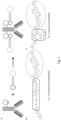
- the novel site-specific conjugation of Trastuzumab with a toxic payload utilizing the reaction between a SCO and a tetrazine group containing a cleavable linker coupled to a cytotoxic drug ( Figure 1A ) is provided.
- Two different types of payloads are exemplified, which both contain monomethyl auristatin E (MMAE) as the cytotoxic drug but differentiate in the linker technology. Both linkers are shown in detail in Figure 1B .
- the first payload (P1) contains a PEG linker bound to Valin-Alanine cleavable linker followed by p-aminobenzyl (PAB).
- a glucuronide linker connects the tetrazine group with MMAE in the case of the second payload (P2).
- Kadcyla ® is an antibody/cytostatic conjugate that combines the humanized anti-HER2 IgG1 antibody Trastuzumab with the microtubule-inhibiting maytansinoid DM1.
- the Trastuzumab component binds to HER2 and exerts an antineoplastic effect there.
- the conjugate is subsequently internalized and degraded so that DM1 is released in the cell, and binding to tubulin leads to apoptotic cell death. This is thought to enhance the therapeutic effect. Due to the covalent binding between Trastuzumab and DM1 via a thioether linker the systemic release of DM1 shall be reduced and the targeted release of DM1 is enhanced.
- the present invention provides the first study showing the influence of the coupling site on the efficacy of the ADC, as well as the influence of the DAR in in vitro cytotoxicity assays.
- Different variants of Trastuzumab either non-glycosylated or glycosylated, containing one ncAA in various sites on its heavy (IgH) or light (LgL) or two ncAAs in various sites on its heavy or light chain or on both heavy and light chains, were coupled to the respective toxic payload.
- IgH heavy
- LgL light
- two ncAAs in various sites on its heavy or light chain or on both heavy and light chains were coupled to the respective toxic payload.
- the different mutation sites were chosen based on structural knowledge of Trastuzumab and human IgG1 Fc fragment (PDB:4HKZ for Trastuzumab Fab fragment and PDB: 3DNK for IgG1 Fc fragment). Some sites are already know based on literature, like to position K249 in the heavy chain of Trastuzumab. This position was, however, merely used for coupling to a cyclic peptide, but not by utilizing genetic code expansion technology ( Shi, W. et al. Manipulating the Click Reactivity of Dibenzoazacyclooctynes: From Azide Click Component to Caged Acylation Reagent by Silver Catalysis. Angew. Chemie 132, 20112-20116 (2020 )). The position K320 was mentioned in the context of C1q binding, but not used for site-specific labeling so far.
- Trastuzumab-based ADCs Short name mutation site mutation in chain domain payload used ADC-H1-P1 K249 Heavy C H 2 H-Tet-PEG9-Val-Ala-PAB-MMAE ADC-H1-P2 K249 Heavy C H 2 H-Tet-Glucuronide-MMAE ADC-H2-P1 K251 Heavy C H 2 H-Tet-PEG9-Val-Ala-PAB-MMAE ADC-H3-P1 K291 Heavy C H 2 H-Tet-PEG9-Val-Ala-PAB-MMAE ADC-H4-P1 K320 Heavy C H 2 H-Tet-PEG9-Val-Ala-PAB-MMAE ADC-H4-P2 K320 Heavy C H 2 H-Tet-Glucuronide-MMAE ADC-H5-P1
- Trastuzumab-based radiolabeled ADCs particularly site-specifically labeled Trastuzumab variants carrying a ncAA moiety which can be selectively conjugated via click reaction with, for example tetrazine modified, chelators ( Figure 10 ), particularly with DOTA-based chelators ( Figure 11 ) under mild conditions.
- B) The detailed structure of H-Tet-PEG9-Val-Ala-PAB-MMAE (payload 1 P1) is shown. The linker is surrounded by an eclipse r and the cytotoxic drug by a dotted eclipse.
- cytotoxicity assays representing the cell viability measured after addition of different ADCs on cancer cells. The data points are measured in triplicates and the standard error is shown as error bar for each data point.
- A) cytotoxicity assay of different heavy chain mutants of Trastuzumab conjugated to payload 1 (P1) on SK-BR-3 cells B) Two heavy chain mutant ADCs and Kadcyla ® on BT-474 cells, C) Three light chain mutant ADC in comparison to ADC-H1-P2 and Kadcyla ® on SK-BR-3 cells, D) cavity mutant ADCs in comparison to ADC-H1-P2 and Kadcyla ® , E) and F) Different double mutant ADCs in comparison to Kadcyla ® .
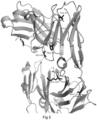
- a three-dimensional model of the binding of heavy chain and different mutation positions in the light chain of Trastuzumab is shown.
- Candidate mutant positions within the light chain are highlighted and named (ALA-51, PRO-59, GLY-42, LYS-169, ALA-111).
- ALA-51 is positioned within the CDR-L2 motive.
- the side chains of mutant positions protrude outwardly.
- Each of the candidate positions is located in a section of the amino acid sequence which does not form pronounced secondary structures.
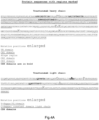
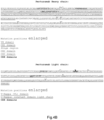
- the plasmid map of expression plasmid pAceBacDUAL (SEQ ID NO:1) is shown.
- the plasmid map of expression plasmid pAceBacDUAL-Trastuzumab heavy chain 6His-light chain (SEQ ID NO:22), useful for the preparation of a site-specifically modified Trastuzumab immunoglobulin of the invention is shown.
- the plasmid map of expression plasmid pCK-HSA-Trastuzumab HC-LC (SEQ ID NO:49), useful for the preparation of a site-specifically modified glycosylated Trastuzumab immunoglobulin of the invention is shown.
- cytotoxicity assays representing the cell viability measured after addition of different ADCs on BT-474 cancer cells.
- the site-selectively mutated Trastuzumab antibody portion of the ADC were expressed either in Sf21 insect cells or HEK293F human cancer cells (ADC named with prefix "gly").
- the data points are measured in triplicates and the standard error is shown as error bar for each data point.
- H-Tet-PEGg-DOTA H-Tet-PEGg-DOTA
- the subcutaneous tumor size of BT-474 xenograft mice after injection of the radiopharmaceutical over approximately 30 days is shown. Shown is a comparison between the change of tumor volume (mm 3 ) between a test group (square) and untreated growth control group (circle).
- the ex vivo tumor weight after 30 days post injection is shown. Shown is a comparison between a group of 4 animals receiving subcutaneous tumor transplantation and treatment (left column) with 5 animals receiving only subcutaneous tumor transplantation without treatment (growth control).
- substantially describes a range of values of from about 80 to 100%, such as, for example, 85-99.9%, in particular 90 to 99.9%, more particularly 95 to 99.9%, or 98 to 99.9% and especially 99 to 99.9%.
- Predominantly refers to a proportion in the range of above 50%, as for example in the range of 51 to 100%, particularly in the range of 75 to 99,9%; more particularly 85 to 98,5%, like 95 to 99%.
- purified refers to the state of being free of other, dissimilar compounds with which a compound of the invention is normally associated in its natural state, so that the "purified”, “substantially purified,” and “isolated” subject comprises at least 0.5%, 1%, 5%, 10%, or 20%, or at least 50% or 75% of the mass, by weight, of a given sample. In one embodiment, these terms refer to the compound of the invention comprising at least 95, 96, 97, 98, 99 or 100%, of the mass, by weight, of a given sample.
- nucleic acid or protein also refers to a state of purification or concentration different than that which occurs naturally, for example in a prokaryotic or eukaryotic environment, like, for example in a bacterial or fungal cell, or in the mammalian organism, especially human body. Any degree of purification or concentration greater than that which occurs naturally, including (1) the purification from other associated structures or compounds or (2) the association with structures or compounds to which it is not normally associated in said prokaryotic or eukaryotic environment, are within the meaning of "isolated”.
- the nucleic acid or protein or classes of nucleic acids or proteins, described herein may be isolated, or otherwise associated with structures or compounds to which they are not normally associated in nature, according to a variety of methods and processes known to those of skill in the art.
- a “pharmaceutical composition” comprises in addition to an ADC of the invention one or more substances selected from the group consisting of pharmaceutically acceptable preservatives, pharmaceutically acceptable colorants, pharmaceutically acceptable protective colloids, pharmaceutically acceptable pH regulators and pharmaceutically acceptable osmotic pressure regulators. Such substances are described in the art.
- the term "effective amount” refers to the amount of a therapy which is sufficient to reduce or ameliorate the severity and/or duration of a disorder or one or more symptoms thereof, prevent the advancement of a disorder, cause regression of a disorder, prevent the recurrence, development, onset or progression of one or more symptoms associated with a disorder, detect a disorder, or enhance or improve the prophylactic or therapeutic effect(s) of another therapy (e.g., prophylactic or therapeutic agent).
- antibody broadly refers to any immunoglobulin (Ig) molecule comprised of four polypeptide chains, two heavy (H) chains and two light (L) chains, or any functional fragment, mutant, variant, or derivation thereof, which retains the essential epitope binding features of an Ig molecule.
- Ig immunoglobulin
- Such functional fragment, mutant, variant, or derivative antibody formats are known in the art. Nonlimiting embodiments of which are discussed below.
- a "full-length antibody” refers to an Ig molecule comprising four polypeptide chains, two heavy chains and two light chains. The chains are usually linked to one another via disulfide bonds.
- Each heavy chain is comprised of a heavy chain variable region (also referred to herein as “variable heavy chain”, or abbreviated herein as HCVR or VH) and a heavy chain constant region.
- the heavy chain constant region is comprised of three domains, CH1, CH2 and CH3.
- Each light chain is comprised of a light chain variable region (also referred to herein as “variable light chain”, or abbreviated herein as LCVR or VL) and a light chain constant region.
- the light chain constant region is comprised of one domain, CL.
- the VH and VL regions can be further subdivided into regions of hypervariability, termed complementarity determining regions (CDR), interspersed with regions that are more conserved, termed framework regions (FR).
- CDR complementarity determining regions
- Each VH and VL is composed of three CDRs and four FRs, arranged from amino-terminus to carboxy-terminus in the following order: FR1, CDR1, FR2, CDR2, FR3, CDR3, FR4.
- Immunoglobulin molecules can be of any type (e.g., IgG, IgE, IgM, IgD, IgA and IgY), class (e.g., IgG 1, IgG2, IgG3, IgG4, IgA1 and IgA2) or subclass.
- antigen-binding portion of an antibody refers to one or more fragments of an antibody that retain the ability to specifically bind to an antigen (i.e. the immunogenic product of the invention), i.e. are functional fragments of an antibody. It has been shown that the antigen-binding function of an antibody can be performed by one or more fragments of a full-length antibody. Such antibody embodiments may also be bispecific, dual specific, or multi-specific, specifically binding to two or more different antigens.
- binding fragments encompassed within the term "antigen-binding portion" of an antibody include (i) a Fab fragment, a monovalent fragment consisting of the VL, VH, CL and CH1 domains; (ii) a F(ab') 2 fragment, a bivalent fragment comprising two Fab fragments linked by a disulfide bridge at the hinge region; (iii) a Fd fragment consisting of the VH and CH1 domains; (iv) a Fv fragment consisting of the VL and VH domains of a single arm of an antibody, (v) a dAb fragment ( Ward et al., Nature 341: 544-546, 1989 ; Winter et al., WO 90/05144 A1 , herein incorporated by reference), which comprises a single variable domain; and (vi) an isolated complementarity determining region (CDR).
- CDR complementarity determining region
- the two domains of the Fv fragment, VL and VH are coded for by separate genes, they can be joined, using recombinant methods, by a synthetic linker that enables them to be made as a single protein chain in which the VL and VH regions pair to form monovalent molecules (known as single chain Fv (scFv); see e.g., Bird et al., Science 242: 423-426, 1988 ; and Huston et al., Proc. Natl. Acad. Sci. USA 85: 5879-5883, 1988 ).
- single chain Fv single chain Fv
- Such single chain antibodies are also encompassed within the term "antigen-binding portion" of an antibody.
- Other forms of single chain antibodies, such as diabodies, are also encompassed.
- Diabodies are bivalent, bispecific antibodies in which VH and VL domains are expressed on a single polypeptide chain, but using a linker that is too short to allow for pairing between the two domains on the same chain, thereby forcing the domains to pair with complementary domains of another chain and creating two antigen binding sites (see e.g., Holliger et al., Proc. Natl. Acad. Sci. USA 90: 6444-6448, 1993 ; Poljak et al., Structure 2: 1121-1123, 1994 ).
- Such antibody binding portions are known in the art ( Kontermann and Dubel eds., Antibody Engineering, Springer-Verlag. New York. 790 pp., 2001, ISBN 3-540-41354-5 ).
- antibody also comprises antibody constructs.
- antibody construct refers to a polypeptide comprising one or more of the antigen-binding portions of the invention linked to a linker polypeptide or an immunoglobulin constant domain.
- Linker polypeptides comprise two or more amino acid residues joined by peptide bonds and are used to link one or more antigen binding portions.
- Such linker polypeptides are well known in the art (see e.g., Holliger et al., Proc. Natl. Acad. Sci. USA 90: 6444-6448, 1993 ; Poljak et al., Structure 2: 1121-1123, 1994 ).
- An immunoglobulin constant domain refers to a heavy or light chain constant domain.
- Human IgG heavy chain and light chain constant domain amino acid sequences are known in the art.
- a binding protein of the present invention may be part of a larger immunoadhesion molecule, formed by covalent or noncovalent association of the binding protein of the invention with one or more other proteins or peptides.
- immunoadhesion molecules include the use of the streptavidin core region to make a tetrameric scFv molecule ( Kipriyanov et al., Human Antibodies and Hybridomas 6: 93-101, 1995 ) and use of a cysteine residue, a marker peptide and a C-terminal polyhistidine tag to make bivalent and biotinylated scFv molecules ( Kipriyanov et al., Mol. Immunol.
- Antibody portions such as Fab and F(ab') 2 fragments, can be prepared from whole antibodies using conventional techniques, such as papain or pepsin digestion, respectively, of whole antibodies.
- antibodies, antibody portions and immunoadhesion molecules can be obtained using standard recombinant DNA techniques, as described herein.
- an "isolated antibody”, as used herein, is intended to refer to an antibody that is substantially free of other antibodies having different antigenic specificities.
- An isolated antibody that specifically binds the immunogenic product of the invention may, however, have cross-reactivity to other antigens, such as A ⁇ globulomers, e.g. A ⁇ (20-42) globulomer or other A ⁇ forms.
- an isolated antibody may be substantially free of other cellular material and/or chemicals and/or any other targeted A ⁇ form.
- human antibody is intended to include antibodies having variable and constant regions derived from human germline immunoglobulin sequences.
- the human antibodies of the invention may include amino acid residues not encoded by human germline immunoglobulin sequences (e.g. mutations introduced by random or site-specific mutagenesis in vitro or by somatic mutation in vivo ) , for example in the CDRs and in particular in CDR3.
- human antibody as used herein, is not intended to include antibodies in which CDR sequences derived from the germline of another mammalian species, such as a mouse, have been grafted onto human framework sequences.
- recombinant human antibody is intended to include all human antibodies that are prepared, expressed, created or isolated by recombinant means, such as antibodies expressed using a recombinant expression vector transfected into a host cell (described further in Section B, below), antibodies isolated from a recombinant, combinatorial human antibody library ( Hoogenboom, TIB Tech. 15: 62-70, 1997 ; Azzazy and Highsmith, Clin. Biochem. 35: 425-445, 2002 ; Gavilondo J.V., and Larrick J.W. (2002) BioTechniques 29:128-145 ; Hoogenboom H., and Chames P.
- such recombinant human antibodies are subjected to in vitro mutagenesis (or, when an animal transgenic for human Ig sequences is used, in vivo somatic mutagenesis) and thus the amino acid sequences of the VH and VL regions of the recombinant antibodies are sequences that, while derived from and related to human germline VH and VL sequences, may not naturally exist within the human antibody germline repertoire in vivo.
- chimeric antibody refers to antibodies which comprise heavy and light chain variable region sequences from one species and constant region sequences from another species, such as antibodies having murine heavy and light chain variable regions linked to human constant regions.
- CDR-grafted antibody refers to antibodies which comprise heavy and light chain variable region sequences from one species but in which the sequences of one or more of the CDR regions of VH and/or VL are replaced with CDR sequences of another species, such as antibodies having murine CDRs (e.g., CDR3) in which one or more of the murine variable heavy and light chain regions has been replaced with human variable heavy and light chain sequences.
- murine CDRs e.g., CDR3
- Kabat numbering “Kabat definitions and “Kabat labeling” are used interchangeably herein. These terms, which are recognized in the art, refer to a system of numbering amino acid residues which are more variable ( i.e. hypervariable) than other amino acid residues in the heavy and light chain variable regions of an antibody, or an antigen binding portion thereof ( Kabat et al. (1971) Ann. NY Acad, Sci. 190:382-391 and , Kabat, E.A., et al. (1991) Sequences of Proteins of Immunological Interest, Fifth Edition, U.S. Department of Health and Human Services, NIH Publication No. 91-3242 ).
- the hypervariable region ranges from amino acid positions 31 to 35 for CDR1, amino acid positions 50 to 65 for CDR2, and amino acid positions 95 to 102 for CDR3.
- the hypervariable region ranges from amino acid positions 24 to 34 for CDR1, amino acid positions 50 to 56 for CDR2, and amino acid positions 89 to 97 for CDR3.
- the terms “acceptor” and “acceptor antibody” refer to the antibody or nucleic acid sequence providing or encoding at least 80%, at least 85%, at least 90%, at least 95%, at least 98% or 100% of the amino acid sequences of one or more of the framework regions.
- the term “acceptor” refers to the antibody amino acid or nucleic acid sequence providing or encoding the constant region(s).
- the term “acceptor” refers to the antibody amino acid or nucleic acid sequence providing or encoding one or more of the framework regions and the constant region(s).
- the term "acceptor” refers to a human antibody amino acid or nucleic acid sequence that provides or encodes at least 80%, for example at least 85%, at least 90%, at least 95%, at least 98%, or 100% of the amino acid sequences of one or more of the framework regions.
- an acceptor may contain at least 1, at least 2, at least 3, least 4, at least 5, or at least 10 amino acid residues that does (do) not occur at one or more specific positions of a human antibody.
- acceptor framework region and/or acceptor constant region(s) may be, e.g., derived or obtained from a germline antibody gene, a mature antibody gene, a functional antibody (e.g., antibodies well-known in the art, antibodies in development, or antibodies commercially available).
- CDR refers to the complementarity determining region within antibody variable sequences. There are three CDRs in each of the variable regions of the heavy chain and the light chain, which are designated CDR1, CDR2 and CDR3, for each of the variable regions.
- CDR set refers to a group of three CDRs that occur in a single variable region capable of binding the antigen. The exact boundaries of these CDRs have been defined differently according to different systems. The system described by Kabat ( Kabat et al., Sequences of Proteins of Immunological Interest (National Institutes of Health, Bethesda, Md.
- CDR boundary definitions may not strictly follow one of the above systems, but will nonetheless overlap with the Kabat CDRs, although they may be shortened or lengthened in light of prediction or experimental findings that particular residues or groups of residues or even entire CDRs do not significantly impact antigen binding.
- the methods used herein may utilize CDRs defined according to any of these systems, particular embodiments use Kabat or Chothia defined CDRs.
- canonical residue refers to a residue in a CDR or framework that defines a particular canonical CDR structure as defined by Chothia et al. (J. Mol. Biol. 196:901-907 (1987 ); Chothia et al., J. Mol. Biol. 227:799 (1992 ), both are incorporated herein by reference). According to Chothia et al ., critical portions of the CDRs of many antibodies have nearly identical peptide backbone confirmations despite great diversity at the level of amino acid sequence. Each canonical structure specifies primarily a set of peptide backbone torsion angles for a contiguous segment of amino acid residues forming a loop.
- the terms “donor” and “donor antibody” refer to an antibody providing one or more CDRs.
- the donor antibody is an antibody from a species different from the antibody from which the framework regions are obtained or derived.
- the term “donor antibody” refers to a non-human antibody providing one or more CDRs.
- the term "framework” or "framework sequence” refers to the remaining sequences of a variable region minus the CDRs. Because the exact definition of a CDR sequence can be determined by different systems, the meaning of a framework sequence is subject to correspondingly different interpretations.
- the six CDRs (CDR-L1, -L2, and -L3 of light chain and CDR-H1, -H2, and -H3 of heavy chain) also divide the framework regions on the light chain and the heavy chain into four sub-regions (FR1, FR2, FR3 and FR4) on each chain, in which CDR1 is positioned between FR1 and FR2, CDR2 between FR2 and FR3, and CDR3 between FR3 and FR4.
- a framework region represents the combined FR's within the variable region of a single, naturally occurring immunoglobulin chain.
- a FR represents one of the four sub-regions, and FRs represents two or more of the four sub- regions constituting a framework region.
- the term "germline antibody gene” or “gene fragment” refers to an immunoglobulin sequence encoded by non-lymphoid cells that have not undergone the maturation process that leads to genetic rearrangement and mutation for expression of a particular immunoglobulin. (See, e.g., Shapiro et al., Crit. Rev. Immunol. 22(3): 183-200 (2002 ); Marchalonis et al., Adv Exp Med Biol. 484:13-30 (2001 )).
- One of the advantages provided by various embodiments of the present invention stems from the recognition that germline antibody genes are more likely than mature antibody genes to conserve essential amino acid sequence structures characteristic of individuals in the species, hence less likely to be recognized as from a foreign source when used therapeutically in that species.
- key residues refer to certain residues within the variable region that have more impact on the binding specificity and/or affinity of an antibody, in particular a humanized antibody.
- a key residue includes, but is not limited to, one or more of the following: a residue that is adjacent to a CDR, a potential glycosylation site (can be either N- or O-glycosylation site), a rare residue, a residue capable of interacting with the antigen, a residue capable of interacting with a CDR, a canonical residue, a contact residue between heavy chain variable region and light chain variable region, a residue within the Vernier zone, and a residue in the region that overlaps between the Chothia definition of a variable heavy chain CDR1 and the Kabat definition of the first heavy chain framework.
- humanized antibody is an antibody or a variant, derivative, analog or portion thereof which immunospecifically binds to an antigen of interest and which comprises a framework (FR) region having substantially the amino acid sequence of a human antibody and a complementary determining region (CDR) having substantially the amino acid sequence of a non-human antibody.
- FR framework
- CDR complementary determining region
- substantially in the context of a CDR refers to a CDR having an amino acid sequence at least 90%, at least 95%, at least 98% or at least 99% identical to the amino acid sequence of a non-human antibody CDR.
- a humanized antibody comprises substantially all of at least one, and typically two, variable domains (Fab, Fab', F(ab') 2 , FabC, Fv) in which all or substantially all of the CDR regions correspond to those of a non-human immunoglobulin (i.e., donor antibody) and all or substantially all of the framework regions are those of a human immunoglobulin consensus sequence.
- a humanized antibody also comprises at least a portion of an immunoglobulin constant region (Fc), typically that of a human immunoglobulin.
- a humanized antibody contains both the light chain as well as at least the variable domain of a heavy chain.
- the antibody also may include the CH1, hinge, CH2, CH3, and CH4 regions of the heavy chain.
- a humanized antibody only contains a humanized light chain. In some embodiments, a humanized antibody only contains a humanized heavy chain. In specific embodiments, a humanized antibody only contains a humanized variable domain of a light chain and/or of a heavy chain.
- the humanized antibody can be selected from any class of immunoglobulins, including IgM, IgG, IgD, IgA and IgE, and any isotype, including without limitation IgG 1, IgG2, IgG3 and IgG4.
- the humanized antibody may comprise sequences from more than one class or isotype, and particular constant domains may be selected to optimize desired effector functions using techniques well-known in the art.
- the framework and CDR regions of a humanized antibody need not correspond precisely to the parental sequences, e.g., the donor antibody CDR or the consensus framework may be mutagenized by substitution, insertion and/or deletion of at least one amino acid residue so that the CDR or framework residue at that site does not correspond to either the donor antibody or the consensus framework. In one embodiment, such mutations, however, will not be extensive. Usually, at least 90%, at least 95%, at least 98%, or at least 99% of the humanized antibody residues will correspond to those of the parental FR and CDR sequences.
- the term "consensus framework" refers to the framework region in the consensus immunoglobulin sequence.
- the term "consensus immunoglobulin sequence” refers to the sequence formed from the most frequently occurring amino acids (or nucleotides) in a family of related immunoglobulin sequences (See e.g., Winnaker, From Genes to Clones (Verlagsgesellschaft, Weinheim, Germany 1987 )). In a family of immunoglobulins, each position in the consensus sequence is occupied by the amino acid occurring most frequently at that position in the family. If two amino acids occur equally frequently, either can be included in the consensus sequence.
- Vernier zone refers to a subset of framework residues that may adjust CDR structure and fine-tune the fit to antigen as described by Foote and Winter (1992, J. Mol. Biol. 224:487-499 , which is incorporated herein by reference). Vernier zone residues form a layer underlying the CDRs and may impact on the structure of CDRs and the affinity of the antibody.
- antibody also comprises multivalent binding proteins.
- multivalent binding protein is used in this specification to denote a binding protein comprising two or more antigen binding sites.
- the multivalent binding protein is engineered to have the three or more antigen binding sites, and is generally not a naturally occurring antibody.
- multispecific binding protein refers to a binding protein capable of binding two or more related or unrelated targets.
- Dual variable domain (DVD) binding proteins as used herein, are binding proteins that comprise two or more antigen binding sites and are tetravalent or multivalent binding proteins. Such DVDs may be monospecific, i.e. capable of binding one antigen or multispecific, i.e. capable of binding two or more antigens.
- DVD binding proteins comprising two heavy chain DVD polypeptides and two light chain DVD polypeptides are refered to a DVD Ig.
- Each half of a DVD Ig comprises a heavy chain DVD polypeptide, and a light chain DVD polypeptide, and two antigen binding sites.
- Each binding site comprises a heavy chain variable domain and a light chain variable domain with a total of 6 CDRs involved in antigen binding per antigen binding site.
- DVD binding proteins and methods of making DVD binding proteins are disclosed in US. Patent Application No. 11/507,050 and incorporated herein by reference.
- label binding protein refers to a binding protein with a label incorporated that provides for the identification of the binding protein.
- label antibody refers to an antibody with a label incorporated that provides for the identification of the antibody.
- the label is a detectable marker, e.g., incorporation of a radiolabeled amino acid or attachment to a polypeptide of biotinyl moieties that can be detected by marked avidin (e.g., streptavidin containing a fluorescent marker or enzymatic activity that can be detected by optical or colorimetric methods).
- labels for polypeptides include, but are not limited to, the following: radioisotopes or radionuclides ( e . g ., 3 H, 14 C, 35 S, 90 Y, 99 Tc, 111 In, 125 I, 131 I, 177 Lu, 166 Ho, or 153 Sm); fluorescent labels ( e .
- FITC fluorescence-activated fluorescent-labeledase
- rhodamine lanthanide phosphors
- enzymatic labels e.g., horseradish peroxidase, luciferase, alkaline phosphatase
- chemiluminescent markers e.g., horseradish peroxidase, luciferase, alkaline phosphatase
- biotinyl groups e.g., leucine zipper pair sequences, binding sites for secondary antibodies, metal binding domains, epitope tags
- magnetic agents such as gadolinium chelates.
- antibody also comprises antibody conjugates.
- antibody conjugate refers to a binding protein, such as an antibody, chemically linked to a second chemical moiety, such as a therapeutic agent.
- K D (also "K d " or “KD”), as used herein, is intended to refer to the "equilibrium dissociation constant", and refers to the value obtained in a titration measurement at equilibrium, or by dividing the dissociation rate constant (k off ) by the association rate constant (k on ).
- the association rate constant (k on ), the dissociation rate constant (k off ), and the equilibrium dissociation constant (K D ) are used to represent the binding affinity of a binding protein (e.g., an antibody) to an antigen.
- Methods for determining association and dissociation rate constants are well known in the art. Using fluorescence-based techniques offers high sensitivity and the ability to examine samples in physiological buffers at equilibrium.
- BIAcore ® biological interaction analysis
- KinExA ® Kineetic Exclusion Assay
- Internalize or “internalization” of an immunoglobulin molecule relates to the ability of an immunoglobulin or ADC or APC as described herein binding to a cell surface receptor to induce a receptor-mediated endocytosis upon binding.
- De-glycosylated or “de-glycosylation” relates to the , partial and in particular complete, removal of one or more glycosyl-residues from a glycosylated species of a biomolecule, as for example a glycosylated immunoglobulin molecule.
- aminoacyl tRNA synthetase is an enzyme capable of acylating a tRNA aminoacyl with an amino acid or amino acid analog.
- a “pyrrolysyl tRNA synthetase” is capable of acylating a tRNA (tRNA Pyl ) with a certain amino acid or amino acid analog, preferably with an ncAA or salt thereof.
- archaeal pyrrolysyl tRNA synthetase (abbreviated as "archaeal PyIRS") as used herein refers to a PyIRS, wherein at least a segment of the PyIRS amino acid sequence, or the entire PyIRS amino acid sequence, has at least 60%, at least 70%, at least 80%, at least 90%, at least 95%, at last 99%, or 100% sequence identity to the amino acid sequence of a naturally occurring PyIRS from an archaeon, or to the amino acid sequence of an enzymatically active fragment of such naturally occurring PyIRS.
- the PyIRS of the present invention may comprise a mutant archaeal PyIRS, or an enzymatically active fragment thereof.
- mutant PyIRSs or “mutated PyIRSs” differ from the corresponding wildtype PyIRSs in comprising additions, substitutions and/or deletions of one or more than one amino acid residue. Preferably, these are modifications which improve PyIRS stability, alter PyIRS substrate specificity and/or enhance PyIRS enzymatic activity. Particularly preferred "mutant archaeal PyIRSs” or “mutated archaeal PyIRSs” are described in more detail herein below.
- nuclear export signal refers to an amino acid sequence which can direct a polypeptide containing it (such as a NES-containing PyIRS of the invention) to be exported from the nucleus of a eukaryotic cell. Said export is believed to be mostly mediated by Crm1 (chromosomal region maintenance 1, also known as karyopherin exportin 1). NESs are known in the art. For example, the database ValidNESs (http://validness.ym.edu.tw/) provides sequence information of experimentally validated NES-containing proteins.
- NES databases like, e.g., NESbase 1.0 (www.cbs.dtu.dk/databased/NESbase-1.0/; see Le Cour et al., Nucl Acids Res 31(1), 2003 ) as well as tools for NES prediction like NetNES (www.cbs.dtu.dk/services/NetNES/; see La Cour et al., La Cour et al., Protein Eng Des Sel 17(6):527-536, 2004 ), NESpredictor (NetNES, http://www.cbs.dtu.dk/; see Fu et al., Nucl Acids Res 41:D338-D343, 2013 ; La Cour et al., Protein Eng Des Sel 17(6):527-536, 2004 )) and NESsential (a web interface combined with ValidNESs) are available to the public.
- NESbase 1.0 www.cbs.dtu.dk/databased/NESbase-1.0/; see Le Cour e
- Hydrophobic leucine-rich NESs are most common and represent the best characterized group of NESs to date.
- a hydrophobic leucine-rich NES is a non-conservative motif having 3 or 4 hydrophobic residues.
- Many of these NESs comprise the conserved amino acid sequence pattern LxxLxL (SEQ ID NO:111) or LxxxLxL (SEQ ID NO:112), wherein each L is independently selected from leucine, isoleucine, valine, phenylalanine and methionine amino acid residues, and each x is independently selected from any amino acid (see La Cour et al., Protein Eng Des Sel 17(6):527-536, 2004 ).
- nuclear localization signal refers to an amino acid sequence which can direct a polypeptide containing it (e.g., a wild-type archaeal PyIRS) to be imported into the nucleus of a eukaryotic cell. Said export is believed to be mediated by binding of the NLS-containing polypeptide to importin (also known as karyopherin) so as to form a complex that moves through a nuclear pore. NLSs are known in the art.
- NLSdb see Nair et al., Nucl Acids Res 31(1), 2003
- cNLS Mapper www.nls-mapper.aib.keio.ac.jp; see Kosugi et al., Proc Natl Acad Sci U S A.
- TRNA aminoacyl refers to a tRNA that can be acylated (essentially selectively and in particular selectively) by an aminoacyl RS, in particular a PyIRS.
- the tRNA Pyl described herein be a wildtype tRNA that can be acylated by a PyIRS with pyrrolysine, or a mutant of such tRNA, e.g., a wildtype or a mutant tRNA from an archaeon, for example from a Methanosarcina species, e.g. M. mazei or M. barkeri.
- the anticodon comprised by the "tRNA aminoacyl.” , or the tRNA Pyl used together with the respective RS is the reverse complement of a selector codon.
- the anticodon of the "TRNA aminoacyl.” , in particular of tRNA Pyl is the reverse complement of the amber stop codon.
- reporter codon refers to a codon that is recognized (i.e. bound) by the "tRNA aminoacyl.” , or tRNA Pyl in the translation process and is not recognized by endogenous tRNAs of the eukaryotic cell.
- the term is also used for the corresponding codons in polypeptide-encoding sequences of polynucleotides, which are not messenger RNAs (mRNAs), e.g. DNA plasmids.
- mRNAs messenger RNAs
- the selector codon is a codon of low abundance in naturally occurring eukaryotic cells.
- the anticodon of the "tRNA aminoacyl.” or tRNA Pyl binds to a selector codon within an mRNA and thus incorporates the ncAA site-specifically into the growing chain of the polypeptide encoded by said mRNA.
- the known 64 genetic (triplet) codons code for 20 amino acids and three stop codons. Because only one stop codon is needed for translational termination, the other two can in principle be used to encode non-proteinogenic amino acids. For example, the amber codon, UAG, has been successfully used as a selector codon in in vitro and in vivo translation systems to direct the incorporation of unnatural amino acids.
- selector codons utilized in methods of the present invention expand the genetic codon framework of the protein biosynthetic machinery of the translation system used.
- selector codons include, but are not limited to, nonsense codons, such as stop codons, e.g., amber (UAG), ochre (UAA), and opal (UGA) codons; codons consisting of more than three bases (e.g., four base codons); and codons derived from natural or unnatural base pairs.
- a selector codon can also include one of the natural three base codons (i.e.
- the endogenous translation system does not (or only scarcely) use said natural triplet, e.g., a system that is lacking a tRNA that recognizes the natural triplet or a system wherein the natural triplet is a rare codon.
- a recombinant tRNA that alters the reading of an mRNA in a given translation system e.g. an eukaryotic cell
- a stop codon e.g., the amber codon
- the suppression efficiency for a stop codon serving as a selector codon depends upon the competition between the (aminoacylated) tRNA (which acts as suppressor tRNA) and the release factor (e.g. RF1) which binds to the stop codon and initiates release of the growing polypeptide chain from the ribosome. Suppression efficiency of such stop codon can therefore be increased using a release factor-(e.g. RF1-) deficient strain.
- a polynucleotide sequence encoding a "polypeptide of interest" or "POI” can comprise one or more, e.g., two or more, more than three, etc., codons (e.g. selector codons) which are the reverse complement of the anticodon comprised by the tRNA Pyl .
- Conventional site-directed mutagenesis can be used to introduce said codon(s) at the site of interest into a polynucleotide sequence, to generate a POI-encoding polynucleotide sequence.
- the RS (or mutants thereof) and the respective tRNA are preferably orthogonal.
- orthogonal refers to a molecule (e.g., an orthogonal tRNA and/or an orthogonal RS) that is used with reduced efficiency by a translation system of interest (e.g., a eukaryotic cell used for expression of a POI as described herein).
- a translation system of interest e.g., a eukaryotic cell used for expression of a POI as described herein.
- orthogonal refers to the inability or reduced efficiency, e.g., less than 20% efficient, less than 10% efficient, less than 5% efficient, or e.g., less than 1% efficient, of an orthogonal tRNA or an orthogonal RS to function with the endogenous RSs or endogenous tRNAs, respectively, of the translation system of interest.
- any endogenous RS of the eukaryotic cell of the invention catalyzes acylation of the (orthogonal) tRNA Pyl with reduced or even zero efficiency, when compared to acylation of an endogenous tRNA by the endogenous RS, for example less than 20% as efficient, less than 10% as efficient, less than 5% as efficient or less than 1% as efficient.
- the (orthogonal) PyIRS of the invention acylates any endogenous tRNA of the eukaryotic cell of the invention with reduced or even zero efficiency, as compared to acylation of the tRNA Pyl by an endogenous RS of the cell, for example less than 20% as efficient, less than 10% as efficient, less than 5% as efficient or less than 1% as efficient.
- endogenous tRNA and “endogenous aminoacyl tRNA synthetase” (“endogenous RS”) used therein refer to a tRNA and an RS, respectively, that was present in the cell ultimately used as translation system prior to introducing the PyIRS and the tRNA Pyl , respectively, used in the context of the present invention.
- endogenous RS endogenous aminoacyl tRNA synthetase
- translation system generally refers to a set of components necessary to incorporate a naturally occurring amino acid in a growing polypeptide chain (protein).
- Components of a translation system can include, e.g., ribosomes, tRNAs, aminoacyl tRNA synthetases (RS), mRNA and the like.
- Translation systems include artificial mixture of said components, cell extracts and living cells, e.g. living eukaryotic cells.
- the pair of PyIRS and tRNA aminoacyl used for preparing a POI according to the present invention is preferably orthogonal in that the tRNA aminoacyl , in the eukaryotic cell used for preparing the POI, is preferentially acylated by the PyIRS of the invention with an ncAA or a salt thereof (ncAA).
- the orthogonal pair functions in said eukaryotic cell such that the cell uses for example the ncAA-acylated tRNA Pyl to incorporate the ncAA residue into the growing polypeptide chain of the POI.
- Incorporation occurs in a site-specific manner, e.g., the tRNA Pyl recognizes a codon (e.g., a selector codon such as an amber stop codon) in the mRNA coding for the POI.
- a codon e.g., a selector codon such as an amber stop codon
- the term "preferentially acylated” refers to an efficiency of, e.g., about 50% efficient, about 70% efficient, about 75% efficient, about 85% efficient, about 90% efficient, about 95% efficient, or about 99% or more efficient, at which for example the PyIRS acylates the tRNA Pyl with an ncAA compared to an endogenous tRNA or amino acid of a eukaryotic cell.
- ncAA is then incorporated into a growing polypeptide chain with high fidelity, e.g., at greater than about 75%, greater than about 80%, greater than about 90%, greater than about 95%, or greater than about 99% or more efficiency for a given codon (e.g., selector codon) that is the reverse complement of the anticodon comprised by the tRNA Pyl .
- a given codon e.g., selector codon
- non-canonical amino acid refers to an amino acid that is not one of the 20 canonical amino acids or selenocysteine or pyrrolysine.
- the term also refers to amino acid analogs, e.g. compounds which differ from amino acids such that the ⁇ -amino group is replaced by a hydroxyl group and/or the carboxylic acid function forms an ester.
- said amino acid analogs yield amino acid residues which are different from the amino acid residues corresponding to the 20 canonical amino acids or selenocysteine or pyrrolysine.
- ncAAs which are amino acid analogs wherein the carboxylic acid function forms an ester of formula -C(O)-O-R are used for preparing polypeptides in a translation system (such as a eukaryotic cell)
- a translation system such as a eukaryotic cell
- R is expediently chosen so as to be compatible with the translation system's ability to convert the ncAA or salt thereof into a form that is recognized and processed by the PyIRS of the invention.
- ncAAs useful in methods and kits of the present invention have been described in the prior art (for review see e.g. Liu et al., Annu Rev Biochem 83:379-408, 2010 , Lemke, ChemBioChem 15:1691-1694, 2014 ).
- the term "host cell” or “transformed cell” refers to a cell (or organism) altered to harbor at least one nucleic acid molecule, for instance, a recombinant gene encoding a desired protein or nucleic acid sequence which upon transcription yields a polypeptide for use as described herein.
- the host cell is a prokaryotic or eukaryotic cell, like a bacterial cell, a fungal cell, a plant cell.an insect cell or mammalian cell.
- the host cell may contain a recombinant gene which has been integrated into the nuclear or organelle genomes of the host cell. Alternatively, the host may contain the recombinant gene extra-chromosomally.
- a particular organism or cell is meant to be “capable of producing a POI” when it produces a POI naturally or when it does not produce said POI naturally but is transformed to produce said POI.
- the present inventors found that the site-specific labelling within appropriately selected amino acid positions of said immunoglobulin according to the present invention surprisingly leads to an increased efficacy of the final ADC.
- amino acid positions embedded within functional pockets tattooe for local/global structural stabilization effect such as CDRs, antigen binding domains, alpha-helices and beta-sheets are preferably to be left intact, i.e. in their naturally occurring form, such to preserve the overall structure of the IgG molecule.
- said modified immunoglobulin molecule may be an IgG antibody molecule.
- said modified immunoglobulin molecule shows the ability to be internalized upon binding to a cell surface receptor by receptor mediated endocytosis.
- the invention also relates to respective modified individual IgH or IgL polypeptide chains or fragments or derivatives of such immunoglobulin molecules, wherein said polypeptide chain, fragment or derivative retains at least one site-specific modification as herein defined.
- the site-specifically modified immunoglobulin contains at least one site-specific modification in its Fab region the Fab or (Fab) 2 are also part of the present invention.
- the site-specifically modified immunoglobulin contains at least one site-specific modification in its Fv region, then, for example, scFv fragments are also part of the present invention.
- the site-modified immunoglobulin molecule binds to the Target (ERBB2 or HER2/neu ) with high affinity, for instance with a K D of 1 ⁇ 10 -6 M or greater affinity or with a K D of 1 ⁇ 10 -7 M or greater affinity, as for example in a range of 1 ⁇ 10 -8 M to 1 ⁇ 10 -12 M, like 1 ⁇ 10 -9 M to 1 ⁇ 10 -10 M.
- Said modified immunoglobulin molecule may be provided in glycosylated form.
- modified immunoglobulin molecule may be provided in non-glycosylated or de-glycosylated form.
- a site-selectively modified immunoglobulin molecule is provided, wherein
- a site-selectively modified immunoglobulin molecule wherein additionally or alternatively at least one, more particularly 1 or 2, IgH are site-selectively modified by incorporation of at least one, as for example 1, 2, 3, 4 or 5, more particularly 1 or 2, non-canonical amino acid (ncAA) residues within their amino acid sequence, in particular in a position selected from positions within V H selected from FR1, FR2, FR3 and FR4, more particularly selected from FR2 and FR3; and/or in a position selected from positions within CDRs, in particular CDR-H1, CDR-H2 and CDR-H3; and said site-selectively modified immunoglobulin molecule has the ability to bind human epidermal growth factor receptor 2.
- ncAA non-canonical amino acid
- a site-selectively modified immunoglobulin comprising an ncAA in at least one, as for example 1, 2, 3, 4 or 5, more particularly 1 or 2, amino acid sequence positions corresponding to a position selected from (designated Group 1):
- Each of the above-mentioned mutants may be provided either in non-glycosylated, glycosylated or de-glycosylated form.
- said two site-selective modification selected from
- Each of the above-mentioned mutants may be provided either in non-glycosylated, glycosylated or de-glycosylated form.
- a site-selectively modified immunoglobulin molecule comprising an ncAA in at least one, as for example 1, 2, 3, 4 or 5, more particularly 1 or 2, amino acid sequence positions corresponding to a position selected from P41, G42, K291, K249, K251, K320 and K343 of SEQ ID NO:2; and/or wherein said site-selectively modified IgL comprises an ncAA in at least one, as for example 1, 2, 3, 4 or 5, more particularly 1 or 2, amino acid sequence positions corresponding to a position selected from G41, A51, P59, A111 and K169 of SEQ ID NO:4.
- said site-selectively modified IgH comprises an ncAA in at least one, as for example 1, 2, 3, 4 or 5, more particularly 1 or 2, amino acid sequence positions corresponding to a position selected from (designated Group 2):
- Each of the above-mentioned mutants may be provided either in non-glycosylated, glycosylated or de-glycosylated form.
- said two site-selective modifications may be selected from :
- Each of the above-mentioned mutants may be provided either in non-glycosylated, glycosylated or de-glycosylated form.
- a site-selectively modified immunoglobulin molecule which contains one ncAA in each of its IgH chains.
- a site-selectively modified immunoglobulin molecule which contains one ncAA in each of its IgL chains.
- a site-selectively modified immunoglobulin molecule which contains two ncAAs in each of its IgH chains.
- a site-selectively modified immunoglobulin molecule which contains two ncAAs in each of its IgL chains.
- a site-selectively modified immunoglobulin molecule which contains one ncAA in each of its IgH chains and which contains one ncAA in each of its IgL chains.
- a site-selectively modified immunoglobulin molecule which contains two ncAAs in each its IgH chains and which contains one ncAA in each of its IgL chains.
- a site-selectively modified immunoglobulin molecule which contains one ncAA in each of its IgH chains and which contains two ncAAs in each of its IgL chains.
- a site-selectively modified immunoglobulin molecule which contains two ncAAs in each of its IgH chains and which contains two ncAAs in each of its IgL chains.
- Each of the above-mentioned mutants may be provided either in non-glycosylated, glycosylated or de-glycosylated form.
- a site-selectively modified immunoglobulin molecule which contains one ncAA in the constant region of each of its IgH chains.
- a site-selectively modified immunoglobulin molecule which contains one ncAA in the constant region of each of its IgL chains.
- a site-selectively modified immunoglobulin molecule which contains two ncAAs in the constant region of each of its IgH chains.
- a site-selectively modified immunoglobulin molecule which contains two ncAAs in the constant region of each of its IgL chains.
- a site-selectively modified immunoglobulin molecule which contains one ncAA in the constant region of each of its IgH chains and which contains one ncAA in the constant region of each of its IgL chains.
- a site-selectively modified immunoglobulin molecule which contains two ncAAs in the constant region of each of its IgH chains and which contains one ncAA in the constant region of each of its IgL chains.
- a site-selectively modified immunoglobulin molecule which contains one ncAA in the constant region of each of its IgH chains and which contains two ncAAs in the constant region of each of its IgL chains.
- a site-selectively modified immunoglobulin molecule which contains two ncAAs in the constant region of each of its IgH chains and which contains two ncAAs in the constant region of each of its IgL chains.
- Each of the above-mentioned mutants may be provided either in non-glycosylated, glycosylated or de-glycosylated form.
- a site-selectively modified immunoglobulin molecule which contains one ncAA in the variable region of each of its IgH chains.
- a site-selectively modified immunoglobulin molecule which contains one ncAA in the variable region of each of its IgL chains.
- a site-selectively modified immunoglobulin molecule which contains two ncAAs in the variable region of each of its IgH chains.
- a site-selectively modified immunoglobulin molecule which contains two ncAAs in the variable region of each of its IgL chains.
- a site-selectively modified immunoglobulin molecule which contains one ncAA in the variable region of each of its IgH chains and which contains one ncAA in the variable region of each of its IgL chains.
- a site-selectively modified immunoglobulin molecule which contains two ncAAs in the variable region of each of its IgH chains and which contains one ncAA in the variable region of each of its IgL chains.
- a site-selectively modified immunoglobulin molecule which contains one ncAA in the constant region of each of its IgH chains and which contains two ncAAs in the constant region of each of its IgL chains.
- a site-selectively modified immunoglobulin molecule which contains two ncAAs in the variable region of each of its IgH chains and which contains two ncAAs in the variable region of each of its IgL chains.
- Each of the above-mentioned mutants may be provided either in non-glycosylated, glycosylated or de-glycosylated form.
- a site-selectively modified immunoglobulin molecule which contains two ncAAs distributed over the constant and the variable region of each of its IgH chains.
- a site-selectively modified immunoglobulin molecule which contains two ncAAs distributed over the constant and the variable region of each of its IgL chains.
- a site-selectively modified immunoglobulin molecule which contains two ncAAs distributed over the constant and the variable region of each of its IgH chains and which contains one ncAA in the constant region of each of its IgL chains.
- a site-selectively modified immunoglobulin molecule which contains one ncAA in the constant region of each of its IgH chains and which contains two ncAAs distributed over the constant and the variable region of each of its IgL chains.
- a site-selectively modified immunoglobulin molecule which contains two ncAAs distributed over the constant and the variable region of each of its IgH chains and which contains two ncAAs distributed over the constant and the variable region of each of its IgL chains.
- Each of the above-mentioned mutants may be provided either in non-glycosylated, glycosylated or de-glycosylated form.
- a site-selectively modified immunoglobulin molecule which comprises one single site-selective modification selected from
- Each of the above-mentioned mutants may be provided either in non-glycosylated, glycosylated or de-glycosylated form.
- a site-selectively modified immunoglobulin molecule which comprises two site-selective modifications
- Each of the above-mentioned mutants may be provided either in non-glycosylated, glycosylated or de-glycosylated form.
- said two site-selective modification are selected from
- Each of the above-mentioned mutants may be provided either in non-glycosylated, glycosylated or de-glycosylated form.
- said site-selectively modified immunoglobulin molecule is an IgG1 molecule or an antigen binding fragment thereof.
- said site-selectively modified immunoglobulin molecule is a monoclonal antibody or an antigen binding fragment thereof.
- said site-selectively modified immunoglobulin molecule is a site-selectively modified mutant of TRASTUZUMAB (SEQ ID NO: 2 and 4 for its IgH and IgL chains) or an antigen binding fragment thereof; or a site-selectively modified mutant PERTUZUMAB (SEQ ID NO: 6 and 8 for its IgH and IgL chains) or an antigen binding fragment thereof.
- said site-selectively modified immunoglobulin molecule is selected from the TRASTUZUMAB mutants selected from:
- Each of the above-mentioned mutants may be provided either in non-glycosylated, glycosylated or de-glycosylated form.
- said site-selectively modified immunoglobulin molecule is selected from the PERTUZUMAB mutants selected from:
- Each of the above-mentioned mutants may be provided either in non-glycosylated, glycosylated or de-glycosylated form.
- site-specifically modified immunoglobulin molecules there may be mentioned site-specifically modified Trastuzumab immunoglobulins.
- Non-limiting examples thereof are selected from:
- Each of the above-mentioned mutants may be provided either in non-glycosylated, glycosylated or de-glycosylated form.
- the site-specifically modified Trastuzumab immunoglobulins of the present invention may also comprise two site-selective modifications according to any subgroup 1.1 to 1.10 belonging to Group 1: Group 1:
- the site-specifically modified Trastuzumab immunoglobulins of the present invention may also comprise two modifications according to any subgroup 2.1 to 2.10 belonging to Group 2: Group 2:
- ncAA is selected from SCO (2-amino-6-(cyclooct-2-yn-1-yloxycarbonylamino)hexanoic acid), TCO (N- ⁇ -(( trans -Cyclooct-4-en-1-yloxy)carbonyl)-L-lysine), TCO* (N- ⁇ -(( trans -Cyclooct-2-en-1-yloxy)carbonyl)-L-lysine), TCO # (N- ⁇ -(( trans -Cyclooct-3-en-1-yloxy)carbonyl)-L-lysine), TCO-E (N6-((((R,E)-cyclooct-4-en-1-yl)oxy)carbonyl)-L-lysine) and TCO*A (N6-(((S,E)-cyclooct-2-en-1-yl)oxy)carbonyl)-L-lysine).
- a second aspect of the invention relates to an antibody-payload conjugate (APC), in particular an antibody drug conjugate (ADC) comprising at least one site-selectively modified immunoglobulin molecule of the above identified first aspect of the invention.
- APC antibody-payload conjugate
- ADC antibody drug conjugate
- the payload molecule is selected from pharmaceutically active drugs, markers and chelators as further defined herein below.
- the payload molecule is a pharmaceutically active drug, in particular selected from cytotoxins, antiproliferative/antitumor agents.
- the payload molecule is an antiproliferative/antitumor agents.
- the payload molecule is an auristatin, as for example dolastatin 10, monomethyl auristatin E (MMAE), auristatin F, monomethyl auristatin F (MMAF), auristatin F hydroxypropylamide (AF HPA), auristatin F phenylene diamine (AFP), monomethyl auristatin D (MMAD), auristatin PE, auristatin EB, auristatin EFP, auristatin TP and auristatin AQ.
- auristatin as for example dolastatin 10, monomethyl auristatin E (MMAE), auristatin F, monomethyl auristatin F (MMAF), auristatin F hydroxypropylamide (AF HPA), auristatin F phenylene diamine (AFP), monomethyl auristatin D (MMAD), auristatin PE, auristatin EB, auristatin EFP, auristatin
- the antibody portion of the ADC is site-specifically modified Trastuzumab as defined herein above..
- the antibody portion of the ADC is a site-specifically modified Pertuzumab as defined herein above.
- antibody portions and payload portion are conjugated via a linker.
- said linker comprises a cleavable moiety. More particularly said cleavable moiety is cleavable under physiological conditions. Even more particularly, said linker is proteolytically cleavable or as a pH sensitive cleavable linker.
- an ADC comprising at least one site-selectively modified immunoglobulin molecule, comprising at least one immunoglobulin heavy chain (IgH) and at least one immunoglobulin light chain (IgL),
- an ADC having the ability to bind human epidermal growth factor receptor 2 (ERBB2 or HER2/neu) and having the general formula (1) wherein
- linker group L is an enzymatically or chemically cleavable linker group selected from
- Said residues of the formulae 5, 6,7, 11, 12 and 13 may be directly linked to L or via a linear or branched polyalkylene oxide moieties, in particular selected from linear the moieties -((CH 2 ) x1 -O) y1 - or -(O-(CH 2 ) x1 ) y1 - and the branched analogues thereof; wherein
- an APC particularly an ADC
- at least one payload moiety comprising a moiety -L-P of Formula 4.1: wherein
- said APC comprises at least one IgH, such as one or two IgH, which is/are side-selectively modified by conjugation with said payload moiety L-P in one sequence positon corresponding to position A121 of SEQ ID NO: 2.
- said at least one side-selectively modified IgH, of said APC may be side-selectively modified by incorporation of an TCO*A residues within their amino acid sequence in a sequence position which corresponds to a position A121 according to SEQ ID NO:2 and be further characterized in that:
- H-tetrazine-functionalized payload moiety -L-P is of the formula 5: wherein
- a third aspect of the invention relates to a nucleic acid molecule comprising a nucleotide sequence encoding at least one site-selectively modified immunoglobulin polypeptide chain as defined above for the first aspect of the present invention, and which comprises at least one codon, in particular a stop codon, allowing the incorporation of said ncAA into the encoded polypeptide sequence during protein expression.
- nucleic acid sequences provided which is derived from nucleic acid sequences of SEQ ID NO:1, 3, 5 and 7, and nucleic acid sequences which are derived therefrom and have a sequence identity of at least 50%, as for example at least 55%, or 60%, in particular at least 75%, more particular at least 80 or 85%, such as, for example, 90, 91, 92, 93, 94, 95, 96, 97, 98 or 99%, to anyone of SEQ ID NO:1, 3, 5 and 7, and which comprise one, two or more, more than three, etc., codons (e.g.
- selector codons which are the reverse complement of the anticodon comprised by a tRNA required for incorporating a ncAA into a polypeptide sequence encoded by said nucleic acid sequence.
- the sequence deviations are selected such that the polypeptide encoded by a nucleic acid sequence derived from SEQ ID NO:1, 3, 5 and 7, retains essentially the CDR sequence motives of the respective polypeptides according to SEQ ID NO: 2, 4, 6, and 8.
- "Essentially” means that site-specific modifications are allowed within the sequences encoding the individual CDR motifs, as long as binding specificity of the respective immunoglobulin molecule is partially or fully retained.
- nucleic acid molecules may be part of expression constructs or expression vector useful for the preparation of site-selectively modified immunoglobulin molecules of the present invention.
- prokaryotic or eukaryotic hosts which carry at least one of the above identified coding nucleic acid molecules, and/or at least one of the above identified expression constructs and/or viral vectors.
- said eukaryotic cost is selected from non-human organisms or cells or cell lines.
- a fourth aspect of the invention relates to a method for preparing a site-selectively modified immunoglobulin molecule as defined above for the first aspect of the present invention, comprising one or more than one unnatural amino acid residue (ncAAs), wherein the method comprises:
- a fifth aspect of the invention relates to a method for preparing a polypeptide conjugate comprising:
- said the conjugate is an APC, in particular an ADC.
- the conjugation partner comprises a constituent, which is selected from pharmaceutically active drugs, markers and chelators as further defined herein below.
- said conjugation partner represents a functionalized payload molecule, having the ability to chemically react with the at least one ncAA residue of the mutated immunoglobulin molecule of the invention.
- said functionalized payload molecule may have the general formula 4 Y-L-D (4) wherein
- linker group L is an enzymatically or chemically cleavable linker group selected from
- Said residues of the formulae 5, 6, 7, 11, 12 and 13 may be directly linked to L or via a linear or branched polyalkylene oxide moieties, in particular selected from linear the moieties -((CH 2 ) x1 -O) y1 - or -(O-(CH 2 ) x1 ) y1 - and the branched analogues thereof; wherein
- the conjugation partner comprises a constituent D which is a pharmaceutically active drug, in particular selected from cytotoxins, antiproliferative/antitumor agents.
- the conjugation partner comprises a constituent D, which is an antiproliferative/antitumor agents.
- the conjugation partner comprises a constituent D, which is an auristatin, as for example dolastatin 10, monomethyl auristatin E (MMAE), auristatin F, monomethyl auristatin F (MMAF), auristatin F hydroxypropylamide (AF HPA), auristatin F phenylene diamine (AFP), monomethyl auristatin D (MMAD), auristatin PE, auristatin EB, auristatin EFP, auristatin TP and auristatin AQ.
- auristatin as for example dolastatin 10
- MMAE monomethyl auristatin E
- MMAF monomethyl auristatin F
- AF HPA auristatin F hydroxypropylamide
- AFP auristatin F phenylene diamine
- MMAD monomethyl auristatin D
- PE auristatin PE
- auristatin EB auristatin E
- the antibody portion of the APC or ADC is site-specifically modified Trastuzumab as defined herein above.
- the antibody portion of the APC or ADC is a site-specifically modified Pertuzumab as defined herein above.
- antibody portions and payload portion are conjugated via a linker L.
- said linker comprises a cleavable moiety L. More particularly said cleavable moiety is cleavable under physiological conditions. Even more particularly, said linker is proteolytically cleavable or as a pH sensitive cleavable linker.
- said conjugation partner carries at least one functional group X, capable of reacting with said at least one ncAA side chain, contained in said site-selectively modified immunoglobulin molecule.
- At least one functional group X comprises a 1,2,4,5-tetrazine moiety.
- said method relates to a method of preparing the ADC of the general formula 1 wherein n, L, D and A are as defined above,
- Said residues of the formulae 5, 6 and 7 may be directly linked to L or via a linear or branched polyalkylene oxide moieties, in particular selected from linear the moieties -((CH 2 ) x1 -O) y1 - or -(O-(CH 2 ) x1 ) y1 - and the branched analogues thereof; wherein
- a sixth aspect of the invention relates to a pharmaceutical composition comprising in a pharmaceutically acceptable carrier at least on ADC according to the above identified second aspect of the invention or prepared according to the above identified fifth aspect of the invention; or to a diagnostic composition comprising in a diagnostically applicable carrier at least one APC according to the above identified second aspect of the invention or prepared according to the above identified fifth aspect of the invention.
- A represents a site-selectively modified immunoglobulin molecule, comprising at least one immunoglobulin heavy chain (IgH) and at least one immunoglobulin light chain (IgL), wherein
- linker group L is an enzymatically or chemically cleavable linker group selected from
- Said residues of the formulae 5, 6, 7, 11, 12 and 13 may be directly linked to L or via a linear or branched polyalkylene oxide moieties, in particular selected from linear the moieties -((CH 2 ) x1 -O) y1 - or -(O-(CH 2 ) x1 ) y1 - and the branched analogues thereof; wherein
- a seventh aspect of the invention relates to an APC or ADC according to the above identified second aspect of the invention for use in medicine, as for example in diagnosis and therapy.
- An eighth aspect of the invention relates to an APC or ADC according to the above identified second aspect of the invention for use in the diagnosis or treatment of breast cancer, gastric cancer or other Her2 overexpressing tumors, as for example tumors of ovary, endometrium, bladder, lung, colon, and head and neck .
- An ADC comprising at least one site-selectively modified immunoglobulin molecule, comprising at least one immunoglobulin heavy chain (IgH) and at least one immunoglobulin light chain (IgL),
- A represents a site-selectively modified immunoglobulin molecule, comprising at least one immunoglobulin heavy chain (IgH) and at least one immunoglobulin light chain (IgL), wherein
- linker group L is an enzymatically or chemically cleavable linker group selected from
- Said residues of the formulae 5, 6,7, 11, 12 and 13 may be directly linked to L or via a linear or branched polyalkylene oxide moieties, in particular selected from linear the moieties -((CH 2 ) x1 -O) y1 - or -(O-(CH 2 ) x1 ) y1 - and the branched analogues thereof; wherein
- an APC according to the second embodiment is provided, particularly an ADC, which is side-selectively conjugated with at least one payload moiety comprising a moiety -L-P of Formula 4.1: wherein
- Said APC may comprise at least one IgH, such as one or two IgH, which is/are side-selectively modified by conjugation with said payload moiety L-P in one sequence positon corresponding to position A121 of SEQ ID NO: 2.
- said at least one side-selectively modified IgH of said APC may be side-selectively modified by incorporation of an TCO*A residues within their amino acid sequence in a sequence position which corresponds to a position A121 according to SEQ ID NO:2 and be further characterized in that:
- H-tetrazine-functionalized payload moiety -L-P is of the formula 5: wherein
- a nineth aspect of the invention relates to particular novel conjugation partners for site-selectively modified immunoglobulin molecules, as in particular those as described above.
- Conjugation partners according to this aspect of the invention are H-tetrazine functionalized payload molecule of the general formula 20 H-Tet-X 1 -G-X 2 -D (20) wherein
- residue H-Tet in formula 20 is selected from residues of the formulae 5, 6, 7, 11, 12 or 13
- the group G in formula 20 is a residue of the formula 22
- the group D in formula 20 is selected from dolastatin 10, monomethyl auristatin E (MMAE), auristatin F, monomethyl auristatin F (MMAF), auristatin F hydroxypropylamide (AF HPA), auristatin F phenylene diamine (AFP), monomethyl auristatin D (MMAD), auristatin PE, auristatin EB, auristatin EFP, auristatin TP and auristatin AQ, and in particular MMAE.
- MMAE monomethyl auristatin E
- MMAF monomethyl auristatin F
- AF HPA auristatin F hydroxypropylamide
- AFP auristatin F phenylene diamine
- MMAD monomethyl auristatin D
- PE auristatin PE
- auristatin EB auristatin EFP
- auristatin TP auristatin TP
- AQ
- conjugation partner of this aspect of the invention is of the general formula 23
- conjugation partners of this aspect of the invention are selected from a compound of anyone of the formulae 24.1 to 24.6
- an antibody payload conjugate comprising an antibody molecule which is functionalized by incorporation of at least one unnatural amino acid (ncAA) residue into at least one of its polypeptide chains, is conjugated via the side chain of said ncAA residue to at least one H-tetrazine functionalized payload molecule of anyone of the preceding embodiments of the nineth aspect of the invention. More particularely, said ncAA is SCO as defined above.
- the antibody molecule is derived from Trastuzumab.
- Another empodiment of this aspect of the invention provides an APC as defined in the nineth aspect of the invention for use in medicine, as in particular in therapy, more particularely for use in the treatment of breast cancer, gastric cancer or other Her2 overexpressing tumors, as for example tumors of ovary, endometrium, bladder, lung, colon, and head and neck.
- a pharmaceutical composition comprising in a pharmaceutically acceptable carrier at least an APC as defined in the nineth aspect of the einvention.
- an "enzyme”, “protein” or “polypeptide” as described herein can be a native or recombinantly produced enzyme, protein or polypeptide it may be the wild type enzyme, protein or polypeptide or genetically modified by suitable mutations or by C- and/or N-terminal amino acid sequence extensions, like His-tag containing sequences.
- the enzyme, protein or polypeptide basically can be mixed with cellular, for example protein impurities, but particularly is in pure form. Suitable methods of detection are described for example in the experimental section given below or are known from the literature.
- a “pure form” or a “pure” or “substantially pure” enzyme, protein or polypeptide is to be understood according to the invention as an enzyme, protein or polypeptide with a degree of purity above 80, particularly above 90, especially above 95, and quite particularly above 99 wt%, relative to the total protein content, determined by means of usual methods of detecting proteins, for example the biuret method or protein detection according to Lowry et al. (cf. description in R.K. Scopes, Protein Purification, Springer Verlag, New York, Heidelberg, Berlin (1982)).
- Proteinogenic amino acids comprise in particular (single-letter code): G, A, V, L, I, F, P, M, W, S, T, C, Y, N, Q, D, E, K, R and H.
- polypeptide or “peptide”, which may be used interchangeably, refer to a natural or synthetic linear chain or sequence of consecutive, peptidically linked amino acid residues, comprising about 10 to up to more than 1.000 residues. Short chain polypeptides with up to 30 residues are also designated as “oligopeptides”.
- protein refers to a macromolecular structure consisting of one or more polypeptides.
- the amino acid sequence of its polypeptide(s) represents the "primary structure” of the protein.
- the amino acid sequence also predetermines the "secondary structure” of the protein by the formation of special structural elements, such as alpha-helical and beta-sheet structures formed within a polypeptide chain. The arrangement of a plurality of such secondary structural elements defines the "tertiary structure” or spatial arrangement of the protein. If a protein comprises more than one polypeptide chains said chains are spatially arranged forming the "quaternary structure" of the protein.
- a correct spatial arrangement or "folding" of the protein is prerequisite of protein function. Denaturation or unfolding destroys protein function. If such destruction is reversible, protein function may be restored by refolding.
- polypeptide referred to herein as having a particular "activity” thus implicitly refers to a correctly folded protein showing the indicated activity.
- polypeptide fragment encompasses the terms “protein fragment”.
- isolated polypeptide refers to an amino acid sequence that is removed from its natural environment by any method or combination of methods known in the art and includes recombinant, biochemical and synthetic methods.
- the present invention also relates to "functional equivalents” (also designated as “analogs” or “functional mutations”) of the polypeptides specifically described herein.
- polypeptides which, in a test used for determining enzymatic NHase activity display at least a 1 to 10 %, or at least 20 %, or at least 50 %, or at least 75 %, or at least 90 % higher or lower activity, as that of the polypeptides specifically described herein.
- “Functional equivalents”, according to the invention also cover particular mutants, which, in at least one sequence position of an amino acid sequences stated herein, have an amino acid that is different from that concretely stated one, but nevertheless possess one of the aforementioned biological activities, as for example enzyme activity.
- “Functional equivalents” thus comprise mutants obtainable by one or more, like 1 to 20, in particular 1 to 15 or 5 to 10 amino acid additions, substitutions, in particular conservative substitutions, deletions and/or inversions, where the stated changes can occur in any sequence position, provided they lead to a mutant with the profile of properties according to the invention.
- Functional equivalence is in particular also provided if the activity patterns coincide qualitatively between the mutant and the unchanged polypeptide, i.e.
- Precursors are in that case natural or synthetic precursors of the polypeptides with or without the desired biological activity.
- salts means salts of carboxyl groups as well as salts of acid addition of amino groups of the protein molecules according to the invention.
- Salts of carboxyl groups can be produced in a known way and comprise inorganic salts, for example sodium, calcium, ammonium, iron and zinc salts, and salts with organic bases, for example amines, such as triethanolamine, arginine, lysine, piperidine and the like.
- Salts of acid addition for example salts with inorganic acids, such as hydrochloric acid or sulfuric acid and salts with organic acids, such as acetic acid and oxalic acid, are also covered by the invention.
- “Functional derivatives” of polypeptides according to the invention can also be produced on functional amino acid side groups or at their N-terminal or C-terminal end using known techniques.
- Such derivatives comprise for example aliphatic esters of carboxylic acid groups, amides of carboxylic acid groups, obtainable by reaction with ammonia or with a primary or secondary amine; N-acyl derivatives of free amino groups, produced by reaction with acyl groups; or O-acyl derivatives of free hydroxyl groups, produced by reaction with acyl groups.
- “Functional equivalents” also comprise “fragments”, like individual domains or sequence motifs, of the polypeptides according to the invention, or N- and or C-terminally truncated forms, which may or may not display the desired biological function. Particularly such "fragments” retain the desired biological function at least qualitatively.
- Fusion proteins are, moreover, fusion proteins, which have one of the polypeptide sequences stated herein or functional equivalents derived there from and at least one further, functionally different, heterologous sequence in functional N-terminal or C-terminal association (i.e. without substantial mutual functional impairment of the fusion protein parts).
- “Functional equivalents” which are also comprised in accordance with the invention are homologs to the specifically disclosed polypeptides. These have at least 50%. 55%, or 60%, in particular at least 75%, more particular at least 80 or 85%, such as, for example, 90, 91, 92, 93, 94, 95, 96, 97, 98 or 99%, homology (or identity) to one of the specifically disclosed amino acid sequences, calculated by the algorithm of Pearson and Lipman, Proc. Natl. Acad, Sci. (USA) 85(8), 1988, 2444-2448 .
- a homology or identity, expressed as a percentage, of a homologous polypeptide according to the invention means in particular an identity, expressed as a percentage, of the amino acid residues based on the total length of one of the amino acid sequences described specifically herein.
- identity data may also be determined with the aid of BLAST alignments, algorithm blastp (protein-protein BLAST), or by applying the Clustal settings specified herein below.
- “functional equivalents” according to the invention comprise polypeptides as described herein in deglycosylated or glycosylated form as well as modified forms that can be obtained by altering the glycosylation pattern.
- Functional equivalents or homologues of the polypeptides according to the invention can be produced by mutagenesis, e.g. by point mutation, lengthening or shortening of the protein or as described in more detail below.
- the antibody comprises a heavy chain constant region, such as an IgG1, IgG2, IgG3, IgG4, IgA, IgE, IgM or IgD constant region.
- the heavy chain constant region is an IgG1 heavy chain constant region or an IgG4 heavy chain constant region.
- the antibody comprises a light chain constant region, either a kappa light chain constant region or a lambda light chain constant region.
- the antibody comprises a kappa light chain constant region.
- An antibody portion can be, for example, a Fab fragment or a single chain Fv fragment.
- the Fc portion of an antibody mediates several important effector functions e.g. cytokine induction, ADCC, phagocytosis, complement dependent cytotoxicity (CDC) and half-life/ clearance rate of antibody and antigen-antibody complexes. In some cases these effector functions are desirable for therapeutic antibody but in other cases might be unnecessary or even deleterious, depending on the therapeutic objectives.
- Neonatal Fc receptors are the critical components determining the circulating half-life of antibodies.
- at least one amino acid residue is replaced in the constant region of the antibody, for example the Fc region of the antibody, such that effector functions of the antibody are altered.
- Another embodiment of the invention provides a glycosylated antibody wherein the antibody comprises one or more carbohydrate residues.
- Nascent in vivo protein production may undergo further processing, known as post-translational modification.
- sugar (glycosyl) residues may be added enzymatically, a process known as glycosylation.
- glycosylation The resulting proteins bearing covalently linked oligosaccharide side chains are known as glycosylated proteins or glycoproteins.
- Antibodies are glycoproteins with one or more carbohydrate residues in the Fc domain, as well as the variable domain.
- Carbohydrate residues in the Fc domain have important effect on the effector function of the Fc domain, with minimal effect on antigen binding or half-life of the antibody ( R. Jefferis, Biotechnol. Prog. 21 (2005), pp. 11-16 ).
- glycosylation of the variable domain may have an effect on the antigen binding activity of the antibody.
- Glycosylation in the variable domain may have a negative effect on antibody binding affinity, likely due to steric hindrance ( Co, M.S., et al., Mol. Immunol.
- One aspect of the present invention is directed to generating glycosylation site mutants in which the O- or N-linked glycosylation site of the antibody has been mutated.
- One skilled in the art can generate such mutants using standard well-known technologies.
- the creation of glycosylation site mutants that retain the biological activity but have increased or decreased binding activity is another object of the present invention.
- the glycosylation of the antibody of the invention is modified.
- an aglycoslated antibody can be made (i.e., the antibody lacks glycosylation).
- Glycosylation can be altered to, for example, increase the affinity of the antibody for antigen.
- carbohydrate modifications can be accomplished by, for example, altering one or more sites of glycosylation within the antibody sequence.
- one or more amino acid substitutions can be made that result in elimination of one or more variable region glycosylation sites to thereby eliminate glycosylation at that site.
- Such aglycosylation may increase the affinity of the antibody for antigen.
- Such an approach is described in further detail in International Appln. Publication No. WO03/016466A2 , and U.S. Pat. Nos. 5,714,350 and 6,350,861 , each of which is incorporated herein by reference in its entirety.
- a modified antibody of the invention can be made that has an altered type of glycosylation, such as a hypofucosylated antibody having reduced amounts of fucosyl residues or an antibody having increased bisecting GlcNAc structures.
- altered glycosylation patterns have been demonstrated to increase the ADCC ability of antibodies.
- carbohydrate modifications can be accomplished by, for example, expressing the antibody in a host cell with altered glycosylation machinery. Cells with altered glycosylation machinery have been described in the art and can be used as host cells in which to express recombinant antibodies of the invention to thereby produce an antibody with altered glycosylation. See, for example, Shields, R. L. et al. (2002) J. Biol. Chem.
- Protein glycosylation depends on the amino acid sequence of the protein of interest, as well as the host cell in which the protein is expressed. Different organisms may produce different glycosylation enzymes (e.g., glycosyltransferases and glycosidases), and have different substrates (nucleotide sugars) available. Due to such factors, protein glycosylation pattern, and composition of glycosyl residues, may differ depending on the host system in which the particular protein is expressed. Glycosyl residues useful in the invention may include, but are not limited to, glucose, galactose, mannose, fucose, n-acetylglucosamine and sialic acid. According to one aspect, the glycosylated antibody comprises glycosyl residues such that the glycosylation pattern is human.
- a therapeutic protein produced in a microorganism host such as yeast
- glycosylated utilizing the yeast endogenous pathway may be reduced compared to that of the same protein expressed in a mammalian cell, such as a CHO or HEK293 or HEK293F cell line.
- a mammalian cell such as a CHO or HEK293 or HEK293F cell line.
- Such glycoproteins may also be immunogenic in humans and show reduced half-life in vivo after administration. Specific receptors in humans and other animals may recognize specific glycosyl residues and promote the rapid clearance of the protein from the bloodstream.
- a practitioner may prefer a therapeutic protein with a specific composition and pattern of glycosylation, for example glycosylation composition and pattern identical, or at least similar, to that produced in human cells or in the species-specific cells of the intended subject animal.
- glycosylated proteins different from that of a host cell may be achieved by genetically modifying the host cell to express heterologous glycosylation enzymes. Using techniques known in the art a practitioner may generate antibodies exhibiting human protein glycosylation. For example, yeast strains have been genetically modified to express non-naturally occurring glycosylation enzymes such that glycosylated proteins (glycoproteins) produced in these yeast strains exhibit protein glycosylation identical to that of animal cells, especially human cells ( U.S Patent Application Publication Nos. 20040018590 and 20020137134 ; and WO05/100584 ).
- an anti-idiotypic (anti-Id) antibody specific for such antibodies of the invention is directed to an anti-idiotypic (anti-Id) antibody specific for such antibodies of the invention.
- An anti-Id antibody is an antibody, which recognizes unique determinants generally associated with the antigen-binding region of another antibody.
- the anti-Id can be prepared by immunizing an animal with the antibody or a CDR containing region thereof. The immunized animal will recognize, and respond to the idiotypic determinants of the immunizing antibody and produce an anti-Id antibody.
- the anti-Id antibody may also be used as an "immunogen" to induce an immune response in yet another animal, producing a so-called anti-anti-Id antibody.
- a protein of interest may be expressed using a library of host cells genetically engineered to express various glycosylation enzymes, such that member host cells of the library produce the protein of interest with variant glycosylation patterns. A practitioner may then select and isolate the protein of interest with particular novel glycosylation patterns. According to a further aspect, the protein having a particularly selected novel glycosylation pattern exhibits improved or altered biological properties.
- nucleic acid sequence refers to a sequence of nucleotides.
- a nucleic acid sequence may be a single-stranded or double-stranded deoxyribonucleotide, or ribonucleotide of any length, and include coding and non-coding sequences of a gene, exons, introns, sense and anti-sense complimentary sequences, genomic DNA, cDNA, miRNA, siRNA, mRNA, rRNA, tRNA, recombinant nucleic acid sequences, isolated and purified naturally occurring DNA and/or RNA sequences, synthetic DNA and RNA sequences, fragments, primers and nucleic acid probes.
- nucleic acid sequences of RNA are identical to the DNA sequences with the difference of thymine (T) being replaced by uracil (U).
- nucleotide sequence should also be understood as comprising a polynucleotide molecule or an oligonucleotide molecule in the form of a separate fragment or as a component of a larger nucleic acid.
- nucleic acid refers to a nucleic acid that is found in a cell of an organism in nature and which has not been intentionally modified by a human in the laboratory.
- a "fragment" of a polynucleotide or nucleic acid sequence refers to contiguous nucleotides that is particularly at least 15 bp, at least 30 bp, at least 40 bp, at least 50 bp and/or at least 60 bp in length of the polynucleotide of an embodiment herein.
- the fragment of a polynucleotide comprises at least 25, more particularly at least 50, more particularly at least 75, more particularly at least 100, more particularly at least 150, more particularly at least 200, more particularly at least 300, more particularly at least 400, more particularly at least 500, more particularly at least 600, more particularly at least 700, more particularly at least 800, more particularly at least 900, more particularly at least 1000 contiguous nucleotides of the polynucleotide of an embodiment herein.
- the fragment of the polynucleotides herein may be used as a PCR primer, and/or as a probe, or for anti-sense gene silencing or RNAi.
- hybridization or hybridizes under certain conditions is intended to describe conditions for hybridization and washes under which nucleotide sequences that are significantly identical or homologous to each other remain bound to each other.
- the conditions may be such that sequences, which are at least about 70%, such as at least about 80%, and such as at least about 85%, 90%, or 95% identical, remain bound to each other. Definitions of low stringency, moderate, and high stringency hybridization conditions are provided herein below. Appropriate hybridization conditions can also be selected by those skilled in the art with minimal experimentation as exemplified in Ausubel et al. (1995, Current Protocols in Molecular Biology, John Wiley & Sons, sections 2, 4, and 6 ). Additionally, stringency conditions are described in Sambrook et al. (1989, Molecular Cloning: A Laboratory Manual, 2nd ed., Cold Spring Harbor Press, chapters 7, 9, and 11 ).
- Recombinant nucleic acid sequences are nucleic acid sequences that result from the use of laboratory methods (for example, molecular cloning) to bring together genetic material from more than on source, creating or modifying a nucleic acid sequence that does not occur naturally and would not be otherwise found in biological organisms.
- Recombinant DNA technology refers to molecular biology procedures to prepare a recombinant nucleic acid sequence as described, for instance, in Laboratory Manuals edited by Weigel and Glazebrook, 2002, Cold Spring Harbor Lab Press ; and Sambrook et al., 1989, Cold Spring Harbor, NY, Cold Spring Harbor Laboratory Press.
- gene means a DNA sequence comprising a region, which is transcribed into a RNA molecule, e.g., an mRNA in a cell, operably linked to suitable regulatory regions, e.g., a promoter.
- a gene may thus comprise several operably linked sequences, such as a promoter, a 5' leader sequence comprising, e.g., sequences involved in translation initiation, a coding region of cDNA or genomic DNA, introns, exons, and/or a 3'non-translated sequence comprising, e.g., transcription termination sites.
- Polycistronic refers to nucleic acid molecules, in particular mRNAs, that can encode more than one polypeptide separately within the same nucleic acid molecule.
- chimeric gene refers to any gene which is not normally found in nature in a species, in particular, a gene in which one or more parts of the nucleic acid sequence are present that are not associated with each other in nature.
- the promoter is not associated in nature with part or all of the transcribed region or with another regulatory region.
- chimeric gene is understood to include expression constructs in which a promoter or transcription regulatory sequence is operably linked to one or more coding sequences or to an antisense, i.e., reverse complement of the sense strand, or inverted repeat sequence (sense and antisense, whereby the RNA transcript forms double stranded RNA upon transcription).
- chimeric gene also includes genes obtained through the combination of portions of one or more coding sequences to produce a new gene.
- a “3' UTR” or “3' non-translated sequence” refers to the nucleic acid sequence found downstream of the coding sequence of a gene, which comprises, for example, a transcription termination site and (in most, but not all eukaryotic mRNAs) a polyadenylation signal such as AAUAAA or variants thereof. After termination of transcription, the mRNA transcript may be cleaved downstream of the polyadenylation signal and a poly(A) tail may be added, which is involved in the transport of the mRNA to the site of translation, e.g., cytoplasm.
- primer refers to a short nucleic acid sequence that is hybridized to a template nucleic acid sequence and is used for polymerization of a nucleic acid sequence complementary to the template.
- selectable marker refers to any gene which upon expression may be used to select a cell or cells that include the selectable marker. Examples of selectable markers are described below. The skilled artisan will know that different antibiotic, fungicide, auxotrophic or herbicide selectable markers are applicable to different target species.
- the invention also relates to nucleic acid sequences that code for polypeptides as defined herein.
- the invention also relates to nucleic acid sequences (single-stranded and double-stranded DNA and RNA sequences, e.g. cDNA, genomic DNA and mRNA), coding for one of the above polypeptides and their functional equivalents, which can be obtained for example using artificial nucleotide analogs.
- nucleic acid sequences single-stranded and double-stranded DNA and RNA sequences, e.g. cDNA, genomic DNA and mRNA
- the invention relates both to isolated nucleic acid molecules, which code for polypeptides according to the invention or biologically active segments thereof, and to nucleic acid fragments, which can be used for example as hybridization probes or primers for identifying or amplifying coding nucleic acids according to the invention.
- the present invention also relates to nucleic acids with a certain degree of “identity” to the sequences specifically disclosed herein.
- Identity between two nucleic acids means identity of the nucleotides, in each case over the entire length of the nucleic acid.
- the "identity" between two nucleotide sequences is a function of the number of nucleotide residues (or amino acid residues) or that are identical in the two sequences when an alignment of these two sequences has been generated. Identical residues are defined as residues that are the same in the two sequences in a given position of the alignment.
- the percentage of sequence identity is calculated from the optimal alignment by taking the number of residues identical between two sequences dividing it by the total number of residues in the shortest sequence and multiplying by 100. The optimal alignment is the alignment in which the percentage of identity is the highest possible. Gaps may be introduced into one or both sequences in one or more positions of the alignment to obtain the optimal alignment.
- Alignment for the purpose of determining the percentage of amino acid or nucleic acid sequence identity can be achieved in various ways using computer programs and for instance publicly available computer programs available on the world wide web.
- the BLAST program Tatiana et al, FEMS Microbiol Lett., 1999, 174:247-250, 1999 ) set to the default parameters, available from the National Center for Biotechnology Information (NCBI) website at ncbi.nlm.nih.gov/BLAST/bl2seq/wblast2.cgi, can be used to obtain an optimal alignment of protein or nucleic acid sequences and to calculate the percentage of sequence identity.
- NCBI National Center for Biotechnology Information
- the identity may be calculated by means of the Vector NTI Suite 7.1 program of the company Informax (USA) employing the Clustal Method (Higgins DG, Sharp PM. ((1989))) with the following settings: Multiple alignment parameters: Gap opening penalty 10 Gap extension penalty 10 Gap separation penalty range 8 Gap separation penalty off % identity for alignment delay 40 Residue specific gaps off Hydrophilic residue gap off Transition weighing 0 Pairwise alignment parameter: FAST algorithm on K-tuple size 1 Gap penalty 3 Window size 5 Number of best diagonals 5
- the identity may be determined according to Chenna, et al. (2003), the web page: http://www.ebi.ac.uk/Tools/clustalw/index.html# and the following settings DNA Gap Open Penalty 15.0 DNA Gap Extension Penalty 6.66 DNA Matrix Identity Protein Gap Open Penalty 10.0 Protein Gap Extension Penalty 0.2 Protein matrix Gonnet Protein/DNA ENDGAP -1 Protein/DNA GAPDIST 4
- nucleic acid sequences mentioned herein can be produced in a known way by chemical synthesis from the nucleotide building blocks, e.g. by fragment condensation of individual overlapping, complementary nucleic acid building blocks of the double helix.
- Chemical synthesis of oligonucleotides can, for example, be performed in a known way, by the phosphoamidite method ( Voet, Voet, 2nd edition, Wiley Press, New York, pages 896-897 ).
- the accumulation of synthetic oligonucleotides and filling of gaps by means of the Klenow fragment of DNA polymerase and ligation reactions as well as general cloning techniques are described in Sambrook et al. (1989), see below.
- nucleic acid molecules according to the invention can in addition contain non-translated sequences from the 3' and/or 5' end of the coding genetic region.
- the invention further relates to the nucleic acid molecules that are complementary to the concretely described nucleotide sequences or a segment thereof.
- nucleotide sequences according to the invention make possible the production of probes and primers that can be used for the identification and/or cloning of homologous sequences in other cellular types and organisms.
- probes or primers generally comprise a nucleotide sequence region which hybridizes under "stringent" conditions (as defined herein elsewhere) on at least about 12, particularly at least about 25, for example about 40, 50 or 75 successive nucleotides of a sense strand of a nucleic acid sequence according to the invention or of a corresponding antisense strand.
- Homologous sequences include orthologous or paralogous sequences. Methods of identifying orthologs or paralogs including phylogenetic methods, sequence similarity and hybridization methods are known in the art and are described herein.
- Paralogs result from gene duplication that gives rise to two or more genes with similar sequences and similar functions. Paralogs typically cluster together and are formed by duplications of genes within related plant species. Paralogs are found in groups of similar genes using pair-wise Blast analysis or during phylogenetic analysis of gene families using programs such as CLUSTAL. In paralogs, consensus sequences can be identified characteristic to sequences within related genes and having similar functions of the genes.
- orthologs are sequences similar to each other because they are found in species that descended from a common ancestor. For instance, plant species that have common ancestors are known to contain many enzymes that have similar sequences and functions. The skilled artisan can identify orthologous sequences and predict the functions of the orthologs, for example, by constructing a polygenic tree for a gene family of one species using CLUSTAL or BLAST programs. A method for identifying or confirming similar functions among homologous sequences is by comparing of the transcript profiles in host cells or organisms, such as plants or microorganisms, overexpressing or lacking (in knockouts/knockdowns) related polypeptides.
- genes having similar transcript profiles with greater than 50% regulated transcripts in common, or with greater than 70% regulated transcripts in common, or greater than 90% regulated transcripts in common will have similar functions.
- Homologs, paralogs, orthologs and any other variants of the sequences herein are expected to function in a similar manner by making the host cells, organism such as plants or microorganisms producing enzymes of the invention.
- a nucleic acid molecule according to the invention can be recovered by means of standard techniques of molecular biology and the sequence information supplied according to the invention.
- cDNA can be isolated from a suitable cDNA library, using one of the concretely disclosed complete sequences or a segment thereof as hybridization probe and standard hybridization techniques (as described for example in Sambrook, (1989)).
- a nucleic acid molecule comprising one of the disclosed sequences or a segment thereof, can be isolated by the polymerase chain reaction, using the oligonucleotide primers that were constructed on the basis of this sequence.
- the nucleic acid amplified in this way can be cloned in a suitable vector and can be characterized by DNA sequencing.
- the oligonucleotides according to the invention can also be produced by standard methods of synthesis, e.g. using an automatic DNA synthesizer.
- Nucleic acid sequences according to the invention or derivatives thereof, homologues or parts of these sequences can for example be isolated by usual hybridization techniques or the PCR technique from other bacteria, e.g. via genomic or cDNA libraries. These DNA sequences hybridize in standard conditions with the sequences according to the invention.
- Hybridize means the ability of a polynucleotide or oligonucleotide to bind to an almost complementary sequence in standard conditions, whereas nonspecific binding does not occur between non-complementary partners in these conditions.
- the sequences can be 90-100 % complementary.
- the property of complementary sequences of being able to bind specifically to one another is utilized for example in Northern Blotting or Southern Blotting or in primer binding in PCR or RT-PCR.
- Short oligonucleotides of the conserved regions are used advantageously for hybridization.
- longer fragments of the nucleic acids according to the invention or the complete sequences for the hybridization are also possible.
- These "standard conditions" vary depending on the nucleic acid used (oligonucleotide, longer fragment or complete sequence) or depending on which type of nucleic acid - DNA or RNA - is used for hybridization.
- the melting temperatures for DNA:DNA hybrids are approx. 10 °C lower than those of DNA:RNA hybrids of the same length.
- the hybridization conditions for DNA:DNA hybrids are 0.1 x SSC and temperatures between about 20 °C to 45 °C, particularly between about 30 °C to 45 °C.
- the hybridization conditions are advantageously 0.1 x SSC and temperatures between about 30 °C to 55 °C, particularly between about 45 °C to 55 °C. These stated temperatures for hybridization are examples of calculated melting temperature values for a nucleic acid with a length of approx. 100 nucleotides and a G + C content of 50 % in the absence of formamide.
- the experimental conditions for DNA hybridization are described in relevant genetics textbooks, for example Sambrook et al., 1989, and can be calculated using formulae that are known by a person skilled in the art, for example depending on the length of the nucleic acids, the type of hybrids or the G + C content. A person skilled in the art can obtain further information on hybridization from the following textbooks: Ausubel et al. (eds), (1985), Brown (ed) (1991).
- Hybridization can in particular be carried out under stringent conditions. Such hybridization conditions are for example described in Sambrook (1989), or in Current Protocols in Molecular Biology, John Wiley & Sons, N.Y. (1989), 6.3.1-6.3.6 .
- hybridization or hybridizes under certain conditions is intended to describe conditions for hybridization and washes under which nucleotide sequences that are significantly identical or homologous to each other remain bound to each other.
- the conditions may be such that sequences, which are at least about 70%, such as at least about 80%, and such as at least about 85%, 90%, or 95% identical, remain bound to each other. Definitions of low stringency, moderate, and high stringency hybridization conditions are provided herein.
- defined conditions of low stringency are as follows. Filters containing DNA are pretreated for 6 h at 40°C in a solution containing 35% formamide, 5x SSC, 50 mM Tris-HCl (pH 7.5), 5 mM EDTA, 0.1% PVP, 0.1% Ficoll, 1% BSA, and 500 ⁇ g/ml denatured salmon sperm DNA. Hybridizations are carried out in the same solution with the following modifications: 0.02% PVP, 0.02% Ficoll, 0.2% BSA, 100 ⁇ g/ml salmon sperm DNA, 10% (wt/vol) dextran sulfate, and 5-20x106 32P-labeled probe is used.
- Filters are incubated in hybridization mixture for 18-20 h at 40°C, and then washed for 1.5 h at 55°C. In a solution containing 2x SSC, 25 mM Tris-HCl (pH 7.4), 5 mM EDTA, and 0.1% SDS. The wash solution is replaced with fresh solution and incubated an additional 1.5 h at 60°C. Filters are blotted dry and exposed for autoradiography.
- defined conditions of moderate stringency are as follows. Filters containing DNA are pretreated for 7 h at 50°C. in a solution containing 35% formamide, 5x SSC, 50 mM Tris-HCl (pH 7.5), 5 mM EDTA, 0.1% PVP, 0.1% Ficoll, 1% BSA, and 500 ⁇ g/ml denatured salmon sperm DNA. Hybridizations are carried out in the same solution with the following modifications: 0.02% PVP, 0.02% Ficoll, 0.2% BSA, 100 ⁇ g/ml salmon sperm DNA, 10% (wt/vol) dextran sulfate, and 5-20x106 32P-labeled probe is used.
- Filters are incubated in hybridization mixture for 30 h at 50°C, and then washed for 1.5 h at 55°C. In a solution containing 2x SSC, 25 mM Tris-HCl (pH 7.4), 5 mM EDTA, and 0.1% SDS. The wash solution is replaced with fresh solution and incubated an additional 1.5 h at 60°C. Filters are blotted dry and exposed for autoradiography.
- defined conditions of high stringency are as follows. Prehybridization of filters containing DNA is carried out for 8 h to overnight at 65°C in buffer composed of 6x SSC, 50 mM Tris-HCl (pH 7.5), 1 mM EDTA, 0.02% PVP, 0.02% Ficoll, 0.02% BSA, and 500 ⁇ g/ml denatured salmon sperm DNA. Filters are hybridized for 48 h at 65°C in the prehybridization mixture containing 100 ⁇ g /ml denatured salmon sperm DNA and 5-20x106 cpm of 32P-labeled probe.
- Washing of filters is done at 37°C for 1 h in a solution containing 2x SSC, 0.01% PVP, 0.01% Ficoll, and 0.01% BSA. This is followed by a wash in 0.1x SSC at 50°C for 45 minutes.
- a detection kit for nucleic acid sequences encoding a polypeptide of the invention may include primers and/or probes specific for nucleic acid sequences encoding the polypeptide, and an associated protocol to use the primers and/or probes to detect nucleic acid sequences encoding the polypeptide in a sample.
- detection kits may be used to determine whether a plant, organism, microorganism or cell has been modified, i.e., transformed with a sequence encoding the polypeptide.
- sequence of interest is operably linked to a selectable or screenable marker gene and expression of said reporter gene is tested in transient expression assays, for example, with microorganisms or with protoplasts or in stably transformed plants.
- the invention also relates to derivatives of the concretely disclosed or derivable nucleic acid sequences.
- nucleic acid sequences according to the invention can be derived from the sequences specifically disclosed herein and can differ from it by one or more, like 1 to 20, in particular 1 to 15 or 5 to 10 additions, substitutions, insertions or deletions of one or several (like for example 1 to 10) nucleotides, and furthermore code for polypeptides with the desired profile of properties.
- the invention also encompasses nucleic acid sequences that comprise so-called silent mutations or have been altered, in comparison with a concretely stated sequence, according to the codon usage of a special original or host organism.
- variant nucleic acids may be prepared in order to adapt its nucleotide sequence to a specific expression system.
- bacterial expression systems are known to more efficiently express polypeptides if amino acids are encoded by particular codons. Due to the degeneracy of the genetic code, more than one codon may encode the same amino acid sequence, multiple nucleic acid sequences can code for the same protein or polypeptide, all these DNA sequences being encompassed by an embodiment herein.
- the nucleic acid sequences encoding the polypeptides described herein may be optimized for increased expression in the host cell.
- nucleic acids of an embodiment herein may be synthesized using codons particular to a host for improved expression.
- the invention also encompasses naturally occurring variants, e.g. splicing variants or allelic variants, of the sequences described therein.
- Allelic variants may have at least 60 % homology at the level of the derived amino acid, particularly at least 80 % homology, quite especially particularly at least 90 % homology over the entire sequence range (regarding homology at the amino acid level, reference should be made to the details given above for the polypeptides).
- the homologies can be higher over partial regions of the sequences.
- the invention also relates to sequences that can be obtained by conservative nucleotide substitutions (i.e. as a result thereof the amino acid in question is replaced by an amino acid of the same charge, size, polarity and/or solubility).
- the invention also relates to the molecules derived from the concretely disclosed nucleic acids by sequence polymorphisms.
- Such genetic polymorphisms may exist in cells from different populations or within a population due to natural allelic variation.
- Allelic variants may also include functional equivalents. These natural variations usually produce a variance of 1 to 5 % in the nucleotide sequence of a gene. Said polymorphisms may lead to changes in the amino acid sequence of the polypeptides disclosed herein. Allelic variants may also include functional equivalents.
- derivatives are also to be understood to be homologs of the nucleic acid sequences according to the invention, for example animal, plant, fungal or bacterial homologs, shortened sequences, single-stranded DNA or RNA of the coding and noncoding DNA sequence.
- homologs have, at the DNA level, a homology of at least 40 %, particularly of at least 60 %, especially particularly of at least 70 %, quite especially particularly of at least 80 % over the entire DNA region given in a sequence specifically disclosed herein.
- derivatives are to be understood to be, for example, fusions with promoters.
- the promoters that are added to the stated nucleotide sequences can be modified by at least one nucleotide exchange, at least one insertion, inversion and/or deletion, though without impairing the functionality or efficacy of the promoters.
- the efficacy of the promoters can be increased by altering their sequence or can be exchanged completely with more effective promoters even of organisms of a different genus.
- “Expression of a gene” encompasses “heterologous expression” and “overexpression” and involves transcription of the gene and translation of the mRNA into a protein.
- Overexpression refers to the production of the gene product as measured by levels of mRNA, polypeptide and/or enzyme activity in transgenic cells or organisms that exceeds levels of production in non-transformed cells or organisms of a similar genetic background.
- “Expression vector” as used herein means a nucleic acid molecule engineered using molecular biology methods and recombinant DNA technology for delivery of foreign or exogenous DNA into a host cell.
- the expression vector typically includes sequences required for proper transcription of the nucleotide sequence.
- the coding region usually codes for a protein of interest but may also code for an RNA, e.g., an antisense RNA, siRNA and the like.
- an "expression vector” as used herein includes any linear or circular recombinant vector including but not limited to viral vectors, bacteriophages and plasmids. The skilled person is capable of selecting a suitable vector according to the expression system.
- the expression vector includes the nucleic acid of an embodiment herein operably linked to at least one "regulatory sequence", which controls transcription, translation, initiation and termination, such as a transcriptional promoter, operator or enhancer, or an mRNA ribosomal binding site and, optionally, including at least one selection marker.
- Nucleotide sequences are "operably linked" when the regulatory sequence functionally relates to the nucleic acid of an embodiment herein.
- an "expression system” as used herein encompasses any combination of nucleic acid molecules required for the expression of one, or the co-expression of two or more polypeptides either in vivo of a given expression host, or in vitro.
- the respective coding sequences may either be located on a single nucleic acid molecule or vector, as for example a vector containing multiple cloning sites, or on a polycistronic nucleic acid, or may be distributed over two or more physically distinct vectors.
- an operon comprising a promotor sequence, one or more operator sequences and one or more structural genes each encoding an enzyme as described herein
- the terms "amplifying” and “amplification” refer to the use of any suitable amplification methodology for generating or detecting recombinant of naturally expressed nucleic acid, as described in detail, below.
- the invention provides methods and reagents (e.g., specific degenerate oligonucleotide primer pairs, oligo dT primer) for amplifying (e.g., by polymerase chain reaction, PCR) naturally expressed (e.g., genomic DNA or mRNA) or recombinant (e.g., cDNA) nucleic acids of the invention in vivo, ex vivo or in vitro.
- Regulatory sequence refers to a nucleic acid sequence that determines expression level of the nucleic acid sequences of an embodiment herein and is capable of regulating the rate of transcription of the nucleic acid sequence operably linked to the regulatory sequence. Regulatory sequences comprise promoters, enhancers, transcription factors, promoter elements and the like.
- a “promoter”, a “nucleic acid with promoter activity” or a “promoter sequence” is understood as meaning, in accordance with the invention, a nucleic acid which, when functionally linked to a nucleic acid to be transcribed, regulates the transcription of said nucleic acid.
- "Promoter” in particular refers to a nucleic acid sequence that controls the expression of a coding sequence by providing a binding site for RNA polymerase and other factors required for proper transcription including without limitation transcription factor binding sites, repressor and activator protein binding sites.
- the meaning of the term promoter also includes the term "promoter regulatory sequence”.
- Promoter regulatory sequences may include upstream and downstream elements that may influences transcription, RNA processing or stability of the associated coding nucleic acid sequence. Promoters include naturally-derived and synthetic sequences.
- the coding nucleic acid sequences is usually located downstream of the promoter with respect to the direction of the transcription starting at the transcription initiation site.
- a "functional” or “operative” linkage is understood as meaning for example the sequential arrangement of one of the nucleic acids with a regulatory sequence.
- a regulatory sequence for example the sequence with promoter activity and of a nucleic acid sequence to be transcribed and optionally further regulatory elements, for example nucleic acid sequences which ensure the transcription of nucleic acids, and for example a terminator, are linked in such a way that each of the regulatory elements can perform its function upon transcription of the nucleic acid sequence. This does not necessarily require a direct linkage in the chemical sense. Genetic control sequences, for example enhancer sequences, can even exert their function on the target sequence from more remote positions or even from other DNA molecules.
- Preferred arrangements are those in which the nucleic acid sequence to be transcribed is positioned behind (i.e. at the 3'-end of) the promoter sequence so that the two sequences are joined together covalently.
- the distance between the promoter sequence and the nucleic acid sequence to be expressed recombinantly can be smaller than 200 base pairs, or smaller than 100 base pairs or smaller than 50 base pairs.
- promoters and terminator In addition to promoters and terminator, the following may be mentioned as examples of other regulatory elements: targeting sequences, enhancers, polyadenylation signals, selectable markers, amplification signals, replication origins and the like. Suitable regulatory sequences are described, for example, in Goeddel, Gene Expression Technology: Methods in Enzymology 185, Academic Press, San Diego, CA (1990 ).
- constitutive promoter refers to an unregulated promoter that allows for continual transcription of the nucleic acid sequence it is operably linked to.
- operably linked refers to a linkage of polynucleotide elements in a functional relationship.
- a nucleic acid is "operably linked” when it is placed into a functional relationship with another nucleic acid sequence.
- a promoter or rather a transcription regulatory sequence, is operably linked to a coding sequence if it affects the transcription of the coding sequence.
- Operably linked means that the DNA sequences being linked are typically contiguous.
- the nucleotide sequence associated with the promoter sequence may be of homologous or heterologous origin with respect to the plant to be transformed. The sequence also may be entirely or partially synthetic.
- the nucleic acid sequence associated with the promoter sequence will be expressed or silenced in accordance with promoter properties to which it is linked after binding to the polypeptide of an embodiment herein.
- the associated nucleic acid may code for a protein that is desired to be expressed or suppressed throughout the organism at all times or, alternatively, at a specific time or in specific tissues, cells, or cell compartment.
- Such nucleotide sequences particularly encode proteins conferring desirable phenotypic traits to the host cells or organism altered or transformed therewith. More particularly, the associated nucleotide sequence leads to the production of the product or products of interest as herein defined in the cell or organism. Particularly, the nucleotide sequence encodes a polypeptide having an enzyme activity as herein defined.
- the nucleotide sequence as described herein above may be part of an "expression cassette".
- expression cassette and “expression construct” are used synonymously.
- the (particularly recombinant) expression construct contains a nucleotide sequence which encodes a polypeptide according to the invention and which is under genetic control of regulatory nucleic acid sequences.
- the expression cassette may be part of an "expression vector", in particular of a recombinant expression vector.
- an "expression unit” is understood as meaning, in accordance with the invention, a nucleic acid with expression activity, which comprises a promoter as defined herein and, after functional linkage with a nucleic acid to be expressed, or a gene, regulates the expression, i.e. the transcription and the translation of said nucleic acid or said gene. It is therefore in this connection also referred to as a "regulatory nucleic acid sequence".
- regulatory nucleic acid sequence In addition to the promoter, other regulatory elements, for example enhancers, can also be present.
- an expression cassette or “expression construct” is understood as meaning, in accordance with the invention, an expression unit which is functionally linked to the nucleic acid to be expressed or the gene to be expressed.
- an expression cassette therefore comprises not only nucleic acid sequences which regulate transcription and translation, but also the nucleic acid sequences that are to be expressed as protein as a result of transcription and translation.
- expression or “overexpression” describe, in the context of the invention, the production or increase in intracellular activity of one or more polypeptides in a microorganism, which are encoded by the corresponding DNA.
- introduction a gene into an organism, replace an existing gene with another gene, increase the copy number of the gene(s), use a strong promoter or use a gene which encodes for a corresponding polypeptide with a high activity; optionally, these measures can be combined.
- constructs according to the invention comprise a promoter 5'-upstream of the respective coding sequence and a terminator sequence 3'-downstream and optionally other usual regulatory elements, in each case in operative linkage with the coding sequence.
- Nucleic acid constructs according to the invention comprise in particular a sequence coding for a polypeptide for example derived from the amino acid related SEQ ID NOs as described therein or the reverse complement thereof, or derivatives and homologs thereof and which have been linked operatively or functionally with one or more regulatory signals, advantageously for controlling, for example increasing, gene expression.
- the natural regulation of these sequences may still be present before the actual structural genes and optionally may have been genetically modified so that the natural regulation has been switched off and expression of the genes has been enhanced.
- the nucleic acid construct may, however, also be of simpler construction, i.e. no additional regulatory signals have been inserted before the coding sequence and the natural promoter, with its regulation, has not been removed. Instead, the natural regulatory sequence is mutated such that regulation no longer takes place and the gene expression is increased.
- a preferred nucleic acid construct advantageously also comprises one or more of the already mentioned “enhancer” sequences in functional linkage with the promoter, which sequences make possible an enhanced expression of the nucleic acid sequence. Additional advantageous sequences may also be inserted at the 3'-end of the DNA sequences, such as further regulatory elements or terminators. One or more copies of the nucleic acids according to the invention may be present in a construct. In the construct, other markers, such as genes which complement auxotrophisms or antibiotic resistances, may also optionally be present so as to select for the construct.
- suitable regulatory sequences are present in promoters such as cos, tac, trp, tet, trp-tet, Ipp, lac, Ipp-Iac, Iacl q , T7, T5, T3, gal, trc, ara, rhaP (rhaP BAD )SP6, lambda-P R or in the lambda-P L promoter, and these are advantageously employed in Gram-negative bacteria. Further advantageous regulatory sequences are present for example in the Gram-positive promoters amy and SPO2, in the yeast orfungal promoters ADC1, MFalpha, AC, P-60, CYC1, GAPDH, TEF, rp28, ADH. Artificial promoters may also be used for regulation.
- the nucleic acid construct is inserted advantageously into a vector such as, for example, a plasmid or a phage, which makes possible optimal expression of the genes in the host.
- Vectors are also understood as meaning, in addition to plasmids and phages, all the other vectors which are known to the skilled worker, that is to say for example viruses such as SV40, CMV, baculovirus and adenovirus, transposons, IS elements, phasmids, cosmids and linear or circular DNA or artificial chromosomes. These vectors are capable of replicating autonomously in the host organism or else chromosomally. These vectors are a further development of the invention. Binary or cpo-integration vectors are also applicable.
- Suitable plasmids are, for example, in E. coli pLG338, pACYC184, pBR322, pUC18, pUC19, pKC30, pRep4, pHS1, pKK223-3, pDHE19.2, pHS2, pPLc236, pMBL24, pLG200, pUR290, pIN-III 113 -B1, Agt11 or pBdCl, in Streptomyces pIJ101, pIJ364, pIJ702 or pIJ361, in Bacillus pUB110, pC194 or pBD214, in Corynebacterium pSA77 or pAJ667, in fungi pALS1, pIL2 or pBB116, in yeasts 2alphaM, pAG-1, YEp6, YEp13 or pEMBLYe23 or in plants pLGV23, pGHlac + , p
- plasmids are a small selection of the plasmids which are possible. Further plasmids are well known to the skilled worker and can be found for example in the book Cloning Vectors (Eds. Pouwels P. H. et al. Elsevier, Amsterdam-New York-Oxford, 1985, ISBN 0 444 904018 ).
- plasmid vectors allowing the concomitant insertion of coding sequences for the immunoglobulin light and heavy chain are of particular interest.
- pAceBacDUAL or pBI an expression plasmid for mammalian cells with two promoters for expression of two genes (Clontech)).
- the vector which comprises the nucleic acid construct according to the invention or the nucleic acid according to the invention can advantageously also be introduced into the microorganisms in the form of a linear DNA and integrated into the host organism's genome via heterologous or homologous recombination.
- This linear DNA can consist of a linearized vector such as a plasmid or only of the nucleic acid construct or the nucleic acid according to the invention.
- nucleic acid sequences For optimal expression of heterologous genes in organisms, it is advantageous to modify the nucleic acid sequences to match the specific "codon usage" used in the organism.
- the "codon usage” can be determined readily by computer evaluations of other, known genes of the organism in question.
- An expression cassette according to the invention is generated by fusing a suitable promoter to a suitable coding nucleotide sequence and a terminator or polyadenylation signal.
- Customary recombination and cloning techniques are used for this purpose, as are described, for example, in T. Maniatis, E.F. Fritsch and J. Sambrook, Molecular Cloning: A Laboratory Manual, Cold Spring Harbor Laboratory, Cold Spring Harbor, NY (1989 ) and in T.J. Silhavy, M.L. Berman and L.W. Enquist, Experiments with Gene Fusions, Cold Spring Harbor Laboratory, Cold Spring Harbor, NY (1984 ) and in Ausubel, F.M. et al., Current Protocols in Molecular Biology, Greene Publishing Assoc. and Wiley Interscience (1987 ).
- the recombinant nucleic acid construct or gene construct is advantageously inserted into a host-specific vector which makes possible optimal expression of the genes in the host.
- Vectors are well known to the skilled worker and can be found for example in " cloning vectors" (Pouwels P. H. et al., Ed., Elsevier, Amsterdam-New York-Oxford, 1985 ).
- an alternative embodiment of an embodiment herein provides a method to "alter gene expression" in a host cell.
- the polynucleotide of an embodiment herein may be enhanced or overexpressed or induced in certain contexts (e.g. upon exposure to certain temperatures or culture conditions) in a host cell or host organism.
- Alteration of expression of a polynucleotide provided herein may also result in ectopic expression which is a different expression pattern in an altered and in a control or wild-type organism. Alteration of expression occurs from interactions of polypeptide of an embodiment herein with exogenous or endogenous modulators, or as a result of chemical modification of the polypeptide. The term also refers to an altered expression pattern of the polynucleotide of an embodiment herein which is altered below the detection level or completely suppressed activity.
- provided herein is also an isolated, recombinant or synthetic polynucleotide encoding a polypeptide or variant polypeptide provided herein.
- polypeptide encoding nucleic acid sequences are co-expressed in a single host, particularly under control of different promoters.
- several polypeptide encoding nucleic acid sequences can be present on a single transformation vector or be co-transformed at the same time using separate vectors and selecting transformants comprising both chimeric genes.
- one or polypeptide encoding genes may be expressed in a single plant, cell, microorganism or organism together with other chimeric genes.
- host can mean the wild-type host or a genetically altered, recombinant host or both.
- prokaryotic or eukaryotic organisms may be considered as host or recombinant host organisms for the nucleic acids or the nucleic acid constructs according to the invention.
- prokaryotic or eukaryotic recombinant hosts can be produced, which are for example transformed with at least one vector according to the invention and can be used for producing the polypeptides according to the invention.
- the recombinant constructs according to the invention, described above are introduced into a suitable host system and expressed.
- Particularly common cloning and transfection methods known by a person skilled in the art, are used, for example co-precipitation, protoplast fusion, electroporation, retroviral transfection and the like, for expressing the stated nucleic acids in the respective expression system. Suitable systems are described for example in Current Protocols in Molecular Biology, F.
- microorganisms such as bacteria are used as host organisms.
- gram-positive or gram-negative bacteria are used, particularly bacteria of the families Enterobacteriaceae, Pseudomonadaceae, Rhizobiaceae, Streptomycetaceae, Streptococcaceae or Nocardiaceae, especially particularly bacteria of the genera Escherichia, Pseudomonas, Streptomyces, Lactococcus, Nocardia, Burkholderia, Salmonella, Agrobacterium, Clostridium or Rhodococcus.
- the genus and species Escherichia coli is quite especially preferred.
- yeasts of families like Saccharomyces or Pichia are suitable hosts.
- eukaryotic cells may be used as hosts.
- Eukaryotic cells of the present invention can be selected from, but are not limited to, mammalian cells, insect cells, yeast cells and plant cells.
- the eukaryotic cells of the invention may be present as individual cells or may be part of a tissue (e.g. a cell in a (cultured) tissue, organ or entire organism).
- Entire plants or plant cells may serve as natural or recombinant host.
- the following plants or cells derived therefrom may be mentioned the genera Nicotiana, in particular Nicotiana benthamiana and Nicotiana tabacum (tobacco); as well as Arabidopsis, in particular Arabidopsis thaliana.
- insect cells are Sf21, Sf9 and High Five cells.
- mammalian cells that are HEK293, HEK293T, HEK293F, CHO, CHO-S, COS, and HeLa cells.
- the organisms used in the method according to the invention are grown or cultured in a manner known by a person skilled in the art.
- Culture can be batchwise, semi-batchwise or continuously.
- Nutrients can be present at the beginning of fermentation or can be supplied later, semicontinuously or continuously. This is also described in more detail below.
- a POI of the present invention in general relates to any form of polypeptide or protein molecule, which may be recombinantly produced in any suitable host cell system or cell-free expression system as described above in the presence of at least one ncAA and an aminoacyl tRNA synthetase/tRNA aminoacyl pair, like for example a pyrrolysyl tRNA synthetase and a tRNA Pyl as described above.
- a POI is utilized to form a "targeting agent”.
- the primary object of such targeting agent is the formation of a covalent or noncovalent linkage with a particular "target".
- a secondary object of the targeting agent is the targeted transport of a "payload molecule" to said target.
- the POI has to be combined (reversibly or irreversibly) with at least one payload molecule.
- said POI has to be functionalised by introducing said at least one ncAA.
- the functionalized POI carrying said at least one ncAA may then be linked to said at least one payload molecule through bioconjugation via said ncAA residue.
- Said ncAA is reactive with a payload molecule which in turn carries a corresponding moiety reactive with said at least one ncAA residue of the POI.
- the thus obtained bioconjugate i.e. the targeting agent, allows the transfer of the payload molecule to the intended target.
- a "target” can be any molecule, which is present in and/or on an organism, tissue or cell. Such targets may be nonspecific or specific for a particular organism, tissue or cell.
- Targets include cell surface targets, e.g. receptors, glycoproteins, glycans, carbohydrates; structural proteins, e.g. amyloid plaques; abundant extracellular targets such as in stroma, extracellular matrix targets such as growth factors, and proteases; intracellular targets, e.g. surfaces of Golgi bodies, surfaces of mitochondria, RNA, DNA, enzymes, components of cell signaling pathways; and/or foreign bodies, e.g. pathogens such as viruses, bacteria, fungi, yeast or parts thereof.
- targets include compounds such as proteins of which the presence or expression level is correlated with a certain tissue or cell type or of which the expression level is up- regulated or down-regulated in a certain disorder.
- such target is a protein such as a (internalizing or non- internalizing) receptor.
- Targets can be selected from any suitable targets within the human or animal body or on a pathogen or parasite.
- a suitable targets comprises cellular components and more particular HER2.
- the targeting agent can comprise compounds comprising an ncAA-functionalized peptide sequence.
- Such compounds include but are not limited to antibodies, antibody derivatives, antibody fragments, antibody (fragment) fusions (e.g. bi-specific and trispecific mAb fragments or derivatives) as described herein above.
- peptides molecules like antibody, as used in targeting agents include HER2-targeting peptides.
- Human epidermal growth factor receptor 2 (HER2) is a member of the epidermal growth factor receptor family having tyrosine kinase activity. Dimerization of the receptor results in the autophosphorylation of tyrosine residues within the cytoplasmic domain of the receptors and initiates a variety of signaling pathways leading to cell proliferation and tumorigenesis. Amplification or overexpression of HER2 occurs in approximately 15-30% of breast cancers and 10-30% of gastric/gastroesophageal cancers and serves as a prognostic and predictive biomarker. HER2 overexpression has also been seen in other cancers like ovary, endometrium, bladder, lung, colon, and head and neck.
- HER2 directed therapies has dramatically influenced the outcome of patients with HER2 positive breast and gastric/gastroesophageal cancers; however, the results have been proved disappointing in other HER2 overexpressing cancers.
- This review discusses the role of HER2 in various cancers and therapeutic modalities available targeting HER2 ( Iqbal, N. et al Human Epidermal Growth Factor Receptor 2 (HER2) in Cancers: Overexpression and Therapeutic Implications, Mol Biol Int. 2014; 2014: 852748 ).
- One particular embodiment uses Affibodies TM and multimers and derivatives.
- antibodies are used to form a targeting agent. While antibodies or immunoglobulins derived from IgG antibodies are particularly well-suited for use in this invention, immunoglobulins from any of the classes or subclasses may be selected, e.g. IgG, IgA, IgM, IgD and IgE. Suitably, the immunoglobulin is of the class IgG including but not limited to IgG subclasses (lgG1, 2, 3 and 4) or the class IgM which is able to specifically bind to a specific epitope on an antigen. Antibodies can be intact immunoglobulins derived from natural sources or from recombinant sources and can be immunoreactive portions of intact immunoglobulins.
- Antibodies may exist in a variety of forms including, for example, polyclonal antibodies, monoclonal antibodies, camelized single domain antibodies, recombinant antibodies, anti-idiotype antibodies, multispecific antibodies, antibody fragments, such as, Fv, VHH, Fab, F(ab)2, Fab', Fab'-SH, F(ab')2, single chain variable fragment antibodies (scFv), tandem/bis-scFv, Fc, pFc', scFv-Fc, disulfide Fv (dsFv), bispecific antibodies (bc-scFv) such as BiTE antibodies, trispecific antibody derivatives such as tribodies, camelid antibodies, minibodies, nanobodies, resurfaced antibodies, humanized antibodies, fully human antibodies, single domain antibodies (sdAb, also known as Nanobody TM ), chimeric antibodies, chimeric antibodies comprising at least one human constant region, dual-affinity antibodies such as dual-affinity retargeting proteins (DART TM ),
- di-scFvs, tri-scFvs including but not limited to minibodies, diabodies, triabodies, tribodies, tetrabodies, and the like, and multivalent antibodies.
- Antibody fragment refers to at least a portion of the variable region of the immunoglobulin that binds to its target, i.e. the antigen-binding region.
- antibody mimetics as targeting agents, such as but not limited to Affimers, Anticalins, Avimers, Alphabodies, Affibodies, DARPins, and multimers and derivatives thereof; reference is made to [ Trends in Biotechnology 2015, 33, 2, 65 ], the contents of which is hereby incorporated by reference.
- antibody is meant to encompass all of the antibody variations, fragments, derivatives, fusions, analogs and mimetics outlined in this paragraph, unless specified otherwise.
- the targeting agent is selected from agents derived from antibodies and antibody derivatives such as antibody fragments, fragment fusions, proteins, peptides, peptide mimetics.
- the targeting agent is selected from agents derived from antibody fragments, fragment fusions, and other antibody derivatives that do not contain a Fc domain.
- Typical non-limiting examples of antibody molecules to be further modified to form ncAA modified POI of the present invention are selected form biologically, in particular pharmacologically active antibody molecules.
- Non-limiting examples are selected form the group of Trastuzumab, and Pertuzumab.
- the target and targeting agent are selected so as to result in the specific or increased targeting of a tissue or disease, such as cancer, in particular breast cancer. This can be achieved by selecting targets with tissue-, cell- or disease- specific expression.
- the targeting agent specifically binds or complexes with a cell surface molecule, such as a cell surface receptor or antigen, for a given cell population. Following specific binding or complexing of the targeting agent with the receptor, the drug will enter the cell.
- a cell surface molecule such as a cell surface receptor or antigen
- a targeting agent that "specifically binds or complexes with” or “targets” a cell surface molecule, an extracellular matrix target, or another target, preferentially associates with the target via intermolecular forces.
- the ligand can preferentially associate with the target with a dissociation constant (Kd or KD) of less than about 50 nM, less than about 5 nM, or less than about 500 pM.
- a POI as defined above, in particular a POI comprising a polypeptide portion, comprising one or more than one ncAA residue can be prepared according to the present invention using a suitable translation system, in particular in vivo translation system.
- An in vivo translation system can be a cell, e.g. a prokaryotic or eukaryotic cell.
- the cell can be a bacterial cell, e.g. E. coli; a fungal cell such as a yeast cell, e.g. S. cerevisiae or a methylotrophic yeast; a plant cell, or an animal cell such as an insect cell or a mammalian cell, e.g. a HEK cell or a HeLa cell.
- Eukaryotic cells used for polypeptide expression may be single cells or parts of a multicellular organism.
- Site-specifically modified antibodies of the present invention may be produced by any of a number of techniques known in the art. For example, expression from host cells, wherein expression vector(s) encoding the heavy and light chains is (are) transfected into a host cell by standard techniques.
- the various forms of the term "transfection" are intended to encompass a wide variety of techniques commonly used for the introduction of exogenous DNA into a prokaryotic or eukaryotic host cell, e.g., electroporation, calcium-phosphate precipitation, DEAE-dextran transfection and the like. It is possible to express the antibodies of the invention in either prokaryotic or eukaryotic host cells.
- expression of antibodies is performed using eukaryotic cells, for example mammalian host cells, because such eukaryotic cells (and in particular mammalian cells) are more likely than prokaryotic cells to assemble and secrete a properly folded and immunologically active antibody.
- mammalian host cells for expressing the recombinant antibodies of the invention include Chinese Hamster Ovary (CHO cells) (including dhfr-CHO cells, described in Urlaub and Chasin, (1980) Proc. Natl. Acad. Sci. USA 77:4216-4220 , used with a DHFR selectable marker, e.g., as described in R.J. Kaufman and P.A. Sharp (1982) Mol. Biol. 159:601-621 ; or CHO-S cells), NS0 myeloma cells, COS cells and SP2 cells.
- Chinese Hamster Ovary CHO cells
- dhfr-CHO cells described in Urlaub and Chasin, (1980) Proc. Natl. Acad. Sci. USA 77:4216-4220 , used with a DHFR selectable marker, e.g., as described in R.J. Kaufman and P.A. Sharp (1982) Mol. Biol. 159:601-621 ; or
- the antibodies When recombinant expression vectors encoding antibodies genes are introduced into mammalian host cells, the antibodies are produced by culturing the host cells for a period of time sufficient to allow for expression of the antibodies in the host cells or secretion of the antibodies into the culture medium in which the host cells are grown. Antibodies can be recovered from the culture medium using standard protein purification methods.
- Host cells can also be used to produce functional antibody fragments, such as Fab fragments or scFv molecules. It will be understood that variations on the above procedure are within the scope of the present invention. For example, it may be desirable to transfect a host cell with DNA encoding functional fragments of either the light chain and/or the heavy chain of an antibody of this invention. Recombinant DNA technology may also be used to remove some, or all, of the DNA encoding either or both of the light and heavy chains that is not necessary for binding to the antigens of interest. The molecules expressed from such truncated DNA molecules are also encompassed by the antibodies of the invention.
- bifunctional antibodies may be produced in which one heavy and one light chain are an antibody of the invention and the other heavy and light chain are specific for an antigen other than the antigens of interest by crosslinking an antibody of the invention to a second antibody by standard chemical crosslinking methods.
- a recombinant expression vector encoding both the antibody heavy chain and the antibody light chain is introduced into dhfr- CHO cells by calcium phosphate-mediated transfection.
- the antibody heavy and light chain genes are each operatively linked to CMV enhancer/AdMLP promoter regulatory elements to drive high levels of transcription of the genes.
- the recombinant expression vector also carries a DHFR gene, which allows for selection of CHO cells that have been transfected with the vector using methotrexate selection/amplification.
- the selected transformant host cells are cultured to allow for expression of the antibody heavy and light chains and intact antibody is recovered from the culture medium.
- Standard molecular biology techniques are used to prepare the recombinant expression vector, transfect the host cells, select for transformants, culture the host cells and recover the antibody from the culture medium.
- the invention provides a method of synthesizing a recombinant antibody of the invention by culturing a host cell of the invention in a suitable culture medium until a recombinant antibody of the invention is synthesized. The method can further comprise isolating the recombinant antibody from the culture medium.
- GCE genetic code expansion
- the exploding genetic code ChemBioChem 15, 1691-1694 (2014 ); de la Torre, D. & Chin, J. W. Reprogramming the genetic code. Nat. Rev. Genet. 22, 169-184 (2021 ).
- the system is used to incorporate a non-canonical amino acid (ncAA) site-specifically into a protein.
- ncAA non-canonical amino acid
- Introduction of non-canonical amino acids with various functional groups is applied e.g. in labeling of proteins for single molecule studies or super resolution microscopy, cross-linking of proteins or attaching a post-translational modification of choice.
- an synthetase/tRNA pair (which is orthogonal to the expression host) has to be co-transfected with the protein of interest.
- the synthetase can recognize the non-canonical amino acid, which will be inserted into the elongated protein chain, in response to the amber stop codon.
- Several systems already exist e.g. Methanococcus jannaschii TyrRS/tRNATyr or Methanosarcina mazei PylRS/tRNAPyl ( Liu, C.C., and Schultz, P.G. (2010). Annual review of biochemistry 79, 413-444 .
- Several other PyIRS/tRNA Pyl pairs are known from the archaea organisms Methanosarcina barkeri or Methanomethylophilus alvus.
- the PylRS synthetase contains a binding site, which originally recognizes pyrrolysine. By chaining specific amino acids in this binding site, a variety of ncAAs can be recognized by this synthetase.
- European Patent Applications EP-A-2 192 185 , EP-A-2 221 370 and EP-A-2 804 872 describe improved mutants of PylRS synthetase derived from M. mazei which may also be employed. Another improved PylRS is described in applicant's EP Application No: 21195008.4 filed on September 06, 2021
- WO2018/069481 describes improved archaeal PylRS which are modified by introducing a nuclear export signal (NES) or which are missing a nuclear localisation signal (NLS) which may also be applied for GCE.
- NES nuclear export signal
- NLS nuclear localisation signal
- Archaeal PylRSs can be further modified by removing the NLS optionally present in said naturally occurring PylRS where the mutant is derived from and/or by introducing at least one NES.
- the NLS in the naturally occurring PylRS can be identified using known NLS detection tools such as, e.g., cNLS Mapper.
- the removal of a NLS from and/or the introduction of a NES into an archaeal PylRS or mutant thereof can change the localization of the thus modified polypeptide when expressed in a eukaryotic cell, and in particular can avoid or reduce accumulation of the polypeptide in the nucleus of the eukaryotic cell.
- the localization of a PylRS mutant of the invention expressed in a eukaryotic cell can be changed compared to a PylRS or PylRS mutant, which differs from the PyIRS mutant of the invention in that it (still) comprises the NLS and lacks the NES.
- the archaeal PyIRS of the invention comprises a NES but (still) comprises an NLS
- the NES is preferably chosen such that the strength of the NES overrides the NLS preventing an accumulation of the PyIRS in the nucleus of a eukaryotic cell.
- PyIRS enzymatic activity is maintained at basically the same level, i.e. the PyIRS of the invention has at least 50%, at least 60%, at least 70%, at least 80%, at least 90%, or at least 91, 92, 93, 94, 95, 96, 97, 98 or 99% of the enzymatic activity of the corresponding wild-type or mutant PyIRS.
- the NES is expediently located within the PyIRS or mutant PyIRS of the invention such that the NES is functional.
- a NES can be attached to the C-terminus (e.g., C-terminal of the last amino acid residue) or the N-terminus (e.g., in between amino acid residue 1, the N-terminal methionine, and amino acid residue 2) of a wild-type or mutant archaeal PyIRS.
- modified POIs by applying GCE with Methanosarcina mazei PyIRS/tRNAPyl in the insect cells is described in WO 2017/093254 .
- modified POIs like immunoglobulins
- mammalian cell systems are described in WO2020/165408 and WO2021/165410 (each incorporated herewith by reference). These systems are particularly applicable in the preparation of glycosylated forms of GCE modified POIs.
- Like immunoglobulins For the cytoplasmic expression in mammalian cells, the same constructs as described therein can be cloned, lacking a ecretion signal, as for example the HAS exemplified therein.
- tRNA Pyl /PyIRS pairs suitable in producing a POI according to the present invention may be selected from libraries of mutant tRNA and PyIRSs, e.g. based on the results of a library screening. Such selection may be performed analogous to known methods for evolving tRNA/RS pairs described in, e.g., WO 02/085923 and WO 02/06075 .
- tRNA Pyl /PyIRS pair of the invention one may start from a wild-type or mutant archaeal PyIRS that (still) comprises a nuclear localization signal and lacks a NES, and remove the nuclear localization signal and/or introduce a NES prior to or after a suitable tRNA Pyl /PyIRS pair is identified.
- the applied cellular system as described above comprises (e.g., is fed with) at least one non-canonical amino acid (ncAA) or a salt thereof corresponding to the ncAA residue(s) of the POI to be prepared.
- the cellular system further comprises:
- the cellular system is cultured so as to allow translation of the POI, -encoding polynucleotide (ii), thereby producing the POI.
- the translation in step (b) can be achieved by culturing the cellular system under suitable conditions, preferably in the presence of (e.g., in a culture medium containing) the ncAA or salt thereof, for a time suitable to allow translation at a ribosome of the cell.
- suitable conditions preferably in the presence of (e.g., in a culture medium containing) the ncAA or salt thereof, for a time suitable to allow translation at a ribosome of the cell.
- a compound inducing transcription such as, e.g., arabinose, isopropyl ⁇ -D-thiogalactoside (IPTG) or tetracycline.
- mRNA that encodes the POI (and comprises one or more than codon that is the reverse complement of the anticodon comprised by the tRNA PyI ) is bound by the ribosome.
- the polypeptide is formed by stepwise attachment of amino acids and ncAAs at positions encoded by codons which are recognized (bound) by respective aminoacyl tRNAs.
- the ncAA(s) is/are incorporated in the POI, at the position(s) encoded by the codon(s) that is/are the reverse complement of the anticodon comprised by the tRNA PyI .
- the cellular system may comprise a polynucleotide sequence encoding the PyIRS of the invention which allows for expression of the PylRS by the cell.
- the tRNA PyI may be produced by the cellular system based on a tRNA PyI -encoding polynucleotide sequence comprised by the cell.
- the PyIRS-encoding polynucleotide sequence and the tRNA PyI -encoding polynucleotide sequence can be located either on the same polynucleotide or on separate polynucleotides.
- the present invention provides a method for producing a POI, comprising one or more than one ncAA residue, wherein the method comprises the steps of:
- the cellular system used for preparing a POI comprising one or more than one non-canonical amino acid residue as described herein can be prepared by introducing polynucleotide sequences encoding the PyIRS, the tRNA PyI and the POI, into a (host) cell.
- Said polynucleotide sequences can be located on the same polynucleotide or on separate polynucleotides, and can be introduced into the cell by methods known in the art (such as, e.g., using virus-mediated gene delivery, electroporation, microinjection, lipofection, or others).
- the POI prepared according to the present invention may optionally be recovered and purified, either partially or substantially to homogeneity, according to procedures generally known in the art. Unless the POI, is secreted into the culture medium, recovery usually requires cell disruption. Methods of cell disruption are well known in the art and include physical disruption, e.g., by (ultrasound) sonication, liquid-sheer disruption (e.g., via French press), mechanical methods (such as those utilizing blenders or grinders) or freeze-thaw cycling, as well as chemical lysis using agents which disrupt lipid-lipid, protein-protein and/or protein-lipid interactions (such as detergents), and combinations of physical disruption techniques and chemical lysis.
- physical disruption e.g., by (ultrasound) sonication, liquid-sheer disruption (e.g., via French press), mechanical methods (such as those utilizing blenders or grinders) or freeze-thaw cycling, as well as chemical lysis using agents which disrupt lipid-lipid, protein-protein and/or protein-lipid
- Standard procedures for purifying polypeptides from cell lysates or culture media are also well known in the art and include, e.g ., ammonium sulfate or ethanol precipitation, acid or base extraction, column chromatography, affinity column chromatography, anion or cation exchange chromatography, phosphocellulose chromatography, hydrophobic interaction chromatography, hydroxylapatite chromatography, lectin chromatography, gel electrophoresis and the like. Protein refolding steps can be used, as desired, in making correctly folded mature proteins. High performance liquid chromatography (HPLC), affinity chromatography or other suitable methods can be employed in final purification steps where high purity is desired.
- HPLC high performance liquid chromatography
- affinity chromatography affinity chromatography or other suitable methods can be employed in final purification steps where high purity is desired.
- Antibodies made against the polypeptides of the invention can be used as purification reagents, i.e. for affinity-based purification of the polypeptides.
- purification reagents i.e. for affinity-based purification of the polypeptides.
- a variety of purification/protein folding methods are well known in the art, including, e.g ., those set forth in Scopes, Protein Purification, Springer, Berlin (1993 ); and Deutscher, Methods in Enzymology Vol. 182: Guide to Protein Purification, Academic Press (1990 ); and the references cited therein.
- polypeptides can possess a conformation different from the desired conformations of the relevant polypeptides.
- polypeptides produced by prokaryotic systems often are optimized by exposure to chaotropic agents to achieve proper folding.
- the expressed polypeptide is optionally denatured and then renatured. This is accomplished, e.g., by solubilizing the proteins in a chaotropic agent such as guanidine HCI.
- a chaotropic agent such as guanidine HCI.
- guanidine, urea, DTT, DTE, and/or a chaperonin can be added to a translation product of interest.
- Methods of reducing, denaturing and renaturing proteins are well known to those of skill in the art.
- Polypeptides can be refolded in a redox buffer containing, e.g ., oxidized glutathione and L-arginine.
- the POI thus prepared may then be converted to a respective bioconjugate by reaction with a tetrazine compound as described further below.
- Payload molecules typically used may be selected from bioactive compounds, in particular drugs, labeling agents, and chelators. Non-limiting examples thereof are given in the following sections.
- Bioactive compounds include, but are not limited to, the following: Bioactive compounds applicable according to the present invention include but are not limited to: small organic molecule drugs, steroids, lipids, proteins, aptamers, oligopeptides, oligonucleotides, oligosaccharides, as well as peptides, peptoids, amino acids, nucleotides, oligo- or polynucleotides, nucleosides, DNA, RNA, toxins, glycans and immunoglobulins.
- Bioactive compounds applicable according to the present invention include but are not limited to: small organic molecule drugs, steroids, lipids, proteins, aptamers, oligopeptides, oligonucleotides, oligosaccharides, as well as peptides, peptoids, amino acids, nucleotides, oligo- or polynucleotides, nucleosides, DNA, RNA, toxins, glycans and immunoglobulin
- the bioactive compound is a low to medium molecular weight compound (e.g. about 200 to 5000 Da, about 200 to about 1500 Da, preferably about 300 to about 1000 Da).
- Exemplary cytotoxic drugs are particularly those which are used for cancer therapy.
- Such drugs include, in general, DNA damaging agents, anti-metabolites, natural products and their analogs, enzyme inhibitors such as dihydro folate reductase inhibitors and thymidylate synthase inhibitors, DNA binders, DNA alkylators, radiation sensitizers, DNA intercalators, DNA cleavers, microtubule stabilizing and destabilizing agents, topoisomerases inhibitors.
- Examples include but are not limited to platinum-based drugs, the anthracycline family of drugs, the vinca drugs, the mitomycins, the bleomycins, the cytotoxic nucleosides, taxanes, lexitropsins, the pteridine family of drugs, diynenes, the podophyllotoxins, dolastatins, maytansinoids, differentiation inducers, and taxols.
- Particularly useful members of those classes include, for example, auristatins, maytansines, maytansinoids, calicheamicins, dactinomycines, duocarmycins, CC1065 and its analogs, camptothecin and its analogs, SN-38 and its analogs; DXd, tubulysin M, cryptophycins, pyrrolobenzodiazepines and pyrrolobenzodiazepine dimers (PBDs), pyridinobenzodiazepines (PDDs) and indolinobenzodiazepines (IBDs) (cf.
- auristatins maytansines, maytansinoids, calicheamicins, dactinomycines, duocarmycins, CC1065 and its analogs, camptothecin and its analogs, SN-38 and its analogs
- DXd tubulysin M, cryptophycins, pyrrolobenzodiazepines and
- exemplary drug classes are angiogenesis inhibitors, cell cycle progression inhibitors, P13K/m-TOR/AKT pathway inhibitors, MAPK signaling pathway inhibitors, kinase inhibitors, protein chaperones inhibitors, HDAC inhibitors, PARP inhibitors, Wnt/Hedgehog signaling pathway inhibitors, RNA polymerase inhibitors, and protein degraders (cf. https://pubs.acs.org/doi/10.1021/acschembio.0c00285).
- auristatins examples include dolastatin 10, monomethyl auristatin E (MMAE), auristatin F, monomethyl auristatin F (MMAF), auristatin F hydroxypropylamide (AF HPA), auristatin F phenylene diamine (AFP), monomethyl auristatin D (MMAD), auristatin PE, auristatin EB, auristatin EFP, auristatin TP and auristatin AQ.
- Suitable auristatins are also described in U.S. ;Publication Nos. 2003/0083263 , 2011/0020343 , and 2011/0070248 ; PCTApplication ; Publication Nos.
- Exemplary drugs include the dolastatins and analogues thereof including: dolastatin A ( U.S. Pat No. 4,486,414 ), dolastatin B ( U.S. Pat No. 4,486,414 ), dolastatin 10 ( U.S. Pat No. 4,486,444 , 5,410,024 , 5,504,191 , 5,521,284 , 5,530,097 , 5,599,902 , 5,635,483 , 5,663,149 , 5,665,860 , 5,780,588 , 6,034,065 , 6,323,315 ), dolastatin 13 ( U.S. Pat No. 4,986,988 ), dolastatin 14 ( U.S. Pat No.
- dolastatin 15 U.S. Pat No. 4,879,278
- dolastatin 16 U.S. Pat No. 6,239,104
- dolastatin 17 U.S. Pat No.. 6,239,104
- dolastatin 18 U.S. Pat No.. 6,239,104
- maytansines maytansinoids, such as DM-1 and DM-4, or maytansinoid analogs, including maytansinol and maytansinol analogs, are described in U.S. Patent Nos. 4,424,219 ; 4,256,746 ; 4,294,757 ; 4,307,016 ; 4,313,946 ; 4,315,929 ; 4,331,598 ; 4,361,650 ; 4,362,663 ; 4,364,866 ; 4,450,254 ; 4,322,348 ; 4,371,533 ; 5,208,020 ; 5,416,064 ; 5,475,092 ; 5,585,499 ; 5,846,545 ; 6,333,410 ; 6,441,163 ; 6,716,821 and 7,276,497 .
- PBDs Pyrrolobenzodiazepines
- dimers and analogs include but are not limited to those described in [ Denny, Exp. Opin. Ther. Patents, 10(4):459-474 (2000 )], [ Hartley et al., Expert Opin Investig Drugs. 2011, 20(6):733-44 ], Antonow et al., Chem Rev. 2011, 111(4), 2815-64 ].
- Calicheamicins include, e.g. enediynes, esperamicin, and those described in U.S. Patent Nos. 5,714,586 and 5,739,116 .
- duocarmycins and analogs examples include CC1065, duocarmycin SA, duocarmycin A, duocarmycin B I, duocarmycin B2, duocarmycin Cl, duocarmycin C2, duocarmycin D, DU- 86, KW-2189, adozelesin, bizelesin, carzelesin, seco- adozelesin.
- Other examples include those described in, for example, US Patent No.
- Exemplary vinca alkaloids include vincristine, vinblastine, vindesine, and navelbine, and those disclosed in U.S. Publication Nos. 2002/0103136 and 2010/0305149 , and in U.S. Patent No. 7,303,749 , the disclosures of which are incorporated herein by reference in their entirety.
- Exemplary epothilone compounds include epothilone A, B, C, D, E, and F, and derivatives thereof. Suitable epothilone compounds and derivatives thereof are described, for example, in U.S. Patent Nos. 6,956,036 ; 6,989,450 ; 6,121,029 ; 6,117,659 ; 6,096,757 ; 6,043,372 ; 5,969,145 ; and 5,886,026 ; and WO97/19086 ; WO98/08849 ; WO98/22461 ; WO98/25929 ; WO98/38192 ; WO99/01124 ; WO99/02514 ; WO99/03848 ; WO99/07692 ; WO99/27890 ; and WO99/28324 ; the disclosures of which are incorporated herein by reference in their entirety.
- Exemplary platinum compounds include cisplatin, carboplatin, oxaliplatin, iproplatin, ormaplatin, tetraplatin.
- Exemplary DNA binding or alkylating drugs include CC-1065 and its analogs, anthracyclines, calicheamicins, dactinomycines, mitromycines, pyrrolobenzodiazepines, and the like.
- microtubule stabilizing and destabilizing agents include taxane compounds, such as paclitaxel, docetaxel, tesetaxel, and carbazitaxel; maytansinoids, auristatins and analogs thereof, vinca alkaloid derivatives, epothilones and cryptophycins.
- topoisomerase inhibitors include camptothecin and camptothecin derivatives, camptothecin analogs and non-natural camptothecins, such as, for example, CPT-11, SN-38,topotecan, 9-aminocamptothecin, rubitecan, gimatecan, karenitecin, silatecan, lurtotecan, exatecan, DXd, diflometotecan, belotecan, lurtotecan and S39625.
- camptothecin compounds that can be used in the present invention include those described in, for example, J. Med. Chem., 29:2358-2363 (1986 ); J. Med. Chem., 23:554 (1980 ); J. Med Chem., 30: 1774 (1987 ).
- Angiogenesis inhibitors include, but are not limited to, MetAP2 inhibitors, VEGF inhibitors, PIGF inhibitors, VGFR inhibitors, PDGFR inhibitors, MetAP2 inhibitors.
- Exemplary VGFR and PDGFR inhibitors include sorafenib, sunitinib and vatalanib.
- Exemplary MetAP2 inhibitors include fumagillol analogs, meaning compounds that include the fumagillin core structure.
- Exemplary cell cycle progression inhibitors include CDK inhibitors such as, for example, BMS-387032 and PD0332991; Rho-kinase inhibitors such as, for example, AZD7762; aurora kinase inhibitors such as, for example, AZD1152, MLN8054 and MLN8237; PLK inhibitors such as, for example, BI 2536, BI6727, GSK461364, ON-01910; and KSP inhibitors such as, for example, SB 743921, SB 715992, MK-0731, AZD8477, AZ3146 and ARRY-520.
- CDK inhibitors such as, for example, BMS-387032 and PD0332991
- Rho-kinase inhibitors such as, for example, AZD7762
- aurora kinase inhibitors such as, for example, AZD1152, MLN8054 and MLN8237
- PLK inhibitors such as, for example, BI 25
- Exemplary P13K/m-TOR/AKT signalling pathway inhibitors include phosphoinositide 3- kinase (P13K) inhibitors, GSK-3 inhibitors, ATM inhibitors, DNA-PK inhibitors and PDK-1 inhibitors.
- P13K phosphoinositide 3- kinase
- Exemplary P13 kinases are disclosed in U.S. Patent No. 6,608,053 , and include BEZ235, BGT226, BKM120, CAL263, demethoxyviridin, GDC-0941, GSK615, IC87114, LY294002, Palomid 529, perifosine, PF-04691502, PX-866, SAR245408, SAR245409, SF1126, Wortmannin, XL147 and XL765.
- Exemplary AKT inhibitors include, but are not limited to AT7867.
- Exemplary MAPK signaling pathway inhibitors include MEK, Ras, JNK, B-Raf and p38 MAPK inhibitors.
- MEK inhibitors are disclosed in U.S. Patent No. 7,517,944 and include GDC- ;0973, GSKI 120212, MSC1936369B, AS703026, R05126766 and R04987655, PD0325901, AZD6244, AZD8330 and GDC-0973.
- Exemplary B-raf inhibitors include CDC-0879, PLX-4032, and SB590885.
- Exemplary B p38 MAPK inhibitors include BIRB 796, LY2228820 and SB 202190.
- Exemplary receptor tyrosine kinases inhibitors include but are not limited to AEE788 (NVP- AEE 788), BIBW2992 (Afatinib), Lapatinib, Erlotinib (Tarceva), Gefitinib (Iressa), AP24534 (Ponatinib), ABT-869 (linifanib), AZD2171, CHR-258 (Dovitinib), Sunitinib (Sutent), Sorafenib (Nexavar), and Vatalinib.
- Exemplary protein chaperon inhibitors include HSP90 inhibitors.
- Exemplary inhibitors include 17AAG derivatives, BIIB021, BIIB028, SNX-5422, NVP-AUY-922 and KW-2478.
- HDAC inhibitors include Belinostat (PXD101), CUDC-101, Droxinostat, ITF2357 (Givinostat, Gavinostat), JNJ-26481585, LAQ824 (NVP-LAQ824, Dacinostat), LBH-589 (Panobinostat), MC1568, MGCD0103 (Mocetinostat), MS-275 (Entinostat), PCI- 24781, Pyroxamide (NSC 696085), SB939, Trichostatin A and Vorinostat (SAHA).
- Exemplary PARP inhibitors include iniparib (BSI 201), olaparib (AZD-2281), ABT-888 (Veliparib), AG014699, CEP9722, MK 4827, KU-0059436 (AZD2281), LT-673, 3- aminobenzamide, A-966492, and AZD2461.
- Exemplary Wnt/Hedgehog signalling pathway inhibitors include vismodegib, cyclopamine and XAV-939.
- Exemplary RNA polymerase inhibitors include amatoxins.
- Exemplary amatoxins include alpha-amanitins, beta amanitins, gamma amanitins, eta amanitins, amanullin, amanullic acid, amanisamide, amanon, and proamanullin.
- cytokines include IL-2, IL-7, IL-10, IL-12, IL-15, IL-21, TNF.
- drugs there may be mentioned Auristatins, Maytansinoids, PBDs, topoisomerase inhibitors, anthracyclines
- the bioactive compound may be selected from any synthetic or naturally occurring compounds comprising one or more natural and/or non-natural, proteinogenic and/or non-proteinogenic amino acid residues, such as in particular oligo- or polypeptides or proteins.
- a particular group of such compounds comprises immunoglobulin molecules as for example antibodies, antibody derivatives, antibody fragments, antibody (fragment) fusions (e.g. bi-specific and tri-specific mAb fragments or derivatives), polyclonal or monoclonal antibodies, such as human, humanized, mouse or chimeric antibodies.
- immunoglobulin molecules as for example antibodies, antibody derivatives, antibody fragments, antibody (fragment) fusions (e.g. bi-specific and tri-specific mAb fragments or derivatives), polyclonal or monoclonal antibodies, such as human, humanized, mouse or chimeric antibodies.
- Typical non-limiting examples of antibodies for use in the present invention are selected form biologically, in particular pharmacologically active antibody molecules.
- Non-limiting examples are selected form the following group: trastuzumab, bevacizumab, cetuximab, panitumumab, ipilimumab, rituximab, alemtuzumab, ofatumumab, gemtuzumab, brentuximab, ibritumomab, tositumomab, pertuzumab, adecatumumab, IGN101 , INA01 labetuzumab, hua33, pemtumomab, oregovomab, minretumomab (CC49), cG250, J591 , MOv-18, farletuzumab (MORAb-003), 3F8, ch14,18, KW-2871 , hu3S193, I
- Labeling agents which may be used according to the invention can comprise any type of label known in the art which.
- Labels of the invention include, but are not limited to, dyes (e.g. fluorescent, luminescent, or phosphorescent dyes (e.g. fluorescent, luminescent, or phosphorescent dyes), such as dansyl, coumarin, fluorescein, acridine, rhodamine, silicon-rhodamine, BODIPY, or cyanine dyes), molecules able to emit fluorescence upon contact with a reagent, chromophores (e.g., phytochrome, phycobilin, bilirubin, etc.), radiolabels (e.g.
- radioactive forms of hydrogen, fluorine, carbon, phosphorous, sulphur, or iodine such as tritium, fluorine-18, carbon-11, carbon-14, phosphorous-32, phosphorous-33, sulphur-33, sulphur-35, indium-111, iodine-123, or iodine-125), MRI-sensitive spin labels, affinity tags (e.g.
- exemplary dyes can include an NIR contrast agent that fluoresces in the near infrared region of the spectrum.
- exemplary near-infrared fluorophores can include dyes and other fluorophores with emission wavelengths (e.g., peak emission wavelengths) between about 630 and 1000 nm, e.g., between about 630 and 800 nm, between about 800 and 900 nm, between about 900 and 1000 nm, between about 680 and 750 nm, between about 750 and 800 nm, between about 800 and 850 nm, between about 850 and 900 nm, between about 900 and 950 nm, or between about 950 and 1000 nm.
- Fluorophores with emission wavelengths (e.g., peak emission wavelengths) greater than 1000 nm can also be used in the methods described herein.
- exemplary fluorophores include 7-amino-4-methylcoumarin-3 -acetic acid (AMCA), TEXAS RED TM (Molecular Probes, Inc., Eugene, Oreg.), 5-(and -6)-carboxy-X-rhodamine, lissamine rhodamine B, 5-(and -6)-carboxyfluorescein, fluorescein-5-isothiocyanate (FITC), 7-diethylaminocoumarin-3-carboxylic acid, tetramethylrhodamine-5-(and -6)-isothiocyanate, 5 -(and -6)-carboxytetramethylrhodamine, 7-hydroxycoumarin-3-carboxylic acid, 6-[fluorescein 5-(and -6)-carboxamido]hexanoic acid, N-(4,4-difluoro-5,7-dimethyl-4-bora-3a,4a diaza-3-in
- Further labelling agents are 111-lndium, 64-Copper, 67-Copper, 124-lodine, 227-Thorium, 188-Rhenium, 177-Lutetium, 89-Zirkonium, 131-lod, 68-Gallium, 99m-Technecium, 225-Actinium, 213-Bismut, 90-Ytrium and 212-Plumbum.
- ncAAs useful in methods and kits of the present invention have been described in the prior art (for review see e.g. Liu et al., Annu Rev Biochem 83:379-408, 2010 , Lemke, ChemBioChem 15:1691-1694, 2014 ).
- the ncAAs may comprise a group (herein referred to as "labeling group”) that facilitates reaction with a suitable group (herein referred to as “docking group”) of another molecule (herein termed "conjugation partner molecule”) so as to covalently attach the conjugation partner molecule to the ncAA.
- labeling group a group that facilitates reaction with a suitable group (herein referred to as “docking group”) of another molecule (herein termed "conjugation partner molecule”) so as to covalently attach the conjugation partner molecule to the ncAA.
- conjugation partner molecule When a ncAA comprising a labeling group is translationally incorporated into a POI, the labeling group becomes part of the POI.
- a POI prepared according to the method of the present invention can be reacted with one or more than one conjugation partner molecule such that the conjugation partner molecules bind covalently to the (labeling groups of the) non-canonical amino acid residue
- Such click reactions include strain-promoted inverse-electron-demand Diels-Alder cycloadditions (SPIEDAC; see, e.g., Devaraj et al., Angew Chem Int Ed Engl 2009, 48:7013 )) as well as cycloadditions between strained cycloalkynyl groups, or strained cycloalkynyl analog groups having one or more of the ring atoms not bound by the triple bond substituted by amino groups), with azides, nitrile oxides, nitrones and diazocarbonyl reagents (see, e.g., Sanders et al., J Am Chem Soc 2010, 133:949 ; Agard et al., J Am Chem Soc 2004, 126:15046 ), for example strain promoted alkyne-azide cycl
- ncAAs comprising docking groups
- suitable ncAAs include, but are not limited to, the ncAAs described, e.g., in WO 2012/104422 and WO 2015/107064 , the disclosure of which is herewith explicitly incorporated by reference.
- Examples of particular suitable pairs of docking groups (comprised by the conjugation partner molecule) and labeling groups (comprised by the ncAA residue(s) of the POI) include but are not limited to:
- Optionally substituted strained alkynyl groups include, but are not limited to, optionally substituted trans-cyclooctenyl groups, such as those described in.
- Optionally substituted strained alkenyl groups include, but are not limited to, optionally substituted cyclooctynyl groups, such as those described in WO 2012/104422 and WO 2015/107064 .
- Optionally substituted tetrazinyl groups include, but are not limited to, those described in WO 2012/104422 and WO 2015/107064 .
- An azido group is a radical of formula -N 3 .
- Cyclooctynyl is an unsaturated cycloaliphatic radical having 8 carbon atoms and one triple bond in the ring structure.
- Trans-cyclooctenyl is an unsaturated cycloaliphatic radical having 8 carbon atoms and one double bond that is in trans configuration in the ring structure.
- Tetrazinyl is a 6-membered monocyclic aromatic radical having 4 nitrogen ring atoms and 2 carbon ring atoms.
- substituted means that a radical is substituted with 1, 2 or 3, especially 1 or 2, substituent(s).
- substituents can be selected independently from hydrogen, halogen, C 1 -C 4 -alkyl, (R a O) 2 P(O)O-C 1 -C 4 -alkyl, (R b O) 2 P(O)-C 1 -C 4 -alkyl, CF 3 , CN, hydroxyl, C 1 -C 4 -alkoxy, -O-CF 3 , C 2 -C 5 -alkenoxy, C 2 -C 5 -alkanoyloxy, C 1 -C 4 -alkylaminocarbonyloxy or C 1 -C 4 -alkylthio, C 1 -C 4 -alkylamino, di-(C 1 -C 4 -alkyl)amino, C 2 -C 5 -alkenylamino
- halogen denotes in each case a fluorine, bromine, chlorine or iodine radical, in particular a fluorine radical.
- C 1 -C 4 -Alkyl is a straight-chain or branched alkyl group having from 1 to 4, in particular from 1 to 3 carbon atoms. Examples include methyl and C 2 -C 4 -alkyl such as ethyl, n -propyl, iso- propyl, n -butyl, 2-butyl, iso- butyl and tert -butyl.
- C 2 -C 5 -Alkenyl is a singly unsaturated hydrocarbon radical having 2, 3, 4 or 5 carbon atoms.
- Examples include vinyl, allyl (2-propen-1-yl), 1-propen-1-yl, 2-propen-2-yl, methallyl (2-methylprop-2-en-1-yl), 1-methylprop-2-en-1-yl, 2-buten-1-yl, 3-buten-1-yl, 2-penten-1-yl, 3-penten-1-yl, 4-penten-1-yl, 1-methylbut-2-en-1-yl and 2-ethylprop-2-en-1-yl.
- C 1 -C 4 -Alkoxy is a radical of formula R-O-, wherein R is a C 1 -C 4 -alkyl group as defined herein.
- C 2 -C 5 -Alkenoxy is a radical of formula R-O-, wherein R is C 2 -C 5 -alkenyl as defined herein.
- C 2 -C 5 -Alkanoyloxy is a radical of formula R-C(O)-O-, wherein R is C 1 -C 4 -alkyl as defined herein.
- C 1 -C 4 -Alkylaminocarbonyloxy is a radical of formula R-NH-C(O)-O-, wherein R is C 1 -C 4 -alkyl as defined herein.
- C 1 -C 4 -Alkylthio is a radical of formula R-S-, wherein R is C 1 -C 4 -alkyl as defined herein.
- C 1 -C 4 -Alkylamino is a radical of formula R-NH-, wherein R is C 1 -C 4 -alkyl as defined herein.
- Di-(C 1 -C 4 -alkyl)amino is a radical of formula R x -N(R y )-, wherein R x and R y are independently C 1 -C 4 -alkyl as defined herein.
- C 2 -C 5 -Alkenylamino is a radical of formula R-NH-, wherein R is C 2 -C 5 -alkenyl as defined herein.
- N-C 2 -C 5 -alkenyl-N-C 1 -C 4 -alkyl-amino is a radical of formula R x -N(R y )-, wherein R x is C 2 -C 5 -alkenyl as defined herein and R y is C 1 -C 4 -alkyl as defined herein.
- Di-(C 2 -C 5 -alkenyl)amino is a radical of formula R x -N(R y )-, wherein R x and R y are independently C 2 -C 5 -alkenyl as defined herein.
- C 2 -C 5 -Alkanoyloxymethyl is a radical of formula R x -C(O)-O-CH 2 -, wherein R x is C 1 -C 4 -alkyl as defined herein.
- ncAAs used in the context of the present invention can be used in the form of their salt.
- Salts of an ncAA as described herein mean acid or base addition salts, especially addition salts with physiologically tolerated acids or bases.
- Physiologically tolerated acid addition salts can be formed by treatment of the base form of an ncAA with appropriate organic or inorganic acids.
- ncAAs containing an acidic proton may be converted into their non-toxic metal or amine addition salt forms by treatment with appropriate organic and inorganic bases.
- the ncAAs and salts thereof described in the context of the present invention also comprise the hydrates and solvent addition forms thereof, e.g. hydrates, alcoholates and the like.
- Physiologically tolerated acids or bases are in particular those which are tolerated by the translation system used for preparation of POI with ncAA residues, e.g. are substantially non-toxic to living eukaryotic cells.
- ncAAs, and salts thereof, useful in the context of the present the invention can be prepared by analogy to methods, which are well known in the art and are described, e.g., in the various publications cited herein.
- the nature of the coupling partner molecule depends on the intended use.
- the POI may be coupled to a molecule suitable for imaging methods or may be functionalized by coupling to a bioactive molecule, as already described above in more detail.
- useful coupling partner molecules include, but are not limited to, a member of a receptor/ligand pair; a member of an antibody/antigen pair; a member of a lectin/carbohydrate pair; a member of an enzyme/substrate pair; biotin/avidin; biotin/streptavidin and digoxin/antidigoxin.
- the ability of certain (labeling groups of) ncAA residues to be coupled covalently in situ to (the docking groups of) conjugation partner molecules, in particular by a click reaction as described herein, can be used for detecting a POI having such ncAA residue(s) within a eukaryotic cell or tissue expressing the POI, and for studying the distribution and fate of the POIs.
- the method of the present invention for preparing a POI by expression in eukaryotic cells can be combined with super-resolution microscopy (SRM) to detect the POI within the cell or a tissue of such cells.
- SRM super-resolution microscopy
- SRM methods are known in the art and can be adapted so as to utilize click chemistry for detecting a POI expressed by a eukaryotic cell of the present invention.
- SRM methods include DNA-PAINT (DNA point accumulation for imaging in nanoscale topography; described, e.g., by Jungmann et al., Nat Methods 11:313-318, 2014 ), dSTORM (direct stochastic optical reconstruction microscopy) and STED (stimulated emission depletion) microscopy.
- Conjugates of the present invention are a basically well-known type of active agents, which are diagnostically and /or therapeutically applicable.
- a particular strategy of conjugation is based on a conjugation of a drug molecule to the ncAA residues of a correspondingly modified antibody molecule via Diels-Alder cycloadditions.
- a more particular approach thereof is reported by the present inventors in Koehler, C. et al Nat. Methods,2 016, 13, 997 .
- highly reactive ncAAs like cyclooctene and cyclooctyne-lysines ((TCO-K and SCO-K) have been incorporated into Trastuzumab (i.e. Herceptin) by genetic code expansion.
- TCO-K and SCO-K cyclooctene and cyclooctyne-lysines
- Such antibodies have then been reacted with 1,2,4,5-tetrazine functionalised fluorophores to detect human cancer cells.
- the tetrazine functionalised drug comprises a linker moiety between a benzyl-tetrazine endgroup and the MMAE moiety.
- the linker comprises a valine-citrulline protease-labile dipeptide linker, which is cleaved by cathepsin B in the lysosomes to release the toxin.
- the tetrazine functionalised drug is conjugated with the functionalised antibody molecule in PBS containing 10% MeCN at 25°C over 3 hours at a yield of over 95%.
- the bio-orthogonal conjugation with highly reactive ncAAs of the above-mentioned type may be performed with payload molecules functionalised with different types of dienophilic tetrazine groups.
- Reference may be, for example made to Kozma, E,. et al., ChemBioChem,2017,18 486 , disclosing tetrazine derivatives, wherein the tetrazine moiety is substituted with 1 or 2 optionally further functionalised aromatic moieties.
- suitable tetrazine groups are for example disclosed by Audebert, P. et al., in New. J. Chem., 2004, 28, 387 , or by Yang, J. et al. in Angew. Chem. Int. Ed. 2012, 51, 5222 or by Knall, A.-C., et al in Chem. Soc. Rev., 2012,42,5131
- any type of non-cleavable, cleavable or pH sensitive linker may be employed in conjugates of the present invention which may be placed between the tetrazine moiety and the payload molecule.
- Nonlimiting examples of suitable peptide linkers which may be employed for preparing conjugates of the present invention may be selected from di-, tri and tetrapeptides. Particular examples are: valine-citrulline, valine-glycine, valine-alanine, glycine-glycine, alanine-alanine, valine-lysine-glycine, alanine-alanine-asparagine, asparagine-proline-valine or aspartate-glutamate-valine-aspartate, glycine-glycine-phenylalanine-glycine.
- Suitable functionalised peptide linkers adapted to be incorporated in a APC or ADC molecule are commercially available, as for example from BroadPharm, San Diego, CA, USA.
- functionalised peptide linkers covalently bond to a payload molecule are commercially available, as for example from the same supplier.
- cleavable peptide linker instead of a cleavable peptide linker also pH-sensitive or cleavable non-peptide linkers are available.
- pH-sensitive or cleavable non-peptide linkers are available.
- hydrazone groups disulfide-groups or glucuronide groups may be employed in the preparation of cleavable conjugates of the present invention.
- said linker group is an enzymatically or chemically cleavable linker group selected from
- Said residues of the formulae 5, 6 7, 11, 12 and 13 may be directly linked to L or via a linear or branched polyalkylene oxide moieties, in particular selected from linear the moieties -((CH 2 ) x1 -0) y1 - or -(0-(CH 2 ) x1 ) y1 - and the branched analogues thereof; wherein
- self-immolative groups may also be integrated into the linker moiety, particular next to the payload molecule.
- suitable self-immolative moieties there may be mentioned p-amino-benzyl groups, carbonate groups, dicarbamate groups and methylene alkoxy carbamate groups.
- APCs and ADCs of the present invention may be prepared in a similar manner as described above.
- a reaction sequence starting out from a tetrazine reactant may be mentioned.
- a payload molecule already carrying a linker moiety as above exemplified may be dissolved in a suitable solvent and be reacted with the functionalised tetrazine moiety.
- Said tetrazine moiety may have a suitable reactive group, as for example a carboxylic group or succinimidyl ester group capable of reacting with a terminal amino group of the peptide linker.
- the reaction may be performed at low temperatures, preferably around ambient temperature, optionally in the presence of suitable coupling agents, like EDC.
- Organic or inorganic acids or bases may be added during the reaction in order to adjust the required pH.
- suitable solvents are polar protic or aprotic organic solvents like DMF, DMSO, pyridine.
- a payload molecule of the type H-Tet-Glucuronide-D of formula 20 or, more particularly of formula 23, and in particular of formula 34, may be prepared by applying standard techniques of organic synthesis.
- the synthesis may be performed according to the following reaction scheme:
- the obtained mixture is stirred at a suitable temperature like 0 to 100 °C as for example at room temperature for sufficient time, as for example overnight. Afterwards, 1 M NaOH (for example in excess, like for example 4 to 20-fold or 5 to 10-fold molar excess) is added and the is mixture stirred for sufficient time and at an appropriate temperature (as for example for 1 h at room temperature).
- 1 M NaOH for example in excess, like for example 4 to 20-fold or 5 to 10-fold molar excess
- the obtained reaction product is subjected to purification in order to obtain the desired product of formula 32.
- the cloning steps carried out in the context of the present invention for example restriction cleavage, agarose gel electrophoresis, purification of DNA fragments, transfer of nucleic acids onto nitrocellulose and nylon membranes, linkage of DNA fragments, transformation of microorganisms, culturing of microorganisms, multiplication of phages and sequence analysis of recombinant DNA are, if not otherwise sated, carried out by applying well-known techniques, as for example described in Sambrook et al. (1989) op. cit.
- SCO as well as TCO*A were purchased from SiChem (SIRIUS FINE CHEMICALS, SICHEM GMBH, Germany).
- reaction progress was monitored by TLC on Merck silica gel plates 60 F254 or via UHPLC-MS. TLC-detection was executed either via UV-light at 254 nm or with potassium permanganate staining.
- Flash chromatographic purification was performed on a Biotage Isolera One purification system using silica gel (0.060-0.200 mm), KP-Sil cartridges.
- Preparative HPLC purification was performed on Agilent Infinity 1260 series equipment consisting of Agilent 1260 preparative pumps, a 1260 preparative autosampler, a 1260 fraction collector and a 1260 multiple wavelength detector VL.
- the preparative column used was a Waters X-Bridge Prep C18 column: 5 ⁇ m; 19x150 mm operated with a linear gradient of H 2 O and acetonitrile, both containing 0.1% TFA as solvents.
- Sf21 cells were cultivated at 27 °C shaking at 100 rpm using Sf-900 III SFM medium (Thermo Fisher scientific) and split every second day to 0.6 x 10 6 cells/ml or every third day to 0.3 x 10 6 cells/ml.
- Sf-900 III SFM medium Thermo Fisher scientific
- HEK293F cells Freestyle, Thermo Scientific were grown in Freestyle 293 medium accordingly to the protocol provided by the supplier.
- the payload molecule P1 was prepared according to the following reaction scheme:
- Step 1.1 Synthesis of 1-(4-(1,2,4,5-tetrazin-3-yl)phenyl)-1-oxo-5,8,11,14,17,20,23,26-octaoxa-2-azanonacosan-29-oic acid (2):
- Step 1.2 4-((31S,34S)-1-(4-(1,2,4,5-tetrazin-3-yl)phenyl)-31-isopropyl-34-methyl-1,29,32-trioxo-5,8, 11, 14, 17,20,23,26-octaoxa-2,30,33-triazapentatriacontan-35-amido)benzyl ((S)-1-(((S)-1-(((3R,4S,5S)-1-((S)-2-((1R,2R)-3-(((1S,2R)-1-hydroxy-1-phenylpropan-2-yl)amino)-1-methoxy-2-methyl-3-oxopropyl)pyrrolidin-1-yl)-3-methoxy-5-methyl-1-oxoheptan-4-yl)(methyl)amino)-3-methyl-1-oxobutan-2-yl)amino)-3-methyl-1-oxo
- the payload molecule P2 was prepared according to the following reaction scheme:
- Step 2.1 Synthesis of (2S,3S,4S,5R,6R)-6-(2-(3-aminopropanamido)-4-((5S,8S,11S,12R)-11-((S)-sec-butyl)-12-(2-((S)-2-((1R,2R)-3-(((1S,2R)-1-hydroxy-1-phenylpropan-2-yl)amino)-1-methoxy-2-methyl-3-oxopropyl)pyrrolidin-1-yl)-2-oxoethyl)-5,8-diisopropyl-4,10-dimethyl-3,6,9-trioxo-2,13-dioxa-4,7,10-triazatetradecyl)phenoxy)-3,4,5-trihydroxytetrahydro-2H-pyran-2-carboxylic acid (5):
- Step 2.2 Synthesis of (2S,3S,4S,5R,6R)-6-(2-(3-(4-(1,2,4,5-tetrazin-3-yl)benzamido)propanamido)-4-((5S,8S, 11S, 12R)-11-((S)-sec-butyl)-12-(2-((S)-2-((1R,2R)-3-(((1S,2R)-1-hydroxy-1-phenylpropan-2-yl)amino)-1-methoxy-2-methyl-3-oxopropyl)pyrrolidin-1-yl)-2-oxoethyl)-5,8-diisopropyl-4, 1 0-dimethyl-3,6,9-trioxo-2,13-dioxa-4,7,10-triazatetradecyl)phenoxy)-3,4,5-trihydroxytetrahydro-2H-pyran-2-carboxylic acid (6):
- Step 3.1 Synthesis of H-Tet-PEG 9 -DOTA
- H-Tet-PEGg-DOTA (P3) was synthesized via coupling of succinimidyl 4-(1,2,4,5-tetrazin-3-yl)benzoate with Boc-N-amido-PEGg-amine and subsequent deprotection of the amine, followed by coupling with DOTA-NHS ester.
- reaction was quenched by adding 50 ⁇ l of a 10 mM DTPA solution.
- the reaction was quenched by adding 40 ⁇ l of a 10 mM DTPA solution.
- the heavy chain of Trastuzumab was cloned with a C-terminal 6His-tag into the multi cloning site 1 (MCS1) of the plasmid pAceBacDUAL (SEQ ID NO:21) and the light chain into MCS2 using restriction enzymes resulting in the plasmid pAceBacDUAL-Trastuzumab heavy chain 6His-light chain (SEQ ID NO:22).
- the MultiBacTAG system contains the archaeal PyIRS/tRNA PyI system from Methanosarcina mazei (see also WO2017/093254 ). For 1 L expression, Sf21 cells were split to a density of 0.6 x 10 6 cells/ml and 1 ml of Vi-Virus was added.
- the cell pellet of 1 Liter expression as obtained according to Example 2 was resuspended in 5 ml lysis buffer (4xPBS, 1 mM phenylmethylsulfonyl fluoride (PMSF), 0.2 mM tris(2-carboxyethyl)phosphine (TCEP), 5 mM Imidazole) on ice. Sonication was performed three times for 30 seconds on ice. The volume of the lysate was triplicated by addition of lysis buffer and the sample was centrifuged for 1 hour at 15000 rpm using a JA25.50 rotor (Beckman Coulter).
- lysis buffer 4xPBS, 1 mM phenylmethylsulfonyl fluoride (PMSF), 0.2 mM tris(2-carboxyethyl)phosphine (TCEP), 5 mM Imidazole
- Trastuzumab was mixed with the toxic payload in a 1:4 ratio in 1xPBS and incubated for 30 minutes at RT.
- the reaction was purified via size exclusion chromatography (Superdex S200, 10730, Cytiva) and fractions were collected.
- the fractions containing the pure ADC were pooled, concentrated in a protein filter device (Amicon ® Ultra-15 Centrifugal Filter Unit 30 KDa cutoff, Millipore) and the concentration was measured with a UV-Vis spectrometer.
- SK-BR-3 (ATCC: HTB-30) were obtained from CLS GmbH, Heidelberg (300333) and cultured in DMEM high glucose (4.5 mg/ml), containing 10% FBS, 1% Penicillin-Streptomycin and 1% nonessential amino acids (NEAA).
- BT-474 (ATCC: HTB-20) were obtained from CLS GmbH, Heidelberg (300131) and cultured in HAM-F12 medium mixed with the same amount of DMEM (high glucose) supplemented with 5% fetal bovine serum (FBS), 1% Penicillin-Streptomycin, 1% L-glutamine and 5 ⁇ g/ml human insulin.
- DMEM high glucose
- FBS fetal bovine serum
- Penicillin-Streptomycin 1%
- L-glutamine 5 ⁇ g/ml human insulin.
- MCF-7 (ATCC: HTB-22) were obtained from CLS GmbH, Heidelberg (300273) and cultured in MEM containing 10% FBS, 1% Penicillin-Streptomycin, 1% L-glutamine and 1% Sodium pyruvate.
- the cells were seeded into 96-well black bottom plates two days prior the addition of the ADCs.
- For SK-BR-3 and MCF-7 cells 5000 cell/well and for BT-474 8000 cells/well were seeded in a final volume of 100 ⁇ l/well.
- the ADC were diluted in the corresponding medium to obtain the desired concentration.
- the medium was replaced by the diluted ADC and incubated for five days in a CO 2 -incubator.
- CellTiter-Glo 2.0 (Promega) was used to measure the cell viability. Therefore, the cells were incubated for 30 minutes at RT. 100 ⁇ l of the CellTiter-Glo 2.0 was pipetted to each well and after shaking 2 minutes on an orbital shaker, the plates were incubated 10 more minutes at RT. The luminescence readout was done on a plate reader. Analysis of the data was down using GraphPad Prism 9 software. The data of replicates were averaged, and the standard deviation was calculated. The data was normalized to the data point of the negative control, the viability measured for the well without the addition of ADC.
- FIG. 2 C shows three different light chain mutants coupled to P2 as well as ADC-H1-P2, and Kadcyla ® as control. All three light chain modified ADCs are more efficient than Kadcyla ® , but do not outcompete our ADC-H1-P2.
- Figure 2D we show the results of the cytotoxicity assay with two new heavy and two light chain mutants as well as our controls. The new mutations are all pointing into the cavity between the heavy and light chain structure. The data suggest that the ADC-H6-P2 is nearly as efficient as the ADC-H1-P2, showing a similar killing curve.
- the heavy chain and light chain of Trastuzumab each supplemented with an N-terminal HSA secretion signal was cloned into a bicistronic plasmid based on a standard mammalian expression plasmid modified to contain two Multi cloning sites and promoters.
- the sequence of Trastuzumab was cloned into this plasmid by using restriction enzymes resulting in the plasmid pcK-HSA-Trastuzumab HC-LC ( Figure 8 ; SEQ ID NO:49).
- standard mammalian expression plasmid there may, for example be mentioned pcDNA3.1 or pcDNA5-FRT (Thermo Fisher scientific).
- amber mutations at positions K249 or K320 were introduced by site directed mutagenesis PCR in the heavy chain positions corresponding to K249 and K320.
- AAG the codon for lysine is replaced by TAG, the amber codon
- Example 7 Expression of the different Trastuzumab variants in HEK293F human cancer cells
- the bicistronic plasmids of the two Trastuzumab variants as obtained according to Example 6 were used in combination with plasmids encoding for the T7 based inducible genetic code expansion system depending on the T-Rex system as described in WO2021/165410 incorporated herein by reference.
- TetR gene (encoding a tet repressor; SEQ ID NO:51: UniProtKB - P04483 (TETR2_ECOLX)) has to be co-transfected, as well as a tRNA expression cassette according to SEQ ID NO: 54 (see also WO2021/165410 ) depicted below which contains a T7 promoter, the tRNA PyI gene coupled to an HDV ribozyme with a C-terminal T7 termination signal.
- TetR Upon induction by tetracycline, TetR will unbind from the tetO sequences and T7-RNA Polymerase and PylRS A1 will be expressed. The expression of the T7-RNA Polymerase will induce the expression of the tRNA construct.
- PKR ⁇ protein kinase R deletion mutant
- the PKR ⁇ construct as used in this example contains a Human influenza hemagglutinin (HA) signal (cf. SEQ ID NO:53) to be able to follow the expression also by Western-Blot analysis or immunostaining, which does not influence the expression level.
- HA Human influenza hemagglutinin
- HEK293F cells were counted at the day of transfection and 1000 x 10 6 cells were harvested. The cells were resuspended in 50 ml Freestyle 293 medium to obtain a cell density of 20 x 10 6 cells/ml. A total amount of 3 mg DNA was mixed with 6 ml PEI Max (Polysciences) directly into the cell suspension. The mixture was incubated for 1 hour, shaking at 180 rpm. The cell mixture was transferred into a bigger flask and 1 mM SCO, 25 mM HEPES, 1 ⁇ g/ml tetracycline and medium were added to reach a final volume of 1 liter. The cells were incubated at 120 rpm for 4 days.
- Example 8 Purification of expressed glycosylated Trastuzumab variants g)vADC-H1 or g)vADC-H4
- the expression was harvested by a centrifugation step for 5 minutes at 100 rcf and the cleared supernatant was filtered through a 0.45 ⁇ m filter.
- 100 ml of 10xBuffer A (0.2M Na 3 PO 4 , 1.5M NaCl, pH 7.2) were added and the mixture was purified with a Protein A column (HiScreen MabSelect PrismA, Cytiva).
- the column was equilibrated in Buffer A (0.02M Na 3 PO 4 , 0.15M NaCl, pH 7.2) and the antibody was eluted using a gradient of Buffer B (0.1M Na citrate, pH3.2).
- Buffer B 0.1M Na citrate, pH3.2
- Fractions of eluting antibody were collected and directly buffered with 1M Tris pH10. The fractions were analyzed by SDS-PAGE. Pure antibody containing fractions were pooled and concentrated in a 30 kDa cutoff filter device (Amicon ® Ultra-15 Centrifugal Fil
- the glycosylation of the expressed antibodies may be further analysed. Different methods are described in the art (see for example : Exploring Site-Specific N-Glycosylation of HEK293 and Plant-Produced Human IgA Isotypes. K. Göritzer, D. Maresch, F. Altmann, C. Obinger and R. Strasser in J. Proteome Res. 2017, 16, 2560-2570 or IgG glycosylation analysis, C. Huhn, M.H.J. Selman, L.R. Ruhaak, A.M. Deelder, M. Wuhrer in Proteomics 2009 Feb;9(4):882-913 ).
- BT-474 (ATCC: HTB-20) were obtained from CLS GmbH, Heidelberg (300131) and cultured in HAM-F12 medium mixed with the same amount of DMEM (high glucose) supplemented with 5% fetal bovine serum (FBS), 1% Penicillin-Streptomycin, 1% L-glutamine and 5 ⁇ g/ml human insulin.
- DMEM high glucose
- FBS fetal bovine serum
- Penicillin-Streptomycin 1%
- L-glutamine 5 ⁇ g/ml human insulin.
- the cells were seeded into 96-well black bottom plates two days prior the addition of the ADCs.
- the ADCs were diluted in the corresponding medium to obtain the desired concentration.
- the medium was replaced by the diluted ADC and incubated for five days in a CO 2 -incubator.
- CellTiter-Glo 2.0 (Promega) was used to measure the cell viability. Therefore, the cells were incubated for 30 minutes at RT. 100 ⁇ l of the CellTiter-Glo 2.0 was pipetted to each well and after shaking 2 minutes on an orbital shaker, the plates were incubated 10 more minutes at RT. The luminescence readout was done on a plate reader. Analysis of the data was down using GraphPad Prism 9 software. The data of replicates were averaged, and the standard deviation was calculated. The data was normalized to the data point of the negative control, the viability measured for the well without the addition of ADC.
- Figure 9A compares K249SCO unglycosylated version out of Sf21 cells and glycosylated version out of HEK293F cells.
- Figure 9B compares K320SCO unglycosylated version out of Sf21 cells and glycosylated version out of HEK293F cells.
- the glysosylated Trastuzumab mutants are behaving as their unglycosylated counterpart expressed in insect cells. Both variants show a lower IC 50 than Kadcyla ® .
- the heavy chain of Trastuzumab was cloned with a C-terminal 6His-tag into the multi cloning site 1 (MCS1) of the plasmid pAceBacDUAL (SEQ ID NO:21) and the light chain into MCS2 using restriction enzymes resulting in the plasmid pAceBacDUAL-Trastuzumab heavy chain 6His-light chain.
- MCS1 multi cloning site 1
- amber mutation at position A121 as well as of further positions defined herein below were introduced by site directed mutagenesis PCR using the following primers: SEQ ID NO Primer name Sequence 5' to 3' 55 Trastu heavy A121TAG fw tcctcttagtccaccaagggccctc 56 Trastu heavy A121TAG rv ggtggactaagaggacacggtgaccaggg 57 Trastu heavy S25TAG fw ctgcgctgcatagggcttcaacatcaaggacacctacatcc 58 Trastu heavy S25TAG rv gaagccctatgcagcgcagctcagtctcagactc 59 Trastu heavy K43TAG fw agccctggatagggcttggagtgggtggctagaatctacc 60 Trastu heavy K43TAG rv actcca
- the plasmid pAceBacDUAL-Trastuzumab heavy chain (A121TAG) 6His-light chain was integrated by Tn7 transposition into the MultiBacTAG Bacmid as described by us earlier ( Koehler, C. et al. Genetic code expansion for multiprotein complex engineering. Nat. Methods 13, 997-1000 (2016 )).
- Sf21 cells were split to a density of 0.6 x 10 6 cells/ml and 1 ml of V1-Virus was added. After 1 day of incubation TCO*A was added to obtain a final concentration of 100 ⁇ M and the culture was further incubated for three days at 27 °C shaking at 100 rpm. The cells were harvested at 500 g for 1 hour at 4°C.
- the cell pellet of 1 Liter expression was resuspended in 5 ml lysis buffer (4xPBS, 1 mM phenylmethylsulfonyl fluoride (PMSF), 0.2 mM tris(2-carboxyethyl)phosphine (TCEP,), 5 mM Imidazole) on ice. Sonication was performed three times for 30 seconds on ice. The volume of the lysate was triplicated by addition of lysis buffer and the sample was centrifuged for 1 hour at 15000 rpm using a JA25.50 rotor (Beckman Coulter). After incubation of the cleared supernatant on nickel beads for 1 hour at 4 °C on a rocker, the sample was loaded into a polypropylene column.
- lysis buffer 4xPBS, 1 mM phenylmethylsulfonyl fluoride (PMSF), 0.2 mM tris(2-carboxyethyl)phosphine (TCEP,),
- the nickel beads were washed with wash buffer (4xPBS, 1 mM PMSF, 0.2 mM TCEP, 10 mM Imidazole).
- TrastuzumabA121TCO*A was finally eluted in 4xPBS, 1 mM PMSF, 0.2 mM TCEP, 500 mM Imidazole.
- the eluted fraction was concentrated and further purified using size exclusion chromatography (Superdex S200, Cytiva).
- the peak containing the antibody was concentrated in a protein filter device (Amicon ® Ultra-15 Centrifugal Filter Unit 30 KDa cutoff, Millipore) and the concentration was measured with an UV-Vis spectrometer.
- Sf21 cells were cultivate at 27 °C shaking at 100 rpm using Sf-900 III SFM medium (Thermo Fisher scientific) and split every second day to 0.6 x 10 6 cells/ml or every third day to 0.3 x 10 6 cells/ml.
- the mixture was incubated at 90 °C for 30 minutes while shaking at 700 rpm.
- the reaction was quenched by adding 50 ⁇ l of a 10 mM DTPA solution. 12 nmol (480 ⁇ l) of this reaction were added to 1.3 nmol of Trastuzumab A121TCO*A (11.11 ⁇ l of 18 mg/ml stock solution in 1xPBS), and the resulting mixture was incubated for 90 minutes at 37 °C, shaking at 700 rpm.
- the sample was loaded on a self-packed Econo-Pac chromatography column (Bio-Rad) with 17 ml Sephadex G-25 resin (Cytiva) equilibrated in 1xPBS, 1% HSA.
- the column was washed with 1xPBS containing 1% HSA and fractions were collected.
- the radioactivity of all fractions was determined and the fractions with the highest amount of radioactivity selected.
- fractions 10 and 11 were analyzed by thin layer chromatography (TLC) on silica plates using citric acid as mobile phase and on iTLC microfiber paper (Agilent) using 60% methanol as the mobile phase. Combined fractions were used for in vivo experiments.
- TLC thin layer chromatography
- the reaction was quenched by adding 40 ⁇ l of a 10 mM DTPA solution. 20 nmol of [ 177 Lu]Lu-PEG 9 -DOTA-Tet were added to 9 nmol of TrastuzumabA121TCO*A (80 ⁇ l of 16.6 mg/ml stock solution in 1xPBS), and the resulting mixture was incubated for 60 minutes at 37 °C, shaking at 700 rpm. The sample was loaded on a self-packed PD-10 column with 17 ml resin equilibrated in 1xPBS, 1% HSA.
- the column was washed with 1xPBS containing 1% HSA and fractions were collected. A 1 ml fraction was collected, followed by 500 ⁇ l fractions. The radioactivity of all fractions was determined and the fractions with the highest amount of radioactivity selected.
- the control group consisted of 5 animals with two mice displaying measurable tumors that were matched to the treatment group.
- Tumor weights of all animals treated with 177 Lu-Trastuzumab A121PEG 9 -DOTA were compared to tumor weights of all animals in growth control group by one sided T-Test.
- this strategy allowed to use the rather harsh reaction conditions required for complexation of 177 Lu with DOTA before the ligand complex was then reacted under biocompatible conditions using SPIEDAC with temperature-sensitive antibody.
- H-Tet-PEG 9 -DOTA (P3) was synthesized via coupling of succinimidyl 4-(1,2,4,5-tetrazin-3-yl)benzoate with Boc-N-amido-PEG 9 -amine and subsequent deprotection of the amine, followed by coupling with DOTA-NHS ester. After radiolabeling of 7 with 177 Lu, the crude mixture was incubated with TrastuzumabA121TCO*A and the resulting 177 Lu-TrastuzumabA121PEG 9 -DOTA was purified via SEC on a PD10 column and purity analyzed via TLC.
- tumor sizes decreased after treatment with 177 Lu-TrastuzumabA121PEG 9 -DOTA, whereas tumor sizes increased in an untreated growth control group.
Landscapes
- Health & Medical Sciences (AREA)
- Life Sciences & Earth Sciences (AREA)
- Bioinformatics & Cheminformatics (AREA)
- Engineering & Computer Science (AREA)
- Veterinary Medicine (AREA)
- Public Health (AREA)
- Pharmacology & Pharmacy (AREA)
- Medicinal Chemistry (AREA)
- Chemical & Material Sciences (AREA)
- Animal Behavior & Ethology (AREA)
- General Health & Medical Sciences (AREA)
- Immunology (AREA)
- Epidemiology (AREA)
- Proteomics, Peptides & Aminoacids (AREA)
- Nuclear Medicine, Radiotherapy & Molecular Imaging (AREA)
- Physics & Mathematics (AREA)
- Optics & Photonics (AREA)
- Organic Chemistry (AREA)
- Chemical Kinetics & Catalysis (AREA)
- General Chemical & Material Sciences (AREA)
- Oncology (AREA)
- Cell Biology (AREA)
- Peptides Or Proteins (AREA)
- Medicines Containing Antibodies Or Antigens For Use As Internal Diagnostic Agents (AREA)
Priority Applications (8)
| Application Number | Priority Date | Filing Date | Title |
|---|---|---|---|
| JP2024531337A JP2024543916A (ja) | 2021-11-25 | 2022-11-24 | 遺伝暗号拡張を利用した部位特異的結合によって調製された改良された抗体ペイロード複合体(apc) |
| PCT/EP2022/083137 WO2023094525A1 (en) | 2021-11-25 | 2022-11-24 | Improved antibody-payload conjugates (apcs) prepared by site-specific conjugation utilizing genetic code expansion |
| US18/713,445 US20250144255A1 (en) | 2021-11-25 | 2022-11-24 | Improved antibody-payload conjugates (apcs) prepared by site-specific conjugation utilizing genetic code expansion |
| KR1020247020273A KR20240105469A (ko) | 2021-11-25 | 2022-11-24 | 유전자 코드 확장을 이용하는 부위-특이적 접합에 의해 제조되는 개선된 항체-페이로드 접합체 (apc) |
| EP22822065.3A EP4437005A1 (de) | 2021-11-25 | 2022-11-24 | Verbesserte antikörper-nutzlast-konjugate (aps), hergestellt durch ortsspezifische konjugation mittels genetischer codeerweiterung |
| AU2022395626A AU2022395626A1 (en) | 2021-11-25 | 2022-11-24 | Improved antibody-payload conjugates (apcs) prepared by site-specific conjugation utilizing genetic code expansion |
| CA3238627A CA3238627A1 (en) | 2021-11-25 | 2022-11-24 | Improved antibody-payload conjugates (apcs) prepared by site-specific conjugation utilizing genetic code expansion |
| CN202280089486.3A CN118613508A (zh) | 2021-11-25 | 2022-11-24 | 利用遗传密码子扩展通过位点特异性偶联制备的改进的抗体-有效载荷偶联物(apc) |
Applications Claiming Priority (3)
| Application Number | Priority Date | Filing Date | Title |
|---|---|---|---|
| EP21210452 | 2021-11-25 | ||
| EP22152683 | 2022-01-21 | ||
| EP22187181 | 2022-07-27 |
Publications (2)
| Publication Number | Publication Date |
|---|---|
| EP4186529A1 true EP4186529A1 (de) | 2023-05-31 |
| EP4186529B1 EP4186529B1 (de) | 2025-07-09 |
Family
ID=83398200
Family Applications (1)
| Application Number | Title | Priority Date | Filing Date |
|---|---|---|---|
| EP22197947.9A Active EP4186529B1 (de) | 2021-11-25 | 2022-09-27 | Verbesserte antikörper-nutzlast-konjugate (aps), hergestellt durch ortsspezifische konjugation mittels genetischer codeerweiterung |
Country Status (3)
| Country | Link |
|---|---|
| EP (1) | EP4186529B1 (de) |
| DK (1) | DK4186529T3 (de) |
| ES (1) | ES3039688T3 (de) |
Citations (109)
| Publication number | Priority date | Publication date | Assignee | Title |
|---|---|---|---|---|
| US4256746A (en) | 1978-11-14 | 1981-03-17 | Takeda Chemical Industries | Dechloromaytansinoids, their pharmaceutical compositions and method of use |
| US4294757A (en) | 1979-01-31 | 1981-10-13 | Takeda Chemical Industries, Ltd | 20-O-Acylmaytansinoids |
| US4307016A (en) | 1978-03-24 | 1981-12-22 | Takeda Chemical Industries, Ltd. | Demethyl maytansinoids |
| US4313946A (en) | 1981-01-27 | 1982-02-02 | The United States Of America As Represented By The Secretary Of Agriculture | Chemotherapeutically active maytansinoids from Trewia nudiflora |
| US4315929A (en) | 1981-01-27 | 1982-02-16 | The United States Of America As Represented By The Secretary Of Agriculture | Method of controlling the European corn borer with trewiasine |
| US4322348A (en) | 1979-06-05 | 1982-03-30 | Takeda Chemical Industries, Ltd. | Maytansinoids |
| US4331598A (en) | 1979-09-19 | 1982-05-25 | Takeda Chemical Industries, Ltd. | Maytansinoids |
| US4362663A (en) | 1979-09-21 | 1982-12-07 | Takeda Chemical Industries, Ltd. | Maytansinoid compound |
| US4364866A (en) | 1979-09-21 | 1982-12-21 | Takeda Chemical Industries, Ltd. | Maytansinoids |
| US4371533A (en) | 1980-10-08 | 1983-02-01 | Takeda Chemical Industries, Ltd. | 4,5-Deoxymaytansinoids, their use and pharmaceutical compositions thereof |
| US4424219A (en) | 1981-05-20 | 1984-01-03 | Takeda Chemical Industries, Ltd. | 9-Thiomaytansinoids and their pharmaceutical compositions and use |
| US4450254A (en) | 1980-11-03 | 1984-05-22 | Standard Oil Company | Impact improvement of high nitrile resins |
| US4486444A (en) | 1983-06-20 | 1984-12-04 | Merck & Co., Inc. | (Hydroxybenzoyl)thiophenesulfonamide and acyl derivatives thereof for the topical treatment of elevated intraocular pressure |
| US4486414A (en) | 1983-03-21 | 1984-12-04 | Arizona Board Of Reagents | Dolastatins A and B cell growth inhibitory substances |
| US4816444A (en) | 1987-07-10 | 1989-03-28 | Arizona Board Of Regents, Arizona State University | Cell growth inhibitory substance |
| US4879278A (en) | 1989-05-16 | 1989-11-07 | Arizona Board Of Regents | Isolation and structural elucidation of the cytostatic linear depsipeptide dolastatin 15 |
| WO1990005144A1 (en) | 1988-11-11 | 1990-05-17 | Medical Research Council | Single domain ligands, receptors comprising said ligands, methods for their production, and use of said ligands and receptors |
| US4978744A (en) | 1989-01-27 | 1990-12-18 | Arizona Board Of Regents | Synthesis of dolastatin 10 |
| US4986988A (en) | 1989-05-18 | 1991-01-22 | Arizona Board Of Regents | Isolation and structural elucidation of the cytostatic linear depsipeptides dolastatin 13 and dehydrodolastatin 13 |
| US5070092A (en) | 1989-07-03 | 1991-12-03 | Kyowa Hakko Kogyo Co., Ltd. | Pyrroloindole derivatives related to dc-88a compound |
| US5076973A (en) | 1988-10-24 | 1991-12-31 | Arizona Board Of Regents | Synthesis of dolastatin 3 |
| US5101092A (en) | 1990-02-28 | 1992-03-31 | Rehm Schweisstechnik Gmbh U. Co. | Method for reducing the generation of noise during arc welding |
| US5138036A (en) | 1989-11-13 | 1992-08-11 | Arizona Board Of Regents Acting On Behalf Of Arizona State University | Isolation and structural elucidation of the cytostatic cyclodepsipeptide dolastatin 14 |
| US5187186A (en) | 1989-07-03 | 1993-02-16 | Kyowa Hakko Kogyo Co., Ltd. | Pyrroloindole derivatives |
| US5208020A (en) | 1989-10-25 | 1993-05-04 | Immunogen Inc. | Cytotoxic agents comprising maytansinoids and their therapeutic use |
| US5410024A (en) | 1993-01-21 | 1995-04-25 | Arizona Board Of Regents Acting On Behalf Of Arizona State University | Human cancer inhibitory pentapeptide amides |
| US5475092A (en) | 1992-03-25 | 1995-12-12 | Immunogen Inc. | Cell binding agent conjugates of analogues and derivatives of CC-1065 |
| US5504191A (en) | 1994-08-01 | 1996-04-02 | Arizona Board Of Regents Acting On Behalf Of Arizona State University | Human cancer inhibitory pentapeptide methyl esters |
| US5521284A (en) | 1994-08-01 | 1996-05-28 | Arizona Board Of Regents Acting On Behalf Of Arizona State University | Human cancer inhibitory pentapeptide amides and esters |
| US5530097A (en) | 1994-08-01 | 1996-06-25 | Arizona Board Of Regents Acting On Behalf Of Arizona State University | Human cancer inhibitory peptide amides |
| US5554725A (en) | 1994-09-14 | 1996-09-10 | Arizona Board Of Regents Acting On Behalf Of Arizona State University | Synthesis of dolastatin 15 |
| US5595499A (en) | 1993-10-06 | 1997-01-21 | The Whitaker Corporation | Coaxial connector having improved locking mechanism |
| US5599902A (en) | 1994-11-10 | 1997-02-04 | Arizona Board Of Regents Acting On Behalf Of Arizona State University | Cancer inhibitory peptides |
| US5624821A (en) | 1987-03-18 | 1997-04-29 | Scotgen Biopharmaceuticals Incorporated | Antibodies with altered effector functions |
| WO1997019086A1 (de) | 1995-11-17 | 1997-05-29 | GESELLSCHAFT FüR BIOTECHNOLOGISCHE FORSCHUNG MBH (GBF) | Epothilonderivate, herstellung und verwendung |
| US5635483A (en) | 1992-12-03 | 1997-06-03 | Arizona Board Of Regents Acting On Behalf Of Arizona State University | Tumor inhibiting tetrapeptide bearing modified phenethyl amides |
| US5663149A (en) | 1994-12-13 | 1997-09-02 | Arizona Board Of Regents Acting On Behalf Of Arizona State University | Human cancer inhibitory pentapeptide heterocyclic and halophenyl amides |
| US5714350A (en) | 1992-03-09 | 1998-02-03 | Protein Design Labs, Inc. | Increasing antibody affinity by altering glycosylation in the immunoglobulin variable region |
| US5714586A (en) | 1995-06-07 | 1998-02-03 | American Cyanamid Company | Methods for the preparation of monomeric calicheamicin derivative/carrier conjugates |
| WO1998008849A1 (de) | 1996-08-30 | 1998-03-05 | Novartis Aktiengesellschaft | Verfahren zur herstellung von epothilonen und zwischenprodukte innerhalb des verfahrens |
| US5739116A (en) | 1994-06-03 | 1998-04-14 | American Cyanamid Company | Enediyne derivatives useful for the synthesis of conjugates of methyltrithio antitumor agents |
| WO1998022461A1 (de) | 1996-11-18 | 1998-05-28 | GESELLSCHAFT FüR BIOTECHNOLOGISCHE FORSCHUNG MBH (GBF) | Epothilone c, d, e und f, deren herstellung und deren verwendung als cytostatische mittel bzw. als pflanzenschutzmittel |
| US5767237A (en) | 1993-10-01 | 1998-06-16 | Teikoku Hormone Mfg. Co., Ltd. | Peptide derivatives |
| WO1998025929A1 (en) | 1996-12-13 | 1998-06-18 | Novartis Ag | Epothilone analogs |
| US5780588A (en) | 1993-01-26 | 1998-07-14 | Arizona Board Of Regents | Elucidation and synthesis of selected pentapeptides |
| WO1998038192A1 (de) | 1997-02-25 | 1998-09-03 | GESELLSCHAFT FüR BIOTECHNOLOGISCHE FORSCHUNG MBH (GBF) | Seitenkettenmodifizierte epothilone |
| WO1999001124A1 (en) | 1996-12-03 | 1999-01-14 | Sloan-Kettering Institute For Cancer Research | Synthesis of epothilones, intermediates thereto, analogues and uses thereof |
| WO1999002514A2 (en) | 1997-07-08 | 1999-01-21 | Bristol-Myers Squibb Company | Epothilone derivatives |
| WO1999003848A1 (de) | 1997-07-16 | 1999-01-28 | Schering Aktiengesellschaft | Thiazolderivate, verfahren zur herstellung und verwendung |
| WO1999007692A2 (de) | 1997-08-09 | 1999-02-18 | Schering Aktiengesellschaft | Neue epothilon-derivate, verfahren zu deren herstellung und ihre pharmazeutische verwendung |
| US5886026A (en) | 1993-07-19 | 1999-03-23 | Angiotech Pharmaceuticals Inc. | Anti-angiogenic compositions and methods of use |
| WO1999028324A1 (en) | 1997-12-04 | 1999-06-10 | Bristol-Myers Squibb Company | A process for the reduction of oxiranyl epothilones to olefinic epothilones |
| WO1999027890A2 (en) | 1997-12-04 | 1999-06-10 | Bristol-Myers Squibb Company | A process for the preparation of ring-opened epothilone intermediates which are useful for the preparation of epothilone analogs |
| US5969145A (en) | 1996-08-30 | 1999-10-19 | Novartis Ag | Process for the production of epothilones and intermediate products within the process |
| WO1999054342A1 (en) | 1998-04-20 | 1999-10-28 | Pablo Umana | Glycosylation engineering of antibodies for improving antibody-dependent cellular cytotoxicity |
| US6034065A (en) | 1992-12-03 | 2000-03-07 | Arizona Board Of Regents | Elucidation and synthesis of antineoplastic tetrapeptide phenethylamides of dolastatin 10 |
| US6096757A (en) | 1998-12-21 | 2000-08-01 | Schering Corporation | Method for treating proliferative diseases |
| US6117659A (en) | 1997-04-30 | 2000-09-12 | Kosan Biosciences, Inc. | Recombinant narbonolide polyketide synthase |
| US6121029A (en) | 1998-06-18 | 2000-09-19 | Novartis Ag | Genes for the biosynthesis of epothilones |
| WO2001024763A2 (en) | 1999-10-01 | 2001-04-12 | Immunogen, Inc. | Compositions and methods for treating cancer using immunoconjugates and chemotherapeutic agents |
| US6239104B1 (en) | 1997-02-25 | 2001-05-29 | Arizona Board Of Regents | Isolation and structural elucidation of the cytostatic linear and cyclo-depsipeptides dolastatin 16, dolastatin 17, and dolastatin 18 |
| US6323315B1 (en) | 1999-09-10 | 2001-11-27 | Basf Aktiengesellschaft | Dolastatin peptides |
| US6333410B1 (en) | 2000-08-18 | 2001-12-25 | Immunogen, Inc. | Process for the preparation and purification of thiol-containing maytansinoids |
| WO2002006075A1 (en) | 2000-07-17 | 2002-01-24 | Magnetar Technologies Ltd | Eddy current brake system with dual use conductor fin |
| EP1176195A1 (de) | 1999-04-09 | 2002-01-30 | Kyowa Hakko Kogyo Co., Ltd. | VERFAHREN ZUR KONTROLLE DER AKTIVITäT VON IMMUNOLOGISCH FUNKTIONELLEM MOLEKüL |
| US20020103136A1 (en) | 1998-03-05 | 2002-08-01 | Dong-Mei Feng | Conjugates useful in the treatment of prostate cancer |
| US6441163B1 (en) | 2001-05-31 | 2002-08-27 | Immunogen, Inc. | Methods for preparation of cytotoxic conjugates of maytansinoids and cell binding agents |
| US20020137134A1 (en) | 2000-06-28 | 2002-09-26 | Gerngross Tillman U. | Methods for producing modified glycoproteins |
| WO2002085923A2 (en) | 2001-04-19 | 2002-10-31 | The Scripps Research Institute | In vivo incorporation of unnatural amino acids |
| WO2002088172A2 (en) | 2001-04-30 | 2002-11-07 | Seattle Genetics, Inc. | Pentapeptide compounds and uses related thereto |
| WO2003016466A2 (en) | 2001-08-17 | 2003-02-27 | Eli Lilly And Company | ANTI-Aβ ANTIBODIES |
| US6534660B1 (en) | 2002-04-05 | 2003-03-18 | Immunogen, Inc. | CC-1065 analog synthesis |
| US6548530B1 (en) | 1995-10-03 | 2003-04-15 | The Scripps Research Institute | CBI analogs of CC-1065 and the duocarmycins |
| WO2003035835A2 (en) | 2001-10-25 | 2003-05-01 | Genentech, Inc. | Glycoprotein compositions |
| US20030083263A1 (en) | 2001-04-30 | 2003-05-01 | Svetlana Doronina | Pentapeptide compounds and uses related thereto |
| US6608053B2 (en) | 2000-04-27 | 2003-08-19 | Yamanouchi Pharmaceutical Co., Ltd. | Fused heteroaryl derivatives |
| US6660742B2 (en) | 2000-09-19 | 2003-12-09 | Taiho Pharmaceutical Co. Ltd. | Compositions and methods of the use thereof achiral analogues of CC-1065 and the duocarmycins |
| US6680311B1 (en) | 1996-08-30 | 2004-01-20 | Eli Lilly And Company | Cryptophycin compounds |
| US20040018590A1 (en) | 2000-06-28 | 2004-01-29 | Gerngross Tillman U. | Combinatorial DNA library for producing modified N-glycans in lower eukaryotes |
| WO2004010957A2 (en) | 2002-07-31 | 2004-02-05 | Seattle Genetics, Inc. | Drug conjugates and their use for treating cancer, an autoimmune disease or an infectious disease |
| US6716821B2 (en) | 2001-12-21 | 2004-04-06 | Immunogen Inc. | Cytotoxic agents bearing a reactive polyethylene glycol moiety, cytotoxic conjugates comprising polyethylene glycol linking groups, and methods of making and using the same |
| US6747021B2 (en) | 2000-10-02 | 2004-06-08 | Eli Lilly And Company | Cryptophycin compound |
| US6756397B2 (en) | 2002-04-05 | 2004-06-29 | Immunogen, Inc. | Prodrugs of CC-1065 analogs |
| WO2005081711A2 (en) | 2003-11-06 | 2005-09-09 | Seattle Genetics, Inc. | Monomethylvaline compounds capable of conjugation to ligands |
| US6956036B1 (en) | 2000-03-17 | 2005-10-18 | Alcon, Inc. | 6-hydroxy-indazole derivatives for treating glaucoma |
| WO2005100584A2 (en) | 2004-04-15 | 2005-10-27 | Glycofi, Inc. | Production of galactosylated glycoproteins in lower eukaryotes |
| US6989450B2 (en) | 2000-10-13 | 2006-01-24 | The University Of Mississippi | Synthesis of epothilones and related analogs |
| US7276497B2 (en) | 2003-05-20 | 2007-10-02 | Immunogen Inc. | Cytotoxic agents comprising new maytansinoids |
| US7303749B1 (en) | 1999-10-01 | 2007-12-04 | Immunogen Inc. | Compositions and methods for treating cancer using immunoconjugates and chemotherapeutic agents |
| US7517944B2 (en) | 2004-02-26 | 2009-04-14 | Idemitsu Kosan Co., Ltd. | Process for producing polycarbonate |
| US7553816B2 (en) | 2001-09-24 | 2009-06-30 | Seattle Genetics, Inc. | p-amidobenzylethers in drug delivery agents |
| WO2009117531A1 (en) | 2008-03-18 | 2009-09-24 | Seattle Genetics, Inc. | Auristatin drug linker conjugates |
| EP2192185A1 (de) | 2007-09-20 | 2010-06-02 | Riken | Mutante pyrrolysyl-trna-synthetase und verfahren zur herstellung von protein mit darin integrierter nichtnatürlicher aminosäure unter verwendung davon |
| EP2221370A1 (de) | 2007-11-22 | 2010-08-25 | Riken | Verfahren zur herstellung eines nicht natürlichen proteins mit darin vorliegender esterbindung |
| US20100305149A1 (en) | 2009-05-28 | 2010-12-02 | Mersana Therapeutics, Inc. | Polyal Drug Conjugates Comprising Variable Rate-Releasing Linkers |
| US20110070248A1 (en) | 2009-09-24 | 2011-03-24 | Seattle Genetics, Inc. | Dr5 ligand drug conjugates |
| WO2012104422A1 (en) | 2011-02-03 | 2012-08-09 | Embl | Unnatural amino acids comprising a cyclooctynyl or trans-cyclooctenyl analog group and uses thereof |
| WO2012156918A1 (en) * | 2011-05-16 | 2012-11-22 | Koninklijke Philips Electronics N.V. | Bio-orthogonal drug activation |
| US8815226B2 (en) | 2011-06-10 | 2014-08-26 | Mersana Therapeutics, Inc. | Protein-polymer-drug conjugates |
| EP2804872A2 (de) | 2012-01-20 | 2014-11-26 | Medical Research Council | Norbornenmodifizierte peptide und deren markierung mit tetrazinverbindungen |
| US20150104407A1 (en) | 2013-10-11 | 2015-04-16 | Mersana Therapeutics, Inc. | Protein-polymer-drug conjugates |
| WO2015107064A1 (en) | 2014-01-14 | 2015-07-23 | European Molecular Biology Laboratory | Multiple cycloaddition reactions for labeling of molecules |
| WO2017093254A1 (en) | 2015-11-30 | 2017-06-08 | European Molecular Biology Laboratory | Means and methods for preparing engineered proteins by genetic code expansion in insect cells |
| WO2018006948A1 (en) | 2016-07-05 | 2018-01-11 | Telefonaktiebolaget Lm Ericsson (Publ) | Methods and devices for managing access priority of a wireless device |
| WO2018069481A1 (en) | 2016-10-14 | 2018-04-19 | European Molecular Biology Laboratory | Archaeal pyrrolysyl trna synthetases for orthogonal use |
| US10288745B2 (en) | 2017-04-27 | 2019-05-14 | GM Global Technology Operations LLC | Methods and systems for optimal vehicle positioning using global positioning receivers from parked fleet |
| WO2020165408A1 (en) | 2019-02-14 | 2020-08-20 | European Molecular Biology Laboratory | Means and methods for preparing engineered target proteins by genetic code expansion in a target protein-selective manner |
| US20210206763A1 (en) | 2015-08-21 | 2021-07-08 | Femtogenix Limited | Anti-Proliferative Agents |
| WO2021165410A1 (en) | 2020-02-21 | 2021-08-26 | European Molecular Biology Laboratory | Archaeal pyrrolysyl trna synthetases for orthogonal use |
-
2022
- 2022-09-27 EP EP22197947.9A patent/EP4186529B1/de active Active
- 2022-09-27 ES ES22197947T patent/ES3039688T3/es active Active
- 2022-09-27 DK DK22197947.9T patent/DK4186529T3/da active
Patent Citations (123)
| Publication number | Priority date | Publication date | Assignee | Title |
|---|---|---|---|---|
| US4307016A (en) | 1978-03-24 | 1981-12-22 | Takeda Chemical Industries, Ltd. | Demethyl maytansinoids |
| US4361650A (en) | 1978-03-24 | 1982-11-30 | Takeda Chemical Industries, Ltd. | Fermentation process of preparing demethyl maytansinoids |
| US4256746A (en) | 1978-11-14 | 1981-03-17 | Takeda Chemical Industries | Dechloromaytansinoids, their pharmaceutical compositions and method of use |
| US4294757A (en) | 1979-01-31 | 1981-10-13 | Takeda Chemical Industries, Ltd | 20-O-Acylmaytansinoids |
| US4322348A (en) | 1979-06-05 | 1982-03-30 | Takeda Chemical Industries, Ltd. | Maytansinoids |
| US4331598A (en) | 1979-09-19 | 1982-05-25 | Takeda Chemical Industries, Ltd. | Maytansinoids |
| US4364866A (en) | 1979-09-21 | 1982-12-21 | Takeda Chemical Industries, Ltd. | Maytansinoids |
| US4362663A (en) | 1979-09-21 | 1982-12-07 | Takeda Chemical Industries, Ltd. | Maytansinoid compound |
| US4371533A (en) | 1980-10-08 | 1983-02-01 | Takeda Chemical Industries, Ltd. | 4,5-Deoxymaytansinoids, their use and pharmaceutical compositions thereof |
| US4450254A (en) | 1980-11-03 | 1984-05-22 | Standard Oil Company | Impact improvement of high nitrile resins |
| US4315929A (en) | 1981-01-27 | 1982-02-16 | The United States Of America As Represented By The Secretary Of Agriculture | Method of controlling the European corn borer with trewiasine |
| US4313946A (en) | 1981-01-27 | 1982-02-02 | The United States Of America As Represented By The Secretary Of Agriculture | Chemotherapeutically active maytansinoids from Trewia nudiflora |
| US4424219A (en) | 1981-05-20 | 1984-01-03 | Takeda Chemical Industries, Ltd. | 9-Thiomaytansinoids and their pharmaceutical compositions and use |
| US4486414A (en) | 1983-03-21 | 1984-12-04 | Arizona Board Of Reagents | Dolastatins A and B cell growth inhibitory substances |
| US4486444A (en) | 1983-06-20 | 1984-12-04 | Merck & Co., Inc. | (Hydroxybenzoyl)thiophenesulfonamide and acyl derivatives thereof for the topical treatment of elevated intraocular pressure |
| US5624821A (en) | 1987-03-18 | 1997-04-29 | Scotgen Biopharmaceuticals Incorporated | Antibodies with altered effector functions |
| US5648260A (en) | 1987-03-18 | 1997-07-15 | Scotgen Biopharmaceuticals Incorporated | DNA encoding antibodies with altered effector functions |
| US4816444A (en) | 1987-07-10 | 1989-03-28 | Arizona Board Of Regents, Arizona State University | Cell growth inhibitory substance |
| US5076973A (en) | 1988-10-24 | 1991-12-31 | Arizona Board Of Regents | Synthesis of dolastatin 3 |
| WO1990005144A1 (en) | 1988-11-11 | 1990-05-17 | Medical Research Council | Single domain ligands, receptors comprising said ligands, methods for their production, and use of said ligands and receptors |
| US4978744A (en) | 1989-01-27 | 1990-12-18 | Arizona Board Of Regents | Synthesis of dolastatin 10 |
| US4879278A (en) | 1989-05-16 | 1989-11-07 | Arizona Board Of Regents | Isolation and structural elucidation of the cytostatic linear depsipeptide dolastatin 15 |
| US4986988A (en) | 1989-05-18 | 1991-01-22 | Arizona Board Of Regents | Isolation and structural elucidation of the cytostatic linear depsipeptides dolastatin 13 and dehydrodolastatin 13 |
| US5070092A (en) | 1989-07-03 | 1991-12-03 | Kyowa Hakko Kogyo Co., Ltd. | Pyrroloindole derivatives related to dc-88a compound |
| US5187186A (en) | 1989-07-03 | 1993-02-16 | Kyowa Hakko Kogyo Co., Ltd. | Pyrroloindole derivatives |
| US5416064A (en) | 1989-10-25 | 1995-05-16 | Immunogen, Inc. | Cytotoxic agents comprising maytansinoids and their therapeutic use |
| US5208020A (en) | 1989-10-25 | 1993-05-04 | Immunogen Inc. | Cytotoxic agents comprising maytansinoids and their therapeutic use |
| US5138036A (en) | 1989-11-13 | 1992-08-11 | Arizona Board Of Regents Acting On Behalf Of Arizona State University | Isolation and structural elucidation of the cytostatic cyclodepsipeptide dolastatin 14 |
| US5101092A (en) | 1990-02-28 | 1992-03-31 | Rehm Schweisstechnik Gmbh U. Co. | Method for reducing the generation of noise during arc welding |
| US6350861B1 (en) | 1992-03-09 | 2002-02-26 | Protein Design Labs, Inc. | Antibodies with increased binding affinity |
| US5714350A (en) | 1992-03-09 | 1998-02-03 | Protein Design Labs, Inc. | Increasing antibody affinity by altering glycosylation in the immunoglobulin variable region |
| US5585499A (en) | 1992-03-25 | 1996-12-17 | Immunogen Inc. | Cyclopropylbenzindole-containing cytotoxic drugs |
| US5475092A (en) | 1992-03-25 | 1995-12-12 | Immunogen Inc. | Cell binding agent conjugates of analogues and derivatives of CC-1065 |
| US5846545A (en) | 1992-03-25 | 1998-12-08 | Immunogen, Inc. | Targeted delivery of cyclopropylbenzindole-containing cytotoxic drugs |
| US5635483A (en) | 1992-12-03 | 1997-06-03 | Arizona Board Of Regents Acting On Behalf Of Arizona State University | Tumor inhibiting tetrapeptide bearing modified phenethyl amides |
| US6034065A (en) | 1992-12-03 | 2000-03-07 | Arizona Board Of Regents | Elucidation and synthesis of antineoplastic tetrapeptide phenethylamides of dolastatin 10 |
| US5410024A (en) | 1993-01-21 | 1995-04-25 | Arizona Board Of Regents Acting On Behalf Of Arizona State University | Human cancer inhibitory pentapeptide amides |
| US5780588A (en) | 1993-01-26 | 1998-07-14 | Arizona Board Of Regents | Elucidation and synthesis of selected pentapeptides |
| US5886026A (en) | 1993-07-19 | 1999-03-23 | Angiotech Pharmaceuticals Inc. | Anti-angiogenic compositions and methods of use |
| US5767237A (en) | 1993-10-01 | 1998-06-16 | Teikoku Hormone Mfg. Co., Ltd. | Peptide derivatives |
| US6124431A (en) | 1993-10-01 | 2000-09-26 | Teikoku Hormone Mfg. Co., Ltd. | Peptide derivatives |
| US5595499A (en) | 1993-10-06 | 1997-01-21 | The Whitaker Corporation | Coaxial connector having improved locking mechanism |
| US5739116A (en) | 1994-06-03 | 1998-04-14 | American Cyanamid Company | Enediyne derivatives useful for the synthesis of conjugates of methyltrithio antitumor agents |
| US5530097A (en) | 1994-08-01 | 1996-06-25 | Arizona Board Of Regents Acting On Behalf Of Arizona State University | Human cancer inhibitory peptide amides |
| US5665860A (en) | 1994-08-01 | 1997-09-09 | Arizona Board Of Regents Acting On Behalf Of Arizona State University | Human cancer inhibitory peptide amides |
| US5521284A (en) | 1994-08-01 | 1996-05-28 | Arizona Board Of Regents Acting On Behalf Of Arizona State University | Human cancer inhibitory pentapeptide amides and esters |
| US5504191A (en) | 1994-08-01 | 1996-04-02 | Arizona Board Of Regents Acting On Behalf Of Arizona State University | Human cancer inhibitory pentapeptide methyl esters |
| US5554725A (en) | 1994-09-14 | 1996-09-10 | Arizona Board Of Regents Acting On Behalf Of Arizona State University | Synthesis of dolastatin 15 |
| US5599902A (en) | 1994-11-10 | 1997-02-04 | Arizona Board Of Regents Acting On Behalf Of Arizona State University | Cancer inhibitory peptides |
| US5663149A (en) | 1994-12-13 | 1997-09-02 | Arizona Board Of Regents Acting On Behalf Of Arizona State University | Human cancer inhibitory pentapeptide heterocyclic and halophenyl amides |
| US5714586A (en) | 1995-06-07 | 1998-02-03 | American Cyanamid Company | Methods for the preparation of monomeric calicheamicin derivative/carrier conjugates |
| US6548530B1 (en) | 1995-10-03 | 2003-04-15 | The Scripps Research Institute | CBI analogs of CC-1065 and the duocarmycins |
| WO1997019086A1 (de) | 1995-11-17 | 1997-05-29 | GESELLSCHAFT FüR BIOTECHNOLOGISCHE FORSCHUNG MBH (GBF) | Epothilonderivate, herstellung und verwendung |
| US5969145A (en) | 1996-08-30 | 1999-10-19 | Novartis Ag | Process for the production of epothilones and intermediate products within the process |
| US6680311B1 (en) | 1996-08-30 | 2004-01-20 | Eli Lilly And Company | Cryptophycin compounds |
| US6043372A (en) | 1996-08-30 | 2000-03-28 | Novartis Ag | Intermediates in the process for preparing epothilones |
| WO1998008849A1 (de) | 1996-08-30 | 1998-03-05 | Novartis Aktiengesellschaft | Verfahren zur herstellung von epothilonen und zwischenprodukte innerhalb des verfahrens |
| WO1998022461A1 (de) | 1996-11-18 | 1998-05-28 | GESELLSCHAFT FüR BIOTECHNOLOGISCHE FORSCHUNG MBH (GBF) | Epothilone c, d, e und f, deren herstellung und deren verwendung als cytostatische mittel bzw. als pflanzenschutzmittel |
| WO1999001124A1 (en) | 1996-12-03 | 1999-01-14 | Sloan-Kettering Institute For Cancer Research | Synthesis of epothilones, intermediates thereto, analogues and uses thereof |
| WO1998025929A1 (en) | 1996-12-13 | 1998-06-18 | Novartis Ag | Epothilone analogs |
| WO1998038192A1 (de) | 1997-02-25 | 1998-09-03 | GESELLSCHAFT FüR BIOTECHNOLOGISCHE FORSCHUNG MBH (GBF) | Seitenkettenmodifizierte epothilone |
| US6239104B1 (en) | 1997-02-25 | 2001-05-29 | Arizona Board Of Regents | Isolation and structural elucidation of the cytostatic linear and cyclo-depsipeptides dolastatin 16, dolastatin 17, and dolastatin 18 |
| US6117659A (en) | 1997-04-30 | 2000-09-12 | Kosan Biosciences, Inc. | Recombinant narbonolide polyketide synthase |
| WO1999002514A2 (en) | 1997-07-08 | 1999-01-21 | Bristol-Myers Squibb Company | Epothilone derivatives |
| WO1999003848A1 (de) | 1997-07-16 | 1999-01-28 | Schering Aktiengesellschaft | Thiazolderivate, verfahren zur herstellung und verwendung |
| WO1999007692A2 (de) | 1997-08-09 | 1999-02-18 | Schering Aktiengesellschaft | Neue epothilon-derivate, verfahren zu deren herstellung und ihre pharmazeutische verwendung |
| WO1999028324A1 (en) | 1997-12-04 | 1999-06-10 | Bristol-Myers Squibb Company | A process for the reduction of oxiranyl epothilones to olefinic epothilones |
| WO1999027890A2 (en) | 1997-12-04 | 1999-06-10 | Bristol-Myers Squibb Company | A process for the preparation of ring-opened epothilone intermediates which are useful for the preparation of epothilone analogs |
| US20020103136A1 (en) | 1998-03-05 | 2002-08-01 | Dong-Mei Feng | Conjugates useful in the treatment of prostate cancer |
| WO1999054342A1 (en) | 1998-04-20 | 1999-10-28 | Pablo Umana | Glycosylation engineering of antibodies for improving antibody-dependent cellular cytotoxicity |
| US6121029A (en) | 1998-06-18 | 2000-09-19 | Novartis Ag | Genes for the biosynthesis of epothilones |
| US6096757A (en) | 1998-12-21 | 2000-08-01 | Schering Corporation | Method for treating proliferative diseases |
| EP1176195A1 (de) | 1999-04-09 | 2002-01-30 | Kyowa Hakko Kogyo Co., Ltd. | VERFAHREN ZUR KONTROLLE DER AKTIVITäT VON IMMUNOLOGISCH FUNKTIONELLEM MOLEKüL |
| US6323315B1 (en) | 1999-09-10 | 2001-11-27 | Basf Aktiengesellschaft | Dolastatin peptides |
| US7303749B1 (en) | 1999-10-01 | 2007-12-04 | Immunogen Inc. | Compositions and methods for treating cancer using immunoconjugates and chemotherapeutic agents |
| WO2001024763A2 (en) | 1999-10-01 | 2001-04-12 | Immunogen, Inc. | Compositions and methods for treating cancer using immunoconjugates and chemotherapeutic agents |
| US6956036B1 (en) | 2000-03-17 | 2005-10-18 | Alcon, Inc. | 6-hydroxy-indazole derivatives for treating glaucoma |
| US6608053B2 (en) | 2000-04-27 | 2003-08-19 | Yamanouchi Pharmaceutical Co., Ltd. | Fused heteroaryl derivatives |
| US20020137134A1 (en) | 2000-06-28 | 2002-09-26 | Gerngross Tillman U. | Methods for producing modified glycoproteins |
| US20040018590A1 (en) | 2000-06-28 | 2004-01-29 | Gerngross Tillman U. | Combinatorial DNA library for producing modified N-glycans in lower eukaryotes |
| WO2002006075A1 (en) | 2000-07-17 | 2002-01-24 | Magnetar Technologies Ltd | Eddy current brake system with dual use conductor fin |
| US6333410B1 (en) | 2000-08-18 | 2001-12-25 | Immunogen, Inc. | Process for the preparation and purification of thiol-containing maytansinoids |
| US6660742B2 (en) | 2000-09-19 | 2003-12-09 | Taiho Pharmaceutical Co. Ltd. | Compositions and methods of the use thereof achiral analogues of CC-1065 and the duocarmycins |
| US6747021B2 (en) | 2000-10-02 | 2004-06-08 | Eli Lilly And Company | Cryptophycin compound |
| US6989450B2 (en) | 2000-10-13 | 2006-01-24 | The University Of Mississippi | Synthesis of epothilones and related analogs |
| WO2002085923A2 (en) | 2001-04-19 | 2002-10-31 | The Scripps Research Institute | In vivo incorporation of unnatural amino acids |
| US20030083263A1 (en) | 2001-04-30 | 2003-05-01 | Svetlana Doronina | Pentapeptide compounds and uses related thereto |
| WO2002088172A2 (en) | 2001-04-30 | 2002-11-07 | Seattle Genetics, Inc. | Pentapeptide compounds and uses related thereto |
| US6884869B2 (en) | 2001-04-30 | 2005-04-26 | Seattle Genetics, Inc. | Pentapeptide compounds and uses related thereto |
| US6441163B1 (en) | 2001-05-31 | 2002-08-27 | Immunogen, Inc. | Methods for preparation of cytotoxic conjugates of maytansinoids and cell binding agents |
| WO2003016466A2 (en) | 2001-08-17 | 2003-02-27 | Eli Lilly And Company | ANTI-Aβ ANTIBODIES |
| US7553816B2 (en) | 2001-09-24 | 2009-06-30 | Seattle Genetics, Inc. | p-amidobenzylethers in drug delivery agents |
| WO2003035835A2 (en) | 2001-10-25 | 2003-05-01 | Genentech, Inc. | Glycoprotein compositions |
| US6716821B2 (en) | 2001-12-21 | 2004-04-06 | Immunogen Inc. | Cytotoxic agents bearing a reactive polyethylene glycol moiety, cytotoxic conjugates comprising polyethylene glycol linking groups, and methods of making and using the same |
| US6756397B2 (en) | 2002-04-05 | 2004-06-29 | Immunogen, Inc. | Prodrugs of CC-1065 analogs |
| US6586618B1 (en) | 2002-04-05 | 2003-07-01 | Immunogen Inc. | CC-1065 analog synthesis |
| US6534660B1 (en) | 2002-04-05 | 2003-03-18 | Immunogen, Inc. | CC-1065 analog synthesis |
| US7049316B2 (en) | 2002-04-05 | 2006-05-23 | Immunogen Inc. | Prodrugs of CC-1065 analogs |
| WO2004010957A2 (en) | 2002-07-31 | 2004-02-05 | Seattle Genetics, Inc. | Drug conjugates and their use for treating cancer, an autoimmune disease or an infectious disease |
| US7276497B2 (en) | 2003-05-20 | 2007-10-02 | Immunogen Inc. | Cytotoxic agents comprising new maytansinoids |
| US7498298B2 (en) | 2003-11-06 | 2009-03-03 | Seattle Genetics, Inc. | Monomethylvaline compounds capable of conjugation to ligands |
| WO2005081711A2 (en) | 2003-11-06 | 2005-09-09 | Seattle Genetics, Inc. | Monomethylvaline compounds capable of conjugation to ligands |
| US7517944B2 (en) | 2004-02-26 | 2009-04-14 | Idemitsu Kosan Co., Ltd. | Process for producing polycarbonate |
| WO2005100584A2 (en) | 2004-04-15 | 2005-10-27 | Glycofi, Inc. | Production of galactosylated glycoproteins in lower eukaryotes |
| EP2192185A1 (de) | 2007-09-20 | 2010-06-02 | Riken | Mutante pyrrolysyl-trna-synthetase und verfahren zur herstellung von protein mit darin integrierter nichtnatürlicher aminosäure unter verwendung davon |
| EP2221370A1 (de) | 2007-11-22 | 2010-08-25 | Riken | Verfahren zur herstellung eines nicht natürlichen proteins mit darin vorliegender esterbindung |
| WO2009117531A1 (en) | 2008-03-18 | 2009-09-24 | Seattle Genetics, Inc. | Auristatin drug linker conjugates |
| US20110020343A1 (en) | 2008-03-18 | 2011-01-27 | Seattle Genetics, Inc. | Auristatin drug linker conjugates |
| US20100305149A1 (en) | 2009-05-28 | 2010-12-02 | Mersana Therapeutics, Inc. | Polyal Drug Conjugates Comprising Variable Rate-Releasing Linkers |
| US20110070248A1 (en) | 2009-09-24 | 2011-03-24 | Seattle Genetics, Inc. | Dr5 ligand drug conjugates |
| WO2012104422A1 (en) | 2011-02-03 | 2012-08-09 | Embl | Unnatural amino acids comprising a cyclooctynyl or trans-cyclooctenyl analog group and uses thereof |
| WO2012156918A1 (en) * | 2011-05-16 | 2012-11-22 | Koninklijke Philips Electronics N.V. | Bio-orthogonal drug activation |
| US8815226B2 (en) | 2011-06-10 | 2014-08-26 | Mersana Therapeutics, Inc. | Protein-polymer-drug conjugates |
| EP2804872A2 (de) | 2012-01-20 | 2014-11-26 | Medical Research Council | Norbornenmodifizierte peptide und deren markierung mit tetrazinverbindungen |
| US20150104407A1 (en) | 2013-10-11 | 2015-04-16 | Mersana Therapeutics, Inc. | Protein-polymer-drug conjugates |
| WO2015107064A1 (en) | 2014-01-14 | 2015-07-23 | European Molecular Biology Laboratory | Multiple cycloaddition reactions for labeling of molecules |
| US20210206763A1 (en) | 2015-08-21 | 2021-07-08 | Femtogenix Limited | Anti-Proliferative Agents |
| WO2017093254A1 (en) | 2015-11-30 | 2017-06-08 | European Molecular Biology Laboratory | Means and methods for preparing engineered proteins by genetic code expansion in insect cells |
| WO2018006948A1 (en) | 2016-07-05 | 2018-01-11 | Telefonaktiebolaget Lm Ericsson (Publ) | Methods and devices for managing access priority of a wireless device |
| WO2018069481A1 (en) | 2016-10-14 | 2018-04-19 | European Molecular Biology Laboratory | Archaeal pyrrolysyl trna synthetases for orthogonal use |
| US10288745B2 (en) | 2017-04-27 | 2019-05-14 | GM Global Technology Operations LLC | Methods and systems for optimal vehicle positioning using global positioning receivers from parked fleet |
| WO2020165408A1 (en) | 2019-02-14 | 2020-08-20 | European Molecular Biology Laboratory | Means and methods for preparing engineered target proteins by genetic code expansion in a target protein-selective manner |
| WO2021165410A1 (en) | 2020-02-21 | 2021-08-26 | European Molecular Biology Laboratory | Archaeal pyrrolysyl trna synthetases for orthogonal use |
Non-Patent Citations (98)
| Title |
|---|
| "Cloning Vectors", 1985, ELSEVIER |
| AGARD ET AL., J AM CHEM SOC, vol. 126, 2004, pages 15046 |
| ANNUAL REVIEW OF BIOCHEMISTRY, vol. 79, 2010, pages 413 - 444 |
| ANTONOW ET AL., CHEM REV., vol. 111, no. 4, 2011, pages 2815 - 64 |
| AUDEBERT, P. ET AL., NEW. J. CHEM., vol. 28, 2004, pages 387 |
| AUSUBEL, F.M. ET AL.: "Current Protocols in Molecular Biology", 1997, GREENE PUBLISHING ASSOC. AND WILEY INTERSCIENCE |
| AZZAZYHIGHSMITH, CLIN. BIOCHEM., vol. 35, 2002, pages 425 - 445 |
| BIODRUGS, vol. 28, 2014, pages 331 - 343 |
| BIRD ET AL., SCIENCE, vol. 242, 1988, pages 423 - 426 |
| BRANMEIER ET AL., BIOINFORMATICS, vol. 23, no. 9, 2007, pages 1159 - 60 |
| BURKE PATRICK J ET AL: "Optimization of a PEGylated Glucuronide-Monomethylauristatin E Linker for Antibody-Drug Conjugates", MOLECULAR CANCER THERAPEUTICS, AMERICAN ASSOCIATION FOR CANCER RESEARCH, US, vol. 16, no. 1, 1 January 2017 (2017-01-01), pages 116 - 123, XP002783187, ISSN: 1538-8514, DOI: 10.1158/1535-7163.MCT-16-0343 * |
| C. HUHNM.H.J. SELMANL.R. RUHAAKA.M. DEELDERM. WUHRER, PROTEOMICS, vol. 9, no. 4, February 2009 (2009-02-01), pages 882 - 913 |
| CANE. GEN. PROT., vol. 10, 2013, pages 1 - 18 |
| CHATTERJEE ET AL., PNAS, vol. 110, no. 29, 2013, pages 11803 - 11808 |
| CHAU, C. H.STEEG, P. S.FIGG, W. D.: "Antibody-drug conjugates for cancer", LANCET, vol. 394, 2019, pages 793 - 804, XP085799171, DOI: 10.1016/S0140-6736(19)31774-X |
| CHIN, J.W., CROPP, T.A., ANDERSON, J.C., MUKHERJI, M., ZHANG, Z.SCHULTZ, P.G., SCIENCE, vol. 301, 2003, pages 964 - 967 |
| CHOTHIA ET AL., J. MOL. BIOL., vol. 224, 1992, pages 487 - 499 |
| CHOTHIA ET AL., NATURE, vol. 342, 1989, pages 877 - 883 |
| CHOTHIALESK, J. MOL. BIOL., vol. 196, 1987, pages 901 - 907 |
| CHRISTINE KOEHLER ET AL: "Genetic code expansion for multiprotein complex engineering", NATURE METHODS, vol. 13, no. 12, 1 December 2016 (2016-12-01), New York, pages 997 - 1000, XP055719045, ISSN: 1548-7091, DOI: 10.1038/nmeth.4032 * |
| CO, M.S. ET AL., MOL. IMMUNOL., vol. 30, 1993, pages 1361 - 1367 |
| DE LA TORRE, D.CHIN, J. W.: "Reprogramming the genetic code", NAT. REV. GENET., vol. 22, 2021, pages 169 - 184, XP037375453, DOI: 10.1038/s41576-020-00307-7 |
| DENNLER, P.: "Transglutaminase-based chemo-enzymatic conjugation approach yields homogeneous antibody-drug conjugates", BIOCONJUG. CHEM., vol. 25, 2014, pages 569 - 578, XP055118351, DOI: 10.1021/bc400574z |
| DENNY, EXP. OPIN. THER. PATENTS, vol. 182, no. 4, 2000, pages 459 - 474 |
| DEVARAJ, ANGEW CHEM INT ED ENGL, vol. 48, 2009, pages 7013 |
| FU ET AL., NUCL ACIDS RES, vol. 41, 2013, pages D338 - D343 |
| GAVILONDO J.V.LARRICK J.W., BIOTECHNIQUES, vol. 29, 2002, pages 128 - 145 |
| GOEDDEL: "Gene Expression Technology: Methods in Enzymology", vol. 185, 1990, ACADEMIC PRESS |
| HAFEEZ, U.PARAKH, S.GAN, H. K.SCOTT, A. M.: "Antibody-drug conjugates for cancer therapy", MOLECULES, vol. 25, 2020, pages 4764 |
| HARTLEY ET AL., EXPERT OPIN INVESTIG DRUGS, vol. 20, no. 6, 2011, pages 733 - 44 |
| HOLLIGER ET AL., PROC. NATL. ACAD. SCI. USA, vol. 90, 1993, pages 6444 - 6448 |
| HOOGENBOOM H.,CHAMES P, IMMUNOLOGY TODAY, vol. 21, 2000, pages 364 - 370 |
| HOOGENBOOM, TIB TECH., vol. 15, 1997, pages 62 - 70 |
| HUSTON ET AL., PROC. NATL. ACAD. SCI. USA, vol. 85, 1988, pages 5879 - 5883 |
| IQBAL, N. ET AL.: "Human Epidermal Growth Factor Receptor 2 (HER2) in Cancers: Overexpression and Therapeutic Implications", MOL BIOL INT., 2014, pages 852748 |
| J. MED CHEM., vol. 30, 1987, pages 1774 |
| J. MED. CHEM., vol. 23, 1980, pages 554 |
| J. MED. CHEM., vol. 29, 1986, pages 2358 - 2363 |
| JUNGMANN ET AL., NAT METHODS, vol. 11, 2014, pages 313 - 318 |
| JUNUTULA, J. R.: "Site-specific conjugation of a cytotoxic drug to an antibody improves the therapeutic index", NAT. BIOTECHNOL., vol. 26, 2008, pages 925 - 932 |
| K. GORITZERD. MARESCHF. ALTMANNC. OBINGERR. STRASSER: "Exploring Site-Specific N-Glycosylation of HEK293 and Plant-Produced Human IgA Isotypes", J. PROTEOME RES., vol. 16, 2017, pages 2560 - 2570, XP055702204, DOI: 10.1021/acs.jproteome.7b00121 |
| KABAT ET AL., ANN. NY ACAD, SCI., vol. 190, 1971, pages 382 - 391 |
| KELLERMANN S-A.GREEN L.L., CURRENT OPINION IN BIOTECHNOLOGY, vol. 13, 2002, pages 593 - 597 |
| KHONGORZUL, P.LING, C. J.KHAN, F. U.IHSAN, A. U.ZHANG, J.: "Antibody-Drug Conjugates: A Comprehensive Review", MOL. CANCER RES., vol. 18, 2020, pages 3 - 19, XP055723911, DOI: 10.1158/1541-7786.MCR-19-0582 |
| KIPRIYANOV ET AL., HUMAN ANTIBODIES AND HYBRIDOMAS, vol. 6, 1995, pages 93 - 101 |
| KIPRIYANOV ET AL., MOL. IMMUNOL., vol. 31, 1994, pages 1047 - 1058 |
| KNALL, A.-C. ET AL., CHEM. SOC. REV., vol. 42, 2012, pages 5131 |
| KOEHLER, C. ET AL.: "Genetic code expansion for multiprotein complex engineering", NAT. METHODS, vol. 13, 2016, pages 997 - 1000, XP055719045, DOI: 10.1038/nmeth.4032 |
| KOEHLER, C.: "Genetic code expansion for multiprotein complex engineering", NAT METHODS, vol. 13, 2016, pages 997 - 1000, XP055719045, DOI: 10.1038/nmeth.4032 |
| KOLSTAD, A ET AL.: "Study of Lu-Lilotomab Satetraxetan in Relapsed/Refractory Indolent Non-Hodgkin Lymphoma", BLOOD ADV, vol. 4, no. 17, 2020, pages 4091 - 4101 |
| KOSTOVA VESELA ET AL: "The Chemistry Behind ADCs", PHARMACEUTICALS, vol. 14, no. 5, 1 May 2021 (2021-05-01), CH, pages 442 - 1, XP055831242, ISSN: 1424-8247, DOI: 10.3390/ph14050442 * |
| KOSUGI ET AL., J BIOL CHEM, vol. 284, no. 1, 2009, pages 478 - 485 |
| KOSUGI ET AL., PROC NATL ACAD SCI USA., vol. 106, no. 25, 2009, pages 10171 - 10176 |
| KOZMA, E ET AL., CHEMBIOCHEM, vol. 18, 2017, pages 486 |
| KRISTENSEN, L ET AL.: "Site-Specifically Labeled Zr-DFO-Trastuzumab Improves Immuno-Reactivity and Tumor Uptake for Immuno-PET in a Subcutaneous HER2-Positive Xenograft Mouse Model", THERANOSTICS, vol. 9, no. 15, 2019, pages 4409 - 4420, XP055849054, DOI: 10.7150/thno.32883 |
| LA COUR ET AL., LA COUR ET AL., PROTEIN ENG DES SEL, vol. 17, no. 6, 2004, pages 527 - 536 |
| LA COUR ET AL., PROTEIN ENG DES SEL, vol. 17, no. 6, 2004, pages 527 - 536 |
| LE COUR ET AL., NUCL ACIDS RES, vol. 31, no. 1, 2003 |
| LEMKE, CHEMBIOCHEM, vol. 15, 2014, pages 1691 - 1694 |
| LEMKE, E. A.: "The exploding genetic code", CHEMBIOCHEM, vol. 15, 2014, pages 1691 - 1694, XP055278515, DOI: 10.1002/cbic.201402362 |
| LIN ET AL., PLOS ONE, vol. 8, no. 10, 2013, pages e76864 |
| LIU ET AL., ANNU REV BIOCHEM, vol. 83, 2010, pages 379 - 408 |
| MACCALLUM, J MOL BIOL, vol. 262, no. 5, 1996, pages 732 - 45 |
| MARCHALONIS, ADV EXP MED BIOL., vol. 484, 2001, pages 790 - 30 |
| MUKAI, T. ET AL., PROTEIN SCIENCE, vol. 19, 2010, pages 440 - 448 |
| NIKIC, I.LEMKE, E. A.: "Genetic code expansion enabled site-specific dual-color protein labeling: superresolution microscopy and beyond", CURR. OPIN. CHEM. BIOL., vol. 28, 2015, pages 164 - 173, XP055342581, DOI: 10.1016/j.cbpa.2015.07.021 |
| OLLER-SALVIA, B. ET AL., ANGEW. CHEM. INT. ED., vol. 57, 2018, pages 2831 |
| PADLAN, FASEB J., vol. 9, 1995, pages 133 - 139 |
| PEARSONLIPMAN, PROC. NATL. ACAD, SCI. (USA, vol. 85, no. 8, 1988, pages 2444 - 2448 |
| POLJAK ET AL., STRUCTURE, vol. 2, 1994, pages 1121 - 1123 |
| R. JEFFERIS, BIOTECHNOL. PROG., vol. 21, 2005, pages 11 - 16 |
| R.J. KAUFMANP.A. SHARP, MOL. BIOL., vol. 159, 1982, pages 601 - 621 |
| RASANEH, C. ET AL.: "Radioimmunotherapy of Mice Bearing Breast Tumors with L -Labeled Trastuzumab", TURKISH J. MED. SCI., vol. 42, 2012, pages 1292 - 1298 |
| REINKEMEIER, C. D. ET AL.: "Synthesis and Evaluation of Novel Ring-Strained Noncanonical Amino Acids for Residue-Specific Bioorthogonal Reactions in Living Cells", CHEM. - A EUR. J., vol. 27, 2021 |
| SAMBROOK ET AL.: "Molecular Cloning: A Laboratory Manual", 1989, COLD SPRING HARBOR PRESS |
| SANDERS ET AL., J AM CHEM SOC, vol. 133, 2010, pages 949 |
| SCOPES: "Protein Purification", 1993, SPRINGER |
| SENTER, P. D.SIEVERS, E. L.: "The discovery and development of brentuximab vedotin for use in relapsed Hodgkin lymphoma and systemic anaplastic large cell lymphoma", NAT. BIOTECHNOL., vol. 30, 2012, pages 631 - 637, XP055059249, DOI: 10.1038/nbt.2289 |
| SHAPIRO ET AL., CRIT. REV. IMMUNOL., vol. 22, no. 3, 2002, pages 183 - 200 |
| SHI, W. ET AL.: "Manipulating the Click Reactivity of Dibenzoazacyclooctynes: From Azide Click Component to Caged Acylation Reagent by Silver Catalysis", ANGEW. CHEMIE, vol. 132, 2020, pages 20112 - 20116, XP071384301, DOI: 10.1002/ange.202009408 |
| SHIELDS, R. L., J. BIOL. CHEM., vol. 277, 2002, pages 26733 - 26740 |
| SIEVERS, E. L.SENTER, P. D.: "Antibody-drug conjugates in cancer therapy", ANNU. REV. MED., vol. 64, 2013, pages 15 - 29, XP055067430, DOI: 10.1146/annurev-med-050311-201823 |
| T. MANIATISE.F. FRITSCHJ. SAMBROOK: "Molecular Cloning: A Laboratory Manual", 1989, COLD SPRING HARBOR LABORATORY PRESS |
| T.J. SILHAVYM.L. BERMANL.W. ENQUIST: "Experiments with Gene Fusions", 1984, COLD SPRING HARBOR LABORATORY |
| TATIANA ET AL., FEMS MICROBIOL LETT., vol. 174, 1999, pages 247 - 250 |
| TAYLOR, L. D., NUCL. ACIDS RES., vol. 20, 1992, pages 6287 - 6295 |
| TIAN, F. ET AL.: "A general approach to site-specific antibody drug conjugates", PROC. NATL. ACAD. SCI. U. S. A., vol. 111, 2014, pages 1766 - 1771, XP055367353, DOI: 10.1073/pnas.1321237111 |
| TRENDS BIOTECHNOL., vol. 30, 2012, pages 575 - 582 |
| TRENDS IN BIOTECHNOLOGY, vol. 33, no. 2, 2015, pages 65 |
| UMANA ET AL., NAT. BIOTECH., vol. 17, 1999, pages 176 - 1 |
| URLAUBCHASIN, PROC. NATL. ACAD. SCI. USA, vol. 77, 1980, pages 4216 - 4220 |
| VAN GEEL, R.: "Chemoenzymatic Conjugation of Toxic Payloads to the Globally Conserved N-Glycan of Native mAbs Provides Homogeneous and Highly Efficacious Antibody-Drug Conjugates", BIOCONJUG. CHEM., vol. 26, 2015, pages 2233 - 2242, XP055249394, DOI: 10.1021/acs.bioconjchem.5b00224 |
| WAGNER, J. A.MERCADANTE, D.NIKIC, I.LEMKE, E. A.GRATER, F.: "Origin of Orthogonality of Strain-Promoted Click Reactions", CHEM. - A EUR. J, vol. . 21, 2015, pages 12431 - 12435, XP055631056, DOI: 10.1002/chem.201501727 |
| WALLICK, S.C. ET AL., EXP. MED., vol. 168, 1988, pages 1099 - 1109 |
| WALSH, S.J. ET AL., CHEM. SOC. REV., vol. 50, 2021, pages 1305 |
| WRIGHT, A ET AL., EMBO J., vol. 10, 1991 |
| YANG XIAOXIAO ET AL: "Making smart drugs smarter: The importance of linker chemistry in targeted drug delivery", MEDICINAL RESEARCH REVIEWS, vol. 40, no. 6, 1 November 2020 (2020-11-01), US, pages 2682 - 2713, XP093035797, ISSN: 0198-6325, Retrieved from the Internet <URL:https://www.ncbi.nlm.nih.gov/pmc/articles/PMC7817242/pdf/nihms-1659285.pdf> DOI: 10.1002/med.21720 * |
| YANG, J. ET AL., ANGEW. CHEM. INT. ED., vol. 51, 2012, pages 5222 |
Also Published As
| Publication number | Publication date |
|---|---|
| ES3039688T3 (en) | 2025-10-23 |
| EP4186529B1 (de) | 2025-07-09 |
| DK4186529T3 (da) | 2025-08-25 |
Similar Documents
| Publication | Publication Date | Title |
|---|---|---|
| JP7696635B2 (ja) | 抗-il1rap抗体および抗体薬物コンジュゲート | |
| CN110234348B (zh) | 抗-含cub结构域蛋白1(cdcp1)抗体、抗体药物缀合物及其使用方法 | |
| EP3835322A2 (de) | Anti-b7-h3-antikörper und antikörperarzneimittelkonjugate | |
| TWI872044B (zh) | 抗cd228抗體及抗體-藥物共軛體 | |
| KR20160125515A (ko) | 면역접합체의 제조를 위한 항체의 변형에 사용되는 특정 부위 | |
| US10112999B2 (en) | Anti-PRLR antibody-drug conjugates (ADC) and uses thereof | |
| CN119487076A (zh) | 抗ceacam5抗体及其缀合物和用途 | |
| JP2021529524A (ja) | 抗グリコmuc1抗体およびその使用 | |
| US20250327057A1 (en) | Novel aminoacyl-trna synthetase variants for genetic code expansion in eukaryotes | |
| US20250144255A1 (en) | Improved antibody-payload conjugates (apcs) prepared by site-specific conjugation utilizing genetic code expansion | |
| WO2023009835A2 (en) | Antibody conjugates specific for mucin-1 and methods of use thereof | |
| EP4186529B1 (de) | Verbesserte antikörper-nutzlast-konjugate (aps), hergestellt durch ortsspezifische konjugation mittels genetischer codeerweiterung | |
| CN118613508A (zh) | 利用遗传密码子扩展通过位点特异性偶联制备的改进的抗体-有效载荷偶联物(apc) | |
| JP7859981B2 (ja) | 抗グリコcd44抗体およびその使用 | |
| US20250152724A1 (en) | Antibody conjugates specific for mucin-1 and methods of use thereof | |
| US20250326855A1 (en) | Anti-glyco-cd44 antibodies and their uses | |
| WO2025019780A9 (en) | Activatable tyrosine-protein kinase membrane receptor (ror) antibody-drug conjugates and uses thereof | |
| EP4536290A1 (de) | Anti-tm4sf1-antikörper-wirkstoff-konjugate mit spaltbaren linkern und verfahren zur verwendung davon |
Legal Events
| Date | Code | Title | Description |
|---|---|---|---|
| PUAI | Public reference made under article 153(3) epc to a published international application that has entered the european phase |
Free format text: ORIGINAL CODE: 0009012 |
|
| STAA | Information on the status of an ep patent application or granted ep patent |
Free format text: STATUS: EXAMINATION IS IN PROGRESS |
|
| 17P | Request for examination filed |
Effective date: 20220927 |
|
| AK | Designated contracting states |
Kind code of ref document: A1 Designated state(s): AL AT BE BG CH CY CZ DE DK EE ES FI FR GB GR HR HU IE IS IT LI LT LU LV MC MK MT NL NO PL PT RO RS SE SI SK SM TR |
|
| RBV | Designated contracting states (corrected) |
Designated state(s): AL AT BE BG CH CY CZ DE DK EE ES FI FR GB GR HR HU IE IS IT LI LT LU LV MC MK MT NL NO PL PT RO RS SE SI SK SM TR |
|
| GRAP | Despatch of communication of intention to grant a patent |
Free format text: ORIGINAL CODE: EPIDOSNIGR1 |
|
| STAA | Information on the status of an ep patent application or granted ep patent |
Free format text: STATUS: GRANT OF PATENT IS INTENDED |
|
| INTG | Intention to grant announced |
Effective date: 20250228 |
|
| RAP3 | Party data changed (applicant data changed or rights of an application transferred) |
Owner name: VERAXA BIOTECH GMBH |
|
| RIN1 | Information on inventor provided before grant (corrected) |
Inventor name: SAUTER, PAUL Inventor name: KOEHLER, CHRISTINE |
|
| RAP3 | Party data changed (applicant data changed or rights of an application transferred) |
Owner name: VERAXA BIOTECH GMBH |
|
| GRAS | Grant fee paid |
Free format text: ORIGINAL CODE: EPIDOSNIGR3 |
|
| GRAA | (expected) grant |
Free format text: ORIGINAL CODE: 0009210 |
|
| STAA | Information on the status of an ep patent application or granted ep patent |
Free format text: STATUS: THE PATENT HAS BEEN GRANTED |
|
| AK | Designated contracting states |
Kind code of ref document: B1 Designated state(s): AL AT BE BG CH CY CZ DE DK EE ES FI FR GB GR HR HU IE IS IT LI LT LU LV MC MK MT NL NO PL PT RO RS SE SI SK SM TR |
|
| REG | Reference to a national code |
Ref country code: GB Ref legal event code: FG4D |
|
| REG | Reference to a national code |
Ref country code: CH Ref legal event code: EP |
|
| REG | Reference to a national code |
Ref country code: IE Ref legal event code: FG4D |
|
| REG | Reference to a national code |
Ref country code: DE Ref legal event code: R096 Ref document number: 602022017238 Country of ref document: DE |
|
| P01 | Opt-out of the competence of the unified patent court (upc) registered |
Free format text: CASE NUMBER: UPC_APP_0063_4186529/2025 Effective date: 20250709 |
|
| REG | Reference to a national code |
Ref country code: DK Ref legal event code: T3 Effective date: 20250821 |
|
| REG | Reference to a national code |
Ref country code: SE Ref legal event code: TRGR |
|
| REG | Reference to a national code |
Ref country code: NL Ref legal event code: FP |
|
| REG | Reference to a national code |
Ref country code: CH Ref legal event code: U11 Free format text: ST27 STATUS EVENT CODE: U-0-0-U10-U11 (AS PROVIDED BY THE NATIONAL OFFICE) Effective date: 20251001 |
|
| PGFP | Annual fee paid to national office [announced via postgrant information from national office to epo] |
Ref country code: DE Payment date: 20250919 Year of fee payment: 4 Ref country code: DK Payment date: 20250924 Year of fee payment: 4 |
|
| PGFP | Annual fee paid to national office [announced via postgrant information from national office to epo] |
Ref country code: NL Payment date: 20250918 Year of fee payment: 4 |
|
| PGFP | Annual fee paid to national office [announced via postgrant information from national office to epo] |
Ref country code: BE Payment date: 20250918 Year of fee payment: 4 |
|
| PGFP | Annual fee paid to national office [announced via postgrant information from national office to epo] |
Ref country code: AT Payment date: 20251020 Year of fee payment: 4 Ref country code: FR Payment date: 20250922 Year of fee payment: 4 |
|
| PGFP | Annual fee paid to national office [announced via postgrant information from national office to epo] |
Ref country code: SE Payment date: 20250918 Year of fee payment: 4 |
|
| PGFP | Annual fee paid to national office [announced via postgrant information from national office to epo] |
Ref country code: IE Payment date: 20250918 Year of fee payment: 4 |
|
| REG | Reference to a national code |
Ref country code: ES Ref legal event code: FG2A Ref document number: 3039688 Country of ref document: ES Kind code of ref document: T3 Effective date: 20251023 |
|
| PG25 | Lapsed in a contracting state [announced via postgrant information from national office to epo] |
Ref country code: PT Free format text: LAPSE BECAUSE OF FAILURE TO SUBMIT A TRANSLATION OF THE DESCRIPTION OR TO PAY THE FEE WITHIN THE PRESCRIBED TIME-LIMIT Effective date: 20251110 |
|
| PG25 | Lapsed in a contracting state [announced via postgrant information from national office to epo] |
Ref country code: IS Free format text: LAPSE BECAUSE OF FAILURE TO SUBMIT A TRANSLATION OF THE DESCRIPTION OR TO PAY THE FEE WITHIN THE PRESCRIBED TIME-LIMIT Effective date: 20251109 |
|
| PG25 | Lapsed in a contracting state [announced via postgrant information from national office to epo] |
Ref country code: NO Free format text: LAPSE BECAUSE OF FAILURE TO SUBMIT A TRANSLATION OF THE DESCRIPTION OR TO PAY THE FEE WITHIN THE PRESCRIBED TIME-LIMIT Effective date: 20251009 |
|
| REG | Reference to a national code |
Ref country code: LT Ref legal event code: MG9D |
|
| PG25 | Lapsed in a contracting state [announced via postgrant information from national office to epo] |
Ref country code: FI Free format text: LAPSE BECAUSE OF FAILURE TO SUBMIT A TRANSLATION OF THE DESCRIPTION OR TO PAY THE FEE WITHIN THE PRESCRIBED TIME-LIMIT Effective date: 20250709 |
|
| PGFP | Annual fee paid to national office [announced via postgrant information from national office to epo] |
Ref country code: IT Payment date: 20250930 Year of fee payment: 4 |
|
| PG25 | Lapsed in a contracting state [announced via postgrant information from national office to epo] |
Ref country code: HR Free format text: LAPSE BECAUSE OF FAILURE TO SUBMIT A TRANSLATION OF THE DESCRIPTION OR TO PAY THE FEE WITHIN THE PRESCRIBED TIME-LIMIT Effective date: 20250709 |
|
| PG25 | Lapsed in a contracting state [announced via postgrant information from national office to epo] |
Ref country code: GR Free format text: LAPSE BECAUSE OF FAILURE TO SUBMIT A TRANSLATION OF THE DESCRIPTION OR TO PAY THE FEE WITHIN THE PRESCRIBED TIME-LIMIT Effective date: 20251010 |
|
| PGFP | Annual fee paid to national office [announced via postgrant information from national office to epo] |
Ref country code: CH Payment date: 20251001 Year of fee payment: 4 |
|
| PG25 | Lapsed in a contracting state [announced via postgrant information from national office to epo] |
Ref country code: LV Free format text: LAPSE BECAUSE OF FAILURE TO SUBMIT A TRANSLATION OF THE DESCRIPTION OR TO PAY THE FEE WITHIN THE PRESCRIBED TIME-LIMIT Effective date: 20250709 |
|
| PG25 | Lapsed in a contracting state [announced via postgrant information from national office to epo] |
Ref country code: BG Free format text: LAPSE BECAUSE OF FAILURE TO SUBMIT A TRANSLATION OF THE DESCRIPTION OR TO PAY THE FEE WITHIN THE PRESCRIBED TIME-LIMIT Effective date: 20250709 Ref country code: PL Free format text: LAPSE BECAUSE OF FAILURE TO SUBMIT A TRANSLATION OF THE DESCRIPTION OR TO PAY THE FEE WITHIN THE PRESCRIBED TIME-LIMIT Effective date: 20250709 |
|
| PG25 | Lapsed in a contracting state [announced via postgrant information from national office to epo] |
Ref country code: RS Free format text: LAPSE BECAUSE OF FAILURE TO SUBMIT A TRANSLATION OF THE DESCRIPTION OR TO PAY THE FEE WITHIN THE PRESCRIBED TIME-LIMIT Effective date: 20251009 |
|
| PGFP | Annual fee paid to national office [announced via postgrant information from national office to epo] |
Ref country code: ES Payment date: 20251030 Year of fee payment: 4 |
|
| PG25 | Lapsed in a contracting state [announced via postgrant information from national office to epo] |
Ref country code: RO Free format text: LAPSE BECAUSE OF FAILURE TO SUBMIT A TRANSLATION OF THE DESCRIPTION OR TO PAY THE FEE WITHIN THE PRESCRIBED TIME-LIMIT Effective date: 20250709 |
|
| PG25 | Lapsed in a contracting state [announced via postgrant information from national office to epo] |
Ref country code: SM Free format text: LAPSE BECAUSE OF FAILURE TO SUBMIT A TRANSLATION OF THE DESCRIPTION OR TO PAY THE FEE WITHIN THE PRESCRIBED TIME-LIMIT Effective date: 20250709 |
|
| PG25 | Lapsed in a contracting state [announced via postgrant information from national office to epo] |
Ref country code: CZ Free format text: LAPSE BECAUSE OF FAILURE TO SUBMIT A TRANSLATION OF THE DESCRIPTION OR TO PAY THE FEE WITHIN THE PRESCRIBED TIME-LIMIT Effective date: 20250709 |
|
| PG25 | Lapsed in a contracting state [announced via postgrant information from national office to epo] |
Ref country code: EE Free format text: LAPSE BECAUSE OF FAILURE TO SUBMIT A TRANSLATION OF THE DESCRIPTION OR TO PAY THE FEE WITHIN THE PRESCRIBED TIME-LIMIT Effective date: 20250709 Ref country code: SK Free format text: LAPSE BECAUSE OF FAILURE TO SUBMIT A TRANSLATION OF THE DESCRIPTION OR TO PAY THE FEE WITHIN THE PRESCRIBED TIME-LIMIT Effective date: 20250709 |
|
| PLBE | No opposition filed within time limit |
Free format text: ORIGINAL CODE: 0009261 |
|
| STAA | Information on the status of an ep patent application or granted ep patent |
Free format text: STATUS: NO OPPOSITION FILED WITHIN TIME LIMIT |