EP4189117B1 - Utilisation d'arn circulaire pour le diagnostic de sclérose multiple - Google Patents
Utilisation d'arn circulaire pour le diagnostic de sclérose multiple Download PDFInfo
- Publication number
- EP4189117B1 EP4189117B1 EP21758610.6A EP21758610A EP4189117B1 EP 4189117 B1 EP4189117 B1 EP 4189117B1 EP 21758610 A EP21758610 A EP 21758610A EP 4189117 B1 EP4189117 B1 EP 4189117B1
- Authority
- EP
- European Patent Office
- Prior art keywords
- circrna
- circrnas
- sequence seq
- seq
- expression
- Prior art date
- Legal status (The legal status is an assumption and is not a legal conclusion. Google has not performed a legal analysis and makes no representation as to the accuracy of the status listed.)
- Active
Links
Images




Classifications
-
- C—CHEMISTRY; METALLURGY
- C12—BIOCHEMISTRY; BEER; SPIRITS; WINE; VINEGAR; MICROBIOLOGY; ENZYMOLOGY; MUTATION OR GENETIC ENGINEERING
- C12Q—MEASURING OR TESTING PROCESSES INVOLVING ENZYMES, NUCLEIC ACIDS OR MICROORGANISMS; COMPOSITIONS OR TEST PAPERS THEREFOR; PROCESSES OF PREPARING SUCH COMPOSITIONS; CONDITION-RESPONSIVE CONTROL IN MICROBIOLOGICAL OR ENZYMOLOGICAL PROCESSES
- C12Q1/00—Measuring or testing processes involving enzymes, nucleic acids or microorganisms; Compositions therefor; Processes of preparing such compositions
- C12Q1/68—Measuring or testing processes involving enzymes, nucleic acids or microorganisms; Compositions therefor; Processes of preparing such compositions involving nucleic acids
- C12Q1/6876—Nucleic acid products used in the analysis of nucleic acids, e.g. primers or probes
- C12Q1/6883—Nucleic acid products used in the analysis of nucleic acids, e.g. primers or probes for diseases caused by alterations of genetic material
-
- C—CHEMISTRY; METALLURGY
- C12—BIOCHEMISTRY; BEER; SPIRITS; WINE; VINEGAR; MICROBIOLOGY; ENZYMOLOGY; MUTATION OR GENETIC ENGINEERING
- C12Q—MEASURING OR TESTING PROCESSES INVOLVING ENZYMES, NUCLEIC ACIDS OR MICROORGANISMS; COMPOSITIONS OR TEST PAPERS THEREFOR; PROCESSES OF PREPARING SUCH COMPOSITIONS; CONDITION-RESPONSIVE CONTROL IN MICROBIOLOGICAL OR ENZYMOLOGICAL PROCESSES
- C12Q2600/00—Oligonucleotides characterized by their use
- C12Q2600/158—Expression markers
-
- C—CHEMISTRY; METALLURGY
- C12—BIOCHEMISTRY; BEER; SPIRITS; WINE; VINEGAR; MICROBIOLOGY; ENZYMOLOGY; MUTATION OR GENETIC ENGINEERING
- C12Q—MEASURING OR TESTING PROCESSES INVOLVING ENZYMES, NUCLEIC ACIDS OR MICROORGANISMS; COMPOSITIONS OR TEST PAPERS THEREFOR; PROCESSES OF PREPARING SUCH COMPOSITIONS; CONDITION-RESPONSIVE CONTROL IN MICROBIOLOGICAL OR ENZYMOLOGICAL PROCESSES
- C12Q2600/00—Oligonucleotides characterized by their use
- C12Q2600/178—Oligonucleotides characterized by their use miRNA, siRNA or ncRNA
Definitions
- the present invention relates to the use of a circular RNA of SEQ ID NO: 1 alone or in combination with other circular RNAs, as a biomarker(s) to diagnose multiple sclerosis in an effective, fast and reliable way.
- MS Multiple sclerosis
- MS is an autoimmune demyelinating disease that affects more than 2.5 million people worldwide.
- MS is the second leading cause of disability in the population group between 20 and 40 years old; in particular, it is 3 times more prevalent in females than in males.
- MS represents a high cost for the healthcare system mainly due to its treatments, the chronicity of the disease and the disability it causes.
- the early phase of the disease is characterised by clinical exacerbations or relapses caused by autoreactive immune cells entering the central nervous system (CNS), thus resulting in focal inflammation and demyelination leading to symptoms of neurological disability that last at least 24 hours. After these relapses, the inflammation goes down and partial remyelination occurs, entering a recovery phase called remission. Over time, many patients start to have an incomplete recovery, leading to increased disability with little relapse.
- This phase of the disease is considered a second subtype called secondary progressive MS (SP-MS).
- SP-MS secondary progressive MS
- PP-MS primary progressive or PP-MS
- the diagnosis of MS commonly involves finding clinical evidence of demyelinating lesions in the CNS, including the brain, the spinal cord and the optic nerves. Moreover, the lesions must spread in time and space. This clinical evidence can be based on the symptoms of patients, signs revealed by physical examination or different diagnostic tests. The most common diagnostic tests are magnetic resonance imaging (MRI) to locate lesions and the cerebrospinal fluid (CSF) test to confirm the presence of oligoclonal bands that suggest intrathecal IgG synthesis ( Polman, C. H. et al. 2010, Diagnostic Criteria for Multiple Sclerosis. Revisions to the McDonald Criteria, 2011, Ann. Neurol. 69, 292-302 ).
- MRI magnetic resonance imaging
- CSF cerebrospinal fluid
- CSF is the most direct source of biomarkers; however, it is not an ideal source for biomarkers to be used continuously since multiple lumbar punctures are not recommended due to their invasiveness and potential adverse effects. Therefore, significant effort has been made to discover minimally invasive diagnostic biomarkers, such as blood biomarkers.
- Non-coding RNAs such as miRNAs
- miRNAs are considered participants in the regulation of various immune responses and, as such, they have been proposed not only as targets of the disease but also as biomarkers, although very few have reached the clinical field.
- Circular RNAs (circRNAs) have recently emerged as new members of the non-coding RNA family and have been considered to be good non-invasive biomarkers in various diseases due to their high stability in body fluids ( Zhang, Z., et al., 2018, Circular RNAs: Promising Biomarkers for Human Diseases. EBioMedicine 34, 267-274 ).
- circRNAs have emerged as new players in the scope of RNA, with an important role in post-transcriptional regulatory processes. They have been found to participate in various processes, such as in tumours, metabolism and immune pathways. As a result, they have also been linked to various diseases, including cancers, cardiovascular diseases, neurological diseases and autoimmune diseases (Weiero, S., et al., 2019, Circular RNAs open a new chapter in cardiovascular biology. Nat. Rev. Cardiol. 16, 503-514 ) ( Xia, X., et al., 2019, Roles of CircRNAs in Autoimmune Diseases. Front. Immunol. 10, 1-8 ).
- IPARRAGUIRRE LEIRE ET AL, ,HUMAN MOLECULAR GENETICS, vol. 26, no. 18, 15 September 2017 (2017-09-15), pages 3564-3572 refers to circular RNAs from ANXA2 as new biomarkers for multiple sclerosis.
- both the course of the disease and the clinical phenotype of MS widely vary among patients and within the same individual.
- biomarkers there are no effective short-term biomarkers and most of the time the sample must be cerebrospinal fluid. For this reason, it is necessary to develop alternative biomarkers to those that already exist in the state of the art which can help with the early, viable diagnosis of MS, preferably samples that can be obtained easily such as blood.
- RNA-Seq circular RNAs
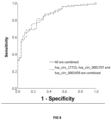
- circRNA_PADI4 [1] (hsa_circ_17715), circRNA_0001707 [2], circRNA_0001947 [3], circRNA_0058514 [4], circRNA_0141241 [5] and circRNA_1459 [6], and therefore, they had a better outcome as biomarkers of MS, circRNA_PADI4 [1] being the biomarker with the best results, with an area under the curve value of 0.843 (see Table 5 and Figure 8 herein).
- circRNA_PADI4[1] As a diagnostic biomarker of MS in an efficient, fast and reliable way, and that said efficiency and reliability is improved when said circRNA is combined with other circRNAs, particularly when the six circRNAs are combined.
- the circRNADb Database access number for said PADI4 circRNA [1] is Circ ID: hsa_circ_17715, which belongs to the PADI4 gene and comprises the nucleotide sequence SEQ ID NO: 1.
- the present invention relates to the in vitro use of a circRNA comprising the sequence SEQ ID NO: 1 as a biomarker for the diagnosis of multiple sclerosis (MS).
- diagnosis or “diagnose” is understood as the process or act of recognising, determining or drawing conclusions about a disease or condition in a subject, based on the symptoms, signs and/or results of different variables, such as, for example, knowing the presence, absence, quantity and/or expression levels of one or more biomarkers characteristic of the disease or condition to be diagnosed.
- diagnosis of multiple sclerosis or “diagnosis of MS” in a subject means, in particular, that the subject suffers from multiple sclerosis.
- biomarker refers to a molecule or the expression product of a gene or fragments and variants thereof that show substantial changes in a given disease and that can be used both for the detection and for the diagnosis of a disease by detecting the appearance of said changes in the biomarker and/or for monitoring the efficacy of a treatment for that disease.
- the biomarker for diagnosing MS is a circRNA.
- circRNA databases include, without limitation, "circBase” (http://www. circbase.org/), “CircNet” (https://omictools.com/circnet-tool), “circRNABase” (http://starbase.sysu.edu.cn/starbase2/mirCircRNA.php), “circRNADb - A database for human circular RNAs” (http://reprod.njmu.edu.cn/cgi-bin/circrnadb/circRNADb.php) or "Circ2Traits” (http://gyanxet-beta.com/circdb/).
- circRNADb circRNADb
- circRNADb circRNADb
- the circRNA of the invention is differentially overexpressed in patients with MS compared to healthy patients, in other words, those who do not suffer from MS, this circRNA being a biomarker for the diagnosis of MS.
- circRNA of the invention or circRNA hsa_circ_17715 contemplates all those variants that, even having different nucleotide sequences due to neutral nucleotide mutations (conservative substitutions), perform the same function as said circRNA in humans.
- the gene encoding the circRNA of the invention comprises a nucleotide sequence with a sequence identity of, at least, a 60, 65, 70, 75, 80, 81, 82, 83, 84, 85, 86, 87, 88, 89, 90, 91, 92, 93, 94, 95, 96, 97, 98 or 99% identity with the sequence SEQ ID NO: 1.
- the degree of identity is determined using computer algorithms and procedures that are widely known to the person skilled in the art.
- the identity between two amino acid/nucleotide sequences is preferably determined using the BLASTP/BLASTN algorithm [ BLAST Manual, Altschul, S., et al., NCBI NLM NIH Bethesda, Md.20894 , Altschul, S., et al., J. Mol. Biol. 215:403-410 (1990 )].
- the circRNA of the invention comprises a nucleotide sequence with 100% identity with the sequence SEQ ID NO: 1.
- the circRNA of the invention consists of the sequence SEQ ID NO: 1.
- the circRNA of the invention is differentially overexpressed in patients with MS; therefore, the expression levels of said circRNA can be used as a biomarker to diagnose MS. Therefore, another particular embodiment of the present invention relates to the in vitro use of the expression levels of a circular RNA comprising the sequence SEQ ID NO: 1 as a biomarker for the diagnosis of multiple sclerosis (MS).
- MS multiple sclerosis
- expression refers to the process by means of which an RNA molecule is produced from a sequence in the DNA genome in the process called transcription.
- expression levels refers to any quantifiable change in RNA expression or production, which produces altered relative levels of RNA in a sample relative to other molecules in the same sample. It will be seen that the expression levels of a biomarker can be determined by determining the RNA levels.
- the evaluation and determination of the expression levels of the circRNA of the invention for the diagnosis of MS requires a statistically significant result from the subjects so that it can be identified as a carrier of the disease.
- a person skilled in the art is able to determine whether the expression levels of the circRNA in a subject with MS is statistically significant relative to a healthy subject by using statistical evaluation tools. Examples of statistical tools are, without limitation, determination of confidence intervals, determination of p-values, Student's t test or Mann-Whitney test. In a particular embodiment, the p-values are preferably less than 0.1, more preferably a p-value less than 0.05.
- circRNA of the invention contemplates all those variants that, even having different nucleotide sequences, perform the same function as the circRNA of the invention.
- the overexpression of said variants may indicate that the subject suffers from MS and, therefore, the expression levels thereof can be used as biomarkers for the diagnosis of MS.
- a circRNA comprising a nucleotide sequence with a sequence identity of, at least, a 60, 65, 70, 75, 80, 81, 82, 83, 84, 85, 86, 87, 88, 89, 90, 91, 92, 93, 94, 95, 96, 97, 98 or 99% identity with the sequence SEQ ID NO: 1 as a biomarker for the diagnosis of multiple sclerosis (MS).
- MS multiple sclerosis
- the degree of identity is determined using computer algorithms and procedures that are widely known to the person skilled in the art and are previously described herein.
- Another more particular embodiment relates to the in vitro use of the expression levels of a circRNA comprising a nucleotide sequence with 100% identity with the sequence SEQ ID NO: 1.
- Another even more particular embodiment relates to the in vitro use of the expression levels of a circRNA consisting of the sequence SEQ ID NO: 1.
- circRNA ID Access numbers or identifiers from the circBase database of said circRNAs are the following: hsa_circ_0001707 (SEQ ID NO: 2), hsa_circ_0001947 (SEQ ID NO: 3), hsa_circ_0058514 (SEQ ID NO: 4), hsa_circ_0141241 (SEQ ID NO: 5) and hsa_circ_0001459 (SEQ ID NO: 6).
- another particular embodiment of the invention relates to the in vitro use of the circRNA of the invention in combination with at least one, two, three, four or five of the circRNAs selected from the list consisting of: the circRNA comprising the sequence SEQ ID NO: 2, the circRNA comprising the sequence SEQ ID NO: 3, the circRNA comprising the sequence SEQ ID NO: 4, the circRNA comprising the sequence SEQ ID NO: 5 and the circRNA comprising the sequence SEQ ID NO: 6, as a biomarker for the diagnosis of multiple sclerosis (MS).
- MS multiple sclerosis
- this set of circRNAs for the combination thereof with the circRNA of the invention contemplates all those variants that, even having different nucleotide sequences, perform the same function as hsa_circ_0001707 (SEQ ID NO: 2), hsa_circ_0001947 (SEQ ID NO: 3), hsa_circ_0058514 (SEQ ID NO: 4), hsa_circ_0141241 (SEQ ID NO: 5) and hsa_circ_0001459 (SEQ ID NO: 6).
- another particular embodiment of the invention relates to the in vitro use of the circRNA of the invention in combination with at least one, two, three, four or five of the aforementioned circRNAs, wherein the gene encoding each of these circRNAs comprises, or consists of, a nucleotide sequence with a sequence identity of, at least, a 60, 65, 70, 75, 80, 81, 82, 83, 84, 85, 86, 87, 88, 89, 90, 91, 92, 93, 94, 95, 96, 97, 98 or 99% identity with the sequence SEQ ID NO: 2, SEQ ID NO: 3, SEQ ID NO: 4, SEQ ID NO: 5 or SEQ ID NO: 6.
- Another more particular embodiment of the invention relates to the in vitro use of the circRNA of the invention in combination with at least one, two, three, four or five of the aforementioned circRNAs, wherein the gene encoding each of these circRNAs comprises a nucleotide sequence with 100% identity with the sequence SEQ ID NO: 2, SEQ ID NO: 3, SEQ ID NO: 4, SEQ ID NO: 5 or SEQ ID NO: 6.
- Another even more particular embodiment of the invention relates to the in vitro use of the circRNA of the invention in combination with at least one, two, three, four or five of the aforementioned circRNAs, wherein the gene encoding each of these circRNAs consists of the sequence SEQ ID NO: 2, SEQ ID NO: 3, SEQ ID NO: 4, SEQ ID NO: 5 or SEQ ID NO: 6.
- SEQ ID NO: 2 SEQ ID NO: 3
- SEQ ID NO: 4 SEQ ID NO: 5 or SEQ ID NO: 6.
- another particular embodiment of the present invention relates to the in vitro use of the expression levels of the circRNA of the invention in combination with the expression levels of at least one, two, three, four or five of the circRNAs selected from the list consisting of: the circRNA comprising the sequence SEQ ID NO: 2, the circRNA comprising the sequence SEQ ID NO: 3, the circRNA comprising the sequence SEQ ID NO: 4, the circRNA comprising the sequence SEQ ID NO: 5 and the circRNA comprising the sequence SEQ ID NO: 6, as a biomarker for the diagnosis of multiple sclerosis (MS).
- MS multiple sclerosis
- this set of circRNAs for the combination thereof with the circRNA of the invention contemplates all those variants that, even having different nucleotide sequences, perform the same function as hsa_circ_0001707 (SEQ ID NO: 2), hsa_circ_0001947 (SEQ ID NO: 3), hsa_circ_0058514 (SEQ ID NO: 4), hsa_circ_0141241 (SEQ ID NO: 5) and hsa_circ_0001459 (SEQ ID NO: 6), and likewise, a high expression level of said variants relative to a reference value may indicate that the subject suffers from MS, and therefore, it may be used together with the expression levels of the circRNA of the invention as biomarkers for the diagnosis of MS.
- another particular embodiment of the invention relates to the in vitro use of the expression levels of the circRNA of the invention in combination with the expression levels of at least one, two, three, four or five of the circRNAs, wherein the gene encoding each of these circRNAs comprises a nucleotide sequence with a sequence identity of, at least, a 60, 65, 70, 75, 80, 81, 82, 83, 84, 85, 86, 87, 88, 89, 90, 91, 92, 93, 94, 95, 96, 97, 98 or 99% identity with the sequence SEQ ID NO: 2, SEQ ID NO: 3, SEQ ID NO: 4, SEQ ID NO: 5 or SEQ ID NO: 6.
- Another more particular embodiment of the invention relates to the in vitro use of the expression levels of the circRNA of the invention in combination with the expression levels of at least one, two, three, four or five of the circRNAs, wherein the gene encoding each of these circRNAs comprises a nucleotide sequence with 100% identity with the sequence SEQ ID NO: 2, SEQ ID NO: 3, SEQ ID NO: 4, SEQ ID NO: 5 or SEQ ID NO: 6.
- Another even more particular embodiment of the invention relates to the in vitro use of the expression levels of the circRNA of the invention in combination with the expression levels of at least one, two, three, four or five or six of the circRNAs, wherein the gene encoding each of these circRNAs consists of the sequence SEQ ID NO: 2, SEQ ID NO: 3, SEQ ID NO: 4, SEQ ID NO: 5 or SEQ ID NO: 6.
- another more particular embodiment of the present invention relates to the in vitro use of the circRNA of the invention (SEQ ID NO: 1), in combination with the 5 validated circRNAs comprising the sequences (SEQ ID NO: 2), (SEQ ID NO:3), (SEQ ID NO:4), (SEQ ID NO:5), (SEQ ID NO:6).
- circRNAs are overexpressed in patients with MS; therefore, the combination of the expression levels of said circRNAs can also be used to diagnose MS.
- another particular embodiment of the present invention relates to the in vitro use of the expression level of the circRNA of the invention in combination with the 5 validated circRNAs comprising the sequences (SEQ ID NO: 2), (SEQ ID NO:3), (SEQ ID NO:4), (SEQ ID NO:5), (SEQ ID NO:6).
- the inventors demonstrated that the circRNA of the invention, as well as the expression levels thereof, both individually and in combination with other circRNAs, allow for an in vitro diagnosis of MS in a subject.
- Another aspect of the present invention relates to an in vitro method for the diagnosis of multiple sclerosis, hereinafter the "method of the invention", comprising:
- Step (a) of the method of the invention requires determining the expression of the circRNA of the invention in an isolated sample from the subject.
- isolated sample refers to any sample obtained or coming from an individual which comprises the nucleic acid, in other words, the genetic material of living organisms that controls inheritance and is located in the nucleus of the cells.
- biological samples include, without limitation, biopsy, tissue, solid stool and biofluids, such as urine, faeces, serum, saliva, semen, sputum, cerebrospinal fluid (CSF), tears, mucus, sweat, milk, brain extracts and the like.
- the biological sample is blood.
- the biological sample is isolated from a subject.
- the term "subject” or “individual” refers to any animal that has a nervous system, specifically, a central nervous system.
- the subject is a mammal, more preferably a human.
- the term does not indicate a particular age or gender.
- the subject of the method of the invention is a mammal, preferably a primate, more preferably a human being of any gender or age.
- step (a) of the method of the invention the expression level of a gene, particularly the expression level of a circRNA, by using techniques widely known in the state of the art.
- Examples of techniques and methods for determining expression levels include, without limitation, hybridisation-based methods such as Northern blot analysis and in situ hybridisation, methods combining hybridisation with flow cytometry, hybridisation assays on arrays such as microarrays or NanoString, PCR methods such as quantitative PCR (qPCR) or digital droplet PCR (ddPCR) either by means of assays based on Taqman probes or based on the detection of SYBR Green, and large-scale sequencing methods such as RNA-Seq.
- hybridisation-based methods such as Northern blot analysis and in situ hybridisation
- methods combining hybridisation with flow cytometry hybridisation assays on arrays such as microarrays or NanoString
- PCR methods such as quantitative PCR (qPCR) or digital droplet PCR (ddPCR) either by means of assays based on Taqman probes or based on the detection of SYBR Green
- qPCR quantitative PCR
- ddPCR digital droplet PCR
- the determination of the expression of the circRNA is determined by means of RNA-Seq, quantitative PCR (qPCR) or digital PCR (ddPCR).
- the expression level of the circRNA of the invention in the subject has been obtained, it must be statistically compared to a reference value, wherein an increase in the expression of said circRNA relative to the reference value indicates that the subject suffers from MS.
- the term "reference level” or “reference value” herein used interchangeably refers to a predetermined criterion used as a reference to evaluate the values or data obtained from samples collected from a subject.
- the reference value or reference level can be an absolute value, a relative value, a value that has an upper or lower limit, a range of values, an average value, a median value, a mean value or a value compared to a particular control.
- the reference value can be based on an individual sample value, such as, for example, a value obtained from a sample of the subject who is being evaluated, but at an earlier time. Also, the reference value can be based on a large number of samples, such as the population of subjects in the chronological age group, or based on a group of samples that include or exclude the sample to be analysed.
- the reference level is the expression level of the circRNA of the invention in a healthy subject, in other words, an individual who does not suffer from MS.
- a person skilled in the art is able to determine whether the expression level of the circRNA in a subject with MS is statistically significant relative to the reference value (expression level of the circRNA in a healthy subject) by using statistical evaluation tools.
- statistical tools are, without limitation, determination of confidence intervals, determination of p-values, Student's t test or Mann-Whitney test.
- the p-values are preferably less than 0.1, more preferably a p-value less than 0.05.
- circRNAs like in the previous aspect of the present invention, have the following Circ IDs from the circBase database: hsa_circ_0001707 (SEQ ID NO: 2), hsa_circ_0001947 (SEQ ID NO: 3), hsa_circ_0058514 (SEQ ID NO: 4), hsa_circ_0141241 (SEQ ID NO: 5) and hsa_circ_0001459 (SEQ ID NO: 6).
- another particular embodiment of the method of the invention relates to an in vitro method which further comprises determining the expression of at least one, two, three, four or five of the circRNAs selected from the list consisting of: the circRNA comprising the sequence SEQ ID NO: 2, the circRNA comprising the sequence SEQ ID NO: 3, the circRNA comprising the sequence SEQ ID NO: 4, the circRNA comprising the sequence SEQ ID NO: 5 and the circRNA comprising the sequence SEQ ID NO: 6, wherein an increase in the expression of said circRNA relative to the reference value indicates that the subject suffers from MS.
- hsa_circ_17715 SEQ ID NO:1
- hsa_circ_0001707 SEQ ID NO: 2
- hsa_circ_0001947 SEQ ID NO: 3
- hsa_circ_0058514 SEQ ID NO: 4
- hsa_circ_0141241 SEQ ID NO: 5
- hsa_circ_0001459 SEQ ID NO:6
- another more particular embodiment of the method of the invention relates to an in vitro method which comprises determining the expression of the circRNAs comprising the sequences SEQ ID NO: 1, 2, 3, 4, 5 and 6, wherein an increase in the expression of said circRNAs relative to the reference value indicates that the subject suffers from MS.
- the implementation of the method of the invention comprises the use of a set of reagents that can be comprised within a kit.
- the present invention relates to use of a kit that comprises the reagents needed to quantify the expression of the circRNA comprising the sequence SEQ ID NO: 1, hereinafter "kit of the invention", wherein said reagents comprise:
- kit is understood as a product that comprises the different reagents needed to carry out the methods of the invention adapted to enable said reagents to be transported and stored.
- suitable materials for the packaging of the components of the kit can be plastic (such as polyethylene, polypropylene, polycarbonate and the like), or glass, and they can comprise bottles, jars, envelopes, etc.
- the kit of the invention may contain instructions for simultaneous, sequential or separate use of the different components found in the kit. Such instructions may be provided as printed material, or as an electronic medium capable of storing instructions, such as storage disks (magnetic disks), optical methods (CD-ROM, DVD, etc.) and the like.
- reagents needed to quantify the expression levels of the circular RNA means a compound or group of compounds that enable the expression level of an RNA sequence to be determined.
- reagents needed to quantify the expression levels of the circRNA include, without limitation, a buffer, mixtures of deoxyribonucleotide triphosphates (dNTPs), reverse transcriptase, RNAase inhibitors, conventional or real-time thermal cycler and fluorophore probes (such as SYBR Green).
- the kit can comprise the reagents needed to quantify the expression level of a combination of circRNAs, wherein said circRNAs have already been previously described herein and are the same for this inventive aspect. Therefore, the kit of the invention can further comprise primer pairs of said circRNAs that are combined with the circRNA of the invention, the sequences of which are herein described in Table 2.
- the kit further comprises the reagents to quantify the expression of at least one, two, three, four or five of the circRNAs selected from the list consisting of: the circRNA comprising the sequence SEQ ID NO: 2, the circRNA comprising the sequence SEQ ID NO: 3, the circRNA comprising the sequence SEQ ID NO: 4, the circRNA comprising the sequence SEQ ID NO: 5 and the circRNA comprising the sequence SEQ ID NO: 6.
- this kit is used to implement the method of the invention.
- Another aspect of the present invention relates to the in vitro use of the kit of the invention for the diagnosis of MS.
- the inventors collected the whole blood of a total of 66 healthy controls (HC) and 100 patients with multiple sclerosis (MS) matched by age and gender at the Department of Neurology at the Hospital Universitario de Donostia.
- the erythrocytes were lysed with EL buffer (Qiagen) and the total RNA was isolated from the leukocytes with the miRNeasy Mini Kit (Qiagen) following the manufacturer's instructions.
- the inventors measured the RNA concentration using a NanoDrop ND-1000 spectrophotometer (Thermo Scientific).
- the inventors divided the samples into two cohorts.
- the discovery cohort consisted of 20 HC and 30 patients with MS (20 RR-MS and 10 SP-MS) and they were analysed by RNA-Seq. Furthermore, 46 HC and 70 MS (62 RR-MS and 8 SP-MS) samples were included in the validation cohort and subjected to real-time PCR (RT-qPCR).
- RT-qPCR real-time PCR
- MS Multiple Sclerosis
- HC Healthy Control
- RR-MS Relapsing-Remitting Multiple Sclerosis
- SP-MS Secondary Progressive Multiple Sclerosis
- EDSS Expanded Disability Status Scale.
- Time evo. Time of evolution.
- AOO Age of onset.
- Age, Time evo. and AOO are presented as 'average (standard deviation)'
- EDSS is presented as 'median (range)'.
- the inventors prepared the library and the next generation sequencing in CD Genomics (USA). They remeasured the concentration and quality of the RNA samples using the Bioanalyzer 2100 instrument (Agilent) prior to preparing the library. After standardisation, they removed the rRNA from the total RNA sample using the Ribo-Zero rRNA removal kit, followed by the purification and fragmentation steps.
- the inventors performed a strand-specific cDNA synthesis, the 3' ends were adenylated and the adapters were ligated.
- the resulting libraries were subjected to quality control and a standardisation process. They performed the sequencing using paired reads with Illumina HiSeq PE150 and obtained an average of 10 Gb of data per sample.
- the expression level of circRNAs was based on the quantification of the number of reads spanning BSJ according to that of the Ciri2 algorithm.
- the differential expression analysis was performed using DESeq2 in R-studio.
- CircRNAs with a fold-change (FC) value greater than 1.5 (FC> 1.5) and a p-value less than 0.05 (p ⁇ 0.05) were considered to be differentially expressed circRNA (hereinafter, DE-circRNA).
- DE-circRNA differentially expressed circRNA
- the inventors used divergent primers to amplify the circRNAs so that the amplicon spans the back-spliced junction and they used EEF1A1 as the reference gene for standardisation (Table 2).
- Table 2 Sequence of the primers used to amplify the circRNAs by RT-qPCR Direct primer Reverse primer Product Genomic location (GRCh37) Gene circBase ID Sequence Mt (°C) Sequence Mt (°C) Size (Pb) chr7:48541721-48542148 ABCA13 hsa_circ_0001707 59.1 59.8 187 chrX:147743428-147744289 AFF2 hsa_circ_0001947 60.3 59.5 111 chr15:50294349-50311173 ATP8B4 hsa_circ_0141241 59.3 59.3 169 chr1:17668437-17668897 PADI4 59.3 59.7 151
- the divergent primers have been designed in such a way that they are located on the committed exons in the junction of the ends of the circRNA and oriented towards opposite sides so that they are only amplified in the case that the molecule is circular.
- the inventors ran each sample in triplicate (using 10 ng of cDNA in 10 ⁇ l of total reaction volume).
- the q-PCR conditions were: 50°C for 2 minutes, 95°C for 10 minutes, 40 cycles at 95°C for 15 seconds and 60°C for 1 minute followed by a dissociation curve analysis.
- the raw Cq values and the dissociation curves were analysed in CFX Maestro 1.0 (BioRad), wherein a single peak on the dissociation curve indicates the specificity of the amplification.
- the change in the expression level of the circRNAs, represented as FC was calculated in Microsoft Excel 2010 using the 2_DDCq method. Graphpad Prism 6.01 was used for the Student's t test and SPSS for the ROC curves.
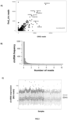
- Find_circ and CIRI2 they detected a total of 65,726 and 31,314 circRNAs supported by at least two back-spliced junction (BSJ) expansion reads, respectively. They observed good overlap between the two algorithms with 22,835 circRNAs detected in common and with good correlation in read count ( Figure 2A ).
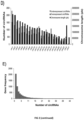
- 22,835 circRNAs detected 22,197 are within a known gene locus, whereas 638 circRNAs are intergenic. Curiously, only 5,599 different genes have been identified within the genetic regions that produce circRNA, which reveals that each of the genes gives rise to several circRNAs. In fact, 63.3% of genes produce multiple circRNAs with a mean of 5.6 circRNAs produced by each gene. However, it is worth noting that 2,053 genes give rise to a single circRNA and that, at the other end, there are also 533 genes that produce more than ten circRNAs ( Figure 2E ).
- Circular RNAs are more abundant in patients with MS compared to healthy controls; moreover, a different expression is found depending on gender
- RT-qPCRs were carried out using divergent primers (Table 2) that span the respective back-spliced junctions for each of the 7 circRNA candidates. Correct amplification of the BSJs was confirmed by agarose gel electrophoresis and Sanger sequencing ( Figure 4 ).
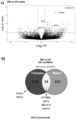
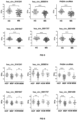
- Six of the 7 circRNAs were significantly upregulated in a second independent cohort of 70 patients and 46 controls, since although hsa_circ_0001400 also showed a trend of upregulation, this trend was not significant ( Figure 5 ).
- the inventors analysed the Receiver Operating Characteristic curve (ROC Curve). As shown in Figure 8 and Table 5, the 6 circRNAs showed good performance with an area under the curve (AUC) capable of distinguishing patients from healthy controls, wherein the PADI4 circRNA stands out as the circRNA with the greatest diagnostic potential.
- AUC area under the curve
Landscapes
- Chemical & Material Sciences (AREA)
- Life Sciences & Earth Sciences (AREA)
- Proteomics, Peptides & Aminoacids (AREA)
- Health & Medical Sciences (AREA)
- Organic Chemistry (AREA)
- Wood Science & Technology (AREA)
- Analytical Chemistry (AREA)
- Zoology (AREA)
- Genetics & Genomics (AREA)
- Engineering & Computer Science (AREA)
- Pathology (AREA)
- Immunology (AREA)
- Microbiology (AREA)
- Molecular Biology (AREA)
- Biotechnology (AREA)
- Biophysics (AREA)
- Physics & Mathematics (AREA)
- Biochemistry (AREA)
- Bioinformatics & Cheminformatics (AREA)
- General Engineering & Computer Science (AREA)
- General Health & Medical Sciences (AREA)
- Measuring Or Testing Involving Enzymes Or Micro-Organisms (AREA)
Claims (11)
- Utilisation in vitro d'un ARNcirc comprenant la séquence SEQ ID NO : 1 en tant que biomarqueur pour le diagnostic de la sclérose en plaques (SEP).
- Utilisation selon la revendication 1, dans laquelle l'ARNcirc comprenant la séquence SEQ ID NO : 1 est utilisé en combinaison avec au moins un, deux, trois, quatre ou cinq des ARNcirc choisis dans la liste constituée par : l'ARNcirc comprenant la séquence SEQ ID NO : 2, l'ARNcirc comprenant la séquence SEQ ID NO: 3, l'ARNcirc comprenant la séquence SEQ ID NO : 4, l'ARNcirc comprenant la séquence SEQ ID NO : 5 et l'ARNcirc comprenant la séquence SEQ ID NO : 6.
- Utilisation selon la revendication 1 ou 2, dans laquelle l'ARNcirc comprenant la séquence SEQ ID NO : 1 est utilisé en combinaison avec les ARNcirc choisis dans la liste constituée par : l'ARNcirc comprenant la séquence SEQ ID NO : 2, l'ARNcirc comprenant la séquence SEQ ID NO : 3, l'ARNcirc comprenant la séquence SEQ ID NO : 4, l'ARNcirc comprenant la séquence SEQ ID NO : 5 et l'ARNcirc comprenant la séquence SEQ ID NO : 6.
- Procédé in vitro pour le diagnostic de la sclérose en plaques comprenant :(a) la détermination de l'expression de l'ARNcirc comprenant la séquence SEQ ID NO : 1 dans un échantillon isolé provenant d'un sujet et(b) la comparaison de celle-ci à une valeur de référence, dans lequel une augmentation de l'expression dudit ARNcirc par rapport à la valeur de référence indique que le sujet souffre de SEP.
- Procédé in vitro selon la revendication 4, qui comprend en outre la détermination de l'expression d'au moins un, deux, trois, quatre ou cinq des ARNcirc choisis dans la liste constituée par : l'ARNcirc comprenant la séquence SEQ ID NO : 2, l'ARNcirc comprenant la séquence SEQ ID NO : 3, l'ARNcirc comprenant la séquence SEQ ID NO : 4, l'ARNcirc comprenant la séquence SEQ ID NO : 5 et l'ARNcirc comprenant la séquence SEQ ID NO : 6, dans lequel une augmentation de l'expression dudit ARNcirc par rapport à la valeur de référence indique que le sujet souffre de SEP.
- Procédé in vitro selon la revendication 4 ou 5, qui comprend en outre la détermination de l'expression des ARNcirc choisis dans la liste constituée par : l'ARNcirc comprenant la séquence SEQ ID NO : 2, l'ARNcirc comprenant la séquence SEQ ID NO : 3, l'ARNcirc comprenant la séquence SEQ ID NO : 4, l'ARNcirc comprenant la séquence SEQ ID NO : 5 et l'ARNcirc comprenant la séquence SEQ ID NO : 6.
- Procédé in vitro selon l'une quelconque des revendications 4 à 6, dans lequel l'échantillon isolé est du sang.
- Procédé in vitro selon l'une quelconque des revendications 4 à 7, dans lequel la détermination de l'expression de l'ARNcirc est déterminée au moyen d'un séquençage d'ARN ou d'une PCR en temps réel (qPCR).
- Procédé in vitro selon l'une quelconque des revendications 4 à 8, dans lequel le sujet est un être humain.
- Utilisation d'un kit comprenant des réactifs permettant de quantifier l'expression de l'ARNcirc comprenant la séquence SEQ ID NO: 1, dans le procédé selon la revendication 4, pour le diagnostic de la SEP.
- Utilisation du kit selon la revendication 10, qui comprend en outre les réactifs permettant de quantifier l'expression d'au moins un, deux, trois, quatre ou cinq des ARNcirc choisis dans la liste constituée par : l'ARNcirc comprenant la séquence SEQ ID NO : 2, l'ARNcirc comprenant la séquence SEQ ID NO : 3, l'ARNcirc comprenant la séquence SEQ ID NO : 4, l'ARNcirc comprenant la séquence SEQ ID NO : 5 et l'ARNcirc comprenant la séquence SEQ ID NO : 6.
Applications Claiming Priority (2)
| Application Number | Priority Date | Filing Date | Title |
|---|---|---|---|
| ES202030782A ES2893120A1 (es) | 2020-07-28 | 2020-07-28 | Uso de arn circular para el diagnostico de esclerosis multiple |
| PCT/EP2021/070958 WO2022023317A1 (fr) | 2020-07-28 | 2021-07-27 | Utilisation d'arn circulaire pour le diagnostic de sclérose multiple |
Publications (3)
| Publication Number | Publication Date |
|---|---|
| EP4189117A1 EP4189117A1 (fr) | 2023-06-07 |
| EP4189117C0 EP4189117C0 (fr) | 2025-02-19 |
| EP4189117B1 true EP4189117B1 (fr) | 2025-02-19 |
Family
ID=77447851
Family Applications (1)
| Application Number | Title | Priority Date | Filing Date |
|---|---|---|---|
| EP21758610.6A Active EP4189117B1 (fr) | 2020-07-28 | 2021-07-27 | Utilisation d'arn circulaire pour le diagnostic de sclérose multiple |
Country Status (3)
| Country | Link |
|---|---|
| EP (1) | EP4189117B1 (fr) |
| ES (2) | ES2893120A1 (fr) |
| WO (1) | WO2022023317A1 (fr) |
Families Citing this family (1)
| Publication number | Priority date | Publication date | Assignee | Title |
|---|---|---|---|---|
| CN115786347A (zh) * | 2022-12-01 | 2023-03-14 | 江苏医药职业学院 | 一种用于预测多发性硬化不同病程的circRNA标志物及其应用 |
Family Cites Families (3)
| Publication number | Priority date | Publication date | Assignee | Title |
|---|---|---|---|---|
| JP2007524583A (ja) * | 2003-03-07 | 2007-08-30 | ロンドン・ヘルス・サイエンシズ・センター・リサーチ・インコーポレーテッド | 自己免疫異常に関わるhla−drmhcクラスii分子に関するペプチド |
| US10975440B2 (en) * | 2015-04-20 | 2021-04-13 | Cellecta, Inc. | Experimentally validated sets of gene specific primers for use in multiplex applications |
| EP3356556B1 (fr) * | 2015-09-29 | 2019-12-11 | Max-Delbrück-Centrum für Molekulare Medizin in der Helmholtz-Gemeinschaft | Procédé de diagnostic d'une maladie par détection d'arncirc dans les fluides biologiques |
-
2020
- 2020-07-28 ES ES202030782A patent/ES2893120A1/es not_active Withdrawn
-
2021
- 2021-07-27 EP EP21758610.6A patent/EP4189117B1/fr active Active
- 2021-07-27 WO PCT/EP2021/070958 patent/WO2022023317A1/fr not_active Ceased
- 2021-07-27 ES ES21758610T patent/ES3030661T3/es active Active
Also Published As
| Publication number | Publication date |
|---|---|
| ES3030661T3 (en) | 2025-07-01 |
| EP4189117C0 (fr) | 2025-02-19 |
| WO2022023317A1 (fr) | 2022-02-03 |
| ES2893120A1 (es) | 2022-02-08 |
| EP4189117A1 (fr) | 2023-06-07 |
Similar Documents
| Publication | Publication Date | Title |
|---|---|---|
| US20220325348A1 (en) | Biomarker signature method, and apparatus and kits therefor | |
| US20230366034A1 (en) | Compositions and methods for diagnosing lung cancers using gene expression profiles | |
| EP3356556B1 (fr) | Procédé de diagnostic d'une maladie par détection d'arncirc dans les fluides biologiques | |
| JP7678837B2 (ja) | 妊娠高血圧腎症に特異的な循環rnaシグネチャー | |
| US11667974B2 (en) | Diagnostic, prognostic and therapeutic uses of long noncoding RNAs for pathologies and toxicities inducing heart disorders | |
| CN110291210A (zh) | 创伤性脑损伤的生物标志物 | |
| EP2759602A1 (fr) | Procédés de diagnostic génétique prénatal non invasif | |
| KR102096498B1 (ko) | 대장암 진단 또는 재발 예측을 위한 마이크로RNA-4732-5p 및 이의 용도 | |
| CN115605608A (zh) | 帕金森氏病的检测方法 | |
| US10161004B2 (en) | Diagnostic miRNA profiles in multiple sclerosis | |
| US20240175085A1 (en) | Small rna predictors for huntington's disease | |
| KR20210131242A (ko) | 상향조절된 mirna의 진단 및 치료를 위한 용도 | |
| EP4189117B1 (fr) | Utilisation d'arn circulaire pour le diagnostic de sclérose multiple | |
| WO2013082448A1 (fr) | Procédés pour détecter la trisomie 21 | |
| KR102096499B1 (ko) | 대장암 진단 또는 재발 예측을 위한 마이크로rna-3960 및 이의 용도 | |
| Pan | Development of diagnostic methods using cell-free nucleic acids | |
| CN114107487B (zh) | 一种可用于诊断脑卒中的产品 | |
| KR102156699B1 (ko) | 소음인 판별용 조성물 | |
| WO2024238259A1 (fr) | Compositions et procédés de détection et de traitement de maladies glomérulaires | |
| HK40114664A (zh) | 创伤性脑损伤的生物标志物 | |
| CN113817818A (zh) | 用于诊断过敏性气道炎症的工具 | |
| Eid et al. | Association of MIR125A and H19 genetic variants with the severity of COVID-19 |
Legal Events
| Date | Code | Title | Description |
|---|---|---|---|
| STAA | Information on the status of an ep patent application or granted ep patent |
Free format text: STATUS: UNKNOWN |
|
| STAA | Information on the status of an ep patent application or granted ep patent |
Free format text: STATUS: THE INTERNATIONAL PUBLICATION HAS BEEN MADE |
|
| PUAI | Public reference made under article 153(3) epc to a published international application that has entered the european phase |
Free format text: ORIGINAL CODE: 0009012 |
|
| STAA | Information on the status of an ep patent application or granted ep patent |
Free format text: STATUS: REQUEST FOR EXAMINATION WAS MADE |
|
| 17P | Request for examination filed |
Effective date: 20230118 |
|
| AK | Designated contracting states |
Kind code of ref document: A1 Designated state(s): AL AT BE BG CH CY CZ DE DK EE ES FI FR GB GR HR HU IE IS IT LI LT LU LV MC MK MT NL NO PL PT RO RS SE SI SK SM TR |
|
| DAV | Request for validation of the european patent (deleted) | ||
| DAX | Request for extension of the european patent (deleted) | ||
| GRAP | Despatch of communication of intention to grant a patent |
Free format text: ORIGINAL CODE: EPIDOSNIGR1 |
|
| STAA | Information on the status of an ep patent application or granted ep patent |
Free format text: STATUS: GRANT OF PATENT IS INTENDED |
|
| INTG | Intention to grant announced |
Effective date: 20240913 |
|
| GRAS | Grant fee paid |
Free format text: ORIGINAL CODE: EPIDOSNIGR3 |
|
| GRAA | (expected) grant |
Free format text: ORIGINAL CODE: 0009210 |
|
| STAA | Information on the status of an ep patent application or granted ep patent |
Free format text: STATUS: THE PATENT HAS BEEN GRANTED |
|
| AK | Designated contracting states |
Kind code of ref document: B1 Designated state(s): AL AT BE BG CH CY CZ DE DK EE ES FI FR GB GR HR HU IE IS IT LI LT LU LV MC MK MT NL NO PL PT RO RS SE SI SK SM TR |
|
| REG | Reference to a national code |
Ref country code: GB Ref legal event code: FG4D |
|
| REG | Reference to a national code |
Ref country code: CH Ref legal event code: EP |
|
| REG | Reference to a national code |
Ref country code: DE Ref legal event code: R096 Ref document number: 602021026414 Country of ref document: DE |
|
| REG | Reference to a national code |
Ref country code: IE Ref legal event code: FG4D |
|
| U01 | Request for unitary effect filed |
Effective date: 20250318 |
|
| U07 | Unitary effect registered |
Designated state(s): AT BE BG DE DK EE FI FR IT LT LU LV MT NL PT RO SE SI Effective date: 20250325 |
|
| REG | Reference to a national code |
Ref country code: ES Ref legal event code: FG2A Ref document number: 3030661 Country of ref document: ES Kind code of ref document: T3 Effective date: 20250701 |
|
| PG25 | Lapsed in a contracting state [announced via postgrant information from national office to epo] |
Ref country code: RS Free format text: LAPSE BECAUSE OF FAILURE TO SUBMIT A TRANSLATION OF THE DESCRIPTION OR TO PAY THE FEE WITHIN THE PRESCRIBED TIME-LIMIT Effective date: 20250519 |
|
| PG25 | Lapsed in a contracting state [announced via postgrant information from national office to epo] |
Ref country code: PL Free format text: LAPSE BECAUSE OF FAILURE TO SUBMIT A TRANSLATION OF THE DESCRIPTION OR TO PAY THE FEE WITHIN THE PRESCRIBED TIME-LIMIT Effective date: 20250219 |
|
| PG25 | Lapsed in a contracting state [announced via postgrant information from national office to epo] |
Ref country code: NO Free format text: LAPSE BECAUSE OF FAILURE TO SUBMIT A TRANSLATION OF THE DESCRIPTION OR TO PAY THE FEE WITHIN THE PRESCRIBED TIME-LIMIT Effective date: 20250519 Ref country code: IS Free format text: LAPSE BECAUSE OF FAILURE TO SUBMIT A TRANSLATION OF THE DESCRIPTION OR TO PAY THE FEE WITHIN THE PRESCRIBED TIME-LIMIT Effective date: 20250619 |
|
| PG25 | Lapsed in a contracting state [announced via postgrant information from national office to epo] |
Ref country code: HR Free format text: LAPSE BECAUSE OF FAILURE TO SUBMIT A TRANSLATION OF THE DESCRIPTION OR TO PAY THE FEE WITHIN THE PRESCRIBED TIME-LIMIT Effective date: 20250219 |
|
| PG25 | Lapsed in a contracting state [announced via postgrant information from national office to epo] |
Ref country code: GR Free format text: LAPSE BECAUSE OF FAILURE TO SUBMIT A TRANSLATION OF THE DESCRIPTION OR TO PAY THE FEE WITHIN THE PRESCRIBED TIME-LIMIT Effective date: 20250520 |
|
| U20 | Renewal fee for the european patent with unitary effect paid |
Year of fee payment: 5 Effective date: 20250630 |
|
| PG25 | Lapsed in a contracting state [announced via postgrant information from national office to epo] |
Ref country code: SM Free format text: LAPSE BECAUSE OF FAILURE TO SUBMIT A TRANSLATION OF THE DESCRIPTION OR TO PAY THE FEE WITHIN THE PRESCRIBED TIME-LIMIT Effective date: 20250219 |
|
| PGFP | Annual fee paid to national office [announced via postgrant information from national office to epo] |
Ref country code: ES Payment date: 20250804 Year of fee payment: 5 |
|
| PG25 | Lapsed in a contracting state [announced via postgrant information from national office to epo] |
Ref country code: CZ Free format text: LAPSE BECAUSE OF FAILURE TO SUBMIT A TRANSLATION OF THE DESCRIPTION OR TO PAY THE FEE WITHIN THE PRESCRIBED TIME-LIMIT Effective date: 20250219 |
|
| PG25 | Lapsed in a contracting state [announced via postgrant information from national office to epo] |
Ref country code: SK Free format text: LAPSE BECAUSE OF FAILURE TO SUBMIT A TRANSLATION OF THE DESCRIPTION OR TO PAY THE FEE WITHIN THE PRESCRIBED TIME-LIMIT Effective date: 20250219 |
|
| PLBE | No opposition filed within time limit |
Free format text: ORIGINAL CODE: 0009261 |
|
| STAA | Information on the status of an ep patent application or granted ep patent |
Free format text: STATUS: NO OPPOSITION FILED WITHIN TIME LIMIT |
|
| REG | Reference to a national code |
Ref country code: CH Ref legal event code: L10 Free format text: ST27 STATUS EVENT CODE: U-0-0-L10-L00 (AS PROVIDED BY THE NATIONAL OFFICE) Effective date: 20251231 |
|
| 26N | No opposition filed |
Effective date: 20251120 |
|
| REG | Reference to a national code |
Ref country code: CH Ref legal event code: H13 Free format text: ST27 STATUS EVENT CODE: U-0-0-H10-H13 (AS PROVIDED BY THE NATIONAL OFFICE) Effective date: 20260224 |
|
| GBPC | Gb: european patent ceased through non-payment of renewal fee |
Effective date: 20250727 |
|
| PG25 | Lapsed in a contracting state [announced via postgrant information from national office to epo] |
Ref country code: GB Free format text: LAPSE BECAUSE OF NON-PAYMENT OF DUE FEES Effective date: 20250727 |
|
| PG25 | Lapsed in a contracting state [announced via postgrant information from national office to epo] |
Ref country code: CH Free format text: LAPSE BECAUSE OF NON-PAYMENT OF DUE FEES Effective date: 20250731 |