EP4192099B1 - Informationsmeldeverfahren und -vorrichtung, ausrüstung und speichermedium - Google Patents
Informationsmeldeverfahren und -vorrichtung, ausrüstung und speichermedium Download PDFInfo
- Publication number
- EP4192099B1 EP4192099B1 EP20948001.1A EP20948001A EP4192099B1 EP 4192099 B1 EP4192099 B1 EP 4192099B1 EP 20948001 A EP20948001 A EP 20948001A EP 4192099 B1 EP4192099 B1 EP 4192099B1
- Authority
- EP
- European Patent Office
- Prior art keywords
- propagation delay
- timing difference
- serving cell
- satellite
- terminal
- Prior art date
- Legal status (The legal status is an assumption and is not a legal conclusion. Google has not performed a legal analysis and makes no representation as to the accuracy of the status listed.)
- Active
Links
Images
Classifications
-
- H—ELECTRICITY
- H04—ELECTRIC COMMUNICATION TECHNIQUE
- H04W—WIRELESS COMMUNICATION NETWORKS
- H04W36/00—Hand-off or reselection arrangements
- H04W36/0005—Control or signalling for completing the hand-off
- H04W36/0083—Determination of parameters used for hand-off, e.g. generation or modification of neighbour cell lists
- H04W36/0085—Hand-off measurements
-
- H—ELECTRICITY
- H04—ELECTRIC COMMUNICATION TECHNIQUE
- H04W—WIRELESS COMMUNICATION NETWORKS
- H04W36/00—Hand-off or reselection arrangements
- H04W36/0005—Control or signalling for completing the hand-off
- H04W36/0055—Transmission or use of information for re-establishing the radio link
- H04W36/0058—Transmission of hand-off measurement information, e.g. measurement reports
-
- H—ELECTRICITY
- H04—ELECTRIC COMMUNICATION TECHNIQUE
- H04W—WIRELESS COMMUNICATION NETWORKS
- H04W56/00—Synchronisation arrangements
- H04W56/004—Synchronisation arrangements compensating for timing error of reception due to propagation delay
-
- H—ELECTRICITY
- H04—ELECTRIC COMMUNICATION TECHNIQUE
- H04B—TRANSMISSION
- H04B7/00—Radio transmission systems, i.e. using radiation field
- H04B7/14—Relay systems
- H04B7/15—Active relay systems
- H04B7/185—Space-based or airborne stations; Stations for satellite systems
- H04B7/1851—Systems using a satellite or space-based relay
- H04B7/18513—Transmission in a satellite or space-based system
-
- H—ELECTRICITY
- H04—ELECTRIC COMMUNICATION TECHNIQUE
- H04B—TRANSMISSION
- H04B7/00—Radio transmission systems, i.e. using radiation field
- H04B7/14—Relay systems
- H04B7/15—Active relay systems
- H04B7/185—Space-based or airborne stations; Stations for satellite systems
- H04B7/1851—Systems using a satellite or space-based relay
- H04B7/18519—Operations control, administration or maintenance
-
- H—ELECTRICITY
- H04—ELECTRIC COMMUNICATION TECHNIQUE
- H04B—TRANSMISSION
- H04B7/00—Radio transmission systems, i.e. using radiation field
- H04B7/14—Relay systems
- H04B7/15—Active relay systems
- H04B7/185—Space-based or airborne stations; Stations for satellite systems
- H04B7/1853—Satellite systems for providing telephony service to a mobile station, i.e. mobile satellite service
- H04B7/18539—Arrangements for managing radio, resources, i.e. for establishing or releasing a connection
- H04B7/18541—Arrangements for managing radio, resources, i.e. for establishing or releasing a connection for handover of resources
-
- H—ELECTRICITY
- H04—ELECTRIC COMMUNICATION TECHNIQUE
- H04B—TRANSMISSION
- H04B7/00—Radio transmission systems, i.e. using radiation field
- H04B7/14—Relay systems
- H04B7/15—Active relay systems
- H04B7/204—Multiple access
- H04B7/2041—Spot beam multiple access
-
- H—ELECTRICITY
- H04—ELECTRIC COMMUNICATION TECHNIQUE
- H04L—TRANSMISSION OF DIGITAL INFORMATION, e.g. TELEGRAPHIC COMMUNICATION
- H04L43/00—Arrangements for monitoring or testing data switching networks
- H04L43/08—Monitoring or testing based on specific metrics, e.g. QoS, energy consumption or environmental parameters
- H04L43/0852—Delays
- H04L43/0858—One way delays
-
- H—ELECTRICITY
- H04—ELECTRIC COMMUNICATION TECHNIQUE
- H04W—WIRELESS COMMUNICATION NETWORKS
- H04W24/00—Supervisory, monitoring or testing arrangements
- H04W24/10—Scheduling measurement reports ; Arrangements for measurement reports
-
- H—ELECTRICITY
- H04—ELECTRIC COMMUNICATION TECHNIQUE
- H04W—WIRELESS COMMUNICATION NETWORKS
- H04W36/00—Hand-off or reselection arrangements
- H04W36/0005—Control or signalling for completing the hand-off
- H04W36/0083—Determination of parameters used for hand-off, e.g. generation or modification of neighbour cell lists
- H04W36/0085—Hand-off measurements
- H04W36/0088—Scheduling hand-off measurements
-
- H—ELECTRICITY
- H04—ELECTRIC COMMUNICATION TECHNIQUE
- H04W—WIRELESS COMMUNICATION NETWORKS
- H04W36/00—Hand-off or reselection arrangements
- H04W36/08—Reselecting an access point
- H04W36/083—Reselecting an access point wherein at least one of the access points is a moving node
-
- H—ELECTRICITY
- H04—ELECTRIC COMMUNICATION TECHNIQUE
- H04W—WIRELESS COMMUNICATION NETWORKS
- H04W56/00—Synchronisation arrangements
- H04W56/001—Synchronization between nodes
-
- H—ELECTRICITY
- H04—ELECTRIC COMMUNICATION TECHNIQUE
- H04W—WIRELESS COMMUNICATION NETWORKS
- H04W56/00—Synchronisation arrangements
- H04W56/0055—Synchronisation arrangements determining timing error of reception due to propagation delay
- H04W56/0065—Synchronisation arrangements determining timing error of reception due to propagation delay using measurement of signal travel time
-
- H—ELECTRICITY
- H04—ELECTRIC COMMUNICATION TECHNIQUE
- H04W—WIRELESS COMMUNICATION NETWORKS
- H04W36/00—Hand-off or reselection arrangements
- H04W36/0005—Control or signalling for completing the hand-off
- H04W36/0055—Transmission or use of information for re-establishing the radio link
- H04W36/0072—Transmission or use of information for re-establishing the radio link of resource information of target access point
-
- H—ELECTRICITY
- H04—ELECTRIC COMMUNICATION TECHNIQUE
- H04W—WIRELESS COMMUNICATION NETWORKS
- H04W36/00—Hand-off or reselection arrangements
- H04W36/24—Reselection being triggered by specific parameters
- H04W36/32—Reselection being triggered by specific parameters by location or mobility data, e.g. speed data
Definitions
- This application relates to the field of wireless communication technologies, and in particular, to methods, apparatuses and a computer-readable storage medium.
- the coverage radius of a cell is small, and the signal propagation delay between the UE (User Equipment) and the base station of the serving cell is very slightly different from that between the UE and the base station of the neighboring cell. Accordingly, the difference in the signal propagation delay between the UE and the base stations of different cells may be compensated by configuring the duration of SMTC (SS/PBCH block Measurement Timing Configuration), so as to ensure that the UE receives SSBs (Synchronization Signal Blocks) of different cells within the SMTC duration. At the same time, by configuring the duration of the measurement interval, it may be ensured that the UE's measurements on all inter-frequency/inter-RAT (Radio Access Technology) frequency points fall within the measurement interval.
- SMTC SS/PBCH block Measurement Timing Configuration
- NTN Non Terrestrial Network
- a communication service is generally provided to the UE by means of satellite communication.
- the NTN increases the network coverage, the signal propagation delays between the UE and the satellites in different cells are also quite different.
- the invention is defined by the independent claims. It provides methods, apparatuses and a computer-readable storage medium, enabling the UE to measure and determine the transmission delay of satellites in neighboring cells, and report the timing difference of satellites in neighboring cells to the base station in the serving cell, thereby facilitating the base station in the serving cell to timely adjust the offset value(s) of the measurement interval and/or the SMTC configured for the neighboring cell.
- the technical solution is as follows.
- an information reporting method is provided, which is applied to a terminal (e.g., UE) and includes: reporting, by a terminal, a first timing difference to a serving cell base station, wherein the first timing difference is a difference between a first propagation delay and a second propagation delay, the first propagation delay is a propagation delay between the terminal and a serving cell satellite, and the second propagation delay is a propagation delay between the terminal and a neighboring cell satellite.
- an information reporting method which is applied to a base station and includes:
- an information reporting apparatus includes: a first reporting module, configured to report a first timing difference from a terminal to a serving cell base station, wherein the first timing difference is a difference between a first propagation delay and a second propagation delay, the first propagation delay is a propagation delay between the terminal and a serving cell satellite, and the second propagation delay is a propagation delay between the terminal and a neighboring cell satellite.
- an information reporting apparatus includes:
- a UE in another aspect, includes a processor and a memory, where the memory stores at least one instruction used for being executed by the processor to implement the method executed by the UE according to any aspect as described above.
- a base station in another aspect, includes a processor and a memory, where the memory stores at least one instruction used for being executed by the processor to implement the method executed by the serving cell base station according to any aspect as described above.
- a computer-readable storage medium stores instructions thereon, where the instructions are used for, when being executed by a processor, implementing the method executed by the UE according to any aspect as described above.
- a computer-readable storage medium stores instructions thereon, where the instructions are used for, when being executed by a processor, implementing the method executed by the serving cell base station according to any aspect as described above.
- a computer program product includes instructions which, when running on a computer, cause the computer to implement the method executed by the UE according to any aspect as described above.
- a computer program product includes instructions which, when running on a computer, cause the computer to implement the method executed by the serving cell base station according to any aspect as described above.
- the UE reports the first timing difference to the serving cell base station, where the first timing difference is the difference between the first propagation delay and the second propagation delay, the first propagation delay is the propagation delay between the UE and the serving cell satellite, and the second propagation delay is the propagation delay between the UE and the neighboring cell satellite. Accordingly, the UE can measure and determine the propagation delay between the UE and the neighboring cell satellite, and report the timing difference of the neighboring cell satellite to the serving cell base station, thereby facilitating the serving cell base station to timely adjust the offset value(s) of the measurement interval and/or the SMTC configured for the neighboring cell.
- the invention is best understood in view of Figures 3 and 7 to 10 . The remaining embodiments, aspects, or examples are included in order to help the reader better understand the invention.
- Satellite communication is not limited by the user's geographical area.
- general terrestrial communication cannot cover areas such as oceans, mountains, deserts, and the like, where communication equipment cannot be constructed or the communication coverage is not established due to sparse population.
- satellite communication due to a single satellite can cover a large ground, and satellites can orbit around the earth, so theoretically every corner of the earth can be covered by satellite communications.
- satellite communication has great social value.
- Satellite communications can be covered at low cost in remote mountainous areas or poor and backward countries or regions, so that people in these regions can enjoy advanced voice communication and mobile Internet technologies, thereby narrowing the digital divide with developed regions and promoting development in these regions.
- the satellite communication distance is long, and the communication cost does not increase significantly when the communication distance increases.
- the satellite communication has high stability and is not limited by natural disasters.
- Communication satellites may be classified into LEO (Low-Earth Orbit) satellites, MEO (Medium-Earth Orbit) satellites, GEO (Geostationary Earth Orbit) satellites, and HEO (High Elliptical Orbit) satellites according to different orbital altitudes.
- LEO Low-Earth Orbit
- MEO Medium-Earth Orbit
- GEO Geographical Earth Orbit
- HEO High Elliptical Orbit
- the altitude range of low-orbit satellites is 500km to 1500km, and the corresponding orbital period is about 1.5 hours to 2 hours.
- the signal propagation delay of single-hop communication between users is generally less than 20ms.
- the maximum viewable time of satellite is 20 minutes.
- the signal propagation distance is short, the link loss is small, and the transmit power requirements of the user terminal are not high.
- the geostationary earth orbit satellites orbit around the earth with an orbital altitude of 35,786km and a 24-hour orbital period.
- the signal propagation delay of single-hop communication between users is generally 250ms.
- satellites use multiple beams to cover the ground.
- a satellite can form dozens or even hundreds of beams to cover the ground; and a satellite beam can cover the ground area with tens to hundreds of kilometers in diameter.
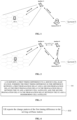
- FIG. 1 shows a scenario of the pass-through payload NTN
- FIG. 2 shows a scenario of the regeneration payload NTN.
- An NTN network consists of the following network elements:
- the measurement mainly refers to the mobility measurement in the connected state.
- the UE After the base station sends the measurement configuration to the UE, the UE detects the signal quality status of the neighboring cells according to the measurement object and reporting configuration indicated in the measurement configuration, and feeds back the measurement report information to the base station, which is used by the base station to perform handover or improve the relation list of neighboring cells.
- the base station sends measurement configuration information to the UE in the connected state through RRC signaling, and the UE performs measurement (intra-frequency, inter-frequency, inter-RAT) according to the content of the measurement configuration information, and then reports the measurement result to the base station.
- the base station uses RRC connection reconfiguration to perform measurement configuration, and the measurement configuration information includes the followings.
- the timefrequency position to be measured and the subcarrier spacing of the reference signal may be indicated for each measurement object.
- the base station may configure a cell offset list.
- the network configures an SMTC to indicate the time when the UE receives the SSB on the neighboring cell corresponding to the frequency point.
- the SMTC configuration includes: the period (cycle) of SMTC, the start time offset of SMTC in a period, the duration of SMTC, and the like.
- the reporting configuration includes: reporting criterion, that is, the triggering condition for the UE to perform measurement reporting, which may include periodic-triggered reporting or event-triggered reporting.
- a measurement object may be associated with multiple reporting configurations at the same time, and a reporting configuration may also be associated with multiple measurement objects at the same time, which are distinguished by measurement identities.
- the UE performs the inter-frequency/inter-RAT measurements during the measurement interval.
- the measurement interval configuration includes: the period of measurement interval, the start time offset of measurement interval within a period, the duration of measurement interval, and the like.
- the UE performs measurement according to the measurement configuration issued by the network, and evaluates the measurement report when certain trigger conditions are met. If the reporting conditions are met, the UE fills in the measurement report and sends to the network the measurement report.
- the measurement interval is configured based on the UE, and the SMTC is configured based on the frequency point.
- the signal propagation delay between UE and cell satellite in NTN is greatly increased.
- the signal propagation delays between the UE and different cell satellites are also quite different.
- the duration of SMTC needs to be greatly extended to compensate for the large difference between the UE and different cell base stations.
- the duration of measurement interval for the UE to perform inter-frequency/inter-RAT measurements may need to be extended.
- the extension of the SMTC window means that the UE has to continuously try to receive the SSB within a longer SMTC window, thereby increasing the energy consumption of the UE.
- the extension of the measurement interval window means that the communication time between the UE and the serving cell base station is reduced, thereby affecting the user experience.
- the serving cell base station may need to determine the signal propagation delay between the UE and the neighboring cell satellite; then determine the communication delays between the UE and different cell satellites; and configure, according to the determined propagation delay, the measurement interval and/or the SMTC offset value of the neighboring cell for the UE.
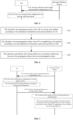
- FIG. 3 is a flowchart of an information reporting method according to some embodiments of this application, and the information reporting method may include the following contents.
- the UE reports a first timing difference to a serving cell base station (i.e., a based station in the serving cell), where the first timing difference is a difference between a first propagation delay and a second propagation delay, the first propagation delay is a propagation delay between the terminal and a serving cell satellite (i.e., a satellite in the serving cell), and the second propagation delay is a propagation delay between the terminal and a neighboring cell satellite(i.e., a satellite in the neighboring cell).
- a serving cell base station i.e., a based station in the serving cell
- the first propagation delay is a propagation delay between the terminal and a serving cell satellite (i.e., a satellite in the serving cell)
- the second propagation delay is a propagation delay between the terminal and a neighboring cell satellite(i.e., a satellite in the neighboring cell).
- the UE may report the first timing difference through an RRC (Radio Resource Control) message.
- the UE may also use a shared channel for reporting, and the UE's identity information may be carried when reporting based on the shared channel, so that the serving cell base station can determine the first timing difference reported by the UE according to the identity information.
- the UE may also report the first timing difference through other resources configured by the serving cell base station. Embodiments of this application do not limit the reporting manner adopted by the UE for reporting the first timing difference.
- the UE may also report the satellite identity of the neighboring cell satellite corresponding to the first timing difference, so that the serving cell base station can determine the first timing difference corresponding to each neighboring cell satellite.
- the first timing difference reported by the UE is used for the serving cell base station to configure the first offset value of the measurement interval for the neighboring cell, and/or for the serving cell base station to configure the second offset value of the SMTC for the neighboring cell.
- the UE starts the periodic timer every time reporting the first timing difference.
- the periodic timer expires, the current timing difference value of the neighboring cell satellite is reported again, and the first timing difference is no longer reported until the maximum number of periodic reports is reached or the serving cell base station deletes the timing difference reporting configuration.
- the UE may determine the first timing difference of the neighboring cell satellite relative to the serving cell satellite according to the first propagation delay between the UE and the serving cell satellite and the second propagation delay between the UE and the neighboring cell satellite, and report the first timing difference to the serving cell base station, thereby facilitating the serving cell base station to adjust the subsequent measurement configuration information of the UE according to the first timing difference.
- the UE may also report the change pattern of the first timing difference to the serving cell base station according to the determined first timing difference.
- the information reporting method may include the following contents.
- step 410 the UE reports the change pattern of the first timing difference to the serving cell base station.
- the change pattern of the first timing difference includes a change cycle and a change stepsize.
- the moving position of the UE in the serving cell does not change greatly, and the cell satellite operates based on a fixed cycle, so the distance between the cell satellite and the UE in the cell may always vary during the operation cycle.
- the UE collects the first timing differences in one operation cycle, determines the change pattern of the first timing difference in one operation cycle of the cell satellite. For example, the UE determines the change cycle of the first timing difference, determines the change stepsize in each change cycle, and reports the change cycle and change stepsize to the serving cell base station as the change pattern of the first timing difference.
- the serving cell base station can obtain, in one report, the change pattern of the first timing difference of the UE within one change cycle, thereby reducing the signaling consumption between the UE and the serving cell base station due to multiple reports of the first timing difference in the next repeated cycle.
- the UE obtains at least one relative distance according to changes in relative distances between multiple locations of the UE and the serving cell satellite within a period of time, determines the timing difference corresponding to the at least one relative distance, and reports the timing difference to the serving cell base station as the change pattern of the first timing difference within this period of time.
- the serving cell base station can obtain the change pattern of the first timing difference within a period of time in one report, thereby reducing the signaling consumption of repeated reporting between the UE and the serving cell.
- the changes of the first timing difference in one change cycle may be as follows: the first timing difference between 1:00 and 6:00 is 1ms; the first timing difference between 7:00 and 12:00 is 2ms; the first timing difference between 13:00 and 18:00 is 3ms, and the first timing difference between 19:00 and 24:00 is 4ms.
- the reported change pattern of the first timing difference may be (6, 1), indicating that the change cycle of the timing difference of the neighboring cell satellite is 6 hours, and the change stepsize in each change cycle is 1ms.
- the UE may also report the satellite identity of the neighboring cell satellite corresponding to the change pattern of the first timing difference, so that the serving cell base station can determine the change pattern of the first timing difference corresponding to each neighboring cell satellite.
- the change pattern of the first timing difference reported by the UE may also include other parameters, and the above description is only given by taking the change cycle and the change stepsize as an example, which does not constitute a limitation on the embodiments of this application.
- the UE further determines the change pattern of the first timing difference according to a plurality of first timing differences determined within a period of time, and reports the change pattern of the first timing difference to the serving cell base station. In this way, the signaling consumption caused by the UE repeatedly reporting to the serving cell base station can be reduced, and at the same time, the serving cell base station can obtain the change of the first timing difference in one reception of the message, and adjust the subsequent measurement configuration information of the UE according to the change pattern of the first timing difference.
- the UE may report the change pattern of the first timing difference while reporting the first timing difference; it may also report the first timing difference within a period of time, and report the change pattern of the first timing difference within another period of time. Also, only the first timing difference may be fixedly reported, or only the change pattern of the first timing difference may be fixedly reported.
- the reporting manner of the UE may be determined from the reporting configuration sent by the serving cell base station to the UE, or may be a pre-defined reporting manner, which is not limited in the embodiments of this application.
- the UE may report the first timing difference or the change pattern of the first timing difference according to the measurement configuration of the serving cell base station.
- FIG. 5 is a flowchart of a method for configuring a measurement parameter according to some embodiments of this application, and the method for configuring the measurement parameter may include at least part of the following contents.
- step 510 the serving cell base station sends the measurement configuration to the UE.
- the measurement configuration is used for indicating the UE to measure the first timing difference according to the measurement configuration.
- the serving cell base station can send the measurement configuration to the UE in the connected state through RRC signaling, thereby indicating the UE to measure the communication delay of the serving cell.
- the measurement configuration may also be sent to the UE in other ways, for example, through an RRC release message during RRC state switching, cell broadcast or other dedicated signaling, which is not limited in this application.
- the measurement configuration sent by the serving cell base station includes at least one of the following measurement parameters.
- the measurement object includes: the identity of the neighboring cell satellite and/or the second ephemeris information.
- the ephemeris refers to a table of precise positions or trajectories of the satellite that change with time in the positioning measurement.
- the second ephemeris information includes information such as the orbit and running speed of the neighboring cell satellite. According to the second ephemeris information, the running positions of the neighboring cells satellite at different times can be determined. There may be one or more neighboring cell satellites.
- the reporting configuration includes: one-time reporting or periodic reporting.
- the UE when the configured reporting manner is one-time reporting, the UE can report after the measurement is completed, or can report again when the serving cell base station needs the report, which is not limited in this application.
- the UE when the configured reporting manner is periodic reporting, the UE performs reporting according to a predetermined period. For example, the measurement results are reported every 1 minute.
- the reporting period and the maximum number of periodic reports may also be configured, so that the UE can know the reporting interval and when the reporting ends.
- the UE reports the measurement result every 1 minute, and stops reporting after 10 reports.
- the serving cell base station may separately configure a corresponding reporting configuration for each neighboring cell satellite.
- the serving cell base station can receive different reporting parameters for different neighboring cell satellites, thereby determining information such as the communication delay between the UE and each neighboring cell satellite.
- the serving cell base station can also configure a set of common reporting configurations for all neighboring cell satellites measured by the UE. In this way, the serving cell base station can determine the communication delay between the UE and each neighboring cell satellite based on the same reporting manner.
- Embodiments of this application do not limit the manner of the reporting configuration configured by the serving cell base station for the UE.
- the UE can perform measurement and reporting according to the measurement configuration.
- the reporting manner and reporting time are not limited, and may be preset according to requirements.
- step 520 the UE receives the measurement configuration of the serving cell base station.
- the UE receives and parses the RRC signaling sent by the serving cell base station, and determines the measurement configuration information configured for itself.
- the measurement configuration information includes the object on which the UE performs the measurement, and the reporting manner of the measurement result.
- the UE obtains the measurement configuration according to the RRC signaling sent by the serving cell base station, measures the measurement object according to the measurement configuration, and reports the measurement result to the serving cell base station according to the reporting configuration.
- the UE may calculate and determine the first timing difference by itself, and then report the first timing difference or the change pattern of the first timing difference to the serving cell base station.
- FIG. 6 is a flowchart of a method for determining timing difference according to some embodiments of this application, and the method for determining timing difference may include at least part of the following contents.
- step 610 the UE calculates the first propagation delay from the UE to the serving cell satellite according to the first ephemeris information and the current position of the UE.
- the first ephemeris information is the ephemeris information of the serving cell satellite.
- the first ephemeris information includes information such as the running orbit and running speed of the serving cell satellite. According to the first ephemeris information, the running positions of the serving cell satellite at different times can be determined.
- the UE is a terminal provided with a positioning function, and when the positioning function is activated on the terminal, the current specific position of the UE can be determined.
- the UE communicates with the serving cell base station through the serving cell satellite. After the UE is connected to the serving cell base station, the UE may store the first ephemeris information of the serving cell satellite.
- the UE determines the current position of the serving cell satellite according to the first ephemeris information, and further determines the first distance between its own position and the current position of the serving cell satellite, and calculates a ratio of the first distance to the speed of light as the first propagation delay from the UE to the serving cell satellite.
- step 620 the UE then calculates the second propagation delay from the UE to the neighboring cell satellite according to the second ephemeris information and the current position of the UE.
- the second ephemeris information is the ephemeris information of neighboring cell satellite.
- the second ephemeris information includes information such as the running orbit and running speed of the at least one neighboring cell satellite. According to the second ephemeris information, the running position of the at least one neighboring cell satellite at different times can be determined.
- the UE may need to measure the propagation delays of multiple neighboring cell satellites.
- the UE may determine the current position of the neighboring cell satellite according to the second ephemeris information, further determine the second distance between its own position and the current position of the neighboring cell satellite, and calculate a ratio of the second distance to the speed of light as the second propagation delay from the UE to the neighboring cell satellite.
- the UE may determine the current positions of satellites in multiple neighboring cells according to the second ephemeris information, further determine and obtain multiple second distances between its own position and the current positions of satellites in multiple neighboring cells, and calculate ratios of multiple second distances to the speed of light as the second propagation delays from the UE to multiple neighboring cell satellites, thereby obtaining multiple second propagation delays.
- step 630 the UE calculates and obtains the first timing difference according to the difference between the first propagation delay and the second propagation delay.
- the first timing difference indicates the offset situation of the communication delay between the UE and the neighboring cell satellite relative to the communication delay between the UE and the serving cell satellite.
- the first timing difference reflects the communication delay after the UE switches to the neighboring cell relative to the current serving cell.
- the second propagation delay may be one or more than one, so the following two possible situations may exist for determining the first timing difference according to the first propagation delay and the second propagation delay.
- the difference between the first propagation delay and the second propagation delay is directly determined and used as the first timing difference.
- the UE determines the differences between the first propagation delay and the multiple second propagation delays, and obtains multiple first timing differences. In other words, the offset situation of the propagation delays between the UE and the multiple neighboring cell satellites is determined.
- the UE may determine the distances from the UE to the serving cell satellite and at least one neighboring cell satellite according to the ephemeris information and the position information of its own location, and determine the propagation delays of the communication according to the distances, thereby determining the propagation delays between the UE and satellites in different neighboring cells.
- the UE can measure the propagation delays between the UE and the serving cell satellite, as well as between the UE and the neighboring cell satellite, according to the measurement configuration configured by the serving cell base station, determine the first timing difference according to the propagation delays, report the first timing difference to the serving cell base station.
- the information reporting method may include at least part of the following contents.
- step 710 the serving cell base station sends the measurement configuration to the UE.
- the measurement configuration is used for indicating the UE to measure the first timing difference according to the measurement configuration, and the measurement configuration includes at least one of the following measurement parameters:
- the serving cell base station may send the measurement configuration to the corresponding UE through RRC signaling.
- step 720 the UE receives the measurement configuration of the serving cell base station.
- the UE receives and parses the RRC signaling sent by the serving cell base station, and determines the measurement configuration information configured for itself.
- the measurement configuration information includes the object on which the UE performs the measurement, and the reporting manner of the measurement result.
- step 730 the UE determines the first timing difference according to the measurement configuration.
- the UE determines the measurement object according to the measurement configuration, where the measurement object includes second ephemeris information of at least one neighboring cell satellite.
- the second ephemeris information includes information such as the running orbit and running speed of the neighboring cell satellite. According to the second ephemeris information, the running positions of the neighboring cell satellite at different times can be determined.
- the UE is a terminal provided with a positioning function, and when the positioning function is activated on the terminal, the current specific position of the UE can be determined.
- the UE communicates with the serving cell base station through the serving cell satellite. After the UE is connected to the serving cell base station, the UE may store the first ephemeris information of the serving cell satellite.
- the implementation process of the UE measuring the first timing difference according to the measurement configuration may include: calculating the first propagation delay from the UE to the serving cell satellite according to the first ephemeris information and the current position of the UE; calculating the second propagation delay from the UE to the neighboring cell satellite according to the second ephemeris information and the current position of the UE; and obtaining the first timing difference by calculating the difference between the first propagation delay and the second propagation delay.
- step 740 the UE reports the first timing difference to the serving cell base station.
- the UE may report the first timing difference through an RRC message.
- the UE may also use a shared channel for reporting, and the UE's identity information may be carried when reporting based on the shared channel, so that the serving cell base station can determine the first timing difference reported by the UE according to the identity information.
- the UE may also report the first timing difference through other resources configured by the serving cell base station. Embodiments of this application do not limit the reporting manner adopted by the UE for reporting the first timing difference.
- the UE when reporting the first timing difference, the UE also reports the satellite identity of the neighboring cell satellite corresponding to the first timing difference, so that the serving cell base station can determine the first timing difference corresponding to each neighboring cell satellite.
- the UE may determine the change pattern of the first timing difference after multiple measurements, and report the change pattern to the serving cell base station.
- the above step 740 may also be replaced with: the UE reports the change pattern of the first timing difference to the serving cell base station, and the change pattern includes a change cycle and a change stepsize.
- the UE when reporting the change pattern of the first timing difference, the UE also reports the satellite identity of the neighboring cell satellite corresponding to the change pattern of the first timing difference, so that the serving cell base station can determine the change pattern of the first timing difference corresponding to each neighboring cell satellite.
- the change pattern of the first timing difference reported by the UE may also include other parameters, and the above only takes the change cycle and the change stepsize as an example for explanation, which does not constitute a limitation to the embodiments of this application.
- step 750 the serving cell base station receives the first timing difference reported by the UE.
- the first timing difference is the difference between the first propagation delay and the second propagation delay
- the first propagation delay is the propagation delay between the UE and the serving cell satellite
- the second propagation delay is the propagation delay between the UE and the neighboring cell satellite.
- the above step 750 may also be replaced by: receiving the change pattern of the first timing difference reported by the UE, where the change pattern includes the change cycle and the change stepsize.
- the serving cell base station configures the first offset value of the measurement interval for the neighboring cell, and/or configures the second offset value of the SMTC for the neighboring cell according to the first timing difference.
- the communication duration includes the communication duration on the service link and the communication duration on the feeder link. Therefore, in order to accurately configure the first offset value of the measurement interval for the neighboring cell, and/or, the second offset value of the SMTC for the neighboring cell, not only the first timing difference existing between the UE and the neighboring cell satellite, but also the second timing difference on the feeder link between the neighboring cell satellite and the neighboring cell base station may need to be considered.
- the second timing difference is the difference between the third propagation delay and the fourth propagation delay
- the third propagation delay is the propagation delay on the feeder link between the serving cell satellite and the serving cell base station
- the fourth propagation delay is the propagation delay on the feeder link between the neighboring cell satellite and the neighboring cell base station.
- the implementation process of determining the second timing difference may be as follows.
- the serving cell base station calculates the third propagation delay from the serving cell base station to the serving cell satellite according to the first ephemeris information and its own current position, then calculates the fourth propagation delay from the serving cell base station to the neighboring cell satellite according to the second ephemeris information and the current position of the serving cell base station, and obtains the second timing difference by calculating the difference between the third propagation delay and the fourth propagation delay.
- the sum of the first timing difference and the at least one second timing difference is determined as the communication delay offset of the neighboring cell.
- the first ephemeris information is the ephemeris information of the serving cell satellite
- the second ephemeris information is the ephemeris information of the neighboring cell satellite.
- the ephemeris information includes information such as the running orbit and running speed of the cell satellites. According to the ephemeris information, the running positions of the cell satellites at different times can be determined.
- the first timing difference or the change pattern of the first timing difference may be measured and reported by the UE. Therefore, there are the following two possible implementation manners for determining the first offset value of the measurement interval and/or the second offset value of the SMTC for the neighboring cell.
- the serving cell base station configures the first offset value of the measurement interval for the neighboring cell, and/or configures the second offset value of the SMTC for the neighboring cell according to the first timing difference and the second timing difference.
- the serving cell base station configures the first offset value of the measurement interval for the neighboring cell, and/or configures the second offset value of the SMTC for the neighboring cell according to the change pattern of the first timing difference and the second timing difference.
- the serving cell base station when configuring the first offset value of the measurement interval for the neighboring cell, and/or when configuring the second offset value of the SMTC for the neighboring cell, it should be ensured that the duration of the measurement interval and the SMTC configuration is greater than the communication delay.
- the serving cell base station configures the first offset value for the measurement interval of the neighboring cell, it needs to add the above-mentioned communication delay difference based on the measurement interval of the serving cell.
- the serving cell base station configures the second offset value of the SMTC for the neighboring cell, it needs to add the communication delay difference based on the offset value of the SMTC of the serving cell. In this way, the measurement effect of RRM can be guaranteed.
- the serving cell base station may further determine the change pattern of the propagation delay on the feeder link of the neighboring cell satellite according to the first ephemeris information and the second ephemeris information.
- the change pattern of the propagation delay of the serving cell satellite on its feeder link is determined according to the first ephemeris information
- the second propagation delay of the neighboring cell satellite on its feeder link is determined according to the second ephemeris information.
- the serving cell base station configures the first offset value of the measurement interval for the neighboring cell, and/or configures the second offset value of the SMTC for the neighboring cell according to the first timing difference and the change pattern of the second propagation delay reported by the UE.
- the serving cell base station configures the first offset value of the measurement interval for the neighboring cell, and/or configures the second offset value of the SMTC for the neighboring cell according to the change pattern of the first timing difference and the change pattern of the second propagation delay reported by the UE.
- RRM Radio Resource Management
- the measurement of RRM requires the corresponding measurement interval being configured, that is, the duration of the measurement interval and/or the duration of the SMTC needs to be determined, so that the above duration is as small as possible, thereby performing the measurement without affecting the data transmission efficiency.
- the above-mentioned duration may need to ensure that the UE can measure the reference signal.
- this application is only directed to determining the first offset value of the measurement interval for the neighboring cell, and/or configuring the second offset value of the SMTC for the neighboring cell according to the first timing difference reported by the UE, but the measurement process of the RRM is not repeated here.
- the UE reports the first timing difference to the serving cell base station, where the first timing difference is the difference between the first propagation delay and the second propagation delay, the first propagation delay is the propagation delay between the UE and the serving cell satellite, and the second propagation delay is the propagation delay between the UE and the neighboring cell satellite. Accordingly, the UE can measure and determine the propagation delay of the neighboring cell satellite, and report the timing difference of the neighboring cell satellite to the serving cell base station, thereby facilitating the serving cell base station to timely adjust the offset values of the measurement interval and/or the SMTC configured for the neighboring cell.
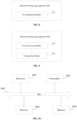
- FIG. 8 is a block diagram of an information reporting apparatus according to some embodiments.
- the apparatus 800 may be a UE, or be implemented as a part of the UE.
- the apparatus 800 includes a first reporting module 810.
- the first reporting module 810 is configured to report a first timing difference from the UE to a serving cell base station, where the first timing difference is a difference between a first propagation delay and a second propagation delay, the first propagation delay is a propagation delay between the terminal and a serving cell satellite, and the second propagation delay is a propagation delay between the terminal and a neighboring cell satellite.
- the first timing difference is used for the serving cell base station to configure a first offset value for the measurement interval of the neighboring cell, and/or used for the serving cell base station to configure a second offset value for the SMTC of the neighboring cell.
- the apparatus 800 further includes:
- the measurement configuration includes at least one of the following measurement parameters:
- the measurement module 830 includes:
- the apparatus 800 further includes: a second reporting module, configured to report a change pattern of the first timing difference from the UE to the serving cell base station, where the change pattern includes a change cycle and a change stepsize.
- a second reporting module configured to report a change pattern of the first timing difference from the UE to the serving cell base station, where the change pattern includes a change cycle and a change stepsize.
- the UE reports the first timing difference to the serving cell base station, where the first timing difference is the difference between the first propagation delay and the second propagation delay, the first propagation delay is the propagation delay between the UE and the serving cell satellite, and the second propagation delay is the propagation delay between the UE and the neighboring cell satellite. Accordingly, the UE can measure and determine the propagation delay between the UE and the neighboring cell satellite, and report the timing difference of the neighboring cell satellite to the serving cell base station, thereby facilitating the serving cell base station to timely adjust the offset value(s) of the measurement interval and/or the SMTC configured for the neighboring cell.
- FIG. 9 is a block diagram of an information reporting apparatus according to some other embodiments.
- the apparatus may be implemented as a base station or a part of the base station.
- the apparatus 900 includes a first receiving module 910 and a configuring module 920.
- the first receiving module 910 is configured to receive, at the serving cell base station, a first timing difference reported by the UE, where the first timing difference is a difference between a first propagation delay and a second propagation delay, the first propagation delay is a propagation delay between the UE and a serving cell satellite, and the second propagation delay is a propagation delay between the UE and a neighboring cell satellite.
- the configuring module 920 is configured to configure, according to the first timing difference, a first offset value for the measurement interval of the neighboring cell and/or a second offset value for the SMTC of the neighboring cell.
- the apparatus 900 further includes: a sending module 930, configured to send a measurement configuration to the UE, where the measurement configuration is used for indicating the UE to measure the first timing difference according to the measurement configuration.
- a sending module 930 configured to send a measurement configuration to the UE, where the measurement configuration is used for indicating the UE to measure the first timing difference according to the measurement configuration.
- the measurement configuration includes at least one of the following measurement parameters:
- the configuring module 920 is further configured to:
- the apparatus 900 further includes: a second receiving module 940, configured to receive a change pattern of the first timing difference reported by the UE, where the change pattern includes a change cycle and a change stepsize.
- a second receiving module 940 configured to receive a change pattern of the first timing difference reported by the UE, where the change pattern includes a change cycle and a change stepsize.
- the configuring module 920 is further configured to: configure, according to the change pattern of the first timing difference, the first offset value for the measurement interval of the neighboring cell and/or the second offset value for the SMTC of the neighboring cell.
- the serving cell base station receives the first timing difference reported by the UE, configures the first offset value of the measurement interval for the neighboring cell and/or the second offset value of the SMTC for the neighboring cell according to the first timing difference.
- the first timing difference is the difference between the first propagation delay and the second propagation delay
- the first propagation delay is the propagation delay between the UE and the serving cell satellite
- the second propagation delay is the propagation delay between the UE and the serving cell satellite.
- the serving cell base station can configure the first offset value of the measurement interval for the neighboring cell, and/or configure the second offset value of the SMTC for the neighboring cell according to the first timing difference reported by the UE, so as to perform RRM measurement more effectively, thereby achieving better allocation and management of radio resources.
- FIG. 10 shows a block diagram of a communication device (terminal UE or base station) according to some embodiments of this application.
- the communication device includes: a processor 1001, a receiver 1002, a transmitter 1003, a memory 1004, and a bus 1005.
- the processor 1001 includes one or more processing cores, and the processor 801 executes various functional applications and information processing by running software programs and modules.
- the receiver 1002 and the transmitter 1003 may be implemented as a communication component, which may be a communication chip.
- the memory 1004 is connected to the processor 1001 through the bus 1005.
- the memory 1004 may be configured to store at least one instruction, and the processor 1001 is configured to execute the at least one instruction to implement various steps of information reporting performed by any communication device in the foregoing method embodiments.
- the memory 1004 can be implemented by any type of volatile or non-volatile storage device or a combination thereof, the volatile or non-volatile storage device includes but is not limited to: magnetic disk or optical disk, EEPROM (Electrically Erasable Programmable read only memory), EPROM (Erasable Programmable Read-Only Memory), SRAM (Static Random Access Memory), ROM (Read Only Memory), magnetic memory, flash memory, and PROM (Programmable Read-Only Memory).
- EEPROM Electrical Erasable Programmable read only memory
- EPROM Erasable Programmable Read-Only Memory
- SRAM Static Random Access Memory
- ROM Read Only Memory
- magnetic memory flash memory
- PROM Programmable Read-Only Memory
- This application provides a computer-readable storage medium, where at least one instruction is stored in the storage medium, and the at least one instruction is loaded and executed by the processor to implement the information reporting method provided by each of the foregoing method embodiments.
- This application also provides a computer program product, which, when running on the computer, enables the computer to execute the information reporting methods provided by the above method embodiments.
- the functions described in the embodiments of this application may be implemented by hardware, software, firmware, or any combination thereof.
- the functions may be stored on or transmitted over as one or more instructions or codes on a computer-readable medium.
- the computer-readable medium includes both the computer storage medium and communication medium including any medium that facilitates transfer of a computer program from one place to another.
- the storage medium may be any available medium that can be accessed by a general purpose or special purpose computer.
Landscapes
- Engineering & Computer Science (AREA)
- Computer Networks & Wireless Communication (AREA)
- Signal Processing (AREA)
- Physics & Mathematics (AREA)
- Astronomy & Astrophysics (AREA)
- Aviation & Aerospace Engineering (AREA)
- General Physics & Mathematics (AREA)
- Environmental & Geological Engineering (AREA)
- Mobile Radio Communication Systems (AREA)
- Radio Relay Systems (AREA)
Claims (15)
- Informationsmeldeverfahren in einem nichtterrestrischen Netzwerk- bzw. NTN-System, das Folgendes umfasst:Melden (310, 740), durch ein Endgerät, einer ersten Timing-Differenz an eine Basisstation einer Serving-Zelle, wobei die erste Timing-Differenz eine Differenz zwischen einer ersten Ausbreitungsverzögerung und einer zweiten Ausbreitungsverzögerung ist, wobei die erste Ausbreitungsverzögerung eine Ausbreitungsverzögerung zwischen dem Endgerät und einem Satelliten einer Serving-Zelle ist und wobei die zweite Ausbreitungsverzögerung eine Ausbreitungsverzögerung zwischen dem Endgerät und einem Satelliten einer benachbarten Zelle ist,wobei die erste Timing-Differenz zu dem Zweck gemeldet wird, dass sie durch die Basisstation der Serving-Zelle verwendet wird, um einen zweiten Versatzwert für eine Synchronisierungsblockmessungs-Timing-Konfiguration, SMTC, der benachbarten Zelle zu konfigurieren.
- Verfahren nach Anspruch 1, wobei die erste Timing-Differenz ferner für die Basisstation der Serving-Zelle verwendet wird, um einen ersten Versatzwert für ein Messintervall einer benachbarten Zelle zu konfigurieren.
- Verfahren nach Anspruch 1, das ferner Folgendes umfasst:Empfangen (520, 720), durch das Endgerät, einer Messkonfiguration der Basisstation der Serving-Zelle; undBestimmen, durch das Endgerät, der ersten Timing-Differenz entsprechend der Messkonfiguration.
- Verfahren nach Anspruch 3, wobei Bestimmen, durch das Endgerät, der ersten Timing-Differenz entsprechend der Messkonfiguration Folgendes umfasst:Berechnen (610) der ersten Ausbreitungsverzögerung vom Endgerät zum Satelliten der Serving-Zelle entsprechend ersten Ephemerideninformationen und einer aktuellen Position des Endgeräts, wobei die ersten Ephemerideninformationen Ephemerideninformationen des Satelliten der Serving-Zelle sind;Berechnen (620) der zweiten Ausbreitungsverzögerung vom Endgerät zum Satelliten der benachbarten Zelle entsprechend zweiten Ephemerideninformationen und der aktuellen Position des Endgeräts, wobei die zweiten Ephemerideninformationen Ephemerideninformationen des Satelliten der benachbarten Zelle sind; undBerechnen (630) der ersten Timing-Differenz entsprechend einer Differenz zwischen der ersten Ausbreitungsverzögerung und der zweiten Ausbreitungsverzögerung.
- Informationsmeldeverfahren in einem nichtterrestrischen Netzwerk- bzw. NTN-System, das Folgendes umfasst:Empfangen (750), durch eine Basisstation einer Serving-Zelle, einer durch ein Endgerät gemeldeten ersten Timing-Differenz, wobei die erste Timing-Differenz eine Differenz zwischen einer ersten Ausbreitungsverzögerung und einer zweiten Ausbreitungsverzögerung ist, wobei die erste Ausbreitungsverzögerung eine Ausbreitungsverzögerung zwischen dem Endgerät und einem Satelliten einer Serving-Zelle ist und wobei die zweite Ausbreitungsverzögerung eine Ausbreitungsverzögerung zwischen dem Endgerät und einem Satelliten einer benachbarten Zelle ist; undKonfigurieren (760), entsprechend der ersten Timing-Differenz, eines zweiten Versatzwerts für eine Synchronisierungsblockmessungs-Timing-Konfiguration, SMTC, der benachbarten Zelle.
- Verfahren nach Anspruch 5, das ferner Folgendes umfasst:
Senden (510, 710) einer Messkonfiguration an das Endgerät, wobei die Messkonfiguration verwendet wird, um dem Endgerät anzuzeigen, die erste Timing-Differenz entsprechend der Messkonfiguration zu bestimmen. - Verfahren nach Anspruch 5, wobei Konfigurieren, entsprechend der ersten Timing-Differenz, des zweiten Versatzwerts für die SMTC der benachbarten Zelle Folgendes umfasst:Konfigurieren, entsprechend der ersten Timing-Differenz und einer zweiten Timing-Differenz, des zweiten Versatzwerts für die SMTC der benachbarten Zelle;wobei die zweite Timing-Differenz eine Differenz zwischen einer dritten Ausbreitungsverzögerung und einer vierten Ausbreitungsverzögerung ist, wobei die dritte Ausbreitungsverzögerung eine Ausbreitungsverzögerung des Satelliten der Serving-Zelle auf einer Speiseverbindung ist und die vierte Ausbreitungsverzögerung eine Ausbreitungsverzögerung des Satelliten der benachbarten Zelle auf der Speiseverbindung ist.
- Informationsmeldeeinrichtung in einem nichtterrestrischen Netzwerk- bzw. NTN-System, die Folgendes umfasst:ein erstes Meldemodul (810), ausgelegt zum Melden einer ersten Timing-Differenz von einem Endgerät an eine Basisstation einer Serving-Zelle, wobei die erste Timing-Differenz eine Differenz zwischen einer ersten Ausbreitungsverzögerung und einer zweiten Ausbreitungsverzögerung ist, wobei die erste Ausbreitungsverzögerung eine Ausbreitungsverzögerung zwischen dem Endgerät und einem Satelliten einer Serving-Zelle ist und wobei die zweite Ausbreitungsverzögerung eine Ausbreitungsverzögerung zwischen dem Endgerät und einem Satelliten einer benachbarten Zelle ist,wobei die erste Timing-Differenz zu dem Zweck gemeldet wird, dass sie durch die Basisstation der Serving-Zelle verwendet wird, um einen zweiten Versatzwert für eine Synchronisierungsblockmessungs-Timing-Konfiguration, SMTC, der benachbarten Zelle zu konfigurieren.
- Einrichtung nach Anspruch 8, wobei die erste Timing-Differenz ferner für die Basisstation der Serving-Zelle verwendet wird, um einen ersten Versatzwert für ein Messintervall einer benachbarten Zelle zu konfigurieren.
- Vorrichtung nach Anspruch 8, die ferner Folgendes umfasst:ein Empfangsmodul, ausgelegt zum Empfangen einer Messkonfiguration der Basisstation der Serving-Zelle am Endgerät; undein Messmodul, ausgelegt zum Bestimmen der ersten Timing-Differenz entsprechend der Messkonfiguration am Endgerät.
- Einrichtung nach Anspruch 10, wobei das Messmodul Folgendes umfasst:ein erstes Berechnungsmodul, ausgelegt zum Berechnen der ersten Ausbreitungsverzögerung vom Endgerät zum Satelliten der Serving-Zelle entsprechend ersten Ephemerideninformationen und einer aktuellen Position des Endgeräts, wobei die ersten Ephemerideninformationen Ephemerideninformationen des Satelliten der Serving-Zelle sind;ein zweites Berechnungsmodul, ausgelegt zum Berechnen der zweiten Ausbreitungsverzögerung vom Endgerät zum Satelliten der benachbarten Zelle entsprechend zweiten Ephemerideninformationen und der aktuellen Position des Endgeräts, wobei die zweiten Ephemerideninformationen Ephemerideninformationen des Satelliten der benachbarten Zelle sind; undein drittes Berechnungsmodul, ausgelegt zum Berechnen der ersten Timing-Differenz entsprechend einer Differenz zwischen der ersten Ausbreitungsverzögerung und der zweiten Ausbreitungsverzögerung.
- Informationsmeldeeinrichtung in einem nichtterrestrischen Netzwerk- bzw. NTN-System, dadurch gekennzeichnet, dass sie Folgendes umfasst:ein erstes Empfangsmodul (910), ausgelegt zum Empfangen, an einer Basisstation einer Serving-Zelle, einer durch ein Endgerät gemeldeten ersten Timing-Differenz, wobei die erste Timing-Differenz eine Differenz zwischen einer ersten Ausbreitungsverzögerung und einer zweiten Ausbreitungsverzögerung ist, wobei die erste Ausbreitungsverzögerung eine Ausbreitungsverzögerung zwischen dem Endgerät und einem Satelliten einer Serving-Zelle ist und wobei die zweite Ausbreitungsverzögerung eine Ausbreitungsverzögerung zwischen dem Endgerät und einem Satelliten einer benachbarten Zelle ist; undein Konfigurationsmodul (920), ausgelegt zum Konfigurieren, entsprechend der ersten Timing-Differenz, eines zweiten Versatzwerts für eine Synchronisierungsblockmessungs-Timing-Konfiguration, SMTC, der benachbarten Zelle.
- Vorrichtung nach Anspruch 12, die ferner Folgendes umfasst:
ein Sendemodul, ausgelegt zum Senden einer Messkonfiguration an das Endgerät, wobei die Messkonfiguration verwendet wird, um dem Endgerät anzuzeigen, die erste Timing-Differenz entsprechend der Messkonfiguration zu bestimmen. - Einrichtung nach Anspruch 12, wobei das Konfigurationsmodul ferner ausgelegt ist zum:Konfigurieren, entsprechend der ersten Timing-Differenz und einer zweiten Timing-Differenz, des zweiten Versatzwerts für die SMTC der benachbarten Zelle;wobei die zweite Timing-Differenz eine Differenz zwischen einer dritten Ausbreitungsverzögerung und einer vierten Ausbreitungsverzögerung ist, wobei die dritte Ausbreitungsverzögerung eine Ausbreitungsverzögerung des Satelliten der Serving-Zelle auf einer Speiseverbindung ist und die vierte Ausbreitungsverzögerung eine Ausbreitungsverzögerung des Satelliten der benachbarten Zelle auf der Speiseverbindung ist.
- Computerlesbares Speichermedium, das Anweisungen speichert, die, wenn durch einen Computer ausgeführt, den Computer veranlassen, die Schritte des Verfahrens nach einem der Ansprüche 1-7 auszuführen.
Applications Claiming Priority (1)
| Application Number | Priority Date | Filing Date | Title |
|---|---|---|---|
| PCT/CN2020/106588 WO2022027181A1 (zh) | 2020-08-03 | 2020-08-03 | 信息上报方法、装置、设备及存储介质 |
Publications (3)
| Publication Number | Publication Date |
|---|---|
| EP4192099A1 EP4192099A1 (de) | 2023-06-07 |
| EP4192099A4 EP4192099A4 (de) | 2023-10-04 |
| EP4192099B1 true EP4192099B1 (de) | 2024-10-30 |
Family
ID=80119202
Family Applications (1)
| Application Number | Title | Priority Date | Filing Date |
|---|---|---|---|
| EP20948001.1A Active EP4192099B1 (de) | 2020-08-03 | 2020-08-03 | Informationsmeldeverfahren und -vorrichtung, ausrüstung und speichermedium |
Country Status (4)
| Country | Link |
|---|---|
| US (1) | US20240031886A1 (de) |
| EP (1) | EP4192099B1 (de) |
| CN (2) | CN115669055A (de) |
| WO (1) | WO2022027181A1 (de) |
Families Citing this family (12)
| Publication number | Priority date | Publication date | Assignee | Title |
|---|---|---|---|---|
| WO2022027181A1 (zh) * | 2020-08-03 | 2022-02-10 | Oppo广东移动通信有限公司 | 信息上报方法、装置、设备及存储介质 |
| CN114071690B (zh) * | 2020-08-06 | 2024-04-26 | 维沃移动通信有限公司 | 信息上报方法、信息接收方法及相关设备 |
| CN114390552B (zh) * | 2020-10-19 | 2024-07-19 | 维沃移动通信有限公司 | 测量配置方法、设备及系统 |
| JP7633415B2 (ja) * | 2021-01-25 | 2025-02-19 | テレフオンアクチーボラゲット エルエム エリクソン(パブル) | 非地上ネットワークにおける同期信号ブロック測定時間設定ウィンドウのための測定ギャップ |
| CN116939571A (zh) * | 2022-04-11 | 2023-10-24 | 维沃移动通信有限公司 | 获取有效时间的方法、设备及可读存储介质 |
| US20240107396A1 (en) * | 2022-09-22 | 2024-03-28 | Qualcomm Incorporated | Maintaining communication on a source cell in a conditional handover |
| WO2024065505A1 (en) * | 2022-09-29 | 2024-04-04 | Apple Inc. | Measurement gap design for atg |
| WO2024125755A1 (en) * | 2022-12-12 | 2024-06-20 | Telefonaktiebolaget Lm Ericsson (Publ) | Measurement configurations for reference signals from satellites |
| CN121098452A (zh) * | 2023-01-13 | 2025-12-09 | 上海移远通信技术股份有限公司 | 无线通信的方法及装置 |
| CN120980588A (zh) * | 2023-01-20 | 2025-11-18 | 华为技术有限公司 | 通信方法、装置及存储介质 |
| GB2630401B (en) * | 2023-08-04 | 2025-09-03 | Nokia Technologies Oy | Use of cell switch assistance information for SSB searching during satellite switching |
| CN117375698B (zh) * | 2023-10-11 | 2025-06-06 | 银河航天(北京)网络技术有限公司 | 通信连接方法及系统 |
Family Cites Families (5)
| Publication number | Priority date | Publication date | Assignee | Title |
|---|---|---|---|---|
| CN111770552B (zh) * | 2016-12-23 | 2022-10-28 | 展讯通信(上海)有限公司 | 卫星通信中的小区接入方法及装置 |
| KR20200066167A (ko) * | 2018-11-30 | 2020-06-09 | 한국전자통신연구원 | 이동 기지국을 위한 신호 구성 방법 및 이를 위한 장치 |
| CN111278042B (zh) * | 2019-01-04 | 2021-11-16 | 维沃移动通信有限公司 | 一种信息上报方法及终端 |
| CN110536341B (zh) * | 2019-04-29 | 2025-03-18 | 中兴通讯股份有限公司 | 网络信息上报方法、装置、用户终端、服务节点和介质 |
| WO2022027181A1 (zh) * | 2020-08-03 | 2022-02-10 | Oppo广东移动通信有限公司 | 信息上报方法、装置、设备及存储介质 |
-
2020
- 2020-08-03 WO PCT/CN2020/106588 patent/WO2022027181A1/zh not_active Ceased
- 2020-08-03 CN CN202080101022.0A patent/CN115669055A/zh active Pending
- 2020-08-03 CN CN202310386659.4A patent/CN116390218B/zh active Active
- 2020-08-03 EP EP20948001.1A patent/EP4192099B1/de active Active
-
2023
- 2023-01-23 US US18/100,189 patent/US20240031886A1/en active Pending
Also Published As
| Publication number | Publication date |
|---|---|
| CN115669055A (zh) | 2023-01-31 |
| EP4192099A4 (de) | 2023-10-04 |
| CN116390218A (zh) | 2023-07-04 |
| CN116390218B (zh) | 2025-03-11 |
| US20240031886A1 (en) | 2024-01-25 |
| EP4192099A1 (de) | 2023-06-07 |
| WO2022027181A1 (zh) | 2022-02-10 |
Similar Documents
| Publication | Publication Date | Title |
|---|---|---|
| EP4192099B1 (de) | Informationsmeldeverfahren und -vorrichtung, ausrüstung und speichermedium | |
| CN112887004B (zh) | 一种通信方法及装置 | |
| EP4054232A1 (de) | Zellenmessverfahren, endgerät und netzwerkvorrichtung | |
| US12452720B2 (en) | Measurement reporting method and apparatus in NTN, receiving method and apparatus, and device and medium | |
| US12185273B2 (en) | Method and apparatus for information transmission, device, and storage medium | |
| WO2021081997A1 (zh) | 小区测量方法、装置、设备及存储介质 | |
| US20230189136A1 (en) | Cell selection method and apparatus, device and medium | |
| WO2022027232A1 (zh) | 无线通信方法和设备 | |
| CN118435697A (zh) | 通信方法、终端设备以及网络设备 | |
| WO2022011710A1 (zh) | 上行定时提前的更新方法、装置、设备及介质 | |
| EP4661526A1 (de) | Gnss-messverfahren und -vorrichtung sowie vorrichtung und speichermedium | |
| US20260107130A1 (en) | Method and device for reporting capability information | |
| WO2024011566A1 (zh) | 邻区测量启动方法、装置、设备及存储介质 | |
| CN114698130A (zh) | 无线通信方法与装置、终端和网络设备 | |
| WO2022104602A1 (zh) | Ntn中定时提前的上报方法、接收方法、装置及设备 | |
| WO2023230844A1 (zh) | 小区参数的配置方法、装置、设备及存储介质 | |
| CN117643108A (zh) | 数据传输处理方法、装置、设备及存储介质 | |
| RU2835161C2 (ru) | Способ и устройство для измерения соты, устройства и носитель информации | |
| US20240251269A1 (en) | Cell measurement method and apparatus, devices, and medium | |
| WO2025010557A1 (zh) | 小区测量方法、装置、设备及存储介质 | |
| JP2025091411A (ja) | 非地上ネットワークで衛星と衛星間リンクを提供するための装置および方法 | |
| WO2024148610A1 (zh) | 无线通信的方法及装置 | |
| KR20250164651A (ko) | 비지상망에서 빔 관리 방법 및 장치 | |
| KR20250086504A (ko) | 비지상 네트워크에서 위성과 위성 간 링크를 제공하기 위한 장치 및 방법 |
Legal Events
| Date | Code | Title | Description |
|---|---|---|---|
| STAA | Information on the status of an ep patent application or granted ep patent |
Free format text: STATUS: THE INTERNATIONAL PUBLICATION HAS BEEN MADE |
|
| PUAI | Public reference made under article 153(3) epc to a published international application that has entered the european phase |
Free format text: ORIGINAL CODE: 0009012 |
|
| STAA | Information on the status of an ep patent application or granted ep patent |
Free format text: STATUS: REQUEST FOR EXAMINATION WAS MADE |
|
| 17P | Request for examination filed |
Effective date: 20230301 |
|
| AK | Designated contracting states |
Kind code of ref document: A1 Designated state(s): AL AT BE BG CH CY CZ DE DK EE ES FI FR GB GR HR HU IE IS IT LI LT LU LV MC MK MT NL NO PL PT RO RS SE SI SK SM TR |
|
| A4 | Supplementary search report drawn up and despatched |
Effective date: 20230905 |
|
| RIC1 | Information provided on ipc code assigned before grant |
Ipc: H04W 36/00 20090101AFI20230830BHEP |
|
| DAV | Request for validation of the european patent (deleted) | ||
| DAX | Request for extension of the european patent (deleted) | ||
| GRAP | Despatch of communication of intention to grant a patent |
Free format text: ORIGINAL CODE: EPIDOSNIGR1 |
|
| STAA | Information on the status of an ep patent application or granted ep patent |
Free format text: STATUS: GRANT OF PATENT IS INTENDED |
|
| INTG | Intention to grant announced |
Effective date: 20240624 |
|
| GRAS | Grant fee paid |
Free format text: ORIGINAL CODE: EPIDOSNIGR3 |
|
| GRAA | (expected) grant |
Free format text: ORIGINAL CODE: 0009210 |
|
| STAA | Information on the status of an ep patent application or granted ep patent |
Free format text: STATUS: THE PATENT HAS BEEN GRANTED |
|
| AK | Designated contracting states |
Kind code of ref document: B1 Designated state(s): AL AT BE BG CH CY CZ DE DK EE ES FI FR GB GR HR HU IE IS IT LI LT LU LV MC MK MT NL NO PL PT RO RS SE SI SK SM TR |
|
| REG | Reference to a national code |
Ref country code: GB Ref legal event code: FG4D |
|
| REG | Reference to a national code |
Ref country code: CH Ref legal event code: EP |
|
| REG | Reference to a national code |
Ref country code: IE Ref legal event code: FG4D |
|
| REG | Reference to a national code |
Ref country code: DE Ref legal event code: R096 Ref document number: 602020040611 Country of ref document: DE |
|
| REG | Reference to a national code |
Ref country code: LT Ref legal event code: MG9D |
|
| REG | Reference to a national code |
Ref country code: NL Ref legal event code: MP Effective date: 20241030 |
|
| P01 | Opt-out of the competence of the unified patent court (upc) registered |
Free format text: CASE NUMBER: APP_9880/2025 Effective date: 20250226 |
|
| PG25 | Lapsed in a contracting state [announced via postgrant information from national office to epo] |
Ref country code: HR Free format text: LAPSE BECAUSE OF FAILURE TO SUBMIT A TRANSLATION OF THE DESCRIPTION OR TO PAY THE FEE WITHIN THE PRESCRIBED TIME-LIMIT Effective date: 20241030 Ref country code: IS Free format text: LAPSE BECAUSE OF FAILURE TO SUBMIT A TRANSLATION OF THE DESCRIPTION OR TO PAY THE FEE WITHIN THE PRESCRIBED TIME-LIMIT Effective date: 20250228 Ref country code: PT Free format text: LAPSE BECAUSE OF FAILURE TO SUBMIT A TRANSLATION OF THE DESCRIPTION OR TO PAY THE FEE WITHIN THE PRESCRIBED TIME-LIMIT Effective date: 20250228 |
|
| PG25 | Lapsed in a contracting state [announced via postgrant information from national office to epo] |
Ref country code: NL Free format text: LAPSE BECAUSE OF FAILURE TO SUBMIT A TRANSLATION OF THE DESCRIPTION OR TO PAY THE FEE WITHIN THE PRESCRIBED TIME-LIMIT Effective date: 20241030 Ref country code: FI Free format text: LAPSE BECAUSE OF FAILURE TO SUBMIT A TRANSLATION OF THE DESCRIPTION OR TO PAY THE FEE WITHIN THE PRESCRIBED TIME-LIMIT Effective date: 20241030 |
|
| REG | Reference to a national code |
Ref country code: AT Ref legal event code: MK05 Ref document number: 1738152 Country of ref document: AT Kind code of ref document: T Effective date: 20241030 |
|
| PG25 | Lapsed in a contracting state [announced via postgrant information from national office to epo] |
Ref country code: BG Free format text: LAPSE BECAUSE OF FAILURE TO SUBMIT A TRANSLATION OF THE DESCRIPTION OR TO PAY THE FEE WITHIN THE PRESCRIBED TIME-LIMIT Effective date: 20241030 |
|
| PG25 | Lapsed in a contracting state [announced via postgrant information from national office to epo] |
Ref country code: ES Free format text: LAPSE BECAUSE OF FAILURE TO SUBMIT A TRANSLATION OF THE DESCRIPTION OR TO PAY THE FEE WITHIN THE PRESCRIBED TIME-LIMIT Effective date: 20241030 |
|
| PG25 | Lapsed in a contracting state [announced via postgrant information from national office to epo] |
Ref country code: NO Free format text: LAPSE BECAUSE OF FAILURE TO SUBMIT A TRANSLATION OF THE DESCRIPTION OR TO PAY THE FEE WITHIN THE PRESCRIBED TIME-LIMIT Effective date: 20250130 |
|
| PG25 | Lapsed in a contracting state [announced via postgrant information from national office to epo] |
Ref country code: GR Free format text: LAPSE BECAUSE OF FAILURE TO SUBMIT A TRANSLATION OF THE DESCRIPTION OR TO PAY THE FEE WITHIN THE PRESCRIBED TIME-LIMIT Effective date: 20250131 Ref country code: LV Free format text: LAPSE BECAUSE OF FAILURE TO SUBMIT A TRANSLATION OF THE DESCRIPTION OR TO PAY THE FEE WITHIN THE PRESCRIBED TIME-LIMIT Effective date: 20241030 Ref country code: AT Free format text: LAPSE BECAUSE OF FAILURE TO SUBMIT A TRANSLATION OF THE DESCRIPTION OR TO PAY THE FEE WITHIN THE PRESCRIBED TIME-LIMIT Effective date: 20241030 |
|
| PG25 | Lapsed in a contracting state [announced via postgrant information from national office to epo] |
Ref country code: PL Free format text: LAPSE BECAUSE OF FAILURE TO SUBMIT A TRANSLATION OF THE DESCRIPTION OR TO PAY THE FEE WITHIN THE PRESCRIBED TIME-LIMIT Effective date: 20241030 |
|
| PG25 | Lapsed in a contracting state [announced via postgrant information from national office to epo] |
Ref country code: RS Free format text: LAPSE BECAUSE OF FAILURE TO SUBMIT A TRANSLATION OF THE DESCRIPTION OR TO PAY THE FEE WITHIN THE PRESCRIBED TIME-LIMIT Effective date: 20250130 |
|
| PG25 | Lapsed in a contracting state [announced via postgrant information from national office to epo] |
Ref country code: SM Free format text: LAPSE BECAUSE OF FAILURE TO SUBMIT A TRANSLATION OF THE DESCRIPTION OR TO PAY THE FEE WITHIN THE PRESCRIBED TIME-LIMIT Effective date: 20241030 |
|
| PG25 | Lapsed in a contracting state [announced via postgrant information from national office to epo] |
Ref country code: DK Free format text: LAPSE BECAUSE OF FAILURE TO SUBMIT A TRANSLATION OF THE DESCRIPTION OR TO PAY THE FEE WITHIN THE PRESCRIBED TIME-LIMIT Effective date: 20241030 |
|
| PG25 | Lapsed in a contracting state [announced via postgrant information from national office to epo] |
Ref country code: EE Free format text: LAPSE BECAUSE OF FAILURE TO SUBMIT A TRANSLATION OF THE DESCRIPTION OR TO PAY THE FEE WITHIN THE PRESCRIBED TIME-LIMIT Effective date: 20241030 |
|
| PG25 | Lapsed in a contracting state [announced via postgrant information from national office to epo] |
Ref country code: RO Free format text: LAPSE BECAUSE OF FAILURE TO SUBMIT A TRANSLATION OF THE DESCRIPTION OR TO PAY THE FEE WITHIN THE PRESCRIBED TIME-LIMIT Effective date: 20241030 |
|
| PG25 | Lapsed in a contracting state [announced via postgrant information from national office to epo] |
Ref country code: SK Free format text: LAPSE BECAUSE OF FAILURE TO SUBMIT A TRANSLATION OF THE DESCRIPTION OR TO PAY THE FEE WITHIN THE PRESCRIBED TIME-LIMIT Effective date: 20241030 |
|
| PG25 | Lapsed in a contracting state [announced via postgrant information from national office to epo] |
Ref country code: CZ Free format text: LAPSE BECAUSE OF FAILURE TO SUBMIT A TRANSLATION OF THE DESCRIPTION OR TO PAY THE FEE WITHIN THE PRESCRIBED TIME-LIMIT Effective date: 20241030 |
|
| PG25 | Lapsed in a contracting state [announced via postgrant information from national office to epo] |
Ref country code: IT Free format text: LAPSE BECAUSE OF FAILURE TO SUBMIT A TRANSLATION OF THE DESCRIPTION OR TO PAY THE FEE WITHIN THE PRESCRIBED TIME-LIMIT Effective date: 20241030 |
|
| REG | Reference to a national code |
Ref country code: DE Ref legal event code: R097 Ref document number: 602020040611 Country of ref document: DE |
|
| PLBE | No opposition filed within time limit |
Free format text: ORIGINAL CODE: 0009261 |
|
| STAA | Information on the status of an ep patent application or granted ep patent |
Free format text: STATUS: NO OPPOSITION FILED WITHIN TIME LIMIT |
|
| PG25 | Lapsed in a contracting state [announced via postgrant information from national office to epo] |
Ref country code: SE Free format text: LAPSE BECAUSE OF FAILURE TO SUBMIT A TRANSLATION OF THE DESCRIPTION OR TO PAY THE FEE WITHIN THE PRESCRIBED TIME-LIMIT Effective date: 20241030 |
|
| 26N | No opposition filed |
Effective date: 20250731 |
|
| PGFP | Annual fee paid to national office [announced via postgrant information from national office to epo] |
Ref country code: DE Payment date: 20250827 Year of fee payment: 6 |
|
| PGFP | Annual fee paid to national office [announced via postgrant information from national office to epo] |
Ref country code: GB Payment date: 20250826 Year of fee payment: 6 |
|
| PGFP | Annual fee paid to national office [announced via postgrant information from national office to epo] |
Ref country code: FR Payment date: 20250826 Year of fee payment: 6 |
|
| REG | Reference to a national code |
Ref country code: CH Ref legal event code: H13 Free format text: ST27 STATUS EVENT CODE: U-0-0-H10-H13 (AS PROVIDED BY THE NATIONAL OFFICE) Effective date: 20260324 |
|
| PG25 | Lapsed in a contracting state [announced via postgrant information from national office to epo] |
Ref country code: MC Free format text: LAPSE BECAUSE OF FAILURE TO SUBMIT A TRANSLATION OF THE DESCRIPTION OR TO PAY THE FEE WITHIN THE PRESCRIBED TIME-LIMIT Effective date: 20241030 |
|
| PG25 | Lapsed in a contracting state [announced via postgrant information from national office to epo] |
Ref country code: LU Free format text: LAPSE BECAUSE OF NON-PAYMENT OF DUE FEES Effective date: 20250803 |
|
| PG25 | Lapsed in a contracting state [announced via postgrant information from national office to epo] |
Ref country code: CH Free format text: LAPSE BECAUSE OF NON-PAYMENT OF DUE FEES Effective date: 20250831 |