EP4192149A1 - Cg-konfigurationsverfahren und -vorrichtung sowie vorrichtung und medium - Google Patents
Cg-konfigurationsverfahren und -vorrichtung sowie vorrichtung und medium Download PDFInfo
- Publication number
- EP4192149A1 EP4192149A1 EP20946944.4A EP20946944A EP4192149A1 EP 4192149 A1 EP4192149 A1 EP 4192149A1 EP 20946944 A EP20946944 A EP 20946944A EP 4192149 A1 EP4192149 A1 EP 4192149A1
- Authority
- EP
- European Patent Office
- Prior art keywords
- type
- configuration
- terminal
- configuring
- parameter
- Prior art date
- Legal status (The legal status is an assumption and is not a legal conclusion. Google has not performed a legal analysis and makes no representation as to the accuracy of the status listed.)
- Granted
Links
Images


Classifications
-
- H—ELECTRICITY
- H04—ELECTRIC COMMUNICATION TECHNIQUE
- H04W—WIRELESS COMMUNICATION NETWORKS
- H04W72/00—Local resource management
- H04W72/04—Wireless resource allocation
- H04W72/044—Wireless resource allocation based on the type of the allocated resource
- H04W72/0453—Resources in frequency domain, e.g. a carrier in FDMA
-
- H—ELECTRICITY
- H04—ELECTRIC COMMUNICATION TECHNIQUE
- H04W—WIRELESS COMMUNICATION NETWORKS
- H04W72/00—Local resource management
- H04W72/04—Wireless resource allocation
- H04W72/115—Grant-free or autonomous transmission
-
- H—ELECTRICITY
- H04—ELECTRIC COMMUNICATION TECHNIQUE
- H04W—WIRELESS COMMUNICATION NETWORKS
- H04W72/00—Local resource management
- H04W72/04—Wireless resource allocation
-
- H—ELECTRICITY
- H04—ELECTRIC COMMUNICATION TECHNIQUE
- H04W—WIRELESS COMMUNICATION NETWORKS
- H04W16/00—Network planning, e.g. coverage or traffic planning tools; Network deployment, e.g. resource partitioning or cells structures
- H04W16/14—Spectrum sharing arrangements between different networks
-
- H—ELECTRICITY
- H04—ELECTRIC COMMUNICATION TECHNIQUE
- H04W—WIRELESS COMMUNICATION NETWORKS
- H04W72/00—Local resource management
- H04W72/20—Control channels or signalling for resource management
- H04W72/23—Control channels or signalling for resource management in the downlink direction of a wireless link, i.e. towards a terminal
-
- H—ELECTRICITY
- H04—ELECTRIC COMMUNICATION TECHNIQUE
- H04W—WIRELESS COMMUNICATION NETWORKS
- H04W72/00—Local resource management
- H04W72/50—Allocation or scheduling criteria for wireless resources
- H04W72/51—Allocation or scheduling criteria for wireless resources based on terminal or device properties
Definitions
- the present application relates to the field of wireless communication, and in particular, to a method, apparatus, device, and medium for configuring a Configured Grant (CG).
- CG Configured Grant
- New Radio-Unlicense, NR-U New Radio-Unlicense, NR-U
- LBT Listen Before Talk
- Embodiments of the present application provide a method, apparatus, device, and storage medium for configuring a CG.
- the technical solutions are as follows.
- a method for configuring a CG is provided, applied to a network device, and the method includes:
- the at least one CG includes at least one of a first type of CG and a second type of CG, and the first type of CG and/or the second type of CG is used for a shared spectrum access operation.
- a method for configuring a CG is provided, applied to a terminal, and the method includes: acquiring at least one CG configured by a network device, where the at least one CG includes at least one of a first type of CG and a second type of CG, and the first type of CG and/or the second type of CG is used for a shared spectrum access operation.
- an apparatus for configuring a CG including: a sending module, configured to configure at least one CG for a terminal, where the at least one CG includes at least one of a first type of CG and a second type of CG, and the first type of CG and/or the second type of CG is used for a shared spectrum access operation.
- an apparatus for configuring a CG including: a receiving module, configured to acquire at least one CG configured by a network device, where the at least one CG includes at least one of a first type of CG and a second type of CG, and the first type of CG and/or the second type of CG is used for a shared spectrum access operation.
- a terminal including: a processor; a transceiver connected to the processor; a memory for storing executable instructions of the processor; where the processor is configured to load and execute the executable instructions to implement the method for configuring a CG as described in the above aspects.
- a network device including: a processor; a transceiver connected to the processor; a memory for storing executable instructions of the processor; where the processor is configured to load and execute the executable instructions to implement the method for configuring a CG as described in the above aspects.
- a computer-readable storage medium is provided, executable instructions are stored in the readable storage medium, and the executable instructions are loaded and executed by a processor to implement the method for configuring a CG as described in the above aspects.
- a computer program product executable instructions are stored in the readable storage medium, and the executable instructions are loaded and executed by a processor to implement the method for configuring a CG as described in the above aspects.
- a chip for executing to implement the method for configuring a CG as described in the above aspects.
- enhanced multiple types of CGs can be provided in the interference-controlled scenario of NR-U, thereby ensuring the communication quality and communication success rate in such scenario.
- the CG is enhanced, that is, at least one CG configuration is introduced, and the specific configuration and use of CG resources (such as supporting the period of slot granularity, supporting the autonomous transmission of CG, etc.) are enhanced.
- the URLLC In order to support the high latency requirement of the URLLC service, the URLLC enhances the CG period and supports the service period of any slot-level granularity.
- URLLC introduces multiple types of CGs (multiple CGs).
- CGs multiple CGs.
- the Hybrid Automatic Repeat reQuest (HARQ) processes of different CG configurations are different, and the configuration parameter harq-ProcID-Offset2 ensures that the processes of different CGs are different.
- HARQ Hybrid Automatic Repeat reQuest
- the packaged Medium Access Control Protocol Data Unit (Deprioritized Medium Access Control Protocol Data Unit, Deprioritized MAC PDU) in the CG resources are not discarded/transmitted as soon as possible, autonomous transmission for CG is introduced.
- the subsequent CG resources of the same HARQ process in the same CG configuration can be used to perform new transmission.
- the UE determines to use the autonomous transmission by the configuration parameter autonomousTx.
- the Third Generation Partnership Project (3GPP) working group approved the establishment of the NR unlicensed working method in December 2018.
- the goal of the project is to make NR work in the unlicensed frequency bands, including the following working scenarios:
- the working frequency band (Band) of NR-U is 5GHz unlicensed spectrum and 6GHz unlicensed spectrum.
- the design of NR-U should ensure fairness with other systems already working on these unlicensed spectrums, such as WiFi.
- the principle of fairness is that NR-U cannot affect the systems (such as WiFi) already deployed on the unlicensed spectrum more than the influence between those systems.
- the general energy detection mechanism is the LBT mechanism.
- the basic principle of the mechanism is that: before the base station or the terminal (transmitting end) transmits data on the unlicensed spectrum, it needs to listen for a period of time according to regulations. If the result of listening indicates that the channel is in an idle state, the transmitting end can transmit data to the receiving end. If the listening result indicates that the channel is in an occupied state, the transmitting end needs to roll back for a period of time and continue to listen to the channel according to the regulations, and only when the channel listening result is being in the idle state, it can transmit data to the receiving end.
- the base station needs to transmit data to the terminal within the MCOT time. If the base station does not preempt the channel, that is, outside the MCOT time, the terminal will not receive the scheduling data from the base station to the terminal.
- the uplink transmission initiated by the UE mainly includes the following categories:
- the UE In the unlicensed frequency band, the UE needs to use LBT to detect whether the channel is available before transmitting SR, PRACH or PUSCH. If the channel is unavailable, i.e., LBT fails, the UE needs to wait until the next transmission opportunity to perform LBT again. If LBT failure is detected, the physical layer needs to notify the MAC layer of LBT failure information.
- the HARQ process of NR-UCG is not calculated according to the formula, but selected by the UE itself.
- RRC configures one HARQ process set, and the UE may select one HARQ process from the HARQ process set for this CG transmission.
- the specifically configured HARQ process interval is determined by the parameter harq-ProcID-Offset and the parameter nrofHARQ-Processes.
- NR-U introduces multiple types of CG (multiple CG). At least one CG configuration may share the HARQ process.
- a CG retransmission timer (cg-RetransmissionTimer) is introduced to support automatic retransmission of resources when CG resources cannot be transmitted due to LBT failure. After the CG retransmission timer expires, if the CG timer (ConfiguredGrantTimer) does not expire, the corresponding HARQ process may be retransmitted.
- CG transmission may be interrupted by dynamically scheduling downlink control information (DCI) and downlink feedback information (DFI).
- DCI downlink control information
- DFI downlink feedback information
- FIG. 1 shows a schematic diagram of a system architecture provided by an embodiment of the present application.
- the system architecture may include: a terminal device 10 and a network device 20.
- the number of the terminal devices 10 is usually multiple, and one or more terminal devices 10 may be distributed in a cell managed by each network device 20.
- the terminal device 10 may include various handheld devices, in-vehicle devices, wearable devices, computing devices with wireless communication functions, or other processing devices connected to wireless modems, as well as various forms of user equipment (UE), mobile stations (MS) and so on.
- UE user equipment
- MS mobile stations
- the network device 20 is an apparatus deployed in an access network to provide a wireless communication function for the terminal device 10.
- the network device 20 may include various forms of macro base stations, micro base stations, relay stations, access points, and the like.
- the names of devices with network device functions may vary, for example, in 5G NR systems, they are called gNodeBs or gNBs.
- the name "network device" may change.
- the above-mentioned apparatuses for providing a wireless communication function for the terminal device 10 are collectively referred to as network devices.
- the " 5G NR system" in the embodiments of the present disclosure may also be referred to as a 5G system or an NR system, and the NR system may be a communication system supporting NR-U, but those skilled in the art can understand its meaning.
- the technical solutions described in the embodiments of the present disclosure may be applicable to the 5G NR system, and may also be applicable to the subsequent evolution system of the 5G NR system.
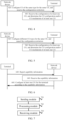
- FIG. 2 shows a flowchart of a method for configuring a CG provided by an embodiment of the present application.
- FIG. 2 exemplifies the application of the method to the communication system shown in FIG. 1 .
- the method includes the following steps.
- step 220 the network device configures at least one CG for the terminal, the at least one CG including at least one of a first type of CG and a second type of CG, and the first type of CG and/or the second type of CG being used for a shared spectrum access operation.
- the first type of CG is used for the shared spectrum access operation, which may be understood as: the CG resources configured by the first type of CG are transmitted or used on the unlicensed band, or the CG resources configured by the first type of CG are used for transmitting uplink or uplink services or uplink data on the unlicensed band.
- the shared spectrum may be understood as an unlicensed spectrum or an unlicensed band.
- the first type of CG includes: a CG configuration of the first type of CG, a CG mechanism of the first type of CG, at least one of specific parameters including the configuration of the first type of CG.
- the second type of CG is used for the shared spectrum access operation, which may be understood as: the CG resources configured by the second type of CG are transmitted or used on the unlicensed band, or the CG resources configured by the second type of CG are used for transmitting uplink (or uplink service or uplink data) in the unlicensed band.
- the second type of CG includes: a CG configuration of the second type of CG, a CG mechanism of the second type of CG, at least one of specific parameters including the configuration of the second type of CG.
- the first type of CG includes a CG configuration that supports high-reliability and low-latency services, or, the first type of CG is a CG configuration when Rel-16 supports uplink services on a licensed band or NR system, or, the first type of CG is a CG configuration when Rel-16 supports high-reliability and low-latency services on the licensed band or NR system.
- the first type of CG includes a CG configuration that supports high-reliability and low-latency services on the licensed band and/or unlicensed band.
- the high-reliability and low-latency services include, but are not limited to: at least one of URLLC services, time-sensitive services, and V2X services.
- the second type of CG includes a CG configuration when the unlicensed band or the NR-U system supports uplink services, or a CG configuration when Rel-16 supports uplink services on the unlicensed band or the NR-U system.
- the network device sends at least one of CG configuration information and first indication information to the terminal, where at least one of the CG configuration information and the first indication information is used to configure at least one CG for the terminal, or, determine the transmission mechanism used by the CG transmission.
- step 240 the terminal receives a configuration of at least one CG by the network device.
- the terminal receives at least one of the RRCCG configuration information and the first indication information sent by the network device, and determines at least one CG according to at least one of the CG configuration information and the first indication information.
- the method provided in this embodiment can provide the enhanced multiple types of CGs in the NR-U interference-controlled scenario by configuring at least one of the first type of CG and the second type of CG on the unlicensed band by the network device, so as to ensure the communication quality and communication success rate in this scenario.
- the network device configures only the same type of CG resources for the same UE. For example, the network device configures only the first type of CG for the first UE, and configures only the second type of CG for the second UE. Alternatively, the network device configures different types of CG resources for at least one UE. For example, the network device configures at least one CG for the UE, and different CGs correspond to different types. For example, the network device configures at least one CG for the UE, and the at least one CG includes a first type of CG and a second type of CG.
- a first CG in the at least one CG is the first type of CG
- a second CG in the at least one CG is the second type of CG
- the second CG is other than the first CG in the at least one CG
- a third type of CG exists in the at least one CG
- the third type of CG has the characteristics of both the first type of CG and the second type of CG.
- the third type of CG has the mechanisms or configuration parameters of both the first type of CG and the second type of CG.
- the network device sends first indication information to the UE, and the UE receives the first indication information, where the first indication information is used for indicating at least one of the following information:
- the UE sends capability information to the network device, and the network device matches at least one CG for the UE according to the capability information.
- the capability information includes at least one of first capability information and second capability information.
- the first capability information is used for reporting whether the first type of CG or the CG configuration of the first type of CG or the CG mechanism of the first type of CG is supported to be used for the shared spectrum access operation.
- the second capability information is used for reporting whether to support both the first type of CG and the second type of CG, or to support the CG configurations of the first type of CG and the second type of CG at the same time, or to support the CG mechanisms of the first type of CG and the second type of CG at the same time.
- the first capability information and/or the second capability information may be based on each UE, or may be based on each HARQ process, or may be based on each CG, or may be based on each CG group.
- the CG configuration or CG mechanism corresponding to URLLC may be configured for shared spectrum access operation, and only one type of CG configuration or CG mechanism is configured for the same UE.
- FIG. 3 shows a flowchart of a method for configuring a CG provided by an exemplary embodiment of the present application. This embodiment is illustrated by taking the method applied to the communication system shown in FIG. 1 as an example. The method includes the following steps.
- step 320 the network device configures the same type of CG for the same UE, and cancels a configuration restriction.
- the network device configures only the first type of CG for the first UE, or adopts the CG configuration of the first type of CG, or uses the CG mechanism of the first type of CG.
- the first type of CG includes a CG configuration that supports high-reliability and low-latency services, or the first type of CG includes a CG configuration when supporting uplink services on the licensed band or NR system, or the first type of CG includes a CG configuration when high-reliability and low-latency services are supported on the licensed band or NR system.
- the first type of CG is a configuration or a configuration manner or a usage mechanism corresponding to Rel-16.
- the high-reliability and low-latency services include, but are not limited to, at least one of URLLC services, time-sensitive services, and V2X services.
- the network device configures only the second type of CG for the second UE, or adopts the CG configuration of the second type of CG, or uses the CG mechanism of the second type of CG.
- the second type of CG includes a CG configuration when the unlicensed spectrum or the NR-U system supports uplink services.
- the second type of CG is the configuration or configuration manner or usage mechanism corresponding to Rel-16.
- the network device cancels or modifies the restriction of at least one parameter of the above CG.
- the network device sets the above-mentioned first parameter of the CG as an optional parameter.
- the above-mentioned CG includes at least one of the first type of CG and the second type of CG.
- the first parameter includes at least one of the following configuration parameters:
- the first parameter includes the following indication parameters:
- the network device cancels the configuration restriction of the second type of CG (corresponding to NR-U), and uses the CG configuration of the first type of CG (corresponding to URLLC) or CG configuration for the shared spectrum access operation.
- the network device cancels the configuration restriction of the second type of CG (corresponding to NR-U), and uses the CG configuration of the first type of CG (corresponding to URLLC) or CG configuration for the shared spectrum access operation.
- the network device configures only the first type of CG or the CG configuration of the first type of CG or the CG mechanism of the first type of CG for the first UE.
- the network device When configuring the first type of CG, the network device configures the first UE with a CG configuration that supports high-reliability and low-latency services; or, the network device configures the first UE with a CG configuration when supporting uplink services on a licensed band or an NR system; or, the network device configures for the first UE with the CG configuration when the licensed band or the NR system supports the high-reliability and low-latency service.
- the first type of CG is a configuration or a configuration manner or a usage mechanism corresponding to Rel-16.
- the high-reliability and low-latency services include, but are not limited to, at least one of URLLC services, time-sensitive services, and V2X services.
- the network device configures the first type of CG for the first UE according to a first resource configuration manner, where the first resource configuration manner includes configuring at least one of the following parameters:
- the network device configures the first type of CG for the first UE according to a first resource configuration manner, where the first resource configuration manner includes not configuring at least one of the following parameters:
- the current bandwidth is an unlicensed band
- the network device configures CG index 1, CG index 2, and CG index 3 to the first UE using the first resource configuration manner.
- the network device does not configure at least one configuration parameter of harq-ProcID-Offset, cg-RetransmissionTimer to the first UE.
- the network device configures at least one configuration parameter of harq-ProcID-Offset2, repK_RV, autonomousTX to the first UE.
- the network device configures only the second type of CG or the CG configuration of the second type of CG or the CG mechanism of the second type of CG for the second UE.
- the network device When configuring the second type of CG, the network device configures for the second UE the CG configuration when the unlicensed spectrum or the NR-U system supports uplink services, or the network device configures the second UE with the CG configuration when the unlicensed spectrum or the NR-U system supports Ultra-Reliable Low-Latency Communications (URLLC) services; optionally, the second type of CG is the configuration or configuration manner or usage mechanism corresponding to Rel-16.
- URLLC Ultra-Reliable Low-Latency Communications
- the network device only configures the second type of CG, or only configures the enhanced second type of CG for the NR-U system or frequency point.
- the enhanced second type of CG includes but is not limited to: the second type of CG supporting URLLC transmission, or CG enhanced by the R17 for the NR-U.
- the network device configures a second type of CG for the second UE according to a second resource configuration manner, where the second resource configuration manner includes configuring at least one of the following parameters:
- the network device configures the second type of CG for the second UE according to a second resource configuration manner, where the second resource configuration manner includes not configuring at least one of the following parameters:
- the current bandwidth is an unlicensed band
- the network device configures CG index 4 and CG index 5 to the second UE by using the second resource configuration manner.
- the network device configures at least one configuration parameter of harq-ProcID-Offset, cg-RetransmissionTimer to the second UE, and the network device does not configure at least one configuration parameter of harq-ProcID-Offset2, repK_RV, autonomousTX to the second UE.
- the network device may choose which type of CG to configure for the terminal.
- the network configures the first type of CG for UE1 and the second type of CG for UE2.
- the network configures the first type of CG and the second type of CG for UE3.
- the network device sends at least one of the RRCCG configuration message and the first indication information to the terminal, where the at least one of the RRC message and the first indication information is used to configure at least one CG to the terminal.
- the RRCCG configuration message is an RRC message for CG configuration.
- the network device sends the first indication information.
- the first indication information is used for indicating that the current configuration is the CG configuration of the first type of CG, or the current configuration is the CG configuration of the second type of CG.
- the first indication information is used for indicating that the CG mechanism of the first type of CG is used, or the CG mechanism of the second type of CG is used.
- step 340 the terminal receives the configuration of the at least one CG by the network device, and determines the CG configuration and/or the CG mechanism of the at least one CG.
- the terminal receives at least one of the RRCCG configuration information and the first indication information sent by the network device.
- the terminal determines at least one of the following information according to the RRCCG configuration information and/or the first indication information:
- the terminal configures the CG according to the configuration manner of the first type of CG, and/or, performs transmission according to the CG mechanism of the first type of CG.
- the terminal configures the CG according to the configuration manner of the second type of CG, and/or, performs transmission according to the CG mechanism of the second type of CG.
- the terminal when the RRCCG configuration information and/or the first indication information is used for indicating that the CG configuration or the CG mechanism of the first type of CG is used for all CG resources, the terminal performs the CG configuration according to the configuration manner of the first type of CG, and/or, performs transmission according to the CG mechanism of the first type of CG.
- the terminal when the RRCCG configuration information and/or the first indication information is used for indicating that the CG configuration or CG mechanism of the second type of CG is used for all CG resources, the terminal performs the CG configuration according to the configuration manner of the second type of CG, and/or, performs transmission according to the CG mechanism of the second type of CG.
- the network device configures the same type of CG for the same UE, and the same type is the first type of CG or the second type of CG.
- the same UE is only configured with the same type of CG, which can reduce the complexity of the UE.
- FIG. 4 shows a flowchart of a method for configuring a CG provided by an exemplary embodiment of the present application. This embodiment is illustrated by taking the method applied to the communication system shown in FIG. 1 as an example. The method includes the following steps.
- step 420 the network device configures only CGs of the same CG type for the same UE, and retains a configuration restriction.
- the network device configures only the second type of CG for the second UE, or only uses the CG configuration of the second type of CG, or only uses the CG mechanism of the second type of CG.
- the second type of CG includes the CG configuration when the unlicensed spectrum or the NR-U system supports uplink services, or the second type of CG includes the CG configuration when the unlicensed spectrum or NR-U system supports ultra-reliable and low-latency services.
- the second type of CG is the configuration or configuration manner or usage mechanism corresponding to Rel-16.
- the second type of CG is an enhanced configuration or configuration manner or usage mechanism for Rel-16.
- the network device only configures the second type of CG, or only configures the enhanced second type of CG for the NR-U system or frequency point.
- the enhanced second type of CG includes, but is not limited to: the second type of CG supporting URLLC transmission, or CG enhanced for the NR-U by the R17.
- the network device may choose which type of CG to configure for the terminal.
- the network configures the first type of CG for UE1 and the second type of CG for UE2.
- the network configures the first type of CG and the second type of CG for UE3.
- the network device retains the restriction of at least one parameter of the above-mentioned CG.
- the network device does not configure the first parameter of the first type of CG to the UE, or configures at least part of the first parameter of the first type of CG as an optional parameter.
- the first parameter includes at least one of the following configuration parameters:
- the autonomous transmission is set as an optional parameter
- the second HARQ process offset and the redundant version of repeated transmissions are set as un-configured parameters.
- the network device reserves the second parameter of the second type of CG as a required parameter.
- the network device reserves the second parameter of the second type of CG as a required parameter.
- the second parameter includes at least one of the following configuration parameters:
- the second parameter includes the following indication parameters:
- the network device retains the above-mentioned restriction of at least one parameter of the CG. For example, for a part of CG or CG resources, the network device reserves the first parameter of the first type of CG as an unconfigured parameter; for another example, for a part of CG or CG resources, the network device reserves the second parameter of the second type of CG as a required parameter.
- the network device sends at least one of the RRCCG configuration message and the first indication information to the terminal, where the at least one of the RRC message and the first indication information is used to configure at least one CG to the terminal.
- the RRCCG configuration message is an RRC message for CG configuration.
- the network device sends the first indication information.
- the first indication information is used for indicating that the current configuration is the CG configuration of the first type of CG, or the current configuration is the CG configuration of the second type of CG.
- the first indication information is used for indicating that the CG mechanism of the first type of CG is used, or the CG mechanism of the second type of CG is used.
- step 440 the terminal receives the configuration of the at least one CG by the network device, and determines the CG configuration and/or the CG mechanism of the at least one CG.
- the terminal receives at least one of the RRCCG configuration information and the first indication information sent by the network device.
- the terminal determines at least one of the following information according to the RRCCG configuration information and/or the first indication information:
- the terminal configures the CG according to the configuration manner of the second type of CG, and/or, performs transmission according to the configuration manner of the second type of CG.
- the terminal when the RRCCG configuration information and/or the first indication information is used for indicating that the CG configuration or CG mechanism of the second type of CG is used for all CG resources, the terminal performs the CG configuration according to the configuration manner of the second type of CG, and/or, performs the transmission according to the CG mechanism of the second type of CG.
- the network device configures the same type of CG for the same UE, and the same type is the first type of CG or the second type of CG.
- the same UE is only configured with the same type of CG, which can reduce the complexity of the UE.
- the CG configuration or CG mechanism corresponding to URLLC can be configured for shared spectrum access operation, and the same UE can be configured with different types of CG configurations or CG mechanisms at the same time:
- FIG. 5 shows a flowchart of a method for configuring a CG provided by an exemplary embodiment of the present application. This embodiment is illustrated by taking the method applied to the communication system shown in FIG. 1 as an example. The method includes the following steps.
- step 520 the network device configures different types of CGs for the same UE, and cancels the configuration restriction.
- the network device configures at least two CGs for the same UE, the first CG of the at least two CGs is the first type of CG, and the second CG of the at least two CGs is the second type of CG, the second CG is the remaining CG of the at least two CGs except the first CG.
- the network device simultaneously configures the first CG and the second CG for the UE.
- the first CG adopts the CG configuration manner of the first type of CG, or uses the CG mechanism of the first type of CG.
- the first CG includes a CG configuration that supports high-reliability and low-latency services, or the first type of CG includes a CG configuration when uplink services are supported on the licensed band or NR system, or the first type of CG includes a CG configuration when high-reliability and low-latency services are supported on the licensed band or NR system.
- the first type of CG is a configuration or a configuration manner or a usage mechanism corresponding to Rel-16.
- the high-reliability and low-latency services include, but are not limited to, at least one of URLLC services, time-sensitive services, and V2X services.
- the second CG adopts the CG configuration manner of the second type of CG, or uses the CG mechanism of the second type of CG.
- the second type of CG includes a CG configuration when the unlicensed spectrum or the NR-U system supports uplink services.
- the second type of CG is the configuration or configuration manner or usage mechanism corresponding to Rel-16.
- the network device simultaneously configures different types of CG configurations or CG mechanisms on a basis of per UE (perUE) or a single UE.
- the network device configures at least one CG for the same UE, there is a third type of CG in at least one CG, and the third type of CG has the characteristics of both the first type of CG and the second type of CG, or, supports at least part of the mechanism of the first type of CG and at least part of the mechanism of the second type of CG.
- the network device only configures the configuration parameters corresponding to the first type of CG; for the second type of CG, only configures the configuration parameters corresponding to the second type of CG; for the third type CG, configures at least part of the configuration parameters corresponding to the first type of CG and at least part of the configuration parameters corresponding to the second type of CG at the same time.
- the network device simultaneously configures different types of CG configurations or CG mechanisms on per CG (perCG) or single CG basis.
- the first parameter corresponding to the first type of CG is configured, but the second parameter corresponding to the second type of CG is not configured.
- the second parameter corresponding to the second type of CG is configured, but the first parameter corresponding to the first type of CG is not configured.
- the third type of CG at least some of the first parameters and at least some of the second parameters are configured simultaneously.
- the first parameter includes at least one of the following configuration parameters:
- the second parameter includes at least one of the following configuration parameters:
- the second parameter further includes the following indication parameters: in the message 2 scheduled by the DCI, two least significant bits of the system frame number corresponding to the random access channel resource.
- the current bandwidth is an unlicensed band
- the network device configures the UE1 with CG indices 1 to 3, the first type of CG corresponding to the URLLC is used.
- the network device does not configure at least one of harq-ProcID-Offset, cg-RetransmissionTimer, but configures at least one of harq-ProcID-Offset2, repK_RV, autonomousTX.
- the network device configures the UE2 with CG indices 4 and 5, and the first type of CG corresponding to the NR-U is used.
- the network device configures at least one of harq-ProcID-Offset and cg-RetransmissionTimer, but does not configure at least one of harq-ProcID-Offset2, repK_RV, autonomousTX.
- the network device can configure the second parameter corresponding to the NR-U and the first parameter corresponding to the URLLC at the same time for the same CG resource belonging to the third type of CG.
- the network device simultaneously configures at least one of the following configurations to the UE: harq-ProcID-Offset2, repK_RV, autonomousTX, harq-ProcID-Offset, and cg-RetransmissionTimer.
- both NR-U and URLLC transmission mechanisms can be supported.
- the CG configuration of the first type of CG is used for implementing the function or mechanism corresponding to the first type of CG;
- the CG configuration of the second type of CG is used for implementing the function or mechanism corresponding to the second type of CG;
- the CG configuration of the third type of CG is used for implementing functions or mechanisms corresponding to the first type of CG and the second type of CG.
- the network device cancels or modifies the restriction of at least one parameter of the above CG.
- the network device sets at least one parameter in the CG configuration as an optional parameter.
- the network device sets at least one parameter of the first type of CG and/or the second type of CG as an optional parameter.
- the above-mentioned CG includes at least one of a first type of CG, a second type of CG, and a third type of CG.
- the at least one parameter includes at least one of the following configuration parameters:
- At least one parameter further includes the following indication parameter:
- the network device cancels the configuration restriction of the second type of CG (corresponding to NR-U), and uses the CG configuration of the first type of CG (corresponding to URLLC) or CG configuration for the shared spectrum access operation.
- the network device cancels the configuration restriction of the second type of CG (corresponding to NR-U), and uses the CG configuration of the first type of CG (corresponding to URLLC) or CG configuration for the shared spectrum access operation.
- step 540 the terminal receives the configuration of the at least one CG by the network device, and determines the CG configuration and/or the CG mechanism of the at least one CG.
- the terminal receives at least one of the RRCCG configuration information and the first indication information sent by the network device.
- the terminal determines at least one of the following information according to the RRCCG configuration information and/or the first indication information:
- the terminal configures the CG according to the configuration manner of the first type of CG, and/or, performs transmission according to the configuration manner of the first type of CG.
- the terminal configures the CG according to the configuration manner of the second type of CG, and/or, performs transmission according to the configuration manner of the second type of CG.
- the terminal when the RRCCG configuration information and/or the first indication information is used for indicating that the CG configuration or the CG mechanism of the first type of CG is used for all CG resources, the terminal performs the CG configuration according to the configuration manner of the first type of CG, and/or, performs the transmission according to the CG mechanism of the first type of CG.
- the terminal when the RRCCG configuration information and/or the first indication information is used for indicating that the CG configuration or CG mechanism of the second type of CG is used for all CG resources, the terminal performs the CG configuration according to the configuration manner of the second type of CG, and/or, performs the transmission according to the CG mechanism of the second type of CG.
- the network device configures the same type of CG for the same UE, and the same type is the first type of CG or the second type of CG.
- the same UE is only configured with the same type of CG, which can reduce the complexity of the UE.
- the above method further includes the following steps.
- step 620 the terminal reports capability information to the network device;
- the capability information includes: at least one of first capability information and second capability information.
- the first capability information and the second capability information may be reported separately or together. In the case where the first capability information and the second capability information are reported together, the first capability information and the second capability information are carried in the same message and reported, or carried in two different messages and reported separately.
- the first capability information is used for reporting whether to support the first type of CG or the CG configuration of the first type of CG or the CG mechanism of the first type of CG to be used for the shared spectrum access operation.
- the second capability information is used for reporting whether to support both the first type of CG and the second type of CG, or to support the CG configurations of the first type of CG and the second type of CG at the same time, or to support the CG mechanisms of the first type of CG and the second type of CG at the same time.
- step 640 the network device receives the capability information reported by the terminal.
- the network device receives the first capability information reported by the terminal, and/or, the network device receives the second capability information reported by the terminal.
- step 660 the network device configures at least one CG for the terminal according to the capability information.
- the network device configures the terminal with the first type of CG and/or the second type of CG according to the capability information of the terminal; or configures the terminal with the CG configuration of the first type of CG and/or the second type of CG; or configures the terminal with the CG mechanism of the first type of CG and/or the second type of CG.
- the network device configures at least one of the first type of CG, the second type of CG, and the third type CG for the terminal according to the capability information of the terminal; or configures the terminal with the CG configuration of at least one of the first type of CG, the second type of CG, and the third type CG; or, configures the terminal with the CG mechanism of at least one of the first type of CG, the second type of CG, and the third type of CG.
- the at least one CG configured by the network does not exceed the capability limit of the terminal.
- the capability information is based on each UE (perUE) or a single UE, or the capability information is based on each CG (perCG) or a single CG, or the capability information is based on each CG group (perCGgroup) or a single CG group, or the capability information is based on each HARQ process (perHARQ process) or a single HARQ process.
- the terminal reports capability information
- the network device configures at least one CG for the terminal according to the capability information, which can reasonably configure the CG that matches the capability of the terminal, and avoids configuring the terminal with the CG beyond the capability range which results in a waste of communication resources.
- FIG. 7 shows a block diagram of an apparatus for configuring a CG provided by an embodiment of the present application.
- the apparatus may be applied to a network device, and the apparatus includes: a sending module 720, configured to configure at least one CG for the terminal, where the at least one CG includes at least one of a first type of CG and a second type of CG, and the first type of CG and/or the second type of CG is used for a shared spectrum access operation.
- the first type of CG includes a CG configuration that supports high-reliability and low-latency services, or the first type of CG is a CG configuration when uplink services are supported on the licensed band or the NR system, or, the first type of CG is the CG configuration when the licensed band or NR system supports high-reliability and low-latency services; the second type of CG includes the CG configuration when the unlicensed spectrum or the NR-U system supports uplink services.
- the high-reliability and low-latency services include, but are not limited to, at least one of URLLC services, time-sensitive services, and V2X services.
- the apparatus further includes:
- the processing module 740 is configured to set the first parameter of the first type of CG as an optional parameter; and/or, set the second parameter of the second type of CG as an optional parameter.
- the processing module 740 is configured to retain the restriction of the first parameter of the first type of CG; and/or retain the restriction of the second parameter of the second type of CG.
- the processing module 740 is configured to reserve the first parameter of the first type of CG as an unconfigured parameter; and/or reserve the second parameter of the second type of CG as a required parameter.
- the first parameter includes at least one of the following configuration parameters: a second HARQ process offset harq-ProcID-Offset2;
- the second parameter includes at least one of the following configuration parameters:
- the second parameter includes at least one of the following indication parameters: 2 least significant bits of the system frame number corresponding to the random access channel resource.
- the sending module 720 is configured to configure only the first type of CG for the terminal; configure only the second type of CG for the terminal; where the same terminal is only configured with CGs of the same type.
- the sending module 720 configures the terminal with a CG configuration that supports high-reliability and low-latency services; or configures the terminal with a CG configuration when the licensed band or NR system supports uplink services, or configures the terminal with the CG configuration when the licensed band or NR system supports high-reliability and low-latency services; or, configures the terminal with the first type of CG according to the first resource configuration manner, the first resource configuration manner includes not configuring at least one of the following parameters: the first HARQ process offset harq-ProcID-Offset2; the CG retransmission timer CG-RetransmissionTimer.
- the sending module 720 is configured to configure for the terminal the CG configuration when the unlicensed spectrum or the NR-U system supports uplink services; or, configure for the terminal the CG configuration when the unlicensed spectrum or the NR-U system supports ultra-reliability and low-latency services; or configure for the terminal the second type of CG according to the second resource configuration manner, the second resource configuration manner includes not configuring at least one of the following first parameters: the second HARQ process offset harq-ProcID-Offset2; the redundant version of repeated transmissions repK_RV; the autonomous transmission autonomousTX.
- the sending module 720 is configured to configure only the second type of CG, or only the enhanced second type of CG for the new radio unlicensed spectrum (NR-U) system or frequency point.
- NR-U new radio unlicensed spectrum
- the sending module 720 it is optional for the sending module 720 to configure the first type of CG or the second type of CG for the terminal, or it is configurable to configure for the terminal the first type of CG or the second type of CG; where the same terminal is configured with only the same type of CG; or, different CGs of the same terminal are configured with only the same type of CG.
- the sending module 720 configures at least one CG for at least one terminal, and the at least one CG includes the first type of CG and the second type of CG.
- the first CG in the at least one CG is the first type of CG
- the second CG in the at least one CG is the second type of CG
- the second CG is the remaining CG in the at least one CG other than the first CG
- there is a third type of CG in the at least one CG and the third type of CG has the characteristics of both the first type of CG and the second type of CG.
- the first type of CG is configured with a first parameter corresponding to the first type of CG
- the CG configuration of the first type of CG is used for implementing the function or mechanism corresponding to the first type of CG;
- the CG configuration of the second type of CG is used for implementing the function or mechanism corresponding to the second type of CG;
- the CG configuration of the third type CG is used for implementing the functions or mechanisms corresponding to the first type of CG and the second type of CG.
- the apparatus further includes:
- the receiving module 760 is configured to receive first capability information reported by the terminal, where the first capability information is used for reporting whether to support the first type of CG or the CG configuration of the first type of CG or the CG mechanism of the first type of CG to be used for a shared spectrum access operation; and/or, receive second capability information reported by the terminal, where the second capability information is used for reporting whether to support the first type of CG and the second type of CG simultaneously, or support the CG configurations of the first type of CG and the second type of CG simultaneously, or support the CG mechanisms of the first type of CG and the second type of CG simultaneously.
- the sending module 720 is configured to send first indication information to the terminal, where the first indication information is used for indicating at least one of the following information:
- FIG. 8 shows a block diagram of an apparatus for configuring a CG provided by an embodiment of the present application.
- the apparatus may be applied to a terminal, and the apparatus includes:
- the determining module 840 is configured to determine at least one of the following information according to the RRCCG configuration information and/or the first indication information sent by the network device:
- FIG. 9 shows a schematic structural diagram of a communication device (network device or terminal) provided by an exemplary embodiment of the present application.
- the communication device includes: a processor 101, a receiver 102, a transmitter 103, a memory 104 and a bus 105.
- the processor 101 includes one or more processing cores, and the processor 101 executes various functional applications and information processing by running software programs and modules.
- the receiver 102 and the transmitter 103 may be implemented as a communication component, which may be a communication chip.
- the memory 104 is connected to the processor 101 through the bus 105.
- the memory 104 may be configured to store at least one instruction, and the processor 101 may be configured to execute the at least one instruction, so as to implement various steps in the foregoing method embodiments.
- the memory 104 may be implemented by any type or combination of volatile or non-volatile storage devices including, but not limited to, a magnetic or optical disk, an electrically erasable programmable Read Only Memory (Erasable Programmable Read Only Memory, EEPROM), an Erasable Programmable Read Only Memory (EPROM), a Static Random Access Memory (SRAM), a Read Only Memory (ROM), a magnetic memory, a flash memory, a Programmable Read-Only Memory (PROM).
- EEPROM electrically erasable programmable Read Only Memory
- EPROM Erasable Programmable Read Only Memory
- SRAM Static Random Access Memory
- ROM Read Only Memory
- magnetic memory a magnetic memory
- flash memory a Programmable Read-Only Memory
- a computer-readable storage medium stores at least one instruction, at least one piece of program, code set or instruction set, the at least one instruction, the at least one piece of program, the code set or the instruction set is loaded and executed by the processor to implement the method for configuring a CG executed by the terminal device or the network device provided by each of the above method embodiments.
Landscapes
- Engineering & Computer Science (AREA)
- Computer Networks & Wireless Communication (AREA)
- Signal Processing (AREA)
- Mobile Radio Communication Systems (AREA)
Applications Claiming Priority (1)
| Application Number | Priority Date | Filing Date | Title |
|---|---|---|---|
| PCT/CN2020/106390 WO2022021412A1 (zh) | 2020-07-31 | 2020-07-31 | Cg配置方法、装置、设备及介质 |
Publications (3)
| Publication Number | Publication Date |
|---|---|
| EP4192149A1 true EP4192149A1 (de) | 2023-06-07 |
| EP4192149A4 EP4192149A4 (de) | 2023-08-02 |
| EP4192149B1 EP4192149B1 (de) | 2024-05-08 |
Family
ID=80037043
Family Applications (1)
| Application Number | Title | Priority Date | Filing Date |
|---|---|---|---|
| EP20946944.4A Active EP4192149B1 (de) | 2020-07-31 | 2020-07-31 | Cg-konfigurationsverfahren und -vorrichtung sowie vorrichtung und medium |
Country Status (5)
| Country | Link |
|---|---|
| US (1) | US20230189219A1 (de) |
| EP (1) | EP4192149B1 (de) |
| CN (2) | CN116261220B (de) |
| ES (1) | ES2981060T3 (de) |
| WO (1) | WO2022021412A1 (de) |
Cited By (1)
| Publication number | Priority date | Publication date | Assignee | Title |
|---|---|---|---|---|
| EP4195542A4 (de) * | 2020-08-04 | 2023-09-27 | Guangdong Oppo Mobile Telecommunications Corp., Ltd. | Informationsübertragungsverfahren und -vorrichtung sowie vorrichtung und speichermedium |
Families Citing this family (4)
| Publication number | Priority date | Publication date | Assignee | Title |
|---|---|---|---|---|
| CN115580931A (zh) * | 2021-06-21 | 2023-01-06 | 华为技术有限公司 | 信息传输的方法和装置 |
| CN119698783A (zh) * | 2022-08-09 | 2025-03-25 | Lg电子株式会社 | 无线通信系统中在装置内共存问题期间执行自主重传的方法和设备 |
| WO2025000208A1 (zh) * | 2023-06-26 | 2025-01-02 | 北京小米移动软件有限公司 | 信息确定方法、终端、网络设备 |
| WO2025065512A1 (en) * | 2023-09-28 | 2025-04-03 | Qualcomm Incorporated | Uto-uci with configured grant re-initialization |
Family Cites Families (20)
| Publication number | Priority date | Publication date | Assignee | Title |
|---|---|---|---|---|
| WO2016117929A1 (en) * | 2015-01-20 | 2016-07-28 | Lg Electronics Inc. | Method for transmitting uplink control information and apparatus therefor |
| CN109698738B (zh) * | 2017-10-24 | 2022-04-29 | 华为技术有限公司 | 通信方法和通信装置 |
| CA3028778A1 (en) * | 2017-12-29 | 2019-06-29 | Comcast Cable Communications, Llc | Selection of grant and csi |
| CN110557835B (zh) * | 2018-06-04 | 2022-04-05 | 华为技术有限公司 | 数据传输方法、通信装置及存储介质 |
| US11071139B2 (en) * | 2018-07-13 | 2021-07-20 | Apple Inc. | Techniques in configured grant uplink transmission in new radio (NR) systems operating in unlicensed spectrum |
| EP3831142A4 (de) * | 2018-07-31 | 2022-01-19 | Sharp Kabushiki Kaisha | Benutzergeräte, basisstationen und verfahren für uplink-multiplexing |
| CN118433888A (zh) * | 2018-08-06 | 2024-08-02 | 三星电子株式会社 | 无线设备及其执行的方法 |
| CN112602280B (zh) * | 2018-08-09 | 2024-10-29 | 交互数字专利控股公司 | 未经许可的新无线电频谱中的自主上行链路传输 |
| US11832267B2 (en) * | 2018-08-10 | 2023-11-28 | Apple Inc. | Uplink transmissions in preconfigured resources for enhanced machine type communication (EMTC) and narrow-band internet of things (NB-IOT) |
| CA3114660A1 (en) * | 2018-09-28 | 2020-04-02 | Huawei Technologies Co., Ltd. | Resource allocation for transmission with configured grant in unlicensed spectrum |
| WO2020087509A1 (zh) * | 2018-11-02 | 2020-05-07 | Oppo广东移动通信有限公司 | 无线通信方法、终端设备和网络设备 |
| US11265910B2 (en) * | 2019-01-10 | 2022-03-01 | Ofinno, Llc | Configured grant for unlicensed cells |
| CN113424633B (zh) * | 2019-02-14 | 2025-01-28 | 苹果公司 | Nr-u系统上连续的被配置和基于授权的ul传输 |
| KR102694416B1 (ko) * | 2019-03-27 | 2024-08-13 | 애플 인크. | 비허가 스펙트럼 상에서 동작하는 nr(new radio) 시스템에서의 승인 기반 물리적 업링크 공유 채널(pusch) 송신 및 구성된 승인 기반 pusch 송신 |
| US12063690B2 (en) * | 2019-03-27 | 2024-08-13 | Apple Inc. | Two-step RACH for new radio (NR) with unlicensed operation |
| CN111278129B (zh) * | 2019-04-29 | 2023-03-14 | 维沃移动通信有限公司 | 上行控制信息发送、接收方法、终端及网络侧设备 |
| WO2020223687A1 (en) * | 2019-05-01 | 2020-11-05 | Apple Inc. | Configured grant improvement for new radio (nr) unlicensed |
| EP3764701A1 (de) * | 2019-07-12 | 2021-01-13 | Panasonic Intellectual Property Corporation of America | Benutzergeräte mit beteiligung an der überwachung des downlink-steuerkanals |
| WO2021040595A1 (en) * | 2019-08-26 | 2021-03-04 | Telefonaktiebolaget Lm Ericsson (Publ) | Collision handling of configured grant based autonomous uplink transmissions |
| KR102945193B1 (ko) * | 2019-10-02 | 2026-03-26 | 삼성전자주식회사 | 무선 통신 시스템에서 반복적인 송수신을 위한 방법 및 장치 |
-
2020
- 2020-07-31 CN CN202310293020.1A patent/CN116261220B/zh active Active
- 2020-07-31 WO PCT/CN2020/106390 patent/WO2022021412A1/zh not_active Ceased
- 2020-07-31 CN CN202080101602.XA patent/CN115669135A/zh active Pending
- 2020-07-31 EP EP20946944.4A patent/EP4192149B1/de active Active
- 2020-07-31 ES ES20946944T patent/ES2981060T3/es active Active
-
2022
- 2022-12-28 US US18/090,286 patent/US20230189219A1/en active Pending
Cited By (2)
| Publication number | Priority date | Publication date | Assignee | Title |
|---|---|---|---|---|
| EP4195542A4 (de) * | 2020-08-04 | 2023-09-27 | Guangdong Oppo Mobile Telecommunications Corp., Ltd. | Informationsübertragungsverfahren und -vorrichtung sowie vorrichtung und speichermedium |
| US12349133B2 (en) | 2020-08-04 | 2025-07-01 | Guangdong Oppo Mobile Telecommunications Corp., Ltd. | Information transmission method and apparatus, and device and storage medium |
Also Published As
| Publication number | Publication date |
|---|---|
| CN116261220A (zh) | 2023-06-13 |
| EP4192149A4 (de) | 2023-08-02 |
| EP4192149B1 (de) | 2024-05-08 |
| ES2981060T3 (es) | 2024-10-07 |
| US20230189219A1 (en) | 2023-06-15 |
| WO2022021412A1 (zh) | 2022-02-03 |
| CN116261220B (zh) | 2024-10-18 |
| CN115669135A (zh) | 2023-01-31 |
Similar Documents
| Publication | Publication Date | Title |
|---|---|---|
| US20250351147A1 (en) | Joint resource pools for uplink communications | |
| US20230189219A1 (en) | Cg configuration method and apparatus, and device and medium | |
| US12089260B2 (en) | Random access method, terminal device and network device | |
| US12349133B2 (en) | Information transmission method and apparatus, and device and storage medium | |
| US20240032028A1 (en) | Cg resource processing method, terminal device, and network device | |
| US12506565B2 (en) | Transmission method and terminal device | |
| US20220264631A1 (en) | Methods, Terminal Device and Network Node for Uplink Transmission | |
| US12262412B2 (en) | Method, device and apparatus for determining channel detection mechanism, and storage medium | |
| EP4258787B1 (de) | Verfahren und vorrichtung zur uplink-übertragung sowie endgerät und speichermedium | |
| CN115669160B (zh) | Harq进程确定方法、装置、设备及介质 | |
| WO2021087904A1 (zh) | 非授权频谱上的数据传输方法、装置、设备及存储介质 | |
| CN115836574B (zh) | 上行传输控制方法、装置、终端及存储介质 | |
| EP4611472A1 (de) | Verfahren und vorrichtung zur bestimmung eines konfliktfensters, vorrichtung und speichermedium |
Legal Events
| Date | Code | Title | Description |
|---|---|---|---|
| STAA | Information on the status of an ep patent application or granted ep patent |
Free format text: STATUS: THE INTERNATIONAL PUBLICATION HAS BEEN MADE |
|
| PUAI | Public reference made under article 153(3) epc to a published international application that has entered the european phase |
Free format text: ORIGINAL CODE: 0009012 |
|
| STAA | Information on the status of an ep patent application or granted ep patent |
Free format text: STATUS: REQUEST FOR EXAMINATION WAS MADE |
|
| 17P | Request for examination filed |
Effective date: 20221222 |
|
| AK | Designated contracting states |
Kind code of ref document: A1 Designated state(s): AL AT BE BG CH CY CZ DE DK EE ES FI FR GB GR HR HU IE IS IT LI LT LU LV MC MK MT NL NO PL PT RO RS SE SI SK SM TR |
|
| A4 | Supplementary search report drawn up and despatched |
Effective date: 20230629 |
|
| RIC1 | Information provided on ipc code assigned before grant |
Ipc: H04W 72/04 20230101AFI20230623BHEP |
|
| DAV | Request for validation of the european patent (deleted) | ||
| DAX | Request for extension of the european patent (deleted) | ||
| REG | Reference to a national code |
Ref country code: DE Ref legal event code: R079 Free format text: PREVIOUS MAIN CLASS: H04W0072040000 Ipc: H04W0072115000 Ref document number: 602020030795 Country of ref document: DE |
|
| GRAP | Despatch of communication of intention to grant a patent |
Free format text: ORIGINAL CODE: EPIDOSNIGR1 |
|
| STAA | Information on the status of an ep patent application or granted ep patent |
Free format text: STATUS: GRANT OF PATENT IS INTENDED |
|
| RIC1 | Information provided on ipc code assigned before grant |
Ipc: H04W 72/51 20230101ALN20240125BHEP Ipc: H04W 72/23 20230101ALN20240125BHEP Ipc: H04W 16/14 20090101ALN20240125BHEP Ipc: H04W 72/115 20230101AFI20240125BHEP |
|
| INTG | Intention to grant announced |
Effective date: 20240205 |
|
| GRAS | Grant fee paid |
Free format text: ORIGINAL CODE: EPIDOSNIGR3 |
|
| GRAA | (expected) grant |
Free format text: ORIGINAL CODE: 0009210 |
|
| STAA | Information on the status of an ep patent application or granted ep patent |
Free format text: STATUS: THE PATENT HAS BEEN GRANTED |
|
| AK | Designated contracting states |
Kind code of ref document: B1 Designated state(s): AL AT BE BG CH CY CZ DE DK EE ES FI FR GB GR HR HU IE IS IT LI LT LU LV MC MK MT NL NO PL PT RO RS SE SI SK SM TR |
|
| REG | Reference to a national code |
Ref country code: GB Ref legal event code: FG4D |
|
| REG | Reference to a national code |
Ref country code: CH Ref legal event code: EP |
|
| REG | Reference to a national code |
Ref country code: DE Ref legal event code: R096 Ref document number: 602020030795 Country of ref document: DE |
|
| REG | Reference to a national code |
Ref country code: IE Ref legal event code: FG4D |
|
| P01 | Opt-out of the competence of the unified patent court (upc) registered |
Effective date: 20240521 |
|
| REG | Reference to a national code |
Ref country code: NL Ref legal event code: FP |
|
| REG | Reference to a national code |
Ref country code: LT Ref legal event code: MG9D |
|
| PG25 | Lapsed in a contracting state [announced via postgrant information from national office to epo] |
Ref country code: IS Free format text: LAPSE BECAUSE OF FAILURE TO SUBMIT A TRANSLATION OF THE DESCRIPTION OR TO PAY THE FEE WITHIN THE PRESCRIBED TIME-LIMIT Effective date: 20240908 |
|
| REG | Reference to a national code |
Ref country code: ES Ref legal event code: FG2A Ref document number: 2981060 Country of ref document: ES Kind code of ref document: T3 Effective date: 20241007 |
|
| PG25 | Lapsed in a contracting state [announced via postgrant information from national office to epo] |
Ref country code: BG Free format text: LAPSE BECAUSE OF FAILURE TO SUBMIT A TRANSLATION OF THE DESCRIPTION OR TO PAY THE FEE WITHIN THE PRESCRIBED TIME-LIMIT Effective date: 20240508 |
|
| PG25 | Lapsed in a contracting state [announced via postgrant information from national office to epo] |
Ref country code: HR Free format text: LAPSE BECAUSE OF FAILURE TO SUBMIT A TRANSLATION OF THE DESCRIPTION OR TO PAY THE FEE WITHIN THE PRESCRIBED TIME-LIMIT Effective date: 20240508 Ref country code: FI Free format text: LAPSE BECAUSE OF FAILURE TO SUBMIT A TRANSLATION OF THE DESCRIPTION OR TO PAY THE FEE WITHIN THE PRESCRIBED TIME-LIMIT Effective date: 20240508 |
|
| PG25 | Lapsed in a contracting state [announced via postgrant information from national office to epo] |
Ref country code: GR Free format text: LAPSE BECAUSE OF FAILURE TO SUBMIT A TRANSLATION OF THE DESCRIPTION OR TO PAY THE FEE WITHIN THE PRESCRIBED TIME-LIMIT Effective date: 20240809 |
|
| PG25 | Lapsed in a contracting state [announced via postgrant information from national office to epo] |
Ref country code: PT Free format text: LAPSE BECAUSE OF FAILURE TO SUBMIT A TRANSLATION OF THE DESCRIPTION OR TO PAY THE FEE WITHIN THE PRESCRIBED TIME-LIMIT Effective date: 20240909 |
|
| REG | Reference to a national code |
Ref country code: AT Ref legal event code: MK05 Ref document number: 1686020 Country of ref document: AT Kind code of ref document: T Effective date: 20240508 |
|
| PG25 | Lapsed in a contracting state [announced via postgrant information from national office to epo] |
Ref country code: AT Free format text: LAPSE BECAUSE OF FAILURE TO SUBMIT A TRANSLATION OF THE DESCRIPTION OR TO PAY THE FEE WITHIN THE PRESCRIBED TIME-LIMIT Effective date: 20240508 |
|
| PG25 | Lapsed in a contracting state [announced via postgrant information from national office to epo] |
Ref country code: PL Free format text: LAPSE BECAUSE OF FAILURE TO SUBMIT A TRANSLATION OF THE DESCRIPTION OR TO PAY THE FEE WITHIN THE PRESCRIBED TIME-LIMIT Effective date: 20240508 |
|
| PG25 | Lapsed in a contracting state [announced via postgrant information from national office to epo] |
Ref country code: LV Free format text: LAPSE BECAUSE OF FAILURE TO SUBMIT A TRANSLATION OF THE DESCRIPTION OR TO PAY THE FEE WITHIN THE PRESCRIBED TIME-LIMIT Effective date: 20240508 |
|
| PG25 | Lapsed in a contracting state [announced via postgrant information from national office to epo] |
Ref country code: PT Free format text: LAPSE BECAUSE OF FAILURE TO SUBMIT A TRANSLATION OF THE DESCRIPTION OR TO PAY THE FEE WITHIN THE PRESCRIBED TIME-LIMIT Effective date: 20240909 Ref country code: PL Free format text: LAPSE BECAUSE OF FAILURE TO SUBMIT A TRANSLATION OF THE DESCRIPTION OR TO PAY THE FEE WITHIN THE PRESCRIBED TIME-LIMIT Effective date: 20240508 Ref country code: NO Free format text: LAPSE BECAUSE OF FAILURE TO SUBMIT A TRANSLATION OF THE DESCRIPTION OR TO PAY THE FEE WITHIN THE PRESCRIBED TIME-LIMIT Effective date: 20240808 Ref country code: LV Free format text: LAPSE BECAUSE OF FAILURE TO SUBMIT A TRANSLATION OF THE DESCRIPTION OR TO PAY THE FEE WITHIN THE PRESCRIBED TIME-LIMIT Effective date: 20240508 Ref country code: IS Free format text: LAPSE BECAUSE OF FAILURE TO SUBMIT A TRANSLATION OF THE DESCRIPTION OR TO PAY THE FEE WITHIN THE PRESCRIBED TIME-LIMIT Effective date: 20240908 Ref country code: HR Free format text: LAPSE BECAUSE OF FAILURE TO SUBMIT A TRANSLATION OF THE DESCRIPTION OR TO PAY THE FEE WITHIN THE PRESCRIBED TIME-LIMIT Effective date: 20240508 Ref country code: GR Free format text: LAPSE BECAUSE OF FAILURE TO SUBMIT A TRANSLATION OF THE DESCRIPTION OR TO PAY THE FEE WITHIN THE PRESCRIBED TIME-LIMIT Effective date: 20240809 Ref country code: FI Free format text: LAPSE BECAUSE OF FAILURE TO SUBMIT A TRANSLATION OF THE DESCRIPTION OR TO PAY THE FEE WITHIN THE PRESCRIBED TIME-LIMIT Effective date: 20240508 Ref country code: BG Free format text: LAPSE BECAUSE OF FAILURE TO SUBMIT A TRANSLATION OF THE DESCRIPTION OR TO PAY THE FEE WITHIN THE PRESCRIBED TIME-LIMIT Effective date: 20240508 Ref country code: AT Free format text: LAPSE BECAUSE OF FAILURE TO SUBMIT A TRANSLATION OF THE DESCRIPTION OR TO PAY THE FEE WITHIN THE PRESCRIBED TIME-LIMIT Effective date: 20240508 Ref country code: RS Free format text: LAPSE BECAUSE OF FAILURE TO SUBMIT A TRANSLATION OF THE DESCRIPTION OR TO PAY THE FEE WITHIN THE PRESCRIBED TIME-LIMIT Effective date: 20240808 |
|
| PG25 | Lapsed in a contracting state [announced via postgrant information from national office to epo] |
Ref country code: DK Free format text: LAPSE BECAUSE OF FAILURE TO SUBMIT A TRANSLATION OF THE DESCRIPTION OR TO PAY THE FEE WITHIN THE PRESCRIBED TIME-LIMIT Effective date: 20240508 |
|
| PG25 | Lapsed in a contracting state [announced via postgrant information from national office to epo] |
Ref country code: EE Free format text: LAPSE BECAUSE OF FAILURE TO SUBMIT A TRANSLATION OF THE DESCRIPTION OR TO PAY THE FEE WITHIN THE PRESCRIBED TIME-LIMIT Effective date: 20240508 |
|
| PG25 | Lapsed in a contracting state [announced via postgrant information from national office to epo] |
Ref country code: CZ Free format text: LAPSE BECAUSE OF FAILURE TO SUBMIT A TRANSLATION OF THE DESCRIPTION OR TO PAY THE FEE WITHIN THE PRESCRIBED TIME-LIMIT Effective date: 20240508 |
|
| PG25 | Lapsed in a contracting state [announced via postgrant information from national office to epo] |
Ref country code: SK Free format text: LAPSE BECAUSE OF FAILURE TO SUBMIT A TRANSLATION OF THE DESCRIPTION OR TO PAY THE FEE WITHIN THE PRESCRIBED TIME-LIMIT Effective date: 20240508 Ref country code: RO Free format text: LAPSE BECAUSE OF FAILURE TO SUBMIT A TRANSLATION OF THE DESCRIPTION OR TO PAY THE FEE WITHIN THE PRESCRIBED TIME-LIMIT Effective date: 20240508 |
|
| PG25 | Lapsed in a contracting state [announced via postgrant information from national office to epo] |
Ref country code: SM Free format text: LAPSE BECAUSE OF FAILURE TO SUBMIT A TRANSLATION OF THE DESCRIPTION OR TO PAY THE FEE WITHIN THE PRESCRIBED TIME-LIMIT Effective date: 20240508 |
|
| PG25 | Lapsed in a contracting state [announced via postgrant information from national office to epo] |
Ref country code: SM Free format text: LAPSE BECAUSE OF FAILURE TO SUBMIT A TRANSLATION OF THE DESCRIPTION OR TO PAY THE FEE WITHIN THE PRESCRIBED TIME-LIMIT Effective date: 20240508 Ref country code: SK Free format text: LAPSE BECAUSE OF FAILURE TO SUBMIT A TRANSLATION OF THE DESCRIPTION OR TO PAY THE FEE WITHIN THE PRESCRIBED TIME-LIMIT Effective date: 20240508 Ref country code: RO Free format text: LAPSE BECAUSE OF FAILURE TO SUBMIT A TRANSLATION OF THE DESCRIPTION OR TO PAY THE FEE WITHIN THE PRESCRIBED TIME-LIMIT Effective date: 20240508 Ref country code: EE Free format text: LAPSE BECAUSE OF FAILURE TO SUBMIT A TRANSLATION OF THE DESCRIPTION OR TO PAY THE FEE WITHIN THE PRESCRIBED TIME-LIMIT Effective date: 20240508 Ref country code: DK Free format text: LAPSE BECAUSE OF FAILURE TO SUBMIT A TRANSLATION OF THE DESCRIPTION OR TO PAY THE FEE WITHIN THE PRESCRIBED TIME-LIMIT Effective date: 20240508 Ref country code: CZ Free format text: LAPSE BECAUSE OF FAILURE TO SUBMIT A TRANSLATION OF THE DESCRIPTION OR TO PAY THE FEE WITHIN THE PRESCRIBED TIME-LIMIT Effective date: 20240508 |
|
| PG25 | Lapsed in a contracting state [announced via postgrant information from national office to epo] |
Ref country code: MC Free format text: LAPSE BECAUSE OF FAILURE TO SUBMIT A TRANSLATION OF THE DESCRIPTION OR TO PAY THE FEE WITHIN THE PRESCRIBED TIME-LIMIT Effective date: 20240508 |
|
| REG | Reference to a national code |
Ref country code: DE Ref legal event code: R097 Ref document number: 602020030795 Country of ref document: DE |
|
| REG | Reference to a national code |
Ref country code: CH Ref legal event code: PL |
|
| PLBE | No opposition filed within time limit |
Free format text: ORIGINAL CODE: 0009261 |
|
| STAA | Information on the status of an ep patent application or granted ep patent |
Free format text: STATUS: NO OPPOSITION FILED WITHIN TIME LIMIT |
|
| PG25 | Lapsed in a contracting state [announced via postgrant information from national office to epo] |
Ref country code: LU Free format text: LAPSE BECAUSE OF NON-PAYMENT OF DUE FEES Effective date: 20240731 |
|
| PG25 | Lapsed in a contracting state [announced via postgrant information from national office to epo] |
Ref country code: LU Free format text: LAPSE BECAUSE OF NON-PAYMENT OF DUE FEES Effective date: 20240731 |
|
| 26N | No opposition filed |
Effective date: 20250211 |
|
| PG25 | Lapsed in a contracting state [announced via postgrant information from national office to epo] |
Ref country code: SI Free format text: LAPSE BECAUSE OF FAILURE TO SUBMIT A TRANSLATION OF THE DESCRIPTION OR TO PAY THE FEE WITHIN THE PRESCRIBED TIME-LIMIT Effective date: 20240508 Ref country code: BE Free format text: LAPSE BECAUSE OF NON-PAYMENT OF DUE FEES Effective date: 20240731 Ref country code: CH Free format text: LAPSE BECAUSE OF NON-PAYMENT OF DUE FEES Effective date: 20240731 |
|
| REG | Reference to a national code |
Ref country code: BE Ref legal event code: MM Effective date: 20240731 |
|
| PG25 | Lapsed in a contracting state [announced via postgrant information from national office to epo] |
Ref country code: IE Free format text: LAPSE BECAUSE OF NON-PAYMENT OF DUE FEES Effective date: 20240731 |
|
| PGFP | Annual fee paid to national office [announced via postgrant information from national office to epo] |
Ref country code: NL Payment date: 20250723 Year of fee payment: 6 |
|
| PG25 | Lapsed in a contracting state [announced via postgrant information from national office to epo] |
Ref country code: SE Free format text: LAPSE BECAUSE OF FAILURE TO SUBMIT A TRANSLATION OF THE DESCRIPTION OR TO PAY THE FEE WITHIN THE PRESCRIBED TIME-LIMIT Effective date: 20240508 |
|
| PGFP | Annual fee paid to national office [announced via postgrant information from national office to epo] |
Ref country code: ES Payment date: 20250819 Year of fee payment: 6 |
|
| PGFP | Annual fee paid to national office [announced via postgrant information from national office to epo] |
Ref country code: DE Payment date: 20250722 Year of fee payment: 6 |
|
| PGFP | Annual fee paid to national office [announced via postgrant information from national office to epo] |
Ref country code: IT Payment date: 20250731 Year of fee payment: 6 |
|
| PGFP | Annual fee paid to national office [announced via postgrant information from national office to epo] |
Ref country code: GB Payment date: 20250724 Year of fee payment: 6 |
|
| PGFP | Annual fee paid to national office [announced via postgrant information from national office to epo] |
Ref country code: FR Payment date: 20250722 Year of fee payment: 6 |
|
| PG25 | Lapsed in a contracting state [announced via postgrant information from national office to epo] |
Ref country code: CY Free format text: LAPSE BECAUSE OF FAILURE TO SUBMIT A TRANSLATION OF THE DESCRIPTION OR TO PAY THE FEE WITHIN THE PRESCRIBED TIME-LIMIT; INVALID AB INITIO Effective date: 20200731 |
|
| PG25 | Lapsed in a contracting state [announced via postgrant information from national office to epo] |
Ref country code: HU Free format text: LAPSE BECAUSE OF FAILURE TO SUBMIT A TRANSLATION OF THE DESCRIPTION OR TO PAY THE FEE WITHIN THE PRESCRIBED TIME-LIMIT; INVALID AB INITIO Effective date: 20200731 |