EP4198136A2 - Procédés et formulations pour améliorer des lipides de grande valeur - Google Patents
Procédés et formulations pour améliorer des lipides de grande valeur Download PDFInfo
- Publication number
- EP4198136A2 EP4198136A2 EP22212898.5A EP22212898A EP4198136A2 EP 4198136 A2 EP4198136 A2 EP 4198136A2 EP 22212898 A EP22212898 A EP 22212898A EP 4198136 A2 EP4198136 A2 EP 4198136A2
- Authority
- EP
- European Patent Office
- Prior art keywords
- lipid
- biomass
- acid
- production
- modulators
- Prior art date
- Legal status (The legal status is an assumption and is not a legal conclusion. Google has not performed a legal analysis and makes no representation as to the accuracy of the status listed.)
- Pending
Links
Images

Classifications
-
- C—CHEMISTRY; METALLURGY
- C11—ANIMAL OR VEGETABLE OILS, FATS, FATTY SUBSTANCES OR WAXES; FATTY ACIDS THEREFROM; DETERGENTS; CANDLES
- C11B—PRODUCING, e.g. BY PRESSING RAW MATERIALS OR BY EXTRACTION FROM WASTE MATERIALS, REFINING OR PRESERVING FATS, FATTY SUBSTANCES, e.g. LANOLIN, FATTY OILS OR WAXES; ESSENTIAL OILS; PERFUMES
- C11B5/00—Preserving by using additives, e.g. anti-oxidants
- C11B5/0092—Mixtures
-
- C—CHEMISTRY; METALLURGY
- C12—BIOCHEMISTRY; BEER; SPIRITS; WINE; VINEGAR; MICROBIOLOGY; ENZYMOLOGY; MUTATION OR GENETIC ENGINEERING
- C12P—FERMENTATION OR ENZYME-USING PROCESSES TO SYNTHESISE A DESIRED CHEMICAL COMPOUND OR COMPOSITION OR TO SEPARATE OPTICAL ISOMERS FROM A RACEMIC MIXTURE
- C12P7/00—Preparation of oxygen-containing organic compounds
- C12P7/64—Fats; Fatty oils; Ester-type waxes; Higher fatty acids, i.e. having at least seven carbon atoms in an unbroken chain bound to a carboxyl group; Oxidised oils or fats
- C12P7/6409—Fatty acids
- C12P7/6427—Polyunsaturated fatty acids [PUFA], i.e. having two or more double bonds in their backbone
- C12P7/6434—Docosahexenoic acids [DHA]
-
- C—CHEMISTRY; METALLURGY
- C11—ANIMAL OR VEGETABLE OILS, FATS, FATTY SUBSTANCES OR WAXES; FATTY ACIDS THEREFROM; DETERGENTS; CANDLES
- C11B—PRODUCING, e.g. BY PRESSING RAW MATERIALS OR BY EXTRACTION FROM WASTE MATERIALS, REFINING OR PRESERVING FATS, FATTY SUBSTANCES, e.g. LANOLIN, FATTY OILS OR WAXES; ESSENTIAL OILS; PERFUMES
- C11B1/00—Production of fats or fatty oils from raw materials
- C11B1/10—Production of fats or fatty oils from raw materials by extracting
-
- C—CHEMISTRY; METALLURGY
- C12—BIOCHEMISTRY; BEER; SPIRITS; WINE; VINEGAR; MICROBIOLOGY; ENZYMOLOGY; MUTATION OR GENETIC ENGINEERING
- C12N—MICROORGANISMS OR ENZYMES; COMPOSITIONS THEREOF; PROPAGATING, PRESERVING, OR MAINTAINING MICROORGANISMS; MUTATION OR GENETIC ENGINEERING; CULTURE MEDIA
- C12N1/00—Microorganisms; Compositions thereof; Processes of propagating, maintaining or preserving microorganisms or compositions thereof; Processes of preparing or isolating a composition containing a microorganism; Culture media therefor
- C12N1/12—Unicellular algae; Culture media therefor
-
- C—CHEMISTRY; METALLURGY
- C12—BIOCHEMISTRY; BEER; SPIRITS; WINE; VINEGAR; MICROBIOLOGY; ENZYMOLOGY; MUTATION OR GENETIC ENGINEERING
- C12N—MICROORGANISMS OR ENZYMES; COMPOSITIONS THEREOF; PROPAGATING, PRESERVING, OR MAINTAINING MICROORGANISMS; MUTATION OR GENETIC ENGINEERING; CULTURE MEDIA
- C12N1/00—Microorganisms; Compositions thereof; Processes of propagating, maintaining or preserving microorganisms or compositions thereof; Processes of preparing or isolating a composition containing a microorganism; Culture media therefor
- C12N1/32—Processes using, or culture media containing, lower alkanols, i.e. C1 to C6
-
- C—CHEMISTRY; METALLURGY
- C12—BIOCHEMISTRY; BEER; SPIRITS; WINE; VINEGAR; MICROBIOLOGY; ENZYMOLOGY; MUTATION OR GENETIC ENGINEERING
- C12P—FERMENTATION OR ENZYME-USING PROCESSES TO SYNTHESISE A DESIRED CHEMICAL COMPOUND OR COMPOSITION OR TO SEPARATE OPTICAL ISOMERS FROM A RACEMIC MIXTURE
- C12P7/00—Preparation of oxygen-containing organic compounds
- C12P7/64—Fats; Fatty oils; Ester-type waxes; Higher fatty acids, i.e. having at least seven carbon atoms in an unbroken chain bound to a carboxyl group; Oxidised oils or fats
- C12P7/6409—Fatty acids
- C12P7/6427—Polyunsaturated fatty acids [PUFA], i.e. having two or more double bonds in their backbone
-
- C—CHEMISTRY; METALLURGY
- C12—BIOCHEMISTRY; BEER; SPIRITS; WINE; VINEGAR; MICROBIOLOGY; ENZYMOLOGY; MUTATION OR GENETIC ENGINEERING
- C12P—FERMENTATION OR ENZYME-USING PROCESSES TO SYNTHESISE A DESIRED CHEMICAL COMPOUND OR COMPOSITION OR TO SEPARATE OPTICAL ISOMERS FROM A RACEMIC MIXTURE
- C12P7/00—Preparation of oxygen-containing organic compounds
- C12P7/64—Fats; Fatty oils; Ester-type waxes; Higher fatty acids, i.e. having at least seven carbon atoms in an unbroken chain bound to a carboxyl group; Oxidised oils or fats
- C12P7/6436—Fatty acid esters
- C12P7/6445—Glycerides
- C12P7/6463—Glycerides obtained from glyceride producing microorganisms, e.g. single cell oil
-
- C—CHEMISTRY; METALLURGY
- C12—BIOCHEMISTRY; BEER; SPIRITS; WINE; VINEGAR; MICROBIOLOGY; ENZYMOLOGY; MUTATION OR GENETIC ENGINEERING
- C12P—FERMENTATION OR ENZYME-USING PROCESSES TO SYNTHESISE A DESIRED CHEMICAL COMPOUND OR COMPOSITION OR TO SEPARATE OPTICAL ISOMERS FROM A RACEMIC MIXTURE
- C12P7/00—Preparation of oxygen-containing organic compounds
- C12P7/64—Fats; Fatty oils; Ester-type waxes; Higher fatty acids, i.e. having at least seven carbon atoms in an unbroken chain bound to a carboxyl group; Oxidised oils or fats
- C12P7/6436—Fatty acid esters
- C12P7/6445—Glycerides
- C12P7/6472—Glycerides containing polyunsaturated fatty acid [PUFA] residues, i.e. having two or more double bonds in their backbone
-
- C—CHEMISTRY; METALLURGY
- C12—BIOCHEMISTRY; BEER; SPIRITS; WINE; VINEGAR; MICROBIOLOGY; ENZYMOLOGY; MUTATION OR GENETIC ENGINEERING
- C12R—INDEXING SCHEME ASSOCIATED WITH SUBCLASSES C12C - C12Q, RELATING TO MICROORGANISMS
- C12R2001/00—Microorganisms ; Processes using microorganisms
- C12R2001/89—Algae ; Processes using algae
Definitions
- the present invention provides for the simultaneous enhancement in biomass and lipids containing omega-3-fatty acids of microalgae in a single step using synergistic effect of chemical mixture in production medium in a single reactor.
- Thraustochytrids are considered as a potential candidate because it is coupled with its modest, innate de novo lipogenesis for the sustainable generation of high value lipids.
- This organism is unique because they display high cell concentrations and exhibit the noticeable ability to produce lipids droplets for biodiesel along with high value long chain-polyunsaturated fatty acids i.e., docosahexaenoic acid (DHA) and eicosapentaenoic.
- DHA docosahexaenoic acid
- eicosapentaenoic eicosapentaenoic.
- Lipid accumulation is obtained in this organism when an essential nutrient, e.g., nitrogen (N), limits cell growth, likewise to the mechanisms for other oleaginous microorganisms (Sun et al., 2018).
- Microalgae species exhibit two opposing features: high biomass production with low oil accumulation (in nitrogen replete condition), or low biomass production with high oil accumulation (in nitrogen deplete condition).
- the stressful condition of nutrients for enhancing lipid accumulation may result in the cessation of growth and an overall reduction in lipid productivity. Therefore, the enhancement of the lipid content in oleaginous microbes without decreasing the growth rate is a prerequisite for improving the economic viability of biomass derived biofuel production.
- US2012/0322157A1 disclosed a method based on stress induced lipid production wherein novel proteins expressed in green algae resulted in an increase or change in fatty acids, without a substantial breakdown of algal components such as chlorophyll.
- US10,085,465B2 and US9,816,116 B2 are directed to the method comprising one or more isolated Thraustochytrids and its mutation by site directed and or random and generation of mutants capable of producing high DHA and EPA contents in total lipids. Nevertheless, there are no efficient gene editing methods for all microalgal strains and remains a challenge in most species of microalgae (Naduthodi et al., 2018).
- the present invention provides a media supplement composition for enhancing the production of omega-3-fatty acid without compromising the biomass production from a low-cost carbon substrate, said composition comprising 0.01-2% modulators selected from the group comprising of citric acid, malic acid, and benzyl adenine purines.
- the modulators are 0.25 - 0.65% citric acid, 0.25- 1% malic acid, and 0.0005- 0.0015% benzyl adenine purines.
- the modulators are 0.1-10 g/L of citric acid, 0.1-12 g/L of malic acid, and 1-15 mg/L of benzyl adenine purines.
- the modulators are citric acid, malic acid and benzyl adenine purines are in ratio 0.4: 0.58: 0.002.
- the omega-3-fatty acid is docosahexaenoic acid.
- the present invention provides a method for enhancing the production of omega-3-fatty acid without compromising the biomass production from a low-cost carbon substrate, the method comprising steps of:
- substrate is glycerol
- strain is Schizochytrium sp. (MTCC 5980).
- the supplement composition consists of 0.1-10 g/L of citric acid (CA), 0.1- 12 g/L of malic acid (MA), and 1-15 mg/L of benzyl adenine purines (BAP).
- the supplement composition consists of 0.1-10 g/L of citric acid (CA), 0.1- 12 g/L of malic acid (MA), and 1-15 mg/L of benzyl adenine purines (BAP).
- the pH of culture is in range of 5.3-9.5.
- the present disclosure relates to a high oil accumulation with concomitant biomass production from microalgal cells in a single step fermentor uncoupled from nutrient starvation.
- MTCC 5980 Schizochytrium sp.
- Another objective of the present invention is to provide a cost-effective efficient hyper lipid production platform for the conversion of carbon into high value-added omega-3-fatty acids and biofuel products to accomplish a state of economic feasibility.
- the main embodiment of the present invention provides a process comprising continuous fermentation for enhancing lipid and biomass in tandem in a single reactor.
- the process employs the supplementation of specific amounts of different modulators in mixture, whereby the production of lipids and omega-3-fatty acids i.e., DHA and biomass is enhanced concomitantly.
- the present invention provides the strategy to overcome the negative effects of stress condition on biomass and high value lipids.
- the cooperative synergistic effects of combination of modulators in a mixture not only increases the accumulation of lipids rich in DHA, but also enhances the biomass at the same time in a single reactor.
- the present invention provides a process, wherein the nutrients fraction and even water are recovered from the fermentation culture broth and are recycled in the process.
- the enhancement of the lipid content in microalgae strains without decreasing the growth rate is a prerequisite for improving the economic viability of microalgae-derived biofuel production.
- the implementation of the present cultivation strategy increases both lipid accumulation and biomass production concomitantly without any stress condition.
- the specific productivities of biomass and lipids enriched with high value omega-3-fatty acid i.e., DHA are considerably higher in present invention, employing a novel combination of chemical additives with optimum dosages under nitrogen replete condition as compared to nitrogen starvation condition. Necessity for nitrogen starvation is not universal, and it is possible to produce higher lipid and biomass productivities in a single fermentor at a same point of time without giving any nitrogen stress to microbes.
- the present inventions strategy is found to enhance the biomass and lipid productivity in all the test organisms and any desirable nutrient combinations.
- microalgal strain is Thraustochytrid i.e., Schizochytrium sp. (MTCC 5980)
- MTCC 5980 Schizochytrium sp.
- Both carbon substrate and chemical modulators are mixed in unique and novel proportions to get medium of adequate pH, thus obviating need of adding acid and base for obtaining optimum pH for microalgal growth.
- the present invention relates to a method to produce lipid rich biomass containing a variety of omega-3-fatty acids using crude waste glycerol without pre-treatment as a substrate for algal growth.
- the method comprising the steps of (a) providing crude glycerol as culture medium; and (b) culturing of species of Schizochytrium, in the crude glycerol culture medium under conditions that permit microalgal species to produce high lipid containing biomass enriched with omega-3 fatty acids such as DHA, EPA etc.
- Example in yet another aspect of the present invention it has been found that that novel thraustochytrid strain i.e., Schizochytrium sp. (MTCC 5980) have unique and unexpected property of fostering in high concentration of untreated crude glycerol both in presence and absence of nitrogen source. It was found in the present invention that lacking adequate nitrogen supply triggered high lipid accumulation and less biomass production in the Schizochytrium sp. (MTCC 5980). This enabled to adapt various strategies for use of novel Schizochytrium sp.
- novel thraustochytrid strain i.e., Schizochytrium sp.
- MTCC 5980 enabled the applicants to develop and arrive at unique and novel method comprising of a continuous fermentation for concomitant production of higher biomass, lipids for biodiesel and high value DHA in a single reactor by sequestration of nutrients from waste effluent of biodiesel industries i.e., crude glyecrol.
- CG-1 and CG-2 Two crude glycerol samples (CG-1 and CG-2) provided by biodiesel manufacturing companies in India. Glycerol samples characterized in order to determine their content of glycerol and other impurities such as methanol, organic fractions (FAME) soaps and residual elements.
- the density of crude glycerol was determined by measuring the volume and weight of crude glycerol at room temperature (25 ⁇ 0.5 °C).
- DI deionized
- Elements including Na, Mg, Al, P, K, Ca, Mn, Fe, Co, Cu, and Zn were determined by ICP-MS (Agilent Technologies ICP-MS 7500 series, Santa Clara, CA).
- the soap content of crude glycerol was determined with reference to AOCS Recommended Practice Cc 17-9532 and ASTM D 4662-08 (Hu et al.,2012).
- the glycerol contents of crude glycerol were determined by HPLC (Waters Corp. USA) equipped with an Aminex HPX-87H column (Bio-Rad Laboratories, USA), following the same operating conditions, as described previously (Singh et al., 2017).
- the methanol concentration of the samples was analysed by a YL6500 Gas Chromatograph (YL instruments, Korea) equipped with a Zebron ZB-Bioethanol column (Phenomenex, 356385, 30 m ⁇ 0.25 mm, 1.00 ⁇ m thickness).
- the injector was maintained at 250°C and a sample volume of 1 ⁇ L was injected with a 50:1 split ratio.
- Helium was used as the carrier gas and its flow rate was maintained at 1.5 mL/min.
- the oven was programmed from 140°C (5 min hold) to 240°C (10 min hold) at a rate of 4°C per min.
- 2-propanol was used as internal standard.
- Methanol peaks were identified using system inbuilt chromatography software on comparison with retention times of standards.
- An external calibration curve was constructed by analysing standard glycerol and methanol solutions at different concentration levels.
- the compositions of the organic fractions were determined in terms of their FFA, FAME by gas chromatography (GC) using a Perkin Elmer clarus680 GC system (Perkin Elmer clarus680, US) equipped with a flame ionization detector (FID) and fast- GC capillary column (Omegawax100, 15m ⁇ 0.1 mm, 0.1 ⁇ m thickness) following the protocol described by Mehta et al.,2018.
- Ion contents in crude glycerols were also determined with ICP analysis. Large amount of sodium ion was found because of NaOH was utilized as catalyst. Other cations such as potassium, calcium, iron ion also detected but no trace metal and heavy metal element were found, which indicated that the crude glycerol can be processed for further applications without any safety issues.
- the fatty acid compositions were analysed which as well indicated a very small portion of organic fraction in the form of Palmitic acid (C16:0), oleic acid (C18:1) and linoleic acid (C18:2).
- Table 1 describes the characteristics, composition, and ion analysis of crude glycerol Characteristics Pure glycerol Crude glycerol (CG-1) Crude glycerol (CG-2) Appearance Transparent Deep brown, gel like Deep brown, gel like Density 1.32 ⁇ 0.01 1.12 ⁇ 0.02 1.11 ⁇ 0.01 pH 6.5 ⁇ 0.0 7.5 ⁇ 0.0 7.3 ⁇ 0.0 Glycerol (wt %) 99.5 76 ⁇ 0.03 78 ⁇ 0.9 Methanol (wt %) - 5 ⁇ 1.2 7 ⁇ 0.45 Water (wt %) - 7.3 ⁇ 0.1 8.7 ⁇ 0.11 Soap (wt %) - BDL* BDL* Organic fraction (wt %) - 6.5 7.2 Al (ppm) - 28 ⁇ 0.2 ⁇ 5 ⁇ 0.4 Ba (ppm) - 8 ⁇ 0.1 ⁇ 5 ⁇ 0.1 Ca (ppm) - 260 ⁇ 2.5 ⁇ 5 ⁇ 0.98 Co
- Schizochytrium sp. used in the present invention are isolated from Indian marine sites in March 2013 over 30-35 km stretch in mangrove areas of Ribandar across Mandovi-Zuari mangroves (Mathur et al., 2016). The strain was genetically characterised by 18S sequencing, and the resulting sequences were deposited in NCBI database (with accession no. KF668624). Schizochytrium sp. (MTCC 5980) was deposited at Microbial Type Culture Collection and Gene Bank (MTCC) Institute of Microbial Technology (IMTECH), Chandigarh, India.
- MTCC Microbial Type Culture Collection and Gene Bank
- the defined production medium (GM) used contained 60 g/L crude glycerol (specified elsewhere), 10 g/L NaNO 3 , 1g/L peptone, 2.2 g/L KH 2 PO 4 , 2.0 g/L MgSO 4 ⁇ 7H 2 O and 9g/L Sea salt and had an initial pH of 7.5.
- the effect of crude glycerol concentration on growth and lipid production by selected isolates, shake flask cultivation was carried out in the production medium supplemented with different crude glycerol concentrations of 30-120 g/L. A 48 hours culture of Schizochytrium sp.
- MTCC 5980 in YPD (3% glucose, 0.1% peptone, 1% yeast extract and 18g/L sea salt) medium was used as inoculum, from which about 10 10 cells (10% (v/v) of defined medium) were inoculated in different conical flasks containing defined media with different concentrations of crude glycerol as above mentioned.
- the flasks were incubated in a shaker incubator under the following conditions: shaker speed 200 rpm, temperature 30°-35 ° C. Biomass was harvested and lipid content was analysed after 72h.
- the lipid/biomass yield (YL/X) calculated as the grams of lipid produced per gram of biomass and corresponded to the lipid content of biomass.
- the lipid/glycerol yield (YL/S) calculated as the grams of lipid produced per grams of glycerol consumed.
- the crude glycerol was almost exhausted in the medium at the end of cultivation for 120 h when added in the range of 30-90 g/L.
- crude glycerol was added to the medium at a higher concentration >90 g/L, it was not completely consumed by the strain Schizochytrium sp. (MTCC 5980), particularly, at 120 and 150 g/L crude glycerol; only 66.5% and 50.1%, respectively, were consumed.
- the medium without nitrogen addition was kept as control.
- glycerol conc. was used at same concentration as discussed in experiments of example 2. Batch experiments were carried out in a parallel bioreactor (Biojenik Engineering, India) with 2 L of supplemented GM medium, inoculated 10% v/v with a 24-hours seed culture grown in GM containing 6 g/L glycerol.
- the culture was kept at 35°C and aerated with 0.75-1 v/v/min air; stirring was regulated in the range from 150 to 900 rpm to keep the Dissolve oxygen at 20%.
- the medium pH, incubation temperature, time and agitation were 5.3-9.5, 35 °C, 24 hours respectively.
- lipogenesis induction requires a nitrogen starvation mechanism (Hegeset et al., 2019). To understand the relationship between de novo lipid accumulation and chemical modulators in the presence of nitrogen. However, no studies have showed the relationship between the addition of different concentrations of chemical modulators and lipid accumulation without nitrogen starvation. In the present disclosure, we attempted to induce lipid content with simultaneous higher biomass production and Omega-3-fatty acids (DHA) by optimization different combinations of external modulators without N-starvation condition.
- DHA Omega-3-fatty acids
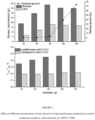
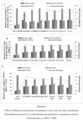
- GM supplemented with citric acid (0.25-.65%), malic acid (0.25-1%) and BAP (0.0005-.0015%) enhanced lipid and DHA yield concomitantly with biomass production even in the presence of nitrogen.
- nitrogen starved/limitation condition lipid reached to 50-60% (of cell dry wt.) by compromising the biomass yield.
- the lipid yield has been significantly reduced in N-starvation/limitation condition as compared with lipid yield in the presence of nitrogen.
- the lipid content obtained was maximum 55-65% (of Cell dry weight) with higher biomass concentration (21-26g/L) in supplemented medium, which were higher than that of lipid obtained in non-supplemented medium under N-replete/deplete condition.
- Fig.3 depicts that the higher citric acid (1%) and BAP (0.0020%) (concentrations did not exhibit enhancement of lipid and DHA yield.
- Citric acid flux flow to cytocol converts to acetyl Co-A by ATP citrate lyase under nitrogen limited condition, which participates in fatty acid biosynthesis (Ren et al., 2009).
- the external addition of citric acid along with malic acid and BAP have increased the citrate flux and NADPH supply to cytocol which directly be converted into acetyl-CoA.
- This example shows the effect of different ratios of chemical modulators in a mixture supplemented in production media comprising of crude glycerol as a substrate with growth components for the aerobic fermentative biomass and high value lipids production process.
- Various ratios were tested by permutations and combinations of chemical modulators, some of the effects of different ratios are given in this example and Table 2.
- Table 2 describes the effect of different ratios of chemical modulators on biomass and lipid yield Modulators Ratio (Citric:Malic :BAP) Biomass (g/L) Lipid (% of DCW) DHA (% TFA) 0.54: 0.45: 0.001 23.69 43.5 17 0.499 : 0.499 : 0.0004 24.3 45.4 18.2 0.4 : 0.58 : 0.002 28.6 57.4 30.4 0.642 : 0.35 : 0.001 22.868 45.28 23 0.734 : 0.26 : 0.001 19.225 51.87 18 control 20.56 42 17.8
- Table 2 exhibits the effect of different ratios of chemical modulators on lipid, biomass and DHA enhancement.
- High ratio of malic acid and low citric acid concentrations in presence of some amount of BAP in a mixture exhibited concomitant enhancement of biomass along high value lipid.
- Other ratios of citric: malic: BAP did not increase overall productivities. They either enhanced biomass or lipid and or DHA.
- the high value lipids along with biomass has been increased with specific percentage of mixture of chemical modulators in medium ranging from 0.01% to 2% of total growth medium. The overall yield was improved. It was assumed that the presence of high malic acid than citric acid in a mixture increased the flux of malate in mitochondria where malate converted to citrate by citrate: malate antiporter that permitted the continual supply of acetyl COA.
- Inoculum of selected strain of Schizochytrium sp. (MTCC 5980) was prepared in GM media as discussed in example 2 and incubated at 35°C, 200 rpm.10% of 24 old inoculum was added in 2L or 5L or 10 L reactors half filled with modified medium having nitrogen source. Fermenter without supplemented media was kept as control. Culture was aerated with micro spargers or with normal drilled pipe spargers. Culture was agitated with Ruston or pitch blade or marine impellers at 100-900 rpm maintain dissolved oxygen (DO) at 10% to 50% or more with combination of air and oxygen supply. Sample was taken regularly at the interval of 6 to 12h to determine nutrient sequestration, biomass production and lipid production and DHA production. Reactor pH was in the range of 5.3-9.5 and was not controlled during the continuous process.
- Stepwise optimization strategy was followed to develop continuous valorisation process for high value lipids production from any waste streams by development of continuous cultivation process in bioreactor to enhance biomass and lipid production rate.
- Two stainless steel tubes were installed in 2 L bioreactor for continuous media feeding and continuous culture harvesting (through overflow tube) by peristaltic pump.
- Bioreactor was made continuous at 2nd day with sterile media with starting feeding rate of 600-1200 ml d -1 . Feeding rate was gradually increased using unsterile media until culture started washing out to achieve maximum dilution and growth rate. Feeding was continued for next 10 days at higher dilution rate and media level was maintained across the cultivation period.
- Effluent liquid streams were measured via HPLC with refractive index detector (RID) detection. Growth was monitored via OD600 and gravimetrically. Conversion of OD to dry cell weight was via ratios determined in our laboratory. Total lipids were quantified using a modified version of a lipid extraction protocol adapted from US Patent US 9,890,402 B2 using gas chromatography-flame ionization detector (GCFID).
- GCFID gas chromatography-flame ionization detector
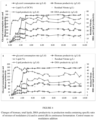
- Fig.4 exhibits the lipid productivity with specific ratio of media composition switch.
- specific ratios of mixture of modulators in presence of excess nitrogen exhibited enhancement in lipid, biomass and DHA yield much higher than that of the experiment conducted in same condition without supplementation of modulators.
- the specific productivity of lipid and omega-3-fatty acids is about two -four times that achieved on control fermentor without supplemented media in the presence of nitrogen.
- much higher cell densities can be supported by switching to specific ratio of modulators in mixture.
- the maximum biomass and lipid productivity obtained was 88g/L/d and 55g/L/day respectively.
- the above yield was also better than the yield obtained by organisms in normal fermentations reported in previous literature studies.
- the specific productivity of lipid enriched with omega-3-fatty acids is about two which achieved on control fermentor without supplemented chemical modulators.
- much higher cell densities can be supported by switching to specific concentrations of chemical modulators in a steady state.
- the maximum biomass, lipid and DHA productivity obtained was 70g/L/d, 45g/L/day and 15g/L/day, respectively.
- the above yield was also better than the yield obtained by other Thraustochytrium organisms in normal fermentations with and without chemical modulators reported in previous literature studies. Table 3.
Landscapes
- Chemical & Material Sciences (AREA)
- Life Sciences & Earth Sciences (AREA)
- Organic Chemistry (AREA)
- Engineering & Computer Science (AREA)
- Wood Science & Technology (AREA)
- Zoology (AREA)
- Health & Medical Sciences (AREA)
- Biotechnology (AREA)
- Bioinformatics & Cheminformatics (AREA)
- Genetics & Genomics (AREA)
- Oil, Petroleum & Natural Gas (AREA)
- Chemical Kinetics & Catalysis (AREA)
- Microbiology (AREA)
- Biochemistry (AREA)
- General Engineering & Computer Science (AREA)
- General Health & Medical Sciences (AREA)
- General Chemical & Material Sciences (AREA)
- Tropical Medicine & Parasitology (AREA)
- Cell Biology (AREA)
- Biomedical Technology (AREA)
- Virology (AREA)
- Medicinal Chemistry (AREA)
- Botany (AREA)
- Micro-Organisms Or Cultivation Processes Thereof (AREA)
- Preparation Of Compounds By Using Micro-Organisms (AREA)
- Fats And Perfumes (AREA)
Applications Claiming Priority (1)
| Application Number | Priority Date | Filing Date | Title |
|---|---|---|---|
| IN202121058693 | 2021-12-16 |
Publications (2)
| Publication Number | Publication Date |
|---|---|
| EP4198136A2 true EP4198136A2 (fr) | 2023-06-21 |
| EP4198136A3 EP4198136A3 (fr) | 2023-08-30 |
Family
ID=84785243
Family Applications (1)
| Application Number | Title | Priority Date | Filing Date |
|---|---|---|---|
| EP22212898.5A Pending EP4198136A3 (fr) | 2021-12-16 | 2022-12-12 | Procédés et formulations pour améliorer des lipides de grande valeur |
Country Status (3)
| Country | Link |
|---|---|
| US (1) | US12065625B2 (fr) |
| EP (1) | EP4198136A3 (fr) |
| JP (1) | JP7522816B2 (fr) |
Citations (12)
| Publication number | Priority date | Publication date | Assignee | Title |
|---|---|---|---|---|
| US20090004715A1 (en) | 2007-06-01 | 2009-01-01 | Solazyme, Inc. | Glycerol Feedstock Utilization for Oil-Based Fuel Manufacturing |
| US8124384B2 (en) | 2000-01-28 | 2012-02-28 | Martek Biosciences Corporation | Enhanced production of lipids containing polyenoic fatty acid by very high density cultures of eukaryotic microbes in fermentors |
| US20120322157A1 (en) | 2010-02-03 | 2012-12-20 | Sapphire Energy, Inc | Stress-induced lipid trigger |
| US20140088317A1 (en) | 2009-05-15 | 2014-03-27 | Virginia Polytechnic Institute And State University | Production of omega-3 fatty acids from crude glycerol |
| US20160122787A1 (en) | 2014-10-31 | 2016-05-05 | Lanzatech New Zealand Limited | Fermentation process for the production of lipids |
| US9434898B2 (en) | 2011-07-13 | 2016-09-06 | Alltech, Inc. | Algal lipid compositions and methods of preparing and utilizing the same |
| US20160281054A1 (en) | 2015-03-26 | 2016-09-29 | MARA Renewables Corporation | High density production of biomass and oil using crude glycerol |
| US20160298149A1 (en) | 2013-12-19 | 2016-10-13 | Roquette Freres | Method for enriching the biomass of thraustochytrium genus microalgae with dha |
| US9816116B2 (en) | 2013-02-06 | 2017-11-14 | Roquette Freres | Biomass of the microalgae Schizochytrium mangrovei and method for preparing same |
| US9890402B2 (en) | 2015-01-24 | 2018-02-13 | Indian Oil Corporation Limited | Thraustochytrid based process for treating waste effluents |
| US10085465B2 (en) | 2009-03-19 | 2018-10-02 | Dsm Ip Assets B.V. | Thraustochytrids, fatty acid compositions, and methods of making and uses thereof |
| US10351814B2 (en) | 2013-08-23 | 2019-07-16 | Corbion Biotech, Inc. | Method for the industrial production of flour from lipid-rich microalga biomass with no “off-notes” by controlling the oxygen availability |
Family Cites Families (1)
| Publication number | Priority date | Publication date | Assignee | Title |
|---|---|---|---|---|
| CN101979623B (zh) * | 2010-10-09 | 2012-07-04 | 南京工业大学 | 外源添加因子促进微生物合成二十二碳六烯酸的方法 |
-
2022
- 2022-12-12 EP EP22212898.5A patent/EP4198136A3/fr active Pending
- 2022-12-15 JP JP2022200211A patent/JP7522816B2/ja active Active
- 2022-12-16 US US18/083,181 patent/US12065625B2/en active Active
Patent Citations (14)
| Publication number | Priority date | Publication date | Assignee | Title |
|---|---|---|---|---|
| US9848623B2 (en) | 2000-01-28 | 2017-12-26 | Dsm Ip Assets B.V. | Enhanced production of lipids containing polyenoic fatty acids by very high density cultures of eukaryotic microbes in fermentors |
| US8124384B2 (en) | 2000-01-28 | 2012-02-28 | Martek Biosciences Corporation | Enhanced production of lipids containing polyenoic fatty acid by very high density cultures of eukaryotic microbes in fermentors |
| US20110047863A1 (en) | 2007-06-01 | 2011-03-03 | Solazyme, Inc. | Production of Oil in Microorganisms |
| US20090004715A1 (en) | 2007-06-01 | 2009-01-01 | Solazyme, Inc. | Glycerol Feedstock Utilization for Oil-Based Fuel Manufacturing |
| US10085465B2 (en) | 2009-03-19 | 2018-10-02 | Dsm Ip Assets B.V. | Thraustochytrids, fatty acid compositions, and methods of making and uses thereof |
| US20140088317A1 (en) | 2009-05-15 | 2014-03-27 | Virginia Polytechnic Institute And State University | Production of omega-3 fatty acids from crude glycerol |
| US20120322157A1 (en) | 2010-02-03 | 2012-12-20 | Sapphire Energy, Inc | Stress-induced lipid trigger |
| US9434898B2 (en) | 2011-07-13 | 2016-09-06 | Alltech, Inc. | Algal lipid compositions and methods of preparing and utilizing the same |
| US9816116B2 (en) | 2013-02-06 | 2017-11-14 | Roquette Freres | Biomass of the microalgae Schizochytrium mangrovei and method for preparing same |
| US10351814B2 (en) | 2013-08-23 | 2019-07-16 | Corbion Biotech, Inc. | Method for the industrial production of flour from lipid-rich microalga biomass with no “off-notes” by controlling the oxygen availability |
| US20160298149A1 (en) | 2013-12-19 | 2016-10-13 | Roquette Freres | Method for enriching the biomass of thraustochytrium genus microalgae with dha |
| US20160122787A1 (en) | 2014-10-31 | 2016-05-05 | Lanzatech New Zealand Limited | Fermentation process for the production of lipids |
| US9890402B2 (en) | 2015-01-24 | 2018-02-13 | Indian Oil Corporation Limited | Thraustochytrid based process for treating waste effluents |
| US20160281054A1 (en) | 2015-03-26 | 2016-09-29 | MARA Renewables Corporation | High density production of biomass and oil using crude glycerol |
Non-Patent Citations (4)
| Title |
|---|
| DRUGS, vol. 17, no. 5, 2019, pages 268 |
| KUJAWSKA ET AL.: "Cultivation Method Effect on Schizochytrium sp. Biomass Growth and Docosahexaenoic Acid (DHA) Production with the Use of Waste Glycerol as a Source of Organic Carbon", ENERGIES, vol. 14, 2021, pages 2952, Retrieved from the Internet <URL:https://doi.org/10.3390/en14102952> |
| PATIL ET AL.: "Improved synthesis of Docosahexaenoic acid (DHA) using Schyzochytrium limacinum SR21 and sustainable media", CHEMICAL ENGINEERING JOURNAL, 2015 |
| YU XJ ET AL.: "Metabolomics analysis reveals 6- benzylaminopurine as a stimulator for improving lipid and DHA accumulation of Aurantiochytrium sp", J CHEM TECHNOL BIOTECHNOL., vol. 91, no. 4, 2016, pages 1199 - 207 |
Also Published As
| Publication number | Publication date |
|---|---|
| US20230193152A1 (en) | 2023-06-22 |
| JP2023089970A (ja) | 2023-06-28 |
| JP7522816B2 (ja) | 2024-07-25 |
| US12065625B2 (en) | 2024-08-20 |
| EP4198136A3 (fr) | 2023-08-30 |
Similar Documents
| Publication | Publication Date | Title |
|---|---|---|
| Chalima et al. | Integration of a dark fermentation effluent in a microalgal-based biorefinery for the production of high-added value omega-3 fatty acids | |
| Cheirsilp et al. | Mixed culture of oleaginous yeast Rhodotorula glutinis and microalga Chlorella vulgaris for lipid production from industrial wastes and its use as biodiesel feedstock | |
| Luo et al. | Nutrient removal and lipid production by Coelastrella sp. in anaerobically and aerobically treated swine wastewater | |
| Menon et al. | Circular bioeconomy solutions: driving anaerobic digestion of waste streams towards production of high value medium chain fatty acids | |
| Tchakouteu et al. | Lipid production by yeasts growing on biodiesel‐derived crude glycerol: strain selection and impact of substrate concentration on the fermentation efficiency | |
| Wu et al. | Microbial lipid production by Rhodosporidium toruloides under sulfate-limited conditions | |
| Chatzifragkou et al. | Commercial sugars as substrates for lipid accumulation in Cunninghamella echinulata and Mortierella isabellina fungi | |
| Ethier et al. | Continuous culture of the microalgae Schizochytrium limacinum on biodiesel-derived crude glycerol for producing docosahexaenoic acid | |
| Papanikolaou et al. | Biotechnological valorisation of raw glycerol discharged after bio-diesel (fatty acid methyl esters) manufacturing process: production of 1, 3-propanediol, citric acid and single cell oil | |
| Wang et al. | Docosahexaenoic acid production by Schizochytrium sp.: Review and prospect | |
| Cho et al. | Effects of pH control and concentration on microbial oil production from Chlorella vulgaris cultivated in the effluent of a low-cost organic waste fermentation system producing volatile fatty acids | |
| Armenta et al. | Single-cell oils as a source of omega-3 fatty acids: an overview of recent advances | |
| Liu et al. | Efficient bioconversion of high-content volatile fatty acids into microbial lipids by Cryptococcus curvatus ATCC 20509 | |
| Wang et al. | Bioconversion of raw glycerol from waste cooking-oil-based biodiesel production to 1, 3-propanediol and lactate by a microbial consortium | |
| Shu et al. | Enhancing high quality oil accumulation and carbon dioxide fixation by a mixed culture of Chlorella sp. and Saccharomyces cerevisiae | |
| Yin et al. | Efficient docosahexaenoic acid production by Schizochytrium sp. via a two-phase pH control strategy using ammonia and citric acid as pH regulators | |
| Deng et al. | Glucose addition‐induced changes in the growth and chemical compositions of a freshwater microalga Chlorella kessleri | |
| Liu et al. | Effects of organic carbon sources on the biomass and lipid production by the novel microalga Micractinium reisseri FM1 under batch and fed-batch cultivation | |
| Yin et al. | Development of a method for the valorization of fermentation wastewater and algal-residue extract in docosahexaenoic acid production by Schizochytrium sp. | |
| EP2494029B1 (fr) | Procédé de production de biodiesel à partir d'une souche de levure | |
| Jia et al. | Progress of metabolic engineering for the production of eicosapentaenoic acid | |
| Wang et al. | Enhancement of DHA production from Aurantiochytrium sp. by atmospheric and room temperature plasma mutagenesis aided with microbial microdroplet culture screening | |
| Mao et al. | Bioconversion of C1 and C2 artificial photosynthesis products into high-value bioproducts by mixotrophic microalgae Chlorella pyrenoidosa | |
| Wang et al. | The growth and lutein accumulation in heterotrophic Chlorella protothecoides provoked by waste Monascus fermentation broth feeding | |
| Mehta et al. | Simultaneous production of high-value lipids in Schizochytrium sp. by synergism of chemical modulators |
Legal Events
| Date | Code | Title | Description |
|---|---|---|---|
| PUAI | Public reference made under article 153(3) epc to a published international application that has entered the european phase |
Free format text: ORIGINAL CODE: 0009012 |
|
| STAA | Information on the status of an ep patent application or granted ep patent |
Free format text: STATUS: THE APPLICATION HAS BEEN PUBLISHED |
|
| AK | Designated contracting states |
Kind code of ref document: A2 Designated state(s): AL AT BE BG CH CY CZ DE DK EE ES FI FR GB GR HR HU IE IS IT LI LT LU LV MC ME MK MT NL NO PL PT RO RS SE SI SK SM TR |
|
| PUAL | Search report despatched |
Free format text: ORIGINAL CODE: 0009013 |
|
| AK | Designated contracting states |
Kind code of ref document: A3 Designated state(s): AL AT BE BG CH CY CZ DE DK EE ES FI FR GB GR HR HU IE IS IT LI LT LU LV MC ME MK MT NL NO PL PT RO RS SE SI SK SM TR |
|
| RIC1 | Information provided on ipc code assigned before grant |
Ipc: C12N 1/32 20060101ALI20230721BHEP Ipc: C12P 7/6472 20220101ALI20230721BHEP Ipc: C12P 7/6463 20220101ALI20230721BHEP Ipc: C12P 7/6434 20220101ALI20230721BHEP Ipc: C12N 1/12 20060101ALI20230721BHEP Ipc: C12P 7/6427 20220101AFI20230721BHEP |
|
| STAA | Information on the status of an ep patent application or granted ep patent |
Free format text: STATUS: REQUEST FOR EXAMINATION WAS MADE |
|
| 17P | Request for examination filed |
Effective date: 20240228 |
|
| RBV | Designated contracting states (corrected) |
Designated state(s): AL AT BE BG CH CY CZ DE DK EE ES FI FR GB GR HR HU IE IS IT LI LT LU LV MC ME MK MT NL NO PL PT RO RS SE SI SK SM TR |