EP4205733A1 - Composition pour le traitement de l'ostéopénie et de l'ostéoporose - Google Patents
Composition pour le traitement de l'ostéopénie et de l'ostéoporose Download PDFInfo
- Publication number
- EP4205733A1 EP4205733A1 EP22216685.2A EP22216685A EP4205733A1 EP 4205733 A1 EP4205733 A1 EP 4205733A1 EP 22216685 A EP22216685 A EP 22216685A EP 4205733 A1 EP4205733 A1 EP 4205733A1
- Authority
- EP
- European Patent Office
- Prior art keywords
- vitamin
- polydatin
- inflammatory
- cells
- quercetin
- Prior art date
- Legal status (The legal status is an assumption and is not a legal conclusion. Google has not performed a legal analysis and makes no representation as to the accuracy of the status listed.)
- Granted
Links
Images





Classifications
-
- A—HUMAN NECESSITIES
- A61—MEDICAL OR VETERINARY SCIENCE; HYGIENE
- A61P—SPECIFIC THERAPEUTIC ACTIVITY OF CHEMICAL COMPOUNDS OR MEDICINAL PREPARATIONS
- A61P19/00—Drugs for skeletal disorders
- A61P19/08—Drugs for skeletal disorders for bone diseases, e.g. rachitism, Paget's disease
- A61P19/10—Drugs for skeletal disorders for bone diseases, e.g. rachitism, Paget's disease for osteoporosis
-
- A—HUMAN NECESSITIES
- A61—MEDICAL OR VETERINARY SCIENCE; HYGIENE
- A61K—PREPARATIONS FOR MEDICAL, DENTAL OR TOILETRY PURPOSES
- A61K31/00—Medicinal preparations containing organic active ingredients
- A61K31/12—Ketones
- A61K31/122—Ketones having the oxygen directly attached to a ring, e.g. quinones, vitamin K1, anthralin
-
- A—HUMAN NECESSITIES
- A61—MEDICAL OR VETERINARY SCIENCE; HYGIENE
- A61K—PREPARATIONS FOR MEDICAL, DENTAL OR TOILETRY PURPOSES
- A61K31/00—Medicinal preparations containing organic active ingredients
- A61K31/33—Heterocyclic compounds
- A61K31/335—Heterocyclic compounds having oxygen as the only ring hetero atom, e.g. fungichromin
- A61K31/35—Heterocyclic compounds having oxygen as the only ring hetero atom, e.g. fungichromin having six-membered rings with one oxygen as the only ring hetero atom
- A61K31/352—Heterocyclic compounds having oxygen as the only ring hetero atom, e.g. fungichromin having six-membered rings with one oxygen as the only ring hetero atom condensed with carbocyclic rings, e.g. methantheline
-
- A—HUMAN NECESSITIES
- A61—MEDICAL OR VETERINARY SCIENCE; HYGIENE
- A61K—PREPARATIONS FOR MEDICAL, DENTAL OR TOILETRY PURPOSES
- A61K31/00—Medicinal preparations containing organic active ingredients
- A61K31/70—Carbohydrates; Sugars; Derivatives thereof
- A61K31/7028—Compounds having saccharide radicals attached to non-saccharide compounds by glycosidic linkages
- A61K31/7034—Compounds having saccharide radicals attached to non-saccharide compounds by glycosidic linkages attached to a carbocyclic compound, e.g. phloridzin
-
- A—HUMAN NECESSITIES
- A61—MEDICAL OR VETERINARY SCIENCE; HYGIENE
- A61K—PREPARATIONS FOR MEDICAL, DENTAL OR TOILETRY PURPOSES
- A61K33/00—Medicinal preparations containing inorganic active ingredients
-
- A—HUMAN NECESSITIES
- A61—MEDICAL OR VETERINARY SCIENCE; HYGIENE
- A61K—PREPARATIONS FOR MEDICAL, DENTAL OR TOILETRY PURPOSES
- A61K36/00—Medicinal preparations of undetermined constitution containing material from algae, lichens, fungi or plants, or derivatives thereof, e.g. traditional herbal medicines
- A61K36/18—Magnoliophyta (angiosperms)
- A61K36/88—Liliopsida (monocotyledons)
- A61K36/906—Zingiberaceae (Ginger family)
- A61K36/9066—Curcuma, e.g. common turmeric, East Indian arrowroot or mango ginger
Definitions
- the present invention relates to a composition for use as a dietary supplement or medicament in prevention and treatment of skeletal pathologies characterized by a reduction in bone mass, more specifically osteopenia and osteoporosis.
- a composition for use as a dietary supplement or medicament in prevention and treatment of skeletal pathologies characterized by a reduction in bone mass, more specifically osteopenia and osteoporosis.
- Osteoporosis is a skeletal disease generally associated with aging, characterized by a reduction in bone mass, measured as a bone mineral density (BMD) value and by an alteration of its architecture, which determines bone fragility and increased risk of fractures.
- BMD bone mineral density
- Osteopenia is a systemic condition of the skeletal system, distinguished by a reduction in bone mineral density values, which is less severe than that observed in the case of osteoporosis.
- the main osteogenic markers are the transcription factor Runtrelated transcription factor 2 (RUNX2), alkaline phosphatase (ALP), collagen type 1 alpha 1 (COL1 ⁇ 1) and osteocalcin (OCN) [ Raisz, L.G., 2005 ].
- the natural molecule fisetin was able to increase the mRNA and protein levels of the osteogenic markers COL1 ⁇ 1 and RUNX2 in the pre-osteoblastic MC3T3-E1 cells, indicating the potential of this phytochemical for the osteoporosis treatment [ Xu, L. et al., 2021 ].
- the capacity of the mesenchymal stem cells (MSC) to differentiate into osteoblasts depends on certain transcription factors that are expressed in different stages of bone mineralization.
- RUNX2 orients the MSCs towards the osteoblastogenesis, by inhibiting their adipocytic and chondrocytic differentiation.
- the increase of the marker ALP favors the transition from pre-osteoblast to immature osteoblast, the stage in which the bone matrix proteins, including COL1 ⁇ 1, are produced.
- the immature osteoblasts expressing high levels of osteopontin (OPN), will produce osteocalcin in the final stage of maturation into osteoblasts.
- OPN osteopontin
- adipocytes contribute to the secretion of a wide range of adipokines, which usually exert a protective role, but are also associated to inflammation, effectively increasing the risk to develop chronic inflammatory diseases.
- a chronic inflammatory state plays a pivotal role in the development of osteoporosis pathological condition.
- proinflammatory cytokines inhibit cell differentiation into osteoblasts and, together with other mediators of the inflammatory process, lead to an increase of the expression of the RANKL ligand which, after having bound to its RANK receptor expressed on pre-osteoclasts, favors their differentiation in mature osteoclasts.
- the bisphosphonate zoledronic acid is an effective drug used in the treatment of osteoporosis; this drug targets the acid phosphatase 5b, an enzyme involved in bone resorption mechanisms [ Mori, Y. et al., 2018 ].
- the present invention provides a composition with anti-inflammatory and pro-mineralizing actions as defined in the annexed claim 1. Additional features and benefits of the formulation of the invention are defined in the attached dependent claims.
- the composition of the present invention is characterized by the combination of the active ingredients orthosilicic acid, vitamin K2, polydatin, extract of Curcuma longa and quercetin.
- the extract of Curcuma longa is sometimes referred to, for the sake of brevity, simply as "turmeric".
- orthosilicic acid and vitamin K2 have been chosen as substances with pro-mineralizing activity
- polydatin the extract of Curcuma longa and quercetin have been chosen as substances with anti-inflammatory activity.
- Orthosilicic acid (H 2 SiO 4 ) is a molecule that represents the major form of bioavailable silicon (Si) for both humans and animals [ Jurkic, L.M. et al., 2013 ]. Even though plant foods contain high levels of silicon, its bioavailability from these sources is questionable, due to poor solubility and poor absorption in the gastro-intestinal tract of the silicon.
- orthosilicic acid is a main readily bioavailable source of silicon for humans; noteworthy, orthosilicic acid is able to increase osteoblastic differentiation, bone formation and BMD [ Jurkic, L.M. et al., 2013 ]. Numerous in vitro studies have shown the pro-mineralizing activity of the orthosilicic acid. In fact, in different human and murine cell lines, it was found that the treatment with orthosilicic acid causes an increase in the expression of the main osteogenic markers, such as ALP, RUNX2, OCN, COL1 ⁇ 1, OPN, thus promoting differentiation of osteoblasts and inhibition of osteoclastogenesis.
- the main osteogenic markers such as ALP, RUNX2, OCN, COL1 ⁇ 1, OPN
- Vitamin K2 and in particular the Menaquinone-7 (MK-7) inhibits bone resorption and promotes bone mineralization and then osteoblastogenesis.
- MK-7 Menaquinone-7
- Some preclinical studies have highlighted the ability of the vitamin K2 to promote the differentiation of osteoblasts and the bone mineralization through the induction of ALP and RUNX2.
- MK7 improves BMD and determines a decrease in the levels of ucOC (decarboxylated osteocalcin) and an increase in cOC levels (carboxylated osteocalcin).
- Turmeric, and especially its compound curcumin possesses an antioxidant action exerted through the inhibition of the superoxide radical, the hydrogen peroxide and the nitric oxide radical.
- curcumin increases the activity of many antioxidant enzymes, such as catalase, superoxide dismutase and glutathione peroxidase. Moreover, curcumin exerts an anti-inflammatory action, as it modulates the production of several pro-inflammatory interleukins, such as IL-6, IL-8, TNF- ⁇ and MCP-1, and reduces the activation of a set of enzymes involved in the inflammation process, such as iNOS and COX-2.
- Polydatin is a polyphenol belonging to the stilbene class and is the glycosylated form of resveratrol.
- the polydatin exerts an antioxidant activity through the activation of the antioxidant pathway of SIRT1, the increase of expression of superoxide dismutase and of glutathione peroxidase. It has also been proven that polydatin improves osteoporosis condition through the inhibition of the MAPK signaling pathway involved in inflammation, apoptosis, cell proliferation and differentiation. It was demonstrated that in an in vitro model of osteoporosis (MC3T3-E1 cells), polydatin treatment was able to significantly increase the expression levels of osteogenic genes COL1 ⁇ 1, ALP, OCN, RUNX2 and to increase ALP protein levels and calcium levels [ Lin, Z. et al., 2021 ].
- Quercetin also features an antioxidant and anti-inflammatory activity, exerted through the modulation of the activity of antioxidant enzymes, the inhibition of proinflammatory cytokines (TNF- ⁇ , IL-6, IL-1 ⁇ , CRP) and the stimulation of anti-inflammatory cytokines (IL-10 and Arg-1).
- the anti-inflammatory and pro-mineralizing activities of the single substances that characterize the composition of the present invention are known, the inventor has surprisingly observed a series of unexpected synergistic actions exerted by the combination of the substances cited above, both in reducing the expression levels of some cytokines implicated in inflammatory processes and in inducing the expression of some osteogenic markers.
- Such synergistic activities have been demonstrated through a series of experimental studies, illustrated in the examples of the present description.
- Example 2 demonstrates that orthosilicic acid and vitamin K2 (Menaquinone 7) act synergistically in the induction of the expression of osteogenic markers RUNX2, COL1 ⁇ 1 and OCN in bone marrow mesenchymal stromal cells (BM-MSCs).
- Example 3 demonstrates that polydatin, curcumin and quercetin act synergistically in the reduction of the expression levels of the pro-inflammatory marker IL-1 ⁇ in senescent BM-MSCs.
- Example 4 shows that the pro-mineralizing component of the composition of the invention (orthosilicic acid and vitamin K2) in combination with the anti-inflammatory component (curcumin, polydatin and quercetin) acts synergistically in inducing the expression of the osteogenic marker Col1 ⁇ 1 in young BM-MSCs cells. Furthermore, the combination of these five substances can synergistically increase the expression levels of the osteogenic marker ALP in senescent BM-MSCs, demonstrating the pro-mineralizing effect of this formulation.
- the pro-mineralizing component of the composition of the invention orthosilicic acid and vitamin K2
- the anti-inflammatory component curcumin, polydatin and quercetin
- the composition of the invention is a preparation for oral use, more preferably an oral pharmaceutical preparation in solid or liquid form, such as a tablet, soft or hard capsule, pill, a powder, granulate, or solid form with a controlled release.
- oral pharmaceutical preparation in solid or liquid form, such as a tablet, soft or hard capsule, pill, a powder, granulate, or solid form with a controlled release.
- These pharmaceutical forms are prepared according to known conventional methods in the pharmaceutical field, such as those described in [ Remington: The Science and Practice of Pharmacy, 23rd edition (2020), Adeboye Adejare ed. ], using suitable excipients, vehicles and/or bases per se known in art.
- the composition of the invention comprises, for dosage unit:
- the present description also includes the following dosage ranges of polydatin : 20 to 25 mg, 25 to 30 mg, 30 to 35 mg, 35 to 40 mg, 40 to 50 mg, 50 to 60 mg, 60 to 70 mg, 70 to 80 mg, 80 to 90 mg and 90 to 100 mg.
- the present description also includes the following dosage ranges of quercetin : 20 to 30 mg, 30 to 40 mg, 40 to 50 mg, 50 to 55 mg, 55 to 60 mg, 60 to 65 mg, 65 to 70 mg, 70 to 80 mg, 80 to 90 mg, 90 to 100 mg, 100 to 110 mg, 110 to 120 mg, 120 to 130 mg, 130 to 140 mg, 140 to 150 mg, 150 to 200 mg, 200 to 250 mg, 250 to 300 mg.
- the present description also includes the following dosage ranges of the extract of Curcuma longa : 50 mg to 100 mg, 100 mg to 150 mg, 150 mg to 160 mg, 160 mg to 170 mg, 170 mg to 180 mg, 180 mg to 190 mg, 190 mg to 200 mg, 200 mg to 210 mg, 210 mg to 220 mg, 220 mg to 230 mg, 230 mg to 240 mg, 240 mg to 250 mg, 250 mg to 300 mg, 300 mg to 350 mg, 350 mg to 400 mg, 400 mg to 450 mg, 450 mg to 500 mg.
- the present description also includes the following dosage ranges of Vitamin K2 (Menaquinone-7): 50 to 60 ⁇ g, 60 to 70 ⁇ g, 70 to 80 ⁇ g, 80 to 90 ⁇ g, 90 to 100 ⁇ g, 100 to 110 ⁇ g, 110 to 120 ⁇ g, 120 to 130 ⁇ g, 130 to 140 ⁇ g, 140 to 150 ⁇ g, 150 to 160 ⁇ g, 160 to 170 ⁇ g, 170 to 180 ⁇ g, 180 to 190 ⁇ g, 190 to 200 ⁇ g.
- Vitamin K2 Melaquinone-7
- the present disclosure also includes the following orthosilicic acid dosage ranges: from 5 to 10 mg, 10 to 15 mg, 15 to 20 mg, 20 to 25 mg, 25 to 30 mg, 30 to 35 mg, 35 to 40 mg, 40 to 45 mg, 45 to 50 mg.
- the dosage ranges described above for polydatin, quercetin, Curcuma longa extract, vitamin K2 (menaquinone-7) and orthosilicic acid can be combined with each other.
- the formulation of the invention also includes vitamin D3. Vitamin D3 treatment increases the BMD, leading to a reduction of the risk of fractures and is also able to increase the calcium absorption in the intestine [ Christakos S. 2012 ].
- the following examples are illustrative and do not limit the scope of the invention, as defined in the annexed claims.
- Example 1 Example formulation
- BlastiMin Complex ® is a food supplement based on:
- turmeric extract titrated at 95% in total curcuminoids ( Curcuma Longa L., rhizome and essential oils), polydatin ( Polygonum Cuspidatum root), quercetin ( Sophora japonica L .), orthosilicic acid, vitamin K2 (Menaquinone-7) and vitamin D3.
- Anti-caking agents microcrystalline cellulose, silicon dioxide and salts of fatty acid magnesium. Table 1: Average contents per daily dose Active substance Content for 1 capsule Reference values Extract of Curcuma longa (95% curcuminoids, of which 70% curcumin) 200 mg Quercetin 60 mg Polydatin 30 mg Orthosilicic acid 25 mg Vitamin K2 150 ⁇ g Vitamin D3 50 ⁇ g 2000 I.U.
- the recommended dose is 1 tablet a day.
- the purpose of this study is to evaluate the pro-mineralizing activity of orthosilicic acid and vitamin K2 of the composition, as well as the synergy between them, by measuring the ability to induce the expression of various osteogenic markers in BM-MSCs cells.
- ingredients tested with the aim of highlighting a pro-mineralizing activity are orthosilicic acid (ingredient A) and vitamin K2 (Menaquinone MK-7) (ingredient B).
- both standards were purchased from Sigma Aldrich: the vitamin K2 (Menaquinone-7) (PHR2363) and the sodium metasilicate (307815), which has been used to obtain the orthosilicic acid.
- Vitamin K2 (Menaquinone-7) solubilization protocol in Cremophor
- BM-MSCs cells obtained from 30-year-old Caucasian donor (Promocell).
- the BM-MSCs were grown in maintenance medium MSC-GM2 (PromoCell) with the addition of Supplement Mix and Penicillin-Streptomycin 1%, at 37°C with 5% CO 2 .
- MSC-GM2 PromoCell
- Penicillin-Streptomycin 1% the osteogenic medium
- For the osteogenic differentiation the osteogenic medium (Osteogenic Medium, PromoCell) was added with specific supplements and Penicillin-Streptomycin 1%.
- the MTT assay is a colorimetric test of cytotoxicity that allows to evaluate the cellular viability based on the efficiency of mitochondrial respiration.
- cells are seeded homogeneously in 96-wells plates at a density of 5000 cells/cm 2 and incubated at 37°C with 5% CO 2 .
- the next day the cells were treated with the concentrations reported in Table 3 , with the aim of identifying the maximum non-cytotoxic concentration for subsequent analyses. Since 7 to 21 days are needed to achieve osteogenic differentiation [ Zhou et al., 2021 ], the treatments were carried out for 24h, 72h and 96h, up to a maximum of 10 days.
- the MTT solution (5 mg/ml) in PBS was added and the cells were incubated for 3 hours at 37°C with 5% CO 2 . Then, after a short wash in PBS, 10 ⁇ L of DMSO have been added to obtain the solubilization of formazan crystals. The absorbance values at 540 nm of the samples have been used to assess the cell viability, expressed as a percentage relative to the negative control, i.e. to untreated cells. Table 3. Range of concentrations of orthosilicic acid and vitamin K2 (MK-7) tested for the MTT assays.
- the pro-mineralizing activity of individual ingredients orthosilicic acid and vitamin K2 and their combination was determined according to the modulation of the expression levels of the osteogenic markers RUNX2, ALP, COL1 ⁇ 1 and OCN, analyzing the levels of their mRNAs.
- young BM-MSCs were seeded in 12-wells plates, with a density of 3000 cells/cm 2 and treated with maintenance medium, added with the non-toxic concentrations of the substances under consideration, used individually or in combination. The treatments were carried out for 7 and 14 days, at the end of which, after a short washing in PBS, the cells were lysed directly on plate, with a lysis buffer present in the RNA extraction kit (Norgen Biotek Corporation, Canada).
- RNA was reverse transcribed using the Takara Bio Inc. kit.
- the obtained cDNAs have been used to perform the RTqPCR assays.
- Table 4 List of the primers used for the execution of the RTqPCR assays with SYBR-Green.
- the pro-mineralizing activity of the tested substances was also evaluated through the analysis of the modulation of protein levels.
- Western blotting is a technique used for the identification of specific proteins of interest present within a protein blend, through the use of specific antibodies.
- the method used for protein separation is the SDS-PAGE, followed by the transfer on nitrocellulose membrane by electroblotting. After a phase of blockage of the non-specific sites of the membrane, the following primary antibodies were used: GAPDH monoclonal antibody (Cell Signaling); OCN polyclonal antibody (Biorbyt); RUNX2 monoclonal antibody (Cell Signaling); COL1 ⁇ 1 monoclonal antibody (Cell Signaling).
- the method used for the development of the membrane was the chemiluminescence (ECL, Biorad) and the detection was carried out with the UVITEC Alliance tool (Cambridge), equipped with an acquisition system of high resolution images.
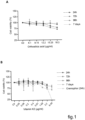
- Figure 2 shows the graph related to cell viability of the cells treated with individual ingredients and with their combination, expressed as a percentage compared to the untreated control. As it can be seen from the graph, the association of ingredients A and B does not cause a decrease in vitality compared to the untreated control; in addition, the compounds under examination show no particularity toxicity.
- Table 5 shows the concentrations used for individual treatments and for the combination of the two ingredients. Table 5. Concentrations ( ⁇ g/ml) tested for the individual ingredients and their combination.
- Ingredient Substance Concentration [ ⁇ g/ml] A Orthosilicic acid 9.15 B Vitamin K2 0.06 A+B Orthosilicic acid+Vitamin K2 9.15+0.06
- the ability of the individual ingredients to stimulate mineralization and the synergy between them was assessed as the ability to modulate the gene expression of the main osteogenic markers RUNX2, ALP, COL1 ⁇ 1 and OCN.
- the young BM-MSCs cells were grown in maintenance medium supplemented with 9.15 ⁇ g/ml of ingredient A (orthosilicic acid), 0.06 ⁇ g/ml of ingredient B (vitamin K2) and their combination (A+B) for 7 and 14 days.
- the cells grown in maintenance medium without the addition of the substances were used as a negative control.
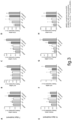
- Figure 3 shows the graphs related to the gene expression of the main osteogenic markers RUNX2, ALP, COL1 ⁇ 1 and OCN in young BM-MSCs treated for 7 days and 14 days with 9.15 ⁇ g/ml of orthosilicic acid and 0.06 ⁇ g/ml of vitamin K2.
- the asterisks ( ⁇ ) indicate significance values when compared with control (yBMSCs); ⁇ p ⁇ 0.05, ⁇ p ⁇ 0.01, ⁇ p ⁇ 0.001 vs control, Student T-test.
- FIG. 4 shows the protein levels of the main osteogenic markers after 7 days (RUNX2 and COL1 ⁇ 1) and 14 days (OCN) of treatment.
- the densitometric analysis of the blots is the result of the mean of three independent experiments; *p ⁇ 0.05; **p ⁇ 0.01, Student T-test.
- orthosilicic acid and vitamin K2 of the composition of the invention causes an increase of both mRNA and protein levels of osteogenic markers, thus highlighting the pro-mineralizing activity.
- orthosilicic acid and vitamin K2 significantly increase the mRNA levels of the osteogenic markers RUNX2, COL1 ⁇ 1 and OCN after 7 days of treatment and also of COL1 ⁇ 1 and OCN after 14 days of treatment in BM-MSCs cells.
- the treatment with the combination of orthosilicic acid and vitamin K2 induced a significant increase of Col1 ⁇ 1 protein levels after 7 days and of OCN protein levels after 14 days of treatment in BM-MSCs cells.
- the purpose of the study is to evaluate the anti-inflammatory activity of the individual ingredients of the composition (curcumin, polydatin, quercetin) of the invention and the possible synergy between them, measuring the ability to reduce expression levels of some cytokines involved in the inflammatory processes in BM-MSCs cells.
- Turmeric The ingredients tested to highlight an anti-inflammatory activity are Turmeric (ingredient C), polydatin (ingredient D) and quercetin (ingredient E).
- Turmeric A218580100, Carlo Erba
- polydatin P1878, TCI
- quercetin P0042, TCI.
- BM-MSCs mesenchymal stromal cells obtained from the bone marrow of a 30-year-old Caucasian donor: BM-MSCs (Promocell).
- BM-MSCs were cultured in medium maintenance MSC-GM2 (PromoCell) with the addition of Supplement Mix and Penicillin-Streptomycin 1%, in humid atmosphere at 37°C, with 5% CO 2 .
- the proliferative capacity of this cell model was evaluated and characterized and the cellular senescence was assessed using p16, p21 expression and beta-galactosidase activity (data not shown).
- the senescent mesenchymal stromal cells were used to highlight a possible anti-inflammatory effect of ingredients C, D and E.
- the senescent MSCs are, in fact, characterized by an inflammatory chronic state confirmed by the increase of the expression levels of pro-inflammatory cytokines (IL-1 ⁇ , IL-6, IL-8 and MCP-1), when compared to young BM-MSCs.
- pro-inflammatory cytokines IL-1 ⁇ , IL-6, IL-8 and MCP-1
- the MTT assay is a colorimetric test of cytotoxicity that allows to evaluate the cellular viability based on the efficiency of mitochondrial respiration.
- cells have been seeded homogeneously in 96-wells plates at a density of 5000 cells/cm 2 and incubated at 37°C, with 5% CO 2 .
- the next day the cells were treated for 24, 48 and 72 hours with the concentrations reported in Table 6, in order to identify the highest non-cytotoxic concentrations to be used for subsequent analyses.
- MTT solution was added (5 mg/ml) in PBS for 3 hours, at 37°C, with 5% CO 2 .
- the anti-inflammatory activity of the individual ingredients and the synergy between them have been assessed by the measurement of mRNA levels of the cytokines involved in inflammatory processes: IL-1 ⁇ , IL-6, IL-8 and MCP-1 [ Lencel et al., 2011; Mulholland et al., 2019 ].
- the pre-senescent cells P13 or P14 were plated in 12-well plates, with a density of 10 4 cells/cm 2 and treated with maintenance medium, added with the maximum not-toxic concentrations of the tested substances, used individually and in combination.
- Table 7 shows the list of primers used for the RTqPCR experiments, utilizing the SYBR-Green (Takara Bio Inc.). Table 7. List of the sequence of primers used for RTqPCR assays.
- the anti-inflammatory activity of the substances in examination was evaluated also by analyzing the protein levels of p-p38, p-NF-kB and STAT3.
- Western blotting is a technique used for the identification of specific proteins of interest present within a protein blend, through the use of specific antibodies.
- the method used for protein separation is the SDS-PAGE, followed by the transfer on nitrocellulose membrane by electroblotting. After a phase of blockage of the non-specific sites of the membrane, the following primary antibodies were used: p-p38 monoclonal antibody (Cell Signaling); ⁇ -Actin monoclonal antibody (Cell Signaling); p-NF-kB monoclonal antibody (Cell Signaling); STAT3 monoclonal antibody (Cell Signaling).
- the method used for the development of the membrane was the chemiluminescence (ECL, Biorad) and the detection was carried out with the UVITEC Alliance tool (Cambridge), equipped with an acquisition system of high resolution images.
- FIG. 5 shows the cell viability after the treatments with different concentrations of ingredients C (curcumin), D (polydatin) and E (quercetin) in culture medium at different times.
- Figure 5 shows that the compounds under consideration are not particularly toxic.
- the senescent BM-MSCs were treated with 0.36 ⁇ g/ml of ingredient C (curcumin) ( Figure 5A ), with 3.9 ⁇ g/ml of ingredient D (polydatin) ( Figure 5B ) and with 0.15 ⁇ g/ml of ingredient E (quercetin) ( Figure 5C ).
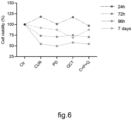
- FIG. 6 shows the graph related to cell viability after the treatments with the individual ingredients and with their combination, expressed as a percentage compared to the untreated control cells. As it can be seen from the results, the combination of the ingredients does not determine a significant decrease in cell vitality.
- Table 8 the concentrations used for individual treatments and for the combination of the three ingredients are reported. Table 8. Concentrations ( ⁇ g/ml) tested for the individual ingredients and for their combination for MTT assays.
- Ingredient Substance Concentration [ ⁇ g/ml] C Curcumin 0.36 D Polydatin 3.90 E Quercetin 0.15 C+D+E Curcumin+Polydatin+Quercetin 0.36+3.90+0.15
- the anti-inflammatory activity of the individual ingredients and the synergy between them was evaluated as the ability to reduce the expression levels of pro-inflammatory cytokines in senescent BM-MSCs.
- the pre-senescent cells were cultured in maintenance medium supplemented with 0.36 ⁇ g/ml of ingredient C, 3.9 ⁇ g/ml of ingredient D, 0.15 ⁇ g/ml of ingredient E or their combination for 48h. Cells grown in medium maintenance without substances were used as a negative control.
- Figure 7 shows the graphs relative to the gene expression of IL-1 ⁇ , IL-6, IL-8 and MCP-1 in senescent BM-MSCs, treated for 48h with individual ingredients or their combination.
- the asterisks ( ⁇ ) indicate significance towards the sample of senescent BM-MSCs (sBMSCs), the symbol # indicates the significance when compared with the sample of young BM-MSCs (yBMSCs).
- the obtained results show that the combination of curcumin, polydatin and quercetin determines a significant decrease of the mRNA levels of IL-1 ⁇ ( Figure 7A ) and of MCP-1 ( Figure 7D ).
- the anti-inflammatory activity of these compounds was also evaluated by analyzing the protein levels of the pro-inflammatory markers P-p38, P-NF-kB and STAT3, as shown in Figure 8 .
- the combination of curcumin+polydatin+quercetin was able to significantly decrease the P-p38 protein levels ( Figure 8A ).
- p38 regulates the expression of some pro-inflammatory cytokines and interleukins such as TNF ⁇ , IL-1 ⁇ , IL-6, IL-8, IL-4, IL-13 among others inflammatory mediators such as MCP-1, interferon-y and COX-2 [Bachstetter et al., 2010; Madkour et al., 2021].
- Example 4 study of the synergy between the anti-inflammatory and the pro-mineralizing components of the invention
- the purpose of this study is to evaluate the synergistic activity between the pro-mineralising component (orthosilicic acid+vitamin K2) and the anti-inflammatory component (curcumin+polydatin+quercetin) of the composition of the invention, by means of measurement of the ability to induce expression of osteogenic markers in young and senescent BM-MSCs cells and to decrease the expression of pro-inflammatory markers in senescent BM-MSCs.
- pro-mineralising component orthosilicic acid and vitamin K2
- anti-inflammatory component curcumin, polydatin and quercetin
- pro-mineralising component orthosilicic acid and vitamin K2
- anti-inflammatory component curcumin, polydatin and quercetin
- curcumin, polydatin and quercetin we used the following standards: Vitamin K2/Menaquinone-7 (PHR2363, Sigma Aldrich), curcuma (A218580100, Carlo Erba), polydatin (P1878, TCI), quercetin (P0042, TCI), while in order to obtain orthosilicic acid, sodium metasilicate (307815, Sigma Aldrich) was used.
- Sodium metasilicate was dissolved in PBS, Menaquinone-7 in Cremophor, while all the other ingredients have been prepared beforehand and dissolved in dimethyl sulfoxide (DMSO) and subsequently diluted in complete medium, so that the percentage of solvent was not greater than 0.1%, a non-toxic concentration.
- DMSO dimethyl sulfoxide
- an intermediate dilution was first prepared in 10 mL of PBS, rapidly diluted 1:1000.
- HCO-60 Polyoxyethylene hydrogenated oil
- Cremophor trade name: Cremophor
- BM-MSCs obtained from a 30-year-old Caucasian donor (Promocell).
- BM-MSCs were cultured in maintenance medium MSC-GM2 (PromoCell) with the addition of Supplement Mix and Penicillin-Streptomycin 1%, in humid atmosphere at 37°C, with 5% CO 2 .
- the pro-osteogenic activity of the individual components (pro-mineralizing and anti-inflammatory) and their combination was firstly determined through the analysis of the modulation of the mRNA levels of the osteogenic marker COL1 ⁇ 1 in young BM-MSCs cells.
- young BM-MSCs cells were seeded in 12-wells plates, with a density of 3000 cells/cm 2 and treated with maintenance medium, with the addition of both individual components and their combination.
- the young BM-MSCs cells were grown in cell medium added with the pro-mineralizing component (9.15 ⁇ g/ml of acid orthosilicic acid and 0.06 ⁇ g/ml of vitamin K2), the anti-inflammatory component (0.36 ⁇ g/ml of curcumin, 3.9 ⁇ g/ml polydatin, 0.15 ⁇ g/ml quercetin) or their combination for 7 days.
- the cells grown in maintenance medium without the substances were used as a negative control.
- the cells were lysed directly on plate, with the lysis buffer of the total RNA extraction kit (Norgen Biotek Corporation, Canada).
- RNA was reverse transcribed using the Takara Bio Inc. kit and the obtained cDNAs were used to perform the RTqPCR assays. Furthermore, the pro-mineralizing and anti-inflammatory activity of the individual components and their combination was determined through the analysis of the modulation of the mRNA levels of the osteogenic marker ALP and of the pro-inflammatory markers IL-1 ⁇ and MCP-1 in senescent BM-MSCs cells.
- the pre-senescent BM-MSCs cells were cultured in maintenance medium supplemented with 0.36 ⁇ g/ml of curcumin+3.9 ⁇ g/ml of polydatin+0.15 ⁇ g/ml of quercetin or with 9.15 ⁇ g/ml orthosilicic acid+0.06 ⁇ g/ml vitamin K2 or with their combination (using all the five molecules) for 48h. Cells grown in medium maintenance without the substances were used as a negative control. After the treatment, the cells were lysed directly on plate, with the lysis buffer of the total RNA extraction kit (Norgen Biotek Corporation, Canada).
- Table 10 shows the list of primers used for the RTqPCR experiments, utilizing the SYBR-Green (Takara Bio Inc.). Table 10. Sequence of primers used for RTqPCR assays.
- Figure 9 shows that the pro-mineralizing and the anti-inflammatory components, when used individually, induced only a slight increase of COL1 ⁇ 1 mRNA levels in young BM-MSCs cells, while the treatment with the combination of vitamin K2, orthosilicic acid, curcumin, polydatin and quercetin induced a statistically significant and synergistic increase of the COL1 ⁇ 1 expression levels ( Figure 9A ).
- the treatment with orthosilicic acid and vitamin K2 induced an increase of 68% of COL1 ⁇ 1 mRNA levels, the treatment with curcumin, polydatin and quercetin of 79% and the treatment with the combination of the five molecules of 310%, a value higher than the sum of the effects obtained with the pro-mineralizing and the anti-inflammatory components.
- Figure 9B shows that in senescent BM-MSCs cells there was a significant decrease of ALP expression levels when compared with young BM-MSCs cells and only the MIX treatment (orthosilicic acid+vitamin K2+curcumin+polydatin+quercetin) was able to induce a significant and synergistic increase of the mRNA levels of the osteogenic marker ALP.
Landscapes
- Health & Medical Sciences (AREA)
- Life Sciences & Earth Sciences (AREA)
- Chemical & Material Sciences (AREA)
- Medicinal Chemistry (AREA)
- Pharmacology & Pharmacy (AREA)
- Animal Behavior & Ethology (AREA)
- General Health & Medical Sciences (AREA)
- Public Health (AREA)
- Veterinary Medicine (AREA)
- Natural Medicines & Medicinal Plants (AREA)
- Epidemiology (AREA)
- Physical Education & Sports Medicine (AREA)
- Orthopedic Medicine & Surgery (AREA)
- Engineering & Computer Science (AREA)
- Rheumatology (AREA)
- Botany (AREA)
- Alternative & Traditional Medicine (AREA)
- Medical Informatics (AREA)
- Microbiology (AREA)
- Mycology (AREA)
- Biotechnology (AREA)
- Molecular Biology (AREA)
- Inorganic Chemistry (AREA)
- Bioinformatics & Cheminformatics (AREA)
- Chemical Kinetics & Catalysis (AREA)
- General Chemical & Material Sciences (AREA)
- Nuclear Medicine, Radiotherapy & Molecular Imaging (AREA)
- Organic Chemistry (AREA)
- Acyclic And Carbocyclic Compounds In Medicinal Compositions (AREA)
- Pharmaceuticals Containing Other Organic And Inorganic Compounds (AREA)
- Organic Low-Molecular-Weight Compounds And Preparation Thereof (AREA)
Priority Applications (1)
| Application Number | Priority Date | Filing Date | Title |
|---|---|---|---|
| SM20250032T SMT202500032T1 (it) | 2021-12-29 | 2022-12-27 | Composizione per il trattamento di osteopenia e osteoporosi |
Applications Claiming Priority (1)
| Application Number | Priority Date | Filing Date | Title |
|---|---|---|---|
| IT102021000032921A IT202100032921A1 (it) | 2021-12-29 | 2021-12-29 | Composizione per il trattamento di osteopenia e osteoporosi |
Publications (3)
| Publication Number | Publication Date |
|---|---|
| EP4205733A1 true EP4205733A1 (fr) | 2023-07-05 |
| EP4205733C0 EP4205733C0 (fr) | 2024-10-23 |
| EP4205733B1 EP4205733B1 (fr) | 2024-10-23 |
Family
ID=80933817
Family Applications (1)
| Application Number | Title | Priority Date | Filing Date |
|---|---|---|---|
| EP22216685.2A Active EP4205733B1 (fr) | 2021-12-29 | 2022-12-27 | Composition pour le traitement de l'ostéopénie et de l'ostéoporose |
Country Status (4)
| Country | Link |
|---|---|
| EP (1) | EP4205733B1 (fr) |
| ES (1) | ES3010538T3 (fr) |
| IT (1) | IT202100032921A1 (fr) |
| SM (1) | SMT202500032T1 (fr) |
Citations (3)
| Publication number | Priority date | Publication date | Assignee | Title |
|---|---|---|---|---|
| WO2014138372A1 (fr) * | 2013-03-06 | 2014-09-12 | Primavera Biosciences, Inc. | Composition et méthode de traitement de l'arthrose |
| US20190015448A1 (en) * | 2017-07-13 | 2019-01-17 | Summit Innovation Labs LLC | Treatment and Prevention of Bone and Joint Disorders |
| US10632101B2 (en) * | 2016-07-06 | 2020-04-28 | Usana Health Sciences, Inc. | Methods and compositions for supporting endogenous systems related to life span |
-
2021
- 2021-12-29 IT IT102021000032921A patent/IT202100032921A1/it unknown
-
2022
- 2022-12-27 EP EP22216685.2A patent/EP4205733B1/fr active Active
- 2022-12-27 SM SM20250032T patent/SMT202500032T1/it unknown
- 2022-12-27 ES ES22216685T patent/ES3010538T3/es active Active
Patent Citations (3)
| Publication number | Priority date | Publication date | Assignee | Title |
|---|---|---|---|---|
| WO2014138372A1 (fr) * | 2013-03-06 | 2014-09-12 | Primavera Biosciences, Inc. | Composition et méthode de traitement de l'arthrose |
| US10632101B2 (en) * | 2016-07-06 | 2020-04-28 | Usana Health Sciences, Inc. | Methods and compositions for supporting endogenous systems related to life span |
| US20190015448A1 (en) * | 2017-07-13 | 2019-01-17 | Summit Innovation Labs LLC | Treatment and Prevention of Bone and Joint Disorders |
Non-Patent Citations (15)
Also Published As
| Publication number | Publication date |
|---|---|
| ES3010538T3 (en) | 2025-04-03 |
| IT202100032921A1 (it) | 2023-06-29 |
| EP4205733C0 (fr) | 2024-10-23 |
| EP4205733B1 (fr) | 2024-10-23 |
| SMT202500032T1 (it) | 2025-03-12 |
Similar Documents
| Publication | Publication Date | Title |
|---|---|---|
| Wang et al. | A polysaccharide from cultured mycelium of Hericium erinaceus relieves ulcerative colitis by counteracting oxidative stress and improving mitochondrial function | |
| Kara et al. | Immune modulatory and antioxidant effects of melatonin in experimental periodontitis in rats | |
| Rajesh et al. | Cannabidiol attenuates cardiac dysfunction, oxidative stress, fibrosis, and inflammatory and cell death signaling pathways in diabetic cardiomyopathy | |
| US8741364B2 (en) | Method of improving fat metabolism | |
| Lin et al. | Antidepressant-like effects of water extract of Gastrodia elata Blume in rats exposed to unpredictable chronic mild stress via modulation of monoamine regulatory pathways | |
| US20230025435A1 (en) | Compositions and methods for increasing cellular vitality and longevity and decreasing molecular ageing | |
| EP2926823A1 (fr) | Inhibiteur d'états inflammatoires | |
| EP4277610B1 (fr) | Pterostilbene et silibinin pour prévenir, améliorer ou réduire les maladies induites par les rayonnements | |
| JP2022553173A (ja) | 代謝症候群の治療管理のためのクルクミノイド組成物 | |
| Li et al. | Metabolic rewiring and post-translational modifications: unlocking the mechanisms of bone turnover in osteoporosis | |
| EP4205733B1 (fr) | Composition pour le traitement de l'ostéopénie et de l'ostéoporose | |
| Wang et al. | Protective effects of corni fructus extract in mice with potassium oxonate–induced hyperuricemia | |
| Frazzini et al. | Seaweed-derived mixed extracts exhibit immunomodulatory properties on porcine alveolar macrophages | |
| Aswar et al. | Androgenic efficacy and mechanism of Glycosides-based standardized Fenugreek seeds extract through aromatase and 5-alpha reductase inhibition | |
| US20160081973A1 (en) | Activator of mitochondria | |
| Hosseini et al. | Ameliorative Effect of Chitosan-Propolis Nanoparticles on the Estradiol Valerate-Induced PCOS in Rat | |
| Toscano et al. | Unsaponifiable and phenolic fractions from virgin olive oil prevent neuroinflammation skewing microglia polarization toward M2 phenotype | |
| AU2014317857B2 (en) | Regulation of body weight gain by using dibenzo-alpha-pyrones | |
| Wang et al. | Qianggu concentrate: unlocking bone protection power via antioxidative SIRT1/NRF2/HO-1 pathways in type 2 diabetic osteoporosis | |
| CA3200069A1 (fr) | Potentiel anti-obesite de compositions de bisdemethoxycurcumine | |
| KR20100113417A (ko) | 조골세포 증식 및 분화 촉진, 골석회화 촉진 및 파골세포의 분화 억제 효과를 갖는 황금 추출물 | |
| Razack et al. | Neuroprotective effects of Nardostachys jatamansi against BSO induced anxiety via its antioxidant machinery and by elevating catecholamines and GABA levels in mice | |
| KR102868871B1 (ko) | 니코틴아미드, 포도추출물, 케르세틴 및 l-트립토판을 포함하는 nad+ 생성 증진용 기능성 식품 조성물 | |
| Rathod et al. | Novel Strategies of Antioxidants In Chronic Inflammatory Diseases | |
| CN108371672A (zh) | 金花小檗提取物在制备抗氧化类药物中的用途 |
Legal Events
| Date | Code | Title | Description |
|---|---|---|---|
| PUAI | Public reference made under article 153(3) epc to a published international application that has entered the european phase |
Free format text: ORIGINAL CODE: 0009012 |
|
| STAA | Information on the status of an ep patent application or granted ep patent |
Free format text: STATUS: THE APPLICATION HAS BEEN PUBLISHED |
|
| STAA | Information on the status of an ep patent application or granted ep patent |
Free format text: STATUS: REQUEST FOR EXAMINATION WAS MADE |
|
| AK | Designated contracting states |
Kind code of ref document: A1 Designated state(s): AL AT BE BG CH CY CZ DE DK EE ES FI FR GB GR HR HU IE IS IT LI LT LU LV MC ME MK MT NL NO PL PT RO RS SE SI SK SM TR |
|
| 17P | Request for examination filed |
Effective date: 20230606 |
|
| RBV | Designated contracting states (corrected) |
Designated state(s): AL AT BE BG CH CY CZ DE DK EE ES FI FR GB GR HR HU IE IS IT LI LT LU LV MC ME MK MT NL NO PL PT RO RS SE SI SK SM TR |
|
| GRAJ | Information related to disapproval of communication of intention to grant by the applicant or resumption of examination proceedings by the epo deleted |
Free format text: ORIGINAL CODE: EPIDOSDIGR1 |
|
| STAA | Information on the status of an ep patent application or granted ep patent |
Free format text: STATUS: GRANT OF PATENT IS INTENDED |
|
| GRAP | Despatch of communication of intention to grant a patent |
Free format text: ORIGINAL CODE: EPIDOSNIGR1 |
|
| INTG | Intention to grant announced |
Effective date: 20240502 |
|
| GRAS | Grant fee paid |
Free format text: ORIGINAL CODE: EPIDOSNIGR3 |
|
| GRAA | (expected) grant |
Free format text: ORIGINAL CODE: 0009210 |
|
| STAA | Information on the status of an ep patent application or granted ep patent |
Free format text: STATUS: THE PATENT HAS BEEN GRANTED |
|
| RAP3 | Party data changed (applicant data changed or rights of an application transferred) |
Owner name: MIVELL S.R.L.S. |
|
| AK | Designated contracting states |
Kind code of ref document: B1 Designated state(s): AL AT BE BG CH CY CZ DE DK EE ES FI FR GB GR HR HU IE IS IT LI LT LU LV MC ME MK MT NL NO PL PT RO RS SE SI SK SM TR |
|
| REG | Reference to a national code |
Ref country code: GB Ref legal event code: FG4D |
|
| REG | Reference to a national code |
Ref country code: CH Ref legal event code: EP |
|
| REG | Reference to a national code |
Ref country code: DE Ref legal event code: R096 Ref document number: 602022007054 Country of ref document: DE |
|
| REG | Reference to a national code |
Ref country code: IE Ref legal event code: FG4D |
|
| U01 | Request for unitary effect filed |
Effective date: 20241119 |
|
| U07 | Unitary effect registered |
Designated state(s): AT BE BG DE DK EE FI FR IT LT LU LV MT NL PT RO SE SI Effective date: 20241126 |
|
| U20 | Renewal fee for the european patent with unitary effect paid |
Year of fee payment: 3 Effective date: 20241223 |
|
| PG25 | Lapsed in a contracting state [announced via postgrant information from national office to epo] |
Ref country code: IS Free format text: LAPSE BECAUSE OF FAILURE TO SUBMIT A TRANSLATION OF THE DESCRIPTION OR TO PAY THE FEE WITHIN THE PRESCRIBED TIME-LIMIT Effective date: 20250223 Ref country code: HR Free format text: LAPSE BECAUSE OF FAILURE TO SUBMIT A TRANSLATION OF THE DESCRIPTION OR TO PAY THE FEE WITHIN THE PRESCRIBED TIME-LIMIT Effective date: 20241023 |
|
| PG25 | Lapsed in a contracting state [announced via postgrant information from national office to epo] |
Ref country code: NO Free format text: LAPSE BECAUSE OF FAILURE TO SUBMIT A TRANSLATION OF THE DESCRIPTION OR TO PAY THE FEE WITHIN THE PRESCRIBED TIME-LIMIT Effective date: 20250123 |
|
| PG25 | Lapsed in a contracting state [announced via postgrant information from national office to epo] |
Ref country code: GR Free format text: LAPSE BECAUSE OF FAILURE TO SUBMIT A TRANSLATION OF THE DESCRIPTION OR TO PAY THE FEE WITHIN THE PRESCRIBED TIME-LIMIT Effective date: 20250124 |
|
| PG25 | Lapsed in a contracting state [announced via postgrant information from national office to epo] |
Ref country code: PL Free format text: LAPSE BECAUSE OF FAILURE TO SUBMIT A TRANSLATION OF THE DESCRIPTION OR TO PAY THE FEE WITHIN THE PRESCRIBED TIME-LIMIT Effective date: 20241023 |
|
| PG25 | Lapsed in a contracting state [announced via postgrant information from national office to epo] |
Ref country code: RS Free format text: LAPSE BECAUSE OF FAILURE TO SUBMIT A TRANSLATION OF THE DESCRIPTION OR TO PAY THE FEE WITHIN THE PRESCRIBED TIME-LIMIT Effective date: 20250123 |
|
| PG25 | Lapsed in a contracting state [announced via postgrant information from national office to epo] |
Ref country code: MC Free format text: LAPSE BECAUSE OF FAILURE TO SUBMIT A TRANSLATION OF THE DESCRIPTION OR TO PAY THE FEE WITHIN THE PRESCRIBED TIME-LIMIT Effective date: 20241023 |
|
| PG25 | Lapsed in a contracting state [announced via postgrant information from national office to epo] |
Ref country code: SK Free format text: LAPSE BECAUSE OF FAILURE TO SUBMIT A TRANSLATION OF THE DESCRIPTION OR TO PAY THE FEE WITHIN THE PRESCRIBED TIME-LIMIT Effective date: 20241023 |
|
| PG25 | Lapsed in a contracting state [announced via postgrant information from national office to epo] |
Ref country code: CZ Free format text: LAPSE BECAUSE OF FAILURE TO SUBMIT A TRANSLATION OF THE DESCRIPTION OR TO PAY THE FEE WITHIN THE PRESCRIBED TIME-LIMIT Effective date: 20241023 |
|
| PLBE | No opposition filed within time limit |
Free format text: ORIGINAL CODE: 0009261 |
|
| STAA | Information on the status of an ep patent application or granted ep patent |
Free format text: STATUS: NO OPPOSITION FILED WITHIN TIME LIMIT |
|
| 26N | No opposition filed |
Effective date: 20250724 |
|
| REG | Reference to a national code |
Ref country code: CH Ref legal event code: U11 Free format text: ST27 STATUS EVENT CODE: U-0-0-U10-U11 (AS PROVIDED BY THE NATIONAL OFFICE) Effective date: 20260101 |
|
| PGFP | Annual fee paid to national office [announced via postgrant information from national office to epo] |
Ref country code: SM Payment date: 20251209 Year of fee payment: 4 |
|
| PGFP | Annual fee paid to national office [announced via postgrant information from national office to epo] |
Ref country code: IE Payment date: 20251219 Year of fee payment: 4 |
|
| U20 | Renewal fee for the european patent with unitary effect paid |
Year of fee payment: 4 Effective date: 20251216 |
|
| PGFP | Annual fee paid to national office [announced via postgrant information from national office to epo] |
Ref country code: ES Payment date: 20260102 Year of fee payment: 4 |
|
| PGFP | Annual fee paid to national office [announced via postgrant information from national office to epo] |
Ref country code: CH Payment date: 20260101 Year of fee payment: 4 |