EP4212171A1 - Application de protéine rdr dans une thérapie antitumorale - Google Patents
Application de protéine rdr dans une thérapie antitumorale Download PDFInfo
- Publication number
- EP4212171A1 EP4212171A1 EP21857754.2A EP21857754A EP4212171A1 EP 4212171 A1 EP4212171 A1 EP 4212171A1 EP 21857754 A EP21857754 A EP 21857754A EP 4212171 A1 EP4212171 A1 EP 4212171A1
- Authority
- EP
- European Patent Office
- Prior art keywords
- rdr
- cell
- tumor
- rdr1
- cancer
- Prior art date
- Legal status (The legal status is an assumption and is not a legal conclusion. Google has not performed a legal analysis and makes no representation as to the accuracy of the status listed.)
- Withdrawn
Links
Images





Classifications
-
- A—HUMAN NECESSITIES
- A61—MEDICAL OR VETERINARY SCIENCE; HYGIENE
- A61K—PREPARATIONS FOR MEDICAL, DENTAL OR TOILETRY PURPOSES
- A61K38/00—Medicinal preparations containing peptides
- A61K38/16—Peptides having more than 20 amino acids; Gastrins; Somatostatins; Melanotropins; Derivatives thereof
- A61K38/43—Enzymes; Proenzymes; Derivatives thereof
- A61K38/45—Transferases (2)
-
- A—HUMAN NECESSITIES
- A61—MEDICAL OR VETERINARY SCIENCE; HYGIENE
- A61K—PREPARATIONS FOR MEDICAL, DENTAL OR TOILETRY PURPOSES
- A61K48/00—Medicinal preparations containing genetic material which is inserted into cells of the living body to treat genetic diseases; Gene therapy
- A61K48/0008—Medicinal preparations containing genetic material which is inserted into cells of the living body to treat genetic diseases; Gene therapy characterised by an aspect of the 'non-active' part of the composition delivered, e.g. wherein such 'non-active' part is not delivered simultaneously with the 'active' part of the composition
-
- A—HUMAN NECESSITIES
- A61—MEDICAL OR VETERINARY SCIENCE; HYGIENE
- A61K—PREPARATIONS FOR MEDICAL, DENTAL OR TOILETRY PURPOSES
- A61K48/00—Medicinal preparations containing genetic material which is inserted into cells of the living body to treat genetic diseases; Gene therapy
- A61K48/005—Medicinal preparations containing genetic material which is inserted into cells of the living body to treat genetic diseases; Gene therapy characterised by an aspect of the 'active' part of the composition delivered, i.e. the nucleic acid delivered
-
- A—HUMAN NECESSITIES
- A61—MEDICAL OR VETERINARY SCIENCE; HYGIENE
- A61P—SPECIFIC THERAPEUTIC ACTIVITY OF CHEMICAL COMPOUNDS OR MEDICINAL PREPARATIONS
- A61P35/00—Antineoplastic agents
-
- A—HUMAN NECESSITIES
- A61—MEDICAL OR VETERINARY SCIENCE; HYGIENE
- A61P—SPECIFIC THERAPEUTIC ACTIVITY OF CHEMICAL COMPOUNDS OR MEDICINAL PREPARATIONS
- A61P35/00—Antineoplastic agents
- A61P35/02—Antineoplastic agents specific for leukemia
-
- A—HUMAN NECESSITIES
- A61—MEDICAL OR VETERINARY SCIENCE; HYGIENE
- A61P—SPECIFIC THERAPEUTIC ACTIVITY OF CHEMICAL COMPOUNDS OR MEDICINAL PREPARATIONS
- A61P35/00—Antineoplastic agents
- A61P35/04—Antineoplastic agents specific for metastasis
-
- C—CHEMISTRY; METALLURGY
- C07—ORGANIC CHEMISTRY
- C07K—PEPTIDES
- C07K14/00—Peptides having more than 20 amino acids; Gastrins; Somatostatins; Melanotropins; Derivatives thereof
- C07K14/415—Peptides having more than 20 amino acids; Gastrins; Somatostatins; Melanotropins; Derivatives thereof from plants
-
- C—CHEMISTRY; METALLURGY
- C12—BIOCHEMISTRY; BEER; SPIRITS; WINE; VINEGAR; MICROBIOLOGY; ENZYMOLOGY; MUTATION OR GENETIC ENGINEERING
- C12N—MICROORGANISMS OR ENZYMES; COMPOSITIONS THEREOF; PROPAGATING, PRESERVING, OR MAINTAINING MICROORGANISMS; MUTATION OR GENETIC ENGINEERING; CULTURE MEDIA
- C12N15/00—Mutation or genetic engineering; DNA or RNA concerning genetic engineering, vectors, e.g. plasmids, or their isolation, preparation or purification; Use of hosts therefor
- C12N15/09—Recombinant DNA-technology
- C12N15/63—Introduction of foreign genetic material using vectors; Vectors; Use of hosts therefor; Regulation of expression
- C12N15/79—Vectors or expression systems specially adapted for eukaryotic hosts
- C12N15/85—Vectors or expression systems specially adapted for eukaryotic hosts for animal cells
- C12N15/86—Viral vectors
-
- C—CHEMISTRY; METALLURGY
- C12—BIOCHEMISTRY; BEER; SPIRITS; WINE; VINEGAR; MICROBIOLOGY; ENZYMOLOGY; MUTATION OR GENETIC ENGINEERING
- C12N—MICROORGANISMS OR ENZYMES; COMPOSITIONS THEREOF; PROPAGATING, PRESERVING, OR MAINTAINING MICROORGANISMS; MUTATION OR GENETIC ENGINEERING; CULTURE MEDIA
- C12N5/00—Undifferentiated human, animal or plant cells, e.g. cell lines; Tissues; Cultivation or maintenance thereof; Culture media therefor
- C12N5/06—Animal cells or tissues; Human cells or tissues
- C12N5/0602—Vertebrate cells
- C12N5/0693—Tumour cells; Cancer cells
-
- C—CHEMISTRY; METALLURGY
- C12—BIOCHEMISTRY; BEER; SPIRITS; WINE; VINEGAR; MICROBIOLOGY; ENZYMOLOGY; MUTATION OR GENETIC ENGINEERING
- C12N—MICROORGANISMS OR ENZYMES; COMPOSITIONS THEREOF; PROPAGATING, PRESERVING, OR MAINTAINING MICROORGANISMS; MUTATION OR GENETIC ENGINEERING; CULTURE MEDIA
- C12N9/00—Enzymes; Proenzymes; Compositions thereof; Processes for preparing, activating, inhibiting, separating or purifying enzymes
- C12N9/10—Transferases (2.)
- C12N9/12—Transferases (2.) transferring phosphorus containing groups, e.g. kinases (2.7)
- C12N9/1241—Nucleotidyltransferases (2.7.7)
- C12N9/127—RNA-directed RNA polymerase (2.7.7.48), i.e. RNA replicase
-
- C—CHEMISTRY; METALLURGY
- C12—BIOCHEMISTRY; BEER; SPIRITS; WINE; VINEGAR; MICROBIOLOGY; ENZYMOLOGY; MUTATION OR GENETIC ENGINEERING
- C12Y—ENZYMES
- C12Y207/00—Transferases transferring phosphorus-containing groups (2.7)
- C12Y207/07—Nucleotidyltransferases (2.7.7)
- C12Y207/07048—RNA-directed RNA polymerase (2.7.7.48), i.e. RNA replicase
-
- C—CHEMISTRY; METALLURGY
- C12—BIOCHEMISTRY; BEER; SPIRITS; WINE; VINEGAR; MICROBIOLOGY; ENZYMOLOGY; MUTATION OR GENETIC ENGINEERING
- C12N—MICROORGANISMS OR ENZYMES; COMPOSITIONS THEREOF; PROPAGATING, PRESERVING, OR MAINTAINING MICROORGANISMS; MUTATION OR GENETIC ENGINEERING; CULTURE MEDIA
- C12N2501/00—Active agents used in cell culture processes, e.g. differentation
- C12N2501/70—Enzymes
- C12N2501/72—Transferases [EC 2.]
- C12N2501/727—Kinases (EC 2.7.)
-
- C—CHEMISTRY; METALLURGY
- C12—BIOCHEMISTRY; BEER; SPIRITS; WINE; VINEGAR; MICROBIOLOGY; ENZYMOLOGY; MUTATION OR GENETIC ENGINEERING
- C12N—MICROORGANISMS OR ENZYMES; COMPOSITIONS THEREOF; PROPAGATING, PRESERVING, OR MAINTAINING MICROORGANISMS; MUTATION OR GENETIC ENGINEERING; CULTURE MEDIA
- C12N2510/00—Genetically modified cells
-
- C—CHEMISTRY; METALLURGY
- C12—BIOCHEMISTRY; BEER; SPIRITS; WINE; VINEGAR; MICROBIOLOGY; ENZYMOLOGY; MUTATION OR GENETIC ENGINEERING
- C12N—MICROORGANISMS OR ENZYMES; COMPOSITIONS THEREOF; PROPAGATING, PRESERVING, OR MAINTAINING MICROORGANISMS; MUTATION OR GENETIC ENGINEERING; CULTURE MEDIA
- C12N2740/00—Reverse transcribing RNA viruses
- C12N2740/00011—Details
- C12N2740/10011—Retroviridae
- C12N2740/15011—Lentivirus, not HIV, e.g. FIV, SIV
- C12N2740/15041—Use of virus, viral particle or viral elements as a vector
- C12N2740/15043—Use of virus, viral particle or viral elements as a vector viral genome or elements thereof as genetic vector
-
- C—CHEMISTRY; METALLURGY
- C12—BIOCHEMISTRY; BEER; SPIRITS; WINE; VINEGAR; MICROBIOLOGY; ENZYMOLOGY; MUTATION OR GENETIC ENGINEERING
- C12N—MICROORGANISMS OR ENZYMES; COMPOSITIONS THEREOF; PROPAGATING, PRESERVING, OR MAINTAINING MICROORGANISMS; MUTATION OR GENETIC ENGINEERING; CULTURE MEDIA
- C12N2740/00—Reverse transcribing RNA viruses
- C12N2740/00011—Details
- C12N2740/10011—Retroviridae
- C12N2740/16011—Human Immunodeficiency Virus, HIV
- C12N2740/16041—Use of virus, viral particle or viral elements as a vector
- C12N2740/16043—Use of virus, viral particle or viral elements as a vector viral genome or elements thereof as genetic vector
-
- C—CHEMISTRY; METALLURGY
- C12—BIOCHEMISTRY; BEER; SPIRITS; WINE; VINEGAR; MICROBIOLOGY; ENZYMOLOGY; MUTATION OR GENETIC ENGINEERING
- C12N—MICROORGANISMS OR ENZYMES; COMPOSITIONS THEREOF; PROPAGATING, PRESERVING, OR MAINTAINING MICROORGANISMS; MUTATION OR GENETIC ENGINEERING; CULTURE MEDIA
- C12N2800/00—Nucleic acids vectors
- C12N2800/10—Plasmid DNA
- C12N2800/106—Plasmid DNA for vertebrates
- C12N2800/107—Plasmid DNA for vertebrates for mammalian
Definitions
- the present disclosure is related to the field of molecular biology and tumor therapy. Specifically, the present disclosure is related to the anti-tumor use of RDR protein and its coding gene, the applications thereof as a medicament for the treatment or the adjuvant treatment of tumors.
- Malignant tumor is a disease caused by typical abnormal cell proliferation, and has evolved as the greatest threat to human health. More than 100 types of cancer have been known to influence humans, with approximately 14.1 million new cases each year (excluding skin cancers other than melanoma), which leads to approximately 8.8 million deaths (accounting for 15.7% of overall death toll).
- therapies which have been tried to cure malignant tumors mainly include surgery, chemotherapy, radiotherapy, hormone therapy and targeted therapy, etc.
- chemosensitivity e.g., non-small cell lung cancer, pancreatic cancer
- chemoresistance e.g., non-small cell lung cancer, pancreatic cancer
- RNA-dependent RNA polymerase is able to inhibit excessive cell proliferation, especially tumor cell proliferation and growth, so that it can be used as an effective therapy for tumors.
- the first aspect of the present disclosure provides the use of RDR or the functional variants thereof in preparing medications for the treatment or prevention of cell proliferative diseases.
- the cell proliferative disease is tumor, and more particularly, the tumor can be benign or malignant tumor (or cancer), and preferably, the malignant tumor includes solid tumor, lymphoma or hematologic tumor, e.g., leukaemia, breast cancer, skin cancer, osteocarcinoma, liver cancer, brain cancer, laryngeal cancer, gallbladder cancer, pancreatic cancer, rectal cancer, parathyroid gland cancer, stomach cancer, bronchogenic cancer, kidney cancer, basal cell carcinoma, ulcer, and papillary squamous cell carcinoma, sarcoma, myeloma, giant cell tumor, small cell lung cancer, non-small cell lung cancer, islet cell tumor, primary brain tumor, acute or chronic lymphocytoma or granulocyte tumor, hair cell tumor, adenoma, medullary carcinoma, pheochromocytoma, mucosal nerve cell carcinoma, intestinal ganglloneuromas, proliferative corneal nerve tumor, spermatocytoma,
- the RDR is selected from the group consisting of RDR1, RDR2 and RDR6, preferably the RDR is RDR1; even more preferably, the RDR is derived from a plant, such as, monocotyledonous or dicotyledonous plant, preferably the plant is selected from the group consisting of Arabidopsis thaliana, rice, tobacco, Populus trichocarpa , soybean, grape, tomato, potato, barley, slender false brome, maize, sorghum, cacao, rice, petunia, cotton and cucumber.
- the RDR is the nucleic acid encoding RDR protein, such as, genomic DNA, cDNA, or CDS, preferably, the nucleic acid is integrated in a vector, such as, a plasmid vector or a viral vector, preferably, the viral vector is selected from the group consisting of retroviral vector, lentiviral vector, and adenovirus vector; or the functional variant is a truncated RDR retaining the RDRp domain.
- the functional variant is the RDRp domain.
- the second aspect of the present disclosure provides a pharmaceutical composition for the treatment or prevention of cell proliferative diseases, comprising RDR, and a pharmaceutically acceptable carrier.
- the third aspect of the present disclosure provides a method for suppressing cell proliferation, comprising in vitro introduction of the RDR into a target cell, wherein the target cell is a normal cell, or a cell with abnormal proliferation regulation, such as, a tumor cell.
- the fourth aspect of the present disclosure provides a method for inhibiting tumor growth and/or metastasis, comprising the step of administrating a therapeutically effective amount of RDR protein, the nucleic acid encoding RDR protein, or the pharmaceutical composition described by the second aspect above to a subject in need thereof.
- the present disclosure provides the use of RDR protein in preparing a reagent/medication/composition/kit for inhibiting tumor growth and/or metastasis.
- the fifth aspect of the present disclosure provides a method for improving the stability or increasing the expression of miRNAs in cells, comprising the step of contacting RDR with a target cell, or introducing RDR into a target cell.
- the target cell is a normal cell, or a cell with abnormal proliferation regulation, such as, a tumor cell or a cancer cell.
- the present disclosure provides the use of RDR protein in preparing a reagent/medication/composition/kit for improving the stability or increasing the expression of miRNAs in animal cells.
- the target cell is a normal cell, or a cell with abnormal proliferation regulation, such as, a tumor cell or a cancer cell.
- the seventh aspect of the present disclosure provides a method for regulating cell cycle, comprising the step of contacting RDR with a target cell, or introducing RDR into a target cell.
- the target cell is a normal cell, or a cell with abnormal proliferation regulation, such as, a tumor cell or a cancer cell.
- the present disclosure provides the use of RDR protein in preparing a reagent/medication/composition/kit for inhibiting tumor growth and/or metastasis.
- the eighth aspect of the present disclosure provides a method for increasing the expression of the low-expression miRNAs in tumor cells, comprising the step of contacting RDR with a tumor cell, or introducing RDR into a tumor cell.
- the present disclosure provides the use of RDR protein in preparing a reagent/medication/composition/kit for increasing the expression of the low-expression miRNAs in tumor cells.
- the ninth aspect of the present disclosure provides a method for reducing the expression of cell cycle-related genes in tumor cells, comprising the step of contacting RDR with a tumor cell, or introducing RDR into a tumor cell.
- the present disclosure provides the use of RDR protein in preparing a reagent/medication/composition/kit for reducing the expression of cell cycle-releted genes in tumor cells.
- the RDR is selected from the group consisting of RDR1, RDR2 and RDR6, preferably the RDR is RDR1; even more preferably, the RDR is derived from a plant, preferably the plant is selected from the group consisiting of Arabidopsis thaliana, rice, tobacco, Populus trichocarpa, soybean, grape, tomato, potato, barley, slender false brome, maize, sorghum, cacao, rice, petunia, cotton and cucumber.
- the RDR is a functional RDR protein or a nucleic acid molecule encoding RDR protein.
- the subject or cell is preferably or is preferably derived from human or animals.
- the animals are non-human mammals, such as cattle, swine, horses, chickens, cats or dogs, etc.
- the RDR protein provided in the present disclosure (for example, the plant RDR1) is capable of effectively suppressing cancer cells.
- the mechanism of action is as follows: RDR protein is able to up-regulate a broad spectrum of miRNAs which have reduced expression in cancer cells by adding tails at the terminus of these miRNAs, while in normal cells (tissues), the feedback mechanism will maintain the miRNA expression level so that overexpression of RDR will not result in proliferation inhibition or up-regulation of miRNAs, thereby reducing the possible side effects in clinical application.
- RDR posesses better specificity for the tumor cells and is capable to inhibit multiple cancers broadly.
- RDR is not working on single target, but is able to regulate the expression of a plurality of genes.
- 60-70 genes were simultaneously down-regulated significantly, which involve distinct pathways such as cell proliferation and focal adhesion (related to cancer invasion), as revealed by GSEA analysis, indicating this potential therapy will hardly produce drug resistance caused by a few gene mutations arising in cancer cells, making it extremely promising for clinical applications.
- RDR stands for RNA-dependent RNA polymerase (RDR).
- RDR RNA-dependent RNA polymerase
- researchers f an enzyme that could synthesize RNA using RNA as a template in bacteriophage. It was considered as a RNA-dependent RNA polymerase expressed by bacteriophage and used for synthesis of the genomic RNA of bacteriophage.
- RNA-dependent RNA polymerase expressed by bacteriophage and used for synthesis of the genomic RNA of bacteriophage.
- eukaryotic RDR was first reported in Chinese cabbage. So far, RDRs have been found in RNA viruses, plants, fungi, protozoa and lower animals, but not in higher animals, including Drosophila, mice and humans.
- RDR is an essential encoded protein.
- RDR-mediated RNA replication can be initiated at or near the 3'-terminus of the RNA template via primer-independent ( de novo synthesis) or primer-dependent mechanisms.
- NTP nucleoside triphosphate
- synthesis of the complementary strand is accomplished so as to convert single-stranded RNA into double-stranded RNA.
- an indispensable step which lies upstream in the siRNA synthesis pathway is just the RDR-mediated double-stranded synthesis. Therefore, RDR is a necessity and must in species possessing siRNA pathway. In general, RDR regulates development, maintains genome integrity and produces antiviral immunity by mediating the production and amplification of siRNAs.
- RDR ⁇ eukaryotic ancestors
- RDR ⁇ notebly diverges from RDRy: plants merely have RDRy, whereas protists and invertebrates only contain RDR ⁇ .
- Arabidopsis thaliana a model plant, three RDR members with determined function, i.e., AtRDR1, AtRDR2 and AtRDR6, are reported, all of which belong to the RDR ⁇ family. While the plant-specific RDR ⁇ in Arabidopsis thaliana correspond to AtRDR3, AtRDR4 and AtRDR5, whose biological functions have not been clearly identified.
- a representative monocotyledonous plant contains five members from RDR family as well, including OsRDR1, OsRDR2 and OsRDR6 out of RDR ⁇ , and OsRDR3a and OsRDR3b out of RDRy, the plant-specific branch.
- RDRs RNA polymerase and terminal transferase, both of which have very conserved domains.
- RDR1, RDR2 and RDR6 out of RDR ⁇ branch in Arabidopsis thaliana have a typical DLDGD catalytic motif at the C-terminus, and the same motif is also found in RDRs in many other plants.
- the function of these RDRs was initially associated with anti-virus, then RDR2 and RDR6 were found to involve in the regulation of plant chromosome structure and endogenous tasiRNA pathways as well.
- RDR1 is one of the first gene silencing pathway members discovered in plants, and the first reported gene silencing pathway gene to have antiviral activity.
- RDR1 is demonstrated to be directly involved in the viral siRNA synthesis.
- RDR1 can recognize uncapped mRNA and synthesize double-stranded RNA using this mRNA as template to initiate siRNA pathway of Arabidopsis thaliana, reducing the fundamental plant physiological activities as well as the energy and materials supply required by virus replication, thereby containing virus replication and spread.
- siRNA pathway of Arabidopsis thaliana
- RDR possesses a key domain, RDRp, which has a right-handed stereoscopic conformation and comprises three subdomains: One finger subdomain, One palm subdomain and One thumb subdomain.
- the palm subdomain is highly conserved among all RDRs,.
- RdRp the palm subdomain has two conserved aspartic acid residues that can interact with two divalent metal ions, thereby promoting nucleophilic attack and facilitating the synthesis of new RNA strands.
- RDRp has six conserved structural motifs (A-F), most of which are located within palm subdomain (A-E), while the F motif is located in finger subdomain. All of the motifs have been verified to influence the process of correct incorporation and recombination of nucleotides.
- Bioinformatics analysis such as sequence alignment, showed that the eukaryotic RDRp domains share a common conserved functional motif site "DXDGD" (X stands for any amino acid) (such as “DLGDD” in plants, as described above).
- DXDGD conserved functional motif site
- X stands for any amino acid
- RDR family contains RDRp sequences that are highly similar in structure and function.
- the examples of the present disclosure demonstrates even a single RDRp sequence is able to produce effects comparable to those of the full-length RDR1, as shown below. Therefore, those skilled in the art will anticipate all members of the RDR family, not limited to RDR1 in the examples, should produce consistent technical effects when used in the present disclosure.
- RDR when used separately in the present disclosure, could refer to the RDR protein, or the coding gene or nucleotide sequence encoding RDR protein.
- the RDR gene or RDR protein of the present disclosure can be derived from any species, as long as the species contains the RDR gene as described above.
- the RDRs described in the present disclosure can be derived from plants, more specifically, monocotyledonous or dicotyledonous plants, such as Arabidopsis thaliana, rice, tobacco, Populus trichocarpa, soybean, grape, tomato, potato, barley, slender false brome, maize, sorghum, cacao, rice, petunia, cotton or cucumber etc.
- the RDR has at least 60%, at least 70%, at least 80%, at least 85%, at least 90%, at least 95% similarity, e.g., 80%, 81%, 82%, 83%, 84%, 85%, 86%, 87%, 88%, 89%, 90%, 91%, 92%, 93%, 94%, 95%, 96%, 97%, 98%, or 99% similarity to the RDRs from the above-mentioned plants such as Arabidopsis thaliana or rice, and has the same functions.
- RDRs described in the present disclosure can be RDR1, RDR2, RDR3, RDR4, RDR5 or RDR6.
- RDR1-RDR6 comprise a part of subfamily members, such as RDR1a and RDR1b in Selaginella tamariscina.
- the RDRs further comprise QDE-1 from Neurospora crassa, Rdp-1 from Schizosaccharomyces and EGO-1 from Caenorhabditis elegans , which have been clearly biochemically characterized from cells.
- RDR6 from Arabidopsis thaliana is also named SGS2 and SDE1, which falls within the scope of the present disclosure as well.
- the functional variants of RDR can also be used in the present application.
- the functional variant refers to the RDR sequences that have or substantially have the same or similar functions as the wild-type RDRs.
- the RDR comprises the functional variants of RDR.
- the variants can be heterogenous polypeptides obtained by fusion of intact or part of C-terminus, N-terminus or internal fragment of the RDR.
- the functional variant of RDR is a truncated RDR or a fusion of the truncated RDR that retains the RDRp domain.
- the variant of RDR merely comprises or consists of the RDRp domain.
- the functional variants of RDR can be prepared by modifying the RDR sequence by substitutions, additions or deletions to obatin functionally equivalent molecules.
- the variant of RDR of the present disclosure includes, but not limited to, those containing whole or a part of the amino acid sequence of the RDR protein as the primary amino acid sequence, including the modified sequences in which functionally equivalent amino acid residues are substituted.
- One or more amino acid residues within the sequence can be substituted with another amino acid of similar polarity, which acts as a functional equivalent, resulting in a silent modification.
- the substitute for the amino acid within the sequence can be selected from other members of the same class as the amino acid.
- non-polar (hydrophobic) amino acids include alanine, leucine, isoleucine, valine, proline, phenylalanine, tryptophan and methionine.
- Polar neutral amino acids include glycine, serine, threonine, cysteine, tyrosine, asparagine and glutamine.
- Positively charged (basic) amino acids include arginine, lysine and histidine.
- Negatively charged (acidic) amino acids include aspartic acid and glutamic acid.
- the variant may comprise a signal sequence (or a leader sequence) at the N-terminus of the protein that directs the transfer of the protein during translation or post-translation.
- the polypeptide can also be conjugated with a linker or another sequence to simplify synthesis, purification or characterization of the polypeptide (e.g., poly-His), or to enhance binding between the polypeptide and a solid support.
- the polypeptide can be conjugated with the Fc region of an immunoglobulin.
- the pharmaceutical composition of the present disclosure may comprise only the RDR protein of the present disclosure or the nucleic acid molecule encoding the RDR protein, or may further comprise a pharmaceutically acceptable carrier for the administration in a patient.
- Carrier refers to a diluent, adjuvant, excipient, or carrier with which a therapeutic agent is administered.
- Such pharmaceutical carriers can be sterile liquids, such as water and oils, including those of petroleum, animal, vegetable or synthetic origin, for example, peanut oil, soybean oil, mineral oil, sesame oil, olive oil, gels (e.g., hydrogels), etc.
- Saline is the preferred carrier when the pharmaceutical composition is administered intravenously.
- Saline solutions and aqueous dextrose and glycerol solutions can also be employed as a liquid carrier, particularly for the injectable solution.
- Suitable pharmaceutical excipients include starch, glucose, lactose, sucrose, gelatin, malt, rice, flour, chalk, silica gel, sodium stearate, glycerol monostearate, talc, sodium chloride, skim milk, glycerin, propylene, glycol, water, ethanol, etc. If required, the composition may also contain a minor amount of a wetting agent or an emulsifier, or a pH buffering agent. These compositions can be adopted in the form of solution, suspension, emulsion, tablet, pill, capsule, powder, sustained release formulation and the like. Oral formulations may comprise a standard carrier, for example, pharmaceutical grade mannitol, lactose, starch, magnesium stearate, sodium saccharin, cellulose, magnesium carbonate, and the like.
- RDR1s which come from common plants are specifically used as the representatives of RDR. While it can be understood by those skilled in the rt that, as mentioned above, RDR1 from other species and other RDRs out of RDR family are also applicable, and are considered to be within the scope of the invention.
- Example 1 Preparation of the cancer cell line overexpressing Arabidopsis thaliana or rice RDR1 protein
- RDR1 RNA-dependent RNA polymerase domains
- RDR1 RNA-dependent RNA polymerase 1
- the RDR1 gene was first cloned from the model plant Arabidopsis thaliana and Nipponbare rice.
- cDNA complementary DNA
- AtRDR1 Arabidopsis thaliana RDR1
- AtRDR1_Sal1_F primer SEQ ID NO: 8
- AtRDR1_BamH1_R primer SEQ ID No: 9
- OsRDR1 was obtained by amplification using the cDNA as a template and using OsRDR1_Sal1_F primer (SEQ ID NO: 10) and OsRDR1_BamH1_R primer (SEQ ID No: 11). The above two PCR fragments were recovered and purified.
- the purified AtRDR1 and T2A-EGFP fragment were then ligated to a lentiviral vector using plenti_AtRDR1_CDS_F primer (SEQ ID NO: 12), plenti_AtRDR1_CDS_R primer (SEQ ID No: 13) and plenti_AtRDR1_T2A-EGFP_F primer (SEQ ID NO: 14), plenti_AtRDR1_T2A-EGFP_R primer (SEQ ID NO: 15), before confirmed by sequencing.
- the purified OsRDR1 (Oryza Sativa.
- plenti_OsRDR1_CDS F primer SEQ ID NO: 16
- plenti_OsRDR1_CDS R primer SEQ ID No: 17
- plenti_OsRDR1_T2A-EGFP F primer SEQ ID NO: 18
- plenti_OsRDR1_T2A-EGFP_R primer SEQ ID No: 19
- tube A 500 ⁇ L OptiMEM + 31 ⁇ L lipo3000
- tube B 500 ⁇ L OptiMEM + 40 ⁇ L P3000 + pOs/AtRDR1-T2A-EGFP 10 ⁇ g + pMD2G 2.5 ⁇ g + pSPAX 27.5 ⁇ g
- 10 cm 293T cells density of 90%
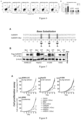
- virus OsRDR1/AtRDR1 and TetOn-3G were mixed at a ratio of 1:1, to which 6 ⁇ g/mL polybrene was added to infect the target cells. After 12 hours of infection, it was replaced by normal culture medium containing low concentration of Dox (100 ng/mL), and the EGFP-positive cells were flow-sorted 24 hours after induction ( Figure 2 ).
- high concentration of Dox (4 ⁇ g/mL) was added to induce RDR1 expression for about 72 hours, and then the cells were harvested and treated with RIPA cell lysis solution and PMSF. After centrifugation, the supernatant was collected and detected by Western Blot for the expression of the target protein RDR1 in cancer cells ( Figure 3 ).
- cancer cell lines including non-small cell lung cancer A549LUC, H1299, colorectal cancer HCT116, cervical cancer HeLa, liver cancer HepG2, chronic myeloid leukemia K562, osteosarcoma U2-OS) and healthy cell lines (mouse embryonic fibroblasts NIH/3T3, human retinal pigment epithelial cells RPE-1) were obtained by FACS after infection by lentivirus, which could significantly overexpress the RDR1 protein of plants after induction with high concentration of Dox.
- OsRDR1 the gene sequence of OsRDR1 is as follows:
- AtRDR1 The gene sequence of AtRDR1 is shown below:
- OsRDR1 The amino acid sequence of OsRDR1 is shown below:
- AtRDR1 The amino acid sequence of AtRDR1 is shown below:
- RDR1 protein can inhibit the proliferation of cancer cells
- the effect of the RDR1s on the proliferation of cancer cells was further investigated. Initially, 10,000 cells were plated in a 24-well plate or 12-well plate, and an experiment group was set as the high Dox group (4 ⁇ g/mL), and the cell lines without Dox or transfected with empty vector were set as the control group. The experiments were performed in triplicate for 6 consecutive days and the cells were counted according to trypan blue staining. The results showed that both rice RDR1 and Arabidopsis thaliana RDR1 could effectively inhibit the proliferation of various cancer cell lines with distinct tissue origins. For example, the growth of the cancer cells from cervix, lung, liver, etc. was significantly slowed, while the proliferation of normal cell line was substantially unaffected ( Figure 4 ).
- the effect of the RDR1s on the invasion of cancer cells was tested.
- the cell lines A549LUC-OsRDR1 and H1299-AtRDR1 constructed in Example 1 were selected, whereas A549LUC and H1299 are evidently invasive.
- Cell invasion was measured using a BioCoat Matrigel Invasion Chamber (Corning) following the manufacturer's instruction. After 5 days of induction with Dox, the invasion experiment was conducted. After 24 hours, cells were observed, photographed and counted. The results showed that either OsRDR1 or AtRDR1 remarkably reduced the number of cancer cells that invaded through the chamber, indicating RDR1 could significantly inhibit the invasion of cancer cells ( Figure 5 ).
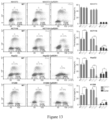
- the apoptosis changes of cancer cell lines stablly transfected with OsRDR1 or AtRDR1 were further investigated. 10,000 cells were plated in a 6-well plate, high concentration of Dox (4 ⁇ g/mL) was added for the experiment group, and no Dox was added for the control group, three replicates each. Six days later, the experiments were carried out using Annexin V-PE/7-AAD Apoptosis Detection Kit (Vazyme) according to the instruction. The cells were digested with trypsin, washed by PBS, and then stained by 7-AAD and PE, respectively. The results were analyzed by FACS.
- the loss-of-function RDR1 mutants were prepared in this example.
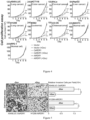
- RDR1 gene sequences in plants, microorganisms and other species were searched on NCBI and Uniprot and downloaded, before subject to alignment using DNAMAN. The identified conserved domains are shown in Figure 1 .
- NEB Q5 Site-Directed Mutagenesis Kit
- PCR primers Mut_RDR1_F (SEQ ID NO: 20) and Mut_RDR1_R SEQ ID NO: 21
- the virus OsRDR1-Mut was packaged according to the method described in 4.1 ( Figure 7A ).
- OsRDR1 and AtRDR1 were truncated in this example.
- OsRDR1 and AtRDR1 Domain information of OsRDR1 and AtRDR1 was first obtained by searching in SMART database. Subsequently, by using Q5 Site-Directed Mutagenesis Kit (NEB), PCR primers OsRDRp F (SEQ ID NO: 26) and OsRDRp R (SEQ ID NO: 27) were designed according to the instruction to amplify the truncated RDR1 sequence, which was comfirmed by sequencing, as shown schematically in Figure 9A .
- NEB Q5 Site-Directed Mutagenesis Kit
- OsRDR1 truncation was obtained by removal of C-terminus containing no definite functional domains
- AtRDR1 truncation was obtained by removal the region between RRM (RNA recognition motif) and AtRDRp as well as the C-terminus containing no definite functional domains.
- RDRp is extremely conservative across all RDR genes of distinct species (not limited to RDR1). Given RDRp alone can achieve the purpose of the present disclosure, genes belonging to RDR familes from each and every species is anticipated to produce similar technical effects. Meanwhile, by replacing full-length protein with RDRp domain, a shorter fragment, the protein stability is improved, thereby improving the developability for future drug development, making it extremely valuable for clinical use.
- RDR1 protein can inhibit tumor growth in tumor-bearing mice model
- the cell line A549LUC was selected for the tumor-bearing model experiment in this example.
- the tumor in the control group reached 700-800 mm 3 in volume, it was taken and weighed.
- the results was shown in Figure 10A , B and C. Over-expression of the RDR1 could significantly reduce the volume and weight of the tumors formed with A549LUC-OsRDR1 cells.
- Example 8 RNA expression analysis in the cancer cells expressing the RDR1 protein
- Figure 12 showed both OsRDR1 and AtRDR1 significantly reduced the overall expression of cell cycle-related genes (black lines were generally clustered toward the right side) in a variety of cancer cell lines, including non-small cell lung cancer cell line A549LUC and H1299, cervical cancer cell line HeLa, liver cancer cell line HepG2, and chronic myeloid leukemia cell line K562. While in normal cell lines, no apparant tendency for the regulation of gene expression was observed (black lines were generally clustered toward the left side). This demonstrates that RDR1 does not influence the cell cycle in normal cells, but specifically targets the abnormally activated genes in cancer cells.
- RDR1 protein specifically and broadly suppresses cancer is primarily the inhibition of bnormally expressed cell cycle related genes in the cancer cells, thereby blocking these cancer cells in G1 and G2/M phases so as to reduce the proportion of the cells in S phase.
- Example 10 changes the expression of proto-oncogene in cancer cells and related experimental verification thereof
- oncogenes having relatively significant effect and intensely investigated were selected for Western Blot.
- 10,000 cells were plated in a 6-well plate.
- Dox was added at high concentration (4 ⁇ g/mL), while for the control group, no Dox was added.
- Cells were continuously induced to over-express RDR1 for 6 days, harvested, treated with RIPA lysis solution and PMSF, centrifuged to obtain supernatant and detected by Western Blot for the expression of selected marker genes in the cancer cells ( Figure 14C ).
- Example 11 RDR1 can increase the miRNAs down-regulated in cancer cells
- RNA-seq was performed with cancer cells expressing RDR1 protein to find out whether RDR1 protein affected small RNA pathways in cancer cells, thereby inhibiting the proliferation and invasion of cancer cells.
- non-small cell lung cancer cells A549LUC-OsRDR1/AtRDR1 and normal cells NIH3T3-AtRDR1 were collected after induced expression for 6 continuous days.
- the cervical cancer cells HeLa-OsRDR1 and the liver cancer cells HepG2-AtRDR1 were collected at a fixed interval of 24 h (the induction culture medium containing Dox was added on the first day, and the cells were collected at a fixed interval of 24 h; cells in the medium containing no Dox were used as the control).
- RNA was extracted from these cells.
- RNA samples 30 ⁇ g were obtained after separation on a 15% TBE-urea gel (Invitrogen), and the small RNAs with a length of 15-50 nt were recovered from the gel. Subsequently, a library was constructed using NEBNext ® Small RNA Library Prep Set (NEB). The constructed library was then subjected to NGS sequencing. Sequencing data were furter analyzed after removal of adapter and sequence alignment.
- NEB NEBNext ® Small RNA Library Prep Set
- Mature miRNAs that were significantly up-regulated compared to corresponding control groups (at least 2 folds of the control group) in three data sets for A549-AtRDR1, A549-OsRDR1, HeLa-OsRDR1 and HepG2-AtRDR1 were picked out to form a dataset, and target gene prediction was carried out using miRWalk. The intersection was acquired between the proto-oncogenes obtained in Example 10 and the genes predicted by miRWalk. Figure 15D showed the miRNAs from RDR1 target genes. These miRNAs was remarkably up-regulated due to RDR1, thereby enhancing the regulation of their target genes.
- RDR1 expression of RDR1 in cancer cells appeared to restore the expression of down-regulated miRNAs in the cancer cells, as revealed by small RNA sequencing. However, how RDR1 up-regulates the miRNAs of the target genes is still unclear. Meanwhile, as an RNA-dependent RNA polymerase, the biochemical mechanism of the RDR1 still needs to be further elucidated.
- a study on RDR6 protein showed that RDR6 had 3' nucleotidyl transferase activity and the RNA synthesis activity using single-stranded RNA as template. However, synthesis of miRNA with RDR6 using miRNA as template has not been reported. A possible mechanism is that the 3' nucleotidyl transferase of RDR1 adds tail to miRNA, which may promote miRNA processing and maturation .
- a cell line comprising OsRDR1-mcherry fusion protein was constructed to determine the localization of RDR1 protein inside cells.
- the sequence of mcherry was fused before the C-terminal stop codon of OsRDR1 using primers location_OsRDR1_mcherry_F (SEQ ID NO:22), location _OsRDR1_mcherry_R (SEQ ID NO:23), location_T2A-EGFP_F (SEQ ID NO:24) and location_T2A-EGFP_R (SEQ ID NO:25), ligated to the lentiviral vector together with with the T2A-EGFP sequence.
- virus comprising OsRDR1-mcherry was packaged and infected cancer cells together with TetOn-3G virus.
- Cells were treated with Dox at low concentration (100 ng/mL) for induction.
- cells were sorted by flow cytometry for EGFP and mcherry dual-positive cells, which was then expanded. 10,000 cells were plated on a specialized imaging dish, induced by adding a high concentration of Dox (4 ⁇ g/mL) for 48h, treated with 1:100 diluted Hoechst dye solution to stain the nuclei for half an hour, washed with PBS, and recorded by photos.
- RDR1 was specifically localized in the cytoplasm rather than the nucleus, in both normal cells and cancer cells ( Figure 17 ). This suggested that RDR1 protein elevated miRNA levels by miRNA A-tailing or G-tailing in the cytoplasm.
- RDR1 protein broadly up-regulates miRNA levels by A- or G-tailing, which is a biological process independently occurred in cytoplasm, and does not depend on any other elements for miRNA production or modification pathways ( Figure 17 , Table 1). This finding is consistent with the conclusion of the small RNA analysis.
- RDR1 Increased miRNA expression by RDR1 will target and inhibit the genes that are significantly up-regulated in cancer cells, including many genes related to the cell cycle and the proliferation of cell population, resulting in specific and broad inhibition of cancers.
- Table 1 MS analysis of possible interacting proteins with RDR1 in cells Hela-OsRDR1 (+)Dox Name of protein Accession No.
Landscapes
- Health & Medical Sciences (AREA)
- Life Sciences & Earth Sciences (AREA)
- Chemical & Material Sciences (AREA)
- Engineering & Computer Science (AREA)
- Organic Chemistry (AREA)
- Genetics & Genomics (AREA)
- General Health & Medical Sciences (AREA)
- Bioinformatics & Cheminformatics (AREA)
- Wood Science & Technology (AREA)
- Zoology (AREA)
- Medicinal Chemistry (AREA)
- Biotechnology (AREA)
- Biomedical Technology (AREA)
- Molecular Biology (AREA)
- Pharmacology & Pharmacy (AREA)
- Animal Behavior & Ethology (AREA)
- Public Health (AREA)
- Veterinary Medicine (AREA)
- General Engineering & Computer Science (AREA)
- Biochemistry (AREA)
- Microbiology (AREA)
- General Chemical & Material Sciences (AREA)
- Chemical Kinetics & Catalysis (AREA)
- Epidemiology (AREA)
- Nuclear Medicine, Radiotherapy & Molecular Imaging (AREA)
- Gastroenterology & Hepatology (AREA)
- Proteomics, Peptides & Aminoacids (AREA)
- Oncology (AREA)
- Immunology (AREA)
- Biophysics (AREA)
- Cell Biology (AREA)
- Virology (AREA)
- Physics & Mathematics (AREA)
- Plant Pathology (AREA)
- Hematology (AREA)
- Botany (AREA)
- Micro-Organisms Or Cultivation Processes Thereof (AREA)
- Medicines That Contain Protein Lipid Enzymes And Other Medicines (AREA)
- Peptides Or Proteins (AREA)
Applications Claiming Priority (2)
| Application Number | Priority Date | Filing Date | Title |
|---|---|---|---|
| CN202010848770.7A CN114073760B (zh) | 2020-08-21 | 2020-08-21 | Rdr蛋白在肿瘤治疗中的应用 |
| PCT/CN2021/113702 WO2022037666A1 (fr) | 2020-08-21 | 2021-08-20 | Application de protéine rdr dans une thérapie antitumorale |
Publications (2)
| Publication Number | Publication Date |
|---|---|
| EP4212171A1 true EP4212171A1 (fr) | 2023-07-19 |
| EP4212171A4 EP4212171A4 (fr) | 2024-09-25 |
Family
ID=80282323
Family Applications (1)
| Application Number | Title | Priority Date | Filing Date |
|---|---|---|---|
| EP21857754.2A Withdrawn EP4212171A4 (fr) | 2020-08-21 | 2021-08-20 | Application de protéine rdr dans une thérapie antitumorale |
Country Status (5)
| Country | Link |
|---|---|
| US (1) | US20240016902A1 (fr) |
| EP (1) | EP4212171A4 (fr) |
| CN (1) | CN114073760B (fr) |
| AU (1) | AU2021327900A1 (fr) |
| WO (1) | WO2022037666A1 (fr) |
Families Citing this family (1)
| Publication number | Priority date | Publication date | Assignee | Title |
|---|---|---|---|---|
| CN116024301B (zh) * | 2023-01-16 | 2025-10-28 | 北京协同创新研究院 | 一种rna依赖性rna聚合酶截短体的筛选方法、截短体及应用 |
Family Cites Families (5)
| Publication number | Priority date | Publication date | Assignee | Title |
|---|---|---|---|---|
| US20110243910A1 (en) * | 2008-08-12 | 2011-10-06 | Japan Health Sciences Foundation | mammalian rna dependent rna polymerase |
| CN102174486B (zh) * | 2011-01-28 | 2013-01-09 | 浙江省农业科学院 | Rdr701蛋白及其编码基因与应用 |
| NL2015547B1 (en) * | 2015-10-02 | 2017-04-21 | Rijk Zwaan Zaadteelt En Zaadhandel Bv | Copy number variant leading to virus resistance. |
| WO2019013258A1 (fr) * | 2017-07-11 | 2019-01-17 | 国立大学法人 東京大学 | Protéine virale à contrôle optique, gène codant pour celle-ci et vecteur viral contenant ledit gène |
| US20200270604A1 (en) * | 2017-09-19 | 2020-08-27 | Tropic Biosciences UK Limited | Modifying the specificity of non-coding rna molecules for silencing gene expression in eukaryotic cells |
-
2020
- 2020-08-21 CN CN202010848770.7A patent/CN114073760B/zh active Active
-
2021
- 2021-08-20 AU AU2021327900A patent/AU2021327900A1/en not_active Abandoned
- 2021-08-20 US US18/022,469 patent/US20240016902A1/en active Pending
- 2021-08-20 WO PCT/CN2021/113702 patent/WO2022037666A1/fr not_active Ceased
- 2021-08-20 EP EP21857754.2A patent/EP4212171A4/fr not_active Withdrawn
Also Published As
| Publication number | Publication date |
|---|---|
| AU2021327900A1 (en) | 2023-03-16 |
| US20240016902A1 (en) | 2024-01-18 |
| CN114073760B (zh) | 2024-02-13 |
| WO2022037666A1 (fr) | 2022-02-24 |
| CN114073760A (zh) | 2022-02-22 |
| EP4212171A4 (fr) | 2024-09-25 |
Similar Documents
| Publication | Publication Date | Title |
|---|---|---|
| US7141417B1 (en) | Compositions, kits, and methods relating to the human FEZ1 gene, a novel tumor suppressor gene | |
| Rizos et al. | p14ARF interacts with the SUMO-conjugating enzyme Ubc9 and promotes the sumoylation of its binding partners | |
| JP7211936B2 (ja) | 細胞死のバイオマーカー | |
| Kang et al. | NASP antagonize chromatin accessibility through maintaining histone H3K9me1 in hepatocellular carcinoma | |
| EP3119912A1 (fr) | Gènes de fusion dans le cancer | |
| CN114042160B (zh) | Ctd-2256p15.2及其编码微肽作为靶点在开发肿瘤治疗药物中的应用 | |
| Zhang et al. | SOCS6 Promotes Mitochondrial Fission and Cardiomyocyte Apoptosis and Is Negatively Regulated by Quaking‐Mediated miR‐19b | |
| KR101605883B1 (ko) | 피루브산 키나아제 엠투(Pyruvate kinase type M2, PKM2)의 발현 또는 활성 억제제를 유효성분으로 함유하는 항암제 민감성 증진용 약학적 조성물 | |
| EP4212171A1 (fr) | Application de protéine rdr dans une thérapie antitumorale | |
| JP2021183618A (ja) | 細胞増殖抑制剤及びそれを含むがんの治療若しくは予防用医薬組成物 | |
| WO2016032230A1 (fr) | Anticorps de reconnaissance de motif spécifique de protéine wls, et composition pharmaceutique le contenant | |
| KR101100248B1 (ko) | 암에 대한 방사선 치료 증진용 약학 조성물 및 암에 대한 방사선 치료 증진용 활성물질을 스크리닝하는 방법 | |
| CN116473987A (zh) | Mof蛋白及其编码基因在细胞分裂调控和肿瘤治疗中的应用 | |
| WO2023082242A1 (fr) | Utilisation de ctd-2256p15.2 et de micropeptide de codage associé comme cible dans le développement d'un médicament de traitement de tumeur | |
| WO2020165570A1 (fr) | Procédés se rapportant à la rupture de la liaison de protéines partenaires af9 à af9 et/ou enl | |
| CN101899443A (zh) | 调控faf1基因的方法和组合物及所述组合物的用途 | |
| Deshpande et al. | Exploring the role of N-acetyltransferases in diseases: a focus on N-acetyltransferase 9 in neurodegeneration | |
| KR102856525B1 (ko) | 베타-카테닌 돌연변이체 또는 이를 발현하는 벡터를 유효성분으로 포함하는 암 예방 또는 치료용 약학적 조성물 | |
| CN114272378B (zh) | 一种使cttnbp2nl功能缺失的试剂在制备治疗疾病的药物中的用途 | |
| AU2008313240A1 (en) | RNAi mediated knockdown of NuMA for cancer therapy | |
| Li | Characterisation of pseudogene-like EP400NL in chromatin remodelling and transcriptional regulation: a thesis presented in partial fulfilment of the requirements for the degree of Doctor of Philosophy (Ph. D.) in Biochemistry at Massey University, Manawatū, New Zealand | |
| Over | DNA replication licensing genes as targets for breast cancer treatment | |
| WO2016128744A1 (fr) | Sénescence | |
| Shah | Epigenetic Regulation Of Stem Cell Fate Determination And Tumorigenesis | |
| Vaughan | Investigation of Gain-of-Function Induced by Mutant p53 |
Legal Events
| Date | Code | Title | Description |
|---|---|---|---|
| STAA | Information on the status of an ep patent application or granted ep patent |
Free format text: STATUS: THE INTERNATIONAL PUBLICATION HAS BEEN MADE |
|
| PUAI | Public reference made under article 153(3) epc to a published international application that has entered the european phase |
Free format text: ORIGINAL CODE: 0009012 |
|
| STAA | Information on the status of an ep patent application or granted ep patent |
Free format text: STATUS: REQUEST FOR EXAMINATION WAS MADE |
|
| 17P | Request for examination filed |
Effective date: 20230320 |
|
| AK | Designated contracting states |
Kind code of ref document: A1 Designated state(s): AL AT BE BG CH CY CZ DE DK EE ES FI FR GB GR HR HU IE IS IT LI LT LU LV MC MK MT NL NO PL PT RO RS SE SI SK SM TR |
|
| DAV | Request for validation of the european patent (deleted) | ||
| DAX | Request for extension of the european patent (deleted) | ||
| A4 | Supplementary search report drawn up and despatched |
Effective date: 20240828 |
|
| RIC1 | Information provided on ipc code assigned before grant |
Ipc: A61P 35/00 20060101ALI20240822BHEP Ipc: C12N 9/12 20060101ALI20240822BHEP Ipc: A61K 38/45 20060101AFI20240822BHEP |
|
| STAA | Information on the status of an ep patent application or granted ep patent |
Free format text: STATUS: THE APPLICATION IS DEEMED TO BE WITHDRAWN |
|
| 18D | Application deemed to be withdrawn |
Effective date: 20250318 |