EP4214918B1 - Restauration d'une connexion pdn lors d'une défaillance de pgw - Google Patents
Restauration d'une connexion pdn lors d'une défaillance de pgw Download PDFInfo
- Publication number
- EP4214918B1 EP4214918B1 EP21782893.8A EP21782893A EP4214918B1 EP 4214918 B1 EP4214918 B1 EP 4214918B1 EP 21782893 A EP21782893 A EP 21782893A EP 4214918 B1 EP4214918 B1 EP 4214918B1
- Authority
- EP
- European Patent Office
- Prior art keywords
- pgw
- smf
- sgw
- instance
- combined
- Prior art date
- Legal status (The legal status is an assumption and is not a legal conclusion. Google has not performed a legal analysis and makes no representation as to the accuracy of the status listed.)
- Active
Links
Images





Classifications
-
- H—ELECTRICITY
- H04—ELECTRIC COMMUNICATION TECHNIQUE
- H04L—TRANSMISSION OF DIGITAL INFORMATION, e.g. TELEGRAPHIC COMMUNICATION
- H04L67/00—Network arrangements or protocols for supporting network services or applications
- H04L67/14—Session management
- H04L67/141—Setup of application sessions
-
- H—ELECTRICITY
- H04—ELECTRIC COMMUNICATION TECHNIQUE
- H04L—TRANSMISSION OF DIGITAL INFORMATION, e.g. TELEGRAPHIC COMMUNICATION
- H04L69/00—Network arrangements, protocols or services independent of the application payload and not provided for in the other groups of this subclass
- H04L69/40—Network arrangements, protocols or services independent of the application payload and not provided for in the other groups of this subclass for recovering from a failure of a protocol instance or entity, e.g. service redundancy protocols, protocol state redundancy or protocol service redirection
-
- H—ELECTRICITY
- H04—ELECTRIC COMMUNICATION TECHNIQUE
- H04L—TRANSMISSION OF DIGITAL INFORMATION, e.g. TELEGRAPHIC COMMUNICATION
- H04L61/00—Network arrangements, protocols or services for addressing or naming
- H04L61/30—Managing network names, e.g. use of aliases or nicknames
- H04L61/3015—Name registration, generation or assignment
- H04L61/3025—Domain name generation or assignment
-
- H—ELECTRICITY
- H04—ELECTRIC COMMUNICATION TECHNIQUE
- H04L—TRANSMISSION OF DIGITAL INFORMATION, e.g. TELEGRAPHIC COMMUNICATION
- H04L61/00—Network arrangements, protocols or services for addressing or naming
- H04L61/45—Network directories; Name-to-address mapping
- H04L61/4505—Network directories; Name-to-address mapping using standardised directories; using standardised directory access protocols
- H04L61/4511—Network directories; Name-to-address mapping using standardised directories; using standardised directory access protocols using domain name system [DNS]
-
- H—ELECTRICITY
- H04—ELECTRIC COMMUNICATION TECHNIQUE
- H04L—TRANSMISSION OF DIGITAL INFORMATION, e.g. TELEGRAPHIC COMMUNICATION
- H04L67/00—Network arrangements or protocols for supporting network services or applications
- H04L67/01—Protocols
- H04L67/10—Protocols in which an application is distributed across nodes in the network
- H04L67/1001—Protocols in which an application is distributed across nodes in the network for accessing one among a plurality of replicated servers
- H04L67/1004—Server selection for load balancing
- H04L67/1012—Server selection for load balancing based on compliance of requirements or conditions with available server resources
-
- H—ELECTRICITY
- H04—ELECTRIC COMMUNICATION TECHNIQUE
- H04L—TRANSMISSION OF DIGITAL INFORMATION, e.g. TELEGRAPHIC COMMUNICATION
- H04L67/00—Network arrangements or protocols for supporting network services or applications
- H04L67/01—Protocols
- H04L67/10—Protocols in which an application is distributed across nodes in the network
- H04L67/1001—Protocols in which an application is distributed across nodes in the network for accessing one among a plurality of replicated servers
- H04L67/1004—Server selection for load balancing
- H04L67/1014—Server selection for load balancing based on the content of a request
-
- H—ELECTRICITY
- H04—ELECTRIC COMMUNICATION TECHNIQUE
- H04L—TRANSMISSION OF DIGITAL INFORMATION, e.g. TELEGRAPHIC COMMUNICATION
- H04L2101/00—Indexing scheme associated with group H04L61/00
- H04L2101/30—Types of network names
- H04L2101/35—Types of network names containing special prefixes
-
- H—ELECTRICITY
- H04—ELECTRIC COMMUNICATION TECHNIQUE
- H04L—TRANSMISSION OF DIGITAL INFORMATION, e.g. TELEGRAPHIC COMMUNICATION
- H04L2101/00—Indexing scheme associated with group H04L61/00
- H04L2101/30—Types of network names
- H04L2101/355—Types of network names containing special suffixes
Definitions
- the Third Generation Partnership Project (3GPP) has further broadened the use of the Network Function Set concept to be applicable for all types of Network Functions (NFs) in the Fifth Generation (5G) Core (5GC), e.g. several Session Management Functions (SMFs) can form an SMF Set.
- NFs Network Functions
- 5G Core Fifth Generation
- SMFs Session Management Functions
- a NF instance can be deployed such that several NF instances are present within an NF Set to provide distribution, redundancy, and scalability together as a set of NF instances. If so, a NF can be replaced by an alternative NF within the same NF Set in case of scenarios such as failure, load balancing, load re-balancing. So, for example, another SMF can take over a Protocol Data Unit (PDU) Session which was handled by the SMF pertaining to the same SMF set.
- PDU Protocol Data Unit
- SMF set FQDN in section 28.3.2.9 as follows: 28.3.2.9 SMF Set FQDN An SMF Set within an operator's network is identified by its NF Set ID as defined in clause 28.12, with NFType set to "smf". For an SMF Set within an operator's PLMN, a subdomain name shall be derived from the MNC and MCC by adding the label "smfset" to the beginning of the Home Network Realm/Domain (see clause 28.2).
- - ⁇ Set Id> is the string representing the Set ID part within the NF Set ID defined in clause 28.12. EXAMPLE: "set12.
- NF Set ID NF Set ID
- a NF Set Identifier is a globally unique identifier of a set of equivalent and interchangeable CP NFs from a given network that provide distribution, redundancy and scalability (see clause 5.21.3 of 3GPP TS 23.501 [119]).
- An NF Set Identifier shall be constructed from the MCC, MNC, NID (for SNPN), NF type and a Set ID.
- a NF Set Identifier shall be formatted as the following string: set ⁇ Set ID>. ⁇ nftype>set.5gc.mnc ⁇ MNC>.mcc ⁇ MCC> for a NF Set in a PLMN, or set ⁇ Set ID>. ⁇ nftype>set.5gc.nid ⁇ NID>.mnc ⁇ MNC>.mcc ⁇ MCC> for a NF Set in a SNPN.
- NID Network Identifier
- the ⁇ NFType> shall identify the NF type of the NFs within the NF set and shall be encoded as a value of Table 6.1.6.3.3-1 of 3GPP TS 29.510 [130] but with lower case characters;
- the Set ID shall be a NF type specific Set ID within the PLMN, chosen by the operator, that shall consist of alphabetic characters (A-Z and a-z), digits (0-9) and/or the hyphen (-) and that shall end with either an alphabetic character or a digit;
- - the case of alphabetic characters is not significant (i.e. two NF Set IDs with the same characters but using different lower and upper cases identify the same NF Set).
- the Set ID shall be set to " ⁇ AMF Set ID>.region ⁇ AMF Region ID>", with the AMF Region ID and AMF Set ID encoded as defined in 3GPP TS 29.571 [129].
- EXAMPLE 1 setxyz.smfset.5gc.mnc012.mcc345
- EXAMPLE 2 set12.pcfset.5gc.mnc012.mcc345
- EXAMPLE 3 set1.region48.amfset.5gc.mnc012.mcc345 (for AMF Region 48 (hexadecimal) and AMF Set 1)
- EXAMPLE 4 setxyz.smfset.5gc.nid000007ed9d5.mnc012.mcc345 for a SNPN with the NID 000007ed9d5 (hexadecimal).
- an FQDN can be derived from a given NF Set ID by appending the ".3gppnetwork.org" domain to the NF Set ID, see e.g. SMF Set FQDN in clause 28.3.2.9.
- SMF Set FQDN for NFs whose NF type contains an underscore and for which an FQDN needs to be derived, the underscore is replaced by an hyphen in the corresponding label of the FQDN.
- NF Instances of an NF Set are equivalent and share the same MCC, MNC, NID (for SNPN), NF type and NF Set ID.
- 3GPP TS 23.003 (see, e.g., V16.3.0) defines Service and Protocol service names for 3GPP in section 19.4.3 as follows:
- Embodiments of the present disclosure provide a new Doman Name Server (DNS) solution and some enhancements to the solution proposed in C4-204184 to enable restoration of the PDN connections when the serving PGW/SMF has failed while the failed PGW/SMF pertains to a PGW/SMF set.
- DNS Doman Name Server
- the PDN connection created by any of these PGWs can be handover or served by any other PGW in the same PGW/SMF set. That means that, when the MME performs the DNS procedure to select a PGW, all PGWs in the same set will appear in the response message.
- information is added in the PGW Name Authority Pointer (NAPTR) records in the DNS to enable the MME to know that these PGWs pertain to the same PGW set.
- NAPTR PGW Name Authority Pointer
- the PGW NAPTR record is enhanced, considering support of the NF set concept as a new network capability.
- "+nc-set ⁇ setld>” is appended to the "app-protocol" name as specified in 3GPP TS 23.003 (see, e.g., V16.3.0), clause 19.4.3, where the set ⁇ setld> is set to the first label of NF Set Id of a SMF set, as specified in clause 28.12 of 3GPP TS 23.003.
- a completely new character string e.g. "+set- ⁇ setld>” is appended to the "app-protocol" name as specified in TS 23.003, clause 19.4.3.
- the follow string is added into a PGW NAPTR record:
- the MME is trying to select a PGW for the Access Point Name (APN) "imsTV1". Therefore, the MME uses the APN's Fully Qualified Domain Name (FQDN) to perform a DNS query for the NAPTR record of the PGW. Then, in the DNS server, it may configure as below for PGW/SMFs pertaining to a PGW/SMF set.
- the PGW/SMF SET FQDN will be The bolded +nc-set100, may use a new character string, e.g. set-100, instead.
- systems and methods are disclosed herein that use one or more of the following enhancements to the solution described in CR C4-204184.
- Enhancement 1 In the Create Session Response message sent from the PGW, in addition to the PGW SET FQDN, the PGW may include a list of alternative PGW IP Addresses to be used by the MME in case the serving PGW has failed;
- Enhancement 2 In addition to using PGW Restart Indication message to notify the MME that PGW has restarted or has failed, the MME can derive the PGW failure and re-select another alternative PGW if it receives a GTPv2 cause #100 (See clause 8.4 of TS 29.274) "Remote peer not responding" from the SGW. This is to solve the PGW partial failure.
- Enhancement 3 When the MME has decided to reselect an alternative PGW, the MME uses (e.g., always) a Create Session Request message as in an SGW relocation procedure (as specified in 5.10.4 in TS 23.401) instead of using a Modify Bearer Request message. The MME sends the Create Session Request message with new PGW F-TEID of the alternative PGW to a (new) SGW.
- a Create Session Request message as in an SGW relocation procedure (as specified in 5.10.4 in TS 23.401) instead of using a Modify Bearer Request message.
- the MME sends the Create Session Request message with new PGW F-TEID of the alternative PGW to a (new) SGW.
- the existing SGW should consider this as a colliding case, as specified in 7.2.1 of TS 29.274 as below, but the SGW should keep the same SGW-U tunnel over S1 (towards eNB) and over S5/S8 (towards PGW-U) to avoid the signaling towards the SGW-U considering the remote S1 eNB GTP-U tunnel endpoint if available and remote S5/S8 PGW-U GTP-U tunnel endpoint provided by the MME in the Create Session Request message is the same as the existing ones (since user plane path is not impacted).
- Enhancement 4 When the failed PGW or a new PGW (taking over the PDN connection) wants to update the PGW F-TEID for a given PDN connection, it can send a Create/Update/Delete Bearer Request message, but it does not require SGW to store the new PGW F-TEID. Instead, the MME performs an SGW relocation procedure as described in the Enhancement 3 using the new PGW F-TEID as received in the Create / Update / Delete Bearer Request message.
- Embodiments of the solutions described herein enable the restoration of PDN connection(s) at the failure of the serving PGW (of the said PDN connection(s)), where the embodiments of the solutions described herein have very few impact on the legacy system, e.g. in the MME and SGW.
- Radio Node As used herein, a "radio node” is either a radio access node or a wireless communication device.
- Radio Access Node As used herein, a “radio access node” or “radio network node” or “radio access network node” is any node in a Radio Access Network (RAN) of a cellular communications network that operates to wirelessly transmit and/or receive signals.
- RAN Radio Access Network
- a radio access node examples include, but are not limited to, a base station (e.g., a New Radio (NR) base station (gNB) in a Third Generation Partnership Project (3GPP) Fifth Generation (5G) NR network or an enhanced or evolved Node B (eNB) in a 3GPP Long Term Evolution (LTE) network), a high-power or macro base station, a low-power base station (e.g., a micro base station, a pico base station, a home eNB, or the like), a relay node, a network node that implements part of the functionality of a base station (e.g., a network node that implements a gNB Central Unit (gNB-CU) or a network node that implements a gNB Distributed Unit (gNB-DU)) or a network node that implements part of the functionality of some other type of radio access node.
- a base station e.g., a New Radio (NR) base station (gNB)
- a "core network node” is any type of node in a core network or any node that implements a core network function.
- Some examples of a core network node include, e.g., a Mobility Management Entity (MME), a Packet Data Network Gateway (P-GW), a Service Capability Exposure Function (SCEF), a Home Subscriber Server (HSS), or the like.
- MME Mobility Management Entity
- P-GW Packet Data Network Gateway
- SCEF Service Capability Exposure Function
- HSS Home Subscriber Server
- a core network node examples include a node implementing a Access and Mobility Management Function (AMF), a User Plane Function (UPF), a Session Management Function (SMF), an Authentication Server Function (AUSF), a Network Slice Selection Function (NSSF), a Network Exposure Function (NEF), a Network Function (NF) Repository Function (NRF), a Policy Control Function (PCF), a Unified Data Management (UDM), or the like.
- AMF Access and Mobility Management Function
- UPF User Plane Function
- SMF Session Management Function
- AUSF Authentication Server Function
- NSSF Network Slice Selection Function
- NEF Network Exposure Function
- NRF Network Exposure Function
- NRF Network Exposure Function
- PCF Policy Control Function
- UDM Unified Data Management
- a "communication device” is any type of device that has access to an access network.
- Some examples of a communication device include, but are not limited to: mobile phone, smart phone, sensor device, meter, vehicle, household appliance, medical appliance, media player, camera, or any type of consumer electronic, for instance, but not limited to, a television, radio, lighting arrangement, tablet computer, laptop, or Personal Computer (PC).
- the communication device may be a portable, hand-held, computer-comprised, or vehicle-mounted mobile device, enabled to communicate voice and/or data via a wireless or wireline connection.
- One type of communication device is a wireless communication device, which may be any type of wireless device that has access to (i.e., is served by) a wireless network (e.g., a cellular network).
- a wireless communication device include, but are not limited to: a User Equipment device (UE) in a 3GPP network, a Machine Type Communication (MTC) device, and an Internet of Things (IoT) device.
- UE User Equipment
- MTC Machine Type Communication
- IoT Internet of Things
- Such wireless communication devices may be, or may be integrated into, a mobile phone, smart phone, sensor device, meter, vehicle, household appliance, medical appliance, media player, camera, or any type of consumer electronic, for instance, but not limited to, a television, radio, lighting arrangement, tablet computer, laptop, or PC.
- the wireless communication device may be a portable, hand-held, computer-comprised, or vehicle-mounted mobile device, enabled to communicate voice and/or data via a wireless connection.
- Network Node As used herein, a "network node” is any node that is either part of the RAN or the core network of a cellular communications network/system.
- FIG. 5 illustrates one example of a cellular communications system 500 in which embodiments of the present disclosure may be implemented.
- the cellular communications system 500 is a system that enables interworking between a 5G system (5GS) including a Next Generation RAN (NG-RAN) and a 5G Core (5GC) and an Evolved Packet System (EPS) including an Evolved Universal Terrestrial RAN (E-UTRAN) and a Evolved Packet Core (EPC).
- 5GS 5G system
- NG-RAN Next Generation RAN
- 5GC 5G Core
- EPS Evolved Packet System
- E-UTRAN Evolved Universal Terrestrial RAN
- EPC Evolved Packet Core
- the RAN includes base stations 502-1 and 502-2, which in the NG-RAN include NR base stations (gNBs) and optionally next generation eNBs (ng-eNBs) (e.g., LTE RAN nodes connected to the 5GC) and in the E-UTRAN include eNBs, controlling corresponding (macro) cells 504-1 and 504-2.
- the base stations 502-1 and 502-2 are generally referred to herein collectively as base stations 502 and individually as base station 502.
- the (macro) cells 504-1 and 504-2 are generally referred to herein collectively as (macro) cells 504 and individually as (macro) cell 504.
- the RAN may also include a number of low power nodes 506-1 through 506-4 controlling corresponding small cells 508-1 through 508-4.
- the low power nodes 506-1 through 506-4 can be small base stations (such as pico or femto base stations) or Remote Radio Heads (RRHs), or the like.
- RRHs Remote Radio Heads
- one or more of the small cells 508-1 through 508-4 may alternatively be provided by the base stations 502.
- the low power nodes 506-1 through 506-4 are generally referred to herein collectively as low power nodes 506 and individually as low power node 506.
- the small cells 508-1 through 508-4 are generally referred to herein collectively as small cells 508 and individually as small cell 508.
- the cellular communications system 500 also includes a core network(s) 510, which in the 5G System (5GS) is referred to as the 5GC and in the EPS is referred to as the EPC.
- the base stations 502 (and optionally the low power nodes 506) are connected to the core network 510.
- the base stations 502 and the low power nodes 506 provide service to wireless communication devices 512-1 through 512-5 in the corresponding cells 504 and 508.
- the wireless communication devices 512-1 through 512-5 are generally referred to herein collectively as wireless communication devices 512 and individually as wireless communication device 512.
- the wireless communication devices 512 are oftentimes UEs, but the present disclosure is not limited thereto.
- FIG. 6 illustrates one example of the cellular communications system 500 in which embodiments of the present disclosure may be implemented.
- the cellular communications system 500 includes both a 5GS and an EPS with interworking between the 5GS and EPS.
- the cellular communications system 500 includes an E-UTRAN 600, which includes one or more base stations 502 that are, in this case, eNBs and a number of core network nodes of the EPC.
- the network nodes of the EPC include, in this example, an MME 602 and a SGW 604.
- the cellular communications system 500 includes a NG-RAN 606, which includes one or more base stations that are, in this case, gNBs or ng-eNBs and a number of NFs of the 5GC.
- the NFs include an AMF 608 and a PCF 610.
- the cellular communications system 500 includes a number of combined, or joint, NFs.
- the combined NFs include, in this example, a combined HSS and UDM 612 (also referred to herein as HSS+UDM 612 or HSS/UDM 612), a combined SMF and PGW-C 614 (also referred to herein as a SMF+PGW-C 614 or SMF/PGW-C 614), and a combined UPF and PGW-U 616 (also referred to herein as a UPF+PGW-U 616 or UPF/PGW-U 616).
- the cellular communications system 500 and in particular the MME 602, is able to communicate with a DNS 618 as described herein.
- Embodiments of the present disclosure provide a new DNS solution and some enhancements to the solution proposed in C4-204184 to enable restoration of the PDN connections when the serving SMF/PGW-C has failed while the failed SMF/PGW-C belongs to a PGW/SMF-C set.
- the embodiments of the present disclosure described herein include either or both of the following two aspects:
- the SMF/PGW-C's e.g., two or more instances of the SMF/PGW-C 614, which are denoted herein as SMF/PGW-C 614-1, 614-2, etc.
- SMF/PGW-C 614-1, 614-2, etc. the SMF/PGW-C 614-1, 614-2, etc.
- the PDN connection created by any SMF/PGW-C 614-x in the same SMF/PGW-C set (which are sometimes referred to simply as "PGW-Cs" or "PGWs" when referring to EPS functionality) can be handed over or served by any other SMF/PGW-C 614-y in the same SMF/PGW-C set.
- the MME 602 when the MME 602 performs a DNS procedure to select a PGW (i.e., to select a SMF/PGW-C 614), all PGWs (i.e., all SMF/PGW-C's) in the same SMF/PGW-C set will appear in the DNS response message.
- information is added in the PGW Name Authority Pointer (NAPTR) records in the DNS 618 to enable the MME 602 to know that these PGWs (i.e., SMF/PGW-C's) pertain to the same PGW set (i.e., the same SMF/PGW-C set).
- NAPTR PGW Name Authority Pointer
- the PGW NAPTR record for the SMF/PGW-C 614 is enhanced, considering support of the NF set concept as a new network capability.
- a string e.g., "+nc-set ⁇ setld>”
- string indicates the NF Set ID.
- the string appended to the "app-protocol” name is "+nc-set ⁇ setld>", where the set ⁇ setld> is set to the first label of NF Set Id of a SMF set (i.e., a SMF/PGW-C set), as specified in clause 28.12 of 3GPP TS 23.003.
- a completely new character string e.g. "+set- ⁇ setld>” is appended to the "app-protocol” name as specified in TS 23.003, clause 19.4.3.
- the follow string is added into a PGW NAPTR record:
- the MME 602 uses the APN's Fully Qualified Domain Name (FQDN) to perform a DNS query for the NAPTR record of the PGW.
- FQDN Fully Qualified Domain Name
- the PGW NAPTR record may be configured as shown below for SMF/PGW-Cs 614 pertaining to a PGW/SMF set that satisfies the DNS query.
- the PGW/SMF SET FQDN will be "set100.smfset.5gc.mnc012.mcc345"
- the bolded +nc-set100 may use a new character string, e.g. set-100, instead.
- systems and methods are disclosed herein that use one or more of the following enhancements to the solution described in CR C4-204184.
- Enhancement 1 In the Create Session Response message sent from the PGW, in addition to the PGW SET FQDN, the PGW may include a list of alternative PGW IP Addresses to be used by the MME in case the serving PGW has failed;
- Enhancement 2 In addition to using PGW Restart Indication message to notify the MME that PGW has restarted or has failed, the MME can derive the PGW failure and re-select another alternative PGW if it receives a GTPv2 cause #100 (See clause 8.4 of TS 29.274) "Remote peer not responding" from the SGW. This is to solve the PGW partial failure.
- Enhancement 3 When the MME has decided to reselect an alternative PGW, the MME uses (e.g., always) a Create Session Request message as in an SGW relocation procedure (as specified in 5.10.4 in TS 23.401) instead of using a Modify Bearer Request message. The MME sends the Create Session Request message with new PGW F-TEID of the alternative PGW to a (new) SGW.
- a Create Session Request message as in an SGW relocation procedure (as specified in 5.10.4 in TS 23.401) instead of using a Modify Bearer Request message.
- the MME sends the Create Session Request message with new PGW F-TEID of the alternative PGW to a (new) SGW.
- the existing SGW should consider this as a colliding case, as specified in 7.2.1 of TS 29.274 as below, but the SGW should keep the same SGW-U tunnel over S1 (towards eNB) and over S5/S8 (towards PGW-U) to avoid the signaling towards the SGW-U considering the remote S1 eNB GTP-U tunnel endpoint if available and remote S5/S8 PGW-U GTP-U tunnel endpoint provided by the MME in the Create Session Request message is the same as the existing ones (since user plane path is not impacted).
- Enhancement 4 When the failed PGW or a new PGW (taking over the PDN connection) wants to update the PGW F-TEID for a given PDN connection, it can send a Create/Update/Delete Bearer Request message, but it does not require SGW to store the new PGW F-TEID. Instead, the MME performs an SGW relocation procedure as described in the Enhancement 3 using the new PGW F-TEID as received in the Create / Update / Delete Bearer Request message.
- Embodiments of the solutions described herein enable the restoration of PDN connection(s) at the failure of the serving PGW (of the said PDN connection(s)), where the embodiments of the solutions described herein have very few impact on the legacy system, e.g. in the MME and SGW.
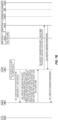
- Figures 7A-7C illustrate the operation of the cellular communications system 500 of Figures 5 and 6 in accordance with at least some aspects of Solutions A and B described above.
- SMF/PGW-C set also referred to herein as a PGW set
- SMF/PGW-C 614-1 and SMF/PGW-C 614-2 are sometimes referred to as PGW-C's or PGWs when referring to the PGW-C/PGW functionality of the SMF/PGW-C's 614-1 and 614-2.
- Figures 7A-7C illustrate a first alternative that uses an enhanced NAPTR DNS record in accordance with an embodiment of the present disclosure. The steps of the process of Figures 7A-7C are as follows:
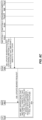
- FIGS 8A-8C illustrate the operation of the cellular communications system 500 of Figures 5 and 6 in accordance with at least some aspects of Solutions A and B described above.
- a SMF/PGW-C set also referred to herein as a PGW set
- SMF/PGW-C 614-1 and SMF/PGW-C 614-2 are sometimes referred to as PGW-C's or PGWs when referring to the PGW-C/PGW functionality of the SMF/PGW-C's 614-1 and 614-2.
- Figures 8A-8C illustrate a second alternative that uses existing NAPTR DNS record in accordance with an embodiment of the present disclosure. The steps of the process of Figures 8A-8C are as follows:
- FIG 9 is a schematic block diagram of a network node 900 according to some embodiments of the present disclosure. Optional features are represented by dashed boxes.
- the network node 900 may be, for example, a core network node (e.g., SMF/PGW-C 614, 614-1, or 614-2, MME 602, SGW 604, DNS 618, HSS/UDM 606, PCF 612, or a network node that performs all or at least some of the functionality of any such core network node as described herein).
- a core network node e.g., SMF/PGW-C 614, 614-1, or 614-2, MME 602, SGW 604, DNS 618, HSS/UDM 606, PCF 612, or a network node that performs all or at least some of the functionality of any such core network node as described herein).
- the network node 900 includes one or more processors 904 (e.g., Central Processing Units (CPUs), Application Specific Integrated Circuits (ASICs), Field Programmable Gate Arrays (FPGAs), and/or the like), memory 906, and a network interface 908.
- the one or more processors 904 are also referred to herein as processing circuitry.
- the one or more processors 904 operate to provide one or more functions of the network node 900 as described herein (e.g., one or more functions of SMF/PGW-C 614, 614-1, or 614-2, MME 602, SGW 604, DNS 618, HSS/UDM 606, or PCF 612, as described herein).
- the function(s) are implemented in software that is stored, e.g., in the memory 906 and executed by the one or more processors 904.
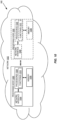
- FIG. 10 is a schematic block diagram that illustrates a virtualized embodiment of the network node 900 according to some embodiments of the present disclosure. Again, optional features are represented by dashed boxes.
- a "virtualized" network node is an implementation of the network node 900 in which at least a portion of the functionality of the network node 900 is implemented as a virtual component(s) (e.g., via a virtual machine(s) executing on a physical processing node(s) in a network(s)).
- the network node 900 includes one or more processing nodes 1000 coupled to or included as part of a network(s) 1002.
- Each processing node 1000 includes one or more processors 1004 (e.g., CPUs, ASICs, FPGAs, and/or the like), memory 1006, and a network interface 1008.
- functions 1010 of the network node 900 described herein are implemented at the one or more processing nodes 1000 or distributed across the two or more of the processing nodes 1000 in any desired manner.
- some or all of the functions 1010 of the network node 900 described herein are implemented as virtual components executed by one or more virtual machines implemented in a virtual environment(s) hosted by the processing node(s) 1000.
- a computer program including instructions which, when executed by at least one processor, causes the at least one processor to carry out the functionality of the network node 900 or a node (e.g., a processing node 1000) implementing one or more of the functions 1010 of the network node 900 in a virtual environment according to any of the embodiments described herein is provided.
- a carrier comprising the aforementioned computer program product is provided. The carrier is one of an electronic signal, an optical signal, a radio signal, or a computer readable storage medium (e.g., a non-transitory computer readable medium such as memory).
- FIG 11 is a schematic block diagram of the network node 900 according to some other embodiments of the present disclosure.
- the network node 900 includes one or more modules 1100, each of which is implemented in software.
- the module(s) 1100 provide the functionality of the network node 900 described herein (e.g., one or more functions of SMF/PGW-C 614, 614-1, or 614-2, MME 602, SGW 604, DNS 618, HSS/UDM 606, or PCF 612, as described herein).
- This discussion is equally applicable to the processing node 1000 of Figure 10 where the modules 1100 may be implemented at one of the processing nodes 1000 or distributed across multiple processing nodes 1000.
- any appropriate steps, methods, features, functions, or benefits disclosed herein may be performed through one or more functional units or modules of one or more virtual apparatuses.
- Each virtual apparatus may comprise a number of these functional units.
- These functional units may be implemented via processing circuitry, which may include one or more microprocessor or microcontrollers, as well as other digital hardware, which may include Digital Signal Processor (DSPs), special-purpose digital logic, and the like.
- the processing circuitry may be configured to execute program code stored in memory, which may include one or several types of memory such as Read Only Memory (ROM), Random Access Memory (RAM), cache memory, flash memory devices, optical storage devices, etc.
- Program code stored in memory includes program instructions for executing one or more telecommunications and/or data communications protocols as well as instructions for carrying out one or more of the techniques described herein.
- the processing circuitry may be used to cause the respective functional unit to perform corresponding functions according one or more embodiments of the present disclosure.
- the procedure specified in this clause enables to restore in the EPC the PDN connections affected by an PGW-C/SMF failure with or without restart or scale-in operation, and thus to maintain the UE connectivity to the PDN and corresponding services with minimum service interruption and minimal signalling in the network (e.g. no signalling wih the UE).
- the procedure specified in this clause is optional to support for the MME, SGW and PGW-C/SMF.
- This procedure applies for combo PGW-C/SMF that are deployed in an PGW-C/SMF set (i.e. a set of PGW-C/SMF instances that are functionally equivalent and inter-changeable and that share the same contexts, see clause 5.21.3 of 3GPP TS 23.501 [x]).
- PGW-C/SMF fails with or without restart, or when a PGW-C/SMF is de-instantiated from the SMF set (scale-in operation), other PGW-C/SMFs from the same PGW-C/SMF set may take over the control of the PDN connections that were served by the PGW-C/SMF that failed or that was de-instantiated.
- the procedure also supports the restoration of Home Routed PDN connections, if the VPLMN and HPLMN support this procedure. If the VPLMN or HPLMN does not support this procedure, the existing behaviour applies, e.g. the MME and SGW clears all PDN connections of the PGW-C/SMF when detecting the failure or restart of the PGW-C/SMF and the MME may request UEs to release and reactivate some PDN connections (e.g. IMS PDN connections).
- the MME and SGW clears all PDN connections of the PGW-C/SMF when detecting the failure or restart of the PGW-C/SMF and the MME may request UEs to release and reactivate some PDN connections (e.g. IMS PDN connections).
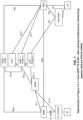
- Figure X.1-1 Restoration of PDN connection after a PGW-S/SMF failure, restart or scale-in operation, with MME reselecting a PGW-C/SMF from the same PGW-C/SMF set
- the MME may signal in the Modify Bearer Request that it supports this procedure by including a PGW Set Support Indication.
- the SGW shall relay this information towards the PGW.
- the PGW-C/SMF may then return a PGW Set FQDN in the Modify Bearer Response, that the SGW shall relay towards the MME. This indicates to the SGW and MME that this procedure is supported for the PDN connection and that alternative PGW-C/SMF instances may be found using the PGW Set FQDN if the PGW-C/SMF becomes no longer reachable. Then the principles described above shall also apply to this PDN connection.
- a new PGW-C/SMF from the same PGW-C/SMF set may also be reselected for the PDN connection upon request from another entity than the MME, e.g. upon request from the PCF or the PGW-U/UPF. If this happens before the MME has reselected the PGW-C/SMF (steps 5 and 6 of Figure X.1-1), the new PGW-C/SMF shall send an Update Bearer Request message towards the MME including the new S5/S8 PGW F-TEID for control plane and its PGW node name, as described in Figure X. 1-2.
- Figure X.1-2 Restoration of PDN connection after a PGW-S/SMF failure, restart or scale-in operation, with PCF reselecting a PGW-C/SMF from the same PGW-C/SMF set
Landscapes
- Engineering & Computer Science (AREA)
- Computer Networks & Wireless Communication (AREA)
- Signal Processing (AREA)
- Computer Security & Cryptography (AREA)
- Mobile Radio Communication Systems (AREA)
Claims (15)
- Procédé de fonctionnement d'un système de communication cellulaire (500), le procédé comprenant :- au niveau d'une entité de mobilité et de gestion, MME, (602) :- la réception (700) d'une demande de rattachement provenant d'un équipement utilisateur, UE, (512) ;- l'envoi (702) d'une demande de mise à jour de localisation à une station d'abonné de rattachement, HSS, (606) ;- la réception (704) d'un accusé de réception de mise à jour de localisation provenant de la HSS (606) ;- l'envoi (706) d'une demande d'interrogation de serveur de noms de domaine, DNS, à un DNS (618), l'interrogation de DNS comprenant un nom de domaine entièrement qualifié, FQDN, de nom de point d'accès, APN, ;- la réception (708) d'une réponse d'interrogation de DNS provenant du DNS (618), la réponse d'interrogation de DNS comprenant des informations qui :- identifient une pluralité d'instances de fonction de gestion de session et de plan de commande de passerelle de paquets, SMF/PGW-C, candidates combinées (614) qui satisfont la demande d'interrogation de DNS ; et- identifient qu'au moins deux instances SMF/PGW-C combinées candidates (614-1 et 614-2) appartiennent à un même ensemble SMF/PGW-C, les au moins deux instances SMF/PGW-C combinées comprenant une première instance SMF/PGW-C combinée (614-1) et une seconde instance SMF/PGW-C combinée (614-2), où les instances SMF/PGW-C (614-1,614-2) de l'ensemble SMF/PGW-C prennent en charge les mêmes services et la(les) même(s) tranche(s) de réseau ;- la sélection (710) de la première instance SMF/PGW-C combinée (614-1) ;- l'envoi (712), à une passerelle de desserte, SGW, (604), d'une première demande de création de session qui comprend des informations qui indiquent la première instance SMF/PGW-C combinée (614-1) ;- la réception (718) d'une première réponse de création de session provenant de la SGW (604) ;- l'envoi (720) d'une acceptation de rattachement à l'UE (512)- la détermination (726) que la première instance SMF/PGW-C combinée (614-1) a échoué ;- en réponse à la détermination (726) que la première instance SMF/PGW-C combinée (614-1) a échoué :- l'envoi (728) d'une deuxième demande de création de session à la SGW (604) ou à une nouvelle SGW, la deuxième demande de création de session comprenant des informations qui indiquent la seconde instance SMF/PGW-C combinée (614-2) ; et- la réception (734) d'une seconde réponse de création de session provenant de la SGW (604) ou de la nouvelle SGW ; et- au niveau de la SGW (604) ou de la nouvelle SGW :- la réception (712) de la première demande de création de session provenant de la MME (602) ;- le transfert (714) de la première demande de création de session à la première PGW (614) ;- la réception (716) de la première réponse de création de session provenant de la première PGW (614) ;- le transfert (718) de la première réponse de création de session à la MME (602) ;- la réception (728) de la deuxième demande de création de session provenant de la MME (602) ;- l'envoi (730) d'une demande de modification de support à la seconde instance SMF/PGW-C combinée (614-2) ;- la réception (732) d'une réponse de modification de support provenant de la seconde instance SMF/PGW-C combinée (614-2) ; et- l'envoi (734) de la seconde réponse de création de session à la MME (602).
- Procédé selon la revendication 1 comprenant en outre, au niveau de la SGW (604) :la détection (724) que la première instance SMF/PGW-C combinée (614-1) a échoué ; etl'envoi (726) d'une notification que la première instance SMF/PGW-C combinée (614-1) a échoué à destination de la MME (602).
- Procédé selon la revendication 2 dans lequel la SGW (602) à laquelle la deuxième demande de création de session est envoyée depuis la MME (602) est la SGW (602) qui a reçu la première demande de création de session, et la SGW (602) conserve un même tunnel SGW-U sur 51 et sur S5/S8.
- Procédé selon l'une quelconque des revendications 1 à 3 dans lequel la détermination (726) que la première instance SMF/PGW-C combinée (614-1) a échoué comprend l'une ou les deux de :la réception (726) d'une notification de redémarrage provenant de la SGW (602) ;la détermination que l'échec s'est produit sur la base de la réception d'une cause GTPv2 #100 « L'homologue distant ne répond pas » depuis la SGW (602).
- Procédé selon l'une quelconque des revendications 1 à 4 comprenant en outre :- au niveau de la SGW (604) ou de la nouvelle SGW :- la réception (736) d'une demande de création/mise à jour/suppression de support depuis la première instance SMF/PGW-C combinée (614-1), la demande de création/mise à jour/suppression de support comprenant des informations qui indiquent que la première instance SMF/PGW-C combinée (614-1) souhaite prendre le contrôle de la session pour le dispositif de communication sans fil (512) ; et- le transfert (738) de la demande de création/mise à jour/suppression de support à la MME (602) ; et- au niveau de la MME (602) :- la réception (738) de la demande de création/mise à jour/suppression de support provenant de la SGW (604) ou de la nouvelle SGW ; et- l'envoi (740) d'une troisième demande de création de session à la SGW (604), à la nouvelle SGW ou à une autre nouvelle SGW, la troisième demande de création de session comprenant des informations qui indiquent la première instance SMF/PGW-C combinée (614-1).
- Procédé selon l'une quelconque des revendications 1 à 5 dans lequel la demande d'interrogation de DNS est d'un type NAPTR, et les informations comprises dans la réponse d'interrogation de DNS comprennent des informations NAPTR qui indiquent la pluralité d'instances SMF/PGW-C combinées candidates et les au moins deux instances SMF/PGW-C combinées candidates qui sont dans le même ensemble SMF/PGW-C.
- Procédé selon la revendication 6 dans lequel les informations NAPTR comprennent, pour chacune des au moins deux PGW candidates qui se trouvent dans le même ensemble PGW, une chaîne ajoutée au nom « app-protocol », où la chaîne indique que les au moins deux instances SMF/PGW-C combinées candidates sont dans le même ensemble SMF/PGW-C.
- Procédé selon la revendication 7 dans lequel :
la chaîne comprend un set<setld>, où le set<setld> est réglé à une première étiquette d'un ID d'ensemble NF de l'ensemble SMF/PGW-C. - Procédé de fonctionnement d'une entité de mobilité et de gestion, MME, (602) pour un système de communication cellulaire (500), le procédé comprenant :- la réception (700) d'une demande de rattachement provenant d'un équipement utilisateur, UE, (512) ;- l'envoi (702) d'une demande de mise à jour de localisation à une station d'abonné de rattachement, HSS, (606) ;- la réception (704) d'un accusé de réception de mise à jour de localisation provenant de la HSS (606) ;- l'envoi (706) d'une demande d'interrogation de serveur de noms de domaine, DNS, à un DNS (618), l'interrogation de DNS comprenant un nom de domaine entièrement qualifié, FQDN, de nom de point d'accès, APN, ;- la réception (708) d'une réponse d'interrogation de DNS provenant du DNS (618), la réponse d'interrogation de DNS comprenant des informations qui :- identifient une pluralité d'instances de fonction de gestion de session et de plan de commande de passerelle de paquets, SMF/PGW-C, candidates combinées (614) qui satisfont la demande d'interrogation de DNS ; et- identifient au moins deux instances SMF/PGW-C combinées candidates (614-1 et 614-2) qui appartiennent à un même ensemble SMF/PGW-C, les au moins deux instances SMF/PGW-C combinées comprenant une première instance SMF/PGW-C combinée (614-1) et une seconde instance SMF/PGW-C combinée (614-2), où les instances SMF/PGW-C (614-1, 614-2) de l'ensemble SMF/PGW-C prennent en charge les mêmes services et la(les) même(s) tranche(s) de réseau ;- la sélection (710) de la première instance SMF/PGW-C combinée (614-1) ;- l'envoi (712), à une passerelle de desserte, SGW, (604), d'une première demande de création de session qui comprend des informations qui indiquent la première instance SMF/PGW-C combinée (614-1) ;- la réception (718) d'une première réponse de création de session provenant de la SGW (604) ;- l'envoi (720) d'une acceptation de rattachement à l'UE (512) ;- la détermination (726) que la première instance SMF/PGW-C combinée (614-1) a échoué ;- en réponse à la détermination (726) que la première instance SMF/PGW-C combinée (614-1) a échoué :- l'envoi (728) d'une deuxième demande de création de session à la SGW (604) ou à une nouvelle SGW, la deuxième demande de création de session comprenant des informations qui indiquent la seconde instance SMF/PGW-C combinée (614-2) ; et- la réception (734) d'une seconde réponse de création de session provenant de la SGW (604) ou de la nouvelle SGW.
- Procédé selon la revendication 9 dans lequel la SGW (602) à laquelle la deuxième demande de création de session est envoyée depuis la MME (602) est la SGW (602) à laquelle la première demande de création de session est envoyée, et la SGW (602) conserve un même tunnel SGW-U sur 51 et sur S5/S8.
- Procédé selon la revendication 9 ou 10 dans lequel la détermination (726) que la première instance SMF/PGW-C combinée (614-1) a échoué comprend l'une ou les deux de :la réception (726) d'une notification de redémarrage provenant de la SGW (602) ;la détermination que l'échec s'est produit sur la base de la réception d'une cause GTPv2 #100 « L'homologue distant ne répond pas » depuis la SGW (602).
- Procédé selon l'une quelconque des revendications 9 à 11 comprenant en outre :la réception (738) d'une demande de création/mise à jour/suppression de support depuis la SGW (604) ou de la nouvelle SGW, la demande de création/mise à jour/suppression de support comprenant des informations qui indiquent que la première instance SMF/PGW-C combinée (614-1) souhaite prendre le contrôle de la session pour le dispositif de communication sans fil (512) ; etl'envoi (740) d'une troisième demande de création de session à la SGW (604), à la nouvelle SGW ou à une autre nouvelle SGW, la troisième demande de création de session comprenant des informations qui indiquent la première instance SMF/PGW-C combinée (614-1).
- Procédé selon l'une quelconque des revendications 9 à 12 dans lequel la demande d'interrogation de DNS est d'un type NAPTR, et les informations comprises dans la réponse d'interrogation de DNS comprennent des informations NAPTR qui indiquent la pluralité d'instances SMF/PGW-C combinées candidates et les au moins deux instances SMF/PGW-C combinées candidates qui sont dans le même ensemble SMF/PGW-C.
- Procédé selon la revendication 13 dans lequel les informations NAPTR comprennent, pour chacune des au moins deux instances SMF/PGW-C combinées candidates qui sont dans le même ensemble SMF/PGW-C, une chaîne ajoutée au nom « app-protocol », dans lequel la chaîne indique que les au moins deux instances SMF/PGW-C combinées candidates sont dans le même ensemble SMF/PGW-C.
- Procédé selon la revendication 14 dans lequel :
la chaîne comprend un set<setld>, où le set<setld> est réglé à une première étiquette d'un ID d'ensemble NF de l'ensemble SMF/PGW-C.
Priority Applications (1)
| Application Number | Priority Date | Filing Date | Title |
|---|---|---|---|
| EP23218324.4A EP4459961A3 (fr) | 2020-09-21 | 2021-09-20 | Restauration d'une connexion pdn lors d'une défaillance de pgw |
Applications Claiming Priority (2)
| Application Number | Priority Date | Filing Date | Title |
|---|---|---|---|
| US202063081066P | 2020-09-21 | 2020-09-21 | |
| PCT/EP2021/075757 WO2022058579A1 (fr) | 2020-09-21 | 2021-09-20 | Restauration d'une connexion pdn lors d'une défaillance de pgw |
Related Child Applications (2)
| Application Number | Title | Priority Date | Filing Date |
|---|---|---|---|
| EP23218324.4A Division EP4459961A3 (fr) | 2020-09-21 | 2021-09-20 | Restauration d'une connexion pdn lors d'une défaillance de pgw |
| EP23218324.4A Division-Into EP4459961A3 (fr) | 2020-09-21 | 2021-09-20 | Restauration d'une connexion pdn lors d'une défaillance de pgw |
Publications (2)
| Publication Number | Publication Date |
|---|---|
| EP4214918A1 EP4214918A1 (fr) | 2023-07-26 |
| EP4214918B1 true EP4214918B1 (fr) | 2024-01-31 |
Family
ID=78000661
Family Applications (2)
| Application Number | Title | Priority Date | Filing Date |
|---|---|---|---|
| EP23218324.4A Pending EP4459961A3 (fr) | 2020-09-21 | 2021-09-20 | Restauration d'une connexion pdn lors d'une défaillance de pgw |
| EP21782893.8A Active EP4214918B1 (fr) | 2020-09-21 | 2021-09-20 | Restauration d'une connexion pdn lors d'une défaillance de pgw |
Family Applications Before (1)
| Application Number | Title | Priority Date | Filing Date |
|---|---|---|---|
| EP23218324.4A Pending EP4459961A3 (fr) | 2020-09-21 | 2021-09-20 | Restauration d'une connexion pdn lors d'une défaillance de pgw |
Country Status (5)
| Country | Link |
|---|---|
| US (2) | US11870854B2 (fr) |
| EP (2) | EP4459961A3 (fr) |
| JP (1) | JP7546154B2 (fr) |
| CO (1) | CO2023003409A2 (fr) |
| WO (1) | WO2022058579A1 (fr) |
Families Citing this family (3)
| Publication number | Priority date | Publication date | Assignee | Title |
|---|---|---|---|---|
| KR102371810B1 (ko) * | 2017-10-20 | 2022-03-10 | 삼성전자주식회사 | 다중 무선 접속 기술(Multi-Radio Access Technology)을 지원하는 무선 접속 시스템에서 단말이 데이터를 송수신하기 위한 방법 및 장치. |
| EP4459961A3 (fr) * | 2020-09-21 | 2024-12-11 | Telefonaktiebolaget LM Ericsson (publ) | Restauration d'une connexion pdn lors d'une défaillance de pgw |
| JP7826515B2 (ja) * | 2022-05-12 | 2026-03-09 | テレフオンアクチーボラゲット エルエム エリクソン(パブル) | 代替pgw-c/smf情報を設定する方法および装置 |
Family Cites Families (3)
| Publication number | Priority date | Publication date | Assignee | Title |
|---|---|---|---|---|
| US11456989B2 (en) * | 2020-03-20 | 2022-09-27 | Verizon Patent And Licensing Inc. | Systems and methods for virtualized network function (“VNF”) selection in a wireless telecommunications network |
| EP4459961A3 (fr) * | 2020-09-21 | 2024-12-11 | Telefonaktiebolaget LM Ericsson (publ) | Restauration d'une connexion pdn lors d'une défaillance de pgw |
| US12166798B2 (en) * | 2021-07-26 | 2024-12-10 | Verizon Patent And Licensing Inc. | Systems and methods for application security utilizing centralized security management |
-
2021
- 2021-09-20 EP EP23218324.4A patent/EP4459961A3/fr active Pending
- 2021-09-20 WO PCT/EP2021/075757 patent/WO2022058579A1/fr not_active Ceased
- 2021-09-20 US US18/026,844 patent/US11870854B2/en active Active
- 2021-09-20 JP JP2023518092A patent/JP7546154B2/ja active Active
- 2021-09-20 EP EP21782893.8A patent/EP4214918B1/fr active Active
-
2023
- 2023-03-21 CO CONC2023/0003409A patent/CO2023003409A2/es unknown
- 2023-11-16 US US18/511,182 patent/US12261915B2/en active Active
Also Published As
| Publication number | Publication date |
|---|---|
| JP2023549629A (ja) | 2023-11-29 |
| EP4459961A2 (fr) | 2024-11-06 |
| WO2022058579A1 (fr) | 2022-03-24 |
| EP4214918A1 (fr) | 2023-07-26 |
| US11870854B2 (en) | 2024-01-09 |
| CO2023003409A2 (es) | 2023-04-17 |
| JP7546154B2 (ja) | 2024-09-05 |
| US20240098148A1 (en) | 2024-03-21 |
| EP4459961A3 (fr) | 2024-12-11 |
| US12261915B2 (en) | 2025-03-25 |
| US20230336630A1 (en) | 2023-10-19 |
Similar Documents
| Publication | Publication Date | Title |
|---|---|---|
| CN114424508B (zh) | 用于在移动边缘计算中本地应用服务器发现的方法及装置 | |
| JP4938131B2 (ja) | パケットスイッチングドメインにおける端末の位置登録方法及び装置 | |
| CN107750050B (zh) | 一种支持用户设备ue移动性的方法和设备 | |
| KR102848649B1 (ko) | 희망하는 네트워크 슬라이스에서 pgw-c/smf의 재선택 | |
| US20150237539A1 (en) | Method and device for accessing and obtaining user equpiment context and user equipment identity | |
| US12261915B2 (en) | Restoration of a PDN connection at PGW failure | |
| US9237429B2 (en) | Method and system for implementing packet switch domain short message service, and user equipment | |
| JP2015531209A (ja) | 接続再確立のためのノード及び方法 | |
| US9241364B2 (en) | Method for revocable deletion of PDN connection | |
| JP2024538748A (ja) | 通信装置、第1の通信装置、通信装置の方法、及び第1の通信装置の方法 | |
| EP3484234B1 (fr) | Procédé, dispositif et appareil de gestion de contexte d'équipement d'utilisateur | |
| RU2522683C2 (ru) | Способ передачи сообщения и обслуживающий узел поддержки gprs | |
| WO2020104925A1 (fr) | Interfonctionnement d'un premier réseau central vers un second réseau central tout en réduisant l'utilisation des ressources par défaut du second réseau central | |
| US12445825B2 (en) | Communication method and apparatus | |
| CN102547629A (zh) | 语音呼叫回退的处理方法、装置及系统 | |
| EP3954100B1 (fr) | Procédés et appareils de mise en oeuvre d'appel de mobile entrant | |
| CN112449404B (zh) | 一种改变用户终端网络接入类型的方法及设备 | |
| CN102209365A (zh) | 网络选择方法、设备及系统 | |
| CN104509150A (zh) | 用于电路交换回退-网络发起的ussd请求/通知过程、移动终止的位置请求过程、提供订户信息过程的网络互连 | |
| OA21198A (en) | Restoration of a PDN connection at PGW failure. | |
| US20250031166A1 (en) | Method, apparatus and computer program | |
| CN114287169B (zh) | 用于改进的分组检测规则提供的方法和装置 | |
| CN101742590A (zh) | 一种与msc建立连接的方法和装置 | |
| CN106973415A (zh) | 一种获取pgw fqdn的方法及装置 |
Legal Events
| Date | Code | Title | Description |
|---|---|---|---|
| STAA | Information on the status of an ep patent application or granted ep patent |
Free format text: STATUS: UNKNOWN |
|
| STAA | Information on the status of an ep patent application or granted ep patent |
Free format text: STATUS: THE INTERNATIONAL PUBLICATION HAS BEEN MADE |
|
| PUAI | Public reference made under article 153(3) epc to a published international application that has entered the european phase |
Free format text: ORIGINAL CODE: 0009012 |
|
| STAA | Information on the status of an ep patent application or granted ep patent |
Free format text: STATUS: REQUEST FOR EXAMINATION WAS MADE |
|
| 17P | Request for examination filed |
Effective date: 20230320 |
|
| AK | Designated contracting states |
Kind code of ref document: A1 Designated state(s): AL AT BE BG CH CY CZ DE DK EE ES FI FR GB GR HR HU IE IS IT LI LT LU LV MC MK MT NL NO PL PT RO RS SE SI SK SM TR |
|
| REG | Reference to a national code |
Ref country code: DE Ref legal event code: R079 Free format text: PREVIOUS MAIN CLASS: H04L0069400000 Ipc: H04L0061301500 Ref document number: 602021009087 Country of ref document: DE |
|
| GRAP | Despatch of communication of intention to grant a patent |
Free format text: ORIGINAL CODE: EPIDOSNIGR1 |
|
| STAA | Information on the status of an ep patent application or granted ep patent |
Free format text: STATUS: GRANT OF PATENT IS INTENDED |
|
| INTG | Intention to grant announced |
Effective date: 20231026 |
|
| RIC1 | Information provided on ipc code assigned before grant |
Ipc: H04L 101/355 20220101ALN20231013BHEP Ipc: H04L 101/35 20220101ALN20231013BHEP Ipc: H04L 69/40 20220101ALI20231013BHEP Ipc: H04L 67/141 20220101ALI20231013BHEP Ipc: H04L 67/1014 20220101ALI20231013BHEP Ipc: H04L 67/1012 20220101ALI20231013BHEP Ipc: H04L 61/4511 20220101ALI20231013BHEP Ipc: H04L 61/3015 20220101AFI20231013BHEP |
|
| GRAS | Grant fee paid |
Free format text: ORIGINAL CODE: EPIDOSNIGR3 |
|
| DAV | Request for validation of the european patent (deleted) | ||
| DAX | Request for extension of the european patent (deleted) | ||
| GRAA | (expected) grant |
Free format text: ORIGINAL CODE: 0009210 |
|
| STAA | Information on the status of an ep patent application or granted ep patent |
Free format text: STATUS: THE PATENT HAS BEEN GRANTED |
|
| AK | Designated contracting states |
Kind code of ref document: B1 Designated state(s): AL AT BE BG CH CY CZ DE DK EE ES FI FR GB GR HR HU IE IS IT LI LT LU LV MC MK MT NL NO PL PT RO RS SE SI SK SM TR |
|
| REG | Reference to a national code |
Ref country code: GB Ref legal event code: FG4D Ref country code: CH Ref legal event code: EP |
|
| REG | Reference to a national code |
Ref country code: DE Ref legal event code: R096 Ref document number: 602021009087 Country of ref document: DE |
|
| REG | Reference to a national code |
Ref country code: IE Ref legal event code: FG4D |
|
| REG | Reference to a national code |
Ref country code: LT Ref legal event code: MG9D |
|
| REG | Reference to a national code |
Ref country code: NL Ref legal event code: MP Effective date: 20240131 |
|
| PG25 | Lapsed in a contracting state [announced via postgrant information from national office to epo] |
Ref country code: IS Free format text: LAPSE BECAUSE OF FAILURE TO SUBMIT A TRANSLATION OF THE DESCRIPTION OR TO PAY THE FEE WITHIN THE PRESCRIBED TIME-LIMIT Effective date: 20240531 |
|
| PG25 | Lapsed in a contracting state [announced via postgrant information from national office to epo] |
Ref country code: LT Free format text: LAPSE BECAUSE OF FAILURE TO SUBMIT A TRANSLATION OF THE DESCRIPTION OR TO PAY THE FEE WITHIN THE PRESCRIBED TIME-LIMIT Effective date: 20240131 |
|
| PG25 | Lapsed in a contracting state [announced via postgrant information from national office to epo] |
Ref country code: GR Free format text: LAPSE BECAUSE OF FAILURE TO SUBMIT A TRANSLATION OF THE DESCRIPTION OR TO PAY THE FEE WITHIN THE PRESCRIBED TIME-LIMIT Effective date: 20240501 |
|
| REG | Reference to a national code |
Ref country code: AT Ref legal event code: MK05 Ref document number: 1654594 Country of ref document: AT Kind code of ref document: T Effective date: 20240131 |
|
| PG25 | Lapsed in a contracting state [announced via postgrant information from national office to epo] |
Ref country code: RS Free format text: LAPSE BECAUSE OF FAILURE TO SUBMIT A TRANSLATION OF THE DESCRIPTION OR TO PAY THE FEE WITHIN THE PRESCRIBED TIME-LIMIT Effective date: 20240430 Ref country code: HR Free format text: LAPSE BECAUSE OF FAILURE TO SUBMIT A TRANSLATION OF THE DESCRIPTION OR TO PAY THE FEE WITHIN THE PRESCRIBED TIME-LIMIT Effective date: 20240131 Ref country code: NL Free format text: LAPSE BECAUSE OF FAILURE TO SUBMIT A TRANSLATION OF THE DESCRIPTION OR TO PAY THE FEE WITHIN THE PRESCRIBED TIME-LIMIT Effective date: 20240131 |
|
| PG25 | Lapsed in a contracting state [announced via postgrant information from national office to epo] |
Ref country code: ES Free format text: LAPSE BECAUSE OF FAILURE TO SUBMIT A TRANSLATION OF THE DESCRIPTION OR TO PAY THE FEE WITHIN THE PRESCRIBED TIME-LIMIT Effective date: 20240131 |
|
| PG25 | Lapsed in a contracting state [announced via postgrant information from national office to epo] |
Ref country code: AT Free format text: LAPSE BECAUSE OF FAILURE TO SUBMIT A TRANSLATION OF THE DESCRIPTION OR TO PAY THE FEE WITHIN THE PRESCRIBED TIME-LIMIT Effective date: 20240131 |
|
| PG25 | Lapsed in a contracting state [announced via postgrant information from national office to epo] |
Ref country code: RS Free format text: LAPSE BECAUSE OF FAILURE TO SUBMIT A TRANSLATION OF THE DESCRIPTION OR TO PAY THE FEE WITHIN THE PRESCRIBED TIME-LIMIT Effective date: 20240430 Ref country code: NO Free format text: LAPSE BECAUSE OF FAILURE TO SUBMIT A TRANSLATION OF THE DESCRIPTION OR TO PAY THE FEE WITHIN THE PRESCRIBED TIME-LIMIT Effective date: 20240430 Ref country code: NL Free format text: LAPSE BECAUSE OF FAILURE TO SUBMIT A TRANSLATION OF THE DESCRIPTION OR TO PAY THE FEE WITHIN THE PRESCRIBED TIME-LIMIT Effective date: 20240131 Ref country code: LT Free format text: LAPSE BECAUSE OF FAILURE TO SUBMIT A TRANSLATION OF THE DESCRIPTION OR TO PAY THE FEE WITHIN THE PRESCRIBED TIME-LIMIT Effective date: 20240131 Ref country code: IS Free format text: LAPSE BECAUSE OF FAILURE TO SUBMIT A TRANSLATION OF THE DESCRIPTION OR TO PAY THE FEE WITHIN THE PRESCRIBED TIME-LIMIT Effective date: 20240531 Ref country code: HR Free format text: LAPSE BECAUSE OF FAILURE TO SUBMIT A TRANSLATION OF THE DESCRIPTION OR TO PAY THE FEE WITHIN THE PRESCRIBED TIME-LIMIT Effective date: 20240131 Ref country code: GR Free format text: LAPSE BECAUSE OF FAILURE TO SUBMIT A TRANSLATION OF THE DESCRIPTION OR TO PAY THE FEE WITHIN THE PRESCRIBED TIME-LIMIT Effective date: 20240501 Ref country code: FI Free format text: LAPSE BECAUSE OF FAILURE TO SUBMIT A TRANSLATION OF THE DESCRIPTION OR TO PAY THE FEE WITHIN THE PRESCRIBED TIME-LIMIT Effective date: 20240131 Ref country code: ES Free format text: LAPSE BECAUSE OF FAILURE TO SUBMIT A TRANSLATION OF THE DESCRIPTION OR TO PAY THE FEE WITHIN THE PRESCRIBED TIME-LIMIT Effective date: 20240131 Ref country code: BG Free format text: LAPSE BECAUSE OF FAILURE TO SUBMIT A TRANSLATION OF THE DESCRIPTION OR TO PAY THE FEE WITHIN THE PRESCRIBED TIME-LIMIT Effective date: 20240131 Ref country code: AT Free format text: LAPSE BECAUSE OF FAILURE TO SUBMIT A TRANSLATION OF THE DESCRIPTION OR TO PAY THE FEE WITHIN THE PRESCRIBED TIME-LIMIT Effective date: 20240131 |
|
| PG25 | Lapsed in a contracting state [announced via postgrant information from national office to epo] |
Ref country code: PT Free format text: LAPSE BECAUSE OF FAILURE TO SUBMIT A TRANSLATION OF THE DESCRIPTION OR TO PAY THE FEE WITHIN THE PRESCRIBED TIME-LIMIT Effective date: 20240531 Ref country code: PL Free format text: LAPSE BECAUSE OF FAILURE TO SUBMIT A TRANSLATION OF THE DESCRIPTION OR TO PAY THE FEE WITHIN THE PRESCRIBED TIME-LIMIT Effective date: 20240131 |
|
| PG25 | Lapsed in a contracting state [announced via postgrant information from national office to epo] |
Ref country code: SE Free format text: LAPSE BECAUSE OF FAILURE TO SUBMIT A TRANSLATION OF THE DESCRIPTION OR TO PAY THE FEE WITHIN THE PRESCRIBED TIME-LIMIT Effective date: 20240131 Ref country code: PT Free format text: LAPSE BECAUSE OF FAILURE TO SUBMIT A TRANSLATION OF THE DESCRIPTION OR TO PAY THE FEE WITHIN THE PRESCRIBED TIME-LIMIT Effective date: 20240531 Ref country code: PL Free format text: LAPSE BECAUSE OF FAILURE TO SUBMIT A TRANSLATION OF THE DESCRIPTION OR TO PAY THE FEE WITHIN THE PRESCRIBED TIME-LIMIT Effective date: 20240131 Ref country code: LV Free format text: LAPSE BECAUSE OF FAILURE TO SUBMIT A TRANSLATION OF THE DESCRIPTION OR TO PAY THE FEE WITHIN THE PRESCRIBED TIME-LIMIT Effective date: 20240131 |
|
| PG25 | Lapsed in a contracting state [announced via postgrant information from national office to epo] |
Ref country code: DK Free format text: LAPSE BECAUSE OF FAILURE TO SUBMIT A TRANSLATION OF THE DESCRIPTION OR TO PAY THE FEE WITHIN THE PRESCRIBED TIME-LIMIT Effective date: 20240131 |
|
| PG25 | Lapsed in a contracting state [announced via postgrant information from national office to epo] |
Ref country code: SM Free format text: LAPSE BECAUSE OF FAILURE TO SUBMIT A TRANSLATION OF THE DESCRIPTION OR TO PAY THE FEE WITHIN THE PRESCRIBED TIME-LIMIT Effective date: 20240131 |
|
| PG25 | Lapsed in a contracting state [announced via postgrant information from national office to epo] |
Ref country code: CZ Free format text: LAPSE BECAUSE OF FAILURE TO SUBMIT A TRANSLATION OF THE DESCRIPTION OR TO PAY THE FEE WITHIN THE PRESCRIBED TIME-LIMIT Effective date: 20240131 Ref country code: EE Free format text: LAPSE BECAUSE OF FAILURE TO SUBMIT A TRANSLATION OF THE DESCRIPTION OR TO PAY THE FEE WITHIN THE PRESCRIBED TIME-LIMIT Effective date: 20240131 |
|
| PG25 | Lapsed in a contracting state [announced via postgrant information from national office to epo] |
Ref country code: SK Free format text: LAPSE BECAUSE OF FAILURE TO SUBMIT A TRANSLATION OF THE DESCRIPTION OR TO PAY THE FEE WITHIN THE PRESCRIBED TIME-LIMIT Effective date: 20240131 |
|
| PG25 | Lapsed in a contracting state [announced via postgrant information from national office to epo] |
Ref country code: SM Free format text: LAPSE BECAUSE OF FAILURE TO SUBMIT A TRANSLATION OF THE DESCRIPTION OR TO PAY THE FEE WITHIN THE PRESCRIBED TIME-LIMIT Effective date: 20240131 Ref country code: SK Free format text: LAPSE BECAUSE OF FAILURE TO SUBMIT A TRANSLATION OF THE DESCRIPTION OR TO PAY THE FEE WITHIN THE PRESCRIBED TIME-LIMIT Effective date: 20240131 Ref country code: RO Free format text: LAPSE BECAUSE OF FAILURE TO SUBMIT A TRANSLATION OF THE DESCRIPTION OR TO PAY THE FEE WITHIN THE PRESCRIBED TIME-LIMIT Effective date: 20240131 Ref country code: EE Free format text: LAPSE BECAUSE OF FAILURE TO SUBMIT A TRANSLATION OF THE DESCRIPTION OR TO PAY THE FEE WITHIN THE PRESCRIBED TIME-LIMIT Effective date: 20240131 Ref country code: DK Free format text: LAPSE BECAUSE OF FAILURE TO SUBMIT A TRANSLATION OF THE DESCRIPTION OR TO PAY THE FEE WITHIN THE PRESCRIBED TIME-LIMIT Effective date: 20240131 Ref country code: CZ Free format text: LAPSE BECAUSE OF FAILURE TO SUBMIT A TRANSLATION OF THE DESCRIPTION OR TO PAY THE FEE WITHIN THE PRESCRIBED TIME-LIMIT Effective date: 20240131 |
|
| REG | Reference to a national code |
Ref country code: DE Ref legal event code: R097 Ref document number: 602021009087 Country of ref document: DE |
|
| PG25 | Lapsed in a contracting state [announced via postgrant information from national office to epo] |
Ref country code: IT Free format text: LAPSE BECAUSE OF FAILURE TO SUBMIT A TRANSLATION OF THE DESCRIPTION OR TO PAY THE FEE WITHIN THE PRESCRIBED TIME-LIMIT Effective date: 20240131 |
|
| PLBE | No opposition filed within time limit |
Free format text: ORIGINAL CODE: 0009261 |
|
| STAA | Information on the status of an ep patent application or granted ep patent |
Free format text: STATUS: NO OPPOSITION FILED WITHIN TIME LIMIT |
|
| PG25 | Lapsed in a contracting state [announced via postgrant information from national office to epo] |
Ref country code: IT Free format text: LAPSE BECAUSE OF FAILURE TO SUBMIT A TRANSLATION OF THE DESCRIPTION OR TO PAY THE FEE WITHIN THE PRESCRIBED TIME-LIMIT Effective date: 20240131 |
|
| 26N | No opposition filed |
Effective date: 20241101 |
|
| PG25 | Lapsed in a contracting state [announced via postgrant information from national office to epo] |
Ref country code: MC Free format text: LAPSE BECAUSE OF FAILURE TO SUBMIT A TRANSLATION OF THE DESCRIPTION OR TO PAY THE FEE WITHIN THE PRESCRIBED TIME-LIMIT Effective date: 20240131 Ref country code: SI Free format text: LAPSE BECAUSE OF FAILURE TO SUBMIT A TRANSLATION OF THE DESCRIPTION OR TO PAY THE FEE WITHIN THE PRESCRIBED TIME-LIMIT Effective date: 20240131 |
|
| REG | Reference to a national code |
Ref country code: CH Ref legal event code: PL |
|
| PG25 | Lapsed in a contracting state [announced via postgrant information from national office to epo] |
Ref country code: LU Free format text: LAPSE BECAUSE OF NON-PAYMENT OF DUE FEES Effective date: 20240920 |
|
| REG | Reference to a national code |
Ref country code: BE Ref legal event code: MM Effective date: 20240930 |
|
| PG25 | Lapsed in a contracting state [announced via postgrant information from national office to epo] |
Ref country code: BE Free format text: LAPSE BECAUSE OF NON-PAYMENT OF DUE FEES Effective date: 20240930 |
|
| PG25 | Lapsed in a contracting state [announced via postgrant information from national office to epo] |
Ref country code: FR Free format text: LAPSE BECAUSE OF NON-PAYMENT OF DUE FEES Effective date: 20240930 |
|
| PG25 | Lapsed in a contracting state [announced via postgrant information from national office to epo] |
Ref country code: CH Free format text: LAPSE BECAUSE OF NON-PAYMENT OF DUE FEES Effective date: 20240930 |
|
| PG25 | Lapsed in a contracting state [announced via postgrant information from national office to epo] |
Ref country code: IE Free format text: LAPSE BECAUSE OF NON-PAYMENT OF DUE FEES Effective date: 20240920 |
|
| PGFP | Annual fee paid to national office [announced via postgrant information from national office to epo] |
Ref country code: DE Payment date: 20250929 Year of fee payment: 5 |
|
| PGFP | Annual fee paid to national office [announced via postgrant information from national office to epo] |
Ref country code: GB Payment date: 20250929 Year of fee payment: 5 |
|
| PG25 | Lapsed in a contracting state [announced via postgrant information from national office to epo] |
Ref country code: CY Free format text: LAPSE BECAUSE OF FAILURE TO SUBMIT A TRANSLATION OF THE DESCRIPTION OR TO PAY THE FEE WITHIN THE PRESCRIBED TIME-LIMIT; INVALID AB INITIO Effective date: 20210920 |
|
| PG25 | Lapsed in a contracting state [announced via postgrant information from national office to epo] |
Ref country code: HU Free format text: LAPSE BECAUSE OF FAILURE TO SUBMIT A TRANSLATION OF THE DESCRIPTION OR TO PAY THE FEE WITHIN THE PRESCRIBED TIME-LIMIT; INVALID AB INITIO Effective date: 20210920 |