EP4218938A1 - Treatment of mitochondrial diseases - Google Patents
Treatment of mitochondrial diseases Download PDFInfo
- Publication number
- EP4218938A1 EP4218938A1 EP23156608.4A EP23156608A EP4218938A1 EP 4218938 A1 EP4218938 A1 EP 4218938A1 EP 23156608 A EP23156608 A EP 23156608A EP 4218938 A1 EP4218938 A1 EP 4218938A1
- Authority
- EP
- European Patent Office
- Prior art keywords
- composition
- mtdna
- mitochondrial
- use according
- deoxyribonucleosides
- Prior art date
- Legal status (The legal status is an assumption and is not a legal conclusion. Google has not performed a legal analysis and makes no representation as to the accuracy of the status listed.)
- Pending
Links
Images


Classifications
-
- A—HUMAN NECESSITIES
- A61—MEDICAL OR VETERINARY SCIENCE; HYGIENE
- A61K—PREPARATIONS FOR MEDICAL, DENTAL OR TOILETRY PURPOSES
- A61K31/00—Medicinal preparations containing organic active ingredients
- A61K31/70—Carbohydrates; Sugars; Derivatives thereof
- A61K31/7042—Compounds having saccharide radicals and heterocyclic rings
- A61K31/7052—Compounds having saccharide radicals and heterocyclic rings having nitrogen as a ring hetero atom, e.g. nucleosides, nucleotides
- A61K31/706—Compounds having saccharide radicals and heterocyclic rings having nitrogen as a ring hetero atom, e.g. nucleosides, nucleotides containing six-membered rings with nitrogen as a ring hetero atom
- A61K31/7064—Compounds having saccharide radicals and heterocyclic rings having nitrogen as a ring hetero atom, e.g. nucleosides, nucleotides containing six-membered rings with nitrogen as a ring hetero atom containing condensed or non-condensed pyrimidines
- A61K31/7076—Compounds having saccharide radicals and heterocyclic rings having nitrogen as a ring hetero atom, e.g. nucleosides, nucleotides containing six-membered rings with nitrogen as a ring hetero atom containing condensed or non-condensed pyrimidines containing purines, e.g. adenosine, adenylic acid
-
- A—HUMAN NECESSITIES
- A61—MEDICAL OR VETERINARY SCIENCE; HYGIENE
- A61K—PREPARATIONS FOR MEDICAL, DENTAL OR TOILETRY PURPOSES
- A61K31/00—Medicinal preparations containing organic active ingredients
-
- A—HUMAN NECESSITIES
- A61—MEDICAL OR VETERINARY SCIENCE; HYGIENE
- A61K—PREPARATIONS FOR MEDICAL, DENTAL OR TOILETRY PURPOSES
- A61K31/00—Medicinal preparations containing organic active ingredients
- A61K31/33—Heterocyclic compounds
- A61K31/395—Heterocyclic compounds having nitrogen as a ring hetero atom, e.g. guanethidine or rifamycins
- A61K31/495—Heterocyclic compounds having nitrogen as a ring hetero atom, e.g. guanethidine or rifamycins having six-membered rings with two or more nitrogen atoms as the only ring heteroatoms, e.g. piperazine or tetrazines
- A61K31/505—Pyrimidines; Hydrogenated pyrimidines, e.g. trimethoprim
- A61K31/519—Pyrimidines; Hydrogenated pyrimidines, e.g. trimethoprim ortho- or peri-condensed with heterocyclic rings
- A61K31/52—Purines, e.g. adenine
-
- A—HUMAN NECESSITIES
- A61—MEDICAL OR VETERINARY SCIENCE; HYGIENE
- A61K—PREPARATIONS FOR MEDICAL, DENTAL OR TOILETRY PURPOSES
- A61K31/00—Medicinal preparations containing organic active ingredients
- A61K31/70—Carbohydrates; Sugars; Derivatives thereof
- A61K31/7042—Compounds having saccharide radicals and heterocyclic rings
- A61K31/7052—Compounds having saccharide radicals and heterocyclic rings having nitrogen as a ring hetero atom, e.g. nucleosides, nucleotides
-
- A—HUMAN NECESSITIES
- A61—MEDICAL OR VETERINARY SCIENCE; HYGIENE
- A61K—PREPARATIONS FOR MEDICAL, DENTAL OR TOILETRY PURPOSES
- A61K31/00—Medicinal preparations containing organic active ingredients
- A61K31/70—Carbohydrates; Sugars; Derivatives thereof
- A61K31/7042—Compounds having saccharide radicals and heterocyclic rings
- A61K31/7052—Compounds having saccharide radicals and heterocyclic rings having nitrogen as a ring hetero atom, e.g. nucleosides, nucleotides
- A61K31/706—Compounds having saccharide radicals and heterocyclic rings having nitrogen as a ring hetero atom, e.g. nucleosides, nucleotides containing six-membered rings with nitrogen as a ring hetero atom
- A61K31/7064—Compounds having saccharide radicals and heterocyclic rings having nitrogen as a ring hetero atom, e.g. nucleosides, nucleotides containing six-membered rings with nitrogen as a ring hetero atom containing condensed or non-condensed pyrimidines
- A61K31/7068—Compounds having saccharide radicals and heterocyclic rings having nitrogen as a ring hetero atom, e.g. nucleosides, nucleotides containing six-membered rings with nitrogen as a ring hetero atom containing condensed or non-condensed pyrimidines having oxo groups directly attached to the pyrimidine ring, e.g. cytidine, cytidylic acid
-
- A—HUMAN NECESSITIES
- A61—MEDICAL OR VETERINARY SCIENCE; HYGIENE
- A61K—PREPARATIONS FOR MEDICAL, DENTAL OR TOILETRY PURPOSES
- A61K31/00—Medicinal preparations containing organic active ingredients
- A61K31/70—Carbohydrates; Sugars; Derivatives thereof
- A61K31/7042—Compounds having saccharide radicals and heterocyclic rings
- A61K31/7052—Compounds having saccharide radicals and heterocyclic rings having nitrogen as a ring hetero atom, e.g. nucleosides, nucleotides
- A61K31/706—Compounds having saccharide radicals and heterocyclic rings having nitrogen as a ring hetero atom, e.g. nucleosides, nucleotides containing six-membered rings with nitrogen as a ring hetero atom
- A61K31/7064—Compounds having saccharide radicals and heterocyclic rings having nitrogen as a ring hetero atom, e.g. nucleosides, nucleotides containing six-membered rings with nitrogen as a ring hetero atom containing condensed or non-condensed pyrimidines
- A61K31/7068—Compounds having saccharide radicals and heterocyclic rings having nitrogen as a ring hetero atom, e.g. nucleosides, nucleotides containing six-membered rings with nitrogen as a ring hetero atom containing condensed or non-condensed pyrimidines having oxo groups directly attached to the pyrimidine ring, e.g. cytidine, cytidylic acid
- A61K31/7072—Compounds having saccharide radicals and heterocyclic rings having nitrogen as a ring hetero atom, e.g. nucleosides, nucleotides containing six-membered rings with nitrogen as a ring hetero atom containing condensed or non-condensed pyrimidines having oxo groups directly attached to the pyrimidine ring, e.g. cytidine, cytidylic acid having two oxo groups directly attached to the pyrimidine ring, e.g. uridine, uridylic acid, thymidine, zidovudine
-
- A—HUMAN NECESSITIES
- A61—MEDICAL OR VETERINARY SCIENCE; HYGIENE
- A61K—PREPARATIONS FOR MEDICAL, DENTAL OR TOILETRY PURPOSES
- A61K31/00—Medicinal preparations containing organic active ingredients
- A61K31/70—Carbohydrates; Sugars; Derivatives thereof
- A61K31/7042—Compounds having saccharide radicals and heterocyclic rings
- A61K31/7052—Compounds having saccharide radicals and heterocyclic rings having nitrogen as a ring hetero atom, e.g. nucleosides, nucleotides
- A61K31/706—Compounds having saccharide radicals and heterocyclic rings having nitrogen as a ring hetero atom, e.g. nucleosides, nucleotides containing six-membered rings with nitrogen as a ring hetero atom
- A61K31/7064—Compounds having saccharide radicals and heterocyclic rings having nitrogen as a ring hetero atom, e.g. nucleosides, nucleotides containing six-membered rings with nitrogen as a ring hetero atom containing condensed or non-condensed pyrimidines
- A61K31/7076—Compounds having saccharide radicals and heterocyclic rings having nitrogen as a ring hetero atom, e.g. nucleosides, nucleotides containing six-membered rings with nitrogen as a ring hetero atom containing condensed or non-condensed pyrimidines containing purines, e.g. adenosine, adenylic acid
- A61K31/708—Compounds having saccharide radicals and heterocyclic rings having nitrogen as a ring hetero atom, e.g. nucleosides, nucleotides containing six-membered rings with nitrogen as a ring hetero atom containing condensed or non-condensed pyrimidines containing purines, e.g. adenosine, adenylic acid having oxo groups directly attached to the purine ring system, e.g. guanosine, guanylic acid
-
- A—HUMAN NECESSITIES
- A61—MEDICAL OR VETERINARY SCIENCE; HYGIENE
- A61K—PREPARATIONS FOR MEDICAL, DENTAL OR TOILETRY PURPOSES
- A61K45/00—Medicinal preparations containing active ingredients not provided for in groups A61K31/00 - A61K41/00
- A61K45/06—Mixtures of active ingredients without chemical characterisation, e.g. antiphlogistics and cardiaca
-
- A—HUMAN NECESSITIES
- A61—MEDICAL OR VETERINARY SCIENCE; HYGIENE
- A61P—SPECIFIC THERAPEUTIC ACTIVITY OF CHEMICAL COMPOUNDS OR MEDICINAL PREPARATIONS
- A61P21/00—Drugs for disorders of the muscular or neuromuscular system
-
- A—HUMAN NECESSITIES
- A61—MEDICAL OR VETERINARY SCIENCE; HYGIENE
- A61P—SPECIFIC THERAPEUTIC ACTIVITY OF CHEMICAL COMPOUNDS OR MEDICINAL PREPARATIONS
- A61P25/00—Drugs for disorders of the nervous system
-
- A—HUMAN NECESSITIES
- A61—MEDICAL OR VETERINARY SCIENCE; HYGIENE
- A61P—SPECIFIC THERAPEUTIC ACTIVITY OF CHEMICAL COMPOUNDS OR MEDICINAL PREPARATIONS
- A61P3/00—Drugs for disorders of the metabolism
-
- C—CHEMISTRY; METALLURGY
- C07—ORGANIC CHEMISTRY
- C07C—ACYCLIC OR CARBOCYCLIC COMPOUNDS
- C07C1/00—Preparation of hydrocarbons from one or more compounds, none of them being a hydrocarbon
-
- A—HUMAN NECESSITIES
- A61—MEDICAL OR VETERINARY SCIENCE; HYGIENE
- A61K—PREPARATIONS FOR MEDICAL, DENTAL OR TOILETRY PURPOSES
- A61K2300/00—Mixtures or combinations of active ingredients, wherein at least one active ingredient is fully defined in groups A61K31/00 - A61K41/00
Definitions
- the present invention relates to the field of medicine, in particular to the treatment of mitochondrial diseases, and more particularly to those mitochondrial diseases caused by deletions/depletion of mitochondrial DNA (mtDNA).
- mtDNA mitochondrial DNA
- the mitochondrial genome (mtDNA) is a 16.5 kb DNA molecule that is normally present in multiple copies in individual mitochondria.
- mtDNA depletion diseases mtDNA multiple deletions diseases
- MDDS mitochondrial depletion and deletions diseases
- ORPHA35698 for mitochondrial DNA depletion syndrome ORPHA254807 for multiple mitochondrial DNA deletion syndrome
- OMIM database http://www.omim.org/phenotypicSeries/PS603041 for mitochondrial DNA depletion and http://www.omim.org/phenotypicSeries/PS157640 for multiple mitochondrial DNA deletions.
- diseases are a complex group of genetically and clinically heterogeneous diseases characterized by the presence of mtDNA aberrations in one or a combination of affected tissues (e.g. skeletal muscle, liver, brain).
- the severity and progression of these disorders is also highly variable, ranging from mild manifestations (e.g. progressive external ophthalmoplegia) to severe phenotypes that may lead to death during infancy or early childhood, as has been observed in classical mtDNA depletion syndromes.
- MDDS are multi-organ disorders
- a multidisciplinary team is needed, including different specialists, to provide supportive care and symptomatic treatment for the associated complications.
- the present inventors have found that the administration of deoxyribonucleosides allow the restoration of mtDNA levels in MDDS diseases not caused by a defect in dNTP metabolism.
- nucleosides could only be effective in the treatment of mitochondrial diseases caused by a defect in dNTP metabolism.
- the prior art had postulated that a disease caused by a defect in dNTP metabolism could be overcome administering the "defected" nucleoside [2]. Therefore, up to now, it was expected that only diseases caused by a deficiency in a particular nucleotide could be treated administering a sufficient amount of the "defected" nucleotide/nucleoside in question.
- the present inventors have administered deoxyribonucleosides to fibroblast samples from patients previously diagnosed of MDDS carrying certain mutations affecting the catalytic subunit of polymerase gamma protein 1 (one of the enzymes involved in mtDNA replication machinery). It was surprisingly found that the administration of deoxyribonucleosides to those samples restored mtDNA levels to "normal" (healthy) levels (see Table 3, below) independently to the mutation carried by the patient. It was unpredictable that the abnormal function of POLG1 enzyme (which at the end negatively affects the correct work of the replication machinery), caused by different mutations, could be overcome administering deoxyribonucleosides for all three patient-derived cells to the same degree. It is indicative that the recovery of the mtDNA levels with the administration of deoxyribonucleosides is independent of the mutation responsible for the mtDNA replication machinery defect.
- the present invention provides a composition comprising one or more canonical deoxyribonucleosides for use in the treatment of a mitochondrial DNA depletion and/or deletion syndrome, provided that the syndrome is not caused by a defect in the deoxyribonucleoside triphosphate (dNTP) metabolism.
- This aspect can also be formulated as the use of a composition comprising one or more canonical deoxyribonucleosides for the manufacture of a medicament for the treatment of a mitochondrial DNA depletion and/or deletion syndrome, provided that the syndrome is not caused by a defect in the deoxyribonucleoside triphosphate (dNTP) metabolism.
- This aspect can be alternatively formulated as a method of treating a mitochondrial DNA depletion and/or deletion syndrome which is not caused by a defect in the deoxyribonucleoside triphosphate (dNTP) metabolism, the method comprising administering an effective therapeutically amount of one or more canonical deoxyribonucleosides to a subject in need thereof.
- dNTP deoxyribonucleoside triphosphate
- POLG is a gene that codes for the catalytic subunit of the mitochondrial DNA polymerase, called DNA polymerase gamma.
- DNA polymerase gamma a gene that codes for the catalytic subunit of the mitochondrial DNA polymerase, called DNA polymerase gamma.
- the mitochondrial DNA is replicated by DNA polymerase gamma, a trimeric protein complex composed of a catalytic subunit of 140 kDa encoded by the POLG gene and a dimeric accessory subunit of 55 kDa encoded by the POLG2 gene.
- the catalytic subunit contains three enzymatic activities, a DNA polymerase activity, a 3'-5' exonuclease activity that proofreads misincorporated nucleotides, and a 5'-dRP lyase activity required for base excision repair.
- the present inventors have surprisingly found that the administration of deoxyribonucleosides "works" for all tested POLG mutants and that, independently of whether the mutation affects POLG's function or structure, there is a substantial improvement in the enzymatic activity of mutated-POLG form, in such extent that mtDNA levels are restored and are at the same order as those shown by a healthy subject. That is, the administration of deoxyribonucleosides hyperstimulates POLG enzyme form which, prior to said administration, partially lacked polymerase activity.
- a dNs-based therapeutic strategy could thus partially or fully counteract mtDNA depletion in any defect where replication of mtDNA is challenged provided by either partially or fully active polymerase activity.
- deoxyribonucleosides are the cost (it is cheap) and that there are not special requirements for their conservation.
- canonical deoxyribonucleosides are natural compounds that are normally present in all living organisms.
- the present invention is based on the finding that a recovery in mtDNA levels can be achieved when deoxyribonucleosides are administered to patients suffering MDDS caused by a defect other than a defect in dNTP metabolism.
- Nucleosides are glycosylamines that can be thought of as nucleotides without a phosphate group.
- a nucleoside consists simply of a nucleobase (also termed a nitrogenous base) and a 5-carbon sugar (either ribose or deoxyribose), whereas a nucleotide is composed of a nucleobase, a five-carbon sugar, and one or more phosphate groups.
- nucleoside the base is bound to either ribose or deoxyribose via a beta-glycosidic linkage.
- nucleosides include cytidine, uridine, adenosine, guanosine, thymidine and inosine.
- MDDS diseases are a group of diseases caused by defects in mitochondrial DNA (mtDNA) replication and encompasses disorders characterized either by mtDNA copy number reduction (mtDNA depletion syndrome) or multiple mtDNA deletions (mtDNA deletions syndrome). They are well recognized entities in orphaned and in the Online Mendelian Inheritance in Man catalogue, which arereference sites for the skilled in these kind of pathologies.
- This group of mitochondrial diseases constitutes a well-recognized group of disorders caused by mutations in a defined group of genes, and so it is well-known by the experts on mitochondrial disorders.
- the name under which this group of diseases is known may be variable: mtDNA depletion and deletions syndromes [3,4]; defects of intergenomic communication (or signaling) [5]; mtDNA replication defects[6]; etc. Two or more of these names sometimes coexist in the same publication.
- dNTPs are required at the replication fork as substrates for DNA synthesis.
- Mammalian cells obtain the precursors for DNA synthesis and repair from two different metabolic sources, cytosolic de novo synthesis, and salvage pathways, the latter based on two parallel set of enzymes located in cytoplasm and mitochondrial matrix.
- the synthesis of dNTPs is coupled to nuclear DNA replication, the moment when cell demands on DNA precursors are at their highest.
- the dNTPs pool is markedly reduced once the replication phase (S phase) is over, or in non-dividing cells.
- RNR ribonucleotide reductase
- dTMP mitochondrial thymidylate synthase
- RNR catalyses the allosterically balanced reduction of all four ribonucleoside diphosphates to the corresponding deoxyribonucleosides (dNs), providing the cell with high concentrations of dNTPs during the S phase of cell cycle.
- RNR is a heterotetramer containing two copies of a large subunit (R1) and two of a small subunit (R2 or p53R2).
- p53R2 While R2 undergoes proteasome-dependent degradation in late-mitosis, p53R2 is present throughout the cell cycle and its expression remains stable also in non-dividing cells. Differently to nuclear genome replication, mtDNA synthesis occurs independently from cell division. Although cytosolic de novo synthesis supported by p53R2 is much lower compared to that provided by R2 during S phase, it has been proved to be essential to mtDNA maintenance since mutations on p53R2 gene lead to mtDNA depletion.
- the salvage synthesis pathway is based on the sequential phosphoryation of the precursor nucleosides to dNMPs, dNDPs and ultimately dNTPs.
- the first and rate-limiting step in this pathway is irreversibly catalysed by the deoxynucleoside kinases.
- Thymidine kinase 1 (TK1) and deoxycytidine kinase (dCK) operating in the cytosol, while thymidine kinase 2 (TK2) and deoxyguanosine kinase (dGK) localize within mitochondria. Mutations on the mitochondrial kinases participating in salvage pathway, cause severe MDDS evidencing mitochondrial dependence on salvage supply of dNTPs for its DNA maintenance and repair.
- the dNTP pool size depends on the balance between the anabolic pathways mentioned above, the rate of incorporation to DNA and the catabolic processes responsible for dNTPs degradation.
- dNTPs are required at the replication fork as substrates to be incorporatesd into DNA by mitochondrial polymerase gamma (POLG).
- POLG mitochondrial polymerase gamma
- the basic mitochondrial replisome, formed by the polymerase gamma constituted by a catalytic subunit encoded by POLG1 and two accessory subunits encoded by POLG2
- Twinkle helicase and the single-stranded-binding (SSB) protein has been reconstituted in vitro[28].
- Additional not-fully characterized activities are required for full in vivo replication of the mtDNA molecule (e.g. primase, topoisomerase) and for the initiation and regulation of the process in response to different stimuli and stress.
- Some examples are MGME1 and DNA2 genes that encode proteins participating at some level in the replicative process (maturation of 7S RNA, helicase activity respectively) and which mutations have been recently associated with MDDS.
- the treatment of the syndrome is achieved by increasing polymerase gamma activity.
- the one or more deoxyribonucleosides are canonical deoxyribonucleosides.
- canonical deoxyribonucleosides are substantially identical to endogen deoxyribonucleosides, there can be a reduction in the risk of the side-effects associated to the treatment of this disease.
- the syndrome is due to a defect in the mitochondrial DNA replication machinery.
- the defect is due to one or more mutations in one or more proteins of the mitochondrial DNA replication machinery.
- the protein is selected from the group consisting of: DNA polymerase subunit gamma-1 (POLG1), DNA polymerase subunit gamma-2 (POLG2), Twinkle protein (PEO1), mitochondrial genome maintenance exonuclease 1 (MGME1), and human helicase/nuclease DNA 2 protein.
- POLG1 DNA polymerase subunit gamma-1
- POLG2 DNA polymerase subunit gamma-2
- Twinkle protein PEO1
- MGME1 mitochondrial genome maintenance exonuclease 1
- human helicase/nuclease DNA 2 protein helicase/nuclease DNA 2 protein.
- the protein is the DNA polymerase subunit gamma-1 (POLG1) or Twinkle protein.
- Polymerase gamma is a heterotrimer constituted by one catalytic subunit (encoded by POLG1) and two accessory subunits that act as processivity factors and modulators of DNA binding (encoded by POLG2). Its accession number in NCBI database is NP_001119603.1 (also provided as FIG. 1 , and SEQ ID NO: 1).
- POLG-related disorders present a continuum of broad and overlapping phenotypes presenting from early childhood to late adulthood.
- the clinical phenotypes of POLG-related disorders include autosomal recessive and dominant adult-onset PEO, myoclonic epilepsy, myopathy, sensory ataxia (MEMSA) syndrome, ataxia-neuropathy spectrum including mitochondrial recessive ataxia syndrome (MIRAS), and sensory ataxia, neuropathy, dysarthria, ophthalmoplegia (SANDO) syndrome, and hepatocerebral MDS (Alpers-Huttenlocher syndrome). More recently, POLG mutations were identified in individuals with clinical features of MNGIE, but no leu koencephalopathy.
- Alpers-Huttenlocher syndrome has been estimated to be ⁇ 1:50,000. It is the most severe phenotype associated with POLG mutations and characterized by a progressive encephalopathy with intractable epilepsy and psychomotor delay, neuropathy, and hepatic failure. Affected individuals usually present between the age of 2 and 4 years with seizures (focal, generalized, myoclonic, epilepsia partialis continua, or status epilepticus), headaches that are typically associated with visual sensations or visual auras, hypotonia, and psychomotor regression. Early in the disease course areflexia and hypotonia are present and later followed by spastic paraparesis that evolves over months to years, leading to psychomotor regression.
- liver dysfunction Affected individuals develop liver dysfunction with elevated transaminases, hypoalbuminemia, coagulopathy, hypoglycemia, and hyperammonemia. Liver involvement can progress rapidly to endstage liver failure within a few months. CSF protein is generally elevated. Neuroimaging may show gliosis and generalized brain atrophy. Liver histology may demonstrate macro- and microvesicular steatosis, centrilobular necrosis, fibrosis, cirrhosis, bile duct proliferation, and mitochondrial proliferation. mtDNA content is reduced in liver. Disease progression is variable, with life expectancy from onset of symptoms ranging from 3 months to 12 years.
- the mitochondrial DNA depletion and/or deletion syndrome is caused by a defect in the mitochondrial replication pathway, said defect being due to one or more of the following mutations in POLG1 protein: mutation at position 309 of an Arginine by a Cysteine [29], mutation at position 748 of a Tryptofan residue by Serine (rs113994097), mutation at position 848 of a Glycine by Serine (rs113994098), mutation at position 1143 of a glutamic acid by Glycine (rs2307441), and a mutation at position 1177 of a Valine by Leucine.
- the defect is due to one or more mutations in one or more proteins selected from the group consisting of: ANT1, MPV17, SUCLA2, FBXL4, ABAT, SUCLG1, MFN2, and OPA1.
- the defect is due to one or more mutations in a protein selected from the group consisting of: OPA1, SUCLA2, and SUCLG1.
- the one or more deoxyribonucleosides are canonical deoxyribonucleosides.
- the one or more deoxyribonucleosides are selected from the group consisting of: deoxyadenosine, deoxyguanosine, deoxycytidine, and deoxythymidine.
- the composition comprises four canonical deoxyribonucleosides.
- the composition comprises four canonical deoxyribonucleosides and does not contain any further nucleoside (which means that the composition uniquely comprises as "deoxyribonucleoside component" these four deoxyribonucleosides but can include excipients, carriers, etc.)
- the composition comprises deoxyadenosine, deoxythimidine, deoxycytidine, and deoxyguanosine.
- the composition comprises deoxyadenosine, deoxythimidine, deoxycytidine, and deoxyguanosine and does not contain any further nucleoside (which means that the composition uniquely comprises as "nucleoside component" these four nucleosides but can include excipients, carriers, etc).
- the skilled in the art is able to determine the amount of each one of the deoxyribonucleosides to restore mtDNA levels (i.e., the therapeutically effective amount to ameliorate signs and symptoms of mitochondrial disorders).
- the nucleosides are present in an equimolar ratio.
- the composition comprises a combination consisting of deoxyadenosine (dAdo), deoxycytidine (dCtd), deoxyguanosine (dGuo), and deoxythymidine (usually named as thymidine, dThd), being all nucleosides in equimolar ratio.
- dAdo deoxyadenosine
- dCtd deoxycytidine
- dGuo deoxyguanosine
- dThd deoxythymidine
- composition further comprises one or more pharmaceutically acceptable inhibitors of nucleoside degradation.
- Inmucilin H or Forodesine as inhibitors of dGuo degradation
- Tetrahydrouridine as inhibitor of dCtd degradation
- 5-chloro-6-[1-(2-iminopyrrolidinyl) methyl] uracil hydrochloride (TPI) as inhibitor of dThd degradation
- EHNA erythro-9-(2-hydroxy-3-nonyl)adenine
- the skilled in the art is able to determine the amount of inhibitor(s) needed to guarantee the bioavailability of the nucleoside(s) for restoring mtDNA levels.
- composition further comprises one pharmaceutically acceptable inhibitor of the degradation of nucleoside.
- pharmaceutically acceptable inhibitor is an inhibitor of deoxyadenosine degradation.
- inhibitor is erythro-9-(2-hydroxy-3-nonyl)adenine (EHNA).
- compositions described for use herein can be formulated with pharmaceutically suitable excipients or carriers, selected to render such compositions amenable to delivery by oral, rectal, parenteral (e.g., intravenous, intramuscular, intraarterial, intraperitoneal, and the like), or inhalation routes, osmotic pump, topical, opthalmic, and the like.
- parenteral e.g., intravenous, intramuscular, intraarterial, intraperitoneal, and the like
- inhalation routes e.g., osmotic pump, topical, opthalmic, and the like.
- Ointments are semi-solid preparations that consist of the active ingredient incorporated into a fatty, waxy, or synthetic base.
- suitable creams include, but are not limited to, water-in-oil and oil-in-water emulsions.
- Water-in-oil creams may be formulated by using a suitable emulsifying agent with properties similar, but not limited, to those of the fatty alcohols such as cetyl alcohol or cetostearyl alcohol and to emulsifying wax.
- Oil-in-water creams may be formulated using an emulsifying agent such as cetomacrogol emulsifying wax.
- Suitable properties include the ability to modify the viscosity of the emulsion and both physical and chemical stability over a wide range of pH.
- the water soluble or miscible cream base may contain a preservative system and may also be buffered to maintain an acceptable physiological pH.
- respirable particles comprised of the active compound, which the subject inhales.
- the active compound would be absorbed into the bloodstream via the lungs and contact the systemic circulation in a pharmaceutically effective amount.
- the respirable particles may be liquid or solid, with a particle size sufficiently small to pass through the mouth and larynx upon inhalation.
- Liquid pharmaceutical compositions of the active compound for producing a nasal spray or nasal drops may be prepared by combining the active compound with a suitable vehicle, such as sterile pyrogen free water or sterile saline by techniques known to those skilled in the art.
- compositions containing compounds of Formula I are in the form of a solid, a solution, an emulsion, a dispersion, a micelle, a liposome, and the like, wherein the resulting formulation contains the active compounds contemplated for use herein, in admixture with an organic or inorganic carrier or excipient suitable for nasal, enteral or parenteral applications.
- the active ingredients may be compounded, for example, with the usual non-toxic, pharmaceutically or physiologically acceptable carriers for tablets, pellets, capsules, troches, lozenges, aqueous or oily suspensions, dispersible powders or granules, suppositories, solutions, emulsions, suspensions, hard or soft capsules, caplets or syrups or elixirs and any other form suitable for use.
- the usual non-toxic, pharmaceutically or physiologically acceptable carriers for tablets, pellets, capsules, troches, lozenges, aqueous or oily suspensions, dispersible powders or granules, suppositories, solutions, emulsions, suspensions, hard or soft capsules, caplets or syrups or elixirs and any other form suitable for use.
- the carriers that can be used include gum acacia, gelatin, mannitol, starch paste, magnesium trisilicate, talc, corn starch, keratin, colloidal silica, potato starch, urea, medium chain length triglycerides, dextrans, and other carriers suitable for use in manufacturing preparations, in solid, semisolid, or liquid form.
- auxiliary, stabilizing, thickening and coloring agents may be used.
- the active compounds contemplated for use herein are included in the pharmaceutical formulation in an amount sufficient to produce the desired effect upon administration (i.e., a therapeutically effective amount).
- the powder, solution, suspension, or tablet contains the active compound in a physiologically compatible vehicle, as those skilled in the art of oral delivery system development can select using conventional criteria.
- a physiologically compatible vehicle may contain one or more agents selected from flavoring agents (such as peppermint, oil of wintergreen or cherry), coloring agents, preserving agents, and the like, in order to provide pharmaceutically elegant and palatable preparations.
- Tablets containing the active ingredients in admixture with non-toxic pharmaceutically acceptable excipients may also be manufactured by known methods.
- the excipients used may be, for example, (1) inert diluents, such as calcium carbonate, lactose, calcium phosphate, sodium phosphate, and the like; (2) granulating and disintegrating agents, such as corn starch, potato starch, alginic acid, and the like; (3) binding agents, such as gum tragacanth, corn starch, gelatin, acacia, and the like; and (4) lubricating agents, such as magnesium stearate, stearic acid, talc, and the like.
- the tablets may be uncoated or they may be coated by known techniques to delay disintegration and absorption in the gastrointestinal tract, thereby providing sustained action over a longer period. For example, a time delay material such as glyceryl monostearate or glyceryl distearate may be employed.
- the active ingredients When formulations for oral use are in the form of hard gelatin capsules, the active ingredients may be mixed with an inert solid diluent, for example, calcium carbonate, calcium phosphate, kaolin, or the like. They may also be in the form of soft gelatin capsules wherein the active ingredients are mixed with water or an oil medium, for example, peanut oil, liquid paraffin, olive oil, and the like.
- an inert solid diluent for example, calcium carbonate, calcium phosphate, kaolin, or the like.
- the active ingredients may also be in the form of soft gelatin capsules wherein the active ingredients are mixed with water or an oil medium, for example, peanut oil, liquid paraffin, olive oil, and the like.
- the daily dose to ameliorate signs and symptoms of mitochondrial disorders may be divided among one or several unit dose administrations.
- DMEM Dulbecco's modified Eagle's medium
- FBS Fetal Bovine Serum
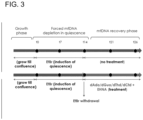
- EtBr was withdrawn from cell media and the treatment of a set of all cells was initiated with 200 ⁇ M of all four deoxynucleosides (dNs): dAdo (deoxyadenosine, Sigma), dCtd (deoxycytidine, Sigma), dGuo (deoxyguanosine, Sigma), dThd (deoxythymidine, Sigma) and 5 ⁇ M EHNA (Sigma).
- dNs deoxynucleosides
- dCtd deoxycytidine
- dGuo deoxyguanosine
- dThd deoxythymidine
- EHNA EHNA
- dNs and some related metabolites were measured by liquid chromatography coupled to tandem mass spectrometry (LC-MS/MS), using an Acquity UPLC-MS/MS apparatus (Acquity UPLC-Xevo TM TQ Mass Spectrometer, Waters, Milford, MA), as previously described [2].
- Cell medium was deproteinized by ultrafiltration (3 kDa Amicon Ultra filters, Millipore) at 14,000 x g and 4°C for 30 min before injection in the LC-MS/MS system.
- EtBr exposure induces a larger mtDNA depletion in POLG-deficient quiescent fibroblasts
- mtDNA depletion was induced both in healthy controls and in POLG-deficient quiescent cells by 14 days exposure to 5 ng/ml EtBr. It was observed a marked mtDNA depletion in all cells. However, all POLG-deficient cells experienced a higher degree of mtDNA depletion compared to that observed in fibroblast lines obtained from healthy controls (averaged percentage of mtDNA residual levels ⁇ SE : 17.5 ⁇ 2,3%; in control cells: 39.68 ⁇ 6.6%). This data suggests that the molecular defect caused by POLG mutations could aggravate EtBr interference with the replication process.
- Table 2 Compound concentration in media after 2-3 days of treatment Controls Patients dCtd 168.9 ⁇ 27.4 196 ⁇ 24.0 dUrd 46.7 ⁇ 27.6 6.2 ⁇ 3.4 dThd 154.8 ⁇ 9.1 153.9 ⁇ 10.2 Thymine 48.4 ⁇ 17.3 36.4 ⁇ 10.2 dGuo 171.6 ⁇ 17.9 173.3 ⁇ 16.5 Guanine 71.0 ⁇ 27.5 57.9 ⁇ 12.1 dAdo 140.4 ⁇ 15.7 142.9 ⁇ 17.5 dIno 50.7 ⁇ 22.1 30.7 ⁇ 10.7 hypoxanthine 23.7 ⁇ 8.8 22.7 ⁇ 8.3 Results are mean ⁇ SD from three different POLG-deficient and four control cell lines. durd: deoxyuridine; dlno: deoxyinosine.
- mtDNA recovery was monitored prior and after EtBr withdrawal either in the presence or absence of dNs supplementation (following the same protocol as the one of Camara Y. et al., 2014[2]).
- mtDNA copy number from control cells reached values above 100% of initial levels 12 days after EtBr withdrawal regardless of dNs treatment (averaged percentage of mtDNA residual levels ⁇ SE: 129.8 ⁇ 35.2% without treatment; 153.9 ⁇ 40.6% with treatment).
- POLG-deficient cells were unable to recover normal mtDNA levels (26.6 ⁇ 1.5%) unless being supplemented with dNs.
Landscapes
- Health & Medical Sciences (AREA)
- Life Sciences & Earth Sciences (AREA)
- Chemical & Material Sciences (AREA)
- Animal Behavior & Ethology (AREA)
- General Health & Medical Sciences (AREA)
- Public Health (AREA)
- Veterinary Medicine (AREA)
- Medicinal Chemistry (AREA)
- Pharmacology & Pharmacy (AREA)
- Epidemiology (AREA)
- Molecular Biology (AREA)
- Organic Chemistry (AREA)
- Bioinformatics & Cheminformatics (AREA)
- Engineering & Computer Science (AREA)
- Chemical Kinetics & Catalysis (AREA)
- General Chemical & Material Sciences (AREA)
- Nuclear Medicine, Radiotherapy & Molecular Imaging (AREA)
- Obesity (AREA)
- Hematology (AREA)
- Diabetes (AREA)
- Neurology (AREA)
- Neurosurgery (AREA)
- Physical Education & Sports Medicine (AREA)
- Orthopedic Medicine & Surgery (AREA)
- Biomedical Technology (AREA)
- Pharmaceuticals Containing Other Organic And Inorganic Compounds (AREA)
- Acyclic And Carbocyclic Compounds In Medicinal Compositions (AREA)
- Medicines That Contain Protein Lipid Enzymes And Other Medicines (AREA)
- Measuring Or Testing Involving Enzymes Or Micro-Organisms (AREA)
Applications Claiming Priority (3)
| Application Number | Priority Date | Filing Date | Title |
|---|---|---|---|
| EP15170825 | 2015-06-05 | ||
| EP16728892.7A EP3302499B1 (en) | 2015-06-05 | 2016-06-03 | Treatment of mitochondrial diseases |
| PCT/EP2016/062636 WO2016193421A1 (en) | 2015-06-05 | 2016-06-03 | Treatment of mitochondrial diseases |
Related Parent Applications (1)
| Application Number | Title | Priority Date | Filing Date |
|---|---|---|---|
| EP16728892.7A Division EP3302499B1 (en) | 2015-06-05 | 2016-06-03 | Treatment of mitochondrial diseases |
Publications (1)
| Publication Number | Publication Date |
|---|---|
| EP4218938A1 true EP4218938A1 (en) | 2023-08-02 |
Family
ID=53298228
Family Applications (2)
| Application Number | Title | Priority Date | Filing Date |
|---|---|---|---|
| EP16728892.7A Active EP3302499B1 (en) | 2015-06-05 | 2016-06-03 | Treatment of mitochondrial diseases |
| EP23156608.4A Pending EP4218938A1 (en) | 2015-06-05 | 2016-06-03 | Treatment of mitochondrial diseases |
Family Applications Before (1)
| Application Number | Title | Priority Date | Filing Date |
|---|---|---|---|
| EP16728892.7A Active EP3302499B1 (en) | 2015-06-05 | 2016-06-03 | Treatment of mitochondrial diseases |
Country Status (22)
| Country | Link |
|---|---|
| US (3) | US11337980B2 (sr) |
| EP (2) | EP3302499B1 (sr) |
| JP (4) | JP6885544B2 (sr) |
| CN (2) | CN107820430A (sr) |
| AU (2) | AU2016273340B2 (sr) |
| BR (1) | BR112017025839A2 (sr) |
| CA (1) | CA2991271C (sr) |
| CY (1) | CY1126058T1 (sr) |
| DK (1) | DK3302499T3 (sr) |
| ES (1) | ES2944551T3 (sr) |
| FI (1) | FI3302499T3 (sr) |
| HR (1) | HRP20230277T1 (sr) |
| HU (1) | HUE062134T2 (sr) |
| IL (3) | IL320960A (sr) |
| LT (1) | LT3302499T (sr) |
| MX (2) | MX2017015566A (sr) |
| PL (1) | PL3302499T3 (sr) |
| PT (1) | PT3302499T (sr) |
| RS (1) | RS64273B1 (sr) |
| RU (1) | RU2745611C2 (sr) |
| SI (1) | SI3302499T1 (sr) |
| WO (1) | WO2016193421A1 (sr) |
Families Citing this family (3)
| Publication number | Priority date | Publication date | Assignee | Title |
|---|---|---|---|---|
| BR112017025839A2 (en) * | 2015-06-05 | 2018-08-14 | Fundació Hospital Universitari Vall D'hebron - Institut De Recerca | treatment of mitochondrial diseases |
| JP6599484B2 (ja) | 2015-06-17 | 2019-10-30 | ザ・トラスティーズ・オブ・コロンビア・ユニバーシティ・イン・ザ・シティ・オブ・ニューヨーク | ミトコンドリアdna枯渇症候群を含む不均衡なヌクレオチドプールによって引き起こされる疾患のためのデオキシヌクレオシド療法 |
| EP4313068A4 (en) | 2021-03-26 | 2024-12-25 | UCB Biosciences, Inc. | Aqueous solutions containing purines and pyrimidines and uses thereof |
Citations (3)
| Publication number | Priority date | Publication date | Assignee | Title |
|---|---|---|---|---|
| WO2000050043A1 (en) * | 1999-02-23 | 2000-08-31 | The Regents Of The University Of California | Methods of treatment of mitochondrial disorders |
| CN104524546A (zh) * | 2014-12-18 | 2015-04-22 | 中国科学院广州生物医药与健康研究院 | 用于治疗Alpers-Huttenlocher综合征的药物组合物 |
| EP3302499A1 (en) * | 2015-06-05 | 2018-04-11 | Fundació Hospital Universitari Vall d' Hebron - Institut de Recerca | Treatment of mitochondrial diseases |
Family Cites Families (8)
| Publication number | Priority date | Publication date | Assignee | Title |
|---|---|---|---|---|
| US5246708A (en) | 1987-10-28 | 1993-09-21 | Pro-Neuron, Inc. | Methods for promoting wound healing with deoxyribonucleosides |
| ZA892928B (en) * | 1988-04-25 | 1991-01-30 | Pro Neuron Inc | Pharmaceutical compositions containing deoxyribonucleosides for wound healing |
| IT1247510B (it) | 1991-04-19 | 1994-12-17 | Univ Cagliari | Composizioni terapeutiche ad attivita' anti-hiv costituite da 2',3'-didesossiadenosina e sostanze inibitrici della adenosina-deaminasi |
| JPH0635389A (ja) | 1992-07-20 | 1994-02-10 | Fujitsu Ltd | ホログラム記録材料 |
| US20020006913A1 (en) * | 1997-11-04 | 2002-01-17 | Von Borstel Reid W. | Antimutagenic compositions for treatment and prevention of photodamage to skin |
| US6472378B2 (en) * | 1998-08-31 | 2002-10-29 | Pro-Neuron, Inc. | Compositions and methods for treatment of mitochondrial diseases |
| PL2424495T3 (pl) * | 2009-04-28 | 2018-06-29 | Bioelectron Technology Corporation | Leczenie dziedzicznej neuropatii nerwów wzrokowych lebera i dominującego zaniku nerwu wzrokowego chinonami tokotrienolu |
| US20150065556A1 (en) * | 2013-08-05 | 2015-03-05 | Whitehead Institute For Biomedical Research | Therapeutic targets for mitochondrial disorders |
-
2016
- 2016-06-03 BR BR112017025839-0A patent/BR112017025839A2/en not_active Application Discontinuation
- 2016-06-03 WO PCT/EP2016/062636 patent/WO2016193421A1/en not_active Ceased
- 2016-06-03 IL IL320960A patent/IL320960A/en unknown
- 2016-06-03 DK DK16728892.7T patent/DK3302499T3/da active
- 2016-06-03 JP JP2017562304A patent/JP6885544B2/ja active Active
- 2016-06-03 EP EP16728892.7A patent/EP3302499B1/en active Active
- 2016-06-03 PT PT167288927T patent/PT3302499T/pt unknown
- 2016-06-03 SI SI201631688T patent/SI3302499T1/sl unknown
- 2016-06-03 CA CA2991271A patent/CA2991271C/en active Active
- 2016-06-03 ES ES16728892T patent/ES2944551T3/es active Active
- 2016-06-03 HR HRP20230277TT patent/HRP20230277T1/hr unknown
- 2016-06-03 PL PL16728892.7T patent/PL3302499T3/pl unknown
- 2016-06-03 IL IL289747A patent/IL289747B2/en unknown
- 2016-06-03 HU HUE16728892A patent/HUE062134T2/hu unknown
- 2016-06-03 US US15/578,621 patent/US11337980B2/en active Active
- 2016-06-03 CN CN201680039230.6A patent/CN107820430A/zh active Pending
- 2016-06-03 EP EP23156608.4A patent/EP4218938A1/en active Pending
- 2016-06-03 CN CN202411538223.3A patent/CN119386033A/zh active Pending
- 2016-06-03 RS RS20230259A patent/RS64273B1/sr unknown
- 2016-06-03 AU AU2016273340A patent/AU2016273340B2/en active Active
- 2016-06-03 RU RU2018123532A patent/RU2745611C2/ru active
- 2016-06-03 LT LTEPPCT/EP2016/062636T patent/LT3302499T/lt unknown
- 2016-06-03 MX MX2017015566A patent/MX2017015566A/es unknown
- 2016-06-03 FI FIEP16728892.7T patent/FI3302499T3/fi active
-
2017
- 2017-11-29 IL IL255988A patent/IL255988B/en unknown
- 2017-12-01 MX MX2022012719A patent/MX2022012719A/es unknown
-
2021
- 2021-04-28 JP JP2021075504A patent/JP2021121594A/ja active Pending
- 2021-12-08 AU AU2021282462A patent/AU2021282462B2/en active Active
-
2022
- 2022-04-25 US US17/728,698 patent/US11998551B2/en active Active
-
2023
- 2023-05-26 CY CY20231100251T patent/CY1126058T1/el unknown
- 2023-05-30 JP JP2023088479A patent/JP2023123444A/ja active Pending
-
2024
- 2024-05-01 US US18/652,660 patent/US20250099473A1/en active Pending
-
2025
- 2025-07-25 JP JP2025124734A patent/JP2025172733A/ja active Pending
Patent Citations (4)
| Publication number | Priority date | Publication date | Assignee | Title |
|---|---|---|---|---|
| WO2000050043A1 (en) * | 1999-02-23 | 2000-08-31 | The Regents Of The University Of California | Methods of treatment of mitochondrial disorders |
| CN104524546A (zh) * | 2014-12-18 | 2015-04-22 | 中国科学院广州生物医药与健康研究院 | 用于治疗Alpers-Huttenlocher综合征的药物组合物 |
| EP3302499A1 (en) * | 2015-06-05 | 2018-04-11 | Fundació Hospital Universitari Vall d' Hebron - Institut de Recerca | Treatment of mitochondrial diseases |
| EP3302499B1 (en) * | 2015-06-05 | 2023-03-15 | Fundació Hospital Universitari Vall d'Hebron - Institut de Recerca | Treatment of mitochondrial diseases |
Non-Patent Citations (41)
| Title |
|---|
| "NCBI", Database accession no. NP_001119603.1 |
| AMATI-BONNEAU P, VALENTINO ML, REYNIER P, GALLARDO ME, BORNSTEIN B: "OPA1 mutations induce mitochondrial DNA instability and optic atrophy 'plus' phenotypes", BRAIN, vol. 131, 2008, pages 338 - 351 |
| AMIOT ATCHIKVILADZE MJOLY FSLAMA AHATEM DC ET AL.: "Frequency of mitochondrial defects in patients with chronic intestinal pseudo-obstruction", GASTROENTEROLOGY, vol. 137, 2009, pages 101 - 109, XP026234045, DOI: 10.1053/j.gastro.2009.03.054 |
| BLAKELY EL, BUTTERWORTH A, HADDEN RD, BODI I, HE L: "MPV17 mutation causes neuropathy and leukoencephalopathy with multiple mtDNA deletions in muscle", NEUROMUSCUL DISORD, vol. 22, 2012, pages 587 - 591, XP028491127, DOI: 10.1016/j.nmd.2012.03.006 |
| BONNEN PEYARHAM JWBESSE AWU PFAQEIH EA ET AL.: "Mutations in FBXL4 cause mitochondrial encephalopathy and a disorder of mitochondrial DNA maintenance", AM J HUM GENET, vol. 93, 2013, pages 471 - 481 |
| BOURDON AMINAI LSERRE VJAIS JPSARZI E ET AL.: "Mutation of RRM2B, encoding p53-controlled ribonucleotide reductase (p53R2), causes severe mitochondrial DNA depletion", NAT GENET, vol. 39, 2007, pages 776 - 780 |
| CAMARA YGONZALEZ-VIOQUE ESCARPELLI MTORRES-TORRONTERAS JCABALLERO A ET AL.: "Administration of deoxyribonucleosides or inhibition of their catabolism as a pharmacological approach for mitochondrial DNA depletion syndrome", HUM MOL GENET, vol. 23, 2014, pages 2459 - 2467, XP055228156, DOI: 10.1093/hmg/ddt641 |
| CAMARA YGONZALEZ-VIOQUE ESCARPELLI MTORRES-TORRONTERAS JMARTI R: "Feeding the deoxyribonucleoside salvage pathway to rescue mitochondrial DNA", DRUG DISCOV TODAY, vol. 18, 2013, pages 950 - 957, XP055338099, DOI: 10.1016/j.drudis.2013.06.009 |
| COPELAND WC: "Defects in mitochondrial DNA replication and human disease", CRIT REV BIOCHEM MOL BIOL, vol. 47, 2012, pages 64 - 74 |
| COPELAND WC: "Defects of mitochondrial DNA replication", J CHILD NEUROL, vol. 29, 2014, pages 1216 - 1224 |
| COPELAND WC: "Inherited mitochondrial diseases of DNA replication", ANNU REV MED, vol. 59, 2008, pages 131 - 146 |
| EL-HATTAB AYMAN W ET AL: "Mitochondrial DNA Depletion Syndromes: Review and Updates of Genetic Basis, Manifestations, and Therapeutic Options", NEUROTHERAPEUTICS, ELSEVIER INC, US, vol. 10, no. 2, 6 February 2013 (2013-02-06), pages 186 - 198, XP035352266, ISSN: 1933-7213, [retrieved on 20130206], DOI: 10.1007/S13311-013-0177-6 * |
| GAI XGHEZZI DJOHNSON MABIAGOSCH CASHAMSELDIN HE ET AL.: "Mutations in FBXL4, encoding a mitochondrial protein, cause early-onset mitochondrial encephalomyopathy", AM J HUM GENET, vol. 93, 2013, pages 482 - 495 |
| GARONE C, GARCIA-DIAZ B, EMMANUELE V, LOPEZ LC, TADESSE S: "Deoxypyrimidine monophosphate bypass therapy for thymidine kinase 2 deficiency", EMBO MOL MED, vol. 6, 2014, pages 1016 - 1027, XP055338097, DOI: 10.15252/emmm.201404092 |
| HAKONEN AH, ISOHANNI P, PAETAU A, HERVA R, SUOMALAINEN A: "Recessive Twinkle mutations in early onset encephalopathy with mtDNA depletion", BRAIN, vol. 130, 2007, pages 3032 - 3040 |
| KEIKO SAITO ET AL: "Pyruvate therapy for mitochondrial DNA depletion syndrome", BIOCHIMICA ET BIOPHYSICA ACTA (BBA) - GENERAL SUBJECTS, vol. 1820, no. 5, 1 May 2012 (2012-05-01), AMSTERDAM, NL, pages 632 - 636, XP055228134, ISSN: 0304-4165, DOI: 10.1016/j.bbagen.2011.08.006 * |
| KORHONEN JAPHAM XHPELLEGRINI MFALKENBERG M: "Reconstitution of a minimal mtDNA replisome in vitro", EMBO J, vol. 23, 2004, pages 2423 - 2429 |
| KORNBLUM C, NICHOLLS TJ, HAACK TB, SCHOLER S, PEEVA V: "Loss-of-function mutations in MGME1 impair mtDNA replication and cause multisystemic mitochondrial disease", NAT GENET, 2013 |
| LONGLEY MJCLARK SYU WAI MAN CHUDSON GDURHAM SE ET AL.: "Mutant POLG2 disrupts DNA polymerase gamma subunits and causes progressive external ophthalmoplegia", AM J HUM GENET, vol. 78, 2006, pages 1026 - 1034 |
| MANDEL HSZARGEL RLABAY VELPELEG OSAADA A ET AL.: "The deoxyguanosine kinase gene is mutated in individuals with depleted hepatocerebral mitochondrial DNA", NAT GENET, vol. 29, 2001, pages 337 - 341 |
| MYERS KENNETH ET AL: "safety and efficacy of deoxycytidine/deoxythymidine combination therapy for polg-related disorders: clinical trial (Abstract number : 2.481 )", WWW.AESNET.ORG, 12 March 2023 (2023-03-12), XP093274528, Retrieved from the Internet <URL:https://aesnet.org/abstractslisting/safety-and-efficacy-of-deoxycytidine-deoxythymidine-combination-therapy-for-polg-related-disorders-clinical-trial> * |
| NAVIAUX RK, NYHAN WL, BARSHOP BA, POULTON J, MARKUSIC D: "Mitochondrial DNA polymerase gamma deficiency and mtDNA depletion in a child with Alpers' syndrome", ANN NEUROL, vol. 45, 1999, pages 54 - 58, XP071635524, DOI: 10.1002/1531-8249(199901)45:1<54::AID-ART10>3.0.CO;2-B |
| NISHIGAKI YMARTI RHIRANO M: "ND5 is a hot-spot for multiple atypical mitochondrial DNA deletions in mitochondrial neurogastrointestinal encephalomyopathy", HUM MOL GENET, vol. 13, 2004, pages 91 - 101 |
| NISHINO ISPINAZZOLA AHIRANO M: "Thymidine phosphorylase gene mutations in MNGIE, a human mitochondrial disorder", SCIENCE, vol. 283, 1999, pages 689 - 692 |
| NOGUEIRA CALMEIDA LSNESTI CPEZZINI IVIDEIRA A ET AL.: "Syndromes associated with mitochondrial DNA depletion", ITAL J PEDIATR, vol. 40, 2014, pages 34, XP021182434, DOI: 10.1186/1824-7288-40-34 |
| OSTERGAARD ESCHWARTZ MBATBAYLI MCHRISTENSEN EHJALMARSON O ET AL.: "A novel missense mutation in SUCLG1 associated with mitochondrial DNA depletion, encephalomyopathic form, with methylmalonic aciduria", EURJ PEDIATR, vol. 169, 2005, pages 201 - 205, XP019781532 |
| PEKELES HEATHER ET AL: "Safety and efficacy of deoxycytidine/deoxythymidine combination therapy in POLG-related disorders: 6-month interim results of an open-label, single arm, phase 2 trial", ECLINICAL MEDICINE, vol. 74, 1 August 2024 (2024-08-01), pages 102740, XP093274527, ISSN: 2589-5370, DOI: 10.1016/j.eclinm.2024.102740 * |
| PONTARIN ET AL.: "Mammalian ribonucleotide reductase subunit p53R2 is required for mitochondrial DNA replication and DNA repair in quiescent cells", PNAS, vol. 109, no. 33, 2012, pages 13302 - 13307, XP055631135, DOI: 10.1073/pnas.1211289109 |
| RENALDO FAMATI-BONNEAU PSLAMA AROMANA CFORIN V ET AL.: "MFN2, a new gene responsible for mitochondrial DNA depletion", BRAIN, 2012 |
| RONCHI D, DI FONZO A, LIN W, BORDONI A, LIU C: "Mutations in DNA2 Link Progressive Myopathy to Mitochondrial DNA Instability", J HUM GENET |
| ROUZIER CBANNWARTH SCHAUSSENOT ACHEVROLLIER AVERSCHUEREN A ET AL.: "The MFN2 gene is responsible for mitochondrial DNA instability and optic atrophy 'plus' phenotype", BRAIN, vol. 135, 2012, pages 23 - 34 |
| RUSSELL P. SANETO ET AL: "Alpers-Huttenlocher Syndrome", PEDIATRIC NEUROLOGY., vol. 48, no. 3, 1 March 2013 (2013-03-01), NL, pages 167 - 178, XP055228448, ISSN: 0887-8994, DOI: 10.1016/j.pediatrneurol.2012.09.014 * |
| S. BULST ET AL: "In vitro supplementation with dAMP/dGMP leads to partial restoration of mtDNA levels in mitochondrial depletion syndromes", HUMAN MOLECULAR GENETICS, vol. 18, no. 9, 1 May 2009 (2009-05-01), gb, pages 1590 - 1599, XP055228477, ISSN: 0964-6906, DOI: 10.1093/hmg/ddp074 * |
| S. KRISHNAN ET AL: "Transgene Expression of Drosophila melanogaster Nucleoside Kinase Reverses Mitochondrial Thymidine Kinase 2 Deficiency", JOURNAL OF BIOLOGICAL CHEMISTRY, vol. 288, no. 7, 15 February 2013 (2013-02-15), US, pages 5072 - 5079, XP055228429, ISSN: 0021-9258, DOI: 10.1074/jbc.M112.437152 * |
| SAADA ASHAAG AMANDEL HNEVO YERIKSSON S ET AL.: "Mutant mitochondrial thymidine kinase in mitochondrial DNA depletion myopathy", NAT GENET, vol. 29, 2001, pages 342 - 344 |
| SPINAZZOLA A, VISCOMI C, FERNANDEZ-VIZARRA E, CARRARA F, D'ADAMO P: "MPV17 encodes an inner mitochondrial membrane protein and is mutated in infantile hepatic mitochondrial DNA depletion", GENET, vol. 38, 2006, pages 570 - 575 |
| SPINAZZOLA AZEVIANI M: "Disorders of nuclear-mitochondrial intergenomic signaling", GENE, vol. 354, 2005, pages 162 - 168 |
| SUOMALAINEN AISOHANNI P: "Mitochondrial DNA depletion syndromes--many genes, common mechanisms", NEUROMUSCUL DISORD, vol. 20, 2010, pages 429 - 437, XP027104038 |
| WALKER UA, VENHOFF N.: "Uridine in the prevention and treatment of NRTI-related mitochondrial toxicity.", 2005, XP002751217, Retrieved from the Internet <URL:http://www.ncbi.nlm.nih.gov/pubmed/16152713> [retrieved on 20150113] * |
| WEDDING IM, KOHT J, TRAN GT, MISCEO D, SELMER KK: "Spastic paraplegia type 7 is associated with multiple mitochondrial DNA deletions", PLOS ONE, vol. 9, 2014, pages e86340 |
| Y. CAMARA ET AL: "Administration of deoxyribonucleosides or inhibition of their catabolism as a pharmacological approach for mitochondrial DNA depletion syndrome", HUMAN MOLECULAR GENETICS, vol. 23, no. 9, 1 May 2014 (2014-05-01), gb, pages 2459 - 2467, XP055228156, ISSN: 0964-6906, DOI: 10.1093/hmg/ddt641 * |
Also Published As
Similar Documents
| Publication | Publication Date | Title |
|---|---|---|
| US20250099473A1 (en) | Treatment of mitochondrial diseases | |
| US11666592B2 (en) | Deoxynucleoside therapy for diseases caused by unbalanced nucleotide pools including mitochondrial DNA depletion syndromes | |
| CN112384228A (zh) | 用于治疗由失衡的核苷酸池引起的疾病的脱氧核苷的前药 | |
| RU2834339C1 (ru) | Лечение митохондриальных заболеваний | |
| HK40090812A (en) | Treatment of mitochondrial diseases | |
| HK1253801B (en) | Treatment of mitochondrial diseases | |
| HK1253801A1 (en) | Treatment of mitochondrial diseases | |
| HK40020049A (en) | Deoxynucleoside therapy for diseases caused by unbalanced nucleotide pools including mitochondrial dna depletion syndromes |
Legal Events
| Date | Code | Title | Description |
|---|---|---|---|
| PUAI | Public reference made under article 153(3) epc to a published international application that has entered the european phase |
Free format text: ORIGINAL CODE: 0009012 |
|
| STAA | Information on the status of an ep patent application or granted ep patent |
Free format text: STATUS: THE APPLICATION HAS BEEN PUBLISHED |
|
| AC | Divisional application: reference to earlier application |
Ref document number: 3302499 Country of ref document: EP Kind code of ref document: P |
|
| AK | Designated contracting states |
Kind code of ref document: A1 Designated state(s): AL AT BE BG CH CY CZ DE DK EE ES FI FR GB GR HR HU IE IS IT LI LT LU LV MC MK MT NL NO PL PT RO RS SE SI SK SM TR |
|
| REG | Reference to a national code |
Ref country code: HK Ref legal event code: DE Ref document number: 40090812 Country of ref document: HK |
|
| STAA | Information on the status of an ep patent application or granted ep patent |
Free format text: STATUS: REQUEST FOR EXAMINATION WAS MADE |
|
| 17P | Request for examination filed |
Effective date: 20240202 |
|
| RBV | Designated contracting states (corrected) |
Designated state(s): AL AT BE BG CH CY CZ DE DK EE ES FI FR GB GR HR HU IE IS IT LI LT LU LV MC MK MT NL NO PL PT RO RS SE SI SK SM TR |
|
| STAA | Information on the status of an ep patent application or granted ep patent |
Free format text: STATUS: EXAMINATION IS IN PROGRESS |
|
| 17Q | First examination report despatched |
Effective date: 20250512 |