EP4219112B1 - Production apparatus for polymer-based articles - Google Patents
Production apparatus for polymer-based articles Download PDFInfo
- Publication number
- EP4219112B1 EP4219112B1 EP23154441.2A EP23154441A EP4219112B1 EP 4219112 B1 EP4219112 B1 EP 4219112B1 EP 23154441 A EP23154441 A EP 23154441A EP 4219112 B1 EP4219112 B1 EP 4219112B1
- Authority
- EP
- European Patent Office
- Prior art keywords
- weighing
- mixing unit
- supply hopper
- polymer blend
- hopper
- Prior art date
- Legal status (The legal status is an assumption and is not a legal conclusion. Google has not performed a legal analysis and makes no representation as to the accuracy of the status listed.)
- Active
Links
Images

Classifications
-
- B—PERFORMING OPERATIONS; TRANSPORTING
- B29—WORKING OF PLASTICS; WORKING OF SUBSTANCES IN A PLASTIC STATE IN GENERAL
- B29B—PREPARATION OR PRETREATMENT OF THE MATERIAL TO BE SHAPED; MAKING GRANULES OR PREFORMS; RECOVERY OF PLASTICS OR OTHER CONSTITUENTS OF WASTE MATERIAL CONTAINING PLASTICS
- B29B7/00—Mixing; Kneading
- B29B7/02—Mixing; Kneading non-continuous, with mechanical mixing or kneading devices, i.e. batch type
- B29B7/22—Component parts, details or accessories; Auxiliary operations
- B29B7/24—Component parts, details or accessories; Auxiliary operations for feeding
- B29B7/242—Component parts, details or accessories; Auxiliary operations for feeding in measured doses
- B29B7/244—Component parts, details or accessories; Auxiliary operations for feeding in measured doses of several materials
-
- B—PERFORMING OPERATIONS; TRANSPORTING
- B29—WORKING OF PLASTICS; WORKING OF SUBSTANCES IN A PLASTIC STATE IN GENERAL
- B29B—PREPARATION OR PRETREATMENT OF THE MATERIAL TO BE SHAPED; MAKING GRANULES OR PREFORMS; RECOVERY OF PLASTICS OR OTHER CONSTITUENTS OF WASTE MATERIAL CONTAINING PLASTICS
- B29B13/00—Conditioning or physical treatment of the material to be shaped
- B29B13/06—Conditioning or physical treatment of the material to be shaped by drying
- B29B13/065—Conditioning or physical treatment of the material to be shaped by drying of powder or pellets
-
- B—PERFORMING OPERATIONS; TRANSPORTING
- B29—WORKING OF PLASTICS; WORKING OF SUBSTANCES IN A PLASTIC STATE IN GENERAL
- B29B—PREPARATION OR PRETREATMENT OF THE MATERIAL TO BE SHAPED; MAKING GRANULES OR PREFORMS; RECOVERY OF PLASTICS OR OTHER CONSTITUENTS OF WASTE MATERIAL CONTAINING PLASTICS
- B29B7/00—Mixing; Kneading
- B29B7/02—Mixing; Kneading non-continuous, with mechanical mixing or kneading devices, i.e. batch type
- B29B7/22—Component parts, details or accessories; Auxiliary operations
- B29B7/28—Component parts, details or accessories; Auxiliary operations for measuring, controlling or regulating, e.g. viscosity control
-
- B—PERFORMING OPERATIONS; TRANSPORTING
- B29—WORKING OF PLASTICS; WORKING OF SUBSTANCES IN A PLASTIC STATE IN GENERAL
- B29B—PREPARATION OR PRETREATMENT OF THE MATERIAL TO BE SHAPED; MAKING GRANULES OR PREFORMS; RECOVERY OF PLASTICS OR OTHER CONSTITUENTS OF WASTE MATERIAL CONTAINING PLASTICS
- B29B7/00—Mixing; Kneading
- B29B7/74—Mixing; Kneading using other mixers or combinations of mixers, e.g. of dissimilar mixers ; Plant
- B29B7/7476—Systems, i.e. flow charts or diagrams; Plants
- B29B7/748—Plants
-
- B—PERFORMING OPERATIONS; TRANSPORTING
- B29—WORKING OF PLASTICS; WORKING OF SUBSTANCES IN A PLASTIC STATE IN GENERAL
- B29B—PREPARATION OR PRETREATMENT OF THE MATERIAL TO BE SHAPED; MAKING GRANULES OR PREFORMS; RECOVERY OF PLASTICS OR OTHER CONSTITUENTS OF WASTE MATERIAL CONTAINING PLASTICS
- B29B7/00—Mixing; Kneading
- B29B7/80—Component parts, details or accessories; Auxiliary operations
- B29B7/82—Heating or cooling
- B29B7/826—Apparatus therefor
-
- B—PERFORMING OPERATIONS; TRANSPORTING
- B29—WORKING OF PLASTICS; WORKING OF SUBSTANCES IN A PLASTIC STATE IN GENERAL
- B29B—PREPARATION OR PRETREATMENT OF THE MATERIAL TO BE SHAPED; MAKING GRANULES OR PREFORMS; RECOVERY OF PLASTICS OR OTHER CONSTITUENTS OF WASTE MATERIAL CONTAINING PLASTICS
- B29B7/00—Mixing; Kneading
- B29B7/80—Component parts, details or accessories; Auxiliary operations
- B29B7/86—Component parts, details or accessories; Auxiliary operations for working at sub- or superatmospheric pressure
-
- B—PERFORMING OPERATIONS; TRANSPORTING
- B29—WORKING OF PLASTICS; WORKING OF SUBSTANCES IN A PLASTIC STATE IN GENERAL
- B29C—SHAPING OR JOINING OF PLASTICS; SHAPING OF MATERIAL IN A PLASTIC STATE, NOT OTHERWISE PROVIDED FOR; AFTER-TREATMENT OF THE SHAPED PRODUCTS, e.g. REPAIRING
- B29C45/00—Injection moulding, i.e. forcing the required volume of moulding material through a nozzle into a closed mould; Apparatus therefor
- B29C45/17—Component parts, details or accessories; Auxiliary operations
- B29C45/18—Feeding the material into the injection moulding apparatus, i.e. feeding the non-plastified material into the injection unit
- B29C45/1808—Feeding measured doses
-
- B—PERFORMING OPERATIONS; TRANSPORTING
- B29—WORKING OF PLASTICS; WORKING OF SUBSTANCES IN A PLASTIC STATE IN GENERAL
- B29C—SHAPING OR JOINING OF PLASTICS; SHAPING OF MATERIAL IN A PLASTIC STATE, NOT OTHERWISE PROVIDED FOR; AFTER-TREATMENT OF THE SHAPED PRODUCTS, e.g. REPAIRING
- B29C45/00—Injection moulding, i.e. forcing the required volume of moulding material through a nozzle into a closed mould; Apparatus therefor
- B29C45/17—Component parts, details or accessories; Auxiliary operations
- B29C45/18—Feeding the material into the injection moulding apparatus, i.e. feeding the non-plastified material into the injection unit
- B29C45/1866—Feeding multiple materials
-
- B—PERFORMING OPERATIONS; TRANSPORTING
- B29—WORKING OF PLASTICS; WORKING OF SUBSTANCES IN A PLASTIC STATE IN GENERAL
- B29B—PREPARATION OR PRETREATMENT OF THE MATERIAL TO BE SHAPED; MAKING GRANULES OR PREFORMS; RECOVERY OF PLASTICS OR OTHER CONSTITUENTS OF WASTE MATERIAL CONTAINING PLASTICS
- B29B7/00—Mixing; Kneading
- B29B7/02—Mixing; Kneading non-continuous, with mechanical mixing or kneading devices, i.e. batch type
- B29B7/06—Mixing; Kneading non-continuous, with mechanical mixing or kneading devices, i.e. batch type with movable mixing or kneading devices
- B29B7/10—Mixing; Kneading non-continuous, with mechanical mixing or kneading devices, i.e. batch type with movable mixing or kneading devices rotary
- B29B7/12—Mixing; Kneading non-continuous, with mechanical mixing or kneading devices, i.e. batch type with movable mixing or kneading devices rotary with single shaft
- B29B7/14—Mixing; Kneading non-continuous, with mechanical mixing or kneading devices, i.e. batch type with movable mixing or kneading devices rotary with single shaft with screw or helix
-
- B—PERFORMING OPERATIONS; TRANSPORTING
- B29—WORKING OF PLASTICS; WORKING OF SUBSTANCES IN A PLASTIC STATE IN GENERAL
- B29B—PREPARATION OR PRETREATMENT OF THE MATERIAL TO BE SHAPED; MAKING GRANULES OR PREFORMS; RECOVERY OF PLASTICS OR OTHER CONSTITUENTS OF WASTE MATERIAL CONTAINING PLASTICS
- B29B7/00—Mixing; Kneading
- B29B7/02—Mixing; Kneading non-continuous, with mechanical mixing or kneading devices, i.e. batch type
- B29B7/06—Mixing; Kneading non-continuous, with mechanical mixing or kneading devices, i.e. batch type with movable mixing or kneading devices
- B29B7/10—Mixing; Kneading non-continuous, with mechanical mixing or kneading devices, i.e. batch type with movable mixing or kneading devices rotary
- B29B7/12—Mixing; Kneading non-continuous, with mechanical mixing or kneading devices, i.e. batch type with movable mixing or kneading devices rotary with single shaft
- B29B7/16—Mixing; Kneading non-continuous, with mechanical mixing or kneading devices, i.e. batch type with movable mixing or kneading devices rotary with single shaft with paddles or arms
-
- B—PERFORMING OPERATIONS; TRANSPORTING
- B29—WORKING OF PLASTICS; WORKING OF SUBSTANCES IN A PLASTIC STATE IN GENERAL
- B29B—PREPARATION OR PRETREATMENT OF THE MATERIAL TO BE SHAPED; MAKING GRANULES OR PREFORMS; RECOVERY OF PLASTICS OR OTHER CONSTITUENTS OF WASTE MATERIAL CONTAINING PLASTICS
- B29B7/00—Mixing; Kneading
- B29B7/30—Mixing; Kneading continuous, with mechanical mixing or kneading devices
- B29B7/58—Component parts, details or accessories; Auxiliary operations
- B29B7/60—Component parts, details or accessories; Auxiliary operations for feeding, e.g. end guides for the incoming material
- B29B7/603—Component parts, details or accessories; Auxiliary operations for feeding, e.g. end guides for the incoming material in measured doses, e.g. proportioning of several materials
-
- B—PERFORMING OPERATIONS; TRANSPORTING
- B29—WORKING OF PLASTICS; WORKING OF SUBSTANCES IN A PLASTIC STATE IN GENERAL
- B29C—SHAPING OR JOINING OF PLASTICS; SHAPING OF MATERIAL IN A PLASTIC STATE, NOT OTHERWISE PROVIDED FOR; AFTER-TREATMENT OF THE SHAPED PRODUCTS, e.g. REPAIRING
- B29C45/00—Injection moulding, i.e. forcing the required volume of moulding material through a nozzle into a closed mould; Apparatus therefor
- B29C2045/0096—Injection moulding, i.e. forcing the required volume of moulding material through a nozzle into a closed mould; Apparatus therefor drying the moulding material before injection, e.g. by heating
-
- B—PERFORMING OPERATIONS; TRANSPORTING
- B29—WORKING OF PLASTICS; WORKING OF SUBSTANCES IN A PLASTIC STATE IN GENERAL
- B29L—INDEXING SCHEME ASSOCIATED WITH SUBCLASS B29C, RELATING TO PARTICULAR ARTICLES
- B29L2031/00—Other particular articles
- B29L2031/48—Wearing apparel
- B29L2031/50—Footwear, e.g. shoes or parts thereof
- B29L2031/504—Soles
-
- F—MECHANICAL ENGINEERING; LIGHTING; HEATING; WEAPONS; BLASTING
- F26—DRYING
- F26B—DRYING SOLID MATERIALS OR OBJECTS BY REMOVING LIQUID THEREFROM
- F26B2200/00—Drying processes and machines for solid materials characterised by the specific requirements of the drying goods
- F26B2200/08—Granular materials
-
- F—MECHANICAL ENGINEERING; LIGHTING; HEATING; WEAPONS; BLASTING
- F26—DRYING
- F26B—DRYING SOLID MATERIALS OR OBJECTS BY REMOVING LIQUID THEREFROM
- F26B3/00—Drying solid materials or objects by processes involving the application of heat
- F26B3/02—Drying solid materials or objects by processes involving the application of heat by convection, i.e. heat being conveyed from a heat source to the materials or objects to be dried by a gas or vapour, e.g. air
- F26B3/06—Drying solid materials or objects by processes involving the application of heat by convection, i.e. heat being conveyed from a heat source to the materials or objects to be dried by a gas or vapour, e.g. air the gas or vapour flowing through the materials or objects to be dried
Definitions
- the present invention relates to a production apparatus for polymer-based articles which is preferably, though not exclusively, used in the field of production of footwear items or components thereof, such as, for example, the soles.
- the transforming machines which are supplied by a polymer blend in granular form, provide in a first step for bringing the polymer blend to the molten or semi-molten state, for example, inside an extruder, and then for injecting it inside a mould having the form of the desired article where it is solidified, thus obtaining the final article.
- the polymer blend in the molten or semi-molten state can be caused to pass through an extrusion head having a predefined profile which, in this case, also confers on the molten or semi-molten material the desired shape of the article to be obtained.
- blends are configured to confer on the final product chemical/physical or mechanical characteristics which are adequate for the purposes intended for the use thereof and can provide for the combination of a consistent number of materials, including one or more polymer materials and one or more additives which can be both of an organic nature and of an inorganic nature.
- these materials can differ from each other as a result of any characteristic thereof, such as, for example, the chemical composition or the form thereof or the degree of purity thereof or the origin thereof.
- the materials to be mixed may be one or more granular polymers, a mineral filler and one or more additives, such as a stabilizing compound, an antioxidant compound or a colouring compound.
- the polymers to be mixed may be of the same type, for example, TPU or EVA, but may have different origins, such as, for example, virgin material or recycled material or may have different characteristics, for example, in terms of Shore hardness.
- the polymer blends are generally prepared in a weighing and mixing unit, where the different materials are charged in accordance with the intended quantities from a respective recipe which defines the precise relationship between the different materials of each polymer blend and are therefore mixed with each other in a virtually homogeneous manner before being supplied to the transforming machine.
- the term "granular material" is intended to be understood to be a plurality of solid elements which are different and separate from each other, having suitable dimensions and shape in accordance with the processing to be carried out and the material used, including the powdered or flaked polymer material.
- the blend is based on polymer material when at least 40% of the material of the blend is formed by one or more polymer materials, preferably at least 60%.
- the polymer material may be any material which is suitable for and normally used in processing operations for plastics materials.
- it is a thermoplastic material, such as, for example, polyolefins, polyurethanes, polyesters, polyamides or the copolymers thereof.
- Preferred examples of polymer materials are ethylene vinyl acetate (EVA) copolymer and thermoplastic polyurethane (TPU).
- the object of the present invention is to provide a production apparatus for polymer-based articles which is structurally and functionally configured to at least partially overcome one or more of the disadvantages set out above with reference to the cited prior art.
- the apparatus of present invention advantageously allows the polymer blend which is prepared by the weighing and mixing unit to be heated shortly before it is supplied to the transforming machine, preventing the dispersion of heat and the possibility of absorbing fresh humidity before being introduced into the transforming machine.
- the apparatus of present invention may have at least one of the preferred features described below.
- the weighing and mixing unit is positioned at a higher level than the supply hopper so as to allow the transfer of the polymer blend by falling from the weighing and mixing unit to the supply hopper.
- the weighing and mixing unit is positioned vertically above the supply hopper.
- the configuration of the apparatus is advantageously optimized, minimizing the overall dimensions thereof and making full use of gravitational force for moving the polymer blend between the various components thereof.
- the supply hopper is positioned at a higher level than the transforming machine so as to allow the transfer of the polymer blend by falling from the supply hopper to the transforming machine.
- the supply hopper is positioned vertically above the transforming machine.
- the weighing and mixing unit is connected to a plurality of storage tanks.
- each storage tank contains a respective material which forms a component of the polymer blend.
- the storage tanks have suitable dimensions and are provided in suitable numbers in accordance with the polymer blends to be prepared for the production of the desired articles.
- the weighing and mixing unit is connected to each storage tank by means of a respective charging line.
- the materials are of the granular type and the charging line is configured to carry out a pneumatic transport of the materials from the storage tanks to the weighing and mixing unit.
- the weighing and mixing unit is connected to a charging line for recycled material which originates from waste of the articles.
- the weighing and mixing unit comprises a mixing hopper which is positioned downstream of the weighing hopper and which is provided with a mixing member which is configured to mix the materials which are contained in the mixing hopper.
- the heating circuit comprises a dehumidifying device which is configured to dehumidify the gas before it is introduced into the supply hopper.
- the polymer blend in the supply hopper is dried before being introduced into the transforming machine.
- the transforming machine is preferably an injection-moulding machine or an extruder.
- the articles are preferably soles of footwear items.
- the apparatus 1 is provided to produce soles for footwear and it is particularly provided to simultaneously produce different soles both in terms of form and dimensions and in terms of composition of the polymer blend from which they are produced.
- the apparatus 1 comprises three transforming machines 2, in particular of the injection-moulding type, which operate substantially independently of each other.
- the transforming machines 2 can produce articles from the same polymer blend having the same composition or can produce articles from polymer blends having different compositions.
- the apparatus 1 may have a different number of transforming machines 2, including only one.
- Each transforming machine 2 is supplied by a respective supply hopper 8 which is positioned above the transforming machine 2 so as to supply the polymer blend to the transforming machine 2 by gravitational force through a discharge pipe 9.
- the polymer blends which can be used in the transforming machines 2 are prepared from materials which are contained in suitable storage tanks 3.
- the storage tanks 3 may differ from one another in shape and dimensions and, in the preferred embodiment considered here, there are four of them.
- the materials contained in the storage tanks 3 are of the granular type with chemical/physical characteristics which are different from each other and are, for example, granules of virgin polymer materials or recycled polymer materials or granules of additive materials.
- each supply hopper 8 there is further provided a respective weighing and mixing unit 10 which is configured to prepare a polymer blend from the materials which are contained in the storage tanks 3 or which are obtained in the grinding device 3a.
- Each supply hopper is therefore interposed between a weighing and mixing unit 10, from which it is separated by means of a valve 8a, and a transforming machine 2, from which it is separated by means of a valve 8b.
- the transfer of the materials which are contained in the storage tanks 3 to the different weighing and mixing units 10 is brought about by means of a first pneumatic transport circuit.
- each storage tank 3 is connected to the different weighing and mixing units 10 by means of a respective charging line 4 which is provided, at the weighing and mixing unit 10, with a respective container 5 where, as a result of the provision of a filter which is positioned at the outlet of the container, the material which is transported in the charging line 4 is separated and is caused to fall into the weighing and mixing unit 10.
- the charging lines 4 are all connected by means of respective shutoff valves to a first intake line 6, which is in turn connected to a first vacuum pump 7.
- the apparatus 1 further comprises a second pneumatic transport circuit which is provided to transport the recycled material from the grinding machine 3a to one (or more) weighing and mixing unit(s) 10.
- the second transport circuit comprises a transport line 14 which is connected to the outlet of the grinding machine 3a and which, in the region of the weighing and mixing unit 10, opens in a container 15, where the recycled material, also due to the provision of a suitable filter positioned at the outlet of the container 15, is separated from the transport gas and caused to fall into the weighing and mixing unit 10.
- the transport line 14 Downstream of the container 15, the transport line 14 is connected by means of respective shutoff valves to a second intake line 16 which is in turn connected to a second vacuum pump 17.
- the weighing and mixing unit 10 is of the gravimetric type and comprises a weighing hopper 11 which is configured to receive and weigh the material which is released from time to time by one of the containers 5 and 15. To this end, the weighing hopper 11 is supported on load cells 12 so as to allow the precise measurement of the quantity of material introduced into the weighing hopper 11.
- the weighing and mixing unit 10 further comprises a mixing hopper 13, which is positioned downstream of the weighing hopper 11 and which is provided with a mixing member, for example, of the type with vanes or the type with a screw, which is configured to mix in a substantially homogeneous manner the different materials which are contained in the mixing hopper 13.
- a mixing member for example, of the type with vanes or the type with a screw, which is configured to mix in a substantially homogeneous manner the different materials which are contained in the mixing hopper 13.
- Each supply hopper 8 is preferably provided with a sensor which controls the quantity of polymer blend which is present inside the supply hopper 8, for example, a level sensor.
- each supply hopper 8 is connected to a heating and drying circuit 20 which is configured to introduce, if required, a hot and dry gas inside the supply hopper 8 in order to heat and dry the polymer blend before it is supplied to the transforming machine 2.
- the heating and drying circuit 20 may be of any suitable type and, for example, may be of the type with compressed air which is dehumidified in a dehumidifying device (for example, having molecular sieves) which is brought to ambient pressure and heated in an electric heater before being introduced into the supply hopper 8.
- a dehumidifying device for example, having molecular sieves
- each supply hopper 8 there may further be provided a metering device which is provided to meter one or more additives in the polymer blend being introduced into the transforming machine, for example, colourants and/or stabilizers.
- a metering device which is provided to meter one or more additives in the polymer blend being introduced into the transforming machine, for example, colourants and/or stabilizers.
- the gravimetric metering device 1 further comprises a control unit 30 which is suitably programmed to receive instructions concerning the polymer blends to be composed for each transforming machine 2 and to control the operation of all the components of the apparatus 1, which operates in the manners described below.
- control unit 30 Beforehand, there are inserted or stored in the control unit 30 the different polymer blends which can be used by the transforming machines 2 in order to obtain the soles desired and there is associated with each transforming machine 2 a polymer blend.
- control unit 30 controls the preparation of the different polymer blends in the weighing and mixing units 10 which supply each transforming machine 2.
- the pneumatic transport of the individual components of the different polymer blends to the respective weighing and mixing units 10 is activated according to methods which are known per se to the person skilled in the art.
- Each material is brought near the container 5 (or the container 15, if provided) and is discharged, for example, by means of suitable metering valves, into the weighing hopper 11.
- the material which is introduced into the weighing hopper 11 is weighed by the load cells 12 and, once the intended quantity is reached, the control unit 30 interrupts the further addition of material and controls the discharge of the contents of the weighing hopper 11 into the mixing hopper 13 underneath.
- the polymer blend is discharged by gravitational force into the supply hopper 8, by opening the shutoff valve 8a.
- the polymer blend is heated and dried by the hot and dry gas which is introduced into the supply hopper 8 by the heating and drying circuit 20.
- the polymer blend once the temperature and drying conditions intended have been reached, is supplied to the transforming machine 2 by opening the shutoff valve 8b.
- the shutoff valve 8b Along the discharge pipe 9, there may further be added to the polymer blend one or more additional additives which are supplied by the metering device, if provided.
- the polymer blend is therefore molten and moulded in the transforming machine 2a in order to obtain the desired article, for example, a first type of sole for footwear items.
- the preparation of the polymer blends in the different weighing and mixing units 10 is carried out in a parallel manner and independently of each other.
Landscapes
- Engineering & Computer Science (AREA)
- Mechanical Engineering (AREA)
- Manufacturing & Machinery (AREA)
- Processing And Handling Of Plastics And Other Materials For Molding In General (AREA)
Description
- The present invention relates to a production apparatus for polymer-based articles which is preferably, though not exclusively, used in the field of production of footwear items or components thereof, such as, for example, the soles.
- In the technical field set out above, it is widely known to produce articles made from polymer material using suitable transforming machines which provide for the formation of the desired article from a polymer blend which is prepared suitably.
- For example, in a commonly used method of injection-moulding, the transforming machines, which are supplied by a polymer blend in granular form, provide in a first step for bringing the polymer blend to the molten or semi-molten state, for example, inside an extruder, and then for injecting it inside a mould having the form of the desired article where it is solidified, thus obtaining the final article.
- Alternatively, the polymer blend in the molten or semi-molten state can be caused to pass through an extrusion head having a predefined profile which, in this case, also confers on the molten or semi-molten material the desired shape of the article to be obtained.
- These blends are configured to confer on the final product chemical/physical or mechanical characteristics which are adequate for the purposes intended for the use thereof and can provide for the combination of a consistent number of materials, including one or more polymer materials and one or more additives which can be both of an organic nature and of an inorganic nature.
- In general terms, these materials can differ from each other as a result of any characteristic thereof, such as, for example, the chemical composition or the form thereof or the degree of purity thereof or the origin thereof.
- By way of example, the materials to be mixed may be one or more granular polymers, a mineral filler and one or more additives, such as a stabilizing compound, an antioxidant compound or a colouring compound.
- Furthermore, the polymers to be mixed may be of the same type, for example, TPU or EVA, but may have different origins, such as, for example, virgin material or recycled material or may have different characteristics, for example, in terms of Shore hardness.
- The polymer blends are generally prepared in a weighing and mixing unit, where the different materials are charged in accordance with the intended quantities from a respective recipe which defines the precise relationship between the different materials of each polymer blend and are therefore mixed with each other in a virtually homogeneous manner before being supplied to the transforming machine.
-
CN 210705 927 ,US6,203,184 ,JP2001 147151 EP3,437,822 each describes production apparatus known in the art. - In this context, the Applicant has observed that some materials which form the polymer blends have high hygroscopic properties and therefore tend to absorb humidity which can, during the moulding or extrusion step, lead to the formation of both structural and aesthetic defects in the final article.
- In order to prevent such disadvantages, it is known to process such materials in a suitable heating and drying device before being mixed with the other components of the polymer blend and therefore being supplied to the transforming machine.
- However, the Applicant has observed that this arrangement is not particularly effective and has therefore perceived the need for optimizing the configuration of the known apparatuses in order to improve the management and the overall efficiency thereof.
- In the present description and the appended claims, the term "granular material" is intended to be understood to be a plurality of solid elements which are different and separate from each other, having suitable dimensions and shape in accordance with the processing to be carried out and the material used, including the powdered or flaked polymer material.
- The blend is based on polymer material when at least 40% of the material of the blend is formed by one or more polymer materials, preferably at least 60%. The polymer material may be any material which is suitable for and normally used in processing operations for plastics materials. Preferably, it is a thermoplastic material, such as, for example, polyolefins, polyurethanes, polyesters, polyamides or the copolymers thereof. Preferred examples of polymer materials are ethylene vinyl acetate (EVA) copolymer and thermoplastic polyurethane (TPU).
- The object of the present invention is to provide a production apparatus for polymer-based articles which is structurally and functionally configured to at least partially overcome one or more of the disadvantages set out above with reference to the cited prior art.
- This object is achieved by the present invention by means of a production apparatus according to independent claim 1; further preferred embodiments are claimed in the dependent claims.
- As a result of these characteristics, the apparatus of present invention advantageously allows the polymer blend which is prepared by the weighing and mixing unit to be heated shortly before it is supplied to the transforming machine, preventing the dispersion of heat and the possibility of absorbing fresh humidity before being introduced into the transforming machine.
- The apparatus of present invention may have at least one of the preferred features described below.
- Preferably, the weighing and mixing unit is positioned at a higher level than the supply hopper so as to allow the transfer of the polymer blend by falling from the weighing and mixing unit to the supply hopper.
- More preferably, the weighing and mixing unit is positioned vertically above the supply hopper.
- In this manner, the configuration of the apparatus is advantageously optimized, minimizing the overall dimensions thereof and making full use of gravitational force for moving the polymer blend between the various components thereof. In some embodiments, the supply hopper is positioned at a higher level than the transforming machine so as to allow the transfer of the polymer blend by falling from the supply hopper to the transforming machine.
- More preferably, the supply hopper is positioned vertically above the transforming machine.
- In some embodiments, the weighing and mixing unit is connected to a plurality of storage tanks. Preferably, each storage tank contains a respective material which forms a component of the polymer blend.
- The storage tanks have suitable dimensions and are provided in suitable numbers in accordance with the polymer blends to be prepared for the production of the desired articles.
- Preferably, the weighing and mixing unit is connected to each storage tank by means of a respective charging line.
- Preferably, the materials are of the granular type and the charging line is configured to carry out a pneumatic transport of the materials from the storage tanks to the weighing and mixing unit.
- Preferably, the weighing and mixing unit is connected to a charging line for recycled material which originates from waste of the articles.
- Preferably, the weighing and mixing unit comprises a mixing hopper which is positioned downstream of the weighing hopper and which is provided with a mixing member which is configured to mix the materials which are contained in the mixing hopper.
- In some embodiments, the heating circuit comprises a dehumidifying device which is configured to dehumidify the gas before it is introduced into the supply hopper.
- In this manner, the polymer blend in the supply hopper is dried before being introduced into the transforming machine.
- This provision is particularly advantageous if one or more materials of the polymer blend is/are hygroscopic.
- The transforming machine is preferably an injection-moulding machine or an extruder.
- The articles are preferably soles of footwear items.
- The features and advantages of the invention will be better understood from the detailed description of a preferred embodiment thereof which is illustrated by example with reference to the appended drawings, in which:
-
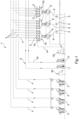
Figure 1 is a schematic view of a production apparatus for polymer-based articles which is realized according to the present solution; -
Figure 2 is a schematic view, drawn to an enlarged scale, of a portion of the production apparatus ofFigure 1 . - With reference to the appended Figures, there is generally designated 1 a production apparatus for polymer-based articles which is realized according to the present solution.
- The apparatus 1 is provided to produce soles for footwear and it is particularly provided to simultaneously produce different soles both in terms of form and dimensions and in terms of composition of the polymer blend from which they are produced.
- To this end, the apparatus 1 comprises three transforming
machines 2, in particular of the injection-moulding type, which operate substantially independently of each other. - As a function of the production requirements, therefore, the transforming
machines 2 can produce articles from the same polymer blend having the same composition or can produce articles from polymer blends having different compositions. - Naturally, the apparatus 1 may have a different number of transforming
machines 2, including only one. - Each transforming
machine 2 is supplied by arespective supply hopper 8 which is positioned above the transformingmachine 2 so as to supply the polymer blend to the transformingmachine 2 by gravitational force through adischarge pipe 9. - The polymer blends which can be used in the transforming
machines 2 are prepared from materials which are contained insuitable storage tanks 3. Thestorage tanks 3 may differ from one another in shape and dimensions and, in the preferred embodiment considered here, there are four of them. - The materials contained in the
storage tanks 3 are of the granular type with chemical/physical characteristics which are different from each other and are, for example, granules of virgin polymer materials or recycled polymer materials or granules of additive materials. - In one or more transforming
machines 2, it is further possible to use in the polymer blend granules which result from the grinding (and potential regranulation) of waste articles, which is carried out at agrinding machine 3a. In a position vertically above each supply hopper 8, there is further provided a respective weighing and mixingunit 10 which is configured to prepare a polymer blend from the materials which are contained in thestorage tanks 3 or which are obtained in thegrinding device 3a. - Each supply hopper is therefore interposed between a weighing and mixing
unit 10, from which it is separated by means of avalve 8a, and a transformingmachine 2, from which it is separated by means of avalve 8b. - The transfer of the materials which are contained in the
storage tanks 3 to the different weighing and mixingunits 10 is brought about by means of a first pneumatic transport circuit. - In particular, each
storage tank 3 is connected to the different weighing and mixingunits 10 by means of arespective charging line 4 which is provided, at the weighing and mixingunit 10, with arespective container 5 where, as a result of the provision of a filter which is positioned at the outlet of the container, the material which is transported in thecharging line 4 is separated and is caused to fall into the weighing and mixingunit 10. - Downstream of the
respective container 5, thecharging lines 4 are all connected by means of respective shutoff valves to afirst intake line 6, which is in turn connected to a first vacuum pump 7. - The apparatus 1 further comprises a second pneumatic transport circuit which is provided to transport the recycled material from the
grinding machine 3a to one (or more) weighing and mixing unit(s) 10. - In particular, the second transport circuit comprises a
transport line 14 which is connected to the outlet of thegrinding machine 3a and which, in the region of the weighing and mixingunit 10, opens in acontainer 15, where the recycled material, also due to the provision of a suitable filter positioned at the outlet of thecontainer 15, is separated from the transport gas and caused to fall into the weighing and mixingunit 10. - Downstream of the
container 15, thetransport line 14 is connected by means of respective shutoff valves to asecond intake line 16 which is in turn connected to asecond vacuum pump 17. - The weighing and mixing
unit 10 is of the gravimetric type and comprises a weighinghopper 11 which is configured to receive and weigh the material which is released from time to time by one of thecontainers hopper 11 is supported onload cells 12 so as to allow the precise measurement of the quantity of material introduced into the weighinghopper 11. - The weighing and mixing
unit 10 further comprises amixing hopper 13, which is positioned downstream of the weighinghopper 11 and which is provided with a mixing member, for example, of the type with vanes or the type with a screw, which is configured to mix in a substantially homogeneous manner the different materials which are contained in themixing hopper 13. - Each
supply hopper 8 is preferably provided with a sensor which controls the quantity of polymer blend which is present inside thesupply hopper 8, for example, a level sensor. - Furthermore, each
supply hopper 8 is connected to a heating and dryingcircuit 20 which is configured to introduce, if required, a hot and dry gas inside thesupply hopper 8 in order to heat and dry the polymer blend before it is supplied to the transformingmachine 2. - The heating and drying
circuit 20 may be of any suitable type and, for example, may be of the type with compressed air which is dehumidified in a dehumidifying device (for example, having molecular sieves) which is brought to ambient pressure and heated in an electric heater before being introduced into thesupply hopper 8. - In the
discharge pipe 9 of eachsupply hopper 8, there may further be provided a metering device which is provided to meter one or more additives in the polymer blend being introduced into the transforming machine, for example, colourants and/or stabilizers. - The gravimetric metering device 1 further comprises a
control unit 30 which is suitably programmed to receive instructions concerning the polymer blends to be composed for each transformingmachine 2 and to control the operation of all the components of the apparatus 1, which operates in the manners described below. - Beforehand, there are inserted or stored in the
control unit 30 the different polymer blends which can be used by the transformingmachines 2 in order to obtain the soles desired and there is associated with each transforming machine 2 a polymer blend. - At this point, the
control unit 30 controls the preparation of the different polymer blends in the weighing and mixingunits 10 which supply each transformingmachine 2. - To this end, the pneumatic transport of the individual components of the different polymer blends to the respective weighing and mixing
units 10 is activated according to methods which are known per se to the person skilled in the art. - Each material is brought near the container 5 (or the
container 15, if provided) and is discharged, for example, by means of suitable metering valves, into the weighinghopper 11. The material which is introduced into the weighinghopper 11 is weighed by theload cells 12 and, once the intended quantity is reached, thecontrol unit 30 interrupts the further addition of material and controls the discharge of the contents of the weighinghopper 11 into themixing hopper 13 underneath. - The same weighing procedure is carried out for each additional material which composes the polymer blend and which is therefore taken from the
specific storage tank 3 in order to be charged in thecontainer 5 of therespective charging line 4, weighed in the weighinghopper 11 and added to themixing hopper 13, where it is mixed with the other materials which compose the polymer blend. - Once the formation of the polymer blend is complete, it is discharged by gravitational force into the
supply hopper 8, by opening theshutoff valve 8a. Here, the polymer blend is heated and dried by the hot and dry gas which is introduced into thesupply hopper 8 by the heating and dryingcircuit 20. - The polymer blend, once the temperature and drying conditions intended have been reached, is supplied to the transforming
machine 2 by opening theshutoff valve 8b. Along thedischarge pipe 9, there may further be added to the polymer blend one or more additional additives which are supplied by the metering device, if provided. - The polymer blend is therefore molten and moulded in the transforming machine 2a in order to obtain the desired article, for example, a first type of sole for footwear items.
- The preparation of the polymer blends in the different weighing and mixing
units 10 is carried out in a parallel manner and independently of each other.
Claims (9)
- A production apparatus (1) for polymer-based articles, particularly for producing soles of footwear items, comprising:- a weighing and mixing unit (10) which is configured to prepare at least one polymer blend;- a supply hopper (8) which is connected to the weighing and mixing unit (10) in order to receive the at least one polymer blend from the weighing and mixing unit (10);- a transforming machine (2) which is supplied by the supply hopper (8) and which is configured to transform the at least one polymer blend which is received from the supply hopper (8) into one of the polymer-based articles characterised in that the apparatus further comprising a heating circuit (20) which is connected to the supply hopper (8) and which is configured to introduce a hot gas inside the supply hopper (8) in order to heat the polymer blend and in that the that the weighing and mixing unit (10) comprises a weighing hopper (11) which is supported on load cells (12) and in which the materials from the storage tanks (3) are introduced, wherein the weighing and mixing unit (10) further comprises a mixing hopper (13), which is positioned downstream of the weighing hopper (11) and which is provided with a mixing member which is configured to mix in a substantially homogeneous manner the different materials which are contained in the mixing hopper (13).
- An apparatus according to claim 1, wherein the weighing and mixing unit (10) is positioned at a higher level than the supply hopper (8) so as to allow the transfer of the polymer blend by falling from the weighing and mixing unit (10) to the supply hopper (8).
- An apparatus according to claim 2, wherein the weighing and mixing unit (10) is positioned vertically above the supply hopper (8).
- An apparatus according to any one of the preceding claims, wherein the supply hopper (8) is positioned at a higher level than the transforming machine (2) so as to allow the transfer of the polymer blend by falling from the supply hopper (8) to the transforming machine (2).
- An apparatus according to any one of the preceding claims, wherein the weighing and mixing unit (10) is connected to a plurality of storage tanks (3), wherein each storage tank (3) contains a respective material which forms a component of the at least one polymer blend.
- An apparatus according to claim 5, wherein the weighing and mixing unit (10) is connected to each storage tank (3) by means of a respective charging line (4).
- An apparatus according to claim 6, wherein the materials are of the granular type and the charging line (4) is configured to carry out a pneumatic transport of the materials from the storage tanks (3) to the weighing and mixing unit (10).
- An apparatus according to any one of the preceding claims, wherein the weighing and mixing unit (10) is connected to a charging line for recycled material which originates from waste of the articles.
- An apparatus according to any one of the preceding claims, wherein the at least one heating circuit (20) comprises a dehumidifying device (22) which is configured to dehumidify the gas before it is introduced into the at least one supply hopper (8) so as to dry the polymer blend before being supplied to the transforming machine (2).
Applications Claiming Priority (1)
| Application Number | Priority Date | Filing Date | Title |
|---|---|---|---|
| IT202022000000380U IT202200000380U1 (en) | 2022-02-01 | 2022-02-01 | Equipment for the production of polymer-based articles |
Publications (2)
| Publication Number | Publication Date |
|---|---|
| EP4219112A1 EP4219112A1 (en) | 2023-08-02 |
| EP4219112B1 true EP4219112B1 (en) | 2024-09-04 |
Family
ID=85776004
Family Applications (1)
| Application Number | Title | Priority Date | Filing Date |
|---|---|---|---|
| EP23154441.2A Active EP4219112B1 (en) | 2022-02-01 | 2023-02-01 | Production apparatus for polymer-based articles |
Country Status (3)
| Country | Link |
|---|---|
| EP (1) | EP4219112B1 (en) |
| ES (1) | ES2997837T3 (en) |
| IT (1) | IT202200000380U1 (en) |
Family Cites Families (7)
| Publication number | Priority date | Publication date | Assignee | Title |
|---|---|---|---|---|
| DE69814786T2 (en) * | 1997-06-13 | 2004-03-18 | Vervant Ltd. | mixer |
| DE19902327A1 (en) * | 1999-01-21 | 2000-07-27 | Mann & Hummel Protec Gmbh | Process for heating bulk goods, in particular plastic granules |
| JP2001147151A (en) * | 1999-09-10 | 2001-05-29 | Kawata Mfg Co Ltd | Powder supply system |
| DE102006054543A1 (en) * | 2006-11-20 | 2008-05-21 | Alfons Tschritter Gmbh | Process for drying a dry material and plant for carrying out the process |
| IT1402783B1 (en) * | 2010-10-26 | 2013-09-18 | Moretto Spa | METHOD AND PLANT FOR DEHUMIDIFICATION OF MATERIAL IN GRANULAR FORM. |
| IT201700087246A1 (en) * | 2017-07-28 | 2019-01-28 | Moretto Spa | METHOD AND INJECTION MOLDING SYSTEM OF PLASTIC MATERIAL IN GRANULAR FORM |
| CN210705927U (en) * | 2019-09-04 | 2020-06-09 | 张家港森美瑞机械有限公司 | Automatic feeding production system |
-
2022
- 2022-02-01 IT IT202022000000380U patent/IT202200000380U1/en unknown
-
2023
- 2023-02-01 ES ES23154441T patent/ES2997837T3/en active Active
- 2023-02-01 EP EP23154441.2A patent/EP4219112B1/en active Active
Also Published As
| Publication number | Publication date |
|---|---|
| IT202200000380U1 (en) | 2023-08-01 |
| ES2997837T3 (en) | 2025-02-18 |
| EP4219112A1 (en) | 2023-08-02 |
Similar Documents
| Publication | Publication Date | Title |
|---|---|---|
| US11104036B2 (en) | Process for preparing a polyolefin composition | |
| US20210001291A1 (en) | Weighing and Mixing System | |
| JP5576389B2 (en) | Polymer finishing method | |
| RU2296047C2 (en) | Method and the device for the continuous production of the elastomeric compound | |
| US10293317B2 (en) | Multi-channel gravimetric batch blender | |
| US20040053032A1 (en) | Method for producing foam products | |
| WO2023208664A1 (en) | Process for preparing a polyolefin composition | |
| US3520027A (en) | Apparatus for the incorporation of filamentary material in resinous matrix | |
| EP4219112B1 (en) | Production apparatus for polymer-based articles | |
| EP4219111A1 (en) | Production apparatus and process for polymer-based articles | |
| US20030160358A1 (en) | Process for melt-shaping a polymer composition | |
| WO2016055994A1 (en) | Weighing and feeding system | |
| CN109501030A (en) | Foamed thermoplastic polyurethane elastomer bead and preparation method thereof and device | |
| EP4284613A1 (en) | Gravimetric metering device and related method | |
| EP4327055A1 (en) | Gravimetric metering device and control method thereof | |
| CA2723467A1 (en) | An extrusion method and a plant therefor | |
| JPH07505096A (en) | Delivery and mixing systems for multicomponent molding compounds | |
| Henschel et al. | Industrial Compounding Technology of Rigid and Plasticised PVC | |
| WO2024013641A1 (en) | Polymer granular material drying plant and process | |
| KR101231823B1 (en) | Plastic compound production method and device and itself | |
| Sorcinelli | Continuous mixing | |
| Kumar et al. | Central Conveying & Auto feeding systems for an injection molding shop |
Legal Events
| Date | Code | Title | Description |
|---|---|---|---|
| PUAI | Public reference made under article 153(3) epc to a published international application that has entered the european phase |
Free format text: ORIGINAL CODE: 0009012 |
|
| STAA | Information on the status of an ep patent application or granted ep patent |
Free format text: STATUS: THE APPLICATION HAS BEEN PUBLISHED |
|
| AK | Designated contracting states |
Kind code of ref document: A1 Designated state(s): AL AT BE BG CH CY CZ DE DK EE ES FI FR GB GR HR HU IE IS IT LI LT LU LV MC ME MK MT NL NO PL PT RO RS SE SI SK SM TR |
|
| STAA | Information on the status of an ep patent application or granted ep patent |
Free format text: STATUS: REQUEST FOR EXAMINATION WAS MADE |
|
| 17P | Request for examination filed |
Effective date: 20240202 |
|
| RBV | Designated contracting states (corrected) |
Designated state(s): AL AT BE BG CH CY CZ DE DK EE ES FI FR GB GR HR HU IE IS IT LI LT LU LV MC ME MK MT NL NO PL PT RO RS SE SI SK SM TR |
|
| GRAP | Despatch of communication of intention to grant a patent |
Free format text: ORIGINAL CODE: EPIDOSNIGR1 |
|
| STAA | Information on the status of an ep patent application or granted ep patent |
Free format text: STATUS: GRANT OF PATENT IS INTENDED |
|
| RIC1 | Information provided on ipc code assigned before grant |
Ipc: B29L 31/50 20060101ALN20240312BHEP Ipc: F26B 3/06 20060101ALN20240312BHEP Ipc: B29C 45/00 20060101ALN20240312BHEP Ipc: B29B 7/60 20060101ALN20240312BHEP Ipc: B29B 7/16 20060101ALN20240312BHEP Ipc: B29B 7/14 20060101ALN20240312BHEP Ipc: B29C 45/18 20060101ALI20240312BHEP Ipc: B29B 13/06 20060101ALI20240312BHEP Ipc: B29B 7/86 20060101ALI20240312BHEP Ipc: B29B 7/82 20060101ALI20240312BHEP Ipc: B29B 7/74 20060101ALI20240312BHEP Ipc: B29B 7/28 20060101ALI20240312BHEP Ipc: B29B 7/24 20060101AFI20240312BHEP |
|
| INTG | Intention to grant announced |
Effective date: 20240326 |
|
| GRAS | Grant fee paid |
Free format text: ORIGINAL CODE: EPIDOSNIGR3 |
|
| GRAA | (expected) grant |
Free format text: ORIGINAL CODE: 0009210 |
|
| STAA | Information on the status of an ep patent application or granted ep patent |
Free format text: STATUS: THE PATENT HAS BEEN GRANTED |
|
| AK | Designated contracting states |
Kind code of ref document: B1 Designated state(s): AL AT BE BG CH CY CZ DE DK EE ES FI FR GB GR HR HU IE IS IT LI LT LU LV MC ME MK MT NL NO PL PT RO RS SE SI SK SM TR |
|
| REG | Reference to a national code |
Ref country code: GB Ref legal event code: FG4D |
|
| REG | Reference to a national code |
Ref country code: CH Ref legal event code: EP |
|
| REG | Reference to a national code |
Ref country code: IE Ref legal event code: FG4D |
|
| REG | Reference to a national code |
Ref country code: DE Ref legal event code: R096 Ref document number: 602023000474 Country of ref document: DE |
|
| REG | Reference to a national code |
Ref country code: LT Ref legal event code: MG9D |
|
| REG | Reference to a national code |
Ref country code: NL Ref legal event code: MP Effective date: 20240904 |
|
| PG25 | Lapsed in a contracting state [announced via postgrant information from national office to epo] |
Ref country code: NO Free format text: LAPSE BECAUSE OF FAILURE TO SUBMIT A TRANSLATION OF THE DESCRIPTION OR TO PAY THE FEE WITHIN THE PRESCRIBED TIME-LIMIT Effective date: 20241204 |
|
| PG25 | Lapsed in a contracting state [announced via postgrant information from national office to epo] |
Ref country code: GR Free format text: LAPSE BECAUSE OF FAILURE TO SUBMIT A TRANSLATION OF THE DESCRIPTION OR TO PAY THE FEE WITHIN THE PRESCRIBED TIME-LIMIT Effective date: 20241205 Ref country code: FI Free format text: LAPSE BECAUSE OF FAILURE TO SUBMIT A TRANSLATION OF THE DESCRIPTION OR TO PAY THE FEE WITHIN THE PRESCRIBED TIME-LIMIT Effective date: 20240904 |
|
| PG25 | Lapsed in a contracting state [announced via postgrant information from national office to epo] |
Ref country code: BG Free format text: LAPSE BECAUSE OF FAILURE TO SUBMIT A TRANSLATION OF THE DESCRIPTION OR TO PAY THE FEE WITHIN THE PRESCRIBED TIME-LIMIT Effective date: 20240904 |
|
| PG25 | Lapsed in a contracting state [announced via postgrant information from national office to epo] |
Ref country code: LV Free format text: LAPSE BECAUSE OF FAILURE TO SUBMIT A TRANSLATION OF THE DESCRIPTION OR TO PAY THE FEE WITHIN THE PRESCRIBED TIME-LIMIT Effective date: 20240904 |
|
| PG25 | Lapsed in a contracting state [announced via postgrant information from national office to epo] |
Ref country code: HR Free format text: LAPSE BECAUSE OF FAILURE TO SUBMIT A TRANSLATION OF THE DESCRIPTION OR TO PAY THE FEE WITHIN THE PRESCRIBED TIME-LIMIT Effective date: 20240904 |
|
| PG25 | Lapsed in a contracting state [announced via postgrant information from national office to epo] |
Ref country code: RS Free format text: LAPSE BECAUSE OF FAILURE TO SUBMIT A TRANSLATION OF THE DESCRIPTION OR TO PAY THE FEE WITHIN THE PRESCRIBED TIME-LIMIT Effective date: 20241204 |
|
| PG25 | Lapsed in a contracting state [announced via postgrant information from national office to epo] |
Ref country code: RS Free format text: LAPSE BECAUSE OF FAILURE TO SUBMIT A TRANSLATION OF THE DESCRIPTION OR TO PAY THE FEE WITHIN THE PRESCRIBED TIME-LIMIT Effective date: 20241204 Ref country code: NO Free format text: LAPSE BECAUSE OF FAILURE TO SUBMIT A TRANSLATION OF THE DESCRIPTION OR TO PAY THE FEE WITHIN THE PRESCRIBED TIME-LIMIT Effective date: 20241204 Ref country code: LV Free format text: LAPSE BECAUSE OF FAILURE TO SUBMIT A TRANSLATION OF THE DESCRIPTION OR TO PAY THE FEE WITHIN THE PRESCRIBED TIME-LIMIT Effective date: 20240904 Ref country code: HR Free format text: LAPSE BECAUSE OF FAILURE TO SUBMIT A TRANSLATION OF THE DESCRIPTION OR TO PAY THE FEE WITHIN THE PRESCRIBED TIME-LIMIT Effective date: 20240904 Ref country code: GR Free format text: LAPSE BECAUSE OF FAILURE TO SUBMIT A TRANSLATION OF THE DESCRIPTION OR TO PAY THE FEE WITHIN THE PRESCRIBED TIME-LIMIT Effective date: 20241205 Ref country code: FI Free format text: LAPSE BECAUSE OF FAILURE TO SUBMIT A TRANSLATION OF THE DESCRIPTION OR TO PAY THE FEE WITHIN THE PRESCRIBED TIME-LIMIT Effective date: 20240904 Ref country code: BG Free format text: LAPSE BECAUSE OF FAILURE TO SUBMIT A TRANSLATION OF THE DESCRIPTION OR TO PAY THE FEE WITHIN THE PRESCRIBED TIME-LIMIT Effective date: 20240904 |
|
| PG25 | Lapsed in a contracting state [announced via postgrant information from national office to epo] |
Ref country code: NL Free format text: LAPSE BECAUSE OF FAILURE TO SUBMIT A TRANSLATION OF THE DESCRIPTION OR TO PAY THE FEE WITHIN THE PRESCRIBED TIME-LIMIT Effective date: 20240904 |
|
| REG | Reference to a national code |
Ref country code: ES Ref legal event code: FG2A Ref document number: 2997837 Country of ref document: ES Kind code of ref document: T3 Effective date: 20250218 |
|
| PG25 | Lapsed in a contracting state [announced via postgrant information from national office to epo] |
Ref country code: PT Free format text: LAPSE BECAUSE OF FAILURE TO SUBMIT A TRANSLATION OF THE DESCRIPTION OR TO PAY THE FEE WITHIN THE PRESCRIBED TIME-LIMIT Effective date: 20250106 Ref country code: IS Free format text: LAPSE BECAUSE OF FAILURE TO SUBMIT A TRANSLATION OF THE DESCRIPTION OR TO PAY THE FEE WITHIN THE PRESCRIBED TIME-LIMIT Effective date: 20250104 |
|
| PG25 | Lapsed in a contracting state [announced via postgrant information from national office to epo] |
Ref country code: RO Free format text: LAPSE BECAUSE OF FAILURE TO SUBMIT A TRANSLATION OF THE DESCRIPTION OR TO PAY THE FEE WITHIN THE PRESCRIBED TIME-LIMIT Effective date: 20240904 Ref country code: SM Free format text: LAPSE BECAUSE OF FAILURE TO SUBMIT A TRANSLATION OF THE DESCRIPTION OR TO PAY THE FEE WITHIN THE PRESCRIBED TIME-LIMIT Effective date: 20240904 |
|
| PG25 | Lapsed in a contracting state [announced via postgrant information from national office to epo] |
Ref country code: EE Free format text: LAPSE BECAUSE OF FAILURE TO SUBMIT A TRANSLATION OF THE DESCRIPTION OR TO PAY THE FEE WITHIN THE PRESCRIBED TIME-LIMIT Effective date: 20240904 |
|
| PG25 | Lapsed in a contracting state [announced via postgrant information from national office to epo] |
Ref country code: CZ Free format text: LAPSE BECAUSE OF FAILURE TO SUBMIT A TRANSLATION OF THE DESCRIPTION OR TO PAY THE FEE WITHIN THE PRESCRIBED TIME-LIMIT Effective date: 20240904 Ref country code: PL Free format text: LAPSE BECAUSE OF FAILURE TO SUBMIT A TRANSLATION OF THE DESCRIPTION OR TO PAY THE FEE WITHIN THE PRESCRIBED TIME-LIMIT Effective date: 20240904 |
|
| PG25 | Lapsed in a contracting state [announced via postgrant information from national office to epo] |
Ref country code: SK Free format text: LAPSE BECAUSE OF FAILURE TO SUBMIT A TRANSLATION OF THE DESCRIPTION OR TO PAY THE FEE WITHIN THE PRESCRIBED TIME-LIMIT Effective date: 20240904 |
|
| REG | Reference to a national code |
Ref country code: DE Ref legal event code: R097 Ref document number: 602023000474 Country of ref document: DE |
|
| PG25 | Lapsed in a contracting state [announced via postgrant information from national office to epo] |
Ref country code: DK Free format text: LAPSE BECAUSE OF FAILURE TO SUBMIT A TRANSLATION OF THE DESCRIPTION OR TO PAY THE FEE WITHIN THE PRESCRIBED TIME-LIMIT Effective date: 20240904 |
|
| PGFP | Annual fee paid to national office [announced via postgrant information from national office to epo] |
Ref country code: ES Payment date: 20250331 Year of fee payment: 3 |
|
| PLBE | No opposition filed within time limit |
Free format text: ORIGINAL CODE: 0009261 |
|
| STAA | Information on the status of an ep patent application or granted ep patent |
Free format text: STATUS: NO OPPOSITION FILED WITHIN TIME LIMIT |
|
| 26N | No opposition filed |
Effective date: 20250605 |
|
| PG25 | Lapsed in a contracting state [announced via postgrant information from national office to epo] |
Ref country code: SE Free format text: LAPSE BECAUSE OF FAILURE TO SUBMIT A TRANSLATION OF THE DESCRIPTION OR TO PAY THE FEE WITHIN THE PRESCRIBED TIME-LIMIT Effective date: 20240904 |
|
| PG25 | Lapsed in a contracting state [announced via postgrant information from national office to epo] |
Ref country code: MC Free format text: LAPSE BECAUSE OF FAILURE TO SUBMIT A TRANSLATION OF THE DESCRIPTION OR TO PAY THE FEE WITHIN THE PRESCRIBED TIME-LIMIT Effective date: 20240904 |
|
| PG25 | Lapsed in a contracting state [announced via postgrant information from national office to epo] |
Ref country code: LU Free format text: LAPSE BECAUSE OF NON-PAYMENT OF DUE FEES Effective date: 20250201 |
|
| REG | Reference to a national code |
Ref country code: BE Ref legal event code: MM Effective date: 20250228 |
|
| REG | Reference to a national code |
Ref country code: AT Ref legal event code: UEP Ref document number: 1719894 Country of ref document: AT Kind code of ref document: T Effective date: 20240904 |
|
| PG25 | Lapsed in a contracting state [announced via postgrant information from national office to epo] |
Ref country code: BE Free format text: LAPSE BECAUSE OF NON-PAYMENT OF DUE FEES Effective date: 20250228 |
|
| PG25 | Lapsed in a contracting state [announced via postgrant information from national office to epo] |
Ref country code: IE Free format text: LAPSE BECAUSE OF NON-PAYMENT OF DUE FEES Effective date: 20250201 |
|
| PGFP | Annual fee paid to national office [announced via postgrant information from national office to epo] |
Ref country code: DE Payment date: 20260218 Year of fee payment: 4 |
|
| PGFP | Annual fee paid to national office [announced via postgrant information from national office to epo] |
Ref country code: AT Payment date: 20260301 Year of fee payment: 4 |
|
| PGFP | Annual fee paid to national office [announced via postgrant information from national office to epo] |
Ref country code: IT Payment date: 20260228 Year of fee payment: 4 |
|
| PGFP | Annual fee paid to national office [announced via postgrant information from national office to epo] |
Ref country code: FR Payment date: 20260219 Year of fee payment: 4 |