EP4219698A1 - Peptide et son utilisation dans la prévention d'une leucémie associée à une thérapie - Google Patents
Peptide et son utilisation dans la prévention d'une leucémie associée à une thérapie Download PDFInfo
- Publication number
- EP4219698A1 EP4219698A1 EP22153506.5A EP22153506A EP4219698A1 EP 4219698 A1 EP4219698 A1 EP 4219698A1 EP 22153506 A EP22153506 A EP 22153506A EP 4219698 A1 EP4219698 A1 EP 4219698A1
- Authority
- EP
- European Patent Office
- Prior art keywords
- peptide
- therapy
- seq
- cells
- leukemia
- Prior art date
- Legal status (The legal status is an assumption and is not a legal conclusion. Google has not performed a legal analysis and makes no representation as to the accuracy of the status listed.)
- Withdrawn
Links
Images


Classifications
-
- C—CHEMISTRY; METALLURGY
- C12—BIOCHEMISTRY; BEER; SPIRITS; WINE; VINEGAR; MICROBIOLOGY; ENZYMOLOGY; MUTATION OR GENETIC ENGINEERING
- C12N—MICROORGANISMS OR ENZYMES; COMPOSITIONS THEREOF; PROPAGATING, PRESERVING, OR MAINTAINING MICROORGANISMS; MUTATION OR GENETIC ENGINEERING; CULTURE MEDIA
- C12N9/00—Enzymes; Proenzymes; Compositions thereof; Processes for preparing, activating, inhibiting, separating or purifying enzymes
- C12N9/14—Hydrolases (3)
-
- A—HUMAN NECESSITIES
- A61—MEDICAL OR VETERINARY SCIENCE; HYGIENE
- A61P—SPECIFIC THERAPEUTIC ACTIVITY OF CHEMICAL COMPOUNDS OR MEDICINAL PREPARATIONS
- A61P35/00—Antineoplastic agents
- A61P35/02—Antineoplastic agents specific for leukemia
-
- C—CHEMISTRY; METALLURGY
- C12—BIOCHEMISTRY; BEER; SPIRITS; WINE; VINEGAR; MICROBIOLOGY; ENZYMOLOGY; MUTATION OR GENETIC ENGINEERING
- C12N—MICROORGANISMS OR ENZYMES; COMPOSITIONS THEREOF; PROPAGATING, PRESERVING, OR MAINTAINING MICROORGANISMS; MUTATION OR GENETIC ENGINEERING; CULTURE MEDIA
- C12N9/00—Enzymes; Proenzymes; Compositions thereof; Processes for preparing, activating, inhibiting, separating or purifying enzymes
- C12N9/14—Hydrolases (3)
- C12N9/16—Hydrolases (3) acting on ester bonds (3.1)
- C12N9/22—Ribonucleases [RNase]; Deoxyribonucleases [DNase]
-
- C—CHEMISTRY; METALLURGY
- C12—BIOCHEMISTRY; BEER; SPIRITS; WINE; VINEGAR; MICROBIOLOGY; ENZYMOLOGY; MUTATION OR GENETIC ENGINEERING
- C12N—MICROORGANISMS OR ENZYMES; COMPOSITIONS THEREOF; PROPAGATING, PRESERVING, OR MAINTAINING MICROORGANISMS; MUTATION OR GENETIC ENGINEERING; CULTURE MEDIA
- C12N9/00—Enzymes; Proenzymes; Compositions thereof; Processes for preparing, activating, inhibiting, separating or purifying enzymes
- C12N9/99—Enzyme inactivation by chemical treatment
-
- C—CHEMISTRY; METALLURGY
- C12—BIOCHEMISTRY; BEER; SPIRITS; WINE; VINEGAR; MICROBIOLOGY; ENZYMOLOGY; MUTATION OR GENETIC ENGINEERING
- C12Y—ENZYMES
- C12Y301/00—Hydrolases acting on ester bonds (3.1)
- C12Y301/30—Endoribonucleases active with either ribo- or deoxyribonucleic acids and producing 5'-phosphomonoesters (3.1.30)
-
- C—CHEMISTRY; METALLURGY
- C12—BIOCHEMISTRY; BEER; SPIRITS; WINE; VINEGAR; MICROBIOLOGY; ENZYMOLOGY; MUTATION OR GENETIC ENGINEERING
- C12Y—ENZYMES
- C12Y306/00—Hydrolases acting on acid anhydrides (3.6)
- C12Y306/04—Hydrolases acting on acid anhydrides (3.6) acting on acid anhydrides; involved in cellular and subcellular movement (3.6.4)
-
- C—CHEMISTRY; METALLURGY
- C12—BIOCHEMISTRY; BEER; SPIRITS; WINE; VINEGAR; MICROBIOLOGY; ENZYMOLOGY; MUTATION OR GENETIC ENGINEERING
- C12Y—ENZYMES
- C12Y306/00—Hydrolases acting on acid anhydrides (3.6)
- C12Y306/04—Hydrolases acting on acid anhydrides (3.6) acting on acid anhydrides; involved in cellular and subcellular movement (3.6.4)
- C12Y306/04012—DNA helicase (3.6.4.12)
-
- A—HUMAN NECESSITIES
- A61—MEDICAL OR VETERINARY SCIENCE; HYGIENE
- A61K—PREPARATIONS FOR MEDICAL, DENTAL OR TOILETRY PURPOSES
- A61K38/00—Medicinal preparations containing peptides
Definitions
- MLL / KMT2A Mixed Lineage Leukemia gene
- Leukemias associated with rearrangements of MLL are characterized by a poor prognosis in terms of overall survival and event-free survival.
- Acute therapy-associated leukemias account for 10-20% of all acute leukemias.
- the relevance of research on therapy-induced, so-called secondary, leukemias is underlined by the fact that the number of surviving cancer patients increases by 3% per year and thus an increased risk for therapy-induced carcinomas is to be expected.
- Endonuclease G has been identified as a key molecule in these leukemia-causing processes.
- EndoG originally is known as a nuclease that cleaves the genome at the onset of active cell death. Recently it has become clear that genome cleavage by apoptotic nucleases can also proceed sublethally and, in turn, trigger cancer-causing genome alterations.
- replication stress which can be triggered e.g. by chemotherapy or radiotherapy, sublethal breakage occurs followed by rearrangements taking place in a 7.3kb breakpoint region in MLL, specifically in a 0.4 kb hotspot for therapy-induced rearrangements (MLLbcr).
- MLL therapy-induced rearrangements
- WO 2014/176351 A1 describes small molecule EndoG inhibitors that suppress the catalytic activity of EndoG and, to a lesser extent, the activity of other nucleases in the cell, and describes their cytoprotective effect on tumor cell lines.
- the described nonspecific effect on nuclease activity may prevent the cytotoxic effect of EndoG during apoptosis, which, however, may also undesirably mediate chemotherapy resistance.
- Targeted interference which selectively blocks only certain molecular interactions, is difficult to achieve with conventional chemical substances such as the so-called small molecules.
- the objective underlying the present invention was to provide improved means for EndoG inhibition, in particular, by selectively blocking EndoG nuclease activity.
- a peptide comprising an amino acid sequence EX 1 EAX 2 SGSS according to SEQ ID No. 1, or a pharmaceutically acceptable salt thereof, wherein X 1 and X 2 independently represent a linker which links the adjoining amino acids or an amino acid deletion, and wherein the peptide has an overall length in the range of from 7 to 30 amino acids.
- peptides were found that inhibit EndoG with high specificity, but were shown to not inhibit the cytotoxic effects of chemotherapeutic agents.
- the peptides provide very high specificity for EndoG and inhibit its nuclease activity that triggers MLLbcr rearrangements during replication stress. This allows the reduction of a severe side effect of chemo- and radiotherapies, namely the development of secondary tumors, especially leukemias, by rearrangements at the MLLbcr.
- secondary leukemias can be prevented or at least be reduced by preventive combination therapy with the peptides.
- the peptides provide a protective effect against genome rearrangements that cause secondary leukemia by reducing the fragility and frequency of rearrangements in MLL within a 0.4 kb short region, where rearrangements are frequently detected in patients with secondary leukemia as well as in infants with acute lymphoblastic leukemia (ALL).
- ALL acute lymphoblastic leukemia
- the peptides are able to provide anti-mutagenic and anti-carcinogenic properties without simultaneously affecting the underlying DNA double-strand break repair activities in the cell. No changes in survival or apoptosis of doxorubicin-treated cells after treatment with the peptides were observed.
- parallel preventive treatment with the peptides can reduce the side effect of leukemia-causing genome rearrangements, but will not impair the killing of tumor cells intended by chemotherapy.
- the term "peptide” is understood to refer to synthetic or non-synthetic peptide compounds as well as purified and modified fragments of natural proteins, native forms or recombinant peptides.
- the term “peptide” in the sense of the present invention includes pharmacologically acceptable salts.
- the peptide may comprise a detectable label, such as a radionuclide, a fluorophore or biotin.
- the term “peptide” in the sense of the present invention includes conjugates of the corresponding peptide. Preferred conjugates include, for example, sugar or polyethylene glycol conjugates, biotinylated, radioactive or fluorescence-labeled peptides.
- EndoG refers to Endonuclease G, a nuclear DNA-coded mitochondrial nuclease encoded by the ENDOG gene that translocates to the nucleus and degrades DNA during apoptosis.
- the motif EX 1 EAX 2 SGSS according to SEQ ID No. 1 is assumed to be important for binding to EndoG with high specificity. Without being bound to a specific theory, it is assumed that the peptide's inhibiting properties for EndoG nuclease activity depend on the presence of this binding motif.
- the motif EX 1 EAX 2 SGSS comprises invariable amino acids and two variable members X 1 and X 2 that may be present in the motif or may not be present.
- X 1 and X 2 accordingly independently represent linkers which link the adjoining amino acids or an amino acid deletion. It was found that a sequence of amino acids EEASGSS (SEQ ID No. 2) is invariable, but the starting glutamic acid residues may be separated by a linker. Also, alanine and serine may be spaced apart by a linker.
- the linker may be selected from a polyethylene glycol linker, an alkyl linker or one or more amino acids. In embodiments, the linker may be a polyethylene glycol (PEG) linker.
- the amino acids may be conjugated to the polyethylene glycol molecules via covalent linkage, non-covalent linkage, or both.
- the PEG moiety conjugated to the motif can be linear or branched.
- Polyethylene glycol is a biologically inert, non-immunogenic compound, and is non-toxic and highly flexible.
- the linker may be a linear or branched, saturated or unsaturated alkyl group.
- the linker may be a peptide linker.
- a peptide linker preferably comprises amino acids selected from the group of glutamic acid, serine, alanine, and glycine.
- X 1 and X 2 independently represent one or two contiguous amino acids selected from the group of glutamic acid, serine, alanine, and glycine or an amino acid deletion.
- X 1 and X 2 independently may represent one or two amino acids selected from glutamic acid, serine, and alanine or X 1 and X 2 independently may represent one or two amino acids selected from serine, alanine, and glycine.
- X 1 represents one or two amino acids selected from the group of glutamic acid, serine, alanine, and glycine and X 2 is an amino acid deletion according to EX 1 EASGSS (SEQ ID No. 7) such that the starting glutamic acid residues are separated by a linker.
- the amino acid sequence is EEASGSS according to SEQ ID No. 2. It was found in silico that this minimal motif was relevant for binding to EndoG with high specificity. Without being bound to a specific theory, it is assumed that the motif of SEQ ID No. 2 is crucial for the inhibiting properties on EndoG nuclease activity by blocking specific protein-protein interactions of human EndoG in human cells and thus reducing the abundance of MLLbcr rearrangements.
- the peptide thus has a minimal length of 7 amino acids and may have a length of up to 30 amino acids. In embodiments, the peptide has an overall length in the range of from 20 to 28 amino acids.
- the peptide comprises or consists of the amino acid sequence EIVVQDGITLITKEEASGSSVTAEEAKK according to SEQ ID No. 3 or ITKEEASGSSVTAEEAKKFLA according to SEQ ID No. 4.
- the peptides of SEQ ID No. 3 and SEQ ID No. 4 were able to reduce MLLbcr rearrangements in leukemia cells after doxorubicin treatment without exhibiting toxic effects toward the cells or affecting the effects of the chemotherapeutic agent.
- the peptide comprises or consists of the amino acid sequence EIVVQDGITLITKEEASGSSVTAEEAKK according to SEQ ID No. 3.
- the peptide of SEQ ID No. 3 with a centrally positioned EEASGSS motif provided effective reduction of MLLbcr rearrangements in a wide concentration range.
- the peptide comprises the amino acid sequence ITKEEASGSSVTAEEAKKFLA according to SEQ ID No. 4.
- the peptide of SEQ ID No. 4 provided effective reduction of MLLbcr rearrangements.
- the peptides may be optimised.
- the peptide has the amino acid sequence ITKEEASGSSVTAEEAKKFLAG according to SEQ ID No. 5.
- the addition of G provides better solubility.
- the peptide has the amino acid sequence ITKEEASGSSVTAEEAKKFLAP according to SEQ ID No. 6.
- the peptides in addition to the sequence according to any of SEQ ID No. 1 to SEQ ID No. 7 may contain additional N- and/or C-terminally located stretches of amino acids that are not necessarily part of the motif that binds to EndoG. Such additional amino acid stretches can be useful, for example, to provide an efficient introduction of the peptide into the nucleus of a cell.
- the peptide is part of a fusion protein, in particular comprising a nuclear localization signal (NLS), or a hybrid molecule for nuclear entry.
- NLS nuclear localization signal
- hybrid molecule refers to a chemical entity with two or more structural domains having different biological functions and dual activity.
- a hybrid molecule may refer to a peptide comprising two peptide motifs with different function, but also may refer to a peptide-oligonucleotide hybrid molecule.
- a hybrid molecule for nuclear entry comprises an amino acid sequence or an oligonucleotide sequence that tag the peptide of the invention for import into the cell nucleus by nuclear transport.
- a nuclear localization signal may preferably be present located C-terminally.
- a preferred fusion protein may comprise, for example, the NLS motif of Ku80 corresponding to the amino acid sequence PTAKKLK (SEQ ID No. 15).
- the peptides are usable in form of pharmaceutically acceptable salts thereof.
- pharmaceutically acceptable salts refers to salts prepared from pharmaceutically acceptable non-toxic bases or acids.
- a pharmaceutically acceptable salt can be conveniently prepared from pharmaceutically acceptable non-toxic bases, including inorganic bases and organic bases.
- Preferred salts derived from inorganic bases include ammonium, calcium, magnesium, potassium and sodium salts.
- Salts derived from pharmaceutically acceptable organic non-toxic bases include salts of primary, secondary, and tertiary amines, as well as cyclic amines.
- the pharmaceutically acceptable salt is selected from the group of alkaline and earth alkaline salts, particularly sodium or potassium salts.
- calcium or magnesium salts can be preferred.
- peptides may be synthesized by standard solid-phase peptide synthesis, and reagents for peptide synthesis are commercially available.
- a further aspect of the present invention relates to the peptide according to the invention for use as a medicament.
- Preferred peptides are peptides of the sequence according to any of SEQ ID No. 1 to SEQ ID No. 7 or pharmaceutically acceptable salts thereof or may be part of a fusion protein, in particular comprising a nuclear localization signal (NLS), or a hybrid molecule for nuclear entry.
- NLS nuclear localization signal
- a peptide EIVVQDGITLITKEEASGSSVTAEEAKK according to SEQ ID No. 3 may be used.
- the peptides were found to inhibit EndoG with high specificity, but were shown to not inhibit the cytotoxic effects of chemotherapeutic agents. This enables for an additional, preventive treatment with the EndoG inhibiting peptides that can reduce the side effect of leukemia-causing MLLbcr rearrangements as desired, but will not limit the tumor cell killing intended by chemotherapy.
- the peptides provide the advantage that secondary leukemias, one of the most severe side effects of chemotherapy and radiotherapy, can be reduced by preventive combination therapy with the peptides.
- AML therapy-related acute myeloid leukemia
- ALL acute lymphoblastic leukemia
- cytotoxic therapies including chemotherapy and/or radiotherapy for a prior malignancy, particularly for treatment of solid or hematologic cancers.
- Therapy-related AML or ALL also is referred to as secondary AML or ALL.
- MLL rearrangements can also be caused in the foetus still in the uterus, such as when the pregnant mother is exposed to radiation. This can cause infant ALL or infant AML.
- Another example is bone marrow transplantation that can cause MLL rearrangements and secondary leukemia due to excessive self-renewal of the transplanted hematopoietic stem cells.
- the peptide is for use in the prevention of acute lymphoblastic leukemia (ALL), myelodysplastic syndrome (MDS) or acute myeloid leukemia (AML), and particularly for use in the prevention of therapy-related acute lymphoblastic leukemia, therapy-related myelodysplastic syndrome or therapy-related acute myeloid leukemia.
- ALL acute lymphoblastic leukemia
- MDS myelodysplastic syndrome
- AML acute myeloid leukemia
- the peptides are able to prevent secondary leukemias when administered in addition to an active substance, such as a chemotherapeutic agent directed against a tumor.
- the peptides specifically reduce the secondary leukemia risk after chemotherapy, in contrast to simple dose reduction of the primary therapeutic agent, as the peptides are able to provide protection against leukemia-causing genome rearrangements without reducing the toxic effect of the therapeutic agent, e.g. on tumor cells.
- the peptide is highly specific for the molecular target structure EndoG and specifically protective against carcinogenic genome alterations, thus at the same time does not suppress or at least suppress the toxicities achieved by chemotherapy or radiotherapy less and thus the success of the therapy.
- a further aspect relates to a pharmaceutical composition
- a pharmaceutical composition comprising as an active ingredient a peptide according to the invention or a pharmaceutically acceptable salt thereof, and, optionally, pharmaceutically acceptable carriers, excipients and/or vehicles.
- Preferred peptides are peptides of the sequence according to any of SEQ ID No. 1 to SEQ ID No. 7, or pharmaceutically acceptable salts thereof, or may be part of a fusion protein, in particular comprising a nuclear localization signal (NLS), or a hybrid molecule for nuclear entry.
- the pharmaceutical composition comprises the peptide EIVVQDGITLITKEEASGSSVTAEEAKK according to SEQ ID No. 3.
- the pharmaceutical composition is for use in the prevention of acute lymphoblastic leukemia (ALL), myelodysplastic syndrome (MDS) or acute myeloid leukemia (AML), particularly for use in the prevention of therapy-related acute lymphoblastic leukemia (AML), therapy-related myelodysplastic syndrome (MDS) or therapy-related acute myeloid leukemia (AML).
- ALL acute lymphoblastic leukemia
- MDS myelodysplastic syndrome
- AML acute myeloid leukemia
- AML therapy-related acute lymphoblastic leukemia
- MDS therapy-related myelodysplastic syndrome
- AML therapy-related acute myeloid leukemia
- compositions suitable for parenteral administration may be prepared as solutions or suspensions of the peptide in water or isotonic buffers.
- compositions suitable for injectable use include sterile aqueous solutions or dispersions.
- the composition may be produced under sterile conditions using standard pharmaceutical techniques well known to those skilled in the art.
- convenient pharmaceutical media may be employed.
- water, glycols, oils, alcohols and the like may be used to form liquid preparations such as solutions.
- the composition may comprise a pharmaceutical carrier, which can be, for example, a solid, liquid, or gas. Suitable carriers preferably are liquid and correspond to the substances ordinarily employed in formulation technology for pharmaceutical formulations.
- the present invention also relates to the use of a peptide according to the invention, for the manufacture of a medicament, particularly for use in the preventive treatment of acute lymphoblastic leukemia, myelodysplastic syndrome or acute myeloid leukemia, preferably for use in the preventive treatment of therapy-related acute lymphoblastic leukemia, therapy-related myelodysplastic syndrome or therapy-related acute myeloid leukemia.
- a peptide according to the invention for the manufacture of a medicament, particularly for use in the preventive treatment of acute lymphoblastic leukemia, myelodysplastic syndrome or acute myeloid leukemia, preferably for use in the preventive treatment of therapy-related acute lymphoblastic leukemia, therapy-related myelodysplastic syndrome or therapy-related acute myeloid leukemia.
- Preferred peptides are peptides according to any of SEQ ID No. 1 to SEQ ID No.
- the pharmaceutical composition comprises the peptide EIVVQDGITLITKEEASGSSVTAEEAKK according to SEQ ID No. 3.
- a further aspect of the present invention relates to a method of preventing acute lymphoblastic leukemia, myelodysplastic syndrome or acute myeloid leukemia, particularly therapy-related acute lymphoblastic leukemia, therapy-related myelodysplastic syndrome or therapy-related acute myeloid leukemia, the method comprising the step of administering to a subject a therapeutically effective amount of a peptide according to the invention.
- a therapeutically effective amount is used herein to mean an amount or dose sufficient to cause an improvement in a clinically significant condition in the subject.
- the subject may be a mammal, particularly a human.
- Oncogene 34: 3391-401 were cultured in DMEM medium (Gibco/Thermo Fisher Scientific, Waltham, Massachusetts, USA) at 37°C and 5% CO 2 . Both media were supplemented with 10% foetal bovine serum (Biochrom, Berlin, Germany) and 1% L-glutamine (Gibco/Thermo Fisher Scientific). To split the cultures, the HeLa/MLL cells were treated with 1x PBS (Gibco/Thermo Fisher Scientific), washed, and detached from the surface with trypsin/EDTA (PAN Biotech, Aidenbach, Germany) before a portion was transferred to the new culture flask. The cells used were free of mycoplasma according to PCR assay.
- K562/MLL cells were divided 1:2 before the start of the experiment and transfected with the plasmid (2x10 6 cells) or nucleofected with the peptide (1 ⁇ 10 6 cells) on the second day. After 24 h, the cells were then treated with 2 ⁇ M doxorubicin (Uniklinik Ulm, Germany) and after 4 h incubation, the cells were centrifuged, the supernatant discarded and the cells taken up in 2 ml PBS (Gibco/Thermo Fisher Scientific). After centrifugation again, the supernatant was discarded and the cells were seeded in 2 ml of new culture medium for 72 h.
- 2 doxorubicin Uniklinik Ulm, Germany
- HeLa/MLL cells (0.5 ⁇ 10 6 ) were nucleofected with the peptide on the first day and split into three 6-wells for further cultivation. On the second day, the cells were treated with 0.5 ⁇ M doxorubicin for 4 h. The medium was then removed. Afterwards, the medium was removed, the cells were washed with 2 ml PBS and 2 ml new medium was added. For FACS measurements, the cells were washed with PBS after 72 h of culture, 200 ⁇ l of trypsin (PAN Biotech, Aidenbach, Germany) was added and the reaction was stopped with medium. Genomic DNA was isolated without recultivation after doxorubicin treatment.
- the HeLa/MLL cells were seeded and nucleofected after 24 h with peptide. After another 24 h, the cells were treated with 0.5 ⁇ M doxorubicin for 4 h and fixed.
- the plasmids for the expression of different Ku80 variants were generated in pCMV6-AN-DDK from Origene (Rockville, Marykand, USA). Accordingly, the cDNA sequences were cloned in for wtKu80 (full length of wild-type Ku80 protein) and Ku80mut (full length of protein with mutations E720A and E721A).
- wtKu80 full length of wild-type Ku80 protein
- Ku80mut full length of protein with mutations E720A and E721A
- the NLS motif of Ku80 encoding amino acids P562-K568 (PTAKKLK) was cloned in front of the cDNA segment encoding the C-terminal Ku80 fragment V592-D709.
- the plasmids were sequenced in Microsynth Seqlab (Göttingen, Germany) and stored at -20°C until use.
- plasmid DNA was electroporated into K562/MLL cells for the expression of different Ku80 variants or empty vector and an additional 10 ⁇ g of pBS (pBlueScriptII KS; Stratagene, Heidelberg, Germany).
- the Ku3 peptide was produced in the group of Dr. L. Ständker (Ulm Peptide Pharmaceuticals, University of Ulm). They were prepared by solid-phase peptide synthesis and purified with an HPLC-1100. Lyophilised peptides were stored at 4°C. For use, they were dissolved at 50 mg/ml in Aqua ad iniectabilia (B.Braun, Melsungen, Germany).
- the Amaxa Cell Line NucleofectorTM Kit V and the NucleofectorTM II were used for peptide transfection.
- the HeLa/MLL cells were first detached from the flask (see cell culture).
- the cells (1 ⁇ 10 6 for K562/MLL and 0.5 ⁇ 10 5 for HeLa/MLL) were washed with 1x PBS and taken up in 100 ⁇ l Amaxa ® solution, mixed with the peptide and transferred to the flask.
- Programme X-01 was used for K562/MLL cells and programme 1-13 for HeLa/MLL cells.
- the K562/MLL cells were added to 2 ml medium and the HeLa/MLL cells were seeded on three 6-well plates. After 24 h, the cells were treated with doxorubicin for 4 h. For the measurement, the cells from the three 6-well plates were reunited.
- This suspension was transferred to FACS tubes and the fluorescence of the cells was detected on the FACSCalibur TM (BD Biosciences, San Jose, California, USA).
- FACSCalibur TM BD Biosciences, San Jose, California, USA.
- the cell clouds were plotted linearly against FSC/SSC orientation in a dot plot diagram.
- the living cells were distinguished from cell debris and dead cells by placing a marker (gate) around the "living cell cloud”.
- the selected cell population was separated in another dot-plot diagram with FL-1/FL-2 alignment depending on their fluorescence properties (FL-1 for green fluorescence, FL-2 for orange intrinsic fluorescence).
- FL-1 green fluorescence
- FL-2 for orange intrinsic fluorescence
- the cells were treated with 37% formaldehyde (VWR international, Randor, Pennsylvania, USA) for 10 min and a further 5 min with 1.375 M glycine (Labochem international, Heidelberg, Germany) with constant swirling. After fixation, the medium was removed and the cells were washed twice with ice-cold PBS. Finally, ice-cold PBS containing 5 ⁇ l/ml phenylmethylsulfonyl fluoride (PMSF, Sigma-Aldrich/Merck) was added to the cells and cells were scraped off.
- PMSF phenylmethylsulfonyl fluoride
- the cells were placed in 1 ml of ice-cold lysis buffer (5.0 mM PIPES, pH 8.0, Fluka, Kunststoff, Germany; 167 mM NaCl, VWR international; 1.2 mM EDTA from USB Chemicals/Thermo Fisher Scientific, Bengal, India; 0.01% SDS from Merck, Darmstadt, Germany; 1.1% Triton X-100 from Sigma-Aldrich/Merck) with 5 ⁇ l Protease Inhibitor Cocktail (PIC, Sigma-Aldrich/Merck) and with 5 ⁇ l PMSF and incubated on ice for 10 min.
- PIPES 5.0 mM PIPES, pH 8.0, Fluka, Kunststoff, Germany
- 167 mM NaCl VWR international
- 1.2 mM EDTA from USB Chemicals/Thermo Fisher Scientific, Gujarat, India
- SDS from Merck, Darmstadt, Germany
- Triton X-100 from Sigma-Aldrich/Merck
- PIC
- the aqueous (upper) phase was taken and mixed with 20 ⁇ l 3 M Na-acetate (Sigma-Aldrich/Merck), pH 5.2 and 500 ⁇ l ethanol (-20°C) (Sigma-Aldrich/Merck). Overnight the samples were stored at -20°C. The next day, the precipitated DNA was centrifuged and washed with 500 ⁇ l of 70% ethanol (-20°C). After drying, the DNA was dissolved in 30 ⁇ l TE buffer (10 mM Tris-HCl, pH 8.0; 1 mM EDTA). The resulting DNA solution was used for PCR.
- TE buffer 10 mM Tris-HCl, pH 8.0; 1 mM EDTA
- PCR was performed on the isolated DNA. 20 ⁇ g DNA per preparation in a final volume of 30 ⁇ l was used. For reactions with MLL(Set2) primers 1.5 mM MgCl2 was used and for reactions with Intron20 primers 1.0 mM MgCl 2 .
- MLL(Set2) primers 1.5 mM MgCl2 was used and for reactions with Intron20 primers 1.0 mM MgCl 2 .
- my-Budget dNTPs and my-Budget Taq DNA polymerase Bio-Budget, Krefeld, Germany
- Gel electrophoresis was performed using a 2.5% agarose gel in which DNA was stained with SYBER Save DNA gel stain (Thermo Fisher Scientific).
- a test system for DNA recombination based on the reconstitution of the gene encoding enhanced green fluorescent protein (EGFP) as described in EP 1 399 576 A1 was used to test the influence of the C-terminal fragment of human Ku80 or shorter C-terminus derived peptides. More specifically, in this assay the quantification of MLLbcr rearrangements was investigated using fluorescence-based analysis of DNA recombination adjacent to the MLL bcr . To measure these MLLbcr rearrangements we used K562/MLL cells, i.e. K562 cells with chromosomally integrated plasmid pHR-EGFP/3'EGFP-MLLbcr.fwd.
- the 0.4 kb long MLLbcr which comprises the hotspot of breakpoints in secondary leukemia patients, is flanked by two differently mutated EGFP genes (HR-EGFP and 3'EGFP).
- Chemotherapeutic treatment causes breaks in the MLLbcr, and these induce recombination events between the mutated EGFP genes. Recombination allows wild-type EGFP to be reconstituted and expressed via a CMV promoter.
- the green fluorescent EGFP gene product allows to count the proportion of green fluorescent cells in the total population of living cells and to calculate the recombination frequency.
- Ku80ct contains an N-terminal overhang of the 7 amino acids PTAKKLK (SEQ ID No. 15), i.e. P562-K568 from the NLS (nuclear localization signal) of Ku80 followed by amino acids 592-709 from the C-terminal domain of Ku80 plus stop codon.
- the extreme C-terminus of Ku80 (amino acids 719-732) binds the catalytic subunit of DNA-dependent protein kinase (DNA-PKcs), allowing Ku70 and Ku80 to assemble the total DNA-PK complex.
- DNA-PKcs DNA-dependent protein kinase
- K562/MLL cells were electroporated with these expression plasmids for the different Ku80 variants or the empty vector (control) and 24 h later treated for 4 h with the chemotherapeutic agent doxorubicin (2 ⁇ M). After washing the cells, they were cultured in fresh medium for a further 72 h. The subsequent detection of green fluorescent cells for analysis of recombination frequencies was achieved by FACS using a diagonal gate in a FL-1/FL-2 dot plot diagram. Living cells were pre-selected by FSC/SSC gating to distinguish between EGFP-positive and -negative within the living cells.
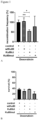
- Figure 1A shows the recombination frequencies of K562/MLL cells after expression of Ku80 variants wtKu80, Ku80ct and Ku80mut
- Figure 1B illustrates the cell survival. Shown are the mean values +SEM of 6 measured values from 3 independent experiments (Mann-Whitney U test: p ⁇ 0.05 ⁇ ; p ⁇ 0.01 ⁇ ). The mean values of the controls were set to 100% for each measurement day (100%: 2x10 5 ) and all other values were related to them. Cell survival according to FSC/SSC gating was between 20-40% after doxorubicin treatment.
- Peptides were elected using in silico analyses, based on the sequence and 3D partial structure of human Ku80 (PDB ID 1q2z), the sequence of human EndoG (Uniprot ID Q14249), the 3D structures of the homologous EndoG/inhibitor complexes, namely EndoG/EndGI from D. melanogaster (PDB ID 3ism) and NucA/NuiA from the cyanobacterium Anabaena (PDBID 2o3b) as structural information. Sequence alignments were carried out using programs MAFFT (Katoh et al. 2002; Katoh et al. 2013), MaxAlign (Gouveia-Oliveira et al.
- ITKEEASGSSVTAEEAKKFLAP according to SEQ ID No. 6
- RVLVKQKKASFEEASNQLINHIEQFL according to SEQ ID No. 9
- EIVVQDGITLITKEEASGSSVTAEEAKK according to SEQ ID No. 3, also denoted "Ku3”
- ASFEEASNQLINHIEQFLDTNETPYFMKSI according to SEQ ID No. 10, also denoted "Ku4".
- the peptides were introduced into K562/MLL cells by Nucleofector TM technology as described above.
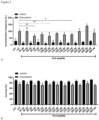
- the cells were nucleofected with 0-600 ⁇ g peptide per 1 ⁇ 10 6 cells and treated with 2 ⁇ M doxorubicin for 4 h after 24 h. After washing, the cells were cultured for another 72 h in fresh medium. After washing the cells, they were cultured for another 72 h in fresh medium. Subsequently, recombination frequencies were determined.
- Figure 2B shows the survival of the K562/MLL cells. As can be seen in Figure 2B , the survival of 70-80% of the cells after doxorubicin treatment by nucleofection was not affected by the treatment with the peptide of SEQ ID No. 3. In untreated cells, the peptide had no significant effect.
- Figure 3B shows the survival of the K562/MLL cells for the peptide Ku1. As can be seen in Figures 3A and 3B , the peptide of SEQ ID No. 5 showed significant inhibition of MLLbcr rearrangements with a 30% decrease after application of only one of the tested peptide concentrations (300 ⁇ g), and also did not affect cell survival.
- Figure 4 shows the survival of the K562/MLL cells for the peptide of SEQ ID No. 9 (denoted Ku2).
- Figure 5 shows the survival of the K562/MLL cells for the peptide of SEQ ID No. 10 (denoted Ku4).
- the peptides RVLVKQKKASFEEASNQLINHIEQFL SEQ ID No. 9
- ASFEEASNQLINHIEQFLDTNETPYFMKSI SEQ ID No. 10.
- K562/MLL cells survival of K562/MLL cells was cross-checked using either a scrambled peptide VDSTTIEKSIAEVAEEQESILKKVAGGT (SEQ ID No. 8), in which the amino acids contained in the peptide of SEQ ID No. 3 were randomly mixed, or a modified peptide EIVVQDGITLITKAEASGSSVTAEEAKK (SEQ ID No. 16), in which the first E of the EEASGSS motif was replaced by an alanine.
- the peptide of SEQ ID No. 3 and the scrambled or modified peptides were introduced into K562/MLL cells by nucleofection as described above. As a control, cells were nucleofected with H 2 O only.
- 100 ⁇ g of the peptide with SEQ ID No. 3 (denoted Ku3) significantly reduced the recombination frequency compared to water, no reduction was observed with 100 ⁇ g scrambled peptide, whereby survival was not affected for either peptide ( Figure 6B ). This verifies that the peptide with SEQ ID No. 3 (denoted Ku3) affects MLLbcr rearrangements in a sequence-specific manner.
- HeLa/MLL cells were analyzed after nucleofection with Ku3 peptide at different concentrations using Nucleofector TM technology.
- Cells were nucleofected with 0-100 ⁇ g peptide of SEQ ID No. 3 per 0.5 ⁇ 10 6 cells. After 24 h of cultivation, the cells were treated with 0.5 ⁇ M doxorubicin for 4 h. The cells were then washed. After washing, the cells were transferred to fresh medium and cultured for another 72 h. Subsequently, recombination frequencies were determined as described above for K562/MLL. Cell survival was determined in parallel with the recombination measurements.
- the Figure 7A shows the recombination frequencies in HeLa/MLL cells. Means of 7-10 individual values +SD are shown (5% outliers were excluded using the ROUT method; Mann-Whitney U test: p ⁇ 0.05 ⁇ ; p ⁇ 0.01 ⁇ ). Mean values of controls were set to 100% for each day of measurement (100%: 1x10 4 ) and all other values were referred to it each.
- the Figure 7B shows the cell survival of HeLa/MLL cells. As can be taken from Figure 7A and 7B , there was a significant reduction of MLLbcr rearrangements by up to 26% in the range of 25 ⁇ g to 75 ⁇ g after treatment with doxorubicin without affecting cell survival ( Figure 7B ).
Landscapes
- Health & Medical Sciences (AREA)
- Chemical & Material Sciences (AREA)
- Life Sciences & Earth Sciences (AREA)
- Organic Chemistry (AREA)
- Zoology (AREA)
- Wood Science & Technology (AREA)
- Genetics & Genomics (AREA)
- Bioinformatics & Cheminformatics (AREA)
- Engineering & Computer Science (AREA)
- General Health & Medical Sciences (AREA)
- General Engineering & Computer Science (AREA)
- Biochemistry (AREA)
- Medicinal Chemistry (AREA)
- Molecular Biology (AREA)
- Microbiology (AREA)
- Biotechnology (AREA)
- Biomedical Technology (AREA)
- General Chemical & Material Sciences (AREA)
- Nuclear Medicine, Radiotherapy & Molecular Imaging (AREA)
- Chemical Kinetics & Catalysis (AREA)
- Oncology (AREA)
- Hematology (AREA)
- Animal Behavior & Ethology (AREA)
- Veterinary Medicine (AREA)
- Public Health (AREA)
- Pharmacology & Pharmacy (AREA)
- Peptides Or Proteins (AREA)
Priority Applications (4)
| Application Number | Priority Date | Filing Date | Title |
|---|---|---|---|
| EP22153506.5A EP4219698A1 (fr) | 2022-01-26 | 2022-01-26 | Peptide et son utilisation dans la prévention d'une leucémie associée à une thérapie |
| EP23702102.7A EP4469566A1 (fr) | 2022-01-26 | 2023-01-25 | Peptide et son utilisation dans la prévention de la leucémie liée à une thérapie |
| PCT/EP2023/051816 WO2023144210A1 (fr) | 2022-01-26 | 2023-01-25 | Peptide et son utilisation dans la prévention de la leucémie liée à une thérapie |
| US18/832,858 US20250171753A1 (en) | 2022-01-26 | 2023-01-25 | Peptide and use thereof in the prevention of therapy-related leukemia |
Applications Claiming Priority (1)
| Application Number | Priority Date | Filing Date | Title |
|---|---|---|---|
| EP22153506.5A EP4219698A1 (fr) | 2022-01-26 | 2022-01-26 | Peptide et son utilisation dans la prévention d'une leucémie associée à une thérapie |
Publications (1)
| Publication Number | Publication Date |
|---|---|
| EP4219698A1 true EP4219698A1 (fr) | 2023-08-02 |
Family
ID=80122528
Family Applications (2)
| Application Number | Title | Priority Date | Filing Date |
|---|---|---|---|
| EP22153506.5A Withdrawn EP4219698A1 (fr) | 2022-01-26 | 2022-01-26 | Peptide et son utilisation dans la prévention d'une leucémie associée à une thérapie |
| EP23702102.7A Pending EP4469566A1 (fr) | 2022-01-26 | 2023-01-25 | Peptide et son utilisation dans la prévention de la leucémie liée à une thérapie |
Family Applications After (1)
| Application Number | Title | Priority Date | Filing Date |
|---|---|---|---|
| EP23702102.7A Pending EP4469566A1 (fr) | 2022-01-26 | 2023-01-25 | Peptide et son utilisation dans la prévention de la leucémie liée à une thérapie |
Country Status (3)
| Country | Link |
|---|---|
| US (1) | US20250171753A1 (fr) |
| EP (2) | EP4219698A1 (fr) |
| WO (1) | WO2023144210A1 (fr) |
Citations (3)
| Publication number | Priority date | Publication date | Assignee | Title |
|---|---|---|---|---|
| EP1399576A2 (fr) | 2001-03-05 | 2004-03-24 | Lisa Wiesmüller | Systeme de test destine a determiner des toxicites genetiques |
| WO2014160465A2 (fr) * | 2013-03-13 | 2014-10-02 | Cour Pharmaceuticals Development Company | Particules de modification immunitaire pour le traitement d'inflammation |
| WO2014176351A1 (fr) | 2013-04-23 | 2014-10-30 | The Board Of Trustees Of The University Of Arkansas | Inhibiteurs de polymérase, d'endonucléase et d'hélicase et leurs procédés d'utilisation |
-
2022
- 2022-01-26 EP EP22153506.5A patent/EP4219698A1/fr not_active Withdrawn
-
2023
- 2023-01-25 EP EP23702102.7A patent/EP4469566A1/fr active Pending
- 2023-01-25 US US18/832,858 patent/US20250171753A1/en active Pending
- 2023-01-25 WO PCT/EP2023/051816 patent/WO2023144210A1/fr not_active Ceased
Patent Citations (3)
| Publication number | Priority date | Publication date | Assignee | Title |
|---|---|---|---|---|
| EP1399576A2 (fr) | 2001-03-05 | 2004-03-24 | Lisa Wiesmüller | Systeme de test destine a determiner des toxicites genetiques |
| WO2014160465A2 (fr) * | 2013-03-13 | 2014-10-02 | Cour Pharmaceuticals Development Company | Particules de modification immunitaire pour le traitement d'inflammation |
| WO2014176351A1 (fr) | 2013-04-23 | 2014-10-30 | The Board Of Trustees Of The University Of Arkansas | Inhibiteurs de polymérase, d'endonucléase et d'hélicase et leurs procédés d'utilisation |
Non-Patent Citations (10)
| Title |
|---|
| DATABASE Geneseq [online] 20 November 2014 (2014-11-20), "Human systemic lupus erythematosus associated epitope, SEQ:4014.", XP002806939, retrieved from EBI accession no. GSP:BBO75765 Database accession no. BBO75765 * |
| EBERLE JULIA ET AL: "A Fibrinogen Alpha Fragment Mitigates Chemotherapy-Induced MLL Rearrangements", FRONTIERS IN ONCOLOGY, vol. 11, 18 June 2021 (2021-06-18), XP055935883, DOI: 10.3389/fonc.2021.689063 * |
| GIBCO, THERMO FISHER SCIENTIFIC |
| GOLE ET AL., ONCOGENE, vol. 34, 2015, pages 3391 - 401 |
| GOUVEIA-OLIVEIRA ET AL., MAXALIGN, 2007 |
| IOSEF C ET AL: "Insulin-like growth factor binding protein-6 (IGFBP-6) interacts with DNA-end binding protein Ku80 to regulate cell fate", CELLULAR SIGNALLING, ELSEVIER SCIENCE LTD, GB, vol. 22, no. 7, 1 July 2010 (2010-07-01), pages 1033 - 1043, XP027028523, ISSN: 0898-6568, [retrieved on 20100224] * |
| IRENO ET AL., ARCH TOXICOL., vol. 88, no. 5, 2014, pages 1141 - 59 |
| LOLL BERNHARD ET AL: "Crystal structure of the EndoG/EndoGI complex: mechanism of EndoG inhibition", NUCLEIC ACIDS RESEARCH, vol. 37, no. 21, 1 November 2009 (2009-11-01), GB, pages 7312 - 7320, XP055935877, ISSN: 0305-1048, Retrieved from the Internet <URL:https://academic.oup.com/nar/article-pdf/37/21/7312/17059742/gkp770.pdf> DOI: 10.1093/nar/gkp770 * |
| RICE ET AL.: "EMBOSScons", 2000 |
| ZHANG Z ET AL: "Solution Structure of the C-Terminal Domain of Ku80 Suggests Important Sites for Protein-Protein Interactions", STRUCTURE, ELSEVIER, AMSTERDAM, NL, vol. 12, no. 3, 1 March 2004 (2004-03-01), pages 495 - 502, XP025946411, ISSN: 0969-2126, [retrieved on 20040311], DOI: 10.1016/J.STR.2004.02.007 * |
Also Published As
| Publication number | Publication date |
|---|---|
| EP4469566A1 (fr) | 2024-12-04 |
| US20250171753A1 (en) | 2025-05-29 |
| WO2023144210A1 (fr) | 2023-08-03 |
Similar Documents
| Publication | Publication Date | Title |
|---|---|---|
| ES2662036T3 (es) | Secuencias que se dirigen al núcleo | |
| JP7564087B2 (ja) | アンチセンス送達のための三量体ペプチド | |
| CA2542942C (fr) | Acides nucleiques utiles pour declencher la letalite des cellules tumorales | |
| CA2986228A1 (fr) | Conjugues peptides/oligonucleotides | |
| US20250367306A1 (en) | Chimeric peptides for antisense delivery | |
| KR20210110593A (ko) | 마이오스타틴 신호 억제제 | |
| JP7201192B2 (ja) | エクソン50のスキッピングを誘導するアンチセンス核酸 | |
| KR102511482B1 (ko) | 히프 1-알파 안티센스 올리고뉴클레오티드 | |
| US20250171753A1 (en) | Peptide and use thereof in the prevention of therapy-related leukemia | |
| AU2018302855B2 (en) | Peptide derivative and pharmaceutical composition containing same | |
| JP7709164B2 (ja) | 核酸送達促進剤 | |
| US11911410B2 (en) | Nucleic acid oligomers and uses therefor | |
| US20250290071A1 (en) | Stat3 targeting oligonucleotides and uses thereof | |
| US20240228543A1 (en) | Cyclic peptide inhibitors of usp22 | |
| RU2820270C2 (ru) | Ингибитор сигнала миостатина | |
| CN121866064A (zh) | 包含BRCA特异性siRNA作为活性成分的用于预防或治疗靶向癌症的药物组合物 | |
| EA045808B1 (ru) | Антисмысловая нуклеиновая кислота, которая индуцирует пропуск экзона 50 | |
| HK40109091A (zh) | 核酸寡聚体及其用途 |
Legal Events
| Date | Code | Title | Description |
|---|---|---|---|
| PUAI | Public reference made under article 153(3) epc to a published international application that has entered the european phase |
Free format text: ORIGINAL CODE: 0009012 |
|
| STAA | Information on the status of an ep patent application or granted ep patent |
Free format text: STATUS: THE APPLICATION HAS BEEN PUBLISHED |
|
| AK | Designated contracting states |
Kind code of ref document: A1 Designated state(s): AL AT BE BG CH CY CZ DE DK EE ES FI FR GB GR HR HU IE IS IT LI LT LU LV MC MK MT NL NO PL PT RO RS SE SI SK SM TR |
|
| STAA | Information on the status of an ep patent application or granted ep patent |
Free format text: STATUS: THE APPLICATION IS DEEMED TO BE WITHDRAWN |
|
| 18D | Application deemed to be withdrawn |
Effective date: 20240203 |