EP4219723B1 - Plates-formes d'arn circulaires, leurs utilisations et leurs procédés de fabrication à partir d'adn modifié - Google Patents
Plates-formes d'arn circulaires, leurs utilisations et leurs procédés de fabrication à partir d'adn modifié Download PDFInfo
- Publication number
- EP4219723B1 EP4219723B1 EP22207400.7A EP22207400A EP4219723B1 EP 4219723 B1 EP4219723 B1 EP 4219723B1 EP 22207400 A EP22207400 A EP 22207400A EP 4219723 B1 EP4219723 B1 EP 4219723B1
- Authority
- EP
- European Patent Office
- Prior art keywords
- rna
- circular
- parental
- sequence
- circularization
- Prior art date
- Legal status (The legal status is an assumption and is not a legal conclusion. Google has not performed a legal analysis and makes no representation as to the accuracy of the status listed.)
- Active
Links
Images








Classifications
-
- C—CHEMISTRY; METALLURGY
- C12—BIOCHEMISTRY; BEER; SPIRITS; WINE; VINEGAR; MICROBIOLOGY; ENZYMOLOGY; MUTATION OR GENETIC ENGINEERING
- C12N—MICROORGANISMS OR ENZYMES; COMPOSITIONS THEREOF; PROPAGATING, PRESERVING, OR MAINTAINING MICROORGANISMS; MUTATION OR GENETIC ENGINEERING; CULTURE MEDIA
- C12N15/00—Mutation or genetic engineering; DNA or RNA concerning genetic engineering, vectors, e.g. plasmids, or their isolation, preparation or purification; Use of hosts therefor
- C12N15/09—Recombinant DNA-technology
- C12N15/63—Introduction of foreign genetic material using vectors; Vectors; Use of hosts therefor; Regulation of expression
- C12N15/79—Vectors or expression systems specially adapted for eukaryotic hosts
-
- C—CHEMISTRY; METALLURGY
- C12—BIOCHEMISTRY; BEER; SPIRITS; WINE; VINEGAR; MICROBIOLOGY; ENZYMOLOGY; MUTATION OR GENETIC ENGINEERING
- C12N—MICROORGANISMS OR ENZYMES; COMPOSITIONS THEREOF; PROPAGATING, PRESERVING, OR MAINTAINING MICROORGANISMS; MUTATION OR GENETIC ENGINEERING; CULTURE MEDIA
- C12N15/00—Mutation or genetic engineering; DNA or RNA concerning genetic engineering, vectors, e.g. plasmids, or their isolation, preparation or purification; Use of hosts therefor
- C12N15/09—Recombinant DNA-technology
- C12N15/63—Introduction of foreign genetic material using vectors; Vectors; Use of hosts therefor; Regulation of expression
- C12N15/64—General methods for preparing the vector, for introducing it into the cell or for selecting the vector-containing host
-
- C—CHEMISTRY; METALLURGY
- C12—BIOCHEMISTRY; BEER; SPIRITS; WINE; VINEGAR; MICROBIOLOGY; ENZYMOLOGY; MUTATION OR GENETIC ENGINEERING
- C12N—MICROORGANISMS OR ENZYMES; COMPOSITIONS THEREOF; PROPAGATING, PRESERVING, OR MAINTAINING MICROORGANISMS; MUTATION OR GENETIC ENGINEERING; CULTURE MEDIA
- C12N9/00—Enzymes; Proenzymes; Compositions thereof; Processes for preparing, activating, inhibiting, separating or purifying enzymes
- C12N9/14—Hydrolases (3)
- C12N9/16—Hydrolases (3) acting on ester bonds (3.1)
- C12N9/22—Ribonucleases [RNase]; Deoxyribonucleases [DNase]
-
- C—CHEMISTRY; METALLURGY
- C12—BIOCHEMISTRY; BEER; SPIRITS; WINE; VINEGAR; MICROBIOLOGY; ENZYMOLOGY; MUTATION OR GENETIC ENGINEERING
- C12P—FERMENTATION OR ENZYME-USING PROCESSES TO SYNTHESISE A DESIRED CHEMICAL COMPOUND OR COMPOSITION OR TO SEPARATE OPTICAL ISOMERS FROM A RACEMIC MIXTURE
- C12P21/00—Preparation of peptides or proteins
- C12P21/02—Preparation of peptides or proteins having a known sequence of two or more amino acids, e.g. glutathione
Definitions
- This invention relates generally to engineered DNA technology with the potential to produce circular RNA molecules, and, in particular, to processes for manufacturing circular RNA from engineered DNA, resulting circular RNA platforms capable of efficient translation inside eukaryotic cells, and their uses.
- nucleic acid-encoded drugs was conceived over two decades ago when it was demonstrated that direct injection of in vitro transcribed (IVT) messenger RNA (mRNA) or plasmid DNA (pDNA) into the skeletal muscle of mice led to the expression of the encoded protein.
- IVT in vitro transcribed
- mRNA messenger RNA
- pDNA plasmid DNA
- mRNA-based drugs were not developed as mRNA is less stable than DNA, and thus, the field focused on DNA-based technologies. Nevertheless, mRNA has been subject of consistent research for several diseases since its discovery in 1961.
- IVT mRNA-based therapies do not need to enter the nucleus to function and once they reach the cytoplasm, these molecules are immediately translated.
- pDNA instead, must reach the nucleus to be transcribed into mRNA, which in turn must then be exported to the cytoplasm to be translated.
- mRNA has no possibility of integrating into the host genome, thus avoiding the risk of insertional mutagenesis.
- IVT mRNA is only active for a short period of time (about a week) and then is completely degraded in a natural fashion. Further, IVT mRNA manufacturing is simple and inexpensive, and that is why IVT mRNA-based therapeutics have recently gained great interest.
- IVT mRNA has undergone extensive preclinical and clinical research in cancer, infectious diseases, cardiology, endocrinology, and hematology within therapeutic as well as in preventive fields.
- the main concept behind IVT mRNA-based therapeutics is the transfer of a genetic coding sequence into the patient's cells, tissues or organs for preventing or altering a particular disease state.
- IVT mRNA There are two approaches to using IVT mRNA.
- One approach is to transfer the IVT mRNA into the patient's cells ex vivo (e.g., where cells had previously been extracted from the patient's body); and these transiently transfected cells are then re-administered to the patient.
- the other approach involves in-vivo administration of IVT-mRNA molecules into the patient's cells using diverse administration routes such as intramuscular injection, or intratumoral delivery. Both approaches are being used to treat and prevent several illnesses, such as infectious diseases, or treat genetic disorders, such as cancer.
- the encoded protein which is the pharmacologically active product, is translated using the natural machinery of the transfected cell.
- IVT generated mRNA is engineered to resemble naturally occurring, mature, and processed endogenous mRNA molecules from eukaryotic cells.
- the IVT mRNA is single-stranded, has a 5' cap, an open reading frame (ORF) flanked by start and stop codons and flanked as well by untranslated regions, and finally a 3' poly(A) tail. introns are unwanted since these molecules will not pass through the nucleus, which is the subcellular compartment where splicing takes place.
- IVT mRNA molecules are synthesized in cell-free systems by an in vitro transcription reaction from a DNA template that can be a linearized plasmid or a linear PCR product.
- the DNA template encodes all the structural and functional elements except the 5' cap.
- the IVT can be performed with T7, SP6, T4 and T3 phage RNA polymerases in the presence of nucleotides and, after transcription, RNA is capped enzymatically with a capping enzyme such as the vaccinia capping enzyme. Then, the DNA template is subjected to DNase digestion and the resulting mRNA molecules are purified by methods well known in the art.
- IVT mRNA Pharmacodynamic activity of IVT mRNA is carried out in the cytoplasm. In contrast to endogenous mRNA that is produced in the nucleus and then enters the cytoplasm through nuclear exportation, IVT mRNA has to enter the cytoplasm from outside the cell.
- IVT mRNA cytoplasmic bioavailability is limited by the rapid degradation by the highly active ubiquitous RNases that abound in the extracellular space, and the cell membrane, which hampers the entry of the negatively charged mRNA molecule into the cytoplasm.
- Eukaryotic cells are capable of actively engulfing naked mRNA molecules; however, in most cell types this uptake rate is minimal (less than 1 in 10 thousand molecules).
- Transfection of IVT mRNA molecules into patient's cells can be considerably improved by complexing them with polymers or lipid nanoparticles which protect the mRNA molecules from degradation by RNases and also help in the cellular uptake process.
- there are other techniques such as electroporation, that can be used for in vitro, in vivo, and ex vivo mRNA transfer into cells.
- IVT mRNA Once IVT mRNA is inside the cytoplasm, its pharmacology is governed by the same complex cellular mechanisms that regulate the stability and translation of endogenous mRNA.
- the translated polypeptide from the IVT mRNA can undergo post-translational modifications and then, the mature protein is considered a bioactive compound.
- IVT mRNA and protein product half-lives are critical determinants of the mRNA-based therapeutics pharmacokinetics.
- IVT mRNA encoded protein Once the IVT mRNA encoded protein has been translated, its destination is determined by localization signals. These may be either natural or artificially introduced by genetic engineering to direct the polypeptide to the desired intracellular compartment, sent to a secretion pathway to act on neighboring cells or, if released into the bloodstream, to act on distant organs or tissues.
- IVT mRNA-encoded polypeptides are subjected to proteasomal degradation and presented in the context of a major histocompatibility complex (MHC) class I molecules to CD8+ T cells.
- MHC major histocompatibility complex
- intracellular proteins do not get loaded onto MHC class II to induce T helper cell responses; however, by introducing a secretion signal into the antigen coding sequence, T helper cell responses can be achieved as the secretion signal redirects the protein into the extracellular space, and thus achieve MHC class II loading.
- the IVT mRNA amount required for a preventive or therapeutic effect and the duration of the treatment depend on many factors which may vary for the different applications. For example, nanogram to microgram amounts of IVT mRNA may be sufficient for the efficient induction of an immune response in humans and non-human primates. In contrast, milligram or even gram amounts of proteins may be required for the delivery of systemically active growth factors, hormones, or monoclonal antibodies. Translational potency and intracellular stability of IVT mRNA can be optimized in order to achieve an increase in the amounts of protein per unit of mRNA.
- Structural elements of IVT mRNA such as untranslated regions, 5' cap, open reading frame and poly(A) tail, have been modified in order to improve its intracellular stability and enhance the translational efficiency. These improvements lead to the production of significantly higher levels of the encoded protein over a longer timeframe, from a range of a few minutes to several days.
- poly(A) tail synergically with the 5' cap, internal ribosome entry site and other determinants regulates mRNA stability and translational efficiency.
- Poly(A) tail is encoded by the DNA template subjected to transcription or added by a recombinant poly(A) polymerase, and the latter method allows to add modified analogues such as cordycepin (3'-deoxyadenosine) thus inhibiting deadenylation by poly(A)-specific nucleases.
- Enzymatic polyadenylation is not preferred as in each RNA preparation there is a mixture of RNA species that differ in the poly(A) tail length.
- IVT generated mRNA from a DNA template that has a defined poly(A) tail length yields RNA species with the same poly(A) tail length.
- the optimal poly(A) tail length is between 120 and 150 nucleotides.
- IVT mRNA in cells include the incorporation of 5' and 3' UTRs containing regulatory sequences that modulate translation and stability, such as in endogenous mRNA.
- 5' and 3' UTRs containing regulatory sequences that modulate translation and stability
- endogenous mRNA many IVT generated therapeutic mRNA molecules have 3'-UTRs of ⁇ - and ⁇ -globin, and the stabilization effect of ⁇ -globin 3'-UTR sequences is further augmented by using two human ⁇ -globin 3'-UTRs arranged in head-to-tail orientation.
- 5' and 3' UTRs enhance mRNA stability and translational efficiency.
- Elongation factor 1 ⁇ (eEF1A) mRNA 3' UTR and orthopoxvirus mRNAs 5' UTR elements inhibit decapping and 3'-5' exonucleolytic degradation.
- destabilization of mRNA might as well be desired to limit the duration of protein expression. This effect can be achieved by the incorporation of AU-rich elements into the 3'UTRs, hence ensuring short duration of protein expression by rapid mRNA degradation.
- Codon context neighbored nucleotides and codons
- IVT mRNA encoded vaccines it may be beneficial for IVT mRNA encoded vaccines to maintain the original open reading frame sequence.
- Potent T-cell epitopes may be generated when IVT mRNA is translated in different frames by ribosomal frame-shifting or when translation is initiated either internally or from a CUG start codon, and codon optimization eliminates these important sources of antigenic peptide variability.
- IVT mRNA The strong immune stimulatory effect and intrinsic adjuvant activity of IVT mRNA are added benefits for preventive vaccination, and leads to potent antigen-specific cellular and humoral immune responses.
- the type of immune response generated by these mRNA molecules depends on a range of factors, including the size of the nanoparticles formed with transfection molecules; however, activation of the innate immune response is a major disadvantage.
- Recent progress in identifying endogenous eukaryotic RNA sensors and the structural RNA elements involved in immune recognition provides opportunities to augment immune activation by IVT mRNA or, alternatively, to create mRNA molecules that do not activate the immune response.
- IVT mRNA includes immune stimulation by activating pattern recognition receptors that naturally identify and respond to viral RNAs by inducing several downstream effects.
- Toll-like receptors TLR3, TLR7, and TLR8 inside the endosomal compartment are activated by endocytosed IVT mRNA in immune cells, and thus induce secretion of interferon.
- TLR3 recognizes double-stranded RNA (dsRNA), while TLR7 and TLR8 sense single-stranded RNA (ssRNA).
- dsRNA double-stranded RNA
- ssRNA single-stranded RNA
- Poly(U) is the most potent interferon inducer and acts through TLR7.
- cytosolic receptors such as cytoplasmic retinoic acid-inducible gene I protein (RIG-I) and melanoma differentiation-associated protein 5 (MDA5) induce the expression of interferon.
- RIG-I is activated by short, double-stranded, 5' triphosphate RNA molecules while MDA5 responds to long dsRNAs and viral mRNA lacking 2'-O-methylation.
- Cytoplasmic RNA sensors mediate immune stimulation, affect mRNA translation efficiency and antiviral activity.
- Protein kinase RNA-activated (PKR) phosphorilates the eukaryotic translation initiation factor 2 ⁇ and inhibits global mRNA translation.
- Non-immunogenic IVT mRNA can be created by the incorporation of naturally occurring modified nucleosides such as pseudouridine, 2-thiouridine, 5-methyluridine, 5-methylcytidine, or N6-methyladenosine. This approach has shown to suppress both the intrinsic adjuvant activity as well as inhibitory effects on translation.
- modified nucleosides such as pseudouridine, 2-thiouridine, 5-methyluridine, 5-methylcytidine, or N6-methyladenosine.
- mRNA messenger RNA
- IVT exogenous mRNA
- transfection can be performed using many types of polymer, liposomal delivery platforms and electroporation.
- Circular covalently closed RNAs lack 5'-caps and 3'-poly(A) tails and they are highly stable when formulated in a pharmaceutical composition and when administered in vivo compared to their linear mRNA counterparts.
- These engineered circRNA molecules display improved amounts of protein expression and longer translational activity with diminished immunogenicity, thus leading to higher and more efficient protein production per dose.
- these circular molecules exhibit smaller topological structures compared to the linear mRNA molecules and, therefore, they can be encapsulated in lipid nanoparticles or be complexed with various polymers in a more efficient and simple way.
- RNA molecules not only involve transcripts encoding proteins. In fact, it is known that only 1-2% of the genome encodes for transcripts that are later translated into proteins. Most RNA molecules are actually non-coding transcripts which exert a broad range of regulatory functions within human cells. The first circular RNA molecules were observed in plant viroids around 1976 and, for a long time, they were considered to be transcriptional junk. However, around 2012, high-throughput transcriptome sequencing, bioinformatics, and focused molecular characterization of individual circRNAs uncovered their ubiquity and evidence emerged suggesting circRNAs are functional molecules; in fact, they have been described as a new class of non-coding RNAs. Today, more than 32,000 exonic circRNA have been annotated.
- RNAs are dynamic, evolutionarily conserved and may be specific for certain cell types.
- Their circularization mechanism involves genes to transcribe covalently closed single-stranded RNAs by a process called backsplicing of linear precursor RNAs as, for example, the DCC tumor suppressor gene with "scrambled exons" joined at the end.
- RNA circularization is based on the mechanism of alternative splicing.
- Alternative splicing is a process that enables a mRNA to present different regulatory functions or direct synthesis of different protein variants (isoforms) that may have distinct cellular functions, localizations, or properties.
- genes expressing several circular transcripts exist, such as the TTN gene, which is well known to produce at least 38 different circRNAs.
- RNA circularization occurs by rearranging the pattern of intron and exon elements that are joined by splicing to alter the mRNA coding sequence.
- RNA loops are formed when an end of an exon (splice donor site) is joined to the end of the same exon (single-exon circRNA) or to that of an upstream exon (multiple-exon circRNA).
- In vivo circRNAs generated by splicing events can either be exonic or intronic, such as tRNA and rRNA introns produced from archaeal splicing.
- CircRNA molecules appear in several viruses, viroids and viroid-like satellites. In vitro circularization of RNA molecules involves an intramolecular formation of 3'-5' phosphodiester bond, requiring the 3' and 5' ends in the linear RNA precursor to be proximal.
- exon 2 of the gene locus is particularly often present in circRNAs.
- circRNAs contain more than one exon and sometimes they can harbor around 100 exons within the back splice site, and their sizes vary from 100 bases up to several kilobases.
- Most circRNAs are generated from the linear counterparts and are derived from constitutive exons. They often contain GT/AG canonical splice motifs suggesting that a canonical spliceosome is involved, and are mostly formed after transcription, although a few cases have been shown to happen co-transcriptionally.
- RNA-binding proteins such as RBP Quaking (QKi) and RBP Muscleblind (MBL) help in the formation of different circRNAs by facilitating the hybridization of flanking introns. Whereas the former has been shown to act on transcripts from different gene locus, the latter circularizes transcripts from gene locus circMbl.
- Other examples for regulating circRNAs cellular titers are known.
- ADAR adenosine deaminase acting on RNA
- RNA helicase DHX9 (DExH-Box Helicase9), which binds double-stranded RNA (dsRNA), is another example as it has been shown to be involved in the formation of many circRNAs and to interact with the ADAR p150 isoform.
- Synthetic biology can be used to create novel circRNA molecules that are able to encode proteins of interest with therapeutic effects.
- CircRNAs are highly stable molecules because they are protected against degradation by the ubiquitously spread exonucleases. Synthetic biology can be used to create novel circRNA molecules that are able to encode proteins of interest with therapeutic effects. The covalently closed circRNA molecules might also be beneficial for applications such as the production of antisense-RNAs, aptamers, ribozymes or siRNAs.
- Spliceosomes act to remove introns from primary transcripts in eukaryotic cells by a two-step mechanism.
- the 2'-OH group of a defined adenosine within the intron (denoted as branch point adenosine) attacks the 5'-splice site, thus generating a free 3'-OH group at the 5'-exon and the lariat intermediate.
- the second step involves the nucleophilic attack of the generated 3'-OH group onto the 3'-splice site, producing an excised lariat intron and a linear RNA composed of the two combined exons.
- Exonic circRNAs may result from splicing. After circRNAs were first observed in 1991, thousands of endogenous circRNAs have been identified in mammalian cells, which are abundant and evolutionary conserved.
- Direct back-splicing was termed 'mis-splicing' due to exon scrambling or shuffling, where exons are spliced in a non-canonical way; nonetheless, as circRNAs may be generated by purpose rather than resulting from mis-splicing events, the proper term should be 'back-splicing'.
- Direct back-splicing involves joining the 3'-tail of a downstream exon to the 5'-head of the same exon, or of an exon normally located upstream. The downstream splice donor pairs with an unspliced upstream splice acceptor and, as a result, the exon becomes circularized.
- Another mechanism involves the creation of a lariat that contains an exon produced from exon skipping, that subsequently undergoes internal splicing, thereby removing the intron and generating a circRNA. Both mechanisms can be performed in vivo.
- Self-splicing introns belonging to group II generate a branched lariat intermediate and a lariat intron, and there is evidence that these are excised as RNA circles although circularization occurs through the formation of a 2', 5'-phosphodiester bond. Circle formation requires prior release of the 3' exon, for example by using a trans-splicing mechanism.
- the intron's terminal 2'-OH group attacks the 5'-exon intron junction (5'-splice site), generating the circularized intron and the 5'-exon.
- group I introns self-splice by first recruiting a guanosine (exoG) as an external nucleophile that initiates splicing by nucleophilic attack on the 5'-splice site and then becomes linked to the 5'-end of the intron.
- exoG guanosine
- the exons are ligated and thus a linear catalytic intron is released, and the excised linear intron can be circularized by a nucleophilic attack of the 3'-terminal guanosine on a phosphodiester bond near the 5'-end of the intron.
- the 5'-terminal sequence is released and the intron is circularized.
- the pairing of the three nucleotides preceding the cleaved phosphate define the phosphate to be attacked in the circularization and, as a result, a variety of truncated intron-based circles that have short half-lives are produced.
- Full-length intron circles formation is a general feature of all types of introns belonging to group I.
- Chemical ligation of nucleic acid strands can be achieved by using cyanogen bromide (BrCN) together with morpholino derivatives such as 2-(N-morpholino)-ethane sulfonic acid (MES) for linking two RNA strands that carry terminal 5'-hydroxyl and 3'-phosphate groups.
- CMOS cyanogen bromide
- MES 2-(N-morpholino)-ethane sulfonic acid
- MES 2-(N-morpholino)-ethane sulfonic acid
- Chemical ligation typically involves the use of an oligonucleotide splint that interacts with the two termini and thus aids in circularization.
- Intermolecular ligation is a highly competitive reaction, but can be suppressed by working with small concentrations of the nucleic acid to be circularized, so as to favor intracatenary ligation.
- the formation of 2'-5' phosphodiester bonds instead of the natural 3'-5' phosphodiester bonds is even a more serious side reaction associated with chemical ligation of RNA strands that can be avoided by using oligonucleotides with a 2'-deoxy sugar moiety at the 3'-end.
- ligases capable of ligating nicks in single- and double- stranded nucleic acids, all of which are encoded in the T4 bacteriophage genome. These ligases catalyze the formation of a phosphodiester bond between 5'-phosphate (donor) and 3'-hydroxyl (acceptor) end groups in DNA or RNA in an ATP-dependent reaction.
- T4 ligase is the chosen method, the ligation site must be located within a double-stranded region because single-stranded regions are not ligated. For that reason, an oligonucleotide splint can be used to obtain a double-stranded segment around the ligation site, thus ensuring the approach of the free ends. For an efficient ligation reaction, splint length, stoichiometry and temperature conditions must be adjusted.
- T4 ligases can be used to achieve the ligation of nucleic acids, for example, T4 RNA ligase 1 that assists in the formation of 3'-5' phosphodiester bonds in single-stranded RNA molecules.
- T4 RNA ligase 1 has several preferences for donor and acceptor nucleotides at the ligation site: A > G ⁇ C > U for the 3'-end nucleotide acceptor, and pC > pU > pA > pG for the 5'-end nucleotide donor.
- This ligase has been used for circularization of short and long RNA molecules.
- Non-coding RNAs such as hammerhead ribozymes, have been efficiently synthesized from linear oligonucleotides using this ligase.
- T4 RNA ligase 2 has inter- and intramolecular ligation activity; however, when compared to T4 RNA ligase 1, the latter is way more efficient in joining nicks in double-stranded RNA substrates.
- RNA ligases capable of performing RNA circularization
- tRNA ligases from wheat germ
- ligase from Saccharomyces cerevisiae
- Another ligase (Pap1020) was found in Pyrococcus abyssi, and this one performs ATP-dependent circularization of oligonucleotides in vitro.
- Viroids and other small infectious RNAs use the double rolling-circle reaction to replicate, and this method can be used with the self-splicing activity of the hairpin ribozyme to generate in vitro circRNAs.
- group I self-splicing intron system known as PIE (Permuted Intron-Exon) allows the formation of circRNA molecules in vitro and in vivo.
- group I intron precursor RNAs derived from organisms such as Tetrahymena spp or Anabaena spp, and viruses such as T4 phage, that contain end-to-end fused exons that interrupt half-intron sequences that in turn self-splice to generate a circular RNA exon in vitro.
- Exon sequences can be replaced by foreign sequences from a group I intron self-splicing system to make desired circular sequences, and that is possible because exon sequences are not involved in the self-splicing reaction.
- the Permuted Intron-Exon method includes two transesterifications at defined splice sites and, after the splicing, the ends are ligated forming circular RNA molecules. More specifically, the first transesterification releases the 3'-end sequence (5'-half intron) of the sequence. Subsequently, the free 3'OH group of the 3'-half exon attacks the 3'-splice site during the second transesterification, generating circRNA molecules. This method has been used to generate RNA aptamers, hammerhead ribozymes, and hepatitis delta ribozymes.
- Group II introns can be modified for inverted splicing, thus generating circRNA molecules.
- Yeast self-splicing group II intron can catalyze the formation of circular RNA molecules. This method requires the rearrangement of the exons in a consecutive way, where the branch point has to be positioned upstream and the intronic sequences flanking the exons. This method allows the circularization of the molecules by two transesterification reactions. This group II method is way more efficient than the group I intron method; however, this approach carries out the formation of a 2'-5' phosphodiester bond at the ligation site.
- circRNA manufacturing there are two main methods of choice for circRNA manufacturing, namely 1) chemical methods (with reagents such as cyanogen bromide), and 2) enzymatic methods that involve the use of ligases taken from several organisms or viruses such as T4 ligase, or the Permuted Intron-Exon method (PIE).
- chemical methods rely on in vitro chemical reactions producing circRNAs with non-physiological ligation sites and protective groups that have to be further removed after the circularization reaction. Additionally, these methods are not efficient when larger sized RNA molecules are involved, thus limiting their therapeutic applications.
- an engineered parental circular covalently closed synthetic plasmid DNA comprising:
- circRNA new engineered circular RNA
- the circRNA molecules described herein are generated by circularization of in vitro transcribed linear RNA molecules derived from an engineered parental plasmid DNA vector which harbors all the necessary sequences.
- These circRNA molecules are polyribonucleotides that form a continuous circular structure through covalent bonds and can harbor non-coding and coding sequences that can be translated inside prokaryotic and eukaryotic cells.
- circRNAs Due to their circular topology, circRNAs have improved stability, increased half-life, reduced unwanted immunogenicity, higher protein expression yields and improved functionality compared to their linear RNA counterparts.
- circRNAs include several characteristics that make them very attractive for their use as therapeutics.
- the circular covalently closed polyribonucleotide is significantly less susceptible to degradation mediated by exonucleases as compared to linear RNA molecules, thus being more stable in pharmaceutical compositions and in the extracellular space where ubiquitous exonucleases are present.
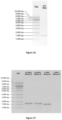
- Improved stability has been proved by incubating the circRNA molecules with exonucleases, and no degradation has been observed, as shown in Figures 17-19 .
- circRNA molecules have been stored at room temperature in tap water and no degradation occurred.
- the circular covalently closed RNA molecules are transcribed from a parental circular covalently closed deoxyribonucleic acid plasmid that can be non-naturally occurring and that can be produced by recombinant DNA technology, and chemical or enzymatic synthesis.
- the deoxyribonucleic acid molecule used to produce the circular covalently closed RNA can comprise genetic sequences of naturally occurring nucleic acid sequences, modified versions not normally found in nature, or combinations thereof (e.g., chimeric molecules, fusion proteins or de novo generated).
- Deoxyribonucleic acid molecules can be modified using a wide variety of techniques including, but not limited to, site-directed mutagenesis, chemical induced mutations, restriction enzyme cleavage of a nucleic acid fragment of interest, ligation of nucleic acid fragments, polymerase chain reaction (PCR) mutagenesis, amplification, ligation of genetic sequences of interest, chemical synthesis, or enzymatic synthesis.
- Circular RNA molecules can be generated by circularization of linear RNA molecules by any of the novel methods described below.
- the formed phosphodiester linkage can be an intramolecular linkage or an intermolecular linkage thus generating fully functional concatemers.
- an engineered circular covalently closed synthetic plasmid DNA comprising:
- the Translation initiation Sequence (e.g., IRES) and Coding Sequence of interest are flanked by non-coding spacers and further flanked by circularization sequences denoted as circSEQ1 at 5' and circSEQ2 at 3'. Further, an RNA promoter is located upstream of the circSEQ1 as depicted in Figure 3 . Unique restriction enzyme recognition sites (LRE Linearization Restriction Enzyme) are located upstream the RNA promoter sequence and after the circSEQ2 sequence, allowing linearization of the DNA vector prior to the in vitro transcription reaction.
- the engineered plasmid harbors a synthetic DNA backbone comprising a selection system and a bacterial origin of replication.
- the bacterial origin of replication can be selected from, but not limited to, pMB1 origin, pMB1* derivative origin, pBR322 origin, ColE1 origin, ColE1* derivative origin and F1 origin.
- the bacterial origin of replication comprises the pMB1* derivative, high copy number origin of replication.
- the bacterial selection system comprises a transcriptional unit capable of expressing antibiotic resistance genes inside a bacterium.
- the antibiotic resistance genes can be selected from, but not limited to, ampicillin resistance gene, kanamycin resistance gene, chloramphenicol resistance gene, gentamicin resistance gene, spectinomycin resistance gene, streptomycin resistance gene, carbenicillin resistance gene, bleomycin resistance gene, erythromycin resistance gene, tetracycline resistance gene and polymyxin B resistance gene.
- the antibiotic resistance gene is an ampicillin resistance gene.
- the parental circular covalently closed synthetic plasmid DNA described herein was designed so as to allow for three different manufacturing processes: DNAzyme-mediated RNA circularization, CRISPR-dCas9-Ligase-mediated RNA circularization and Self-splicing-mediated RNA circularization, to be applied for the manufacturing of circular RNA molecules.
- circularization sequences circSEQ1 ( Figure 4 ) and circSEQ2 ( Figure 5 ) were designed to bear all the necessary sequences required for circularization by any of the three manufacturing processes.
- the DNAzyme-mediated and the CRISPR-dCas9-Ligase-mediated manufacturing processes both require that the exons and introns involved in the third process (Self-splicing-mediated circularization) and some of the homology regions be removed from the circSEQ1 and circSEQ2 before the in vitro transcription reaction takes place.
- This "circSEQ's trimming” leaves only the homology regions HR1A and HR2B as the 5'-most and 3'-most regions of the in vitro transcribed linear RNA molecule, respectively.
- circSEQ1 HR1A sequence is composed of at least 10 random nucleotides that can be selected from adenine, thymine, guanine, and cytosine.
- the sequence is SEQ ID NO 2.
- circSEQ1 HR1B sequence is composed of at least 10 random nucleotides that can be selected from adenine, thymine, guanine, and cytosine.
- the sequence is SEQ ID NO 3.
- circSEQ2 HR2A sequence is composed of at least 10 random nucleotides that can be selected from adenine, thymine, guanine, and cytosine.
- the sequence is SEQ ID NO 4.
- circSEQ2 HR2B sequence is composed of at least 10 random nucleotides that can be selected from adenine, thymine, guanine, and cytosine.
- the sequence is SEQ ID NO 5.
- the RNA polymerase promoter may be viral, and selected from, but not limited to, T7 RNA polymerase promoter, SP6 RNA polymerase promoter, T3 RNA polymerase promoter, T6 RNA polymerase promoter, T4 RNA polymerase promoter, and K11 RNA polymerase promoter.
- the selected viral RNA polymerase promoter is T7 RNA polymerase promoter.
- An internal ribosome entry site (IRES) genetic element comprises any RNA sequence capable of binding a eukaryotic ribosome and promoting translation initiation. IRES are described in more detail below, referring to non-limiting examples thereof.
- the coding sequence refers to a polynucleotide sequence which codes for a specific amino acid sequence. Preferred coding sequences are described in more detail below.
- the term “spacer” or “spacer sequence” refers to a non-coding genetic sequence that physically separates two genetic sequences from each other.
- the circular plasmid DNA comprises at least one spacer sequence. In other embodiments, the plasmid DNA comprises two or more spacer sequences.
- the step of linearizing the parental circular covalently closed synthetic plasmid DNA molecules involves subjecting the molecules to suitable restriction enzymes denoted as LRE ( Linearization Restriction Enzyme ) so as to cut the DNA molecules in those unique restriction enzyme sites.
- LRE Linearization Restriction Enzyme
- the step of linearizing the DNA molecules involves subjecting the plasmid DNA to a standard PCR reaction.
- suitable buffer refers to any buffer that allows the ligation reaction to occur.
- suitable bacteria refers to any bacteria capable of recognizing the bacterial origin of replication present in the engineered circular covalently closed synthetic plasmid DNA and replicating that DNA.
- suitable bacteria are: E. coli TOP10, E. coli NovaBlue, E. coli DH5a, and E. coli DH10B, amongst others.
- the suitable selected bacteria is an E. coli TOP10 bacteria.
- the ligation system comprises enzymes made of DNA, also called DNAzymes or deoxy ribozymes, generated in the laboratory by in vitro selection from random libraries of DNA.
- DNA is best known in the form of the famous Watson-Crick double helix of two antiparallel phosphodiester single strands held together by hydrogen bonding and stacking interactions of complementary A-T and G-C base pairs.
- the ability of DNA to form three-dimensional structures reaches far beyond the static double helix, whose main purpose is to store genetic information and faithfully transmit it to the next generation. It is now well established that the information stored in defined sequences of single-stranded DNA can be exploited for the formation of active-site architectures that catalyze chemical transformations.
- DNAzymes were only known to catalyze the site-specific cleavage of a ribonucleotide phosphodiester bond, but in the last years they were designed to catalyze the formation of new phosphodiester bonds for the ligation of nucleic acid fragments in different linear and branched architectures.
- the DNA-catalyzed formation of native 3'-5'-phosphodiester linkages between two RNA fragments functionally mimics protein enzymes such as T4 RNA ligase and facilitates protein-free access to large synthetic RNAs.
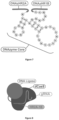
- the DNA enzyme hybridizes to its two RNA substrates via Watson-Crick base pairing and confers the regioselective activation of the 3'-hydroxy group of one RNA fragment (the acceptor RNA) for the nucleophilic attack at an activated 5'-phosphate group of the second RNA fragment (the donor RNA), as shown in Figure 13 .
- DNAzymes are also compared to DNA polymerases as they both require phosphate groups as substrates and divalent metal ions such as Mg 2+ and Zn 2+ in order to generate the phosphodiester bonds.
- DNA-based enzymes can act on peptidic substrates and are capable of covalent modification of amino acid side chains, tyrosine azido-adenilation, phosphorylation of peptidic Tyr, dephosphorylation of peptidic Tyr, or covalent modification of phosphorylated amino acid chains.
- Other DNAzymes can act on other substrates, and are able to hydrolyze amides and esters, glycosylate or metalate a porphyrin nucleus, as well as performing Diels-Alder reactions.
- DNAzymes can also act on DNA substrates, and are capable of Thymine-dimer repair, DNA depuration, DNA phosphorylation, DNA capping, DNA cleavage, and DNA ligation and, lastly, DNAzymes are able to act on RNA molecules and are capable of cleaving RNA molecules and ligating them as well.
- DNA-based enzymes capable of RNA ligation were heavily investigated biochemically, and the 9DB1 DNA enzyme was the first DNA catalyst for which a three-dimensional structure was determined by X-ray crystallography.
- the structure revealed a 31-nt double-pseudoknot architecture in the catalytic core containing long-range Watson-Crick base pairs and non-canonical hydrogen-bonding interactions that could not be predicted from any biochemical data ( Figure 7 ).
- the structure also explained the regioselectivity of ligation and proposed the involvement of a critical phosphodiester of the DNA backbone in the activation mechanism, that was further investigated by computational analyses.
- DNA enzymes with catalytic activity for the desired RNA ligation were identified by in vitro selection from a DNA library containing 40 random core nucleotides, where the formation of native linkages was enforced during the devised in vitro selection strategy, by allowing only DNAzymes linked to 3'-5'-ligated products to be amplified in subsequent selection rounds.
- DNAzymes are ligate small fragments of linear RNA in order to form a longer linear fragment.
- the use of DNAzymes to produce circular RNAs is a novel way of circularizing RNA molecules with high efficiency.
- said DNAzyme comprises at least the following three sections:
- the DNAzyme Core particularly consists of 40 nucleotides.
- RNA substrates were bound on their ends to complementary DNAzyme sequences.
- the RNA substrate bears a 5'-triphosphate group that typically reacts with 2'- or 3'-hydroxyls in RNA ligation reactions catalyzed by nucleic acid enzymes.
- SYTE-DNAzRL12 SEQ ID NO 8
- SEQ ID NO 9 The closely related SYTE-DNAzRL16 ( SEQ ID NO 9 ) deoxyribozyme identified in the same selection was also prepared.
- the SYTE-DNAzRL12 - mediated RNA ligation reaction proceeds rapidly in >90% yield, with k obs ⁇ 0.5 min -1 at 37 °C, with 40 mM MgCl 2 ( Figure 14 ).
- the target RNA may include a 3'-hydroxy group at its 3' free end to serve as a nucleophile. Also, although the target RNA may end with any nucleotide, the following decreasing order of priority is preferred: A>G>U>C.
- the DNAzyme complementary region may be of any length and the percentage of guanine-cytosine (GC) is in the range of 20% to 80%, preferably in the range of 20% to 60%, still more preferably in the range of 40% to 60%.
- the 5' free end is preferably triphosphorylated and may initiate with any nucleotide, albeit preferably Guanine.
- the DNAzyme complementary region may be of any length and the percentage of guanine-cytosine (GC) is in the range of 20% to 80%, preferably in the range of 20% to 60%, still more preferably in the range of 40% to 60%.
- the identified deoxyribozyme SYTE-DNAzRL12 preferably ligates RNA substrates with 5'-triphosphorylated guanines on the donor strand, and the structure revealed the reason for the sequence preferences, as can be depicted in Figure 12 .
- Several deoxyribozymes are known to form 2',5'-branched nucleic acid architectures with 5'-adenylated RNA and DNA.
- 5'-AppRNA instead of 5'-pppRNA
- only poor ligation yields were obtained ( ⁇ 10% compared to >95% with 5'-pppRNA).
- RNA-ligating DNAzymes were rationally engineered to efficiently circularize a wide range of coding and non-coding RNAs in vitro.
- the suitable buffer consists of 40 mM MgCl2 (Mg+2), 50 mM CHES, pH 9.0, 150 mM NaCl, 2mM KCI, at a temperature of 37 °C.
- 50 mM HEPES, pH 7.5 with lower k obs anticipated on the basis of the reduced pH value.
- Biologically active proteins can be produced from these circRNAs in eukaryotic cells.
- These novel engineered circRNAs can be purified by affinity chromatography or high-performance liquid chromatography.
- DNA oligonucleotides were synthesized at GeneUniversal Inc. (Newark, DE) and linear RNA templates with 5'-triphosphates were prepared by in vitro transcription by T7 RNA polymerase (NEB).
- Engineered parental circular covalently closed synthetic plasmid DNA templates were synthesized by GeneUniversal Inc. Digestion with selected restriction enzymes, electrophoresis and purification from agarose gel, provided linear double-stranded DNA molecules used as template for in vitro transcription.
- T7 RNA polymerase was utilized as included in the NEB's HiScribe T7 High Yield RNA Synthesis kit
- transcription might be performed by a variety of RNA polymerases such as SP6 and T3.
- the origin of replication employed was a high copy number variant of pMB1 origin, and the selection cassette contained a transcriptional unit capable of expressing the Ampicillin resistant gene.
- several and different origins of replication may be used such as ColE1 and pBR322, as selection genes such as Chloramphenicol and Kanamycin.
- the parental circular covalently closed synthetic plasmid DNA bears all the necessary sequences required for circularization by any of the three manufacturing processes (namely, DNAzyme-mediated RNA circularization, CRISPR-dCas9-Ligase-mediated RNA circularization, and Self-splicing-mediated RNA circularization).
- DNAzyme-mediated RNA circularization CRISPR-dCas9-Ligase-mediated
- Self-splicing-mediated RNA circularization the circSEQ regions must first be "trimmed” in order to remove the sequences involved in the third method (Self-splicing-mediated RNA circularization).
- suitable specific restriction enzyme recognition sequences were included in the circSEQs (namely, RE1A, RE1B, RE2A and RE2B; Figures 4 and 5 ).
- RNA substrate sequences were defined in a consensus manner, resulting from the selection experiments with diverse prototypes. Whereas RNA ends showed to have an impact on ligation efficiency, different internal homology sequences lack considerable differences and may be random, conferring dynamism and adaptability to the method. Ends of preference are 5'-PPP-GGA and GGA-3'.
- the HR1A substrate was 5'- 32 P-radiolabeled with ⁇ 32 P-ATP and T4 polynucleotide kinase (PNK).
- the ratio HR2A:DNAz:HR1B was 1:5:1, with the concentration of DNAz (DNAzyme) equal to -0.5 ⁇ M.
- the standard incubation conditions for the assays with Mg 2+ were 50 mM CHES, pH 9.0, containing 150 mM NaCl, 2 mM KCI, and 40 mM MgCl 2 at 37 °C.
- 50 mM HEPES, pH 7.5 was effective but with lower k obs (data not shown), which was anticipated on the basis of the reduced pH value.
- the metal ion Mg 2+ is presumed to mediate specific interactions between components of the trimolecular complex required for establishing the catalytically active structure.
- the detailed procedure for the analytical-scale assays was as follows for the Mg 2+ - dependent deoxyribozyme.
- the sample was annealed by heating at 95 °C for 3 min and then cooling on ice for 5 min.
- the volume was increased to 10 ⁇ L containing 50 mM CHES, pH 9.0, 150 mM NaCl, 2 mM KCI, and 40 mM MgCl 2 .
- the 10- ⁇ L reaction solution was incubated at 37 °C.
- 1- ⁇ L aliquots were quenched onto 8 ⁇ L of stop solution (80% formamide, 1 ⁇ TB [89 mM each Tris and boric acid, pH 8.3], 50 mM EDTA, and 0.025% each xylene cyanol and bromophenol blue).
- the substrates and products were separated using 1% Agarose gel in TAE and visualized with UV light.
- a first circular RNA manufacturing process comprises at least the stages of:
- CdC-LMRC Engineered CRISPR/dCas9-Ligase Mediated RNA Circularization
- circularization of the RNA is achieved through the activity of a CRISPR/dCas9-DNALigase system.
- CRISPR/Cas prokaryotic immune mechanisms
- the most direct applications include using the Cas9 protein from Streptococcus pyogenes together with a customizable guide RNA as a nuclease system targeting any genomic locus in any cell.
- the introduction of double strand breaks (DSB) assists in the introduction of mutations by non-homologous end joining (NHEJ) or homologous recombinations (HR).
- NHEJ non-homologous end joining
- HR homologous recombinations
- Cas9 variants defective in their nuclease activity have also been generated (known as dead Cas9 or, more simply, dCas9), which only function as a shuttle for activities targeting nucleic acids.
- the field known as CRISPRi or CRISPRa has emerged to modulate gene expression.
- nucleic acids can be fused to dCas9.
- dCas9 is fused with T4 DNA ligase.
- This protein combined with a guide RNA directed to the homology regions (HR1A and HR2B) located at the ends of a linear RNA molecule, generated by IVT, assists in its circularization, as shown in Figure 10 .
- the parental circular covalently closed synthetic plasmid DNA must first be "trimmed" in its cirSEQ regions if the transcribed RNA is to be circularized by the DNAzyme or the CRISPR/dCas9/Ligase methods.
- the linear RNA resulting from the in vitro transcription is then circularized by treating it with a complex of gRNA and dCas9-Ligase.
- This process uses linear RNA as a template and CRISPR/dCas9-Ligase fusion as a system that aids RNA ligation and circularization, and can be used with the parental circular covalently closed engineered circSEQ1/2-trimmed plasmid DNA described above.
- CDS coding sequence
- non-CDS non-CDS
- amplification and linearization steps are needed.
- IVT in vitro transcription
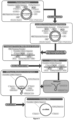
- these molecules are exposed to the CRISPR/dCas9-Ligase gRNA-HR complex to allow the ligation reaction to occur, as depicted in Figure 10 .
- a covalently closed RNA molecule is generated, and can be purified using known-in-the-art chromatographic methods such as HPLC or affinity columns.
- the selected ligation system is a CRISPR/dCas9-DNALigase system
- said system is a synthetic fusion protein comprising the dCas9 fused to a DNA ligase by a peptidic linker, in complex with a synthetic gRNA complementary to HR1A and HR2B providing targeting for the ligase activity to join the ends and thus circularize the linear RNA molecules.
- RNA manufacturing process comprising at least the following steps:
- the Self-Complementary Intron-Exon Mediated Ligation circularization method comprises an engineered Permuted Intron-Exon Self-Splicing Ribozyme present in the circularization sequences circSEQ1 and circSEQ2.
- the engineered ribozyme comprises a 3'-proximal group I intron derived sequence. Said sequence includes the 3' intron fragment with splice site dinucleotides and an adjacent natural exon sequence; and the 5' intron fragment comprises a 5'-proximal group I intron-derived sequence that includes the 5' splice site dinucleotide and a sequence corresponding to the adjacent natural exon.
- the ligation method comprises the full circularization sequences (circSEQ1 and circSEQ2) that harbors the engineered ribozyme sequences and homology regions.
- Circularization sequence circSEQ1 is composed of an engineered ribozyme flanked by homology regions denoted as HR1B in 5' and HR1A in 3' as depicted in Figure 4 .
- circSEQ2 sequence is composed of an engineered ribozyme flanked by homology regions denoted as HR2B in 5' and HR2A in 3' as depicted in Figure 5 .
- full circSEQ1 sequence comprises the following elements linked to each other and arranged in the following sequence fashion:
- full circSEQ2 sequence comprises the following elements linked to each other and arranged in the following sequence fashion:
- the permuted self-splicing group I intron fragment can be selected from, but not limited to, T4 phage group I introns, Anabaena group I introns, and Azoarcus bacterium group I introns.
- the selected group I intron fragment is Anabaena group I intron.
- the circSEQ1 (SEQ ID NO 10) comprises the following elements operably linked to each other and arranged in the following sequence:
- the cirSEQ2 (SEQ ID NO 11) comprises the following elements operably linked to each other and arranged in the following sequence:
- the step of linearizing the DNA molecules involves subjecting the plasmid DNA to suitable restriction enzymes so as to cut the DNA molecules in the unique restriction enzyme sites.
- the step of linearizing the DNA molecules involves subjecting the plasmid DNA to PCR reaction.
- This process may further comprise a step of purifying the resulting circular RNA molecules, preferably by any chromatographic method of interest known in the art.
- the step of purifying the circRNA molecules involves running the solution containing the circRNA through a size-exclusion column in tris-EDTA or citrate buffer in a high-performance liquid chromatography (HPLC) system, preferably at a pH range 4-8 at a flow rate of about 0.01-10 mL/min.
- HPLC high-performance liquid chromatography
- the aforementioned steps of purifying the circRNA molecules may further involve treating the circRNA with phosphatase after running the solution containing the circRNA through the size-exclusion column, thereby producing purified circRNA molecules suitable for a pharmaceutical formulation.
- the phosphatase treatment can be followed by RNase R treatment.
- the resulting purified circRNA may be formulated into nanoparticles.
- the process further comprises an in vitro transcription reaction that can be carried out with natural or unnatural modified nucleotides, and the step of incubating the circRNA precursor IVT generated RNA molecule in a suitable buffer and controlled conditions.
- a suitable buffer may comprise magnesium ions and guanosine nucleotide or nucleoside (either modified or unmodified).
- controlled conditions refers to a temperature between 20 and 50 degrees Celsius.
- RNA molecules Once the plasmid DNA template is linearized by the restriction enzyme sites or PCR reaction and purified, an in vitro transcription reaction is performed to generate linear RNA molecules. As these molecules are generated, self-complementary sequences flanking the ribozymes in 5' and 3' (HR1B, HR1A, HR2B and HR2A) self-anneal and bring the auto-catalytic ribozyme sequences near enough to allow the self-splicing and self-ligation reaction, as can be appreciated in Figure 11 . As a result, a circular covalently closed RNA molecule is generated and can be further purified by chromatographic methods such as HPLC or affinity columns.
- Concatemers produced by the annealing of individual linear RNA molecules can occur and, as a result, multi-transcriptional unit circular RNA molecules can be produced. These concatemers are not a problem because they are translation competent, meaning that they can produce recombinant proteins in a biological system.
- SCIEML Self-Complementary Intron-Exon Mediated Ligation
- the selected ligation system is an Intron-Exon Mediated Ligation system
- the engineered parental circular covalently closed synthetic plasmid DNA with full circSEQ1 and circSEQ2 sequences and a suitable buffer is used.
- a third circular RNA manufacturing process is provided ( Figure 11 ), wherein said process comprises at least the stages of:
- a further aspect of the current invention is any circular RNA platform (circRNA) manufactured by any of the novel processes provided above or their combinations.
- the IRES element is derived from a DNA sequence from an organism including, but not limited to, an animal, a plant, a fungus, a bacterium, a virus, an algae, or a protozoan.
- viral IRES are sequences at least partially derived from a virus including, but not limited to, encephalomyocarditis virus (ECMV), Coxackievirus B3 (CVB3), Taura Syndrome Virus (TSV), Triatoma Virus (TV), Human mastadenovirus C (HAdV-C), Human adenovirus 5 (HAdV5), Human adenovirus 7 (HAdV7), Human mastadenovirus B (HAdV-B), Hepatitis GB virus B (HGBV-B), HPV31, Human Poliovirus 3 (HPV-3), Human papillomavirus type 11 (HPV11), Human immunodeficiency virus 1 (HIV-1), Human immunodeficiency virus 2 (HIV-2), Simian T-lymphotropic virus 1 (STLVs-1), Human Parvovirus B19 (HPB19), Human betaherpesvirus 6B (HHV-6B), Human alphaherpesvirus 3 (HHV-3), Human papillom
- eukaryotic IRES are sequences at least partially derived from a virus including, but not limited to, Homo sapiens IRES, Aplysia californica IRES, Canis lupus familiaris IRES, Drosophila melanogaster IRES, Gallus gallus IRES, Mus adjui IRES, Mus musculus IRES, Saccharomyces cerevisiae IRES, Zea mays IRES, Rattus norvegicus IRES, Ovis aries IRES.
- the IRES element comprises a novel synthetic IRES, for instance: SYTE-IRES1, SYTE-IRES2, SYTE-IRES3, SYTE-IRES4 amongst others.
- the circular polyribonucleotide includes at least one IRES flanking at least one or more open reading frames. In some embodiments, the IRES flanks both sides of one or more open reading frames. In some embodiments, the circular polyribonucleotide includes at least one IRES sequence on one or both sides of each open reading frame.
- the circular polyribonucleotide may be translated by another cap-independent mechanism.
- the cap-independent mechanism is mediated by the methylation of the nitrogen at position 6 in the adenosine base, N6-methyladenosine (m6A), within the circular polyribonucleotide.
- N6-methyladenosine is a reversible epitranscriptomic modification found in several eukaryotic mRNAs, and when present in the 5' untranslated region (5'UTR), even a single m6A, promotes cap-independent translation. These sites are called m6A induced ribosome engagement sites (MIRES).
- MIRES m6A induced ribosome engagement sites
- MIRES stimulate selective mRNA translation in stress conditions by a mechanism that involves the direct binding of the initiation factor eIF3.
- the m6A machinery allows the circular polyribonucleotide to be marked as self or endogenous. When using chemical or enzymatic circularization of RNA molecules, it is beneficial to use m6A dependent translation to avoid unwanted immune responses.
- m6A RRACH motifs are incorporated in a circular polyribonucleotide, RIG-1 mediated immunogenicity is decreased by 10,000 fold, compared to mutated m6A RRACH motifs. Marking a circular polyribonucleotide as self with m6A RRACH motifs constitutes an important parameter if these molecules are to be used as therapeutics.
- the circular polyribonucleotide may have one or more m6A sites close to the start codon.
- the circular polyribonucleotide can comprise untranslated regions (UTRs), that are genetic sequences that can be transcribed but are not translated.
- UTRs untranslated regions
- one or more UTR sequences may be included upstream of the translation initiation sequence of an open reading frame. In some embodiments one or more UTR sequences may be included downstream of an expression sequence
- the circular polyribonucleotide comprises at least one UTR sequence with embedded tranches of Adenosines and Uridines within.
- these A-U rich elements may increase the expression rates of the circular polyribonucleotide.
- introduction, removal or modification of UTR AREs may be useful to modulate the stability, immunogenicity and translation rate of the circular polyribonucleotide.
- the circular polyribonucleotide may contain one or more copies of AREs that may modulate translation of the coding sequence.
- the circular polyribonucleotide may be engineered to remove AREs to modulate the intracellular stability and thus the translation of the coding sequence.
- any UTR from any gene and any organism may be incorporated into the respective flanking regions of the circular polyribonucleotide.
- multiple wild-type UTRs of any known gene may be utilized. It is also within the scope of the present invention to provide artificial UTRs which are not variants of wild type genes.
- the UTRs or portions thereof may be placed in the same orientation or altered orientation or location as from where they were selected.
- a 5' or 3' UTR may be inverted, shortened, lengthened, and/or chimerized with one or more other 5' or 3' UTRs.
- the term "altered" when referring to a UTR sequence means that the UTR sequence has been changed in some way in relation to a reference sequence.
- more than one 5' and/or 3' UTR may be used.
- a "double" UTR is one in which two copies of the same UTR are encoded in series or substantially in series.
- the sequence of interest may be a coding, translation competent genetic sequence or a non-coding, translation incompetent genetic sequence.
- the circular polyribonucleotide can encode a polypeptide and may comprise a translation initiation sequence such as, but not limited to, a start codon.
- the circular polyribonucleotide includes at least one translation initiation sequence adjacent to an open reading frame.
- the start codon is a non-coding start codon.
- the translation initiation genetic sequence can include a Shine-Dalgarno or Kozak sequence.
- the Shine-Dalgarno or Kozak sequence may be adjacent to an open reading frame (ORF).
- the translation initiation sequence may be placed in either or both sides of each open reading frame.
- the translation initiation sequence may provide a conformational flexibility to the circular polyribonucleotide.
- the circular polyribonucleotide may include at least one start codon and translation may initiate on the first start codon or may initiate downstream the first start codon.
- the translation of the polyribonucleotide may initiate at an alternative translation initiation sequence, such as, but not limited to, AAG, ACG, AGG, ATA/AUA, ATT/AUU, CTG/CUG, GTG/GUG, and TTG/UUG.
- the translation may begin under selective conditions, such as, but not limited to, cell type, cell condition and stress conditions.
- the circular polyribonucleotide may begin translation at a repeat-associated non-AUG (RAN) sequence.
- RAN repeat-associated non-AUG
- the circular polyribonucleotide may encode prokaryotic and/or eukaryotic peptides or polypeptides of interest, selected from, but not limited to, biologics, antibodies, antigens, therapeutic peptides or polypeptides, cell penetrating peptides, secreted proteins, plasma membrane anchored proteins, cytoplasmic proteins, cytoskeletal proteins, intracellular membrane bound proteins, nuclear proteins, proteins associated with any human disease, targeting moieties or those proteins encoded by the human genome for which no therapeutic indication has been identified but which nonetheless have utility in areas of research and discovery.
- prokaryotic and/or eukaryotic peptides or polypeptides of interest selected from, but not limited to, biologics, antibodies, antigens, therapeutic peptides or polypeptides, cell penetrating peptides, secreted proteins, plasma membrane anchored proteins, cytoplasmic proteins, cytoskeletal proteins, intracellular membrane bound proteins, nuclear proteins, proteins associated with any human disease, targeting moieties or those proteins encode
- Therapeutic protein refers to a protein that, when administered to an organism, has a therapeutic, diagnostic and/or prophylactic effect, and/or elicits a desired biological and/or pharmacological effect.
- the circular polyribonucleotide disclosed herein may encode one or more biologics.
- a "biologic” is a peptide or polypeptide produced by the methods provided herein and which may be used to prevent, diagnose, mitigate, treat, or cure a serious disease or medical condition.
- biologics include, but are not limited to, vaccines, monoclonal antibodies, bi-specific antibodies, tri-specific antibodies, chimeric antigen receptors, allergenics, blood components, gene therapies, mammalian organ, tissue or cellular products, cytokines, immunomodulators, growth factors and enzymes amongst others.
- one or more biologics can be encoded and translated by the circular polyribonucleotide of the present invention.
- the circular polyribonucleotide can encode one or more antibody fragments and combinations thereof.
- antibody includes monoclonal antibodies, which may include full length antibodies with a Fc region, antibodies with poly epitope specificity, multispecific antibodies such as, but not limited to, bi-specific antibodies, diabodies, single chain molecules, VHH antibodies and antibody fragments.
- immunoglobulin Ig
- monoclonal antibody refers to an antibody obtained from an identical population of antibodies. Monoclonal antibodies are highly specific and are directed against a single antigenic site.
- monoclonal antibodies include "chimeric" antibodies in which a portion of the heavy and/or light chain is homologous to antibodies derived from a particular species or correspond to a particular antibody class or subclass.
- the circular polyribonucleotide may include any of the five classes of immunoglobulins, IgA, IgD, IgE, IgG, and IgM, including the heavy chains designated alpha, delta, epsilon, gamma, and mu, respectively.
- the circular polyribonucleotide may include any subclass of antibody such as, but not limited to, IgA1, IgA2, IgG1, IgG2, IgG3, and IgG4.
- the circular polyribonucleotide may encode whole antibodies or antibody fragments of interest which include, but are not limited to, Fab, Fab', F(ab'), Fv, diabodies, linear antibodies, nanobodies, bi-specific antibodies, tri-specific antibodies, tetra-specific antibodies, single-chain fragment variable, multispecific antibodies, or combinations thereof.
- the circular polyribonucleotide may encode one or more antibody sequences that are currently being on the market or in development.
- the circular polyribonucleotide may encode antibodies to treat or prevent diseases in several therapeutic areas such as, but not limited to, immunology, endocrinology, dermatology, oncology, musculoskeletal, respiratory, central nervous system, gastrointestinal and infectious.
- the circular polyribonucleotide disclosed herein may encode one or more vaccine antigens.
- vaccine antigen refers to a peptide or polypeptide that improves immunity to a particular disease or infectious agent.
- the circular polyribonucleotide may encode one or more vaccine antigens.
- the antigens encoded may be used to treat or prevent diseases in many therapeutic areas such as, but not limited to, cancer, allergy, and infectious diseases.
- the circular polyribonucleotide of this invention may encode one or more antimicrobial peptides isolated from a wide range of animals such as, but not limited to, microorganisms, plants, invertebrates, amphibians, birds, fish, and mammals.
- the circular polyribonucleotide of this invention may encode antimicrobial peptides that may block cell fusion of viral entry.
- the antimicrobial peptides may be part of viral encoded proteins.
- the circular polyribonucleotide described in this invention may encode one or more cell penetrating peptides.
- cell penetrating peptide refers to a polypeptide which may facilitate the cellular uptake of other polypeptides or molecules.
- the cell penetrating peptide may be fully or partially labeled.
- the cell penetrating peptide may include a signal peptide.
- a signal sequence refers to a sequence of amino acid residues bound at the amino terminus of a nascent protein during protein translation, that enables the polypeptide for example to be secreted.
- the signal sequence may be used to signal the secretion of the cell-penetrating peptide.
- the circular polyribonucleotide described in this invention may encode a fusion protein.
- the fusion protein may be created by operably linking two proteins of interest.
- operably linked refers to the connection of two proteins in such a way to permit the expression of the complex when introduced into a cell.
- the circular polyribonucleotide encodes a plasma membrane anchored protein, a cytoplasmic protein or cytoskeletal protein. In some embodiments, the circular polyribonucleotide encodes a nuclear protein.
- the circular polyribonucleotide of this invention encodes and is able to express a protein associated with a mammalian disease.
- the mammalian disease is a human disease.
- the circular polyribonucleotide may encode proteins such as, but not limited to, VEGF, Hemoglobin, FIX, cancer-specific antigens, gene editing enzymes, Zinc Fingers, Nucleases, Cas9, and TALENs
- a polypeptide may be a single molecule, or a multi-molecular complex such as, but not limited to a dimer, trimer, or tetramer.
- the polypeptide may also comprise single-chain or multi-chain polypeptides that may be associated or linked.
- circular polyribonucleotides derived from any of the methods described above encodes viral or non-viral RNA dependent RNA polymerases that can amplify and generate multiple copies of linear or circular RNA molecules in vivo.
- RNA dependant RNA polymerases that yield self-amplifying circular RNA molecules can be selected from, but not limited to, non-structural proteins (NSP) from Flaviviruses, Measles Viruses, Alphavirusues, and bacteriophage-derived.
- NSP non-structural proteins
- the coding sequences embedded in the parental plasmid DNA may be codon optimized to permit an efficient translation of peptides or polypeptides that may be derived from different organisms than the host organism.
- the circular polyribonucleotide comprises one or more riboswitches.
- a riboswitch is an RNA sequence that can directly bind to a small target molecule, and the binding to that molecule directly affects RNA translation, thus the circular polyribonucleotide that includes a riboswitch is directly involved in regulating its own activity depending on the presence or absence of its target molecule.
- a riboswitch may have an aptamer-like affinity for a specific molecule, thus, these riboswitches may be used for sequestration of molecules from bulk amounts.
- the riboswitch may have an effect on gene expression, including, but not limited to, transcriptional termination, inhibition of translation initiation, mRNA self-cleavage, alteration of splicing pathways, binding to a trigger molecule to activate or inactivate gene expression.
- the circular polyribonucleotide may be subjected to conditions that may activate, deactivate, or block the gene expression. Expression can be altered as a result of blocking the ribosome binding site.
- the circular polyribonucleotide binding to a molecule or an analog thereof can, depending on the nature of the riboswitch, reduce or prevent, promote or increase the expression of the RNA molecule
- the circular polyribonucleotide can comprise one or more aptazymes.
- An aptazyme is a genetic switch that can be used for conditional gene expression in which the aptamer region is used as an allosteric control element and can be coupled to a catalytic RNA ribozyme sequence.
- the circular polyribonucleotide comprises an aptazyme that is active under specific cell states.
- the specific cell state may include, but is not limited to, viral infection, or the presence of viral nucleic acids or proteins.
- a ribozyme, or ribonucleic acid enzyme is an RNA molecule that catalyzes a chemical reaction. Many ribozymes that are found in nature catalyze the hydrolysis of their own phosphodiester bonds or the hydrolysis of other RNA or DNA bonds.
- Ribozymes are able to catalyze other types of chemical reactions such as, but not limited to, covalent modification of amino acid side chains, tyrosine azido-adenilation, phosphorylation, dephosphorylation, covalent modification of phosphorylated amino acid side chains, amide and ester hydrolysis, Diels-Alder reaction, glycosylation, porphyrin metalation, RNA cleavage, RNA ligation, thymine-dimer repair, DNA depuration, DNA phosphorylation, DNA capping, DNA cleavage, and DNA ligation.
- covalent modification of amino acid side chains such as, but not limited to, covalent modification of amino acid side chains, tyrosine azido-adenilation, phosphorylation, dephosphorylation, covalent modification of phosphorylated amino acid side chains, amide and ester hydrolysis, Diels-Alder reaction, glycosylation, porphyrin metalation, RNA cleavage, RNA
- RNA may be advantageous to place many copies of a ribozyme and aptamers within a non-coding RNA.
- non-limiting examples of ribozymes may include hammerhead ribozyme, VL ribozyme, leadzyme and hairpin ribozyme.
- the aptazyme encoded in the circular polyribonucleotide may also permit the self-regulation of the gene expression.
- the polyribonucleotide gene expression may be autoregulated by the presence of an aptazyme that is activated by the product encoded in the same polyribonucleotide sequence.
- the activity of the aptazyme can be sensitive to the accumulation of the protein product encoded within the polyribonucleotide or any other cellular macromolecule.
- the circular polyribonucleotide can comprise one or more 2A peptides.
- Viral derived self-cleaving 2A peptides are promising candidates for the production of multicistronic RNA therapeutic molecules due to their small size and self-cleavage ability.
- Most 2A peptides are composed of 16-20 amino acids and are taken from viral RNA.
- the most common 2A peptides used to produce multicistronic vectors are F2A (Foot-and-Mouth Disease virus), E2A (Equine Rhinitis Virus), P2A (Porcine Teschovirus-1), and T2A (Thosea Asigna Virus).
- F2A Fluot-and-Mouth Disease virus
- E2A Equine Rhinitis Virus
- P2A Porcine Teschovirus-1
- T2A Thosea Asigna Virus
- the cleavage sites of these peptides are located between the C-terminal glycine of 2A and the N-terminal proline of 2B. This process takes place inside the ribosome during protein synthesis, where the formation of a normal peptide bond between these amino acids at the cleavage site is inhibited, but the cleavage does not affect the translation of the subsequent protein, since ribosome dissociation does not occur.
- elongated 2A with the additional spacers in the N-terminus of 2A peptide sequence can provide an efficient cleavage reaction, since it leads to a decrease in the inhibition rate of the 2A cleavage reaction.
- additional spacer sequences such as the furin cleavage site or a glycine-serine-glycine (GSG) spacer flexible linker can yield better cleavage.
- the circular polyribonucleotide may comprise at least one expression sequence that encodes a regulatory nucleic acid.
- the regulatory nucleic acid sequence may modify the expression of an endogenous or exogenous gene.
- the regulatory nucleic acid can comprise a regulatory non-coding RNA, such as, but not limited to, exRNA, hnRNA, IncRNA, microRNA, rRNA, shRNA, snoRNA, snRNA, siRNA, scaRNA, Y RNA, piRNA, miRNA, tRNA and rRNA, iRNA.
- the regulatory non-coding RNA sequences may hibridize to an endogenous genetic sequence or an exogenous genetic sequence such as viral DNA or RNA.
- the non-coding regulatory RNA sequences can comprise a guide RNA (gRNA) or a single guide RNA (sgRNA) that may recognize specific DNA sequences.
- gRNA guide RNA
- sgRNA single guide RNA
- the sgRNA mimics a naturally occurring crRNA-tracrRNA complex and may contain both a tracrRNA that binds to the nuclease, and at least one crRNA that guides the nuclease to the sequence targeted for editing.
- the gRNA and sgRNA is used as a part of the CRISPR/Cas system for gene editing.
- the circular polyribonucleotide can comprise a sequence encoding one or more peptides or polypeptides, one or more regulatory sequences, one or more regulatory nucleic acids, one or more non-coding RNAs, one or more expression sequences, and any combination thereof.
- the circRNA in order to achieve the expected efficacy, may be formulated with suitable delivery vehicles through known methods.
- delivery vehicles include but are not limited to: polymers, polymeric carriers, membrane lipid bilayers, liposomes, lipid nanoparticles, protein nanoparticles, viral-derived envelopes, and/or capsides.
- delivery methods may include transfection, electroporation, and/or fusion.
- a pharmaceutical composition or formulation refers to a form of administration, e.g., systemic, local, intratumoral, peritumoral, subcutaneous, intramuscular. Suitable forms, in part, depend upon the use or the route of entry, for example oral, by inhalation or injection. These compositions or formulations are prepared according to any method known in the art for the manufacture of pharmaceutical compositions.
- circular polyribonucleotides may be used as a vaccine platform.
- circRNA vaccines may comprise an antigenic sequence.
- circRNA molecules may be used as therapeutics for areas such as, but not limited to, genetic diseases, metabolic diseases, hematology, neurology, oncology, immunology, cardiology, respiratory, gastroenterology, ophthalmology, musculoskeletal disorders, and dermatology.
- the recombinant circular covalently closed plasmid DNA templates to generate linear RNAs by in vitro transcription were designed in-silico and chemically synthesized, molecularly cloned and sequenced by GeneUniversal Inc.
- the DNAzymes were generated in the laboratory by in vitro selection from random libraries of DNA containing 40 random nucleotides. Starting template oligonucleotides were chemically synthesized by Macrogen.
- Protein complex dCas9-DNALigase was generated in E. coli BL21(DE3) using the synthesized engineered sequence inside pET28a plasmid, and the GuideRNA complementary to HR1/ HR2 was generated by In Vitro Transcription in our laboratory.
- the pSYTEcRNA plasmid was amplified in E. coli TOP10 and once purified and quantified it was subjected to PCR reaction to linearize the sequence of interest. An analytical agarose gel electrophoresis was performed to visualize the presence of the DNA molecules as depicted in Figure 15 .
- DNA molecules were subjected to an In vitro transcription reaction, where linear RNA molecules were produced, as shown in Figure 16 .
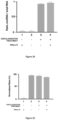
- RNAse-free DNAse I was carried out to digest SYTE-DNAzRL12, and after circRNA purification, a second enzymatic treatment with RNAse R was performed. As depicted in Figure 17 , circRNA molecules were not digested by RNAse R enzyme, and the linear RNA molecules used as control were totally degraded when subjected to this enzyme.
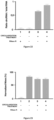
- a SYBR Green qPCR was performed after a cDNA synthesis using reverse transcriptase, as seen in Figure 20 .
- two pairs of primers were used. One of them generates amplification products either from the linear or circular RNA molecule. By contrast, the other pair only amplifies the junction region between the ends of the linear molecule turned into circular.
- RNA samples were quantified using Qubit TM RNA Broad range kit, as depicted in Figure 21 .
- pSYTEcRNA1 plasmid was amplified in E. coli TOP10 and once purified and quantified it was subjected to PCR reaction to linearize the sequence of interest. An analytical agarose gel electrophoresis was performed to visualize the presence of the amplicon as can be depicted in Figure 15 .
- RNA molecules were correctly generated, they were treated with the CRISPR/dCas9-DNALigase gRNA-HR complex to permit the ligation of RNA ends and thus giving rise to covalently closed circular polyribonucleotides.
- circRNA molecules were not digested by RNAse R enzyme, and the linear RNA molecules used as control were totally degraded when subjected to this enzyme.
- a SYBR Green qPCR was performed after a cDNA synthesis using reverse transcriptase, as seen in Figure 22 .
- two pairs of primers were used. One of them can generate an amplification product either from the linear or circular RNA molecule.
- the other pair only amplifies the junction region between the ends of the linear molecule turned into circular.
- RNA samples were quantified using Qubit TM RNA Broad range kit, as depicted in Figure 23
- pSYTEcRNA2 plasmid was amplified in E. coli TOP10 and once purified and quantified it was subjected to PCR reaction to linearize the sequence of interest. An analytical agarose gel electrophoresis was performed to visualize the presence of the linearized amplicon as depicted in Figure 15 .
- DNA molecules were subjected to an In vitro transcription reaction, where linear RNA molecules were produced, as shown in Figure 16 .
- a SYBR Green qPCR was performed after a cDNA synthesis using reverse transcriptase, as seen in Figure 24 .
- two pairs of primers were used. One of them can generate amplification products either from the linear or circular RNA molecule. By contrast, the other pair only amplifies the junction region between the ends of the linear molecule turned into circular.
- RNA samples were quantified using Qubit TM RNA Broad range kit, as depicted in Figure 25 .
- the translation efficiency of a circular polyribonucleotide provided in this invention is greater than a linear counterpart.
- nucleic acid means a polymer composed of nucleotides, e.g., deoxyribonucleotides or ribonucleotides.
- ribonucleic acid means a polymer composed of ribonucleotides.
- deoxyribonucleic acid means a polymer composed of deoxyribonucleotides.
- oligonucleotide denotes single- or double-stranded nucleotide multimers that range from about 2 to up to about 200 nucleotides in length. Suitable oligonucleotides may be prepared by a chemical method such as the phosphoramidite method or an enzymatic method.
- polynucleotide refers to a single- or double-stranded polymer composed of nucleotide monomers.
- polypeptide refers to a compound made up of a single chain of D-configured or L-configured amino acids joined by peptide bonds.
- complementary refers to an interacting surface of a molecule and its target.
- the probe and the target can be described as complementary.
- hybridization refers to a process that establishes a non-covalent sequence specific interaction between two or more complementary strands of nucleic acids into a single hybrid, which is referred to as a duplex.
- the term "homology arm” is any contiguous sequence that is 1) predicted to form base pairs with at least about 75% (e.g., at least about 80%, at least about 85%, at least about 90%, at least about 95%, about 100%) of another sequence in the RNA, such as another homology arm; 2) at least 7nt long and no longer than 250nt; 3) located before and adjacent to, or included within, the 3' intron fragment and/or after and adjacent to, or included within, the 5' intron fragment; and, optionally, 4) predicted to have less than 50% (e.g., less than 45%, less than 40%, less than 35%, less than 30%, less than 25%) base pairing with unintended sequences in the RNA (e.g., non-homology arm sequences).
- a "strong homology arm” refers to a homology arm with a Tm of greater than 50 degrees Celsius when base paired with another homology arm in the RNA.
- anneal refers to the process by which a single-stranded nucleic sequence pairs by hydrogen bonds to a complementary sequence, thus forming a double-stranded nucleic acid sequence. This includes the reformation of complementary strands that were thermally denatured, known as renaturation.
- Target refers to a molecule with an affinity for a given probe. Targets may be natural or man-made molecules.
- promoter refers to a region or genetic sequence located upstream or downstream from the start of the transcription site and that are involved in the recognition and binding of RNA polymerase and other proteins to initiate the transcription process.
- Selected promoters may include, but are not limited to, bacterial promoters, viral promoters, mammalian promoters, yeast promoters or combinations thereof.
- regulatory element is intended to include promoters, enhancers, internal ribosome entry sites (IRES) and other expression control elements such as, but not limited to, transcription termination signals, polyadenylation signals and poly-U sequences.
- Regulatory elements may include those that direct constitutive expression of a nucleic acid sequence in a wide variety of cell types, tissues, or organs and those that direct expression of a nucleic acid sequence only in certain cell types, tissues, or organs, such as, but not limited to, cell-specific regulatory sequences, tissue-specific regulatory sequences, and organ-specific regulatory sequences.
- a cell-specific promoter may direct the expression of a nucleic acid sequence in a desired cell type of interest such as, but not limited to, lymphocytes, muscle cells, keratinocytes, and fibroblasts.
- a tissue-specific promoter may direct the expression of a nucleic acid sequence in a desired tissue of interest such as, but not limited to, muscle, neuron, bone, skin, and blood.
- An organ-specific promoter may direct the expression of a nucleic acid sequence in a desired organ such as, but not limited to, liver, brain, heart, lungs, and kidneys.
- Regulatory elements may also direct expression in a temporal dependent manner such as, but not limited to, cell cycle and developmental stage.
- enhancer elements that include, but are not limited to, WPRE enhancer, CMV enhancer, and HTLV-LTR enhancer.
- the promoters and regulatory elements may include novel proprietary sequences.
- recombinant refers to a human manipulated nucleic acid, while in reference to a protein (“recombinant protein”), a protein encoded by a recombinant nucleic acid.
- a recombinant transcriptional unit comprises a promoter operably linked to a second nucleic acid sequence that may be an open reading frame that encodes a genetic product.
- a recombinant transcriptional unit may comprise nucleic acids combined in such a way that these nucleic acids are extremely unlikely to be found in nature.
- transcriptional unit refers to a nucleic acid construct, which when introduced into a cell, results in transcription and/or translation of an RNA or polypeptide.
- the transcriptional unit comprises a terminator or termination sequence operably linked to the open reading frame.
- the transcriptional unit comprises at least one synthetic or non-natural promoter, at least one synthetic or non-natural coding sequence and at least one synthetic or non-natural terminator.
- codon optimized refers to the alteration of codons in the open reading frame of nucleic acid sequences to reflect the typical codon usage of a selected organism without altering the polypeptide encoded by the sequence.
- the optimization includes replacing at least one, or more than one, or a significant number of codons with one or more codons that are more frequently used in the genes of that selected organism.
- a nucleic acid sequence is "operably linked" when it is placed into a functional relation with another nucleic acid sequence.
- guide RNA In some embodiments, the terms "guide RNA”, “gRNA”, “CRISPR RNA” and “crRNA” are used interchangeably throughout the specification.
Landscapes
- Life Sciences & Earth Sciences (AREA)
- Health & Medical Sciences (AREA)
- Genetics & Genomics (AREA)
- Chemical & Material Sciences (AREA)
- Engineering & Computer Science (AREA)
- Organic Chemistry (AREA)
- Wood Science & Technology (AREA)
- Zoology (AREA)
- Bioinformatics & Cheminformatics (AREA)
- Biotechnology (AREA)
- General Engineering & Computer Science (AREA)
- Molecular Biology (AREA)
- Biomedical Technology (AREA)
- General Health & Medical Sciences (AREA)
- Microbiology (AREA)
- Biochemistry (AREA)
- Physics & Mathematics (AREA)
- Biophysics (AREA)
- Plant Pathology (AREA)
- General Chemical & Material Sciences (AREA)
- Medicinal Chemistry (AREA)
- Chemical Kinetics & Catalysis (AREA)
- Cell Biology (AREA)
- Proteomics, Peptides & Aminoacids (AREA)
- Preparation Of Compounds By Using Micro-Organisms (AREA)
- Enzymes And Modification Thereof (AREA)
- Pharmaceuticals Containing Other Organic And Inorganic Compounds (AREA)
- Micro-Organisms Or Cultivation Processes Thereof (AREA)
Claims (11)
- Un ADN plasmidique parental circulaire synthétique fermé de manière covalente comprenant :a) une épine dorsale d'ADN synthétique comprenant au moins deux sites de restriction de linéarisation (LRE), au moins un système de sélection bactérienne et au moins une origine de réplication bactérienne ; etb) au moins un module d'ARN circulaire comprenant, dans l'ordre suivant, au moins un promoteur d'ARN polymérase, au moins une première séquence de circularisation (circSEQ1), au moins un espaceur d'ADN en 5', au moins une première séquence de reconnaissance d'enzyme de restriction (MCS1), au moins une séquence d'initiation de traduction, au moins une deuxième séquence de reconnaissance d'enzyme de restriction (MCS2), au moins une séquence codante, au moins une troisième séquence de reconnaissance d'enzyme de restriction (MCS3), au moins un espaceur d'ADN en 3', et au moins une deuxième séquence de circularisation (circSEQ2) ;dans lequel lesdites séquences de circularisation comprennent des régions homologues complémentaires à un acide nucléique et/ou à un système basé sur une protéine capable de ligation d'ARN, ledit système étant choisi dans le groupe constitué par un système de circularisation médié par une ADNzyme ligaturant l'ARN, un système de circularisation médié par CRISPR/dCas9-ADN-ligase ou un système de circularisation médié par auto-épissage intron-exon ;et dans lequel la première séquence de circularisation (circSEQ1) desdites au moins deux séquences de circularisation du module d'ARN circulaire comprend au moins : une première séquence de reconnaissance d'enzyme de restriction (RE1A), une première région homologuée (HR1B) liée de manière opérationnelle à un segment d'exon (Exon I) et un segment d'intron (Intron I) dérivés d'un système d'auto-épissage et d'auto-catalyse d'intron-exon du groupe I permuté, une deuxième séquence de reconnaissance d'enzyme de restriction (RE1B) et une deuxième région homologuée (HR1A) ; et dans lequel la deuxième séquence de circularisation (circSEQ2) desdites au moins deux séquences de circularisation du module d'ARN circulaire comprend au moins : une première région homologuée (HR2B) liée de manière opérationnelle à une première séquence de reconnaissance d'enzyme de restriction (RE2A), un segment d'exon (Exon II) et un segment d'intron (Intron II) dérivés d'un système d'auto-épissage et d'auto-catalyse d'intron-exon du groupe I permuté, une deuxième région homologuée (HR2A) et une deuxième séquence de reconnaissance d'enzyme de restriction (RE2B) ; la première région homologuée HR1A de la première séquence de circularisation circSEQ1 étant complémentaire à la deuxième région homologuée HR2A de la deuxième séquence de circularisation circSEQ2 ; et la deuxième région homologuée HR1B de la première séquence de circularisation circSEQ1 étant complémentaire à la première région homologuée HR2B de la deuxième séquence de circularisation circSEQ2.
- L'ADN plasmidique parental circulaire synthétique fermé de manière covalente selon la revendication 1, dans lequel le système de sélection bactérienne comprend une unité transcriptionnelle capable d'exprimer des gènes de résistance aux antibiotiques à l'intérieur d'une bactérie.
- L'ADN plasmidique parental circulaire synthétique fermé de manière covalente selon la revendication 2, dans lequel les gènes de résistance aux antibiotiques peuvent être choisis dans le groupe constitué par le gène de résistance à l'ampicilline, le gène de résistance à la kanamycine, le gène de résistance au chloramphénicol, le gène de résistance à la gentamicine, le gène de résistance à la spectinomycine, le gène de résistance à la streptomycine, le gène de résistance à la carbénicilline, le gène de résistance à la bléomycine, le gène de résistance à l'érythromycine, le gène de résistance à la tétracycline et le gène de résistance à la polymyxine B.
- L'ADN plasmidique parental circulaire synthétique fermé de manière covalente selon la revendication 1, dans lequel l'origine de réplication bactérienne est choisie dans le groupe constitué par l'origine pMB1, l'origine dérivée pMB1*, l'origine pBR322, l'origine CoIE1, l'origine dérivée ColE1* et l'origine F1.
- L'ADN plasmidique parental circulaire synthétique fermé de manière covalente selon la revendication 1, dans lequel le promoteur d'ARN polymérase est viral et est choisi dans le groupe constitué par le promoteur d'ARN polymérase T7, le promoteur d'ARN polymérase SP6, le promoteur d'ARN polymérase T3, le promoteur d'ARN polymérase T6, le promoteur d'ARN polymérase T4 et le promoteur d'ARN polymérase K11.
- Procédé de fabrication d'ARN circulaire comprenant au moins les étapes suivantes :a) transformer l'ADN plasmidique parental circulaire synthétique fermé de manière covalente selon l'une quelconque des revendications 1 à 5 dans une souche bactérienne appropriée, et sélectionner les clones recombinants au moyen du système de sélection bactérienne compris dans ledit plasmide parental ;b) soumettre les bactéries recombinantes résultantes à une incubation dans des conditions de croissance permettant la réplication de l'ADN plasmidique parental circulaire synthétique fermé de manière covalente afin de générer une quantité appropriée de molécules ;c) isoler et purifier les molécules d'ADN plasmidique parental circulaire synthétique fermé de manière covalente obtenues ;d) sélectionner un système de ligation d'ARN approprié dans le groupe constitué par les ADNzymes ligaturant l'ARN, les systèmes CRISPR/dCas9-ADN-ligase et la ligation médiée par intron-exon ;e) digérer l'ADN plasmidique parental circulaire synthétique fermé de manière covalente purifié avec des enzymes de restriction de linéarisation (LRE) ;f) purifier l'échafaudage du module d'ARN circulaire linéarisé de l'ADN plasmidique parental circulaire synthétique fermé de manière covalente ;g) soumettre l'échafaudage du module d'ARN circulaire linéarisé purifié à une réaction de transcription in vitro afin de générer des molécules d'ARN linéaires ;h) soumettre les molécules d'ARN linéaires au système de ligation d'ARN sélectionné ; eti) purifier l'ARN circulaire résultant.
- Le procédé de fabrication d'ARN circulaire selon la revendication 6, comprenant en outre, après l'étape d), l'étape de suppression des régions cirSEQ (circSEQ1 et circSEQ2) dans l'ADN plasmidique parental circulaire synthétique fermé de manière covalente lorsque le système de ligation d'ARN est choisi parmi les ADNzymes ligaturant l'ARN et le système CRISPR/dCas9/ADN-ligase.
- Le procédé de fabrication d'ARN circulaire selon la revendication 7, dans lequel le procédé de fabrication d'ARN circulaire comprend en outre les étapes de :a) digérer l'ADN plasmidique parental circulaire synthétique fermé de manière covalente purifié avec l'enzyme de restriction RE1A et l'enzyme de restriction RE1B pour retirer une partie de l'ADN au sein de la première région circSEQ (circSEQ1) comprenant les segments Exon I, Intron I et HR1B, puis purifier par électrophorèse en gel l'ADN plasmidique parental circulaire synthétique fermé de manière covalente linéarisé et cirSEQ1 ;b) religaturer l'ADN plasmidique parental circulaire synthétique fermé de manière covalente linéarisé et cirSEQ1 purifié par électrophorèse en gel ;c) transformer l'ADN plasmidique parental circulaire synthétique fermé de manière covalente cirSEQ1 dans une souche bactérienne appropriée, et sélectionner les clones recombinants au moyen du système de sélection bactérienne compris dans le plasmide parental ;d) isoler et purifier les molécules d'ADN plasmidique parental circulaire synthétique fermé de manière covalente cirSEQ1 obtenues ;e) digérer l'ADN plasmidique parental circulaire synthétique fermé de manière covalente cirSEQ1 avec l'enzyme de restriction RE2A et l'enzyme de restriction RE2B pour retirer une partie de l'ADN au sein de la deuxième région circSEQ (circSEQ2) comprenant les segments Exon II, Intron II et HR2A, puis purifier par électrophorèse en gel l'ADN plasmidique parental circulaire synthétique fermé de manière covalente linéarisé et cirSEQ1/2 ;f) religaturer les molécules d'ADN plasmidique parental circulaire synthétique fermé de manière covalente cirSEQ1/2 purifiées par électrophorèse en gel ;g) transformer l'ADN plasmidique parental circulaire synthétique fermé de manière covalente cirSEQ1/2 dans une souche bactérienne appropriée, et sélectionner les clones recombinants au moyen du système de sélection bactérienne compris dans le plasmide parental ; eth) isoler et purifier l'ADN plasmidique parental circulaire synthétique fermé de manière covalente avec ses régions cirSEQ1/2.
- Le procédé de fabrication d'ARN circulaire selon la revendication 8, dans lequel le système de ligation sélectionné est une ADNzyme ligaturant l'ARN, ladite ADNzyme ligaturant l'ARN comprenant au moins :a) une première section, étant une région complémentaire ciblant l'extrémité libre 3' de l'ARN cible à ligaturer ;b) une deuxième section, étant un coeur capable de fournir une structure spatiale stable pour l'ARN à ligaturer, dans lequel ledit coeur est constitué de nucléotides ayant une synergie au sein de leur combinaison qui permet l'hybridation de deux substrats d'ARN via l'appariement de bases de Watson-Crick ; etc) une troisième section, étant une région complémentaire ciblant l'extrémité libre 5' de l'ARN cible à ligaturer ;dans lequel le procédé de fabrication d'ARN circulaire comprend en outre l'étape consistant à soumettre les molécules d'ARN linéaires à la réaction de ligation par la DNAzyme dans un tampon approprié pour leur circularisation.
- Le procédé de fabrication d'ARN circulaire selon la revendication 8, dans lequel le système de ligation sélectionné est un système CRISPR/dCas9-ADN-ligase, ledit système CRISPR/dCas9-ADN-ligase étant une protéine de fusion synthétique comprenant la dCas9 fusionnée à une ADN-ligase par un lien peptidique, en complexe avec un crARN synthétique homologue aux régions HR1A et HR2B respectives des séquences circSEQ1 et circSEQ2 du plasmide parental, fournissant un ciblage pour que l'activité de ligase relie les extrémités et circularise ainsi les molécules d'ARN linéaires ; et dans lequel le procédé de fabrication d'ARN circulaire comprend en outre l'étape consistant à soumettre les molécules d'ARN linéaires à la chimère dCas9/ADN-ligase pour leur circularisation.
- Le procédé de fabrication d'ARN circulaire selon la revendication 6, dans lequel le système de ligation sélectionné est une ligation médiée par intron-exon et le procédé de fabrication d'ARN circulaire comprend en outre l'étape consistant à soumettre l'ARN linéarisé à un tampon approprié afin de permettre l'appariement des régions homologues HR1A-HR2A et HR1B-HR2B au sein des séquences circSEQ1 et circSEQ2 dérivées du plasmide parental, suivi d'un événement d'auto-épissage autocatalytique spontané afin de générer des molécules d'ARN circulaires.
Applications Claiming Priority (1)
| Application Number | Priority Date | Filing Date | Title |
|---|---|---|---|
| US202163279801P | 2021-11-16 | 2021-11-16 |
Publications (3)
| Publication Number | Publication Date |
|---|---|
| EP4219723A1 EP4219723A1 (fr) | 2023-08-02 |
| EP4219723B1 true EP4219723B1 (fr) | 2025-01-01 |
| EP4219723C0 EP4219723C0 (fr) | 2025-01-01 |
Family
ID=84389299
Family Applications (1)
| Application Number | Title | Priority Date | Filing Date |
|---|---|---|---|
| EP22207400.7A Active EP4219723B1 (fr) | 2021-11-16 | 2022-11-15 | Plates-formes d'arn circulaires, leurs utilisations et leurs procédés de fabrication à partir d'adn modifié |
Country Status (6)
| Country | Link |
|---|---|
| US (1) | US12503705B2 (fr) |
| EP (1) | EP4219723B1 (fr) |
| JP (1) | JP2023073997A (fr) |
| AU (1) | AU2022271382A1 (fr) |
| CA (1) | CA3181628A1 (fr) |
| ES (1) | ES3036032T3 (fr) |
Families Citing this family (8)
| Publication number | Priority date | Publication date | Assignee | Title |
|---|---|---|---|---|
| AU2022211795A1 (en) * | 2021-08-06 | 2023-02-23 | Syte.Bio Inc. | Hairpin loop ended self-complementary double-stranded covalently closed linear dna vector, manufacturing system and process, and uses of said resulting dna vector |
| IT202300012357A1 (it) * | 2023-06-15 | 2024-12-15 | Fondazione St Italiano Tecnologia | Sequenze di rna circolarizzabili, dna codificante le sequenze, ceppi batterici esprimenti le sequence, relative composizioni e relativi usi |
| WO2025015041A1 (fr) * | 2023-07-12 | 2025-01-16 | University Of Washington | Cible de témoin positif à base d'arn uniquement pour les tests de diagnostic clinique |
| CN120210187A (zh) * | 2023-12-26 | 2025-06-27 | 深圳菁童生命科学有限公司 | 一种用于制备环状rna的载体及构建方法 |
| WO2025156954A1 (fr) * | 2024-01-12 | 2025-07-31 | Ribox Therapeutics Hk Limited | Molécules d'arn modifiées |
| US12509711B1 (en) * | 2024-08-09 | 2025-12-30 | Martin Williams | System and process for in vivo manufacturing nanostructure-ended double-stranded covalently-closed linear DNA, the resulting molecules and their uses |
| WO2026092609A1 (fr) * | 2024-11-01 | 2026-05-07 | Kudo Biotechnology, Inc. | Procédé de production de circarn |
| CN120464698B (zh) * | 2025-05-13 | 2026-02-13 | 南开大学 | 一种具有基因敲低功能的环状shRNA的合成方法及应用 |
Family Cites Families (1)
| Publication number | Priority date | Publication date | Assignee | Title |
|---|---|---|---|---|
| KR20210018323A (ko) * | 2018-06-06 | 2021-02-17 | 매사추세츠 인스티튜트 오브 테크놀로지 | 진핵 세포에서의 번역을 위한 원형 rna |
-
2022
- 2022-11-10 US US18/054,431 patent/US12503705B2/en active Active
- 2022-11-10 CA CA3181628A patent/CA3181628A1/fr active Pending
- 2022-11-14 JP JP2022181704A patent/JP2023073997A/ja active Pending
- 2022-11-15 AU AU2022271382A patent/AU2022271382A1/en active Pending
- 2022-11-15 ES ES22207400T patent/ES3036032T3/es active Active
- 2022-11-15 EP EP22207400.7A patent/EP4219723B1/fr active Active
Also Published As
| Publication number | Publication date |
|---|---|
| US20230235337A1 (en) | 2023-07-27 |
| EP4219723A1 (fr) | 2023-08-02 |
| EP4219723C0 (fr) | 2025-01-01 |
| JP2023073997A (ja) | 2023-05-26 |
| AU2022271382A1 (en) | 2023-06-01 |
| US12503705B2 (en) | 2025-12-23 |
| ES3036032T3 (en) | 2025-09-12 |
| CA3181628A1 (fr) | 2023-05-16 |
Similar Documents
| Publication | Publication Date | Title |
|---|---|---|
| EP4219723A1 (fr) | Plates-formes d'arn circulaires, leurs utilisations et leurs procédés de fabrication à partir d'adn modifié | |
| WO2023046153A1 (fr) | Arn circulaire et son procédé de préparation | |
| CN112399860B (zh) | 用于在真核细胞中翻译的环状rna | |
| JP2024520534A (ja) | 環状rnaを調製するための構築物及び方法並びにその使用 | |
| CN114574483A (zh) | 基于翻译起始元件点突变的重组核酸分子及其在制备环状rna中的应用 | |
| CN113661242A (zh) | 包含经修饰的环状多核糖核苷酸的组合物及其用途 | |
| AU2022273530A9 (en) | Modified mrna, modified non-coding rna, and uses thereof | |
| US20250146005A1 (en) | Methods of making circular rna | |
| JP2024504981A (ja) | 新規の操作されたヌクレアーゼおよびキメラヌクレアーゼ | |
| EP4642914A1 (fr) | Compositions et procédés de génération d'arn circulaire | |
| EP4141119A2 (fr) | Vecteur d'adn linéaire fermé par covalence double brin auto-complémentaire à extrémité en boucle en épingle à cheveux, système et procédé de fabrication, et utilisations dudit vecteur d'adn ainsi obtenu | |
| CN116322791A (zh) | 经修饰的功能性核酸分子 | |
| CN119421716A (zh) | 用于环状rna亲和纯化的组合物和方法 | |
| JP2026500787A (ja) | Rnaの環状化 | |
| WO2025102994A1 (fr) | Procédé de cyclisation in vitro d'arn et de traduction par cercle roulant basé sur l'intron du groupe i, et utilisation | |
| KR20240035752A (ko) | 원형 폴리리보뉴클레오티드의 농축 방법 | |
| US20220243243A1 (en) | Expression of products from nucleic acid concatemers | |
| KR20220018410A (ko) | 세포질에서 자가전사가 가능하고 유전체 편집을 제공하는 rna/dna 시스템 | |
| WO2025039972A1 (fr) | Systèmes d'édition de gènes basé sur tls | |
| HK40066000B (zh) | 基於翻译起始元件点突变的重组核酸分子及其在制备环状rna中的应用 | |
| HK40066000A (zh) | 基於翻译起始元件点突变的重组核酸分子及其在制备环状rna中的应用 | |
| HK40038458A (en) | Circular rna for translation in eukaryotic cells |
Legal Events
| Date | Code | Title | Description |
|---|---|---|---|
| PUAI | Public reference made under article 153(3) epc to a published international application that has entered the european phase |
Free format text: ORIGINAL CODE: 0009012 |
|
| STAA | Information on the status of an ep patent application or granted ep patent |
Free format text: STATUS: THE APPLICATION HAS BEEN PUBLISHED |
|
| AK | Designated contracting states |
Kind code of ref document: A1 Designated state(s): AL AT BE BG CH CY CZ DE DK EE ES FI FR GB GR HR HU IE IS IT LI LT LU LV MC ME MK MT NL NO PL PT RO RS SE SI SK SM TR |
|
| STAA | Information on the status of an ep patent application or granted ep patent |
Free format text: STATUS: REQUEST FOR EXAMINATION WAS MADE |
|
| 17P | Request for examination filed |
Effective date: 20240103 |
|
| RBV | Designated contracting states (corrected) |
Designated state(s): AL AT BE BG CH CY CZ DE DK EE ES FI FR GB GR HR HU IE IS IT LI LT LU LV MC ME MK MT NL NO PL PT RO RS SE SI SK SM TR |
|
| STAA | Information on the status of an ep patent application or granted ep patent |
Free format text: STATUS: EXAMINATION IS IN PROGRESS |
|
| 17Q | First examination report despatched |
Effective date: 20240325 |
|
| GRAP | Despatch of communication of intention to grant a patent |
Free format text: ORIGINAL CODE: EPIDOSNIGR1 |
|
| STAA | Information on the status of an ep patent application or granted ep patent |
Free format text: STATUS: GRANT OF PATENT IS INTENDED |
|
| INTG | Intention to grant announced |
Effective date: 20240808 |
|
| GRAS | Grant fee paid |
Free format text: ORIGINAL CODE: EPIDOSNIGR3 |
|
| GRAA | (expected) grant |
Free format text: ORIGINAL CODE: 0009210 |
|
| STAA | Information on the status of an ep patent application or granted ep patent |
Free format text: STATUS: THE PATENT HAS BEEN GRANTED |
|
| AK | Designated contracting states |
Kind code of ref document: B1 Designated state(s): AL AT BE BG CH CY CZ DE DK EE ES FI FR GB GR HR HU IE IS IT LI LT LU LV MC ME MK MT NL NO PL PT RO RS SE SI SK SM TR |
|
| REG | Reference to a national code |
Ref country code: GB Ref legal event code: FG4D |
|
| REG | Reference to a national code |
Ref country code: CH Ref legal event code: EP |
|
| REG | Reference to a national code |
Ref country code: DE Ref legal event code: R096 Ref document number: 602022009306 Country of ref document: DE |
|
| REG | Reference to a national code |
Ref country code: IE Ref legal event code: FG4D |
|
| U01 | Request for unitary effect filed |
Effective date: 20250203 |
|
| U07 | Unitary effect registered |
Designated state(s): AT BE BG DE DK EE FI FR IT LT LU LV MT NL PT RO SE SI Effective date: 20250207 |
|
| PG25 | Lapsed in a contracting state [announced via postgrant information from national office to epo] |
Ref country code: PL Free format text: LAPSE BECAUSE OF FAILURE TO SUBMIT A TRANSLATION OF THE DESCRIPTION OR TO PAY THE FEE WITHIN THE PRESCRIBED TIME-LIMIT Effective date: 20250101 |
|
| PG25 | Lapsed in a contracting state [announced via postgrant information from national office to epo] |
Ref country code: IS Free format text: LAPSE BECAUSE OF FAILURE TO SUBMIT A TRANSLATION OF THE DESCRIPTION OR TO PAY THE FEE WITHIN THE PRESCRIBED TIME-LIMIT Effective date: 20250501 Ref country code: NO Free format text: LAPSE BECAUSE OF FAILURE TO SUBMIT A TRANSLATION OF THE DESCRIPTION OR TO PAY THE FEE WITHIN THE PRESCRIBED TIME-LIMIT Effective date: 20250401 |
|
| PG25 | Lapsed in a contracting state [announced via postgrant information from national office to epo] |
Ref country code: HR Free format text: LAPSE BECAUSE OF FAILURE TO SUBMIT A TRANSLATION OF THE DESCRIPTION OR TO PAY THE FEE WITHIN THE PRESCRIBED TIME-LIMIT Effective date: 20250101 |
|
| PG25 | Lapsed in a contracting state [announced via postgrant information from national office to epo] |
Ref country code: GR Free format text: LAPSE BECAUSE OF FAILURE TO SUBMIT A TRANSLATION OF THE DESCRIPTION OR TO PAY THE FEE WITHIN THE PRESCRIBED TIME-LIMIT Effective date: 20250402 |
|
| PG25 | Lapsed in a contracting state [announced via postgrant information from national office to epo] |
Ref country code: CZ Free format text: LAPSE BECAUSE OF FAILURE TO SUBMIT A TRANSLATION OF THE DESCRIPTION OR TO PAY THE FEE WITHIN THE PRESCRIBED TIME-LIMIT Effective date: 20250101 |
|
| REG | Reference to a national code |
Ref country code: ES Ref legal event code: FG2A Ref document number: 3036032 Country of ref document: ES Kind code of ref document: T3 Effective date: 20250912 |
|
| PG25 | Lapsed in a contracting state [announced via postgrant information from national office to epo] |
Ref country code: SM Free format text: LAPSE BECAUSE OF FAILURE TO SUBMIT A TRANSLATION OF THE DESCRIPTION OR TO PAY THE FEE WITHIN THE PRESCRIBED TIME-LIMIT Effective date: 20250101 |
|
| PG25 | Lapsed in a contracting state [announced via postgrant information from national office to epo] |
Ref country code: SK Free format text: LAPSE BECAUSE OF FAILURE TO SUBMIT A TRANSLATION OF THE DESCRIPTION OR TO PAY THE FEE WITHIN THE PRESCRIBED TIME-LIMIT Effective date: 20250101 |
|
| PLBE | No opposition filed within time limit |
Free format text: ORIGINAL CODE: 0009261 |
|
| STAA | Information on the status of an ep patent application or granted ep patent |
Free format text: STATUS: NO OPPOSITION FILED WITHIN TIME LIMIT |
|
| U20 | Renewal fee for the european patent with unitary effect paid |
Year of fee payment: 4 Effective date: 20251030 |
|
| 26N | No opposition filed |
Effective date: 20251002 |
|
| PGFP | Annual fee paid to national office [announced via postgrant information from national office to epo] |
Ref country code: ES Payment date: 20251209 Year of fee payment: 4 |