EP4223775A1 - Immunotoxine recombinante anti-cd22 humanisée et son application - Google Patents
Immunotoxine recombinante anti-cd22 humanisée et son application Download PDFInfo
- Publication number
- EP4223775A1 EP4223775A1 EP21873808.6A EP21873808A EP4223775A1 EP 4223775 A1 EP4223775 A1 EP 4223775A1 EP 21873808 A EP21873808 A EP 21873808A EP 4223775 A1 EP4223775 A1 EP 4223775A1
- Authority
- EP
- European Patent Office
- Prior art keywords
- amino acid
- seq
- acid sequence
- variable region
- polypeptide chain
- Prior art date
- Legal status (The legal status is an assumption and is not a legal conclusion. Google has not performed a legal analysis and makes no representation as to the accuracy of the status listed.)
- Pending
Links
Images


Classifications
-
- A—HUMAN NECESSITIES
- A61—MEDICAL OR VETERINARY SCIENCE; HYGIENE
- A61P—SPECIFIC THERAPEUTIC ACTIVITY OF CHEMICAL COMPOUNDS OR MEDICINAL PREPARATIONS
- A61P35/00—Antineoplastic agents
-
- A—HUMAN NECESSITIES
- A61—MEDICAL OR VETERINARY SCIENCE; HYGIENE
- A61K—PREPARATIONS FOR MEDICAL, DENTAL OR TOILETRY PURPOSES
- A61K47/00—Medicinal preparations characterised by the non-active ingredients used, e.g. carriers or inert additives; Targeting or modifying agents chemically bound to the active ingredient
- A61K47/50—Medicinal preparations characterised by the non-active ingredients used, e.g. carriers or inert additives; Targeting or modifying agents chemically bound to the active ingredient the non-active ingredient being chemically bound to the active ingredient, e.g. polymer-drug conjugates
- A61K47/51—Medicinal preparations characterised by the non-active ingredients used, e.g. carriers or inert additives; Targeting or modifying agents chemically bound to the active ingredient the non-active ingredient being chemically bound to the active ingredient, e.g. polymer-drug conjugates the non-active ingredient being a modifying agent
- A61K47/68—Medicinal preparations characterised by the non-active ingredients used, e.g. carriers or inert additives; Targeting or modifying agents chemically bound to the active ingredient the non-active ingredient being chemically bound to the active ingredient, e.g. polymer-drug conjugates the non-active ingredient being a modifying agent the modifying agent being an antibody, an immunoglobulin or a fragment thereof, e.g. an Fc-fragment
- A61K47/6801—Drug-antibody or immunoglobulin conjugates defined by the pharmacologically or therapeutically active agent
- A61K47/6803—Drugs conjugated to an antibody or immunoglobulin, e.g. cisplatin-antibody conjugates
- A61K47/6811—Drugs conjugated to an antibody or immunoglobulin, e.g. cisplatin-antibody conjugates the drug being a protein or peptide, e.g. transferrin or bleomycin
- A61K47/6817—Toxins
- A61K47/6829—Bacterial toxins, e.g. diphteria toxins or Pseudomonas exotoxin A
-
- A—HUMAN NECESSITIES
- A61—MEDICAL OR VETERINARY SCIENCE; HYGIENE
- A61K—PREPARATIONS FOR MEDICAL, DENTAL OR TOILETRY PURPOSES
- A61K47/00—Medicinal preparations characterised by the non-active ingredients used, e.g. carriers or inert additives; Targeting or modifying agents chemically bound to the active ingredient
- A61K47/50—Medicinal preparations characterised by the non-active ingredients used, e.g. carriers or inert additives; Targeting or modifying agents chemically bound to the active ingredient the non-active ingredient being chemically bound to the active ingredient, e.g. polymer-drug conjugates
- A61K47/51—Medicinal preparations characterised by the non-active ingredients used, e.g. carriers or inert additives; Targeting or modifying agents chemically bound to the active ingredient the non-active ingredient being chemically bound to the active ingredient, e.g. polymer-drug conjugates the non-active ingredient being a modifying agent
- A61K47/68—Medicinal preparations characterised by the non-active ingredients used, e.g. carriers or inert additives; Targeting or modifying agents chemically bound to the active ingredient the non-active ingredient being chemically bound to the active ingredient, e.g. polymer-drug conjugates the non-active ingredient being a modifying agent the modifying agent being an antibody, an immunoglobulin or a fragment thereof, e.g. an Fc-fragment
- A61K47/6835—Medicinal preparations characterised by the non-active ingredients used, e.g. carriers or inert additives; Targeting or modifying agents chemically bound to the active ingredient the non-active ingredient being chemically bound to the active ingredient, e.g. polymer-drug conjugates the non-active ingredient being a modifying agent the modifying agent being an antibody, an immunoglobulin or a fragment thereof, e.g. an Fc-fragment the modifying agent being an antibody or an immunoglobulin bearing at least one antigen-binding site
- A61K47/6849—Medicinal preparations characterised by the non-active ingredients used, e.g. carriers or inert additives; Targeting or modifying agents chemically bound to the active ingredient the non-active ingredient being chemically bound to the active ingredient, e.g. polymer-drug conjugates the non-active ingredient being a modifying agent the modifying agent being an antibody, an immunoglobulin or a fragment thereof, e.g. an Fc-fragment the modifying agent being an antibody or an immunoglobulin bearing at least one antigen-binding site the antibody targeting a receptor, a cell surface antigen or a cell surface determinant
-
- A—HUMAN NECESSITIES
- A61—MEDICAL OR VETERINARY SCIENCE; HYGIENE
- A61K—PREPARATIONS FOR MEDICAL, DENTAL OR TOILETRY PURPOSES
- A61K47/00—Medicinal preparations characterised by the non-active ingredients used, e.g. carriers or inert additives; Targeting or modifying agents chemically bound to the active ingredient
- A61K47/50—Medicinal preparations characterised by the non-active ingredients used, e.g. carriers or inert additives; Targeting or modifying agents chemically bound to the active ingredient the non-active ingredient being chemically bound to the active ingredient, e.g. polymer-drug conjugates
- A61K47/51—Medicinal preparations characterised by the non-active ingredients used, e.g. carriers or inert additives; Targeting or modifying agents chemically bound to the active ingredient the non-active ingredient being chemically bound to the active ingredient, e.g. polymer-drug conjugates the non-active ingredient being a modifying agent
- A61K47/68—Medicinal preparations characterised by the non-active ingredients used, e.g. carriers or inert additives; Targeting or modifying agents chemically bound to the active ingredient the non-active ingredient being chemically bound to the active ingredient, e.g. polymer-drug conjugates the non-active ingredient being a modifying agent the modifying agent being an antibody, an immunoglobulin or a fragment thereof, e.g. an Fc-fragment
- A61K47/6835—Medicinal preparations characterised by the non-active ingredients used, e.g. carriers or inert additives; Targeting or modifying agents chemically bound to the active ingredient the non-active ingredient being chemically bound to the active ingredient, e.g. polymer-drug conjugates the non-active ingredient being a modifying agent the modifying agent being an antibody, an immunoglobulin or a fragment thereof, e.g. an Fc-fragment the modifying agent being an antibody or an immunoglobulin bearing at least one antigen-binding site
- A61K47/6851—Medicinal preparations characterised by the non-active ingredients used, e.g. carriers or inert additives; Targeting or modifying agents chemically bound to the active ingredient the non-active ingredient being chemically bound to the active ingredient, e.g. polymer-drug conjugates the non-active ingredient being a modifying agent the modifying agent being an antibody, an immunoglobulin or a fragment thereof, e.g. an Fc-fragment the modifying agent being an antibody or an immunoglobulin bearing at least one antigen-binding site the antibody targeting a determinant of a tumour cell
- A61K47/6867—Medicinal preparations characterised by the non-active ingredients used, e.g. carriers or inert additives; Targeting or modifying agents chemically bound to the active ingredient the non-active ingredient being chemically bound to the active ingredient, e.g. polymer-drug conjugates the non-active ingredient being a modifying agent the modifying agent being an antibody, an immunoglobulin or a fragment thereof, e.g. an Fc-fragment the modifying agent being an antibody or an immunoglobulin bearing at least one antigen-binding site the antibody targeting a determinant of a tumour cell the tumour determinant being from a cell of a blood cancer
-
- A—HUMAN NECESSITIES
- A61—MEDICAL OR VETERINARY SCIENCE; HYGIENE
- A61P—SPECIFIC THERAPEUTIC ACTIVITY OF CHEMICAL COMPOUNDS OR MEDICINAL PREPARATIONS
- A61P35/00—Antineoplastic agents
- A61P35/02—Antineoplastic agents specific for leukemia
-
- C—CHEMISTRY; METALLURGY
- C07—ORGANIC CHEMISTRY
- C07K—PEPTIDES
- C07K14/00—Peptides having more than 20 amino acids; Gastrins; Somatostatins; Melanotropins; Derivatives thereof
- C07K14/195—Peptides having more than 20 amino acids; Gastrins; Somatostatins; Melanotropins; Derivatives thereof from bacteria
- C07K14/21—Peptides having more than 20 amino acids; Gastrins; Somatostatins; Melanotropins; Derivatives thereof from bacteria from Pseudomonadaceae (F)
-
- C—CHEMISTRY; METALLURGY
- C07—ORGANIC CHEMISTRY
- C07K—PEPTIDES
- C07K16/00—Immunoglobulins [IG], e.g. monoclonal or polyclonal antibodies
- C07K16/18—Immunoglobulins [IG], e.g. monoclonal or polyclonal antibodies against material from animals or humans
- C07K16/28—Immunoglobulins [IG], e.g. monoclonal or polyclonal antibodies against material from animals or humans against receptors, cell surface antigens or cell surface determinants
- C07K16/2803—Immunoglobulins [IG], e.g. monoclonal or polyclonal antibodies against material from animals or humans against receptors, cell surface antigens or cell surface determinants against the immunoglobulin superfamily
-
- A—HUMAN NECESSITIES
- A61—MEDICAL OR VETERINARY SCIENCE; HYGIENE
- A61K—PREPARATIONS FOR MEDICAL, DENTAL OR TOILETRY PURPOSES
- A61K39/00—Medicinal preparations containing antigens or antibodies
- A61K2039/505—Medicinal preparations containing antigens or antibodies comprising antibodies
-
- C—CHEMISTRY; METALLURGY
- C07—ORGANIC CHEMISTRY
- C07K—PEPTIDES
- C07K1/00—General methods for the preparation of peptides, i.e. processes for the organic chemical preparation of peptides or proteins of any length
- C07K1/107—General methods for the preparation of peptides, i.e. processes for the organic chemical preparation of peptides or proteins of any length by chemical modification of precursor peptides
- C07K1/113—General methods for the preparation of peptides, i.e. processes for the organic chemical preparation of peptides or proteins of any length by chemical modification of precursor peptides without change of the primary structure
-
- C—CHEMISTRY; METALLURGY
- C07—ORGANIC CHEMISTRY
- C07K—PEPTIDES
- C07K2317/00—Immunoglobulins specific features
- C07K2317/20—Immunoglobulins specific features characterized by taxonomic origin
- C07K2317/24—Immunoglobulins specific features characterized by taxonomic origin containing regions, domains or residues from different species, e.g. chimeric, humanized or veneered
-
- C—CHEMISTRY; METALLURGY
- C07—ORGANIC CHEMISTRY
- C07K—PEPTIDES
- C07K2317/00—Immunoglobulins specific features
- C07K2317/30—Immunoglobulins specific features characterized by aspects of specificity or valency
- C07K2317/33—Crossreactivity, e.g. for species or epitope, or lack of said crossreactivity
-
- C—CHEMISTRY; METALLURGY
- C07—ORGANIC CHEMISTRY
- C07K—PEPTIDES
- C07K2317/00—Immunoglobulins specific features
- C07K2317/70—Immunoglobulins specific features characterized by effect upon binding to a cell or to an antigen
- C07K2317/73—Inducing cell death, e.g. apoptosis, necrosis or inhibition of cell proliferation
- C07K2317/732—Antibody-dependent cellular cytotoxicity [ADCC]
-
- C—CHEMISTRY; METALLURGY
- C07—ORGANIC CHEMISTRY
- C07K—PEPTIDES
- C07K2317/00—Immunoglobulins specific features
- C07K2317/70—Immunoglobulins specific features characterized by effect upon binding to a cell or to an antigen
- C07K2317/77—Internalization into the cell
-
- C—CHEMISTRY; METALLURGY
- C07—ORGANIC CHEMISTRY
- C07K—PEPTIDES
- C07K2317/00—Immunoglobulins specific features
- C07K2317/90—Immunoglobulins specific features characterized by (pharmaco)kinetic aspects or by stability of the immunoglobulin
-
- C—CHEMISTRY; METALLURGY
- C07—ORGANIC CHEMISTRY
- C07K—PEPTIDES
- C07K2317/00—Immunoglobulins specific features
- C07K2317/90—Immunoglobulins specific features characterized by (pharmaco)kinetic aspects or by stability of the immunoglobulin
- C07K2317/92—Affinity (KD), association rate (Ka), dissociation rate (Kd) or EC50 value
-
- C—CHEMISTRY; METALLURGY
- C07—ORGANIC CHEMISTRY
- C07K—PEPTIDES
- C07K2317/00—Immunoglobulins specific features
- C07K2317/90—Immunoglobulins specific features characterized by (pharmaco)kinetic aspects or by stability of the immunoglobulin
- C07K2317/94—Stability, e.g. half-life, pH, temperature or enzyme-resistance
-
- C—CHEMISTRY; METALLURGY
- C07—ORGANIC CHEMISTRY
- C07K—PEPTIDES
- C07K2319/00—Fusion polypeptide
- C07K2319/55—Fusion polypeptide containing a fusion with a toxin, e.g. diphteria toxin
Definitions
- the present invention relates to the field of biomedicines, in particular to a recombinant immunotoxin of humanized anti-CD22 antibody fragment fused with truncated pseudomonas exotoxin A and application thereof.
- CD22 (Siglec-2) is a sialic acid-binding immunoglobulin-like lectin (Siglec) receptor, that binds specifically to sialic acid (Sia)-containing glycans, facilitating cell adhesion and/or cell signaling [1] .
- CD22 expression is restricted to B cells and plays a critical role in establishing a baseline level of B-cell inhibition, and thus is a critical determinant of homeostasis in humoral immunity.
- CD22 is expressed in neoplastic cells in various proportions of B-cell malignancies, including B-lymphoblastic leukemia/lymphomas and mature B-cell leukemia/lymphomas [2] .
- the expression of CD22 can be particularly strong in hairy cell leukemia (HCL) and prolymphocytic leukemia.
- HCL Hairy cell leukemia
- cladribine or pentostatin are the standard of care for initial treatment for HCL and are associated with durable remissions that last for years; however, many patients relapse and require additional therapy [6] .
- purine analogues have been associated with neurotoxicity [8] and are very immunosuppressive, which may increase the risk of opportunistic infections [4] .
- Immunotoxins have been proven to be effective therapeutics for hairy cell leukemia. Immunotoxins are antibody-conjugated therapeutics that target and kill cancer cells using a potent cytotoxic payload, such as bacterial toxins [9] , plant-derived toxins [10] , and synthetic chemicals [11] .
- a potent cytotoxic payload such as bacterial toxins [9] , plant-derived toxins [10] , and synthetic chemicals [11] .
- the first generation of the anti-CD22 immunotoxin was developed at the National Cancer Institute in the late 1990s, reported by the name of BL22 (RFB4(dsFv)-PE38, or CAT-3888). It employed a murine anti-CD22 antibody fused to a Pseudomonas exotoxin A (PE38), which is a 38 kDa fragment of Pseudomonas exotoxin A.
- PE38 Pseudomonas exotoxin A
- CAT-3888 entered a phase I trial and reported remissions for leukemia in 2001 [12-16] .
- CAT-3888 was succeeded by moxetumomab pasudotox (HA22, or CAT-8015), an updated immunotoxin comprising modifications in the PE38 and the anti-CD22 antibody fragment.
- HA22 made changes to three amino acids in the antibody fragment, comparing to CAT-3888, to increase the binding affinity for the target molecule.
- HA22 is composed of the Fv fragment of a murine anti-CD22 monoclonal antibody fused to PE38.
- the Fv portion of HA22 binds to CD22, which is a cell surface receptor expressed on a variety of malignant B cells, thereby delivering the toxin moiety PE38 directly to tumor cells.
- PE38 catalyzes the ADP ribosylation of the diphthamide residue in elongation factor-2 (EF-2), resulting in the rapid fall in levels of the anti-apoptotic protein myeloid cell leukemia 1 (Mcl-1), leading to apoptotic cell death [17,18] .
- EF-2 elongation factor-2
- Mcl-1 anti-apoptotic protein myeloid cell leukemia 1
- HA22 was approved by the U.S. FDA in 2018 for the treatment of adults with relapsed or refractory hairy cell leukemia who received at least two prior systemic therapies, including treatment with a purine nucleo
- the early immunotoxin designs lacked a sufficient therapeutic window to warrant further clinical development, and among which, the inherent immunogenicity and rapidly development of antidrug antibodies was a key factor [19] .
- the targeting portion contained in HA22 i.e., the Fv portion of the murine anti-CD22 monoclonal antibody has certain immunogenicity in human since it is murine derived, and thereby causes the generation of undesirable neutralizing anti-drug antibodies (ADAs), and adversely influences pharmacokinetics profiles, including influencing activity of the drug at given dosages, accelerating clearance of the drug in vivo, and limiting times and effectiveness of repeated dosing.
- ADAs neutralizing anti-drug antibodies
- an object of the present invention is to provide a novel recombinant immunotoxin based on pseudomonas exotoxin A.
- the pseudomonas exotoxin A is fused with a humanized anti-CD22 monoclonal antibody fragment which will have reduced immunogenicity and retain the affinity for the target CD22, compared with the original murine-derived anti-CD22 monoclonal antibody fragment; at the same time, the novel recombinant immunotoxin formed will have a strong immunotoxin efficacy, e.g., growth inhibitory and apoptotic effects on CD22 expressing tumor cells.
- a further object of the present invention is to provide the use of the novel recombinant immunotoxin.
- the present disclosure provides a humanized anti-CD22 recombinant immunotoxin which is a polypeptide molecule comprising two polypeptide chains as follows:
- amino acid sequence homologue refers to an amino acid sequence derived from a corresponding amino acid sequence but having one or more amino acid substitutions, additions, or deletions relative thereto.
- the amino acid sequence homologue has at least 80%, at least 85%, at least 90%, at least 91%, at least 92%, at least 93%, at least 94%, at least 95%, at least 96%, at least 97%, at least 98%, or at least 99% sequence identity to the amino acid sequence as shown in SEQ ID NO. 16 or SEQ ID NO. 18.
- the amino acid sequence homologue comprises the amino acid sequences as shown in SEQ ID NO. 31, SEQ ID NO. 32 and SEQ ID NO. 33, and has the same amino acid residues as those in SEQ ID NO. 16 or SEQ ID NO.
- the amino acid sequence homologue has at least 80%, at least 85%, at least 90%, at least 91%, at least 92%, at least 93%, at least 94%, at least 95%, at least 96%, at least 97%, at least 98%, or at least 99% sequence identity to the amino acid sequence as shown in SEQ ID NO. 3 or SEQ ID NO. 4.
- the amino acid sequence homologue comprises the amino acid sequences as shown in SEQ ID NO. 28, SEQ ID NO. 29 and SEQ ID NO. 30, and has the same amino acid residues as those in SEQ ID NO. 3 or SEQ ID NO.
- the light chain variable region (V L ) in the first polypeptide chain comprises the amino acid sequence as shown in SEQ ID NO. 16 or the amino acid sequence homologue thereof; and the heavy chain variable region (V H ) in the second polypeptide chain comprises the amino acid sequence as shown in SEQ ID NO. 3 or the amino acid sequence homologue thereof.
- the light chain variable region (V L ) in the first polypeptide chain comprises the amino acid sequence as shown in SEQ ID NO. 18 or the amino acid sequence homologue thereof; and the heavy chain variable region (V H ) in the second polypeptide chain comprises the amino acid sequence as shown in SEQ ID NO. 3 or the amino acid sequence homologue thereof.
- the light chain variable region (V L ) in the first polypeptide chain comprises the amino acid sequence as shown in SEQ ID NO. 16 or the amino acid sequence homologue thereof; and the heavy chain variable region (V H ) in the second polypeptide chain comprises the amino acid sequence as shown in SEQ ID NO. 4 or the amino acid sequence homologue thereof.
- the light chain variable region (V L ) in the first polypeptide chain and the heavy chain variable region (V H ) in the second polypeptide chain are covalently linked, e.g., via a disulfide bond.
- the cytotoxin in the second polypeptide chain is pseudomonas exotoxin A or a mutant or fragment of the pseudomonas exotoxin A with cytotoxicity retained.
- PE Natural occurring pseudomonas exotoxin A
- Pseudomonas aeruginosa is a monomeric protein with a molecular weight of 66 kD.
- PE molecule can be modified, or part of its sequence can be removed, to reduce or eliminate nonspecific binding of the toxin while maintaining cytotoxicity.
- a mutant of pseudomonas exotoxin A is a modified pseudomonas exotoxin A that retains cytotoxicity, and the modification may be conservative modification.
- a mutant has at least 75%, preferably at least 80%, further preferably at least 90%, 91%, 92%, 93%, 94%, 95% amino acid sequence identity to unmodified natural PE.
- a fragment of pseudomonas exotoxin A is a truncated form of pseudomonas exotoxin A that retains cytotoxicity.
- the mutant or fragment of pseudomonas exotoxin A according to the present invention is, such as, PE40, PE38, PE35, PE24, mPE24, or T19, T20, M11 [21, 22, 23, 24, 25] .
- the fragment is PE38 with amino acid sequence as shown in SEQ ID NO. 1.
- the cytotoxin is fused to the C-terminus of the heavy chain variable region (V H ) of the anti-CD22 antibody.
- the N-terminus of the cytotoxin is fused, directly or via a linker, to the C-terminus of the heavy chain variable region (V H ).
- the linker can form covalent bonds with the heavy chain variable region (V H ) and with the cytotoxin respectively, without affecting the function of each functional component in the humanized anti-CD22 recombinant immunotoxin.
- Linkers suitable are known in the art, such as linear or branched carbon linkers, heterocyclic carbon linkers, and peptide linkers.
- no linker is used, or a peptide linker i.e. a linking peptide is used, such as a flexible linking peptide comprising one or more (GGGGS) amino acid sequences.
- a peptide linker i.e. a linking peptide is used, such as a flexible linking peptide comprising one or more (GGGGS) amino acid sequences.
- the first polypeptide chain and the second polypeptide chain can constitute a form of Fab, that is, the first polypeptide chain further comprises a kappa light chain constant region, preferably a human kappa light chain constant region fused to the C-terminus of the light chain variable region (V L ); alternatively, the second polypeptide chain further comprises a heavy chain constant region CH 1, preferably a human heavy chain constant region CH1 fused to the C-terminus of the heavy chain variable region (V H ).
- the first polypeptide chain comprises the amino acid sequence as shown in SEQ ID NO. 16 or the amino acid sequence homologue thereof
- the second polypeptide chain comprises the amino acid sequence as shown in SEQ ID NO. 9 or the amino acid sequence homolog thereof.
- the first polypeptide chain comprises the amino acid sequence as shown in SEQ ID NO. 18 or the amino acid sequence homologue thereof
- the second polypeptide chain comprises the amino acid sequence as shown in SEQ ID NO. 9 or the amino acid sequence homologue thereof.
- the first polypeptide chain comprises the amino acid sequence as shown in SEQ ID NO. 16 or the amino acid sequence homologue thereof
- the second polypeptide chain comprises the amino acid sequence as shown in SEQ ID NO. 10 or the amino acid sequence homologue thereof.
- the present disclosure provides a nucleic acid molecule comprising a nucleotide sequence encoding the first polypeptide chain in the humanized anti-CD22 recombinant immunotoxin according to the present invention and/or a nucleotide sequence encoding the second polypeptide chain in the humanized anti-CD22 recombinant immunotoxin according to the present invention.
- the nucleic acid molecule according to the present invention may be a single nucleotide sequence encoding the first polypeptide chain or the second polypeptide chain; or, the nucleic acid molecule according to the present invention may be a single nucleotide sequence encoding both the first polypeptide chain and the second polypeptide chain.
- the nucleic acid molecule according to the present invention may be a combination of two nucleotide sequences, encoding the first polypeptide chain and the second polypeptide chain, respectively.
- the present disclosure provides a vector comprising the nucleic acid molecule according to the present invention.
- the vector can be a eukaryotic expression vector, a prokaryotic expression vector, an artificial chromosome, a phage vector, or the like.
- the vector is a prokaryotic expression vector, such as an expression plasmid comprising the nucleic acid molecule.
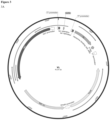
- Maps of plasmids according to one particular embodiment of the present invention containing the nucleotide sequences encoding the first polypeptide chain and the second polypeptide chain are shown in FIG. 3 .
- the present disclosure provides a host cell.
- the host cell is transformed or transfected with the nucleic acid molecule and/or the vector according to the present invention, and thus contains the nucleic acid molecule and/or vector of the present invention, for preservation or expression.
- the host cell can be any prokaryotic or eukaryotic cell, such as a bacterial or insect, fungal, plant or animal cell.
- the host cell is a prokaryotic cell, such as E. coli cells.
- the humanized anti-CD22 recombinant immunotoxin, the nucleic acid molecule, the vector and/or the host cell according to the present invention can be obtained by utilizing any conventional techniques known in the art.
- the first polypeptide chain and the second polypeptide chain can be expressed in a host cell with the nucleic acid molecule or vector according to the present invention, and then a heterodimer, in which the light chain variable region (V L ) in the first polypeptide chain is linked to the heavy chain variable region (V H ) in the second polypeptide chain via a disulfide bond, can be formed through recovery and in vitro refolding of the chains.
- the humanized anti-CD22 recombinant immunotoxin, the nucleic acid molecule, the vector and/or the host cell according to the present invention can be contained in a composition, for example, a pharmaceutical composition, more particularly in a pharmaceutical preparation, to be used for various purposes as actually needed.
- the present disclosure also provides a composition comprising the humanized anti-CD22 recombinant immunotoxin, the nucleic acid molecule, the vector and/or the host cell according to the present invention.
- the composition is a pharmaceutical composition which optionally comprises a pharmaceutically acceptable excipient.
- the present disclosure further provides following related uses of the subject matters described above based on the humanized anti-CD22 recombinant immunotoxin which is capable of binding to target CD22, especially human CD22, a B cell surface marker.
- the present disclosure provides use of the humanized anti-CD22 recombinant immunotoxin, the nucleic acid molecule, the vector, the host cell or the composition in the manufacture of a medicament for the treatment of a CD22-related B cell malignant tumor.
- the CD22-related B-cell malignant tumor is a B-cell malignant tumor characterized by high CD22 expression, such as a lymphoma or leukemia with high CD22 expression.
- the lymphoma is non-Hodgkin's lymphoma, small lymphocytic lymphoma or mantle cell lymphoma; and the leukemia is chronic lymphocytic leukemia, hairy cell leukemia or acute lymphocytic leukemia.
- the present disclosure provides a method for treating a CD22-related B-cell malignant tumor, comprising administering to a subject in need thereof the humanized anti-CD22 recombinant immunotoxin, the nucleic acid molecule, the vector and/or the host cell.
- the subject is a mammal, including human or non-human primate, and a domestic, livestock or laboratory mammal such as a dog, a cat, a cow, a pig, a sheep, a horse, a murine, and a rabbit.
- the subject is a human.
- the humanized V H and V L according to the present invention can also form a separate dsFv antibody, so in yet another aspect, the present disclosure provides a humanized anti-CD22 antibody or antibody fragment, the antibody or antibody fragment comprising a heavy chain variable region (V H ) and a light chain variable region (V L ), wherein the heavy chain variable region (V H ) comprises an amino acid sequence as shown in SEQ ID NO. 3 or SEQ ID NO. 4 or an amino acid sequence homologue thereof having at least 75% identity to the amino acid sequence as shown in SEQ ID NO. 3 or SEQ ID NO. 4, and the light chain variable region (V L ) comprises an amino acid sequence as shown in SEQ ID NO. 16 or SEQ ID NO. 18 or an amino acid sequence homologue thereof having at least 75% identity to the amino acid sequence as shown in SEQ ID NO. 16 or SEQ ID NO. 18.
- the amino acid sequence homologue has at least 80%, at least 85%, at least 90%, at least 91%, at least 92%, at least 93%, at least 94%, at least 95%, at least 96%, at least 97%, at least 98%, or at least 99% sequence identity to the amino acid sequence as shown in SEQ ID NO. 16 or SEQ ID NO. 18.
- the amino acid sequence homologue comprises the amino acid sequences as shown in SEQ ID NO. 31, SEQ ID NO. 32 and SEQ ID NO. 33, and has the same amino acid residues as those in SEQ ID NO. 16 or SEQ ID NO.
- the amino acid sequence homologue has at least 80%, at least 85%, at least 90%, at least 91%, at least 92%, at least 93%, at least 94%, at least 95%, at least 96%, at least 97%, at least 98%, or at least 99% sequence identity to the amino acid sequence as shown in SEQ ID NO. 3 or SEQ ID NO. 4.
- the amino acid sequence homologue comprises the amino acid sequences as shown in SEQ ID NO. 28, SEQ ID NO. 29 and SEQ ID NO. 30, and has the same amino acid residues as those in SEQ ID NO. 3 or SEQ ID NO.
- the light chain variable region (V L ) comprises the amino acid sequence as shown in SEQ ID NO. 16 or the amino acid sequence homologue thereof
- the heavy chain variable region (V H ) comprises the amino acid sequence as shown in SEQ ID NO. 3 or the amino acid sequence homologue thereof.
- the light chain variable region (V L ) comprises the amino acid sequence as shown in SEQ ID NO. 18 or the amino acid sequence homologue thereof; and the heavy chain variable region (V H ) comprises the amino acid sequence as shown in SEQ ID NO. 3 or the amino acid sequence homologue thereof.
- the light chain variable region (V L ) comprises the amino acid sequence as shown in SEQ ID NO. 16 or the amino acid sequence homologue thereof; and the heavy chain variable region (V H ) comprises the amino acid sequence as shown in SEQ ID NO. 4 or the amino acid sequence homologue thereof.
- the humanized anti-CD22 antibody according to the present invention is a monoclonal antibody, which further comprises a human heavy chain constant region (CH) and a light chain constant region (CL); preferably, the monoclonal antibody comprises a heavy chain (HC) and a light chain (LC).
- CH human heavy chain constant region
- CL light chain constant region
- the monoclonal antibody comprises a heavy chain (HC) and a light chain (LC).
- the antibody can be of IgA, IgD, IgE, IgG or IgM class, even further of a subclass (isotype) such as IgG1, IgG2, IgG3, or IgG4.
- the antibody can be of kappa type or lambda type.
- the antibody fragment according to the present invention is a monoclonal antibody fragment, preferably Fab, Fab', F(ab')2, scFv, dsFv or any other fragment of the antibody that retains the ability to recognize or bind to CD22.
- antibody fragment in the present disclosure can be used interchangeably with “antibody”.
- the antibody fragment according to the present invention is a dsFv fragment of a monoclonal antibody, that is, a disulfide-stabilized Fv fragment in which the heavy chain variable region and the light chain variable region are linked via a disulfide bond.
- the dsFv fragment is a heterodimer consisting of a heavy chain variable region and a light chain variable region linked via a disulfide bond.
- the present disclosure also provides use of the humanized anti-CD22 antibody in the preparation of a recombinant immunotoxin.
- any chain of the humanized anti-CD22 antibody can be linked to a cytotoxin of the present invention to prepare a recombinant immunotoxin.
- the present invention provides a new humanized anti-CD22 recombinant immunotoxin composed of a humanized anti-CD22 monoclonal antibody fragment fused with truncated pseudomonas exotoxin A, specifically a heterodimer composed of a heavy chain variable region and a light chain variable region linked via a disulfide bond, wherein the heavy chain variable region is fused with the truncated pseudomonas exotoxin A.
- the humanized anti-CD22 recombinant immunotoxin according to the present invention is obtained through a specific humanization strategy, so better resembles those of human counterparts, and thus potentially reduce the immunogenicity of the Fv portion of the immunotoxin in human.
- the reduced immunogenicity could prevent the generation of undesirable neutralizing anti-drug antibodies (ADAs) and contribute to better pharmacokinetics profiles when used in clinics.
- ADAs neutralizing anti-drug antibodies
- the humanized anti-CD22 recombinant immunotoxin according to the present invention maintains the best affinity for the target CD22 and the corresponding biological activity while having maximum humanization. Compared with the recombinant immunotoxin before humanization engineering, the humanized anti-CD22 recombinant immunotoxin of the present invention maintains the binding affinity for receptor CD22 and the cell growth inhibitory and apoptotic effects on effector cells. In addition, the humanized anti-CD22 recombinant immunotoxin exhibits comparable pharmacokinetics and tumor suppression efficacy to that one before the engineering.
- a humanization strategy was employed to optimize the Fv region of the anti-CD22 portion of HA22 to better resemble those of human counterparts, and thus potentially reduce the immunogenicity of the Fv portion of the immunotoxin in human.
- the reduced immunogenicity could prevent the generation of undesirable neutralizing anti-drug antibody (ADA) and contribute to better pharmacokinetics profiles when used in clinics.
- ADA neutralizing anti-drug antibody
- the present disclosure provides a humanized anti-CD22 recombinant immunotoxin, comprising a humanized anti-CD22 monoclonal antibody fragment fused with truncated pseudomonas exotoxin A.
- the humanized anti-CD22 recombinant immunotoxin is a heterodimer comprised of a kappa light chain V region (a first polypeptide chain) and a heavy chain V region linked by one disulfide bond, wherein the heavy chain V region is fused with a truncated pseudomonas exotoxin A (a second polypeptide chain).
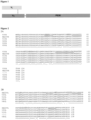
- the schematic diagram of the recombinant immunotoxin is shown in Figure 1 , in which the truncated pseudomonas exotoxin A is illustratively PE38.
- the humanized anti-CD22 recombinant immunotoxin binds to CD22 receptor on the malignant B-cell surface to deliver the toxin moiety e.g., PE38 directly to tumor cells.
- the toxin part catalyzes the ADP ribosylation of the diphthamide residue in elongation factor-2 (EF-2), resulting in the rapid fall in levels of the anti-apoptotic protein myeloid cell leukemia 1 (Mcl-1), leading to apoptotic cell death.
- EF-2 elongation factor-2
- Mcl-1 anti-apoptotic protein myeloid cell leukemia 1
- the humanized anti-CD22 recombinant immunotoxin according to the present invention can be produced in, for example, an enhanced BL21 derivative strain (T7 Express) containing an expression plasmid harboring nucleotide sequence coding for the first polypeptide chain and an expression plasmid harboring nucleotide sequence coding for the second polypeptide chain.
- T7 Express enhanced BL21 derivative strain
- the resulting strain is resistant to kanamycin and the production of the humanized anti-CD22 recombinant immunotoxin is induced by Isopropyl ⁇ -d-1-thiogalactopyranoside (IPTG).
- IPTG Isopropyl ⁇ -d-1-thiogalactopyranoside
- the product is expressed as inclusion bodies.
- the inclusion bodies can be recovered and then refolded in vitro to form a heterodimer.
- the refolded protein can be then purified by hydrophobic interaction chromatography followed by anion exchange chromatography
- the humanized anti-CD22 recombinant immunotoxin according to the present invention is a humanized version of HA22, and therefore is expected to interact with CD22 expressing cells via identical/similar mechanism of action(s).
- In vitro and in vivo assays were designed to assess immunotoxin molecules' CD22 binding affinity, cytotoxicity in CD22-expressing cells, pharmacokinetics and tumor suppression efficacy.
- HA22 used in the studies was manufactured in-house using the same production process as that of the recombinant immunotoxin.
- the interaction between the antibody fragment of the humanized anti-CD22 recombinant immunotoxin of the present invention and the CD22 receptor was determined in in vitro binding assay; and the growth inhibition and apoptotic cell death effects of the humanized anti-CD22 recombinant immunotoxin were examined in cell-based assay. Further, the pharmacokinetic and tumor suppression efficacy of the humanized anti-CD22 recombinant immunotoxin of the present invention were determined in in vivo studies performed.
- a framework shuffling strategy was used to alter amino acids in the framework regions of heavy chain variable region (V H , SEQ ID NO. 2) and light chain variable region (V L , SEQ ID NO. 14) from the original murine to human ones. All the CDRs, which were determined using both the Kabat and Chothia numbering systems and the online tool (http://www.bioinf.org.uk/abs/), were left unchanged. Each of the framework and J regions in both the VH and VL of HA22 was aligned to the human antibody germline sequences in the international ImMunoGeneTics information system ® (IMGT: http://www.imgt.org) for the closest human antibody matches. Murine residues that were deemed Vernier residues or important for VH/VL interactions were not changed [26] to preserve the specificity and affinity towards CD22.
- IMGT international ImMunoGeneTics information system ®
- VH and VL formed a disulfide-linked Fv portion of anti-CD22 antibody fused to a Pseudomonas exotoxin A (PE38, SEQ ID NO. 1) ( Figure 1 ).
- framework 1 of IGHV3-15*01, framework 2 of IGHV3-11*04, framework 3 of IGHV3-13*01, and framework 4 of IGHJ3*02 would provide humanized frameworks most closely resembling those of VH of HA22; and similarly a combination of framework 1 of IGKV1-5 ⁇ 01, framework 2 of IGKV2D-30*01, framework 3 of IGKV1D-43 ⁇ 01, and framework 4 of IGKJ1 ⁇ 01 would provide humanized frameworks most closely resembling those of VL of HA22.
- the Vernier residues were reverted to the original murine residues after rounds of iterations to show that they were critical for antigen bindings.
- HA22VH and HA22VL are the Fv fragments used in HA22.
- Version 3 (V3) is the fully humanized VH and VL versions.
- Version 1, 2, 4, and 5 (Vl, V2, V4, and V5) are different versions of designs that have critical residues reverted to murine ones to restore lost activities. Residues shaded are Vernier residues. Residues underlined are in CDRs based on IMGT criteria.
- Expression plasmids capable of expressing different VL humanized versions were constructed.
- 5' terminus of the nucleotide sequence coding for PE38 was linked to 3' terminus of the nucleotide sequence coding for each of the different VH humanized versions respectively to form a single nucleotide chain, with which expression plasmids capable of expressing the second polypeptide chains were constructed.
- Schematic diagrams are shown in Figure 3 (synthesized and constructed by Genscript according to the designs).
- the humanized anti-CD22 recombinant immunotoxins provided in the present disclosure were produced in an enhanced BL21 derivative strain (T7 Express) using the expression plasmids of the first and second polypeptide chains.
- the first polypeptide chain and second polypeptide chain seed cultures were prepared, respectively, in a fermentation medium containing 30 g soytone, 30 g yeast extract, 40 g glycerol, 2 g NH 4 Cl, 2 g (NH 4 ) 2 SO 4 , 0.973 g MgSO 4 , 3 g glucose, and 1 g NaCl per L.
- the seed cultures were incubated at 37 °C, 250 RPM for 12-16 hours.
- the fermentation runs for the first polypeptide chain and second polypeptide chain were performed using a New Brunswick BioFlo 3000 Fermentor. The fermentor was inoculated at 2% with the respective first polypeptide chain and second polypeptide chain seed.
- the pH was set at 6.9 and controlled during the run by addition of ammonia (NH 3 •H 2 O).
- the dissolved oxygen (DO) was set at 30% and controlled by agitation, aeration and oxygen supplementation.
- the vessel pressure was set at 2 psi.
- the cell density (OD600) and glucose concentrations, together with pH, DO, and temperature, were monitored hourly during the run.
- Four hours post inoculation, at OD600 8-9 the glucose in the medium was depleted and additional glucose was fed into the fermentor. The glucose feeding lasted for an hour, with a total volume of 1.7% of original medium volume.
- the additional glucose was exhausted at around 5.5 hours after inoculation. 0.1% volume of 1 M IPTG was then added to start the induction/expression phase.
- pH was allowed to increase gradually to 7.0.
- the cells were harvested by centrifugation at 8,000 ⁇ g, at 4 °C, for 20 minutes to remove the medium.
- the cell paste was stored at -80 °C before processing.
- the first polypeptide chain and second polypeptide chain inclusion bodies were isolated by disrupting the cells using a high-pressure homogenizer.
- the lysate pellet containing the inclusion body was then purified through several washing steps with centrifugation and detergent to remove cell debris and soluble impurities.
- the washed inclusion bodies were resuspended in a solubilization buffer (50 mM ethanolamine, 8 M Urea, 0.5 M arginine, 2 mM EDTA, 10 mM DTT, pH 9.3) containing a strong denaturant (8 M urea) and a reducing agent (10 mM DTT) to keep all cysteines in the reduced state and cleave disulfide bonds formed during the preparation.
- Solubilization was performed at 2-8 °C with stirring to facilitate the solubilization process for > 2 hours.
- the inclusion body solution was centrifuged at 13,000 ⁇ g for 30 minutes and the supernatant containing the solubilized inclusion body was filtered to remove the remaining aggregates and insoluble impurities.
- Total protein concentrations were determined based on A280 reading and percentages of the first polypeptide chain and second polypeptide chain were estimated by densitometry analysis of SDS-PAGE gel.
- the first polypeptide chain and second polypeptide chain were then mixed at 1:1 molar ratio, diluted to 10 mg/mL with solubilization buffer, and fed into the refolding buffer (50 mM ethanolamine, 0.5 M arginine, 2 mM EDTA, 0.9 mM oxidized glutathione, pH 9.4) at a 1:10 ratio continuously over a 24-hour period and incubated at 2-8 °C for an additional 48-72 hours.
- the refolding reaction was stopped by adjusting the pH to ⁇ 7.40.
- the refolded protein was then concentrated and prepared for column purification by tangential flow filtration.
- Phenyl HP hydrophobic interaction chromatography was carried out in a chromatography column with 17 cm bench height (GE Healthcare, Marlborough, MA USA). All runs were conducted using an AKTA york liquid chromatography system from GE Healthcare (Marlborough, MA USA) and the column was operated at 95 cm/hr. The column was equilibrated with 20 mM Tris-HCl, 0.6 M Na 2 SO 4 , pH 7.4. Load was prepared by diluting 1 part (by weight) protein solution with 1 part 20 mM Tris-HCl, 1.2 M Na 2 SO 4 , pH 7.4. After loading, the column was washed with equilibration buffer and then eluted in a linear gradient of Na 2 SO 4 from 0.6 M to 0 M over 16 column volumes. The product peak was collected in fractions.
- POROS HQ anion exchange chromatography was carried out in a chromatography column packed to 30 cm bed height (Thermo Scientific, Waltham, MA USA). All runs were conducted using an AKTA york liquid chromatography system from GE Healthcare and the column was operated at 275 cm/hr. The column was equilibrated with 20 mM Tris-HCl, pH 7.4, loaded with protein, and then washed with equilibration buffer. The column was eluted in a linear gradient of NaCl from 0 M to 0.5 M over 25 column volumes. The product peak was collected based on absorbance criteria of 5 mAU on the leading and tailing side of the product peak.
- Capto Q anion exchange chromatography was carried out in flow-through mode in a chromatography column packed to 10 cm bed height (GE Healthcare, Marlborough, MA USA).
- Example 3 Non-clinical pharmacology of the humanized anti-CD22 recombinant immunotoxins
- ELISA was performed with recombinant human Siglec-2/CD22 Fc chimera protein (R&D systems, Cat# 1968-SL) as the immobilized antigen, which captures the humanized anti-CD22 recombinant immunotoxins or HA22 molecule provided in the present disclosure, and anti-Pseudomonas Exotoxin A antibody (Sigma-Aldrich, Cat# P2318) as the secondary antibody containing the enzyme conjugate for detection.
- Octet assay was performed with streptavidin (SA) biosensors (ForteBio, Cat# 18-5019) conjugated with biotinylated CD22 for the K D measurement of the recombinant immunotoxins provided in the present disclosure or HA22 molecule.
- SA streptavidin
- a CD22-expressing cell model was employed in cell-based assay to evaluate the growth inhibition and apoptotic cell death effects of the humanization anti-CD22 recombinant immunotoxins in the present disclosure. This is an endpoint assay using cell growth/inhibition as the indicator of potency.
- the cell model better mimics the in vivo condition comparing to the binding assay, in which, the CD22 binding, internalization, and ADP ribosylation of EF-2 catalyzed by PE38 are all involved to actuate the observed inhibitory effect.
- the Daudi cell line expressing a high level of CD22 was co-cultured with the recombinant immunotoxins or HA22 molecule provided in the present disclosure for a certain period of time and, at the end of the assay, live cells in the culture were quantified with a colorimetric assay.
- the procedure is as follows.
- Daudi cells described above were cultured in RPMI-1640 complete medium, and harvested and washed with HBSS once.
- the cells were resuspended in RPMI-1640 medium at a density of 2.5 ⁇ 10 5 /mL, and transferred to a 96-well plate at 100 ⁇ L/well (equivalent to 2.5 ⁇ 10 4 live cells per well).
- the recombinant immunotoxins or HA22 provided in the present disclosure to be detected were diluted to predetermined concentrations and serial dilutions were prepared.
- Formazan was measured by detecting the absorbance at 450 nm. Values were normalized against cycloheximide and medium control, and the concentration of each of the humanized recombinant immunotoxins and HA22 provided in the present disclosure when 50% of the cells died was measured as EC 50 .
- Example 4 Non-clinical pharmacokinetics and drug metabolism of the humanized anti-CD22 recombinant immunotoxins
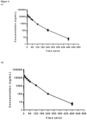
- mice were randomly divided into 3 groups: 1) control (formulation buffer), 2) 500 ⁇ g/kg HA22; and 3) 500 ⁇ g/kg H1L2.
- the control or treatment groups were given via tail vein injection, and 100 ⁇ L total blood was collected at specified time points after injection (5 min, 15 min, 30 min, 45 min, 1 h, 2 h, 4 h, 8 h, 24 h, 48 h, 96 h) via retro orbital sampling. Three replicate animals were assigned to each time point. 50 ⁇ L plasma was recovered from the blood sample for analysis.
- a xenograft animal model and the CD22-positive Raji B lymphocytes were employed for tumor establishment.
- the recombinant immunotoxin molecule enters the circulation, binds to the CD22 on the surface of the malignant B-cells, and suppresses the cell growth via the apoptotic pathways. Therefore, the inhibition of tumor growth was designated as the endpoint of the efficacy study in this Example.
- An athymic NCr nude mouse model (4-6 week-old, female) was used. 25 mice were randomly divided into 5 groups as shown in Table 8.
- a CD-22 positive Homo sapiens lymphoblast Raji cell line (ATCC CCL-86) was used to establish the xenograft. Raji cells were subcutaneously injected at a final concentration of 5 ⁇ 10 7 cells/mL and grown to 100-200 mm 3 before any treatment. Once the xenograft tumor was established, a single dose of the treatments at the indicated dose level was given via tail vein injection. The xenograft mice were observed and measured for tumor size for 24 days after the treatment.
Landscapes
- Health & Medical Sciences (AREA)
- Chemical & Material Sciences (AREA)
- Life Sciences & Earth Sciences (AREA)
- Immunology (AREA)
- Bioinformatics & Cheminformatics (AREA)
- Engineering & Computer Science (AREA)
- General Health & Medical Sciences (AREA)
- Medicinal Chemistry (AREA)
- Organic Chemistry (AREA)
- Animal Behavior & Ethology (AREA)
- Public Health (AREA)
- Pharmacology & Pharmacy (AREA)
- Veterinary Medicine (AREA)
- Molecular Biology (AREA)
- Epidemiology (AREA)
- Toxicology (AREA)
- Proteomics, Peptides & Aminoacids (AREA)
- Genetics & Genomics (AREA)
- Biophysics (AREA)
- Biochemistry (AREA)
- Cell Biology (AREA)
- Hematology (AREA)
- Oncology (AREA)
- Chemical Kinetics & Catalysis (AREA)
- General Chemical & Material Sciences (AREA)
- Nuclear Medicine, Radiotherapy & Molecular Imaging (AREA)
- Gastroenterology & Hepatology (AREA)
- Peptides Or Proteins (AREA)
- Medicines Containing Antibodies Or Antigens For Use As Internal Diagnostic Agents (AREA)
- Micro-Organisms Or Cultivation Processes Thereof (AREA)
- Medicinal Preparation (AREA)
- Medicines Containing Material From Animals Or Micro-Organisms (AREA)
- Medicines That Contain Protein Lipid Enzymes And Other Medicines (AREA)
- Preparation Of Compounds By Using Micro-Organisms (AREA)
Applications Claiming Priority (2)
| Application Number | Priority Date | Filing Date | Title |
|---|---|---|---|
| CN202011048723 | 2020-09-29 | ||
| PCT/CN2021/077461 WO2022068141A1 (fr) | 2020-09-29 | 2021-02-23 | Immunotoxine recombinante anti-cd22 humanisée et son application |
Publications (2)
| Publication Number | Publication Date |
|---|---|
| EP4223775A1 true EP4223775A1 (fr) | 2023-08-09 |
| EP4223775A4 EP4223775A4 (fr) | 2025-07-30 |
Family
ID=80951016
Family Applications (2)
| Application Number | Title | Priority Date | Filing Date |
|---|---|---|---|
| EP21873808.6A Pending EP4223775A4 (fr) | 2020-09-29 | 2021-02-23 | Immunotoxine recombinante anti-cd22 humanisée et son application |
| EP21874554.5A Pending EP4223780A4 (fr) | 2020-09-29 | 2021-09-29 | Molécule d'anticorps anti-cd22 ou fragment de liaison à l'antigène et son utilisation |
Family Applications After (1)
| Application Number | Title | Priority Date | Filing Date |
|---|---|---|---|
| EP21874554.5A Pending EP4223780A4 (fr) | 2020-09-29 | 2021-09-29 | Molécule d'anticorps anti-cd22 ou fragment de liaison à l'antigène et son utilisation |
Country Status (5)
| Country | Link |
|---|---|
| US (2) | US20230372522A1 (fr) |
| EP (2) | EP4223775A4 (fr) |
| JP (2) | JP7696648B2 (fr) |
| CN (2) | CN115210262B (fr) |
| WO (2) | WO2022068141A1 (fr) |
Families Citing this family (1)
| Publication number | Priority date | Publication date | Assignee | Title |
|---|---|---|---|---|
| WO2023216218A1 (fr) * | 2022-05-13 | 2023-11-16 | 上海吉倍生物技术有限公司 | Anticorps se liant de manière spécifique à cd22, son procédé de préparation et son utilisation |
Family Cites Families (19)
| Publication number | Priority date | Publication date | Assignee | Title |
|---|---|---|---|---|
| US7541034B1 (en) * | 1997-03-20 | 2009-06-02 | The United States Of America As Represented By The Department Of Health And Human Services | Recombinant antibodies and immunoconjugates targeted to CD-22 bearing cells and tumors |
| US7355012B2 (en) * | 2001-09-26 | 2008-04-08 | United States Of America As Represented By The Secretary Of The Department Of Health And Human Services | Mutated anti-CD22 antibodies with increased affinity to CD22-expressing leukemia cells |
| US7982011B2 (en) | 2003-11-25 | 2011-07-19 | The United States Of America As Represented By The Secretary Of The Department Of Health And Human Services | Mutated anti-cd22 antibodies and immunoconjugates |
| CA2602035C (fr) | 2005-03-18 | 2015-06-16 | Medimmune, Inc. | Rearrangement de l'infrastructure d'anticorps |
| GB0624500D0 (en) * | 2006-12-07 | 2007-01-17 | Istituto Superiore Di Sanito | A novel passive vaccine for candida infections |
| US20120177567A1 (en) | 2010-08-11 | 2012-07-12 | National Institutes Of Health (Nih), U.S. Dept. Of Health And Human Services (Dhhs), U.S. Government | Methods of Treating Pediatric Acute Lymphoblastic Leukemia with an Anti-CD22 Immunotoxin |
| WO2013085893A1 (fr) * | 2011-12-05 | 2013-06-13 | Immunomedics, Inc. | Utilisation thérapeutique d'anticorps anti-cd22 pour induire une trogocytose |
| EP3539563A1 (fr) | 2012-07-19 | 2019-09-18 | Redwood Bioscience, Inc. | Anticorps spécifique pour cd22 et ses procédés d'utilisation |
| CA2894908C (fr) | 2012-12-20 | 2022-07-12 | Medimmune, Llc | Procedes de production d'immunoconjugues |
| EP3092250A4 (fr) | 2014-01-08 | 2017-05-24 | Moderna Therapeutics, Inc. | Polynucléotides pour la production in vivo d'anticorps |
| CA2935748A1 (fr) * | 2014-02-25 | 2015-09-03 | Immunomedics, Inc. | Anticorps rfb4 humanises anti-cd22 |
| EP3200823B1 (fr) * | 2014-10-02 | 2022-11-23 | City of Hope | Méditopes multivalents, anticorps de liaison aux méditopes, et leurs utilisations |
| CA2874083C (fr) * | 2014-12-05 | 2024-01-02 | Universite Laval | Polypeptides liant le tdp-43 utiles pour le traitement de maladies neurodegeneratives |
| EP3303373B1 (fr) * | 2015-05-30 | 2020-04-08 | Molecular Templates, Inc. | Supports de sous-unité a de toxine de shiga, déimmunisés, et molécules de ciblage de cellule les comprenant |
| US11459397B2 (en) * | 2016-01-08 | 2022-10-04 | Meditope Biosciences Inc. | Self-crosslinking antibodies |
| CN107312098B (zh) * | 2017-07-18 | 2020-06-12 | 深圳市免疫基因治疗研究院 | 一种基于cd22的嵌合抗原受体及其应用 |
| KR20200117992A (ko) | 2017-12-11 | 2020-10-14 | 트리페이스 리서치 앤드 디벨로프먼트 쓰리 코포레이션 | 항-cd22 항체-메이탄신 컨쥬게이트, 그것의 조합, 및 사용 방법 |
| JP7599205B2 (ja) * | 2018-06-01 | 2024-12-13 | アンヘレス セラピューティクス インコーポレイテッド | 細胞療法のための多様な抗原結合ドメイン、新規プラットフォームおよびその他の強化 |
| WO2020154475A1 (fr) * | 2019-01-23 | 2020-07-30 | Molecular Templates, Inc. | Protéines comprenant des chaînes légères variables modifiées d'immunoglobuline |
-
2021
- 2021-02-23 EP EP21873808.6A patent/EP4223775A4/fr active Pending
- 2021-02-23 CN CN202180018578.8A patent/CN115210262B/zh active Active
- 2021-02-23 WO PCT/CN2021/077461 patent/WO2022068141A1/fr not_active Ceased
- 2021-02-23 US US18/028,200 patent/US20230372522A1/en active Pending
- 2021-02-23 JP JP2023543252A patent/JP7696648B2/ja active Active
- 2021-09-29 EP EP21874554.5A patent/EP4223780A4/fr active Pending
- 2021-09-29 WO PCT/CN2021/121826 patent/WO2022068899A1/fr not_active Ceased
- 2021-09-29 US US18/246,838 patent/US20230365679A1/en active Pending
- 2021-09-29 JP JP2023543258A patent/JP7820835B2/ja active Active
- 2021-09-29 CN CN202111147399.2A patent/CN114316063B/zh active Active
Also Published As
| Publication number | Publication date |
|---|---|
| EP4223780A4 (fr) | 2025-03-26 |
| CN114316063B (zh) | 2023-12-26 |
| JP7820835B2 (ja) | 2026-02-26 |
| CN115210262B (zh) | 2023-07-14 |
| EP4223775A4 (fr) | 2025-07-30 |
| JP2023544457A (ja) | 2023-10-23 |
| JP2023544227A (ja) | 2023-10-20 |
| EP4223780A1 (fr) | 2023-08-09 |
| WO2022068899A1 (fr) | 2022-04-07 |
| US20230365679A1 (en) | 2023-11-16 |
| CN115210262A (zh) | 2022-10-18 |
| WO2022068141A1 (fr) | 2022-04-07 |
| CN114316063A (zh) | 2022-04-12 |
| US20230372522A1 (en) | 2023-11-23 |
| JP7696648B2 (ja) | 2025-06-23 |
Similar Documents
| Publication | Publication Date | Title |
|---|---|---|
| US10758556B2 (en) | Anthracycline-based antibody drug conjugates having high in vivo tolerability | |
| JP6326137B2 (ja) | 抗her2抗体及びその結合体 | |
| CN110099697B (zh) | 用于消融造血干细胞的抗体药物缀合物 | |
| TWI817190B (zh) | 抗c-Met抗體藥物偶聯物及其應用 | |
| KR20200120728A (ko) | 항-메소텔린 항체 및 이의 항체 약물 콘쥬게이트 | |
| JP2003524587A (ja) | 多発性骨髄腫を処置するための、cd38に対する、遺伝子操作した抗体の使用 | |
| CN117897407A (zh) | 抗Nectin-4抗体、药物缀合物及其制备方法和用途 | |
| KR20180129684A (ko) | 항-인간 인터루킨-2 항체 및 이의 용도 | |
| KR20230135653A (ko) | 항-클라우딘 18.2 항체 및 이의 항체-약물 접합체 | |
| EP4269447A1 (fr) | Complexe d'anticorps anti-il-4r ou fragment de liaison à l'antigène de celui-ci et utilisation médicale associée | |
| CN113045659B (zh) | 抗cd73人源化抗体 | |
| EP4223775A1 (fr) | Immunotoxine recombinante anti-cd22 humanisée et son application | |
| KR20240049858A (ko) | 항체-약물 접합체 및 이의 사용방법 | |
| HK40095213A (en) | Humanized anti-cd22 recombinant immunotoxin and application thereof | |
| JP7762294B2 (ja) | 抗cd39抗体ー薬物複合体及びその使用 | |
| WO2016187585A1 (fr) | Lieur désimmunisé et méthodes d'utilisation | |
| Kreitman et al. | BL22 and lymphoid malignancies | |
| JP2026508672A (ja) | ダラツムマブ薬物コンジュゲートおよびその調製 | |
| WO2024194775A1 (fr) | Conjugués médicamenteux de sacituzumab et leur préparation | |
| List | Engineering and Characterization of Novel Targeted Multifunctional Anticancer Biomacromolecules | |
| WO2016187571A2 (fr) | Immunotoxines her2 et leurs procédés d'utilisation | |
| KR20130132236A (ko) | 트랜스글루타미나아제를 이용하여 제조한 항체-약물 결합체 및 이의 용도 |
Legal Events
| Date | Code | Title | Description |
|---|---|---|---|
| STAA | Information on the status of an ep patent application or granted ep patent |
Free format text: STATUS: THE INTERNATIONAL PUBLICATION HAS BEEN MADE |
|
| PUAI | Public reference made under article 153(3) epc to a published international application that has entered the european phase |
Free format text: ORIGINAL CODE: 0009012 |
|
| STAA | Information on the status of an ep patent application or granted ep patent |
Free format text: STATUS: REQUEST FOR EXAMINATION WAS MADE |
|
| 17P | Request for examination filed |
Effective date: 20230428 |
|
| AK | Designated contracting states |
Kind code of ref document: A1 Designated state(s): AL AT BE BG CH CY CZ DE DK EE ES FI FR GB GR HR HU IE IS IT LI LT LU LV MC MK MT NL NO PL PT RO RS SE SI SK SM TR |
|
| DAV | Request for validation of the european patent (deleted) | ||
| DAX | Request for extension of the european patent (deleted) | ||
| REG | Reference to a national code |
Ref country code: HK Ref legal event code: DE Ref document number: 40095213 Country of ref document: HK |
|
| A4 | Supplementary search report drawn up and despatched |
Effective date: 20250701 |
|
| RIC1 | Information provided on ipc code assigned before grant |
Ipc: C07K 16/28 20060101AFI20250625BHEP Ipc: A61K 39/395 20060101ALI20250625BHEP Ipc: A61P 35/00 20060101ALI20250625BHEP Ipc: C12N 15/13 20060101ALI20250625BHEP Ipc: C12N 15/63 20060101ALI20250625BHEP Ipc: C12N 5/10 20060101ALI20250625BHEP Ipc: A61K 47/68 20170101ALI20250625BHEP Ipc: A61K 39/00 20060101ALI20250625BHEP Ipc: C07K 1/113 20060101ALI20250625BHEP Ipc: C07K 14/21 20060101ALI20250625BHEP |