EP4239081A2 - Schneller nachweis von aneuploidie - Google Patents
Schneller nachweis von aneuploidie Download PDFInfo
- Publication number
- EP4239081A2 EP4239081A2 EP23170939.5A EP23170939A EP4239081A2 EP 4239081 A2 EP4239081 A2 EP 4239081A2 EP 23170939 A EP23170939 A EP 23170939A EP 4239081 A2 EP4239081 A2 EP 4239081A2
- Authority
- EP
- European Patent Office
- Prior art keywords
- amplicons
- query
- chromosomes
- chromosome
- sequences
- Prior art date
- Legal status (The legal status is an assumption and is not a legal conclusion. Google has not performed a legal analysis and makes no representation as to the accuracy of the status listed.)
- Withdrawn
Links
Images




Classifications
-
- C—CHEMISTRY; METALLURGY
- C12—BIOCHEMISTRY; BEER; SPIRITS; WINE; VINEGAR; MICROBIOLOGY; ENZYMOLOGY; MUTATION OR GENETIC ENGINEERING
- C12Q—MEASURING OR TESTING PROCESSES INVOLVING ENZYMES, NUCLEIC ACIDS OR MICROORGANISMS; COMPOSITIONS OR TEST PAPERS THEREFOR; PROCESSES OF PREPARING SUCH COMPOSITIONS; CONDITION-RESPONSIVE CONTROL IN MICROBIOLOGICAL OR ENZYMOLOGICAL PROCESSES
- C12Q1/00—Measuring or testing processes involving enzymes, nucleic acids or microorganisms; Compositions therefor; Processes of preparing such compositions
- C12Q1/68—Measuring or testing processes involving enzymes, nucleic acids or microorganisms; Compositions therefor; Processes of preparing such compositions involving nucleic acids
- C12Q1/6869—Methods for sequencing
-
- C—CHEMISTRY; METALLURGY
- C12—BIOCHEMISTRY; BEER; SPIRITS; WINE; VINEGAR; MICROBIOLOGY; ENZYMOLOGY; MUTATION OR GENETIC ENGINEERING
- C12Q—MEASURING OR TESTING PROCESSES INVOLVING ENZYMES, NUCLEIC ACIDS OR MICROORGANISMS; COMPOSITIONS OR TEST PAPERS THEREFOR; PROCESSES OF PREPARING SUCH COMPOSITIONS; CONDITION-RESPONSIVE CONTROL IN MICROBIOLOGICAL OR ENZYMOLOGICAL PROCESSES
- C12Q1/00—Measuring or testing processes involving enzymes, nucleic acids or microorganisms; Compositions therefor; Processes of preparing such compositions
- C12Q1/68—Measuring or testing processes involving enzymes, nucleic acids or microorganisms; Compositions therefor; Processes of preparing such compositions involving nucleic acids
- C12Q1/6813—Hybridisation assays
- C12Q1/6827—Hybridisation assays for detection of mutation or polymorphism
-
- C—CHEMISTRY; METALLURGY
- C12—BIOCHEMISTRY; BEER; SPIRITS; WINE; VINEGAR; MICROBIOLOGY; ENZYMOLOGY; MUTATION OR GENETIC ENGINEERING
- C12Q—MEASURING OR TESTING PROCESSES INVOLVING ENZYMES, NUCLEIC ACIDS OR MICROORGANISMS; COMPOSITIONS OR TEST PAPERS THEREFOR; PROCESSES OF PREPARING SUCH COMPOSITIONS; CONDITION-RESPONSIVE CONTROL IN MICROBIOLOGICAL OR ENZYMOLOGICAL PROCESSES
- C12Q1/00—Measuring or testing processes involving enzymes, nucleic acids or microorganisms; Compositions therefor; Processes of preparing such compositions
- C12Q1/68—Measuring or testing processes involving enzymes, nucleic acids or microorganisms; Compositions therefor; Processes of preparing such compositions involving nucleic acids
- C12Q1/6811—Selection methods for production or design of target specific oligonucleotides or binding molecules
-
- C—CHEMISTRY; METALLURGY
- C12—BIOCHEMISTRY; BEER; SPIRITS; WINE; VINEGAR; MICROBIOLOGY; ENZYMOLOGY; MUTATION OR GENETIC ENGINEERING
- C12Q—MEASURING OR TESTING PROCESSES INVOLVING ENZYMES, NUCLEIC ACIDS OR MICROORGANISMS; COMPOSITIONS OR TEST PAPERS THEREFOR; PROCESSES OF PREPARING SUCH COMPOSITIONS; CONDITION-RESPONSIVE CONTROL IN MICROBIOLOGICAL OR ENZYMOLOGICAL PROCESSES
- C12Q1/00—Measuring or testing processes involving enzymes, nucleic acids or microorganisms; Compositions therefor; Processes of preparing such compositions
- C12Q1/68—Measuring or testing processes involving enzymes, nucleic acids or microorganisms; Compositions therefor; Processes of preparing such compositions involving nucleic acids
- C12Q1/6876—Nucleic acid products used in the analysis of nucleic acids, e.g. primers or probes
- C12Q1/6883—Nucleic acid products used in the analysis of nucleic acids, e.g. primers or probes for diseases caused by alterations of genetic material
-
- C—CHEMISTRY; METALLURGY
- C12—BIOCHEMISTRY; BEER; SPIRITS; WINE; VINEGAR; MICROBIOLOGY; ENZYMOLOGY; MUTATION OR GENETIC ENGINEERING
- C12Q—MEASURING OR TESTING PROCESSES INVOLVING ENZYMES, NUCLEIC ACIDS OR MICROORGANISMS; COMPOSITIONS OR TEST PAPERS THEREFOR; PROCESSES OF PREPARING SUCH COMPOSITIONS; CONDITION-RESPONSIVE CONTROL IN MICROBIOLOGICAL OR ENZYMOLOGICAL PROCESSES
- C12Q2600/00—Oligonucleotides characterized by their use
- C12Q2600/112—Disease subtyping, staging or classification
-
- C—CHEMISTRY; METALLURGY
- C12—BIOCHEMISTRY; BEER; SPIRITS; WINE; VINEGAR; MICROBIOLOGY; ENZYMOLOGY; MUTATION OR GENETIC ENGINEERING
- C12Q—MEASURING OR TESTING PROCESSES INVOLVING ENZYMES, NUCLEIC ACIDS OR MICROORGANISMS; COMPOSITIONS OR TEST PAPERS THEREFOR; PROCESSES OF PREPARING SUCH COMPOSITIONS; CONDITION-RESPONSIVE CONTROL IN MICROBIOLOGICAL OR ENZYMOLOGICAL PROCESSES
- C12Q2600/00—Oligonucleotides characterized by their use
- C12Q2600/156—Polymorphic or mutational markers
-
- C—CHEMISTRY; METALLURGY
- C12—BIOCHEMISTRY; BEER; SPIRITS; WINE; VINEGAR; MICROBIOLOGY; ENZYMOLOGY; MUTATION OR GENETIC ENGINEERING
- C12Q—MEASURING OR TESTING PROCESSES INVOLVING ENZYMES, NUCLEIC ACIDS OR MICROORGANISMS; COMPOSITIONS OR TEST PAPERS THEREFOR; PROCESSES OF PREPARING SUCH COMPOSITIONS; CONDITION-RESPONSIVE CONTROL IN MICROBIOLOGICAL OR ENZYMOLOGICAL PROCESSES
- C12Q2600/00—Oligonucleotides characterized by their use
- C12Q2600/16—Primer sets for multiplex assays
Definitions
- This invention is related to the area of genetic analysis. In particular, it relates to assessment of relative copy number of chromosomal sequences.
- a major chromosomal abnormality is detected in approximately 1 of 140 live births 1 and in a much higher fraction of fetuses that do not reach term or are still-born .
- the most common aneuploidy is trisomy 21, which currently occurs in 1 of 730 births 1 .
- trisomy 18 Edwards Syndrome
- trisomy 13 Patau syndrome
- a large variety of congenital defects, growth deficiencies, and intellectual disabilities are found in children with chromosomal aneuploidies, and these present life-long challenges to families and societies 3 . For these reasons, much effort has been devoted to detecting chromosome abnormalities during early fetal life, at a time when therapeutic abortions can be offered as an option to prospective parents.
- the only commercially available test for circulating fetal DNA aneuploidy involves the preparation of whole genome libraries and the analysis of a sufficient number of sequences on the relevant chromosomes to reliably detect small differences in copy number.
- the preparation of whole genome libraries involves several sequential steps, including end-repair, 5'-phosphorlyation, addition of a terminal dA nucleotide to the 3' ends of the fragments, ligation of the fragments to adapters, and PCR amplification of the ligated products, many of which require intervening purifications.
- the PCR products are then quantified and loaded on the sequencing instrument.
- tags are aligned to the human genome and assessed with Digital Karyotyping 11 , i.e., the number of tags per genomic locus is used to construct a virtual karyotype.
- Digital Karyotyping 11 i.e., the number of tags per genomic locus is used to construct a virtual karyotype.
- Another recently described test involves fewer, but still a large number of, steps to prepare libraries for sequencing 12 .
- a method for testing a human for aneuploidy.
- a plurality of chromosomal sequences in a DNA sample from a human are amplified with a single pair of primers complementary to said chromosomal sequences to form a plurality of amplicons, wherein the plurality of amplicons are not identical, and wherein the plurality of amplicons include sequences on a query chromosome and sequences on a plurality of reference chromosomes.
- Reactions are performed to determine the nucleotide sequence of at least 3 nt of the plurality of amplicons.
- Amplicon nucleotide sequences are matched in silico to genomic sequences at genomic loci. Numbers of matching amplicons at individual genomic loci are counted. Numbers of amplicons matched to genomic loci on the query chromosome are compared to numbers of amplicons matched to genomic loci on the reference chromosomes.
- a method for testing a human for DNA copy number changes.
- a plurality of chromosomal sequences in a DNA sample from a human are amplified with a single pair of primers complementary to the chromosomal seuqences to form a plurality of amplicons, wherein the plurality of amplicons are not identical, and wherein the plurality of amplicons include sequences in a query chromosomal region and sequences in a plurality of reference chromosomal regions.
- Reactions are performed to determine the nucleotide sequence of at least 3 nt of the plurality of amplicons.
- Amplicon nucleotide sequences are matched in silico to genomic sequences at genomic loci. Numbers of matching amplicons at individual genomic loci are counted. Numbers of amplicons matched to genomic loci in the query chromosomal region are compared to numbers of amplicons matched to genomic loci in the reference chromosomal regions.
- a pair of primers is provided which is useful for analyzing human aneuploidy.
- a first primer comprises SEQ ID NO: 1 and a second primer comprising SEQ ID NO: 2.
- a method of selecting primers is provided for use in detecting human aneuploidy.
- a pair of primers is identified in which the primers are complementary to a plurality of pairs of chromosomal segments that are separated by 3 to 10,000 nt of intervening sequence in a human genome.
- the intervening sequences are distributed on at least three human chromosomes.
- the pairs of chromosomal segments and their intervening sequence are amplified to form a population of amplicon molecules whose representation in the population reflects representation of the chromosomal segments and their intervening sequences in the human genome.
- the inventors have developed a method that rapidly and non-invasively detects genetic abnormalities, in particular copy number abnormalities.
- the process in the commercially available test could be simplified if a defined number of fragments from throughout the genome could be amplified using a single primer pair, obviating the need for end-repair, terminal 3'-dA addition, or ligation to adapters.
- the smaller number of fragments to be assessed would streamline the genome matching and analysis processes.
- the method developed was capable of detecting trisomies in a reproducible fashion in pilot experiments. It has advantages over unbiased whole genome sequencing in ease of implementation, cost, analysis time, and throughput.
- BLAT BLAST-Like Alignment Tool 13
- primer pairs i.e., primer pairs that would amplify many distinct fragments of DNA from throughout the genome as well as throughout the Down's Syndrome critical region.
- Three such primer pairs were identified, and after testing these primers in silico (using In Silico PCR 14 ) as well as in pilot sequencing experiments, we found one of the three primer pairs (henceforth FAST-1) to be optimal (Online Methods).
- the FAST-1 primer pair was predicted to amplify subfamilies of long interspersed nucleotide elements (L1 retrotransposons) which, like other human repeats, have spread throughout the genome via retrotransposition, particularly in AT-rich regions 15 . As it is generally more difficult to uniformly amplify and sequence regions that vary widely in their GC content 8,16 , we expected that this differential localization would work in our favor.
- L1 retrotransposons long interspersed nucleotide elements
- Any chromosome or chromosome region can be queried.
- useful query chromosomes and regions are chromosome 21, chromosome 13, chromosome 18, the X chromosome, the Y chromosome, Down's Syndrome critical region on chromosome 21.
- the query and reference chromosomes may be nuclear. In some embodiments at least two, three, four, or five amplicons tested match a genomic sequence within a query chromosome or query region.
- the amplicons may be relatively small so that the degraded nature of some samples is not an impediment to detection.
- the amplicons may be less than 1 kbp, less than 500 bp, less than 250 bp, less than 180 bp, less than 150 bp, less than 120 bp, less than 100 bp, or less than 50 bp.
- the pair of primers comprises a first and a second primer in which the first primer comprises SEQ ID NO: 1 and the second primer comprising SEQ ID NO: 2.
- the DNA sample may come from any source, but preferably is from a mammal and more preferably is from a human. In certain embodiments the sample is from a gravid female and the DNA sample comprises maternal and fetal DNA.
- the DNA sample may be from plasma or from serum, for example. Other body fluids such as saliva, tears, sweat, lymph, urine, may be used. Tissue samples may be used as a source of DNA. Cord blood may be used as a source of DNA. Because fetal DNA is only a small fraction of maternal plasma DNA, maternal DNA could mask a fetal abnormality. Therefore a sufficient number of amplicons must be counted to detect fetal aneuploidy if present.
- amplicons may be larger, the entire amplicon need not be sequenced to identify an amplicon. In some embodiments as few as 4, 5, 6, 7, 8, 9, 10, 11, 12, 13, 14, 15, 16, 17, 18, 19, 20, 21, 22, 23, 24, 25, 26, 27, 28, 29, or 30 nt of nucleotide sequence is determined of the plurality of amplicons. More may be determined if desired.
- Useful primer pairs may be complementary to sequences that are distributed on at least 4, 5, 6, 7, 8, 9, 10, 11, 12, 13, 14, 15, 16, 17, 18, 19, 20, 21, 22, or 23 human chromosomes.
- the complementary sequences may be separated by at least 3, 4, 5, 6, 7, 8, 9, 10, 11, 12, 13, 14, 15, 16, 17, 18 or more nt.
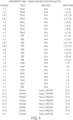
- Control DNA was obtained from normal spleen, peripheral blood white blood cells (WBCs), or plasma (Supplementary Table 1). Fibroblast DNA from five individuals with trisomy 21 (NA02767, NA04616, NG05120, NG05397, and NG07438), two with trisomy 18 (NA03623 and NG12614), and one with trisomy 13 (NA03330) were purchased from the Coriell Institute for Medical Research (Camden, New Jersey). A total of 33 ng of DNA was used for each experiment. All templates were quantified by OD, except for the mixing experiments in which the templates were quantified by Digital PCR 20 to achieve a more accurate estimate of concentration.
- the FAST-1 amplification primers each contained a different 5' universal primer sequence (UPS) followed by the sequences allowing amplification of the repeated elements described above (Forward: ACACAGGGAGGGGAACAT; SEQ ID NO: 1; Reverse: TGCCATGGTGGTTTGCT; SEQ ID NO: 2) (Supplementary Table 3). Additionally, the forward primer contained a stretch of 16-20 degenerate bases immediately 3' to its UPS (Supplementary Table 3). PCR was performed using Phusion Hot Start II Polymerase (Thermo Scientific, cat. no.
- the elution was used directly for a second round of amplification using primers that annealed to the UPS site introduced by the first round primers and that additionally contained the 5' grafting sequences necessary for hybridization to the Illumina flow cell (Supplementary Table 3). Further, we introduced one of five indexes ("barcodes”) (Supplementary Table 3) to each sample in the reverse primer to later allow multiplexed sequencing.
- the second round of PCR was performed using Phusion Hot Start II Polymerase in 1X Phusion HF buffer, 0.5 ⁇ M each primer, and two units of polymerase in a total of 50 ⁇ L under the following cycling conditions: 98°C for 120s, followed by 13 cycles of 98°C for 10s, 65°C for 15s, and 72°C for 15s.
- Amplification products were again purified with AMPure XP beads and were quantified by spectrophotometry, real time PCR or on an Agilent 2100 Bioanalyzer; all methods of quantification yielded similar results.
- Oligonucleotides were purchased from IDT (Coralville, Iowa).
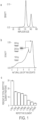
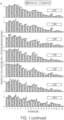
- FAST-SeqS yields sequences that aligned to an average of only 21,676 positions; Supplementary Table 2).
- the number of positions to which the sequences aligned varied little compared to the range of sequence data obtained across all experiments.
- the number of uniquely aligned tags per experiment spanned a 12-fold range (1,343,382 to 16,015,347) the number of positions varied only by 0.25-fold (range: 18,484 to 24,562 positions; Supplementary Table 2).
- Raw reads from all experiments can be downloaded from the domainsammlunget.org, subdomain fast, document fast.htm.
- Massively parallel sequencing will generate a different number of sequence tags from each sample, as well as from different sequencing runs of the same sample, due to stochastic and experimental variations. Thus, it is essential to normalize the data to make meaningful comparisons of the type used here. Although it would be most straightforward to simply express tag counts as a fraction of the total number of tags sequenced in an experiment, this normalization is too simplistic and is highly susceptible to systemic biases that frequently plague next generation sequencing of both DNA and RNA templates, and these are routinely used in digital karyotyping analyses such as that used for the diagnosis of trisomy 21 8,16 .
- sex chromosomes could be useful for other applications, such as detecting aneuploidies involving chromosome X or determining the gender of a sample (i.e., by the presence or absence of sequences aligning to chromosome Y).
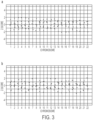
- a common method of determining the aneuploidy status of a particular sample in Digital Karyotyping-based 11 assays is by comparison of z-scores 6,8,26 .
- Fetal DNA accounts for a geometric mean of 13.4% of maternal DNA, depending largely on maternal weight rather than gestational age 8 .
- FAST-SeqS could distinguish samples that contained mixtures of disomic and trisomic DNA.
Landscapes
- Chemical & Material Sciences (AREA)
- Life Sciences & Earth Sciences (AREA)
- Organic Chemistry (AREA)
- Proteomics, Peptides & Aminoacids (AREA)
- Health & Medical Sciences (AREA)
- Engineering & Computer Science (AREA)
- Zoology (AREA)
- Wood Science & Technology (AREA)
- Genetics & Genomics (AREA)
- Analytical Chemistry (AREA)
- Bioinformatics & Cheminformatics (AREA)
- Biotechnology (AREA)
- Microbiology (AREA)
- Immunology (AREA)
- Biochemistry (AREA)
- General Engineering & Computer Science (AREA)
- General Health & Medical Sciences (AREA)
- Molecular Biology (AREA)
- Physics & Mathematics (AREA)
- Biophysics (AREA)
- Pathology (AREA)
- Measuring Or Testing Involving Enzymes Or Micro-Organisms (AREA)
- Chemical Kinetics & Catalysis (AREA)
- Spectrometry And Color Measurement (AREA)
- Investigating Or Analysing Materials By The Use Of Chemical Reactions (AREA)
- Investigating Or Analysing Materials By Optical Means (AREA)
- Algebra (AREA)
- Bioinformatics & Computational Biology (AREA)
- General Physics & Mathematics (AREA)
- Mathematical Analysis (AREA)
- Mathematical Optimization (AREA)
- Mathematical Physics (AREA)
- Pure & Applied Mathematics (AREA)
Applications Claiming Priority (4)
| Application Number | Priority Date | Filing Date | Title |
|---|---|---|---|
| US201261615535P | 2012-03-26 | 2012-03-26 | |
| US201261659695P | 2012-06-14 | 2012-06-14 | |
| PCT/US2013/033451 WO2013148496A1 (en) | 2012-03-26 | 2013-03-22 | Rapid aneuploidy detection |
| EP13768366.0A EP2831279B1 (de) | 2012-03-26 | 2013-03-22 | Schneller nachweis von aneuploidie |
Related Parent Applications (1)
| Application Number | Title | Priority Date | Filing Date |
|---|---|---|---|
| EP13768366.0A Division EP2831279B1 (de) | 2012-03-26 | 2013-03-22 | Schneller nachweis von aneuploidie |
Publications (2)
| Publication Number | Publication Date |
|---|---|
| EP4239081A2 true EP4239081A2 (de) | 2023-09-06 |
| EP4239081A3 EP4239081A3 (de) | 2023-11-08 |
Family
ID=49261127
Family Applications (2)
| Application Number | Title | Priority Date | Filing Date |
|---|---|---|---|
| EP13768366.0A Active EP2831279B1 (de) | 2012-03-26 | 2013-03-22 | Schneller nachweis von aneuploidie |
| EP23170939.5A Withdrawn EP4239081A3 (de) | 2012-03-26 | 2013-03-22 | Schneller nachweis von aneuploidie |
Family Applications Before (1)
| Application Number | Title | Priority Date | Filing Date |
|---|---|---|---|
| EP13768366.0A Active EP2831279B1 (de) | 2012-03-26 | 2013-03-22 | Schneller nachweis von aneuploidie |
Country Status (10)
| Country | Link |
|---|---|
| US (4) | US10053729B2 (de) |
| EP (2) | EP2831279B1 (de) |
| CN (2) | CN104350158B (de) |
| AU (1) | AU2013240088B2 (de) |
| CA (1) | CA2868836C (de) |
| ES (1) | ES2945311T3 (de) |
| FI (1) | FI2831279T3 (de) |
| IL (1) | IL234850B (de) |
| PL (1) | PL2831279T3 (de) |
| WO (1) | WO2013148496A1 (de) |
Families Citing this family (47)
| Publication number | Priority date | Publication date | Assignee | Title |
|---|---|---|---|---|
| US9085798B2 (en) | 2009-04-30 | 2015-07-21 | Prognosys Biosciences, Inc. | Nucleic acid constructs and methods of use |
| EP2425240A4 (de) | 2009-04-30 | 2012-12-12 | Good Start Genetics Inc | Verfahren und zusammensetzung zur bewertung genetischer marker |
| US12129514B2 (en) | 2009-04-30 | 2024-10-29 | Molecular Loop Biosolutions, Llc | Methods and compositions for evaluating genetic markers |
| WO2011127099A1 (en) | 2010-04-05 | 2011-10-13 | Prognosys Biosciences, Inc. | Spatially encoded biological assays |
| US20190300945A1 (en) | 2010-04-05 | 2019-10-03 | Prognosys Biosciences, Inc. | Spatially Encoded Biological Assays |
| US10787701B2 (en) | 2010-04-05 | 2020-09-29 | Prognosys Biosciences, Inc. | Spatially encoded biological assays |
| US9163281B2 (en) | 2010-12-23 | 2015-10-20 | Good Start Genetics, Inc. | Methods for maintaining the integrity and identification of a nucleic acid template in a multiplex sequencing reaction |
| GB201106254D0 (en) | 2011-04-13 | 2011-05-25 | Frisen Jonas | Method and product |
| ES2986436T3 (es) | 2011-04-15 | 2024-11-11 | Univ Johns Hopkins | Sistema de secuenciación segura |
| CA2852665A1 (en) | 2011-10-17 | 2013-04-25 | Good Start Genetics, Inc. | Analysis methods |
| CA2868836C (en) | 2012-03-26 | 2019-08-06 | The Johns Hopkins University | Rapid aneuploidy detection |
| US8209130B1 (en) | 2012-04-04 | 2012-06-26 | Good Start Genetics, Inc. | Sequence assembly |
| US10227635B2 (en) | 2012-04-16 | 2019-03-12 | Molecular Loop Biosolutions, Llc | Capture reactions |
| US20160040229A1 (en) | 2013-08-16 | 2016-02-11 | Guardant Health, Inc. | Systems and methods to detect rare mutations and copy number variation |
| US10876152B2 (en) | 2012-09-04 | 2020-12-29 | Guardant Health, Inc. | Systems and methods to detect rare mutations and copy number variation |
| US11913065B2 (en) | 2012-09-04 | 2024-02-27 | Guardent Health, Inc. | Systems and methods to detect rare mutations and copy number variation |
| CN104781421B (zh) | 2012-09-04 | 2020-06-05 | 夸登特健康公司 | 检测稀有突变和拷贝数变异的系统和方法 |
| EP4592400A3 (de) | 2012-10-17 | 2025-10-29 | 10x Genomics Sweden AB | Verfahren und produkt zur optimierung einer lokalisierten oder räumlichen detektion einer genexpression in einer gewebeprobe |
| ES2886507T5 (es) | 2012-10-29 | 2024-11-15 | Univ Johns Hopkins | Prueba de Papanicolaou para cánceres de ovario y de endometrio |
| EP2971159B1 (de) | 2013-03-14 | 2019-05-08 | Molecular Loop Biosolutions, LLC | Verfahren zur analyse von nukleinsäuren |
| CA2916662C (en) | 2013-06-25 | 2022-03-08 | Prognosys Biosciences, Inc. | Methods and systems for determining spatial patterns of biological targets in a sample |
| US10851414B2 (en) | 2013-10-18 | 2020-12-01 | Good Start Genetics, Inc. | Methods for determining carrier status |
| ES2660989T3 (es) | 2013-12-28 | 2018-03-27 | Guardant Health, Inc. | Métodos y sistemas para detectar variantes genéticas |
| US11053548B2 (en) | 2014-05-12 | 2021-07-06 | Good Start Genetics, Inc. | Methods for detecting aneuploidy |
| WO2016025818A1 (en) | 2014-08-15 | 2016-02-18 | Good Start Genetics, Inc. | Systems and methods for genetic analysis |
| WO2016040446A1 (en) | 2014-09-10 | 2016-03-17 | Good Start Genetics, Inc. | Methods for selectively suppressing non-target sequences |
| JP2017536087A (ja) | 2014-09-24 | 2017-12-07 | グッド スタート ジェネティクス, インコーポレイテッド | 遺伝子アッセイのロバストネスを増大させるためのプロセス制御 |
| CA3002133A1 (en) * | 2014-10-17 | 2016-04-21 | Good Start Genetics, Inc. | Pre-implantation genetic screening and aneuploidy detection |
| WO2016112073A1 (en) | 2015-01-06 | 2016-07-14 | Good Start Genetics, Inc. | Screening for structural variants |
| JP6929778B2 (ja) * | 2015-01-15 | 2021-09-01 | グッド スタート ジェネティクス, インコーポレイテッド | 着床前遺伝子スクリーニングにおける一塩基多型を用いた品質管理方法 |
| EP3901282B1 (de) | 2015-04-10 | 2023-06-28 | Spatial Transcriptomics AB | Räumlich getrennte multiplex-nukleinsäureanalyse von biologischen proben |
| US11286531B2 (en) | 2015-08-11 | 2022-03-29 | The Johns Hopkins University | Assaying ovarian cyst fluid |
| SG11201805119QA (en) | 2015-12-17 | 2018-07-30 | Guardant Health Inc | Methods to determine tumor gene copy number by analysis of cell-free dna |
| CN107699607A (zh) * | 2016-08-31 | 2018-02-16 | 刘红彦 | 一种构建胎儿游离dna测序文库的试剂盒、方法及用途 |
| CN111868260B (zh) | 2017-08-07 | 2025-02-21 | 约翰斯霍普金斯大学 | 用于评估和治疗癌症的方法和材料 |
| US20200407794A1 (en) * | 2018-02-28 | 2020-12-31 | ChromaCode, Inc. | Molecular targets for fetal nucleic acid analysis |
| US12454720B2 (en) | 2018-04-17 | 2025-10-28 | ChromaCode, Inc. | Methods and systems for multiplex analysis |
| CN108913757B (zh) * | 2018-07-05 | 2021-06-11 | 广州市达瑞生物技术股份有限公司 | 一种染色体非整倍体数目异常的引物组与检测试剂盒及其应用 |
| CN108841931B (zh) * | 2018-07-05 | 2021-06-11 | 广州市达瑞生物技术股份有限公司 | 一种检测人4号染色体str基因座的引物组与检测试剂盒及其应用 |
| US12247249B2 (en) | 2018-12-21 | 2025-03-11 | Inivata Ltd. | Method for amplifying a genomic sample |
| US11100087B2 (en) * | 2019-04-26 | 2021-08-24 | Microsoft Technology Licensing, Llc | Data tokenization system maintaining data integrity |
| EP3969616A2 (de) * | 2019-05-17 | 2022-03-23 | The Johns Hopkins University | Schneller nachweis von aneuploidie |
| WO2020243579A1 (en) | 2019-05-30 | 2020-12-03 | 10X Genomics, Inc. | Methods of detecting spatial heterogeneity of a biological sample |
| EP4103748A4 (de) | 2020-02-14 | 2024-03-13 | The Johns Hopkins University | Verfahren und materialien zur beurteilung von nukleinsäuren |
| EP4600376A3 (de) | 2020-06-02 | 2025-10-22 | 10X Genomics, Inc. | Räumliche transkriptomik für antigenrezeptoren |
| AU2021283174A1 (en) | 2020-06-02 | 2023-01-05 | 10X Genomics, Inc. | Nucleic acid library methods |
| EP4421186B1 (de) | 2020-06-08 | 2025-08-13 | 10X Genomics, Inc. | Verfahren zur bestimmung eines chirurgischen randes und verfahren zur verwendung davon |
Citations (3)
| Publication number | Priority date | Publication date | Assignee | Title |
|---|---|---|---|---|
| CA43460A (en) | 1893-07-03 | Robert Wellington Bigger | Furnace | |
| CA57345A (en) | 1897-07-30 | 1897-09-04 | Francis Louis Becker | Upright piano-forte action |
| CA62924A (en) | 1898-12-27 | 1899-03-25 | Azarie Mireault | Medicinal compound |
Family Cites Families (28)
| Publication number | Priority date | Publication date | Assignee | Title |
|---|---|---|---|---|
| GB9704444D0 (en) | 1997-03-04 | 1997-04-23 | Isis Innovation | Non-invasive prenatal diagnosis |
| US6703228B1 (en) * | 1998-09-25 | 2004-03-09 | Massachusetts Institute Of Technology | Methods and products related to genotyping and DNA analysis |
| GB0104690D0 (en) | 2001-02-26 | 2001-04-11 | Cytogenetic Dna Services Ltd | Diagnostic test |
| EP1706826A4 (de) * | 2002-01-25 | 2008-01-30 | Applera Corp | Verfahren zur aufgabe, annahme und ausführung von bestellungen für produkte und dienstleistungen |
| US6977162B2 (en) | 2002-03-01 | 2005-12-20 | Ravgen, Inc. | Rapid analysis of variations in a genome |
| WO2003104487A2 (en) * | 2002-06-06 | 2003-12-18 | Centre For Addiction And Mental Health | Detection of epigenetic abnormalities and diagnostic method based thereon |
| US7704687B2 (en) * | 2002-11-15 | 2010-04-27 | The Johns Hopkins University | Digital karyotyping |
| AU2003299694A1 (en) * | 2002-12-20 | 2004-07-22 | Qiagen Gmbh | Nucleic acid amplification |
| US20040209299A1 (en) * | 2003-03-07 | 2004-10-21 | Rubicon Genomics, Inc. | In vitro DNA immortalization and whole genome amplification using libraries generated from randomly fragmented DNA |
| WO2005023091A2 (en) | 2003-09-05 | 2005-03-17 | The Trustees Of Boston University | Method for non-invasive prenatal diagnosis |
| US7537889B2 (en) | 2003-09-30 | 2009-05-26 | Life Genetics Lab, Llc. | Assay for quantitation of human DNA using Alu elements |
| EP1689884A4 (de) | 2003-10-08 | 2007-04-04 | Univ Boston | Verfahren zur pränatalen diagnose chromosomaler abnormalitäten |
| US20060019270A1 (en) * | 2004-04-01 | 2006-01-26 | Board Of Regents The University Of Texas System | Global DNA methylation assessment using bisulfite PCR |
| US7709194B2 (en) | 2004-06-04 | 2010-05-04 | The Chinese University Of Hong Kong | Marker for prenatal diagnosis and monitoring |
| US7645576B2 (en) | 2005-03-18 | 2010-01-12 | The Chinese University Of Hong Kong | Method for the detection of chromosomal aneuploidies |
| EP3591068A1 (de) | 2006-02-02 | 2020-01-08 | The Board of Trustees of the Leland Stanford Junior University | Nicht-invasives fötales genetisches screening mittels digitaler analyse |
| CA2645045A1 (en) | 2006-03-06 | 2007-09-13 | The Trustees Of Columbia University In The City Of New York | Specific amplification of fetal dna sequences from a mixed, fetal-maternal source |
| US8137912B2 (en) | 2006-06-14 | 2012-03-20 | The General Hospital Corporation | Methods for the diagnosis of fetal abnormalities |
| PL2557520T3 (pl) * | 2007-07-23 | 2021-10-11 | The Chinese University Of Hong Kong | Określanie zaburzenia równowagi sekwencji kwasu nukleinowego |
| US12180549B2 (en) * | 2007-07-23 | 2024-12-31 | The Chinese University Of Hong Kong | Diagnosing fetal chromosomal aneuploidy using genomic sequencing |
| US8476013B2 (en) * | 2008-09-16 | 2013-07-02 | Sequenom, Inc. | Processes and compositions for methylation-based acid enrichment of fetal nucleic acid from a maternal sample useful for non-invasive prenatal diagnoses |
| CA3069082C (en) * | 2008-09-20 | 2022-03-22 | The Board Of Trustees Of The Leland Stanford Junior University | Noninvasive diagnosis of fetal aneuploidy by sequencing |
| US8563242B2 (en) | 2009-08-11 | 2013-10-22 | The Chinese University Of Hong Kong | Method for detecting chromosomal aneuploidy |
| JP2013511991A (ja) * | 2009-11-25 | 2013-04-11 | クアンタライフ, インコーポレイテッド | 遺伝子材料を検出する方法および組成物 |
| ES2577017T3 (es) * | 2009-12-22 | 2016-07-12 | Sequenom, Inc. | Procedimientos y kits para identificar la aneuploidia |
| EP2370599B1 (de) * | 2010-01-19 | 2015-01-21 | Verinata Health, Inc | Verfahren zur bestimmung von kopiennummer-variationen |
| EP2569447A4 (de) * | 2010-05-14 | 2013-11-27 | Fluidigm Corp | Assays für den nachweis von genotypen, mutationen oder aneuploidie |
| CA2868836C (en) | 2012-03-26 | 2019-08-06 | The Johns Hopkins University | Rapid aneuploidy detection |
-
2013
- 2013-03-22 CA CA2868836A patent/CA2868836C/en active Active
- 2013-03-22 AU AU2013240088A patent/AU2013240088B2/en active Active
- 2013-03-22 CN CN201380026625.9A patent/CN104350158B/zh active Active
- 2013-03-22 EP EP13768366.0A patent/EP2831279B1/de active Active
- 2013-03-22 US US14/388,314 patent/US10053729B2/en active Active
- 2013-03-22 EP EP23170939.5A patent/EP4239081A3/de not_active Withdrawn
- 2013-03-22 FI FIEP13768366.0T patent/FI2831279T3/fi active
- 2013-03-22 WO PCT/US2013/033451 patent/WO2013148496A1/en not_active Ceased
- 2013-03-22 ES ES13768366T patent/ES2945311T3/es active Active
- 2013-03-22 CN CN202010003298.7A patent/CN111073962A/zh active Pending
- 2013-03-22 PL PL13768366.0T patent/PL2831279T3/pl unknown
-
2014
- 2014-09-28 IL IL234850A patent/IL234850B/en active IP Right Grant
-
2015
- 2015-07-07 US US14/792,716 patent/US20150376691A1/en not_active Abandoned
-
2021
- 2021-09-23 US US17/483,537 patent/US12116628B2/en active Active
-
2024
- 2024-09-12 US US18/883,232 patent/US20250002995A1/en active Pending
Patent Citations (3)
| Publication number | Priority date | Publication date | Assignee | Title |
|---|---|---|---|---|
| CA43460A (en) | 1893-07-03 | Robert Wellington Bigger | Furnace | |
| CA57345A (en) | 1897-07-30 | 1897-09-04 | Francis Louis Becker | Upright piano-forte action |
| CA62924A (en) | 1898-12-27 | 1899-03-25 | Azarie Mireault | Medicinal compound |
Non-Patent Citations (24)
| Title |
|---|
| "American College of Obstetricians and Gynecologists", OBSTET GYNECOL, vol. 110, no. 6, 2007, pages 1459 |
| "R Development Core Team, R: A language and environment for statistical computing", R FOUNDATION FOR STATISTICAL COMPUTING, 2011 |
| A. B. SPARKSE. T. WANGC. A. STRUBLE ET AL., PRENAT DIAGN, 2012 |
| A. F. SMIT, CURR OPIN GENET DEV, vol. 9, no. 6, 1999, pages 657 |
| B. LANGMEADC. TRAPNELLM. POP ET AL., GENOME BIOL, vol. 10, no. 3, 2009, pages R25 |
| B. M. BOLSTADR. A. IRIZARRYM. ASTRAND ET AL., BIOINFORMATICS, vol. 19, no. 2, 2003, pages 185 |
| B. VOGELSTEINK. W. KINZLER, PROC NATL ACAD SCI USA, vol. 96, no. 16, 1999, pages 9236 |
| E. S. LANDERL. M. LINTONB. BIRREN ET AL., NATURE, vol. 409, no. 6822, 2001, pages 860 |
| G. E. PALOMAKIE. M. KLOZAG. M. LAMBERT-MESSERLIAN ET AL., GENET MED, vol. 13, no. 11, 2011, pages 913 |
| H. C. FANS. R. QUAKE, PLOS ONE, vol. 5, no. 5, 2010, pages e10439 |
| H. C. FANY. J. BLUMENFELDU. CHITKARA ET AL., PROC NATL ACAD SCI USA, vol. 105, no. 42, 2008, pages 16266 |
| H. WICKHAM: "ggplot2: elegant graphicsfor data analysis", 2009, SPRINGER |
| I. KINDEJ. WUN. PAPADOPOULOS ET AL., PROC NATL ACAD SCI USA, vol. 108, no. 23, 2011, pages 9530 |
| J. CLEARY-GOLDMANF. D. MALONEJ. VIDAVER ET AL., OBSTET GYNECOL, vol. 105, 2005, pages 983 |
| J. TUKEY: "Exploratory Data Analysis", 1977, ADDISON-WESLEY |
| K.L. JONES: "Smith's recognizable patterns of human malformation", 2006, ELSEVIER SAUNDERS |
| M. EHRICHC. DECIUT. ZWIEFELHOFER ET AL., AM J OBSTET GYNECOL, vol. 204, no. 3, 2011, pages 205 |
| M. STAEBLERC. DONNERN. VAN REGEMORTER ET AL., PRENAT DIAGN, vol. 25, no. 7, 2005, pages 567 |
| P. A. FUJITAB. RHEADA. S. ZWEIG ET AL., NUCLEIC ACIDS RES, vol. 39, 2011, pages D876 |
| R. G. RESTA, AM J MED GENETA, vol. 133A, no. 1, 2005, pages 31 |
| R. M. KUHND. KAROLCHIKA. S. ZWEIG ET AL., NUCLEIC ACIDS RES, vol. 35, 2007, pages D668 |
| T. L. WANGC. MAIERHOFERM. R. SPEICHER ET AL., PROC NATL ACAD SCI USA, vol. 99, no. 25, 2002, pages 16156 |
| W. J. KENT, GENOME RES, vol. 12, no. 4, 2002, pages 656 |
| Y. M. LOM. S. TEINT. K. LAU ET AL., AM J HUM GENET, vol. 62, no. 4, 1998, pages 768 |
Also Published As
| Publication number | Publication date |
|---|---|
| AU2013240088A1 (en) | 2014-10-16 |
| IL234850B (en) | 2019-08-29 |
| CN104350158A (zh) | 2015-02-11 |
| HK1206795A1 (en) | 2016-01-15 |
| CA2868836C (en) | 2019-08-06 |
| US20250002995A1 (en) | 2025-01-02 |
| HK1205204A1 (en) | 2015-12-11 |
| AU2013240088B2 (en) | 2017-02-02 |
| US20220010371A1 (en) | 2022-01-13 |
| US20150376691A1 (en) | 2015-12-31 |
| WO2013148496A1 (en) | 2013-10-03 |
| ES2945311T3 (es) | 2023-06-30 |
| IL234850A0 (en) | 2014-12-31 |
| CA2868836A1 (en) | 2013-10-03 |
| CN111073962A (zh) | 2020-04-28 |
| EP2831279B1 (de) | 2023-05-03 |
| US20150051085A1 (en) | 2015-02-19 |
| US12116628B2 (en) | 2024-10-15 |
| EP2831279A4 (de) | 2015-12-30 |
| US10053729B2 (en) | 2018-08-21 |
| EP2831279A1 (de) | 2015-02-04 |
| PL2831279T3 (pl) | 2023-12-04 |
| CN104350158B (zh) | 2025-08-12 |
| EP4239081A3 (de) | 2023-11-08 |
| FI2831279T3 (fi) | 2023-05-23 |
Similar Documents
| Publication | Publication Date | Title |
|---|---|---|
| US12116628B2 (en) | Rapid aneuploidy detection | |
| JP2022173465A (ja) | ゲノム配列決定を使用する胎児染色体異数性の診断 | |
| Kinde et al. | FAST-SeqS: a simple and efficient method for the detection of aneuploidy by massively parallel sequencing | |
| US11142799B2 (en) | Detecting chromosomal aberrations associated with cancer using genomic sequencing | |
| HK40099395A (en) | Rapid aneuploidy detection | |
| HK1206795B (en) | Rapid aneuploidy detection | |
| HK40029003A (en) | Rapid aneuploidy detection | |
| HK1205204B (zh) | 快速非整倍性检测 | |
| HK1177768B (en) | Diagnosing fetal chromosomal aneuploidy using genomic sequencing | |
| HK1177766B (en) | Diagnosing cancer using genomic sequencing | |
| AU2013200581A1 (en) | Diagnosing cancer using genomic sequencing | |
| HK1177766A (en) | Diagnosing cancer using genomic sequencing |
Legal Events
| Date | Code | Title | Description |
|---|---|---|---|
| PUAI | Public reference made under article 153(3) epc to a published international application that has entered the european phase |
Free format text: ORIGINAL CODE: 0009012 |
|
| STAA | Information on the status of an ep patent application or granted ep patent |
Free format text: STATUS: THE APPLICATION HAS BEEN PUBLISHED |
|
| AC | Divisional application: reference to earlier application |
Ref document number: 2831279 Country of ref document: EP Kind code of ref document: P |
|
| AK | Designated contracting states |
Kind code of ref document: A2 Designated state(s): AL AT BE BG CH CY CZ DE DK EE ES FI FR GB GR HR HU IE IS IT LI LT LU LV MC MK MT NL NO PL PT RO RS SE SI SK SM TR |
|
| REG | Reference to a national code |
Ref country code: DE Ref legal event code: R079 Free format text: PREVIOUS MAIN CLASS: C12Q0001682700 Ipc: C12Q0001688300 |
|
| PUAL | Search report despatched |
Free format text: ORIGINAL CODE: 0009013 |
|
| AK | Designated contracting states |
Kind code of ref document: A3 Designated state(s): AL AT BE BG CH CY CZ DE DK EE ES FI FR GB GR HR HU IE IS IT LI LT LU LV MC MK MT NL NO PL PT RO RS SE SI SK SM TR |
|
| RIC1 | Information provided on ipc code assigned before grant |
Ipc: C12Q 1/6827 20180101ALI20231005BHEP Ipc: G01N 33/48 20060101ALI20231005BHEP Ipc: G01N 33/53 20060101ALI20231005BHEP Ipc: C12N 15/11 20060101ALI20231005BHEP Ipc: C12Q 1/6883 20180101AFI20231005BHEP |
|
| REG | Reference to a national code |
Ref country code: HK Ref legal event code: DE Ref document number: 40099395 Country of ref document: HK |
|
| STAA | Information on the status of an ep patent application or granted ep patent |
Free format text: STATUS: REQUEST FOR EXAMINATION WAS MADE |
|
| 17P | Request for examination filed |
Effective date: 20240430 |
|
| RBV | Designated contracting states (corrected) |
Designated state(s): AL AT BE BG CH CY CZ DE DK EE ES FI FR GB GR HR HU IE IS IT LI LT LU LV MC MK MT NL NO PL PT RO RS SE SI SK SM TR |
|
| STAA | Information on the status of an ep patent application or granted ep patent |
Free format text: STATUS: EXAMINATION IS IN PROGRESS |
|
| 17Q | First examination report despatched |
Effective date: 20250811 |
|
| STAA | Information on the status of an ep patent application or granted ep patent |
Free format text: STATUS: THE APPLICATION HAS BEEN WITHDRAWN |
|
| 18W | Application withdrawn |
Effective date: 20251106 |