EP4257616A1 - Trifunktionales fusionsprotein mit tumorassoziiertem antigen (taa)-antikörper und anwendung davon - Google Patents
Trifunktionales fusionsprotein mit tumorassoziiertem antigen (taa)-antikörper und anwendung davon Download PDFInfo
- Publication number
- EP4257616A1 EP4257616A1 EP21899523.1A EP21899523A EP4257616A1 EP 4257616 A1 EP4257616 A1 EP 4257616A1 EP 21899523 A EP21899523 A EP 21899523A EP 4257616 A1 EP4257616 A1 EP 4257616A1
- Authority
- EP
- European Patent Office
- Prior art keywords
- chain
- antibody
- tgf
- taa
- tumor
- Prior art date
- Legal status (The legal status is an assumption and is not a legal conclusion. Google has not performed a legal analysis and makes no representation as to the accuracy of the status listed.)
- Pending
Links
Images


Classifications
-
- C—CHEMISTRY; METALLURGY
- C07—ORGANIC CHEMISTRY
- C07K—PEPTIDES
- C07K16/00—Immunoglobulins [IG], e.g. monoclonal or polyclonal antibodies
- C07K16/18—Immunoglobulins [IG], e.g. monoclonal or polyclonal antibodies against material from animals or humans
- C07K16/28—Immunoglobulins [IG], e.g. monoclonal or polyclonal antibodies against material from animals or humans against receptors, cell surface antigens or cell surface determinants
- C07K16/30—Immunoglobulins [IG], e.g. monoclonal or polyclonal antibodies against material from animals or humans against receptors, cell surface antigens or cell surface determinants from tumour cells
- C07K16/3076—Immunoglobulins [IG], e.g. monoclonal or polyclonal antibodies against material from animals or humans against receptors, cell surface antigens or cell surface determinants from tumour cells against structure-related tumour-associated moieties
-
- C—CHEMISTRY; METALLURGY
- C07—ORGANIC CHEMISTRY
- C07K—PEPTIDES
- C07K16/00—Immunoglobulins [IG], e.g. monoclonal or polyclonal antibodies
- C07K16/18—Immunoglobulins [IG], e.g. monoclonal or polyclonal antibodies against material from animals or humans
- C07K16/28—Immunoglobulins [IG], e.g. monoclonal or polyclonal antibodies against material from animals or humans against receptors, cell surface antigens or cell surface determinants
- C07K16/30—Immunoglobulins [IG], e.g. monoclonal or polyclonal antibodies against material from animals or humans against receptors, cell surface antigens or cell surface determinants from tumour cells
-
- A—HUMAN NECESSITIES
- A61—MEDICAL OR VETERINARY SCIENCE; HYGIENE
- A61P—SPECIFIC THERAPEUTIC ACTIVITY OF CHEMICAL COMPOUNDS OR MEDICINAL PREPARATIONS
- A61P35/00—Antineoplastic agents
-
- A—HUMAN NECESSITIES
- A61—MEDICAL OR VETERINARY SCIENCE; HYGIENE
- A61P—SPECIFIC THERAPEUTIC ACTIVITY OF CHEMICAL COMPOUNDS OR MEDICINAL PREPARATIONS
- A61P35/00—Antineoplastic agents
- A61P35/02—Antineoplastic agents specific for leukemia
-
- C—CHEMISTRY; METALLURGY
- C07—ORGANIC CHEMISTRY
- C07K—PEPTIDES
- C07K14/00—Peptides having more than 20 amino acids; Gastrins; Somatostatins; Melanotropins; Derivatives thereof
- C07K14/435—Peptides having more than 20 amino acids; Gastrins; Somatostatins; Melanotropins; Derivatives thereof from animals; from humans
- C07K14/705—Receptors; Cell surface antigens; Cell surface determinants
- C07K14/71—Receptors; Cell surface antigens; Cell surface determinants for growth factors; for growth regulators
-
- C—CHEMISTRY; METALLURGY
- C07—ORGANIC CHEMISTRY
- C07K—PEPTIDES
- C07K16/00—Immunoglobulins [IG], e.g. monoclonal or polyclonal antibodies
- C07K16/18—Immunoglobulins [IG], e.g. monoclonal or polyclonal antibodies against material from animals or humans
- C07K16/22—Immunoglobulins [IG], e.g. monoclonal or polyclonal antibodies against material from animals or humans against growth factors ; against growth regulators
-
- C—CHEMISTRY; METALLURGY
- C07—ORGANIC CHEMISTRY
- C07K—PEPTIDES
- C07K16/00—Immunoglobulins [IG], e.g. monoclonal or polyclonal antibodies
- C07K16/18—Immunoglobulins [IG], e.g. monoclonal or polyclonal antibodies against material from animals or humans
- C07K16/28—Immunoglobulins [IG], e.g. monoclonal or polyclonal antibodies against material from animals or humans against receptors, cell surface antigens or cell surface determinants
- C07K16/2803—Immunoglobulins [IG], e.g. monoclonal or polyclonal antibodies against material from animals or humans against receptors, cell surface antigens or cell surface determinants against the immunoglobulin superfamily
- C07K16/2809—Immunoglobulins [IG], e.g. monoclonal or polyclonal antibodies against material from animals or humans against receptors, cell surface antigens or cell surface determinants against the immunoglobulin superfamily against the T-cell receptor (TcR)-CD3 complex
-
- A—HUMAN NECESSITIES
- A61—MEDICAL OR VETERINARY SCIENCE; HYGIENE
- A61K—PREPARATIONS FOR MEDICAL, DENTAL OR TOILETRY PURPOSES
- A61K39/00—Medicinal preparations containing antigens or antibodies
- A61K2039/505—Medicinal preparations containing antigens or antibodies comprising antibodies
-
- C—CHEMISTRY; METALLURGY
- C07—ORGANIC CHEMISTRY
- C07K—PEPTIDES
- C07K2317/00—Immunoglobulins specific features
- C07K2317/30—Immunoglobulins specific features characterized by aspects of specificity or valency
- C07K2317/31—Immunoglobulins specific features characterized by aspects of specificity or valency multispecific
-
- C—CHEMISTRY; METALLURGY
- C07—ORGANIC CHEMISTRY
- C07K—PEPTIDES
- C07K2317/00—Immunoglobulins specific features
- C07K2317/50—Immunoglobulins specific features characterized by immunoglobulin fragments
- C07K2317/52—Constant or Fc region; Isotype
-
- C—CHEMISTRY; METALLURGY
- C07—ORGANIC CHEMISTRY
- C07K—PEPTIDES
- C07K2317/00—Immunoglobulins specific features
- C07K2317/50—Immunoglobulins specific features characterized by immunoglobulin fragments
- C07K2317/55—Fab or Fab'
-
- C—CHEMISTRY; METALLURGY
- C07—ORGANIC CHEMISTRY
- C07K—PEPTIDES
- C07K2317/00—Immunoglobulins specific features
- C07K2317/50—Immunoglobulins specific features characterized by immunoglobulin fragments
- C07K2317/56—Immunoglobulins specific features characterized by immunoglobulin fragments variable (Fv) region, i.e. VH and/or VL
-
- C—CHEMISTRY; METALLURGY
- C07—ORGANIC CHEMISTRY
- C07K—PEPTIDES
- C07K2317/00—Immunoglobulins specific features
- C07K2317/60—Immunoglobulins specific features characterized by non-natural combinations of immunoglobulin fragments
- C07K2317/62—Immunoglobulins specific features characterized by non-natural combinations of immunoglobulin fragments comprising only variable region components
- C07K2317/622—Single chain antibody (scFv)
-
- C—CHEMISTRY; METALLURGY
- C07—ORGANIC CHEMISTRY
- C07K—PEPTIDES
- C07K2317/00—Immunoglobulins specific features
- C07K2317/70—Immunoglobulins specific features characterized by effect upon binding to a cell or to an antigen
- C07K2317/73—Inducing cell death, e.g. apoptosis, necrosis or inhibition of cell proliferation
-
- C—CHEMISTRY; METALLURGY
- C07—ORGANIC CHEMISTRY
- C07K—PEPTIDES
- C07K2319/00—Fusion polypeptide
- C07K2319/30—Non-immunoglobulin-derived peptide or protein having an immunoglobulin constant or Fc region, or a fragment thereof, attached thereto
Definitions
- the present invention belongs to the field of biomedicine, and relates to a trifunctional fusion protein containing tumor-associated antigen (TAA) antibody, TGF- ⁇ inhibitor, and CD3 antibody, and the application thereof.
- TAA tumor-associated antigen
- TME tumor microenvironment
- ECM extracellular matrix
- Tumor and the surrounding microenvironment are closely related and constantly interact with each other. Tumor can affect the microenvironment by releasing extracellular signals, promoting tumor angiogenesis and inducing immune tolerance, while the immune cells in the microenvironment can also affect the growth and differentiation of tumor cells.
- cancers are adenocarcinomas, or cancers derived from epithelial tissues. Such tumors do not undergo vascularization, resulting in tumor growth to greater than 2 mm in diameter only after neovascularization.
- Angiogenesis is up-regulated in the tumor microenvironment and provides nutrition to tumor cells.
- the vasculature formed by angiogenesis is different from that of normal tissues in many ways, mainly reflected in the enhanced permeability and retention effect (EPR) and hypoxic environment.
- EPR enhanced permeability and retention effect
- MSC Myeloid-derived suppressor cell
- TAM Tumor-associated macrophage
- TAMs are able to be recruited into tumors in response to tumor-associated inflammatory responses, but unlike normal macrophages, TAMs have no cytotoxic effects. Therefore, TAMs are important evidence of a strong link between chronic inflammation and cancer.
- TAMs can be induced by administering different immune regulatory cytokines such as interleukin 4 (IL-4) and interleukin 13 (IL-13) to macrophage progenitor cells.
- TAMs gather in the necrotic area of the tumor, and make the tumor cells escape the monitoring of normal immune cells by secreting IL-10, and promote angiogenesis by secreting vascular endothelial growth factor (VEGF) and nitric oxide synthase (NOS), and promote tumor growth by secreting epidermal growth factor (EGF) to reconstruct ECM.
- VEGF vascular endothelial growth factor
- NOS nitric oxide synthase
- EGF epidermal growth factor
- the NF- ⁇ B signaling pathway of TAMs is inhibited, resulting in the exhibition of chronic inflammatory responses in the tumor microenvironment.
- An increase in TAMs is associated with a poor prognosis.
- TAMs represent potential targets for novel cancer therapies.
- Neutrophils are polymorphonuclear immune cells that are an important part of the innate immune system. Neutrophils are enriched in tumors and certain cancers (e.g., lung adenocarcinoma) and are thought to be associated with worse prognosis. In some patients with solid tumors, the number of neutrophils (and myeloid cell precursors) in the blood may be increased. Experiments in mice have shown that tumor-associated neutrophils promote tumor growth, but there are also studies showing the opposite conclusion.
- Tumor infiltrating lymphocytes are lymphocytes that penetrate the tumor. TILs share a common origin with hematopoietic stem cells, but differentiate during development. Tumor cells can induce apoptosis of activated T lymphocytes by secreting exosomes containing death ligands FasL and TRAIL, etc., and turn off the normal cytotoxic response of NK cells by the same method.
- Carcinoma associated - fibroblast are a population of fibroblasts of diverse origin whose function is "pirated” by tumor cells and leads to tumorigenesis.
- CAFs are usually derived from normal fibroblasts of the surrounding matrix, but can also be derived from pericytes, smooth muscle cells, fibrocytes, mesenchymal stem cells, or transformed by EMT and EndMT.
- CAFs do not inhibit the growth of tumor cells, but can induce angiogenesis by secreting VEGFs, fibroblast growth factors (FGFs), platelet-derived growth factors (PDGFs) and other angiogenesis-promoting signals, thereby promoting tumor growth.
- FGFs fibroblast growth factors
- PDGFs platelet-derived growth factors
- CAFs can also secrete TGF- ⁇ to promote EMT, and tumor cells can transfer through EMT and participate in the inhibition of cytotoxic T cells and NKT cells. As fibroblasts, CAFs are also able to remodel the ECM to include more paracrine survival signals, such as IGF-1 and IGF-2, thereby promoting the survival of surrounding tumor cells. Studies have shown that CAFs are associated with reverse Warburg effects, and CAFs can perform aerobic glycolysis and feed lactic acid to tumor cells.
- TGF- ⁇ Transforming growth factor beta
- TGF- ⁇ is a multifunctional cytokine belonging to the transform growth factor superfamily. TGF- ⁇ is present only in vertebrates, including three subtypes: TGF- ⁇ 1, TGF- ⁇ 2, TGF- ⁇ 3, and other signal proteins. TGF- ⁇ is an essential component for the normal development of multiple organs and tissues such as the heart, eyes, and palate of vertebrates. It also has the functions of regulating the adaptive immune system and coordinating wound healing necessary for the long-term survival of humans and other higher vertebrates.
- TGF- ⁇ 1 has 390 amino acids
- TGF- ⁇ 2 and TGF- ⁇ 3 each contain 412 amino acids. They all have a signal peptide necessary for secretion from cells at the N-terminus, a LAP domain and a C- terminal region consisting of 112-114 amino acid residues. This peptide segment is released from the original region by proteolysis and becomes a mature TGF- ⁇ molecule. The mature TGF- ⁇ protein dimerizes to generate a 25 KDa active protein.
- TGF- ⁇ s all have 9 cysteine residues, 8 of which form disulfide bonds within the molecule, thereby forming the structural feature of cysteine knot in the TGF- ⁇ superfamily.
- the ninth cysteine forms a disulfide bond with the corresponding cysteine of another TGF- ⁇ protein, thereby forming a functional dimer.
- All leukocytes can produce the inactive form of TGF- ⁇ protein, where TGF- ⁇ is secreted as a complex with LTBP (latent TGF-beta binding protein) and LAP (latency-associated peptide), and serum proteases such as plasmin can catalyze the release of active TGF- ⁇ from the complex.
- LTBP latent TGF-beta binding protein
- LAP latency-associated peptide
- serum proteases such as plasmin
- This physiological phenomenon of active TGF- ⁇ release often occurs on the surface of macrophages: inflammatory stimulus signals activate macrophages and promote the activation of plasmin, resulting in the binding of the inactive TGF- ⁇ complex to CD36 through its ligand, thrombospondin-1 (TSP-1), which ultimately enhances the release of active TGF- ⁇ .
- Macrophages can also release active TGF- ⁇ into the extracellular fluid in a manner of engulfing IgG-bound inactive TGF- ⁇ complex
- TGF- ⁇ is activated in a cell- or tissue-specific manner, including proteases, integrin, pH, and reactive oxygen species. Disturbance of TGF- ⁇ activator leads to dysregulation of TGF- ⁇ signaling, resulting in a variety of complications, including inflammation, autoimmune diseases, tissue fibrosis, tumors, and cataract.
- TGF- ⁇ receptor downstream signaling pathways can be divided into classical pathway (SMAD pathway) and DAXX dependent apoptosis pathway (DAXX pathway).
- TGF- ⁇ The classical signaling pathway of TGF- ⁇ can activate different downstream substrates and regulatory proteins, and induce the proliferation, activation, differentiation and chemotaxis of immune cells, so it has been a research hotspot in the field of cancer, autoimmune diseases and infectious diseases.
- TGF- ⁇ plays a crucial role in T cell regulation and differentiation.
- TGF- ⁇ 1 can induce CD4+T cells to differentiate into inducible Tregs (iTregs) and Th17 cells that secrete pro-inflammatory cytokines.
- TGF- ⁇ 1 can promote the up-regulation of Foxp3 expression and differentiation into Tregs of activated Th cells. In mouse models, this induction effect of TGF- ⁇ 1 is confirmed to be age-related. At the same time, some studies have shown that neutralizing TGF- ⁇ 1 can inhibit the differentiation of Th cells into Th17 cells in vitro.
- TGF- ⁇ 1 plays an opposite role in the generation of Th17 cells to its traditional concept of being an anti-inflammatory cytokine, but it also implies that TGF- ⁇ 1 can maintain autoimmune homeostasis by regulating the balance between inflammatory cells and anti-inflammatory cells.
- TGF- ⁇ can inhibit B cell proliferation, of which the exact mechanism is still unclear, but some data show that TGF- ⁇ can inhibit B cell proliferation by inducing transcription factor Id3 to up-regulate p21, and inhibiting other key regulatory genes, such as c-myc and ATM.
- CD40 a key surface molecule that activates the innate immune response, can undo the TGF- ⁇ -induced B cell growth inhibition described above by inducing Smad7 expression.
- TGF- ⁇ also can block B cell activation, promote conversion of B cells to IgA class in humans and mice, and inhibit antibody generation.
- TGF- ⁇ stimulates monocytes in resting state and inhibits activated macrophages.
- TGF- ⁇ has a chemoattractant effect and a pro-inflammatory response.
- TGF- ⁇ can down-regulate the production of pro-inflammatory cytokines in monocytes and macrophages by inhibiting NF- ⁇ B signaling pathway. This seemingly paradoxical role of TGF- ⁇ suggests that the effect of TGF- ⁇ is highly dependent on the environment in which the immune cells are located at the time.
- TGF- ⁇ plays an immunosuppressive role, which is often associated with the development of many malignancies. TGF- ⁇ may also be involved in many autoimmune diseases through dysregulation of immunosuppressive function.
- TGF- ⁇ stops the cell cycle and proliferation in G1 phase through signal pathways to induce differentiation or promote apoptosis.
- the TGF- ⁇ signaling pathway is mutated, and TGF- ⁇ loses control of the cell.
- Tumor cells proliferate, accompanied by proliferation of surrounding stromal cells (fibroblasts), both of which increase their TGF- ⁇ production.
- fibroblasts stromal cells
- These TGF- ⁇ act on the surrounding stromal cells, immune cells, endothelial cells and smooth muscle cells, inhibit the immune response, promote angiogenesis, and thus make the tumor more invasive.
- TGF- ⁇ can also convert effector (immune) T cells, which are able to attack tumor cells via an inflammatory response, into regulatory (suppressor) T cells, thereby inhibiting the inflammatory response.
- effector immune
- regulatory regulatory
- TGF- ⁇ can also convert effector (immune) T cells, which are able to attack tumor cells via an inflammatory response, into regulatory (suppressor) T cells, thereby inhibiting the inflammatory response.
- different cells express adhesion molecules and secrete cytokines, respectively. Tissue integrity can be maintained through cell-to-cell feedback, but these feedback mechanisms are disrupted in tumor tissues.
- TGF- ⁇ signal fails to control NF- ⁇ B activity in tumor cells, malignant tumor cells can still survive in the presence of activated immune cells.
- the TGF- ⁇ /SMAD3 signaling pathway is important in regulating glucose and energy metabolic homeostasis, which may also play a role in diabetic nephropathy. In spontaneously obese mice, loss of TGF- ⁇ signaling induces adiposity through inflammatory signaling.
- TGF- ⁇ and iTreg may play a role in the regulation and treatment of MS.
- EAE experimental autoimmune encephalomyelitis
- MS multiple sclerosis
- TGF- ⁇ The role of TGF- ⁇ in regulating Th17 cell apoptosis may explain its role in multiple sclerosis: after TGF- ⁇ levels are reduced, apoptosis of Th17 cells cannot be induced, and excessive secretion of TNF- ⁇ induces the de-myelination of oligodendrocytes and neurons through TNFR1. Thus, a decrease in TGF- ⁇ level during MS may also prevent remyelination of neurons.
- T lymphocytes are derived from lymphoid stem cells from bone marrow that differentiate and mature in the thymus, then they are distributed throughout the immune organs and tissues throughout the body through lymphatic and blood circulation to exert immune function. T cells are highly effective killer cells that quickly destroy virus-infected cells and cancer cells. The killing effect of T cells requires the formation of immune synapses, which is highly dependent on the TCR recognition of the complex formed by MHC molecules on the surface of antigen presenting cells and the presented antigen peptides. The activated immune synapse will release cytotoxins and cytokines for killing effect.
- the bispecific antibody directing T cells needs to mimic the formation of immune synapse.
- One end of that bridges the TCR receptor on T cell by targeting CD3, and the other end of that bridges the target cell by targeting the surface antigen of target cell.
- bispecific antibodies to direct cytotoxic t-cells to cancer cells was first described in 1985. Bispecific antibody-mediated T-cell redirected killing of tumor cells is considered to be the most promising cancer therapeutic strategy.
- Removab the first bispecific antibody drug in the world, was approved by the European Medicines Agency (EMA) for malignant ascites caused by EpCAM-positive tumors where standard treatment is ineffective or infeasible.
- Catumaxomab anti-CD3 and anti-EpCAM
- catumaxomab As the first T cell recruiter bispecific antibody approved by the FDA, catumaxomab has a milestone significance. In fact, catumaxomab has indeed shown good efficacy in the treatment of ovarian cancer and other cancer patients with ascites. However, during this process, side effects such as fever, nausea and vomiting caused by cytokine storm often occur. At the same time, after four injections of 10, 20, 50, 150 ⁇ g on days 0, 3, 7 and 10 respectively, 70% of patients developed Human anti-mouse antibody/human anti-rat antibody (HAMA/HARA).
- HAMA/HARA Human anti-mouse antibody/human anti-rat antibody
- cytokine storm caused by the high affinity of bispecific antibodies to CD3 with low activation of T cells before binding to tumor cells
- potential non-specific killing of normal tissues by bispecific antibodies caused by considerable expression of EpCAM in some normal tissues may be related to the following factors: cytokine storm caused by the high affinity of bispecific antibodies to CD3 with low activation of T cells before binding to tumor cells; cytokine storm caused by excessive activation of T cells after bispecific antibodies binding to tumor cells; potential non-specific killing of normal tissues by bispecific antibodies caused by considerable expression of EpCAM in some normal tissues.
- Blinatumomab is the second T cell recruiter bispecific antibody approved by FDA. BiTE ® technology was used to design it. ScFVs of two monoclonal antibodies against CD19 and CD3 were connected with a "GGGGS" in this bispecific antibody, and it was used to treat indications (relapsing ph-ALL) through T cell mediated lysis, cytotoxicity by released cytokines. Due to the removal of Fc, this bispecific antibody has no ADCC and CDC function. Because of the small molecular weight and short half-life, only less than 1% of treated patients have an ADA response. However, due to T cell activation, a considerable number of patients still have side effects caused by cytokine storm.
- bispecific antibodies varies from 25KD nanobodies to ⁇ 150KD IgG-like fusion proteins.
- the advantage of the small molecular weight structure is that it allows the bridged cells to be closer together and has better tumor tissue permeability.
- the IgG-like design favors the half-life of the antibody and the killing effect induced by Fc.
- the prior art lacks a trifunctional fusion protein comprising a tumor-associated antigen (TAA) antibody, a TGF- ⁇ inhibitor, and a CD3 antibody.
- the purpose of the present invention is to provide a trifunctional fusion protein comprising a tumor-associated antigen (TAA) antibody, a TGF- ⁇ inhibitor, and a CD3 antibody, and applications thereof.
- the present invention provides a trifunctional fusion protein comprising a tumor-associated antigen (TAA) antibody, a TGF- ⁇ inhibitor and a CD3 antibody.
- TAA tumor-associated antigen
- the fusion protein has the following general structure:
- the target of the TAA antibody includes: CD20, CD19, CD38, CD30, CD52, slamf7, GD2, CD24, CD47, CD133, CD239, CD276, CEA, Epcam, Trop2, TAG72, MUC1, MUC16, mesothelin, folrl, CLDN18.2, PDL1, EGFR VIII, C-MET, HER2, FGFR2, FGFR3, PSMA, PSCA, EphA2, ADAM17, 17-A1, NKG2D ligands, MCSP, LGR5, SSEA3, SLC34A2, BCMA, or GPNMB;
- the fusion protein further comprises an FC segment; the FC segment is selected from the group consisting of Human IgG1 FC, Human IgG2 FC, Human IgG3 FC, Human IgG4 FC or a variant thereof; and the FC segment comprises an A chain and a B chain, and the variant includes the following forms: Combination number FC Heterodimer mutation (Eu numbering) 1 FC-A chain T366Y FC-B chain Y407T 2 FC-A chain T366W FC-B chain T366S/L368A/Y407V 3 FC-A chain S354C/T366W FC-B chain Y349C/T366S/L368A/Y407V 4 FC-A chain S364H/F405A FC-B chain Y349T/T394F 5 FC-A chain T350V/L351Y/F405A/Y407V FC-B chain T350V/T366L/K392L/T394W 6 FC-A chain
- the trifunctional fusion protein comprises: an FC segment, a TAA antibody, two TGF- ⁇ inhibitors, and a CD3 antibody;
- the TAA antibody comprises: a first TAA antibody and a second TAA antibody, wherein the first TAA antibody comprises a Fab domain, and the second TAA antibody and the CD3 antibody are scFvs;
- the FC segment comprises an A chain and a B chain; wherein the N-terminus of the A chain is linked to the first TAA antibody, and the C-terminus of that is linked to one TGF- ⁇ inhibitor; the N-terminus of the B chain is linked to the second TAA antibody, and the C-terminus of that is linked to the other TGF- ⁇ inhibitor; and the CD3 antibody is linked to the second TAA antibody.
- the target of the TAA antibody is CLDN18.2
- the target of the CD3 antibody is OKT3
- the TGF- ⁇ inhibitor is the human TGF- ⁇ RII extracellular region.
- the fusion protein is obtained by the fusion of SEQ ID NOs: 13, 14, and 15.
- the fusion protein further comprises: a linker sequence, which comprises one or more G4S.
- the present invention also provides a use of the above-mentioned trifunctional fusion protein comprising a tumor-associated antigen (TAA) antibody, a TGF- ⁇ inhibitor and a CD3 antibody in the preparation of a medicament for inhibiting or treating cancer.
- TAA tumor-associated antigen
- the cancer includes: myeloma, lymphoma, leukemia, small cell lung cancer, non-small cell lung cancer, melanoma, basal cell skin cancer, squamous cell skin cancer, dermatofibrosarcoma protuberans, Merkel cell carcinoma, glioblastoma, glioma, sarcoma, mesothelioma, or myelodysplastic syndrome, or a cancer or tumor derived from: colorectal, breast, ovary, pancreas, stomach, prostate, kidney, cervix, thyroid, endometrium, uterus, bladder, neuroendocrine, head and neck, liver, nasopharynx or testis.
- the present invention has the following beneficial effects:
- the experimental method without specific conditions in the present embodiment is generally in accordance with conventional conditions, or in accordance with the conditions recommended by the manufacturer of raw material or commodity. Examples are Molecular Cloning, Laboratory Manual, Cold Spring Harbor Laboratory, Current Protocols In Molecular Biology, Cell Biology and so on. Reagents without specific sources are conventional reagents purchased in the market.
- antibody refers to an immunoglobulin molecule generally composed of two identical pairs of polypeptide chains, and each pair comprises one "light” (L) chain and one "heavy” (H) chain.
- Each heavy chain consists of a heavy chain variable region (VH) and a heavy chain constant region (CH).
- the heavy chain constant region consists of three domains (CH1, CH2 and CH3).
- Each light chain consists of a light chain variable region (VL) and a light chain constant region (CL).
- CL light chain constant region
- Fab fragment is a fragment of antigen binding (Fab), which refers to an antibody fragment consisting of VL, VH, CL and CH1 domains.
- Fc segment, Fc fragment and Fc have the same meaning.
- the term “Fc” refers to a fragment crystallizable, usually composed of a pair of CH2 and CH3 domains and devoid of antigen binding activity, that is the site for interaction of the antibody with effector molecules or cell surface Fc receptors. Since Fc may be composed of two chains, for convenience of description, the two chains of Fc fragment are described herein as A chain and B chain, and A chain and B chain may have the same structure or be mutated respectively, which is not particularly limited in the present invention.
- Tumor-associated antigen refers to the antigen molecules present on tumor cells or normal cells, including embryonic proteins, glycoprotein antigens, squamous cell antigens, etc., which are commonly used in clinical diagnosis of tumors. Tumor-associated antigens are not specific to tumor cells, but can be synthesized by normal cells in trace amounts, and are highly expressed when tumor cells proliferate, so they are called "associated antigens”.
- the TAA antibody specifically targets the molecule to the tumor, and by introducing the TGF- ⁇ inhibitor into the antibody molecule, the TGF- ⁇ signal can be blocked and the infiltration and activation of T cells in the tumor microenvironment can be promoted, and the anti-CD3 antibody can exert a T cell killing effect.
- TAA tumor-associated antigen
- TAA tumor-associated antigen
- TGF- ⁇ inhibitor TGF- ⁇ inhibitor
- CD3 antibody The structure of the tumor-associated antigen (TAA) antibody, TGF- ⁇ inhibitor, or CD3 antibody is not particularly limited in the present disclosure.
- the antibody or polypeptide fragment that binds to the tumor-associated antigen (TAA) can be a monovalent or multivalent molecule, and the bound tumor antigen or specific mutation thereof includes, but is not limited to, surface antigens such as CD20, CD19, CD38, CD30, CD52, slamf7, GD2, CD24, CD47, CD133, CD239, CD276, etc., and targets such as CEA, Epcam, Trop2, TAG72, MUC1, MUC16, mesothelin, folrl, CLDN18.2, PDL1, EGFR, EGFR VIII, C-MET, HER2, FGFR2, FGFR3, PSMA, PSCA, EphA2, ADAM17, 17-A1, NKG2D ligands, MCSP, LGRS, SSEA3, SLC34A2, BCMA, GPNMB, etc., and the antibody form includes Fab, ScFv, VHH, or peptide fragments.
- surface antigens such as CD20,
- the anti-CD3 antibody is monovalent and includes, but is not limited to, OKT3, SP34, UCTH1 and derivatives thereof or other specific antibodies, antibody fragments, single domain antibodies, nanobodies, and humanized versions thereof that bind to CD3.
- the TGF- ⁇ inhibitor is a monovalent or multivalent polypeptide molecule capable of inhibiting the TGF ⁇ pathway, which includes, but is not limited to, human TGF ⁇ RII extracellular domain and derivatives thereof that maintain binding to human TGF ⁇ , human TGF ⁇ RI extracellular domain and derivatives thereof that maintain binding to human TGF ⁇ , antibodies or polypeptide fragments that inhibit TGF ⁇ or TGF ⁇ receptors of the TGF ⁇ pathway, or combinations thereof.
- the trifunctional fusion protein of the present invention further comprises a linking sequence, which is an amino acid sequence with low immunogenicity, and the linking sequence links each component that composes the trifunctional fusion protein.
- a suitable linking sequence such as (GS)n, (GSGGS)n, (GGGS)n, (GGGGS)n may be selected, and n is usually not greater than 5.
- the components composing the trifunctional antibody can be selected in the form of chimeric, humanized, whole human, or single chain antibodies.
- a total of 7 proteins were designed in Table 1, and the protein numbers were: QP32133212, QP34133414, QP34153416, QP34173418, QP34193420, QP34213422, and QP146134233424, respectively.
- the seven proteins are abbreviated as protein-1, protein-2, protein-3, protein-4, protein-5, protein-6, and protein-7, respectively.
- the antibody Fc fragments were mutated by Knob-into-Hole (KiH) technology to obtain a heterodimer with correctly assembled heavy chains.
- the structures of protein-1 and protein-2 are similar, but the positions of the "hole” and "knob” structures formed by mutations on the two chains of the FC fragment are opposite. The same goes for Protein-3 and protein-4, protein-5 and protein-6.
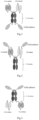
- Fig. 1 The structures of protein-1 and protein-2 can be seen in Fig. 1 .
- the C-termini of the two chains of the FC fragment are each fused with a TGF- ⁇ inhibitor
- the N-terminus of one chain of the FC fragment is fused with the VH and VL domains of the anti-CLDN18.2 antibody
- the N-terminus of the other chain is fused with the VH and VL domains of the anti-OKT3 antibody
- the antibody fragments fused to the N-termini of the FC fragment are all in the form of a single chain antibody (scFv), i.e., the VH and VL domains are linked by a linking sequence to form a single chain.
- scFv single chain antibody
- Fig. 2 The structures of protein-3 and protein-4 can be seen in Fig. 2 .
- the N-terminus of one chain of the FC fragment is fused to the VH and VL domains of the anti-CLDN18.2 antibody
- the N-terminus of the other chain is fused to the VH and VL domains of the anti-OKT3 antibody
- the VH and VL domains of the anti-CLDN18.2 antibody and the anti-OKT3 antibody are respectively connected by a linking sequence to form a single chain.
- Two TGF- ⁇ inhibitors are fused to the N-terminus of anti-CLDN18.2 antibody and anti-OKT3 antibody, respectively.
- the structures of protein-5 and protein-6 can be seen in Fig. 3 .
- the N-termini of two chains of the FC fragment are each fused with a TGF- ⁇ inhibitor
- the C-terminus of one chain of the FC fragment is fused to the VH and VL domains of the anti-OKT3 antibody
- the C-terminus of the other chain is fused to the VH and VL domains of the anti-CLDN18.2 antibody.
- the antibody fragments at the C-termini of the FC fragment are all in the form of single chain antibodies.
- the structure of protein-7 can be seen in Fig. 4 .
- the N-terminus of one chain of the FC fragment is fused with Fab fragment (comprising VH, VL, CH1 and CL domains) of anti-CLDN18.2 antibody; the N-terminus of the other chain of the FC fragment is fused with VH and VL domains of anti-CLDN18.2 antibody, and anti-OKT3 antibody (VH and VL domains) is fused to the N-terminus of anti-CLDN18.2 antibody.
- Fab fragment comprising VH, VL, CH1 and CL domains
- anti-OKT3 antibody VH and VL domains
- Both the anti-CLDN18.2 antibody and the anti-OKT3 antibody are scFvs.
- the C-termini of the FC are fused with a TGF- ⁇ inhibitor, respectively.
- the protein structure shown in Fig. 4 is fused with two TAA antibodies against the same target, and in some embodiments, two TAA antibodies against different targets can be selected.
- the anti-CD3 antibody with a strong affinity to CD3 is likely to cause cytotoxicity.
- the anti-CD3 antibody with a moderate affinity to CD3 can be selected to adjust the effective dose of the anti-CD3 antibody to make it comparable to that of the TGF- ⁇ RII.
- the structure shown in Fig. 1 can be achieved by selecting anti-CD3 antibodies with moderate affinity to CD3.
- the anti-CD3 antibody is located inside the fusion protein, and in Fig. 3 , the anti-CD3 antibody is located at the C-terminus of the FC fragment, both of which are beneficial to reduce the affinity with CD3.
- sequence listing of the present invention also relates to the following sequence information: SEQ ID NO:16 is TGF ⁇ RII (ECD), SEQ ID NO:17 is FC-Hole, SEQ ID NO:18 is FC-knob, SEQ ID NO: 19 is OKT3-VH, and SEQ ID NO:20 is OKT3-VL.
- PCR amplification was carried out to obtain the desired gene fragments by using the multiple primers designed above.
- the first step PCR 50 ⁇ L of PCR reaction system including 10 ⁇ L of PrimerSTAR GXL Buffer (5 ⁇ ); 4 ⁇ L dNTP Mixture (2.5 mmol . L -1 ); 1 ⁇ L each primer as shown above; 1 ⁇ L PrimeSTAR GXL DNA Polymerase.
- PCR reaction conditions were 98°C for 2 min, 98°C for 20 s, 55°C for 15 s, 68°C for 30 s, 30 cycles; 68°C for 5 min.
- the second step PCR using the PCR product from the first step as a template, PCR amplification was performed using the first and last primers under the same conditions as the first step. PCR was used to construct and amplify the target fragments.
- the expression vector with the signal peptide fragment was designed and constructed, and the expression vector was recorded as pQD.
- the vector was digested by BsmBI enzyme and the gum was cut for recovery.
- the recombinant target gene fragment and the expression vector pQD with signal peptide fragment which was digested by BsmBI and recovered were added into DH5 ⁇ competent cells according to the ratio of 3:1, respectively, then subjected to ice bath at 0°C for 30min, and heat shock at 42°C for 90s. 5 times the volume of LB medium was added, and incubated at 37°C for 45min, coated on LB-Amp plate, and cultured at 37°C overnight. Single clones were picked and sequenced to obtain each target clone.
- the culture density of 293E cells was maintained between (0.2-3) ⁇ 10 6 /ml, and the cells to be transfected were centrifuged and the medium was replaced one day before transfection, and the cell density was adjusted to (0.5-0.8) ⁇ 10 6 /ml. On the day of transfection, the cell density of 293E cells ranged from 1 to 1.5 ⁇ 10 6 /ml.
- Plasmid and transfection reagent PEI were prepared. The amount of plasmid to be transfected was 100 ⁇ g/100ml cells, and the mass ratio of PEI and plasmid was 2:1. The plasmid and PEI were mixed, and placed for 15 min, not more than 20 min.
- the mixture of plasmid and PEI was slowly added to the 293E cells and incubated in a shaker at 8% CO 2 , 120rpm, 37°C. On the next day of transfection, 2mM VPA and 10 ⁇ feed medium containing 2mM glucose + 0.2mM L-Glutamin were added. On the fifth to sixth day of transfection, the cell supernatant was collected by centrifugation at 4700rpm for 20min in a horizontal centrifuge for purification.
- the pH of the product obtained by affinity chromatography was adjusted to 1 ⁇ 2 pH units below or above pI, and it was diluted appropriately to control the conductance of sample below 5 ms/cm.
- suitable corresponding pH buffer solutions such as phosphate buffer and acetic acid buffer
- conventional ion exchange chromatography methods such as anion exchange or cation exchange were used for NaCl gradient elution under corresponding pH conditions.
- SDS-PAGE the collection tubes where the target proteins were present were selected for storing.
- the product obtained by ion exchange was concentrated by ultrafiltration and then subjected to size exclusion chromatography, such as separation by GE Superdex200 gel, so as to remove possible polymers and other components and obtain the target product with high purity.
- size exclusion chromatography such as separation by GE Superdex200 gel
- the purity analysis of the obtained protein can be analyzed by SDS-PAGE and SEC-HPLC assays. Protein concentration was determined by UV spectrophotometry.
- the transient expression level of fusion protein in 293 cells is about 10-76mg/L.
- Table 2 Transient expression level of fusion protein (mg/L) Protein name Protein yield (mg/L) QP32133212 9.90 QP34133414 24.81 QP34153416 76.30 QP34173418 66.01 QP34193420 39.49 QP34213422 32.03 QP146134233424 19.71
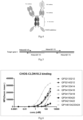
- CHOS-CLD18.2 cells were seeded in a U-shaped 96-well plate at 1E5/well, washed once with cold PBS, and centrifuged at 1200rpm for 3min. After washing, 3% FBS/PBS blocking solution was added at 200 ⁇ L/well, and incubated on ice for 1h. After blocking, the plate was centrifuged at 1200rpm for 3min, and the supernatant was removed. Samples with different concentrations were added and incubated on ice for 2h, the plate was washed with cold PBS for 3 times.
- PE-anti human FC antibody was added for incubation according to the dilution ratio of 1:200, 50 ⁇ l/well, after evenly mixed, the plate was incubated on ice for 1h, and washed with cold PBS for 3 times. The cells were resuspended in PBS at 200 ⁇ l/well, the mean fluorescence value was read by FACS instrument, and the results were analyzed using graphpad prism software. The results are shown in Fig. 6 .
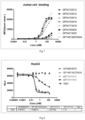
- Jurkat cells were seeded in a U-shaped 96-well plate at 1E5/well, washed once with cold PBS, and centrifuged at 1200rpm for 3min. After washing, 3% FBS/PBS blocking solution was added at 200 ⁇ L/well, and incubated on ice for 1h. After blocking, the plate was centrifuged at 1200rpm for 3min, and the supernatant was removed. Samples with different concentrations were added and incubated on ice for 2h, the plate was washed with cold PBS for 3 times.
- PE-anti human FC antibody was added for incubation according to the dilution ratio of 1:200, 50 ⁇ l/well, after evenly mixed, the plate was incubated on ice for 1h, and washed with cold PBS for 3 times. The cells were resuspended in PBS at 200 ⁇ l/well, the mean fluorescence value was read by FACS instrument, and the results were analyzed using graphpad prism software. The results are shown in Fig. 7 .
- TGF ⁇ RII function was determined by expression of the SMAD3-luciferase reporter gene in HepG2/4T1 cells.
- HepG2 cells were cultured in MEM complete medium containing 10% FBS and passaged every 2-3 days. On the first day of the experiment, cells were seeded on a 96-well plate at a density of 25,000 cells per well, and cultured for 24h at 37°C and 5% CO 2 . The medium in the cell culture plate was discarded the next day and 100ng 3TP-Lux plasmids were transfected per well. The cells were further cultured for 24h at 37°C, 5% CO 2 . 6h before adding the sample to be tested, the complete medium in the 96-well plate was discarded, and 80 ⁇ l of incomplete medium (MEM + 0.5%FBS) was added to each well.
- MEM + 0.5%FBS incomplete medium
- test molecule of the present invention can achieve the function of activating T cells to kill target cells by bridging TCR receptor on T cell by targeting CD3 at one end, and bridging target cell at the other end by targeting target cell surface antigen.
- Human gastric cancer cell line NUGC4-CLDN18.2 with high expression of CLDN18.2 was selected as target cells. Effector cells were human CD4+ T cells sorted from human PBMCs (EasySep TM Human CD4+ T Cell Isolation Kit, Stemcell 17952). PBMCs were resuscitated with RPMI-1640 + 20% FBS, passed through 37 ⁇ m cell screen, and the cells were resuspended in EasySep TM Buffer to 5 ⁇ 10 7 cells/ml. CD4+ T Cell Isolation Cocktail was added at 50 ⁇ l/ml, incubated at room temperature for 5 min.
- Magnetic Particles were shook and mixed for 30 s, added into the tube at 50 ⁇ l/ml, mixed well, and incubated at room temperature for 5 min.
- EasySep TM Buffer was added to make the total volume of liquid in the tube 2.5 ml, gently blew up and down to mix for 2-3 times.
- the tube was put into the magnetic pole, and incubated at room temperature for 2.5min.
- the tube was turned upside down for 2 ⁇ 3s, and the suspension containing CD4+ T cells was poured into a new 15 ml centrifuge tube without shaking or sucking off the droplets remaining at the nozzle.
- the cell suspension was centrifuged at 300 ⁇ g for 5 min, and the cells were collected as CD4+ T cells.
- Human gastric cancer cell line NUGC4-CLDN18.2 with high expression of CLDN18.2 was selected as target cells. Effector cells were human PBMCs. According to the E:T ratio of 10:1, different concentrations of antibodies were added and cultured at 37°C, 5% CO 2 for 48h. CytoTox 96 ® Non-Radioactive Cytotoxicity Assay (Promega, G1780 -1000 assays) was used to detect LDH in cell culture supernatant and quantify the percentage of cytotoxicity. The maximum lysis of target cells (100%) was all LDH that are released from cell lysis caused by 1% Triton X-100 treatment of target cells.
- the inhibitory effect of anti-claudin18.2-TGF ⁇ RII-CD3 fusion protein on tumor growth was evaluated in an immune reconstituted mouse model.
- HCC827-claudin18.2 cells were cultured in RPMI1640 medium containing 10% fetal bovine serum + 1 ⁇ sodium pyruvate + 2mM glutamax + 1 mg/ml G-418. HCC827 cells in exponential growth phase were harvested and resuspended in PBS to the appropriate concentration for inoculation.
- mice were subcutaneously inoculated with 5 ⁇ 10 6 of HCC827 cells on the right back, and the growth of the tumor was regularly observed.
- the tumor grew to an average volume of about 100mm 3
- the mice were randomly divided into groups according to the tumor size and the body weight of the mice for administration.
- the day of tumor cell inoculation was defined as day 0.
- Group G1 was a blank control, which was injected with PBS buffer.
- each mouse in group G2 and G3 was intraperitoneally injected with PBMCs in an amount of 5 ⁇ 10 6 cells/mouse. After injection of PBMCs, administration was started.
- the dosing regimen was as follows: Group Number of animals Treatment group Dose (mg/kg) Mode of administration Cycle of administration 1 9 w/o PBMC+vehicle -- i.p. Q7D ⁇ 3 2 9 PBMC+vehicle -- i.p. Q7D ⁇ 3 3 9 PBMC+QP146134233424 10 i.p. Q7D ⁇ 3
- the dosing volume was 10 ⁇ l/g body weight.
- the trifunctional fusion protein design that fuses tumor related antigen (TAA) antibody, TGF- ⁇ inhibitor, and CD3 antibody is feasible, and QP146134233424 has been verified to have a better tumor inhibition effect in the present invention.
- the trifunctional fusion of the present invention is not limited to the forms listed in the above examples, and any protein that trifunctionally fuses tumor-associated antigen (TAA) antibody, TGF- ⁇ inhibitor and CD3 antibody should be included in the protection scope of the present invention.
Landscapes
- Health & Medical Sciences (AREA)
- Chemical & Material Sciences (AREA)
- Immunology (AREA)
- Organic Chemistry (AREA)
- Life Sciences & Earth Sciences (AREA)
- General Health & Medical Sciences (AREA)
- Medicinal Chemistry (AREA)
- Biochemistry (AREA)
- Biophysics (AREA)
- Genetics & Genomics (AREA)
- Molecular Biology (AREA)
- Proteomics, Peptides & Aminoacids (AREA)
- Cell Biology (AREA)
- Pharmacology & Pharmacy (AREA)
- Chemical Kinetics & Catalysis (AREA)
- General Chemical & Material Sciences (AREA)
- Nuclear Medicine, Radiotherapy & Molecular Imaging (AREA)
- Public Health (AREA)
- Animal Behavior & Ethology (AREA)
- Veterinary Medicine (AREA)
- Toxicology (AREA)
- Gastroenterology & Hepatology (AREA)
- Zoology (AREA)
- Hematology (AREA)
- Oncology (AREA)
- Peptides Or Proteins (AREA)
- Medicines Containing Antibodies Or Antigens For Use As Internal Diagnostic Agents (AREA)
Applications Claiming Priority (3)
| Application Number | Priority Date | Filing Date | Title |
|---|---|---|---|
| CN201911236502 | 2019-12-05 | ||
| CN202011406572.1A CN113185611A (zh) | 2019-12-05 | 2020-12-04 | 含有肿瘤相关抗原taa抗体的三功能融合蛋白及其应用 |
| PCT/CN2021/094631 WO2022116480A1 (zh) | 2019-12-05 | 2021-05-19 | 含有肿瘤相关抗原taa抗体的三功能融合蛋白及其应用 |
Publications (2)
| Publication Number | Publication Date |
|---|---|
| EP4257616A1 true EP4257616A1 (de) | 2023-10-11 |
| EP4257616A4 EP4257616A4 (de) | 2025-01-29 |
Family
ID=76972568
Family Applications (1)
| Application Number | Title | Priority Date | Filing Date |
|---|---|---|---|
| EP21899523.1A Pending EP4257616A4 (de) | 2019-12-05 | 2021-05-19 | Trifunktionales fusionsprotein mit tumorassoziiertem antigen (taa)-antikörper und anwendung davon |
Country Status (4)
| Country | Link |
|---|---|
| US (1) | US20240059791A1 (de) |
| EP (1) | EP4257616A4 (de) |
| CN (1) | CN113185611A (de) |
| WO (1) | WO2022116480A1 (de) |
Families Citing this family (10)
| Publication number | Priority date | Publication date | Assignee | Title |
|---|---|---|---|---|
| WO2015006507A1 (en) | 2013-07-09 | 2015-01-15 | Annexon, Inc. | Methods of treatment for alzheimer's disease and huntington's disease |
| US12006366B2 (en) | 2020-06-11 | 2024-06-11 | Provention Bio, Inc. | Methods and compositions for preventing type 1 diabetes |
| WO2022251253A1 (en) | 2021-05-24 | 2022-12-01 | Provention Bio, Inc. | Methods for treating type 1 diabetes |
| US20240294640A1 (en) * | 2021-06-02 | 2024-09-05 | Qure Biotechnology (Shanghai) Co., Ltd. | Anti-cd3 antibody variant, fusion protein, and application |
| WO2023114763A1 (en) * | 2021-12-13 | 2023-06-22 | Annexon, Inc. | Anti-complement factor c1q antibodies with single binding arms and uses thereof |
| WO2023114544A1 (en) * | 2021-12-17 | 2023-06-22 | Dana-Farber Cancer Institute, Inc. | Antibodies and uses thereof |
| CN114249836A (zh) * | 2021-12-27 | 2022-03-29 | 上海鑫湾生物科技有限公司 | 双特异性t细胞衔接器、其重组溶瘤病毒及其用途 |
| CN114702593B (zh) * | 2022-03-11 | 2023-12-08 | 苏州思萃免疫技术研究所有限公司 | 一种抗folr1/vegf的全人双特异性抗体及其筛选方法和应用 |
| CN116284405B (zh) * | 2023-03-15 | 2024-03-19 | 中国科学技术大学 | 靶向cd150蛋白的纳米抗体及其应用 |
| CN119569886A (zh) * | 2023-09-06 | 2025-03-07 | 合肥天港免疫药物有限公司 | 双特异性抗体及其应用 |
Family Cites Families (5)
| Publication number | Priority date | Publication date | Assignee | Title |
|---|---|---|---|---|
| SG11201704283PA (en) * | 2014-11-26 | 2017-06-29 | Xencor Inc | Heterodimeric antibodies that bind cd3 and tumor antigens |
| AU2018264455B2 (en) * | 2017-05-12 | 2024-12-12 | Jiangsu Hengrui Medicine Co., Ltd. | Fusion protein containing TGF-beta receptor and medicinal uses thereof |
| EP3720881A1 (de) * | 2017-12-08 | 2020-10-14 | Elstar Therapeutics, Inc. | Multispezifische moleküle und verwendungen davon |
| EP3765516A2 (de) * | 2018-03-14 | 2021-01-20 | Elstar Therapeutics, Inc. | Multifunktionale moleküle und verwendungen davon |
| CN110964118A (zh) * | 2019-11-27 | 2020-04-07 | 中国药科大学 | 一种双特异性融合抗体及其在肿瘤免疫治疗中的应用 |
-
2020
- 2020-12-04 CN CN202011406572.1A patent/CN113185611A/zh active Pending
-
2021
- 2021-05-19 EP EP21899523.1A patent/EP4257616A4/de active Pending
- 2021-05-19 WO PCT/CN2021/094631 patent/WO2022116480A1/zh not_active Ceased
- 2021-05-19 US US18/256,023 patent/US20240059791A1/en active Pending
Also Published As
| Publication number | Publication date |
|---|---|
| US20240059791A1 (en) | 2024-02-22 |
| WO2022116480A1 (zh) | 2022-06-09 |
| EP4257616A4 (de) | 2025-01-29 |
| CN113185611A (zh) | 2021-07-30 |
Similar Documents
| Publication | Publication Date | Title |
|---|---|---|
| US20240059791A1 (en) | Trifunctional fusion protein containing tumor-associated antigen (taa) antibody and application thereof | |
| CN112552412B (zh) | 一种包含TGF-β抑制剂、VEGF抑制剂和抗PDL1抗体的三功能融合蛋白 | |
| CN115461372B (zh) | 一种靶向人claudin和人PDL1蛋白的双特异抗体及其应用 | |
| KR102629503B1 (ko) | TGF-β 수용체를 함유하는 융합 단백질 및 이의 약학적 용도 | |
| KR102309950B1 (ko) | 체크포인트 억제제 이중특이적 항체 | |
| US10118964B2 (en) | Construction and application of bispecific antibody HER2xCD3 | |
| KR20200118080A (ko) | Nkg2d 수용체를 표적화하는 항체 가변 도메인 | |
| KR20200051789A (ko) | Nkg2d, cd16, 및 c-유형 렉틴-유사 분자-1 (cll-1)에 결합하는 단백질 | |
| KR20200044957A (ko) | Nkg2d, cd16 및 종양-연관 항원에 결합하는 단백질 | |
| US20230192797A1 (en) | Human il-15 mutant and uses thereof | |
| KR20220148699A (ko) | 항-cntn4 특이적 항체 및 그의 용도 | |
| CN113490690A (zh) | 异源二聚体融合蛋白 | |
| US20250230245A1 (en) | A fusion polypeptide and its use | |
| JP7734994B2 (ja) | 抗cd3抗体変異体、融合タンパク質および適用 | |
| EP4613780A1 (de) | Fusionspolypeptid und verwendung davon | |
| CN110339364A (zh) | Lgr4/rspo阻断剂与抗免疫检查点抑制剂联合用于肿瘤的免疫治疗 | |
| CN119613560A (zh) | 包含PD-1和TGF-βRII结合域的多特异性结合部分 | |
| CN113717287A (zh) | 一种结合TGF-β的双功能抗体融合蛋白 | |
| CN115181180B (zh) | 抗人程序性死亡配体-1(pd-l1)的抗体及其应用 | |
| CN114573704B (zh) | Pd-1/ctla-4结合蛋白及其医药用途 | |
| US12428495B2 (en) | Antibodies against YKL-40 and uses thereof | |
| CN114773485B (zh) | 抗人PD-L1抗体和TGFβRII的双功能融合蛋白分子 | |
| HK40047467A (en) | A trifunctional fusion protein comprising tgf-beta inhibitor, vegf inhibitor and anti-pdl1 antibody | |
| CN121554608A (zh) | 三特异性抗体及其应用 | |
| JP2026514663A (ja) | Tnfスーパーファミリーメンバー免疫サイトカイン及びその使用 |
Legal Events
| Date | Code | Title | Description |
|---|---|---|---|
| STAA | Information on the status of an ep patent application or granted ep patent |
Free format text: STATUS: THE INTERNATIONAL PUBLICATION HAS BEEN MADE |
|
| PUAI | Public reference made under article 153(3) epc to a published international application that has entered the european phase |
Free format text: ORIGINAL CODE: 0009012 |
|
| STAA | Information on the status of an ep patent application or granted ep patent |
Free format text: STATUS: REQUEST FOR EXAMINATION WAS MADE |
|
| 17P | Request for examination filed |
Effective date: 20230703 |
|
| AK | Designated contracting states |
Kind code of ref document: A1 Designated state(s): AL AT BE BG CH CY CZ DE DK EE ES FI FR GB GR HR HU IE IS IT LI LT LU LV MC MK MT NL NO PL PT RO RS SE SI SK SM TR |
|
| DAV | Request for validation of the european patent (deleted) | ||
| DAX | Request for extension of the european patent (deleted) | ||
| REG | Reference to a national code |
Ref country code: DE Ref legal event code: R079 Free format text: PREVIOUS MAIN CLASS: C07K0019000000 Ipc: C07K0016460000 |
|
| A4 | Supplementary search report drawn up and despatched |
Effective date: 20250108 |
|
| RIC1 | Information provided on ipc code assigned before grant |
Ipc: A61P 35/00 20060101ALI20241223BHEP Ipc: A61K 39/395 20060101ALI20241223BHEP Ipc: C07K 19/00 20060101ALI20241223BHEP Ipc: C07K 16/46 20060101AFI20241223BHEP |