EP4260849A1 - Verbindung zur reduktion von weissem fettgewebe und behandlung von übergewicht und adipositas - Google Patents
Verbindung zur reduktion von weissem fettgewebe und behandlung von übergewicht und adipositas Download PDFInfo
- Publication number
- EP4260849A1 EP4260849A1 EP21854670.3A EP21854670A EP4260849A1 EP 4260849 A1 EP4260849 A1 EP 4260849A1 EP 21854670 A EP21854670 A EP 21854670A EP 4260849 A1 EP4260849 A1 EP 4260849A1
- Authority
- EP
- European Patent Office
- Prior art keywords
- use according
- resorcylic acid
- adipose tissue
- pharmaceutical composition
- white adipose
- Prior art date
- Legal status (The legal status is an assumption and is not a legal conclusion. Google has not performed a legal analysis and makes no representation as to the accuracy of the status listed.)
- Pending
Links
Images







Classifications
-
- A—HUMAN NECESSITIES
- A61—MEDICAL OR VETERINARY SCIENCE; HYGIENE
- A61P—SPECIFIC THERAPEUTIC ACTIVITY OF CHEMICAL COMPOUNDS OR MEDICINAL PREPARATIONS
- A61P3/00—Drugs for disorders of the metabolism
- A61P3/04—Anorexiants; Antiobesity agents
-
- A—HUMAN NECESSITIES
- A61—MEDICAL OR VETERINARY SCIENCE; HYGIENE
- A61K—PREPARATIONS FOR MEDICAL, DENTAL OR TOILETRY PURPOSES
- A61K31/00—Medicinal preparations containing organic active ingredients
- A61K31/045—Hydroxy compounds, e.g. alcohols; Salts thereof, e.g. alcoholates
Definitions
- the present invention is comprised in the field of biomedicine and relates to a compound, ⁇ -resorcylic acid, for use in reducing the amount of white adipose tissue.
- a compound, ⁇ -resorcylic acid for use in reducing the amount of white adipose tissue.
- use of this compound for the treatment of overweight and/or obesity is of particular interest, where said overweight and/or obesity may also be associated with a metabolic syndrome or hepatic steatosis.
- the World Health Organization defines overweight and obesity as an abnormal or excessive accumulation of white adipose tissue (WAT) that may impair health. Said accumulation of WAT usually occurs as a result of an energy imbalance between calories consumed and calories expended, with worldwide obesity incidence nearly tripling between 1975 and 2016. In fact, in 2016, 39% of adults 18 years or older were overweight and 13% were obese; and over 340 million children and adolescents (aged 5 to 19) were overweight or obese.
- WAT white adipose tissue
- Adipose tissue comprises adipocytes (or adipose cells) and is the main energy reserve of the body.
- adipose tissue Two types of adipose tissue are known, and they are identified based on their morphological and functional characteristics: white adipose tissue and brown adipose tissue.
- the adipocytes of white adipose tissue are large, round cells (25-200 mm) characterized by a large unilocular lipid droplet made up of triglycerides and other lipids, surrounded by a thin layer of cytoplasm, some mitochondria, and a flat nucleus that is displaced to the periphery.
- white adipose tissue The main functions of white adipose tissue are the accumulation of energy in the form of triacylglycerols, thermal insulation, and the secretion of adipokines (or adipocytokines) which regulate various biological processes in an autocrine, paracrine, and endocrine manner. Adipocytes are also important to maintain glucose and lipid homeostasis in the body.
- Overweight and obesity are important risk factors of noncommunicable diseases including, notably, type II diabetes and metabolic syndrome, as well as the consequences thereof which lead to cardiovascular diseases, some types of cancer, and disorders of the locomotor apparatus.
- Type II diabetes is an anomaly in blood glucose regulation and nutrient storage related with resistance to the actions of insulin, with the involvement of other hormones and inter- and intracellular mechanisms of action.
- diabetes characteristic of insulin resistance is but one aspect of a syndrome of metabolic disorders.
- Hyperglycemia in these patients is often associated with intra-abdominal obesity, elevated plasma concentrations of triglycerides and reduced plasma concentrations of HDL, high blood pressure, systemic inflammation, abnormal fibrinolysis, abnormal vascular endothelial function, and macrovascular disease (coronary, cerebrovascular, and peripheral arterial disease).
- anomalies are known as a whole as metabolic syndrome, and in practice patients with this pathology must meet at least three of the following criteria: abdominal obesity (waist circumference exceeding 88 cm for women and 102 cm for men), serum triglycerides above 150 mg/dL, HDL levels below 50 mg/dL for men and 40 mg/dL for women, blood pressure above 130/85 mmHg, and fasting plasma glucose above 100 mg/dL.
- Anomalies in the mitochondrial network, structure, and function is one of the pathological mechanisms which contribute to characteristics, consequences, and evolution of insulin resistance, metabolic syndrome, and obesity.
- a decrease in the number of mitochondria and in the activity of the mitochondrial respiratory chain, as well as a more widespread mitochondrial dysfunction, have been described in the liver and skeletal muscle of patients with type II diabetes.
- a decrease in the levels of Coenzyme Q (CoQ) biosynthesis proteins, as well as in the mitochondrial levels of CoQ, in the muscle and adipose tissue of patients with insulin resistance and of mice in which said insulin resistance is induced through a high fat-high sucrose (HFHS) diet have been described.
- the body weight of an individual is roughly represented by 80% lean tissue (or fat-free mass) and 20% adipose tissue (or storage fat).
- the content of lean tissue is highly heterogeneous and includes bones, muscles, extracellular water, nerve tissue, and cells and tissues other than adipocytes or fat cells. Accordingly, a decrease in body weight may be due to a loss of the content of any of these components, and therefore a decrease in weight cannot be linked to a decrease in fatty tissue.
- sarcopenia is a syndrome associated with aging resulting from a gradual decline in skeletal muscle mass.
- a reduction in body weight occurs when said loss of skeletal muscle mass is triggered ( Fried et al., J Gerontol A Biol Sci Med Sci 2001;56: M146-56 ).
- a reduction in body weight can also be associated with a reduction in bone density, as occurs in the osteoporosis process ( Tirosh et al., J Clin Endocrinol Metab 2015;100(6):2463-7 ).
- weight loss achieved by both nutritional diets and specific exercises need not be the result of a loss of fatty tissue ( Ramirez-Velez et al., Nutrients 2020 Jul 26;12(8):2231 ).
- specific diets to lose weight often induce a loss of muscle mass, and to that end intense research activity is being carried out to look for therapeutic options that reduce fatty tissue without losing muscle mass ( Verreijen et al., Am J Clin Nutr 2015;101 (2):279-86 ).
- ⁇ -resorcylic acid belongs to the hydroxybenzoic acids, a group of natural phenolic compounds found in plants. ⁇ -RA is capable of interfering with CoQ metabolism and acting as a therapeutic agent in primary CoQ deficiencies ( Hidalgo-Gutiérrez A, Barriocanal-Casado E, Bakkali M, et al. EMBO Mol Med. 2019; 11(1): e9466 ), a group of rare mitochondrial diseases. Furthermore, it has been described that ⁇ -RA reduces the body weight of CAG- CreER T2 ; Mclk1 Loxp / Loxp , mice which the authors called "control mice". Nevertheless, the reason for said reduction in body weight is not specified ( Wang Y, Oxer D, Hekimi S. Nat Commun. 2015; 6:6393 ).
- Document KR 101627546B B1 discloses a pharmaceutical composition for use in food which is useful in the treatment of obesity and comprises a protocatechuic acid (PCA or 3,4-dihydroxybenzoic acid) derivative with lipase inhibiting activity.
- PCA protocatechuic acid
- this activity is based only on the experimental data from the inhibition of porcine pancreatic lipase, which has not been completed with studies in animal models.
- Schisandra chinensis pollen extract comprising phenolic compounds including, among others, 2,4-dihydroxybenzoic acid at a low proportion (0.0673 mg/g) with respect to the rest of the analyzed compounds.
- the authors describe the activity of said extract in preventing non-alcoholic fatty liver disease and in regulating intestinal microbiota in a mouse model with obesity induced by a high lipid diet ( Cheng et al., Nutrients 2019; 11:346 ).
- ⁇ -resorcylic acid causes a selective reduction of white adipose tissue without affecting skeletal muscle mass.
- the present invention therefore allows ⁇ -resorcylic acid to be used in the treatment of conditions such as overweight or obesity without side effects on skeletal muscle mass. Furthermore, such effect also extends to the treatment of the preceding conditions associated with metabolic syndrome or hepatic steatosis. Reduction of white adipose tissue entails a reduction in the occurrence of lipid droplets in the liver caused by any of the preceding conditions.
- the present invention relates to ⁇ -resorcylic acid or pharmaceutically acceptable salts thereof for use in preventing the accumulation of white adipose tissue or in reducing white adipose tissue.
- the present invention relates to a pharmaceutical composition
- a pharmaceutical composition comprising ⁇ -resorcylic acid or pharmaceutically acceptable salts thereof, and a pharmaceutically acceptable excipient, for use in preventing the accumulation of white adipose tissue or in reducing white adipose tissue.
- the present invention also contemplates preventing the accumulation of white adipose tissue or reducing white adipose tissue in animals, preferably mammals, even more preferably humans, that do not have a disease associated with excess white adipose tissue. Therefore, in a third aspect, the invention relates to the non-therapeutic use of ⁇ -resorcylic acid or salts thereof in preventing the accumulation of white adipose tissue or in reducing white adipose tissue.
- a fourth aspect of the invention relates to a nutraceutical composition or functional food, dietary product, or nutritional supplement, comprising ⁇ -resorcylic acid, characterized in that the ⁇ -resorcylic acid is at a concentration greater than 5% w/w.
- FIG. 1 Graph depicting the general survival of wild-type mice during their development.
- the black line represents wild-type mice with a standard diet, whereas the grey line represents wild-type mice with a standard diet supplemented with ⁇ -RA.
- the arrow pointing to a vertical line means the start of treatment.
- Figure 2 Graph depicting survival in the old-age stage (24 months) of wild-type mice during their development.
- the black bar represents wild-type mice with a standard diet (WT), whereas the grey bar represents wild-type mice with a standard diet supplemented with ⁇ -RA (WT+b-RA).
- Figure 3 Changes in body weight of wild-type mice during their development.
- FIG. 1 Graph depicting body weight during the development of male wild-type mice (A) and female wild-type mice (B).
- the black line represents wild-type mice with a standard diet (WT), whereas the grey line represents wild-type mice with a standard diet supplemented with ⁇ -RA (WT+b-RA). ** P ⁇ 0.01 vs wild-type with a standard diet; *** P ⁇ 0.001 vs wild-type with a standard diet.
- Figure 4 Images representative of the internal aspect and the appearance of the tissues of wild-type mice at the start of old age.
- A-B Weight of the abdominal and visceral white adipose tissue of male mice (A) and female mice (B);
- C-D weight of the skeletal muscles of the hind limbs of male mice (C) and female mice (D);
- E-F weight of the abdominal and visceral white adipose tissue with respect to the total body weight of male mice (E) and female mice (F);
- G-H weight of the skeletal muscles of the hind limbs with respect to the total body weight of male mice (G) and female mice (H).
- the black bars represent values in wild-type mice with a standard diet (WT), whereas the grey bars represent values in wild-type mice with a standard diet supplemented with ⁇ -RA (WT+b-RA).
- FIG. 6 Grip strength test of the hind limbs of wild-type mice at the start of old age (18 months of age).
- a and B Grip strength of male mice (A) and female mice (B);
- C and D Grip strength corrected by the total weight of male mice (C) and female mice (D).
- the black bars represent values in wild-type mice with a standard diet, whereas the grey bars represent values in wild-type mice with a standard diet supplemented with ⁇ -RA.
- Figure 9 Histological images representative of the liver morphology of wild-type mice at the start of old age (18 months of age). Histological image with "Oil Red O" staining representative of the liver of a male mouse (M-O) and female mouse (P-R), and of a male mouse (S-U) and female mouse (V-Y) supplemented with ⁇ -RA.
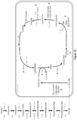
- Figure 10 shows
- the line joining circles represents wild-type mice with a standard diet; the line joining squares represents wild-type mice with a HFHS diet; the line joining triangles represents wild-type mice with a HFHS diet treated with ⁇ -RA supplement.
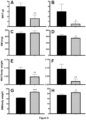
- Figure 13 Changes in weight of the abdominal and visceral white adipose tissue of wild-type mice subjected to a high fat high sucrose (HFHS) diet for 16 weeks.
- A-B Weight of the abdominal and visceral white adipose tissue of male mice (A) and female mice (B);
- C-D weight of the abdominal and visceral white adipose tissue with respect to the total body weight of male mice (C) and female mice (D);
- E-F weight of the skeletal muscles of the hind limbs of male mice (E) and female mice (F);
- G-H weight of the skeletal muscles of the hind limbs with respect to the total body weight of male mice (G) and female mice (H).
- the bar on the left represents wild-type mice with a standard diet; the bar at the center represents wild-type mice with a HFHS diet; the bar on the right represents wild-type mice with a HFHS diet treated with ⁇ -RA supplement.
- Figure 14 Plasma levels of insulin (A) and gastric inhibitory peptide (GIP) (B) in wild-type mice subjected to a high fat high sucrose (HFHS) diet for 16 weeks.
- A insulin
- GIP gastric inhibitory peptide
- the bar on the left represents wild-type mice with a standard diet; the bar at the center represents wild-type mice with a HFHS diet; the bar on the right represents wild-type mice with a HFHS diet treated with ⁇ -RA supplement.
- Figure 15 Evaluation of CoQ metabolism in white adipose tissue (WAT) of wild-type mice subjected to a high fat high sucrose (HFHS) diet for 16 weeks.
- WAT white adipose tissue
- the bar on the left represents wild-type mice with a standard diet; the bar at the center represents wild-type mice with a HFHS diet; the bar on the right represents wild-type mice with a HFHS diet treated with ⁇ -RA supplement.
- the protein Vdac1 has been used as a mitochondrial fraction load control.
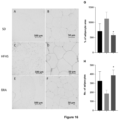
- FIG. 16 Image of the morphology of the WAT in wild-type mice subjected to a high fat high sucrose (HFHS) diet for 16 weeks.
- HFHS high fat high sucrose
- thermogenic uncoupling protein Ucp1 in brown adipose tissue (BAT).
- the present invention focuses on the use of ⁇ -resorcylic acid ( ⁇ -RA) and its salts, including pharmaceutically acceptable salts, for the reduction of white adipose tissue (WAT), and particularly for the treatment of overweight and/or obesity.
- ⁇ -RA ⁇ -resorcylic acid
- WAT white adipose tissue
- ⁇ -resorcylic acid or " ⁇ -RA” refers to a compound of formula (I):
- ⁇ -resorcylic acid can also be represented by "b-RA” and one skilled in the art will understand that the text " ⁇ -RA” is a typing error that must be interpreted as ⁇ -RA.
- ⁇ -resorcylic acid alone, but also the salts thereof, including pharmaceutically acceptable salts.
- ⁇ -resorcylic acid salts are, for example, lead, monosodium, or disodium salt.
- ⁇ -RA may refer to any analog of 2,4-dihydroxybenzoic acid, preferably 4-hydroxybenzoic acid or 3,4-dihydroxybenzoic acid, as well as any of the salts thereof; any functional biological equivalent, and any combination of the foregoing.
- ⁇ -RA is ⁇ -resorcylic acid.
- fatty mass refers to the body weight made up of white adipose tissue.
- WT means "wild-type”.
- Nutraceutical is defined as any substance which is a food or part of a food and provides medical and/or health benefits, including the prevention and treatment of disease.
- body mass index i.e., weight in kilograms divided by height in meters squared (kg/m 2 )
- the WHO defines overweight as having a BMI equal to or greater than 25, and obesity as having a BMI equal to or greater than 30.
- the present invention relates to ⁇ -resorcylic acid or pharmaceutically acceptable salts thereof for use in preventing the accumulation of white adipose tissue or in reducing white adipose tissue.
- the ⁇ -resorcylic acid or pharmaceutically acceptable salts thereof is characterized in that it is at a dose of at least 10, 11, 12, 13, 14, or 15 mg/kg of body weight/day, preferably at least 14 mg/kg of body weight/day, more preferably at least 15 mg/kg of body weight/day, even more preferably at a dose of at least 20 mg/kg of body weight/day.
- the ⁇ -resorcylic acid or pharmaceutically acceptable salts thereof is characterized in that it is at a dose equal to or less than 60 mg/kg of body weight/day, preferably equal to or less than 55 mg/kg of body weight/day, even more preferably equal to or less than 50 mg/kg of body weight/day.
- the ⁇ -resorcylic acid or pharmaceutically acceptable salts thereof is characterized in that it is at a dose of between 10 and 60 mg/kg of body weight/day, preferably between 14 and 60 mg/kg of body weight/day, even more preferably between 15 and 60 mg/kg of body weight/day.
- ⁇ -resorcylic acid causes a selective reduction of white adipose tissue without affecting skeletal muscle mass. Therefore, a preferred embodiment of the present invention contemplates that the use of ⁇ -resorcylic acid is characterized in that it maintains the skeletal muscle mass content.
- ⁇ -resorcylic acid leads to a reduction in plasma levels of insulin and gastric inhibitory peptide (GIP). Therefore, a particular embodiment of the present invention contemplates that the use of ⁇ -resorcylic acid is characterized in that the plasma levels of insulin are reduced. In another particular embodiment, the use of ⁇ -resorcylic acid is characterized in that the plasma levels of gastric inhibitory peptide are reduced. In a preferred embodiment, the use of ⁇ -resorcylic acid is characterized in that the plasma levels of insulin and gastric inhibitory peptide (GIP) are reduced.
- GIP gastric inhibitory peptide
- the use of ⁇ -resorcylic acid is characterized in that the activity of brown adipose tissue (BAT) is stimulated.
- BAT brown adipose tissue
- the present invention can be used in animals, but it is preferably intended for mammals, preferably humans. Therefore, in a particular embodiment, the use of ⁇ -resorcylic acid is characterized in that it is for use in mammals, preferably in humans.
- the use is characterized in that the humans belong to a population aged 30 years or over, 40 years or over, preferably 50 years or over.
- ⁇ -resorcylic acid is characterized in that it is for the prevention and/or treatment of overweight, obesity, or conditions associated with metabolic syndrome, insulin resistance, steatosis, preferably hepatic steatosis, or accumulation of lipid droplets in the liver, or for the prevention of heart diseases, prevention of cancer and of strokes.
- the present invention also contemplates the use of ⁇ -resorcylic acid in the prevention of cancer, preferably in the prevention of adenocarcinoma, colon cancer, breast cancer, endometrial cancer, and kidney cancer, preferably in overweight and obese people.
- the present invention also contemplates the use of ⁇ -resorcylic acid in the prevention of heart diseases and strokes, preferably in overweight and obese people.
- steatosis or fatty change is the name used to refer to the abnormal accumulation of triglycerides in the cytoplasm of parenchymal cells.
- Steatosis most often occurs in the liver (hepatic steatosis or fatty liver, including non-alcoholic fatty liver), but may also appear in heart, kidney, and other organs.
- Metabolic syndrome (also known as syndrome X, plurimetabolic syndrome, insulin resistance syndrome, Reaven's syndrome) is a set of physiological, biochemical, clinical, and metabolic factors which lead to an increased risk of suffering and dying from a cardiovascular disease or from type 2 diabetes mellitus. These factors can be summarized as insulin resistance, excess abdominal fat, atherogenic dyslipidemia, endothelial dysfunction, genetic susceptibility, high blood pressure, hypercoagulable state, and chronic stress. The underlying causes of this syndrome are related to excess calories, sugar, fats, and salt, preferably excess calories, sugar, and fats.
- the first aspect of the present invention may also be defined in the following alternative manners: A method for preventing the accumulation of white adipose tissue or for reducing white adipose tissue which comprises administering an effective amount of ⁇ -resorcylic acid or pharmaceutically acceptable salts thereof to an animal in need of same.
- ⁇ -resorcylic acid or pharmaceutically acceptable salts thereof in the preparation of a medicinal product useful for preventing the accumulation of white adipose tissue or for reducing white adipose tissue.
- the present invention relates to a pharmaceutical composition
- a pharmaceutical composition comprising ⁇ -resorcylic acid or pharmaceutically acceptable salts thereof, and a pharmaceutically acceptable excipient, for use in preventing the accumulation of white adipose tissue or in reducing white adipose tissue.
- the pharmaceutical composition is characterized in that it maintains the skeletal muscle mass content.
- the pharmaceutical composition is characterized in that the use is for the prevention and/or treatment of overweight, obesity, or conditions associated with metabolic syndrome, insulin resistance, steatosis, preferably hepatic steatosis, or accumulation of lipid droplets in the liver, or for the prevention of heart diseases, prevention of cancer and of strokes.
- the pharmaceutical composition is characterized in that the plasma levels of insulin are reduced. In another particular embodiment of the present invention, the pharmaceutical composition is characterized in that the plasma levels of gastric inhibitory peptide are reduced. In a preferred embodiment, the pharmaceutical composition is characterized in that the plasma levels of insulin and gastric inhibitory peptide (GIP) are reduced.
- GIP gastric inhibitory peptide
- the pharmaceutical composition is characterized in that it stimulates the activity of brown adipose tissue.
- ( ⁇ -resorcylic acid can be administered using veterinary or pharmaceutical or nutraceutical compositions including ⁇ -resorcylic acid, in the form of a salt, if suitable, or it can be used alone or in the form of a combination with one or more carriers that are compatible and acceptable from veterinary, pharmaceutical, or nutraceutical viewpoint, such as diluents or adjuvants, or with another agent.
- veterinary or pharmaceutical or nutraceutical compositions including ⁇ -resorcylic acid in the form of a salt, if suitable, or it can be used alone or in the form of a combination with one or more carriers that are compatible and acceptable from veterinary, pharmaceutical, or nutraceutical viewpoint, such as diluents or adjuvants, or with another agent.
- Remington's The Science and Practice of Pharmacy, 21st edition, A. R. Gennaro, discloses a variety of excipients used in the formulation of pharmaceutical compositions and techniques known for the preparation thereof.
- compositions comprising ⁇ -resorcylic acid or a salt thereof, and an acceptable excipient, carrier, or diluent, are provided.
- the composition can also be in different forms including, but not limited to, oral formulations, injectable formulations, and topical, dermal, or subdermal formulations.
- the composition is an oral composition, i.e., it is formulated in a form suitable for oral use, for example, as dietary supplements, lozenges, chewable products, tablets, hard or soft capsules, emulsions, aqueous or oily suspensions, aqueous or oily solutions, dispersible granules or powders, syrups, or elixirs.
- the compositions intended for oral use can be prepared according to any method known in the art for manufacturing veterinary, pharmaceutical, or nutraceutical compositions, and such compositions can contain one or more agents selected from the group consisting of sweetening agents, bittering agents, flavoring agents, coloring agents, and preservation agents for the purpose of providing vibrant and acceptable preparations.
- the tablets can contain ⁇ -resorcylic acid in a mixture with non-toxic pharmaceutically acceptable excipients which are suitable for manufacturing tablets.
- excipients can be, for example, inert diluents, such as calcium carbonate, sodium carbonate, lactose, calcium phosphate, or sodium phosphate; granulating and disintegrating agents, for example, cornstarch or alginic acid; binding agents, for example, starch, gelatin, or acacia gum; and lubricating agents, for example, magnesium stearate, stearic acid, or talc.
- the tablets may not be coated or may be coated by means of known techniques to delay disintegration and absorption in the gastrointestinal tract and thereby provide an action that can be sustained for a longer period.
- the formulations for oral use can be a hard gelatin capsule, in which the active ingredient is mixed with an inert solid diluent, for example, calcium carbonate, calcium phosphate, or kaolin.
- the capsules can also be soft gelatin capsules, in which the active ingredient is mixed with water or miscible solvents such as propylene glycol, PEG, and ethanol, or an oil medium, for example, peanut oil, liquid paraffin, or olive oil.
- compositions can also be in the form of oil-in-water or water-in-oil emulsions.
- the oily phase can be a vegetable oil, for example, olive oil or peanut oil, or a mineral oil, for example, liquid paraffin or mixtures thereof.
- Suitable emulsifying agents can be naturally occurring phosphatides, for example, soybean, lecithin, and esters or partial esters derived from fatty acids and hexitol anhydrides, for example, sorbitan monooleate, and condensation products of said partial esters with ethylene oxide, for example, polyoxyethylene-sorbitan monooleate.
- the emulsions can also contain sweetening agents, bittering agents, flavoring agents, and preservatives.
- the aqueous suspensions can contain ⁇ -resorcylic acid in a mixture with excipients suitable for manufacturing aqueous suspensions.
- excipients are suspending agents, for example, sodium carboxymethylcellulose, methylcellulose, hydroxypropylmethylcellulose, sodium alginate, polyvinylpyrrolidone, tragacanth gum, and acacia gum;
- the dispersing or wetting agents can be a naturally occurring phosphatide, for example, lecithin, or condensation products of an alkylene oxide with fatty acids, for example, polyoxyethylene stearate, or condensation products of ethylene oxide with long chain aliphatic alcohols, for example, heptadecaethyleneoxycethanol, or condensation products of ethylene oxide with partial esters derived from fatty acids and a hexitol such as polyoxyethylenesorbitol monooleate, or condensation products of ethylene oxide with partial esters derived from fatty acids and hexitol anhydrides, for example,
- the aqueous suspensions can also contain one or more preservatives, for example, ethyl or n-propyl p-hydroxybenzoate, one or more coloring agents, one or more flavoring agents, and one or more sweetening agents and/or bittering agents, as mentioned above.
- preservatives for example, ethyl or n-propyl p-hydroxybenzoate, one or more coloring agents, one or more flavoring agents, and one or more sweetening agents and/or bittering agents, as mentioned above.
- the dispersible granules and powders suitable for the preparation of an aqueous suspension by means of the addition of water provide ⁇ -resorcylic acid in a mixture with a dispersing or wetting agent, suspending agent, and one or more preservatives.
- Suitable dispersing or wetting agents and suspending agents are shown by way of example by means of those already mentioned above. Additional excipients, for example, sweetening agents, bittering agents, flavoring agents, and coloring agents can also be present.
- Syrups and elixirs can be formulated with sweetening agents, for example, glycerol, propylene glycol, sorbitol, or sucrose. Such formulations can also contain a demulcent, a preservative, flavoring agent/agents, and coloring agent/agents.
- sweetening agents for example, glycerol, propylene glycol, sorbitol, or sucrose.
- Such formulations can also contain a demulcent, a preservative, flavoring agent/agents, and coloring agent/agents.
- compositions can be in the form of a sterile injectable aqueous or oleaginous suspension.
- This suspension can be formulated according to the known technique using the suitable dispersing or wetting agents and suspending agents which have been mentioned above.
- the sterile injectable preparation can also be a sterile injectable solution or suspension in a non-toxic diluent or solvent acceptable from the parenteral viewpoint, for example, as a solution in 1,3-butanediol.
- Acceptable vehicles and solvents which can be used include, among others, water, Ringer's solution, and isotonic sodium chloride solution.
- Co-solvents such as ethanol, propylene glycol, or polyethylene glycols can also be used.
- Preservatives such as phenol or benzyl alcohol can be used.
- sterile fixed oils are conventionally used as a solvent or suspending medium.
- any bland fixed oil including synthetic mono- or diglycerides can be used.
- fatty acids such as oleic acid are used in the preparation of injectable products.
- compositions of the present invention can include vegetable oils such as, but not limited to, soybean oil, peanut oil, castor oil, corn oil, cottonseed oil, olive oil, grapeseed oil, sunflower oil, etc.; mineral oils such as, but not limited to, Vaseline, paraffin, silicone, etc.; aliphatic or cyclic hydrocarbons, or alternatively, for example, medium chain triglycerides (such as C8-C12).
- vegetable oils such as, but not limited to, soybean oil, peanut oil, castor oil, corn oil, cottonseed oil, olive oil, grapeseed oil, sunflower oil, etc.
- mineral oils such as, but not limited to, Vaseline, paraffin, silicone, etc.
- aliphatic or cyclic hydrocarbons such as C8-C12
- the dosage forms can contain from 0.5 mg to 10 g of ⁇ -resorcylic acid.
- the pharmaceutical composition is administered orally and the ⁇ -resorcylic acid is at a dose of between 1 and 60 mg/kg of body weight/day, preferably between 15 and 60 mg/kg of body weight/day.
- the pharmaceutical composition is characterized by an oral administration regimen of between 1 and 3 times a day.
- ⁇ -resorcylic acid is present in a veterinary, pharmaceutical, or nutraceutical composition at a concentration of 0.05 to 100% weight/weight, preferably 0.05 to 95%, 0.05 to 90%, 0.05 to 85%, 0.05 to 80%, 0.05 to 70%, 0.05 to 60%, 0.05 to 50%, 0.05 to 40%, 0.05 to 30%, 0.05 to 20%, or 0.05 to 10% weight/weight.
- the pharmaceutical composition is characterized in that it is for use in mammals, preferably humans.
- the humans belong to a population aged 30 years or over, 40 years or over, preferably 50 years or over.
- the present invention also contemplates the prevention of the accumulation of white adipose tissue or the reduction of white adipose tissue in animals, preferably mammals, even more preferably humans, in a preferred embodiment, in humans who do not necessarily have a disease associated with excess white adipose tissue such as, for example, people with a body mass index below 25.
- the invention relates to the non-therapeutic use of ⁇ -resorcylic acid or salts thereof in preventing the accumulation of white adipose tissue or in reducing white adipose tissue.
- the ⁇ -resorcylic acid or salts thereof are provided in a nutraceutical composition comprising a nutritionally acceptable excipient.
- said nutraceutical composition is a functional food, a dietary product, or a nutritional supplement.
- a fourth aspect of the invention relates to a nutraceutical composition, which can be a functional food, dietary product, or nutritional supplement, comprising ⁇ -resorcylic acid, characterized in that the ⁇ -resorcylic acid is at a concentration greater than 5% w/w, preferably greater than 10%, greater than 20%, greater than 30%, greater than 40%, greater than 50%, or greater than 60% w/w.
- composition which contemplates “functional food”, “dietary product”, or “nutritional supplement”, or simply “food”, is used herein in a broad sense and covers foods for human beings, as well as foods for animals (i.e., feed).
- the food is for human consumption.
- Said food can be in the form of a solution or a solid, depending on the use and/or the mode of application and/or the mode of administration.
- a nutraceutical composition can be based on milk or beverages derived from milk such as drinkable yoghurt or regular yoghurt, any other type of regular yoghurt beverage, any other type of beverage, including water, juice made from acidic fruits, or beverages flavored with additional fruits having a pH in the range of 2 to 8, in the form of chocolate, ice-cream, nutrition bars, or any food.
- Embodiment 1 A ⁇ -resorcylic acid or pharmaceutically acceptable salts thereof for use in preventing the accumulation of white adipose tissue or in reducing white adipose tissue.
- Embodiment 2 The ⁇ -resorcylic acid for use according to embodiment 1, characterized in that it maintains the skeletal muscle mass content.
- Embodiment 3 The ⁇ -resorcylic acid for use according to any of embodiments 1 or 2, characterized in that the use is for the prevention and/or treatment of overweight, obesity, or conditions associated with metabolic syndrome, steatosis, preferably hepatic steatosis, or accumulation of lipid droplets in the liver, or for the prevention of heart diseases, prevention of cancer and of strokes.
- Embodiment 4 The ⁇ -resorcylic acid for use according to any one of embodiments 1 to 3, characterized in that it is for use in mammals.
- Embodiment 5 The ⁇ -resorcylic acid for use according to any one of embodiments 1 to 4, characterized in that it is for use in humans.
- Embodiment 6 The ⁇ -resorcylic acid for use according to embodiment 5, characterized in that the humans belong to a population aged 30 years or over, 40 years or over, preferably 50 years or over.
- Embodiment 7 A pharmaceutical composition comprising ⁇ -resorcylic acid or pharmaceutically acceptable salts thereof, and a pharmaceutically acceptable excipient, for use in preventing the accumulation of white adipose tissue or in reducing white adipose tissue.
- Embodiment 8 The pharmaceutical composition for use according to embodiment 7, characterized in that it maintains the skeletal muscle mass content.
- Embodiment 9 The pharmaceutical composition for use according to any one of the embodiments 7 or 8, characterized in that the use is for the prevention and/or treatment of overweight, obesity, or conditions associated with metabolic syndrome, steatosis, preferably hepatic steatosis, or accumulation of lipid droplets in the liver, or for the prevention of heart diseases, prevention of cancer and of strokes.
- Embodiment 10 The pharmaceutical composition for use according to any one of embodiments 7 to 9, characterized in that it is for use in mammals.
- Embodiment 11 The pharmaceutical composition for use according to any one of embodiments 7 to 10, characterized in that it is for use in humans.
- Embodiment 12 The pharmaceutical composition for use according to embodiment 11, characterized in that the humans belong to a population aged 30 years or over, 40 years or over, preferably 50 years or over.
- Embodiment 13 The pharmaceutical composition for use according to any one of embodiments 7 to 12, characterized in that it is an orally administered pharmaceutical composition.
- Embodiment 14 The pharmaceutical composition for use according to any one of embodiments 7 to 13, characterized in that it is administered orally, wherein the ⁇ -resorcylic acid is at a dose of between 1 and 60 mg/kg of body weight/day, preferably between 15 and 60 mg/kg of body weight/day.
- Embodiment 15 The pharmaceutical composition for use according to any one of embodiments 7 to 14, characterized by an oral administration regimen of between 1 and 3 times a day.
- Embodiment 16 Non-therapeutic use of ⁇ -resorcylic acid or salts thereof in preventing the accumulation of white adipose tissue or in reducing white adipose tissue.
- Embodiment 17 Non-therapeutic use according to embodiment 16, characterized in that it maintains the skeletal muscle mass content.
- Embodiment 18 Non-therapeutic use according to any one of embodiments 16 or 17, characterized in that the use is for the prevention and/or reduction of overweight and/or obesity.
- Embodiment 19 Non-therapeutic use according to any one of embodiments 16 to 18, characterized in that it is for use in mammals.
- Embodiment 20 Non-therapeutic use according to any one of embodiments 16 to 19, characterized in that it is for use in humans.
- Embodiment 21 Non-therapeutic use according to embodiment 20, characterized in that the humans belong to a population aged 30 years or over, 40 years or over, preferably 50 years or over.
- Embodiment 22 Non-therapeutic use according to any one of embodiments 16 to 21, characterized in that the ⁇ -resorcylic acid or salts thereof are provided in a nutraceutical composition comprising a nutritionally acceptable excipient.
- Embodiment 23 Non-therapeutic use according to embodiment 22, characterized in that the nutraceutical composition is a functional food, a dietary product, or a nutritional supplement.
- Embodiment 24 A functional food, dietary product, or nutritional supplement comprising ⁇ -resorcylic acid, characterized in that the ⁇ -resorcylic acid is at a concentration greater than 5% w/w.
- Embodiment 25 The functional food, dietary product, or nutritional supplement according to embodiment 24, characterized in that the ⁇ -resorcylic acid is at a concentration greater than 10% w/w.
- Embodiment 26 The functional food, dietary product, or nutritional supplement according to embodiment 24, characterized in that the ⁇ -resorcylic acid is at a concentration greater than 20% w/w.
- mice were used under the protocols approved by the Animal Experimentation Ethics Committee of the University of Granada and registered by the competent body, the General Directorate of Agricultural and Livestock Production of the Ministry of Agriculture, Livestock, Fisheries, and Sustainable Development of the Regional Government of Andalusia, under reference numbers 18/02/2019/016 and 16/03/2019/153.
- the data was expressed as mean ⁇ standard deviation of 4-10 experiments per group. To compare the differences between the 3 experimental groups, a one-way ANOVA analysis was carried out with a post-hoc Tukey's test. A value of p ⁇ 0.05 was considered statistically significant.
- the survival curve was analyzed through the log-rank (Mantel-Cox) and Gehan-Breslow-Wilcoxon tests.
- Example 1 Situation of overweight - standard diet
- mice were kept on a standard rodent diet consisting mainly of carbohydrates (66% carbohydrates, 21% proteins, and 13% fats as energy sources), where these mice accumulate fat as they age, imitating a situation of overweight associated with age.
- the experimental treatment was based on the administration of ⁇ -RA in the chow feed at a concentration of 0.33% (weight/weight), which represents a dose of 0.25-0.75 g/kg of body weight/day.
- mice were put under treatment after weaning at 21 days of life, with said treatment being maintained for the entire life of the animals. Analyses were performed at 18 months of life, unless another age is indicated, after 17 months of treatment.
- Example 2 Situation of induced obesity - high fat high sucrose diet
- HFHS high fat high sucrose
- the experimental treatment was based on the administration of ⁇ -RA in the chow feed at a concentration of 0.33% (weight/weight), which represents a dose of 0.25-0.75 g/kg of body weight/day.
- mice were put under treatment at two months of life, with said treatment being maintained for 4 months. Analyses were performed at 6 months of life, after 4 months of treatment.
- Example 1 describes the administration of ⁇ -RA in the chow feed at a concentration of 0.33% (weight/weight), which represents a dose of 0.25-0.75 g/kg of body weight/day. Therefore, ⁇ -RA has been chronically administered orally.
- ⁇ -RA The quantification of ⁇ -RA was carried out by means of HPLC-UV using an Ultra Aqueous C18 column and a mobile phase consisting of 20 mM potassium phosphate and 15% acetonitrile (pH 2.5).
- the standard curve consisted of ⁇ -RA at a concentration of 5, 25, and 100 ⁇ g/mL.
- ⁇ -RA levels were determined in order to know the bioavailability of the compound when it is administered orally. It has been observed that ⁇ -RA appears in the brain, kidneys, liver, and skeletal muscle, with the kidneys being the tissues having the highest level of the compound (Table 1). Table 1. ⁇ -RA levels in wild-type mice 3 months of age treated with ⁇ -RA incorporated in the standard diet at a concentration of 0.33% (w/w). Brain Kidney Liver Muscle 1.26 ⁇ 0.58 43.02 ⁇ 16.51 7.04 ⁇ 2.96 20.28 ⁇ 9.39
- the composition has proven to be effective using a dose of between 0.25 and 0.75 g/kg of weight of the mouse. This may correspond to a dose comprised between 20 and 60 mg/kg of weight in humans according to the formula for dose translation based on body surface area ( Reagan-Shaw S, Nihal M, Ahmad N (2008) Dose translation from animal to human studies revisited. FASEB J 22: 659-661 ). Nevertheless, taking in account the publication by Wang, Smith et al. ( Wang Y, Smith C, Parboosingh JS, Khan A, Innes M, Hekimi S (2017) Pathogenicity of two COQ7 mutations and responses to 2,4-dihydroxybenzoate bypass treatment. J Cell Mol Med 21: 2329-2343 ), it could also be predicted that a dose of between 1 mg/kg body weight/day and 16 mg/kg of human body weight /day may also be effective.
- NAFLD non-alcoholic fatty liver disease
- the tissues were also snap-frozen in liquid nitrogen-cooled isopentane ( Luna-Sanchez M, Diaz-Casado E, Barca E, Tejada MA, Montilla-Garcia A, Cobos EJ, Escames G, Acuna-Castroviejo D, Quinzii CM, Lopez LC (2015)
- the clinical heterogeneity of coenzyme Q10 deficiency results from genotypic differences in the Coq9 gene.
- EMBO Mol Med 7: 670-87 Several sections (8 mm thick) of the frozen tissue were stained with "Oil Red O" stain. The sections were examined at 40-400 x magnifications under a Nikon Eclipse Ni-U microscope, and the images were taken under the same light conditions with NIS-Elements Br software.
- Histological staining procedures allow knowing morphological changes and changes in liver fat content, and therefore estimating the presence or absence of lipid droplets (hepatic steatosis) characteristic of non-alcoholic fatty liver.
- mice with a standard diet show clear signs of hepatic steatosis at 18 months of age, represented by the presence of lipid droplets which give an intense signal with "Oil Red O” staining ( Figures 8A-F and Figures 9M-R ).
- the onset of said hepatic steatosis is prevented by treatment with ⁇ -RA, in both male and female mice ( Figures 8G-L and Figures 9S-Y ).
- ⁇ -RA allows modifying the aspect and content of the white adipose tissue (WAT).
- Each kidney was dissected, and the mitochondrial fraction was then isolated by differential centrifugation. Each pellet was resuspended in 500 mL of HEENK medium with a protease inhibitor.
- the samples were lysed, digested, and treated prior to injection in UHPLC. After quality control, the samples were injected into a UHPLC 1290 system (Agilent Technologies; Santa Clara, USA) coupled to a Q Exactive HF mass spectrometer (Thermo Scientific; Bremen, Germany) in the previously described conditions ( Liu F, Lossl P, Rabbitts BM, Balaban RS, Heck AJR (2016) The interactome of intact mitochondria by cross-linking mass spectrometry provides evidence for coexisting respiratory supercomplexes.
- the inventors have observed that the changes induced by ⁇ -RA in the mitochondrial proteome include, among others, an increase in proteins linked to the metabolic pathways for the production of acetyl-CoA from pyruvate and of the tricarboxylic acid cycle or Krebs cycle ( Figure 10 ), and this may contribute to inducing an increase in the mobilization of substrates as sources for producing energy.
- WAT expansion mechanisms are hyperplasia, i.e., the capacity of WAT to recruit new adipocytes proliferated from precursor cells.
- ⁇ -RA the proliferative capacity of a preadipocyte cell line (3T3L1 ) subjected to treatment with ⁇ -RA was determined in in vitro assays, and the results were compared with those obtained in a myoblast cell line (C2C12). This could be used to determine whether the possible effects are specific of a given cell type, excluding those signals and consequences resulting from the physiological context of the in vivo studies.
- Preadipocyte cell line 3T3L1 and myoblast cell line C2C12 were provided by the Cell Culture Department of the Science Instrumentation Center of the University of Granada.
- the cells were cultured in glucose-rich DMEM-GlutaMAX supplemented with 10% BCS or FBS, 1% non-essential amino acids MEM, and 1% antibiotic/antimycotic.
- Treatment with ⁇ -RA was administered at a concentration of 1 mM for 5 days.
- a control group was also treated with vehicle (DMSO) at the same concentration (Luna-Sanchez et al., 2015).
- the proliferation assay was performed with Vybrant ® MTT Cell Proliferation Assay Kit (ThermoFisher Scientific), following the indications of the manufacturing company.
- the diet with ⁇ -RA allowed modifying the quantitative content of the tissues, particularly of white adipose tissue (WAT), improving motor and muscle functions.
- WAT white adipose tissue
- Plasma levels of insulin and gastric inhibitory peptide also called glucose-dependent insulinotropic peptide, given that both of them tend to increase in cases of obesity with insulin resistance, were determined.
- the data showed an increase in insulin and GIP in mice fed with a HFHS diet.
- the administration of ⁇ -RA to mice with a HFHS diet reduced the plasma levels of insulin ( Figure 14A ) and GIP ( Figure 14B ), normalizing said values.
- CoQ metabolism was evaluated by determining the levels of the major form of CoQ in rodents, i.e., CoQ 9 , as well as the levels of two limiting enzymes in the CoQ biosynthesis pathway, i.e., the hydroxylase Coq7 and the methyltransferase Coq5.
- the results show a reduction of the levels of CoQ 9 in WAT of mice fed with a HFHS diet, whereas treatment with ⁇ -RA increased said levels, achieving the normalization thereof ( Figure 15A ).
- This data is consistent with the increase in the levels of Coq7 ( Figure 15B ) and Coq5 ( Figure 15C ) induced by treatment with ⁇ -RA.
- thermogenic uncoupling protein Ucp1 was quantified. The results did not show any changes in the levels of Ucp1 in mice fed with a HFHS diet or treated with ⁇ -RA. Nevertheless, if treatment with ⁇ -RA is started in already obese mice after 9 weeks with a HFHS diet, induction of Ucp1 is indeed observed both 7 weeks and 2 weeks after starting treatment.
- the present invention describes a therapy consisting of the delivery of ⁇ -RA for reducing WAT with the content and function of skeletal muscles being maintained, and said therapy is therefore useful for the application thereof in overweight and obesity.
Landscapes
- Health & Medical Sciences (AREA)
- Veterinary Medicine (AREA)
- Chemical & Material Sciences (AREA)
- Medicinal Chemistry (AREA)
- Pharmacology & Pharmacy (AREA)
- Life Sciences & Earth Sciences (AREA)
- Animal Behavior & Ethology (AREA)
- General Health & Medical Sciences (AREA)
- Public Health (AREA)
- Bioinformatics & Cheminformatics (AREA)
- Chemical Kinetics & Catalysis (AREA)
- Engineering & Computer Science (AREA)
- Epidemiology (AREA)
- Diabetes (AREA)
- Hematology (AREA)
- Obesity (AREA)
- Child & Adolescent Psychology (AREA)
- General Chemical & Material Sciences (AREA)
- Nuclear Medicine, Radiotherapy & Molecular Imaging (AREA)
- Organic Chemistry (AREA)
- Pharmaceuticals Containing Other Organic And Inorganic Compounds (AREA)
- Medicines Containing Plant Substances (AREA)
- Medicines That Contain Protein Lipid Enzymes And Other Medicines (AREA)
- Coloring Foods And Improving Nutritive Qualities (AREA)
- Acyclic And Carbocyclic Compounds In Medicinal Compositions (AREA)
Applications Claiming Priority (2)
| Application Number | Priority Date | Filing Date | Title |
|---|---|---|---|
| ES202031235A ES2914517B2 (es) | 2020-12-11 | 2020-12-11 | Compuesto para reduccion de tejido adiposo blanco y tratamiento de sobrepeso y obesidad |
| PCT/ES2021/070881 WO2022123103A1 (es) | 2020-12-11 | 2021-12-10 | Compuesto para reducción de tejido adiposo blanco y tratamiento de sobrepeso y obesidad |
Publications (1)
| Publication Number | Publication Date |
|---|---|
| EP4260849A1 true EP4260849A1 (de) | 2023-10-18 |
Family
ID=80225703
Family Applications (1)
| Application Number | Title | Priority Date | Filing Date |
|---|---|---|---|
| EP21854670.3A Pending EP4260849A1 (de) | 2020-12-11 | 2021-12-10 | Verbindung zur reduktion von weissem fettgewebe und behandlung von übergewicht und adipositas |
Country Status (6)
| Country | Link |
|---|---|
| US (1) | US20230404953A1 (de) |
| EP (1) | EP4260849A1 (de) |
| AU (1) | AU2021396560A1 (de) |
| ES (1) | ES2914517B2 (de) |
| MX (1) | MX2023006314A (de) |
| WO (1) | WO2022123103A1 (de) |
Family Cites Families (1)
| Publication number | Priority date | Publication date | Assignee | Title |
|---|---|---|---|---|
| KR101627546B1 (ko) * | 2014-11-28 | 2016-06-07 | 조선대학교산학협력단 | 리파아제 저해 활성을 갖는 프로토카테큐산 유도체 및 이의 용도 |
-
2020
- 2020-12-11 ES ES202031235A patent/ES2914517B2/es active Active
-
2021
- 2021-12-10 US US18/254,618 patent/US20230404953A1/en active Pending
- 2021-12-10 WO PCT/ES2021/070881 patent/WO2022123103A1/es not_active Ceased
- 2021-12-10 EP EP21854670.3A patent/EP4260849A1/de active Pending
- 2021-12-10 MX MX2023006314A patent/MX2023006314A/es unknown
- 2021-12-10 AU AU2021396560A patent/AU2021396560A1/en not_active Abandoned
Non-Patent Citations (1)
| Title |
|---|
| HIDALGO-GUTI�RREZ AGUST�N ET AL: "[beta]-RA targets mitochondrial metabolism and adipogenesis, leading to therapeutic benefits against CoQ deficiency and age-related overweight", BIORXIV, 1 September 2021 (2021-09-01), pages 1 - 40, XP093314899, Retrieved from the Internet <URL:https://www.biorxiv.org/content/10.1101/2021.04.13.438670v3> DOI: 10.1101/2021.04.13.438670 * |
Also Published As
| Publication number | Publication date |
|---|---|
| US20230404953A1 (en) | 2023-12-21 |
| AU2021396560A1 (en) | 2023-06-22 |
| AU2021396560A9 (en) | 2024-10-03 |
| ES2914517A1 (es) | 2022-06-13 |
| AU2021396560A2 (en) | 2023-07-13 |
| WO2022123103A1 (es) | 2022-06-16 |
| MX2023006314A (es) | 2023-08-08 |
| ES2914517B2 (es) | 2022-10-14 |
Similar Documents
| Publication | Publication Date | Title |
|---|---|---|
| JP5985138B2 (ja) | エネルギー消費促進剤 | |
| JP2009173634A (ja) | ポリ−γ−グルタミン酸を含有する脂質吸収阻害剤 | |
| Šebeková et al. | Effects of a diet rich in advanced glycation end products in the rat remnant kidney model | |
| WO2008067639A1 (en) | Composition for promoting weight loss comprising yohimbine, evodia rutaecarpia extract and l-carnitine | |
| JP2021527671A (ja) | インスリン抵抗性及び代謝疾患の軽減又は治療のための組成物及び方法 | |
| JP2017507148A (ja) | 活性化ダイズさや繊維 | |
| US10100011B2 (en) | Pentadienoyl piperidine derivative and use thereof | |
| US12539288B2 (en) | Compositions and methods using at least one glycine or derivative thereof and/or at least one N-acetylcysteine or derivative thereof, and at least one thymol and/or carvacrol | |
| US10314814B2 (en) | Composition comprising 7-hydroxymatairesinol | |
| JP2022169385A (ja) | タモギタケ又はその処理物を有効成分として含む、脂質代謝改善剤 | |
| EP4260849A1 (de) | Verbindung zur reduktion von weissem fettgewebe und behandlung von übergewicht und adipositas | |
| US20120122984A1 (en) | Methods of Treating Lipomas and Liposarcomas | |
| KR101189865B1 (ko) | 명란젓 또는 명란을 유효성분으로 함유하는 비만 또는 고지혈증 및 동맥경화성 혈관계 질환의 예방 및 치료용 조성물 | |
| KR101719015B1 (ko) | 프루네틴을 유효성분으로 함유하는 비만 또는 대사성 질환의 예방 또는 치료용 약학적 조성물 | |
| Erdoğan et al. | Coenzyme Q10: Current Overview | |
| EP4048248B1 (de) | Verbindungen (insbesonders ripa-56) zur verwendung bei der vorbeugung und/oder behandlung von nichtalkoholischer fettleber | |
| JP2004215562A (ja) | 飲食物用添加剤、医薬組成物、glut4トランスロケート剤及びトランスロケート方法 | |
| KR101027586B1 (ko) | 명란젓을 유효성분으로 함유하는 비만 또는 고지혈증 및 동맥경화성 혈관계 질환의 예방 및 치료용 조성물 | |
| HK40084623A (en) | Use of glycerol phospholipids in the prevention and treatment of hyperlipidemia, atherosclerosis, non-alcoholic fatty liver and obesity | |
| KR101224730B1 (ko) | 창란젓 분말, 창란젓 극성용매 가용 추출물 및 극성용매 불용성 추출 잔여물을 유효성분으로 함유하는 비만 또는 고지혈증 및 동맥경화성 혈관계 질환의 예방 및 치료용 조성물 | |
| HK40098676A (zh) | 使用至少一种甘氨酸或其衍生物和/或至少一种n-乙酰半胱氨酸或其衍生物以及至少一种百里酚和/或香芹酚的组合物和方法 | |
| KR20130026399A (ko) | 세포내 대사 촉진용 조성물, 그 조성물을 함유하는 당대사 또는 지질 대사 질환의 예방 및/또는 치료용 의약 제제, 기능성 식품 및 건강식품 |
Legal Events
| Date | Code | Title | Description |
|---|---|---|---|
| STAA | Information on the status of an ep patent application or granted ep patent |
Free format text: STATUS: UNKNOWN |
|
| STAA | Information on the status of an ep patent application or granted ep patent |
Free format text: STATUS: THE INTERNATIONAL PUBLICATION HAS BEEN MADE |
|
| PUAI | Public reference made under article 153(3) epc to a published international application that has entered the european phase |
Free format text: ORIGINAL CODE: 0009012 |
|
| STAA | Information on the status of an ep patent application or granted ep patent |
Free format text: STATUS: REQUEST FOR EXAMINATION WAS MADE |
|
| 17P | Request for examination filed |
Effective date: 20230531 |
|
| AK | Designated contracting states |
Kind code of ref document: A1 Designated state(s): AL AT BE BG CH CY CZ DE DK EE ES FI FR GB GR HR HU IE IS IT LI LT LU LV MC MK MT NL NO PL PT RO RS SE SI SK SM TR |
|
| DAX | Request for extension of the european patent (deleted) | ||
| RAV | Requested validation state of the european patent: fee paid |
Extension state: MA Effective date: 20230531 |
|
| STAA | Information on the status of an ep patent application or granted ep patent |
Free format text: STATUS: EXAMINATION IS IN PROGRESS |
|
| 17Q | First examination report despatched |
Effective date: 20250923 |
|
| STAA | Information on the status of an ep patent application or granted ep patent |
Free format text: STATUS: THE APPLICATION IS DEEMED TO BE WITHDRAWN |