EP4261223A1 - Anticorps anti-sirp? et son application - Google Patents
Anticorps anti-sirp? et son application Download PDFInfo
- Publication number
- EP4261223A1 EP4261223A1 EP21902685.3A EP21902685A EP4261223A1 EP 4261223 A1 EP4261223 A1 EP 4261223A1 EP 21902685 A EP21902685 A EP 21902685A EP 4261223 A1 EP4261223 A1 EP 4261223A1
- Authority
- EP
- European Patent Office
- Prior art keywords
- antibody
- seq
- amino acid
- set forth
- acid sequence
- Prior art date
- Legal status (The legal status is an assumption and is not a legal conclusion. Google has not performed a legal analysis and makes no representation as to the accuracy of the status listed.)
- Pending
Links
Images




Classifications
-
- C—CHEMISTRY; METALLURGY
- C07—ORGANIC CHEMISTRY
- C07K—PEPTIDES
- C07K16/00—Immunoglobulins [IG], e.g. monoclonal or polyclonal antibodies
- C07K16/18—Immunoglobulins [IG], e.g. monoclonal or polyclonal antibodies against material from animals or humans
- C07K16/28—Immunoglobulins [IG], e.g. monoclonal or polyclonal antibodies against material from animals or humans against receptors, cell surface antigens or cell surface determinants
- C07K16/2803—Immunoglobulins [IG], e.g. monoclonal or polyclonal antibodies against material from animals or humans against receptors, cell surface antigens or cell surface determinants against the immunoglobulin superfamily
-
- C—CHEMISTRY; METALLURGY
- C07—ORGANIC CHEMISTRY
- C07K—PEPTIDES
- C07K16/00—Immunoglobulins [IG], e.g. monoclonal or polyclonal antibodies
- C07K16/18—Immunoglobulins [IG], e.g. monoclonal or polyclonal antibodies against material from animals or humans
- C07K16/28—Immunoglobulins [IG], e.g. monoclonal or polyclonal antibodies against material from animals or humans against receptors, cell surface antigens or cell surface determinants
- C07K16/2896—Immunoglobulins [IG], e.g. monoclonal or polyclonal antibodies against material from animals or humans against receptors, cell surface antigens or cell surface determinants against molecules with a "CD"-designation, not provided for elsewhere
-
- A—HUMAN NECESSITIES
- A61—MEDICAL OR VETERINARY SCIENCE; HYGIENE
- A61P—SPECIFIC THERAPEUTIC ACTIVITY OF CHEMICAL COMPOUNDS OR MEDICINAL PREPARATIONS
- A61P35/00—Antineoplastic agents
-
- A—HUMAN NECESSITIES
- A61—MEDICAL OR VETERINARY SCIENCE; HYGIENE
- A61P—SPECIFIC THERAPEUTIC ACTIVITY OF CHEMICAL COMPOUNDS OR MEDICINAL PREPARATIONS
- A61P35/00—Antineoplastic agents
- A61P35/02—Antineoplastic agents specific for leukemia
-
- C—CHEMISTRY; METALLURGY
- C07—ORGANIC CHEMISTRY
- C07K—PEPTIDES
- C07K16/00—Immunoglobulins [IG], e.g. monoclonal or polyclonal antibodies
- C07K16/18—Immunoglobulins [IG], e.g. monoclonal or polyclonal antibodies against material from animals or humans
- C07K16/28—Immunoglobulins [IG], e.g. monoclonal or polyclonal antibodies against material from animals or humans against receptors, cell surface antigens or cell surface determinants
- C07K16/2887—Immunoglobulins [IG], e.g. monoclonal or polyclonal antibodies against material from animals or humans against receptors, cell surface antigens or cell surface determinants against CD20
-
- C—CHEMISTRY; METALLURGY
- C07—ORGANIC CHEMISTRY
- C07K—PEPTIDES
- C07K16/00—Immunoglobulins [IG], e.g. monoclonal or polyclonal antibodies
- C07K16/18—Immunoglobulins [IG], e.g. monoclonal or polyclonal antibodies against material from animals or humans
- C07K16/32—Immunoglobulins [IG], e.g. monoclonal or polyclonal antibodies against material from animals or humans against translation products of oncogenes
-
- A—HUMAN NECESSITIES
- A61—MEDICAL OR VETERINARY SCIENCE; HYGIENE
- A61K—PREPARATIONS FOR MEDICAL, DENTAL OR TOILETRY PURPOSES
- A61K39/00—Medicinal preparations containing antigens or antibodies
- A61K2039/505—Medicinal preparations containing antigens or antibodies comprising antibodies
-
- A—HUMAN NECESSITIES
- A61—MEDICAL OR VETERINARY SCIENCE; HYGIENE
- A61K—PREPARATIONS FOR MEDICAL, DENTAL OR TOILETRY PURPOSES
- A61K39/00—Medicinal preparations containing antigens or antibodies
- A61K2039/505—Medicinal preparations containing antigens or antibodies comprising antibodies
- A61K2039/507—Comprising a combination of two or more separate antibodies
-
- C—CHEMISTRY; METALLURGY
- C07—ORGANIC CHEMISTRY
- C07K—PEPTIDES
- C07K2317/00—Immunoglobulins specific features
- C07K2317/10—Immunoglobulins specific features characterized by their source of isolation or production
- C07K2317/14—Specific host cells or culture conditions, e.g. components, pH or temperature
-
- C—CHEMISTRY; METALLURGY
- C07—ORGANIC CHEMISTRY
- C07K—PEPTIDES
- C07K2317/00—Immunoglobulins specific features
- C07K2317/20—Immunoglobulins specific features characterized by taxonomic origin
- C07K2317/24—Immunoglobulins specific features characterized by taxonomic origin containing regions, domains or residues from different species, e.g. chimeric, humanized or veneered
-
- C—CHEMISTRY; METALLURGY
- C07—ORGANIC CHEMISTRY
- C07K—PEPTIDES
- C07K2317/00—Immunoglobulins specific features
- C07K2317/50—Immunoglobulins specific features characterized by immunoglobulin fragments
- C07K2317/56—Immunoglobulins specific features characterized by immunoglobulin fragments variable (Fv) region, i.e. VH and/or VL
- C07K2317/565—Complementarity determining region [CDR]
-
- C—CHEMISTRY; METALLURGY
- C07—ORGANIC CHEMISTRY
- C07K—PEPTIDES
- C07K2317/00—Immunoglobulins specific features
- C07K2317/70—Immunoglobulins specific features characterized by effect upon binding to a cell or to an antigen
- C07K2317/73—Inducing cell death, e.g. apoptosis, necrosis or inhibition of cell proliferation
-
- C—CHEMISTRY; METALLURGY
- C07—ORGANIC CHEMISTRY
- C07K—PEPTIDES
- C07K2317/00—Immunoglobulins specific features
- C07K2317/70—Immunoglobulins specific features characterized by effect upon binding to a cell or to an antigen
- C07K2317/76—Antagonist effect on antigen, e.g. neutralization or inhibition of binding
-
- C—CHEMISTRY; METALLURGY
- C07—ORGANIC CHEMISTRY
- C07K—PEPTIDES
- C07K2317/00—Immunoglobulins specific features
- C07K2317/70—Immunoglobulins specific features characterized by effect upon binding to a cell or to an antigen
- C07K2317/77—Internalization into the cell
-
- C—CHEMISTRY; METALLURGY
- C07—ORGANIC CHEMISTRY
- C07K—PEPTIDES
- C07K2317/00—Immunoglobulins specific features
- C07K2317/90—Immunoglobulins specific features characterized by (pharmaco)kinetic aspects or by stability of the immunoglobulin
- C07K2317/92—Affinity (KD), association rate (Ka), dissociation rate (Kd) or EC50 value
Definitions
- the present invention belongs to the field of biology, and relates to an anti-SIRP ⁇ antibody.
- SIRP ⁇ is a transmembrane protein expressed on the surface of myeloid cells such as macrophages, monocytes, dendritic cells, granulocytes, and is a member of the immunoglobulin superfamily (IgSF).
- SIRP ⁇ is composed of an N-terminal extracellular region, a transmembrane region and a C-terminal intracellular region.
- the extracellular region comprises three IgSF domains (the N terminus is an Ig-V domain), and the intracellular region comprises an immunoreceptor tyrosine-based inhibitory motif (ITIM).
- ITIM immunoreceptor tyrosine-based inhibitory motif
- the major ligand of SIRP ⁇ is CD47, which is a group of transmembrane glycoproteins that are widely expressed in normal tissues and lesions.
- CD47 is overexpressed on almost all tumor cells. Tumor cells escape from the surveillance of immune cells by sending a "don't eat me” signal through the binding of CD47 to SIRP ⁇ . Clinically, CD47 expression levels are closely related to poor prognosis of patients. In vitro and in vivo studies have also demonstrated that blocking CD47/SIRP ⁇ can promote phagocytosis of tumor cells and inhibit tumor growth in animal models. The above shows that targeting CD47/SIRP ⁇ can be used as a new approach for developing tumor immunotherapies. Considering that CD47 is widely expressed on normal cells or tissues, particularly on red blood cells and platelets, targeting CD47 may cause hematologic toxicity.
- CD47 could also interact with TSP-1 and integrin. CD47 is involved in various signalling pathways, and targeting CD47 may lead to many safety concerns. Therefore, developing anti-SIRP ⁇ antibodies to block the CD47/SIRP ⁇ signaling pathway may be a more effective strategy for cancer treatment.
- the present invention is intended to provide a new anti-SIRP ⁇ antibody, which can specifically bind to SIRP ⁇ and has great potential for tumor treatment.
- the present invention provides an anti-SIRP ⁇ antibody that binds to SIRP ⁇ or a fragment thereof, or an antigen-binding fragment thereof.
- the antibody or the antigen-binding fragment thereof comprises a heavy chain variable region comprising three CDRs, VH CDR1, VH CDR2 and VH CDR3, and a light chain variable region comprising three CDRs, VL CDR1, VL CDR2 and VL CDR3; wherein the VH CDR1 comprises or consists of an amino acid sequence set forth in SEQ ID NO: 3, 13, 23 or 33, the VH CDR2 comprises or consists of an amino acid sequence set forth in SEQ ID NO: 4, 14, 24 or 34, the VH CDR3 comprises or consists of an amino acid sequence set forth in SEQ ID NO: 5, 15, 25 or 35, the VL CDR1 comprises or consists of an amino acid sequence set forth in SEQ ID NO: 8, 18, 28 or 38, the VL CDR2 comprises or consists of an amino acid sequence set forth in SEQ ID NO:
- the antibody comprises VH CDR1, VH CDR2 and VH CDR3, and VL CDR1, VL CDR2 and VL CDR3, wherein
- the antibody comprises VH CDR1, VH CDR2 and VH CDR3, and VL CDR1, VL CDR2 and VL CDR3, wherein
- the antibody comprises VH CDR1, VH CDR2 and VH CDR3, and VL CDR1, VL CDR2 and VL CDR3, wherein
- the antibody comprises VH CDR1, VH CDR2 and VH CDR3, and VL CDR1, VL CDR2 and VL CDR3, wherein
- the amino acid sequence of the heavy chain variable region is set forth in SEQ ID NO: 1, 11, 21 or 31, or has at least 90%, at least 95%, at least 96%, at least 97%, at least 98% or at least 99% sequence identity thereto.
- the amino acid sequence of the light chain variable region is set forth in SEQ ID NO: 6, 16, 26 or 36, or has at least 90%, at least 95%, at least 96%, at least 97%, at least 98% or at least 99% sequence identity thereto.
- the three CDRs in the heavy chain variable region and/or the three CDRs in the light chain variable region are defined according to the Kabat or Chothia numbering system.
- the antibody or the antigen-binding fragment thereof disclosed herein may further comprise one or more of a heavy chain constant region, a light chain constant region and an Fc region.
- the light chain constant region is a ⁇ chain or a ⁇ chain constant region.
- the antibody or the antigen-binding fragment thereof is of IgG1, IgG2, IgG3 or IgG4 type.
- the antibody or the antigen-binding fragment thereof is a chimeric antibody or a humanized antibody, or an antigen-binding fragment thereof.
- nucleic acid molecule comprising nucleotides encoding the antibody or the antigen-binding fragment thereof disclosed herein.
- the nucleic acid molecule encodes the heavy chain variable region and/or the light chain variable region of the antibody or the antigen-binding fragment thereof.
- the nucleic acid molecule encodes the heavy chain variable region, and the corresponding nucleotide sequence is set forth in SEQ ID NO: 2, 12, 22 or 32, or has at least 90%, at least 95%, at least 96%, at least 97%, at least 98% or at least 99% sequence identity thereto.
- the nucleic acid molecule encodes the light chain variable region, and the corresponding nucleotide sequence is set forth in SEQ ID NO: 7, 17, 27 or 37, or has at least 90%, at least 95%, at least 96%, at least 97%, at least 98% or at least 99% sequence identity thereto.
- the present invention provides a biomaterial, which is:
- composition comprising the antibody or the antigen-binding fragment thereof disclosed herein; preferably, the composition is a pharmaceutical composition further comprising a pharmaceutically acceptable carrier.
- a method for preparing the antibody or the antigen-binding fragment thereof disclosed herein comprising: culturing the above host cell to express the antibody or the antigen-binding fragment, and isolating the antibody or the antigen-binding fragment.
- the tumor is a CD47-positive tumor; more preferably, the tumor is a hematological tumor or a solid tumor, such as leukemia, lymphoma, bladder cancer, breast cancer, head and neck cancer, gastric cancer, melanoma, pancreatic cancer, colorectal cancer, esophageal cancer, liver cancer, kidney cancer, lung cancer, prostate cancer, ovarian cancer, thyroid cancer, neuroglioma and other solid tumors.
- a seventh aspect provided is use of the antibody or the antigen-binding fragment thereof, the nucleic acid molecule, the biomaterial or the composition disclosed herein in preparing a formulation that blocks the binding of SIRP ⁇ to CD47.
- the antibody or the antigen-binding fragment thereof, the nucleic acid molecule, the biomaterial or the composition disclosed herein in combination with one or more additional cancer therapeutic agents in preparing a medicament for treating a tumor; preferably, the tumor is a CD47-positive tumor.
- the additional cancer therapeutic agent includes, but is not limited to, a chemotherapeutic agent, a radiotherapeutic agent and a biomacromolecule drug.
- the biomacromolecule drug is a monoclonal antibody drug targeting a tumor cell surface antigen, including an anti-CD20 antibody (such as zuberitamab or rituximab), cetuximab and trastuzumab.
- a method for treating a tumor wherein the tumor is a CD47-positive tumor; preferably, the tumor is a hematological tumor or a solid tumor, such as leukemia, lymphoma, bladder cancer, breast cancer, head and neck cancer, gastric cancer, melanoma, pancreatic cancer, colorectal cancer, esophageal cancer, liver cancer, kidney cancer, lung cancer, prostate cancer, ovarian cancer, thyroid cancer, neuroglioma and other solid tumors; the method comprises administering to an individual in need the antibody or the antigen-binding fragment thereof, the nucleic acid molecule, the biomaterial or the composition disclosed herein.
- a hematological tumor or a solid tumor such as leukemia, lymphoma, bladder cancer, breast cancer, head and neck cancer, gastric cancer, melanoma, pancreatic cancer, colorectal cancer, esophageal cancer, liver cancer, kidney cancer, lung cancer, prostate cancer, ovarian cancer, thyroid cancer, neuroglioma and other
- a method for blocking the binding of SIRP ⁇ to CD47 comprising using the antibody or the antigen-binding fragment thereof, the nucleic acid molecule, the biomaterial or the composition disclosed herein.
- a method for treating a tumor with a combination therapy comprising administering to an individual in need the antibody or the antigen-binding fragment thereof, the nucleic acid molecule, the biomaterial or the composition disclosed herein, and one or more additional cancer therapeutic agent; preferably, the additional cancer therapeutic agent includes, but is not limited to, a chemotherapeutic agent, a radiotherapeutic agent and a biomacromolecule drug; more preferably, the biomacromolecule drug is a monoclonal antibody drug targeting a tumor cell surface antigen, including an anti-CD20 antibody (such as zuberitamab or rituximab), cetuximab and trastuzumab.
- the additional cancer therapeutic agent includes, but is not limited to, a chemotherapeutic agent, a radiotherapeutic agent and a biomacromolecule drug; more preferably, the biomacromolecule drug is a monoclonal antibody drug targeting a tumor cell surface antigen, including an anti-CD20 antibody (such as zuberitamab or
- the anti-SIRP ⁇ antibody or the antigen-binding fragment thereof disclosed herein is a blocking antibody, which is capable of effectively blocking the binding of SIRP ⁇ to CD47, thereby effectively promoting the phagocytosis of macrophage to tumor cells, effectively inhibiting the growth of tumors, and having a good pharmaceutical prospect.
- antibody is an immunoglobulin that can specifically recognize and bind to an antigen, and encompasses a variety of antibody structures, including but not limited to, monoclonal antibodies, polyclonal antibodies, bispecific antibodies or antibody fragments, synthesized antibodies, antibodies recombinantly produced, human antibodies, non-human antibodies (e.g., murine antibodies), humanized antibodies, chimeric antibodies, and intracellular antibodies and antibody fragments, such as but not limited to, Fab fragments, Fab' fragments, F(ab') 2 fragments, Fv fragments, Fd fragments, Fd' fragments, single-chain Fv (scFv), single-chain Fab (scFab), or antigen-binding fragments of any of the above antibodies.
- Fab fragments fragments, Fab' fragments, F(ab') 2 fragments, Fv fragments, Fd fragments, Fd' fragments, single-chain Fv (scFv), single-chain Fab (scFab), or antigen-binding fragment
- the antibodies provided herein include members of any class (e.g., IgG, IgM, IgD, IgE, IgA, or IgY), any subclass (e.g., IgG1, IgG2, lgG3, IgG4, IgA1, or IgA2) or type (e.g., IgG2a or IgG2b) of immunoglobulin.
- the antibody disclosed herein is a murine antibody, a chimeric antibody or a humanized antibody.
- an "antibody fragment” or an “antigen-binding fragment” of an antibody refers to any portion of a full-length antibody that is less than full length, but comprises at least a portion of the variable region of the antibody that binds to the antigen (e.g., one or more CDRs and/or one or more binding sites of the antibody), and thus retains the binding specificity as well as at least a portion of the specific binding capacity of the full-length antibody.
- an antigen-binding fragment refers to an antibody fragment that comprises an antigen-binding portion that binds to the same antigen as the antibody from which the antibody fragment is derived.
- the antibody fragments include antibody derivatives produced by enzyme treatment of full-length antibodies, as well as synthesized derivatives, e.g., recombinantly produced derivatives.
- the antibodies include antibody fragments. Examples of antibody fragments include, but are not limited to, Fab, Fab', F(ab')2, single-chain Fv (scFv), Fv, dsFv, diabodies, Fd and Fd' fragments, and other fragments, including modified fragments (see, e.g., Methods in Molecular Biology, Vol 207: Recombinant Antibodies for Cancer Therapy Methods and Protocols (2003); Chapter 1; p 3-25, Kipriyanov ).
- the fragment may comprise multiple chains linked together, for example, by a disulfide bond and/or by a peptide linker.
- the antibody fragment generally comprises at least or about 50 amino acids, and typically at least or about 200 amino acids.
- the antigen-binding fragment includes any antibody fragment that, when inserted into an antibody framework (e.g., by replacing the corresponding region), yields an antibody that immunospecifically binds to an antigen.
- a "conventional antibody” refers to an antibody comprising two heavy chains (which may be designated H and H'), two light chains (which may be designated L and L') and two antigen-binding sites, wherein each heavy chain may be a full-length immunoglobulin heavy chain or any functional region thereof that retains the antigen-binding capability (e.g., the heavy chain includes but is not limited to VH chain, VH-CH1 chain and VH-CH1-CH2-CH3 chain), and each light chain may be a full-length light chain or any functional region thereof (e.g., the light chain includes but is not limited to VL chain and VL-CL chain).
- Each heavy chain (H or H') is paired with one light chain (L or L', respectively).
- a full-length antibody is an antibody having two full-length heavy chains (e.g., VH-CH1-CH2-CH3) and two full-length light chains (VL-CL) and a hinge region, e.g., an antibody naturally produced by an antibody-secreting B cell and a synthetically produced antibody having the same domains.
- dsFv refers to Fv with an engineered intermolecular disulfide bond that stabilizes the VH-VI, pair.
- an Fab fragment is an antibody fragment obtained by digesting a full-length immunoglobulin with papain, or a fragment of the same structure produced synthetically, e.g., by a recombinant method.
- the Fab fragment comprises a light chain (comprising VL and CL) and another chain comprising the variable domain of the heavy chain (VH) and one constant domain of the heavy chain (CH1).
- an F(ab')2 fragment is an antibody fragment obtained by digesting an immunoglobulin with pepsin at pH 4.0-4.5, or a fragment of the same structure produced synthetically, e.g., by a recombinant method.
- the F(ab')2 fragment substantially comprises two Fab fragments, wherein each heavy chain moiety comprises a few additional amino acids, including cysteines that form a disulfide bond linking the two fragments.
- an Fab' fragment is a fragment that comprises half of an F(ab')2 fragment (one heavy chain and one light chain).
- an ScFv fragment refers to an antibody fragment comprising a light chain variable region (VL) and a heavy chain variable region (VH) covalently linked in any order by a polypeptide linker.
- variable region refers to a domain of an antibody heavy chain or light chain that recognizes and specifically binds to an antigen epitope, which comprises an amino acid sequence that varies among different antibodies.
- Each light chain or each heavy chain has a variable region domain VL or VH, respectively.
- the variable domains provide antigen specificity and are therefore responsible for antigen recognition.
- Each variable region comprises CDRs and framework regions (FRs) and the CDRs are parts of the antigen-binding site domain.
- a CDR region or a "complementarity determining region” refers to a region in an antibody variable region that is hypervariable in sequence and forms a structurally defined loop and/or comprises antigen-contacting amino acid residues.
- CDRs are primarily responsible for the binding of the antibody to an antigen epitope, and determine the specificity of the antibody.
- the specific amino acid sequences of the CDRs are determined using any one or a combination of many well-known numbering schemes including, e.g., Kabat, Contact, AbM and Chothia.
- the CDRs of the antibody of the present invention can be determined according to any scheme in the art or a combination thereof.
- variable region domain comprises three CDRs, designated CDR1, CDR2 and CDR3.
- the light chain variable region domain comprises three CDRs, designated VL CDR1, VL CDR2 and VL CDR3;
- the heavy chain variable region domain comprises three CDRs, designated H CDR1 (or VH CDR1), H CDR2 (or VH CDR2) and H CDR3 (or VH CDR3).
- the three CDRs in the variable region are not contiguous along the linear amino acid sequence, but are close in the folded polypeptide.
- the CDRs are located within loops of parallel chains that connect the ⁇ -sheet of the variable domain.
- the CDRs are known to those skilled in the art and can be identified based on Kabat or Chotnia numbering by those skilled in the art (see, e.g., Kabat, E.A. et al., (1991) Sequences of Proteins of Immunological Interest, Fifth Edition, U.S. Department of Health and Human Services, AIH Publication No. 91-3242 , and Chothia, C. et al. (1987) J. Mol. Biol. 196:901-917 ).
- FR framework region
- a "constant region” domain is a domain in a heavy chain or a light chain of an antibody, which comprises an amino acid sequence that is more conserved relative to the amino acid sequence of the variable region domain.
- each light chain has a single light chain constant region (CL) domain
- each heavy chain comprises one or more heavy chain constant region (CH) domains, including CH1, CH2, CH3 and CH4.
- the antibody constant region may serve effector functions such as, but not limited to, eliminating antigens, pathogens and toxins to which the antibody specifically binds, for example, by interacting with various cells, biomolecules and tissues.
- a functional region of a VH domain is at least a portion of an intact VH domain that retains at least part of the binding specificity of the intact VH domain (e.g., by retaining one or more CDRs of the intact VH domain), such that the functional region of the VH domain binds to an antigen alone or in combination with another antibody domain (e.g., a VL domain) or a region thereof.
- exemplary functional regions of VH domains are regions comprising the CDR1, CDR2 and/or CDR3 of the VH domains.
- a functional region of a VL domain is at least a portion of an intact VL domain that retains at least part of the binding specificity of the intact VL domain (e.g., by retaining one or more CDRs of the intact VL domain), such that the functional region of the VL domain binds to an antigen alone or in combination with another antibody domain (e.g., a VH domain) or a region thereof.
- exemplary functional regions of VL domains are regions comprising the CDR1, CDR2 and/or CDR3 of the VL domains.
- polynucleotide and “nucleic acid molecule” refer to an oligomer or a polymer comprising at least two linked nucleotides or nucleotide derivatives, including deoxyribonucleic acid (DNA) and ribonucleic acid (RNA) that are typically linked together by phosphodiester bonds.
- DNA deoxyribonucleic acid
- RNA ribonucleic acid
- an isolated nucleic acid molecule is a nucleic acid molecule that is isolated from other nucleic acid molecules present in the natural source of the nucleic acid molecules.
- An "isolated" nucleic acid molecule such as a cDNA molecule, can be substantially free of other cellular material or culture medium when prepared by recombinant techniques, or substantially free of chemical precursors or other chemical components when chemically synthesized.
- Exemplary isolated nucleic acid molecules provided herein include isolated nucleic acid molecules encoding the antibodies or the antigen-binding fragments provided herein.
- sequence identity has a meaning well known in the art, and a percentage sequence identity between two nucleic acid molecules, peptide molecules or regions can be calculated using the disclosed techniques in the art.
- the sequence identity can be measured along the entire length of a polynucleotide or a polypeptide or along a region of the molecule.
- expression refers to the process of producing a polypeptide by the transcription and translation of a polynucleotide.
- the expression level of a polypeptide can be evaluated using any method known in the art, including, for example, methods for determining the amount of a polypeptide produced in a host cell. Such methods may include, but are not limited to, quantification of polypeptides in cell lysates by ELISA, Coomassie blue staining after gel electrophoresis, Lowry protein assay and Bradford protein assay.
- a "host cell” is a cell that is used to receive, maintain, replicate and amplify a vector.
- the host cell can also be used to express a polypeptide encoded by the vector. When the host cell divides, the nucleic acid in the vector replicates, and is thus amplified.
- the host cell can be a eukaryotic cell or a prokaryotic cell. Suitable host cells include, but are not limited to, CHO cells, HeLa cells and HEK cells such as HEK 293 cells.
- a "vector" is a replicable nucleic acid from which one or more heterologous proteins may be expressed when the vector is transformed into an appropriate host cell.
- the vectors include those into which a nucleic acid encoding a polypeptide or a fragment thereof may be introduced, typically by restriction enzyme digestion and ligation.
- the vectors also include those comprising a nucleic acid encoding a polypeptide.
- the vectors are used to introduce the nucleic acid encoding the polypeptide into host cells for amplifying the nucleic acid or for expressing/displaying the polypeptide encoded by the nucleic acid.
- the vectors are usually in a free state, but can be designed to integrate a gene or a portion thereof into chromosomes of the genome. Artificial chromosomal vectors, such as yeast artificial vectors and mammalian artificial chromosomes, are also contemplated. The selection and use of such vehicles are well known to those skilled in the art.
- an "expression vector” includes vectors capable of expressing DNA operably linked to regulatory sequences, such as promoter regions, capable of affecting the expression of such DNA fragments. Such additional fragments may include promoter and terminator sequences, and optionally may include one or more origins of replication, one or more selection markers, enhancers, polyadenylation signals, and the like.
- the expression vectors are generally derived from plasmids or viral DNA, or may comprise their elements.
- an expression vector refers to a recombinant DNA or RNA construct, such as a plasmid, a phage, a recombinant virus, or other vectors that, when introduced into an appropriate host cell, cause the expression of the cloned DNA.
- Suitable expression vectors are well known to those skilled in the art and include expression vectors replicable in eukaryotic cells and/or prokaryotic cells as well as expression vectors that maintain a free state or expression vectors that are integrated into the genome of the host cell.
- treating an individual having a disease or a condition means that the individual's symptoms are partially or fully alleviated, or remain unchanged after the treatment.
- the treatment includes prevention, treatment and/or cure.
- the prevention refers to prevention of the underlying diseases and/or prevention of the worsening of the symptoms or disease progression.
- the treatment also includes any pharmaceutical use of any antibody or antigen-binding fragment thereof as well as the composition provided herein.
- efficacy means an effect resulting from the treatment of an individual that alters, typically ameliorates or improves symptoms of a disease or a condition, or cures a disease or a condition.
- terapéuticaally effective amount refers to an amount of a substance, a compound, a material, or a composition comprising a compound that is at least sufficient to produce a therapeutic effect after being administered to a subject. Thus, it is the amount necessary to prevent, cure, improve, arrest, or partially arrest the symptoms of the disease or the condition.
- a prophylactically effective amount or a “prophylactically effective dose” refers to an amount of a substance, a compound, a material or a composition comprising a compound that, when administered to a subject, will possess the desired prophylactic effect, e.g., preventing or delaying the occurrence or recurrence of a disease or a condition, or reducing the possibility of the occurrence or recurrence of a disease or a condition.
- a complete prophylactically effective dose is not necessarily reached by the administration of one dose, but may be reached after the administration of a series of doses. Thus, a prophylactically effective amount may be administered through one or more doses.
- the term "individual” refers to a mammal, such as a human.
- the present invention provides an anti-SIRP ⁇ antibody having high affinity for human SIRP ⁇ protein.
- the antibody can effectively inhibit the binding of SIRP ⁇ to its ligand CD47, thereby blocking the signaling downstream to CD47/SIRP ⁇ , promoting the phagocytosis of tumor cells by macrophages, and further realizing the elimination of tumor cells.
- the anti-SIRP ⁇ antibody described herein can cause endocytosis, resulting in reduced expression of SIRP ⁇ protein on cell surface, thereby further reducing CD47/SIRP ⁇ signaling.
- the anti-SIRP ⁇ antibody or the antigen-binding fragment thereof disclosed herein comprises a substitution, insertion or deletion.
- the anti-SIRP ⁇ antibody disclosed herein comprises a modification to a light chain variable region, a heavy chain variable region, a light chain or a heavy chain, and the modified amino acid sequence thereof is different from the amino acid sequence from which the antibody is derived.
- an amino acid sequence derived from the same given protein may be similar to the initial sequence, e.g., have a certain percent identity. For example, it may have 60%, 65%, 70%, 75%, 80%, 85%, 90%, 95%, 98% or 99% identity to the initial sequence.
- identity refers to, when sequences of two peptides or two nucleic acid molecules are aligned, the percent of identical bases (or amino acids) in the two compared sequences. Such alignment and the percentage homology or sequence identity can be determined using software programs known in the art, such as those described in Ausubel et al., eds., (2007), Current Protocols in Molecular Biology . Preferably, the alignment is performed using default parameters.
- One alignment program is BLAST using default parameters. In particular, the program is BLASTN or BLASTP.
- amino acid modifications which may be one or more, may be introduced into the Fc region of the antibody provided herein, thereby generating an Fc variant.
- the Fc variant may comprise a human Fc region sequence comprising an amino acid modification at one or more amino acid positions.
- Suitable "antibodies and antigen-binding fragments thereof" in the present invention include, but are not limited to, polyclonal, monoclonal, monovalent, bispecific, multispecific, recombinant, heterologous, chimeric, humanized or de-immunogenic antibodies, or Fab fragments, Fab' fragments, F(ab')2 fragments, single chain antibodies, nanobodies, and epitope-binding fragments of any of the foregoing.
- the antibody disclosed herein may be monospecific, bispecific or multispecific.
- the anti-SIRP ⁇ antibody may be ligated to another antibody or antibody fragment to produce a bispecific or multispecific antibody with a second or more binding specificities.
- the antibody may be further modified to add functional components.
- Suitable moieties for antibody derivatization include, but are not limited to, PEG, dextran, proteins, lipids, therapeutic agents and toxins.
- the antibody may be modified by phosphorylation, acetylation, glycosylation, pegylation, amidation, ligation to other proteins, or the like.
- the anti-SIRP ⁇ antibody and the antigen-binding fragment thereof and the pharmaceutical composition comprising the same provided herein can be used for diagnosing, prognosing, treating or inhibiting cancers.
- the present invention relates to a method for treating a cancer in a subject by administering the anti-SIRP ⁇ antibody or the fragment thereof disclosed herein to a subject in need.
- the therapeutic compounds described herein include, but are not limited to, the antibodies disclosed herein (including the variants and derivatives disclosed herein) and nucleic acids or polynucleotides encoding the antibodies disclosed herein (including the variants and derivatives disclosed herein).
- the present invention further provides a combination therapy comprising combined use of the anti-SIRP ⁇ antibody disclosed herein and at least one additional therapeutic agent including, but not limited to, a chemotherapeutic agent, a radiotherapeutic agent and a biomacromolecule drug.
- the biomacromolecule drug is a monoclonal antibody drug targeting a tumor cell surface antigen, including an anti-CD20 antibody (such as zuberitamab or rituximab), cetuximab and trastuzumab.
- the antibody disclosed herein may be administered through any suitable means, including, but not limited to, intraperitoneal, intravenous, subcutaneous, intranasal and intramuscular injection.
- the antibody and the variant or the composition thereof may be administered by any convenient route, for example, by bolus injection or infusion, or absorption through epithelium or skin mucous membrane.
- Table 1 SEQ ID NOs. of VH, VH-CDR1, VH-CDR2, VH-CDR3, VL, VL-CDR1, VL-CDR2 and VL-CDR3 amino acid sequences of the antibodies disclosed herein Antibody No.
- Table 3 Sequences of the present invention SEQ ID NO: Name Sequence 1 #4 VH 2 #4 VH DNA 3 #4 VH-CDR1 DYYIQ 4 #4 VH-CDR2 WIDPENGDTKYAPKFQG 5 #4 VH-CDR3 KGPY 6 #4 VL 7 #4 VL 8 #4 VL-CDR1 KSSQSLFYSSNQKNFLA 9 #4 VL-CDR2 WASTRES 10 #4 VL-CDR3 QQYYSYPPT 11 #11 VH 12 #11 VH 13 #11 VH-CDR1 SHGVH 14 #11 VH-CDR2 VIWSDGSTTYNSTLKS 15 #11 VH-CDR3 HGNYHYNMDY 16 #11 VL 17 #11 VL 18 #11 VL-CDR1 RTSSRVNSGYLH 19 #11 VL-CDR2 STSTLAS 20 #11 VL-
- This example describes the preparation of mouse anti-human SIRP ⁇ monoclonal antibodies using hybridoma technology.
- the extracellular region of SIRP ⁇ protein (Uniprot: P78324) was expressed as the immunogen.
- Human IgG1 Fc tag was fused to the C terminus of the amino acid sequence (Glu31-Arg370) of the SIRP ⁇ protein extracellular region.
- the gene was then cloned into vector V152 (supplied by Huabio) to produce vector V152-SIRP ⁇ ECD-Fc.
- the vector was transiently transfected into 293 cells (supplied by ATCC). After five days, the cell culture supernatant was collected and purified by protein A (manufacturer: Solarbio, Cat. No. I8090).
- mice 4-week-old BAL B/c mice (supplied by Huabio) were immunized with 100 ⁇ g of SIRP ⁇ protein. On days 14 and 28 after the first immunization, the immunized mice were re-immunized with 50 ⁇ g of SIRP ⁇ protein. The serum titer in the immunized mice was measured by ELISA. 96-well plates were coated with SIRP ⁇ (1 ⁇ g/mL) in PBS (manufacturer: ZSGB-BIO, Cat. No. ZLI-9062) at 4 °C overnight. Plates were blocked with 1% BSA-PBS blocking solution at 37 °C for 1 h and washed with PBST.
- PBS manufactured by Huabio
- Serum dilutions from immunized mice were added to the plates and the plates were incubated for 1 h at 37 °C.
- the plates were washed and HRP-labeled goat anti-mouse IgG (manufacturer: Abcam, Cat. No. Ab205719, 1:10000 dilution) was added. After a 0.5 h incubation at 37 °C, the plates were washed and TMB solution (manufacturer: InnoReagents, Cat. No. TMB-S-00) was added. After a 5 min incubation at room temperature in the dark, the reaction was terminated by adding 2 N H 2 SO 4 . Absorbance was read at 450 nm on a microplate reader.
- mice with sufficient titers of anti-SIRP ⁇ antibody were immunized with 50 ⁇ g of SIRP ⁇ protein as a booster dose on day 42. After 3-5 days, the mice were sacrificed. The spleen cells were collected, washed 2-3 times with IMDM basal medium (manufacturer: BasalMedia, Cat. No. L610KJ) by centrifugation, and then mixed with mouse myeloma cells SP2/0 (supplied by Huabio) in a ratio of 1:1. PEG (manufacturer: Roche, Cat. No. 25771700) was added to the mixed cells, and the mixture was gently stirred and let stand at 37 °C for 30 s.
- IMDM basal medium manufactured by IMDM basal medium
- SP2/0 supplied by Huabio
- the fused cells were diluted in IMEM selection medium containing 15% fetal bovine serum (manufacturer: Tianhang Biotechnology, Cat. No. 11011-8611) and 1 ⁇ HAT (manufacturer: Sigma, Cat. No. H0262-1VL), added to a 96-well cell culture plate at 200 ⁇ L/well, and incubated in a 5% CO 2 incubator at 37 °C. After 10-14 days, the anti-SIRP ⁇ antibody in the supernatant of the hybridoma cells was detected by ELISA.
- the binding capacity of the murine antibodies to SIRP ⁇ protein was detected by ELISA.
- the specific method is as described in Example 1.
- the murine antibodies were 3-fold serially diluted with PBS from 1 ⁇ g/mL, and a total of seven concentration gradients were prepared. The results are shown in Table 5.
- Table 5 Binding activity (EC 50 ) of murine monoclonal antibodies to SIRP ⁇ Antibody No.
- THP-1 human myeloid leukemia monocytes
- FACS flow cytometry
- mAb#4, mAb#11, mAb#13 and mAb#14 are the molecules with the best activity. Therefore, mAb#4, mAb#11, mAb#13 and mAb#14 were selected for determining whether these murine mAbs could block the binding of SIRP ⁇ to CD47.
- 96-well plates were coated with CD47-Fc (manufacturer: Acrobiosystems, Cat. No. CD7-H5256) at 4 °C overnight. Plates were washed and blocked with 1% BSA-PBST blocking solution.
- mAb#4, mAb#11, mAb#13 and mAb#14 were selected for humanization.
- the heavy and light chain variable regions of these antibodies were compared to the available database of human IgG gene sequences to identify the optimal human germline Ig gene sequence matches.
- the human germline IgG heavy chains selected for mAb#4, mAb#11, mAb#13 and mAb#14 were IGHV1-69-2*01, IGHV2-26 ⁇ 01, IGHV7-4-1 ⁇ 01 and IGHV4-31*02, respectively, and the human germline IgG light chains selected for mAb#4, mAb#11, mAb#13 and mAb#14 were IGKV4-1*01, IGKV1-9*01, IGKV4-1*01 and IGKV4-1*01, respectively.
- the heavy chain CDRs of mAb#4, mAb#11, mAb#13 and mAb#14 were grafted into the framework region of the human germline IgG heavy chains, and the light chain CDRs of mAb#4, mAb#11, mAb#13 and mAb#14 were grafted into the framework region of human germline IgG light chains.
- the new humanized molecules were designated #4, #11, #13 and #14, respectively.
- the sequences of the heavy chain variable region, light chain variable region and CDR regions of the constructed humanized antibodies are shown in Table 3.
- the heavy and light chain sequences of #14 antibody are shown in Table 4.
- the heavy and light chain constant regions of #4, #11 and #13 antibodies are consistent with those of #14 antibody.
- the complete amino acid sequences of the heavy and light chains of #4, #11, and #13 antibodies are known to those skilled in the art based on the information disclosed above.
- the antibodies disclosed herein were expressed in 293 cells (supplied by ATCC) and purified.
- the coding sequences of the antibody heavy and light chains were cloned into V152 vector (supplied by Huabio).
- the V152 vector carrying the coding sequences of the antibody heavy and light chains was transferred into 293 cells using transfection reagent PEI (manufacturer: Polyscience, Cat. No. 23966-2). Plasmid DNA and the transfection reagent were prepared in a biosafety cabinet.
- the cell culture supernatant was centrifuged at 3000 rpm for 10 min.
- the supernatant was purified with Protein A (manufacturer: Solarbio, Cat. No. I8090) to make the antibody purity greater than 95%.
- the binding of the humanized antibodies to SIRP ⁇ protein was detected by ELISA.
- 96-well plates were coated with SIRP ⁇ (manufacturer: Acrobiosystems, Cat. No. SIA-H5225) (1 ⁇ g/mL) in PBS at 4 °C overnight. The plates were then blocked with 1% BSA-PBS blocking solution for 1 h at 37 °C. Plates were washed with PBST.
- the humanized antibodies were diluted to different concentrations (3-fold serially diluted from 66.7 nM, 11 concentration gradients in total) and added to the plates. After a 1 h incubation at 37 °C, plates were washed and HRP-labeled goat anti-human IgG (manufacturer: Abcam, Cat.
- the blocking effect of the humanized anti-SIRP ⁇ antibodies #4, #11, #13 and #14 on the binding of SIRP ⁇ to CD47 was tested as described in Example 3.
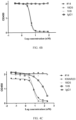
- the antibodies were 3-fold serially diluted from 66.7 nM and a total of 11 concentration gradients were prepared. The results are shown in FIG. 3 .
- the IC 50 values of #4, #11, #13 and #14 antibodies were 6.03 nM, 0.2086 nM, 1.5 nM and 0.1315 nM, respectively, showing that all these humanized antibodies could effectively block the binding of SIRP ⁇ to CD47, with #11 and #14 antibodies having stronger blocking effect than the other two humanized antibodies.
- KWAR23, 18D5 and 1H9 were used as controls.
- KWAR23 was prepared according to the sequences disclosed in US2018037652 (SEQ ID NO: 1 and SEQ ID NO: 2), 18D5 according to the sequences disclosed in US20190127477 (SEQ ID NO: 24 and SEQ ID NO: 31), and 1H9 according to the sequences disclosed in US20190119396 (SEQ ID NO: 7 and SEQ ID NO: 8).
- the human SIRP ⁇ protein is highly polymorphic in the extracellular region, and the common genotypes include V1, V2 and V8, the blocking effects of #14 antibody and the above control antibodies on the binding of common SIRP ⁇ genotypes to CD47 were further compared (in other examples, the SIRP ⁇ proteins with no specified genotype are all of V1 genotype).
- the blocking effects of different antibodies on the binding of SIRP ⁇ (V1) to CD47 were tested as described in Example 3.
- the antibodies were 2-fold serially diluted from 83.4 nM and a total of nine concentration gradients were prepared.
- the results are shown in FIG. 4A .
- the IC 50 value of #14 antibody was 3.404 nM and the IC 50 value of KWAR23 was 13.54 nM, indicating that #14 antibody has a stronger blocking effect on the binding of SIRP ⁇ (V1) to CD47 than KWAR23.
- FIG. 4A The IC 50 value of #14 antibody was 3.404 nM and the IC 50 value of KWAR23 was 13.54 nM, indicating that #14 antibody has a stronger blocking effect on the binding of SIRP ⁇ (V1) to CD47 than KWAR23.
- the IC 50 values of #14 antibody, 18D5 and 1H9 were 4.4 nM, 4.1 nM and 4.2 nM, respectively, indicating that the blocking activities of #14 antibody, 18D5 and 1H9 on the binding of SIRP ⁇ (V1) to CD47 were similar.
- the blocking effects of different antibodies on the binding of SIRP ⁇ (V2) to CD47 was determined by the method described in Example 3, where the biotin-labeled SIRP ⁇ used was SIRP ⁇ (V2) (manufacturer: Acrobiosystems, Cat. No. SI2-H82W8).
- the antibodies were 3-fold serially diluted from 200 nM and a total of nine concentration gradients were prepared.
- the results are shown in FIG. 4C .
- #14 antibody, KWAR23 and 1H9 can block the binding of SIRP ⁇ (V2) to CD47, while 18D5 cannot block the binding of SIRP ⁇ (V2) to CD47.
- the blocking activity of #14 antibody is stronger than that of 1H9.
- the IC 50 value of #14 antibody was 7.8 nM and the IC 50 value of KWAR23 was 6.4 nM, indicating that #14 antibody and KWAR23 have similar blocking activities against SIRP ⁇ (V2).
- the blocking effects of different antibodies on the binding of SIRP ⁇ (V8) to CD47 was determined by the method described in Example 3, where the biotin-labeled SIRP ⁇ used was SIRP ⁇ (V8) (manufacturer: Acrobiosystems, Cat. No. SI8-H82W6).
- the antibodies were 3-fold serially diluted from 200 nM and a total of nine concentration gradients were prepared. The results are shown in FIG. 4D .
- #14 antibody, KWAR23 and 1H9 can block the binding of SIRP ⁇ (V8) to CD47, while 18D5 cannot block the binding of SIRP ⁇ (V8) to CD47.
- the blocking activity of #14 antibody is stronger than that of 1H9.
- the IC 50 value of #14 antibody was 11.5 nM and the IC 50 value of KWAR23 was 10.8 nM, indicating that #14 antibody and KWAR23 have similar blocking activities against SIRP ⁇ (V8).
- #14 antibody can block the binding of common SIRP ⁇ genotypes (V1, V2 and V8) to CD47, and has a stronger blocking activity for SIRP ⁇ (V1) than KWAR23 and a stronger blocking activity for SIRP ⁇ (V2) and SIRP ⁇ (V8) than 18D5 and 1H9.
- Antibody-to-antigen binding kinetic was determined using Octet Red96 system (manufacturer: ForteBio) equipped with an H1S1K biosensor (manufacturer: ForteBio). The biosensor was directly used to capture the antigen, and then immersed in the analyte sample (antibody) right after that.
- the experiment consisted of five procedures: 1, baseline (100 s), 2, loading (capturing the antigen SIRP ⁇ ) (500 s), 3, baseline (100 s), 4, association (binding to the antibody) (500 s), 5, dissociation (antibody dissociation) (1000 s).
- the senor was regenerated by alternating soaking in regeneration buffer (glycine, pH 1.5) and neutralization buffer (PBS) for 5 seconds, and a total of five cycles were performed to regenerate the sensor.
- regeneration buffer glycine, pH 1.5
- PBS neutralization buffer
- Sample treatment the antigen SIRP ⁇ protein (manufacturer: Acrobiosystems, Cat. No. SIA-H5225) was diluted to a working concentration of 2.5 ⁇ g/mL using the operating buffer and the analyte samples (#14 antibody and KWAR23) were serially diluted to five working concentrations: 1 ⁇ g/mL, 0.5 ⁇ /mL, 0.25 ⁇ g/mL, 0.125 ⁇ g/mL and 0.0625 ⁇ g/mL.
- the response signal values (coupled analyte sample signal subtracted by blank analyte sample signal) were calculated using Octet Data Analysis (version 7.0 or the latest) and the data was fitted using a 1:1 association model.
- PBMC cells (manufacturer: Allcells, Cat. No. PB004F-C) were cultured in 1640 basal medium (manufacturer: Gibco, Cat. No. 22400-089) at 37 °C and 5% CO 2 for 2-3 h. Nonadherent cells were removed by pipette, and an induction medium (80 ng/mL M-CSF) was added for induction. Change fresh medium containing sufficient cytokines every 3 days. The cells were cultured for 7 days to obtain macrophages. Raji cells (supplied by Cell Bank of Chinese Academy of Sciences) were fluorescently labeled according to the instruction of CFSE reagent (manufacturer: Abcam, Cat. No. AB113853).
- the labeled Raji target cells and the above differentiated macrophages were mixed evenly at a ratio of 3:1, and an anti-CD20 antibody (zuberitamab, CAS RN: 2251143-19-6 , WHO Drug Information, Vol. 33, No.4, 2019, 914-915 ; concentration: 0.05 ⁇ g/mL, 0.5 ⁇ g/mL; manufacturer: BioRay), a combination of the anti-CD20 antibody (concentration: 0.05 ⁇ g/mL, 0.5 ⁇ g/mL) and #14 antibody (concentration: 10 ⁇ g/mL), or a combination of the anti-CD20 antibody (concentration: 0.05 ⁇ g/mL, 0.5 ⁇ g/mL) and KWAR23 antibody (concentration: 10 ⁇ g/mL) was added.
- an anti-CD20 antibody zuberitamab, CAS RN: 2251143-19-6 , WHO Drug Information, Vol. 33, No.4, 2019, 914-915 ; concentration: 0.05 ⁇ g/mL,
- the cells were cultured at 37 °C and 5% CO 2 for 4 h. Then cells were washed with PBS, and anti-CD14-APC (manufacturer: BD Biosciences, Cat. No. 555399) was added. After a 30 min incubation at 4 °C in the dark, cells were washed and analyzed by flow cytometry.
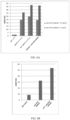
- FIG. 6A shows that #14 antibody can enhance the phagocytosis of Raji cells induced by the anti-CD20 antibody.
- the promotion effect of the combination of #14 antibody and the anti-Her2 antibody on macrophage phagocytosis of SK-BR-3 cells overexpressing Her2 was also investigated.
- the labeled SK-BR-3 cells supplied by Cell Bank of Chinese Academy of Sciences
- the differentiated macrophages were mixed evenly at a ratio of 2:1, and an anti-Her2 antibody (concentration: 0.5 ⁇ g/mL; manufacturer: BioRay) or a combination of the anti-Her2 antibody (concentration: 0.5 ⁇ g/mL) and #14 antibody (concentration: 10 ⁇ g/mL) was added.
- the cells were cultured at 37 °C and 5% CO 2 for 2 h.
- the phagocytosis rate was analyzed and calculated by flow cytometry.
- FIG. 6B shows that #14 antibody can enhance the phagocytosis of SK-BR-3 cells induced by the anti-Her2 antibody.
- Example 9 The anti-SIRP ⁇ antibody disclosed herein induces the endocytosis of SIRP ⁇ on cell surface
- THP-1 cells (supplied by Cell Bank of Chinese Academy of Sciences) were co-incubated with 10 ⁇ g/mL antibody at 4 °C for 30 min. The cells were washed twice, and divided into two parts. One part was incubated at 37 °C for 4 h, and the other part was further incubated at 4 °C as a control. The cells were washed twice and FITC-labeled goat anti-human IgG (manufacturer: Abcam, Cat. No. ab97224) was added. After a 30 min incubation at 4 °C in the dark, the cells were washed and then analyzed by flow cytometry.
- endocytosis rate was calculated from the decrease in cell surface fluorescence at 37 °C versus 4 °C.
- Table 8 shows that the endocytosis rate for #14 antibody was 52.9%, while the endocytosis rate for KWAR23 was 34.7%, indicating that #14 antibody is more effective in reducing the expression level of cell surface SIRP ⁇ .
- Table 8 Endocytosis of SIRP ⁇ on THP-1 cell membrane induced by #14 and KWAR23 Sample Endocytosis rate (%) #14 52.9 KWAR23 34.7
- Example 10 Tumor growth inhibition induced by the anti-SIRP ⁇ antibody disclosed herein
- the anti-tumor efficacy of #14 antibody was evaluated in an hCD47-MC38 mouse colon cancer model.
- hCD47-MC38 cells supplied by Shanghai Model Organisms
- hSIRP ⁇ /hCD47 dual humanized C57BL/6 mice supplied by Shanghai Model Organisms.
- #14 antibody 200 ⁇ g/mouse
- mice When the average tumor imaging signal intensity reached about 1 ⁇ 10 6 p/sec, the mice were administered with IgG control (supplied by Biocytogen, 200 ⁇ g/mouse), #14 antibody alone (200 ⁇ g/mouse), anti-CD20 antibody alone (2 ⁇ g/mouse) or #14 antibody (200 ⁇ g/mouse) plus anti-CD20 antibody (2 ⁇ g/mouse) at the designated doses. As shown in FIG. 8 , #14 antibody and the anti-CD20 antibody have synergistic anti-tumor efficacy.
Landscapes
- Health & Medical Sciences (AREA)
- Chemical & Material Sciences (AREA)
- Organic Chemistry (AREA)
- Life Sciences & Earth Sciences (AREA)
- Immunology (AREA)
- Medicinal Chemistry (AREA)
- General Health & Medical Sciences (AREA)
- Veterinary Medicine (AREA)
- Genetics & Genomics (AREA)
- Animal Behavior & Ethology (AREA)
- Nuclear Medicine, Radiotherapy & Molecular Imaging (AREA)
- Public Health (AREA)
- General Chemical & Material Sciences (AREA)
- Chemical Kinetics & Catalysis (AREA)
- Biochemistry (AREA)
- Biophysics (AREA)
- Pharmacology & Pharmacy (AREA)
- Molecular Biology (AREA)
- Proteomics, Peptides & Aminoacids (AREA)
- Oncology (AREA)
- Hematology (AREA)
- Medicines Containing Antibodies Or Antigens For Use As Internal Diagnostic Agents (AREA)
- Peptides Or Proteins (AREA)
- Preparation Of Compounds By Using Micro-Organisms (AREA)
- Micro-Organisms Or Cultivation Processes Thereof (AREA)
- Medicines That Contain Protein Lipid Enzymes And Other Medicines (AREA)
Applications Claiming Priority (2)
| Application Number | Priority Date | Filing Date | Title |
|---|---|---|---|
| CN202011464010.2A CN112574310B (zh) | 2020-12-11 | 2020-12-11 | 抗SIRPα抗体及其用途 |
| PCT/CN2021/136763 WO2022121980A1 (fr) | 2020-12-11 | 2021-12-09 | ANTICORPS ANTI-SIRPα ET SON APPLICATION |
Publications (2)
| Publication Number | Publication Date |
|---|---|
| EP4261223A1 true EP4261223A1 (fr) | 2023-10-18 |
| EP4261223A4 EP4261223A4 (fr) | 2024-11-13 |
Family
ID=75132278
Family Applications (1)
| Application Number | Title | Priority Date | Filing Date |
|---|---|---|---|
| EP21902685.3A Pending EP4261223A4 (fr) | 2020-12-11 | 2021-12-09 | Anticorps anti-sirp? et son application |
Country Status (10)
| Country | Link |
|---|---|
| US (1) | US20240034804A1 (fr) |
| EP (1) | EP4261223A4 (fr) |
| JP (1) | JP7620807B2 (fr) |
| KR (1) | KR20230113348A (fr) |
| CN (3) | CN112574310B (fr) |
| AU (1) | AU2021398150A1 (fr) |
| CA (1) | CA3200487A1 (fr) |
| IL (1) | IL303554A (fr) |
| TW (1) | TWI805121B (fr) |
| WO (1) | WO2022121980A1 (fr) |
Families Citing this family (11)
| Publication number | Priority date | Publication date | Assignee | Title |
|---|---|---|---|---|
| IL262251B2 (en) | 2016-04-14 | 2023-09-01 | Ose Immunotherapeutics | New anti-syrap antibodies and their medical applications |
| CN112574310B (zh) * | 2020-12-11 | 2023-05-05 | 浙江博锐生物制药有限公司 | 抗SIRPα抗体及其用途 |
| CN117355539A (zh) * | 2021-05-28 | 2024-01-05 | 百奥泰生物制药股份有限公司 | 抗SIRPα抗体及其应用 |
| TW202317620A (zh) | 2021-06-04 | 2023-05-01 | 德商百靈佳殷格翰國際股份有限公司 | 抗SIRPα抗體 |
| CN116472351A (zh) * | 2021-08-17 | 2023-07-21 | 杭州九源基因工程有限公司 | 靶向SIRPα的单克隆抗体及其用途 |
| CN121159701A (zh) * | 2021-12-02 | 2025-12-19 | 浙江博锐生物制药有限公司 | 抗Trop-2抗体及其用途 |
| EP4619435A1 (fr) | 2022-11-16 | 2025-09-24 | Boehringer Ingelheim International GmbH | Biomarqueurs d'efficacité prédictive pour anticorps anti-sirpa |
| WO2024140820A1 (fr) * | 2022-12-28 | 2024-07-04 | 浙江博锐生物制药有限公司 | Anticorps anti-nkg2a et son utilisation |
| WO2024200820A1 (fr) | 2023-03-30 | 2024-10-03 | Ose Immunotherapeutics | Procédé de synthèse de nanoparticule lipidique ciblée et ses utilisations |
| EP4687991A1 (fr) | 2023-03-30 | 2026-02-11 | Ose Immunotherapeutics | Nanoparticule à base de lipide ciblant des cellules immunitaires activées pour l'expression d'une molécule d'amélioration de cellule immunitaire et son utilisation |
| CN116514980B (zh) * | 2023-04-23 | 2025-12-16 | 杭州美赛生物医药科技有限公司 | 抗SIRPα抗体及其应用 |
Family Cites Families (15)
| Publication number | Priority date | Publication date | Assignee | Title |
|---|---|---|---|---|
| CN106456749B (zh) * | 2014-03-11 | 2021-03-30 | 小利兰·斯坦福大学托管委员会 | 抗SIRPα抗体和双特异性巨噬细胞增强型抗体 |
| IL262251B2 (en) * | 2016-04-14 | 2023-09-01 | Ose Immunotherapeutics | New anti-syrap antibodies and their medical applications |
| CN106084052B (zh) * | 2016-06-17 | 2019-12-27 | 长春金赛药业股份有限公司 | 抗cd47单克隆抗体及其应用 |
| CN109862910A (zh) * | 2016-08-03 | 2019-06-07 | 小利兰·斯坦福大学托管委员会 | 破坏巨噬细胞上的Fc受体接合增强抗SIRPα抗体疗法的功效 |
| JOP20190009A1 (ar) * | 2016-09-21 | 2019-01-27 | Alx Oncology Inc | أجسام مضادة ضد بروتين ألفا منظم للإشارات وطرق استخدامها |
| KR102702926B1 (ko) * | 2017-04-13 | 2024-09-06 | 사이로파 비.브이. | 항-sirp 알파 항체 |
| CN118271443A (zh) * | 2017-05-16 | 2024-07-02 | 拜奥迪斯私人有限公司 | 抗SIRPα抗体 |
| BR112020001653A2 (pt) | 2017-07-26 | 2020-07-21 | Forty Seven, Inc. | anticorpos anti-sirp-alfa e métodos relacionados |
| JP2021517130A (ja) * | 2018-03-13 | 2021-07-15 | オーセ イミュノセラピューティクスOse Immunotherapeutics | 抗ヒトSIRPav1抗体の使用および抗v1抗体を製造する方法 |
| CN110305212A (zh) * | 2018-03-27 | 2019-10-08 | 信达生物制药(苏州)有限公司 | 抗cd47抗体及其用途 |
| SG11202012338QA (en) * | 2018-07-10 | 2021-01-28 | Univ Kobe Nat Univ Corp | ANTI-SIRPa ANTIBODY |
| JP2022507295A (ja) * | 2018-11-14 | 2022-01-18 | アーチ オンコロジー,インコーポレイテッド | 治療用SIRPα抗体 |
| JP7451520B2 (ja) * | 2018-11-15 | 2024-03-18 | ビョンディス・ビー.ブイ. | ヒト化抗SIRPα抗体 |
| CN111995682B (zh) * | 2020-08-21 | 2022-05-10 | 博奥信生物技术(南京)有限公司 | 抗人SIRPα单克隆抗体及其用途 |
| CN112574310B (zh) * | 2020-12-11 | 2023-05-05 | 浙江博锐生物制药有限公司 | 抗SIRPα抗体及其用途 |
-
2020
- 2020-12-11 CN CN202011464010.2A patent/CN112574310B/zh active Active
-
2021
- 2021-12-09 KR KR1020237021265A patent/KR20230113348A/ko active Pending
- 2021-12-09 WO PCT/CN2021/136763 patent/WO2022121980A1/fr not_active Ceased
- 2021-12-09 US US18/265,777 patent/US20240034804A1/en active Pending
- 2021-12-09 TW TW110146004A patent/TWI805121B/zh active
- 2021-12-09 CN CN202180012639.XA patent/CN115052895B/zh active Active
- 2021-12-09 JP JP2023558929A patent/JP7620807B2/ja active Active
- 2021-12-09 AU AU2021398150A patent/AU2021398150A1/en active Pending
- 2021-12-09 EP EP21902685.3A patent/EP4261223A4/fr active Pending
- 2021-12-09 IL IL303554A patent/IL303554A/en unknown
- 2021-12-09 CN CN202411851428.7A patent/CN119818671A/zh active Pending
- 2021-12-09 CA CA3200487A patent/CA3200487A1/fr active Pending
Also Published As
| Publication number | Publication date |
|---|---|
| JP2023553758A (ja) | 2023-12-25 |
| WO2022121980A1 (fr) | 2022-06-16 |
| CN119818671A (zh) | 2025-04-15 |
| AU2021398150A1 (en) | 2023-06-29 |
| CN115052895B (zh) | 2025-01-24 |
| TWI805121B (zh) | 2023-06-11 |
| CN112574310A (zh) | 2021-03-30 |
| CN112574310B (zh) | 2023-05-05 |
| KR20230113348A (ko) | 2023-07-28 |
| EP4261223A4 (fr) | 2024-11-13 |
| US20240034804A1 (en) | 2024-02-01 |
| IL303554A (en) | 2023-08-01 |
| JP7620807B2 (ja) | 2025-01-24 |
| CA3200487A1 (fr) | 2022-06-16 |
| TW202222835A (zh) | 2022-06-16 |
| CN115052895A (zh) | 2022-09-13 |
Similar Documents
| Publication | Publication Date | Title |
|---|---|---|
| JP7620807B2 (ja) | 抗SIRPα抗体およびその適用 | |
| JP7440122B2 (ja) | Cldn18.2抗体及びその用途 | |
| JP2021536242A (ja) | 抗pd−1/抗vegfa二官能性抗体、その医薬組成物およびその使用 | |
| KR20210143192A (ko) | 변형된 Fc 단편, 이를 포함하는 항체 및 이의 응용 | |
| JP7538131B2 (ja) | 抗cd79b抗体、その抗原結合フラグメントおよびそれらの医薬用途 | |
| EP4421093A1 (fr) | Protéine de liaison à l'antigène comprenant deux domaines fc et son utilisation | |
| KR20230013113A (ko) | 항-b7h4 항체, 이중특이적 항체, 및 이의 용도 | |
| JP2024538669A (ja) | 抗lag3二重特異性抗体、医薬組成物、及び使用 | |
| EP4506360A1 (fr) | Anticorps anti-pvrig, composition pharmaceutique et utilisation associées | |
| JP2026503979A (ja) | 抗pdl1抗体及びその使用 | |
| EP4541821A1 (fr) | Anticorps bispécifique contenant un anticorps anti-cldn18.2, composition pharmaceutique et utilisation associées | |
| CN113150156A (zh) | 抗tigit抗体及其用途 | |
| CN112969715A (zh) | 一种抗cd47抗原结合蛋白及其应用 | |
| RU2822496C1 (ru) | АНТИТЕЛО К SIRPα И ЕГО ПРИМЕНЕНИЕ | |
| HK40076375A (en) | ANTI-SIRPα ANTIBODY AND APPLICATION THEREOF | |
| HK40040561A (en) | ANTI-SIRPα ANTIBODIES AND USES THEREOF | |
| HK40119369A (zh) | 抗SIRP α抗体及其用途 | |
| HK40076375B (zh) | 抗SIRPα抗体及其用途 | |
| US20250277038A1 (en) | Anti-pd-l1 antibody and use thereof | |
| EP4524248A1 (fr) | Anticorps multispécifique anti-taa et anti-cd3 | |
| HK40040561B (en) | ANTI-SIRPα ANTIBODIES AND USES THEREOF | |
| WO2026068750A1 (fr) | Anticorps se liant spécifiquement à des cellules t invariantes associées aux muqueuses (mait) | |
| CN116375873A (zh) | 抗人Siglec-9单克隆抗体及其用途 | |
| WO2025206223A1 (fr) | Anticorps anti-claudine 18,2 humaine et son utilisation | |
| KR20260062948A (ko) | Ctla4/tigit 결합 단백질 및 이의 의학적 용도 |
Legal Events
| Date | Code | Title | Description |
|---|---|---|---|
| STAA | Information on the status of an ep patent application or granted ep patent |
Free format text: STATUS: THE INTERNATIONAL PUBLICATION HAS BEEN MADE |
|
| PUAI | Public reference made under article 153(3) epc to a published international application that has entered the european phase |
Free format text: ORIGINAL CODE: 0009012 |
|
| STAA | Information on the status of an ep patent application or granted ep patent |
Free format text: STATUS: REQUEST FOR EXAMINATION WAS MADE |
|
| 17P | Request for examination filed |
Effective date: 20230607 |
|
| AK | Designated contracting states |
Kind code of ref document: A1 Designated state(s): AL AT BE BG CH CY CZ DE DK EE ES FI FR GB GR HR HU IE IS IT LI LT LU LV MC MK MT NL NO PL PT RO RS SE SI SK SM TR |
|
| DAV | Request for validation of the european patent (deleted) | ||
| DAX | Request for extension of the european patent (deleted) | ||
| A4 | Supplementary search report drawn up and despatched |
Effective date: 20241015 |
|
| RIC1 | Information provided on ipc code assigned before grant |
Ipc: A61P 35/00 20060101ALI20241009BHEP Ipc: A61K 39/395 20060101ALI20241009BHEP Ipc: C12P 21/02 20060101ALI20241009BHEP Ipc: C07K 16/28 20060101AFI20241009BHEP |
|
| RAP3 | Party data changed (applicant data changed or rights of an application transferred) |
Owner name: BIORAY PHARMACEUTICAL (HANGZHOU) CO., LTD. Owner name: BIORAY PHARMACEUTICAL CO., LTD. |