EP4263769B1 - Fluide de transmission - Google Patents
Fluide de transmission Download PDFInfo
- Publication number
- EP4263769B1 EP4263769B1 EP21830697.5A EP21830697A EP4263769B1 EP 4263769 B1 EP4263769 B1 EP 4263769B1 EP 21830697 A EP21830697 A EP 21830697A EP 4263769 B1 EP4263769 B1 EP 4263769B1
- Authority
- EP
- European Patent Office
- Prior art keywords
- lubricating composition
- base oil
- biodegradable
- ester base
- kinematic viscosity
- Prior art date
- Legal status (The legal status is an assumption and is not a legal conclusion. Google has not performed a legal analysis and makes no representation as to the accuracy of the status listed.)
- Active
Links
Images



Classifications
-
- C—CHEMISTRY; METALLURGY
- C10—PETROLEUM, GAS OR COKE INDUSTRIES; TECHNICAL GASES CONTAINING CARBON MONOXIDE; FUELS; LUBRICANTS; PEAT
- C10M—LUBRICATING COMPOSITIONS; USE OF CHEMICAL SUBSTANCES EITHER ALONE OR AS LUBRICATING INGREDIENTS IN A LUBRICATING COMPOSITION
- C10M169/00—Lubricating compositions characterised by containing as components a mixture of at least two types of ingredient selected from base-materials, thickeners or additives, covered by the preceding groups, each of these compounds being essential
- C10M169/04—Mixtures of base-materials and additives
- C10M169/044—Mixtures of base-materials and additives the additives being a mixture of non-macromolecular and macromolecular compounds
-
- C—CHEMISTRY; METALLURGY
- C10—PETROLEUM, GAS OR COKE INDUSTRIES; TECHNICAL GASES CONTAINING CARBON MONOXIDE; FUELS; LUBRICANTS; PEAT
- C10M—LUBRICATING COMPOSITIONS; USE OF CHEMICAL SUBSTANCES EITHER ALONE OR AS LUBRICATING INGREDIENTS IN A LUBRICATING COMPOSITION
- C10M105/00—Lubricating compositions characterised by the base-material being a non-macromolecular organic compound
- C10M105/08—Lubricating compositions characterised by the base-material being a non-macromolecular organic compound containing oxygen
- C10M105/32—Esters
- C10M105/34—Esters of monocarboxylic acids
-
- C—CHEMISTRY; METALLURGY
- C10—PETROLEUM, GAS OR COKE INDUSTRIES; TECHNICAL GASES CONTAINING CARBON MONOXIDE; FUELS; LUBRICANTS; PEAT
- C10M—LUBRICATING COMPOSITIONS; USE OF CHEMICAL SUBSTANCES EITHER ALONE OR AS LUBRICATING INGREDIENTS IN A LUBRICATING COMPOSITION
- C10M105/00—Lubricating compositions characterised by the base-material being a non-macromolecular organic compound
- C10M105/08—Lubricating compositions characterised by the base-material being a non-macromolecular organic compound containing oxygen
- C10M105/32—Esters
- C10M105/42—Complex esters, i.e. compounds containing at least three esterified carboxyl groups and derived from the combination of at least three different types of the following five types of compound: monohydroxy compounds, polyhydroxy compounds, monocarboxylic acids, polycarboxylic acids and hydroxy carboxylic acids
-
- C—CHEMISTRY; METALLURGY
- C10—PETROLEUM, GAS OR COKE INDUSTRIES; TECHNICAL GASES CONTAINING CARBON MONOXIDE; FUELS; LUBRICANTS; PEAT
- C10M—LUBRICATING COMPOSITIONS; USE OF CHEMICAL SUBSTANCES EITHER ALONE OR AS LUBRICATING INGREDIENTS IN A LUBRICATING COMPOSITION
- C10M129/00—Lubricating compositions characterised by the additive being an organic non-macromolecular compound containing oxygen
- C10M129/02—Lubricating compositions characterised by the additive being an organic non-macromolecular compound containing oxygen having a carbon chain of less than 30 atoms
- C10M129/68—Esters
- C10M129/70—Esters of monocarboxylic acids
-
- C—CHEMISTRY; METALLURGY
- C10—PETROLEUM, GAS OR COKE INDUSTRIES; TECHNICAL GASES CONTAINING CARBON MONOXIDE; FUELS; LUBRICANTS; PEAT
- C10M—LUBRICATING COMPOSITIONS; USE OF CHEMICAL SUBSTANCES EITHER ALONE OR AS LUBRICATING INGREDIENTS IN A LUBRICATING COMPOSITION
- C10M145/00—Lubricating compositions characterised by the additive being a macromolecular compound containing oxygen
- C10M145/02—Macromolecular compounds obtained by reactions only involving carbon-to-carbon unsaturated bonds
- C10M145/10—Macromolecular compounds obtained by reactions only involving carbon-to-carbon unsaturated bonds containing monomers having an unsaturated radical bound to a carboxyl radical, e.g. acrylate
- C10M145/12—Macromolecular compounds obtained by reactions only involving carbon-to-carbon unsaturated bonds containing monomers having an unsaturated radical bound to a carboxyl radical, e.g. acrylate monocarboxylic
- C10M145/14—Acrylate; Methacrylate
-
- C—CHEMISTRY; METALLURGY
- C10—PETROLEUM, GAS OR COKE INDUSTRIES; TECHNICAL GASES CONTAINING CARBON MONOXIDE; FUELS; LUBRICANTS; PEAT
- C10M—LUBRICATING COMPOSITIONS; USE OF CHEMICAL SUBSTANCES EITHER ALONE OR AS LUBRICATING INGREDIENTS IN A LUBRICATING COMPOSITION
- C10M155/00—Lubricating compositions characterised by the additive being a macromolecular compound containing atoms of elements not provided for in groups C10M143/00 - C10M153/00
- C10M155/02—Monomer containing silicon
-
- C—CHEMISTRY; METALLURGY
- C10—PETROLEUM, GAS OR COKE INDUSTRIES; TECHNICAL GASES CONTAINING CARBON MONOXIDE; FUELS; LUBRICANTS; PEAT
- C10M—LUBRICATING COMPOSITIONS; USE OF CHEMICAL SUBSTANCES EITHER ALONE OR AS LUBRICATING INGREDIENTS IN A LUBRICATING COMPOSITION
- C10M157/00—Lubricating compositions characterised by the additive being a mixture of two or more macromolecular compounds covered by more than one of the main groups C10M143/00 - C10M155/00, each of these compounds being essential
- C10M157/10—Lubricating compositions characterised by the additive being a mixture of two or more macromolecular compounds covered by more than one of the main groups C10M143/00 - C10M155/00, each of these compounds being essential at least one of them being a compound containing atoms of elements not provided for in groups C10M157/02 - C10M157/08
-
- C—CHEMISTRY; METALLURGY
- C10—PETROLEUM, GAS OR COKE INDUSTRIES; TECHNICAL GASES CONTAINING CARBON MONOXIDE; FUELS; LUBRICANTS; PEAT
- C10M—LUBRICATING COMPOSITIONS; USE OF CHEMICAL SUBSTANCES EITHER ALONE OR AS LUBRICATING INGREDIENTS IN A LUBRICATING COMPOSITION
- C10M161/00—Lubricating compositions characterised by the additive being a mixture of a macromolecular compound and a non-macromolecular compound, each of these compounds being essential
-
- C—CHEMISTRY; METALLURGY
- C10—PETROLEUM, GAS OR COKE INDUSTRIES; TECHNICAL GASES CONTAINING CARBON MONOXIDE; FUELS; LUBRICANTS; PEAT
- C10M—LUBRICATING COMPOSITIONS; USE OF CHEMICAL SUBSTANCES EITHER ALONE OR AS LUBRICATING INGREDIENTS IN A LUBRICATING COMPOSITION
- C10M2203/00—Organic non-macromolecular hydrocarbon compounds and hydrocarbon fractions as ingredients in lubricant compositions
- C10M2203/10—Petroleum or coal fractions, e.g. tars, solvents, bitumen
- C10M2203/102—Aliphatic fractions
- C10M2203/1025—Aliphatic fractions used as base material
-
- C—CHEMISTRY; METALLURGY
- C10—PETROLEUM, GAS OR COKE INDUSTRIES; TECHNICAL GASES CONTAINING CARBON MONOXIDE; FUELS; LUBRICANTS; PEAT
- C10M—LUBRICATING COMPOSITIONS; USE OF CHEMICAL SUBSTANCES EITHER ALONE OR AS LUBRICATING INGREDIENTS IN A LUBRICATING COMPOSITION
- C10M2207/00—Organic non-macromolecular hydrocarbon compounds containing hydrogen, carbon and oxygen as ingredients in lubricant compositions
- C10M2207/28—Esters
- C10M2207/2805—Esters used as base material
-
- C—CHEMISTRY; METALLURGY
- C10—PETROLEUM, GAS OR COKE INDUSTRIES; TECHNICAL GASES CONTAINING CARBON MONOXIDE; FUELS; LUBRICANTS; PEAT
- C10M—LUBRICATING COMPOSITIONS; USE OF CHEMICAL SUBSTANCES EITHER ALONE OR AS LUBRICATING INGREDIENTS IN A LUBRICATING COMPOSITION
- C10M2207/00—Organic non-macromolecular hydrocarbon compounds containing hydrogen, carbon and oxygen as ingredients in lubricant compositions
- C10M2207/28—Esters
- C10M2207/281—Esters of (cyclo)aliphatic monocarboxylic acids
-
- C—CHEMISTRY; METALLURGY
- C10—PETROLEUM, GAS OR COKE INDUSTRIES; TECHNICAL GASES CONTAINING CARBON MONOXIDE; FUELS; LUBRICANTS; PEAT
- C10M—LUBRICATING COMPOSITIONS; USE OF CHEMICAL SUBSTANCES EITHER ALONE OR AS LUBRICATING INGREDIENTS IN A LUBRICATING COMPOSITION
- C10M2207/00—Organic non-macromolecular hydrocarbon compounds containing hydrogen, carbon and oxygen as ingredients in lubricant compositions
- C10M2207/28—Esters
- C10M2207/281—Esters of (cyclo)aliphatic monocarboxylic acids
- C10M2207/2815—Esters of (cyclo)aliphatic monocarboxylic acids used as base material
-
- C—CHEMISTRY; METALLURGY
- C10—PETROLEUM, GAS OR COKE INDUSTRIES; TECHNICAL GASES CONTAINING CARBON MONOXIDE; FUELS; LUBRICANTS; PEAT
- C10M—LUBRICATING COMPOSITIONS; USE OF CHEMICAL SUBSTANCES EITHER ALONE OR AS LUBRICATING INGREDIENTS IN A LUBRICATING COMPOSITION
- C10M2207/00—Organic non-macromolecular hydrocarbon compounds containing hydrogen, carbon and oxygen as ingredients in lubricant compositions
- C10M2207/28—Esters
- C10M2207/30—Complex esters, i.e. compounds containing at leasst three esterified carboxyl groups and derived from the combination of at least three different types of the following five types of compounds: monohydroxyl compounds, polyhydroxy xompounds, monocarboxylic acids, polycarboxylic acids or hydroxy carboxylic acids
- C10M2207/301—Complex esters, i.e. compounds containing at leasst three esterified carboxyl groups and derived from the combination of at least three different types of the following five types of compounds: monohydroxyl compounds, polyhydroxy xompounds, monocarboxylic acids, polycarboxylic acids or hydroxy carboxylic acids used as base material
-
- C—CHEMISTRY; METALLURGY
- C10—PETROLEUM, GAS OR COKE INDUSTRIES; TECHNICAL GASES CONTAINING CARBON MONOXIDE; FUELS; LUBRICANTS; PEAT
- C10M—LUBRICATING COMPOSITIONS; USE OF CHEMICAL SUBSTANCES EITHER ALONE OR AS LUBRICATING INGREDIENTS IN A LUBRICATING COMPOSITION
- C10M2209/00—Organic macromolecular compounds containing oxygen as ingredients in lubricant compositions
- C10M2209/02—Macromolecular compounds obtained by reactions only involving carbon-to-carbon unsaturated bonds
- C10M2209/08—Macromolecular compounds obtained by reactions only involving carbon-to-carbon unsaturated bonds containing monomers having an unsaturated radical bound to a carboxyl radical, e.g. acrylate type
- C10M2209/084—Acrylate; Methacrylate
-
- C—CHEMISTRY; METALLURGY
- C10—PETROLEUM, GAS OR COKE INDUSTRIES; TECHNICAL GASES CONTAINING CARBON MONOXIDE; FUELS; LUBRICANTS; PEAT
- C10M—LUBRICATING COMPOSITIONS; USE OF CHEMICAL SUBSTANCES EITHER ALONE OR AS LUBRICATING INGREDIENTS IN A LUBRICATING COMPOSITION
- C10M2229/00—Organic macromolecular compounds containing atoms of elements not provided for in groups C10M2205/00, C10M2209/00, C10M2213/00, C10M2217/00, C10M2221/00 or C10M2225/00 as ingredients in lubricant compositions
- C10M2229/02—Unspecified siloxanes; Silicones
-
- C—CHEMISTRY; METALLURGY
- C10—PETROLEUM, GAS OR COKE INDUSTRIES; TECHNICAL GASES CONTAINING CARBON MONOXIDE; FUELS; LUBRICANTS; PEAT
- C10N—INDEXING SCHEME ASSOCIATED WITH SUBCLASS C10M RELATING TO LUBRICATING COMPOSITIONS
- C10N2020/00—Specified physical or chemical properties or characteristics, i.e. function, of component of lubricating compositions
- C10N2020/01—Physico-chemical properties
- C10N2020/017—Specific gravity or density
-
- C—CHEMISTRY; METALLURGY
- C10—PETROLEUM, GAS OR COKE INDUSTRIES; TECHNICAL GASES CONTAINING CARBON MONOXIDE; FUELS; LUBRICANTS; PEAT
- C10N—INDEXING SCHEME ASSOCIATED WITH SUBCLASS C10M RELATING TO LUBRICATING COMPOSITIONS
- C10N2020/00—Specified physical or chemical properties or characteristics, i.e. function, of component of lubricating compositions
- C10N2020/01—Physico-chemical properties
- C10N2020/02—Viscosity; Viscosity index
-
- C—CHEMISTRY; METALLURGY
- C10—PETROLEUM, GAS OR COKE INDUSTRIES; TECHNICAL GASES CONTAINING CARBON MONOXIDE; FUELS; LUBRICANTS; PEAT
- C10N—INDEXING SCHEME ASSOCIATED WITH SUBCLASS C10M RELATING TO LUBRICATING COMPOSITIONS
- C10N2020/00—Specified physical or chemical properties or characteristics, i.e. function, of component of lubricating compositions
- C10N2020/01—Physico-chemical properties
- C10N2020/081—Biodegradable compounds
-
- C—CHEMISTRY; METALLURGY
- C10—PETROLEUM, GAS OR COKE INDUSTRIES; TECHNICAL GASES CONTAINING CARBON MONOXIDE; FUELS; LUBRICANTS; PEAT
- C10N—INDEXING SCHEME ASSOCIATED WITH SUBCLASS C10M RELATING TO LUBRICATING COMPOSITIONS
- C10N2030/00—Specified physical or chemical properties which is improved by the additive characterising the lubricating composition, e.g. multifunctional additives
- C10N2030/02—Pour-point; Viscosity index
-
- C—CHEMISTRY; METALLURGY
- C10—PETROLEUM, GAS OR COKE INDUSTRIES; TECHNICAL GASES CONTAINING CARBON MONOXIDE; FUELS; LUBRICANTS; PEAT
- C10N—INDEXING SCHEME ASSOCIATED WITH SUBCLASS C10M RELATING TO LUBRICATING COMPOSITIONS
- C10N2030/00—Specified physical or chemical properties which is improved by the additive characterising the lubricating composition, e.g. multifunctional additives
- C10N2030/04—Detergent property or dispersant property
-
- C—CHEMISTRY; METALLURGY
- C10—PETROLEUM, GAS OR COKE INDUSTRIES; TECHNICAL GASES CONTAINING CARBON MONOXIDE; FUELS; LUBRICANTS; PEAT
- C10N—INDEXING SCHEME ASSOCIATED WITH SUBCLASS C10M RELATING TO LUBRICATING COMPOSITIONS
- C10N2030/00—Specified physical or chemical properties which is improved by the additive characterising the lubricating composition, e.g. multifunctional additives
- C10N2030/06—Oiliness; Film-strength; Anti-wear; Resistance to extreme pressure
-
- C—CHEMISTRY; METALLURGY
- C10—PETROLEUM, GAS OR COKE INDUSTRIES; TECHNICAL GASES CONTAINING CARBON MONOXIDE; FUELS; LUBRICANTS; PEAT
- C10N—INDEXING SCHEME ASSOCIATED WITH SUBCLASS C10M RELATING TO LUBRICATING COMPOSITIONS
- C10N2030/00—Specified physical or chemical properties which is improved by the additive characterising the lubricating composition, e.g. multifunctional additives
- C10N2030/10—Inhibition of oxidation, e.g. anti-oxidants
-
- C—CHEMISTRY; METALLURGY
- C10—PETROLEUM, GAS OR COKE INDUSTRIES; TECHNICAL GASES CONTAINING CARBON MONOXIDE; FUELS; LUBRICANTS; PEAT
- C10N—INDEXING SCHEME ASSOCIATED WITH SUBCLASS C10M RELATING TO LUBRICATING COMPOSITIONS
- C10N2030/00—Specified physical or chemical properties which is improved by the additive characterising the lubricating composition, e.g. multifunctional additives
- C10N2030/18—Anti-foaming property
-
- C—CHEMISTRY; METALLURGY
- C10—PETROLEUM, GAS OR COKE INDUSTRIES; TECHNICAL GASES CONTAINING CARBON MONOXIDE; FUELS; LUBRICANTS; PEAT
- C10N—INDEXING SCHEME ASSOCIATED WITH SUBCLASS C10M RELATING TO LUBRICATING COMPOSITIONS
- C10N2030/00—Specified physical or chemical properties which is improved by the additive characterising the lubricating composition, e.g. multifunctional additives
- C10N2030/68—Shear stability
-
- C—CHEMISTRY; METALLURGY
- C10—PETROLEUM, GAS OR COKE INDUSTRIES; TECHNICAL GASES CONTAINING CARBON MONOXIDE; FUELS; LUBRICANTS; PEAT
- C10N—INDEXING SCHEME ASSOCIATED WITH SUBCLASS C10M RELATING TO LUBRICATING COMPOSITIONS
- C10N2040/00—Specified use or application for which the lubricating composition is intended
- C10N2040/04—Oil-bath; Gear-boxes; Automatic transmissions; Traction drives
-
- C—CHEMISTRY; METALLURGY
- C10—PETROLEUM, GAS OR COKE INDUSTRIES; TECHNICAL GASES CONTAINING CARBON MONOXIDE; FUELS; LUBRICANTS; PEAT
- C10N—INDEXING SCHEME ASSOCIATED WITH SUBCLASS C10M RELATING TO LUBRICATING COMPOSITIONS
- C10N2040/00—Specified use or application for which the lubricating composition is intended
- C10N2040/14—Electric or magnetic purposes
- C10N2040/16—Dielectric; Insulating oil or insulators
-
- C—CHEMISTRY; METALLURGY
- C10—PETROLEUM, GAS OR COKE INDUSTRIES; TECHNICAL GASES CONTAINING CARBON MONOXIDE; FUELS; LUBRICANTS; PEAT
- C10N—INDEXING SCHEME ASSOCIATED WITH SUBCLASS C10M RELATING TO LUBRICATING COMPOSITIONS
- C10N2040/00—Specified use or application for which the lubricating composition is intended
- C10N2040/25—Internal-combustion engines
-
- C—CHEMISTRY; METALLURGY
- C10—PETROLEUM, GAS OR COKE INDUSTRIES; TECHNICAL GASES CONTAINING CARBON MONOXIDE; FUELS; LUBRICANTS; PEAT
- C10N—INDEXING SCHEME ASSOCIATED WITH SUBCLASS C10M RELATING TO LUBRICATING COMPOSITIONS
- C10N2040/00—Specified use or application for which the lubricating composition is intended
- C10N2040/40—Generators or electric motors in oil or gas winning field
Definitions
- This invention relates to a lubricant fluid for use in a transmission application in an electric vehicle.
- E-mobility refers to vehicles powered, at least in part, by batteries, including fully battery powered electric vehicles and the complete range of hybrid vehicles (e.g. plug-in hybrids, series hybrids, etc.).
- hybrid vehicles e.g. plug-in hybrids, series hybrids, etc.
- the number of these vehicles on the road has increased rapidly in recent years and it is expected that the rate of take up of vehicles relying on some form of battery power will continue to increase considerably over the coming decades.
- BEVs Battery-operated vehicles
- Such vehicles have higher torques at low speeds and much higher rotational speeds than ICE powertrains.
- the absence of an internal combustion engine usually means that BEVs operate at lower temperatures than ICE vehicles.
- Creating fluids to perform effectively in these conditions is a challenge.
- Limitations on the range of additives useable in a lubricating fluid for the transmission of an electric vehicle may also be affected if the electric motor is integrated into the transmission.
- Transmission Fluids vary in composition and performance aspects to meet the individual needs for each transmission concept.
- the general composition of a transmission fluid contains i) between 70 and 95% base oils; ii) between 3 and 15% of an additive package, containing various chemicals with functional effects, like antioxidants or detergent and anti-wear additives; iii) antifoaming additives, if not already part of the additive package; and iv) a viscosity modifier, usually a polymethacrylate, in the range of ⁇ 1% up to 20%.
- Formula E is a single seater electric car-based motor racing world championship conceived in 2011 and having its inaugural season starting in 2014.
- the electric drive unit (EDU) of the racing vehicles remains unchanged for the entire race season.
- Lubricant fluids in the vehicles may, however, be modified between races.
- the lubricant fluids used in Formula E, and other electric race car series can be key differentiators between teams, as the properties and characteristics of the lubricant fluids can have a significant impact on the overall efficiency of a drivetrain.
- An advantage of testing lubricant fluids in racing vehicles is that, due to the regular fluid changes, an individual fluid only needs to fulfil its function for a few hours. This is advantageous as the fluid can be formulated for extreme operating conditions and especially optimized for efficiency increase in the drivetrain without focusing on typical durability and thermal properties which need to be applied to transmission fluids for series applications on the market. Such optimizations made under these conditions can then be applied to the development of mainstream, long life, lubricant fluids.
- US2020277542 teaches a lubricating oil for use in an electric or hybrid vehicle, said lubricating oil having a composition comprising: one or more lubricating oil base stocks as a major component; and one or more lubricating oil additives, as a minor component; wherein the one or more lubricating oil base stocks comprise at least one Group IV base oil, or at least one Group V base oil; wherein the lubricating oil has a kinematic viscosity (KV100) from 1 cSt to 7 cSt at 100° C. as determined by ASTM D-445, and an electrical conductivity at room temperature of less than 15,000 pS/m as determined by ASTM D-2624.
- KV100 kinematic viscosity
- JP2014025081 describes an automobile transmission oil composition
- a lubricant base oil in which the lubricant base oil is selected to be one which contains an ester-based synthetic oil in an amount of 10 mass% to 100 mass% based on a total amount of the base oil; kinematic viscosity 40°C is designed to be less than 15 mm 2 /s; viscosity index is designed to be 120 or more; and density at 15°C is designed to be 0.85 g/cm 3 or more.
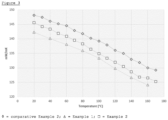
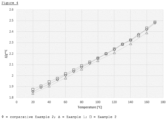
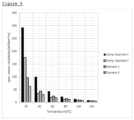
- FIGS 1 to 6 show the results of the Examples in the present application.
- the present invention therefore, provides a lubricating composition for use as a transmission fluid in an electric vehicle, said lubricating composition comprising:
- the present invention also provides a process for lubricating an electric vehicle drive train comprising a transmission, said process comprising the steps of applying to said transmission a lubricating composition, said lubricating composition comprising:
- ester components as base oils in electric vehicles may be used in combination with high viscosity esters and anti-foams selected from silicone oil based anti-foams and polymethacrylate anti-foams and provide transmission fluids with excellent properties.
- ester base oils are classified in Group V.
- the ester base oils have been shown to build up better lubrication layers on metal surfaces and reduce friction within a gearbox more effectively compared to mineral base oils.
- the high polarity of ester-based base oil leads to excellent cleaning properties during each oil drain.
- the increased thermal conductivities of the ester base oils provide improved cooling properties compared to typical transmission fluid base oils, such as those in API Group III or Group IV.
- the lubricant formulations of the invention can also improve friction characteristics, providing higher efficiency as less heat is produced.
- the lubricating composition of the invention comprises at least 70wt%, based on the overall weight of the lubricating composition of a biodegradable ester base oil, wherein the biodegradable ester base oil is made up of a mixture of two ester base oils and comprises a first biodegradable ester base oil with a kinematic viscosity at 100°C in the range of from 4 to 6 mm 2 /s and a second biodegradable ester base oil with a kinematic viscosity at 100°C in the range of from 2.5 to 3 mm 2 /s.
- Suitable biodegradable ester base oil blends that can be used preferably have a kinematic viscosity at 100°C of from 2.5 to 7.0 mm 2 /s, and preferably not less than 4 mm 2 /s and not more than 6 mm 2 /s.
- the first biodegradable ester base oil has a kinematic viscosity at 100°C of 5mm 2 /s.
- the second biodegradable ester base oil has a kinematic viscosity at 100°C of 2.8 mm 2 /s.
- the first biodegradable ester base oil is preferably present in an amount in the range of from 15 to 30 wt% based on the overall lubricating composition and the second biodegradable ester base oil is preferably present in an amount in the range of from 50 to 70wt% based on the overall lubricating composition.
- the biodegradable ester base oil or mixture thereof is present in a total amount of at least 70wt%, preferably at least 75wt%, more preferably at least 80wt%, based on the overall weight of the lubricating composition.
- biodegradable esters as referred to herein are esters that are considered to be biodegradable according to OECD test guidelines series 301.
- the lubricating composition comprises no more than 10wt%, preferably no more than 8wt% and more preferably no more than 6wt% of a viscosity index improver which is at least one high viscosity ester.
- Said viscosity index improver is present in an amount of at least 0.5wt%, preferably at least 3wt%, based on the overall weight of the lubricating composition.
- the viscosity index improver is added in amount such that the viscosity index of the overall lubricating composition is greater than 190.
- Suitable high viscosity esters include those with a kinematic viscosity at 100°C of at least 1000mm 2 /s, preferably at least 1500mm 2 /s. Also suitable, said high viscosity esters have a kinematic viscosity at 40°C of at least 30,000 mm 2 /s and a flashpoint (measured according to ASTM D92) of at least 275°C.
- the lubricating composition of the present invention also comprises an anti-foam additive.
- Said anti-foam additive is selected from silicone oil based anti-foam additives and polymethacrylate anti-foam additives. Suitable silicone oil based anti-foam additives include
- the anti-foam additive comprises one or more silicone oil based anti-foam additive
- said silicone oil based anti-foam additives are present in an amount of no more than 0.1wt%. More preferably, if present, the silicone oil based anti-foam additives are present in an amount such that the silicon content of the overall lubricating composition is in the range of from 2 to 15, even more preferably from 3 to 12 ppmw.
- the anti-foam additive comprises one or more polyacrylate anti-foam additive
- said polyacrylate anti-foam additives are present in an amount of no more than 0.1wt%.
- Any polyacrylate, including poly(alkyl)acrylates, known as anti-foam additives may be suitable for use in the lubricating composition of the present invention.
- the lubricating composition of the present invention preferably has a specific electrical resistivity according to DIN EN 60247 of more than 60 MOhm*m at 20°C and more than 6 MOhm*m at 100°C.
- the lubricating composition of the present invention also comprises a performance additive package.
- a typical performance additive package comprises a mixture of extreme pressure anti-wear additives in combination with detergents, antioxidants and dispersants.
- such an additive package will also comprise one or more carrier oils. Said carrier oils may also be esters or may be selected from any of the group of API base oil Groups I to V.
- said performance additive package is present in an amount in the range of from 9 to 14wt% based on the overall weight of the lubricating composition.
- Typical extreme pressure anti-wear additives include phosphorous- and sulfur-based molecules, providing a level of phosphorus of at least 0.1wt% and a level of sulfur of at least 1.7wt% based on the overall lubricating composition.
- suitable additives may be added to the lubricating composition depending on its specific requirements. These include, but are not limited to corrosion inhibitors, friction modifiers, and pour point depressants.
- a preferred friction modifier for use in the present invention is a fatty acid ester with a polyhydric alcohol.
- a friction modifier may be added in an amount in the range of from 0.5 to 3 wt% based on the overall weight of the lubricating composition.
- the kinematic viscosity measured at 100°C of the lubricating composition of the present invention is in the range of from 4 to 8 cSt.
- An advantage of the present invention is that the high viscosity ester components tend to shear down during operation. Under cold starting conditions during races, a thicker lubricants layer is protecting the components from wear, but while racing the lubricant is shearing down to lower viscosity and therefore leads to a higher efficient operation of the transmission unit.
- Comparative Example 1 represents a conventional automatic transmission fluid.
- Comparative Example 2 represents a typical racing transmission fluid used as a reference. Examples 1 and 2 are inventive examples.
- Silicon oil based antifoam - a silicone oil with a typical kinematic viscosity at 100°C of 12500 mm 2 /s or 30000 mm 2 /s diluted in solvent, optionally combined with a polyacrylate.
- Example 2 Example 1 Example 2 GRP III Base oil wt% 88.35 - - - Ester base oil A wt% - 83.175 23.00 12.5 Ester base oil B wt% - - 62.7 67.95 Ester base oil C (VM function) wt% - - 0.75 6.0 Ester base oil D (VM function) wt% - 5.275 - - Performance Additive Package A wt% - 10.5 12.5 12,5 Performance Additive Package B wt% 8.9 - - - Ester based friction modifier wt% - 1 1 1 Viscosity modifier wt% 2,5 - - - Silicon oil based Antifoam wt% 0,25 0,05 0,05 0,05
- Example 2 The viscometric properties of the base four examples were measured and are set out in Table 2.
- Table 2 Test Method Comp. Example 1 Comp.
- Example 2 Example 1
- Example 2 Kinematic Visc. at 40°C ASTM D445 / 446 25,0 cSt 39,5 cSt 23,5 cSt 14,4 cSt Kinematic Visc. at 100°C ASTM D445 / 446 5,5 cSt 8,8 cSt 6,0 cSt 4,0 cSt VI DIN ISO 2909 156 210 221 191 KRL Shear: viscosity loss after 20h (KV100) DIN 51350-6 ⁇ 5% ⁇ 5% 4% 0,2%
- FZG efficiency testing according to FVA 345 was carried out to underline the results from the actual gearbox.
- the efficiency screener test (FZG-E-C/0,5:20/5:9/40:120) according to FVA 345 measures friction properties of lubricants on gears and its implication on efficiency. Efficiencies at different conditions (rotational speed 0,5 m/s to 20 m/s; Load stages KS0 to KS9 and temperatures 40°C to 120°C) are measured against a reference fluid on a standard FZG test rig. Also, a steady state temperature is measured in order to compare the heat losses and the resulting efficiency losses.
- Example 2 was run against Comparative Example 1 and was measured to have an 8.0°C lower steady state temperature.
- Density and kinematic viscosity profiles shown in Figures 1 and 2 , have a direct impact on the thermal conductivity and specific heat capacity of the lubricant formulations
- Figure 3 shows the results for thermal conductivity and specific heat capacity has been measured according to a modified ASTM D7896-19 method. To conduct the testing, a Flucon Measuring System Lambda with PSL LabTemp 30190 was used.
- Example 1 has the lowest thermal conductivity performance profile due to the lowest density. The higher the density of the formulation, the higher the thermal conductivity.
- Figure 5 shows the specific electrical conductivity in nS/m of Example 1 and 2 compared to Comparative Example 1.
- Figure 6 shows the specific electrical resistivity in MOhm*m as a consequence of the specific electrical conductivity.
- Examples 1 and 2 have an electrical resistivity of more than 60 MOhm*m at 20°C and more than 6 MOhm*m at 100°C. Therefore, the specific electrical resistivity of Example 1 and Example 2 are comparable or higher than those of Comparative Example 2 although they have a much lower viscosity which typically would result in lower specific electrical resistivity or higher specific electrical conductivity at measured temperatures of 20°C and 100°C.
- the Gearbox was installed on a driveline test rig, connected to two brakes and one electric motor to simulate realistic racing conditions.
- the electric motor is running the gearbox whereas the brakes are used to simulate certain load conditions.
- To measure a potential change of efficiency during operation the input torque, generated by the electric motor and output torque at the brakes has been monitored.
- Comparing Comparative Example 2 and Inventive Example 1 it is shown that the inventive Example still provides increased efficiency in the racing powertrain of up to 0.25%.
Landscapes
- Chemical & Material Sciences (AREA)
- Chemical Kinetics & Catalysis (AREA)
- General Chemical & Material Sciences (AREA)
- Oil, Petroleum & Natural Gas (AREA)
- Organic Chemistry (AREA)
- Health & Medical Sciences (AREA)
- Emergency Medicine (AREA)
- Lubricants (AREA)
Claims (7)
- Composition lubrifiante utilisable en guise de fluide de transmission dans un véhicule électrique, ladite composition lubrifiante comprenant :(i) au moins 70 % en poids, en fonction du poids global de la composition lubrifiante, d'une huile de base ester biodégradable avec une viscosité cinématique à 100 °C dans la plage allant de 2,5 à 7,0 mm2/s, dans laquelle l'ester est biodégradable selon les lignes directrices de test OCDE série 301, dans laquelle l'huile de base ester biodégradable est constituée d'un mélange de deux huiles de base ester et comprend une première huile de base ester biodégradable avec une viscosité cinématique à 100 °C dans la plage allant de 4 à 6 mm2/s et une seconde huile de base ester biodégradable avec une viscosité cinématique à 100 °C dans la plage allant de 2,5 à 3 mm2/s ;(ii) au moins 0,5 % en poids et pas plus de 10 % en poids, en fonction du poids global de la composition lubrifiante, d'un agent améliorant l'indice de viscosité qui est au moins un ester de haute viscosité avec une viscosité cinématique à 100 °C d'au moins 1000 mm2/s ; et(iii) un additif antimousse choisi parmi des additifs antimousses à base d'huile de silicone et des additifs antimousses polyacrylate.
- Composition lubrifiante selon la revendication 1, dans laquelle ladite composition lubrifiante a une résistivité électrique spécifique selon DIN EN 60247 de plus de 60 MOhm*m à 20 °C et plus de 6 MOhm*m à 100 °C.
- Composition lubrifiante selon la revendication 1 ou la revendication 2, dans laquelle la première huile de base ester biodégradable est présente en une quantité dans la plage allant de 15 à 30 % en poids en fonction de la composition lubrifiante globale et la seconde huile de base ester biodégradable est présente en une quantité dans la plage allant de 50 à 70 % en poids en fonction de la composition lubrifiante globale.
- Composition lubrifiante selon l'une quelconque des revendications 1 à 3, dans laquelle l'agent améliorant l'indice de viscosité qui est au moins un ester de haute viscosité a une viscosité cinématique à 100 °C d'au moins 1500 mm2/s.
- Composition lubrifiante selon l'une quelconque des revendications 1 à 4, l'additif antimousse est un additif antimousse à base d'huile de silicone et est présent en une quantité de telle sorte que la teneur en silicium de la composition lubrifiante globale est dans la plage allant de 2 à 15 ppm en poids.
- Composition lubrifiante selon l'une quelconque des revendications 1 à 5, dans laquelle la composition lubrifiante comprend également un ensemble additif de performance comprenant au moins un ou plusieurs additifs anti-usures pour pression extrême en combinaison avec des détergents, des antioxydants et des dispersants.
- Procédé permettant de lubrifier une chaîne cinématique de véhicule électrique comprenant une transmission, ledit procédé comprenant les étapes consistant à appliquer à ladite transmission une composition lubrifiante, ladite composition lubrifiante comprenant :(i) au moins 70 % en poids, en fonction du poids global de la composition lubrifiante, d'une huile de base ester biodégradable avec une viscosité cinématique à 100 °C dans la plage allant de 2,5 à 7,0 mm2/s, dans lequel l'ester est biodégradable selon les lignes directrices de test OCDE série 301, dans lequel l'huile de base ester biodégradable est constituée d'un mélange de deux huiles de base ester et comprend une première huile de base ester biodégradable avec une viscosité cinématique à 100 °C dans la plage allant de 4 à 6 mm2/s et une seconde huile de base ester biodégradable avec une viscosité cinématique à 100 °C dans la plage allant de 2,5 à 3 mm2/s ;(ii) au moins 0,5 % en poids et pas plus de 10 % en poids, en fonction du poids global de la composition lubrifiante, d'un agent améliorant l'indice de viscosité qui est au moins un ester de haute viscosité avec une viscosité cinématique à 100 °C d'au moins 1000 mm2/s ; et(iii) un additif antimousse choisi parmi des additifs antimousses à base d'huile de silicone et des additifs antimousses polyacrylate.
Applications Claiming Priority (2)
| Application Number | Priority Date | Filing Date | Title |
|---|---|---|---|
| EP20214986 | 2020-12-17 | ||
| PCT/EP2021/086198 WO2022129334A1 (fr) | 2020-12-17 | 2021-12-16 | Fluide de transmission |
Publications (2)
| Publication Number | Publication Date |
|---|---|
| EP4263769A1 EP4263769A1 (fr) | 2023-10-25 |
| EP4263769B1 true EP4263769B1 (fr) | 2024-07-31 |
Family
ID=73855327
Family Applications (1)
| Application Number | Title | Priority Date | Filing Date |
|---|---|---|---|
| EP21830697.5A Active EP4263769B1 (fr) | 2020-12-17 | 2021-12-16 | Fluide de transmission |
Country Status (5)
| Country | Link |
|---|---|
| US (1) | US12173251B2 (fr) |
| EP (1) | EP4263769B1 (fr) |
| JP (1) | JP2023554047A (fr) |
| CN (1) | CN116783273A (fr) |
| WO (1) | WO2022129334A1 (fr) |
Families Citing this family (2)
| Publication number | Priority date | Publication date | Assignee | Title |
|---|---|---|---|---|
| EP4365260B1 (fr) | 2022-11-04 | 2024-10-16 | Oleon N.V. | Utilisation d'un monoester et d'un diester comme agent de refroidissement diélectrique |
| CN116606684B (zh) * | 2023-05-22 | 2024-02-20 | 江苏双江能源科技股份有限公司 | 一种电动汽车传动液及制备方法 |
Family Cites Families (9)
| Publication number | Priority date | Publication date | Assignee | Title |
|---|---|---|---|---|
| GB0822256D0 (en) * | 2008-12-05 | 2009-01-14 | Croda Int Plc | Gear oil additive |
| JP5827782B2 (ja) * | 2009-05-08 | 2015-12-02 | 出光興産株式会社 | 生分解性潤滑油組成物 |
| JP5819384B2 (ja) * | 2013-11-06 | 2015-11-24 | Jx日鉱日石エネルギー株式会社 | 自動車用変速機油組成物 |
| JPWO2016157956A1 (ja) * | 2015-03-31 | 2018-01-25 | Jxtgエネルギー株式会社 | 自動変速機用潤滑油組成物 |
| FR3069864B1 (fr) * | 2017-08-03 | 2019-08-16 | Total Marketing Services | Composition lubrifiante comprenant un diester |
| WO2020176171A1 (fr) * | 2019-02-28 | 2020-09-03 | Exxonmobil Research And Engineering Company | Compositions d'huile pour engrenage de faible viscosivité pour véhicules électriques et hybrides |
| FR3093729B1 (fr) * | 2019-03-13 | 2025-10-10 | Total Marketing Services | Utilisation d’un ester dans une composition de refroidissement |
| CN114302940A (zh) * | 2019-09-30 | 2022-04-08 | 巴斯夫欧洲公司 | 具有羧酸酯的润滑剂在电动车辆中的用途 |
| US20210189283A1 (en) * | 2019-12-18 | 2021-06-24 | Exxonmobil Research And Engineering Company | Lubricating oil compositions and methods of use |
-
2021
- 2021-12-16 EP EP21830697.5A patent/EP4263769B1/fr active Active
- 2021-12-16 CN CN202180084323.1A patent/CN116783273A/zh active Pending
- 2021-12-16 JP JP2023536149A patent/JP2023554047A/ja active Pending
- 2021-12-16 WO PCT/EP2021/086198 patent/WO2022129334A1/fr not_active Ceased
- 2021-12-16 US US18/253,795 patent/US12173251B2/en active Active
Also Published As
| Publication number | Publication date |
|---|---|
| JP2023554047A (ja) | 2023-12-26 |
| WO2022129334A1 (fr) | 2022-06-23 |
| US20240002744A1 (en) | 2024-01-04 |
| CN116783273A (zh) | 2023-09-19 |
| EP4263769A1 (fr) | 2023-10-25 |
| US12173251B2 (en) | 2024-12-24 |
Similar Documents
| Publication | Publication Date | Title |
|---|---|---|
| JP4805536B2 (ja) | 自動車用変速機油組成物 | |
| CA2537311C (fr) | Compositions lubrifiantes pour engrenages automobiles | |
| KR101777892B1 (ko) | 무단 변속기용 윤활유 조성물 | |
| EP4263769B1 (fr) | Fluide de transmission | |
| CA2596718A1 (fr) | Fluides lubrificateurs a faibles caracteristiques de traction | |
| JP2025501150A (ja) | モータ及びギアボックス流体配合物並びにその使用 | |
| CN112888770B (zh) | 润滑油组合物、具备润滑油组合物的机械装置及润滑油组合物的制造方法 | |
| JP2013510198A (ja) | 潤滑油組成物 | |
| EP3760697B1 (fr) | Composition lubrifiante, son procédé de fabrication et son utilisation dans un dispositif mécanique | |
| EP3491108B1 (fr) | Fluides de transmission comprenant une huile de base api groupe ii | |
| US11254890B2 (en) | Lubricant composition | |
| CN115074177B (zh) | 一种适用于电动摩托车轮毂油冷电机的液体介质组合物及其制备方法 | |
| CN103695131A (zh) | 一种合成自动变速箱油及其制备方法 | |
| CN114806681A (zh) | 用于乘用车混动专用变速器的润滑油组合物 | |
| Barton et al. | Impact of viscosity modifiers on gear oil efficiency and durability | |
| CN118931614B (zh) | 一种变速箱润滑油用基础油组合物及应用 | |
| US12410374B2 (en) | Lubricating oil composition, lubrication method, and transmission | |
| EP4709822A1 (fr) | Lubrifiants synthétiques à base de polyalphaoléfine pour engrenages | |
| CN117431111A (zh) | 一种变速箱润滑油组合物及应用 | |
| CN119855889A (zh) | 单酯在用于车辆传动装置的润滑组合物中的用途 | |
| CN121852113A (zh) | 马达和变速箱流体配方及其用途 |
Legal Events
| Date | Code | Title | Description |
|---|---|---|---|
| STAA | Information on the status of an ep patent application or granted ep patent |
Free format text: STATUS: UNKNOWN |
|
| STAA | Information on the status of an ep patent application or granted ep patent |
Free format text: STATUS: THE INTERNATIONAL PUBLICATION HAS BEEN MADE |
|
| PUAI | Public reference made under article 153(3) epc to a published international application that has entered the european phase |
Free format text: ORIGINAL CODE: 0009012 |
|
| STAA | Information on the status of an ep patent application or granted ep patent |
Free format text: STATUS: REQUEST FOR EXAMINATION WAS MADE |
|
| 17P | Request for examination filed |
Effective date: 20230619 |
|
| AK | Designated contracting states |
Kind code of ref document: A1 Designated state(s): AL AT BE BG CH CY CZ DE DK EE ES FI FR GB GR HR HU IE IS IT LI LT LU LV MC MK MT NL NO PL PT RO RS SE SI SK SM TR |
|
| DAV | Request for validation of the european patent (deleted) | ||
| DAX | Request for extension of the european patent (deleted) | ||
| GRAP | Despatch of communication of intention to grant a patent |
Free format text: ORIGINAL CODE: EPIDOSNIGR1 |
|
| STAA | Information on the status of an ep patent application or granted ep patent |
Free format text: STATUS: GRANT OF PATENT IS INTENDED |
|
| INTG | Intention to grant announced |
Effective date: 20240417 |
|
| GRAS | Grant fee paid |
Free format text: ORIGINAL CODE: EPIDOSNIGR3 |
|
| GRAA | (expected) grant |
Free format text: ORIGINAL CODE: 0009210 |
|
| STAA | Information on the status of an ep patent application or granted ep patent |
Free format text: STATUS: THE PATENT HAS BEEN GRANTED |
|
| P01 | Opt-out of the competence of the unified patent court (upc) registered |
Free format text: CASE NUMBER: APP_33401/2024 Effective date: 20240605 |
|
| AK | Designated contracting states |
Kind code of ref document: B1 Designated state(s): AL AT BE BG CH CY CZ DE DK EE ES FI FR GB GR HR HU IE IS IT LI LT LU LV MC MK MT NL NO PL PT RO RS SE SI SK SM TR |
|
| REG | Reference to a national code |
Ref country code: CH Ref legal event code: EP Ref country code: GB Ref legal event code: FG4D |
|
| REG | Reference to a national code |
Ref country code: DE Ref legal event code: R096 Ref document number: 602021016602 Country of ref document: DE |
|
| REG | Reference to a national code |
Ref country code: IE Ref legal event code: FG4D |
|
| REG | Reference to a national code |
Ref country code: LT Ref legal event code: MG9D |
|
| REG | Reference to a national code |
Ref country code: NL Ref legal event code: MP Effective date: 20240731 |
|
| PG25 | Lapsed in a contracting state [announced via postgrant information from national office to epo] |
Ref country code: PT Free format text: LAPSE BECAUSE OF FAILURE TO SUBMIT A TRANSLATION OF THE DESCRIPTION OR TO PAY THE FEE WITHIN THE PRESCRIBED TIME-LIMIT Effective date: 20241202 |
|
| REG | Reference to a national code |
Ref country code: AT Ref legal event code: MK05 Ref document number: 1708474 Country of ref document: AT Kind code of ref document: T Effective date: 20240731 |
|
| PG25 | Lapsed in a contracting state [announced via postgrant information from national office to epo] |
Ref country code: PT Free format text: LAPSE BECAUSE OF FAILURE TO SUBMIT A TRANSLATION OF THE DESCRIPTION OR TO PAY THE FEE WITHIN THE PRESCRIBED TIME-LIMIT Effective date: 20241202 |
|
| PG25 | Lapsed in a contracting state [announced via postgrant information from national office to epo] |
Ref country code: NO Free format text: LAPSE BECAUSE OF FAILURE TO SUBMIT A TRANSLATION OF THE DESCRIPTION OR TO PAY THE FEE WITHIN THE PRESCRIBED TIME-LIMIT Effective date: 20241031 |
|
| PG25 | Lapsed in a contracting state [announced via postgrant information from national office to epo] |
Ref country code: NL Free format text: LAPSE BECAUSE OF FAILURE TO SUBMIT A TRANSLATION OF THE DESCRIPTION OR TO PAY THE FEE WITHIN THE PRESCRIBED TIME-LIMIT Effective date: 20240731 Ref country code: PL Free format text: LAPSE BECAUSE OF FAILURE TO SUBMIT A TRANSLATION OF THE DESCRIPTION OR TO PAY THE FEE WITHIN THE PRESCRIBED TIME-LIMIT Effective date: 20240731 Ref country code: FI Free format text: LAPSE BECAUSE OF FAILURE TO SUBMIT A TRANSLATION OF THE DESCRIPTION OR TO PAY THE FEE WITHIN THE PRESCRIBED TIME-LIMIT Effective date: 20240731 Ref country code: GR Free format text: LAPSE BECAUSE OF FAILURE TO SUBMIT A TRANSLATION OF THE DESCRIPTION OR TO PAY THE FEE WITHIN THE PRESCRIBED TIME-LIMIT Effective date: 20241101 |
|
| PG25 | Lapsed in a contracting state [announced via postgrant information from national office to epo] |
Ref country code: BG Free format text: LAPSE BECAUSE OF FAILURE TO SUBMIT A TRANSLATION OF THE DESCRIPTION OR TO PAY THE FEE WITHIN THE PRESCRIBED TIME-LIMIT Effective date: 20240731 |
|
| PG25 | Lapsed in a contracting state [announced via postgrant information from national office to epo] |
Ref country code: LV Free format text: LAPSE BECAUSE OF FAILURE TO SUBMIT A TRANSLATION OF THE DESCRIPTION OR TO PAY THE FEE WITHIN THE PRESCRIBED TIME-LIMIT Effective date: 20240731 |
|
| PG25 | Lapsed in a contracting state [announced via postgrant information from national office to epo] |
Ref country code: IS Free format text: LAPSE BECAUSE OF FAILURE TO SUBMIT A TRANSLATION OF THE DESCRIPTION OR TO PAY THE FEE WITHIN THE PRESCRIBED TIME-LIMIT Effective date: 20241130 Ref country code: AT Free format text: LAPSE BECAUSE OF FAILURE TO SUBMIT A TRANSLATION OF THE DESCRIPTION OR TO PAY THE FEE WITHIN THE PRESCRIBED TIME-LIMIT Effective date: 20240731 |
|
| PG25 | Lapsed in a contracting state [announced via postgrant information from national office to epo] |
Ref country code: HR Free format text: LAPSE BECAUSE OF FAILURE TO SUBMIT A TRANSLATION OF THE DESCRIPTION OR TO PAY THE FEE WITHIN THE PRESCRIBED TIME-LIMIT Effective date: 20240731 |
|
| PG25 | Lapsed in a contracting state [announced via postgrant information from national office to epo] |
Ref country code: RS Free format text: LAPSE BECAUSE OF FAILURE TO SUBMIT A TRANSLATION OF THE DESCRIPTION OR TO PAY THE FEE WITHIN THE PRESCRIBED TIME-LIMIT Effective date: 20241031 Ref country code: ES Free format text: LAPSE BECAUSE OF FAILURE TO SUBMIT A TRANSLATION OF THE DESCRIPTION OR TO PAY THE FEE WITHIN THE PRESCRIBED TIME-LIMIT Effective date: 20240731 |
|
| PG25 | Lapsed in a contracting state [announced via postgrant information from national office to epo] |
Ref country code: RS Free format text: LAPSE BECAUSE OF FAILURE TO SUBMIT A TRANSLATION OF THE DESCRIPTION OR TO PAY THE FEE WITHIN THE PRESCRIBED TIME-LIMIT Effective date: 20241031 Ref country code: PL Free format text: LAPSE BECAUSE OF FAILURE TO SUBMIT A TRANSLATION OF THE DESCRIPTION OR TO PAY THE FEE WITHIN THE PRESCRIBED TIME-LIMIT Effective date: 20240731 Ref country code: NO Free format text: LAPSE BECAUSE OF FAILURE TO SUBMIT A TRANSLATION OF THE DESCRIPTION OR TO PAY THE FEE WITHIN THE PRESCRIBED TIME-LIMIT Effective date: 20241031 Ref country code: NL Free format text: LAPSE BECAUSE OF FAILURE TO SUBMIT A TRANSLATION OF THE DESCRIPTION OR TO PAY THE FEE WITHIN THE PRESCRIBED TIME-LIMIT Effective date: 20240731 Ref country code: LV Free format text: LAPSE BECAUSE OF FAILURE TO SUBMIT A TRANSLATION OF THE DESCRIPTION OR TO PAY THE FEE WITHIN THE PRESCRIBED TIME-LIMIT Effective date: 20240731 Ref country code: IS Free format text: LAPSE BECAUSE OF FAILURE TO SUBMIT A TRANSLATION OF THE DESCRIPTION OR TO PAY THE FEE WITHIN THE PRESCRIBED TIME-LIMIT Effective date: 20241130 Ref country code: HR Free format text: LAPSE BECAUSE OF FAILURE TO SUBMIT A TRANSLATION OF THE DESCRIPTION OR TO PAY THE FEE WITHIN THE PRESCRIBED TIME-LIMIT Effective date: 20240731 Ref country code: GR Free format text: LAPSE BECAUSE OF FAILURE TO SUBMIT A TRANSLATION OF THE DESCRIPTION OR TO PAY THE FEE WITHIN THE PRESCRIBED TIME-LIMIT Effective date: 20241101 Ref country code: FI Free format text: LAPSE BECAUSE OF FAILURE TO SUBMIT A TRANSLATION OF THE DESCRIPTION OR TO PAY THE FEE WITHIN THE PRESCRIBED TIME-LIMIT Effective date: 20240731 Ref country code: ES Free format text: LAPSE BECAUSE OF FAILURE TO SUBMIT A TRANSLATION OF THE DESCRIPTION OR TO PAY THE FEE WITHIN THE PRESCRIBED TIME-LIMIT Effective date: 20240731 Ref country code: BG Free format text: LAPSE BECAUSE OF FAILURE TO SUBMIT A TRANSLATION OF THE DESCRIPTION OR TO PAY THE FEE WITHIN THE PRESCRIBED TIME-LIMIT Effective date: 20240731 Ref country code: AT Free format text: LAPSE BECAUSE OF FAILURE TO SUBMIT A TRANSLATION OF THE DESCRIPTION OR TO PAY THE FEE WITHIN THE PRESCRIBED TIME-LIMIT Effective date: 20240731 |
|
| PG25 | Lapsed in a contracting state [announced via postgrant information from national office to epo] |
Ref country code: DK Free format text: LAPSE BECAUSE OF FAILURE TO SUBMIT A TRANSLATION OF THE DESCRIPTION OR TO PAY THE FEE WITHIN THE PRESCRIBED TIME-LIMIT Effective date: 20240731 Ref country code: SM Free format text: LAPSE BECAUSE OF FAILURE TO SUBMIT A TRANSLATION OF THE DESCRIPTION OR TO PAY THE FEE WITHIN THE PRESCRIBED TIME-LIMIT Effective date: 20240731 Ref country code: RO Free format text: LAPSE BECAUSE OF FAILURE TO SUBMIT A TRANSLATION OF THE DESCRIPTION OR TO PAY THE FEE WITHIN THE PRESCRIBED TIME-LIMIT Effective date: 20240731 |
|
| PG25 | Lapsed in a contracting state [announced via postgrant information from national office to epo] |
Ref country code: EE Free format text: LAPSE BECAUSE OF FAILURE TO SUBMIT A TRANSLATION OF THE DESCRIPTION OR TO PAY THE FEE WITHIN THE PRESCRIBED TIME-LIMIT Effective date: 20240731 |
|
| PG25 | Lapsed in a contracting state [announced via postgrant information from national office to epo] |
Ref country code: CZ Free format text: LAPSE BECAUSE OF FAILURE TO SUBMIT A TRANSLATION OF THE DESCRIPTION OR TO PAY THE FEE WITHIN THE PRESCRIBED TIME-LIMIT Effective date: 20240731 |
|
| PG25 | Lapsed in a contracting state [announced via postgrant information from national office to epo] |
Ref country code: SK Free format text: LAPSE BECAUSE OF FAILURE TO SUBMIT A TRANSLATION OF THE DESCRIPTION OR TO PAY THE FEE WITHIN THE PRESCRIBED TIME-LIMIT Effective date: 20240731 Ref country code: IT Free format text: LAPSE BECAUSE OF FAILURE TO SUBMIT A TRANSLATION OF THE DESCRIPTION OR TO PAY THE FEE WITHIN THE PRESCRIBED TIME-LIMIT Effective date: 20240731 |
|
| REG | Reference to a national code |
Ref country code: DE Ref legal event code: R097 Ref document number: 602021016602 Country of ref document: DE |
|
| PLBE | No opposition filed within time limit |
Free format text: ORIGINAL CODE: 0009261 |
|
| STAA | Information on the status of an ep patent application or granted ep patent |
Free format text: STATUS: NO OPPOSITION FILED WITHIN TIME LIMIT |
|
| PG25 | Lapsed in a contracting state [announced via postgrant information from national office to epo] |
Ref country code: MC Free format text: LAPSE BECAUSE OF FAILURE TO SUBMIT A TRANSLATION OF THE DESCRIPTION OR TO PAY THE FEE WITHIN THE PRESCRIBED TIME-LIMIT Effective date: 20240731 |
|
| 26N | No opposition filed |
Effective date: 20250501 |
|
| REG | Reference to a national code |
Ref country code: CH Ref legal event code: PL |
|
| PG25 | Lapsed in a contracting state [announced via postgrant information from national office to epo] |
Ref country code: LU Free format text: LAPSE BECAUSE OF NON-PAYMENT OF DUE FEES Effective date: 20241216 |
|
| PG25 | Lapsed in a contracting state [announced via postgrant information from national office to epo] |
Ref country code: SE Free format text: LAPSE BECAUSE OF FAILURE TO SUBMIT A TRANSLATION OF THE DESCRIPTION OR TO PAY THE FEE WITHIN THE PRESCRIBED TIME-LIMIT Effective date: 20240731 |
|
| REG | Reference to a national code |
Ref country code: BE Ref legal event code: MM Effective date: 20241231 |
|
| PG25 | Lapsed in a contracting state [announced via postgrant information from national office to epo] |
Ref country code: BE Free format text: LAPSE BECAUSE OF NON-PAYMENT OF DUE FEES Effective date: 20241231 |
|
| PG25 | Lapsed in a contracting state [announced via postgrant information from national office to epo] |
Ref country code: FR Free format text: LAPSE BECAUSE OF NON-PAYMENT OF DUE FEES Effective date: 20241231 |
|
| PG25 | Lapsed in a contracting state [announced via postgrant information from national office to epo] |
Ref country code: CH Free format text: LAPSE BECAUSE OF NON-PAYMENT OF DUE FEES Effective date: 20241231 |
|
| PG25 | Lapsed in a contracting state [announced via postgrant information from national office to epo] |
Ref country code: IE Free format text: LAPSE BECAUSE OF NON-PAYMENT OF DUE FEES Effective date: 20241216 |
|
| PGFP | Annual fee paid to national office [announced via postgrant information from national office to epo] |
Ref country code: DE Payment date: 20250930 Year of fee payment: 5 |