EP4272575A1 - Immunpotenzierender enzymatischer extrakt aus deer antler zur hervorragenden verstärkung der aktivität von immunzellen mit nk-zellen - Google Patents
Immunpotenzierender enzymatischer extrakt aus deer antler zur hervorragenden verstärkung der aktivität von immunzellen mit nk-zellen Download PDFInfo
- Publication number
- EP4272575A1 EP4272575A1 EP21915814.4A EP21915814A EP4272575A1 EP 4272575 A1 EP4272575 A1 EP 4272575A1 EP 21915814 A EP21915814 A EP 21915814A EP 4272575 A1 EP4272575 A1 EP 4272575A1
- Authority
- EP
- European Patent Office
- Prior art keywords
- deer antler
- enzyme
- immuno
- potentiating
- extract
- Prior art date
- Legal status (The legal status is an assumption and is not a legal conclusion. Google has not performed a legal analysis and makes no representation as to the accuracy of the status listed.)
- Pending
Links
Images




Classifications
-
- A—HUMAN NECESSITIES
- A23—FOODS OR FOODSTUFFS; TREATMENT THEREOF, NOT COVERED BY OTHER CLASSES
- A23L—FOODS, FOODSTUFFS OR NON-ALCOHOLIC BEVERAGES, NOT OTHERWISE PROVIDED FOR; PREPARATION OR TREATMENT THEREOF
- A23L13/00—Meat products; Meat meal; Preparation or treatment thereof
- A23L13/20—Meat products; Meat meal; Preparation or treatment thereof from offal, e.g. rinds, skins, marrow, tripes, feet, ears or snouts
-
- A—HUMAN NECESSITIES
- A23—FOODS OR FOODSTUFFS; TREATMENT THEREOF, NOT COVERED BY OTHER CLASSES
- A23L—FOODS, FOODSTUFFS OR NON-ALCOHOLIC BEVERAGES, NOT OTHERWISE PROVIDED FOR; PREPARATION OR TREATMENT THEREOF
- A23L13/00—Meat products; Meat meal; Preparation or treatment thereof
- A23L13/40—Meat products; Meat meal; Preparation or treatment thereof containing additives
- A23L13/48—Addition of, or treatment with, enzymes
-
- A—HUMAN NECESSITIES
- A23—FOODS OR FOODSTUFFS; TREATMENT THEREOF, NOT COVERED BY OTHER CLASSES
- A23L—FOODS, FOODSTUFFS OR NON-ALCOHOLIC BEVERAGES, NOT OTHERWISE PROVIDED FOR; PREPARATION OR TREATMENT THEREOF
- A23L33/00—Modifying nutritive qualities of foods; Dietetic products; Preparation or treatment thereof
- A23L33/10—Modifying nutritive qualities of foods; Dietetic products; Preparation or treatment thereof using additives
-
- A—HUMAN NECESSITIES
- A61—MEDICAL OR VETERINARY SCIENCE; HYGIENE
- A61K—PREPARATIONS FOR MEDICAL, DENTAL OR TOILETRY PURPOSES
- A61K35/00—Medicinal preparations containing materials or reaction products thereof with undetermined constitution
- A61K35/12—Materials from mammals; Compositions comprising non-specified tissues or cells; Compositions comprising non-embryonic stem cells; Genetically modified cells
-
- A—HUMAN NECESSITIES
- A61—MEDICAL OR VETERINARY SCIENCE; HYGIENE
- A61K—PREPARATIONS FOR MEDICAL, DENTAL OR TOILETRY PURPOSES
- A61K35/00—Medicinal preparations containing materials or reaction products thereof with undetermined constitution
- A61K35/12—Materials from mammals; Compositions comprising non-specified tissues or cells; Compositions comprising non-embryonic stem cells; Genetically modified cells
- A61K35/32—Bones; Osteocytes; Osteoblasts; Tendons; Tenocytes; Teeth; Odontoblasts; Cartilage; Chondrocytes; Synovial membrane
-
- A—HUMAN NECESSITIES
- A61—MEDICAL OR VETERINARY SCIENCE; HYGIENE
- A61K—PREPARATIONS FOR MEDICAL, DENTAL OR TOILETRY PURPOSES
- A61K47/00—Medicinal preparations characterised by the non-active ingredients used, e.g. carriers or inert additives; Targeting or modifying agents chemically bound to the active ingredient
- A61K47/06—Organic compounds, e.g. natural or synthetic hydrocarbons, polyolefins, mineral oil, petrolatum or ozokerite
- A61K47/08—Organic compounds, e.g. natural or synthetic hydrocarbons, polyolefins, mineral oil, petrolatum or ozokerite containing oxygen, e.g. ethers, acetals, ketones, quinones, aldehydes, peroxides
- A61K47/12—Carboxylic acids; Salts or anhydrides thereof
-
- A—HUMAN NECESSITIES
- A61—MEDICAL OR VETERINARY SCIENCE; HYGIENE
- A61K—PREPARATIONS FOR MEDICAL, DENTAL OR TOILETRY PURPOSES
- A61K47/00—Medicinal preparations characterised by the non-active ingredients used, e.g. carriers or inert additives; Targeting or modifying agents chemically bound to the active ingredient
- A61K47/06—Organic compounds, e.g. natural or synthetic hydrocarbons, polyolefins, mineral oil, petrolatum or ozokerite
- A61K47/20—Organic compounds, e.g. natural or synthetic hydrocarbons, polyolefins, mineral oil, petrolatum or ozokerite containing sulfur, e.g. dimethyl sulfoxide [DMSO], docusate, sodium lauryl sulfate or aminosulfonic acids
-
- A—HUMAN NECESSITIES
- A61—MEDICAL OR VETERINARY SCIENCE; HYGIENE
- A61K—PREPARATIONS FOR MEDICAL, DENTAL OR TOILETRY PURPOSES
- A61K47/00—Medicinal preparations characterised by the non-active ingredients used, e.g. carriers or inert additives; Targeting or modifying agents chemically bound to the active ingredient
- A61K47/46—Ingredients of undetermined constitution or reaction products thereof, e.g. skin, bone, milk, cotton fibre, eggshell, oxgall or plant extracts
-
- A—HUMAN NECESSITIES
- A61—MEDICAL OR VETERINARY SCIENCE; HYGIENE
- A61K—PREPARATIONS FOR MEDICAL, DENTAL OR TOILETRY PURPOSES
- A61K9/00—Medicinal preparations characterised by special physical form
- A61K9/0087—Galenical forms not covered by A61K9/02 - A61K9/7023
- A61K9/0095—Drinks; Beverages; Syrups; Compositions for reconstitution thereof, e.g. powders or tablets to be dispersed in a glass of water; Veterinary drenches
-
- A—HUMAN NECESSITIES
- A61—MEDICAL OR VETERINARY SCIENCE; HYGIENE
- A61K—PREPARATIONS FOR MEDICAL, DENTAL OR TOILETRY PURPOSES
- A61K9/00—Medicinal preparations characterised by special physical form
- A61K9/14—Particulate form, e.g. powders, Processes for size reducing of pure drugs or the resulting products, Pure drug nanoparticles
- A61K9/16—Agglomerates; Granulates; Microbeadlets ; Microspheres; Pellets; Solid products obtained by spray drying, spray freeze drying, spray congealing,(multiple) emulsion solvent evaporation or extraction
- A61K9/1605—Excipients; Inactive ingredients
- A61K9/1611—Inorganic compounds
-
- A—HUMAN NECESSITIES
- A61—MEDICAL OR VETERINARY SCIENCE; HYGIENE
- A61K—PREPARATIONS FOR MEDICAL, DENTAL OR TOILETRY PURPOSES
- A61K9/00—Medicinal preparations characterised by special physical form
- A61K9/14—Particulate form, e.g. powders, Processes for size reducing of pure drugs or the resulting products, Pure drug nanoparticles
- A61K9/16—Agglomerates; Granulates; Microbeadlets ; Microspheres; Pellets; Solid products obtained by spray drying, spray freeze drying, spray congealing,(multiple) emulsion solvent evaporation or extraction
- A61K9/1605—Excipients; Inactive ingredients
- A61K9/1617—Organic compounds, e.g. phospholipids, fats
- A61K9/1623—Sugars or sugar alcohols, e.g. lactose; Derivatives thereof; Homeopathic globules
-
- A—HUMAN NECESSITIES
- A61—MEDICAL OR VETERINARY SCIENCE; HYGIENE
- A61K—PREPARATIONS FOR MEDICAL, DENTAL OR TOILETRY PURPOSES
- A61K9/00—Medicinal preparations characterised by special physical form
- A61K9/20—Pills, tablets, discs, rods
- A61K9/2004—Excipients; Inactive ingredients
- A61K9/2013—Organic compounds, e.g. phospholipids, fats
-
- A—HUMAN NECESSITIES
- A61—MEDICAL OR VETERINARY SCIENCE; HYGIENE
- A61K—PREPARATIONS FOR MEDICAL, DENTAL OR TOILETRY PURPOSES
- A61K9/00—Medicinal preparations characterised by special physical form
- A61K9/20—Pills, tablets, discs, rods
- A61K9/2004—Excipients; Inactive ingredients
- A61K9/2013—Organic compounds, e.g. phospholipids, fats
- A61K9/2018—Sugars, or sugar alcohols, e.g. lactose, mannitol; Derivatives thereof, e.g. polysorbates
-
- A—HUMAN NECESSITIES
- A61—MEDICAL OR VETERINARY SCIENCE; HYGIENE
- A61K—PREPARATIONS FOR MEDICAL, DENTAL OR TOILETRY PURPOSES
- A61K9/00—Medicinal preparations characterised by special physical form
- A61K9/20—Pills, tablets, discs, rods
- A61K9/2004—Excipients; Inactive ingredients
- A61K9/2022—Organic macromolecular compounds
- A61K9/205—Polysaccharides, e.g. alginate, gums; Cyclodextrin
- A61K9/2059—Starch, including chemically or physically modified derivatives; Amylose; Amylopectin; Dextrin
-
- A—HUMAN NECESSITIES
- A61—MEDICAL OR VETERINARY SCIENCE; HYGIENE
- A61K—PREPARATIONS FOR MEDICAL, DENTAL OR TOILETRY PURPOSES
- A61K9/00—Medicinal preparations characterised by special physical form
- A61K9/48—Preparations in capsules, e.g. of gelatin, of chocolate
- A61K9/4841—Filling excipients; Inactive ingredients
- A61K9/4858—Organic compounds
-
- A—HUMAN NECESSITIES
- A61—MEDICAL OR VETERINARY SCIENCE; HYGIENE
- A61K—PREPARATIONS FOR MEDICAL, DENTAL OR TOILETRY PURPOSES
- A61K9/00—Medicinal preparations characterised by special physical form
- A61K9/48—Preparations in capsules, e.g. of gelatin, of chocolate
- A61K9/4841—Filling excipients; Inactive ingredients
- A61K9/4866—Organic macromolecular compounds
-
- A—HUMAN NECESSITIES
- A61—MEDICAL OR VETERINARY SCIENCE; HYGIENE
- A61P—SPECIFIC THERAPEUTIC ACTIVITY OF CHEMICAL COMPOUNDS OR MEDICINAL PREPARATIONS
- A61P37/00—Drugs for immunological or allergic disorders
-
- A—HUMAN NECESSITIES
- A23—FOODS OR FOODSTUFFS; TREATMENT THEREOF, NOT COVERED BY OTHER CLASSES
- A23V—INDEXING SCHEME RELATING TO FOODS, FOODSTUFFS OR NON-ALCOHOLIC BEVERAGES AND LACTIC OR PROPIONIC ACID BACTERIA USED IN FOODSTUFFS OR FOOD PREPARATION
- A23V2002/00—Food compositions, function of food ingredients or processes for food or foodstuffs
-
- A—HUMAN NECESSITIES
- A23—FOODS OR FOODSTUFFS; TREATMENT THEREOF, NOT COVERED BY OTHER CLASSES
- A23V—INDEXING SCHEME RELATING TO FOODS, FOODSTUFFS OR NON-ALCOHOLIC BEVERAGES AND LACTIC OR PROPIONIC ACID BACTERIA USED IN FOODSTUFFS OR FOOD PREPARATION
- A23V2200/00—Function of food ingredients
- A23V2200/30—Foods, ingredients or supplements having a functional effect on health
- A23V2200/324—Foods, ingredients or supplements having a functional effect on health having an effect on the immune system
-
- A—HUMAN NECESSITIES
- A23—FOODS OR FOODSTUFFS; TREATMENT THEREOF, NOT COVERED BY OTHER CLASSES
- A23V—INDEXING SCHEME RELATING TO FOODS, FOODSTUFFS OR NON-ALCOHOLIC BEVERAGES AND LACTIC OR PROPIONIC ACID BACTERIA USED IN FOODSTUFFS OR FOOD PREPARATION
- A23V2300/00—Processes
- A23V2300/14—Extraction
-
- A—HUMAN NECESSITIES
- A23—FOODS OR FOODSTUFFS; TREATMENT THEREOF, NOT COVERED BY OTHER CLASSES
- A23V—INDEXING SCHEME RELATING TO FOODS, FOODSTUFFS OR NON-ALCOHOLIC BEVERAGES AND LACTIC OR PROPIONIC ACID BACTERIA USED IN FOODSTUFFS OR FOOD PREPARATION
- A23V2300/00—Processes
- A23V2300/24—Heat, thermal treatment
Definitions
- the present disclosure relates to an immuno-potentiating composition, more specifically to an immuno-potentiating food composition, particularly an immuno-potentiating health functional food or pharmaceutical composition, containing an enzymatic extract of deer antler with superior NK cell activity as an active ingredient.
- Health promotion refers to aiming at increasing resistance to diseases, especially chronic degenerative diseases or infections, and continued stresses and enhancing daily activities. As a measure, it is necessary to manage the whole lifestyle such as improvement of nutrition, enhancement of immune function, proper exercise and rest, continuous mental activities, etc.
- immunity is directly related to human health and life span and it is essential to manage immunity in order to maintain health and extend and life span.
- Immunity refers to a mechanism for physiologically recognizing foreign and endogenous substances in the body of human and animals and maintaining homeostasis.
- the foreign substance is called an antigen, and numerous types of white blood cells and proteins are involved in the process of removing it.
- Immunity is largely divided into innate immunity possessed from birth and acquired immunity which is acquired after birth through adaptation to lives, etc.
- Innate immunity is also called natural immunity or natural resistance. It responds nonspecifically to antigens and has no special memory function.
- the innate immune systems include skin and mucous tissues that block the invasion of antigens, strongly acidic gastric acid, the complement system in blood, etc.
- Cells involved in innate immunity include macrophages responsible for phagocytosis, polymorphonuclear leukocytes, NK cells capable of killing infected cells, etc.
- cytokines produced by macrophages. In fact, most of infections are defended by the innate immunity.
- Infection is recognized first mainly by macrophages.
- cytokines that mediate immune responses are produced.
- the cytokines are glycoproteins used as signaling molecules that regulate and stimulate the body's defense system, and play important functions in immunity, infectious diseases, hematopoietic function, tissue recovery, and cellular development and growth. Since cytokines have the function of gathering immune cells in an infected area by inducing inflammation at the site, they are also called inflammatory cytokines. The most important immune function is performed by a group of cytokines known as interleukins, interferon gamma and tumor necrosis factors. Among these, the interleukins are substances that play an important role in the body's defense by regulating immune response as being involved in various stages of the immune response, and include IL-1, IL-6, IL-12, etc.
- the NK (natural killer) cells perform the function of removing host cells infected by tumor cells, bacteria, intracellular parasites or viruses without prior sensitization by antigens, rejecting inappropriate bone marrow transplantation, regulating immune response of T cells, etc.
- the NK cells act in the front line of the immune system's defense mechanism in vivo. It is known that the ability of attacking and removing target cells is increased when the activity of the NK cells is excellent.
- Deer antler is a product made by cutting and drying the young antler of male sika deer, elk or red deer with thick hair, which has not been ossified yet or is slightly ossified. It refers to the antler of male deer within 2 months after the start of growth, whose tissues are soft and evenly covered with hairs because keratinization has not occurred yet. Whereas the deer antler which has not keratinized is slightly soft, it becomes hard in the fall due to keratinization and the efficacy as the deer antler is decreased. It is called deer horn.
- deer antler is known to have many pharmacological efficacies such as tonification, promotion of growth and development, blood tonification, hematopoiesis, excitement of internal organs, treatment of heart failure, enhancement of physical functions, enhancement of physical vitality, enhancement of diuretic functions of kidneys, etc.
- efficacies in animals promotion of growth, hematopoiesis, lowering of serum cholesterol, promotion of protein synthesis, prevention of aging, enhancement of activity on spinal nerves, alleviation of pain, relief of fatigue, enhancement of immune activity, sedation, etc. in whit rats have been reported
- amino acids As the physiologically active ingredients of deer antler, amino acids, calcium phosphate, calcium carbonate, collagen, phospholipids, chondroitin, glucosamine, pantocrine, gangliosides, hyaluronic acid, etc. are known.
- Conventional methods of taking deer antler in the oriental medicine include mixing of dried deer antler with various herbal medicines, followed by pulverization, hot extraction using water as a solvent and filtration, and mixing of dried deer antler with various herbal medicines, followed by pulverization into a powder and preparation into a pill.
- the intake of the extract is advantageous in that it is easy to absorb the active ingredients of the deer antler, but there is limitation in that the active ingredients contained in the extract cannot be utilized.
- the pill is advantageous in that the deer antler itself can be ingested, but there is a problem that the active ingredients cannot be absorbed completely in the body.
- Korea Patent Publication No. 2005-0090041 describes a method of pulverizing and extracting deer antler and then treating the same with a protease and hydrochloric acid.
- the process is complicated because extraction, protease treatment and hydrochloric acid treatment are performed sequentially and there is a problem that physiologically active substances useful for the human body may be degraded.
- Korea Patent Publication No. 2013-0078724 describes a method of treating deer antler with pepsin and a lipolytic enzyme under an acidic condition and then treating with a protease under a neutral condition. However, it merely describes that the contents of free amino acids and phospholipids have been increased and does not describe actual physiological activities or specific functions.
- the present disclosure is directed to providing an enzymatic extract of deer antler with superior NK cell activity, obtained by degrading deer antler with an enzyme of IUBMB EC 3.4.11.1 or an enzyme of IUBMB EC 3.4.24.28, as an active ingredient and an immuno-potentiating food composition containing the same.
- the present disclosure is also directed to providing a method for preparing an enzymatic extract of deer antler having immuno-potentiating activity, which includes: a freeze-dried deer antler preparation step of freeze-drying raw deer antler or frozen deer antler; and an enzyme treatment step of adding 50-500 parts by weight of water and 0.01-1 part by weight of an enzyme to 10 parts by weight of the freeze-dried deer antler and conducting reaction at 30-60 °C for 1-48 hours, wherein the enzyme is an enzyme of IUBMB EC 3.4.11.1 or an enzyme of IUBMB EC 3.4.24.28.
- the present disclosure is also directed to providing an immuno-potentiating pharmaceutical composition containing an enzymatic extract of deer antler with superior NK cell activity obtained by degrading deer antler with an enzyme of IUBMB EC 3.4.11.1 or an enzyme of IUBMB EC 3.4.24.28 as an active ingredient.
- the present disclosure provides an immuno-potentiating food composition containing an enzymatic extract of deer antler obtained by degrading deer antler with an enzyme of IUBMB EC 3.4.11.1 or an enzyme of IUBMB EC 3.4.24.28 as an active ingredient.
- the enzymatic extract of deer antler may be an enzymatic extract of deer antler obtained by degrading deer antler with an enzyme of IUBMB EC 3.4.11.1 or an enzyme of IUBMB EC 3.4.24.28.
- the enzyme of IUBMB EC 3.4.11.1 may be a complex of a protease and a peptidase derived from a mold.
- the complex of a protease and a peptidase derived from a mold may be a complex of an endoprotease and an exopeptidase derived from Aspergillus oryzae.
- the complex of an endoprotease and an exopeptidase may be Flavourzyme.
- the enzyme of IUBMB EC 3.4.24.28 may be a neutral protease derived from Bacillus.
- the neutral protease derived from Bacillus may be a neutral Zn metalloendoprotease produced by submerged fermentation of Bacillus amyloliquefaciens.
- the neutral Zn metalloendoprotease may be Neutrase.
- the enzymatic extract of deer antler may be an enzymatic extract of deer antler obtained by hydrolyzing dried antler obtained by freeze-drying raw deer antler or frozen deer antler by treating with an enzyme.
- the present disclosure also provides a method for preparing an enzymatic extract of deer antler having immuno-potentiating activity, which includes: a freeze-dried deer antler preparation step of freeze-drying raw deer antler or frozen deer antler; and an enzyme treatment step of adding 50-500 parts by weight of water and 0.01-1 part by weight of an enzyme to 10 parts by weight of the freeze-dried deer antler and conducting reaction at 30-60 °C for 1-48 hours, wherein the enzyme is an enzyme of IUBMB EC 3.4.11.1 or an enzyme of IUBMB EC 3.4.24.28.
- the present disclosure also provides an immuno-potentiating pharmaceutical composition containing an enzymatic extract of deer antler obtained by degrading deer antler with an enzyme of IUBMB EC 3.4.11.1 or an enzyme of IUBMB EC 3.4.24.28 as an active ingredient.
- the enzymatic extract of deer antler may be an enzymatic extract of deer antler obtained by degrading deer antler with an enzyme of IUBMB EC 3.4.11.1 or an enzyme of IUBMB EC 3.4.24.28.
- a composition containing an enzymatic extract of deer antler with superior NK cell activity of the present disclosure as an active ingredient, which proliferates immune cells or activates the function of immune cells, can be used as a food composition and further as a health functional food or pharmaceutical composition for immuno-potentiation.
- an enzymatic extract of deer antler particularly an enzymatic extract of deer antler obtained by degrading deer antler with an enzyme of IUBMB EC 3.4.11.1 or an enzyme of IUBMB EC 3.4.24.28, specifically an enzymatic extract of deer antler obtained by degrading deer antler with an enzyme of IUBMB EC 3.4.11.1, has superior NK cell activity and exhibits immuno-potentiating activity by enhancing the expression of immune-related cytokines.
- the deer antler refers to the non-ossified antler of male deer within 2 months after birth.
- the deer antler may be dried deer antler obtained by natural drying over several weeks under low-humidity environment. Specifically, dried antler obtained by freeze-drying raw deer antler or frozen deer antler may be used in the present disclosure.
- an enzymatic extract of deer antler with uniform quality and excellent immuno-potentiating activity can be prepared by freeze-drying raw deer antler or frozen deer antler without treating with hot water.
- the freeze-dried deer antler may be used after sterilization by a common method, e.g., by treating at 120-130 °C for 30 seconds to 20 minutes.
- An enzymatic extract of deer antler prepared using an enzyme of IUBMB EC 3.4.23.1, e.g., pepsin or aspartic proteinase, does not exhibit immuno-potentiating effect.
- Pepsin is an aspartic endopeptidase and selectively cleaves a hydrophobic, particularly aromatic, amino acid residue.
- An enzymatic extract of deer antler prepared using the enzyme of IUBMB EC 3.4.11.1 e.g., A-LAP, acidic M17 leucine aminopeptidase, AcLAP, adipocyte-derived leucine aminopeptidase, aminopeptidase, "Flavourzyme” (Novozyme), etc., exhibits remarkably superior immuno-potentiating effect as compared to the conventional deer antler hot water extract or supercritical deer antler extract.
- the Flavourzyme is a complex of an endoprotease and an exopeptidase produced from submerged fermentation of Aspergillus oryzae.
- the enzyme of IUBMB EC 3.4.24.28 is a neutral protease derived from Bacillus, e.g., bacillolysin, Bacillus metalloendopeptidase, Anilozyme P10; Bacillus metalloproteinase, megateriopeptidase, "Neutrase” (Novozyme), etc.
- An enzymatic extract of deer antler prepared using the enzyme of IUBMB EC 3.4.24.28 exhibits remarkably superior immuno-potentiating effect as compared to the conventional deer antler hot water extract or supercritical deer antler extract.
- the Neutrase is a neutral Zn metalloendoprotease produced from submerged fermentation of Bacillus amyloliquefaciens.
- an enzymatic extract of deer antler treated by a neutral metalloproteinase derived from the same bacteria such as "Protease N 'Amano′′′ (Amano Enzyme), "Corolase N” (AB Enzymes), etc., also exhibits remarkably superior immuno-potentiating effect as compared to the conventional deer antler hot water extract or supercritical deer antler extract.
- an enzymatic extract of deer antler prepared by treating with an enzyme of IUBMB EC 3.4.21.62, e.g., Alcalase, subtilisin, colorase N, ALK-enzyme; bacillopeptidase A; bacillopeptidase B; Bacillus subtilis alkaline proteinase bioprase; bioprase AL 15; bioprase APL 30; colistinase; subtilisin J; subtilisin S41; subtilisin Sendai; subtilisin GX; subtilisin E; subtilisin BL; subtilisin A (type VIII); genenase I; Esperase; maxatase; thermoase PC 10; protease XXVII; thermoase; superase; subtilisin DY; subtilopeptidase; SP 266; Savinase 8.0L; Savinase 4.0T; kazusase; protease VIII; Optimase;
- an enzymatic extract of deer antler prepared by treating with "Protamex” (Novozyme), which is a complex of an enzyme of IUBMB EC 3.4.24.28 and an enzyme of IUBMB EC 3.4.21.62, does not exhibit immuno-potentiating effect.
- the enzymatic extract of deer antler is prepared by adding a proper amount of deer antler and an enzyme to water.
- a proper amount of deer antler and an enzyme for example, 50-500 parts by weight, specifically 100-400 parts by weight, of water and 0.01-1 part by weight, specifically 0.02-0.8 parts by weight, more specifically 0.05-0.5 parts by weight, of an enzyme may be added for 10 parts by weight of dried deer antler such as freeze-dried deer antler, but the addition amounts may be changed as desired.
- the enzyme treatment may be performed within an appropriate temperature range, specifically at 30-60 °C, more specifically at 40-55 °C.
- the enzyme treatment may be performed for an appropriate time depending on the amount of a peptide produced by the enzyme treatment, the molecular weight of the peptide and its profile. It may be performed specifically for 1 hour or longer, more specifically for 2 hours or longer, further more specifically for 3 hours or longer. Even if the enzyme treatment is performed longer than a specific time, the effect on production yield is almost negligible and only the process cost may increase. Therefore, the enzyme treatment is performed specifically for 48 hours or shorter, more specifically for 24 hours or shorter, further more specifically for 12 hours or shorter.
- a step of deactivating the enzyme may be further included after the enzyme treatment step.
- the deactivation of the enzyme may be achieved by any method known to those having ordinary skill.
- the deactivation of the enzyme may be achieved by treating at 85 °C or higher for 20 minutes or longer.
- the 'enzymatic extract of deer antler' includes a reaction product obtained through the enzyme treatment of deer antler, a fraction obtained therefrom, a hydrolysate or concentrate of the fraction and a purification product obtained by purifying or separating the same, and also includes a dried product of the reaction product, fraction, concentrate or purification product and a powder obtained by pulverizing the same.
- the concentrate or purification product may be prepared by separation through centrifugation, filtration through an ultrafiltration membrane having a molecular weight cutoff value, or separation by various chromatographies (designed for separation based on size, charge, hydrophobicity or affinity).
- the present disclosure relates to an immuno-potentiating food composition containing an enzymatic extract of deer antler as an active ingredient.
- the 'food composition' contains, in addition to the enzymatic extract of deer antler as an active ingredient, food ingredients commonly used for preparation of food and described in the Standards and Specifications of Food ('Food Code') and food additives described in the Food Additives Code.
- the carbohydrate may be a monosaccharide, e.g., glucose, fructose, etc.; a disaccharide, e.g., maltose, sucrose, lactose, etc.; an oligosaccharide or polysaccharide, e.g., dextrin, starch syrup, cyclodextrin, etc.; a sugar alcohol, e.g., xylitol, sorbitol, erythritol, etc.
- the flavorant may be a natural flavorant [thaumatin or stevia extract (e.g., rebaudioside A, glycyrrhizin, etc.]) or a synthetic flavorant (saccharin, aspartame, etc.).
- thaumatin or stevia extract e.g., rebaudioside A, glycyrrhizin, etc.
- synthetic flavorant sacharin, aspartame, etc.
- the content of the enzymatic extract of deer antler is not specially limited as long as it can exhibit immuno-potentiating effect.
- it may be contained at a content of 0.1-99 wt%, 0.5-95 wt%, 1-90 wt%, 2-80 wt%, 3-70 wt%, 4-60 wt% or 5-50 wt%.
- the amount of the enzymatic extract of deer antler in the food composition may be selected adequately by those having ordinary skill although it varies depending on the condition and body weight of a user, presence or absence of a disease and period. For example, based on a daily dose, the amount may be 1-5,000 mg, specifically 5-2,000 mg, more specifically 10-1,000 mg, further more specifically 20-800 mg, most specifically 50-500 mg.
- the number of administration is not specially limited but may be adjusted by those having ordinary skill within a range of 3 times a day to once a week. In the case of long-term intake for the purpose of health or hygiene, the amount may be less than the above-described ranges.
- the food composition may be in the form of a powder, a granule, a tablet, a capsule, a pill, an extract, a jelly, a tea bag or a beverage, although not being specially limited thereto.
- the enzymatic extract of deer antler may be added to general foods to impart immuno-potentiating function.
- the foods to which it can be added are not specially limited but may include, for example, the confectionery, bread or rice cakes, processed cocoa products or chocolates, processed meat or egg products, processed fish meat products, tofu or jelly, noodles, teas, coffee, beverages, special-purpose foods, fermented soy products, seasoned foods, dressings, kimchi, salted seafood, pickled foods, stewed foods, alcoholic beverages, dried meat and other foods exemplified in the Standards and Specifications of Food ('Food Code') according to Article 7 of the Food Sanitation Act.
- it can be added to the dairy products, processed meat products, packaged meat and processed egg products exemplified in the Processing Standards and Ingredient Specifications of Livestock Products ('Livestock Products Code') according to Article 4 of the Livestock Products Sanitary Control Act.
- a food composition containing the enzymatic extract of deer antler as an active ingredient may be used as a "health functional food that helps immune-potentiation" on its own.
- the 'health functional food' refers to a food prepared (including processing) according to legal standards using raw materials or ingredients with useful functions for the human body (Article 3(1) of the Health Functional Foods Act).
- the 'health functional food' may have differences in terminology or scope from country to country, but may encompass the 'dietary supplement' of the USA, the 'food supplement' of Europe, the 'health functional food' or 'food for special health use (FoSHU)' of Japan, the 'health food' of China, etc.
- the food composition or health functional food may further contain a food additive, and the suitability as the food additive is determined according to the standards and specifications in accordance with the general rules and general test methods of the 'Food Additives Code' unless specified otherwise.
- the health functional food may further contain, together with the enzymatic extract of deer antler, a health functional food ingredient related with immune-potentiation recognized as a 'functional ingredient' used in a "health functional food that helps immune-potentiation", such as L-glutamine, germanium yeast, Phellinus linteus, heat-treated dry Enterococcus faecalis powder, angelica extract, Cordyceps militaris ethanol extract, spirulina, chlorella, purified enteric bacillus culture of cheonggukjang (poly- ⁇ -glutamate potassium), Lentinus edoes mycelium, yeast beta-glucan, ginseng polysaccharide extract, etc.
- a health functional food ingredient related with immune-potentiation recognized as a 'functional ingredient' used in a "health functional food that helps immune-potentiation”
- a health functional food ingredient related with immune-potentiation recognized as a 'functional ingredient' used in
- the present disclosure relates to an immuno-potentiating pharmaceutical composition containing the enzymatic extract of deer antler as an active ingredient.
- the 'pharmaceutical composition' may further contain, in addition to the enzymatic extract of deer antler which has superior NK cell activity and enhances the expression of immune-related cytokines as an active ingredient, a suitable carrier, excipient and diluent commonly used for preparation of a pharmaceutical composition, etc.
- the 'immuno-potentiating pharmaceutical composition' may be an immuno-anticancer agent or an anticancer adjuvant.
- the immuno-anticancer agent kills cancer cells by inducing the expression of immune factors and thereby increasing the activity of immune cells.
- the cancer cells may be the cancer cells of a solid cancer. More specifically, the solid cancer may be selected from a group consisting of colorectal cancer, breast cancer, lung cancer, stomach cancer, epithelial ovarian cancer, brain cancer, skin cancer and liver cancer, although not being limited thereto.
- the anticancer adjuvant may alleviate side effects caused by the administration of an anticancer agent, and the side effects caused by the administration of the anticancer agent may be selected from a group consisting of decrease in body weight or immune factors and cachexia.
- the 'immuno-potentiating pharmaceutical composition' may be an immuno-potentiating agent that enhances the efficacy of an antiviral vaccine.
- the immuno-potentiating agent may be administered concurrently or sequentially with the antiviral vaccine.
- the antiviral vaccine may be a human vaccine for prevention of influenza, hepatitis A, hepatitis B, hepatitis C, herpes simplex virus (type 2), poliomyelitis, diphtheria, pertussis, Haemophilus influenzae B (Hib), measles, mumps, rubella, typhoid fever, chicken pox, dengue fever, Epstein-Barr virus infection, human papilloma virus infection, pneumococcal infection, meningococcal infection, viral meningitis, rotavirus infection, tick-borne encephalitis, traveler's diarrhea, cholera, yellow fever or tuberculosis.
- herpes simplex virus type 2
- poliomyelitis diphtheria
- pertussis Haemophilus influenzae B (Hib)
- measles measles
- mumps rubella
- typhoid fever chicken pox
- dengue fever Epstein
- the 'carrier' is a compound that facilitates the delivery of a compound into a cell or a tissue.
- the 'diluent' is a compound that is diluted in water, which not only stabilizes the biologically active form of a target compound but also dissolves the compound.
- excipient or diluent lactose, glucose, sucrose, sorbitol, mannitol, xylitol, erythritol, maltitol, starch, acacia gum, alginate, gelatin, calcium phosphate, calcium silicate, cellulose, methyl cellulose, microcrystalline cellulose, polyvinylpyrrolidone, water, methyl hydroxybenzoate, propyl hydroxybenzoate, talc, magnesium stearate, mineral oil, etc. may be used, although not being specially limited thereto.
- the dosage of the pharmaceutical composition may vary depending on the age, sex and body weight of a patient and, above all, the condition of the subject to be treated, the specific category or type of a disease to be treated, administration route, and the properties of the therapeutic agent used.
- the dosage of the pharmaceutical composition is determined adequately depending on the degree of absorption of the active ingredient in the body, the rate of excretion, the age, body weight, sex and condition of a patient or an animal to be treated, the severity of a disease to be treated, etc. It is preferred to administer usually 0.1-1,000 mg/kg, specifically 1-500 mg/kg, more specifically 5-250 mg/kg, most specifically 10-100 mg/kg per day.
- a unit-dosage formulation formulated in this way may be administered several times at regular intervals as needed.
- the pharmaceutical composition may be administered individually as a prophylactic or therapeutic agent or in combination with other therapeutic agents either sequentially or simultaneously.
- the pharmaceutical composition may be formulated into an oral formulation such as a powder, a granule, a tablet, a capsule, a troche, a suspension, an emulsion, a syrup, an aerosol, etc. or a parenteral formulation such as a sterilized aqueous solution, a nonaqueous solution, a suspension, an emulsion, a lyophilized formulation, a suppository, etc. according to common methods.
- an oral formulation such as a powder, a granule, a tablet, a capsule, a troche, a suspension, an emulsion, a syrup, an aerosol, etc.
- a parenteral formulation such as a sterilized aqueous solution, a nonaqueous solution, a suspension, an emulsion, a lyophilized formulation, a suppository, etc. according to common methods.
- a commonly used diluent or excipient such as a filler, an extender, a binder, a wetting agent, a disintegrant, a surfactant, etc. may be used.
- Solid formulations for oral administration include a tablet, a pill, a powder, a granule, a troche, etc., and the solid formulation may be prepared by mixing the enzymatic extract of deer antler with at least one excipient, e.g., starch, calcium carbonate, sucrose, lactose, gelatin, etc.
- excipient e.g., starch, calcium carbonate, sucrose, lactose, gelatin, etc.
- a lubricant such as magnesium stearate or talc may also be used.
- Liquid formulations for oral administration include a suspension, a liquid for internal use, an emulsion, a syrup, etc., and may contain, in addition to a commonly used simple diluent such as water or liquid paraffin, various excipients such as a wetting agent, a sweetener, an aromatic, a preservative, etc.
- a solvent for a nonaqueous solution or a suspension for formulations for parenteral administration propylene glycol, polyethylene glycol, vegetable oil such as olive oil, an injectable ester such as ethyl oleate, etc. may be used.
- a base for a suppository witepsol, macrogol, Tween 61, cocoa butter, laurin butter, glycerogelatin, etc. may be used.
- Blood-containing frozen deer antler (New Zealand) was washed, pulverized into a suitable size, freeze-dried, pulverized again, and then heat-treated at 123 °C for 7 minutes to prepare a freeze-dried deer antler powder.
- the supernatant was diluted with 200 mL of water, filtered through Celite 545 in vacuo, sterilized, dried and then prepared into a powder.
- the powder was stored at -20 °C for analysis of physiological activity, and the samples were named 1F, 2F, 3F and 5F.
- pepsin For pepsin, 10 g of the deer antler powder of Preparation Example 1 was mixed with 199 mL of dilute hydrochloric acid at pH 2. The mixture was stirred at 100 rpm in a water bath at 50 °C. After adding 1 mL of a pepsin solution (100 mg/mL) at an enzyme:substrate ratio of 1:100, the mixture was enzyme-treated for 23 hours under stirring while maintaining the temperature. After stopping degradation by adding 8 mL of 6 M sodium hydroxide to adjust pH to 5.5-6 and deactivating the enzyme by maintaining temperature at 85 °C or above in a 95 °C water bath for 20 minutes, followed by cooling, the enzyme degradation product was centrifuged at 25 °C.
- the supernatant was diluted with 200 mL of water, filtered through Celite 545 in vacuo, sterilized, dried and then prepared into a powder.
- the powder was stored at -20 °C for analysis of physiological activity, and the sample was named 4F.
- control groups of the enzymatic extract of deer antler, a deer antler supercritical extract, a deer antler hot water extract and VARNZ RepaiRx were named C1, C2 and C3, respectively.
- the deer antler supercritical extract (C1) was prepared by extracting the deer antler powder of Preparation Example 1 using carbon dioxide and ethanol as solvents under the condition of extraction pressure 300 bar, extraction temperature 40 °C, separation pressure 54 bar, separation temperature 40 °C, supply weight 49.7 g, average carbon dioxide flow rate 7.9 g/min, average ethanol flow rate 2.0 g/min, carbon dioxide supply ratio 22:1 and ethanol supply ratio 3:1, while recovering the sample at 15-minute intervals and drying the same under reduced pressure.
- the deer antler hot water extract (C2) was prepared by adding a mixture of 10 g of the deer antler powder of Preparation Example 1 and 200 mL of water in a roundbottom flask, conducting hot water extraction for 3 hours in boiling water, cooling with ice and centrifuging at 25 °C and 25,000 g for 30 minutes. The supernatant was diluted with 200 mL of water, filtered through Celite 545 in vacuo and then dried. The obtained powder was stored at -20 °C for analysis of physiological activity.
- VARNZ RepaiRx (C3) was prepared according to US Patent No. 07547761 and then diluted to 1/25.
- Test Example 1 Yield of enzymatic extracts of deer antler
- Leukocytes were separated from the blood samples of 12 volunteers acquired from the NZ Blood Service (Wellington, New Zealand).
- a red blood cell lysis buffer (TAC buffer: 85 mM Tris, 78 mM NH 4 Cl, Sigma-Aldrich, St. Louis, MO, USA) was used after preheating to 37 °C. After adding 45 mL of the TAC buffer to 5 mL of whole blood, the blood was settled in a water bath at 37 °C for 10 minutes. After centrifuging at 500 x g for 10 minutes and removing the supernatant, the remaining pellets were suspended uniformly in 25 mL of PBS (0.1 M EDTA).
- the remaining pellets were suspended in 5 mL of RPMI 1640 (Sigma-Aldrich, supplemented with 5% FCS).
- the number of the leukocytes used was 1 ⁇ 10 7 cells/mL.
- the stimulator was SEB (200 ng/mL Staphylococcus enterotoxin B; Sigma-Aldrich), PWM (2 ⁇ g/mL pokeweed mitogen; Sigma-Aldrich) or lipopolysaccharide (LPS) (4 ng/mL LPS; Sigma-Aldrich). After centrifuging at 350 x g and removing the cell lysate from the supernatant, the cell pellets were suspended in 10 ⁇ L/well of Buffer RLT.
- the effect of enhancing antigen-stimulated leukocytic immunoactivity was investigated by analyzing the expression of immune-related cytokines using NanoString. The result is shown in FIG. 1 .
- the red color indicates up-regulation and the blue color indicates down-regulation.
- the freeze-dried enzymatic extract of deer antler (2F) increased the expression of a total of six genes, 1FNB1, 1L12B, IL17A, IL2, IL4 and IL9.
- the freeze-dried enzymatic extract of deer antler (3F) increased the expression of a total of six genes, IFNB1, IL10, IL12B, IL17A, IL2 and IL9.
- control groups C1, C2 and C3 not increase the expression of any immune-related gene, and C3 increased only the expression of the PTGS2 gene.
- Mouse-derived RAW 264.7 macrophages were cultured in a 5% CO 2 incubator (MCO-20AIC, Sanyo, Japan) at 37 °C using a mixture of 445 mL of DMEM (Cat No. 11995-065, Gibco BRL, U.S.A), 50 mL of FBS (Lot No. AE29155306, Hyclone, USA) and 5 mL of Antibiotic-Antimycotic 100x (Batch No. ADD670076, Biopredic International, France), while subculturing with 2- to 3-day intervals until use.
- DMEM Cat No. 11995-065, Gibco BRL, U.S.A
- FBS Lith Generation
- Antibiotic-Antimycotic 100x Batch No. ADD670076, Biopredic International, France
- MTT assay was conducted to investigate the cytotoxicity of the samples.
- the activated RAW 264.7 cells were seeded onto a 96-well plate at 3 ⁇ 10 4 cells/well and then cultured in a 5% CO 2 incubator at 37 °C for 24 hours. After replacing the medium with the enzymatic extract samples of deer antler prepared to concentrations of 0.001-100 mg/mL, the cells were cultured for 24 hours. Then, after adding 10 ⁇ L of CCK-8 (Cat No.
- cell survivability was determined with respect to a normal control group by measuring absorbance at 450 nm using a microplate reader.
- the enzymatic extract samples of deer antler 2F, 3F, 5F and C2 did not show cytotoxicity at 0.5, 2.5, 6 and 50 mg/mL or lower.
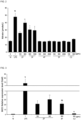
- RAW 264.7 cells were seeded onto a 6-well plate at 5 ⁇ 10 5 cells/well and cultured for 24 hours. After removing the culture medium and replacing with a medium containing the positive control group or the samples at different concentrations, the cells were cultured further for 24 hours. The cell culture was recovered and centrifuged at 1000 rpm for 5 minutes. After transferring the supernatant to a fresh tube, NO production was measured using a NO production kit (Cat No. ADI-917-020, Enzo, USA) according to the manufacturer's protocol. The NO production was quantified from the standard curve of absorbance measured at 540 nm using 4-parameter logic regression. The result is shown in FIG. 2 .
- nitric oxide for the groups treated with the enzymatic extract of deer antler using Flavourzyme (2F) was increased in a concentration-dependent manner with 25.73 and 39.65 ⁇ mole/L, respectively, which was significantly increased as compared to the normal control group (p ⁇ 0.05 and p ⁇ 0.01).
- the production amount of nitric oxide for the groups treated with the enzymatic extract of deer antler using Neutrase (3F) (500, 1000 ⁇ g/mL) was increased in a concentration-dependent manner with 30.42 and 29.39 ⁇ mole/L, respectively, which was significantly increased as compared to the normal control group (p ⁇ 0.01 and p ⁇ 0.01). However, the increase was about 23.3% lower as compared to the group treated with the enzymatic extract of deer antler using Flavourzyme (2F) at the same concentration (500 ⁇ g/mL).
- Nitric oxide production by macrophages is an indicator of the activation of macrophages that provide protection against foreign substances in the mammalian immune system. It was confirmed that the enzymatic extract of deer antler using Flavourzyme (2F) showed the best nitric oxide production, followed by the enzymatic extract of deer antler using Neutrase (3F).
- RAW 264.7 cells were seeded onto a 6-well plate at 5 ⁇ 10 5 cells/well and then cultured for 24 hours. After removing the culture medium and replacing with a medium containing the positive control group or the samples at different concentrations, the cells were cultured further for 24 hours. The cells were collected and total RNAs were extracted using an RNA extract kit (Cat No. 74106, Qiagen, Germany) according to the manufacturer's protocol. The extracted total RNAs were quantified by measuring absorbance at 260 nm and 280 nm using Infinite 200 Pro (Tecan, Switzerland) and then diluted to specified concentrations.
- RNA extract kit Cat No. 74106, Qiagen, Germany
- the expression level of the iNOS and COX2 genes was measured using a TOPreal One-step kit (Cat No. RT432M, Enzynomics, Korea). All the results were calibrated with ⁇ -actin and normalized to the normal control group according to the 2- ⁇ CT method.
- the relative expression level of iNOS is shown in FIG. 3
- the relative expression level of COX2 is shown in FIG. 4 .
- the expression level of iNOS in the positive control group (LPS, 1 ⁇ g/mL) was increased by 67.37 times, which was statistically significant when compared with the normal control group (p ⁇ 0.05).
- the NOS expression level was increased by 21.74 times as compared to the normal control group (p ⁇ 0.01), but the increase was about 28.4% lower as compared to the group treated with the enzymatic extract of deer antler using Flavourzyme (2F) of the same concentration (500 ⁇ g/mL).
- the iNOS expression level was increased by 1.93 times as compared to the normal control group, but the increase was much lower when compared with the enzymatic extract of deer antler using Flavourzyme (2F) or the enzymatic extract of deer antler using Neutrase (3F).
- the COX2 expression level was increased by 8.86 times as compared to the normal control group (p ⁇ 0.01), but the increase was about 49.3% lower as compared to the group treated with the enzymatic extract of deer antler using Flavourzyme (2F) of the same concentration (500 ⁇ g/mL).
- the COX2 expression level was not different from the normal control group as 0.98 times.
- iNOS is a gene involved in the production of NO through L-arginine in activated macrophages
- COX2 is a gene which is increased by NO production and other cytokines. It was conformed that the expression level of both genes was increased the most remarkably for the enzymatic extract of deer antler using Flavourzyme (2F), followed by the enzymatic extract of deer antler using Neutrase (3F).
- the relative expression level of the immune-related cytokines TNF- ⁇ , IFN- ⁇ , IL-6 and IL-1 ⁇ was measured using a TOPreal One-step kit in the same manner as in Test Example 4. The results are shown in FIG. 5 , FIG. 6 , FIG. 7 and FIG. 8 , respectively.
- the expression level of TNF- ⁇ in the positive control group (LPS, 1 ⁇ g/mL) was increased statistically significantly when compared with the normal control group (N) (p ⁇ 0.01).
- the TNF- ⁇ expression level was increased significantly as compared to the normal control group (N) as 3.17 and 3.58 times, respectively (p ⁇ 0.01 and p ⁇ 0.01).
- the TNF- ⁇ expression level was increased significantly as compared to the normal control group (N) as 3.2 and 3.38 times, respectively (p ⁇ 0.01 and p ⁇ 0.01).
- the IFN- ⁇ expression level was decreased statistically significantly as compared to the normal control group (N) as 0.44 and 0.59 times, respectively (p ⁇ 0.05 and p ⁇ 0.05).
- the IFN- ⁇ expression level was decreased significantly as compared to the normal control group (N) as 0.54 times (p ⁇ 0.05).
- the IL-6 expression level was increased to 2.0 and 2.97 times, respectively, as compared to the normal control group (N).
- the increase at the concentration of 500 ⁇ g/mL was statistically significant (p ⁇ 0.01).
- the IL-6 expression level was increased significantly to 1.85 and 1.83 times, respectively, as compared to the normal control group (N) (p ⁇ 0.05 and p ⁇ 0.05).
- the IL-1 ⁇ expression level was increased to 3.18 and 6.9 times, respectively, as compared to the normal control group (N).
- the increase at the concentration of 500 ⁇ g/mL was statistically significant (p ⁇ 0.01).
- the IL-1 ⁇ expression level was increased significantly to 2.82 times as compared to the normal control group (N) (p ⁇ 0.05), but the increase was lower by about 59.1% as compared to the group treated with the enzymatic extract of deer antler using Flavourzyme (2F) at the same concentration of 500 ⁇ g/mL.
- Test Example 6 Ability of proliferating macrophages of enzymatic extracts of deer antler
- Activated RAW 264.7 cells were seeded onto a 96-well plate at 5 ⁇ 10 3 cells/well and cultured in a 5% CO 2 incubator at 37 °C for 24 hours. After replacing the medium with the positive control group or the enzymatic extract samples of deer antler prepared to different concentrations, the cells were cultured for 24 hours. Then, after adding 10 ⁇ L of CCK-8 (Cat No. CK04-13, Dojindo, Japan) and further culturing the cells in a 5% CO 2 incubator at 37 °C for 1 hour, cell proliferation was evaluated by measuring absorbance at 450 nm using Infinite 200 Pro (Tecan, Switzerland). The result is shown in FIG. 9 .
- the cell proliferation was measured at different times after the treatment with the test substances with respect to before the treatment (0 h), and statistical treatment was performed with respect to the normal control group at the corresponding times.
- the cells proliferated 2.35, 6.09 and 14.52-fold at 24, 48 and 72 hours, respectively.
- the cell proliferation increased to 2.8, 11.3 and 17.7 fold, respectively, at 24, 48 and 72 hours.
- the cell proliferation increased statistically significantly at 24 hours and 48 hours as compared to the normal control group (p ⁇ 0.05 and p ⁇ 0.01).
- the cell proliferation increased to 10.6 and 11.0 fold at 48 hours, respectively.
- the cell proliferation was statistically significantly different from the normal control group (p ⁇ 0.01, p ⁇ 0.01).
- the cell proliferation increased to 21.68 and 20.71 fold, respectively, as compared to the normal control group.
- the cell proliferation increased statistically significantly to 11.2 and 22.4 fold at 48 and 72 hours, respectively, as compared to the normal control group (p ⁇ 0.01).
- the effect of the enzymatic extracts of deer antler on the improvement of immunity in an immunosuppression animal model was investigated by measuring NK cell activity, interferon gamma (IFN- ⁇ ) concentration and TNF- ⁇ concentration.
- IFN- ⁇ interferon gamma
- mice were divided into a normal control group (G1), a negative control group (G2) and test substance administration groups (G3-G9), with 6 mice per group, and the enzymatic extract of deer antler using Flavourzyme (2F) was administered at 50 mg/kg, 100 mg/kg or 200 mg/kg (G3, G4 and G5, respectively), the enzymatic extract of deer antler using Neutrase (3F) was administered at 100 mg/kg or 200 mg/kg (G6 and G7, respectively), or the deer antler hot water extract (C2) was administered at 100 mg/kg or 200 mg/kg (G8 and G9, respectively).
- G1 normal control group
- G2 negative control group
- test substance administration groups G3-G9
- the negative control group (G2) and the test substance administration groups (G3-G9) except for the normal control group were intraperitoneally administered with cyclophosphamide (CP) at 70 mg/kg for 3 days before the administration of the test substance and on day 13 after the administration of the test substance to induce immunosuppression.
- the test substance was orally administered for 14 days, once a day, and an excipient was orally administered instead of the test substance to the normal control group (G1) and the negative control group (G2). All the test groups were observed for general symptoms every day, and body weight was measured twice a week.
- the body weight was decreased in the negative control group (G2) as compared to the normal control group (G1), whereas the test substance administration groups (G3-G9) showed no statistically significant difference in the body weight as compared to the negative control group (G2).
- splenocytes were isolated from the spleen by conducting autopsy and NK cell activity was measured.
- the NK cell activity was measured using a commercially available LDH assay kit (Cat. No.: 04744926001, Roche Diagnostics GmbH).
- the isolated splenocytes were used as effector cells, and YAC-1 mouse lymphoma cells were used as target cells.
- the effector cells (1 ⁇ 10 6 cells/well) and the target cells (1 ⁇ 10 4 cells/well) were mixed at a ratio of 50:1 and cultured for 4 hours.
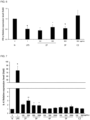
- the amount of LDH released by the target cells is shown in FIG. 10 .
- NK cells play an important role in innate immunity. They directly kill the cells infected by microorganisms or cancer cells and activate monocytes and dendritic cells by secreting cytokines.
- the NK cell activity of the normal control group (G1) was 16.5%
- the NK cell activity of the negative control group (G2) was decreased statistically significantly to 2.3% as compared to the normal control group (p ⁇ 0.01).
- the NK cell activity was increased statistically significantly to 23.1, 26.4 and 23.7%, respectively, as compared to the negative control group (G2) (p ⁇ 0.01, p ⁇ 0.01 and p ⁇ 0.01).
- the increase of the NK cell activity was also statistically significant as compared to the deer antler hot water extract (G8, G9) of the same concentrations (p ⁇ 0.01 and p ⁇ 0.01).
- the NK cell activity was increased statistically significantly to 19.3 and 17.9%, respectively, as compared to the negative control group (G1) (p ⁇ 0.01 and p ⁇ 0.01).
- the NK cell activity was lower as compared the enzymatic extract of deer antler using Flavourzyme (2F) of the same concentrations and no statistically significant difference was observed as compared to the deer antler hot water extract (G8 and G9) of the same concentrations.
- the NK cell activity was increased statistically significantly to 13.8 and 11.6%, respectively, as compared to the negative control group.
- the NK cell activity was lower as compared the enzymatic extract of deer antler using Flavourzyme (2F) and the enzymatic extract of deer antler using Neutrase (3F) of the same concentrations.
- TNF- ⁇ and IFN- ⁇ are representative cytokines secreted by Th1 cells. They are known to stimulate phagocytosis by increasing the activity of macrophages.
- the blood collected during the autopsy was kept at room temperature for 15-30 minutes and then centrifuged to separate serum. Then, the concentration of TNF- ⁇ and IFN- ⁇ was measured using TNF- ⁇ (Cat. No.: MTA00B, R&D Systems) and IFN- ⁇ (Cat. No.: MIF00, R&D Systems) ELISA kits according to the manufacturer's protocols. The result is shown in FIG. 11 and FIG. 12 , respectively.
- the concentration of TNF- ⁇ in blood was 9.7 pg/mL for the normal control group (G1) and 12.2 pg/mL for the negative control group (G2). That is to say, the TNF- ⁇ concentration was increased statistically significantly in the immunosuppression-induced negative control group (G2) as compared to the normal control group (G1) (p ⁇ 0.01).
- the concentration of TNF- ⁇ was decreased significantly to 10.1, 10.3 and 10.0 pg/mL, respectively, as compared to the negative control group (G1) regardless of the concentration (p ⁇ 0.05, p ⁇ 0.05 and p ⁇ 0.05).
- the concentration of TNF- ⁇ was not significantly different from the negative control group (G2) as 10.6 and 10.3 pg/mL, at respectively, at the moderate concentration, but was decreased significantly as compared to the negative control group (G2) at the high concentration (p ⁇ 0.05).
- the concentration of IFN- ⁇ in blood was 12.7 pg/mL for the normal control group (G1) and 10.2 pg/mL for the negative control group (G2). That is to say, the concentration of IFN- ⁇ was decreased statistically significant in the immunosuppression-induced negative control group (G2) as compared to the normal control group (G1) (p ⁇ 0.01).
- the IFN- ⁇ concentration was increased to 10.8, 11.4 and 11.7 pg/mL, respectively, as compared to the negative control group (G2).
- the IFN- ⁇ concentration was increased statistically significantly for G4 (100 mg/kg) and G5 (200 mg/kg) (p ⁇ 0.05 and p ⁇ 0.01).
- the IFN- ⁇ concentration was also increased statistically significantly as compared to the deer antler hot water extract (G8 and G9) at the same concentration (p ⁇ 0.05 and p ⁇ 0.01).
- formulation examples of a composition containing the enzymatic extract of deer antler of the present disclosure are described. However, they are not intended to limit the present disclosure.
- a powder was prepared by mixing the above ingredients and filling the mixture in a pouch.
- a tablet was prepared according to a common tablet-making method.
- a capsule was prepared by filling the mixture in a gelatin capsule.
- Powder of enzymatic extract of deer antler of Preparation Example 2 1,000 mg Vitamin mixture Adequate Vitamin A acetate 70 ⁇ g Vitamin E 1.0 mg Vitamin B 1 0.13 mg Vitamin B 2 0.15 mg Vitamin B 6 0.5 mg Vitamin B 12 0.2 ⁇ g Vitamin C 10 mg Biotin 10 ⁇ g Nicotinamide 1.7 mg Folic acid 50 ⁇ g Calcium pantothenate 0.5 mg Mineral mixture Adequate Ferrous sulfate 1.75 mg Zinc oxide 0.82 mg Magnesium carbonate 25.3 mg Monopotassium phosphate 5 mg Dicalcium phosphate 55 mg Potassium citrate 90 mg Calcium carbonate 100 mg Magnesium chloride 24.8 mg
- compositions of the vitamin and mineral mixtures are provided as preferred examples. However, they may be varied as desired. After mixing the above ingredients and preparing the mixture into a granule, a health functional food composition was prepared according to a common method.
- Powder of enzymatic extract of deer antler of Preparation Example 2 1,000 mg Citric acid 1,000 mg Oligosaccharide 100 g Plum concentrate 2 g Taurine 1 g Purified water To 900 mL
- the prepared solution was put in a sterilized 2-L container, sealed, sterilized and then stored in a refrigerator until use for preparation of a functional beverage composition according to the present disclosure.
Landscapes
- Health & Medical Sciences (AREA)
- Life Sciences & Earth Sciences (AREA)
- Chemical & Material Sciences (AREA)
- Engineering & Computer Science (AREA)
- Medicinal Chemistry (AREA)
- Pharmacology & Pharmacy (AREA)
- Animal Behavior & Ethology (AREA)
- General Health & Medical Sciences (AREA)
- Veterinary Medicine (AREA)
- Public Health (AREA)
- Epidemiology (AREA)
- Bioinformatics & Cheminformatics (AREA)
- Nutrition Science (AREA)
- Polymers & Plastics (AREA)
- Food Science & Technology (AREA)
- Immunology (AREA)
- General Chemical & Material Sciences (AREA)
- Chemical Kinetics & Catalysis (AREA)
- Biophysics (AREA)
- Zoology (AREA)
- Molecular Biology (AREA)
- Virology (AREA)
- Biomedical Technology (AREA)
- Biotechnology (AREA)
- Cell Biology (AREA)
- Developmental Biology & Embryology (AREA)
- Rheumatology (AREA)
- Orthopedic Medicine & Surgery (AREA)
- Nuclear Medicine, Radiotherapy & Molecular Imaging (AREA)
- Mycology (AREA)
- Organic Chemistry (AREA)
- Oil, Petroleum & Natural Gas (AREA)
- Microbiology (AREA)
- Inorganic Chemistry (AREA)
- Botany (AREA)
- Medicines Containing Material From Animals Or Micro-Organisms (AREA)
- Coloring Foods And Improving Nutritive Qualities (AREA)
- Non-Alcoholic Beverages (AREA)
Applications Claiming Priority (3)
| Application Number | Priority Date | Filing Date | Title |
|---|---|---|---|
| KR20200187513 | 2020-12-30 | ||
| KR1020210189206A KR20220097277A (ko) | 2020-12-30 | 2021-12-28 | Nk 세포를 포함한 면역 세포 활성을 우수하게 증진시키는 면역 강화 녹용 효소분해 추출물 |
| PCT/KR2021/020127 WO2022146016A1 (ko) | 2020-12-30 | 2021-12-29 | Nk 세포를 포함한 면역 세포 활성을 우수하게 증진시키는 면역 강화 녹용 효소분해 추출물 |
Publications (2)
| Publication Number | Publication Date |
|---|---|
| EP4272575A1 true EP4272575A1 (de) | 2023-11-08 |
| EP4272575A4 EP4272575A4 (de) | 2024-11-27 |
Family
ID=82260665
Family Applications (1)
| Application Number | Title | Priority Date | Filing Date |
|---|---|---|---|
| EP21915814.4A Pending EP4272575A4 (de) | 2020-12-30 | 2021-12-29 | Immunpotenzierender enzymatischer extrakt aus deer antler zur hervorragenden verstärkung der aktivität von immunzellen mit nk-zellen |
Country Status (5)
| Country | Link |
|---|---|
| US (1) | US20240050487A1 (de) |
| EP (1) | EP4272575A4 (de) |
| JP (1) | JP7630628B2 (de) |
| KR (1) | KR102783377B1 (de) |
| WO (1) | WO2022146016A1 (de) |
Family Cites Families (16)
| Publication number | Priority date | Publication date | Assignee | Title |
|---|---|---|---|---|
| CN1193770C (zh) | 2003-01-09 | 2005-03-23 | 长春市双阳区鹿业科学技术研究所 | 一种鹿茸药用成分的水解提取方法及产品 |
| NZ524868A (en) | 2003-03-21 | 2005-09-30 | Velvet Antler Res New Zealand | Process for purifying low molecular weight proteins from tissue in situ |
| KR20050090041A (ko) | 2004-03-06 | 2005-09-09 | 안용근 | 녹용 또는 녹각으로부터 유효성분을 추출하는 방법 |
| KR20060128117A (ko) * | 2005-06-09 | 2006-12-14 | 김현수 | 발효녹용추출물을 포함하는 조성물 |
| US9662368B2 (en) * | 2006-06-15 | 2017-05-30 | Murray Goulburn Co-Operative., Limited | Formulation comprising whey protein and hydrolysates for improving muscle recovery |
| KR20120057699A (ko) * | 2010-08-16 | 2012-06-07 | 주식회사 제이비티 | 녹용으로 수용성 물질의 제조를 위한 추출방법의 개발과 추출물의 생리 활성 |
| KR101332383B1 (ko) | 2011-12-30 | 2013-11-22 | 케이비에프 주식회사 | 녹용의 효소 분해처리를 통하여 유효성분 함량이 높은 녹용 추출물을 제조하는 방법 |
| CN106071972A (zh) * | 2016-06-08 | 2016-11-09 | 吉林省东华生物科技有限公司 | 一种补钙制品的制备方法 |
| KR101917422B1 (ko) * | 2016-08-03 | 2018-11-09 | 전남대학교산학협력단 | 녹용 효소 가수분해 추출물을 포함하는 가공식품물 |
| KR101822752B1 (ko) | 2016-08-03 | 2018-01-29 | 전남대학교산학협력단 | 녹용의 고생리활성성분을 함유한 녹용효소가수분해추출물의 제조방법 및 녹용효소가수분해추출물 |
| KR101895150B1 (ko) * | 2017-01-19 | 2018-09-05 | 수산업협동조합중앙회 | 해삼 가수분해물을 포함하는 화장료 조성물 |
| CN109306367A (zh) * | 2017-07-28 | 2019-02-05 | 中国科学院大连化学物理研究所 | 一种鹿茸磷酸肽的制备方法及鹿茸磷酸肽与应用 |
| CN110384715A (zh) * | 2018-04-13 | 2019-10-29 | 中国科学院大连化学物理研究所 | 一种鹿茸脂质体及制备和应用 |
| KR102255499B1 (ko) * | 2019-02-28 | 2021-05-26 | 순천향대학교 산학협력단 | 신규 항산화 펩타이드 및 이를 포함하는 심혈관계 질환 예방 또는 치료용 약학적 조성물 |
| KR102227709B1 (ko) * | 2019-04-09 | 2021-03-12 | 최학주 | 면역 증강 기능이 있는 발효 녹용 조성물 및 이의 제조방법 |
| CN110693025B (zh) * | 2019-11-01 | 2023-06-23 | 东北林业大学 | 一种多功能成分协同降血糖的组合物及其应用 |
-
2021
- 2021-12-29 EP EP21915814.4A patent/EP4272575A4/de active Pending
- 2021-12-29 US US18/259,738 patent/US20240050487A1/en active Pending
- 2021-12-29 JP JP2023540829A patent/JP7630628B2/ja active Active
- 2021-12-29 WO PCT/KR2021/020127 patent/WO2022146016A1/ko not_active Ceased
-
2024
- 2024-06-20 KR KR1020240079963A patent/KR102783377B1/ko active Active
Also Published As
| Publication number | Publication date |
|---|---|
| WO2022146016A1 (ko) | 2022-07-07 |
| EP4272575A4 (de) | 2024-11-27 |
| JP2024501750A (ja) | 2024-01-15 |
| US20240050487A1 (en) | 2024-02-15 |
| JP7630628B2 (ja) | 2025-02-17 |
| KR20240105331A (ko) | 2024-07-05 |
| KR102783377B1 (ko) | 2025-03-19 |
| NZ802127A (en) | 2025-05-02 |
Similar Documents
| Publication | Publication Date | Title |
|---|---|---|
| KR19990014205A (ko) | 플라보노이드 및 파피아 가공물을 함유한 조성물 | |
| JP7488556B2 (ja) | 細菌の腸内における数を調整するための剤、腸内代謝物質量調整剤、及び便通改善剤 | |
| KR102739563B1 (ko) | 식용곤충 가수분해물 또는 상기 식용곤충 가수분해물의 분획물을 유효성분으로 포함하는 고혈압의 개선 또는 예방용 식품조성물 | |
| JPWO2005077349A1 (ja) | ヒトβディフェンシン産生促進剤 | |
| JP7623721B2 (ja) | mTOR阻害剤 | |
| TWI917530B (zh) | 含有螺旋藻酶解物及/或藻藍蛋白酶解物的組成物用於製備提高記憶學習功能及/或認知功能以及抑制記憶學習功能及/或認知功能降低的組成物的用途 | |
| JP2020007255A (ja) | 腸管バリア機能向上剤 | |
| KR20220097277A (ko) | Nk 세포를 포함한 면역 세포 활성을 우수하게 증진시키는 면역 강화 녹용 효소분해 추출물 | |
| JP7598150B2 (ja) | エクソソーム分泌促進剤 | |
| US20240050487A1 (en) | Immuno-potentiating enzymatic extract of deer antler that excellently enhances activity of immune cell including nk cell | |
| KR102255499B1 (ko) | 신규 항산화 펩타이드 및 이를 포함하는 심혈관계 질환 예방 또는 치료용 약학적 조성물 | |
| KR102882938B1 (ko) | 흰점박이 꽃무지 유충 가수분해물 유래의 펩타이드를 유효성분으로 포함하는 항고혈압 식품 조성물 | |
| KR20210003994A (ko) | 면역기능 증진 활성이 있는 연잎 유래 효소 다당 분획물 및 이의 제조방법 | |
| KR102176839B1 (ko) | 녹용 및 가시오갈피의 추출물을 포함하는 면역 증강용 조성물 및 그 제조방법 | |
| WO2007007994A1 (en) | Food composition for improving liver function comprising a lonicera caerulea l. var. edulis extract | |
| CN116887696A (zh) | 显著增强包括nk细胞的免疫细胞的活性的免疫增强鹿茸酶法提取物 | |
| JP2009084191A (ja) | 食欲抑制用薬理組成物 | |
| KR101905009B1 (ko) | 면역기능 증진 활성이 있는 케일박 유래 다당 분획물 및 이의 제조방법 | |
| KR102887851B1 (ko) | 면역증강 효능이 증대된 녹용 발효물의 제조방법 | |
| KR102855657B1 (ko) | 참치심장 가수분해물을 유효성분으로 하는 여성 갱년기 증상 개선, 예방 또는 치료용 조성물 | |
| KR102825037B1 (ko) | 알팔파 새싹 가수분해물 또는 이의 다당 분획물을 유효성분으로 함유하는 면역기능 증강용 조성물 | |
| JP2003342187A (ja) | 新規肝障害抑制剤 | |
| JP7771432B2 (ja) | 睡眠改善剤 | |
| JP2024114358A (ja) | 腸内細菌叢改善剤 | |
| US10894067B2 (en) | Genome stability enhancer |
Legal Events
| Date | Code | Title | Description |
|---|---|---|---|
| STAA | Information on the status of an ep patent application or granted ep patent |
Free format text: STATUS: THE INTERNATIONAL PUBLICATION HAS BEEN MADE |
|
| PUAI | Public reference made under article 153(3) epc to a published international application that has entered the european phase |
Free format text: ORIGINAL CODE: 0009012 |
|
| STAA | Information on the status of an ep patent application or granted ep patent |
Free format text: STATUS: REQUEST FOR EXAMINATION WAS MADE |
|
| 17P | Request for examination filed |
Effective date: 20230728 |
|
| AK | Designated contracting states |
Kind code of ref document: A1 Designated state(s): AL AT BE BG CH CY CZ DE DK EE ES FI FR GB GR HR HU IE IS IT LI LT LU LV MC MK MT NL NO PL PT RO RS SE SI SK SM TR |
|
| DAV | Request for validation of the european patent (deleted) | ||
| DAX | Request for extension of the european patent (deleted) | ||
| A4 | Supplementary search report drawn up and despatched |
Effective date: 20241024 |
|
| RIC1 | Information provided on ipc code assigned before grant |
Ipc: A23L 33/10 20160101ALI20241018BHEP Ipc: A61K 35/12 20150101ALI20241018BHEP Ipc: A61P 37/00 20060101ALI20241018BHEP Ipc: A61K 35/32 20150101ALI20241018BHEP Ipc: A23L 13/40 20230101ALI20241018BHEP Ipc: A23L 13/20 20160101AFI20241018BHEP |
|
| STAA | Information on the status of an ep patent application or granted ep patent |
Free format text: STATUS: EXAMINATION IS IN PROGRESS |
|
| 17Q | First examination report despatched |
Effective date: 20251008 |