EP4285923A2 - Molécules d'anticorps se liant à april et leurs utilisations - Google Patents
Molécules d'anticorps se liant à april et leurs utilisations Download PDFInfo
- Publication number
- EP4285923A2 EP4285923A2 EP23200975.3A EP23200975A EP4285923A2 EP 4285923 A2 EP4285923 A2 EP 4285923A2 EP 23200975 A EP23200975 A EP 23200975A EP 4285923 A2 EP4285923 A2 EP 4285923A2
- Authority
- EP
- European Patent Office
- Prior art keywords
- amino acid
- acid sequence
- seq
- monoclonal antibody
- homology
- Prior art date
- Legal status (The legal status is an assumption and is not a legal conclusion. Google has not performed a legal analysis and makes no representation as to the accuracy of the status listed.)
- Pending
Links
Images
















Classifications
-
- C—CHEMISTRY; METALLURGY
- C07—ORGANIC CHEMISTRY
- C07K—PEPTIDES
- C07K16/00—Immunoglobulins [IG], e.g. monoclonal or polyclonal antibodies
- C07K16/18—Immunoglobulins [IG], e.g. monoclonal or polyclonal antibodies against material from animals or humans
- C07K16/28—Immunoglobulins [IG], e.g. monoclonal or polyclonal antibodies against material from animals or humans against receptors, cell surface antigens or cell surface determinants
- C07K16/2875—Immunoglobulins [IG], e.g. monoclonal or polyclonal antibodies against material from animals or humans against receptors, cell surface antigens or cell surface determinants against the NGF/TNF superfamily, e.g. CD70, CD95L, CD153, CD154
-
- C—CHEMISTRY; METALLURGY
- C07—ORGANIC CHEMISTRY
- C07K—PEPTIDES
- C07K16/00—Immunoglobulins [IG], e.g. monoclonal or polyclonal antibodies
- C07K16/18—Immunoglobulins [IG], e.g. monoclonal or polyclonal antibodies against material from animals or humans
- C07K16/24—Immunoglobulins [IG], e.g. monoclonal or polyclonal antibodies against material from animals or humans against cytokines, lymphokines or interferons
- C07K16/241—Tumor Necrosis Factors
-
- A—HUMAN NECESSITIES
- A61—MEDICAL OR VETERINARY SCIENCE; HYGIENE
- A61K—PREPARATIONS FOR MEDICAL, DENTAL OR TOILETRY PURPOSES
- A61K39/00—Medicinal preparations containing antigens or antibodies
- A61K39/395—Antibodies; Immunoglobulins; Immune serum, e.g. antilymphocytic serum
- A61K39/39533—Antibodies; Immunoglobulins; Immune serum, e.g. antilymphocytic serum against materials from animals
- A61K39/3955—Antibodies; Immunoglobulins; Immune serum, e.g. antilymphocytic serum against materials from animals against proteinaceous materials, e.g. enzymes, hormones, lymphokines
-
- A—HUMAN NECESSITIES
- A61—MEDICAL OR VETERINARY SCIENCE; HYGIENE
- A61K—PREPARATIONS FOR MEDICAL, DENTAL OR TOILETRY PURPOSES
- A61K45/00—Medicinal preparations containing active ingredients not provided for in groups A61K31/00 - A61K41/00
- A61K45/06—Mixtures of active ingredients without chemical characterisation, e.g. antiphlogistics and cardiaca
-
- A—HUMAN NECESSITIES
- A61—MEDICAL OR VETERINARY SCIENCE; HYGIENE
- A61P—SPECIFIC THERAPEUTIC ACTIVITY OF CHEMICAL COMPOUNDS OR MEDICINAL PREPARATIONS
- A61P1/00—Drugs for disorders of the alimentary tract or the digestive system
-
- A—HUMAN NECESSITIES
- A61—MEDICAL OR VETERINARY SCIENCE; HYGIENE
- A61P—SPECIFIC THERAPEUTIC ACTIVITY OF CHEMICAL COMPOUNDS OR MEDICINAL PREPARATIONS
- A61P1/00—Drugs for disorders of the alimentary tract or the digestive system
- A61P1/16—Drugs for disorders of the alimentary tract or the digestive system for liver or gallbladder disorders, e.g. hepatoprotective agents, cholagogues, litholytics
-
- A—HUMAN NECESSITIES
- A61—MEDICAL OR VETERINARY SCIENCE; HYGIENE
- A61P—SPECIFIC THERAPEUTIC ACTIVITY OF CHEMICAL COMPOUNDS OR MEDICINAL PREPARATIONS
- A61P13/00—Drugs for disorders of the urinary system
- A61P13/12—Drugs for disorders of the urinary system of the kidneys
-
- A—HUMAN NECESSITIES
- A61—MEDICAL OR VETERINARY SCIENCE; HYGIENE
- A61P—SPECIFIC THERAPEUTIC ACTIVITY OF CHEMICAL COMPOUNDS OR MEDICINAL PREPARATIONS
- A61P17/00—Drugs for dermatological disorders
-
- A—HUMAN NECESSITIES
- A61—MEDICAL OR VETERINARY SCIENCE; HYGIENE
- A61P—SPECIFIC THERAPEUTIC ACTIVITY OF CHEMICAL COMPOUNDS OR MEDICINAL PREPARATIONS
- A61P19/00—Drugs for skeletal disorders
- A61P19/02—Drugs for skeletal disorders for joint disorders, e.g. arthritis, arthrosis
-
- A—HUMAN NECESSITIES
- A61—MEDICAL OR VETERINARY SCIENCE; HYGIENE
- A61P—SPECIFIC THERAPEUTIC ACTIVITY OF CHEMICAL COMPOUNDS OR MEDICINAL PREPARATIONS
- A61P29/00—Non-central analgesic, antipyretic or antiinflammatory agents, e.g. antirheumatic agents; Non-steroidal antiinflammatory drugs [NSAID]
-
- A—HUMAN NECESSITIES
- A61—MEDICAL OR VETERINARY SCIENCE; HYGIENE
- A61P—SPECIFIC THERAPEUTIC ACTIVITY OF CHEMICAL COMPOUNDS OR MEDICINAL PREPARATIONS
- A61P3/00—Drugs for disorders of the metabolism
- A61P3/08—Drugs for disorders of the metabolism for glucose homeostasis
- A61P3/10—Drugs for disorders of the metabolism for glucose homeostasis for hyperglycaemia, e.g. antidiabetics
-
- A—HUMAN NECESSITIES
- A61—MEDICAL OR VETERINARY SCIENCE; HYGIENE
- A61P—SPECIFIC THERAPEUTIC ACTIVITY OF CHEMICAL COMPOUNDS OR MEDICINAL PREPARATIONS
- A61P35/00—Antineoplastic agents
-
- A—HUMAN NECESSITIES
- A61—MEDICAL OR VETERINARY SCIENCE; HYGIENE
- A61P—SPECIFIC THERAPEUTIC ACTIVITY OF CHEMICAL COMPOUNDS OR MEDICINAL PREPARATIONS
- A61P35/00—Antineoplastic agents
- A61P35/02—Antineoplastic agents specific for leukemia
-
- A—HUMAN NECESSITIES
- A61—MEDICAL OR VETERINARY SCIENCE; HYGIENE
- A61P—SPECIFIC THERAPEUTIC ACTIVITY OF CHEMICAL COMPOUNDS OR MEDICINAL PREPARATIONS
- A61P37/00—Drugs for immunological or allergic disorders
-
- A—HUMAN NECESSITIES
- A61—MEDICAL OR VETERINARY SCIENCE; HYGIENE
- A61P—SPECIFIC THERAPEUTIC ACTIVITY OF CHEMICAL COMPOUNDS OR MEDICINAL PREPARATIONS
- A61P37/00—Drugs for immunological or allergic disorders
- A61P37/02—Immunomodulators
-
- A—HUMAN NECESSITIES
- A61—MEDICAL OR VETERINARY SCIENCE; HYGIENE
- A61P—SPECIFIC THERAPEUTIC ACTIVITY OF CHEMICAL COMPOUNDS OR MEDICINAL PREPARATIONS
- A61P37/00—Drugs for immunological or allergic disorders
- A61P37/02—Immunomodulators
- A61P37/06—Immunosuppressants, e.g. drugs for graft rejection
-
- A—HUMAN NECESSITIES
- A61—MEDICAL OR VETERINARY SCIENCE; HYGIENE
- A61P—SPECIFIC THERAPEUTIC ACTIVITY OF CHEMICAL COMPOUNDS OR MEDICINAL PREPARATIONS
- A61P43/00—Drugs for specific purposes, not provided for in groups A61P1/00-A61P41/00
-
- A—HUMAN NECESSITIES
- A61—MEDICAL OR VETERINARY SCIENCE; HYGIENE
- A61P—SPECIFIC THERAPEUTIC ACTIVITY OF CHEMICAL COMPOUNDS OR MEDICINAL PREPARATIONS
- A61P7/00—Drugs for disorders of the blood or the extracellular fluid
-
- A—HUMAN NECESSITIES
- A61—MEDICAL OR VETERINARY SCIENCE; HYGIENE
- A61P—SPECIFIC THERAPEUTIC ACTIVITY OF CHEMICAL COMPOUNDS OR MEDICINAL PREPARATIONS
- A61P9/00—Drugs for disorders of the cardiovascular system
-
- A—HUMAN NECESSITIES
- A61—MEDICAL OR VETERINARY SCIENCE; HYGIENE
- A61K—PREPARATIONS FOR MEDICAL, DENTAL OR TOILETRY PURPOSES
- A61K39/00—Medicinal preparations containing antigens or antibodies
- A61K2039/505—Medicinal preparations containing antigens or antibodies comprising antibodies
-
- A—HUMAN NECESSITIES
- A61—MEDICAL OR VETERINARY SCIENCE; HYGIENE
- A61K—PREPARATIONS FOR MEDICAL, DENTAL OR TOILETRY PURPOSES
- A61K39/00—Medicinal preparations containing antigens or antibodies
- A61K2039/54—Medicinal preparations containing antigens or antibodies characterised by the route of administration
-
- A—HUMAN NECESSITIES
- A61—MEDICAL OR VETERINARY SCIENCE; HYGIENE
- A61K—PREPARATIONS FOR MEDICAL, DENTAL OR TOILETRY PURPOSES
- A61K39/00—Medicinal preparations containing antigens or antibodies
- A61K2039/545—Medicinal preparations containing antigens or antibodies characterised by the dose, timing or administration schedule
-
- C—CHEMISTRY; METALLURGY
- C07—ORGANIC CHEMISTRY
- C07K—PEPTIDES
- C07K2317/00—Immunoglobulins specific features
- C07K2317/10—Immunoglobulins specific features characterized by their source of isolation or production
- C07K2317/14—Specific host cells or culture conditions, e.g. components, pH or temperature
-
- C—CHEMISTRY; METALLURGY
- C07—ORGANIC CHEMISTRY
- C07K—PEPTIDES
- C07K2317/00—Immunoglobulins specific features
- C07K2317/20—Immunoglobulins specific features characterized by taxonomic origin
- C07K2317/24—Immunoglobulins specific features characterized by taxonomic origin containing regions, domains or residues from different species, e.g. chimeric, humanized or veneered
-
- C—CHEMISTRY; METALLURGY
- C07—ORGANIC CHEMISTRY
- C07K—PEPTIDES
- C07K2317/00—Immunoglobulins specific features
- C07K2317/30—Immunoglobulins specific features characterized by aspects of specificity or valency
- C07K2317/33—Crossreactivity, e.g. for species or epitope, or lack of said crossreactivity
-
- C—CHEMISTRY; METALLURGY
- C07—ORGANIC CHEMISTRY
- C07K—PEPTIDES
- C07K2317/00—Immunoglobulins specific features
- C07K2317/30—Immunoglobulins specific features characterized by aspects of specificity or valency
- C07K2317/34—Identification of a linear epitope shorter than 20 amino acid residues or of a conformational epitope defined by amino acid residues
-
- C—CHEMISTRY; METALLURGY
- C07—ORGANIC CHEMISTRY
- C07K—PEPTIDES
- C07K2317/00—Immunoglobulins specific features
- C07K2317/50—Immunoglobulins specific features characterized by immunoglobulin fragments
- C07K2317/52—Constant or Fc region; Isotype
-
- C—CHEMISTRY; METALLURGY
- C07—ORGANIC CHEMISTRY
- C07K—PEPTIDES
- C07K2317/00—Immunoglobulins specific features
- C07K2317/50—Immunoglobulins specific features characterized by immunoglobulin fragments
- C07K2317/56—Immunoglobulins specific features characterized by immunoglobulin fragments variable (Fv) region, i.e. VH and/or VL
-
- C—CHEMISTRY; METALLURGY
- C07—ORGANIC CHEMISTRY
- C07K—PEPTIDES
- C07K2317/00—Immunoglobulins specific features
- C07K2317/50—Immunoglobulins specific features characterized by immunoglobulin fragments
- C07K2317/56—Immunoglobulins specific features characterized by immunoglobulin fragments variable (Fv) region, i.e. VH and/or VL
- C07K2317/565—Complementarity determining region [CDR]
-
- C—CHEMISTRY; METALLURGY
- C07—ORGANIC CHEMISTRY
- C07K—PEPTIDES
- C07K2317/00—Immunoglobulins specific features
- C07K2317/70—Immunoglobulins specific features characterized by effect upon binding to a cell or to an antigen
- C07K2317/76—Antagonist effect on antigen, e.g. neutralization or inhibition of binding
-
- C—CHEMISTRY; METALLURGY
- C07—ORGANIC CHEMISTRY
- C07K—PEPTIDES
- C07K2317/00—Immunoglobulins specific features
- C07K2317/90—Immunoglobulins specific features characterized by (pharmaco)kinetic aspects or by stability of the immunoglobulin
- C07K2317/92—Affinity (KD), association rate (Ka), dissociation rate (Kd) or EC50 value
-
- C—CHEMISTRY; METALLURGY
- C07—ORGANIC CHEMISTRY
- C07K—PEPTIDES
- C07K2317/00—Immunoglobulins specific features
- C07K2317/90—Immunoglobulins specific features characterized by (pharmaco)kinetic aspects or by stability of the immunoglobulin
- C07K2317/94—Stability, e.g. half-life, pH, temperature or enzyme-resistance
Definitions
- IgA nephropathy is one of the most prevalent, chronic glomerular diseases worldwide. Conservative epidemiological estimates cite a global incidence of approximately 5-50 cases/million (children) and 10-40 cases /million (adults). This incidence of disease presents a regional bias with a higher prevalence in Asia and the Americas, with a particularly higher disease burden in Japan and regions of China. Biopsy confirmed cases of IgA nephropathy in Japan are projected at approximately 350,000. In the US, this projection is approximately 100,000-as such, it is the most frequently diagnosed 1° glomerular disease in adults. While a relatively indolent disease, IgA nephropathy leads to end stage renal disease (ESRD), i.e., renal failure in 20-50% of patients within a 20-30 year span.
- ESRD end stage renal disease
- IgA nephropathy is caused by the deposition of IgA, typically in the form of immune complexes in the mesangium of the kidney.
- antibody molecules that bind to APRIL, e.g ., human and/or mouse APRIL, and that comprise one or more functional and structural properties disclosed herein.
- the antibody molecule binds to and/or reduces (e.g ., inhibits, blocks or neutralizes) one or more activities of APRIL.
- the antibody molecule binds to a region in APRIL that interacts with TACI (e.g., the CRD2 domain of TACI).
- the antibody molecule binds to one or more residues within a region of human APRIL as defined in any of Tables 3-4 or 7-8.
- the antibody molecule is selected from Table 1 or 5, or competes for binding to APRIL with an antibody molecule selected from Table 1 or 5.
- the antibody molecule binds to the same or overlapping epitope as the epitope recognized by an antibody molecule selected from Table 1 or 5.
- the antibody molecule comprises one or more heavy chain variable regions and/or one or more light chain variable regions described in Table 1 or 5.
- the antibody molecule comprises one or more heavy chain CDRs and/or one or more light chain CDRs described in Table 1 or 5.
- nucleic acid molecules encoding the antibody molecules, expression vectors, host cells, compositions ( e.g ., pharmaceutical compositions), kits, containers, and methods for making the antibody molecules are also provided.
- the antibody molecules disclosed herein can be used (alone or in combination with other agents or therapeutic modalities) to treat, prevent and/or diagnose disorders associated with APRIL, such as IgA nephropathy.
- this disclosure provides an antibody molecule, e.g ., an antibody molecule described herein, having one or more ( e.g., 1, 2, 3, 4, 5, 6, 7, 8, 9, 10, 11, 12, 13, 14, 15, 16, 17, 18, 19, 20, 21, 22, or 23) of the following properties:
- the disclosure features an anti-APRIL antibody molecule, which:
- the antibody molecule is a synthetic antibody molecule. In an embodiment, the antibody molecule is an isolated antibody molecule.
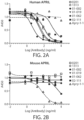
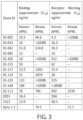
- the antibody molecule binds, or substantially binds, to human APRIL at an EC 50 of 20 nM or less, e.g., 10 nM or less, 9 nM or less, 8 nM or less, 7 nM or less, 6 nM or less, 5 nM or less, 4 nM or less, 3 nM or less, 2 nM or less, 1 nM or less, 0.8 nM or less, 0.6 nM or less, 0.4 nM or less, 0.2 nM or less, 0.1 nM or less, 0.05 nM or less, 0.02 nM or less, 0.01 nM or less, 0.005 nM or less, 0.002 nM or less, or 0.001 nM or less, e.g., between 0.001 nM and 20 nM, e.g., between 0.01 nM and 20 nM, between 0.1 nM and 20 nM, between
- the antibody molecule binds, or substantially binds, to mouse APRIL at an EC 50 of 100 nM or less, e.g., 80 nM or less, 60 nM or less, 40 nM or less, 20 nM or less, 10 nM or less, 9 nM or less 9 nM or less, 8 nM or less, 7 nM or less, 6 nM or less, 5 nM or less, 4 nM or less, 3 nM or less, 2 nM or less, 1 nM or less, 0.8 nM or less, 0.6 nM or less, 0.4 nM or less, 0.2 nM or less, 0.1 nM or less, 0.05 nM or less, 0.02 nM or less, 0.01 nM or less, 0.005 nM or less, 0.002 nM or less, or 0.001 nM or less, e.g., between 0.001 nM and 100 nM or less
- the antibody molecule inhibits, or substantially inhibits, binding of APRIL (e.g., human APRIL, mouse APRIL, or both) to TACI (e.g., human TACI, mouse TACI, or both), at an IC 50 of 50 nM or less, e.g., 40 nM or less, 30 nM or less, 20 nM or less, 10 nM or less, 9 nM or less, 8 nM or less, 7 nM or less, 6 nM or less, 5 nM or less, 4 nM or less, 3 nM or less, 2 nM or less, 1 nM or less, 0.8 nM or less, 0.6 nM or less, 0.4 nM or less, 0.2 nM or less, 0.1 nM or less, 0.05 nM or less, 0.02 nM or less, or 0.01 nM or less, e.g ., between 0.01 nM and 50
- APRIL
- the antibody molecule inhibits, or substantially inhibits, binding of APRIL (e.g., human APRIL, mouse APRIL, or both) to BCMA (e.g., human BCMA, mouse BCMA, or both), e.g., at an IC 50 of 200 nM or less, 150 nM or less, 100 nM or less, 50 nM or less, 40 nM or less, 30 nM or less, 20 nM or less, 10 nM or less, 9 nM or less, 8 nM or less, 7 nM or less, 6 nM or less, 5 nM or less, 4 nM or less, 3 nM or less, 2 nM or less, 1 nM or less, 0.8 nM or less, 0.6 nM or less, 0.4 nM or less, 0.2 nM or less, 0.1 nM or less, 0.05 nM or less, 0.02 nM or less, 0.01 nM or
- the antibody molecule is an IgG antibody molecule, e.g ., comprising a heavy chain constant region of IgG, e.g., chosen from IgG1, IgG2 ( e.g., IgG2a), IgG3, or IgG4, e.g., IgG2 or IgG4.
- the antibody molecule is an IgG1 antibody molecule, e.g ., having an IgG1 constant region described herein.
- the antibody molecule is an IgG2 antibody molecule e.g ., having an IgG2 constant region described herein.
- the antibody molecule comprises a light chain constant region of kappa or lambda light chain.
- the antibody molecule comprises an Fc region.
- the Fc region comprises one or more mutations located at the interface between the CH2 and CH3 domains ( e.g., to increase the binding affinity to neonatal receptor FcRn and/or the half-life of the antibody molecule).
- the Fc region comprises one or more mutations, e.g., one or more ( e.g., 2, 3, 4, 5, 6 or all) mutations chosen from T250Q, M252Y, S254T, T256E, M428L, H433K, N434F, or any combination thereof, of IgG1.
- the Fc region comprises one or more mutations at positions 233-236 or 322 of human IgG1 or IgG2, or one or more substitutions at positions 327, 330 or 331 of human IgG4 (e.g., to reduce complement-dependent cytotoxicity (CDC)).
- the Fc region comprises one or more (e.g., 2, 3, 4, 5, 6, 7 or all) mutations chosen from E233P, L234V, L235A, G236, K322A, A327G, A330S, P331S, or any combination thereof.
- the antibody molecule is a humanized antibody molecule, e.g., comprising one or more framework regions derived from human framework germline sequence.
- the antibody molecule comprises a heavy chain variable region (VH) described in Table 1 or 5.
- the antibody molecule comprises a light chain variable region (VL) described in Table 1 or 5.
- the antibody molecule comprises a heavy chain variable region (VH) and a light chain variable region (VL) described in Table 1 or 5.
- the antibody molecule comprises one, two, or three CDRs of a heavy chain variable region (VH) described in Table 1 or 5.
- the antibody molecule comprises one, two, or three CDRs of a light chain variable region (VL) described in Table 1 or 5. In an embodiment, the antibody molecule comprises one, two, or three CDRs of a heavy chain variable region (VH) described in Table 1 or 5, and one, two, or three CDRs of a light chain variable region (VL) described in Table 1 or 5. In an embodiment, the antibody molecule comprises two heavy chain variable regions and two light chain variable regions. In an embodiment, the antibody molecule is a Fab, F(ab')2, Fv, Fd, or a single chain Fv fragment (scFv).
- the antibody molecule comprises a heavy chain variable region (VH), wherein the heavy chain variable region comprises three heavy chain complementarity determining regions (HCDR1, HCDR2, and HCDR3), wherein the heavy chain variable region comprises one, two, or all of the following: (i) an HCDR1 comprising an amino acid sequence that differs by no more than 1, 2, or 3 amino acid residues from, or has at least 85, 90, 95, 99 or 100% homology with, the amino acid sequence of the HCDR1 of monoclonal antibody 3530 ( e.g., SEQ ID NO: 61); (ii) an HCDR2 comprising an amino acid sequence that differs by no more than 1, 2, or 3 amino acid residues from, or has at least 85, 90, 95, 99 or 100% homology with, the amino acid sequence of the HCDR2 of monoclonal antibody 3530 ( e.g., SEQ ID NO: 62); or (ii) an HCDR3 comprising an amino acid sequence that differs by no more than 1,
- the antibody molecule comprises a light chain variable region (VL), wherein the light chain variable region comprises three light chain complementarity determining regions (LCDR1, LCDR2, and LCDR3), wherein the light chain variable region comprises one, two, or all of the following: (i) an LCDR1 comprising an amino acid sequence that differs by no more than 1, 2, or 3 amino acid residues from, or has at least 85, 90, 95, 99 or 100% homology with, the amino acid sequence of the LCDR1 of monoclonal antibody 3530 ( e.g., SEQ ID NO: 67); (ii) an LCDR2 comprising an amino acid sequence that differs by no more than 1, 2, or 3 amino acid residues from, or has at least 85, 90, 95, 99 or 100% homology with, the amino acid sequence of the LCDR2 of monoclonal antibody 3530 (e.g., SEQ ID NO: 45); or (iii) an LCDR3 comprising an amino acid sequence that differs by no more than 1, 2, or 3 amino acid residues
- the antibody molecule comprises:
- the antibody molecule comprises: (i) a VH comprising: an HCDR1 comprising the amino acid sequence of the HCDR1 of monoclonal antibody 3530 ( e.g., SEQ ID NO: 61); an HCDR2 comprising the amino acid sequence of the HCDR2 of monoclonal antibody 3530 ( e.g., SEQ ID NO: 62); and an HCDR3 comprising the amino acid sequence of the HCDR3 of monoclonal antibody 3530 ( e.g., SEQ ID NO: 63), and (ii) a VL comprising: an LCDR1 comprising the amino acid sequence of the LCDR1 of monoclonal antibody 3530 ( e.g., SEQ ID NO: 67); an LCDR2 comprising the amino acid sequence of the LCDR2 of monoclonal antibody 3530 ( e.g., SEQ ID NO: 45); and an LCDR3 comprising the amino acid sequence of the LCDR3 of monoclonal antibody 3530 ( e) a
- the antibody molecule comprises a heavy chain variable region (VH), wherein the heavy chain variable region comprises three heavy chain complementarity determining regions (HCDR1, HCDR2, and HCDR3), wherein the heavy chain variable region comprises one, two, or all of the following: (i) an HCDR1 comprising an amino acid sequence that differs by no more than 1, 2, or 3 amino acid residues from, or has at least 85, 90, 95, 99 or 100% homology with, the amino acid sequence of the HCDR1 of monoclonal antibody 3530 ( e.g., SEQ ID NO: 64); (ii) an HCDR2 comprising an amino acid sequence that differs by no more than 1, 2, or 3 amino acid residues from, or has at least 85, 90, 95, 99 or 100% homology with, the amino acid sequence of the HCDR2 of monoclonal antibody 3530 ( e.g., SEQ ID NO: 65); or (iii) an HCDR3 comprising an amino acid sequence that differs by no more than 1, 2,
- the antibody molecule comprises a light chain variable region (VL), wherein the light chain variable region comprises three light chain complementarity determining regions (LCDR1, LCDR2, and LCDR3), wherein the light chain variable region comprises one, two, or all of the following: (i) an LCDR1 comprising an amino acid sequence that differs by no more than 1, 2, or 3 amino acid residues from, or has at least 85, 90, 95, 99 or 100% homology with, the amino acid sequence of the LCDR1 of monoclonal antibody 3530 ( e.g., SEQ ID NO: 67); (ii) an LCDR2 comprising an amino acid sequence that differs by no more than 1, 2, or 3 amino acid residues from, or has at least 85, 90, 95, 99 or 100% homology with, the amino acid sequence of the LCDR2 of monoclonal antibody 3530 (e.g., SEQ ID NO: 45); or (iii) an LCDR3 comprising an amino acid sequence that differs by no more than 1, 2, or 3 amino acid residues
- the antibody molecule comprises:
- the antibody molecule comprises: (i) a VH comprising: an HCDR1 comprising the amino acid sequence of the HCDR1 of monoclonal antibody 3530 ( e.g., SEQ ID NO: 64); an HCDR2 comprising the amino acid sequence of the HCDR2 of monoclonal antibody 3530 ( e.g., SEQ ID NO: 65); and an HCDR3 comprising the amino acid sequence of the HCDR3 of monoclonal antibody 3530 ( e.g., SEQ ID NO: 63), and (ii) a VL comprising: an LCDR1 comprising the amino acid sequence of the LCDR1 of monoclonal antibody 3530 ( e.g., SEQ ID NO: 67); an LCDR2 comprising the amino acid sequence of the LCDR2 of monoclonal antibody 3530 ( e.g., SEQ ID NO: 45); and an LCDR3 comprising the amino acid sequence of the LCDR3 of monoclonal antibody 3530 ( e.g., S
- the antibody molecule comprises a VH comprising an amino acid sequence that differs by no more than 1, 2, 3, 4, 5, 6, 7, 8, 9, 10, 11, 12, 13, 14, or 15 amino acid residues from, or has at least 85, 90, 95, 96, 97, 98, 99, or 100% homology with, the amino acid sequence of the VH of monoclonal antibody 3530 ( e.g., SEQ ID NO: 66).
- the antibody molecule comprises a VL comprising an amino acid sequence that differs by no more than 1, 2, 3, 4, 5, 6, 7, 8, 9, 10, 11, 12, 13, 14, or 15 amino acid residues from, or has at least 85, 90, 95, 96, 97, 98, 99, or 100% homology with, the amino acid sequence of the VL of monoclonal antibody 3530 ( e.g., SEQ ID NO: 70).
- the antibody molecule comprises: (i) a VH comprising an amino acid sequence that differs by no more than 1, 2, 3, 4, 5, 6, 7, 8, 9, 10, 11, 12, 13, 14, or 15 amino acid residues from, or has at least 85, 90, 95, 96, 97, 98, 99, or 100% homology with, the amino acid sequence of the VH of monoclonal antibody 3530 ( e.g., SEQ ID NO: 66); and (ii) a VL comprising an amino acid sequence that differs by no more than 1, 2, 3, 4, 5, 6, 7, 8, 9, 10, 11, 12, 13, 14, or 15 amino acid residues from, or has at least 85, 90, 95, 96, 97, 98, 99, or 100% homology with, the amino acid sequence of the VL of monoclonal antibody 3530 (e.g., SEQ ID NO: 70).
- the antibody molecule comprises: (i) a VH comprising the amino acid sequence of the VH of monoclonal antibody 3530 ( e.g., SEQ ID NO: 66); and (ii) a VL comprising the amino acid sequence of the VL of monoclonal antibody 3530 ( e.g., SEQ ID NO: 70).
- the antibody molecule is monoclonal antibody 3530. In an embodiment, the antibody molecule is a humanized monoclonal antibody 3530.
- the antibody molecule comprises a heavy chain variable region (VH), wherein the heavy chain variable region comprises three heavy chain complementarity determining regions (HCDR1, HCDR2, and HCDR3), wherein the heavy chain variable region comprises one, two, or all of the following: (i) an HCDR1 comprising an amino acid sequence that differs by no more than 1, 2, or 3 amino acid residues from, or has at least 85, 90, 95, 99 or 100% homology with, the amino acid sequence of the HCDR1 of monoclonal antibody 3525 ( e.g., SEQ ID NO: 61); (ii) an HCDR2 comprising an amino acid sequence that differs by no more than 1, 2, or 3 amino acid residues from, or has at least 85, 90, 95, 99 or 100% homology with, the amino acid sequence of the HCDR2 of monoclonal antibody 3525 ( e.g., SEQ ID NO: 62); or (iii) an HCDR3 comprising an amino acid sequence that differs by no more than
- the antibody molecule comprises a light chain variable region (VL), wherein the light chain variable region comprises three light chain complementarity determining regions (LCDR1, LCDR2, and LCDR3), wherein the light chain variable region comprises one, two, or all of the following: (i) an LCDR1 comprising an amino acid sequence that differs by no more than 1, 2, or 3 amino acid residues from, or has at least 85, 90, 95, 99 or 100% homology with, the amino acid sequence of the LCDR1 of monoclonal antibody 3525 ( e.g., SEQ ID NO: 44); (ii) an LCDR2 comprising an amino acid sequence that differs by no more than 1, 2, or 3 amino acid residues from, or has at least 85, 90, 95, 99 or 100% homology with, the amino acid sequence of the LCDR2 of monoclonal antibody 3525 (e.g., SEQ ID NO: 45); or (iii) an LCDR3 comprising an amino acid sequence that differs by no more than 1, 2, or 3 amino acid residues from
- the antibody molecule comprises:
- the antibody molecule comprises: (i) a VH comprising three heavy chain complementarity determining regions (HCDR1, HCDR2, and HCDR3), wherein the heavy chain variable region comprises: an HCDR1 comprises the amino acid sequence of the HCDR1 of monoclonal antibody 3525 ( e.g., SEQ ID NO: 61); an HCDR2 comprising the amino acid sequence of the HCDR2 of monoclonal antibody 3525 ( e.g., SEQ ID NO: 62); and an HCDR3 comprising the amino acid sequence of the HCDR3 of monoclonal antibody 3525 ( e.g., SEQ ID NO: 63), and (ii) a light chain variable region (VL), wherein the light chain variable region comprises three light chain complementarity determining regions (LCDR1, LCDR2, and LCDR3), wherein the light chain variable region comprises: an LCDR1 comprising the amino acid sequence of the LCDR1 of monoclonal antibody 3525 (e.g., SEQ ID NO:
- the antibody molecule comprises a heavy chain variable region (VH), wherein the heavy chain variable region comprises three heavy chain complementarity determining regions (HCDR1, HCDR2, and HCDR3), wherein the heavy chain variable region comprises one, two, or all of the following: (i) an HCDR1 comprising an amino acid sequence that differs by no more than 1, 2, or 3 amino acid residues from, or has at least 85, 90, 95, 99 or 100% homology with, the amino acid sequence of the HCDR1 of monoclonal antibody 3525 ( e.g., SEQ ID NO: 64); (ii) an HCDR2 comprising an amino acid sequence that differs by no more than 1, 2, or 3 amino acid residues from, or has at least 85, 90, 95, 99 or 100% homology with, the amino acid sequence of the HCDR2 of monoclonal antibody 3525 ( e.g., SEQ ID NO: 65); or (iii) an HCDR3 comprising an amino acid sequence that differs by no more than 1, 2,
- the antibody molecule comprises a light chain variable region (VL), wherein the light chain variable region comprises three light chain complementarity determining regions (LCDR1, LCDR2, and LCDR3), wherein the light chain variable region comprises one, two, or all of the following: (i) an LCDR1 comprising an amino acid sequence that differs by no more than 1, 2, or 3 amino acid residues from, or has at least 85, 90, 95, 99 or 100% homology with, the amino acid sequence of the LCDR1 of monoclonal antibody 3525 ( e.g., SEQ ID NO: 44); (ii) an LCDR2 comprising an amino acid sequence that differs by no more than 1, 2, or 3 amino acid residues from, or has at least 85, 90, 95, 99 or 100% homology with, the amino acid sequence of the LCDR2 of monoclonal antibody 3525 (e.g., SEQ ID NO: 45); or (iii) an LCDR3 comprising an amino acid sequence that differs by no more than 1, 2, or 3 amino acid residues from
- the antibody molecule comprises:
- the antibody molecule comprises: (i) a VH comprising: an HCDR1 comprises the amino acid sequence of the HCDR1 of monoclonal antibody 3525 ( e.g., SEQ ID NO: 64); an HCDR2 comprising the amino acid sequence of the HCDR2 of monoclonal antibody 3525 ( e.g., SEQ ID NO: 65); and an HCDR3 comprising the amino acid sequence of the HCDR3 of monoclonal antibody 3525 ( e.g., SEQ ID NO: 63), and (ii) a VL comprising: an LCDR1 comprising the amino acid sequence of the LCDR1 of monoclonal antibody 3525 ( e.g., SEQ ID NO: 44); an LCDR2 comprising the amino acid sequence of the LCDR2 of monoclonal antibody 3525 ( e.g., SEQ ID NO: 45); and an LCDR3 comprising the amino acid sequence of the LCDR3 of monoclonal antibody 3525 ( e.g., SEQ ID
- the antibody molecule comprises a VH comprising an amino acid sequence that differs by no more than 1, 2, 3, 4, 5, 6, 7, 8, 9, 10, 11, 12, 13, 14, or 15 amino acid residues from, or has at least 85, 90, 95, 96, 97, 98, 99, or 100% homology with, the amino acid sequence of the VH of monoclonal antibody 3525 ( e.g., SEQ ID NO: 66).
- the antibody molecule comprises a VL comprising an amino acid sequence that differs by no more than 1, 2, 3, 4, 5, 6, 7, 8, 9, 10, 11, 12, 13, 14, or 15 amino acid residues from, or has at least 85, 90, 95, 96, 97, 98, 99, or 100% homology with, the amino acid sequence of the VL of monoclonal antibody 3525 ( e.g ., SEQ ID NO: 50).
- the antibody molecule comprises: (i) a VH comprising an amino acid sequence that differs by no more than 1, 2, 3, 4, 5, 6, 7, 8, 9, 10, 11, 12, 13, 14, or 15 amino acid residues from, or has at least 85, 90, 95, 96, 97, 98, 99, or 100% homology with, the amino acid sequence of the VH of monoclonal antibody 3525 ( e.g., SEQ ID NO: 66); and (ii) a VL comprising an amino acid sequence that differs by no more than 1, 2, 3, 4, 5, 6, 7, 8, 9, 10, 11, 12, 13, 14, or 15 amino acid residues from, or has at least 85, 90, 95, 96, 97, 98, 99, or 100% homology with, the amino acid sequence of the VL of monoclonal antibody 3525 (e.g., SEQ ID NO: 50).
- the antibody molecule comprises: (i) a VH comprising the amino acid sequence of the VH of monoclonal antibody 3525 ( e.g., SEQ ID NO: 66); and (ii) a VL comprising the amino acid sequence of the VL of monoclonal antibody 3525 ( e.g., SEQ ID NO: 50).
- the antibody molecule is monoclonal antibody 3525. In an embodiment, the antibody molecule is a humanized monoclonal antibody 3525.
- the antibody molecule comprises a heavy chain variable region (VH), wherein the heavy chain variable region comprises three heavy chain complementarity determining regions (HCDR1, HCDR2, and HCDR3), wherein the heavy chain variable region comprises one, two, or all of the following: (i) an HCDR1 comprising an amino acid sequence that differs by no more than 1, 2, or 3 amino acid residues from, or has at least 85, 90, 95, 99 or 100% homology with, the amino acid sequence of the HCDR1 of monoclonal antibody 3833 ( e.g., SEQ ID NO: 113); (ii) an HCDR2 comprising an amino acid sequence that differs by no more than 1, 2, or 3 amino acid residues from, or has at least 85, 90, 95, 99 or 100% homology with, the amino acid sequence of the HCDR2 of monoclonal antibody 3833 ( e.g., SEQ ID NO: 114); or (iii) an HCDR3 comprising an amino acid sequence that differs by no more than
- the antibody molecule comprises a light chain variable region (VL), wherein the light chain variable region comprises three light chain complementarity determining regions (LCDR1, LCDR2, and LCDR3), wherein the light chain variable region comprises one, two, or all of the following: (i) an LCDR1 comprising an amino acid sequence that differs by no more than 1, 2, or 3 amino acid residues from, or has at least 85, 90, 95, 99 or 100% homology with, the amino acid sequence of the LCDR1 of monoclonal antibody 3833 ( e.g., SEQ ID NO: 116); (ii) an LCDR2 comprising an amino acid sequence that differs by no more than 1, 2, or 3 amino acid residues from, or has at least 85, 90, 95, 99 or 100% homology with, the amino acid sequence of the LCDR2 of monoclonal antibody 3833 (e.g., SEQ ID NO: 117); or (iii) an LCDR3 comprising an amino acid sequence that differs by no more than 1, 2, or 3 amino acid residue
- the antibody molecule comprises:
- the antibody molecule comprises: (i) a VH comprising three heavy chain complementarity determining regions (HCDR1, HCDR2, and HCDR3), wherein the heavy chain variable region comprises: an HCDR1 comprises the amino acid sequence of the HCDR1 of monoclonal antibody 3833 ( e.g ., SEQ ID NO: 113); an HCDR2 comprising the amino acid sequence of the HCDR2 of monoclonal antibody 3833 ( e.g., SEQ ID NO: 114); and an HCDR3 comprising the amino acid sequence of the HCDR3 of monoclonal antibody 3833 ( e.g., SEQ ID NO: 115), and (ii) a light chain variable region (VL), wherein the light chain variable region comprises three light chain complementarity determining regions (LCDR1, LCDR2, and LCDR3), wherein the light chain variable region comprises: an LCDR1 comprising the amino acid sequence of the LCDR1 of monoclonal antibody 3833 (e.g., SEQ ID NO
- the antibody molecule comprises a heavy chain variable region (VH), wherein the heavy chain variable region comprises three heavy chain complementarity determining regions (HCDR1, HCDR2, and HCDR3), wherein the heavy chain variable region comprises one, two, or all of the following: (i) an HCDR1 comprising an amino acid sequence that differs by no more than 1, 2, or 3 amino acid residues from, or has at least 85, 90, 95, 99 or 100% homology with, the amino acid sequence of the HCDR1 of monoclonal antibody 3833 ( e.g., SEQ ID NO: 119); (ii) an HCDR2 comprising an amino acid sequence that differs by no more than 1, 2, or 3 amino acid residues from, or has at least 85, 90, 95, 99 or 100% homology with, the amino acid sequence of the HCDR2 of monoclonal antibody 3833 ( e.g., SEQ ID NO: 120); or (iii) an HCDR3 comprising an amino acid sequence that differs by no more than 1,
- the antibody molecule comprises a light chain variable region (VL), wherein the light chain variable region comprises three light chain complementarity determining regions (LCDR1, LCDR2, and LCDR3), wherein the light chain variable region comprises one, two, or all of the following: (i) an LCDR1 comprising an amino acid sequence that differs by no more than 1, 2, or 3 amino acid residues from, or has at least 85, 90, 95, 99 or 100% homology with, the amino acid sequence of the LCDR1 of monoclonal antibody 3833 ( e.g., SEQ ID NO: 116); (ii) an LCDR2 comprising an amino acid sequence that differs by no more than 1, 2, or 3 amino acid residues from, or has at least 85, 90, 95, 99 or 100% homology with, the amino acid sequence of the LCDR2 of monoclonal antibody 3833 (e.g., SEQ ID NO: 117); or (iii) an LCDR3 comprising an amino acid sequence that differs by no more than 1, 2, or 3 amino acid residue
- the antibody molecule comprises:
- the antibody molecule comprises: (i) a VH comprising: an HCDR1 comprises the amino acid sequence of the HCDR1 of monoclonal antibody 3833 ( e.g., SEQ ID NO: 119); an HCDR2 comprising the amino acid sequence of the HCDR2 of monoclonal antibody 3833 ( e.g., SEQ ID NO: 120); and an HCDR3 comprising the amino acid sequence of the HCDR3 of monoclonal antibody 3833 ( e.g., SEQ ID NO: 115), and (ii) a VL comprising: an LCDR1 comprising the amino acid sequence of the LCDR1 of monoclonal antibody 3833 ( e.g., SEQ ID NO: 116); an LCDR2 comprising the amino acid sequence of the LCDR2 of monoclonal antibody 3833 ( e.g., SEQ ID NO: 117); and an LCDR3 comprising the amino acid sequence of the LCDR3 of monoclonal antibody 3833 ( e.
- the antibody molecule comprises a VH comprising an amino acid sequence that differs by no more than 1, 2, 3, 4, 5, 6, 7, 8, 9, 10, 11, 12, 13, 14, or 15 amino acid residues from, or has at least 85, 90, 95, 96, 97, 98, 99, or 100% homology with, the amino acid sequence of the VH of monoclonal antibody 3833 ( e.g., SEQ ID NO: 121).
- the antibody molecule comprises a VL comprising an amino acid sequence that differs by no more than 1, 2, 3, 4, 5, 6, 7, 8, 9, 10, 11, 12, 13, 14, or 15 amino acid residues from, or has at least 85, 90, 95, 96, 97, 98, 99, or 100% homology with, the amino acid sequence of the VL of monoclonal antibody 3833 ( e.g ., SEQ ID NO: 122).
- the antibody molecule comprises: (i) a VH comprising an amino acid sequence that differs by no more than 1, 2, 3, 4, 5, 6, 7, 8, 9, 10, 11, 12, 13, 14, or 15 amino acid residues from, or has at least 85, 90, 95, 96, 97, 98, 99, or 100% homology with, the amino acid sequence of the VH of monoclonal antibody 3833 ( e.g., SEQ ID NO: 121); and (ii) a VL comprising an amino acid sequence that differs by no more than 1, 2, 3, 4, 5, 6, 7, 8, 9, 10, 11, 12, 13, 14, or 15 amino acid residues from, or has at least 85, 90, 95, 96, 97, 98, 99, or 100% homology with, the amino acid sequence of the VL of monoclonal antibody 3833 (e.g., SEQ ID NO: 122).
- the antibody molecule comprises: (i) a VH comprising the amino acid sequence of the VH of monoclonal antibody 3833 ( e.g., SEQ ID NO: 121); and (ii) a VL comprising the amino acid sequence of the VL of monoclonal antibody 3833 ( e.g., SEQ ID NO: 122).
- the antibody molecule is monoclonal antibody 3833.
- monoclonal antibody 3833 is a humanized monoclonal antibody 3833.
- the antibody molecule comprises a VH comprising the amino acid sequence of any of SEQ ID NO: 246-250, a VL comprising the amino acid sequence of any of SEQ ID NO: 251-253, or both.
- the antibody molecule comprises a heavy chain variable region (VH), wherein the heavy chain variable region comprises three heavy chain complementarity determining regions (HCDR1, HCDR2, and HCDR3), wherein the heavy chain variable region comprises one, two, or all of the following: (i) an HCDR1 comprising an amino acid sequence that differs by no more than 1, 2, or 3 amino acid residues from, or has at least 85, 90, 95, 99 or 100% homology with, the amino acid sequence of the HCDR1 of monoclonal antibody 3631 (e.g., SEQ ID NO: 123); (ii) an HCDR2 comprising an amino acid sequence that differs by no more than 1, 2, or 3 amino acid residues from, or has at least 85, 90, 95, 99 or 100% homology with, the amino acid sequence of the HCDR2 of monoclonal antibody 3631 (e.g., SEQ ID NO: 124); or (iii) an HCDR3 comprising an amino acid sequence that differs by no more than
- the antibody molecule comprises a light chain variable region (VL), wherein the light chain variable region comprises three light chain complementarity determining regions (LCDR1, LCDR2, and LCDR3), wherein the light chain variable region comprises one, two, or all of the following: (i) an LCDR1 comprising an amino acid sequence that differs by no more than 1, 2, or 3 amino acid residues from, or has at least 85, 90, 95, 99 or 100% homology with, the amino acid sequence of the LCDR1 of monoclonal antibody 3631 (e.g., SEQ ID NO: 126); (ii) an LCDR2 comprising an amino acid sequence that differs by no more than 1, 2, or 3 amino acid residues from, or has at least 85, 90, 95, 99 or 100% homology with, the amino acid sequence of the LCDR2 of monoclonal antibody 3631 (e.g., SEQ ID NO: 127); or (iii) an LCDR3 comprising an amino acid sequence that differs by no more than 1, 2, or 3 amino acid residue
- the antibody molecule comprises:
- the antibody molecule comprises: (i) a VH comprising three heavy chain complementarity determining regions (HCDR1, HCDR2, and HCDR3), wherein the heavy chain variable region comprises: an HCDR1 comprises the amino acid sequence of the HCDR1 of monoclonal antibody 3631 ( e.g., SEQ ID NO: 123); an HCDR2 comprising the amino acid sequence of the HCDR2 of monoclonal antibody 3631 ( e.g., SEQ ID NO: 124); and an HCDR3 comprising the amino acid sequence of the HCDR3 of monoclonal antibody 3631 ( e.g., SEQ ID NO: 125), and (ii) a light chain variable region (VL), wherein the light chain variable region comprises three light chain complementarity determining regions (LCDR1, LCDR2, and LCDR3), wherein the light chain variable region comprises: an LCDR1 comprising the amino acid sequence of the LCDR1 of monoclonal antibody 3631 (e.g., SEQ ID NO:
- the antibody molecule comprises a heavy chain variable region (VH), wherein the heavy chain variable region comprises three heavy chain complementarity determining regions (HCDR1, HCDR2, and HCDR3), wherein the heavy chain variable region comprises one, two, or all of the following: an HCDR1 comprising an amino acid sequence that differs by no more than 1, 2, or 3 amino acid residues from, or has at least 85, 90, 95, 99 or 100% homology with, the amino acid sequence of the HCDR1 of monoclonal antibody 3631 ( e.g., SEQ ID NO: 129); an HCDR2 comprising an amino acid sequence that differs by no more than 1, 2, or 3 amino acid residues from, or has at least 85, 90, 95, 99 or 100% homology with, the amino acid sequence of the HCDR2 of monoclonal antibody 3631 (e.g., SEQ ID NO: 130); or an HCDR3 comprising an amino acid sequence that differs by no more than 1, 2, or 3 amino acid residues from, or has at
- the antibody molecule comprises a light chain variable region (VL), wherein the light chain variable region comprises three light chain complementarity determining regions (LCDR1, LCDR2, and LCDR3), wherein the light chain variable region comprises one, two, or all of the following: an LCDR1 comprising an amino acid sequence that differs by no more than 1, 2, or 3 amino acid residues from, or has at least 85, 90, 95, 99 or 100% homology with, the amino acid sequence of the LCDR1 of monoclonal antibody 3631 ( e.g., SEQ ID NO: 126); an LCDR2 comprising an amino acid sequence that differs by no more than 1, 2, or 3 amino acid residues from, or has at least 85, 90, 95, 99 or 100% homology with, the amino acid sequence of the LCDR2 of monoclonal antibody 3631 (e.g., SEQ ID NO: 127); or an LCDR3 comprising an amino acid sequence that differs by no more than 1, 2, or 3 amino acid residues from, or has at least 85, 90, 95
- the antibody molecule comprises:
- the antibody molecule comprises: (i) a VH comprising: an HCDR1 comprises the amino acid sequence of the HCDR1 of monoclonal antibody 3631 ( e.g., SEQ ID NO: 129); an HCDR2 comprising the amino acid sequence of the HCDR2 of monoclonal antibody 3631 ( e.g., SEQ ID NO: 130); and an HCDR3 comprising the amino acid sequence of the HCDR3 of monoclonal antibody 3631 ( e.g., SEQ ID NO: 125), and (ii) a VL comprising: an LCDR1 comprising the amino acid sequence of the LCDR1 of monoclonal antibody 3631 ( e.g., SEQ ID NO: 126); an LCDR2 comprising the amino acid sequence of the LCDR2 of monoclonal antibody 3631 ( e.g., SEQ ID NO: 127); and an LCDR3 comprising the amino acid sequence of the LCDR3 of monoclonal antibody 3631 ( e.
- the antibody molecule comprises a VH comprising an amino acid sequence that differs by no more than 1, 2, 3, 4, 5, 6, 7, 8, 9, 10, 11, 12, 13, 14, or 15 amino acid residues from, or has at least 85, 90, 95, 96, 97, 98, 99, or 100% homology with, the amino acid sequence of the VH of monoclonal antibody 3631 ( e.g., SEQ ID NO: 131).
- the antibody molecule comprises a VL comprising an amino acid sequence that differs by no more than 1, 2, 3, 4, 5, 6, 7, 8, 9, 10, 11, 12, 13, 14, or 15 amino acid residues from, or has at least 85, 90, 95, 96, 97, 98, 99, or 100% homology with, the amino acid sequence of the VL of monoclonal antibody 3631 ( e.g ., SEQ ID NO: 132).
- the antibody molecule comprises: (i) a VH comprising an amino acid sequence that differs by no more than 1, 2, 3, 4, 5, 6, 7, 8, 9, 10, 11, 12, 13, 14, or 15 amino acid residues from, or has at least 85, 90, 95, 96, 97, 98, 99, or 100% homology with, the amino acid sequence of the VH of monoclonal antibody 3631 ( e.g., SEQ ID NO: 131); and (ii) a VL comprising an amino acid sequence that differs by no more than 1, 2, 3, 4, 5, 6, 7, 8, 9, 10, 11, 12, 13, 14, or 15 amino acid residues from, or has at least 85, 90, 95, 96, 97, 98, 99, or 100% homology with, the amino acid sequence of the VL of monoclonal antibody 3631 (e.g., SEQ ID NO: 132).
- the antibody molecule comprises: (i) a VH comprising the amino acid sequence of the VH of monoclonal antibody 3631 ( e.g., SEQ ID NO: 131); and (ii) a VL comprising the amino acid sequence of the VL of monoclonal antibody 3631 ( e.g., SEQ ID NO: 132).
- the antibody molecule is monoclonal antibody 3631. In an embodiment, the antibody molecule is a humanized monoclonal antibody 3631.
- the antibody molecule comprises a heavy chain variable region (VH), wherein the heavy chain variable region comprises three heavy chain complementarity determining regions (HCDR1, HCDR2, and HCDR3), wherein the heavy chain variable region comprises one, two, or all of the following: (i) an HCDR1 comprising an amino acid sequence that differs by no more than 1, 2, or 3 amino acid residues from, or has at least 85, 90, 95, 99 or 100% homology with, the amino acid sequence of the HCDR1 of monoclonal antibody 3732 ( e.g., SEQ ID NO: 133); (ii) an HCDR2 comprising an amino acid sequence that differs by no more than 1, 2, or 3 amino acid residues from, or has at least 85, 90, 95, 99 or 100% homology with, the amino acid sequence of the HCDR2 of monoclonal antibody 3732 (e.g., SEQ ID NO: 134); or (iii) an HCDR3 comprising an amino acid sequence that differs by no more than
- the antibody molecule comprises a light chain variable region (VL), wherein the light chain variable region comprises three light chain complementarity determining regions (LCDR1, LCDR2, and LCDR3), wherein the light chain variable region comprises one, two, or all of the following: (i) an LCDR1 comprising an amino acid sequence that differs by no more than 1, 2, or 3 amino acid residues from, or has at least 85, 90, 95, 99 or 100% homology with, the amino acid sequence of the LCDR1 of monoclonal antibody 3732 ( e.g., SEQ ID NO: 136); (ii) an LCDR2 comprising an amino acid sequence that differs by no more than 1, 2, or 3 amino acid residues from, or has at least 85, 90, 95, 99 or 100% homology with, the amino acid sequence of the LCDR2 of monoclonal antibody 3732 (e.g., SEQ ID NO: 127); or (iii) an LCDR3 comprising an amino acid sequence that differs by no more than 1, 2, or 3 amino acid residue
- the antibody molecule comprises:
- the antibody molecule comprises: (i) a VH comprising three heavy chain complementarity determining regions (HCDR1, HCDR2, and HCDR3), wherein the heavy chain variable region comprises: an HCDR1 comprises the amino acid sequence of the HCDR1 of monoclonal antibody 3732 ( e.g., SEQ ID NO: 133); an HCDR2 comprising the amino acid sequence of the HCDR2 of monoclonal antibody 3732 ( e.g., SEQ ID NO: 134); and an HCDR3 comprising the amino acid sequence of the HCDR3 of monoclonal antibody 3732 ( e.g., SEQ ID NO: 135), and (ii) a light chain variable region (VL), wherein the light chain variable region comprises three light chain complementarity determining regions (LCDR1, LCDR2, and LCDR3), wherein the light chain variable region comprises: an LCDR1 comprising the amino acid sequence of the LCDR1 of monoclonal antibody 3732 (e.g., SEQ ID NO:
- the antibody molecule comprises a heavy chain variable region (VH), wherein the heavy chain variable region comprises three heavy chain complementarity determining regions (HCDR1, HCDR2, and HCDR3), wherein the heavy chain variable region comprises one, two, or all of the following: (i) an HCDR1 comprising an amino acid sequence that differs by no more than 1, 2, or 3 amino acid residues from, or has at least 85, 90, 95, 99 or 100% homology with, the amino acid sequence of the HCDR1 of monoclonal antibody 3732 ( e.g., SEQ ID NO: 138); (ii) an HCDR2 comprising an amino acid sequence that differs by no more than 1, 2, or 3 amino acid residues from, or has at least 85, 90, 95, 99 or 100% homology with, the amino acid sequence of the HCDR2 of monoclonal antibody 3732 (e.g., SEQ ID NO: 139); or (iii) an HCDR3 comprising an amino acid sequence that differs by no more than
- the antibody molecule comprises a light chain variable region (VL), wherein the light chain variable region comprises three light chain complementarity determining regions (LCDR1, LCDR2, and LCDR3), wherein the light chain variable region comprises one, two, or all of the following: (i) an LCDR1 comprising an amino acid sequence that differs by no more than 1, 2, or 3 amino acid residues from, or has at least 85, 90, 95, 99 or 100% homology with, the amino acid sequence of the LCDR1 of monoclonal antibody 3732 ( e.g., SEQ ID NO: 136); (ii) an LCDR2 comprising an amino acid sequence that differs by no more than 1, 2, or 3 amino acid residues from, or has at least 85, 90, 95, 99 or 100% homology with, the amino acid sequence of the LCDR2 of monoclonal antibody 3732 (e.g., SEQ ID NO: 127); or (iii) an LCDR3 comprising an amino acid sequence that differs by no more than 1, 2, or 3 amino acid residue
- the antibody molecule comprises:
- the antibody molecule comprises: (i) a VH comprising: an HCDR1 comprises the amino acid sequence of the HCDR1 of monoclonal antibody 3732 ( e.g., SEQ ID NO: 138); an HCDR2 comprising the amino acid sequence of the HCDR2 of monoclonal antibody 3732 ( e.g., SEQ ID NO: 139); and an HCDR3 comprising the amino acid sequence of the HCDR3 of monoclonal antibody 3732 ( e.g., SEQ ID NO: 135), and (ii) a VL comprising: an LCDR1 comprising the amino acid sequence of the LCDR1 of monoclonal antibody 3732 ( e.g., SEQ ID NO: 136); an LCDR2 comprising the amino acid sequence of the LCDR2 of monoclonal antibody 3732 ( e.g., SEQ ID NO: 127); and an LCDR3 comprising the amino acid sequence of the LCDR3 of monoclonal antibody 3732 ( e) a
- the antibody molecule comprises a VH comprising an amino acid sequence that differs by no more than 1, 2, 3, 4, 5, 6, 7, 8, 9, 10, 11, 12, 13, 14, or 15 amino acid residues from, or has at least 85, 90, 95, 96, 97, 98, 99, or 100% homology with, the amino acid sequence of the VH of monoclonal antibody 3732 ( e.g., SEQ ID NO: 140).
- the antibody molecule comprises a VL comprising an amino acid sequence that differs by no more than 1, 2, 3, 4, 5, 6, 7, 8, 9, 10, 11, 12, 13, 14, or 15 amino acid residues from, or has at least 85, 90, 95, 96, 97, 98, 99, or 100% homology with, the amino acid sequence of the VL of monoclonal antibody 3732 ( e.g ., SEQ ID NO: 141).
- the antibody molecule comprises: (i) a VH comprising an amino acid sequence that differs by no more than 1, 2, 3, 4, 5, 6, 7, 8, 9, 10, 11, 12, 13, 14, or 15 amino acid residues from, or has at least 85, 90, 95, 96, 97, 98, 99, or 100% homology with, the amino acid sequence of the VH of monoclonal antibody 3732 ( e.g., SEQ ID NO: 140); and (ii) a VL comprising an amino acid sequence that differs by no more than 1, 2, 3, 4, 5, 6, 7, 8, 9, 10, 11, 12, 13, 14, or 15 amino acid residues from, or has at least 85, 90, 95, 96, 97, 98, 99, or 100% homology with, the amino acid sequence of the VL of monoclonal antibody 3732 (e.g., SEQ ID NO: 141).
- the antibody molecule comprises: (i) a VH comprising the amino acid sequence of the VH of monoclonal antibody 3732 ( e.g., SEQ ID NO: 140); and (ii) a VL comprising the amino acid sequence of the VL of monoclonal antibody 3732 ( e.g., SEQ ID NO: 141).
- the antibody molecule is monoclonal antibody 3732.
- monoclonal antibody 3732 is a humanized monoclonal antibody 3732.
- the antibody molecule comprises a heavy chain variable region (VH), wherein the heavy chain variable region comprises three heavy chain complementarity determining regions (HCDR1, HCDR2, and HCDR3), wherein the heavy chain variable region comprises one, two, or all of the following: (i) an HCDR1 comprising an amino acid sequence that differs by no more than 1, 2, or 3 amino acid residues from, or has at least 85, 90, 95, 99 or 100% homology with, the amino acid sequence of the HCDR1 of monoclonal antibody 4540, 4540-063, or 4540-033 ( e.g., SEQ ID NO: 154); (ii) an HCDR2 comprising an amino acid sequence that differs by no more than 1, 2, or 3 amino acid residues from, or has at least 85, 90, 95, 99 or 100% homology with, the amino acid sequence of the HCDR2 of monoclonal antibody 4540, 4540-063, or 4540-033 (e.g., SEQ ID NO: 155); or (VH), where
- the antibody molecule comprises a light chain variable region (VL), wherein the light chain variable region comprises three light chain complementarity determining regions (LCDR1, LCDR2, and LCDR3), wherein the light chain variable region comprises one, two, or all of the following: (i) an LCDR1 comprising an amino acid sequence that differs by no more than 1, 2, or 3 amino acid residues from, or has at least 85, 90, 95, 99 or 100% homology with, the amino acid sequence of the LCDR1 of monoclonal antibody 4540 (e.g., SEQ ID NO: 116), 4540-063 ( e.g., SEQ ID NO: 274), or 4540-033 ( e.g., SEQ ID NO: 274); (ii) an LCDR2 comprising an amino acid sequence that differs by no more than 1, 2, or 3 amino acid residues from, or has at least 85, 90, 95, 99 or 100% homology with, the amino acid sequence of the LCDR2 of monoclonal antibody 4540 (e.g.
- the antibody molecule comprises:
- the antibody molecule comprises: (i) a VH comprising three heavy chain complementarity determining regions (HCDR1, HCDR2, and HCDR3), wherein the heavy chain variable region comprises: an HCDR1 comprises the amino acid sequence of the HCDR1 of monoclonal antibody 4540, 4540-063, or 4540-033 ( e.g., SEQ ID NO: 154); an HCDR2 comprising the amino acid sequence of the HCDR2 of monoclonal antibody 4540, 4540-063, or 4540-033 ( e.g., SEQ ID NO: 155); and an HCDR3 comprising the amino acid sequence of the HCDR3 of monoclonal antibody 4540, 4540-063, or 4540-033 ( e.g., SEQ ID NO: 156), and (ii) a light chain variable region (VL), wherein the light chain variable region comprises three light chain complementarity determining regions (LCDR1, LCDR2, and LCDR3), wherein the light chain variable region
- the antibody molecule comprises a heavy chain variable region (VH), wherein the heavy chain variable region comprises three heavy chain complementarity determining regions (HCDR1, HCDR2, and HCDR3), wherein the heavy chain variable region comprises one, two, or all of the following: (i) an HCDR1 comprising an amino acid sequence that differs by no more than 1, 2, or 3 amino acid residues from, or has at least 85, 90, 95, 99 or 100% homology with, the amino acid sequence of the HCDR1 of monoclonal antibody 4540 (e.g., SEQ ID NO: 159), 4540-063 ( e.g., SEQ ID NO: 276), or 4540-033 ( e.g., SEQ ID NO: 159); (ii) an HCDR2 comprising an amino acid sequence that differs by no more than 1, 2, or 3 amino acid residues from, or has at least 85, 90, 95, 99 or 100% homology with, the amino acid sequence of the HCDR2 of monoclonal antibody 4540
- the antibody molecule comprises a light chain variable region (VL), wherein the light chain variable region comprises three light chain complementarity determining regions (LCDR1, LCDR2, and LCDR3), wherein the light chain variable region comprises one, two, or all of the following: (i) an LCDR1 comprising an amino acid sequence that differs by no more than 1, 2, or 3 amino acid residues from, or has at least 85, 90, 95, 99 or 100% homology with, the amino acid sequence of the LCDR1 of monoclonal antibody 4540 (e.g., SEQ ID NO: 116), 4540-063 ( e.g., SEQ ID NO: 274), or 4540-033 ( e.g., SEQ ID NO: 274); (ii) an LCDR2 comprising an amino acid sequence that differs by no more than 1, 2, or 3 amino acid residues from, or has at least 85, 90, 95, 99 or 100% homology with, the amino acid sequence of the LCDR2 of monoclonal antibody 4540 (e.g.
- the antibody molecule comprises:
- the antibody molecule comprises: (i) a VH comprising one, two, or all of the following: an HCDR1 comprising the amino acid sequence of the HCDR1 of monoclonal antibody 4540 ( e.g., SEQ ID NO: 159), 4540-063 ( e.g., SEQ ID NO: 276), or 4540-033 ( e.g., SEQ ID NO: 159); an HCDR2 comprising the amino acid sequence of the HCDR2 of monoclonal antibody 4540 ( e.g., SEQ ID NO: 160), 4540-063 ( e.g., SEQ ID NO: 277), or 4540-033 ( e.g., SEQ ID NO: 278); or an HCDR3 comprising the amino acid sequence of the HCDR3 of monoclonal antibody 4540, 4540-063, or 4540-033 ( e.g., SEQ ID NO: 156), and (ii) a VL comprising one, two, or all of the following
- the antibody molecule comprises a VH comprising an amino acid sequence that differs by no more than 1, 2, 3, 4, 5, 6, 7, 8, 9, 10, 11, 12, 13, 14, or 15 amino acid residues from, or has at least 85, 90, 95, 96, 97, 98, 99, or 100% homology with, the amino acid sequence of the VH of monoclonal antibody 4540 (e.g., SEQ ID NO: 161), 4540-063 ( e.g., SEQ ID NO: 258), or 4540-033 ( e.g., SEQ ID NO: 256).
- the antibody molecule comprises a VL comprising an amino acid sequence that differs by no more than 1, 2, 3, 4, 5, 6, 7, 8, 9, 10, 11, 12, 13, 14, or 15 amino acid residues from, or has at least 85, 90, 95, 96, 97, 98, 99, or 100% homology with, the amino acid sequence of the VL of monoclonal antibody 4540 (e.g., SEQ ID NO: 162), 4540-063 ( e.g., SEQ ID NO: 261), or 4540-033 ( e.g., SEQ ID NO: 261).
- SEQ ID NO: 162 e.g., SEQ ID NO: 162
- 4540-063 e.g., SEQ ID NO: 261
- 4540-033 e.g., SEQ ID NO: 261
- the antibody molecule comprises: (i) a VH comprising an amino acid sequence that differs by no more than 1, 2, 3, 4, 5, 6, 7, 8, 9, 10, 11, 12, 13, 14, or 15 amino acid residues from, or has at least 85, 90, 95, 96, 97, 98, 99, or 100% homology with, the amino acid sequence of the VH of monoclonal antibody 4540 ( e.g., SEQ ID NO: 161), 4540-063 ( e .g., SEQ ID NO: 258), or 4540-033 ( e.g., SEQ ID NO: 256); and (ii) a VL comprising an amino acid sequence that differs by no more than 1, 2, 3, 4, 5, 6, 7, 8, 9, 10, 11, 12, 13, 14, or 15 amino acid residues from, or has at least 85, 90, 95, 96, 97, 98, 99, or 100% homology with, the amino acid sequence of the VL of monoclonal antibody 4540 ( e.g., SEQ ID NO: 162), 4540-0
- the antibody molecule comprises: (i) a VH comprising the amino acid sequence of the VH of monoclonal antibody 4540 ( e.g., SEQ ID NO: 161), 4540-063 ( e.g., SEQ ID NO: 258), or 4540-033 ( e.g., SEQ ID NO: 256); and (ii) a VL comprising the amino acid sequence of the VL of monoclonal antibody 4540 ( e.g., SEQ ID NO: 162), 4540-063 (e.g., SEQ ID NO: 261), or 4540-033 ( e.g., SEQ ID NO: 261).
- the antibody molecule is monoclonal antibody 4540, 4540-063, or 4540-033.
- monoclonal antibody 4540 is a humanized monoclonal antibody 4540 ( e.g., antibodies 4540-063 or 4540-033).
- the antibody molecule comprises a VH comprising the amino acid sequence of any of SEQ ID NO: 254-258, a VL comprising the amino acid sequence of any of SEQ ID NO: 259-261, or both.
- the antibody molecule binds, or substantially binds, to one or more, e.g., 2, 3, 4, 5, 6, 7, 8, 9, 10, 11, 12, 13, 14, 15, 16, 17, 18, 19, 20, 21, 22, 23, 24, 25, or more, residues within a region of human APRIL as defined in any of Tables 3-4 or 7-8.
- the antibody molecule binds, or substantially binds, to one or more, e.g., 2, 3, 4, 5, 6, 7, 8, 9, 10, 11, 12, 13, 14, 15, 16, 17, 18, 19, 20, 21, 22, 23, 24, 25, or more, residues within a region of human APRIL as defined in Table 3.
- the antibody molecule binds, or substantially binds, to an epitope that comprises or consists of one or more, e.g., 2, 3, 4, 5, 6, 7, 8, 9, 10, 11, 12, 13, 14, 15, 16, 17, 18, 19, 20, 21, 22, 23, 24, 25, or all, of the human APRIL residues from Table 3.
- the antibody molecule binds, or substantially binds, to an epitope that overlaps an epitope that comprises or consists of all of the human APRIL residues from Table 3. In an embodiment, the antibody molecule binds, or substantially binds, to an epitope that comprises APRIL residues from two monomers, e.g ., one or more residues from monomer A and monomer B as shown in Table 3.
- the antibody molecule binds, or substantially binds, to one or more, e.g., 2, 3, 4, 5, 6, 7, 8, 9, 10, or more, residues within a region of human APRIL as defined in Table 4. In an embodiment, the antibody molecule binds, or substantially binds, to an epitope that comprises or consists of one or more, e.g., 2, 3, 4, 5, 6, 7, 8, 9, 10, or all, of the human APRIL residues from Table 4. In an embodiment, the antibody molecule binds, or substantially binds, to an epitope that overlaps an epitope that comprises or consists of all of the human APRIL residues from Table 4.
- the antibody molecule binds, or substantially binds, to an epitope that comprises one or more APRIL residues from the C-D loop (e.g., the loop connecting ⁇ -sheets C and D), the G-H loop ( e.g., the loop connecting ⁇ -sheets G and H), or both.
- the antibody molecule binds, or substantially binds, to one or more, e.g., 2, 3, 4, 5, 6, 7, 8, 9, 10, 11, 12, 13, 14, 15, 16, 17, or all, residues within a region of human APRIL as defined in Table 7. In an embodiment, the antibody molecule binds, or substantially binds, to an epitope that comprises or consists of one or more, e.g., 2, 3, 4, 5, 6, 7, 8, 9, 10, 11, 12, 13, 14, 15, 16, 17, or all, of the human APRIL residues from Table 7. In an embodiment, the antibody molecule binds, or substantially binds, to an epitope that overlaps an epitope that comprises or consists of all of the human APRIL residues from Table 7.
- the antibody molecule binds, or substantially binds, to one or more, e.g., 2, 3, 4, 5, 6, 7, 8, 9, 10, 11, 12, 13, 14, 15, 16, 17, 18, 19, 20, 21, 22, 23, 24, 25, or all, residues within a region of human APRIL as defined in Table 8.
- the antibody molecule binds, or substantially binds, to an epitope that comprises or consists of one or more, e.g., 2, 3, 4, 5, 6, 7, 8, 9, 10, 11, 12, 13, 14, 15, 16, 17, 18, 19, 20, 21, 22, 23, 24, 25, or all, of the human APRIL residues from Table 8.
- the antibody molecule binds, or substantially binds, to an epitope that overlaps an epitope that comprises or consists of all of the human APRIL residues from Table 8.
- the antibody molecule binds, or substantially binds, to one or more (e.g., 2, 3, 4, 5, 6, 7, 8, 9, or all) residues of human APRIL from positions 105-114 and/or one or more ( e.g., 2, 3, 4, 5, 6, 7, 8, 9, or all) residues of mouse APRIL from positions 96-105.
- the antibody molecule does not bind, or does not substantially bind, to one, two or all of Asp 129, Arg233, or His203 of human APRIL.
- the epitope is a conformational epitope.
- binding of the antibody molecule to APRIL inhibits, or substantially inhibits, the binding of the CRD2 domain of TACI (e.g ., human TACI) to APRIL ( e.g ., human APRIL).
- binding of the antibody molecule to human APRIL inhibits, or substantially inhibits, the binding of human TACI, to one or more, e.g., 2, 3, 4, 5, 6, 7, 8, 9, 10, 11, 12, 13, 14, 15, 16, 17, 18, 19, 20, 21, 22, 23, 24, 25, or all, of the APRIL residues from Table 3.
- binding of the antibody molecule to human APRIL inhibits, or substantially inhibits, the binding of human TACI, to one or more, e.g., 2, 3, 4, 5, 6, 7, 8, 9, 10, or all, of the human APRIL residues from Table 4.
- binding of the antibody molecule to human APRIL inhibits, or substantially inhibits, the binding of human TACI, to one or more, e.g., 2, 3, 4, 5, 6, 7, 8, 9, 10, 11, 12, 13, 14, 15, 16, 17, or all, of the human APRIL residues from Table 7.
- binding of the antibody molecule to human APRIL inhibits, or substantially inhibits, the binding of human TACI, to one or more, e.g., 2, 3, 4, 5, 6, 7, 8, 9, 10, 11, 12, 13, 14, 15, 16, 17, 18, 19, 20, 21, 22, 23, 24, 25, or all, of the human APRIL residues from Table 8.
- binding of the antibody molecule to human APRIL inhibits, or substantially inhibits, the binding of human BCMA, to one or more, e.g., 2, 3, 4, 5, 6, 7, 8, 9, 10, 11, 12, 13, 14, 15, 16, 17, 18, 19, 20, 21, 22, 23, 24, 25, or all, of the human APRIL residues from Table 8.
- the disclosure features an antibody molecule that binds, or substantially binds, to one or more, e.g., 2, 3, 4, 5, 6, 7, 8, 9, 10, 11, 12, 13, 14, 15, 16, 17, 18, 19, 20, 21, 22, 23, 24, 25, or more, residues within a region of human APRIL as defined in any of Tables 3-4 or 7-8.
- the anti-APRIL antibody molecule binds, or substantially binds, to an epitope that comprises or consists of one or more, e.g., 2, 3, 4, 5, 6, 7, 8, 9, 10, 11, 12, 13, 14, 15, 16, 17, 18, 19, 20, 21, 22, 23, 24, 25, or more, of the human APRIL residues from any of Tables 3-4 or 7-8.
- the antibody molecule binds, or substantially binds, to a conformational epitope.
- the antibody molecule binds, or substantially binds, to one or more, e.g., 2, 3, 4, 5, 6, 7, 8, 9, 10, 11, 12, 13, 14, 15, 16, 17, 18, 19, 20, 21, 22, 23, 24, 25, or more, residues within a region of human APRIL as defined in Table 3.
- the anti-APRIL antibody molecule binds, or substantially binds, to an epitope that comprises or consists of one or more ( e.g., 2, 3, 4, 5, 6, 7, 8, 9, 10, 11, 12, 13, 14, 15, 16, 17, 18, 19, 20, 21, 22, 23, 24, 25, or all) of the human APRIL residues from Table 3.
- the antibody molecule binds, or substantially binds, to an epitope that comprises APRIL residues from two monomers, e.g ., one or more residues from monomer A and monomer B as shown in Table 3.
- the antibody molecule binds, or substantially binds, to one or more, e.g., 2, 3, 4, 5, 6, 7, 8, 9, 10, or all, residues within a region of human APRIL as defined in Table 4.
- the epitope comprises consists of one or more, e.g., 2, 3, 4, 5, 6, 7, 8, 9, 10, or all of the APRIL residues from Table 4.
- the epitope comprises or consists of one or more APRIL residues from the C-D loop (e.g., the loop connecting ⁇ -sheets C and D), the G-H loop ( e.g., the loop connecting ⁇ -sheets G and H), or both.
- the antibody molecule binds, or substantially binds, to one or more, e.g., 2, 3, 4, 5, 6, 7, 8, 9, 10, 11, 12, 13, 14, 15, 16, 17, or all, residues within a region of human APRIL as defined in Table 7. In an embodiment, the antibody molecule binds, or substantially binds, to an epitope that comprises or consists of one or more, e.g., 2, 3, 4, 5, 6, 7, 8, 9, 10, 11, 12, 13, 14, 15, 16, 17, or all, of the human APRIL residues from Table 7. In an embodiment, the antibody molecule binds, or substantially binds, to an epitope that overlaps an epitope that comprises or consists of all of the human APRIL residues from Table 7.
- the antibody molecule binds, or substantially binds, to one or more, e.g., 2, 3, 4, 5, 6, 7, 8, 9, 10, 11, 12, 13, 14, 15, 16, 17, 18, 19, 20, 21, 22, 23, 24, 25, or all, residues within a region of human APRIL as defined in Table 8.
- the antibody molecule binds, or substantially binds, to an epitope that comprises or consists of one or more, e.g., 2, 3, 4, 5, 6, 7, 8, 9, 10, 11, 12, 13, 14, 15, 16, 17, 18, 19, 20, 21, 22, 23, 24, 25, or all, of the human APRIL residues from Table 8.
- the antibody molecule binds, or substantially binds, to an epitope that overlaps an epitope that comprises or consists of all of the human APRIL residues from Table 8.
- the antibody molecule binds, or substantially binds, to one or more (e.g., 2, 3, 4, 5, 6, 7, 8, 9, or all) residues of human APRIL from positions 105-114 and/or one or more ( e.g., 2, 3, 4, 5, 6, 7, 8, 9, or all) residues of mouse APRIL from positions 96-105.
- the antibody molecule does not bind, or does not substantially bind, to one, two or all of Asp 129, Arg233, or His203 of human APRIL.
- the antibody molecule binds, or substantially binds, to an epitope that comprises or consists of one or more (e.g., 2, 3, 4, 5, 6, 7, 8, 9, 10, 11, 12, 13, 14, 15, 16, 17, 18, 19, 20, 21, 22, 23, 24, 25, 26, 27, 28, 29, 30, 31, 32, or all) of human APRIL residues from Table 6.
- the antibody molecule binds, or substantially binds, to one or more ( e.g., 2, 3, 4, 5, or all) of the amino acid residues of human APRIL chosen from V174, F176, Q190, R195, R206, or Y208. In an embodiment, the antibody molecule does not binds, or does not substantially bind, to one or more ( e.g., 2, 3, or all) of the amino acid residues of human APRIL chosen from V181, S226, I228, or N237.
- the antibody molecule binds, or substantially binds, to one or more ( e.g., 2, 3, or all) of the amino acid residues of human APRIL chosen from F176, V181, Q190, or I228. In an embodiment, the antibody molecule does not bind, or does not substantially bind, to one or both of the amino acid residues of human APRIL chosen from Y208 or N237. In an embodiment, the antibody molecule binds, or substantially binds, to one or more ( e.g., 2, or all) of the amino acid residues of human APRIL chosen from V174, R206, or Y208. In an embodiment, the antibody molecule does not bind, or does not substantially bind, to one or more ( e.g., 2, 3, or all) of the amino acid residues of human APRIL chosen from F176, V181, Q190, or N237.
- the antibody molecule binds, or substantially binds, to human APRIL. In an embodiment, the antibody molecule binds, or substantially binds, to human APRIL and mouse APRIL. In an embodiment, the antibody molecule binds, or substantially binds to, human APRIL, but does not bind to mouse APRIL, or binds to mouse APRIL with low affinity.
- the antibody molecule binds, or substantially binds, to human APRIL at an EC 50 of 20 nM or less, e.g., 10 nM or less, 9 nM or less or less, 8 nM or less, 7 nM or less, 6 nM or less, 5 nM or less, 4 nM or less, 3 nM or less, 2 nM or less, 1 nM or less, 0.8 nM or less, 0.6 nM or less, 0.4 nM or less, 0.2 nM or less, 0.1 nM or less, 0.05 nM or less, 0.02 nM or less, 0.01 nM or less, 0.005 nM or less, 0.002 nM or less, or 0.001 nM or less, e.g., between 0.001 nM and 20 nM, e.g., between 0.01 nM and 20 nM, between 0.1 nM and 20 nM,
- the antibody molecule binds, or substantially binds, to mouse APRIL at an EC 50 of 100 nM or less, e.g., 80 nM or less, 60 nM or less, 40 nM or less, 20 nM or less, e.g., 10 nM or less, e.g., 9 nM or less 9 nM or less, 8 nM or less, 7 nM or less, 6 nM or less, 5 nM or less, 4 nM or less, 3 nM or less, 2 nM or less, 1 nM or less, 0.8 nM or less, 0.6 nM or less, 0.4 nM or less, 0.2 nM or less, 0.1 nM or less, 0.05 nM or less, 0.02 nM or less, 0.01 nM or less, 0.005 nM or less, 0.002 nM or less, or 0.001 nM or less, e.g.
- the antibody molecule does not bind to mouse APRIL, or binds to mouse APRIL with low affinity, e.g., at an EC 50 of 1000 nM or more, e.g., 2000 nM or more, e.g., as determined by a method described herein.
- the antibody molecule inhibits, or substantially inhibits, binding of APRIL (e.g., human APRIL, mouse APRIL, or both) to TACI (e.g., human TACI, mouse TACI, or both).
- APRIL e.g., human APRIL, mouse APRIL, or both
- TACI e.g., human TACI, mouse TACI, or both.
- the antibody molecule inhibits, or substantially inhibits, binding of APRIL (e.g ., human APRIL, mouse APRIL, or both) to TACI (e.g ., human TACI, mouse TACI, or both), at an IC 50 of 50 nM or less, e.g., 40 nM or less, 30 nM or less, 20 nM or less, 10 nM or less, 9 nM or less, 8 nM or less, 7 nM or less, 6 nM or less, 5 nM or less, 4 nM or less, 3 nM or less, 2 nM or less, 1 nM or less, 0.8 nM or less, 0.6 nM or less, 0.4 nM or less, 0.2 nM or less, 0.1 nM or less, 0.05 nM or less, 0.02 nM or less, or 0.01 nM or less, e.g ., between 0.01 nM
- APRIL
- binding of the antibody molecule to APRIL inhibits, or substantially inhibits, the binding of the CRD2 domain of TACI (e.g ., human TACI) to APRIL ( e.g ., human APRIL).
- binding of the antibody molecule to human APRIL inhibits, or substantially inhibits, the binding of human TACI, to one or more, e.g., 2, 3, 4, 5, 6, 7, 8, 9, 10, 11, 12, 13, 14, 15, 16, 17, 18, 19, 20, 21, 22, 23, 24, 25, or all, of the human APRIL residues from Table 3.
- binding of the antibody molecule to human APRIL inhibits, or substantially inhibits, the binding of human TACI to one or more, e.g., 2, 3, 4, 5, 6, 7, 8, 9, 10, or all, of the human APRIL residues from Table 4.
- binding of the antibody molecule to human APRIL inhibits, or substantially inhibits, the binding of human TACI, to one or more, e.g., 2, 3, 4, 5, 6, 7, 8, 9, 10, 11, 12, 13, 14, 15, 16, 17, or all, of the human APRIL residues from Table 7.
- binding of the antibody molecule to human APRIL inhibits, or substantially inhibits, the binding of human TACI, to one or more, e.g., 2, 3, 4, 5, 6, 7, 8, 9, 10, 11, 12, 13, 14, 15, 16, 17, 18, 19, 20, 21, 22, 23, 24, 25, or all, of the human APRIL residues from Table 8.
- binding of the antibody molecule to human APRIL inhibits, or substantially inhibits, the binding of human BCMA, to one or more, e.g., 2, 3, 4, 5, 6, 7, 8, 9, 10, 11, 12, 13, 14, 15, 16, 17, 18, 19, 20, 21, 22, 23, 24, 25, or all, of the human APRIL residues from Table 8.
- the antibody molecule inhibits, or substantially inhibits, binding of APRIL (e.g., human APRIL, mouse APRIL, or both) to BCMA ( e.g., human BCMA, mouse BCMA, or both). In an embodiment, the antibody molecule inhibits, or substantially inhibits, binding of APRIL ( e.g., human APRIL, mouse APRIL, or both) to BCMA ( e.g., human BCMA, mouse BCMA, or both), e.g., at an IC 50 of 200 nM or less, 150 nM or less, 100 nM or less, 50 nM or less, 40 nM or less, 30 nM or less, 20 nM or less, 10 nM or less, 9 nM or less, 8 nM or less, 7 nM or less, 6 nM or less, 5 nM or less, 4 nM or less, 3 nM or less, 2 nM or less, 1 nM or less,
- the antibody molecule is a synthetic antibody molecule. In an embodiment, the antibody molecule is an isolated antibody molecule. In an embodiment, the antibody molecule is an IgG antibody molecule, e.g., comprising a heavy chain constant region of IgG, e.g., chosen from IgG1, IgG2 ( e.g., IgG2a), IgG3, or IgG4, e.g., IgG2 or IgG4. In an embodiment, the antibody molecule is an IgG1 antibody molecule. In an embodiment, the antibody molecule is an IgG2 antibody molecule. In an embodiment, the antibody molecule comprises a light chain constant region of kappa or lambda light chain.
- the antibody molecule comprises an Fc region.
- the Fc region comprises one or more mutations located at the interface between the CH2 and CH3 domains ( e.g., to increase the binding affinity to neonatal receptor FcRn and/or the half-life of the antibody molecule).
- the Fc region comprises one or more mutations, e.g., one or more ( e.g., 2, 3, 4, 6 or all) mutations chosen from T250Q, M252Y, S254T, T256E, M428L, H433K, N434F, or any combination thereof, of IgG1.
- the Fc region comprises one or more mutations at positions 233-236 or 322 of human IgG1 or IgG2, or one or more substitutions at positions 327, 330 or 331 of human IgG4 (e.g., to reduce complement-dependent cytotoxicity (CDC)).
- the Fc region comprises one or more (e.g., 2, 3, 4, 6 7 or all) mutations chosen from E233P, L234V, L235A, G236, K322A, A327G, A330S, P331S, or any combination thereof.
- the antibody molecule is a humanized antibody molecule, e.g ., as described in Table 1 or 5, e.g., comprising one or more framework regions derived from human framework germline sequence.
- the antibody molecule comprises two heavy chain variable regions and two light chain variable regions.
- the antibody molecule is a Fab, F(ab')2, Fv, Fd, or a single chain Fv fragment (scFv).
- the antibody molecule comprises a heavy chain variable region (VH), wherein the heavy chain variable region comprises three heavy chain complementarity determining regions (HCDR1, HCDR2, and HCDR3), wherein the heavy chain variable region comprises one, two, or all of the following: (i) an HCDR1 comprising an amino acid sequence that differs by no more than 1, 2, or 3 amino acid residues from, or has at least 85, 90, 95, 99 or 100% homology with, the amino acid sequence of the HCDR1 of monoclonal antibody 2218 ( e.g., SEQ ID NO: 1); (ii) an HCDR2 comprising an amino acid sequence that differs by no more than 1, 2, or 3 amino acid residues from, or has at least 85, 90, 95, 99 or 100% homology with, the amino acid sequence of the HCDR2 of monoclonal antibody 2218 (e.g., SEQ ID NO: 2); or (iii) an HCDR3 comprising an amino acid sequence that differs by no more than 1, 2,
- the antibody molecule comprises a light chain variable region (VL), wherein the light chain variable region comprises three light chain complementarity determining regions (LCDR1, LCDR2, and LCDR3), wherein the light chain variable region comprises one, two, or all of the following: (i) an LCDR1 comprising an amino acid sequence that differs by no more than 1, 2, or 3 amino acid residues from, or has at least 85, 90, 95, 99 or 100% homology with, the amino acid sequence of the LCDR1 of monoclonal antibody 2218 ( e.g., SEQ ID NO: 4); (ii) an LCDR2 comprising an amino acid sequence that differs by no more than 1, 2, or 3 amino acid residues from, or has at least 85, 90, 95, 99 or 100% homology with, the amino acid sequence of the LCDR2 of monoclonal antibody 2218 (e.g., SEQ ID NO: 5); or (iii) an LCDR3 comprising an amino acid sequence that differs by no more than 1, 2, or 3 amino acid residues from
- the antibody molecule comprises:
- the antibody molecule comprises: (i) a VH comprising: an HCDR1 comprising an amino acid sequence that differs by no more than 1, 2, or 3 amino acid residues from, or has at least 85, 90, 95, 99 or 100% homology with, the amino acid sequence of the HCDR1 of monoclonal antibody 2218 ( e.g., SEQ ID NO: 1); an HCDR2 comprising an amino acid sequence that differs by no more than 1, 2, or 3 amino acid residues from, or has at least 85, 90, 95, 99 or 100% homology with, the amino acid sequence of the HCDR2 of monoclonal antibody 2218 ( e.g., SEQ ID NO: 2); and an HCDR3 comprising an amino acid sequence that differs by no more than 1, 2, or 3 amino acid residues from, or has at least 85, 90, 95, 99 or 100% homology with, the amino acid sequence of the HCDR3 of monoclonal antibody 2218 (e.g ., SEQ ID NO: 3), and (i) a
- the antibody molecule comprises a VH comprising one, two, or all of the following: (i) an HCDR1 comprising an amino acid sequence that differs by no more than 1, 2, or 3 amino acid residues from, or has at least 85, 90, 95, 99 or 100% homology with, the amino acid sequence of the HCDR1 of monoclonal antibody 2218 ( e.g., SEQ ID NO: 7); (ii) an HCDR2 comprising an amino acid sequence that differs by no more than 1, 2, or 3 amino acid residues from, or has at least 85, 90, 95, 99 or 100% homology with, the amino acid sequence of the HCDR2 of monoclonal antibody 2218 ( e.g., SEQ ID NO: 8); or (iii) an HCDR3 comprising an amino acid sequence that differs by no more than 1, 2, or 3 amino acid residues from, or has at least 85, 90, 95, 99 or 100% homology with, the amino acid sequence of the HCDR3 of monoclonal antibody 2218
- the antibody molecule comprises a VL comprising one, two, or all of the following: (i) an LCDR1 comprising an amino acid sequence that differs by no more than 1, 2, or 3 amino acid residues from, or has at least 85, 90, 95, 99 or 100% homology with, the amino acid sequence of the LCDR1 of monoclonal antibody 2218 ( e.g., SEQ ID NO: 4); (ii) an LCDR2 comprising an amino acid sequence that differs by no more than 1, 2, or 3 amino acid residues from, or has at least 85, 90, 95, 99 or 100% homology with, the amino acid sequence of the LCDR2 of monoclonal antibody 2218 ( e.g., SEQ ID NO: 5); or (iii) an LCDR3 comprising an amino acid sequence that differs by no more than 1, 2, or 3 amino acid residues from, or has at least 85, 90, 95, 99 or 100% homology with, the amino acid sequence of the LCDR3 of monoclonal antibody 2218 (e.g.
- the antibody molecule comprises:
- the antibody molecule comprises: (i) a VH comprising: an HCDR1 comprising an amino acid sequence that differs by no more than 1, 2, or 3 amino acid residues from, or has at least 85, 90, 95, 99 or 100% homology with, the amino acid sequence of the HCDR1 of monoclonal antibody 2218 ( e.g., SEQ ID NO: 7); an HCDR2 comprising an amino acid sequence that differs by no more than 1, 2, or 3 amino acid residues from, or has at least 85, 90, 95, 99 or 100% homology with, the amino acid sequence of the HCDR2 of monoclonal antibody 2218 ( e.g., SEQ ID NO: 8); and an HCDR3 comprising an amino acid sequence that differs by no more than 1, 2, or 3 amino acid residues from, or has at least 85, 90, 95, 99 or 100% homology with, the amino acid sequence of the HCDR3 of monoclonal antibody 2218 ( e.g., SEQ ID NO: 3), and (i) HC
- the antibody molecule comprises a VH comprising an amino acid sequence that differs by no more than 1, 2, 3, 4, 5, 6, 7, 8, 9, 10, 11, 12, 13, 14, or 15 amino acid residues from, or has at least 85, 90, 95, 96, 97, 98, 99, or 100% homology with, the amino acid sequence of the VH of monoclonal antibody 2218 ( e.g., SEQ ID NO: 9).
- the antibody molecule comprises a VL comprising an amino acid sequence that differs by no more than 1, 2, 3, 4, 5, 6, 7, 8, 9, 10, 11, 12, 13, 14, or 15 amino acid residues from, or has at least 85, 90, 95, 96, 97, 98, 99, or 100% homology with, the amino acid sequence of the VL of monoclonal antibody 2218 ( e.g., SEQ ID NO: 10).
- the antibody molecule comprises: (i) a VH comprising an amino acid sequence that differs by no more than 1, 2, 3, 4, 5, 6, 7, 8, 9, 10, 11, 12, 13, 14, or 15 amino acid residues from, or has at least 85, 90, 95, 96, 97, 98, 99, or 100% homology with, the amino acid sequence of the VH of monoclonal antibody 2218 ( e.g., SEQ ID NO: 9); and (ii) a VL comprising an amino acid sequence that differs by no more than 1, 2, 3, 4, 5, 6, 7, 8, 9, 10, 11, 12, 13, 14, or 15 amino acid residues from, or has at least 85, 90, 95, 96, 97, 98, 99, or 100% homology with, the amino acid sequence of the VL of monoclonal antibody 2218 (e.g., SEQ ID NO: 10).
- the antibody molecule comprises: (i) a VH comprising the amino acid sequence of the VH of monoclonal antibody 2218 ( e.g., SEQ ID NO: 9); and (ii) a VL comprising the amino acid sequence of the VL of monoclonal antibody 2218 ( e.g., SEQ ID NO: 10).
- the antibody molecule is monoclonal antibody 2218.
- monoclonal antibody 2218 is a humanized monoclonal antibody 2218.
- the antibody molecule comprises a VH comprising the amino acid sequence of any of SEQ ID NO: 190-201, a VL comprising the amino acid sequence of any of SEQ ID NO: 202-208, or both.
- the antibody molecule comprises a heavy chain variable region (VH), wherein the heavy chain variable region comprises three heavy chain complementarity determining regions (HCDR1, HCDR2, and HCDR3), wherein the heavy chain variable region comprises one, two, or all of the following: (i) an HCDR1 comprising an amino acid sequence that differs by no more than 1, 2, or 3 amino acid residues from, or has at least 85, 90, 95, 99 or 100% homology with, the amino acid sequence of the HCDR1 of monoclonal antibody 2419 ( e.g., SEQ ID NO: 11) or a 2419-related antibody; (ii) an HCDR2 comprising an amino acid sequence that differs by no more than 1, 2, or 3 amino acid residues from, or has at least 85, 90, 95, 99 or 100% homology with, the amino acid sequence of the HCDR2 of monoclonal antibody 2419 ( e.g ., SEQ ID NO: 12) or a 2419-related antibody; or (iii) an HCDR
- the antibody molecule comprises a light chain variable region (VL), wherein the light chain variable region comprises three light chain complementarity determining regions (LCDR1, LCDR2, and LCDR3), wherein the light chain variable region comprises one, two, or all of the following: (i) an LCDR1 comprising an amino acid sequence that differs by no more than 1, 2, or 3 amino acid residues from, or has at least 85, 90, 95, 99 or 100% homology with, the amino acid sequence of the LCDR1 of monoclonal antibody 2419 ( e.g., SEQ ID NO: 14) or a 2419-related antibody; (ii) an LCDR2 comprising an amino acid sequence that differs by no more than 1, 2, or 3 amino acid residues from, or has at least 85, 90, 95, 99 or 100% homology with, the amino acid sequence of the LCDR2 of monoclonal antibody 2419 (e.g ., SEQ ID NO: 15) or a 2419-related antibody; or (iii) an LCDR3 comprising an LCDR1 compris
- the antibody molecule comprises:
- the antibody molecule comprises: (i) a VH comprising: an HCDR1 comprising the amino acid sequence of the HCDR1 of monoclonal antibody 2419 ( e.g., SEQ ID NO: 11) or a 2419-related antibody; an HCDR2 comprising the amino acid sequence of the HCDR2 of monoclonal antibody 2419 ( e.g., SEQ ID NO: 12) or a 2419-related antibody; or an HCDR3 comprising the amino acid sequence of the HCDR3 of monoclonal antibody 2419 ( e.g., SEQ ID NO: 13) or a 2419-related antibody, and (ii) a VL comprising: an LCDR1 comprising the amino acid sequence of the LCDR1 of monoclonal antibody 2419 ( e.g ., SEQ ID NO: 14) or a 2419-related antibody; an LCDR2 comprising the amino acid sequence of the LCDR2 of monoclonal antibody 2419 ( e.g., SEQ ID NO
- the antibody molecule comprises a heavy chain variable region (VH), wherein the heavy chain variable region comprises three heavy chain complementarity determining regions (HCDR1, HCDR2, and HCDR3), wherein the heavy chain variable region comprises one, two, or all of the following: (i) an HCDR1 comprising an amino acid sequence that differs by no more than 1, 2, or 3 amino acid residues from, or has at least 85, 90, 95, 99 or 100% homology with, the amino acid sequence of the HCDR1 of monoclonal antibody 2419 ( e.g., SEQ ID NO: 17) or a 2419-related antibody; (ii) an HCDR2 comprising an amino acid sequence that differs by no more than 1, 2, or 3 amino acid residues from, or has at least 85, 90, 95, 99 or 100% homology with, the amino acid sequence of the HCDR2 of monoclonal antibody 2419 ( e.g., SEQ ID NO: 18) or a 2419-related antibody; or (iii) an HCDR1
- the antibody molecule comprises a light chain variable region (VL), wherein the light chain variable region comprises three light chain complementarity determining regions (LCDR1, LCDR2, and LCDR3), wherein the light chain variable region comprises one, two, or all of the following: (i) an LCDR1 comprising an amino acid sequence that differs by no more than 1, 2, or 3 amino acid residues from, or has at least 85, 90, 95, 99 or 100% homology with, the amino acid sequence of the LCDR1 of monoclonal antibody 2419 ( e.g., SEQ ID NO: 14) or a 2419-related antibody; (ii) an LCDR2 comprising an amino acid sequence that differs by no more than 1, 2, or 3 amino acid residues from, or has at least 85, 90, 95, 99 or 100% homology with, the amino acid sequence of the LCDR2 of monoclonal antibody 2419 (e.g., SEQ ID NO: 15) or a 2419-related antibody; or (iii) an LCDR3 comprising an amino acid sequence of the
- the antibody molecule comprises:
- the antibody molecule comprises: (i) a VH comprising: an HCDR1 comprising the amino acid sequence of the HCDR1 of monoclonal antibody 2419 ( e.g., SEQ ID NO: 17) or a 2419-related antibody; an HCDR2 comprising the amino acid sequence of the HCDR2 of monoclonal antibody 2419 ( e.g., SEQ ID NO: 18) or a 2419-related antibody; or an HCDR3 comprising the amino acid sequence of the HCDR3 of monoclonal antibody 2419 ( e.g., SEQ ID NO: 13) or a 2419-related antibody, and (ii) a VL comprising: an LCDR1 comprising the amino acid sequence of the LCDR1 of monoclonal antibody 2419 ( e.g ., SEQ ID NO: 14) or a 2419-related antibody; an LCDR2 comprising the amino acid sequence of the LCDR2 of monoclonal antibody 2419 ( e.g., SEQ ID NO
- the antibody molecule comprises a VH comprising an amino acid sequence that differs by no more than 1, 2, 3, 4, 5, 6, 7, 8, 9, 10, 11, 12, 13, 14, or 15 amino acid residues from, or has at least 85, 90, 95, 96, 97, 98, 99, or 100% homology with, the amino acid sequence of the VH of monoclonal antibody 2419 ( e.g., SEQ ID NO: 19) or a 2419-related antibody.
- VH comprising an amino acid sequence that differs by no more than 1, 2, 3, 4, 5, 6, 7, 8, 9, 10, 11, 12, 13, 14, or 15 amino acid residues from, or has at least 85, 90, 95, 96, 97, 98, 99, or 100% homology with, the amino acid sequence of the VH of monoclonal antibody 2419 (e.g., SEQ ID NO: 19) or a 2419-related antibody.
- the antibody molecule comprises a VL comprising an amino acid sequence that differs by no more than 1, 2, 3, 4, 5, 6, 7, 8, 9, 10, 11, 12, 13, 14, or 15 amino acid residues from, or has at least 85, 90, 95, 96, 97, 98, 99, or 100% homology with, the amino acid sequence of the VL of monoclonal antibody 2419 ( e.g., SEQ ID NO: 20) or a 2419-related antibody.
- VL comprising an amino acid sequence that differs by no more than 1, 2, 3, 4, 5, 6, 7, 8, 9, 10, 11, 12, 13, 14, or 15 amino acid residues from, or has at least 85, 90, 95, 96, 97, 98, 99, or 100% homology with, the amino acid sequence of the VL of monoclonal antibody 2419 (e.g., SEQ ID NO: 20) or a 2419-related antibody.
- the antibody molecule comprises: (i) a VH comprising an amino acid sequence that differs by no more than 1, 2, 3, 4, 5, 6, 7, 8, 9, 10, 11, 12, 13, 14, or 15 amino acid residues from, or has at least 85, 90, 95, 96, 97, 98, 99, or 100% homology with, the amino acid sequence of the VH of monoclonal antibody 2419 ( e.g., SEQ ID NO: 19) or a 2419-related antibody; and (ii) a VL comprising an amino acid sequence that differs by no more than 1, 2, 3, 4, 5, 6, 7, 8, 9, 10, 11, 12, 13, 14, or 15 amino acid residues from, or has at least 85, 90, 95, 96, 97, 98, 99, or 100% homology with, the amino acid sequence of the VL of monoclonal antibody 2419 (e.g., SEQ ID NO: 20) or a 2419-related antibody.
- a VH comprising an amino acid sequence that differs by no more than 1, 2, 3, 4, 5, 6, 7, 8, 9, 10, 11, 12,
- the antibody molecule comprises: (i) a VH comprising the amino acid sequence of the VH of monoclonal antibody 2419 ( e.g., SEQ ID NO: 19) or a 2419-related antibody; and (ii) a VL comprising the amino acid sequence of the VL of monoclonal antibody 2419 ( e.g., SEQ ID NO: 20) or a 2419-related antibody.
- the antibody molecule is monoclonal antibody 2419.
- monoclonal antibody 2419 is a humanized monoclonal antibody 2419.
- the antibody molecule is a 2419-related antibody molecule, e.g ., any of antibodies 2419-0105, 2419-0205, 2419-0206, 2419-0406, 2419-0605, 2419-0805, 2419-0806, 2419-1204, 2419-1205, 2419-1210, 2419-1305, 2419-1306, 2419-1310, or 2419-1406, e.g ., as disclosed in Table 1 or 5.
- the antibody molecule comprises a VH comprising the amino acid sequence of any of SEQ ID NOS: 209-214, 283, 288, 289, 291, 292, 294, 296, or 317, a VL comprising the amino acid sequence of any of SEQ ID NOS: 215-219, 284, 286, 295, or 316, or both.
- the antibody molecule comprises a heavy chain variable region (VH), wherein the heavy chain variable region comprises three heavy chain complementarity determining regions (HCDR1, HCDR2, and HCDR3), wherein the heavy chain variable region comprises one, two, or all of the following: (i) an HCDR1 comprising an amino acid sequence that differs by no more than 1, 2, or 3 amino acid residues from, or has at least 85, 90, 95, 99 or 100% homology with, the amino acid sequence of the HCDR1 of monoclonal antibody 2922 ( e.g ., SEQ ID NO: 21); (ii) an HCDR2 comprising an amino acid sequence that differs by no more than 1, 2, or 3 amino acid residues from, or has at least 85, 90, 95, 99 or 100% homology with, the amino acid sequence of the HCDR2 of monoclonal antibody 2922 ( e.g ., SEQ ID NO: 32); or (iii) an HCDR3 comprising an amino acid sequence that differs by no more than
- the antibody molecule comprises a light chain variable region (VL), wherein the light chain variable region comprises three light chain complementarity determining regions (LCDR1, LCDR2, and LCDR3), wherein the light chain variable region comprises one, two, or all of the following: (i) an LCDR1 comprising an amino acid sequence that differs by no more than 1, 2, or 3 amino acid residues from, or has at least 85, 90, 95, 99 or 100% homology with, the amino acid sequence of the LCDR1 of monoclonal antibody 2922 ( e.g ., SEQ ID NO: 34); (ii) an LCDR2 comprising an amino acid sequence that differs by no more than 1, 2, or 3 amino acid residues from, or has at least 85, 90, 95, 99 or 100% homology with, the amino acid sequence of the LCDR2 of monoclonal antibody 2922 (e.g ., SEQ ID NO: 35); or (iii) an LCDR3 comprising an amino acid sequence that differs by no more than 1, 2, or 3 amino acid residue
- the antibody molecule comprises:
- the antibody molecule comprises: (i) a VH comprising: an HCDR1 comprising the amino acid sequence of the HCDR1 of monoclonal antibody 2922 ( e.g ., SEQ ID NO: 21); an HCDR2 comprising the amino acid sequence of the HCDR2 of monoclonal antibody 2922 ( e.g., SEQ ID NO: 32); and an HCDR3 comprising the amino acid sequence of the HCDR3 of monoclonal antibody 2922 ( e.g., SEQ ID NO: 33), and (ii) a VL comprising: an LCDR1 comprising the amino acid sequence of the LCDR1 of monoclonal antibody 2922 ( e.g ., SEQ ID NO: 34); an LCDR2 comprising the amino acid sequence of the LCDR2 of monoclonal antibody 2922 ( e.g ., SEQ ID NO: 35); and an LCDR3 comprising the amino acid sequence of the LCDR3 of monoclonal antibody 2922 ( e.
- the antibody molecule comprises a heavy chain variable region (VH), wherein the heavy chain variable region comprises three heavy chain complementarity determining regions (HCDR1, HCDR2, and HCDR3), wherein the heavy chain variable region comprises one, two, or all of the following: (i) an HCDR1 comprising an amino acid sequence that differs by no more than 1, 2, or 3 amino acid residues from, or has at least 85, 90, 95, 99 or 100% homology with, the amino acid sequence of the HCDR1 of monoclonal antibody 2922 ( e.g ., SEQ ID NO: 37); (ii) an HCDR2 comprising an amino acid sequence that differs by no more than 1, 2, or 3 amino acid residues from, or has at least 85, 90, 95, 99 or 100% homology with, the amino acid sequence of the HCDR2 of monoclonal antibody 2922 ( e.g ., SEQ ID NO: 38); or (iii) an HCDR3 comprising an amino acid sequence that differs by no more than
- the antibody molecule comprises a light chain variable region (VL), wherein the light chain variable region comprises three light chain complementarity determining regions (LCDR1, LCDR2, and LCDR3), wherein the light chain variable region comprises one, two, or all of the following: (i) an LCDR1 comprising an amino acid sequence that differs by no more than 1, 2, or 3 amino acid residues from, or has at least 85, 90, 95, 99 or 100% homology with, the amino acid sequence of the LCDR1 of monoclonal antibody 2922 ( e.g ., SEQ ID NO: 34); (ii) an LCDR2 comprising an amino acid sequence that differs by no more than 1, 2, or 3 amino acid residues from, or has at least 85, 90, 95, 99 or 100% homology with, the amino acid sequence of the LCDR2 of monoclonal antibody 2922 (e.g ., SEQ ID NO: 35); or (iii) an LCDR3 comprising an amino acid sequence that differs by no more than 1, 2, or 3 amino acid residue
- the antibody molecule comprises:
- the antibody molecule comprises: (i) a VH comprising: an HCDR1 comprising the amino acid sequence of the HCDR1 of monoclonal antibody 2922 ( e.g ., SEQ ID NO: 37); an HCDR2 comprising the amino acid sequence of the HCDR2 of monoclonal antibody 2922 ( e.g., SEQ ID NO: 38); and an HCDR3 comprising the amino acid sequence of the HCDR3 of monoclonal antibody 2922 ( e.g., SEQ ID NO: 33), and (ii) a VL comprising: an LCDR1 comprising the amino acid sequence of the LCDR1 of monoclonal antibody 2922 ( e.g ., SEQ ID NO: 34); an LCDR2 comprising the amino acid sequence of the LCDR2 of monoclonal antibody 2922 ( e.g ., SEQ ID NO: 35); and an LCDR3 comprising the amino acid sequence of the LCDR3 of monoclonal antibody 2922 ( e.
- the antibody molecule comprises a VH comprising an amino acid sequence that differs by no more than 1, 2, 3, 4, 5, 6, 7, 8, 9, 10, 11, 12, 13, 14, or 15 amino acid residues from, or has at least 85, 90, 95, 96, 97, 98, 99, or 100% homology with, the amino acid sequence of the VH of monoclonal antibody 2922 ( e.g ., SEQ ID NO: 39).
- the antibody molecule comprises a VL comprising an amino acid sequence that differs by no more than 1, 2, 3, 4, 5, 6, 7, 8, 9, 10, 11, 12, 13, 14, or 15 amino acid residues from, or has at least 85, 90, 95, 96, 97, 98, 99, or 100% homology with, the amino acid sequence of the VL of monoclonal antibody 2922 ( e.g., SEQ ID NO: 40).
- the antibody molecule comprises: (i) a VH comprising an amino acid sequence that differs by no more than 1, 2, 3, 4, 5, 6, 7, 8, 9, 10, 11, 12, 13, 14, or 15 amino acid residues from, or has at least 85, 90, 95, 96, 97, 98, 99, or 100% homology with, the amino acid sequence of the VH of monoclonal antibody 2922 ( e.g ., SEQ ID NO: 39); and (ii) a VL comprising an amino acid sequence that differs by no more than 1, 2, 3, 4, 5, 6, 7, 8, 9, 10, 11, 12, 13, 14, or 15 amino acid residues from, or has at least 85, 90, 95, 96, 97, 98, 99, or 100% homology with, the amino acid sequence of the VL of monoclonal antibody 2922 (e.g ., SEQ ID NO: 40).
- the antibody molecule comprises: (i) a VH comprising the amino acid sequence of the VH of monoclonal antibody 2922 ( e.g ., SEQ ID NO: 39); and (ii) a VL comprising the amino acid sequence of the VL of monoclonal antibody 2922 ( e.g ., SEQ ID NO: 40).
- the antibody molecule is monoclonal antibody 2922. In an embodiment, the antibody molecule is a humanized monoclonal antibody 2922.
- the antibody molecule comprises a heavy chain variable region (VH), wherein the heavy chain variable region comprises three heavy chain complementarity determining regions (HCDR1, HCDR2, and HCDR3), wherein the heavy chain variable region comprises one, two, or all of the following: (i) an HCDR1 comprising an amino acid sequence that differs by no more than 1, 2, or 3 amino acid residues from, or has at least 85, 90, 95, 99 or 100% homology with, the amino acid sequence of the HCDR1 of monoclonal antibody 3327 ( e.g., SEQ ID NO: 51); (ii) an HCDR2 comprising an amino acid sequence that differs by no more than 1, 2, or 3 amino acid residues from, or has at least 85, 90, 95, 99 or 100% homology with, the amino acid sequence of the HCDR2 of monoclonal antibody 3327 ( e.g., SEQ ID NO: 52); or (iii) an HCDR3 comprising an amino acid sequence that differs by no more than 1, 2,
- the antibody molecule comprises a light chain variable region (VL), wherein the light chain variable region comprises three light chain complementarity determining regions (LCDR1, LCDR2, and LCDR3), wherein the light chain variable region comprises one, two, or all of the following: (i) an LCDR1 comprising an amino acid sequence that differs by no more than 1, 2, or 3 amino acid residues from, or has at least 85, 90, 95, 99 or 100% homology with, the amino acid sequence of the LCDR1 of monoclonal antibody 3327 ( e.g., SEQ ID NO: 54); (ii) an LCDR2 comprising an amino acid sequence that differs by no more than 1, 2, or 3 amino acid residues from, or has at least 85, 90, 95, 99 or 100% homology with, the amino acid sequence of the LCDR2 of monoclonal antibody 3327 ( e.g., SEQ ID NO: 55); or (iii) an LCDR3 comprising an amino acid sequence that differs by no more than 1, 2, or 3 amino acid residues from
- the antibody molecule comprises:
- the antibody molecule comprises: (i) a VH comprising: an HCDR1 comprising the amino acid sequence of the HCDR1 of monoclonal antibody 3327 ( e.g., SEQ ID NO: 51); an HCDR2 comprising the amino acid sequence of the HCDR2 of monoclonal antibody 3327 ( e.g., SEQ ID NO: 52); and an HCDR3 comprising the amino acid sequence of the HCDR3 of monoclonal antibody 3327 ( e.g., SEQ ID NO: 53), and (ii) a VL comprising: an LCDR1 comprising the amino acid sequence of the LCDR1 of monoclonal antibody 3327 ( e.g., SEQ ID NO: 54); an LCDR2 comprising the amino acid sequence of the LCDR2 of monoclonal antibody 3327 ( e.g., SEQ ID NO: 55); and an LCDR3 comprising the amino acid sequence of the LCDR3 of monoclonal antibody 3327 ( e.g., SEQ ID
- the antibody molecule comprises a heavy chain variable region (VH), wherein the heavy chain variable region comprises three heavy chain complementarity determining regions (HCDR1, HCDR2, and HCDR3), wherein the heavy chain variable region comprises one, two, or all of the following: (i) an HCDR1 comprising an amino acid sequence that differs by no more than 1, 2, or 3 amino acid residues from, or has at least 85, 90, 95, 99 or 100% homology with, the amino acid sequence of the HCDR1 of monoclonal antibody 3327 ( e.g., SEQ ID NO: 57); (ii) an HCDR2 comprising an amino acid sequence that differs by no more than 1, 2, or 3 amino acid residues from, or has at least 85, 90, 95, 99 or 100% homology with, the amino acid sequence of the HCDR2 of monoclonal antibody 3327 ( e.g., SEQ ID NO: 58); or (iii) an HCDR3 comprising an amino acid sequence that differs by no more than
- the antibody molecule comprises a light chain variable region (VL), wherein the light chain variable region comprises three light chain complementarity determining regions (LCDR1, LCDR2, and LCDR3), wherein the light chain variable region comprises one, two, or all of the following: (i) an LCDR1 comprising an amino acid sequence that differs by no more than 1, 2, or 3 amino acid residues from, or has at least 85, 90, 95, 99 or 100% homology with, the amino acid sequence of the LCDR1 of monoclonal antibody 3327 ( e.g., SEQ ID NO: 54); (ii) an LCDR2 comprising an amino acid sequence that differs by no more than 1, 2, or 3 amino acid residues from, or has at least 85, 90, 95, 99 or 100% homology with, the amino acid sequence of the LCDR2 of monoclonal antibody 3327 ( e.g., SEQ ID NO: 55); or (iii) an LCDR3 comprising an amino acid sequence that differs by no more than 1, 2, or 3 amino acid residues from
- the antibody molecule comprises:
- the antibody molecule comprises: (i) a VH comprising: an HCDR1 comprising the amino acid sequence of the HCDR1 of monoclonal antibody 3327 ( e.g., SEQ ID NO: 57); an HCDR2 comprising the amino acid sequence of the HCDR2 of monoclonal antibody 3327 ( e.g., SEQ ID NO: 58); and an HCDR3 comprising the amino acid sequence of the HCDR3 of monoclonal antibody 3327 ( e.g., SEQ ID NO: 53), and (ii) a VL comprising: an LCDR1 comprising the amino acid sequence of the LCDR1 of monoclonal antibody 3327 ( e.g., SEQ ID NO: 54); an LCDR2 comprising the amino acid sequence of the LCDR2 of monoclonal antibody 3327 ( e.g., SEQ ID NO: 55); and an LCDR3 comprising the amino acid sequence of the LCDR3 of monoclonal antibody 3327 ( e.g., S
- the antibody molecule comprises a VH comprising an amino acid sequence that differs by no more than 1, 2, 3, 4, 5, 6, 7, 8, 9, 10, 11, 12, 13, 14, or 15 amino acid residues from, or has at least 85, 90, 95, 96, 97, 98, 99, or 100% homology with, the amino acid sequence of the VH of monoclonal antibody 3327 ( e.g., SEQ ID NO: 59).
- the antibody molecule comprises a VL comprising an amino acid sequence that differs by no more than 1, 2, 3, 4, 5, 6, 7, 8, 9, 10, 11, 12, 13, 14, or 15 amino acid residues from, or has at least 85, 90, 95, 96, 97, 98, 99, or 100% homology with, the amino acid sequence of the VL of monoclonal antibody 3327 ( e.g., SEQ ID NO: 60).
- the antibody molecule comprises: (i) a VH comprising an amino acid sequence that differs by no more than 1, 2, 3, 4, 5, 6, 7, 8, 9, 10, 11, 12, 13, 14, or 15 amino acid residues from, or has at least 85, 90, 95, 96, 97, 98, 99, or 100% homology with, the amino acid sequence of the VH of monoclonal antibody 3327 ( e.g., SEQ ID NO: 59); and (ii) a VL comprising an amino acid sequence that differs by no more than 1, 2, 3, 4, 5, 6, 7, 8, 9, 10, 11, 12, 13, 14, or 15 amino acid residues from, or has at least 85, 90, 95, 96, 97, 98, 99, or 100% homology with, the amino acid sequence of the VL of monoclonal antibody 3327 ( e.g., SEQ ID NO: 60).
- the antibody molecule comprises: (i) a VH comprising the amino acid sequence of the VH of monoclonal antibody 3327 ( e.g., SEQ ID NO: 59); and (ii) a VL comprising the amino acid sequence of the VL of monoclonal antibody 3327 ( e.g., SEQ ID NO: 60).
- the antibody molecule is monoclonal antibody 3327. In an embodiment, the antibody molecule is a humanized monoclonal antibody 3327.
- the antibody molecule comprises a heavy chain variable region (VH), wherein the heavy chain variable region comprises three heavy chain complementarity determining regions (HCDR1, HCDR2, and HCDR3), wherein the heavy chain variable region comprises one, two, or all of the following: (i) an HCDR1 comprising an amino acid sequence that differs by no more than 1, 2, or 3 amino acid residues from, or has at least 85, 90, 95, 99 or 100% homology with, the amino acid sequence of the HCDR1 of monoclonal antibody 3530 ( e.g., SEQ ID NO: 61); (ii) an HCDR2 comprising an amino acid sequence that differs by no more than 1, 2, or 3 amino acid residues from, or has at least 85, 90, 95, 99 or 100% homology with, the amino acid sequence of the HCDR2 of monoclonal antibody 3530 ( e.g., SEQ ID NO: 62); or (iii) an HCDR3 comprising an amino acid sequence that differs by no more than
- the antibody molecule comprises a light chain variable region (VL), wherein the light chain variable region comprises three light chain complementarity determining regions (LCDR1, LCDR2, and LCDR3), wherein the light chain variable region comprises one, two, or all of the following: (i) an LCDR1 comprising an amino acid sequence that differs by no more than 1, 2, or 3 amino acid residues from, or has at least 85, 90, 95, 99 or 100% homology with, the amino acid sequence of the LCDR1 of monoclonal antibody 3530 ( e.g., SEQ ID NO: 67); (ii) an LCDR2 comprising an amino acid sequence that differs by no more than 1, 2, or 3 amino acid residues from, or has at least 85, 90, 95, 99 or 100% homology with, the amino acid sequence of the LCDR2 of monoclonal antibody 3530 (e.g., SEQ ID NO: 45); or (iii) an LCDR3 comprising an amino acid sequence that differs by no more than 1, 2, or 3 amino acid residues
- the antibody molecule comprises:
- the antibody molecule comprises: (i) a VH comprising: an HCDR1 comprising the amino acid sequence of the HCDR1 of monoclonal antibody 3530 ( e.g., SEQ ID NO: 61); an HCDR2 comprising the amino acid sequence of the HCDR2 of monoclonal antibody 3530 ( e.g., SEQ ID NO: 62); and an HCDR3 comprising the amino acid sequence of the HCDR3 of monoclonal antibody 3530 ( e.g., SEQ ID NO: 63), and (ii) a VL comprising: an LCDR1 comprising the amino acid sequence of the LCDR1 of monoclonal antibody 3530 ( e.g., SEQ ID NO: 67); an LCDR2 comprising the amino acid sequence of the LCDR2 of monoclonal antibody 3530 ( e.g., SEQ ID NO: 45); and an LCDR3 comprising the amino acid sequence of the LCDR3 of monoclonal antibody 3530 ( e) a
- the antibody molecule comprises a heavy chain variable region (VH), wherein the heavy chain variable region comprises three heavy chain complementarity determining regions (HCDR1, HCDR2, and HCDR3), wherein the heavy chain variable region comprises one, two, or all of the following: (i) an HCDR1 comprising an amino acid sequence that differs by no more than 1, 2, or 3 amino acid residues from, or has at least 85, 90, 95, 99 or 100% homology with, the amino acid sequence of the HCDR1 of monoclonal antibody 3530 ( e.g., SEQ ID NO: 64); (ii) an HCDR2 comprising an amino acid sequence that differs by no more than 1, 2, or 3 amino acid residues from, or has at least 85, 90, 95, 99 or 100% homology with, the amino acid sequence of the HCDR2 of monoclonal antibody 3530 ( e.g., SEQ ID NO: 65); or (iii) an HCDR3 comprising an amino acid sequence that differs by no more than 1, 2,
- the antibody molecule comprises a light chain variable region (VL), wherein the light chain variable region comprises three light chain complementarity determining regions (LCDR1, LCDR2, and LCDR3), wherein the light chain variable region comprises one, two, or all of the following: (i) an LCDR1 comprising an amino acid sequence that differs by no more than 1, 2, or 3 amino acid residues from, or has at least 85, 90, 95, 99 or 100% homology with, the amino acid sequence of the LCDR1 of monoclonal antibody 3530 ( e.g., SEQ ID NO: 67); (ii) an LCDR2 comprising an amino acid sequence that differs by no more than 1, 2, or 3 amino acid residues from, or has at least 85, 90, 95, 99 or 100% homology with, the amino acid sequence of the LCDR2 of monoclonal antibody 3530 (e.g., SEQ ID NO: 45); or (iii) an LCDR3 comprising an amino acid sequence that differs by no more than 1, 2, or 3 amino acid residues
- the antibody molecule comprises:
- the antibody molecule comprises: (i) a VH comprising: an HCDR1 comprising the amino acid sequence of the HCDR1 of monoclonal antibody 3530 ( e.g., SEQ ID NO: 64); an HCDR2 comprising the amino acid sequence of the HCDR2 of monoclonal antibody 3530 ( e.g., SEQ ID NO: 65); and an HCDR3 comprising the amino acid sequence of the HCDR3 of monoclonal antibody 3530 ( e.g., SEQ ID NO: 63), and (ii) a VL comprising: an LCDR1 comprising the amino acid sequence of the LCDR1 of monoclonal antibody 3530 ( e.g., SEQ ID NO: 67); an LCDR2 comprising the amino acid sequence of the LCDR2 of monoclonal antibody 3530 ( e.g., SEQ ID NO: 45); and an LCDR3 comprising the amino acid sequence of the LCDR3 of monoclonal antibody 3530 ( e.g., S
- the antibody molecule comprises a VH comprising an amino acid sequence that differs by no more than 1, 2, 3, 4, 5, 6, 7, 8, 9, 10, 11, 12, 13, 14, or 15 amino acid residues from, or has at least 85, 90, 95, 96, 97, 98, 99, or 100% homology with, the amino acid sequence of the VH of monoclonal antibody 3530 ( e.g., SEQ ID NO: 66).
- the antibody molecule comprises a VL comprising an amino acid sequence that differs by no more than 1, 2, 3, 4, 5, 6, 7, 8, 9, 10, 11, 12, 13, 14, or 15 amino acid residues from, or has at least 85, 90, 95, 96, 97, 98, 99, or 100% homology with, the amino acid sequence of the VL of monoclonal antibody 3530 ( e.g., SEQ ID NO: 70).
- the antibody molecule comprises: (i) a VH comprising an amino acid sequence that differs by no more than 1, 2, 3, 4, 5, 6, 7, 8, 9, 10, 11, 12, 13, 14, or 15 amino acid residues from, or has at least 85, 90, 95, 96, 97, 98, 99, or 100% homology with, the amino acid sequence of the VH of monoclonal antibody 3530 ( e.g., SEQ ID NO: 66); and (ii) a VL comprising an amino acid sequence that differs by no more than 1, 2, 3, 4, 5, 6, 7, 8, 9, 10, 11, 12, 13, 14, or 15 amino acid residues from, or has at least 85, 90, 95, 96, 97, 98, 99, or 100% homology with, the amino acid sequence of the VL of monoclonal antibody 3530 (e.g., SEQ ID NO: 70).
- the antibody molecule comprises: (i) a VH comprising the amino acid sequence of the VH of monoclonal antibody 3530 ( e.g., SEQ ID NO: 66); and (ii) a VL comprising the amino acid sequence of the VL of monoclonal antibody 3530 ( e.g., SEQ ID NO: 70).
- the antibody molecule is monoclonal antibody 3530. In an embodiment, the antibody molecule is a humanized monoclonal antibody 3530.
- the antibody molecule comprises a heavy chain variable region (VH), wherein the heavy chain variable region comprises three heavy chain complementarity determining regions (HCDR1, HCDR2, and HCDR3), wherein the heavy chain variable region comprises one, two, or all of the following: (i) an HCDR1 comprising an amino acid sequence that differs by no more than 1, 2, or 3 amino acid residues from, or has at least 85, 90, 95, 99 or 100% homology with, the amino acid sequence of the HCDR1 of monoclonal antibody 3525 ( e.g., SEQ ID NO: 61); (ii) an HCDR2 comprising an amino acid sequence that differs by no more than 1, 2, or 3 amino acid residues from, or has at least 85, 90, 95, 99 or 100% homology with, the amino acid sequence of the HCDR2 of monoclonal antibody 3525 ( e.g., SEQ ID NO: 62); or (iii) an HCDR3 comprising an amino acid sequence that differs by no more than
- the antibody molecule comprises a light chain variable region (VL), wherein the light chain variable region comprises three light chain complementarity determining regions (LCDR1, LCDR2, and LCDR3), wherein the light chain variable region comprises one, two, or all of the following: (i) an LCDR1 comprising an amino acid sequence that differs by no more than 1, 2, or 3 amino acid residues from, or has at least 85, 90, 95, 99 or 100% homology with, the amino acid sequence of the LCDR1 of monoclonal antibody 3525 ( e.g., SEQ ID NO: 44); (ii) an LCDR2 comprising an amino acid sequence that differs by no more than 1, 2, or 3 amino acid residues from, or has at least 85, 90, 95, 99 or 100% homology with, the amino acid sequence of the LCDR2 of monoclonal antibody 3525 (e.g., SEQ ID NO: 45); or (iii) an LCDR3 comprising an amino acid sequence that differs by no more than 1, 2, or 3 amino acid residues from
- the antibody molecule comprises:
- the antibody molecule comprises: (i) a VH comprising: an HCDR1 comprising the amino acid sequence of the HCDR1 of monoclonal antibody 3525 ( e.g., SEQ ID NO: 61); an HCDR2 comprising the amino acid sequence of the HCDR2 of monoclonal antibody 3525 ( e.g., SEQ ID NO: 62); and an HCDR3 comprising the amino acid sequence of the HCDR3 of monoclonal antibody 3525 ( e.g., SEQ ID NO: 63), and (ii) a VL comprising: an LCDR1 comprising the amino acid sequence of the LCDR1 of monoclonal antibody 3525 ( e.g., SEQ ID NO: 44); an LCDR2 comprising the amino acid sequence of the LCDR2 of monoclonal antibody 3525 ( e.g., SEQ ID NO: 45); and an LCDR3 comprising the amino acid sequence of the LCDR3 of monoclonal antibody 3525 ( e.
- the antibody molecule comprises a heavy chain variable region (VH), wherein the heavy chain variable region comprises three heavy chain complementarity determining regions (HCDR1, HCDR2, and HCDR3), wherein the heavy chain variable region comprises one, two, or all of the following: (i) an HCDR1 comprising an amino acid sequence that differs by no more than 1, 2, or 3 amino acid residues from, or has at least 85, 90, 95, 99 or 100% homology with, the amino acid sequence of the HCDR1 of monoclonal antibody 3525 ( e.g., SEQ ID NO: 64); (ii) an HCDR2 comprising an amino acid sequence that differs by no more than 1, 2, or 3 amino acid residues from, or has at least 85, 90, 95, 99 or 100% homology with, the amino acid sequence of the HCDR2 of monoclonal antibody 3525 ( e.g., SEQ ID NO: 65); or (iii) an HCDR3 comprising an amino acid sequence that differs by no more than 1, 2,
- the antibody molecule comprises a light chain variable region (VL), wherein the light chain variable region comprises three light chain complementarity determining regions (LCDR1, LCDR2, and LCDR3), wherein the light chain variable region comprises one, two, or all of the following: (i) an LCDR1 comprising an amino acid sequence that differs by no more than 1, 2, or 3 amino acid residues from, or has at least 85, 90, 95, 99 or 100% homology with, the amino acid sequence of the LCDR1 of monoclonal antibody 3525 ( e.g., SEQ ID NO: 44); (ii) an LCDR2 comprising an amino acid sequence that differs by no more than 1, 2, or 3 amino acid residues from, or has at least 85, 90, 95, 99 or 100% homology with, the amino acid sequence of the LCDR2 of monoclonal antibody 3525 (e.g., SEQ ID NO: 45); or (iii) an LCDR3 comprising an amino acid sequence that differs by no more than 1, 2, or 3 amino acid residues from
- the antibody molecule comprises:
- the antibody molecule comprises: (i) a VH comprising: an HCDR1 comprising the amino acid sequence of the HCDR1 of monoclonal antibody 3525 ( e.g., SEQ ID NO: 64); an HCDR2 comprising the amino acid sequence of the HCDR2 of monoclonal antibody 3525 ( e.g., SEQ ID NO: 65); and an HCDR3 comprising the amino acid sequence of the HCDR3 of monoclonal antibody 3525 ( e.g., SEQ ID NO: 63), and (ii) a VL comprising: an LCDR1 comprising the amino acid sequence of the LCDR1 of monoclonal antibody 3525 ( e.g., SEQ ID NO: 44); an LCDR2 comprising the amino acid sequence of the LCDR2 of monoclonal antibody 3525 ( e.g., SEQ ID NO: 45); and an LCDR3 comprising the amino acid sequence of the LCDR3 of monoclonal antibody 3525 ( e.g.
- the antibody molecule comprises a VH comprising an amino acid sequence that differs by no more than 1, 2, 3, 4, 5, 6, 7, 8, 9, 10, 11, 12, 13, 14, or 15 amino acid residues from, or has at least 85, 90, 95, 96, 97, 98, 99, or 100% homology with, the amino acid sequence of the VH of monoclonal antibody 3525 ( e.g., SEQ ID NO: 66).
- the antibody molecule comprises a VL comprising an amino acid sequence that differs by no more than 1, 2, 3, 4, 5, 6, 7, 8, 9, 10, 11, 12, 13, 14, or 15 amino acid residues from, or has at least 85, 90, 95, 96, 97, 98, 99, or 100% homology with, the amino acid sequence of the VL of monoclonal antibody 3525 ( e.g., SEQ ID NO: 50).
- the antibody molecule comprises: (i) a VH comprising an amino acid sequence that differs by no more than 1, 2, 3, 4, 5, 6, 7, 8, 9, 10, 11, 12, 13, 14, or 15 amino acid residues from, or has at least 85, 90, 95, 96, 97, 98, 99, or 100% homology with, the amino acid sequence of the VH of monoclonal antibody 3525 ( e.g., SEQ ID NO: 66); and (ii) a VL comprising an amino acid sequence that differs by no more than 1, 2, 3, 4, 5, 6, 7, 8, 9, 10, 11, 12, 13, 14, or 15 amino acid residues from, or has at least 85, 90, 95, 96, 97, 98, 99, or 100% homology with, the amino acid sequence of the VL of monoclonal antibody 3525 (e.g., SEQ ID NO: 50).
- the antibody molecule comprises: (i) a VH comprising the amino acid sequence of the VH of monoclonal antibody 3525 ( e.g., SEQ ID NO: 66); and (ii) a VL comprising the amino acid sequence of the VL of monoclonal antibody 3525 ( e.g., SEQ ID NO: 50).
- the antibody molecule is monoclonal antibody 3525. In an embodiment, the antibody molecule is a humanized monoclonal antibody 3525.
- the antibody molecule comprises a heavy chain variable region (VH), wherein the heavy chain variable region comprises three heavy chain complementarity determining regions (HCDR1, HCDR2, and HCDR3), wherein the heavy chain variable region comprises one, two, or all of the following: (i) an HCDR1 comprising an amino acid sequence that differs by no more than 1, 2, or 3 amino acid residues from, or has at least 85, 90, 95, 99 or 100% homology with, the amino acid sequence of the HCDR1 of monoclonal antibody 2621 ( e.g., SEQ ID NO: 21); (ii) an HCDR2 comprising an amino acid sequence that differs by no more than 1, 2, or 3 amino acid residues from, or has at least 85, 90, 95, 99 or 100% homology with, the amino acid sequence of the HCDR2 of monoclonal antibody 2621 (e.g., SEQ ID NO: 22); or (iii) an HCDR3 comprising an amino acid sequence that differs by no more than 1, 2,
- the antibody molecule comprises a light chain variable region (VL), wherein the light chain variable region comprises three light chain complementarity determining regions (LCDR1, LCDR2, and LCDR3), wherein the light chain variable region comprises one, two, or all of the following: (i) an LCDR1 comprising an amino acid sequence that differs by no more than 1, 2, or 3 amino acid residues from, or has at least 85, 90, 95, 99 or 100% homology with, the amino acid sequence of the LCDR1 of monoclonal antibody 2621 ( e.g., SEQ ID NO: 24); (ii) an LCDR2 comprising an amino acid sequence that differs by no more than 1, 2, or 3 amino acid residues from, or has at least 85, 90, 95, 99 or 100% homology with, the amino acid sequence of the LCDR2 of monoclonal antibody 2621 (e.g., SEQ ID NO: 25); or (iii) an LCDR3 comprising an amino acid sequence that differs by no more than 1, 2, or 3 amino acid residues from
- the antibody molecule comprises:
- the antibody molecule comprises: (i) a VH comprising: an HCDR1 comprising the amino acid sequence of the HCDR1 of monoclonal antibody 2621 ( e.g., SEQ ID NO: 21); an HCDR2 comprising the amino acid sequence of the HCDR2 of monoclonal antibody 2621 ( e.g., SEQ ID NO: 22); and an HCDR3 comprising the amino acid sequence of the HCDR3 of monoclonal antibody 2621 ( e.g., SEQ ID NO: 23), and (ii) a VL comprising: an LCDR1 comprising the amino acid sequence of the LCDR1 of monoclonal antibody 2621 ( e.g., SEQ ID NO: 24); an LCDR2 comprising the amino acid sequence of the LCDR2 of monoclonal antibody 2621 ( e.g., SEQ ID NO: 25); and an LCDR3 comprising the amino acid sequence of the LCDR3 of monoclonal antibody 2621 ( e.g., SEQ ID
- the antibody molecule comprises a heavy chain variable region (VH), wherein the heavy chain variable region comprises three heavy chain complementarity determining regions (HCDR1, HCDR2, and HCDR3), wherein the heavy chain variable region comprises one, two, or all of the following: (i) an HCDR1 comprising an amino acid sequence that differs by no more than 1, 2, or 3 amino acid residues from, or has at least 85, 90, 95, 99 or 100% homology with, the amino acid sequence of the HCDR1 of monoclonal antibody 2621 ( e.g., SEQ ID NO: 27); (ii) an HCDR2 comprising an amino acid sequence that differs by no more than 1, 2, or 3 amino acid residues from, or has at least 85, 90, 95, 99 or 100% homology with, the amino acid sequence of the HCDR2 of monoclonal antibody 2621 (e.g., SEQ ID NO: 28); or (iii) an HCDR3 comprising an amino acid sequence that differs by no more than 1, 2,
- the antibody molecule comprises a light chain variable region (VL), wherein the light chain variable region comprises three light chain complementarity determining regions (LCDR1, LCDR2, and LCDR3), wherein the light chain variable region comprises one, two, or all of the following: (i) an LCDR1 comprising an amino acid sequence that differs by no more than 1, 2, or 3 amino acid residues from, or has at least 85, 90, 95, 99 or 100% homology with, the amino acid sequence of the LCDR1 of monoclonal antibody 2621 ( e.g., SEQ ID NO: 24); (ii) an LCDR2 comprising an amino acid sequence that differs by no more than 1, 2, or 3 amino acid residues from, or has at least 85, 90, 95, 99 or 100% homology with, the amino acid sequence of the LCDR2 of monoclonal antibody 2621 (e.g., SEQ ID NO: 25); or (iii) an LCDR3 comprising an amino acid sequence that differs by no more than 1, 2, or 3 amino acid residues from
- the antibody molecule comprises:
- the antibody molecule comprises: (i) a VH comprising: an HCDR1 comprising the amino acid sequence of the HCDR1 of monoclonal antibody 2621 ( e.g., SEQ ID NO: 27); an HCDR2 comprising the amino acid sequence of the HCDR2 of monoclonal antibody 2621 ( e.g., SEQ ID NO: 28); and an HCDR3 comprising the amino acid sequence of the HCDR3 of monoclonal antibody 2621 ( e.g., SEQ ID NO: 23), and (ii) a VL comprising: an LCDR1 comprising the amino acid sequence of the LCDR1 of monoclonal antibody 2621 ( e.g., SEQ ID NO: 24); an LCDR2 comprising the amino acid sequence of the LCDR2 of monoclonal antibody 2621 ( e.g., SEQ ID NO: 25); and an LCDR3 comprising the amino acid sequence of the LCDR3 of monoclonal antibody 2621 ( e.g., SEQ ID
- the antibody molecule comprises a VH comprising an amino acid sequence that differs by no more than 1, 2, 3, 4, 5, 6, 7, 8, 9, 10, 11, 12, 13, 14, or 15 amino acid residues from, or has at least 85, 90, 95, 96, 97, 98, 99, or 100% homology with, the amino acid sequence of the VH of monoclonal antibody 2621 ( e.g., SEQ ID NO: 29).
- the antibody molecule comprises a VL comprising an amino acid sequence that differs by no more than 1, 2, 3, 4, 5, 6, 7, 8, 9, 10, 11, 12, 13, 14, or 15 amino acid residues from, or has at least 85, 90, 95, 96, 97, 98, 99, or 100% homology with, the amino acid sequence of the VL of monoclonal antibody 2621 ( e.g., SEQ ID NO: 30).
- the antibody molecule comprises: (i) a VH comprising an amino acid sequence that differs by no more than 1, 2, 3, 4, 5, 6, 7, 8, 9, 10, 11, 12, 13, 14, or 15 amino acid residues from, or has at least 85, 90, 95, 96, 97, 98, 99, or 100% homology with, the amino acid sequence of the VH of monoclonal antibody 2621 ( e.g., SEQ ID NO: 29); and (ii) a VL comprising an amino acid sequence that differs by no more than 1, 2, 3, 4, 5, 6, 7, 8, 9, 10, 11, 12, 13, 14, or 15 amino acid residues from, or has at least 85, 90, 95, 96, 97, 98, 99, or 100% homology with, the amino acid sequence of the VL of monoclonal antibody 2621 (e.g., SEQ ID NO: 30).
- the antibody molecule comprises: (i) a VH comprising the amino acid sequence of the VH of monoclonal antibody 2621 ( e.g., SEQ ID NO: 29); and (ii) a VL comprising the amino acid sequence of the VL of monoclonal antibody 2621 ( e.g ., SEQ ID NO: 30).
- the antibody molecule is monoclonal antibody 2621. In an embodiment, the antibody molecule is a humanized monoclonal antibody 2621.
- the antibody molecule comprises a heavy chain variable region (VH), wherein the heavy chain variable region comprises three heavy chain complementarity determining regions (HCDR1, HCDR2, and HCDR3), wherein the heavy chain variable region comprises one, two, or all of the following: (i) an HCDR1 comprising an amino acid sequence that differs by no more than 1, 2, or 3 amino acid residues from, or has at least 85, 90, 95, 99 or 100% homology with, the amino acid sequence of the HCDR1 of monoclonal antibody 3125 ( e.g., SEQ ID NO: 11); (ii) an HCDR2 comprising an amino acid sequence that differs by no more than 1, 2, or 3 amino acid residues from, or has at least 85, 90, 95, 99 or 100% homology with, the amino acid sequence of the HCDR2 of monoclonal antibody 3125 (e.g., SEQ ID NO: 42); or (iii) an HCDR3 comprising an amino acid sequence that differs by no more than 1, 2,
- the antibody molecule comprises a light chain variable region (VL), wherein the light chain variable region comprises three light chain complementarity determining regions (LCDR1, LCDR2, and LCDR3), wherein the light chain variable region comprises one, two, or all of the following: (i) an LCDR1 comprising an amino acid sequence that differs by no more than 1, 2, or 3 amino acid residues from, or has at least 85, 90, 95, 99 or 100% homology with, the amino acid sequence of the LCDR1 of monoclonal antibody 3125 ( e.g., SEQ ID NO: 44); (ii) an LCDR2 comprising an amino acid sequence that differs by no more than 1, 2, or 3 amino acid residues from, or has at least 85, 90, 95, 99 or 100% homology with, the amino acid sequence of the LCDR2 of monoclonal antibody 3125 (e.g., SEQ ID NO: 45); or (iii) an LCDR3 comprising an amino acid sequence that differs by no more than 1, 2, or 3 amino acid residues from
- the antibody molecule comprises:
- the antibody molecule comprises: (i) a VH comprising: an HCDR1 comprising the amino acid sequence of the HCDR1 of monoclonal antibody 3125 ( e.g., SEQ ID NO: 11); an HCDR2 comprising the amino acid sequence of the HCDR2 of monoclonal antibody 3125 ( e.g., SEQ ID NO: 42); and an HCDR3 comprising the amino acid sequence of the HCDR3 of monoclonal antibody 3125 ( e.g., SEQ ID NO: 43), and (ii) a VL comprising: an LCDR1 comprising the amino acid sequence of the LCDR1 of monoclonal antibody 3125 ( e.g., SEQ ID NO: 44); an LCDR2 comprising the amino acid sequence of the LCDR2 of monoclonal antibody 3125 ( e.g., SEQ ID NO: 45); and an LCDR3 comprising the amino acid sequence of the LCDR3 of monoclonal antibody 3125 ( e.g., SEQ ID
- the antibody molecule comprises a heavy chain variable region (VH), wherein the heavy chain variable region comprises three heavy chain complementarity determining regions (HCDR1, HCDR2, and HCDR3), wherein the heavy chain variable region comprises one, two, or all of the following: (i) an HCDR1 comprising an amino acid sequence that differs by no more than 1, 2, or 3 amino acid residues from, or has at least 85, 90, 95, 99 or 100% homology with, the amino acid sequence of the HCDR1 of monoclonal antibody 3125 ( e.g., SEQ ID NO: 47); (ii) an HCDR2 comprising an amino acid sequence that differs by no more than 1, 2, or 3 amino acid residues from, or has at least 85, 90, 95, 99 or 100% homology with, the amino acid sequence of the HCDR2 of monoclonal antibody 3125 ( e.g., SEQ ID NO: 48); or (iii) an HCDR3 comprising an amino acid sequence that differs by no more than 1, 2,
- the antibody molecule comprises a light chain variable region (VL), wherein the light chain variable region comprises three light chain complementarity determining regions (LCDR1, LCDR2, and LCDR3), wherein the light chain variable region comprises one, two, or all of the following: (i) an LCDR1 comprising an amino acid sequence that differs by no more than 1, 2, or 3 amino acid residues from, or has at least 85, 90, 95, 99 or 100% homology with, the amino acid sequence of the LCDR1 of monoclonal antibody 3125 ( e.g., SEQ ID NO: 44); (ii) an LCDR2 comprising an amino acid sequence that differs by no more than 1, 2, or 3 amino acid residues from, or has at least 85, 90, 95, 99 or 100% homology with, the amino acid sequence of the LCDR2 of monoclonal antibody 3125 (e.g ., SEQ ID NO: 45); or (iii) an LCDR3 comprising an amino acid sequence that differs by no more than 1, 2, or 3 amino acid residues
- the antibody molecule comprises:
- the antibody molecule comprises: (i) a VH comprising: an HCDR1 comprising the amino acid sequence of the HCDR1 of monoclonal antibody 3125 ( e.g., SEQ ID NO: 47); an HCDR2 comprising the amino acid sequence of the HCDR2 of monoclonal antibody 3125 ( e.g., SEQ ID NO: 48); and an HCDR3 comprising the amino acid sequence of the HCDR3 of monoclonal antibody 3125 ( e.g., SEQ ID NO: 43), and (ii) a VL comprising: an LCDR1 comprising the amino acid sequence of the LCDR1 of monoclonal antibody 3125 ( e.g., SEQ ID NO: 44); an LCDR2 comprising the amino acid sequence of the LCDR2 of monoclonal antibody 3125 ( e.g., SEQ ID NO: 45); and an LCDR3 comprising the amino acid sequence of the LCDR3 of monoclonal antibody 3125 ( e.g., SEQ ID
- the antibody molecule comprises a VH comprising an amino acid sequence that differs by no more than 1, 2, 3, 4, 5, 6, 7, 8, 9, 10, 11, 12, 13, 14, or 15 amino acid residues from, or has at least 85, 90, 95, 96, 97, 98, 99, or 100% homology with, the amino acid sequence of the VH of monoclonal antibody 3125 ( e.g ., SEQ ID NO: 49).
- the antibody molecule comprises a VL comprising an amino acid sequence that differs by no more than 1, 2, 3, 4, 5, 6, 7, 8, 9, 10, 11, 12, 13, 14, or 15 amino acid residues from, or has at least 85, 90, 95, 96, 97, 98, 99, or 100% homology with, the amino acid sequence of the VL of monoclonal antibody 3125 ( e.g., SEQ ID NO: 50).
- the antibody molecule comprises: (i) a VH comprising an amino acid sequence that differs by no more than 1, 2, 3, 4, 5, 6, 7, 8, 9, 10, 11, 12, 13, 14, or 15 amino acid residues from, or has at least 85, 90, 95, 96, 97, 98, 99, or 100% homology with, the amino acid sequence of the VH of monoclonal antibody 3125 ( e.g., SEQ ID NO: 49); and (ii) a VL comprising an amino acid sequence that differs by no more than 1, 2, 3, 4, 5, 6, 7, 8, 9, 10, 11, 12, 13, 14, or 15 amino acid residues from, or has at least 85, 90, 95, 96, 97, 98, 99, or 100% homology with, the amino acid sequence of the VL of monoclonal antibody 3125 (e.g., SEQ ID NO: 50).
- the antibody molecule comprises: (i) a VH comprising the amino acid sequence of the VH of monoclonal antibody 3125 ( e.g., SEQ ID NO: 49); and (ii) a VL comprising the amino acid sequence of the VL of monoclonal antibody 3125 ( e.g., SEQ ID NO: 50).
- the antibody molecule is monoclonal antibody 3125. In an embodiment, the antibody molecule is a humanized monoclonal antibody 3125.
- the antibody molecule comprises a heavy chain variable region (VH), wherein the heavy chain variable region comprises three heavy chain complementarity determining regions (HCDR1, HCDR2, and HCDR3), wherein the heavy chain variable region comprises one, two, or all of the following: (i) an HCDR1 comprising an amino acid sequence that differs by no more than 1, 2, or 3 amino acid residues from, or has at least 85, 90, 95, 99 or 100% homology with, the amino acid sequence of the HCDR1 of monoclonal antibody 4035 or 4035-062 ( e.g., SEQ ID NO: 93); (ii) an HCDR2 comprising an amino acid sequence that differs by no more than 1, 2, or 3 amino acid residues from, or has at least 85, 90, 95, 99 or 100% homology with, the amino acid sequence of the HCDR2 of monoclonal antibody 4035 or 4035-062 (e.g., SEQ ID NO: 94); or (iii) an HCDR3 comprising an
- the antibody molecule comprises a light chain variable region (VL), wherein the light chain variable region comprises three light chain complementarity determining regions (LCDR1, LCDR2, and LCDR3), wherein the light chain variable region comprises one, two, or all of the following: (i) an LCDR1 comprising an amino acid sequence that differs by no more than 1, 2, or 3 amino acid residues from, or has at least 85, 90, 95, 99 or 100% homology with, the amino acid sequence of the LCDR1 of monoclonal antibody 4035 or 4035-062 ( e.g., SEQ ID NO: 96); (ii) an LCDR2 comprising an amino acid sequence that differs by no more than 1, 2, or 3 amino acid residues from, or has at least 85, 90, 95, 99 or 100% homology with, the amino acid sequence of the LCDR2 of monoclonal antibody 4035 or 4035-062 (e.g., SEQ ID NO: 97); or (iii) an LCDR3 comprising an amino acid sequence that differs by
- the antibody molecule comprises:
- the antibody molecule comprises: (i) a VH comprising: an HCDR1 comprising the amino acid sequence of the HCDR1 of monoclonal antibody 4035 or 4035-062 ( e.g., SEQ ID NO: 93); an HCDR2 comprising the amino acid sequence of the HCDR2 of monoclonal antibody 4035 or 4035-062 ( e.g., SEQ ID NO: 94); and an HCDR3 comprising the amino acid sequence of the HCDR3 of monoclonal antibody 4035 or 4035-062 ( e.g., SEQ ID NO: 95), and (ii) a VL comprising: an LCDR1 comprising the amino acid sequence of the LCDR1 of monoclonal antibody 4035 or 4035-062 ( e.g., SEQ ID NO: 96); an LCDR2 comprising the amino acid sequence of the LCDR2 of monoclonal antibody 4035 or 4035-062 ( e.g., SEQ ID NO: 97); and an
- the antibody molecule comprises a heavy chain variable region (VH), wherein the heavy chain variable region comprises three heavy chain complementarity determining regions (HCDR1, HCDR2, and HCDR3), wherein the heavy chain variable region comprises one, two, or all of the following: (i) an HCDR1 comprising an amino acid sequence that differs by no more than 1, 2, or 3 amino acid residues from, or has at least 85, 90, 95, 99 or 100% homology with, the amino acid sequence of the HCDR1 of monoclonal antibody 4035 or 4035-062 ( e.g., SEQ ID NO: 99); (ii) an HCDR2 comprising an amino acid sequence that differs by no more than 1, 2, or 3 amino acid residues from, or has at least 85, 90, 95, 99 or 100% homology with, the amino acid sequence of the HCDR2 of monoclonal antibody 4035 (e.g., SEQ ID NO: 100) or 4035-062 (e.g., SEQ ID NO: 273); or
- the antibody molecule comprises a light chain variable region (VL), wherein the light chain variable region comprises three light chain complementarity determining regions (LCDR1, LCDR2, and LCDR3), wherein the light chain variable region comprises one, two, or all of the following: (i) an LCDR1 comprising an amino acid sequence that differs by no more than 1, 2, or 3 amino acid residues from, or has at least 85, 90, 95, 99 or 100% homology with, the amino acid sequence of the LCDR1 of monoclonal antibody 4035 or 4035-062 ( e.g., SEQ ID NO: 96); (ii) an LCDR2 comprising an amino acid sequence that differs by no more than 1, 2, or 3 amino acid residues from, or has at least 85, 90, 95, 99 or 100% homology with, the amino acid sequence of the LCDR2 of monoclonal antibody 4035 or 4035-062 (e.g., SEQ ID NO: 97); or (iii) an LCDR3 comprising an amino acid sequence that differs by
- the antibody molecule comprises:
- the antibody molecule comprises: (i) a VH comprising: an HCDR1 comprising the amino acid sequence of the HCDR1 of monoclonal antibody 4035 or 4035-062 ( e.g., SEQ ID NO: 99); an HCDR2 comprising the amino acid sequence of the HCDR2 of monoclonal antibody 4035 ( e.g., SEQ ID NO: 100) or 4035-062 ( e.g., SEQ ID NO: 273); and an HCDR3 comprising the amino acid sequence of the HCDR3 of monoclonal antibody 4035 or 4035-062 ( e.g., SEQ ID NO: 95), and (ii) a VL comprising: an LCDR1 comprising the amino acid sequence of the LCDR1 of monoclonal antibody 4035 or 4035-062 ( e.g., SEQ ID NO: 96); an LCDR2 comprising the amino acid sequence of the LCDR2 of monoclonal antibody 4035 or 4035-062 ( e.
- the antibody molecule comprises a VH comprising an amino acid sequence that differs by no more than 1, 2, 3, 4, 5, 6, 7, 8, 9, 10, 11, 12, 13, 14, or 15 amino acid residues from, or has at least 85, 90, 95, 96, 97, 98, 99, or 100% homology with, the amino acid sequence of the VH of monoclonal antibody 4035 (e.g., SEQ ID NO: 101) or 4035-062 (e.g., SEQ ID NO: 225).
- the antibody molecule comprises a VL comprising an amino acid sequence that differs by no more than 1, 2, 3, 4, 5, 6, 7, 8, 9, 10, 11, 12, 13, 14, or 15 amino acid residues from, or has at least 85, 90, 95, 96, 97, 98, 99, or 100% homology with, the amino acid sequence of the VL of monoclonal antibody 4035 ( e.g., SEQ ID NO: 102) or 4035-062 ( e.g., SEQ ID NO: 229).
- the antibody molecule comprises: (i) a VH comprising an amino acid sequence that differs by no more than 1, 2, 3, 4, 5, 6, 7, 8, 9, 10, 11, 12, 13, 14, or 15 amino acid residues from, or has at least 85, 90, 95, 96, 97, 98, 99, or 100% homology with, the amino acid sequence of the VH of monoclonal antibody 4035 ( e.g., SEQ ID NO: 101) or 4035-062 ( e.g., SEQ ID NO: 225); and (ii) a VL comprising an amino acid sequence that differs by no more than 1, 2, 3, 4, 5, 6, 7, 8, 9, 10, 11, 12, 13, 14, or 15 amino acid residues from, or has at least 85, 90, 95, 96, 97, 98, 99, or 100% homology with, the amino acid sequence of the VL of monoclonal antibody 4035 ( e.g., SEQ ID NO: 102) or 4035-062 ( e.g., SEQ ID NO: 229).
- a VH comprising
- the antibody molecule comprises: (i) a VH comprising the amino acid sequence of the VH of monoclonal antibody 4035 (e.g., SEQ ID NO: 101) or 4035-062 ( e.g., SEQ ID NO: 225); and (ii) a VL comprising the amino acid sequence of the VL of monoclonal antibody 4035 ( e.g., SEQ ID NO: 102) or 4035-062 ( e.g., SEQ ID NO: 229).
- the antibody molecule is monoclonal antibody 4035.
- monoclonal antibody 4035 is a humanized monoclonal antibody 4035 ( e.g ., antibody 4035-062).
- the antibody molecule is antibody 4035-062.
- the antibody molecule comprises a VH comprising the amino acid sequence of any of SEQ ID NOS: 220-227 or 262-265, a VL comprising the amino acid sequence of any of SEQ ID NOS: 228-234, or both.
- the antibody molecule comprises a heavy chain variable region (VH), wherein the heavy chain variable region comprises three heavy chain complementarity determining regions (HCDR1, HCDR2, and HCDR3), wherein the heavy chain variable region comprises one, two, or all of the following: (i) an HCDR1 comprising an amino acid sequence that differs by no more than 1, 2, or 3 amino acid residues from, or has at least 85, 90, 95, 99 or 100% homology with, the amino acid sequence of the HCDR1 of monoclonal antibody 3934 ( e.g., SEQ ID NO: 103); (ii) an HCDR2 comprising an amino acid sequence that differs by no more than 1, 2, or 3 amino acid residues from, or has at least 85, 90, 95, 99 or 100% homology with, the amino acid sequence of the HCDR2 of monoclonal antibody 3934 (e.g., SEQ ID NO: 104); or (iii) an HCDR3 comprising an amino acid sequence that differs by no more than
- the antibody molecule comprises a light chain variable region (VL), wherein the light chain variable region comprises three light chain complementarity determining regions (LCDR1, LCDR2, and LCDR3), wherein the light chain variable region comprises one, two, or all of the following: (i) an LCDR1 comprising an amino acid sequence that differs by no more than 1, 2, or 3 amino acid residues from, or has at least 85, 90, 95, 99 or 100% homology with, the amino acid sequence of the LCDR1 of monoclonal antibody 3934 ( e.g., SEQ ID NO: 106); (ii) an LCDR2 comprising an amino acid sequence that differs by no more than 1, 2, or 3 amino acid residues from, or has at least 85, 90, 95, 99 or 100% homology with, the amino acid sequence of the LCDR2 of monoclonal antibody 3934 (e.g., SEQ ID NO: 107); or (iii) an LCDR3 comprising an amino acid sequence that differs by no more than 1, 2, or 3 amino acid residue
- the antibody molecule comprises:
- the antibody molecule comprises: (i) a VH comprising: an HCDR1 comprising the amino acid sequence of the HCDR1 of monoclonal antibody 3934 ( e.g., SEQ ID NO: 103); an HCDR2 comprising the amino acid sequence of the HCDR2 of monoclonal antibody 3934 ( e.g., SEQ ID NO: 104); and an HCDR3 comprising the amino acid sequence of the HCDR3 of monoclonal antibody 3934 ( e.g., SEQ ID NO: 105), and (ii) a VL comprising: an LCDR1 comprising the amino acid sequence of the LCDR1 of monoclonal antibody 3934 ( e.g., SEQ ID NO: 106); an LCDR2 comprising the amino acid sequence of the LCDR2 of monoclonal antibody 3934 ( e.g., SEQ ID NO: 107); and an LCDR3 comprising the amino acid sequence of the LCDR3 of monoclonal antibody 3934 (
- the antibody molecule comprises a heavy chain variable region (VH), wherein the heavy chain variable region comprises three heavy chain complementarity determining regions (HCDR1, HCDR2, and HCDR3), wherein the heavy chain variable region comprises one, two, or all of the following: (i) an HCDR1 comprising an amino acid sequence that differs by no more than 1, 2, or 3 amino acid residues from, or has at least 85, 90, 95, 99 or 100% homology with, the amino acid sequence of the HCDR1 of monoclonal antibody 3934 ( e.g., SEQ ID NO: 109); (ii) an HCDR2 comprising an amino acid sequence that differs by no more than 1, 2, or 3 amino acid residues from, or has at least 85, 90, 95, 99 or 100% homology with, the amino acid sequence of the HCDR2 of monoclonal antibody 3934 (e.g., SEQ ID NO: 110); or (iii) an HCDR3 comprising an amino acid sequence that differs by no more than 1,
- the antibody molecule comprises a light chain variable region (VL), wherein the light chain variable region comprises three light chain complementarity determining regions (LCDR1, LCDR2, and LCDR3), wherein the light chain variable region comprises one, two, or all of the following: (i) an LCDR1 comprising an amino acid sequence that differs by no more than 1, 2, or 3 amino acid residues from, or has at least 85, 90, 95, 99 or 100% homology with, the amino acid sequence of the LCDR1 of monoclonal antibody 3934 ( e.g., SEQ ID NO: 106); (ii) an LCDR2 comprising an amino acid sequence that differs by no more than 1, 2, or 3 amino acid residues from, or has at least 85, 90, 95, 99 or 100% homology with, the amino acid sequence of the LCDR2 of monoclonal antibody 3934 (e.g., SEQ ID NO: 107); or (iii) an LCDR3 comprising an amino acid sequence that differs by no more than 1, 2, or 3 amino acid residue
- the antibody molecule comprises:
- the antibody molecule comprises: (i) a VH comprising: an HCDR1 comprising the amino acid sequence of the HCDR1 of monoclonal antibody 3934 ( e.g., SEQ ID NO: 109); an HCDR2 comprising the amino acid sequence of the HCDR2 of monoclonal antibody 3934 ( e.g., SEQ ID NO: 110); and an HCDR3 comprising the amino acid sequence of the HCDR3 of monoclonal antibody 3934 ( e.g., SEQ ID NO: 105), and (ii) a VL comprising: an LCDR1 comprising the amino acid sequence of the LCDR1 of monoclonal antibody 3934 ( e.g., SEQ ID NO: 106); an LCDR2 comprising the amino acid sequence of the LCDR2 of monoclonal antibody 3934 ( e.g., SEQ ID NO: 107); and an LCDR3 comprising the amino acid sequence of the LCDR3 of monoclonal antibody 3934 ( e) a
- the antibody molecule comprises a VH comprising an amino acid sequence that differs by no more than 1, 2, 3, 4, 5, 6, 7, 8, 9, 10, 11, 12, 13, 14, or 15 amino acid residues from, or has at least 85, 90, 95, 96, 97, 98, 99, or 100% homology with, the amino acid sequence of the VH of monoclonal antibody 3934 ( e.g., SEQ ID NO: 111).
- the antibody molecule comprises a VL comprising an amino acid sequence that differs by no more than 1, 2, 3, 4, 5, 6, 7, 8, 9, 10, 11, 12, 13, 14, or 15 amino acid residues from, or has at least 85, 90, 95, 96, 97, 98, 99, or 100% homology with, the amino acid sequence of the VL of monoclonal antibody 3934 ( e.g., SEQ ID NO: 112).
- the antibody molecule comprises: (i) a VH comprising an amino acid sequence that differs by no more than 1, 2, 3, 4, 5, 6, 7, 8, 9, 10, 11, 12, 13, 14, or 15 amino acid residues from, or has at least 85, 90, 95, 96, 97, 98, 99, or 100% homology with, the amino acid sequence of the VH of monoclonal antibody 3934 ( e.g., SEQ ID NO: 111); and (ii) a VL comprising an amino acid sequence that differs by no more than 1, 2, 3, 4, 5, 6, 7, 8, 9, 10, 11, 12, 13, 14, or 15 amino acid residues from, or has at least 85, 90, 95, 96, 97, 98, 99, or 100% homology with, the amino acid sequence of the VL of monoclonal antibody 3934 (e.g., SEQ ID NO: 112).
- the antibody molecule comprises: (i) a VH comprising the amino acid sequence of the VH of monoclonal antibody 3934 (e.g., SEQ ID NO: 111); and (ii) a VL comprising the amino acid sequence of the VL of monoclonal antibody 3934 ( e.g., SEQ ID NO: 112).
- the antibody molecule is monoclonal antibody 3934. In an embodiment, the antibody molecule is a humanized monoclonal antibody 3934.
- the antibody molecule comprises a heavy chain variable region (VH), wherein the heavy chain variable region comprises three heavy chain complementarity determining regions (HCDR1, HCDR2, and HCDR3), wherein the heavy chain variable region comprises one, two, or all of the following: (i) an HCDR1 comprising an amino acid sequence that differs by no more than 1, 2, or 3 amino acid residues from, or has at least 85, 90, 95, 99 or 100% homology with, the amino acid sequence of the HCDR1 of monoclonal antibody 3833 ( e.g., SEQ ID NO: 112); (ii) an HCDR2 comprising an amino acid sequence that differs by no more than 1, 2, or 3 amino acid residues from, or has at least 85, 90, 95, 99 or 100% homology with, the amino acid sequence of the HCDR2 of monoclonal antibody 3833 (e.g., SEQ ID NO: 113); or (iii) an HCDR3 comprising an amino acid sequence that differs by no more than
- the antibody molecule comprises a light chain variable region (VL), wherein the light chain variable region comprises three light chain complementarity determining regions (LCDR1, LCDR2, and LCDR3), wherein the light chain variable region comprises one, two, or all of the following: (i) an LCDR1 comprising an amino acid sequence that differs by no more than 1, 2, or 3 amino acid residues from, or has at least 85, 90, 95, 99 or 100% homology with, the amino acid sequence of the LCDR1 of monoclonal antibody 3833 ( e.g., SEQ ID NO: 115); (ii) an LCDR2 comprising an amino acid sequence that differs by no more than 1, 2, or 3 amino acid residues from, or has at least 85, 90, 95, 99 or 100% homology with, the amino acid sequence of the LCDR2 of monoclonal antibody 3833 (e.g., SEQ ID NO: 116); or (iii) an LCDR3 comprising an amino acid sequence that differs by no more than 1, 2, or 3 amino acid residue
- the antibody molecule comprises:
- the antibody molecule comprises: (i) a VH comprising: an HCDR1 comprising the amino acid sequence of the HCDR1 of monoclonal antibody 3833 ( e.g., SEQ ID NO: 113); an HCDR2 comprising the amino acid sequence of the HCDR2 of monoclonal antibody 3833 ( e.g., SEQ ID NO: 114); and an HCDR3 comprising the amino acid sequence of the HCDR3 of monoclonal antibody 3833 ( e.g., SEQ ID NO: 115), and (ii) a VL comprising: an LCDR1 comprising the amino acid sequence of the LCDR1 of monoclonal antibody 3833 ( e.g., SEQ ID NO: 116); an LCDR2 comprising the amino acid sequence of the LCDR2 of monoclonal antibody 3833 ( e.g., SEQ ID NO: 117); and an LCDR3 comprising the amino acid sequence of the LCDR3 of monoclonal antibody 3833 (
- the antibody molecule comprises a heavy chain variable region (VH), wherein the heavy chain variable region comprises three heavy chain complementarity determining regions (HCDR1, HCDR2, and HCDR3), wherein the heavy chain variable region comprises one, two, or all of the following: (i) an HCDR1 comprising an amino acid sequence that differs by no more than 1, 2, or 3 amino acid residues from, or has at least 85, 90, 95, 99 or 100% homology with, the amino acid sequence of the HCDR1 of monoclonal antibody 3833 ( e.g., SEQ ID NO: 119); (ii) an HCDR2 comprising an amino acid sequence that differs by no more than 1, 2, or 3 amino acid residues from, or has at least 85, 90, 95, 99 or 100% homology with, the amino acid sequence of the HCDR2 of monoclonal antibody 3833 ( e.g., SEQ ID NO: 120); or (iii) an HCDR3 comprising an amino acid sequence that differs by no more than 1,
- the antibody molecule comprises a light chain variable region (VL), wherein the light chain variable region comprises three light chain complementarity determining regions (LCDR1, LCDR2, and LCDR3), wherein the light chain variable region comprises one, two, or all of the following: (i) an LCDR1 comprising an amino acid sequence that differs by no more than 1, 2, or 3 amino acid residues from, or has at least 85, 90, 95, 99 or 100% homology with, the amino acid sequence of the LCDR1 of monoclonal antibody 3833 ( e.g., SEQ ID NO: 116); (ii) an LCDR2 comprising an amino acid sequence that differs by no more than 1, 2, or 3 amino acid residues from, or has at least 85, 90, 95, 99 or 100% homology with, the amino acid sequence of the LCDR2 of monoclonal antibody 3833 (e.g., SEQ ID NO: 117); or (iii) an LCDR3 comprising an amino acid sequence that differs by no more than 1, 2, or 3 amino acid residue
- the antibody molecule comprises:
- the antibody molecule comprises: (i) a VH comprising: an HCDR1 comprising the amino acid sequence of the HCDR1 of monoclonal antibody 3833 ( e.g., SEQ ID NO: 119); an HCDR2 comprising the amino acid sequence of the HCDR2 of monoclonal antibody 3833 ( e.g., SEQ ID NO: 120); and an HCDR3 comprising the amino acid sequence of the HCDR3 of monoclonal antibody 3833 ( e.g., SEQ ID NO: 115), and (ii) a VL comprising: an LCDR1 comprising the amino acid sequence of the LCDR1 of monoclonal antibody 3833 ( e.g., SEQ ID NO: 116); an LCDR2 comprising the amino acid sequence of the LCDR2 of monoclonal antibody 3833 ( e.g., SEQ ID NO: 117); and an LCDR3 comprising the amino acid sequence of the LCDR3 of monoclonal antibody 3833 ( e) a
- the antibody molecule comprises a VH comprising an amino acid sequence that differs by no more than 1, 2, 3, 4, 5, 6, 7, 8, 9, 10, 11, 12, 13, 14, or 15 amino acid residues from, or has at least 85, 90, 95, 96, 97, 98, 99, or 100% homology with, the amino acid sequence of the VH of monoclonal antibody 3833 ( e.g., SEQ ID NO: 121).
- the antibody molecule comprises a VL comprising an amino acid sequence that differs by no more than 1, 2, 3, 4, 5, 6, 7, 8, 9, 10, 11, 12, 13, 14, or 15 amino acid residues from, or has at least 85, 90, 95, 96, 97, 98, 99, or 100% homology with, the amino acid sequence of the VL of monoclonal antibody 3833 ( e.g., SEQ ID NO: 122).
- the antibody molecule comprises: (i) a VH comprising an amino acid sequence that differs by no more than 1, 2, 3, 4, 5, 6, 7, 8, 9, 10, 11, 12, 13, 14, or 15 amino acid residues from, or has at least 85, 90, 95, 96, 97, 98, 99, or 100% homology with, the amino acid sequence of the VH of monoclonal antibody 3833 ( e.g., SEQ ID NO: 121); and (ii) a VL comprising an amino acid sequence that differs by no more than 1, 2, 3, 4, 5, 6, 7, 8, 9, 10, 11, 12, 13, 14, or 15 amino acid residues from, or has at least 85, 90, 95, 96, 97, 98, 99, or 100% homology with, the amino acid sequence of the VL of monoclonal antibody 3833 (e.g., SEQ ID NO: 122).
- the antibody molecule comprises: (i) a VH comprising the amino acid sequence of the VH of monoclonal antibody 3833 ( e.g., SEQ ID NO: 121); and (ii) a VL comprising the amino acid sequence of the VL of monoclonal antibody 3833 ( e.g., SEQ ID NO: 122).
- the antibody molecule is monoclonal antibody 3833.
- monoclonal antibody 3833 is a humanized monoclonal antibody 3833.
- the antibody molecule comprises a VH comprising the amino acid sequence of any of SEQ ID NO: 246-250, a VL comprising the amino acid sequence of any of SEQ ID NO: 251-253, or both.
- the antibody molecule comprises a heavy chain variable region (VH), wherein the heavy chain variable region comprises three heavy chain complementarity determining regions (HCDR1, HCDR2, and HCDR3), wherein the heavy chain variable region comprises one, two, or all of the following: (i) an HCDR1 comprising an amino acid sequence that differs by no more than 1, 2, or 3 amino acid residues from, or has at least 85, 90, 95, 99 or 100% homology with, the amino acid sequence of the HCDR1 of monoclonal antibody 3631 (e.g., SEQ ID NO: 123); (ii) an HCDR2 comprising an amino acid sequence that differs by no more than 1, 2, or 3 amino acid residues from, or has at least 85, 90, 95, 99 or 100% homology with, the amino acid sequence of the HCDR2 of monoclonal antibody 3631 (e.g., SEQ ID NO: 124); or (iii) an HCDR3 comprising an amino acid sequence that differs by no more than
- the antibody molecule comprises a light chain variable region (VL), wherein the light chain variable region comprises three light chain complementarity determining regions (LCDR1, LCDR2, and LCDR3), wherein the light chain variable region comprises one, two, or all of the following: (i) an LCDR1 comprising an amino acid sequence that differs by no more than 1, 2, or 3 amino acid residues from, or has at least 85, 90, 95, 99 or 100% homology with, the amino acid sequence of the LCDR1 of monoclonal antibody 3631 (e.g., SEQ ID NO: 126); (ii) an LCDR2 comprising an amino acid sequence that differs by no more than 1, 2, or 3 amino acid residues from, or has at least 85, 90, 95, 99 or 100% homology with, the amino acid sequence of the LCDR2 of monoclonal antibody 3631 (e.g., SEQ ID NO: 127); or (iii) an LCDR3 comprising an amino acid sequence that differs by no more than 1, 2, or 3 amino acid residue
- the antibody molecule comprises:
- the antibody molecule comprises: (i) a VH comprising: an HCDR1 comprising the amino acid sequence of the HCDR1 of monoclonal antibody 3631 ( e.g., SEQ ID NO: 123); an HCDR2 comprising the amino acid sequence of the HCDR2 of monoclonal antibody 3631 ( e.g., SEQ ID NO: 124); and an HCDR3 comprising the amino acid sequence of the HCDR3 of monoclonal antibody 3631 ( e.g., SEQ ID NO: 125), and (ii) a VL comprising: an LCDR1 comprising the amino acid sequence of the LCDR1 of monoclonal antibody 3631 ( e.g., SEQ ID NO: 126); an LCDR2 comprising the amino acid sequence of the LCDR2 of monoclonal antibody 3631 ( e.g., SEQ ID NO: 127); and an LCDR3 comprising the amino acid sequence of the LCDR3 of monoclonal antibody 3631 (
- the antibody molecule comprises a heavy chain variable region (VH), wherein the heavy chain variable region comprises three heavy chain complementarity determining regions (HCDR1, HCDR2, and HCDR3), wherein the heavy chain variable region comprises one, two, or all of the following: (i) an HCDR1 comprising an amino acid sequence that differs by no more than 1, 2, or 3 amino acid residues from, or has at least 85, 90, 95, 99 or 100% homology with, the amino acid sequence of the HCDR1 of monoclonal antibody 3631 ( e.g., SEQ ID NO: 129); an HCDR2 comprising an amino acid sequence that differs by no more than 1, 2, or 3 amino acid residues from, or has at least 85, 90, 95, 99 or 100% homology with, the amino acid sequence of the HCDR2 of monoclonal antibody 3631 (e.g., SEQ ID NO: 130); or (iii) an HCDR3 comprising an amino acid sequence that differs by no more than 1, 2, or 3 amino acid sequence that differ
- the antibody molecule comprises a light chain variable region (VL), wherein the light chain variable region comprises three light chain complementarity determining regions (LCDR1, LCDR2, and LCDR3), wherein the light chain variable region comprises one, two, or all of the following: (i) an LCDR1 comprising an amino acid sequence that differs by no more than 1, 2, or 3 amino acid residues from, or has at least 85, 90, 95, 99 or 100% homology with, the amino acid sequence of the LCDR1 of monoclonal antibody 3631 (e.g., SEQ ID NO: 126); (ii) an LCDR2 comprising an amino acid sequence that differs by no more than 1, 2, or 3 amino acid residues from, or has at least 85, 90, 95, 99 or 100% homology with, the amino acid sequence of the LCDR2 of monoclonal antibody 3631 (e.g., SEQ ID NO: 127); or (iii) an LCDR3 comprising an amino acid sequence that differs by no more than 1, 2, or 3 amino acid residue
- the antibody molecule comprises:
- the antibody molecule comprises: (i) a VH comprising: an HCDR1 comprising the amino acid sequence of the HCDR1 of monoclonal antibody 3631 ( e.g., SEQ ID NO: 129); an HCDR2 comprising the amino acid sequence of the HCDR2 of monoclonal antibody 3631 ( e.g., SEQ ID NO: 130); and an HCDR3 comprising the amino acid sequence of the HCDR3 of monoclonal antibody 3631 ( e.g., SEQ ID NO: 125), and (ii) a VL comprising: an LCDR1 comprising the amino acid sequence of the LCDR1 of monoclonal antibody 3631 ( e.g., SEQ ID NO: 126); an LCDR2 comprising the amino acid sequence of the LCDR2 of monoclonal antibody 3631 ( e.g., SEQ ID NO: 127); and an LCDR3 comprising the amino acid sequence of the LCDR3 of monoclonal antibody 3631 ( e) a
- the antibody molecule comprises a VH comprising an amino acid sequence that differs by no more than 1, 2, 3, 4, 5, 6, 7, 8, 9, 10, 11, 12, 13, 14, or 15 amino acid residues from, or has at least 85, 90, 95, 96, 97, 98, 99, or 100% homology with, the amino acid sequence of the VH of monoclonal antibody 3631 ( e.g., SEQ ID NO: 131).
- the antibody molecule comprises a VL comprising an amino acid sequence that differs by no more than 1, 2, 3, 4, 5, 6, 7, 8, 9, 10, 11, 12, 13, 14, or 15 amino acid residues from, or has at least 85, 90, 95, 96, 97, 98, 99, or 100% homology with, the amino acid sequence of the VL of monoclonal antibody 3631 ( e.g., SEQ ID NO: 132).
- the antibody molecule comprises: (i) a VH comprising an amino acid sequence that differs by no more than 1, 2, 3, 4, 5, 6, 7, 8, 9, 10, 11, 12, 13, 14, or 15 amino acid residues from, or has at least 85, 90, 95, 96, 97, 98, 99, or 100% homology with, the amino acid sequence of the VH of monoclonal antibody 3631 ( e.g., SEQ ID NO: 131); and (ii) a VL comprising an amino acid sequence that differs by no more than 1, 2, 3, 4, 5, 6, 7, 8, 9, 10, 11, 12, 13, 14, or 15 amino acid residues from, or has at least 85, 90, 95, 96, 97, 98, 99, or 100% homology with, the amino acid sequence of the VL of monoclonal antibody 3631 (e.g., SEQ ID NO: 132).
- the antibody molecule comprises: (i) a VH comprising the amino acid sequence of the VH of monoclonal antibody 3631 ( e.g., SEQ ID NO: 131); and (ii) a VL comprising the amino acid sequence of the VL of monoclonal antibody 3631 ( e.g., SEQ ID NO: 132).
- the antibody molecule is monoclonal antibody 3631. In an embodiment, the antibody molecule is a humanized monoclonal antibody 3631.
- the antibody molecule comprises a heavy chain variable region (VH), wherein the heavy chain variable region comprises three heavy chain complementarity determining regions (HCDR1, HCDR2, and HCDR3), wherein the heavy chain variable region comprises one, two, or all of the following: (i) an HCDR1 comprising an amino acid sequence that differs by no more than 1, 2, or 3 amino acid residues from, or has at least 85, 90, 95, 99 or 100% homology with, the amino acid sequence of the HCDR1 of monoclonal antibody 3732 ( e.g., SEQ ID NO: 133); (ii) an HCDR2 comprising an amino acid sequence that differs by no more than 1, 2, or 3 amino acid residues from, or has at least 85, 90, 95, 99 or 100% homology with, the amino acid sequence of the HCDR2 of monoclonal antibody 3732 (e.g., SEQ ID NO: 134); or (iii) an HCDR3 comprising an amino acid sequence that differs by no more than
- the antibody molecule comprises a light chain variable region (VL), wherein the light chain variable region comprises three light chain complementarity determining regions (LCDR1, LCDR2, and LCDR3), wherein the light chain variable region comprises one, two, or all of the following: (i) an LCDR1 comprising an amino acid sequence that differs by no more than 1, 2, or 3 amino acid residues from, or has at least 85, 90, 95, 99 or 100% homology with, the amino acid sequence of the LCDR1 of monoclonal antibody 3732 ( e.g., SEQ ID NO: 136); (ii) an LCDR2 comprising an amino acid sequence that differs by no more than 1, 2, or 3 amino acid residues from, or has at least 85, 90, 95, 99 or 100% homology with, the amino acid sequence of the LCDR2 of monoclonal antibody 3732 (e.g., SEQ ID NO: 127); or (iii) an LCDR3 comprising an amino acid sequence that differs by no more than 1, 2, or 3 amino acid residue
- the antibody molecule comprises:
- the antibody molecule comprises: (i) a VH comprising: an HCDR1 comprising the amino acid sequence of the HCDR1 of monoclonal antibody 3732 ( e.g., SEQ ID NO: 133); an HCDR2 comprising the amino acid sequence of the HCDR2 of monoclonal antibody 3732 ( e.g., SEQ ID NO: 134); and an HCDR3 comprising the amino acid sequence of the HCDR3 of monoclonal antibody 3732 ( e.g., SEQ ID NO: 135), and (ii) a VL comprising: an LCDR1 comprising the amino acid sequence of the LCDR1 of monoclonal antibody 3732 ( e.g., SEQ ID NO: 136); an LCDR2 comprising the amino acid sequence of the LCDR2 of monoclonal antibody 3732 ( e.g., SEQ ID NO: 127); and an LCDR3 comprising the amino acid sequence of the LCDR3 of monoclonal antibody 3732 (
- the antibody molecule comprises a heavy chain variable region (VH), wherein the heavy chain variable region comprises three heavy chain complementarity determining regions (HCDR1, HCDR2, and HCDR3), wherein the heavy chain variable region comprises one, two, or all of the following: (i) an HCDR1 comprising an amino acid sequence that differs by no more than 1, 2, or 3 amino acid residues from, or has at least 85, 90, 95, 99 or 100% homology with, the amino acid sequence of the HCDR1 of monoclonal antibody 3732 ( e.g., SEQ ID NO: 138); (ii) an HCDR2 comprising an amino acid sequence that differs by no more than 1, 2, or 3 amino acid residues from, or has at least 85, 90, 95, 99 or 100% homology with, the amino acid sequence of the HCDR2 of monoclonal antibody 3732 (e.g., SEQ ID NO: 139); or (iii) an HCDR3 comprising an amino acid sequence that differs by no more than
- the antibody molecule comprises a light chain variable region (VL), wherein the light chain variable region comprises three light chain complementarity determining regions (LCDR1, LCDR2, and LCDR3), wherein the light chain variable region comprises one, two, or all of the following: (i) an LCDR1 comprising an amino acid sequence that differs by no more than 1, 2, or 3 amino acid residues from, or has at least 85, 90, 95, 99 or 100% homology with, the amino acid sequence of the LCDR1 of monoclonal antibody 3732 ( e.g., SEQ ID NO: 136); (ii) an LCDR2 comprising an amino acid sequence that differs by no more than 1, 2, or 3 amino acid residues from, or has at least 85, 90, 95, 99 or 100% homology with, the amino acid sequence of the LCDR2 of monoclonal antibody 3732 (e.g., SEQ ID NO: 127); or (iii) an LCDR3 comprising an amino acid sequence that differs by no more than 1, 2, or 3 amino acid residue
- the antibody molecule comprises:
- the antibody molecule comprises: (i) a VH comprising: an HCDR1 comprising the amino acid sequence of the HCDR1 of monoclonal antibody 3732 ( e.g., SEQ ID NO: 138); an HCDR2 comprising the amino acid sequence of the HCDR2 of monoclonal antibody 3732 ( e.g., SEQ ID NO: 139); and an HCDR3 comprising the amino acid sequence of the HCDR3 of monoclonal antibody 3732 ( e.g., SEQ ID NO: 135), and (ii) a VL comprising: an LCDR1 comprising the amino acid sequence of the LCDR1 of monoclonal antibody 3732 ( e.g., SEQ ID NO: 136); an LCDR2 comprising the amino acid sequence of the LCDR2 of monoclonal antibody 3732 ( e.g., SEQ ID NO: 127); and an LCDR3 comprising the amino acid sequence of the LCDR3 of monoclonal antibody 3732 (
- the antibody molecule comprises a VH comprising an amino acid sequence that differs by no more than 1, 2, 3, 4, 5, 6, 7, 8, 9, 10, 11, 12, 13, 14, or 15 amino acid residues from, or has at least 85, 90, 95, 96, 97, 98, 99, or 100% homology with, the amino acid sequence of the VH of monoclonal antibody 3732 ( e.g., SEQ ID NO: 140).
- the antibody molecule comprises a VL comprising an amino acid sequence that differs by no more than 1, 2, 3, 4, 5, 6, 7, 8, 9, 10, 11, 12, 13, 14, or 15 amino acid residues from, or has at least 85, 90, 95, 96, 97, 98, 99, or 100% homology with, the amino acid sequence of the VL of monoclonal antibody 3732 ( e.g., SEQ ID NO: 141).
- the antibody molecule comprises: (i) a VH comprising an amino acid sequence that differs by no more than 1, 2, 3, 4, 5, 6, 7, 8, 9, 10, 11, 12, 13, 14, or 15 amino acid residues from, or has at least 85, 90, 95, 96, 97, 98, 99, or 100% homology with, the amino acid sequence of the VH of monoclonal antibody 3732 ( e.g., SEQ ID NO: 140); and (ii) a VL comprising an amino acid sequence that differs by no more than 1, 2, 3, 4, 5, 6, 7, 8, 9, 10, 11, 12, 13, 14, or 15 amino acid residues from, or has at least 85, 90, 95, 96, 97, 98, 99, or 100% homology with, the amino acid sequence of the VL of monoclonal antibody 3732 (e.g., SEQ ID NO: 141).
- the antibody molecule comprises: (i) a VH comprising the amino acid sequence of the VH of monoclonal antibody 3732 ( e.g., SEQ ID NO: 140); and (ii) a VL comprising the amino acid sequence of the VL of monoclonal antibody 3732 ( e.g., SEQ ID NO: 141).
- the antibody molecule is monoclonal antibody 3732. In an embodiment, the antibody molecule is a humanized monoclonal antibody 3732.
- the antibody molecule comprises a heavy chain variable region (VH), wherein the heavy chain variable region comprises three heavy chain complementarity determining regions (HCDR1, HCDR2, and HCDR3), wherein the heavy chain variable region comprises one, two, or all of the following: (i) an HCDR1 comprising an amino acid sequence that differs by no more than 1, 2, or 3 amino acid residues from, or has at least 85, 90, 95, 99 or 100% homology with, the amino acid sequence of the HCDR1 of monoclonal antibody 4338 ( e.g., SEQ ID NO: 11); (ii) an HCDR2 comprising an amino acid sequence that differs by no more than 1, 2, or 3 amino acid residues from, or has at least 85, 90, 95, 99 or 100% homology with, the amino acid sequence of the HCDR2 of monoclonal antibody 4338 ( e.g., SEQ ID NO: 142); or (iii) an HCDR3 comprising an amino acid sequence that differs by no more than 1,
- the antibody molecule comprises a light chain variable region (VL), wherein the light chain variable region comprises three light chain complementarity determining regions (LCDR1, LCDR2, and LCDR3), wherein the light chain variable region comprises one, two, or all of the following: (i) an LCDR1 comprising an amino acid sequence that differs by no more than 1, 2, or 3 amino acid residues from, or has at least 85, 90, 95, 99 or 100% homology with, the amino acid sequence of the LCDR1 of monoclonal antibody 4338 ( e.g ., SEQ ID NO: 144 or 146); (ii) an LCDR2 comprising an amino acid sequence that differs by no more than 1, 2, or 3 amino acid residues from, or has at least 85, 90, 95, 99 or 100% homology with, the amino acid sequence of the LCDR2 of monoclonal antibody 4338 (e.g., SEQ ID NO: 107 or 147); or (iii) an LCDR3 comprising an amino acid sequence that differs by no more than
- the antibody molecule comprises:
- the antibody molecule comprises: (i) a VH comprising: an HCDR1 comprising the amino acid sequence of the HCDR1 of monoclonal antibody 4338 ( e.g., SEQ ID NO: 11); an HCDR2 comprising the amino acid sequence of the HCDR2 of monoclonal antibody 4338 (e.g., SEQ ID NO: 142); and an HCDR3 comprising the amino acid sequence of the HCDR3 of monoclonal antibody 4338 ( e.g., SEQ ID NO: 143), and (ii) a VL comprising: an LCDR1 comprising the amino acid sequence of the LCDR1 of monoclonal antibody 4338 ( e.g., SEQ ID NO: 144 or 146); an LCDR2 comprising the amino acid sequence of the LCDR2 of monoclonal antibody 4338 ( e.g., SEQ ID NO: 107 or 147); and an LCDR3 comprising the amino acid sequence of the LCDR3 of monoclonal antibody
- the antibody molecule comprises a heavy chain variable region (VH), wherein the heavy chain variable region comprises three heavy chain complementarity determining regions (HCDR1, HCDR2, and HCDR3), wherein the heavy chain variable region comprises one, two, or all of the following: (i) an HCDR1 comprising an amino acid sequence that differs by no more than 1, 2, or 3 amino acid residues from, or has at least 85, 90, 95, 99 or 100% homology with, the amino acid sequence of the HCDR1 of monoclonal antibody 4338 ( e.g., SEQ ID NO: 149); (ii) an HCDR2 comprising an amino acid sequence that differs by no more than 1, 2, or 3 amino acid residues from, or has at least 85, 90, 95, 99 or 100% homology with, the amino acid sequence of the HCDR2 of monoclonal antibody 4338 (e.g., SEQ ID NO: 150); or (iii) an HCDR3 comprising an amino acid sequence that differs by no more than 1,
- the antibody molecule comprises a light chain variable region (VL), wherein the light chain variable region comprises three light chain complementarity determining regions (LCDR1, LCDR2, and LCDR3), wherein the light chain variable region comprises one, two, or all of the following: (i) an LCDR1 comprising an amino acid sequence that differs by no more than 1, 2, or 3 amino acid residues from, or has at least 85, 90, 95, 99 or 100% homology with, the amino acid sequence of the LCDR1 of monoclonal antibody 4338 ( e.g., SEQ ID NO: 144 or 146); (ii) an LCDR2 comprising an amino acid sequence that differs by no more than 1, 2, or 3 amino acid residues from, or has at least 85, 90, 95, 99 or 100% homology with, the amino acid sequence of the LCDR2 of monoclonal antibody 4338 (e.g., SEQ ID NO: 107 or 147); or (iii) an LCDR3 comprising an amino acid sequence that differs by no more than 1,
- the antibody molecule comprises:
- the antibody molecule comprises: (i) a VH comprising: an HCDR1 comprising the amino acid sequence of the HCDR1 of monoclonal antibody 4338 ( e.g., SEQ ID NO: 149); an HCDR2 comprising the amino acid sequence of the HCDR2 of monoclonal antibody 4338 ( e.g., SEQ ID NO: 150); and an HCDR3 comprising the amino acid sequence of the HCDR3 of monoclonal antibody 4338 ( e.g., SEQ ID NO: 143), and (ii) a VL comprising: an LCDR1 comprising the amino acid sequence of the LCDR1 of monoclonal antibody 4338 ( e.g., SEQ ID NO: 144 or 146); an LCDR2 comprising the amino acid sequence of the LCDR2 of monoclonal antibody 4338 ( e.g., SEQ ID NO: 107 or 147); and an LCDR3 comprising the amino acid sequence of the LCDR3 of monoclonal
- the antibody molecule comprises a VH comprising an amino acid sequence that differs by no more than 1, 2, 3, 4, 5, 6, 7, 8, 9, 10, 11, 12, 13, 14, or 15 amino acid residues from, or has at least 85, 90, 95, 96, 97, 98, 99, or 100% homology with, the amino acid sequence of the VH of monoclonal antibody 4338 ( e.g., SEQ ID NO: 151).
- the antibody molecule comprises a VL comprising an amino acid sequence that differs by no more than 1, 2, 3, 4, 5, 6, 7, 8, 9, 10, 11, 12, 13, 14, or 15 amino acid residues from, or has at least 85, 90, 95, 96, 97, 98, 99, or 100% homology with, the amino acid sequence of the VL of monoclonal antibody 4338 ( e.g., SEQ ID NO: 152 or 153).
- the antibody molecule comprises: (i) a VH comprising an amino acid sequence that differs by no more than 1, 2, 3, 4, 5, 6, 7, 8, 9, 10, 11, 12, 13, 14, or 15 amino acid residues from, or has at least 85, 90, 95, 96, 97, 98, 99, or 100% homology with, the amino acid sequence of the VH of monoclonal antibody 4338 ( e.g., SEQ ID NO: 151); and (ii) a VL comprising an amino acid sequence that differs by no more than 1, 2, 3, 4, 5, 6, 7, 8, 9, 10, 11, 12, 13, 14, or 15 amino acid residues from, or has at least 85, 90, 95, 96, 97, 98, 99, or 100% homology with, the amino acid sequence of the VL of monoclonal antibody 4338 (e.g., SEQ ID NO: 152 or 153).
- the antibody molecule comprises: (i) a VH comprising the amino acid sequence of the VH of monoclonal antibody 4338 ( e.g., SEQ ID NO: 150); and (ii) a VL comprising the amino acid sequence of the VL of monoclonal antibody 4338 ( e.g., SEQ ID NO: 152 or 153).
- the antibody molecule is monoclonal antibody 4338. In an embodiment, the antibody molecule is a humanized monoclonal antibody 4338.
- the antibody molecule comprises a heavy chain variable region (VH), wherein the heavy chain variable region comprises three heavy chain complementarity determining regions (HCDR1, HCDR2, and HCDR3), wherein the heavy chain variable region comprises one, two, or all of the following: (i) an HCDR1 comprising an amino acid sequence that differs by no more than 1, 2, or 3 amino acid residues from, or has at least 85, 90, 95, 99 or 100% homology with, the amino acid sequence of the HCDR1 of monoclonal antibody 4540, 4540-063, or 4540-033 ( e.g., SEQ ID NO: 154); (ii) an HCDR2 comprising an amino acid sequence that differs by no more than 1, 2, or 3 amino acid residues from, or has at least 85, 90, 95, 99 or 100% homology with, the amino acid sequence of the HCDR2 of monoclonal antibody 4540, 4540-063, or 4540-033 (e.g., SEQ ID NO: 155); or (VH), where
- the antibody molecule comprises a light chain variable region (VL), wherein the light chain variable region comprises three light chain complementarity determining regions (LCDR1, LCDR2, and LCDR3), wherein the light chain variable region comprises one, two, or all of the following: (i) an LCDR1 comprising an amino acid sequence that differs by no more than 1, 2, or 3 amino acid residues from, or has at least 85, 90, 95, 99 or 100% homology with, the amino acid sequence of the LCDR1 of monoclonal antibody 4540 (e.g., SEQ ID NO: 116), 4540-063 ( e.g., SEQ ID NO: 274), or 4540-033 ( e.g., SEQ ID NO: 274); (ii) an LCDR2 comprising an amino acid sequence that differs by no more than 1, 2, or 3 amino acid residues from, or has at least 85, 90, 95, 99 or 100% homology with, the amino acid sequence of the LCDR2 of monoclonal antibody 4540 (e.g.
- the antibody molecule comprises:
- the antibody molecule comprises: (i) a VH comprising three heavy chain complementarity determining regions (HCDR1, HCDR2, and HCDR3), wherein the heavy chain variable region comprises: an HCDR1 comprises the amino acid sequence of the HCDR1 of monoclonal antibody 4540, 4540-063, or 4540-033 ( e.g., SEQ ID NO: 154); an HCDR2 comprising the amino acid sequence of the HCDR2 of monoclonal antibody 4540, 4540-063, or 4540-033 ( e.g., SEQ ID NO: 155); and an HCDR3 comprising the amino acid sequence of the HCDR3 of monoclonal antibody 4540, 4540-063, or 4540-033 ( e.g., SEQ ID NO: 156), and (ii) a light chain variable region (VL), wherein the light chain variable region comprises three light chain complementarity determining regions (LCDR1, LCDR2, and LCDR3), wherein the light chain variable region
- the antibody molecule comprises a heavy chain variable region (VH), wherein the heavy chain variable region comprises three heavy chain complementarity determining regions (HCDR1, HCDR2, and HCDR3), wherein the heavy chain variable region comprises one, two, or all of the following: (i) an HCDR1 comprising an amino acid sequence that differs by no more than 1, 2, or 3 amino acid residues from, or has at least 85, 90, 95, 99 or 100% homology with, the amino acid sequence of the HCDR1 of monoclonal antibody 4540 (e.g., SEQ ID NO: 159), 4540-063 ( e.g., SEQ ID NO: 276), or 4540-033 ( e.g., SEQ ID NO: 159); (ii) an HCDR2 comprising an amino acid sequence that differs by no more than 1, 2, or 3 amino acid residues from, or has at least 85, 90, 95, 99 or 100% homology with, the amino acid sequence of the HCDR2 of monoclonal antibody 4540
- the antibody molecule comprises a light chain variable region (VL), wherein the light chain variable region comprises three light chain complementarity determining regions (LCDR1, LCDR2, and LCDR3), wherein the light chain variable region comprises one, two, or all of the following: (i) an LCDR1 comprising an amino acid sequence that differs by no more than 1, 2, or 3 amino acid residues from, or has at least 85, 90, 95, 99 or 100% homology with, the amino acid sequence of the LCDR1 of monoclonal antibody 4540 (e.g., SEQ ID NO: 116), 4540-063 ( e.g., SEQ ID NO: 274), or 4540-033 ( e.g., SEQ ID NO: 274); (ii) an LCDR2 comprising an amino acid sequence that differs by no more than 1, 2, or 3 amino acid residues from, or has at least 85, 90, 95, 99 or 100% homology with, the amino acid sequence of the LCDR2 of monoclonal antibody 4540 (e.g.
- the antibody molecule comprises:
- the antibody molecule comprises: (i) a VH comprising one, two, or all of the following: an HCDR1 comprising the amino acid sequence of the HCDR1 of monoclonal antibody 4540 ( e.g., SEQ ID NO: 159), 4540-063 ( e.g., SEQ ID NO: 276), or 4540-033 ( e.g., SEQ ID NO: 159); an HCDR2 comprising the amino acid sequence of the HCDR2 of monoclonal antibody 4540 ( e.g., SEQ ID NO: 160), 4540-063 ( e.g., SEQ ID NO: 277), or 4540-033 ( e.g., SEQ ID NO: 278); or an HCDR3 comprising the amino acid sequence of the HCDR3 of monoclonal antibody 4540, 4540-063, or 4540-033 ( e.g., SEQ ID NO: 156), and (ii) a VL comprising one, two, or all of the following
- the antibody molecule comprises a VH comprising an amino acid sequence that differs by no more than 1, 2, 3, 4, 5, 6, 7, 8, 9, 10, 11, 12, 13, 14, or 15 amino acid residues from, or has at least 85, 90, 95, 96, 97, 98, 99, or 100% homology with, the amino acid sequence of the VH of monoclonal antibody 4540 (e.g., SEQ ID NO: 161), 4540-063 ( e.g., SEQ ID NO: 258), or 4540-033 ( e.g ., SEQ ID NO: 256).
- SEQ ID NO: 161 amino acid sequence that differs by no more than 1, 2, 3, 4, 5, 6, 7, 8, 9, 10, 11, 12, 13, 14, or 15 amino acid residues from, or has at least 85, 90, 95, 96, 97, 98, 99, or 100% homology with, the amino acid sequence of the VH of monoclonal antibody 4540 (e.g., SEQ ID NO: 161), 4540-063 ( e.g., SEQ ID NO
- the antibody molecule comprises a VL comprising an amino acid sequence that differs by no more than 1, 2, 3, 4, 5, 6, 7, 8, 9, 10, 11, 12, 13, 14, or 15 amino acid residues from, or has at least 85, 90, 95, 96, 97, 98, 99, or 100% homology with, the amino acid sequence of the VL of monoclonal antibody 4540 (e.g., SEQ ID NO: 162), 4540-063 ( e.g., SEQ ID NO: 261), or 4540-033 ( e.g., SEQ ID NO: 261).
- SEQ ID NO: 162 e.g., SEQ ID NO: 162
- 4540-063 e.g., SEQ ID NO: 261
- 4540-033 e.g., SEQ ID NO: 261
- the antibody molecule comprises: (i) a VH comprising an amino acid sequence that differs by no more than 1, 2, 3, 4, 5, 6, 7, 8, 9, 10, 11, 12, 13, 14, or 15 amino acid residues from, or has at least 85, 90, 95, 96, 97, 98, 99, or 100% homology with, the amino acid sequence of the VH of monoclonal antibody 4540 ( e.g., SEQ ID NO: 161), 4540-063 ( e.g., SEQ ID NO: 258), or 4540-033 ( e.g ., SEQ ID NO: 256); and (ii) a VL comprising an amino acid sequence that differs by no more than 1, 2, 3, 4, 5, 6, 7, 8, 9, 10, 11, 12, 13, 14, or 15 amino acid residues from, or has at least 85, 90, 95, 96, 97, 98, 99, or 100% homology with, the amino acid sequence of the VL of monoclonal antibody 4540 ( e.g., SEQ ID NO: 162), 4540-0
- the antibody molecule comprises: (i) a VH comprising the amino acid sequence of the VH of monoclonal antibody 4540 ( e.g., SEQ ID NO: 161), 4540-063 ( e.g., SEQ ID NO: 258), or 4540-033 ( e.g., SEQ ID NO: 256); and (ii) a VL comprising the amino acid sequence of the VL of monoclonal antibody 4540 ( e.g., SEQ ID NO: 162), 4540-063 ( e.g., SEQ ID NO: 261), or 4540-033 ( e.g., SEQ ID NO: 261).
- the antibody molecule is monoclonal antibody 4540, 4540-063, or 4540-033.
- monoclonal antibody 4540 is a humanized monoclonal antibody 4540 ( e.g., antibodies 4540-063 or 4540-033).
- the antibody molecule comprises a VH comprising the amino acid sequence of any of SEQ ID NOS: 254-258, a VL comprising the amino acid sequence of any of SEQ ID NOS: 259-261, or both.
- the antibody molecule comprises a heavy chain variable region (VH), wherein the heavy chain variable region comprises three heavy chain complementarity determining regions (HCDR1, HCDR2, and HCDR3), wherein the heavy chain variable region comprises one, two, or all of the following: (i) an HCDR1 comprising an amino acid sequence that differs by no more than 1, 2, or 3 amino acid residues from, or has at least 85, 90, 95, 99 or 100% homology with, the amino acid sequence of the HCDR1 of monoclonal antibody 4237 ( e.g., SEQ ID NO: 163); (ii) an HCDR2 comprising an amino acid sequence that differs by no more than 1, 2, or 3 amino acid residues from, or has at least 85, 90, 95, 99 or 100% homology with, the amino acid sequence of the HCDR2 of monoclonal antibody 4237 ( e.g., SEQ ID NO: 164); or (iii) an HCDR3 comprising an amino acid sequence that differs by no more than
- the antibody molecule comprises a light chain variable region (VL), wherein the light chain variable region comprises three light chain complementarity determining regions (LCDR1, LCDR2, and LCDR3), wherein the light chain variable region comprises one, two, or all of the following: (i) an LCDR1 comprising an amino acid sequence that differs by no more than 1, 2, or 3 amino acid residues from, or has at least 85, 90, 95, 99 or 100% homology with, the amino acid sequence of the LCDR1 of monoclonal antibody 4237 ( e.g., SEQ ID NO: 166); (ii) an LCDR2 comprising an amino acid sequence that differs by no more than 1, 2, or 3 amino acid residues from, or has at least 85, 90, 95, 99 or 100% homology with, the amino acid sequence of the LCDR2 of monoclonal antibody 4237 (e.g., SEQ ID NO: 167); or (iii) an LCDR3 comprising an amino acid sequence that differs by no more than 1, 2, or 3 amino acid residue
- the antibody molecule comprises:
- the antibody molecule comprises: (i) a VH comprising: an HCDR1 comprising the amino acid sequence of the HCDR1 of monoclonal antibody 4237 ( e.g., SEQ ID NO: 163); an HCDR2 comprising the amino acid sequence of the HCDR2 of monoclonal antibody 4237 ( e.g., SEQ ID NO: 164); and an HCDR3 comprising the amino acid sequence of the HCDR3 of monoclonal antibody 4237 ( e.g., SEQ ID NO: 165), and (ii) a VL comprising: an LCDR1 comprising the amino acid sequence of the LCDR1 of monoclonal antibody 4237 ( e.g., SEQ ID NO: 166); an LCDR2 comprising the amino acid sequence of the LCDR2 of monoclonal antibody 4237 ( e.g., SEQ ID NO: 167); and an LCDR3 comprising the amino acid sequence of the LCDR3 of monoclonal antibody 4237 (
- the antibody molecule comprises a heavy chain variable region (VH), wherein the heavy chain variable region comprises three heavy chain complementarity determining regions (HCDR1, HCDR2, and HCDR3), wherein the heavy chain variable region comprises one, two, or all of the following: (i) an HCDR1 comprising an amino acid sequence that differs by no more than 1, 2, or 3 amino acid residues from, or has at least 85, 90, 95, 99 or 100% homology with, the amino acid sequence of the HCDR1 of monoclonal antibody 4237 ( e.g., SEQ ID NO: 169); (ii) an HCDR2 comprising an amino acid sequence that differs by no more than 1, 2, or 3 amino acid residues from, or has at least 85, 90, 95, 99 or 100% homology with, the amino acid sequence of the HCDR2 of monoclonal antibody 4237 ( e.g., SEQ ID NO: 170); or (iii) an HCDR3 comprising an amino acid sequence that differs by no more than
- the antibody molecule comprises a light chain variable region (VL), wherein the light chain variable region comprises three light chain complementarity determining regions (LCDR1, LCDR2, and LCDR3), wherein the light chain variable region comprises one, two, or all of the following: (i) an LCDR1 comprising an amino acid sequence that differs by no more than 1, 2, or 3 amino acid residues from, or has at least 85, 90, 95, 99 or 100% homology with, the amino acid sequence of the LCDR1 of monoclonal antibody 4237 ( e.g., SEQ ID NO: 166); (ii) an LCDR2 comprising an amino acid sequence that differs by no more than 1, 2, or 3 amino acid residues from, or has at least 85, 90, 95, 99 or 100% homology with, the amino acid sequence of the LCDR2 of monoclonal antibody 4237 (e.g., SEQ ID NO: 167); or (iii) an LCDR3 comprising an amino acid sequence that differs by no more than 1, 2, or 3 amino acid residue
- the antibody molecule comprises:
- the antibody molecule comprises: (i) a VH comprising: an HCDR1 comprising the amino acid sequence of the HCDR1 of monoclonal antibody 4237 ( e.g ., SEQ ID NO: 169); an HCDR2 comprising the amino acid sequence of the HCDR2 of monoclonal antibody 4237 ( e.g., SEQ ID NO: 170); and an HCDR3 comprising the amino acid sequence of the HCDR3 of monoclonal antibody 4237 ( e.g., SEQ ID NO: 165), and (ii) a VL comprising: an LCDR1 comprising the amino acid sequence of the LCDR1 of monoclonal antibody 4237 ( e.g., SEQ ID NO: 166); an LCDR2 comprising the amino acid sequence of the LCDR2 of monoclonal antibody 4237 ( e.g., SEQ ID NO: 167); and an LCDR3 comprising the amino acid sequence of the LCDR3 of monoclonal antibody 4237 (
- the antibody molecule comprises a VH comprising an amino acid sequence that differs by no more than 1, 2, 3, 4, 5, 6, 7, 8, 9, 10, 11, 12, 13, 14, or 15 amino acid residues from, or has at least 85, 90, 95, 96, 97, 98, 99, or 100% homology with, the amino acid sequence of the VH of monoclonal antibody 4237 ( e.g., SEQ ID NO: 171).
- the antibody molecule comprises a VL comprising an amino acid sequence that differs by no more than 1, 2, 3, 4, 5, 6, 7, 8, 9, 10, 11, 12, 13, 14, or 15 amino acid residues from, or has at least 85, 90, 95, 96, 97, 98, 99, or 100% homology with, the amino acid sequence of the VL of monoclonal antibody 4237 ( e.g., SEQ ID NO: 172).
- the antibody molecule comprises: (i) a VH comprising an amino acid sequence that differs by no more than 1, 2, 3, 4, 5, 6, 7, 8, 9, 10, 11, 12, 13, 14, or 15 amino acid residues from, or has at least 85, 90, 95, 96, 97, 98, 99, or 100% homology with, the amino acid sequence of the VH of monoclonal antibody 4237 ( e.g., SEQ ID NO: 171); and (ii) a VL comprising an amino acid sequence that differs by no more than 1, 2, 3, 4, 5, 6, 7, 8, 9, 10, 11, 12, 13, 14, or 15 amino acid residues from, or has at least 85, 90, 95, 96, 97, 98, 99, or 100% homology with, the amino acid sequence of the VL of monoclonal antibody 4237 (e.g., SEQ ID NO: 172).
- the antibody molecule comprises: (i) a VH comprising the amino acid sequence of the VH of monoclonal antibody 4237 ( e.g., SEQ ID NO: 171); and (ii) a VL comprising the amino acid sequence of the VL of monoclonal antibody 4237 ( e.g., SEQ ID NO: 172).
- the antibody molecule is monoclonal antibody 4237.
- monoclonal antibody 4237 is a humanized monoclonal antibody 4237.
- the antibody molecule comprises a VH comprising the amino acid sequence of any of SEQ ID NOS: 235-240, a VL comprising the amino acid sequence of any of SEQ ID NOS: 241-245, or both.
- the disclosure features an anti-APRIL antibody molecule, which:
- the antibody molecule binds, or substantially binds, to human APRIL at an EC 50 of 20 nM or less, e.g., 10 nM or less, 9 nM or less, 8 nM or less, 7 nM or less, 6 nM or less, 5 nM or less, 4 nM or less, 3 nM or less, 2 nM or less, 1 nM or less, 0.8 nM or less, 0.6 nM or less, 0.4 nM or less, 0.2 nM or less, 0.1 nM or less, 0.05 nM or less, 0.02 nM or less, 0.01 nM or less, 0.005 nM or less, 0.002 nM or less, or 0.001 nM or less, e.g., between 0.001 nM and 20 nM, e.g., between 0.01 nM and 20 nM, between 0.1 nM and 20 nM, between
- the antibody molecule does not bind to mouse APRIL, or binds to mouse APRIL with low affinity, e.g., at an EC 50 of 1000 nM or more, e.g., 2000 nM or more, e.g., as determined by a method described herein.
- the antibody molecule inhibits, or substantially inhibits, binding of APRIL (e.g., human APRIL, mouse APRIL, or both) to TACI (e.g., human TACI, mouse TACI, or both), at an IC 50 of 50 nM or less, e.g., 40 nM or less, 30 nM or less, 20 nM or less, 10 nM or less, 9 nM or less, 8 nM or less, 7 nM or less, 6 nM or less, 5 nM or less, 4 nM or less, 3 nM or less, 2 nM or less, 1 nM or less, 0.8 nM or less, 0.6 nM or less, 0.4 nM or less, 0.2 nM or less, 0.1 nM or less, 0.05 nM or less, 0.02 nM or less, or 0.01 nM or less, e.g ., between 0.01 nM and 50 n
- the antibody molecule inhibits, or substantially inhibits, binding of APRIL (e.g., human APRIL, mouse APRIL, or both) to BCMA (e.g., human BCMA, mouse BCMA, or both), e.g., at an IC 50 of 200 nM or less, 150 nM or less, 100 nM or less, 50 nM or less, 40 nM or less, 30 nM or less, 20 nM or less, 10 nM or less, 9 nM or less, 8 nM or less, 7 nM or less, 6 nM or less, 5 nM or less, 4 nM or less, 3 nM or less, 2 nM or less, 1 nM or less, 0.8 nM or less, 0.6 nM or less, 0.4 nM or less, 0.2 nM or less, 0.1 nM or less, 0.05 nM or less, 0.02 nM or less, 0.01 nM or less,
- the antibody molecule binds, or substantially binds, to an epitope that comprises APRIL residues from two monomers, e.g ., one or more residues from monomer A and monomer B as shown in Table 3.
- the antibody molecule binds, or substantially binds, to one or more APRIL residues from the C-D loop (e.g., the loop connecting ⁇ -sheets C and D), the G-H loop (e.g., the loop connecting ⁇ -sheets G and H), or both.
- the antibody molecule binds, or substantially binds, to one or more (e.g., 2, 3, 4, 5, 6, 7, 8, 9, or all) residues of human APRIL from positions 105-114 and/or one or more (e.g., 2, 3, 4, 5, 6, 7, 8, 9, or all) residues of mouse APRIL from positions 96-105.
- the antibody molecule does not bind, or binds with low affinity, to one, two or all of Asp129, Arg233, or His203 of human APRIL.
- the antibody molecule comprises one or both of:
- the antibody molecule comprises one or both of:
- the antibody molecule is a synthetic antibody molecule. In an embodiment, the antibody molecule is an isolated antibody molecule. In an embodiment, the antibody molecule is a humanized antibody molecule, e.g ., comprising one or more framework regions derived from human framework germline sequence.
- the antibody molecule is an IgG antibody molecule, e.g ., comprising a heavy chain constant region of IgG, e.g., chosen from IgG1, IgG2 (e.g., IgG2a), IgG3, or IgG4, e.g., IgG2 or IgG4.
- the antibody molecule is an IgG1 antibody molecule.
- the antibody molecule is an IgG2 antibody molecule.
- the antibody molecule comprises a light chain constant region of kappa or lambda light chain.
- the antibody molecule comprises an Fc region.
- the Fc region comprises one or more mutations located at the interface between the CH2 and CH3 domains (e.g., to increase the binding affinity to neonatal receptor FcRn and/or the half-life of the antibody molecule).
- the Fc region comprises one or more mutations, e.g., one or more (e.g., 2, 3, 4, 6 or all) mutations chosen from T250Q, M252Y, S254T, T256E, M428L, H433K, N434F, or any combination thereof, of IgG1.
- the Fc region comprises one or more mutations at positions 233-236 or 322 of human IgG1 or IgG2, or one or more substitutions at positions 327, 330 or 331 of human IgG4 (e.g., to reduce complement-dependent cytotoxicity (CDC)).
- the Fc region comprises one or more (e.g., 2, 3, 4, 6 7 or all) mutations chosen from E233P, L234V, L235A, G236, K322A, A327G, A330S, P331S, or any combination thereof.
- the antibody molecule comprises two heavy chain variable regions and two light chain variable regions.
- the antibody molecule is a Fab, F(ab')2, Fv, Fd, or a single chain Fv fragment (scFv).
- the disclosure features an anti-APRIL antibody, which:
- the antibody molecule is a synthetic antibody molecule. In an embodiment, the antibody molecule is an isolated antibody molecule.
- the antibody molecule competes for binding with two, three, four, five, six, seven, eight, nine, ten, or more of the antibody molecules that comprise the HCDR1, HCDR2, HCDR3, LCDR1, LCDR2, and LCDR3 of any of monoclonal antibodies 2218, 2419, 2419-0105, 2419-0205, 2419-0206, 2419-0406, 2419-0605, 2419-0805, 2419-0806, 2419-1204, 2419-1205, 2419-1210, 2419-1305, 2419-1306, 2419-1310, 2419-1406, 2922, 3327, 3530, 3525, 3125, 2621, 4035, 4035-062, 3934, 3833, 3631, 3732, 4338, 4540, 4540-063, 4540-033, 4439, or 4237.
- the antibody molecule binds, or substantially binds, to an epitope that completely or partially overlaps with the epitopes of two, three, four, five, six, seven, eight, nine, ten, or more of the antibody molecules that comprise the HCDR1, HCDR2, HCDR3, LCDR1, LCDR2, and LCDR3 of any of monoclonal antibodies 2218, 2419, 2419-0105, 2419-0205, 2419-0206, 2419-0406, 2419-0605, 2419-0805, 2419-0806, 2419-1204, 2419-1205, 2419-1210, 2419-1305, 2419-1306, 2419-1310, 2419-1406, 2922, 3327, 3530, 3525, 3125, 2621, 4035, 4035-062, 3934, 3833, 3631, 3732, 4338, 4540, 4540-063, 4540-033, 4439, or 4237.
- the antibody molecule that comprises the HCDR1, HCDR2, HCDR3, LCDR1, LCDR2, and LCDR3 of any of monoclonal antibodies 2218, 2419, 2419-0105, 2419-0205, 2419-0206, 2419-0406, 2419-0605, 2419-0805, 2419-0806, 2419-1204, 2419-1205, 2419-1210, 2419-1305, 2419-1306, 2419-1310, 2419-1406, 2922, 3327, 3530, 3525, 3125, 2621, 4035, 3934, 3833, 3631, 3732, 4338, 4540, 4439, or 4237 comprises a heavy chain variable region and a light chain variable region of any of monoclonal antibodies 2218, 2419, 2419-0105, 2419-0205, 2419-0206, 2419-0406, 2419-0605, 2419-0805, 2419-0806, 2419-1204, 2419-1205, 2419-1210, 2419-1305,
- the antibody molecule is a humanized monoclonal antibody 2218, 2419, 2419-0105, 2419-0205, 2419-0206, 2419-0406, 2419-0605, 2419-0805, 2419-0806, 2419-1204, 2419-1205, 2419-1210, 2419-1305, 2419-1306, 2419-1310, 2419-1406, 2922, 3327, 3530, 3525, 3125, 2621, 4035, 4035-062, 3934, 3833, 3631, 3732, 4338, 4540, 4540-063, 4540-033, 4439, or 4237.
- the antibody molecule comprises a heavy chain variable region (VH) having an amino acid sequence described in Table 1 or 5.
- the antibody molecule comprises a light chain variable region (VL) having an amino acid sequence described in Table 1 or 5.
- antibody molecule comprises a heavy chain variable region (VH) having an amino acid sequence described in Table 1 or 5 and a light chain variable region (VL) having an amino acid sequence described in Table 1 or 5.
- the antibody molecule competes for binding to human APRIL, mouse APRIL, or both.
- the antibody molecule binds, or substantially binds, to human APRIL at an EC 50 of 20 nM or less, e.g., 10 nM or less, 9 nM or less or less, 8 nM or less, 7 nM or less, 6 nM or less, 5 nM or less, 4 nM or less, 3 nM or less, 2 nM or less, 1 nM or less, 0.8 nM or less, 0.6 nM or less, 0.4 nM or less, 0.2 nM or less, 0.1 nM or less, 0.05 nM or less, 0.02 nM or less, 0.01 nM or less, 0.005 nM or less, 0.002 nM or less, or 0.001 nM or less, e.g ., between 0.001 nM and 100 nM, e.
- the antibody molecule binds, or substantially binds, to mouse APRIL at an EC 50 of 100 nM or less, e.g., 80 nM or less, 60 nM or less, 40 nM or less, 20 nM or less, 10 nM or less, 9 nM or less, 8 nM or less, 7 nM or less, 6 nM or less, 5 nM or less, 4 nM or less, 3 nM or less, 2 nM or less, 1 nM or less, 0.8 nM or less, 0.6 nM or less, 0.4 nM or less, 0.2 nM or less, 0.1 nM or less, 0.05 nM or less, 0.02 nM or less, 0.01 nM or less, 0.005 nM or less, 0.002 nM or less, or 0.001 nM or less, e.g., between 0.001 nM and 100 nM, e.g., between
- the antibody molecule does not bind, or binds to mouse APRIL with low affinity, e.g., at an EC 50 of 1000 nM or more, e.g., 2000 nM or more, e.g., as determined by a method described herein.
- the antibody molecule inhibits, or substantially inhibits, binding of APRIL (e.g., human APRIL, mouse APRIL, or both) to TACI (e.g., human TACI, mouse TACI, or both), inhibits, or substantially inhibits, binding of APRIL ( e.g ., human APRIL, mouse APRIL, or both) to BCMA ( e.g ., human BCMA, mouse BCMA, or both), or both.
- APRIL e.g., human APRIL, mouse APRIL, or both
- TACI e.g., human TACI, mouse TACI, or both
- BCMA e.g ., human BCMA, mouse BCMA, or both
- the antibody molecule inhibits, or substantially inhibits, binding of APRIL (e.g., human APRIL, mouse APRIL, or both) to TACI (e.g., human TACI, mouse TACI, or both), at an IC 50 of 50 nM or less, e.g., 40 nM or less, 30 nM or less, 20 nM or less, 10 nM or less, 9 nM or less, 8 nM or less, 7 nM or less, 6 nM or less, 5 nM or less, 4 nM or less, 3 nM or less, 2 nM or less, 1 nM or less, 0.8 nM or less, 0.6 nM or less, 0.4 nM or less, 0.2 nM or less, 0.1 nM or less, 0.05 nM or less, 0.02 nM or less, or 0.01 nM or less, e.g ., between 0.01 nM and 50
- APRIL
- binding of the antibody molecule to APRIL inhibits, or substantially inhibits, the binding of the CRD2 domain of TACI (e.g ., human TACI) to APRIL (e.g ., human APRIL).
- binding of the antibody molecule to human APRIL inhibits, or substantially inhibits, the binding of human TACI, to one or more, e.g., 2, 3, 4, 5, 6, 7, 8, 9, 10, 11, 12, 13, 14, 15, 16, 17, 18, 19, 20, 21, 22, 23, 24, 25, or all of the human APRIL residues from Table 3.
- binding of the antibody molecule to human APRIL inhibits, or substantially inhibits, the binding of human TACI to one or more, e.g., 2, 3, 4, 5, 6, 7, 8, 9, 10, or all of the human APRIL residues from Table 4.
- binding of the antibody molecule to human APRIL inhibits, or substantially inhibits, the binding of human TACI to one or more, e.g., 2, 3, 4, 5, 6, 7, 8, 9, 10, 11, 12, 13, 14, 15, 16, 17, or all of the human APRIL residues from Table 7.
- binding of the antibody molecule to human APRIL inhibits, or substantially inhibits, the binding of human TACI to one or more, e.g., 2, 3, 4, 5, 6, 7, 8, 9, 10, 11, 12, 13, 14, 15, 16, 17, 18, 19, 20, 21, 22, 23, 24, 25, or all of the human APRIL residues from Table 8.
- the antibody molecule inhibits, or substantially inhibits, binding of APRIL (e.g., human APRIL, mouse APRIL, or both) to BCMA (e.g., human BCMA, mouse BCMA, or both).
- APRIL e.g., human APRIL, mouse APRIL, or both
- BCMA e.g., human BCMA, mouse BCMA, or both.
- the antibody molecule inhibits, or substantially inhibits, binding of APRIL (e.g., human APRIL, mouse APRIL, or both) to BCMA (e.g., human BCMA, mouse BCMA, or both), e.g., at an IC 50 of 200 nM or less, 150 nM or less, 100 nM or less, 50 nM or less, 40 nM or less, 30 nM or less, 20 nM or less, 10 nM or less, 9 nM or less, 8 nM or less, 7 nM or less, 6 nM or less, 5 nM or less, 4 nM or less, 3 nM or less, 2 nM or less, 1 nM or less, 0.8 nM or less, 0.6 nM or less, 0.4 nM or less, 0.2 nM or less, 0.1 nM or less, 0.05 nM or less, 0.02 nM or less, 0.01 nM or
- the antibody molecule does not inhibit, or does not substantially inhibit, binding of APRIL (e.g., human APRIL, mouse APRIL, or both) to BCMA (e.g., human BCMA, mouse BCMA, or both).
- APRIL e.g., human APRIL, mouse APRIL, or both
- BCMA e.g., human BCMA, mouse BCMA, or both.
- the antibody molecule binds, or substantially binds, to one or more, e.g., 2, 3, 4, 5, 6, 7, 8, 9, 10, 11, 12, 13, 14, 15, 16, 17, 18, 19, 20, 21, 22, 23, 24, 25, or more, residues within a region of human APRIL as defined in any of Tables 3-4 or 7-8. In an embodiment, the antibody molecule binds, or substantially binds, to a conformational epitope.
- the antibody molecule binds, or substantially binds, to one or more, e.g., 2, 3, 4, 5, 6, 7, 8, 9, 10, 11, 12, 13, 14, 15, 16, 17, 18, 19, 20, 21, 22, 23, 24, 25, or more, residues within a region of human APRIL as defined in Table 3.
- the antibody molecule binds to an epitope that comprises or consists of one or more, e.g., 2, 3, 4, 5, 6, 7, 8, 9, 10, 11, 12, 13, 14, 15, 16, 17, 18, 19, 20, 21, 22, 23, 24, 25, or all of the human APRIL residues from Table 3.
- the antibody molecule binds, or substantially binds, to an epitope that comprises APRIL residues from two monomers, e.g ., one or more residues from monomer A and monomer B as shown in Table 3.
- the antibody molecule binds, or substantially binds, to one or more, e.g., 2, 3, 4, 5, 6, 7, 8, 9, 10, or more, residues within a region of human APRIL as defined in Table 4.
- the antibody molecule binds, or substantially binds, to an epitope that comprises consists of one or more, e.g.,2, 3, 4, 5, 6, 7, 8, 9, 10, or all of the APRIL residues from Table 4.
- the antibody molecule binds, or substantially binds, to an epitope that comprises one or more APRIL residues from the C-D loop (e.g., the loop connecting ⁇ -sheets C and D), the G-H loop ( e.g., the loop connecting ⁇ -sheets G and H), or both.
- the antibody molecule binds, or substantially binds, to one or more, e.g., 2, 3, 4, 5, 6, 7, 8, 9, 10, 11, 12, 13, 14, 15, 16, 17, or all, residues within a region of human APRIL as defined in Table 7. In an embodiment, the antibody molecule binds, or substantially binds, to an epitope that comprises or consists of one or more, e.g., 2, 3, 4, 5, 6, 7, 8, 9, 10, 11, 12, 13, 14, 15, 16, 17, or all, of the human APRIL residues from Table 7. In an embodiment, the antibody molecule binds, or substantially binds, to an epitope that overlaps an epitope that comprises or consists of all of the human APRIL residues from Table 7.
- the antibody molecule binds, or substantially binds, to one or more, e.g., 2, 3, 4, 5, 6, 7, 8, 9, 10, 11, 12, 13, 14, 15, 16, 17, 18, 19, 20, 21, 22, 23, 24, 25, or all, residues within a region of human APRIL as defined in Table 8.
- the antibody molecule binds, or substantially binds, to an epitope that comprises or consists of one or more, e.g., 2, 3, 4, 5, 6, 7, 8, 9, 10, 11, 12, 13, 14, 15, 16, 17, 18, 19, 20, 21, 22, 23, 24, 25, or all, of the human APRIL residues from Table 8.
- the antibody molecule binds, or substantially binds, to an epitope that overlaps an epitope that comprises or consists of all of the human APRIL residues from Table 8.
- the antibody molecule binds, or substantially binds, to one or more (e.g., 2, 3, 4, 5, 6, 7, 8, 9, or all) residues of human APRIL from positions 105-114 and/or one or more ( e.g., 2, 3, 4, 5, 6, 7, 8, 9, or all) residues of mouse APRIL from positions 96-105.
- the antibody molecule does not bind, or does not substantially bind, to one, two or all of Asp 129, Arg233, or His203 of human APRIL.
- the antibody molecule is an IgG antibody molecule, e.g ., comprising a heavy chain constant region of IgG, e.g., chosen from IgG1, IgG2 ( e.g., IgG2a), IgG3, or IgG4, e.g., IgG2 or IgG4.
- the antibody molecule is an IgG1 antibody molecule.
- the antibody molecule is an IgG2 antibody molecule.
- the antibody molecule comprises a light chain constant region of kappa or lambda light chain.
- the antibody molecule comprises an Fc region.
- the Fc region comprises one or more mutations located at the interface between the CH2 and CH3 domains ( e.g., to increase the binding affinity to neonatal receptor FcRn and/or the half-life of the antibody molecule).
- the Fc region comprises one or more mutations, e.g., one or more ( e.g., 2, 3, 4, 6 or all) mutations chosen from T250Q, M252Y, S254T, T256E, M428L, H433K, N434F, or any combination thereof, of IgG1.
- the Fc region comprises one or more mutations at positions 233-236 or 322 of human IgG1 or IgG2, or one or more substitutions at positions 327, 330 or 331 of human IgG4 (e.g., to reduce complement-dependent cytotoxicity (CDC)).
- the Fc region comprises one or more (e.g., 2, 3, 4, 6 7 or all) mutations chosen from E233P, L234V, L235A, G236, K322A, A327G, A330S, P331S, or any combination thereof.
- the antibody molecule is a humanized antibody molecule, e.g., comprising one or more framework regions derived from human framework germline sequence. In an embodiment, the antibody molecule comprises two heavy chain variable regions and two light chain variable regions. In an embodiment, the antibody molecule is a Fab, F(ab')2, Fv, Fd, or a single chain Fv fragment (scFv).
- the disclosure features an anti-APRIL antibody molecule described herein, e.g ., a synthetic or isolated anti-APRIL antibody molecule described herein.
- the antibody molecule comprises:
- the antibody molecule comprises one or both of: (i) a VH comprising an amino acid sequence that differs by no more than 1, 2, 3, 4, 5, 6, 7, 8, 9, 10, 11, 12, 13, 14, or 15 amino acid residues from, or has at least 85, 90, 95, 96, 97, 98, 99, or 100% homology with, the amino acid sequence of the VH of monoclonal antibody 2218 ( e.g., SEQ ID NO: 9); or (ii) a VL comprising an amino acid sequence that differs by no more than 1, 2, 3, 4, 5, 6, 7, 8, 9, 10, 11, 12, 13, 14, or 15 amino acid residues from, or has at least 85, 90, 95, 96, 97, 98, 99, or 100% homology with, the amino acid sequence of the VL of monoclonal antibody 2218 (e.g., SEQ ID NO: 10).
- the antibody molecule comprises a VH encoded by the nucleotide sequence of SEQ ID NO: 71 (or a nucleotide sequence substantially identical thereto) or a VL encoded by the nucleotide sequence of SEQ ID NO: 72 (or a nucleotide sequence substantially identical thereto), or both.
- the antibody molecule is monoclonal antibody 2218. In an embodiment, monoclonal antibody 2218 is humanized monoclonal antibody 2218. In an embodiment, the antibody molecule comprises a VH comprising the amino acid sequence of any of SEQ ID NO: 190-201, a VL comprising the amino acid sequence of any of SEQ ID NO: 202-208, or both.
- the antibody molecule binds, or substantially binds, to human APRIL. In an embodiment, the antibody molecule binds, or substantially binds, to human APRIL at an EC 50 of 20 nM or less, e.g., 10 nM or less, 9 nM or less, 8 nM or less, 7 nM or less, 6 nM or less, 5 nM or less, 4 nM or less, 3 nM or less, 2 nM or less, 1 nM or less, 0.8 nM or less, 0.6 nM or less, 0.4 nM or less, 0.2 nM or less, 0.1 nM or less, 0.05 nM or less, 0.02 nM or less, 0.01 nM or less, 0.005 nM or less, 0.002 nM or less, or 0.001 nM or less, e.g., between 0.001 nM and 20 nM, e.g., between 0.
- the antibody molecule binds to human APRIL at an EC 50 of 1 nM or less, e.g ., about 0.6 nM. In an embodiment, the antibody molecule does not bind to mouse APRIL, or binds to mouse APRIL with low affinity, e.g., at an EC 50 of 1000 nM or more, e.g., 2000 nM or more, e.g., as determined by a method described herein.
- the antibody molecule inhibits, or substantially inhibits, binding of APRIL (e.g., human APRIL) to TACI (e.g., human TACI), BCMA (e.g., human BCMA), or both.
- APRIL e.g., human APRIL
- TACI e.g., human TACI
- BCMA e.g., human BCMA
- the antibody molecule inhibits, or substantially inhibits, binding of human APRIL to human TACI at an IC 50 of 50 nM or less, e.g., 40 nM or less, 30 nM or less, 20 nM or less, 10 nM or less, 9 nM or less, 8 nM or less, 7 nM or less, 6 nM or less, 5 nM or less, 4 nM or less, 3 nM or less, 2 nM or less, 1 nM or less, 0.8 nM or less, 0.6 nM or less, 0.4 nM or less, 0.2 nM or less, 0.1 nM or less, 0.05 nM or less, 0.02 nM or less, or 0.01 nM or less, e.g ., between 0.01 nM and 50 nM, between 0.1 nM and 50 nM, between 0.1 nM and 25 nM, between 0.1 nM and 10 n
- the antibody molecule inhibits, or substantially inhibits, binding of human APRIL to human BCMA at an IC 50 of 200 nM or less, 150 nM or less, 100 nM or less, 50 nM or less, 40 nM or less, 30 nM or less, 20 nM or less, 10 nM or less, 9 nM or less, 8 nM or less, 7 nM or less, 6 nM or less, 5 nM or less, 4 nM or less, 3 nM or less, 2 nM or less, 1 nM or less, 0.8 nM or less, 0.6 nM or less, 0.4 nM or less, 0.2 nM or less, 0.1 nM or less, 0.05 nM or less, 0.02 nM or less, 0.01 nM or less, e.g ., between 0.01 nM and 50 nM, between 0.1 nM and 50 nM, between 0.1 nM and 25 .
- the antibody molecule comprises one or both of:
- the antibody molecule comprises one or both of:
- the antibody molecule is any of antibodies 2419, 2419-0105, 2419-0205, 2419-0206, 2419-0406, 2419-0605, 2419-0805, 2419-0806, 2419-1204, 2419-1205, 2419-1210, 2419-1305, 2419-1306, 2419-1310, or 2419-1406.
- the antibody molecule binds, or substantially binds, to human APRIL at an EC 50 of 20 nM or less, e.g., 10 nM or less, 9 nM or less, 8 nM or less, 7 nM or less, 6 nM or less, 5 nM or less, 4 nM or less, 3 nM or less, 2 nM or less, 1 nM or less, 0.8 nM or less, 0.6 nM or less, 0.4 nM or less, 0.2 nM or less, 0.1 nM or less, 0.05 nM or less, 0.02 nM or less, 0.01 nM or less, 0.005 nM or less, 0.002 nM or less, or 0.001 nM or less, e.g., between 0.001 nM and 20 nM, e.g., between 0.01 nM and 20 nM, between 0.1 nM and 20 nM, between
- the antibody molecule binds to human APRIL at an EC 50 of 0.01 nM or less, e.g., about 0.001-0.005 nM or 0.002-0.004 nM, e.g., about 0.001, 0.002, 0.003, 0.004, or 0.005 nM.
- the antibody molecule does not bind to mouse APRIL, or binds to mouse APRIL with low affinity, e.g., at an EC 50 of 1000 nM or more, e.g., 2000 nM or more, e.g., as determined by a method described herein.
- the antibody molecule inhibits, or substantially inhibits, binding of APRIL (e.g., human APRIL) to TACI (e.g., human TACI), BCMA (e.g., human BCMA), or both.
- APRIL e.g., human APRIL
- TACI e.g., human TACI
- BCMA e.g., human BCMA
- the antibody molecule inhibits, or substantially inhibits, binding of human APRIL to human TACI at an IC 50 of 50 nM or less, e.g., 40 nM or less, 30 nM or less, 20 nM or less, 10 nM or less, 9 nM or less, 8 nM or less, 7 nM or less, 6 nM or less, 5 nM or less, 4 nM or less, 3 nM or less, 2 nM or less, 1 nM or less, 0.8 nM or less, 0.6 nM or less, 0.4 nM or less, 0.2 nM or less, 0.1 nM or less, 0.05 nM or less, 0.02 nM or less, or 0.01 nM or less, e .
- nM and 5 nM between 0.01 nM and 50 nM, between 0.1 nM and 50 nM, between 0.1 nM and 25 nM, between 0.1 nM and 10 nM, between 0.1 nM and 5 nM, between 0.1 nM and 1 nM, between 0.1 nM and 0.5 nM, between 0.5 nM and 5 nM, or between 1 nM and 5 nM, e.g., as determined by a method described herein.
- the antibody molecule inhibits binding of human APRIL to human TACI at an IC 50 of 0.5 nM or less, e.g., about 0.1-0.5 nM or 0.2-0.4 nM, e.g., about 0.1, 0.2, 0.3, 0.4, or 0.5 nM.
- the antibody molecule inhibits, or substantially inhibits, binding of human APRIL to human BCMA at an IC 50 of 200 nM or less, 150 nM or less, 100 nM or less, 50 nM or less, 40 nM or less, 30 nM or less, 20 nM or less, 10 nM or less, 9 nM or less, 8 nM or less, 7 nM or less, 6 nM or less, 5 nM or less, 4 nM or less, 3 nM or less, 2 nM or less, 1 nM or less, 0.8 nM or less, 0.6 nM or less, 0.4 nM or less, 0.2 nM or less, 0.1 nM or less, 0.05 nM or less, 0.02 nM or less, 0.01 nM or less, e .
- nM and 5 nM between 0.01 nM and 50 nM, between 0.1 nM and 50 nM, between 0.1 nM and 25 nM, between 0.1 nM and 10 nM, between 0.1 nM and 5 nM, between 0.1 nM and 1 nM, between 0.1 nM and 0.5 nM, between 0.5 nM and 5 nM, or between 1 nM and 5 nM, e.g., as determined by a method described herein.
- the antibody molecule inhibits binding of human APRIL to human BCMA at an IC 50 of 0.5 nM or less, e.g., about 0.1-0.5 nM or 0.2-0.4 nM, e.g., about 0.1, 0.2, 0.3, 0.4, or 0.5 nM.
- the antibody molecule comprises (i) a heavy chain variable region (VH), wherein the heavy chain variable region comprises three heavy chain complementarity determining regions (HCDR1, HCDR2, and HCDR3), wherein the heavy chain variable region comprises one, two, or all of the following: an HCDR1 comprising an amino acid sequence that differs by no more than 1, 2, or 3 amino acid residues from, or has at least 85, 90, 95, 99 or 100% homology with, the amino acid sequence of the HCDR1 of monoclonal antibody 2419 (e.g., SEQ ID NO: 11 or 17); an HCDR2 comprising an amino acid sequence that differs by no more than 1, 2, or 3 amino acid residues from, or has at least 85, 90, 95, 99 or 100% homology with, the amino acid sequence of the HCDR2 of monoclonal antibody 2419 (e.g., SEQ ID NO: 12 or 18); or an HCDR3 comprising an amino acid sequence that differs by no more than 1, 2, or 3 amino acid residues from
- the antibody molecule comprises one or both of: (i) a VH comprising an amino acid sequence that differs by no more than 1, 2, 3, 4, 5, 6, 7, 8, 9, 10, 11, 12, 13, 14, or 15 amino acid residues from, or has at least 85, 90, 95, 96, 97, 98, 99, or 100% homology with, the amino acid sequence of the VH of monoclonal antibody 2419 (e.g., SEQ ID NO: 19); or (ii) a VL comprising an amino acid sequence that differs by no more than 1, 2, 3, 4, 5, 6, 7, 8, 9, 10, 11, 12, 13, 14, or 15 amino acid residues from, or has at least 85, 90, 95, 96, 97, 98, 99, or 100% homology with, the amino acid sequence of the VL of monoclonal antibody 2419 (e.g., SEQ ID NO: 20).
- the antibody molecule comprises a VH encoded by the nucleotide sequence of SEQ ID NO: 73 (or a nucleotide sequence substantially identical thereto) or a VL encoded by the nucleotide sequence of SEQ ID NO: 74 (or a nucleotide sequence substantially identical thereto), or both.
- the antibody molecule is monoclonal antibody 2419. In an embodiment, monoclonal antibody 2419 is humanized monoclonal antibody 2419. In an embodiment, the antibody molecule comprises a VH comprising the amino acid sequence of any of SEQ ID NOS: 209-214, a VL comprising the amino acid sequence of any of SEQ ID NOS: 215-219, or both.
- the antibody molecule binds, or substantially binds, to human APRIL at an EC 50 of 20 nM or less, e.g., 10 nM or less, 9 nM or less, 8 nM or less, 7 nM or less, 6 nM or less, 5 nM or less, 4 nM or less, 3 nM or less, 2 nM or less, 1 nM or less, 0.8 nM or less, 0.6 nM or less, 0.4 nM or less, 0.2 nM or less, 0.1 nM or less, 0.05 nM or less, 0.02 nM or less, 0.01 nM or less, 0.005 nM or less, 0.002 nM or less, or 0.001 nM or less, e.g., between 0.001 nM and 20 nM, e.g., between 0.01 nM and 20 nM, between 0.1 nM and 20 nM, between
- the antibody molecule binds to human APRIL at an EC 50 of 1 nM or less, e . g ., about 0.8 nM, about 0.003 nM, or about 0.002 nM. In an embodiment, the antibody molecule does not bind, or bind to mouse APRIL with low affinity, e . g ., at an EC 50 of 500 nM or more.
- the antibody molecule inhibits, or substantially inhibits, binding of APRIL (e.g., human APRIL) to TACI (e.g., human TACI), BCMA (e.g., human BCMA), or both.
- APRIL e.g., human APRIL
- TACI e.g., human TACI
- BCMA e.g., human BCMA
- the antibody molecule inhibits, or substantially inhibits, binding of human APRIL to human TACI, at an IC 50 of 50 nM or less, e.g., 40 nM or less, 30 nM or less, 20 nM or less, 10 nM or less, 9 nM or less, 8 nM or less, 7 nM or less, 6 nM or less, 5 nM or less, 4 nM or less, 3 nM or less, 2 nM or less, 1 nM or less, 0.8 nM or less, 0.6 nM or less, 0.4 nM or less, 0.2 nM or less, 0.1 nM or less, 0.05 nM or less, 0.02 nM or less, or 0.01 nM or less, e .
- nM and 5 nM between 0.01 nM and 50 nM, between 0.1 nM and 50 nM, between 0.1 nM and 25 nM, between 0.1 nM and 10 nM, between 0.1 nM and 5 nM, between 0.1 nM and 1 nM, between 0.1 nM and 0.5 nM, between 0.5 nM and 5 nM, or between 1 nM and 5 nM, e.g., as determined by a method described herein.
- the antibody molecule inhibits binding of human APRIL to human TACI at an IC 50 of 1 nM or less, e.g., about 0.74 nM, about 0.4 nM, 0.3 nM, or 0.2 nM.
- the antibody molecule inhibits, or substantially inhibits, binding of human APRIL to human BCMA, at an IC 50 of 200 nM or less, 150 nM or less, 100 nM or less, 50 nM or less, 40 nM or less, 30 nM or less, 20 nM or less, 10 nM or less, 9 nM or less, 8 nM or less, 7 nM or less, 6 nM or less, 5 nM or less, 4 nM or less, 3 nM or less, 2 nM or less, 1 nM or less, 0.8 nM or less, 0.6 nM or less, 0.4 nM or less, 0.2 nM or less, 0.1 nM or less, 0.05 nM or less, 0.02 nM or less, 0.01 nM or less, e .
- the antibody molecule inhibits binding of human APRIL to human BCMA at an IC 50 of 5 nM or less, e .
- the antibody molecule comprises:
- the antibody molecule comprises one or both of: (i) a VH comprising an amino acid sequence that differs by no more than 1, 2, 3, 4, 5, 6, 7, 8, 9, 10, 11, 12, 13, 14, or 15 amino acid residues from, or has at least 85, 90, 95, 96, 97, 98, 99, or 100% homology with, the amino acid sequence of the VH of the 2419-related antibody ( e .
- VL comprising an amino acid sequence that differs by no more than 1, 2, 3, 4, 5, 6, 7, 8, 9, 10, 11, 12, 13, 14, or 15 amino acid residues from, or has at least 85, 90, 95, 96, 97, 98, 99, or 100% homology with, the amino acid sequence of the VL of the 2419-related antibody (e.g., SEQ ID NOS: 284, 286, 295, or 316).
- the antibody molecule comprises a VH encoded by the VH nucleotide sequence of the 2419-related antibody (e . g ., SEQ ID NOS: 304, 307, 308, 309, 310, 311, 313, or 319) (or a nucleotide sequence substantially identical thereto) or a VL encoded by the VL nucleotide sequence of the 2419-related antibody ( e . g ., SEQ ID NOS: 305, 306, 312, or 318) (or a nucleotide sequence substantially identical thereto), or both.
- the 2419-related antibody molecule is chosen from antibodies 2419-0105, 2419-0205, 2419-0206, 2419-0406, 2419-0605, 2419-0805, 2419-0806, 2419-1204, 2419-1205, 2419-1210, 2419-1305, 2419-1306, 2419-1310, or 2419-1406.
- the 2419-related antibody is humanized antibody molecule.
- the antibody molecule comprises a VH comprising the amino acid sequence of any of SEQ ID NOS: 209-214, 283, 288, 289, 291, 292, 294, 296, or 317, a VL comprising the amino acid sequence of any of SEQ ID NOS: 215-219, 284, 286, 295, or 316, or both.
- the antibody molecule binds, or substantially binds, to human APRIL. In an embodiment, the antibody molecule binds, or substantially binds, to human APRIL at an EC 50 of 20 nM or less, e.g., 10 nM or less, 9 nM or less or less, 8 nM or less, 7 nM or less, 6 nM or less, 5 nM or less, 4 nM or less, 3 nM or less, 2 nM or less, 1 nM or less, 0.8 nM or less, 0.6 nM or less, 0.4 nM or less, 0.2 nM or less, 0.1 nM or less, 0.05 nM or less, 0.02 nM or less, 0.01 nM or less, 0.005 nM or less, 0.002 nM or less, or 0.001 nM or less, e.g., between 0.001 nM and 20 nM, e.g.,
- the antibody molecule does not bind, or bind to mouse APRIL with low affinity, e . g ., at an EC 50 of 500 nM or more.
- the antibody molecule inhibits, or substantially inhibits, binding of APRIL (e.g., human APRIL) to TACI (e.g., human TACI), BCMA (e.g., human BCMA), or both.
- the antibody molecule inhibits, or substantially inhibits, binding of human APRIL to human TACI, at an IC 50 of 50 nM or less, e.g., 40 nM or less, 30 nM or less, 20 nM or less, 10 nM or less, 9 nM or less, 8 nM or less, 7 nM or less, 6 nM or less, 5 nM or less, 4 nM or less, 3 nM or less, 2 nM or less, 1 nM or less, 0.8 nM or less, 0.6 nM or less, 0.4 nM or less, 0.2 nM or less, 0.1 nM or less, 0.05 nM or less, 0.02 nM or less
- the antibody molecule inhibits binding of human APRIL to human TACI at an IC 50 of 1 nM or less, e . g ., about 0.74 nM, about 0.4 nM, 0.3 nM, or 0.2 nM.
- the antibody molecule inhibits, or substantially inhibits, binding of human APRIL to human BCMA, at an IC 50 of 200 nM or less, 150 nM or less, 100 nM or less, 50 nM or less, 40 nM or less, 30 nM or less, 20 nM or less, 10 nM or less, 9 nM or less, 8 nM or less, 7 nM or less, 6 nM or less, 5 nM or less, 4 nM or less, 3 nM or less, 2 nM or less, 1 nM or less, 0.8 nM or less, 0.6 nM or less, 0.4 nM or less, 0.2 nM or less, 0.1 nM or less, 0.05 nM or less, 0.02 nM or less, 0.01 nM or less, e .
- the antibody molecule inhibits binding of human APRIL to human BCMA at an IC 50 of 5 nM or less, e .
- the antibody molecule comprises (i) a heavy chain variable region (VH), wherein the heavy chain variable region comprises three heavy chain complementarity determining regions (HCDR1, HCDR2, and HCDR3), wherein the heavy chain variable region comprises one, two, or all of the following: an HCDR1 comprising an amino acid sequence that differs by no more than 1, 2, or 3 amino acid residues from, or has at least 85, 90, 95, 99 or 100% homology with, the amino acid sequence of the HCDR1 of monoclonal antibody 2922 ( e.g ., SEQ ID NO: 21 or 37); an HCDR2 comprising an amino acid sequence that differs by no more than 1, 2, or 3 amino acid residues from, or has at least 85, 90, 95, 99 or 100% homology with, the amino acid sequence of the HCDR2 of monoclonal antibody 2922 ( e .
- VH heavy chain variable region
- HCDR1, HCDR2, and HCDR3 three heavy chain complementarity determining regions
- HCDR3 comprising an amino acid sequence that differs by no more than 1, 2, or 3 amino acid residues from, or has at least 85, 90, 95, 99 or 100% homology with, the amino acid sequence of the HCDR3 of monoclonal antibody 2922 ( e .
- a light chain variable region comprising three light chain complementarity determining regions (LCDR1, LCDR2, and LCDR3), wherein the light chain variable region comprises one, two, or all of the following: an LCDR1 comprising an amino acid sequence that differs by no more than 1, 2, or 3 amino acid residues from, or has at least 85, 90, 95, 99 or 100% homology with, the amino acid sequence of the LCDR1 of monoclonal antibody 2922 (e.g., SEQ ID NO: 34); an LCDR2 comprising an amino acid sequence that differs by no more than 1, 2, or 3 amino acid residues from, or has at least 85, 90, 95, 99 or 100% homology with, the amino acid sequence of the LCDR2 of monoclonal antibody 2922 (e.g ., SEQ ID NO: 35); or an LCDR3 comprising an amino acid sequence that differs by no more than 1, 2, or 3 amino acid residues from, or has at
- the antibody molecule comprises one or both of: (i) a VH comprising an amino acid sequence that differs by no more than 1, 2, 3, 4, 5, 6, 7, 8, 9, 10, 11, 12, 13, 14, or 15 amino acid residues from, or has at least 85, 90, 95, 96, 97, 98, 99, or 100% homology with, the amino acid sequence of the VH of monoclonal antibody 2922 ( e .
- VL comprising an amino acid sequence that differs by no more than 1, 2, 3, 4, 5, 6, 7, 8, 9, 10, 11, 12, 13, 14, or 15 amino acid residues from, or has at least 85, 90, 95, 96, 97, 98, 99, or 100% homology with, the amino acid sequence of the VL of monoclonal antibody 2922 ( e . g ., SEQ ID NO: 40).
- the antibody molecule comprises a VH encoded by the nucleotide sequence of SEQ ID NO: 77 (or a nucleotide sequence substantially identical thereto) or a VL encoded by the nucleotide sequence of SEQ ID NO: 78 (or a nucleotide sequence substantially identical thereto), or both.
- the antibody molecule is monoclonal antibody 2922. In an embodiment, the antibody molecule is humanized monoclonal antibody 2922.
- the antibody molecule binds, or substantially binds, to human APRIL. In an embodiment, the antibody molecule binds, or substantially binds, to human APRIL at an EC 50 of 20 nM or less, e.g., 10 nM or less, 9 nM or less, 8 nM or less, 7 nM or less, 6 nM or less, 5 nM or less, 4 nM or less, 3 nM or less, 2 nM or less, 1 nM or less, 0.8 nM or less, 0.6 nM or less, 0.4 nM or less, 0.2 nM or less, 0.1 nM or less, 0.05 nM or less, 0.02 nM or less, 0.01 nM or less, 0.005 nM or less, 0.002 nM or less, or 0.001 nM or less, e.g., between 0.001 nM and 20 nM, e.g., between 0.
- the antibody molecule binds to human APRIL at an EC 50 of 5 nM or less, e . g ., about 3.3 nM. In an embodiment, the antibody molecule does not bind, or binds to mouse APRIL with low affinity, e.g., at an EC 50 of 1000 nM or more, e.g., 2000 nM or more, e.g., as determined by a method described herein.
- the antibody molecule inhibits, or substantially inhibits, binding of APRIL (e.g., human APRIL) to TACI (e.g., human TACI), BCMA (e.g., human BCMA), or both.
- the antibody molecule inhibits, or substantially inhibits, binding of human APRIL to human TACI, at an IC 50 of 50 nM or less, e.g., 40 nM or less, 30 nM or less, 20 nM or less, 10 nM or less, 9 nM or less, 8 nM or less, 7 nM or less, 6 nM or less, 5 nM or less, 4 nM or less, 3 nM or less, 2 nM or less, 1 nM or less, 0.8 nM or less, 0.6 nM or less, 0.4 nM or less, 0.2 nM or less, 0.1 nM or less, 0.05 nM or less, 0.02 nM or less
- the antibody molecule inhibits binding of human APRIL to human TACI at an IC 50 of 50 nM or less, e . g ., about 31.64 nM.
- the antibody molecule inhibits, or substantially inhibits, binding of human APRIL to human BCMA, at an IC 50 of 200 nM or less, 150 nM or less, 100 nM or less, 50 nM or less, 40 nM or less, 30 nM or less, 20 nM or less, 10 nM or less, 9 nM or less, 8 nM or less, 7 nM or less, 6 nM or less, 5 nM or less, 4 nM or less, 3 nM or less, 2 nM or less, 1 nM or less, 0.8 nM or less, 0.6 nM or less, 0.4 nM or less, 0.2 nM or less, 0.1 nM or less, 0.05 nM or less, 0.02 nM or less, 0.01 nM or less, e .
- the IC 50 is 50 nM or less.
- the antibody molecule inhibits binding of human TACI to human BCMA at an IC 50 of 25 nM or less, e . g ., about 21.96 nM.
- the antibody molecule comprises:
- the antibody molecule comprises one or both of: (i) a VH comprising an amino acid sequence that differs by no more than 1, 2, 3, 4, 5, 6, 7, 8, 9, 10, 11, 12, 13, 14, or 15 amino acid residues from, or has at least 85, 90, 95, 96, 97, 98, 99, or 100% homology with, the amino acid sequence of the VH of monoclonal antibody 3327 (e.g., SEQ ID NO: 59); or (ii) a VL comprising an amino acid sequence that differs by no more than 1, 2, 3, 4, 5, 6, 7, 8, 9, 10, 11, 12, 13, 14, or 15 amino acid residues from, or has at least 85, 90, 95, 96, 97, 98, 99, or 100% homology with, the amino acid sequence of the VL of monoclonal antibody 3327 (e.g., SEQ ID NO: 60).
- the antibody molecule comprises a VH encoded by the nucleotide sequence of SEQ ID NO: 81 (or a nucleotide sequence substantially identical thereto) or a VL encoded by the nucleotide sequence of SEQ ID NO: 82 (or a nucleotide sequence substantially identical thereto), or both.
- the antibody molecule is monoclonal antibody 3327. In an embodiment, the antibody molecule is humanized antibody 3327.
- the antibody molecule binds, or substantially binds, to human APRIL. In an embodiment, the antibody molecule binds, or substantially binds, to human APRIL at an EC 50 of 100 nM or less, e.g., 80 nM or less, 60 nM or less, 40 nM or less, 20 nM or less, 10 nM or less, 9 nM or less 9 nM or less, 8 nM or less, 7 nM or less, 6 nM or less, 5 nM or less, 4 nM or less, 3 nM or less, 2 nM or less, 1 nM or less, 0.8 nM or less, 0.6 nM or less, 0.4 nM or less, 0.2 nM or less, 0.1 nM or less, 0.05 nM or less, 0.02 nM or less, 0.01 nM or less, 0.005 nM or less, 0.002 nM or less, or 0.00
- the antibody molecule does not bind, or binds to mouse APRIL with low affinity, e.g., at an EC 50 of 1000 nM or more, e.g., 2000 nM or more, e.g., as determined by a method described herein.
- the antibody molecule inhibits, or substantially inhibits, binding of APRIL (e.g., human APRIL) to TACI (e.g., human TACI), BCMA (e.g., human BCMA), or both.
- the antibody molecule inhibits, or substantially inhibits, binding of human APRIL to human TACI, at an IC 50 of 50 nM or less, e.g., 40 nM or less, 30 nM or less, 20 nM or less, 10 nM or less, 9 nM or less, 8 nM or less, 7 nM or less, 6 nM or less, 5 nM or less, 4 nM or less, 3 nM or less, 2 nM or less, 1 nM or less, 0.8 nM or less, 0.6 nM or less, 0.4 nM or less, 0.2 nM or less, 0.1 nM or less, 0.05 nM or less, 0.02 nM or less
- the antibody molecule inhibits binding of human APRIL to human TACI at an IC 50 of 5 nM or less, e . g ., about 3.16 nM.
- the antibody molecule inhibits, or substantially inhibits, binding of human APRIL to human BCMA, at an IC 50 of 200 nM or less, 150 nM or less, 100 nM or less, 50 nM or less, 40 nM or less, 30 nM or less, 20 nM or less, 10 nM or less, 9 nM or less, 8 nM or less, 7 nM or less, 6 nM or less, 5 nM or less, 4 nM or less, 3 nM or less, 2 nM or less, 1 nM or less, 0.8 nM or less, 0.6 nM or less, 0.4 nM or less, 0.2 nM or less, 0.1 nM or less, 0.05 nM or less, 0.02 nM or less, 0.01 nM or less, e .
- the IC 50 is 50 nM or less.
- the antibody molecule inhibits binding of human APRIL to human BCMA at an IC 50 of 5 nM or less, e . g ., about 2.35 nM.
- the antibody molecule comprises:
- the antibody molecule comprises one or both of: (i) a VH comprising an amino acid sequence that differs by no more than 1, 2, 3, 4, 5, 6, 7, 8, 9, 10, 11, 12, 13, 14, or 15 amino acid residues from, or has at least 85, 90, 95, 96, 97, 98, 99, or 100% homology with, the amino acid sequence of the VH of monoclonal antibody 4035 (e.g., SEQ ID NO: 101); or (ii) a VL comprising an amino acid sequence that differs by no more than 1, 2, 3, 4, 5, 6, 7, 8, 9, 10, 11, 12, 13, 14, or 15 amino acid residues from, or has at least 85, 90, 95, 96, 97, 98, 99, or 100% homology with, the amino acid sequence of the VL of monoclonal antibody 4035 (e.g., SEQ ID NO: 102).
- the antibody molecule comprises a VH encoded by the nucleotide sequence of SEQ ID NO: 173 (or a nucleotide sequence substantially identical thereto) or a VL encoded by the nucleotide sequence of SEQ ID NO: 174 (or a nucleotide sequence substantially identical thereto), or both.
- the antibody molecule is monoclonal antibody 4035. In an embodiment, monoclonal antibody 4035 is humanized monoclonal antibody 4035. In an embodiment, the antibody molecule comprises a VH comprising the amino acid sequence of any of SEQ ID NO: 220-227 or 262-265, a VL comprising the amino acid sequence of any of SEQ ID NO: 228-234, or both.
- the antibody molecule binds, or substantially binds, to human APRIL. In an embodiment, the antibody molecule binds, or substantially binds, to human APRIL at an EC 50 of 20 nM or less, e.g., 10 nM or less, 9 nM or less, 8 nM or less, 7 nM or less, 6 nM or less, 5 nM or less, 4 nM or less, 3 nM or less, 2 nM or less, 1 nM or less, 0.8 nM or less, 0.6 nM or less, 0.4 nM or less, 0.2 nM or less, 0.1 nM or less, 0.05 nM or less, 0.02 nM or less, 0.01 nM or less, 0.005 nM or less, 0.002 nM or less, or 0.001 nM or less, e.g., between 0.001 nM and 20 nM, e.g., between 0.
- the antibody molecule binds to human APRIL at an EC 50 of 0.01 nM or less, e . g ., about 0.001-0.002 nM. In an embodiment, the antibody molecule does not bind, or binds to mouse APRIL with low affinity, e.g., at an EC 50 of 1000 nM or more, e.g., 2000 nM or more, e.g., as determined by a method described herein.
- the antibody molecule inhibits, or substantially inhibits, binding of APRIL (e.g., human APRIL) to TACI (e.g., human TACI), BCMA (e.g., human BCMA), or both.
- the antibody molecule inhibits, or substantially inhibits, binding of human APRIL to human TACI, at an IC 50 of 50 nM or less, e.g., 40 nM or less, 30 nM or less, 20 nM or less, 10 nM or less, 9 nM or less, 8 nM or less, 7 nM or less, 6 nM or less, 5 nM or less, 4 nM or less, 3 nM or less, 2 nM or less, 1 nM or less, 0.8 nM or less, 0.6 nM or less, 0.4 nM or less, 0.2 nM or less, 0.1 nM or less, 0.05 nM or less, 0.02 nM or less
- the antibody molecule inhibits binding of human APRIL to human TACI at an IC 50 of 5 nM or less, e . g ., about 3.16 nM, or about 0.1-0.5 nM or 0.2-0.4 nM.
- the antibody molecule inhibits, or substantially inhibits, binding of human APRIL to human BCMA, at an IC 50 of 200 nM or less, 150 nM or less, 100 nM or less, 50 nM or less, 40 nM or less, 30 nM or less, 20 nM or less, 10 nM or less, 9 nM or less, 8 nM or less, 7 nM or less, 6 nM or less, 5 nM or less, 4 nM or less, 3 nM or less, 2 nM or less, 1 nM or less, 0.8 nM or less, 0.6 nM or less, 0.4 nM or less, 0.2 nM or less, 0.1 nM or less, 0.05 nM or less, 0.02 nM or less, 0.01 nM or less, e .
- the antibody molecule inhibits binding of human APRIL to human BCMA at an IC 50 of 5 nM or less, e . g ., about 2.35 nM, or about 0.1-0.5 nM or 0.1-0.2 nM.
- the antibody molecule comprises:
- the antibody molecule comprises one or both of: (i) a VH comprising an amino acid sequence that differs by no more than 1, 2, 3, 4, 5, 6, 7, 8, 9, 10, 11, 12, 13, 14, or 15 amino acid residues from, or has at least 85, 90, 95, 96, 97, 98, 99, or 100% homology with, the amino acid sequence of the VH of monoclonal antibody 4035-062 (e.g., SEQ ID NO: 225); or (ii) a VL comprising an amino acid sequence that differs by no more than 1, 2, 3, 4, 5, 6, 7, 8, 9, 10, 11, 12, 13, 14, or 15 amino acid residues from, or has at least 85, 90, 95, 96, 97, 98, 99, or 100% homology with, the amino acid sequence of the VL of monoclonal antibody 4035-062 (e.g., SEQ ID NO: 229).
- a VH comprising an amino acid sequence that differs by no more than 1, 2, 3, 4, 5, 6, 7, 8, 9, 10, 11, 12, 13, 14, or 15 amino acid residues from
- the antibody molecule comprises a VH encoded by the nucleotide sequence of SEQ ID NO: 299 (or a nucleotide sequence substantially identical thereto) or a VL encoded by the nucleotide sequence of SEQ ID NO: 300 (or a nucleotide sequence substantially identical thereto), or both.
- the antibody molecule is monoclonal antibody 4035-062.
- the antibody molecule binds, or substantially binds, to human APRIL. In an embodiment, the antibody molecule binds, or substantially binds, to human APRIL at an EC 50 of 20 nM or less, e.g., 10 nM or less, 9 nM or less, 8 nM or less, 7 nM or less, 6 nM or less, 5 nM or less, 4 nM or less, 3 nM or less, 2 nM or less, 1 nM or less, 0.8 nM or less, 0.6 nM or less, 0.4 nM or less, 0.2 nM or less, 0.1 nM or less, 0.05 nM or less, 0.02 nM or less, 0.01 nM or less, 0.005 nM or less, 0.002 nM or less, or 0.001 nM or less, e.g., between 0.001 nM and 20 nM, e.g., between 0.
- the antibody molecule binds to human APRIL at an EC 50 of 0.01 nM or less, e . g ., about 0.001-0.002 nM. In an embodiment, the antibody molecule does not bind, or binds to mouse APRIL with low affinity, e.g., at an EC 50 of 1000 nM or more, e.g., 2000 nM or more, e.g., as determined by a method described herein.
- the antibody molecule inhibits, or substantially inhibits, binding of APRIL (e.g., human APRIL) to TACI (e.g., human TACI), BCMA (e.g., human BCMA), or both.
- the antibody molecule inhibits, or substantially inhibits, binding of human APRIL to human TACI, at an IC 50 of 50 nM or less, e.g., 40 nM or less, 30 nM or less, 20 nM or less, 10 nM or less, 9 nM or less, 8 nM or less, 7 nM or less, 6 nM or less, 5 nM or less, 4 nM or less, 3 nM or less, 2 nM or less, 1 nM or less, 0.8 nM or less, 0.6 nM or less, 0.4 nM or less, 0.2 nM or less, 0.1 nM or less, 0.05 nM or less, 0.02 nM or less
- the antibody molecule inhibits binding of human APRIL to human TACI at an IC 50 of 1 nM or less, e . g ., about 0.1-0.5 nM or 0.2-0.4 nM.
- the antibody molecule inhibits, or substantially inhibits, binding of human APRIL to human BCMA, at an IC 50 of 200 nM or less, 150 nM or less, 100 nM or less, 50 nM or less, 40 nM or less, 30 nM or less, 20 nM or less, 10 nM or less, 9 nM or less, 8 nM or less, 7 nM or less, 6 nM or less, 5 nM or less, 4 nM or less, 3 nM or less, 2 nM or less, 1 nM or less, 0.8 nM or less, 0.6 nM or less, 0.4 nM or less, 0.2 nM or less, 0.1 nM or less, 0.05 nM or less, 0.02 nM or less, 0.01 nM or less, e .
- the antibody molecule inhibits binding of human APRIL to human BCMA at an IC 50 of 1 nM or less, e . g ., about 0.1-0.5 nM or 0.1-0.2 nM.
- the antibody molecule comprises:
- the antibody molecule comprises one or both of: (i) a VH comprising an amino acid sequence that differs by no more than 1, 2, 3, 4, 5, 6, 7, 8, 9, 10, 11, 12, 13, 14, or 15 amino acid residues from, or has at least 85, 90, 95, 96, 97, 98, 99, or 100% homology with, the amino acid sequence of SEQ ID NO: 101 or 225; or (ii) a VL comprising an amino acid sequence that differs by no more than 1, 2, 3, 4, 5, 6, 7, 8, 9, 10, 11, 12, 13, 14, or 15 amino acid residues from, or has at least 85, 90, 95, 96, 97, 98, 99, or 100% homology with, the amino acid sequence of SEQ ID NO: 102 or 229.
- the antibody molecule is monoclonal antibody 4035. In an embodiment, the antibody molecule is monoclonal antibody 4035-062.
- the antibody molecule comprises:
- the antibody molecule comprises one or both of: (i) a VH comprising an amino acid sequence that differs by no more than 1, 2, 3, 4, 5, 6, 7, 8, 9, 10, 11, 12, 13, 14, or 15 amino acid residues from, or has at least 85, 90, 95, 96, 97, 98, 99, or 100% homology with, the amino acid sequence of the VH of monoclonal antibody 3934 (e.g., SEQ ID NO: 111); or (ii) a VL comprising an amino acid sequence that differs by no more than 1, 2, 3, 4, 5, 6, 7, 8, 9, 10, 11, 12, 13, 14, or 15 amino acid residues from, or has at least 85, 90, 95, 96, 97, 98, 99, or 100% homology with, the amino acid sequence of the VL of monoclonal antibody 3934 (e.g., SEQ ID NO: 112).
- the antibody molecule comprises a VH encoded by the nucleotide sequence of SEQ ID NO: 175 (or a nucleotide sequence substantially identical thereto) or a VL encoded by the nucleotide sequence of SEQ ID NO: 176 (or a nucleotide sequence substantially identical thereto), or both.
- the antibody molecule is monoclonal antibody 3934. In an embodiment, the antibody molecule is humanized monoclonal antibody 3934.
- the antibody molecule binds, or substantially binds, to human APRIL. In an embodiment, the antibody molecule binds, or substantially binds, to human APRIL at an EC 50 of 20 nM or less, e.g., 10 nM or less, 9 nM or less, 8 nM or less, 7 nM or less, 6 nM or less, 5 nM or less, 4 nM or less, 3 nM or less, 2 nM or less, 1 nM or less, 0.8 nM or less, 0.6 nM or less, 0.4 nM or less, 0.2 nM or less, 0.1 nM or less, 0.05 nM or less, 0.02 nM or less, 0.01 nM or less, 0.005 nM or less, 0.002 nM or less, or 0.001 nM or less, e.g., between 0.001 nM and 20 nM, e.g., between 0.
- the antibody molecule does not bind, or binds to mouse APRIL with low affinity, e.g., at an EC 50 of 1000 nM or more, e.g., 2000 nM or more, e.g., as determined by a method described herein.
- the antibody molecule inhibits, or substantially inhibits, binding of APRIL (e.g., human APRIL) to TACI (e.g., human TACI), BCMA (e.g., human BCMA), or both.
- the antibody molecule inhibits, or substantially inhibits, binding of human APRIL to human TACI, at an IC 50 of 50 nM or less, e.g., 40 nM or less, 30 nM or less, 20 nM or less, 10 nM or less, 9 nM or less, 8 nM or less, 7 nM or less, 6 nM or less, 5 nM or less, 4 nM or less, 3 nM or less, 2 nM or less, 1 nM or less, 0.8 nM or less, 0.6 nM or less, 0.4 nM or less, 0.2 nM or less, 0.1 nM or less, 0.05 nM or less, 0.02 nM or less
- the antibody molecule inhibits binding of human APRIL to human TACI at an IC 50 of 5 nM or less, e . g ., about 3.16 nM.
- the antibody molecule inhibits, or substantially inhibits, binding of human APRIL to human BCMA, at an IC 50 of 200 nM or less, 150 nM or less, 100 nM or less, 50 nM or less, 40 nM or less, 30 nM or less, 20 nM or less, 10 nM or less, 9 nM or less, 8 nM or less, 7 nM or less, 6 nM or less, 5 nM or less, 4 nM or less, 3 nM or less, 2 nM or less, 1 nM or less, 0.8 nM or less, 0.6 nM or less, 0.4 nM or less, 0.2 nM or less, 0.1 nM or less, 0.05 nM or less, 0.02 nM or less, 0.01 nM or less, e .
- the antibody molecule inhibits binding of human APRIL to human BCMA at an IC 50 of 5 nM or less, e . g ., about 2.35 nM.
- the antibody molecule comprises:
- the antibody molecule comprises one or both of: (i) a VH comprising an amino acid sequence that differs by no more than 1, 2, 3, 4, 5, 6, 7, 8, 9, 10, 11, 12, 13, 14, or 15 amino acid residues from, or has at least 85, 90, 95, 96, 97, 98, 99, or 100% homology with, the amino acid sequence of the VH of monoclonal antibody 4338 (e.g., SEQ ID NO: 151); or (ii) a VL comprising an amino acid sequence that differs by no more than 1, 2, 3, 4, 5, 6, 7, 8, 9, 10, 11, 12, 13, 14, or 15 amino acid residues from, or has at least 85, 90, 95, 96, 97, 98, 99, or 100% homology with, the amino acid sequence of the VL of monoclonal antibody 4338 (e.g., SEQ ID NO: 152 or 153).
- the antibody molecule comprises a VH encoded by the nucleotide sequence of SEQ ID NO: 183 (or a nucleotide sequence substantially identical thereto) or a VL encoded by the nucleotide sequence of SEQ ID NO: 184 or 185 (or a nucleotide sequence substantially identical thereto), or both.
- the antibody molecule is monoclonal antibody 4338. In an embodiment, the antibody molecule is humanized monoclonal antibody 4338.
- the antibody molecule binds, or substantially binds, to human APRIL. In an embodiment, the antibody molecule binds, or substantially binds, to human APRIL at an EC 50 of 20 nM or less, e.g., 10 nM or less, 9 nM or less, 8 nM or less, 7 nM or less, 6 nM or less, 5 nM or less, 4 nM or less, 3 nM or less, 2 nM or less, 1 nM or less, 0.8 nM or less, 0.6 nM or less, 0.4 nM or less, 0.2 nM or less, 0.1 nM or less, 0.05 nM or less, 0.02 nM or less, 0.01 nM or less, 0.005 nM or less, 0.002 nM or less, or 0.001 nM or less, e.g., between 0.001 nM and 20 nM, e.g., between 0.
- the antibody molecule does not bind, or binds to mouse APRIL with low affinity, e.g., at an EC 50 of 1000 nM or more, e.g., 2000 nM or more, e.g., as determined by a method described herein.
- the antibody molecule inhibits, or substantially inhibits, binding of APRIL (e.g., human APRIL) to TACI (e.g., human TACI), BCMA (e.g., human BCMA), or both.
- the antibody molecule inhibits, or substantially inhibits, binding of human APRIL to human TACI, at an IC 50 of 50 nM or less, e.g., 40 nM or less, 30 nM or less, 20 nM or less, 10 nM or less, 9 nM or less, 8 nM or less, 7 nM or less, 6 nM or less, 5 nM or less, 4 nM or less, 3 nM or less, 2 nM or less, 1 nM or less, 0.8 nM or less, 0.6 nM or less, 0.4 nM or less, 0.2 nM or less, 0.1 nM or less, 0.05 nM or less, 0.02 nM or less
- the antibody molecule inhibits binding of human APRIL to human TACI at an IC 50 of 5 nM or less, e . g ., about 3.16 nM.
- the antibody molecule inhibits, or substantially inhibits, binding of human APRIL to human BCMA, at an IC 50 of 200 nM or less, 150 nM or less, 100 nM or less, 50 nM or less, 40 nM or less, 30 nM or less, 20 nM or less, 10 nM or less, 9 nM or less, 8 nM or less, 7 nM or less, 6 nM or less, 5 nM or less, 4 nM or less, 3 nM or less, 2 nM or less, 1 nM or less, 0.8 nM or less, 0.6 nM or less, 0.4 nM or less, 0.2 nM or less, 0.1 nM or less, 0.05 nM or less, 0.02 nM or less, 0.01 nM or less, e .
- the antibody molecule inhibits binding of human APRIL to human BCMA at an IC 50 of 5 nM or less, e . g ., about 2.35 nM.
- the antibody molecule comprises (i) a heavy chain variable region (VH), wherein the heavy chain variable region comprises three heavy chain complementarity determining regions (HCDR1, HCDR2, and HCDR3), wherein the heavy chain variable region comprises one, two, or all of the following: an HCDR1 comprising an amino acid sequence that differs by no more than 1, 2, or 3 amino acid residues from, or has at least 85, 90, 95, 99 or 100% homology with, the amino acid sequence of the HCDR1 of monoclonal antibody 4237 (e.g., SEQ ID NO: 163 or 169); an HCDR2 comprising an amino acid sequence that differs by no more than 1, 2, or 3 amino acid residues from, or has at least 85, 90, 95, 99 or 100% homology with, the amino acid sequence of the HCDR2 of monoclonal antibody 4237 ( e .
- VH heavy chain variable region
- HCDR1 comprising an amino acid sequence that differs by no more than 1, 2, or 3 amino acid residues from, or has
- an HCDR3 comprising an amino acid sequence that differs by no more than 1, 2, or 3 amino acid residues from, or has at least 85, 90, 95, 99 or 100% homology with, the amino acid sequence of the HCDR3 of monoclonal antibody 4237 (e.g., SEQ ID NO: 165), and (ii) a light chain variable region (VH), wherein the light chain variable region comprises three light chain complementarity determining regions (LCDR1, LCDR2, and LCDR3), wherein the light chain variable region comprises one, two, or all of the following: an LCDR1 comprising an amino acid sequence that differs by no more than 1, 2, or 3 amino acid residues from, or has at least 85, 90, 95, 99 or 100% homology with, the amino acid sequence of the LCDR1 of monoclonal antibody 4237 (e.g., SEQ ID NO: 166); an LCDR2 comprising an amino acid sequence that differs by no more than 1, 2, or 3 amino acid residue
- the antibody molecule comprises one or both of: (i) a VH comprising an amino acid sequence that differs by no more than 1, 2, 3, 4, 5, 6, 7, 8, 9, 10, 11, 12, 13, 14, or 15 amino acid residues from, or has at least 85, 90, 95, 96, 97, 98, 99, or 100% homology with, the amino acid sequence of the VH of monoclonal antibody 4237 (e.g., SEQ ID NO: 171); or (ii) a VL comprising an amino acid sequence that differs by no more than 1, 2, 3, 4, 5, 6, 7, 8, 9, 10, 11, 12, 13, 14, or 15 amino acid residues from, or has at least 85, 90, 95, 96, 97, 98, 99, or 100% homology with, the amino acid sequence of the VL of monoclonal antibody 4237 (e.g., SEQ ID NO: 172).
- the antibody molecule comprises a VH encoded by the nucleotide sequence of SEQ ID NO: 188 (or a nucleotide sequence substantially identical thereto) or a VL encoded by the nucleotide sequence of SEQ ID NO: 189 (or a nucleotide sequence substantially identical thereto), or both.
- the antibody molecule is monoclonal antibody 4237. In an embodiment, monoclonal antibody 4237 is humanized monoclonal antibody 4237. In an embodiment, the antibody molecule comprises a VH comprising the amino acid sequence of any of SEQ ID NO: 235-240, a VL comprising the amino acid sequence of any of SEQ ID NO: 241-245, or both.
- the antibody molecule binds, or substantially binds, to human APRIL. In an embodiment, the antibody molecule binds, or substantially binds, to human APRIL at an EC 50 of 20 nM or less, e.g., 10 nM or less, 9 nM or less, 8 nM or less, 7 nM or less, 6 nM or less, 5 nM or less, 4 nM or less, 3 nM or less, 2 nM or less, 1 nM or less, 0.8 nM or less, 0.6 nM or less, 0.4 nM or less, 0.2 nM or less, 0.1 nM or less, 0.05 nM or less, 0.02 nM or less, 0.01 nM or less, 0.005 nM or less, 0.002 nM or less, or 0.001 nM or less, e.g., between 0.001 nM and 20 nM, e.g., between 0.
- the antibody molecule does not bind, or binds to mouse APRIL with low affinity, e.g., at an EC 50 of 1000 nM or more, e.g., 2000 nM or more, e.g., as determined by a method described herein.
- the antibody molecule inhibits, or substantially inhibits, binding of APRIL (e.g., human APRIL) to TACI (e.g., human TACI), BCMA (e.g., human BCMA), or both.
- the antibody molecule inhibits, or substantially inhibits, binding of human APRIL to human TACI, at an IC 50 of 50 nM or less, e.g., 40 nM or less, 30 nM or less, 20 nM or less, 10 nM or less, 9 nM or less, 8 nM or less, 7 nM or less, 6 nM or less, 5 nM or less, 4 nM or less, 3 nM or less, 2 nM or less, 1 nM or less, 0.8 nM or less, 0.6 nM or less, 0.4 nM or less, 0.2 nM or less, 0.1 nM or less, 0.05 nM or less, 0.02 nM or less
- the antibody molecule inhibits binding of human APRIL to human TACI at an IC 50 of 5 nM or less, e . g ., about 3.16 nM.
- the antibody molecule inhibits, or substantially inhibits, binding of human APRIL to human BCMA, at an IC 50 of 200 nM or less, 150 nM or less, 100 nM or less, 50 nM or less, 40 nM or less, 30 nM or less, 20 nM or less, 10 nM or less, 9 nM or less, 8 nM or less, 7 nM or less, 6 nM or less, 5 nM or less, 4 nM or less, 3 nM or less, 2 nM or less, 1 nM or less, 0.8 nM or less, 0.6 nM or less, 0.4 nM or less, 0.2 nM or less, 0.1 nM or less, 0.05 nM or less, 0.02 nM or less, 0.01 nM or less, e .
- the antibody molecule inhibits binding of human APRIL to human BCMA at an IC 50 of 5 nM or less, e . g ., about 2.35 nM.
- the antibody molecule comprises one or both of:
- the antibody molecule is any of monoclonal antibodies 2218, 2419, 2922, or 3327.
- the antibody molecule binds, or substantially binds, to human APRIL. In an embodiment, the antibody molecule binds, or substantially binds, to human APRIL at an EC 50 of 20 nM or less, e.g., 10 nM or less, 9 nM or less, 8 nM or less, 7 nM or less, 6 nM or less, 5 nM or less, 4 nM or less, 3 nM or less, 2 nM or less, 1 nM or less, 0.8 nM or less, 0.6 nM or less, 0.4 nM or less, 0.2 nM or less, 0.1 nM or less, 0.05 nM or less, 0.02 nM or less, 0.01 nM or less, 0.005 nM or less, 0.002 nM or less, or 0.001 nM or less, e.g., between 0.001 nM and 20 nM, e.g., between 0.
- the antibody molecule does not bind, or binds to mouse APRIL with low affinity, e.g., at an EC 50 of 1000 nM or more, e.g., 2000 nM or more, e.g., as determined by a method described herein.
- the antibody molecule inhibits, or substantially inhibits, binding of APRIL (e.g., human APRIL) to TACI (e.g., human TACI), BCMA (e.g., human BCMA), or both.
- the antibody molecule inhibits, or substantially inhibits, binding of human APRIL to human TACI, at an IC 50 of 50 nM or less, e.g., 40 nM or less, 30 nM or less, 20 nM or less, 10 nM or less, 9 nM or less, 8 nM or less, 7 nM or less, 6 nM or less, 5 nM or less, 4 nM or less, 3 nM or less, 2 nM or less, 1 nM or less, 0.8 nM or less, 0.6 nM or less, 0.4 nM or less, 0.2 nM or less, or 0.1 nM or less, e.g., between 0.1 and 50 nM
- the antibody molecule inhibits, or substantially inhibits, binding of human APRIL to human BCMA, at an IC 50 of 200 nM or less, 150 nM or less, 100 nM or less, 50 nM or less, 40 nM or less, 30 nM or less, 20 nM or less, 10 nM or less, 9 nM or less, 8 nM or less, 7 nM or less, 6 nM or less, 5 nM or less, 4 nM or less, 3 nM or less, 2 nM or less, 1 nM or less, 0.8 nM or less, 0.6 nM or less, 0.4 nM or less, 0.2 nM or less, 0.1 nM or less, 0.05 nM or less, 0.02 nM or less, 0.01 nM or less, e .
- nM and 5 nM between 0.01 nM and 50 nM, between 0.1 nM and 50 nM, between 0.1 nM and 25 nM, between 0.1 nM and 10 nM, between 0.1 nM and 5 nM, between 0.1 nM and 1 nM, between 0.1 nM and 0.5 nM, between 0.5 nM and 5 nM, or between 1 nM and 5 nM, e.g., as determined by a method described herein.
- the antibody molecule comprises one or both of:
- the antibody molecule is any of monoclonal antibodies 2218, 2419, 2922, or 3327. In an embodiment, the antibody molecule is a humanized monoclonal antibody 2218, 2419, 2922, or 3327.
- the antibody molecule binds, or substantially binds, to human APRIL. In an embodiment, the antibody molecule binds, or substantially binds, to human APRIL at an EC 50 of 20 nM or less, e.g., 10 nM or less, 9 nM or less, 8 nM or less, 7 nM or less, 6 nM or less, 5 nM or less, 4 nM or less, 3 nM or less, 2 nM or less, 1 nM or less, 0.8 nM or less, 0.6 nM or less, 0.4 nM or less, 0.2 nM or less, 0.1 nM or less, 0.05 nM or less, 0.02 nM or less, 0.01 nM or less, 0.005 nM or less, 0.002 nM or less, or 0.001 nM or less, e.g., between 0.001 nM and 20 nM, e.g., between 0.
- the antibody molecule does not bind, or binds to mouse APRIL with low affinity, e.g., at an EC 50 of 1000 nM or more, e.g., 2000 nM or more, e.g., as determined by a method described herein.
- the antibody molecule inhibits, or substantially inhibits, binding of APRIL (e.g., human APRIL) to TACI (e.g., human TACI), BCMA (e.g., human BCMA), or both.
- the antibody molecule inhibits, or substantially inhibits, binding of human APRIL to human TACI, at an IC 50 of 50 nM or less, e.g., 40 nM or less, 30 nM or less, 20 nM or less, 10 nM or less, 9 nM or less, 8 nM or less, 7 nM or less, 6 nM or less, 5 nM or less, 4 nM or less, 3 nM or less, 2 nM or less, 1 nM or less, 0.8 nM or less, 0.6 nM or less, 0.4 nM or less, 0.2 nM or less, 0.1 nM or less, 0.05 nM or less, 0.02 nM or less
- nM and 5 nM between 0.01 nM and 50 nM, between 0.1 nM and 50 nM, between 0.1 nM and 25 nM, between 0.1 nM and 10 nM, between 0.1 nM and 5 nM, between 0.1 nM and 1 nM, between 0.1 nM and 0.5 nM, between 0.5 nM and 5 nM, or between 1 nM and 5 nM, e.g., as determined by a method described herein.
- the antibody molecule inhibits, or substantially inhibits, binding of human APRIL to human BCMA, at an IC 50 of 200 nM or less, 150 nM or less, 100 nM or less, 50 nM or less, 40 nM or less, 30 nM or less, 20 nM or less, 10 nM or less, 9 nM or less, 8 nM or less, 7 nM or less, 6 nM or less, 5 nM or less, 4 nM or less, 3 nM or less, 2 nM or less, 1 nM or less, 0.8 nM or less, 0.6 nM or less, 0.4 nM or less, 0.2 nM or less, 0.1 nM or less, 0.05 nM or less, 0.02 nM or less, 0.01 nM or less, e .
- nM and 5 nM between 0.01 nM and 50 nM, between 0.1 nM and 50 nM, between 0.1 nM and 25 nM, between 0.1 nM and 10 nM, between 0.1 nM and 5 nM, between 0.1 nM and 1 nM, between 0.1 nM and 0.5 nM, between 0.5 nM and 5 nM, or between 1 nM and 5 nM, e.g., as determined by a method described herein.
- the antibody molecule comprises:
- the antibody molecule comprises one or both of: (i) a VH comprising an amino acid sequence that differs by no more than 1, 2, 3, 4, 5, 6, 7, 8, 9, 10, 11, 12, 13, 14, or 15 amino acid residues from, or has at least 85, 90, 95, 96, 97, 98, 99, or 100% homology with, the amino acid sequence of the VH of monoclonal antibody 3530 (e.g., SEQ ID NO: 66); or (ii) a VL comprising an amino acid sequence that differs by no more than 1, 2, 3, 4, 5, 6, 7, 8, 9, 10, 11, 12, 13, 14, or 15 amino acid residues from, or has at least 85, 90, 95, 96, 97, 98, 99, or 100% homology with, the amino acid sequence of the VL of monoclonal antibody 3530 (e.g., SEQ ID NO: 70).
- the antibody molecule comprises a VH encoded by the nucleotide sequence of SEQ ID NO: 83 (or a nucleotide sequence substantially identical thereto) or a VL encoded by the nucleotide sequence of SEQ ID NO: 84 (or a nucleotide sequence substantially identical thereto), or both.
- the antibody molecule is monoclonal antibody 3530. In an embodiment, the antibody molecule is a humanized monoclonal antibody 3530.
- the antibody molecule binds, or substantially binds, to human APRIL, mouse APRIL, or both.
- the antibody molecule binds, or substantially binds, to human APRIL at an EC 50 of 20 nM or less, e.g., 10 nM or less, 9 nM or less, 8 nM or less, 7 nM or less, 6 nM or less, 5 nM or less, 4 nM or less, 3 nM or less, 2 nM or less, 1 nM or less, 0.8 nM or less, 0.6 nM or less, 0.4 nM or less, 0.2 nM or less, 0.1 nM or less, 0.05 nM or less, 0.02 nM or less, 0.01 nM or less, 0.005 nM or less, 0.002 nM or less, or 0.001 nM or less, e.g., between 0.001 nM and 20 nM, e.g., between 0.01 nM and 20 nM, between 0.1 nM and 20 nM, between
- the antibody molecule binds, or substantially binds, to mouse APRIL at an EC 50 of 100 nM or less, e.g., 80 nM or less, 60 nM or less, 40 nM or less, 20 nM or less, 10 nM or less, 9 nM or less 9 nM or less, 8 nM or less, 7 nM or less, 6 nM or less, 5 nM or less, 4 nM or less, 3 nM or less, 2 nM or less, 1 nM or less, 0.8 nM or less, 0.6 nM or less, 0.4 nM or less, 0.2 nM or less, 0.1 nM or less, 0.05 nM or less, 0.02 nM or less, 0.01 nM or less, 0.005 nM or less, 0.002 nM or less, or 0.001 nM or less, e.g., between 0.001 nM and 100 nM or less
- the antibody molecule inhibits, or substantially inhibits, binding of APRIL (e.g., human APRIL) to TACI (e.g., human TACI), BCMA (e.g., human BCMA), or both. In an embodiment, the antibody molecule inhibits, or substantially inhibits, binding of APRIL ( e .
- TACI e.g., human APRIL, mouse APRIL, or both
- TACI e.g., human TACI, mouse TACI, or both
- an IC 50 of 50 nM or less e.g., 40 nM or less, 30 nM or less, 20 nM or less, 10 nM or less, 9 nM or less, 8 nM or less, 7 nM or less, 6 nM or less, 5 nM or less, 4 nM or less, 3 nM or less, 2 nM or less, 1 nM or less, 0.8 nM or less, 0.6 nM or less, 0.4 nM or less, 0.2 nM or less, 0.1 nM or less, 0.05 nM or less, 0.02 nM or less, or 0.01 nM or less, e .
- the antibody molecule inhibits binding of human APRIL to human TACI at an IC 50 of 5 nM or less, e . g ., about 4.95 nM.
- the antibody molecule inhibits, or substantially inhibits, binding of APRIL (e.g., human APRIL, mouse APRIL, or both) to BCMA (e.g., human BCMA, mouse BCMA, or both), at an IC 50 of 200 nM or less, 150 nM or less, 100 nM or less, 50 nM or less, 40 nM or less, 30 nM or less, 20 nM or less, 10 nM or less, 9 nM or less, 8 nM or less, 7 nM or less, 6 nM or less, 5 nM or less, 4 nM or less, 3 nM or less, 2 nM or less, 1 nM or less, 0.8 nM or less, 0.6 nM or less, 0.4 nM or less, 0.2 nM or less, 0.1 nM or less, 0.05 nM or less, 0.02 nM or less, 0.01 nM or less, e .
- APRIL
- the antibody molecule inhibits binding of human APRIL to human BCMA at an IC 50 of 1 nM or less, e . g ., about 0.68 nM.
- the antibody molecule comprises:
- the antibody molecule comprises one or both of: (i) a VH comprising an amino acid sequence that differs by no more than 1, 2, 3, 4, 5, 6, 7, 8, 9, 10, 11, 12, 13, 14, or 15 amino acid residues from, or has at least 85, 90, 95, 96, 97, 98, 99, or 100% homology with, the amino acid sequence of the VH of monoclonal antibody 3525 (e.g., SEQ ID NO: 66); or (ii) a VL comprising an amino acid sequence that differs by no more than 1, 2, 3, 4, 5, 6, 7, 8, 9, 10, 11, 12, 13, 14, or 15 amino acid residues from, or has at least 85, 90, 95, 96, 97, 98, 99, or 100% homology with, the amino acid sequence of the VL of monoclonal antibody 3525 (e.g., SEQ ID NO: 50).
- the antibody molecule comprises a VH encoded by the nucleotide sequence of SEQ ID NO: 83 (or a nucleotide sequence substantially identical thereto) or a VL encoded by the nucleotide sequence of SEQ ID NO: 80 (or a nucleotide sequence substantially identical thereto), or both.
- the antibody molecule is monoclonal antibody 3525. In an embodiment, the antibody molecule is a humanized monoclonal antibody 3525.
- the antibody molecule binds, or substantially binds, to human APRIL, mouse APRIL, or both.
- the antibody molecule binds, or substantially binds, to human APRIL at an EC 50 of 20 nM or less, e.g., 10 nM or less, 9 nM or less, 8 nM or less, 7 nM or less, 6 nM or less, 5 nM or less, 4 nM or less, 3 nM or less, 2 nM or less, 1 nM or less, 0.8 nM or less, 0.6 nM or less, 0.4 nM or less, 0.2 nM or less, 0.1 nM or less, 0.05 nM or less, 0.02 nM or less, 0.01 nM or less, 0.005 nM or less, 0.002 nM or less, or 0.001 nM or less, e.g., between 0.001 nM and 20 nM, e.g., between 0.01 nM and 20 nM, between 0.1 nM and 20 nM, between
- the antibody molecule binds, or substantially binds, to mouse APRIL at an EC 50 of 100 nM or less, e.g., 80 nM or less, 60 nM or less, 40 nM or less, 20 nM or less, 10 nM or less, 9 nM or less 9 nM or less, 8 nM or less, 7 nM or less, 6 nM or less, 5 nM or less, 4 nM or less, 3 nM or less, 2 nM or less, 1 nM or less, 0.8 nM or less, 0.6 nM or less, 0.4 nM or less, 0.2 nM or less, 0.1 nM or less, 0.05 nM or less, 0.02 nM or less, 0.01 nM or less, 0.005 nM or less, 0.002 nM or less, or 0.001 nM or less, e.g., between 0.001 nM and 100 nM or less
- the antibody molecule inhibits, or substantially inhibits, binding of APRIL (e.g., human APRIL) to TACI (e.g., human TACI), BCMA (e.g., human BCMA), or both. In an embodiment, the antibody molecule inhibits, or substantially inhibits, binding of APRIL ( e .
- TACI e.g., human APRIL, mouse APRIL, or both
- TACI e.g., human TACI, mouse TACI, or both
- an IC 50 of 50 nM or less e.g., 40 nM or less, 30 nM or less, 20 nM or less, 10 nM or less, 9 nM or less, 8 nM or less, 7 nM or less, 6 nM or less, 5 nM or less, 4 nM or less, 3 nM or less, 2 nM or less, 1 nM or less, 0.8 nM or less, 0.6 nM or less, 0.4 nM or less, 0.2 nM or less, 0.1 nM or less, 0.05 nM or less, 0.02 nM or less, or 0.01 nM or less, e .
- the antibody molecule inhibits binding of human APRIL to human TACI at an IC 50 of 5 nM or less, e . g ., about 4.05 nM.
- the antibody molecule inhibits, or substantially inhibits, binding of APRIL (e.g., human APRIL, mouse APRIL, or both) to BCMA (e.g., human BCMA, mouse BCMA, or both), at an IC 50 of 200 nM or less, 150 nM or less, 100 nM or less, 50 nM or less, 40 nM or less, 30 nM or less, 20 nM or less, 10 nM or less, 9 nM or less, 8 nM or less, 7 nM or less, 6 nM or less, 5 nM or less, 4 nM or less, 3 nM or less, 2 nM or less, 1 nM or less, 0.8 nM or less, 0.6 nM or less, 0.4 nM or less, 0.2 nM or less, 0.1 nM or less, 0.05 nM or less, 0.02 nM or less, 0.01 nM or less, e .
- APRIL
- the antibody molecule inhibits binding of human APRIL to human BCMA at an IC 50 of 1 nM or less, e . g ., about 0.85 nM.
- the antibody molecule comprises:
- the antibody molecule comprises one or both of: (i) a VH comprising an amino acid sequence that differs by no more than 1, 2, 3, 4, 5, 6, 7, 8, 9, 10, 11, 12, 13, 14, or 15 amino acid residues from, or has at least 85, 90, 95, 96, 97, 98, 99, or 100% homology with, the amino acid sequence of the VH of monoclonal antibody 3833 (e.g., SEQ ID NO: 121); or (ii) a VL comprising an amino acid sequence that differs by no more than 1, 2, 3, 4, 5, 6, 7, 8, 9, 10, 11, 12, 13, 14, or 15 amino acid residues from, or has at least 85, 90, 95, 96, 97, 98, 99, or 100% homology with, the amino acid sequence of the VL of monoclonal antibody 3833 (e.g., SEQ ID NO: 122).
- the antibody molecule comprises a VH encoded by the nucleotide sequence of SEQ ID NO: 177 (or a nucleotide sequence substantially identical thereto) or a VL encoded by the nucleotide sequence of SEQ ID NO: 178 (or a nucleotide sequence substantially identical thereto), or both.
- the antibody molecule is monoclonal antibody 3833.
- monoclonal antibody 3833 is a humanized monoclonal antibody 3833.
- the antibody molecule comprises a VH comprising the amino acid sequence of any of SEQ ID NO: 246-250, a VL comprising the amino acid sequence of any of SEQ ID NO: 251-253, or both.
- the antibody molecule binds, or substantially binds, to human APRIL, mouse APRIL, or both.
- the antibody molecule binds, or substantially binds, to human APRIL at an EC 50 of 20 nM or less, e.g., 10 nM or less, 9 nM or less, 8 nM or less, 7 nM or less, 6 nM or less, 5 nM or less, 4 nM or less, 3 nM or less, 2 nM or less, 1 nM or less, 0.8 nM or less, 0.6 nM or less, 0.4 nM or less, 0.2 nM or less, 0.1 nM or less, 0.05 nM or less, 0.02 nM or less, 0.01 nM or less, 0.005 nM or less, 0.002 nM or less, or 0.001 nM or less, e.g., between 0.001 nM and 20 nM, e.g., between 0.01 nM and 20 nM, between 0.1 nM and 20 nM, between
- the antibody molecule binds, or substantially binds, to mouse APRIL at an EC 50 of 100 nM or less, e.g., 80 nM or less, 60 nM or less, 40 nM or less, 20 nM or less, 10 nM or less, 9 nM or less 9 nM or less, 8 nM or less, 7 nM or less, 6 nM or less, 5 nM or less, 4 nM or less, 3 nM or less, 2 nM or less, 1 nM or less, 0.8 nM or less, 0.6 nM or less, 0.4 nM or less, 0.2 nM or less, 0.1 nM or less, 0.05 nM or less, 0.02 nM or less, 0.01 nM or less, 0.005 nM or less, 0.002 nM or less, or 0.001 nM or less, e.g., between 0.001 nM and 100 nM or less
- the antibody molecule inhibits, or substantially inhibits, binding of APRIL (e.g., human APRIL) to TACI (e.g., human TACI), BCMA (e.g., human BCMA), or both. In an embodiment, the antibody molecule inhibits, or substantially inhibits, binding of APRIL ( e .
- TACI e.g., human APRIL, mouse APRIL, or both
- TACI e.g., human TACI, mouse TACI, or both
- an IC 50 of 50 nM or less e.g., 40 nM or less, 30 nM or less, 20 nM or less, 10 nM or less, 9 nM or less, 8 nM or less, 7 nM or less, 6 nM or less, 5 nM or less, 4 nM or less, 3 nM or less, 2 nM or less, 1 nM or less, 0.8 nM or less, 0.6 nM or less, 0.4 nM or less, 0.2 nM or less, 0.1 nM or less, 0.05 nM or less, 0.02 nM or less, or 0.01 nM or less, e .
- the antibody molecule inhibits binding of human APRIL to human TACI at an IC 50 of 5 nM or less, e . g ., about 4.05 nM.
- the antibody molecule inhibits, or substantially inhibits, binding of APRIL (e.g., human APRIL, mouse APRIL, or both) to BCMA (e.g., human BCMA, mouse BCMA, or both), at an IC 50 of 200 nM or less, 150 nM or less, 100 nM or less, 50 nM or less, 40 nM or less, 30 nM or less, 20 nM or less, 10 nM or less, 9 nM or less, 8 nM or less, 7 nM or less, 6 nM or less, 5 nM or less, 4 nM or less, 3 nM or less, 2 nM or less, 1 nM or less, 0.8 nM or less, 0.6 nM or less, 0.4 nM or less, 0.2 nM or less, 0.1 nM or less, 0.05 nM or less, 0.02 nM or less, 0.01 nM or less, e .
- APRIL
- the antibody molecule inhibits binding of human APRIL to human BCMA at an IC 50 of 1 nM or less, e . g ., about 0.85 nM.
- the antibody molecule comprises:
- the antibody molecule comprises one or both of: (i) a VH comprising an amino acid sequence that differs by no more than 1, 2, 3, 4, 5, 6, 7, 8, 9, 10, 11, 12, 13, 14, or 15 amino acid residues from, or has at least 85, 90, 95, 96, 97, 98, 99, or 100% homology with, the amino acid sequence of the VH of monoclonal antibody 3631 ( e.g., SEQ ID NO: 131); or (ii) a VL comprising an amino acid sequence that differs by no more than 1, 2, 3, 4, 5, 6, 7, 8, 9, 10, 11, 12, 13, 14, or 15 amino acid residues from, or has at least 85, 90, 95, 96, 97, 98, 99, or 100% homology with, the amino acid sequence of the VL of monoclonal antibody 3631 (e.g., SEQ ID NO: 132).
- the antibody molecule comprises a VH encoded by the nucleotide sequence of SEQ ID NO: 179 (or a nucleotide sequence substantially identical thereto) or a VL encoded by the nucleotide sequence of SEQ ID NO: 180 (or a nucleotide sequence substantially identical thereto), or both.
- the antibody molecule is monoclonal antibody 3631. In an embodiment, the antibody molecule is a humanized monoclonal antibody 3631.
- the antibody molecule binds, or substantially binds, to human APRIL, mouse APRIL, or both.
- the antibody molecule binds, or substantially binds, to human APRIL at an EC 50 of 20 nM or less, e.g., 10 nM or less, 9 nM or less, 8 nM or less, 7 nM or less, 6 nM or less, 5 nM or less, 4 nM or less, 3 nM or less, 2 nM or less, 1 nM or less, 0.8 nM or less, 0.6 nM or less, 0.4 nM or less, 0.2 nM or less, 0.1 nM or less, 0.05 nM or less, 0.02 nM or less, 0.01 nM or less, 0.005 nM or less, 0.002 nM or less, or 0.001 nM or less, e.g., between 0.001 nM and 20 nM, e.g., between 0.01 nM and 20 nM, between 0.1 nM and 20 nM, between
- the antibody molecule binds, or substantially binds, to mouse APRIL at an EC 50 of 100 nM or less, e.g., 80 nM or less, 60 nM or less, 40 nM or less, 20 nM or less, 10 nM or less, 9 nM or less 9 nM or less, 8 nM or less, 7 nM or less, 6 nM or less, 5 nM or less, 4 nM or less, 3 nM or less, 2 nM or less, 1 nM or less, 0.8 nM or less, 0.6 nM or less, 0.4 nM or less, 0.2 nM or less, 0.1 nM or less, 0.05 nM or less, 0.02 nM or less, 0.01 nM or less, 0.005 nM or less, 0.002 nM or less, or 0.001 nM or less, e.g., between 0.001 nM and 100 nM or less
- the antibody molecule inhibits, or substantially inhibits, binding of APRIL (e.g., human APRIL) to TACI (e.g., human TACI), BCMA (e.g., human BCMA), or both. In an embodiment, the antibody molecule inhibits, or substantially inhibits, binding of APRIL ( e .
- TACI e.g., human APRIL, mouse APRIL, or both
- TACI e.g., human TACI, mouse TACI, or both
- an IC 50 of 50 nM or less e.g., 40 nM or less, 30 nM or less, 20 nM or less, 10 nM or less, 9 nM or less, 8 nM or less, 7 nM or less, 6 nM or less, 5 nM or less, 4 nM or less, 3 nM or less, 2 nM or less, 1 nM or less, 0.8 nM or less, 0.6 nM or less, 0.4 nM or less, 0.2 nM or less, 0.1 nM or less, 0.05 nM or less, 0.02 nM or less, or 0.01 nM or less, e .
- the antibody molecule inhibits binding of human APRIL to human TACI at an IC 50 of 5 nM or less, e . g ., about 4.05 nM.
- the antibody molecule inhibits, or substantially inhibits, binding of APRIL (e.g., human APRIL, mouse APRIL, or both) to BCMA (e.g., human BCMA, mouse BCMA, or both), at an IC 50 of 200 nM or less, 150 nM or less, 100 nM or less, 50 nM or less, 40 nM or less, 30 nM or less, 20 nM or less, 10 nM or less, 9 nM or less, 8 nM or less, 7 nM or less, 6 nM or less, 5 nM or less, 4 nM or less, 3 nM or less, 2 nM or less, 1 nM or less, 0.8 nM or less, 0.6 nM or less, 0.4 nM or less, 0.2 nM or less, 0.1 nM or less, 0.05 nM or less, 0.02 nM or less, 0.01 nM or less, e .
- APRIL
- the antibody molecule inhibits binding of human APRIL to human BCMA at an IC 50 of 1 nM or less, e . g ., about 0.85 nM.
- the antibody molecule comprises:
- the antibody molecule comprises one or both of: (i) a VH comprising an amino acid sequence that differs by no more than 1, 2, 3, 4, 5, 6, 7, 8, 9, 10, 11, 12, 13, 14, or 15 amino acid residues from, or has at least 85, 90, 95, 96, 97, 98, 99, or 100% homology with, the amino acid sequence of the VH of monoclonal antibody 3732 (e.g., SEQ ID NO: 140); or (ii) a VL comprising an amino acid sequence that differs by no more than 1, 2, 3, 4, 5, 6, 7, 8, 9, 10, 11, 12, 13, 14, or 15 amino acid residues from, or has at least 85, 90, 95, 96, 97, 98, 99, or 100% homology with, the amino acid sequence of the VL of monoclonal antibody 3732 (e.g., SEQ ID NO: 141).
- the antibody molecule comprises a VH encoded by the nucleotide sequence of SEQ ID NO: 181 (or a nucleotide sequence substantially identical thereto) or a VL encoded by the nucleotide sequence of SEQ ID NO: 182 (or a nucleotide sequence substantially identical thereto), or both.
- the antibody molecule is monoclonal antibody 3732. In an embodiment, the antibody molecule is a humanized monoclonal antibody 3732.
- the antibody molecule binds, or substantially binds, to human APRIL, mouse APRIL, or both.
- the antibody molecule binds, or substantially binds, to human APRIL at an EC 50 of 20 nM or less, e.g., 10 nM or less, 9 nM or less, 8 nM or less, 7 nM or less, 6 nM or less, 5 nM or less, 4 nM or less, 3 nM or less, 2 nM or less, 1 nM or less, 0.8 nM or less, 0.6 nM or less, 0.4 nM or less, 0.2 nM or less, 0.1 nM or less, 0.05 nM or less, 0.02 nM or less, 0.01 nM or less, 0.005 nM or less, 0.002 nM or less, or 0.001 nM or less, e.g., between 0.001 nM and 20 nM, e.g., between 0.01 nM and 20 nM, between 0.1 nM and 20 nM, between
- the antibody molecule binds, or substantially binds, to mouse APRIL at an EC 50 of 100 nM or less, e.g., 80 nM or less, 60 nM or less, 40 nM or less, 20 nM or less, 10 nM or less, 9 nM or less 9 nM or less, 8 nM or less, 7 nM or less, 6 nM or less, 5 nM or less, 4 nM or less, 3 nM or less, 2 nM or less, 1 nM or less, 0.8 nM or less, 0.6 nM or less, 0.4 nM or less, 0.2 nM or less, 0.1 nM or less, 0.05 nM or less, 0.02 nM or less, 0.01 nM or less, 0.005 nM or less, 0.002 nM or less, or 0.001 nM or less, e.g., between 0.001 nM and 100 nM or less
- the antibody molecule inhibits, or substantially inhibits, binding of APRIL (e.g., human APRIL) to TACI (e.g., human TACI), BCMA (e.g., human BCMA), or both.
- APRIL e.g., human APRIL
- TACI e.g., human TACI
- BCMA e.g., human BCMA
- the antibody molecule inhibits, or substantially inhibits, binding of APRIL (e.g., human APRIL, mouse APRIL, or both) to TACI (e.g., human TACI, mouse TACI, or both), at an IC 50 of 50 nM or less, e.g., 40 nM or less, 30 nM or less, 20 nM or less, 10 nM or less, 9 nM or less, 8 nM or less, 7 nM or less, 6 nM or less, 5 nM or less, 4 nM or less, 3 nM or less, 2 nM or less, 1 nM or less, 0.8 nM or less, 0.6 nM or less, 0.4 nM or less, 0.2 nM or less, 0.1 nM or less, 0.05 nM or less, 0.02 nM or less, or 0.01 nM or less, e.g ., between 0.01 nM and 50 n
- the antibody molecule inhibits, or substantially inhibits, binding of APRIL (e.g., human APRIL, mouse APRIL, or both) to BCMA (e.g., human BCMA, mouse BCMA, or both), at an IC 50 of 200 nM or less, 150 nM or less, 100 nM or less, 50 nM or less, 40 nM or less, 30 nM or less, 20 nM or less, 10 nM or less, 9 nM or less, 8 nM or less, 7 nM or less, 6 nM or less, 5 nM or less, 4 nM or less, 3 nM or less, 2 nM or less, 1 nM or less, 0.8 nM or less, 0.6 nM or less, 0.4 nM or less, 0.2 nM or less, 0.1 nM or less, 0.05 nM or less, 0.02 nM or less, 0.01 nM or less, e .
- APRIL
- the antibody molecule inhibits binding of human APRIL to human BCMA at an IC 50 of 1 nM or less, e . g ., about 0.85 nM.
- the antibody molecule comprises:
- the antibody molecule comprises one or both of: (i) a VH comprising an amino acid sequence that differs by no more than 1, 2, 3, 4, 5, 6, 7, 8, 9, 10, 11, 12, 13, 14, or 15 amino acid residues from, or has at least 85, 90, 95, 96, 97, 98, 99, or 100% homology with, the amino acid sequence of the VH of monoclonal antibody 4540 (e.g., SEQ ID NO: 161); or (ii) a VL comprising an amino acid sequence that differs by no more than 1, 2, 3, 4, 5, 6, 7, 8, 9, 10, 11, 12, 13, 14, or 15 amino acid residues from, or has at least 85, 90, 95, 96, 97, 98, 99, or 100% homology with, the amino acid sequence of the VL of monoclonal antibody 4540 (e.g., SEQ ID NO: 162).
- the antibody molecule comprises a VH encoded by the nucleotide sequence of SEQ ID NO: 186 (or a nucleotide sequence substantially identical thereto) or a VL encoded by the nucleotide sequence of SEQ ID NO: 187 (or a nucleotide sequence substantially identical thereto), or both.
- the antibody molecule is monoclonal antibody 4540.
- monoclonal antibody 4540 is a humanized monoclonal antibody 4540.
- the antibody molecule comprises a VH comprising the amino acid sequence of any of SEQ ID NO: 254-258, a VL comprising the amino acid sequence of any of SEQ ID NO: 259-261, or both.
- the antibody molecule comprises:
- the antibody molecule comprises one or both of: (i) a VH comprising an amino acid sequence that differs by no more than 1, 2, 3, 4, 5, 6, 7, 8, 9, 10, 11, 12, 13, 14, or 15 amino acid residues from, or has at least 85, 90, 95, 96, 97, 98, 99, or 100% homology with, the amino acid sequence of the VH of monoclonal antibody 4540-063 (e.g., SEQ ID NO: 258); or (ii) a VL comprising an amino acid sequence that differs by no more than 1, 2, 3, 4, 5, 6, 7, 8, 9, 10, 11, 12, 13, 14, or 15 amino acid residues from, or has at least 85, 90, 95, 96, 97, 98, 99, or 100% homology with, the amino acid sequence of the VL of monoclonal antibody 4540-063 (e.g., SEQ ID NO: 261).
- a VH comprising an amino acid sequence that differs by no more than 1, 2, 3, 4, 5, 6, 7, 8, 9, 10, 11, 12, 13, 14, or 15 amino acid residues from,
- the antibody molecule comprises a VH encoded by the nucleotide sequence of SEQ ID NO: 301 (or a nucleotide sequence substantially identical thereto) or a VL encoded by the nucleotide sequence of SEQ ID NO: 302 (or a nucleotide sequence substantially identical thereto), or both.
- the antibody molecule is monoclonal antibody 4540-063.
- the antibody molecule comprises:
- the antibody molecule comprises one or both of: (i) a VH comprising an amino acid sequence that differs by no more than 1, 2, 3, 4, 5, 6, 7, 8, 9, 10, 11, 12, 13, 14, or 15 amino acid residues from, or has at least 85, 90, 95, 96, 97, 98, 99, or 100% homology with, the amino acid sequence of the VH of monoclonal antibody 4540-033 (e.g., SEQ ID NO: 256); or (ii) a VL comprising an amino acid sequence that differs by no more than 1, 2, 3, 4, 5, 6, 7, 8, 9, 10, 11, 12, 13, 14, or 15 amino acid residues from, or has at least 85, 90, 95, 96, 97, 98, 99, or 100% homology with, the amino acid sequence of the VL of monoclonal antibody 4540-033 (e.g., SEQ ID NO: 261).
- the antibody molecule comprises a VH encoded by the nucleotide sequence of SEQ ID NO: 303 (or a nucleotide sequence substantially identical thereto) or a VL encoded by the nucleotide sequence of SEQ ID NO: 302 (or a nucleotide sequence substantially identical thereto), or both.
- the antibody molecule is monoclonal antibody 4540-033.
- the antibody molecule comprises:
- the antibody molecule comprises:
- the antibody molecule comprises one or both of: (i) a VH comprising an amino acid sequence that differs by no more than 1, 2, 3, 4, 5, 6, 7, 8, 9, 10, 11, 12, 13, 14, or 15 amino acid residues from, or has at least 85, 90, 95, 96, 97, 98, 99, or 100% homology with, the amino acid sequence of SEQ ID NOS: 161, 256 or 258; or (ii) a VL comprising an amino acid sequence that differs by no more than 1, 2, 3, 4, 5, 6, 7, 8, 9, 10, 11, 12, 13, 14, or 15 amino acid residues from, or has at least 85, 90, 95, 96, 97, 98, 99, or 100% homology with, the amino acid sequence of SEQ ID NO: 162 or 261.
- the antibody molecule is monoclonal antibody 4540. In another embodiment, the antibody molecule is monoclonal antibody 4540-063. In yet another embodiment, the antibody molecule is monoclonal antibody 4540-033.
- the antibody molecule binds, or substantially binds, to human APRIL, mouse APRIL, or both.
- the antibody molecule binds, or substantially binds, to human APRIL at an EC 50 of 20 nM or less, e.g., 10 nM or less, 9 nM or less or less, 8 nM or less, 7 nM or less, 6 nM or less, 5 nM or less, 4 nM or less, 3 nM or less, 2 nM or less, 1 nM or less, 0.8 nM or less, 0.6 nM or less, 0.4 nM or less, 0.2 nM or less, or 0.1 nM or less, e.g., between 0.1 nM and 20 nM, e.g., between 0.1 nM and 10 nM, between 0.5 nM and 5 nM, or between 1 nM and 5 nM, e.g., as determined by a method described herein.
- the antibody molecule binds to human APRIL at an EC 50 of 5 nM or less,
- the antibody molecule binds, or substantially binds, to mouse APRIL at an EC 50 of 100 nM or less, e.g., 80 nM or less, 60 nM or less, 40 nM or less, 20 nM or less, 10 nM or less, 9 nM or less or less, 8 nM or less, 7 nM or less, 6 nM or less, 5 nM or less, 4 nM or less, 3 nM or less, 2 nM or less, 1 nM or less, 0.8 nM or less, 0.6 nM or less, 0.4 nM or less, 0.2 nM or less, or 0.1 nM or less, e.g., between 0.1 nM and 20 nM, e.g., between 0.1 nM and 10 nM, between 0.5 nM and 5 nM, or between 1 nM and 5 nM, e.g., as determined by a method
- the antibody molecule inhibits, or substantially inhibits, binding of APRIL (e.g., human APRIL) to TACI (e.g., human TACI), BCMA (e.g., human BCMA), or both.
- APRIL e.g., human APRIL
- TACI e.g., human TACI
- BCMA e.g., human BCMA
- the antibody molecule inhibits, or substantially inhibits, binding of APRIL (e.g., human APRIL, mouse APRIL, or both) to TACI (e.g., human TACI, mouse TACI, or both), at an IC 50 of 50 nM or less, e.g., 40 nM or less, 30 nM or less, 20 nM or less, 10 nM or less, 9 nM or less, 8 nM or less, 7 nM or less, 6 nM or less, 5 nM or less, 4 nM or less, 3 nM or less, 2 nM or less, 1 nM or less, 0.8 nM or less, 0.6 nM or less, 0.4 nM or less, 0.2 nM or less, 0.1 nM or less, 0.05 nM or less, 0.02 nM or less, or 0.01 nM or less, e .
- APRIL e.g., human APRIL,
- the antibody molecule inhibits binding of human APRIL to human TACI at an IC 50 of 5 nM or less, e . g ., about 4.05 nM.
- the antibody molecule inhibits, or substantially inhibits, binding of APRIL (e.g., human APRIL, mouse APRIL, or both) to BCMA (e.g., human BCMA, mouse BCMA, or both), at an IC 50 of 200 nM or less, 150 nM or less, 100 nM or less, 50 nM or less, 40 nM or less, 30 nM or less, 20 nM or less, 10 nM or less, 9 nM or less, 8 nM or less, 7 nM or less, 6 nM or less, 5 nM or less, 4 nM or less, 3 nM or less, 2 nM or less, 1 nM or less, 0.8 nM or less, 0.6 nM or less, 0.4 nM or less, 0.2 nM or less, 0.1 nM or less, 0.05 nM or less, 0.02 nM or less, 0.01 nM or less, e .
- APRIL
- the antibody molecule inhibits binding of human APRIL to human BCMA at an IC 50 of 1 nM or less, e . g ., about 0.85 nM.
- the antibody molecule comprises:
- the antibody molecule comprises one or both of: (i) a VH comprising an amino acid sequence that differs by no more than 1, 2, 3, 4, 5, 6, 7, 8, 9, 10, 11, 12, 13, 14, or 15 amino acid residues from, or has at least 85, 90, 95, 96, 97, 98, 99, or 100% homology with, the amino acid sequence of the VH of monoclonal antibody 2621 ( e.g., SEQ ID NO: 29); or (ii) a VL comprising an amino acid sequence that differs by no more than 1, 2, 3, 4, 5, 6, 7, 8, 9, 10, 11, 12, 13, 14, or 15 amino acid residues from, or has at least 85, 90, 95, 96, 97, 98, 99, or 100% homology with, the amino acid sequence of the VL of monoclonal antibody 2621 (e.g., SEQ ID NO: 30).
- the antibody molecule comprises a VH encoded by the nucleotide sequence of SEQ ID NO: 75 (or a nucleotide sequence substantially identical thereto) or a VL encoded by the nucleotide sequence of SEQ ID NO: 76 (or a nucleotide sequence substantially identical thereto), or both.
- the antibody molecule is monoclonal antibody 2621. In an embodiment, the antibody molecule is a humanized monoclonal antibody 2621.
- the antibody molecule binds, or substantially binds, to human APRIL.
- the antibody molecule binds, or substantially binds, to human APRIL at an EC 50 of 20 nM or less, e.g., 10 nM or less, 9 nM or less, 8 nM or less, 7 nM or less, 6 nM or less, 5 nM or less, 4 nM or less, 3 nM or less, 2 nM or less, 1 nM or less, 0.8 nM or less, 0.6 nM or less, 0.4 nM or less, 0.2 nM or less, 0.1 nM or less, 0.05 nM or less, 0.02 nM or less, 0.01 nM or less, 0.005 nM or less, 0.002 nM or less, or 0.001 nM or less, e.g., between 0.001 nM and 20 nM, e.g., between 0.01 nM and 20 nM, between 0.1 nM and 20 nM, between
- the antibody molecule binds to human APRIL at an EC 50 of 1 nM or less, e . g ., about 0.7 nM. In an embodiment, the antibody molecule does not bind, or binds to mouse APRIL with low affinity, e.g., at an EC 50 of 1000 nM or more, e.g., 2000 nM or more, e.g., as determined by a method described herein.
- the antibody molecule inhibits, or substantially inhibits, binding of APRIL (e.g., human APRIL) to TACI (e.g., human TACI). In an embodiment, the antibody molecule inhibits, or substantially inhibits, binding of APRIL (e.g., human APRIL) to TACI (e.g., human TACI), at an IC 50 of 50 nM or less, e.g., 40 nM or less, 30 nM or less, 20 nM or less, 10 nM or less, 9 nM or less, 8 nM or less, 7 nM or less, 6 nM or less, 5 nM or less, 4 nM or less, 3 nM or less, 2 nM or less, 1 nM or less, 0.8 nM or less, 0.6 nM or less, 0.4 nM or less, 0.2 nM or less, 0.1 nM or less, 0.05 nM or less, 0.02
- the antibody molecule inhibits binding of human APRIL to human TACI at an IC 50 of about 1 nM or less.
- the antibody molecule does not inhibit, or does not substantially inhibit, binding of APRIL (e.g., human APRIL) to BCMA (e.g., human BCMA).
- APRIL e.g., human APRIL
- BCMA e.g., human BCMA
- the antibody molecule comprises:
- the antibody molecule comprises one or both of: (i) a VH comprising an amino acid sequence that differs by no more than 1, 2, 3, 4, 5, 6, 7, 8, 9, 10, 11, 12, 13, 14, or 15 amino acid residues from, or has at least 85, 90, 95, 96, 97, 98, 99, or 100% homology with, the amino acid sequence of the VH of monoclonal antibody 3125 (e.g., SEQ ID NO: 49); or (ii) a VL comprising an amino acid sequence that differs by no more than 1, 2, 3, 4, 5, 6, 7, 8, 9, 10, 11, 12, 13, 14, or 15 amino acid residues from, or has at least 85, 90, 95, 96, 97, 98, 99, or 100% homology with, the amino acid sequence of the VL of monoclonal antibody 3125 (e.g., SEQ ID NO: 50).
- a VH comprising an amino acid sequence that differs by no more than 1, 2, 3, 4, 5, 6, 7, 8, 9, 10, 11, 12, 13, 14, or 15 amino acid residues from, or has at least 85
- the antibody molecule comprises a VH encoded by the nucleotide sequence of SEQ ID NO: 79 (or a nucleotide sequence substantially identical thereto) or a VL encoded by the nucleotide sequence of SEQ ID NO: 80 (or a nucleotide sequence substantially identical thereto), or both.
- the antibody molecule is monoclonal antibody 3125. In an embodiment, the antibody molecule is a humanized monoclonal antibody 3125.
- the antibody molecule binds, or substantially binds, to human APRIL. In an embodiment, the antibody molecule binds, or substantially binds, to human APRIL at an EC 50 of 20 nM or less, e.g., 10 nM or less, 9 nM or less, 8 nM or less, 7 nM or less, 6 nM or less, 5 nM or less, 4 nM or less, 3 nM or less, 2 nM or less, 1 nM or less, 0.8 nM or less, 0.6 nM or less, 0.4 nM or less, 0.2 nM or less, 0.1 nM or less, 0.05 nM or less, 0.02 nM or less, 0.01 nM or less, 0.005 nM or less, 0.002 nM or less, or 0.001 nM or less, e.g., between 0.001 nM and 20 nM, e.g., between 0.
- the antibody molecule binds to human APRIL at an EC 50 of 20 nM or less, e . g ., about 13 nM. In an embodiment, the antibody molecule does not bind, or binds to mouse APRIL with low affinity, e.g., at an EC 50 of 1000 nM or more, e.g., 2000 nM or more, e.g., as determined by a method described herein.
- the antibody molecule inhibits, or substantially inhibits, binding of APRIL (e.g., human APRIL) to TACI (e.g., human TACI). In an embodiment, the antibody molecule inhibits, or substantially inhibits, binding of APRIL (e.g., human APRIL) to TACI (e.g., human TACI), at an IC 50 of 50 nM or less, e.g., 40 nM or less, 30 nM or less, 20 nM or less, 10 nM or less, 9 nM or less, 8 nM or less, 7 nM or less, 6 nM or less, 5 nM or less, 4 nM or less, 3 nM or less, 2 nM or less, 1 nM or less, 0.8 nM or less, 0.6 nM or less, 0.4 nM or less, 0.2 nM or less, 0.1 nM or less, 0.05 nM or less, 0.02
- the antibody molecule inhibits binding of human APRIL to human TACI at an IC 50 of 150 nM or less, e . g ., about 112.97 nM. In an embodiment, the antibody molecule does not inhibit, or does not substantially inhibit, binding of APRIL (e.g., human APRIL) to BCMA (e.g., human BCMA).
- APRIL e.g., human APRIL
- BCMA e.g., human BCMA
- the antibody molecule comprises:
- the antibody molecule comprises one or both of: (i) a VH comprising an amino acid sequence that differs by no more than 1, 2, 3, 4, 5, 6, 7, 8, 9, 10, 11, 12, 13, 14, or 15 amino acid residues from, or has at least 85, 90, 95, 96, 97, 98, 99, or 100% homology with, the amino acid sequence of the VH of monoclonal antibody 4439 (e.g., SEQ ID NO: 271); or (ii) a VL comprising an amino acid sequence that differs by no more than 1, 2, 3, 4, 5, 6, 7, 8, 9, 10, 11, 12, 13, 14, or 15 amino acid residues from, or has at least 85, 90, 95, 96, 97, 98, 99, or 100% homology with, the amino acid sequence of the VL of monoclonal antibody 4439 (e.g., SEQ ID NO: 272).
- the antibody molecule comprises a VH encoded by the nucleotide sequence of SEQ ID NO: 297 (or a nucleotide sequence substantially identical thereto) or a VL encoded by the nucleotide sequence of SEQ ID NO: 298 (or a nucleotide sequence substantially identical thereto), or both.
- the antibody molecule is monoclonal antibody 4439. In an embodiment, monoclonal antibody 4439 is humanized monoclonal antibody 4439.
- the antibody molecule binds, or substantially binds, to one or more, e.g., 2, 3, 4, 5, 6, 7, 8, 9, 10, 11, 12, 13, 14, 15, 16, 17, 18, 19, 20, 21, 22, 23, 24, 25, or more, residues within a region of human APRIL as defined in any of Tables 3-4 or 7-8.
- the antibody molecule binds, or substantially binds, to one or more, e.g., 2, 3, 4, 5, 6, 7, 8, 9, 10, 11, 12, 13, 14, 15, 16, 17, 18, 19, 20, 21, 22, 23, 24, 25, or more, residues within a region of human APRIL as defined in Table 3.
- the antibody molecule binds, or substantially binds, to an epitope that comprises or consists of one or more, e.g., 2, 3, 4, 5, 6, 7, 8, 9, 10, 11, 12, 13, 14, 15, 16, 17, 18, 19, 20, 21, 22, 23, 24, 25, or all, of the human APRIL residues from Table 3.
- the antibody molecule binds, or substantially binds, to an epitope that overlaps an epitope that comprises or consists of all of the human APRIL residues from Table 3. In an embodiment, the antibody molecule binds, or substantially binds, to an epitope that comprises APRIL residues from two monomers, e . g ., one or more residues from monomer A and monomer B as shown in Table 3.
- the antibody molecule binds, or substantially binds, to one or more, e.g., 2, 3, 4, 5, 6, 7, 8, 9, 10, or more, residues within a region of human APRIL as defined in Table 4. In an embodiment, the antibody molecule binds, or substantially binds, to an epitope that comprises or consists of one or more, e.g., 2, 3, 4, 5, 6, 7, 8, 9, 10, or all, of the human APRIL residues from Table 4. In an embodiment, the antibody molecule binds, or substantially binds, to an epitope that overlaps an epitope that comprises or consists of all of the human APRIL residues from Table 4.
- the antibody molecule binds, or substantially binds, to an epitope that comprises one or more APRIL residues from the C-D loop (e.g., the loop connecting ⁇ -sheets C and D), the G-H loop (e.g., the loop connecting ⁇ -sheets G and H), or both.
- C-D loop e.g., the loop connecting ⁇ -sheets C and D
- G-H loop e.g., the loop connecting ⁇ -sheets G and H
- the antibody molecule binds, or substantially binds, to one or more, e.g., 2, 3, 4, 5, 6, 7, 8, 9, 10, 11, 12, 13, 14, 15, 16, 17, or all, residues within a region of human APRIL as defined in Table 7. In an embodiment, the antibody molecule binds, or substantially binds, to an epitope that comprises or consists of one or more, e.g., 2, 3, 4, 5, 6, 7, 8, 9, 10, 11, 12, 13, 14, 15, 16, 17, or all, of the human APRIL residues from Table 7. In an embodiment, the antibody molecule binds, or substantially binds, to an epitope that overlaps an epitope that comprises or consists of all of the human APRIL residues from Table 7.
- the antibody molecule binds, or substantially binds, to one or more, e.g., 2, 3, 4, 5, 6, 7, 8, 9, 10, 11, 12, 13, 14, 15, 16, 17, 18, 19, 20, 21, 22, 23, 24, 25, or more, residues within a region of human APRIL as defined in Table 8.
- the antibody molecule binds, or substantially binds, to an epitope that comprises or consists of one or more, e.g., 2, 3, 4, 5, 6, 7, 8, 9, 10, 11, 12, 13, 14, 15, 16, 17, 18, 19, 20, 21, 22, 23, 24, 25, or all, of the human APRIL residues from Table 8.
- the antibody molecule binds, or substantially binds, to an epitope that overlaps an epitope that comprises or consists of all of the human APRIL residues from Table 8. In an embodiment, the antibody molecule binds, or substantially binds, to an epitope that comprises APRIL residues from two monomers, e . g ., one or more residues from monomer A and monomer B as shown in Table 8.
- the antibody molecule is an IgG antibody molecule, e . g ., comprising a heavy chain constant region of IgG, e.g., chosen from IgG1, IgG2 (e.g., IgG2a), IgG3, or IgG4, e.g., IgG2 or IgG4.
- the antibody molecule is an IgG1 antibody molecule.
- the antibody molecule is an IgG2 antibody molecule.
- the antibody molecule comprises a light chain constant region of kappa or lambda light chain.
- the antibody molecule comprises an Fc region.
- the Fc region comprises one or more mutations located at the interface between the CH2 and CH3 domains (e.g., to increase the binding affinity to neonatal receptor FcRn and/or the half-life of the antibody molecule).
- the Fc region comprises one or more mutations, e.g., one or more ( e.g., 2, 3, 4, 6 or all) mutations chosen from T250Q, M252Y, S254T, T256E, M428L, H433K, N434F, or any combination thereof, of IgG1.
- the Fc region comprises one or more mutations at positions 233-236 or 322 of human IgG1 or IgG2, or one or more substitutions at positions 327, 330 or 331 of human IgG4 (e.g., to reduce complement-dependent cytotoxicity (CDC)).
- the Fc region comprises one or more (e.g., 2, 3, 4, 6 7 or all) mutations chosen from E233P, L234V, L235A, G236, K322A, A327G, A330S, P331S, or any combination thereof.
- the antibody molecule is a humanized antibody molecule, e . g ., as described in Table 5, e.g., comprising one or more framework regions derived from human framework germline sequence.
- the antibody molecule comprises two heavy chain variable regions and two light chain variable regions.
- the antibody molecule is a Fab, F(ab')2, Fv, Fd, or a single chain Fv fragment (scFv).
- the disclosure features a composition, e . g ., pharmaceutical composition, comprising an antibody molecule described herein.
- the composition further comprises a pharmaceutical acceptable carrier.
- the disclosure features a nucleic acid molecule encoding a heavy chain variable region (VH), a light chain variable region (VL), or both, of an antibody molecule described herein.
- VH heavy chain variable region
- VL light chain variable region
- the disclosure features a vector comprising a nucleic acid molecule described herein.
- the disclosure features a cell, e.g., an isolated cell, comprising a nucleic acid molecule described herein or a vector described herein.
- the disclosure features a kit comprising an antibody molecule described herein and instructions to use of the antibody molecule.
- the disclosure features a container comprising an antibody molecule described herein.
- the disclosure features a method of producing an anti-APRIL antibody molecule, the method comprising culturing a cell described herein under conditions that allow production of an antibody molecule, thereby producing the antibody molecule.
- the method further comprises isolating the antibody molecule.
- the disclosure features a method of treating IgA nephropathy, the method comprising administering to a subject in need thereof an effective amount of an antibody molecule described herein or a composition described herein, thereby treating IgA nephropathy.
- the antibody molecule is administered to the subject intravenously.
- the antibody molecule is administered to the subject at a dose between 0.1 mg/kg and 50 mg/kg, e . g ., between 0.2 mg/kg and 25 mg/kg, between 0.5 mg/kg and 10 mg/kg, between 0.5 mg/kg and 5 mg/kg, between 0.5 mg/kg and 3 mg/kg, between 0.5 mg/kg and 2.5 mg/kg, between 0.5 mg/kg and 2 mg/kg, between 0.5 mg/kg and 1.5 mg/kg, between 0.5 mg/kg and 1 mg/kg, between 1 mg/kg and 1.5 mg/kg, between 1 mg/kg and 2 mg/kg, between 1 mg/kg and 2.5 mg/kg, between 1 mg/kg and 3 mg/kg, between 1 mg/kg and 2.5 mg/kg, or between 1 mg/kg and 5 mg/kg.
- 0.1 mg/kg and 50 mg/kg e . g ., between 0.2 mg/kg and 25 mg/kg, between 0.5 mg/kg and 10 mg/kg, between 0.5 mg/kg and 5 mg/kg,
- the antibody molecule is administered to the subject at a fixed dose between 10 mg and 1000 mg, e . g ., between 10 mg and 500 mg, between 10 mg and 250 mg, between 10 mg and 150 mg, between 10 mg and 100 mg, between 10 mg and 50 mg, between 250 mg and 500 mg, between 150 mg and 500 mg, between 100 mg and 500 mg, between 50 mg and 500 mg, between 25 mg and 250 mg, between 50 mg and 150 mg, between 50 mg and 100 mg, between 100 mg and 150 mg. between 100 mg and 200 mg, or between 150 mg and 250 mg.
- the antibody molecule is administered once a week, twice a week, once every two weeks, once every three weeks, once every four weeks, once every eight weeks, once a month, once every two months, or once every three months.
- administration of the antibody molecule reduces the level of IgA in a peripheral tissue, e . g ., in serum, mucosal tissue, bone marrow, or any combination thereof.
- administration of the antibody molecule reduces the level of IgA 1. In an embodiment, administration of the antibody molecule reduces the level of IgA1 in polymeric form (pIgA1). In an embodiment, administration of the antibody molecule reduces the level of IgA1 with O-linked glycosylation variants ( e . g ., aberrant or reduced composition of galactose in CH1 hinge region).
- the method further comprises determining the level of IgA in a peripheral tissue sample from the subject, e . g ., chosen from serum, mucosal tissue, or bone marrow.
- the method further comprises administering to the subject a second therapy for IgA nephropathy.
- the second therapy is chosen from an angiotensin-converting enzyme (ACE) inhibitor, an angiotensin receptor blocker (ARB), omega-3 fatty acids, an immunosuppressant (e.g., a corticosteroid, e.g., prednisone), a statin, mycophenolate mofetil, or any combination thereof.
- ACE angiotensin-converting enzyme
- ARB an angiotensin receptor blocker
- omega-3 fatty acids e.g., an immunosuppressant (e.g., a corticosteroid, e.g., prednisone), a statin, mycophenolate mofetil, or any combination thereof.
- the disclosure features a method of treating diabetic nephropathy, the method comprising administering to a subject in need thereof an effective amount of an antibody molecule described herein or a composition described herein, thereby treating diabetic nephropathy.
- the disclosure features a method of treating cancer, the method comprising administering to a subject in need thereof an effective amount of an antibody molecule described herein or a composition described herein, thereby treating cancer.
- the cancer is a hematological cancer.
- the hematological cancer is chosen from B-cell non-Hodgkin's lymphoma, chronic lymphocytic leukemia (CLL), Hodgkin's lymphoma, multiple myeloma, Waldenström macroglobulinemia, or lymphoplasmacytic lymphoma.
- the cancer is a multiple myeloma.
- the disclosure features a method of treating an immunoproliferative disorder, the method comprising administering to a subject in need thereof an effective amount of an antibody molecule described herein or a composition described herein, thereby treating the immunoproliferative disorder.
- the immunoproliferative disorder is monoclonal IgA hypergammaglobulinemia.
- the disclosure features a method of treating vasculitis, the method comprising administering to a subject in need thereof an effective amount of an antibody molecule described herein or a composition described herein, thereby treating vasculitis.
- the vasculitis is kidney vasculitis. In an embodiment, the vasculitis is an IgA associated vasculitis ( e . g ., Henoch-Schonlein purpura) or post-streptococcal glomerulonephritis.
- IgA associated vasculitis e . g ., Henoch-Schonlein purpura
- post-streptococcal glomerulonephritis e. g ., Henoch-Schonlein purpura
- the disclosure features a method of treating an autoimmune disorder, the method comprising administering to a subject in need thereof an effective amount of an antibody molecule described herein or a composition described herein, thereby treating the autoimmune disorder.
- the autoimmune disorder is chosen from rheumatoid arthritis, systemic lupus erythematosus, a linear IgA bullous disease ( e . g ., linear immunoglobulin A (IgA) dermatosis), or IgA-mediated epidermolysis bullosa acquisita (EBA).
- rheumatoid arthritis systemic lupus erythematosus
- a linear IgA bullous disease e . g ., linear immunoglobulin A (IgA) dermatosis
- IgA-mediated epidermolysis bullosa acquisita EBA
- the disclosure features a method of treating IgA pemphigus, the method comprising administering to a subject in need thereof an effective amount of an antibody molecule described herein or a composition described herein, thereby treating IgA pemphigus.
- the disclosure features a method of treating celiac disease, the method comprising administering to a subject in need thereof an effective amount of an antibody molecule described herein or a composition described herein, thereby treating celiac disease.
- the disclosure features a method of treating alcoholic cirrhosis, the method comprising administering to a subject in need thereof an effective amount of an antibody molecule described herein or a composition described herein, thereby treating alcoholic cirrhosis.
- the disclosure features a method of reducing the level of IgA in a cell or subject, the method comprising contacting the cell or subject, or administering to a subject in need thereof an effective amount of, an antibody molecule described herein or a composition described herein, thereby reducing the level of IgA.
- the antibody molecule is administered to the subject intravenously.
- the antibody molecule is administered to the subject at a dose between 0.1 mg/kg and 50 mg/kg, e . g ., between 0.2 mg/kg and 25 mg/kg, between 0.5 mg/kg and 10 mg/kg, between 0.5 mg/kg and 5 mg/kg, between 0.5 mg/kg and 3 mg/kg, between 0.5 mg/kg and 2.5 mg/kg, between 0.5 mg/kg and 2 mg/kg, between 0.5 mg/kg and 1.5 mg/kg, between 0.5 mg/kg and 1 mg/kg, between 1 mg/kg and 1.5 mg/kg, between 1 mg/kg and 2 mg/kg, between 1 mg/kg and 2.5 mg/kg, between 1 mg/kg and 3 mg/kg, between 1 mg/kg and 2.5 mg/kg, or between 1 mg/kg and 5 mg/kg.
- 0.1 mg/kg and 50 mg/kg e . g ., between 0.2 mg/kg and 25 mg/kg, between 0.5 mg/kg and 10 mg/kg, between 0.5 mg/kg and 5 mg/kg,
- the antibody molecule is administered to the subject at a fixed dose between 10 mg and 1000 mg, e . g ., between 10 mg and 500 mg, between 10 mg and 250 mg, between 10 mg and 150 mg, between 10 mg and 100 mg, between 10 mg and 50 mg, between 250 mg and 500 mg, between 150 mg and 500 mg, between 100 mg and 500 mg, between 50 mg and 500 mg, between 25 mg and 250 mg, between 50 mg and 150 mg, between 50 mg and 100 mg, between 100 mg and 150 mg. between 100 mg and 200 mg, or between 150 mg and 250 mg.
- the antibody molecule is administered once a week, twice a week, once every two weeks, once every three weeks, once every four weeks, once every eight weeks, once a month, once every two months, once every three months.
- administration of the antibody molecule reduces the level of IgA in a peripheral tissue, e . g ., in serum, mucosal tissue, bone marrow, or any combination thereof.
- administration of the antibody molecule reduces the level of IgA1. In an embodiment, administration of the antibody molecule reduces the level of IgA1 in polymeric form (pIgA1). In an embodiment, administration of the antibody molecule reduces the level of IgA1 with O-linked glycosylation variants ( e . g ., aberrant or reduced composition of galactose in CH1 hinge region).
- the disclosure features use of an antibody molecule described herein or a composition described herein in the treatment, or in the manufacture of a medicament for the treatment, of a disorder described herein.
- the disclosure features an antibody molecule described herein or a composition described herein for use in the treatment of a disorder described herein.
- the disclosure features a method of detecting an APRIL molecule, the method comprising contacting a cell or a sample from a subject with an antibody molecule described herein, thereby detecting the APRIL molecule.
- the antibody molecule is coupled with a detectable label.
- the APRIL molecule is detected in vitro or ex vivo. In another embodiment, the APRIL molecule is detected in vivo.
- antibody molecules that bind to APRIL, e.g ., human APRIL, mouse APRIL, or both, with high affinity and specificity.
- APRIL e.g ., human APRIL, mouse APRIL, or both
- several of the antibody molecules describe herein have improved ability to reduce ( e.g ., inhibit, block, or neutralize) one or more biological activities of APRIL.
- Nucleic acid molecules encoding the antibody molecules, expression vectors, host cells, compositions (e.g ., pharmaceutical compositions), kits, and methods for making the antibody molecules are also provided.
- the antibody molecules and pharmaceutical compositions disclosed herein can be used (alone or in combination with other agents or therapeutic modalities) to treat, prevent and/or diagnose disorders and conditions, e.g ., disorders and conditions associated with APRIL, e.g., IgA nephropathy.
- disorders and conditions e.g ., disorders and conditions associated with APRIL, e.g., IgA nephropathy.
- the articles “a” and “an” refer to one or to more than one (e.g., to at least one) of the grammatical object of the article.
- “About” and “approximately” shall generally mean an acceptable degree of error for the quantity measured given the nature or precision of the measurements. Exemplary degrees of error are within 20 percent (%), typically, within 10%, and more typically, within 5% of a given value or range of values.
- compositions and methods disclosed herein encompass polypeptides and nucleic acids having the sequences specified, or sequences substantially identical or similar thereto, e.g ., sequences at least 85%, 90%, 95% identical or higher to the sequence specified.
- amino acid sequences that contain a common structural domain having at least about 85%, 90%, 91%, 92%, 93%, 94%, 95%, 96%, 97%, 98% or 99% identity to a reference sequence, e.g. , a sequence provided herein.
- nucleotide sequence in the context of nucleotide sequence, the term "substantially identical" is used herein to refer to a first nucleic acid sequence that contains a sufficient or minimum number of nucleotides that are identical to aligned nucleotides in a second nucleic acid sequence such that the first and second nucleotide sequences encode a polypeptide having common functional activity, or encode a common structural polypeptide domain or a common functional polypeptide activity.
- the term "functional variant” refers polypeptides that have a substantially identical amino acid sequence to the naturally-occurring sequence, or are encoded by a substantially identical nucleotide sequence, and are capable of having one or more activities of the naturally-occurring sequence.
- the sequences are aligned for optimal comparison purposes (e.g ., gaps can be introduced in one or both of a first and a second amino acid or nucleic acid sequence for optimal alignment and non-homologous sequences can be disregarded for comparison purposes).
- the length of a reference sequence aligned for comparison purposes is at least 30%, e.g., at least 40%, 50%, 60%, e.g., at least 70%, 80%, 90%, 100% of the length of the reference sequence.
- the amino acid residues or nucleotides at corresponding amino acid positions or nucleotide positions are then compared. When a position in the first sequence is occupied by the same amino acid residue or nucleotide as the corresponding position in the second sequence, then the molecules are identical at that position.
- the percent identity between the two sequences is a function of the number of identical positions shared by the sequences, taking into account the number of gaps, and the length of each gap, which need to be introduced for optimal alignment of the two sequences.
- the comparison of sequences and determination of percent identity between two sequences can be accomplished using a mathematical algorithm.
- the percent identity between two amino acid sequences is determined using the Needleman and Wunsch ((1970) J. Mol. Biol. 48:444-453 ) algorithm which has been incorporated into the GAP program in the GCG software package (available at www.gcg.com), using either a Blossum 62 matrix or a PAM250 matrix, and a gap weight of 16, 14, 12, 10, 8, 6, or 4 and a length weight of 1, 2, 3, 4, 5, or 6.
- the percent identity between two nucleotide sequences is determined using the GAP program in the GCG software package (available at www.gcg.com), using a NWSgapdna.CMP matrix and a gap weight of 40, 50, 60, 70, or 80 and a length weight of 1, 2, 3, 4, 5, or 6.
- One suitable set of parameters are a Blossum 62 scoring matrix with a gap penalty of 12, a gap extend penalty of 4, and a frameshift gap penalty of 5.
- the percent identity between two amino acid or nucleotide sequences can be determined using the algorithm of E. Meyers and W. Miller ((1989) CABIOS, 4: 11-17 ) which has been incorporated into the ALIGN program (version 2.0), using a PAM120 weight residue table, a gap length penalty of 12 and a gap penalty of 4.
- nucleic acid and protein sequences described herein can be used as a "query sequence" to perform a search against public databases to, for example, identify other family members or related sequences.
- Such searches can be performed using the NBLAST and XBLAST programs (version 2.0) of Altschul, et al. (1990) J. Mol. Biol. 215:403-10 .
- Gapped BLAST can be utilized as described in Altschul et al., (1997) Nucleic Acids Res. 25:3389-3402 .
- the default parameters of the respective programs e.g ., XBLAST and NBLAST
- XBLAST and NBLAST can be used. See www.ncbi.nlm.nih.gov.
- hybridizes under low stringency, medium stringency, high stringency, or very high stringency conditions describes conditions for hybridization and washing.
- Guidance for performing hybridization reactions can be found in Current Protocols in Molecular Biology, John Wiley & Sons, N.Y. (1989), 6.3.1-6.3.6 , which is incorporated by reference. Aqueous and nonaqueous methods are described in that reference and either can be used.
- hybridization conditions referred to herein are as follows: 1) low stringency hybridization conditions in 6X sodium chloride/sodium citrate (SSC) at about 45°C, followed by two washes in 0.2X SSC, 0.1% SDS at least at 50°C (the temperature of the washes can be increased to 55°C for low stringency conditions); 2) medium stringency hybridization conditions in 6X SSC at about 45°C, followed by one or more washes in 0.2X SSC, 0.1% SDS at 60°C; 3) high stringency hybridization conditions in 6X SSC at about 45°C, followed by one or more washes in 0.2X SSC, 0.1% SDS at 65°C; and preferably 4) very high stringency hybridization conditions are 0.5M sodium phosphate, 7% SDS at 65°C, followed by one or more washes at 0.2X SSC, 1% SDS at 65°C. Very high stringency conditions 4) are suitable conditions and the ones that should be used unless otherwise specified.
- amino acid is intended to embrace all molecules, whether natural or synthetic, which include both an amino functionality and an acid functionality and capable of being included in a polymer of naturally-occurring amino acids.
- exemplary amino acids include naturally-occurring amino acids; analogs, derivatives and congeners thereof; amino acid analogs having variant side chains; and all stereoisomers of any of any of the foregoing.
- amino acid includes both the D- or L- optical isomers and peptidomimetics.
- a “conservative amino acid substitution” is one in which the amino acid residue is replaced with an amino acid residue having a similar side chain.
- Families of amino acid residues having similar side chains have been defined in the art. These families include amino acids with basic side chains (e.g., lysine, arginine, histidine), acidic side chains (e.g., aspartic acid, glutamic acid), uncharged polar side chains (e.g ., glycine, asparagine, glutamine, serine, threonine, tyrosine, cysteine), nonpolar side chains ( e.g ., alanine, valine, leucine, isoleucine, proline, phenylalanine, methionine, tryptophan), beta-branched side chains ( e.g ., threonine, valine, isoleucine) and aromatic side chains ( e.g ., tyrosine, phenylalanine, tryptophan
- polypeptide polypeptide
- peptide protein
- protein protein
- the terms “polypeptide,” “peptide” and “protein” (if single chain) are used interchangeably herein to refer to polymers of amino acids of any length.
- the polymer may be linear or branched, it may comprise modified amino acids, and it may be interrupted by non-amino acids.
- the terms also encompass an amino acid polymer that has been modified; for example, disulfide bond formation, glycosylation, lipidation, acetylation, phosphorylation, or any other manipulation, such as conjugation with a labeling component.
- the polypeptide can be isolated from natural sources, can be a produced by recombinant techniques from a eukaryotic or prokaryotic host, or can be a product of synthetic procedures.
- nucleic acid refers to a polymeric form of nucleotides of any length, either deoxyribonucleotides or ribonucleotides, or analogs thereof.
- the polynucleotide may be either single-stranded or double-stranded, and if single-stranded may be the coding strand or non-coding (antisense) strand.
- a polynucleotide may comprise modified nucleotides, such as methylated nucleotides and nucleotide analogs.
- the sequence of nucleotides may be interrupted by non-nucleotide components.
- a polynucleotide may be further modified after polymerization, such as by conjugation with a labeling component.
- the nucleic acid may be a recombinant polynucleotide, or a polynucleotide of genomic, cDNA, semisynthetic, or synthetic origin which either does not occur in nature or is linked to another polynucleotide in a non-natural arrangement.
- isolated refers to material that is removed from its original or native environment (e.g ., the natural environment if it is naturally occurring).
- a naturally-occurring polynucleotide or polypeptide present in a living animal is not isolated, but the same polynucleotide or polypeptide, separated by human intervention from some or all of the coexisting materials in the natural system, is isolated.
- Such polynucleotides could be part of a vector and/or such polynucleotides or polypeptides could be part of a composition, and still be isolated in that such vector or composition is not part of the environment in which it is found in nature.
- the term "treat,” e.g., IgA nephropathy means that a subject (e.g., a human) who has a disorder, e.g., IgA nephropathy, and/or experiences a symptom of a disorder, e.g., IgA nephropathy, will, in an embodiment, suffer less a severe symptom and/or recover faster when an antibody molecule is administered than if the antibody molecule were never administered.
- a kidney biopsy when IgA nephropathy is treated, a kidney biopsy will show less or no IgA deposits, e.g., in the form of immune complexes in the mesangium of the kidney, after effective treatment for IgA nephropathy.
- a diagnostic assay using immunofluorescence or electron microscopy will detect less no IgA deposits in a biological sample of a subject after administration of an antibody molecule described herein for the effective treatment of IgA nephropathy.
- kidney imaging e.g ., ultrasound, X-rays, or cystoscopy
- treatment can, e.g ., partially or completely, alleviate, ameliorate, relieve, inhibit, or reduce the severity of, and/or reduce incidence, and optionally, delay onset of, one or more manifestations of the effects or symptoms, features, and/or causes of a disorder, e.g., IgA nephropathy.
- treatment is of a subject who does not exhibit certain signs of a disorder, e.g., IgA nephropathy, and/or of a subject who exhibits only early signs of a disorder, e.g ., nephropathy.
- treatment is of a subject who exhibits one or more established signs of a disorder, e.g., IgA nephropathy.
- treatment is of a subject diagnosed as suffering from a disorder, e.g., IgA nephropathy.
- the term "prevent,” a disorder, e.g., IgA nephropathy, means that a subject (e.g., a human) is less likely to have the disorder, e.g., IgA nephropathy, if the subject receives the antibody molecule.
- APRIL A PR oliferation I nducing L igand
- TALL-2 TNF- and APOL-related Leukocyte Expressed Ligand 2
- TRDL-1 TNF-related Death Ligand 1
- TNFSF13 Tumor Necrosis Factor Ligand Superfamily Member 13
- APRIL plays a role in a number of biological processes such as signal transduction, regulation of cell proliferation, and IgA class switching ( Hahne et al. (1998) J. Exp. Med. 188: 1185-1190 (1998 ); Castigli et al. Proc. Natl. Acad. Sci. U.S.A. 101:3903-3908 (2004 )).
- APRIL is both functionally and structurally related to BAFF ( B C ell A ctivating F actor F 13B) also known as BLyS (B lymphocyte stimulator). Both cytokines are involved in regulating keys aspects of innate and adaptive immune functions. Both APRIL and BAFF bind the lymphocyte receptors TACI (transmembrane activator and CAML interactor) and BCMA (B cell maturation antigen). APRIL and BAFF appear to heterologously interact with each other through protein-protein interactions.
- TACI transmembrane activator and CAML interactor
- BCMA B cell maturation antigen
- APRIL and BAFF share biochemical (receptor binding), immunological and even some structural overlap (e.g ., as it relates to the three-dimensional topology of their respective receptor binding domains), the two cytokines, nevertheless, are both structurally and functionally distinct.
- APRIL binds to biologically relevant heparan sulfate (present in the extracellular matrices of cells as heparan sulfate proteoglycans); BAFF does not. This interaction plays a critical biological function with respect to promoting the oligomerization state of APRIL in concert with its localized interaction with TACI, which likewise requires HSPGS for full activity.
- APRIL would appear to function more particularly with respect to the modulation of B cell phenotype, e.g ., as it relates to IgA production and the differentiation/survival of IgA positive plasma cells.
- a targeted disruption in APRIL-receptor signaling is expected to have less perturbative effects on B cell homeostasis and overall immune function in comparison to other immune related therapeutics that target BAFF (e.g., belimumab) or anti CD20 therapies (e.g., rituximab) that largely target pre and early B cells.
- APRIL has also been shown to be expressed at high levels on other myeloid related cells and lymphoid tissues, as well as hematological cancers (e.g ., myeloma, chronic lymphocytic leukemia (CLL)) and solid tumors (e.g ., colon, thyroid, and breast).
- CLL chronic lymphocytic leukemia
- Exemplary amino acid and nucleotide sequences of human APRIL are described, e.g ., in Hahne et al. J. Exp. Med. 188:1185-1190 (1998 ); Shu et al. J. Leukoc. Biol. 65:680-683 (1999 ); Kelly et al. Cancer Res. 60: 1021-1027(2000 ); and Pradet-Balade et al. EMBO J. 21:5711-5720 (2002 ).
- amino acid sequence of human APRIL isoform alpha, also referred to as the "canonical” sequence (SEQ ID NO: 85) is provided as follows. >huAPRIL
- Isoform beta has the following amino acid sequence (SEQ ID NO: 86): >sp
- sequence of isoform beta differs from the canonical sequence as follows: amino acids 113-129 of SEQ ID NO: 85: KQHSVLHLVPINATSKD ⁇ N
- Isoform gamma has the following amino acid sequence (SEQ ID NO: 87): >sp
- the sequence of isoform gamma differs from the canonical sequence as follows: amino acids 247-249: Missing.
- Isoform 4 has the following amino acid sequence (SEQ ID NO: 88): >sp
- the sequence of isoform 4 differs from the canonical sequence as follows: amino acids 86-113: Missing.
- Isoform TWE-PRIL has the following amino acid sequence (SEQ ID NO: 89): >sp
- Isoform 5 has the following amino acid sequence (SEQ ID NO: 90): >sp
- sequence of isoform 5 differs from the canonical sequence as follows: amino acids 1-17: Missing; amino acids 87-114: Missing.
- an anti-APRIL antibody molecule when an anti-APRIL antibody molecule binds, or substantially binds, to human APRIL, it binds, or substantially binds, to one or more isoforms of human APRIL, e.g., one or more isoforms of human APRIL described herein.
- the antibody molecule binds or substantially binds to human APRIL having the amino acid sequence of SEQ ID NO: 85.
- mouse APRIL isoform 1 (SEQ ID NO: 91) is provided as follows. >muAPRIL
- amino acid sequence of mouse APRIL isoform 2 (SEQ ID NO: 92) is provided as follows.
- an anti-APRIL antibody molecule when an anti-APRIL antibody molecule binds, or substantially binds, to mouse APRIL, it binds, or substantially binds, to one or more isoforms of mouse APRIL, e.g., one or more isoforms of mouse APRIL described herein.
- the antibody molecule binds or substantially binds to mouse APRIL having the amino acid sequence of SEQ ID NO: 91, SEQ ID NO: 92, or both.
- an anti-APRIL antibody molecule when an anti-APRIL antibody molecule does not bind, or does not substantially bind, to mouse APRIL, it does not bind, or does not substantially bind, to one or more isoforms of mouse APRIL, e.g., one or more isoforms of mouse APRIL described herein.
- the antibody molecule does not bind, or does not substantially bind, to mouse APRIL having the amino acid sequence of SEQ ID NO: 91 or 92.
- the antibody molecule does not bind, or does not substantially bind, to mouse APRIL having the amino acid sequence of SEQ ID NO: 91 and mouse APRIL having the amino acid sequence of SEQ ID NO: 92.
- the antibody molecule described herein can bind to an epitope on APRIL (e.g ., human APRIL, mouse APRIL, or both).
- APRIL e.g ., human APRIL, mouse APRIL, or both.
- an epitope bound by an antibody molecule described herein can include one or more epitope contact points described herein.
- the antibody molecule contacts (e.g ., binds, or substantially binds, to) one or more residues, or one or more regions, as described in any of Tables 3-4 or 6-8 , or any of FIGS. 14 , 22 , 23A-23B , 24A-24B , 25A-25B , or 38A-38B .
- the antibody molecule contacts ( e.g. , binds or substantially binds to) one or more (e.g., 2, 3, 4, 5, 6, 7, 8, 9, 10, 11, 12, 13, 14, 15, 16, 17, 18, 19, 20, 21, 22, 23, 24, 25, or all) of the amino acid residues shown in Table 3 .
- the antibody molecule contacts (e.g., binds or substantially binds to) all of the amino acid residues shown in Table 3 .
- the antibody molecules described herein can contact the amino acid residues shown in Table 3 in a manner that includes binding across two APRIL monomers ( e.g ., as depicted positionally in Table 3 as A vs. B).
- amino acid residues shown in Table 3 contribute to high affinity interactions between APRIL and the CDR2 domain of TACI.
- contacting one or more of the amino acid residues in Table 3 with an antibody molecule described herein inhibits, or substantially inhibits, binding of APRIL to TACI.
- Exemplary human APRIL amino acid residues that can bind to the anti-APRIL antibody molecules described herein are shown in Table 3 .
- a structural representation of this epitope e.g., defined both spatially and conformationally is depicted in FIG. 14 .
- Table 3 exemplary human APRIL amino acid residues that can bind to the anti-APRIL antibody molecules described herein.
- Exemplary Human APRIL Amino Acid Residues that Bind to Anti-APRIL Antibodies (amino acid numbering based on SEQ ID NO: 85) Monomer Amino Acid Position Amino Acid A 130 Asp A 131 Ser A 132 Asp A 174 Val A 175 Thr A 176 Phe A 177 Thr A 178 Met A 179 Gly A 180 Gin A 181 Val A 192 Thr A 195 Arg A 196 Cys A 197 Ile A 200 Met A 201 Pro A 202 Ser A 208 Tyr A 230 Pro A 231 Arg A 232 Ala A 241 His B 170 Leu B 205 Asp B 206 Arg
- the antibody molecule contacts ( e.g ., binds or substantially binds to) one or more ( e.g., 2, 3, 4, 5, 6, 7, 8, 9, 10, or all) of the amino acid residues shown in Table 4 . In another embodiment, the antibody molecule contacts ( e.g ., binds or substantially binds to) all of the amino acid residues shown in Table 4 . In an embodiment, the antibody molecule binds, or substantially binds to, the C-D loop (e.g., the loop connecting ⁇ -sheets C and D), the G-H loop (e.g., the loop connecting ⁇ -sheets G and H), or both, on APRIL.
- the C-D loop e.g., the loop connecting ⁇ -sheets C and D
- the G-H loop e.g., the loop connecting ⁇ -sheets G and H
- both on APRIL.
- FIG. 15 A structural (spatial) representation of this epitope (sometimes referred herein as "core region") is depicted in FIG. 15 .
- each APRIL protein molecule contains two packed antiparallel eight-stranded ⁇ -sheets (A to G), one inner and one outer, in a ⁇ -jelly roll topology. These B sheets are connected by loops that also define (based on secondary structure definitions) a desired epitope. While not wishing to be bound by theory, it is believed that as these positions/structures define a subset of key interactions with APRIL and the CRD2 domain of TACI, optimal inhibition of APRIL binding to TACI by such an antibody would be achieved. Table 4 .
- Exemplary Human APRIL Amino Acid Residues that Bind to Anti-APRIL Antibodies (amino acid numbering based on SEQ ID NO: 85) Amino Acid Position Amino Acid 174 Val 175 Thr 176 Phe 177 Thr 178 Met 179 Gly 180 Gin 181 Val 230 Pro 231 Arg 232 Ala
- the antibody molecule does not bind to one, two, or all of Asp 129, Arg233, or HIS203, on human APRIL (e.g. , SEQ ID NO: 85).
- human APRIL e.g. , SEQ ID NO: 85.
- one or more mutations at these positions e.g., Asp129A1a, Arg233Asn, His203Asp, or any combination thereof, would not reduce, or substantially reduce, the binding affinity of the antibody molecule to human APRIL, or the inhibitory effect of the antibody molecule on a human APRIL activity (e.g ., neutralization of APRIL binding to TACI).
- the antibody molecule binds, or substantially binds, to one or more (e.g., 2, 3, 4, 5, 6, 7, 8, 9, or all) residues of human APRIL (e.g., SEQ ID NO: 85) from positions 105-114 and/or one or more ( e.g., 2, 3, 4, 5, 6, 7, 8, 9, or all) residues of mouse APRIL (e.g., SEQ ID NO: 91) from positions 96-105.
- human APRIL e.g., SEQ ID NO: 85
- mouse APRIL e.g., SEQ ID NO: 91
- the antibody molecule contacts ( e.g ., binds or substantially binds to) one or more ( e.g., 2, 3, 4, 5, 6, 7, 8, 9, 10, 11, 12, 13, 14, 15, 16, 17, or all) of the amino acid residues shown in Table 7 . In another embodiment, the antibody molecule contacts ( e.g ., binds or substantially binds to) all of the amino acid residues shown in Table 7 . Table 7 .
- Exemplary Human APRIL Amino Acid Residues that Bind to Anti-APRIL Antibodies (amino acid numbering based on SEQ ID NO: 85) Amino Acid Position Amino Acid 132 Asp 170 Leu 175 Thr 176 Phe 177 Thr 178 Met 181 Val 192 Thr 195 Arg 197 Ile 205 Asp 206 Arg 208 Tyr 228 Iso 230 Pro 231 Arg 232 Ala 241 His
- the antibody molecule e.g ., an anti-APRIL antibody molecule having one, two, three, four, five or six CDRs of any of monoclonal antibodies 2419, 2419-0105, 2419-0205, 2419-0206, 2419-0406, 2419-0605, 2419-0805, 2419-0806, 2419-1204, 2419-1210, 2419-1305, 2419-1306, 2419-1310, or 2419-1406, binds to one or more amino acids described in Table 7 .
- the antibody molecule e.g., a human-specific, anti-APRIL antibody molecule, e.g., having one, two, three, four, five or six CDRs of any of monoclonal antibodies 2419, 2419-0105, 2419-0205, 2419-0206, 2419-0406, 2419-0605, 2419-0805, 2419-0806, 2419-1204, 2419-1210, 2419-1305, 2419-1306, 2419-1310, 2419-1406, binds to mouse APRIL when one or more ( e.g., 2, 3, 4 or all) following positions within mouse APRIL (mouse APRIL numbering applies) are mutated, e.g.
- the antibody molecule e.g., a human-specific, anti-APRIL antibody molecule, e.g., having one, two, three, four, five or six CDRs of any of monoclonal antibodies 2419, 2419-0105, 2419-0205, 2419-0206, 2419-0406, 2419-0605, 2419-0805, 2419-0806, 2419-1204, 2419-1210, 2419-1305, 2419-1306, 2419-1310, 2419-1406, binds to mouse APRIL when the lysine at position 219 (mouse APRIL numbering applies) is mutated, e.g., to an isoleucine ( i.e., K219I).
- an isoleucine i.e., K219I
- the antibody molecule contacts ( e.g. , binds or substantially binds to) one or more (e.g., 2, 3, 4, 5, 6, 7, 8, 9, 10, 11, 12, 13, 14, 15, 16, 17, 18, 19, 20, 21, 22, 23, 24, 25, 26, 27, 28, 29, 30, 31, 32, or all) of the amino acid residues of human APRIL shown in Table 6 .
- the antibody molecule is an antibody molecule described herein, e.g ., monoclonal antibody 2218, 2419, 2621, 2622, 3125, 3327, 3525, 3530, 4035, 3934, 3833, 3631, 3732, 4338, 4540, or 4237.
- the antibody molecule contacts ( e.g ., binds or substantially binds to) one or more ( e.g. , 2, 3, 4, 5, 6, 7, 8, 9, or all) of the amino acid residues of human APRIL chosen from D132, V174, F176, V181, Q190, R195, R206, Y208, I228, or N237. In an embodiment, the antibody molecule contacts (e.g., binds or substantially binds to) one or more ( e.g., 2, 3, 4, 5, or all) of the amino acid residues of human APRIL chosen from V174, F176, Q190, R195, R206, or Y208. In an embodiment, the antibody molecule contacts ( e.g.
- the antibody molecule contacts ( e.g ., binds or substantially binds to) one or more (e.g., 2, or all) of the amino acid residues of human APRIL chosen from V174, R206, or Y208.
- the antibody molecule does not contact ( e.g. , does not bind or does not substantially bind to) at least one ( e.g. , 1, 2, 3, 4, 5, 6, 7, 8, 9, 10, 11, 12, 13, 14, 15, 16, 17, 18, 19, or 20) of the amino acid residues of human APRIL shown in Table 6 .
- the antibody molecule is an antibody molecule described herein, e.g ., monoclonal antibody 2218, 2419, 2621, 2622, 3125, 3327, 3525, 3530, 4035, 3934, 3833, 3631, 3732, 4338, 4540, or 4237.
- the antibody molecule does not contact ( e.g ., does not bind or does not substantially bind to) one or more (e.g., 2, 3, 4, 5, 6, or all) of the amino acid residues of human APRIL chosen from F176, V181, Q190, S226, I228, Y208, or N237. In an embodiment, the antibody molecule does not contact ( e.g., does not bind or does not substantially bind to) one or more ( e.g. , 2, 3, or all) of the amino acid residues of human APRIL chosen from V181, S226, I228, or N237.
- the antibody molecule does not contact ( e.g ., does not bind or does not substantially bind to) one or both of the amino acid residues of human APRIL chosen from Y208 or N237. In an embodiment, the antibody molecule does not contact ( e.g. , does not bind or does not substantially bind to) one or more ( e.g., 2, 3, or all) of the amino acid residues of human APRIL chosen from F176, V181, Q190, or N237.
- the antibody molecule contacts ( e.g ., binds or substantially binds to) one or more (e.g., 2, 3, 4, 5, or all) of the amino acid residues of human APRIL chosen from V174, F176, Q190, R195, R206, or Y208; and does not contact ( e.g ., does not bind or does not substantially bind to) one or more ( e.g. , 2, 3, or all) of the amino acid residues of human APRIL chosen from V181, S226, I228, or N237.
- one or more e.g., 2, 3, 4, 5, or all
- the amino acid residues of human APRIL chosen from V174, F176, Q190, R195, R206, or Y208 does not contact ( e.g ., does not bind or does not substantially bind to) one or more ( e.g. , 2, 3, or all) of the amino acid residues of human APRIL chosen from V181, S226, I228, or N237
- the antibody molecule contacts ( e.g ., binds or substantially binds to) one or both of the amino acid residues of human APRIL chosen from V174 or R206; and does not contact ( e.g ., does not bind or does not substantially bind to) one or both of the amino acid residues of human APRIL chosen from V181 or N237 (and optionally S226).
- the antibody molecule comprises one or more (e.g., two or three) heavy chain CDRs, one or more (e.g., two or three) light chain CDRs, or both of monoclonal antibody 4035.
- the antibody molecule comprises a heavy chain region, a light chain variable region, or both, of monoclonal antibody 4035.
- monoclonal antibody 4035 is a humanized antibody molecule.
- the antibody molecule contacts ( e.g ., binds or substantially binds to) one or more (e.g., 2, 3, or all) of the amino acid residues of human APRIL chosen from F176, V181, Q190, or I228; and does not contact ( e.g ., does not bind or does not substantially bind to) one or both of the amino acid residues of human APRIL chosen from Y208 or N237.
- the antibody molecule contacts ( e.g ., binds or substantially binds to) amino acid residue I228 of human APRIL; and does not contact ( e.g.
- the antibody molecule comprises one or more (e.g., two or three) heavy chain CDRs, one or more (e.g., two or three) light chain CDRs, or both of monoclonal antibody 2419.
- the antibody molecule comprises a heavy chain region, a light chain variable region, or both, of monoclonal antibody 2419.
- monoclonal antibody 2419 is a humanized antibody molecule.
- the antibody molecule contacts ( e.g ., binds or substantially binds to) one or more ( e.g., 2, or all) of the amino acid residues of human APRIL chosen from V174, R206, or Y208; and does not contact ( e.g ., does not bind or does not substantially bind to) one or more ( e.g ., 2, 3, or all) of the amino acid residues of human APRIL chosen from F176, V181, Q190, or N237.
- the antibody molecule contacts (e.g ., binds or substantially binds to) one or both of the amino acid residues of human APRIL chosen from V174 or R206; and does not contact ( e.g ., does not bind or does not substantially bind to) one or more ( e.g., 2, 3, or all) of the amino acid residues of human APRIL chosen from F176, V181, Q190, or N237.
- the antibody molecule comprises one or more ( e.g., two or three) heavy chain CDRs, one or more ( e.g., two or three) light chain CDRs, or both of monoclonal antibody 3833.
- the antibody molecule comprises a heavy chain region, a light chain variable region, or both, of monoclonal antibody 3833.
- monoclonal antibody 3833 is a humanized antibody molecule.
- the epitope overlaps with a CRD2 receptor binding site.
- the epitope is non-linear epitope, e.g. , that spans across a monomer interface.
- the epitope is in a region associated with both TACI and BCMA receptor blocking.
- the antibody molecule contacts ( e.g. , binds or substantially binds to) one or more (e.g., 2, 3, 4, 5, 6, 7, 8, 9, 10, 11, 12, 13, 14, 15, or all) of the amino acid residues of human APRIL chosen from V133, V181, E185, Q187, G188, R189, Q190, E191, T192, R195, H218, L219, H220, S226, I228, P230 (located in monomer A).
- one or more e.g., 2, 3, 4, 5, 6, 7, 8, 9, 10, 11, 12, 13, 14, 15, or all
- the antibody molecule contacts (e.g., binds or substantially binds to) one or more (e.g., 2, 3, 4, 5, 6, 7, 8, 9, or all) of the amino acid residues of human APRIL chosen from V121, I123, Q139, P140, A141, L142, N237, S239, P240, or H241 (located in monomer B).
- one or more e.g., 2, 3, 4, 5, 6, 7, 8, 9, or all
- the antibody molecule contacts (e.g ., binds or substantially binds to) one or more (e.g., 2, 3, 4, 5, 6, 7, 8, 9, 10, 11, 12, 13, 14, 15, 16, 17, 18, 19, 20, 21, 22, 23, 24, 25, or all) of the amino acid residues of human APRIL chosen from V133, V181, E185, Q187, G188, R189, Q190, E191, T192, R195, H218, L219, H220, S226, I228, P230 (located in monomer A); V121, I123, Q139, P140, A141, L142, N237, S239, P240, orH241 (located in monomer B).
- one or more e.g., 2, 3, 4, 5, 6, 7, 8, 9, 10, 11, 12, 13, 14, 15, 16, 17, 18, 19, 20, 21, 22, 23, 24, 25, or all
- the amino acid residues of human APRIL chosen from V133, V181, E185, Q187, G188, R189, Q190, E191, T192, R195, H218, L
- the antibody molecule contacts ( e.g ., binds or substantially binds to) one or more (e.g., 2, 3, or all) of the amino acid residues of human APRIL chosen from V181, Q190, T192, and I228 (located in monomer A). In an embodiment, the antibody molecule contacts ( e.g ., binds or substantially binds to) one or both of the amino acid residues of human APRIL chosen from A141 or H241 (located in monomer B).
- the antibody molecule contacts (e.g ., binds or substantially binds to) one or more (e.g., 2, 3, 4, 5, or all) of the amino acid residues of human APRIL chosen from V181, Q190, T192, and I228 (located in monomer A); A141 or H241 (located in monomer B).
- one or more e.g., 2, 3, 4, 5, or all of the amino acid residues of human APRIL chosen from V181, Q190, T192, and I228 (located in monomer A); A141 or H241 (located in monomer B).
- the antibody molecule comprises one or more ( e.g ., two or three) heavy chain CDRs, one or more ( e.g ., two or three) light chain CDRs, or both of monoclonal antibody 2419.
- the antibody molecule comprises a heavy chain region, a light chain variable region, or both, of monoclonal antibody 2419.
- monoclonal antibody 2419 is a humanized antibody molecule.
- the epitope comprise one or more (e.g., 2, 3, 4, 5, 6, 7, 8, 9, 10, 11, 12, 13, 14, 15, 16, 17, 18, 19, 20, 21, 22, 23, 24, 25, or all) of the amino acid residues of human APRIL chosen from V133, V181, E185, Q187, G188, R189, Q190, E191, T192, R195, H218, L219, H220, S226, I228, P230 (located in monomer A); V121, I123, Q139, P140, A141, L142, N237, S239, P240, or H241 (located in monomer B).
- human APRIL chosen from V133, V181, E185, Q187, G188, R189, Q190, E191, T192, R195, H218, L219, H220, S226, I228, P230 (located in monomer A); V121, I123, Q139, P140, A141, L142, N237, S239, P240, or H241 (located in
- the epitope comprises one or more (e.g., 2, 3, 4, 5, or all) of the amino acid residues of human APRIL chosen from V181, Q190, T192, and I228 (located in monomer A); A141 or H241 (located in monomer B).
- the epitope comprises one or more ( e.g., 2, 3, 4, 5, 6, 7, 8, 9, 10, 11, 12, 13, 14, 15, 16, 17, 18, 19, 20, 21, 22, 23, 24, 25, or all) of the amino acid residues shown in Table 8 .
- the antibody molecule contacts ( e.g ., binds, or substantially binds, to) all of the amino acid residues shown in any of Tables 3-4 or 7-8 .
- the epitope comprises, or consists of, all of the amino acid residues shown in any of Tables 3-4 or 7-8 .
- the antibody molecule has one or more of the following properties described herein, e.g., one or more ( e.g., two, three or all) of: (i) binds, or substantially binds, to human APRIL; (ii) binds, or substantially binds, to mouse APRIL; (iii) inhibits, or substantially inhibits, binding of APRIL ( e.g., human APRIL, mouse APRIL, or both) to TACI ( e.g., human TACI, mouse TACI, or both); or (iv) inhibits, or substantially inhibits, binding of APRIL (e.g.
- the antibody molecule binds, or substantially binds, to mouse APRIL. In another embodiment, the antibody molecule does not bind, or binds with low affinity, to mouse APRIL.
- antibody molecules that bind to APRIL, e.g., an APRIL molecule described herein.
- antibody molecule refers to a protein, e.g ., an immunoglobulin chain or a fragment thereof, comprising at least one immunoglobulin variable domain sequence.
- antibody molecule includes, for example, full-length, mature antibodies and antigen-binding fragments of an antibody.
- an antibody molecule can include a heavy (H) chain variable domain sequence (abbreviated herein as VH), and a light (L) chain variable domain sequence (abbreviated herein as VL).
- an antibody molecule in another example, includes two heavy (H) chain variable domain sequences and two light (L) chain variable domain sequence, thereby forming two antigen binding sites, such as Fab, Fab', F(ab')2, Fc, Fd, Fd', Fv, single chain antibodies (scFv for example), single variable domain antibodies, diabodies (Dab) (bivalent and bispecific), and chimeric ( e.g ., humanized) antibodies, which may be produced by the modification of whole antibodies or those synthesized de novo using recombinant DNA technologies. These functional antibody fragments retain the ability to selectively bind with their respective antigen or receptor.
- Antibodies and antibody fragments can be from any class of antibodies including, but not limited to, IgG, IgA, IgM, IgD, and IgE, and from any subclass ( e.g. , IgG1, IgG2, IgG3, and IgG4) of antibodies.
- the antibody molecules can be monoclonal or polyclonal.
- the antibody molecule can also be a human, humanized, CDR-grafted, or in vitro generated antibody.
- the antibody molecule can have a heavy chain constant region chosen from, e.g., IgG1, IgG2, IgG3, or IgG4.
- the antibody molecule can also have a light chain chosen from, e.g ., kappa or lambda.
- immunoglobulin (Ig) is used interchangeably with the term "antibody” herein.
- antigen-binding fragments include: (i) a Fab fragment, a monovalent fragment consisting of the VL, VH, CL and CH1 domains; (ii) a F(ab')2 fragment, a bivalent fragment comprising two Fab fragments linked by a disulfide bridge at the hinge region; (iii) a Fd fragment consisting of the VH and CH1 domains; (iv) a Fv fragment consisting of the VL and VH domains of a single arm of an antibody, (v) a diabody (dAb) fragment, which consists of a VH domain; (vi) a camelid or camelized variable domain; (vii) a single chain Fv (scFv), see e.g., Bird et al.
- a Fab fragment a monovalent fragment consisting of the VL, VH, CL and CH1 domains
- a F(ab')2 fragment a bivalent fragment comprising two Fab fragments linked by a
- antibody includes intact molecules as well as functional fragments thereof. Constant regions of the antibodies can be altered, e.g ., mutated, to modify the properties of the antibody (e.g., to increase or decrease one or more of: Fc receptor binding, antibody glycosylation, the number of cysteine residues, effector cell function, or complement function).
- the antibody molecule can be a single chain antibody.
- a single-chain antibody (scFv) may be engineered (see , for example, Colcher, D. et al. (1999) Ann N Y Acad Sci 880:263-80 ; and Reiter, Y. (1996) Clin Cancer Res 2:245-52 ).
- the single chain antibody can be dimerized or multimerized to generate multivalent antibodies having specificities for different epitopes of the same target protein.
- the antibody molecules disclosed herein can also be single domain antibodies.
- Single domain antibodies can include antibodies whose complementary determining regions are part of a single domain polypeptide. Examples include, but are not limited to, heavy chain antibodies, antibodies naturally devoid of light chains, single domain antibodies derived from conventional 4-chain antibodies, engineered antibodies and single domain scaffolds other than those derived from antibodies.
- Single domain antibodies may be any of the art, or any future single domain antibodies.
- Single domain antibodies may be derived from any species including, but not limited to mouse, human, camel, llama, fish, shark, goat, rabbit, and bovine.
- a single domain antibody is a naturally occurring single domain antibody known as heavy chain antibody devoid of light chains. Such single domain antibodies are disclosed in WO 94/04678 , for example.
- variable domain derived from a heavy chain antibody naturally devoid of light chain is known herein as a VHH or nanobody to distinguish it from the conventional VH of four chain immunoglobulins.
- VHH molecule can be derived from antibodies raised in Camelidae species, for example in camel, llama, dromedary, alpaca and guanaco. Other species besides Camelidae may produce heavy chain antibodies naturally devoid of light chain; such VHHs are also contemplated.
- VH and VL regions can be subdivided into regions of hypervariability, termed “complementarity determining regions” (CDR), interspersed with regions that are more conserved, termed “framework regions” (FR or FW).
- CDR complementarity determining region
- FR framework regions
- CDR complementarity determining region
- each VH and VL typically includes three CDRs and four FRs, arranged from amino-terminus to carboxy-terminus in the following order: FR1, CDR1, FR2, CDR2, FR3, CDR3, and FR4.
- an "immunoglobulin variable domain sequence” refers to an amino acid sequence which can form the structure of an immunoglobulin variable domain.
- the sequence may include all or part of the amino acid sequence of a naturally-occurring variable domain.
- the sequence may or may not include one, two, or more N- or C-terminal amino acids, or may include other alterations that are compatible with formation of the protein structure.
- antigen-binding region refers to the part of an antibody molecule that comprises determinants that form an interface that binds to an antigen, e.g ., APRIL, or an epitope thereof.
- the antigen-binding region typically includes one or more loops (of at least, e.g ., four amino acids or amino acid mimics) that form an interface that binds to the antigen, e.g ., APRIL.
- the antigen-binding region of an antibody molecule includes at least one or two CDRs and/or hypervariable loops, or more typically at least three, four, five or six CDRs and/or hypervariable loops.
- Compet or “cross-compete” are used interchangeably herein to refer to the ability of an antibody molecule to interfere with binding of an anti-APRIL antibody molecule, e.g ., an anti-APRIL antibody molecule provided herein, to a target, e.g ., APRIL.
- the interference with binding can be direct or indirect ( e.g. , through an allosteric modulation of the antibody molecule or the target).
- the extent to which an antibody molecule is able to interfere with the binding of another antibody molecule to the target, and therefore whether it can be said to compete can be determined using a competition binding assay, for example, a FACS assay, an ELISA or BIACORE assay.
- a competition binding assay is a quantitative competition assay.
- a first anti-APRIL antibody molecule is said to compete for binding to the target with a second anti-APRIL antibody molecule when the binding of the first antibody molecule to the target is reduced by 10% or more, e.g., 20% or more, 30% or more, 40% or more, 50% or more, 55% or more, 60% or more, 65% or more, 70% or more, 75% or more, 80% or more, 85% or more, 90% or more, 95% or more, 98% or more, 99% or more in a competition binding assay (e.g ., a competition assay described herein).
- monoclonal antibody or “monoclonal antibody composition” as used herein refer to a preparation of antibody molecules of single molecular composition.
- a monoclonal antibody composition displays a single binding specificity and affinity for a particular epitope.
- a monoclonal antibody can be made by hybridoma technology or by methods that do not use hybridoma technology ( e.g ., recombinant methods).
- An "effectively human" protein is a protein that does not evoke a neutralizing antibody response, e.g. , the human anti-murine antibody (HAMA) response.
- HAMA can be problematic in a number of circumstances, e.g., if the antibody molecule is administered repeatedly, e.g., in treatment of a chronic or recurrent disease condition.
- a HAMA response can make repeated antibody administration potentially ineffective because of an increased antibody clearance from the serum (see, e.g., Saleh et al., Cancer Immunol. Immunother., 32:180-190 (1990 )) and also because of potential allergic reactions (see, e.g., LoBuglio et al., Hybridoma, 5:5117-5123 (1986 )).
- the antibody molecule can be a polyclonal or a monoclonal antibody.
- the antibody can be recombinantly produced, e.g ., produced by any suitable phage display or combinatorial methods.
- the antibody molecule is a fully human antibody (e.g ., an antibody made in a mouse which has been genetically engineered to produce an antibody from a human immunoglobulin sequence), or a non-human antibody, e.g ., a rodent (mouse or rat), goat, primate ( e.g ., monkey), camel antibody.
- the non-human antibody is a rodent (mouse or rat antibody). Methods of producing rodent antibodies are known in the art.
- Human monoclonal antibodies can be generated using transgenic mice carrying the human immunoglobulin genes rather than the mouse system. Splenocytes from these transgenic mice immunized with the antigen of interest are used to produce hybridomas that secrete human mAbs with specific affinities for epitopes from a human protein (see e.g. , Wood et al. International Application WO 91/00906 , Kucherlapati et al. PCT publication WO 91/10741 ; Lonberg et al. International Application WO 92/03918 ; Kay et al. International Application 92/03917 ; Lonberg, N. et al. 1994 Nature 368:856-859 ; Green, L.L.
- An antibody can be one in which the variable region, or a portion thereof, e.g., the CDRs, are generated in a non-human organism, e.g ., a rat or mouse. Chimeric, CDR-grafted, and humanized antibodies are within the invention. Antibodies generated in a non-human organism, e.g ., a rat or mouse, and then modified, e.g., in the variable framework or constant region, to decrease antigenicity in a human are within the invention.
- Chimeric antibodies can be produced by any suitable recombinant DNA technique.
- Several are known in the art see Robinson et al., International Patent Application Publication No. WO1987/002671 ; Akira, et al., European Patent Application Publication No. 184,187 ; Taniguchi, M., European Patent Application Publication No. 171,496 ; Morrison et al., European Patent Application Publication No. 173,494 ; Neuberger et al., International Patent Application Publication No. WO 86/01533 ; Cabilly et al. U.S. Patent No. 4,816,567 ; Cabilly et al., European Patent Application Publication No. 125,023 ; Better et al.
- a humanized or CDR-grafted antibody will have at least one or two but generally all three recipient CDRs (of heavy and or light immunoglobulin chains) replaced with a donor CDR.
- the antibody may be replaced with at least a portion of a non-human CDR or only some of the CDRs may be replaced with non-human CDRs. It is only necessary to replace the number of CDRs required for binding of the humanized antibody to lipopolysaccharide.
- the donor will be a rodent antibody, e.g. , a rat or mouse antibody
- the recipient will be a human framework or a human consensus framework.
- the immunoglobulin providing the CDRs is called the "donor” and the immunoglobulin providing the framework is called the “acceptor.”
- the donor immunoglobulin is a non-human (e.g ., rodent).
- the acceptor framework is typically a naturally-occurring (e.g. , a human) framework or a consensus framework, or a sequence about 85% or higher, e.g., 90%, 95%, 99% or higher identical thereto.
- Consensus sequence refers to the sequence formed from the most frequently occurring amino acids (or nucleotides) in a family of related sequences (See e.g ., Winnaker, From Genes to Clones (Verlagsgesellschaft, Weinheim, Germany 1987 ). In a family of proteins, each position in the consensus sequence is occupied by the amino acid occurring most frequently at that position in the family. If two amino acids occur equally frequently, either can be included in the consensus sequence.
- a “consensus framework” refers to the framework region in the consensus immunoglobulin sequence.
- An antibody can be humanized by any suitable method, and several such methods known in the art (see e.g., Morrison, S. L., 1985, Science 229: 1202-1207 , by Oi et al., 1986, BioTechniques 4:214 , and by Queen et al. US 5,585,089 , US 5,693,761 and US 5,693,762 , the contents of all of which are hereby incorporated by reference).
- Humanized or CDR-grafted antibodies can be produced by CDR-grafting or CDR substitution, wherein one, two, or all CDRs of an immunoglobulin chain can be replaced. See e.g. , U.S. Patent 5,225,539 ; Jones et al. 1986 Nature 321:552-525 ; Verhoeyan et al. 1988 Science 239: 1534 ; Beidler et al. 1988 J. Immunol. 141:4053-4060 ; Winter US 5,225,539 , the contents of all of which are hereby expressly incorporated by reference. Winter describes a CDR-grafting method which may be used to prepare humanized antibodies (UK Patent Application GB 2188638A, filed on March 26, 1987 ; Winter US 5,225,539 ), the contents of which is expressly incorporated by reference.
- humanized antibodies in which specific amino acids have been substituted, deleted or added. Criteria for selecting amino acids from the donor are described in, e.g., US 5,585,089 , e.g. , columns 12-16 of US 5,585,089 , the contents of which are hereby incorporated by reference. Other techniques for humanizing antibodies are described in Padlan et al. EP 519596 A1, published on December 23, 1992 .
- the antibody molecule has a heavy chain constant region chosen from, e.g. , the heavy chain constant regions of IgG1, IgG2 ( e.g. , IgG2a), IgG3, IgG4, IgM, IgA1, IgA2, IgD, and IgE; particularly, chosen from, e.g. , the ( e.g. , human) heavy chain constant regions of IgG1, IgG2, IgG3, and IgG4.
- the antibody molecule has a light chain constant region chosen from, e.g. , the ( e.g. , human) light chain constant regions of kappa or lambda.
- the constant region can be altered, e.g., mutated, to modify the properties of the antibody molecule (e.g. , to increase or decrease one or more of: Fc receptor binding, antibody glycosylation, the number of cysteine residues, effector cell function, and/or complement function).
- the antibody molecule has effector function and can fix complement.
- the antibody molecule does not recruit effector cells or fix complement.
- the antibody molecule has reduced or no ability to bind an Fc receptor.
- it may be an isotype or subtype, fragment or other mutant, which does not support binding to an Fc receptor, e.g., it has a mutagenized or deleted Fc receptor binding region.
- a constant region of the antibody molecule is altered.
- Methods for altering an antibody constant region are known in the art.
- Antibody molecules s with altered function e.g. altered affinity for an effector ligand, such as FcR on a cell, or the Cl component of complement can be produced by replacing at least one amino acid residue in the constant portion of the antibody with a different residue (see e.g. , EP 388,151 A1 , U.S. Pat. No. 5,624,821 and U.S. Pat. No. 5,648,260 , the contents of all of which are hereby incorporated by reference).
- Amino acid mutations which stabilize antibody structure such as S228P (EU nomenclature, S241P in Kabat nomenclature) in human IgG4 are also contemplated. Similar type of alterations could be described which if applied to the murine, or other species immunoglobulin would reduce or eliminate these functions.
- the only amino acids in the antibody molecule are canonical amino acids.
- the antibody molecule comprises naturally-occurring amino acids; analogs, derivatives and congeners thereof; amino acid analogs having variant side chains; and/or all stereoisomers of any of any of the foregoing.
- the antibody molecule may comprise the D- or L-optical isomers of amino acids and peptidomimetics.
- a polypeptide of an antibody molecule described herein may be linear or branched, it may comprise modified amino acids, and it may be interrupted by non-amino acids.
- the antibody molecule may also be modified; for example, by disulfide bond formation, glycosylation, lipidation, acetylation, phosphorylation, or any other manipulation, such as conjugation with a labeling component.
- the polypeptide can be isolated from natural sources, can be a produced by recombinant techniques from a eukaryotic or prokaryotic host, or can be a product of synthetic procedures.
- the antibody molecule described herein can be used alone in unconjugated form, or can be bound to a substance, e.g., a toxin or moiety (e.g., a therapeutic drug; a compound emitting radiation; molecules of plant, fungal, or bacterial origin; or a biological protein (e.g., a protein toxin) or particle (e.g., a recombinant viral particle, e.g., via a viral coat protein).
- the anti-APRIL antibody can be coupled to a radioactive isotope such as an ⁇ -, ⁇ -, or ⁇ -emitter, or a ⁇ -and ⁇ -emitter.
- an antibody molecule can be derivatized or linked to another functional molecule (e.g ., another peptide or protein).
- a "derivatized" antibody molecule is one that has been modified. Methods of derivatization include but are not limited to the addition of a fluorescent moiety, a radionucleotide, a toxin, an enzyme or an affinity ligand such as biotin. Accordingly, the antibody molecules are intended to include derivatized and otherwise modified forms of the antibodies described herein, including immunoadhesion molecules.
- an antibody molecule can be functionally linked (by chemical coupling, genetic fusion, noncovalent association or otherwise) to one or more other molecular entities, such as another antibody (e.g.
- a bispecific antibody or a diabody a detectable agent, a toxin, a pharmaceutical agent, and/or a protein or peptide that can mediate association of the antibody or antibody portion with another molecule (such as a streptavidin core region or a polyhistidine tag).
- Some types of derivatized antibody molecule are produced by crosslinking two or more antibodies (of the same type or of different types, e.g., to create bispecific antibodies).
- Suitable crosslinkers include those that are heterobifunctional, having two distinctly reactive groups separated by an appropriate spacer (e.g ., m-maleimidobenzoyl-N-hydroxysuccinimide ester) or homobifunctional (e.g ., disuccinimidyl suberate).
- Such linkers are available from Pierce Chemical Company, Rockford, Ill.
- Exemplary fluorescent detectable agents include fluorescein, fluorescein isothiocyanate, rhodamine, 5dimethylamine-1-napthalenesulfonyl chloride, phycoerythrin and the like.
- An antibody may also be derivatized with detectable enzymes, such as alkaline phosphatase, horseradish peroxidase, ⁇ -galactosidase, acetylcholinesterase, glucose oxidase and the like.
- detectable enzymes such as alkaline phosphatase, horseradish peroxidase, ⁇ -galactosidase, acetylcholinesterase, glucose oxidase and the like.
- detectable enzymes such as alkaline phosphatase, horseradish peroxidase, ⁇ -galactosidase, acetylcholinesterase, glucose oxidase and the like.
- an antibody is derivatized with a detectable enzyme, it is detected by adding additional reagents that the enzyme uses to produce a detectable reaction product.
- the detectable agent horseradish peroxidase is present, the addition of hydrogen peroxide and diaminobenzidine leads to a
- an antibody may be derivatized with biotin, and detected through indirect measurement of avidin or streptavidin binding.
- suitable fluorescent materials include umbelliferone, fluorescein, fluorescein isothiocyanate, rhodamine, dichlorotriazinylamine fluorescein, dansyl chloride or phycoerythrin; an example of a luminescent material includes luminol; and examples of bioluminescent materials include luciferase, luciferin, and aequorin.
- Labeled antibody molecules can be used, for example, diagnostically and/or experimentally in a number of contexts, including (i) to isolate a predetermined antigen by standard techniques, such as affinity chromatography or immunoprecipitation; (ii) to detect a predetermined antigen (e.g. , in a cellular lysate or cell supernatant) in order to evaluate the abundance and pattern of expression of the protein; (iii) to monitor protein levels in tissue as part of a clinical testing procedure, e.g. , to determine the efficacy of a given treatment regimen.
- a predetermined antigen e.g. , in a cellular lysate or cell supernatant
- An antibody molecule may be conjugated to another molecular entity, typically a label or a therapeutic (e.g., antimicrobial (e.g., antibacterial or bactericidal), immunomodulatory, immunostimularoty, cytotoxic, or cytostatic) agent or moiety.
- Radioactive isotopes can be used in diagnostic or therapeutic applications. Radioactive isotopes that can be coupled to the antibody molecules include, but are not limited to ⁇ -, ⁇ -, or ⁇ -emitters, or ⁇ -and ⁇ -emitters.
- radioactive isotopes include, but are not limited to iodine ( 131 I or 125 I), yttrium ( 90 Y), lutetium ( 177 Lu), actinium ( 225 Ac), praseodymium, astatine ( 211 At), rhenium ( 186 Re), bismuth ( 212 Bi or 213 Bi), indium ( 111 In), technetium ( 99 mTc), phosphorus ( 32 P), rhodium ( 188 Rh), sulfur ( 35 S) , carbon ( 14 C), tritium ( 3 H), chromium ( 51 Cr), chlorine ( 36 Cl), cobalt ( 57 Co or 58 Co), iron ( 59 Fe), selenium ( 75 Se), or gallium ( 67 Ga).
- Radioisotopes useful as therapeutic agents include yttrium ( 90 Y), lutetium ( 177 Lu), actinium ( 225 Ac), praseodymium, astatine ( 211 At), rhenium ( 186 Re), bismuth ( 212 Bi or 213 Bi), and rhodium ( 188 Rh).
- Radioisotopes useful as labels include iodine ( 131 I or 125 I), indium ( 111 In), technetium ( 99 mTc), phosphorus ( 32 P), carbon ( 14 C), and tritium ( 3 H), or one or more of the therapeutic isotopes listed above.
- the present disclosure provides radiolabeled antibody molecules and methods of labeling the same.
- a method of labeling an antibody molecule is disclosed. The method includes contacting an antibody molecule, with a chelating agent, to thereby produce a conjugated antibody.
- the conjugated antibody is radiolabeled with a radioisotope, e.g ., 111 Indium, 90 Yttrium and 177 Lutetium, to thereby produce a labeled antibody molecule.
- this disclosure provides a method of making an antibody molecule disclosed herein.
- the method includes: providing an antigen, e.g ., APRIL or a fragment thereof; obtaining an antibody molecule that specifically binds to the antigen; evaluating efficacy of the antibody molecule in modulating activity of the antigen and/or organism expressing the antigen, e.g ., APRIL.
- the method can further include administering the antibody molecule, including a derivative thereof (e.g., a humanized antibody molecule) to a subject, e.g ., a human.
- the nucleic acid molecule includes, but is not limited to, RNA, genomic DNA and cDNA.
- Amino acid and nucleotide sequences of exemplary antibody molecules are described in Tables 1 and 2 , respectively. Amino acid sequences of additional exemplary humanized antibody molecules are described in Table 5 . Table 1 .
- the amino acid sequences of the heavy chain variable region (VH) and light chain variable region (VL) of the exemplary anti-APRIL antibodies are provided as follows. CDRs, defined according to the Kabat system, are underlined and bold, while CDRs defined according to the Chothia system are italicized.
- VHs heavy chain variable regions
- VLs light chain variable regions
- SEQ ID NO 2218 VH 71 VL 72 2419 VH 73 VL 74 2419-1305 VH 304 VL 305 2419-1306 VH 304 VL 306 2419-1310 VH 304 VL 318 2419-0806 VH 307 VL 306 2419-0205 VH 308 VL 305 2419-0406 VH 309 VL 306 2419-0605 VH 319 VL 305 2419-0805 VH 307 VL 305 2419-0105 VH 310 VL 305 2419-1204 VH 311 VL 312 2419-1210 VH 311 VL 318 2419-1406 VH 313 VL 306 2419-1205 VH 311 VL 305 2419-0206 VH 308 VL 306 2621 VH 75 VL 76 2922 VH 77 VL
- the Amino Acid Sequences of the Heavy Chain Variable Region (VH) and Light Chain Variable Region (VL) of the Exemplary Humanized Anti-APRIL Antibodies are Provided As follows.
- Antibody Chain Amino Acid Sequence SEQ ID NO >Hu_2218_VH01 190 >Hu_2218_VH02 191 >Hu_2218_VH03 192 >Hu_2218_VH04 193 >Hu_2218_VH05 194 3>Hu_2218_VH06 195 >Hu_2218_VH07 196 >Hu_2218_VH08 197 >Hu_2218_VH09 198 >Hu _ 2218_VH10 199 >Hu_2218_VH11 200 >Hu_2218_VH12 201 >Hu_2218_VL01 202 >Hu_2218_VL02 203 >Hu_2218_VL03 204 >Hu_2218_VL04 205 >Hu_2218_VL05 206 >Hu
- the antibody molecule comprises one, two, or three CDRs of the VH region of an antibody molecule described herein, e.g., in Table 1 or 5 (e.g., any of monoclonal antibodies 2218, 2419, 2419-0105, 2419-0205, 2419-0206, 2419-0406, 2419-0605, 2419-0805, 2419-0806, 2419-1204, 2419-1205, 2419-1210, 2419-1305, 2419-1306, 2419-1310, 2419-1406, 2922, 3327, 3530, 3525, 3125, 2621, 4035, 4035-062, 3934, 3833, 3631, 3732, 4338, 4540, 4540-063, 4540-033, 4439, 4439, or 4237), using the Kabat or Chothia definitions of CDRs.
- Table 1 or 5 e.g., any of monoclonal antibodies 2218, 2419, 2419-0105, 2419-0205, 2419-0206,
- the antibody molecule comprises one, two, or three CDRs of the VL region of an antibody molecule described herein, e.g., in Table 1 or 5 (e.g., any of monoclonal antibodies 2218, 2419, 2419-0105, 2419-0205, 2419-0206, 2419-0406, 2419-0605, 2419-0805, 2419-0806, 2419-1204, 2419-1205, 2419-1210, 2419-1305, 2419-1306, 2419-1310, 2419-1406, 2922, 3327, 3530, 3525, 3125, 2621, 4035, 4035-062, 3934, 3833, 3631, 3732, 4338, 4540, 4540-063, 4540-033, 4439, 4439, or 4237), using the Kabat or Chothia definitions of CDRs.
- Table 1 or 5 e.g., any of monoclonal antibodies 2218, 2419, 2419-0105, 2419-0205, 2419-0206,
- the antibody molecule comprises one or more (e.g ., two or three) CDRs of the VH region and/or one or more (e.g. , two or three) CDRs of the VL region of an antibody molecule described herein, e.g., in Table 1 or 5 (e.g., any of monoclonal antibodies 2218, 2419, 2419-0105, 2419-0205, 2419-0206, 2419-0406, 2419-0605, 2419-0805, 2419-0806, 2419-1204, 2419-1205, 2419-1210, 2419-1305, 2419-1306, 2419-1310, 2419-1406, 2922, 3327, 3530, 3525, 3125, 2621, 4035, 4035-062, 3934, 3833, 3631, 3732, 4338, 4540, 4540-063, 4540-033, 4439, 4439, or 4237), using the Kabat or Chothia definitions of CDRs.
- the antibody molecule comprises one, two, or three VH CDRs described in Table 1 or 5 . In an embodiment, the antibody molecule comprises one, two, or three VL CDRs described in Table 1 or 5 . In an embodiment, the antibody molecule comprises one or more ( e.g. , two or three) VH CDRs and/or one or more ( e.g. , two or three) VL CDRs described in Table 1 or 5.
- the antibody molecule comprises one, two, three, or four frameworks of the VH region of an antibody molecule described in Table 1 or 5 (e.g., any of monoclonal antibodies 2218, 2419, 2419-0105, 2419-0205, 2419-0206, 2419-0406, 2419-0605, 2419-0805, 2419-0806, 2419-1204, 2419-1205, 2419-1210, 2419-1305, 2419-1306, 2419-1310, 2419-1406, 2922, 3327, 3530, 3525, 3125, 2621, 4035, 4035-062, 3934, 3833, 3631, 3732, 4338, 4540, 4540-063, 4540-033, 4439, 4439, or 4237).
- Table 1 or 5 e.g., any of monoclonal antibodies 2218, 2419, 2419-0105, 2419-0205, 2419-0206, 2419-0406, 2419-0605, 2419-0805, 2419-0806,
- the antibody molecule comprises one, two, three, or four frameworks of the VL region of an antibody molecule described in Table 1 or 5 (e.g., any of monoclonal antibodies 2218, 2419, 2419-0105, 2419-0205, 2419-0206, 2419-0406, 2419-0605, 2419-0805, 2419-0806, 2419-1204, 2419-1205, 2419-1210, 2419-1305, 2419-1306, 2419-1310, 2419-1406, 2922, 3327, 3530, 3525, 3125, 2621, 4035, 4035-062, 3934, 3833, 3631, 3732, 4338, 4540, 4540-063, 4540-033, 4439, 4439, or 4237).
- Table 1 or 5 e.g., any of monoclonal antibodies 2218, 2419, 2419-0105, 2419-0205, 2419-0206, 2419-0406, 2419-0605, 2419-0805, 2419-0806,
- the antibody molecule comprises one or more ( e.g ., two, three, or four) frameworks of the VH region and/or one or more ( e.g ., two, three, or four) frameworks of the VL region of an antibody molecule described in Table 1 or 5 ( e.g.
- the antibody molecule comprises a heavy chain variable region of an antibody molecule described herein, e.g ., in Table 1 or 5 (e.g., any of monoclonal antibodies 2218, 2419, 2419-0105, 2419-0205, 2419-0206, 2419-0406, 2419-0605, 2419-0805, 2419-0806, 2419-1204, 2419-1205, 2419-1210, 2419-1305, 2419-1306, 2419-1310, 2419-1406, 2922, 3327, 3530, 3525, 3125, 2621, 4035, 4035-062, 3934, 3833, 3631, 3732, 4338, 4540, 4540-063, 4540-033, 4439, or 4237).
- Table 1 or 5 e.g., any of monoclonal antibodies 2218, 2419, 2419-0105, 2419-0205, 2419-0206, 2419-0406, 2419-0605, 2419-0805, 2419-0806, 2419
- the antibody molecule comprises a light chain variable region of an antibody molecule described herein, e.g., in Table 1 or 5 (e.g., any of monoclonal antibodies 2218, 2419, 2419-0105, 2419-0205, 2419-0206, 2419-0406, 2419-0605, 2419-0805, 2419-0806, 2419-1204, 2419-1205, 2419-1210, 2419-1305, 2419-1306, 2419-1310, 2419-1406, 2922, 3327, 3530, 3525, 3125, 2621, 4035, 4035-062, 3934, 3833, 3631, 3732, 4338, 4540, 4540-063, 4540-033, 4439, or 4237).
- Table 1 or 5 e.g., any of monoclonal antibodies 2218, 2419, 2419-0105, 2419-0205, 2419-0206, 2419-0406, 2419-0605, 2419-0805, 2419-0806, 2419-12
- the antibody molecule comprises a heavy chain variable region and a light chain variable region of an antibody molecule described herein, e.g., in Table 1 or 5 (e.g., any of monoclonal antibodies 2218, 2419, 2419-0105, 2419-0205, 2419-0206, 2419-0406, 2419-0605, 2419-0805, 2419-0806, 2419-1204, 2419-1205, 2419-1210, 2419-1305, 2419-1306, 2419-1310, 2419-1406, 2922, 3327, 3530, 3525, 3125, 2621, 4035, 4035-062, 3934, 3833, 3631, 3732, 4338, 4540, 4540-063, 4540-033, 4439, or 4237).
- Table 1 or 5 e.g., any of monoclonal antibodies 2218, 2419, 2419-0105, 2419-0205, 2419-0206, 2419-0406, 2419-0605, 2419-0805, 2419
- the antibody molecule comprises a heavy chain variable region having an amino acid sequence described in Table 1 or 5 , or an amino acid sequence substantially identical thereof. In an embodiment, the antibody molecule comprises a light chain variable region having an amino acid sequence described in Table 1 or 5 , or an amino acid sequence substantially identical thereof. In an embodiment, the antibody molecule comprises a heavy chain variable region having an amino acid sequence described in Table 1 or 5 (or an amino acid sequence substantially identical thereof) and a light chain variable region having an amino acid sequences described in Table 1 or 5 (or an amino acid sequence substantially identical thereof).
- the antibody molecule comprises a heavy chain variable region encoded by a nucleotide sequence described in Table 2 , or a nucleotide sequence substantially identical thereof. In an embodiment, the antibody molecule comprises a light chain variable region encoded by a nucleotide sequence described in Table 2 , or a nucleotide sequence substantially identical thereof. In an embodiment, the antibody molecule comprises a heavy chain variable region encoded by a nucleotide sequence described in Table 2 (or a nucleotide sequence substantially identical thereof) and a light chain variable region encoded by a nucleotide sequence described in Table 2 (or a nucleotide sequence substantially identical thereof).
- the antibody molecule further comprises a heavy chain constant region.
- the heavy chain constant region is an IgG1 constant region, e.g ., any of SEQ ID NOS: 320-322, or a functional portion thereof.
- the heavy chain constant region is an IgG2 constant region, e.g ., any of SEQ ID NOS: 323-326, or a functional portion thereof.
- the antibody molecule further comprises a light chain constant region.
- the antibody molecule further comprises a heavy chain constant region and a light chain constant region.
- the antibody molecule comprises a heavy chain constant region, a light chain constant region, and heavy and light chain variable regions of an antibody molecule described in Table 1 or 5 .
- the antibody molecule comprises a heavy chain constant region, a light chain constant region, and variable regions that comprise one, two, three, four, five, or six CDRs of an antibody molecule described in Table 1 or 5 .
- the antibody molecule comprises one or both of:
- the antibody molecule comprises:
- the antibody molecule comprises one or both of:
- the antibody molecule comprises:
- the antibody molecule comprises a VH comprising the amino acid sequence of SEQ ID NO: 296. In an embodiment, the antibody molecule comprises a VL comprising the amino acid sequence of SEQ ID NO: 286. In an embodiment, the antibody molecule comprises a VH comprising the amino acid sequence of SEQ ID NO: 296 and a VL comprising the amino acid sequence of SEQ ID NO: 286.
- the antibody molecule comprises a VH encoded by a nucleic acid comprising the nucleotide sequence of SEQ ID NO: 313. In an embodiment, the antibody molecule comprises a VL encoded by a nucleic acid comprising the nucleotide sequence of SEQ ID NO: 306. In an embodiment, the antibody molecule comprises a VH encoded by a nucleic acid comprising the nucleotide sequence of SEQ ID NO: 313 and a VL encoded by a nucleic acid comprising the nucleotide sequence of SEQ ID NO: 306.
- the antibody molecule further comprises a heavy constant region of IgG2, e.g., any of SEQ ID NOS: 323-326.
- the antibody molecule comprises one or both of:
- the antibody molecule comprises:
- the antibody molecule comprises one or both of:
- the antibody molecule comprises:
- the antibody molecule comprises a VH comprising the amino acid sequence of SEQ ID NO: 289. In an embodiment, the antibody molecule comprises a VL comprising the amino acid sequence of SEQ ID NO: 286. In an embodiment, the antibody molecule comprises a VH comprising the amino acid sequence of SEQ ID NO: 289 and a VL comprising the amino acid sequence of SEQ ID NO: 286.
- the antibody molecule comprises a VH encoded by a nucleic acid comprising the nucleotide sequence of SEQ ID NO: 308. In an embodiment, the antibody molecule comprises a VL encoded by a nucleic acid comprising the nucleotide sequence of SEQ ID NO: 305. In an embodiment, the antibody molecule comprises a VH encoded by a nucleic acid comprising the nucleotide sequence of SEQ ID NO: 308 and a VL encoded by a nucleic acid comprising the nucleotide sequence of SEQ ID NO: 306.
- the antibody molecule further comprises a heavy constant region of IgG2, e.g., any of SEQ ID NOS: 323-326.
- the antibody molecule comprises one or both of:
- the antibody molecule comprises:
- the antibody molecule comprises one or both of:
- the antibody molecule comprises:
- the antibody molecule comprises a VH comprising the amino acid sequence of SEQ ID NO: 289. In an embodiment, the antibody molecule comprises a VL comprising the amino acid sequence of SEQ ID NO: 284. In an embodiment, the antibody molecule comprises a VH comprising the amino acid sequence of SEQ ID NO: 289 and a VL comprising the amino acid sequence of SEQ ID NO: 284.
- the antibody molecule comprises a VH encoded by a nucleic acid comprising the nucleotide sequence of SEQ ID NO: 308. In an embodiment, the antibody molecule comprises a VL encoded by a nucleic acid comprising the nucleotide sequence of SEQ ID NO: 305. In an embodiment, the antibody molecule comprises a VH encoded by a nucleic acid comprising the nucleotide sequence of SEQ ID NO: 308 and a VL encoded by a nucleic acid comprising the nucleotide sequence of SEQ ID NO: 305.
- the antibody molecule further comprises a heavy constant region of IgG2, e.g., any of SEQ ID NOS: 323-326.
- the antibody molecule comprises one or both of:
- the antibody molecule comprises:
- the antibody molecule comprises one or both of:
- the antibody molecule comprises:
- the antibody molecule comprises a VH comprising the amino acid sequence of SEQ ID NO: 225. In an embodiment, the antibody molecule comprises a VL comprising the amino acid sequence of SEQ ID NO: 229. In an embodiment, the antibody molecule comprises a VH comprising the amino acid sequence of SEQ ID NO: 225 and a VL comprising the amino acid sequence of SEQ ID NO: 229.
- the antibody molecule comprises a VH encoded by a nucleic acid comprising the nucleotide sequence of SEQ ID NO: 299. In an embodiment, the antibody molecule comprises a VL encoded by a nucleic acid comprising the nucleotide sequence of SEQ ID NO: 300. In an embodiment, the antibody molecule comprises a VH encoded by a nucleic acid comprising the nucleotide sequence of SEQ ID NO: 299 and a VL encoded by a nucleic acid comprising the nucleotide sequence of SEQ ID NO: 300.
- the antibody molecule further comprises a heavy chain constant region of IgG1, e.g., any of SEQ ID NOS: 320-322.
- the antibody molecule described herein has one or more ( e.g., 2, 3, 4, 5, or all) of the following properties: (a) is a humanized antibody molecule; (b) binds to human APRIL at an EC 50 of 60 pM or less, as determined by ELISA; (c) inhibits binding of human APRIL to TACI, e.g., in vitro, at an IC 50 of 0.5 nM or less; (d) inhibits binding of human APRIL to BCMI, e.g., in vitro, at an IC 50 of 0.6 nM or less; (e) is an IgG2x; or (f) has an Fc region engineered to reduce complement activation.
- the antibody molecule comprises one or more ( e.g., 2, 3, 4, 5, or all) CDRs, one or both of heavy chain variable region or light chain variable regions, or one or both of heavy chain or light chain, of any of antibody molecules 2419-1406, 2419-0205, or 2419-0206.
- the antibody molecule is suitable for use in treating a disorder in kidney, e.g. , IgA nephropathy.
- the antibody molecule is suitable for use in treating a caner, e.g., a multiple myeloma.
- the antibody molecule described herein has one or more ( e.g., 2, 3, 4, 5, or all) of the following properties: (a) is a humanized antibody molecule; (b) binds to human APRIL at an EC 50 of 50 pM or less, as determined by ELISA; (c) inhibits binding of human APRIL to TACI, e.g., in vitro, at an IC 50 of 0.3 nM or less; (d) inhibits binding of human APRIL to BCMA, e.g., in vitro, at an IC 50 of 0.2 nM or less; (e) is an IgG1 ⁇ ; or (f) has higher BCMA neutralization activity, e.g., has an IC 50 of 0.1 nM or less.
- the antibody molecule comprises one or more ( e.g., 2, 3, 4, 5, or all) CDRs, one or both of heavy chain variable region or light chain variable regions, or one or both of heavy chain or light chain, of antibody molecule 4035-062.
- the antibody molecule is suitable for use in treating a cancer or an autoimmune disorder.
- the antibody molecules described herein can have several advantageous properties.
- the antibody molecules can be used to effectively treat, prevent or diagnose a disorder associated with APRIL, e.g., a disorder described herein, e.g., IgA nephropathy.
- the antibody molecule is capable of binding, or substantially binding, to human APRIL and mouse APRIL. In an embodiment, the antibody molecule is capable of binding, or substantially binding, to human APRIL, but is not capable of binding, or substantially binding to mouse APRIL.
- the antibody molecule binds to APRIL with high affinity, e.g ., with a dissociation constant (K D ) of less than about 100 nM, typically about 10 nM, and more typically, about 10-0.001 nM, about 10-0.01 nM, about 10-0.01 nM, about 5-0.01 nM, about 3-0.05 nM, about 1-0.1 nM, or stronger, e.g ., less than about 80, 70, 60, 50, 40, 30, 20, 10, 8, 6, 4, 3, 2, 1, 0.5, 0.2, 0.1, 0.05, 0.01, 0.005, or 0.001 nM.
- K D dissociation constant
- the antibody molecule binds to APRIL with a K off slower than 1 ⁇ 10 -4 , 5 ⁇ 10 -5 , or 1 ⁇ 10 -5 s -1 . In an embodiment, the antibody molecule binds to APRIL with a K on faster than 1 ⁇ 10 4 , 5 ⁇ 10 4 , 1 ⁇ 10 5 , or 5 ⁇ 10 5 M -1 s -1 .
- the antibody molecule is capable of inhibiting, or substantially inhibiting, binding of human APRIL to TACI. In an embodiment, the antibody molecule is capable of inhibiting, or substantially inhibiting, binding of human APRIL to TACI. In an embodiment, the antibody molecule is capable of inhibiting, or substantially inhibiting, binding of human APRIL to BCMA. In an embodiment, the antibody molecule is capable of inhibiting, or substantially inhibiting, binding of human APRIL to TACI and BCMA. In an embodiment, the antibody molecule is capable of inhibiting, or substantially inhibiting, binding of human APRIL to TACI, but is not capable of inhibiting, or substantially inhibiting, binding of human APRIL to BCMA. In an embodiment, the antibody molecule is capable of inhibiting, or substantially inhibiting, binding of human APRIL to BCMA, but is not capable of inhibiting, or substantially inhibiting, binding of human APRIL to TACI.
- the antibody molecule inhibits binding of human APRIL to human TACI by 50% or more, e.g., 60% or more, 70% or more, 80% or more, 85% or more, 90% or more, 95% or more, 96% or more, 97% or more, 98% or more, 99% or more, or 100%, as determined by a method described herein ( e.g ., normalized to the no antibody control).
- the antibody molecule inhibits binding of human APRIL to human BCMA by 30% or more, e.g., 40% or more, 50% or more, 60% or more, 70% or more, 80% or more, 85% or more, 90% or more, 95% or more, 96% or more, 97% or more, 98% or more, 99% or more, or 100%, as determined by a method described herein ( e.g ., normalized to the no antibody control).
- the antibody molecule does not substantially inhibit binding of human APRIL to human BCMA, e.g ., inhibits binding of human APRIL to human BCMA by less than 10%, as determined by a method described herein ( e.g ., normalized to the no antibody control).
- the antibody molecule binds to a linear or conformational epitope on APRIL. In an embodiment, the antibody molecule binds to an epitope conserved between human APRIL and mouse APRIL. In an embodiment, the antibody molecule binds to an epitope described herein. In an embodiment, the antibody molecule binds, or substantially binds, to the same, similar, or overlapping epitope on APRIL, as a second antibody molecule (e.g., a monoclonal antibody described in Table 1 or 5 ). In an embodiment, the antibody molecule competes with a second antibody molecule (e.g., a monoclonal antibody described in Table 1 or 5 ) for binding to APRIL.
- a second antibody molecule e.g., a monoclonal antibody described in Table 1 or 5
- the antibody molecule binds, or substantially binds, one or more, e.g., 2, 3, 4, 5, 6, 7, 8, 9, 10, 11, 12, 13, 14, 15, 16, 17, 18, 19, 20, 21, 22, 23, 24, 25, or more, residues within a region of APRIL as defined in Table 3.
- the antibody molecule binds, or substantially binds, to an epitope that comprises or consists of one or more, e.g., 2, 3, 4, 5, 6, 7, 8, 9, 10, 11, 12, 13, 14, 15, 16, 17, 18, 19, 20, 21, 22, 23, 24, 25, or all of the human APRIL residues from Table 3.
- the antibody molecule binds, or substantially binds, to an epitope that overlaps an epitope that comprises or consists of all of the human APRIL residues from Table 3. In an embodiment, the antibody molecule binds, or substantially binds, to an epitope that comprises APRIL residues from two monomers, e.g ., one or more residues from monomer A and monomer B as shown in Table 3.
- the antibody molecule binds, or substantially binds, one or more, e.g., 2, 3, 4, 5, 6, 7, 8, 9, 10, or more, residues within a region of APRIL as defined in Table 4. In an embodiment, the antibody molecule binds, or substantially binds, to an epitope that comprises or consists of one or more, e.g., 2, 3, 4, 5, 6, 7, 8, 9, 10, or all of the human APRIL residues from Table 4. In an embodiment, the antibody molecule binds, or substantially binds, to an epitope that overlaps an epitope that comprises or consists of all of the human APRIL residues from Table 4.
- the antibody molecule binds, or substantially binds, to an epitope that comprises one or more APRIL residues from the C-D loop (e.g., the loop connecting ⁇ -sheets C and D), the G-H loop ( e.g., the loop connecting ⁇ -sheets G and H), or both.
- the antibody molecule binds, or substantially binds, to one or more (e.g., 2, 3, 4, 5, 6, 7, 8, 9, or all) residues of human APRIL from positions 105-114 and/or one or more ( e.g., 2, 3, 4, 5, 6, 7, 8, 9, or all) residues of mouse APRIL from positions 96-105.
- the antibody molecule binds, or substantially binds, one or more, e.g., 2, 3, 4, 5, 6, 7, 8, 9, 10, 11, 12, 13, 14, 15, 16, 17, or more, residues within a region of APRIL as defined in Table 7. In an embodiment, the antibody molecule binds, or substantially binds, to an epitope that comprises or consists of one or more, e.g., 2, 3, 4, 5, 6, 7, 8, 9, 10, 11, 12, 13, 14, 15, 16, 17, or all of the human APRIL residues from Table 7. In an embodiment, the antibody molecule binds, or substantially binds, to an epitope that overlaps an epitope that comprises or consists of all of the human APRIL residues from Table 7.
- the antibody molecule binds, or substantially binds, one or more, e.g., 2, 3, 4, 5, 6, 7, 8, 9, 10, 11, 12, 13, 14, 15, 16, 17, 18, 19, 20, 21, 22, 23, 24, 25, or more, residues within a region of APRIL as defined in Table 8.
- the antibody molecule binds, or substantially binds, to an epitope that comprises or consists of one or more, e.g., 2, 3, 4, 5, 6, 7, 8, 9, 10, 11, 12, 13, 14, 15, 16, 17, 18, 19, 20, 21, 22, 23, 24, 25, or all of the human APRIL residues from Table 8.
- the antibody molecule binds, or substantially binds, to an epitope that overlaps an epitope that comprises or consists of all of the human APRIL residues from Table 8.
- the epitope is a conformational epitope.
- the antibody molecule does not bind, or does not substantially bind, to one, two or all of Asp 129, Arg233, or His203 of human APRIL.
- binding of the antibody molecule to APRIL inhibits, or substantially inhibits, the binding of the CRD2 domain of TACI (e.g., human TACI) to APRIL (e.g., human APRIL).
- binding of the antibody molecule to human APRIL inhibits, or substantially inhibits, the binding of human TACI, to one or more, e.g., 2, 3, 4, 5, 6, 7, 8, 9, 10, 11, 12, 13, 14, 15, 16, 17, 18, 19, 20, 21, 22, 23, 24, 25, or all of the APRIL residues from Table 3.
- binding of the antibody molecule to human APRIL inhibits, or substantially inhibits, the binding of human TACI, to one or more, e.g., 2, 3, 4, 5, 6, 7, 8, 9, 10, or all of the human APRIL residues from Table 4.
- binding of the antibody molecule to human APRIL inhibits, or substantially inhibits, the binding of human TACI, to one or more, e.g., 2, 3, 4, 5, 6, 7, 8, 9, 10, 11, 12, 13, 14, 15, 16, 17, or all of the human APRIL residues from Table 7.
- binding of the antibody molecule to human APRIL inhibits, or substantially inhibits, the binding of human TACI, to one or more, e.g., 2, 3, 4, 5, 6, 7, 8, 9, 10, 11, 12, 13, 14, 15, 16, 17, 18, 19, 20, 21, 22, 23, 24, 25, or all of the human APRIL residues from Table 8.
- the antibody molecules described herein can be evaluated in vivo, e.g., using various animal models.
- an animal model can be used to test the efficacy of an antibody molecule described herein in inhibiting APRIL and/or in treating or preventing a disorder described herein, e.g ., IgA nephropathy.
- Animal models can also be used, e.g., to investigate for side effects, measure concentrations of antibody molecules in situ, demonstrate correlations between an APRIL function and a disorder described herein (e.g., IgA nephropathy).
- Exemplary animal models for IgA nephropathy that can be used for evaluating an antibody molecule described herein include, but are not limited to, a ddY mouse model for spontaneous IgA nephritis ( Imai et al. Kidney Int. 1985; 27(5):756-761 ); a mouse model utilizing inert proteins or a common viral pathogen as the inciting antigen ( Emancipator et al. Curr. Protoc. Immunol. 2001 May; Chapter 15: Unit 15.11 ), a rat model by noninfectious protein antigens ( Emancipator et al. Curr. Protoc. Immunol.
- Exemplary animal models for other disorders described herein are also known in the art.
- Exemplary types of animals that can be used to evaluate the antibody molecules described herein include, but are not limited to, mice, rats, rabbits, guinea pigs, and monkeys.
- compositions e.g ., pharmaceutically acceptable compositions, which include an antibody molecule described herein (e.g., a humanized antibody molecule described herein), formulated together with a pharmaceutically acceptable carrier.
- an antibody molecule described herein e.g., a humanized antibody molecule described herein
- pharmaceutically acceptable carrier includes any and all solvents, dispersion media, isotonic and absorption delaying agents, and the like that are physiologically compatible.
- the carrier can be suitable for intravenous, intramuscular, subcutaneous, parenteral, rectal, spinal or epidermal administration ( e.g. , by injection or infusion).
- less than about 5%, e.g., less than about 4%, 3%, 2%, or 1% of the antibody molecules in the pharmaceutical composition are present as aggregates.
- At least about 95%, e.g., at least about 96%, 97%, 98%, 98.5%, 99%, 99.5%, 99.8%, or more of the antibody molecules in the pharmaceutical composition are present as monomers.
- the level of aggregates or monomers is determined by chromatography, e.g ., high performance size exclusion chromatography (HP-SEC).
- compositions set out herein may be in a variety of forms. These include, for example, liquid, semi-solid and solid dosage forms, such as liquid solutions (e.g ., injectable and infusible solutions), dispersions or suspensions, liposomes, and suppositories.
- liquid solutions e.g ., injectable and infusible solutions
- dispersions or suspensions e.g ., dispersions or suspensions
- liposomes e.g ., liposomes, and suppositories.
- a suitable form depends on the intended mode of administration and therapeutic application. Typical suitable compositions are in the form of injectable or infusible solutions.
- One suitable mode of administration is parenteral ( e.g ., intravenous, subcutaneous, intraperitoneal, intramuscular).
- the antibody molecule is administered by intravenous infusion or injection.
- the antibody is administered by intramuscular or subcutaneous injection.
- parenteral administration and “administered parenterally” as used herein means modes of administration other than enteral and topical administration, usually by injection, and includes, without limitation, intravenous, intramuscular, intraarterial, intrathecal, intracapsular, intraorbital, intracardiac, intradermal, intraperitoneal, transtracheal, subcutaneous, subcuticular, intraarticular, subcapsular, subarachnoid, intraspinal, epidural and intrasternal injection and infusion.
- compositions typically should be sterile and stable under the conditions of manufacture and storage.
- the composition can be formulated as a solution, microemulsion, dispersion, liposome, or other ordered structure suitable to high antibody concentration.
- Sterile injectable solutions can be prepared by incorporating the active compound (i.e., antibody or antibody portion) in the required amount in an appropriate solvent with one or a combination of ingredients enumerated above, as required, followed by filtered sterilization.
- dispersions are prepared by incorporating the active compound into a sterile vehicle that contains a basic dispersion medium and the required other ingredients from those enumerated above.
- the preferred methods of preparation are vacuum drying and freeze-drying that yields a powder of the active ingredient plus any additional desired ingredient from a previously sterile-filtered solution thereof.
- the proper fluidity of a solution can be maintained, for example, by the use of a coating such as lecithin, by the maintenance of the required particle size in the case of dispersion and by the use of surfactants.
- Prolonged absorption of injectable compositions can be brought about by including in the composition an agent that delays absorption, for example, monostearate salts and gelatin.
- the antibody molecules described herein can be administered by a variety of methods. Several are known in the art, and for many therapeutic, prophylactic, or diagnostic applications, an appropriate route/mode of administration is intravenous injection or infusion. For example, the antibody molecules can be administered by intravenous infusion at a rate of less than 10mg/min; preferably less than or equal to 5 mg/min to reach a dose of about 1 to 100 mg/m 2 , preferably about 5 to 50 mg/m 2 , about 7 to 25 mg/m 2 and more preferably, about 10 mg/m 2 . As will be appreciated by the skilled artisan, the route and/or mode of administration will vary depending upon the desired results.
- the active compound may be prepared with a carrier that will protect the compound against rapid release, such as a controlled release formulation, including implants, transdermal patches, and microencapsulated delivery systems.
- a controlled release formulation including implants, transdermal patches, and microencapsulated delivery systems.
- Biodegradable, biocompatible polymers can be used, such as ethylene vinyl acetate, polyanhydrides, polyglycolic acid, collagen, polyorthoesters, and polylactic acid. Many methods for the preparation of such formulations are patented or generally known to those skilled in the art. See, e.g., Sustained and Controlled Release Drug Delivery Systems, J. R. Robinson, ed., Marcel Dekker, Inc., New York, 1978 .
- an antibody molecule can be orally administered, for example, with an inert diluent or an assimilable edible carrier.
- the antibody molecule (and other ingredients, if desired) may also be enclosed in a hard or soft shell gelatin capsule, compressed into tablets, or incorporated directly into the subject's diet.
- the antibody molecule may be incorporated with excipients and used in the form of ingestible tablets, buccal tablets, troches, capsules, elixirs, suspensions, syrups, wafers, and the like.
- To administer an antibody molecule by other than parenteral administration it may be necessary to coat the compound with, or co-administer the compound with, a material to prevent its inactivation.
- Therapeutic, prophylactic, or diagnostic compositions can also be administered with medical devices, and several are known in the art.
- Dosage regimens are adjusted to provide the desired response (e.g., a therapeutic, prophylactic, or diagnostic response). For example, a single bolus may be administered, several divided doses may be administered over time or the dose may be proportionally reduced or increased as indicated by the exigencies of the therapeutic situation. It is especially advantageous to formulate parenteral compositions in dosage unit form for ease of administration and uniformity of dosage.
- Dosage unit form as used herein refers to physically discrete units suited as unitary dosages for the subjects to be treated; each unit contains a predetermined quantity of active compound calculated to produce the desired therapeutic effect in association with the required pharmaceutical carrier.
- the dosage unit forms are dictated by and directly dependent on (a) the unique characteristics of the antibody molecule and the particular therapeutic, prophylactic, or diagnostic effect to be achieved, and (b) the limitations inherent in the art of compounding such an antibody molecule for the treatment of sensitivity in individuals.
- An exemplary, non-limiting range for a therapeutically, prophylactically, or diagnostically effective amount of an antibody molecule is about 0.1-50 mg/kg body weight of a subject, e.g. , about 0.1-30 mg/kg, e.g., about 1-30, 1-15, 1-10, 1-5, 5-10, or 1-3 mg/kg, e.g., about 1, 2, 3, 4, 5, 6, 7, 8, 9, 10, 15, 20, 30, 40, or 50 mg/kg.
- the antibody molecule can be administered by intravenous infusion at a rate of less than 10 mg/min, e.g., less than or equal to 5 mg/min to reach a dose of about 1 to 100 mg/m 2 , e.g., about 5 to 50 mg/m 2 , about 7 to 25 mg/m 2 , e.g ., about 10 mg/m 2 . It is to be noted that dosage values may vary with the type and severity of the condition to be alleviated.
- compositions herein may include a "therapeutically effective amount,” “prophylactically effective amount,” or “diagnostically effectively amount” of an antibody molecule described herein.
- a “therapeutically effective amount” refers to an amount effective, at dosages and for periods of time necessary, to achieve the desired therapeutic result.
- a therapeutically effective amount of the antibody molecule may vary according to factors such as the disease state, age, sex, and weight of the individual, and the ability of the antibody or antibody portion to elicit a desired response in the individual.
- a therapeutically effective amount is also one in which any toxic or detrimental effect of the antibody molecule is outweighed by the therapeutically beneficial effects.
- a “therapeutically effective dosage” typically inhibits a measurable parameter by at least about 20%, e.g., by at least about 40%, by at least about 60%, or by at least about 80% relative to untreated subjects.
- the measurable parameter may be, e.g ., hematuria, colored urine, foamy urine, pain, swelling (edema) in the hands and feet, or high blood pressure.
- the ability of an antibody molecule to inhibit a measurable parameter can be evaluated in an animal model system predictive of efficacy in treating or preventing IgA nephropathy. Alternatively, this property of a composition can be evaluated by examining the ability of the antibody molecule to inhibit APRIL, e.g., by an in vitro assay.
- prophylactically effective amount refers to an amount effective, at dosages and for periods of time necessary, to achieve the desired prophylactic result. Typically, since a prophylactic dose is used in subjects prior to or at an earlier stage of disease, the prophylactically effective amount will be less than the therapeutically effective amount.
- a “diagnostically effective amount” refers to an amount effective, at dosages and for periods of time necessary, to achieve the desired diagnostic result.
- a diagnostically effective amount is one in which a disorder, e.g., a disorder described herein, e.g., IgA nephropathy, can be diagnosed in vitro, ex vivo, or in vivo.
- kits that comprises an antibody molecule, described herein.
- the kit can include one or more other elements including: instructions for use; other reagents, e.g., a label, a therapeutic agent, or an agent useful for chelating, or otherwise coupling, an antibody molecule to a label or therapeutic agent, or a radioprotective composition; devices or other materials for preparing the antibody molecule for administration; pharmaceutically acceptable carriers; and devices or other materials for administration to a subject.
- the present disclosure also features nucleic acids comprising nucleotide sequences that encode the antibody molecules (e.g ., heavy and light chain variable regions and CDRs of the antibody molecules), as described herein.
- the present disclosure features a first and second nucleic acid encoding heavy and light chain variable regions, respectively, of an antibody molecule chosen from one or more of the antibody molecules disclosed herein, e.g., an antibody molecule of Table 1 or 5, or a portion of an antibody molecule, e.g ., the variable regions of Table 2.
- the nucleic acid can comprise a nucleotide sequence encoding any one of the amino acid sequences in the tables herein, or a sequence substantially identical thereto ( e.g., a sequence at least about 85%, 90%, 95%, 99% or more identical thereto, or which differs by no more than 3, 6, 15, 30, or 45 nucleotides from the sequences shown in the tables herein).
- the nucleic acid can comprise a nucleotide sequence encoding at least one, two, or three CDRs from a heavy chain variable region having an amino acid sequence as set forth in the tables herein, or a sequence substantially homologous thereto ( e.g., a sequence at least about 85%, 90%, 95%, 99% or more identical thereto, and/or having one or more substitutions, e.g ., conserved substitutions).
- the nucleic acid can comprise a nucleotide sequence encoding at least one, two, or three CDRs from a light chain variable region having an amino acid sequence as set forth in the tables herein, or a sequence substantially homologous thereto ( e.g., a sequence at least about 85%, 90%, 95%, 99% or more identical thereto, and/or having one or more substitutions, e.g., conserved substitutions).
- the nucleic acid can comprise a nucleotide sequence encoding at least one, two, three, four, five, or six CDRs from heavy and light chain variable regions having an amino acid sequence as set forth in the tables herein, or a sequence substantially homologous thereto ( e.g., a sequence at least about 85%, 90%, 95%, 99% or more identical thereto, and/or having one or more substitutions, e.g ., conserved substitutions).
- the nucleic acid can comprise a nucleotide sequence encoding at least one, two, or three CDRs from a heavy chain variable region having the nucleotide sequence as set forth in Table 2, a sequence substantially homologous thereto (e.g., a sequence at least about 85%, 90%, 95%, 99% or more identical thereto, and/or capable of hybridizing under the stringency conditions described herein).
- the nucleic acid can comprise a nucleotide sequence encoding at least one, two, or three CDRs from a light chain variable region having the nucleotide sequence as set forth in Table 2, or a sequence substantially homologous thereto ( e.g., a sequence at least about 85%, 90%, 95%, 99% or more identical thereto, and/or capable of hybridizing under the stringency conditions described herein).
- the nucleic acid can comprise a nucleotide sequence encoding at least one, two, three, four, five, or six CDRs from heavy and light chain variable regions having the nucleotide sequence as set forth in Table 2, or a sequence substantially homologous thereto ( e.g., a sequence at least about 85%, 90%, 95%, 99% or more identical thereto, and/or capable of hybridizing under the stringency conditions described herein).
- the nucleic acid comprises a nucleotide sequence as set forth in Table 2 or a sequence substantially homologous thereto (e.g., a sequence at least about 85%, 90%, 95%, 99% or more identical thereto, and/or capable of hybridizing under the stringency conditions described herein).
- the nucleic acid comprises a portion of a nucleotide sequence as set forth in Table 2 or a sequence substantially homologous thereto ( e.g., a sequence at least about 85%, 90%, 95%, 99% or more identical thereto, and/or capable of hybridizing under the stringency conditions described herein).
- the portion may encode, for example, a variable region (e.g. , VH or VL); one, two, or three or more CDRs; or one, two, three, or four or more framework regions.
- the nucleic acids disclosed herein include deoxyribonucleotides or ribonucleotides, or analogs thereof.
- the polynucleotide may be either single-stranded or double-stranded, and if single-stranded may be the coding strand or non-coding (antisense) strand.
- a polynucleotide may comprise modified nucleotides, such as methylated nucleotides and nucleotide analogs.
- the sequence of nucleotides may be interrupted by non-nucleotide components.
- a polynucleotide may be further modified after polymerization, such as by conjugation with a labeling component.
- the nucleic acid may be a recombinant polynucleotide, or a polynucleotide of genomic, cDNA, semisynthetic, or synthetic origin which either does not occur in nature or is linked to another polynucleotide in a non-natural arrangement.
- the application features host cells and vectors containing the nucleic acids described herein.
- the nucleic acids may be present in a single vector or separate vectors present in the same host cell or separate host cell, as described in more detail below.
- vectors that comprise nucleotide sequences encoding an antibody molecule described herein.
- the vector comprises a nucleotide encoding an antibody molecule described herein, e.g., as described in Table 1 or 5.
- the vector comprises a nucleotide sequence described herein, e.g ., in Table 2.
- the vectors include, but are not limited to, a virus, plasmid, cosmid, lambda phage or a yeast artificial chromosome (YAC).
- vectors utilize DNA elements which are derived from animal viruses such as, for example, bovine papilloma virus, polyoma virus, adenovirus, vaccinia virus, baculovirus, retroviruses (Rous Sarcoma Virus, MMTV or MOMLV) or SV40 virus.
- DNA elements which are derived from animal viruses such as, for example, bovine papilloma virus, polyoma virus, adenovirus, vaccinia virus, baculovirus, retroviruses (Rous Sarcoma Virus, MMTV or MOMLV) or SV40 virus.
- RNA elements derived from RNA viruses such as Semliki Forest virus, Eastern Equine Encephalitis virus and Flaviviruses.
- cells which have stably integrated the DNA into their chromosomes may be selected by introducing one or more markers which allow for the selection of transfected host cells.
- the marker may provide, for example, prototropy to an auxotrophic host, biocide resistance (e.g. , antibiotics), or resistance to heavy metals such as copper, or the like.
- the selectable marker gene can be either directly linked to the DNA sequences to be expressed, or introduced into the same cell by cotransformation. Additional elements may also be needed for optimal synthesis of mRNA. These elements may include splice signals, as well as transcriptional promoters, enhancers, and termination signals.
- the expression vectors may be transfected or introduced into an appropriate host cell.
- Various techniques may be employed to achieve this, such as, for example, protoplast fusion, calcium phosphate precipitation, electroporation, retroviral transduction, viral transfection, gene gun, lipid based transfection or other conventional techniques.
- protoplast fusion the cells are grown in media and screened for the appropriate activity.
- Methods and conditions for culturing the resulting transfected cells and for recovering the antibody molecule produced are known to those skilled in the art, and may be varied or optimized depending upon the specific expression vector and mammalian host cell employed, based upon the present description.
- the present disclosure also provides cells (e.g., host cells) comprising a nucleic acid encoding an antibody molecule as described herein.
- the host cells may comprise a nucleic acid molecule having a nucleotide sequence described in Table 2, a sequence substantially homologous thereto (e.g., a sequence at least about 85%, 90%, 95%, 99% or more identical thereto, and/or capable of hybridizing under the stringency conditions described herein), or a portion of one of said nucleic acids.
- the host cells may comprise a nucleic acid molecule encoding an amino acid sequence of Table 1 or 5 , a sequence substantially homologous thereto (e.g., a sequence at least about 80%, 85%, 90%, 95%, 99% or more identical thereto), or a portion of one of said sequences.
- the host cells are genetically engineered to comprise nucleic acids encoding the antibody molecule described herein.
- the host cells are genetically engineered by using an expression cassette.
- expression cassette refers to nucleotide sequences, which are capable of affecting expression of a gene in hosts compatible with such sequences.
- Such cassettes may include a promoter, an open reading frame with or without introns, and a termination signal. Additional factors necessary or helpful in effecting expression may also be used, such as, for example, an inducible promoter.
- the disclosure also provides host cells comprising the vectors described herein.
- the cell can be, but is not limited to, a eukaryotic cell, a bacterial cell, an insect cell, or a human cell.
- Suitable eukaryotic cells include, but are not limited to, Vero cells, HeLa cells, COS cells, CHO cells, HEK293 cells, BHK cells and MDCKII cells.
- Suitable insect cells include, but are not limited to, Sf9 cells.
- the cell e.g., host cell
- the cell is an isolated cell.
- the antibody molecules disclosed herein, as well as the pharmaceutical compositions disclosed herein, have in vitro, ex vivo, and in vivo therapeutic, prophylactic, and/or diagnostic utilities.
- the antibody molecule reduces ( e.g ., inhibits, blocks, or neutralizes) one or more biological activities of APRIL.
- these antibodies molecules can be administered to cells in culture, in vitro or ex vivo, or to a subject, e.g., a human subject, e.g., in vivo, to reduce ( e.g., inhibits, blocks, or neutralizes) one or more biological activities of APRIL.
- the antibody molecule inhibits, or substantially inhibit, binding of APRIL, e.g ., human APRIL, to TACI, BCMA, or both.
- the disclosure provides a method of treating, preventing, or diagnosing a disorder, e.g., a disorder described herein (e.g., IgA nephropathy), in a subject, comprising administering to the subject an antibody molecule described herein, such that the disorder is treated, prevented, or diagnosed.
- a disorder e.g., a disorder described herein (e.g., IgA nephropathy)
- the disclosure provides a method comprising contacting the antibody molecule described herein with cells in culture, e.g.
- a subject in vitro or ex vivo, or administering the antibody molecule described herein to a subject, e.g., in vivo, to treat, prevent, or diagnose a disorder, e.g., a disorder associated with APRIL (e.g ., IgA nephropathy).
- a disorder e.g., a disorder associated with APRIL (e.g ., IgA nephropathy).
- the term "subject" is intended to include human and non-human animals.
- the subject is a human subject, e.g., a human patient having a disorder described herein (e.g., IgA nephropathy), or at risk of having a disorder described herein (e.g., IgA nephropathy).
- a disorder described herein e.g., IgA nephropathy
- non-human animals includes mammals and non-mammals, such as non-human primates.
- the subject is a human.
- the methods and compositions described herein are suitable for treating human patients a disorder described herein (e.g ., IgA nephropathy).
- Patients having a disorder described herein include those who have developed a disorder described herein (e.g., IgA nephropathy) but are (at least temporarily) asymptomatic, patients who have exhibited a symptom of a disorder described herein ( e.g ., IgA nephropathy), or patients having a disorder related to or associated with a disorder described herein ( e.g ., IgA nephropathy).
- the antibody molecules described herein can be used to treat or prevent disorders associated with APRIL or symptoms thereof.
- Exemplary disorders or conditions that can be associated with APRIL include, but are not limited to IgA nephropathy, diabetic nephropathy, cancer (e.g., hematological cancer (e.g., B-cell non-Hodgkin's lymphoma, chronic lymphocytic leukemia, Hodgkin's lymphoma, multiple myeloma, Waldenström macroglobulinemia, and lymphoplasmacytic lymphoma) or solid tumors (e.g ., colorectal cancer, breast cancer ( e.g., breast carcinoma), esophageal cancer ( e.g., esophageal adenocarcinoma), brain cancer ( e.g., glioblastoma), and kidney cancer ( e.g., renal cell carcinoma)), immunoproliferative disorders (e.g., monoclonal IgA hypergammaglobulinemia), vasculitis (e.g ., kidney), immunoprolife
- the antibody molecules described herein are typically administered at a frequency that keeps a therapeutically effective level of antibody molecules in the patient's system until the patient recovers.
- the antibody molecules may be administered at a frequency that achieves a serum concentration sufficient for at least about 1, 2, 5, 10, 20, 30, or 40 antibody molecules to bind each APRIL molecule.
- the antibody molecules are administered every 1, 2, 3, 4, 5, 6, or 7 days, every 1, 2, 3, 4, 5, or 6 weeks, or every 1, 2, 3, 4, 5, or 6 months.
- the antibody molecule is administered to the subject (e.g ., a human subject) intravenously.
- the antibody molecule is administered to the subject at a dose between 0.1 mg/kg and 50 mg/kg, e.g ., between 0.2 mg/kg and 25 mg/kg, between 0.5 mg/kg and 10 mg/kg, between 0.5 mg/kg and 5 mg/kg, between 0.5 mg/kg and 3 mg/kg, between 0.5 mg/kg and 2.5 mg/kg, between 0.5 mg/kg and 2 mg/kg, between 0.5 mg/kg and 1.5 mg/kg, between 0.5 mg/kg and 1 mg/kg, between 1 mg/kg and 1.5 mg/kg, between 1 mg/kg and 2 mg/kg, between 1 mg/kg and 2.5 mg/kg, between 1 mg/kg and 3 mg/kg, between 1 mg/kg and 2.5 mg/kg, or between 1 mg/kg and 5 mg/kg.
- the antibody molecule is administered to the subject at a fixed dose between 10 mg and 1000 mg, e.g ., between 10 mg and 500 mg, between 10 mg and 250 mg, between 10 mg and 150 mg, between 10 mg and 100 mg, between 10 mg and 50 mg, between 250 mg and 500 mg, between 150 mg and 500 mg, between 100 mg and 500 mg, between 50 mg and 500 mg, between 25 mg and 250 mg, between 50 mg and 150 mg, between 50 mg and 100 mg, between 100 mg and 150 mg. between 100 mg and 200 mg, or between 150 mg and 250 mg.
- 10 mg and 1000 mg e.g ., between 10 mg and 500 mg, between 10 mg and 250 mg, between 10 mg and 150 mg, between 10 mg and 100 mg, between 10 mg and 50 mg, between 250 mg and 500 mg, between 150 mg and 500 mg, between 100 mg and 500 mg, between 50 mg and 500 mg, between 25 mg and 250 mg, between 50 mg and 150 mg, between 50 mg and 100 mg, between 100 mg and 150 mg. between 100 mg and 200 mg, or between 150 mg and 250 mg.
- the antibody molecule is administered once a week, twice a week, once every two weeks, once every three weeks, once every four weeks, once every eight weeks, once a month, once every two months, or once every three months. In an embodiment, the antibody molecule is administered between 0.5 mg/kg and 3 mg/kg or between 50 mg and 150 mg, once a week, twice a week, once every two weeks, or once every four weeks.
- the antibody molecules can be used by themselves or conjugated to a second agent, e.g., a bacterial agent, toxin, or protein, e.g., a second anti-APRIL antibody molecule.
- This method includes: administering the antibody molecule, alone or conjugated to a second agent, to a subject requiring such treatment.
- the antibody molecules can be used to deliver a variety of therapeutic agents, e.g., a toxin, or mixtures thereof.
- IgA nephropathy also known as Berger's disease, Berger disease, Berger's syndrome, Berger syndrome, IgA nephritis, IgAN, or synpharyngitic glomerulonephritis
- IgAN IgA nephropathy
- Conservative epidemiological estimates cite a global incidence of approximately 5-50 cases/million (children) and 10-40 cases /million (adults). This incidence of disease presents a regional bias with a higher prevalence in Asia and the Americas, with a particularly higher disease burden in Japan and regions of China.
- Biopsy confirmed cases of IgA nephropathy in Japan are projected at approximately 350,000. In the US, this projection is approximately 100,000-as such, it is the most frequently diagnosed 1° glomerular disease in adults.
- IgA nephropathy leads to end stage renal disease (ESRD), i.e., renal failure in 20-50% of patients within a 20-30 year span.
- ESRD end stage renal disease
- the disease has a complex pathogenesis with genetic, epidemiological, and potentially environmental components to disease etiology, pathology, and progression. It likewise has a variable clinical presentation ranging from asymptomatic to end-stage renal failure (ESRD).
- ESRD end stage renal failure
- IgA immunoglobulin-derived immunoglobulin-derived immunoglobulin-derived immunoglobulin-derived immunoglobulin-derived immunoglobulin-derived immunoglobulin-derived immunoglobulin-derived immunoglobulin-derived immunoglobulin-derived immunoglobulin-derived immunoglobulin-derived immunoglobulin-derived immunoglobulin-derived immunoglobulin-derived immunoglobulin-derived immunoglobulin-derived immunoglobulin-derived immunoglobulins.
- IgAs are of the A1 subclass (IgA1 vs. IgA2), predominantly polymeric (with J chain-mediated linkages), and apparently differentially o-glycosylated in the hinge region that is intervening between CH1 and CH2 domains.
- these o-glycans are heterogeneously lacking ⁇ 1,3 galactose linkages and, as such, are commonly referred to as galactose-deficient IgA1 (or gdIgA1).
- IgA1 may be viewed as the so-called auto-antigen representing this first critical "hit" in a multi-hit model for IgA nephropathy.
- a set of autoantibodies for this disease has likewise been defined and it relates to immunoglobulins (predominantly IgG) that specifically recognize this differentially glycosylated epitope and promote the formation of immune complexes (representing so-called "hit 2").
- IgA itself is subject to aggregation due to misfolding, conformational changes, and potential changes in the N-glycosylation state of the CH2/CH3 glycans.
- aberrantly glycosylated IgA1 levels correlate with disease and clinical outcomes in IgA nephropathy.
- Aberrantly glycosylated IgA1 has been characterized directly from kidney biopsies and increased production of aberrantly glycosylated IgA1 was observed in B cells (tonsillar, PBMC) in IgA nephropathy patients.
- B cells tonsillar, PBMC
- the level of galactose-deficient IgA1 in the sera of patients with IgA nephropathy is associated with disease progression ( Zhao et al. Kidney Int. 2012; 82(7):790-6 ).
- IgA nephropathy may be appropriately viewed as an autoimmune disease with strong and critical extra-renal involvement.
- APRIL TNFSF13
- Additional rationale for targeting APRIL include emerging genetic data based on multiple, comprehensive genome wide association (GWAS) studies along with IgA related genetic disorders e.g.
- IgA hypogammaglobulinemia related common variable immunoglobulin deficiency whose locus maps to defects in TNFRSF13B (TACI) with direct implications of the role of APRIL-TACI interactions in regulating IgA synthesis.
- IgA nephropathy often does not cause symptoms in the early stages. The disease can go unnoticed for years and is sometimes first diagnosed when routine tests reveal protein and red blood cells in urine that cannot be seen without a microscope (microscopic hematuria). Signs and symptoms of IgA nephropathy when kidney function is impaired include, e.g ., cola- or tea-colored urine (caused by red blood cells in the urine); repeated episodes of cola- or tea-colored urine, sometimes even visible blood in the urine, usually during or after an upper respiratory or other type of infection; pain in the side(s) of the back below the ribs (flank); foam in the toilet water from protein in the urine; swelling (edema) in the hands and feet; and high blood pressure.
- cola- or tea-colored urine caused by red blood cells in the urine
- repeated episodes of cola- or tea-colored urine sometimes even visible blood in the urine, usually during or after an upper respiratory or other type of infection
- the sign or symptom includes, e.g ., one or more of hematuria, proteinuria, albuminuria, hypertension, or an early stage kidney disease ( e.g., requiring dialysis or transplantation).
- the sign or symptom is associated with, e.g ., one or more of aberrantly glycosylated IgA1, auto-antibody formation, deposition of nephritogenic immune complexes in the kidney, or inflammation and loss of kidney function.
- IgA nephropathy The classic presentation (in about 40-50% of the cases, more common in younger adults) of IgA nephropathy is episodic hematuria which usually starts within a day or two of a non-specific upper respiratory tract infection (hence synpharyngitic). Less commonly gastrointestinal or urinary infection can be the inciting agent. All of these infections have in common the activation of mucosal defenses and hence IgA antibody production. These episodes can occur on an irregular basis every few months and in most patients eventually subsides. Renal function usually remains normal, though rarely, acute kidney failure may occur.
- IgA nephropathy patients have microscopic hematuria and proteinuria (less than 2 gram/day). These patients may not have any symptoms and are only clinically found if a doctor decides to take a urine sample. Hence, the disease is more commonly diagnosed in situations where screening of urine is compulsory, e.g., school children in Japan.
- IgA nephropathy patients have the following disease presentation: nephrotic syndrome (e.g ., 3-3.5 grams of protein loss in the urine, associated with a poorer prognosis); acute kidney failure (e.g., either as a complication of the frank hematuria, when it usually recovers, or due to rapidly progressive glomerulonephritis which often leads to chronic kidney failure); chronic kidney failure (e.g., no previous symptoms, presents with anemia, hypertension and other symptoms of kidney failure, in people who probably had longstanding undetected microscopic hematuria and/or proteinuria).
- nephrotic syndrome e.g ., 3-3.5 grams of protein loss in the urine, associated with a poorer prognosis
- acute kidney failure e.g., either as a complication of the frank hematuria, when it usually recovers, or due to rapidly progressive glomerulonephritis which often leads to chronic kidney failure
- chronic kidney failure e.g
- IgA nephropathy such as liver failure, celiac disease, rheumatoid arthritis, reactive arthritis, ankylosing spondylitis and HIV.
- Diagnosis of IgA nephropathy and a search for any associated disease occasionally reveals such an underlying serious systemic disease. Occasionally, there are simultaneous symptoms of Henoch-Schönlein purpura.
- Some HLA alleles have been suspected along with complement phenotypes as being genetic factors.
- IgA nephropathy can be diagnosed by various tests, e.g., urine test, blood tests (e.g., to show increased blood levels of the waste product creatinine), iothalamate clearance test, kidney imaging (e.g ., ultrasound, X-rays, or cystoscopy), kidney biopsy, or a combination thereof.
- urine test e.g., urine test, blood tests (e.g., to show increased blood levels of the waste product creatinine), iothalamate clearance test, kidney imaging (e.g ., ultrasound, X-rays, or cystoscopy), kidney biopsy, or a combination thereof.
- blood tests e.g., to show increased blood levels of the waste product creatinine
- iothalamate clearance test e.g., kidney imaging (e.g ., ultrasound, X-rays, or cystoscopy), kidney biopsy, or a combination thereof.
- kidney imaging e.g ., ultrasound, X-rays, or cystos
- a urinalysis will show red blood cells, usually as red cell urinary casts. Proteinuria, usually less than 2 grams per day, also may be present. Other renal causes of isolated hematuria include, e.g. , thin basement membrane disease and Alport syndrome, the latter being a hereditary disease associated with hearing impairment and eye problems. Other blood tests done to aid in the diagnosis include CRP or ESR, complement levels, ANA, and LDH. Protein electrophoresis and immunoglobulin levels can show increased IgA in 50% of all patients.
- IgA nephropathy treatments for IgA nephropathy include, e.g ., high blood pressure medications (e.g ., angiotensin-converting enzyme (ACE) inhibitors or angiotensin receptor blockers (ARBs)), omega-3 fatty acids, immunosuppressants (e.g ., corticosteroid medications, such as prednisone), statin therapy, mycophenolate mofetil, ciclosporin, mizoribine, cyclophosphamide (e.g ., in combination with antiplatelet/anticoagulants, or in combination with steroids and azathioprine), kidney dialysis, or kidney transplantation.
- high blood pressure medications e.g ., angiotensin-converting enzyme (ACE) inhibitors or angiotensin receptor blockers (ARBs)
- ACE angiotensin receptor blockers
- immunosuppressants e.g ., corticosteroid medications, such as prednisone
- Exemplary therapies for IgA nephropathy are also described in Floege and Eitner J. Am. Soc. Nephrol. 22: 1785-1794, 2011 .
- Other exemplary therapies for IgA nephropathy are described in the section of "Combination Therapies" herein.
- APRIL-/- mice have normal T and B lymphocyte development, normal T and B cell proliferation in vitro, but decreased serum IgA levels ( Castigli et al. Proc Natl Acad Sci U S A. 2004; 101(11):3903-8 ). Discovery of new risk loci for IgA nephropathy implicates genes involved in immunity against intestinal pathogens ( Kiryluk et al. Nat Genet. 2014; 46(11):1187-96 ).
- Serum levels and B cell production of APRIL are elevated in patients with IgA nephropathy and correlate with aberrantly glycosylated IgA levels ( Zhai et al. Medicine (Baltimore). 2016; 95(11):e3099 ).
- Plasma levels of APRIL (TNFSF13) correlate with progression of chronic kidney disease in IgA nephropathy ( Han et al. J Am Soc Nephrol. 2016; 27(2):439-53 ).
- Treatment with anti-APRIL antibody results in reduction of serum IgA, clearing of kidney mesangium, and reduction of inflammatory cell infiltration and glomerular injury, in mice ( Kim et al. PLoS One. 2015; 10(9):e0137044 ).
- Anti-APRIL antibody preserves immune cell homeostasis in bone marrow and spleen ( Kim et al. PLoS One. 2015; 10(9):e0137044 ).
- APRIL represents a logical biological and therapeutic target for the treatment of IgA nephropathy.
- the anti-APRIL antibody molecules described herein e.g., humanized anti-APRIL antibody molecules
- the antibody molecule has picomolar APRIL binding affinity and sub-nanomolar receptor blocking activity to both TACI and BCMA, e.g., in vitro.
- the antibody molecule functionally interfere with APRIL mediated downstream cellular signaling, e.g ., through the canonical NFxB activation pathway.
- the antibody molecule is engineered, e.g., as an IgG2 subtype, for purposes of clinically mitigating against antibody-dependent exacerbation of complement recruitment, e.g ., in the kidneys of IgA nephropathy patients.
- an antibody molecule described herein can have an improved safety profile in comparison to more depletive B cell-based therapeutic approaches, e.g ., due to a lesser perturbation of B and T cell homeostasis as shown in a murine model ( Kim et al. PLoS One. 2015;10(9):e0137044 ).
- the antibody molecules described herein can be used to treat or prevent different stages of IgA nephropathy.
- the antibody molecule is used to treat a symptom associated with IgA nephropathy, e.g., hematuria, proteinuria, albuminuria, hypertension, an early stage kidney disease ( e.g., requiring dialysis or transplantation), or a combination thereof.
- the antibody molecule reduces aberrantly glycosylated IgA1, auto-antibody formation, deposition of nephritogenic immune complexes in the kidney, inflammation and loss of kidney function, or a combination thereof.
- the subject is at low risk, e.g., having minor urinary abnormalities (e.g., micro-hematuria), normal glomerular filtration rate (GFR), and/or no hypertension.
- the subject is at moderate to high risk, e.g., having proteinuria greater than 0.5-1 g/d and/or GFR reduced ( e.g., below 30-50 ml/min) and/or hypertension.
- the subject has acute or rapid GFR loss, e.g ., having nephrotic syndrome or rapidly progressive glomerulonephritis (RPGN), or acute kidney injury (AKI) due to macro-hematuria or other common cause.
- RPGN rapidly progressive glomerulonephritis
- AKI acute kidney injury
- the subject has proteinuria greater than 0.5 g/day, e.g ., between 0.5-1 g/day or greater than 1 g/day.
- the subject treated for IgA nephropathy has glomerular filtration rate (GFR) less than 50 ml/min, e.g ., less than 30 ml/min.
- the antibody molecule does not significantly change (e.g ., capable of preserving) immune cell homeostasis.
- the antibody molecule results in a reduction of IgA not total ablation of IgA.
- Diabetic nephropathy (or known as diabetic kidney disease) is a progressive kidney disease caused, e.g ., by damage to the capillaries in the kidneys' glomeruli. It is typically characterized by nephrotic syndrome and diffuse scarring of the glomeruli. It is often due to longstanding diabetes mellitus, and is a prime reason for dialysis. It is classified as a small blood vessel complication of diabetes.
- Exemplary symptoms of diabetic nephropathy include, but are not limited to, severe tiredness, headaches, a general feeling of illness, nausea, vomiting, frequent voiding, lack of appetite, itchy skin, or leg swelling.
- the cause of diabetic nephropathy can include, e.g ., high blood sugar, advanced glycation end product formation. Cytokines may be involved in the development of diabetic nephropathy.
- GFB glomerular filtration barrier
Landscapes
- Health & Medical Sciences (AREA)
- Chemical & Material Sciences (AREA)
- Medicinal Chemistry (AREA)
- Life Sciences & Earth Sciences (AREA)
- Organic Chemistry (AREA)
- General Health & Medical Sciences (AREA)
- Animal Behavior & Ethology (AREA)
- Pharmacology & Pharmacy (AREA)
- Public Health (AREA)
- Veterinary Medicine (AREA)
- General Chemical & Material Sciences (AREA)
- Nuclear Medicine, Radiotherapy & Molecular Imaging (AREA)
- Chemical Kinetics & Catalysis (AREA)
- Bioinformatics & Cheminformatics (AREA)
- Engineering & Computer Science (AREA)
- Immunology (AREA)
- Diabetes (AREA)
- Biochemistry (AREA)
- Biophysics (AREA)
- Proteomics, Peptides & Aminoacids (AREA)
- Molecular Biology (AREA)
- Genetics & Genomics (AREA)
- Hematology (AREA)
- Epidemiology (AREA)
- Endocrinology (AREA)
- Urology & Nephrology (AREA)
- Rheumatology (AREA)
- Gastroenterology & Hepatology (AREA)
- Dermatology (AREA)
- Cardiology (AREA)
- Heart & Thoracic Surgery (AREA)
- Oncology (AREA)
- Microbiology (AREA)
- Mycology (AREA)
- Obesity (AREA)
- Emergency Medicine (AREA)
- Pain & Pain Management (AREA)
- Transplantation (AREA)
- Orthopedic Medicine & Surgery (AREA)
- Physical Education & Sports Medicine (AREA)
Applications Claiming Priority (6)
| Application Number | Priority Date | Filing Date | Title |
|---|---|---|---|
| US201562259897P | 2015-11-25 | 2015-11-25 | |
| US201662313684P | 2016-03-25 | 2016-03-25 | |
| US201662399087P | 2016-09-23 | 2016-09-23 | |
| US201662422848P | 2016-11-16 | 2016-11-16 | |
| EP16810195.4A EP3380522B1 (fr) | 2015-11-25 | 2016-11-23 | Molécules d'anticorps se liant à april et leurs utilisations |
| PCT/US2016/063518 WO2017091683A1 (fr) | 2015-11-25 | 2016-11-23 | Molécules d'anticorps se liant à april et leurs utilisations |
Related Parent Applications (2)
| Application Number | Title | Priority Date | Filing Date |
|---|---|---|---|
| EP16810195.4A Division-Into EP3380522B1 (fr) | 2015-11-25 | 2016-11-23 | Molécules d'anticorps se liant à april et leurs utilisations |
| EP16810195.4A Division EP3380522B1 (fr) | 2015-11-25 | 2016-11-23 | Molécules d'anticorps se liant à april et leurs utilisations |
Publications (2)
| Publication Number | Publication Date |
|---|---|
| EP4285923A2 true EP4285923A2 (fr) | 2023-12-06 |
| EP4285923A3 EP4285923A3 (fr) | 2024-03-06 |
Family
ID=57543212
Family Applications (2)
| Application Number | Title | Priority Date | Filing Date |
|---|---|---|---|
| EP16810195.4A Active EP3380522B1 (fr) | 2015-11-25 | 2016-11-23 | Molécules d'anticorps se liant à april et leurs utilisations |
| EP23200975.3A Pending EP4285923A3 (fr) | 2015-11-25 | 2016-11-23 | Molécules d'anticorps se liant à april et leurs utilisations |
Family Applications Before (1)
| Application Number | Title | Priority Date | Filing Date |
|---|---|---|---|
| EP16810195.4A Active EP3380522B1 (fr) | 2015-11-25 | 2016-11-23 | Molécules d'anticorps se liant à april et leurs utilisations |
Country Status (27)
| Country | Link |
|---|---|
| US (9) | US20170145086A1 (fr) |
| EP (2) | EP3380522B1 (fr) |
| JP (4) | JP2019506363A (fr) |
| KR (2) | KR20250008787A (fr) |
| CN (3) | CN118420760A (fr) |
| AU (2) | AU2016361488B2 (fr) |
| CA (1) | CA3006058A1 (fr) |
| CL (2) | CL2018001372A1 (fr) |
| CO (1) | CO2018006461A2 (fr) |
| DK (1) | DK3380522T5 (fr) |
| ES (1) | ES2970864T3 (fr) |
| FI (1) | FI3380522T3 (fr) |
| HK (1) | HK1254337A1 (fr) |
| HR (1) | HRP20231578T1 (fr) |
| HU (1) | HUE064791T2 (fr) |
| IL (2) | IL259585B2 (fr) |
| LT (1) | LT3380522T (fr) |
| MA (1) | MA43308A (fr) |
| MX (2) | MX2018006385A (fr) |
| MY (1) | MY197345A (fr) |
| PL (1) | PL3380522T3 (fr) |
| PT (1) | PT3380522T (fr) |
| SA (1) | SA518391659B1 (fr) |
| SG (1) | SG11201804309PA (fr) |
| SI (1) | SI3380522T1 (fr) |
| WO (1) | WO2017091683A1 (fr) |
| ZA (1) | ZA201803366B (fr) |
Families Citing this family (28)
| Publication number | Priority date | Publication date | Assignee | Title |
|---|---|---|---|---|
| US20210340266A1 (en) * | 2008-10-09 | 2021-11-04 | Visterra, Inc. | Antibody molecules to april and uses thereof |
| NL2011406C2 (en) | 2013-09-06 | 2015-03-10 | Bionovion Holding B V | Method for obtaining april-binding peptides, process for producing the peptides, april-binding peptides obtainable with said method/process and use of the april-binding peptides. |
| WO2015117087A1 (fr) | 2014-01-31 | 2015-08-06 | Dana-Farber Cancer Institute, Inc. | Utilisations des dérivés de diazépane |
| EP3099677A4 (fr) | 2014-01-31 | 2017-07-26 | Dana-Farber Cancer Institute, Inc. | Dérivés de diaminopyrimidine benzènesulfone et leurs utilisations |
| NL2014108B1 (en) | 2015-01-09 | 2016-09-30 | Aduro Biotech Holdings Europe B V | Altered april binding antibodies. |
| UA123946C2 (uk) | 2015-09-11 | 2021-06-30 | Дана-Фарбер Кенсер Інстітьют, Інк. | Ацетамідтієнотриазолодіазепіни й шляхи їх застосування |
| PE20181287A1 (es) | 2015-09-11 | 2018-08-07 | Dana Farber Cancer Inst Inc | Ciano tienotriazolpirazinas y usos de las mismas |
| CA3003288A1 (fr) | 2015-11-25 | 2017-06-01 | Dana-Farber Cancer Institute, Inc. | Inhibiteurs de bromodomaines bivalents et leurs utilisations |
| DK3380522T5 (da) | 2015-11-25 | 2024-09-30 | Visterra Inc | Antistofmolekyler til april og anvendelser deraf |
| WO2019074983A1 (fr) | 2017-10-10 | 2019-04-18 | Alpine Immune Sciences, Inc. | Protéines immunomodulatrices de variants de ctla-4 et leurs utilisations |
| AU2019417720A1 (en) * | 2018-12-24 | 2021-07-08 | Visterra, Inc. | Methods for identifying epitopes and paratopes |
| US12441793B2 (en) * | 2019-02-22 | 2025-10-14 | Memorial Sloan Kettering Cancer Center | CD33 antibodies and methods of using the same to treat cancer |
| CN110522902B (zh) * | 2019-09-25 | 2022-10-11 | 南京农业大学 | 一种用于建立慢性肾病模型的组合物及其应用 |
| WO2021129656A1 (fr) * | 2019-12-24 | 2021-07-01 | Dizal (Jiangsu) Pharmaceutical Co., Ltd. | Nouveaux anticorps anti-fgfr2b |
| IL296358A (en) * | 2020-03-13 | 2022-11-01 | Janssen Biotech Inc | Materials and methods for modulating delta chain mediated immunity |
| WO2021226551A1 (fr) | 2020-05-08 | 2021-11-11 | Alpine Immune Sciences, Inc. | Protéines immunomodulatrices inhibitrices d'april et de baff et leurs procédés d'utilisation |
| CA3187823A1 (fr) * | 2020-06-24 | 2021-12-30 | Visterra, Inc. | Molecules d'anticorps contre april et leurs utilisations |
| US12263144B2 (en) | 2020-10-13 | 2025-04-01 | Accubit LLC—Biotechnology | Methods of treating IgA nephropathy with thiol-containing molecules |
| TW202233674A (zh) | 2020-10-28 | 2022-09-01 | 美商健生生物科技公司 | 用於調節δγ鏈介導之免疫的組成物及方法 |
| CN112730851B (zh) * | 2021-03-31 | 2021-06-22 | 南京立顶医疗科技有限公司 | 一种高灵敏SARS-CoV-2中和抗体的检测方法、检测试剂盒 |
| CN117396220A (zh) * | 2021-05-04 | 2024-01-12 | 免疫里森公司 | 抗nkg2d抗体及其用途 |
| EP4333869A1 (fr) | 2021-05-07 | 2024-03-13 | Alpine Immune Sciences, Inc. | Procédés de dosage et de traitement avec une protéine immunomodulatrice de fusion taci-fc |
| AU2022273049A1 (en) * | 2021-05-14 | 2024-01-04 | Board Of Regents, The University Of Texas System | Chimeric polypeptides and methods of use |
| TW202342548A (zh) | 2022-02-07 | 2023-11-01 | 美商威特拉公司 | 抗獨特型(anti-idiotype)抗體分子及其用途 |
| US20240092921A1 (en) | 2022-04-25 | 2024-03-21 | Visterra, Inc. | Antibody molecules to april and uses thereof |
| CN120344256A (zh) | 2022-10-04 | 2025-07-18 | 高山免疫科学股份有限公司 | 突变的taci-fc融合蛋白用于在治疗自身抗体介导的疾病中的用途 |
| CN119930816A (zh) * | 2023-11-02 | 2025-05-06 | 广东菲鹏制药股份有限公司 | 抗cd39人源化抗体或其抗原结合片段及其应用 |
| WO2026067804A1 (fr) * | 2024-09-30 | 2026-04-02 | 信立泰(成都)生物技术有限公司 | Anticorps anti-april ou fragment de liaison à l'antigène de celui-ci, et son utilisation |
Citations (26)
| Publication number | Priority date | Publication date | Assignee | Title |
|---|---|---|---|---|
| EP0125023A1 (fr) | 1983-04-08 | 1984-11-14 | Genentech, Inc. | Préparations d'immunoglobuline recombinante, méthodes pour leur préparation, séquences d'ADN, vecteurs d'expression et cellules d'hôtes recombinantes |
| EP0171496A2 (fr) | 1984-08-15 | 1986-02-19 | Research Development Corporation of Japan | Procédé pour la production d'un anticorps monoclonal chimérique |
| EP0173494A2 (fr) | 1984-08-27 | 1986-03-05 | The Board Of Trustees Of The Leland Stanford Junior University | Récepteurs chimériques par liaison et expression de l'ADN |
| WO1986001533A1 (fr) | 1984-09-03 | 1986-03-13 | Celltech Limited | Production d'anticorps chimeriques |
| EP0184187A2 (fr) | 1984-12-04 | 1986-06-11 | Teijin Limited | Chaîne lourde d'immunoglobuline chimère souris-humaine et chimère de l'ADN codant celle-ci |
| WO1987002671A1 (fr) | 1985-11-01 | 1987-05-07 | International Genetic Engineering, Inc. | Assemblage modulaire de genes d'anticorps, anticorps ainsi prepares et utilisation |
| GB2188638A (en) | 1986-03-27 | 1987-10-07 | Gregory Paul Winter | Chimeric antibodies |
| WO1990002809A1 (fr) | 1988-09-02 | 1990-03-22 | Protein Engineering Corporation | Production et selection de proteines de liaison diversifiees de recombinaison |
| EP0388151A1 (fr) | 1989-03-13 | 1990-09-19 | Celltech Limited | Anticorps modifiés |
| WO1991000906A1 (fr) | 1989-07-12 | 1991-01-24 | Genetics Institute, Inc. | Animaux chimeriques et transgeniques pouvant produire des anticorps humains |
| WO1991010741A1 (fr) | 1990-01-12 | 1991-07-25 | Cell Genesys, Inc. | Generation d'anticorps xenogeniques |
| WO1991017271A1 (fr) | 1990-05-01 | 1991-11-14 | Affymax Technologies N.V. | Procedes de triage de banques d'adn recombine |
| WO1992001047A1 (fr) | 1990-07-10 | 1992-01-23 | Cambridge Antibody Technology Limited | Procede de production de chainon de paires a liaison specifique |
| WO1992003918A1 (fr) | 1990-08-29 | 1992-03-19 | Genpharm International, Inc. | Animaux non humains transgeniques capables de produire des anticorps heterologues |
| WO1992003917A1 (fr) | 1990-08-29 | 1992-03-19 | Genpharm International | Recombinaison homologue dans des cellules de mammiferes |
| WO1992009690A2 (fr) | 1990-12-03 | 1992-06-11 | Genentech, Inc. | Methode d'enrichissement pour des variantes de l'hormone de croissance avec des proprietes de liaison modifiees |
| WO1992015679A1 (fr) | 1991-03-01 | 1992-09-17 | Protein Engineering Corporation | Phage de visualisation d'un determinant antigenique ameliore |
| WO1992018619A1 (fr) | 1991-04-10 | 1992-10-29 | The Scripps Research Institute | Banques de recepteurs heterodimeres utilisant des phagemides |
| WO1992020791A1 (fr) | 1990-07-10 | 1992-11-26 | Cambridge Antibody Technology Limited | Methode de production de chainons de paires de liaison specifique |
| EP0519596A1 (fr) | 1991-05-17 | 1992-12-23 | Merck & Co. Inc. | Procédé pour réduire l'immunogénécité des domaines variables d'anticorps |
| WO1993001288A1 (fr) | 1991-07-08 | 1993-01-21 | Deutsches Krebsforschungszentrum Stiftung des öffentlichen Rechts | Phagemide utile pour trier des anticorps |
| US5223409A (en) | 1988-09-02 | 1993-06-29 | Protein Engineering Corp. | Directed evolution of novel binding proteins |
| US5225539A (en) | 1986-03-27 | 1993-07-06 | Medical Research Council | Recombinant altered antibodies and methods of making altered antibodies |
| WO1994004678A1 (fr) | 1992-08-21 | 1994-03-03 | Casterman Cecile | Immunoglobulines exemptes de chaines legeres |
| US5585089A (en) | 1988-12-28 | 1996-12-17 | Protein Design Labs, Inc. | Humanized immunoglobulins |
| US5624821A (en) | 1987-03-18 | 1997-04-29 | Scotgen Biopharmaceuticals Incorporated | Antibodies with altered effector functions |
Family Cites Families (33)
| Publication number | Priority date | Publication date | Assignee | Title |
|---|---|---|---|---|
| BR9812634A (pt) | 1997-09-12 | 2000-08-22 | Biogen Inc | April - uma proteìna com efeitos de crescimento |
| UA74798C2 (uk) | 1999-10-06 | 2006-02-15 | Байоджен Айдек Ма Інк. | Спосіб лікування раку у ссавця за допомогою поліпептиду, що протидіє взаємодії april з його рецепторами |
| AU2048501A (en) | 2000-02-16 | 2001-08-27 | Genentech Inc. | Uses of agonists and antagonists to modulate activity of tnf-related molecules |
| DE60128216T2 (de) | 2000-05-12 | 2008-01-10 | Amgen Inc., Thousand Oaks | Polypeptide zum Hemmen der April-vermittelten Proliferation von B- und T- Zellen |
| CA2446734A1 (fr) * | 2001-05-24 | 2002-11-28 | Human Genome Sciences, Inc. | Anticorps contre le facteur de necrose tumorale delta (april) |
| EP1709072A1 (fr) | 2004-01-29 | 2006-10-11 | Genentech, Inc. | Variants du domaine extracellulaire de bcma et utilisations de ceux-ci |
| US8802820B2 (en) * | 2004-11-12 | 2014-08-12 | Xencor, Inc. | Fc variants with altered binding to FcRn |
| AU2006298794B2 (en) * | 2005-09-26 | 2012-05-10 | Enzo Life Sciences, Inc. | Antibodies against APRIL as biomarkers for early prognosis of lymphoma patients |
| CA2681728C (fr) * | 2007-03-27 | 2015-12-22 | Zymogenetics, Inc. | Combinaison d'inhibition de blys ou d'april et immunosuppresseurs destines au traitement de maladies auto-immunes |
| JO3076B1 (ar) * | 2007-10-17 | 2017-03-15 | Janssen Alzheimer Immunotherap | نظم العلاج المناعي المعتمد على حالة apoe |
| AU2008314697B2 (en) * | 2007-10-22 | 2013-08-29 | Merck Serono S.A. | Single IFN-beta fused to a mutated lgG Fc fragment |
| PT2291657T (pt) * | 2008-05-01 | 2016-07-08 | Zymogenetics Inc | Níveis séricos de heterotrímeros blys/april e utilização em métodos de diagnóstico |
| US20210340266A1 (en) | 2008-10-09 | 2021-11-04 | Visterra, Inc. | Antibody molecules to april and uses thereof |
| AU2010220421B9 (en) | 2009-03-02 | 2015-03-05 | Aduro Biotech Holdings, Europe B.V. | Antibodies against a proliferating inducing ligand (APRIL) |
| US20120201823A1 (en) * | 2009-10-14 | 2012-08-09 | Schering Corporation | April antagonists and methods of use |
| SI2506871T1 (sl) * | 2009-11-30 | 2016-12-30 | Janssen Biotech, Inc. | Mutanti Fc protitelesa z odstranjenimi efektorskimi funkcijami |
| CN103249742B (zh) * | 2010-09-16 | 2017-04-12 | 巴利奥医药股份公司 | 抗人肿瘤坏死因子1型受体抗体 |
| SI2699264T1 (en) | 2011-04-20 | 2018-08-31 | Medimmune Llc | Antibodies and other molecules that bind b7-h1 and pd-1 |
| SI3415531T1 (sl) | 2011-05-27 | 2023-12-29 | Glaxo Group Limited | Bcma (cd269/tnfrsf17) - vezni proteini |
| PL2718322T3 (pl) * | 2011-06-06 | 2019-07-31 | Novo Nordisk A/S | Lecznicze przeciwciała |
| TWI679212B (zh) | 2011-11-15 | 2019-12-11 | 美商安進股份有限公司 | 針對bcma之e3以及cd3的結合分子 |
| US9243058B2 (en) | 2012-12-07 | 2016-01-26 | Amgen, Inc. | BCMA antigen binding proteins |
| JP2016515120A (ja) * | 2013-03-15 | 2016-05-26 | バイオジェン・エムエイ・インコーポレイテッドBiogen MA Inc. | 抗アルファvベータ5抗体を用いた急性腎損傷の治療及び予防 |
| NL2011406C2 (en) | 2013-09-06 | 2015-03-10 | Bionovion Holding B V | Method for obtaining april-binding peptides, process for producing the peptides, april-binding peptides obtainable with said method/process and use of the april-binding peptides. |
| PL3065774T3 (pl) * | 2013-11-06 | 2021-12-13 | Janssen Biotech, Inc | Przeciwciała anty-ccl17 |
| NL2014108B1 (en) | 2015-01-09 | 2016-09-30 | Aduro Biotech Holdings Europe B V | Altered april binding antibodies. |
| EP3245230B1 (fr) | 2015-01-15 | 2020-12-16 | Université Grenoble Alpes | Anticorps anti april (a proliferation-inducing ligand) et leur utilisation pour le pronostic et/ou le diagnostic d'un cancer |
| DK3380522T5 (da) | 2015-11-25 | 2024-09-30 | Visterra Inc | Antistofmolekyler til april og anvendelser deraf |
| CN105390742A (zh) * | 2015-12-31 | 2016-03-09 | 石家庄圣泰化工有限公司 | 高电压锂离子电池电解液及其制备方法及应用 |
| WO2020144535A1 (fr) | 2019-01-08 | 2020-07-16 | Aduro Biotech Holdings, Europe B.V. | Méthodes et compositions de traitement de myélome multiple |
| CA3187823A1 (fr) | 2020-06-24 | 2021-12-30 | Visterra, Inc. | Molecules d'anticorps contre april et leurs utilisations |
| TW202342548A (zh) | 2022-02-07 | 2023-11-01 | 美商威特拉公司 | 抗獨特型(anti-idiotype)抗體分子及其用途 |
| US20240092921A1 (en) | 2022-04-25 | 2024-03-21 | Visterra, Inc. | Antibody molecules to april and uses thereof |
-
2016
- 2016-11-23 DK DK16810195.4T patent/DK3380522T5/da active
- 2016-11-23 SI SI201631788T patent/SI3380522T1/sl unknown
- 2016-11-23 CN CN202410173854.3A patent/CN118420760A/zh active Pending
- 2016-11-23 HR HRP20231578TT patent/HRP20231578T1/hr unknown
- 2016-11-23 LT LTEPPCT/US2016/063518T patent/LT3380522T/lt unknown
- 2016-11-23 PT PT168101954T patent/PT3380522T/pt unknown
- 2016-11-23 IL IL259585A patent/IL259585B2/en unknown
- 2016-11-23 CN CN202410173851.XA patent/CN118027201A/zh active Pending
- 2016-11-23 CA CA3006058A patent/CA3006058A1/fr active Pending
- 2016-11-23 MY MYPI2018000794A patent/MY197345A/en unknown
- 2016-11-23 US US15/360,145 patent/US20170145086A1/en not_active Abandoned
- 2016-11-23 JP JP2018526763A patent/JP2019506363A/ja not_active Ceased
- 2016-11-23 MA MA043308A patent/MA43308A/fr unknown
- 2016-11-23 ES ES16810195T patent/ES2970864T3/es active Active
- 2016-11-23 KR KR1020247042525A patent/KR20250008787A/ko active Pending
- 2016-11-23 CN CN201680079727.0A patent/CN109089419B/zh active Active
- 2016-11-23 MX MX2018006385A patent/MX2018006385A/es unknown
- 2016-11-23 SG SG11201804309PA patent/SG11201804309PA/en unknown
- 2016-11-23 EP EP16810195.4A patent/EP3380522B1/fr active Active
- 2016-11-23 HK HK18113413.2A patent/HK1254337A1/zh unknown
- 2016-11-23 FI FIEP16810195.4T patent/FI3380522T3/fi active
- 2016-11-23 KR KR1020187017534A patent/KR102747820B1/ko active Active
- 2016-11-23 HU HUE16810195A patent/HUE064791T2/hu unknown
- 2016-11-23 AU AU2016361488A patent/AU2016361488B2/en active Active
- 2016-11-23 EP EP23200975.3A patent/EP4285923A3/fr active Pending
- 2016-11-23 PL PL16810195.4T patent/PL3380522T3/pl unknown
- 2016-11-23 IL IL313508A patent/IL313508A/en unknown
- 2016-11-23 WO PCT/US2016/063518 patent/WO2017091683A1/fr not_active Ceased
-
2018
- 2018-05-21 ZA ZA2018/03366A patent/ZA201803366B/en unknown
- 2018-05-22 CL CL2018001372A patent/CL2018001372A1/es unknown
- 2018-05-23 MX MX2024010175A patent/MX2024010175A/es unknown
- 2018-05-23 SA SA518391659A patent/SA518391659B1/ar unknown
- 2018-06-22 CO CONC2018/0006461A patent/CO2018006461A2/es unknown
- 2018-12-07 US US16/212,957 patent/US10385123B2/en active Active
-
2019
- 2019-06-28 US US16/456,810 patent/US20190330326A1/en not_active Abandoned
-
2020
- 2020-06-10 US US16/898,024 patent/US10954296B2/en active Active
- 2020-06-25 US US16/912,085 patent/US10981982B2/en active Active
- 2020-06-25 US US16/912,131 patent/US10968270B2/en active Active
- 2020-10-20 US US17/074,857 patent/US11136385B2/en active Active
-
2021
- 2021-08-16 JP JP2021132222A patent/JP7029018B2/ja active Active
- 2021-08-31 US US17/463,319 patent/US12091451B2/en active Active
-
2022
- 2022-02-17 JP JP2022022801A patent/JP2022068288A/ja not_active Withdrawn
-
2023
- 2023-03-20 AU AU2023201698A patent/AU2023201698B2/en active Active
-
2024
- 2024-01-30 CL CL2024000276A patent/CL2024000276A1/es unknown
- 2024-03-19 JP JP2024043460A patent/JP2024073611A/ja active Pending
- 2024-07-31 US US18/790,750 patent/US20250066464A1/en active Pending
Patent Citations (30)
| Publication number | Priority date | Publication date | Assignee | Title |
|---|---|---|---|---|
| US4816567A (en) | 1983-04-08 | 1989-03-28 | Genentech, Inc. | Recombinant immunoglobin preparations |
| EP0125023A1 (fr) | 1983-04-08 | 1984-11-14 | Genentech, Inc. | Préparations d'immunoglobuline recombinante, méthodes pour leur préparation, séquences d'ADN, vecteurs d'expression et cellules d'hôtes recombinantes |
| EP0171496A2 (fr) | 1984-08-15 | 1986-02-19 | Research Development Corporation of Japan | Procédé pour la production d'un anticorps monoclonal chimérique |
| EP0173494A2 (fr) | 1984-08-27 | 1986-03-05 | The Board Of Trustees Of The Leland Stanford Junior University | Récepteurs chimériques par liaison et expression de l'ADN |
| WO1986001533A1 (fr) | 1984-09-03 | 1986-03-13 | Celltech Limited | Production d'anticorps chimeriques |
| EP0184187A2 (fr) | 1984-12-04 | 1986-06-11 | Teijin Limited | Chaîne lourde d'immunoglobuline chimère souris-humaine et chimère de l'ADN codant celle-ci |
| WO1987002671A1 (fr) | 1985-11-01 | 1987-05-07 | International Genetic Engineering, Inc. | Assemblage modulaire de genes d'anticorps, anticorps ainsi prepares et utilisation |
| GB2188638A (en) | 1986-03-27 | 1987-10-07 | Gregory Paul Winter | Chimeric antibodies |
| US5225539A (en) | 1986-03-27 | 1993-07-06 | Medical Research Council | Recombinant altered antibodies and methods of making altered antibodies |
| US5624821A (en) | 1987-03-18 | 1997-04-29 | Scotgen Biopharmaceuticals Incorporated | Antibodies with altered effector functions |
| US5648260A (en) | 1987-03-18 | 1997-07-15 | Scotgen Biopharmaceuticals Incorporated | DNA encoding antibodies with altered effector functions |
| WO1990002809A1 (fr) | 1988-09-02 | 1990-03-22 | Protein Engineering Corporation | Production et selection de proteines de liaison diversifiees de recombinaison |
| US5223409A (en) | 1988-09-02 | 1993-06-29 | Protein Engineering Corp. | Directed evolution of novel binding proteins |
| US5693761A (en) | 1988-12-28 | 1997-12-02 | Protein Design Labs, Inc. | Polynucleotides encoding improved humanized immunoglobulins |
| US5693762A (en) | 1988-12-28 | 1997-12-02 | Protein Design Labs, Inc. | Humanized immunoglobulins |
| US5585089A (en) | 1988-12-28 | 1996-12-17 | Protein Design Labs, Inc. | Humanized immunoglobulins |
| EP0388151A1 (fr) | 1989-03-13 | 1990-09-19 | Celltech Limited | Anticorps modifiés |
| WO1991000906A1 (fr) | 1989-07-12 | 1991-01-24 | Genetics Institute, Inc. | Animaux chimeriques et transgeniques pouvant produire des anticorps humains |
| WO1991010741A1 (fr) | 1990-01-12 | 1991-07-25 | Cell Genesys, Inc. | Generation d'anticorps xenogeniques |
| WO1991017271A1 (fr) | 1990-05-01 | 1991-11-14 | Affymax Technologies N.V. | Procedes de triage de banques d'adn recombine |
| WO1992001047A1 (fr) | 1990-07-10 | 1992-01-23 | Cambridge Antibody Technology Limited | Procede de production de chainon de paires a liaison specifique |
| WO1992020791A1 (fr) | 1990-07-10 | 1992-11-26 | Cambridge Antibody Technology Limited | Methode de production de chainons de paires de liaison specifique |
| WO1992003918A1 (fr) | 1990-08-29 | 1992-03-19 | Genpharm International, Inc. | Animaux non humains transgeniques capables de produire des anticorps heterologues |
| WO1992003917A1 (fr) | 1990-08-29 | 1992-03-19 | Genpharm International | Recombinaison homologue dans des cellules de mammiferes |
| WO1992009690A2 (fr) | 1990-12-03 | 1992-06-11 | Genentech, Inc. | Methode d'enrichissement pour des variantes de l'hormone de croissance avec des proprietes de liaison modifiees |
| WO1992015679A1 (fr) | 1991-03-01 | 1992-09-17 | Protein Engineering Corporation | Phage de visualisation d'un determinant antigenique ameliore |
| WO1992018619A1 (fr) | 1991-04-10 | 1992-10-29 | The Scripps Research Institute | Banques de recepteurs heterodimeres utilisant des phagemides |
| EP0519596A1 (fr) | 1991-05-17 | 1992-12-23 | Merck & Co. Inc. | Procédé pour réduire l'immunogénécité des domaines variables d'anticorps |
| WO1993001288A1 (fr) | 1991-07-08 | 1993-01-21 | Deutsches Krebsforschungszentrum Stiftung des öffentlichen Rechts | Phagemide utile pour trier des anticorps |
| WO1994004678A1 (fr) | 1992-08-21 | 1994-03-03 | Casterman Cecile | Immunoglobulines exemptes de chaines legeres |
Non-Patent Citations (74)
| Title |
|---|
| "Antibody Engineering Lab Manual", SPRINGER-VERLAG, article "Protein Sequence and Structure Analysis of Antibody Variable Domains" |
| "Sustained and Controlled Release Drug Delivery Systems", 1978, MARCEL DEKKER, INC. |
| "The MGC Project Team", GENOME RES, vol. 14, 2004, pages 2121 - 2127 |
| ALLEN ET AL., KIDNEY INT., vol. 60, no. 3, 2001, pages 969 - 73 |
| ALTSCHUL ET AL., J. MOL. BIOL., vol. 215, 1990, pages 403 - 10 |
| ALTSCHUL ET AL., NUCLEIC ACIDS RES., vol. 25, 1997, pages 3389 - 3402 |
| BARBAS ET AL., PNAS, vol. 88, 1991, pages 7978 - 7982 |
| BEIDLER ET AL., J. IMMUNOL., vol. 141, 1988, pages 4053 - 4060 |
| BOSSEN ET AL., J. BIOL CHEM., vol. 281, 2006, pages 13964 - 13971 |
| BRUGGEMAN ET AL., EURJ IMMUNOL, vol. 21, 1991, pages 1323 - 1326 |
| BRUGGEMAN ET AL., YEAR IMMUNOL, vol. 7, 1993, pages 33 - 40 |
| CAMINCI ET AL., SCIENCE, vol. 309, 2005, pages 1559 - 1563 |
| CAOCOOPER, J DIABETES INVESTIG., vol. 2, no. 4, 2011, pages 243 - 247 |
| CASTIGL ET AL., PROC NATL ACAD SCI, vol. 101, no. 11, 2004, pages 3903 - 8 |
| CASTIGLI ET AL., PROC. NATL. ACAD. SCI. U.S.A., vol. 101, 2004, pages 3903 - 3908 |
| CHAPEL HILL CONSENSUS CONFERENCE (CHCC, 1994 |
| CHOTHIA, C. ET AL., J. MOL. BIOL., vol. 196, 1987, pages 901 - 917 |
| CLACKSON ET AL., NATURE, vol. 352, 1991, pages 624 - 628 |
| COLCHER, D ET AL., ANN N YACAD SCI, vol. 880, 1999, pages 263 - 80 |
| E. MEYERSW. MILLER, CABIOS, vol. 4, 1989, pages 11 - 17 |
| EMANCIPATOR ET AL., CURR. PROTOC. IMMUNOL., May 2001 (2001-05-01) |
| ENDO, REN. FAI, vol. 19, no. 3, 1997, pages 347 - 371 |
| FLOEGEEITNER J, AM. SOC. NEPHROL, vol. 22, 2011, pages 1785 - 1794 |
| GARRAD ET AL., BIO/TECHNOLOGY, vol. 9, 1991, pages 1373 - 1377 |
| GRAM ET AL., PNAS, vol. 89, 1992, pages 3576 - 3580 |
| GREEN, L.L. ET AL., NATURE GENET., vol. 7, 1994, pages 13 - 21 |
| GRIFFTHS ET AL., EMBO J, vol. 12, 1993, pages 725 - 734 |
| GUADAGNOLI, M. ET AL., BLOOD, vol. 117, 2011, pages 6856 - 6865 |
| HAHNE ET AL., J. EXP. MED, vol. 188, 1998, pages 1185 - 1190 |
| HAHNE ET AL., J. EXP. MED., vol. 188, 1998, pages 1185 - 1190 |
| HAN ET AL., JAM SOC NEPHROL, vol. 27, no. 2, 2016, pages 439 - 53 |
| HAWKINS ET AL., J MOL BIOL, vol. 226, 1992, pages 889 - 896 |
| HAY ET AL., HUM ANTIBODHYBRIDOMAS, vol. 3, 1992, pages 81 - 85 |
| HOOGENBOOM ET AL., NUC ACID RES, vol. 19, 1991, pages 4133 - 4137 |
| HUSE ET AL., SCIENCE, vol. 246, 1989, pages 1275 - 1281 |
| HUSTON ET AL., PROC. NATL. ACAD. SCI. USA, vol. 85, 1988, pages 5879 - 5883 |
| IMAI ET AL., KIDNEY INT., vol. 27, no. 5, 1985, pages 756 - 761 |
| JAGESSAR, S. ET AL., J NEUROIMMUNE PHARMACOL, vol. 7, 2012, pages 557 - 570 |
| JENNETTE ET AL., ARTHRITIS AND RHEUMATISM, vol. 37, no. 2, 1994, pages 187 - 92 |
| JONES ET AL., NATURE, vol. 321, 1986, pages 552 - 525 |
| KAKANI ET AL., AM. J. PATHOL., vol. 180, no. 4, 2012, pages 1431 - 1440 |
| KELLY ET AL., CANCER RES., vol. 60, 2000, pages 1021 - 1027 |
| KIM ET AL., PLOS ONE, vol. 10, no. 9, 2015, pages e0137044 |
| KIRYLUK ET AL., NAT GENET, vol. 46, no. 11, 2014, pages 1187 - 96 |
| LEWIS AND MAXWELL PRACTITIONER, vol. 258, no. 1768, 2014, pages 13 - 7 |
| LIU ET AL., J. IMMUNOL., vol. 139, 1987, pages 3521 - 3526 |
| LOBUGLIO ET AL., HYBRIDOMA, vol. 5, 1986, pages 5117 - 5123 |
| LONBERG, N. ET AL., NATURE, vol. 368, 1994, pages 856 - 859 |
| MILLS ET AL., ARTHRITIS AND RHEUMATISM, vol. 33, no. 8, 1990, pages 1114 - 21 |
| MONTINARO ET AL., NEPHROL. DIAL. TRANSPLANT., vol. 10, no. 11, 1995, pages 2035 - 2042 |
| MORA-FERNANDEZ ET AL., J. PHYSIOL. (LAND.), vol. 592, 2014, pages 3997 - 4012 |
| MORRISON, S. L., SCIENCE, vol. 229, 1985, pages 1202 - 1207 |
| MORRISON, S.L. ET AL., PROC. NATL. ACAD. SCI. USA, vol. 81, 1994, pages 6851 - 6855 |
| NEEDLEMANWUNSCH, J. MOL. BIOL., vol. 48, 1970, pages 444 - 453 |
| NISHIMURA ET AL., CANC. RES, vol. 47, 1987, pages 999 - 1005 |
| OI ET AL., BIOTECHNIQUES, vol. 4, 1986, pages 214 |
| OTA ET AL., NAT. GENET., vol. 36, 2004, pages 40 - 45 |
| OZEN ET AL., ANNALS OF RHEUMATIC DISEASES, vol. 65, no. 7, 2006, pages 936 - 41 |
| PRADET-BALADE ET AL., EMBO J., vol. 21, 2002, pages 5711 - 5720 |
| REITER, Y., CLIN CANCER RES, vol. 2, 1996, pages 245 - 52 |
| RIFAI ET AL., J EXP MED., vol. 150, no. 5, 1979, pages 1161 - 1173 |
| RIFAI, KIDNEY INT., vol. 31, no. 1, 1987, pages 1 - 7 |
| SALEH ET AL., CANCER IMMUNOL. IMMUNOTHER., vol. 32, 1990, pages 180 - 190 |
| SHAW ET AL., J. NATL CANCER INST., vol. 80, 1988, pages 1553 - 1559 |
| SHU ET AL., J. LEUKOC. BIOL., vol. 65, 1999, pages 680 - 683 |
| SUN ET AL., PNAS, vol. 84, 1987, pages 3439 - 3443 |
| TOMINO ET AL., J. NEPHROL, vol. 21, no. 4, 2008, pages 463 - 467 |
| TUAILLON ET AL., PNAS, vol. 90, 1993, pages 3720 - 3724 |
| VERHOEYAN ET AL., SCIENCE, vol. 239, 1988, pages 1534 - 1043 |
| WOOD ET AL., NATURE, vol. 314, 1985, pages 446 - 449 |
| YU ET AL., NAT. IMMUNOL., vol. 1, 2000, pages 252 - 256 |
| ZHAI ET AL., MEDICINE (BALTIMORE, vol. 95, no. 11, 2016, pages e3099 |
| ZHANG ET AL., ANAT. REC, vol. 293, no. 10, 2010, pages 1729 - 1737 |
| ZHAO ET AL., KIDNEY INT., vol. 82, no. 7, 2012, pages 790 - 6 |
Also Published As
Similar Documents
| Publication | Publication Date | Title |
|---|---|---|
| US12091451B2 (en) | Method of using antibody molecules to detect a proliferation-inducing ligand (APRIL) | |
| US20260116988A1 (en) | Antibody molecules to april and uses thereof | |
| AU2023262513A1 (en) | Antibody molecules to april and uses thereof | |
| US20210340266A1 (en) | Antibody molecules to april and uses thereof | |
| HK40103484A (en) | Antibody molecules to april and uses thereof | |
| RU2793755C2 (ru) | Молекулы антител против april и их применения | |
| HK40110880A (zh) | April的抗体分子及其应用 | |
| HK40114871A (zh) | April的抗体分子及其应用 | |
| BR112018010673B1 (pt) | Moléculas de anticorpo para april, composição, uso das mesmas, molécula de ácido nucléico, vetor, kit e método de detecção de uma molécula de april |
Legal Events
| Date | Code | Title | Description |
|---|---|---|---|
| PUAI | Public reference made under article 153(3) epc to a published international application that has entered the european phase |
Free format text: ORIGINAL CODE: 0009012 |
|
| STAA | Information on the status of an ep patent application or granted ep patent |
Free format text: STATUS: THE APPLICATION HAS BEEN PUBLISHED |
|
| AC | Divisional application: reference to earlier application |
Ref document number: 3380522 Country of ref document: EP Kind code of ref document: P |
|
| AK | Designated contracting states |
Kind code of ref document: A2 Designated state(s): AL AT BE BG CH CY CZ DE DK EE ES FI FR GB GR HR HU IE IS IT LI LT LU LV MC MK MT NL NO PL PT RO RS SE SI SK SM TR |
|
| REG | Reference to a national code |
Ref country code: DE Ref legal event code: R079 Free format text: PREVIOUS MAIN CLASS: A61K0039000000 Ipc: C07K0016280000 |
|
| PUAL | Search report despatched |
Free format text: ORIGINAL CODE: 0009013 |
|
| AK | Designated contracting states |
Kind code of ref document: A3 Designated state(s): AL AT BE BG CH CY CZ DE DK EE ES FI FR GB GR HR HU IE IS IT LI LT LU LV MC MK MT NL NO PL PT RO RS SE SI SK SM TR |
|
| RIC1 | Information provided on ipc code assigned before grant |
Ipc: A61K 39/00 20060101ALN20240131BHEP Ipc: A61K 39/395 20060101ALI20240131BHEP Ipc: C07K 16/28 20060101AFI20240131BHEP |
|
| REG | Reference to a national code |
Ref country code: HK Ref legal event code: DE Ref document number: 40103484 Country of ref document: HK |
|
| STAA | Information on the status of an ep patent application or granted ep patent |
Free format text: STATUS: REQUEST FOR EXAMINATION WAS MADE |
|
| P01 | Opt-out of the competence of the unified patent court (upc) registered |
Free format text: CASE NUMBER: APP_47100/2024 Effective date: 20240814 |
|
| 17P | Request for examination filed |
Effective date: 20240906 |
|
| RBV | Designated contracting states (corrected) |
Designated state(s): AL AT BE BG CH CY CZ DE DK EE ES FI FR GB GR HR HU IE IS IT LI LT LU LV MC MK MT NL NO PL PT RO RS SE SI SK SM TR |