EP4286559A1 - Dispositif d'électrolyse de l'eau comprenant une unité de correction d'électrolyte ayant un diaphragme - Google Patents
Dispositif d'électrolyse de l'eau comprenant une unité de correction d'électrolyte ayant un diaphragme Download PDFInfo
- Publication number
- EP4286559A1 EP4286559A1 EP22746159.7A EP22746159A EP4286559A1 EP 4286559 A1 EP4286559 A1 EP 4286559A1 EP 22746159 A EP22746159 A EP 22746159A EP 4286559 A1 EP4286559 A1 EP 4286559A1
- Authority
- EP
- European Patent Office
- Prior art keywords
- electrolyte
- negative electrode
- positive electrode
- gas
- electrode chamber
- Prior art date
- Legal status (The legal status is an assumption and is not a legal conclusion. Google has not performed a legal analysis and makes no representation as to the accuracy of the status listed.)
- Pending
Links
Images



Classifications
-
- C—CHEMISTRY; METALLURGY
- C25—ELECTROLYTIC OR ELECTROPHORETIC PROCESSES; APPARATUS THEREFOR
- C25B—ELECTROLYTIC OR ELECTROPHORETIC PROCESSES FOR THE PRODUCTION OF COMPOUNDS OR NON-METALS; APPARATUS THEREFOR
- C25B15/00—Operating or servicing cells
- C25B15/08—Supplying or removing reactants or electrolytes; Regeneration of electrolytes
- C25B15/087—Recycling of electrolyte to electrochemical cell
-
- C—CHEMISTRY; METALLURGY
- C25—ELECTROLYTIC OR ELECTROPHORETIC PROCESSES; APPARATUS THEREFOR
- C25B—ELECTROLYTIC OR ELECTROPHORETIC PROCESSES FOR THE PRODUCTION OF COMPOUNDS OR NON-METALS; APPARATUS THEREFOR
- C25B15/00—Operating or servicing cells
- C25B15/08—Supplying or removing reactants or electrolytes; Regeneration of electrolytes
- C25B15/085—Removing impurities
-
- C—CHEMISTRY; METALLURGY
- C25—ELECTROLYTIC OR ELECTROPHORETIC PROCESSES; APPARATUS THEREFOR
- C25B—ELECTROLYTIC OR ELECTROPHORETIC PROCESSES FOR THE PRODUCTION OF COMPOUNDS OR NON-METALS; APPARATUS THEREFOR
- C25B1/00—Electrolytic production of inorganic compounds or non-metals
- C25B1/01—Products
- C25B1/02—Hydrogen or oxygen
- C25B1/04—Hydrogen or oxygen by electrolysis of water
-
- C—CHEMISTRY; METALLURGY
- C25—ELECTROLYTIC OR ELECTROPHORETIC PROCESSES; APPARATUS THEREFOR
- C25B—ELECTROLYTIC OR ELECTROPHORETIC PROCESSES FOR THE PRODUCTION OF COMPOUNDS OR NON-METALS; APPARATUS THEREFOR
- C25B13/00—Diaphragms; Spacing elements
- C25B13/02—Diaphragms; Spacing elements characterised by shape or form
-
- C—CHEMISTRY; METALLURGY
- C25—ELECTROLYTIC OR ELECTROPHORETIC PROCESSES; APPARATUS THEREFOR
- C25B—ELECTROLYTIC OR ELECTROPHORETIC PROCESSES FOR THE PRODUCTION OF COMPOUNDS OR NON-METALS; APPARATUS THEREFOR
- C25B15/00—Operating or servicing cells
- C25B15/02—Process control or regulation
- C25B15/023—Measuring, analysing or testing during electrolytic production
- C25B15/025—Measuring, analysing or testing during electrolytic production of electrolyte parameters
- C25B15/029—Concentration
-
- C—CHEMISTRY; METALLURGY
- C25—ELECTROLYTIC OR ELECTROPHORETIC PROCESSES; APPARATUS THEREFOR
- C25B—ELECTROLYTIC OR ELECTROPHORETIC PROCESSES FOR THE PRODUCTION OF COMPOUNDS OR NON-METALS; APPARATUS THEREFOR
- C25B15/00—Operating or servicing cells
- C25B15/08—Supplying or removing reactants or electrolytes; Regeneration of electrolytes
-
- C—CHEMISTRY; METALLURGY
- C25—ELECTROLYTIC OR ELECTROPHORETIC PROCESSES; APPARATUS THEREFOR
- C25B—ELECTROLYTIC OR ELECTROPHORETIC PROCESSES FOR THE PRODUCTION OF COMPOUNDS OR NON-METALS; APPARATUS THEREFOR
- C25B9/00—Cells or assemblies of cells; Constructional parts of cells; Assemblies of constructional parts, e.g. electrode-diaphragm assemblies; Process-related cell features
- C25B9/17—Cells comprising dimensionally-stable non-movable electrodes; Assemblies of constructional parts thereof
- C25B9/19—Cells comprising dimensionally-stable non-movable electrodes; Assemblies of constructional parts thereof with diaphragms
- C25B9/21—Cells comprising dimensionally-stable non-movable electrodes; Assemblies of constructional parts thereof with diaphragms two or more diaphragms
-
- C—CHEMISTRY; METALLURGY
- C25—ELECTROLYTIC OR ELECTROPHORETIC PROCESSES; APPARATUS THEREFOR
- C25B—ELECTROLYTIC OR ELECTROPHORETIC PROCESSES FOR THE PRODUCTION OF COMPOUNDS OR NON-METALS; APPARATUS THEREFOR
- C25B9/00—Cells or assemblies of cells; Constructional parts of cells; Assemblies of constructional parts, e.g. electrode-diaphragm assemblies; Process-related cell features
- C25B9/17—Cells comprising dimensionally-stable non-movable electrodes; Assemblies of constructional parts thereof
- C25B9/19—Cells comprising dimensionally-stable non-movable electrodes; Assemblies of constructional parts thereof with diaphragms
- C25B9/23—Cells comprising dimensionally-stable non-movable electrodes; Assemblies of constructional parts thereof with diaphragms comprising ion-exchange membranes in or on which electrode material is embedded
-
- C—CHEMISTRY; METALLURGY
- C25—ELECTROLYTIC OR ELECTROPHORETIC PROCESSES; APPARATUS THEREFOR
- C25B—ELECTROLYTIC OR ELECTROPHORETIC PROCESSES FOR THE PRODUCTION OF COMPOUNDS OR NON-METALS; APPARATUS THEREFOR
- C25B15/00—Operating or servicing cells
- C25B15/08—Supplying or removing reactants or electrolytes; Regeneration of electrolytes
- C25B15/083—Separating products
-
- Y—GENERAL TAGGING OF NEW TECHNOLOGICAL DEVELOPMENTS; GENERAL TAGGING OF CROSS-SECTIONAL TECHNOLOGIES SPANNING OVER SEVERAL SECTIONS OF THE IPC; TECHNICAL SUBJECTS COVERED BY FORMER USPC CROSS-REFERENCE ART COLLECTIONS [XRACs] AND DIGESTS
- Y02—TECHNOLOGIES OR APPLICATIONS FOR MITIGATION OR ADAPTATION AGAINST CLIMATE CHANGE
- Y02E—REDUCTION OF GREENHOUSE GAS [GHG] EMISSIONS, RELATED TO ENERGY GENERATION, TRANSMISSION OR DISTRIBUTION
- Y02E60/00—Enabling technologies; Technologies with a potential or indirect contribution to GHG emissions mitigation
- Y02E60/30—Hydrogen technology
- Y02E60/36—Hydrogen production from non-carbon containing sources, e.g. by water electrolysis
Definitions
- the present invention relates to a water electrolysis device including an electrolyte correction unit having a diaphragm.
- a water electrolysis technology which is a representative hydrogen production technology, is a technology of directly producing hydrogen from water using electric energy, and enables high-purity hydrogen to be produced in an eco-friendly manner.
- the water electrolysis technology is classified into alkaline water electrolysis, polymer electrolyte water electrolysis, and solid oxide water electrolysis.
- the alkaline water electrolysis device includes an electrolytic cell for producing hydrogen, a gas-liquid separator for separating gas-phase hydrogen or oxygen discharged from the electrolytic cell from an electrolyte, an electrolyte reservoir for storing a liquid phase electrolyte discharged from the gas-liquid separator and feeding the liquid phase electrolyte back into the electrolytic cell, and a balance of plant for properly supplying an electrolyte and controlling and managing power.
- the electrolytic cell includes an electrolyte, a separator, and electrodes such as a positive electrode (anode) and a negative electrode (cathode), and the following reactions occur at the positive electrode and the negative electrode.
- Positive electrode 2OH - ⁇ 1/2O 2 + H 2 O + 2e -
- Negative electrode 2H 2 O + 2e - ⁇ H 2 + 2OH -
- the electrolyte containing dissolved oxygen gas produced by the reaction is separated into oxygen gas and an electrolyte through the gas-liquid separator at the positive electrode, and in a negative electrode chamber of the electrolytic cell, the electrolyte containing dissolved hydrogen gas produced by the reaction is separated into hydrogen gas and an electrolyte through the gas-liquid separator at the negative electrode.
- the concept of the oxygen gas and hydrogen gas being dissolved in the electrolyte includes a state in which the oxygen gas and the hydrogen gas are dissolved in the electrolyte and a state in which the oxygen gas and the hydrogen gas remain in the form of microbubbles.
- both the oxygen gas and the hydrogen gas are dissolved in the electrolyte in the electrolyte reservoir.
- the oxygen gas and the hydrogen gas dissolved in the electrolyte in the electrolyte reservoir are gradually released into a gas phase, concentrations of the oxygen gas and the hydrogen gas gradually rise in a gas phase region of an upper portion of the electrolyte reservoir. Therefore, while an operation of the water electrolysis device continues, there is a concern that a gas composition in the gas phase region of the upper portion of the electrolyte reservoir may reach an explosion limit.
- Patent Document 1 Japanese Patent Laid-Open Application No. 2017-039982 (hereinafter referred to as "Patent Document 1”) for a water electrolysis device for generating hydrogen gas discloses a water electrolysis device which includes a positive electrode chamber for accommodating a positive electrode and generating a positive electrode gas, a negative electrode chamber for accommodating a negative electrode and generating hydrogen gas, a diaphragm for partitioning the positive electrode chamber from the negative electrode chamber, and a positive electrode circulation line which discharges an electrolyte from the positive electrode chamber and simultaneously returns the electrolyte to the positive electrode chamber.
- the water electrolysis device includes the positive electrode circulation line for connecting a positive electrode gas-liquid separator, which separates the positive electrode gas from the electrolyte, to the positive electrode chamber, a positive electrode side discharge line which discharges the electrolyte and the positive electrode gas from the positive electrode chamber and supplies the electrolyte and the positive electrode gas to the positive electrode gas-liquid separator, a positive electrode supply line which connects the positive electrode chamber to the gas-liquid separator at the positive electrode, discharges the electrolyte from the gas-liquid separator at the positive electrode, and supplies the electrolyte to the positive electrode chamber, a gas-phase area in which the dissolved hydrogen gas is present in a gas phase and the hydrogen gas and the positive electrode gas are mixed, and a positive electrode gas delivery line connecting the gas-liquid separator on the positive electrode side, wherein the positive electrode gas delivery line supplies at least a portion of the positive electrode gas to the gas-phase area, and a hydrogen gas concentration in the gas-phase area is less than a lower explosion limit. It is disclosed that the water electro
- Patent Document 1 discloses that a gas discharged from the gas-phase area of the electrolyte reservoir is discharged to the outside of the system, and when the gas in the gas-phase area of the electrolyte reservoir is purged using the positive electrode gas and then discharged, it is difficult to obtain high-purity gas even when the discharged gas is recovered.
- the present invention is directed to providing a water electrolysis device which prevents a gas composition in a gas-phase area of an electrolyte reservoir from reaching an explosion limit and simultaneously prevents a concentration difference between electrolytes even when an electrolyte discharged from a positive electrode chamber and an electrolyte discharged from a negative electrode chamber are independently circulated.
- One aspect of the present invention provides a water electrolysis device including an electrolytic cell including a positive electrode chamber and a negative electrode chamber, which are partitioned by a partition wall; an electrolyte correction unit including a positive electrode chamber electrolyte reservoir and a negative electrode chamber electrolyte reservoir, wherein the positive electrode chamber electrolyte reservoir and the negative electrode chamber electrolyte reservoir are divided by a diaphragm; a positive electrode circulation line configured to communicate the positive electrode chamber of the electrolytic cell with the positive electrode chamber electrolyte reservoir of the electrolyte correction unit; and a negative electrode circulation line configured to communicate the negative electrode chamber of the electrolytic cell with the negative electrode chamber electrolyte reservoir of the electrolyte correction unit.
- the water electrolysis device may further include a gas-liquid separator at a positive electrode provided at the positive electrode circulation line, and a gas-liquid separator at a negative electrode provided at the negative electrode circulation line.
- the gas-liquid separator at the positive electrode may be provided at a rear end of the positive electrode chamber of the electrolytic cell and at a front end of the positive electrode chamber electrolyte reservoir of the electrolyte correction unit along the positive electrode circulation line
- the gas-liquid separator at the negative electrode may be provided at a rear end of the negative electrode chamber of the electrolytic cell and at a front end of the negative electrode chamber electrolyte reservoir of the electrolyte correction unit along the negative electrode circulation line.
- the gas-liquid separator at the positive electrode may be provided at a rear end of the positive electrode chamber electrolyte reservoir of the electrolyte correction unit and at a front end of the positive electrode chamber of the electrolytic cell along the positive electrode circulation line
- the gas-liquid separator at the negative electrode may be provided at a rear end of the negative electrode chamber electrolyte reservoir of the electrolyte correction unit and at a front end of the negative electrode chamber of the electrolytic cell along the negative electrode circulation line.
- the diaphragm may be permeable to an electrolyte and an ion and may be impermeable to a gas.
- the diaphragm may be a porous membrane.
- the diaphragm may be a cation exchange membrane or an anion exchange membrane.
- the diaphragm may be provided as a plurality of diaphragms, and the positive electrode chamber electrolyte reservoir and the negative electrode chamber electrolyte reservoir may be alternately disposed.
- the plurality of diaphragms alternately disposed in a direction in which the reservoirs are alternately disposed may include cation exchange membranes and anion exchange membranes, which are alternately provided.
- a positive electrode and a negative electrode may be provided at both ends of the electrolyte correction unit, and thus the diaphragm may be positioned between the positive electrode and the negative electrode.
- the diaphragm may be a cation exchange membrane or an anion exchange membrane
- the cation exchange membrane may be positioned on a side surface adjacent to the positive electrode of the positive electrode chamber electrolyte reservoir
- the anion exchange membrane may be positioned on a side surface adjacent to the negative electrode of the positive electrode chamber electrolyte reservoir
- the anion exchange membrane may be positioned on a side surface adjacent to the positive electrode of the negative electrode chamber electrolyte reservoir
- the cation exchange membrane may be positioned on a side surface adjacent to the negative electrode of the negative electrode chamber electrolyte reservoir.
- a water supply pipe and a water supply pump which are configured to supply water, may be further provided in at least one among the negative electrode chamber of the electrolytic cell, the negative electrode circulation line and the negative electrode chamber electrolyte reservoir of the electrolyte correction unit.
- a water supply pipe and a water supply pump for supplying water may be further provided at the gas-liquid separator at the negative electrode.
- a water electrolysis device by including an electrolyte correction unit with a diaphragm for eliminating a difference in concentration between electrolytes, a gas composition in a gas-phase area of an electrolyte reservoir is prevented from reaching an explosion limit, and simultaneously, a concentration difference between electrolytes is prevented even when an electrolyte discharged from a positive electrode chamber and an electrolyte discharged from a negative electrode chamber are independently circulated.
- an electrolyte correction unit with a diaphragm for eliminating a difference in concentration between electrolytes
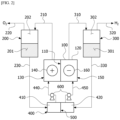
- a water electrolysis device 1 includes an electrolytic cell 100 including a positive electrode chamber 130 and a negative electrode chamber 150 which are partitioned by a partition wall 110, an electrolyte correction unit 400 including a positive electrode chamber electrolyte reservoir 410 and a negative electrode chamber electrolyte reservoir 420, wherein the positive electrode chamber electrolyte reservoir 410 and the negative electrode chamber electrolyte reservoir 420 are divided by a diaphragm 500, a positive electrode circulation line 250 which communicates the positive electrode chamber 130 of the electrolytic cell with the positive electrode chamber electrolyte reservoir 410 of the electrolyte correction unit, and a negative electrode circulation line 350 which communicates the negative electrode chamber 150 of the electrolytic cell with the negative electrode chamber electrolyte reservoir 420 of the electrolyte correction unit 400.
- the water electrolysis device 1 is a device for producing oxygen gas and hydrogen gas by electrolysis using an electrolyte.
- the electrolytic cell 100 includes the positive electrode chamber 130 including a positive electrode 140 and generating oxygen gas, and the negative electrode chamber 150 including a negative electrode 160 and generating hydrogen gas.
- the positive electrode chamber 130 and the negative electrode chamber 150 are partitioned by the partition wall 110.
- the partition wall 110 partitions the positive electrode chamber 130 from the negative electrode chamber 150 and has gas blockability, and a shape or material of the partition wall 110 is not particularly limited.
- the partition wall 110 may have a plate shape with a predetermined thickness, and the partition wall 110 may have high electrolyte permeability, high ion permeability, and high gas blockability.
- a material of the partition wall may include polymer resin fibers and inorganic compounds, and for example, a porous polymer film may be used.
- the positive electrode chamber 130 and the negative electrode chamber 150 are each provided with a space surrounded by the partition wall 110 and an outer frame 120, and an electrolyte introduced from the electrolyte correction unit 400 passes through the space.
- hydroxide ions (OH - ) are consumed and oxygen gas is generated in the positive electrode chamber, and hydroxide ions (OH - ) and hydrogen gas are generated in the negative electrode chamber.
- the concept of the oxygen gas and hydrogen gas being dissolved in the electrolyte includes a state in which the oxygen gas and the hydrogen gas are dissolved in the electrolyte and a state in which the oxygen gas and the hydrogen gas remain in the form of microbubbles.
- a technical feature of the present invention is that, in order to adjust the concentrations of the oxygen gas and the hydrogen gas dissolved in the electrolyte to be less than or equal to an explosion limit, the electrolyte correction unit 400 is provided at a front or rear end of the electrolytic cell 100.
- the present invention may further include a gas-liquid separator 200 at the positive electrode provided in the positive electrode circulation line 250 and a gas-liquid separator 300 at the negative electrode provided in the negative electrode circulation line 350.
- the gas-liquid separator 200 on the positive electrode is provided between the positive electrode chamber 130 at the electrolytic cell and the positive electrode chamber electrolyte reservoir 410 at the electrolyte correction unit along the positive electrode circulation line 250, and specifically, is provided at a rear end of the positive electrode chamber 130 of the electrolytic cell and at a front end of the positive electrode chamber electrolyte reservoir 410 of the electrolyte correction unit along the positive electrode circulation line 250.
- the gas-liquid separator 300 at the negative electrode may be provided between the negative electrode chamber 150 at the electrolytic cell and the negative electrode chamber electrolyte reservoir 420 at the electrolyte correction unit along the negative electrode circulation line 350.
- the gas-liquid separator 300 at the negative electrode side may be provided at a rear end of the negative electrode chamber 150 of the electrolytic cell and at a front end of the negative electrode chamber electrolyte reservoir 420 of the electrolyte correction unit along the negative electrode circulation line 350.
- the positive electrode circulation line 250 may be divided into a positive electrode recovery pipe 210 communicating the positive electrode chamber 130 with the gas-liquid separator 200 at the positive electrode, a positive electrode electrolyte recovery pipe 230 communicating the gas-liquid separator 200 at the positive electrode with the positive electrode chamber electrolyte reservoir 410, and a positive electrode electrolyte supply pipe 440 communicating the positive electrode chamber electrolyte reservoir 410 with the positive electrode chamber 130.
- the gas-liquid separator 200 at the positive electrode includes a liquid-phase area 201 positioned at a lower portion and a gas-phase area 202 positioned above the liquid-phase area
- the gas-liquid separator 300 at the negative electrode includes a liquid-phase area 301 positioned at a lower portion and a gas-phase area 302 positioned above the liquid-phase area.
- the negative electrode circulation line 350 may be divided into a negative electrode recovery pipe 310 communicating the negative electrode chamber 150 with the gas-liquid separator 300 at the negative electrode, a negative electrode electrolyte recovery pipe 330 communicating the gas-liquid separator 300 at the negative electrode with the negative electrode chamber electrolyte reservoir 420, and a negative electrode electrolyte supply pipe 450 communicating the negative electrode chamber electrolyte reservoir 420 with the negative electrode chamber 150.
- the gas-liquid separator 200 at the positive electrode communicates with the positive electrode chamber 130 through the positive electrode recovery pipe 210 and separates an electrolyte from oxygen gas, which are discharged from the positive electrode chamber 130.
- the gas-liquid separator 300 at the negative electrode communicates with the negative electrode chamber 150 through the negative electrode recovery pipe 310 and separates an electrolyte from hydrogen gas, which are discharged from the negative electrode chamber 150.
- the positive electrode recovery pipe 210 and the negative electrode recovery pipe 310 may communicate with the upper portions of the gas-liquid separator 200 at the positive electrode and the gas-liquid separator 300 at the negative electrode.
- the electrolyte correction unit 400 communicates with the gas-liquid separator 200 at the positive electrode through the positive electrode electrolyte recovery pipe 230 and communicates with the gas-liquid separator 300 at the negative electrode through the negative electrode electrolyte recovery pipe 330, and the diaphragm 500 is provided inside the electrolyte correction unit 400.
- the electrolyte correction unit 400 includes the positive electrode chamber electrolyte reservoir 410 communicating with the gas-liquid separator 200 at the positive electrode through the positive electrode electrolyte recovery pipe 230, and the negative electrode chamber electrolyte reservoir 420 communicating the gas-liquid separator 300 at the negative electrode through the negative electrode electrolyte recovery pipe 330, and the positive electrode chamber electrolyte reservoir 410 and the negative electrode chamber electrolyte reservoir 420 are separated by the diaphragm 500.
- the positive electrode electrolyte recovery pipe 230 communicates with the liquid-phase area 201 of the gas-liquid separator 200 at the positive electrode
- the negative electrode electrolyte recovery pipe 330 communicates with the liquid-phase area 301 of the gas-liquid separator 300 at the negative electrode.
- the electrolyte correction unit 400 accommodates the electrolytes present in the liquid-phase areas 201 and 301 of the gas-liquid separator 200 at the positive electrode and the gas-liquid separator 300 at the negative electrode and supplies the electrolytes to the positive electrode chamber 130 and negative electrode chamber 150 of the electrolytic cell 100 through the positive electrode electrolyte supply pipe 440 communicating with the positive electrode chamber electrolyte reservoir 410 and the negative electrode electrolyte supply pipe 450 communicating with the negative electrode chamber electrolyte reservoir 420.
- circulation pumps 600 for supplying the electrolyte of the electrolyte correction unit 400 to the electrolytic cell 100 may be provided at the positive electrode electrolyte supply pipe 440 and the negative electrode electrolyte supply pipe 450. At this time, the circulation pumps 600 may be configured with only one circulation pump after combining the positive electrode electrolyte supply pipe 440 and the negative electrode electrolyte supply pipe 450 into one supply pipe.
- the electrolyte introduced from the gas-liquid separator 200 at the positive electrode and the electrolyte introduced from the gas-liquid separator 300 at the negative electrode may be separated in the electrolyte correction unit 400 by the diaphragm 500 provided in the electrolyte correction unit 400.
- the diaphragm 500 may have different liquid and gas permeability in order to pass ions and electrolytes and isolate the hydrogen gas and the oxygen gas which are generated in the electrolytic cell.
- the diaphragm includes pores, and by adjusting sizes of the pores, the liquid and gas permeability may be made different. Alternatively, by adjusting a size of a polymer resin fiber or an inorganic particle, the liquid and gas permeability may be made different.
- the sizes of the pores, the polymer resin fiber, or the inorganic particle may range from 0.01 ⁇ m to 10 ⁇ m.
- the diaphragm having the above characteristics may be achieved by adjusting a diameter, a surface area, hydrophilicity, and a formation structure of the pores, and for example, a polymer porous film, an inorganic porous film, a woven fabric, or nonwoven fabric may be used as the diaphragm.
- the diaphragm may be permeable to an electrolyte and an ion and may be impermeable to a gas.
- the gas being impermeable may mean that gas permeability is 10 l/min ⁇ cm 3 or less when measured at a pressure of 5 bar, and, for example, the diaphragm has gas permeability of 7 l/min ⁇ cm 3 or less or 5 l/min ⁇ cm 3 or less when measured at a pressure of 5 bar.
- a material of the diaphragm 500 may be at least one selected from the group consisting of polyethylene, polypropylene, polyethylene terephthalate, polysulfone, polyphenylene sulfide, polyether sulfone, polyphenyl sulfone, polyvinylidene fluoride, polyacrylonitrile, polyethylene oxide, polymethyl methacrylate, polyamide, polyether ether ketone, sulfonated polyether ether ketone, polyimide, and a copolymer thereof.
- the diaphragm 500 may be a porous film and may have a three-dimensional porous network.
- Sizes of pores of the porous film are not particularly limited as long as it is permeable to an electrolyte and an ion and can be controlled to be impermeable to a gas and may range, for example, from 0.01 ⁇ m to 10 ⁇ m.
- the diaphragm 500 may be an ion exchange membrane, and the ion exchange membrane may be an anion exchange membrane or a cation exchange membrane.
- the ion exchange membrane may include a fluorine-containing ion exchange membrane.
- the ion exchange membrane may be porous or non-porous.
- the present invention by providing the above-described diaphragm 500 as in the electrolyte correction unit 400, it is possible to prevent the mixing of the oxygen gas generated at the positive electrode and the hydrogen gas generated at the negative electrode in the electrolyte correction unit. In this way, it is possible to maintain a concentration of the hydrogen gas in the oxygen gas and a concentration of the oxygen gas in the hydrogen gas to be less than or equal to the explosion range.
- the concentration of the hydrogen gas may be maintained within the explosion range.
- the diaphragm 500 is provided inside the electrolyte correction unit and the diaphragm 500 has ion permeability, the difference in concentration between the electrolyte discharged from the positive electrode chamber 130 and the electrolyte discharged from the negative electrode chamber 150 may be corrected. Therefore, it is possible to solve the problem of requiring an additional device due to a difference in liquid level of the electrolytes and the problem of deterioration in processability due to electrolyte re-injection and operation stabilization.
- the electrolyte introduced from the gas-liquid separator 200 at the positive electrode and the electrolyte introduced from the gas-liquid separator 300 at the negative electrode may be alternately introduced with a plurality of diaphragms interposed therebetween.
- the positive electrode chamber electrolyte reservoir 410 and the negative electrode chamber electrolyte reservoir 420 may be formed as a plurality of positive electrode chamber electrolyte reservoirs and a plurality of negative electrode chamber electrolyte reservoirs.
- the positive electrode chamber electrolyte reservoirs 410 and the negative electrode chamber electrolyte reservoirs 420 may be alternately disposed.
- the positive electrode chamber electrolyte reservoirs 410 and the negative electrode chamber electrolyte reservoirs 420 are formed with the plurality of diaphragms interposed therebetween, a relatively low-concentration electrolyte introduced from the gas-liquid separator 200 at the positive electrode and a relatively high-concentration electrolyte introduced from the gas-liquid separator 300 at the negative electrode exchange ions so that the concentration difference may be resolved.
- the plurality of diaphragms may be cation exchange membranes or anion exchange membranes and may be formed only of cation exchange membranes or only anion exchange membranes.
- the plurality of diaphragms may be diaphragms in which cation exchange membranes and anion exchange membranes are alternately provided.
- the plurality of diaphragms alternately disposed in a direction in which the reservoirs are alternately disposed may include alternately provided cation exchange membranes and anion exchange membranes.
- a positive electrode and a negative electrode are provided at both ends of the electrolyte correction unit 400, and thus the diaphragm may be positioned between the positive electrode and the negative electrode.
- an ion exchange rate may be increased to improve productivity.
- the diaphragm may be a cation exchange membrane or an anion exchange membrane
- the cation exchange membrane may be positioned on a side surface adjacent to the positive electrode of the positive electrode chamber electrolyte reservoir
- the anion exchange membrane may be positioned on a side surface adjacent to the negative electrode of the positive electrode chamber electrolyte reservoir
- the anion exchange membrane may be positioned on a side surface adjacent to the positive electrode of the negative electrode chamber electrolyte reservoir
- the cation exchange membrane may be positioned on a side surface adjacent to the negative electrode of the negative electrode chamber electrolyte reservoir.
- a separate electrolyte may be supplied into a space in which the positive electrode and the negative electrode are provided.
- the electrolyte used in the present invention may be an alkaline aqueous solution in which an alkali salt is dissolved.
- the electrolyte may be a NaOH aqueous solution or a KOH aqueous solution.
- a concentration of the alkali salt may range from 1 wt% to 50 wt%.
- a content of NaOH may range from 1 wt% to 20 wt% or from 10 wt% to 15 wt%.
- a content of KOH may range from 20 wt% to 50 wt%, for example, from 25 wt% to 40 wt% or from 25 wt% to 35 wt%.
- a water supply pipe and a water supply pump which supply water from a water reservoir, may be provided at the negative electrode chamber 150 of the electrolytic cell, the negative electrode chamber electrolyte reservoir 420 of the electrolyte correction unit, the gas-liquid separator 300 at the negative electrode, and the negative electrode circulation line 350.
- the gas-liquid separator 200 at the positive electrode may be provided at the rear end of the positive electrode chamber electrolyte reservoir 410 of the electrolyte correction unit and the front end of the positive electrode chamber 130 of the electrolytic cell along the positive electrode circulation line 250
- the gas-liquid separator 300 at the negative electrode may be provided at the rear end of the negative electrode chamber electrolyte reservoir 420 of the electrolyte correction unit and at the front end of the negative electrode chamber 150 of the electrolytic cell along the negative electrode circulation line 350.
- the positive electrode circulation line 250 may be divided into a second positive electrode recovery pipe 211 communicating the positive electrode chamber 130 with the positive electrode chamber electrolyte reservoir 410, a second positive electrode electrolyte recovery pipe 231 communicating the positive electrode chamber electrolyte reservoir 410 with the gas-liquid separator 200 at the positive electrode, and a second positive electrode positive electrode electrolyte supply pipe 441 communicating the gas-liquid separator 200 at the positive electrode with the positive electrode chamber 130.
- the negative electrode circulation line 350 may be divided into a second negative electrode recovery pipe 311 communicating the negative electrode chamber 150 with the negative electrode chamber electrolyte reservoir 420, a second negative electrode electrolyte recovery pipe 331 communicating the negative electrode chamber electrolyte reservoir 420 with the gas-liquid separator 300 at the negative electrode, and a second negative electrode electrolyte supply pipe 451 communicating the gas-liquid separator 300 at the negative electrode with the negative electrode chamber 150.
- the positive electrode chamber electrolyte reservoir 410 communicates with the positive electrode chamber 130 through the second positive electrode recovery pipe 211 and accommodates an electrolyte and oxygen gas, which are discharged from the positive electrode chamber 130.
- the negative electrode chamber electrolyte reservoir 420 communicates with the negative electrode chamber 150 through the second negative electrode recovery pipe 311 and accommodates an electrolyte and hydrogen gas, which are discharged from the negative electrode chamber 150.
- ions of the electrolyte in the positive electrode chamber electrolyte reservoir 410 and ions of the electrolyte in the negative electrode chamber electrolyte reservoir 420 are exchanged through the diaphragm 500.
- the positive electrode chamber electrolyte reservoir 410 communicates with the gas-liquid separator 200 at the positive electrode through the second positive electrode electrolyte recovery pipe 231, and the negative electrode chamber electrolyte reservoir 420 communicates with the gas-liquid separator 300 at the negative electrode through the second negative electrode electrolyte recovery pipe 331.
- the electrolytes present in the liquid-phase areas of the gas-liquid separator 200 at the positive electrode and the gas-liquid separator 300 at the negative electrode are supplied to the positive electrode chamber 130 and the negative electrode chamber 150 of the electrolytic cell 100 through the second positive electrode electrolyte supply pipe 441 and the second negative electrode electrolyte supply pipe 451.
- the embodiment according to FIG. 2 and the embodiment according to FIG. 3 differ only according to whether the positions of the gas-liquid separator 200 at the positive electrode and the gas-liquid separator 300 at the negative electrode are at the front or rear end of the electrolytic cell, the main role and structure of the electrolyte correction unit 400 are the same, and the above-described main content can be equally applied.
- KOH may be used as the electrolyte according to the present invention, and a concentration of the electrolyte may range from 20% to 50%, but the present invention is not limited thereto.
- operating conditions are not particularly limited, but, for example, a temperature of the electrolyte may range from 30 °C to 200 °C, a current density of the electrolytic cell may range from 1 kA/m 2 to 50 kA/m 2 , and a pressure of the electrolytic cell may range from 0.1 Mpa to 20 Mpa.
- the water electrolysis device includes the electrolytic cell 100 including the positive electrode chamber 130 and the negative electrode chamber 150 which are partitioned by the partition wall 110, the gas-liquid separator 200 at the positive electrode communicating with the positive electrode chamber 130 through the positive electrode recovery pipe 210, the gas-liquid separator 300 at the negative electrode communicating with the negative electrode chamber 150 through the negative electrode recovery pipe 310, and the positive electrode chamber electrolyte reservoir 410 and the negative electrode chamber electrolyte reservoir 420 of the electrolyte correction unit 400 communicating with the gas-liquid separator 200 at the positive electrode and the gas-liquid separator 300 at the negative electrode, respectively, through the positive electrode electrolyte recovery pipe 230 and the negative electrode electrolyte recovery pipe 330.
- the diaphragm 500 is provided inside the electrolyte correction unit 400, and an electrolyte is supplied to the positive electrode chamber and the negative electrode chamber of the electrolytic cell 100 through the positive electrode electrolyte supply pipe 440 and the negative electrode electrolyte supply pipe 450.
- the circulation pumps 600 may be provided at the positive electrode electrolyte supply pipe 440 and the negative electrode electrolyte supply pipe 450.
- a KOH aqueous solution may be used as the electrolyte.
- an electrolyte with a molar concentration of x is supplied from the electrolyte correction unit 400, and the following reactions occur.
- hydroxide ions (OH - ) are consumed and oxygen gas is generated in the positive electrode chamber, and hydroxide ions (OH - ) and hydrogen gas are generated in the negative electrode chamber.
- a molar concentration of the electrolyte discharged from the positive electrode chamber is (x-a) mol, and oxygen gas is dissolved in the electrolyte.
- a molar concentration of the electrolyte discharged from the negative electrode chamber is (x+a) mol, and hydrogen gas is dissolved in the electrolyte.
- the electrolytes discharged from the positive electrode chamber 130 and the negative electrode chamber 150 move to the gas-liquid separator 200 at the positive electrode and the gas-liquid separator 300 at the negative electrode through the positive electrode recovery pipe 210 and the negative electrode recovery pipe 310.
- the oxygen gas dissolved in the electrolyte is present in the gas-phase area
- the electrolyte is present in the liquid-phase area
- the oxygen gas discharge pipe 220 for discharging the oxygen gas to the outside of the system may be provided in the gas-phase area.
- the electrolyte present in the liquid-phase area is introduced into the positive electrode chamber electrolyte reservoir 410 of the electrolyte correction unit 400 through the positive electrode electrolyte recovery pipe 230.
- the hydrogen gas discharge pipe 320 for discharging the hydrogen gas to the outside of the system may be provided in the gas-phase area.
- the electrolyte present in the liquid-phase area is introduced into the negative electrode chamber electrolyte reservoir 420 of the electrolyte correction unit 400 through the negative electrode electrolyte recovery pipe 330.
- the oxygen gas and the hydrogen gas are partially dissolved in the electrolytes present in the liquid-phase areas.
- An ion-permeable diaphragm is used as the diaphragm 500 in order to allow ions to pass through and block the hydrogen gas and the oxygen gas, which are generated in the electrolytic cell, from passing therethrough.
- the diaphragm has a plurality of fine through-pores, has a structure capable of permeating the electrolyte, and has gas blockability to prevent the hydrogen gas and the oxygen gas, which are dissolved in the electrolyte, from passing therethrough.
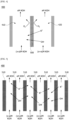
- Example 1-2 a configuration is the same as in Example 1-1, except that a plurality of porous diaphragms are provided in the electrolytic cell correction unit 400.
- N+1 electrolyte reservoirs are formed in the electrolyte correction unit 400 by a plurality of n porous diaphragms, and (x-a) mol of the electrolyte introduced from the gas-liquid separator 200 at the positive electrode and (x+a) mol of the electrolyte introduced from the gas-liquid separator 300 at the negative electrode are alternately introduced into the n+1 electrolyte reservoirs.
- the positive electrode electrolyte supply pipe 440 and the negative electrode electrolyte supply pipe 450 for supplying the electrolyte from the electrolyte correction unit 400 to the electrolytic cell 100 may be formed as one pipe, and a branch (manifold) may be provided in the electrolyte correction unit 400 for smooth supply of the electrolyte to the electrolyte reservoirs.
- the positive electrode electrolyte supply pipe 440 and the negative electrode electrolyte supply pipe 450 may be formed as a plurality of positive electrode electrolyte supply pipes and a plurality of negative electrode electrolyte supply pipes corresponding to the n+1 electrolyte reservoirs.
- Example 1-3 a configuration is the same as in Example 1-1, except that a cation exchange membrane 510 is used in the electrolyte correction unit 400 instead of the porous diaphragm.
- the cation exchange membrane 510 selectively transmits only cations in the electrolyte and has gas blockability.
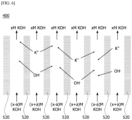
- the anions (i.e., OH - ions) of the (x+a) mol of the electrolyte in the negative electrode chamber electrolyte reservoir 420 move to (x-a) mol of electrolyte in the adjacent positive electrode chamber electrolyte reservoir 410 through the cation exchange membrane. Consequently, the final concentration of the electrolyte discharged from the electrolyte correction unit 400 becomes x mol.
- Example 1-4 a configuration is the same as in Example 1-3, except that the cation exchange membrane 510 is provided as a plurality of cation exchange membranes 510 in the electrolytic cell correction unit 400.
- the cation exchange membranes selectively transmit only cations in the electrolyte and have gas blockability.
- N+1 electrolyte reservoirs are formed in the electrolyte correction unit 400 by a plurality of n cation exchange membranes, and (x-a) mol of the electrolyte introduced from the gas-liquid separator 200 at the positive electrode and (x+a) mol of the electrolyte introduced from the gas-liquid separator 300 at the negative electrode are alternately introduced into the n+1 electrolyte reservoirs.
- the anions (i.e., OH - ions) of the (x+a) moles of the electrolyte in the negative electrode chamber electrolyte reservoir 420 move to (x-a) moles of electrolyte in the adjacent positive electrode chamber electrolyte reservoir 410 through the ion exchange membranes. Consequently, the final concentration of the electrolyte discharged from the electrolyte correction unit 400 becomes x mol.
- the positive electrode electrolyte supply pipe 440 and the negative electrode electrolyte supply pipe 450 for supplying the electrolyte from the electrolyte correction unit 400 to the electrolytic cell 100 may each be formed as one pipe.
- the positive electrode electrolyte supply pipe 440 and the negative electrode electrolyte supply pipe 450 may be formed as a plurality of positive electrode electrolyte supply pipes 440 and a plurality of negative electrode electrolyte supply pipes 450 to correspond to the n+1 electrolyte reservoirs.
- the positive electrode electrolyte recovery pipe 230 and the negative electrode electrolyte recovery pipe 330 for supplying the electrolyte from the gas-liquid separator 200 at the positive electrode and the gas-liquid separator 300 at the negative electrode to the electrolyte correction unit 400 may each be one pipe.
- the positive electrode electrolyte recovery pipe 230 and the negative electrode electrolyte recovery pipe 330 may be formed as a plurality of positive electrode electrolyte recovery pipes 230 and a plurality of negative electrode electrolyte recovery pipes 330 to correspond to the n+1 electrolyte reservoirs.
- a branch (manifold) for smooth supply and discharge of the electrolyte may be provided inside the electrolyte correction unit.
- the cation exchange membrane 510 has gas blockability, the mixing of the oxygen gas and the hydrogen gas can be prevented, and the risk of explosion, in which the concentration of the hydrogen gas in the oxygen gas and the concentration of the oxygen gas in the hydrogen gas are formed to be greater than or equal to the explosion range, can be prevented.
- Example 1-5 a configuration is the same as in Example 1-1, except that an anion exchange membrane 520 is used in the electrolyte correction unit 400 instead of the porous diaphragm.
- the anion exchange membrane 520 selectively transmits only anions in the electrolyte and has gas blockability.
- anions i.e., OH - ions
- anions i.e., OH - ions
- cations may move through the membrane even though the cation exchange membrane has cation selectivity.
- the cations (i.e., K + ions) of the (x+a) mol of the electrolyte introduced from the gas-liquid separator 300 at the negative electrode move to (x-a) mol of an electrolyte introduced from the gas-liquid separator 200 at the positive electrode through the anion exchange membrane. Consequently, the final concentration of the electrolyte discharged from the electrolyte correction unit 400 becomes x mol.
- Example 1-6 a configuration is the same as in Example 1-5, except that the anion exchange membrane 520 is provided as a plurality of anion exchange membranes 520 in the electrolytic cell correction unit 400.
- the anion exchange membranes 520 selectively transmit only anions in the electrolyte and have gas blockability.
- N+1 electrolyte inflow spaces are formed in the electrolyte correction unit 400 by a plurality of n anion exchange membranes, and (x-a) mol of an electrolyte introduced from the gas-liquid separator 200 at the positive electrode and (x+a) mol of an electrolyte introduced from the gas-liquid separator 300 at the negative electrode are alternately introduced into the n+1 electrolyte inflow spaces.
- anions i.e., OH - ions
- anions i.e., OH - ions
- the electrolyte correction unit 400 anions (i.e., OH - ions) of the (x+a) mol of the electrolyte introduced from the gas-liquid separator 300 at the negative electrode move to the (x-a) mol of an electrolyte introduced from an adjacent gas-liquid separator 200 at the positive electrode, through the anion exchange membranes due to a concentration gradient.
- cations may move through the membranes even though the anion exchange membranes have anion selectivity.
- the cations (i.e., K + ions) of the (x+a) mol of the electrolyte introduced from the gas-liquid separator 300 at the negative electrode move to the (x-a) mol of the electrolyte introduced from the gas-liquid separator 200 at the positive electrode through the ion exchange membranes. Consequently, the final concentration of the electrolyte discharged from the electrolyte correction unit 400 becomes x mol.
- the positive electrode electrolyte supply pipe 440 and the negative electrode electrolyte supply pipe 450 for supplying the electrolyte from the electrolyte correction unit 400 to the electrolytic cell 100 may each be formed as one pipe.
- the positive electrode electrolyte supply pipe 440 and the negative electrode electrolyte supply pipe 450 may be formed as a plurality of positive electrode electrolyte supply pipes 440 and a plurality of negative electrode electrolyte supply pipes 450 to correspond to the n+1 electrolyte reservoirs.
- the positive electrode electrolyte recovery pipe 230 and the negative electrode electrolyte recovery pipe 330 for supplying the electrolyte from the gas-liquid separator 200 at the positive electrode and the gas-liquid separator 300 at the negative electrode to the electrolyte correction unit 400 may each be one pipe.
- the positive electrode electrolyte recovery pipe 230 and the negative electrode electrolyte recovery pipe 330 may be formed as a plurality of positive electrode electrolyte recovery pipes 230 and a plurality of negative electrode electrolyte recovery pipes 330 to correspond to the n+1 electrolyte reservoirs.
- a branch (manifold) for smooth supply and discharge of the electrolyte may be provided inside the electrolyte correction unit.
- the anion exchange membranes 520 have gas blockability, the mixing of the oxygen gas and the hydrogen gas can be prevented, and the risk of explosion, in which the concentration of the hydrogen gas in the oxygen gas and the concentration of the oxygen gas in the hydrogen gas are formed to be greater than or equal to the explosion range, can be prevented.
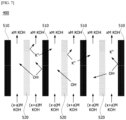
- Example 1-7 a plurality of cation exchange membranes 510 and a plurality of anion exchange membranes 520 are alternately provided in the electrolytic cell correction unit 400.
- the cation exchange membrane selectively transmits only cations in the electrolyte
- the anion exchange membrane selectively transmits only anions in the electrolyte.
- N+1 electrolyte reservoirs are formed in the electrolyte correction unit 400 by a plurality of n cation exchange membranes 510 and a plurality of anion exchange membranes 520, and (x-a) mol of the electrolyte introduced from the gas-liquid separator 200 at the positive electrode and (x+a) mol of the electrolyte introduced from the gas-liquid separator 300 at the negative electrode are alternately introduced into the n+1 electrolyte reservoirs.
- anions i.e., OH - ions
- anions i.e., OH - ions
- the cations (i.e., K + ions) of the (x+a) mol of the electrolyte in the negative electrode chamber electrolyte reservoir 420 move to (x-a) mol of electrolyte in an adjacent positive electrode chamber electrolyte reservoir 410 through the cation exchange membrane 510. Consequently, the final concentration of the electrolyte discharged from the electrolyte correction unit 400 becomes x mol.
- the positive electrode electrolyte supply pipe 440 and the negative electrode electrolyte supply pipe 450 for supplying the electrolyte from the electrolyte correction unit 400 to the electrolytic cell 100 may each be formed as one pipe.
- the positive electrode electrolyte supply pipe 440 and the negative electrode electrolyte supply pipe 450 may be formed as a plurality of positive electrode electrolyte supply pipes 440 and a plurality of negative electrode electrolyte supply pipes 450 to correspond to the n+1 electrolyte reservoirs.
- the positive electrode electrolyte recovery pipe 230 and the negative electrode electrolyte recovery pipe 330 for supplying the electrolyte from the gas-liquid separator 200 at the positive electrode and the gas-liquid separator 300 at the negative electrode to the electrolyte correction unit 400 may each be one pipe.
- the positive electrode electrolyte recovery pipe 230 and the negative electrode electrolyte recovery pipe 330 may be formed as a plurality of positive electrode electrolyte recovery pipes 230 and a plurality of negative electrode electrolyte recovery pipes 330 to correspond to the n+1 electrolyte reservoirs.
- a branch (manifold) for smooth supply and discharge of the electrolyte may be provided inside the electrolyte correction unit.
- the cation exchange membrane 510 has gas blockability, the mixing of the oxygen gas and the hydrogen gas can be prevented, and the risk of explosion, in which the concentration of the hydrogen gas in the oxygen gas and the concentration of the oxygen gas in the hydrogen gas are formed to be greater than or equal to the explosion range, can be prevented.
- Example 1-8 a configuration is the same as in Example 1-7, except that electrodes are provided at both ends of the electrolytic cell correction unit 400.
- a positive electrode 460 and a negative electrode 470 are provided at both ends of the electrolytic cell correction unit 400.
- ions of an electrolyte in the electrolytic cell correction unit 400 move through the cation exchange membrane 510 and the anion exchange membrane 520.
- the cation exchange membrane 510 is positioned at a side surface adjacent to the positive electrode of the positive electrode chamber electrolyte reservoir 410
- the anion exchange membrane 520 is positioned at a side surface adjacent to the negative electrode of the positive electrode chamber electrolyte reservoir 410
- the anion exchange membrane 520 is positioned at a side surface adjacent to the positive electrode of the negative electrode chamber electrolyte reservoir 420
- the cation exchange membrane 510 is positioned at a side surface adjacent to the negative electrode of the negative electrode chamber electrolyte reservoir 420.
- the water electrolysis device includes the electrolytic cell 100 including the positive electrode chamber 130 and the negative electrode chamber 150 which are partitioned by the partition wall 110, the positive electrode chamber electrolyte reservoir 410 of the electrolyte correction unit 400 communicating with the positive electrode chamber 130 through the second positive electrode recovery pipe 211, the negative electrode chamber electrolyte reservoir 420 of the electrolyte correction unit 400 communicating with the negative electrode chamber 150 through the second negative electrode recovery pipe 311, wherein, in the electrolyte correction unit 400, the positive electrode chamber electrolyte reservoir 410 and the negative electrode chamber electrolyte reservoir 420 are divided by the diaphragm 500, and the gas-liquid separator 200 at the positive electrode and the gas-liquid separator 300 at the negative electrode communicating with the positive electrode chamber electrolyte reservoir 410 and the negative electrode chamber electrolyte reservoir 420, respectively, through the second positive electrode electrolyte recovery pipe 231 and the second negative electrode electrolyte recovery pipe 331.
- the circulation pumps 600 may be provided at the second positive electrode electrolyte supply pipe 441 and the second negative electrode electrolyte supply pipe 451.
- a KOH aqueous solution may be used as the electrolyte.
- an electrolyte with a molar concentration of x is supplied from the electrolyte correction unit 400, and the following reactions occur.
- hydroxide ions (OH - ) are consumed and oxygen gas is generated in the positive electrode chamber, and hydroxide ions (OH - ) and hydrogen gas are generated in the negative electrode chamber.
- a molar concentration of the electrolyte discharged from the positive electrode chamber is (x-a) mol, and oxygen gas is dissolved in the electrolyte.
- a molar concentration of the electrolyte discharged from the negative electrode chamber is (x+a) mol, and hydrogen gas is dissolved in the electrolyte.
- the electrolytes discharged from the positive electrode chamber 130 and the negative electrode chamber 150 move to the positive electrode chamber electrolyte reservoir 410 and the negative electrode chamber electrolyte reservoir 420 of the electrolyte correction unit 400 through the second positive electrode recovery pipe 211 and the second negative electrode recovery pipe 311.
- Oxygen gas and hydrogen gas are dissolved in the electrolytes introduced into the electrolyte correction unit 400 through the second positive electrode recovery pipe 211 and the second negative electrode recovery pipe 311.
- the oxygen gas, the hydrogen gas, and the electrolytes, which are discharged from the electrolytic cell have not yet passed through the gas-liquid separator 200 at the positive electrode and the gas-liquid separator 300 at the negative electrode, relatively high concentrations of the oxygen gas and the hydrogen gas are dissolved compared to the first embodiment.
- An ion-permeable diaphragm is used as the diaphragm 500 in order to allow ions to pass through and isolate the hydrogen gas and the oxygen gas, which are generated in the electrolytic cell, from passing therethrough.
- the diaphragm has a plurality of fine through-pores, has a structure capable of permeating the electrolyte, and has gas blockability to prevent the hydrogen gas and the oxygen gas, which are dissolved in the electrolyte, from passing therethrough.
- the oxygen gas dissolved in the electrolyte is present in the gas-phase area and the electrolyte is present in the liquid-phase area, and the oxygen gas discharge pipe 220 for discharging the oxygen gas to the outside of the system may be provided in the gas-phase area.
- the electrolyte present in the liquid-phase area is introduced into the positive electrode chamber 130 of the electrolytic cell 100 through the second positive electrode electrolyte supply pipe 441.
- the hydrogen gas dissolved in the electrolyte is present in the gas-phase area
- the electrolyte is present in the liquid-phase area
- the hydrogen gas discharge pipe 320 for discharging the hydrogen gas to the outside of the system may be provided in the gas-phase area.
- the electrolyte present in the liquid-phase area is introduced into the negative electrode chamber 150 of the electrolytic cell 100 through the second negative electrode electrolyte supply pipe 451.
- Example 2-2 a configuration is the same as in Example 2-1, except that a plurality of porous diaphragms are provided in the electrolytic cell correction unit 400.
- N+1 electrolyte reservoirs are formed in the electrolyte correction unit 400 by a plurality of n porous diaphragms, and (x-a) mol of an electrolyte introduced from the positive electrode chamber 130 and (x+a) mol of an electrolyte introduced from the negative electrode chamber 150 are alternately introduced into the n+1 electrolyte reservoirs.
- the second positive electrode electrolyte recovery pipe 231 and the second negative electrode electrolyte recovery pipe 331 for supplying the electrolytes to the gas-liquid separator 200 at the positive electrode and the gas-liquid separator 300 at the negative electrode may each be formed as one pipe and may each have a branch (manifold) for smooth supply to the electrolyte reservoirs.
- the second positive electrode electrolyte recovery pipe 231 and the second negative electrode electrolyte recovery pipe 331 may be formed as a plurality of second positive electrode electrolyte recovery pipes 231 and a plurality of second negative electrode electrolyte recovery pipes 331 to correspond to the n+1 electrolyte reservoirs.
- Example 2-3 a configuration is the same as in Example 2-1, except that a cation exchange membrane 510 is used in the electrolyte correction unit 400 instead of the porous diaphragm.
- the cation exchange membrane 510 selectively transmits only cations in the electrolyte and has gas blockability.
- the anions (i.e., OH - ions) of the (x+a) mol of the electrolyte in the negative electrode chamber electrolyte reservoir 420 move to (x-a) mol of electrolyte in the adjacent positive electrode chamber electrolyte reservoir 410 through the cation exchange membrane. Consequently, the final concentration of the electrolyte discharged from the electrolyte correction unit 400 becomes x mol.
- Example 2-4 a configuration is the same as in Example 2-3, except that the cation exchange membrane 510 is provided as a plurality of cation exchange membranes 510 in the electrolytic cell correction unit 400.
- the cation exchange membranes selectively transmit only cations in the electrolyte and have gas blockability.
- N+1 electrolyte reservoirs are formed in the electrolyte correction unit 400 by a plurality of n cation exchange membranes, and (x-a) mol of an electrolyte introduced from the positive electrode chamber 130 and (x+a) mol of an electrolyte introduced from the negative electrode chamber 150 are alternately introduced into the n+1 electrolyte reservoirs.
- the anions (i.e., OH - ions) of the (x+a) mol of the electrolyte in the negative electrode chamber electrolyte reservoir 420 moves to (x-a) mol of electrolyte in the adjacent positive electrode chamber electrolyte reservoir 410 through the ion exchange membranes. Consequently, the final concentration of the electrolyte discharged from the electrolyte correction unit 400 becomes x mol.
- the second positive electrode electrolyte recovery pipe 231 and the second negative electrode electrolyte recovery pipe 331 for supplying the electrolytes to the gas-liquid separator 200 at the positive electrode and the gas-liquid separator 300 at the negative electrode may each be formed as one pipe.
- the second positive electrode electrolyte recovery pipe 231 and the second negative electrode electrolyte recovery pipe 331 may be formed as a plurality of second positive electrode electrolyte recovery pipes 231 and a plurality of second negative electrode electrolyte recovery pipes 331 to correspond to the n+1 electrolyte reservoirs.
- the second positive electrode recovery pipe 211 and the second negative electrode recovery pipe 311 for supplying the electrolytes to the gas-liquid separator 200 at the positive electrode and the gas-liquid separator 300 at the negative electrode may each be formed as one pipe.
- the second positive electrode recovery pipe 211 and the second negative electrode recovery pipe 311 may be formed as a plurality of second positive electrode recovery pipes 211 and a plurality of second negative electrode recovery pipes 311 to correspond to the n+1 electrolyte reservoirs.
- a branch (manifold) for smooth supply and discharge of the electrolyte may be provided inside the electrolyte correction unit.
- the cation exchange membranes 510 have gas blockability, the mixing of the oxygen gas and the hydrogen gas can be prevented, and the risk of explosion, in which the concentration of the hydrogen gas in the oxygen gas and the concentration of the oxygen gas in the hydrogen gas are formed to be greater than or equal to the explosion range, can be prevented.
- Example 2-5 a configuration is the same as in Example 2-1, except that an anion exchange membrane 520 is used in the electrolyte correction unit 400 instead of the porous diaphragm.
- the anion exchange membrane 520 selectively transmits only anions in the electrolyte and has gas blockability.
- anions i.e., OH - ions
- anions i.e., OH - ions
- cations may move through the membrane even though the cation exchange membrane has cation selectivity.
- Example 2-6 a configuration is the same as in Example 2-5, except that the anion exchange membrane 520 is provided as a plurality of anion exchange membranes in the electrolytic cell correction unit 400.
- the anion exchange membranes 520 selectively transmit only anions in the electrolyte and have gas blockability.
- N+1 electrolyte reservoirs are formed in the electrolyte correction unit 400 by a plurality of n anion exchange membranes, and (x-a) mol of an electrolyte introduced from the positive electrode chamber 130 and (x+a) mol of an electrolyte introduced from the negative electrode chamber 150 are alternately introduced into the n+1 electrolyte reservoirs.
- anions i.e., OH - ions
- anions i.e., OH - ions
- cations may move through the membranes even though the anion exchange membranes have anion selectivity.
- the second positive electrode electrolyte recovery pipe 231 and the second negative electrode electrolyte recovery pipe 331 for supplying the electrolytes to the gas-liquid separator 200 at the positive electrode and the gas-liquid separator 300 at the negative electrode may each be formed as one pipe.
- the second positive electrode electrolyte recovery pipe 231 and the second negative electrode electrolyte recovery pipe 331 may be formed as a plurality of second positive electrode electrolyte recovery pipes 231 and a plurality of second negative electrode electrolyte recovery pipes 331 to correspond to the n+1 electrolyte reservoirs.
- the second positive electrode recovery pipe 211 and the second negative electrode recovery pipe 311 for supplying the electrolytes to the gas-liquid separator 200 at the positive electrode and the gas-liquid separator 300 at the negative electrode may each be formed as one pipe.
- the second positive electrode recovery pipe 211 and the second negative electrode recovery pipe 311 may be formed as a plurality of second positive electrode recovery pipes 211 and a plurality of second negative electrode recovery pipes 311 to correspond to the n+1 electrolyte reservoirs.
- a branch (manifold) for smooth supply and discharge of the electrolyte may be provided inside the electrolyte correction unit.
- the anion exchange membranes 520 have gas blockability, the mixing of the oxygen gas and the hydrogen gas can be prevented, and the risk of explosion, in which the concentration of the hydrogen gas in the oxygen gas and the concentration of the oxygen gas in the hydrogen gas are formed to be greater than or equal to the explosion range, can be prevented.
- Example 2-7 a plurality of cation exchange membranes 510 and a plurality of anion exchange membranes 520 are alternately provided in the electrolytic cell correction unit 400.
- the cation exchange membranes selectively transmit only cations in the electrolyte
- the anion exchange membranes selectively transmit only anions in the electrolyte.
- N+1 electrolyte reservoirs are formed in the electrolyte correction unit 400 by a plurality of n cation exchange membranes 510 and a plurality of n anion exchange membranes 520, and (x-a) mol of the electrolyte introduced from the positive electrode chamber 130 and (x+a) mol of the electrolyte introduced from the negative electrode chamber 150 are alternately introduced into the n+1 electrolyte reservoirs.
- anions i.e., OH - ions
- anions i.e., OH - ions
- the second positive electrode electrolyte recovery pipe 231 and the second negative electrode electrolyte recovery pipe 331 for supplying the electrolytes to the gas-liquid separator 200 at the positive electrode and the gas-liquid separator 300 at the negative electrode may each be formed as one pipe.
- the second positive electrode electrolyte recovery pipe 231 and the second negative electrode electrolyte recovery pipe 331 may be formed as a plurality of second positive electrode electrolyte recovery pipes 231 and a plurality of second negative electrode electrolyte recovery pipes 331 to correspond to the n+1 electrolyte reservoirs.
- the second positive electrode recovery pipe 211 and the second negative electrode recovery pipe 311 for supplying the electrolytes to the gas-liquid separator 200 at the positive electrode and the gas-liquid separator 300 at the negative electrode may each be formed as one pipe.
- the second positive electrode recovery pipe 211 and the second negative electrode recovery pipe 311 may be formed as a plurality of second positive electrode recovery pipes 211 and a plurality of second negative electrode recovery pipes 311 to correspond to the n+1 electrolyte reservoirs.
- a branch (manifold) for smooth supply and discharge of the electrolyte may be provided inside the electrolyte correction unit.
- the anion exchange membranes 520 have gas blockability, the mixing of the oxygen gas and the hydrogen gas can be prevented, and the risk of explosion, in which the concentration of the hydrogen gas in the oxygen gas and the concentration of the oxygen gas in the hydrogen gas are formed to be greater than or equal to the explosion range, can be prevented.
- Example 2-8 a configuration is the same as in Example 2-7, except that electrodes are provided at both ends of the electrolytic cell correction unit 400.
- a positive electrode 460 and a negative electrode 470 are provided at both ends of the electrolytic cell correction unit 400.
- ions of an electrolyte in the electrolytic cell correction unit 400 move through the cation exchange membrane 510 and the anion exchange membrane 520.
- the cation exchange membrane 510 is positioned at a side surface adjacent to the positive electrode 460 of the positive electrode chamber electrolyte reservoir
- the anion exchange membrane 520 is positioned at a side surface adjacent to the negative electrode 470 of the positive electrode chamber electrolyte reservoir
- the anion exchange membrane 520 is positioned at a side surface adjacent to the positive electrode of the negative electrode chamber electrolyte reservoir
- the cation exchange membrane 510 is positioned at a side surface adjacent to the negative electrode of the negative electrode chamber electrolyte reservoir.
- a water electrolysis device by including an electrolyte correction unit with a diaphragm for eliminating a difference in concentration between electrolytes, a gas composition in a gas-phase area of an electrolyte reservoir is prevented from reaching an explosion limit, and simultaneously, a concentration difference between electrolytes is prevented even when an electrolyte discharged from a positive electrode chamber and an electrolyte discharged from a negative electrode chamber are independently circulated.
- an electrolyte correction unit with a diaphragm for eliminating a difference in concentration between electrolytes
Landscapes
- Chemical & Material Sciences (AREA)
- Engineering & Computer Science (AREA)
- Metallurgy (AREA)
- Chemical Kinetics & Catalysis (AREA)
- Electrochemistry (AREA)
- Materials Engineering (AREA)
- Organic Chemistry (AREA)
- Inorganic Chemistry (AREA)
- Life Sciences & Earth Sciences (AREA)
- Sustainable Development (AREA)
- Analytical Chemistry (AREA)
- Automation & Control Theory (AREA)
- Electrolytic Production Of Non-Metals, Compounds, Apparatuses Therefor (AREA)
Applications Claiming Priority (2)
| Application Number | Priority Date | Filing Date | Title |
|---|---|---|---|
| KR1020210014169A KR102468372B1 (ko) | 2021-02-01 | 2021-02-01 | 격막이 구비된 전해액 보정부를 포함하는 수전해 장치 |
| PCT/KR2022/001103 WO2022164132A1 (fr) | 2021-02-01 | 2022-01-21 | Dispositif d'électrolyse de l'eau comprenant une unité de correction d'électrolyte ayant un diaphragme |
Publications (2)
| Publication Number | Publication Date |
|---|---|
| EP4286559A1 true EP4286559A1 (fr) | 2023-12-06 |
| EP4286559A4 EP4286559A4 (fr) | 2025-08-06 |
Family
ID=82654042
Family Applications (1)
| Application Number | Title | Priority Date | Filing Date |
|---|---|---|---|
| EP22746159.7A Pending EP4286559A4 (fr) | 2021-02-01 | 2022-01-21 | Dispositif d'électrolyse de l'eau comprenant une unité de correction d'électrolyte ayant un diaphragme |
Country Status (6)
| Country | Link |
|---|---|
| US (1) | US20240117504A1 (fr) |
| EP (1) | EP4286559A4 (fr) |
| JP (1) | JP7787895B2 (fr) |
| KR (1) | KR102468372B1 (fr) |
| CN (1) | CN116783328A (fr) |
| WO (1) | WO2022164132A1 (fr) |
Cited By (2)
| Publication number | Priority date | Publication date | Assignee | Title |
|---|---|---|---|---|
| EP4286558A4 (fr) * | 2021-01-29 | 2025-09-10 | Techwin Co Ltd | Appareil d'électrolyse de l'eau |
| EP4545690A4 (fr) * | 2022-07-27 | 2026-01-21 | Mitsubishi Heavy Ind Ltd | Dispositif d'électrolyse |
Families Citing this family (1)
| Publication number | Priority date | Publication date | Assignee | Title |
|---|---|---|---|---|
| CN115928145B (zh) * | 2022-12-28 | 2023-10-13 | 嘉庚创新实验室 | 一种碱性电解水制氢用有机-无机复合隔膜及其制备方法 |
Family Cites Families (16)
| Publication number | Priority date | Publication date | Assignee | Title |
|---|---|---|---|---|
| FR2453222A1 (fr) * | 1979-04-02 | 1980-10-31 | Creusot Loire | Installation d'electrolyse de l'eau a circuits d'electrolyte regules en pression |
| WO2003064727A1 (fr) * | 2002-01-29 | 2003-08-07 | Mitsubishi Corporation | Appareil de production d'hydrogene a haute pression et procede de production associe |
| US6878258B2 (en) * | 2002-02-11 | 2005-04-12 | Applied Materials, Inc. | Apparatus and method for removing contaminants from semiconductor copper electroplating baths |
| KR20030077910A (ko) * | 2002-03-27 | 2003-10-04 | 하이젠환경테크 (주) | 체류 순환식 전해수 생성 시스템 및 방법 |
| JP5432103B2 (ja) * | 2010-09-21 | 2014-03-05 | 優章 荒井 | 電解水の製造装置及びその製造方法 |
| JP5455874B2 (ja) * | 2010-11-19 | 2014-03-26 | 高砂熱学工業株式会社 | 水素製造方法及び水素製造システム |
| JP5897512B2 (ja) * | 2013-07-31 | 2016-03-30 | デノラ・ペルメレック株式会社 | 重水の電解濃縮方法 |
| JP6745092B2 (ja) * | 2015-06-17 | 2020-08-26 | デノラ・ペルメレック株式会社 | アルカリ水電解装置とアルカリ燃料電池を利用した水処理システム及び該水処理システムを用いた水処理方法 |
| JP6588768B2 (ja) | 2015-08-20 | 2019-10-09 | デノラ・ペルメレック株式会社 | 電解装置及び電解方法 |
| CA3080528C (fr) * | 2015-09-30 | 2022-06-21 | Kabushiki Kaisha Toshiba | Dispositif et systeme de production d'hydrogene |
| JP6397396B2 (ja) | 2015-12-28 | 2018-09-26 | デノラ・ペルメレック株式会社 | アルカリ水電解方法 |
| EP3489389A1 (fr) * | 2017-11-24 | 2019-05-29 | Siemens Aktiengesellschaft | Unité d'électrolyse et électrolyseur |
| CA3093890A1 (fr) * | 2018-03-22 | 2019-09-26 | Tokuyama Corporation | Appareil d'electrolyse d'eau alcaline et procede de production de gaz |
| JP2019178356A (ja) * | 2018-03-30 | 2019-10-17 | 芝浦メカトロニクス株式会社 | 水素製造装置及び水素製造方法 |
| EP3831986B1 (fr) * | 2018-07-27 | 2026-01-28 | Tokuyama Corporation | Dispositif de production de gaz et procédé de production de gaz |
| CA3134812C (fr) * | 2019-03-27 | 2023-08-15 | De Nora Permelec Ltd | Procede permettant de purifier un gaz forme par electrolyse et appareil electrolytique |
-
2021
- 2021-02-01 KR KR1020210014169A patent/KR102468372B1/ko active Active
-
2022
- 2022-01-21 JP JP2023547034A patent/JP7787895B2/ja active Active
- 2022-01-21 CN CN202280012659.1A patent/CN116783328A/zh active Pending
- 2022-01-21 EP EP22746159.7A patent/EP4286559A4/fr active Pending
- 2022-01-21 WO PCT/KR2022/001103 patent/WO2022164132A1/fr not_active Ceased
- 2022-01-21 US US18/275,095 patent/US20240117504A1/en active Pending
Cited By (2)
| Publication number | Priority date | Publication date | Assignee | Title |
|---|---|---|---|---|
| EP4286558A4 (fr) * | 2021-01-29 | 2025-09-10 | Techwin Co Ltd | Appareil d'électrolyse de l'eau |
| EP4545690A4 (fr) * | 2022-07-27 | 2026-01-21 | Mitsubishi Heavy Ind Ltd | Dispositif d'électrolyse |
Also Published As
| Publication number | Publication date |
|---|---|
| US20240117504A1 (en) | 2024-04-11 |
| WO2022164132A1 (fr) | 2022-08-04 |
| JP2024505276A (ja) | 2024-02-05 |
| JP7787895B2 (ja) | 2025-12-17 |
| KR102468372B1 (ko) | 2022-11-18 |
| CN116783328A (zh) | 2023-09-19 |
| KR20220111033A (ko) | 2022-08-09 |
| EP4286559A4 (fr) | 2025-08-06 |
Similar Documents
| Publication | Publication Date | Title |
|---|---|---|
| EP4286559A1 (fr) | Dispositif d'électrolyse de l'eau comprenant une unité de correction d'électrolyte ayant un diaphragme | |
| EP4081673B1 (fr) | Procédé de génération d'hydrogène et d'oxygène à partir d'un flux d'alimentation liquide comprenant de l'eau et dispositif associé | |
| KR102044311B1 (ko) | 전해 장치 및 전해 방법 | |
| US9011650B2 (en) | Electrochemical systems and methods for operating an electrochemical cell with an acidic anolyte | |
| EP3486354B1 (fr) | Cellule électrolytique et appareil de production d'hydrogène | |
| EP2681350B1 (fr) | Nouveau séparateur, cellule électrochimique dotée de celui-ci et son utilisation dans celle-ci | |
| US9611555B2 (en) | Chemical systems and methods for operating an electrochemical cell with an acidic anolyte | |
| KR102501721B1 (ko) | 수전해 장치 | |
| JP2015536383A5 (fr) | ||
| JP5432103B2 (ja) | 電解水の製造装置及びその製造方法 | |
| JP2008293850A (ja) | 燃料電池システム及びその運転方法 | |
| JP4799260B2 (ja) | 無電解ニッケルめっき液の長寿命化装置 | |
| EP3626860B1 (fr) | Appareil de production d'hydrogène | |
| US20230399245A1 (en) | Process and system including pressure retarded osmosis membrane for indirect seawater electrolysis | |
| JP2014118619A (ja) | 水電解装置 | |
| HK40097903A (zh) | 包括具有隔膜的电解液校正部的水电解装置 | |
| FI73744C (fi) | Foerfarande foer anvaendning av en elektrokemisk vaetske/gascell. | |
| AU2023326035B2 (en) | Electrolysis device with natural circulation | |
| JP2007059196A (ja) | 発電システム | |
| HK40097902A (zh) | 水电解装置 | |
| CN119768561A (zh) | 渗透蒸馏电解装置及方法 | |
| CN118771539A (zh) | 从富含硫酸铵的(废)水中提取氨和硫酸 | |
| HK40052640A (en) | Electrolysis device for producing hydrogen and oxygen |
Legal Events
| Date | Code | Title | Description |
|---|---|---|---|
| STAA | Information on the status of an ep patent application or granted ep patent |
Free format text: STATUS: THE INTERNATIONAL PUBLICATION HAS BEEN MADE |
|
| PUAI | Public reference made under article 153(3) epc to a published international application that has entered the european phase |
Free format text: ORIGINAL CODE: 0009012 |
|
| STAA | Information on the status of an ep patent application or granted ep patent |
Free format text: STATUS: REQUEST FOR EXAMINATION WAS MADE |
|
| 17P | Request for examination filed |
Effective date: 20230809 |
|
| AK | Designated contracting states |
Kind code of ref document: A1 Designated state(s): AL AT BE BG CH CY CZ DE DK EE ES FI FR GB GR HR HU IE IS IT LI LT LU LV MC MK MT NL NO PL PT RO RS SE SI SK SM TR |
|
| DAV | Request for validation of the european patent (deleted) | ||
| DAX | Request for extension of the european patent (deleted) | ||
| A4 | Supplementary search report drawn up and despatched |
Effective date: 20250708 |
|
| RIC1 | Information provided on ipc code assigned before grant |
Ipc: C25B 15/08 20060101AFI20250702BHEP Ipc: C25B 9/21 20210101ALI20250702BHEP Ipc: C25B 1/04 20210101ALI20250702BHEP Ipc: C25B 15/029 20210101ALI20250702BHEP |