EP4296367A1 - Verfahren zur fermentativen herstellung von norvalin - Google Patents
Verfahren zur fermentativen herstellung von norvalin Download PDFInfo
- Publication number
- EP4296367A1 EP4296367A1 EP22180977.5A EP22180977A EP4296367A1 EP 4296367 A1 EP4296367 A1 EP 4296367A1 EP 22180977 A EP22180977 A EP 22180977A EP 4296367 A1 EP4296367 A1 EP 4296367A1
- Authority
- EP
- European Patent Office
- Prior art keywords
- μmol
- bioreactor
- fed
- amino acids
- mmol
- Prior art date
- Legal status (The legal status is an assumption and is not a legal conclusion. Google has not performed a legal analysis and makes no representation as to the accuracy of the status listed.)
- Withdrawn
Links
Images



Classifications
-
- C—CHEMISTRY; METALLURGY
- C12—BIOCHEMISTRY; BEER; SPIRITS; WINE; VINEGAR; MICROBIOLOGY; ENZYMOLOGY; MUTATION OR GENETIC ENGINEERING
- C12P—FERMENTATION OR ENZYME-USING PROCESSES TO SYNTHESISE A DESIRED CHEMICAL COMPOUND OR COMPOSITION OR TO SEPARATE OPTICAL ISOMERS FROM A RACEMIC MIXTURE
- C12P13/00—Preparation of nitrogen-containing organic compounds
- C12P13/04—Alpha- or beta- amino acids
-
- C—CHEMISTRY; METALLURGY
- C12—BIOCHEMISTRY; BEER; SPIRITS; WINE; VINEGAR; MICROBIOLOGY; ENZYMOLOGY; MUTATION OR GENETIC ENGINEERING
- C12P—FERMENTATION OR ENZYME-USING PROCESSES TO SYNTHESISE A DESIRED CHEMICAL COMPOUND OR COMPOSITION OR TO SEPARATE OPTICAL ISOMERS FROM A RACEMIC MIXTURE
- C12P13/00—Preparation of nitrogen-containing organic compounds
- C12P13/04—Alpha- or beta- amino acids
- C12P13/08—Lysine; Diaminopimelic acid; Threonine; Valine
Definitions
- the field of present invention relates to methods for producing norvaline by fermentation in a bioreactor with microorganisms.
- Amino acids are applied in a variety of sectors: food and feed, agriculture, pharmaceuticals and even packaging and housing.
- the biosynthesis of proteinogenic amino acids is an important branch of biotechnology (Becker and Wittmann 2012).
- Norvaline also called Nva herein
- Nva non-canonical amino acid which finds increasing use as a dietary supplement. Further, it is used for inducing vasodilation (see for instance US 11,260,039 B1 ). It was also suggested as a therapeutic agent against Alzheimer's disease (Polis et al, 2019).
- norvaline has also gained interest when found incorporated into protein-based biopharmaceuticals produced by recombinant E. coli fermentation processes (Biermann et al, 2013) which is generally not desired.
- CN 106520651 A discloses a method for producing L-norvaline through enzymatic transformation.
- US 2006/0057685 A1 relates to a fermentative method for producing norvaline using a bacterium of the Enterobacteriaceae family having all acetohydroxy acid synthases inactivated.
- the present invention provides a method of producing amino acids by fermentation in a bioreactor.
- the bioreactor comprises methanogenic microorganisms in a fermentation broth.
- This method comprises at least the step of feeding a gaseous carbon source comprising carbon dioxide and/or carbon monoxide, a nitrogen source and preferably a sulfur source to the bioreactor under conditions such that the methanogenic microorganisms produce the amino acids, wherein the amino acids comprise norvaline (in particular L-norvaline).
- this method comprises the step of harvesting at least a portion of the amino acids from the bioreactor (which is e.g. followed by purification methods to separate the amino acids from other constituents of the fermentation broth).
- the present invention provides the use of methanogenic microorganisms (e.g. any of the methanogenic archaea disclosed herein, such as for instance Methanothermobacter, Methanothermococcus, Methanocaldococcus and Methanococcus ) for producing norvaline (in particular L-norvaline).
- methanogenic microorganisms e.g. any of the methanogenic archaea disclosed herein, such as for instance Methanothermobacter, Methanothermococcus, Methanocaldococcus and Methanococcus
- norvaline in particular L-norvaline
- the present invention provides a fermentation broth comprising methanogenic microorganisms (e.g. any of the methanogenic archaea disclosed herein, such as for instance Methanothermobacter, Methanothermococcus, Methanocaldococcus and Methanococcus ) and norvaline(in particular L-norvaline), preferably wherein norvaline is in the supernatant (i.e. the liquid fraction of the fermentation broth).
- methanogenic microorganisms e.g. any of the methanogenic archaea disclosed herein, such as for instance Methanothermobacter, Methanothermococcus, Methanocaldococcus and Methanococcus
- norvaline in particular L-norvaline
- the present invention provides a bioreactor comprising this fermentation broth.
- methanogenic archaea are capable of norvaline production and active excretion of norvaline into the cell culture supernatant, in particular under carbon-fixing conditions (or carbon- and nitrogen-fixing conditions).
- Norvaline production has not been observed before in archaea, let alone in methanogenic archaea. This finding of the present invention enables combined carbon (and N 2 ) fixation and concomitant norvaline production.
- Methanogenic archaea are known for the ability to generate methane (CH 4 ) as end product of their energy metabolism (see e.g. Mand & Metcalf, 2019). Some of them are able to grow autotrophic, hydrogenotrophic by reducing carbon dioxide (CO 2 ) with molecular hydrogen (H 2 ) to CH 4 , and play a crucial role in the global carbon cycle (Lyu et al. 2018).
- methanogens can be divided into different metabolic groups: hydrogenotrophic (H 2 , formate or simple alcohols), aceticlastic (acetate), methylotrophic (compounds containing a methyl group), H 2 dependent methylotrophic (methylated compounds with H 2 as electron donor), and methoxydotrophic (methoxylated aromatic compounds) (Mayumi et al. 2016, Kurth et al. 2020).
- H 2 hydrogenotrophic
- aceticlastic acetate
- methylotrophic compounds containing a methyl group
- H 2 dependent methylotrophic methylated compounds with H 2 as electron donor
- methoxydotrophic methoxylated aromatic compounds
- Taubner et al. is an exobiology research paper unrelated to biotechnology. Specifically, the document concerns the membrane lipid composition and amino acid excretion patterns of Methanothermococcus okinawensis grown in the presence of inhibitors detected in the Enceladian plume. These findings are important for understanding the eco-physiology of methanogens on Earth and have implications for the use of biomarkers as possible signs of extraterrestrial life for future space missions in the Solar System. Along similar lines, Taubner et al, 2018, discusses biological methane production under putative Enceladus-like conditions.
- WO 2012/110256 A1 discloses a method of converting carbon dioxide and hydrogen to methane by methanogenic microorganisms.
- WO 2014/128300 A1 relates to a method and system for producing methane using methanogenic microorganisms and applying specific nitrogen concentrations in the liquid phase.
- WO 2017/070726 A1 relates to a method for determining the culture status of microbe cultures, such as cultures with hydrogenotrophic methanogenic microorganisms.
- WO 2016/179545 A1 discloses compositions and methods for the biological production of methionine.
- US 2019/0194630 A1 relates to compositions and methods for biological production of amino acids in hydrogenotrophic microorganisms.
- the hydrogenotrophic microorganism may be chosen from Methanococcus and Methanosarcina.
- WO 2020/252335 A1 relates to processes and systems for producing products by fermentation.
- a process comprising (a) feeding a gaseous mixture comprising CO x and H 2 , where x is 1 or 2, a nitrogen source, and optionally a sulfur source to a bioreactor that contains hydrogenotrophic microorganisms under conditions such that the hydrogenotrophic microorganisms produce at least one fermentation product chosen from an amino acid, an alcohol, aldehyde or ketone, a carboxylic acid, or a hydroxyl or keto acid; (b) removing a gas stream from the bioreactor, the gas stream having at least one compound chosen from a sulfur containing compound, a nitrogen containing compound, H 2 , CO x , and a hydrocarbon compound, where x is 1 or 2; (c) removing a liquid stream from the bioreactor comprising fermentation broth, hydrogenotrophic microorganisms, and fermentation product; and (d) separating the hydrogenotrophic microorganism
- the method further comprises the step of harvesting at least a portion of the amino acids from the bioreactor (which is e.g. followed by purification methods to separate the amino acids from other constituents of the fermentation broth).
- This portion comprises norvaline but may also comprise further amino acids.
- the harvesting step may involve removing a liquid stream from the bioreactor, the liquid stream comprising fermentation broth, methanogenic microorganisms, and produced amino acids such as norvaline (in particular in the culture supernatant), separating the methanogenic microorganisms from the liquid stream (e.g. by filtration) and recycling the methanogenic microorganisms back to the bioreactor.
- the harvested amino acids (which may be present in a liquid fraction of the fermentation broth) are then preferably further purified, e.g. by methods known in the art such as chromatography.
- methanogenic microorganisms actively excrete (or secrete) many different amino acids, including norvaline, into the culture supernatant.
- the secretion of these amino acids to the supernatant is especially remarkable, as it simplifies downstream steps (e.g. no cell lysis required for harvesting the product) while at the same time increasing productivity (as methanogenic microorganisms remain viable and can remain or be fed back into the bioreactor).
- the method comprises harvesting at least a portion of the amino acids (including norvaline) from the supernatant of the fermentation broth.
- the supernatant (used in the harvesting step) has a protein content of less than 1000 ⁇ g/mL, preferably less than 500 ⁇ g/mL, more preferably less than 250 ⁇ g/mL, even more preferably less than 100 ⁇ g/mL, yet even more preferably less than 50 ⁇ g/ml or even less than 40 ⁇ g/mL, especially less than 30 ⁇ g/mL or even less than 20 ⁇ g/mL.
- the protein content may be measured by methods known in the art, e.g. Bradford protein assay.
- At least 50%, preferably at least 60%, more preferably at least 70%, even more preferably at least 80%, especially at least 90% or even at least 95% of the methanogenic microorganisms remain viable and/or intact prior to and during the harvesting.
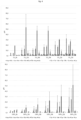
- the total amino acid concentration in the supernatant of the fermentation broth (used in the harvesting step) is at least 1 ⁇ mol/L, preferably at least 5 ⁇ mol/L, more preferably at least 10 ⁇ mol/L or even at least 25 ⁇ mol/L, even more preferably at least 50 ⁇ mol/L or even at least 100 ⁇ mol/L, especially at least 150 ⁇ mol/L (cf. Example 1 and Figure 5 ). It is particularly preferred when the supernatant has a total amino acid concentration of at least 200 ⁇ mol/L, preferably at least 500 ⁇ mol/L, especially at least 1000 ⁇ mol/L (or even higher lower limits).
- amino acids produced by the methods and uses disclosed herein or present in the products disclosed herein may be either or both the D- or L-isomer (i.e. either D-norvaline or L-norvaline, or both).
- the amino acid may e.g.
- alanine be 2-aminobutyrate, alanine, beta-alanine, arginine, aspartate, carnitine, citruline, cystine, dehydroalanine, glutamate, glutamine, glycine, hydroxyproline, isoleucine, leucine, lysine, methionine, norleucine, norvaline, ornithine, phenylalanine, proline, pyroglutamate, pyrroproline, pyrrolysine selenocysteine, selenomethionine, serine, threonine, tryptophan, tyramine, tyrosine, or valine.
- the (harvested) amino acids preferably comprise at least one, preferably at least two or even at least three, more preferably at least four or even at least five, even more preferably at least seven or even at least nine, yet more preferably at least 12 or even at least 15, yet even more preferably at least 17 or even at least 18, especially all of the 20 canonical amino acids (i.e. Asp, Glu, Asn, Ser, His, Gln, Gly, Thr, Arg, Ala, Tyr, Val, Met, Trp, Ile, Phe, Leu, Lys, Cys and Pro).
- the 20 canonical amino acids i.e. Asp, Glu, Asn, Ser, His, Gln, Gly, Thr, Arg, Ala, Tyr, Val, Met, Trp, Ile, Phe, Leu, Lys, Cys and Pro.
- the (harvested) amino acids comprise one or more of the following: essential amino acids (essential for human consumption), branched chain amino acids (BCAAs) and glutamate, preferably wherein it least 50 mol%, preferably at least 60 mol%, especially at least 70 mol% of the (produced or harvested) amino acids are essential amino acids, branched chain amino acids (BCAAs) or glutamate.
- essential amino acids essential for human consumption
- BCAAs branched chain amino acids
- glutamate preferably wherein it least 50 mol%, preferably at least 60 mol%, especially at least 70 mol% of the (produced or harvested) amino acids are essential amino acids, branched chain amino acids (BCAAs) or glutamate.
- the norvaline production rate per volume of fermentation broth is at least 0.001 ⁇ mol L -1 h -1 , preferably at least 0.005 ⁇ mol L -1 h -1 , more preferably at least 0.01 ⁇ mol L -1 h -1 , even more preferably at least 0.05 ⁇ mol L -1 h -1 , yet even more preferably at least 0.1 ⁇ mol L -1 h -1 , especially at least 0.5 ⁇ mol L -1 h -1 or even at least 1.0 ⁇ mol L -1 h -1 (or even higher) .
- the norvaline production rate per biomass is at least 0.01 ⁇ mol g -1 h -1 , preferably at least 0.05 ⁇ mol g -1 h -1 , more preferably at least 0.1 ⁇ mol g -1 h -1 , even more preferably at least 0.5 ⁇ mol g -1 h -1 , yet even more preferably at least 1.0 ⁇ mol g -1 h -1 , especially at least 5 ⁇ mol g -1 h -1 or even at least 10 ⁇ mol g -1 h -1 (or even higher).
- an electron donor (or electron donor compound) suitable for the methanogenic microorganisms is fed to the bioreactor.
- hydrogen gas i.e. molecular hydrogen or H 2
- acetate a methyl compound preferably selected from methylamines, methyl sulfides and methanol, any other alcohol, preferably a secondary alcohol such as 2-propanol or 2-butanol, a methoxylated aromatic compound and/or formate are fed to the bioreactor (as electron donor compounds).
- Hydrogen gas, acetate, methanol or combinations thereof are particularly preferred.
- methane produced by the methanogenic microorganisms is harvested from the bioreactor.
- the total amino acid production rate per volume of fermentation broth is at least 0.01 ⁇ mol L -1 h -1 , preferably at least 0.05 ⁇ mol L -1 h -1 , more preferably at least 0.1 ⁇ mol L -1 h -1 , even more preferably at least 0.5 ⁇ mol L -1 h -1 , yet even more preferably at least 1.0 ⁇ mol L -1 h -1 , especially at least 5 ⁇ mol L -1 h -1 or even at least 10 ⁇ mol L -1 h -1 (or even higher) .
- the total amino acid production rate per biomass is at least 0.1 ⁇ mol g -1 h -1 , preferably at least 0.5 ⁇ mol g -1 h -1 , more preferably at least 1.0 ⁇ mol g -1 h -1 , even more preferably at least 5 ⁇ mol g -1 h -1 , yet even more preferably at least 10 ⁇ mol g -1 h -1 , especially at least 50 ⁇ mol g -1 h -1 or even at least 100 ⁇ mol g -1 h -1 (or even higher) .
- the methanogenic microorganisms used may be natural (e.g. natural isolates or laboratory strains obtained therefrom) or genetically manipulated.
- genetic manipulation in methanogenic archeaea such as manipulation based on site-directed mutagenesis, selectable markers, transformation methods, and reporter genes, is available to the skilled person, see e.g., Sarmiento et al. 2011.
- CRISPR-based gene editing and other CRISPR-based genetic tools are also available to the skilled person, see. e.g. Nayak & Metcalf, 2017 and Dhamad & Lessner, 2020.
- the methanogenic microorganisms comprise archaea selected from any of Methanobacteriales, Methanococcales, Methanomicrobiales, Methanosarcinales, Methanopyrales, Methanocellales, Methanomassiliicoccales, and Methanonatronarchaeales, preferably Methanobacteriales and Methanococcales; more preferably selected from Methanobacteriaceae, Methanocaldococcaceae and Methanococcaceae; in particular selected from Methanothermobacter, Methanothermococcus and Methanococcus.
- Methanothermobacter marburgensis Methanocaldococcus jannaschii, Methanococcus igneus and Methanocaldococcus villosus.
- Other suitable methanogenic archaea species are for instance: Methanobacterium alcaliphilum, Methanobacterium bryantii, Methanobacterium congolense, Methanobacterium defluvii, Methanobacterium espanolae, Methanobacterium formicicum, Methanobacterium ivanovii, Methanobacterium palustre, Methanobacterium thermaggregans, Methanobacterium uliginosum, Methanobrevibacter acididurans, Methanobrevibacter arboriphilicus, Methanobrevibacter gottschalkii, Methanobrevibacter olleyae, Methanobrevibacter ruminantium, Methanobrevibacter smithii, Methanobrevibacter woesei, Methanobrevibacter wolini
- the methanogenic microorganisms may be hydrogenotrophic, aceticlastic, methylotrophic (e.g. H 2 -dependent methylotrophic) or methoxydotrophic.
- the methanogenic microorganisms in the bioreactor preferably comprise at least two different species.
- the fermentation is started with the methanogenic microorganisms in chemically defined fermentation medium.
- the fermentation is performed under anaerobic conditions.
- the method is a continuous process, a fed-batch process, a batch process, a closed batch process, a repetitive batch process, a repetitive fed-batch process or a repetitive closed batch process, preferably a continuous process, a fed-batch process or a repetitive fed-batch process, especially a continuous process.
- the continuous process (culture) is a chemostat process (culture), especially with controlled pH.
- the dilution rate D is 0.001 h -1 to 1.5 h -1 , preferably 0.01 h -1 to 0.5 h -1 , especially 0.0125 h -1 to 0.1 h -1 .
- a sulfur source is fed to be bioreactor.
- This source preferably comprises cysteine and/or sulfide, especially wherein the fermentation broth comprises sulfide at a concentration of 0.001 - 150 mg/L, preferably 0.01 - 100 mg/L, especially 1 to 80 mg/L and/or wherein the sulfide feed rate or cysteine feed rate is 0.0001 - 0.2 mol L -1 h -1 , preferably 0.001 - 0.05 mol L -1 h -1 .
- N 2 fixation is a key process in the global nitrogen cycle where it is closely linked to the carbon cycle. With 16 moles ATP per mol N 2 fixed, it is one of the most expensive metabolic processes (Thamdrup 2012; Hu and Ribbe 2012). Certain phyla of archaea, but also bacteria, are able to fix N 2 (Fernandez et al. 2019). This biological process is referred to as diazotrophy. Diazotrophic growth was first reported among the archaea in 1984, when Methanosarcina barkeri (Murray and Zinder 1984) and Methanococcus thermolithotrophicus (Belay et al. 1984) were shown to be able to fix N 2 . The enzymes needed for the reduction of N 2 are nitrogenases, which are encoded in the nif gene cluster (Raymond et al. 2004).
- the ammonium concentration in the fermentation broth is at least 0.1 mmol/L, preferably at least 1.0 mmol/L, more preferably at least 2.0 mmol/L or even at least 4.0 mmol/L; or 0.1 mmol/L to 200 mmol/L, preferably 2 mmol/L to 100 mmol/L, more preferably 4 mmol/L to 40 mmol/L, even more preferably 5 mmol/L to 35 mmol/L, yet even more preferably 6 mmol/L to 30 mmol/L, especially 7 mmol/L to 25 mmol/L, or even 10 mmol/L to 20 mmol/L.
- the concentration in the broth may be subject to fluctuations (until a steady state is reached). It is however preferred that the ammonium concentration stays above at least 0.1 mmol/L, preferably at least 1.0 mmol/L, more preferably at least 2.0 mmol/L or even at least 4.0 mmol/L or within any of the aforementioned ranges (e.g.
- the tungstate concentration in particular the orthotungstate, i.e. WO 4 -2 , concentration
- the tungstate concentration in the fermentation broth is below 0.1 ⁇ mol/L, preferably below 0.01 ⁇ mol/L, especially below 0.001 ⁇ mol/L (in particular, when the fermentation broth is essentially free of tungstate). In the course of the present invention, it turned out that this allows for more efficient amino acid production.
- Nitrogen-fixing conditions and/or carbon-fixing conditions have turned out to be advantageous for norvaline production:
- at least 50%, preferably at least 60%, more preferably at least 70%, even more preferably at least 80%, yet even more preferably at least 90% or even more preferably at least 95%, especially at least 99% or even at least 99.9% of all nitrogen atoms of all nitrogen sources fed to the bioreactor are fed to the bioreactor in the form of nitrogen gas.
- At least 50%, preferably at least 60%, more preferably at least 70%, even more preferably at least 80%, yet even more preferably at least 90% or even more preferably at least 95%, especially at least 99% or even at least 99.9% of all carbon atoms of all carbon sources fed to the bioreactor are fed to the bioreactor in the form of carbon dioxide gas and/or carbon monoxide gas.
- Bioreactors may be used in the methods and uses disclosed herein.
- Liquid phase bioreactors e.g. stirred tank, packed bed, one liquid phase, two liquid phase, hollow fiber membrane
- Multiphase bioreactors e.g., bubble column bioreactor, trickle bed bioreactor (fixed or packed bed), fluidized bed bioreactor
- the bioreactor is typically partially made of (stainless) steel, plastic and/or glass.
- the bioreactor contains at least one inlet, which allows a gas or gas mixture to enter, and at least two outlets. One outlet allows for the removal of a liquid stream, which contains the one or more fermentation products (i.e. amino acids), and the other outlet allows for the removal of a gas stream (such as methane produced by the methanogenic microorganisms).
- the bioreactor is a chemostat.
- Example 1 Amino acid production and active secretion by Methanothermobacter marburgensis under N 2 -fixing conditions
- the aim of our research was to examine the physiological and biotechnological characteristics of biological N 2 fixation in connection to H 2 /CO 2 utilization of different methanogens.
- Methanothermobacter marburgenis was prioritized to investigate N 2 fixation, CH 4 production, and amino acid excretion characteristics in closed batch and fed-batch cultivation modes and at different NH 4 + concentrations.
- M. marburgensis was grown on chemically defined minimal medium with different concentrations of ammonium chloride (NH 4 Cl) in a N 2 /H 2 /CO 2 atmosphere. This enabled the quantification of ammonia uptake, N 2 fixation, amino acid excretion and the conversion of H 2 /CO 2 to CH 4 . N 2 fixation by M. marburgensis was be confirmed in all experiments with H 2 /N 2 /CO 2 in the gas phase. Furthermore, the active excretion of proteinogenic amino acids was found, with highest detected values of glutamic acid, alanine, glycine and asparagin.
- NH 4 Cl ammonium chloride
- strains were selected for experiments: Methanothermobacter marburgensis (Schönheit et al. 1980; Wasser fallen et al. 2000), Methanobacterium thermaggregans (Blotevogel and Fischer 1985), Methanococcus maripaludis (Jones et al. 1983), Methanocaldococcus villosus (Bellack et al. 2011) and Methanothermococcus okinawensis (Takai et al. 2000). These strains may e.g. be obtained from the DSMZ, Braunschweig, Germany.
- M. maripaludis was grown in McN medium (cf. Mauerhofer et al. 2021). Methanobacterium thermaggregans and Methanothermobacter marburgensis were cultivated on MM medium.
- MM Medium (see also Table 1 below): NH 4 Cl 2.1 g/L and KH 2 PO 4 6.8 g/L in ddH 2 O.
- 200x trace element (TE) solution to be added e.g. up to a concentration of 5 mL per L of MM medium: Titriplex I 9 g/L, add 800 mL H 2 O and adjust the pH to 6.5 with 5 mol/L NaOH solution, then add (up to target concentration): MgCl 2 ⁇ 6H 2 O 8 g/L, FeCl 2 ⁇ 4H 2 O 2 g/L, COCl 2 ⁇ 6H 2 O 40 mg/L, NiCl 2 ⁇ 6H 2 O 240 mg/L, NaMoO 4 ⁇ 2H 2 O 40 mg, then adjust to pH 7.0 and volume of 1 L with 1 mol/L NaOH and ddH 2 O.
- TE trace element
- the medium may further contain e.g. 3.6 g/L NaHCO 3 as a carbon source.
- a sulfur source e.g. 2 mL of 0.5 mol/L Na 2 S ⁇ 9H 2 O per liter may be added after anaerobization and autoclaving.
- the TE solution did not contain tungstate (or, at least, only below 0.1 ⁇ mol/L, preferably below 0.01 ⁇ mol/L, especially below 0.001 ⁇ mol/L), as amino acid yield under nitrogen fixing conditions was lower otherwise.
- Nitrogen-free (N-free) media were prepared by omitting NH 4 Cl (2.1 g L -1 ) and replace it with a chemically equal molar amount of NaCl (2.3 g L -1 ) to ensure the correct salt concentration in the medium.
- a diluted HCl solution was used to retrieve the pH value.
- MM medium with varying NH 4 + concentrations was made as shown in Table 1.
- Na 2 CO 3 was replaced by equal molarities of NaCl.
- Medium without Na 2 CO 3 was manually adjusted to pH 6.8 by titrating 10 mol L -1 NaOH.
- Table 1 Composition of MM medium with varying NH 4 + concentration ⁇ g L -1 100%+ 100%- 50%- 25%- 10%- 5%- 1%- 0%- KH 2 PO 4 6.8 6.8 6.8 6.8 6.8 6.8 6.8 6.8 6.8 6.8 Na 2 CO 3 3.6 0 0 0 0 0 0 NH 4 Cl 2.1 2.1 1.05 0.525 0.21 0.105 0.021 0 NaCl mL L -1 0 2 2.15 2.725 3.07 3.185 3.277 3.3 TE 200x 5 5 5 5 5 5 5 5 5 5 ⁇ in relation to original MM medium in g L -1 . Percentage of NH 4 Cl in relation to original MM medium (which already contains 2.1 g L -1 NH 4 Cl). -/+ presents the absence and presence of Na 2 CO 3 .
- TE trace element solution
- H 2 (99.999%), CO 2 (99.999%), N 2 (99.999%), H 2 /CO 2 (80%/20%), H 2 /CO 2 /N 2 (77.74%/11.13%/11.13%) were used for closed batch and fed-batch experiments.
- GC gas chromatography
- N 2 /CO 2 (80%/20%), CH 4 (99.995%) and the standard test gas (Messer GmbH, Wien, Austria) containing 0.01 Vol.-% CH 4 , 0.08 Vol.-% CO 2 in N 2
- M. marburgensis had one of the highest NH 4 + concentrations in the media, it was additionally examined if growth was affected by reducing the amount of NH 4 + to one tenth of the original media concentration.
- pre-culture cells were washed before inoculation. For a complete N-free media all cultures were washed three times, for all other experiments one or no time. Experiments of only M.
- a pre-culture with one tenth of NH 4 + served as inoculum.
- the batch with 0% served as negative control and 100% gassed with H 2 /CO 2 in the ratio 4:1 as positive control.
- NH 4 + determination was performed using a modified procedure according to the method described before (Kandeler 1988).
- the oxidation solution, the colour reagent and the NH 4 Cl stock solution were prepared freshly before the measurement.
- Samples were diluted with MilliQ to an end concentration between the standard ranges. Before the measurement, 300 ⁇ L of colour reagent and 120 ⁇ L oxidation solution were added immediately to the standards and samples and shortly mixed.
- AAS18 For identification and quantification of peaks a primary amino acid standard mix (AAS18, Sigma Aldrich) in different concentrations was prepared for each run according to the concentration range of the samples (100 nmol L -1 to 15 ⁇ mol L -1 ).
- AAS18 standard mix lacks five amino acids (asparagine (Asn), glutamic acid (Glu), gamma-aminobutyric acid (GABA), taurine (Tau), tryptophane (Trp); Sigma Aldrich) which were added. In total 20 different AA could be measured with this method. Valine and Methionine were excluded from evaluation as they are located within a signal noise "ammonium peak" and therefore hard to measure within experiments with high NH 4 + concentrations. The details of this method were as published before (Taubner et al. 2019).
- the relative pressure in bar within the serum bottle was measured with a digital manometer (Keller GmbH, Winterthur, Switzerland). Gaseous substance (n /mol) in the serum bottles headspace was calculated via the ideal gas law. Headspace volume was determined in earlier experiments and adjusted after every OD measurement by the extracted sample volume of 0.75 mL. All measurements were performed at room temperature (25°C).
- N 2 uptake rate NUR / mmol L -1 h -1
- Carbon dioxide uptake rate (CUR / mmol L -1 h -1 ), molecular hydrogen uptake rate (HUR / mmol L -1 h- 1 ), CH 4 evolution rate (MER / mmol L -1 h -1 ), carbon balance (C-balance), yields (Y (CH4/CO2) and Y (x/CO2) ) and biomass productivity (r x / c-mmol L -1 h -1 ) was calculated as described elsewhere (Taubner et al. 2016; Rittmann et al. 2012, Bernacchi et al. 2014). The concentrations of H 2 , CO 2 , N 2 and CH 4 after GC measurements were obtained.
- M. marburgensis, M. maripaludis S0001, M. thermaggregans, M. villosus and M. okinawensis was analyzed in a H 2 /CO 2 /N 2 atmosphere in defined, but NH 4 + containing medium, and a N-free medium. This allowed us to screen for NH 4 + uptake, N 2 fixation, amino acid excretion and the conversion of H 2 /CO 2 to CH 4 in parallel. All methanogens but M. thermaggregans could be grown to an OD 578 of 0.7 in NH 4 + containing medium. Further experiments showed that a certain amount of NH 4 + was necessary for growth under these conditions. Due to most favorable growth characteristics in these experiments, M.
- marburgensis was selected for further experiments. Growth at specific NH 4 + concentrations with and without bicarbonate (Na 2 CO 3 ) was already performed and showed no or nitrogen-limited growth in 0% and 1 % and similar growth in all other concentrations. In experiments with Na 2 CO 3 in the media, a higher growth rate was shown.
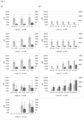
- H 2 and CO 2 uptake rates HUR and CUR, respectively, and MER is shown in Table 2.
- Table 2 Hydrogen Uptake Rate (HUR), Carbon dioxide Uptake Rate (CUR), Nitrogen Uptake Rate (NUR) and Methane Evolution Rate (MER) and C-Balance of closed batch experiments of M . marburgensis with different NH 4 + concentrations.
- a switch of cultivation mode, closed or fed-batch, could alter amino acid excretion rates and concentration, e.g. in the case of Glu from the highest fed-batch value of 2.74 mg L -1 to 44.83 mg L -1 in closed batch (Table 3).
- Example 2 Amino acid production and active secretion by Methanothermobacter marburgensis in continuous culture
- the same medium was used as feed medium for continuous cultivation mode.
- the whole system was flushed with an H 2 /CO 2 , N 2 or H 2 /CO 2 /N 2 mixture for 10 minutes prior to inoculation.
- the oxidation reduction potential (ORP) was measured by a redox probe (Mettler Toledo GmbH, Vienna, Austria).
- a 0.5 mol/L Na 2 S ⁇ 9H 2 O solution was used as sulphur source and fed constantly to the bioreactor at e.g. 0.2 mL/h to 1.32 mL/h.
- the MM medium was applied using an analog peristaltic pump.
- the MM medium feed flow rate, the sodium Na 2 S ⁇ 9H 2 O feed rate and the titration was recorded gravimetrically or adjusted by pump speed.
- the bioreactor volume was kept constant by withdrawing culture suspension over an immersion pipe using a peristaltic pump controlled on a fixed bioreactor weight, or by using a pipe at a fixed height as a level control system.
- the withdrawn suspension was collected in a harvest bottle and its volume recorded gravimetrically. All solutions were made anaerobic by flushing with N 2 , H 2 /CO 2 , or H 2 /CO 2 /N 2 . To maintain anaerobic conditions, all bottles were pressurized with N 2 . Pure H 2 /CO 2 (4:1) was used as substrate for M. marburgensis. CO 2 gas flow was controlled via the MX4/4 unit (Eppendorf AG, Hamburg, Germany). H 2 gas flow was controlled via the C100L Unit (Sierra Instruments, Monterey, USA) .
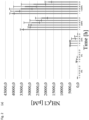
- volumetric amino acid production rate and specific amino acid production rate ranged from about 25 to about 75 ⁇ mol L -1 h -1 and from about 50 to about 2000 ⁇ mol h -1 g -1 , respectively (total over all amino acids).
- the production and secretion into the culture supernatant of the following amino acids (in combination) was typically observed: Asp, Glu, Asn, Ser, His, Gln, Gly, Thr, Arg, Ala, Tyr, Val, Met, norvaline (Nva), Trp, Ile, Phe, Leu, Lys.
- Individual amino acid production rates were observed up to about 40 ⁇ mol L -1 h -1 (volumetric) and up to about 900 ⁇ mol h -1 g -1 (specific per biomass). Cys and Pro were not detected due to analytic contraints, but are exptected to be produced and secreted as well.
- Example 3 Amino acid production and active secretion in further methanogenic archaea
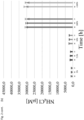
- Nva production was also clearly observed for each of Methanocaldococcus jannaschii, Methanococcus igneus and Methanocaldococcus villosus (volumetric Nva production rates reached beyond 1.0 ⁇ mol L -1 h -1 , specific Nva production rates beyond 10 ⁇ mol g -1 h -1 ). Production of Nva has not been observed before in methanogenic archaea (let alone in Methanococcales) .
Landscapes
- Organic Chemistry (AREA)
- Chemical & Material Sciences (AREA)
- Engineering & Computer Science (AREA)
- Zoology (AREA)
- Life Sciences & Earth Sciences (AREA)
- Wood Science & Technology (AREA)
- Chemical Kinetics & Catalysis (AREA)
- Microbiology (AREA)
- General Chemical & Material Sciences (AREA)
- Biotechnology (AREA)
- Health & Medical Sciences (AREA)
- Biochemistry (AREA)
- Bioinformatics & Cheminformatics (AREA)
- General Engineering & Computer Science (AREA)
- General Health & Medical Sciences (AREA)
- Genetics & Genomics (AREA)
- Preparation Of Compounds By Using Micro-Organisms (AREA)
- Micro-Organisms Or Cultivation Processes Thereof (AREA)
Priority Applications (4)
| Application Number | Priority Date | Filing Date | Title |
|---|---|---|---|
| EP22180977.5A EP4296367A1 (de) | 2022-06-24 | 2022-06-24 | Verfahren zur fermentativen herstellung von norvalin |
| CN202380049220.0A CN119522287A (zh) | 2022-06-24 | 2023-06-23 | 发酵生产正缬氨酸的方法 |
| EP23734986.5A EP4544073A1 (de) | 2022-06-24 | 2023-06-23 | Verfahren zur fermentativen herstellung von norvalin |
| PCT/EP2023/067081 WO2023247743A1 (en) | 2022-06-24 | 2023-06-23 | Method for fermentatively producing norvaline |
Applications Claiming Priority (1)
| Application Number | Priority Date | Filing Date | Title |
|---|---|---|---|
| EP22180977.5A EP4296367A1 (de) | 2022-06-24 | 2022-06-24 | Verfahren zur fermentativen herstellung von norvalin |
Publications (1)
| Publication Number | Publication Date |
|---|---|
| EP4296367A1 true EP4296367A1 (de) | 2023-12-27 |
Family
ID=82308577
Family Applications (2)
| Application Number | Title | Priority Date | Filing Date |
|---|---|---|---|
| EP22180977.5A Withdrawn EP4296367A1 (de) | 2022-06-24 | 2022-06-24 | Verfahren zur fermentativen herstellung von norvalin |
| EP23734986.5A Pending EP4544073A1 (de) | 2022-06-24 | 2023-06-23 | Verfahren zur fermentativen herstellung von norvalin |
Family Applications After (1)
| Application Number | Title | Priority Date | Filing Date |
|---|---|---|---|
| EP23734986.5A Pending EP4544073A1 (de) | 2022-06-24 | 2023-06-23 | Verfahren zur fermentativen herstellung von norvalin |
Country Status (3)
| Country | Link |
|---|---|
| EP (2) | EP4296367A1 (de) |
| CN (1) | CN119522287A (de) |
| WO (1) | WO2023247743A1 (de) |
Citations (9)
| Publication number | Priority date | Publication date | Assignee | Title |
|---|---|---|---|---|
| US20060057685A1 (en) | 2004-09-10 | 2006-03-16 | Stoynova Natalia V | Method for producing abnormal amino acids using a bacterium of the Enterobacteriaceae family having all acetohydroxy acid synthases inactivated |
| WO2012110256A1 (en) | 2011-02-17 | 2012-08-23 | Krajete GmbH | Method of converting carbon dioxide and hydrogen to methane by microorganisms |
| WO2014128300A1 (en) | 2013-02-22 | 2014-08-28 | Krajete GmbH | Method and system for producing methane using methanogenic microorganisms and applying specific nitrogen concentrations in the liquid phase |
| WO2016179545A1 (en) | 2015-05-06 | 2016-11-10 | Trelys, Inc. | Compositions and methods for biological production of methionine |
| CN106520651A (zh) | 2016-11-08 | 2017-03-22 | 江南大学 | 一种利用酶法转化生产l‑正缬氨酸的方法 |
| WO2017070726A1 (de) | 2015-10-29 | 2017-05-04 | Technische Universität Wien | Verfahren zur bestimmung des kulturstatus von mikrobenkulturen |
| US20190194630A1 (en) | 2014-01-02 | 2019-06-27 | Trelys, Inc. | Compositions and methods for biological production of amino acids in hydrogenotrophic microorganisms |
| WO2020252335A1 (en) | 2019-06-14 | 2020-12-17 | Trelys, Inc. | Processes and systems for producing products by fermentation |
| US11260039B1 (en) | 2007-09-18 | 2022-03-01 | Thermolife International, Llc | Amino acid compositions |
Family Cites Families (3)
| Publication number | Priority date | Publication date | Assignee | Title |
|---|---|---|---|---|
| WO2009031565A1 (ja) | 2007-09-04 | 2009-03-12 | Ajinomoto Co., Inc. | アミノ酸生産微生物及びアミノ酸の製造法 |
| US20100120104A1 (en) | 2008-11-06 | 2010-05-13 | John Stuart Reed | Biological and chemical process utilizing chemoautotrophic microorganisms for the chemosythetic fixation of carbon dioxide and/or other inorganic carbon sources into organic compounds, and the generation of additional useful products |
| US20110281333A1 (en) | 2010-05-14 | 2011-11-17 | Brown Paul W | Methane production from single-cell organisms |
-
2022
- 2022-06-24 EP EP22180977.5A patent/EP4296367A1/de not_active Withdrawn
-
2023
- 2023-06-23 CN CN202380049220.0A patent/CN119522287A/zh active Pending
- 2023-06-23 EP EP23734986.5A patent/EP4544073A1/de active Pending
- 2023-06-23 WO PCT/EP2023/067081 patent/WO2023247743A1/en not_active Ceased
Patent Citations (9)
| Publication number | Priority date | Publication date | Assignee | Title |
|---|---|---|---|---|
| US20060057685A1 (en) | 2004-09-10 | 2006-03-16 | Stoynova Natalia V | Method for producing abnormal amino acids using a bacterium of the Enterobacteriaceae family having all acetohydroxy acid synthases inactivated |
| US11260039B1 (en) | 2007-09-18 | 2022-03-01 | Thermolife International, Llc | Amino acid compositions |
| WO2012110256A1 (en) | 2011-02-17 | 2012-08-23 | Krajete GmbH | Method of converting carbon dioxide and hydrogen to methane by microorganisms |
| WO2014128300A1 (en) | 2013-02-22 | 2014-08-28 | Krajete GmbH | Method and system for producing methane using methanogenic microorganisms and applying specific nitrogen concentrations in the liquid phase |
| US20190194630A1 (en) | 2014-01-02 | 2019-06-27 | Trelys, Inc. | Compositions and methods for biological production of amino acids in hydrogenotrophic microorganisms |
| WO2016179545A1 (en) | 2015-05-06 | 2016-11-10 | Trelys, Inc. | Compositions and methods for biological production of methionine |
| WO2017070726A1 (de) | 2015-10-29 | 2017-05-04 | Technische Universität Wien | Verfahren zur bestimmung des kulturstatus von mikrobenkulturen |
| CN106520651A (zh) | 2016-11-08 | 2017-03-22 | 江南大学 | 一种利用酶法转化生产l‑正缬氨酸的方法 |
| WO2020252335A1 (en) | 2019-06-14 | 2020-12-17 | Trelys, Inc. | Processes and systems for producing products by fermentation |
Non-Patent Citations (42)
| Title |
|---|
| ABDEL AZIMANNALISACHRISTIAN PRUCKNERPHILIPP KOLARRUTH SOPHIE TAUBNERDEBORA FINOGUIDO SARACCOFILIPA L. SOUSASIMON K. M. R. RITTMANN: "The Physiology of Trace Elements in Biological Methane Production", BIORESOURCE TECHNOLOGY, vol. 241, 2017, pages 775 - 86, XP085129414, DOI: 10.1016/j.biortech.2017.05.211 |
| BECKER JWITTMANN C: "Systems and synthetic metabolic engineering for amino acid production - the heartbeat of industrial strain development", CURR OPIN BIOTECHNOL, vol. 23, no. 5, October 2012 (2012-10-01), pages 718 - 26 |
| BELAY NSPARLING RDANIELS L: "Dinitrogen Fixation by a Thermophilic Methanogenic Bacterium", NATURE, vol. 312, no. 5991, 1984, pages 286 - 288 |
| BERNACCHI, SEBASTIEN ET AL.: "Experimental methods for screening parameters influencing the growth to product yield (Y (x/CH4)) of a biological methane production (BMP) process performed with Methanothermobacter marburgensis", AIMS BIOENGINEERING, vol. 1, no. 2, 2014, pages 72 - 87, XP055391327, DOI: 10.3934/bioeng.2014.2.72 |
| BIERMANN, MICHAEL ET AL.: "Simultaneous analysis of the non-canonical amino acids norleucine and norvaline in biopharmaceutical-related fermentation processes by a new ultrahigh performance liquid chromatography approach", AMINO ACIDS, vol. 44, no. 4, 2013, pages 1225 - 1231 |
| BLANK, C. E.PETER S. KESSLERJOHN A. LEIGH: "Genetics in Methanogens: Transposon Insertion Mutagenesis of a Methanococcus Maripaludis NifH Gene", JOURNAL OF BACTERIOLOGY, vol. 177, no. 20, 1995, pages 5773 - 77 |
| CAROL J. ET AL.: "Complete genome sequence of the methanogenic archaeon, Methanococcus jannaschii", SCIENCE, vol. 273, no. 5278, 1996, pages 1058 - 1073, XP002151692, DOI: 10.1126/science.273.5278.1058 |
| DHAMAD, AHMED E.DANIEL J. LESSNER: "A CRISPRi-dCas9 system for archaea and its use to examine gene function during nitrogen fixation by Methanosarcina acetivorans", APPLIED AND ENVIRONMENTAL MICROBIOLOGY, vol. 86, no. 21, 2020, pages e01402 - 20 |
| FARDEAU, M-L.J-P. PEILLEXJ-P. BELAICH: "Energetics of the growth of Methanobacterium thermoautotrophicum and Methanococcus thermolithotrophicus on ammonium chloride and dinitrogen", ARCHIVES OF MICROBIOLOGY, vol. 148, no. 2, 1987, pages 128 - 131, XP009532718, DOI: 10.1007/BF00425360 |
| FERNANDEZ LBERTILSSON SPEURA S: "Limnol. Oceanogr", vol. 65, 2019, article "Non-cyanobacterial diazotrophs dominate nitrogen-fixing communities in permafrost thaw ponds", pages: S180 - S193 |
| HU YRIBBE MW: "Nitrogenase Assembly", BIOCHIMICA ET BIOPHYSICA ACTA, vol. 1827, 2012, pages 1112 - 22 |
| JONESW. JACKM. J. B. PAYNTERR. GUPTA: "Characterization of Methanococcus Maripaludis Sp", NEW METHANOGEN ISOLATED FROM SALT MARSH SEDIMENT, vol. 135, 1983 |
| KANDELERELLEN: "Short-Term Assay of Soil Urease Activity Using Colorimetric Determination of Ammonium SoilCare View Project Biodiversity Exploratories View Project", BIOLOGY AND FERTILITY OF SOILS, vol. 6, no. 1, 1988, pages 68 - 72 |
| KARL HEINZULRICH FISCHER: "Isolation and Characterization of a New Thermophilic and Autotrophic Methane Producing Bacterium:Methanobacterium Thermoaggregans Spec. Nov.", ARCHIVES OF MICROBIOLOGY, vol. 142, no. 3, 1985, pages 218 - 22 |
| KESSLERPETER S.JENNIFER MCLARNANJOHN A. LEIGH: "Nitrogenase phylogeny and the molybdenum dependence of nitrogen fixation in Methanococcus maripaludis", JOURNAL OF BACTERIOLOGY, vol. 179, no. 2, 1997, pages 541 - 543 |
| KISUMI MASAHIKO ET AL: "Biosynthesis of Norvaline, Norleucine, and Homoisoleucine in Serratia marcescens", J. BIOCHEM, vol. 80, no. 80, 1 January 1976 (1976-01-01), pages 333 - 339, XP055981783, Retrieved from the Internet <URL:https://www.jstage.jst.go.jp/article/biochemistry1922/80/2/80_2_333/_pdf/-char/ja> * |
| KURTH JMOP DEN CAMP HJMWELTE CU: "Several ways one goal—methanogenesis from unconventional substrates", APPL MICROBIOL BIOTECHNOL, vol. 104, 2020, pages 6839 - 6854, XP037197693, DOI: 10.1007/s00253-020-10724-7 |
| LEIGH, JOHN A.: "Nitrogen Fixation In Methanogens", THE ARCHAEAL PERSPECTIVE, vol. 2, 2000, pages 125 - 31 |
| LIUHUI ET AL.: "Effects of different amino acids and their configurations on methane yield and biotransformation of intermediate metabolites during anaerobic digestion", JOURNAL OF ENVIRONMENTAL MANAGEMENT, vol. 296, 2021, pages 113152, XP086729305, DOI: 10.1016/j.jenvman.2021.113152 |
| LYU, ZSHAO NAKINYEMI TWHITMAN WB: "Methanogenesis", CURRENT BIOLOGY, vol. 28, 2018, pages R727 - R732, XP085417651, DOI: 10.1016/j.cub.2018.05.021 |
| MAND, THOMAS D.WILLIAM W. METCALF: "Energy conservation and hydrogenase function in methanogenic archaea, in particular the genus Methanosarcina", MICROBIOLOGY AND MOLECULAR BIOLOGY REVIEWS, vol. 83, no. 4, 2019, pages e00020 - 19 |
| MAUERHOFER, L.-M.REISCHL, B.SCHMIDER, T.SCHUPP, B.NAGY, K.PAPPENREITER, P.ZWIRTMAYR, S.SCHUSTER, B.BERNACCHI, S.SEIFERT, A.H.: "Physiology and methane productivity of Methanobacterium thermaggregans", APPL MICROBIOL BIOTECHNOL, vol. 102, 2018, pages 7643 - 7656, XP036565002, DOI: 10.1007/s00253-018-9183-2 |
| MAUERHOFER, LM.ZWIRTMAYR, S.PAPPENREITER, P. ET AL.: "Hyperthermophilic methanogenic archaea act as high-pressure CH4 cell factories", COMMUN BIOL, vol. 4, 2021, pages 289 |
| MAYUMI DHANAKO MHIDEYUKI TKYOSUKE YHIDEYOSHI YYUICHIRO SYOICHI KSUSUMU S: "Methane Production from Coal by a Single Methanogen", SCIENCE, vol. 354, no. 6309, 2016, pages 222 - 25 |
| MURRAY PAZINDER SH: "Nitrogen Fixation by a Methanogenic Archaebacterium", NATURE, vol. 312, no. 5991, 1984, pages 284 - 86 |
| NAYAKDIPTI D.WILLIAM W. METCALF: "Cas9-mediated genome editing in the methanogenic archaeon Methanosarcina acetivorans", PROCEEDINGS OF THE NATIONAL ACADEMY OF SCIENCES, vol. 114, no. 11, 2017, pages 2976 - 2981 |
| PAPPENREITER, P.A.ZWIRTMAYR, S.MAUERHOFER, L.-M.RITTMANN, S.K.-M.R.PAULIK, C.: "Development of a simultaneous bioreactor system for characterization of gas production kinetics of methanogenic archaea at high pressure", ENGINEERING IN LIFE SCIENCES, vol. 19, 2019, pages 537 - 544 |
| PFEIFERKEVIN ET AL.: "Archaea biotechnology", BIOTECHNOLOGY ADVANCES, vol. 47, 2021, pages 107668 |
| POLISBARUH ET AL.: "L-Norvaline, a new therapeutic agent against Alzheimer's disease", NEURAL REGENERATION RESEARCH, vol. 14, no. 9, 2019, pages 1562 |
| RAYMOND JSIEFERT JLSTAPLES CRBLANKENSHIP RE: "The Natural History of Nitrogen Fixation", MOLECULAR BIOLOGY AND EVOLUTION, vol. 21, no. 3, 2004, pages 541 - 54 |
| RITTMANN, S.A. SEIFERTCHRISTOPH HERWIG: "Quantitative analysis of media dilution rate effects on Methanothermobacter marburgensis grown in continuous culture on H2 and C02", BIOMASS AND BIOENERGY, vol. 36, 2012, pages 293 - 301 |
| RITTMANN, S.K.-M.R.: "A Critical Assessment of Microbiological Biogas to Biomethane Upgrading Systems", ADV. BIOCHEM. ENG. BIOTECHNOL., vol. 151, 2015, pages 117 - 135 |
| RITTMANN, S.K.-M.R.SEIFERT, A.H.BERNACCHI, S.: "Kinetics, multivariate statistical modelling, and physiology of C02-based biological methane production", APPLIED ENERGY, vol. 216, 2018, pages 751 - 760 |
| RITTMANNSIMON K-MR ET AL.: "Archaea in der Biotechnologie", BIOSPEKTRUM, vol. 27, no. 1, 2021, pages 96 - 98, XP037366471, DOI: 10.1007/s12268-021-1514-8 |
| SARMIENTOFELIPE B.JOHN A. LEIGHWILLIAM B. WHITMAN: "Methods in enzymology", vol. 494, 2011, ACADEMIC PRESS, article "Genetic systems for hydrogenotrophic methanogens", pages: 43 - 73 |
| SCHONHEIT P, JOHANNA MOLL, RUDOLF K. THAUER.: "Growth Parameters (Ks, Mmax, Ys) of Methanobacterium Thermoautotrophicum", ARCHIVES OF MICROBIOLOGY, vol. 127, no. 1, 1980, pages 59 - 65 |
| TAKAI, KENAKIRA INOUEKOKI HORIKOSHI: "Methanothermococcus Okinawensis Sp. Nov., a Thermophilic, Methane-Producing Archaeon Isolated from a Western Pacific Deep-Sea Hydrothermal Vent System", INTERNATIONAL JOURNAL OF SYSTEMATIC AND EVOLUTIONARY MICROBIOLOGY, vol. 52, no. 4, 2002, pages 1089 - 95 |
| TAUBNER, R.-S. ET AL.: "Biological methane production under putative Enceladus-like conditions", NATURE COMMUNICATIONS, vol. 9, 2018, pages 748 |
| TAUBNERRUTH SOPHIESIMON K. M.R. RITTMANN: "Method for Indirect Quantification of CH4production via H20 Production Using Hydrogenotrophic Methanogens", FRONTIERS IN MICROBIOLOGY, vol. 7, 2016, pages 1 - 11 |
| TAUBNERRUTH-SOPHIE ET AL.: "Membrane lipid composition and amino acid excretion patterns of Methanothermococcus okinawensis grown in the presence of inhibitors detected in the Enceladian plume", LIFE, vol. 9, no. 4, 2019, pages 85 |
| THAMDRUP B: "New Pathways and Processes in the Global Nitrogen Cycle", ANNUAL REVIEW OF ECOLOGY, EVOLUTION, AND SYSTEMATICS, 2012, pages 407 - 428 |
| WASSERFALLEN A ET AL.: "Phylogenetic Analysis of 18 Thermophilic Methanobacterium Isolates Supports the Proposals to Create a New Genus, Methanothermobacter Gen. Nov., and to Reclassify Several Isolates in Three Species, Methanothermobacter Thermautotrophicus Comb. Nov., Methano", INTERNATIONAL JOURNAL OF SYSTEMATIC AND EVOLUTIONARY MICROBIOLOGY, vol. 50, 2000, pages 43 - 53 |
Also Published As
| Publication number | Publication date |
|---|---|
| EP4544073A1 (de) | 2025-04-30 |
| WO2023247743A1 (en) | 2023-12-28 |
| CN119522287A (zh) | 2025-02-25 |
Similar Documents
| Publication | Publication Date | Title |
|---|---|---|
| Wu et al. | Medium chain fatty acids production from anaerobic fermentation of waste activated sludge | |
| Samson et al. | Improved performance of anaerobic digestion of Spirulina maxima algal biomass by addition of carbon-rich wastes | |
| Zhang et al. | Effect of hydraulic retention time on biohydrogen production and anaerobic microbial community | |
| Steinbusch et al. | Alcohol production through volatile fatty acids reduction with hydrogen as electron donor by mixed cultures | |
| Luo et al. | Fermentative hydrogen production from cassava stillage by mixed anaerobic microflora: effects of temperature and pH | |
| Qiao et al. | Long-term stability of thermophilic co-digestion submerged anaerobic membrane reactor encountering high organic loading rate, persistent propionate and detectable hydrogen in biogas | |
| Suksong et al. | Effect of inoculum types and microbial community on thermophilic and mesophilic solid-state anaerobic digestion of empty fruit bunches for biogas production | |
| Zhang et al. | Responses of anaerobic digestion of food waste to coupling effects of inoculum origins, organic loads and pH control under high load: Process performance and microbial characteristics | |
| Wei et al. | Comparative study of reactor performance and microbial community in psychrophilic and mesophilic biogas digesters under solid state condition | |
| Liu et al. | Effects of different amino acids and their configurations on methane yield and biotransformation of intermediate metabolites during anaerobic digestion | |
| Paillet et al. | Inhibition by the ionic strength of hydrogen production from the organic fraction of municipal solid waste | |
| EP4296369A1 (de) | Verfahren zur herstellung von aminosäuren in einem bioreaktor | |
| Sabel-Becker et al. | A co-feeding strategy of formate and H2 for methanogens–Enhancing growth parameters and methane production | |
| EP4296367A1 (de) | Verfahren zur fermentativen herstellung von norvalin | |
| EP4296354A1 (de) | Verfahren zur herstellung von aminosäuren in einem bioreaktor mit methanogene mikroorganismen | |
| EP4296368A1 (de) | Verfahren zur herstellung von aminosäuren mit methanogenen mikroorganismen in einem bioreaktor | |
| Nie et al. | Thermodynamics-driven metabolic and microbial preference for lactate methanization at different operational temperatures | |
| Areniello et al. | Sulfur-containing microbial protein production from sulfide-rich biogas in hollow fiber membrane bioreactors | |
| Marques et al. | Co-digestion of Rhodosporidium toruloides biorefinery wastes for biogas production | |
| Abera et al. | Mitigating ammonia inhibition in in-situ biomethanation using anaerobic moving bed biofilm reactor | |
| Liu et al. | Effects of alkaline pretreatment on the distribution of amino acid enantiomers and their biofunctions during the anaerobic digestion of waste activated sludge | |
| del Rosario Rodero et al. | Dinitrogen fixation by open purple non-sulfur bacteria cultures for protein production: Diazotrophy boosts photoheterotrophic uptake rates | |
| May et al. | Methane oxidation in industrial biogas plants—Insights in a novel methanotrophic environment evidenced by pmoA gene analyses and stable isotope labelling studies | |
| Wang et al. | Enhancement strategies for the microbial protein production of nitrogen-fixing hydrogen-oxidizing bacterial community | |
| Reischl et al. | 1 Quantitative analysis of amino acid excretion and consumption by 2 Methanothermobacter marburgensis in fed-batch cultivation mode |
Legal Events
| Date | Code | Title | Description |
|---|---|---|---|
| PUAI | Public reference made under article 153(3) epc to a published international application that has entered the european phase |
Free format text: ORIGINAL CODE: 0009012 |
|
| STAA | Information on the status of an ep patent application or granted ep patent |
Free format text: STATUS: THE APPLICATION HAS BEEN PUBLISHED |
|
| AK | Designated contracting states |
Kind code of ref document: A1 Designated state(s): AL AT BE BG CH CY CZ DE DK EE ES FI FR GB GR HR HU IE IS IT LI LT LU LV MC MK MT NL NO PL PT RO RS SE SI SK SM TR |
|
| STAA | Information on the status of an ep patent application or granted ep patent |
Free format text: STATUS: THE APPLICATION IS DEEMED TO BE WITHDRAWN |
|
| 18D | Application deemed to be withdrawn |
Effective date: 20240628 |