EP4300102A2 - Verbesserte immuntherapie - Google Patents
Verbesserte immuntherapie Download PDFInfo
- Publication number
- EP4300102A2 EP4300102A2 EP23208532.4A EP23208532A EP4300102A2 EP 4300102 A2 EP4300102 A2 EP 4300102A2 EP 23208532 A EP23208532 A EP 23208532A EP 4300102 A2 EP4300102 A2 EP 4300102A2
- Authority
- EP
- European Patent Office
- Prior art keywords
- gad
- measured
- sample
- compared
- administration
- Prior art date
- Legal status (The legal status is an assumption and is not a legal conclusion. Google has not performed a legal analysis and makes no representation as to the accuracy of the status listed.)
- Withdrawn
Links
Images




Classifications
-
- A—HUMAN NECESSITIES
- A61—MEDICAL OR VETERINARY SCIENCE; HYGIENE
- A61P—SPECIFIC THERAPEUTIC ACTIVITY OF CHEMICAL COMPOUNDS OR MEDICINAL PREPARATIONS
- A61P3/00—Drugs for disorders of the metabolism
- A61P3/08—Drugs for disorders of the metabolism for glucose homeostasis
- A61P3/10—Drugs for disorders of the metabolism for glucose homeostasis for hyperglycaemia, e.g. antidiabetics
-
- G—PHYSICS
- G01—MEASURING; TESTING
- G01N—INVESTIGATING OR ANALYSING MATERIALS BY DETERMINING THEIR CHEMICAL OR PHYSICAL PROPERTIES
- G01N33/00—Investigating or analysing materials by specific methods not covered by groups G01N1/00 - G01N31/00
- G01N33/48—Biological material, e.g. blood, urine; Haemocytometers
- G01N33/50—Chemical analysis of biological material, e.g. blood, urine; Testing involving biospecific ligand binding methods; Immunological testing
- G01N33/53—Immunoassay; Biospecific binding assay; Materials therefor
- G01N33/564—Immunoassay; Biospecific binding assay; Materials therefor for pre-existing immune complex or autoimmune disease, i.e. systemic lupus erythematosus, rheumatoid arthritis, multiple sclerosis, rheumatoid factors or complement components C1-C9
-
- A—HUMAN NECESSITIES
- A61—MEDICAL OR VETERINARY SCIENCE; HYGIENE
- A61K—PREPARATIONS FOR MEDICAL, DENTAL OR TOILETRY PURPOSES
- A61K31/00—Medicinal preparations containing organic active ingredients
- A61K31/59—Compounds containing 9, 10- seco- cyclopenta[a]hydrophenanthrene ring systems
-
- A—HUMAN NECESSITIES
- A61—MEDICAL OR VETERINARY SCIENCE; HYGIENE
- A61K—PREPARATIONS FOR MEDICAL, DENTAL OR TOILETRY PURPOSES
- A61K31/00—Medicinal preparations containing organic active ingredients
- A61K31/59—Compounds containing 9, 10- seco- cyclopenta[a]hydrophenanthrene ring systems
- A61K31/592—9,10-Secoergostane derivatives, e.g. ergocalciferol, i.e. vitamin D2
-
- A—HUMAN NECESSITIES
- A61—MEDICAL OR VETERINARY SCIENCE; HYGIENE
- A61K—PREPARATIONS FOR MEDICAL, DENTAL OR TOILETRY PURPOSES
- A61K31/00—Medicinal preparations containing organic active ingredients
- A61K31/59—Compounds containing 9, 10- seco- cyclopenta[a]hydrophenanthrene ring systems
- A61K31/593—9,10-Secocholestane derivatives, e.g. cholecalciferol, i.e. vitamin D3
-
- A—HUMAN NECESSITIES
- A61—MEDICAL OR VETERINARY SCIENCE; HYGIENE
- A61K—PREPARATIONS FOR MEDICAL, DENTAL OR TOILETRY PURPOSES
- A61K38/00—Medicinal preparations containing peptides
- A61K38/16—Peptides having more than 20 amino acids; Gastrins; Somatostatins; Melanotropins; Derivatives thereof
- A61K38/43—Enzymes; Proenzymes; Derivatives thereof
- A61K38/51—Lyases (4)
-
- A—HUMAN NECESSITIES
- A61—MEDICAL OR VETERINARY SCIENCE; HYGIENE
- A61K—PREPARATIONS FOR MEDICAL, DENTAL OR TOILETRY PURPOSES
- A61K9/00—Medicinal preparations characterised by special physical form
- A61K9/0012—Galenical forms characterised by the site of application
- A61K9/0019—Injectable compositions; Intramuscular, intravenous, arterial, subcutaneous administration; Compositions to be administered through the skin in an invasive manner
-
- A—HUMAN NECESSITIES
- A61—MEDICAL OR VETERINARY SCIENCE; HYGIENE
- A61K—PREPARATIONS FOR MEDICAL, DENTAL OR TOILETRY PURPOSES
- A61K9/00—Medicinal preparations characterised by special physical form
- A61K9/0012—Galenical forms characterised by the site of application
- A61K9/0053—Mouth and digestive tract, i.e. intraoral and peroral administration
-
- C—CHEMISTRY; METALLURGY
- C12—BIOCHEMISTRY; BEER; SPIRITS; WINE; VINEGAR; MICROBIOLOGY; ENZYMOLOGY; MUTATION OR GENETIC ENGINEERING
- C12Y—ENZYMES
- C12Y401/00—Carbon-carbon lyases (4.1)
- C12Y401/01—Carboxy-lyases (4.1.1)
- C12Y401/01015—Glutamate decarboxylase (4.1.1.15)
-
- A—HUMAN NECESSITIES
- A61—MEDICAL OR VETERINARY SCIENCE; HYGIENE
- A61K—PREPARATIONS FOR MEDICAL, DENTAL OR TOILETRY PURPOSES
- A61K39/00—Medicinal preparations containing antigens or antibodies
- A61K2039/54—Medicinal preparations containing antigens or antibodies characterised by the route of administration
-
- A—HUMAN NECESSITIES
- A61—MEDICAL OR VETERINARY SCIENCE; HYGIENE
- A61K—PREPARATIONS FOR MEDICAL, DENTAL OR TOILETRY PURPOSES
- A61K39/00—Medicinal preparations containing antigens or antibodies
- A61K2039/545—Medicinal preparations containing antigens or antibodies characterised by the dose, timing or administration schedule
-
- A—HUMAN NECESSITIES
- A61—MEDICAL OR VETERINARY SCIENCE; HYGIENE
- A61K—PREPARATIONS FOR MEDICAL, DENTAL OR TOILETRY PURPOSES
- A61K39/00—Medicinal preparations containing antigens or antibodies
- A61K2039/555—Medicinal preparations containing antigens or antibodies characterised by a specific combination antigen/adjuvant
- A61K2039/55505—Inorganic adjuvants
-
- G—PHYSICS
- G01—MEASURING; TESTING
- G01N—INVESTIGATING OR ANALYSING MATERIALS BY DETERMINING THEIR CHEMICAL OR PHYSICAL PROPERTIES
- G01N2800/00—Detection or diagnosis of diseases
- G01N2800/04—Endocrine or metabolic disorders
- G01N2800/042—Disorders of carbohydrate metabolism, e.g. diabetes, glucose metabolism
-
- G—PHYSICS
- G01—MEASURING; TESTING
- G01N—INVESTIGATING OR ANALYSING MATERIALS BY DETERMINING THEIR CHEMICAL OR PHYSICAL PROPERTIES
- G01N2800/00—Detection or diagnosis of diseases
- G01N2800/52—Predicting or monitoring the response to treatment, e.g. for selection of therapy based on assay results in personalised medicine; Prognosis
Definitions
- the present invention generally relates to the field of immunology and in particular immunotherapy. More particularly, the present invention pertains to the prevention and/or treatment of autoimmune diseases such as type 1 diabetes or autoimmune diabetes.
- the present invention provides biomarkers and administration regimens that are particularly useful in the prevention and/or treatment of such disease.
- Type 1 diabetes (T1D) treatment consists of lifelong administration of insulin, a replacement therapy which does not satisfactorily prevent serious complications. Efforts to delay or halt disease progression have been ongoing for several decades, clinical intervention trials with recent-onset T1D patients have shown no or limited efficacy, which highlights the complexity of translation from animal models to human T1D. Immunomodulation with autoantigens could potentially constitute the most specific and safe treatment for T1D.
- Subcutaneous administration of glutamic acid decarboxylase (GAD) 65 formulated with aluminum hydroxide (GAD-alum) showed efficacy in preserving residual insulin secretion in children and adolescents with recent-onset T1D but subsequent phase II and phase III trials failed to reach their primary outcomes.
- GAD-alum was administrated into lymph nodes to six patients participating in an open-label clinical trial, DIAGNODE. Results from these patients showed that preservation of C-peptide in the patients appeared to be similar to promising results observed in patients from other immune intervention trials.
- the present inventors have surprisingly found new biomarkers and combination of biomarkers that can be measured and analysed in patients receiving immunotherapy by administration of GAD to assess the efficacy of the immunotherapy.
- the present inventors have also identified the need in some patients receiving prior art immunotherapy to receive further administrations of the autoantigen GAD.
- the invention relates to a method for assessing the efficacy of an immunotherapy administered to a patient, said immunotherapy comprising administration of GAD, comprising the following steps:
- the invention relates to a method for treatment or prevention of type 1 diabetes by means of immunotherapy, comprising the steps of
- the invention relates to a method for treatment or prevention of type 1 diabetes in a subject by means of immunotherapy, comprising the steps of
- the invention also relates to GAD for use in the methods according to the invention and to the use of GAD in the manufacture of a pharmaceutical composition for use in the methods according to the invention.
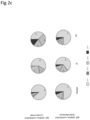
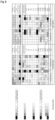
- Clinical variables are expressed as percentage of change from baseline (%). At 90 days, Max.stimulated and AUC c-peptide were not calculated as meal tolerance tests no performed, and are represented by "x". The greyscales illustrate the post-treatment increase of immunological variables in relation to baseline values.
- an “autoantibody” is an antibody that reacts with autoantigens of the organism that produced them.
- autoantigen or “self-antigen” is an endogenous tissue constituent that has the ability to interact with autoantibodies and cause an immune response.
- a "beta cell autoantigen” is an autoantigen originating from pancreatic beta cells.
- coadministration refers to administering the compounds of the regimen of the present invention so that their dosing regimens overlap. They do not need to be administered at the same time.
- cyclooxygenase inhibitors or “cox inhibitor” relates to compounds that combine with cyclooxygenase and thereby prevent its substrate-enzyme combination with arachidonic acid and the formation of eicosanoids, prostaglandins, and thromboxanes.
- a subgroup of the cyclooxygenase inhibitors is the cyclooxygenase-2 inhibitors, which have specificity for cyclooxygenase-2.
- Day 1 of a method of treatment is considered the day on which the first administration of a compound included in the treatment regimen is performed. In the context of the present invention, it is in general the first administration of vitamin D or GAD to a patient to initiate a method of treatment according to the invention.
- the "distribution" of a class of compounds relates to the relative amounts or concentrations of the specific compounds belonging to that class as compared to the total amount or concentration of all compounds belonging to that class.
- An “epitope” is the surface portion of an antigen capable of eliciting an immune response and of combining with the antibody produced to counter that response, or a Tcell receptor.
- GAD65 is the 65 kDa form of GAD.
- gamma-amino butyric acid analogs includes vigabatrin and baclofen.
- the term "required insulin dose” denotes the average daily insulin dose required by a diabetes patient to control his or her blood sugar levels.
- Vitamin D includes vitamin D 2 and vitamin D 3 .
- Vitamin D analogs include without prejudice Ergocalciferol, Dihydrotachysterol, Alfacalcidol, Calcitriol, Colecalciferol, and Calcifediol, and combinations thereof, as well as any other vitamin D analog classified in group A11CC of the Anatomical Therapeutic Chemical Classification System.
- TNF alpha inhibitor relates to compounds that inhibits the action of Tumour Necrosis Factor alpha (TNF alpha), and includes adalimumab, certolizumab, etanercept, golimumab, infliximab, as well as any other compound classified in group L04AB of the Anatomical Therapeutic Chemical Classification System.
- the present inventors have studied how a number of biomarkers correlate with clinical outcome of immunotherapy using GAD.
- Our results described in the experimental section identify a plurality of biomarkers that can be used to assess the efficacy of a therapy using GAD.
- No specific immune signatures before treatment were identified among the biomarkers included in this study, but patients with improved metabolic outcome, i.e. lower HbA1c and insulin needs, and better preservation of C-peptide secretion seemed to have some common immune correlates.
- T1D intervention trials A major pending question in T1D intervention trials is the identification of the mechanism behind treatment as well as the definition of pre- and post-treatment immune signatures. Based on the general consensus that T1D is due to the lack of tolerance and the involvement of autoreactive T cells, it has been expected that efficacy of immunotherapy with autoantigens should be accompanied by the induction of tolerance and loss of the immune response to the autoantigen in question.
- individuals with better clinical outcome after LN injections had an immune response characterized by rise of GADA, reduction of proliferation, and induction of predominant Th2-like responses, especially increase of IL-13, supported by the shift of IgG subclasses and GAD-induced cytokine secretion.
- Intralymphatic administration delivers more antigen to the site of immune response induction and the difference in antigen dose available for stimulation of antigen specific T cells may also lead to increased Th2 response.
- the adjuvant aluminum effect is associated with the induction of Th2 responses, and preferentially induce humoral rather than cellular immune responses, thus alum has been the adjuvant of choice to minimize the possibility of promoting-mediated b-cell destruction with GAD 65 .
- GAD 65 induced cytokine secretion in the patient with best clinical response in the SC group (patient 1) resembled that observed in the LN patients with best response, but in the SC treated patient IgG1 was the predominant GADA subclass, and both activated CD4 and CD8 cells were detected.
- the present invention relates to a method method for assessing the efficacy of an immunotherapy administered to a patient, said immunotherapy comprising administration of GAD, comprising the following steps:
- samples as a "first" and a “second” sample is intended to only define the relation between the samples as being obtained or having been obtained at a first, prior, time and a second, later, time, and does not exclude that further samples may have been obtained, and optionally analysed, prior to the first sample or between obtaining the first and the second sample.
- the first sample is obtained before or at commencement of the immunotherapy, or 80-100, such as 90, days after commencement of the immunotherapy.
- the second sample is obtained at 160-200 days, such as 180 days; or at 12, 15, 24, 30 or 36 months after commencement of the immunotherapy.
- the second sample is obtained 160-200 days, such as 180 days; or at 12, 15, 24, 30 or 36 months after the first sample is obtained.
- the immunotherapy comprises daily administration of vitamin D commencing at day 1, and intralymphatic injection of GAD at days 30, 60 and 90.
- the administration of vitamin D commencing at day 1 extends for 3 months or more, such as 4, 5, or 6 months.
- GADA IgG subclass distribution is measured in said first and second samples and the so obtained measurements are compared, and wherein an increased relative amount of IgG 2 in the GADA IgG subclass distribution, as measured in the second sample as compared to as measured in the first sample, is indicative of an effective immunotherapy.
- GADA IgG subclass distribution is measured in said first and second samples and the so obtained measurements are compared, and wherein an increased relative amount of IgG 3 in the GADA IgG subclass distribution, as measured in the second sample as compared to as measured in the first sample, is indicative of an effective immunotherapy.
- GADA IgG subclass distribution is measured in said first and second samples and the so obtained measurements are compared, and wherein an increased relative amount of IgG 4 in the GADA IgG subclass distribution, as measured in the second sample as compared to as measured in the first sample, is indicative of an effective immunotherapy.
- GADA IgG subclass distribution is measured in said first and second samples and the so obtained measurements are compared, and wherein a decreased relative amount of IgG 1 in the GADA IgG subclass distribution, as measured in the second sample as compared to as measured in the first sample, is indicative of an effective immunotherapy.
- GADA IgG subclass distribution is measured in said first and second samples and the so obtained measurements are compared, and wherein an increased amount of IgG 4 relative to the amount of IgG 1 in the GADA IgG subclass distribution, as measured in the second sample as compared to as measured in the first sample, is indicative of an effective immunotherapy.
- GADA IgG subclass distribution is measured in said first and second samples and the so obtained measurements are compared, and wherein an increased amount of IgG 2 relative to the amount of IgG 1 in the GADA IgG subclass distribution, as measured in the second sample as compared to as measured in the first sample, is indicative of an effective immunotherapy.
- GADA IgG subclass distribution is measured in said first and second samples and the so obtained measurements are compared, and wherein an increased amount of IgG 1 relative to the amount of IgG 1 in the GADA IgG subclass distribution, as measured in the second sample as compared to as measured in the first sample, is indicative of an effective immunotherapy.
- GADA levels are measured in said first and second samples and the so obtained measurements are compared, wherein increased GADA levels, as measured in the second sample as compared to as measured in the first sample, are indicative of an effective immunotherapy.
- distribution of cytokines secreted from lymphocytes is measured in said first and second samples and the so obtained measurements are compared, wherein increased relative amount of IL-13 and/or IL-5, as measured in the second sample as compared to as measured in the first sample, is indicative of an effective immunotherapy.
- distribution of cytokines secreted from lymphocytes is measured in said first and second samples and the so obtained measurements are compared, wherein decreased relative amount of IFNy and/or TNF ⁇ , as measured in the second sample as compared to as measured in the first sample, is indicative of an effective immunotherapy.
- distribution of cytokines secreted from lymphocytes is measured in said first and second samples and the so obtained measurements are compared, wherein an increased amount of IL-13 relative to the amount of IFNy, as measured in the second sample as compared to as measured in the first sample, is indicative of an effective immunotherapy.
- distribution of cytokines secreted from lymphocytes is measured in said first and second samples and the so obtained measurements are compared, wherein an increased amount of IL-5 relative to the amount of IFNy, as measured in the second sample as compared to as measured in the first sample, is indicative of an effective immunotherapy.
- distribution of cytokines secreted from lymphocytes is measured in said first and second samples and the so obtained measurements are compared, wherein an increased amount of IL-13 relative to the amount of TNF ⁇ , as measured in the second sample as compared to as measured in the first sample, is indicative of an effective immunotherapy.
- distribution of cytokines secreted from lymphocytes is measured in said first and second samples and the so obtained measurements are compared, wherein an increased amount of IL-5 relative to the amount of TNF ⁇ , as measured in the second sample as compared to as measured in the first sample, is indicative of an effective immunotherapy.
- lymphocyte proliferation in presence of GAD or CD3/CD28 beads is measured in said first and second samples and the so obtained measurements are compared, wherein reduced lymphocyte proliferation in the presence of GAD or CD3/CD28 beads, as measured in the second sample as compared to as measured in the first sample, is indicative of an effective immunotherapy.
- said immunotherapy comprises administration of GAD by means of intralymphatic injection, including injection into a lymph node, intradermal injection, subcutaneous injection, or oral administration.
- the invention relates to a method for treatment or prevention of type 1 diabetes by means of immunotherapy, comprising the steps of
- the adjustment of the dosage of GAD includes a further administration of GAD by injection into a lymph node, if the comparison of the obtained measurements is not indicative of an effective immunotherapy.
- the method comprises
- a fourth dose of GAD-alum into a lymph node could be made between 12 and 18 months from treatment start, such as at 15 months.
- the invention relates to method for treatment or prevention of type 1 diabetes in a subject by means of immunotherapy, comprising the steps of
- the fourth administration of GAD may be performed after performing an assessment of the efficacy of the immunotherapy, according to the invention as described above.
- further administrations of GAD may be performed after performing an assessment of the efficacy of the immunotherapy, according to the invention as described above, at any given time during the immunotherapy provided to a subject.
- the fourth administration is performed if HbA1c and required insulin dose have gone up at 12 to 18 months after day 1 as compared to the levels observed at 5 to 6 months after first GAD-alum injection, and optionally if the IFN/IL-13 ratio has not decreased between the said observations.
- a further administration of GAD-alum is performed at 30 months after day 1 if HbA1c and required insulin dose have gone up at 30 months as compared to the levels observed at 15 months after first GAD-alum injection, and optionally if the IFN/IL-13 ratio has not decreased between the said observations.
- the treatment method according to the invention comprises at least three administrations of GAD into a lymph node of the subject at days 30, 60 and 90, respectively, and wherein at least one further administration into a lymph node is performed if HbA1c levels and/or required insulin dose for the subject at a given time have increased as compared to levels observed 6-24 months prior to said given time.
- the treatment method according to the invention comprises at least three administrations of GAD into a lymph node of the subject at days 30, 60 and 90, respectively, and wherein at least one further administration into a lymph node is performed if the relative amount of IL-13 and/or IL-5 in the distribution of cytokines secreted from lymphocytes is unchanged or decreased at a given time as compared to levels observed 6-24 months prior to said given time.
- the treatment method according to the invention comprises at least three administrations of GAD into a lymph node of the subject at days 30, 60 and 90, respectively, and wherein at least one further administration into a lymph node is performed if the ratio IFNy/IL-13 in the distribution of cytokines secreted from lymphocytes is unchanged or increased at a given time as compared to a the same ratio observed 6-24 months prior to said given time.
- the treatment method according to the invention comprises at least three administrations of GAD into a lymph node of the subject at days 30, 60 and 90, respectively, and wherein at least one further administration into a lymph node is performed if the ratio of IgG 1 /IgG 4 in the population of GAD specific antibodies is unchanged or increased at a given time as compared to the same ratio observed 6-24 months prior to said given time.
- the treatment method according to the invention comprises daily administration of vitamin D commencing 0-90 days prior to a fourth or any further administration of GAD into a lymph node.
- vitamin D is administered at a dose of 2000 IU per day.
- vitamin D is administered for 4 months.
- GAD is administered in the form of alum-formulated GAD.
- the present invention provides GAD for use in a method for treatment according to the invention.
- the present invention provides the use of GAD in the manufacture of a pharmaceutical composition for use in a method for treatment according to the invention.
- compositions, methods, and administration regimens as generally described in WO2015/187087 , the disclosure of which is incorporated herein by reference, as applied to treatment of Type 1 Diabetes using the beta cell autoantigen GAD.
- WO2015/187087 the disclosure of which is incorporated herein by reference, as applied to treatment of Type 1 Diabetes using the beta cell autoantigen GAD.
- such methods are described below.
- the present invention utilizes a method for prevention and/or treatment of an autoimmune disease, comprising administering a composition, said composition comprising at least one beta cell autoantigen, to a subject having a serum vitamin-D level above 50 nanomole/liter.
- a composition comprising at least one beta cell autoantigen
- Each of the at least two molecules may thus influence the reaction of the adaptive immune cell to which the antigens are presented.
- the subject may have a serum D-vitamin level between 50-150 nanomole/liter, such as 60-100 nanomole/liter, 75-100 nanomole/liter or 100-150 nanomole/liter.
- the method may comprise a pretreatment of the subject to adjust the serum vitamin-D level, and such pretreatment may comprise administration of vitamin-D and/or vitamin-D analogs, and/or exposure to UVB-radiation, preferably for between 7 to 90 days before administration of the composition comprising at least one beta cell autoantigen to said subject.
- the method may further comprise administration of vitamin-D and/or vitamin-D analogs in an amount of 7000-70000 IU/week for 3-48 months.
- the beta cell autoantigen is GAD, as defined above.
- the method may further comprise administration of a cyclooxygenase inhibitor, as discussed below under the heading "Cyclooxygenase inhibitors”.
- the method may further comprise administration of a CTLA4 compound, as discussed below under the heading "CTLA4 compounds”.
- the method may further comprise administration of a TNFalpha inhibitor, as discussed below under the heading "TNFalpha inhibitors”.
- the present invention provides a method for the prevention and/or treatment of an autoimmune disease in an individual in need thereof, the method comprising administering to said individual:
- the invention discloses a method for treatment of autoimmune disease, such as T1D and autoimmune diabetes, the method comprising administering to a subject with said disease:
- Vit D preferably starts 15 to 90 days prior to administration of autoantigen, or 7 to 90 days prior to administration of autoantigen, and is given in liquid or tablet form in doses corresponding to 7000 to 70000 iu per week for a period of 3 to 48 months.
- the pretreatment with vitamin D aims to elevate the treated subject's serum levels of vitamin D to above about 50 nanomole/liter, or above 60, 75, or 100 nanomole/liter.
- the pretreatment may be dispensed with if the subject already has serum levels of vitamin D at these levels.
- the serum concentration of Vit D can be enhanced by means of phototherapy.
- subjects will be exposed to ultraviolet B radiation preferably between 10-120 minutes daily for 15 to 90 days prior to administration of autoantigen.
- the phototherapy should continue for a period of 3 to 48 months.
- Preferred doses of the autoantigen is between two and four administrations, at least two weeks apart, more preferably one month apart, of each between 10 and 200 ⁇ g antigen if given by injection. If administered orally the preferred doses are between 500mg and 5g daily for a period of between three months and 48 months. Ibuprofen is preferably administered in daily doses of 100 to 800mg for a period of 60 to 150 days during which period administration of autoantigen takes place.
- the autoantigen can be administered by intralymphatic injection, i.e. injection directly into a lymph node.
- the anti-inflammatory compound and the autoantigen can be administered in/with a pharmaceutically acceptable carrier, excipient or diluent.
- composition containing the beta cell autoantigen is administered 1-4 weeks apart, such as 2-4 weeks apart or 2 weeks apart, in an initial treatment period of 3 to 4 months, and optionally 2-3 months apart in a continued treatment period of 6-9 months.
- the amount of beta cell autoantigen is increased from 1-5 ⁇ g per administration at the beginning of the treatment period to about 40-100 ⁇ g per administration in the final administrations.
- administration of autoantigen is made directly into the lymph nodes or into the lymphatic system to allow resident APCs to present antigen peptides to the immune system. If administration of autoantigens is made directly into a lymph node or into the lymphatic system, the dose will preferably be between 1 and 15 ⁇ g per autoantigen, more preferred between 2 and 10 ⁇ g per autoantigen or 2 to 5 ⁇ g per autoantigen. Formulation in alum is preferred.
- the at least one autoantigen is administered intrainguinal, intralymph node or intralymphatic.
- the volume for intra-inguinal injection of the antigens is between 0.05 and 0.2 ml, more preferred between 0.05 and 0.15 ml.
- a preferred dosage is between 1-15ug, more preferred between 2-10, and most preferred between 2-5ug per injection and autoantigen used, such administrations taking place at least 2 times, more preferred at least 3 times and most preferred at least 4 times, at least 14 days apart, more preferably at least 30 days apart.
- At least one antigen is administered intravenously, at least 100-10000 ug of each antigen is administered per treatment occasion at least twice, at least one week apart.
- At least one antigen is administered orally
- at least 0.5-5g of each antigen is administered per treatment occasion at least once every week.
- the at least one antigen is formulated separately or together with the other antigens as the case may be, in alum, saline or human serum albumin.
- the at least one pharmaceutical composition comprises at least two antigens on the same carrier particle.
- the at least one pharmaceutical Composition comprises at least two antigens on different carrier particles.
- the at least two antigens are administered separately and at different times and frequencies, regimens and formulations that are suitable for the specific antigens. More preferably the at least two antigens are formulated in the same pharmaceutical Composition and therefore administered simultaneously.
- the at least one antigen is formulated in an adjuvant such as alum.
- the at least one antigen is formulated in saline or human serum albumin.
- the at least one antigen and the at least one IL-10 inducing compound are administered simultaneously. According to certain embodiments, the at least one antigen and the at least one IL-10 inducing compound are administered separately.
- the at least one IL-10 inducing compound is administered simultaneously with the at least one antigen.
- the administration of the at least one IL-10 inducing compound commences between 1-14 days prior to the first administration of the at least one antigen.
- the administration of the at least one IL-10 inducing compound commences at least 2 preferably at least 10 weeks, prior to the first administration of the at least one autoantigen.
- Vitamin D between 500 and 10000 IU, more preferably between 1000 and 3000 IU of vitamin D, such as Vitamin D3, are administered per day.
- Vitamin D between 7,000 - 100,000 IU of Vitamin D, such as Vitamin D3 are administered per week, prior to first administration of the at least one antigen, and as a maintenance dose of 500-2000 IU per day thereafter.
- the treatment period of Vitamin D is between 60 and 420 days after 1 st administration of antigen.
- the compound that reduces the immune system's ability to activate naive TCs and BCs and recall responses from activated and memory lymphocytes such as a NSAID compound; a CTLA-4 compound; or a TNF ⁇ inhibitor may be administered simultaneously or separately with the at least one antigen and/or the at least one IL-10 inducing compound.
- the compound that reduces the immune system's ability to activate naive TCs and BCs and recall responses from activated and memory lymphocytes is a NSAID compound, such as a COX-inhibitor.
- the treatment period with NSAIDs starts at least 2 weeks prior to first administration of the at least one antigen.
- the COX inhibitor when the COX inhibitor is Ibuprofen, at least one 400 to 1000 mg doses are administered per day during the NSAID treatment period.
- the NSAID treatment period is at least between 4 and 14 weeks, more preferred between 4 and 8 weeks
- the anti-inflammatory compound should be administered orally or by injection.
- the compound that reduces the immune system's ability to activate naive TCs and BCs and recall responses from activated and memory lymphocytes is a TNF ⁇ inhibitor.
- Blocking TNFalpha reduces the activation state of the immune response and decreases the activity of DCs and other immunocytes. Further, because TNFalpha disrupts FSC and GC architecture in lymphoid tissue and impairs B cell functions, the activation of antigen-specific effector T cells and autoantibody production is reduced. Recent diabetes preclinical data show that beta cell antigen delivered by quiescent DCs can induce peripheral T cell unresponsiveness, down-modulate ongoing beta cell destruction and arrest beta cell destruction. Therefore, under a combined autoantigen - TNFalpha inhibitor therapy autoantibody levels and effector T cell activity and numbers will be relatively reduced while the number of autoantigen-specific Tregs number and function will be at least maintained maintained.
- TNFalpha inhibition will also preserve beta cells directly.
- GAD65 is known to be one of the primary autoantigens in T1DM, this approach produces a deviation of the diabetes autoimmune response towards a regulatory phenotype of sufficient critical mass to lead to a significant and prolonged effect on beta cell preservation.
- a TNF-alpha inhibitor not limited to for example infliximab, adalimumab, golimumab, and etanercept, is used as an anti-inflammatory compound.
- a preferred dose when etanercept is used is between 0.2 and 1mg/kg SQ, once or twice per week for a period of between 2 to 9 months.
- the FDA-approved dosage of 5 mg/kg at Weeks 0, 2, and 6 is preferred.
- the dose is the same as used in the Phase I TNF ⁇ inhibitor monotherapy trial (0.4 mg/kg (max 25 mg) SQ twice weekly ⁇ 26 weeks).
- max 25mg/dose in combination treatment regimen including vitamin D and autoantigens.
- the TNF ⁇ inhibitor is administered prior to the first administration of the at least one antigen.
- the compound that reduces the immune system's ability to activate naive TCs and BCs and recall responses from activated and memory lymphocytes is a CTLA-4 compound, such as abatacept.
- a CTLA-4 compound such as abatacept.
- the CTLA-4 compound is administered simultaneously with the first administration of the at least one antigen.
- administration of the at least one antigen and the compound that reduces the immune system's ability to activate naive TCs and BCs and recall responses from activated and memory lymphocytes is repeated on day 14, 28 and 45 +/- one week as the case may be to ensure blockage of CD28 on TCs, and where day one marks the first administration of the at least one IL-10 inducing compound.
- the invention provides a method to treat one or more symptoms associated with T1D.
- Symptoms associated with T1D include, but are not limited to, reduced insulin production, reduced insulin sensitivity, high blood glucose levels, destruction of insulin producing cells, and abnormal C peptide levels.
- the methods of the invention may be directed towards the treatment and prevention of not only T1D but generally for autoimmune diseases and disorders.
- autoimmune diseases and disorders For example, subjects suffering from Grave's disease, Hashimoto's thyroiditis, hypoglyceimia, multiple sclerosis, mixed essential cryoglobulinemia, systemic lupus erthematosus, Rheumatoid Arthritis (RA), Coeliac disease, T1D, or any combination thereof.
- RA Rheumatoid Arthritis
- Coeliac disease T1D, or any combination thereof.
- the subjects suffer from autoimmune responses that involve T-cells or B-cells that have an antigenic specificity, or T-cell receptor (TCR) and/or B-cells that have T-cell receptor (TCR) or B-cell receptor (BCR) antigen specificity for an autoantigen.
- TCR T-cell receptor
- BCR B-cell receptor
- the individual to be treated according to the presentinvention is a mammal. According to particular embodiments, the individual to be treated according to the present invention is a human. According to certain embodiments, the individual to be treated according to the present invention is an infant. According to particular embodiments, the individual to be treated according to the present invention is an adolescent. human. According to particular embodiments, the individual to be treated according to the present invention is an adult human.
- the human treated subject is above 4 years of age
- the human treated subject is 8 years or above.
- the human treated subject is 10 years or above.
- the human treated subject is 18 years or below.
- the human treated subject is 4-10, or 4-18, or 8-18, or 10-18 years of age.
- the human treated subject is 18 years or above.
- the human treated subject is 18-30 years of age.
- compositions and kits of the present invention use IL-10 inducing compounds.
- the at least one IL-10 inducing compound is vitamin-D, such as 1,25-Dihydroxyvitamin D.
- the at least one IL-10 inducing compound is a vitamin-D analog, such as TX527.
- the at least one IL-10 inducing compound include enhancement of serum vitamin D by means of UVB radiation.
- the at least one IL-10 inducing compound is a tyrosine kinase inhibitor, such as dasatinib, bosutinib, saracatinib, imatinib, sunitinib, or combinations thereof.
- the tyrosine kinase inhibitor is dasatinib.
- the tyrosine kinase inhibitor is bosutinib.
- the tyrosine kinase inhibitor is saracatinib.
- the tyrosine kinase inhibitor is imatinib.
- the tyrosine kinase inhibitor is sunitinib.
- the tyrosine kinase inhibitor is a combination of at least two of dasatinib, bosutinib, saracatinib, imatinib and sunitinib.
- the tyrosine kinase inhibitor may be a combination of dasatinib and bosutinib.
- the tyrosine kinase inhibitor is a combination of dasatinib and saracatinib.
- the tyrosine kinase inhibitor is a combination of dasatinib and imatinib.
- the tyrosine kinase inhibitor is a combination of dasatinib and sunitinib. According to other more particular embodiments, the tyrosine kinase inhibitor is a combination of bosutinib and saracatinib. According to other more particular embodiments, the tyrosine kinase inhibitor is a combination of bosutinib and imatinib. According to other more particular embodiments, the tyrosine kinase inhibitor is a combination of bosutinib and sunitinib.
- the tyrosine kinase inhibitor is a combination of imatinib and sunitinib. According to other more particular embodiments, the tyrosine kinase inhibitor is a combination of dasatinib, bosutinib and saracatinib.
- the Composition according to the invention may comprise more than one IL-10 inducing compound.
- the Composition comprises at least two IL-10 inducing compounds.
- the Composition comprises at least three IL-10 inducing compounds.
- the Composition comprises at least four IL-10 inducing compounds.
- the methods, compositions and kits of the present invention use one or more cyclooxygenase inhibitors.
- cyclooxygenase inhibitors may be non-steroidal anti-inflammatory drugs (NSAID).
- the NSAID is selected from the group consisting of Ibuprofen, Dexibuprofen, Naproxen, Fenoprofen, Ketoprofen, Dexketoprofen, Flurbiprofen, Oxaprozin, Loxoprofen, Indomethacin, Tolmetin, Sulindac, Etodolac, Ketorolac, Diclofenac, Aceclofenac, Nabumetone, Aspirin (acetylsalicylic acid), Diflunisal (Dolobid), Salicylic acid, Salsalate (Disalcid), Piroxicam, Meloxicam, Tenoxicam, Droxicam, Lornoxicam, Isoxicam, Mefenamic acid, Meclofenamic acid, Flufenamic acid, Tolfenamic acid, Celecoxib, Rofecoxib
- the cyclooxygenase inhibitor is a propionic acid derivative, such as Ibuprofen, Dexibuprofen, Naproxen, Fenoprofen, Ketoprofen, Dexketoprofen, Flurbiprofen, Oxaprozin or Loxoprofen.
- a propionic acid derivative such as Ibuprofen, Dexibuprofen, Naproxen, Fenoprofen, Ketoprofen, Dexketoprofen, Flurbiprofen, Oxaprozin or Loxoprofen.
- the cyclooxygenase inhibitor is a Acetic acid derivative, such as Indomethacin, Tolmetin, Sulindac, Etodolac, Ketorolac, Diclofenac, Aceclofenac or Nabumetone.
- the cyclooxygenase inhibitor is a Salicylate, such as Aspirin (acetylsalicylic acid), Diflunisal (Dolobid), Salicylic acid or Salsalate.
- Salicylate such as Aspirin (acetylsalicylic acid), Diflunisal (Dolobid), Salicylic acid or Salsalate.
- the cyclooxygenase inhibitor is an enolic acid (Oxicam) derivative, such as Piroxicam, Meloxicam, Tenoxicam, Droxicam, Lornoxicam or Isoxicam.
- Oxicam enolic acid
- the cyclooxygenase inhibitor is an anthranilic acid derivative, such as Mefenamic acid, Meclofenamic acid, Flufenamic acid or Tolfenamic acid.
- the cyclooxygenase inhibitor is selective COX-2 inhibitor, such as Celecoxib, Rofecoxib, Valdecoxib, Parecoxib, Lumiracoxib or Etoricoxib.
- the cyclooxygenase inhibitor is Ibuprofen.
- the cyclooxygenase inhibitor is Dexibuprofen.
- the cyclooxygenase inhibitor is Naproxen.
- the cyclooxygenase inhibitor is Fenoprofen
- the cyclooxygenase inhibitor is Ketoprofen.
- the cyclooxygenase inhibitor is Dexketoprofen.
- the cyclooxygenase inhibitor is Flurbiprofen.
- the cyclooxygenase inhibitor is Oxaprozin.
- the cyclooxygenase inhibitor is Loxoprofen.
- the cyclooxygenase inhibitor is Indomethacin.
- Ibuprofen mainly blocks cox-2 but to some extent also cox-1. Ibuprofen has a somewhat broader effect on the immune system than a narrow IL-1 blocker and a quite pronounced anti-inflammatory effect without serious risks. Use of Ibuprofen dampens beta cell inflammation and enables the Vit D enforced DCs to induce tolerance to peptides from autoantigens presented to T-cells, thereby protecting the beta cells in the subject.
- the methods, compositions and kits of the present invention use a CTLA-4 compound, such as a cytotoxic T-lymphocyte-associated antigen 4 immunoglobulin.
- the CTLA-4 compound is abatacept.
- Abatacept (an Fc modified CTLA4 immunoglobulin) is a Tcell depleting, immunomodulating, fusion protein consisting of the extracellular portion of human CTLA4 and the heavy chain of human IgG 1 . It blocks the costimulatory signal involved in activation of naive Tcells. Its ligation with CD80/86 on APCs may also interfere with and reduce CD80/86 induced IL-6, which may downregulate inflammatory cytokines such as IL-1beta, IFNgamma, and IL-17.
- CD80/86 may induce indoleamine dioxygenase (IDO) in APCs, which may in turn may induce anergy in Tcells, as well as downregulate paracrine activation of na ⁇ ve Tcells by activated Tcells.
- IDO indoleamine dioxygenase
- B cells may yet be a further path where abatacept may carry out an immunomodulating function.
- the methods, compositions and kits of the present invention use a TNF alpha inhibitor, such as Adalimumab, Certolizumab, Etanercept, Golimumab or Infliximab.
- the TNF alpha inhibitor is Adalimumab.
- the TNF alpha inhibitor is Certolizumab.
- the TNF alpha inhibitor is Etanercept.
- the TNF alpha inhibitor is Golimumab.
- the TNF alpha inhibitor is Infliximab.
- the invention assumes the understanding of conventional molecular biology methods that include techniques for manipulating polynucleotides that are well known to the person of ordinary skill in the art of molecular biology. Examples of such well known techniques can be found in Molecular Cloning: A Laboratory Manual 2nd Edition, Sambrook et al., Cold Spring Harbor, N.Y. (1989 ). Examples of conventional molecular biology techniques include, but are not limited to, in vitro ligation, restriction endonuclease digestion, PCR, cellular transformation, hybridization, electrophoresis, DNA sequencing, and the like.
- the invention also assumes the understanding of conventional immunobiological methods that are well known to the person of ordinary skill in the art of immunology. Basic information and methods can be found in Current Protocols in Immunology, editors Bierer et al., 4 volumes, John Wiley & Sons, Inc.
- Serum GAD autoantibodies (GADA) and IA-2A were estimated in duplicate by means of a radiobinding assay, using 35 S-labeled recombinant human GAD 65 as previously described. Sepharose protein A was used to separate free from antibody-bound labelled GAD 65 .
- a diabetes autoantibody standardization program (IASP) in which the laboratory participated has shown that GADA assay has a sensitivity of 70% and specificity of 100% and for IA-2A was 99% sensitivity and 100% specificity.
- Total serum IgE was quantified using the ImmunoCap100 € system (Phadia AB, Uppsala, Sweden). The measuring range for the assay was 2-50 000 kU/L, and calibrators were run in duplicates to obtain a full calibration curve. Levels of total IgE > 85 kU/L were regarded as positive.
- PBMC peripheral blood mononuclear cells
- AIM-V medium for proliferation assays, PBMC were re-suspended at 10 6 cells/ml in AIM-V medium, and incubated in triplicates (2 ⁇ 10 5 cells/well) in round-bottom 96-well plates in presence of 5 ⁇ g/ml rhGAD 65 (Diamyd Medical, Swiss, Sweden), CD3/C28 beads (Gibco, Life Technologies AS, Oslo, Norway) as positive control, and in medium alone. After 3 days, cells were pulsed for 18 hours with 0.2 ⁇ Ci of [ 3 H] thymidine/well (Perkin Elmer), and thereafter harvested.
- PBMC peripheral blood mononuclear cells
- AIM-V medium supplemented with 20 ⁇ M ⁇ -mercaptoethanol (Sigma-Aldrich, Saint Louis, MO, USA) were cultured for 7 days at 37°C in 5% CO 2 in the presence of 5 ⁇ g/ml rh-GAD 65 . Additional, wells with medium alone and CD3/CD28 beads were used as negative and positive controls respectively for each sample. After 7 days, PBMC were separated from supernatants, and supernatants were preserved at -70 until used for multiplex fluorochrome analysis, and cells were directly used for flow cytometry.
- cytokines interleukin (IL)-2, IL-5, IL-10, IL-13, IL-17, tumour necrosis factor (TNF)- ⁇ and interferon (IFN)-y were measured in cell culture supernatants using Bio-Plex Pro Cytokine Panel (Bio-Rad, Hercules, CA, USA) according to the manufacturer's instructions. Data was collected using the Luminex 200 TM (Luminex xMAP TM Corporation, Austin, TX USA).
- the lowest limit of detection was 1.38 pg/ml for IL-2, 1.27 pg/ml for IL-5, 0.14 pg/ml for IL-10, 0.43 pg/ml for IL-13, 1.54 pg/ml for IL-17, 2.1 pg/ml for IFN-y and 3.71 pg/ml for TNF- ⁇ .
- the specific antigen-induced cytokine secretion level was calculated by subtracting the spontaneous secretion (i.e. secretion from PBMC cultured in medium alone) from the one following stimulation with GAD 65 .
- PBMC peripheral blood mononuclear cells
- AIM-V medium containing 0.1% BSA
- cytometry analysis PBMC were incubated in AIM-V medium with ⁇ -mercaptoethanol at 37 °C, 5% CO2 for 7 days, with or without 5 ⁇ g/ml recombinant GAD 65 .
- cells were washed in PBS containing 0.1% BSA, and subsequently stained with Alexa-700-conjugated anti-CD3 (clone UCHT1, BD Biosciences), Pacific Blue-conjugated anti-CD4 (clone RPA-T4, BD Biosciences), allophycocyanin (APC)-H7-conjugated anti-CD8 (clone SK1, BD Biosciences), PerCP-Cy5.5-conjugated anti-CD45RA (clone HI100, BD Biosciences), phycoerythrin (PE)-conjugated anti-CCR7 (clone G043H7
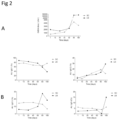
- GADA levels were enhanced after the second injection of GAD-alum both given SC and LN ( Figure 2a ). However, LN administration of low GAD-alum doses induced GADA levels 29 times higher than SC injection of higher doses.
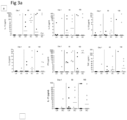
- GAD 65 -induced secretion of IL-5, IL-13 IFN-y and IL-17 was increased at 90 days, both after the second GAD-alum SC and LN doses, together with IL-2 in the SC group.
- the third GAD-alum injection into the LN resulted in a predominant secretion of IL-13 and low levels of IFNy at 180 days months. Meanwhile, IFNy was the most secreted cytokine in the SC group at the same time point ( Figure 3a ).
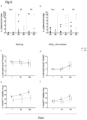
- GAD 65- induced proliferation was increased by the second injection of GAD-alum both into the LN and SC.
- the third injection to the LN group resulted in a reduction of proliferation at 180 days, while remained stable in the SC group.
- Proliferation induced by stimulation with CD3/CD28 beads showed the same distribution as the induced by GAD 65 ( Figure 4 ).
- GAD 65 stimulation induced activated CD25 + CD127 + T cells in both groups after the second injection of GAD-alum.
- higher frequency of activated CD4 T cells was detected in 3 patients, while activation of CD8 T cells was moderate or not detectable.
- the proportion of activated CD8 T cells was more predominant, with weaker expression of GADss-activation of CD4 cells ( Figure 6 a-b )
- CD4 and CD8 T cells were further classified according to the expression of CD45RA and CCR7 as näive (T N , CD45RA + CCR7 + ), central memory (T CM , CD45RA - CCR7 + ), effector memory (T EM , CD45RA - CCR7 - ) and terminally differentiated effector memory (T EMRA , CD45RA + CCR7 - ) cells ( Figure 7 ). Both groups, LN and SC, showed a progressive reduction in the proportion of näive CD4 and CD8 T cells after 90 days, while the frequency of memory and effector cells increased in GAD 65 stimulated PBMC ( Figure 7 a-h ). Table 1 Baseline Id Sex Age Fasting C-peptide Max.
- the beta cell autoantigen used in the examples is glutamic acid decarboxylase (GAD), and may be replaced with any other beta cell autoantigen as described herein.
- GAD glutamic acid decarboxylase
- Type 1 diabetes T1D
- T1D Type 1 diabetes
- the incidence of Type 1 diabetes (T1D) in children is next to Finland highest in Sweden in the world, and is increasing rapidly.
- T1D is by far the most commonchronic, serious, life-threatening disease among children and adolescents in our country, and the incidence of Type 1 diabetes is high also in young adults.
- the disease tends to become an extremely serious global problem.
- the disease is characterized by lack of insulin.
- beta cell function Even though several patients at diagnosis have rather spectacular residual beta cell function (1) the deficiency becomes soon very pronounced and finally complete (2,3). Residual insulin secretion is of crucial importance.
- the beta cell function improves so much shortly after diagnosis that glucose metabolism normalizes and no insulin is required for some time, that is the patient goes into so called complete remission (4).
- T1D is an autoimmune disease and therefore immune interventions were tried.
- GAA Glutamic Acid Decarboxylase
- the breakthrough taken as a proof for the concept of immune intervention, was cyclosporin, which doubtless slowed down the autoimmune destructive process and gave improved residual insulin secretion, while other trials with immune suppression had minimal effect, especially so in children (15, 16,17), or showed too serious adverse events or risks (18, 19).
- Diapep277 treatment in so called LADA Latent Autoimmune Diabetes in the Adult
- preliminary results report at IDF, Dubai Dec 2011 and at ADA June 2012
- treatment with Diapep277 may preserve beta cell function in adults with mild Type 1 diabetes.
- the results are a bit unclear, as there was a weak C-peptide preservation only seen after Glucagon stimulation, but no effect at all after Mixed Meal Tolerance Test, and there was no differences whatsoever between the actively treated group and placebo in immune markers.
- Active treatment with insulin has been shown not only to prevent or postpone diabetes in experimental animals but preliminary open studies indicated that such treatment could prevent diabetes in high risk individuals (10).
- Insulin clearly a beta cell specific auto-antigen, has been parentally administrated (DPT) to prevent diabetes in high risk individuals with no effect, while oral insulin administration with the same purpose may have a slight effect (12).
- DPT parentally administrated
- GAD Glutamic Acid Decarboxylase
- Phase III randomization patients receiving active drug were more often in the 10- 11 year age group than in the 16-18 year age group whereas placebo was more frequent than active drug in the higher age group. This may have influenced the result.
- the Phase II patients were treated in March-April and those patients in Phase III who were treated in March-April had also significant effect of GAD-treatment.
- no vaccinations were accepted, but in Phase III Influenzavaccination was allowed.
- Antigen therapy aims at presenting the antigen to the T-cells in the lymph nodes to get a new balance of the immune system and tolerance against the antigen.
- antigen has been given either orally, intranasally or subcutaneously, in order to present the antigen to antigen presenting/dendritic cells which in turn are expected to present the antigen to the Tcells of the immune system.
- animal studies have shown that intralymphatic injections induce a strong and relevant T-cell response (47,48) and in the allergy field clinical studies have shown that presentation of the antigen/allergen directly into the lymph nodes seems to be more effective than traditional administration (49).
- Inguinal lymphnodes are readily accessible in patients and the pain associated with the injection is rated as below that of venous puncture (50). With this background it is our aim to study whether the same approach can be used in patients with the autoimmune form of Type 1 diabetes. For ethical reasons we will do the first pilot trial in adults.
- Type 1 diabetes is next to Finland higher in Sweden than in any other country of the world.
- the incidence is continuously increasing for decades.
- the disease cannot be cured and cannot be prevented.
- In spite of a very heavy, intensive, expensive treatment many patients get life-threatening serious both acute and late complications, and the mortality is much increased.
- At diagnosis many patients have some slight residual insulin secretion. As long as this is the case it is much easier to keep blood glucose stable, the incidence of hypoglycaemia decreases as well as the risk of ketoacidosis. Quality of life for the patient as well as for parents of children with diabetes is better as long as there is some residual insulin secretion.
- Type 1 diabetes in adults differ from the disease in children and adolescents as the disease process often is milder, the decline of residual insulin secretion slower, and it is easier to control blood glucose.
- the disease process often is milder, the decline of residual insulin secretion slower, and it is easier to control blood glucose.
- there are still great similarities, similar treatment and complications, and preservation of beta cell function is also very important in adults.
- the main long-term goal is then to find a treatment at onset of Type 1 diabetes in young patients which is tolerable for the patients, safe, and which can preserve residual insulin secretion and give the patients a better quality of life, with less acute complications and in the long run less risk of late complications.
- Eligible subjects will have the study explained to them, and will receive the written patient information. After having had the time to review the nature of the study, they will have the opportunity to ask questions to the investigational team. If, after this, the subjects agree to participate, they will personally sign and date the written informed consent form. The patients will then receive a copy of the signed and dated patient information/informed consent form.
- intra lymph node GAD-alum should not be given to the patient if the patient after inclusion in the study has got
- the trial is singlecenter, open-label, pilot study in GADA positive T1D patients of either gender, 18.00 to 29.99 years old, diagnosed with T1D within 6 months at time of screening (Visit 1) and fasting Cpeptide levels equal to or above 0.12 nmol/L.
- Visit 1 the screening visit
- the patients will be assessed for eligibility at the screening visit (Visit 1) 10 to 21 days prior to the start of treatment.
- the screened patients will be assigned a sequential screening number and this screening number will be used as patient identification throughout the study.
- GAD-alum further administrations of GAD-alum may be performed at visit 7 and optionally 8, as described above.
- the patient should attend all study visits in the morning following an overnight fast (> 10 hours, water allowed). For patients with evidence of an infection (including fever), the complete visit should be postponed for 5 days or until the patient has recovered.
- the patient shall remain in the vicinity of the study site for the next hour, and the administration site will be examined by investigator/study nurse 1 hour post injection.
- Type 1 diabetes diagnosis date and family history of Type 1 diabetes will also be documented.
- the patients will, in addition to the limited physical examination by the physician, undergo a standardized clinical neurological examination at screening, 0, 6, 15 and 30 months.
- the neurological tests are performed in order to detect possible mild signs of neuromuscular disease such as disturbance of strength, balance, and coordination.
- the neurological examination includes:
- EEG electroencephalogram
- GAD-alum further administrations of GAD-alum may be performed at visit 7 and optionally 8, as described above.
- the first visit, the screening visit (Visit 1) should be performed 10 to 21 days before planned Visit 2 (Baseline).
- Visit 3 and 4 should then be scheduled with a visit window of ⁇ 3 days (second and third administration of GAD-Alum) and of ⁇ 14 days for Visit 5, 6 and ⁇ 30 days for Visit 7.
- All visits must be calculated from the baseline visit (Visit 2) according to the visit schedule.
- the visits must be performed within the visit windows to comply with the study protocol.
- Study medication GAD-Alum (Diamyd), 4 ⁇ g ⁇ 3 (given three times with one month interval)
- IMP supplier Diamyd Medical AB, Sweden.
- GAD-alum (Diamyd) a formulation, supplied by Diamyd Medical. It will be supplied as pre-packed medication from Diamyd Medical to local pharmacy. All dosing will take place in the hospital, and handled only by trained and authorised study personnel. The study medication will be labelled with information according to local regulation. GAD-alum will be stored in a refrigerator at 2-8 oC in a secure area (e.g. a locked cabinet or drug storage room), protected from unintended use. All study medication will be labelled with information according to local regulations.
- GAD-Alum 4 ⁇ g given into lymph node in the inguinal area (by help of ultra sound technique) three times with one month interval
- the DIAGNODE-1 study is an open-label pilot Phase I intervention study
- the AE/SAE data will be presented using a standardized tabulation of the frequency and incidence rate of all observed AEs/SAEs. The frequencies and incidence rates are calculated on a per patient basis. Adverse events will be summarized by body system, causality, and severity. Other safety data will be presented by descriptive statistics.
- Patients will be included in the primary intention-to-treat population for analysis of efficacy if they receive at least 1 dose of all study drugs in that arm, and are assessed at a later visit.
- Any patient who withdraws after having received at least one treatment (visit 2) will be included in the safety analysis (adverse events and safety parameters). Data for all patients will be listed, and a list of withdrawn patients, with all reasons for withdrawal, will be given.
- Case report forms will be supplied for recording data from each patient. Since it is important to have proper data collection in a timely manner, the investigator or assigned designee shall complete the CRFs promptly. When the monitor requests additional data or clarification of data for the CRF, the request must be answered satisfactorily in due time.
- Data will be coded and entered into a computer database.
- the handling of data, including data quality control, will comply with regulatory guidelines (e.g., International Conference on Harmonization [ICH] and Good Clinical Practice [GCP]).
- the investigator is responsible for giving the patients full and adequate verbal and written information about the nature, purpose, possible risk and benefit of the study. Patients must also be notified that they are free to withdraw from the study at any time. The patients should have reasonable time to read and understand the information before signing. The investigator is responsible for obtaining signed informed consent from all patients before including the patient in any study related procedures. A copy of the patient information and of the Informed Consent Form will be given to the patients.
Landscapes
- Health & Medical Sciences (AREA)
- Life Sciences & Earth Sciences (AREA)
- Chemical & Material Sciences (AREA)
- General Health & Medical Sciences (AREA)
- Engineering & Computer Science (AREA)
- Medicinal Chemistry (AREA)
- Immunology (AREA)
- Public Health (AREA)
- Animal Behavior & Ethology (AREA)
- Pharmacology & Pharmacy (AREA)
- Veterinary Medicine (AREA)
- Hematology (AREA)
- Epidemiology (AREA)
- Bioinformatics & Cheminformatics (AREA)
- Diabetes (AREA)
- Organic Chemistry (AREA)
- Urology & Nephrology (AREA)
- Molecular Biology (AREA)
- Biochemistry (AREA)
- Biomedical Technology (AREA)
- Wood Science & Technology (AREA)
- Microbiology (AREA)
- General Physics & Mathematics (AREA)
- General Engineering & Computer Science (AREA)
- Genetics & Genomics (AREA)
- Analytical Chemistry (AREA)
- Physics & Mathematics (AREA)
- Zoology (AREA)
- Food Science & Technology (AREA)
- Emergency Medicine (AREA)
- Endocrinology (AREA)
- Obesity (AREA)
- Chemical Kinetics & Catalysis (AREA)
- General Chemical & Material Sciences (AREA)
- Nuclear Medicine, Radiotherapy & Molecular Imaging (AREA)
- Pathology (AREA)
- Cell Biology (AREA)
- Biotechnology (AREA)
- Rheumatology (AREA)
- Gastroenterology & Hepatology (AREA)
Applications Claiming Priority (4)
| Application Number | Priority Date | Filing Date | Title |
|---|---|---|---|
| SE1751091 | 2017-09-08 | ||
| SE1850017 | 2018-01-07 | ||
| PCT/SE2018/050893 WO2019050458A1 (en) | 2017-09-08 | 2018-09-06 | IMPROVED IMMUNOTHERAPY |
| EP18853717.9A EP3679373B1 (de) | 2017-09-08 | 2018-09-06 | Verbesserte immuntherapie |
Related Parent Applications (1)
| Application Number | Title | Priority Date | Filing Date |
|---|---|---|---|
| EP18853717.9A Division EP3679373B1 (de) | 2017-09-08 | 2018-09-06 | Verbesserte immuntherapie |
Publications (2)
| Publication Number | Publication Date |
|---|---|
| EP4300102A2 true EP4300102A2 (de) | 2024-01-03 |
| EP4300102A3 EP4300102A3 (de) | 2024-01-24 |
Family
ID=65634264
Family Applications (2)
| Application Number | Title | Priority Date | Filing Date |
|---|---|---|---|
| EP18853717.9A Active EP3679373B1 (de) | 2017-09-08 | 2018-09-06 | Verbesserte immuntherapie |
| EP23208532.4A Withdrawn EP4300102A3 (de) | 2017-09-08 | 2018-09-06 | Verbesserte immuntherapie |
Family Applications Before (1)
| Application Number | Title | Priority Date | Filing Date |
|---|---|---|---|
| EP18853717.9A Active EP3679373B1 (de) | 2017-09-08 | 2018-09-06 | Verbesserte immuntherapie |
Country Status (4)
| Country | Link |
|---|---|
| US (2) | US20210063392A1 (de) |
| EP (2) | EP3679373B1 (de) |
| JP (2) | JP7413254B2 (de) |
| WO (1) | WO2019050458A1 (de) |
Families Citing this family (1)
| Publication number | Priority date | Publication date | Assignee | Title |
|---|---|---|---|---|
| WO2024223734A1 (en) * | 2023-04-26 | 2024-10-31 | Institut Curie | Lymph node metal therapy for the treatment of cancer and immune-deficiency related disease |
Citations (1)
| Publication number | Priority date | Publication date | Assignee | Title |
|---|---|---|---|---|
| WO2015187087A2 (en) | 2014-06-04 | 2015-12-10 | Diamyd Medical Ab | Novel combinations for antigen based therapy |
Family Cites Families (3)
| Publication number | Priority date | Publication date | Assignee | Title |
|---|---|---|---|---|
| US6022697A (en) * | 1996-11-29 | 2000-02-08 | The Regents Of The University Of California | Methods for the diagnosis and treatment of insulin-dependent diabetes mellitus |
| DE20009539U1 (de) | 2000-05-26 | 2001-08-02 | OTEC Präzisionsfinish GmbH, 75334 Straubenhardt | Vorrichtung zum Schleifen von Schleifgut |
| US20050250691A1 (en) | 2004-05-10 | 2005-11-10 | Diamyd Therapeutics Ab | Immunomodulation by a therapeutic medication intended for treatment of diabetes and prevention of autoimmune diabetes |
-
2018
- 2018-09-06 WO PCT/SE2018/050893 patent/WO2019050458A1/en not_active Ceased
- 2018-09-06 JP JP2020513867A patent/JP7413254B2/ja active Active
- 2018-09-06 EP EP18853717.9A patent/EP3679373B1/de active Active
- 2018-09-06 EP EP23208532.4A patent/EP4300102A3/de not_active Withdrawn
- 2018-09-06 US US16/644,468 patent/US20210063392A1/en not_active Abandoned
-
2023
- 2023-12-27 JP JP2023220649A patent/JP2024041812A/ja active Pending
-
2024
- 2024-06-13 US US18/742,994 patent/US20260118355A1/en active Pending
Patent Citations (1)
| Publication number | Priority date | Publication date | Assignee | Title |
|---|---|---|---|---|
| WO2015187087A2 (en) | 2014-06-04 | 2015-12-10 | Diamyd Medical Ab | Novel combinations for antigen based therapy |
Non-Patent Citations (2)
| Title |
|---|
| SAMBROOK ET AL.: "A Laboratory Manual", 1989, COLD SPRING HARBOR |
| SHERRYHAGOPIANLUDVIGSSON ET AL., LANCET, 2011 |
Also Published As
| Publication number | Publication date |
|---|---|
| US20210063392A1 (en) | 2021-03-04 |
| JP2024041812A (ja) | 2024-03-27 |
| JP7413254B2 (ja) | 2024-01-15 |
| EP3679373A1 (de) | 2020-07-15 |
| EP3679373B1 (de) | 2023-11-15 |
| US20260118355A1 (en) | 2026-04-30 |
| WO2019050458A1 (en) | 2019-03-14 |
| EP3679373A4 (de) | 2021-05-05 |
| JP2020533581A (ja) | 2020-11-19 |
| EP4300102A3 (de) | 2024-01-24 |
Similar Documents
| Publication | Publication Date | Title |
|---|---|---|
| AU2022202003B2 (en) | Novel combinations for antigen based therapy | |
| Agardh et al. | Clinical evidence for the safety of GAD65 immunomodulation in adult-onset autoimmune diabetes | |
| Groele et al. | Effects of Lactobacillus rhamnosus GG and Bifidobacterium lactis Bb12 on beta-cell function in children with newly diagnosed type 1 diabetes: protocol of a randomised controlled trial | |
| VanBuecken et al. | Changing the course of disease in type 1 diabetes | |
| Sheehy et al. | Targeting type 1 diabetes: selective approaches for new therapies | |
| JP2023116726A (ja) | 糖尿病の処置および予防における遺伝子型層別化 | |
| US20260118355A1 (en) | Immunotherapy | |
| Wherrett | Trials in the prevention of type 1 diabetes: current and future | |
| Gallagher et al. | Making progress: preserving beta cells in type 1 diabetes | |
| US12605432B2 (en) | Combinations for antigen based therapy | |
| Orban et al. | Prevention of type 1 diabetes mellitus using a novel vaccine | |
| HK40043801A (en) | Novel combinations for antigen based therapy | |
| RU2824503C2 (ru) | Новые комбинации для антигенной терапии | |
| Bloomgarden | Type 1 diabetes and hypoglycemia | |
| Nambam et al. | Immune Intervention for Type 1 Diabetes | |
| HK1232792A1 (en) | Glutamic acid decarboxylase (gad) for use in the treatment of an autoimmune disease | |
| HK1232792B (en) | Glutamic acid decarboxylase (gad) for use in the treatment of an autoimmune disease |
Legal Events
| Date | Code | Title | Description |
|---|---|---|---|
| PUAI | Public reference made under article 153(3) epc to a published international application that has entered the european phase |
Free format text: ORIGINAL CODE: 0009012 |
|
| STAA | Information on the status of an ep patent application or granted ep patent |
Free format text: STATUS: THE APPLICATION HAS BEEN PUBLISHED |
|
| REG | Reference to a national code |
Ref country code: DE Ref legal event code: R079 Free format text: PREVIOUS MAIN CLASS: G01N0033569000 Ipc: G01N0033564000 |
|
| PUAL | Search report despatched |
Free format text: ORIGINAL CODE: 0009013 |
|
| AC | Divisional application: reference to earlier application |
Ref document number: 3679373 Country of ref document: EP Kind code of ref document: P |
|
| AK | Designated contracting states |
Kind code of ref document: A2 Designated state(s): AL AT BE BG CH CY CZ DE DK EE ES FI FR GB GR HR HU IE IS IT LI LT LU LV MC MK MT NL NO PL PT RO RS SE SI SK SM TR |
|
| AK | Designated contracting states |
Kind code of ref document: A3 Designated state(s): AL AT BE BG CH CY CZ DE DK EE ES FI FR GB GR HR HU IE IS IT LI LT LU LV MC MK MT NL NO PL PT RO RS SE SI SK SM TR |
|
| RIC1 | Information provided on ipc code assigned before grant |
Ipc: G01N 33/569 20060101ALI20231220BHEP Ipc: G01N 33/15 20060101ALI20231220BHEP Ipc: A61K 38/51 20060101ALI20231220BHEP Ipc: A61P 3/10 20060101ALI20231220BHEP Ipc: A61K 39/00 20060101ALI20231220BHEP Ipc: A61K 31/593 20060101ALI20231220BHEP Ipc: A61K 31/592 20060101ALI20231220BHEP Ipc: G01N 33/564 20060101AFI20231220BHEP |
|
| STAA | Information on the status of an ep patent application or granted ep patent |
Free format text: STATUS: REQUEST FOR EXAMINATION WAS MADE |
|
| 17P | Request for examination filed |
Effective date: 20240722 |
|
| RBV | Designated contracting states (corrected) |
Designated state(s): AL AT BE BG CH CY CZ DE DK EE ES FI FR GB GR HR HU IE IS IT LI LT LU LV MC MK MT NL NO PL PT RO RS SE SI SK SM TR |
|
| STAA | Information on the status of an ep patent application or granted ep patent |
Free format text: STATUS: EXAMINATION IS IN PROGRESS |
|
| 17Q | First examination report despatched |
Effective date: 20241028 |
|
| STAA | Information on the status of an ep patent application or granted ep patent |
Free format text: STATUS: THE APPLICATION IS DEEMED TO BE WITHDRAWN |
|
| 18D | Application deemed to be withdrawn |
Effective date: 20250429 |