EP4309659A1 - Complexe pour le traitement d'une maladie du nerf optique, son procédé de préparation et son utilisation - Google Patents
Complexe pour le traitement d'une maladie du nerf optique, son procédé de préparation et son utilisation Download PDFInfo
- Publication number
- EP4309659A1 EP4309659A1 EP22770464.0A EP22770464A EP4309659A1 EP 4309659 A1 EP4309659 A1 EP 4309659A1 EP 22770464 A EP22770464 A EP 22770464A EP 4309659 A1 EP4309659 A1 EP 4309659A1
- Authority
- EP
- European Patent Office
- Prior art keywords
- optic nerve
- tfna
- complex
- mir22
- mir
- Prior art date
- Legal status (The legal status is an assumption and is not a legal conclusion. Google has not performed a legal analysis and makes no representation as to the accuracy of the status listed.)
- Pending
Links
- 208000020911 optic nerve disease Diseases 0.000 title claims abstract description 27
- 238000002360 preparation method Methods 0.000 title claims description 10
- 108091062170 Mir-22 Proteins 0.000 claims abstract description 47
- 210000003994 retinal ganglion cell Anatomy 0.000 claims abstract description 25
- 208000010412 Glaucoma Diseases 0.000 claims abstract description 20
- 239000003814 drug Substances 0.000 claims abstract description 18
- 229940079593 drug Drugs 0.000 claims abstract description 16
- 230000006907 apoptotic process Effects 0.000 claims abstract description 11
- 210000001328 optic nerve Anatomy 0.000 claims abstract description 11
- 108020004414 DNA Proteins 0.000 claims description 54
- 102000053602 DNA Human genes 0.000 claims description 19
- 108020004682 Single-Stranded DNA Proteins 0.000 claims description 19
- 208000037887 cell injury Diseases 0.000 claims description 8
- 230000005779 cell damage Effects 0.000 claims description 7
- 238000000034 method Methods 0.000 claims description 7
- 210000004556 brain Anatomy 0.000 claims description 6
- 230000019491 signal transduction Effects 0.000 claims description 5
- 230000000295 complement effect Effects 0.000 claims description 4
- 239000008194 pharmaceutical composition Substances 0.000 claims description 4
- 239000000126 substance Substances 0.000 claims description 3
- 230000033228 biological regulation Effects 0.000 claims description 2
- 201000010099 disease Diseases 0.000 claims description 2
- 208000037265 diseases, disorders, signs and symptoms Diseases 0.000 claims description 2
- 239000000546 pharmaceutical excipient Substances 0.000 claims description 2
- 239000011251 protective drug Substances 0.000 claims description 2
- 239000000203 mixture Substances 0.000 claims 1
- 230000001272 neurogenic effect Effects 0.000 claims 1
- 230000000694 effects Effects 0.000 abstract description 12
- 230000000626 neurodegenerative effect Effects 0.000 abstract description 4
- 102000004219 Brain-derived neurotrophic factor Human genes 0.000 abstract 2
- 108090000715 Brain-derived neurotrophic factor Proteins 0.000 abstract 2
- 229940077737 brain-derived neurotrophic factor Drugs 0.000 abstract 2
- 210000004027 cell Anatomy 0.000 description 45
- HOKKHZGPKSLGJE-GSVOUGTGSA-N N-Methyl-D-aspartic acid Chemical compound CN[C@@H](C(O)=O)CC(O)=O HOKKHZGPKSLGJE-GSVOUGTGSA-N 0.000 description 31
- 230000014509 gene expression Effects 0.000 description 23
- LMRJHNFECNKDKH-UHFFFAOYSA-N 4-(trifluoromethyl)nicotinic acid Chemical compound OC(=O)C1=CN=CC=C1C(F)(F)F LMRJHNFECNKDKH-UHFFFAOYSA-N 0.000 description 22
- 238000001514 detection method Methods 0.000 description 13
- 101150056950 Ntrk2 gene Proteins 0.000 description 12
- 230000001965 increasing effect Effects 0.000 description 12
- 108090000623 proteins and genes Proteins 0.000 description 11
- 238000007619 statistical method Methods 0.000 description 10
- 238000001262 western blot Methods 0.000 description 9
- 238000003125 immunofluorescent labeling Methods 0.000 description 8
- 102000004169 proteins and genes Human genes 0.000 description 8
- 102000005636 Cyclic AMP Response Element-Binding Protein Human genes 0.000 description 7
- 108010045171 Cyclic AMP Response Element-Binding Protein Proteins 0.000 description 7
- 238000000684 flow cytometry Methods 0.000 description 7
- 208000003098 Ganglion Cysts Diseases 0.000 description 6
- 208000005400 Synovial Cyst Diseases 0.000 description 6
- 238000002474 experimental method Methods 0.000 description 6
- 239000002245 particle Substances 0.000 description 6
- 230000035755 proliferation Effects 0.000 description 6
- 230000002207 retinal effect Effects 0.000 description 6
- 102000003952 Caspase 3 Human genes 0.000 description 5
- 108090000397 Caspase 3 Proteins 0.000 description 5
- 102000019149 MAP kinase activity proteins Human genes 0.000 description 5
- 108040008097 MAP kinase activity proteins Proteins 0.000 description 5
- 108700011259 MicroRNAs Proteins 0.000 description 5
- 238000010166 immunofluorescence Methods 0.000 description 5
- 230000001681 protective effect Effects 0.000 description 5
- 101000971171 Homo sapiens Apoptosis regulator Bcl-2 Proteins 0.000 description 4
- 208000030768 Optic nerve injury Diseases 0.000 description 4
- 238000010609 cell counting kit-8 assay Methods 0.000 description 4
- 230000003833 cell viability Effects 0.000 description 4
- 238000010185 immunofluorescence analysis Methods 0.000 description 4
- 230000005764 inhibitory process Effects 0.000 description 4
- 230000004410 intraocular pressure Effects 0.000 description 4
- 230000011278 mitosis Effects 0.000 description 4
- 239000004090 neuroprotective agent Substances 0.000 description 4
- 230000004083 survival effect Effects 0.000 description 4
- 238000012360 testing method Methods 0.000 description 4
- 238000004627 transmission electron microscopy Methods 0.000 description 4
- 102100021569 Apoptosis regulator Bcl-2 Human genes 0.000 description 3
- 102000007665 Extracellular Signal-Regulated MAP Kinases Human genes 0.000 description 3
- 108010007457 Extracellular Signal-Regulated MAP Kinases Proteins 0.000 description 3
- 241000699670 Mus sp. Species 0.000 description 3
- 208000027418 Wounds and injury Diseases 0.000 description 3
- 230000001640 apoptogenic effect Effects 0.000 description 3
- 230000006378 damage Effects 0.000 description 3
- 238000007405 data analysis Methods 0.000 description 3
- 230000003247 decreasing effect Effects 0.000 description 3
- 238000001962 electrophoresis Methods 0.000 description 3
- 210000001508 eye Anatomy 0.000 description 3
- 238000011532 immunohistochemical staining Methods 0.000 description 3
- 208000014674 injury Diseases 0.000 description 3
- 239000002679 microRNA Substances 0.000 description 3
- 239000002086 nanomaterial Substances 0.000 description 3
- 230000001105 regulatory effect Effects 0.000 description 3
- 201000004569 Blindness Diseases 0.000 description 2
- TWRXJAOTZQYOKJ-UHFFFAOYSA-L Magnesium chloride Chemical compound [Mg+2].[Cl-].[Cl-] TWRXJAOTZQYOKJ-UHFFFAOYSA-L 0.000 description 2
- 108091028043 Nucleic acid sequence Proteins 0.000 description 2
- 206010030348 Open-Angle Glaucoma Diseases 0.000 description 2
- 101710170789 Protein bax Proteins 0.000 description 2
- 108010087230 Sincalide Proteins 0.000 description 2
- 206010064930 age-related macular degeneration Diseases 0.000 description 2
- 238000010171 animal model Methods 0.000 description 2
- 230000006909 anti-apoptosis Effects 0.000 description 2
- 230000015572 biosynthetic process Effects 0.000 description 2
- 238000005251 capillar electrophoresis Methods 0.000 description 2
- 230000022131 cell cycle Effects 0.000 description 2
- 230000004663 cell proliferation Effects 0.000 description 2
- 238000010586 diagram Methods 0.000 description 2
- 238000002296 dynamic light scattering Methods 0.000 description 2
- 238000007490 hematoxylin and eosin (H&E) staining Methods 0.000 description 2
- 238000000338 in vitro Methods 0.000 description 2
- 238000001727 in vivo Methods 0.000 description 2
- 239000002609 medium Substances 0.000 description 2
- 230000005012 migration Effects 0.000 description 2
- 238000013508 migration Methods 0.000 description 2
- 210000005036 nerve Anatomy 0.000 description 2
- 230000000324 neuroprotective effect Effects 0.000 description 2
- 230000026731 phosphorylation Effects 0.000 description 2
- 238000006366 phosphorylation reaction Methods 0.000 description 2
- 201000006366 primary open angle glaucoma Diseases 0.000 description 2
- 230000001737 promoting effect Effects 0.000 description 2
- IZTQOLKUZKXIRV-YRVFCXMDSA-N sincalide Chemical compound C([C@@H](C(=O)N[C@@H](CCSC)C(=O)NCC(=O)N[C@@H](CC=1C2=CC=CC=C2NC=1)C(=O)N[C@@H](CCSC)C(=O)N[C@@H](CC(O)=O)C(=O)N[C@@H](CC=1C=CC=CC=1)C(N)=O)NC(=O)[C@@H](N)CC(O)=O)C1=CC=C(OS(O)(=O)=O)C=C1 IZTQOLKUZKXIRV-YRVFCXMDSA-N 0.000 description 2
- 230000002195 synergetic effect Effects 0.000 description 2
- 238000003786 synthesis reaction Methods 0.000 description 2
- RWQNBRDOKXIBIV-UHFFFAOYSA-N thymine Chemical compound CC1=CNC(=O)NC1=O RWQNBRDOKXIBIV-UHFFFAOYSA-N 0.000 description 2
- 230000000007 visual effect Effects 0.000 description 2
- QCHFTSOMWOSFHM-WPRPVWTQSA-N (+)-Pilocarpine Chemical compound C1OC(=O)[C@@H](CC)[C@H]1CC1=CN=CN1C QCHFTSOMWOSFHM-WPRPVWTQSA-N 0.000 description 1
- QKNYBSVHEMOAJP-UHFFFAOYSA-N 2-amino-2-(hydroxymethyl)propane-1,3-diol;hydron;chloride Chemical compound Cl.OCC(N)(CO)CO QKNYBSVHEMOAJP-UHFFFAOYSA-N 0.000 description 1
- ZCYVEMRRCGMTRW-UHFFFAOYSA-N 7553-56-2 Chemical compound [I] ZCYVEMRRCGMTRW-UHFFFAOYSA-N 0.000 description 1
- 108010063104 Apoptosis Regulatory Proteins Proteins 0.000 description 1
- 102000010565 Apoptosis Regulatory Proteins Human genes 0.000 description 1
- 206010003694 Atrophy Diseases 0.000 description 1
- 101150035467 BDNF gene Proteins 0.000 description 1
- 102100031181 Glyceraldehyde-3-phosphate dehydrogenase Human genes 0.000 description 1
- 101000911513 Homo sapiens Uncharacterized protein FAM215A Proteins 0.000 description 1
- 241001465754 Metazoa Species 0.000 description 1
- 108091033773 MiR-155 Proteins 0.000 description 1
- 241000699666 Mus <mouse, genus> Species 0.000 description 1
- 108010025020 Nerve Growth Factor Proteins 0.000 description 1
- 102000007072 Nerve Growth Factors Human genes 0.000 description 1
- 238000011529 RT qPCR Methods 0.000 description 1
- QCHFTSOMWOSFHM-UHFFFAOYSA-N SJ000285536 Natural products C1OC(=O)C(CC)C1CC1=CN=CN1C QCHFTSOMWOSFHM-UHFFFAOYSA-N 0.000 description 1
- FAPWRFPIFSIZLT-UHFFFAOYSA-M Sodium chloride Chemical compound [Na+].[Cl-] FAPWRFPIFSIZLT-UHFFFAOYSA-M 0.000 description 1
- 102100026728 Uncharacterized protein FAM215A Human genes 0.000 description 1
- 206010047555 Visual field defect Diseases 0.000 description 1
- 208000000208 Wet Macular Degeneration Diseases 0.000 description 1
- 239000002253 acid Substances 0.000 description 1
- 150000007513 acids Chemical class 0.000 description 1
- 230000003213 activating effect Effects 0.000 description 1
- 239000000048 adrenergic agonist Substances 0.000 description 1
- 230000004075 alteration Effects 0.000 description 1
- 230000002555 anti-neurodegenerative effect Effects 0.000 description 1
- 230000000259 anti-tumor effect Effects 0.000 description 1
- 229940006133 antiglaucoma drug and miotics carbonic anhydrase inhibitors Drugs 0.000 description 1
- 239000002220 antihypertensive agent Substances 0.000 description 1
- 230000037444 atrophy Effects 0.000 description 1
- 210000003050 axon Anatomy 0.000 description 1
- 102000055102 bcl-2-Associated X Human genes 0.000 description 1
- 108700000707 bcl-2-Associated X Proteins 0.000 description 1
- 230000009286 beneficial effect Effects 0.000 description 1
- 239000002876 beta blocker Substances 0.000 description 1
- 230000031018 biological processes and functions Effects 0.000 description 1
- 210000004204 blood vessel Anatomy 0.000 description 1
- 108010046910 brain-derived growth factor Proteins 0.000 description 1
- 210000005252 bulbus oculi Anatomy 0.000 description 1
- 239000003489 carbonate dehydratase inhibitor Substances 0.000 description 1
- 230000000747 cardiac effect Effects 0.000 description 1
- 230000030833 cell death Effects 0.000 description 1
- 230000024245 cell differentiation Effects 0.000 description 1
- 210000000170 cell membrane Anatomy 0.000 description 1
- 210000004087 cornea Anatomy 0.000 description 1
- 210000000805 cytoplasm Anatomy 0.000 description 1
- 230000003013 cytotoxicity Effects 0.000 description 1
- 231100000135 cytotoxicity Toxicity 0.000 description 1
- 238000004925 denaturation Methods 0.000 description 1
- 230000036425 denaturation Effects 0.000 description 1
- 239000005547 deoxyribonucleotide Substances 0.000 description 1
- 125000002637 deoxyribonucleotide group Chemical group 0.000 description 1
- 230000004069 differentiation Effects 0.000 description 1
- 230000007783 downstream signaling Effects 0.000 description 1
- 230000004064 dysfunction Effects 0.000 description 1
- 238000005516 engineering process Methods 0.000 description 1
- 229940059659 erythromycin ophthalmic ointment Drugs 0.000 description 1
- 239000007850 fluorescent dye Substances 0.000 description 1
- 210000000609 ganglia Anatomy 0.000 description 1
- 108020004445 glyceraldehyde-3-phosphate dehydrogenase Proteins 0.000 description 1
- 208000035474 group of disease Diseases 0.000 description 1
- 239000001963 growth medium Substances 0.000 description 1
- 230000036732 histological change Effects 0.000 description 1
- 238000009396 hybridization Methods 0.000 description 1
- 230000002055 immunohistochemical effect Effects 0.000 description 1
- 230000001771 impaired effect Effects 0.000 description 1
- 230000001939 inductive effect Effects 0.000 description 1
- 230000009545 invasion Effects 0.000 description 1
- 229910052740 iodine Inorganic materials 0.000 description 1
- 239000011630 iodine Substances 0.000 description 1
- 230000002427 irreversible effect Effects 0.000 description 1
- 230000000670 limiting effect Effects 0.000 description 1
- 229910001629 magnesium chloride Inorganic materials 0.000 description 1
- 238000013227 male C57BL/6J mice Methods 0.000 description 1
- 239000000463 material Substances 0.000 description 1
- 230000007246 mechanism Effects 0.000 description 1
- 239000003604 miotic agent Substances 0.000 description 1
- 230000004048 modification Effects 0.000 description 1
- 238000012986 modification Methods 0.000 description 1
- 230000000877 morphologic effect Effects 0.000 description 1
- 238000010172 mouse model Methods 0.000 description 1
- 210000001178 neural stem cell Anatomy 0.000 description 1
- 230000000926 neurological effect Effects 0.000 description 1
- 230000009223 neuronal apoptosis Effects 0.000 description 1
- 230000006576 neuronal survival Effects 0.000 description 1
- 239000003900 neurotrophic factor Substances 0.000 description 1
- 239000002773 nucleotide Substances 0.000 description 1
- 125000003729 nucleotide group Chemical group 0.000 description 1
- 230000036542 oxidative stress Effects 0.000 description 1
- 229940094443 oxytocics prostaglandins Drugs 0.000 description 1
- 230000035515 penetration Effects 0.000 description 1
- 239000008363 phosphate buffer Substances 0.000 description 1
- 229960001416 pilocarpine Drugs 0.000 description 1
- 230000002265 prevention Effects 0.000 description 1
- 230000000750 progressive effect Effects 0.000 description 1
- 230000002062 proliferating effect Effects 0.000 description 1
- 150000003180 prostaglandins Chemical class 0.000 description 1
- 210000001747 pupil Anatomy 0.000 description 1
- 239000002994 raw material Substances 0.000 description 1
- 230000022983 regulation of cell cycle Effects 0.000 description 1
- 238000007634 remodeling Methods 0.000 description 1
- 238000004153 renaturation Methods 0.000 description 1
- 238000011160 research Methods 0.000 description 1
- 230000000717 retained effect Effects 0.000 description 1
- 210000001525 retina Anatomy 0.000 description 1
- 238000003757 reverse transcription PCR Methods 0.000 description 1
- 230000002441 reversible effect Effects 0.000 description 1
- 210000003786 sclera Anatomy 0.000 description 1
- 238000012772 sequence design Methods 0.000 description 1
- 238000004088 simulation Methods 0.000 description 1
- 239000011780 sodium chloride Substances 0.000 description 1
- 238000010186 staining Methods 0.000 description 1
- 238000001356 surgical procedure Methods 0.000 description 1
- 208000024891 symptom Diseases 0.000 description 1
- 230000002123 temporal effect Effects 0.000 description 1
- 229940113082 thymine Drugs 0.000 description 1
- 229940098465 tincture Drugs 0.000 description 1
- 238000013518 transcription Methods 0.000 description 1
- 230000035897 transcription Effects 0.000 description 1
- 210000004881 tumor cell Anatomy 0.000 description 1
- 210000000239 visual pathway Anatomy 0.000 description 1
- 230000004400 visual pathway Effects 0.000 description 1
- 238000005303 weighing Methods 0.000 description 1
Images





Classifications
-
- C—CHEMISTRY; METALLURGY
- C12—BIOCHEMISTRY; BEER; SPIRITS; WINE; VINEGAR; MICROBIOLOGY; ENZYMOLOGY; MUTATION OR GENETIC ENGINEERING
- C12N—MICROORGANISMS OR ENZYMES; COMPOSITIONS THEREOF; PROPAGATING, PRESERVING, OR MAINTAINING MICROORGANISMS; MUTATION OR GENETIC ENGINEERING; CULTURE MEDIA
- C12N15/00—Mutation or genetic engineering; DNA or RNA concerning genetic engineering, vectors, e.g. plasmids, or their isolation, preparation or purification; Use of hosts therefor
- C12N15/09—Recombinant DNA-technology
- C12N15/11—DNA or RNA fragments; Modified forms thereof; Non-coding nucleic acids having a biological activity
- C12N15/113—Non-coding nucleic acids modulating the expression of genes, e.g. antisense oligonucleotides; Antisense DNA or RNA; Triplex- forming oligonucleotides; Catalytic nucleic acids, e.g. ribozymes; Nucleic acids used in co-suppression or gene silencing
-
- A—HUMAN NECESSITIES
- A61—MEDICAL OR VETERINARY SCIENCE; HYGIENE
- A61K—PREPARATIONS FOR MEDICAL, DENTAL OR TOILETRY PURPOSES
- A61K31/00—Medicinal preparations containing organic active ingredients
- A61K31/70—Carbohydrates; Sugars; Derivatives thereof
- A61K31/7088—Compounds having three or more nucleosides or nucleotides
- A61K31/711—Natural deoxyribonucleic acids, i.e. containing only 2'-deoxyriboses attached to adenine, guanine, cytosine or thymine and having 3'-5' phosphodiester links
-
- A—HUMAN NECESSITIES
- A61—MEDICAL OR VETERINARY SCIENCE; HYGIENE
- A61K—PREPARATIONS FOR MEDICAL, DENTAL OR TOILETRY PURPOSES
- A61K31/00—Medicinal preparations containing organic active ingredients
- A61K31/70—Carbohydrates; Sugars; Derivatives thereof
- A61K31/7088—Compounds having three or more nucleosides or nucleotides
- A61K31/7105—Natural ribonucleic acids, i.e. containing only riboses attached to adenine, guanine, cytosine or uracil and having 3'-5' phosphodiester links
-
- A—HUMAN NECESSITIES
- A61—MEDICAL OR VETERINARY SCIENCE; HYGIENE
- A61P—SPECIFIC THERAPEUTIC ACTIVITY OF CHEMICAL COMPOUNDS OR MEDICINAL PREPARATIONS
- A61P25/00—Drugs for disorders of the nervous system
- A61P25/02—Drugs for disorders of the nervous system for peripheral neuropathies
-
- A—HUMAN NECESSITIES
- A61—MEDICAL OR VETERINARY SCIENCE; HYGIENE
- A61P—SPECIFIC THERAPEUTIC ACTIVITY OF CHEMICAL COMPOUNDS OR MEDICINAL PREPARATIONS
- A61P27/00—Drugs for disorders of the senses
- A61P27/02—Ophthalmic agents
- A61P27/06—Antiglaucoma agents or miotics
-
- C—CHEMISTRY; METALLURGY
- C12—BIOCHEMISTRY; BEER; SPIRITS; WINE; VINEGAR; MICROBIOLOGY; ENZYMOLOGY; MUTATION OR GENETIC ENGINEERING
- C12N—MICROORGANISMS OR ENZYMES; COMPOSITIONS THEREOF; PROPAGATING, PRESERVING, OR MAINTAINING MICROORGANISMS; MUTATION OR GENETIC ENGINEERING; CULTURE MEDIA
- C12N2310/00—Structure or type of the nucleic acid
- C12N2310/10—Type of nucleic acid
- C12N2310/14—Type of nucleic acid interfering nucleic acids [NA]
- C12N2310/141—MicroRNAs, miRNAs
-
- C—CHEMISTRY; METALLURGY
- C12—BIOCHEMISTRY; BEER; SPIRITS; WINE; VINEGAR; MICROBIOLOGY; ENZYMOLOGY; MUTATION OR GENETIC ENGINEERING
- C12N—MICROORGANISMS OR ENZYMES; COMPOSITIONS THEREOF; PROPAGATING, PRESERVING, OR MAINTAINING MICROORGANISMS; MUTATION OR GENETIC ENGINEERING; CULTURE MEDIA
- C12N2310/00—Structure or type of the nucleic acid
- C12N2310/10—Type of nucleic acid
- C12N2310/15—Nucleic acids forming more than 2 strands, e.g. TFOs
- C12N2310/151—Nucleic acids forming more than 2 strands, e.g. TFOs more than 3 strands, e.g. tetrads, H-DNA
-
- C—CHEMISTRY; METALLURGY
- C12—BIOCHEMISTRY; BEER; SPIRITS; WINE; VINEGAR; MICROBIOLOGY; ENZYMOLOGY; MUTATION OR GENETIC ENGINEERING
- C12N—MICROORGANISMS OR ENZYMES; COMPOSITIONS THEREOF; PROPAGATING, PRESERVING, OR MAINTAINING MICROORGANISMS; MUTATION OR GENETIC ENGINEERING; CULTURE MEDIA
- C12N2310/00—Structure or type of the nucleic acid
- C12N2310/30—Chemical structure
- C12N2310/35—Nature of the modification
- C12N2310/351—Conjugate
- C12N2310/3519—Fusion with another nucleic acid
Definitions
- the invention belongs to the field of biomedicine, and in particular relates to a complex for the treatment of optic nerve diseases and its preparation method and use.
- Glaucoma is a group of diseases that threaten and injure the optic nerve and its visual pathways and thus lead to visual dysfunction, and is the leading cause of irreversible blindness worldwide.
- Primary open-angle glaucoma is a specific type of optic nerve disease characterized by progressive injury to the retinal ganglion cells (RGCs) and their axons, with characteristic optic nerve atrophy and visual field defects. Glaucoma tends to be insidious and progresses slowly, with no obvious symptoms in the early stages and the visual field gradually shrinking until blindness. There are nearly 21 million glaucoma patients in China, which will likely produce nearly 6.3 million blind people and over 10 million visually impaired people.
- the main treatment for glaucoma is to reduce intraocular pressure (IOP) medically or surgically to slow down the injure to the optic nerve.
- IOP intraocular pressure
- lowering intraocular pressure alone cannot completely and effectively prevent or reverse optic nerve injury caused by retinal ganglion cell death.
- the injury of retinal ganglion cells continues to progress even after the intraocular pressure is controlled, and vision may be completely lost if no effective treatment is taken.
- Optic nerve protection has been a frontier hot spot in ophthalmology research in recent years, as well as a difficult point in the treatment of glaucoma.
- drugs in clinical practice such as prostaglandins, ⁇ -receptor blockers, adrenergic agonists, carbonic anhydrase inhibitors, and myotic agents including pilocarpine are all ocular hypotensive agents , while neuroprotective drugs are scarce.
- Tetrahedral DNA also known as tetrahedral framework nuclear acids (tFNAs) and tetrahedral DNA nanostructures
- TDN Tetrahedral DNA
- tFNAs tetrahedral framework nuclear acids
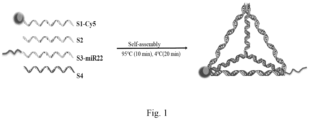
- tetrahedral DNA nanostructures is a tetrahedral nanostructure formed by 4 single-stranded DNAs through denaturation and renaturation, with complementary base pairing between the strands. It is easy to synthesize and has high biocompatibility, and is usually used as a carrier for certain drugs.
- Chinese patent application CN109806275A discloses the use of tetrahedral DNA to promote the proliferation, differentiation and/or migration of neural stem cells, but does not disclose the effect of tetrahedral DNA on the protection of optic nerve.
- CN112007044A discloses the use of tetrahedral DNA for the preparation of drugs to prevent oxidative stress in retinal ganglion cells, showing that tetrahedral DNA alone or its complex with miR-155 can be used for the treatment of wet macular degeneration (AMD).
- AMD wet macular degeneration
- miR-22 is involved in a variety of biological processes such as cardiac remodeling, cell cycle regulation, proliferation, and differentiation, and has various anti-neurodegenerative and anti-tumor effects, including inhibition of neuronal apoptosis and participation in the regulation of brain-derived neurophilic factor (BDNF)-related signaling pathways, and inhibition of proliferation, invasion, and migration of a variety of tumor cells.
- BDNF brain-derived neurophilic factor
- the object of the present invention is to provide a drug for the treatment of optic nerve diseases.
- the present invention provides a complex for the treatment of optic nerve diseases, which is composed of the tetrahedral DNA and miR-22 according to the molar ratio of 1: (1 ⁇ 4).
- the tetrahedral DNA of the present invention is a three-dimensional DNA nanostructure with a tetrahedral shape, which is formed by DNA sequence design, complementary pairing principle and automatic hybridization combination of each strand.
- four single-stranded DNAs have the nucleotide sequences as shown in SEQ ID NO. 1 ⁇ SEQ ID NO. 4.
- a complex of tetrahedral DNA and microRNA is formed by linking a microRNA toan end of the single strand of the tetrahedral DNA.
- the specific microRNA is miR-22.
- the tetrahedral DNA is formed by 4 single-stranded DNAs through complementary base pairing; the 4 single-stranded DNAs have the sequences selected one-to-one from the sequences as shown in SEQ ID NO. 1 ⁇ 4, respectively; wherein the end of one or two or three or each of the single-stranded DNAs is linked to miR-22; miR-22 has the sequence as shown in SEQ ID NO. 5.
- the above-mentioned miR-22 is linked to 1 ⁇ 4 single-stranded DNAs of the four single-stranded DNAs forming the tetrahedral DNA structure by a chemical bond or chemical bonds.
- linker sequence between miR-22 and the single-stranded DNA(s).
- the linker sequence is a nucleotide sequence, preferably a deoxyribonucleotide sequence, more preferably -TTTTT-.which is a sequence of 5 consecutive thymine deoxynucleotides.
- the present invention also provides a method for the preparation of the above-mentioned complex, wherein 4 single-stranded DNAs of the tetrahedral DNA are maintained at a temperature sufficient to denature them for more than 10 min, and then the temperature is lowered to 2 ⁇ 8°C, maintaining for more than 20 min; and one or more of the4 single-stranded DNAs as mentioned above is linked to miR-22.
- the 4 single strands of the tetrahedral DNA are maintained at 95°C for 10 min, and then the temperature is lowered to 4°C, maintaining for 20 min.
- the present invention also provides the use of the above-mentioned complex in the preparation of a medicament for treating optic nerve disease.
- the above-mentioned medicament for the treatment of optic nerve diseases is an optic neuroprotective drug; preferably, the optic nerve disease is associated with retinal ganglion cell injury, and/or retinal ganglion cell apoptosis.
- the drug can slow retinal ganglion cell injury, reduce retinal ganglion cell apoptosis and promote retinal ganglion cell survival; more preferably, the said retinal nerve disease is associated with brain-derived neurological factor (BNDF)-related signaling pathways, and the drug can promote the release of BDNF.
- BNDF brain-derived neurological factor
- the optic nerve disease is glaucoma; and in particular, primary open angle glaucoma.
- the present invention also provides a pharmaceutical composition for the treatment of optic nerve diseases, which comprises the above-mentioned complex for the treatment of optic nerve diseases and pharmaceutically acceptable excipients.
- the present invention also provides a method for the treatment and/or prevention of optic nerve diseases, comprising administering an effective amount of the complex of tetrahedral DNA and miR-22 of the present invention or the pharmaceutical composition of the present invention to a patient in need thereof.
- the optic nerve disease is preferably glaucoma.
- tFNA-miR22 a complex of tetrahedral DNA and miR-22 of the present invention, can effectively inhibit apoptosis of retinal ganglion cells induced by N-methyl-D-aspartate (NMDA) and promote the release of brain-derived neurophilic factor (BDNF), so as to play a good protective effect on retinal ganglion cells.
- NMDA N-methyl-D-aspartate
- BDNF brain-derived neurophilic factor
- the raw materials and equipment used in the present invention are known products and commercially available.
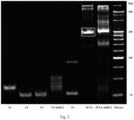
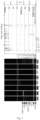
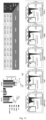
- the DNA single-strands and synthetic tFNA-miR22 were detected by capillary electrophoresis and PAGE electrophoresis.
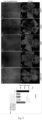
- the morphology of tFNA and tFNA-miR22 were detected by transmission electron microscopy.
- the zeta potential and particle size of tFNA and tFNA-miR22 were detected by dynamic light scattering.
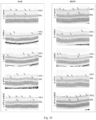
- the electrophoresis results showed that the molecular weight of tFNA-miR22 band was significantly higher than that of the single-stranded DNAs and the tetrahedral DNA, indicating that the single-stranded DNAs were assembled together.
- the tetrahedral structure particles were detected by transmission electron microscopy. It was found by dynamic light scattering that the zeta potential of tFNA was 5.6 and the particle size was 17.96 nm; the zeta potential of tFNA-miR22 was 8.23 mV and the particle size was 17.18 nm, indicating that tFNA-miR22 was successfully synthesized and stable.
- the beneficial effects of the present invention will be further described by way of experimental examples.
- the tFNA involved in the experimental examples was prepared by the method of Example 1.
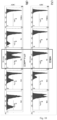
- RGC-5 cells (a type of mouse retinal ganglion cells) were cultured in groups in 96-well plates with 1*10 4 cells per well. Each group was treated with different concentrations of N-methyl-D-aspartate (NMDA) for 1h, and then cultured with complete medium for 24 h and then the cell activity was detected by CCK-8 assay. It was found that the drug inhibition rate of 4 mM NMDA was about 40%, so 4 mM was selected as the optimal modeling concentration ( Fig. 6 : A-B).
- NMDA N-methyl-D-aspartate
- RGC-5 cells were cultured in groups in 96-well plates with 1*10 4 cells per well. Each experimental group except the blank group was treated with 4 nM NMDA for 1 h, and then cultured for another 24 h with a culture medium containing 0 nM, 62.5 nM, 125 nM and 250 nM tFNA and tFNA-miR22 prepared in the example 1, as well as the single-stranded miR-22, respectively. Samples were taken and detected for cell activity by CCK-8 assay.
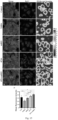
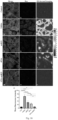
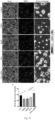
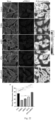
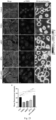
- RGC-5 cells treated with 4 mM NMDA for 1h were grouped and then exposed to and treated with Cy5-labeled single-stranded miR-22 (62.5 nM) and tFNA-miR22 (62.5 nM) for 3 h, 6 h, 12 h, and 24 h, respectively, and compared with the injured group (i.e., untreated with tFNA and tFNA-miR22). All groups were washed 3 times with phosphate buffer and detected with flow cytometry. It was found that the fluorescence intensity of tFNA-miR22 reached its peak at 6 h ( Fig. 11 ). Therefore, RGC-5 cells treated for 6 h by the above method were selected to prepare cell slides, and the uptake of single-stranded miR-22 and tFNA-miR22 was observed by immunofluorescence staining.
- the results of cell flow cytometry showed that within 24h, the fluorescence intensity of tFNA-miR22 reached a peak of 55.3% at 6 h, and gradually decreased to 40.4% with the increase of treatment time, while the fluorescence intensity of single-stranded miR-22 increased slowly with the treatment time, and reached a peak of 33.5% at 24 h.
- the results of immunofluorescence staining in Fig. 11 showed that tFNA-miR22 was widely accumulated in the cytoplasm and perinuclear of RGC-5 at 6h, while single-stranded miR-22 mainly adhered to the surface of cell membranes.
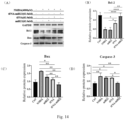
- RGC-5 cells were treated with 4 mM NMDA for 1 h, and then treated with 62.5 nM single-stranded miR-22, tFNA or tFNA-miR22 for 24 h, and detected as follows:
- tFNA-miR22 has good biosafety and protective effect on retinal ganglion cells.
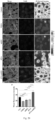
- tFNA-miR22 can regulate cell mitosis, promote cell self-renewal, and can reduce the expression of pro-apoptotic proteins caspase-3 and Bax by increasing the expression of anti-apoptosis protein BCL-2, thereby reducing the cell injury caused by NMDA, so as to further play a role in cell protection, and has a significantly better effect than tFNA or single-strand miR-22 alone.
- RGC-5 cells were treated according to the method of Experimental example 2, and detected as follows:
- the purpose of this experimental example is to further confirm the mechanism of tFNA-miR22 in producing protective effect on optic nerve.
- BDNF Brain-derived growth factor
- TrkB receptor for retinal ganglion cells.
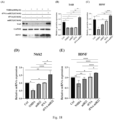
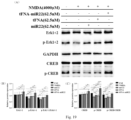
- BDNF By binding to its receptor TrkB, BDNF may activate the extracellular signal-regulated kinase (ERK), which leads to the phosphorylation of cAMP response element-binding protein (CREB), thereby inducing the transcription of various genes associated with neuronal survival and promoting cell survival.
- ERK extracellular signal-regulated kinase
- CREB cAMP response element-binding protein
- tFNA-miR22 selectively activates TrkB, and by activating the downstream signaling pathway (ERK-CREB), promotes the release of BDNF to reduce cell injury and promote cell survival.
- the tFNA-miR22 group significantly increased the survival rate of optic ganglia cells compared with the other groups, indicating that the complex tFNA-miR22 of the present invention has an optic nerve protective effect, and can be used in the treatment of neurodegenerative optic nerve diseases including glaucoma; and has a significantly better effect than tFNA and miR-22 alone, indicating that the two have a synergistic effect.
- the present invention provides a neuroprotective drug that can be used to treat neurodegenerative optic nerve diseases including glaucoma, which comprises tFNA-miR22 composed of a tetrahedral DNA and a miR-22 in a molar ratio of 1: (1-4).
- tFNA-miR22 can not only be effectively taken up by injured RGC-5 cells, but also effectively inhibit the apoptosis of retinal ganglion cells, and promote the release of brain-derived nerve factor (BDNF), thereby playing a good protective effect on retinal ganglion cells.
- BDNF brain-derived nerve factor
Landscapes
- Health & Medical Sciences (AREA)
- Life Sciences & Earth Sciences (AREA)
- Chemical & Material Sciences (AREA)
- General Health & Medical Sciences (AREA)
- Engineering & Computer Science (AREA)
- Pharmacology & Pharmacy (AREA)
- Animal Behavior & Ethology (AREA)
- Medicinal Chemistry (AREA)
- Public Health (AREA)
- Veterinary Medicine (AREA)
- Organic Chemistry (AREA)
- Bioinformatics & Cheminformatics (AREA)
- Ophthalmology & Optometry (AREA)
- Molecular Biology (AREA)
- Biomedical Technology (AREA)
- Chemical Kinetics & Catalysis (AREA)
- General Chemical & Material Sciences (AREA)
- Nuclear Medicine, Radiotherapy & Molecular Imaging (AREA)
- Biochemistry (AREA)
- Genetics & Genomics (AREA)
- Epidemiology (AREA)
- Zoology (AREA)
- Biotechnology (AREA)
- Wood Science & Technology (AREA)
- General Engineering & Computer Science (AREA)
- Neurosurgery (AREA)
- Neurology (AREA)
- Biophysics (AREA)
- Plant Pathology (AREA)
- Microbiology (AREA)
- Physics & Mathematics (AREA)
- Pharmaceuticals Containing Other Organic And Inorganic Compounds (AREA)
- Medicinal Preparation (AREA)
- Medicines That Contain Protein Lipid Enzymes And Other Medicines (AREA)
Applications Claiming Priority (2)
| Application Number | Priority Date | Filing Date | Title |
|---|---|---|---|
| CN202110293024.0A CN112843085B (zh) | 2021-03-18 | 2021-03-18 | 一种治疗视神经疾病的复合物及其制备方法和用途 |
| PCT/CN2022/080771 WO2022194109A1 (fr) | 2021-03-18 | 2022-03-14 | Complexe pour le traitement d'une maladie du nerf optique, son procédé de préparation et son utilisation |
Publications (2)
| Publication Number | Publication Date |
|---|---|
| EP4309659A1 true EP4309659A1 (fr) | 2024-01-24 |
| EP4309659A4 EP4309659A4 (fr) | 2025-02-26 |
Family
ID=75993516
Family Applications (1)
| Application Number | Title | Priority Date | Filing Date |
|---|---|---|---|
| EP22770464.0A Pending EP4309659A4 (fr) | 2021-03-18 | 2022-03-14 | Complexe pour le traitement d'une maladie du nerf optique, son procédé de préparation et son utilisation |
Country Status (5)
| Country | Link |
|---|---|
| US (1) | US20240052347A1 (fr) |
| EP (1) | EP4309659A4 (fr) |
| JP (1) | JP7836583B2 (fr) |
| CN (1) | CN112843085B (fr) |
| WO (1) | WO2022194109A1 (fr) |
Families Citing this family (13)
| Publication number | Priority date | Publication date | Assignee | Title |
|---|---|---|---|---|
| CN114983972B (zh) * | 2022-05-17 | 2023-04-21 | 华南理工大学 | 水凝胶包被miRNA-200s纳米微粒缓释系统在制备视神经炎疾病类药物中的应用 |
| CN115006423B (zh) * | 2022-06-28 | 2023-07-18 | 四川大学 | 四面体框架核酸在制备预防和/或治疗脑外伤后遗症的药物中的用途 |
| CN115068496B (zh) * | 2022-06-29 | 2023-07-07 | 四川大学 | Dna四面体框架核酸和香蒲新苷的复合物及其制备治疗急性肾损伤的药物的用途 |
| CN117357550B (zh) * | 2022-07-07 | 2026-08-07 | 四川大学 | miR-22及其和DNA四面体的复合物在制备治疗抑郁症的药物中的用途 |
| CN115969988B (zh) * | 2022-09-01 | 2025-09-19 | 成都景润泽基因科技有限公司 | 一种治疗新生血管性视网膜疾病的dna四面体药物复合物及其制备方法和用途 |
| CN116459270B (zh) * | 2023-03-24 | 2024-05-28 | 中山大学中山眼科中心 | 一种药物组合物及其在制备防治眼部新生血管性疾病药物中的应用 |
| CN116459271B (zh) * | 2023-04-25 | 2024-06-14 | 四川大学 | Dna四面体在制备预防和/或治疗脱发的药物中的用途 |
| CN118542863B (zh) * | 2023-05-25 | 2025-08-01 | 四川大学 | 一种四面体框架核酸-硫辛酸复合物及其用途 |
| CN117695301B (zh) * | 2023-12-08 | 2024-08-16 | 哈尔滨医科大学附属第一医院 | 基于框架核酸的miRNA-21递送系统及其在角膜上皮损伤修复中的应用 |
| CN117860904B (zh) * | 2024-01-10 | 2025-02-18 | 四川大学 | 一种四面体框架核酸-雷公藤红素复合物及其制备方法和应用 |
| CN117717566A (zh) * | 2024-02-08 | 2024-03-19 | 天津医科大学眼科医院 | miR22或miR22高表达MSC的外泌体miR22-Exos在治疗眼疾病药物中的应用 |
| CN118178669B (zh) * | 2024-03-14 | 2024-12-06 | 四川大学 | 一种四面体框架核酸-nap多肽复合物及其用于制备治疗脓毒血症性脑炎的药物的用途 |
| CN118320116B (zh) * | 2024-04-18 | 2024-12-20 | 四川大学 | 一种基于四面体框架核酸的吡非尼酮纳米复合物及其制备方法和用途 |
Family Cites Families (6)
| Publication number | Priority date | Publication date | Assignee | Title |
|---|---|---|---|---|
| US20140323549A1 (en) * | 2011-11-08 | 2014-10-30 | Quark Pharmaceuticals, Inc. | Methods and compositions for treating diseases, disorders or injury of the nervous system |
| CN103789838B (zh) * | 2014-02-20 | 2017-07-14 | 南京纳鑫新材料有限公司 | 一种晶硅制绒添加剂的制备方法及其应用 |
| EP3414320A1 (fr) * | 2016-02-12 | 2018-12-19 | Cell Care Therapeutics | Milieux conditionnés de cellules stromales mésenchymateuses dérivées de tissus adipeux et leurs procédés de préparation et d'utilisation |
| US11753623B2 (en) * | 2017-06-05 | 2023-09-12 | The Regents Of The University Of California | Compositions for treating retinal diseases and methods for making and using them |
| CN109806275B (zh) | 2017-11-22 | 2021-04-23 | 成都腾达树纳米生物科技有限公司 | Dna四面体在促神经修复药物制备中的用途 |
| CN112007044B (zh) * | 2019-09-10 | 2021-11-12 | 四川大学 | 一种预防视网膜神经节细胞氧化应激和湿性黄斑病变的药物 |
-
2021
- 2021-03-18 CN CN202110293024.0A patent/CN112843085B/zh active Active
-
2022
- 2022-03-14 US US18/267,015 patent/US20240052347A1/en active Pending
- 2022-03-14 EP EP22770464.0A patent/EP4309659A4/fr active Pending
- 2022-03-14 JP JP2023544677A patent/JP7836583B2/ja active Active
- 2022-03-14 WO PCT/CN2022/080771 patent/WO2022194109A1/fr not_active Ceased
Also Published As
| Publication number | Publication date |
|---|---|
| JP2024504413A (ja) | 2024-01-31 |
| EP4309659A4 (fr) | 2025-02-26 |
| WO2022194109A1 (fr) | 2022-09-22 |
| CN112843085A (zh) | 2021-05-28 |
| CN112843085B (zh) | 2022-07-12 |
| JP7836583B2 (ja) | 2026-03-27 |
| US20240052347A1 (en) | 2024-02-15 |
Similar Documents
| Publication | Publication Date | Title |
|---|---|---|
| US20240052347A1 (en) | Complex for treating optic nerve disease, and preparation method therefor and use thereof | |
| CN112007044B (zh) | 一种预防视网膜神经节细胞氧化应激和湿性黄斑病变的药物 | |
| Chang et al. | Glaucoma 2.0: neuroprotection, neuroregeneration, neuroenhancement | |
| Ma et al. | A2E accumulation influences retinal microglial activation and complement regulation | |
| Zhu et al. | Schwann cell–derived extracellular vesicles as a potential therapy for retinal ganglion cell degeneration | |
| CN102048756B (zh) | 人脂肪来源的间充质干细胞在肾脏、眼底疾病中的用途 | |
| WO2024045251A1 (fr) | Petit arn interférent pour le traitement de maladies rétiniennes néovasculaires et complexe tétraédrique d'adn de celui-ci | |
| Nuzzi et al. | Glaucoma: biological trabecular and neuroretinal pathology with perspectives of therapy innovation and preventive diagnosis | |
| Shao et al. | Wogonin inhibits inflammation and apoptosis through STAT3 signal pathway to promote the recovery of spinal cord injury | |
| Fan et al. | Diterpene Ginkgolides Meglumine Injection inhibits apoptosis induced by optic nerve crush injury via modulating MAPKs signaling pathways in retinal ganglion cells | |
| Yan et al. | Smart coating by thermo-sensitive Pluronic F-127 for enhanced corneal healing via delivery of biological macromolecule progranulin | |
| CN115969988B (zh) | 一种治疗新生血管性视网膜疾病的dna四面体药物复合物及其制备方法和用途 | |
| CN102625707A (zh) | Hip/pap或其衍生物的新应用 | |
| Gao et al. | Minocycline prevents the inflammatory response after retinal detachment, where microglia phenotypes being regulated through A20 | |
| US20250249065A1 (en) | Application of Gastrodia elata Blume derived nano-extracellular vesicles in the preparation of drugs for the prevention and/or treatment of subarachnoid hemorrhage | |
| Trofimova | Molecular mechanisms of retina pathology and ways of its correction | |
| Zhao et al. | A novel neuroinflammation-responsive hydrogel based on mimicking naked mole rat brain microenvironment retards neurovascular dysfunction and cognitive decline in Alzheimer’s disease | |
| Wang et al. | Olfactory mucosa mesenchymal stem cell‐derived exosomes protect against neuroinflammation after subarachnoid hemorrhage by activating mitophagy | |
| Bao et al. | Nicotinamide mononucleotide alleviates the development of fibrotic cataract by modulating the Nrf2/FPN1 signaling pathway | |
| Tanourlouee et al. | Effects of fresh bone marrow mononuclear cell therapy in rat model of retinopathy of prematurity | |
| TWI759739B (zh) | 新穎性醫藥組合物於修復視網膜損傷與治療視網膜病變之用途 | |
| JP2023035973A (ja) | ナノ低分子ペプチドfh及びその眼底血管疾患の治療や予防用薬物の調製への応用 | |
| Monteiro | Liposarcoma of the orbit presenting as an enlarged medial rectus muscle on CT scan | |
| Panda et al. | Corneal tattooing | |
| RU2496454C2 (ru) | ПРИМЕНЕНИЕ НОВЫХ ОЛИГОПЕПТИДНЫХ ФРАГМЕНТОВ БЕЛКА S100b В КАЧЕСТВЕ СТИМУЛЯТОРОВ И МОДУЛЯТОРОВ РЕГЕНЕРАТОРНЫХ ПРОЦЕССОВ В РОГОВИЦЕ ГЛАЗА |
Legal Events
| Date | Code | Title | Description |
|---|---|---|---|
| STAA | Information on the status of an ep patent application or granted ep patent |
Free format text: STATUS: THE INTERNATIONAL PUBLICATION HAS BEEN MADE |
|
| PUAI | Public reference made under article 153(3) epc to a published international application that has entered the european phase |
Free format text: ORIGINAL CODE: 0009012 |
|
| STAA | Information on the status of an ep patent application or granted ep patent |
Free format text: STATUS: REQUEST FOR EXAMINATION WAS MADE |
|
| 17P | Request for examination filed |
Effective date: 20230516 |
|
| AK | Designated contracting states |
Kind code of ref document: A1 Designated state(s): AL AT BE BG CH CY CZ DE DK EE ES FI FR GB GR HR HU IE IS IT LI LT LU LV MC MK MT NL NO PL PT RO RS SE SI SK SM TR |
|
| DAV | Request for validation of the european patent (deleted) | ||
| DAX | Request for extension of the european patent (deleted) | ||
| A4 | Supplementary search report drawn up and despatched |
Effective date: 20250127 |
|
| RIC1 | Information provided on ipc code assigned before grant |
Ipc: A61P 27/06 20060101ALI20250121BHEP Ipc: A61K 31/7105 20060101ALI20250121BHEP Ipc: A61K 31/711 20060101AFI20250121BHEP |