EP4310071A1 - Lipidverbindung und verwendung davon bei der verabreichung von nukleinsäure - Google Patents
Lipidverbindung und verwendung davon bei der verabreichung von nukleinsäure Download PDFInfo
- Publication number
- EP4310071A1 EP4310071A1 EP22810526.8A EP22810526A EP4310071A1 EP 4310071 A1 EP4310071 A1 EP 4310071A1 EP 22810526 A EP22810526 A EP 22810526A EP 4310071 A1 EP4310071 A1 EP 4310071A1
- Authority
- EP
- European Patent Office
- Prior art keywords
- integers
- branched
- linear
- compound
- substituted
- Prior art date
- Legal status (The legal status is an assumption and is not a legal conclusion. Google has not performed a legal analysis and makes no representation as to the accuracy of the status listed.)
- Pending
Links
Images

Classifications
-
- A—HUMAN NECESSITIES
- A61—MEDICAL OR VETERINARY SCIENCE; HYGIENE
- A61K—PREPARATIONS FOR MEDICAL, DENTAL OR TOILETRY PURPOSES
- A61K9/00—Medicinal preparations characterised by special physical form
- A61K9/10—Dispersions; Emulsions
- A61K9/127—Synthetic bilayered vehicles, e.g. liposomes or liposomes with cholesterol as the only non-phosphatidyl surfactant
- A61K9/1271—Non-conventional liposomes, e.g. PEGylated liposomes or liposomes coated or grafted with polymers
-
- A—HUMAN NECESSITIES
- A61—MEDICAL OR VETERINARY SCIENCE; HYGIENE
- A61K—PREPARATIONS FOR MEDICAL, DENTAL OR TOILETRY PURPOSES
- A61K31/00—Medicinal preparations containing organic active ingredients
- A61K31/70—Carbohydrates; Sugars; Derivatives thereof
- A61K31/7088—Compounds having three or more nucleosides or nucleotides
-
- A—HUMAN NECESSITIES
- A61—MEDICAL OR VETERINARY SCIENCE; HYGIENE
- A61K—PREPARATIONS FOR MEDICAL, DENTAL OR TOILETRY PURPOSES
- A61K31/00—Medicinal preparations containing organic active ingredients
- A61K31/70—Carbohydrates; Sugars; Derivatives thereof
- A61K31/7088—Compounds having three or more nucleosides or nucleotides
- A61K31/7105—Natural ribonucleic acids, i.e. containing only riboses attached to adenine, guanine, cytosine or uracil and having 3'-5' phosphodiester links
-
- A—HUMAN NECESSITIES
- A61—MEDICAL OR VETERINARY SCIENCE; HYGIENE
- A61K—PREPARATIONS FOR MEDICAL, DENTAL OR TOILETRY PURPOSES
- A61K31/00—Medicinal preparations containing organic active ingredients
- A61K31/70—Carbohydrates; Sugars; Derivatives thereof
- A61K31/7088—Compounds having three or more nucleosides or nucleotides
- A61K31/711—Natural deoxyribonucleic acids, i.e. containing only 2'-deoxyriboses attached to adenine, guanine, cytosine or thymine and having 3'-5' phosphodiester links
-
- A—HUMAN NECESSITIES
- A61—MEDICAL OR VETERINARY SCIENCE; HYGIENE
- A61K—PREPARATIONS FOR MEDICAL, DENTAL OR TOILETRY PURPOSES
- A61K31/00—Medicinal preparations containing organic active ingredients
- A61K31/70—Carbohydrates; Sugars; Derivatives thereof
- A61K31/7088—Compounds having three or more nucleosides or nucleotides
- A61K31/713—Double-stranded nucleic acids or oligonucleotides
-
- A—HUMAN NECESSITIES
- A61—MEDICAL OR VETERINARY SCIENCE; HYGIENE
- A61K—PREPARATIONS FOR MEDICAL, DENTAL OR TOILETRY PURPOSES
- A61K47/00—Medicinal preparations characterised by the non-active ingredients used, e.g. carriers or inert additives; Targeting or modifying agents chemically bound to the active ingredient
- A61K47/06—Organic compounds, e.g. natural or synthetic hydrocarbons, polyolefins, mineral oil, petrolatum or ozokerite
- A61K47/16—Organic compounds, e.g. natural or synthetic hydrocarbons, polyolefins, mineral oil, petrolatum or ozokerite containing nitrogen, e.g. nitro-, nitroso-, azo-compounds, nitriles, cyanates
- A61K47/18—Amines; Amides; Ureas; Quaternary ammonium compounds; Amino acids; Oligopeptides having up to five amino acids
-
- A—HUMAN NECESSITIES
- A61—MEDICAL OR VETERINARY SCIENCE; HYGIENE
- A61K—PREPARATIONS FOR MEDICAL, DENTAL OR TOILETRY PURPOSES
- A61K48/00—Medicinal preparations containing genetic material which is inserted into cells of the living body to treat genetic diseases; Gene therapy
- A61K48/0008—Medicinal preparations containing genetic material which is inserted into cells of the living body to treat genetic diseases; Gene therapy characterised by an aspect of the 'non-active' part of the composition delivered, e.g. wherein such 'non-active' part is not delivered simultaneously with the 'active' part of the composition
- A61K48/0025—Medicinal preparations containing genetic material which is inserted into cells of the living body to treat genetic diseases; Gene therapy characterised by an aspect of the 'non-active' part of the composition delivered, e.g. wherein such 'non-active' part is not delivered simultaneously with the 'active' part of the composition wherein the non-active part clearly interacts with the delivered nucleic acid
- A61K48/0033—Medicinal preparations containing genetic material which is inserted into cells of the living body to treat genetic diseases; Gene therapy characterised by an aspect of the 'non-active' part of the composition delivered, e.g. wherein such 'non-active' part is not delivered simultaneously with the 'active' part of the composition wherein the non-active part clearly interacts with the delivered nucleic acid the non-active part being non-polymeric
-
- A—HUMAN NECESSITIES
- A61—MEDICAL OR VETERINARY SCIENCE; HYGIENE
- A61K—PREPARATIONS FOR MEDICAL, DENTAL OR TOILETRY PURPOSES
- A61K9/00—Medicinal preparations characterised by special physical form
- A61K9/10—Dispersions; Emulsions
- A61K9/127—Synthetic bilayered vehicles, e.g. liposomes or liposomes with cholesterol as the only non-phosphatidyl surfactant
-
- A—HUMAN NECESSITIES
- A61—MEDICAL OR VETERINARY SCIENCE; HYGIENE
- A61K—PREPARATIONS FOR MEDICAL, DENTAL OR TOILETRY PURPOSES
- A61K9/00—Medicinal preparations characterised by special physical form
- A61K9/10—Dispersions; Emulsions
- A61K9/127—Synthetic bilayered vehicles, e.g. liposomes or liposomes with cholesterol as the only non-phosphatidyl surfactant
- A61K9/1271—Non-conventional liposomes, e.g. PEGylated liposomes or liposomes coated or grafted with polymers
- A61K9/1272—Non-conventional liposomes, e.g. PEGylated liposomes or liposomes coated or grafted with polymers comprising non-phosphatidyl surfactants as bilayer-forming substances, e.g. cationic lipids or non-phosphatidyl liposomes coated or grafted with polymers
-
- A—HUMAN NECESSITIES
- A61—MEDICAL OR VETERINARY SCIENCE; HYGIENE
- A61K—PREPARATIONS FOR MEDICAL, DENTAL OR TOILETRY PURPOSES
- A61K9/00—Medicinal preparations characterised by special physical form
- A61K9/48—Preparations in capsules, e.g. of gelatin, of chocolate
- A61K9/50—Microcapsules having a gas, liquid or semi-solid filling; Solid microparticles or pellets surrounded by a distinct coating layer, e.g. coated microspheres, coated drug crystals
- A61K9/51—Nanocapsules; Nanoparticles
- A61K9/5107—Excipients; Inactive ingredients
- A61K9/5123—Organic compounds, e.g. fats, sugars
-
- C—CHEMISTRY; METALLURGY
- C07—ORGANIC CHEMISTRY
- C07C—ACYCLIC OR CARBOCYCLIC COMPOUNDS
- C07C213/00—Preparation of compounds containing amino and hydroxy, amino and etherified hydroxy or amino and esterified hydroxy groups bound to the same carbon skeleton
- C07C213/04—Preparation of compounds containing amino and hydroxy, amino and etherified hydroxy or amino and esterified hydroxy groups bound to the same carbon skeleton by reaction of ammonia or amines with olefin oxides or halohydrins
-
- C—CHEMISTRY; METALLURGY
- C07—ORGANIC CHEMISTRY
- C07C—ACYCLIC OR CARBOCYCLIC COMPOUNDS
- C07C215/00—Compounds containing amino and hydroxy groups bound to the same carbon skeleton
- C07C215/02—Compounds containing amino and hydroxy groups bound to the same carbon skeleton having hydroxy groups and amino groups bound to acyclic carbon atoms of the same carbon skeleton
- C07C215/22—Compounds containing amino and hydroxy groups bound to the same carbon skeleton having hydroxy groups and amino groups bound to acyclic carbon atoms of the same carbon skeleton the carbon skeleton being unsaturated
- C07C215/24—Compounds containing amino and hydroxy groups bound to the same carbon skeleton having hydroxy groups and amino groups bound to acyclic carbon atoms of the same carbon skeleton the carbon skeleton being unsaturated and acyclic
-
- C—CHEMISTRY; METALLURGY
- C07—ORGANIC CHEMISTRY
- C07C—ACYCLIC OR CARBOCYCLIC COMPOUNDS
- C07C29/00—Preparation of compounds having hydroxy or O-metal groups bound to a carbon atom not belonging to a six-membered aromatic ring
- C07C29/132—Preparation of compounds having hydroxy or O-metal groups bound to a carbon atom not belonging to a six-membered aromatic ring by reduction of an oxygen containing functional group
- C07C29/136—Preparation of compounds having hydroxy or O-metal groups bound to a carbon atom not belonging to a six-membered aromatic ring by reduction of an oxygen containing functional group of >C=O containing groups, e.g. —COOH
-
- C—CHEMISTRY; METALLURGY
- C07—ORGANIC CHEMISTRY
- C07C—ACYCLIC OR CARBOCYCLIC COMPOUNDS
- C07C29/00—Preparation of compounds having hydroxy or O-metal groups bound to a carbon atom not belonging to a six-membered aromatic ring
- C07C29/132—Preparation of compounds having hydroxy or O-metal groups bound to a carbon atom not belonging to a six-membered aromatic ring by reduction of an oxygen containing functional group
- C07C29/136—Preparation of compounds having hydroxy or O-metal groups bound to a carbon atom not belonging to a six-membered aromatic ring by reduction of an oxygen containing functional group of >C=O containing groups, e.g. —COOH
- C07C29/147—Preparation of compounds having hydroxy or O-metal groups bound to a carbon atom not belonging to a six-membered aromatic ring by reduction of an oxygen containing functional group of >C=O containing groups, e.g. —COOH of carboxylic acids or derivatives thereof
-
- C—CHEMISTRY; METALLURGY
- C07—ORGANIC CHEMISTRY
- C07C—ACYCLIC OR CARBOCYCLIC COMPOUNDS
- C07C29/00—Preparation of compounds having hydroxy or O-metal groups bound to a carbon atom not belonging to a six-membered aromatic ring
- C07C29/64—Preparation of compounds having hydroxy or O-metal groups bound to a carbon atom not belonging to a six-membered aromatic ring by simultaneous introduction of -OH groups and halogens
-
- C—CHEMISTRY; METALLURGY
- C07—ORGANIC CHEMISTRY
- C07C—ACYCLIC OR CARBOCYCLIC COMPOUNDS
- C07C45/00—Preparation of compounds having >C = O groups bound only to carbon or hydrogen atoms; Preparation of chelates of such compounds
- C07C45/27—Preparation of compounds having >C = O groups bound only to carbon or hydrogen atoms; Preparation of chelates of such compounds by oxidation
- C07C45/29—Preparation of compounds having >C = O groups bound only to carbon or hydrogen atoms; Preparation of chelates of such compounds by oxidation of hydroxy groups
-
- C—CHEMISTRY; METALLURGY
- C07—ORGANIC CHEMISTRY
- C07C—ACYCLIC OR CARBOCYCLIC COMPOUNDS
- C07C45/00—Preparation of compounds having >C = O groups bound only to carbon or hydrogen atoms; Preparation of chelates of such compounds
- C07C45/27—Preparation of compounds having >C = O groups bound only to carbon or hydrogen atoms; Preparation of chelates of such compounds by oxidation
- C07C45/30—Preparation of compounds having >C = O groups bound only to carbon or hydrogen atoms; Preparation of chelates of such compounds by oxidation with halogen containing compounds, e.g. hypohalogenation
-
- C—CHEMISTRY; METALLURGY
- C07—ORGANIC CHEMISTRY
- C07D—HETEROCYCLIC COMPOUNDS
- C07D301/00—Preparation of oxiranes
- C07D301/02—Synthesis of the oxirane ring
- C07D301/24—Synthesis of the oxirane ring by splitting off HAL—Y from compounds containing the radical HAL—C—C—OY
- C07D301/26—Y being hydrogen
-
- C—CHEMISTRY; METALLURGY
- C07—ORGANIC CHEMISTRY
- C07D—HETEROCYCLIC COMPOUNDS
- C07D303/00—Compounds containing three-membered rings having one oxygen atom as the only ring hetero atom
- C07D303/02—Compounds containing oxirane rings
- C07D303/04—Compounds containing oxirane rings containing only hydrogen and carbon atoms in addition to the ring oxygen atoms
-
- C—CHEMISTRY; METALLURGY
- C12—BIOCHEMISTRY; BEER; SPIRITS; WINE; VINEGAR; MICROBIOLOGY; ENZYMOLOGY; MUTATION OR GENETIC ENGINEERING
- C12N—MICROORGANISMS OR ENZYMES; COMPOSITIONS THEREOF; PROPAGATING, PRESERVING, OR MAINTAINING MICROORGANISMS; MUTATION OR GENETIC ENGINEERING; CULTURE MEDIA
- C12N15/00—Mutation or genetic engineering; DNA or RNA concerning genetic engineering, vectors, e.g. plasmids, or their isolation, preparation or purification; Use of hosts therefor
- C12N15/09—Recombinant DNA-technology
- C12N15/87—Introduction of foreign genetic material using processes not otherwise provided for, e.g. co-transformation
- C12N15/88—Introduction of foreign genetic material using processes not otherwise provided for, e.g. co-transformation using microencapsulation, e.g. using amphiphile liposome vesicle
-
- A—HUMAN NECESSITIES
- A61—MEDICAL OR VETERINARY SCIENCE; HYGIENE
- A61K—PREPARATIONS FOR MEDICAL, DENTAL OR TOILETRY PURPOSES
- A61K48/00—Medicinal preparations containing genetic material which is inserted into cells of the living body to treat genetic diseases; Gene therapy
- A61K48/0008—Medicinal preparations containing genetic material which is inserted into cells of the living body to treat genetic diseases; Gene therapy characterised by an aspect of the 'non-active' part of the composition delivered, e.g. wherein such 'non-active' part is not delivered simultaneously with the 'active' part of the composition
- A61K48/0025—Medicinal preparations containing genetic material which is inserted into cells of the living body to treat genetic diseases; Gene therapy characterised by an aspect of the 'non-active' part of the composition delivered, e.g. wherein such 'non-active' part is not delivered simultaneously with the 'active' part of the composition wherein the non-active part clearly interacts with the delivered nucleic acid
- A61K48/0041—Medicinal preparations containing genetic material which is inserted into cells of the living body to treat genetic diseases; Gene therapy characterised by an aspect of the 'non-active' part of the composition delivered, e.g. wherein such 'non-active' part is not delivered simultaneously with the 'active' part of the composition wherein the non-active part clearly interacts with the delivered nucleic acid the non-active part being polymeric
-
- C—CHEMISTRY; METALLURGY
- C07—ORGANIC CHEMISTRY
- C07C—ACYCLIC OR CARBOCYCLIC COMPOUNDS
- C07C33/00—Unsaturated compounds having hydroxy or O-metal groups bound to acyclic carbon atoms
- C07C33/02—Acyclic alcohols with carbon-to-carbon double bonds
-
- C—CHEMISTRY; METALLURGY
- C07—ORGANIC CHEMISTRY
- C07C—ACYCLIC OR CARBOCYCLIC COMPOUNDS
- C07C33/00—Unsaturated compounds having hydroxy or O-metal groups bound to acyclic carbon atoms
- C07C33/40—Halogenated unsaturated alcohols
- C07C33/42—Halogenated unsaturated alcohols acyclic
- C07C33/423—Halogenated unsaturated alcohols acyclic containing only double bonds as unsaturation
-
- C—CHEMISTRY; METALLURGY
- C07—ORGANIC CHEMISTRY
- C07C—ACYCLIC OR CARBOCYCLIC COMPOUNDS
- C07C47/00—Compounds having —CHO groups
- C07C47/20—Unsaturated compounds having —CHO groups bound to acyclic carbon atoms
- C07C47/21—Unsaturated compounds having —CHO groups bound to acyclic carbon atoms with only carbon-to-carbon double bonds as unsaturation
Definitions
- the present invention belongs to the technical field of medicinal compounds, and particularly relates to an ionizable lipid compound, a preparation method therefor, and use thereof in the delivery of an active therapeutic agent (e.g., a nucleic acid).
- an active therapeutic agent e.g., a nucleic acid
- Nucleic acids include small interfering RNA (siRNA), messenger RNA (mRNA), microRNA (miRNA), antisense oligonucleotides (ASOs), ribozymes, plasmids, and immunostimulatory nucleic acids, which function through various mechanisms.
- siRNA small interfering RNA
- mRNA messenger RNA
- miRNA microRNA
- ASOs antisense oligonucleotides
- ribozymes ribozymes
- plasmids and immunostimulatory nucleic acids, which function through various mechanisms.
- mRNA is a type of RNA that transports genetic information from DNA to ribosomes in the cytoplasm for protein translation. It does not need to enter the nucleus, so it does not bring the risk of genetic mutation, and can be used to achieve the expression of specific cellular products.
- These nucleic acids are useful in the treatment of diseases associated with deficiencies in proteins or enzymes. However, nucleic acids will have many problems in the
- mRNA which has a single-stranded structure, is very unstable and is degraded by nucleases soon after entering the body.
- mRNA has a large molecular weight and carries a large number of negative charges, making it difficult to cross negatively charged cell membranes into target cells. Therefore, how to effectively deliver mRNA to cells is a technical key to achieving its in vivo applications. Similar problems exist in various therapeutic nucleic acids.
- ionizable lipid compounds In gene therapy, ionizable lipid compounds have been proven to be excellent delivery vectors for nucleic acids for the treatment of various diseases.
- An amino group of the ionizable lipid compound can be protonated to form a positively charged headgroup under suitable acidic conditions, the tail of which is composed of a hydrophobic carbon chain.
- the charged moiety is used to electrostatically bind to negatively charged RNA, while the hydrophobic tail enables it to self-assemble into a lipophilic particle.
- Lipid nanoparticles formed by self-assembly of the ionizable lipid compounds in combination with other three or four lipids such as distearoyl phosphatidylcholine (DSPC) or dioleoyl-phosphatidylethanolamine (DOPE), cholesterol (CHOL), and PEGylated lipids [1,2-dimyristyl-rac-glycero-3-methoxypolyethylene glycol 2000 (DMG-PEG2000) or distearoyl phosphatidylethanolamine-polyethylene glycol 2000 (DSPE-PEG2000)] are used to deliver nucleic acids, can protect the nucleic acids from degradation by nucleases, and promote cellular uptake.
- the ionizable lipid compounds have made great progress in the delivery of nucleic acids, but there is still a problem of low delivery efficiency, which is one of bottleneck problems restricting the development of the industry.
- the present invention provides a novel ionizable lipid compound that can be used to deliver a bioactive molecule (e.g., mRNA, siRNA, micRNA, a protein, a polypeptide, etc.).
- a bioactive molecule e.g., mRNA, siRNA, micRNA, a protein, a polypeptide, etc.
- the ionizable lipid compound of the present invention is particularly suitable for delivering a negatively charged active substance, such as DNA, RNA, or other nucleotide molecules.
- the present invention further provides a bioactive substance delivery system comprising the ionizable lipid compound, wherein the delivery system may be microparticles, nanoparticles, liposomes, lipid nanoparticles, or microbubbles.
- the delivery system is lipid nanoparticles.
- Such lipid nanoparticles can efficiently deliver bioactive substances (e.g., mRNA) to cells, tissues, or organs, thereby achieving efficient regulation of the bioactive substances.
- the ionizable lipid compound is combined with a bioactive substance delivered to a targeted cell or an individual, or other substances further included (e.g., other anionic, cationic, or ionizable lipid compounds, synthetic or natural polymers, surfactants, cholesterol, carbohydrates, proteins, phospholipids, etc.) to form microparticles, nanoparticles, liposomes, lipid nanoparticles, or microbubbles.
- the bioactive substance can be in gas, liquid, or solid form, and can be a polynucleotide, a protein, a peptide, or a small molecule.
- the delivery system can then optionally be combined with a pharmaceutical excipient to form a pharmaceutical composition.
- the present invention further provides a method for synthesizing these novel ionizable lipid compounds.
- the present invention further provides use of the novel ionizable lipid compound in preparing a bioactive substance delivery system.
- the delivery system may be microparticles, nanoparticles, liposomes, lipid nanoparticles, or microbubbles.
- the delivery system is lipid nanoparticles.
- the ionizable lipid compound of the present invention has a structure of formula I, wherein:
- Q is a substituted or unsubstituted linear C2-20 alkylene, wherein one or more C atoms of the alkylene are optionally substituted by heteroatom(s) independently selected from O, S, and N; preferably, Q is wherein R 8 and R 9 are each independently selected from substituted or unsubstituted linear C1-10 alkylene, wherein one or more C atoms of the alkylene are optionally substituted by heteroatom(s) independently selected from O, S, and N; R 7 is hydrogen, halogen, -OH, linear or branched C1-20 alkyl, linear or branched C2-20 alkenyl, linear or branched C2-20 alkynyl, -CH 2 CH(OH)R 5 , or a substituent group for the substitution is halogen, -OH, linear or branched C1-10 alkyl, or linear or branched C1-10 alkoxy; preferably, Q is wherein x and y can
- the saturated or unsaturated 4- to 6-membered ring is piperazinyl or cyclohexyl.
- R 6 is -OH.
- n is selected from integers from 4 to 8
- m is selected from integers from 4 to 8.
- the compound of formula I is a compound of the following formula A, B, C, or D: wherein each n 1 is independent and can be identical or different, and each n 1 is selected from integers from 1 to 8; each m 1 is independent and can be identical or different, and each m 1 is selected from integers from 0 to 8; preferably, each n 1 is selected from integers from 4 to 8, and each m 1 is selected from integers from 4 to 8; preferably, each n 1 is identical, and each m 1 is identical.
- each n 2 is independent and can be identical or different, and each n 2 is selected from integers from 1 to 8; each m 2 is independent and can be identical or different, and each m 2 is selected from integers from 0 to 8; preferably, each n 2 is selected from integers from 4 to 8, and each m 2 is selected from integers from 4 to 8; preferably, each n 2 is identical, and each m 2 is identical.
- each n 3 is independent and can be identical or different, and each n 3 is selected from integers from 1 to 8; each m 3 is independent and can be identical or different, and each m 3 is selected from integers from 0 to 8; preferably, each n 3 is selected from integers from 4 to 8, and each m 3 is selected from integers from 4 to 8; preferably, each n 3 is identical, and each m 3 is identical.
- each n 4 is independent and can be identical or different, and each n 4 is selected from integers from 1 to 8; each m 4 is independent and can be identical or different, and each m 4 is selected from integers from 0 to 8; preferably, each n 4 is selected from integers from 4 to 8, and each m 4 is selected from integers from 4 to 8; preferably, each n 4 is identical, and each m 4 is identical.
- the compound of formula I is selected from the following compounds as shown in Table 1: Table 1 No. Structural formula I-1 I-2 I-3 I-4 I-5 I-6 I-7 I-8 I-9 I-10 I-11 I-12 I-13 I-14 I-15 I-16 I-17 I-18 I-19 I-20 I-21 I-22 I-23 I-24 I-25 I-26 I-27 I-28 I-29 1-30 I-31 I-32 I-33 I-34 1-35 1-36 I-37 1-38 1-39 I-40 I-41 I-42 I-43 I-44 I-45 I-46 I-47 I-48 I-49 I-50 I-51 I-52 I-53 I-54 1-55 I-56 II-1 II-2 II-3 II-4 II-5 II-6 II-7 II-8 II-9 II-10 II-11 II-12 II-13 II-14 II-15 II-16 II-17 II-18 II-19 II-20 II-21 II-22 II-23 II-24 II-25 II-26 II-27 II-28 II-29 II-30 II-31 II-32 II-33 II-34 II-35 II-36 II;
- the ionizable lipid compound of the present invention can be synthesized using methods known in the art, for example, by reacting one or more equivalents of an amine with one or more equivalents of an epoxy-terminated compound under suitable conditions.
- the synthesis of ionizable lipid compounds is carried out with or without solvents and can be carried out at a higher temperature in the range of 25 °C-100 °C.
- the prepared ionizable lipid compound can optionally be purified.
- a mixture of the ionizable lipid compounds can be purified to give a specific ionizable lipid compound.
- the mixture can be purified to give a specific stereoisomer or regioisomer.
- the epoxide can be purchased commercially or prepared synthetically.
- all amino groups of the amines are completely reacted with the epoxy-terminated compound to form a tertiary amine. In other embodiments, not all amino groups of the amines are completely reacted with the epoxy-terminated compound, thereby producing primary or secondary amines in the ionizable lipid compound. These primary or secondary amines are left as such or can be reacted with another electrophile such as a different epoxy-terminated compound. It will be appreciated by those skilled in the art that reacting the excessive amine with the epoxy-terminated compound will produce a variety of different ionizable lipid compounds with various numbers of tails.
- diamines or polyamines can comprise one, two, three, or four epoxy-derived compound tails on various amino moieties of the molecule, thereby producing primary, secondary, and tertiary amines.
- two epoxy-terminated compounds of the same type are used.
- two or more different epoxy-terminated compounds are used.
- the ionizable lipid compound of the present invention can be prepared using the following general preparation method.
- the carboxyl group of compound A1 is reduced to a hydroxyl group to give compound A2.
- the reductant include, but are not limited to, lithium aluminum hydride, diisobutyl aluminum hydride, etc.
- solvents used in the reaction include, but are not limited to, ethers (e.g., ethyl ether, tetrahydrofuran, dioxane, etc.), halogenated hydrocarbons (e.g., chloroform, dichloromethane, dichloroethane, etc.), hydrocarbons (e.g., n-pentane, n-hexane, benzene, toluene, etc.), and mixed solvents formed by two or more of these solvents.
- ethers e.g., ethyl ether, tetrahydrofuran, dioxane, etc.
- halogenated hydrocarbons e.g., chloroform, dichloromethane, dichloroethane, etc.
- hydrocarbons e.g., n-pentane, n-hexane, benzene, toluene, etc.
- the hydroxyl group of compound A2 is oxidized to an aldehyde group to give compound A3.
- the oxidant include, but are not limited to, 2-iodoxybenzoic acid (IBX), pyridinium chlorochromate (PCC), pyridinium dichromate (PDC), Dess-Martin periodinane, manganese dioxide, etc.
- solvents used in the reaction include, but are not limited to, halogenated hydrocarbons (e.g., chloroform, dichloromethane, dichloroethane, etc.), hydrocarbons (e.g., n-pentane, n-hexane, benzene, toluene, etc.), nitriles (e.g., acetonitrile), and mixed solvents formed by two or more of these solvents.
- halogenated hydrocarbons e.g., chloroform, dichloromethane, dichloroethane, etc.
- hydrocarbons e.g., n-pentane, n-hexane, benzene, toluene, etc.
- nitriles e.g., acetonitrile
- an aldehyde ⁇ -hydrogen of compound A3 is subjected to a halogenation reaction with a halogenating reagent under an acidic condition to give an ⁇ -halogenated aldehyde intermediate, and then in the presence of a reductant, the aldehyde group of the ⁇ -halogenated aldehyde is reduced to a hydroxyl group to give compound A4.
- a reductant examples include, but are not limited to, sodium borohydride, sodium cyanoborohydride, and sodium triacetoxyborohydride.
- compound A4 is subjected to an intramolecular nucleophilic substitution reaction to give epoxide A5.
- the base include, but are not limited to, hydroxides or hydrides of alkali metals, such as sodium hydroxide, potassium hydroxide, and sodium hydride.
- solvents used in the reaction include, but are not limited to, a mixture of dioxane and water.
- Compound A5 is subjected to a ring-opening reaction with an amine (e.g., N,N-bis(2-aminoethyl)methylamine) to give a final compound.
- an amine e.g., N,N-bis(2-aminoethyl)methylamine
- solvents used in the reaction include, but are not limited to, ethanol, methanol, isopropanol, tetrahydrofuran, trichloromethane, hexane, toluene, ethyl ether, etc.
- the raw material A1 in the preparation method can be purchased commercially or synthesized by a conventional method.
- the ionizable lipid molecule structure of the present invention contains two adjacent cis-double bonds, so that the ionizable lipid compound has higher encapsulation efficiency and better cell transfection efficiency when being subsequently used in the delivery system for encapsulating active substances (e.g., nucleic acids, such as mRNA); in addition, when the ionizable lipid compound is used for preparing lipid nanoparticles, the particle size of the obtained lipid nanoparticles is more uniform.
- the ionizable lipid compound of the present invention is particularly suitable for preparing solid nanoparticles.
- the ionizable lipid compound of the present invention when used in a drug delivery system, can encapsulate medicaments, including polynucleotides, small molecules, proteins, peptides, metals, etc.
- the ionizable lipid compound has several properties that are suitable for preparing the drug delivery system: 1) the ability of lipids to complex and "protect” unstable medicaments; 2) the ability to buffer the pH in vivo ; 3) the ability to act as a "proton sponge” and cause dissolution in vivo ; and 4) the ability to neutralize charges on negatively charged active substances.
- the drug delivery system can be in the form of particles.
- the particle diameter is in the range of 1 ⁇ m to 1000 ⁇ m. In certain embodiments, the particle diameter is in the range of 1 nm to 1000 nm.
- the particle diameter is in the range of 1 ⁇ m to 100 ⁇ m, or in the range of 1 ⁇ m to 10 ⁇ m, or in the range of 10 ⁇ m to 100 ⁇ m, or in the range of 20 nm to 800 nm, or in the range of 50 nm to 500 nm, or in the range of 80 nm to 200 nm, or in the range of 1 nm to 100 nm, or in the range of 1 nm to 10 nm.
- the particle size is in the range of 1 nm to 1000 nm, it is generally referred to as nanoparticles in the art.
- the particles can be prepared using any method known in the art. These methods include, but are not limited to, spray drying, single and double emulsion solvent evaporation, solvent extraction, phase separation, nanoprecipitation, microfluidics, simple and complex coacervation, and other methods well known to those of ordinary skill in the art.
- the drug delivery system can also be microbubbles, liposomes, or lipid nanoparticles, which are well suitable for delivering medicaments.
- the active substance delivered by the delivery system formed by the ionizable lipid compound of the present invention can be a therapeutic, diagnostic, or prophylactic agent.
- the active substance can be in the nature of a small molecule compound, a nucleic acid, a protein, a peptide, a metal, an isotopically-labeled compound, a vaccine, etc.
- the delivery system formed by the ionizable lipid compound of the present invention can also be modified with a targeting molecule, such that it can be a targeting agent capable of targeting a specific cell, tissue, or organ.
- the targeting molecule can be contained in the entire delivery system or can be located only on its surface.
- the targeting molecule can be a protein, a peptide, a glycoprotein, a lipid, a small molecule, a nucleic acid, etc.
- Examples of the targeting molecule include, but are not limited to, an antibody, an antibody fragment, low-density lipoprotein (LDL), transferrin, asialycoprotein, a receptor ligand, sialic acid, an aptamer, etc.
- the delivery system formed by the ionizable lipid compound of the present invention can be combined with one or more pharmaceutical excipients to form a pharmaceutical composition suitable for administering to an animal, including a human.
- pharmaceutical excipient refers to any type of non-toxic, inert solid, semi-solid or liquid filler, diluent, etc., including, but not limited to, sugars such as lactose, trehalose, glucose, and sucrose; starches such as corn starch and potato starch; cellulose and derivatives thereof such as sodium carboxymethyl cellulose, ethyl cellulose, and cellulose acetate; gelatin; talc; oils such as peanut oil, cottonseed oil, safflower oil, olive oil, corn oil, and soybean oil; glycols such as propylene glycol; esters such as ethyl oleate and ethyl laurate; surfactants such as Tween 80; buffers such as phosphate buffer, acetate buffer, and
- composition of the present invention can be administered to a human and/or an animal orally, rectally, intravenously, intramuscularly, intravaginally, intranasally, intraperitoneally, buccally, or in the form of oral or nasal spray.
- alkyl refers to a saturated hydrocarbyl group obtained by the removal of a single hydrogen atom from a hydrocarbon moiety containing 1 to 30 carbon atoms.
- alkyl include, but are not limited to, methyl, ethyl, propyl, isopropyl, n-butyl, sec-butyl, tert-butyl, n-pentyl, isopentyl, neopentyl, n-hexyl, n-heptyl, n-octyl, n-decyl, n-undecyl, and n-dodecyl.
- alkenyl refers to a monovalent group obtained by the removal of a single hydrogen atom from a hydrocarbon moiety having at least one carbon-carbon double bond.
- the alkenyl includes, for example, ethenyl, propenyl, butenyl, 1-methyl-2-buten-1-yl, etc.
- alkynyl refers to a monovalent group obtained by the removal of a single hydrogen atom from a hydrocarbon moiety having at least one carbon-carbon triple bond.
- Representative alkynyl includes ethynyl, 2-propynyl (propargyl), 1-propynyl, etc.
- alkoxy refers to an alkyl, as defined above, linked to a parent molecule through an oxygen atom.
- alkoxy include, but are not limited to, methoxy, ethoxy, propoxy, isopropoxy, n -butoxy, tert -butoxy, neopentoxy, and n-hexoxy.
- halo- and halogen refer to an atom selected from fluorine, chlorine, bromine, and iodine.
- saturated or unsaturated 4- to 6-membered ring refers to a ring having 4 to 6 ring atoms that may be C, N, S, or O.
- saturated or unsaturated 4- to 6-membered ring include, but are not limited to, 4- to 6-membered saturated cycloalkyl such as cyclopropyl, cyclobutyl, cyclopentyl, cyclohexyl; 4- to 6-membered aryl such as phenyl; 4- to 6-membered heterocyclyl such as pyrrolidinyl, piperidyl, piperazinyl, morpholinyl, etc.; 4- to 6-membered heteroaryl such as triazolyl, oxazolyl, isoxazolyl, thiazolyl, etc.
- the saturated or unsaturated 4- to 6-membered ring is preferably piperazinyl or cyclohexyl.
- substituted refers to the ability to change one functional group to another functional group, provided that the valence number of all atoms is maintained.
- substituents can be identical or different at each position.
- linoleyl alcohol (a2) LiAlH 4 (7.20 g) and linoleic acid (50 g, a1) were added to tetrahydrofuran (950 mL) at 0 °C, and then the mixture was stirred at 25 °C for 2 h. After the reaction was completed, as detected by thin layer chromatography (TLC), water (7.2 mL), an aqueous NaOH solution (7.2 mL, mass fraction: 15%), and water (21.6 mL) were sequentially added to the reaction solution to quench the reaction, and an appropriate amount of Na 2 SO 4 was added.
- TLC thin layer chromatography
- the reaction solution was filtered through a Buchner funnel, the filter cake was washed with dichloromethane, and the filtrate was collected and concentrated by evaporation to give the target product (9Z, 12Z)-octadeca-9, 12-dienal (a3, 24.0 g).
- reaction mixture was quenched with water (120 mL) and extracted with methyl tert-butyl ether. The organic phases were combined, washed with saturated brine, dried over sodium sulfate, filtered, and concentrated by evaporation to give the target product (9Z,12Z)-2-chloro-octadeca-9,12-dien-1-ol (a4, 46 g), which was used directly in the next step.
- reaction solution was concentrated by evaporation, and the residue was purified by flash column chromatography using dichloromethane/methanol as an eluent to give crude product II-37 (4 g).
- the target product was again purified by flash column chromatography with dichloromethane/methanol to give II-37 (2.2 g).
- Ionizable lipids have two main roles: binding to nucleic acids and allowing the release of the nucleic acid molecules in cells.
- the pKa of lipids is an important factor, because the lipids need to be positively charged at a low pH value to bind to nucleic acids, but not charged at a neutral pH value, such that the formed LNPs do not cause toxicity.
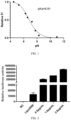
- the ionizable lipid II-37 was determined to have a pKa of 6.81 by a TNS dye-binding assay. The results are shown in FIG. 1 .
- Ionizable lipid II-37, DSPC, CHOL, and DMG-PEG2000 were dissolved in ethanol according to a molar ratio of 35%:15%:48.5%:1.5% as an organic phase, and Lucferase mRNA (LucRNA) was dissolved in an aqueous solution with the pH of 4 as an aqueous phase.
- a nanoparticle suspension was prepared by microfluidic technology on a nanomedicine manufacturing instrument (PrecisionNanoSystems Inc. (PNI), Canada, model: Ignite) according to a volume ratio of aqueous phase to organic phase of 3:1. After the preparation was completed, an ultrafiltration concentration was performed on the suspension to give the final LucRNA-LNP lipid nanoparticle, which was stored at 2 °C to 8 °C for later use.
- the particle size and Zeta potential of LucRNA-LNP were characterized by a Zetasizer Pro nanoparticle size potentiometer (Malvern Panalytical).
- the encapsulation efficiency of LucRNA-LNP was detected by the Ribogreen method using an F-280 fluorescence spectrophotometer (Tianjin Gangdong Sci.&Tech. Co. Ltd).
- the CHO cells transfection efficiency of the prepared LucRNA-LNP was detected by a fluorescein reporter gene assay using a multi-mode microplate reader (BioTek, model: SLXFATS).
- the method for in vitro transcription of LucRNA was as follows: CHO-K1 cells were plated at a cell density of 2.5 ⁇ 10 5 cells/mL, and transfection was performed when the cell confluence was 30%-50%. 2 ⁇ g of LucRNA was added to each well for transfection, and the positive control was transfected using a transfection reagent Lipofectamine MessagerMAX (ThermoFisher Scientific). The transfection operation was performed according to a product instruction of the transfection reagent. After 48 h of transfection, the protein expression level was detected by the multi-mode microplate reader. The negative control was a cell culture medium without LucRNA-LNP. The detection results in Example 3 are shown in Table 2. Table 2 Particle size (nm) PDI Zeta potential (mV) Encapsulation efficiency (%) RLU (2 ⁇ g/mL) LucRNA-LNP 108.66 0.13 17.87 96.4% 1088112
- the particle size of the lipid nanoparticle LucRNA-LNP prepared by the combination of the novel lipid compound is about 108 nm, the particle size distribution of LucRNA-LNP is relatively narrow (PDI is relatively small), and the encapsulation efficiency is up to 96%.
- the in vitro cell transfection efficiency is up to 1 million.
- the results show that the mRNA-encapsulated LNP prepared from the ionizable lipid II-37 not only has very good physicochemical parameters, but also has extremely high cell transfection efficiency.
- HEK293T cells transfection efficiency of LucRNA-LNP prepared by the same LNP was detected by the fluorescein reporter gene assay using the multi-mode microplate reader (BioTek, model: SLXFATS), and the amount of transfected LucRNA was 0.5 ⁇ g, 1.0 ⁇ g, and 2.0 ⁇ g, respectively.
- the method for in vitro transcription of LucRNA was as follows: HEK293T cells were plated at a cell density of 2.5 ⁇ 10 5 cells/mL, and transfection was performed when the cell confluence was 30%-50%. The positive control was transfected with 0.5 ⁇ g of LucRNA using a transfection reagent Lipofectamine 2000 (ThermoFisher Scientific).
- the transfection operation was performed according to a product instruction of the transfection reagent. After 48 h of transfection, the protein expression level was detected by the multi-mode microplate reader.
- the negative control was a cell culture medium without LucRNA-LNP.
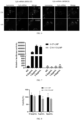
- the in vitro cell transfection efficiency is shown in FIG. 2 , indicating that mRNA-encapsulated LNP prepared from the ionizable lipid II-37 has extremely high cell transfection efficiency, which is about 10 times higher than that of the commercial Lipofectamine 2000 when the same amount of mRNA was transfected.
- Ionizable lipid II-37, DSPC, CHOL, and DMG-PEG2000 were dissolved in ethanol according to a molar ratio of 45%: 10%:43.5%: 1.5% as an organic phase, and Lucferase DNA (pDNA) was dissolved in an aqueous solution with the pH of 4 as an aqueous phase.
- pDNA Lucferase DNA
- a nanoparticle suspension was prepared by microfluidic technology on a nanomedicine manufacturing instrument (PNI, Canada, model: Ignite) according to a volume ratio of aqueous phase to organic phase of 3:1. After the preparation was completed, an ultrafiltration concentration was performed on the suspension to give the final pDNA-LNP lipid nanoparticle, which was stored at 2 °C to 8 °C for later use.
- the particle size and Zeta potential of pDNA-LNP were characterized by a Zetasizer Pro nanoparticle size potentiometer (Malvern Panalytical).
- the detection results in Example 4 are shown in Table 3, showing that the particle size of the lipid nanoparticle pDNA-LNP prepared by the combination of the novel lipid compound is about 173 nm, and the particle size distribution of pDNA-LNP is relatively narrow (PDI is relatively small).
- Table 3 Particle size (nm) PDI Zeta potential (mV) pDNA-LNP 173.2 0.213 24.1
- the 293T cells transfection efficiency of the prepared pDNA-LNP was detected by a fluorescein reporter gene assay using a multi-mode microplate reader (BioTek, model: SLXFATS), and the amount of transfected pDNA was 0.5 ⁇ g, 1.0 ⁇ g, and 2.0 ⁇ g, respectively.
- the method for in vitro transcription was as follows: 293T cells were plated at a cell density of 2.0 ⁇ 10 5 cells/mL, and transfection was performed when the cell confluence was 30%-50%.
- the positive control was transfected with 2 ⁇ g of pDNA using a transfection reagent Lipofectamine 2000 (ThermoFisher Scientific). The transfection operation was performed according to a product instruction of the transfection reagent.
- the protein expression level was detected by the multi-mode microplate reader.
- the negative control was a cell culture medium without pDNA-LNP.
- the in vitro cell transfection efficiency is shown in FIG. 3 , indicating that DNA-encapsulated LNP prepared from the ionizable lipid II-37 has extremely high cell transfection efficiency: the protein expression level of 1.0 ⁇ g of pDNA transfected with the LNP prepared from II-37 is higher than that of 2 ⁇ g of pDNA transfected with Lipofectamine 2000; the in vitro cell transfection efficiency of II-37 is about 3 times higher than that of the commercial Lipofectamine 2000 when the same 2 ⁇ g of pDNA was transfected.
- Ionizable lipid II-37, DSPC, CHOL, and DMG-PEG2000 were dissolved in ethanol according to a molar ratio of 45%: 15%:38.5%: 1.5% as an organic phase, and Lucferase siRNA (siRNA) was dissolved in an aqueous solution with the pH of 4 as an aqueous phase.
- siRNA Lucferase siRNA
- a nanoparticle suspension was prepared by microfluidic technology on a nanomedicine manufacturing instrument (PNI, Canada, model: Ignite) according to a volume ratio of aqueous phase to organic phase of 3:1. After the preparation was completed, an ultrafiltration concentration was performed on the suspension to give the final siRNA-LNP lipid nanoparticle, which was stored at 2 °C to 8 °C for later use.
- the particle size and Zeta potential of siRNA-LNP were characterized by a Zetasizer Pro nanoparticle size potentiometer (Malvern Panalytical). The detection results in Example 5 are shown in Table 4.
- the particle size of the lipid nanoparticle siRNA-LNP prepared by the combination of the novel lipid compound is about 294 nm.
- Table 4 Particle size (nm) PDI Zeta potential (mV) siRNA-LNP 294.0 0.318 20.3
- the 293T cells transfection efficiency of the prepared siRNA-LNP was detected by a fluorescein reporter gene assay using a multi-mode microplate reader (BioTek, model: SLXFATS), and the amount of transfected siRNA was 0.5 ⁇ g, 1.0 ⁇ g, and 2.0 ⁇ g, respectively.
- the method for in vitro transcription was as follows: Lucferase reporter stably transfected 293T cells were plated at a cell density of 2.0 ⁇ 10 5 cells/mL, and transfection was performed when the cell confluence was 30%-50%. The positive control was transfected with 1.0 ⁇ g of siRNA using a transfection reagent Lipofectamine 2000 (ThermoFisher Scientific).
- the transfection operation was performed according to a product instruction of the transfection reagent. After 24 h of transfection, the protein expression level was detected by the multi-mode microplate reader.
- the negative control was a cell culture medium without siRNA-LNP.
- the in vitro cell transfection efficiency is shown in FIG. 4 , indicating that siRNA-encapsulated LNP prepared from the ionizable lipid II-37 has extremely high protein knockdown efficiency.
- the molecular formula of MC3 was (6 Z ,9 Z ,28 Z ,31 Z )-heptatriaconta-6,9,28,31-tetraen-19-yl 4-( N,N -dimethylamino)butanoate.
- the encapsulation efficiency of the lipid nanoparticle prepared from II-37 is up to 90.5%, which is much higher than that of the lipid nanoparticle prepared from MC3, and the lipid nanoparticle has smaller and more uniform particle size and higher potential.
- Cy5-mRNA-LNP II-37
- Cy5-mRNA-LNP MC3
- Cy5-mRNA-LNP MC3
- Example 6 It can be seen from the results in Example 6 that the lipid nanoparticles prepared by the combination of the novel lipid compound are superior to the MC3 molecule in both nucleic acid delivery efficiency and in vitro cell transfection efficiency.
- the cytotoxicity of II-37-LNP and C14-113-LNP was determined by MTT method, and the effect of factors such as vector dosage and action time on the proliferation of normal cells (293T cells) was examined.
- the results are shown in FIG. 8 . 48 h after the transfection of cells, the lipid nanoparticle prepared from II-37 (shown as II-37-LNP in the figure) carrying mRNA still maintained relatively good cell activity at a higher dose (2 ⁇ g/mL), indicating that the cytotoxicity of the lipid nanoparticle prepared from II-37 is very low.
- Example 7 It can be seen from the results in Example 7 that the lipid nanoparticles prepared by the combination of the novel lipid compound have low cytotoxicity and are superior to the structural analog molecule C14-113 in mRNA transfection efficiency.
Landscapes
- Chemical & Material Sciences (AREA)
- Health & Medical Sciences (AREA)
- Organic Chemistry (AREA)
- Life Sciences & Earth Sciences (AREA)
- General Health & Medical Sciences (AREA)
- Pharmacology & Pharmacy (AREA)
- Epidemiology (AREA)
- Animal Behavior & Ethology (AREA)
- Medicinal Chemistry (AREA)
- Public Health (AREA)
- Veterinary Medicine (AREA)
- Engineering & Computer Science (AREA)
- Bioinformatics & Cheminformatics (AREA)
- Molecular Biology (AREA)
- Chemical Kinetics & Catalysis (AREA)
- Biomedical Technology (AREA)
- Physics & Mathematics (AREA)
- Dispersion Chemistry (AREA)
- Biochemistry (AREA)
- Genetics & Genomics (AREA)
- Nanotechnology (AREA)
- Optics & Photonics (AREA)
- Proteomics, Peptides & Aminoacids (AREA)
- Biophysics (AREA)
- Biotechnology (AREA)
- General Chemical & Material Sciences (AREA)
- Oil, Petroleum & Natural Gas (AREA)
- Wood Science & Technology (AREA)
- General Engineering & Computer Science (AREA)
- Zoology (AREA)
- Microbiology (AREA)
- Plant Pathology (AREA)
- Organic Low-Molecular-Weight Compounds And Preparation Thereof (AREA)
- Medicinal Preparation (AREA)
- Pharmaceuticals Containing Other Organic And Inorganic Compounds (AREA)
- Medicines That Contain Protein Lipid Enzymes And Other Medicines (AREA)
- Steroid Compounds (AREA)
- Saccharide Compounds (AREA)
Applications Claiming Priority (2)
| Application Number | Priority Date | Filing Date | Title |
|---|---|---|---|
| CN202110592439 | 2021-05-28 | ||
| PCT/CN2022/094532 WO2022247801A1 (zh) | 2021-05-28 | 2022-05-23 | 脂质化合物及其在核酸递送中的应用 |
Publications (2)
| Publication Number | Publication Date |
|---|---|
| EP4310071A1 true EP4310071A1 (de) | 2024-01-24 |
| EP4310071A4 EP4310071A4 (de) | 2024-11-20 |
Family
ID=84157057
Family Applications (1)
| Application Number | Title | Priority Date | Filing Date |
|---|---|---|---|
| EP22810526.8A Pending EP4310071A4 (de) | 2021-05-28 | 2022-05-23 | Lipidverbindung und verwendung davon bei der verabreichung von nukleinsäure |
Country Status (8)
| Country | Link |
|---|---|
| US (1) | US12508225B2 (de) |
| EP (1) | EP4310071A4 (de) |
| JP (1) | JP7781448B2 (de) |
| KR (1) | KR20230162973A (de) |
| CN (1) | CN115403474B (de) |
| AU (1) | AU2022280842B2 (de) |
| CA (1) | CA3215963A1 (de) |
| WO (1) | WO2022247801A1 (de) |
Families Citing this family (4)
| Publication number | Priority date | Publication date | Assignee | Title |
|---|---|---|---|---|
| CN115957187B (zh) * | 2021-10-09 | 2025-08-22 | 北京启辰生生物科技有限公司 | 一种脂质纳米颗粒组合物以及由其制备的药物递送系统 |
| CN116082292B (zh) * | 2023-04-11 | 2023-06-16 | 山东大学 | 基于1,4-二氧六环-2,5-二酮母核的可电离脂质及其制备方法与应用 |
| CN117164468B (zh) * | 2023-10-26 | 2024-01-30 | 南京澄实生物医药科技有限公司 | 一种可电离脂质化合物及其应用 |
| CN117919200B (zh) * | 2024-01-19 | 2025-09-05 | 晟迪生物医药(苏州)有限公司 | 含有可电离脂质的肺部递送系统、其制备方法和应用 |
Family Cites Families (23)
| Publication number | Priority date | Publication date | Assignee | Title |
|---|---|---|---|---|
| MX2011004859A (es) | 2008-11-07 | 2011-08-03 | Massachusetts Inst Technology | Lipidoides de aminoalcohol y usos de los mismos. |
| WO2011057020A1 (en) | 2009-11-04 | 2011-05-12 | Marina Biotech, Inc. | Activity generating delivery molecules |
| US8691750B2 (en) | 2011-05-17 | 2014-04-08 | Axolabs Gmbh | Lipids and compositions for intracellular delivery of biologically active compounds |
| ES2745373T3 (es) | 2011-10-18 | 2020-03-02 | Dicerna Pharmaceuticals Inc | Lípidos catiónicos de amina y uso de los mismos |
| US11739174B2 (en) | 2015-02-26 | 2023-08-29 | Mirus Bio Llc | Cationic cyclic amine and amphipathic transfection reagents |
| US11298326B2 (en) * | 2015-03-24 | 2022-04-12 | Kyowa Kirin Co., Ltd. | Nucleic acid-containing lipid nanoparticles |
| WO2016189532A1 (en) * | 2015-05-26 | 2016-12-01 | Ramot At Tel-Aviv University Ltd. | Targeted lipid particles for systemic delivery of nucleic acid molecules to leukocytes |
| ES2949540T3 (es) * | 2015-06-19 | 2023-09-29 | Massachusetts Inst Technology | 2,5-piperazinadionas sustituidas con alquenilo y su uso en composiciones para suministrar un agente a un sujeto o una célula |
| HUE067372T2 (hu) * | 2015-06-29 | 2024-10-28 | Acuitas Therapeutics Inc | Lipidek és nanoszemcsés lipid formulázások nukleinsavak beadására |
| US20190298657A1 (en) | 2016-05-18 | 2019-10-03 | Modernatx, Inc. | Polynucleotides Encoding Acyl-CoA Dehydrogenase, Very Long-Chain for the Treatment of Very Long-Chain Acyl-CoA Dehydrogenase Deficiency |
| WO2017205566A1 (en) | 2016-05-27 | 2017-11-30 | Preceres Inc. | Oxidized aminolipidoids and uses thereof |
| WO2018062413A1 (ja) * | 2016-09-28 | 2018-04-05 | 協和発酵キリン株式会社 | 核酸含有脂質ナノ粒子 |
| EP4714454A2 (de) * | 2016-10-26 | 2026-03-25 | Acuitas Therapeutics Inc. | Lipidnanopartikelformulierungen |
| ES2928358T3 (es) | 2016-11-08 | 2022-11-17 | Univ Ramot | Lípidos catiónicos para el suministro de ácidos nucleicos y preparación de los mismos |
| EP3641834B1 (de) | 2017-06-19 | 2023-10-04 | Translate Bio, Inc. | Messenger-rna-therapie zur behandlung von friedreich-ataxie |
| EP3662913A4 (de) | 2017-08-04 | 2021-06-30 | Kyowa Kirin Co., Ltd. | Nukleinsäurehaltige lipidnanopartikel |
| WO2019089828A1 (en) | 2017-10-31 | 2019-05-09 | Acuitas Therapeutics, Inc. | Lamellar lipid nanoparticles |
| WO2020257611A1 (en) * | 2019-06-21 | 2020-12-24 | Translate Bio, Inc. | Cationic lipids comprising an hydroxy moiety |
| US10501404B1 (en) | 2019-07-30 | 2019-12-10 | Factor Bioscience Inc. | Cationic lipids and transfection methods |
| ES2918001B2 (es) * | 2019-08-14 | 2026-05-13 | Acuitas Therapeutics Inc | Nanoparticulas lipidicas mejoradas para el suministro de acidos nucleicos |
| US20220370357A1 (en) * | 2019-11-22 | 2022-11-24 | Generation Bio Co. | Ionizable lipids and nanoparticle compositions thereof |
| EP4181948A4 (de) * | 2020-07-17 | 2024-12-04 | Generation Bio Co. | Verfahren zur verkapselung von polynukleotiden in reduzierte grössen von lipidnanopartikeln und neuartige formulierung davon |
| CZ310613B6 (cs) | 2020-09-23 | 2026-01-28 | Ústav organické chemie a biochemie AV ČR, v. v. i. | Lipidoidy pro transfekci nukleových kyselin a jejich použití |
-
2022
- 2022-05-23 WO PCT/CN2022/094532 patent/WO2022247801A1/zh not_active Ceased
- 2022-05-23 KR KR1020237037188A patent/KR20230162973A/ko active Pending
- 2022-05-23 US US18/558,335 patent/US12508225B2/en active Active
- 2022-05-23 CN CN202210567488.0A patent/CN115403474B/zh active Active
- 2022-05-23 CA CA3215963A patent/CA3215963A1/en active Pending
- 2022-05-23 AU AU2022280842A patent/AU2022280842B2/en active Active
- 2022-05-23 JP JP2023573569A patent/JP7781448B2/ja active Active
- 2022-05-23 EP EP22810526.8A patent/EP4310071A4/de active Pending
Also Published As
| Publication number | Publication date |
|---|---|
| JP2024521870A (ja) | 2024-06-04 |
| US12508225B2 (en) | 2025-12-30 |
| WO2022247801A1 (zh) | 2022-12-01 |
| EP4310071A4 (de) | 2024-11-20 |
| CN115403474B (zh) | 2024-03-22 |
| KR20230162973A (ko) | 2023-11-29 |
| CN115403474A (zh) | 2022-11-29 |
| CA3215963A1 (en) | 2022-12-01 |
| US20240252434A1 (en) | 2024-08-01 |
| AU2022280842B2 (en) | 2025-06-05 |
| AU2022280842A1 (en) | 2023-11-16 |
| JP7781448B2 (ja) | 2025-12-08 |
Similar Documents
| Publication | Publication Date | Title |
|---|---|---|
| US12508225B2 (en) | Lipid compound and use thereof in delivery of nucleic acid | |
| EP3532103B1 (de) | Lipidnanopartikelformulierung | |
| US11712481B2 (en) | Lipid nanoparticle formulations | |
| CN117715886B (zh) | 用于rna递送的可电离阳离子脂质 | |
| US12290567B2 (en) | Asialoglycoprotein Receptor mediated delivery of therapeutically active conjugates | |
| US12491261B2 (en) | Lipid nanoparticle formulations | |
| EP4497746A1 (de) | Neues ionisierbares lipid und lipidnanopartikelzusammensetzung damit | |
| TW201021852A (en) | Releasable fusogenic lipids for nucleic acids delivery systems | |
| CA3219053A1 (en) | Lipid compositions comprising peptide-lipid conjugates | |
| WO2022168884A1 (ja) | カチオン性脂質 | |
| WO2022233291A1 (en) | A lipid | |
| WO2022235923A2 (en) | Peptide-lipid conjugates | |
| CN117645549A (zh) | 一种可离子化脂质或其药学上可接受的盐、组合物和应用 | |
| RU2851148C2 (ru) | Липидное соединение и его применение для доставки нуклеиновой кислоты | |
| WO2025256540A1 (en) | Compositions and method for targeted gene delivery | |
| KR102944341B1 (ko) | 핵산 전달용 신규 이온화 지질 | |
| KR20140137739A (ko) | 신규한 양이온 리피드를 포함하는 유전자 전달체 | |
| FR2829136A1 (fr) | Derives lipidiques d'aminoglycosides | |
| EP1430074A1 (de) | Lipid-aminoglykosid konjugate zur transfektion | |
| HK40092608B (zh) | 具有五元环缩醛结构的阳离子脂质化合物、包含其的组合物及用途 | |
| HK40092608A (zh) | 具有五元环缩醛结构的阳离子脂质化合物、包含其的组合物及用途 | |
| WO1999051581A1 (fr) | Nouveaux agents de transfert d'acides nucleiques, compositions les contenant et leurs applications |
Legal Events
| Date | Code | Title | Description |
|---|---|---|---|
| STAA | Information on the status of an ep patent application or granted ep patent |
Free format text: STATUS: THE INTERNATIONAL PUBLICATION HAS BEEN MADE |
|
| PUAI | Public reference made under article 153(3) epc to a published international application that has entered the european phase |
Free format text: ORIGINAL CODE: 0009012 |
|
| STAA | Information on the status of an ep patent application or granted ep patent |
Free format text: STATUS: REQUEST FOR EXAMINATION WAS MADE |
|
| 17P | Request for examination filed |
Effective date: 20231020 |
|
| AK | Designated contracting states |
Kind code of ref document: A1 Designated state(s): AL AT BE BG CH CY CZ DE DK EE ES FI FR GB GR HR HU IE IS IT LI LT LU LV MC MK MT NL NO PL PT RO RS SE SI SK SM TR |
|
| DAV | Request for validation of the european patent (deleted) | ||
| DAX | Request for extension of the european patent (deleted) | ||
| A4 | Supplementary search report drawn up and despatched |
Effective date: 20241018 |
|
| RIC1 | Information provided on ipc code assigned before grant |
Ipc: C12N 15/88 20060101ALI20241014BHEP Ipc: A61K 48/00 20060101ALI20241014BHEP Ipc: A61K 47/18 20170101ALI20241014BHEP Ipc: C07D 303/04 20060101ALI20241014BHEP Ipc: C07D 301/26 20060101ALI20241014BHEP Ipc: C07C 213/04 20060101ALI20241014BHEP Ipc: C07C 49/29 20060101ALI20241014BHEP Ipc: C07C 45/30 20060101ALI20241014BHEP Ipc: C07C 29/64 20060101ALI20241014BHEP Ipc: C07C 33/02 20060101ALI20241014BHEP Ipc: C07C 29/136 20060101ALI20241014BHEP Ipc: A61K 31/713 20060101ALI20241014BHEP Ipc: A61K 31/7105 20060101ALI20241014BHEP Ipc: A61K 9/51 20060101ALI20241014BHEP Ipc: A61K 9/127 20060101ALI20241014BHEP Ipc: C07C 323/25 20060101ALI20241014BHEP Ipc: C07C 215/24 20060101AFI20241014BHEP |
|
| STAA | Information on the status of an ep patent application or granted ep patent |
Free format text: STATUS: EXAMINATION IS IN PROGRESS |
|
| 17Q | First examination report despatched |
Effective date: 20260407 |