EP4317438A1 - Rekombinantes polypeptid mit acyl-coa-verbindung reduzierender aktivität - Google Patents
Rekombinantes polypeptid mit acyl-coa-verbindung reduzierender aktivität Download PDFInfo
- Publication number
- EP4317438A1 EP4317438A1 EP22780213.9A EP22780213A EP4317438A1 EP 4317438 A1 EP4317438 A1 EP 4317438A1 EP 22780213 A EP22780213 A EP 22780213A EP 4317438 A1 EP4317438 A1 EP 4317438A1
- Authority
- EP
- European Patent Office
- Prior art keywords
- amino acid
- position corresponding
- substituted
- acid residue
- phenylalanine
- Prior art date
- Legal status (The legal status is an assumption and is not a legal conclusion. Google has not performed a legal analysis and makes no representation as to the accuracy of the status listed.)
- Withdrawn
Links
Images



Classifications
-
- C—CHEMISTRY; METALLURGY
- C12—BIOCHEMISTRY; BEER; SPIRITS; WINE; VINEGAR; MICROBIOLOGY; ENZYMOLOGY; MUTATION OR GENETIC ENGINEERING
- C12P—FERMENTATION OR ENZYME-USING PROCESSES TO SYNTHESISE A DESIRED CHEMICAL COMPOUND OR COMPOSITION OR TO SEPARATE OPTICAL ISOMERS FROM A RACEMIC MIXTURE
- C12P7/00—Preparation of oxygen-containing organic compounds
- C12P7/40—Preparation of oxygen-containing organic compounds containing a carboxyl group including Peroxycarboxylic acids
-
- C—CHEMISTRY; METALLURGY
- C12—BIOCHEMISTRY; BEER; SPIRITS; WINE; VINEGAR; MICROBIOLOGY; ENZYMOLOGY; MUTATION OR GENETIC ENGINEERING
- C12N—MICROORGANISMS OR ENZYMES; COMPOSITIONS THEREOF; PROPAGATING, PRESERVING, OR MAINTAINING MICROORGANISMS; MUTATION OR GENETIC ENGINEERING; CULTURE MEDIA
- C12N9/00—Enzymes; Proenzymes; Compositions thereof; Processes for preparing, activating, inhibiting, separating or purifying enzymes
- C12N9/0004—Oxidoreductases (1.)
- C12N9/0008—Oxidoreductases (1.) acting on the aldehyde or oxo group of donors (1.2)
-
- C—CHEMISTRY; METALLURGY
- C12—BIOCHEMISTRY; BEER; SPIRITS; WINE; VINEGAR; MICROBIOLOGY; ENZYMOLOGY; MUTATION OR GENETIC ENGINEERING
- C12N—MICROORGANISMS OR ENZYMES; COMPOSITIONS THEREOF; PROPAGATING, PRESERVING, OR MAINTAINING MICROORGANISMS; MUTATION OR GENETIC ENGINEERING; CULTURE MEDIA
- C12N15/00—Mutation or genetic engineering; DNA or RNA concerning genetic engineering, vectors, e.g. plasmids, or their isolation, preparation or purification; Use of hosts therefor
- C12N15/09—Recombinant DNA-technology
- C12N15/11—DNA or RNA fragments; Modified forms thereof; Non-coding nucleic acids having a biological activity
- C12N15/52—Genes encoding for enzymes or proenzymes
-
- C—CHEMISTRY; METALLURGY
- C12—BIOCHEMISTRY; BEER; SPIRITS; WINE; VINEGAR; MICROBIOLOGY; ENZYMOLOGY; MUTATION OR GENETIC ENGINEERING
- C12N—MICROORGANISMS OR ENZYMES; COMPOSITIONS THEREOF; PROPAGATING, PRESERVING, OR MAINTAINING MICROORGANISMS; MUTATION OR GENETIC ENGINEERING; CULTURE MEDIA
- C12N15/00—Mutation or genetic engineering; DNA or RNA concerning genetic engineering, vectors, e.g. plasmids, or their isolation, preparation or purification; Use of hosts therefor
- C12N15/09—Recombinant DNA-technology
- C12N15/63—Introduction of foreign genetic material using vectors; Vectors; Use of hosts therefor; Regulation of expression
- C12N15/70—Vectors or expression systems specially adapted for E. coli
-
- C—CHEMISTRY; METALLURGY
- C12—BIOCHEMISTRY; BEER; SPIRITS; WINE; VINEGAR; MICROBIOLOGY; ENZYMOLOGY; MUTATION OR GENETIC ENGINEERING
- C12N—MICROORGANISMS OR ENZYMES; COMPOSITIONS THEREOF; PROPAGATING, PRESERVING, OR MAINTAINING MICROORGANISMS; MUTATION OR GENETIC ENGINEERING; CULTURE MEDIA
- C12N15/00—Mutation or genetic engineering; DNA or RNA concerning genetic engineering, vectors, e.g. plasmids, or their isolation, preparation or purification; Use of hosts therefor
- C12N15/09—Recombinant DNA-technology
- C12N15/63—Introduction of foreign genetic material using vectors; Vectors; Use of hosts therefor; Regulation of expression
- C12N15/74—Vectors or expression systems specially adapted for prokaryotic hosts other than E. coli, e.g. Lactobacillus, Micromonospora
-
- C—CHEMISTRY; METALLURGY
- C12—BIOCHEMISTRY; BEER; SPIRITS; WINE; VINEGAR; MICROBIOLOGY; ENZYMOLOGY; MUTATION OR GENETIC ENGINEERING
- C12N—MICROORGANISMS OR ENZYMES; COMPOSITIONS THEREOF; PROPAGATING, PRESERVING, OR MAINTAINING MICROORGANISMS; MUTATION OR GENETIC ENGINEERING; CULTURE MEDIA
- C12N9/00—Enzymes; Proenzymes; Compositions thereof; Processes for preparing, activating, inhibiting, separating or purifying enzymes
- C12N9/0004—Oxidoreductases (1.)
- C12N9/0006—Oxidoreductases (1.) acting on CH-OH groups as donors (1.1)
-
- C—CHEMISTRY; METALLURGY
- C12—BIOCHEMISTRY; BEER; SPIRITS; WINE; VINEGAR; MICROBIOLOGY; ENZYMOLOGY; MUTATION OR GENETIC ENGINEERING
- C12N—MICROORGANISMS OR ENZYMES; COMPOSITIONS THEREOF; PROPAGATING, PRESERVING, OR MAINTAINING MICROORGANISMS; MUTATION OR GENETIC ENGINEERING; CULTURE MEDIA
- C12N9/00—Enzymes; Proenzymes; Compositions thereof; Processes for preparing, activating, inhibiting, separating or purifying enzymes
- C12N9/10—Transferases (2.)
- C12N9/1096—Transferases (2.) transferring nitrogenous groups (2.6)
-
- C—CHEMISTRY; METALLURGY
- C12—BIOCHEMISTRY; BEER; SPIRITS; WINE; VINEGAR; MICROBIOLOGY; ENZYMOLOGY; MUTATION OR GENETIC ENGINEERING
- C12P—FERMENTATION OR ENZYME-USING PROCESSES TO SYNTHESISE A DESIRED CHEMICAL COMPOUND OR COMPOSITION OR TO SEPARATE OPTICAL ISOMERS FROM A RACEMIC MIXTURE
- C12P13/00—Preparation of nitrogen-containing organic compounds
- C12P13/001—Amines; Imines
-
- C—CHEMISTRY; METALLURGY
- C12—BIOCHEMISTRY; BEER; SPIRITS; WINE; VINEGAR; MICROBIOLOGY; ENZYMOLOGY; MUTATION OR GENETIC ENGINEERING
- C12P—FERMENTATION OR ENZYME-USING PROCESSES TO SYNTHESISE A DESIRED CHEMICAL COMPOUND OR COMPOSITION OR TO SEPARATE OPTICAL ISOMERS FROM A RACEMIC MIXTURE
- C12P13/00—Preparation of nitrogen-containing organic compounds
- C12P13/005—Amino acids other than alpha- or beta amino acids, e.g. gamma amino acids
-
- C—CHEMISTRY; METALLURGY
- C12—BIOCHEMISTRY; BEER; SPIRITS; WINE; VINEGAR; MICROBIOLOGY; ENZYMOLOGY; MUTATION OR GENETIC ENGINEERING
- C12P—FERMENTATION OR ENZYME-USING PROCESSES TO SYNTHESISE A DESIRED CHEMICAL COMPOUND OR COMPOSITION OR TO SEPARATE OPTICAL ISOMERS FROM A RACEMIC MIXTURE
- C12P7/00—Preparation of oxygen-containing organic compounds
- C12P7/02—Preparation of oxygen-containing organic compounds containing a hydroxy group
- C12P7/04—Preparation of oxygen-containing organic compounds containing a hydroxy group acyclic
- C12P7/18—Preparation of oxygen-containing organic compounds containing a hydroxy group acyclic polyhydric
-
- C—CHEMISTRY; METALLURGY
- C12—BIOCHEMISTRY; BEER; SPIRITS; WINE; VINEGAR; MICROBIOLOGY; ENZYMOLOGY; MUTATION OR GENETIC ENGINEERING
- C12P—FERMENTATION OR ENZYME-USING PROCESSES TO SYNTHESISE A DESIRED CHEMICAL COMPOUND OR COMPOSITION OR TO SEPARATE OPTICAL ISOMERS FROM A RACEMIC MIXTURE
- C12P7/00—Preparation of oxygen-containing organic compounds
- C12P7/24—Preparation of oxygen-containing organic compounds containing a carbonyl group
-
- C—CHEMISTRY; METALLURGY
- C12—BIOCHEMISTRY; BEER; SPIRITS; WINE; VINEGAR; MICROBIOLOGY; ENZYMOLOGY; MUTATION OR GENETIC ENGINEERING
- C12P—FERMENTATION OR ENZYME-USING PROCESSES TO SYNTHESISE A DESIRED CHEMICAL COMPOUND OR COMPOSITION OR TO SEPARATE OPTICAL ISOMERS FROM A RACEMIC MIXTURE
- C12P7/00—Preparation of oxygen-containing organic compounds
- C12P7/40—Preparation of oxygen-containing organic compounds containing a carboxyl group including Peroxycarboxylic acids
- C12P7/42—Hydroxy-carboxylic acids
-
- C—CHEMISTRY; METALLURGY
- C12—BIOCHEMISTRY; BEER; SPIRITS; WINE; VINEGAR; MICROBIOLOGY; ENZYMOLOGY; MUTATION OR GENETIC ENGINEERING
- C12Y—ENZYMES
- C12Y102/00—Oxidoreductases acting on the aldehyde or oxo group of donors (1.2)
- C12Y102/01—Oxidoreductases acting on the aldehyde or oxo group of donors (1.2) with NAD+ or NADP+ as acceptor (1.2.1)
- C12Y102/01024—Succinate-semialdehyde dehydrogenase (NAD+) (1.2.1.24)
-
- C—CHEMISTRY; METALLURGY
- C12—BIOCHEMISTRY; BEER; SPIRITS; WINE; VINEGAR; MICROBIOLOGY; ENZYMOLOGY; MUTATION OR GENETIC ENGINEERING
- C12Y—ENZYMES
- C12Y102/00—Oxidoreductases acting on the aldehyde or oxo group of donors (1.2)
- C12Y102/01—Oxidoreductases acting on the aldehyde or oxo group of donors (1.2) with NAD+ or NADP+ as acceptor (1.2.1)
- C12Y102/01076—Succinate-semialdehyde dehydrogenase (acetylating) (1.2.1.76)
-
- C—CHEMISTRY; METALLURGY
- C12—BIOCHEMISTRY; BEER; SPIRITS; WINE; VINEGAR; MICROBIOLOGY; ENZYMOLOGY; MUTATION OR GENETIC ENGINEERING
- C12Y—ENZYMES
- C12Y102/00—Oxidoreductases acting on the aldehyde or oxo group of donors (1.2)
- C12Y102/01—Oxidoreductases acting on the aldehyde or oxo group of donors (1.2) with NAD+ or NADP+ as acceptor (1.2.1)
- C12Y102/01079—Succinate-semialdehyde dehydrogenase (NADP+) (1.2.1.79)
-
- C—CHEMISTRY; METALLURGY
- C12—BIOCHEMISTRY; BEER; SPIRITS; WINE; VINEGAR; MICROBIOLOGY; ENZYMOLOGY; MUTATION OR GENETIC ENGINEERING
- C12R—INDEXING SCHEME ASSOCIATED WITH SUBCLASSES C12C - C12Q, RELATING TO MICROORGANISMS
- C12R2001/00—Microorganisms ; Processes using microorganisms
- C12R2001/01—Bacteria or Actinomycetales ; using bacteria or Actinomycetales
- C12R2001/145—Clostridium
-
- C—CHEMISTRY; METALLURGY
- C12—BIOCHEMISTRY; BEER; SPIRITS; WINE; VINEGAR; MICROBIOLOGY; ENZYMOLOGY; MUTATION OR GENETIC ENGINEERING
- C12R—INDEXING SCHEME ASSOCIATED WITH SUBCLASSES C12C - C12Q, RELATING TO MICROORGANISMS
- C12R2001/00—Microorganisms ; Processes using microorganisms
- C12R2001/01—Bacteria or Actinomycetales ; using bacteria or Actinomycetales
- C12R2001/185—Escherichia
- C12R2001/19—Escherichia coli
Definitions
- the present invention relates to a recombinant polypeptide having an acyl-CoA compound reducing activity, and a production method of an aliphatic compound using the peptide.
- Examples of a compound having other reported examples of the fermentation production process include amine compounds containing an amino group.
- 1,5-diaminopentane and 1,6-diaminohexane are fermentatively producible monomer compounds that are expected as raw materials for polymers (Patent Literatures 3 to 7).
- Examples of a fermentation production pathway of a C6 monomer compound, 1,6-hexanediol, 6-aminocaproic acid, and 1,6-diaminohexane include adipic acid fermentation pathways (Non Patent Literatures 1 and 2).
- adipic acid fermentation pathway a pathway including a reaction of converting adipyl-CoA into 5-formylpentanoic acid through one or a plurality of steps using an aldehyde dehydrogenase, and an existing enzyme that can be a candidate for catalyzing the reaction have been found (Patent Literatures 4, 5, and 9).
- succinic semialdehyde dehydrogenase is an enzyme important for growth of an organism, and has a high activity for succinyl-CoA which is an intermediate of the adipic acid pathway. Therefore, in order to obtain a sufficient amount of product, an enzyme having a low activity for succinyl-CoA has been desired.
- An object of the present invention is to provide a novel recombinant polypeptide having an acyl-CoA compound reducing activity. Further, another object of the present invention is to provide a novel production method of an aliphatic compound using the recombinant polypeptide.
- the present inventors have found that a recombinant polypeptide capable of efficiently producing a target aliphatic compound is obtained by introducing a specific mutation into a wild-type succinic semialdehyde dehydrogenase. That is, the present invention is as follows:
- a range of numerical values indicated by "to” represents a range including numerical values described before and after “to” as the minimum value and the maximum value, respectively.
- an upper limit value or a lower limit value of a range of numerical values of a certain stage can be arbitrarily combined with an upper limit value or a lower limit value of a range of numerical values of another stage.
- a recombinant polypeptide according to the present invention is a polypeptide that has been modified so as to have an excellent acyl-CoA compound reducing activity. More specifically, the recombinant polypeptide according to the present invention has been modified so as to have an improved acyl-CoA compound reducing activity as compared with a wild-type acyl-CoA compound reductase.
- the terms "recombinant polypeptide” and "modified enzyme” are used interchangeably.
- the "acyl-CoA compound reducing activity” is a reducing activity R of converting CoA thioester of an acyl-CoA compound into an aldehyde group.
- CoA thioester of an acyl-CoA compound is first converted into a carboxyl group, and the carboxyl group is then further converted into an aldehyde group.
- CoA means a coenzyme A (hereinafter, also referred to as a "coenzyme A").
- acyl-CoA compound reductase acyl-CoA reductase
- aldehyde dehydrogenase aldehyde dehydrogenase
- acyl-CoA compound is a generic term for compounds in which various acyl groups are thioester-bonded to a terminal thiol group.
- examples of the "acyl-CoA compound” include acetyl-CoA (where the acyl group is an acetyl group), succinyl-CoA (where the acyl group is a succinyl group), and adipyl-CoA (where the acyl group is an adipyl group).
- an acyl group has, for example, 2 to 10 carbons, preferably 2 to 6 carbons, and more preferably 4 to 6 carbons. More specifically, regarding the recombinant polypeptide according to the present invention, the "acyl-CoA compound” includes succinyl-CoA and adipyl-CoA.
- the recombinant polypeptide according to the present invention has properties shown in the following (a) to (c):
- the recombinant polypeptide according to the present invention has:
- the recombinant polypeptide according to the present invention has an amino acid sequence A having a certain percentage or more of a sequence identity with an amino acid sequence of a wild-type acyl-CoA compound reductase.
- the wild-type acyl-CoA compound reductase is preferably selected from the group of succinic semialdehyde dehydrogenase (coenzyme-A-dependent succinate-semialdehyde dehydrogenase) (EC 1.2.1.76).
- the origin of the wild-type acyl-CoA compound reductase is not limited, and can be obtained from, for example, a microorganism selected from the group consisting of the genus Clostridium, the genus Candida, and the genus Escherichia.
- the wild-type acyl-CoA compound reductase can be preferably obtained from a microorganism belonging to the genus Clostridium.
- the wild-type acyl-CoA compound reductase can be most preferably obtained from Clostridium difficile.
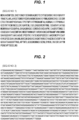
- an amino acid sequence of an acyl-CoA compound reductase derived from Clostridium difficile is set forth in SEQ ID NO: 1 ( Fig. 1 ).
- an amino acid sequence of a wild-type acyl-CoA compound reductase derived from Natronincola ferrireducens is set forth in SEQ ID NO: 121 ( Fig. 3A ).
- the enzyme has a sequence identity of 66% with the amino acid sequence set forth in SEQ ID NO: 1.
- wild-type acyl-CoA compound reductase is not limited to a polypeptide having the amino acid sequence set forth in SEQ ID NO: 1, and may be an amino acid sequence in which one or a plurality of amino acids are substituted, added, inserted, or deleted from the amino acid sequence set forth in SEQ ID NO: 1.
- one or a plurality of amino acids may be added to either or both of the N-terminus and the C-terminus of the polypeptide.
- wild-type acyl-CoA compound reductase includes a polypeptide having an amino acid sequence set forth in SEQ ID NO: 1, as well as a polypeptide having an amino acid sequence having a sequence identity of 60% or more with the amino acid sequence set forth in SEQ ID NO: 1.
- wild-type acyl-CoA compound reductase is a polypeptide having an amino acid sequence having an amino acid sequence having a sequence identity of 60% or more with the amino acid sequence set forth in SEQ ID NO: 1, and is a polypeptide capable of performing an aldehyde synthesis reaction using an acyl-CoA compound (specifically, acyl-CoA thioester) as a substrate, in the presence of nicotinamide adenine dinucleotide phosphate (NADPH).
- acyl-CoA compound specifically, acyl-CoA thioester
- acyl-CoA compound reductase activity or "acyl-CoA compound reducing activity” more specifically means an activity capable of performing an aldehyde synthesis reaction using an acyl-CoA compound as a substrate in the presence of NADPH.
- the recombinant polypeptide according to the present invention has an amino acid sequence A having a certain percentage or more of a sequence identity with an amino acid sequence of a wild-type acyl-CoA compound reductase.
- the recombinant polypeptide according to the present invention has an amino acid sequence A having a sequence identity of 60% or more, 65% or more, 70% or more, 75% or more, 80% or more, 85% or more, 88% or more, 90% or more, 93% or more, 95% or more, 97% or more, 98% or more, or 99% or more with the amino acid sequence of the wild-type acyl-CoA compound reductase.
- the amino acid sequence A of the recombinant polypeptide according to the present invention has a sequence identity of 60% or more, 65% or more, 70% or more, 75% or more, 80% or more, 85% or more, 88% or more, 90% or more, 93% or more, 95% or more, 97% or more, 98% or more, or 99% or more with the amino acid sequence set forth in SEQ ID NO: 1.
- sequence identity can be determined by a known method, and is obtained using, for example, an alignment search tool that can be used in Basic Local Alignment Search Tool (BLAST, https://blast.ncbi.nlm.nih.gov/Blast.cgi).
- BLAST Basic Local Alignment Search Tool
- Blast2 sequence function of BLAST registered trademark, omitted below
- Blastp Blastp program
- a "sequence identity" of a polynucleotide sequence can also be determined by a known method.
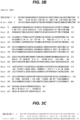
- the gene of the wild-type acyl-CoA compound reductase that can be used in the present invention is, for example, a polynucleotide whose sequence information can be obtained from Genebank gene accession number NZ_CP019870.1 and which is set forth in SEQ ID NO: 2 ( Fig. 2 ).
- the gene can be obtained from a Clostridium difficile strain by a general genetic engineering technique. That is, the gene can be obtained as a gene product amplified by PCR using a genomic DNA as a template, and can be used for expression in a host microorganism.
- a polynucleotide prepared by organic synthesis can also be used.
- alternative codons that ultimately translate to the same amino acid may also be utilized.
- a method for replacing the gene sequence in consideration of the codon usage frequency of the host microorganism is used.
- the wild-type acyl-CoA compound reductase is a polypeptide having an amino acid sequence set forth in SEQ ID NO: 1.
- At least one amino acid at a position corresponding to a substrate-binding site of a polypeptide having an amino acid sequence set forth in SEQ ID NO: 1 is substituted in the amino acid sequence A.
- at least two amino acids at the positions corresponding to the substrate-binding site of the polypeptide having the amino acid sequence set forth in SEQ ID NO: 1 are substituted in the amino acid sequence A.
- the "position corresponding to the substrate-binding site of the polypeptide having the amino acid sequence set forth in SEQ ID NO: 1" is, for example, a position corresponding to positions 74, 75, 78, 79, 245, 250, 251, 252, 404, 405, 406, 407, 408, 409, 410, 411, 418, 419, 420, and 926 based on the amino acid sequence set forth in SEQ ID NO: 1.
- amino acid sequence A based on the amino acid sequence set forth in SEQ ID NO: 1, among the amino acids at the position corresponding to positions 74, 75, 78, 79, 245, 250, 251, 252, 404, 405, 406, 407, 408, 409, 410, 411, 418, 419, 420, and 926, one or a plurality of amino acids are substituted.
- amino acid sequence A has the above substitution, the enzyme activity for the substrate can be adjusted. A method for specifying the substrate-binding site will be described below.
- the "position corresponding to the substrate-binding site of the polypeptide having the amino acid sequence set forth in SEQ ID NO: 1" is a position corresponding to positions 75, 78, 79, 245, 250, 252, 405, 406, 410, 418, 419, 420, and 926 based on the amino acid sequence set forth in SEQ ID NO: 1. Therefore, in the present embodiment, in the amino acid sequence A, based on the amino acid sequence set forth in SEQ ID NO: 1, among the amino acids at the position corresponding to positions 75, 78, 79, 245, 250, 252, 405, 406, 410, 418, 419, 420, and 926, one or a plurality of amino acids are substituted.
- the term "the amino acid residue at the position corresponding to position X (X represents an integer of 1 or more) based on the amino acid sequence set forth in SEQ ID NO: 1" includes:
- amino acid residue at the position corresponding to positions 75, 78, 79, 245, 250, 252, 405, 406, 410, 418, 419, 420, and 926 based on the amino acid sequence set forth in SEQ ID NO: 1 includes both:
- amino acid sequence as a reference specifically, the amino acid sequence set forth in SEQ ID NO: 1, hereinafter referred to as a "reference sequence”
- amino acid sequence A specifically, the amino acid sequence A
- BLAST https://blast.ncbi.nlm.nih.gov/Blast.cgi sequence analysis software
- amino acid residue at the corresponding position refers to an amino acid residue corresponding to a specific site in the reference sequence.
- FIG. 3 illustrates the alignment results of SEQ ID NO: 1 and an amino acid sequence of an aldehyde dehydrogenase derived from Natronincola ferrireducens (having a sequence identity of 66% with SEQ ID NO: 1) when aligned using BLAST sequence analysis software.
- an amino acid residue at a position corresponding to position 17 (asparagine residue in SEQ ID NO: 1) of the amino acid sequence set forth in SEQ ID NO: 1 is a glycine residue at position 9.
- amino acid sequence A in the recombinant polypeptide according to the present invention, at least one of the following based on the amino acid sequence set forth in SEQ ID NO: 1 is satisfied:
- the mutation in these amino acid sequences may be one or a combination of two or more of the substitutions.
- mutation in the amino acid sequence is a combination of two or more
- preferred combinations of mutation-introducing positions include, but are not limited to, the following positions based on the amino acid sequence set forth in SEQ ID NO: 1 in the amino acid sequence A:
- Examples of a preferred combination of a mutation-introducing position and a mutation amino acid based on the amino acid sequence set forth in SEQ ID NO: 1 in the amino acid sequence A include, but are not limited to:
- the substrate-binding site can be estimated, for example, by existing protein crystal structure information (Protein Data Bank, http://www.rcsb.org/) and enzyme-substrate-binding structure prediction using a computational scientific method.
- a crude model based on a crystal structure of an enzyme having a similar amino acid sequence can be acquired using protein three-dimensional structure prediction software represented by Swiss-model software (https://swissmodel.expasy.org/). If necessary, a model of a dynamic stabilization state can be acquired by subjecting the present model to molecular dynamics calculation.
- a target substrate can be fitted to the model described above and subjected to molecular dynamics calculation to obtain a dynamic stabilization model of an enzyme-substrate-binding structure.
- a transition state structure of the substrate in the target reaction is estimated by quantum chemical calculation and is used for enzyme-substrate-binding structure prediction, which is also useful for more accurate binding model prediction.
- an amino acid present in the vicinity of a substrate molecule can be estimated by displaying an amino acid residue present within an arbitrary distance around the substrate molecule using, for example, Pymol software described above.
- the reducing activity R of converting CoA thioester of an acyl-CoA compound into an aldehyde group includes:
- the activity of "converting adipyl-CoA into 5-formylpentanoic acid in one step" refers to an activity of directly converting adipyl-CoA into 5-formylpentanoic acid, that is, of converting adipyl-CoA into 5-formylpentanoic acid, without generating an intermediate.
- adipyl-CoA is converted into 5-formylpentanoic acid
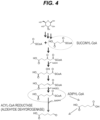
- a two-step reaction is typically required in which CoA thioester of adipyl-CoA is converted into carboxyl groups to produce adipic acid, and then one of two carboxyl groups of adipic acid is further converted into an aldehyde group to produce 5-formylpentanoic acid ( Fig. 4 ).
- the reducing activity R1 directly converts adipyl-CoA into 5-formylpentanoic acid and does not produce adipic acid as an intermediate.
- the reducing activity R1 is improved compared to the reducing activity R1' of a wild-type acyl-CoA compound reductase (for example, a polypeptide having an amino acid sequence set forth in SEQ ID NO: 1) that converts adipyl-CoA into 5-formylpentanoic acid in one step.
- the reducing activity R1 is improved, for example, by 1.1 times or more, and preferably 1.3 times or more, as compared with the reducing activity R1' of the wild-type acyl-CoA compound reductase.
- the reducing activity R2 of converting succinyl-CoA into succinic semialdehyde is lower than the reducing activity R2' of the wild-type acyl-CoA compound reductase (for example, a polypeptide having an amino acid sequence set forth in SEQ ID NO: 1) that converts succinyl-CoA into succinic semialdehyde.
- the reducing activity R2 is, for example, 5/6 or less, preferably 2/3 or less, more preferably 1/2 or less, and most preferably 1/5 or less, of the reducing activity R2' of the wild-type acyl-CoA compound reductase.
- the wild-type acyl-CoA compound reductase (for example, a polypeptide having an amino acid sequence set forth in SEQ ID NO: 1) has high reactivity to a succinyl-CoA substrate, which is an important intermediate of an adipyl-CoA route, and low reactivity to adipyl-CoA, which is a target substrate, and cannot produce a sufficient amount of formylpentanoic acid.
- the reducing activity R2 of converting succinyl-CoA into succinic semialdehyde is lowered compared to the wild-type acyl-CoA compound reductase, such that succinyl-CoA that is converted into succinic semialdehyde can be reduced, the amount of adipyl-CoA produced can be increased, and thus, formylpentanoic acid can be produced from adipyl-CoA.
- the reducing activity R (including R1, R1', R2, and R2') can be measured and evaluated by a method known in the art.
- nicotinamide adenine dinucleotide phosphate NADPH
- a reducing activity can be evaluated by measuring a change in absorbance at 340 nm of an aqueous solution obtained by mixing an enzyme, a substrate, and a coenzyme.
- the second aspect of the present invention is a DNA encoding the recombinant polypeptide. Specifically, it is a DNA encoding the amino acid sequence A.
- An example of the DNA encoding the recombinant polypeptide is the polynucleotide set forth in SEQ ID NO: 2.
- Another aspect of the present invention is a recombinant microorganism into which the DNA encoding the recombinant polypeptide (for example, the polynucleotide set forth in SEQ ID NO: 2) has been introduced.
- a recombinant microorganism can be obtained by preparing a recombinant DNA by linking a DNA having a polynucleotide sequence encoding a recombinant polypeptide to a vector DNA, and transforming a bacterial strain of a host microorganism using the recombinant DNA.
- the recombinant microorganism into which the DNA encoding the recombinant polypeptide according to the present invention has been introduced has an adipyl-CoA production ability.
- the recombinant microorganism according to the present invention "having the adipyl-CoA production ability” means that the microorganism has a production pathway of adipyl-CoA.
- the microorganism "having a production pathway” means that the microorganism can express a sufficient amount of an enzyme to allow each reaction step of the production pathway of the compound to proceed, and can biosynthesize the compound.
- the recombinant microorganism of the present invention may use a host microorganism having an adipyl-CoA production ability intrinsically, or may be modified so that a host microorganism originally not having an adipyl-CoA production ability intrinsically has an adipyl-CoA production ability.
- the host microorganism various microorganisms that can be used in a fermentation process are available, and are selected from, for example, bacteria, yeast, and fungi.
- the host microorganism is selected from, for example, microorganisms of the genera Escherichia, Bacillus, Corynebacterium, Klebsiella, Clostridium, Gluconobacter, Zymomonas, Lactobacillus, Lactococcus, Streptococcus, Pseudomonas, and Streptomyces.
- the host microorganism is preferably Escherichia coli from the viewpoint that genetic recombination is easy.
- the DNA of the recombinant polypeptide according to the present invention may be introduced into a host microorganism using a vector capable of autonomously replicating in the host microorganism, or the DNA of the recombinant polypeptide according to the present invention may be inserted into a chromosome and replicated.
- the vector is selected, for example, from the group consisting of a plasmid, a phage, a transposon, an IS element, a phasmid, a cosmid, and a linear and circular DNA.
- the DNA of the recombinant polypeptide is incorporated into a vector and introduced into a host microorganism.
- the vector is preferably a plasmid or phage.
- a suitable plasmid is, for example, pLG338, pACYC184, pBR322, pUC18, pUC19, pHSG298, pHSG398, pKC30, pRep4, pHS1, pKK223-3, pDHE19.2, pHS2, pPLc236, pMBL24, pLG200, pUR290, pIN-III113-B1, ⁇ gt11, and pBdCI.
- plasmid When the host microorganism is a bacillus such as the genus Bacillus, a preferred plasmid is, for example, pUB 110, pC 194, and pBD 214. Other usable plasmids are described in " Gene Cloning and DNA analysis 6th edition", Wiley-Blackwell 2016 .
- a vector can be prepared, for example, by operably linking a promoter (control region) upstream and a terminator downstream of a polynucleotide sequence encoding a gene, respectively, and in some cases, operably linking a gene marker and/or another control sequence.
- an expression mechanism suitable for enhancing the expression of the recombinant polypeptide for example, a promoter and a terminator can be selected and used.
- the promoter is defined as a DNA sequence that allows RNA polymerase to bind to DNA to initiate RNA synthesis, regardless of whether the promoter is a constitutive expression promoter or an inductive expression promoter.
- a strong promoter is a promoter that initiates mRNA synthesis at a high frequency, and is also suitably used in the present invention.
- the terminator include an rrnBT1T2 terminator and a lac terminator.
- regulatory elements that can be used in addition to promoter and terminator sequences are, for example, a selectable marker, an amplification signals, and a replication point.
- a regulatory element is described in, for example, " Gene Expression Technology: Methods in Enzymology 185", Academic Press (1990 ).
- the host microorganism used in the present invention may be a microorganism in which a gene encoding an alcohol dehydrogenase inherent in the microorganism (hereinafter, also referred to as an "alcohol dehydrogenase gene") is disrupted.
- a host microorganism By using such a host microorganism, contamination of an alcohol dehydrogenase unique to the host microorganism can be avoided, and progress of an unintended reaction can be suppressed.
- Still another aspect of the present invention relates to a culture of the recombinant microorganism described above and/or an extract of the culture.
- a desired target compound can be produced using the recombinant polypeptide according to the present invention or a bacterial cell of a recombinant microorganism expressing the recombinant polypeptide.
- the alcohol can be produced by adding an aldehyde reductase or co-expressing an aldehyde reductase in a host microorganism.
- the aldehyde can be produced by adding a carboxylate reductase or co-expressing a carboxylic acid in a host microorganism.
- the amino compound can be produced by adding an aminotransferase or co-expressing an aminotransferase in a host microorganism. That is, there is also provided a method for culturing a recombinant microorganism obtained by introducing a DNA encoding the recombinant polypeptide according to the present invention into a host microorganism, and producing a target compound using the culture.
- still another aspect of the present invention relates to a production method of a target compound using the recombinant polypeptide or recombinant microorganism described above.
- the production method includes mixing a recombinant polypeptide or a culture of a recombinant microorganism and/or an extract of the culture with a substrate compound to obtain a mixed solution.
- a reaction time for reacting the culture and/or the extract of the culture with the substrate compound in the mixed solution is a time during which the target product can be produced.
- the reaction time is, for example, 24 hours to 7 days in a case where the microorganism expressing the recombinant polypeptide according to the present invention is cultured, that is, in a case where the culture of the recombinant microorganism is mixed with the substrate compound.
- the reaction time is, for example, 15 minutes to 48 hours.
- the target compound is, for example, 5-formylpentanoic acid, 6-aminocaproic acid, 1,6-diaminohexane, 6-hydroxyhexanoic acid, hexanedial, 6-aminohexanal, 6-hydroxyhexanal, or 1,6-hexanediol (see Fig. 6 ).
- the production method according to the present invention includes converting adipyl-CoA into 5-formylpentanoic acid in the presence of the recombinant polypeptide described above or a culture of the recombinant microorganism described above and/or an extract of the culture, and the target compound is selected from the group consisting of 5-formylpentanoic acid, 6-aminocaproic acid, 1,6-diaminohexane, 6-hydroxyhexanoic acid, hexanedial, 6-aminohexanal, 6-hydroxyhexanal, and 1,6-hexanediol.
- the target compound is preferably 6-aminocaproic acid, 1,6-diaminohexane, 6-hydroxyhexanoic acid, or 1,6-hexanediol.
- the production method further includes converting 5-formylpentanoic acid into 6-aminocaproic acid (see reaction B in Fig. 6 ).
- the production method according to the present invention may include adding an aminotransferase or co-expressing an aminotransferase in a host microorganism, in addition to a modified aldehyde dehydrogenase (the recombinant polypeptide of the present invention).
- the production method further includes converting 5-formylpentanoic acid into 6-hydroxyhexanoic acid (see reaction C in Fig. 6 ).
- the production method according to the present invention may include adding an alcohol dehydrogenase or co-expressing an aldehyde reductase in a host microorganism, in addition to a modified aldehyde dehydrogenase (the recombinant polypeptide of the present invention).
- the production method further includes i) converting the 5-formylpentanoic acid into 6-hydroxyhexanoic acid (reaction C in Fig. 6 ), converting the 6-hydroxyhexanoic acid into 6-hydroxyhexanal (reaction D in Fig. 6 ), and converting the 6-hydroxyhexanal into 1,6-hexanediol (reaction G in Fig. 6 ).
- the production method according to the present invention may include adding an alcohol dehydrogenase and a carboxylate reductase or co-expressing these enzymes in a host microorganism, in addition to a modified aldehyde dehydrogenase (the recombinant polypeptide of the present invention).
- the production method further includes ii) converting the 5-formylpentanoic acid into hexanedial (reaction E in Fig. 6 ), converting the hexanedial into 6-hydroxyhexanal (reaction F in Fig. 6 ), and converting the 6-hydroxyhexanal into 1,6-hexanediol (reaction G in Fig. 6 ).
- the production method according to the present invention may include adding an aldehyde reductase and a carboxylate reductase or co-expressing these enzymes in a host microorganism, in addition to a modified aldehyde dehydrogenase (the recombinant polypeptide of the present invention).
- the production method further includes i) converting the 5-formylpentanoic acid into 6-aminocaproic acid (reaction B in Fig. 6 ), converting the 6-aminocaproic acid into 6-aminohexanal (reaction H in Fig. 6 ), and converting the 6-aminohexanal into 1,6-diaminohexane (reaction J in Fig. 6 ).
- the production method according to the present invention may include adding an aminotransferase and a carboxylate reductase or co-expressing these enzymes in a host microorganism, in addition to a modified aldehyde dehydrogenase (the recombinant polypeptide of the present invention).
- the production method further includes ii) converting the 5-formylpentanoic acid into hexanedial (reaction E in Fig. 6 ), converting the hexanedial into 6-aminohexanal (reaction I in Fig. 6 ), and converting the 6-aminohexanal into 1,6-diaminohexane (reaction J in Fig. 6 ).
- the production method according to the present invention includes adding an aminotransferase and a carboxylate reductase or co-expressing these enzymes in a host microorganism, in addition to a modified aldehyde dehydrogenase (the recombinant polypeptide of the present invention).
- reaction B in Fig. 6 The reaction of converting the 5-formylpentanoic acid into 6-aminocaproic acid (reaction B in Fig. 6 ), the reaction of converting the hexanedial into 6-aminohexanal (reaction I in Fig. 6 ), and the reaction of converting the 6-aminohexanal into 1,6-diaminohexane (reaction J in Fig. 6 ) are catalyzed by an aminotransferase, and the aminotransferase is, for example, selected from the group consisting of:
- reaction D in Fig. 6 The reaction of converting the 6-hydroxyhexanoic acid into 6-hydroxyhexanal (reaction D in Fig. 6 ), the reaction of converting the 5-formylpentanoic acid into hexanedial (reaction E in Fig. 6 ), and the reaction of converting the 6-aminocaproic acid into 6-aminohexanal (reaction H in Fig. 6 ) are catalyzed by an enzyme belonging to a carboxylate reductase (EC 1.2.1.30).
- carboxylate reductases are derived, for example, from microorganisms selected from the group consisting of the genus Mycobacterium and the genus Nocardia.
- reaction C in Fig. 6 The reaction of converting the 5-formylpentanoic acid into 6-hydroxyhexanoic acid (reaction C in Fig. 6 ), the reaction of converting the hexanedial into 6-hydroxyhexanal (reaction F in Fig. 6 ), and the reaction of converting the 6-hydroxyhexanal into 1,6-hexanediol (reaction G in Fig. 6 ) are catalyzed by an alcohol dehydrogenase, and the alcohol dehydrogenase is selected, for example, from the group consisting of:
- Still another aspect of the present invention relates to a recombinant microorganism having a pathway for producing at least one selected from the group consisting of 5-formylpentanoic acid, 6-aminocaproic acid, 1,6-diaminohexane, 6-hydroxyhexanoic acid, hexanedial, 6-aminohexanal, 6-hydroxyhexanal, and 1,6-hexanediol, and the recombinant microorganism has an exogenous nucleic acid sequence encoding:
- the production method according to the present invention may further include culturing the recombinant microorganism described above, accumulating any one or more of the target compounds in a culture solution, and isolating and/or purifying the target compound.
- the conditions for allowing the acyl-CoA reduction reaction to proceed in the presence of the modified aldehyde dehydrogenase according to the present invention may be any conditions under which a target product is produced, and can be set by adjusting the composition, pH, reaction temperature, reaction time, and the like of the reaction solution by a method usually performed by those skilled in the art.
- Examples of the pH of the reaction solution include a buffer solution having a pH of 7 to 9, and examples of more preferred conditions include a buffer solution containing HEPES-KOH having a pH of 8 to 9.
- the reaction temperature is usually 20 to 40°C and more preferably 30 to 37°C.
- the reaction time may be any time duration during which the target product can be produced, and is, for example, 24 hours to 7 days in a case where the culture of the recombinant microorganism according to the present invention is mixed with the substrate compound, and is, for example, 15 minutes to 48 hours in a case where the recombinant polypeptide according to the present invention is extracted from the culture of the recombinant microorganism and mixed with the substrate compound.
- the culture of the recombinant microorganism and/or the extract of the culture may be prepared as an enzyme-containing product containing the recombinant polypeptide according to the present invention, for example, an enzyme solution.
- an enzyme solution a host microorganism expressing the enzyme according to the present invention is subjected to, for example, sonication disruption, bead mill disruption, or lysis using lysozyme, and a centrifugal supernatant thereof can be used.
- a medium composition, culture conditions, and culture time for culturing the recombinant microorganism according to the present invention can be appropriately selected by a method usually performed by those skilled in the art.
- the culture temperature is typically in a range of 20 to 40°C and preferably 30 to 37°C.
- the medium may be a natural, semi-synthetic, or synthetic medium containing one or more carbon sources, nitrogen sources, inorganic salts, vitamins, or a trace amount of an optional element or vitamin.
- the medium to be used should adequately meet the nutritional requirements of the transformants to be cultured. When the host microorganism is aerobic, shaking should be performed to ensure a suitable oxygen concentration during fermentation. These culture conditions can be easily set by those skilled in the art.
- the medium may contain a corresponding antibiotic in a case where a transformant expresses a useful additional trait, for example, in a case where a transformant contains a marker resistant to an antibiotic.
- a plasmid is stably retained.
- the antibiotic include, but are not limited to, ampicillin, kanamycin, chloramphenicol, tetracycline, erythromycin, streptomycin, and spectinomycin.
- a recombinant polypeptide having an excellent acyl-CoA compound reducing activity and a production method of an aliphatic compound using the recombinant polypeptide Specifically, a specific mutation is introduced into the wild-type acyl-CoA compound reductase, such that the enzyme activity for the substrate can be adjusted, and a modified enzyme having an excellent enzyme activity as compared with the wild-type acyl-CoA compound reductase can be obtained. Specifically, the activity for succinyl-CoA is reduced, such that the amount of adipyl-CoA produced is increased, and 5-formylpentanoic acid can be obtained from adipyl-CoA.
- the target compound can be efficiently produced by using the modified enzyme according to the present invention.
- various target compounds particularly, an aliphatic compound, can be obtained from 5-formylpentanoic acid by performing conversion using an additional enzyme according to a desired target compound.
- the modified enzyme according to the present invention is expected to be usable for the production of a target compound on an industrial scale because the enzyme activity for a substrate is regulated and a target compound can be efficiently produced.
- composition of the medium used in each example is as follows.
- amino acid residues to be considered to form an active center were estimated according to the following method.
- the protein crystal structure of the polypeptide of SEQ ID NO: 1 as a template has not been reported. Therefore, first, a crude model of the three-dimensional structure of the polypeptide of SEQ ID NO: 1 was prepared using Swiss-model (https://swissmodel.expasy.org/, Swiss Institute of Bioinformatics) software. At this time, PDB entry registered as "5j78" was used as a template.
- a vector for gene expression was prepared as follows. First, a promoter sequence was inserted using BglII and EcoRV sites of the multiple cloning site of the plasmid pNFP-A51 (deposited on October 25, 2011 as FERM P-22182, Independent Administrative Institution, National Institute of Technology and Evaluation, International Patent Organism Depositary (IPOD) (address: Central 6, 1-1-1 Higashi, Tsukuba, Ibaraki, Japan), International Deposition Accession No. FERM BP-11515), and a terminator sequence was inserted using XbaI and HindIII sites, thereby constructing pSK000.
- Polynucleotides encoding an aminotransferase were synthesized using an artificial gene synthesis service of Eurofins Genomics K.K.
- the aldehyde dehydrogenase gene was amplified using primers 1 and 2.
- Gene sequences encoding an aminotransferase were obtained from NCBI Accession No. DQ904035 and amplified using primers 3 and 4.
- Gene sequences encoding an aldehyde reductase were obtained from NCBI Accession No. AP009048 and amplified using primers 5 and 6.
- the respective primer sequences are as shown in Table 2.
- Each gene was amplified under the reaction conditions of 98°C (10 sec), 55°C (5 sec), 72°C (10 sec), and 30 cycles.
- the resulting DNA fragment was phosphorylated with Mighty Cloning Reagent Set (manufactured by Takara Bio Inc.) and used as a DNA fragment to be cloned.
- the pSK000 plasmid was treated with an EcoRV restriction enzyme and then was treated with alkaline phosphatase (BAP, manufactured by Takara Bio Inc.).
- BAP alkaline phosphatase
- the DNA fragment and the vector fragment were ligated using Mighty Cloning Reagent Set (manufactured by Takara Bio Inc.) (16°C, overnight).
- An Escherichia coli JM109 strain was transformed with 1 ⁇ L of a ligation reaction solution.
- the plasmid was extracted from the appeared colonies and subjected to sequence analysis to prepare a plasmid into which a gene was inserted so that the enzyme protein was expressed.
- Point mutation introduction into the aldehyde dehydrogenase gene sequence was performed using the principle of inversePCR.
- the primers used for constructing the respective mutant expression plasmids are as shown in Tables 3-1 and 3-2.
- Table 3-2 primers without notation were forward primers, and for the reverse primers, common reverse primers were used for the amino acid mutation at the position specified in the table regardless of the amino acid species after the mutation.
- the gene was amplified under the reaction conditions of 98°C (10 sec), 55°C (5 sec), 72°C (10 sec), and 30 cycles.
- the resulting DNA fragments were purified and phosphorylated and subjected to self-ligation at 16°C for 20 minutes.
- the Escherichia coli JM109 strain was transformed using 1 ⁇ L of the reaction solution. Plasmids were extracted from the appeared colonies and subjected to sequence analysis to obtain plasmids into which target mutations were correctly introduced.
- Adipyl-CoA was synthesized with reference to the literature ( Manning et al. 2018 Biochemical and Biophysical Research Communications ). On ice, 100 mg of a coenzyme A (hereinafter, referred to as "CoA") manufactured by Oriental Yeast Co., Ltd. was dissolved in 2.5 mL of 0.5 M KHCO 3 , and 250 ⁇ L of 1 M HCl was added thereto. Separately, 16 mg of adipic anhydride was suspended in 2.5 mL of acetonitrile, a CoA aqueous solution was added while stirring with a magnetic stirrer, and the mixed solution was stirred at 4°C for 24 hours.
- CoA coenzyme A
- the reaction solution was dispensed into 1.5 mL tubes by 500 ⁇ L, and concentrated for 2 hours using CVE-3110 centrifugal evaporator manufactured by Tokyo Rikakikai Co., Ltd. Thereafter, freezing was performed at -80°C for 3 hours, and then drying was performed in a vacuum dryer overnight. Separately, the amount of residual CoA in the synthetic product was quantified by a color reaction with 5,5'-dithio-bis-2-nitrobenzoic acid (DTNB) to determine the amount of adipyl-CoA produced.
- DTNB 5,5'-dithio-bis-2-nitrobenzoic acid
- Synthetic adipyl-CoA was purified with a column by the following procedure.
- adipyl-CoA concentration of the purified product was determined by comparing the peak area with that of the synthetic product before purification using the LC analysis method shown in Table 4. [Table 4] Analysis of adipyl-CoA Column Shodex Asahipak GS-320 HQ (7.5 mm I.D.
- An Escherichia coli JM109 strain was transformed with a point mutanted enzyme expression plasmid.
- an Escherichia coli JM109 strain was transformed using either a wild-type enzyme expression plasmid or an empty plasmid containing no enzyme gene, and the transformed strain was cultured in an agar medium at 30°C for 1 day. The appeared colonies were inoculated into an LB medium (2 ml volume deep well plate, liquid volume 1 mL), and culture was performed at 37°C by shaking overnight. 30 uL thereof were dispensed into a microplate and diluted 10-fold, and an absorbance at 600 nm was measured using Tecan Infinite 200 microplate reader.
- adipyl-CoA When adipyl-CoA was used as a substrate, 40 ⁇ L of the enzyme solution was used, and the substrate concentration was 1 mM. When succinyl-CoA was used as a substrate, the enzyme solution was diluted 10-fold and used at 20 ⁇ L so that a substrate concentration was 0.5 mM. The succinyl-CoA was purchased from Merck. An absorbance at 340 nm was serially measured for 30 minutes using Tecan Infinite 200 microplate reader. In addition, 5 ⁇ L of the assay solution after the reaction was sampled, and the total protein concentration was calculated on the basis of the Bradford method using a protein assay concentrated dye reagent manufactured by Bio-Rad Laboratories, Inc..
- 5 ⁇ L of the enzyme solution was fractionated as a sample for SDS-PAGE, and mixed with 5 ⁇ L of a 2x laemmuli sample buffer (5% 2-mercapto-1,3-propanediol) manufactured by Bio-Rad Laboratories, Inc.
- the solution was heated at 100°C for 20 minutes, and then the heated solution was subjected to electrophoresis at 200 V for 30 minutes using Mini-PROTEAN TGX Gel (Any kD) manufactured by Bio-Rad Laboratories, Inc. and Mini-PROTEAN Tetra Cell SDS-PAGE electrophoresis tank.
- the gel after electrophoresis was dyed for 30 minutes with Coomassie stain solution manufactured by Bio-Safe, and decolorized with distilled water for 2 hours.
- the bleached gel was imaged with Gel DocEZ system manufactured by Bio-Rad Laboratories, Inc., and a proportion of the target enzyme band in the total protein bands of each lane was calculated using Image lab software. The total protein concentration was multiplied by the target enzyme band proportion to obtain the target enzyme concentration in the assay solution.
- a consumption rate of NADPH was calculated from a change in absorbance at 340 nm. At this time, a value of the sample to which the disrupted supernatant of the empty plasmid-transformed strain was added was subtracted as a blank. An NADPH consumption rate per unit enzyme protein was calculated from the enzyme concentration described above. All values are mean values of two independent culture samples.
- the activity of the mutant enzyme for each substrate is illustrated in Fig. 7 .
- a plurality of mutant enzymes with a reduced succinyl-CoA activity and a plurality of mutant enzymes with an enhanced adipyl-CoA activity could be obtained.
- an alcohol dehydrogenase ADH gene-disrupted strain was used as an Escherichia coli strain expressing an enzyme in order to avoid contamination with an alcohol dehydrogenase unique to Escherichia coli.
- the preparation method will be described below.
- pHAK1 includes a temperature-sensitive mutant repA gene, a kanamycin resistant gene, and a levansucrase gene SacB derived from Bacillus subtilis. The levansucrase gene lethally acts on a host microorganism in the presence of sucrose.
- the PCR fragment was amplified using PrimeSTAR Max DNA Polymerase (trade name, manufactured by Takara Bio Inc.), and the plasmid was prepared using an Escherichia coli HST08 strain.
- a PCR product containing an upstream region, a coding region, and a downstream region of a disruption target gene was obtained.
- the combinations of the target gene and the primer sequence are shown in Table 5.
- Target gene Forward primer Reverse primer Base sequence SEQ ID NO: Base sequence SEQ ID NO: yqhD 77 78 fucO 79 80 adhP 81 32 eutG 83 84 ybbO 85 86 ahr 87 88 yahK 89 90
- PCR was performed using the pHAK1 plasmid into which the DNA fragment containing the upstream region, the coding region, and the downstream region of the resulting disruption target gene as a template and using primers shown in Table 7, thereby obtaining a plasmid fragment in which the coding region of the disruption target gene was partially or entirely removed.
- Target gene Forward primer Reverse primer Base sequence SEQ ID NO: Base sequence SEQ ID NO: yqhD 93 94 fucO 95 CCTTCTCCTTGTTGCTTTA 96 adhP 97 98 eutG ATGCCGGATGCGACGCTT 99 TCATTTTGCATATAGCCCCT 100 ybbO 101 102 ahr 103 104 yahK 105 TGTGTTTACTCCTGATTAGC 106
- the resulting plasmid fragment was circularized by terminal phosphorylation and self-ligation to obtain a plasmid for disrupting a gene.
- An Escherichia coli BL21 (DE3) strain was transformed with a plasmid for destruction of a desired gene by a calcium chloride method and then applied to an LB agar medium containing 100 mg/L of kanamycin sulfate, and culture was performed at 30°C overnight, thereby obtaining a transformant.
- the present transformant was inoculated, with a platinum loop, into 1 mL of an LB medium containing 100 mg/L of kanamycin sulfate, and shaking culture was performed at 30°C.
- the resulting culture medium was applied to an LB agar medium containing 100 mg/L of kanamycin sulfate, and culture was performed at 42°C overnight.
- a plasmid was inserted into the genome by single crossover.
- the colony was inoculated into 1 mL of an LB liquid medium with a platinum loop, and shaking culture was performed at 30°C.
- the resulting culture medium was applied to an LB agar medium containing 10% sucrose, and culture was performed overnight. Disruption of a desired gene in the resulting colony was observed by colony direct PCR using the primer set shown in Table 8.
- ADH-deficient Escherichia coli in which the ADH7 gene was disrupted was constructed from the above operation.
- Target gene Forward primer Reverse primer Base sequence SEQ ID NO: Base sequence SEQ ID NO: yqhD 107 108 fucO 109 110 adhP 111 112 eutG 113 114 ybbO 115 116 ahr 117 118 yahK 119 120
- the ADH-deficient Escherichia coli strain was transformed using any one of a wild-type enzyme expression plasmid, a modified enzyme expression plasmid, an alcohol dehydrogenase expression plasmid, and an empty plasmid containing no enzyme gene.
- the prepared tube was shaken at 30°C and 1,000 rpm for 4 hours with a tabletop shaker (M ⁇ BR-022UP) manufactured by TAITEC Corporation.
- the sample after the reaction was diluted 4-fold with 10 mM MSA and analyzed by the analysis method shown in Table 4.
- a substrate and a double-mutant enzyme were prepared in the same manner as the procedure shown in " ⁇ 3> Evaluation of Activity of Point Mutant Enzymes for Various Substrates" above, and the enzyme activity was evaluated.
- the activity of the mutant enzyme for each substrate is illustrated in Fig. 8 .
- the present invention can be used for efficient fermentation production including an acyl-CoA reduction reaction, and is expected to be applied to produce a target compound on an industrial scale.
Landscapes
- Chemical & Material Sciences (AREA)
- Life Sciences & Earth Sciences (AREA)
- Organic Chemistry (AREA)
- Health & Medical Sciences (AREA)
- Engineering & Computer Science (AREA)
- Genetics & Genomics (AREA)
- Zoology (AREA)
- Wood Science & Technology (AREA)
- Bioinformatics & Cheminformatics (AREA)
- General Engineering & Computer Science (AREA)
- Biotechnology (AREA)
- Biochemistry (AREA)
- General Health & Medical Sciences (AREA)
- Biomedical Technology (AREA)
- Microbiology (AREA)
- Molecular Biology (AREA)
- General Chemical & Material Sciences (AREA)
- Chemical Kinetics & Catalysis (AREA)
- Physics & Mathematics (AREA)
- Biophysics (AREA)
- Plant Pathology (AREA)
- Medicinal Chemistry (AREA)
- Proteomics, Peptides & Aminoacids (AREA)
- Preparation Of Compounds By Using Micro-Organisms (AREA)
- Micro-Organisms Or Cultivation Processes Thereof (AREA)
Applications Claiming Priority (2)
| Application Number | Priority Date | Filing Date | Title |
|---|---|---|---|
| JP2021057313 | 2021-03-30 | ||
| PCT/JP2022/012463 WO2022209994A1 (ja) | 2021-03-30 | 2022-03-17 | アシルCoA化合物還元活性を有する組換えポリペプチド |
Publications (1)
| Publication Number | Publication Date |
|---|---|
| EP4317438A1 true EP4317438A1 (de) | 2024-02-07 |
Family
ID=83456173
Family Applications (1)
| Application Number | Title | Priority Date | Filing Date |
|---|---|---|---|
| EP22780213.9A Withdrawn EP4317438A1 (de) | 2021-03-30 | 2022-03-17 | Rekombinantes polypeptid mit acyl-coa-verbindung reduzierender aktivität |
Country Status (6)
| Country | Link |
|---|---|
| US (1) | US20240158764A1 (de) |
| EP (1) | EP4317438A1 (de) |
| JP (1) | JPWO2022209994A1 (de) |
| KR (1) | KR20230162685A (de) |
| CN (1) | CN117083388A (de) |
| WO (1) | WO2022209994A1 (de) |
Family Cites Families (12)
| Publication number | Priority date | Publication date | Assignee | Title |
|---|---|---|---|---|
| AU2009224087B2 (en) | 2008-03-11 | 2015-04-16 | Genomatica, Inc. | Adipate ester or thioester synthesis |
| MY153590A (en) * | 2008-12-12 | 2015-02-26 | Celexion Llc | Biological synthesis of difunctional alkanes from alpha ketoacids |
| WO2010126670A2 (en) * | 2009-03-27 | 2010-11-04 | Gojo Industries, Inc. | Compositions and methods for screening and using compounds antagonizing spore-surface interactions |
| EP2427544B1 (de) | 2009-05-07 | 2019-07-17 | Genomatica, Inc. | Mikrooganismen und verfahren für die biosynthese von adipat, hexamethylendiamin und 6-aminocapronsäure |
| WO2010141920A2 (en) | 2009-06-04 | 2010-12-09 | Genomatica, Inc. | Microorganisms for the production of 1,4-butanediol and related methods |
| JP5930594B2 (ja) | 2011-03-14 | 2016-06-08 | 三菱化学株式会社 | 精製ペンタメチレンジアミンの製造方法及びポリアミド樹脂の製造方法 |
| EP2746400A1 (de) | 2012-12-21 | 2014-06-25 | Evonik Industries AG | Herstellung von Aminen und Diaminen aus einer Carbonsäure oder Dicarbonsäure oder eines Monoesters davon |
| WO2015042201A2 (en) | 2013-09-17 | 2015-03-26 | Zymochem Inc. | A high yield route for the production of compounds from renewable sources |
| WO2015085271A1 (en) | 2013-12-05 | 2015-06-11 | REG Life Sciences, LLC | Microbial production of fatty amines |
| WO2016077800A1 (en) | 2014-11-14 | 2016-05-19 | Invista North America S.á.r.l. | Methods and materials for producing 6-carbon monomers |
| CA3297132A1 (en) * | 2014-12-23 | 2026-03-02 | Genomatica, Inc. | Method of producing & processing diamines |
| WO2019159831A1 (ja) | 2018-02-15 | 2019-08-22 | 国立大学法人神戸大学 | 組換え宿主細胞及びd-ブタントリオールの新規製造方法 |
-
2022
- 2022-03-17 EP EP22780213.9A patent/EP4317438A1/de not_active Withdrawn
- 2022-03-17 CN CN202280024848.0A patent/CN117083388A/zh not_active Withdrawn
- 2022-03-17 KR KR1020237037160A patent/KR20230162685A/ko active Pending
- 2022-03-17 US US18/284,538 patent/US20240158764A1/en active Pending
- 2022-03-17 JP JP2023510962A patent/JPWO2022209994A1/ja active Pending
- 2022-03-17 WO PCT/JP2022/012463 patent/WO2022209994A1/ja not_active Ceased
Also Published As
| Publication number | Publication date |
|---|---|
| KR20230162685A (ko) | 2023-11-28 |
| US20240158764A1 (en) | 2024-05-16 |
| CN117083388A (zh) | 2023-11-17 |
| JPWO2022209994A1 (de) | 2022-10-06 |
| WO2022209994A1 (ja) | 2022-10-06 |
Similar Documents
| Publication | Publication Date | Title |
|---|---|---|
| US20200255840A1 (en) | High yield route for the production of 1, 6-hexanediol | |
| JP2022023169A (ja) | 1,4-ブタンジオールおよびその前駆体の生合成のための組成物および方法 | |
| US12435346B2 (en) | Methods and organisms with increased carbon flux efficiencies | |
| JP2015221043A (ja) | 1,4−ブタンジオールの生成のための微生物体 | |
| CN114026246B (zh) | 从可再生来源生产化学品 | |
| US8669379B2 (en) | Microbial production of 3,4-dihydroxybutyrate (3,4-DHBA), 2,3-dihydroxybutyrate (2,3-DHBA) and 3-hydroxybutyrolactone (3-HBL) | |
| US10227617B2 (en) | Sequestration of carbon dioxide with hydrogen to useful products | |
| US20240228986A1 (en) | Engineered cells, enzymes, and methods for producing cannabinoids | |
| US12104160B2 (en) | Production of 4,6-dihydroxy-2-oxo-hexanoic acid | |
| EP4317438A1 (de) | Rekombinantes polypeptid mit acyl-coa-verbindung reduzierender aktivität | |
| EP4317437A1 (de) | Rekombinantes polypeptid mit carbonsäure reduzierender aktivität | |
| US20250327099A1 (en) | Aldehyde dehydrogenase variants and methods of use | |
| EP4716746A2 (de) | Mikroorganismen und verfahren zur erhöhten diaminherstellung | |
| JP2024538156A (ja) | カンナビノイド生合成のための最適化された生合成経路 | |
| WO2022270597A1 (ja) | アミノ基転移酵素活性を有する組換えポリペプチド | |
| JP2025542220A (ja) | カンナビノイドの合成のための改善された酵素および方法 | |
| US20250368968A1 (en) | Aldehyde dehydrogenase variants and methods of use |
Legal Events
| Date | Code | Title | Description |
|---|---|---|---|
| STAA | Information on the status of an ep patent application or granted ep patent |
Free format text: STATUS: THE INTERNATIONAL PUBLICATION HAS BEEN MADE |
|
| PUAI | Public reference made under article 153(3) epc to a published international application that has entered the european phase |
Free format text: ORIGINAL CODE: 0009012 |
|
| STAA | Information on the status of an ep patent application or granted ep patent |
Free format text: STATUS: REQUEST FOR EXAMINATION WAS MADE |
|
| 17P | Request for examination filed |
Effective date: 20231027 |
|
| AK | Designated contracting states |
Kind code of ref document: A1 Designated state(s): AL AT BE BG CH CY CZ DE DK EE ES FI FR GB GR HR HU IE IS IT LI LT LU LV MC MK MT NL NO PL PT RO RS SE SI SK SM TR |
|
| DAV | Request for validation of the european patent (deleted) | ||
| DAX | Request for extension of the european patent (deleted) | ||
| STAA | Information on the status of an ep patent application or granted ep patent |
Free format text: STATUS: THE APPLICATION IS DEEMED TO BE WITHDRAWN |
|
| 18D | Application deemed to be withdrawn |
Effective date: 20251001 |