EP4328313A1 - Virion de virus adéno-associé pour le traitement d'une déficience en ornithine transcarbamylase - Google Patents
Virion de virus adéno-associé pour le traitement d'une déficience en ornithine transcarbamylase Download PDFInfo
- Publication number
- EP4328313A1 EP4328313A1 EP21937868.4A EP21937868A EP4328313A1 EP 4328313 A1 EP4328313 A1 EP 4328313A1 EP 21937868 A EP21937868 A EP 21937868A EP 4328313 A1 EP4328313 A1 EP 4328313A1
- Authority
- EP
- European Patent Office
- Prior art keywords
- amino acid
- acid sequence
- aav
- serine
- adeno
- Prior art date
- Legal status (The legal status is an assumption and is not a legal conclusion. Google has not performed a legal analysis and makes no representation as to the accuracy of the status listed.)
- Pending
Links
Images



Classifications
-
- A—HUMAN NECESSITIES
- A61—MEDICAL OR VETERINARY SCIENCE; HYGIENE
- A61K—PREPARATIONS FOR MEDICAL, DENTAL OR TOILETRY PURPOSES
- A61K35/00—Medicinal preparations containing materials or reaction products thereof with undetermined constitution
- A61K35/66—Microorganisms or materials therefrom
- A61K35/76—Viruses; Subviral particles; Bacteriophages
- A61K35/761—Adenovirus
-
- A—HUMAN NECESSITIES
- A61—MEDICAL OR VETERINARY SCIENCE; HYGIENE
- A61K—PREPARATIONS FOR MEDICAL, DENTAL OR TOILETRY PURPOSES
- A61K48/00—Medicinal preparations containing genetic material which is inserted into cells of the living body to treat genetic diseases; Gene therapy
- A61K48/005—Medicinal preparations containing genetic material which is inserted into cells of the living body to treat genetic diseases; Gene therapy characterised by an aspect of the 'active' part of the composition delivered, i.e. the nucleic acid delivered
- A61K48/0058—Nucleic acids adapted for tissue specific expression, e.g. having tissue specific promoters as part of a contruct
-
- A—HUMAN NECESSITIES
- A61—MEDICAL OR VETERINARY SCIENCE; HYGIENE
- A61P—SPECIFIC THERAPEUTIC ACTIVITY OF CHEMICAL COMPOUNDS OR MEDICINAL PREPARATIONS
- A61P43/00—Drugs for specific purposes, not provided for in groups A61P1/00-A61P41/00
-
- C—CHEMISTRY; METALLURGY
- C07—ORGANIC CHEMISTRY
- C07K—PEPTIDES
- C07K14/00—Peptides having more than 20 amino acids; Gastrins; Somatostatins; Melanotropins; Derivatives thereof
- C07K14/005—Peptides having more than 20 amino acids; Gastrins; Somatostatins; Melanotropins; Derivatives thereof from viruses
-
- C—CHEMISTRY; METALLURGY
- C12—BIOCHEMISTRY; BEER; SPIRITS; WINE; VINEGAR; MICROBIOLOGY; ENZYMOLOGY; MUTATION OR GENETIC ENGINEERING
- C12N—MICROORGANISMS OR ENZYMES; COMPOSITIONS THEREOF; PROPAGATING, PRESERVING, OR MAINTAINING MICROORGANISMS; MUTATION OR GENETIC ENGINEERING; CULTURE MEDIA
- C12N15/00—Mutation or genetic engineering; DNA or RNA concerning genetic engineering, vectors, e.g. plasmids, or their isolation, preparation or purification; Use of hosts therefor
- C12N15/09—Recombinant DNA-technology
- C12N15/63—Introduction of foreign genetic material using vectors; Vectors; Use of hosts therefor; Regulation of expression
- C12N15/79—Vectors or expression systems specially adapted for eukaryotic hosts
- C12N15/85—Vectors or expression systems specially adapted for eukaryotic hosts for animal cells
- C12N15/86—Viral vectors
-
- C—CHEMISTRY; METALLURGY
- C12—BIOCHEMISTRY; BEER; SPIRITS; WINE; VINEGAR; MICROBIOLOGY; ENZYMOLOGY; MUTATION OR GENETIC ENGINEERING
- C12N—MICROORGANISMS OR ENZYMES; COMPOSITIONS THEREOF; PROPAGATING, PRESERVING, OR MAINTAINING MICROORGANISMS; MUTATION OR GENETIC ENGINEERING; CULTURE MEDIA
- C12N9/00—Enzymes; Proenzymes; Compositions thereof; Processes for preparing, activating, inhibiting, separating or purifying enzymes
- C12N9/10—Transferases (2.)
- C12N9/1003—Transferases (2.) transferring one-carbon groups (2.1)
- C12N9/1018—Carboxy- and carbamoyl transferases (2.1.3)
-
- A—HUMAN NECESSITIES
- A61—MEDICAL OR VETERINARY SCIENCE; HYGIENE
- A61K—PREPARATIONS FOR MEDICAL, DENTAL OR TOILETRY PURPOSES
- A61K48/00—Medicinal preparations containing genetic material which is inserted into cells of the living body to treat genetic diseases; Gene therapy
- A61K48/005—Medicinal preparations containing genetic material which is inserted into cells of the living body to treat genetic diseases; Gene therapy characterised by an aspect of the 'active' part of the composition delivered, i.e. the nucleic acid delivered
-
- C—CHEMISTRY; METALLURGY
- C12—BIOCHEMISTRY; BEER; SPIRITS; WINE; VINEGAR; MICROBIOLOGY; ENZYMOLOGY; MUTATION OR GENETIC ENGINEERING
- C12N—MICROORGANISMS OR ENZYMES; COMPOSITIONS THEREOF; PROPAGATING, PRESERVING, OR MAINTAINING MICROORGANISMS; MUTATION OR GENETIC ENGINEERING; CULTURE MEDIA
- C12N2750/00—MICROORGANISMS OR ENZYMES; COMPOSITIONS THEREOF; PROPAGATING, PRESERVING, OR MAINTAINING MICROORGANISMS; MUTATION OR GENETIC ENGINEERING; CULTURE MEDIA ssDNA viruses
- C12N2750/00011—Details
- C12N2750/14011—Parvoviridae
- C12N2750/14111—Dependovirus, e.g. adenoassociated viruses
- C12N2750/14122—New viral proteins or individual genes, new structural or functional aspects of known viral proteins or genes
-
- C—CHEMISTRY; METALLURGY
- C12—BIOCHEMISTRY; BEER; SPIRITS; WINE; VINEGAR; MICROBIOLOGY; ENZYMOLOGY; MUTATION OR GENETIC ENGINEERING
- C12N—MICROORGANISMS OR ENZYMES; COMPOSITIONS THEREOF; PROPAGATING, PRESERVING, OR MAINTAINING MICROORGANISMS; MUTATION OR GENETIC ENGINEERING; CULTURE MEDIA
- C12N2750/00—MICROORGANISMS OR ENZYMES; COMPOSITIONS THEREOF; PROPAGATING, PRESERVING, OR MAINTAINING MICROORGANISMS; MUTATION OR GENETIC ENGINEERING; CULTURE MEDIA ssDNA viruses
- C12N2750/00011—Details
- C12N2750/14011—Parvoviridae
- C12N2750/14111—Dependovirus, e.g. adenoassociated viruses
- C12N2750/14141—Use of virus, viral particle or viral elements as a vector
- C12N2750/14143—Use of virus, viral particle or viral elements as a vector viral genome or elements thereof as genetic vector
-
- C—CHEMISTRY; METALLURGY
- C12—BIOCHEMISTRY; BEER; SPIRITS; WINE; VINEGAR; MICROBIOLOGY; ENZYMOLOGY; MUTATION OR GENETIC ENGINEERING
- C12N—MICROORGANISMS OR ENZYMES; COMPOSITIONS THEREOF; PROPAGATING, PRESERVING, OR MAINTAINING MICROORGANISMS; MUTATION OR GENETIC ENGINEERING; CULTURE MEDIA
- C12N2750/00—MICROORGANISMS OR ENZYMES; COMPOSITIONS THEREOF; PROPAGATING, PRESERVING, OR MAINTAINING MICROORGANISMS; MUTATION OR GENETIC ENGINEERING; CULTURE MEDIA ssDNA viruses
- C12N2750/00011—Details
- C12N2750/14011—Parvoviridae
- C12N2750/14111—Dependovirus, e.g. adenoassociated viruses
- C12N2750/14141—Use of virus, viral particle or viral elements as a vector
- C12N2750/14145—Special targeting system for viral vectors
-
- C—CHEMISTRY; METALLURGY
- C12—BIOCHEMISTRY; BEER; SPIRITS; WINE; VINEGAR; MICROBIOLOGY; ENZYMOLOGY; MUTATION OR GENETIC ENGINEERING
- C12N—MICROORGANISMS OR ENZYMES; COMPOSITIONS THEREOF; PROPAGATING, PRESERVING, OR MAINTAINING MICROORGANISMS; MUTATION OR GENETIC ENGINEERING; CULTURE MEDIA
- C12N2830/00—Vector systems having a special element relevant for transcription
- C12N2830/008—Vector systems having a special element relevant for transcription cell type or tissue specific enhancer/promoter combination
-
- C—CHEMISTRY; METALLURGY
- C12—BIOCHEMISTRY; BEER; SPIRITS; WINE; VINEGAR; MICROBIOLOGY; ENZYMOLOGY; MUTATION OR GENETIC ENGINEERING
- C12N—MICROORGANISMS OR ENZYMES; COMPOSITIONS THEREOF; PROPAGATING, PRESERVING, OR MAINTAINING MICROORGANISMS; MUTATION OR GENETIC ENGINEERING; CULTURE MEDIA
- C12N2830/00—Vector systems having a special element relevant for transcription
- C12N2830/48—Vector systems having a special element relevant for transcription regulating transport or export of RNA, e.g. RRE, PRE, WPRE, CTE
-
- C—CHEMISTRY; METALLURGY
- C12—BIOCHEMISTRY; BEER; SPIRITS; WINE; VINEGAR; MICROBIOLOGY; ENZYMOLOGY; MUTATION OR GENETIC ENGINEERING
- C12N—MICROORGANISMS OR ENZYMES; COMPOSITIONS THEREOF; PROPAGATING, PRESERVING, OR MAINTAINING MICROORGANISMS; MUTATION OR GENETIC ENGINEERING; CULTURE MEDIA
- C12N2830/00—Vector systems having a special element relevant for transcription
- C12N2830/50—Vector systems having a special element relevant for transcription regulating RNA stability, not being an intron, e.g. poly A signal
-
- C—CHEMISTRY; METALLURGY
- C12—BIOCHEMISTRY; BEER; SPIRITS; WINE; VINEGAR; MICROBIOLOGY; ENZYMOLOGY; MUTATION OR GENETIC ENGINEERING
- C12Y—ENZYMES
- C12Y201/00—Transferases transferring one-carbon groups (2.1)
- C12Y201/03—Carboxy- and carbamoyltransferases (2.1.3)
- C12Y201/03003—Ornithine carbamoyltransferase (2.1.3.3)
Definitions
- the present invention relates to a recombinant adeno-associated virus (rAAV) vector for the treatment of urea cycle disorder, which is less susceptible to neutralizing antibodies in a serum. More particularly, the present invention relates to a modified rAAV capable of expressing recombinant ornithine transcarbamylase (OTC), having reduced cross-reactivity with neutralizing antibodies in the serum of a living body, and highly efficient in transferring a gene into the liver of a living body (e.g., human), and to a pharmaceutical composition containing said rAAV.
- OTC recombinant ornithine transcarbamylase
- OTC ornithine transcarbamylase
- OTC deficiency is the most frequent urea cycle disorder. While the OTC deficiency is an X-linked genetic disorder, women also present a variety of symptoms. Hyperammonemia is caused by increased catabolism (fever, fasting, etc.), excessive protein intake, and the like. Clinical manifestations include vomiting, poor suckling, tachypnea, cramps, impaired consciousness, behavioral abnormalities, and developmental disabilities. In boys, neonatal onset is common and can be fatal. In girls, the disorder may be found due to liver dysfunction.
- Gene transfer vectors adopting adeno-associated viruses can transfer genes into cells in the body such as nerve cells, hepatocytes (hepatic parenchymal cells), retinal cells, muscle cells, myocardial cells, vascular endothelial cells, and adipocytes, and allow the expression for a long time (Patent literature 1-3). Therefore, they have been clinically applied as vectors for the gene therapies for hemophilia, retinitis pigmentosa, Parkinson's disease, and the like (Non-patent literature 2 and 3). Recently, such vectors are also frequently used as vectors for the transfer of sgRNA and gene of CAS9 protein for gene editing (Patent literature 3, and Non-patent literature 4). For hemophilia, a gene therapy in which an AAV vector that can express factor VIII or factor IX is transferred into hepatocytes is reported to give promising results (Patent literature 4, and Non-patent literature 5 and 6).
- AAVs adeno-associated viruses
- adeno-associated virus serotype 8 (AAV8) vector has been applied to human liver as a target organ (Non-patent literature 7).
- AAV8 vector is highly efficient in transferring a gene into a mouse liver, its efficiency is low in transferring a gene into a human liver.
- AAV3B which is said to be more efficient than AAV8 in transferring a gene into human hepatocytes, cross-reacts with a neutralizing antibody against AAV2, which is present in more than 80% of adults (Non-patent literature 8-10), and thus it is not expected to be effective in many patients.
- a gene therapy for patients who had not been eligible for a gene therapy because they had neutralizing antibodies, a repeated gene therapy for patients who did not have an adequate response to the first round of gene therapy, etc. are underway.
- the present inventors have created a modified AAV vector that expresses ornithine transcarbamylase and has reduced cross-reactivity with neutralizing antibodies (such as AAV2 neutralizing antibody) in a serum, thereby accomplishing the present invention.
- neutralizing antibodies such as AAV2 neutralizing antibody
- the present invention provides the inventions exemplified below, which include an AAV vector for expressing ornithine transcarbamylase which has reduced cross-reactivity with neutralizing antibodies in a serum and which is highly efficient in transferring a gene into hepatocytes, such as an rAAV vector for a gene therapy targeting hepatocytes, a pharmaceutical composition comprising the same, or the like.
- the present invention provides an AAV vector that expresses recombinant ornithine transcarbamylase (OTC), has reduced cross-reactivity with a neutralizing antibody against AAV2 or the other, and is highly efficient in transferring a gene into hepatocytes, such as AAV vectors derived from AAV3B, AAV8, etc. Furthermore, the AAV vector according to the present invention can be used to perform a gene therapy to patients who had not been eligible for a gene therapy because they inherently had neutralizing antibodies, and to repeat a gene therapy to patients who did not have an adequate response to the first round of gene therapy.
- the AAV vector of the present invention is especially useful for the treatment of ornithine transcarbamylase deficiency particularly because it can improve the transfer of ornithine transcarbamylase gene into hepatocytes.
- the present invention provides a recombinant adeno-associated virus vector that expresses recombinant ornithine transcarbamylase (OTC) and that improves the efficiency of gene transfer into liver cells, a pharmaceutical composition containing said vector, and the like.
- OTC recombinant ornithine transcarbamylase
- Adeno-associated viruses include viruses of many known serotypes. Examples of AAVs that present tropism towards hepatocytes (hepatic parenchymal cells) include the viruses of serotypes 2, 3 (3A and 3B), and 8. According to the present invention, a vector used for delivery to hepatocytes of a living body may be, for example, any of the various AAV vectors described in Patent literature 1 ( WO 2008/124724 ).
- Wild-type AAV genome is a single-stranded DNA molecule with a total nucleotide length of about 5 kb, and is either a sense or antisense strand.
- An AAV genome generally has inverted terminal repeat (ITR) sequences of approximately 145 nucleotides in length at both 5' and 3' ends of the genome.
- the ITRs are known to have various functions, including a function as the origin of replication of the AAV genome, a function as the signal for packaging the genome into virions, and the like (see, for example, YAKUGAKU ZASSHI 126 (11) 1021-1028 , mentioned above, etc.).
- the internal domain of the wild-type AAV genome (hereinafter, internal domain) flanked by ITRs contains AAV replication (rep) gene and capsid (cap) gene.
- rep and cap genes encode a protein involved in virus replication (Rep) and a capsid protein forming a virus particle, i.e., an icosahedral outer shell, (e.g., at least one of VP1, VP2, and VP3), respectively.
- the rAAV vectors of the present invention include, but are not limited to, vectors derived from native adeno-associated virus serotype 1 (AAV1), serotype 2 (AAV2), serotype 3 (AAV3A/AAV3B), serotype 4 (AAV4), serotype 5 (AAV5), serotype 6 (AAV6), serotype 7 (AAV7), serotype 8 (AAV8), serotype 9 (AAV9), serotype 10 (AAV10), and serotype RH10 (AAVrh10; Hu, C. et al., Molecular Therapy vol. 22, no. 10, Oct. 2014, 1792-1802 ).
- Nucleotide sequences of these AAV genomes are known and reference can be made to the nucleotide sequences with the registered GenBank accession numbers of: AF063497.1 (AAV1), AF043303 (AAV2), NC_001729 (AAV3), NC_001829.1 (AAV4), NC_006152.1 (AAV5), AF028704.1 (AAV6), NC_006260.1 (AAV7), NC_006261.1 (AAV8), AY530579 (AAV9), and AY631965.1 (AAV10), respectively.
- GenBank accession numbers of: AF063497.1 (AAV1), AF043303 (AAV2), NC_001729 (AAV3), NC_001829.1 (AAV4), NC_006152.1 (AAV5), AF028704.1 (AAV6), NC_006260.1 (AAV7), NC_006261.1 (AAV8), AY530579 (AAV9)
- a capsid protein (VP1, VP2, VP3, etc.) derived from AAV2, AAV3B (AF028705.1), AAV8, or AAV9 is preferably utilized, especially for their tropism towards hepatocytes.
- AAV2B AF028705.1
- AAV8 or AAV9 is preferably utilized, especially for their tropism towards hepatocytes.
- the amino acid sequences of these capsid proteins are known and reference can be made, for example, to the sequences registered under the above-mentioned GenBank accession numbers corresponding to the respective AAVs.
- An rAAV vector used in the present invention comprises a mutated (modified) capsid protein.
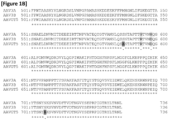
- a mutant capsid protein comprises a capsid protein having a mutated amino acid sequence in which at least one (e.g., one, preferably two, and more preferably all three) of serine at position 472, serine at position 587, and asparagine at position 706 in the amino acid sequence represented by SEQ ID NO:2 or 3 is substituted with other amino acid, and further a mutant protein which can serve as a capsid protein and which contains an amino acid sequence having deletion, substitution, insertion, and/or addition of a plurality of amino acid residues at positions different from the residue positions 472, 587 and 706 in said mutated amino acid sequence. Two or more of these deletion, substitution, insertion, and/or addition may be contained together in combination.
- the rAAV vector used in the present invention comprises a capsid protein having an amino acid sequence in which at least one (e.g., one, preferably two, and more preferably all three) of serine at position 472, serine at position 587, and asparagine at position 706 in the amino acid sequence represented by SEQ ID NO:2 or 3 is substituted with an amino acid selected from the group consisting of glycine, alanine, valine, leucine, threonine, and isoleucine, preferably with alanine (e.g., the amino acid sequence represented by SEQ ID NO:4), and further a capsid protein containing an amino acid sequence which includes deletion, substitution, insertion, and/or addition of a plurality of amino acid residues at positions different from the residue positions 472, 587 and 706 in said mutated amino acid sequence. Two or more types of these deletion, substitution, insertion, and addition may be contained together in combination.
- the number of deletion, substitution, insertion, and/or addition of the above amino acid residues is, for example, 1-74, 1-70, 1-60, 1-50, 1-40, 1-35, 1-30, 1-25, 1-20, 1-15, 1-14, 1-13, 1-12, 1-11, 1-10, 1-9 (1 to several), 1-8, 1-7, 1-6, 1-5, 1-4, 1-3, 1-2, or 1.
- the smaller the number of deletion, substitution, insertion, and/or addition of the above amino acid residues the better.
- the mutant capsid protein of the rAAV vector used in the present invention may be a protein which can serve as a capsid protein and which has an amino acid sequence with about 90% or more, 91% or more, 92% or more, 93% or more, 94% or more, 95% or more, 96% or more, 97% or more, 98% or more, 99% or more, 99.1% or more, 99.2% or more, 99.3% or more, 99.4% or more, 99.5% or more, 99.6% or more, 99.7% or more, 99.8% or more, or 99.9% or more identity to any of the amino acid sequences represented by SEQ ID NOs:2-4 (735-738 residues).
- a protein that can serve as a capsid protein refers to a protein which can form a virus vector capable of infecting a target cell.
- the capsid protein used in the present invention can form a virus vector by itself or together with other capsid protein member (e.g., VP2, VP3, etc.).
- a virus vector containing a mutant capsid protein has an infectivity comparable to or more than that of a virus vector containing a wild-type capsid protein, meaning specifically that the infectivity is preferably 50%, 60%, 70%, 80%, 85%, 90%, 91%, 92%, 93%, 94%, 95%, 96%, 97%, 98%, 99% or more relative to the infectivity of a wild-type virus genome by weight.
- the infectivity can be measured by a method known in the art, for example, by a reporter assay using a reporter such as ⁇ -galactosidase, GFP protein, or luciferase.
- amino acid residues that are mutually replaceable in the protein (polypeptide) of the present invention are shown below. Amino acid residues belonging to the same group are replaceable with each other.
- a protein containing an amino acid residue substitution of interest can be prepared according to a technique known to those skilled in the art, for example, by a common genetic engineering technique or chemical synthesis.
- a genetic engineering procedure see, for example, Molecular Cloning 4th Edition, J. Sambrook et al., Cold Spring Harbor Lab. Press. 2012 , Current Protocols in Molecular Biology, John Wiley and Sons 1987-2018 (ISSN: 1934-3647 , etc.), and the like.
- the rAAV vector used in the present invention may contain, in the packaged genome or in a genome of a helper virus, a gene coding for the Rep protein involved in replication.
- a Rep protein may have an amino acid sequence that preferably have about 90% or more, 91% or more, 92% or more, 93% or more, 94% or more, 95% or more, 96% or more, 97% or more, 98% or more, 99% or more, 99.1% or more, 99.2% or more, 99.3% or more, 99.4% or more, 99.5% or more, 99.6% or more, 99.7% or more, 99.8% or more, or 99.9% or more identity to the wild-type Rep protein provided that it has the function of recognizing the ITR sequences to carry out genome replication depending on said sequences so that the rAAV of the present invention is replicated, the function of packaging the wild-type AAV genome (or the rAAV genome) into the virus vector, and the function of forming a rAAV vector of the present invention which are
- a Rep protein from a known AAV3, for example, a Rep protein from AAV3A or AAV3B, or a fusion protein thereof (the amino acid sequence represented by SEQ ID NO:8) or the like can be preferably used, but not limited thereto.
- the above-described capsid protein VP1 or the like (VP1, VP2, and/or VP3) and Rep protein encoded in the internal domain of the wild-type AAV genome are used by incorporating polynucleotides coding for these proteins into an AAV helper plasmid, thereby obtaining a rAAV of the present invention.
- the capsid protein (VP1, VP2, and/or VP3) and the Rep protein used in the present invention may be incorporated into one, two, three or more types of plasmids.
- one or more types of these capsid protein and Rep protein may be contained in the AAV genome.
- the capsid protein (VP1, VP2, and/or VP3) and the Rep protein are preferably all encoded together by one polynucleotide to be provided as an AAV helper plasmid.
- the polynucleotide packaged into the AAV vector of the present invention i.e., the polynucleotide
- the 5' and 3' ITRs are located at the 5' and 3' terminals of the AAV genome, respectively.
- the ITRs at the 5' and 3' terminals of the rAAV genome of the present invention preferably include, but is not specifically limited to, the 5' ITR and the 3' ITR contained in the genome of AAV1, AAV2, AAV3, AAV6, AAV8, or AAV9. Since the ITR parts generally have easily altered complementary sequences (flip and flop structure), the orientation of the 5' and 3' ITRs contained in the rAAV genome of the present invention may be inverted.
- the polynucleotide that replaces the internal domain namely, the genome editing means and/or the repair gene
- the polynucleotide that replaces the internal domain namely, the genome editing means and/or the repair gene
- the total length of the rAAV genome of the present invention is substantially equal to the total length of the wild-type, i.e., 5 kb, for example, about 2-6 kb, preferably about 4-6 kb.
- the length of the therapeutic gene incorporated into the rAAV genome of the present invention excluding the length of the transcriptional regulatory region including the promoter, the polyadenylation site and others (assuming, for example, about 1-1.5 kb), is preferably, but not limited to, about 0.01-3.7 kb, more preferably about 0.01-2.5 kb, and still more preferably 0.01-2 kb.
- two or more kinds of therapeutic genes can be incorporated together using a known technique such as interposition of a known internal ribosome entry site (IRES) sequence, T2A sequence, etc.
- IRS internal ribosome entry site
- T2A sequence T2A sequence
- the genes encoding these proteins may be oriented in the same or different directions.
- the polynucleotide packaged into the rAAV vector is a single strand, it may take times (several days) until the gene of interest (therapeutic gene, etc.) is expressed.
- the gene of interest to be introduced is designed to have a self-complementary (sc) type structure to shorten the time for expression.
- sc self-complementary
- the polynucleotide packaged into the AAV vector of the present invention may have either a non-sc type structure or a sc type structure.
- the polynucleotide packaged into the AAV vector of the present invention has a non-sc type structure.
- the capsid protein used in the present invention may be encoded, for example, by a polynucleotide which is suitably modified based on the codon preference in the host cell.
- the polynucleotide encoding a preferred capsid protein used in the present invention comprises, for example, a polynucleotide which has deletion, substitution, insertion, and/or addition of one or more (e.g., 1-50, 1-40, 1-30, 1-25, 1-20, 1-15, 1-10, 1-9 (one to several), 1-8, 1-7, 1-6, 1-5, 1-4, 1-3, 1-2, 1, etc.) nucleotides in a polynucleotide sequence coding for any of the amino acid sequences represented by SEQ ID NOs:2-4, a polynucleotide coding for a protein containing any of the amino acid sequences represented by SEQ ID NOs:2-4, or a protein including deletion, substitution, insertion, and/or addition of above-mentioned one
- a preferred polynucleotide according to the present invention is, for example, a polynucleotide which can hybridize to a polynucleotide coding for any of the amino acid sequences represented by SEQ ID NOs:2-4 or to a complementary sequence thereof under stringent hybridization conditions, the polynucleotide coding for a protein containing any of the amino acid sequences represented by SEQ ID NOs:2-4 or a capsid protein including deletion, substitution, insertion, and/or addition of above-mentioned one or more amino acids in the amino acid sequences represented by SEQ ID NOs:2-4.
- Hybridization can be carried out according to a known method or a method corresponding thereto, for example, according to a method described in Molecular Cloning ( Molecular Cloning 4th Edition, J. Sambrook et al., Cold Spring Harbor Lab. Press. 2012 ). When a commercially available library is employed, hybridization can be carried out, for example, according to the method described in the instruction provided by the manufacturer.
- stringent conditions may be any of low, moderate, and high stringent conditions.
- the "low stringent condition” refers to a condition with, for example, 5 ⁇ SSC, 5 ⁇ Denhardt's solution, 0.5% SDS, 50% formamide, and 32°C.
- the “moderate stringent condition” refers to condition with, for example, 5 ⁇ SSC, 5 ⁇ Denhardt's solution, 0.5% SDS, 50% formamide, and 42°C.
- the “high stringent condition” refers to a condition with, for example, 5 ⁇ SSC, 5 ⁇ Denhardt's solution, 0.5% SDS, 50% formamide, and 50°C. Under these conditions, highly homologous DNA is expected to be obtained more efficiently at a higher temperature. While multiple factors including the temperature, the probe concentration, the probe length, the ionic strength, the time, the salt concentration, and the like are expected to be involved in the determination of the hybridization stringency, those skilled in the art can appropriately select these factors to achieve similar stringency.
- hybridizable polynucleotide examples include polynucleotides having, for example, 70% or more, 80% or more, 90% or more, 91% or more, 92% or more, 93% or more, 94% or more, 95% or more, 96% or more, 97% or more, 98% or more, 99% or more, 99.1% or more, 99.2% or more, 99.3% or more, 99.4% or more, 99.5% or more, 99.6% or more, 99.7% or more, 99.8% or more, or 99.9% or more identity to a control polynucleotide sequence, as calculated by a homology search software such as FASTA and BLAST using default parameters. In general, the higher the percentage of homology above, the more preferable.
- a homology search software such as FASTA and BLAST using default parameters. In general, the higher the percentage of homology above, the more preferable.
- the identity or the homology of the amino acid sequence or the polynucleotide sequence can be determined using the BLAST algorithm of Karlin and Altschul (Proc. Natl. Acad. Sci. USA 87: 2264-2268, 1990 ; Proc. Natl. Acad. Sci USA 90: 5873, 1993 ).
- BLASTX is used to analyze the amino acid sequence
- the AAV vector according to the present invention does not cross-react at least with a neutralizing antibody against AAV serotype 2 (AAV2) present in the serum, and possibly further with neutralizing antibodies against AAV serotype 1 (AAV1) and/or AAV serotype 8 (AAV8), or other wild-type AAV.
- AAV2 AAV serotype 2
- AAV1 AAV serotype 1
- AAV8 AAV serotype 8
- a neutralizing antibody refers to an antibody that binds to an antigen when said antigen has an activity such as toxicity or infectivity to a living body, thereby reducing or eliminating said activity.
- the term "neutralization" in the context of activity of an antibody means, for example, that an anti-AAV neutralizing antibody (e.g., IgG, IgM, IgA) in a serum binds to the AAV vector, i.e., the antigen, resulting in reduction or elimination of the gene transfer capacity of said AAV vector.
- an anti-AAV neutralizing antibody e.g., IgG, IgM, IgA
- This neutralization reaction comprises a series of complement reactions including binding between the antigen (e.g., the AAV vector) and the antibody, binding between the Fc portion of the antibody and the first complement component (C 1), and the like, which results in reduction or elimination of the infectivity (gene transfer capacity) of the AAV vector to the target cell.
- a neutralizing antibody is expected to be associated with a serum component, specifically, expected to contain a component (e.g., a complement) bound to an antibody and directly involved in the neutralization reaction such as inactivation or removal of the antigen.
- cross reactivity of a neutralizing antibody refers to a reaction where the neutralizing antibody binds to a target substance (e.g., AAV3) different from the originally targeted antigen (e.g., AAV2).
- a target substance e.g., AAV3
- not cross-reactive with a neutralizing antibody means that a neutralizing antibody does not function sufficiently in binding (preferably does not provide any detectable binding) to a target substance other than the originally targeted antigen, or means that, even if the binding is detectable, the amount bound to the target substance (mole ratio or mass ratio) relative to the amount bound to the originally targeted antigen is significantly reduced.
- Such a reduction in the amount bound to the target substance may be, for example, several % (about 5%), about 10%, about 15%, about 20%, about 25%, about 30%, about 35%, about 40%, about 45%, about 50%, or about 60% relative to the amount of binding to the originally targeted antigen.
- a percentage can be determined using a known method such as a method of measuring an amount of the protein binding to the antibody.
- cross reactivity of a neutralizing antibody can also be measured and compared indirectly using a protein coded in the recombinant virus (e.g., a reporter gene).
- a neutralizing antibody according to the present invention is preferably derived from a mammal, more preferably from a primate, and most preferably from a human.
- the neutralizing antibody used in the present invention refers to a neutralizing antibody against AAV2.
- human is highly likely to have antibodies against AAV2, but majority of them do not have neutralizing capacity and some reports say that the proportion of the antibodies having neutralizing capacity is 18-32% ( Chirmule N. et al., Gene Ther 6: 1574-1583, 1999 ; Moskalenko M, et al., J Virol 74: 1761-1766, 2000 ).
- a neutralizing antibody used in the present invention may include multiple isotypes (e.g., IgG, IgM, IgA, etc.). Therefore, a neutralizing antibody against AAV2 according to the present invention needs to be investigated for its performance including an antibody concentration or an antibody titer in advance. Procedures for such investigation are known in the art. For example, the procedure described in Ito et al. ( Ito et al., Ann Clin Biochem 46: 508-510, 2009 ) can be employed.
- a titer of a neutralizing antibody can be analyzed by assessing the potency of inhibiting the introduction of a AAV2 vector containing a reporter gene such as ⁇ -galactosidase, luciferase, etc. into HEK293 cells (Ito et al., op. cit. ) .
- the neutralizing antibody used in the present invention has an antibody titer of 1:4-1:640, preferably 1:16-1:254, and more preferably 1:32-1:128.
- an antibody titer of 1:4-1:640, preferably 1:16-1:254, and more preferably 1:32-1:128.
- the AAV vector according to the present invention is less susceptible to the neutralizing antibody in the serum as compared to a wild type.
- the virus vector according to the present invention e.g., one including a capsid protein having the amino acid sequence represented by SEQ ID NO:4
- a known assay such as reporter assay, in situ hybridization, or radioisotope labeling can be employed.
- a wild-type virus vector (e.g., one including a capsid protein having the amino acid sequence represented by SEQ ID NO:2 or 3) similarly treated with the neutralizing antibody in the serum, may maintain less than about 60%, less than about 50%, less than about 40%, less than about 35%, or less than about 30% of the capacity of transferring a gene into target cells.
- the virus vector according to the present invention is capable of transferring a gene into target cells in an amount 1.2 times or more, preferably 1.5 times or more, more preferably 1.75 times or more, and still more preferably twice or more as compared with the amount of a gene transferred with a wild-type virus vector, after being treated with a neutralizing antibody in a serum.
- a neutralizing antibody against, for example, AAV2 is known to have a neutralizing activity against AAV3 or others as well due to cross-reactivity ( Fu H et al., Hum Gene Ther Clin Dev 2017; 28: 187-196 , Ling CJ et al., Integr Med 2015; 13: 341-346 , Mimuro J, et al., J Med Virol 86: 1990-1997, 2014 ).
- the identity between the amino acid sequences of AAV2 capsid protein VP1 and AAV3A VP1 is calculated to be 87%, and the identity between the amino acid sequences of AAV2 VP1 and AAV3B VP1 is calculated to be 88% (which are results obtained by using the website of Blastp (https://blast.ncbi.nlm.nih.gov/Blast.cgi)). Furthermore, studies relating to epitope mapping of an anti-AAV2 neutralizing antibody is described in Moskalenko, M. et al. (J Virol 74: 1761-1766, 2000 ).
- a recombinant vector which is even less susceptible to inhibition caused by a neutralizing antibody against AAV2 or the like in a living body may also be designed, screened, and obtained based on the recombinant virus vector according to the present invention.
- the rAAV vector of the present invention preferably comprises a polynucleotide containing a liver-specific promoter and a gene of interest operably linked to said promoter (specifically, such a polynucleotide is packaged).
- the promoter used in the present invention may be a promoter specific to cells in the liver, for example, a promoter specific to hepatic parenchymal cells, hepatic non-parenchymal cells (such as hepatic stellate cells) or the like.
- a promoter sequence specifically include, but are not limited to, an ApoE promoter, an antitrypsin promoter, a cKit promoter, a promoter for a liver-specific transcription factor (e.g., HNF-1, HNF-2, HNF-3, HNF-6, C/ERP, and DBP), a thyroxine-binding globulin (TBG) promoter ( Ran FA, et al., Nature 520 (7546): 186-91, 2015 ), a promoter for other liver-specific protein (albumin, etc.), and a synthetic promoter obtained by combining these promoters.
- these promoters can be combined with a known enhancer, preferably a liver-specific enhancer.
- the rAAV vector of the present invention may preferably contain a liver-specific promoter, and more preferably a hepatocyte (hepatic parenchymal cell)-specific promoter, including an ApoE promoter, an antitrypsin promoter, a TBG promoter, or an HCRhAAT promoter which is a known synthetic promoter (for example, the promoter having the sequence of nucleotides 397-1046 of SEQ ID NO: 12).
- the liver-specific promoter (or enhancer) used in the present invention may also be a polynucleotide containing a sequence which has one or more (e.g., 1-100, 1-50, 1-40, 1-30, 1-25, 1-20, 1-15, 1-10, 1-9 (one to several), 1-8, 1-7, 1-6, 1-5, 1-4, 1-3, 1-2, 1, etc.) nucleotides deleted, substituted, inserted, and/or added in the polynucleotide sequence of the above-described promoter, and which can serve as a liver-specific promoter.
- liver-specific promoter means that when, for example, liver-derived cells and non-liver-derived cells are compared in a reporter assay, the non-liver-derived cells express the reporter at around the threshold level of detection or express the reporter at a level about 25% or less, about 20% or less, about 15% or less, or about 10% or less as compared with a level at which the liver-derived cells express the reporter.
- a polynucleotide having the above-described deletion, substitution, insertion, and/or addition means to have a specific activity of 50%, 60%, 70%, 80%, 90% or more relative to that of the original promoter sequence. The smaller the number of the above-described mutations, the better.
- Examples of a disease targeted by a treatment using the AAV vector of the present invention include ornithine transcarbamylase deficiency, hemophilia, acute intermittent porphyria, Wilson's disease, phenylketonuria, and familial hypercholesterolemia, which involve genomic disorders of hepatocytes.
- the recombinant virus vector used in the present invention can contain any of a variety of therapeutic genes (polynucleotides).
- a protein encoded by such a therapeutic gene include, but are not limited to, proteins such as ornithine transcarbamylase (OTC), carbamoyl-phosphate synthase I (CPS1), coagulation factor VIII (FVIII), coagulation factor IX (FIX), hepatocyte growth factor (HGF), and hepatocyte growth factor receptor (c-Kit).
- Ornithine transcarbamylase deficiency is a disorder involving the ornithine transcarbamylase gene and is caused by dysfunction of the urea cycle in the liver.
- the liver of a living body produces harmless urea from ammonia toxic to a living body, and this pathway is called the urea cycle.
- enzymes involved in this urea cycle include ornithine transcarbamylase (OTC), carbamoyl-phosphate synthase I (CPS1), argininosuccinate synthase (ASS), argininosuccinate lyase (ASL), arginase I (ARG1), N-acetylglutamate synthase (NAGS), and omithine/citrulline antiporter (ORNT1). Genetic defects in these enzymes result in urea cycle disorders. Among these urea cycle disorders, OTC deficiency is the most common disorder.
- OTC The mature form of OTC consists of a trimer of approximately 36 kda (in case of human) protein (the amino acid sequence represented by SEQ ID NO:11) encoded on the X chromosome. Specifically, OTC converts ornithine into citrulline in the urea cycle ((3) in the figure below).
- the OTC used in the present invention is not particularly limited as long as it is an enzyme that can convert ornithine to citrulline, and examples thereof preferably include those derived from mammals, and more preferably those derived from human.
- a protein having the amino acid sequence represented by SEQ ID NO:11 can be used as the OTC used in the present invention.
- mutants that retain, as the ornithine transcarbamylase activity, a specific activity of preferably 40% or more, 50% or more, 60% or more, 70% or more, 80% or more, 90% or more, 95% or more, or 99% or more as compared with the wild type can also be used.
- mutants include, but are not limited to, those having an amino acid sequence with 60% or more, 70% or more, 80% or more, 90% or more, 95% or more, 96% or more, 97% or more, 98% or more, or 99% or more identity to the amino acid sequence represented by SEQ ID NO:11.
- a measurement method utilizing the enzyme activity Pierson et al. (1977) J. Biol. Chem. 252, 6464-6469 ) and an immunological measurement method ( WO 2006/073073 ) are known in the art.
- any measurement method known in the art can be used to measure OTC.
- reduction in the concentration of ammonia by administration of the vector of the present invention can be confirmed by measuring the concentration of ammonia in blood or culture medium by a means known in the art.
- the therapeutic gene used in the present invention may be, but is not limited to, a gene for inhibiting the function of a target (antisense nucleotides, CAS9, etc.).
- antisense nucleotides refer to a polynucleotide for altering (e.g., disrupting or reducing) a function of a targeted endogenous gene, or a polynucleotide for altering (e.g., reducing) the expression level of an endogenous protein.
- examples of such a polynucleotide include, but are not limited to, an antisense molecule, a ribozyme, interfering RNA (iRNA), microRNA (miRNA), and sgRNA.
- RNA double-stranded RNA
- dsRNA double-stranded RNA
- shRNA shRNA
- miRNA double-stranded RNA
- Methods for preparing and using a double-stranded RNA are known from many literature (see, JP-A-2002-516062 ; US 2002/086356A ; Nature Genetics, 24(2), 180-183, 2000 Feb. , etc.).
- the recombinant virus vector used in the present invention may contain one or more therapeutic genes.
- a pharmaceutical composition containing the rAAV vector (rAAV virion) of the present invention is provided.
- the pharmaceutical composition containing the rAAV vector of the present invention (hereinafter, referred to as the pharmaceutical composition of the present invention) can be used to transfer a therapeutic gene into liver cells of a subject in a highly efficient manner.
- a pharmaceutical composition which can treat a disease of interest through expression of the introduced therapeutic gene is provided.
- the pharmaceutical composition of the present invention comprises the rAAV vector containing such a therapeutic gene. Examples of such a therapeutic gene include, but are not limited to, the above-mentioned genome editing means and genome repairing means.
- the rAAV vector of the present invention preferably contains a promoter specific to liver cells and a gene operably linked to said promoter.
- the rAAV vector of the present invention can contain a gene effective for a treatment of hemophilia or others so that such a gene can be transferred into liver cells, preferably into hepatic parenchymal cells.
- the pharmaceutical composition of the present invention can be in use, for example, administered orally, parenterally (intravenously), muscularly, through oral mucosa, rectally, intravaginally, transdermally, intranasally, or via inhalation, and parenteral administration is preferred and intravenous administration is more preferred.
- parenteral administration is preferred and intravenous administration is more preferred.
- an active ingredient of the pharmaceutical composition of the present invention may be formulated alone or in combination, a pharmaceutically acceptable carrier or additive for a formulation can be added thereto to provide a formulation form.
- the content of the active ingredient of the present invention in the formulation may be, for example, 0.1-99.9% by weight.
- an active ingredient of the pharmaceutical composition of the present invention may be formulated alone or in combination, a pharmaceutically acceptable carrier or additive for formulation can be added thereto to provide a formulation form.
- the active ingredient of the present invention is contained in the formulation in an amount that gives, for example, a titer of 10 5 -10 16 vg/mL (900 fg/mL-90 mg/mL), a titer of 10 6 -10 15 vg/mL (9.0 pg/mL-9.0 mg/mL), a titer of 10 7 -10 14 vg/mL (90 pg/mL-900 ⁇ g/mL), a titer of 10 8 -10 13 vg/mL (900 pg/mL-90 ⁇ g/mL), a titer of 10 9 -10 12 vg/mL (9 ng/mL-9 ⁇ g/mL), or a titer of 10 10 -10 11 vg//
- a pharmaceutically acceptable carrier and/or additive may be used, including, for example, an excipient, a disintegrant, a disintegration aid, a binder, a lubricant, a coating agent, a dye, a diluent, a dissolution agent, a dissolution aid, a tonicity-adjusting agent, a pH regulator, and a stabilizer.
- Examples of the formulation suitable for parenteral administration include an injection and a suppository.
- a solution obtained by dissolving the active ingredient of the present invention in either sesame oil or peanut oil or in an aqueous propylene glycol solution or an aqueous sorbitol solution can be used.
- the aqueous solution should first be appropriately buffered as needed (preferably, pH 8 or higher) so that the liquid diluent is isotonic.
- physiological saline can be used as such a liquid diluent.
- the prepared aqueous solution is suitable for an intravenous injection whereas the oily solutions are suitable for an intraarticular injection, an intramuscular injection, and a subcutaneous injection.
- the active ingredient of the present invention can also be applied topically to the skin or the like.
- the topical application is desirably carried out in a form of cream, gel, paste or an ointment in accordance with a standard pharmaceutical practice.
- Examples of the formulation suitable for oral administration include powder, a tablet, a capsule, fine granules, granules, a liquid agent, and a syrup.
- any of various excipients such as microcrystalline cellulose, sodium citrate, calcium carbonate, dipotassium phosphate or glycine may be used together with a starch (preferably a starch of corn, potato, or tapioca), any of various disintegrants such as alginic acid or a certain multiple salt of silicic acid, and/or a granulation binder such as polyvinylpyrrolidone, sucrose, gelatin, or gum arabic.
- the dose of the pharmaceutical composition of the present invention is not particularly limited, and a suitable dose can be selected depending on various conditions including the type of the disease, age and symptoms of the patient, the administration route, the therapeutic goal, the presence of medicine used in combination therewith, and the like.
- a daily dose of the pharmaceutical composition of the present invention is, for example, but not limited to, 1-5,000 mg, preferably 10-1,000 mg, per adult (e.g., body weight 60 kg). Such a dose may be given in two to four doses a day.
- the dose can be selected from, for example, but is not limited to, a range of 10 6 -10 14 vg, preferably 10 8 -10 13 vg, and more preferably 10 9 -10 12 vg per 1 kg body weight.
- peripheral administration refers to administration routes generally understood as peripheral administrations by those skilled in the art, including intravenous administration, intraarterial administration, intraperitoneal administration, intracardiac administration, and intramuscular administration.
- the virus vector of the present invention When administered to a subject, the virus vector of the present invention infects liver cells, and provides the above-described genome editing means delivered by the virus in the infected cells, resulting in genome editing.
- the virus vector of the present invention preferably infects hepatic parenchymal cells to effect genome editing.
- the virus vector of the present invention preferably causes 70% or more, 80% or more, 85% or more, 90% or more, 91% or more, 92% or more, 93% or more, 94% or more, 95% or more, 96% or more, 97% or more, 98% or more, 99% or more, 99.1% or more, 99.2% or more, 99.3% or more, 99.4% or more, 99.5% or more, 99.6% or more, 99.7% or more, 99.8% or more, 99.9% or more, or 100% of the hepatic parenchymal cells in the liver of the subject administered with said virus vector to be subjected to genome editing.
- the present invention provides a kit for preparing the rAAV of the present invention.
- a kit comprises, for example, (a) a first polynucleotide for expressing a capsid protein VP1, etc., and (b) a second polynucleotide to be packaged into the rAAV vector.
- the first polynucleotide comprises a polynucleotide coding for the amino acids represented by SEQ ID NO:4, and the second polynucleotide may or may not contain a therapeutic gene of interest.
- it can contain various restriction enzyme cleavage sites for incorporating such a therapeutic gene of interest.
- the kit for preparing the rAAV virion of the present invention may further include any component described herein (e.g., AdV helper, etc.).
- the kit of the present invention may further include instructions describing the protocol for preparing the rAAV virion by using the kit of the present invention.
- virus vector includes recombinant adeno-associated viruses.
- nucleic acid sequence is used interchangeably with “nucleic acid sequence” or “base sequence” and is represented by a sequence of deoxyribonucleotides (abbreviated as A, G, C, and T).
- a "polynucleotide comprising the nucleotide sequence represented by SEQ ID NO: 1 or a fragment thereof' is intended to refer to a polynucleotide comprising the sequence represented by the respective deoxynucleotides A, G, C and/or T of SEQ ID NO: 1, or a fragment thereof.
- virus genome and “polynucleotide” may each exist in a form of DNA (e.g., cDNA or genomic DNA) or, in some cases, in a form of RNA (e.g., mRNA).
- the virus genome and the polynucleotide as used herein may each be a double-stranded or single-stranded DNA.
- the single-stranded DNA or RNA may be a coding strand (also known as a sense strand) or a non-coding strand (also known as an antisense strand).
- rAAV genome Unless otherwise specified, when a promoter, a gene of interest, a polyadenylation signal, and else encoded by the rAAV genome are described herein with respect to their locations in the gene, the strand itself is described if the rAAV genome is a sense strand and its complementary strand is described if it is an antisense strand.
- r representing "recombination" may be omitted when it is apparent from the context.
- polypeptide As used herein, the terms “protein” and “polypeptide” are used interchangeably and intended to refer to a polymer of amino acids.
- the polypeptide as used herein is represented in accordance with a conventional peptide designation, in which the N-terminal (amino terminal) is shown on the left and the C-terminal (carboxyl terminal) on the right.
- Partial peptides of the polypeptide of the present invention (which, may be simply referred to herein as "partial peptides of the present invention”) includes partial peptides of the polypeptide of the present invention described above, and preferably has the same properties as said polypeptide of the present invention.
- plasmid refers to any of various known gene elements, for example, a plasmid, a phage, a transposon, a cosmid, a chromosome, etc.
- the plasmid can replicate in a particular host and transport gene sequences cell to cell.
- a plasmid contains various known nucleotides (DNA, RNA, PNA, and a mixture thereof) and may be a single strand or a double strand, preferably a double strand.
- rAAV vector plasmid is intended to include a double strand formed of a rAAV vector genome and its complementary strand.
- the plasmid used in the present invention may be either linear or circular.
- the term "packaging” refers to events including preparation of a single-stranded virus genome, assembly of a coat (capsid) protein, enclosure of the virus genome within the capsid (encapsidation), and the like.
- an appropriate plasmid vector normally, a plurality of plasmids
- recombinant virus particles i.e., virus virions, virus vectors
- AAV vectors (AAV2, AAV3B, AAV.GT5, AAV8, and AAV-LK03) were used.
- AAV.GT5 contains three amino acid substitutions in coat proteins VP1 of AAV3A and 3B, namely the amino acid sequence in which serine (S) at position 472 is substituted with alanine (A), serine (S) at position 587 is substituted with alanine (A), and asparagine (N) at position 706 is substituted with alanine (A).
- AAV.M1 contains one amino acid substitution in the coat proteins VP1 of AAV3A and 3B, namely the amino acid sequence in which serine (S) at position 587 is substituted with alanine (A).
- AAV.M2 contains two amino acid substitutions in the coat proteins VP1 of AAV3A and 3B, namely the amino acid sequence in which serine (S) at position 472 is substituted with alanine (A) and serine (S) at position 587 is substituted with alanine (A).
- genes encoding proteins to be expressed in each AAV vector Three types of genes were used as genes encoding proteins to be expressed in each AAV vector.
- AcGFP green fluorescent protein
- CMV cytomegalovirus
- AcGFP cDNA of green fluorescence protein
- SV40 poly(A) was inserted between the inverted terminal repeats (ITRs) of AAV3A to prepare four vectors, namely, AAV2-CMV-AcGFP, AAV3B-CMV-AcGFP, AAV.GT5-CMV-AcGFP, and AAV8-CMV-AcGFP.
- luciferase For a luciferase, a sequence encoding the luciferase instead of AcGFP was inserted to prepare four vectors, namely, AAV2-CMV-Luciferase, AAV3B-CMV-Luciferase, AAV.GT5-CMV-Luciferase, and AAV-LK03-CMV-Luciferase.
- an expression cassette composed of an enhancer of the liver regulatory region of ApoE/C1 gene and a human antitrypsin promoter (HCRhAAT), cDNA of OTC, and SV40 poly(A) was inserted between the inverted terminal repeats (ITRs) of AAV3A to prepare two vectors, namely AAV.GT5-HCRhAAT-OTC and AAV8-HCRhAAT-OTC.
- HEK293 cells were seeded at 2 ⁇ 10 4 or 5 ⁇ 10 4 cells/well and cultured using a 10% fetal calf serum (FCS)-DMEM/F12 medium (Thermo Fisher Scientific) in 5% CO 2 at 37°C.
- FCS fetal calf serum
- FCS-DMEM/F12 medium Thermo Fisher Scientific
- HepG2 cells were seeded at 2 ⁇ 10 4 or 5 ⁇ 10 4 cells/well and cultured using a 10% FCS-DMEM low glucose medium (Thermo Fisher Scientific) in 5% CO 2 at 37°C.
- FCS-DMEM low glucose medium Thermo Fisher Scientific
- PXB cells were collected from a PXB mouse liver and composed of 90% or more human hepatocytes. The cells were seeded at 7 ⁇ 10 4 (96 well plate) or 7.4 ⁇ 10 5 (12 well plate) cells/well and cultured using a specialized dHCGM medium (PhoenixBio Co., Ltd.) in 5% CO 2 at 37°C.
- the activity of a neutralizing antibody against AAV2 was measured by the method described in Melian A et al., HUMAN GENE THERAPY METHODS, 26: 45-52, 2015 and sera from ten persons which showed neutralizing antibody titers of 1:32-1:128 or 1:128 or higher were used.
- the AAV vectors for expressing GFP (AAV2-CMV-AcGFP, AAV8-CMV-AcGFP, AAV3B-CMV-AcGFP, and AAV.GT5-CMV-AcGFP), described in (a) were each added at 2 ⁇ 10 3 -1 ⁇ 10 4 vg/cell
- the AAV vectors for expressing Luciferase (AAV2-CMV-Luciferase, AAV3B-CMV-Luciferase, AAV.GT5-CMV-Luciferase, and AAV-LK03-CMV-Luciferase) were each added at 400 or 800 vg/cell
- the vectors for expressing OTC (AAV.GT5-HCRhAAT-OTC, and AAV8-HCRhAAT-OTC) were each added at 4 ⁇ 10 4 vg/cell, and then cells were cultured for 1-10 days.
- the fluorescence intensities of GFP expressed by the variety of AAV vectors were measured and compared using a plate reader (Biotech Japan Corporation).
- images of representative fields of view of the GFP-expressing cells were taken using a fluorescence microscope (Olympus IX83).
- luciferase Assay System To measure the activity of luciferase, a reagent containing a cell lysis buffer, luciferin, etc. (Bright-Glo TM Luciferase Assay System, Promega) was added to each cell, and the luminescence intensity was measured and compared using a plate reader (Biotech Japan Corporation).
- Luciferase was used as a reporter to confirm resistance to the neutralizing antibodies.
- AAV2, AAV3B, and AAV-LK03 known, neutralizing antibody-resistant, modified AAVs: Perocheau, D.P. et al., (2016), HUMAN GENE THERAPY, 30,1, 79-87 ) were used as comparison controls.
- the series of two-fold dilution for the 10 types of sera collected from healthy subjects were prepared with FCS, which ranged from 1:2 to 1:128.
- the respective four types of AAVs (AAV.GT5-CMV-Luciferase, AAV-LK03-CMV-Luciferase, AAV3B-CMV-Luciferase, and AAV2-CMV-Luciferase) were mixed with these sera at a ratio of 1:1, allowed to react at 37°C for 1 hour, and then administered to HEK 293 cells. After 24 hours, luminescent activity of luciferase was measured using a Luciferase Assay Kit.
- the relative luminescence activity of each AAV was expressed in %, given that the value of the control, i.e., AAV mixed with FCS instead of the sample serum was 100%.
- the maximum dilution rate that suppressed the luciferase activity to 50% or below was defined as the neutralizing antibody titer.
- AAV vectors each incorporating human ornithine carbamyltransferase cDNA were prepared by using conventional genetic recombination methods, etc.
- PXB cells were seeded at 7.4 ⁇ 10 5 /well in three 12-well plates and cultured in a special dHCGM medium (PhoenixBio Co., Ltd.) in 5% CO 2 at 37°C. After 6 days of cultivation, AAV.GT5-HCR-hAAT-OTC and AAV8-HCRhAAT-OTC were administered at 4 ⁇ 10 4 vg/cell to 4 wells per group. To confirm the endogenous OTC level, 4 wells of non-administered cells were used as controls. The medium was changed 3 and 7 days after the administration while the cells were cultured in 5% CO 2 at 37°C. The culture was terminated 10 days after the administration to measure OTC mRNA, OTC protein, and OTC enzyme activities.
- cDNA was synthesized from 100 ng of the total RNA, and High Capacity cDNA Reverse Transcription Kit with RNase Inhibitor (Applied Biosystems) was used for reverse transcription reaction.
- the cDNA samples were diluted 6-fold with nuclease-free water, and the Ct values were measured by SYBR Green method for real time PCR (Applied Biosystems).
- the primers with the optimized OTC sequence were prepared.
- Comparative Ct method ( ⁇ Ct method) was employed to analyze each mRNA expression level.
- the relative OTC levels of the AAV.GT5-HCRhAAT-OTC-administered group were calculated using GAPDH gene as an internal standard, given that the respective expression levels of the AAV8-HCRhAAT-OTC-administered group were 1.
- the PXB cells at the end of culture were rinsed with PBS and lysed by adding 100 ⁇ l/well of RIPA Buffer + protease inhibitor. After collecting the supernatant by centrifugation, Laemmli Buffer + ⁇ ME was added and the resultant was heated to reduce proteins.
- the proteins were electrophoresed with 4-15% polyacrylamide gel and Tris/glycine/SDS buffer, transferred to PVDF membrane, blocked, and then allowed to react with OTC antibody (1:2,000, SantaCruz) at 4°C overnight. After washing 6 times with 0.1% PBST, the proteins were allowed to react with HRP-anti-mouse-IgG (1:5,000, GE Healthcare) for 60 minutes at room temperature. After washing 6 times with 0.1% PBST, ECL Prime Western Blotting Detection Reagent (GE Healthcare) was used to allow for chemiluminescence, which was detected with Amersham Imager 600, and the Volume values of the bands were determined with the built-in analysis software. Similarly, the housekeeping protein levels were measured using GAPDH antibody (1:10000, Abcam) and compared with the corrected OTC volume value/GAPDH volume value.
- PXB cells were scraped from the dish and centrifuged (1,000 rpm, 3 minutes, room temperature) to remove the medium. The cells were further washed twice with PBS. Mitochondrial lysis buffer (0.5% Triton X-100 [v/v] in dH 2 O, 10 mM HEPES, 2 mM DTT [pH 7.4]) was added and the cells were homogenized on ice. Centrifugation (20,630 G, 20 minutes, 4°C) was performed, and the supernatants were collected to determine the amounts of the proteins.
- the protein amounts of 5-10 ⁇ g were adjusted to the volume of 10 ⁇ l, and the reaction solution (5 mM ornithine, 15 mM carbamyl phosphate, 270 mM triethanolamine) was added thereto to the total volume of 700 ⁇ l.
- the mixtures were incubated at 37°C for 60 minutes, and 270 ⁇ L of Stop solution (0.5% antipyrine/50% sulfuric acid (w/v): 0.8% 2,3-butanedion monoxime: distilled water [1:1:1.5]) was added thereto.
- the mixtures were boiled while shielding light for 15 minutes. Two hundred microliters of the resultants were placed in a 96-well plate to determine the absorbance values at a wavelength of 490 nm.
- the enzyme activity was expressed as ⁇ m ⁇ l of citrulline produced/mg of liver protein/hr.
- DNAs containing the fused Rep sequences of the AAVs AAV3A and AAV3B, and the VP sequence of AAV3B were artificially synthesized.
- genetic engineering was performed to provide S472A, S587A and N706A mutations in the AAV3B VP1, thereby obtaining the modified adeno-associated virus AAV.GT5.
- HepG2 cells were seeded at 5 ⁇ 10 4 cells/well in a 96-well optical bottom plate. The next day, AAV8-CMV-AcGFP, AAV2-CMV-AcGFP, AAV3-CMV-AcGFP and AAVGT5-CMV-AcGFP were each administered at 5 ⁇ 10 8 vg/well. After culturing at 37°C in a 5% CO 2 incubator for seven days, fluorescence intensities of GFP were measured and quantitatively compared in a plate reader (Table 1 and Figure 2A ). The appearances of the cells upon the measurement are shown in Figure 2B . Table 1: Infectivity of each AAV vector to HepG2 cells AAV8 AAV2 AAV.GT5 AAV3B GFP intensity 10.8 79.8 485.3 449.8 Relative value (%) 2.4 17.7 107.9 100.0
- AAV.GT5 showed an approximately 1.1 times (107.9%) higher expression level than AAV3B. Therefore, AAV.GT5 is considered to be capable of transferring a gene into the human liver-derived cells at a level comparable to or higher than the gene transfer level with AAV3.
- AAV8 and AAV2 show lower efficiencies of gene transfer into human liver-derived cells than the efficiencies of AAV3 and AAV.GT5 ( Figure 2A ).
- both AAV.GT5 and AAV3B were close to the upper limit of the measurement range, and thus the results may have indicated a smaller difference than the actual amount ratio. Therefore, the infectivity of each rAAV vector to human liver-derived cell line HepG2 was confirmed using luciferase. In addition, AAV3B and AAV-LK03 were used as controls.
- the graph and relative values of luminescence intensity (RLU) measurements are shown in Figure 2C .
- the results of the gene transferring into the PXB cells are shown in Figures 3A and 3B .
- the GFP expression level of AAV.GT5-CMV-AcGFP was again about 1.1 times higher than the level of AAV3B in PXB cells.
- AAV.GT5 is considered to be capable of transferring a gene into these human liver-derived cells at a level comparable to or higher than that by gene transfer with AAV3B.
- AAV8 and AAV2 shows lower efficiencies of gene transfer into human hepatocytes than the efficiencies of AAV3 and AAV.GT5 ( Figures 2 and 3 ).
- AAV.GT5 showed the lowest titer among the tested 10 sera, i.e, AAV.GT5 showed the weakest reactivity with the antibodies.
- the neutralizing antibody titers of AAV.GT5 were about 1/8-1/4 of the titers of AAV-LK03 and AAV3B. Table 4.
- AAV.GT5 produced very large difference, e.g., 4-fold or more, compared to wild-type AAV3B and AAV2 (see tables and middle graphs in Figures 4A-4J ).
- AAV.GT5 also showed that the amount of antiserum (for example, in the case of using Serum #02) required for the same luciferase activity level (e.g., half of the maximum activity level) was 1.5 times higher than that of AAV-LK03, wild-type AAV3B, and AAV2 (see lower graphs in Figures 4A-4J ).
- AAV.GT5 was least susceptible to inhibition of gene expression by neutralizing antibodies than any of the controls, i.e., AAV-LK03, AAV3B, and AAV2.
- AAV.GT5 was least susceptible to inhibition of expression by neutralizing antibodies than any of the controls, i.e., AAV.M1, AAV.M2, AAV3B, and AAV2.
- AAV.GT5-OTC DNA having the following configuration (referred to as AAV.GT5-OTC) was prepared. More detailed sequence configuration is shown in Figure 5A , Figure 5B , and SEQ ID NO: 12.
- AAV.GT5-OTC was compared with AAV8-OTC in terms of infection to human hepatocytes and expression efficiency using PXB cells which were collected from PXB mouse liver and composed of 90% or more human hepatocytes.
- AAV.GT5 showed an approximately 90-fold or more increase in the OTC mRNA expression level as compared with the control.
- AAV.GT5 was showed an approximately 86-fold or more increase in the protein expression level as compared with the control.
- AAV.GT5-OTC can be used as a therapeutic means to provide advantages such as very strong OTC expression and/or a large reduction in virus vector dose.
- Hepatocytes, etc. obtained from an OTC-deficient patient are cultured, and AAV.GT5-OTC at various concentrations and a control vector and NH 4 Cl are each added thereto to monitor the ammonia concentrations in the culture media over time.
- hepatocytes obtained from an OTC-deficient patient are used to generate an animal model with OTC deficiency (see, for example, Sugahara, G. et al., J Inherit Metab Dis. 2020: 1-11).
- AAV.GT5-OTC and control vectors at various concentrations are administered to the generated animal models to monitor the ammonia levels in blood over time.
- the rAAV vector according to the present invention was able to reduce the attack of neutralizing antibodies of a living body and was able to attain gene transfer into target cells in the presence of the neutralizing antibodies at, for example, approximately 4 times or higher efficiency. Furthermore, under the control of a liver-specific promoter, human ornithine transcarbamylase protein was able to be expressed at approximately 90 times or higher efficiency than the control.
- the rAAV vector for expressing human ornithine transcarbamylase protein of the present invention can be used to attain more efficient treatment of ornithine transcarbamylase deficiency.
Landscapes
- Health & Medical Sciences (AREA)
- Life Sciences & Earth Sciences (AREA)
- Chemical & Material Sciences (AREA)
- Genetics & Genomics (AREA)
- Organic Chemistry (AREA)
- Engineering & Computer Science (AREA)
- General Health & Medical Sciences (AREA)
- Bioinformatics & Cheminformatics (AREA)
- Wood Science & Technology (AREA)
- Zoology (AREA)
- Medicinal Chemistry (AREA)
- Biochemistry (AREA)
- Virology (AREA)
- Biotechnology (AREA)
- Biomedical Technology (AREA)
- Molecular Biology (AREA)
- General Engineering & Computer Science (AREA)
- Microbiology (AREA)
- Public Health (AREA)
- Veterinary Medicine (AREA)
- Animal Behavior & Ethology (AREA)
- Biophysics (AREA)
- Pharmacology & Pharmacy (AREA)
- Epidemiology (AREA)
- Proteomics, Peptides & Aminoacids (AREA)
- Gastroenterology & Hepatology (AREA)
- Plant Pathology (AREA)
- Physics & Mathematics (AREA)
- Mycology (AREA)
- Chemical Kinetics & Catalysis (AREA)
- General Chemical & Material Sciences (AREA)
- Nuclear Medicine, Radiotherapy & Molecular Imaging (AREA)
- Micro-Organisms Or Cultivation Processes Thereof (AREA)
Applications Claiming Priority (1)
| Application Number | Priority Date | Filing Date | Title |
|---|---|---|---|
| PCT/JP2021/016141 WO2022224372A1 (fr) | 2021-04-21 | 2021-04-21 | Virion de virus adéno-associé pour le traitement d'une déficience en ornithine transcarbamylase |
Publications (2)
| Publication Number | Publication Date |
|---|---|
| EP4328313A1 true EP4328313A1 (fr) | 2024-02-28 |
| EP4328313A4 EP4328313A4 (fr) | 2025-06-25 |
Family
ID=83722128
Family Applications (1)
| Application Number | Title | Priority Date | Filing Date |
|---|---|---|---|
| EP21937868.4A Pending EP4328313A4 (fr) | 2021-04-21 | 2021-04-21 | Virion de virus adéno-associé pour le traitement d'une déficience en ornithine transcarbamylase |
Country Status (4)
| Country | Link |
|---|---|
| US (1) | US20250339480A1 (fr) |
| EP (1) | EP4328313A4 (fr) |
| JP (1) | JPWO2022224372A1 (fr) |
| WO (1) | WO2022224372A1 (fr) |
Family Cites Families (16)
| Publication number | Priority date | Publication date | Assignee | Title |
|---|---|---|---|---|
| US6506559B1 (en) | 1997-12-23 | 2003-01-14 | Carnegie Institute Of Washington | Genetic inhibition by double-stranded RNA |
| ES2336887T5 (es) | 2000-03-30 | 2019-03-06 | Whitehead Inst Biomedical Res | Mediadores de interferencia por ARN específicos de secuencias de ARN |
| US20030050273A1 (en) | 2001-08-29 | 2003-03-13 | Keiya Ozawa | Compositions and methods for treating neurodegenerative diseases |
| EP1463530A4 (fr) | 2001-12-19 | 2006-09-06 | Lijun Wang | Administration de gdnf induite par le virus adeno-associe dans des muscles du squelette |
| US20080118931A1 (en) | 2005-01-07 | 2008-05-22 | Yamasa Corporation | Stabilized Ornithine Transcarbamylase and Immunoassay Method for Ornithine Transcarbamylase Using the Same |
| WO2007001010A1 (fr) | 2005-06-29 | 2007-01-04 | National University Corporation Kanazawa University | Produit pharmaceutique pour le traitement de la maladie de parkinson |
| ES2714007T3 (es) | 2007-04-09 | 2019-05-24 | Univ Florida | Composiciones de vectores rAAV que tienen proteínas de la cápside modificadas en tirosina y métodos para su uso |
| WO2012057363A1 (fr) | 2010-10-27 | 2012-05-03 | 学校法人自治医科大学 | Virions de virus adéno-associé pour le transfert de gènes dans des cellules neuronales |
| SMT202000531T1 (it) * | 2014-03-09 | 2020-11-10 | Univ Pennsylvania | Composizioni utili in trattamento di deficit di ornitina transcarbamilasi(otc) |
| ES2865487T3 (es) * | 2015-09-28 | 2021-10-15 | Univ North Carolina Chapel Hill | Métodos y composiciones para vectores virales que evaden los anticuerpos |
| JP7215716B2 (ja) | 2017-01-13 | 2023-01-31 | 学校法人自治医科大学 | 肝臓ゲノム上の凝固関連因子遺伝子を破壊するためのaavベクター |
| WO2018200419A1 (fr) * | 2017-04-23 | 2018-11-01 | The Trustees Of The University Of Pennsylvania | Vecteurs viraux comprenant des capsides d'aav modifié et compositions les contenant |
| JP7142815B2 (ja) * | 2018-06-21 | 2022-09-28 | 株式会社遺伝子治療研究所 | ヒト肝臓への遺伝子導入のためのアデノ随伴ウイルスビリオン |
| US20220265853A1 (en) * | 2019-07-12 | 2022-08-25 | Gene Therapy Research Institution Co., Ltd. | Adeno-associated virus virion for gene transfer to human liver |
| JP2021097617A (ja) * | 2019-12-20 | 2021-07-01 | 学校法人自治医科大学 | オルニチントランスカルバミラーゼ欠損症の治療用アデノ随伴ウイルスビリオン |
| US12351834B2 (en) * | 2020-03-03 | 2025-07-08 | Arcturus Therapeutics, Inc. | Compositions and methods for the treatment of ornithine transcarbamylase deficiency |
-
2021
- 2021-04-21 WO PCT/JP2021/016141 patent/WO2022224372A1/fr not_active Ceased
- 2021-04-21 EP EP21937868.4A patent/EP4328313A4/fr active Pending
- 2021-04-21 US US18/285,829 patent/US20250339480A1/en active Pending
- 2021-04-21 JP JP2023515946A patent/JPWO2022224372A1/ja active Pending
Also Published As
| Publication number | Publication date |
|---|---|
| US20250339480A1 (en) | 2025-11-06 |
| WO2022224372A1 (fr) | 2022-10-27 |
| EP4328313A4 (fr) | 2025-06-25 |
| JPWO2022224372A1 (fr) | 2022-10-27 |
Similar Documents
| Publication | Publication Date | Title |
|---|---|---|
| CN105408486B (zh) | 衣壳修饰的raav3载体组合物以及在人肝癌基因治疗中的用途 | |
| CN110606874B (zh) | 用于基因转移到细胞、器官和组织中的变异aav和组合物、方法及用途 | |
| JP6619454B2 (ja) | キャプシド | |
| US20170067028A1 (en) | Radiolabeling of adeno associated virus | |
| CN116209769A (zh) | 新型aav衣壳和含有新型aav衣壳的组合物 | |
| WO2016210170A9 (fr) | Facteur ix modifié, et compositions, méthodes et utilisations pour un transfert de gènes dans des cellules, des organes et des tissus | |
| AU2023202289B2 (en) | Adeno-Associated Variants, Formulations And Methods For Pulmonary Delivery | |
| CN110914419A (zh) | 糖原贮积病iii的治疗 | |
| JP2022513318A (ja) | プロピオン酸血症を処置するための遺伝子治療 | |
| JP2022166181A (ja) | ヒト肝臓への遺伝子導入のためのアデノ随伴ウイルスビリオン | |
| EP4006160A1 (fr) | Virion de virus adéno-associé pour transfert de gènes vers le foie humain | |
| JP2025020385A (ja) | オルニチントランスカルバミラーゼ欠損症の治療用アデノ随伴ウイルスビリオン | |
| WO2021202532A1 (fr) | Thérapie génique pour le traitement de l'acidémie propionique | |
| CN117897492A (zh) | 用于肌肉和cns中的基因表达的杂合启动子 | |
| WO2022026410A2 (fr) | Compositions et méthodes pour le traitement de la maladie de niemann-pick de type c1 | |
| EP4328313A1 (fr) | Virion de virus adéno-associé pour le traitement d'une déficience en ornithine transcarbamylase | |
| EP3773746A1 (fr) | Variants d'aav6 | |
| EP4337780B1 (fr) | Génomes et vecteurs viraux recombinants à encodage tert | |
| HK40032412A (en) | Capsid-modified, raav3 vector compositions and uses in gene therapy of human liver cancer | |
| HK40039678A (en) | Capsid-modified, raav3 vector compositions and uses in gene therapy of human liver cancer | |
| RU2837753C2 (ru) | Вариант aav, композиции и способы, в которых он используется, а также способы его применения для переноса генов в клетки, органы и ткани |
Legal Events
| Date | Code | Title | Description |
|---|---|---|---|
| STAA | Information on the status of an ep patent application or granted ep patent |
Free format text: STATUS: THE INTERNATIONAL PUBLICATION HAS BEEN MADE |
|
| PUAI | Public reference made under article 153(3) epc to a published international application that has entered the european phase |
Free format text: ORIGINAL CODE: 0009012 |
|
| STAA | Information on the status of an ep patent application or granted ep patent |
Free format text: STATUS: REQUEST FOR EXAMINATION WAS MADE |
|
| 17P | Request for examination filed |
Effective date: 20231116 |
|
| AK | Designated contracting states |
Kind code of ref document: A1 Designated state(s): AL AT BE BG CH CY CZ DE DK EE ES FI FR GB GR HR HU IE IS IT LI LT LU LV MC MK MT NL NO PL PT RO RS SE SI SK SM TR |
|
| DAV | Request for validation of the european patent (deleted) | ||
| DAX | Request for extension of the european patent (deleted) | ||
| A4 | Supplementary search report drawn up and despatched |
Effective date: 20250526 |
|
| RIC1 | Information provided on ipc code assigned before grant |
Ipc: A61P 43/00 20060101ALI20250520BHEP Ipc: A61K 48/00 20060101ALI20250520BHEP Ipc: A61K 38/45 20060101ALI20250520BHEP Ipc: A61K 35/76 20150101ALI20250520BHEP Ipc: C12N 15/864 20060101AFI20250520BHEP |